ASTORIA PLACE OF BARNESVILLE
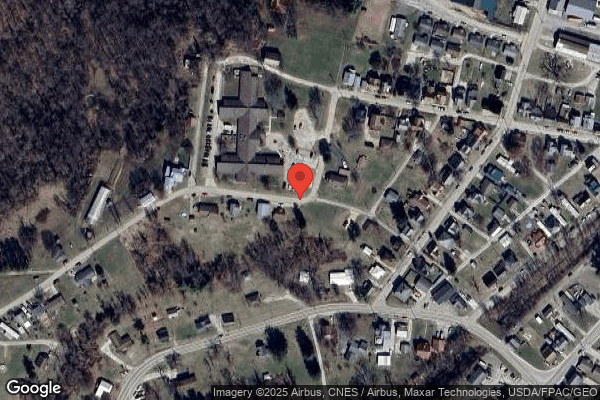
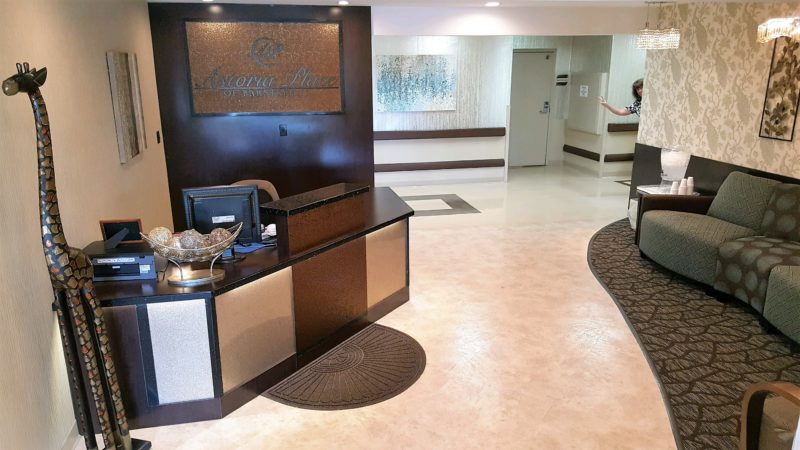
400 CARRIE AVENUE, BARNESVILLE, OH 43713 (740) 425-3648
For profit - Limited Liability company 96 Beds Independent Data: November 2025 3 Immediate Jeopardy citations
Trust Grade
0/100
#601 of 913 in OH
Last Inspection: February 2025

Within standard 12-15 month inspection cycle. Federal law requires annual inspections.

Overview

Astoria Place of Barnesville has received a Trust Grade of F, indicating significant concerns about the quality of care provided. Ranking #601 out of 913 facilities in Ohio places it in the bottom half, and #4 out of 10 in Belmont County means only three local options are worse. The facility is worsening, with the number of reported issues increasing from 8 in the previous year to 12 this year. Staffing is a concern, with a poor rating of 1 out of 5 stars, though turnover is low at 0%, suggesting staff may be overwhelmed or disengaged. A troubling $334,135 in fines indicates compliance problems higher than 99% of facilities in Ohio, and recent inspections revealed critical issues such as failure to meet financial obligations that could jeopardize residents' care and safety.

Trust Score
F
0/100
In Ohio
#601/913
Bottom 35%
Safety Record
High Risk
Review needed
Inspections
Getting Worse
8 → 12 violations
Staff Stability
○ Average
Turnover data not reported for this facility.
Penalties
⚠ Watch
$334,135 in fines. Higher than 78% of Ohio facilities, suggesting repeated compliance issues.
Skilled Nurses
⚠ Watch
Each resident gets only 20 minutes of Registered Nurse (RN) attention daily — below average for Ohio. Fewer RN minutes means fewer trained eyes watching for problems.
Violations
⚠ Watch
52 deficiencies on record. Higher than average. Multiple issues found across inspections.
★★☆☆☆
2.0
Overall Rating
★☆☆☆☆
1.0
Staff Levels
★★★★★
5.0
Care Quality
★☆☆☆☆
1.0
Inspection Score
Stable
2024: 8 issues
2025: 12 issues

The Good

  • 5-Star Quality Measures · Strong clinical quality outcomes
  • Full Sprinkler Coverage · Fire safety systems throughout facility
  • No fines on record

Facility shows strength in quality measures, fire safety.

The Bad

2-Star Overall Rating

Below Ohio average (3.2)

Below average - review inspection findings carefully

Federal Fines: $334,135

Well above median ($33,413)

Significant penalties indicating serious issues

The Ugly 52 deficiencies on record

3 life-threatening 2 actual harm
Feb 2025 12 deficiencies
CONCERN (D)

Potential for Harm - no one hurt, but risky conditions existed

Deficiency F0645 (Tag F0645)

Could have caused harm · This affected 1 resident

**NOTE- TERMS IN BRACKETS HAVE BEEN EDITED TO PROTECT CONFIDENTIALITY** Based on medical record review, interview, and policy review the facility failed to ensure Preadmission Screening and Resident R...

Read full inspector narrative →
**NOTE- TERMS IN BRACKETS HAVE BEEN EDITED TO PROTECT CONFIDENTIALITY** Based on medical record review, interview, and policy review the facility failed to ensure Preadmission Screening and Resident Review (PASARR) were accurately completed. This affected three residents ( #3, #40, and #43) of three reviewed for PASARR. Findings include: 1. Medical record review revealed Resident #40 was admitted to the facility on [DATE] with diagnoses including Alzheimer's disease, major depressive disorder, post-traumatic stress disorder (PTSD), and dementia with other behavioral disturbance. Review of Resident current orders dated 02/2025 revealed the resident received Quetiapine (anti-psychotic) 25 milligrams (mg) at bedtime for major depressive disorder. The target behaviors included agitation and aggression. Review of Resident #40's PASARR dated 02/23/24 revealed the resident had no mental illness. Interview on 02/11/25 at 5:18 P.M., with the Director of Nursing (DON) confirmed the resident had major depressive disorder and PTSD that were not reflected on the PASARR on 02/23/24. 2. Medical record review revealed Resident #43 was admitted to the facility on [DATE] with diagnoses including dementia with psychotic disturbance, anxiety, major depressive disorder, and unspecified psychosis. Review of Resident #43's admission orders dated 06/04/24 and current orders dated 02/2025 revealed Resident #43 was on Zoloft for depression Depakote for mood stabilizer. Review of Resident #43's PASARR dated 06/03/24 revealed the resident had no mental health diagnoses and did not receive anti-depressant (Zoloft) and mood stabilizer (Depakote) in the last six months. Review of Resident #43's psych notes dated 07/02/24 and 12/03/24 revealed the resident had a diagnosis of bipolar and was on Depakote 250 mg twice daily, Zoloft 150 mg daily, Aricept 10 mg at bedtime, Abilify 7.5 mg daily. Interview on 02/11/25 at 5:24 P.M., with the DON confirmed Resident #43's diagnoses list didn't reflect the resident bipolar diagnoses and the PASARR was inaccurate to include the resident's mental health diagnoses and anti-depressant (Zoloft) and mood stabilizer (Depakote) in the last six months. Review of the facility policy titled Screen and PASRR Requirement (undated) revealed it was the policy of the facility that all individuals applying for a new admission to this facility must be screened to identify serious mental illness or mental retardation/developmental disability. 3. Record review revealed Resident #3 was admitted to the facility on [DATE] with diagnoses including cerebral ischemia, dementia, anxiety disorder, bipolar disorder, hypertension, major depressive disorder, and alcohol dependence. Review of an admission MDS completed on 06/07/24 revealed Resident #3 did not have a PASARR level two, was cognitively intact, and had no behaviors. Review of a PASARR completed on 10/24/19 revealed Resident #3 had a mood disorder (bipolar disorder and depression) and other psychotic disorder (alcohol dependence), but did not have a panic or anxiety disorder, or another mental disorder that may lead to chronic disability (alcohol dependence). Interview on 02/11/25 at 11:53 A.M. with Social Service Director (SSD) #178 revealed she did not have a copy of Resident #3's PASARR on file because he transferred to the facility from a different skilled nursing facility who completed the transfer level of care. SSD #178 stated she would try to get a copy of the PASARR. Interview on 02/11/25 at 3:39 P.M. with SSD #178 revealed she did not review Resident #3's PASARR upon his admission or question the diagnoses. SSD #178 confirmed anxiety disorder was not listed, and other psychotic disorder was listed but without an appropriate diagnosis. SSD #178 confirmed alcohol dependence should be considered other mental health disorder and not a psychotic disorder. SSD #178 stated resident reviews are completed within a certain timeframe of a psychiatric admission, when a resident receives a new psychiatric medication or diagnosis. SSD #178 was unable to indicate the timeframes for the resident review to be completed. Review of an undated policy titled Screen and PASRR Requirements revealed it is the policy of the facility or all individuals applying for a new admission to be screened for serious mental illness or developmental disabilities. A screen is needed prior to admission to the facility, within 14 calendar days of receiving a new diagnosis for mental illness or developmental disability, within 14 days if a resident previously identified as having a mental illness or developmental disability has a significant change in physical and/or mental status. The social worker will receive the admission documents for all new admission and will review them to determine if a level two assessment is required and if so, to make sure it was obtained by the admissions department.
CONCERN (D)

Potential for Harm - no one hurt, but risky conditions existed

Deficiency F0657 (Tag F0657)

Could have caused harm · This affected 1 resident

**NOTE- TERMS IN BRACKETS HAVE BEEN EDITED TO PROTECT CONFIDENTIALITY** Based on record review and interview, the facility failed to revise a comprehensive, person-centered care plan with intervention...

Read full inspector narrative →
**NOTE- TERMS IN BRACKETS HAVE BEEN EDITED TO PROTECT CONFIDENTIALITY** Based on record review and interview, the facility failed to revise a comprehensive, person-centered care plan with interventions for oxygen therapy and antipsychotic medication treatment. This affected two residents (#7, #46) of seven residents reviewed for respiratory care and unnecessary medications. The facility census was 46. Findings include: 1. Medical record review revealed Resident #7 was admitted to the facility on [DATE] with diagnoses including diabetes mellitus, chronic obstructive pulmonary disease, malignant melanoma, heart failure, and acute respiratory distress syndrome. Review of Resident #7's physician order, dated 01/18/24, revealed the order for oxygen to be administered at four liters per minute via nasal cannula continuously for low oxygen saturation. Review of Resident #7's care plan revealed it was not individualized and did not reflect the resident's treatment order for oxygen therapy. Interview on 02/11/25 at 2:01 P.M., the Registered Nurse (RN)/Minimum Data Set (MDS) #101 confirmed Resident #7's care plan was not individualized and did not indicate the resident was receiving oxygen therapy. RN #101 stated the care plan would be revised/updated. 2. Medical record review revealed Resident #46 was admitted to the facility on [DATE] with diagnoses including gastrostomy, anemia, malignant neoplasm of colon, incisional hernia without obstruction or gangrene. Review of Resident #46's Medication Administration Record (MAR), dated February 2025, revealed the resident received Zyprexa five milligrams (mg) every day. Review of Resident #46's Care Plan revealed it was not individualized and did not reflect the resident's treatment order for Zyprexa, an antipsychotic medication. Interview on 02/12/25 at 10:26 A.M., the Director of Nursing (DON) confirmed Resident #46's care plan was not individualized and did not indicate the resident was receiving Zyprexa, an antipsychotic medication.
CONCERN (D)

Potential for Harm - no one hurt, but risky conditions existed

Quality of Care (Tag F0684)

Could have caused harm · This affected 1 resident

**NOTE- TERMS IN BRACKETS HAVE BEEN EDITED TO PROTECT CONFIDENTIALITY** 2. Medical record review revealed Resident #26 was admitted to the facility on [DATE] with hemiplegia and hemiparesis following ...

Read full inspector narrative →
**NOTE- TERMS IN BRACKETS HAVE BEEN EDITED TO PROTECT CONFIDENTIALITY** 2. Medical record review revealed Resident #26 was admitted to the facility on [DATE] with hemiplegia and hemiparesis following cerebral infarction affecting right dominate side and diabetes. Interview of Resident #26 on 02/10/25 at 8:10 P.M., revealed the resident reported his right foot pain and edema. Interview on 02/11/25 at 11:20 A.M., with Resident #26 revealed his right foot was swollen. The resident reported he would let the surveyor observe his foot after lunch. Interview and observation of Resident #26 with Certified Nursing Assistant (CNA) #128 on 02/11/25 at 3:02 P.M. revealed the resident had plus four edema to the top of right foot. There was no redness or warmth noted. The resident and CNA confirmed the resident's right foot had been swollen for three or four weeks. The CNA reported the edema was reported to the nurse. The resident reported he could not recall injuring his right foot and staff had not assessed or treated the swelling/edema. Interview on 02/11/25 at 2:51 P.M., with Licensed Practical Nurse (LPN) #110 revealed she was not aware Resident #26 had edema/swelling to his right foot. The LPN reported she would assess the resident and call the resident's medical provider. Interview on 02/11/25 at 3:06 P.M., with Director of Nursing (DON) confirmed there was no documentation regarding Resident #26's swelling/edema to the right foot. The DON reported staff would notify the provider. Review of Resident #26's orders, nursing progress notes, physician notes, assessment, and care plans dated 12/27/24 to 02/11/25 revealed no evidence the resident had swelling/edema of right foot. Review of LPN #110's assessment dated [DATE] revealed the resident had plus four edema to the lower right extremity. The resident denied pain and upon assessment there was no redness or warmth areas on leg. The nurse notified the resident physician, and new orders were received for a venous doppler ultrasound of the right lower extremity. The resident was notified and agreed. Review of the facility policy titled Resident Condition or Status (dated 05/2017) revealed our facility shall promptly notify the resident, his or her attending physician and representative of changes in the resident's medical/mental condition and/or status. Based on record review, policy review, and interview, the facility failed to ensure Resident #33's blood glucose level reading was obtained prior to administering insulin and failed to timely identify Resident #26's edema. This affected two residents (#33, #26) of three residents reviewed for change in condition and edema. Findings include: 1. Review of the medical record for Resident #33 revealed an admission date of 11/15/24. Diagnoses included Alzheimer's disease, dementia, encephalopathy, angina, and diabetes mellitus. Review of the admission Minimum Data Set (MDS) assessment, dated 11/22/24, revealed a Brief Interview for Mental Status (BIMs) score of 04, which indicated severely impaired cognition. The MDS further revealed Resident #33 required staff assistance with activities of daily living (ADLs). Review of physician order, dated 12/20/24, revealed the order for Degludec Subcutaneous Pen-Injector 100 units/milliliter (ml) inject 20 units subcutaneously one time a day for diabetes mellitus. Review of a physician order, dated 12/06/24, revealed the order to obtain a blood glucose level one time per day related to diabetes mellitus and to notify the physician if blood glucose is less than 60 or greater than 400. Review of the Medication Administration Record (MAR) dated February 2025 revealed Resident #33's blood glucose level was not obtained on 02/01/25 and 02/02/25 as ordered by the physician; and Insulin Degludec injection 100 units/milliliter (ml) 20 units subcutaneously was held and not administered on 02/01/25; however, it was administered on 02/02/25 without obtaining a blood glucose level prior to administration. Review of a nursing progress note, dated 12/20/24 at 7:32 P.M., revealed the nurse was unable to provide incontinence care/bathing and morning blood glucose check/insulin administration due to resident refusal. The resident became aggressive when approached for care, screaming to get out while drawing clenched fists back to strike at staff. All methods of de-escalation and calming techniques implemented without effect. The resident was left to rest as requested. Interview on 02/11/25 at 4:32 P.M. with the Director of Nursing (DON) confirmed Resident #33's blood glucose should have been obtained prior to his insulin injection on 02/02/25. The DON further confirmed the resident's blood glucose was not obtained on 02/02/24 and 02/02/25 as ordered by the physician. Review of the facility policy titled, Administering Medications, (dated April 2019), revealed medications are administered in accordance with prescriber orders, including any required time change.
CONCERN (D)

Potential for Harm - no one hurt, but risky conditions existed

Pressure Ulcer Prevention (Tag F0686)

Could have caused harm · This affected 1 resident

**NOTE- TERMS IN BRACKETS HAVE BEEN EDITED TO PROTECT CONFIDENTIALITY** Based on record review, observations, and interview, the facility failed to ensure an order for an alternating air mattress was ...

Read full inspector narrative →
**NOTE- TERMS IN BRACKETS HAVE BEEN EDITED TO PROTECT CONFIDENTIALITY** Based on record review, observations, and interview, the facility failed to ensure an order for an alternating air mattress was followed for a resident at risk for developing pressure ulcers. This affected one resident (#32) of four residents reviewed for pressure ulcers. The facility census was 46. Findings include: Record review revealed Resident #32 was admitted to the facility on [DATE] with diagnoses including stage three chronic kidney disease, hyperlipidemia, anxiety disorder, dementia, and osteoarthritis. Review of a care plan last updated on 08/19/22 revealed Resident #32 had the potential for impairment to skin integrity related to dermatitis, use of Plavix, neuropathy, edema, and obesity. Interventions included keeping body free of moisture, cut fingernails, follow facility protocols for treatment of injury, monitor for bruising related to Plavix, pressure reducing mattress to bed, and provide incontinence care after each incontinence episode. Review of an order dated 05/16/24 revealed Resident #32 should have a low air-loss mattress with side bolsters to her bed, placement and function checked each shift for pressure reduction. Review of a minimum data set (MDS) completed on 12/05/24 revealed Resident #32 had severely impaired cognition, no behaviors, was at risk for developing pressure injuries, and had a pressure reducing device for her bed. Observations on 02/10/25 at 7:26 P.M., 02/11/25 at 9:16 A.M., 1:13 P.M., and 2:51 P.M. revealed there was not a low air-loss mattress with side bolsters to Resident #32's bed. Interview on 02/11/25 at 2:58 P.M. with Licensed Practical Nurse (LPN) #110 confirmed Resident #32 did not have a low air-loss mattress with side bolsters to her bed.
CONCERN (D)

Potential for Harm - no one hurt, but risky conditions existed

Accident Prevention (Tag F0689)

Could have caused harm · This affected 1 resident

**NOTE- TERMS IN BRACKETS HAVE BEEN EDITED TO PROTECT CONFIDENTIALITY** Based on record review, observations, and interview, the facility failed to ensure an order for non-skid strips was followed. Th...

Read full inspector narrative →
**NOTE- TERMS IN BRACKETS HAVE BEEN EDITED TO PROTECT CONFIDENTIALITY** Based on record review, observations, and interview, the facility failed to ensure an order for non-skid strips was followed. This affected one resident (#32) of one resident reviewed for falls. The facility census was 46. Findings include: Record review revealed Resident #32 was admitted to the facility on [DATE] with diagnoses including stage three chronic kidney disease, hyperlipidemia, anxiety disorder, dementia, and osteoarthritis. Review of an undated fall care plan revealed Resident #32 was at risk for falls related to confusion, gait/balance, unaware of safety needs, essential tremors, bilateral knee replacements, behaviors, medication use and a history of wandering. Interventions included but were not limited to call light in reach, ensure non-skid footwear is in use, and non-skid strips to right of bed. Review of an order dated 03/22/23 revealed Resident #32 should have non-skid strips in front of her bed. Review of a minimum data set (MDS) completed on 12/05/24 revealed Resident #32 had severely impaired cognition, no behaviors, and no falls since the last assessment. Observations on 02/10/25 at 7:26 P.M., 02/11/25 at 9:16 A.M., 1:13 P.M., and 2:51 P.M. revealed there were no non-skid strips to the front of Resident #32's bed. Interview on 02/11/25 at 2:58 P.M. with Licensed Practical Nurse (LPN) #110 confirmed Resident #32 did not have non-skid strips to the front of her bed.
CONCERN (D)

Potential for Harm - no one hurt, but risky conditions existed

Deficiency F0692 (Tag F0692)

Could have caused harm · This affected 1 resident

**NOTE- TERMS IN BRACKETS HAVE BEEN EDITED TO PROTECT CONFIDENTIALITY** Based on record review and interview, the facility failed to implement interventions for weight loss after a significant weight ...

Read full inspector narrative →
**NOTE- TERMS IN BRACKETS HAVE BEEN EDITED TO PROTECT CONFIDENTIALITY** Based on record review and interview, the facility failed to implement interventions for weight loss after a significant weight loss in one month of 5.45%. This affected one resident (#19) of two residents reviewed for nutrition. The facility census was 46. Findings include: Record review revealed Resident #19 was admitted to the facility on [DATE] with diagnoses including dementia, urinary tract infection, and type II diabetes. Review of orders revealed Resident #19 had a consistent carbs diet with regular texture dated 12/13/24. There were no additional orders for nutrition. A nutritional assessment dated [DATE] revealed Resident #19 had good intakes of meals. Review of a care plan dated 12/16/24 revealed Resident #19 had altered nutrition and/or hydration status related to therapeutic diet, type II diabetes, dementia, gastro-esophageal reflux disease, above knee amputation, depression, psychotic disorder, and acute kidney injury. Interventions included administering medications per order, honor food preferences as able, administer nutritional supplements as ordered, oral care each shift as needed, monitor diet tolerance, monitor meal/fluid intakes, and monitor weights and notify physician of significant weight loss. Review of an admission minimum data set completed 12/18/24 revealed Resident #19 was edentulous, had no swallowing concerns, required set up assistance for meals, had no behaviors, and had severely impaired cognition. Review of weight dated 01/06/25 revealed Resident #19 weighed 146.8 pounds. Review of a weight dated 02/03/25 revealed Resident #19 weighed 138.8 pounds, indicating a 5.45% weight loss in one month. Review of a dietary note dated 02/03/25 at 11:08 A.M. by Registered Dietician (RD) #500 revealed Resident #19 had a 5.4% weight loss, intakes were 50-100%, no meal issues, was at baseline weight, and skin was intact. Needs were met with current diet and no new interventions were implemented. Review of point of care documentation for meal intakes revealed over thirty days (01/15/25-02/13/25) 70% of meal intakes ranged from 0-50% meals consumed, and 11 additional meals were refused completely. Only 15% of meals were consumed at 51-100%. Interview on 02/13/25 at 10:59 A.M. with Licensed Practical Nurse (LPN) #109 revealed Resident #19's eating fluctuated. Sometimes Resident #19 would eat well, and other times she would not. LPN #109 stated the resident intakes depended on what food she has, but the staff offer alternates, and she gets what she orders. LPN #109 stated sometimes Resident #19 just is not hungry. LPN #109 stated the facility does not use appetite stimulants, except for Remeron when the patient has a diagnosis but Resident #19 was not receiving any medications or supplements to assist in maintaining her weight. Interview on 02/13/25 at 12:56 P.M. with RD #500 revealed Resident #19 had been in the facility before and her baseline weight was in the mid-130's. RD #500 stated she did see there was a 5% weight loss in one month, but since it was a loss to Resident #19's previous weight during her last stay, she was not concerned and did not implement an intervention. RD #500 stated she would work on getting an intervention implemented.
CONCERN (D)

Potential for Harm - no one hurt, but risky conditions existed

Respiratory Care (Tag F0695)

Could have caused harm · This affected 1 resident

**NOTE- TERMS IN BRACKETS HAVE BEEN EDITED TO PROTECT CONFIDENTIALITY** Based on observation, record review, and interview, the facility failed to ensure a resident's oxygen humidifier bottle was chan...

Read full inspector narrative →
**NOTE- TERMS IN BRACKETS HAVE BEEN EDITED TO PROTECT CONFIDENTIALITY** Based on observation, record review, and interview, the facility failed to ensure a resident's oxygen humidifier bottle was changed timely. This affected one resident (#7) of one resident reviewed for respiratory care. The facility identified six residents who received oxygen therapy. Findings include: Review of the medical record revealed Resident #7 was admitted to the facility on [DATE]. Diagnoses included chronic obstructive pulmonary disease, asthma, dementia, diabetes mellitus, congestive heart failure, and atrial fibrillation. Medical record review revealed Resident #7 was admitted to the facility on [DATE] with diagnoses including diabetes mellitus, chronic obstructive pulmonary disease, malignant melanoma, heart failure, and acute respiratory distress syndrome. Review of Resident #7's physician order, dated 01/18/24, revealed the order for oxygen to be administered at four liters per minute via nasal cannula continuously for low oxygen saturation. Review of the quarterly Minimum Data Set (MDS) assessment, dated 01/10/25, revealed Resident #7's Brief Interview for Mental Status (BIMS) score was 99 and the resident had memory loss. Review of Resident #7's physician order, dated 01/18/24, revealed the order for oxygen to be administered at four liters per minute via nasal cannula continuously for low oxygen saturation. Observation on 02/11/25 at 11:50 A.M. revealed Resident #7's oxygen humidifier bottle was dated 01/08/25. Interview on 02/11/25 at 11:55 A.M., Licensed Practical Nurse (LPN) #110 confirmed Resident #7's oxygen humidifier bottle was dated 01/08/25 and should be changed weekly. Interview on 02/11/25 at 12:01 P.M. with Director of Nursing (DON) confirmed all oxygen humidifier bottles should be changed weekly per policy. Review of the facility policy titled, Infection Control-Oxygen Therapy, (undated), revealed the humidifier bottles are used only for long-term oxygen administration unless the resident specifically requests it. Therefore, oxygen tanks, concentrators, etc. shall be stored without humidifier bottles. Instead, a green adapter is used to attach the cannula/mask to the oxygen unit. Humidifier bottles are replaced weekly on Sunday night shift.
CONCERN (D)

Potential for Harm - no one hurt, but risky conditions existed

Deficiency F0699 (Tag F0699)

Could have caused harm · This affected 1 resident

**NOTE- TERMS IN BRACKETS HAVE BEEN EDITED TO PROTECT CONFIDENTIALITY** Based on medical record review, interview, and policy review the facility failed to ensure a resident had a comprehensive assess...

Read full inspector narrative →
**NOTE- TERMS IN BRACKETS HAVE BEEN EDITED TO PROTECT CONFIDENTIALITY** Based on medical record review, interview, and policy review the facility failed to ensure a resident had a comprehensive assessment and plan of care for Post Traumatic Stress Disorder (PTSD). This affected one resident (#40) of one reviewed for behavioral/emotional. Findings included: Medical record review revealed Resident #40 was admitted to the facility on [DATE] with diagnoses including Alzheimer's disease, major depressive disorder, post-traumatic stress disorder (PTSD), and dementia with other behavioral disturbance. Review of Resident #40's admission assessment dated [DATE] revealed there was a section titled trauma. The first question was does the resident have a history of any of the following mental health diagnosis? Staff checked depression but did not check the box for PTSD. The second question of the assessment was Does the resident have a history of one or more of the following including all types of abuse, veteran, homeless, imprisonment, loss, trauma, or other. Staff indicated none. The next question was If the resident is a trauma survivor as indicated above, please interview for known triggers and document. The question was left blank. The next section was the 48-hour care plan. Staff checked the box the resident had PTSD and checked all the generic intervention, however, did not individualize the interventions. Review of Resident #40's comprehensive plan of care revealed no evidence of an individualized plan of care for PTSD. Review of Resident #40's history and physical dated 03/04/24 revealed the resident was hospitalized a few months ago. She lost her husband on July 15, 2023. After his death she moved in with her son and his girlfriend took care of her. There were some issues where she had some suicidal or homicidal ideations. Two or three times she left the house without anyone's knowledge, she was wandering and the neighbor found her. September 4th, 2023, she was taken to the State Asylum for mental health services. Last October she got bad and tried to harm herself and other people by stabbing the people and herself. She was hospitalized for 10 days and then sent home due to her insurance ran out. The family reported the resident had a history of dementia with suicidal and homicidal ideation and hallucination and delusional thoughts. Also, according to the son's girlfriend, she was having overactive sexual behaviors. There was no evidence what caused the PTSD or triggers. Review of psych notes dated 12/03/24 revealed the resident had psychotic disorder and PTSD. There was no evidence of what caused the PTSD or triggers. Further review of the resident medical record revealed no evidence of what the resident PTSD stemmed from or triggers and interventions. Observation on 02/10/25 at 8:25 P.M. and 02/11/25 at 11:45 P.M., revealed Resident #40's was in her room with the door shut. The resident resided in the memory care unit. Interview on 02/11/25 at 5:17 P.M., with the Director of Nursing (DON) revealed he did not know what caused the residents PTSD to cause and there was no comprehensive assessment or care plan for the resident PTSD. Interview on 02/13/25 at 8:36 A.M., with Licensed Practical Nurse (LPN) #115 confirmed she was going to try to reach out to Resident #40's family to determine what the resident's PTSD was caused by and her triggers. Interview on 02/13/25 at 8:49 A.M. with LPN #115 revealed she was able to reach Resident #40's son girlfriend, and she was unsure, but the resident was either physical or sexually abused as a child. Men trigger her and if she sees a woman with a man she gets agitated and aggressive towards the women. When she feels threatened, she would hide. Review of the facility's policy titled Trauma Informed Care (undated) residents who are trauma survivors will receive culturally competent trauma-informed care in accordance with professional standards of practice and accounting for the residents' experiences and preferences in order to eliminate or mitigate triggers that may cause traumatization. Upon admission and with any new behavior changes, the resident would be evaluated for a history of trauma, and for specific needs and continuing interventions. Social services would interview new residents upon admission to identify possible history of trauma. The information will be gathered on admission and when any new behaviors arise. Social Service would initiate a comprehensive care plan with individualized goals and interventions when trauma history is identified.
CONCERN (D)

Potential for Harm - no one hurt, but risky conditions existed

Deficiency F0757 (Tag F0757)

Could have caused harm · This affected 1 resident

**NOTE- TERMS IN BRACKETS HAVE BEEN EDITED TO PROTECT CONFIDENTIALITY** Based on record review and interview, the facility failed to ensure a resident did not receive an unnecessary antibiotic. This a...

Read full inspector narrative →
**NOTE- TERMS IN BRACKETS HAVE BEEN EDITED TO PROTECT CONFIDENTIALITY** Based on record review and interview, the facility failed to ensure a resident did not receive an unnecessary antibiotic. This affected one resident (#44) of one resident reviewed for unnecessary antibiotic. The facility census was 46. Findings include: Record review revealed Resident #44 was admitted to the facility on [DATE] with diagnoses including atherosclerotic heart disease without angina, chronic kidney disease stage 3A, urinary incontinence, and mild cognitive impairment. Review of a Urinary Tract Infection (UTI) Worksheet and Culture and Sensitivity dated 08/05/24 revealed Resident #44 had a culture revealing klebsiella in her urine and the culture and sensitivity showed the infection was resistant to Cipro (antibiotic). Review of a UTI Worksheet and Culture and Sensitivity dated 09/11/24 revealed Resident #44 had a culture revealing klebsiella and aerococcus urinae in her urine. The culture and sensitivity revealed the infection was resistant to Klebsiella. Resident #44 received Bactrim for treatment. Review of a UTI Worksheet and Culture and Sensitivity dated 10/03/24 revealed Resident #44 had a culture revealing klebsiella in her urine. The culture and sensitivity showed the infection was resistant to Cipro. Resident #44 was treated with Gentamicin. Review of a UTI Worksheet and Culture and Sensitivity dated 12/19/24 revealed Resident #44 had proteus mirabillis in her urine which was resistant to Cipro. Review of a minimum data set completed on 01/04/25 revealed Resident #44's cognition remained intact, had no behaviors, was always incontinent of bladder, and received an antibiotic. Review of a nursing note dated 01/08/25 at 1:17 P.M. revealed Resident #44's urologist was contacted to inform him of recurrent urinary tract infections. Urology gave a new order for Cipro 250 mg by mouth daily for prophylaxis. Review of orders revealed Resident #44 had an order dated 01/09/25 for Cipro 250 milligrams (mg) by mouth daily for prophylactic. Interview on 02/12/25 at 3:33 P.M. with Licensed Practical Nurse (LPN) #115 revealed the UTI in December 2024 was treated with intravenous gentamicin. LPN #115 stated Resident #44 was started on Cipro in 01/2025 by the urologist prophylactically to help manage recurrent UTIs. Resident #44 has not had a UTI since 12/2024. LPN #115 was unsure why Cipro was chosen to be used prophylactically when all the organisms Resident #44's culture and sensitivities revealed were resistant to Cipro. In addition, Resident #44 did not have a new UTI in 01/2025 to indicate need to start another antibiotic. Interview on 02/12/25 at 4:16 P.M. with LPN #115 revealed she spoke with the urology nurse who stated since Resident #44 is allergic to Macrobid, which was the urologists go to prophylaxis treatment, he decided to use Cipro. LPN #115 stated she was unable to provide information as to if an alternate option was discussed related to recurrent UTIs being resistant to Cipro and there was no documentation from the urology department to support a prophylactic treatment. Interview on 02/12/25 at 4:56 P.M. with Resident #44's representative revealed she was unaware of the specific organisms related to recurrent UTIs and did not know they had all been resistant to Cipro. Review of a policy (revised in 12/2016) titled Antibiotic Stewardship revealed orientation, training and education of staff will emphasize the importance of antibiotic stewardship and will include how inappropriate use of antibiotics will affect individual residents and the overall community. Education would include but would not be limited to the evolution of drug-resistant pathogens. When a culture and sensitivity is ordered, lab results and the current clinical situation will be communicated to the prescriber as soon as available to determine if antibiotic therapy should be started, continued, modified or discontinued.
CONCERN (D)

Potential for Harm - no one hurt, but risky conditions existed

Medication Errors (Tag F0758)

Could have caused harm · This affected 1 resident

**NOTE- TERMS IN BRACKETS HAVE BEEN EDITED TO PROTECT CONFIDENTIALITY** Based on medical record review, review of pharmacy recommendation, interview, and policy review the facility failed to ensure ap...

Read full inspector narrative →
**NOTE- TERMS IN BRACKETS HAVE BEEN EDITED TO PROTECT CONFIDENTIALITY** Based on medical record review, review of pharmacy recommendation, interview, and policy review the facility failed to ensure appropriate diagnoses for psychotropic medication and failed to have supporting evidence for declining gradual dose reduction recommendations and increasing dose of psychotropic medication. This affected two residents (#43 and #46) of six resident reviewed for unnecessary medication review. Findings included: 1. Medical record review revealed Resident #43 was admitted to the facility on [DATE] with diagnoses including dementia with psychotic disturbance, anxiety, major depressive disorder, and unspecified psychosis. Review of Resident #43's orders dated 06/04/24 to 02/1/25 revealed on 06/13/24 the resident was ordered Abilify 5 milligram (mg) daily for psychosis related to psychosis. The targeted behaviors were agitation and paranoia. On 10/17/24 the Abilify was increased to 7.5 mg daily for cerebrovascular disease and psychosis. The resident targeted behaviors were fearful and tearful. The Depakote was ordered on 06/04/24 to administer 250 mg twice daily for a mood stabilizer and Zoloft 150 mg in the morning for depression. The targeted behaviors were fearful and tearful. Review of Resident #43's nursing notes and behavior monitoring dated 06/04/24 to 02/12/25 revealed no documented evidence the resident had any type of behavior. Review of Resident #43's pharmacy recommendation dated 06/04/24 to 02/12/25 revealed on 10/10/24 the pharmacist recommended a gradual dose reduction for Abilify 5 mg. The physician checked he disagreed due to the resident target symptoms (psychosis) continued to persist and a reduction was contraindicated. On 11/11/24 the pharmacist recommended gradual dose reduction (GDR) for Zoloft and Depakote. The physician checked he disagreed with a GDR on Zoloft due to the resident target symptoms (depression) continued to persist and a reduction was contraindicated and disagreed for a GDR on Depakote due to the resident target symptoms (mood disorder) continued to persist and a reduction was contraindicated. On 02/07/25 the pharmacist recommended a gradual dose reduction for Abilify 7.5 mg. The physician checked he disagreed due to the resident target symptoms (delusion and combative/aggression) continued to persist and a reduction was contraindicated. Review of Resident #43's nursing notes and behavior monitoring dated 06/04/24 to 02/12/25 revealed no documented evidence the resident had any type of behavior. Review of Resident Minimum Data Set (MDS) dated [DATE], 10/30/24, and 11/30/24 revealed the resident did not have any behaviors. Interview on 02/12/25 at 3:54 P.M. with the Director of Nursing (DON) confirmed the resident had no documented behaviors and the pharmacy recommendation indicated the physician disagreed with GDR due to the resident having continued target behaviors, even though there was no evidence the resident had behaviors. The DON reported the Abilify was increased in October 2024 due to the resident going to a free clinic for dementia and the nurse practitioner (NP) at the clinic recommended to increase the Abilify to 7.5 mg due to the family reported the resident was quieter, withdrawn, having difficulty sleeping at night and had hand tremors. The DON confirmed there was no documented evidence or justification documented to increase the Abilify. The DON confirmed there had been no attempts for a GDR on Abilify, Zoloft, and Depakote in the last eight months despite pharmacy recommendation to attempt GDR's. The DON provided the surveyor with a copy of the NP note from the free clinic. Review of the NP note (from the free clinic) dated 10/17/24 revealed the NP was part of neuroscience institute of memory health clinic revealed the resident was seen to follow up with dementia. The resident was accompanied by daughter and son-in-law. The family provided information. The resident had trouble finding words which were frustrating to the resident. Her mood had been stable. The resident had refused her medication for the last couple days because she thought they were causing her hair to thin. She continues to have delusions at times and feels paranoid. The resident has trouble sleeping and wakes up and night and cannot go back to sleep. She had tremors in her hands that are bothersome when she was eating. Review of the resident system was positive for dementia, anxiety, and depression. The plan included to provided recommendation to increase Abilify to 7.5 mg and melatonin for mood and sleep. The family notes withdrawal and zones at times. Can consider reducing Depakote. Referral to therapy and recommend resident to use weighted utensils for eating with tremors. Will follow up in six months. Review of the facility's policy titled Tapering Medication and Gradual Drug Dose Reduction (dated 04/2007) revealed resident who use antipsychotic drugs shall receive gradual dose reductions and behavioral interventions, unless clinically contraindicated, in an effort to discontinue these drugs. During the first year in which the resident was admitted on antipsychotic medication or after the resident has been started on an antipsychotic medication, the staff and practitioner shall attempt a GDR in two separate quarters (with at least one month between attempts) unless clinically contraindicated. For psychopharmacological medication or after the facility had initiated such medication, the facility would attempt to taper the medication for at least two quarters (with at least one month between attempts, unless clinically contraindicated. 2. Review of the medical record for Resident #46 revealed an admission date of 12/17/24 with diagnoses including gastrostomy, anemia, malignant neoplasm of colon, acute post-thoracotomy pain, depression and anxiety. Review of the Minimum Data Set (MDS) assessment, dated 12/24/24, revealed Resident #46's Brief Interview for Mental Status (BIMS) score was 15, which indicated intact cognition. The resident did not have hallucinations, delusions, physical or verbal behaviors, or rejection of care. Review of a physician order, dated 01/17/25, revealed the order for olanzapine (Zyprexa) 5 milligrams (mg) by mouth daily for anxiety. Review of Resident #46's Medication Administration Record (MAR), dated February 2025, revealed the resident received Zyprexa five milligrams (mg) every day. Review of the monthly medication regimen review, dated 02/06/25, revealed the pharmacist informed the physician that Resident #46 was currently receiving Zyprexa without a supporting diagnosis. Interview on 02/15/25 at 10:26 A.M., the Director of Nursing (DON) verified the resident is receiving Zyprexa, which is an antipsychotic, without an appropriate diagnosis.
CONCERN (E)

Potential for Harm - no one hurt, but risky conditions existed

Infection Control (Tag F0880)

Could have caused harm · This affected multiple residents

Based on observation and interview, the facility failed to maintain infection control practices. This had the potential to affect 26 residents (#1, #2, #3, #4, #5, #6, #7, #9, #10, #11, #12, #15, #17,...

Read full inspector narrative →
Based on observation and interview, the facility failed to maintain infection control practices. This had the potential to affect 26 residents (#1, #2, #3, #4, #5, #6, #7, #9, #10, #11, #12, #15, #17, #18, #19, #21, #23, #25, #26, #28, #32, #35, #36, #44, #47, and #152) of 46 residents residing in the facility. Findings include: Observation on 02/11/25 at 2:53 P.M. revealed a male resident walked up to the ice chest next to the nurses' station and helped himself to some ice, with no evidence of practicing hand hygiene. The ice scoop was left inside the ice chest. Two aides were at the nurses' station at the time of the observation. Interview on 02/11/25 at 2:56 P.M. with Certified Nursing Assistant (CNA) #128 confirmed the observation and stated residents typically do not and should not help themselves to ice, but should ask for assistance.
CONCERN (F)

Potential for Harm - no one hurt, but risky conditions existed

Staffing Data (Tag F0851)

Could have caused harm · This affected most or all residents

Based on record review and interview, the facility failed to submit the required staffing information for the fourth quarter of July 1st 2024 through September 20th 2024 to the payroll based journal (...

Read full inspector narrative →
Based on record review and interview, the facility failed to submit the required staffing information for the fourth quarter of July 1st 2024 through September 20th 2024 to the payroll based journal (PBJ) data. This had the potential to affect all residents. The census was 46. Findings included: Review of Payroll Based Journal (PBJ) staffing report for the fourth quarter (July 1st 20024 through September 30th 2024) revealed the facility failed to submit data for the quarter, one star staffing rating, excessively low weekend staffing, no registered nurse (RN) hours, and failed to have licensed nursing coverage 24 hours per day. Interview on 02/13/25 at 7:55 A.M. with the Administrator revealed that corporate submits the staffing data, she has reached out to cooperates a few times this week for their proof of submitting the staffing data for the fourth quarter (July 1st 2024 through September 30th 2024). She stated corporate had not given her proof of submission. Interview with Administrator on 02/13/25 at 11:33 A.M. confirmed corporate was unable to provide evidence the facility had submitted required staffing information for the fourth quarter 7/01/24 through 9/20/24 to the PBJ data.
Jun 2024 3 deficiencies 1 IJ (1 facility-wide)
CRITICAL (L) 📢 Someone Reported This

A family member, employee, or ombudsman was alarmed enough to file a formal complaint

Immediate Jeopardy (IJ) - the most serious Medicare violation

Free from Abuse/Neglect (Tag F0600)

Someone could have died · This affected most or all residents

⚠️ Facility-wide issue

**NOTE- TERMS IN BRACKETS HAVE BEEN EDITED TO PROTECT CONFIDENTIALITY** Based on record review including review of facility payroll records and facility billing/financial information, review of the fa...

Read full inspector narrative →
**NOTE- TERMS IN BRACKETS HAVE BEEN EDITED TO PROTECT CONFIDENTIALITY** Based on record review including review of facility payroll records and facility billing/financial information, review of the facility assessment, review of the employee handbook, review of the facility Resident [NAME] of Rights, review of the facility Abuse/Neglect policy and procedure and interviews, the facility neglected to meet financial obligations for the delivery of care and maintenance and to operate in a manner to ensure all bills were being paid timely to prevent the potential interruption in services and to meet the total care needs of all residents admitted to and/or retained in the facility and failed to have adequate and effective systems in place to ensure staff were compensated via payroll benefits based on their hired agreement and payroll schedule. This resulted in Immediate Jeopardy beginning on 06/07/24 when the identified lack of financial solvency placed all facility residents at risk for serious harm, injury, hospital, displacement due to potential interruption in staffing regarding non-payment of payroll benefits and continued due to non-payment of essential bills including payment to the facility contracted therapy supplier. This affected eight residents, Resident #7, #23, #26, #28, #34, #36, #40 and #41 who were currently receiving therapy (physical, occupational and/or speech therapy) services and had the potential to affect all 42 residents residing in the facility. On 06/13/24 at 5:03 P.M. the Administrator and the Director of Nursing (DON) were notified Immediate Jeopardy began on 06/07/24 when an onsite investigation determined the facility neglected to meet all financial obligations for the delivery of care and maintenance of the facility by not paying staff in a timely manner. This included but was not limited to insufficient funds to make payroll on 06/07/24, non-payment for therapy services (physical, occupational, and speech therapies) resulting in the therapy provider notifying the facility that services would be terminated by the end of the week, if a payment was not received and non-payment to a facility supply company. The Immediate Jeopardy was removed on 06/20/24 when the facility implemented the following corrective actions: • On 06/07/24 at 6:00 A.M. the Administrator identified her paycheck was not available in her checking account. At 8:00 A.M. staff began to identify their pay was unavailable. 39 staff members did not receive their paychecks as scheduled for the 06/07/24 pay day. The Administrator identified herself, the Director of Nursing (DON), Administrative Assistant #20, Registered Nurse (RN) #61, #65, and #82), Licensed Practical Nurse (LPN) (#4, #23, #25, #33, #34, #57, #71, #76), Activity Director #6, Activity Staff #37, Marketing Director #3, Dietary Manager #9, Dietary Staff (#28, #29, #31, #32, #38, #46, #53, #46, #53, and #56), Housekeeping Staff (#5, #26, #30, #51, #58, #73, and #75), Hospitality Aide #36, Business Office Manager #8, Beautician #22, and Maintenance Director #2 who were not paid. • On 06/10/24 by 11:27 A.M., via in person interviews and phone communication with the employees, the Administrator verified payroll had been met as of this date at 100% for the 38 employees affected. • Beginning 06/13/24 at 7:00 P.M. and concluding on 06/14/24, all 68 staff received education via in-person, telephone and hand-outs from the Administrator regarding the facility abuse/neglect policy. • Beginning on 06/13/24 at 7:00PM and ending on 06/17/24 at 10:00 A.M. all 42 residents and/or resident representatives were interviewed by the interdisciplinary team (the Administrator, DON, SSD, BOM, Unit Manager) to ensure care needs were being met. A roster spreadsheet was developed by the Administrator to track completion of the interview questions. The interview questions included: Do you feel that your needs are being met? Do you have any concerns? • Beginning on 06/13/24 to ensure medical supplies, food, medications and staff continue to be provided, the Administrator/designee would complete daily audits. The Interdisciplinary Team (IDT) would ask staff if they have any concerns regarding not having necessary supplies or staffing levels to meet the needs of the residents. If concerns are identified, the management company will be notified immediately, via email and/or phone call. The audits will continue daily for 12 weeks and will be documented on a spreadsheet. • The facility implemented a plan for R&R Management (court appointed receivership beginning 05/30/24) to fund payroll at the beginning of payroll week to ensure adequate time to correct any errors with payroll prior to pay day. Payroll ACHs would be deposited on 06/20/24 (Thursday), the day prior to payroll. An audit will be completed on 06/21/24 (Friday) of payroll by Administrator/designee to ensure that all funds have been received. Audits will be completed via spreadsheet with each employee asked if they have received their pay. If there is a delay in payment, wire transfers will be completed on 06/21/24 (Friday). Payroll will be funded early moving forward to ensure no issues arise on payday. • On 06/17/24, letters to notify vendors of new receiver were sent via US mail. Vendors that were notified included food service, oxygen supply company, therapy company, pharmacy, electric, medical supplies, trash, water, payroll, dietician, and the medical director. New contracts would be obtained by the administrator in collaboration with the new management company. • A Broad River payment plan was initiated on 06/18/24 at 2:45 P.M. that included 25% of outstanding balances to be paid each month beginning on 07/01/24. Additionally, the rehabilitation company would be kept current with 45-day terms. A representative from Broad River Therapy confirmed via email on 06/18/24 at 5:38 P.M. that there would be no interruption of services to therapy (based on the payment plan initiated). • On 06/18/24 at 9:30 A.M., the Administrator verified staffing contracts via email with Interim Staffing at 9:35 A.M.; Premier Staffing at 9:35 A.M.; and with a third staffing representative at 9:57 A.M. Interview revealed two to three days' notice was best to fill shifts, but incentives would be offered to employees who pick up immediate/same day shifts. • Managers were educated on shift pickup should the need arise via in-service. The Administrator provided education via handout on 06/13/24 to Activity Director, SSD, BOM, ADON, DON, Dietary Director, Two Unit Managers, Maintenance Director, and Housekeeping Supervisor. • The facility implemented a plan for ancillary staffing (housekeeping, dietary, maintenance) should the need arise: The Administrator would delegate managers to shifts that were unfilled through shift pick up; State Tested Nursing Assistant staff would be pulled into the ancillary shifts and their shifts would be back filled with agency staff. Staff would also be shared through the staff sharing agreement between other facilities managed by the company. The staffing agreement was established to provide supplemental staffing support to multiple nursing homes within the organization. Staff would be assigned to different facilities based on staffing needs, acuity levels, and skill sets. Shifts and assignments would be based on availability, skill level, and facility needs. • The facility implemented a plan for the Administrator, in collaboration with the new management company, R&R Management, to complete audits of financial obligations weekly to validate obligations continue to be met to ensure the delivery of care continues as required. Special focus would be placed on essential resident care services to ensure vendors were up to date and there was no interruption in services. Essential resident care services include food service, oxygen provider, therapy provider, pharmacy, electric, medical supplies, trash, water, payroll, dietician, and medical director. Concerns identified would be shared with the new management company for resolution. Results of these audits and interventions would be brought to the Quality Assessment Performance Improvement (QAPI) meeting monthly for three months and as needed for review and recommendations. The facility implemented a plan for audits to begin on 06/19/24 via email and phone communication with the new management company. • Residents (#7, #41, #40, #23, #26, #34, #36) were interviewed by SSD #10 on 06/19/24 at 10:00 A.M.; Therapy Director confirmed no interruption of services for Resident #28, who was unable to answer, on 06/19/24 at 10:30 A.M. to ensure continuity of therapy services and no identified interruptions. Although the Immediate Jeopardy was removed on 06/20/24, the facility remains out of compliance at a Severity Level 2 (no actual harm with potential for more than minimal harm that is not Immediate Jeopardy) as the facility is in the process of implementing their corrective action plan and monitoring to ensure on-going compliance. Findings Include: On 06/13/24 at 10:05 A.M. an interview with the Administrator revealed on 06/07/24 there were staff members who did not receive their bi-weekly paychecks (due 06/07/24) via electronic bank deposit. The Administrator revealed the owner of the facility, Owner #1, would be able to provide further information and details and provided the owner's contact information. On 06/13/24 at 11:10 A.M. an interview with the Administrator regarding the facility finances and billing/payment process revealed the facility did not pay any of the vendors directly for services rendered at the facility, and she was unsure if Epic Healthcare Solutions was responsible for all payments. During the investigation and interview with the Administrator, it was determined the facility did not have a comprehensive and effective system in place to monitor the financial solvency of the facility, to ensure bills were being paid timely, vendors were paid the amount due and/or the facility was meeting all financial obligations. The following financial solvency concerns were identified, including but not limited to the following as a result of the complaint investigation: a. On 06/13/24 at 1:05 P.M. an interview with Licensed Practical Nurse (LPN) #34 revealed she was to be paid bi-weekly via electronic bank deposit, and on 06/07/24 she was not paid. LPN #34 revealed she was not paid until three days later, on 06/10/24. On 06/13/24 at 1:09 P.M. an interview with Licensed Practical Nurse (LPN) #4 revealed she was to be paid bi-weekly via electronic bank deposit, and on 06/07/24 she was not paid. LPN #4 revealed she was not paid until three days later, on 06/10/24. On 06/13/24 at 1:30 P.M. an interview with Social Services Director (SSD) #10 revealed she was to be paid bi-weekly via electronic bank deposit, and on 06/07/24 she was not paid. Social Services Director (SSD) #10 revealed she was not paid until three days later, on 06/10/24. On 06/13/24 at 1:36 P.M. an interview with Housekeeping Staff #75 revealed she was to be paid bi-weekly via electronic bank deposit and on 06/07/24, she was not paid. Housekeeping Staff #75 revealed she was not paid until three days later, on 06/10/24. On 06/13/24 at 2:10 P.M. an interview with Administrative Assistant #20 revealed she was to be paid bi-weekly via electronic bank deposit, and on 06/07/24 she was not paid. Administrative Assistant #20 revealed she was not paid until three days later, on 06/10/24. On 06/13/24 at 1:46 P.M. an interview with Laundry Staff #26 revealed she was to be paid bi- weekly via electronic bank deposit, and on 06/07/24 she was not paid. Laundry Staff #26 revealed she was not paid until three days later, on 06/10/24. On 06/13/24 at 1:55 P.M. an interview with Licensed Practical Nurse (LPN) #33 revealed she was to be paid bi-weekly via electronic bank deposit, and on 06/07/24 she was not paid. LPN #33 revealed she was not paid until three days later, on 06/10/24. On 06/13/24 at 2:20 P.M. an interview with Dietary Manager #9 revealed she was to be paid bi- weekly via electronic bank deposit, and on 06/07/24 she was not paid. Dietary Manager #9 revealed she was not paid until three days later, on 06/10/24. On 06/13/24 at 2:28 P.M. an interview with Dietary Staff #38 revealed she was to be paid bi- weekly via electronic bank deposit, and on 06/07/24 she was not paid. Dietary Staff #38 revealed she was not paid until three days later, on 06/10/24. On 06/13/24 at 2:32 P.M. an interview with Dietary Staff #31 revealed she was to be paid bi- weekly via electronic bank deposit, and on 06/07/24 she was not paid. Dietary Staff #31 revealed she was not paid until three days later, on 06/10/24. On 06/17/24 at 3:41 P.M. an interview with Licensed Practical Nurse (LPN) #71 revealed she was to be paid bi-weekly via electronic bank deposit, and on 06/07/24 she was not paid. LPN #71 revealed she was not paid until three days later, on 06/10/24. On 06/13/24 at 4:40 P.M. an interview with Facility Owner #1 revealed last week when he input data and ACH approval into his bank account at the Bank of Oklahoma there were sufficient funds. On Friday, 06/07/24, he was notified by the facility that a couple of staff didn't get paid. Facility Owner #1 stated he contacted his bank and worked with a nice lady throughout the day Friday on the issue of some of the checks not being released. The owner stated that all of the checks were released by 6:00 P.M. on Friday but didn't make it to the employee's bank accounts in time. The owner stated that he personally spoke with some of the staff over the weekend and offered $200.00 bonuses to help compensate for the delay in staff receiving their paychecks. During the interview, the owner further stated he had been making payments to the therapy provider according to a previous plan and indicated he was not aware of any concerns with payments to the therapy provider (Broad River Rehabilitation). On 06/14/24 at 8:20 A.M. the Administrator provided documentation of a court order for receivership for the facility effective 05/30/24. On 06/17/24 at 3:49 P.M. a follow-up interview with the Administrator revealed on 06/07/24 there were 39 staff members who did not receive their paychecks as scheduled. The Administrator identified herself, the Director of Nursing (DON), Administrative Assistant #20, Registered Nurse (RN) #61, #65, and #82), Licensed Practical Nurse (LPN) (#4, #23, #25, #33, #34, #57, #71, #76), Activity Director #6, Activity Staff #37, Marketing Director #3, Dietary Manager #9, Dietary Staff (#28, #29, #31, #32, #38, #46, #53, #46, #53, and #56), Housekeeping Staff (#5, #26, #30, #51, #58, #73, and #75), Hospitality Aide #36, Business Office Manager #8, Beautician #22, and Maintenance Director #2 who were not paid. Interview on 06/20/24 at 3:52 P.M. with Bank of Oklahoma Treasury Client Services Representative #104 revealed due to the facility's credit history all funding must be in the bank account before any funds can be processed for release. Client Services Representative #104 revealed the facility's payroll was not met on 06/07/24 due to insufficient funds per the bank's policy. He stated funds were sent to the Bank of Oklahoma via a check which required a one- day, intraday hold. The check was received on the same day the payroll was submitted on 06/07/24 and the payroll could not be processed as the funds were not available. Review of the undated facility Employee Handbook revealed employees would receive their pay reimbursement for hours worked either through Pay Card or Direct Deposit. During orientation, the human resources representative would assist with signing up for either direct deposit or a Pay Card. b. During the onsite investigation, the facility identified eight residents, Resident #7, #23, #26, #28, #34, #36, #40 and #41 who were currently receiving therapy (physical, occupational and/or speech therapy) services. Review of the statement issued by Broad River Rehabilitation, dated 01/02/24, revealed an invoice balance of $18,095.42 for service dates of 12/01/23 through 12/31/23. Review of the statement issued by Broad River Rehabilitation, dated 02/02/24, revealed an invoice balance of $17,825.06 for service dates of 01/01/24 through 01/31/24. Review of the statement issued by Broad River Rehabilitation, dated 03/01/24, revealed an invoice balance of $17,586.39 for service dates of 02/01/24 through 02/29/24. Review of the statement issued by Broad River Rehabilitation, dated 04/01/24, revealed an invoice balance of $13,078.95 for service dates of 03/01/24 through 03/31/24. Review of the statement issued by Broad River Rehabilitation, dated 05/01/24, revealed an invoice balance of $6,740.11 for service dates of 04/01/24 through 04/30/24. Review of the statement issued by Broad River Rehabilitation, dated 06/03/24, revealed an invoice balance of $11,529.63 for service dates of 05/01/24 through 05/31/24. On 06/13/24 at 10:24 A.M. an interview with Chief Executive Officer (CEO) #11 (physical, speech, and occupational therapies provider) revealed the facility's outstanding balance was $84,855.56 for services provided from December 2023 through May 2024. CEO #11 further stated a letter was sent out yesterday, on 06/12/24, notifying the facility management that services would stop by the end of the week, Saturday 06/15/24, if a large payment was not received. Chief Financial Officer (CFO) #12 who was present during the interview via conference call stated the therapy company has tried very hard to work with the facility for payments, but it has been unsuccessful. Review of an email communication from Broad River Rehabilitation CEO #11 to Facility Owner #1, dated 06/17/24 at 4:43 P.M., revealed We are not catching up in payment as we agree. I can't continue if I don't receive a large payment this week. The Department of Health is continuing to reach out to ask .I am sorry, but this is not negotiable at this time. Review of an email communication from Facility Owner #1 to Broad River Rehabilitation Chief Executive Officer #11, dated 06/17/24 at revealed, Understood. We are working with [J4] under receivership now and will be working officially now with them hand in hand to keep services going. On 06/17/24 at 10:15 A.M. an interview with Broad River Rehabilitation Staff Accountant #13 verified the facility's outstanding balance was $84,855.56 for therapy services between December 2023 through May 2024. Staff Accountant #13 revealed it was her understanding that a letter was sent to the facility last week notifying them that if a substantial payment was not received, services would be terminated by the end of the week. Staff Accountant #13 stated she was unsure why services continued past the end of last week but assumed it was because a plan was still in progress for ending services. c. On 06/13/24 at 11:06 A.M. an interview with Account Representative #19 from Medline Medical Supplies revealed the facility's current total outstanding balance was $23,298.14 and the facility current past due amount balance was $3,117.38, which was 13 days past due. Account Representative #19 revealed he could not comment on when supplies would cease due to non-payment as it was determined on a case-by-case basis. No additional information was provided by the facility during the investigation to explain why the facility had a past due balance or evidence the facility was in good standing with this vendor/supplier. Review of the undated Ohio and Federal Nursing Home Residents' [NAME] of Rights booklet, provided to the resident upon admission, revealed upon admission and thereafter, the right to adequate and appropriate medical treatment and nursing care and to other ancillary services that comprise necessary and appropriate care consistent with the program for which the resident contracted. Review of the facility assessment dated [DATE] revealed the facility provided all care and services as required in the requirements of participation including, but not limited to assistance with activities of daily living, personal care services, medication administration, pain management, infection prevention and control, nutritional services, skin care, fall and injury prevention, pharmacy, and therapy services. Additionally, the facility provided medical director, attending physicians, physician assistants, nurse practitioners, dentist, podiatrist, ophthalmologist, and psychiatrist services, and pharmacist. Review of the facility policy titled, Abuse Prevention, Identification, Investigation and Reporting Policy, revision date of 08/15/22, revealed neglect was the failure of the facility, its employees or service providers to provide goods and services to a resident that were necessary to avoid physical harm, pain, mental anguish, or emotional distress. This deficiency represents non-compliance investigated under Complaint Number OH00154712.
CONCERN (F) 📢 Someone Reported This

A family member, employee, or ombudsman was alarmed enough to file a formal complaint

Potential for Harm - no one hurt, but risky conditions existed

Deficiency F0837 (Tag F0837)

Could have caused harm · This affected most or all residents

**NOTE- TERMS IN BRACKETS HAVE BEEN EDITED TO PROTECT CONFIDENTIALITY** Based on record review, facility policy review, facility assessment review, and interviews, the facility failed to establish an ...

Read full inspector narrative →
**NOTE- TERMS IN BRACKETS HAVE BEEN EDITED TO PROTECT CONFIDENTIALITY** Based on record review, facility policy review, facility assessment review, and interviews, the facility failed to establish an effective governing body, legally responsible to establish and implement policies regarding the management and operation of the facility, including but not limited to compliance with all financial obligations for the delivery of care. This had the potential to affect all 42 residents in the facility. Findings include: Review of the facility survey history revealed on 12/18/23 a complaint survey was completed which resulted in concerns related to financial solvency. An issue identified at that time was related to employee payroll. An interview on 12/05/23 at 2:25 P.M. with the Administrator revealed, at that time, there were 14 employees who did not receive paychecks on 10/13/23 as their checks were returned due to insufficient funds. At the time of the survey, the Administrator did not provide any additional information as to why payroll was not met for these employees on this date. This payroll issue was in addition to the identification of other vendors/suppliers with past due balances, non-payment and shut off notices being issued to the facility. Following the 12/18/23 survey, the facility provided evidence of payments being made to various different supplies/vendors removing the likelihood of situations of neglect and the resolution of shut off notices for the facility. Further review of the survey history revealed on 03/11/24 a complaint survey was completed which also resulted in concerns with financial solvency. An issue identified at that time was related to employee payroll. On 03/04/24 at 9:50 A.M. an interview with the Director of Nursing revealed employee payroll checks were not clearing the bank. At the time of the survey the Administrator was unable to provide additional information as to why the facility was unable to meet the financial obligation of employee payroll on 02/16/24 and 03/01/24. In addition to the inability to meet the financial demands of payroll, it was identified the facility had vendors/suppliers with past due balances, non-payment and shut off notices being issued to the facility. Following the 03/11/24 survey, the facility provided evidence of payments being made to vendors/suppliers and the ability to meet payroll for the staff which removed the likelihood of situations of neglect and the resolution of shut off notices to the facility. However, at the time of this complaint survey, completed on 06/21/24, the facility failed to ensure their governing body was effective in establishing and implementing policies regarding the management and operation of the facility, which included ongoing compliance with all financial obligations for the delivery of care. a. On 06/13/24 at 10:05 A.M. an interview with the Administrator revealed on 06/07/24 there were staff members who did not receive their bi-weekly paychecks (due 06/07/24) via electronic bank deposit. The Administrator revealed the owner of the facility, Owner #1, would be able to provide further information and details and provided the owner's contact information. On 06/13/24 at 11:10 A.M. an interview with the Administrator regarding the facility finances and billing/payment process revealed the facility did not pay any of the vendors directly for services rendered at the facility, and she was unsure if Epic Healthcare Solutions was responsible for all payments. During the investigation and interview with the Administrator, it was determined the facility did not have a comprehensive and effective system in place to monitor the financial solvency of the facility, to ensure bills were being paid timely, vendors were paid the amount due and/or the facility was meeting all financial obligations. On 06/13/24 at 4:40 P.M. an interview with Facility Owner #1 revealed last week, when he input data and ACH approval into his bank account at the Bank of Oklahoma, there were sufficient funds. On Friday, 06/07/24, he was notified by the facility that a couple of staff didn't get paid. Facility Owner #1 stated he contacted his bank and worked with a nice lady throughout the day Friday on the issue of some of the checks not being released. The owner stated that all of the checks were released by 6:00 P.M. on Friday but didn't make it to the employee's bank accounts in time. The owner stated that he personally spoke with some of the staff over the weekend and offered $200.00 bonuses to help compensate for the delay in staff receiving their paychecks. During the interview, the owner further stated he had been making payments to the therapy provider according to a previous plan and indicated he was not aware of any concerns with payments to the therapy provider (Broad River Rehabilitation). On 06/14/24 at 8:20 A.M. the Administrator provided documentation of a court order for receivership for the facility effective 05/30/24. On 06/17/24 at 3:49 P.M. a follow-up interview with the Administrator revealed on 06/07/24 there were 39 staff members who did not receive their paychecks as scheduled. The Administrator identified herself, the Director of Nursing (DON), Administrative Assistant #20, Registered Nurse (RN) (#61, #65, and #82), Licensed Practical Nurse (LPN) (#4, #23, #25, #33, #34, #57, #71, #76), Activity Director #6, Activity Staff #37, Marketing Director #3, Dietary Manager #9, Dietary Staff (#28, #29, #31, #32, #38, #46, #53, #46, #53, and #56), Housekeeping Staff (#5, #26, #30, #51, #58, #73, and #75), Hospitality Aide #36, Business Office Manager #8, Beautician #22, and Maintenance Director #2 who were not paid. Interview on 06/20/24 at 3:52 P.M. with Bank of Oklahoma Treasury Client Services Representative #104 revealed due to the facility's credit history all funding must be in the bank account before any funds can be processed for release. Client Services Representative #104 revealed the facility's payroll was not met on 06/07/24 due to insufficient funds per the bank's policy. He stated funds were sent to the Bank of Oklahoma via a check which required a one- day, intraday hold. The check was received on the same day the payroll was submitted on 06/07/24 and the payroll could not be processed as the funds were not available. b. In addition to the facility's failure to ensure payroll obligations were met and continued to be met to ensure the ongoing effective day to day operation of the facility, the following vendors/suppliers were reviewed as part of the State agency investigation with concerns identified: On 06/13/24 at 10:24 A.M. an interview with Chief Executive Officer (CEO) #11 (physical, speech, and occupational therapies provider) revealed the facility's outstanding balance was $84,855.56 for services provided from December 2023 through May 2024. CEO #11 further stated a letter was sent out yesterday, on 06/12/24, notifying the facility management that services would stop by the end of the week, Saturday 06/15/24, if a large payment was not received. Chief Financial Officer (CFO) #12, who was present during the interview via conference call, stated the therapy company has tried very hard to work with the facility for payments, but it has been unsuccessful. Review of an email communication from Broad River Rehabilitation CEO #11 to Facility Owner #1, dated 06/17/24 at 4:43 P.M., revealed We are not catching up in payment as we agreed. I can't continue if I don't receive a large payment this week. The Department of Health is continuing to reach out to ask .I am sorry, but this is not negotiable at this time. Review of an email communication from Facility Owner #1 to Broad River Rehabilitation Chief Executive Officer #11, dated 06/17/24 at revealed, Understood. We are working (with J4) under receivership now and will be working officially now with them hand in hand to keep services going. On 06/17/24 at 10:15 A.M. an interview with Broad River Rehabilitation Staff Accountant #13 verified the facility's outstanding balance was $84,855.56 for therapy services between December 2023 through May 2024. Staff Accountant #13 revealed it was her understanding that a letter was sent to the facility last week notifying them that if a substantial payment was not received, services would be terminated by the end of the week. Staff Accountant #13 stated she was unsure why services continued past the end of last week but assumed it was because a plan was still in progress for ending services. On 06/13/24 at 11:06 A.M. an interview with Account Representative #19 from Medline Medical Supplies revealed the facility's current total outstanding balance was $23,298.14 and the facility's current past due amount balance was $3,117.38, which was 13 days past due. Account Representative #19 revealed he could not comment on when supplies would cease due to non-payment as it was determined on a case-by-case basis. No additional information was provided by the facility during the investigation to explain why the facility had a past due balance or evidence the facility was in good standing with this vendor/supplier. Review of the facility's undated Governing Body policy revealed the Governing Body had a fiduciary duty, duty of care, and duty of loyalty to act in the best interests of the Facility. The governing body should be comprised of the operator (s), c-suite level executives, and other individuals who were legally responsible for the establishment and implementation of policies regarding management and operations of the facility. The Governing Body members responsibilities included to be active, engaged, and involved in the affairs of the facility and to have direct access to the administrator and to the compliance and ethics officer by scheduling executive board sessions with the compliance and ethics officer that allows for a free flow of information without potential for conflict. Review of the facility assessment dated [DATE] revealed the facility provided all care and services as required in the requirements of participation including, but not limited to assistance with activities of daily living, personal care services, medication administration, pain management, infection prevention and control, nutritional services, skin care, fall and injury prevention, pharmacy, and therapy services. Additionally, the facility provided medical director, attending physicians, physician assistants, nurse practitioners, dentist, podiatrist, ophthalmologist, and psychiatrist services, and pharmacist. Review of the administrator job description revealed the administrator would operate the facility in accordance with the established policies and procedures of the facility. The job description indicated the administrator would supervise the recruitment, employment and discharge of staff. And work closely with the DON to assure there were adequate numbers of staff to meet the needs of each resident and to comply with the state of Ohio licensure law. The administrator would act as a liaison with the facility owners and the medical, nursing, and other supervisory staff through regular meetings. This deficiency represents non-compliance investigated under Complaint Number OH00154712.
CONCERN (F) 📢 Someone Reported This

A family member, employee, or ombudsman was alarmed enough to file a formal complaint

Potential for Harm - no one hurt, but risky conditions existed

Deficiency F0865 (Tag F0865)

Could have caused harm · This affected most or all residents

Based on record review, staff interview and policy review, the facility failed to ensure continuous evaluations were in place to verify financial obligations were met as planned to prevent a potential...

Read full inspector narrative →
Based on record review, staff interview and policy review, the facility failed to ensure continuous evaluations were in place to verify financial obligations were met as planned to prevent a potential disruption in resident care and services through the Quality Assurance Performance Improvement (QAPI) program committee. This had the potential to affect all facility residents. The facility census was 42. Findings include: Review of the facility survey history revealed on 12/18/23 a complaint survey was completed which resulted in concerns related to financial solvency. An issue identified at that time was related to employee payroll. An interview on 12/05/23 at 2:25 P.M. with the Administrator revealed there were 14 employees who did not receive paychecks on 10/13/23 as their checks were returned due to insufficient funds. At the time of the survey, the Administrator did not provide any additional information as to why payroll was not met for these employees on this date. This payroll issue was in addition to the identification of other vendors/suppliers with past due balances, non-payment and shut off notices being issued to the facility. Following the 12/18/23 survey, the facility provided evidence of payments being made to various different supplies/vendors removing the likelihood of situations of neglect and the resolution of shut off notices for the facility. Further review of the survey history revealed on 03/11/24 a complaint survey was completed which also resulted in concerns with financial solvency. An issue identified at that time was related to employee payroll. On 03/04/24 at 9:50 A.M. an interview with the Director of Nursing revealed employee payroll checks were not clearing the bank. At the time of the survey the Administrator was unable to provide additional information as to why the facility was unable to meet the financial obligation of employee payroll on 02/16/24 and 03/01/24. In addition to the inability to meet the financial demands of payroll, it was identified the facility had vendors/suppliers with past due balances, non-payment and shut off notices being issued to the facility. Following the 03/11/24 survey, the facility provided evidence of payments being made to vendors/suppliers and the ability to meet payroll for the staff which removed the likelihood of situations of neglect and the resolution of shut off notices to the facility. During the onsite investigation, completed on 06/21/24, continued concerns related to financial solvency and the lack of effective QAPI program were identified: a. On 06/13/24 at 10:05 A.M. an interview with the Administrator revealed on 06/07/24 there were staff members who did not receive their bi-weekly paychecks (due 06/07/24) via electronic bank deposit. The Administrator revealed the owner of the facility, Owner #1, would be able to provide further information and details and provided the owner's contact information. On 06/13/24 at 11:10 A.M. an interview with the Administrator regarding the facility finances and billing/payment process revealed the facility did not pay any of the vendors directly for services rendered at the facility, and she was unsure if Epic Healthcare Solutions was responsible for all payments. During the investigation and interview with the Administrator, it was determined the facility did not have a comprehensive and effective system in place to monitor the financial solvency of the facility, to ensure bills were being paid timely, vendors were paid the amount due and/or the facility was meeting all financial obligations. On 06/13/24 at 4:40 P.M. an interview with Facility Owner #1 revealed last week, when he input data and ACH approval into his bank account at the Bank of Oklahoma, there were sufficient funds. On Friday, 06/07/24, he was notified by the facility that a couple of staff didn't get paid. Facility Owner #1 stated he contacted his bank and worked with a nice lady throughout the day Friday on the issue of some of the checks not being released. The owner stated that all of the checks were released by 6:00 P.M. on Friday but didn't make it to the employee's bank accounts in time. The owner stated that he personally spoke with some of the staff over the weekend and offered $200.00 bonuses to help compensate for the delay in staff receiving their paychecks. During the interview, the owner further stated he had been making payments to the therapy provider according to a previous plan and indicated he was not aware of any concerns with payments to the therapy provider (Broad River Rehabilitation). On 06/14/24 at 8:20 A.M. the Administrator provided documentation of a court order for receivership for the facility effective 05/30/24. On 06/17/24 at 3:49 P.M. a follow-up interview with the Administrator revealed on 06/07/24 there were 39 staff members who did not receive their paychecks as scheduled. The Administrator identified herself, the Director of Nursing (DON), Administrative Assistant #20, Registered Nurse (RN) (#61, #65, and #82), Licensed Practical Nurse (LPN) (#4, #23, #25, #33, #34, #57, #71, #76), Activity Director #6, Activity Staff #37, Marketing Director #3, Dietary Manager #9, Dietary Staff (#28, #29, #31, #32, #38, #46, #53, #46, #53, and #56), Housekeeping Staff (#5, #26, #30, #51, #58, #73, and #75), Hospitality Aide #36, Business Office Manager #8, Beautician #22, and Maintenance Director #2 who were not paid. Interview on 06/20/24 at 3:52 P.M. with Bank of Oklahoma Treasury Client Services Representative #104 revealed due to the facility's credit history all funding must be in the bank account before any funds can be processed for release. Client Services Representative #104 revealed the facility's payroll was not met on 06/07/24 due to insufficient funds per the bank's policy. He stated funds were sent to the Bank of Oklahoma via a check which required a one- day, intraday hold. The check was received on the same day the payroll was submitted on 06/07/24 and the payroll could not be processed as the funds were not available. In addition to the facility's failure to ensure payroll obligations were met and continued to be met to ensure the ongoing effective day to day operation of the facility, the following vendors/suppliers were reviewed as part of the State agency investigation with concerns identified: b. During the onsite investigation, the facility identified eight residents, Resident #7, #23, #26, #28, #34, #36, #40 and #41 who were currently receiving therapy (physical, occupational and/or speech therapy) services. Review of the statement issued by Broad River Rehabilitation, dated 01/02/24, revealed an invoice balance of $18,095.42 for service dates of 12/01/23 through 12/31/23. Review of the statement issued by Broad River Rehabilitation, dated 02/02/24, revealed an invoice balance of $17,825.06 for service dates of 01/01/24 through 01/31/24. Review of the statement issued by Broad River Rehabilitation, dated 03/01/24, revealed an invoice balance of $17,586.39 for service dates of 02/01/24 through 02/29/24. Review of the statement issued by Broad River Rehabilitation, dated 04/01/24, revealed an invoice balance of $13,078.95 for service dates of 03/01/24 through 03/31/24. Review of the statement issued by Broad River Rehabilitation, dated 05/01/24, revealed an invoice balance of $6,740.11 for service dates of 04/01/24 through 04/30/24. Review of the statement issued by Broad River Rehabilitation, dated 06/03/24, revealed an invoice balance of $11,529.63 for service dates of 05/01/24 through 05/31/24. On 06/13/24 at 10:24 A.M. an interview with Chief Executive Officer (CEO) #11 (physical, speech, and occupational therapies provider) revealed the facility's outstanding balance was $84,855.56 for services provided from December 2023 through May 2024. CEO #11 further stated a letter was sent out yesterday, on 06/12/24, notifying the facility management that services would stop by the end of the week, Saturday 06/15/24, if a large payment was not received. Chief Financial Officer (CFO) #12, who was present during the interview via conference call, stated the therapy company has tried very hard to work with the facility for payments, but it has been unsuccessful. Review of an email communication from Broad River Rehabilitation CEO #11 to Facility Owner #1, dated 06/17/24 at 4:43 P.M., revealed We are not catching up in payment as we agreed. I can't continue if I don't receive a large payment this week. The Department of Health is continuing to reach out to ask .I am sorry, but this is not negotiable at this time. Review of an email communication from Facility Owner #1 to Broad River Rehabilitation Chief Executive Officer #11, dated 06/17/24 at revealed, Understood. We are working (with J4) under receivership now and will be working officially now with them hand in hand to keep services going. On 06/17/24 at 10:15 A.M. an interview with Broad River Rehabilitation Staff Accountant #13 verified the facility's outstanding balance was $84,855.56 for therapy services between December 2023 through May 2024. Staff Accountant #13 revealed it was her understanding that a letter was sent to the facility last week notifying them that if a substantial payment was not received, services would be terminated by the end of the week. Staff Accountant #13 stated she was unsure why services continued past the end of last week but assumed it was because a plan was still in progress for ending services. On 06/13/24 at 11:06 A.M. an interview with Account Representative #19 from Medline Medical Supplies revealed the facility's current total outstanding balance was $23,298.14 and the facility's current past due amount balance was $3,117.38, which was 13 days past due. Account Representative #19 revealed he could not comment on when supplies would cease due to non-payment as it was determined on a case-by-case basis. No additional information was provided by the facility during the investigation to explain why the facility had a past due balance or evidence the facility was in good standing with this vendor/supplier. Review of the facility policy dared February 2020 titled, Quality Assurance and Performance Improvement (QAPI) Program revealed the facility shall develop, implement, and maintain an ongoing, facility-wide, data-driven QAPI program that is focused on indicators of the outcomes of care and quality of life for our residents. The QAPI plan describes the process for identifying and correcting quality deficiencies. Key components of this process include tracking and measuring performance; establishing goals and thresholds for performance measurement; identifying and prioritizing quality deficiencies; systematically analyzing underlying causes of systemic quality deficiencies; developing and implementing corrective action or performance improvement activities; and monitoring or evaluating the effectiveness of corrective action/performance improvement activities and revising as needed. This deficiency represents non-compliance investigated under Complaint Number OH00154712.
Mar 2024 3 deficiencies 1 IJ (1 facility-wide)
CRITICAL (L) 📢 Someone Reported This

A family member, employee, or ombudsman was alarmed enough to file a formal complaint

Immediate Jeopardy (IJ) - the most serious Medicare violation

Free from Abuse/Neglect (Tag F0600)

Someone could have died · This affected most or all residents

⚠️ Facility-wide issue

**NOTE- TERMS IN BRACKETS HAVE BEEN EDITED TO PROTECT CONFIDENTIALITY** Based on record review, including review of the facility payroll records, review of facility billing/financial information, revi...

Read full inspector narrative →
**NOTE- TERMS IN BRACKETS HAVE BEEN EDITED TO PROTECT CONFIDENTIALITY** Based on record review, including review of the facility payroll records, review of facility billing/financial information, review of email communication, review of the employee handbook, review of the facility Abuse/Neglect policy and procedure and interviews, the facility neglected to meet financial obligations for the delivery of care and maintenance and to operate in a manner to ensure all bills were being paid timely to prevent potential interruption in services and to meet the total care needs of all residents admitted to and/or retained in the facility. The facility also failed to have an effective system in place to ensure staff were compensated via payroll benefits based on their hired agreement and payroll schedule. This resulted in Immediate Jeopardy beginning on 02/16/24 when the lack of financial solvency placed all facility residents at risk for serious harm, injury, hospitalization, displacement due to potential interruption in staffing and/or outside service providers. This had the potential to affect all 41 residents residing in the facility. On 03/05/24 at 5:28 P.M., the Administrator and Director of Nursing (DON) #800 were notified Immediate Jeopardy began on 02/16/24 when the onsite investigation determined the facility neglected to meet all financial obligations for the delivery of care and maintenance of the facility by not paying staff in a timely manner and having outstanding balances with vendors and providers. This included, but was not limited to, insufficient funds to meet staff payroll on 02/16/24 and 03/01/24, delinquent balances owed to nutrition services which resulted in dietitian services being cut from 03/01/24 through 03/04/24, delinquent balances for the Medical Director and Psychiatrist, and delinquent balances for therapy services. The Immediate Jeopardy remains ongoing, as the facility failed to implement corrective measures to remove the Immediate Jeopardy situation. Findings include: Review of the facility survey history revealed on 12/18/23 a complaint survey was completed which resulted in concerns related to financial solvency. An issue identified at that time was related to employee payroll. An interview on 12/05/23 at 2:25 P.M. an interview with the Administrator revealed there were 14 employees who did not receive paychecks on 10/13/23 as their checks were returned due to insufficient funds. At the time of the survey, the Administrator did not provide any additional information as to why payroll was not met for these employees on this date. This payroll issue was in addition to the identification of other vendors/suppliers with past due balances, non-payment and shut off notices being issued to the facility. Following the 12/18/23 survey, the facility provided evidence of payments being made to various different supplies/vendors removing the likelihood of situations of neglect and the resolution of shut off notices for the facility. However, at the time of this complaint survey, the facility failed to ensure their governing body was effective in establishing and implementing policies regarding the management and operation of the facility and the Quality Assurance Performance Improvement Program provided continual monitoring, which included ongoing compliance with all financial obligations for the delivery of care regarding payroll, therapy services and electricity. On 03/04/24 at 9:10 A.M. an interview with State Tested Nursing Assistant (STNA) # 227 revealed on 02/16/24 her payroll check did not clear the bank. She stated she did not receive her money until 02/26/24 because her bank placed a hold on her pay check. She stated this was not the first time her paycheck had not cleared the bank and she was charged penalties and late fees. On 03/04/24 at 9:15 A.M. an interview with STNA #100 revealed her paycheck on 02/16/24 did not clear the bank. She stated she was assessed fees and she did not get paid until 02/29/24 (13 days after her paycheck was issued). On 03/04/24 at 9:20 A.M. an interview with Laundry #110 revealed she had been employed at the facility for two years. She stated she has had her paycheck returned for insufficient funds four times since October 2023 with the most recent being 02/16/24 but she was waiting to see if her check from 03/01/24 cleared the bank. She stated her bank had placed a 10-day hold on the 03/01/24 pay check. On 03/04/24 at 9:40 A.M. an interview with Dietary Manager #122 revealed her check from 02/16/24 had not cleared the bank. She stated she had not received her payment until the following Wednesday (02/21/24). She stated she had not been reimbursed for wire fees and overdraft fees. She stated she was told it would be on this check but she did not believe it should be on a check with taxes taken out because she was losing money. She believed it should be cash. On 03/04/24 at 9:45 A.M. an interview with [NAME] #124 revealed her payroll check bounced the last two pay periods and she has not been paid the fees associated with the check bouncing. She stated she did not know about this week's check (for payroll on 03/01/24) as of this time. On 03/04/24 at 9:50 A.M. an interview with the Director of Nursing revealed employee payroll checks were not clearing the bank. She stated her paycheck did not clear the last two paydays. She stated she was not leaving (employment) but stated she was only staying because the previous Administrator had quit and she would not do that to the residents. On 03/04/24 at 9:57 A.M. an interview with CFO #600 revealed his corporation had more issues with banking since the previous two surveys in December 2023 and January 2024. He stated on 02/16/24 there was an error with their Positive Pay system (an automated cash-management service used by financial institutions where checks issued by companies are matched with those presented for payment). CFO #600 stated they placed the check numbers into the system and uploaded it from the Human Resource file to the bank and those were paid by the bank. He stated they covered the wire fees and bounced check fees as soon as the employee updated them on the amounts. An additional interview on 03/04/24 at 10:35 A.M. with CFO# 600 revealed, Chief Executive Officer (CEO) #601, Director of Finances (DOF) #603 and CFO #600 revealed they handled all the financial responsibilities for this facility and two sister facilities, Astoria Place of Cambridge, and Oakhill Manor. He confirmed he was aware the payroll checks from 03/01/24 were returning for insufficient funds for all three facilities. He stated they (Epic Corporation) used the same bank for all the payroll and wired transfers. He stated each facility had its own accounts to pay for payroll and to pay their suppliers. He stated on 02/16/24 there was a Positive Pay file error (they place a restricted range of check numbers in the account for the checks to be cashed to match the HR files and only those check would clear). He stated there was a mix-up with the numbers so all the checks were rejected. He confirmed he had no evidence from the bank that this was a banking error. In addition to the staff payroll issues, he stated the corporation had placed Physician #130 on a payment plan to get him caught up with monies due and had just sent Physician #130 a check for $6000.00 on this date. He stated he would stay in communication with the other providers the facility used and would never let the bills get to the point of a provider termination of service. He stated he was working with all the staff at the facility to get them paid. He was unable to answer the question as to why payment plans that either himself, Chief Executive Officer (CEO) #601 or Director of Finance #603 initiated, were not followed through with and why payments were missed. On 03/04/24 at 10:40 A.M. an interview with the Administrator revealed she had just started in the position of Administrator two weeks ago but she was previously the assistant administrator. She stated the corporate office had not given her a reason as to why the staff pay checks were returned for insufficient funds. She stated she does not know if any of the suppliers were being paid, however no suppliers had reached out to her directly in the last two weeks stating they had not been paid. Staff were to come to her about their paychecks and she was letting the corporate office know their checks did not clear the bank. She stated she was told their money would be wired within 24 hours. On 03/04/24 at 2:45 P.M. an interview with Business Office Manager (BOM) #120 revealed most of the bills were paid through the corporate office. She stated the secretary received the statements then she would give them to her, she would go through them, sort them out, and she would give the ones that needed to be paid to the Administrator and she wound send them to the corporate office to be paid. She stated Physician #130 and #131 had come to her asking about payment and she had to reached out the corporate office; however, they said they would take care of it but it never got done. She stated she also was responsible for completing employee payroll. She stated on 02/16/24 the facility had 43 staff members ( STNA #100, #103, #105, #106, #107, #116, #210, #211, #212, #215, #216, #220, #224, #225, #227, #229, #231, #232, #235, #236, LPN #109, #213, #214, #223, #226, #237, Dietary #122, #123, #124, #222, #228, #230, #233, #234, BOM #120, Social Service #217, Housekeeping #118, #119, #126, Marketing #121, Hospitality Aide #219, Maintenance #113 and #218) whose checked did not clear the bank. She stated they had all since been paid but there was a delay in payment. She stated the staff were told to bring her the documentation for the fees they received and they would also be paid. An email from the Administrator dated 03/07/24 at 3:08 P.M. revealed the facility had 23 staff (STNA #101, #102, #212, #224 #242, LPN #125, #223, #237, #240, Dietary #123, #228 , #233, Housekeeping #118, #126, #243, Maintenance #113, #121, Activity #112, #241, Administrator #500, #501, Receptionist #117 and Social Service #217) whose checks where returned for insufficient funds from the 03/01/24 payday. In addition to the facility's failure to ensure payroll obligations were met and continued to be met to ensure the ongoing effective day to day operation of the facility the following vendors/suppliers were reviewed as part of the State agency investigation with concerns identified: a. On 03/04/24 at 10:50 A.M. an interview with Pest Control Service #133 revealed the facility was behind from October 2023 through the present day in the amount of $810.00. She stated since the new company had taken over, they had not paid any invoices for service at all. b. Review of the invoices from Anova Psychiatric Services and Physician #130 revealed the facility was billed $500.00 on each month for 04/25/23, 05/25/23, 06/24/23, 07/25/23, 09/25/23 and 10/25/23 for a total of $3000.00. The Administrator did not have the most current invoices. On 03/04/24 at 10:54 A.M. an interview with Physician #130 (Anova Psychiatric Services) revealed he has not been paid for almost a year. He stated he received a paper check in November 2023; however, it was returned for insufficient funds. He stated he had called the corporate office in Florida but just gets the run-a-around. He stated although he had no plans to discontinue service as of this date, he hoped the company resolved the issue soon. Review of the check written on 03/04/24 revealed the facility sent a check to Physician #130 for $3000.00 to pay invoices from 04/25/23 through 10/25/23. c. On 03/04/24 at 11:05 A.M. an interview with Sanitation #213 revealed the facility was 30 days past due with their account. d. On 03/04/24 at 11:50 A.M. an interview with City Water Company Office Manager #134 from Barnesville water revealed the facility had a past due amount of $3345.82 with a current bill of $6420.97 which included the past due and current bill. e. On 03/04/24 at 11:57 A.M. an interview with Broad River Therapy Office Manager #128 revealed they had not received payment from the facility since September 2023; however, CFO #600 reported the facility would be sending out checks this week. Review of the email from Broad River Therapy Services dated 03/06/24 at 8:48 A.M. revealed the facility had a past due amount of $103,531.89. They had a statement from 11/02/23 with a due date of 12/02/23 which was 94 days past due for $27,252.19, a statement for 12/01/23 with a due date of 12/31/23 which was 65 days past due for $28291.58, a statement for 01/02/24 with a due dated of 02/01/24 which was 33 days past due for $22,527.73 and a statement for 02/02/24 with a due date of 03/03/24 which was two days past due for $25,461.39. f. The facility utilized a contracted service for the services of a dietitian. Review of the invoice from Nutritech Consulting Services dated 02/01/24 revealed the facility owed $1,645.00 and the due date was 02/10/24. This had been received by the facility and scanned to the corporate office on 02/02/24. Interview on 03/04/24 at 12:39 P.M. with Dietitian #135 revealed she was the owner of the nutrition services company that provided services to the facility. She stated due to previous concerns of not receiving payment, she required the facility to pre-pay for her services. Dietitian #135 stated she had terminated services on 03/01/24 as the facility was 23 days behind on their pre-pay plan. She stated CFO #600 called on 03/04/24 and paid the February 2024 balance of $1,645.00 so services would resume. The facility had until 03/10/24 to pre-pay for the March 2024 services. A follow-up interview on 03/11/24 with Dietitian #135 revealed if the facility did not make additional payment in full on this date, she would have to terminate services. g. Review of the invoices from the Medical Director (Physician #131) revealed the facility was billed $2000.00 on 12/11/23, 01/10/24, 02/01/24 and 02/28/24 for a total of $8000.00 owed. On 03/04/24 at 2:04 P.M. an interview with Medical Director Office Manager #132 revealed the facility was charged $2000.00 a month for Medical Director services and had not paid in four months. She stated they have an outstanding bill of $8000.00 as of 03/04/24. Review of the Nursing Facility admission Agreement, provided to all residents, revealed the facility was responsible for basic services including room and board, routine nursing care and supplies for residents and such other personal services as may be necessary for the resident's health, well-being, and grooming. The facility would also provide meals, linens, housekeeping, social services and activities and other regular services required by law. Review of the Employee Handbook effective 2020 revealed employees would receive their pay reimbursement for hours worked either through Pay Card or Direct Deposition. During orientation, the human resources representative will assist with signing up for either direct deposit or a Pay Card. Review of the facility policy titled, Abuse Prevention, Identification and Reporting, revised 08/15/22, revealed the facility defined resident abuse to include neglect which was the failure of the facility, its employees or service providers, to provide goods and services to a resident which were necessary to avoid physical harm, pain, mental anguish, or emotional distress. Review of the facility assessment dated [DATE] revealed the facility provided all care and services as required in the requirements of participation including, but not limited to assistance with activities of daily living, personal care services, medication administration, pain management, infection prevention and control, nutritional services, skin care, fall and injury prevention, pharmacy, and therapy services. Additionally, the facility provided medical director, attending physicians, physician assistants, nurse practitioners, dentist, podiatrist, ophthalmologist, and psychiatrist services, and pharmacist. This deficiency represents non-compliance investigated under Complaint Number OH00151616.
CONCERN (F) 📢 Someone Reported This

A family member, employee, or ombudsman was alarmed enough to file a formal complaint

Potential for Harm - no one hurt, but risky conditions existed

Deficiency F0837 (Tag F0837)

Could have caused harm · This affected most or all residents

**NOTE- TERMS IN BRACKETS HAVE BEEN EDITED TO PROTECT CONFIDENTIALITY** Based on record review, facility policy review, facility assessment review, and interviews, the facility failed to establish an ...

Read full inspector narrative →
**NOTE- TERMS IN BRACKETS HAVE BEEN EDITED TO PROTECT CONFIDENTIALITY** Based on record review, facility policy review, facility assessment review, and interviews, the facility failed to establish an effective governing body, legally responsible to establish and implement policies regarding the management and operation of the facility, including but not limited to compliance with all financial obligations for the delivery of care. This had the potential to affect all 41 residents in the facility. Findings include: Review of the facility survey history revealed on 12/18/23 a complaint survey was completed which resulted in concerns related to financial solvency. An issue identified at that time was related to employee payroll. An interview on 12/05/23 at 2:25 P.M. with the Administrator revealed there were 14 employees who did not receive paychecks on 10/13/23 as their checks were returned due to insufficient funds. At the time of the survey, the Administrator did not provide any additional information as to why payroll was not met for these employees on this date. This payroll issue was in addition to the identification of other vendors/suppliers with past due balances, non-payment and shut off notices being issued to the facility. Following the 12/18/23 survey, the facility provided evidence of payments being made to various different supplies/vendors removing the likelihood of situations of neglect and the resolution of shut off notices for the facility. However, at the time of this complaint survey, the facility failed to ensure their governing body was effective in establishing and implementing policies regarding the management and operation of the facility, which included ongoing compliance with all financial obligations for the delivery of care. a. On 03/04/24 at 9:50 A.M. an interview with the Director of Nursing revealed employee payroll checks were not clearing the bank. She stated her paycheck did not clear the last two paydays. She stated she was not leaving (employment) but stated she was only staying because the previous Administrator had quit and she would not do that to the residents. On 03/04/24 at 9:57 A.M. an interview with CFO #600 revealed his corporation had more issues with banking since the previous two surveys in December 2023 and January 2024. He stated on 02/16/24 there was an error with their Positive Pay system (an automated cash-management service used by financial institutions where checks issued by companies are matched with those presented for payment). CFO #600 stated they placed the check numbers into the system and uploaded it from the Human Resource file to the bank and those were paid by the bank. He stated they covered the wire fees and bounced check fees as soon as the employee updated them on the amounts. An additional interview on 03/04/24 at 10:35 A.M. with CFO# 600 revealed, Chief Executive Officer (CEO) #601, Director of Finances (DOF) #603 and CFO #600 revealed they handled all the financial responsibilities for this facility and two sister facilities, Astoria Place of Cambridge, and Oakhill Manor. He confirmed he was aware the payroll checks from 03/01/24 were returning for insufficient funds for all three facilities. He stated they (Epic Corporation) used the same bank for all the payroll and wired transfers. He stated each facility had its own accounts to pay for payroll and to pay their suppliers. He stated on 02/16/24 there was a Positive Pay file error (they place a restricted range of check numbers in the account for the checks to be cashed to match the HR files and only those check would clear). He stated there was a mix-up with the numbers so all the checks were rejected. He confirmed he had no evidence from the bank that this was a banking error. In addition to the staff payroll issues, he stated the corporation had placed Physician #130 on a payment plan to get him caught up with monies due and had just sent Physician #130 a check for $6000.00 on this date. He stated he would stay in communication with the other providers the facility used and would never let the bills get to the point of a provider termination of service. He stated he was working with all the staff at the facility to get them paid. He was unable to answer the question as to why payment plans that either himself, Chief Executive Officer (CEO) #601 or Director of Finance #603 initiated, were not followed through with and why payments were missed. On 03/04/24 at 10:40 A.M. an interview with the Administrator revealed she had just started in the position of Administrator two weeks ago but she was previously the assistant administrator. She stated the corporate office had not given her a reason as to why the staff pay checks were returned for insufficient funds. She stated she does not know if any of the suppliers were being paid, however no suppliers had reached out to her directly in the last two weeks stating they had not been paid. Staff were to come to her about their paychecks and she was letting the corporate office know their checks did not clear the bank. She stated she was told their money would be wired within 24 hours. On 03/04/24 at 2:45 P.M. an interview with Business Office Manager (BOM) #120 revealed most of the bills were paid through the corporate office. She stated the secretary received the statements then she would give them to her, she would go through them, sort them out, and she would give the ones that needed to be paid to the Administrator and she wound send them to the corporate office to be paid. She stated Physician #130 and #131 had come to her asking about payment and she had to reached out the corporate office; however, they said they would take care of it but it never got done. She stated she also was responsible for completing employee payroll. She stated on 02/16/24 the facility had 43 staff members ( STNA #100, #103, #105, #106, #107, #116, #210, #211, #212, #215, #216, #220, #224, #225, #227, #229, #231, #232, #235, #236, LPN #109, #213, #214, #223, #226, #237, Dietary #122, #123, #124, #222, #228, #230, #233, #234, BOM #120, Social Service #217, Housekeeping #118, #119, #126, Marketing #121, Hospitality Aide #219, Maintenance #113 and #218) whose checked did not clear the bank. She stated they had all since been paid but there was a delay in payment. She stated the staff were told to bring her the documentation for the fees they received and they would also be paid. An email from the Administrator dated 03/07/24 at 3:08 P.M. revealed the facility had 23 staff (STNA #101, #102, #212, #224 #242, LPN #125, #223, #237, #240, Dietary #123, #228 , #233, Housekeeping #118, #126, #243, Maintenance #113, #121, Activity #112, #241, Administrator #500, #501, Receptionist #117 and Social Service #217) whose checks where returned for insufficient funds from the 03/01/24 payday. b. In addition to the facility's failure to ensure payroll obligations were met and continued to be met to ensure the ongoing effective day to day operation of the facility the following vendors/suppliers were reviewed as part of the State agency investigation with concerns identified: On 03/04/24 at 10:50 A.M. an interview with Pest Control Service #133 revealed the facility was behind from October 2023 through the present day in the amount of $810.00. She stated since the new company had taken over, they had not paid any invoices for service at all. Review of the invoices from Anova Psychiatric Services and Physician #130 revealed the facility was billed $500.00 on each month for 04/25/23, 05/25/23, 06/24/23, 07/25/23, 09/25/23 and 10/25/23 for a total of $3000.00. The Administrator did not have the most current invoices. On 03/04/24 at 10:54 A.M. an interview with Physician #130 (Anova Psychiatric Services) revealed he has not been paid for almost a year. He stated he received a paper check in November 2023; however, it was returned for insufficient funds. He stated he had called the corporate office in Florida but just gets the run-a-around. He stated although he had no plans to discontinue service as of this date, he hoped the company resolved the issue soon. Review of the check written on 03/04/24 revealed the facility sent a check to Physician #130 for $3000.00 to pay invoices from 04/25/23 through 10/25/23. On 03/04/24 at 11:05 A.M. an interview with Sanitation #213 revealed the facility was 30 days past due with their account. On 03/04/24 at 11:50 A.M. an interview with City Water Company Office Manager #134 from Barnesville water revealed the facility had a past due amount of $3345.82 with a current bill of $6420.97 which included the past due and current bill. On 03/04/24 at 11:57 A.M. an interview with Broad River Therapy Office Manager #128 revealed they had not received payment from the facility since September 2023; however, CFO #600 reported the facility would be sending out checks this week. Review of the email from Broad River Therapy Services dated 03/06/24 at 8:48 A.M. revealed the facility had a past due amount of $103,531.89. They had a statement from 11/02/23 with a due date of 12/02/23 which was 94 days past due for $27,252.19, a statement for 12/01/23 with a due date of 12/31/23 which was 65 days past due for $28291.58, a statement for 01/02/24 with a due dated of 02/01/24 which was 33 days past due for $22,527.73 and a statement for 02/02/24 with a due date of 03/03/24 which was two days past due for $25,461.39. The facility utilized a contracted service for the services of a dietitian. Review of the invoice from Nutritech Consulting Services dated 02/01/24 revealed the facility owed $1,645.00 and the due date was 02/10/24. This had been received by the facility and scanned to the corporate office on 02/02/24. Interview on 03/04/24 at 12:39 P.M. with Dietitian #135 revealed she was the owner of the nutrition services company that provided services to the facility. She stated due to previous concerns of not receiving payment, she required the facility to pre-pay for her services. Dietitian #135 stated she had terminated services on 03/01/24 as the facility was 23 days behind on their pre-pay plan. She stated CFO #600 called on 03/04/24 and paid the February 2024 balance of $1,645.00 so services would resume. The facility had until 03/10/24 to pre-pay for the March 2024 services. A follow-up interview on 03/11/24 with Dietitian #135 revealed if the facility did not make additional payment in full on this date, she would have to terminate services. Review of the invoices from the Medical Director (Physician #131) revealed the facility was billed $2000.00 on 12/11/23, 01/10/24, 02/01/24 and 02/28/24 for a total of $8000.00 owed. On 03/04/24 at 2:04 P.M. an interview with Medical Director Office Manager #132 revealed the facility was charged $2000.00 a month for Medical Director services and had not paid in four months. She stated they have an outstanding bill of $8000.00 as of 03/04/24. Review of the facility's undated Governing Body policy revealed the Governing Body had a fiduciary duty, duty of care, and duty of loyalty to act in the best interests of the Facility. The governing body should be comprised of the operator (s), c-suite level executives, and other individuals who were legally responsible for the establishment and implementation of policies regarding management and operations of the facility. The Governing Body member responsibilities included to be active, engaged, and involved in the affairs of the facility and to have direct access to the administrator and to the compliance and ethics officer by scheduling executive board sessions with the compliance and ethics officer that allows for a free flow of information without potential for conflict. The governing body consisted of Chief Financial Officer #600, Chief Executive, Officer #601, and Chief Nursing Officer/Compliance Officer #602. Review of the facility assessment dated [DATE] revealed the facility provided all care and services as required in the requirements of participation including, but not limited to assistance with activities of daily living, personal care services, medication administration, pain management, infection prevention and control, nutritional services, skin care, fall and injury prevention, pharmacy, and therapy services. Additionally, the facility provided medical director, attending physicians, physician assistants, nurse practitioners, dentist, podiatrist, ophthalmologist, and psychiatrist services, and pharmacist. Review of the administrator job description revealed they would operate the facility in accordance with the established policies and procedures of the facility. The job description indicated the administrator would supervise the recruitment, employment and discharge of staff. And work closely with the DON to assure there were adequate numbers of staff to meet the needs of each resident and to comply with the state of Ohio licensure law. The administrator would act as a liaison with the facility owners and the medical, nursing, and other supervisory staff through regular meetings. This deficiency represents non-compliance investigated under Complaint Number OH00151616. This deficiency is also an example of continued non-compliance from the survey dated 01/31/24.
CONCERN (F) 📢 Someone Reported This

A family member, employee, or ombudsman was alarmed enough to file a formal complaint

Potential for Harm - no one hurt, but risky conditions existed

Deficiency F0865 (Tag F0865)

Could have caused harm · This affected most or all residents

Based on record review, staff interview and policy review, the facility failed to ensure continuous evaluations were in place to verify financial obligations were met as planned to prevent a potential...

Read full inspector narrative →
Based on record review, staff interview and policy review, the facility failed to ensure continuous evaluations were in place to verify financial obligations were met as planned to prevent a potential disruption in resident care and services through the Quality Assurance Performance Improvement (QAPI) program committee. This had the potential to affect all facility residents. The facility census was 41. Findings include: Review of the facility survey history revealed on 12/18/23 a complaint survey was completed which resulted in concerns related to financial solvency. An issue identified at that time was related to employee payroll. An interview on 12/05/23 at 2:25 P.M. an interview with the Administrator revealed there were 14 employees who did not receive paychecks on 10/13/23 as their checks were returned due to insufficient funds. At the time of the survey, the Administrator did not provide any additional information as to why payroll was not met for these employees on this date. This payroll issue was in addition to the identification of other vendors/suppliers with past due balances, non-payment and shut off notices being issued to the facility. Following the 12/18/23 survey, the facility provided evidence of payments being made to various different supplies/vendors removing the likelihood of situations of neglect and the resolution of shut off notices for the facility. However, at the time of this complaint survey, the facility failed to ensure their governing body was effective in establishing and implementing policies regarding the management and operation of the facility and the Quality Assurance Performance Improvement Program provided continual monitoring, which included ongoing compliance with all financial obligations for the delivery of care regarding payroll, therapy services and electricity. During the onsite investigation, completed on 03/11/24 continued concerns related to financial solvency and the lack of effective QAPI program were identified: a. On 03/04/24 at 9:50 A.M. an interview with the Director of Nursing revealed employee payroll checks were not clearing the bank. She stated her paycheck did not clear the last two paydays. She stated she was not leaving (employment) but stated she was only staying because the previous Administrator had quit and she would not do that to the residents. On 03/04/24 at 9:57 A.M. an interview with CFO #600 revealed his corporation had more issues with banking since the previous two surveys in December 2023 and January 2024. He stated on 02/16/24 there was an error with their Positive Pay system (an automated cash-management service used by financial institutions where checks issued by companies are matched with those presented for payment). CFO #600 stated they placed the check numbers into the system and uploaded it from the Human Resource file to the bank and those were paid by the bank. He stated they covered the wire fees and bounced check fees as soon as the employee updated them on the amounts. An additional interview on 03/04/24 at 10:35 A.M. with CFO# 600 revealed, Chief Executive Officer (CEO) #601, Director of Finances (DOF) #603 and CFO #600 revealed they handled all the financial responsibilities for this facility and two sister facilities, Astoria Place of Cambridge, and Oakhill Manor. He confirmed he was aware the payroll checks from 03/01/24 were returning for insufficient funds for all three facilities. He stated they (Epic Corporation) used the same bank for all the payroll and wired transfers. He stated each facility had its own accounts to pay for payroll and to pay their suppliers. He stated on 02/16/24 there was a Positive Pay file error (they place a restricted range of check numbers in the account for the checks to be cashed to match the HR files and only those check would clear). He stated there was a mix-up with the numbers so all the checks were rejected. He confirmed he had no evidence from the bank that this was a banking error. In addition to the staff payroll issues, he stated the corporation had placed Physician #130 on a payment plan to get him caught up with monies due and had just sent Physician #130 a check for $6000.00 on this date. He stated he would stay in communication with the other providers the facility used and would never let the bills get to the point of a provider termination of service. He stated he was working with all the staff at the facility to get them paid. He was unable to answer the question as to why payment plans that either himself, Chief Executive Officer (CEO) #601 or Director of Finance #603 initiated, were not followed through with and why payments were missed. On 03/04/24 at 10:40 A.M. an interview with the Administrator revealed she had just started in the position of Administrator two weeks ago but she was previously the assistant administrator. She stated the corporate office had not given her a reason as to why the staff pay checks were returned for insufficient funds. She stated she does not know if any of the suppliers were being paid, however no suppliers had reached out to her directly in the last two weeks stating they had not been paid. Staff were to come to her about their paychecks and she was letting the corporate office know their checks did not clear the bank. She stated she was told their money would be wired within 24 hours. On 03/04/24 at 2:45 P.M. an interview with Business Office Manager (BOM) #120 revealed most of the bills were paid through the corporate office. She stated the secretary received the statements then she would give them to her, she would go through them, sort them out, and she would give the ones that needed to be paid to the Administrator and she wound send them to the corporate office to be paid. She stated Physician #130 and #131 had come to her asking about payment and she had to reached out the corporate office; however, they said they would take care of it but it never got done. She stated she also was responsible for completing employee payroll. She stated on 02/16/24 the facility had 43 staff members ( STNA #100, #103, #105, #106, #107, #116, #210, #211, #212, #215, #216, #220, #224, #225, #227, #229, #231, #232, #235, #236, LPN #109, #213, #214, #223, #226, #237, Dietary #122, #123, #124, #222, #228, #230, #233, #234, BOM #120, Social Service #217, Housekeeping #118, #119, #126, Marketing #121, Hospitality Aide #219, Maintenance #113 and #218) whose checked did not clear the bank. She stated they had all since been paid but there was a delay in payment. She stated the staff were told to bring her the documentation for the fees they received and they would also be paid. An email from the Administrator dated 03/07/24 at 3:08 P.M. revealed the facility had 23 staff (STNA #101, #102, #212, #224 #242, LPN #125, #223, #237, #240, Dietary #123, #228 , #233, Housekeeping #118, #126, #243, Maintenance #113, #121, Activity #112, #241, Administrator #500, #501, Receptionist #117 and Social Service #217) whose checks where returned for insufficient funds from the 03/01/24 payday. b. In addition to the facility's failure to ensure payroll obligations were met and continued to be met to ensure the ongoing effective day to day operation of the facility the following vendors/suppliers were reviewed as part of the State agency investigation with concerns identified: On 03/04/24 at 10:50 A.M. an interview with Pest Control Service #133 revealed the facility was behind from October 2023 through the present day in the amount of $810.00. She stated since the new company had taken over, they had not paid any invoices for service at all. Review of the invoices from Anova Psychiatric Services and Physician #130 revealed the facility was billed $500.00 on each month for 04/25/23, 05/25/23, 06/24/23, 07/25/23, 09/25/23 and 10/25/23 for a total of $3000.00. The Administrator did not have the most current invoices. On 03/04/24 at 10:54 A.M. an interview with Physician #130 (Anova Psychiatric Services) revealed he has not been paid for almost a year. He stated he received a paper check in November 2023; however, it was returned for insufficient funds. He stated he had called the corporate office in Florida but just gets the run-a-around. He stated although he had no plans to discontinue service as of this date, he hoped the company resolved the issue soon. Review of the check written on 03/04/24 revealed the facility sent a check to Physician #130 for $3000.00 to pay invoices from 04/25/23 through 10/25/23. On 03/04/24 at 11:05 A.M. an interview with Sanitation #213 revealed the facility was 30 days past due with their account. On 03/04/24 at 11:50 A.M. an interview with City Water Company Office Manager #134 from Barnesville water revealed the facility had a past due amount of $3345.82 with a current bill of $6420.97 which included the past due and current bill. On 03/04/24 at 11:57 A.M. an interview with Broad River Therapy Office Manager #128 revealed they had not received payment from the facility since September 2023; however, CFO #600 reported the facility would be sending out checks this week. Review of the email from Broad River Therapy Services dated 03/06/24 at 8:48 A.M. revealed the facility had a past due amount of $103,531.89. They had a statement from 11/02/23 with a due date of 12/02/23 which was 94 days past due for $27,252.19, a statement for 12/01/23 with a due date of 12/31/23 which was 65 days past due for $28291.58, a statement for 01/02/24 with a due dated of 02/01/24 which was 33 days past due for $22,527.73 and a statement for 02/02/24 with a due date of 03/03/24 which was two days past due for $25,461.39. The facility utilized a contracted service for the services of a dietitian. Review of the invoice from Nutritech Consulting Services dated 02/01/24 revealed the facility owed $1,645.00 and the due date was 02/10/24. This had been received by the facility and scanned to the corporate office on 02/02/24. Interview on 03/04/24 at 12:39 P.M. with Dietitian #135 revealed she was the owner of the nutrition services company that provided services to the facility. She stated due to previous concerns of not receiving payment, she required the facility to pre-pay for her services. Dietitian #135 stated she had terminated services on 03/01/24 as the facility was 23 days behind on their pre-pay plan. She stated CFO #600 called on 03/04/24 and paid the February 2024 balance of $1,645.00 so services would resume. The facility had until 03/10/24 to pre-pay for the March 2024 services. A follow-up interview on 03/11/24 with Dietitian #135 revealed if the facility did not make additional payment in full on this date, she would have to terminate services. Review of the invoices from the Medical Director (Physician #131) revealed the facility was billed $2000.00 on 12/11/23, 01/10/24, 02/01/24 and 02/28/24 for a total of $8000.00 owed. On 03/04/24 at 2:04 P.M. an interview with Medical Director Office Manager #132 revealed the facility was charged $2000.00 a month for Medical Director services and had not paid in four months. She stated they have an outstanding bill of $8000.00 as of 03/04/24. Review of the facility policy dared February 2020 titled, Quality Assurance and Performance Improvement (QAPI) Program revealed the facility shall develop, implement, and maintain an ongoing, facility-wide, data-driven QAPI program that is focused on indicators of the outcomes of care and quality of life for our residents. The QAPI plan describes the process for identifying and correcting quality deficiencies. Key components of this process include tracking and measuring performance; establishing goals and thresholds for performance measurement; identifying and prioritizing quality deficiencies; systematically analyzing underlying causes of systemic quality deficiencies; developing and implementing corrective action or performance improvement activities; and monitoring or evaluating the effectiveness of corrective action/performance improvement activities and revising as needed. This deficiency represents non-compliance investigated under Complaint Number OH00151616. This deficiency is also an example of continued non-compliance from the survey dated 01/31/24.
Jan 2024 2 deficiencies
CONCERN (F) 📢 Someone Reported This

A family member, employee, or ombudsman was alarmed enough to file a formal complaint

Potential for Harm - no one hurt, but risky conditions existed

Deficiency F0837 (Tag F0837)

Could have caused harm · This affected most or all residents

**NOTE- TERMS IN BRACKETS HAVE BEEN EDITED TO PROTECT CONFIDENTIALITY** Based on record review, facility policy review, facility assessment review, and interviews, the facility failed to establish an ...

Read full inspector narrative →
**NOTE- TERMS IN BRACKETS HAVE BEEN EDITED TO PROTECT CONFIDENTIALITY** Based on record review, facility policy review, facility assessment review, and interviews, the facility failed to establish an effective governing body, legally responsible to establish and implement policies regarding the management and operation of the facility, including but not limited to compliance with all financial obligations for the delivery of care. This had the potential to affect all 30 residents in the facility. Findings include: Review of the facility survey history revealed on 12/18/23 a complaint survey was completed which resulted in concerns related to financial solvency. An issue identified at that time was related to employee payroll. An interview on 12/05/23 at 2:25 P.M. an interview with the Administrator revealed there were 14 employees who did not receive paychecks on 10/13/23 as their checks were returned due to insufficient funds. At the time of the survey, the Administrator did not provide any additional information as to why payroll was not met for these employees on this date. This payroll issue was in addition to the identification of other vendors/suppliers with past due balances, non-payment and shut off notices being issued to the facility. Following the 12/18/23 survey, the facility provided evidence of payments being made to various different supplies/vendors removing the likelihood of situations of neglect and the resolution of shut off notices for the facility. However, at the time of this complaint survey, the facility failed to ensure their governing body was effective in establishing and implementing policies regarding the management and operation of the facility, which included ongoing compliance with all financial obligations for the delivery of care as detailed below: a. On 01/30/24 at 10:33 A.M. interview with Corporate Financial Officer (CFO) #600 revealed there had been a positive pay upload error involving employee payroll on 01/19/24. CFO #600 explained each check was matched for payment to be made. If the check number or amount was incorrect or not listed, then the check would be returned. CFO #600 stated this was done to decrease the risk of check fraud. CFO #600 stated once the error was discovered the file was corrected and the check numbers were added so the checks could be rerun by the banks. If the employee did not want the check rerun, the money was wired to their bank. CFO #600 stated they had identified the error that occurred when some of the check numbers were left off the file and stated they would be working on a process to ensure this did not happen again. The facility provided a list of nine employees, State Tested Nursing Assistant (STNA) #63, STNA #101, Housekeeper #102, Activities Assistant #103, Housekeeper #104, STNA #105, STNA #108, Licensed Practical Nurse (LPN) #111, and Consultant #300 who had paychecks returned from payroll on 01/19/24. Interview on 01/30/24 at 3:21 P.M. Licensed Practical Nurse (LPN) #111 verified their payroll check dated 01/19/24 was returned and had to be run through the bank again. Interview on 01/31/24 at 11:04 A.M. Administrator verified State Tested Nursing Assistant (STNA) #63, STNA #101, Housekeeper #102, Activities Assistant #103, Housekeeper #104, STNA #105, STNA #108, LPN #111, and Consultant #300 had payroll checks returned due to an error with processing of checks. The Administrator stated the money was wired to seven employees and two employees had their checks rerun through their bank. Interview on 01/31/24 at 11:22 A.M. STNA #108 verified their payroll check dated 01/19/24 was returned. STNA #108 stated the money had been wired to their account and they were to be refunded the wire transfer fee on the next payroll check on 02/02/24. Interview on 01/31/24 at 12:15 P.M. STNA #105 verified their payroll check dated 01/19/24 was returned. STNA #105 stated the money was in their account the next day. STNA #105 stated they got a full time job somewhere else and stayed on as needed at the facility due to payroll checks being returned. Interview on 01/31/24 at 11:56 P.M. Housekeeper #102 verified their payroll check dated 01/19/24 was returned. Interview on 01/31/24 at 11:58 A.M. STNA #101 verified their payroll check dated 01/19/24 was returned. b. On 01/31/24 at 9:54 A.M. with the Administrator present, an interview with American Electric Power (AEP) representative revealed the facility currently owed $3,186.19. The AEP representative stated there was not currently a past due amount. However, if the $3,186.19 was not paid by 02/01/24, a disconnect notice would be generated on 02/07/24. c. Interview on 01/31/24 at 10:19 A.M. with the Senior [NAME] President of Broad River Therapy revealed they had started providing services to Astoria Care of Barnesville in September 2023. Broad River Therapy was paid for September services in December 2023 (which correlated with the previous State agency survey). The Senior [NAME] President of Broad River Therapy verified that was the only payment received. A wire transfer was supposed to be made the week of 01/29/24 but it had not been received as of Wednesday, 01/31/24. The Senior [NAME] President of Broad River Therapy stated they had engaged their attorney to try to work out a payment plan with the facility. Senior [NAME] President of Broad River Therapy verified if a payment was not made, therapy services could be stopped. On 01/31/24 at 1:01 P.M. Administrator provided a copy of a payment summary revealing September's balance of $5,427.23 was paid to Broad River Therapy on 12/28/23. The Administrator provided invoice #108083 for the balance of $18,688.17 owed for October with a due date of 12/02/23. The Administrator verified Broad River Therapy had a past due amount. The Administrator indicated weekly calls were held with corporate to discuss vendors being paid and the Administrator stated he was not aware of Broad River Therapy not being paid. Review of the facility's undated Governing Body policy revealed the Governing Body had a fiduciary duty, duty of care, and duty of loyalty to act in the best interests of the Facility. The governing body should be comprised of the operator (s), c-suite level executives, and other individuals who were legally responsible for the establishment and implementation of policies regarding management and operations of the facility. The Governing Body member responsibilities included to be active, engaged, and involved in the affairs of the facility and to have direct access to the administrator and to the compliance and ethics officer by scheduling executive board sessions with the compliance and ethics officer that allows for a free flow of information without potential for conflict. The governing body consisted of Chief Financial Officer #600, Chief Executive, Officer #601, and Chief Nursing Officer/Compliance Officer #602. Review of the facility assessment dated [DATE] revealed the facility provided all care and services as required in the requirements of participation including, but not limited to assistance with activities of daily living, personal care services, medication administration, pain management, infection prevention and control, nutritional services, skin care, fall and injury prevention, pharmacy, and therapy services. Additionally, the facility provided medical director, attending physicians, physician assistants, nurse practitioners, dentist, podiatrist, ophthalmologist, and psychiatrist services, and pharmacist. Review of the administrator job description revealed they would operate the facility in accordance with the established policies and procedures of the facility. The job description indicated the administrator would supervise the recruitment, employment and discharge of staff. And work closely with the DON to assure there were adequate numbers of staff to meet the needs of each resident and to comply with the state of Ohio licensure law. The administrator would act as a liaison with the facility owners and the medical, nursing, and other supervisory staff through regular meetings. This deficiency represents non-compliance investigated under Complaint Number OH00150510.
CONCERN (F) 📢 Someone Reported This

A family member, employee, or ombudsman was alarmed enough to file a formal complaint

Potential for Harm - no one hurt, but risky conditions existed

Deficiency F0865 (Tag F0865)

Could have caused harm · This affected most or all residents

Based on record review, staff interview and policy review, the facility failed to ensure continuous evaluations were in place to verify financial obligations were met as planned to prevent a potential...

Read full inspector narrative →
Based on record review, staff interview and policy review, the facility failed to ensure continuous evaluations were in place to verify financial obligations were met as planned to prevent a potential disruption in resident care and services through the Quality Assurance Performance Improvement (QAPI) program committee. This had the potential to affect all facility residents. The facility census was 30. Findings include: Review of the provided QAPI documentation, beginning 10/01/23, revealed an identified problem of vendors not being paid promptly. The root cause revealed invoices were not being entered electronically when received. Review of invoices and calls with the Administrator and Business Office Manager were to be completed weekly. The QAPI did not identify any type of ongoing systemic monitoring and mechanisms to ensure there was no disruption of employee payroll responsibilities and to ensure all staff were paid on the agreed payroll date. a. During the onsite investigation, the facility provided a list of nine employees who had paychecks returned from payroll on 01/19/24. Interview on 01/31/24 at 11:04 A.M. with the Administrator verified State Tested Nursing Assistant (STNA) #63, STNA #101, Housekeeper #102, Activities Assistant #103, Housekeeper #104, STNA #105, STNA #108, LPN #111, and Consultant #300 had payroll checks returned due to an error with processing of checks. The Administrator stated the money was wired to seven employees and two employees had their checks rerun through their bank. The Administrator verified payroll was not listed as one of the concerns listed as discussed at the weekly or monthly QAPI meetings. Interview on 01/30/24 at 10:33 A.M. Corporate Financial Officer (CFO) #600 revealed there had been a positive pay upload error that caused nine employee checks to be returned. CFO #600 stated once the error was identified, it was corrected. CFO #600 stated corporate was looking at ways to ensure the upload error did not occur again. CFO #600 verified payroll was not listed as one of the concerns discussed in the weekly QAPI calls. b. On 01/31/24 at 9:54 A.M. with the Administrator present, an interview with American Electric Power (AEP) representative revealed the facility owed $3,186.19. The AEP representative stated there was not currently a past due amount. However, if the $3,186.19 was not paid by 02/01/24, a disconnect notice would be generated on 02/07/24. c. Interview on 01/31/24 at 10:19 A.M. with the Senior [NAME] President of Broad River Therapy revealed they had started providing services to Astoria Care of Barnesville in September 2023. Broad River Therapy was paid for September services in December 2023 (which correlated with the previous State agency survey). The Senior [NAME] President of Broad River Therapy verified that was the only payment received. A wire transfer was supposed to be made the week of 01/29/24 but it had not been received as of Wednesday, 01/31/24. The Senior [NAME] President of Broad River Therapy stated they had engaged their attorney to try to work out a payment plan. The Senior [NAME] President of Broad River Therapy verified if a payment was not made, therapy services could be stopped. On 01/31/24 at 1:01 P.M. Administrator provided a copy of a payment summary revealing September's balance of $5,427.23 was paid to Broad River Therapy on 12/28/23. The Administrator provided invoice #108083 for the balance of $18,688.17 owed for October with a due date of 12/02/23. Administrator verified Broad River Therapy had a past due amount. The Administrator also verified weekly calls were held with corporate to discuss vendors being paid and stated the Administrator was not aware of Broad River Therapy not being paid. Review of the facility policy dared February 2020 titled, Quality Assurance and Performance Improvement (QAPI) Program revealed the facility shall develop, implement, and maintain an ongoing, facility-wide, data-driven QAPI program that is focused on indicators of the outcomes of care and quality of life for our residents. The QAPI plan describes the process for identifying and correcting quality deficiencies. Key components of this process include tracking and measuring performance; establishing goals and thresholds for performance measurement; identifying and prioritizing quality deficiencies; systematically analyzing underlying causes of systemic quality deficiencies; developing and implementing corrective action or performance improvement activities; and monitoring or evaluating the effectiveness of corrective action/performance improvement activities and revising as needed. This deficiency represents non-compliance investigated under Complaint Number OH00150510.
Dec 2023 2 deficiencies 1 IJ (1 facility-wide)
CRITICAL (L) 📢 Someone Reported This

A family member, employee, or ombudsman was alarmed enough to file a formal complaint

Immediate Jeopardy (IJ) - the most serious Medicare violation

Free from Abuse/Neglect (Tag F0600)

Someone could have died · This affected most or all residents

⚠️ Facility-wide issue

**NOTE- TERMS IN BRACKETS HAVE BEEN EDITED TO PROTECT CONFIDENTIALITY** Based on observation, record review including review of facility payroll records, review of facility billing/financial informati...

Read full inspector narrative →
**NOTE- TERMS IN BRACKETS HAVE BEEN EDITED TO PROTECT CONFIDENTIALITY** Based on observation, record review including review of facility payroll records, review of facility billing/financial information, review of the [NAME] County Treasurer report, review of the facility assessment, review of the employee handbook, review of the facility admission agreement, review of the facility Abuse/Neglect policy and procedure and interviews, the facility neglected to meet financial obligations for the delivery of care and maintenance and to operate in a manner to ensure all bills were being paid timely to prevent potential interruption in services and to meet the total care needs of all residents admitted to and/or retained in the facility and failed to have adequate and effective systems in place to ensure staff were compensated via payroll benefits based on their hired agreement and payroll schedule. This resulted in Immediate Jeopardy beginning on 10/13/23 when the identified lack of financial solvency placed all facility residents at risk for serious harm, injury, hospital, displacement due to potential interruption in staffing regarding non-payment of payroll benefits and continued due to non-payment of essential bills. This had the potential to affect all 42 residents residing in the facility. On 12/12/23 at 9:01 A.M. the Administrator and the Director of Nursing (DON) were notified Immediate Jeopardy began on 10/13/23 when an onsite investigation determined the facility neglected to meet all financial obligations for the delivery of care and maintenance of the facility by not paying vendors and staff in a timely manner. This included insufficient funds to make payroll on 10/13/23, a city water disconnect notice due to non-payment and/or returned checks due to insufficient funds, an electric company disconnect notice due to non-payment and/or returned checks due to insufficient funds, non-payment for therapy services resulting in a change of providers and non-payment for the current therapy services, delinquent property taxes since 02/2021, telephone company disconnect notice due to non-payment and/or returned checks due to insufficient funds, and the inability to meet the total care needs of the residents admitted to and/or retained in the facility. The Immediate Jeopardy was removed on 12/14/23 when the facility implemented the following corrective actions: • On 11/28/23 at 10:30 A.M. the Assistant Administrator and the DON verified the residents had the needed supplies (food, oxygen, medication, medical supplies) to meet the needs of the residents. • Beginning on 11/28/23 and concluding on 11/29/23, the Administrator and/or designee re-educated, through in-person and phone communication, all facility staff on the abuse policy. All staff included: five Registered Nurses (RN), 14 Licensed Practical Nurses (LPN), 26 State Tested Nursing Assistants (STNA), four Hospitality Aides, two Maintenance Staff, seven Dietary Aides, one Activity Director, one Activity Aid, six Housekeepers and five Administration employees. This education included the requirement to meet financial obligations for the delivery of care and maintenance and to operate in a manner to ensure all bills were being paid in a timely manner to prevent potential interruption in services and to meet the total care needs of all the residents admitted to and/or retained in the facility. • Beginning on 11/28/23 and concluding on 11/28/23 the DON and the Assistant Director of Nursing (ADON) completed education with all staff on communicating if there are any supply, vendor and/or food supply concerns to immediately notify the DON and the Administrator. All staff included five Registered Nurses (RN), 14 Licensed Practical Nurses (LPN), 26 State Tested Nursing Assistants (STNA), four Hospitality Aides, two Maintenance Staff, seven Dietary Aides, one Activity Director, one Activity Aid, six Housekeepers and five Administration employees. • On 11/28/23 the DON and ADON completed a review of all 43 resident records to verify there was no change of condition related to the facility's lack of payment to vendors. • Beginning on 11/28/23, the Administrator and/or designee monitors and ensures essential resident care services are provided by daily (Business Days) communication in stand-up meeting with facility leadership team by asking if there are any essential vendor concerns. • Beginning on 11/28/23, the Administrator and/or designee will communicate facility needs to the management company (Chief Compliance Officer #602, Chief Executive Officer #601, and/or Chief Financial Officer #600) as they arise via email communication. • On 11/28/2023 at 1:00 P.M. an ad hoc Quality Assurance Performance Improvement (QAPI) meeting was held to review the QAPI Plan to address potential for resident abuse /neglect as it pertains to financial solvency due to issues that arose in the facility. In-person attendance included the Administrator, Assistant Administrator, Director of Nursing, Business Office Manager (BOM) #100, and Dietary Director #105. Medical Director #110, Chief Compliance Officer (CCO) #602 and Chief Financial Officer (CFO) #600 attended via phone. • BOM #100 and Receptionist #200 were re-educated on 11/28/2023 by the Administrator on the Stampli process. BOM #100 and/or designee and Receptionist #200 scan bills into Stampli (online portal for the Management Company's (located in Florida) approval and payment). • On 11/28/23, Corporate Compliance Officer #602 re-educated the Administrator, Assistant Administrator and DON on the abuse policy. This education included the requirement to meet financial obligations for the delivery of care and maintenance and to operate in a manner to ensure all bills were being paid timely to prevent potential interruption in services and to meet the total care needs of all the residents admitted to and/or retained in the facility. • Beginning 11/28/23, Social Services #120 and/or designee will interview four residents weekly for four weeks and then randomly thereafter to ensure their needs are being met. • Beginning 11/28/23, the DON or Designee would interview five clinical employees weekly for four weeks and randomly thereafter to verify that staff have adequate supplies, food and staffing to meet the needs of the residents. • Beginning 11/29/23, the Administrator and/or designee and CFO #600 and/or designee would complete weekly audits for four weeks and then randomly thereafter of financial obligations to essential resident care services (food, pharmacy, oxygen, medical supplies, therapy, staff) by ensuring that invoices were being paid and that no disconnect/cut off/end of service notifications were delivered within the week. • Beginning 11/29/23, weekly conference calls would be held on Wednesdays with the Administrator and/or designee with the management company (Corporate Compliance Officer, CEO, or CFO) to communicate any concerns with essential resident care services weekly for 12 weeks. • Beginning 11/29/23, the Administrator and/or designee would verify with the Management Company (CEO, CFO, and/or Corporate Compliance Officer) that the following vendors bills were made current or placed on a payment plan: a. AEP (Electric) - On 12/11/23 account payments were made in the amounts of $103.82, and $7,876.51 (checks were delivered via FedEx on 12/13/23). b. [NAME] (Trash) - On 11/27/23 payment in the amount of $488.75 was posted to the account. c. Respiratory Care Partners (Oxygen) - On 12/06/23 a delinquent balance of $396.25 was paid. d. City of Barnesville Water - On 12/12/23 delinquent payment was made in the amount of $2,498.27. e. [NAME] County Treasurer (Property Taxes) Parcel 1 - Payment Plan initiated on 11/16/23 with 12 monthly payments of $6,613.50. Payments concluding on 10/16/24. Initial payment made on 11/16/23 via cashier's check in the amount of $13,612.00 (November and December payment for both parcels). f. [NAME] County Treasurer (Property Taxes) Parcel 2 - Payment Plan initiated on 11/16/23 with 12 monthly payments of $192.45. Payments concluding on 10/16/24. Initial payment made on 11/16/23 via cashier's check in the amount of $13,612.00 (November and December payment for both parcels). g. Medline (Medical Supplies) - A payment plan was initiated company wide to include a minimum payment of $15,000 each week via electronic payment. A payment of $7,135.78 was made on 11/20/23 and a payment of $3,340.01 was made on 12/11/23. h. Broad River (Therapy) - A payment plan was initiated on 12/14/23 with an electronic payment of $5,457.23 made. The facility indicated a payment plan contract was implemented to pay the oldest invoices first, starting with the September 2023 invoice (paid on 12/14/23). A conference call would be held on 12/14/23 to discuss the next payments. i. AT&T - A payment of $1,738.93 was made on 12/13/23 via phone debit transaction. j. Ohio Hills Health Services (OHHS) for the Medical Director's services - A payment plan was initiated on 12/07/23 to include paying three invoices in December 2023 and two invoices per month for the first six months in 2024 to bring the account current (the outstanding balance amount was not provided to the surveyor from the account manager at OHHS). • Results of all audits and interventions were reviewed during an Ad Hoc QAPI meeting on 12/12/23 at 9:30 A.M. Attendees included the Administrator, Assistant Administrator, DON, [NAME] Date Set (MDS) Registered Nurse (RN) #8, Social Service Director (SSD) #64, Business Office Manager (BOM) #116, Therapy Director #230, Infection Preventionist (IP) Licensed Practical Nurse (LPN) #112, and Unit Manage LPN #120. The Medical Director was notified via phone. The results of all audits and interventions will be brought to the facility's monthly QAPI meeting for three months and as needed for review and recommendations. Although the Immediate Jeopardy was removed on 12/14/23, the facility remained out of compliance at a Severity Level 2 (no actual harm with potential for more than minimal harm that is not Immediate Jeopardy) as the facility was still in the process of implementing their corrective action and monitoring to ensure compliance. Findings Include: On 12/05/23 at 1:10 P.M. an interview with the Administrator revealed he was the Administrator at this facility as well as a sister facility, Astoria Place of Cambridge. The Administrator stated he was unaware of the extent of the financial issues this facility was experiencing until the complaint survey was in-progress at Astoria Place of Cambridge. The Administrator shared corrective actions from Astoria Place of Cambridge were also implemented at this facility, beginning on 11/28/23. On 12/06/23 at 2:35 P.M. an interview with Business Office Manager (BOM) #46 revealed most facility bills were sent directly from vendors to Epic Healthcare Solutions (the facility management company located in Florida). All bills and invoices received at the facility were scanned and emailed directly to Stampli (company that processes and pays invoices) every Wednesday. There was no evidence these bills were monitored to ensure they were being paid in a timely manner or to ensure payments were made as required to prevent outstanding balances or termination notices for the facility. Payroll information was sent to the corporation on a Monday and paper checks were sent overnight to the facility for payday (every other Friday). On 12/07/23 at 2:40 P.M. an interview with the Administrator regarding the facility finances and billing/payment process revealed BOM #46 would forward invoices and bills received at the facility to Stampli via email. The Administrator revealed the facility did not pay any of the vendors directly for services rendered at the facility, the payments were being made by an accounts payable department based in Florida. There was no evidence the facility had a comprehensive and effective system in place to monitor the financial solvency of the facility, to ensure bills were being paid timely, vendors were paid the amount due and/or the facility was meeting all financial obligations. The following financial solvency concerns were identified (to include but not limited to) the following as a result of the complaint investigation: a. On 12/05/23 at 2:25 P.M. an interview with the Administrator revealed there were 14 employees who did not receive paychecks on 10/13/23 as their checks were returned due to insufficient funds. The Administrator did not provide any additional information as to why payroll was not met for these employees on this date. On 12/05/23 at 1:25 P.M. an interview with Housekeeping Staff #74 revealed they had a paycheck from 10/13/23 returned due to insufficient funds. On 12/05/23 at 1:30 P.M. an interview with Laundry Staff #6 revealed they had a paycheck from 10/13/23 returned due to insufficient funds. On 12/05/23 at 1:35 P.M. an interview with Licensed Practical Nurse (LPN) #128 revealed they had a paycheck from 10/13/23 returned due to insufficient funds. On 12/07/23 at 9:51 A.M. an interview with Housekeeping Staff #80 revealed they had a paycheck from 10/13/23 returned due to insufficient funds. On 12/07/23 at 10:01 A.M. an interview with Activity Staff #56 revealed they had a paycheck from 10/13/23 returned due to insufficient funds. On 12/07/23 at 10:08 A.M. an interview with Dietary Staff #96 revealed they had a paycheck from 10/13/23 returned due to insufficient funds. On 12/07/23 at 2:40 P.M. interview with the Administrator revealed BOM #46 sent payroll information to corporate on a Monday and paper checks were sent overnight to the facility for payday (every other Friday). The Administrator stated paper checks had been used for several months but he was unsure why this was changed from direct deposit. Further interview revealed the Administrator called corporate on 10/13/23 when his check was returned for insufficient funds and again on 10/16/23 when the checks for 13 additional employees were returned on 10/16/23 due to insufficient funds. The Administrator identified himself, the Director of Nursing (DON), the Assistant Administrator, Licensed Practical Nurse (LPN) #210, Activity Director #56, Marketing Director #14, Dietary Director #98, Dietary Staff #88, #90 and #96, Housekeeping Staff #12, #74 and #218, and Maintenance Director #54 who had payroll checks returned due to insufficient funds. The 14 staff (the Administrator, DON, the Assistant Administrator, LPN #210, Activity Director #56, Marketing Director #14, Dietary Director #98, Dietary Staff #88, #90, #96, Housekeeping Staff #12, #74, #218 and Maintenance Director #54) identified were verified with facility payroll records to have payroll checks dispersed and dated 10/13/23. Review of the undated facility Employee Handbook revealed employees would receive their pay reimbursement for hours worked either through Pay Card or Direct Deposit. During orientation, the human resources representative would assist with signing up for either direct deposit or a Pay Card. b. The following vendor/suppliers were reviewed as part of the State agency investigation with financial solvency concerns including but not limited to the following: 1. Review of the statement issued by [NAME] Innovative Management Partners, dated 11/18/23, revealed the facility owed a balance of $133,353.10 with invoices dated back to June 2023. The facility owed the amount of $77,020.88 that was over 90 days past due. This vendor was the facility's previous food supply vendor. On 12/05/23 at 1:50 P.M. an interview with Dietary Director (DD) #98 revealed food service vendors were changed from [NAME] Distributors on 10/28/23 to [NAME] Food Services starting 10/29/23. DD #98 stated the previous food budget was set at $1,700.00 per week, which was a low dollar amount and made it difficult to order needed food items due to the increased food costs. DD #98 revealed she would have to borrow items from her emergency food supply to get through to the next week and then replace items with the next order. On 12/11/23 at 11:30 A.M. an interview with the Administrator revealed the facility's outstanding balance to [NAME] Distributors was $133,353.10 which included labor, food services, and supplies. 2. Review of a bill from Barnesville Water Department, dated 11/21/23, revealed the facility account was delinquent with an amount due of $2,498.27. The bill included, if payment was not received by 12/05/23, service would be terminated without further notice. Review of check #1006, from Bank of Oklahoma, dated 12/01/23 revealed payment of $2,498.27 made to the order of Barnesville Water Department. On 12/11/23 at 9:34 A.M. an interview with Barnesville Water Department Clerk #330 revealed a check payment was received on 12/05/23 for $2,298.27 and the payment was deposited on 12/05/23. However, on 12/08/23 there was a notice the payment had been returned due to an incorrect routing number on the check. Barnesville Water department Clerk #330 confirmed the recent bill dated 11/21/23 was a delinquent notice with possible termination of services if the amount was not paid by 12/05/23. Further interview with the clerk revealed concerns the facility/Epic Healthcare Solutions was always late on their payments for water services. On 12/15/23 at 11:01 A.M. an additional interview with Barnesville Water Department Clerk #330 revealed the delinquent statements are sent out to accounts which have a history of late payments. Epic Healthcare Solutions has a history of having late payments with the water department and would only send payment once the delinquent notice was received for the amount due including a 10% late fee. She also verified it is their practice to issue the shut off notice if payment is not received, and the facility was addressed in the same manner as a residence. 3. Review of an invoice from American Electric Power (AEP) Ohio, dated 11/29/23, revealed the facility had an amount due of $7,876.57, with a disconnection date of 12/08/23, if payment was not received. Review of check #1007 from Bank of Oklahoma, dated 12/01/23, revealed a payment of $7,876.51 paid to the order of AEP Ohio. On 12/12/23 at 10:20 A.M. an interview with AEP Customer Service Representative #365 revealed a check payment was received on 12/06/23 for $7,876.57. However, on 12/11/23 the payment for $7,876.57 was returned with no reason noted. An additional interview on 12/13/23 at 10:35 A.M. with AEP Customer Service Representative #377 revealed the facility had a current outstanding account balance of $10,891.71 due 12/29/23. A past due balance of $7,876.57 was due immediately. Per the representative, there were no pending payments noted to be on the account as of this date (12/13/23). 4. Review of an invoice from American Telephone and Telegraph (AT&T) dated 11/19/23 revealed a current charge of $640.27 with a past due balance of $2,182.82 resulting in total amount of $2,823.09 due in full by 12/19/23. Review of an email communication from Director of Finance #608 to the Administrator, dated 12/08/23, revealed a forwarded email, dated 12/07/23 at 5:01 P.M., from AT&T Business Payment Confirmation, showing a payment confirmation via bank debit for AT&T account. The payment amount and date of payment was not made available. On 12/13/23 at 10:43 A.M. an interview with AT&T Collections Representative #370 revealed a payment of $2,823.09 was received on 12/04/23. On 12/08/23 the same payment was returned due to an incorrect routing number. On 12/04/23 there was a credit placed on the account for $427.65 making the current amount owed $1,738.93 due immediately with the account being in jeopardy of termination. On 12/13/23 at 10:55 A.M. the Administrator and CFO #600 paid the account balance of $1,783.93 via the facility's petty cash credit card with the amount loaded onto the card by CFO #600. 5. Review of an invoice from the [NAME] County Treasurer Office dated 10/14/23 revealed two parcels of property located at the facility's address. The first parcel property tax amount of $79,362.61 with a payment noted on 11/17/23 for $13,227.10 bringing the current balance owed to $66,135.51. The second parcel property tax amount of $2,309.34 with a payment noted on 11/17/23 for $384.90 bringing the current balance owed to $1,924.44. On 12/11/23 at 9:52 A.M. an interview with [NAME] County Treasurer Clerk #373 revealed there was a payment plan contract dated 11/16/23 for monthly payments of $6,613.55 for the first parcel and $192.45 for the second parcel with each payment due on the 16th of each month. [NAME] County Treasurer Clerk #373 verified there were two separate payments on 11/16/23, one for $6,613.55 and the other for $384.90. 6. On 12/07/23 at 2:40 P.M. interview with the Administrator revealed the previous contracted therapy company (Arbor Therapy) terminated services on 09/17/23 (due to payment issues) and a new therapy company (Broad River Therapy) began services on 09/18/23. On 12/11/23 at 9:46 A.M. an interview with a Representative from Broad River Therapy #376 revealed the facility began services on 09/18/23 and the first invoice #106861 was sent on 10/03/23 for $5,457.23 with payment due on 11/02/23. On 11/02/23 a second invoice was sent for $18,688.17 due on 12/02/23. The facility had a current outstanding balance of $18,688.17 due immediately. Broad River Therapy #376 revealed the facility entered a payment plan contract, on 12/14/23 to pay the oldest invoices for the facility starting on 12/14/23 for the September invoice payment of $5,457.23 with a conference call to schedule the next set of payments (the conference call was also scheduled for 12/14/23). On 12/14/23 at 10:39 A.M. an interview with Arbor Rehabilitation and Healthcare Inc. Chief Executive Officer (CEO) #503 revealed therapy services provided by his therapy company in the facility, were ended due to lack of payment. The facility owes $187,594.25 for therapy services accrued from 01/17/22 to 09/17/23. CEO #503 stated the facility would not commit to a payment plan because it was too binding, and they wanted flexibility. CEO #503 stated monthly payments were not being made and a payment had not been made since 03/30/23. Review of an Excel Spreadsheet, created by Arbor Rehabilitation and Healthcare Inc. dated 11/15/23 and provided by CEO #503, verified the facility owed $187,594.23. 7. Review of the invoice for Medline Medical Supplies revealed an outstanding balance for Epic Healthcare Solutions of $41,659.20. The facility provided a payment plan that was corporation wide and not specific to the facility. The weekly agreed upon payments were to be between $15,000.00 to $20,000.00 entity wide. There were payments made on 11/20/23 for $7,135.78 and on 12/11/23 for $3,340.01 which were specifically for the facility. (However, the information regarding how the payments were made was not provided during the survey). Attempts were made to contact Medline regarding payments and outstanding balances. Medline did not return calls or emails. 8. On 12/11/23 at 11:45 A.M. an interview with [NAME] Credit Account Manager #245 revealed the facility had been 90 days delinquent with their invoice payments resulting in a suspension of service for the last week of October (10/29/23 - 11/04/23). The delinquent payment plus late fees totaled $1,552.00 and was paid on 11/06/23 and the facility service was restored. 9. On 12/11/23 at 10:35 A.M. an interview with Ohio Hills Health Services Office Manager #380 revealed Medical Director services had not been paid by the facility since 04/2023. Medical director service charges were $2,000.00 per month. A payment plan, dated and signed 12/14/23, revealed an electronic payment was to be paid by the 15th of each month in the amount of $6,000.00 until the account was paid current. The first payment was to be paid by electronic payment on 12/14/23 for $6,000.00. The current outstanding account balance was $16,000.00. On 12/11/23 at 2:00 P.M. during an interview with the Medical Director (MD) #225, the MD revealed he was aware the facility was not paying for his services as medical director. MD #225 revealed he had also been made aware by the Administrator related to the concerns with payroll not being met on 10/13/23. However, the MD denied knowledge of other unpaid vendors including water and electricity. On 12/12/23 at 10:33 A.M. an interview with Chief Financial Officer (CFO) #600 revealed the facility had attempted to make payments for some outstanding invoices/bills on 12/01/23; however, most were returned. CFO #600 revealed he believed the reason for the most recent vendor payments being returned was due to a new program offered through Bank of Oklahoma which required a routing number to be assigned prior to checks being sent out as payment. When the facility corporation, Epic sent out checks at the beginning of December 2023, the new program had not been implemented completely with the routing numbers which caused the checks to be returned. CFO #600 gave no explanation for the lack of payments to facility vendors resulting in high outstanding balances and shut-off notices to the water and electric and disconnect notices for the facility phone lines that was noted to be occurring prior to 12/01/23. Review of the undated Nursing Facility admission Agreement, provided upon admission to the facility, revealed the facility would provide routine nursing care and supplies, meals, housekeeping, social services, activities, laundry, and medical supplies. Review of the Facility Assessment, dated 09/12/23, revealed the facility's residents were at a clinically complex and special high categories who oftentimes have one or more chronic or comorbid conditions including their acuity. Residents of the facility were at risk for falls, pressure ulcers, infections, incontinence, increased disability, weight loss, depression, and other potential areas of decline. Review of the facility policy titled, Abuse Prevention, Identification, Investigation and Reporting Policy revised 08/15/22 revealed, Neglect was the failure of the facility, its employees or service providers to provide goods and services to a resident that were necessary to avoid physical harm, pain, mental anguish, or emotional distress. This deficiency represents non-compliance investigated under Complaint Number OH00148884.
CONCERN (F) 📢 Someone Reported This

A family member, employee, or ombudsman was alarmed enough to file a formal complaint

Potential for Harm - no one hurt, but risky conditions existed

Deficiency F0837 (Tag F0837)

Could have caused harm · This affected most or all residents

**NOTE- TERMS IN BRACKETS HAVE BEEN EDITED TO PROTECT CONFIDENTIALITY** Based on record review, facility policy review and interview, the facility failed to establish an effective governing board, leg...

Read full inspector narrative →
**NOTE- TERMS IN BRACKETS HAVE BEEN EDITED TO PROTECT CONFIDENTIALITY** Based on record review, facility policy review and interview, the facility failed to establish an effective governing board, legally responsible to establish and implement policies regarding the management and operation of the facility, including but not limited to compliance with all financial obligations for the delivery of care and maintenance. This had the potential to affect all 42 residents in the facility. Findings include: Review of the facility's undated Governing Body policy revealed the Governing Body had a fiduciary duty, duty of care, and duty of loyalty to act in the best interests of the Facility. The governing body should be comprised of the operator (s), c-suite level executives, and other individuals who were legally responsible for the establishment and implementation of policies regarding management and operations of the facility. The Governing Body member responsibilities included to be active, engaged, and involved in the affairs of the facility and to have direct access to the administrator and to the compliance and ethics officer by scheduling executive board sessions with the compliance and ethics officer that allows for a free flow of information without potential for conflict. Review of the administrator job description revealed he worked with the office manager to disburse money, record transactions, and obtain receipts for any monetary transactions. The job description indicated the administrator was ultimately responsible for petty cash and all accounts receivable; and establishing contracts with consultants and reviewing and evaluating the consultant reports and recommendations. Review of the facility assessment dated [DATE] revealed the facility provided all care and services as required in the requirements of participation including, but not limited to assistance with activities of daily living, personal care services, medication administration, pain management, infection prevention and control, nutritional services, skin care, fall and injury prevention, pharmacy, and therapy services. Additionally, the facility provided medical director, attending physicians, physician assistants, nurse practitioners, dentist, podiatrist, ophthalmologist, and psychiatrist services, and pharmacist. The governing body consisted of Chief Financial Officer #600, Chief Executive Officer #601, and Chief Nursing Officer/Compliance Officer #602. Interview on 12/12/23 at 10:33 A.M. Chief Financial Officer (CFO) #600 revealed most of the facility bills were handled at the corporate office so the facility staff could focus on residents. CFO #600 stated the corporate office was located in Florida. CFO #600 indicated there was close contact with vendors via email or telephone. When asked if there had been any disconnection notices in the last six months, CFO #600 stated no services had been disconnected but they would have to check to see if there were any disconnection notices. When asked about a disconnect notice from Barnesville Water Department, American Electric Power (AEP) and American Telephone and Telegraph (AT&T), and three checks being returned due to incorrect routing number, CFO #600 stated the reason for the most recent vendor payments had been returned was due to the new program offered through Bank of Oklahoma which required a routing number to be assigned prior to checks being sent out as payment. When Epic sent out the checks at the beginning of December the new program had not been implemented completely with the routing numbers which caused the checks to be returned. CFO #600 stated an agreement with the [NAME] County Treasurer on 11/16/23 and payments for two months had been made. CFO #600 stated payments and communication were being completed with the previous food vendors and previous therapy company. When asked why bills were behind and payments were not made on time, CFO #600 stated there was communication with vendors to make sure payments were received and essential supplies were provided to the facility. Between 12/05/23 and 12/14/23 additional information was requested from the facility to include a more detailed description of current balances, outstanding balances, dates last payments were made and information from the actual vendor/supplier/utility to review. The following information was provided: a. Review of bill from Barnesville Water Department dated 11/21/23 revealed $2,498.27 was owed and this was a delinquent notice. If payment was not received by 12/05/23, service would be terminated without further notice. On 12/11/23 at 9:34 A.M. an interview with Barnesville Water Department clerk #330 revealed a check payment was received on 12/05/23 for $2,298.27 and the payment was deposited on 12/05/23. On 12/08/23 there was a notice the payment had been returned due to incorrect routing number on the check. b. Review of invoice from American Electric Power (AEP) Ohio dated 11/29/23 revealed $7,876.51 was owed with a disconnection date of 12/08/23 if payment was not received. On 12/12/23 at 10:20 A.M. an interview with AEP Customer Service Representative #365 revealed a check payment was received on 12/06/23 for $7,876.57. On 12/11/23 the payment for $7,876.57 was returned with no reason noted. A further interview on 12/13/23 at 10:35 A.M. with AEP Customer Service Representative #367 revealed the current account balance of $10,891.71 due 12/29/23. The pass due balance of $7,876.57 is due immediately. No pending payments were noted to be on the account. c. Review of invoice from American Telephone and Telegraph (AT&T) dated 11/19/23 revealed a current charge of $640.27 with a past due balance of $2,182.82 resulting in total amount of $2,823.09 due in full by 12/19/23. Review of an email communication from CFO #600 to the Administrator dated 12/08/23 revealed a payment confirmation via bank debit for AT&T account. The payment amount and date of payment was not made available. On 12/13/23 at 10:43 A.M. an interview with AT&T Collections Representative #370 revealed a payment of $2,823.09 was received on 12/04/23. On 12/08/23 the same payment was returned for incorrect routing numbers. d. Review of invoice from [NAME] County Treasurer dated 10/14/23 revealed two parcels of property located at the facility's address. The first parcel property tax amount of $79,362.61 with two payments noted on 11/17/23 for $13,227.10 showing the current balance owed of $66,135.51. The second parcel property tax amount of $2,309.34 with two payments noted 11/17/23 for $384.90 showing the current balance owed of $1,924.44. On 12/11/23 at 9:52 A.M. an interview with [NAME] County Treasurer clerk #373 revealed there is a payment plan contract dated 11/16/23 for monthly payments of $6,613.55 for the first parcel and $192.45 for the second parcel. [NAME] County Treasurer clerk #373 verified there were two separate payments on 11/16/23 for $6,613.55 and for $384.90. e. On 12/11/23 at 9:46 A.M. an interview with a representative of Broad River Therapy #376 revealed the facility began services on 09/18/23 and the first invoice #106861 was sent on 10/03/23 for $5,457.23 with payment due on 11/02/23. On 11/02/23 a second invoice was sent for $18,688.17 due on 12/02/23. The current outstanding balance of $18,688.17 is due immediately. f. On 12/14/23 at 10:39 A.M. an interview with Arbor Rehabilitation and Healthcare Inc. Chief Executive Officer (CEO) #503 revealed therapy services were ended due to lack of payment. The facility owes $187,594.25 for therapy services accrued from 01/17/22 to 09/17/23. CEO #503 stated the facility would not commit to a payment plan because it was too binding, and they wanted flexibility. CEO #503 stated monthly payments were not being made and a payment had not been made since 03/30/23. g. On 12/11/23 at 10:35 A.M. an interview with Ohio Hills Health Services office manager #380 revealed the medical director services have not been paid for since 04/2023. Medical director service charges are $2,000.00 per month. There is a payment plan contract with no payments having been made for the services charged. h. Review of the invoice for Medline Medical Supplies revealed an outstanding balance for Epic Healthcare Solutions of $41,659.20. There is a payment plan in place that is entity wide and not specifically for the facility. i. The facility provided a list of 14 employees that had paychecks dated 10/13/23 returned due to insufficient funds. Interview on 12/07/23 at 2:40 P.M. with the Administrator revealed the Administrator identified himself, the Director of Nursing (DON), the Assistant Administrator, Licensed Practical Nurse (LPN) #210, Activity Director #56, Marketing Director #14, Dietary Director #98, Dietary staff #88, #90 and #96, Housekeeping staff #12, #74 and #218, and Maintenance Director #54 that had payroll checks returned due to insufficient funds. Corporate had wired money to employees in the amount of their pay and any fees that had occurred when they were notified a check was returned for insufficient funds. j. On 12/07/23 at 2:40 P.M. an interview with the Administrator revealed [NAME] Distributers were owed $133,353.10 for services accrued from 01/25/23 to 10/28/23. This deficiency represents non-compliance investigated under Complaint Number OH00148884.
Sept 2023 21 deficiencies
CONCERN (D) 📢 Someone Reported This

A family member, employee, or ombudsman was alarmed enough to file a formal complaint

Potential for Harm - no one hurt, but risky conditions existed

Notification of Changes (Tag F0580)

Could have caused harm · This affected 1 resident

**NOTE- TERMS IN BRACKETS HAVE BEEN EDITED TO PROTECT CONFIDENTIALITY** Based on medical record review and interview, the facility failed to ensure a resident's representative was notified of orders f...

Read full inspector narrative →
**NOTE- TERMS IN BRACKETS HAVE BEEN EDITED TO PROTECT CONFIDENTIALITY** Based on medical record review and interview, the facility failed to ensure a resident's representative was notified of orders for laboratory tests. This affected one (Resident #101) of two residents reviewed for notification of change in condition. The census was 44. Findings include: Review of Resident #101's medical record revealed diagnoses including cerebral infarction, fracture of the right femur, anxiety disorder, ulcerative colitis, generalized muscle weakness, hypertension, heart disease, and chronic obstructive pulmonary disease. An admission Minimum Data Set (MDS) assessment dated [DATE] indicated Resident #101 was severely cognitively impaired. A nursing note dated 01/10/23 at 3:40 P.M. indicated Psychiatrist #450 visited and new orders were received for laboratory tests (B 12 level, folate, thyroid stimulating hormone, and rapid plasma [NAME]) to be obtained 01/13/23. There was no indication Resident #101's power of attorney/resident representative was notified. On 09/14/23 at 12:32 P.M., Clinical Consultant #458 verified she was unable to locate any documentation indicating Resident #101's family was notified of the laboratory orders from 01/10/23. This deficiency represents non-compliance investigated under Complaint Number OH00140596.
CONCERN (D) 📢 Someone Reported This

A family member, employee, or ombudsman was alarmed enough to file a formal complaint

Potential for Harm - no one hurt, but risky conditions existed

Report Alleged Abuse (Tag F0609)

Could have caused harm · This affected 1 resident

**NOTE- TERMS IN BRACKETS HAVE BEEN EDITED TO PROTECT CONFIDENTIALITY** Based on medical record review, review of a facility investigation, and interview, the facility failed to ensure allegations of ...

Read full inspector narrative →
**NOTE- TERMS IN BRACKETS HAVE BEEN EDITED TO PROTECT CONFIDENTIALITY** Based on medical record review, review of a facility investigation, and interview, the facility failed to ensure allegations of abuse were reported to the State Survey Agency. This affected one (Resident #101) of three residents reviewed for abuse. Findings include: Review of Resident #101's closed medical record revealed diagnoses including cerebral infarction with paralysis affecting the left non-dominant side, anxiety disorder, generalized muscle weakness, heart disease, hypertension, osteoarthritis and osteoporosis. Review of an admission Minimum Data Set (MDS) assessment dated [DATE] indicated Resident #101 was severely cognitively impaired. No behavioral symptoms or rejection of care was noted. Review of a skin assessment dated [DATE] revealed no documentation of impairment/bruises. A skin assessment dated [DATE] indicated Resident #101 had a group of five bruises measuring 6 centimeters (cm) x 6 cm x 0 cm to the right upper extremity. Review of progress notes for the period between 01/06/23 and 01/09/23 revealed no documentation as to the cause of the bruises. During an interview on 09/12/23 at 11:27 A.M., the Director of Nursing (DON) stated her first day worked was 01/09/23. The DON stated she did not recall any unusual occurrences on 01/09/23 but she had a soft file for an incident that occurred 01/11/23. On 09/12/23 at 12:30 P.M., the DON stated she believed Registered Nurse (RN) #475 had opened the skin assessment the wrong date and it should have been dated 01/11/23 instead of 01/09/23. Review of the soft file from 01/11/23 revealed a written statement by Activity Director (AD) #405 which indicated she was posting daily activity schedules when she heard Resident #101 crying. Resident #101 was crying tears and when asked what was wrong she replied she was attacked. When asked by whom she pointed to the floor and stated they went into her room. AD #405 indicated because she was unable to understand what Resident #101 was upset about she asked the aide what was going on. The aide reported the lab girl was there to draw Resident #101's blood. AD #405 indicated Resident #101 was very upset. AD #405 indicated she reported the incident to Social Service Designee (SSD) #406. The file revealed a body assessment was completed for Resident #101 on 01/11/23. A bruise was noted to the back of the right hand measuring 11 cm x 9.5 cm. A bruise was noted to the back of the right arm between the wrist and elbow measuring 9.5 cm x 7 cm. A set of five individual bruises were noted to the left arm with the entire area measuring 6 cm x 6 cm that had been observed 01/09/23. The back of the left hand was slightly discolored. Bruises measuring 1 cm x 1 cm and 5 cm x 3 cm were observed on the back of the left leg. During an interview on 09/12/23 at 1:10 P.M., AD #405 stated she recalled hearing Resident #101 screaming very loudly. When she went in the room Resident #101 was alone and yelled several times She hurt me. She hurt me. AD #405 stated after she was unable to calm Resident #101 down she spoke to the aide (could not recall who) and was told the phlebotomist had been in to draw blood. Resident #101 was pointing to her arm. AD #405 stated she spoke with SSD #406 and they reported the incident to the prior DON. During an interview on 09/12/23 at 2:10 P.M., the Administrator stated he recalled speaking to the prior DON about the incident. The prior DON indicated to him that she had spoken to the phlebotomist and the lab company (no interviews documented). He recalled the previous DON stating she believed the bruises were from the tourniquet. The Administrator acknowledged when Resident #101 made accusations of being attacked a report would generally be submitted to the State Survey Agency but it was not in this case. During an interview on 09/13/23 at 11:28 A.M., the Administrator stated based on what he was told at the time of the incident he did not believe the incident needed reported to the State Survey Agency. Looking hindsight with the current interviews and review of the record a report could have potentially been needed. On 09/13/23 at 4:02 P.M., the Administrator stated the facility had submitted a report to the State Survey Agency and began a more thorough investigation of the incident which occurred 01/11/23 and the phlebotomist was suspended from providing services at the facility pending outcome of the investigation.
CONCERN (D) 📢 Someone Reported This

A family member, employee, or ombudsman was alarmed enough to file a formal complaint

Potential for Harm - no one hurt, but risky conditions existed

Investigate Abuse (Tag F0610)

Could have caused harm · This affected 1 resident

**NOTE- TERMS IN BRACKETS HAVE BEEN EDITED TO PROTECT CONFIDENTIALITY** Based on medical record review, review of a facility investigation, and interview, the facility failed to ensure allegations of ...

Read full inspector narrative →
**NOTE- TERMS IN BRACKETS HAVE BEEN EDITED TO PROTECT CONFIDENTIALITY** Based on medical record review, review of a facility investigation, and interview, the facility failed to ensure allegations of abuse were thoroughly investigated. This affected one (Resident #101) of three residents reviewed for abuse. The census was 44. Findings include: Review of Resident #101's closed medical record revealed diagnoses including cerebral infarction with paralysis affecting the left non-dominant side, anxiety disorder, generalized muscle weakness, heart disease, hypertension, osteoarthritis and osteoporosis. Review of an admission Minimum Data Set (MDS) assessment dated [DATE] indicated Resident #101 was severely cognitively impaired. No behavioral symptoms or rejection of care was noted. Review of a skin assessment dated [DATE] revealed no documentation of impairment/bruises. A skin assessment dated [DATE] indicated Resident #101 had a group of five bruises measuring 6 centimeters (cm) x 6 cm x 0 cm to the right upper extremity. Review of progress notes for the period between 01/06/23 and 01/09/23 revealed no documentation as to the cause of the bruises. During an interview on 09/12/23 at 11:27 A.M., the Director of Nursing (DON) stated her first day worked was 01/09/23. The DON stated she did not recall any unusual occurrences on 01/09/23 but she had a soft file for an incident that occurred 01/11/23. On 09/12/23 at 12:30 P.M., the DON stated she believed Registered Nurse (RN) #475 had opened the skin assessment the wrong date and it should have been dated 01/11/23 instead of 01/09/23. The DON had been unable to locate any information regarding a cause for the cluster of five bruises from 01/09/23. Review of the soft file from 01/11/23 revealed a written statement by Activity Director (AD) #405 which indicated she was posting daily activity schedules when she heard Resident #101 crying. Resident #101 was crying tears and when asked what was wrong she replied she was attacked. When asked by whom she pointed to the floor and stated they went into her room. AD #405 indicated because she was unable to understand what Resident #101 was upset about she asked the aide what was going on. The aide reported the lab girl was there to draw Resident #101's blood. AD #405 indicated Resident #101 was very upset. AD #405 indicated she reported the incident to Social Service Designee (SSD) #406. The file did not contain any interviews/statements from SSD #406, phlebotomist or any nursing assistants or nurses. The file indicated other residents who had lab draws on 01/11/23 were assessed and interviewed (as applicable). However, there was no documentation regarding the findings. The file revealed a body assessment was completed for Resident #101 on 01/11/23. A bruise was noted to the back of the right hand measuring 11 cm x 9.5 cm. A bruise was noted to the back of the right arm between the wrist and elbow measuring 9.5 cm x 7 cm. A set of five individual bruises were noted to the left arm with the entire area measuring 6 cm x 6 cm that had been observed 01/09/23. The back of the left hand was slightly discolored. Bruises measuring 1 cm x 1 cm and 5 cm x 3 cm were observed on the back of the left leg. During an interview on 09/12/23 at 1:10 P.M., AD #405 stated she recalled hearing Resident #101 screaming very loudly. When she went in the room Resident #101 was alone and yelled several times She hurt me. She hurt me. AD #405 stated after she was unable to calm Resident #101 down she spoke to the aide (could not recall who) and was told the phlebotomist had been in to draw blood. Resident #101 was pointing to her arm. AD #405 stated she spoke with SSD #406 and they reported the incident to the prior DON. During an interview on 09/12/23 at 1:14 P.M., SSD #406 stated after AD #405 reported the incident to her they spoke with the prior DON but it was indicated to her nursing would take over from there and she was not required to do any follow up. During an interview on 09/12/23 at 1:17 P.M., State Tested Nursing Assistant (STNA) #456 stated she had known Resident #101 to get blood drawn from other phlebotomists and she never screamed and yelled or made accusations as she did on 01/11/23. STNA #456 stated after hearing the yelling (before breakfast) she went to Resident #101's room but did not recall the phlebotomist being in the room at the time. STNA #456 indicated new bruises were observed after the phlebotomist visit. During an interview on 09/12/23 at 2:10 P.M., the Administrator stated he recalled speaking to the prior DON about the incident. The prior DON indicated to him that she had spoken to the phlebotomist and the lab company (no interviews documented). He recalled the previous DON stating she believed the bruises were from the tourniquet. The skin assessment diagram was discussed which indicated a set of bruises going up Resident #101's arm (individual distinctly identified bruises) which would not be consistent with a tourniquet placement. The current DON was present and stated the lab reported they did three attempts when attempting to get labs which could account for some of the bruising but the lab did not document location of attempted draws. The Administrator acknowledged when Resident #101 made accusations of being attacked a report would generally be submitted to the state agency but it was not in this case. It was also addressed the soft file investigation did not indicated the aide was interviewed/gave a statement and although there was a list of residents who received lab work the same day with stars beside some of the names indicating those residents were interviewed there was no information about what the residents stated during the interviews. During an interview on 09/13/23 at 11:12 A.M., STNA #413 stated she heard Resident #101 screaming and yelling no and stop. When she entered Resident #101's room she saw that the phlebotomist continued to attempt the blood draw even after the resident told her to stop. STNA #413 stated Licensed Practical Nurse (LPN) #478 intervened and told the phlebotomist she had to stop. STNA #413 stated the phlebotomist continued to provide services at the facility and had heard she did the same thing to one other resident (would not identify). STNA #413 stated after the incident Resident #101's hand had become swollen and the entire back of her hand and going up her arm had bruising. STNA #413 was unable to state how far up the arm the bruise went. STNA #413 stated Resident #101 just said to her it hurt but did not state what happened. During an interview on 09/13/23 at 11:28 A.M., the Administrator stated based on what he was told at the time of the incident he did not believe the incident needed reported to the State Survey Agency. Looking hindsight with the current interviews and review of the record a report could have potentially been needed. An attempt to contact the previous DON (RN #476) on 09/13/23 11:52 A.M. was unsuccessful and she did not return a phone call as requested. During an interview on 09/13/23 at 11:59 A.M., Phlebotomist #477 was interviewed via phone and stated she would not force a resident to have their blood drawn. Phlebotomist #477 denied any knowledge of a resident being injured during a blood draw although one time one of the residents on the dementia unit became combative mid-draw. (Resident #101 did not reside on the dementia unit.) During an interview on 09/13/23 at 2:36 P.M., Clinical Consultant #458 verified the investigation was not comprehensive. Clinical Consultant #458 verified there was nothing documented in Resident #101's medical record revealing an explanation for the bruises on the upper arm. Clinical Consultant #458 stated RN #476 no longer worked at the facility. On 09/13/23 at 4:02 P.M., the Administrator stated the facility had submitted a report to the State Survey Agency and began a more thorough investigation of the incident which occurred 01/11/23 and the phlebotomist was suspended from providing services at the facility pending outcome of the investigation. During a phone interview on 09/13/23 at 4:26 P.M., LPN #478 stated she did not know if she felt comfortable talking about the incident. That bringing it up had sent a wave through her whole body and the facility staff had to keep working and nothing more than a fine would be given by the Department of Health. LPN #478 stated she had to think about sharing information and was encouraged to call with any information she could share. No additional information was provided. Review of the facility's policy, Abuse Prevention, Identification, Investigation and Reporting Policy, revised 08/15/22, revealed all allegations of abuse, neglect, exploitation, mistreatment, injuries of unknown origin and misappropriation should be reported immediately to the charge nurse. The charge nurse was responsible for immediately reporting the allegations of abuse to the Administrator or designated representative. Should an incident or suspected incident of Resident abuse be reported or observed, the Administrator or his designee would designate a member of management to investigate the alleged incident.
CONCERN (D)

Potential for Harm - no one hurt, but risky conditions existed

Transfer Notice (Tag F0623)

Could have caused harm · This affected 1 resident

**NOTE- TERMS IN BRACKETS HAVE BEEN EDITED TO PROTECT CONFIDENTIALITY** 2. Review of Resident #4's medical record revealed she was admitted to the facility on [DATE] with diagnoses including chronic o...

Read full inspector narrative →
**NOTE- TERMS IN BRACKETS HAVE BEEN EDITED TO PROTECT CONFIDENTIALITY** 2. Review of Resident #4's medical record revealed she was admitted to the facility on [DATE] with diagnoses including chronic obstructive pulmonary disease, chronic atrial fibrillation, hypothyroidism, unspecified dementia and essential hypertension. Review of Resident #4's admission Minimum Data Set (MDS), dated [DATE], revealed she was severely cognitively impaired. Review of Resident #4's progress note, dated and timed 08/02/23 at 11:45 A.M., revealed the local emergency medical system was at the facility for transport her to the emergency room for evaluation. Further review revealed a note dated and timed, 08/02/23 at 5:41 P.M. that Resident #4 had been admitted to the local hospital and on 08/07/22 at 10:22 P.M. she returned to the facility for readmission. Interview on 09/14/23 at 11:50 A.M. with Social Services Designee #406 revealed the facility did not complete written transfer/discharge notices when a resident was transferred to a hospital. The facility did not have a policy related to Notice Requirements Before Transfer. Based on medical record review and staff interview the facility failed to provide written transfer notification to the resident and/or representative when a resident was transferred to the hospital. This affected two (Resident #49 and #4) of three residents reviewed for hospitalization. The facility census was 44. Findings include: 1. Review of Resident #49's medical record revealed an admission date of 07/12/23 with diagnoses that included congestive heart failure, atrial fibrillation and atherosclerotic heart disease. Further review of the medical record revealed on 07/22/23 Resident #49 was transferred to the local hospital and admitted on [DATE] for exacerbation of chronic obstructive pulmonary disease. Further review of the medical record found no evidence of written notification of transfer provided to the resident or resident representative following admission to the hospital. Interview on 09/13/23 at 10:45 A.M., with social services designee (SSD #406) revealed no written transfer notification was provided to the resident or representative when the resident was transferred to a hospital.
CONCERN (D)

Potential for Harm - no one hurt, but risky conditions existed

Deficiency F0625 (Tag F0625)

Could have caused harm · This affected 1 resident

**NOTE- TERMS IN BRACKETS HAVE BEEN EDITED TO PROTECT CONFIDENTIALITY** Based on medical record review, policy review and staff interview the facility failed to ensure residents and/or resident repres...

Read full inspector narrative →
**NOTE- TERMS IN BRACKETS HAVE BEEN EDITED TO PROTECT CONFIDENTIALITY** Based on medical record review, policy review and staff interview the facility failed to ensure residents and/or resident representatives admitted to the hospital were provided bed hold notification. This affected one (Resident #49) of three residents reviewed for hospitalization. The facility census was 44. Findings include: Review of Resident #49's medical record revealed an admission date of 07/12/23 with diagnoses that included congestive heart failure, atrial fibrillation and atherosclerotic heart disease. Further review of the medical record revealed on 07/22/23 Resident #49 was transferred to the local hospital and admitted on [DATE] for exacerbation of chronic obstructive pulmonary disease. Further review of the medical record found no evidence of written notification of bed hold days remaining provided to the resident or resident representative following admission to the hospital. Interview on 09/13/23 at 10:45 A.M., with social services designee (SSD #406) revealed no notification of bed hold days remaining were provided to the resident or representative after admission to the hospital. Review of the facility policy Bed-Holds and Return with a revision date of March 2022 indicated all residents/representatives are provided written information regarding the facility bed-hold policies, which address holding or reserving a resident's bed during periods of absence (hospitalization or therapeutic leave). Residents are provided written information about these polices at least twice: well in advance of any transfer and at the time of transfer (or, if the transfer was an emergency, within 24 hours).
CONCERN (D)

Potential for Harm - no one hurt, but risky conditions existed

PASARR Coordination (Tag F0644)

Could have caused harm · This affected 1 resident

Based on medical record review and interview, the facility failed to ensure a Preadmission Screening/Resident Review (PAS/RR) assessment was accurate upon admission and failed to ensure an updated PAS...

Read full inspector narrative →
Based on medical record review and interview, the facility failed to ensure a Preadmission Screening/Resident Review (PAS/RR) assessment was accurate upon admission and failed to ensure an updated PAS/RR was submitted to determine if a resident would benefit from specialized services. This affected one (Resident #3) of one resident reviewed for PAS/RR. 16 residents were screened for need for PAS/RR reviews. The census was 44. Findings include: Review of Resident #3's medical record revealed an initial admission date of 01/21/13. Review of the medical diagnoses record revealed diagnoses relevant on admission included dysthymic disorder (mood disorder), dementia, and post traumatic stress disorder (PTSD). On 02/07/17 a diagnosis of psychotic disorder was added. On 01/13/18 a diagnosis of recurrent major depressive disorder was added. Review of the PAS/RR dated 01/18/13 indicated Resident #3 did not have a documented diagnosis of dementia, had no diagnosis of any mental disorders including mood disorders or other psychotic disorders. The assessment indicated Resident #3 had a severe, chronic disability that was attributable to a seizure disorder but was closely related to an intellectual development disorder because the condition resulted in impairment of general intellectual functioning or adaptive behavior similar to that of persons with intellectual disabilities and required treatment or services similar to those required for persons with intellectual disabilities. The disability was likely to continue indefinitely. On 09/13/23 at 9:45 A.M., Social Service Designee (SSD) #406 indicated the most recent screening information for PAS/RR was provided. On 09/13/23 at 9:48 A.M., Licensed Practical Nurse (LPN) #467 verified Resident #3 had diagnoses which were not indicated on the PAS/RR screen provided and appeared to be new onset diagnoses. On 09/12/23 at 12:45 P.M., the Director of Nursing (DON) verified the discrepancies between the PAS/RR screen available and Resident #3's diagnoses. The DON verified the screen from 2013 did not indicate Resident #3 had dementia or mood disorders and Resident #3 was not re-evaluated with new diagnoses of psychotic disorder and major depression.
CONCERN (D) 📢 Someone Reported This

A family member, employee, or ombudsman was alarmed enough to file a formal complaint

Potential for Harm - no one hurt, but risky conditions existed

Accident Prevention (Tag F0689)

Could have caused harm · This affected 1 resident

**NOTE- TERMS IN BRACKETS HAVE BEEN EDITED TO PROTECT CONFIDENTIALITY** Based on record review, observation, staff interview, and policy review, the facility failed to ensure fall prevention intervent...

Read full inspector narrative →
**NOTE- TERMS IN BRACKETS HAVE BEEN EDITED TO PROTECT CONFIDENTIALITY** Based on record review, observation, staff interview, and policy review, the facility failed to ensure fall prevention interventions were implemented as per the resident's plan of care. This affected one (Resident #27) of two residents reviewed for accidents. The census was 44. Findings include: A review of Resident #27's medical record revealed she was admitted to the facility on [DATE]. Her diagnoses included a fracture of an unspecified part of the neck of the left femur (07/24/23), history of repeated falls, difficulty in walking, muscle weakness, unspecified intracapsular fracture of the right femur (02/21/22), presence of an artificial right hip joint, aphasia following CVA, HTN, and dizziness and giddiness. A review of Resident #27's quarterly fall risk assessment dated [DATE] revealed the resident was assessed as a moderate risk for falls. Her risk factors included cognitive impairment, the use of medications that increased her risk for falls, and diagnoses that predisposed her to falls. A review of Resident #27's quarterly Minimum Data Set (MDS) assessment dated [DATE] revealed the resident had unclear speech and moderate difficulty in hearing. She was usually able to make herself understood and was usually able to understand others. She had poor short term memory and her cognitive skills for daily decision making was moderately impaired. No behaviors or rejection of care was noted. She was independent with set up help for bed mobility, transfers, walking in the hall, locomotion and toilet use. Supervision with set up help was needed with ambulation in her room. A review of Resident #27's care plans revealed the resident was at risk for further falls. The care plan reflected the resident had a fall on 02/13/22 that resulted in a right hip fracture. She was known to be noncompliant with waiting for assistance and with the use of her call light. The care plan was last revised on 02/24/22. Her interventions included the use of a low bed. On 09/12/23 at 8:50 A.M.,, observations of Resident #27 noted the resident to be lying in bed with her eyes open. She responded when spoken to but her speech was difficult to understand. Her bed was found not to be in its lowest position. On 09/12/23 at 2:07 P.M., further observation of Resident #27 noted her to be lying in bed on her left side facing her window. Her bed was not in its lowest position as the bed frame was approximately 18 inches off the floor. On 09/12/23 at 9:09 P.M., an interview with LPN #419 revealed Resident #27 was considered a fall risk and had fallen in the past with fractures. She confirmed the resident was supposed to be in a low bed. She verified the resident's bed was not in its lowest position and used the bed controls to lower the bed. She lowered it approximately eight inches so the bed frame was only 10 inches off the floor. On 09/12/23 at 2:25 P.M., the facility's Director of Nursing (DON) was informed Resident #27's bed was found to be in a raised position on two separate occasions. She acknowledged the resident had the use of a low bed as one of her fall prevention interventions and, with the bed in a raised position, her fall prevention interventions were not being implemented as per her plan of care. A review of the facility's fall policy revised March 2018 revealed, based on previous evaluations and current data, the staff would identify interventions related to the resident's specific risks and causes to try to prevent the resident from falling and try to minimize complications from falling. The staff would implement a resident-centered fall prevention plan to reduce the specific risk factors of falls for each resident at risk or with a history of falls. In conjunction with the attending physician, staff would identify and implement relevant interventions to try to minimize serious consequences of falling. This deficiency represents non-compliance investigated under Complaint Number OH00136459.
CONCERN (D)

Potential for Harm - no one hurt, but risky conditions existed

Deficiency F0692 (Tag F0692)

Could have caused harm · This affected 1 resident

Based on medical record review, inter-department email communication review and staff interview, the facility failed to ensure dietary recommendations were communicated effectively. This affected one ...

Read full inspector narrative →
Based on medical record review, inter-department email communication review and staff interview, the facility failed to ensure dietary recommendations were communicated effectively. This affected one (Resident #31) of four residents reviewed for nutrition. The facility census was 44. Findings include: Review of Resident #31's medical record revealed an admission date of 08/25/20 with diagnoses that included diabetes mellitus, chronic kidney disease, dementia and hypertension. Review of Resident #31's weights revealed a 6.6% weight loss in the last 30 days that was identified on 09/04/23. Review of the dietary progress revealed a progress note on 09/10/23 which indicated a significant weight loss that was identified on 09/04/23. The dietician recommended to increase Resident #31's nutritional supplement. Review of Resident #31's nutritional supplements revealed on 08/02/23 the resident was ordered the use of 8 ounce sugar free house supplement daily. No evidence was found of any increase as recommended by the dietician on 09/10/23 as indicated in dietary notes. Interview with the Director of Nursing (DON) on 09/13/23 at 2:25 P.M. revealed the dietician will email her recommendations made for any resident, including those identified with a significant weight loss. Review of the email dated 09/11/23 at 4:53 P.M. from the dietician to the DON revealed no evidence of recommendation to increase nutritional supplements for Resident #31. The email only indicated triggers for malnutrition. Additional interview with DON on 09/13/23 at 2:35 P.M. verified the email communication from the dietician did not indicate any recommendation to increase nutritional supplements as indicated in the dietary notes.
CONCERN (D) 📢 Someone Reported This

A family member, employee, or ombudsman was alarmed enough to file a formal complaint

Potential for Harm - no one hurt, but risky conditions existed

Deficiency F0700 (Tag F0700)

Could have caused harm · This affected 1 resident

**NOTE- TERMS IN BRACKETS HAVE BEEN EDITED TO PROTECT CONFIDENTIALITY** Based on observation, interview, and resident record review, the facility failed to ensure a resident was assessed prior to the ...

Read full inspector narrative →
**NOTE- TERMS IN BRACKETS HAVE BEEN EDITED TO PROTECT CONFIDENTIALITY** Based on observation, interview, and resident record review, the facility failed to ensure a resident was assessed prior to the use of bed side rails and she was properly care planned for bed side rails. This affected one Resident (#38) of one resident reviewed for accidents. The facility census was 44. Findings included: Review of Resident #38's medical record revealed she was admitted to the facility on [DATE] with diagnoses including type two diabetes mellitus without complications, dysphagia, encounter for palliative care, cerebral infarction, and chronic obstructive pulmonary disease. Review of Resident #38's admission Minimum Date Set (MDS) 3.0 assessment, dated 05/23/22, revealed she was cognitively impaired and was totally dependent on the help of two persons to physically assist with bed mobility. Review of Resident #38's significant change MDS 3.0 assessment, dated 07/20/23, revealed she was rarely or never understood, was totally dependent on the help of one person to physically assist with bed mobility and was receiving hospice services. Review of Resident 38's physician order, dated 07/01/22, identified her side rails on her bed were to be padded. There was no order specifically for the side rails. Review of Resident #38's side rail assessment revealed she was assessed for side rails on 08/18/22, over six weeks after the order for the padded side rails. Further review revealed the most recent side rail assessment was on 05/13/23 Review of Resident #38's baseline care plan, dated 05/16/22, revealed consent was received for bilateral side rails. Review of Resident #38's comprehensive plan of care, dated 05/27/22, revealed she was to have bilateral grab bars to her bed and on 01/30/23 it was changed to bilateral rails to her bed. Observation on 09/11/23 at 9:56 A.M. of Resident #38 lying in bed with her bilateral, upper padded ½ side rails engaged. Observation on 09/11/23 at 2:58 P.M. of Resident #38 lying in bed with her bilateral, upper padded ½ side rails engaged. Observation on 09/12/23 at 7:58 A.M. of Resident #38 lying in bed with the bilateral, upper padded ½ side rails engaged. Interview on 09/12/23 at 8:05 A.M. with the DON verified Resident #38 did not have a side rail assessment until almost six weeks after the order for padding of her side rails and did not have a side rail assessment 08/23 as she should have due to side rail assessments are to be done quarterly. She also verified Resident 38's comprehensive care plan was not accurate until 01/30/23. This deficiency represents non-compliance investigated under Complaint Number OH00136459.
CONCERN (D)

Potential for Harm - no one hurt, but risky conditions existed

Deficiency F0757 (Tag F0757)

Could have caused harm · This affected 1 resident

**NOTE- TERMS IN BRACKETS HAVE BEEN EDITED TO PROTECT CONFIDENTIALITY** Based on record review, review of hospital records, and staff interview, the facility failed to ensure medications were only use...

Read full inspector narrative →
**NOTE- TERMS IN BRACKETS HAVE BEEN EDITED TO PROTECT CONFIDENTIALITY** Based on record review, review of hospital records, and staff interview, the facility failed to ensure medications were only used when there was an adequate indication for use and a resident did not receive antibiotics administered via an intramuscular (IM) injection unless warranted for the treatment of an infection. This affected one (Resident #4) of five residents reviewed for unnecessary medications. The census was 44. Findings include: A review of Resident #4's medical record revealed she was admitted to the facility on [DATE] with the diagnoses of dementia with behavioral disturbances, chronic pain syndrome, adult onset diabetes mellitus, and congestive heart failure. She was hospitalized on [DATE] and re-admitted to the facility on [DATE]. A review of Resident #4's physician's orders revealed there was an order for the resident to be sent to the hospital for an evaluation on 08/02/23. There was another physician's order dated 08/07/23 for the resident to receive ceftriaxone (Rocephin) 250 milligrams (mg) IM every day until 08/13/23 for a diagnosis of a UTI and Diflucan (anti-fungal medication) 100 mg by mouth one time a day until 08/17/23 related to a UTI. A review of Resident #4's medication administration record (MAR) for August 2023 revealed five doses of the IM Rocephin was administered to the resident between 08/08/23 and 08/13/23. The dose that was due on 08/09/23 was not administered to the resident as a 5 was added to the box in which the nurse was to initial to show the medication was administered as ordered. The legend indicated a 5 meant to hold/ see nurses' notes. The MAR also showed the resident received Diflucan 100 mg by mouth every day as ordered through 08/17/23. A review of Resident #4's hospital records for her hospitalization between 08/02/23 and 08/07/23 noted a history and physical report that indicated the resident was sent to the hospital for a change in her mental status with agitation. Her work up in the emergency room showed a slightly elevated ammonia level and a UTI. She was afebrile with a temperature of 97.4 degrees Fahrenheit (F.). Her assessment and plan indicated she had acute cystitis (inflammation of the urinary bladder) with hematuria (blood in the urine) present. Her urine was growing yeast and Diflucan was to be added. Her unusual change in behavior was thought to possibly be caused by an infection. A review of Resident #4's laboratory tests completed in the hospital revealed a urinalysis was collected on 08/02/23. The preliminary report identified Urogenital Flora (normal bacteria that live in the urogenital tract that helps maintain a healthy balance in the tract to prevent infections and other health problems) being present in her urine. The final report on 08/05/23 revealed urogenital flora and Candida Glabrata (species of yeast that lived naturally in and on the body most commonly in the GI tract, the mouth, and the genital area, and can be found as a part of your natural microflora). Both colony counts were only between 1,000 to 5,000 CFU's/ milliliter (ml). A repeat urinalysis collected on 08/06/23 showed a preliminary report with no growth of any organisms after 24 hours. The final report verified on 08/09/23 revealed Candida Glabrata was the only organism identified and had a colony count of 10,000 to 20,000 CFU/ml. Further review of Resident #4's medical record revealed a re-admission history and physical (H&P) was completed on 08/08/23 at 9:00 A.M. The H&P indicated the resident was recently admitted to the hospital with the diagnosis of a UTI or cystitis. She was on IM Rocephin at the time the H&P was completed. Her assessment on the H&P revealed she had no constitutional symptoms like fever, chills, body aches, or fatigue. She denied any dysuria or hematuria. She was afebrile with a temperature of 98 degrees F. The impression on the H&P indicated she had a UTI with fungal infection. The plan was to continue all her medications with no change in the treatment plan being made. On 09/13/23 at 10:50 A.M., an interview with LPN #467 verified Resident #4 received IM Rocephin for a UTI following her hospitalization between 08/02/23 and 08/07/23. She confirmed the laboratory testing done at the hospital, to include a urinalysis, did not support the resident having a UTI that warranted the use of IM Rocephin to treat it. She acknowledged the resident was given five doses of IM Rocephin between 08/08/23 and 08/13/23 when the hospital's urinalysis only showing evidence the resident had a yeast infection. She further acknowledged the Diflucan that was ordered concurrently with the IM Rocephin should have been adequate in treating her yeast infection, without the resident requiring IM Rocephin. She claimed she reviewed residents for antibiotic use when they returned from the hospital, but she was not sure what Candida Glabrata was. She also did not know urogenital flora was normal flora found in the bladder.
CONCERN (D)

Potential for Harm - no one hurt, but risky conditions existed

Medication Errors (Tag F0758)

Could have caused harm · This affected 1 resident

Based on medical record review, policy review, and interview, the facility failed to ensure anti-psychotic medications were utilized only when medically necessary. This affected one (Resident #3) of f...

Read full inspector narrative →
Based on medical record review, policy review, and interview, the facility failed to ensure anti-psychotic medications were utilized only when medically necessary. This affected one (Resident #3) of five residents reviewed for medication use. The census was 44. Findings include: Review of Resident #3's medical record revealed diagnoses including post traumatic stress disorder (PTSD), dementia, major depressive disorder, psychotic disorder, dysthmic disorder, and mood disorder with depressive features. Review of a psychiatrist note dated 03/14/23 indicated risperdal (antipsychotic) (order for 0.5 milligram at bedtime for repetitive behavior and delusions related to dementia) would be decreased 0.25 milligrams (mg). An order was written for risperdal 0.25 mg every day for delusions. A psychiatrist note dated 04/11/23 revealed the risperdal would be discontinued. A psychiatrist note dated 05/09/23 indicated Resident #3 was doing well with the discontinuation of the risperdal. A nursing note dated 05/14/23 at 9:41 A.M. indicated Resident #3 was yelling out all hell was breaking loose and get to the kitchen and various other comments. Non-pharmacological interventions were ineffective. Acetaminophen was administered. A subsequent note at 10:45 A.M. indicated the acetaminophen was effective and Resident #3 was resting in bed without further signs or symptoms of discomfort and anxiety. A nursing note dated 05/15/23 at 5:44 A.M. indicated Resident #3 became combative with staff during morning care by swinging his arms at staff, yelling and holding on to the side rails to prevent care. There was no evidence of non-pharmacological interventions being attempted. A nursing note dated 05/15/23 at 10:16 A.M. indicated the psychiatrist was updated on increased behaviors. New orders were received to start risperdal 0.25 mg at bedtime for delusions related to psychotic disorder. A nursing note dated 05/18/23 at 6:44 A.M. indicated Resident #3 was loud and yelling during most of the night. He would spell his last name then he was going to [NAME] Virginia to see how his mother was doing. On 09/13/23 at 10:50 A.M., Licensed Practical Nurse (LPN) #467 was interviewed regarding rationale for re-initiation of the risperdal. It was discussed since the psychiatrist visit on 05/09/23 Resident #3 had exhibited behaviors on 05/14/23 in which the administration of acetaminophen was effective. Due to that information it was asked if there was an effort to determine if pain/discomfort played a role in the behaviors exhibited 05/15/23 prior to the psychiatrist being contacted and risperdal being re-initiated. LPN #467 indicated multiple behaviors were recorded. Medication Administration Records (MARs) for April and May 2023 were provided for behavior tracking as supportive information regarding documentation. Since the psychiatrist visit on 05/09/23, only behaviors on 05/14/23 were documented. On 09/13/23 at 12:15 P.M., Psychiatrist #450 was interviewed via phone. Psychiatrist #450 stated he did not recall what staff told him regarding Resident #3's behaviors prior to re-initiation of risperdal. Findings from the behavior tracking were discussed. Psychiatrist #450 indicated he could not answer as to why staff would not attempt Tylenol administration to rule out pain or other non-pharmacological interventions prior to contacting him if it had been effective previously. Psychiatrist #450 stated if the behaviors were only occurring once or twice he might have ordered a one time or prn psychotropic verses a routinely scheduled medication. Psychiatrist #450 requested LPN #467 contact him as he wanted to attempt to reduce the risperdal again. On 09/13/23 at 1:35 P.M., Activity Director #405 stated she had discovered music helped to calm Resident #3 when he was exhibiting behaviors. Review of the facility's Antipsychotic Medication Use policy, revised December 2016, revealed antipsychotic medications might be considered for residents with dementia but only after medical, physical, functional, psychological, emotional psychiatric, social and environmental causes of behavioral symptoms had been identified ad addressed. Residents would only receive antipsychotic medications when necessary to treat specific conditions for which they were indicated and effective. Diagnoses of a specific condition for which antipsychotic medications were necessary to treat would be based on a comprehensive assessment of the resident.
CONCERN (D)

Potential for Harm - no one hurt, but risky conditions existed

Deficiency F0807 (Tag F0807)

Could have caused harm · This affected 1 resident

**NOTE- TERMS IN BRACKETS HAVE BEEN EDITED TO PROTECT CONFIDENTIALITY** Based on observation, interview, tray card review, menu review and facility policy review, the facility failed to ensure prefere...

Read full inspector narrative →
**NOTE- TERMS IN BRACKETS HAVE BEEN EDITED TO PROTECT CONFIDENTIALITY** Based on observation, interview, tray card review, menu review and facility policy review, the facility failed to ensure preferences were honored when providing beverages. This affected three Residents (#2, #15, and #23) of three residents reviewed for beverage of choice. The facility census was 44. Findings included: Observation on [DATE] at 8:42 A.M. of three and one half gallons of 2% white milk in the milk cooler. There were no other types of milk (whole or chocolate) noted in the cooler. An interview at the time with [NAME] #483 verified there was only one type of milk, 2%. Observation on [DATE] at 7:10 A.M. of one and one half gallons of 2% white milk in the milk cooler. There were no other types of milk (whole or chocolate) noted in the cooler. An interview at the time with Cook/Dietary Aide #479 revealed the chocolate milk had expired and the facility discarded it. She verified there was no chocolate milk for all three meals on [DATE] or breakfast on [DATE]. She reported the facility order was to be delivered on [DATE]. Review of the tray cards revealed two Residents, (#15 and #23) wanted chocolate milk for breakfast and review of the tray card for Resident #2 did not reveal any drink preference. Review of the facility menu revealed choice of milk for each meal. An interview on [DATE] at 7:40 A.M. with Resident #2 revealed he was not happy regarding not having chocolate milk. He reported he would not drink regular milk and reported this was not the first time he didn't have the chocolate milk he wanted. An interview on [DATE] at 7:20 A.M. with Cook/Dietary Aide #479 revealed even though Resident #2 did not have chocolate milk on his tray card and he asked for it daily.
CONCERN (D)

Potential for Harm - no one hurt, but risky conditions existed

Infection Control (Tag F0880)

Could have caused harm · This affected 1 resident

**NOTE- TERMS IN BRACKETS HAVE BEEN EDITED TO PROTECT CONFIDENTIALITY** Based on record review, observation, staff interview, and policy review, the facility failed to follow appropriate infection con...

Read full inspector narrative →
**NOTE- TERMS IN BRACKETS HAVE BEEN EDITED TO PROTECT CONFIDENTIALITY** Based on record review, observation, staff interview, and policy review, the facility failed to follow appropriate infection control practices by not ensuring a resident's indwelling urinary catheter bag was kept off the floor. This affected one (Resident #13) of one residents reviewed for catheters. Findings include: A review of Resident #13's medical record revealed she was admitted to the facility on [DATE]. Her diagnoses included chronic pain syndrome, heart failure, chronic kidney disease, urinary retention, and difficulty walking. A review of Resident #13's physician's orders revealed she had the use of an indwelling urinary catheter to continuous drain. The order originated on 09/10/23. A review of Resident #13's care plans revealed she had a care plan in place for the potential for complications related to the use of an indwelling urinary catheter for urinary retention. The care plan was initiated on 09/11/23. The goal was for the resident to be free from catheter-related trauma through the review date. The interventions included the need to position the catheter bag and tubing below the level of the bladder and ensure the tubing is not under the resident's legs. On 09/12/23 at 8:45 A.M., an observation of Resident #13 noted her to be lying in a low bed on her left side facing the door. Her indwelling urinary catheter bag was noted to be resting on the floor. A subsequent observation of the resident on 09/13/23 at 8:48 A.M. noted her to be lying in her low bed on her right side facing the window. Her indwelling urinary catheter bag was hanging on the bed frame on the right side of the bed and was in direct contact with the floor. On 09/13/23 at 9:18 A.M., an interview with State Tested Nursing Assistant (STNA) #404 revealed the aides were responsible for catheter care and did it every shift. They were also responsible for emptying the catheter bags and to make sure it was maintained off the floor and below the level of the resident's bladder. She confirmed Resident #13 had the use of a indwelling urinary catheter and was also in a low bed as a fall prevention intervention. She was asked how they ensured the catheter bag was being maintained off the floor when a resident was in a low bed. She stated it was not easy, if the resident was in a low bed. She indicated, if the indwelling urinary catheter's collection bag was in contact with the floor, it could contaminate it. She was asked to go to Resident #13's room to see if her catheter bag was being maintained off the floor to prevent possible contamination. She verified the catheter bag was in direct contact with the floor. She moved the catheter bag from the middle of the bed and secured it to the bed frame at the foot end of the bed. In doing so, the catheter bag was raised off the floor. A review of the facility's policy on Urinary Catheter Care revised September 2014 revealed the purpose of the procedure was to prevent catheter- associated urinary tract infections. Under the infection control section of the policy, the staff were directed to be sure the catheter tubing and drainage bag were kept off the floor.
CONCERN (D)

Potential for Harm - no one hurt, but risky conditions existed

Antibiotic Stewardship (Tag F0881)

Could have caused harm · This affected 1 resident

**NOTE- TERMS IN BRACKETS HAVE BEEN EDITED TO PROTECT CONFIDENTIALITY** 2. Review of Resident #42's medical record revealed she was initially admitted to the facility on [DATE] and readmitted on [DATE...

Read full inspector narrative →
**NOTE- TERMS IN BRACKETS HAVE BEEN EDITED TO PROTECT CONFIDENTIALITY** 2. Review of Resident #42's medical record revealed she was initially admitted to the facility on [DATE] and readmitted on [DATE] with diagnoses including Alzheimer's disease, essential hypertension, type two diabetes mellitus, hyperlipidemia, and depression. Review of Resident #42's quarterly Minimum Data Set (MDS), dated [DATE], revealed a staff assessment for mental status should be conducted and she had short-term and long-term memory problems. Review of Resident #42's progress note, dated 08/06/23 at 8:00 A.M., revealed she had increased episodes of incontinence with little output. She was also walking holding the area of her lower back and lower pelvic region. The physician obtained an urinalysis and culture and sensitivity. There was no documentation of any staff requesting to not start an antibiotic until the culture results were obtained. Review of Resident #42's physician order, dated 08/06/23, identified she was to receive Bactrim DS oral tablet 800-160 mg one tablet by mouth two times a day for a urinary tract infection for seven days. Further review of the physician orders revealed it was discontinued on 08/07/23. Review of Resident #42's physician order, dated 08/07/23, identified she was to receive Clindamycin HCL oral capsule 300 mg by mouth three times a day for a urinary tract infection until 08/14/23. Review of Resident #42's medication administration record (MAR), dated 08/23, revealed she received one dose of the Bactrim DS 800-160 mg the evening of 08/06/23, two doses on 08/07/23 and then it was discontinued. Further review revealed the Clindamycin 300 mg was administered three doses each day from 08/08/23 to 08/14/23. Review of Resident #42's urine culture results, dated 08/07/23, revealed she had greater than 100,000 CFU/ml of Lactobacillus species (A) which is normal flora. No susceptibility was obtained due to it being normal flora. Further review revealed the physician was notified and directives were given to start Clindamycin. Interview on 09/13/23 at 2:00 P.M. with Licensed Practical Nurse (LPN) #467, the facility infection preventionist, revealed the physician ordered the Bactrim at the same time as the urinalysis with culture and sensitivity was ordered on 08/06/23. She verified Resident #42's culture results, dated 08/07/23, revealed she needed to be on a different antibiotic and on 08/07/23 Clindamycin was ordered. LPN #467 verified antibiotic stewardship was not followed because an antibiotic was started prior to obtaining the urine culture results and based on the results Resident #42 was not on the correct antibiotic. Review of the facility policy titled, Antibiotic Stewardship, revised 12/16, revealed orientation, training, and education of staff will emphasize the importance of antibiotic stewardship and will include how inappropriate use of antibiotics affects individual residents and the overall community. Based on record review, review of the facility's infection control log, review of infection reports, staff interview, and policy review, the facility failed to maintain an effective antibiotic stewardship program to ensure antibiotics were not used unnecessarily. This affected two (Resident #4 and #42) of five residents reviewed for antibiotic use. Findings include: 1. A review of Resident #4's medical record revealed she was admitted to the facility on [DATE] with the diagnoses of dementia with behavioral disturbances, chronic pain syndrome, adult onset diabetes mellitus, and congestive heart failure. She was hospitalized on [DATE] and re-admitted to the facility on [DATE]. A review of Resident #4's physician's orders revealed there was an order for the resident to be sent to the hospital for an evaluation on 08/02/23. There was another physician's order dated 08/07/23 for the resident to receive Ceftriaxone (Rocephin) 250 milligrams (mg) IM every day until 08/13/23 for a diagnosis of a UTI and Diflucan (anti-fungal medication) 100 mg by mouth one time a day until 08/17/23 related to a UTI. A review of Resident #4's medication administration record (MAR) for August 2023 revealed five doses of the IM Rocephin was administered to the resident between 08/08/23 and 08/13/23. The dose that was due on 08/09/23 was not administered to the resident as a 5 was added to the box in which the nurse was to initial to show the medication was administered as ordered. The legend indicated a 5 meant to hold/ see nurses' notes. The resident received the Diflucan 100 mg by mouth once daily as ordered through 08/17/23. A review of Resident #4's hospital records for her hospitalization between 08/02/23 and 08/07/23 noted a history and physical report that indicated the resident was sent to the hospital for a change in her mental status with agitation. Her work up in the emergency room showed a slightly elevated ammonia level and a UTI. She was afebrile with a temperature of 97.4 degrees Fahrenheit (F.). Her assessment and plan indicated she had acute cystitis (inflammation of the urinary bladder) with hematuria (blood in the urine) present. Her urine was growing yeast and Diflucan was to be added. Her unusual change in behavior was thought to possibly be caused by an infection. A review of Resident #4's laboratory tests completed in the hospital revealed a urinalysis was collected on 08/02/23. The preliminary report identified Urogenital Flora (normal bacteria that live in the urogenital tract that helps maintain a healthy balance in the tract to prevent infections and other health problems) being present in her urine. The final report on 08/05/23 revealed urogenital flora and Candida Glabrata (species of yeast that lived naturally in and on the body most commonly in the GI tract, the mouth, and the genital area, and can be found as a part of your natural microflora). Both colony counts were only between 1,000 to 5,000 CFU's/ milliliter (ml). A repeat urinalysis collected on 08/06/23 showed a preliminary report with no growth of any organisms after 24 hours. The final report verified on 08/09/23 revealed Candida Glabrata was the only organism identified and had a colony count of 10,000 to 20,000 CFU/ml. Further review of Resident #4's medical record revealed a re-admission history and physical (H&P) was completed on 08/08/23 at 9:00 A.M. The H&P indicated the resident was recently admitted to the hospital with the diagnosis of a UTI or cystitis. She was indicated to be on IM Rocephin at the time the H&P was completed. Her assessment on the H&P revealed she had no constitutional symptoms like fever, chills, body aches, or fatigue. She denied any dysuria or hematuria. She was afebrile with a temperature of 98 degrees F. The impression on the H&P indicated she had a UTI with fungal infection. The plan was to continue all her medications and no change in her treatment plan was made at that time. A review of the facility's infection control log for August 2023 revealed Resident #4 was added to the log to show she had a UTI with an onset date of 08/08/23. The organism cultures was identified as Candida Glabrata. The antibiotic ordered to treat the infection was identified as Rocephin 250 mg IM every day with a completion date of 08/13/23. The infection control log indicated the resident met criteria for treatment of a UTI. A review of Resident #4's infection report (antibiotic criteria sheet) revealed the resident did not have the use of an indwelling urinary catheter at the time of the event onset. The date of the even was indicated to be 08/08/23. The infection report indicated the resident had a clean catch voided urine specimen collected with greater than 100,000 CFU/ml of no more than two species of microorganisms. The date of the culture was indicated to be 08/09/23. The organism cultures was identified as Candida Glabrata. A note under the laboratory testing section indicated yeast and other microorganisms, which were not bacteria were not acceptable UTI pathogens. Mixed flora was not considered an organism. On 09/13/23 at 10:50 A.M., an interview with LPN #467 revealed she reviewed residents upon their readmission to the facility following a hospitalization to see if an antibiotic had been ordered while out of the facility. She confirmed Resident #4 was placed on IM Rocephin for the treatment of a UTI while hospitalized between 08/02/23 and 08/07/23. She confirmed the laboratory testing done at the hospital (to include a urinalysis) did not support the resident having a UTI. She acknowledged the resident was given five doses of IM Rocephin between 08/08/23 and 08/13/23 when the hospital's urinalysis only showed evidence of the resident having a yeast infection. She further acknowledged the Diflucan ordered along with the IM Rocephin would have been an appropriate treatment for her yeast infection, without the resident requiring IM Rocephin. She claimed she reviewed the hospital's diagnostic tests that were obtained while the resident was hospitalized , but she was not sure what kind of organism Candida Glabrata was. She was not aware that organism was yeast and it would rule out the resident as having a UTI that met criteria for treatment. A review of the facility's Antibiotic Stewardship policy revised in December 2016 revealed antibiotics would be prescribed and administered to residents under the guidance of the facility's antibiotic stewardship program. The purpose of the antibiotic stewardship program was to monitor the use of antibiotics in their residents. When a resident was admitted from an emergency department, the admitting nurse would review discharge and transfer paperwork for antibiotic orders. When a culture and sensitivity was ordered, lab results would be communicated to the prescriber as soon as available to determine if the antibiotic therapy should be continued, modified or discontinued.
CONCERN (E)

Potential for Harm - no one hurt, but risky conditions existed

Assessment Accuracy (Tag F0641)

Could have caused harm · This affected multiple residents

**NOTE- TERMS IN BRACKETS HAVE BEEN EDITED TO PROTECT CONFIDENTIALITY** 5. Review of Resident #4's medical record revealed the resident was admitted to the facility on [DATE]. She was readmitted to th...

Read full inspector narrative →
**NOTE- TERMS IN BRACKETS HAVE BEEN EDITED TO PROTECT CONFIDENTIALITY** 5. Review of Resident #4's medical record revealed the resident was admitted to the facility on [DATE]. She was readmitted to the facility on [DATE] following a hospitalization for a urinary tract infection (UTI). Her diagnoses also included dementia, heart failure, and hypertension. A review of Resident #4's admission/ 5 day Minimum Data Set (MDS) assessment dated [DATE] revealed the resident was coded on the MDS as having received a diuretic (a medication that helps with the production of urine). She was marked as having received a diuretic all seven days of the seven day assessment period. She was not coded on the MDS assessment as having received any injections or an antibiotic. A review of Resident #4's medication administration record (MAR) for August 2023 revealed the resident was given Ceftriaxone (Rocephin) 250 milligrams (mg) intramuscularly once daily for a UTI between 08/08/23 and 08/13/23. Five doses of the Ceftriaxone had been given during the admission/ 5 day MDS assessment reference period (08/08/23 through 08/14/23). There was no evidence on the MAR of the resident being given a diuretic during the seven days of the MDS' assessment period. On 09/14/23 at 9:45 A.M., an interview with the Director of Nursing revealed she was the one who was doing MDS assessments at the time Resident #4's admission/ 5 day MDS assessment was completed on 08/14/23. She acknowledged the MDS assessment was not coded accurately to reflect the correct medication classifications the resident received during the MDS assessment's seven day look back period. She confirmed the resident did not receive a diuretic during that seven day period and had received an antibiotic five days during that same seven day assessment period. She also confirmed the antibiotic that was received was given as an intramuscular injection and the resident should have been marked as receiving injections five days of the seven day assessment period. Based on medical record review, observation, MedScape online drug reference app review and staff interview, the facility failed to ensure resident assessments were completed accurately. This affected five (Resident #4, #5, #13, #26 and #27) of 15 residents reviewed for assessments. The facility census was 44. Findings include: 1. Review of Resident #5's medical record revealed an admission of 07/24/20 with diagnoses that include congestive heart failure, mitral valve prolapse, atherosclerotic heart disease, atrial fibrillation and peripheral vascular disease. Review of the quarterly minimum data set (MDS) 3.0 assessment with a reference date of 08/11/23 revealed bed rails used as a restraint. No other restraint use was indicated on the MDS assessment. Further review of the medical record including physician's orders and care plans revealed no evidence of any restraint use including bed side rails. Review of the physician's orders revealed no evidence of any type of current restraint use. Observation of Resident #5 on 09/11/13 at 10:02 A.M. revealed no evidence of any type of restraint use. On 09/11/23 at 12:14 P.M., interview with State Tested Nurse Aide (STNA) #422 indicated no use of restraints for Resident #5. On 09/11/23 at 12:14 P.M. interview with Licensed Practical Nurse (LPN) #472 indicated no use of restraints for Resident #5. On 09/11/23 at 12:37 P.M. interview with the Director of Nursing (DON) verified no current use of restraint for Resident #5 and also verified a MDS coding error related to the use of restraints. 2. Review of Resident #13's medical record revealed an admission date of 03/11/14 with diagnoses that included congestive heart failure, atrial fibrillation, osteoporosis and difficulty walking. Nursing notes on 06/24/23 indicated Resident #13 sustained a fall and a laceration to the head was found. Resident #13 was transferred to the local emergency room and found with no additional injuries including fractures. Review of the quarterly MDS 3.0 assessment with a reference date of 07/06/23 indicated Resident #13 sustained a fall with a major injury. Further review of the medical record found no evidence of any fall with a major injury sustained by Resident #13. On 09/13/23 at 9:35 A.M. interview with the DON and Registered Nurse (RN) #410 verified the MDS coding error for Resident #13. They indicated the resident did not have a fall with major injury. 3. Review of Resident #26's medical record revealed an admission date of 03/03/22 with diagnoses that included Alzheimer's disease, Parkinson's disease and atherosclerotic heart disease. Further review of the medical record including physician's orders revealed on 03/03/22 the resident was placed on hospice services. Review of the quarterly MDS 3.0 assessment with a reference date of 06/02/23 found no evidence of Resident #26 currently receiving hospice services while in the facility. On 09/13/23 at 9:35 A.M. interview with the DON and RN #410 verified the MDS coding error for Resident #26. They indicated the MDS should indicate the resident is currently receiving hospice services. 4. Review of Resident #27's medical record revealed an admission date of 12/04/19 with diagnoses that included atherosclerotic heart disease, cerebrovascular accident and hypertension. Further review of the medical record including physician's orders revealed the use of clopidogrel (anti-platelet medication) 75 milligrams (mg) every day for atherosclerotic heart disease. No physician's orders were found for any anti-coagulant medication. Review of the quarterly MDS 3.0 assessment with a reference date of 08/01/23 revealed the current use of an anticoagulant for seven days during the seven day look back period. Review of the MedScape online drug reference app revealed clopidogrel is an anti-platelet medication, not an anti-coagulant medication. On 09/13/23 at 9:35 A.M. interview with the DON and RN #410 verified the MDS coding error for Resident #27 related to anti-coagulant use.
CONCERN (E)

Potential for Harm - no one hurt, but risky conditions existed

Deficiency F0655 (Tag F0655)

Could have caused harm · This affected multiple residents

**NOTE- TERMS IN BRACKETS HAVE BEEN EDITED TO PROTECT CONFIDENTIALITY** Based on interview, resident record review, and facility policy review, the facility failed to ensure residents received a writt...

Read full inspector narrative →
**NOTE- TERMS IN BRACKETS HAVE BEEN EDITED TO PROTECT CONFIDENTIALITY** Based on interview, resident record review, and facility policy review, the facility failed to ensure residents received a written summary of their baseline care plan. This affected four Resident (#4, #11, #38 and #42) of four residents reviewed for baseline care plans. The facility census was 44. Findings included: 1. Review of Resident #4's medical record revealed she was admitted to the facility on [DATE] with diagnoses including chronic obstructive pulmonary disease, chronic atrial fibrillation, hypothyroidism, unspecified dementia and essential hypertension. Review of Resident #4's admission Minimum Data Set (MDS), dated [DATE], revealed she was severely cognitively impaired. Review of Resident #4's Baseline Care Plan, dated 06/01/23, revealed it was developed to care for the immediate needs of the resident within 48 hours of admission. However, there was no documentation to support the resident/resident representative was educated on the baseline plan of care or provided a written summary. Interview on 09/13/23 at 2:03 P.M. with the DON revealed the process in the facility was for the interdisciplinary team to meet with the resident/representative within 21 days of admission. The DON verified the baseline care plans were completed in the computer. However, they were not reviewed with the resident/representative, signed to confirm reviewing, nor was a copy given to the resident/representative. 2. Review of Resident #38's medical record revealed she was admitted to the facility on [DATE] with diagnoses including type two diabetes mellitus without complications, dysphagia, encounter for palliative care, cerebral infarction, and chronic obstructive pulmonary disease. Review of Resident #38's admission MDS 3.0 assessment, dated 05/23/22, revealed she was cognitively impaired. Review of Resident #38's Baseline Care Plan, dated 05/16/22, revealed it was developed to care for the immediate needs of the resident within 48 hours of admission. However, there was no documentation to support the resident/resident representative was educated on the baseline plan of care or provided a written summary. Interview on 09/13/23 at 2:03 P.M. with the DON revealed the process in the facility was for the interdisciplinary team to meet with the resident/representative within 21 days of admission. The DON verified the baseline care plans were completed in the computer. However, they were not reviewed with the resident/representative, signed to confirm reviewing, nor was a copy given to the resident/representative. 3. Review of Resident #42's medical record revealed she was initially admitted to the facility on [DATE] and readmitted on [DATE] with diagnoses including Alzheimer's disease, essential hypertension, type two diabetes mellitus, hyperlipidemia, and depression. Review of Resident #42's admission MDS, 3.0 assessment, dated 03/27/23, revealed she was severely cognitively impaired. Review of Resident #42's Baseline Care Plan, dated 03/20/23, revealed it was developed to care for the immediate needs of the resident within 48 hours of admission. However, there was no documentation to support the resident/resident representative was educated on the baseline plan of care or provided a written summary. Interview on 09/13/23 at 2:03 P.M. with the DON revealed the process in the facility was for the interdisciplinary team to meet with the resident/representative within 21 days of admission. The DON verified the baseline care plans were completed in the computer. However, they were not reviewed with the resident/representative, signed to confirm reviewing, nor was a copy given to the resident/representative. Interview on 09/13/23 at 2:03 P.M. with the DON revealed the process in the facility was for the interdisciplinary team to meet with the resident/representative within 21 days of admission. The DON verified the baseline care plans were completed in the computer. However, they were not reviewed with the resident/representative, signed to confirm reviewing, nor was a copy given to the resident/representative. 4. Review of Resident #11's medical record revealed diagnoses including bipolar disorder, hypertension, chest pain, type two diabetes mellitus, heart disease, obesity, psychosis, depression, adult failure to thrive, and congestive heart failure. An admission Evaluation with baseline care plan dated 03/09/23 revealed as needs were identified a baseline care plan was developed. However, there was no evidence Resident #11 and/or her representative had the baseline care plan reviewed with them or that they were provided a written summary of the baseline care plan. On 09/13/23 at 2:03 P.M., the Director of Nursing (DON) verified the baseline care plan was not reviewed with residents and their representatives and copies were not provided. The interdisciplinary team generally met with residents and their representatives within 21 days of admission. Review of the facility policy titled, Care Plans - Baseline, revised 03/2022, revealed the resident and/or representative are provided a written summary of the baseline care plan (in a language that the resident/representative can understand) that includes, but is not limited to the following: the stated goals and objectives of the resident; a summary of the resident's medications and dietary instructions; any services and treatments to be administered by the facility and personnel acting on behalf of the facility; and any updated information based on the details of the comprehensive care plan, as necessary.
CONCERN (E) 📢 Someone Reported This

A family member, employee, or ombudsman was alarmed enough to file a formal complaint

Potential for Harm - no one hurt, but risky conditions existed

Menu Adequacy (Tag F0803)

Could have caused harm · This affected multiple residents

Based on observation, interview, spread sheet review, and facility policy review, the facility failed to ensure the spread sheet was followed and residents received the correct portion of food. This a...

Read full inspector narrative →
Based on observation, interview, spread sheet review, and facility policy review, the facility failed to ensure the spread sheet was followed and residents received the correct portion of food. This affected the 23 residents receiving the regular line meal (#1, #2, #5, #6, #7, #8, #9, #10, #15, #19, #23, #24, #25, #29, #31, #32, #35, #37, #39, #41, #43, #44, and #301) and the 11 residents receiving the mechanical soft meal (#4, #12, #17, #20, #26, #27, #28, #33, #34, #42, and #45) for the lunch meal observation. The facility census was 44. Findings included: Review of the documentation titled, Daily Production dated Tuesday 09/12/23, revealed for lunch, residents receiving the regular line meal were to receive four ounces of saffron rice, six ounces of pork and mushroom stir fry, and four ounces of oriental blend vegetables and residents receiving a mechanical soft diet meal were to receive four ounces of saffron rice with four ounces of mechanical soft pork and four ounces of green beans. Observation on 09/12/23 at 11:32 A.M. of [NAME] #483 plating food for lunch. During the plating of a regular line meal, it was noted she was plating six ounces of saffron rice and four ounces of pork and mushroom stir fry and oriental blend vegetables which had been mixed together instead of keeping them separated. It was also noted she was plating six ounces of saffron rice for residents who were to receive a mechanical soft diet. At 11:50 A.M. the dietary staff realized they were not providing the proper ounces of food items on the plate. At that time, [NAME] #483 switched the scoops in the rice and the pork/vegetables resulting in residents receiving four ounces of saffron rice and six ounces of pork and vegetables combined. Interview on 09/12/23 at 11:45 A.M. with Regional Dietary Manager #465 verified there was no way to confirm the residents getting the regular tray line were receiving six ounces of pork and four ounces of vegetables per the spreadsheet because they were mixed together. She verified she should not have mixed the pork and vegetables together to ensure the correct amount of pork and vegetables was provided to the resident. She also verified that combined the total ounces of pork and vegetables would be 10 ounces and [NAME] #483 was plating four ounces resulting in the resident being slighted six ounces of pork and vegetables and later was plating six ounces resulting in the resident being slighted four ounces or pork and vegetables. During the plating of the entire lunch meal, the residents receiving the regular tray line received less pork and mushroom stir fry and oriental blend vegetables than they should have. Interview on 09/12/23 at 11:50 A.M. with the Regional Dietary Manager #465 verified [NAME] #483 was also not providing the correct amount of saffron rice since she was initially putting six ounces on the plate, and it should have been four ounces. Review of the facility policy titled, Menu Spreadsheets and Spreadsheet Approval, undated, revealed there shall be a spread sheet of the regular menu that shows food items and portion size of food items for all diets served. This deficiency represents non-compliance investigated under Complaint Number OH00136459.
CONCERN (E)

Potential for Harm - no one hurt, but risky conditions existed

Deficiency F0805 (Tag F0805)

Could have caused harm · This affected multiple residents

Based on observation and interview, the facility failed to prepare pureed food in the proper form. This had the potential to affect all seven residents (#3, #13, #16, #21 #22, #36, and #38) who were r...

Read full inspector narrative →
Based on observation and interview, the facility failed to prepare pureed food in the proper form. This had the potential to affect all seven residents (#3, #13, #16, #21 #22, #36, and #38) who were receiving pureed meals. The facility census was 44. Findings included: Observation on 09/12/23 at 10:04 A.M. of [NAME] #483 placing one cup of chicken broth in the Robot Coup bowl followed by seven servings of pork. [NAME] #483 started to Robot Coup and let it run for approximately two minutes. She looked at the pureed pork and reported it was ready to be served. This surveyor asked [NAME] #483 to taste the pureed pork to confirm the pork was the correct consistency and she did. [NAME] #483 reported it was the correct puree consistency to serve to residents. This surveyor then tasted the pork puree and had to chew the pork. Regional Dietary Manager #465 tasted the puree after this surveyor and confirmed the pork was not the correct consistency and needed to be chewed. [NAME] #483 then continued to puree the pork stopping two more times when Regional Dietary Manager #465 tasted the pureed pork and reported it was not the correct consistency. [NAME] #483 pureed the pork for an additional six to seven minutes to get the correct consistency. Observation on 08/12/23 at 10:26 A.M. of [NAME] #483 placing one half a cup of chicken broth in the Robot Coup bowl followed by seven servings of green beans. [NAME] #483 started the Robot Coup and let it run for approximately one minute. She then tasted the pureed green beans and reported they were the correct consistency to serve to residents. Upon placing a plastic spook in the pureed green beans, and upon tipping the spoon, the green beans ran quickly off the spoon. This surveyor tasted the green beans, and they were noted to be too thin in texture. Regional Dietary Manager #465 tasted the green beans after this surveyor and confirmed they were too thin. [NAME] #483 then added 1/4 cup of thickener to the green bean puree, continued to puree the green beans and then tasted them again. The green beans were the correct consistency. Interview on 09/12/23 at 10:38 with [NAME] #483 verified the pork and green bean purees were not the correct consistency when she felt they were ready to be served. She verified the pork was not pureed enough and needed to be chewed when she first thought it was ready to serve and the green beans were too thin when she first thought they were ready to be served. [NAME] #483 also verified she had initially thinned the green beans by putting half a cup of chicken broth in the Robot Coup bowl and then had to add thickener. Interview on 09/12/23 at 10: 40 A.M. with Regional Dietary Manger #465 verified pureed food should not be thinned and then thickened. She verified the original item should be pureed and then thinners or thickeners should be added gradually to maintain the nutritional value of the food.
CONCERN (F)

Potential for Harm - no one hurt, but risky conditions existed

Food Safety (Tag F0812)

Could have caused harm · This affected most or all residents

**NOTE- TERMS IN BRACKETS HAVE BEEN EDITED TO PROTECT CONFIDENTIALITY** Based on observation, interview, and facility policy review, the facility failed to ensure food was stored properly, kitchen equ...

Read full inspector narrative →
**NOTE- TERMS IN BRACKETS HAVE BEEN EDITED TO PROTECT CONFIDENTIALITY** Based on observation, interview, and facility policy review, the facility failed to ensure food was stored properly, kitchen equipment was clean, the kitchen environment was clean, kitchen staff's hair was properly restrained, kitchen staff washed hands after touching trash can lids and prior to donning (putting on) gloves, and the Robot Coup was sanitized and dried between uses. This had the potential to affect all 44 residents receiving food from the kitchen. The facility census was 44. Findings included: 1. Observation on 09/11/23 at 8:32 A.M. of bread on the bread rack revealed the following: three full loaves which were sealed but had no date on them, three partial loaves which were not sealed (the end of the bag was open) and did not have a date on them, one pack (eight count) of hotdog buns which were sealed but had no date on them, three packs (12 count) of hamburger buns which were sealed but had no date on them, one pack (nine count) of hamburger buns which were not sealed (the end of the [NAME] was open)and did not have a date on them, and one pack (five count) of hamburger buns which were sealed and did not have a date on them. An interview at the time with Cook/Dietary Aide #479 verified the bread comes to the facility frozen and when it is removed from the freezer, it should be dated. Cook/Dietary Aide #479 verified the bread should have been closed and not left open to air. Review of the facility policy titled, Food Storage (Dry, Refrigerated and Frozen), reviewed 08/12/23, revealed all open products (as able) will be sealed (rolled closed, wrapped closed, with lid closed, etc.) to ensure quality and prevent contamination against pests and rodents. Further review revealed goods that have been opened with no date, left on the floor, or not properly sealed will be discarded and all open dry good products are sealed, labeled, and dated. 2. Observation on 09/11/23 at 8:35 A.M. of the walk-in refrigerator revealed the following: 1/2 of a large bag of cheddar cheese cubes which was opened and sealed, the cheese appeared dried and was dated for 08/19/23; an almost full large bag of shredded carrots which was open and sealed, the carrots appeared watery and was dated for 08/14/23; 1/2 of a large bag of shredded mozzarella cheese which was open, sealed and not dated; one-half of a raw onion which was partially wrapped in cling wrap, dated 08/24, and watery; one large bag of shredded lettuce which not open but brown and watery; 3/4 of a gallon of scrambled eggs dated 09/11/23 which had a piece of aluminum foil on top which had a whole in it; and a pan of approximately 20 waffles dated 09/11/23 which had a piece of aluminum foil on top which had a whole in it and didn't completely cover the pan. An interview at the time with Cook/Dietary Aide #479 verified there were food items in the refrigerator which were not properly covered and protected from air, not dated when it was opened to know when to discard them and decaying but maintained in the refrigerator for use. Review of the facility policy titled, Food Storage (Dry, Refrigerated and Frozen), reviewed 08/12/23, revealed all open products (as able) will be sealed (rolled closed, wrapped closed, with lid closed, etc.) to ensure quality and prevent contamination against pests and rodents. Further review revealed goods that have been opened with no date, left on the floor, or not properly sealed will be discarded and all open refrigerated food products are sealed, labeled, and dated. 3. Observation on 09/11/23 at 8:50 A.M. of the large bench can opener revealed it was dirty with a dried black substance on the blade. [NAME] #483 took her fingernail and scraped a black, hard substance off the can opener blade. An interview at the time with Cook/Dietary Aide #479 revealed the can opener had not been used for breakfast. She verified she had run the can opener through the dishwasher on 09/10/23 but did not wipe it off or inspect it. She reported she had never been trained to scrub or inspect the can opener for cleanliness. Review of the weekly cleaning schedules of all staff, A.M. cook and P.M. cook revealed no guidance for the cleaning of the large bench can opener. Interview on 09/12/23 at 3:33 P.M. with Regional Dietary Manger #465 verified the can opener was not on any cleaning schedule and should be. Review of the State of Ohio Food Inspection Report, dated 01/05/23, revealed equipment food-contact surfaces were unclean - the can opener was dirty. Review of the facility policy titled, Basic Cleaning Equipment, undated, revealed equipment will be maintained in a clean and sanitary condition after every use to ensure food safety. Further review revealed employees who use equipment will be responsible for washing and sanitizing removable parts after each use. 4. Observation on 09/11/23 at 8:52 A.M. of the walls, ceilings and floor in the food preparation area revealed a splattering of possibly food substances on the walls, ceilings, and floors. An interview at the time with [NAME] #483 verified the kitchen was dirty and since she had been an employee there had been no time to clean it. Observation on 09/11/23 at 8:55 A.M. of the hood vents revealed there was a grease like substance on the vents. An interview at the time with Cook/Dietary Aide #479 and [NAME] #483 verified the hood vents were dirty and they were not sure who was responsible for cleaning them. Review of the facility policy titled, Sanitation of Dietary Department, undated, revealed the dietary staff shall maintain the sanitation of the dietary department through compliance with written, comprehensive cleaning schedule. 5. Observation on 09/11/23 at 4:23 P.M. of Cook/Dietary Aide #480 walking through the kitchen and specifically the food preparation area wearing a ball cap. His hair came out the bottom of the cap and over the collar of his shirt. He also had a full beard. Neither his hair nor his beard was covered to protect the food preparation area. Interview on 09/11/23 at 4:24 P.M. with the DON verified Cook/ Dietary Aide #480 did walk through the kitchen and specially the food preparation area with his hair and beard not covered to protect the area. Review of the facility policy titled, Hair Restraints/Jewelry/Nail Polish, undated, revealed food and nutrition services employees shall wear hair restraints and beard guards. Further review revealed hairnets, hats or hair restraints will be worn at all times in the kitchen and beard guards or masks will be worn as indicated. 6. Observation on 09/12/23 at 10:07 A.M. of [NAME] #483 doffing (removing) her gloves while pureeing pork, using her left hand to lift the trash can lid and then donning (putting on) new gloves without washing her hands. Observation on 09/12/23 at 10:12 A.M. of [NAME] #483 doffing her gloves while still pureeing pork, using her left hand to lift the trash can lid and then donning new gloves without washing her hands. Interview on 09/12/23 at 10:20 A.M. with [NAME] #483 verified she doffed (removed) her gloves, touched the trash can lid and donned (put on) new gloves without watching her hands. Interview on 09/12/23 at 10:21 A.M. with Regional Dietary Manager #465 verified staff should wash their hands after doffing gloves and donning new gloves. Review of the facility policy titled, Hand Washing, reviewed 07/07/23, revealed hands should be washed after engaging in any activity that contaminates the hands and before putting on single-use durable non-absorbent gloves for working with food or clean dishes. 7. Observation on 09/12/23 at 10:16 A.M. of Regional Dietary Manger #465 washing the Robot Coup bowl after the completion of the pork puree. She took the bowl, lid, blade, and spatula to the three compartment sink and washed the four items in the sink using soap. Regional Dietary Manager #465 did not sanitize the four items and then took a towel and dried the outside of the Robot Coup bowl. The Robot Coup bowl was placed on the base and [NAME] #483 continued with the pureeing of green beans. The inside of the bowl, the lid and the blade were not dry. Interview on 09/12/23 at 10:26 A.M. with Regional Dietary Manager #465 verified she did not sanitize the four items she washed and she should have. She also verified the Robot Coup bowl, lid and blade were not dry prior to being used to puree the green beans. Review of the facility policy titled, Blender/Food Processor - Cleaning and Use, undated, revealed using a wiping cloth, wash canister and blade with hot detergent solution, rinse with clean, warm water, sanitize with sanitizing solution and allow to air dry.
CONCERN (F)

Potential for Harm - no one hurt, but risky conditions existed

Garbage Disposal (Tag F0814)

Could have caused harm · This affected most or all residents

Based on observation, interview, and facility policy review, the facility failed to ensure garbage and refuse was disposed of properly. This had the potential to affect all 44 residents residing in th...

Read full inspector narrative →
Based on observation, interview, and facility policy review, the facility failed to ensure garbage and refuse was disposed of properly. This had the potential to affect all 44 residents residing in the facility. Findings included: Observation on 09/11/23 at 5:45 P.M. of the two dumpsters behind the facility revealed multiple pieces of trash (multiple straws, plastic spoons, rubber gloves, and container caps) on the ground. Observation on 09/12/23 at 4:24 P.M. of the two dumpsters behind the facility revealed multiple pieces of trash (multiple straws, plastic spoons, rubber gloves, and container caps) on the ground. Interview on 09/12/23 at 4:25 P.M. with the Regional Dietary Manager #465 verified there were multiple pieces of trash outside the two dumpsters behind the facility and trash around a dumpster wound tend to draw in pests and vermin. Review of the facility policy titled, Trash Handling, undated, revealed outside dumpsters and the surrounding area are to be kept clean and free of debris.
CONCERN (F)

Potential for Harm - no one hurt, but risky conditions existed

Room Equipment (Tag F0908)

Could have caused harm · This affected most or all residents

Based on observation and interview, the facility failed to ensure the ice machine drain had an air gap to prevent potential backflow of drain contents into the ice machine. This had the potential to a...

Read full inspector narrative →
Based on observation and interview, the facility failed to ensure the ice machine drain had an air gap to prevent potential backflow of drain contents into the ice machine. This had the potential to affect all 44 residents residing in the facility. Findings included: Observation on 09/12/23 at 7:23 A.M. of the facility ice machine, which was located in the hallway outside of the kitchen, revealed there was no air gap between the ice machine and the drain. Interview on 09/12/23 at 7:25 A.M. with the Maintenance Director #432 verified there was no air gap between the ice machine and the drain. He verified that microorganisms could backflow into the ice machine since there was no air gap which could lead to contaminated ice and illness for the residents.
Oct 2021 9 deficiencies 2 Harm
SERIOUS (G)

Actual Harm - a resident was hurt due to facility failures

Deficiency F0676 (Tag F0676)

A resident was harmed · This affected 1 resident

**NOTE- TERMS IN BRACKETS HAVE BEEN EDITED TO PROTECT CONFIDENTIALITY** Based on observation, record review and interview the facility failed to provide care and services to maintain Resident #16's ab...

Read full inspector narrative →
**NOTE- TERMS IN BRACKETS HAVE BEEN EDITED TO PROTECT CONFIDENTIALITY** Based on observation, record review and interview the facility failed to provide care and services to maintain Resident #16's ability to perform activities of daily living (ADL). Actual Harm occurred to Resident #16 when the resident was noted to experience functional declines in her ability to transfer, toilet, dress and complete personal hygiene without timely and adequate facility identification or interventions to prevent the decline and/or to restore the resident to her previous functional levels. This affected one (Resident #16) of three residents reviewed for ADL care. Findings include: Medical record review revealed Resident #16 was admitted on [DATE] with diagnoses including status-post surgical removal of a malignant temporal lobe tumor (main functions of the temporal lobe in the brain includes understanding language, memory acquisition, face recognition, object recognition, perception and processing auditory information), muscle weakness and obesity. Review of the care plan titled At Risk for Self-Care Deficit related to weakness, dated 02/12/21 revealed the resident's goals included to demonstrate an increase in independence with self-care through the next review. Interventions included to assist with repositioning and transfers as needed, consult as needed and therapy to treat as ordered. Review of the quarterly Minimum Data Set (MDS) 3.0 assessment, dated 05/07/21 revealed Resident #16 was severely impaired for daily decision-making and required extensive assist with toileting, transfers, dressing and personal hygiene. Review of the quarterly Interdisciplinary Historical Screen/Data Collection, dated 07/09/21 revealed the resident required maximum/dependent staff assistance with grooming, dressing and toileting with no change or referral for therapy. Review of the quarterly MDS 3.0 assessment dated [DATE] revealed the resident had declined to total dependence with ADL's related to toileting, transfer, dressing and personal hygiene activities. The resident was not currently receiving restorative or therapy services. Occupational therapy had ended on 05/25/21. The resident was not screened by therapy for the functional level declines at the time of the quarterly MDS 3.0 assessment dated [DATE]. Review of the Task List dated 09/04/21 through 10/02/21 revealed Resident #16 was dependent on staff for transfers on six of six opportunities, dependent on staff for dressing 55 of 59 opportunities, dependent on staff for personal hygiene 49 of 59 opportunities and dependent on staff for toileting 51 of 57 opportunities. On 09/28/21 at 12:50 P.M. and 09/29/21 between 9:50 A.M. and 10:06 A.M. Resident #16 was observed laying in bed. Interview with the resident at the time of the observation revealed concerns that the staff did not get her out of bed, she required help from staff now to perform ADL's and she was not receiving any restorative or therapy services. Review of the resident's medical record, including a review of the physician's orders, dated 09/30/21 revealed no evidence of a restorative nursing program or therapy services to restore the resident to her previous ADL functional levels. Review of the [NAME] dated 09/30/21 revealed no evidence Resident #16 was receiving restorative or therapy services to restore previous transfer, toileting, dressing and personal hygiene functional levels. The resident was to use a bedside commode with a back for toileting; however, no bedside commode was observed in her room. On 09/30/21 at 2:38 P.M. interview with Registered Nurse #123 verified therapy did not screen Resident #16 after her decline in ADL's and no therapy or restorative nursing programs had been implemented to prevent the identified decline or promote increased function/independence for the resident. On 09/30/21 at 3:13 P.M., interview with Occupational Therapist Assistant (OTA) #900 revealed facility staff update the therapy director about changes in resident ADL status either by writing it up but mostly by catching him in the hallway and asking therapy to screen a resident who has had a decline. OTA #900 revealed if he thought a resident didn't need therapy after a therapy screen, they would not do evaluation for therapy. OTA #900 revealed she also believed the physician was involved in the process as well. OTA #900 revealed OT works with residents who decline in continence including recommendations for a toileting program with exercising strengthening for female residents. OTA #900 was not aware of a decline for Resident #16. On 09/30/21 at 3:57 P.M. interview with State Tested Nursing Assistant (STNA) #144 revealed she routinely worked with Resident #16 and had noticed the resident's decline in ADL's over the last several months. Since the decline, the STNA staff no longer try to get the resident up with the sit-to-stand lift because Resident #16 tended to lean to the side, her knees drop and they do not feel safe using it so now all transfers were with a Hoyer lift. STNA #144 also revealed the resident had become dependent on staff for most of her ADL's, she was not receiving restorative that she was aware of and thought therapy had picked the resident up after she had first declined.
SERIOUS (G)

Actual Harm - a resident was hurt due to facility failures

Incontinence Care (Tag F0690)

A resident was harmed · This affected 1 resident

**NOTE- TERMS IN BRACKETS HAVE BEEN EDITED TO PROTECT CONFIDENTIALITY** Based on observation, record review, facility policy and procedure review and interview the facility failed to provide care and ...

Read full inspector narrative →
**NOTE- TERMS IN BRACKETS HAVE BEEN EDITED TO PROTECT CONFIDENTIALITY** Based on observation, record review, facility policy and procedure review and interview the facility failed to provide care and services to maintain and/or restore bladder continence for Resident #16. Actual Harm occurred when Resident #16 was assessed to be a candidate for a scheduled toileting program that was not implemented and the resident declined from frequently to always incontinent of urine. This affected one resident (#16) of one resident reviewed for bladder incontinence. The facility identified 20 residents occasionally or frequently incontinent of bladder with five residents on urinary toileting programs. The facility census was 34. Findings include: Medical record review revealed Resident #16 was admitted on [DATE] with diagnoses including a malignant temporal lobe tumor (main functions of the temporal lobe in the brain includes understanding language, memory acquisition, face recognition, object recognition, perception and processing auditory information) and weakness. Review of the care plan titled Neurogenic bladder, dated 02/12/21 revealed the resident had timed voids. The resident must attempt to void every four hours and straight cath (catherization) as needed. Review of the care plan titled Functional Bladder Incontinence related to confusion and physical limitations, revised 03/08/21 revealed goals for the resident to be continent at all times through the review date and remain free from skin breakdown. Interventions included to monitor, document, report possible causes of incontinence and toilet the resident upon waking, before meals and at bedtime. Review of the Bowel and Bladder Program Screener, dated 04/25/21 revealed Resident #16 was a candidate for a scheduled toileting program. Review of the record revealed no evidence of a comprehensive bowel or bladder assessment after 04/25/21. Review of the progress note, dated 04/27/21 revealed Physician #500 was in to visit the resident and stated ok to start occupational and physical therapy mobility as tolerated. Resident #16 complained of frequent urination, burning with urination and incontinence at times. Review of the quarterly Interdisciplinary Historical Screen/Data Collection, dated 07/09/21 revealed the resident required max/dependent assistance (from staff) for toileting. No change in toileting or continence was noted and no referral for a therapy evaluation was completed. Review of the Bladder Task List dated 09/01/21 through 09/30/21 revealed Resident #16 was incontinent of bladder the entire month. There was no evidence the toileting program was completed per plan of care. On 09/30/21 at 1:55 P.M. interview with Registered Nurse #123 verified there was no comprehensive assessment of Resident #16's bowel and bladder after 04/25/21, a toileting program was not implemented as care planned and no interventions were implemented to restore bladder function for the resident who was identified to experience a decline in bladder function. On 09/30/21 at 2:38 P.M. interview with Registered Nurse (RN) #123 verified when the (scheduled toileting) intervention was added it did not include the staff discipline: therefore, the order for a scheduled toileting program did not flow over to the [NAME] or administration records (MAR/TAR) to implement. Also, RN #123 verified therapy did not screen the resident after the identified decline in ADL care for transfers and toileting. On 09/30/21 at 3:03 P.M. interview with State Tested Nursing Assistant (STNA) #142 and at 3:07 P.M. interview with STNA #100 revealed both STNAs indicated they were made aware of a residents' level of assist needed by verbal report and referencing the [NAME]. Both STNAs indicated Resident #16 was checked every two hours for incontinence. The STNAs denied knowledge of any type of scheduled toileting program for the resident. On 09/30/21 at 3:13 P.M. interview with Occupational Therapist (OT) Assistant #900 revealed staff update the therapy director about changes in resident ADL status either by writing it up but mostly by catching him in the hallway and asking therapy to screen a resident who has had a decline. She stated if the therapist thought a resident didn't need therapy after the screen, they would not do an evaluation for therapy. She also believed the physician was involved in the process as well. She stated OT worked with residents for toileting if they go from being continent to incontinent. She stated they would do a bowel and bladder toileting program and they would do exercises to help with strengthening for females. On 09/30/21 at 3:57 P.M. interview with STNA #144 revealed she routinely works with Resident #16 and had noticed the resident was more incontinent of bladder, was not on an individualized toileting program but was checked every two hours for incontinence. Resident #16 was now unable to use the sit to stand lift and had to use the Hoyer lift for transfers. STNA #144 revealed it had been several months since the resident's decline was noted and had told the nurse. Since the decline the STNA staff no longer tried to get the resident up with the sit to stand lift because the resident tended to lean to the side, her knees drop and was not safe; therefore, the resident was now transferred with a Hoyer lift (mechanical lift). Review of the undated policy and procedure titled Bowel and Bladder Incontinence Management revealed the purpose was to identify, assess and provide appropriate treatment and services to achieve or maintain as much normal urinary function as possible to each incontinent resident without the use of an indwelling catheter unless there was a valid medical justification. The restorative nurse or designee was to complete a bowel and bladder incontinence assessment, determine appropriate interventions based on outcome of the assessment to enhance the resident's quality of life and functional status. Each resident would have an individualized care plan based on the goals, notify resident and responsible party would be involved in the development of the toileting program per the assessment. Staff were to implement care plan interventions. A bowel and bladder toileting program was to be individualized to each resident needs to promote or regain functional ability of bowel and bladder. Nursing and therapy as indicated would follow care plan interventions for toileting needs for overall improvement of urine and or bowel elimination. Evaluation of effectiveness of program was to be reviewed on a regular basis.
CONCERN (D)

Potential for Harm - no one hurt, but risky conditions existed

Deficiency F0685 (Tag F0685)

Could have caused harm · This affected 1 resident

**NOTE- TERMS IN BRACKETS HAVE BEEN EDITED TO PROTECT CONFIDENTIALITY** 2. Review of Resident #30's medical record revealed an admission date of 10/09/20 with diagnoses including depression and hypert...

Read full inspector narrative →
**NOTE- TERMS IN BRACKETS HAVE BEEN EDITED TO PROTECT CONFIDENTIALITY** 2. Review of Resident #30's medical record revealed an admission date of 10/09/20 with diagnoses including depression and hypertension. Review of the nursing admission assessment dated [DATE] revealed the resident had a hearing impairment and wore a hearing aid to the left ear. Review of the physician's orders, dated 10/30/20 revealed to check the function of bilateral hearing aids every day shift on Friday and change the batteries as needed. Review of the consults offered as needed for vision, dental, podiatry and audiology plan of care initiated 03/24/21 revealed interventions including social services would work with the resident and staff offering consults per need to meet his needs. On 04/19/21 the resident's ears were cleaned by visiting audiology and referred to audiologist for hearing and hearing aid check. On 09/23/21 the resident was seen by audiology, the resident refused hearing aids per discussion with the audiologist at that time. No other care plans related to the resident's hearing were contained in the medical record. Review of the Audiology Visit Note dated 04/19/21 revealed the patient plan would be for a recommendation for an audiology referral if the patient, family, physician and/or facility wished to pursue audiology services. Review of the social service progress note dated 04/19/21 revealed the resident was seen by the visiting audiology this date to have his ears cleaned. The resident would be referred to have the audiologist follow-up with a consult for the resident's hearing and to check his hearing aid. Review of the quarterly Minimum Data Set (MDS) 3.0 assessment, dated 08/30/21 revealed the resident had moderate cognitive impairment and was independent with bed mobility, transfers, eating and toilet use. The resident required extensive assistance of one staff member with dressing and limited assistance of one staff member with personal hygiene. The resident had moderate hearing difficulty with or without hearing aids. Review of the Treatment Administration Record (TAR) for September 2021 revealed the resident's bilateral hearing aids were checked for function every day shift on Fridays. Review of the Audiology Visit note, dated 09/02/21 revealed moderate to profound mixed hearing loss. The benefits and limitations of hearing aids were discussed but the patient decided not to pursue hearing aids at this time. A recommendation to follow up with an ENT was recommended due to the resident's hearing loss. Review of the nurse progress note, dated 09/03/21 revealed the visiting audiologist performed a hearing test on 09/02/21 and the resident continued to wear his existing hearing aids. Further review of the medical record revealed no mention of an ENT appointment was scheduled. On 09/27/21 at 11:25 A.M. an interview with Resident #30 was attempted however, due to the resident's hearing loss, not wearing his hearing aids and the surveyor wearing a mask, the resident was unable to have a conversation with the surveyor. On 09/30/21 at 10:00 A.M. interview with Licensed Practical Nurse (LPN) #151 revealed the resident wore bilateral hearing aids kept in his room, in a drawer. The LPN indicated the resident does have hearing loss but he was able to understand the staff with verbal communication. On 09/30/21 at 10:08 A.M. a follow-up interview was attempted with the resident. He verified he was not wearing the hearing aid to his right ear and stated it needed a new battery which he had not yet installed. The surveyor attempted to communicate with the resident through note writing but, but due to the resident's recent eye surgery, he was unable to see the notes on the notebook. The resident stated he currently only had one hearing aid which he stated was for his right ear. The resident denied the surveyor permission to see his hearing aid(s). On 09/30/21 at 10:10 A.M. interview with State Tested Nursing Assistant (STNA) #144 revealed the resident was a night shift assist with dressing and bathing and staff were to assist him with wearing his hearing aids and putting the hearing aids in. Further interview revealed she wasn't sure if the resident had one or two hearing aids but if he doesn't have them (the hearing aid(s)) in, she offers for him to wear them as it sometimes helps him to hear better. On 09/30/21 at 2:50 P.M. interview with Social Services Designee (SSD) #138 verified the resident had hearing aids but the audiologist recommendation made during the September 2021 visit to follow with an ears, nose and throat (ENT) physician was not addressed and had not been scheduled until the issue was identified on 09/30/21. The SSD verified she was responsible to follow-up with consultation notes from visiting vendors for services rendered in the facility. The SSD stated an appointment with an ENT was scheduled for 10/15/21. On 09/30/21 at 2:54 P.M. interview with LPN #126 verified the resident did not have documentation in the care plan or STNA task/[NAME] regarding if the resident had one or two hearing aides. Further interview revealed the resident was admitted with two hearing aides and staff providing care to the resident should be able to state the amount of adaptive equipment the resident used or be able to look at the care plan and determine the amount and type of adaptive equipment the resident uses. Lastly, the LPN stated it should be clear in the medical record if the resident had one or two hearing aids. On 09/30/21 at 5:00 P.M. interview with Registered Nurse #123 verified the resident had a need for a hearing/hearing aid care plan but one was not created for the resident even though the need was identified through the comprehensive assessment when the resident was admitted to the facility on [DATE]. Based on observation, record review and interview the facility failed to ensure the adequate use of hearing aid devices and/or ensure assistive devices (communication devices) were available for resident use to promote optimal hearing. The facility also failed to complete comprehensive assessments and/or develop a comprehensive and individualized care plans related to hearing deficit and ensure an ear nose throat (ENT) referral was completed timely for Resident #30. This affected two residents (#12 and #30) of two residents reviewed for communication-sensory. Findings include: 1. Medical record review revealed Resident #12 was admitted on [DATE] with diagnoses including heart disease and hard of hearing (HOH). Review of admission 5-day Minimum Data Set (MDS) 3.0 assessment, dated 07/08/21 revealed Resident #12 had minimal hearing difficulty with hearing aids. Review of the care plan titled Communication Problem related to hearing deficit, dated 07/14/21 revealed a goal to make basic needs known on a daily basis through 10/19/2021. Interventions included to use bilateral hearing aids, check function/placement, use alternative communication tools as needed and monitor effectiveness of communication strategies and assistive devices. Review of the physician's orders, dated September 2021 revealed Resident #12 wore bilateral hearing aids and functioning/placement was to be checked every shift. Review of the record revealed no documented evidence of a comprehensive ear or hearing assessment. Review of the [NAME] dated 09/27/21 revealed no evidence of hearing aids, communication strategies or other assistive devices. On 09/27/21 at 2:28 P.M. during an observation, an attempted interview with the resident revealed the resident was very HOH. Resident #12 stated she had a hearing aid in the left ear but was unable to hear the question and unable to state if the hearing aid was functional. No hearing aid was observed in the right ear. On 09/28/21 at 12:50 P.M. Resident #12 stated staff had replaced her hearing aid battery and she was able to hear. On 09/28/21 at 2:41 P.M. interview with Registered Nurse #123 verified there was no hearing assistive devices or communication strategies listed on the resident's [NAME] for staff to utilize. On 09/29/21 between 9:50 A.M. and 10:06 A.M. Resident #12 was observed in her room and stated it was difficult to hear what the surveyor was asking her. Resident #12 was observed wearing bilateral hearing aids and stated the right hearing aid needed the battery changed. No paper, pen or other communication tools were observed in the resident's room. On 09/29/21 at 12:15 P.M. interview with Licensed Practical Nurse (LPN) #151 revealed nursing staff were responsible for the care of resident hearing aids (HA), ensuring the hearing aids were functioning properly and in place. LPN #151 revealed she had replaced Resident #12's batteries three days earlier and her hearing aids should be functioning. At 12:19 P.M., LPN #151 entered Resident #12's room, wearing a face mask, and began speaking to the resident. Resident #12 looked at the nurse and said I cannot hear you. LPN #151 asked if she could look at the resident's hearing aid and the resident again stated that she could not hear the nurse. Resident #12 revealed she was unable to tell what the nurse was saying without seeing her lips. Without using an alternative communication device, LPN #151 then removed the resident's hearing aid and the resident stated the battery needed changed. At that time, LPN #151 stated no, it just needs the volume increased and replaced the hearing aid. When asked if she could hear now, the resident did not respond. Resident #12 asked if the surveyor was a facility nurse and LPN #151 told the resident the surveyor was from the Department of Health. The resident stated again that she was still unable to hear the nurse. The surveyor at that time looked and no communication device, paper or pen were available for use. The surveyor wrote on a surveyor note who she worked for and showed the resident who stated oh, the health department. LPN #151 then left the room. On 09/29/21 between 12:42 P.M. and 12:50 P.M. interview with Registered Nurse (RN) #123 verified the resident was HOH with no communication devices specified and none available for use. On 09/29/21 at 2:41 P.M. interview with RN #123 verified the resident had not had an audiologist or ear canal assessment and there were no hearing or communication interventions in place.
CONCERN (D)

Potential for Harm - no one hurt, but risky conditions existed

Accident Prevention (Tag F0689)

Could have caused harm · This affected 1 resident

**NOTE- TERMS IN BRACKETS HAVE BEEN EDITED TO PROTECT CONFIDENTIALITY** Based on observation, record review and interview the facility failed to ensure a timely smoking assessment and smoking care pla...

Read full inspector narrative →
**NOTE- TERMS IN BRACKETS HAVE BEEN EDITED TO PROTECT CONFIDENTIALITY** Based on observation, record review and interview the facility failed to ensure a timely smoking assessment and smoking care plan were completed for Resident #31. This affected one resident (#31) of three residents reviewed for accidents. The facility identified one resident who smoked. The facility census was 34. Findings include: Medical record review revealed Resident #31 was admitted on [DATE] with diagnoses including metastatic breast cancer. Review of the admission Evaluation with Baseline care plan, dated 05/31/21 revealed resident did not smoke. Review of the physician's order, dated 06/01/21 revealed to apply a Nicotine Patch 24 Hour 7 MG/24 HR transdermal one time a day for smoking cessation. The transdermal patch was discontinued on 06/05/21. Review of the care plan titled Smoker Cessation, dated 06/04/21 revealed Resident #31 was a heavy smoker now under going smoker cessation. The goal was the resident would have no desire to smoke through the next review. Interventions included a nicotine patch transdermally one time a day. Review of the electronic Medication Administration Record (MAR) dated June 2021 revealed the Nicotine patch was applied on 06/02/21, refused on 06/03/21 and 06/04/21 and discontinued on 06/05/21. Review of the medical record revealed no evidence the resident was a smoker between 06/05/21 and 08/12/21. Review of the Smoking-Safety Screen, dated 08/12/21 revealed Resident #31 was assessed to be alert and oriented with no dexterity issues, was able to light cigarette with no difficulty and had safety awareness. Resident #31 was determined to be independent for smoking. Review of the quarterly Minimum Data Set 3.0 assessment dated [DATE] revealed Resident #31 was cognitively intact for daily decision-making. On 09/28/21 at 5:30 P.M., observation revealed Resident #31 was smoking outside in a designated area, staff were present and no concerns were identified. On 09/29/21 at 12:50 P.M. interview with Registered Nurse (RN) #123 verified Resident #31's smoking care plan was inaccurate. RN #123 revealed she was unaware the resident had started smoking again. RN #123 verified the resident's MAR indicated the nicotine patch was discontinued on 06/05/21. The resident stated she started smoking again after the patch was discontinued in June 2021. RN #123 verified the facility did not assess Resident #31 for smoking safety until 08/12/21 and the care plan was inaccurate. RN #123 also indicated Resident #31 was the only resident who smoked in the facility at this time.
CONCERN (D)

Potential for Harm - no one hurt, but risky conditions existed

Drug Regimen Review (Tag F0756)

Could have caused harm · This affected 1 resident

Based on record review, facility policy and procedure review and interview the facility failed to ensure resident specific rationale was provided for pharmacy reviews when the physician disagreed. Thi...

Read full inspector narrative →
Based on record review, facility policy and procedure review and interview the facility failed to ensure resident specific rationale was provided for pharmacy reviews when the physician disagreed. This affected one resident (#10) of five residents reviewed for unnecessary medication use. Findings include: Review of Resident #10's medical record revealed an admission date of 03/11/14 with diagnoses including anxiety, depression and angina. Review of the physician orders revealed the resident had an order for Ativan (anti-anxiety medication) every 24 hours as needed for anxiety from 09/23/20 through 04/22/21. Review of the Note to Attending Physician/Prescriber, dated 11/26/20 revealed the resident was currently receiving Ativan 0.5 milligram (mg) daily as needed (prn). State and federal guidelines have been updated and include 14 day limits on prn psychotropics. The 14 day limitation may be extended beyond 14 days if the attending physician or prescriber documents the following upon initiation of the prn psychotropic order: believe it is appropriate to extend the order and documents clinical rationale for the extension and provided specific duration of use. Please consider the following at this time: discontinue prn Ativan or add stop date to Ativan and clinical rationale for therapy greater than 14 days. The physician disagreed with the recommendation but did not provide resident specific rationale to support the physician's response. Review of the Note to Attending Physician/Prescriber dated 01/30/21 revealed the resident was currently receiving Ativan 0.5 milligram (mg) daily as needed (prn). State and federal guidelines have been updated and include 14 day limits on prn psychotropics. The 14 day limitation may be extended beyond 14 days if the attending physician or prescriber documents the following upon initiation of the prn psychotropic order: believe it is appropriate to extend the order and documents clinical rationale for the extension and provided specific duration of use. Please consider the following at this time: discontinue prn Ativan or add stop date to Ativan and clinical rationale for therapy greater than 14 days. The physician disagreed with the recommendation but did not provide resident specific rationale to support the physician's response. Review of the quarterly Minimum Data Set (MDS) 3.0 assessment, dated 07/09/21 revealed the resident had moderate cognitive impairment and a diagnosis of anxiety. The resident did not receive antianxiety medication during the assessment period. On 09/29/21 at 4:00 P.M. interview with Licensed Practical Nurse (LPN) #150 verified the physician did not provide rationale as to why he disagreed with the pharmacy recommendations for the prn use of Ativan and the duration of treatment. Review of the Monthly Drug Regimen Review Policy and Procedure implemented 11/20/16 and revised 10/19/17 revealed the pharmacist would review the resident's medical record for any psychotropic drugs including antianxiety medications. The pharmacist would document in a written report any irregularities noted during the drug regimen review and any irregularities identified would be sent to the physician and Director of Nursing. The attending physician or medical director would document he/she had reviewed the identified irregularity and what, if any action they had taken. If there was no change the attending physician would document his or her rationale in the resident's medical record.
CONCERN (D)

Potential for Harm - no one hurt, but risky conditions existed

Medication Errors (Tag F0758)

Could have caused harm · This affected 1 resident

**NOTE- TERMS IN BRACKETS HAVE BEEN EDITED TO PROTECT CONFIDENTIALITY** Based on record review and interview the facility failed to ensure as needed psychotropic medication orders included a duration ...

Read full inspector narrative →
**NOTE- TERMS IN BRACKETS HAVE BEEN EDITED TO PROTECT CONFIDENTIALITY** Based on record review and interview the facility failed to ensure as needed psychotropic medication orders included a duration for use unless rationale to extend use was provided by the ordering practitioner. This affected one resident (#10) of five residents reviewed for unnecessary medication use. Findings include: Review of Resident #10's medical record revealed an admission date of 03/11/14 with diagnoses including anxiety, depression and angina. Review of the physician orders revealed the resident had an order for Ativan (anti-anxiety medication) every 24 hours as needed (prn) for anxiety from 09/23/20 through 04/22/21. Review of the Medication Administration Records from 09/23/20 through 04/22/21 revealed the resident received prn Ativan on 10/02/20, 10/17/20, 11/04/20, 12/01/20, 12/02/20, 12/06/20, 12/26/20, 01/03/21, 01/09/21, 02/21/21 and 03/05/21. Review of the Note to Attending Physician/Prescriber, dated 11/26/20 revealed the resident was currently receiving Ativan 0.5 milligram (mg) daily as needed (prn). State and federal guidelines have been updated and include 14 day limits on prn psychotropics. The 14 day limitation may be extended beyond 14 days if the attending physician or prescriber documents the following upon initiation of the prn psychotropic order: believe it is appropriate to extend the order and documents clinical rationale for the extension and provided specific duration of use. Please consider the following at this time: discontinue prn Ativan or add stop date to Ativan and clinical rationale for therapy greater than 14 days. The physician disagreed with the recommendation. Review of the Note to Attending Physician/Prescriber, dated 01/30/21 revealed the resident was currently receiving Ativan 0.5 milligram (mg) daily as needed (prn). State and federal guidelines have been updated and include 14 day limits on prn psychotropics. The 14 day limitation may be extended beyond 14 days if the attending physician or prescriber documents the following upon initiation of the prn psychotropic order: believe it is appropriate to extend the order and documents clinical rationale for the extension and provided specific duration of use. Please consider the following at this time: discontinue prn Ativan or add stop date to Ativan and clinical rationale for therapy greater than 14 days. The physician disagreed with the recommendation. Review of the quarterly Minimum Data Set (MDS) dated [DATE] revealed the resident had moderate cognitive impairment and a diagnosis of anxiety. The resident did not receive antianxiety medication during the assessment period. On 09/29/21 at 4:00 P.M. interview with Licensed Practical Nurse (LPN) #150 verified the physician did not provide a duration for the resident's Ativan despite identification by pharmacy and the resident used the prn Ativan from 09/23/20 through 04/22/21 when it was discontinued. The LPN verified orders for prn psychotropic medications were to have a duration for the order.
CONCERN (D)

Potential for Harm - no one hurt, but risky conditions existed

Deficiency F0761 (Tag F0761)

Could have caused harm · This affected 1 resident

**NOTE- TERMS IN BRACKETS HAVE BEEN EDITED TO PROTECT CONFIDENTIALITY** Based on observation, record review and interview the facility failed to ensure Resident #27's eye drops were discarded upon exp...

Read full inspector narrative →
**NOTE- TERMS IN BRACKETS HAVE BEEN EDITED TO PROTECT CONFIDENTIALITY** Based on observation, record review and interview the facility failed to ensure Resident #27's eye drops were discarded upon expiration. This affected one resident (#27) of five residents observed for medication administration. Findings include: Review of Resident #27's medical record revealed the resident was admitted on [DATE] with diagnoses including major depressive disorder, Alzheimer's disease and anxiety disorder. Review of Resident #27's physician's orders revealed an order, dated 05/20/21 for Systane Ultra Solution 0.4-0.3% (percent) eye drops, instill one drop in both eyes three times a day related to dry eyes. On 09/28/21 at 11:19 A.M. Licensed Practical Nurse (LPN) #801 was observed administering medication to Resident #27. LPN #801 administered the Systane eye drop medication to the resident's right and left eye. The date of expiration on the side of the eye drop bottle and the bottom of the eye drop package indicated the medication expired 08/2021. On 09/28/21 at 11:24 A.M. interview with LPN #801 confirmed Resident #27's eye drops were expired and should have been discarded.
CONCERN (D)

Potential for Harm - no one hurt, but risky conditions existed

Antibiotic Stewardship (Tag F0881)

Could have caused harm · This affected 1 resident

Based on record review, facility infection control log review, McGeer's Criteria review, facility policy and procedure review and interview the facility failed to ensure antibiotic stewardship protoco...

Read full inspector narrative →
Based on record review, facility infection control log review, McGeer's Criteria review, facility policy and procedure review and interview the facility failed to ensure antibiotic stewardship protocols were followed regarding the use of antibiotics appropriate to treat infections. This affected two residents (#9 and #186) of four residents reviewed for antibiotic stewardship. Findings include: Review of the June 2021 Infection Control Log revealed Resident #9 and Resident #186 received antibiotics for urinary tract infections (UTI) but did not meet McGeer's Criteria. 1. Review of Resident #9's medical record revealed an admission date of 12/04/19 with diagnosis including heart disease and muscle weakness. Review of the nurse progress note, dated 06/20/21 at 11:50 A.M. revealed the resident was found slumped over the foot of her bed. The resident was diaphoretic, with skin pale and cool, face flushed. The resident was having dry heaves. The resident's physician was notified and ordered to send to the emergency room. The resident was transferred to the emergency room and returned to the facility the same day with antibiotic orders to treat a UTI. Review of the physician's orders revealed an order for Macrobid (antibiotic) 100 milligrams every 12 hours for seven days for a urinary tract infection written 06/20/21. Review of the McGeer's Criteria dated 06/20/21 revealed the resident did not present with any criteria for a UTI without a catheter. Review of the urinalysis dated 06/20/21 revealed no bacterial growth. Review of the June 2021 Medication Administration record revealed the Macrobid was initiated the evening of 06/20/21 and the resident received two doses on the antibiotic before the nurse contacted the physician due to the resident not meeting criteria and the antibiotic was continued. On 09/30/21 at 5:00 P.M. interview with Licensed Practical Nurse (LPN) #150 verified the resident received an oral antibiotic without meeting McGeer's Criteria and the facility administered oral antibiotics without appropriate justification. 2. Review of Resident #186's medical record revealed an admission date of 05/26/21 with diagnosis including diabetes and chronic kidney disease. Review of the nurse progress note, dated 06/16/21 revealed the resident complained of mild discomfort with urination. The resident was afebrile and encouraged to increase fluids. Further review of the nurse progress notes dated 06/17/21 revealed a urinalysis was completed per orders. Review of the urine culture dated 06/17/21 revealed mixed urogenital flora. No bacteria was identified. Review of the McGeer's Criteria revealed the resident only met one criteria for UTI, new or marked increase in urinary frequency. Review of the physician's orders, dated 06/17/21 revealed Bactrim DS (antibiotic) 800/160 one tablet twice a day for UTI with the first dose administered on 06/17/21 and continued through 06/22/21 with the morning dose. On 09/30/21 at 5:00 P.M. interview with LPN #150 verified the resident received an oral antibiotic without meeting McGeer's Criteria and the facility administered oral antibiotics without appropriate justification. Review of the Antibiotic Stewardship Policy, dated 12/2016 revealed the purpose of the antibiotic stewardship program was to monitor the use of antibiotics in the facility residents.
CONCERN (E)

Potential for Harm - no one hurt, but risky conditions existed

Deficiency F0711 (Tag F0711)

Could have caused harm · This affected multiple residents

**NOTE- TERMS IN BRACKETS HAVE BEEN EDITED TO PROTECT CONFIDENTIALITY** Based on record review, facility policy and procedure review and interview the facility failed to ensure physician progress note...

Read full inspector narrative →
**NOTE- TERMS IN BRACKETS HAVE BEEN EDITED TO PROTECT CONFIDENTIALITY** Based on record review, facility policy and procedure review and interview the facility failed to ensure physician progress notes were timely transcribed and placed on the medical record to ensure a comprehensive approach to resident care and accurate/complete medical record was maintained. This affected four residents (#12, #16, #18 and #30) of 16 residents reviewed for comprehensive medical records. Findings include: 1. Review of Resident #18's medical record revealed an admisison date of 10/28/14 with diagnoses including dementia with Lewy Bodies and sarcoidosis of the lungs. Review of the quarterly Minimum Data Set (MDS) 3.0 assessment, dated 08/04/21 revealed the resident had severe cognitive impairment for daily decision making and required staff assistance with activities of daily living. Review of the physician progress notes revealed the resident was seen by the physician and a note was dictated on 04/28/21 but not transcribed until 05/27/21, 05/27/21 but not transcribed until 07/08/21 and 06/24/21 but not transcribed until 08/19/21. On 09/30/21 at 4:30 P.M. interview with Licensed Practical Nurse (LPN) #126 verified the resident's physician progress notes were not trasncribed in a timely manner which resulted in important documentation being left of the resident's medical record to ensure a comprehensive approach to resident care and accurate/complete medical record was maintained. 2. Review of Resident #30's medical record revealed an admission date of 10/09/20 with diagnoses including depression and hypertension. Review of the quarterly Minimum Data Set (MDS) 3.0 assessment, dated 08/30/21 revealed the resident had moderate cognitive impairment and was independent with bed mobility, transfers, eating and toilet use. The resident required extensive assistance of one staff member with dressing and limited assistance of one staff member with personal hygiene. The resident had moderate hearing difficulty with or without hearing aides. Review of the physician progress notes revealed the resident was seen on 04/28/21 with a note dictated but not transcribed until 05/31/21, 05/27/21 but the note was not transcribed until 07/12/21 and 06/24/21 but not transcribed until 08/19/21. On 09/30/21 at 4:30 P.M. interview with LPN #126 verified the resident's physician progress notes were not trasncribed in a timely manner which resulted in important documentation being left of the resident's medical record to ensure a comprehensive approach to resident care and accurate/complete medical record was maintained. 3. Medical record review revealed Resident #12 was admitted on [DATE] with diagnoses including heart disease, vitamin D deficiency, pain in the hip unspecified and weakness. Review of the physician admission History and Physical, dated 07/09/21 revealed the progress note was not transcribed until 09/29/21. Review of the Telemedicine Progress Note, dated 08/25/21 revealed the progress note was not transcribed to 09/30/21. Both the admission History and Physical and Telemedicine Progress Note were not available for review until requested by the surveyor. On 09/30/21 at 11:11 A.M., interview with LPN #150 verified the physician progress notes were not timely transcribed or available for review until requested by the surveyor. 4. Medical record review revealed Resident #16 was admitted on [DATE] with diagnoses including a temporal lobe tumor and weakness. Review of the Physician Progress Notes revealed the note dated 05/27/21 was not transcribed until 07/24/21, and the note dated 06/24/21 was not transcribed until 08/17/21. On 09/30/21 at 4:30 P.M. interview with LPN #126 verified the resident's physician progress notes were not trasncribed in a timely manner which resulted in important documentation being left of the resident's medical record to ensure a comprehensive approach to resident care and accurate/complete medical record was maintained. Review of the policy titled Nursing Communication for Continued Plan of Care of Resident dated January 2020 revealed the physician round sheet was placed in the 24-hour book on the day of visit with all orders and pertinent information. A copy of the Physician Rounds Sheet also shall be placed in the front of the 24-hour Communication Book. The facility did not have a policy regarding timeliness of transcription of physician progress as of 09/30/21 per Licensed Practical Nurse #126.
Understanding Severity Codes (click to expand)
Life-Threatening (Immediate Jeopardy)
J - Isolated K - Pattern L - Widespread
Actual Harm
G - Isolated H - Pattern I - Widespread
Potential for Harm
D - Isolated E - Pattern F - Widespread
No Harm (Minor)
A - Isolated B - Pattern C - Widespread

Questions to Ask on Your Visit

  • "What changes have you made since the serious inspection findings?"
  • "Can I speak with families of current residents?"
  • "What's your RN coverage like on weekends and overnight?"

Our Honest Assessment

Strengths
  • • Licensed and certified facility. Meets minimum state requirements.
Concerns
  • • Multiple safety concerns identified: 3 life-threatening violation(s), 2 harm violation(s), $334,135 in fines, Payment denial on record. Review inspection reports carefully.
  • • 52 deficiencies on record, including 3 critical (life-threatening) violations. These warrant careful review before choosing this facility.
  • • $334,135 in fines. Extremely high, among the most fined facilities in Ohio. Major compliance failures.
  • • Grade F (0/100). Below average facility with significant concerns.
Bottom line: This facility has 3 Immediate Jeopardy findings. Serious concerns require careful evaluation.

About This Facility

What is Astoria Place Of Barnesville's CMS Rating?

CMS assigns ASTORIA PLACE OF BARNESVILLE an overall rating of 2 out of 5 stars, which is considered below average nationally. Within Ohio, this rating places the facility higher than 0% of the state's 100 nursing homes. A rating at this level reflects concerns identified through health inspections, staffing assessments, or quality measures that families should carefully consider.

How is Astoria Place Of Barnesville Staffed?

CMS rates ASTORIA PLACE OF BARNESVILLE's staffing level at 1 out of 5 stars, which is much below average compared to other nursing homes.

What Have Inspectors Found at Astoria Place Of Barnesville?

State health inspectors documented 52 deficiencies at ASTORIA PLACE OF BARNESVILLE during 2021 to 2025. These included: 3 Immediate Jeopardy (the most serious level, indicating potential for serious harm or death), 2 that caused actual resident harm, and 47 with potential for harm. Immediate Jeopardy findings are rare and represent the most serious regulatory concerns. They require immediate corrective action.

Who Owns and Operates Astoria Place Of Barnesville?

ASTORIA PLACE OF BARNESVILLE is owned by a for-profit company. For-profit facilities operate as businesses with obligations to shareholders or private owners. The facility operates independently rather than as part of a larger chain. With 96 certified beds and approximately 46 residents (about 48% occupancy), it is a smaller facility located in BARNESVILLE, Ohio.

How Does Astoria Place Of Barnesville Compare to Other Ohio Nursing Homes?

Compared to the 100 nursing homes in Ohio, ASTORIA PLACE OF BARNESVILLE's overall rating (2 stars) is below the state average of 3.2 and health inspection rating (1 stars) is much below the national benchmark.

What Should Families Ask When Visiting Astoria Place Of Barnesville?

Based on this facility's data, families visiting should ask: "What changes have been made since the serious inspection findings, and how are you preventing similar issues?" "Can you walk me through typical staffing levels on day, evening, and night shifts?" "Can I visit during a mealtime to observe dining assistance and food quality?" "How do you handle medical emergencies, and what is your hospital transfer rate?" These questions are particularly relevant given the facility's Immediate Jeopardy citations and the below-average staffing rating.

Is Astoria Place Of Barnesville Safe?

Based on CMS inspection data, ASTORIA PLACE OF BARNESVILLE has documented safety concerns. Inspectors have issued 3 Immediate Jeopardy citations (the most serious violation level indicating risk of serious injury or death). The facility has a 2-star overall rating and ranks #100 of 100 nursing homes in Ohio. Families considering this facility should ask detailed questions about what corrective actions have been taken since these incidents.

Do Nurses at Astoria Place Of Barnesville Stick Around?

ASTORIA PLACE OF BARNESVILLE has not reported staff turnover data to CMS. Staff turnover matters because consistent caregivers learn residents' individual needs, medications, and preferences. When staff frequently change, this institutional knowledge is lost. Families should ask the facility directly about their staff retention rates and average employee tenure.

Was Astoria Place Of Barnesville Ever Fined?

ASTORIA PLACE OF BARNESVILLE has been fined $334,135 across 3 penalty actions. This is 9.2x the Ohio average of $36,420. Fines at this level are uncommon and typically indicate a pattern of serious deficiencies, repeated violations, or failure to correct problems promptly. CMS reserves penalties of this magnitude for facilities that pose significant, documented risk to resident health or safety. Families should request specific documentation of what issues led to these fines and what systemic changes have been implemented.

Is Astoria Place Of Barnesville on Any Federal Watch List?

ASTORIA PLACE OF BARNESVILLE is not on any federal watch list. The most significant is the Special Focus Facility (SFF) program, which identifies the bottom 1% of nursing homes nationally based on persistent, serious quality problems. Not being on this list means the facility has avoided the pattern of deficiencies that triggers enhanced federal oversight. This is a positive indicator, though families should still review the facility's inspection history directly.