O'NEILL HEALTHCARE BAY VILLAGE
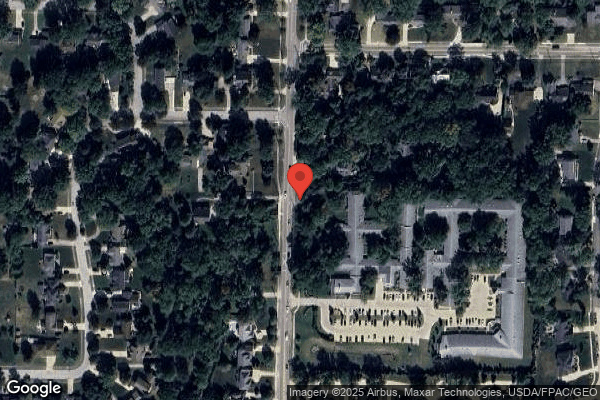
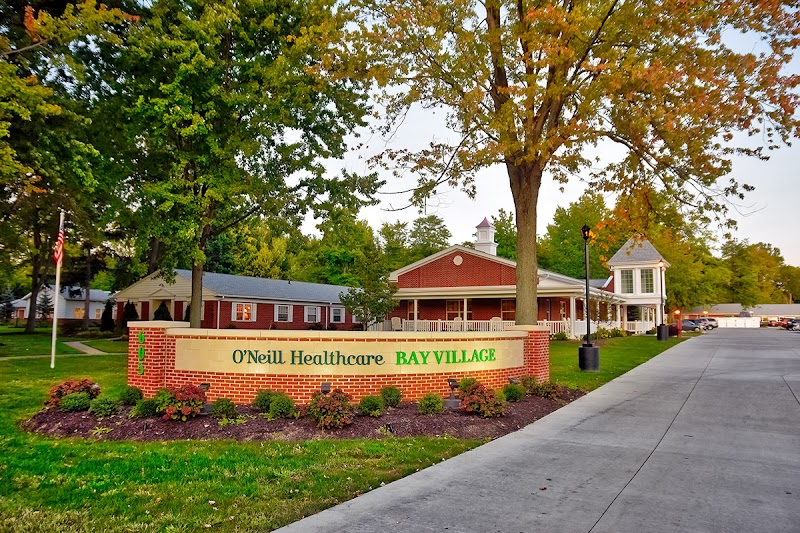
605 BRADLEY RD, BAY VILLAGE, OH 44140 (440) 871-3474
For profit - Corporation 138 Beds O'NEILL HEALTHCARE Data: November 2025
Trust Grade
80/100
#122 of 913 in OH
Last Inspection: March 2024

Within standard 12-15 month inspection cycle. Federal law requires annual inspections.

Overview

O'Neill Healthcare Bay Village has a Trust Grade of B+, which means it is recommended and performs above average compared to other facilities. It ranks #122 out of 913 in Ohio, placing it in the top half of the state, and #13 out of 92 in Cuyahoga County, indicating that only a few local options are better. The facility is improving, having reduced issues from 8 in 2024 to just 2 in 2025. Staffing is rated below average with a score of 2 out of 5, and the turnover rate is 58%, which is near the state average. Notably, there have been no fines recorded, which is a positive sign. However, there are significant concerns regarding food safety and care practices. In one instance, the kitchen was found to have expired food items that could potentially affect 114 residents, and there was a failure to maintain the dishwasher at appropriate temperatures, risking foodborne illnesses for 90 residents. Additionally, five residents did not receive fortified pudding as prescribed to help maintain their weight and health. While the facility has strengths such as excellent overall star ratings and no fines, these issues highlight areas that need improvement, particularly in food safety and adherence to care plans.

Trust Score
B+
80/100
In Ohio
#122/913
Top 13%
Safety Record
Low Risk
No red flags
Inspections
Getting Better
8 → 2 violations
Staff Stability
⚠ Watch
58% turnover. Above average. Higher turnover means staff may not know residents' routines.
Penalties
✓ Good
No fines on record. Clean compliance history, better than most Ohio facilities.
Skilled Nurses
○ Average
Each resident gets 31 minutes of Registered Nurse (RN) attention daily — about average for Ohio. RNs are the most trained staff who monitor for health changes.
Violations
⚠ Watch
14 deficiencies on record. Higher than average. Multiple issues found across inspections.
★★★★★
5.0
Overall Rating
★★☆☆☆
2.0
Staff Levels
★★★★★
5.0
Care Quality
★★★★☆
4.0
Inspection Score
Stable
2024: 8 issues
2025: 2 issues

The Good

  • 5-Star Quality Measures · Strong clinical quality outcomes
  • Full Sprinkler Coverage · Fire safety systems throughout facility
  • No fines on record

Facility shows strength in quality measures, fire safety.

The Bad

Staff Turnover: 58%

12pts above Ohio avg (46%)

Frequent staff changes - ask about care continuity

Chain: O'NEILL HEALTHCARE

Part of a multi-facility chain

Ask about local staffing decisions and management

Staff turnover is elevated (58%)

10 points above Ohio average of 48%

The Ugly 14 deficiencies on record

Mar 2025 2 deficiencies
CONCERN (D) 📢 Someone Reported This

A family member, employee, or ombudsman was alarmed enough to file a formal complaint

Potential for Harm - no one hurt, but risky conditions existed

Quality of Care (Tag F0684)

Could have caused harm · This affected 1 resident

Based on observation, record review, and interview, the facility failed to ensure care and treatment to a skin tear was completed per physician order. This affected one resident (Resident #109) of two...

Read full inspector narrative →
Based on observation, record review, and interview, the facility failed to ensure care and treatment to a skin tear was completed per physician order. This affected one resident (Resident #109) of two residents reviewed for wound care. The facility census was 107. Findings include: Review of the medical record for Resident #109 revealed an admission date of 11/08/24 with diagnoses including stroke, diabetes mellitus, kidney disease, anxiety, post-traumatic stress disease, and cognitive impairment. Review of the progress note dated 02/25/25 at 8:26 A.M. revealed Resident #109's wife was notified of Resident #109 being transferred for evaluation after experiencing a fall on 02/24/25 at 7:00 A.M. Review of an active physician order dated 02/25/25 revealed Resident #109 was to have a left-hand skin tear cleansed with normal saline, patted dry, triple antibiotic ointment applied, covered with non-adherent dressing and wrapped with gauze once daily until healed. Observation of the Resident #109 on 02/26/25 at 11:32 A.M. revealed a left-hand laceration with four steri-strips covering the laceration, two steri-strips edges were peeling away from the skin. The laceration was open to air with a moderate amount of dried blood noted the lateral aspect of the left hand. Observation on 02/27/25 at 8:48 A.M. of Resident #109 revealed the resident was up to chair in the common area eating breakfast and watching television. The Resident #109 was observed with clean, dry bandage to left hand dated 02/26/25. Interview on 02/26/25 at 11:32 A.M., Resident #109's wife revealed the Resident #109 had no dressing on his left hand yesterday, 02/25/25 after emergency department visit or this morning. Interview on 02/26/25 at 11:33 A.M. with Resident #109's son also confirmed no dressing was on the Resident #109's left hand on 02/25/25 after returning from the emergency department and there was not a dressing in place upon his arrival to the facility the morning of 02/26/25. Interview on 02/26/25 at 3:48 P.M. with Licensed Practical Nurse (LPN) #200 verified she was the Resident #109's nurse yesterday, 02/25/25 and confirmed she did not perform the wound care on 02/25/25 stating revealed she was unaware of the wound orders for the Resident #109's left hand. This deficiency represents non-compliance investigated under Complaint Number OH00161145.
CONCERN (D) 📢 Someone Reported This

A family member, employee, or ombudsman was alarmed enough to file a formal complaint

Potential for Harm - no one hurt, but risky conditions existed

Deficiency F0692 (Tag F0692)

Could have caused harm · This affected 1 resident

**NOTE- TERMS IN BRACKETS HAVE BEEN EDITED TO PROTECT CONFIDENTIALITY** Based on observations, record reviews, staff interviews, and review of facility policies the facility failed to provide nutritio...

Read full inspector narrative →
**NOTE- TERMS IN BRACKETS HAVE BEEN EDITED TO PROTECT CONFIDENTIALITY** Based on observations, record reviews, staff interviews, and review of facility policies the facility failed to provide nutritional and hydration care and services to meet the needs of one resident (Resident #108) out of three residents reviewed for nutrition and hydration and of eight facility identified eight residents requiring feeding assistance. The facility census was 107. Findings include: Review of the medical record for Resident #108 revealed an admission date of 01/23/25 and a discharge date of 02/10/25. Diagnoses included encephalopathy (brain function impairment), dysphagia (difficulty swallowing), failure to thrive, chronic respiratory disease, hypertension, muscle weakness, atrophy (muscle wasting), anxiety, Alzheimer's disease, depression, and bipolar disorder. Review of the admission minimum data set (MDS) assessment completed 02/03/25 revealed Resident #108 had severely impaired cognition. The Resident #108 was dependent on staff for all self-care and required assistance for eating. The assessment indicated the resident had a weight of 131 pounds, had no or unknown weight loss, and required a mechanically altered diet. The Resident #108 was edentulous (lacking teeth). Review of the admission nursing assessment dated [DATE] identified the Resident #108 was admitted with a weight of 130.6 pounds. Review of the dietary orders dated 01/24/25 for Resident #108 revealed a no added salt diet, pureed texture with honey thickened liquids. Review of the nutritional assessment dated [DATE] stated the Resident #108 had advanced Alzheimer's disease and is alert only to self. admitted with no added salt diet order with pureed food texture and honey thick liquids. The assessment recommend providing fortified pudding with each afternoon meal and a frozen desert cup (Magic Cup) with each evening meal. Additionally, the assessment indicated Resident #108 had high sodium levels, was confined to bed and required total assistance with feeding with the nutritional analysis revealing the resident needed a total of 1800 calories a day with total protein needs of 78 grams; and total fluid needs of 1800 milliliters. Review of the speech therapy evaluation dated 01/28/25 revealed the Resident #108 was at risk for aspiration, further decline in function, dehydration, and pneumonia. Evaluation of pharyngeal swallow function revealed incomplete bolus formation, delayed oral transit, oral residue, delayed swallow onset, no cough or throat clear was elicited. Recommendations were close supervision for oral intake. Review of the background assessment revealed Resident #108's dentition was edentulous, the resident was non-verbal, had limited eye opening despite cues, did not follow one step commands, and had poor position when in bed due to neck position flexed to the left. Review of the plan of care dated 01/29/25 revealed the Resident #108 was at risk for altered nutrition and dehydration related to Alzheimer's disease, hypertension, weight loss, dysphagia, and poor oral intake. Resident #108 had goals that included for the resident to be free from signs and symptoms of dehydration, and to consume equal to or greater than 75 percent (%) of each meal. Interventions included a magic cup per order, no added salt, pureed texture, and honey thick liquid diet, monitoring of weight, and the monitoring oral intake. Review of meal intakes for Resident #108 dated 01/23/25 to 02/05/25 revealed no documentation of Resident #108's intake recorded on 01/23/25, 01/24/25, 01/28/25, 01/30/25, 02/01/25, 02/02/25, and 02/04/25. Review of the meal intake for 01/25/25 revealed the Resident #108 refused all meals. Review of the meal intake for 01/29/25 revealed 25% to 50% of meal was consumed for breakfast and dinner, and 51% to 75% for lunch. Review of the meal intake for 01/31/25 revealed 51% to 75% was consumed for breakfast and lunch, no entry for dinner. Review of the meal intake for 02/03/25 revealed 25% to 50% of meal was consumed for breakfast and lunch, dinner was refused. Review of the meal intake for 02/05/25 revealed the Resident #108 was out of the facility. Review of the emergency department medical record dated 02/03/25 and timed 10:10 P.M., revealed Resident #108 was seen for chief complaint of dehydration and high blood sodium. Review of the history and physical revealed Resident #108 has had multiple workups and hospitalizations for the same complaint and the cause is likely multifactorial. Review of the record revealed prior discussions regarding enteral feeding tube placement with family, which had been declined. Upon assessment, Resident #108 appeared to be clinically dehydrated, was minimally responsive (at baseline), and was nonverbal. Per emergency transport services, Resident #108 had a reported sodium obtained earlier in the day with a result of 165 milliequivalent's per liter (mEq/L), normal sodium range is 136 to 145 mEq/L. A repeat blood sodium level was completed in the emergency department at 11:25 P.M. with a result of 160 mEq/L. Resident #108 was admitted to the intensive care unit with a diagnosis of hypernatremia (high sodium). Review of the inpatient hospital medical record revealed Resident #108 was provided with gentle fluids with a plan to monitor laboratory tests results, consult palliative care and discuss feeding tube placement with family. A recorded weight on 02/04/25 revealed Resident #108 weighted 117.6 pounds. Resident #108 was returned to the facility on [DATE]. Interview on 02/26/25 at 10:38 A.M., Registered Dietician (RD) #400 stated the specific guidelines for feeding assistance should be listed in the care plan. RD #400 confirmed Resident #108 was dependent on staff to assist with feeding to ensure the resident's nutrition and hydration. Interview on 02/26/25 at 11:48 A.M., the Administrator confirmed the facility orders and care plan did not address the extent of feeding assistance required for Resident #108. The Administrator confirmed the weights documented in the Resident #108's medical record and verified Resident #108 was dependent on staff for feeding for both hydration and nutrition. The Administrator further confirmed Resident #108 did not have the percentage of meal intake recorded on 01/23/25, 01/24/25, 01/28/25, 01/30/25, 02/01/25, 02/02/25, and 02/04/25. Review of facility policy titled Preservation of (Activities of Daily Living) ADLs Policy, dated 12/2023 revealed if a resident is unable to carry out ADLs, he/she will receive the necessary services to maintain good nutrition, grooming and personal and oral hygiene. For these residents, care plan goals may not be stated in terms of what the resident is able to achieve, but in terms of the outcome of care and/or services provided. Review of facility policy titled Weights Protocol- Obtaining and Recording, dated 01/2024, revealed the purpose is to ensure accurate weights are obtained for residents in order to enable the appropriate evaluation of nutritional/clinical status. This deficiency represents non-compliance investigated under Complaint Number OH00162313 and Complaint Number OH00161145.
Dec 2024 2 deficiencies
CONCERN (D) 📢 Someone Reported This

A family member, employee, or ombudsman was alarmed enough to file a formal complaint

Potential for Harm - no one hurt, but risky conditions existed

Deficiency F0558 (Tag F0558)

Could have caused harm · This affected 1 resident

**NOTE- TERMS IN BRACKETS HAVE BEEN EDITED TO PROTECT CONFIDENTIALITY** Based on observation, interview, record review, and review of the facility policy, the facility failed to ensure residents had t...

Read full inspector narrative →
**NOTE- TERMS IN BRACKETS HAVE BEEN EDITED TO PROTECT CONFIDENTIALITY** Based on observation, interview, record review, and review of the facility policy, the facility failed to ensure residents had their call lights within reach while unattended in their rooms. This affected three residents (#36, #39, and #43) out of 13 residents reviewed call light placement. The facility census was 108. Findings include: 1. Record review for Resident #39 revealed an admission date of 12/19/24. Diagnoses included displaced fracture of the base of the neck of the left femur, muscle weakness and dementia. Review of the Functional Assessment for Resident #39 dated 12/19/24 at 4:15 P.M. completed by Licensed Practical Nurse (LPN) #241 revealed Resident #39 had no impairment to the upper extremities and impairment to one side of the lower extremities. Resident #39 was dependent on staff for bed mobility. Review of the Interim Care Plan for Resident #39 dated 12/19/24 at 4:12 P.M. revealed Resident #39 was at risk for falls and fall related injuries, interventions included call light/items within reach. Review of the Fall Risk Calculation dated 12/23/24 revealed Resident #39 was at high risk for falls. Review of the skilled nursing documentation for Resident #39 dated 12/29/24 at 10:34 A.M. completed by LPN #228 revealed Resident #39 was alert, responsive to name and touch, her hearing and vision were adequate, her speech was clear, and she was able to understand. Review of the care plan for Resident #39 dated 12/31/24 revealed Resident #39 was a fall risk characterized by a history of falls/injury and multiple risk factors related to femur fracture, weakness and dementia. Interventions included to be sure the call light was within reach and to encourage its use for assistance. Observation on 12/30/24 at 2:41 P.M. revealed Resident #39 was lying in bed with the bed against the wall. Resident #39 was resting with her eyes closed. Observation revealed the call light was located on the opposite side of the room on the floor, out of reach for Resident #39. Observation and interview on 12/30/24 at 2:43 P.M. with LPN #219 confirmed Resident #39 was unable to reach her call light. LPN #219 revealed Resident #39's bed was moved against the wall which made it harder for the call light to reach. LPN #219 demonstrated the call light would reach Resident #39 when stretched across the room. 2. Record review for Resident #36 revealed an admission date of 02/08/20. Diagnoses included multiple sclerosis (MS), paraplegia, change in retinal vascular appearance, and combined forms of age-related cataract bilateral and primary optic atrophy left eye. Review of the care plan updated 05/13/24 revealed Resident #36 was at risk for complications due to vision impairment related to bilateral cataracts, optic atrophy, left eye and changes on retinal vascular appearance. Intervention included ensuring the call light was always within reach and encouraging the resident to call for assistance as needed. An additional care plan updated 07/12/24 revealed Resident #36 was a fall risk characterized by a history of falls/injury, multiple risk factors related to impaired balance, impaired mobility, MS, and poor motor coordination. Interventions included ensuring the call light was within reach and encouraging its use for assistance. Review of the Fall Risk Calculation for Resident #36 dated 06/12/24 revealed Resident #36 was at high risk for falls. Review of the Modification of the quarterly Minimum Data Set (MDS) assessment dated [DATE] revealed Resident #36 was cognitively impaired. Resident #36 had no impairment to the upper extremities and impairment on both sides of the lower extremities. Resident #36's vision was adequate. Resident #36 required supervision or touch assistance with eating and substantial/maximum assistance with toileting. Observation on 12/30/24 at 2:48 P.M. revealed Resident #36 was sitting in a tilt chair in her room with the chair tilted back. The call light was connected to the bed, located behind Resident #36 and out of Resident #36's reach. Resident #36 verified she was unable to reach the call light. Observation and interview on 12/30/24 at 2:49 P.M. with Certified Nursing Assistant (CNA) #310 confirmed Resident #36's call light was out of reach for Resident #36. CNA #310 confirmed Resident #36 used her call light for assistance as needed. 3. Record review for Resident #43 revealed an admission date of 04/11/21. Diagnoses included dementia, transient cerebral ischemic attack, macular degeneration, and epilepsy. Review of the care plan dated 06/26/24 revealed Resident #43 was at risk for vision impairment related to macular degeneration. Interventions included ensuring the call light was within reach at all times and encouraging the resident to call for assistance as needed. An additional care plan for Resident #43 updated 06/26/24 revealed Resident #43 was at risk for falls characterized by a history of falls/injury multiple risk factors related to confusion related to dementia, impaired mobility, incontinence and visual deficit. Interventions included ensuring the call light was within reach and encouraging use for assistance as needed. Review of the Fall Risk Calculation for Resident #43 dated 08/18/24 revealed Resident #43 was at high risk for falls. Review of the quarterly MDS assessment dated [DATE] revealed Resident #43 was cognitively impaired. Resident #43 had no impairment of the upper or lower extremities, used a wheelchair for mobility, required partial/moderate assistance to wheel 50 feet with two turns, required set up or clean up assistance with meals, and was dependent on staff for toileting and chair to bed transfers. Observation and interview on 12/30/24 at 3:06 P.M. revealed Resident #43 was up in her wheelchair in her room. Resident #43's call light was located behind her bed, out of reach for Resident #43. Resident #43 verified she was unable to reach the call light. Observation and interview on 12/30/24 at 3:08 P.M. with CNA #311 confirmed Resident #43 was able to use her call light normally but was unable to reach her call light located behind her bed. Interview on 12/30/24 at 5:51 P.M. with the Administrator and Director of Nursing (DON) revealed it was the expectation of the facility to have residents' call lights within reach. Review of the facility policy titled, Call Light Response Time Policy, updated December 2023, revealed it was the policy of the facility to ensure residents' needs and requests were responded to in a timely manner. Staff members were responsible for answering call lights. This deficiency represents non-compliance investigated under Complaint Number OH00160465.
CONCERN (D) 📢 Someone Reported This

A family member, employee, or ombudsman was alarmed enough to file a formal complaint

Potential for Harm - no one hurt, but risky conditions existed

Report Alleged Abuse (Tag F0609)

Could have caused harm · This affected 1 resident

**NOTE- TERMS IN BRACKETS HAVE BEEN EDITED TO PROTECT CONFIDENTIALITY** Based on record review, interview, review of the facility self-reported incident (SRI) and review of the facility policy, the fa...

Read full inspector narrative →
**NOTE- TERMS IN BRACKETS HAVE BEEN EDITED TO PROTECT CONFIDENTIALITY** Based on record review, interview, review of the facility self-reported incident (SRI) and review of the facility policy, the facility failed to timely report an allegation of abuse for Resident #111. This had the potential to affect one resident (#111) of three residents reviewed for abuse. The facility census was 108. Findings include: Record review for Resident #111 revealed an admission date of 11/16/24 and a discharge date of 11/30/24. Diagnoses included metabolic encephalopathy, cirrhosis of the liver, acute respiratory failure with hypoxia, muscle weakness, atherosclerotic heart disease, history of transient ischemic attack (TIA), acute kidney failure, and atrial fibrillation. Review of the Medicare five-day Minimum Data Set (MDS) assessment for Resident #111 revealed the resident was cognitively intact. Resident #111 used a walker for mobility, had no impairment to upper extremities, impairment on one side of the lower extremities, was independent with eating, dependent on staff for toileting, partial moderate assistance with bed mobility, dependent for sit to stand and transfers. Resident #111 was occasionally incontinent of bowel and bladder. Review of the SRI tracking number 254754 dated 12/04/24 at 6:21 P.M. completed by Administrator revealed on 12/04/24 at 3:45 P.M. the daughter of Resident (#111) alleged neglect during her mom's stay in a conversation with the Administrator and Director of Nursing (DON). The allegation was investigated and unsubstantiated on 12/11/24 by the Administrator. Review of the investigation for the SRI tracking number 254754 completed 12/04/24 for the allegation related to Resident #111 revealed the written statement dated 11/30/24, untimed, completed by Licensed Practical Nurse (LPN) #222 revealed - This nurse answered the phone, the granddaughter of patient in room [ROOM NUMBER] (Resident #111) called upset asking to speak to the Administrator regarding a male Certified Nursing Assistant (CNA) that worked on night shift last night. The granddaughter stated her grandmother (Resident #111) told her that a man answered her call light and when she asked to go to the bathroom, he refused to take her and told her she had to use the bedpan. The resident's granddaughter also said her grandmother also told her the same man took her call light and TV remote away from her and put it on the floor. Also, he took her personal cell phone away from her and told her, you don't need to call anyone, it's time to go to sleep. The on-call manager and DON were notified. The handwritten statement was signed by LPN #222. Interview on 12/31/24 at 3:09 P.M. with Administrator, DON, and Director Clinical Services #313 included the Director Clinical Services #313 and DON reviewed the written statement dated 11/30/24 completed by LPN #222. The DON revealed LPN #222 wrote the statement on 11/30/24 and called her to inform her of the allegations on 11/30/24. The DON again read the statement completed by LPN #222 and confirmed everything written in the statement was what LPN #222 told her on 11/30/24. The DON stated, She called me on the 30th and reported the allegations. I called the Administrator and told her. Per the Administrator, the DON only told her about the cell phone, she did not find out the rest until the 12/04/24. The Administrator confirmed the SRI was initiated 12/04/24. Review of the facility policy titled, Abuse, Neglect, Involuntary Seclusion, Misappropriation Prevention, revised 10/2017, revealed ensure that all alleged violations involving abuse, neglect, exploitation, or mistreatment , including injuries of unknown source and misappropriation of resident property, are reported immediately, but no later than two hours after the allegation is made, if the events that cause the allegation involve abuse or result in serious bodily injury, or not later than 24 hours if the events that cause the allegation do not involve abuse and do not result in serious bodily injury, to the Administrator of the facility and to other officials in accordance with state law through established procedures. This deficiency represents non-compliance investigated under Complaint Number OH00160465.
Jun 2024 3 deficiencies
CONCERN (D) 📢 Someone Reported This

A family member, employee, or ombudsman was alarmed enough to file a formal complaint

Potential for Harm - no one hurt, but risky conditions existed

Deficiency F0805 (Tag F0805)

Could have caused harm · This affected 1 resident

Based on observation, interview, taste test and recipe review, the facility failed to serve pureed foods at a smooth consistency for safe swallowing for Residents #18, #66, and #110. This affected thr...

Read full inspector narrative →
Based on observation, interview, taste test and recipe review, the facility failed to serve pureed foods at a smooth consistency for safe swallowing for Residents #18, #66, and #110. This affected three residents (18, #66 and #110) out of three residents who were prescribed pureed diets. The facility census was 111. Findings include: Observation of tray line on 06/10/24 from 11:30 A.M. through 1:02 P.M. revealed that the puree peas appeared to be lumpy. A taste test of pureed peas revealed that there were pieces of the pea shells and were not smooth in consistency. A taste test on 06/10/24 at 11:42 A.M. with Speech Therapist (ST) #404 verified that the pureed food was not a smooth consistency. Review of the facility's spreadsheet for the day on 06/10/24 at the bottom revealed pureed foods should hold their shape on a spoon and smooth texture. This deficiency represents non-compliance investigated under Master Complaint Number OH00154405.
CONCERN (D) 📢 Someone Reported This

A family member, employee, or ombudsman was alarmed enough to file a formal complaint

Potential for Harm - no one hurt, but risky conditions existed

Deficiency F0806 (Tag F0806)

Could have caused harm · This affected 1 resident

Based on observation, interview, and record review, the facility failed to ensure resident food allergies and preferences were honored. This affected two residents (#43 and #111) who had food allergie...

Read full inspector narrative →
Based on observation, interview, and record review, the facility failed to ensure resident food allergies and preferences were honored. This affected two residents (#43 and #111) who had food allergies and one resident (#69) for food preferences. This had the potential to affect 110 residents out of 111 residents who received meals from the facility kitchen. The facility identified one resident (#30) who received nothing by mouth. The facility census was 111. Findings include: 1. Review of the medical record for Resident #43 revealed an admission date of 11/11/22. Diagnoses included but not limited to hemiplegia affecting the left side, anxiety disorder, and depression. Review of the physician's order for June 2024 revealed that Resident #43 was allergic to chocolate. Review of the lunch diet ticket for Resident #43 revealed that the resident was allergic to chocolate. Observation of tray line on 06/10/24 at 12:24 P.M. revealed Dietary Aide #407 checked Resident #43's tray and put it into the food cart. When asked, Dietary Aide #407 pulled the tray out of the food cart and verified that Resident #43 had two chocolate chip cookies on his tray. Dietary Aide #407 verified the tray had cookies on it and replaced the cookies with fruit. 2. Review of the medical record for Resident #111 revealed an admission date of 05/23/24. Diagnoses included but not limited to dementia, osteoarthritis, and atherosclerotic heart disease. Review of the lunch diet ticket for Resident #111 revealed that the resident the resident was allergic to wheat. Observation of tray line on 06/10/24 at 12:21 P.M. revealed Dietary Aide #407 checked Resident #111's tray and put it into the food cart. When asked, Dietary Aide #407 pulled the tray out of the food cart and verified that Resident #111 had two chocolate chip cookies on her tray. Dietary Aide #407 verified the tray had cookies on it and replaced the cookies with fruit. 3. Review of the medical record for Resident #69 revealed an admission date of 01/06/23. Diagnoses included but not limited to quadriplegia, chronic obstructive pulmonary disease, anxiety disorder, and major depressive disorder. Review of Resident #69's care plan dated 01/11/23 with a revision date of 10/12/23 revealed that she was at risk for altered nutrition/hydration related to low albumin and diagnoses. Interventions include but are not limited to encouraging high protein foods such as meats, almond milk, eggs, cheese and yogurt. Review of the lunch diet ticket for Resident #69 revealed that the resident the resident was to receive almond milk. Observation of tray line on 06/10/24 at 12:27 P.M. revealed Dietary Aide #407 checked Resident #69's tray and Dietary Aide #407 asked for almond milk, and Dietary Aide # 347 verified that there was no almond milk. This deficiency represents non-compliance investigated under Master Complaint Number OH00154405.
CONCERN (E) 📢 Someone Reported This

A family member, employee, or ombudsman was alarmed enough to file a formal complaint

Potential for Harm - no one hurt, but risky conditions existed

Deficiency F0692 (Tag F0692)

Could have caused harm · This affected multiple residents

**NOTE- TERMS IN BRACKETS HAVE BEEN EDITED TO PROTECT CONFIDENTIALITY** Based on observation, interview, record review, and facility policy review the facility failed to provide fortified pudding to r...

Read full inspector narrative →
**NOTE- TERMS IN BRACKETS HAVE BEEN EDITED TO PROTECT CONFIDENTIALITY** Based on observation, interview, record review, and facility policy review the facility failed to provide fortified pudding to residents as an intervention for maintaining weight, wound care and/or preventing weight loss. The affected five residents (#16, #27, #29, #60 and #94) out of 15 residents who were to receive fortified pudding at lunch either by physician order or dietitian recommendation. The facility census was 111. Findings include: 1. Review of the medical record for Resident #16 revealed an admission date of 09/27/18 and a readmission date of 10/13/20. Diagnoses included but not limited to dementia, personal history of malignant neoplasm of large intestine, and diabetes mellitus. Review of the physician's order for June 2024 revealed that Resident #16 was ordered fortified pudding at lunch daily. Review of Resident #16's care plan dated 04/11/24 revealed that he was at risk for altered nutrition/hydration related to diagnoses. Interventions included but not limited to encouraging intake of high protein foods and giving fortified pudding at lunch. Review of the lunch diet ticket for Resident #16 revealed that the resident should have received fortified pudding at lunch. 2. Review of the medical record for Resident #27 revealed an admission date of 09/23/20. Diagnoses included but not limited to chronic obstructive pulmonary disease, depression, and anxiety disorder. Review of the physician's order for June 2024 revealed that Resident #27 ordered fortified pudding at lunch for weight loss. Review of Resident #27's care plan dated 12/14/24 revealed that she was at risk for altered nutrition/hydration related to diagnoses. Interventions included but are not limited to giving fortified cereal at breakfast, giving fortified pudding at lunch and fortified pudding at dinner. Review of the lunch diet ticket for Resident #27 revealed that the resident should have received fortified pudding at lunch. 3. Review of the medical record for Resident #29 revealed an admission date of 09/22/23. Diagnoses included but not limited to chronic obstructive pulmonary disease, depression, and diabetes mellitus Review of the quarterly nutritional assessment dated [DATE] revealed that Resident #29 received supplements to include fortified pudding at lunch, yogurt at breakfast and ice cream. The registered dietitian recommended to continue current diet and supplements. Review of the lunch diet ticket for Resident #29 revealed that the resident should have received fortified pudding at lunch. Interview on 06/11/24 at 3:47 P.M. with Administrator revealed an audit of tray tickets were completed and since Resident #29 did not have a physician's order for fortified pudding because it was discontinued in May 2024, the facility took the preference off the ticket the previous night. 4. Review of the medical record for Resident #60 revealed an admission date of 02/08/24. Diagnoses included but not limited to chronic obstructive pulmonary disease, depression, and malignant neoplasm of unspecified part of bronchus or lung. Review of the physician's order for June 2024 revealed that Resident #60 ordered fortified pudding at lunch as supplement. Review of the dietary note dated 06/06/24 at 10:42 A.M. revealed the registered dietitian recommended fortified cereal at breakfast, pudding at lunch, and ice cream at dinner. Review of the lunch diet ticket for Resident #60 revealed that the resident should have received fortified pudding at lunch. 5. Review of the medical record for Resident #94 revealed an admission date of 04/18/20. Diagnoses included but not limited to chronic kidney disease, major depressive disorder, and dysphagia. Review of Resident #94's care plan dated 10/13/22 revealed that he was at risk for altered nutrition/hydration related to skin impairment and diagnoses. Interventions included but were not limited to honoring food preferences as able. Review of the lunch diet ticket for Resident #94 revealed that the resident should have received fortified pudding at lunch. Observation of tray line on 06/10/24 from 11:30 A.M. through 1:02 P.M. revealed that the facility ran out of fortified pudding halfway through meal service. Interview on 06/10/24 at 12:20 P.M. with Dietary Aide #347 revealed that there was no more fortified pudding for Residents #16, #27, #29, #60, and #94. Review of the facility policy titled, High Calorie/High Protein Diet, dated 2006, revealed that the following suggestions are intended for people who need to increase calories to maintain or gain weight. This deficiency represents non-compliance investigated under Master Complaint Number OH00154405.
Mar 2024 2 deficiencies
CONCERN (D)

Potential for Harm - no one hurt, but risky conditions existed

PASARR Coordination (Tag F0644)

Could have caused harm · This affected 1 resident

**NOTE- TERMS IN BRACKETS HAVE BEEN EDITED TO PROTECT CONFIDENTIALITY** Based on record review and staff interview the facility failed to ensure the appropriate state agency (The Ohio Department of Me...

Read full inspector narrative →
**NOTE- TERMS IN BRACKETS HAVE BEEN EDITED TO PROTECT CONFIDENTIALITY** Based on record review and staff interview the facility failed to ensure the appropriate state agency (The Ohio Department of Mental Health and Addiction Services) was notified of a significant change in a resident's Pre-admission Screen and Resident Review (PASRR). This affected one (Resident #88) of one resident reviewed for PASRR status. The facility census was 117. Findings include: Clinical record review revealed Resident #88 was admitted to the facility on [DATE] with diagnoses that included but were not limited to metabolic encephalopathy, unspecified dementia, type II diabetes mellitus, schizoid personality disorder and major depressive disorder. Review of the most recent quarterly Minimum Data Set (MDS) 3.0 assessment dated [DATE] revealed Resident #88 had severe cognitive impairment and required extensive assistance for completion of activities of daily living. Review of the PASRR form dated 08/01/23 for Resident #88 revealed no indications of serious mental illness and/or developmental disability. Review of section E; Indications of Serious Mental Illness revealed mood disorder and personality disorder were indicated. Review of nursing progress note dated 11/07/23 timed at 11:49 P.M. revealed Resident #88 was sent out and admitted to the hospital for diagnosis of jaundice and abnormal lab values. Review of nursing progress note dated 11/14/23 timed at 9:00 P.M. revealed Resident #88 was readmitted to the facility. Review of medical diagnoses for Resident #88 dated 11/14/23 revealed new diagnoses of schizoaffective disorder and bipolar disorder. Review of current PASRR records on 03/11/24 for Resident #88 revealed no evidence the state PASRR authority (The Ohio Department of Mental Health and Addiction Services) was made aware of Resident #88's new mental health diagnoses following her readmission on [DATE] via the completion of a new PASRR as required. Interview on 03/11/24 at 2:40 P.M. with the Administrator confirmed a PASRR was not completed following Resident #88's readmission on [DATE]. Interview on 03/11/23 at 3:55 P.M. with Social Worker #203 confirmed no new PASRR was submitted to the state PASRR authority to address Resident #88's new mental health diagnoses of schizoaffective disorder and bipolar disorder following her readmission on [DATE].
CONCERN (F)

Potential for Harm - no one hurt, but risky conditions existed

Food Safety (Tag F0812)

Could have caused harm · This affected most or all residents

Based on observation, staff interview and facility policy review, the facility failed to ensure food was served in a sanitary manner and food was stored and dated properly. This had the potential to a...

Read full inspector narrative →
Based on observation, staff interview and facility policy review, the facility failed to ensure food was served in a sanitary manner and food was stored and dated properly. This had the potential to affect 114 residents receiving meals from the facility. The facility identified three residents (#14, #113, and #168) who received nothing by mouth. The facility census was 117. Findings include: A tour of the kitchen was conducted on 03/10/24 from 9:05 A.M. to 9:55 A.M. with Dietary Manager #200. The following concerns were observed during the kitchen tour. In the dry storage area, five packages of eight count Italian split sub buns were found with a use by date of 03/05/24, one package of 12 count hamburger buns with a use by date of 03/05/24. In the walk in refrigerator, a Ziploc bag with ham slices was found with a date of 02/28/24, a plastic container of egg salad dated 03/05/24, a plastic container of sliced peaches dated 03/05/24, a plastic container of sliced cucumbers dated 03/05/24 which appeared to be slimy, an unlabeled, undated Ziploc bag of cooked bacon slices, a Ziploc bag of four hot dogs with a date of 03/05/24, an undated container of egg salad, two open packages of sliced American cheese that were undated, and one undated open package of mozzarella wrapped in plastic wrap. An observation of the convection oven revealed it was heavily soiled on the bottom of the oven and the two ovens were also heavily soiled on the bottom. Review of the facility document titled, Weekly cleaning assignments hanging of the kitchen wall revealed incomplete daily cleaning assignments for all shifts dated 02/25/24 through 03/02/24. Interview at the time of the observations with Dietary Manager #200 confirmed the above findings. Dietary Manager #200 stated foods were to be labeled and dated when stored, leftovers were to be discarded after three days and kitchen cleaning tasks were to be completed per the posted cleaning schedule. Observation on 03/10/24 at 9:50 A.M. in the kitchen revealed Dietary Supervisor #201 with an uncovered beard. Interview at the time of the observation with Dietary Supervisor #201 confirmed he was not wearing a beard cover, he stated they were out of beard covers. Observation on 03/11/24 at 11:43 A.M. during tray line observation revealed [NAME] #202 was wearing a mask below his chin exposing his beard while preparing sandwiches. Dietary Manager #200 confirmed the observation and stated facial hair was to be covered. Review of the undated facility policy called Food Storage revealed leftover food was to be stored in covered containers or wrapped carefully and securely. Each item was to be clearly labeled and dated before being refrigerated. Leftover food was to be used within three days. Review of the undated facility policy called General Sanitation of Kitchen revealed the staff would maintain the sanitation of the kitchen through compliance with a comprehensive cleaning schedule. Tasks would be assigned to the responsibility of specific positions. Cleaning schedule would be posted, and employees were to initial and date tasks when completed. Review of the undated facility policy called Employee Sanitary Practices revealed all employees were to wear hair restraints. The facility identified three residents (#14, #113, and #168) who received nothing by mouth.
Feb 2024 1 deficiency
CONCERN (E) 📢 Someone Reported This

A family member, employee, or ombudsman was alarmed enough to file a formal complaint

Potential for Harm - no one hurt, but risky conditions existed

Deficiency F0804 (Tag F0804)

Could have caused harm · This affected multiple residents

Based on observation, resident interview, staff interview, food committee review, and review of the policy, the facility failed to ensure food was served at the preferred temperature. This had the pot...

Read full inspector narrative →
Based on observation, resident interview, staff interview, food committee review, and review of the policy, the facility failed to ensure food was served at the preferred temperature. This had the potential to affect all residents residing at the facility, with the exception of two residents (#33 and #34) who received nothing by mouth. The facility census was 114. Findings include: Review of food committee minutes dated 01/09/24 at 1:30 P.M., revealed residents expressed concerns with hot food not being hot enough at times. Kitchen staff were in-service to ensure proper food temperatures were maintained at the point of service. Interviews on 02/15/24 between 10:03 A.M. and 10:17 A.M., with Resident #83, #20, #73, and 47 revealed the food the facility served was not always warm enough. Observation on 02/15/24 at 12:12 P.M., of the tray line revealed chicken sandwiches, potato salad, and vegetable soup was being served. Oreo pie was also being served for dessert. Further observation continued as dietary staff plated the lunch meal from a steam table in the kitchen. As the tray line neared an end, the surveyor requested a test tray be prepared and placed on the last food cart. Observation was made as the test tray was prepared, placed on the cart at 1:00 P.M., and transported to the unit where it arrived at 1:02 P.M. The test tray remained on the cart in view of the surveyor, until all other trays were distributed to residents. The test tray was removed from the cart at 1:15 P.M. by Dietary Manager #246 who used a facility thermometer that confirmed the temperatures of the chicken was 124 degrees, the vegetable soup was 125 degrees, the potato salad was 55 degrees, and the Oreo pie (similar to a cheesecake) was 64 degrees. Dietary Manager #246 verified all temperatures. The chicken sandwich tasted somewhat warm, the soup broth was only slightly warm to the palate and was not palatable, the potato salad was only slightly cool which was not appealing, and the pie tasted room temperature which was not palatable. Interview with Dietary Manager #246 confirmed the pie was similar to a cheesecake and should be below 40 degrees along with the potato salad. Interview on 02/15/24 at 1:54 P.M., with Resident #47 revealed the temperature of the soup and chicken was warmer than usual, usually the foods were barely room temperature, the pie was rich and not cold enough, so she did not eat it. Review of the undated policy titled, Food Temperatures, revealed all hot foods must be held at a temperature of at least 140 degrees F, and served at a temperature that is palatable to the resident. All cold food items must be held at a temperature of 40 degrees F or below and served at a temperature that is palatable to the resident. This deficiency represents non-compliance investigated under Complaint Number OH00150358.
Mar 2022 2 deficiencies
CONCERN (D)

Potential for Harm - no one hurt, but risky conditions existed

Deficiency F0692 (Tag F0692)

Could have caused harm · This affected 1 resident

**NOTE- TERMS IN BRACKETS HAVE BEEN EDITED TO PROTECT CONFIDENTIALITY** Based on interview and record review, the facility failed to ensure weights were taken as ordered and meal intakes were recorded...

Read full inspector narrative →
**NOTE- TERMS IN BRACKETS HAVE BEEN EDITED TO PROTECT CONFIDENTIALITY** Based on interview and record review, the facility failed to ensure weights were taken as ordered and meal intakes were recorded consistently for Residents #440 and Resident #445. This affected two residents (Resident #440 and Resident #445) of three residents reviewed for nutrition. Findings include: 1. Review of the medical record for Resident #445 revealed the resident was admitted on [DATE] with diagnoses including multiple fractures of ribs, right side, chronic obstructive pulmonary disorder (COPD), emphysema, heart failure, dementia, and pneumonia. Review of Resident #445's physician orders dated 02/03/22 and 02/24/22 revealed orders for weekly weights. Review of the care plan dated 02/04/22, revealed a care area for risk of altered nutrition/hydration with interventions dated 02/07/22 to monitor weight per protocol and monitor oral (P.O.) intake. Review of progress notes revealed Resident #445 was hospitalized from [DATE] until 02/24/22. Review of the Minimum Data Summary (MDS) 3.0 assessment dated [DATE], revealed Resident #445 was severely cognitively impaired and required maximum for oral hygiene, and upper body dressing. The resident was totally dependent for toileting, showers, lower body dressing, and bed mobility. Review of weights for Resident #445 revealed an admission weight on 02/03/22 of 88 pounds (lbs.) and a weight on 02/18/22 of 84 lbs. and a Body Mass Index (BMI) of 16.2, indicating the resident was underweight. There were no weights taken when the resident was readmitted to the facility on [DATE]. Review of the 02/28/22 Nutritional Assessment (NA) for Resident #445 revealed intakes were poor. Orders for a pureed diet and liquid supplements were continued pending a re-entry weight. Review of the P.O. intake log for Resident #445 from 02/25/22 to 02/28/22 revealed nothing was recorded for dinner during these dates. Interview on 03/01/22 at 4:55 P.M. with Registered Nurse (RN) #504 revealed the aides recorded meal intake on the log after each meal. The RN verified there was no dinner intake recorded for Resident #445 from 02/25/22 through 02/28/22. Interview on 03/02/22 11:53 A.M. with Registered Dietician (RDLD) #519 verified a re-entry weight should have been taken for Resident #445 when she returned to the facility on [DATE]. Review of the June 2012 facility policy titled, Obtaining and Documenting Weights, revealed weights would be obtained upon admission, weekly for 3 more weeks, then weekly for 3 more weeks, then monthly unless directed otherwise by the physician orders/RDLA/dietetic professional's recommendation. 2. Review of the medical record for Resident #440 revealed the resident was admitted on [DATE] with diagnoses including displaced fracture of femur, COPD, heart failure (CHF), chronic kidney disease stage III, hypertension and hyperlipidemia. Resident #440's physician orders dated 02/22/22, revealed an order for daily weights with no end date, due to CHF protocol one time a day for CHF monitoring, and an order for weekly weights for four weeks. Review of admission MDS 3.0 assessment dated [DATE], revealed the resident was cognitively intact and had a significant weight loss not on a prescribed program. Review of the care plan dated 02/24/22, revealed a care area for a risk for altered nutrition/hydration with interventions to monitor weights per protocol and monitor intake. Review of the nutritional assessment dated [DATE] for Resident #440, revealed a weight loss of 10% or more last six months. Review of the intake log from 02/22/22 to 03/01/22 for Resident #440 revealed the only meal with intake recorded was dinner on 02/22/22, 02/23/22, and breakfast on 02/26/22. Review of the weights for Resident #440 revealed the resident refused being weighed on 02/22/22 and was weighed on 02/23/22, 02/27/22 and 03/02/22. Interview on 03/01/22 at 4:55 P.M. with Registered Nurse (RN) #504 revealed the aides recorded meal intake on the log after each meal. The RN verified incomplete intake log for Resident #440 from 02/23/22 to 03/01/22. Interview on 03/03/22 at 11:22 A.M. with Licensed Practical Nurse (LPN) #966 verified there were no weights for Resident #440 for 02/24/22 through 02/26/22, 02/28/22 and 03/01/22 despite the order for daily weights. Review of the June 2012 facility policy titled, Obtaining and Documenting Weights, revealed weights would be obtained upon admission, weekly for 3 more weeks, then weekly for 3 more weeks, then monthly unless directed otherwise by the physician orders/RDLA/dietetic professional's recommendation.
CONCERN (F)

Potential for Harm - no one hurt, but risky conditions existed

Food Safety (Tag F0812)

Could have caused harm · This affected most or all residents

Based on observation, interview, and record review, the facility failed to ensure the high temperature dishwasher was maintained at appropriate temperatures to effectively wash and rinse dishes to hel...

Read full inspector narrative →
Based on observation, interview, and record review, the facility failed to ensure the high temperature dishwasher was maintained at appropriate temperatures to effectively wash and rinse dishes to help prevent food borne illnesses. This had the potential to affect 90 residents who receive meals daily from the kitchen, one resident, Resident #67 was ordered nothing by mouth. The facility census was 91. Findings include: Initial tour kitchen observation on 02/28/22 at 7:20 A.M. revealed the high temperature dishwasher wash temperature was 121 degrees Fahrenheit (F) and rinse temperature 176 degrees (F). The dishwasher was ran twice and temperatures were the same. Interview on 02/28/22 at 7:20 A.M. with Dietary Manager #900 confirmed the above temperatures and revealed the dishwasher was not getting up to the appropriate temperatures. Dietary Manager #900 reported the maintenance department was notified of the malfunction on 01/23/22. Review of facility maintenance repair request revealed a note on 01/23/22 reporting dishwasher rinse not hitting temp; on 02/08/22 dishwasher temperatures continue problems hitting temperature; on 02/13/22 continue dishwasher temperatures; and on 02/27/22 continue dishwasher temperatures. Review of facility policy titled, clean dishes dish machine, dated 2005, revealed dishes and cookware would be washed and sanitized after each meal. The policy also stated mechanical dish machine using hot water to sanitize must be 165 degrees (F) to wash and 194 degrees (F) to rinse to achieve sanitation.
Aug 2019 2 deficiencies
CONCERN (E)

Potential for Harm - no one hurt, but risky conditions existed

Safe Environment (Tag F0921)

Could have caused harm · This affected multiple residents

Based on observation and staff interview the facility failed to to ensure unit three ice machine was maintained in a clean and sanitary manner. This affected one of two unit ice machines. This had the...

Read full inspector narrative →
Based on observation and staff interview the facility failed to to ensure unit three ice machine was maintained in a clean and sanitary manner. This affected one of two unit ice machines. This had the potential to affect the 24 residents who resided on unit three ( Residents #6, #9, #12, #15, #16, #19, #20, #22, #23, #25, #46, #48, #50, #61, #70, #72, #74, #84, #87, #91, #92, #99 and #309). The facility census was 109. Findings Include: Observation of the unit three ice machine on 08/13/19 at 8:30 A.M. revealed the metal guard inside the ice machine contained significant rust and an unknown brown substances that was able to be removed with the swipe of a finger. This guard was located directly above the dispensed ice in the machine. Interview with Corporate Nurse (CN) #900 on 08/13/19 at 8:35 A.M. verified the condition of the ice machine as noted above.
MINOR (B)

Minor Issue - procedural, no safety impact

Deficiency F0711 (Tag F0711)

Minor procedural issue · This affected multiple residents

Based on record review and staff interview the facility failed to ensure monthly physician orders were signed and dated as required. This affected five (Residents #10, #26, #39, #76 and #98) of twenty...

Read full inspector narrative →
Based on record review and staff interview the facility failed to ensure monthly physician orders were signed and dated as required. This affected five (Residents #10, #26, #39, #76 and #98) of twenty eight residents reviewed. The facility census was 109. Findings Include: Review of the medical records for Residents #10, #26, #39, #76 and #98 on 08/14/19 between 1:00 P.M. and 2:00 P.M. revealed the monthly physicians orders were not signed for March 2019, April 2019, May 2019, June 2019 and July 2019. The facility's Director of Nursing verified the lack of signatures in an interview on 08/14/19 at 2:05 P.M.
Understanding Severity Codes (click to expand)
Life-Threatening (Immediate Jeopardy)
J - Isolated K - Pattern L - Widespread
Actual Harm
G - Isolated H - Pattern I - Widespread
Potential for Harm
D - Isolated E - Pattern F - Widespread
No Harm (Minor)
A - Isolated B - Pattern C - Widespread

Questions to Ask on Your Visit

  • "Why is there high staff turnover? How do you retain staff?"
  • "Can I speak with families of current residents?"
  • "What's your RN coverage like on weekends and overnight?"

Our Honest Assessment

Strengths
  • • Grade B+ (80/100). Above average facility, better than most options in Ohio.
  • • No major safety red flags. No abuse findings, life-threatening violations, or SFF status.
  • • No fines on record. Clean compliance history, better than most Ohio facilities.
Concerns
  • • 14 deficiencies on record. Higher than average. Multiple issues found across inspections.
  • • 58% turnover. Above average. Higher turnover means staff may not know residents' routines.
Bottom line: Generally positive indicators. Standard due diligence and a personal visit recommended.

About This Facility

What is O'Neill Healthcare Bay Village's CMS Rating?

CMS assigns O'NEILL HEALTHCARE BAY VILLAGE an overall rating of 5 out of 5 stars, which is considered much above average nationally. Within Ohio, this rating places the facility higher than 99% of the state's 100 nursing homes. This rating reflects solid performance across the metrics CMS uses to evaluate nursing home quality.
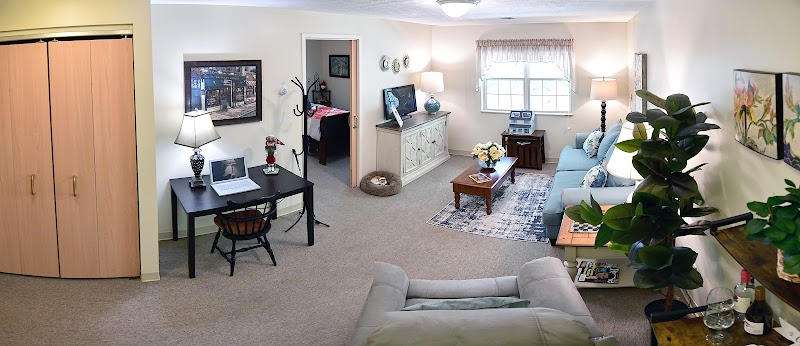
How is O'Neill Healthcare Bay Village Staffed?

CMS rates O'NEILL HEALTHCARE BAY VILLAGE's staffing level at 2 out of 5 stars, which is below average compared to other nursing homes. Staff turnover is 58%, which is 12 percentage points above the Ohio average of 46%. High turnover can affect care consistency as new staff learn residents' individual needs. RN turnover specifically is 56%, which is notably high. RNs provide skilled clinical oversight, so turnover in this role can affect medical care quality.

What Have Inspectors Found at O'Neill Healthcare Bay Village?

State health inspectors documented 14 deficiencies at O'NEILL HEALTHCARE BAY VILLAGE during 2019 to 2025. These included: 13 with potential for harm and 1 minor or isolated issues.

Who Owns and Operates O'Neill Healthcare Bay Village?

O'NEILL HEALTHCARE BAY VILLAGE is owned by a for-profit company. For-profit facilities operate as businesses with obligations to shareholders or private owners. The facility is operated by O'NEILL HEALTHCARE, a chain that manages multiple nursing homes. With 138 certified beds and approximately 101 residents (about 73% occupancy), it is a mid-sized facility located in BAY VILLAGE, Ohio.
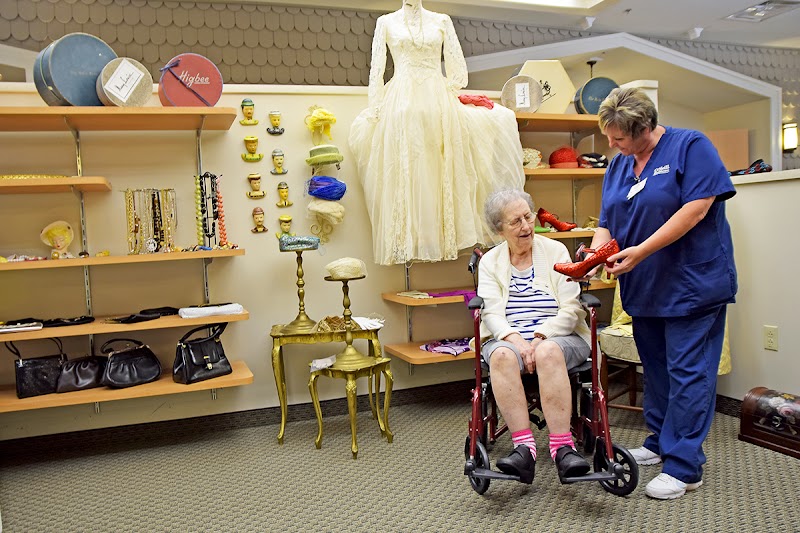
How Does O'Neill Healthcare Bay Village Compare to Other Ohio Nursing Homes?

Compared to the 100 nursing homes in Ohio, O'NEILL HEALTHCARE BAY VILLAGE's overall rating (5 stars) is above the state average of 3.2, staff turnover (58%) is significantly higher than the state average of 46%, and health inspection rating (4 stars) is above the national benchmark.

What Should Families Ask When Visiting O'Neill Healthcare Bay Village?

Based on this facility's data, families visiting should ask: "How do you ensure continuity of care given staff turnover, and what is your staff retention strategy?" "Can you walk me through typical staffing levels on day, evening, and night shifts?" "Can I visit during a mealtime to observe dining assistance and food quality?" "How do you handle medical emergencies, and what is your hospital transfer rate?" These questions are particularly relevant given the facility's high staff turnover rate and the below-average staffing rating.

Is O'Neill Healthcare Bay Village Safe?

Based on CMS inspection data, O'NEILL HEALTHCARE BAY VILLAGE has a clean safety record: no substantiated abuse findings (meaning no confirmed cases of resident harm), no Immediate Jeopardy citations (the most serious violation level indicating risk of serious injury or death), and is not on the Special Focus Facility watch list (a federal program monitoring the lowest-performing 1% of nursing homes). The facility has a 5-star overall rating and ranks #1 of 100 nursing homes in Ohio. While no facility is perfect, families should still ask about staff-to-resident ratios and recent inspection results during their visit.

Do Nurses at O'Neill Healthcare Bay Village Stick Around?

Staff turnover at O'NEILL HEALTHCARE BAY VILLAGE is high. At 58%, the facility is 12 percentage points above the Ohio average of 46%. Registered Nurse turnover is particularly concerning at 56%. RNs handle complex medical decisions and coordinate care — frequent RN changes can directly impact care quality. High turnover means new staff may not know residents' individual needs, medications, or preferences. It can also be disorienting for residents, especially those with dementia who rely on familiar faces. Families should ask: What is causing the turnover? What retention programs are in place? How do you ensure care continuity during staff transitions?

Was O'Neill Healthcare Bay Village Ever Fined?

O'NEILL HEALTHCARE BAY VILLAGE has no federal fines on record. CMS issues fines when nursing homes fail to meet care standards or don't correct problems found during inspections. The absence of fines suggests the facility has either maintained compliance or corrected any issues before penalties were assessed. This is a positive indicator, though families should still review recent inspection reports for the full picture.

Is O'Neill Healthcare Bay Village on Any Federal Watch List?

O'NEILL HEALTHCARE BAY VILLAGE is not on any federal watch list. The most significant is the Special Focus Facility (SFF) program, which identifies the bottom 1% of nursing homes nationally based on persistent, serious quality problems. Not being on this list means the facility has avoided the pattern of deficiencies that triggers enhanced federal oversight. This is a positive indicator, though families should still review the facility's inspection history directly.