ROCKLAND RIDGE NURSING & REHABILITATION CENTER
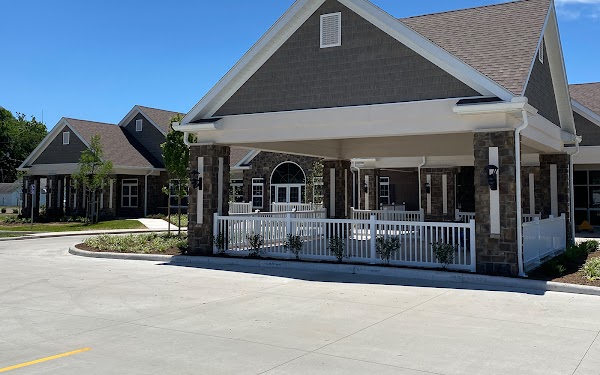

2511 WASHINGTON BLVD, BELPRE, OH 45714 (740) 780-6005
For profit - Corporation 70 Beds FOUNDATIONS HEALTH SOLUTIONS Data: November 2025
Trust Grade
90/100
#157 of 913 in OH
Last Inspection: August 2024

Within standard 12-15 month inspection cycle. Federal law requires annual inspections.

Overview

Rockland Ridge Nursing & Rehabilitation Center has an excellent Trust Grade of A, indicating it is highly recommended and performs well compared to other facilities. It ranks #157 out of 913 nursing homes in Ohio, placing it in the top half, and is the top facility among the six in Washington County. The facility is improving, having reduced its issues from four in 2023 to zero in 2024. However, staffing is a concern with a rating of 2 out of 5 stars and a turnover rate of 45%, slightly below the state average. Notably, there were no fines recorded, which is a positive sign, and the facility has average RN coverage, ensuring that residents receive appropriate medical attention. There were some specific incidents noted during inspections, such as the absence of thermometers in refrigerators, which could affect food safety for residents. Additionally, a pureed diet was not prepared to the appropriate texture, potentially putting residents at risk during mealtime. Lastly, one resident was not receiving consistent care for their urinary catheter as required, which could lead to health complications. Overall, while Rockland Ridge has strong qualities, prospective families should be aware of these concerns regarding food safety and care consistency.

Trust Score
A
90/100
In Ohio
#157/913
Top 17%
Safety Record
Low Risk
No red flags
Inspections
Getting Better
4 → 0 violations
Staff Stability
⚠ Watch
45% turnover. Above average. Higher turnover means staff may not know residents' routines.
Penalties
✓ Good
No fines on record. Clean compliance history, better than most Ohio facilities.
Skilled Nurses
○ Average
Each resident gets 36 minutes of Registered Nurse (RN) attention daily — about average for Ohio. RNs are the most trained staff who monitor for health changes.
Violations
✓ Good
Only 4 deficiencies on record. Cleaner than most facilities. Minor issues only.
★★★★★
5.0
Overall Rating
★★☆☆☆
2.0
Staff Levels
★★★★★
5.0
Care Quality
★★★★★
5.0
Inspection Score
Stable
2023: 4 issues
2024: 0 issues

The Good

  • 5-Star Quality Measures · Strong clinical quality outcomes
  • Full Sprinkler Coverage · Fire safety systems throughout facility
  • No fines on record

Facility shows strength in quality measures, fire safety.

The Bad

Staff Turnover: 45%

Near Ohio avg (46%)

Higher turnover may affect care consistency

Chain: FOUNDATIONS HEALTH SOLUTIONS

Part of a multi-facility chain

Ask about local staffing decisions and management

The Ugly 4 deficiencies on record

Jun 2023 4 deficiencies
CONCERN (D)

Potential for Harm - no one hurt, but risky conditions existed

Incontinence Care (Tag F0690)

Could have caused harm · This affected 1 resident

**NOTE- TERMS IN BRACKETS HAVE BEEN EDITED TO PROTECT CONFIDENTIALITY** Based on record review, observation, resident interview, and staff interview, the facility failed to ensure a resident with recu...

Read full inspector narrative →
**NOTE- TERMS IN BRACKETS HAVE BEEN EDITED TO PROTECT CONFIDENTIALITY** Based on record review, observation, resident interview, and staff interview, the facility failed to ensure a resident with recurrent urinary tract infections (UTI's) received indwelling urinary catheter care consistently as per her physician's orders and plan of care. This affected one resident (Resident #4) of two residents reviewed for urinary catheter or UTI's. The census was 68. Findings include: A review of Resident #4's medical record revealed she was admitted to the facility on [DATE]. Her diagnoses included neuromuscular dysfunction of the bladder, Alzheimer's disease, and dementia. A review of Resident #4's quarterly Minimum Data Set (MDS) assessment dated [DATE] revealed the resident did not have any communication issues and was cognitively intact. She was not known to display any behaviors nor was she known to reject care. She required an extensive assist of two for toilet use and an extensive assist of one for personal hygiene. She was identified as having the use of an indwelling urinary catheter. A review of Resident #4's care plans revealed she had a care plan in place for an alteration in elimination with the use of an indwelling urinary catheter due to her diagnosis of a neurogenic bladder. The care plan indicated the resident had a history of recurrent UTI's. The care plan originated on 11/08/21. The goal was for the resident to be free of complications related to the use of the indwelling urinary catheter. The interventions to achieve that goal included providing urinary catheter care every shift and as needed (prn). She also had a care plan for being at risk for recurring UTI's related to the use of the indwelling urinary catheter. The care plan indicated she required assistance with urinary catheter care. The interventions included the need to provide urinary catheter care if applicable. A review of Resident #4's physician's orders revealed the use of a 16 french indwelling urinary catheter to a collection bag related to neurogenic bladder. Catheter care was to be provided every shift. The order for catheter care had been in place since 12/02/21. The orders also included the need to monitor the indwelling urinary catheter stabilization device daily and to replace the indwelling urinary catheter securement device every seven days and as needed (prn). That order had also been in place since 12/02/21. She was receiving Macrobid 100 milligrams (mg) by mouth two times a day x 10 days for the treatment of a UTI. That order originated on 05/30/23 and was due to end on 06/09/23. A review of Resident #4's treatment administration record (TAR's) for June 2023 revealed the nurses were initialing to show they were performing catheter care every shift as ordered and per the plan of care. They were also initialing the TAR to show they were monitoring the urinary catheter stabilization device daily on the night shift. A nurse had initialed to show the urinary catheter securement device had been changed on the night shift the night of 06/01/23, as was ordered to be done that shift every seven days. On 06/05/23 at 10:39 A.M., an interview with Resident #4 revealed she did not receive catheter care every shift as she should. An additional interview with the resident on 06/06/23 at 11:23 A.M. revealed she continued to claim catheter care was not being provided to her and denied she had received it that morning. She denied catheter care was provided as part of her morning or evening care she received, if she received that at all. If she wanted catheter care done, she would have to ask the staff to do it and would be told they would be back, but would not return to do it. She stated she would like to have it done then as it was not done yet that day. She denied the facility staff were using any type of securing device to stabilize her urinary catheter and to prevent movement or possible dislodgement. A Velcro strap used to secure indwelling urinary catheter tubing to a resident's leg was noted rolled up on the resident's dresser and had a date of 04/08/23. She reported the indwelling urinary catheter pulled when it was not properly secured. She stated they used a securing device when she had first come, but had not used one in a while. She had worked as a nursing assistant for years and knew what the staff were supposed to be doing and they were not doing it. On 06/06/23 at 12:30 P.M., an interview with State Tested Nursing Assistant (STNA) #300 revealed the aides were responsible for doing catheter care on the residents with an indwelling urinary catheter. They documented the completion of catheter care in the kiosk. She thought Resident #4 had catheter care already provided to her that shift and was done earlier in the morning. She reported it was done by one of the younger aides she was working with that day. She was not sure of the younger aide's name but stated the aide had blonde hair. She did not observe catheter care being done for the resident, but had been told it was. She indicated the catheter's collection bag was secured to the bed using a hook. She denied knowledge of the resident having a leg strap or any other securing device to secure the tubing to the resident's leg to help prevent dislodgement. She indicated the catheter's tubing was left to dangle instead. On 06/06/23 at 12:32 P.M., an interview with LPN #160 revealed the aides were responsible for doing catheter care for the residents with an indwelling urinary catheter. She was not sure how it was documented when it had been completed. She then checked on the computer and indicated the nurses documented the completion of catheter care on the TAR's. She claimed, after the resident was up, she would verify that catheter care had been done by the aides. She alleged the resident's catheter care had been done by the aides, after the resident had a bowel movement. She was not sure who it was that did the catheter care, but was told by STNA #204 it had been done. She confirmed STNA #204 was a younger aide with blonde hair, as was described by STNA #300. LPN #160 confirmed she had signed off the TAR to reflect catheter care had already been provided to Resident #4 by the aides as was allegedly reported to her. She stated they were securing the catheter tubing to the resident's leg using a leg strap. She denied the nurses were signing that off on the TAR's. She was not sure how often the securing device (strap) was being changed and had to look at the orders to verify. She indicated it was to be replaced every seven days and as needed (prn). The TAR indicated it was last changed on 06/01/23. She reported the night shift nurse was signing the TAR to reflect they were monitoring for the securing device to be in place. She was asked to accompany the surveyor back to the resident's room to verify if the securing device was in place. She entered the resident's room and pulled down her blanket exposing the resident's catheter tubing. She confirmed the resident was not wearing a leg strap as a securing device or had any other type of securing device to help stabilize her urinary catheter tubing to her leg and prevent possible dislodgement. The resident informed the nurse she had not had a leg strap in place or any other type of securing device on her leg in a long time despite the facility nurses signing it off on the TAR. The nurse acknowledged there was a Velcro strap on her dresser at the resident's bedside that had the date of 04/08/23 on it. She stated she would get the resident a leg strap on so her indwelling catheter tubing could be properly secured as ordered. Further review of Resident #4's electronic health record (EHR) revealed the aides were documenting the completion of catheter care on a bowel and bladder elimination documentation under the task tab of the EHR. A review of the last 30 days (05/08/23 to 06/05/23) revealed the aides were not consistently documenting the completion of catheter care for the resident during that 30 day period. There was no documented evidence to support catheter care had been provided at all on 05/10/23 or on 05/24/23. The aides only documented catheter care being provided only once on 05/13, 05/17, 05/19, 05/20, 05/21, 05/25, 05/29, 05/30/23 or on 06/05/23. There was no documentation to support catheter care had been completed twice a day on those days as was ordered every shift (facility staff worked 12 hour shifts). There had not been any documentation to support catheter care had been provided the morning of 06/06/23, as was signed off on the TAR by LPN #160 as having been completed. On 06/06/23 at 12:42 P.M., an interview with STNA #204 revealed she was one of two aides assigned to work the 300 hall that day. She denied that she had performed catheter care to Resident #4, as was reported by STNA #300 and LPN #160, after the resident allegedly had a bowel movement according to LPN #160. She indicated she was new and had just recently come off her orientation period. She was not sure how often catheter care was to be completed or who was to do it. On 06/06/23 at 3:30 P.M., the Director of Nursing (DON) was made aware Resident #4 was reporting she was not receiving catheter care twice a day as ordered and per her plan of care. She was identified as having had three UTI's in the past 12 months as indicated by the facility's infection control logs. She was also made aware the LPN #160 signed off the TAR to indicated catheter care had been provided the morning of 06/06/23, when it had not been provided. She acknowledged the aides were not consistently documenting catheter care on the bowel and bladder elimination form under the task tab of the EHR. She also acknowledged the nurses were signing the TAR to reflect they were monitoring the resident's securing device and were changing it every week as ordered, when the resident reported a securing device had not been used for some time now. She was informed a securing device was not noted to be on the resident's leg when LPN #160 checked her on 06/06/23 and there was a leg strap on her dresser that was rolled up and dated 04/08/23. She denied the facility had any policies specific to the use of indwelling urinary catheters or the provision of catheter care. She stated the facility followed standards of practice.
CONCERN (D)

Potential for Harm - no one hurt, but risky conditions existed

Deficiency F0761 (Tag F0761)

Could have caused harm · This affected 1 resident

Based on observation, staff interview and policy and procedure review, the facility failed to ensure all medications were properly stored to prevent unauthorized access. This had the potential to affe...

Read full inspector narrative →
Based on observation, staff interview and policy and procedure review, the facility failed to ensure all medications were properly stored to prevent unauthorized access. This had the potential to affect four (Resident #2 , #18, #21 and #50) of 22 residents on the 100 hallway identified as independently mobile and cognitively impaired. The census was 68. Findings include: On 06/07/23 from 7:55 A.M. to 8:06 A.M. the medication cart was sitting in the 100 hallway, unlocked and out of the nurse's view. The nurse was in a resident's room. This was verified during interview at 8:07 A.M. with Licensed Practical Nurse (LPN) #113, who revealed she had went into a resident's room to check on him and forgot to lock the medication cart that was not in her sight while she was in the resident's room. Review of the facility policy and procedure General Guidelines for Medication Administration dated 06/21/17 revealed the (medication) cart should remain unlocked only when the nurse or authorized individual is physically present at the cart.
CONCERN (E)

Potential for Harm - no one hurt, but risky conditions existed

Deficiency F0805 (Tag F0805)

Could have caused harm · This affected multiple residents

Based on observation, interview and facility form review, the facility failed to ensure puree was at an appropriate texture for consumption. This had the potential to affect all five residents (Reside...

Read full inspector narrative →
Based on observation, interview and facility form review, the facility failed to ensure puree was at an appropriate texture for consumption. This had the potential to affect all five residents (Resident #1, #10, #24, #35, and #209) who received a pureed diet. The facility census was 68. Findings included: Observation of the puree process on 06/06/23 at 10:50 A.M. of Dietary [NAME] (DC) #101 preparing the puree. DC #101 placed the glazed rainbow carrots in the Robot Coupe food processor. The carrots were purred, and he believed the mixture was too thin and therefore, added one tablespoon of thickener. After pureeing for a couple of minutes, DC #101 tasted the carrot puree and reported it was the correct consistency and ready to be served. This surveyor then tasted the carrot puree and after pushing the puree to the roof of her mouth, noted there were pieces of carrot which needed to be chewed. The consistency was not smooth. After informing DC #101 of her findings, DC #101 verified the carrot puree was not ready to be served and there were chunks of carrot in it. DC #101 processed the carrots for an additional three minutes and then an additional four minutes prior to tasting them again and reporting they were at the proper texture to be served. The puree was noted to be smooth after the additional time in the Robot Coupe. Review of the Diet Master form provided by the facility, dated 06/05/23, revealed five Residents (#1, #10, #24, #35, and #209) received pureed diets. Review of the facility form titled, Provider Services Puree Production Competency, date May 2014, revealed puree until smooth (pudding-like to mash potato consistency). Follow recipe using proper thinning agent and thickening agent as directed in recipe. Further review revealed to taste the completed product. Push food from tongue to roof of mouth. Ensure it is smooth like pudding or mash potato-like consistency.
CONCERN (F)

Potential for Harm - no one hurt, but risky conditions existed

Food Safety (Tag F0812)

Could have caused harm · This affected most or all residents

Based on observation, interview, and facility record review the facility failed to ensure refrigerators had thermometers in them to confirm the internal temperature, failed to ensure refrigerator and ...

Read full inspector narrative →
Based on observation, interview, and facility record review the facility failed to ensure refrigerators had thermometers in them to confirm the internal temperature, failed to ensure refrigerator and freezer temperatures were monitored, failed to ensure all food was temperature checked prior to being served, and failed to ensure food preparation equipment was air dried. This had the potential to affect all 68 residents receiving meals from the kitchen. Findings included: 1. Observations on 06/05/23 between 8:10 A.M. and 8:25 A.M. of facility refrigerators revealed no thermometers in the walk-in refrigerator, cook's reach in refrigerator or service refrigerator. An interview at the time with Dietary [NAME] (DC) #101 verified the three refrigerators did not have thermometers in them and should have to monitor the internal temperature of the units. Review of facility refrigerator and freezer temperature check logs dated May 2023 to June 2023 revealed no documentation to support the kitchen reach in refrigerator temperature was monitored on 05/19/23, 06/02/23, 06/03/23, or 06/04/23, the kitchen walk-in freezer temperature was monitored on 05/19/23, 06/02/23, 06/03/23, or 06/04/23, and the kitchen walk-in refrigerator temperature was monitored on 05/19/23, 05/26/23, 06/02/23, 06/03/23, or 06/04/23. Interview on 06/07/23 at 9:10 A.M. with the Dietary Manager #114 verified refrigerator and freezer temperature checks were missing for the above-mentioned days and should be assessed at least daily. 2. Review of the food temperature logs dated January 2023 to June 2023 revealed food temperatures were not always being monitored to confirm safe food temperatures prior to being served. Review of the facility form titled, Foundations Health Solutions Food Temperature Log, dated January 2023, revealed lunch and dinner meals were not temperature checked on 01/10/23. Review of the facility form titled, Foundations Health Solutions Food Temperature Log, dated May 2023, revealed lunch and dinner meals were not temperature checked on 05/29/23 or 05/31/23 and breakfast, lunch and dinner meals were not temperature checked on 05/30/23. Review of the facility form titled, Foundations Health Solutions Food Temperature Log, dated June 2023, revealed lunch and dinner meals were not temperature checked on 06/01/23 or 06/02/23 and breakfast, lunch and dinner meals were not temperature checked on 06/03/23. Interview on 06/05/23 at 8:30 A.M. with DC #101 verified there was no documentation to confirm meals were temperature checked on the above dates. He also verified the importance of temperature checking all food temperature prior to serving to confirm it was a safe temperature for consumption. Interview on 06/07/23 at 9:10 A.M. with the Dietary Manager #114 verified food temperature checks were missing for some meals and all food should be temperature checked prior to serving. 3. After pureeing the carrots, DC #101 ran the Robot Coupe bowl, chopper, and lid through the dishwasher and proceeded to dry the three pieces of the Robot Coupe with a towel. DC #101 then used the towel dried Robot Coupe bowl, chopper, and lid to puree noodles. Interview on 06/06/23 at 12:35 P.M. with DC #101 verified he did dry the parts of the Robot Coupe with a towel and should not have. He reported he wanted to get the purees done and didn't have time for the three parts to air dry. He verified all cooking utensils should air dry to prevent contamination.
Understanding Severity Codes (click to expand)
Life-Threatening (Immediate Jeopardy)
J - Isolated K - Pattern L - Widespread
Actual Harm
G - Isolated H - Pattern I - Widespread
Potential for Harm
D - Isolated E - Pattern F - Widespread
No Harm (Minor)
A - Isolated B - Pattern C - Widespread

Questions to Ask on Your Visit

  • "Can I speak with families of current residents?"
  • "What's your RN coverage like on weekends and overnight?"

Our Honest Assessment

Strengths
  • • Grade A (90/100). Above average facility, better than most options in Ohio.
  • • No major safety red flags. No abuse findings, life-threatening violations, or SFF status.
  • • No fines on record. Clean compliance history, better than most Ohio facilities.
  • • Only 4 deficiencies on record. Cleaner than most facilities. Minor issues only.
Concerns
  • • No significant concerns identified. This facility shows no red flags across CMS ratings, staff turnover, or federal penalties.
Bottom line: Generally positive indicators. Standard due diligence and a personal visit recommended.

About This Facility

What is Rockland Ridge Nursing & Rehabilitation Center's CMS Rating?

CMS assigns ROCKLAND RIDGE NURSING & REHABILITATION CENTER an overall rating of 5 out of 5 stars, which is considered much above average nationally. Within Ohio, this rating places the facility higher than 99% of the state's 100 nursing homes. This rating reflects solid performance across the metrics CMS uses to evaluate nursing home quality.

How is Rockland Ridge Nursing & Rehabilitation Center Staffed?

CMS rates ROCKLAND RIDGE NURSING & REHABILITATION CENTER's staffing level at 2 out of 5 stars, which is below average compared to other nursing homes. Staff turnover is 45%, compared to the Ohio average of 46%. This relatively stable workforce can support continuity of care.

What Have Inspectors Found at Rockland Ridge Nursing & Rehabilitation Center?

State health inspectors documented 4 deficiencies at ROCKLAND RIDGE NURSING & REHABILITATION CENTER during 2023. These included: 4 with potential for harm.

Who Owns and Operates Rockland Ridge Nursing & Rehabilitation Center?

ROCKLAND RIDGE NURSING & REHABILITATION CENTER is owned by a for-profit company. For-profit facilities operate as businesses with obligations to shareholders or private owners. The facility is operated by FOUNDATIONS HEALTH SOLUTIONS, a chain that manages multiple nursing homes. With 70 certified beds and approximately 62 residents (about 89% occupancy), it is a smaller facility located in BELPRE, Ohio.
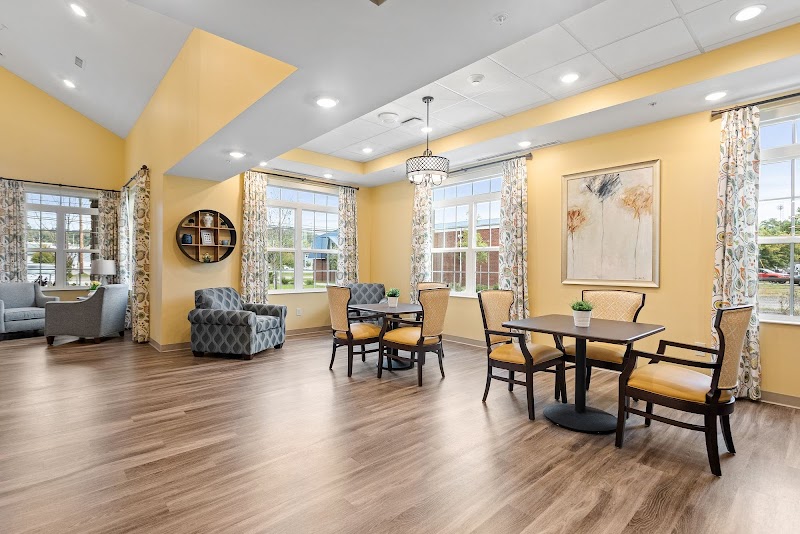
How Does Rockland Ridge Nursing & Rehabilitation Center Compare to Other Ohio Nursing Homes?

Compared to the 100 nursing homes in Ohio, ROCKLAND RIDGE NURSING & REHABILITATION CENTER's overall rating (5 stars) is above the state average of 3.2, staff turnover (45%) is near the state average of 46%, and health inspection rating (5 stars) is much above the national benchmark.

What Should Families Ask When Visiting Rockland Ridge Nursing & Rehabilitation Center?

Based on this facility's data, families visiting should ask: "Can you walk me through typical staffing levels on day, evening, and night shifts?" "Can I visit during a mealtime to observe dining assistance and food quality?" "How do you handle medical emergencies, and what is your hospital transfer rate?" "Can I speak with family members of current residents about their experience?" These questions are particularly relevant given the below-average staffing rating.

Is Rockland Ridge Nursing & Rehabilitation Center Safe?

Based on CMS inspection data, ROCKLAND RIDGE NURSING & REHABILITATION CENTER has a clean safety record: no substantiated abuse findings (meaning no confirmed cases of resident harm), no Immediate Jeopardy citations (the most serious violation level indicating risk of serious injury or death), and is not on the Special Focus Facility watch list (a federal program monitoring the lowest-performing 1% of nursing homes). The facility has a 5-star overall rating and ranks #1 of 100 nursing homes in Ohio. While no facility is perfect, families should still ask about staff-to-resident ratios and recent inspection results during their visit.

Do Nurses at Rockland Ridge Nursing & Rehabilitation Center Stick Around?

ROCKLAND RIDGE NURSING & REHABILITATION CENTER has a staff turnover rate of 45%, which is about average for Ohio nursing homes (state average: 46%). Moderate turnover is common in nursing homes, but families should still ask about staff tenure and how the facility maintains care continuity when employees leave.

Was Rockland Ridge Nursing & Rehabilitation Center Ever Fined?

ROCKLAND RIDGE NURSING & REHABILITATION CENTER has no federal fines on record. CMS issues fines when nursing homes fail to meet care standards or don't correct problems found during inspections. The absence of fines suggests the facility has either maintained compliance or corrected any issues before penalties were assessed. This is a positive indicator, though families should still review recent inspection reports for the full picture.

Is Rockland Ridge Nursing & Rehabilitation Center on Any Federal Watch List?

ROCKLAND RIDGE NURSING & REHABILITATION CENTER is not on any federal watch list. The most significant is the Special Focus Facility (SFF) program, which identifies the bottom 1% of nursing homes nationally based on persistent, serious quality problems. Not being on this list means the facility has avoided the pattern of deficiencies that triggers enhanced federal oversight. This is a positive indicator, though families should still review the facility's inspection history directly.