MUSKINGUM SKILLED NURSING & REHABILITATION
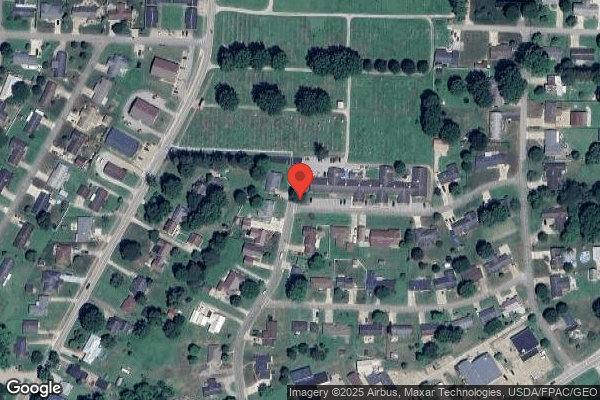
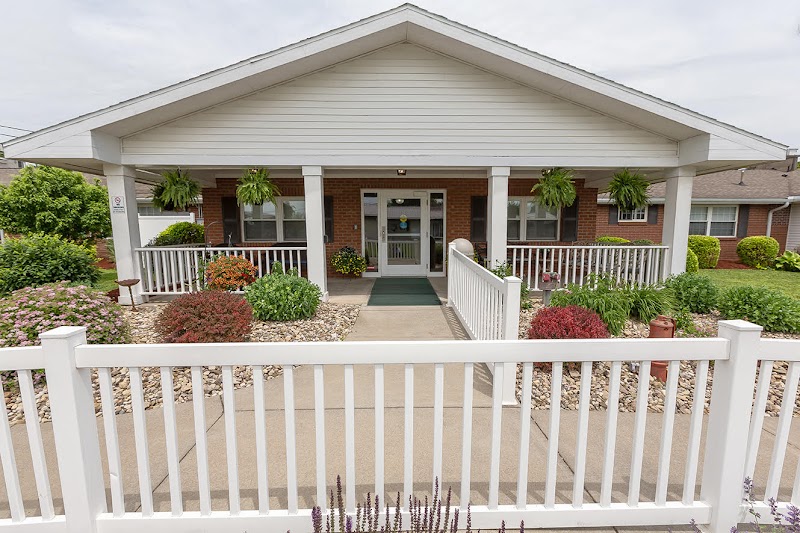
501 PINECREST DRIVE, BEVERLY, OH 45715 (740) 984-4262
For profit - Corporation 50 Beds CONTINUING HEALTHCARE SOLUTIONS Data: November 2025 2 Immediate Jeopardy citations
Trust Grade
0/100
#740 of 913 in OH
Last Inspection: July 2024

Within standard 12-15 month inspection cycle. Federal law requires annual inspections.

Overview

Muskigum Skilled Nursing & Rehabilitation in Beverly, Ohio has a Trust Grade of F, indicating poor performance with significant concerns. It ranks #740 out of 913 facilities in Ohio, placing it in the bottom half, and #5 out of 6 in Washington County, meaning only one facility nearby is rated lower. Although the number of serious issues has improved from 6 in 2024 to just 1 in 2025, the overall situation remains concerning with 63 total issues found, including critical incidents related to infection control and allegations of abuse that were not properly addressed. Staffing here is below average with a rating of 2 out of 5 stars and a turnover rate of 44%, which is better than the state average but still raises concerns. The facility has faced $139,286 in fines, which is alarming and suggests ongoing compliance problems. Additionally, RN coverage is less than that of 84% of Ohio facilities, meaning there may be fewer registered nurses available to catch issues that other staff members might miss.

Trust Score
F
0/100
In Ohio
#740/913
Bottom 19%
Safety Record
High Risk
Review needed
Inspections
Getting Better
6 → 1 violations
Staff Stability
○ Average
44% turnover. Near Ohio's 48% average. Typical for the industry.
Penalties
✓ Good
$139,286 in fines. Lower than most Ohio facilities. Relatively clean record.
Skilled Nurses
⚠ Watch
Each resident gets only 21 minutes of Registered Nurse (RN) attention daily — below average for Ohio. Fewer RN minutes means fewer trained eyes watching for problems.
Violations
⚠ Watch
63 deficiencies on record. Higher than average. Multiple issues found across inspections.
★★☆☆☆
2.0
Overall Rating
★★☆☆☆
2.0
Staff Levels
★★★★★
5.0
Care Quality
★☆☆☆☆
1.0
Inspection Score
Stable
2024: 6 issues
2025: 1 issues

The Good

  • 5-Star Quality Measures · Strong clinical quality outcomes
  • Full Sprinkler Coverage · Fire safety systems throughout facility
  • No fines on record
  • Staff turnover below average (44%)

    4 points below Ohio average of 48%

Facility shows strength in quality measures, fire safety.

The Bad

2-Star Overall Rating

Below Ohio average (3.2)

Below average - review inspection findings carefully

Staff Turnover: 44%

Near Ohio avg (46%)

Typical for the industry

Federal Fines: $139,286

Well above median ($33,413)

Significant penalties indicating serious issues

Chain: CONTINUING HEALTHCARE SOLUTIONS

Part of a multi-facility chain

Ask about local staffing decisions and management

The Ugly 63 deficiencies on record

2 life-threatening 3 actual harm
Aug 2025 1 deficiency 1 IJ
CRITICAL (J) 📢 Someone Reported This

A family member, employee, or ombudsman was alarmed enough to file a formal complaint

Immediate Jeopardy (IJ) - the most serious Medicare violation

Investigate Abuse (Tag F0610)

Someone could have died · This affected 1 resident

**NOTE- TERMS IN BRACKETS HAVE BEEN EDITED TO PROTECT CONFIDENTIALITY** Based on observation, record review, review of a facility self-reported incident (SRI), review of staff statements, review of th...

Read full inspector narrative →
**NOTE- TERMS IN BRACKETS HAVE BEEN EDITED TO PROTECT CONFIDENTIALITY** Based on observation, record review, review of a facility self-reported incident (SRI), review of staff statements, review of the facility's abuse policy and procedure, and interviews, the facility failed to timely report and implement immediate and effective measures to protect residents following allegations of sexual abuse. This resulted in Immediate Jeopardy and the potential for actual harm including serious injury and psychosocial harm beginning on [DATE] at approximately 11:30 P.M. when Certified Nursing Assistant (CNA) #108 notified the supervisor, Licensed Practical Nurse (LPN) #115 she believed LPN #119 had assaulted Resident #22 and Resident #18 due to changes in the resident's behaviors, including yelling, screaming, crying, not complying with care, and shaking when LPN #119 was present with the resident(s). Upon notification, LPN #115 did not implement immediate safeguards to prevent further potential abuse including immediately assessing the residents, removing LPN #119 from resident care, and reporting the allegation to the Director of Nursing (DON) and/or Administrator. LPN #115 requested written statements from CNA staff to place in the DON's mailbox for review on [DATE]. As a result of LPN #115's inaction, CNA #108 called local police for assistance and to ensure resident safety. Upon police arrival, LPN #119 was removed from the facility. A police investigation remains ongoing at this time This affected two residents (#22 and #18) and had the potential to affect all 43 residents residing in the facility. On [DATE] at 5:28 P.M., the Regional Director of Operations, DON, and Administrator were notified Immediate Jeopardy began on [DATE] at approximately 11:30 P.M. when CNA staff reported allegations of staff to resident sexual abuse involving Resident #18 and Resident #22 to LPN #115. LPN #115 failed to immediately report the allegations to the Administrator and/or DON, failed to initiate a thorough and comprehensive investigation and failed to ensure LPN #119, the alleged perpetrator was removed from the facility to ensure resident safety, placing all 43 of 43 residents at risk for actual harm/abuse. The Immediate Jeopardy was removed on [DATE] when the facility implemented the following corrective action: On [DATE] at 7:00 A.M. the Administrator and DON initiated an investigation gathering statements from staff present at the time of the incident on [DATE]. Statements were gathered from LPN #115 and CNA #124 by 8:30 A.M. On [DATE] at 7:15 A.M. the DON completed skin assessments on Resident #22 and Resident #18. On [DATE] at 7:32 A.M. the detective notified Resident #22's family of the allegation. On [DATE] at 9:00 A.M. the Administrator notified the Medical Director of the sexual abuse allegation and investigation in progress and the DON, and LPNs #113 and #101 completed house wide skin assessments on 42 residents which were completed by 4:33 P.M. Resident interviews were conducted with 33 residents by Social Service Staff between 9:00 A.M. and 11:00 A.M. 10 residents were non-interviewable. On [DATE] at 10:05 A.M. the Quality Assurance nurse initiated an SRI regarding the sexual abuse allegation. On [DATE] at 11:04 A.M. the DON and Administrator notified Resident #18's family of the allegation. On [DATE] at 12:00 P.M. Human Resources (HR) and the Administrator initiated in person education regarding the abuse policy and procedure, reporting, and that if the nurse in charge was not addressing their issue or concerns to call the DON or Administrator. Six administrative staff, two housekeepers, one laundry aide, three CNAs, two dietary staff, two LPNs, one activity aide, and one medication technician received this in person training. In addition, at 3:40 P.M. the education was provided via phone to four LPNs, two registered Nurses (RNs), two housekeepers, one activity aide, eight CNAs, two medication technicians, one transport aide, and three dietary staff. On [DATE] at 6:00 P.M. a verbal statement was received by the DON and administrator from CNA #128. On [DATE] at 7:42 P.M. LPN #115 was suspended pending investigation for not following facility policy and procedure on abuse reporting. On [DATE] at 9:15 A.M. CNA #108's written statement was collected by Corporate Human Resource (HR) staff. On [DATE] at 5:53 P.M. re-education on the abuse policy and procedure, reporting, and that if the nurse in charge was not addressing their issue or concerns to call the DON or Administrator was completed for seven administrative staff, five CNAs, two dietary employees, four LPNs, two medication technicians, one activities employee, and one RN. The education was provided by HR and the Administrator. All staff not re-educated would receive reeducation prior to the start of their next shift by the Administrator, DON, or HR. On [DATE] between 6:52 P.M. and 8:00 P.M. 34 resident interviews related to abuse and safety were completed by Social Services #142. On [DATE] between 7:00 P.M. and 10:00 P.M. skin assessments for 43 residents were completed. On [DATE] between 7:15 P.M and 8:45 P.M. reeducation on the abuse policy and procedure, reporting, and that if the nurse in charge was not addressing their issue or concerns to call the DON or Administrator was reinitiated via phone by the Administrator for one administrative staff, four housekeepers, one laundry employee, seven CNAs, two dietary employees, four LPNs, two medication technicians, one activities aide, and one transport aide. On [DATE] at 7:30 P.M. a written statement was received from CNA #128 by the Administrator. On [DATE] at 1:46 A.M. re-education on abuse, reporting, and that if the nurse in charge was not addressing their issue or concerns to call the DON or Administrator was completed with one RN via phone by the Administrator. On [DATE] at 12:28 P.M. re-education on abuse, reporting, and that if the nurse in charge was not addressing their issue or concerns to call the DON or Administrator was completed via phone with one medication technician by HR. On [DATE] at 3:57 P.M. re-education on the abuse policy and procedure, reporting, and that if the nurse in charge was not addressing their issue or concerns to call the DON or Administrator was completed via phone with one CNA by HR. Any employee who had not received education would receive the education prior to the start of their next shift by the Administrator, DON, or HR. On [DATE] at 5:39 P.M. LPN #115 was terminated for not following facility policy and procedure on abuse reporting. Beginning on [DATE] the DON/Designee would interview three residents per day, five days a week for four weeks to rule out abuse. Beginning [DATE] the DON/ Designee would conduct three staff interviews per day, five days a week, for four weeks to ensure the abuse policy was being followed and allegations of abuse were reported timely. Beginning on [DATE] the DON/Designee would conduct three skin assessments per day of non-interviewable residents, five days a week for four weeks to ensure there were no signs of abuse beginning. An Ad-HOC Quality Assurance Performance Improvement (QAPI) was completed on [DATE] at 12:50 P.M. The topic was Abuse Policy and Procedure. The Abuse Policy, Abatement Plan and Root Cause Analysis related to late reporting and compromising the safety of the residents were reviewed. The Interdisciplinary Team (IDT) team met along with the Medical Director to review the Abuse Policy, Abatement plan and Root Cause Analysis related to late reporting and compromising the safety of the residents. The QAPI team was in agreement with the facility abatement plan and would continue to monitor those areas. Should any new concerns or issues arise, the QAPI team would reconvene at that time. Results of audits would be reviewed in monthly QAPI meetings with the Medical Director, Administrator, and DON. Results of audits would be reviewed in quarterly QAPI meetings with the IDT Team.Although the Immediate Jeopardy was removed on [DATE], the deficiency remained at Severity Level II (no actual harm with potential for more than minimal harm that is not Immediate Jeopardy) as the facility was in the process of implementing their corrective action and monitoring for effectiveness and on-going compliance.1. Review of Resident #22's medical record revealed an admission date of [DATE] with diagnoses including respiratory failure with hypoxia, depression and dementia. Record review revealed Resident #22 was receiving Hospice (end of life) services. Review of the Minimum Data Set (MDS) assessment completed [DATE] revealed Resident #22 had moderately impaired cognition and no documented behaviors.Review of Resident #22's progress notes revealed no concerns/incidents were documented by LPN #119 or LPN #115 from [DATE] through [DATE]. Review of a skin check dated [DATE] (no time noted) completed by LPN #113 revealed Resident #22 had moisture-associated skin damage, and no other areas of concern noted.Review of a facility Self- Reported Incident (SRI) tracking number 263598 dated [DATE] revealed one staff member (CNA #108) alleged another staff member (LPN #119) had inappropriately touched two residents (#18 and #22). The SRI included the staff member (LPN #119) was immediately suspended. Review of a statement by CNA #124 dated [DATE] revealed she did not witness any assault to residents but had overheard CNAs #108 and #128 say residents were bleeding, someone touched them, and Resident #22's brief smelled of some man. CNA #124's statement indicated no resident had reported any concerns to her. CNA #124's statement also indicated the police were called instead of management because nothing ever got done when reported, and when they did report to management, they got yelled at by their nurses, AKA LPN #115 who would not call management because it was too much work. Attempts to reach CNA #124 for interview during the investigation were unsuccessful.Review of a statement by LPN #115 dated [DATE] revealed he did not witness assault toward a resident. In the statement LPN #115 mentioned how CNA #108 stated what she thought LPN #119 was doing to residents; no resident told LPN #115 they were being assaulted. LPN #115 asked CNA #108 and CNA #128 to write statements so there was a paper trail and then LPN #115 would notify the DON. LPN #115's statement revealed he thought the police were called because CNA #108 wanted a quick response, but he was not sure. Interview on [DATE] at 8:06 A.M. with the granddaughter of Resident #22 (Granddaughter #200) revealed between [DATE] and [DATE] there was an allegation Resident #22 experienced sexual assault which was still under investigation by the sheriff's department. Granddaughter #200 revealed the family had previously placed a camera in the resident's room, but the camera did not have recording capability because the facility had informed the family they were not allowed to have recording devices in resident rooms. Granddaughter #200 stated she was unsure what had happened but knew two aides had called the police, and she heard another resident (#18) had rectal bleeding due to abuse. Granddaughter #200 stated following the incident, the family chose not to send Resident #22 to the hospital for a rape kit because of the resident's (terminal) condition but stated she was aware LPN #119 had been interrogated by police for a couple hours, DNA evidence was collected, and LPN #119 agreed to take a polygraph. During the interview, Granddaughter #200 stated she was not informed of the allegations by the facility when the allegations were made the night before, but rather she had been notified by the sheriff's department on [DATE] at 7:13 A.M. Granddaughter #200 stated Resident #22 would be mortified (of the allegations/situation) because she was a very private person and after her husband passed away in 1982 she did not remarry. Interview on [DATE] at 9:20 A.M. with Lieutenant (LT) #144 revealed the police department had been called related to reports by a caregiver that LPN #119 had possibly sexually assaulted a couple residents. At the time of the interview, LT #144 revealed the incident was still under police investigation and items had been sent to the lab for testing. LT #144 was aware one resident (#18) was bleeding from her anus but staff had reported the resident did have hemorrhoids, and the other resident (#22) had yelled get off me, leave me alone but this resident had a history of behaviors.Interview on [DATE] at 9:28 A.M. with Resident #22's representative (Resident Representative [RR] #201) revealed he found out at 7:07 A.M. on [DATE] from the sheriff's department there was an allegation the night before that Resident #22, and another lady had been sexually assaulted. RR #201 stated no details were shared and when family spoke to the facility, they did not say anything about the allegation. There were two detectives present for a meeting with the facility who did all the talking. RR #201 felt there was no resolution to the situation, so he installed a recording device in the resident's room on [DATE]. RR #201 stated he installed the recording device because staff kept turning off the previous device ([NAME]) monitor (virtual assistant technology) that was in the room. RR #201 stated he was aware the nurse involved in the incident was supposed to be suspended. RR #201 did not know what other staff were working at the time of the incident or when the allegation was made. Interview on [DATE] at 10:28 A.M. with Hospice Nurse (HN) #146 revealed she was the on-call nurse over the weekend from [DATE] to [DATE] and had not been made aware on [DATE] of any allegation of sexual abuse involving Resident #22. HN #146 stated any time there was an allegation of sexual abuse, an assessment of the resident needed completed.Interview on [DATE] at 10:38 A.M. with HN #147 revealed she was made aware of an allegation of sexual abuse to Resident #22 and completed a head-to-toe assessment on [DATE]. However, the assessment was not specific to sexual abuse as HN #147 revealed she was not qualified to perform that type of assessment. HN #147 stated Resident #22 was minimally responsive (behavior wise) due to the resident being end of life, but she did have some moaning and groaning when staff assisted with turning. HN #147 stated the facility should let hospice know of abuse allegations within 24 hours.On [DATE] at 11:04 A.M. an attempt to interview CNA #124 was unsuccessful. A voice message was left with no return call received.Interview on [DATE] at 11:25 A.M. with LPN #115 revealed he had written a statement which he felt was complete, thorough, and accurate and that was all the information he could provide (content of statement noted above). During the interview, LPN #115 declined to answer any questions related to why he did not assess the resident, write a progress note, notify the DON or Administrator, and remove LPN #119 from resident care following the allegation of sexual abuse being made to him. Interview on [DATE] at 1:15 P.M. with [NAME] (SGT) #145 revealed there was a report two residents had been sexually assaulted, he did not personally see the residents, and his main objective was to interview the alleged perpetrator, LPN #119. SGT #145 stated evidence was being submitted to the lab, concurrent investigative techniques were on-going and additional information could not be released at this time since a criminal investigation was ongoing.During an interview on [DATE] at 1:56 P.M. CNA #108 voiced concerns the facility did not investigate things like they should. CNA #108 stated on [DATE] she and CNA #128 were in Resident #18's room when they heard LPN #119 calling for help. The CNA went into the hallway and LPN #119 was standing outside Resident #22's room, pushing his hair back, and stated she needs put back in bed and I don't think she is breathing. CNA #108 stated Resident #22 was sitting partly on the bed and partly off, and kept repeating, I didn't have my underwear on, while holding on to her incontinence brief. Resident #22's lips looked torn, and she looked like she was about to pass out with her eyes rolling back in her head. When LPN #119 attempted to enter the room Resident #22 went stiff and started shaking. CNA #108 stated she thought Resident #22 looked like she had been over-medicated and raped. CNA #108 stated when LPN #119 walked in the room, he passed by the [NAME] device, and she thought maybe he had turned the camera on at that time as the CNA stated the family had complained in the past about it being turned off. After Resident #22 began to panic, LPN #119 took off down the hallway. CNA #108 was unable to get Resident #22 to scoot up in the bed because she was scared to death. The CNA revealed the concerns were reported to LPN #115 who was the manager working. CNA #108 stated after reporting the concerns, LPN #115 wanted to talk to her, said she could not go around making allegations, and a witness statement needed to be filled out. CNA #108 went back to check on Resident #22 was who still in the same position and would not allow anyone to change her. Resident #22 was shaking and turning her head. CNA #108 stated she realized no one was going to do anything about the concerns the CNA staff had, so she called 911 (emergency services). CNA #108 stated LPN #119 had just come back to work after being suspended following a similar allegation (of sexual abuse from another resident). CNA #108 stated a female sheriff came to the facility with investigators to look at Resident #22, and when they entered the room and Resident #22 saw a female deputy her whole body relaxed, and she started crying. CNA #108 rolled Resident #22 over so her backside would face the female deputy and CNA #108 thought The resident's anus was protruding. CNA #108 also stated Resident #22's family requested that a nurse from outside the facility assess Resident #22, but the DON would not allow it. During the interview, CNA #108 was frantic and crying.Interview on [DATE] at 3:45 P.M. with Granddaughter #202 revealed she had been watching the [NAME] camera to check on Resident #22 at about 10:00 P.M. on [DATE] to make sure she received her medicine, which she did. Granddaughter #202 stated she then checked at about 11:00 P.M. and noticed Resident #22 was seated at the edge of the bed and she called the facility. LPN #119 answered, headed straight to the room, and helped Resident #22 lay back down. Granddaughter #202 stated she went to check the camera a little bit later and it indicated the service was out or connection could not be made, so she kept checking in. At about 12:00 -12:30 A.M. on [DATE], she checked the camera, and it was back on and there were three aides in Resident #22's room, one stated they were not going to touch her, and they needed to get LPN #115 in the room. Then LPN #115 and three aides were in the room; the view of Resident #22 was blocked, and they were all whispering but she did hear them say LPN #119's name. Granddaughter #202 called the facility and LPN #119 answered and stated nothing was wrong, and when asked why four people were in Resident #22's room he stated, Oh, LPN #115 is in there? She's ok. LPN #119 did not say anything else but she stated she did miss a call from him at about 2:30 A.M. The missed call indicated Resident #22 was agitated, they were going to give her medication, and someone would sit with her for a little bit. Granddaughter #202 stated that was all she knew until the family was contacted by the sheriff's department the following morning.Interview on [DATE] at 4:20 P.M. with LPN #119 revealed he had no clue what happened on [DATE]-[DATE], but the sheriff's department showed up and stated a complaint was called in. LPN #119 stated he called the Administrator regarding the sheriff's department being at the facility but was unable to tell her why they were at the facility since he stated he did not know. LPN #119 stated on [DATE] at about 5:00 A.M. - 5:30 A.M. a detective wanted to speak to him outside and he left the facility with the police. During the interview LPN #119 stated he was new to the unit Resident #22 was on because his assignment had been switched after an allegation of inappropriate touching had been made against him by a resident on a different unit. During the interview, the LPN denied knowledge of being suspended but indicated he had not worked in the facility since leaving with police on [DATE]. Interview on [DATE] at 6:27 P.M. with CNA #128 revealed she and CNA #108 had finished cleaning up Resident #18 but were still cleaning the room when CNA #108 exited to assist LPN #119. A couple minutes later, CNA #128 went in Resident #22's room and saw CNA #108 crouched next to Resident #22 at the resident's bedside. Resident #22 was screaming and not acting like herself. The CNA stated Resident #22 always got up on the side of the bed facing the window, but this time she was facing the door. Resident #22 was frantic, alarmed, and stated she had only been this way one time before, on the night of [DATE] which was LPN #119's first time working the hall. CNA #128 stated she was not sure what made Resident #22 act out, but the resident was flustered and in a panic. When LPN #119 entered the room from behind CNA #108, it got worse and Resident #22 began screaming, get away from me, stop touching me, but no one was actually touching her at that time. CNA #108 was crouching at the bedside to keep Resident #22 from falling, and when she noticed Resident #22's reactions, CNA #108 told LPN #119 to get out, and told CNA #128 to get LPN #115. When CNA #128 re-entered Resident #22's room with LPN #115, Resident #22 was no longer screaming and allowed CNA #108 to soothe her. CNA #128 stated CNA #108 then looked at LPN #115 and stated, he (LPN #119) did something to her. CNA #108 began to get worked up and left the room, so LPN #115 followed her. CNA #128 stated Resident #22's brief had been undone on the left side, but barely reattached and when she tried to fix it, Resident #22 began screaming so she told Resident #22 she would not change the incontinence brief and it would be okay. Resident #22 yelled stop touching me, it's my right. Once Resident #22 was calmed down, CNA #128 left the room to try to find out what was going on because she was no longer comfortable with LPN #119 working with the residents since there was a big change in resident behaviors since he started working on the unit. CNA #128 stated LPN #119 had kept his medication cart outside Resident #22's room the entire night and did not leave the area. LPN #115 was not helpful regarding the incident and just directed CNA #128 to write a witness statement. CNA #128 stated she had previously reported several concerns to LPN #115, including suspicion of LPN #119 being on drugs at work, and he did not do anything to address the concern. The CNA revealed LPN #115 stated if they did not want to write statements, everyone could sit in the break room together to come to a resolution and discuss their feelings. LPN #115 stated if the staff wrote statements he would put the witness statements in DON's mailbox to review the following morning. After 1:00 A.M. on [DATE], CNA #128 stated she encouraged CNA #108 to call the police since no one else was doing anything and they were both uncomfortable with LPN #119 being around the residents. CNA #128 stated LPN #115 should have called the Administrator as soon as concerns were brought to his attention. CNA #128 stated she was not sure what had occurred or been done to Resident #22, but she knew it was something traumatic or an action which caused the resident distress to be uncomfortable and act the way she did. CNA #128 stated the police arrived at the facility at about 3:00 A.M. and LPN #119 remained in the facility after the allegations were reported, until at least 5:15 A.M. Review of a nursing note dated [DATE] timed 8:44 A.M. authored by the DON revealed Resident #22 had expired. Resident #22's time of death was 8:39 A.M., hospice was notified, and family was at bedside.A follow up interview on [DATE] at 2:21 P.M. with CNA #108 revealed when Resident #22 began shivering and tensing up, the CNA looked at LPN #119 and asked, you did it again, didn't you? referring to previous allegation against LPN #119. CNA #108 stated when LPN #115 came in the room she stated specifically, he's [LPN #119] hurting them. What are you going to do about this? LPN #115 wanted statements written, but the residents needed help then.2. Review of Resident #18's medical record revealed an admission dated of [DATE] with diagnoses including unspecified fracture of lumbar vertebra, schizoaffective disorder, and mild cognitive impairment. Review of the Minimum Data Set (MDS) assessment dated [DATE] revealed Resident #18's cognition was severely impaired, and she had verbal behaviors one to three days during the seven-day review period. Review of nursing notes dated [DATE] timed 7:30 A.M. and 8:52 A.M. authored by the DON revealed Resident #18's daughter was called with no success. Review of a nursing note dated [DATE] timed 11:04 A.M. revealed Resident #18's daughter was called and updated on her status.Review of a skin check dated [DATE] (no time noted) revealed Resident #18 had no new skin issues.Review of a facility Self- Reported Incident (SRI) tracking number 263598 dated [DATE] revealed one staff member (CNA #108) alleged another staff member (LPN #119) had inappropriately touched two residents (#18 and #22). The SRI included the staff member (LPN #119) was immediately suspended.Observation and attempted interview on [DATE] at 7:56 A.M. revealed Resident #18 was pleasantly confused, was smiling and appeared well-groomed.During an interview on [DATE] at 1:56 P.M. CNA #108 revealed on [DATE] she was assisting another aide (CNA #128) with providing care to Resident #18. During the care it was noted Resident #18's anus was bleeding, they could barely put cream on her anus, and the resident screamed men came in at night. CNA #108 stated Resident #18's anus looked like it had hairline rips or cuts and did not resemble hemorrhoids. CNA #108 also stated Resident #18's family had told her they had never seen Resident #18's anus bleed the way it had been for a couple weeks. Resident #18's family requested that a nurse from outside the facility assess Resident #18, but the DON would not allow it. CNA #108 described the blood at Resident #18's rectum as bloody with an almost jelly-like consistency. CNA #108 did not think the blood was from Resident #18 digging at the area. During the interview, CNA #108 was frantic and crying.Interview on [DATE] at 6:27 P.M. with CNA #128 revealed normally Resident #18 was very compliant with care, but she was not on the evening of [DATE]. Resident #18 required a lot of help that evening and CNA #108 was also in the room. They were in her room from about 8:30 P.M. to 9:00 P.M. CNA #128 stated Resident #18 screamed and screamed when cream was applied to her rectum, but it did not appear Resident #18 had hemorrhoids. Resident 18's rectum was red and sore, it was bleeding but not a lot and it looked like she had hairline cuts. CNA #128 stated the way Resident #18 was acting was not normal. CNA #128 stated the bleeding of Resident #18's rectum had been worse in the previous weeks. CNA #128 stated she did not believe Resident #18 was able to reach her own rectum to cause the bleeding. CNA #128 stated she had previously reported several concerns to LPN #115, including suspicion of LPN #119 being on drugs at work, and he did not do anything to address the concern. The CNA revealed LPN #115 stated if they did not want to write statements, everyone could sit in the break room together to come to a resolution and discuss their feelings. LPN #115 stated if the staff wrote statements he would put the witness statements in DON's mailbox to review the following morning. After 1:00 A.M. on [DATE], CNA #128 stated she encouraged CNA #108 to call the police since no one else was doing anything and they were both uncomfortable with LPN #119 being around the residents. CNA #128 stated LPN #115 should have called the Administrator as soon as concerns were brought to his attention. CNA #128 stated she was not sure what had occurred or been done to Resident #18, but she knew it was something traumatic or an action which caused the resident distress to be uncomfortable and act the way she was. CNA #128 stated the police arrived to the facility at about 3:00 A.M. and LPN #119 remained in the facility after the allegations were reported, until at least 5:15 A.M.Interview on [DATE] at 9:03 A.M. with the Administrator revealed she was not aware of any allegations of abuse/sexual abuse involving Resident #18 or Resident #22 until [DATE] at 7:30 A.M. when she first found out about the allegations. The Administrator reported the nurses did call her on [DATE] at about 4:00 A.M. to let her know the police were at the facility but they did not know why they were there. The Administrator confirmed LPN #115, who was the nursing supervisor, should have reported allegations (of abuse to her) as soon as they were made. The Administrator indicated when a supervisor did not address a concern, staff were to report directly to her or the DON. The Administrator stated no one had reported concerns to her from night shift previously and she would expect if concerns were reported to the nightshift supervisor they would be communicated to her or the DON.During an interview on [DATE] at 10:44 A.M. with the DON, the DON denied knowledge of concerns or reports being made to her about nightshift staff, including allegations of drug use or inappropriate behaviors. The DON stated abuse should be reported immediately to administration, then within two hours to the State agency. The DON said the alleged perpetrator should be removed from the facility as soon as allegations were made to ensure resident safety, the resident(s) should be assessed immediately, witness statements collected, family and physicians should be notified, and medical care should be obtained if needed. The DON stated she did not receive a call until about 4:00 A.M. on [DATE] when the first detective arrived at the facility, but during that call the nurses did not know what was happening. She was subsequently made aware the detectives took LPN #119 from the facility for questioning. The DON stated she arrived to the facility on [DATE] at about 4:35 A.M. and did not see LPN #119. The police informed the DON and Administrator of the allegations later that morning around shift change (shift change was at 6:00 A.M. for CNA staff and 7:00 A.M. for nurses). Interview on [DATE] at 2:01 P.M. to 2:34 P.M. with Resident #18's power of attorney (POA) (POA #203) revealed before the allegations, she was visiting Resident #18 and assisted in changing her incontinence brief when she noticed blood. The aide thought it could be vaginal bleeding but it went further back, so Resident #18 was rolled further and there was blood from her rectum. POA #203 stated Resident #18 had a history of irritable bowel syndrome, diverticulitis, constipation and hemorrhoids and had previously needed to manually remove stool from her rectum. A nurse checked over Resident #18 and POA #203 had no concerns at the time and reported seeing stool on her mom's fingers before so it made sense to her. POA #203 stated on the morning of [DATE], she received a phone call from the facility related to allegations of sexual abuse and was shocked because the allegations happened the night before but she had not been notified. She did not receive a phone call at the time but if she had she would have come to the facility to be with her mom and to make decisions related to the allegation. POA #203 revealed the Administrator was not aware until [DATE] because the police showed up to the facility. POA #203's initial reaction was nothing had happened, the aides were wrong and had jumped to conclusions. However, POA #203 stated she was informed of the allegations regarding the other resident (#22) as well. POA #203 stated she had spoken to SGT #145 and was aware they had collected evidence and would have additional information when the lab reported back. The police[TRUNCATED]
Nov 2024 1 deficiency
CONCERN (D) 📢 Someone Reported This

A family member, employee, or ombudsman was alarmed enough to file a formal complaint

Potential for Harm - no one hurt, but risky conditions existed

Incontinence Care (Tag F0690)

Could have caused harm · This affected 1 resident

**NOTE- TERMS IN BRACKETS HAVE BEEN EDITED TO PROTECT CONFIDENTIALITY** Based on closed record review and interviews the facility failed to ensure residents received adequate indwelling catheter care,...

Read full inspector narrative →
**NOTE- TERMS IN BRACKETS HAVE BEEN EDITED TO PROTECT CONFIDENTIALITY** Based on closed record review and interviews the facility failed to ensure residents received adequate indwelling catheter care, failed to ensure residents received adequate indwelling catheter education upon discharge, failed to ensure urine was obtained per orders, and failed to ensure bladder assessment was accurate on admission. This affected two (Resident #44 and Resident #45) of three reviewed for bladder impairments. Findings included: 1. Closed record review revealed Resident #44 was admitted to the facility on [DATE] and discharged on [DATE]. The residents' diagnoses included metabolic encephalopathy, pneumonia, severe protein-calorie malnutrition, bladder neck obstruction, hydronephrosis, generalized anxiety, malignant neoplasm of prostate, and depression. He had a history of dysphagia, edema, and heart disease. Review of Resident #44's discharge hospital notes dated [DATE] revealed a foley catheter was placed and would need a chronic foley catheter as he was a poor surgical candidate. The resident was alert and oriented. His diagnoses included hydronephrosis, acute retention of urine, bladder outlet obstruction, and malignant tumor of prostate. Review of Resident #44's care plan initiated [DATE] revealed to provide catheter care every shift and as needed. a. Review of Resident #44's admission assessment dated [DATE] revealed the resident was continent of bladder, had no complaints, and did not have a urinary foley catheter. Review of Resident #44's five-day MDS dated [DATE] revealed the resident had cognition impairment. Resident #44 had an indwelling catheter and was frequently incontinent of bowel. Interview on [DATE] at 9:46 A.M., with the Director of Nursing (DON) and Assistant Director of Nursing (ADON) confirmed the admission assessment was inaccurate due to the resident had an indwelling foley catheter on admission. b. Review of Resident #44's orders dated [DATE] revealed to collect a urine for culture and sensitivity due to his urine being tea colored and having an odor to start on [DATE]. Review of Resident #44's laboratory results dated [DATE] to [DATE] revealed no evidence a urine was collected on [DATE]. Interview on [DATE] at 9:46 A.M., with the Director of Nursing (DON) and Assistant Director of Nursing (ADON) confirmed the urine sample was no collected on [DATE] per orders. c. Review of Resident #44's medical record (paper and electronic) revealed no evidence indwelling catheter care was performed from [DATE] to [DATE]. Review of Resident #44's orders dated 10/2024 revealed on [DATE] to monitor urine for color, consistency and odor every shift, change catheter drainage bag weekly and as needed, and may irrigate with 30 milliliters of normal saline (NS) as needed for blockage, and on [DATE] an order was entered for catheter care every shift. Interview on [DATE] at 9:46 A.M., with the Director of Nursing (DON) and Assistant Director of Nursing (ADON) confirmed there was no documented evidence that indwelling foley care had been provided to Resident #44 from [DATE] to [DATE]. The ADON confirmed the resident did not have orders until [DATE] to monitor urine for color, consistency and odor every shift, change catheter drainage bag weekly and as needed, and may irrigate with 30 milliliters of normal saline (NS) as needed for blockage and on [DATE] an order was entered for catheter care every shift. The ADON reported catheter care should be performed daily on each shift. The facility process was to enter orders into the electronic medical record and the nurses would sign off on the treatment administration record that the care was provided on each shift. Interview on [DATE] at 10:52 A.M. with Resident #44's family confirmed Resident #44 had a revolting smell of yeast and was raw from the catheter. d. Review of Resident #44's discharge initiated [DATE] and was still currently opened revealed to change the foley bag and tubing weekly and foley catheter care with soap and water daily. Further review of Resident #44's medical record (paper and electronic) revealed no evidence the resident nor the family were provided education regarding how to change the foley bag and tubing or catheter care. Interview on [DATE] at 10:52 A.M. with Resident #44's family confirmed Resident #44 they were not provided education on how to change the foley bag, tubing or provide catheter care. Interview on [DATE] at 11:27 A.M., with the ADON confirmed she was unable to locate documented evidence that either resident or family were provided education on changing the foley bag, tubing, or catheter care per the discharge instructions. The ADON reported she had tried reaching out to the nurse that did the discharge but was unable to reach him at this time. 2. Closed record review revealed Resident #45 was admitted to the facility on [DATE] and requested to discharge home on [DATE]. The residents' diagnoses included benign prostatic hyperplasia with lower urinary tract symptoms. The resident was admitted with an indwelling foley catheter. a. Review of Resident #45 orders dated 08/2024 revealed no evidence of orders for indwelling catheter care. Review of the resident medical record (paper and electronic) revealed no evidence indwelling foley catheter care was performed during the resident stay from [DATE] to [DATE]. Interview on [DATE] at 9:46 A.M., with the Director of Nursing (DON) and Assistant Director of Nursing (ADON) confirmed there was no documented evidence that indwelling foley care had been provided to Resident #45 from [DATE] to [DATE]. b. Review of Resident #45's discharge instruction initiated on [DATE] and closed on [DATE] revealed catheter care instructions were provided. Further review of Resident #45's medical record (paper and electronic) revealed no evidence Resident #45, or the family was provided education on how to perform catheter care. There was no documented evidence of what education or instructions were provided. Interview on [DATE] at 10:30 A.M., with Resident #45's wife revealed the resident had since expired. Resident #45's could not recall if they were provided education on how to perform foley care or what the care included. Interview on [DATE] at 11:27 A.M., with the ADON confirmed she was unable to locate documented evidence what education or instructions were provided to the resident/family. The ADON reported she had tried reaching out to the nurse that did the discharge but was unable to reach him at this time. This deficiency represents non-compliance investigated under Complaint Number OH00159212.
Jul 2024 5 deficiencies 1 Harm
SERIOUS (G)

Actual Harm - a resident was hurt due to facility failures

Deficiency F0697 (Tag F0697)

A resident was harmed · This affected 1 resident

**NOTE- TERMS IN BRACKETS HAVE BEEN EDITED TO PROTECT CONFIDENTIALITY** Based on medical records review, emergency room records review, interview, and facility policy review, the facility failed to de...

Read full inspector narrative →
**NOTE- TERMS IN BRACKETS HAVE BEEN EDITED TO PROTECT CONFIDENTIALITY** Based on medical records review, emergency room records review, interview, and facility policy review, the facility failed to develop and implement a comprehensive, individualized and adequate pain management program to provide effective and timely pain relief to residents after falls with injury/fractures. Actual harm occurred on 06/22/24 at 10:31 P.M. when Resident #35 was not provided effective pain management following a fall with hip fracture on 06/22/24 with complaints of significant verbal and non-verbal indicators of pain. The resident was subsequently sent out to the emergency room for the fracture and continued pain on 06/23/24 at 7:15 P.M. (approximately 20 hours after the fall occurred). Actual harm occurred on 03/17/24 at 6:45 A.M. when Resident #22 experienced a fall that resulted in pain and a non-displaced fracture of the greater tuberosity and minimally impacted humeral neck fracture component of the left shoulder fracture. Although the resident complained of pain, pain medication was not initially provided until 03/17/24 at 11:00 A.M. (over four hours after the fall). Actual harm occurred beginning on 01/04/24 at 10:38 P.M. when Resident #24 was not provided effective pain management after a fall with a left comminuted minimally displaced fracture of the proximal humerus. Following the fall, no pharmacological or effective non-pharmacological pain interventions were provided until the resident was transferred to the emergency room (ER) on 01/05/24 at 3:42 A.M. (over five hours later). Direct care staff reported the resident voiced complaints of pain to the area following the incident and before being transferred to the ER. Upon arrival to the ER the resident was assessed to have significant pain to the area. This affected three residents (#24, #22 and #35) of four residents reviewed for pain. The facility census was 46. Findings include: 1. Review of the medical record for Resident #35 revealed an admission date of 05/06/24 with diagnoses including unspecified dementia, adult failure to thrive, difficulty in walking, muscle wasting and atrophy and chronic obstructive pulmonary disease. Review of the most recent Minimum Data Set (MDS) assessment dated [DATE] revealed the resident had severe cognitive impairment. The resident was assessed to require supervision or touching assistance with toilet hygiene and partial/moderate assistance with eating, bed mobility, and transfers. The resident was also assessed in the past 5 days to not receive any scheduled pain medication and received no non-pharmacological interventions for pain. Review of the progress note dated 06/22/24 10:31 P.M. revealed Resident #35 was found on the floor at the foot of the bed on the left side. The resident's head was bleeding, and the resident was wincing in pain when attempting to move him, and an order was obtained to send Resident #35 to the emergency department (ER). Review of Resident #35's progress note dated 06/23/24 2:10 A.M. revealed the resident returned to the facility from the ER at this time. Review of Resident #35's fall report dated 06/22/24 revealed the resident was confused, found at the foot of the bed on left side with abrasion to forehead, arm and hip pain and was sent to the ER. Record review revealed no evidence the facility developed a comprehensive and individualized plan of care to address the resident's pain or that the resident was monitored/assessed for pain upon return from the ER. Review of the progress note dated 06/23/24 at 12:20 P.M. (10 hours after he returned from ER) by Licensed Practical Nurse (LPN) #100 revealed Resident #35 was assessed for left leg/hip pain after staff reported resident screamed out in pain while changing and trying to get him up for lunch. When assessing, resident yelled when leg lifted and bent at the knee and place back in bed. The resident's left hip area noted to be discolored, area palpated, and resident screamed out in pain. Resident #35's wife was at bedside and said the hospital didn't x-ray the left hip during visit on 06/22/24. A STAT x-ray of the left hip was obtained at this time. Record review revealed no evidence the physician was notified of the pain the resident was displaying at this time to provide any type of pain management/pain relief. Review of the physician's order dated 06/23/24 at 12:20 P.M. reflected the order for Resident #35 to have a STAT x-ray of the left hip for pain. There was no indication the resident was provided any pharmacological or non-pharmacological pain interventions at this time. Review of the radiology report dated 06/23/24 at 5:40 P.M. for Resident #35 revealed a recent left hip fracture and a cat scan was suggested. Review of a progress note for Resident #35 revealed on 06/23/24 at 7:15 P.M. LPN #100 received the results from the x-ray. The note indicated hospice triage notified and would notify doctor for pain meds and will call back. At 7:40 P.M. the resident was sent out to the ER. Further review of Resident #35's record revealed no pharmacological, non-pharmacological pain interventions or follow-up/monitoring of the resident related to pain after the fall or after the resident's return from the ER. There was no evidence the facility developed a comprehensive and individualized plan of care to address the resident's pain upon return from the ER. Interview on 07/10/24 at 8:50 A.M. with STNA #555 revealed she was working the day of 06/23/24 and when staff would provide personal care/change Resident #35 every two hours, he would cry out in pain. STNA #555 stated she told the nurse, and they used a pillow to position him, but he would still cry out and grab at his left leg. Interview on 07/10/24 at 9:08 A.M. with LPN #100 revealed on 06/23/24, Resident #35 would cry out in pain when being changed every two hours the aides informed him of the resident being uncomfortable and crying out in pain, so a pillow was used to keep the resident propped up on his right side for comfort. The LPN verified no other non-pharmacological interventions, and no pharmacological interventions were implemented to address the resident's pain with being changed and stated the resident did receive Ativan for behaviors (previously ordered medication for anxiety) that were consistent with prior to the fall and that makes him sleepy. In addition, the LPN revealed staff did not get Resident #35 out of bed all day as a result of the pain he was experiencing status post fall. 2. Review of the medical record for Resident #22 revealed an admission date of 11/02/16 with diagnoses including bipolar disorder, major depressive disorder, schizoaffective disorder, anxiety disorder, and specified disorders of bone density and structure, unspecified site. Review of Resident #22's fall report revealed that a fall occurred on 03/17/24 at 6:45 A.M. when the resident was sitting on the side of the bed and reached for a paper on the floor and fell forward. Review of Resident #22's progress notes dated 03/17/24 at 6:45 A.M. by LPN #123 revealed the resident stated that her arms hurt. Review of the Medication Administration Reconciliation (MAR) dated 03/17/24 at 6:45 A.M. for Resident #22 revealed a pain level of seven on a scale of 0 to 10 documented per LPN #123. However, no pain medication was administered at that time. Review of the progress note dated 03/17/24 at 10:30 A.M. by LPN #100 revealed Resident #22 had complaints of left arm/shoulder pain and new order was received for Ibuprofen 400 milligrams (mg) oral every 8 hours as needed for one week and an x-ray of the left shoulder and elbow. Review of the physician order dated 03/17/24 at 10:51 A.M. for Resident #22 revealed a routine x-ray of the left shoulder and left elbow. Review of the MAR for Resident #22 revealed on 03/17/24 at 11:00 A.M. the resident had pain rated an eight on a scale of 0 to 10 and the Ibuprofen 400 mg was administered was administered at this time. Further review of Resident #22's record revealed no non-pharmacological pain interventions were initiated to address the resident's pain following the fall. Review of the radiology results dated 03/17/24 at 3:17 P.M. of the left shoulder and left elbow for Resident #22 revealed a non-displaced fracture of the greater tuberosity noted and minimally impacted humeral neck fracture component is present of the left shoulder. An appointment was made for the resident to see an orthopedic physician. Record review revealed no pain plan of care was developed for the resident with comprehensive and individualized interventions to address the resident's pain following this incident. Review of the most recent MDS 3.0 assessment dated [DATE] revealed a Brief Interview for Mental Status (BIMS) score of 14 out of 15 indicating the resident was cognitively intact. The resident was assessed to require supervision or touching assistance for toilet hygiene and transfers and independent for bed mobility. The resident was assessed to be frequently incontinent and to have had pain in the past 5 days. Interview on 07/11/24 at 9:10 A.M. with Resident #22 revealed the resident recalled the fall on 03/17/24 and stated that it really hurt. The resident also stated she had asked for pain medicine because her left arm was hurting so bad. She denied having any non-pharmacological pain interventions after the fall and stated because of the fall/injury she needed assistance in the restroom when she had not before the fall. Interview on 07/11/24 at 9:17 A.M. with LPN #123 via telephone revealed when Resident #22 fell on [DATE] at 6:45 A.M. she reported the pain to her left arm was rated a seven on a pain scale of 0 to 10 as documented and put her back in bed and passed it along to LPN #100 in shift change that the resident had fallen and had some pain. The LPN verified no non-pharmacological or timely pharmacological interventions were provided for Resident #22. Interview on 07/11/24 at 10:50 A.M. with LPN #100 revealed he was the nurse that came on shift after Resident #22 had fallen on 03/17/24. LPN #100 indicated the resident did not ask for pain medication until 10:30 A.M. and he was not aware of the pain level of seven out of 10 documented by LPN #123 after the fall therefore, no follow-up assessment or evaluation was completed. The LPN verified no timely follow up was completed and stated the resident went to breakfast, so he didn't think she was in pain or needed anything for it. The LPN verified Resident #22's pain was rated an eight on a 0 to 10 scale when he received an order to medicate. The LPN also verified no non-pharmacological interventions were initiated for the resident after the fall to address her pain. Interview on 07/11/24 at 11:02 A.M. with STNA #555 revealed after Resident #22 had fallen on 03/17/24, she would need assistance to the restroom and was babying her left arm and stated that she never needed assistance before and would make faces if staff accidentally touched her left arm and would say it was hurting. The STNA verified the facility had not implemented any type of non-pharmacological interventions for Resident #22 following the fall/fracture. 3. Review of the medical record for Resident #24 revealed an admission date of 10/31/19 with diagnoses including generalized anxiety disorder, obsessive-compulsive personality disorder, dementia, Alzheimer's with late onset and unspecified osteoarthritis. Review of Resident #24's progress note dated 01/05/24 at 10:38 P.M. by Licensed Practical Nurse (LPN) #666 revealed the residents call light was on and the resident asked to be helped off the floor but was on the bed side. Upon assessment, this resident had left shoulder swelling and was painful to the touch, Resident #24 stated it hurt when moving it. LPN #666 obtained a STAT x-ray order for the left shoulder. Record review revealed no additional nursing progress notes were completed to indicate the resident was assessed/monitored for pain or evidence of any type of pain management being completed following the above note documented on 01/05/24 at 10:38 P.M. Review of Resident #24's fall report for 01/05/24 at 10:38 P.M. revealed the resident wanted help getting off the floor even though she wasn't on the floor. The report indicated Resident #24 had slipped on a wash rag on the floor per resident. Review of the radiology report dated 01/05/24 2:18 A.M. for Resident #24 revealed a left comminuted minimally displaced fracture of the proximal humerus. Further review of Resident #24's record revealed no pharmacological or non-pharmacological pain interventions were provided as follow up to the resident's pain after the fall. Review of the emergency room visit for Resident #24 revealed an arrival time of 3:42 A.M. with a pain level of six on a scale of zero to 10 scale with 10 being the most severe pain. Review of the most recent Minimum Data Set (MDS) 3.0 assessment dated [DATE] revealed a Brief Interview for Mental Status (BIMS) score of 07 out of 15 indicating the resident had cognitive impairment. The resident was assessed to be independent with toilet hygiene, bed mobility, and transfers. The resident was assessed to always be continent and in the last five days the resident received scheduled pain medications and non-pharmacological pain interventions with an interview with having pain in the past 5 days. Interview on 07/10/24 at 10:41 A.M. with State Tested Nursing Assistant (STNA) #875 revealed after Resident #24 had fallen, she was the one who completed the vitals and stated Resident #24 would not let her do anything to her left arm and she was making faces when they tried to touch it. STNA #875 stated she had to help her until she went out and she was babying her left arm and said it was painful especially when helping to get her dressed to go to the emergency room. The STNA verified the resident had used the call light after the fall to indicate pain to the left arm which she stated was relayed to LPN #666 and only a pillow was utilized for a non-pharmacological intervention with no effectiveness. Attempts to reach LPN #666 during the survey were unsuccessful. In addition, attempts to interview Resident #24 related to the incident and/or pain were also unsuccessful due to the resident's cognitive impairment. Review of the facilities undated Pain Management policy revealed the facility will recognize the needto identify pain and its underlying cause, as able, that will allow for a prompt response to pain. The healthcare facility will assess, monitor, intervene, and re-evaluate the resident's pain, while updating the necessary documentation routinely. The resident will be encouraged to participate in pain relief and management, as able.
CONCERN (D)

Potential for Harm - no one hurt, but risky conditions existed

Deficiency F0558 (Tag F0558)

Could have caused harm · This affected 1 resident

**NOTE- TERMS IN BRACKETS HAVE BEEN EDITED TO PROTECT CONFIDENTIALITY** Based on observations and interviews, the facility failed to ensure beds were the appropriate size for residents. This affected ...

Read full inspector narrative →
**NOTE- TERMS IN BRACKETS HAVE BEEN EDITED TO PROTECT CONFIDENTIALITY** Based on observations and interviews, the facility failed to ensure beds were the appropriate size for residents. This affected one (Resident #39) of one resident reviewed for positioning. The facility census was 46. Findings include: Record review revealed Resident #39 admitted to the facility on [DATE] with diagnoses including syncope and collapse, dementia, hyperlipidemia, and intellectual disabilities. Review of a quarterly Minimum Data Set (MDS) assessment completed on 05/03/24 revealed Resident #39 had moderately impaired cognition and was independent for bed mobility. Observation on 07/08/24 at 9:03 A.M. revealed Resident #39 was laying diagonal in bed with his feet over the edge because the bed was not long enough. Observation on 07/08/24 at 11:13 A.M. revealed Resident #39 was laying diagonal in bed with his feet over the edge. When asked if his bed was long enough, Resident #39 shook his head no. Interview on 07/09/24 at 10:26 A.M. with Resident #39 revealed he was not comfortable in his bed because he has to lay diagonal which was putting a little more pressure on his right hip. Resident #39 was positioned low in the bed, but stated moving up in bed would not help because his toes would still touch the footboard. Interview on 07/09/24 at 10:26 A.M. with State Tested Nursing Assistant (STNA) #387 confirmed Resident #39 was laying diagonal in bed and confirmed if Resident #39 was moved further up in bed, his toes would still touch the footboard, which could cause pressure. Interview on 07/11/24 at 2 P.M. with Director of Nursing (DON) revealed Resident #39 always lays diagonal in bed.
CONCERN (D)

Potential for Harm - no one hurt, but risky conditions existed

Deficiency F0657 (Tag F0657)

Could have caused harm · This affected 1 resident

**NOTE- TERMS IN BRACKETS HAVE BEEN EDITED TO PROTECT CONFIDENTIALITY** Based on record review,interview, and policy review, the facility failed to ensure care conferences were offered in conjunction ...

Read full inspector narrative →
**NOTE- TERMS IN BRACKETS HAVE BEEN EDITED TO PROTECT CONFIDENTIALITY** Based on record review,interview, and policy review, the facility failed to ensure care conferences were offered in conjunction with minimum data set (MDS) reviews. This affected two (Resident #2 and #39) of two residents reviewed for care conferences. The facility census was 46. Findings include: 1. Record review revealed Resident #2 admitted to the facility on [DATE] with diagnoses including heart failure, atrial fibrillation, hypertension, and anemia. Review of a quarterly MDS dated [DATE] revealed Resident #2's cognition remained intact. Review of completed MDS' revealed Resident #2 had quarterly MDS assessments completed on 08/29/23, 11/27/23, 02/26/24, and 05/25/24. Review of Multidisciplinary Care Conference assessments revealed care conferences were held on 08/18/23, 02/28/24, and 04/30/24. There was no record of a care conference because held in conjunction with the MDS completed on 11/27/23. Interview on 07/08/24 at 5:23 P.M. with Resident #2 revealed the resident could not recall having care conferences. 2. Record review revealed Resident #39 admitted to the facility on [DATE] with diagnoses including syncope and collapse, dementia, hyperlipidemia, and intellectual disabilities. Review of a quarterly MDS completed on 05/03/24 revealed Resident #39 had moderately impaired cognition. Review of completed MDS' revealed Resident #39 had quarterly MDS assessments completed on 08/07/23, 11/05/23, 02/03/24, and 05/03/24. Review of Multidisciplinary Care Conference assessments revealed care conferences were held on 08/01/23, 11/09/23, 02/01/24, and 06/24/24. The care conference held on 06/24/24 was not completed in conjunction with the MDS completed on 05/03/24. Interview on 07/09/24 at 9:19 A.M. with Resident #39 revealed the resident could not recall having a care conference. Interview on 07/09/24 at 1:58 P.M. with Social Worker (SW) #345 revealed care conferences are completed when MDS' are due, about every three months. The MDS nurse will schedule the MDS, then social services schedules the care conferences. SW #345 stated she was not working at the facility in May 2024 but did confirm Resident #2 did not have a care conference documented in November 2023. SW #345 stated she thought she was waiting to schedule it when her son was available but there should have been a care conference completed. Interview on 07/09/24 at 3:09 P.M. with Activity Director (AD) #314 revealed she had called Resident #39's sister to schedule a care conference for June instead of when it was due in May. AD #314 was unable to provide documentation. Review of an undated policy titled Care Conference revealed the MDS nurse is responsible for coordinating the routine care conferences and social services should send out the invitations via mail two weeks prior to the care conference.
CONCERN (D) 📢 Someone Reported This

A family member, employee, or ombudsman was alarmed enough to file a formal complaint

Potential for Harm - no one hurt, but risky conditions existed

Pressure Ulcer Prevention (Tag F0686)

Could have caused harm · This affected 1 resident

**NOTE- TERMS IN BRACKETS HAVE BEEN EDITED TO PROTECT CONFIDENTIALITY** Based on record review, interviews, and observations, the facility failed to ensure pressure ulcer interventions were in place. ...

Read full inspector narrative →
**NOTE- TERMS IN BRACKETS HAVE BEEN EDITED TO PROTECT CONFIDENTIALITY** Based on record review, interviews, and observations, the facility failed to ensure pressure ulcer interventions were in place. This affected three ( Resident #36, #26, and #12) of three residents reviewed for skin breakdown. The facility census was 46. Findings include: 1. Review of the medical record for Resident #36, revealed an admission date of 06/12/24. Diagnoses included but were not limited to displaced fracture of base of neck of right femur, subsequent encounter for closed fracture with routine healing, metabolic encephalopathy, unsteady on feet and need for assistance with personal care. Review of the most recent Minimum Data Set (MDS) 3.0 assessment dated [DATE] revealed a Brief Interview for Mental Status (BIMS) of 07 out of 15 indicating severe cognitive impairment. The resident was assessed to require setup or clean-up assistance with eating, oral hygiene, substantial/maximal assistance with toilet hygiene, bed mobility, sit to stand and dependent with bed and toilet transfers. The resident was also assessed to not have any pressure ulcer/injury on admission, but at risk for developing them. Review of Resident #36's active care plan revealed being at risk for skin integrity/breakdown with interventions including but not limited to low air mattress as ordered, elevate heels off mattress as tolerated and to turn and reposition as ordered. Further review of this resident's care plan revealed no refusals for care related to skin integrity/breakdown interventions. Review of the progress notes for Resident #36 revealed no refusals documented for care related to skin integrity/breakdown interventions since admission to the facility. Review of Resident #36's active physicians orders revealed: pressure reducing mattress to bed ordered 06/12/24, low air mattress to bed, check function with no settings ordered 06/21/24 and no order to turn and reposition. Review of a weekly skin assessment dated for 06/20/24 at 12:37 P.M. for Resident #36 revealed a pink blister noted to left heel measuring 1.5 centimeters (CM) X 1.5 CM and an open sore on right heel measuring 1.5 CM X 1.75 CM with the inside of the wound as yellow/cream color with dark redness noted in the middle of the wound. Further review for this resident revealed a skin grid pressure documentation dated 06/20/24 for both the left and right heel skin alterations noted on the weekly skin assessment. The left heel was noted to be a Stage II (Partial thickness loss of dermis presenting as a shallow open ulcer with a red-pink wound bed, without slough or bruising. May also present as an intact or open/ ruptured blister.) pressure being 1.5 CM X 1.5 CM raised with clear fluid filled raised intact blister noted. The right heel was noted to be a Stage II pressure being 1.75 CM X 1.5 CM with open sore inside of wound is yellow/cream color with dark redness noted in the middle of the wound with scant serosanguinous drainage. Review of the unavoidable pressure injury document dated 06/20/24 2:08 P.M. for Resident #36 revealed no refusals for care related to skin integrity/breakdown interventions with interventions in place such as: elevated heels and low air loss mattress. Observation on 07/08/24 at 9:06 A.M., 10:08 A.M., 12:23 P.M. and 2:29 P.M. revealed Resident #36 in bed, heels not elevated, being on his right side each time, and his bed being on comfort level 4. Interview on 07/10/24 at 11:03 A.M. with the Assistant Director of Nursing verified Resident # 36's bed was set to comfort level 3 and the order does not specify a comfort level for the resident and it should. Also verified no orders to turn and reposition. Observation on 07/10/24 at 12:19 P.M. and 2:24 P.M. revealed Resident #36 in bed, heels not elevated, resident on his back each time and bed being on comfort level 3 at the 12:19 P.M. observation. Interview on 07/10/24 at 2:25 P.M. with State Tested Nursing Assistants (STNA) #444 verified Resident #36's heels were not elevated, and the resident needed assistance to turn and reposition. Review of physician order dated 7/10/24 for Resident #36 revealed a low air mattress to bed, check function, to promote skin care and comfort and mattress to be in static mode and comfort level 5. 2. Review of the medical record for Resident #26, revealed an admission date of 04/01/23. Diagnoses included but were not limited to peripheral vascular disease, hemiplegia, unspecified affecting unspecified side, need for assistance with personal care and disorder of the skin and subcutaneous tissue. Review of the most recent Minimum Data Set (MDS) 3.0 assessment dated [DATE] revealed a Brief Interview for Mental Status (BIMS) of 09 out of 15 indicating moderate cognitive impairment. The resident was assessed to require total dependence on all aspects of care. Resident was assessed to have 2 stage 4 pressure ulcers with one upon re-entry/admission. Review of Resident #26's active care plan revealed impaired skin integrity with interventions including but not limited to low air loss mattress. Review of physician order dated 07/09/23 at 5:03 P.M. for Resident #26 revealed low air loss perimeter mattress to bed, monitor function every shift. Observation on 07/09/24 at 7:38 A.M., 10:10 A.M., and 2:43 P.M. of Resident #26's bed with the resident in it revealed a weight of 450 pounds to the low air loss mattress. Observation on 07/10/24 at 7:21 A.M. and 12:10 P.M. of Resident #26's bed with the resident in it revealed a weight of 450 pounds to the low air loss mattress. Interview on 07/10/24 at 11:00 A.M. with the Assistant Director of Nursing verified Resident # 26's bed was set to a weight of 450 pounds and stated that the aides bump into the beds a lot and they will educate them to make sure to inform the nurses if that happens so settings are not changed. Verified Resident #26 is not over 200 pounds, and the setting was incorrect. 3. Record review revealed Resident #12 admitted to the facility on [DATE] with diagnoses including congestive heart failure, chronic obstructive pulmonary disease, unspecified protein-calorie malnutrition, malignant neoplasm of bladder, and hypothyroidism. Review of orders revealed Resident #12 had an order in place for a pressure reducing mattress to his bed. There was no indication Resident #12 had a low air-loss mattress in place or which settings the mattress should be on. Review of an admission MDS completed on 05/17/24 revealed Resident #12's cognition was moderately impaired and he required maximum assistance from staff for bed mobility. Observation on 07/08/24 at 2:21 P.M. revealed Resident #12 had a low air-loss mattress in place but it was not turned on. Resident #12 was not in bed at the time of the observation. Observation on 07/10/24 at 10:49 A.M. revealed Resident #12 was resting in his bed with the low air-loss mattress in place, but the mattress was not turned on. Interview on 07/10/24 at 10:54 A.M. with STNA #362 revealed the low air-loss mattress was likely unplugged. STNA #362 informed Resident #12 she would have to move his bed slightly so she could check and see if it was plugged in. STNA #362 was not aware of how the mattress functions, but squeezed the mattress and stated it was flat. This surveyor also squeezed the mattress which was deflated and was able to feel the inner mechanisms of the bed. STNA #362 moved the bed away from the wall and determined the mattress was unplugged. STNA #362 plugged the mattress back in. Interview on 07/10/24 at 10:57 A.M. with Regional Nurse (RN) #320 confirmed the bed was not on and assisted STNA #362 with turning on the bed and setting. RN #320 stated if the bed is unplugged, there is an emergency battery which will keep the mattress inflated for a few hours, but if it's been off for two days the mattress would be flat. RN #320 confirmed the mattress should have been plugged in and turned on. RN #320 also confirmed there was no order for the low air-loss mattress in place. RN #320 stated she thinks when staff lower or raise the bed, it causes the mattress to come unplugged. This violation represents non-compliance investigated under Complaint Number OH00155264.
CONCERN (D)

Potential for Harm - no one hurt, but risky conditions existed

Accident Prevention (Tag F0689)

Could have caused harm · This affected 1 resident

**NOTE- TERMS IN BRACKETS HAVE BEEN EDITED TO PROTECT CONFIDENTIALITY** 2. Record review revealed Resident #12 admitted to the facility on [DATE] with diagnoses including congestive heart failure, chr...

Read full inspector narrative →
**NOTE- TERMS IN BRACKETS HAVE BEEN EDITED TO PROTECT CONFIDENTIALITY** 2. Record review revealed Resident #12 admitted to the facility on [DATE] with diagnoses including congestive heart failure, chronic obstructive pulmonary disease, unspecified protein-calorie malnutrition, malignant neoplasm of bladder, and hypothyroidism. Review of a care plan dated 05/10/24 revealed Resident #12 was at risk for fall and potential injury related to confusion and impaired safety ability. Intervention implemented on 05/22/24 included adding a dycem (blue, non-slip fabric) to his wheelchair. Review of an admission MDS completed on 05/17/24 revealed Resident #12's cognition was moderately impaired and he required maximum assistance from staff for bed mobility. Observation on 07/08/24 at 2:21 P.M. revealed Resident #12 was resting in bed and there was no dycem noted to his wheelchair above or below his wheelchair cushion. Observation and interview with STNA #362 revealed the dycem was still not in Resident #12's wheelchair. State Tested Nursing Assistant (STNA) #362 stated the dycem is usually below his cushion in his wheelchair. STNA #362 attempted to locate the dycem in Resident #12's room but was unable to find it. Review of a policy dated 02/2021 titled Fall Prevention Policy revealed appropriate interventions will be initiated to prevent falls specific to the resident assessment. 2. Record review revealed Resident #12 admitted to the facility on [DATE] with diagnoses including congestive heart failure, chronic obstructive pulmonary disease, unspecified protein-calorie malnutrition, malignant neoplasm of bladder, and hypothyroidism. Review of a care plan dated 05/10/24 revealed Resident #12 was at risk for fall and potential injury related to confusion and impaired safety ability. Intervention implemented on 05/22/24 included adding a dycem (blue, non-slip fabric) to his wheelchair. Review of an admission MDS completed on 05/17/24 revealed Resident #12's cognition was moderately impaired and he required maximum assistance from staff for bed mobility. Observation on 07/08/24 at 2:21 P.M. revealed Resident #12 was resting in bed and there was no dycem noted to his wheelchair above or below his wheelchair cushion. Observation and interview with STNA #362 revealed the dycem was still not in Resident #12's wheelchair. State Tested Nursing Assistant (STNA) #362 stated the dycem is usually below his cushion in his wheelchair. STNA #362 attempted to locate the dycem in Resident #12's room but was unable to find it. Review of a policy dated 02/2021 titled Fall Prevention Policy revealed appropriate interventions will be initiated to prevent falls specific to the resident assessment. Based on record review, observation, interview, and policy review, the facility failed to have fall interventions in place for Resident #3 and #12. This affected two (Resident #3 and #12) out of four reviewed for accidents. Facility census was 46. Findings include: 1. Review of the medical record revealed Resident #3 was admitted on [DATE] with diagnoses that included Alzheimer's disease, dementia, type 2 diabetes mellitus, hemiplegia and hemiparesis, depression, and anxiety. Review of plan of care dated 11/06/23 revealed Resident #3 was at risk for falls and potential injury related to impaired vision, psychoactive medication, vertigo, impaired balance, dementia, and syncope. Interventions included low bed and to monitor that the bed was in the low position due to Resident #3 would elevate the bed when playing with the controls. Review of the quarterly Minimum Data Set (MDS) dated [DATE] revealed Resident #3 had a brief interview for mental status (BIMS) score of 12 out of 15 which indicated cognitive impairment. Resident #3 required substantial to maximal assistance for sit to stand and transfers. Review of a nursing progress note dated 05/10/24 at 5:49 P.M. revealed Resident #3 was found sitting on the floor beside her bed with legs outstretched and crossed. Resident #3 stated she slid off the bed trying to transfer to chair. Observations on 07/09/24 at 9:06 A.M. and 10:56 A.M. revealed Resident #3 was lying in bed. The bed was not in the low position. Interview on 07/09/24 at 11:02 A.M. Licensed Practical Nurse (LPN) #100 verified Resident #3's bed was not in the lowest position. LPN #100 also verified the controller to the bed was not in Resident #3's reach and could not have been elevated by Resident #3.
Dec 2023 1 deficiency
CONCERN (D) 📢 Someone Reported This

A family member, employee, or ombudsman was alarmed enough to file a formal complaint

Potential for Harm - no one hurt, but risky conditions existed

Transfer Notice (Tag F0623)

Could have caused harm · This affected 1 resident

**NOTE- TERMS IN BRACKETS HAVE BEEN EDITED TO PROTECT CONFIDENTIALITY** Based on record review, policy review, and interviews, the facility failed to notify a resident's family prior to a transfer to ...

Read full inspector narrative →
**NOTE- TERMS IN BRACKETS HAVE BEEN EDITED TO PROTECT CONFIDENTIALITY** Based on record review, policy review, and interviews, the facility failed to notify a resident's family prior to a transfer to another facility. This affected one resident (#22) of four residents reviewed for resident rights. The facility census was 40. Findings included: Record review revealed Resident #22 was admitted to the facility on [DATE] with diagnoses including chronic obstructive pulmonary disease, respiratory failure, hypertension, schizoaffective disorder, hypothyroidism, dementia, dysphagia, anxiety disorder, and osteoarthritis. Review of a minimum data set (MDS) assessment completed on 12/04/23 revealed Resident #22 had moderately impaired cognition and was transferred to another facility on 12/04/23. Review of a discharge assessment completed on 12/04/23 revealed the discharge instructions were given to Resident #22. Review of nursing note from 11/30/23 at 8:09 P.M. entered by the Administrator revealed Resident #22's son was spoken with regarding a transfer to a new facility for behavior management, and son was agreeable to transfer as long as it was within three hours of his home. Review of a social services note from 12/04/23 at 3:00 P.M. revealed a voicemail was left to inform Resident #22's family the resident would be transferring to another facility. Review of a social services note from 12/05/23 at 9:00 A.M. revealed Resident #22's family was left another message requesting a return call. Review of a Transfer and Discharge log from December 2023 revealed Resident #22 was transferred to a facility in Xenia on 12/04/23. Review of the Transfer and Discharge Notice revealed Social Worker (SW) #102 reviewed the notice with Resident #22's representative. Interview on 12/27/23 at 12:19 P.M. with Resident #22's representative revealed he had been called days prior to the transfer to discuss potential other facilities but was given the impression he would be more involved in the process and have a chance to visit and approve the facility Resident #22 was sent to. The representative stated he was not aware Resident #22 had been transferred for a couple days and he had no idea where she had been transferred to. The representative denied having any missed calls or voicemails from the facility regarding Resident #22's transfer and stated he had left multiple voicemails for the administrator with no return call. The representative denied ever reviewing a Discharge or Transfer Notice with the facility. The representative stated when Resident #22 is off her medications, she is not able to make decisions because she is not lucid. The representative also stated Resident #22 was missing several of her belongings including an iPad. Interview on 12/27/23 at 1:54 P.M. with Registered Nurse (RN) #113 revealed she was not at the facility at the time of the discharge, but did hear Resident #22 was discharged without her family being notified and was told the transfer was due to increased behaviors. Interview on 12/27/23 at 2:03 P.M. with Licensed Practical Nurse (LPN) #187 revealed when Resident #22 was in a manic state, she was unable to make her own decisions. LPN #187 revealed she had not called Resident #22's family to notify them of the transfer to a new facility because she thought it was taken care of. LPN #187 also stated the facility had to tell Resident #22 she was going to Walmart to get her on the bus for the transfer. Interview on 12/27/23 at 3:00 P.M. with SW #102 revealed she was off work when Resident #22's discharge planning began and the administrator had taken care of sending a referral to the facility. SW #102 stated it was a hot mess because she was told at 3:00 P.M. on 12/04/23 Resident #22 would be discharging and she completed the discharge assessment. SW #102 stated she attempted to call family to notify them of the transfer and left a message. SW #102 stated she did fill out the Discharge/Transfer Notice and stated it was reviewed with family but did not ever actually talk to family apart from leaving a voicemail, but did not explain what the notice meant over the voicemail. SW #102 stated she thought someone else called, but was not able to determine who called so she just followed up. Interview on 12/27/23 at 3:09 P.M. with the Administrator revealed she did assist with the discharge planning while SW #102 was off work, which entailed calling the family to discuss reasons for potential transfer and sending referrals. Once the Administrator received an acceptance for Resident #22 from a facility, she relayed information to SW #102 so she could complete the transfer level of care and the discharge assessment. The Administrator stated the facility Resident #22 was accepted to was within the three hour limit her family requested. The Administrator stated SW #102 left messages for Resident #22's family and got ahold of them. The Administrator confirmed she did not call to notify Resident #22's family of her transfer and the resident was not able to make decisions in her current state of mind. The Administrator also confirmed she convinced Resident #22 to enter the bus for the transfer by stating they were going shopping. Review of a policy titled, Resident Rights Policy revealed all staff will be educated on resident rights at hire, during orientation, and annually. Review of a policy titled Admission, Discharge and Transfer Policy revealed the facility should assure sufficient preparation and orientation is provided to the resident for a safe and orderly transfer or discharge, the facility will inform the resident of their destination and transportation method, the resident should be actively involved to the extent possible in the selection process of the new residence, and all aspects of the transfer should be documented in the medical record including a resident or responsible party notification and the attending physician's orders. This deficiency represents non-compliance investigated under Complaint Number OH00149081. This deficiency is evidence of continued noncompliance from the survey dated 12/04/23.
Dec 2023 15 deficiencies 2 Harm
SERIOUS (G) 📢 Someone Reported This

A family member, employee, or ombudsman was alarmed enough to file a formal complaint

Actual Harm - a resident was hurt due to facility failures

Free from Abuse/Neglect (Tag F0600)

A resident was harmed · This affected 1 resident

**NOTE- TERMS IN BRACKETS HAVE BEEN EDITED TO PROTECT CONFIDENTIALITY** Based on record review, review of abuse policy training/acknowledgement documents, facility policy review and interview, the fac...

Read full inspector narrative →
**NOTE- TERMS IN BRACKETS HAVE BEEN EDITED TO PROTECT CONFIDENTIALITY** Based on record review, review of abuse policy training/acknowledgement documents, facility policy review and interview, the facility failed to ensure Residents #15 and #17 were free from abuse. This affected two residents (#15 and #17) of three residents reviewed for abuse. The facility census was 47. Actual psychosocial harm occurred, applying the reasonable person concept, on 10/31/23 to Resident #15, a resident with impaired cognition, when State Tested Nurse Aide (STNA) #111 took humiliating pictures of the resident with the staff member's cell phone without consent of Resident #15. The pictures were of Resident #15 lying in bed wearing an incontinence (Depends) undergarment with urine and stool. STNA #111 then sent said pictures to the Administrator, who printed the pictures and presented them on 10/31/23 in a morning meeting to additional administrative staff, including staff who were not clinical. Actual psychosocial harm and the potential for actual physical harm, occurred on 11/29/23 to Resident #17, a resident with impaired cognition, when Resident #22 entered her room, grabbed her by the forearms and started yelling at her. Resident #17 was screaming, Help, she is beating me up. No physical assessment was documented as being completed for the resident following the incident. In addition, the resident reported being afraid and scared as a result of the incident. Findings included: 1. Review of Resident #15's medical record revealed she was initially admitted to the facility on [DATE] and readmitted on [DATE] with diagnoses including chronic obstructive pulmonary disease, unspecified psychosis not due to a substance or known physiological disorder, hypothyroidism, and essential hypertension. Review of Resident #15's Clinical Resident Profile revealed she had a guardian. Review of Resident #15's plan of care, dated 09/24/20, revealed she had an alteration in communication and was usually able to verbally or nonverbally express thoughts and ideas, and was sometimes able to understand others through verbal and non-verbal communication. Review of Resident #15's significant change Minimum Data Set (MDS) 3.0 assessment, dated 09/01/23, revealed the resident was cognitively impaired. Further review revealed she was sometimes able to express ideas and wants and was able to sometimes understand verbal content. Additionally, the assessment revealed she was always incontinent of her bladder and frequently incontinent of her bowel. Interview on 11/28/23 at 10:45 A.M. with STNA #144 revealed she heard that STNA #111 was told by administration (not sure who) to take pictures of Resident #15 regarding poor incontinence care. Telephone interview on 11/28/23 at 10:59 A.M. with STNA #111 revealed she came into work on 10/31/23 and discovered that Resident #15 had not received incontinence care. STNA #111 revealed it looked like Resident #15 had not had incontinence care all night as she was lying in urine and stool. STNA #111 revealed she was going to clean up Resident #15 and became so upset she went and got the current Administrator (who was then working as an administrative assistant). STNA #111 reported she and the Administrator went to Resident #15's room and once the Administrator saw the lack of incontinence care, the Administrator asked STNA #111 to take pictures of Resident #15 on her phone and send them to the Administrator. STNA #111 revealed she did take the pictures of Resident #15 without consent from the resident, her family or her guardian. She said the Administrator was in the room when she took the pictures. STNA #111 reported she sent the pictures to the Administrator by text and then about an hour later STNA #111 received a text back from the Administrator stating, I understand why you took these pictures, but you can't have pictures of residents on your phone. STNA #111 revealed she immediately deleted the pictures from her phone. STNA #111 reported she heard the Administrator printed the pictures out and showed them in the morning meeting. STNA #111 reported she heard that Regional Nurse #175 was present and asked who took the pictures and the Administrator responded, an aide. She reported she was not aware of any investigation regarding the pictures, and she had not received any discipline for taking the pictures. Review of Resident #15's progress notes, dated 10/31/23, revealed no documentation to support poor incontinence care or pictures being taken of the resident. Interview on 11/28/23 at 11:35 A.M. with the Administrator revealed the following staff attend morning meetings: Human Relations/Dietary Manger (HR/DM), Housekeeping/Laundry, Business Office Manager (BOM), Director of Nursing (DON), Maintenance Director (MD), Therapy Director (TD), Activities and the MDS Nurse. Interview on 11/28/23 at 11:38 A.M. with non-clinical anonymous Staff #140 revealed they were present at the 10/31/23 morning meeting. They reported the room was full and the staff present who were not clinical included the MD, the BOM, the Activities Director and the HR/DM. They reported the Administrator (who was then working as an administrative assistant) showed pictures of a resident, but they could not remember if the name of the resident was provided. They reported the resident was wearing a top, and what appeared to be an undergarment brief. Staff #140 reported the bed covers were pulled down exposing the Resident's undergarment brief and her legs. Staff #140 revealed the resident's feet were covered with bed linen. They did not remember seeing any of the resident's belly or chest. They reported the Administrator was showing the pictures and there were two or three pictures. Staff #140 revealed they were uncomfortable with the presentation and thought the Administrator should have known better. Staff #140 felt the resident's privacy and rights were violated by the pictures which were humiliating in nature. Staff #140 reported Regional Nurse #175 stopped the presentation and reported the facility and staff were not to take pictures of residents. Staff #140 revealed the facility policy on abuse (taking pictures of residents) was reviewed at the time. Interview on 11/28/23 at 12:08 P.M. with non-clinical anonymous Staff #176 revealed they were present at the morning meeting on 10/31/23. Staff #176 reported the Administrator (who was then working as an administrative assistant) was presenting pictures regarding poor resident incontinence care. They reported they did not look closely at the pictures because they were not clinical, and it was not part of her job. Staff #176 felt presenting pictures of the resident was not appropriate or acceptable. They reported it would emotionally upset them to have humiliating pictures of poor incontinence care taken without consent and presented to staff in a meeting. Staff #176 reported they did not think the resident was identified by the Administrator during the meeting. Interview on 11/28/23 at 2:38 P.M. with STNA #144 revealed Resident #15 was interviewable and could process to answer questions with yes and no responses. Interview on 11/28/23 at 2:40 P.M. with Resident #15 revealed she did not remember anyone taking pictures of her. This surveyor asked Resident #15 if someone took a picture of her from the waist down with only her depends on would she be emotionally upset and humiliated and Resident #15 responded, Yes, I would. Interview on 11/29/23 at 7:10 A.M. with STNA #137 revealed pictures were taken of Resident #15 by STNA #111. STNA #137 revealed she was told by STNA #111, that she was directed to take the pictures by the current Administrator who was in the role of Administrative Assistant at the time. STNA #137 reported STNA #111 told her the pictures were of Resident #15 with urine and stool from the waist down and Resident #15 was wearing a depend undergarment. STNA #137 reported taking the pictures and also printing them out and presenting then a meeting went against the facility abuse policy. STNA #137 revealed there were times Resident #15 had logical conversations and when asked questions can respond appropriately. Interview on 11/29/23 at 9:19 A.M. with STNA #111 revealed on 10/31/23 she went to get the current Administrator regarding the incontinence condition she found with morning care for Resident #15. STNA #111 reported she pulled the current Administrator into Resident #15's room about 8:45 A.M. STNA #111 reported the current Administrator directed STNA #111 to take the pictures. STNA #111 didn't ask why she wanted the pictures and the current Administrator was in the room when the pictures of Resident #15 were taken. STNA #111 reported the pictures of Resident #15 were from the waist down. STNA #111 reported as soon as she took the pictures, the current Administrator directed her to text the pictures to her. STNA #111 reported she did not have the current Administrator's phone number so the current Administrator provided it and STNA #111 text messaged the pictures of Resident #15 to her. STNA #111 revealed she was not questioned, and she did not know of any investigation regarding the taking of the pictures by the current Administrator, Regional Nurse #175 or the acting Administrator #178 at the time. She reported she did not receive any training following the incident regarding not taking pictures of residents. Interview on 11/29/23 at 1:45 P.M. with the current Administrator revealed on 10/31/23 she had just walked through the door in the morning and STNA #111 came to her with a concern regarding resident care. The Administrator revealed she went with the STNA #111 to Resident #15's room and discovered poor incontinence care. The Administrator revealed she did not direct STNA #111 to take pictures of Resident #15 as STNA #111 had already taken the pictures. The Administrator verified she did ask STNA #111 to send her the pictures of Resident #15 to her via a text message. The Administrator then verified she printed out the pictures she received from STNA #111 and presented them to the staff present at the morning meeting on 10/31/23. She reported she did not realize she was breaking any rules. The Administrator verified presenting the pictures was not acceptable behavior. She reported she had worked in other facilities when pictures of residents were presented in meetings, and stated she had an ick feeling about it. The Administrator revealed she screwed up but stated there was no malicious intent. Interview on 11/28/23 at 1:45 P.M. with Regional Nurse #175 revealed there was an incident where a photo of a resident in a brief was held up in a morning meeting on 10/31/23. She revealed no face was visible and she intervened and stopped the presentation of the picture. Regional Nurse #175 felt the purpose of the picture was for education and didn't view the issue as abuse. She reported there was immediate education for the staff in the morning meeting regarding the abuse policy and not taking pictures of residents. She reported then the entire facility received education on the abuse policy and not taking pictures of residents. Review of the form titled, Review Task Summary, undated, revealed STNA #111 had signed an acknowledgement of the Abuse Policy on 02/06/23. Review of the form titled, Review Task Summary, undated, revealed the Administrator had signed an acknowledgement of the Abuse Policy on 09/28/23. Review of the facility policy titled, Abuse, Neglect, and Exploitation of Residents and Misappropriation of Property, dated 05/2018, revealed it was the goal of the facility that its residents will be protected from verbal, mental, sexual, or physical abuse, corporal punishment, mistreatment, neglect, involuntary seclusion, exploitation, and misappropriation of property through development of operationalized policies and procedures. Residents will not be subjected to abuse, neglect, mistreatment, or misappropriation of property by anyone. Further review revealed the definition of mental abuse included but was not limited to humiliation, harassment, or threats of punishment or deprivation. Under Section F: Protecting Resident Privacy and Prohibiting Mental Abuse Related to Photographs and/or Recordings revealed taking or using photographs, videos or recordings of a resident or his/her private space in any manner that would demean or humiliate a resident is strictly prohibited. At no time are any photographic or recording devices permitted in any resident room or common areas. Examples include, but are not limited to, taking unauthorized photographs of a resident's room or furnishings (which may or may not include the resident), resident eating, or participating in an activity. This policy included employees, consultants, contractors, volunteers and other care givers. Staff must report to their supervisor any unauthorized (or suspected to be unauthorized) taking of photographs or videos as well the sharing of such recordings in any medium. Violations of this policy may result in disciplinary actions, including termination. Personal cell phones may only be used in designated employee break rooms. 2. Review of Resident #17's medical record revealed an initial admission date of 02/06/23 and a readmission date of 10/03/23 with diagnoses including chronic obstructive pulmonary disease, respiratory failure, essential hypertension, and dysphagia. Review of Resident #17's plan of care, dated 02/14/23, revealed she had a behavioral problem related to biting, hitting, kicking, scratching, and yelling. Interventions included attempt 1:1 when behaviors start, intervene and redirect resident as needed, listen to resident concerns, monitor and assess behaviors, provide a calm and relaxing environment, refer to psych as needed, and administer medications as ordered. Review of Resident #17's quarterly Minimum Data Set (MDS) 3.0 assessment, dated 09/11/23, revealed the resident was cognitively impaired. Further review revealed she did not present physical behaviors towards others but did present verbal behaviors towards others daily. Review of Resident #17's progress notes for the month of November 2023 revealed four notes referring to behavioral concerns with staff only. Review of Resident #17's progress note, dated 11/23/23 at 4:26 A.M., revealed she yelled from her room and refused to use her call light. Resident #17 was repetitive and used derogatory names toward staff members. Staff continued to use therapeutic communication to provide a quiet environment for the resident. Review of Resident #17's progress note, dated 11/29/23 at 5:30 A.M., revealed STNA #102 was passing medications when another Resident (#22) was in Resident #17's room. Resident #22 was yelling and grabbing her (#17's) arms. Resident #22 was yelling, get out of my house. RN #183 was notified. Review of Resident #17's progress notes and evaluations revealed no head to toe physical assessment, psychosocial assessment, or pain assessment immediately following the incident. Review of Resident #22's medical record revealed an admission date of 12/04/22 with diagnoses including Alzheimer's disease, unspecified dementia, unspecified psychosis not due to a substance or known physiological condition, unspecified anxiety disorder, and essential hypertension. Review of Resident#22's quarterly Minimum Data Set (MDS) 3.0 assessment, dated 08/22/23, revealed the resident was not cognitively intact. Further review revealed she did not exhibit physical or verbal behavioral symptoms towards others. Review of Resident #22's comprehensive plan of care revealed no care plan regarding aggressive verbal or physical behaviors toward other residents or staff. Review of Resident #22's progress notes for the month of November 2023 revealed 14 notes referring to behavioral concerns with residents and staff. Review of Resident #22's progress note, dated 11/15/23 at 9:52 A.M., revealed she became verbally aggressive towards her roommate and staff. Resident #22 took items from her roommate and began yelling at her roommate stating the roommate had stolen them from her. Resident #22 was not easily directed and insisted that her roommate did not sleep in her room or pay the bills. Resident #22 became agitated over her roommate using a nebulizer, as she thought it was hers. Resident #22 refused to leave the door open to accommodate heating issues for the room. Resident #22 was educated numerous times on both topics. Resident #22 was delusional and had auditory hallucinations of babies crying. The staff used therapeutic communication during the episode and distracted the resident with food and drink. Review of Resident #22's progress note, dated, 11/17/23 at 6:34 A.M., revealed that during the shift she had wandered through the hallways asking staff repetitive questions regarding children and babies crying. Resident #22 was delusional and not easily reoriented. Resident #22 would refuse care at times and was forgetful. Resident #22 accused staff of stealing her items and lying. She refused to keep the door open to her room to keep it heated. Resident #22 did not get along with her roommate and believed she was stealing her items. The staff continued to use distraction techniques and therapeutic communication. Review of Resident #22's progress note, dated 11/23/23 at 4:28 A.M., revealed she wandered throughout the halls yelling at staff members and telling them they didn't do their jobs. Resident #22 was delusional and believed there were kids outside crying. She attempted to wander into other residents' rooms and staff intervened. Resident #22 was unable to be reoriented and became aggressive. Staff provided a quiet environment for the resident, along with food/drink and therapeutic communication. Review of Resident #22's progress note, dated 11/24/23 at 2:37 A.M., revealed she was agitated with staff. Resident #22 was yelling and combative with staff for no known reason. Review of Resident #22's progress note, dated 11/29/23 at 5:30 A.M., revealed STNA #102 was passing medications when Resident #22 was in another Resident's (#17) room, grabbing the resident's arms and yelling, get out of my house. Registered Nurse (RN) #183 was notified. Review of Resident #22's progress notes and evaluations revealed no head to toe physical assessment, psychosocial assessment, or pain assessment immediately following the incident. Further review of Resident #22's progress notes revealed the last documented note regarding physician notification of her behaviors was 10/30/23. An order for Melatonin, a sleep aide, was ordered at the time. Interview on 11/29/23 at 7:30 A.M. with LPN #177 revealed he was passing medication at 5:30 A.M. when he was informed by STNA #102 that Resident #22 was in Resident #17's room and Resident #22 was holding onto Resident #17's arms. LPN #177 reported STNA #102 reported Resident #22 then attempted to get aggressive with STNA #102. LPN #177 reported that by the time he had walked down the hallway, Resident #22 had left Resident #17's room. He reported both Residents #17 and #22 appeared aggravated with each other. LPN #177 reported he assessed Resident #17's arms and didn't find any concerns. LPN #177 reported he immediately called RN #183 to let her know and she directed for LPN #177 and STNA #102 to complete witness statements. LPN #177 reported he did not receive any directives to separate the two residents, assess the two residents, or place Resident #22 on any type of observation. LPN #177 reported Resident #22 was able to walk the facility freely. Interview on 11/29/23 at 7:35 A.M. with STNA #137 revealed she had heard Resident #22 had entered Resident #17s room and was holding her arms and yelling at her this morning. Observation on 11/29/23 at 7:55 A.M. revealed Resident #22 and Resident #17 were sitting at the same table, side by side, in the dining room. Interview on 11/29/23 at 7:57 A.M. with Resident #17 revealed Resident #22 came into her room and attacked her. Resident #17 was able to point to Resident #22 as the resident who came into her room. Resident #17 reported she was afraid and scared when Resident #22 grabbed her arms. Telephone interview on 11/29/23 at 7:59 A.M. with STNA #102 revealed she was passing medications and heard screaming and yelling coming from Resident #17's room. STNA #102 reported she entered Resident #17's room and saw Resident #22 holding Resident #17's arms and trying to pull her up out of her wheelchair. Resident #22 was stating, It is my house, and you need to get out of here. Resident #17 was yelling, Help, she is beating me up. STNA #102 revealed Resident #22 then started walking aggressively toward her. STNA #102 reported Resident #22 didn't touch her but exited the room. STNA #102 reported Resident #22 did have a history of getting physical with staff. STNA #102 reported that on 11/26/23, Resident #22 grabbed her ponytail and almost pulled STNA #102 to the ground. STNA #102 reported that Resident #22 has a history of yelling at other residents and staff, but this past week she started putting hands on staff and today on another resident. STNA #102 revealed LPN #177 notified RN #183 and the directive she received regarding the incident was to complete a witness statement. STNA #102 reported she did not receive any directive to separate the two residents, or place Resident #22 on any type of observation. STNA #102 reported Resident #22 was able to walk the facility freely. Interview on 11/29/23 at 9:55 A.M. with STNA #137, who was working the hall of Residents #17 and Resident #22, revealed she had not received any directive regarding increased observation of Resident #22 either continuous or periodically for safety of other residents. Interview on 11/29/23 at 10:58 A.M. with STNA #111, who was working the hall of Residents #17 and Resident #22, revealed she had not received any directive regarding increased observation of Resident #22 either continuous or periodically for safety of other residents. Interview on 11/29/23 at 1:55 P.M. with the Administrator revealed she had contacted psychiatry in the A.M. regarding the behaviors of Resident #22 toward Resident #17. The Administrator revealed she received an order at 8:30 A.M. for 15 minute observations for Resident #22 and a stat urinalysis to be collected. She reported she received and reviewed the written statements from STNA #102 and LPN #177. Interview on 11/29/23 at 2:00 P.M. with RN #183 revealed she received a call earlier in the A.M. from both STNA #102 and LPN #177. She reported the directive she gave them was to make sure and document the occurrence in a progress note and complete witness statements. She reported she was not informed that Resident #22 had placed hands on Resident #17. Review of the Personal Witness Statement, dated 11/29/23 and timed 5:30 A.M. by LPN #177, revealed he was passing medications and heard Resident #17 and #22 yelling at each other. Upon walking up to the room Resident #22 came out of Resident #17's room and was trying to hit STNA #102. RN #183 was called regarding the incident. Review of the Personal Witness Statement, dated 11/29/23 and timed 5:30 A.M. by STNA #102, revealed she was passing medications when she heard yelling coming from Resident #17's room. When STNA #102 arrived to the room Resident #22 had hold of Resident #17's arms yelling at her to get out of her house. STNA #102 documented that when she entered the room, Resident #22 came at her swinging, then calmed down and walked away. Interview on 11/29/23 at 3:15 P.M. with LPN #181 revealed she received notice that 15 minutes checks were to be initiated for Resident #22 in the morning. LPN #181 reported she and RN #183 had discussed a plan for completing the 15 minute checks and LPN #181 thought the RN #183 was going to complete the 15 minute checks. LPN #181 had no documentation, either in the electronic health record or on paper, to support 15 minute checks had been completed on Resident #22. Observation on 11/29/23 at 3:17 P.M. revealed LPN #181 started 15 minute check documentation for Resident #22. Interview on 11/30/23 at 12:14 P.M. with anonymous Nurse #182 verified upon her review of Resident #17 and #22's medical records, there was no head to toe skin assessment for Resident #17 since 11/22/23 or for Resident #22 since 11/16/23. Anonymous Nurse #182 also verified no psychosocial or pain assessments for either resident since the resident to resident incident on 11/29/23 at 5:30 A.M. She verified there should have been a full body assessment (head to toe), a psychosocial assessment, and a pain assessment on both residents. Telephone interview on 12/01/23 at 1:46 P.M. with the Administrator verified Resident #22's physician had been contacted on 10/30/23 regarding trouble sleeping and then not again until 11/29/23 at 8:39 A.M. following the incident with Resident #17. Review of the facility policy titled, Abuse, Neglect, and Exploitation of Residents and Misappropriation of Property, dated 05/2018, revealed it was the goal of the facility that its residents will be protected from verbal, mental, sexual, or physical abuse, corporal punishment, mistreatment, neglect, involuntary seclusion, exploitation, and misappropriation of property through development of operationalized policies and procedures. Residents will not be subjected to abuse, neglect, mistreatment, or misappropriation of property by anyone. Further review revealed the definition of abuse was the willful infliction of injury, unreasonable confinement, intimidation, or punishment with resulting physical harm or pain or mental anguish or deprivation by an individual, including a caretaker of goods or services that are necessary to attain or maintain physical, mental, and psychosocial well-being. This deficiency represents noncompliance investigated under Complaint Number OH00148026.
SERIOUS (G) 📢 Someone Reported This

A family member, employee, or ombudsman was alarmed enough to file a formal complaint

Actual Harm - a resident was hurt due to facility failures

Deficiency F0757 (Tag F0757)

A resident was harmed · This affected 1 resident

**NOTE- TERMS IN BRACKETS HAVE BEEN EDITED TO PROTECT CONFIDENTIALITY** Based on medical record review, medication error log review, policy review, and interview, the facility failed to ensure Residen...

Read full inspector narrative →
**NOTE- TERMS IN BRACKETS HAVE BEEN EDITED TO PROTECT CONFIDENTIALITY** Based on medical record review, medication error log review, policy review, and interview, the facility failed to ensure Resident #17 received adequate monitoring following administration of a narcotic medication and a benzodiazepine medication simultaneously. In addition, the facility failed to ensure medications listed as an allergy were not administered to the resident. This affected one resident (#17) of three residents reviewed for change in condition. The facility census was 47. Actual harm occurred to Resident #17 on 10/01/23 when the resident was administered a narcotic medication (MS Contin) and a benzodiazepine medication (Ativan) simultaneously and failed to adequately monitor the resident for sedation as ordered by the prescriber resulting in the resident requiring administration of Narcan (opiate antagonist) and transfer to the hospital for evaluation. Findings include: Medical record review revealed Resident #17 was admitted on [DATE] with diagnoses including chronic obstructive pulmonary disease, respiratory failure, schizoaffective disorder and dementia. The resident was admitted to hospice services on 07/18/23. Review of the care plan: Alteration in Respiratory Function (revised 09/25/23) revealed nursing to monitor resident and assess for effectiveness of respiratory treatment, target oxygenation 88-92% and encourage use of oxygen. Review of the electronic Physician Orders (dated 09/30/23) revealed MS Contin 15 milligrams (mg) was ordered twice a day, once in the morning and once between 4:00 P.M. and 6:00 P.M Nursing staff was ordered to monitor for over sedation with new hospice medication orders and to report any signs of this to the hospice team immediately. Review of the Progress Notes revealed the following: -On 09/30/23 at 12:19 P.M., hospice called with updated medication orders. New orders placed and staff to monitor for over sedation. -On 10/01/23 at 11:15 P.M., resident had an altered level of consciousness, increased confusion, lethargic, shortness of breath with decreased oxygenation to 79% on four liters of oxygen. Medication changes in the past week included MSContin 15 mg and Ativan 0.5 mg twice a day. The resident's POA requested her to be sent to the emergency room for evaluation. -On 10/01/23 at 11:16 P.M., Resident #17 remained lethargic with an oxygen saturation of 74% on oxygen at 2L/min via nc and raise it to 4L/min bringing her oxygen saturation up to 79%. Message left with Hospice about concerns. -On 10/01/23 at 11:18 P.M., staff spoke with Hospice regarding concerns with medication. Hospice stated family should be called as resident may be actively dying and to call back with any concerns. -Late entry dated 10/02/23 at 12:31 A.M. revealed Nurse Practitioner #184 was made aware of resident status, power of attorney request, Hospice made aware and 911 was called. -On 10/02/23 at 1:14 A.M., Report received from emergency room (ER) stating that the squad had to administer Narcan to the resident in route to the ER, oxygen therapy was given at the hospital and that resident was back to base line and would be returning back to our facility. There was no evidence staff completed monitoring for over sedation of Resident #17 between 9:00 A.M. and 11:15 P.M. on 10/01/23 as ordered. Review of a the Treatment Administration Record (TAR) revealed a once a shift initial for 10/01/23. Review of the Medication Administration Record (MAR) and the Controlled Drug Receipt Record/Disposition Forms dated 10/01/23 revealed both MS Contin 15 mg ER and Ativan 0.5 mg were administered at 9:00 A.M. and 5:30 P.M Review of Resident #17's Hospital Discharge paperwork dated 10/02/23 revealed the resident was evaluated at the emergency room for respiratory arrest and opioid overdose. On 11/29/23 at 2:30 P.M., interview with Registered Nurse (RN) #182 verified there was no evidence of increased monitoring for over sedation of Resident #17 after the resident received Ativan and MS Contin routinely as ordered by hospice, the resident had a decrease in oxygenation, a significant change in condition requiring Narcan and evaluation at the hospital. In addition, review of Resident #17's Progress Notes revealed the resident was evaluated at the emergency room for respiratory arrest, opioid overdose and behavioral changes on 10/01/23. A medication allergy was noted on 10/02/23 for morphine sulfate and related medications. Review of the Physician Orders dated November 2023 revealed allergies included morphine (opioid) and related derivatives. Review of the Medication Administration Record dated November 2023 revealed Morphine (MSO4) 20 mg/milliliter (ml) administer 0.25 ml was administered on 11/04/23. On 11/30/23 at 10:53 A.M., interview with Registered Nurse #182 verified Resident #17 was administered MSO4 on 11/04/23 and MSO4 was listed as a severe allergy and the administration of this medication could cause a severe adverse reaction for the resident. This deficiency represents non-compliance investigated under Complaint Number OH00148026.
CONCERN (D) 📢 Someone Reported This

A family member, employee, or ombudsman was alarmed enough to file a formal complaint

Potential for Harm - no one hurt, but risky conditions existed

Report Alleged Abuse (Tag F0609)

Could have caused harm · This affected 1 resident

**NOTE- TERMS IN BRACKETS HAVE BEEN EDITED TO PROTECT CONFIDENTIALITY** Based on interview, resident record review, review of abuse policy acknowledgement, review of the facility's Self-Reported Incid...

Read full inspector narrative →
**NOTE- TERMS IN BRACKETS HAVE BEEN EDITED TO PROTECT CONFIDENTIALITY** Based on interview, resident record review, review of abuse policy acknowledgement, review of the facility's Self-Reported Incidents (SRIs), and facility policy review, the facility failed to report an occurrence of abuse and failed to report an occurrence of abuse timely to the state survey agency. This affected two residents (#15 and #17) of three residents reviewed for abuse. The facility census was 47. Findings included: 1. Review of Resident #15's medical record revealed she was initially admitted to the facility on [DATE] and readmitted on [DATE] with diagnoses including chronic obstructive pulmonary disease, unspecified psychosis not due to a substance or known physiological disorder, hypothyroidism, and essential hypertension. Review of Resident #15's Clinical Resident Profile revealed she had a guardian. Review of Resident #15's significant change Minimum Data Set (MDS) 3.0 assessment, dated 09/01/23, revealed the resident was cognitively impaired. Further review revealed she was sometimes able to express ideas and wants and was able to sometimes understand verbal content. Additionally, the assessment revealed she was always incontinent of her bladder and frequently incontinent of her bowel. Review of Resident #15's plan of care, dated 09/24//20, revealed she had an alteration in communication and was usually able to verbally or nonverbally express thoughts and ideas, and was sometimes able to understand others through verbal and non-verbal communication. Telephone interview on 11/28/23 at 10:59 A.M. with State Tested Nurse Aide (STNA) #111 revealed she came into work on 10/31/23 and discovered that Resident #15 had not received incontinence care. STNA #111 revealed it looked like Resident #15 had not had incontinence care all night as she was lying in urine and stool. STNA #111 revealed she was going to clean up Resident #15 and became so upset she went and got the current Administrator (who was then working as an administrative assistant). STNA #111 reported she and the Administrator went to Resident #15's room and once the Administrator saw the lack of incontinence care, the Administrator asked STNA #111 to take pictures of Resident #15 on her phone and send them to the Administrator. STNA #111 revealed she did take the pictures of Resident #15 without consent from the resident, her family or her guardian. She said the Administrator was in the room when she took the pictures. STNA #111 reported she sent the pictures to the Administrator by text and then about an hour later STNA #111 received a text back from the Administrator stating, I understand why you took these pictures, but you can't have pictures of residents on your phone. STNA #111 revealed she immediately deleted the pictures from her phone. STNA #111 reported she heard the Administrator printed the pictures out and showed them in the morning meeting. Interview on 11/28/23 at 11:35 A.M. with the Administrator revealed the following staff attend morning meetings: Human Relations/Dietary Manger (HR/DM), Housekeeping/Laundry, Business Office Manager (BOM), Director of Nursing (DON), Maintenance Director (MD), Therapy Director (TD), Activities and the MDS Nurse. Interview on 11/28/23 at 11:38 A.M. with non-clinical anonymous Staff #140 revealed they were present at the 10/31/23 morning meeting. They reported the room was full and the staff present who were not clinical included the MD, the BOM, the Activities Director and the HR/DM. They reported the Administrator (who was then working as an administrative assistant) showed pictures of a resident, but they could not remember if the name of the resident was provided. They reported the resident was wearing a top, and what appeared to be an undergarment brief. Staff #140 reported the bed covers were pulled down exposing the Resident's undergarment brief and her legs. They reported the Administrator was showing the pictures and there were two or three pictures. Staff #140 revealed they were uncomfortable with the presentation and thought the Administrator should have known better. Staff #140 felt the resident's privacy and rights were violated by the humiliating pictures. Interview on 11/28/23 at 12:08 P.M. with non-clinical anonymous Staff #176 revealed they were present at the morning meeting on 10/31/23. Staff #176 reported the Administrator (who was then working as an administrative assistant) was presenting pictures regarding poor resident incontinence care. They reported they did not look closely at the pictures because they were not clinical, and it was not part of her job. Staff #176 felt presenting pictures of the resident was not appropriate or acceptable. They reported it would emotionally upset them to have humiliating pictures of poor incontinence care taken without consent and presented to staff in a meeting. Interview on 11/28/23 at 2:40 P.M. with Resident #15 revealed she did not remember anyone taking pictures of her. This surveyor asked Resident #15 if someone took a picture of her from the waist down with only her Depends on would she be emotionally upset and humiliated and Resident #15 responded, Yes, I would. Interview on 11/29/23 at 1:45 P.M. with the current Administrator revealed on 10/31/23 she had just walked through the door in the morning and STNA #111 came to her with a concern regarding resident care. The Administrator revealed she went with the STNA #111 to Resident #15's room and discovered poor incontinence care. The Administrator revealed she did not direct STNA #111 to take pictures of Resident #15 due to STNA #111 had already taken the pictures. The Administrator verified she did ask STNA #111 to send her the pictures of Resident #15 to her via a text message. The Administrator then verified she printed out the pictures she received from STNA #111 and presented them to the staff present at the morning meeting on 10/31/23. She reported she did not realize she was breaking any rules. The Administrator verified presenting the pictures was not acceptable behavior. She reported she had worked in other facilities when pictures of residents were presented in meetings, and she had an ick feeling about it. The Administrator verified she screwed up but there was no malicious intent. Interview on 11/28/23 at 1:45 P.M. with Regional Nurse #175 revealed there was an incident where a photo of a resident in a brief was held up in a morning meeting on 10/31/23. She revealed no face was visible and she intervened and stopped the presentation of the picture. Regional Nurse #175 felt the purpose of the picture was for education and didn't view the issue as abuse. Therefore, it was not reported to the state survey agency. Review of the State of Ohio Self-Reported Incidents filed by the facility revealed there was no evidence they reported this abuse incident which occurred on 10/31/23. 2. Review of Resident #22's medical record revealed an admission date of 12/04/22 with diagnoses including Alzheimer's disease, unspecified dementia, unspecified psychosis not due to a substance or known physiological condition, unspecified anxiety disorder, and essential hypertension. Review of Resident#22's quarterly Minimum Data Set (MDS) 3.0 assessment, dated 08/22/23, revealed the resident was not cognitively intact. Further review revealed she did not exhibit physical or verbal behavioral symptoms towards others. Review of Resident #22's progress notes for the month of November 2023 revealed 14 notes referring to behavioral concerns with residents and staff. Review of Resident #22's progress note, dated 11/29/23 at 5:30 A.M., revealed State Tested Nursing Assistant (STNA) #102 was passing medications when Resident #22 was in another Resident's (#17) room, grabbing their arms and yelling, get out of my house. Registered Nurse (RN) #183 was notified. Review of Resident #22's progress notes and evaluations revealed no head to toe physical assessment, psychosocial assessment, or pain assessment immediately following the incident. b. Review of Resident #17's medical record revealed an initial admission date of 02/06/23 and a readmission date of 10/03/23 with diagnoses including chronic obstructive pulmonary disease, respiratory failure, essential hypertension, and dysphagia. Review of Resident #17's quarterly Minimum Data Set (MDS) 3.0 assessment, dated 09/11/23, revealed the resident was cognitively impaired. Further review revealed she did not present physical behaviors towards others but did present verbal behaviors towards others daily. Review of Resident #17's progress notes for the month of November 2023 revealed four notes referring to behavioral concerns with staff only. Review of Resident #17's progress note, dated 11/29/23 at 5:30 A.M., revealed STNA #102 was passing medications when another Resident (#22) was in Resident #17's room. Resident #22 was yelling and grabbing her (#17's) arms. Resident #22 was yelling, get out of my house. RN #183 was notified. Review of Resident #17's progress notes and evaluations revealed no head to toe physical assessment, psychosocial assessment, or pain assessment immediately following the incident. Interview on 11/29/23 at 7:35 A.M. with STNA #137 revealed she had heard that Resident #22 had entered Resident #17s room and was holding her arms and yelling at her this morning. Observation on 11/29/23 at 7:55 A.M. of Resident #22 and Resident #17 sitting at the same table, side by side, in the dining room. Interview on 11/29/23 at 7:57 A.M. with Resident #17 revealed Resident #22 came into her room and attacked her. Resident #17 was able to point to Resident #22 as the resident who came into her room. Resident #17 reported she was afraid and scared when Resident #22 grabbed her arms. Telephone interview on 11/29/23 at 7:59 A.M. with STNA #102 revealed she was passing medications and heard screaming and yelling coming from Resident #17's room. STNA #102 reported she entered Resident #17's room and saw Resident #22 holding Resident #17's arms and trying to pull her up out of her wheelchair. Resident #22 was stating, It is my house, and you need to get out of here. Resident #17 was yelling, Help, she is beating me up. Review of the Personal Witness Statement, dated 11/29/23 and timed 5:30 A.M. by STNA #102, revealed she was passing medications when she heard yelling coming from Resident #17's room. When STNA #102 arrived to the room Resident #22 had hold of Resident #17's arms yelling at her to get out of her house. Interview on 11/29/23 at 2:19 P.M. with the Administrator revealed she entered the facility at around 6:45 A.M. and LPN #177 informed her of the occurrence between Resident #17 and Resident #22. The Administrator reported corporate had directed her to do a quick response and send it to legal to decide if a self-reported incident needed to be initiated. She had not received a directive to complete a SRI and she verified she had not submitted a SRI for the occurrence between Resident #17 and #22. The Administrator reported she felt the occurrence the A.M. of 11/29/23 between Residents #22 and #17 was resident to resident abuse and should have been reported to the Ohio Department of Health and an SRI investigation initiated within two hours of the occurrence. Interview on 11/30/23 at 12:14 P.M. with anonymous Nurse #182 verified upon her review of Resident #17 or #22's medical records, there was no head to toe skin assessment for Resident #17 since 11/22/23 and for Resident #22 since 11/16/23. Anonymous Nurse #182 also verified no psychosocial or pain assessments for either resident since the resident to resident incident on 11/29/23 at 5:30 A.M. She verified there should have been a full body assessment (head to toe), a psychosocial assessment, and a pain assessment on both residents. Review of the State of Ohio Self-Reported Incidents filed by the facility revealed they did not report this abuse incident (between Residents #22 and #17) until 11/29/23 at 6:37 P.M. and it occurred on 11/29/23 at 5:30 A.M. Review of the facility policy titled, Abuse, Neglect, and Exploitation of Residents and Misappropriation of Property, dated 05/2018, revealed it was the goal of the facility that its residents will be protected from verbal, mental, sexual, or physical abuse, corporal punishment, mistreatment, neglect, involuntary seclusion, exploitation, and misappropriation of property through development of operationalizes policies and procedures. Residents will not be subjected to abuse, neglect, mistreatment, or misappropriation of property by anyone. Further review revealed the definition of mental abuse included but was not limited to humiliation, harassment, or threats of punishment or deprivation. Under Section F: Protecting Resident Privacy and Prohibiting Mental Abuse Related to Photographs and/or Recordings revealed taking or using photographs, videos or recordings of a resident or his/her private space in any manner that would demean or humiliate a resident is strictly prohibited. At no time are any photographic or recording devices permitted in any resident room or common areas. Examples include, but are not limited to, taking unauthorized photographs of a resident's room or furnishings (which may or may not include the resident), resident eating, or participating in an activity. This policy included employees, consultants, contractors, volunteers and other care givers. Staff must report to their supervisor any unauthorized (or suspected to be unauthorized) taking of photographs or videos as well the sharing of such recordings in any medium. Violations of this policy may result in disciplinary actions, including termination. Personal cell phones may only be used in designated employee breakrooms. Further review revealed under Section Seven: Reporting: All allegations that involve abuse or result in serious bodily injury will be reported to the Ohio Department of Health as soon as possible, but no more than two hours after the alleged incident is discovered. This deficiency represents an incidental finding investigated under Complaint Number OH00148026.
CONCERN (D) 📢 Someone Reported This

A family member, employee, or ombudsman was alarmed enough to file a formal complaint

Potential for Harm - no one hurt, but risky conditions existed

Investigate Abuse (Tag F0610)

Could have caused harm · This affected 1 resident

**NOTE- TERMS IN BRACKETS HAVE BEEN EDITED TO PROTECT CONFIDENTIALITY** Based on interview, resident record review, review of abuse policy acknowledgement, review of the facility's Self-Reported Incid...

Read full inspector narrative →
**NOTE- TERMS IN BRACKETS HAVE BEEN EDITED TO PROTECT CONFIDENTIALITY** Based on interview, resident record review, review of abuse policy acknowledgement, review of the facility's Self-Reported Incidents (SRIs), and facility policy review, the facility failed to thoroughly investigate resident abuse. This affected two residents (#15 and #17) of three residents reviewed for abuse. The facility census was 47. Findings included: 1. Review of Resident #15's medical record revealed she was initially admitted to the facility on [DATE] and readmitted on [DATE] with diagnoses including chronic obstructive pulmonary disease, unspecified psychosis not due to a substance or known physiological disorder, hypothyroidism, and essential hypertension. Review of Resident #15's Clinical Resident Profile revealed she had a guardian. Review of Resident #15's significant change Minimum Data Set (MDS) 3.0 assessment, dated 09/01/23, revealed the resident was cognitively impaired. Further review revealed she was sometimes able to express ideas and wants and was able to sometimes understand verbal content. Additionally, the assessment revealed she was always incontinent of her bladder and frequently incontinent of her bowel. Review of Resident #15's plan of care, dated 09/24//20, revealed she had an alteration in communication and was usually able to verbally or nonverbally express thoughts and ideas, and was sometimes able to understand others through verbal and non-verbal communication. Telephone interview on 11/28/23 at 10:59 A.M. with State Tested Nurse Aide (STNA) #111 revealed she came into work on 10/31/23 and discovered that Resident #15 had not received incontinence care. STNA #111 revealed it looked like Resident #15 had not had incontinence care all night as she was lying in urine and stool. STNA #111 revealed she was going to clean up Resident #15 and became so upset she went and got the current Administrator (who was then working as an administrative assistant). STNA #111 reported she and the Administrator went to Resident #15's room and once the Administrator saw the lack of incontinence care, the Administrator asked STNA #111 to take pictures of Resident #15 on her phone and send them to the Administrator. STNA #111 revealed she did take the pictures of Resident #15 without consent from the resident, her family or her guardian. She said the Administrator was in the room when she took the pictures. STNA #111 reported she sent the pictures to the Administrator by text and then about an hour later STNA #111 received a text back from the Administrator stating, I understand why you took these pictures, but you can't have pictures of residents on your phone. STNA #111 revealed she immediately deleted the pictures from her phone. STNA #111 reported she heard the Administrator printed the pictures out and showed them in the morning meeting. Interview on 11/28/23 at 11:35 A.M. with the Administrator revealed the following staff attend morning meetings: Human Relations/Dietary Manger (HR/DM), Housekeeping/Laundry, Business Office Manager (BOM), Director of Nursing (DON), Maintenance Director (MD), Therapy Director (TD), Activities and the MDS Nurse. Interview on 11/28/23 at 11:38 A.M. with non-clinical anonymous Staff #140 revealed they were present at the 10/31/23 morning meeting. They reported the room was full and the staff present who were not clinical included the MD, the BOM, the Activities Director and the HR/DM. They reported the Administrator (who was then working as an administrative assistant) showed pictures of a resident, but they could not remember if the name of the resident was provided. They reported the resident was wearing a top, and what appeared to be an undergarment brief. Staff #140 reported the bed covers were pulled down exposing the Resident's undergarment brief and her legs. They reported the Administrator was showing the pictures and there were two or three pictures. Staff #140 revealed they were uncomfortable with the presentation and thought the Administrator should have known better. Staff #140 felt the resident's privacy and rights were violated by the humiliating pictures. Interview on 11/28/23 at 12:08 P.M. with non-clinical anonymous Staff #176 revealed they were present at the morning meeting on 10/31/23. Staff #176 reported the Administrator (who was then working as an administrative assistant) was presenting pictures regarding poor resident incontinence care. They reported they did not look closely at the pictures because they were not clinical, and it was not part of her job. Staff #176 felt presenting pictures of the resident was not appropriate or acceptable. They reported it would emotionally upset them to have humiliating pictures of poor incontinence care taken without consent and presented to staff in a meeting. Interview on 11/28/23 at 2:40 P.M. with Resident #15 revealed she did not remember anyone taking pictures of her. This surveyor asked Resident #15 if someone took a picture of her from the waist down with only her Depends on would she be emotionally upset and humiliated and Resident #15 responded, Yes, I would. Interview on 11/29/23 at 1:45 P.M. with the current Administrator revealed on 10/31/23 she had just walked through the door in the morning and STNA #111 came to her with a concern regarding resident care. The Administrator revealed she went with the STNA #111 to Resident #15's room and discovered poor incontinence care. The Administrator revealed she did not direct STNA #111 to take pictures of Resident #15 due to STNA #111 had already taken the pictures. The Administrator verified she did ask STNA #111 to send her the pictures of Resident #15 to her via a text message. The Administrator then verified she printed out the pictures she received from STNA #111 and presented them to the staff present at the morning meeting on 10/31/23. She reported she did not realize she was breaking any rules. The Administrator verified presenting the pictures was not acceptable behavior. She reported she had worked in other facilities when pictures of residents were presented in meetings, and she had an ick feeling about it. The Administrator verified she screwed up but there was no malicious intent. Interview on 11/28/23 at 1:45 P.M. with Regional Nurse #175 revealed there was an incident where a photo of a resident in a brief was held up in a morning meeting on 10/31/23. She revealed no face was visible and she intervened and stopped the presentation of the picture. Regional Nurse #175 felt the purpose of the picture was for education and didn't view the issue as abuse. Therefore, an investigation was not completed. 2. Review of Resident #22's medical record revealed an admission date of 12/04/22 with diagnoses including Alzheimer's disease, unspecified dementia, unspecified psychosis not due to a substance or known physiological condition, unspecified anxiety disorder, and essential hypertension. Review of Resident#22's quarterly Minimum Data Set (MDS) 3.0 assessment, dated 08/22/23, revealed the resident was not cognitively intact. Further review revealed she did not exhibit physical or verbal behavioral symptoms towards others. Review of Resident #22's progress notes for the month of November 2023 revealed 14 notes referring to behavioral concerns with residents and staff. Review of Resident #22's progress note, dated 11/29/23 at 5:30 A.M., revealed State Tested Nursing Assistant (STNA) #102 was passing medications when Resident #22 was in another Resident's (#17) room, grabbing their arms and yelling, get out of my house. Registered Nurse (RN) #183 was notified. Review of Resident #22's progress notes and evaluations revealed no head to toe physical assessment, psychosocial assessment, or pain assessment immediately following the incident. b. Review of Resident #17's medical record revealed an initial admission date of 02/06/23 and a readmission date of 10/03/23 with diagnoses including chronic obstructive pulmonary disease, respiratory failure, essential hypertension, and dysphagia. Review of Resident #17's quarterly Minimum Data Set (MDS) 3.0 assessment, dated 09/11/23, revealed the resident was cognitively impaired. Further review revealed she did not present physical behaviors towards others but did present verbal behaviors towards others daily. Review of Resident #17's progress notes for the month of November 2023 revealed four notes referring to behavioral concerns with staff only. Review of Resident #17's progress note, dated 11/29/23 at 5:30 A.M., revealed STNA #102 was passing medications when another Resident (#22) was in Resident #17's room. Resident #22 was yelling and grabbing her (#17's) arms. Resident #22 was yelling, get out of my house. RN #183 was notified. Review of Resident #17's progress notes and evaluations revealed no head to toe physical assessment, psychosocial assessment, or pain assessment immediately following the incident. Interview on 11/29/23 at 7:35 A.M. with STNA #137 revealed she had heard that Resident #22 had entered Resident #17s room and was holding her arms and yelling at her this morning. Observation on 11/29/23 at 7:55 A.M. of Resident #22 and Resident #17 sitting at the same table, side by side, in the dining room. Interview on 11/29/23 at 7:57 A.M. with Resident #17 revealed Resident #22 came into her room and attacked her. Resident #17 was able to point to Resident #22 as the resident who came into her room. Resident #17 reported she was afraid and scared when Resident #22 grabbed her arms. Telephone interview on 11/29/23 at 7:59 A.M. with STNA #102 revealed she was passing medications and heard screaming and yelling coming from Resident #17's room. STNA #102 reported she entered Resident #17's room and saw Resident #22 holding Resident #17's arms and trying to pull her up out of her wheelchair. Resident #22 was stating, It is my house, and you need to get out of here. Resident #17 was yelling, Help, she is beating me up. Review of the Personal Witness Statement, dated 11/29/23 and timed 5:30 A.M. by STNA #102, revealed she was passing medications when she heard yelling coming from Resident #17's room. When STNA #102 arrived to the room Resident #22 had hold of Resident #17's arms yelling at her to get out of her house. Interview on 11/29/23 at 2:19 P.M. with the Administrator revealed she entered the facility at around 6:45 A.M. and LPN #177 informed her of the occurrence between Resident #17 and Resident #22. The Administrator reported corporate had directed her to do a quick response and send it to legal to decide if a self-reported incident needed to be initiated. She had not received a directive to complete a SRI and she verified she had not submitted a SRI for the occurrence between Resident #17 and #22 and had not immediately started an abuse investigation. The Administrator reported she felt the occurrence the A.M. of 11/29/23 between Residents #22 and #17 was resident to resident abuse and should have been reported to the Ohio Department of Health and an SRI investigation initiated within two hours of the occurrence. Interview on 11/30/23 at 12:14 P.M. with anonymous Nurse #182 verified upon her review of Resident #17 or #22's medical records, there was no head to toe skin assessment for Resident #17 since 11/22/23 and for Resident #22 since 11/16/23. Anonymous Nurse #182 also verified no psychosocial or pain assessments for either resident since the resident to resident incident on 11/29/23 at 5:30 A.M. She verified there should have been a full body assessment (head to toe), a psychosocial assessment, and a pain assessment on both residents. Review of the facility policy titled, Abuse, Neglect, and Exploitation of Residents and Misappropriation of Property, dated 05/2018, revealed it was the goal of the facility that its residents will be protected from verbal, mental, sexual, or physical abuse, corporal punishment, mistreatment, neglect, involuntary seclusion, exploitation, and misappropriation of property through development of operationalizes policies and procedures. Residents will not be subjected to abuse, neglect, mistreatment, or misappropriation of property by anyone. Further review revealed the definition of mental abuse included but was not limited to humiliation, harassment, or threats of punishment or deprivation. Under Section F: Protecting Resident Privacy and Prohibiting Mental Abuse Related to Photographs and/or Recordings revealed taking or using photographs, videos or recordings of a resident or his/her private space in any manner that would demean or humiliate a resident is strictly prohibited. At no time are any photographic or recording devices permitted in any resident room or common areas. Examples include, but are not limited to, taking unauthorized photographs of a resident's room or furnishings (which may or may not include the resident), resident eating, or participating in an activity. This policy included employees, consultants, contractors, volunteers and other care givers. Staff must report to their supervisor any unauthorized (or suspected to be unauthorized) taking of photographs or videos as well the sharing of such recordings in any medium. Violations of this policy may result in disciplinary actions, including termination. Personal cell phones may only be used in designated employee breakrooms. Further review revealed under Section Seven: Reporting: All allegations that involve abuse or result in serious bodily injury will be reported to the Ohio Department of Health as soon as possible, but no more than two hours after the alleged incident is discovered. This deficiency represents an incidental finding investigated under Complaint Number OH00148026.
CONCERN (D) 📢 Someone Reported This

A family member, employee, or ombudsman was alarmed enough to file a formal complaint

Potential for Harm - no one hurt, but risky conditions existed

Transfer Notice (Tag F0623)

Could have caused harm · This affected 1 resident

**NOTE- TERMS IN BRACKETS HAVE BEEN EDITED TO PROTECT CONFIDENTIALITY** Based on interview, record review, facility transfer/discharge documentation, facility bed hold documentation, and facility poli...

Read full inspector narrative →
**NOTE- TERMS IN BRACKETS HAVE BEEN EDITED TO PROTECT CONFIDENTIALITY** Based on interview, record review, facility transfer/discharge documentation, facility bed hold documentation, and facility policy review, the facility failed to ensure residents received appropriate notice of transfer/discharge and bed hold and failed to ensure the Ombudsman was notified. This affected two residents (#17 and #48) of three residents reviewed for transfer/discharge and bed hold notice. The facility census was 47. Findings included: 1. Review of Resident #48's medical record revealed an initial admission date of 07/22/23 and readmitted on [DATE] with diagnoses including Arnold Chiari Syndrome with hydrocephalus, type two diabetes mellitus, chronic obstructive pulmonary disease, chronic kidney disease, stage four (sever), and chronic congestive heart failure. Review of Resident #48's quarterly Minimum Data Set (MDS) 3.0 assessment, dated 11/01/23, revealed the resident was cognitively intact. Review of Resident #48's progress note, dated 11/02/23 and timed 10:56 A.M., revealed she was complaining of chest pain/tightness and shortness of breath. The physician was notified, made aware of her symptoms, and the order was received to send her to the local emergency department for evaluation and treatment. Report was called to the emergency department at 10:56 A.M., the emergency medical service (EMS) providers arrived at the facility at 11:00 A.M. and Resident #48 was transferred to hospital at 11:07 A.M. Review of Resident #48's progress note, dated 11/02/23 and timed 4:55 P.M. revealed the facility called the local hospital for follow up with Resident #48 and was informed she was being admitted due to low hemoglobin level of six. Review of the facility transfer/discharge notice and bed hold notice documentation for Resident #48 revealed she was not informed of her transfer/discharge and bed hold rights until 11/15/23, 12 days after her transfer and this was not timely. Interview on 11/29/23 at 1:03 P.M. with Social Services Designee (SSD) #130 revealed she had worked at a sister facility prior to being assigned at this facility on 09/18/23. SSD #130 reported she did not do discharge tracking at the sister facility and was not informed until 11/28/23 that she was to complete discharge tracking. SSD #130 reported she had not been notifying the Ombudsman of transfers or discharges. Interview on 11/30/23 at 1:20 P.M. with Regional Nurse #175 verified Resident #48 should have received a transfer/discharge and bed hold notice on 11/03/23 and did not. Review of the facility policy titled, Admission, Discharge and Transfer, (undated), revealed staff would complete the Transfer/Discharge Notice at the time of discharge or transfer. Further review revealed if the discharge or transfer is emergency in nature, staff will follow up with the family via phone and review the Transfer/Discharge Notice. 2. Medical record review revealed Resident #17 was admitted on [DATE] with diagnoses including chronic obstructive pulmonary disease, respiratory failure, schizoaffective disorder and dementia. Review of Resident #17's Progress Notes revealed she was evaluated at the emergency room on [DATE], 10/03/23 and 10/05/23 for changes in condition. Review of the record revealed no evidence of a written transfer or bedhold notice was provided to the resident or the resident representative. On 11/30/23 at 9:17 A.M., during interview, Registered Nurse #183 verified the facility was unable to find a written transfer/bedhold notice for Resident #17's discharges to the hospital during October 2023. This deficiency represents non-compliance investigated under Master Complaint Number OH00148522.
CONCERN (D) 📢 Someone Reported This

A family member, employee, or ombudsman was alarmed enough to file a formal complaint

Potential for Harm - no one hurt, but risky conditions existed

Comprehensive Care Plan (Tag F0656)

Could have caused harm · This affected 1 resident

**NOTE- TERMS IN BRACKETS HAVE BEEN EDITED TO PROTECT CONFIDENTIALITY** Based on interview, resident record review, and facility policy review, the facility failed to ensure residents had comprehensiv...

Read full inspector narrative →
**NOTE- TERMS IN BRACKETS HAVE BEEN EDITED TO PROTECT CONFIDENTIALITY** Based on interview, resident record review, and facility policy review, the facility failed to ensure residents had comprehensive care plans developed and implemented. This affected two residents (#17 and #22) of seven residents reviewed for care planning. The facility census was 47. Findings included: 1. Review of Resident #22's medical record revealed an admission date of 12/04/22 with diagnoses including Alzheimer's disease, unspecified dementia, unspecified psychosis not due to a substance or known physiological condition, unspecified anxiety disorder, and essential hypertension. Review of Resident#22's quarterly Minimum Data Set (MDS) 3.0 assessment, dated 08/22/23, revealed the resident was not cognitively intact. Further review revealed she did not exhibit physical, verbal or other behavioral symptoms towards others. Review of Resident #22's progress notes for the month of November 2023 revealed 14 notes referring to behavioral concerns with residents and staff. Review of Resident #22's progress note, dated 11/15/23 at 9:52 A.M., revealed she became verbally aggressive towards her roommate and staff. Resident #22 took items from her roommate and began yelling at roommate stating the roommate had stolen them from her. Resident #22 was not easily directed and insisted that her roommate did not sleep in in her room or pay the bills. Resident #22 became agitated over her roommate using the nebulizer, as she thought it was her. Resident #22 refused to leave the door open to accommodate heating issues for the room, Resident #22 was educated numerous times on both topics. Resident #22 was delusional and had auditory hallucinations of babies crying. The staff used therapeutic communication during the episode and distracted the resident with good and drink. Review of Resident #22's progress note, dated, 11/17/23 at 6:34 A.M., revealed that during the shift she had wandered through the hallways asking staff repetitive questions regarding children and babies crying. Resident #22 was delusional and not easily reoriented. Resident #22 would refuse care at times and was forgetful. Resident #22 accused staff of stealing her items and lying. She refused to keep the door open to her room to keep it heated. Resident #22 did not get along with her roommate and believe she was stealing her items. The staff continued to use distraction techniques and therapeutic communication. Review of Resident #22's progress note, dated 11/23/23 at 4:28 A.M., revealed she wandered throughout the halls yelling at staff members and telling them they didn't do their jobs. Resident #22 was delusional and believe there were kids outside crying. She attempted to wander into other residents' rooms and staff intervened. Resident #22 was unable to be reoriented and became aggressive. Staff provided a quiet environment for the patient along with food/drink and therapeutic communication. Review of Resident #22's progress note, dated 11/24/23 at 2:37 A.M., revealed she was agitated with staff. Resident #22 was yelling and combative with staff for no known reason. Review of Resident #22's progress note, dated 11/29/23 at 5:30 A.M., revealed STNA #102 was passing medications when Resident #22 was in another resident's room (Resident #17), grabbing their arms and yelling, get out of my house. The Assistant Director of Nursing (ADON) was notified Review of Resident #22's comprehensive plan of care revealed no care plan regarding aggressive verbal or physical behaviors toward other residents or staff. Interview on 11/30/23 at 10:19 A.M. with the anonymous Nurse #182 revealed Resident #22 did not have a behavior plan of care until this AM on 11/30/23 and should have based on the behaviors which were documented in her progress notes. Review of the facility policy titled, Behavior Care Plan and Advanced Care Plan Process, (undated), revealed the interdisciplinary team will coordinate with the resident and/or their responsible party if the resident is unable to participate an appropriate care plan for the resident's needs or wishes specific to person centered care based on the assessment and reassessment process within the required time frames. 2. Medical record review revealed Resident #17 was admitted on [DATE] with diagnoses including chronic obstructive pulmonary disease, respiratory failure, schizoaffective disorder and dementia. The resident was admitted to hospice services on 07/18/23. Review of the electronic Physician Orders dated October 2023 revealed narcotic pain medications for Resident #17 included Morphine Sulfate as needed (ordered 07/18/23), MS Contin (ordered 09/30/23) twice a day, and Tramadol 50 milligrams twice daily (ordered 08/15/23). A severe allergy to morphine and related propensity to adverse reactions was ordered on 10/02/23. Review of Resident #17's Medication Administration Records and the Controlled Drug Receipt/Record/Disposition Forms revealed Morphine Sulfate (MSO4) 15 milligrams (mg) ER (extended release) was administered twice on 10/02/23 and MSO4 20 mg/milliliter (ml), administer 0.25 ml every four hours as needed for pain was administered on 11/04/23. Review of the medical record revealed no evidence of a pain management care plan for Resident #17. On 11/30/23 at 10:23 A.M., interview with Registered Nurse #182 verified there was no evidence Resident #17 had a pain management care plan. This deficiency represents non-compliance investigated under Complaint Number OH00148026.
CONCERN (D) 📢 Someone Reported This

A family member, employee, or ombudsman was alarmed enough to file a formal complaint

Potential for Harm - no one hurt, but risky conditions existed

Quality of Care (Tag F0684)

Could have caused harm · This affected 1 resident

Based on observation, interview, and resident record review, the facility failed to ensure supervision for a resident while eating as recommended by the speech therapist. This affected one resident (#...

Read full inspector narrative →
Based on observation, interview, and resident record review, the facility failed to ensure supervision for a resident while eating as recommended by the speech therapist. This affected one resident (#17) of twelve residents reviewed for quality of care. The facility census was 47. Findings included: Review of Resident #17's medical record revealed an initial admission date of 02/06/23 and a readmission date of 10/03/23 with diagnoses including chronic obstructive pulmonary disease, respiratory failure, essential hypertension, and dysphagia. Review of Resident #17's quarterly Minimum Data Set (MDS) 3.0 assessment, dated 09/11/23, revealed the resident was cognitively impaired. The resident needed supervision with setup help only with eating and did not have a swallowing disorder. Review of Resident #17's physician order, dated 09/05/23 to November 2023 revealed a regular diet, regular texture and regular (thin liquid) consistency, no straws. Review of Resident #17's Speech Therapy Treatment Encounter Note, dated 09/11/23, revealed speech therapy discharge completed and recommendations include supervision for meals. Review of Resident #17's physician order, dated 09/11/23, identified discontinue speech therapy services effective 09/11/23 and diet clarification: regular solids and thin liquids. Recommend supervision as resident will allow. Review of Resident #17's plan of care, dated 02/08/23, revealed she had the potential for alteration in nutrition and dehydration. One of the interventions included encouraging the resident to go to the dining room for all meals to supervise intake and risk for choking. Review of the Diet Type Report provided by the facility, dated 11/28/23, revealed Resident #17 had the additional directive of no straws. Interview on 11/28/23 at 7:22 A.M. with Resident #17 revealed she gets her meals in her room, and no one stays to observe her while she eats. Observation on 11/28/23 at 8:02 A.M. of the breakfast meal being served to Resident #17 by State Tested Nursing Assistant (STNA) # 141. STNA #141 set Resident #17's meal on the overbed table, took off the lids of the food and drink then left the room. STNA #141 did not encourage Resident #17 to go to the dining room or offer to observe food intake in her room. Resident #17 wheeled herself over to the overbed table and started to eat. Continuous observation continued and at 8:09 A.M. Resident #17 coughed while eating a hard-boiled egg. Resident #17 was able to clear the egg and continued to eat. Resident #17 continued to eat her breakfast meal in her room until she was finished at 8:25 A.M. There was no meal observation by facility staff or offering of meal intake observation for safety by facility staff. Review of the Resident #17's tray ticket from her breakfast tray dated 11/28/23 revealed she was to receive a regular diet, regular texture, and thin liquid meal. Also noted was that all meals, snacks, and drinks with supervision. Interview on 11/28/23 at 8:30 A.M. with STNA #106 revealed any resident who needs assistance with eating or supervision when eating is to eat in the dining room for safety. She verified residents who are to have supervision with meals and snacks should not eat alone in their rooms. Resident #17's meal ticket was reviewed with STNA #106, and she verified Resident #17 should be supervised during food intake. Interview on 11/28/23 at 8:33 A.M. with STNA #109 verified she was the STNA on Resident #17's unit during breakfast and there was no supervision of food intake for Resident #17 during breakfast and based on the resident's tray ticket there should have been observation of food intake for safety. Interview on 11/28/23 at 9:26 A.M. with Therapy Director #174 verified based on the speech therapy treatment encounter note, dated 09/11/23, Resident #17 was to have supervision for meals. She also verified there is no additional documentation after 09/11/23. Interview on 11/28/23 at 10:45 A.M. with STNA #144 revealed Resident #17 did have a directive for supervised meals and staff have not been observing or offering observation to the resident for safety. She reported the tray cards are to be reviewed with each meal to make sure the appropriate care is provided. This deficiency represents non-compliance investigated under Complaint Number OH000148026.
CONCERN (D) 📢 Someone Reported This

A family member, employee, or ombudsman was alarmed enough to file a formal complaint

Potential for Harm - no one hurt, but risky conditions existed

Incontinence Care (Tag F0690)

Could have caused harm · This affected 1 resident

**NOTE- TERMS IN BRACKETS HAVE BEEN EDITED TO PROTECT CONFIDENTIALITY** Based on observation, medical record review, policy review and interview, the facility failed to provide appropriate urinary inc...

Read full inspector narrative →
**NOTE- TERMS IN BRACKETS HAVE BEEN EDITED TO PROTECT CONFIDENTIALITY** Based on observation, medical record review, policy review and interview, the facility failed to provide appropriate urinary incontinence care. This affected one of one resident (#40) observed for incontinence care. The facility census was 47. Findings include: Medical record review revealed Resident #40 was admitted to the facility on [DATE] with diagnoses including multiple sclerosis, dementia, schizoaffective disorder and constipation. Review of the quarterly Minimum Data Set 3.0 assessment dated [DATE] revealed Resident #40 was severely impaired for daily decision-making, required staff to assist with personal hygiene, and was always incontinent of bowel and bladder. Review of the care plan: Alteration in Elimination: No control present with bowel and bladder, dependent on staff for peri-care and toileting needs (revised 04/05/18) revealed interventions including to apply barrier cream to peri area as prevention and provide incontinent care as needed. On 11/28/23 between 11:03 A.M. and 11:31 A.M., observation of Resident #40's incontinence care revealed State Tested Nurse Aide (STNA) #144 gathered Resident #40's incontinence supplies, raised the bed and used a washcloth to wipe the groin that revealed a dark brown/black smear of stool on the washcloth. STNA #144 then took a new washcloth and wiped the outer aspect of the labia with one wipe. Stool was observed on the rag. STNA #144 was not observed washing the labia minora, urethral or vaginal opening. STNA #144 removed her gloves and donned new gloves without washing her hands and placed a new incontinence product on the resident without applying barrier cream, removed her gloves and then washed her hands at the sink. On 11/28/23 at 11:31 A.M., interview with STNA #144 verified the above observation. Review of the undated policy and procedure: Incontinence care revealed after each episode of incontinence: greet resident, explain procedure, wash hands and don gloves, cleanse area with perineal wash or mild cleanser, pat dry, apply a protective barrier ointment to protect the skin, change linens and clothing as needed provide absorbent under pad and briefs as needed, dispose of gloves and wash hands and report reddened areas or skin breakdown to the nurse. This deficiency represents non-compliance investigated under Complaint Number OH00148026.
CONCERN (D) 📢 Someone Reported This

A family member, employee, or ombudsman was alarmed enough to file a formal complaint

Potential for Harm - no one hurt, but risky conditions existed

Deficiency F0711 (Tag F0711)

Could have caused harm · This affected 1 resident

**NOTE- TERMS IN BRACKETS HAVE BEEN EDITED TO PROTECT CONFIDENTIALITY** Based on medical record review and interview, the facility failed to ensure physician progress notes were readily available for ...

Read full inspector narrative →
**NOTE- TERMS IN BRACKETS HAVE BEEN EDITED TO PROTECT CONFIDENTIALITY** Based on medical record review and interview, the facility failed to ensure physician progress notes were readily available for review. This affected one resident (#17) of three residents reviewed for discharge/transfer/bedhold notice. The facility census was 47. Findings include: Medical record review revealed Resident #17 was admitted on [DATE] with diagnoses including chronic obstructive pulmonary disease, respiratory failure, schizoaffective disorder and dementia. Review of Resident #17's Progress Notes revealed she was evaluated at the emergency room on [DATE], 10/03/23 and 10/05/23 for changes in condition. Review of the medical record revealed no physician progress notes for review. On 11/30/23 at 10:23 A.M., interview with Registered Nurse (RN) #182 verified there were no physician progress notes available for review on the medical record. On 11/30/23 at 12:48 P.M., interview with RN #182 verified there was no documented evidence in the electronic or paper medical record of an assessment or progress note from Resident #17's physician. RN #182 stated the facility called the physician's office today to see if they had any other notes for review but the office was not answering their calls. RN #182 stated the only physician notes were from the emergency room hospital evaluations and behavioral health. On 11/30/23 at 3:00 P.M., interview with Regional Nurse #175 verified there were no attending physician notes for review for Resident #17. This deficiency is cited as an incidental finding under Complaint Number OH00148026.
CONCERN (D) 📢 Someone Reported This

A family member, employee, or ombudsman was alarmed enough to file a formal complaint

Potential for Harm - no one hurt, but risky conditions existed

Deficiency F0712 (Tag F0712)

Could have caused harm · This affected 1 resident

**NOTE- TERMS IN BRACKETS HAVE BEEN EDITED TO PROTECT CONFIDENTIALITY** Based on medical record review and interview, the facility failed to ensure physician and nurse practitioner (NP) visits alterna...

Read full inspector narrative →
**NOTE- TERMS IN BRACKETS HAVE BEEN EDITED TO PROTECT CONFIDENTIALITY** Based on medical record review and interview, the facility failed to ensure physician and nurse practitioner (NP) visits alternated as required. This affected one resident (#17) of three residents reviewed for discharge/transfer/bedhold notice. The facility census was 47. Findings include: Medical record review revealed Resident #17 was admitted on [DATE] with diagnoses including chronic obstructive pulmonary disease, respiratory failure, schizoaffective disorder and dementia. Review of the Nurse Practitioner (NP) #184 Progress Note dated 07/28/23, 08/31/23 and 10/12/23 revealed an assessment and treatment plan was documented. Review of the electronic and paper medical record revealed no physician progress notes for review. On 11/30/23 at 10:23 A.M., interview with Registered Nurse (RN) #182 verified there was no evidence the physician evaluated Resident #17 or alternated evaluations/assessments with NP #184. On 11/30/23 at 12:48 P.M., interview with RN #182 verified there was no documented evidence in the electronic or paper medical record of an assessment or progress note from Resident #17's physician. RN stated the facility called the physician's office today to see if they had any other notes for review but the office was not answering their calls. RN #182 stated the only physician notes were from the emergency room hospital evaluations and behavioral health physician. On 11/30/23 at 3:00 P.M., interview with Regional Nurse #175 verified there were no attending physician visits alternating with NP #184 for Resident #17. This deficiency is cited as an incidental finding to Complaint Number OH00148026.
CONCERN (D) 📢 Someone Reported This

A family member, employee, or ombudsman was alarmed enough to file a formal complaint

Potential for Harm - no one hurt, but risky conditions existed

Deficiency F0726 (Tag F0726)

Could have caused harm · This affected 1 resident

Based on observation, personnel record review, job description review and interview, the facility failed to ensure nurse staff administering medications were competent in their duties and ensured the ...

Read full inspector narrative →
Based on observation, personnel record review, job description review and interview, the facility failed to ensure nurse staff administering medications were competent in their duties and ensured the medications were administered appropriately. This affected one resident (#8) of four residents observed for medication administration. The facility census was 47. Findings include: Review of State Tested Nurse Aide (STNA) #143's personnel record revealed she was licensed by the State of Ohio as a Certified Medication Aide on 08/17/23. Review of the certified medication aide Job Description signed 08/17/23 revealed essential duties and responsibilities included to report to the nurse the following: a resident refusal of medications, any deviation from the delegated medication administration, any unanticipated resident reaction to the medication administration, or anything that causes concern about the condition of the resident. On 11/28/23 at 7:34 A.M., observation revealed STNA #143 administered oral medications to Resident #8 and offered Miralax (laxative) as ordered to Resident #8. The resident refused the Miralax stating she did not need it. STNA #143 left the resident room and stated she documented the resident refused the Miralax in the electronic Medication Administration Record (eMAR). There was no evidence STNA #143 informed Resident #8's nurse of the resident's refusal of medications. Review of Resident #8's electronic Medication Administration Record (eMAR) revealed the Miralax was administered. There was no evidence in the medical record the Miralax was refused by the resident on 11/28/23. On 11/28/23 at 3:31 P.M., interview with Licensed Practical Nurse (LPN) #136 stated she was the charge nurse for the day and was responsible for administering all injections and narcotics to all residents because the only other staff administering medications was STNA #143. LPN #136 stated she was unaware Resident #8 had refused any medications on 11/28/23. On 11/28/23 at 3:40 P.M., interview with Registered Nurse #183 stated it was the expectation for STNA #143 to report refusal of medications to her assigned nurse for follow-up. RN #183 stated she was not aware Resident #8 had refused an ordered dose of Miralax during the morning medication administration. On 11/28/23 at 4:01 P.M., interview with STNA #143 stated she was to report medication refusals to the nurse and verified she did not report Resident #8 refused her Miralax this morning. Employee #143 stated it slipped my mind. This deficiency was cited as an incidental finding during the investigation of Complaint Number OH00148026.
CONCERN (D) 📢 Someone Reported This

A family member, employee, or ombudsman was alarmed enough to file a formal complaint

Potential for Harm - no one hurt, but risky conditions existed

Deficiency F0740 (Tag F0740)

Could have caused harm · This affected 1 resident

Based on interview and resident record review, the facility failed to provide appropriate behavioral care when Resident #22 was presenting with escalating behavioral needs. This affected one resident ...

Read full inspector narrative →
Based on interview and resident record review, the facility failed to provide appropriate behavioral care when Resident #22 was presenting with escalating behavioral needs. This affected one resident (#22) of three residents reviewed for abuse. The facility census was 47. Findings included: Review of Resident #22's medical record revealed an admission date of 12/04/22 with diagnoses including Alzheimer's disease, unspecified dementia, unspecified psychosis not due to a substance or known physiological condition, unspecified anxiety disorder, and essential hypertension. Review of Resident#22's quarterly Minimum Data Set (MDS) 3.0 assessment, dated 08/22/23, revealed the resident was not cognitively intact. Further review revealed she did not exhibit physical or verbal behavioral symptoms towards others. Review of Resident #22's comprehensive plan of care revealed no care plan regarding aggressive verbal or physical behaviors toward other residents or staff. Review of Resident #22's progress notes for the month of November 2023 revealed 14 notes referring to behavioral concerns with residents and staff. Review of Resident #22's progress note, dated 11/15/23 at 9:52 A.M., revealed she became verbally aggressive towards her roommate and staff. Resident #22 took items from her roommate and began yelling at her roommate stating the roommate had stolen them from her. Resident #22 was not easily directed and insisted that her roommate did not sleep in in her room or pay the bills. Resident #22 became agitated over her roommate using a nebulizer, as she thought it was her. Resident #22 refused to leave the door open to accommodate heating issues for the room. Resident #22 was educated numerous times on both topics. Resident #22 was delusional and had auditory hallucinations of babies crying. The staff used therapeutic communication during the episode and distracted the resident with food and drink. Review of Resident #22's progress note, dated, 11/17/23 at 6:34 A.M., revealed that during the shift she had wandered through the hallways asking staff repetitive questions regarding children and babies crying. Resident #22 was delusional and not easily reoriented. Resident #22 would refuse care at times and was forgetful. Resident #22 accused staff of stealing her items and lying. She refused to keep the door open to her room to keep it heated. Resident #22 did not get along with her roommate and believed she was stealing her items. The staff continued to use distraction techniques and therapeutic communication. Review of Resident #22's progress note, dated 11/23/23 at 4:28 A.M., revealed she wandered throughout the halls yelling at staff members and telling them they didn't do their jobs. Resident #22 was delusional and believed there were kids outside crying. She attempted to wander into other residents' rooms and staff intervened. Resident #22 was unable to be reoriented and became aggressive. Staff provided a quiet environment for the resident, along with food/drink and therapeutic communication. Review of Resident #22's progress note, dated 11/24/23 at 2:37 A.M., revealed she was agitated with staff. Resident #22 was yelling and combative with staff for no known reason. Review of Resident #22's progress note, dated 11/29/23 at 5:30 A.M., revealed State Tested Nursing Assistant (STNA) #102 was passing medications when Resident #22 was in another Resident's (#17) room, grabbing their arms and yelling, get out of my house. Registered Nurse (RN) #183 was notified. Review of Resident #22's progress note, dated 11/29/23 at 8:39 A.M., revealed she was to be on 15 minute checks due to behaviors for 72 hours. Then she was to be reevaluated. Physician was contacted for medication evaluation. The resident's behaviors continued and escalated in November 2023. Further review of Resident #22's progress notes revealed the last documented note regarding physician notification of her behaviors was 10/30/23. An order for Melatonin, a sleep aide, was ordered at the time. Telephone interview on 11/29/23 at 7:59 A.M. with STNA #102 revealed she was passing medications and heard screaming and yelling coming from Resident #17's room. STNA #102 reported she entered Resident #17's room and saw Resident #22 holding Resident #17's arms and trying to pull her up out of her wheelchair. Resident #22 was stating, It is my house, and you need to get out of here. Resident #17 was yelling, Help, she is beating me up. STNA #102 revealed Resident #22 then started walking aggressively toward her. STNA #102 reported Resident #22 didn't touch her but exited the room. STNA #102 reported Resident #22 did have a history of getting physical with staff. STNA #102 reported that on 11/26/23, Resident #22 grabbed her ponytail and almost pulled STNA #102 to the ground. STNA #102 reported that Resident #22 has a history of yelling at other residents and staff, but this past week she started putting hands on staff and today on another resident. Interview on 11/29/23 at 1:55 P.M. with the Administrator revealed she had contacted psychiatry in the A.M. regarding the behaviors of Resident #22 toward Resident #17 on 11/29/23. Telephone interview on 12/01/23 at 1:46 P.M. with the Administrator verified Resident #22's physician had been contacted on 10/30/23 regarding trouble sleeping and then not again until 11/29/23 at 8:39 A.M. following the incident with Resident #17. This deficiency represents an incidental finding investigated under Complaint Number OH00148026.
CONCERN (D) 📢 Someone Reported This

A family member, employee, or ombudsman was alarmed enough to file a formal complaint

Potential for Harm - no one hurt, but risky conditions existed

Unnecessary Medications (Tag F0759)

Could have caused harm · This affected 1 resident

**NOTE- TERMS IN BRACKETS HAVE BEEN EDITED TO PROTECT CONFIDENTIALITY** Based on observation, record review, medication insert review, policy review and interview, the facility failed to ensure both r...

Read full inspector narrative →
**NOTE- TERMS IN BRACKETS HAVE BEEN EDITED TO PROTECT CONFIDENTIALITY** Based on observation, record review, medication insert review, policy review and interview, the facility failed to ensure both rapid-acting and long-acting insulin's were administered timely and inhalation medications were administered without error. This affected two residents (#2 and #39) of four residents. Three errors were observed during 26 opportunities resulting in a medication administration error rate of 11.54%. Findings include: 1. Medical record review revealed Resident #39 was admitted on [DATE] with diagnoses including type 2 diabetes mellitus and Alzheimer's disease. Review of the quarterly Minimum Data Set 3.0 assessment dated [DATE] revealed Resident #39 received daily insulin injections for diabetes mellitus. On 11/28/23 at 7:41 A.M., observation revealed State Tested Nurse Aide (STNA) #143 prepared Resident #39's oral medications. STNA #143 stated she was also a certified medication aide (MA-C) and could not administer insulin and Licensed Practical Nurse (LPN) #136 would come to the unit to administer the insulin. Review of Resident #139's Physician Orders dated 11/28/23 revealed the following insulins were to be administered: Novolin R (short acting insulin) 7 units subcutaneous before meals and Levemir (long acting insulin) 32 units subcutaneous in the morning. Review of the electronic Medication Administration Record revealed Levemir and Novolin R insulins had not been administered as of 9:45 A.M. on 11/28/23. On 11/28/23 at 10:03 A.M., interview with STNA #143 verified Resident #39 had already eaten her breakfast and still had not received the ordered Novolin R insulin or Levemir insulin. STNA #143 stated LPN #136 had her own hall to do first and then would administer any injections and narcotics on the other units. On 11/28/23 at 3:31 P.M., interview with LPN #136 verified she did not administer insulin as ordered for Resident #39. LPN #136 stated the insulins had not been administered timely because she was completing her own medication administration. Review of the Job Description: Certified Medication Aide (MA-C) dated 08/17/23 revealed essential duties and responsibilities included but were not limited to, reporting to the nurse resident refusal of medications. The MA-C was able to dispense oral, inhalation and topical medications under direct supervision of a licensed nurse unless otherwise allowed by state law. 2. Medical record review revealed Resident #2 was admitted on [DATE] with diagnoses including mild intellectual disability, chronic obstructive pulmonary disease (COPD), chronic bronchitis and a history of COVID-19. Review of the monthly Physician Orders dated November 2023 revealed Resident #2 was ordered to receive Breo Ellipta (an inhaled asthma combination aerosol) Powder Breath-Activated 100-25 micrograms per inhalation. The resident was to receive one puff orally in the morning and the resident was to rinse her mouth and spit after each dose. Review of the care plan: Alteration in Health Maintenance related to COPD, dyspnea, shortness of breath (revised 04/28/23) revealed interventions including to administer medications as ordered. On 11/28/23 between 8:22 A.M. through 8:29 A.M., medication administration observation revealed LPN #136 approached Resident #2 who was sitting at a table outside the main dining room eating breakfast. LPN #136 administered oral medications and asked the resident if she wanted her inhaler now or later in her room. Resident #2 stated she would take the inhalation medication and LPN #136 instructed the resident to take a deep breath at the count of three and administered one puff of the medication. The resident was observed to inhale and quickly exhale allowing a puff of the medication to be expelled into the air. LPN #136 instructed Resident #2 to slowly take a breath in on the count of three and administered the second puff of the inhalation medication. At that time, LPN #136 put the cap on the inhaler. LPN #136 was not observed offering or prompting Resident #2 to rinse and spit water from her mouth after the administration of the aerosol. On 11/28/23 at 8:32 A.M., interview with LPN #136 verified she did not cue Resident #2 to rinse her mouth with water and spit it out stating 'the resident would have just swallowed it'. LPN #136 also verified a second dose was administered and it was unknown how much of the first dose was administered and the order was for only one dose. On 11/28/23 at 2:45 P.M., interview with Registered Nurse #183 verified the resident should have been offered water to rinse her mouth after the administration of the aerosol treatment. Review of the Breo Ellipta manufacturer insert revised January 2019 revealed instructions for use for oral inhalation included to rinse your mouth with water after inhalation. Do not swallow the water. Review of the undated policy: Medication Administration - General Guidelines revealed medications were to be administered as prescribed in accordance with good nursing principles and practices. Medications were to be administered within 60 minutes of scheduled time, except before or after meal orders, which are administered based on mealtimes. This deficiency represents non-compliance investigated under Complaint Number OH00148026.
CONCERN (F) 📢 Someone Reported This

A family member, employee, or ombudsman was alarmed enough to file a formal complaint

Potential for Harm - no one hurt, but risky conditions existed

Deficiency F0727 (Tag F0727)

Could have caused harm · This affected most or all residents

**NOTE- TERMS IN BRACKETS HAVE BEEN EDITED TO PROTECT CONFIDENTIALITY** Based on staffing schedule review, time card report review, facility assessment review, policy review and interview, the facilit...

Read full inspector narrative →
**NOTE- TERMS IN BRACKETS HAVE BEEN EDITED TO PROTECT CONFIDENTIALITY** Based on staffing schedule review, time card report review, facility assessment review, policy review and interview, the facility failed to provide registered nurse (RN) coverage daily for a minimum of eight consecutive hours. This affected all 47 residents residing within the facility. Findings include: Review of the Staffing Schedules dated September 2023, October 2023 and November 2023 revealed no evidence a RN was scheduled on 09/16/23, 09/17/23, 09/30/23, 10/01/23, 10/15/23, 10/28/23, 10/29/23 or 11/19/23. Review of the staffing Time Card Reports dated 09/16/23, 09/17/23, 09/30/23, 10/01/23, 10/15/23, 10/28/23, 10/29/23 and 11/19/23 revealed no evidence a RN worked the required minimum of eight consecutive hours. Review of the Facility assessment dated [DATE] revealed the facility provided a RN for at least eight hours daily. Review of the undated policy: Minimum Staffing Requirements revealed the facility will maintain sufficient staffing to provide, in a timely manner, adequate services and care to meet the needs of the residents admitted to or retained in the nursing facility. On 11/30/23 at approximately 2:45 P.M., interview with Dietary Manager # 140 verified there was no evidence of eight hour consecutive RN coverage on the above dates. This deficiency was cited as an incidental finding under Complaint Number OH00148026.
CONCERN (F) 📢 Someone Reported This

A family member, employee, or ombudsman was alarmed enough to file a formal complaint

Potential for Harm - no one hurt, but risky conditions existed

Deficiency F0943 (Tag F0943)

Could have caused harm · This affected most or all residents

**NOTE- TERMS IN BRACKETS HAVE BEEN EDITED TO PROTECT CONFIDENTIALITY** Based on interview, review of facility documentation of abuse training, record review, and facility policy review, the facility ...

Read full inspector narrative →
**NOTE- TERMS IN BRACKETS HAVE BEEN EDITED TO PROTECT CONFIDENTIALITY** Based on interview, review of facility documentation of abuse training, record review, and facility policy review, the facility failed to ensure training was provided to staff following an incident of resident abuse. This affected all 47 residents residing in the facility. Findings included: Review of Resident #15's medical record revealed she was initially admitted to the facility on [DATE] and readmitted on [DATE] with diagnoses including chronic obstructive pulmonary disease, unspecified psychosis not due to a substance or known physiological disorder, hypothyroidism, and essential hypertension. Review of Resident #15's Clinical Resident Profile revealed she had a guardian. Review of Resident #15's significant change Minimum Data Set (MDS) 3.0 assessment, dated 09/01/23, revealed the resident was cognitively impaired. Further review revealed she was sometimes able to express ideas and wants and was able to sometimes understand verbal content. Additionally, the assessment revealed she was always incontinent of her bladder and frequently incontinent of her bowel. Review of Resident #15's plan of care, dated 09/24//20, revealed she had an alteration in communication and was usually able to verbally or nonverbally express thoughts and ideas, and was sometimes able to understand others through verbal and non-verbal communication. Review of Resident #15's progress notes, dated 10/31/23, revealed no documentation to support poor incontinence care or picture taking. Interview on 11/28/23 at 10:45 A.M. with State Tested Nursing Assistant (STNA) #144 revealed she heard that STNA #111 was told by administration (not sure who) to take pictures of Resident #15 regarding poor incontinence care. Telephone interview on 11/28/23 at 10:59 A.M. with STNA #111 revealed she came into work on 10/31/23 and discovered that Resident #15 had not received incontinence care. STNA #111 revealed it looked like Resident #15 had not had incontinence care all night as she was lying in urine and stool. STNA #111 revealed she was going to clean up Resident #15 and became so upset she went and got the current Administrator (who was then working as an administrative assistant). STNA #111 reported she and the Administrator went to Resident #15's room and once the Administrator saw the lack of incontinence care, the Administrator asked STNA #111 to take pictures of Resident #15 on her phone and send them to the Administrator. STNA #111 revealed she did take the pictures of Resident #15 without consent from the resident, her family or her guardian. She said the Administrator was in the room when she took the pictures. STNA #111 reported she sent the pictures to the Administrator by text and then about an hour later STNA #111 received a text back from the Administrator stating, I understand why took these pictures, but you can't have pictures of residents on your phone. STNA #111 revealed she immediately deleted the pictures from her phone. STNA #111 reported she heard the Administrator printed the pictures out and showed them in the morning meeting. STNA #111 reported she heard that Regional Nurse #175 was present and asked who took the pictures and the Administrator responded, an aide. She reported she was not aware of any investigation regarding the pictures, and she had not received any discipline for taking the pictures. Interview on 11/28/23 at 11:35 A.M. with the Administrator revealed the following staff attend morning meetings: Human Relations/Dietary Manger (HR/DM), Housekeeping/Laundry, Business Office Manager (BOM), Director of Nursing (DON), Maintenance Director (MD), Therapy Director (TD), Activities and the MDS Nurse. Interview on 11/28/23 at 11:38 A.M. with non-clinical anonymous Staff #140 revealed they were present at the 10/31/23 morning meeting. They reported the room was full and the staff present who were not clinical included the MD, the BOM, the Activities Director and the HR/DM. They reported the Administrator (who was then working as an administrative assistant) showed pictures of a resident, but they could not remember if the name of the resident was provided. They reported the resident was wearing a top, and what appeared to be an undergarment brief. Staff #140 reported the bed covers were pulled down exposing the Resident's undergarment brief and her legs. Staff #140 revealed the resident's feet were covered with bed linen. They did not remember seeing any of the resident's belly or chest. They reported the Administrator was showing the pictures and there were two or three pictures. Staff #140 revealed they were uncomfortable with the presentation and thought the Administrator should have known better. Staff #140 felt the resident's privacy and rights were violated by the humiliating pictures. Staff #140 reported Regional Nurse #175 stopped the presentation and reported the facility and staff were not to take pictures of residents. Staff #140 revealed the facility policy on abuse (taking pictures of residents) was reviewed at the time. Interview on 11/28/23 at 12:08 P.M. with non-clinical anonymous Staff #176 revealed they were present at the morning meeting on 10/31/23. Staff #176 reported the Administrator (who was then working as an administrative assistant) was presenting pictures regarding poor resident incontinence care. They reported they did not look closely at the pictures because they were not clinical, and it was not part of her job. Staff #176 felt presenting pictures of the resident was not appropriate or acceptable. They reported it would emotionally upset them to have humiliating pictures of poor incontinence care taken without consent and presented to staff in a meeting. Staff #176 reported they did not think the resident was identified by the Administrator during the meeting. Interview on 11/28/23 at 2:38 P.M. with STNA #144 revealed Resident #15 was interviewable and could process to answer questions with yes and no responses. Interview on 11/28/23 at 2:40 P.M. with Resident #15 revealed she did not remember anyone taking pictures of her. This surveyor asked Resident #15 if someone took a picture of her from the waist down with only her depends on would she be emotionally upset and humiliated and Resident #15 responded, Yes, I would. Interview on 11/29/23 at 1:45 P.M. with the current Administrator revealed on 10/31/23 she had just walked through the door in the morning and STNA #111 came to her with a concern regarding resident care. The Administrator revealed she went with the STNA #111 to Resident #15's room and discovered poor incontinence care. The Administrator revealed she did not direct STNA #111 to take pictures of Resident #15 due to STNA #111 had already taken the pictures. The Administrator verified she did ask STNA #111 to send her the pictures of Resident #15 to her via a text message. The Administrator then verified she printed out the pictures she received from STNA #111 and presented them to the staff present at the morning meeting on 10/31/23. She reported she did not realize she was breaking any rules. The Administrator verified presenting the pictures was not acceptable behavior. She reported she had worked in other facilities when pictures of residents were presented in meetings, and she had an ick feeling about it. The Administrator verified she screwed up but there was no malicious intent. Interview on 11/28/23 at 1:45 P.M. with Regional Nurse #175 revealed there was an incident where a photo of a resident in a brief was held up in a morning meeting on 10/31/23. She revealed no face was visible and she intervened and stopped the presentation of the picture. Regional Nurse #175 felt the purpose of the picture was for education and didn't view the issue as abuse. She reported there was immediate education for the staff in the morning meeting regarding the abuse policy and not taking pictures of residents. She reported then the entire facility received education on the abuse policy and not taking pictures of residents. Interview on 11/29/23 at 2:15 P.M. with the Administrator revealed she had reached out to interim Director of Nursing (DON) #180 and the Registered Nurse (RN) #183 and neither one of them had completed the whole house training regarding staff not taking photos of residents as was directed by the Administrator. Review of facility documentation for training titled, In-Service Attendance Sign-in Sheet, dated 10/31/23 and timed for 3:00 P.M. regarding not taking pictures of residents revealed staff present for the morning meeting received training. The facility was not able to provide any documentation regarding all staff receiving the training. Review of the facility policy titled, Abuse, Neglect, and Exploitation of Residents and Misappropriation of Property, dated 05/18, revealed it was the goal of the facility that its residents will be protected from verbal, mental, sexual, or physical abuse, corporal punishment, mistreatment, neglect, involuntary seclusion, exploitation and misappropriation of property through development of operationalized policies and procedures. Residents will not be subjected to abuse, neglect, mistreatment, or misappropriation of property by anyone. Under Section F: Protecting Resident Privacy and Prohibiting Mental Abuse Related to Photographs and/or Recordings revealed taking or using photographs, videos or recordings of a resident or his/her private space in any manner that would demean or humiliate a resident is strictly prohibited. At no time are any photographic or recording devices permitted in any resident room or common areas. Examples include, but are not limited to, taking unauthorized photographs of a resident's room or furnishings (which may or may not include the resident), resident eating, or participating in an activity. This policy included employees, consultants, contractors, volunteers and other care givers. Staff must report to their supervisor any unauthorized (or suspected to be unauthorized) taking of photographs or videos as well the sharing of such recordings in any medium. Violations of this policy may result in disciplinary actions, including termination. Personal cell phones may only be used in designated employee breakrooms. Additionally, under Section II: Training, the policy revealed all on-going employees will be in-serviced on this policy and procedure at least annually and as needed. This deficiency represents an incidental finding investigated under Complaint Number OH00148026.
Sept 2023 1 deficiency
CONCERN (D) 📢 Someone Reported This

A family member, employee, or ombudsman was alarmed enough to file a formal complaint

Potential for Harm - no one hurt, but risky conditions existed

Deficiency F0645 (Tag F0645)

Could have caused harm · This affected 1 resident

**NOTE- TERMS IN BRACKETS HAVE BEEN EDITED TO PROTECT CONFIDENTIALITY** Based on record review and interview, facility failed to ensure Pre-admission Screenings/Resident Reviews (PASARR) were accurate...

Read full inspector narrative →
**NOTE- TERMS IN BRACKETS HAVE BEEN EDITED TO PROTECT CONFIDENTIALITY** Based on record review and interview, facility failed to ensure Pre-admission Screenings/Resident Reviews (PASARR) were accurate. This affected two residents (#43 and #49) of three residents reviewed. The facility census was 45. Findings included: 1. Record review revealed Resident #43 was admitted to the facility on [DATE] with diagnoses including paraplegia, neuromuscular dysfunction of the bladder, chest pain, atrial fibrillation, anxiety disorder, and major depressive disorder. Review of Resident #43's PASARR revealed diagnoses of anxiety disorder and major depressive disorder were not screened for level two review for mental health. 2. Record review revealed Resident #49 was admitted to the facility on [DATE] with diagnoses including neuromuscular dysfunction of the bladder, anxiety disorder, major depressive disorder, type II diabetes, and chronic kidney disease. Review of Resident #49's PASARR revealed diagnoses of anxiety disorder and major depressive disorder were not screened for level two review for mental health. Interview on 09/28/23 at 1:36 P.M. with Director of Nursing (DON) confirmed the PASARR for Resident #43 and Resident #49 did not include diagnoses for anxiety disorder and major depressive disorder. This deficiency is cited as an incidental finding to Complaint Number OH00146543.
Jul 2022 18 deficiencies 1 IJ (1 facility-wide)
CRITICAL (L)

Immediate Jeopardy (IJ) - the most serious Medicare violation

Infection Control (Tag F0880)

Someone could have died · This affected most or all residents

⚠️ Facility-wide issue

Based on the unprecedented global pandemic that resulted in the Presidential declaration of a State of National Emergency dated 03/13/20, The Department of Health and Human Services, Center for Medica...

Read full inspector narrative →
Based on the unprecedented global pandemic that resulted in the Presidential declaration of a State of National Emergency dated 03/13/20, The Department of Health and Human Services, Center for Medicare and Medicaid (CMS) Memo QSO 20-20-ALL dated 03/20/20, Nursing Home Guidance from the Centers for Disease Control (CDC), record review, review of the facility COVID-19 timeline, review of the county community COVID-19 transmission rate, review of staff time sheets, review of staff screening forms, review of resident and staff COVID-19 rapid point of care (POC) test results, review of the facility COVID-19 procedure policy and staff interview the facility failed to implement effective and recommended infection control practices to prevent the spread of COVID-19 as evidenced by the facility's failure to ensure staff did not provide direct resident care to residents while symptomatic of COVID-19, failure to ensure staff were properly screened for COVID-19 upon entrance into the facility and failed to ensure all staff utilized appropriate personal protective equipment (PPE) during a COVID-19 outbreak to help reduce the spread of COVID-19 throughout the facility. This resulted in Immediate Jeopardy when State Tested Nursing Assistant (STNA) #34 entered the facility on 06/07/22 with signs and symptoms of COVID-19, failed to wear appropriate PPE and provided direct care for residents including Residents #40 and #47 who were diagnosed with COVID-19 on 06/09/22. The lack of effective infection control practices placed all residents at the facility at risk for serious life-threatening harm, complications and/or death related to the facility's failed practice of infection control. This affected Residents #31, #38, #1, #36, #11, #34, #47, #12, #40, #18, #45, #16, #32, #35, #13, #27, #20, #3, #98, #99, #33, #39, #7, #43, #2, #8, #17, #4, #28, #33, #37, #5, #10, #18, #19, #21, #24, #6, #23, #30, #9, #46 and #29. The facility census was 45. On 07/07/22 at 4:10 P.M. the Administrator and Director of Nursing (DON), Assistant Director of Nursing (ADON), the Administrator in Training, and the Regional Quality Assurance (RQA) (Registered Nurse (RN) #99) were notified that Immediate Jeopardy began on 06/07/22 when the facility failed to implement appropriate and recommended infection control practices after STNA #34 had signs and symptoms of COVID-19 and failed to wear proper PPE while providing care to 17 residents on Dodge Hall. The Immediate Jeopardy continued when the facility established outbreak status of COVID-19 and failed to implement policies to prevent exposure of non-infected (COVID-19 negative) residents from staff who were not donning and doffing appropriate PPE, sanitizing face shields, or changing N95 masks upon departure of resident rooms who were in isolation with confirmed COVID-19. The facility's continued failure for effective infection control practices continued the residents' risk for hospitalization, serious harm and/or death related to a COVID-19 outbreak in the facility. The Immediate Jeopardy was removed on 07/08/22 when the facility implemented the following corrective actions: • On 07/07/22 at 1:47P.M., a QAPI meeting was held with the Administrator, Regional Quality Assurance (RQA) Nurse/RN #99, Director of Nursing (DON), Assistant Director of Nursing (ADON), Administrator in Training (AIT), and the Medical Director via phone to review the policies for screening staff upon entry/ start of shift, not permitting staff to work if symptomatic for signs and symptoms of COVID-19, and proper PPE use via video with post-test. • On 07/07/22 at 2:30 P.M., the RQA Nurse/RN #99 educated the Administrator, AIT, DON, and ADON on policies for screening of staff and screeners not permitting staff to work with symptoms consistent with COVID- 19. Further education was provided on proper PPE use and isolation procedures for COVID-19 positive/ suspected residents and proper disinfection of face shields when leaving isolation rooms of those in droplet precautions. • On 07/07/22 at 4:30 P.M., the RQA Nurse/RN #99 or /Designee initiated an audit of all staff currently at the facility for screening of COVID-19 symptoms. No screenings or interviews revealed anyone working in house with symptoms. Staff included four nurses, five nurse aides, three dietary staff, one activity staff, one housekeeping/laundry, and eight management staff were included. • On 07/07/22 at 4:35 P.M., the DON/Designee initiated education to all staff on what symptoms of COVID-19 to report and when staff were not permitted to enter the building. They also received education regarding proper use of PPE including when and what type to wear, and proper procedure for disinfecting face shields between COVID-19 positive and COVID-19 negative residents, especially during outbreak. In addition, the staff were educated on staff screening procedures. Education included 14 nurses (seven RNs and seven LPNs), 18 nurse aides, eight dietary staff, three activities, three housekeeping/laundry, and five management staff were included in the training. • On 07/07/22 at 7:00 P.M., seven residents who have been free of COVID-19 were rapid tested for COVID-19 and no new positives were found. Testing was completed by the DON and/ or designee. All staff were tested for COVID-19 on this date and were negative. • On 07/08/22 at 5:00 A.M., re-education was initiated by the DON/designee of all staff on the screening process emphasizing no staff member was permitted to work if they had any symptoms of COVID-19, or if they checked having any symptoms on the screening log. Videos on proper PPE use to be watched by all staff with post-test on 7/08/22 or before returning from a leave of absence (LOA). Education included 13 nurses (six RNs and 7 LPNs), 16 nurse aides, eight dietary staff, three activities, three housekeeping/laundry, and six management staff were included in the training. • On 07/08/22 at 5:00 A.M., the DON/Designee had all staff perform competency testing on donning and doffing PPE, hand washing, COVID-19 testing, and COVID-19 screening. All other staff will be checked for competency before returning from a LOA. Education included 13 nurses (six RNs and seven LPNs), 16 nurse aides, eight dietary staff, three activities, three housekeeping/laundry, and six management staff were included in the training. • Beginning on 07/08/22 (time not identified), the DON/Designee will perform ongoing audits of screening logs three times per week for four weeks, then randomly thereafter to monitor for proper screening procedures ensuring symptomatic staff/visitors were not entering the facility. Audits will include ensuring the screening log was filled out in its entirety and that staff who were symptomatic or positive for COVID-19 were not permitted to work. Results of audits will be reviewed in QAPI for further recommendations. • Beginning 07/08/22 (time not identified), the LNHA/designee will audit five random employees three times per week for four weeks on their knowledge of the signs and symptoms of COVID-19, whom to report COVID-19 symptoms to, and if they know not to work with symptoms. Results of audits will be reviewed in QAPI for further recommendations. • Beginning 07/08/22 (time not identified), the LNHA/Designee will complete audits of five residents' rooms of those in isolation three times a week for four weeks, then randomly thereafter to monitor for proper PPE use including donning, doffing, mask use, face shield cleaning and disposal of supplies. Results of audits will be reviewed in QAPI for further recommendations. • On 07/08/22 at 1:00 P.M., the LNHA reviewed with the DON and Human Resource Director of new hires receiving education on infection control practices including isolation procedures, cleaning face shields, mask usage, Covid-19 symptoms, and the screening process. • On 07/11/22 from 10:18 A.M until 10:43 A.M., surveyor interview of STNA #15, RN #9, Laundry Staff #19, STNA #11, STNA #40, and LPN #73 was completed to determine if education was received and staff was knowledgeable about donning and doffing PPE, disinfecting the face shield, proper mask to wear, signs and symptoms of COVID-19, the screening process and when not to enter the facility or resident care areas. All staff had received the education and were knowledgeable. Although the Immediate Jeopardy was removed on 07/08/22, the facility remained out of compliance at Severity Level 2 (no actual harm with potential for more than minimal harm that is not Immediate Jeopardy) as the facility was still in the process of implementing their corrective action and monitoring to ensure ongoing compliance. Findings Include: 1.Observation on 07/05/22 at 8:00 A.M. revealed the facility was in outbreak status via a sign posted on the front door. At the time of the observation, interview of Activities Director #48 (assigned as the facility infection control screener) revealed the facility currently had two residents positive for COVID-19. Interview on 07/06/22 at 10:30 A.M. with the Director of Nursing (DON) revealed the facility was providing COVID-19 testing two times a week, on Tuesday and Thursday with no set time, due to the county transmission rate was red or greater than ten percent. The DON stated night shift employees could test the morning after their shift on Tuesday and Thursday. The DON also stated when the county positivity rate was green or yellow the staff were required to wear only a surgical mask. When the positivity rate goes to red or the facility was in outbreak status, the staff were required to wear N95 mask and face shield. Review of the facility provided weekly transmission data calendars indicated the county transmission rate every week since 05/23/22 was high (red). Review of the CMS COVID-19 Nursing Home data website https://covid.cdc.gov/covid-data-tracker/#county-view of the county transmission rate for 06/02/22 through 06/09/22 revealed the facility's transmission rate was colored red, indicating high transmission rate. Review of the facility provided employee screening logs for COVID-19 dated 06/07/22 through 06/10/22 revealed STNA #34 was screened on 06/07/22 (no time indicated) by Licensed Practical Nurse (LPN) #78. STNA #34 responses included: • answered Yes to the following questions: Are you up to date with vaccination? Do you have congestion and/or runny nose? • answered No to the following questions: Do you have a cough? Do you have a sore throat? Do you have a new onset of shortness of breath or difficulty breathing? Do you have chills or repeated shaking with chills? Do you have fatigue? Do you have muscle pain? Do you have nausea, vomiting and or diarrhea? Do you have a headache? Do you have a new onset of loss of taste or smell? Have you been in contact with anyone Covid positive? Have you travelled within the last 14 days? If yes to previous question, were you wearing PPE? Have you had a recent Covid 19 test? If yes, date and results. Are you able to provide results of test? Review of the undated, untitled document (identified via interview with the RQA/RN#99 as the facility COVID-19 timeline) provided by the Regional Quality Nurse acting as the Infection Preventionist revealed the following information: The staff listed as follows, were asked three questions. a. Do you use PPE when at work-when needed or as ordered? b. Have you been around family/friends that's been positive with Covid-19? c. Have you been to large activities with large crowds? • On 06/07/22 STNA #34 said she went to a graduation for her grandkids and no family was positive with COVID-19. STNA #34 said she used her PPE and had no signs and symptoms when tested. There was no evidence contact tracing was completed. Surveyors requested evidence of contact tracing being completed and none was provided. Interview on 07/06/22 at 10:26 A.M. with Activity Director #48 revealed the front office staff screened staff and visitors as they entered the facility through the front door. Activity Director #48 stated the procedure was to write down the person's name, take (their) temperature, ask if they were vaccinated and then ask them about the symptoms listed on the log. If a staff member presented with any symptoms or sounded hoarse with cough for example, Activity Director #48 stated she would ask the staff to stay there in the front lobby as she called the nurse manager on duty. Interview on 07/06/22 at 2:42 P.M. with LPN #78 (responsible for screening STNA #34 on 06/07/22) revealed she must have marked yes to runny nose/congestion in error. LPN #78 stated she did not notice the STNA having a runny nose and denied the STNA reported she had a runny nose. LPN #78 stated if a staff member presented at screening with any signs and symptoms of COVID-19, the staff would be sent home. LPN #78 stated she did not feel STNA #34 needed to be sent home at that time. Interview on 07/06/22 at 2:46 P.M. with the DON revealed staff typically call off when they have any symptoms as they don't want to work. The DON stated the staff should report to the DON or charge nurse if they have any symptoms of COVID-19 prior to the start of their shift. The DON or Infection Preventionist was responsible to review the screening logs to ensure the screening logs were completed accurately and appropriate action was taken as appropriate/necessary. Interview on 07/06/22 at 6:52 P.M. with STNA #34 revealed she had a cough, vomiting, diarrhea, headache, and dizziness on 06/05/22 and 06/06/22 before coming back to work on Tuesday 06/07/22. STNA #34 stated when LPN #78 screened her in, she reported to the LPN she had a runny nose. LPN #78 asked if the STNA had allergies and she stated yes. STNA #34 denied any other symptoms at that time. STNA #34 stated the staff were wearing surgical masks the night she tested positive with no face shields. STNA #34 stated when she started her shift on 06/07/22 no nurse or staff member informed her the facility was in outbreak status. Further interview revealed LPN #13 asked STNA #34 if she wanted a COVID-19 test, not because she had symptoms or was told she had to be tested but was offered because they were in outbreak status and LPN #13 wanted to offer her a test. LPN #13 tested STNA #34 and the Point of Care (POC) test was positive, however, LPN #13 said nothing and went back to giving report. STNA #34 then asked LPN #71 to test her again and the second POC also showed positive results. LPN #71 instructed STNA #34 to go home. Further interview with STNA #34 revealed the DON completed COVID-19 testing on Tuesday and Thursday in her office from 9:00 A.M. through 3:00 P.M. and staff had to obtain special permission from their shift nurse to complete the test at a different time if night shift were unable to be tested during those hours. STNA #34 stated when she clocked in, she reported to her hall, Dodge. Residents #38, #1, #36, #11, #34, #47, #12, #40, #18, #16, #32, #35, #13, #27, #20, #3 and #29 resided on this hall and received care from STNA #34. STNA #34 did not divulge what time she tested positive on 06/07/22. A follow-up interview with STNA #34 on 06/07/22 at 6:52 P.M. revealed when she was screened in for her shift on 06/07/22, LPN #78 asked if her runny nose was due to allergies to which she told LPN #78 yes. During the interview, STNA #34 denied thinking her runny nose was a symptom of COVID-19 despite having a cough and other symptoms on 06/05/22 and 06/06/22. STNA #34 contributed her cough to smoking but confirmed she treated the cough with cough medicine so she could get some rest when she laid down those nights. STNA #34 denied reporting her other symptoms because those were resolved at the time of her screening, and she did not feel it was related to COVID-19 or her runny nose. Review of the employee timesheet verified STNA #34 did not clock in and out on 06/05/22 and 06/06/22 and had clocked in for work on 06/07/22 (the date she tested positive) at 5:51 P.M. and clocked out at 7:52 P.M. Review of the COVID-19 POC Test Log revealed on 06/07/22, no time indicated, STNA #34 tested positive for COVID- 19. On 06/09/22, resident testing was completed per outbreak testing protocol and three residents, Resident #40, #45 and #47, tested positive and were placed in airborne precautions. Review of the facility resident testing records revealed between 06/10/22 and 06/27/22, 35 additional residents tested COVID-19 positive (Residents #33, #39, #7, #36, #43, #2, #8, #13, #17, #27, #4, #12, #28, #33, #37, #38, #5, #10, #18, #19, #34, #98, #3, #21, #24, #6, #11, #20, #23, #30, #7, #9, #16, #46, and #31). There were no associated deaths. Physician #125, also the facility Medical Director, was contacted on 07/07/22 at 9:42 A.M., and again on 07/07/22 at 1:15 P.M,. with a message and return number left via voicemail. No return call was provided. Review of the un-dated facility policy titled Employee Screening revealed all staff will be screened upon entrance to the facility for their shift. They will complete the screening questions and have their temperature taken. Temperatures and answers to screening questions will be recorded on the Employee Screening Log. Employees with a temperature of 100.0 degrees Fahrenheit or greater, or who answer affirmatively to any screening question will not be permitted to enter facility and begin their shift. They will need to immediately speak to Infection Control regarding need for testing for COVID-19. If any employee begins to experience any of the symptoms during their shift the facility should have the employee leave the facility immediately and notify key management. Review of the facility policy titled COVID-19 Testing of Staff and Residents reviewed on 03/22 revealed at a minimum all residents and facility staff, including individuals providing services under arrangement and volunteers, the facility will conduct testing based on parameters set forth by the Centers for Medicare and Medicaid Services (CMS) and the Ohio Department of Health (ODH) and conduct testing in a manner that is consistent with current standards of practice for conduction COVID-19 tests. For each instance of testing: document that testing was completed and the results of each staff test and document in the residents record that testing was offered, completed and the results. Upon the identification of an individual specified in this paragraph with symptoms consistent with COVID-19 or who tests positive for COVID-19, take actions to prevent the transmission of COVID-19. The facility will conduct COVID-19 testing in accordance with the standards of practice as follows: staff with signs or symptoms of COVID-19 must be tested and should be restricted pending results. If confirmed, follow the CDC guidelines for return to work. Staff and residents will be tested in response to an identified outbreak, defined as the identification of a single new case. Routine testing for staff will be based on the County positivity rate from the previous week to determine needed testing frequency. Facility will monitor positivity rate and adjust according to guidance on frequency. Review of the facility COVID-19 testing cadence Up to Date facts sheet (not dated) stated any resident or staff member with even mild symptoms of COVID-19, regardless of vaccination status, should receive a viral test as soon as possible. Review of the facility policy title COVID-19 Employee Reporting to Work and Return to Work reviewed 03/21 revealed the facility would actively encourage sick employees to stay home. Employees who have symptoms (fever, cough, or shortness of breath) should notify their supervisor and stay home. Employees who appear to have symptoms upon arrival to work or who become sick during the day should immediately be separated from others and sent home. 2. Observation on 07/05/22 at 10:45 A.M., noted Activities Assistant #18 enter the room of Resident #31. Resident #31 was in contact/droplet isolation precautions for being COVID-19 positive. Activities Assistant #18 entered the room only wearing a N95 mask and a face shield. Activities Assistant #18 did not don a gown or gloves before entering that room. She was then observed to exit that room without doffing her N95 mask and getting a new one or to disinfect her face shield as part of the doffing process before going to other areas of the facility. Resident #31's room was clearly marked as being in isolation with signs posted on the wall and a PPE cart outside the room. Interview on 07/05/22 at 10:47 A.M., with Activity Assistant #18 revealed she was not sure why Resident #31 was in isolation or if the sign posted outside his room was for him or the room next to him. Activity Assistant #18 acknowledged the signs posted were next to his entry way and not by the resident's entry way beside him. She confirmed where the signs were posted and the presence of a PPE cart outside Resident #31's room it was likely that he was the one in isolation, but she would have to check to see. Activities Assistant #18 stated they should don gloves and gowns in addition to their N95 mask and face shield when entering the room of residents in isolation for COVID-19. Activity Assistant #18 denied she had donned a gown or gloves before she entered Resident #31's room. She also denied she doffed her N95 mask when leaving his room nor did she disinfect her face shield after leaving that room before going to other non-COVID-19 areas of the facility. Activities Assistant #18 found disinfectant wipes in the PPE cart and acknowledged she should have disinfected her face shield. Observation on 07/05/22 at 11:51 A.M,. revealed Resident #98 was in droplet precautions for being COVID-19 positive. He was served his meal and STNA #77 was observed to don PPE before entering the room. STNA #77 already had a N95 mask and face shield on and was noted to don a gown, gloves, and a surgical mask over top of her N95 mask. When leaving the room, STNA #77 doffed her PPE by disposing of her gown, gloves and the surgical mask that was over top of her N95 mask. STNA #77 then disinfected her face shield using a disinfectant wipe in the PPE cart. STNA #77 was not observed to dispose of her N95 mask and don a new one before proceeding on to other areas of the facility. Interview on 07/05/22 at 12:01 P.M., with STNA #77 revealed they had not been instructed to don a new N95 mask when leaving a resident's room who was in isolation for COVID-19. STNA #77 stated they were told to put a paper mask over top of her N95 mask and to remove the paper mask when leaving the isolation room while keeping the same N95 mask on. STNA #77 stated she did not think they were supposed to do that but was following what she was told to do. STNA #77 denied the facility had a shortage of PPE. Observation on 07/05/22 at 11:53 A.M., noted STNA #5 to enter the room of Resident #99 to serve her meal tray (this resident was in an isolation room due to a 14-day quarantine period following a recent admission). STNA #5 was already wearing a N95 mask and face shield and donned a gown, gloves and a surgical mask over top of her N95 mask. STNA #5 was then observed to exit the room after serving the tray, doffing her gown, gloves and surgical mask. STNA #5 did not put a new N95 mask on when leaving the room nor did she disinfect her face shield after leaving the room. STNA #5 went down to the end of the hall and donned PPE before entering the room of Resident #31 at 11:56 A.M., (this resident was in droplet isolation precautions for being COVID-19 positive). STNA #5 again donned a gown, gloves, and surgical mask over her N95 mask that she was already wearing. STNA #5 continued to have a face shield on and entered the room to provide the resident with his meal tray. STNA #5 was observed to doff her PPE by removing gown, gloves and the surgical mask from over top of her N95 mask. STNA #5 did not remove her N95 mask and get a new one nor did she disinfect her face shield before leaving the area to other non-COVID-19 areas of the facility. Interview on 07/05/22 at 11:58 A.M,. with STNA #5 revealed she did don a surgical mask over top of her N95 mask when entering the rooms of Resident #99 and #31 to serve them their meal trays. She confirmed both residents were in isolation either for being COVID-19 positive or as part of a 14-day quarantine following a new admission. STNA #5 denied that she changed out her N95 mask after leaving those isolation rooms and did not disinfect her face shield either as part of her doffing process. STNA #5 stated they had been told to put a surgical mask over top of their N95 and she just forgot to disinfect her face shield both times when leaving the isolation rooms. Interview on 07/05/22 at 12:08 P.M. with LPN #78 revealed staff were instructed to don surgical mask over top of their N95 mask when entering the rooms of residents who were in isolation for COVID-19. LPN #78 denied they were instructed to get a new N95 mask when leaving those rooms and were only to remove the surgical mask as part of the doffing process. LPN #78 confirmed they were to disinfect their face shields with a disinfectant wipe when leaving an isolation room. LPN #78 denied any shortages of N95 masks and reported they had plenty available. Interview on 07/06/22 at 3:02 P.M. with the RQA/RN #99 (acting Infection Preventionist) revealed the DON, ADON and herself provided the staff education related to transmission-based precautions, donning and doffing PPE, hand washing, social distancing, and cough etiquette. RQA/RN #99 stated she was aware the staff were currently and during the outbreak wearing a surgical mask over the N95 mask and she did not discourage or encourage this practice as the staff felt it was an extra layer of protection. Further interview with RQA/RN #99 revealed the facility was not operating in crisis capacity for PPE and the expectation was for staff to change their N95 mask before exiting a COVID-19 positive room and to clean the face shield as well. RQA/RN #99 stated if staff did not enter a COVID-19 positive room during their shift, the N95 mask would be changed daily. An observation of the stock room with Supply Clerk #90 on 07/07/22 at 10:32 A.M. revealed the facility had three boxes of 100 each POC COVID-19 tests, seven boxes of 100 each disposable isolation gowns plus three packages of 10, 150 face shields, one case of 200 Niosh-N95 masks plus three boxes of 20, seven cases of various sizes of vinyl gloves, and 24 containers of bleach wipes. Observation on 07/07/22 at 10:32 A.M. revealed a facility posting (posted on the wall outside the isolation room doors) titled: Use of PPE When caring for Patients with Confirmed or Suspected Covid-19 revealed donning the proper PPE: 1. Identify and gather the proper PPE to don. 2. Perform hand hygiene using hand sanitizer. 3. Put on isolation gown, tie all the ties on the gown. 4. Put on NIOSH approved N95 filtering facepiece respirator or higher (may use a face mask if a respirator is not available). 5. Put on face shield or goggles. 6. Perform hand hygiene before putting on gloves. 7. May now enter the room Doffing PPE: 1. Remove gloves 2. Remove gown and dispose in trash receptacle. 3. May now exit the room. 4. Perform hand hygiene. 5. Remove face shield or goggles. 6. Remove and discard respirator or facemask. 7. Perform hand hygiene after removing the respirator.
CONCERN (D)

Potential for Harm - no one hurt, but risky conditions existed

Deficiency F0561 (Tag F0561)

Could have caused harm · This affected 1 resident

Based on record review, interview and policy review the facility failed to ensure residents were afforded the opportunity to make choices about their care. This affected one resident (Resident #16) of...

Read full inspector narrative →
Based on record review, interview and policy review the facility failed to ensure residents were afforded the opportunity to make choices about their care. This affected one resident (Resident #16) of six residents reviewed for activities of daily living. The census was 45. Findings include: Review of Resident #16's medical record revealed an admission date of 04/04/22 with diagnoses including chronic atrial fibrillation, pacemaker, anxiety, and heart failure. Review of the admission Packet V11 dated 04/04/22 revealed the resident preferred to receive showers three days per week (Tuesday, Thursday and Saturday) in the evening. Review of the personal and cultural preferences plan of care initiated 04/08/22 revealed the resident preferred to shower on Wednesday and Sunday (twice per week). Review of the Minimum Data Set (MDS) 3.0 dated 04/14/22 revealed the resident was cognitively intact and required extensive assistance of one staff member with transfers, dressing, toilet use and personal hygiene. The resident was dependent of one staff member for bathing/showers. The resident was occasionally incontinent of bladder and always continent of bowel. Lastly, the MDS was coded to indicate the resident's preferences were not assessed. On 07/06/22 at 4:08 P.M. interview with Licensed Practical Nurse (LPN) #93 revealed the MDS was coded not assessed because the preferences assessment was not completed when the resident was admitted to the facility. LPN #93 stated the admission assessment completed by nursing is not reviewed when she completes the MDS assessment related to preferences. On 07/07/22 at 8:41 A.M. interview with Activity Director (AD) #48 verified there was no comprehensive preference assessment completed when the resident was admitted to the facility but it should have been completed upon admission by the activity department. On 07/07/22 at 8:46 A.M. interview with the Director of Nursing (DON) verified the resident's preferences related to bathing/showers was documented on admission and verified the resident chose showers three times a week in the evening. The DON verified the care plan and the resident's shower schedule indicated the resident wanted showers two days per week and was inaccurate according to the resident's preference on admission to the facility. The DON verified the resident's preferences/choices are important and should be honored. On 07/07/22 at 2:25 P.M. interview with Resident #16 revealed she was not asked about her preferred shower frequency and times and her preference would be daily or every other day. Review of the Bathing Choice Policy dated 01/21 revealed the purpose of the policy is to establish frequency of bathing by resident choice. Residents are interviewed during the admission process regarding the frequency they want to bathe/shower. The frequency of the bath/shower is reviewed at least quarterly during the care planning conference with the resident. Changes are implemented if indicated by the resident's choice. This policy is reviewed during the resident admission process and quarterly thereafter.
CONCERN (D)

Potential for Harm - no one hurt, but risky conditions existed

Deficiency F0578 (Tag F0578)

Could have caused harm · This affected 1 resident

**NOTE- TERMS IN BRACKETS HAVE BEEN EDITED TO PROTECT CONFIDENTIALITY** Based on record review, interview and policy review the facility failed to ensure advanced directives were accurate and reflecte...

Read full inspector narrative →
**NOTE- TERMS IN BRACKETS HAVE BEEN EDITED TO PROTECT CONFIDENTIALITY** Based on record review, interview and policy review the facility failed to ensure advanced directives were accurate and reflected resident wishes. This affected one resident (Resident #16) of two residents reviewed for advanced directives. The census was 45. Findings include: Review of Resident #16's medical record revealed an admission date of [DATE] with diagnoses including chronic atrial fibrillation, pacemaker, anxiety and heart failure. Review of the physician orders dated [DATE] revealed the resident was a Do Not Resuscitate Comfort Care Arrest (DNR-CCA) (permits the use of life saving measures before a person's heart or breathing stops. However, only comfort care may be provided after a person's heart or breathing stops). Review of the Multidisciplinary Care Conference Form dated [DATE] revealed the resident wished to be a full code and the resident/family expectations would be a full code status. Review of the my advance directive is DNR-CCA care plan dated [DATE] revealed intervention including advanced directive will be on the chart, Further review of the medial record revealed a Full Code Initiate Cardiopulmonary Resuscitation Call 911 document located in the front of the record with the resident's first and last name on the document. The document had a facsimile stamp at the top of the document from a sister facility dated [DATE]. Review of the Quarterly Minimum Data Set (MDS) 3.0 dated [DATE] revealed the resident had intact cognition and required staff assistance with activities of daily living. On [DATE] at 6:47 P.M. interview with Registered Nurse (RN) #50 revealed code status is noted in the front of the medical record and confirmed this is where she would go to determine the resident's code status especially in an emergency situation. The RN verified the paper located in the front of the medical record indicated the resident was a full code indication CPR was required but per the physician orders the resident was a DNR-CCA. On [DATE] at 7:02 P.M. interview with the Director of Nursing revealed code status is reviewed with residents and/or the responsible party on admission to the facility. A physician order and appropriate documentation would match according to the resident's wishes. The DON confirmed the resident had conflicting information in her medical record related to code status. Review of the Resuscitative Measures Identification Form Process Policy date 01/16 and revised 10/19 revealed the purpose was to identify residents immediately when resuscitative measures are required. Code status options are to be reviewed with the resident/designee at admission and at a minimum of quarterly at plan of care meetings. If the resident/designee does not select DNR/DNRCCA status they will be considered full code and identified as such. Code status will be audited at a minimum of quarterly.
CONCERN (D)

Potential for Harm - no one hurt, but risky conditions existed

PASARR Coordination (Tag F0644)

Could have caused harm · This affected 1 resident

**NOTE- TERMS IN BRACKETS HAVE BEEN EDITED TO PROTECT CONFIDENTIALITY** Based on record review and interview the facility failed to ensure preadmission screening and resident reviews were completed wi...

Read full inspector narrative →
**NOTE- TERMS IN BRACKETS HAVE BEEN EDITED TO PROTECT CONFIDENTIALITY** Based on record review and interview the facility failed to ensure preadmission screening and resident reviews were completed with a significant change in resident status. This affected one resident (Resident #35) of two residents reviewed for preadmission screening and resident review. The census was 45. Findings include: Review of Resident #35's medical record revealed an admission date of 08/15/03 with diagnoses including multiple sclerosis, major depression, dementia without behavioral disturbance, personality disorder and other specified mental disorders due to known physiological conditions. The last pre-admission screening review dated 08/27/03 revealed the resident had no indications of serious mental illness nor developmental disabilities. Further review of the medical record revealed the diagnosis of schizoaffective disorder depressive type dated 05/16/16 was added. Review of the physician orders revealed the resident received zyprexa (antipsychotic medication) by mouth every evening for schizoaffective disorder dated 10/31/21. Review of the Annual Minimum Data Set (MDS) dated [DATE] revealed the resident had severe cognitive impairment and required extensive staff assistance with activities of daily living. The resident had a diagnosis of schizophrenia and received antipsychotic medication seven days during the assessment period. Further review revealed the MDS was coded to indicate the resident was not currently considered by the state level II preadmission screening and record review (PASRR) process to have serious mental illness and/or intellectual disability or a related condition. On 07/06/22 at 3:00 P.M. interview with Social Services Designee (SSD) #7 verified the last PASRR completed was in 2003 and a diagnosis of schizoaffective disorder (a combination of symptoms of schizophrenia and mood disorder such a depression or bipolar disorder) was added in 2016. SSD #7 verified a new PASRR would need completed when a new psychiatric disorder is identified. On 07/06/22 at 3:16 P.M. interview with Licensed Practical Nurse (LPN) #93 revealed she verifies a PASRR had been completed and then answers the question on the MDS under section A during a comprehensive MDS assessment (admission, annual and significant change in condition). LPN #93 confirmed she does not cross-reference the PASRR date and when diagnosis have been added to ensure the facility has completed the reviews when necessary.
CONCERN (D)

Potential for Harm - no one hurt, but risky conditions existed

Quality of Care (Tag F0684)

Could have caused harm · This affected 1 resident

**NOTE- TERMS IN BRACKETS HAVE BEEN EDITED TO PROTECT CONFIDENTIALITY** Based on record review, review of the hospice agreement, review of hospice records, and staff interview, the facility failed to ...

Read full inspector narrative →
**NOTE- TERMS IN BRACKETS HAVE BEEN EDITED TO PROTECT CONFIDENTIALITY** Based on record review, review of the hospice agreement, review of hospice records, and staff interview, the facility failed to maintain an integrated medical record that included hospice nurse visit notes for the purposes of ensuring continuity of care between entities. This affected one (Resident #50) of one resident reviewed for hospice services. Findings include: A review of Resident #50's medical record revealed he was admitted to the facility on [DATE] with the diagnoses of congestive heart failure (CHF) and emphysema. A review of Resident #50's physician's orders revealed he was admitted to hospice/ palliative care for the terminal diagnosis of CHF. The order was given on 06/03/22. A review of Resident #50's hospice plan of care revealed the resident was to receive one visit from the hospice nurse bi-weekly (every two weeks). A review of Resident #50's care plans revealed he had a care plan in place for receiving hospice services. The care plan was initiated on 05/27/22. The interventions included the need for hospice to collaborate care with facility staff. A review of a hospice binder kept at the nurses' station revealed hospice visit notes were maintained in that binder. The last visit note from a hospice nurse was on 06/14/22. There was no evidence of any subsequent visit notes being readily accessible or maintained as part of Resident #50's medical record. A review of the facility's agreement with the hospice company revealed the facility and hospice would prepare and maintain an integrated medical record for each resident who had elected hospice care pursuant to the agreement. Such records would be prepared and maintained in conformity with Federal and State law, rules, regulations procedures, policies, guidelines, and generally accepted medical record practices. All services provided to the resident who had elected hospice care, whether furnished directly by hospice or under the arrangements of hospice, would be documented in the medical records maintained for the resident by the facility. On 07/11/22 at 10:05 A.M., an interview with Licensed Practical Nurse (LPN) #73 revealed the hospice staff documented their visits on a visit note kept in the hospice binder at the nurses' station. He verified the last documented visit from a hospice nurse was on 06/14/22. He checked the resident's medical record and did not see any additional visit notes from a hospice nurse after 06/14/22. On 07/11/22 at 10:15 A.M., the DON was asked to provide any hospice nurse visit notes for Resident #50 for any visits occurring after 06/14/22. She confirmed the hospice nurse was scheduled to visit once every two weeks and those visits should be documented and part of the resident's medical record. She stated the most recent hospice visit notes should be in the hospice binders at the nurses' stations. On 07/11/22 at 1:10 P.M., a follow up with the DON revealed the Administrator called the hospice company and had them send in all the visit notes they had for Resident #50. The Administrator was present during the interview and reported the visit notes had been faxed to them from the hospice company but she forgot to provide them for review. She stated she had contacted the hospice company previously and informed them they were having their annual survey completed and the hospice company should have sent in any reports they had that were not already made available to the facility. She was upset that was not followed through with and confirmed hospice visit notes should be readily accessible and a part of the resident's medical record. Hospice nurse visit notes were obtained from the hospice company for 06/20/22 and 07/01/22 that were not included as part of the resident's medical record being maintained at the facility.
CONCERN (D)

Potential for Harm - no one hurt, but risky conditions existed

Pressure Ulcer Prevention (Tag F0686)

Could have caused harm · This affected 1 resident

**NOTE- TERMS IN BRACKETS HAVE BEEN EDITED TO PROTECT CONFIDENTIALITY** Based on closed record review, interview, and policy review the facility failed to ensure pressure ulcer care and interventions ...

Read full inspector narrative →
**NOTE- TERMS IN BRACKETS HAVE BEEN EDITED TO PROTECT CONFIDENTIALITY** Based on closed record review, interview, and policy review the facility failed to ensure pressure ulcer care and interventions were implemented. This affected one resident (Resident #26) of three residents reviewed for pressure ulcers. The census was 45. Findings include: Review of Resident #26's closed medical record revealed an admission date of [DATE] with diagnoses including dementia without behavioral disturbance and chronic obstructive pulmonary disease. Review of the at risk for impaired skin integrity related to decreased mobility, periods of bladder incontinence, oxygen per nasal cannula, fragile skin, history of pressure ulcers and resident noted to prefer to sit in a chair as opposed to laying in a bed initiated [DATE] with interventions including alternating air mattress to bed, barrier cream/ointment after each incontinence episode as needed; encourage fluids; encourage resident to elevate bilateral lower extremities while at rest; encourage resident to turn and reposition every two hours; encourage to float heels while in bed; encourage to remain in bed except for meals; inspect skin during routine daily care; lotion to skin as needed; pericare after each incontinent episode; pressure reduction devices if ordered; skin assessment as ordered; treatments per orders and pillows for positioning. Review of the physician orders revealed an alternating air mattress to the resident's bed, staff to check function every shift dated [DATE] and calmoseptine cream three times a day to the resident's coccyx for a pressure ulcer dated [DATE]. Review of the Progress Note dated [DATE] revealed Certified Nurse Practitioner (CNP) #600 saw the resident this date for routine monthly rounds. The resident had a large wound with scabbed areas to the buttocks. Calmoseptine was ordered for treatment of the pressure ulcer. Review of the facility pressure ulcer grids revealed no evidence the pressure ulcer diagnosed by the CNP was assessed by the facility or documented in the medical record. Review of the nurse progress notes dated [DATE] at 11:48 P.M. revealed the State Tested Nursing Assistant (not identified) reported to the nurse regarding a sore area on this resident's bottom. The nurse assessed the wound (no measurements or staging documented) and a dime size open area, no drainage, partially pink in color with the other half light purple in color. The resident denied pain from the wound. The nurse covered it with a border dressing and educated the resident to sleep on her side and turn every two hours and to avoid sleeping on the wound. The provider was made aware. Review of the skin grid pressure 3.0 V2 evaluation revealed a grid was completed on [DATE]- the wound started on [DATE] (no skin grid documentation and there are noted discrepancies in the dates) the wound was to the resident's coccyx and measured 2.4 centimeters (cm) in length and 1.4 cm in width and depth was unable to be determined. The resident has an unstageable wound (full thickness tissue loss in which the base of the ulcer is covered by slough (yellow, tan, gray, green or brown string like tissue) and/or eschar(tan, brown or black dead tissue)) to her coccyx and the wound is tan and brownish black in color. The resident was seen by the wound nurse practitioner on this day and the wound was debrided. A new order for medihoney and calcium alginate to the wound daily and nurse practitioner will call to follow up weekly. The wound was unchanged since the last assessment Review of the skin grid pressure 3.0 V2 evaluation dated [DATE] revealed the wound remained unstageable. The resident was seen by the wound NP on this day and was debrided. Area slightly larger from last week but wound was debrided both weeks which may contribute to increase size. Treatment of medihoney and calcium alginate to the wound daily. Wound Nurse Practitioner will continue to follow weekly. Review of the skin grid pressure 3.0 V2 evaluation dated [DATE] revealed the unstageable pressure ulcer remained to the coccyx. The wound is tan and brownish black in color. The resident was seen by the wound nurse practitioner on this day and the wound was debrided. The area was noted to have declined. The physician, resident and family were aware. Staff encourages the resident to only be out of bed for meals but she remains resistant. Area treatment of medihoney and calcium alginate daily. The wound NP will continue to follow weekly. Review of the Wound Care Wound Evaluation Notes dated [DATE] revealed the resident is sitting up in her recliner. The resident does report increased pain in her bottom and was assisted to bed for her exam. Staff does report she does not like to lay in bed, she likes to be up in her recliner most of the time. This is a hospice resident. Please consider up for meals, side to side turn, roho cushion (a pressure relieving cushion that is made of soft, flexible air cells connected by small channels) to chair. Review of the Nurse Progress Notes dated [DATE] revealed hospice was notified of needing a cushion for the resident's chair. Review of the Wound Care Wound Evaluation Notes dated [DATE] the resident has had an overall decline on condition and is not eating well and not as active. Staff reports she has been in bed more than up in the last week. Review of the skin grid pressure 3.0 V2 evaluation dated [DATE] revealed the wound to coccyx is unstageable. Staff encourages the resident to only be out of bed for meals but she remains resistant. Treatment of medi-honey and calcium alginate to the wound daily. The wound NP will continue to follow weekly. Review of the skin grid pressure 3.0 V2 evaluation dated [DATE] revealed the coccyx wound remains unstageable and is tan and brownish black in color. Wound is composed of 90% granulation tissue, 5 % eschar and 5% bone. Physician, resident and family aware. Staff encourages resident to only be out of bed for meals but she remains resistant. Treatment of medihoney and calcium alginate to wound daily. Wound NP will continue to follow weekly. Review of the skin grid pressure 3.0 V2 evaluation dated [DATE] revealed the wound to the resident's coccyx remained unstageable and was tan and brownish in color. Wound is composed of 90 % granulation tissue, 5 % eschar and 5 % bone. The physician, resident and family aware. Staff encourages the resident to only be out of bed for meals but she remains resistant. Treatment of medi-honey and calcium alginate to the wound daily. The wound NP will continue to follow weekly. Review of the skin grid pressure 3.0 V2 evaluation dated [DATE] revealed the wound measured 2.8 cm by 1.6 cm with depth unable to be determined. The resident has a stage IV pressure wound (full thickness tissue loss with exposed bone, tendon or muscles. Slough or eschar may be present on some parts of the wound bed. They often include undermining or tunneling) to her coccyx. Wound bed is red and yellow in color. Wound is composed on 90% granulation tissue, 5% eschar and 5% bone. The physician, resident and family were aware. Staff encourages the resident to only be out of bed for meals but she remains resistant. Treatment of mesalt to the wound daily. Wound NP will continue to follow weekly. Review of the Wound Care Wound Evaluation notes dated [DATE] revealed the wound had declined and was deemed unavoidable due to the resident's overall poor medical condition, the resident's poor compliance with offloading and poor nutritional intake. Orders were given to stop the medihoney and alginate and change the treatment to mesalt and cover with foam dressing daily and as needed. Review of the Wound Care Wound Evaluation notes dated [DATE] revealed to continue mesalt and the wound could be the start of a [NAME] ulcer. The resident expired on [DATE]. On [DATE] at 4:21 P.M. interview with the Director of Nursing verified the mesalt treatment was not implemented as ordered by the visiting wound care company and was to be implemented as ordered. On [DATE] at 2:43 P.M. interview with Licensed Practical Nurse #10 revealed the resident was non-compliant with pressure relieving interventions and spent the majority of her time up in a chair/recliner except when she slept. Further interview revealed if pressure relieving interventions were in place, there would be a physician's order, in the care plan or on the treatment administration record to document the intervention being in place. On [DATE] at 2:45 P.M. interview with the Director of Nursing verified there was no evidence the resident had the special cushion in her chair and no evidence of a recommended cushion until made by the nurse practitioner. The DON verified a pressure relieving cushion is part of the interventions to implement when identified for risk for pressure ulcer development or a pressure ulcer develops. Review of the un-dated Pressure Ulcer Prevention and Risk Identification Policy revealed the facility will assess each resident for risk of pressure ulcer development in an effort to establish measures to prevent the development of pressure ulcers within the facility or to prevent further decline of already existing pressure ulcers. The licensed nurse will perform a head to toe assessment upon admission and every seven days thereafter to identify any new skin areas. If a new skin area is identified on this assessment or during any other type of care or service, the licensed nurse will initiate a skin grid/measurement flow record. The skin grid will be updated every seven days until the area is resolved. Although there are several suggested and recommended treatment types based on the type of wound and its characteristics , the facility licensed nursing staff will ultimately follow the physician's order as provided. Interventions will be implemented as indicated by the physician and as determined by the interdisciplinary team. This deficiency substantiates Complaint Number OH00133766.
CONCERN (D)

Potential for Harm - no one hurt, but risky conditions existed

Accident Prevention (Tag F0689)

Could have caused harm · This affected 1 resident

**NOTE- TERMS IN BRACKETS HAVE BEEN EDITED TO PROTECT CONFIDENTIALITY** Based on record review, interview and policy review the facility failed to ensure a comprehensive fall investigation was complet...

Read full inspector narrative →
**NOTE- TERMS IN BRACKETS HAVE BEEN EDITED TO PROTECT CONFIDENTIALITY** Based on record review, interview and policy review the facility failed to ensure a comprehensive fall investigation was completed and interventions were implemented to prevent falls. This affected one resident (Resident #39) of three residents reviewed for accidents. The census was 45. Findings include: Review of Resident #39's medical record revealed an admission date of 02/06/19 with diagnoses including legal blindness and schizoaffective disorder. Review of the physician orders revealed no physician ordered fall prevention interventions. Review of the Fall Risk Evaluation- V2 completed 02/24/22 identified the resident as a fall risk. Review of the Fall Investigation dated 03/07/22 revealed the resident yelled and was observed lying at the foot of her bed with the bedside table extended to it's highest level. The resident had a history of non-compliance with medical recommendations/safety recommendations. The fall followed a pattern similar to the resident's previous falls but no root cause was identified and no new intervention to prevent falls was implemented. Review of the Nursing Progress Note dated 03/07/22 at 5:35 P.M. revealed staff heard a loud crash and found the resident lying on the floor at the foot of her bed with the overbed table at the highest level, next to the resident. The resident was assessed by the nurse and Director of Nursing and assisted up to her chair and her brace applied. Neurological checks were started and the Nurse Practitioner and power of attorney was notified. Review of the at risk for falls and potential injury related to weakness, blindness, hard of hearing and history of falls plan of care initiated 02/13/19 revealed no new interventions for fall prevention was implemented as a result of the 03/07/22 fall. Review of th Fall Investigation dated 06/12/22 revealed the resident was found on the floor, yelling for staff. The resident was found laying on her left side with her head toward the end of her bed. The resident did not know what happened. Further review of the investigation revealed no root cause was identified but a perimeter mattress was placed on the resident's bed as a fall prevention intervention. The intervention was also reflected on the plan of care. Review of the Nurse Progress Notes revealed the 06/12/22 was not documented in the progress notes. Review of the five-day Minimum Data Set (MDS) dated [DATE] revealed the resident had severe cognitive impairment and required extensive assistance of two staff members with bed mobility, transfers, dressing and personal hygiene. The resident also required supervision with toilet use but is always incontinent of bowel and bladder. Lastly, the resident had experienced two or more falls since the last assessment without injuries. On 07/11/22 at 6:02 P.M. interview with the Director of Nursing verified thorough fall investigations were not completed regarding the 03/07/22 and 06/12/22 falls to determine the root cause of the falls. The DON also verified a new intervention was not implemented for the fall occurring on 03/07/22 and both a thorough investigation and new intervention should be completed with each fall. Review of the facility Fall Prevention Policy dated 02/21 revealed the purpose of the policy is to promote resident safety and identify measures to be taken to prevent resident falls. Appropriate interventions will be initiated to prevent falls specific to the resident assessment. This deficiency substantiates Complaint Number OH00133766.
CONCERN (D)

Potential for Harm - no one hurt, but risky conditions existed

Incontinence Care (Tag F0690)

Could have caused harm · This affected 1 resident

**NOTE- TERMS IN BRACKETS HAVE BEEN EDITED TO PROTECT CONFIDENTIALITY** Based on observation, record review, interview and policy review the facility failed to follow infection control guidelines rela...

Read full inspector narrative →
**NOTE- TERMS IN BRACKETS HAVE BEEN EDITED TO PROTECT CONFIDENTIALITY** Based on observation, record review, interview and policy review the facility failed to follow infection control guidelines related to incontinence care for a resident at risk for urinary tract infections. This affected one resident (Resident #35) of one resident observed for incontinence care. The census was 45. Findings include: Review of Resident #35's medical record revealed an admission date of 08/15/03 with diagnoses including multiple sclerosis, major depression, dementia without behavioral disturbance and constipation. Review of the alteration in elimination related to no control present with bowel and bladder initiated 03/24/14 with interventions including provide incontinence care as needed; check and change routinely and as needed; monitor for signs and symptoms of urinary tract infection. Review of the risk for infection related to incontinence of bowel and bladder with no sensation of need related to multiple sclerosis causing an increased risk of urinary tract infections initiated 03/24/14 with interventions including monitor for signs and symptoms of UTI including foul smelling urine, cloudy urine, sediment and decreased output. Review of the Quarterly Minimum Data Set (MDS) dated [DATE] revealed the resident had severe cognitive impairment and required extensive assistance of one staff member with bed mobility and personal hygiene, dependent of two staff with transfers and dependent of one staff member with dressing and toilet use. The resident was always incontinent of bowel and bladder. Review of the Continence assessment dated [DATE] revealed the resident is does not request toileting and would be appropriate for a check and change program. On 07/07/22 at 10:45 A.M. Nurse Aide (NA) #82 was observed to prepare to provide incontinence care to Resident #35. NA #82 washed her hands, donned gloves and began to set up her supplies at Resident #35's bedside. NA #82 placed a water filled wash basin on the resident's overbed table, pulled the privacy curtain and adjusted the height of the resident's bed using her electric bed control and placing the bed at working level. NA #82 and Licensed Practical Nurse (LPN) #45 moved the bed away from the wall and uncovered the resident. Both staff then removed the resident's wet incontinence brief and positioned the resident on her back. NA #82 explained the procedure to Resident #35 and provided perineal/incontinence care to the resident's labia and groin creases using front to back motions. Once completed, the staff assisted the resident onto her left side, facing LPN #45. At 10:50 A.M. NA #82 wet a clean washcloth from the wash basin, applied soap and began to provide peri care/incontinence care to the resident's buttocks moving from the gluteal cleft/top of the resident's buttocks to the vaginal area, wiping in a back to front motion. The NA completed this three times and placed the washcloth into the soiled linen. The NA obtained a clean wash cloth, wet the wash cloth from the water basin and rinsed the resident's buttocks again moving from the gluteal cleft to the vaginal area, in a back to front motion. This was completed three times and the washcloth was placed in the soiled linen. The NA then obtained a clean towel and dried the resident's buttocks moving in the same direction, back to front. At 10:55 A.M. and while wearing the same gloves used to provide incontinence care to Resident #35, NA #82 repositioned the resident's covers and lowered the resident's bed using the electric bed control. The STNA then used the pull string to turn off the resident's overbed light, opened the privacy curtain and moved the resident's overbed table next to her bed. At 10:58 A.M. the NA entered the resident's bathroom, removed her gloves, and began to wash her hands. On 07/07/22 at 10:58 A.M. interview with NA #82 verified she did not wash her hands and change her gloves prior to completing perineal/incontinence care to Resident #35. NA #82 verified she touched items in the resident's room while wearing the same gloves she wore to provide incontinence care. NA #82 confirmed she did not provide incontinence care to the resident utilizing a front to back motion when she moved to cleaning the resident's buttocks and wiped from the top of the buttocks toward the vaginal area. Lastly, the NA verified she did not remove her gloves and complete hand hygiene after she provided the resident's perineal/incontinence care and touched the resident's blanket, bed control, bedside table and light chain. The NA verified her gloves should have been removed and hand hygiene completed before touching other items in the resident's room. On 07/07/22 at 1:47 P.M. interview with LPN #45 verified the NA did not follow appropriate infection control guidelines while providing incontinence care including not cleaning from front to back and not changing her gloves or performing hand hygiene before and after providing incontinence care. Review of the un-dated Perineal Care Policy revealed the purposes of this procedure are to provide cleanliness and comfort to the resident. to prevent infections and skin irritation and to observe the resident's skin condition. Place the equipment on the bedside stand. Arrange the supplies so they can be easily reached. Wash and dry your hands thoroughly. Fill the wash basin. Place the wash basin on the bedside stand within easy reach. Avoid unnecessary exposure of the resident's body. Put on gloves. For a female resident, wet the washcloth and apply soap or skin cleansing agent. Wash the perineal area, wiping from front to back. Rinse the perineum thoroughly in the same direction, using fresh water and a clean washcloth. Gently dry the perineum. Instruct or assist the resident to turn on her side. Rinse the wash cloth and apply soap or a skin cleansing agent. Wash the rectal area thoroughly, wiping from the base of the labia towards and extending over the buttocks. Rinse thoroughly using the same technique as washing the rectal area. Dry the area thoroughly. Discard the disposable items into designated containers. remove gloves and discard into designated container. Wash and dry your hands thoroughly. Reposition the bed covers. Make the resident comfortable. Place the call light within easy reach of the resident. Wash and dry your hands thoroughly. If the resident desires, return the door and curtains to the open position.
CONCERN (D)

Potential for Harm - no one hurt, but risky conditions existed

Deficiency F0692 (Tag F0692)

Could have caused harm · This affected 1 resident

**NOTE- TERMS IN BRACKETS HAVE BEEN EDITED TO PROTECT CONFIDENTIALITY** Based on closed record review and interview the facility failed to ensure comprehensive meal intake documentation was available ...

Read full inspector narrative →
**NOTE- TERMS IN BRACKETS HAVE BEEN EDITED TO PROTECT CONFIDENTIALITY** Based on closed record review and interview the facility failed to ensure comprehensive meal intake documentation was available to adequately monitor resident nutritional status. This affected one resident (Resident #26) of three residents reviewed for nutrition. The census was 45. Findings include: Review of Resident #26's closed medical record revealed an admission date of 12/27/18 with diagnoses including dementia without behavioral disturbance, chronic obstructive pulmonary disease (COPD), and sleep apnea. In 2019, macular degeneration and changes in retinal vascular appearance bilaterally was added to her diagnoses list. Review of the potential for alteration in nutrition and hydration related to medical diagnoses, COPD needs higher, nutritional risk, therapeutic diets, history of protein storage depletion, history of significant weight changes implemented 12/27/18 with interventions including obtain food preferences, provide diet as ordered, dietician referral as needed, supplements and weights as ordered. Review of the physician orders revealed a mechanical soft diet with regular fluids and the food first program dated 04/06/22 which provided the resident with fortified cereal with breakfast, fortified hot chocolate with all three meals and ice cream with the evening meal. Hospice services were ordered on 05/06/22 due to end stage COPD. Review of the resident weights revealed: On 12/06/21 the resident weighed 162 pounds; 01/05/22 155 pounds; 02/02/22 150 pounds; 03/08/22 149 pounds; 04/04/22 143 pounds and 05/03/22 144 pounds Review of the Dietary Progress Notes revealed nutrition interventions were implemented with weight changes. Dietary identified the resident as a significant weight loss between 12/06/21 with a weight of 162 pounds and 03/09/22 148.8 pounds or 7.9 percent. Monitoring continued with weights and meal intake reviews via flow sheets. Review of meal intake documentation from 04/01/22 through 05/06/22, when hospice services were implemented, revealed: No meal documentation for 04/03/22 and 04/04/22; only one meal was documented on 04/02/22, 04/08/22, 04/12/22, 04/16/22, 04/17/22, 04/19/22, 04/24/22, 04/25/22, 04/28/22, 04/29/22, and 05/05/22; and only two meals documented on 04/13/22, 04/18/22, 04/27/22, 05/01/22 and 05/02/22. No meal refusals were documented on the listed days. Review of the significant change Minimum Data Set (MDS) 3.0 assessment dated [DATE] revealed the resident's cognition was intact with a score of 15. The resident required extensive assistance of two staff with bed mobility and transfers and required supervision of one staff while eating. The resident experienced a significant weight loss of five percent or more in the last month or 10 percent or more in the last six months and not on a prescribed weight loss regimen. On 07/11/22 at 6:08 P.M. interview with the Director of Nursing verified the resident's meal intakes were not consistently documented, even if the resident refused her meals. The meal intakes would be used to monitor the resident's nutrition status especially with weight loss. On 07/12/22 at 8:41 A.M. interview with Registered Dietician (RD) #500 revealed weight was the best indicator of nutritional status and meal intakes were reviewed as well with nutritional assessments. RD #500 verified Resident #26 experienced a significant weight loss prior to her hospice admission but nutritional interventions were in place in an attempt to prevent weight loss. The RD also verified meal intakes or refusals should be documented to be reviewed for nutritional status.
CONCERN (D)

Potential for Harm - no one hurt, but risky conditions existed

Respiratory Care (Tag F0695)

Could have caused harm · This affected 1 resident

**NOTE- TERMS IN BRACKETS HAVE BEEN EDITED TO PROTECT CONFIDENTIALITY** Based on interview, observation, record review and facility policy review the facility failed to ensure a resident's oxygen flow...

Read full inspector narrative →
**NOTE- TERMS IN BRACKETS HAVE BEEN EDITED TO PROTECT CONFIDENTIALITY** Based on interview, observation, record review and facility policy review the facility failed to ensure a resident's oxygen flow rate was set as ordered and failed to provide education to a resident on the risks of increasing the flow rate with a diagnosis of chronic obstructive pulmonary disorder. This affected one resident (Resident #40) reviewed for respiratory care. The facility census was 45. Findings include: Review of the medical record for Resident #40 revealed an admission date of 01/10/22 with diagnoses including acute and chronic respiratory failure with hypoxia, congestive heart failure, malignant neoplasm of left lung, chronic obstructive pulmonary disorder, and type two diabetes mellitus. Review of the quarterly Minimum Data Set (MDS) dated [DATE] indicated Resident #40 was cognitively intact, had no impairment to range of motion to bilateral upper extremities and received oxygen therapy. Review of the current physician orders for 07/2022 revealed Resident #40 was to receive oxygen at two-three liters per minute via nasal cannula for shortness of breath or oxygen saturation below 90 percent. Review of the Treatment Administration Record (TAR) for 06/22 and 07/22 revealed nursing initials verified Resident #40 received oxygen at two-three liters a minute via nasal cannula for shortness of breath or oxygen saturation below 90 percent every shift. Review of the oxygen plan of care alteration in oxygen exchange and perfusion related to chronic obstructive pulmonary disorder revealed interventions that included oxygen as ordered to maintain oxygen saturation level at 90 percent or greater. The care plan did not address the resident adjusting his oxygen flow rate to five liters. Observations on 07/05/22 at 10:33 A.M. and on 07/11/22 at 10:01 A.M. revealed Resident #40's oxygen flow rate was set at five liters per minute via nasal cannula. An interview on 07/11/22 at 10:06 A.M. with Registered Nurse (RN) #9 confirmed Resident #40's oxygen flow rate was set at five liters per minute via nasal cannula. RN #9 also confirmed Resident #40 physician order stated oxygen at two-three liters per minute via nasal cannula for shortness of breath and Resident #40 had a diagnosis of chronic obstructive pulmonary disorder. RN #9 stated Resident #40 turned up his flow rate when he was short of breath. Further interview with RN#9 on 07/11/22 at 2:56 P.M. revealed she was not aware of any education provided to Resident #40 in regards to the risks of turning his oxygen flow rate up to five liters per minute. An interview on 07/12/22 at 10:14 A.M. with Resident #40 revealed he turned his flow rate up to five liters because it helped him breath easier and made him feel more comfortable. Resident #40 stated the flow rate had been set on five for a long time. Resident #40 stated that the nurses had not talked to him about turning his oxygen up or discussed the risks of such a high flow rate with his diagnosis. Review of the facility policy titled Oxygen Administration via Nasal Cannula with no date did not address adjusting the flow rate of oxygen.
CONCERN (D)

Potential for Harm - no one hurt, but risky conditions existed

Drug Regimen Review (Tag F0756)

Could have caused harm · This affected 1 resident

**NOTE- TERMS IN BRACKETS HAVE BEEN EDITED TO PROTECT CONFIDENTIALITY** 2. Review of the medical record for Resident #40 revealed an admission date of 01/10/22 with diagnoses of anxiety and major depr...

Read full inspector narrative →
**NOTE- TERMS IN BRACKETS HAVE BEEN EDITED TO PROTECT CONFIDENTIALITY** 2. Review of the medical record for Resident #40 revealed an admission date of 01/10/22 with diagnoses of anxiety and major depressive disorder. Review of the quarterly MDS dated [DATE] indicated Resident #40 was cognitively intact with mood symptoms and verbal behaviors directed at others. Resident #40 received an antidepressant medication seven days of the seven day assessment period. Review of the current active physician orders for 07/2022 revealed Resident #40 received Citalopram Hydrobromide (antidepressant medication) 10 milligrams (mg) by mouth at bedtime for depression. Review of the plan of care for psychoactive medications revealed there were not any interventions related to gradual dose reduction or pharmacy recommendations. Review of the pharmacy recommendations dated 05/12/22 for Resident #40 revealed the pharmacist recommended the physician consider a dose reduction of the antidepressant medication Citalopram Hydrobromide 10 mg. The recommendation was not addressed or signed by the physician as of 07/12/22. Interview on 07/12/22 at 12:23 P.M. with the Director of Nursing (DON) confirmed the recommendation on 05/12/22 to consider a dose reduction of Citalopram Hydrobromide 10 mg was not addressed by the physician. Based on record review, staff interview and policy review, the facility failed to ensure pharmacy recommendations pertaining to gradual dose reduction (GDR) attempts for psychoactive medications were responded to by the physician and/ or psychiatrist to include a resident specific rationale as to why a GDR attempt was contraindicated. This affected two (Resident #7 and #40) of five residents reviewed for unnecessary medications. Findings include: 1. A review of Resident #7's medical record revealed he was admitted to the facility on [DATE]. His diagnoses included major depressive disorder (MDD) and anxiety disorder. A review of Resident #7's physician's orders revealed the use of Duloxetine HCL (Cymbalta) 60 milligrams (mg) by mouth twice a day for MDD. The order had been in place since 11/17/21. A review of a pharmacy recommendation dated 05/12/22 revealed the facility's contracted pharmacist recommended Resident #7's physician consider a GDR for the use of Cymbalta as the resident had been on Cymbalta 60 mg twice a day since November 2021. The physician declined to address the recommendation and referenced to see the psychiatry note dated 05/18/22. A review of a psychiatry progress note by Psychiatrist #300 revealed Resident #7 was visited for medication management on 05/18/22. The psychiatrist indicated the resident was doing well on his current medication. He had been compliant with his medication and the medication was indicated to be working. He denied any side effects to the medication. The psychiatrist's plan was to continue the Cymbalta at 60 mg twice a day. He did not address the pharmacist's recommendation for a GDR consideration for the Cymbalta that was made on 05/12/22. The psychiatrist did not indicate in his progress note that a GDR attempt was contraindicated or provide a rationale as to why a dose reduction should not be attempted. A review of the facility's Psychoactive Medication Reduction policy dated April 2016 revealed the consulting pharmacist would review all medications on a monthly basis and make any recommendations to the attending physician.
CONCERN (D)

Potential for Harm - no one hurt, but risky conditions existed

Medication Errors (Tag F0758)

Could have caused harm · This affected 1 resident

Based on record review, interview and policy review the facility failed to ensure gradual dose reductions were attempted for residents receiving antipsychotic medications. This affected one resident (...

Read full inspector narrative →
Based on record review, interview and policy review the facility failed to ensure gradual dose reductions were attempted for residents receiving antipsychotic medications. This affected one resident (Resident #22) of five residents reviewed for unnecessary medications. The census was 45. Findings include: Review of Resident #22's medical record revealed an admission date of 11/30/17 with diagnoses including diabetes, depression, schizophrenia and atrial fibrillation, Review of the physician orders revealed zyprexa (antipsychotic medication) 20 milligrams (mg) one tablet by mouth daily written on 01/16/20. The medication was scheduled for administration at bedtime. Review of the pharmacy recommendation dated 04/19/22 revealed the resident has been taking the antipsychotic medication, Zyprexa 20 mg every night at bedtime since January 2020. Please evaluate the current dose and consider a dose reduction. The physician response dated 05/17/22 revealed no change- see psych note and medical record review- 04/20/22. Review of the psychiatry note dated 04/20/22 revealed no evidence a GDR was contraindicated or an order for a GDR. The note stated to continue Zyprexa 20 mg daily. Review of additional psychiatry notes dated 08/18/21, 11/17/21 and 02/16/22 contained no evidence of GDR contraindication or orders for a GDR. Review of the Quarterly Minimum Data Set (MDS) Assessment 3.0 dated 06/21/22 revealed the resident was cognitively intact and required limited assistance of one staff with bed mobility and toilet use. The resident required supervision with transfers, dressing, eating and personal hygiene. The resident had a diagnosis of schizophrenia and received antipsychotic medication on a routine basis during the assessment period. No gradual dose reduction (GDR) was attempted and the last documentation of a GDR being contraindicated was 06/16/21. Review of the alteration in mood with depression/anxiety related to depression, dementia with behaviors, schizophrenia and delusional disorder plan of care implemented 01/16/20 revealed interventions including ensure resident psychological needs are met and medications are administered per physician orders. On 07/07/22 at 5:29 P.M. interview with Licensed Practical Nurse (LPN) #45 verified the psychiatry note dated 04/20/22 did not address a GDR and did not contain information to clarify why a GDR would be contraindicated. On 07/11/22 at 1:56 P.M. interview with the Director of Nursing verified there was no attempted GDR or evidence of documentation regarding why the GDR would be contraindicated since June of 2021. The DON verified the pharmacy recommendation dated 04/19/22 was not addressed. Review of the Psychoactive Medication Reduction Policy dated 04/16 revealed reductions will be made according to physician order and after evaluation of the resident's behavior. The consultant pharmacist will review all medications on a monthly basis and make any recommendations to the attending physician.
CONCERN (D)

Potential for Harm - no one hurt, but risky conditions existed

Unnecessary Medications (Tag F0759)

Could have caused harm · This affected 1 resident

**NOTE- TERMS IN BRACKETS HAVE BEEN EDITED TO PROTECT CONFIDENTIALITY** Based on observation, record review, product instructions for use, staff interview and policy review, the facility failed to ens...

Read full inspector narrative →
**NOTE- TERMS IN BRACKETS HAVE BEEN EDITED TO PROTECT CONFIDENTIALITY** Based on observation, record review, product instructions for use, staff interview and policy review, the facility failed to ensure their medication error rate did not exceed 5%. The facility had three errors out of 29 opportunities for error for a medication error rate of 10.3%. This affected two (Resident #6 and #44) of three residents observed for medication administration. Findings include: 1. A review of Resident #44's medical record revealed she was admitted to the facility on [DATE]. Her diagnoses included chronic obstructive pulmonary disease (COPD) and hypertension (HTN). A review of Resident #44's physician's orders revealed the resident had an order to receive Metoprolol Tartrate (a beta blocker used in the treatment of hypertension) 25 milligrams (mg) by mouth (po) twice a day for HTN. The orders included parameters to hold the medication if the resident's systolic blood pressure (SBP) was less than 90 millimeters of mercury (mm/hg) or her pulse was less than 50 beats per minute (BPM). The resident also had an order to receive Symbicort (a bronchodilator used in the treatment of COPD) Aerosol 160-4.5 micrograms (mcg)/ ACT two inhalations inhaled orally twice a day for COPD. The orders included instructions to have the resident rinse her mouth with water and spit it out after each dose. On 07/06/22 at 7:45 A.M., a medication administration observation was completed for Resident #44. Licensed Practical Nurse (LPN) #75 was the nurse who administered the resident her morning medications. The resident was given Metoprolol Tartrate 25 mg po as ordered twice a day. The resident also received Symbicort inhaler 160-4.5 mcg/ ACT receiving two puffs as ordered twice a day. The label on the blister pack the Metoprolol Tartrate came in included the parameters to hold the medication if the resident's SBP was less than 90 mm/hg or her pulse was less than 50 BPM. The box the Symbicort inhaler came in included a label with instructions to have the resident rinse her mouth with water and spit it out after each use. The nurse was not noted to obtain the resident's blood pressure or pulse prior to the administration of the Metoprolol Tartrate nor was she noted to provide the resident any instructions to rinse her mouth with water and spit it out after taking the Symbicort inhaler. The resident took her medications that came in pill form first followed by her Symbicort inhaler. The resident then proceeded to eat her breakfast that had been served. On 07/06/22 at 7:50 A.M., an interview with LPN #75 revealed she did not check the resident's blood pressure or pulse before giving Resident #44 her Metoprolol Tartrate. She checked with the nursing assistants and confirmed they had not obtained the resident's vital signs either. She denied the electronic medication administration record (eMAR) required them to put in a blood pressure or a pulse prior to the administration of the Metoprolol Tartrate. She acknowledged the resident's physician's orders did include parameters to hold the medication if her SBP was less than 90 mm/hg or her pulse was less than 50 BPM. She also confirmed she did not provide the resident any instructions to rinse her mouth with water and spit it out after use of her Symbicort inhaler. She was asked what the purpose of that was and knew the risk of the resident getting Thrush (a yeast infection in the mouth) with the inhaler's use. She acknowledged the physician's order and the box the Symbicort inhaler came in included instructions to have the resident rinse her mouth with water and spit it out after the use of the Symbicort inhaler. A review of the Instructions for Use (package insert) that was included in the box Resident #44's Symbicort inhaler came in revealed directions on how to use Symbicort and instructions to follow after the use of her Symbicort inhaler. The directions instructed the user to rinse their mouth with water, spit out the water, and do not swallow after they finished taking the Symbicort. Side effects listed for Symbicort included a fungal infection in the mouth or throat (thrush). Again it indicated the need to rinse the mouth with water without swallowing after using Symbicort to help reduce the chance of getting thrush. 2. A review of Resident #6's medical record revealed the resident was admitted to the facility on [DATE]. Her diagnoses included morbid obesity, muscle weakness, abnormalities of gait and mobility, chronic pain, dementia with behavioral disturbances and melena (dark, sticky feces containing partly digested blood). A review of Resident #6's physician's orders revealed the resident had an order to receive Colace (a stool softener) 100 mg po twice a day. The order had been in place since 12/09/21. On 07/06/22 at 8:09 A.M., a medication administration observation was completed for Resident #6. Her morning medications were administered by LPN #13. The resident was not given Colace 100 mg as ordered twice a day with the seven other medications that had been given. On 07/06/22 at 8:32 A.M., an interview with LPN #13 confirmed he did not give Resident #6 Colace 100 mg as ordered twice a day. He acknowledged he had signed off the eMAR as if the Colace had been given but he verified he gave the resident a total of seven tablets/ capsules which did not include Colace, which would have made it eight. He reported he must have just missed it. A review of the facility's policy on Medication Administration- General Guidelines undated revealed medications were to be administered in accordance to written orders of the attending physician. The policy did not address the need to obtain relevant vital signs if the order included parameters in which the medication should be held.
CONCERN (D)

Potential for Harm - no one hurt, but risky conditions existed

Dental Services (Tag F0791)

Could have caused harm · This affected 1 resident

**NOTE- TERMS IN BRACKETS HAVE BEEN EDITED TO PROTECT CONFIDENTIALITY** Based on record review, interview and policy review the facility failed to ensure follow-up occurred related to consultation rec...

Read full inspector narrative →
**NOTE- TERMS IN BRACKETS HAVE BEEN EDITED TO PROTECT CONFIDENTIALITY** Based on record review, interview and policy review the facility failed to ensure follow-up occurred related to consultation recommendations and dental extraction aftercare. This affected two residents (Resident #26 and #46) of four residents reviewed for dental services. The census was 45. Findings include: 1. Review of Resident #26's closed medical record revealed an admission date of 12/27/18 with diagnoses including dementia without behavioral disturbance and chronic obstructive pulmonary disease. Review of the resident is at risk for oral/dental health problems related to having top and bottom partials; staff assistance provided daily with oral hygiene and denture care implemented on 09/21/21 with interventions including encourage application of dental adhesive to assist with eating Review of the Clinical Notes Report dated 12/29/21 revealed the resident needed all of her remaining teeth extracted and referred for dentures. Tooth #10, #11, #24, #25, #26 and #27. No aftercare instructions were noted in the medical record. Review of the Summary Report dated 02/21/22 revealed the resident was edentulous. She just had all her remaining teeth extracted last week. Evaluate healing at next visit for dentures, Today her gum tissue was in need of healing. Review of the Summary Report dated 03/16/22 revealed the resident and facility was informed that a dentist was not present today and services today were performed by a licensed dental hygienist and are preventative in nature. The services do not constitute comprehensive dental diagnoses and care. While the resident was recently had an examination by the staff dentist in the event the hygienist observes any presence of caries and/or abnormalities the staff dentist will be notified. The resident is edentulous with partial upper and lower dentures. The resident was cooperative and was seen in her room today. The resident's extraction sites are healing but still red and a bit swollen. Further review of the medical record revealed no documentation related to the extractions on 02/16/22, no assessment of the resident's gums during the healing process and no attempt to reach the dental office regarding any extraction aftercare. Review of the significant change MDS dated [DATE] revealed the resident's cognition was intact with a score of 15. The resident required extensive assistance of two staff with bed mobility and transfers and extensive assistance of one staff member with dressing, toilet use and personal hygiene. And the resident was not edentulous. On 07/11/22 at 6:20 P.M. interview with the DON revealed the resident did have her teeth extracted but the medical record did not contain evidence aftercare instructions were provided or the nursing staff attempted to obtain aftercare instructions from the dentist. The DON confirmed the nursing staff should have been monitoring the resident's oral status during the healing process to ensure the resident did not encounter any issues and there should have been post-extraction care instructions from the dentist. 2. Review of Resident #46's medical record revealed an admission date of 10/21/20 with diagnoses including acute respiratory failure with hypoxia, embolus of pulmonary artery, diabetes, depression,and difficulty walking. Review of the physician orders revealed eliquis (blood thinning medication) five milligrams orally twice per day ordered 10/27/20. Review of the at risk for oral/dental health problems related to having her own teeth with poor dentition noted implemented 10/30/21 with interventions including coordinate arrangements for dental care and transportation as needed or as ordered. Review of the Oral and Maxillofacial Surgery Request dated 03/01/22 revealed an area dentist was referring the resident to any of the five surgeons with this practice for extractions due to the resident's medical history (no specifics were provided). On 07/05/22 at 10:46 A.M. interview with Resident #46 revealed has been to two area dentists for dental extractions and the last one referred her to an oral surgeon but she was unsure if the facility made a follow-up appointment. On 07/06/22 at 5:10 P.M. interview with Licensed Practical Nurse #79 revealed Resident #46 wanted her teeth pulled but no one would would pull her teeth while taking a blood thinning medication and the resident's physician would not take her off of the blood thinning medication. On 07/07/22 at 9:23 A.M. interview with Social Service Designee (SSD) #7 revealed the resident had seen two area dentists and a referral had been made to an oral surgeon, however she was unaware of the referral request which was dated 03/01/22. The SSD stated nursing was responsible for addressing consults outside of the facility but she was unable to locate any documentation related to the oral surgeon referral. The SSD stated the resident wanted her teeth extracted and to obtain dentures. Lastly, the SSD confirmed she was made aware of the resident's concerns regarding the oral surgeon referral on 07/06/22 and was waiting on a return call from the oral surgery office. The SSD confirmed the referral should have been addressed and discussed with the resident sooner than four months after the referral was recommended. On 07/07/22 at 2:15 P.M. interview with Resident #46 revealed she wanted her teeth extracted as they were in poor condition and she wanted dentures. The resident stated the area dentist wanted to pull her teeth while she was awake and she didn't want that so they referred her to the oral surgeon. The resident was unsure of the referring office sent the document to the oral surgeon or if the facility was to follow-up but the dentist provided her with the form at her appointment on 03/01/22. On 07/11/22 at 6:01 P.M. interview with the Director of Nursing verified the oral surgeon referral should have been followed-up by someone to ensure the oral surgeons office received the request and to provide the resident information regarding the pending appointment. Review of the Dental Services Policy dated 05/18 revealed routine and emergency dental services are available to meet the resident's oral health in accordance with the resident's assessment and plan of care. The staff is responsible for notifying Social Services of a resident's need for dental services. Social Services personnel will be responsible for assisting the resident/family with dental services. This deficiency substantiates Complaint Number OH00133766.
CONCERN (D)

Potential for Harm - no one hurt, but risky conditions existed

Deficiency F0883 (Tag F0883)

Could have caused harm · This affected 1 resident

**NOTE- TERMS IN BRACKETS HAVE BEEN EDITED TO PROTECT CONFIDENTIALITY** Based on record review, staff interview and policy review, the facility failed to ensure residents received the Influenza and Pn...

Read full inspector narrative →
**NOTE- TERMS IN BRACKETS HAVE BEEN EDITED TO PROTECT CONFIDENTIALITY** Based on record review, staff interview and policy review, the facility failed to ensure residents received the Influenza and Pneumococcal vaccines when consenting to receive them. This affected two (Resident #7 and #10) of five residents reviewed for immunizations. Findings include: 1. A review of Resident #7's medical record revealed he was admitted to the facility on [DATE]. His diagnoses included morbid obesity, adult onset diabetes mellitus, and stage 3 chronic kidney disease. A review of Resident #7's Influenza vaccine consent form revealed the resident consented to receive the Influenza vaccine. The form was dated and signed by the resident on 10/25/21. A review of Resident #7's Immunization Report revealed the resident last received the Influenza vaccine on 10/01/20. There was no documented evidence of the resident receiving the Influenza vaccine after he had consented to receive it on 10/25/21. On 07/12/22 at 10:30 A.M., an interview with the Director of Nursing revealed they did not have any documented evidence of Resident #7 receiving the Influenza vaccine for the 2021 Influenza season after the resident had signed consent to receive it on 10/25/21. She was not sure why the Influenza vaccine was not given as requested. 2. A review of Resident #10's medical record revealed the resident was originally admitted to the facility on [DATE]. She had a readmission to the facility on [DATE]. Her diagnoses included chronic obstructive pulmonary disease, congestive heart failure, chronic kidney disease, atrial fibrillation, presence of a cardiac pacemaker and chronic rhinitis. A review of Resident #10's Pneumococcal Polysaccharide vaccine consent form revealed the resident consented to receive the Pneumococcal Polysaccharide vaccine. The form was dated 10/25/21 and was signed by the resident. A review of Resident #10's Immunization Report revealed no documented evidence of the resident ever receiving the Pneumococcal Polysaccharide vaccine in the past. It did not show she was administered the vaccine after 10/25/21 when she consented/ requested to receive it. On 07/12/22 at 10:30 A.M., an interview with the DON revealed they could not find any documented evidence of Resident #10 being given the Pneumococcal Polysaccharide vaccine even after she signed consent on 10/25/21. She was not able to explain why it was not given after consent was received. A review of the facility's Immunization Policy undated revealed in an effort to decrease the incidence of preventable infections, the facility has implemented an immunization program. The immunization program would immunize against Influenza, Pneumococcal, and other immunizations as prescribed. Education would be provided and consents must be obtained prior to administration. Those vaccines would be given to all persons upon admission and according to Centers for Disease Control (CDC) guideline schedules.
CONCERN (D)

Potential for Harm - no one hurt, but risky conditions existed

Deficiency F0886 (Tag F0886)

Could have caused harm · This affected 1 resident

**NOTE- TERMS IN BRACKETS HAVE BEEN EDITED TO PROTECT CONFIDENTIALITY** Based on record review, observation, and staff interview, the facility failed to ensure reasons for obtaining a COVID-19 test, d...

Read full inspector narrative →
**NOTE- TERMS IN BRACKETS HAVE BEEN EDITED TO PROTECT CONFIDENTIALITY** Based on record review, observation, and staff interview, the facility failed to ensure reasons for obtaining a COVID-19 test, date the COVID-19 test was performed, and the results of the COVID-19 test were documented in the resident's medical record as required. This affected one (Resident #31) of one residents reviewed for transmission based precautions related to COVID-19. Findings include: A review of Resident #31's medical record revealed he was admitted to the facility on [DATE]. His diagnoses included end stage renal disease, dependence on renal dialysis, hypertension, and morbid obesity. His diagnoses list was updated to reflect he was COVID-19 positive on 06/27/22. A review of Resident #31's physician's orders revealed an order for the resident to be placed in droplet isolation for 10 days due to being COVID-19. The order was given on 06/27/22. A review of Resident #31's nurses' progress notes revealed there was no documentation to show why the resident was tested for COVID-19. The progress notes also failed to document when the COVID-19 test was performed and what the results of the COVID-19 test was. The first progress note that mentioned anything about him having COVID-19 was a nurse's progress note dated 07/01/22 at 3:46 P.M. by the Director of Nursing (DON) that revealed the resident was in isolation due to being COVID-19 positive. Findings were verified by the Assistant Director of Nursing (ADON). Observations of Resident #31 on 07/05/22 at 10:45 A.M. and again on 07/06/22 noted him to be in droplet isolation precautions with signs posted outside his door and a personal protective equipment (PPE) cart in the hall outside his room. He remained in droplet isolation precautions until they were discontinued on 07/06/22. On 07/12/22 at 10:00 A.M., an interview with the ADON revealed she was not sure why Resident #31 was tested for COVID-19 on 06/27/22. She stated she would have to follow up with the Director of Nursing (DON) to see why the COVID-19 test was performed. On 07/12/22 at 10:30 A.M., an interview with the DON revealed they were not able to find any documentation in Resident #31's medical record indicating why he was tested for COVID-19 on 06/27/22. She also confirmed the medical record did not mention he was tested for COVID-19 and did not document the results of the COVID-19 test after it had been performed. She stated she thought he was tested for COVID-19 as part of the facility's outbreak testing but confirmed the obtaining of the COVID-19 test and the results of the test should have been documented in the medical record.
CONCERN (E)

Potential for Harm - no one hurt, but risky conditions existed

ADL Care (Tag F0677)

Could have caused harm · This affected multiple residents

**NOTE- TERMS IN BRACKETS HAVE BEEN EDITED TO PROTECT CONFIDENTIALITY** 4. Review of the medical record for Resident #40 revealed an admission date of 01/10/22 with diagnoses including acute and chron...

Read full inspector narrative →
**NOTE- TERMS IN BRACKETS HAVE BEEN EDITED TO PROTECT CONFIDENTIALITY** 4. Review of the medical record for Resident #40 revealed an admission date of 01/10/22 with diagnoses including acute and chronic respiratory failure with hypoxia, congestive heart failure, malignant neoplasm of left lung, chronic obstructive pulmonary disorder, and type two diabetes mellitus. Review of the quarterly MDS dated [DATE] indicated Resident #40 was cognitively intact, required extensive assistance of one person for personal hygiene and was total dependent of one person for bathing. Review of the activities of daily living care plan did not indicate nail care would be provided as needed or on a regular basis. Review of Resident #40 shower sheets indicated he received a shower or bath on 06/05/22, 06/07/22, 06/14/22, 06/16/22, and 06/29/22. Resident refused shower or bath on 07/02/22. Observations of Resident #40 on 07/05/22 at 10:35 A.M., and on 07/11/22 at 10:11 A.M. revealed the resident to have long, jagged fingernails with a black and brown substance under the nail. An interview on 07/05/22 at 10:35 A.M. with Resident #40 revealed the resident would like to have his fingernails trimmed and cleaned. An interview on 07/07/22 at 2:00 P.M. with STNA #15 revealed bathing and showers included hair care, nail care, lotion and observation of skin. STNA #15 stated residents with diabetes would have their fingernails trimmed by the nurse. An interview on 07/11/22 at 10:06 A.M. with Registered Nurse (RN) #9 confirmed Resident #40 had long, jagged fingernails with a black and brown substance under the nails. Review of the facility policy titled Fingernail Care dated 10/2018 revealed the procedure for fingernail care included the fingernails of a diabetic resident were to be cut by a licensed nurse. Review of the facility policy titled Showering dated 11/2018 did not include providing nail care. This deficiency substantiates Complaint Number OH00133766. Based on observation interview, and record review the facility failed to ensure dependent residents were assisted with activities of daily living to include showers and nail care. This affected four residents (Residents #16, #26, #35, and #40) of five residents reviewed for activities of daily living. The census was 45. Findings include: 1. Review of Resident #16's medical record revealed an admission date of 04/04/22 with diagnoses including chronic atrial fibrillation, pacemaker, anxiety, and heart failure. Review of the personal and cultural preferences plan of care initiated 04/08/22 revealed the resident preferred to shower on Wednesday and Sunday (twice per week). Review of the Quarterly MDS dated [DATE] revealed the resident had intact cognition and was dependent of one staff with bathing. On 07/05/22 at 10:33 A.M. interview with Resident #16 revealed she was not getting showers and today was the first shower she had in four weeks. The resident stated she maintained cleanliness by wiping off by herself. Review of the resident's shower documentation revealed the following weeks she did not get showers as scheduled: From 04/04/22 through 04/09/22 no showers were documented; 05/22/22 through 05/28/22 one shower on 05/26/22; 05/29/22 through 06/04/22 no showers were documented; 06/05/22 through 06/11/22 one shower on 06/06/22; 06/12/22 through 06/18/22 one shower on 06/17/22. Review of the progress notes revealed no documentation to support the resident refused to take her showers when offered. On 07/06/22 at 7:01 P.M. interview with State Tested Nursing Assistant (STNA) #7 verified Resident #16 was a night shift shower and often would not want her shower. The STNA stated this was reported to the nurse. On 07/07/22 at 8:46 A.M. interview with the Director of Nursing (DON) revealed Resident #16 varied on when she wanted her bath/shower and if she is refused when offered, this should be documented by the staff/nurse and follow up accordingly. The DON verified there was no documentation in the medical record from nurses or STNAs supporting the resident refused her showers when offered. A follow-up interview with the DON on 07/11/22 at 9:45 A.M. verified the resident was not getting her showers per her plan of care and shower schedule after reviewing the shower documentation. The DON verified there was no paper documentation supporting the resident received additional showers. 2. Review of Resident #35's medical record revealed an admission date of 08/15/03 with diagnoses including multiple sclerosis, major depression, dementia without behavioral disturbance and constipation. Review of the Quarterly Minimum Data Set (MDS) dated [DATE] revealed the resident had severe cognitive impairment and required extensive assistance of one staff member with bed mobility and personal hygiene, dependent of two staff with transfers and dependent of one staff member with dressing and toilet use. The resident was always incontinent of bowel and bladder. Review of the State Tested Nursing Assistant (STNA) Tasks (un-dated) revealed the resident was to receive a shower on Sunday and Thursday night shift. Review of the shower documentation from 05/01/22 through 07/11/22 revealed the resident received one shower on 05/26/22. On 07/06/22 at 5:59 P.M. and 7:01 P.M. interviews with STNA #16 and #7 respectively revealed Resident #35 required the use of a mechanical (hoyer) lift and if there wasn't enough staff, the resident would not get a shower. On 07/11/22 at 2:45 P.M. interview with Resident #35 verified she had not received a shower in awhile and she would welcome one if it was offered. On 07/11/22 at 6:10 P.M. interview with the DON verified the resident did not receive showers per her schedule and only one shower was documented since 05/01/22. The DON verified there was no paper documentation supporting the resident received showers during the reviewed timeframe. 3. Review of Resident #26's closed medical record revealed an admission date of 12/27/18 with diagnoses including dementia without behavioral disturbance, chronic obstructive pulmonary disease, sleep apnea. In 2019, macular degeneration and changes in retinal vascular appearance bilaterally was added to her diagnoses list. Review of the physician orders revealed the resident was admitted to hospice services on 05/04/22 due to end stage chronic obstructive pulmonary disease. Review of the STNA Tasks revealed the resident received a bath or shower on Wednesday and Saturday day shift. Review of the personal and cultural preferences care plan dated 09/21/18 revealed the resident's activities of daily living preferences will be honored. Review of the alteration in thought process related to dementia, requires cues to perform activities of daily living, periods of forgetfulness plan of care dated 10/04/18 revealed interventions including allow the resident the opportunity to make choices regarding daily routines and showers given according to shower schedule. Review of the Shower/Bath documentation from 03/01/22 through 05/03/22 revealed the resident was not provided showers during the month of March, April or the first days of May. Per Hospice documentation, the resident received a shower on 05/09/22, 05/12/22, 05/13/22 and 05/20/22. On 07/11/22 at 6:02 P.M., interview with the DON verified the resident was not provided showers as scheduled.
CONCERN (F)

Potential for Harm - no one hurt, but risky conditions existed

Deficiency F0727 (Tag F0727)

Could have caused harm · This affected most or all residents

Based on review of staffing schedules for May 2022, review of daily nurse staffing postings for 05/28/22 thru 05/29/22, time reports and staff interview, the facility failed to ensure they had Registe...

Read full inspector narrative →
Based on review of staffing schedules for May 2022, review of daily nurse staffing postings for 05/28/22 thru 05/29/22, time reports and staff interview, the facility failed to ensure they had Registered Nurse (RN) coverage for eight consecutive hours seven days a week as required. This had the potential to affect all residents residing in the facility. Findings include: A review of the facility's nursing schedule for May 2022 revealed there was not a RN scheduled to work for either the day shift (7:00 A.M. to 7:00 P.M.) or night shift (7:00 P.M. to 7:00 A.M.) on 05/28/22 or 05/29/22. The scheduled identified which nurses were scheduled based on an x being placed across from their names in the boxes for a particular date. The empty box indicated the nurse did not work on those days. There were only two RN's included on the schedule for May 2022 with nine LPN's. A review of the daily nurse staffing posting for 05/28/22 and 05/29/22 revealed there were no RN hours recorded for either the day shift or the night shift on those dates. The daily nurse staff posting indicated the number and the actual hours worked for RN's, LPN's and STNA's. Nothing was marked in the columns across from the RN section reflecting no RN's were working. A review of the time reports provided for review for the RN's employed at the facility during 05/28/22 and 05/29/22 revealed none of them were indicated to have worked either of those two days. The facility's DON and prior ADON (who was an RN) was included in those time reports and neither were indicated to have worked on either of those two days. On 07/12/22 at 2:45 A.M. an interview with the DON verified over the Memorial Day weekend they did not have RN coverage despite them having the DON and an ADON at the time, who was also an RN, and two RN's (RN #9 and RN #80) who were floor nurses. The DON stated they have since hired more RN's but did not have adequate coverage at that time. This deficiency substantiates Complaint Number OH00133766.
Nov 2019 21 deficiencies
CONCERN (D)

Potential for Harm - no one hurt, but risky conditions existed

Deficiency F0558 (Tag F0558)

Could have caused harm · This affected 1 resident

**NOTE- TERMS IN BRACKETS HAVE BEEN EDITED TO PROTECT CONFIDENTIALITY** Based on record review, surveyor observation, and staff interview, the facility failed to ensure the call light was accessible t...

Read full inspector narrative →
**NOTE- TERMS IN BRACKETS HAVE BEEN EDITED TO PROTECT CONFIDENTIALITY** Based on record review, surveyor observation, and staff interview, the facility failed to ensure the call light was accessible to a resident. This affected one (Resident #48) of 22 sampled residents. The census was 55. Findings include: Review of Resident #48's medical record revealed she was admitted to the facility on [DATE] with diagnosis that included dementia. Resident #48 was also on hospice. Further review revealed her cognition was not intact. On 11/05/19 at 9:30 A.M. Resident #48 was observed in her reclining chair with no call light in reach. At 9:58 A.M. she remained in her room in her reclining chair with no call light in reach. At 10:11 A.M. Resident #48 remained in her room and in her reclining chair with no call light in reach. State Tested Nurses Aide #28 verified at the time of the observation the call light was not in reach. On 11/05/19 at 10:57 A.M., interview with the Assistant Director of Nursing #80 revealed his expectation was for call lights to be within reach.
CONCERN (D)

Potential for Harm - no one hurt, but risky conditions existed

Deficiency F0582 (Tag F0582)

Could have caused harm · This affected 1 resident

**NOTE- TERMS IN BRACKETS HAVE BEEN EDITED TO PROTECT CONFIDENTIALITY** Based on review of beneficiary notice of non-coverage letter, record review, and staff interview, the facility failed to notify ...

Read full inspector narrative →
**NOTE- TERMS IN BRACKETS HAVE BEEN EDITED TO PROTECT CONFIDENTIALITY** Based on review of beneficiary notice of non-coverage letter, record review, and staff interview, the facility failed to notify and provide the non-coverage letter to a resident's representative. This affected one (Resident #33) of three residents reviewed for hospitalization. The census was 55. Findings include: Review of Resident #33's medical record revealed she was admitted to the facility on [DATE] with diagnoses that included anxiety, dementia and depression. Further review revealed her cognition was not intact. Review of the beneficiary notice of noncoverage letters revealed no documented evidence Resident #33's power of attorney (POA) was notified of her being discharged from physical therapy services. On 11/06/19 at 8:45 A.M. interview with Social Service Designee (SSD) #29 revealed the Medicare cut letter was not given to the POA and there was no evidence of notification.
CONCERN (D)

Potential for Harm - no one hurt, but risky conditions existed

Safe Environment (Tag F0584)

Could have caused harm · This affected 1 resident

Based on observation and interview, the facility failed to ensure comfortable sound levels and homelike meal service. This affected six residents (Resident #16, #19, #25, #30, #50 and #51) observed du...

Read full inspector narrative →
Based on observation and interview, the facility failed to ensure comfortable sound levels and homelike meal service. This affected six residents (Resident #16, #19, #25, #30, #50 and #51) observed during a meal on the Dodge Unit. Findings include: On 11/03/19 between 11:39 A.M. and 12:30 P.M., observation of the Dodge Unit dining room revealed the following: Resident #16, #19, #25, #30 and #51 were seated at two separate narrow tables and Resident #50 was seated near the window with an over bed table in front of her. Meals were delivered on cafeteria style trays with the dinner plate on a plate warmer. The meals were left on the cafeteria-style trays for the duration of the meal. Throughout the lunch meal, Resident #25 was yelling loudly, throwing items and using profanity. At 11:58 A.M., Resident #19 and #50 also began yelling and chanting. At 12:30 P.M., the Director of Nursing entered the dining area and removed Resident #25 from the dining room. During the above observation, interview with State Tested Nurse Aide #90 verified the dining room was very loud and not homelike.
CONCERN (D)

Potential for Harm - no one hurt, but risky conditions existed

Abuse Prevention Policies (Tag F0607)

Could have caused harm · This affected 1 resident

Based on personnel record review, policy review and interview, the facility failed to ensure newly hired staff were screened and documented on the Bureau of Criminal Identification (BCI) log. This aff...

Read full inspector narrative →
Based on personnel record review, policy review and interview, the facility failed to ensure newly hired staff were screened and documented on the Bureau of Criminal Identification (BCI) log. This affected one (Test Ready Nurse Aide #12) of eight employees hired within the past year reviewed and had the potential to affect all 55 residents. Findings include: Review of the Employee Personnel Records revealed Test Ready Nurse Aide (NA) #12 was hired on 10/28/19. Review of the BCI Log dated 2018 through 2019 revealed no documented evidence a criminal background check was completed for NA #12 upon hire. On 11/05/19 at 4:49 P.M., interview with HR/Payroll Manager #42 verified the BCI log did not indicate a criminal background check was completed for NA #12. Review of the policy: Abuse, Neglect, and Exploitation of Residents and Misappropriation of Property revised August 2019 revealed screening and hiring practices included screening all potential employees for a history of any criminal convictions starting with the application for employment and upon initial interviews. Criminal background checks were to be conducted on all new employees.
CONCERN (D)

Potential for Harm - no one hurt, but risky conditions existed

Transfer Notice (Tag F0623)

Could have caused harm · This affected 1 resident

**NOTE- TERMS IN BRACKETS HAVE BEEN EDITED TO PROTECT CONFIDENTIALITY** Based on medical record review, review of transfer/discharge notices and staff interview, the facility failed to ensure the resi...

Read full inspector narrative →
**NOTE- TERMS IN BRACKETS HAVE BEEN EDITED TO PROTECT CONFIDENTIALITY** Based on medical record review, review of transfer/discharge notices and staff interview, the facility failed to ensure the residents representative was notified of transfer to the hospital. This affected two (Resident #33 and Resident #104) of three residents reviewed for hospitalization. The census was 55. Findings included: 1. Review of Resident #33's medical record revealed she was admitted to the facility on [DATE] with diagnoses that included anxiety, dementia and depression. Further review revealed her cognition was not intact. On 11/06/19 at 9:30 A.M. interview with Social Service Designee (SSD) #29 verified she had not given the Power of Attorney (POA) the transfer/discharge notice when Resident #33 had been sent to the hospital on [DATE] and had no documentation he was notified. The transfer/discharge date d 10/14/19 was signed by the resident who has dementia, the son was not notified and is POA. 2. Review of Resident #104's medical record revealed she was admitted to the facility on [DATE] with diagnoses that included diabetes, anxiety and osteomyelitis. Further review of the quarterly minimum data set (MDS) assessment dated [DATE] revealed her cognition was intact. There was no documented evidence the POA was notified in writing of the transfer/discharge to the hospital. This was verified with the SSD #29 on 11/06/19 at 3:32 P.M.
CONCERN (D)

Potential for Harm - no one hurt, but risky conditions existed

Deficiency F0625 (Tag F0625)

Could have caused harm · This affected 1 resident

**NOTE- TERMS IN BRACKETS HAVE BEEN EDITED TO PROTECT CONFIDENTIALITY** Based on medical record review, review of transfer/discharge notices and staff interview, the facility failed to ensure the resi...

Read full inspector narrative →
**NOTE- TERMS IN BRACKETS HAVE BEEN EDITED TO PROTECT CONFIDENTIALITY** Based on medical record review, review of transfer/discharge notices and staff interview, the facility failed to ensure the resident's representative was notified of bed hold days when transferred to the hospital. This affected one (Resident #33) of three residents reviewed for hospitalization. The census was 55. Findings included: Review of Resident #33's medical record revealed she was admitted to the facility on [DATE] with diagnoses that included anxiety, dementia and depression. Further review revealed her cognition was not intact. On 11/06/19 9:30 A.M. interview with Social Service Designee (SSD) #29 verified she had not given the Power of Attorney (POA) the bed hold letter with bed hold days when Resident #33 had been sent to the hospital on [DATE].
CONCERN (D)

Potential for Harm - no one hurt, but risky conditions existed

Assessment Accuracy (Tag F0641)

Could have caused harm · This affected 1 resident

**NOTE- TERMS IN BRACKETS HAVE BEEN EDITED TO PROTECT CONFIDENTIALITY** 2. Medical record review revealed Resident #16 was admitted on [DATE] with diagnoses including senile degeneration of the brain ...

Read full inspector narrative →
**NOTE- TERMS IN BRACKETS HAVE BEEN EDITED TO PROTECT CONFIDENTIALITY** 2. Medical record review revealed Resident #16 was admitted on [DATE] with diagnoses including senile degeneration of the brain and dementia. Review of the care plan: Hospice services revised 03/01/19 and the electronic Physician Orders dated August 2019 revealed Resident #16 had been receiving hospice services. Review of the annual Minimum Data Set 3.0 assessment dated [DATE] revealed Resident #16 was not receiving hospice services. On 11/04/19 at 5:01 P.M., interview with Licensed Practical Nurse #14 verified Resident #16's annual MDS assessment was inaccurate regarding hospice services. Based on medical record review and staff interview, the facility failed to ensure assessments were accurate. This affected two (Resident #16 and Resident #21) of 22 sampled residents. The census was 55. Findings include: 1. Review of Resident #21's medical record revealed he was admitted to the facility on [DATE] with diagnoses that included traumatic brain injury, hemiplegia, schizophrenia and urinary retention. Review of the quarterly minimum data set (MDS) assessment dated [DATE] revealed his cognition was moderately impaired. He required extensive assistance of two or more staff members for bed mobility, transfers, eating and toilet use. Further review of the MDS revealed a diagnosis of moderate intellectual disability. Further review revealed this was an incorrect diagnosis. This was verified during interview with Licensed Practical Nurse (LPN) #14 at 8:45 A.M. on 11/06/19.
CONCERN (D)

Potential for Harm - no one hurt, but risky conditions existed

PASARR Coordination (Tag F0644)

Could have caused harm · This affected 1 resident

**NOTE- TERMS IN BRACKETS HAVE BEEN EDITED TO PROTECT CONFIDENTIALITY** Based on record review, policy review and staff interview, the facility failed to ensure a Preadmission Screening and Resident R...

Read full inspector narrative →
**NOTE- TERMS IN BRACKETS HAVE BEEN EDITED TO PROTECT CONFIDENTIALITY** Based on record review, policy review and staff interview, the facility failed to ensure a Preadmission Screening and Resident Review (PASARR) was completed for a resident who was newly diagnosed with a serious mental illness. This affected one (Resident #35) of one residents reviewed for PASARR. Findings include: A review of Resident #35's medical record revealed the resident was admitted to the facility on [DATE]. The resident's diagnoses included mild cognitive deficits, pseudobulbar affect, unspecified mood disorder, anxiety disorder and major depressive disorder. A review of Resident #35's PASARR revealed it was completed on 03/26/14. The resident was indicated to not have a serious mental illness nor a developmental disability at the time the PASARR was completed. A review of Resident #35's cumulative diagnoses list revealed the resident had a diagnosis of bipolar disorder added to her diagnoses. The diagnosis of bipolar disorder was added on 06/01/15. There was no evidence of the facility submitting another PASARR review for the resident after the newly diagnosed serious mental illness of bipolar disorder was added to her diagnosis. A review of Resident #35's annual Minimum Data Set (MDS) assessment, an assessment tool used by the facility to identify a resident's level of care for reimbursement purposes, dated 07/02/19 revealed section (A. 1500) was coded to reflect the resident was not considered by the state level II PASARR process to have a serious mental illness and/ or a developmental disability. Section (I.) of the MDS was coded to reflect the resident did have bipolar disease as an active diagnosis. On 11/05/19 at 4:38 P.M., an interview with Activity Director/ Admissions Director #44 revealed she was the staff member responsible for completing the PASARR's. She had been doing it since 2017. She reported every time the psychiatrist came in she would check to see if the resident was given a new diagnosis of a serious mental illness. She also checked when a resident was sent out to a psychiatric hospital or a behavioral unit to see if they had a new diagnosis of a serious mental illness upon their return. She also had the nurses tell her if the primary care physician's visited and gave a resident a new serious mental illness diagnosis or a developmental disability. She stated some areas were gray and if she had any question on whether or not a PASARR was required she would error to the side of caution and complete one anyway to allow them to decide if the resident tripped for level II services or not. She stated she would consider the diagnosis of bipolar disorder as a serious mental illness and would have submitted a new PASARR for review. She stated she had not reviewed those residents who may have been given a new diagnosis of a serious mental illness before she assumed the responsibilities of the PASARR's that may not have had another PASARR completed as required. She stated she would have to complete an audit to ensure there were no other residents that may have been missed. A review of the facility's policy on PAS/RR undated revealed all level I and level II residents with newly diagnosed or possible serious mental disorder, intellectual disability, or a related condition for level II would be referred for resident review to the Ohio Department of Aging or appropriate required organization upon significant change in status assessment.
CONCERN (D)

Potential for Harm - no one hurt, but risky conditions existed

Deficiency F0676 (Tag F0676)

Could have caused harm · This affected 1 resident

**NOTE- TERMS IN BRACKETS HAVE BEEN EDITED TO PROTECT CONFIDENTIALITY** Based on observation, medical record review and interview, the facility failed to ensure swallowing precautions were implemented...

Read full inspector narrative →
**NOTE- TERMS IN BRACKETS HAVE BEEN EDITED TO PROTECT CONFIDENTIALITY** Based on observation, medical record review and interview, the facility failed to ensure swallowing precautions were implemented for a resident with dysphagia (difficulty swallowing). This affected one (Resident #51) of one residents reviewed for Rehab and Restorative. Findings include: Review of the record revealed Resident #51 was admitted on [DATE] with diagnoses including dysphagia and dementia with behavioral disturbance. Review of the care plan: Risk for Self-Care Deficit with feeding secondary to weakness dated 08/09/19 revealed to provide assistance and meal support per resident needs. Review of the ST (speech therapy) Progress Report dated 10/14/19 revealed the resident had dysphagia and had swallowing precautions in place. Review of the significant change 5-day Minimum Data Set 3.0 assessment dated [DATE] revealed Resident #51 was severely impaired for daily decision-making and required extensive assistance with eating. Review of the electronic Physician Orders dated 11/06/19 revealed Resident #51's diet order was for a regular pureed textured diet and thin liquid consistency. Review of the ST Progress Report dated 11/03/19 revealed short term goals included to continue to safely swallow puree consistencies and thin liquids with successive swallows using second dry swallow, hard throat clear/swallow, general swallow techniques/precautions, bolus size modifications, rate of modification and alternation of liquids and solids. Precautions included a puree diet and the above swallowing precautions. Observation of the lunch meal on 11/03/19 and the breakfast meal on 11/05/19 revealed Resident #51 did not receive consistent safety cues from staff and swallowing precautions were not implemented. On 11/04/19 at 2:33 P.M., interview with a family member who wishes to remain anonymous revealed the resident does pocket food in her mouth, required cues but was not sure if staff was assisting her. On 11/04/19 at 3:49 P.M., interview with Certified Occupational Therapy Assistant (COTA) #96 stated the state tested nurse aides were to ensure residents had safe positioning, provided cues for swallowing, drink between bites and extra swallow if didn't clear the first time. COTA #96 stated the resident was still participating in therapy, was progressing toward goals and floor staff should be consistently implementing the swallowing precautions for the resident's safety. COTA #96 stated she was unaware staff was not implementing the resident's swallowing precautions.
CONCERN (D)

Potential for Harm - no one hurt, but risky conditions existed

ADL Care (Tag F0677)

Could have caused harm · This affected 1 resident

**NOTE- TERMS IN BRACKETS HAVE BEEN EDITED TO PROTECT CONFIDENTIALITY** Based on record review, observation, policy review and staff interview, the facility failed to ensure a resident who was depende...

Read full inspector narrative →
**NOTE- TERMS IN BRACKETS HAVE BEEN EDITED TO PROTECT CONFIDENTIALITY** Based on record review, observation, policy review and staff interview, the facility failed to ensure a resident who was dependent for personal care received the assistance needed with nail care. This affected one (Resident #44) of four residents reviewed for activities of daily living. Findings include: A review of Resident #44's medical record revealed he was admitted to the facility on [DATE]. His diagnoses included a stroke, hemiplegia and hemiparesis (paralysis/weakness) of the left non-dominant side, congestive heart failure, aphasia (loss of ability to understand or express speech),major depressive disorder, osteoarthritis, difficulty walking, muscle weakness, muscle wasting and atrophy and adult onset diabetes mellitus. A review of Resident #44's significant change Minimum Data Set (MDS) assessment, an assessment tool used by the facility to identify a resident's level of care for reimbursement purposes, dated 10/15/19 revealed the resident had clear speech. He was usually able to understand others and was usually able to make himself understood. His cognition was severely impaired. He was not known to have any behaviors nor was he known to reject care. The resident required an extensive assist of two for transfers and was dependent on one for locomotion. He required an extensive assist of one for personal hygiene. He had a functional limitation in his range of motion one side of his upper and lower extremities. A review of Resident #44's active care plans revealed he had a care plan in place for being at risk for a decline and fluctuations in his activities of daily living (ADL) function and alteration in his ADL performance related to weakness, decreased mobility, stroke affecting his non-dominant side and shortness of breath with exertion. The interventions were not specific to include assisting the resident with trimming or cleaning his nails. A review of Resident #44's shower sheets revealed he was to be showered every other night. His last documented shower was given on 11/05/19. The shower was completed on the night shift. On 11/04/19 at 8:48 A.M., an observation of Resident $44 noted his fingernails to be long. Some of the nails had a dark brown substance under the nails towards the end and some were jagged. On 11/05/19 at 7:29 A.M., a subsequent observation of Resident #44 revealed he was sitting in his wheelchair in the hallway outside his room. His fingernails remained long and dirty despite him being documented as having received a shower on the night shift prior to. On 11/05/19 at 11:19 A.M., an interview with State Tested Nursing Assistant (STNA) #33 revealed Resident #44 required an extensive assist of one for nail care. She reported nail care was typically done on shower days but could also be done as part of their morning care if it was needed. She stated nail care should include trimming of the nails, using an orange stick to clean under them and to use a file if needed to smooth out any jagged edges. She verified the resident received a shower last night but it did not appear as if his fingernails had been trimmed or cleaned. She looked at his fingernails while he was in the dining room for breakfast and confirmed they were long, some were jagged and some had a dark brown substance under the end of the nail that needed to be cleaned with an orange stick. She denied she was aware of the resident being non-compliant with any of his personal hygiene care. A review of the facility's bed bath policy revised November 2018 revealed the facility's staff were to provide nail care as part of the bed bath activity.
CONCERN (D)

Potential for Harm - no one hurt, but risky conditions existed

Quality of Care (Tag F0684)

Could have caused harm · This affected 1 resident

**NOTE- TERMS IN BRACKETS HAVE BEEN EDITED TO PROTECT CONFIDENTIALITY** 3. Review of the record revealed Resident #34 was admitted on [DATE] with diagnoses including late onset Alzheimer's disease, sc...

Read full inspector narrative →
**NOTE- TERMS IN BRACKETS HAVE BEEN EDITED TO PROTECT CONFIDENTIALITY** 3. Review of the record revealed Resident #34 was admitted on [DATE] with diagnoses including late onset Alzheimer's disease, schizoaffective disorder and agitation. Review of the HPI (Health and Physical) Examination dated 08/02/19 revealed Resident #34 had been admitted due to aggression, medications were adjusted and now the resident was pleasant. The plan was to continue the current treatment. Review of the electronic monthly Physician Orders dated August 2019 through October 2019 revealed Resident #34 was ordered to receive seroquel (antipsychotic) 50 milligrams (mg) for schizoaffective disorder and trazodone 100 mg for agitation. Both medications were to be administered daily at bedtime. Review of the psychiatric Progress Note dated 08/21/19 revealed Resident #34's chief complaint was agitation and was being seen for medication management. Staff stated the resident had been having mood instability and lability on occasion and the plan included to continue trazodone 100 mg at bedtime. Review of the Physician Progress Note dated 09/30/19 revealed restlessness with aggression, schizoaffective disorder and to continue ordered medications. There was no change in the resident's order to receive seroquel and trazodone at bedtime. Review of Resident #34's Medication Administration Records (MAR) dated August 2019 through October 2019 revealed on 08/29/19, 08/31/19, 09/09/19, 09/16/19, 09/18/19, 09/22/19, 10/07/19 and 10/18/19 scheduled bedtime medications including seroquel 50 mg and trazodone 100 mg were not administered as ordered. The nurse documented the reason was because the resident was sleeping. There was no evidence in the record Resident #34's physician was notified of the above for treatment options. Review of the care plan: At risk for side effects related to anti-depressant and anti-psychotic medications to aide in managing symptoms of dementia with behaviors, restlessness, agitation and schizoaffective dated 02/06/18 revealed interventions included to administer medications as ordered. Review of the care plan: Risk for Harm: Self-Directed or Other-Directed due to history of aggressive behavior dated 02/06/18 revealed to administer medications as prescribed. On 11/06/19 at 9:18 A.M. and 9:45 A.M., interview with the Director of Nursing verified Resident #34's seroquel and trazodone were not administered as ordered for the treatment of her conditions. Based on observation, medical record review and staff interview, the facility failed to ensure physicians orders were followed and bruises were assessed. This affected three (Resident #34, Resident #40 and Resident#104) of 22 sampled residents. The census was 55. Findings include: 1. Review of Resident #104's medical record revealed she was admitted to the facility on [DATE] with diagnoses that included diabetes, anxiety and osteomyelitis. Further review of the quarterly minimum data set (MDS) assessment dated [DATE] revealed her cognition was intact. Further review revealed a physician's order for 09/19/19 of Humalog insulin to inject per sliding scale: if 0 - 60 = 0 Initiate hypoglycemia protocol; 61 - 179 = 0; 180 - 250 = 2 units; 251 - 300 = 4 units, 301 - 350 = 6 units; 351 - 400 = 8 units, If the result above 400, administer 10 units and update primary care physician. Review of the medication administration records revealed the blood sugars over 401 on 03/24/19, 07/14/19, 08/21/19, 08/30/19 09/19/19 and 09/20/19 and no documented evidence the physician was notified for treatment options. On 11/07/19 at 8:38 A.M. interview with Licensed Practical Nurse (LPN) #14 verified there was no documented evidence the physician was notified for treatment options. 2. Review of Resident #40's medical record revealed he was admitted to the facility on [DATE] with diagnoses that included depression, insomnia and suprapubic catheter. Further review revealed his cognition was moderately intact. On 11/03/19 at 12:55 P.M. the surveyor observed a dark purple area to the left biceps. Review of the medical record revealed no documentation of the area. On 11/05/19 at 7:54 A.M. interview of the Director of Nursing revealed the facility had nothing documented on the bruise and the facility completed a Self Reported Incident (SRI) last night.
CONCERN (D)

Potential for Harm - no one hurt, but risky conditions existed

Pressure Ulcer Prevention (Tag F0686)

Could have caused harm · This affected 1 resident

**NOTE- TERMS IN BRACKETS HAVE BEEN EDITED TO PROTECT CONFIDENTIALITY** Based on observation, medical record review, policy review and interview, the facility failed to ensure pressure relieving inter...

Read full inspector narrative →
**NOTE- TERMS IN BRACKETS HAVE BEEN EDITED TO PROTECT CONFIDENTIALITY** Based on observation, medical record review, policy review and interview, the facility failed to ensure pressure relieving interventions were implemented as ordered. This affected one (Resident #51) of two residents reviewed for pressure ulcers. The facility identified two residents with facility-acquired pressure sores. The facility census was 55. Findings include: Medical record review revealed Resident #51 was admitted on [DATE] with diagnoses including chronic kidney disease and dementia with behavioral disturbance. Review of the significant change 5-day Minimum Data Set 3.0 assessment dated [DATE] revealed the resident was severely impaired for daily decision-making, required extensive assist with bed mobility and transfers and had no pressure ulcers. Review of the telehealth (video conference with on-call physician) Progress Note dated 11/02/19 revealed Resident #51 developed a blood blister on the left heel and the area was evaluated by a physician via video. The resident wore SCD boots (sequential compression boots that are shaped like sleeves that wrap around the legs and inflate with air one at a time to help prevent blood clots) while in bed and may have had the cord laying against the area at times. Resident #51 also wore TED hose (compression stockings) when out of bed usually during meals. New orders included to elevate feet off the mattress using a pillow under the ankles, consult wound care and ensure the compression boot cord did not touch the resident's skin. Review of the Skin & Wound Evaluation V 5.0 assessment dated [DATE] revealed Resident #51 had a facility-acquired deep tissue injury (DTI) to the left heel measuring 2.7 centimeters (cm) in length by 2.1 cm in width. Review of the electronic Physician Orders dated November 2019 revealed to float heels off the mattress when in bed, foot cradle to wheelchair and prevalon boots to bilateral feet every shift. Review of the care plan: At risk for impaired skin integrity revised 11/03/19 revealed Resident #51 had a deep tissue injury to the left heel with interventions including heels off bed, pressure reduction devices as ordered and prevalon boots to bilateral feet. On 11/03/19 at 11:47 A.M., on 11/04/19 at 12:12 P.M. and on 11/05/19 at 12:05 P.M., observations revealed Resident #51 was seated in a wheelchair with a pressure relieving cushion; however, the resident did not have on any pressure relieving boots and no foot cradle was observed on the wheelchair. On 11/04/19 at 2:35 P.M., the resident was observed in bed with her heels against the mattress. On 11/06/19 between 7:53 A.M. and 8:13 A.M., interview with Registered Nurse (RN) #5 stated the resident was compliant with care and repositioning. On 11/06/19 at 10:53 A.M., interview with Licensed Practical Nurse #14 verified Resident #51's orders included prevalon boots and a foot cradle for pressure relief and these interventions were not implemented as ordered. On 11/06/19 at 1:50 P.M. to 2:05 P.M., interview with the Director of Nursing (DON) stated it was her expectation that pressure relieving interventions were to be in place as ordered and verified the resident did not have the ordered prevalon boots on until today. The DON stated the physician was notified of the blister to the left heel on 11/02/19; however, the resident's responsible party had not been notified. The DON stated the family was at the facility and she would notify them of the pressure ulcer on this date. The DON stated there was an assessment in the record indicating the pressure ulcer was unavoidable because the resident had other predisposing factors including being a resident at the nursing home; however, verified the blood blister was caused by pressure while at the facility, interventions were not in place and the area was improving. On 11/06/19 at 2:10 P.M., observation of Resident #51's left medial heel revealed a dark, fluid blister approximately 2.0 centimeters (cm) in length by 2.0 cm in width.
CONCERN (D)

Potential for Harm - no one hurt, but risky conditions existed

Deficiency F0688 (Tag F0688)

Could have caused harm · This affected 1 resident

**NOTE- TERMS IN BRACKETS HAVE BEEN EDITED TO PROTECT CONFIDENTIALITY** Based on record review, resident and staff interview, the facility failed to ensure a resident received passive range of motion ...

Read full inspector narrative →
**NOTE- TERMS IN BRACKETS HAVE BEEN EDITED TO PROTECT CONFIDENTIALITY** Based on record review, resident and staff interview, the facility failed to ensure a resident received passive range of motion (PROM) through a restorative nursing program as per her plan of care. This affected one (Resident #36) of one resident reviewed for range of motion. Findings include: A review of Resident #36's medical record revealed she was admitted to the facility on [DATE]. Her diagnoses included paraplegia (paralysis of the legs and lower body) and muscle weakness. A review of Resident #36's physical therapy discharge summary revealed the resident received physical therapy from 07/02/19 through 07/29/19. Her discharge recommendation was for her to receive PROM to her bilateral lower extremities through the restorative nursing program. A review of Resident #36's referral for restorative nursing dated 08/01/19 revealed physical therapy recommended a restorative nursing range of motion program. They were to complete PROM to her bilateral lower extremities in all planes as tolerated. A review of Resident #36's quarterly Minimum Data Set (MDS) assessment, an assessment tool used by the facility to identify a resident's level of care for reimbursement purposes, dated 10/01/19 revealed the resident did not have any communication issues. Her hearing was adequate and her speech was clear. She was able to make herself understood and was able to understand others. She was cognitively intact and not known to have any behaviors or reject care. She required an extensive assist of two for bed mobility. She was dependent on two for transfers and ambulation did not occur. She had a functional limitation in her range of motion in her lower extremities bilaterally. She was not coded as having received any therapy minutes as her physical therapy ended on 07/29/19. She was only recorded as having been provided two days of PROM services through the restorative nursing program during the seven day look back period. A review of Resident #36's active care plans revealed she had a care plan in place for being at risk for impaired functional range of motion related to bilateral lower extremity paraplegia. The care plan was initiated on 08/05/19. The goals included maintaining and preventing any decline in her functional range of motion, toleration of the restorative nursing program and PROM daily for 15 minutes performing 2 sets of eight to 10 repetitions to her bilateral lower extremities. The interventions included performing range of motion per her plan, reassess quarterly and as needed and to refer to therapy as needed. A review of Resident #36's restorative nursing documentation that was in the electronic health record (EHR) under the tasks revealed restorative nursing was to perform PROM daily for 15 minutes providing eight to 10 repetitions six to seven days a week. The October and November 2019 report revealed the restorative nursing program for PROM was not being provided six to seven days a week as per the program indicated. The resident only received PROM through the restorative nursing program three days the first two weeks of October an five days the last week of October. She was only provided two days of restorative nursing for PROM the first week of November 2019. Findings were verified by the Director of Nursing (DON). On 11/04/19 9:18 A.M., an interview with Resident #36 revealed she does not have the ability to move her legs much due to her paraplegia. She denied she was receiving any type of range of motion provided to her lower extremities by the staff. She stated her legs were stiff from not using them much. On 11/06/19 at 3:35 P.M., an interview with Certified Occupational Therapy Assistant (COTA) #96 confirmed Resident #36 was last on therapy caseload through 07/29/19. She verified the resident was referred to the restorative nursing program for range of motion to her lower extremities. She confirmed restorative nursing had not been doing the resident's ROM program as was recommended when her physical therapy ended. She knew the facility had discussed having a more experienced aide doing the restorative nursing program but she was not sure if it had been started yet or not. On 11/06/19 at 3:40 P.M., an interview with the DON revealed the aides on the floor were doing restorative for range of motion when they were getting the residents up in the morning. She denied they had a designated restorative aide. She stated, if a resident was bedridden, PROM would be provided and it should be documented in the EHR under the task tab if done. On 11/06/19 at 3:43 P.M., an interview with State tested Nursing Assistant (STNA) #22 revealed the DON gave them a packet on how to do proper range of motion on a resident. She stated, since the restorative program had been put into place in October, she had only been pulled from the floor to do restorative a couple of times. She confirmed the aides on the floor were doing their own restorative programs for the residents when care was being provided as with personal care. They considered it providing range of motion when they were washing a resident or dressing them and raising their arms. She stated she had worked with Resident #36 a couple of times and the resident would only allow them to do what she wanted them to do. She stated the resident would allow them to do 10 leg pumps on each leg. She described a leg pump as raising the resident's leg up and down but no bending of her ankle, knee or hip joint. She denied the resident was able to bend her knee or ankle and denied she had any pain with ROM. The resident just told them she could not do it. She confirmed range of motion would be documented in the computer if it had been completed. On 11/06/19 at 4:05 P.M., a follow up interview with Resident #36 revealed she felt she could bend her legs at the ankle and knee joint if PROM was done. She denied ever telling the staff she could not bend those joints. She stated, if the staff was saying she told them she could not bend them, she was referencing she was not able to bend them herself. She again stated if they were to provide her with PROM to her ankles, knees and hips, she could bend them.
CONCERN (D)

Potential for Harm - no one hurt, but risky conditions existed

Accident Prevention (Tag F0689)

Could have caused harm · This affected 1 resident

**NOTE- TERMS IN BRACKETS HAVE BEEN EDITED TO PROTECT CONFIDENTIALITY** Based on observation,medical record review, fall investigation review, policy review and interview, the facility failed to ensur...

Read full inspector narrative →
**NOTE- TERMS IN BRACKETS HAVE BEEN EDITED TO PROTECT CONFIDENTIALITY** Based on observation,medical record review, fall investigation review, policy review and interview, the facility failed to ensure fall interventions were in place and fall investigations were an accurate reflection of what happened for falls. This affected two (Resident #21 and #51) of two residents reviewed for accidents. Findings include: 1. Medical record review revealed Resident #51 was admitted on [DATE] with diagnoses including chronic kidney disease and dementia with behavioral disturbance. Review of the Fall Investigation for Resident #51 dated 09/10/19 revealed the resident went backwards during a transfer from a wheelchair to a chair and the new intervention implemented was anti-roll backs to the wheelchair. Review of the Progress Note dated 09/10/19 revealed Resident #51 stood from the wheelchair and fell. Therapy was in the room and had witnessed the fall. Review of the investigation revealed no evidence of fall interventions in place at the time of the fall. Review of the care plan: At Risk for Falls and potential injury related to history of falls, impaired cognition, unaware of safety needs and vision impairment revised 10/09/19 revealed a new intervention implemented after the fall on 09/10/19 was anti-rollbacks to wheelchair. On 11/06/19 at 2:35 P.M., interview with Physical Therapy Assistant (PTA) #97 stated the description of events on the fall investigation were not accurate and did not reflect actual events. PTA #97 stated she was working with the resident in the therapy room on 09/10/19 when the resident stood from her wheelchair and during mid-transfer the resident got weak and her left leg (that she had fractured) gave out on her and she fell on her buttocks. PTA #97 stated the wheelchair wheels were locked and the wheelchair already had anti-rollbacks installed. PTA #97 stated she had notified nursing and nursing came to therapy room and assessed the resident. On 11/06/19 at 2:41 P.M., interview with the Director of Nursing (DON) verified Resident #51's investigation for the fall dated 09/10/19 was inaccurate for the details of the fall and the fall intervention implemented was already in place. The DON stated she did not interview PTA #97 or have a statement of the actual events of the fall and did not realize the investigation was inaccurate; therefore, no new interventions were implemented. Review of the Fall Prevention Policy dated April 2016 revealed the purpose was to promote resident safety and identify measures to be taken to prevent resident falls. Procedures included appropriate intervention were to be implemented to prevent falls specific to the resident assessment. Review of the Post-Fall Policy dated April 2016 revealed purpose to promote that proper post fall interventions were in place and to ensure safety and well-being of resident at risk for falls. Procedure included to implement an intervention to assist in preventing future falls and communicate the new intervention. The fall investigation was to be completed by the Director of Nursing (DON) or designee following the fall. 2. Review of Resident #21's medical record revealed he was admitted to the facility on [DATE] with diagnoses that included traumatic brain injury, Hemiplegia, schizophrenia and urinary retention. Review of the quarterly minimum data set (MDS) assessment dated [DATE] revealed his cognition was moderately impaired. He required extensive assistance of two or more staff members for bed mobility, transfers, eating and toilet use. Review of the fall risk dated 05/06/19 revealed he was high risk for falls. Review of the plan of care dated 09/15/19 revealed interventions of a pommel cushion in the wheel chair and to have the wheel chair by the bed while in bed. On 11/05/19 at 7:26 A.M. and 9:26 A.M. Resident #21 was observed in the wheelchair without the pommel cushion in place On 11/05/19 at 9:56 A.M. observation revealed the wheelchair was in the hallway and not at the bedside and no pommel cushion was observed. At the time of the observation, this was verified with Registered Nurse #36 and she revealed she was not aware the wheel chair was to be in the room by the bed when the resident was in bed.
CONCERN (D)

Potential for Harm - no one hurt, but risky conditions existed

Deficiency F0757 (Tag F0757)

Could have caused harm · This affected 1 resident

**NOTE- TERMS IN BRACKETS HAVE BEEN EDITED TO PROTECT CONFIDENTIALITY** Based on record review and staff interview, the facility failed to ensure a resident's blood pressure medication was held in acc...

Read full inspector narrative →
**NOTE- TERMS IN BRACKETS HAVE BEEN EDITED TO PROTECT CONFIDENTIALITY** Based on record review and staff interview, the facility failed to ensure a resident's blood pressure medication was held in accordance to the parameters specified by the physician on when to hold the medication. They also failed to ensure laboratory tests were completed as ordered for a resident receiving thyroid medication. This affected one (Resident #51) of five residents reviewed for unnecessary medications and another resident (Resident #35) whose medications were reviewed as part of a review for an unrelated care area. Findings include: 1. A review of Resident #35's medical record revealed she was admitted to the facility on [DATE]. Her diagnoses included essential hypertension (high blood pressure). A review of Resident #35's active physician's orders revealed the use of Lopressor (a beta blocker used in the treatment of hypertension) 50 milligrams (mg) by mouth (po) twice a day for hypertension (HTN). The order included parameters to hold the medication and notify the physician if the resident's systolic blood pressure (SBP), the top number of a blood pressure reading, was less than 100 or the diastolic blood pressure (DBP), lower number of a blood pressure reading, was less than 50. The order originated on 09/17/14. The resident also received Lisinopril 20 mg po every morning for HTN. A review of Resident #35's medication administration record (MAR) for September 2019 revealed the resident's blood pressure was below the parameters specified by the physician on when to hold the Lopressor and notify the physician five times that month. Blood pressure recordings were below the parameters specified by the physician for the morning dose on 09/25/19, when the resident's blood pressure was 84/64. Blood pressure recordings were below the specified parameters for the evening dose on 09/04/19, 09/17/19, 09/24/19 and 09/26/19. The SBP's were recorded between 96 and 97 when those four doses should have been held and/ or physician notification should have been made. The resident received the evening dose of Lopressor on 09/26/19 (when her blood pressure was 96/59) despite the parameters ordered by the physician clearly specified to hold the medication. A review of Resident #35's nurses' progress notes and electronic medication administration record (eMAR) notes provided no documented evidence of the physician being notified with any of the five occasions the resident's blood pressure was less than the parameters specified by the physician in which he wanted to be notified. A review of Resident #35's MAR for October 2019 revealed there were seven times (10/10/19, 10/12, 10/13, 10/17, 10/22, 10/27, and 10/30/19) the resident's blood pressures obtained prior to the morning dose of Lopressor were below the parameters in which the physician specified the medication should be held and he should be notified. Of those seven occasions, the resident was given the Lopressor four times (on 10/17/19, 10/22/19, 10/27/19 and 10/30/19) with a SBP less than 100. Of those seven times, the physician was only notified of the resident having a low blood pressure once on 10/12/19, when her blood pressure was 97/63. Her SBP ranged from 78 to 97 and her DBP was noted to be as low as 41 when those notifications should have occurred and the medication should have been held. There were five times with the evening dose of Lopressor (10/10/19, 10/11, 10/12, 10/20, and 10/31/19) when the resident's blood pressure was recorded as being below the parameters specified by the physician in which the Lopressor should have been held and the physician should have been notified. The resident's MAR reflected she received the evening dose of Lopressor twice ( 10/10/19 and 10/31/19) when her blood pressure was 80/45 and 98/67 respectively and the Lopressor was not held. A review of Resident #35's nurses' progress notes and eMAR notes provided no documented evidence of the physician being notified for 11 out of 12 times in the month of October 2019 when physician notification should have occurred. Findings were verified by the Director of Nursing (DON). On 11/06/19 at 10:35 A.M., an interview with the Director of Nursing (DON) confirmed the September and October 2019 MAR's showed Resident #35's blood pressures were below the parameters ordered by the physician in which the Lopressor should have been held and the physician should have been notified based on the parameters he ordered. She Acknowledged the MAR's reflected the resident was given Lopressor when it should have been held and the nurses' progress notes and eMAR notes were absent for evidence of the physician being notified each time the resident's blood pressure was below the parameters specified by the physician. She stated it sounded like they needed to do something with that medication if her blood pressure was consistently running low. 2. Medical record review revealed Resident #51 was admitted on [DATE] with diagnoses including hypothyroidism and dementia with behavioral disturbance. Review of the care plan: Decreased Cardiac Output related to hypothyroidism and chronic kidney disease revised 08/09/19 revealed interventions included to monitor laboratory results. Review of the admission Physician Orders dated 08/07/19 included orders to administer levothyroxine (thyroid disorder treatment) 75 micrograms (mcg) every morning. Laboratory orders included to obtain a BMP (basic metabolic panel) to monitor kidney function on 08/14/19 and obtain a TSH (thyroid stimulating hormone level), Vitamin B12, folate, Vitamin D, a CBC (complete blood count) and CMP (complete metabolic panel) blood level on 08/21/19. Review of the medical record revealed no documented evidence the laboratory blood work was obtained as ordered. On 11/07/19 at 8:56 A.M., interview with Licensed Practical Nurse #14 verified there was no evidence the above blood work was obtained as ordered.
CONCERN (D)

Potential for Harm - no one hurt, but risky conditions existed

Deficiency F0761 (Tag F0761)

Could have caused harm · This affected 1 resident

**NOTE- TERMS IN BRACKETS HAVE BEEN EDITED TO PROTECT CONFIDENTIALITY** Based on observation and staff interview, the facility failed to maintain drugs and biological's against unauthorized access. Th...

Read full inspector narrative →
**NOTE- TERMS IN BRACKETS HAVE BEEN EDITED TO PROTECT CONFIDENTIALITY** Based on observation and staff interview, the facility failed to maintain drugs and biological's against unauthorized access. This affected two of 55 residents (Residents #14 and #50). Findings include: 1. On [DATE] at 9:03 A.M. observation revealed on top of the medication cart by room [ROOM NUMBER] a bottle of ear drops (carbamide Peroxide 6.5%) with a label that read keep out of reach of children, a tube of Calcipotriene Cream (used to treat psoriasis) and label read keep this and all drugs out of reach of children, one spray bottle of skin integrity wound cleanser and three tubes of excel-gel hydro dressing (provides hydration to wounds) . This was verified during interview with Registered Nurse #36 at 9:08 A.M. 2. On [DATE] at 11:39 A.M. observation of the medication cart revealed the keys were left on top of the medication cart while the nurse entered the room to give medications. At 11:41 A.M. Registered Nurse (RN) #80 saw the keys on the cart and picked them up as he walked by the cart. Interview of RN #80 on [DATE] at 11:48 A.M. confirmed the keys were on top of the cart. 3. On [DATE] at 11:21 A.M. observation of the medication cart on Dodge hall revealed one Novolog insulin pen for Resident #14 was not dated when opened, one Lantus insulin pen opened [DATE] for Resident #50. Interview of Licensed Practical Nurse (LPN) #34 on [DATE] at 10:38 A.M. revealed they should be discarded after 28 days and dated when opened. On [DATE] at 10:38 A.M. observation on [NAME] hall revealed the medication cart contained Assure Prism Control solutions (to check the glucometer machine for accuracy) two bottles, expired on 02/19. This was verified on [DATE] at 10:38 A.M. during interview with LPN #17.
CONCERN (D)

Potential for Harm - no one hurt, but risky conditions existed

Deficiency F0790 (Tag F0790)

Could have caused harm · This affected 1 resident

**NOTE- TERMS IN BRACKETS HAVE BEEN EDITED TO PROTECT CONFIDENTIALITY** Based on resident interview, staff interview and medical record review, the facility failed to ensure dental recommendations wer...

Read full inspector narrative →
**NOTE- TERMS IN BRACKETS HAVE BEEN EDITED TO PROTECT CONFIDENTIALITY** Based on resident interview, staff interview and medical record review, the facility failed to ensure dental recommendations were followed. This affected one (Resident #104) of three residents reviewed for dental services. The census was 55. Findings include: Review of Resident #104's medical record revealed she was admitted to the facility on [DATE] with diagnoses that included diabetes, anxiety and osteomyelitis. Further review of the quarterly minimum data set (MDS) assessment dated [DATE] revealed her cognition was intact. On 11/03/19 at 2:54 P.M. interview with Resident #104 revealed her daughter was suppose to bring her dentures in, says her gums shrunk so they don't fit anymore. On 11/06/19 12:33 P.M. interview of Social Service Designee (SSD) #29 revealed the resident doesn't have a ridge in her mouth so that is why she has no dentures. Review of a dental note dated 08/21/19 revealed the resident presents for a limited exam with denture evaluation. The following course of treatment was recommended: She has dentures at her daughter's home. Waiting for family to bring to the nursing home. On 11/06/19 at 12:41 P.M. further interview of the SSD #29 revealed when asked if she had contacted the resident's daughter in regards to the dentures, SSD #29 revealed she had tried calling but there was never any answer. SSD #29 was asked for documentation of when she had tried calling the daughter and she revealed she had no documentation.
CONCERN (E)

Potential for Harm - no one hurt, but risky conditions existed

Resident Rights (Tag F0550)

Could have caused harm · This affected multiple residents

**NOTE- TERMS IN BRACKETS HAVE BEEN EDITED TO PROTECT CONFIDENTIALITY** Based on observation, medical record review, policy review and interview, the facility failed to ensure resident dignity was mai...

Read full inspector narrative →
**NOTE- TERMS IN BRACKETS HAVE BEEN EDITED TO PROTECT CONFIDENTIALITY** Based on observation, medical record review, policy review and interview, the facility failed to ensure resident dignity was maintained. This affected two of two residents reviewed for indwelling urinary catheters and nine (Resident #14, #16, #19, #25, #30, #40, #50, #51 and #104) residents observed during meals. The facility census was 55. Findings include: 1. Medical record review revealed Resident #104 was admitted on [DATE] with diagnoses including diabetes mellitus. On 11/03/19 at 11:39 A.M., observation revealed Registered Nurse (RN) #35 was completing Resident #104's accu-check (glucose monitoring) when RN #80 was observed entering the resident's room without knocking to deliver her lunch meal tray. RN #80 the left the room without delivering the meal. 2. Medical record review revealed Resident #16 was admitted on [DATE] with diagnoses including dementia and senile degeneration of the brain. On 11/03/19 at 12:05 P.M., observation of the lunch meal revealed State Tested Nurse Aide (STNA) #90 obtained clothing protectors from the closet and began placing them on Resident #16, #19, #25, #30, #50 and #51 who were already served their lunch meal and eating. STNA #90 did not ask the resident's if they wanted to wear a clothing protector and when STNA #90 was putting the clothing protector on Resident #16 the resident stated no, no. STNA #90 continued to put the clothing protector on the resident and then went to assist other residents. 3. Medical record review revealed Resident #14 was admitted on [DATE] with diagnoses including benign prostatic hyperplasia. Review of the hospital Discharge summary dated [DATE] revealed the resident was readmitted with an indwelling urinary catheter due to urinary retention and obstructive uropathy. On 11/03/19 at 2:00 P.M., observation revealed Resident #14 was in bed with an indwelling urinary catheter containing bright yellow urine. The catheter bag was not covered. Review of the undated policy: Dignity, Respect and Privacy revealed care was to be provided to residents while maintaining their dignity and privacy. Individual preferences were to be evaluated, reasonable accommodations made and care delivered to maintain their dignity at all times including knocking on doors prior to entering a resident room. 4. Review of Resident #40's medical record revealed he was admitted to the facility on [DATE] with diagnoses that included depression, insomnia and suprapubic catheter. On 11/03/19 at 9:30 A.M. Resident #40 was observed in bed with the catheter bag uncovered and facing the doorway with amber colored urine. 5. On 11/06/19 at 10:58 A.M. Resident #104 was observed ambulating in hallway with State Tested Nurses Aide (STNA) #95 and a walker. STNA #95 was ambulating with Resident #104, and Resident #104 was wearing a hospital gown. The hospital gown was pulled across the backside of the resident and resident was holding onto it and the wheeled walker with her left hand. The residents upper back and side was exposed and a pinkish/red bra strap and band was observed. Regional Nurse #90 was alerted by the surveyor of the observation.
CONCERN (E)

Potential for Harm - no one hurt, but risky conditions existed

Notification of Changes (Tag F0580)

Could have caused harm · This affected multiple residents

**NOTE- TERMS IN BRACKETS HAVE BEEN EDITED TO PROTECT CONFIDENTIALITY** 4. Review of Resident #35's medical record revealed she was admitted to the facility on [DATE]. Her diagnoses included essential...

Read full inspector narrative →
**NOTE- TERMS IN BRACKETS HAVE BEEN EDITED TO PROTECT CONFIDENTIALITY** 4. Review of Resident #35's medical record revealed she was admitted to the facility on [DATE]. Her diagnoses included essential hypertension (high blood pressure). A review of Resident #35's active physician's orders revealed the use of Lopressor (a beta blocker used in the treatment of hypertension) 50 milligrams (mg) by mouth (po) twice a day for hypertension (HTN). The order included parameters to hold the medication and notify the physician if the resident's systolic blood pressure (SBP), the top number of a blood pressure reading, was less than 100 or the diastolic blood pressure (DBP), lower number of a blood pressure reading, was less than 50. The order originated on 09/17/14. The resident also received Lisinopril 20 mg po every morning for HTN. A review of Resident #35's medication administration record (MAR) for September 2019 revealed the resident's blood pressure was below the parameters specified by the physician on when to hold the Lopressor and notify the physician five times that month. Blood pressure recordings were below the parameters specified by the physician for the morning dose on 09/25/19 when the resident's blood pressure was 84/64. Blood pressure recordings were below the specified parameters for the evening dose on 09/04/19, 09/17/19, 09/24/19 and 09/26/19. The SBP's were recorded between 96 and 97 when those four doses should have been held and/ or physician notification should have been made. The resident received the evening dose of Lopressor on 09/26/19 when her blood pressure was 96/59 when the parameters ordered by the physician clearly specified to hold the medication. A review of Resident #35's nurses' progress notes and electronic medication administration record (eMAR) notes provided no documented evidence of the physician being notified with any of the five occasions the resident's blood pressure was less than the parameters the physician gave in which he was to be notified. A review of Resident #35's MAR for October 2019 revealed there were seven times (10/10/19, 10/12, 10/13, 10/17, 10/22, 10/27, and 10/30/19) the resident's blood pressures obtained prior to the morning dose of Lopressor were below the parameters in which the physician specified the medication should be held and he should be notified. Of those seven occasions, the resident was given the Lopressor four times (10/17/19, 10/22/19, 10/27/19 and 10/30/19) with a SBP less than 100. Of those seven times, the physician was only notified of the resident having a low blood pressure once on 10/12/19 when her blood pressure was 97/63. Her SBP ranged from 78 to 97 and her DBP was as low as 41 when those notifications should have occurred and the medication should have been held. There were five times with the evening dose of Lopressor (10/10/19, 10/11, 10/12, 10/20, and 10/31/19) when the resident's blood pressure was recorded as being below the parameters specified by the physician in which the Lopressor should have been held and the physician should have been notified. The resident's MAR reflected she received the evening dose of Lopressor twice ( 10/10/19 and 10/31/19) when her blood pressure was 80/45 and 98/67 respectively and the Lopressor was not held. A review of Resident #35's nurses' progress notes and eMAR notes provided no documented evidence of the physician being notified for 11 out of 12 times in the month of October 2019 when physician notification should have occurred. Findings were verified by the Director of Nursing (DON). On 11/06/19 at 10:35 A.M., an interview with the Director of Nursing (DON) confirmed the September and October 2019 MAR's showed Resident #35's blood pressures were below the parameters ordered by the physician in which the Lopressor should have been held and the physician should have been notified based on the parameters he ordered. She acknowledged the MAR's reflected the resident was given Lopressor when it should have been held and the nurses' progress notes and eMAR notes were absent for evidence of the physician being notified each time the resident's blood pressure was below the parameters specified by the physician. She stated it sounded like they needed to do something with that medication if her blood pressure was consistently running low. Based on observation, medical record review, policy review and interview, the facility failed to ensure resident representatives were notified of a facility acquired pressure ulcer, failed to notify the physician of medications not being given as ordered and medication parameters not being followed. This affected one (Resident #51) of two residents reviewed for pressure ulcers and three (Resident #34, #35 and #104) of five residents reviewed for unnecessary medications. The facility census was 55. Findings include: 1. Review of the record revealed Resident #34 was admitted on [DATE] with diagnoses including late onset Alzheimer's disease, schizoaffective disorder and agitation. Review of the HPI (Health and Physical) Examination dated 08/02/19 revealed Resident #34 had been admitted due to aggression, medications were adjusted and now the resident was pleasant. The plan was to continue the current treatment. Review of the electronic monthly Physician Orders dated August 2019 through October 2019 revealed seroquel (antipsychotic) 50 milligrams (mg) and trazodone 100 mg were to be administered daily at bedtime for schizoaffective disorder and agitation. Review of the psychiatric Progress Note dated 08/21/19 revealed Resident #34's chief complaint was agitation and was being seen for medication management. Staff stated the resident had been having mood instability and lability on occasion and the plan included to continue trazodone 100 mg at bedtime. There was no evidence the physician was aware the resident was not being administered seroquel or trazodone as ordered. Review of Resident #34's Medication Administration Records (MAR) dated August 2019 through November 2019 revealed on 08/29/19, 08/31/19, 09/09/19, 09/16/19, 09/18/19, 09/22/19, 10/07/19 and 10/18/19 scheduled bedtime medications including seroquel 50 mg and trazodone 100 mg were not administered. The nurse documented the reason was because the resident was sleeping. There was no evidence in the record Resident #34's physician was notified of the above. Review of the Physician Progress Note dated 09/30/19 revealed impression included restlessness with aggression and schizoaffective disorder, and to continue ordered medications. There was no change in the resident's order to receive seroquel and trazodone at bedtime. Review of the care plan: At risk for side effects related to anti-depressant and anti-psychotic medications to aide in managing symptoms of dementia with behaviors, restlessness, agitation and schizoaffective revealed interventions including to administer medications as ordered. Review of the care plan: Risk for Harm: Self-Directed or Other-Directed due to history of aggressive behavior dated 02/06/18 revealed to administer medications as prescribed. On 11/06/19 at 9:18 A.M. and 9:45 A.M., interview with the Director of Nursing (DON) verified Resident #34's seroquel and trazodone were not administered as ordered and the physicians were not notified of the above. 2. Review of the record revealed Resident #51 was admitted on [DATE] with diagnoses including chronic kidney disease and dementia with behavioral disturbance. Review of the significant change Minimum Data Set 3.0 assessment dated [DATE] revealed Resident #51 was severely impaired for daily decision-making. Review of the Skin & Wound Evaluation V 5.0 dated 11/03/19 revealed Resident #51 had developed a facility acquired, deep tissue injury (DTI) to the left heel measuring 2.7 centimeters (cm) in length by 2.1 cm in width. On 11/04/19 at 2:35 P.M., interview with Resident #51's responsible party stated the facility had not informed him of the resident having any skin breakdown or impairment. Review of the nursing Progress Notes dated 11/03/19 revealed the physician discontinued compression hose due to possibility of skin injury, additional padding to left heel was applied, the blister was intact and skin protectant was applied to bilateral heels. Review of the telehealth Progress Note dated 11/02/19 revealed Resident #51 developed a blood blister on the left heel and the area was evaluated by a physician via video. The resident wore SCD boots (sequential compression boots that are shaped like sleeves that wrap around the legs and inflate with air one at a time to help prevent blood clots) while in bed and may have had the cord laying against the area at times. Resident #51 also wore TED hose (compression stockings) when out of bed usually during meals. New orders included to elevate feet off the mattress using a pillow under the ankles, consult wound care and ensure the compression boot cord does not touch the skin. On 11/06/19 between 1:50 P.M. and 2:05 P.M., interview with the DON verified Resident #51's responsible party was not notified of the facility acquired left heel DTI. On 11/06/19 at 2:10 P.M., observation of the resident's left medial heel revealed a dark, fluid filled blister. Review of the Policy: Change in Condition Notification dated July 2016 revealed the facility was to comply with the regulations regarding notification of change in condition including a need to alter treatment significantly. 3. Review of Resident #104's medical record revealed she was admitted to the facility on [DATE] with diagnoses that included diabetes, anxiety and osteomyelitis. Further review of the quarterly minimum data set (MDS) assessment dated [DATE] revealed her cognition was intact. Further review reveled a physician's order for 09/19/19 of Humalog insulin to inject per sliding scale: if 0 - 60 = 0 Initiate hypoglycemia protocol; 61 - 179 = 0; 180 - 250 = 2 units; 251 - 300 = 4 units, 301 - 350 = 6 units; 351 - 400 = 8 units, If the result above 400, administer 10 units and update primary care physician. Review of the medication administration records revealed the blood sugars over 401 on 03/24/19, 07/14/19, 08/21/19, 08/30/19 09/19/19 and 09/20/19 and no documented evidence the physician was notified. On 11/07/19 at 8:38 A.M. interview with Licensed Practical Nurse (LPN) #14 verified there was no documented evidence the physician was notified.
CONCERN (E)

Potential for Harm - no one hurt, but risky conditions existed

Incontinence Care (Tag F0690)

Could have caused harm · This affected multiple residents

**NOTE- TERMS IN BRACKETS HAVE BEEN EDITED TO PROTECT CONFIDENTIALITY** Based on observation, medical record review, policy review and interview, the facility failed to ensure interventions were imple...

Read full inspector narrative →
**NOTE- TERMS IN BRACKETS HAVE BEEN EDITED TO PROTECT CONFIDENTIALITY** Based on observation, medical record review, policy review and interview, the facility failed to ensure interventions were implemented to restore or maintain bowel function; failed to ensure residents had an appropriate diagnosis for the continued use of an indwelling urinary catheter and appropriate catheter care was provided. This affected three (Resident #8, #14 and #51) of four residents reviewed for bowel incontinence and one (Resident #21) of two residents reviewed for indwelling urinary catheters. The facility identified 27 residents who were occasionally or frequently incontinent of bowel and none of those residents were on a individualized written bowel training program. The facility also identified five residents with an indwelling or external catheters. The facility census was 55. Findings include: 1. Medical record review revealed Resident #8 was admitted on [DATE] with diagnoses including Alzheimer's dementia. Review of the care plan: Alteration in Elimination revised 03/19/18 revealed Resident #8 was occasionally incontinent of bowel and at risk for decline secondary to Alzheimer's dementia and required staff to assist with toileting. Review of the care plan revealed no interventions to restore bowel continence. Review of the quarterly Bladder Evaluation/Restorative Toileting Review - V 3 dated 12/17/18 revealed Resident #8 was frequently incontinent of bowel. There was no documented evidence of a bowel or bladder assessment since 12/17/18. Review of the quarterly Minimum Data Set 3.0 (MDS) assessment dated [DATE] revealed Resident #8 was frequently incontinent of bowel. Review of the annual MDS assessment dated [DATE] revealed the resident was always incontinent of bowel. Review of the Task: Bowel Continence dated 10/06/19 through 11/04/19 revealed Resident #8 was continent of bowel on 10/12/19. On 11/04/19 at 3:20 P.M., interview with the Director of Nursing (DON) stated her expectation was if a decline was noted, the resident should be toileted more frequently and evaluated for trends or patterns. The resident was to be referred back to therapy or restorative, if a pattern was noted. On 11/04/19 at 4:53 P.M., interview with Licensed Practical Nurse (LPN) #14 stated bowel and bladder assessments were to be completed quarterly and with MDS assessments. LPN #14 verified the incontinence care plan was inaccurate, no residents at the facility were on bowel retraining programs stating all residents were toileted every two hours. LPN #14 further verified Resident #8 had declined from frequently incontinent of bowel to always incontinent of bowel with no interventions to restore bowel function. On 11/06/19 at 7:25 A.M., interview with State Tested Nurse Aide #90 states Resident #8 was toileted every two hours and had the ability to be continent when staff toileted the resident. On 11/06/19 at 8:00 A.M., interview with Registered Nurse (RN) #5 stated Resident #8 was able to stand with assist, was toileted during the day and could be continent. RN #5 stated because Resident #8 was not cognitively intact, the night shift did not offer the resident a bedpan or assistance to get up to the bathroom during the night. All residents were checked every two hours and if incontinent, the resident would be changed. There were no residents on individualized toileting programs and if the resident was not cognitively intact, they did not try to toilet the resident. 2. Based on medical record review revealed Resident #14 was readmitted on [DATE] with diagnoses including urinary retention, obstructive uropathy and indwelling urinary catheter. On 11/03/19, review of the record revealed no documented evidence of a bladder or indwelling urinary catheter assessment or plan of care. On 11/06/19 at 8:13 A.M. interview with RN #5 stated Resident #14 was diagnosed with urinary retention during a recent hospitalization and the urologist inserted a catheter to remain in place until 11/11/19. On 11/03/19 at 2:00 P.M., observation revealed Resident #14 was in bed with an uncovered, indwelling urinary catheter bag hanging from the bed frame containing bright yellow urine. On 11/04/19 at 6:06 P.M., interview with LPN #14 verified there was no indwelling urinary catheter assessment or care plan completed and stated one should have been completed upon readmission. 3. Medical record review revealed Resident #51 was admitted on [DATE] with diagnoses including chronic kidney disease and dementia with behavioral disturbance. Review of the admission MDS assessment dated [DATE] revealed Resident #51 was frequently incontinent of bowel. The 14-day MDS assessment dated [DATE] revealed the resident was occasionally incontinent of bowel. The 5-day MDS assessment dated [DATE] revealed the resident frequently incontinent of bowel and the significant change MDS assessment dated [DATE] revealed the resident was always incontinent of bowel. Review of the above assessments revealed the resident was not on a bowel retraining program. Review of the record revealed no interventions were implemented between 10/08/19 and 10/20/19 to restore the resident's bowel function. On 11/07/19 at 11:00 A.M., interview with LPN #14 verified Resident #51 had some control of bowel, was not on a toileting program and had declined in continence. LPN #14 stated the facility did not have a bowel retraining program. Review of the policy: Assessment Bowel and Bladder Functional Assessment revised April 2002 revealed bowel and bladder assessments were to be completed quarterly and include B&B function and identification of incidences of incontinence. 4. Review of Resident #21's medical record revealed he was admitted to the facility on [DATE] with diagnoses that included traumatic brain injury, hemiplegia, schizophrenia and urinary retention. Review of the quarterly minimum data set (MDS) assessment dated [DATE] revealed his cognition was moderately impaired. He required extensive assistance of two or more staff members for bed mobility, transfers, eating and toilet use. On 11/05/19 at 2:50 P.M. observation of urinary catheter care revealed State Tested Nurses Aide (STNA) #22 completed catheter care and did not pull back the foreskin to wash the penis. Interview at 3:12 P.M. with STNA #22 verified she had not pull back the foreskin during catheter care 5. Resident #21's diagnosis for the urinary catheter was urine retention. There was no documented evidence of the diagnosis in the medial record. On 11/06/19 at 7:38 A.M. interview of the Director of Nursing revealed, they had called the urologist office to obtain records for the diagnosis for the catheter but the office said he had moved to Georgia and took his records with him.
CONCERN (F)

Potential for Harm - no one hurt, but risky conditions existed

Food Safety (Tag F0812)

Could have caused harm · This affected most or all residents

**NOTE- TERMS IN BRACKETS HAVE BEEN EDITED TO PROTECT CONFIDENTIALITY** Based on surveyor observation and staff interview, the facility failed to store, prepare and distribute foods under sanitary con...

Read full inspector narrative →
**NOTE- TERMS IN BRACKETS HAVE BEEN EDITED TO PROTECT CONFIDENTIALITY** Based on surveyor observation and staff interview, the facility failed to store, prepare and distribute foods under sanitary conditions. This had the potential to affect 55 of 55 residents in the facility at the time of the survey. Findings include: 1. Observation on 11/05/19 at 11:48 A.M. revealed Nurse Aide (NA) #57 delivered trays and did not wash her hands after delivery to room [ROOM NUMBER] after set up. At 11:49 A.M. NA #57 walked in to room [ROOM NUMBER] without knocking to set up the resident's meal tray and did not wash hands after leaving. At 11:53 A.M. interview of NA #57 verified she had not washed her hands in between resident rooms. 2. On 11/03/19 at 9:16 A.M. tour of the facility kitchen revealed, a zip lock bag with hot dogs and onions in the refrigerator, not dated. There were also two boxes and two bags of ice sitting on the freezer floor. This was verified during interview on 11/03/19 at 9:18 A.M. with Dietary [NAME] #26. On 11/06/19 at 10:00 A.M. to 10:10 A.M. final tour of the kitchen revealed three pans were stored wet, one pan had dried food debris on it and stored with the clean pans and three cookie sheets stored wet. This was verified at the time of the observation with Dietary Supervisor #52.
Understanding Severity Codes (click to expand)
Life-Threatening (Immediate Jeopardy)
J - Isolated K - Pattern L - Widespread
Actual Harm
G - Isolated H - Pattern I - Widespread
Potential for Harm
D - Isolated E - Pattern F - Widespread
No Harm (Minor)
A - Isolated B - Pattern C - Widespread

Questions to Ask on Your Visit

  • "What changes have you made since the serious inspection findings?"
  • "Can I speak with families of current residents?"
  • "What's your RN coverage like on weekends and overnight?"

Our Honest Assessment

Strengths
  • • 44% turnover. Below Ohio's 48% average. Good staff retention means consistent care.
Concerns
  • • Multiple safety concerns identified: 2 life-threatening violation(s), 3 harm violation(s), $139,286 in fines, Payment denial on record. Review inspection reports carefully.
  • • 63 deficiencies on record, including 2 critical (life-threatening) violations. These warrant careful review before choosing this facility.
  • • $139,286 in fines. Extremely high, among the most fined facilities in Ohio. Major compliance failures.
  • • Grade F (0/100). Below average facility with significant concerns.
Bottom line: Trust Score of 0/100 indicates significant concerns. Thoroughly evaluate alternatives.

About This Facility

What is Muskingum Skilled Nursing & Rehabilitation's CMS Rating?

CMS assigns MUSKINGUM SKILLED NURSING & REHABILITATION an overall rating of 2 out of 5 stars, which is considered below average nationally. Within Ohio, this rating places the facility higher than 0% of the state's 100 nursing homes. A rating at this level reflects concerns identified through health inspections, staffing assessments, or quality measures that families should carefully consider.
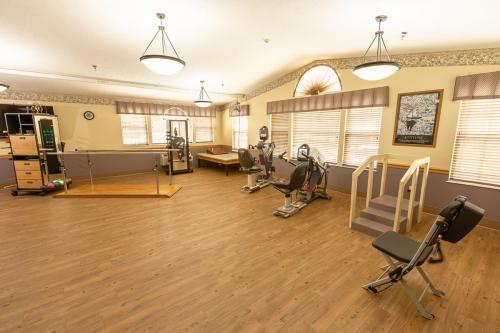
How is Muskingum Skilled Nursing & Rehabilitation Staffed?

CMS rates MUSKINGUM SKILLED NURSING & REHABILITATION's staffing level at 2 out of 5 stars, which is below average compared to other nursing homes. Staff turnover is 44%, compared to the Ohio average of 46%. This relatively stable workforce can support continuity of care.

What Have Inspectors Found at Muskingum Skilled Nursing & Rehabilitation?

State health inspectors documented 63 deficiencies at MUSKINGUM SKILLED NURSING & REHABILITATION during 2019 to 2025. These included: 2 Immediate Jeopardy (the most serious level, indicating potential for serious harm or death), 3 that caused actual resident harm, and 58 with potential for harm. Immediate Jeopardy findings are rare and represent the most serious regulatory concerns. They require immediate corrective action.
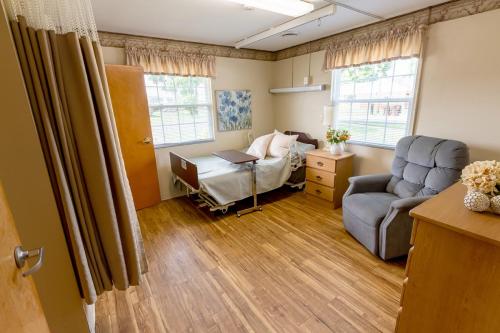
Who Owns and Operates Muskingum Skilled Nursing & Rehabilitation?

MUSKINGUM SKILLED NURSING & REHABILITATION is owned by a for-profit company. For-profit facilities operate as businesses with obligations to shareholders or private owners. The facility is operated by CONTINUING HEALTHCARE SOLUTIONS, a chain that manages multiple nursing homes. With 50 certified beds and approximately 43 residents (about 86% occupancy), it is a smaller facility located in BEVERLY, Ohio.
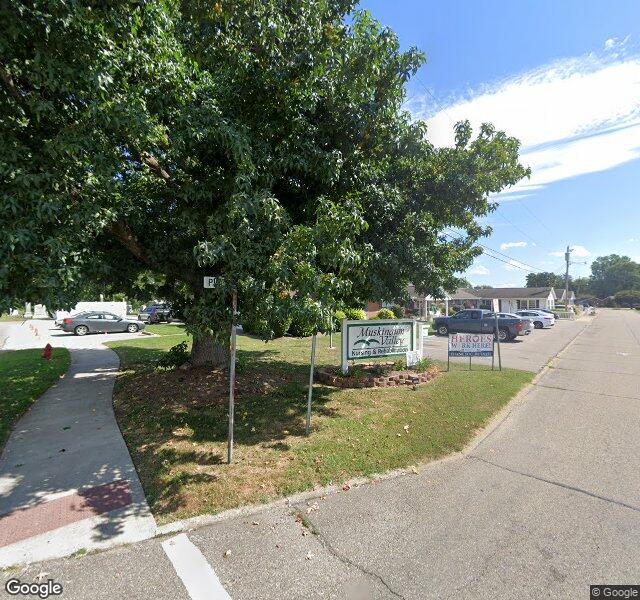
How Does Muskingum Skilled Nursing & Rehabilitation Compare to Other Ohio Nursing Homes?

Compared to the 100 nursing homes in Ohio, MUSKINGUM SKILLED NURSING & REHABILITATION's overall rating (2 stars) is below the state average of 3.2, staff turnover (44%) is near the state average of 46%, and health inspection rating (1 stars) is much below the national benchmark.

What Should Families Ask When Visiting Muskingum Skilled Nursing & Rehabilitation?

Based on this facility's data, families visiting should ask: "What changes have been made since the serious inspection findings, and how are you preventing similar issues?" "Can you walk me through typical staffing levels on day, evening, and night shifts?" "Can I visit during a mealtime to observe dining assistance and food quality?" "How do you handle medical emergencies, and what is your hospital transfer rate?" These questions are particularly relevant given the facility's Immediate Jeopardy citations and the below-average staffing rating.

Is Muskingum Skilled Nursing & Rehabilitation Safe?

Based on CMS inspection data, MUSKINGUM SKILLED NURSING & REHABILITATION has documented safety concerns. Inspectors have issued 2 Immediate Jeopardy citations (the most serious violation level indicating risk of serious injury or death). The facility has a 2-star overall rating and ranks #100 of 100 nursing homes in Ohio. Families considering this facility should ask detailed questions about what corrective actions have been taken since these incidents.

Do Nurses at Muskingum Skilled Nursing & Rehabilitation Stick Around?

MUSKINGUM SKILLED NURSING & REHABILITATION has a staff turnover rate of 44%, which is about average for Ohio nursing homes (state average: 46%). Moderate turnover is common in nursing homes, but families should still ask about staff tenure and how the facility maintains care continuity when employees leave.

Was Muskingum Skilled Nursing & Rehabilitation Ever Fined?

MUSKINGUM SKILLED NURSING & REHABILITATION has been fined $139,286 across 2 penalty actions. This is 4.0x the Ohio average of $34,472. Fines at this level are uncommon and typically indicate a pattern of serious deficiencies, repeated violations, or failure to correct problems promptly. CMS reserves penalties of this magnitude for facilities that pose significant, documented risk to resident health or safety. Families should request specific documentation of what issues led to these fines and what systemic changes have been implemented.

Is Muskingum Skilled Nursing & Rehabilitation on Any Federal Watch List?

MUSKINGUM SKILLED NURSING & REHABILITATION is not on any federal watch list. The most significant is the Special Focus Facility (SFF) program, which identifies the bottom 1% of nursing homes nationally based on persistent, serious quality problems. Not being on this list means the facility has avoided the pattern of deficiencies that triggers enhanced federal oversight. This is a positive indicator, though families should still review the facility's inspection history directly.