MENNONITE MEMORIAL HOME
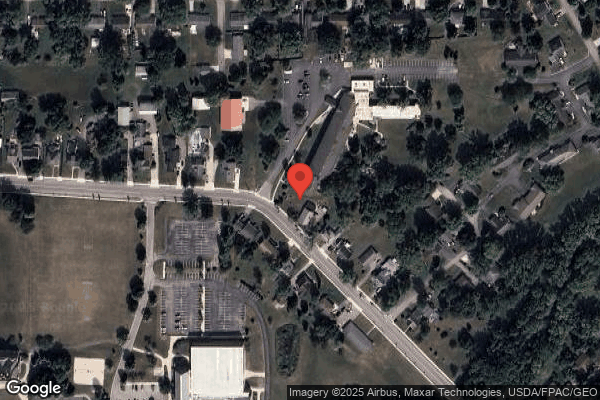
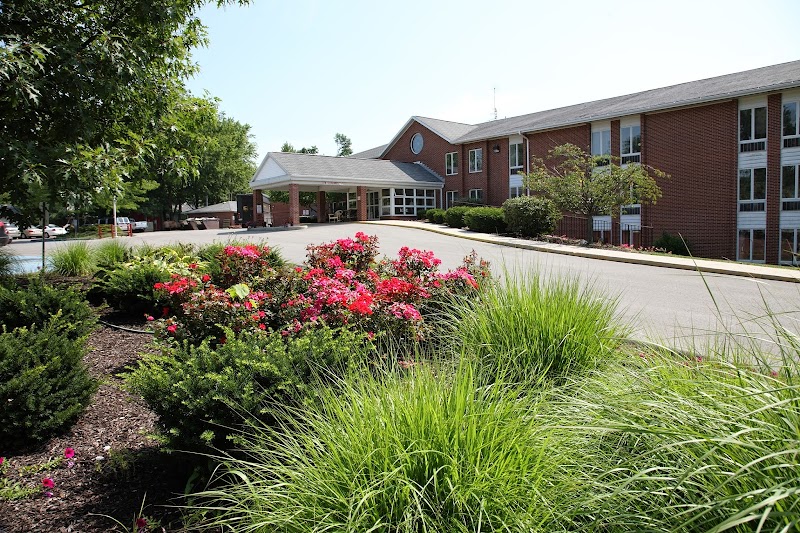
410 W ELM STREET, BLUFFTON, OH 45817 (419) 358-1015
Non profit - Church related 60 Beds Independent Data: November 2025
Trust Grade
45/100
#734 of 913 in OH
Last Inspection: November 2024

Within standard 12-15 month inspection cycle. Federal law requires annual inspections.

Overview

Mennonite Memorial Home in Bluffton, Ohio has a Trust Grade of D, indicating below-average performance with some concerns. It ranks #734 of 913 facilities in Ohio, placing it in the bottom half, and #10 out of 11 in Allen County, meaning only one local option is better. Although the facility's trend is improving, with issues dropping from 14 in 2024 to just 2 in 2025, there are still notable weaknesses. Staffing is a strength, rated 4 out of 5 stars, with turnover at 54%, which is average for the state. However, there have been serious incidents, including residents suffering falls due to improper assistance during transfers and a lack of an RN present for required hours, raising concerns about safety and care quality.

Trust Score
D
45/100
In Ohio
#734/913
Bottom 20%
Safety Record
Moderate
Needs review
Inspections
Getting Better
14 → 2 violations
Staff Stability
⚠ Watch
54% turnover. Above average. Higher turnover means staff may not know residents' routines.
Penalties
✓ Good
No fines on record. Clean compliance history, better than most Ohio facilities.
Skilled Nurses
○ Average
Each resident gets 33 minutes of Registered Nurse (RN) attention daily — about average for Ohio. RNs are the most trained staff who monitor for health changes.
Violations
⚠ Watch
35 deficiencies on record. Higher than average. Multiple issues found across inspections.
★★☆☆☆
2.0
Overall Rating
★★★★☆
4.0
Staff Levels
★★☆☆☆
2.0
Care Quality
★★☆☆☆
2.0
Inspection Score
Stable
2024: 14 issues
2025: 2 issues

The Good

  • 4-Star Staffing Rating · Above-average nurse staffing levels
  • Full Sprinkler Coverage · Fire safety systems throughout facility
  • No fines on record

Facility shows strength in staffing levels, fire safety.

The Bad

2-Star Overall Rating

Below Ohio average (3.2)

Below average - review inspection findings carefully

Staff Turnover: 54%

Near Ohio avg (46%)

Higher turnover may affect care consistency

The Ugly 35 deficiencies on record

1 actual harm
Jun 2025 2 deficiencies
CONCERN (D) 📢 Someone Reported This

A family member, employee, or ombudsman was alarmed enough to file a formal complaint

Potential for Harm - no one hurt, but risky conditions existed

Notification of Changes (Tag F0580)

Could have caused harm · This affected 1 resident

**NOTE- TERMS IN BRACKETS HAVE BEEN EDITED TO PROTECT CONFIDENTIALITY** Based on record review and staff interview, the facility failed to timely notify a resident's representative of change of condit...

Read full inspector narrative →
**NOTE- TERMS IN BRACKETS HAVE BEEN EDITED TO PROTECT CONFIDENTIALITY** Based on record review and staff interview, the facility failed to timely notify a resident's representative of change of condition in the resident. This affected one (#19) of three residents reviewed for change of condition. The facility census was 58. Findings included: Review of Resident #19's medical record revealed the resident was admitted on [DATE] with diagnosis of malignant of cardia, lymph, and lung and diabetes type two. Review of Resident #19 nursing note dated 04/23/25 at 5:20 A.M. revealed Resident #19 was hard to arouse, opens eyes to name but then closes eyes. Finger blood sugar was 150. At 5:23 A.M., nine-one-one (911) for hospital transportation was called, at 5:25 A.M. notification was made to the physician, at 5:26 A.M. emergency squad arrived, at 5:27 A.M. report was called to the hospital and at 5:38 A.M. squad left facility for route to hospital. Husband was not notified due to not having husband's contact information. Review of Resident #19's of nursing note date 04/23/25 at 12:44 P.M. revealed Resident #19's husband came to facility unaware Resident #19 was transferred to hospital. Staff collected husband's contact information and shared information with the hospital. The physician spoke with husband. Interview on 06/03/25 at 9:28 A.M. with Licensed Practical Nurse (LPN) #63 revealed she was the nurse that completed the nursing portion of the admission assessment for Resident #19. LPN #63 stated Resident #19 was alert, answering questions appropriately, and understood questions. LPN #63 stated Resident #19's husband was present in the room during admission assessment. LPN #63 verbalized social worker completes the demographic information and gets family phone numbers. Nursing does not look at demographics during the admission process. LPN #63 confirmed she did not obtain Resident #19's representative information on who to contact in the event of an emergency or change of condition. LPN #63 confirmed when Resident #19 was sent to the hospital on [DATE] the family was not timely notified of the hospitalization because the facility didn't have the contact information. Interview on 06/03/25 at 10:00 A.M. with Licensed Social Worker (LSW) #65 revealed LSW #65 gets most of her contact information for resident usually from the hospital demographic page that is faxed from the hospital before the resident arrives and then from resident/family. LSW #65 confirmed the facility did not obtain Resident #19's representative information on who to contact in the event of an emergency or change of condition. This deficiency represents non-compliance investigated under Complaint Number OH00165153.
CONCERN (E) 📢 Someone Reported This

A family member, employee, or ombudsman was alarmed enough to file a formal complaint

Potential for Harm - no one hurt, but risky conditions existed

ADL Care (Tag F0677)

Could have caused harm · This affected multiple residents

**NOTE- TERMS IN BRACKETS HAVE BEEN EDITED TO PROTECT CONFIDENTIALITY** Based on record review, staff interviews and review of facility policy, the facility failed to ensure residents were provided wi...

Read full inspector narrative →
**NOTE- TERMS IN BRACKETS HAVE BEEN EDITED TO PROTECT CONFIDENTIALITY** Based on record review, staff interviews and review of facility policy, the facility failed to ensure residents were provided with assistance for activities of daily living (ADL's). This affected 10 (#10, #11, #12, #13, #14, #15, #16, #20, #21 and #22) residents residing on the secured dementia unit. The facility census was 58. Findings include: Review of medical record for Resident #10 revealed admission date of 04/21/25 with diagnoses including pneumonia, atrial fib and heart failure. The resident remained in the facility. Review of Resident #10's admission Minimum Data Set (MDS) dated [DATE] revealed a Brief Interview Mental Status (BIMS) score of 15 indicating intact cognition. She required supervision for eating, max assist for toileting and moderate assistance for bed mobility and transfers. Review of medical record for Resident #11 revealed admission date of 09/24/19 with diagnoses including Parkinson's, dementia, stroke, and dysphagia. The resident remained at the facility. Review of Resident #11's annual MDS dated [DATE] revealed she had moderately impaired cognition and she/he required limited assistance for eating, extensive one person assistance for bed mobility, toileting and transfers. Review of medical record for Resident #12 revealed admission date of 11/25/24 with diagnoses including dementia with severe psychotic disturbances, dementia and hypertension. The resident remained in the facility. Review of Resident #12's quarterly MDS dated [DATE] revealed BIMS score of 04 indicating severely impaired cognition. She required supervision for eating, bed mobility, transfers and extensive assistance for toileting. Review of medical record for Resident #13 revealed admission date of 07/06/17 with diagnoses including dementia, anxiety, psychotic disorder with delusions. The resident remained at the facility. Review of Resident #13's quarterly MDS dated [DATE] revealed moderately impaired cognition. She required extensive two-person assistance with toileting, one-person assistance for bed mobility, dependent for transfers and limited assistance for eating. Review of medical record for Resident #14 revealed admission date of 02/14/25 with diagnoses including paraplegia and dementia. The resident remained at the facility. Review of Resident #14's quarterly MDS dated [DATE] revealed with a BIMS score of 11 indicating impaired cognition. She required set up assistance for eating, maximum assistance for bed mobility and was dependent for toileting hygiene and transfers. Review of medical record for Resident #15 revealed admission date of 08/08/24. The resident was admitted with diagnoses including Parkinson's. The resident remained in the facility. Review of Resident #15's quarterly MDS dated [DATE] revealed with a BIMS score of 14 indicating intact cognition. She was independent with her ADL's. Review of medical record for Resident #16 revealed admission date of 11/14/22 with diagnoses including Alzheimer's Disease and dementia. The resident remained at the facility. Review of Resident #16's quarterly MDS dated [DATE] revealed severely impaired cognition. She required supervision with eating, maximum assistance with bed mobility and was dependent for transfers and toileting hygiene. Review of medical record for Resident #20 revealed an admission date of 11/30/18 with diagnoses including Alzheimer's Disease, dementia and anxiety. The resident remained at the facility. Review of Resident #20's quarterly MDS dated [DATE] revealed a Brief Interview Mental Status (BIMS) score of 01 indicating severely impaired cognition. She required extensive one-person assistance for her ADL's. Review of medical record for Resident #21 revealed admission date of 11/30/18 admitted with diagnoses including atherosclerotic heart disease of native coronary artery without angina pectoris, dysphagia and heart failure. The resident remained at the facility. Review of Resident #21's annual MDS dated [DATE] revealed a BIMS score of 03 indicating severely impaired cognition. The resident was she/he required extensive two-person assistance for bed mobility, transfers, toileting and limited assistance for eating. Review of medical record for Resident #22 revealed admission date of 03/28/23 admitted with diagnoses including unspecified dementia with severe psychotic disturbance, behavioral disturbance, anxiety and depression. The resident remained at the facility. Review of Resident #22's quarterly MDS dated [DATE] revealed with a BIMS score of 03 indicating severely impaired cognition. She required extensive one-person assistance for eating. And supervision for bed mobility, toileting and transfers. Review of the facility supplied statement from Certified Nursing Assistant (CNA) #74 documented she had worked on 05/16/25 and when she returned on 05/17/25 the residents on the secured dementia were dressed in the same clothes and required incontinence care. Three staff attended to the resident's ADL needs. Interview on 06/03/25 at 9:35 with CNA #67 revealed she had worked on 05/18/25. CNA #67 stated an agency aid (CNA #75) had worked a double shift prior to her arrival and had left without giving her report. CNA #67 shared several residents were asleep in their recliners and the same clothes as when she left her the day prior. CNA #67 stated a nurse was notified and management had investigated the incident. Interview on 06/03/25 at 2:48 P.M. with the Director of Nursing (DON) revealed she was on call on 05/18/25 and was informed by nursing that CNA #74 had reported when she arrived for her shift the residents were in the same clothes as she had left them in the previous day and required incontinence care. The DON shared an investigation was initiated and a Self-Reported Incident (SRI) was created. The DON stated CNA #75 had worked the front part of the 100 hall on 05/16/25 without incident. On 05/17/25, CNA #75 worked a double shift on the back part of the hall and did not provide the resident's assistance with their ADL's as evidenced by the residents had not been changed out of the clothes from the previous day and required incontinence care. The DON stated skin sweeps were completed without concern and two cognitively intact resident's were interviewed and no concerns/outcomes were identified. The DON confirmed this affected 10 (#10, #11, #12, #13, #14, #15, #16, #20, #21 and #22) residents residing on the secured dementia unit. The DON placed CNA #75 and two agency nurses who worked with him on the Do Not Return (DNR) list for the facility. The DON also reported CNA #75 to the Ohio Department of Health. The DON stated audits were initiated to ensure residents on the back of the 100 hall were well-groomed, had received/eaten meal and were clean and dry. These audits were performed three times a week and she provided documentation they had been completed without incident at the time of the survey. The DON shared the facility CNA's had been educated to perform walking rounds at the start/end of their shifts to ensure ADL's were completed. The DON did acknowledge agency staff were still being scheduled on all shifts and had not provided this information. The DON verified there was no documentation staff had received education to prevent another incident. Interview on 06/03/25 at 3:59 P.M. with CNA #69 revealed walking rounds were not completed at the start of her shift. Interview on 06/03/25 at 4:06 P.M. with Registered Nurse (RN) #71 revealed she encouraged the CNA's to do walking rounds to ensure residents were clean and dry. RN #71 shared at least one to two times weekly she was informed by her CNA's that resident's required incontinence care at the start of the shift. When she asked them if walking rounds were completed, they informed her they had not. Review of the facility policy, Activities of Daily Living revised 03/2018 documented appropriate care and services would be provided for residents who were unable to carry out ADL's independently and in accordance with the plan of care. This deficiency represents non-compliance investigated under Complaint Number OH00166006.
Nov 2024 11 deficiencies
CONCERN (D)

Potential for Harm - no one hurt, but risky conditions existed

Resident Rights (Tag F0550)

Could have caused harm · This affected 1 resident

Based on observation and staff interview, the facility failed to ensure residents were treated with dignity during dining when Certified Nursing Assistance (CNA) #479 failed to sit while assisting Res...

Read full inspector narrative →
Based on observation and staff interview, the facility failed to ensure residents were treated with dignity during dining when Certified Nursing Assistance (CNA) #479 failed to sit while assisting Resident #50 to eat his lunch. This affected one resident (#50) of one needing assistance to eat. The facility census was 57. Findings include: Review of the medical record of Resident #50 revealed an admission date of 11/20/23. Resident #50 was severely cognitive impaired. Observation on 11/12/24 at 11:48 A.M. revealed CNA #479 provided Resident #50 with five coffee cups with thin consistency foods in them. CNA #479 picked up one cup and held the cup to Resident #50's lips and he drank from the cup. Resident #50 picked up a Kennedy cup with a straw and proceeded to drink from the straw. CNA #479 would walk away from Resident #50 to perform other tasks and would return to Resident #50 and pick up the cups and put them to his lips. At no point did CNA #479 sit to assist Resident #50 to eat his food. Interview on 11/12/24 at 12:00 P.M. with CNA #479 stated, Am I supposed to sit? CNA #479 verified she did not sit to assist Resident #50 with eating.
CONCERN (D)

Potential for Harm - no one hurt, but risky conditions existed

Deficiency F0657 (Tag F0657)

Could have caused harm · This affected 1 resident

**NOTE- TERMS IN BRACKETS HAVE BEEN EDITED TO PROTECT CONFIDENTIALITY** Based on record review, review of the facility policy for care plans, and staff interview, the facility failed to have a complet...

Read full inspector narrative →
**NOTE- TERMS IN BRACKETS HAVE BEEN EDITED TO PROTECT CONFIDENTIALITY** Based on record review, review of the facility policy for care plans, and staff interview, the facility failed to have a complete care plan relating to a pressure ulcer. This affected one (Resident #34) out of two residents reviewed for pressure ulcer care plans. The current census is 57. Findings include: Review of the medical record for Resident #34 revealed the resident was admitted to the facility on [DATE]. Diagnoses for Resident #34 include dementia with Lewy bodies, diabetes type two, atrial fibrillation, and congestive heart failure. Review of Resident #34's admission Minimum Data Set (MDS) assessment dated [DATE] revealed the resident had impaired cognition and had no pressure ulcers. Review of Resident #34's MDS significant change assessment dated [DATE] revealed the resident was documented as having one stage three pressure ulcer which was unhealed. Review of Resident #34's care plans dated 06/19/24 revealed there was no focus addressing the care and treatment of Resident #34's pressure ulcer to the coccyx on the baseline care plans. Per the care plans dating from 06/19/24 to 11/11/24 revealed no focus or interventions were noted in the care plans for the stage three pressure ulcer. Further review of Resident #34's care plans updated on 11/12/24, revealed the care plan was revised to include the pressure ulcer focus and interventions. Interview on 11/13/24 at 9:24 A.M. with the Director of Nursing (DON) and the Assistant Director of Nursing (ADON) verified the care plan was not revised until 11/12/24 for the stage 3 pressure ulcer. Review of the facility policy titled, 'Care Plans', dated 04/2022 revealed the facility will develop and implement a care plan for consistent with each resident's conditions.
CONCERN (D)

Potential for Harm - no one hurt, but risky conditions existed

Deficiency F0661 (Tag F0661)

Could have caused harm · This affected 1 resident

**NOTE- TERMS IN BRACKETS HAVE BEEN EDITED TO PROTECT CONFIDENTIALITY** Based on medical record review, staff interview, and review of the facility policy, the facility failed to develop a discharge s...

Read full inspector narrative →
**NOTE- TERMS IN BRACKETS HAVE BEEN EDITED TO PROTECT CONFIDENTIALITY** Based on medical record review, staff interview, and review of the facility policy, the facility failed to develop a discharge summary which included a recapitulation of stay and the resident's final status. This affected one resident (#58) of one resident reviewed for discharge. The facility census was 57. Findings include: Review of Resident #58's medical record revealed an admission date of 08/14/24 and a discharge date of 09/09/24. Diagnoses included heart disease, dysphagia, cognitive communication, dementia, and syncope and collapse. Review of Resident #58's Minimum Data Set (MDS) assessment dated [DATE] revealed a Brief Interview for Mental Status (BIMS) score of eight indicating Resident #58 was moderately cognitively impaired. Resident #58 required maximal assistance with eating, bathing, transfers, and parts of dressing. Resident #58 was dependent with toilet use, and parts of dressing. Resident #58 displayed verbal behavioral symptoms directed toward other one to three days during the review period. Review of Resident #58's care plan canceled 09/20/24 revealed supports and interventions for potential for skin impairment, increased nutrition and hydration risk, desire to return home, risk for pain, risk for self-care deficit, dementia, risk for falls, and depression. Review of Resident #58's progress notes revealed on 09/09/24 it was noted Resident #58 was discharging. Resident #58 was provided his current face sheet along with his medication list. It was noted Resident #58 left with his eye drops, inhaler, and the rest of his medications. Further review of Resident #58's medical record found no discharge summary containing a recapitulation of his stay nor his final status regarding care needs. Interview on 11/13/24 at 10:37 A.M. with the Assistant Director of Nursing (ADON) verified a discharge summary with a recapitulation of stay had not been provided to Resident #58's when he was transferred to an assisted living in another community. The ADON reported Resident #58's medication list was given to Resident #58 and the information was documented in the nurse's note. Review of the facility policy titled, Transfer and Discharge, dated 10/24/22 revealed for resident initiated discharges the facility was responsible for completing a discharge summary that included but was not limited to a recap of the resident's stay including diagnoses, course of illness/treatment or therapy, and consultation results, a final summary of the resident's status, reconciliation of medications and a post discharge plan of care.
CONCERN (D)

Potential for Harm - no one hurt, but risky conditions existed

Pressure Ulcer Prevention (Tag F0686)

Could have caused harm · This affected 1 resident

**NOTE- TERMS IN BRACKETS HAVE BEEN EDITED TO PROTECT CONFIDENTIALITY** 2. Review of Resident #56's medical record revealed an admission date of 09/19/24. Diagnoses included kidney disease, type II di...

Read full inspector narrative →
**NOTE- TERMS IN BRACKETS HAVE BEEN EDITED TO PROTECT CONFIDENTIALITY** 2. Review of Resident #56's medical record revealed an admission date of 09/19/24. Diagnoses included kidney disease, type II diabetes, atrial fibrillation, mild protein malnutrition, and anxiety disorder. Review of Resident #56's MDS assessment dated [DATE] revealed a Brief Interview for Mental Status (BIMS) score of 10, indicating Resident #56 was moderately cognitively impaired. Resident #56 was on hospice at the time of the review. Resident #56 was dependent on staff for toilet use, bathing, dressing, and personal hygiene. Resident #56 displayed no behaviors during the review period. Review of Resident #56's care plan revised 10/08/24 revealed supports and interventions for receiving hospice services, increased nutrition risk, risk for depression, impaired cognitive function, risk for pain, self-care deficit, and potential for pressure ulcer development. Interventions for potential for pressure ulcer development included medications as ordered, administer treatment as ordered and monitor of effectiveness, and monitor and report to the physician any changes in skin status as needed. Review of Resident #56 admission skin assessment dated [DATE] indicated Resident #56 had redness in his anal region, but no lesion or open areas were documented. Review of Resident #56's 09/19/24 progress notes revealed a clinical assessment was completed and indicated Resident #56 had redness located in his anal region. Above Resident #56's rectal area it was documented he had a one centimeter slit with slight depth. No orders or treatments were noted related to the one inch slit. Review of Resident #56's hospital information dated 10/01/24 revealed Resident #56 was transferred to the hospital for shortness of breath on 09/25/24. Resident #56 was admitted [DATE] for fluid overload while having been following along with his fluid restriction and diuresis. Resident #56 was noted to have a posterior coccyx wound on 09/25/24 which was non-blanchable and documented as an active stage one pressure wound. At the time of discharge, Resident #56's wound was noted to be a pressure ulcer stage two. Wound was cleansed with soap and water on 09/29/24 and the treatment at the time of discharge on [DATE] was to leave open to air with triad hydro/zinc oxide paste. There was no order found for treatment of Resident #56's stage two pressure wound when Resident #56 returned to the facility on [DATE]. Review of Resident #56's 10/01/24 skin check indicated Resident #56 had an open lesion, present at admission, measuring one cm in length, .2 cm width, and .1 centimeter depth. The notation indicated the wound was deteriorating. Additional care was turning and repositioning. No dressing or treatment was indicated as being in place. Resident #56's 10/08/24 skin check indicated Resident #56 had redness in his anal region and also had an open lesion, present at admission, measuring one centimeter (cm) in length, .2 cm width, and .1 centimeter depth. The notation indicated the wound was deteriorating. Additional care was turning and repositioning. No dressing or treatment was indicated as being in place. Resident #56's skin check dated 10/16/24 revealed Resident #56 continued to have an open lesion, present at admission, measuring one centimeter (cm) in length, .2 cm width, and .1 centimeter depth. The notation indicated the wound was deteriorating. Additional care was turning and repositioning. No dressing or treatment was indicated as being in place. Resident #56's skin check dated 10/23/24 revealed Resident #56 continued to have an open lesion, present at admission, measuring one centimeter (cm) in length, .2 cm width, and .1 centimeter depth. The notation indicated the wound was improving. Additional care was turning and repositioning. No dressing or treatment was indicated as being in place. Resident #56's skin check dated 11/05/24 revealed Resident #56 continued to have an open lesion noted to be on his coccyx area, present at admission measuring one centimeter (cm) in length, .5 cm width, and .2 centimeter depth. Soap and water was used as a cleansing solution. Additional care was moisture barrier, pressure reducing device for the bed, and turning and repositioning program. Resident #56's skin check dated 11/12/24 revealed Resident #56 continued to have an open lesion noted to be on his coccyx area, present at admission measuring one cm in length, .5 cm width, and .2 centimeter depth. Cleansing solution was soap and water. Additional care was moisture barrier, pressure reducing device for the bed, and turning and repositioning program. Resident #56's skin check dated 11/13/24 revealed Resident #56 continued to have an open lesion noted to be on his coccyx area, present at admission measuring .4 cm in length, .1 cm width, and .1 centimeter depth. Cleansing solution was soap and water. Additional care was moisture barrier, pressure reducing device for the bed, and turning and repositioning program. Review of Resident #56's physician orders revealed an order dated 09/20/24 and discontinued 09/28/24 for barrier to rectal area until resolved every shift for redness. Further review of Resident #56's physician orders and Treatment Administration Record (TAR) for September 2024, October 2024, and the first part of November 2024 found there were no ordered treatments found for Resident #56's coccyx lesion documented as present on admission. Review of Resident #56's Hospice information revealed Resident #56 began on hospice services on 10/02/24. No documentation regarding Resident #56's coccyx wound was found. Further review of Resident #56's hospice documentation revealed Resident #56 was approved for hospice services for a certification period of 10/02/24 to 12/30/24. Resident #56's terminal diagnosis was noted to be ischemic cardiomyopathy. Resident #56 was noted to be bed bound and required a Hoyer lift for transfer. Hospice provided hospice nursing services, hospice aide services, and hospice social worker services. A recertification visit was schedule for 12/10/24. No wound treatment orders were found. Review of fax communication from Resident #56's Hospice Team Coordinator dated 11/13/24 reported the hospice provider was unable to find any skin notes or wound care orders for Resident #56. A low air loss mattress was ordered. Observation of Resident #56 with the Assistant Director of Nursing (ADON) on 11/13/24 at 9:00 A.M. revealed the wound was an open area on the coccyx measuring 0.2 cm by 0.2 cm by 0.1 cm. Interview with the ADON on 11/13/24 at 9:08 A.M. verified the wound was not followed by the facility once the resident became a hospice patient. This resident had not been seen by nurse practitioner or herself since receiving these services due to being on hospice. Observation on 11/14/24 at 3:25 P.M. of Resident #56's coccyx wound with the Director of Nursing (DON) and ADON found Resident #56's coccyx wound measured .2 cm depth and .2 cm round. There was no drainage and no odor found. The wound bed was pink and painful when the depth was measured. The peri-wound around the circular wound was pink blanchable. Interview on 11/14/24 at 3:31 P.M. with the DON verified there was no physician order in place for Resident #56's coccyx wound. The DON stated she was just on the phone with hospice and they would be getting an order in place. The DON stated they had been using a barrier cream that the Certified Nursing Assistants (CNAs) applied since admission on for Resident #56. The ADON reported Resident #56's lesion was not followed by wound care due Resident #56 being on hospice. The skin check assessments were completed by the floor nurses and not a wound nurse. Interview on 11/18/24 at approximately 10:15 A.M. with the ADON revealed the barrier cream was documented as being added for Resident #56's coccyx wound as an intervention on Resident #56's 11/05/24 skin check. There was no prior documentation of the barrier cream being used for Resident #56's coccyx. The ADON provided the 09/20/24 and discontinued 09/28/24 order for Resident #56's barrier to his rectal area every shift until resolved for redness. Review of Resident #56's hospice physician order dated 11/14/24 revealed a new order was written for Thera Calazinc 3% to 20% topical cream apply to coccyx daily and as needed for skin impairment. Review of Resident #56's Hospice Nurse visit note dated 11/15/24 revealed Resident #56 had a coccyx wound with an unknown date of onset. The wound was described as pin point, not red, and blanchable. Measuring .1 cm length, .1 cm width, and .1 cm depth. The shape was round and the edges were distinct. It was noted to keep buttocks clean and dry. Apply zinc cream to area for breakdown prevention. The goal was for wound to not worsen. Review of the facility's policy titled, Pressure Injury Surveillance, dated 10/2022 revealed nursing staff would monitor and assess any new or current wounds and report findings and changes. Per the policy all wounds would be tracked with a focused review and corrective action would be taken immediately. Based on medical record review, observations, resident, staff and Nurse Practitioner (NP) #601 interviews, the facility failed to properly assess and treat pressure ulcers. This affected two (Residents #34 and #56) of two residents reviewed for pressure ulcers. The facility census was 58. Findings include: 1. Review of the medical record for Resident #34 revealed the resident was admitted to the facility on [DATE]. Diagnoses included dementia with Lewy bodies, diabetes type two, atrial fibrillation, and congestive heart failure. Review of Resident #34's admission Minimum Data Set (MDS) assessment dated [DATE] revealed the resident had impaired cognition, no open wounds, and had no pressure ulcers. Review of Resident #34's care plans dated 06/19/24 revealed there was no focus areas addressing the care and treatment of Resident #34's pressure ulcer to the coccyx on the baseline care plans. Review of Resident #34's admission skin assessment dated [DATE] revealed the nurse documented an 'open lesion' to the coccyx, measuring 2.5 centimeters (cm) width by 0.3 cm length by 0.3 cm depth. There was no assessment regarding a stage to the area to Resident #34's coccyx. There were no orders for treatment noted in the document. Further review of Resident #34's physician orders dated 06/19/24 to 07/01/24 revealed there were no physician orders for treatment to the wound on the resident's coccyx. Further review of Resident #34's treatment records revealed no documentation there was any treatment provided to the wound on the coccyx or gluteal area from 06/19/24 to 07/01/24. Review of the weekly skin assessment dated [DATE] revealed no changes to the open lesion. There were no additional weekly skin assessments completed. Review of Resident #34's wound assessment documentation dated 07/01/24 revealed Resident #34 had a stage three pressure ulcer to the 'gluteal cleft.' Per the documentation the pressure ulcer was a 'new wound as of 07/01/24' and staged as a stage three pressure ulcer. The wound measured 2 cm width by 0.5 cm length by 0.5 cm depth. Per the wound assessment dated [DATE], the wound was 'improved' and was measured at 2.3 cm length by 0.3 cm width by 0.3 cm depth. Per the wound assessment dated [DATE] the wound was 'worse' and measured 3 cm length by 0.5 cm width by 0.5 cm depth. Further review of the resident's wound documentation dated 08/01/24 to 11/10/24 revealed the wound was being monitored and measured per care plans. Review of Resident #34's physician orders dated 07/02/24 revealed the treatment order to cleanse, pat dry, apply honey and alginate to wound bed on coccyx and cover with border foam dressing, one time a day for wound on coccyx. Review of the wound documentation dated 11/10/24 the gluteal cleft wound was as a stage three pressure ulcer and was measured at 3.0 cm width by 1.5 cm length by 0.5 cm depth. Per the document the wound had 'worsened' and the care was directed to palliative care instead of a goal of healed. Review of Resident #34's care plan revealed the care plan was updated on 11/12/24 to reflect the resident's pressure ulcer impairment. Interventions included assess, record, and monitor the pressure ulcer per order. Administer treatments per order. Interview and observation on 11/13/24 at 8:38 A.M. of Resident #34's coccyx wound with Assistant Director of Nursing (ADON) during a dressing change, revealed Resident #34's wound appeared to be a stage three pressure ulcer. Per the ADON, the Resident #34's pressure ulcer was present on admission. The ADON verified the pressure ulcer had been staged on 07/01/24 by the NP #601 who was the provider for wound treatments for the facility. During the observation, Resident #34 stated she does have pain relating to the pressure ulcer. Resident #34 stated she had the wound prior to coming to the facility but was unable to give dates and details of the wound. Interview on 11/13/24 at 9:00 AM with the ADON revealed APNP #601 continues to monitor Resident #34's wound and stated it was a stage three pressure ulcer present upon admission on [DATE]. However, ADON confirmed the first assessment for staging of Resident #34's pressure ulcer to the coccyx wasn't done until 07/01/24. The ADON verified there was no orders for treatments in Resident #34's records from 06/19/24 to 07/01/24. The ADON verified there were no documented treatments being provided to Resident #34 for the wound until 07/01/24. Interview on 11/13/24 at 9:24 A.M. with the Director of Nursing (DON) and the ADON verified the MDS dated [DATE] documented Resident #34 as having no unhealed pressure ulcers or wounds. Interview on 11/13/24 at 1:10 P.M. with NP #601, via telephone, revealed Resident #34's pressure ulcer on coccyx was present upon admission and presented as a stage three pressure ulcer, however NP #601 verified she had not physically assessed Resident #34's pressure ulcer until 07/01/24, indicating she was unaware what the wound looked like or staged prior to 07/01/24. NP #601 stated the first comprehensive assessment of the pressure ulcer at the current facility was conducted on 07/01/24. NP #601 verified the wound was documented as an unstageable due to the obscured wound bed and stated the wound was debrided and staged at a level three. Interview on 11/18/24 at 11:00 A.M. with ADON verified the wound documentation dated 07/01/24 documented Resident #34's pressure ulcer to the gluteal cleft as a new wound. Review of the facility's policy titled, 'Pressure Injury Surveillance', dated 10/2022 revealed nursing staff will monitor and assess any new or current wounds and report findings and changes. Per the policy all wounds will be tracked with a focused review and corrective action will be taken immediately.
CONCERN (D)

Potential for Harm - no one hurt, but risky conditions existed

Deficiency F0692 (Tag F0692)

Could have caused harm · This affected 1 resident

**NOTE- TERMS IN BRACKETS HAVE BEEN EDITED TO PROTECT CONFIDENTIALITY** Based on medical record review, staff interview, and policy review, the facility failed to put interventions in place in a timel...

Read full inspector narrative →
**NOTE- TERMS IN BRACKETS HAVE BEEN EDITED TO PROTECT CONFIDENTIALITY** Based on medical record review, staff interview, and policy review, the facility failed to put interventions in place in a timely manner to prevent weight loss. This affected one (Resident #55) of three reviewed for weight loss. The facility census was 57. Findings include: Review of the medical record of Resident #55 revealed an admission date of 09/07/24. Diagnoses included calculus of bile duct, encounter for surgical aftercare following surgery on the digestive system, and depression. Review of the admission Minimum Data Set (MDS) assessment dated [DATE] revealed Resident #09 had mild cognitive deficit. The assessment indicated no dental concerns and no swallowing or chewing difficulties. Review of the care plan dated 09/13/24 revealed a focus of increased nutrition/hydration risk related to diagnoses of calculus of bile duct in gallbladder, hypertension, history of pulmonary embolism, seborrheic dermatitis, long-term use of anticoagulants, iron deficiency anemia, and overactive bladder. A focus of at risk for impaired nutrient absorption due to polypharmacy, and obesity. Interventions included offer alternative foods when less than 50 percent (%) is eaten policy (cheese cubes, cottage cheese, peanut butter sandwich, soup and crackers, ice cream, toast, fruit, or pudding), monitor oral and fluid intake, monitor of signs and symptoms of dehydration, and monitor labs as ordered. A goal listed was to avoid having any significant, rapid, undesired weight changes. Review of the weights documented revealed an admission weight dated 09/26/24 of 185 pounds (lbs). The weight documented on 10/01/24 was 176.4 lbs, an 8.6 lbs (4.6 %) weight loss in 8 days. The next weight documented on 11/08/24 was 156.8 lbs, a 19.6 lbs (11.11 %) loss in 37 days. Review of a Mini Nutritional Assessment dated 09/09/24, documented by Dietetic Technician (DT) #422, revealed a score of 10, indicating the resident was at risk for malnutrition. The form had a care planning section, but nothing was marked. Review of a Nutrition Assessment completed on 09/16/24 by DT #244, revealed Resident #55 had a goal to meet nutritional needs through diet as evidenced by no significant weight loss. DT #55 recommended to continue with current diet, monitor weight, appetite, and labs. Review of the progress notes revealed no documentation for physician notification of the 8.6 lbs weight loss in a week. The 19.6 lbs loss in the 37 days was addressed by DT #422 on 11/12/24, four days after the weight had been obtained. Review of a progress note dated 11/12/24 written by DT #422 revealed Resident #55's meal intakes have declined. DT #422 recommended four ounces of Magic cup (nutritional supplement) be given to Resident #55 twice daily and continue to monitor current diet. The note includes to add Resident #55 to the NAR (Nutrition at Risk program). Review of the physician orders revealed an order dated 11/13/24 for Magic cup, four ounces, twice daily for nutritional supplement. Observation on 11/13/24 at 2:10 P.M. revealed the staff weighing Resident #55. The scale was at zero and Resident #55, in a wheelchair, was rolled onto the scale and the obtained weight was 198.6 lbs. Resident #55 was taken back to her room and placed in bed, per her request, and the wheelchair was weighed at 42.2 lbs, for a resident weight of 156.4 lbs. Interview on 11/14/24 at 1:09 A.M. with DT #422 revealed Resident #55 eats less than 50% of meals at most mealtimes. DT #422 stated a recommendation was given to add magic cup twice daily to increase nutritional requirements. DT #422 stated the Certified Nurse Assistants (CNAs) do not document if alternates were offered/accepted. DT #422 admitted to not having noticed the 4.6 lbs weight loss from 09/27/24 to 10/01/24, and no physician notification had been made. Review of a document dated 11/08/24 revealed Physician #600 was notified by facsimile of the 19.6 lbs weight loss. Physician #600 was in the facility on 11/18/24 at 9:55 A.M. and was interviewed. The interview revealed he had received the fax but had not responded to it, choosing to do so in person. Physician #600 stated Resident #55 was a very difficulty resident choosing to refuse everything. Interview on 11/18/24 at 9:55 A.M. with Licensed Practical Nurse (LPN) #498 revealed the staff are very good at offering alternatives to residents but there is nowhere, to her knowledge, this is documented. LPN #498 stated she does chart more than other nurses but may not always document the alternatives offered and/or accepted. Interview on 11/18/24 at 12:42 P.M. with Assistant Director of Nursing (ADON) revealed there is no documentation of offering or accepting any alternatives if residents refuse or eat less than 50% of meals. Review of the policy titled, Weight/Height Policy, dated 02/27/06, revealed if a resident's weight is more than a four-pound difference for the previous weight, a re-weight will occur and indicated in the record with an asterisk.
CONCERN (D)

Potential for Harm - no one hurt, but risky conditions existed

Tube Feeding (Tag F0693)

Could have caused harm · This affected 1 resident

**NOTE- TERMS IN BRACKETS HAVE BEEN EDITED TO PROTECT CONFIDENTIALITY** Based on medical record review, observations, staff interviews, and review of the facility policy, the facility failed to ensure...

Read full inspector narrative →
**NOTE- TERMS IN BRACKETS HAVE BEEN EDITED TO PROTECT CONFIDENTIALITY** Based on medical record review, observations, staff interviews, and review of the facility policy, the facility failed to ensure proper oversight of a resident receiving nutrition through enteral tube feed which led the resident experiencing a significant weight loss of seven-point five percent (7.5%) in six months. This affected one (#02) of two residents reviewed for tube feeding nutrition. The census was 57. Findings included: Review of medical record for Resident #02 revealed an admission date of 02/26/24. Diagnoses including cerebral palsy, dysphasia, aphasia, gastrostomy, feeding difficulties, abnormal posture, and anxiety. Review of the Minimum Data Set (MDS) assessment dated [DATE] revealed Resident #02 was severely cognitively impaired. The resident was dependent with eating. Further review revealed a weight loss of five percent or more in the last month, or a weight loss of 10 percent or more in the last six months. The resident utilized a feeding tube. Review of the physician's orders revealed an order dated 10/08/24 for weekly weight to be completed every dayshift on Monday. An order dated 09/10/24 for enteral feed every shift, Nutrien 2.0 infuse at 35 milliliters (ml) per hour for 23 hours with water flush of 30 ml each hour with a per dual flow feeding pump. Review of the care plan dated 07/05/24 revealed the resident was at nutrition and hydration risk with a goal for the resident to avoid having significant, rapid, undesired weight changes, will meet nutrition needs through enteral feeding via g-tube, and the resident will remain free of side effects or complications from enteral feeding. Interventions included to follow on Nutrition at Risk (NAR) Program, monitor for signs and symptoms of dehydration, as evidenced by poor skin turgor, cracked lips, thirst, fever, abnormal labs, concentrated urine, obtain weekly weights as resident allows, provide tube feeding, flushes, and medication flushes as ordered, provide tube feed of Nutrien 2.0 infuse at 35 ml per hour for 23 hours with water infusing at 30 ml per hour plus 150 ml flush every eight hours, through dual flow pump, 30 ml Prosource daily due to weight loss, this provides 1610 kilocalories, 82 grams of Prosource and 1697 ml fluid plus flush with medication pass, and check for tube placement and gastric contents and or residuals per facility protocol and orders. Review of Resident #02's documented weight history revealed the following: • On 05/13/24 the weight was 101.8 pounds (lbs). • On 05/20/24 the weight was 103.4 lbs. • On 05/27/24 the weight was 103.4 lbs. • On 06/03/24 the weight was 103.6 lbs. • On 06/10/24 the weight was 103.8 lbs. • On 06/17/24 the weight was 104.8 lbs. • On 06/24/24 the weight was 107.2 lbs. • On 07/02/24 the weight was 102.8 lbs. • On 07/08/24 the weight was 101.2 lbs. • On 07/15/24 the weight was 102.1 lbs. • On 07/22/24 the weight was 100.8 lbs. • On 07/29/24 the weight was 101.2 lbs. • On 08/04/24 the weight was 100.4 lbs. • On 08/12/24 the weight was 97.6 lbs. • On 08/19/24 the weight was 100 lbs. • On 08/26/24 the weight was 98.6 lbs. • On 09/02/24 the weight was 97.8 lbs. • On 09/09/24 the weight was 98.5 lbs. • On 09/25/24 the weight was 98.2 lbs. • On 09/30/24 the weight was 98.6 lbs. • On 10/01/24 the weight was 98.6 lbs. • On 10/14/24 the weight was 101.1 lbs. • On 10/21/24 the weight was 100.4 lbs. • On 10/28/24 the weight was 100 lbs. • On 11/10/24 the weight was 97.4 lbs. • On 11/14/24 the weight was 94.4 lbs. Further review of Residents #02 documented weight history from 09/02/24 to 11/13/24 revealed the mechanical lift was used on 09/02/24 a weight of 97.8lbs.; on 09/09/24 the weight was 98.5 lbs, on 10/28/24 the weight was 100.0 lbs., and all other weights were taken with a wheelchair. Review of the dietary progress notes on 09/06/24 through 11/01/24 revealed Resident #02 flagged for significant weight loss of seven-point five percent (7.5 %) in a six-month review with recommendations to increase the tube feed from 30 ml per hour to 35 ml per hour. The goal was to meet nutritional needs through tube feed as evidenced by no significant weight loss through the next review. Continue to monitor weight and laboratories. Continue to follow on NAR. This was the first documentation which indicated weight loss This was the first documentation in progress notes which indicated a weight loss was identified and failed to acknowledge a seven-pound weight loss for the month of July 2024. Further review of the medical record revealed no documentation of how much tube feeding Resident #02 was receiving. Observation of Resident #02 on 11/13/24 at 1:15 P.M. with Certified Nurse Assistant (CNA) #476 revealed the resident was placed in her wheelchair and the weight was 187.2 lbs. The resident was placed back into bed, CNA #476 took the weight of the chair which was 93.8. The resident's weight was 93.4 lbs. The blue tag on the wheelchair was 86.6 lbs. CNA #476 verified they use the blue tag on the wheelchair to calculate her weight. CAN #476 stated the staff also used the hoyer weight, but no-one seems to know where it went. Interview with Licensed Practical Nurse (LPN) #498 on 11/13/24 at 2:00 P.M. revealed Resident #02 had a new feeding tube pump which staff are unable to hear. There are times when the resident is checked on, and the machine will have turned off for an unknown time. There was a period when there was trouble with keeping the peg tube running properly and the resident was sent to the hospital for replacements which was in June. There is no place to document the residual and or the input or output of the tube feed. An interview with LPN #464 (night shift nurse) on 11/14/24 at 5:45 A.M. revealed the tube feed for Resident #02 is changed every morning at 4:30 A.M. The amount which was left over to be discarded was about 3 inches which she indicated by her fingers and did not know the exact amount. There is no place to document the residuals, amount taken in daily, or discarded tube feed. The pump reads about 750 ml was received in the last 23 hours and most days the pump reads approximately 700 ml for most of the days and up to 750 ml per day. When asked if the nurse notified anyone of the residents not receiving the correct amount, the nurse stated, I really do not know what amount the resident does get because I did not do the math. The nurse admitted there had been weight loss for Resident #02 and there was a period where there were many problems with the feeding tube and the resident had to be sent to the hospital for repair in June. The resident's new pump will stop due to the little blue card kept coming out which would stop the pump and staff were not able to hear the pump alarm. The resident needed to be checked more often to see if the pump was still providing nutrition to the resident. The nurse verified the dietitian is the one who usually changes the orders for all tube feed residents and the nurse did not notify of the amounts of tube feed which was left over daily. There was no place to document the amount of tube feed left over or what amount was infused to the resident. Observation on 11/14/24 at 6:15 A.M. revealed CNA #470 and CNA #493 placed Resident #02 in bed and transferred her to the hoyer lift sling and lifted her up to get a weight. The weight was verified by LPN #498 was 39.1 kilograms which converts to 86.2 lbs. CNA #470 and CNA #493 verified they use the hoyer lift and or wheelchair to weigh the resident. Interview with the Director of Nursing (DON) on 11/14/24 at 10:00 A.M. verified Resident #02 had some inconsistent weights over the last few months which prompted changes made to weight monitoring to daily with specific instructions. The DON was just notified on 11/14/24 by the nurses of the tube feed pump not working properly. The pump would shut off and the nurses were unable to hear the alarm which would leave the tube feed off for a period of unknown time. The DON verified there was no documentation of how much tube feed the resident was receiving or that the nurses were documenting the residual. Interview with Diet Technician #498 on 11/14/24 at 1:15 P.M. verified there was no notification made to inform Resident #02 was not receiving all her tube feed as physician ordered. There was no notification about the issues with the pump which was causing the resident's tube feeding to be off for unknown periods of time. Diet Technician #498 verified the resident was reviewed each week in the NAR meeting and the members were not knowledgeable about the pump issues which caused the resident to not receive the full amount of tube feed ordered. Review of the facility's policy titled, Enteral Nutrition, dated 11/18 revealed adequate nutritional support through enteral nutrition is provided to residents as ordered. The nurse confirms that orders for enteral nutrition are complete. Complete orders include volume and rate of administration with supplement orders including confirmation of tube placement and gastric residual volume.
CONCERN (D)

Potential for Harm - no one hurt, but risky conditions existed

Medication Errors (Tag F0758)

Could have caused harm · This affected 1 resident

**NOTE- TERMS IN BRACKETS HAVE BEEN EDITED TO PROTECT CONFIDENTIALITY** Based on medical record review, staff interview, and review of facility policy, the facility failed to ensure residents had appr...

Read full inspector narrative →
**NOTE- TERMS IN BRACKETS HAVE BEEN EDITED TO PROTECT CONFIDENTIALITY** Based on medical record review, staff interview, and review of facility policy, the facility failed to ensure residents had appropriate diagnosis to the support the use of an antipsychotic medication. This affected one resident (#261) of six residents reviewed for psychotropic medication use. The facility census was 57. Findings include: Review of Resident #261's medical record revealed an admission date of 11/04/24. Diagnoses included anxiety disorder, hearing loss, diverticulitis, and dysphagia. Review of Resident #261's Minimum Data Set (MDS) assessment dated [DATE] revealed an admission MDS was in progress. Review of Resident #261's care plan revised 11/06/24 revealed supports and interventions for forgetfulness, nutrition risk, history of wandering and exit seeking, self-care deficit, risk for pain, risk for falls, and use of antipsychotic medication related to anxiety. Review of Resident #261's physician orders revealed an order dated 11/06/24 for quetiapine fumarate (antipsychotic) 25 milligrams (mg) give one tablet two times a day for anxiety and sleeplessness. Review of the Medscape's indication of use for quetiapine included schizophrenia, bipolar disorder, and major depressive disorder. Anxiety disorder was not a diagnosis indicated for use of the antipsychotic medication. Review of Resident #261's progress notes revealed on 11/06/24 Resident #261 was seen by the physician and increased Resident #261's Quetiapine 25 mg to twice a day and started Namenda titration. Interview on 11/13/24 at 11:34 A.M. with Pharmacist #602 verified anxiety by itself was not a qualifying diagnosis for the use of a antipsychotic. Interview on 11/13/24 at 11:37 A.M. with the Director of Nursing (DON) verified Resident #261 was diagnosed with anxiety and was receiving Quetiapine, an antipsychotic medication. Interview on 11/13/24 at 11:39 A.M. with Physician #600 revealed Resident #261's anxiety diagnosis would be updated to included anxiety with psychosis as a justification for use of the antipsychotic. Review of the facility policy titled, Use of Psychotropic Medications, revised September 2022 revealed residents were not given psychotropic drugs unless the medication was necessary to treat a specific condition, as diagnosed, and documented in the clinical record.
CONCERN (D)

Potential for Harm - no one hurt, but risky conditions existed

Deficiency F0760 (Tag F0760)

Could have caused harm · This affected 1 resident

Based on observation, staff interview, medical record review, and policy review, the facility failed to ensure insulin was administered as ordered. This resulted in a significant medication error. Thi...

Read full inspector narrative →
Based on observation, staff interview, medical record review, and policy review, the facility failed to ensure insulin was administered as ordered. This resulted in a significant medication error. This affected one (Resident #15) of four observed for medication administration. The facility census was 57. Findings include: Review of the medical record of Resident #15 revealed an admission date of 11/22/22. Diagnoses included diabetes mellitus. Review of the physician order dated 07/26/23 revealed Novolog insulin Aspart was to be administered as per sliding scale. If the blood glucose level was 201-300 inject two units subcutaneous. A second order dated 08/01/23 revealed to inject 15 units Novolog insulin Aspart subcutaneous with meals. Observation on 11/13/24 at 7:25 A.M. revealed Registered Nurse (RN) #457 obtained a blood glucose level from Resident #15. The reading was 273 milligrams per deciliter and RN #457 checked the order and discovered the amount of Novolog insulin to be administered would have been two units. RN #457 obtained the Novolog insulin and a syringe and drew up two units of Novolog and administered the medication to Resident #15. Interview on 11/13/24 at 8:40 A.M. with RN #457 revealed she had only administered two units Novolog insulin to Resident #15 and ordered 15 units as scheduled, verifying the error. Review of the policy titled, Obtaining a Fingerstick Glucose Level, revised 10/11, revealed to ensure the glucose meter is cleaned and disinfected between resident use.
CONCERN (D)

Potential for Harm - no one hurt, but risky conditions existed

Infection Control (Tag F0880)

Could have caused harm · This affected 1 resident

Based on observation, staff interview, and policy review, the facility failed to ensure a glucometer device was disinfected between resident use. This had the potential to affect three (Residents #03,...

Read full inspector narrative →
Based on observation, staff interview, and policy review, the facility failed to ensure a glucometer device was disinfected between resident use. This had the potential to affect three (Residents #03, #12, and #15) identified by the facility as having blood glucose monitoring. The facility census was 57. Findings include: Observation on 11/13/24 at 7:25 A.M. revealed Registered Nurse (RN) #457 obtained a blood glucose reading on Resident #15 using a shared glucometer and used an alcohol prep pad to cleanse the device. Immediately following the cleansing, RN #457 verified the use of the alcohol prep to cleanse the device and stated, I suppose that is the wrong disinfection solution. RN #457 then looked through the medication cart and found no disinfection cloths. Interview on 11/13/24 at 7:27 A.M. with Director of Nursing revealed the solution to disinfect the glucometer should have been a Sani-Wipe disinfecting cloth, not alcohol. Review of the policy titled, Obtaining a Fingerstick Glucose Level, revised 10/11, revealed to ensure the glucose meter is cleaned and disinfected between resident use.
CONCERN (F)

Potential for Harm - no one hurt, but risky conditions existed

Deficiency F0761 (Tag F0761)

Could have caused harm · This affected most or all residents

Based on observation and staff interview, the facility failed to ensure medications were not expired. This had the possibility to affect all 57 residents residing in the facility. The facility census ...

Read full inspector narrative →
Based on observation and staff interview, the facility failed to ensure medications were not expired. This had the possibility to affect all 57 residents residing in the facility. The facility census was 57. Findings include: Observation at 10:50 A.M. of the large supply room with Licensed Practical Nurse (LPN) #498 revealed the following over-the-counter medications for residents: one bottle of fiber powder dated best by 3/24, one bottle of Calcium D 5 micrograms dated best by 6/24, one bottle of oyster calcium 500 milligrams (mg) dated best by 4/24 and three bottles dated best by 8/24, one bottle of melatonin 3 mg dated best by 10/24, and one bottle of acetaminophen liquid 500 mg in 15 milliliters dated best by 3/24. LPN #498 immediately verified the findings and removed the bottles from the room to dispose of them. The facility failed to produce a policy for medication storage.
MINOR (C)

Minor Issue - procedural, no safety impact

Safe Environment (Tag F0584)

Minor procedural issue · This affected most or all residents

Based on observation, staff interview, and review of facility policy, the facility failed to ensure over head paging was used only in case of emergency. This had the potential to to affect all residen...

Read full inspector narrative →
Based on observation, staff interview, and review of facility policy, the facility failed to ensure over head paging was used only in case of emergency. This had the potential to to affect all residents in the facility. The facility census was 57. Findings include: Observation on 11/12/24 at approximately 11:00 A.M. found an overhead paging system being utilized requesting maintenance staff to go to the second floor. Observation on 11/18/24 at 9:44 A.M. found the overhead paging system loudly playing what sounded like a phone being on hold. The sound grew increasingly louder. Interview on 11/18/24 at 9:47 A.M. with Administration Staff (AS) #436 verified the overhead paging system was loudly projecting a telephone on hold. Review of the facility policy titled, Overhead Paging Policy, dated 05/29/13 revealed overhead paging would only be allowed in case of an emergency.
Apr 2024 3 deficiencies
CONCERN (E) 📢 Someone Reported This

A family member, employee, or ombudsman was alarmed enough to file a formal complaint

Potential for Harm - no one hurt, but risky conditions existed

Free from Abuse/Neglect (Tag F0600)

Could have caused harm · This affected multiple residents

**NOTE- TERMS IN BRACKETS HAVE BEEN EDITED TO PROTECT CONFIDENTIALITY** Based on medical record review, staff interview, review of facility census, review of the facility self-reported incidents (SRIs...

Read full inspector narrative →
**NOTE- TERMS IN BRACKETS HAVE BEEN EDITED TO PROTECT CONFIDENTIALITY** Based on medical record review, staff interview, review of facility census, review of the facility self-reported incidents (SRIs), review of facility investigations, and policy review, the facility failed to ensure residents were free from verbal abuse and mistreatment. This affected one (#32) of two residents reviewed for abuse and had the possibility to affect 31 (#14, #15, #16, #17, #18, #19, #20, #21, #22, #23, #24, #25, #26, #27, #28, #29, #30, #31, #32, #33, #34, #35, #36, #37, #38, #39, #40, #41, #42, #43 and #44) residents residing on the hallway. The facility census was 53. Findings include: Review of the SRI dated 03/11/24, revealed State Tested Nurse Assistant (STNA) #101 left a note for the Director of Nursing (DON) indicating a concern about STNA #100's reaction to Resident #32's behaviors. STNA #101 had witnessed STNA #100 holding down Resident #32's arms/wrists and placed a paper towel over his mouth after Resident #32 had attempted to spit on her. STNA #101 reportedly intervened and instructed STNA #100 to leave the room and STNA #101 would finish the care to Resident #32. Review of the medical record of Resident #32 revealed an admission date of 11/24/23. Diagnoses include syncope and collapse, unspecified dementia, and unspecified psychosis. Review of the minimum data set assessment dated [DATE] revealed Resident #32 to have severe cognition impairment. Review of the skin assessment completed on Resident #32 dated 03/11/24 revealed no skin impairments or discolorations. Review of a handwritten report dated 03/09/24 by Licensed Practical Nurse (LPN) #102 revealed. I have continued concerns about the way she speaks with residents. Another STNA came to me with concerns as well. (I did not witness the incident.) I do notice the residents seem to have increased behaviors when she is on duty, and I have had an increase in residents complaining about her attitude. I have attached a statement from STNA #101, who witnessed an incident today. (A note on this form read Nurses, if you are having problems with nursing assistants on the floor that you are in charge of and need assistance with correction of performance, or for any other reason needing my assistance. Please fill out the bottom portion of this form.) Review of a hand-written note dated 03/09/24 signed by STNA #101 revealed While toileting Resident #32 with STNA #100, Resident #32 began to pull up his pants while STNA #101 was attempting to change them because they were soiled. STNA #101 was trying to remind Resident #32, that his pants were soiled and that they would need to be changed. STNA #101 attempted to pull down Resident #32's pants again, when Resident #32 tried to hit STNA #101 in the face with medium force. STNA #100 then yelled at Resident #32 stating No Resident #32 we aren't going to do that. Then STNA #100 grabbed Resident #32's arms by his wrists and held them down with a lot of force and stated, You are not stronger than me. Resident #32 then attempted to spit on STNA #100. STNA #100 grabbed a paper towel and covered Resident #32's mouth with it. STNA #101 then looked at STNA #100 and said, I can finish care on him, it's okay STNA #100 left the room and STNA #101 finished SR #32's care. Review of the facility investigation dated 03/11/24 revealed on 03/09/24 Stated Tested Nursing Assistant (STNA) #101 had reported to Licensed Practical Nurse (LPN) #102, she felt STNA #100 had been unnecessarily rough with Resident #32 during toileting. STNA #101 reported STNA #100 had held a paper towel over Resident #32's mouth and had held his arms down. STNA #101 had told STNA #100 she would complete the care for Resident #32. Review of the facility census revealed 31 residents (#14, #15, #16, #17, #18, #19, #20, #21, #22, #23, #24, #25, #26, #27, #28, #29, #30, #31, #32, #33, #34, #35, #36, #37, #38, #39, #40, #41, #42, #43 and #44) residing on the hallway where STNA #100 worked after the incident. Interview on 04/08/24 at 9:49 A.M., with LPN #102, by phone, revealed she related the incident as she had been told on 03/09/24 at approximately 11:00 P.M., by STNA #101. LPN #102 stated she had sent a text message to the Manager on Duty LPN #103 (MoD). LPN #103 stated she sent a picture of the statements from herself and STNA #101. She also placed a note under the DON's office door. She thought the incident occurred sometime between the hours of 8:00 P.M. to 10:00 P.M. Interview on 04/08/24 at 9:40 A.M., with DON revealed she was made aware of the allegation on 04/11/24 after finding a note in her office. She immediately placed STNA #100 on suspension and began the investigation. STNA #100 was terminated on 03/12/24. DON stated they had completed a skin assessment on Resident #32. DON stated STNA #100 had worked 16 hours after the alleged incident, prior to the DON and Administrator being made aware of the incident. Interview on 04/08/24 at 10:12 A.M., with LPN #103 (MoD on 03/09/24) revealed she had received a text message on 03/09/24 at 11:58 P.M. from LPN #102 stating she had an incident to report immediately but did not expand on the incident. LPN #103 stated she had informed LPN #102 to complete a report and give it the Director of Nursing (DON). LPN #103 stated she had not followed up on the text and had not informed the DON of the text. A follow-up interview at 11:00 A.M., with DON revealed she had not been aware of the text sent to LPN #103 on 03/09/24 until LPN #103 informed her during this survey. Review of the policy titled Abuse, Neglect, and Misappropriation dated 10/24/22 revealed verbal abuse defined as the use of oral, written, or gestured communication or sounds that willfully includes disparaging and derogatory to a resident or their families, or within their hearing distance regardless of their age, ability to comprehend, or disability. Mistreatment was defined as the inappropriate treatment or exploitation of a resident. This deficiency represents non-compliance investigated under Complaint Number OH00152270 and Self-Reported Incident Control Number OH00152109.
CONCERN (E) 📢 Someone Reported This

A family member, employee, or ombudsman was alarmed enough to file a formal complaint

Potential for Harm - no one hurt, but risky conditions existed

Report Alleged Abuse (Tag F0609)

Could have caused harm · This affected multiple residents

**NOTE- TERMS IN BRACKETS HAVE BEEN EDITED TO PROTECT CONFIDENTIALITY** Based on medical record review, staff interview, review of facility census, review of the facility self-reported incidents (SRIs...

Read full inspector narrative →
**NOTE- TERMS IN BRACKETS HAVE BEEN EDITED TO PROTECT CONFIDENTIALITY** Based on medical record review, staff interview, review of facility census, review of the facility self-reported incidents (SRIs), review of facility investigations, and policy review, the facility failed to timely report an allegation of an incident of a staff member potentially verbally abusing and mistreating a resident to the Administrator and state agency. This affected one (#32) of two residents reviewed for abuse and had the possibility to affect 31 (#14, #15, #16, #17, #18, #19, #20, #21, #22, #23, #24, #25, #26, #27, #28, #29, #30, #31, #32, #33, #34, #35, #36, #37, #38, #39, #40, #41, #42, #43 and #44) residents residing on the hallway. The facility census was 53. Findings include: Review of the SRI dated 03/11/24, revealed State Tested Nurse Assistant (STNA) #101 left a note for the Director of Nursing (DON) indicating a concern about STNA #100's reaction to Resident #32's behaviors. STNA #101 had witnessed STNA #100 holding down Resident #32's arms/wrists and placed a paper towel over his mouth after Resident #32 had attempted to spit on her. STNA #101 reportedly intervened and instructed STNA #100 to leave the room and STNA #101 would finish the care to Resident #32. Review of the medical record of Resident #32 revealed an admission date of 11/24/23. Diagnoses include syncope and collapse, unspecified dementia, and unspecified psychosis. Review of the minimum data set assessment dated [DATE] revealed Resident #32 to have severe cognition impairment. Review of the skin assessment completed on Resident #32 dated 03/11/24 revealed no skin impairments or discolorations. Review of a handwritten report dated 03/09/24 by Licensed Practical Nurse (LPN) #102 revealed. I have continued concerns about the way she speaks with residents. Another STNA came to me with concerns as well. (I did not witness the incident.) I do notice the residents seem to have increased behaviors when she is on duty, and I have had an increase in residents complaining about her attitude. I have attached a statement from STNA #101, who witnessed an incident today. (A note on this form read Nurses, if you are having problems with nursing assistants on the floor that you are in charge of and need assistance with correction of performance, or for any other reason needing my assistance. Please fill out the bottom portion of this form.) Review of a hand-written note dated 03/09/24 signed by STNA #101 revealed While toileting Resident #32 with STNA #100, Resident #32 began to pull up his pants while STNA #101 was attempting to change them because they were soiled. STNA #101 was trying to remind Resident #32, that his pants were soiled and that they would need to be changed. STNA #101 attempted to pull down Resident #32's pants again, when Resident #32 tried to hit STNA #101 in the face with medium force. STNA #100 then yelled at Resident #32 stating No Resident #32 we aren't going to do that. Then STNA #100 grabbed Resident #32's arms by his wrists and held them down with a lot of force and stated, You are not stronger than me. Resident #32 then attempted to spit on STNA #100. STNA #100 grabbed a paper towel and covered Resident #32's mouth with it. STNA #101 then looked at STNA #100 and said, I can finish care on him, it's okay STNA #100 left the room and STNA #101 finished SR #32's care. Review of the facility investigation dated 03/11/24 revealed on 03/09/24 Stated Tested Nursing Assistant (STNA) #101 had reported to Licensed Practical Nurse (LPN) #102, she felt STNA #100 had been unnecessarily rough with Resident #32 during toileting. STNA #101 reported STNA #100 had held a paper towel over Resident #32's mouth and had held his arms down. STNA #101 had told STNA #100 she would complete the care for Resident #32. Review of the facility census revealed 31 residents (#14, #15, #16, #17, #18, #19, #20, #21, #22, #23, #24, #25, #26, #27, #28, #29, #30, #31, #32, #33, #34, #35, #36, #37, #38, #39, #40, #41, #42, #43 and #44) residing on the hallway where STNA #100 worked after the incident. Interview on 04/08/24 at 9:49 A.M., with LPN #102, by phone, revealed she related the incident as she had been told on 03/09/24 at approximately 11:00 P.M., by STNA #101. LPN #102 stated she had sent a text message to the Manager on Duty LPN #103 (MoD). LPN #103 stated she sent a picture of the statements from herself and STNA #101. She also placed a note under the DON's office door. She thought the incident occurred sometime between the hours of 8:00 P.M. to 10:00 P.M. Interview on 04/08/24 at 9:40 A.M., with DON revealed she was made aware of the allegation on 04/11/24 after finding a note in her office. She immediately placed STNA #100 on suspension and began the investigation. STNA #100 was terminated on 03/12/24. DON stated they had completed a skin assessment on Resident #32 but no other resident at the time. DON stated they had interviewed only the two STNAs involved and no other residents or staff. DON stated STNA #100 had worked 16 hours after the alleged incident, prior to the DON and Administrator being made aware of the incident. Interview on 04/08/24 at 10:12 A.M., with LPN #103 (MoD on 03/09/24) revealed she had received a text message on 03/09/24 at 11:58 P.M. from LPN #102 stating she had an incident to report immediately but did not expand on the incident. LPN #103 stated she had informed LPN #102 to complete a report and give it the Director of Nursing (DON). LPN #103 stated she had not followed up on the text and had not informed the DON of the text. A follow-up interview at 11:00 A.M., with DON revealed she had not been aware of the text sent to LPN #103 on 03/09/24 until LPN #103 informed her during this survey. Review of the facility policy titled Abuse, Neglect, and Misappropriation dated 10/24/22, revealed the facility will report all alleged violations to the Administrator and state agency, no later than two hours after the allegation is made. This deficiency represents non-compliance investigated under Complaint Number OH00152270 and Self-Reported Incident Control Number OH00152109.
CONCERN (E) 📢 Someone Reported This

A family member, employee, or ombudsman was alarmed enough to file a formal complaint

Potential for Harm - no one hurt, but risky conditions existed

Investigate Abuse (Tag F0610)

Could have caused harm · This affected multiple residents

**NOTE- TERMS IN BRACKETS HAVE BEEN EDITED TO PROTECT CONFIDENTIALITY** Based on medical record review, staff interview, review of facility census, review of the facility self-reported incidents (SRIs...

Read full inspector narrative →
**NOTE- TERMS IN BRACKETS HAVE BEEN EDITED TO PROTECT CONFIDENTIALITY** Based on medical record review, staff interview, review of facility census, review of the facility self-reported incidents (SRIs), review of facility investigations, and policy review, the facility failed to timely begin an investigation, complete a thorough investigation and provide protection to residents, when an allegation of a staff member potentially verbally abusing and mistreating a resident was made. This affected one (#32) of two residents reviewed for abuse and had the possibility to affect 31 (#14, #15, #16, #17, #18, #19, #20, #21, #22, #23, #24, #25, #26, #27, #28, #29, #30, #31, #32, #33, #34, #35, #36, #37, #38, #39, #40, #41, #42, #43 and #44) residents residing on the hallway. The facility census was 53. Findings include: Review of the SRI dated 03/11/24, revealed State Tested Nurse Assistant (STNA) #101 left a note for the Director of Nursing (DON) indicating a concern about STNA #100's reaction to Resident #32's behaviors. STNA #101 had witnessed STNA #100 holding down Resident #32's arms/wrists and placed a paper towel over his mouth after Resident #32 had attempted to spit on her. STNA #101 reportedly intervened and instructed STNA #100 to leave the room and STNA #101 would finish the care to Resident #32. Review of the medical record of Resident #32 revealed an admission date of 11/24/23. Diagnoses include syncope and collapse, unspecified dementia, and unspecified psychosis. Review of the minimum data set assessment dated [DATE] revealed Resident #32 to have severe cognition impairment. Review of the skin assessment completed on Resident #32 dated 03/11/24 revealed no skin impairments or discolorations. Review of a handwritten report dated 03/09/24 by Licensed Practical Nurse (LPN) #102 revealed. I have continued concerns about the way she speaks with residents. Another STNA came to me with concerns as well. (I did not witness the incident.) I do notice the residents seem to have increased behaviors when she is on duty, and I have had an increase in residents complaining about her attitude. I have attached a statement from STNA #101, who witnessed an incident today. (A note on this form read Nurses, if you are having problems with nursing assistants on the floor that you are in charge of and need assistance with correction of performance, or for any other reason needing my assistance. Please fill out the bottom portion of this form.) Review of a hand-written note dated 03/09/24 signed by STNA #101 revealed While toileting Resident #32 with STNA #100, Resident #32 began to pull up his pants while STNA #101 was attempting to change them because they were soiled. STNA #101 was trying to remind Resident #32, that his pants were soiled and that they would need to be changed. STNA #101 attempted to pull down Resident #32's pants again, when Resident #32 tried to hit STNA #101 in the face with medium force. STNA #100 then yelled at Resident #32 stating No Resident #32 we aren't going to do that. Then STNA #100 grabbed Resident #32's arms by his wrists and held them down with a lot of force and stated, You are not stronger than me. Resident #32 then attempted to spit on STNA #100. STNA #100 grabbed a paper towel and covered Resident #32's mouth with it. STNA #101 then looked at STNA #100 and said, I can finish care on him, it's okay STNA #100 left the room and STNA #101 finished SR #32's care. Review of the facility investigation dated 03/11/24 revealed on 03/09/24 Stated Tested Nursing Assistant (STNA) #101 had reported to Licensed Practical Nurse (LPN) #102, she felt STNA #100 had been unnecessarily rough with Resident #32 during toileting. STNA #101 reported STNA #100 had held a paper towel over Resident #32's mouth and had held his arms down. STNA #101 had told STNA #100 she would complete the care for Resident #32. Review of the facility census revealed 31 residents (#14, #15, #16, #17, #18, #19, #20, #21, #22, #23, #24, #25, #26, #27, #28, #29, #30, #31, #32, #33, #34, #35, #36, #37, #38, #39, #40, #41, #42, #43 and #44) residing on the hallway where STNA #100 worked after the incident. Interview on 04/08/24 at 9:49 A.M., with LPN #102, by phone, revealed she related the incident as she had been told on 03/09/24 at approximately 11:00 P.M., by STNA #101. LPN #102 stated she had sent a text message to the Manager on Duty LPN #103 (MoD). LPN #103 stated she sent a picture of the statements from herself and STNA #101. She also placed a note under the DON's office door. She thought the incident occurred sometime between the hours of 8:00 P.M. to 10:00 P.M. Interview on 04/08/24 at 9:40 A.M., with DON revealed she was made aware of the allegation on 04/11/24 after finding a note in her office. She immediately placed STNA #100 on suspension and began the investigation. STNA #100 was terminated on 03/12/24. DON stated they had completed a skin assessment on Resident #32 but no other resident at the time. DON stated they had interviewed only the two STNAs involved and no other residents or staff. DON stated STNA #100 had worked 16 hours after the alleged incident, prior to the DON and Administrator being made aware of the incident. Interview on 04/08/24 at 10:12 A.M., with LPN #103 (MoD on 03/09/24) revealed she had received a text message on 03/09/24 at 11:58 P.M. from LPN #102 stating she had an incident to report immediately but did not expand on the incident. LPN #103 stated she had informed LPN #102 to complete a report and give it the Director of Nursing (DON). LPN #103 stated she had not followed up on the text and had not informed the DON of the text. A follow-up interview at 11:00 A.M., with DON revealed she had not been aware of the text sent to LPN #103 on 03/09/24 until LPN #103 informed her during this survey. Review of the policy titled Abuse, Neglect, and Misappropriation dated 10/24/22 revealed the facility will identify and interview all involved persons, including the alleged victim, alleged perpetrator, witnesses, and others who might have knowledge of the allegations. The facility will provide complete and thorough documentation of the investigation. Under the protection of the resident the policy identified the facility will make efforts ensure all residents are protected from physical and psychosocial harm, as well as additional abuse, during and after the investigation. This deficiency represents non-compliance investigated under Complaint Number OH00152270 and Self-Reported Incident Control Number OH00152109.
Nov 2023 1 deficiency
CONCERN (F) 📢 Someone Reported This

A family member, employee, or ombudsman was alarmed enough to file a formal complaint

Potential for Harm - no one hurt, but risky conditions existed

Deficiency F0727 (Tag F0727)

Could have caused harm · This affected most or all residents

Based on review of facility's posted nursing hours, review of licensure staffing tool, and staff interview, the facility failed to ensure there was a Registered Nurse (RN), working in the facility for...

Read full inspector narrative →
Based on review of facility's posted nursing hours, review of licensure staffing tool, and staff interview, the facility failed to ensure there was a Registered Nurse (RN), working in the facility for 8 hours a day, 7 days a week. This has the potential to affect all 55 residents residing in the facility. The current census is 55. Findings include: Review of the facility's daily posted nursing hours for 10/28/23, 10/29/23, and 11/12/23 revealed there was no RN scheduled to work in the facility. Review of the licensure staffing tool dating from 11/07/23 to 11/13/23 revealed on 11/12/23 no hours for a RN, including the DON, were listed on the staffing tool. Interview on 11/14/23 at 1:40 P.M. with the Administrator verified there was no RN coverage for 10/28/23, 10/29/23, and 11/12/23. Per the Administrator the facility has used agency staffing but did not schedule any RNs for dates of 10/28/23, 10/29/23, and 11/12/23. The Administrator verified the DON was not working in the building on the dates missing the RN coverage. This deficiency represents non-compliance discovered during the investigation for Complaint Number OH00147797.
Sept 2023 1 deficiency
CONCERN (D) 📢 Someone Reported This

A family member, employee, or ombudsman was alarmed enough to file a formal complaint

Potential for Harm - no one hurt, but risky conditions existed

Free from Abuse/Neglect (Tag F0600)

Could have caused harm · This affected 1 resident

**NOTE- TERMS IN BRACKETS HAVE BEEN EDITED TO PROTECT CONFIDENTIALITY** THE FOLLOWING DEFICIENCY REPRESENTS AN INCIDENT OF PAST NON-COMPLIANCE THAT WAS SUBSEQUENTLY CORRECTED PRIOR TO THIS SURVEY. Bas...

Read full inspector narrative →
**NOTE- TERMS IN BRACKETS HAVE BEEN EDITED TO PROTECT CONFIDENTIALITY** THE FOLLOWING DEFICIENCY REPRESENTS AN INCIDENT OF PAST NON-COMPLIANCE THAT WAS SUBSEQUENTLY CORRECTED PRIOR TO THIS SURVEY. Based on medical record review, Self-Reported Incident (SRI) review, employee disciplinary review, staff interview, resident interview, in-service review and policy review, the facility failed to ensure a resident was free from verbal and physical abuse by a staff member. This affected one (#56) of three resident reviewed for potential abuse. The facility census was 56. Findings include: Review of medical record for Resident #56 revealed admission date of 11/17/22, with diagnoses including Parkinson's disease, stress incontinence, urinary incontinence, and difficulty in walking. Review of the Minimum Data Set (MDS) assessment, dated 07/08/23 revealed with a brief interview mental status (BIMS) score of 15 indicating cognitively intact. The resident required extensive two assist of one person for toileting and walk in room. The resident was frequently incontinent of urine and always continent of bowel. Review of the care plan relative to incontinence revealed Resident #56 has stress bladder incontinence related to activity intolerance, disease process, impaired mobility, medication side effects, and physical limitations. Interventions included: Check resident every 2 hours, upon request, and as needed, and as required for incontinence. Wash, rinse, and dry perineum. Change clothing as needed after incontinence episodes. Resident requires extensive assistance of one staff participation for toilet use and for bed mobility, resident requires extensive assist of one staff participation. Interview on 09/21/23 at 12:40 P.M., with Resident #56 revealed she had never had any problem other than with the State Tested Nurse Assistant (STNA) #300. Resident #56 stated she has not seen STNA #300 since she reported her for the way she treated her. Resident #56 restated what she had told the facility about how STNA #300 acted, treated her and she was happy with that. Resident #56 stated the staff here are good and not sure why this one STNA was rushing around and grumpy. Review of Self-Reported Incident (SRI) # 238881, revealed STNA #244 reported on 09/06/23, that Resident #56 stated a blonde-haired aide was nasty, mean, and rough with her. She had pushed her into the bathroom with her arm and she felt very unsafe, the aide did not use a gait belt. The aide yelled at her telling her to stand up and did not help her. STNA #300244 also reported the resident had bruising to her arm. Upon assessing the resident's skin, two bruises were evident on either side of the resident's left arm/elbow. The location and size of the bruises indicated that they could have possibly been caused by a grip of a thumb and finger, respectively. When the resident was interviewed, she recalled an incident in the early morning, approximately 5 A.M., of a day earlier in the week (resident said probably Saturday or Sunday) when a staff member named STNA #300 who is blonde woke her to change her brief. Resident #56 stated that during this process the aide rolled her over by grabbing her arm, and that she did so in a rough manner and that it hurt her arm. From resident and staff description, the alleged perpetrator is STNA #300. STNA #300 worked on the nights of 9/2-9/3 and 9/4-9/5 on floor 2. STNA #300 was interviewed over the phone, and later e-mailed a statement in regard to the allegations. During the interview and in her statement, she confirmed that the resident told her she was being too rough while changing her brief. The staff member indicated that she was trying to change the resident and said she was sorry when the resident told her she was being too rough. The facility had provided the local law enforcement with a copy of the report. STNA #300 was removed from duty immediately on 09/06/23 and terminated on 09/08/23. Based on the investigation the facility substantiated the allegation of abuse verified by evidence. Review of Resident #56's skin assessment dated [DATE] revealed a new issue of bruising to the left anterior elbow and left posterior upper arm. Review of STNA #300 's written statement revealed she changed the resident in her bed and helped her roll over. Resident #56 said STNA #300 was rough with her and STNA #300 stated she apologized. STNA #300 stated Resident #56 would not get up to go to bathroom or to be cleaned up to get dressed. Review of a written statement, dated 09/06/23, made by the Director of Nursing (DON), who had phoned STNA #300 revealed STNA #300 stated Resident #56 would not roll and didn't want to get out of bed, and she needed to change her. Resident #56 stated don't pull me and STNA #300 stated, I need to change you. Resident #56 then rolled over and stated, you don't have to be so rough with me. STNA #300 stated Resident #56 was grouchy and refused to get up on the toilet. Review of a written statement dated 09/06/23, by the DON revealed interview with Resident #56 revealed STNA #300 yelled her name two or three times. Resident #56 thought STNA #300 was going to get her up, but she asked her to raise her buttocks up. Resident #56 stated she grabbed the enabler bar to rollover. Resident #56 stated STNA #300 grabbed her arm and roughly pulled her back over and this hurt her arm. STNA #300 was complaining she was tired of this place and wanted to go home because her back hurt. Review of the employee discipline report dated 09/08/23 revealed after investigation was completed after hearing concerns from resident of rough treatment and bruises appearing on resident arm. The investigation substantiated actual abusive treatment of others is a group three offense, therefore leading to termination. Review of the policy titled, Abuse, Neglect and Exploitation, dated 10/24/23, revealed it is the policy of this facility to provide protection for the health, welfare, and rights of each resident by developing and implementing written policies and procedures that prohibit and prevent abuse, neglect, and exploitation and misappropriation. The deficient practice was corrected on 09/08/23 when the facility implemented the following corrective actions: • On 09/06/23, an investigation began by the Administrative Staff. • On 09/06/23, STNA #300 was placed on administrative leave. • On 09/06/23, Resident #56 and all other residents were interviewed and assessed for potential abuse by the DON or designee. • From 09/06/23 through 09/08/26, all staff were interviewed to reveal if they had witnessed any abuse in the facility by the DON or designee. • From 09/06/23 through 09/08/23, all staff were in-service on the Abuse Policy and procedure by the Administrator or designee. • On 09/08/23, STNA #300 was terminated from the facility employment. • On 09/08/23, results of the investigation were shared with local law enforcement. • On 09/21/23, review of two additional Residents (#51 and #37) records revealed no concerns with abuse. • On 09/21/23, review of eight other SRIs for emotional or verbal abuse, neglect or mistreatment revealed allegations were reported, investigated by the facility appropriately without any concerns. • On 09/21/23, interviews with five STNA's (#200, #202, #212, #222, and #242) revealed they have all been trained on abuse training. They were all knowledgeable about the procedure and protocols to follow when abuse had been observed. They all verified they had never seen or heard any staff member abuse a resident. This deficiency represents non-compliance investigated under Master Complaint Number OH00146427 and Complaint Number OH00146451, and Control Number OH00146256.
May 2023 3 deficiencies
CONCERN (D) 📢 Someone Reported This

A family member, employee, or ombudsman was alarmed enough to file a formal complaint

Potential for Harm - no one hurt, but risky conditions existed

Free from Abuse/Neglect (Tag F0600)

Could have caused harm · This affected 1 resident

Based on medical record review, review of email correspondences, staff interview and review of facility policy, the facility failed to follow their policy to prevent neglect when staff failed to provi...

Read full inspector narrative →
Based on medical record review, review of email correspondences, staff interview and review of facility policy, the facility failed to follow their policy to prevent neglect when staff failed to provide repositioning and incontinence care for more than eight hours for a resident who required extensive assistance from staff. This affected one (Resident #11) of three residents reviewed for care. The facility census was 53. Findings include: Review of the medical record for Resident #11 revealed an admission date of 03/26/21 with diagnoses of dementia, anxiety, and cognitive communication deficit. Review of the quarterly Minimum Data Set (MDS) assessment, dated 04/04/23, revealed Resident #11's cognition was not assessed, though she exhibited no signs of mental status change, inattention, disorganized thinking, or altered level of consciousness. Resident #11 required extensive assistance of two people for bed mobility and toileting. She was frequently incontinent of bowel and bladder and required partial/moderate assistance to roll to the left and right. Review of the current plan of care (POC) revealed an activity of daily living (ADL) self care performance deficit related to activity intolerance. Interventions included to provide extensive assistance of one to two staff for toileting and turning. Review of the current POC revealed the resident had a potential for pressure ulcer and skin impairment development related to immobility and incontinence. Interventions included frequent repositioning and educate caregivers to causes of skin breakdown including repositioning requirements. Review of the POC Response History identified a task to check and change Resident #11 every two hours and as needed. This form revealed on 05/01/23 the last time this task was completed for Resident #11 was at 9:26 P.M. The task was not documented as being completed again until 05/02/23 at 6:00 A.M. Review of an email correspondence between Resident #11's daughter and the Administrator, dated 05/02/23, revealed the resident's daughter reported the resident was put to bed on 05/01/23 at 7:12 P.M. and was not checked on again until 05/02/23 a little past 8:00 A.M. The daughter expressed her concern and asked for the Administrator to follow up with her. Review of an email correspondence between the Administrator and Resident #11's daughter on 05/02/23 revealed the Administrator responded he had checked the call light logs and staff had been in Resident #11's room five times from 05/01/23 at 8:23 P.M. through 05/02/23 at 6:15 A.M. The email stated the roommate of Resident #11 had confirmed this during an interview. Review of a return email from Resident #11's daughter back to the Administrator on 05/02/23 revealed she had observed the video camera footage which showed no staff had provided care to Resident #11 from 05/01/23 at 7:12 P.M. and was not checked on again until 05/02/23 at 8:03 A.M. Review of an email correspondence between the Administrator and Resident #11's daughter on 05/02/23 revealed the Administrator agreed with the daughter's concerns and it appeared the staff did not follow Resident #11's care plan. Interview on 05/09/23 at 10:13 A.M. with the Interim Administrator revealed he received emails from Resident #11's daughter regarding concerns about Resident #11 not receiving care between 7:12 P.M. on 05/01/23 and 8:00 A.M. on 05/02/23. Resident #11's daughter has a camera in Resident #11's room and Resident #11's daughter monitored it frequently. In response to the concern for lack of care for Resident #11 on 05/01/23 through 05/02/23, the Interim Administrator reviewed the call light audit for that night, but did not conduct an investigation into the allegation. The Interim Administrator revealed upon his initial investigation into the allegation, the Interim Administrator determined staff did not follow Resident #11's care plan. Interview on 05/09/23 at 10:32 A.M., the Director of Nursing (DON) revealed she was notified immediately by the Interim Administrator regarding Resident #11's daughter's concerns for the lack of care Resident #11 received overnight on 05/01/23 through 05/02/23. The DON confirmed Resident #11 had a task in place from the POC to check and change her every two hours. The DON revealed she interviewed one State Tested Nurse Aide (STNA). STNA #102, who worked the night of 05/01/23. The DON stated STNA #102 reported viewing Resident #11 when STNA #102 was in the room providing care to her roommate. The DON stated STNA #102 confirmed she did not provide care or check for incontinence for Resident #11 overnight from 05/01/23 into 05/02/23 because Resident #11 was asleep at the times STNA #102 observed her. Interview on 05/09/23 at approximately 11:30 A.M. with STNA #103 revealed she was familiar with Resident #11 and confirmed Resident #11 needed assistance to reposition herself in bed. Review of the facility policy titled Abuse,Neglect, Mistreatment, Misappropriation of Elder's Property, and Exploitation Prevention and and Investigation Policy and Procedure, revised 03/13/17, revealed elders would be treated with respect and dignity and be free from neglect. Neglect was defined as the failure of the facility, its employees or service providers to provide to an elder goods and services necessary to avoid physical harm, pain, mental anguish or emotional distress. This deficiency represents non-compliance investigated under Complaint Number OH00142510.
CONCERN (D) 📢 Someone Reported This

A family member, employee, or ombudsman was alarmed enough to file a formal complaint

Potential for Harm - no one hurt, but risky conditions existed

Report Alleged Abuse (Tag F0609)

Could have caused harm · This affected 1 resident

Based on medical record review, review of email correspondences, staff interview, review of Self-Reported Incidetns, and review of facility policy, the facility failed to report an allegation of negle...

Read full inspector narrative →
Based on medical record review, review of email correspondences, staff interview, review of Self-Reported Incidetns, and review of facility policy, the facility failed to report an allegation of neglect to the State Survey Agency. This affected one (Resident #11) of three residents reviewed for care. The facility census was 53. Findings include: Review of the medical record for Resident #11 revealed an admission date of 03/26/21 with diagnoses of dementia, anxiety, and cognitive communication deficit. Review of the quarterly Minimum Data Set (MDS) assessment, dated 04/04/23, revealed Resident #11's cognition was not assessed, though she exhibited no signs of mental status change, inattention, disorganized thinking, or altered level of consciousness. Resident #11 required extensive assistance of two people for bed mobility and toileting. She was frequently incontinent of bowel and bladder and required partial/moderate assistance to roll to the left and right. Review of the current plan of care (POC) revealed an activity of daily living (ADL) self care performance deficit related to activity intolerance. Interventions included to provide extensive assistance of one to two staff for toileting and turning. Review of the current POC revealed the resident had a potential for pressure ulcer and skin impairment development related to immobility and incontinence. Interventions included frequent repositioning and educate caregivers to causes of skin breakdown including repositioning requirements. Review of the POC Response History identified a task to check and change Resident #11 every two hours and as needed. This form revealed on 05/01/23 the last time this task was completed for Resident #11 was at 9:26 P.M. The task was not documented as being completed again until 05/02/23 at 6:00 A.M. Review of an email correspondence between Resident #11's daughter and the Administrator, dated 05/02/23, revealed the resident's daughter reported the resident was put to bed on 05/01/23 at 7:12 P.M. and was not checked on again until 05/02/23 a little past 8:00 A.M. The daughter expressed her concern and asked for the Administrator to follow up with her. Review of an email correspondence between the Administrator and Resident #11's daughter on 05/02/23 revealed the Administrator responded he had checked the call light logs and staff had been in Resident #11's room five times from 05/01/23 at 8:23 P.M. through 05/02/23 at 6:15 A.M. The email stated the roommate of Resident #11 had confirmed this during an interview. Review of a return email from Resident #11's daughter back to the Administrator on 05/02/23 revealed she had observed the video camera footage which showed no staff had provided care to Resident #11 from 05/01/23 at 7:12 P.M. and was not checked on again until 05/02/23 at 8:03 A.M. Review of an email correspondence between the Administrator and Resident #11's daughter on 05/02/23 revealed the Administrator agreed with the daughter's concerns and it appeared the staff did not follow Resident #11's care plan. Interview on 05/09/23 at 10:13 A.M. with the Interim Administrator revealed he received emails from Resident #11's daughter regarding concerns about Resident #11 not receiving care between 7:12 P.M. on 05/01/23 and 8:00 A.M. on 05/02/23. Resident #11's daughter has a camera in Resident #11's room and Resident #11's daughter monitored it frequently. In response to the concern for lack of care for Resident #11 on 05/01/23 through 05/02/23, the Interim Administrator reviewed the call light audit for that night, but did not conduct an investigation into the allegation. The Interim Administrator revealed upon his initial investigation into the allegation, the Interim Administrator determined staff did not follow Resident #11's care plan. Interview on 05/09/23 at 10:32 A.M., the Director of Nursing (DON) revealed she was notified immediately by the Interim Administrator regarding Resident #11's daughter's concerns for the lack of care Resident #11 received overnight on 05/01/23 through 05/02/23. The DON confirmed Resident #11 had a task in place from the POC to check and change her every two hours. The DON revealed she interviewed one State Tested Nurse Aide (STNA). STNA #102, who worked the night of 05/01/23. The DON stated STNA #102 reported viewing Resident #11 when STNA #102 was in the room providing care to her roommate. The DON stated STNA #102 confirmed she did not provide care or check for incontinence for Resident #11 overnight from 05/01/23 into 05/02/23 because Resident #11 was asleep at the times STNA #102 observed her. Review of the facility Self -Reported Incidents revealed no incident with Resident #11 for the night of 05/01/23 through 05/02/23 had been reported to the State Survey Agency. Interview on 05/09/23 at 11:17 A.M. with the Interim Administrator revealed no Self-Reported Incident was completed and reported to the State Survey Agency because he determined, through a brief, undocumented investigation, staff were in Resident #11's room five times during the night and observed Resident #11. The Interim Administrator stated he ensured staff assessed Resident #11 the morning of 05/02/23 after he received the email from Resident #11's daughter and found no concerns with Resident #11's physical or mental state. The Interim Administrator determined the situation was not one of neglect as it did not result in physical harm, pain, mental anguish or mental illness and therefore did not need to be reported to the State Survey Agency. Review of the facility policy titled Abuse,Neglect, Mistreatment, Misappropriation of Elder's Property, and Exploitation Prevention and and Investigation Policy and Procedure, revised 03/13/17, revealed the facility would report to the State Agency a specific written or verbal allegation of elder mistreatment, neglect, abuse, or misappropriation of elder property. This deficiency represents non-compliance investigated under Complaint Number OH00142510.
CONCERN (D) 📢 Someone Reported This

A family member, employee, or ombudsman was alarmed enough to file a formal complaint

Potential for Harm - no one hurt, but risky conditions existed

Investigate Abuse (Tag F0610)

Could have caused harm · This affected 1 resident

Based on medical record review, review of email correspondences, staff interview and review of facility policy, the facility failed to investigate an allegation of neglect for one (Resident #11) of th...

Read full inspector narrative →
Based on medical record review, review of email correspondences, staff interview and review of facility policy, the facility failed to investigate an allegation of neglect for one (Resident #11) of three residents reviewed for care. The facility census was 53. Findings include: Review of the medical record for Resident #11 revealed an admission date of 03/26/21 with diagnoses of dementia, anxiety, and cognitive communication deficit. Review of the quarterly Minimum Data Set (MDS) assessment, dated 04/04/23, revealed Resident #11's cognition was not assessed, though she exhibited no signs of mental status change, inattention, disorganized thinking, or altered level of consciousness. Resident #11 required extensive assistance of two people for bed mobility and toileting. She was frequently incontinent of bowel and bladder and required partial/moderate assistance to roll to the left and right. Review of the current plan of care (POC) revealed an activity of daily living (ADL) self care performance deficit related to activity intolerance. Interventions included to provide extensive assistance of one to two staff for toileting and turning. Review of the current POC revealed the resident had a potential for pressure ulcer and skin impairment development related to immobility and incontinence. Interventions included frequent repositioning and educate caregivers to causes of skin breakdown including repositioning requirements. Review of the POC Response History identified a task to check and change Resident #11 every two hours and as needed. This form revealed on 05/01/23 the last time this task was completed for Resident #11 was at 9:26 P.M. The task was not documented as being completed again until 05/02/23 at 6:00 A.M. Review of an email correspondence between Resident #11's daughter and the Administrator, dated 05/02/23, revealed the resident's daughter reported the resident was put to bed on 05/01/23 at 7:12 P.M. and was not checked on again until 05/02/23 a little past 8:00 A.M. The daughter expressed her concern and asked for the Administrator to follow up with her. Review of an email correspondence between the Administrator and Resident #11's daughter on 05/02/23 revealed the Administrator responded he had checked the call light logs and staff had been in Resident #11's room five times from 05/01/23 at 8:23 P.M. through 05/02/23 at 6:15 A.M. The email stated the roommate of Resident #11 had confirmed this during an interview. Review of a return email from Resident #11's daughter back to the Administrator on 05/02/23 revealed she had observed the video camera footage which showed no staff had provided care to Resident #11 from 05/01/23 at 7:12 P.M. and was not checked on again until 05/02/23 at 8:03 A.M. Review of an email correspondence between the Administrator and Resident #11's daughter on 05/02/23 revealed the Administrator agreed with the daughter's concerns and it appeared the staff did not follow Resident #11's care plan. Interview on 05/09/23 at 10:13 A.M. with the Interim Administrator revealed he received emails from Resident #11's daughter regarding concerns about Resident #11 not receiving care between 7:12 P.M. on 05/01/23 and 8:00 A.M. on 05/02/23. Resident #11's daughter has a camera in Resident #11's room and Resident #11's daughter monitored it frequently. In response to the concern for lack of care for Resident #11 on 05/01/23 through 05/02/23, the Interim Administrator reviewed the call light audit for that night, but did not conduct an investigation into the allegation. The Interim Administrator revealed upon his initial investigation into the allegation, the Interim Administrator determined staff did not follow Resident #11's care plan. Interview on 05/09/23 at 10:32 A.M., the Director of Nursing (DON) revealed she was notified immediately by the Interim Administrator regarding Resident #11's daughter's concerns for the lack of care Resident #11 received overnight on 05/01/23 through 05/02/23. The DON confirmed Resident #11 had a task in place from the POC to check and change her every two hours. The DON revealed no in-depth investigation into the allegation made by Resident #11's daughter was completed. The facility reviewed the call light audit and the call light in Resident #11's room alarmed five times overnight. The DON confirmed Resident #11 had a roommate and the call light audit did not show which resident pressed the call light button. The DON stated she interviewed one State Tested Nurse Aide (STNA). STNA #102, who worked the night of 05/01/23. The DON stated STNA #102 reported viewing Resident #11 when STNA #102 was in the room providing care to her roommate. The DON stated STNA #102 confirmed she did not provide care or check for incontinence for Resident #11 overnight from 05/01/23 into 05/02/23 because Resident #11 was asleep at the times STNA #102 observed her. The DON further stated she did not interview the nurse or the other STNA working that night because they were agency staff. Review of the facility policy titled Abuse,Neglect, Mistreatment, Misappropriation of Elder's Property, and Exploitation Prevention and and Investigation Policy and Procedure, revised 03/13/17, revealed the facility would conduct a thorough investigation of any allegation of neglect or the possibility of neglect. This deficiency represents non-compliance investigated under Complaint Number OH00142510.
Dec 2022 3 deficiencies 1 Harm
SERIOUS (G) 📢 Someone Reported This

A family member, employee, or ombudsman was alarmed enough to file a formal complaint

Actual Harm - a resident was hurt due to facility failures

Accident Prevention (Tag F0689)

A resident was harmed · This affected 1 resident

**NOTE- TERMS IN BRACKETS HAVE BEEN EDITED TO PROTECT CONFIDENTIALITY** Based on medical record review, review of hospital documentation, review of fall investigations and staff interviews, policy rev...

Read full inspector narrative →
**NOTE- TERMS IN BRACKETS HAVE BEEN EDITED TO PROTECT CONFIDENTIALITY** Based on medical record review, review of hospital documentation, review of fall investigations and staff interviews, policy review, the facility failed to ensure appropriate assistive devices (gait belt) were utilized during a resident transfer and failed to ensure staff utilized the appropriate amount of assistance during bed mobility resulting in avoidable falls. This resulted in Actual Harm on 10/13/22 when Resident #66 who was identified as being unsteady when ambulating was assisted to the bathroom without staff utilizing a gait belt resulting in the resident having an avoidable fall and the resident was subsequently transferred to the hospital for evaluation/treatment of a subarachnoid hemorrhage. Additionally, the resulted in Actual Harm on 12/07/22 when Resident #21 was being assisted with bed mobility for incontinence care by one staff member, the single staff member rolled the resident away from the staff member resulting in the resident having an avoidable fall from the bed to the floor and the resident was subsequently transferred to the hospital for evaluation/treatment of a right forehead laceration which required nine sutures. This affected two (#66 and #21) out of three residents reviewed for falls. Facility census was 56. Findings include: 1. Review of medical record for Resident #66 revealed admission date of 01/29/21. Diagnoses include congestive heart failure (CHF), type two diabetes mellitus (DM), chronic obstructive pulmonary disease (COPD), and morbid obesity. Resident #66 was discharged on 10/13/21 to the hospital and did not return. Review of the quarterly Minimum Data Set (MDS) assessment dated [DATE] revealed Resident #66 was not steady and only able to stabilize herself with staff assistance for moving from seated to standing, walking, moving on and off the toilet and for surface-to-surface transfers (transfer between bed and chair or wheelchair). Further review of the the discharge Minimum Data Set (MDS) assessment dated [DATE] revealed Resident #66 had a Brief Interview Mental Status (BIMS) score of 15 (of 15) indicating intact cognition. Resident #66 required extensive assistance for bed mobility, transfers, walking, toileting and supervision for eating. Review of a care plan initiated 02/02/21 revealed Resident #66 was at risk for falls. Further review of the care plan revealed interventions for Resident #66 to wear appropriate footwear, orient the resident to the environment, ensure call light is within reach, encourage use of assistive device (added 08/05/21), encourage assist times one staff with transfers and ambulation (added 05/16/22) and to ensure a clear/clutter free walkway. Review of Resident #66's progress note dated 07/21/22 revealed during assistance to the bathroom by the nurse, the resident lost her balance and fell backwards onto her buttocks. Resident #66 did not hit her head and the assessment revealed a 2.0 centimeter (cm) by (x) 2.0 cm skin tear to her right elbow. Review of the late entry Interdisciplinary Team note completed on 08/01/22 revealed the interventions for the 07/21/22 fall was to educate Resident #66 to change positions slowly and re-educate to wear non-skid footwear and call for assistance. Review of the care plan revealed no documentation of these interventions. Review of Resident #66's last documented fall assessment dated [DATE] revealed a score of 12 category as a medium risk. The assessment documented yes for balance problem when standing, walking, decreased muscular tone, change in gait pattern while walking thru doorway, jerky or unstable making turns requires assistive device and able to perform. Review of Resident #66's progress note dated 10/13/22 revealed the nurse was informed that the resident had fallen onto her left side while being assisted to the restroom with her walker. Resident #66 was documented to have bleeding from the top of her head, pressure was applied, vitals were taken, notifications were made, and the resident was sent to the emergency room. Further review of the progress note revealed there was no documentation of the vital signs being obtained prior to Resident #66 being transferred to the hospital. Review of the physician orders revealed Resident #66 had on order for Plavix (antiplatelet) 75 milligrams (mg) daily with a start date of 01/30/21. Review of the witness statement from State Tested Nursing Assistant (STNA) #15 documented on 10/13/22 at 3:00 A.M. she assisted Resident #66 up from the recliner and towards the bathroom. Resident #66 lost her balance as her weight shifted when she turned right which caused her with her walker, to fall onto her left side. Review of the admission hospital notes for Resident #66 revealed the resident was noted with a traumatic subarachnoid hemorrhage (bleeding in the space below one of the thin layers that cover and protect your brain) without loss of consciousness, contusion to face, skin tear of hand a knee abrasion. Resident #66 was admitted to inpatient hospice on 10/18/22. Interview on 12/14/22 at 3:26 P.M. with the Director of Nursing (DON) revealed it would be the expectation to use a gait belt for a transfer when any resident who was unsteady. The DON confirmed when STNA #15 transferred Resident #66 to the bathroom on 10/13/22 she was not utilizing a gait belt. The DON noted Resident #66 had been having a decline and discussion was had with the family regarding hospice. Interview on 12/14/22 at 3:35 P.M. with STNA #16 revealed Resident #66 had a decline about one week prior to her fall on 10/13/22, becoming more unsteady. STNA #16 shared she used a gait belt along with the walker when transferring or walking Resident #66. Interview on 12/14/22 at 11:08 A.M. with STNA #15 verified she assisted Resident #66 with transferring to the bathroom on 10/13/22. STNA #15 confirmed when she transferred Resident #66 she was not utilizing a gait belt. STNA #15 confirmed Resident #66 was not steady when walking. 2. Review of medical record for Resident #21 revealed admission date of 11/30/18. Diagnoses including heart failure, repeated falls, gastritis, hypertension and a cognitive disorder. Resident #21 remains in the facility. The quarterly MDS assessment dated [DATE] revealed Resident #21 had a BIMS score of three out of 15 indicating severely impaired cognition. Resident #21 required extensive two-person assistance for transfers, toileting, one person assistance for bed mobility, and supervision for eating. Review of a care plan relative to falls dated 12/18/18 revealed Resident #21 had individualized interventions which included frequent breaks, non-skid footwear, Dycem to wheelchair and perimeter mattress to bed (added 12/09/22). Further review of a care plan titled activities of daily living self-care deficit dated 09/12/19 revealed interventions for bed mobility and toileting requiring one-to-two person extensive assistance. Review of a progress note dated 12/07/22 revealed the nurse was alerted that Resident #21 had fallen out of bed during care. Resident #21 was found face down in a moderate pool of blood. Resident #21 was able to verbalize understanding of the event, notifications were made, and Resident #21 was sent to the hospital. Further documentation revealed scans and x-rays were negative, but Resident #21 did receive staples to a head laceration. Record review of the hospital documentation for Resident #21 revealed emergency records revealed computerized tomography (CT) scans and x-rays were negative. Resident #21 had a right forehead laceration requiring nine sutures. Review of IDT dated 12/07/22 revealed Resident #21 had a witnessed fall. Review of STNA #14's witness statement revealed Resident #21 was being provided incontinence care. STNA #14 indicated Resident #21 was on her side, and she rolled the resident over and the resident fell off the bed, despite STNA #14's attempt to stop her. Interview on 12/15/22 at 8:37 A.M. with STNA #14 revealed she raised the bed when providing Resident #21 with incontinence care on 12/07/22. STNA #14 stood on the right side of the bed to provide peri care. STNA #14 stated there was not much room in the bed and she used the sheet to pull Resident #21 towards her before rolling Resident #21 away from her and onto her left side. STNA #14 stated she kept a hand on Resident #21's side and was preparing to tuck the incontinence pad under the resident when she lunged forward. STNA #21 verified there was no rail on either side of the bed and was unable to prevent Resident #21 from rolling off the bed. Review of the facility policy for falls dated 10/26/22 revealed following a fall, a full assessment is to be completed along with an analysis and investigation to determine cause of the fall. The policy indicated staff should ensure appropriate interventions are in place to prevent falls. Staff should notify the power of attorney (POA)/guardian of falls. This deficiency represents non-compliance investigated under Complaint Number OH00138300.
CONCERN (D) 📢 Someone Reported This

A family member, employee, or ombudsman was alarmed enough to file a formal complaint

Potential for Harm - no one hurt, but risky conditions existed

Quality of Care (Tag F0684)

Could have caused harm · This affected 1 resident

**NOTE- TERMS IN BRACKETS HAVE BEEN EDITED TO PROTECT CONFIDENTIALITY** Based on medical record review and resident and staff interviews, the facility failed to provide daily treatments as physician o...

Read full inspector narrative →
**NOTE- TERMS IN BRACKETS HAVE BEEN EDITED TO PROTECT CONFIDENTIALITY** Based on medical record review and resident and staff interviews, the facility failed to provide daily treatments as physician ordered. This affected one (#48) of three residents reviewed for application of treatments. The facility census was 56. Findings include: Review of medical record for Resident #48 revealed admission date of 11/18/22. Diagnoses include acute kidney failure, morbid obesity, dementia, and diabetes mellitus type two. Resident #48 remains in the facility. Review of the five day Minimum Data Set (MDS) assessment dated [DATE] revealed Resident #48 had a Brief Interview Mental Status (BIMS) score of 15 out of 15 indicating intact cognition. Resident #48 required extensive two person assistance for bed mobility, transfers, and supervision for eating. Review of Resident #48's physician orders revealed an order to apply leg wraps at 5:00 A.M. per the residents request with a start date of 12/07/22. Further review of the November and December 2022 Treatment Administration Record (TAR) revealed there was no documentation Resident #48's legs were wrapped on 11/07/22, 11/09/22 or 12/12/22. Interview on 12/14/22 at 1:27 P.M. with Resident #48 revealed she was upset her legs were not wrapped in the mornings and shared the physician had told her to put on the wraps prior to getting out of bed in the morning. Interview of 12/14/22 at 3:54 P.M. with the Director of Nursing confirmed Resident #48's legs were not wrapped per the physician order on 11/07/22, 11/09/22 and 12/12/22. This deficiency represents non-compliance investigated under Complaint Number OH00138300.
CONCERN (D) 📢 Someone Reported This

A family member, employee, or ombudsman was alarmed enough to file a formal complaint

Potential for Harm - no one hurt, but risky conditions existed

Deficiency F0776 (Tag F0776)

Could have caused harm · This affected 1 resident

**NOTE- TERMS IN BRACKETS HAVE BEEN EDITED TO PROTECT CONFIDENTIALITY** Based on medical record review and staff interview, the facility failed to follow an order for consultation, and make appointmen...

Read full inspector narrative →
**NOTE- TERMS IN BRACKETS HAVE BEEN EDITED TO PROTECT CONFIDENTIALITY** Based on medical record review and staff interview, the facility failed to follow an order for consultation, and make appointment for a sleep study. This affected one (#61) of three residents reviewed for ancillary services. The facility census was 56. Findings include: Review of medical record for Resident #61 revealed admission date of 08/15/22. Diagnoses including sleep apnea, anxiety, depression, dementia, type two diabetes mellitus (DM) and schizoaffective disorder. Resident #61 remains in the facility. Review of Resident #61's quarterly Minimum Data Set (MDS) dated [DATE] revealed he has a Brief Interview Mental Status (BIMS) score of four out of 15 indicating the resident is severely impaired cognition. required extensive two-person assistance for bed mobility, transfers, toileting, one person assistance for eating. Review of a care plan dated 12/15/22 revealed Resident #61 was at risk for altered respiratory status related to obstructive sleep obstruction with interventions which included past noncompliance with continuous positive airway pressure (CPAP), monitor for abnormal breathing patterns and a sleep study referral to assess for sleep apnea and need for CPAP use. Review of the admitting documentation for Resident #61 revealed a consultation order dated 08/05/22 for a sleep specialist referral for suspected obstructive sleep apnea. Further review of Resident #61's medical record revealed there was no evidence of a referral for a sleep study or an actual sleep study being completed. Interview on 12/14/22 at 3:26 P.M. with the Director of Nursing (DON) verified Resident #61's referral for a sleep study had been missed during admission. This deficiency represents non-compliance investigated under Complaint Number OH00138300.
Aug 2022 6 deficiencies
CONCERN (D)

Potential for Harm - no one hurt, but risky conditions existed

Resident Rights (Tag F0550)

Could have caused harm · This affected 1 resident

**NOTE- TERMS IN BRACKETS HAVE BEEN EDITED TO PROTECT CONFIDENTIALITY** Based on observation, staff interview and review of facility policy, the facility failed to ensure residents were cared for in a...

Read full inspector narrative →
**NOTE- TERMS IN BRACKETS HAVE BEEN EDITED TO PROTECT CONFIDENTIALITY** Based on observation, staff interview and review of facility policy, the facility failed to ensure residents were cared for in a manner that promoted dignity. This affected two residents (#4 and #15) of thee reviewed for dignity. The facility census was 39. Findings include: 1. Review of Resident #4's medical record revealed an admission date of 02/26/20. Diagnosis included cerebral palsy, contractures of right shoulder, left hand and left knee, dysphagia, convulsions, and anxiety disorder. Review of Resident #4's Minimum Data Set (MDS) dated [DATE] revealed a Brief Interview for Mental Status (BIMS) score of zero, indicating Resident #4 was rarely or never understood. A Staff Assessment for Mental Status was completed and revealed Resident #4 had short and long term memory problems. Resident #4 was only able to recall staff names and faces. Resident #4 was not aware of the current season, location of her room, or that she was in a nursing home. Resident #4 was totally dependent on staff for all activities of daily living. Resident #4 displayed no behaviors during the review period Review of Resident #4's care plan revised 07/29/22 revealed supports and interventions for seizure disorder and the resident was totally dependent on staff for all of her care. Observation on 08/01/22 at 10:32 A.M. of Resident #4's room found signs posted on the wall above her bed directing staff on how to provide her care. The signs stated Resident #4 was to have an abdominal binder to be worn at all times, no pillows on her head, please use white stretchy fitted cotton sheets on this bed for safety reasons. Observation on 08/03/22 at 9:30 A.M. of Resident #4's room found the signs were still posted above Resident #4's bed. Interview on 08/03/22 at 12:00 P.M. with the Director of Nursing (DON) verified Resident #4 had signs posted above her bed indicating how the staff were to provide care. The DON verified the information should be communicated with the staff and not posted for everyone entering the room to see. Review of the facility policy titled, Dignity, revised February 2021 revealed signs indicating the resident's clinical status or care needs were not to be openly posted in the resident's room. 2. Review of Resident #15's medical record revealed an admission date of 11/01/21. Diagnoses included dementia with behavioral disturbance, schizoaffective disorder, and Parkinson's disease. Review of Resident #15's Minimum Data Set (MDS) dated [DATE] revealed a Brief Interview for Mental Status (BIMS) score of two indicating Resident #15 was severely cognitively impaired. Resident #15 required extensive assistance with bed mobility, transfer, dressing, and personal hygiene. Resident #15 displayed no behaviors during the review period. Review of Resident #15's care plan revised 07/30/22 revealed supports and interventions for behavior problems related to dementia, Parkinson's disease, resistance to care, self-care deficit including two staff assist for dressing, and the resident was at risk for falls. Observation on 08/01/22 at 9:57 A.M. of Resident #15 found him sitting in a recliner in the common area with his feet elevated on the foot rest of the recliner. Resident #15 was wearing grip socks and his first and last name were visible on both socks. Observation on 08/01/22 at 10:02 A.M. found a family member of another resident walking near Resident #15. The family member was observed looking down at Resident #15's socks which had his first and last name visible. Observation on 08/01/22 at 10:30 A.M. found Resident #15 continued to be seated in a recliner in the common area with his feet up on the foot rest of the recliner and his first and last name visible. Interview on 08/01/22 at 10:33 A.M. with Licensed Practical Nurse (LPN) #537 verified Resident #15's was in the common area and his first and last name was visible on his socks. LPN #537 reported Resident #15 did not walk well when he wore shoes so he only wore the nonskid grip socks he was currently wearing. LPN #537 stated Resident #15's name should be on the inside of the grip sock or on an area not visible to visitors. LPN #537 stated she would get Resident #15 a different pair. Review of the facility policy titled, Dignity, revised February 2021 revealed staff were to promote, maintain, and protect resident privacy. Staff were expected to promote dignity.
CONCERN (D)

Potential for Harm - no one hurt, but risky conditions existed

ADL Care (Tag F0677)

Could have caused harm · This affected 1 resident

**NOTE- TERMS IN BRACKETS HAVE BEEN EDITED TO PROTECT CONFIDENTIALITY** Based on observation, resident interview, staff interview, medical record review, and review of facility policy, the facility f...

Read full inspector narrative →
**NOTE- TERMS IN BRACKETS HAVE BEEN EDITED TO PROTECT CONFIDENTIALITY** Based on observation, resident interview, staff interview, medical record review, and review of facility policy, the facility failed to assist a female resident with shaving facial hair. This affected one (Resident #2) of three residents reviewed for activities of daily living. The facility census was 39. Findings include: 1. Review of Resident #2's medical record revealed an admission date of 10/13/21. Diagnoses included dementia with behavioral disturbance, paranoid schizophrenia, cognitive communication deficit, and adult failure to thrive. Review of Resident #2's Minimum Data Set (MDS) dated [DATE] revealed a Brief Interview for Mental Status (BIMS) score of three, indicating Resident #2 was severely cognitively impaired. Resident #2 required supervision, set up only with personal hygiene. Resident #2 displayed no behaviors during the review period. Review of Resident #2's care plan revised 08/01/22 revealed the resident was at risk for impaired activities of daily living function due to cognition. Resident #2 was able to complete personal hygiene tasks independently, but was noted to require increased assistance at time when she was feeling weak, fagitued, or had increased pain. Review of Resident #2's progress notes revealed Resident #2 accepted a shower on 07/12/22 and 07/17/22. On 07/17/22 it was noted Resident #2's hair was braided and nail and foot care was provided. Review of Resident #2's State Tested Nursing Assistant (STNA) Tasks for the last 30 days revealed Resident #2 also received showers on 07/04/22 and 07/09/22. Resident #2 required physical assistance with bathing. Review of Resident #2's STNA Task for personal hygiene revealed Resident #2 ranged from needing limited assistance to being independent with her personal hygiene tasks. Personal Hygiene tasks were to include hair combing, brushing teeth, shaving, applying makeup, and washing and drying face and hands. The specific tasks completed each day were not listed. Observation on 08/01/22 at 10:20 A.M. found Resident #2 walking down the hallway. Resident #2 was noted to have facial hair on her upper lip and chin. Interview on 08/01/22 at 10:38 A.M. with Resident #2 revealed she was happy with the showers she was getting but had not been getting her facial hair taken care of. Resident #2 reported she used to be able to take care of it herself, but she wasn't able to do it any more. Resident #2 stated she wanted it done and she was told by someone they would take care of it on her shower day but it wasn't done. Observation on 08/01/22 at 11:39 A.M. of Resident #2 found State Tested Nursing Assistant (STNA) #512 talking with Resident #2 about getting a shower and if she wanted her hair braided. Resident #2 stated she wanted two braids. Observation on 08/02/22 at 8:14 A.M. of Resident #2 found her seated at the dining table in the common area on her hallway eating breakfast. Resident #2's hair was clean and braided. Resident #2 was found to still have significant facial hair on her upper lip and her chin. Observation on 08/02/22 at 1:49 A.M. of Resident #2 found her walking up and down the hallway talking with STNA #512. Resident #2 was noted to still have facial hair on her upper lip and chin. Interview on 08/02/22 at 1:58 P.M. with STNA #512 revealed Resident #2 was able to do most of her own care with set up only. However, Resident #2 required physical assistance with shaving. STNA #512 verified Resident #2's face had not been shaved. Review of the facility policy titled, Activities of Daily Living (ADLs), Supporting, revised March 2018 revealed residents who were unable to carry out activities of daily living independently would receive the services necessary to maintain good grooming and personal hygiene.
CONCERN (D)

Potential for Harm - no one hurt, but risky conditions existed

Pressure Ulcer Prevention (Tag F0686)

Could have caused harm · This affected 1 resident

**NOTE- TERMS IN BRACKETS HAVE BEEN EDITED TO PROTECT CONFIDENTIALITY** Based on record review, observation, staff interview, and review of facility policy, the facility failed to assess, document, me...

Read full inspector narrative →
**NOTE- TERMS IN BRACKETS HAVE BEEN EDITED TO PROTECT CONFIDENTIALITY** Based on record review, observation, staff interview, and review of facility policy, the facility failed to assess, document, measure, and complete accurate assessments for pressure ulcers. This affected one (Resident #245) out of three residents reviewed for pressure ulcers. The facility's census was 39. Findings include: Record review of Resident #245 revealed the resident was admitted to the facility on [DATE]. Resident #245 was discharged to the hospital on [DATE] and returned to the facility on [DATE]. Diagnoses for Resident #245 included COVID-19, chronic kidney disease, obesity, atrial fibrillation, history of falls, stage II pressure ulcer of sacrum, pressure induced deep tissue damage to right heel, altered mental status, and dysphagia. Review of Resident #245's Minimum Data Set (MDS) comprehensive assessment dated [DATE] revealed the resident had impaired cognition with one unstageable pressure ulcer and one deep tissue injury. Further review of Resident #245's medical record revealed a baseline care plan had not been initiated. Review of the care plan dated 07/06/22 revealed the care plan did not address skin breakdown or pressure ulcers. The care plan was updated on 07/31/22 with a focus for pressure ulcers and skin impairment. Interventions included administer medications and treatments per order, assess, record, and monitor wound healing progress, measure length, width, and depth where possible, assess and document the status of the wound perimeter, wound bed and healing progress, and report improvements and declines to the doctor. Review of the nursing admission assessment dated [DATE] revealed Resident #245 had the following skin impairments: pressure on coccyx, other (shearing) on right hip, other (shearing) on left hip, other (necrotic) on right heel, other (bruising) on left forearm, other (bruising) on right forearm. No measurements, staging of the pressure ulcer, or description of the wounds were documented in the assessment. Review of Resident #245's skin sweep assessment dated [DATE] revealed the resident was documented as having a pressure ulcer on the right thigh measuring 1 centimeter, (cm) by 1 cm, no depth, no staging noted. Redness on the right thigh. Pressure ulcer on the left thigh measuring 2.5 cm by 3 cm, no depth and no staging noted. Pressure ulcer on the right heel measuring 4.5 cm by 3.5 cm, no depth and no staging noted. Blister on the right hip 0.5 cm by 0.5 cm, no depth or staging noted. Redness on the coccyx, no measurements noted. Redness on the left heel. Bruising on bilateral arms and redness in the abdominal folds. Review of the nursing re-admission assessment dated [DATE] revealed the skin assessment portion of the assessment had not been completed. Review of the skin sweep assessment dated [DATE] revealed the resident was documented as having a blister on the right hip. Pressure ulcer on the coccyx, no measurements or staging noted. Pressure ulcers on right and left buttocks with no measurements or staging noted. Pressure ulcer on the right heel, no measurements or staging noted. Scratches on left thigh and right thigh. Pressure ulcer on the right thigh. Bruising on bilateral arms. Review of Resident #245's wound physician documentation dated 07/19/22 revealed the physician documented the resident as having an unstageable pressure ulcer with necrosis to the coccyx measuring 2 cm by 2 cm with no depth. Per the note, the resident had moderate serous drainage and 100% slough, the wound was noted as healing. Resident #245 had a stage II pressure ulcer on the left thigh measuring 0.5 cm by 0.5 cm by 0.1 cm depth, the wound had no drainage and was noted as healing. A full thickness wound on the right thigh measuring 0.5 cm by 0.5 cm by 0.1 cm was noted as healing. No other wounds were noted in the wound physician documentation. Review of the skin sweep assessment dated [DATE] revealed Resident #245 was documented as having a pressure ulcer on the coccyx, no measurements or staging was noted. Pressure ulcers to right and left gluteal folds, no measurements or staging noted. Pressure ulcer to the left hip, no measurements or staging noted. Redness to abdominal folds, and redness to the groin. Review of Resident #245's wound physician documentation dated 07/26 22 revealed the physician documented the resident as having an unstageable pressure ulcer with necrosis to the coccyx measuring 2 cm by 1.8 cm with no depth. Per the note there was moderate drainage and 80% slough and the wound was improving and healing. The stage II pressure ulcer on the left thigh had resolved. The right thigh wound was measured at 0.5 cm by 0.5 cm by 0.1 cm and noted as improved and healing. An unstageable deep tissue injury to the right heel measuring 0.8 cm by 1 cm with non-measurable depth was noted as healing. Review of the skin sweep assessment dated [DATE] revealed Resident #245 was documented as having a pressure ulcer on the coccyx, no measurement or staging noted. Rash on gluteal folds and groin. Redness on abdominal folds. Pressure ulcer on the left hip, no measurements or staging noted. Blister on the right hip. Pressure ulcer on the right heel, no measurements or staging noted. Pressure ulcer on the left heel, no measurements or staging noted. Review of the skin sweep assessment dated [DATE] revealed Resident #245 was documented as having a pressure ulcer to the coccyx measuring 2 cm by 0.5 cm by 0.5 cm, no staging was documented. Redness under bilateral breasts. Scab wound on right heel measuring 1 cm by 0.8 cm with no depth, unstageable. Redness on the right hip, right thigh and abdominal folds. Interview on 08/03/22 at 11:40 A.M. with the Wound Physician revealed the physician had treated Resident #245's wounds and stated due to her current immobility and co-morbidities, the wounds were unavoidable. Per the physician he was to be updated by the nursing staff of the current stages and measurements of the wounds prior to his assessment of the wounds. Observation on 08/03/22 at 1:45 P.M. of the wounds and dressing changes for Resident #245 with Licensed Practical Nurse (LPN) #543 and LPN #537 revealed Resident #245 had three dressings dated 08/03/22 applied prior to the observed dressing change. Bandages were noted on the right hip, the right heel, and the coccyx. LPN #537 reviewed all physician ordered dressing changes and prepared the treatment supplies per physician orders. LPN #537, following infection control procedures, removed all old dressings and assessed the resident's wounds. On Resident #245's right hip, the wound appeared to be healed with no open areas and no redness noted. On the right heel, a black small scab was noted with no drainage. LPN #537 measured the right heel to be 1.2 cm by 0.8 cm. The coccyx wound was noted to be red, no drainage, no slough, no necrosis. Per the nurses, the wound appeared to be a stage II, as previously noted in the resident's wound documentation. The nurses assessed the rest of the resident's documented wounds with the surveyor observing. No wounds or skin breakdown on the left hip, bilateral thighs, under the bilateral breasts, or the left heel were observed. Redness on the abdominal folds appeared to be light in color and the groin appeared to have no redness or wounds noted. Interviews on 08/03/22 at 1:45 P.M. with LPN #543 and LPN #537 verified nurses were to measure all wounds for comparison. All wounds were to be monitored and the nurse was to report any changes to the wound physician. The nurses admitted when documenting, they often did not complete measurements or staging portions of the assessments. Interview on 08/03/22 at 3:45 P.M. with the Director of Nursing (DON) and the Administrator verified the weekly skin sweeps were not being completed per policy. The Administrator verified there had been no baseline care plan or current care plan initiated for Resident #245 until 07/31/22 reflecting skin breakdown or pressure ulcers. The DON stated upon admission, the nurse was to assess the resident's skin, measure any wounds, and report all skin issues to the physician. The DON verified there was no skin assessment completed on 07/14/22 and the admission assessment on 07/06/22 was inaccurate with no wound measurements, staging, or descriptions of the resident's wounds. Review of the facility policy titled, Pressure Ulcers/Skin Breakdown Clinical Protocol, dated 04/2018 revealed the nurse shall describe and document/report a full assessment of the pressure sore including stage, length, width, and depth, presence of drainage and necrotic tissue.
CONCERN (D)

Potential for Harm - no one hurt, but risky conditions existed

Unnecessary Medications (Tag F0759)

Could have caused harm · This affected 1 resident

Based on observation, staff interview, review of manufacturers recommendations, and review of facility policy, the facility failed to ensure medications were administered without errors. This resulted...

Read full inspector narrative →
Based on observation, staff interview, review of manufacturers recommendations, and review of facility policy, the facility failed to ensure medications were administered without errors. This resulted in two medication errors out of 27 medication opportunities or a 7.4 percent (%) medication error rate. This affected one (Resident #28) out of eight residents observed for medication administration. Facility census was 39. Findings include: Observation on 08/03/22 at 4:15 P.M. revealed Licensed Practical Nurse (LPN) #575 was observed preparing medication to be administered to Resident #28. LPN #575 removed a Aspart Tempo insulin pen from the medication cart and dialed 15 units on the pen and placed a clean needle on the end of the pen. LPN #575 removed a Basaglar Kwikpen (insulin pen) from the medication cart and dialed 33 units into the pen and placed a clean needle on the end of the pen. She took both insulin pens into the resident's room and injected the insulin from both insulin pens into the resident's lower abdomen. Interview on 8/03/22 at 4:25 P.M. LPN #575 verified she did not prime the needles with 2 units of insulin before dialing in the dosage for insulin, prior to administering the insulin to Resident #28. LPN #575 stated she didn't think she had to prime the needles on the insulin pen. Review of the manufacture's instructions for, Tempo Insulin Pen, revealed to prime the pen, turn the knob to select 2 units. Hold the pen pointing up, tap the cartridge holder to collect the bubble to the top, and hold the dose knob in counting to 5 slowly. If you do not see insulin in the tip repeat priming steps. Review of the facility's undated policy titled, Insulin Pen, revealed insulin pens are to primed prior to each use to avoid collection of air in the insulin reservoir. To prime the pen, dial 2 units by turning the dose selector clockwise. With the needle pointing up push the plunger and watch to see that at least one drop of insulin appears on the tip of the needle. If no insulin appears on the tip of the needle repeat the priming process.
CONCERN (D)

Potential for Harm - no one hurt, but risky conditions existed

Deficiency F0760 (Tag F0760)

Could have caused harm · This affected 1 resident

Based on observation, staff interview, review of manufacturers recommendations, and review of facility policy, the facility failed to ensure staff primed an insulin pen prior to the administration of ...

Read full inspector narrative →
Based on observation, staff interview, review of manufacturers recommendations, and review of facility policy, the facility failed to ensure staff primed an insulin pen prior to the administration of insulin, resulting in significant medication errors. This affected one (Resident #28) out of eight residents observed for medication administration. Facility census was 39. Findings include: Observation on 08/03/22 at 4:15 P.M. revealed Licensed Practical Nurse (LPN) #575 was observed preparing medication to be administered to Resident #28. LPN #575 removed a Aspart Tempo insulin pen from the medication cart and dialed 15 units on the pen and placed a clean needle on the end of the pen. LPN #575 removed a Basaglar Kwikpen (insulin pen) from the medication cart and dialed 33 units into the pen and placed a clean needle on the end of the pen. She took both insulin pens into the resident's room and injected the insulin from both insulin pens into the resident's lower abdomen. Interview on 8/03/22 at 4:25 P.M. LPN #575 verified she did not prime the needles with 2 units of insulin before dialing in the dosage for insulin, prior to administering the insulin to Resident #28. LPN #575 stated she didn't think she had to prime the needles on the insulin pen. Review of the manufacture's instructions for, Tempo Insulin Pen, revealed to prime the pen, turn the knob to select 2 units. Hold the pen pointing up, tap the cartridge holder to collect the bubble to the top, and hold the dose knob in counting to 5 slowly. If you do not see insulin in the tip repeat priming steps. Review of the facility's undated policy titled, Insulin Pen, revealed insulin pens are to primed prior to each use to avoid collection of air in the insulin reservoir. To prime the pen, dial 2 units by turning the dose selector clockwise. With the needle pointing up push the plunger and watch to see that at least one drop of insulin appears on the tip of the needle. If no insulin appears on the tip of the needle repeat the priming process.
CONCERN (D)

Potential for Harm - no one hurt, but risky conditions existed

Deficiency F0773 (Tag F0773)

Could have caused harm · This affected 1 resident

**NOTE- TERMS IN BRACKETS HAVE BEEN EDITED TO PROTECT CONFIDENTIALITY** Based on medical record review, staff interview, and review of facility policy, the facility failed to complete labs as ordered....

Read full inspector narrative →
**NOTE- TERMS IN BRACKETS HAVE BEEN EDITED TO PROTECT CONFIDENTIALITY** Based on medical record review, staff interview, and review of facility policy, the facility failed to complete labs as ordered. This affected one (Resident #25) out of five residents reviewed for lab completion. The facility census was 39. Findings include: Review of Resident #25's medical record revealed the resident was admitted to the facility on [DATE] with diagnoses including congestive heart failure, vascular dementia, dysphasia, paranoid personality, anxiety, psychotic with delusions, essential hypertension, and major depressive disorder. Review of the quarterly Minimum Data Set (MDS) assessment dated [DATE] revealed the resident has short and long term memory loss. The resident displayed verbal and physical behaviors one to three days of the assessment period and received antipsychotic, antidepressant, and antianxiety medications. Review of the plan of care updated 07/20/22 revealed Resident #25 was receiving psychotropic medications for psychosis with delusions, anxiety and depression. The interventions included monitoring laboratory test results as ordered by the physician. Review of the monthly physician orders revealed an order initiated on 09/13/17 to draw laboratory tests for lipids (amount of fat molecules in the blood), SGOT (liver enzyme), and SPGT (liver enzyme) annually in November. Further review of Resident #26's medical record revealed lab reports for lipids, SGOT, and SGPT completed on 11/11/19. There were no other lab reports for lipids, SGOT, or SGPT for 2020 or 2021. Interview on 08/03/22 at 2:00 P.M. the Administrator verified there were no lipid, SGOT, or SGPT lab results for 2020 and 2021 for Resident #26. The Administrator verified the laboratory tests had not been obtained. Review of the policy, Lab and Diagnostic Test Results-Clinical Protocol, dated 11/18 revealed staff would process test requisitions and arrange for laboratory tests.
Aug 2019 5 deficiencies
CONCERN (D)

Potential for Harm - no one hurt, but risky conditions existed

Transfer Notice (Tag F0623)

Could have caused harm · This affected 1 resident

**NOTE- TERMS IN BRACKETS HAVE BEEN EDITED TO PROTECT CONFIDENTIALITY** Based on medical record review, staff interview, and review of the facility policy, the facility failed to ensure resident and o...

Read full inspector narrative →
**NOTE- TERMS IN BRACKETS HAVE BEEN EDITED TO PROTECT CONFIDENTIALITY** Based on medical record review, staff interview, and review of the facility policy, the facility failed to ensure resident and or representative were provided with written documentation upon transfer and/or discharge to the hospital. This affected two (#46, #48) of two residents reviewed for hospitalizations. The facility census was 47. Findings include : 1. Review of the medical record for Resident #46 revealed an admission date of 06/25/19. Diagnoses included pneumonia, multiple sclerosis, chronic respiratory failure and severe sepsis with septic shock. Review of the nurses notes dated 07/21/19 and 07/30/19 revealed Resident #46 was sent to the emergency room. Review of the medical record revealed no documentation of a notice of the transfer was given to the resident and or representative. Interview with the Administrator on 08/28/19 at 2:25 P.M. verified they did not provide a reason for transfer notice to Resident # 46 for either of his discharges to the hospital on [DATE] or 07/30/19. The Administrator stated the facility does have a form for discharge and transfers which has not been utilized. 2. Review of the medical record for Resident #48 revealed an initial admission date of 05/22/19, with an re-entry date of 06/10/2019, and a discharge date of 06/25/2019. Diagnoses included acute mastioditis, mass, and lump , severe protein malnutrition and acute kidney failure Review of the nurses notes for Resident #48 dated 06/22/2019 at 9:53 A.M. revealed resident was sent to the emergency room. A nurses note dated 06/25/2019 8:30 P.M. revealed the nurse received an order to send the resident out to emergency room. Review of the medical record revealed no documentation of a notice of the transfer was given to the resident and or representative. Interview with the Administrator on 8/29/19 08:15 A.M. verified there is no notice of transfer completed when Resident #48 went to the hospital on [DATE] and 06/25/19 as the facility doesn't do the notices. Review of the facility's policy titled Transfer and Discharge Requirements, dated 08/16/18, revealed the purposed as being to assure protection of elder transfer and discharge rights associated with initiated transfers and discharges. The procedure is for the facility to notify the elder and representative of the transfer and or discharge for reason for the move in writing and in a language they understand.
CONCERN (D)

Potential for Harm - no one hurt, but risky conditions existed

Deficiency F0657 (Tag F0657)

Could have caused harm · This affected 1 resident

Based on medical record review, staff interview, and facility policy review, the facility failed to ensure a care plan was revised following a resident elopement. This affected one resident (#14) of t...

Read full inspector narrative →
Based on medical record review, staff interview, and facility policy review, the facility failed to ensure a care plan was revised following a resident elopement. This affected one resident (#14) of twelve residents reviewed for care plans. The facility census was 47. Findings Include: Review of Resident #14's medical record revealed an admission date of 07/06/17. Diagnoses included vascular dementia with behavioral disturbance, paranoid personality disorder, anxiety disorder, restlessness and agitation, repeated falls, and depressive disorder. Review of Resident #14's Minimum Data Set (MDS) assessment, dated 06/26/19, revealed the resident to have severe cognitive impairment. The resident was assessed to wander/elopement alarm daily. Review of Resident #14's nurse's note dated 08/22/19 revealed the resident was found outside of a fenced area in her wheelchair. Review of Resident #14's care plan on 08/26/19 revealed the care plan did not have a revision to include an intervention after an elopement that occurred on 08/22/19. Interview on 08/27/19 at 10:32 A.M. with Registered Nurse (RN) #206 verified Resident #22's care plan had not been updated after the elopement incident that occurred on 08/22/19.
CONCERN (D)

Potential for Harm - no one hurt, but risky conditions existed

Respiratory Care (Tag F0695)

Could have caused harm · This affected 1 resident

Based on medical record review, observation, interview and review of facility policy, the facility failed to ensure oxygen tubing was dated for one (#23) of one resident reviewed for respiratory care....

Read full inspector narrative →
Based on medical record review, observation, interview and review of facility policy, the facility failed to ensure oxygen tubing was dated for one (#23) of one resident reviewed for respiratory care. The facility identified 11 residents utilizing oxygen therapy. The facility census was 47. Findings include: Review of the medical record for Resident #23 revealed an admission date of 03/02/17. Diagnoses included Parkinson's disease, major depressive disorder with severe psychotic symptoms, osteoarthritis, anxiety disorder, type two diabetes mellitus, hypertension, atrial fibrillation, chronic kidney disease-stage three, vascular dementia with behaviors, paranoid schizophrenia, athersclerotic heart disease, gastroesophageal reflux disease, and hypothyroidism. Review of the Minimum Data Set (MDS) assessment, dated 07/10/19, revealed Resident #23 had intact cognition. Observation on 08/26/19 at 1:27 P.M. revealed an oxygen concentrator present in Resident #23's room. The nasal cannula tubing connected to the oxygen concentrator was not dated. Interview and observation on 08/27/19 at 3:39 P.M. with Licensed Practical Nurse (LPN) #200 confirmed the nasal cannula oxygen tubing connected to the oxygen concentrator was not dated. Interview on 08/27/19 at 5:15 P.M. with the Director of Nursing (DON) additionally confirmed oxygen tubing was to be changed on a weekly basis. Review of a facility policy titled Oxygen Therapy, with a review date of 12/12/16, revealed the oxygen company will change the nasal cannula and tubing weekly.
CONCERN (D)

Potential for Harm - no one hurt, but risky conditions existed

Medication Errors (Tag F0758)

Could have caused harm · This affected 1 resident

Based on medical record review, staff interview, review of pharmacy recommendations, and review of facility policy, the facility failed to ensure an as needed psychotropic medication had a specific du...

Read full inspector narrative →
Based on medical record review, staff interview, review of pharmacy recommendations, and review of facility policy, the facility failed to ensure an as needed psychotropic medication had a specific duration of use beyond the 14 days for one (#5) of five reviewed for unnecessary medications. The census was 47. Findings include: Review of the medical record for Resident #5 revealed an admission date of 03/19/19. Diagnoses included generalized anxiety disorder. Review of the physician's orders dated 03/22/19 revealed an order for the antianxiety medication Ativan 0.5 milligram (mg), give 0.5 mg by mouth every six hours as needed (prn) for anxiety, up to three times a day. Review of pharmacy recommendation dated 04/04/19 for Resident #5 revealed the resident was receiving Ativan 0.5 mg every six hours prn. CMS regulations stipulate the to use prn medication beyond 14 days, a prescriber must believe the order should be extended, and document the clinical rationale and specific duration. The duration of use did not have any documentation on the order. This form was signed by the physician on 04/04/19 and no further instructions were written on the recommendation or in the medical record. Interview on 08/27/19 at 2:48 P.M., the Director of Nursing verified there was not an end date to Resident #5's as needed Ativan. The physician signed the recommendation but did not add a duration of use. Review of the facility's policy titled Monitoring Appropriate Use of Antipsychotic Medications, revised date of 03/23/18, revealed elders will use antipsychotic drugs only if it is necessary to treat a specific condition as diagnosed and documented in the clinical record. Procedure number 11 reads prn psychotropic medications orders are limited to 14 days. To extend a prn order beyond 14 days a prescriber must document clinical rationale in the medical record and indicate the intended duration of prn order.
CONCERN (D)

Potential for Harm - no one hurt, but risky conditions existed

Deficiency F0761 (Tag F0761)

Could have caused harm · This affected 1 resident

Based on observation, staff interview, medical record review, and facility policy review, the facility failed to ensure medications were properly stored/disposed of after a resident refusal. This affe...

Read full inspector narrative →
Based on observation, staff interview, medical record review, and facility policy review, the facility failed to ensure medications were properly stored/disposed of after a resident refusal. This affected one (#22) of five residents observed during medication administration. The facility census was 47. Findings include: Review of Resident #22's medical record revealed an admission date of 10/18/12. Diagnoses included dementia with behavioral disturbance, anxiety disorder, dysphagia, paranoid personality, restlessness, and agitation. Review of Resident #22's Minimum Data Set (MDS) assessment, dated 07/10/19, revealed the resident had severe cognitive impairment. Review of Resident #22's Medication Administration Record (MAR) dated August 2019 revealed the following medications were to be administered in the morning, duloxetine 60 milligrams (mg) orally, Synthroid 50 micrograms (mcg) orally, Buspar 20 mg orally, Haldol 0.25 milliliters (ml) orally, Tylenol 650 mg orally, Ativan 1 mg orally, and Tramadol 50 mg orally. Observation on 08/28/19 at 8:10 A.M. of medication administration revealed, Licensed Practical Nurse (LPN) #202 had crushed Resident #22's morning medications and put the medications in pudding. LPN #202 then attempted to administer the crushed medications to the resident and the resident refused to take the medications. LPN #202 then proceeded back to the medication cart. LPN #202 wrote the resident's name on the medication cup and put the medication cup in the drawer of the cart. Interview on 08/28/19 at 8:15 A.M. with LPN #202 stated she put Resident #22's medications back in the medication cart and was going to attempt to give the medications to the resident at a later time. Review of facility policy titled Medication Administration, dated 10/22/07, revealed medications are administered at the time they are prepared. Medications are not pre-poured.
Understanding Severity Codes (click to expand)
Life-Threatening (Immediate Jeopardy)
J - Isolated K - Pattern L - Widespread
Actual Harm
G - Isolated H - Pattern I - Widespread
Potential for Harm
D - Isolated E - Pattern F - Widespread
No Harm (Minor)
A - Isolated B - Pattern C - Widespread

Questions to Ask on Your Visit

  • "Can I speak with families of current residents?"
  • "What's your RN coverage like on weekends and overnight?"

Our Honest Assessment

Strengths
  • • No fines on record. Clean compliance history, better than most Ohio facilities.
Concerns
  • • 35 deficiencies on record, including 1 serious (caused harm) violation. Ask about corrective actions taken.
  • • Grade D (45/100). Below average facility with significant concerns.
Bottom line: Trust Score of 45/100 indicates significant concerns. Thoroughly evaluate alternatives.

About This Facility

What is Mennonite Memorial Home's CMS Rating?

CMS assigns MENNONITE MEMORIAL HOME an overall rating of 2 out of 5 stars, which is considered below average nationally. Within Ohio, this rating places the facility higher than 0% of the state's 100 nursing homes. A rating at this level reflects concerns identified through health inspections, staffing assessments, or quality measures that families should carefully consider.
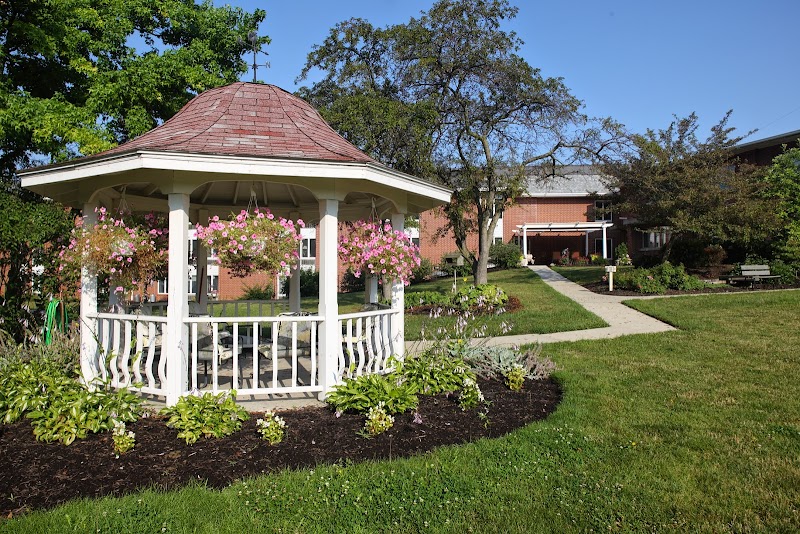
How is Mennonite Memorial Home Staffed?

CMS rates MENNONITE MEMORIAL HOME's staffing level at 4 out of 5 stars, which is above average compared to other nursing homes. Staff turnover is 54%, compared to the Ohio average of 46%.

What Have Inspectors Found at Mennonite Memorial Home?

State health inspectors documented 35 deficiencies at MENNONITE MEMORIAL HOME during 2019 to 2025. These included: 1 that caused actual resident harm, 33 with potential for harm, and 1 minor or isolated issues. Deficiencies causing actual harm indicate documented cases where residents experienced negative health consequences.
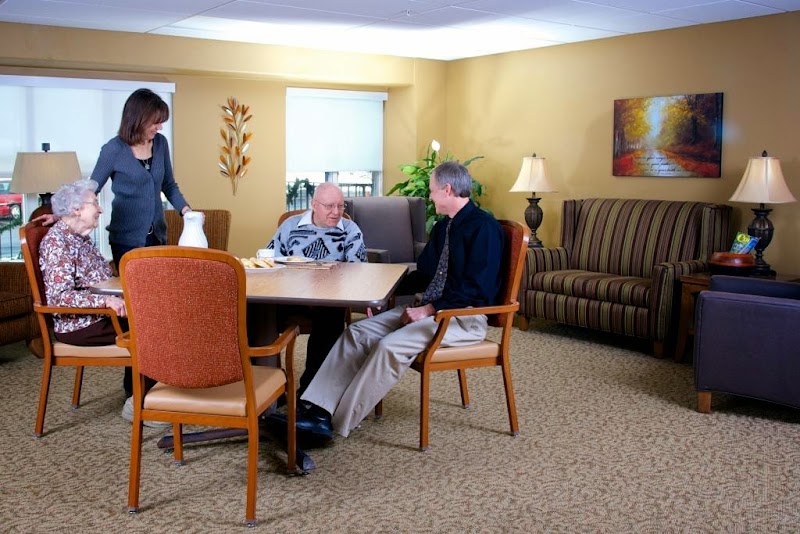
Who Owns and Operates Mennonite Memorial Home?

MENNONITE MEMORIAL HOME is owned by a non-profit organization. Non-profit facilities reinvest revenue into operations rather than distributing to shareholders. The facility operates independently rather than as part of a larger chain. With 60 certified beds and approximately 56 residents (about 93% occupancy), it is a smaller facility located in BLUFFTON, Ohio.
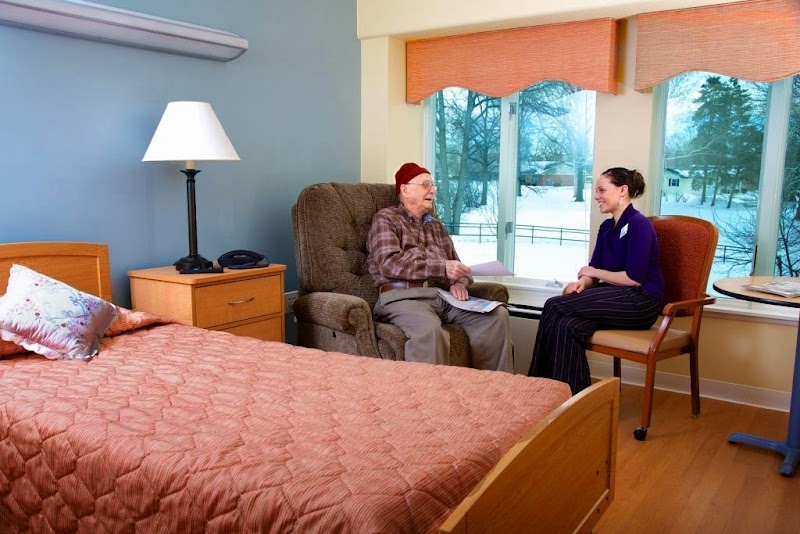
How Does Mennonite Memorial Home Compare to Other Ohio Nursing Homes?

Compared to the 100 nursing homes in Ohio, MENNONITE MEMORIAL HOME's overall rating (2 stars) is below the state average of 3.2, staff turnover (54%) is near the state average of 46%, and health inspection rating (2 stars) is below the national benchmark.

What Should Families Ask When Visiting Mennonite Memorial Home?

Based on this facility's data, families visiting should ask: "Can I visit during a mealtime to observe dining assistance and food quality?" "How do you handle medical emergencies, and what is your hospital transfer rate?" "Can I speak with family members of current residents about their experience?"

Is Mennonite Memorial Home Safe?

Based on CMS inspection data, MENNONITE MEMORIAL HOME has a clean safety record: no substantiated abuse findings (meaning no confirmed cases of resident harm), no Immediate Jeopardy citations (the most serious violation level indicating risk of serious injury or death), and is not on the Special Focus Facility watch list (a federal program monitoring the lowest-performing 1% of nursing homes). The facility has a 2-star overall rating and ranks #100 of 100 nursing homes in Ohio. While no facility is perfect, families should still ask about staff-to-resident ratios and recent inspection results during their visit.

Do Nurses at Mennonite Memorial Home Stick Around?

MENNONITE MEMORIAL HOME has a staff turnover rate of 54%, which is 8 percentage points above the Ohio average of 46%. Moderate turnover is common in nursing homes, but families should still ask about staff tenure and how the facility maintains care continuity when employees leave.

Was Mennonite Memorial Home Ever Fined?

MENNONITE MEMORIAL HOME has no federal fines on record. CMS issues fines when nursing homes fail to meet care standards or don't correct problems found during inspections. The absence of fines suggests the facility has either maintained compliance or corrected any issues before penalties were assessed. This is a positive indicator, though families should still review recent inspection reports for the full picture.

Is Mennonite Memorial Home on Any Federal Watch List?

MENNONITE MEMORIAL HOME is not on any federal watch list. The most significant is the Special Focus Facility (SFF) program, which identifies the bottom 1% of nursing homes nationally based on persistent, serious quality problems. Not being on this list means the facility has avoided the pattern of deficiencies that triggers enhanced federal oversight. This is a positive indicator, though families should still review the facility's inspection history directly.