WOOD HAVEN HEALTH CARE SENIOR LIVING & REHAB
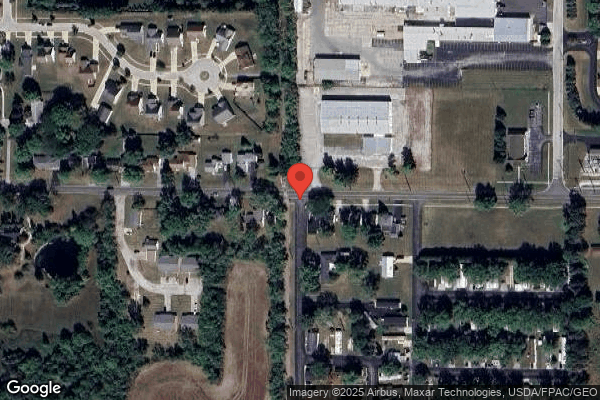
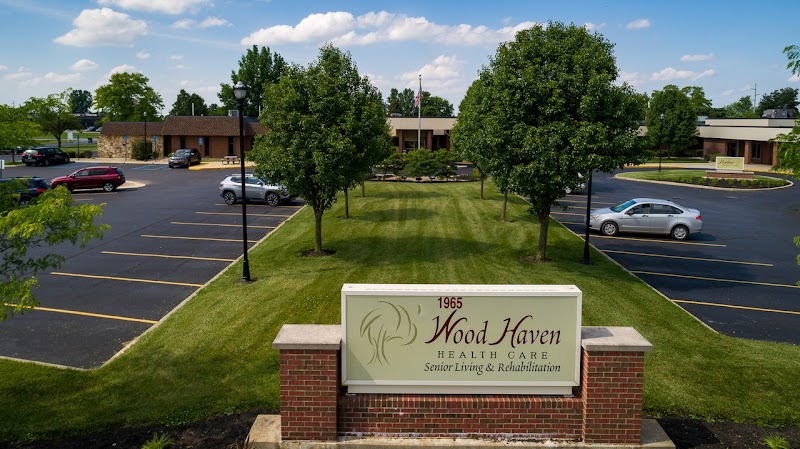
1965 E GYPSY LANE RD, BOWLING GREEN, OH 43402 (419) 353-8411
Government - County 93 Beds Independent Data: November 2025
Trust Grade
60/100
#576 of 913 in OH
Last Inspection: March 2023

Over 2 years since last inspection. Current conditions may differ from available data.

Overview

Wood Haven Health Care Senior Living & Rehab has a Trust Grade of C+, indicating it is slightly above average but not particularly strong compared to other facilities. It ranks #576 out of 913 in Ohio, placing it in the bottom half of nursing homes statewide, and #7 out of 11 in Wood County, meaning there are only a few local options that are rated better. The facility's performance is worsening, with the number of issues increasing from 1 in 2024 to 3 in 2025, which raises some concerns for families considering care options. Staffing is rated as average, with a turnover rate of 49%, which is on par with the state average, but this may affect the consistency of care. Notably, there were concerns about insufficient nursing staff to meet the needs of residents, as well as issues with food safety and accessibility, such as unlabeled food items in the freezer and a resident being unable to reach their call light for assistance. While there are some strengths like a lack of fines and a good quality measures rating, families should weigh these against the identified weaknesses when making their decision.

Trust Score
C+
60/100
In Ohio
#576/913
Bottom 37%
Safety Record
Low Risk
No red flags
Inspections
Getting Worse
1 → 3 violations
Staff Stability
⚠ Watch
49% turnover. Above average. Higher turnover means staff may not know residents' routines.
Penalties
✓ Good
No fines on record. Clean compliance history, better than most Ohio facilities.
Skilled Nurses
○ Average
Each resident gets 34 minutes of Registered Nurse (RN) attention daily — about average for Ohio. RNs are the most trained staff who monitor for health changes.
Violations
⚠ Watch
36 deficiencies on record. Higher than average. Multiple issues found across inspections.
★★★☆☆
3.0
Overall Rating
★★★☆☆
3.0
Staff Levels
★★★★★
5.0
Care Quality
★★☆☆☆
2.0
Inspection Score
Stable
2024: 1 issues
2025: 3 issues

The Good

  • 5-Star Quality Measures · Strong clinical quality outcomes
  • Full Sprinkler Coverage · Fire safety systems throughout facility
  • No fines on record

Facility shows strength in quality measures, fire safety.

The Bad

3-Star Overall Rating

Near Ohio average (3.2)

Meets federal standards, typical of most facilities

Staff Turnover: 49%

Near Ohio avg (46%)

Higher turnover may affect care consistency

The Ugly 36 deficiencies on record

Jan 2025 3 deficiencies
CONCERN (D) 📢 Someone Reported This

A family member, employee, or ombudsman was alarmed enough to file a formal complaint

Potential for Harm - no one hurt, but risky conditions existed

Free from Abuse/Neglect (Tag F0600)

Could have caused harm · This affected 1 resident

**NOTE- TERMS IN BRACKETS HAVE BEEN EDITED TO PROTECT CONFIDENTIALITY** Based on record review, resident interview, staff interview and review of facility policy the facility failed to ensure resident...

Read full inspector narrative →
**NOTE- TERMS IN BRACKETS HAVE BEEN EDITED TO PROTECT CONFIDENTIALITY** Based on record review, resident interview, staff interview and review of facility policy the facility failed to ensure residents were free from abuse. This affected one resident (#10) of two residents reviewed for abuse. The facility census was 71. Findings include: Review of Resident #10's medical record revealed an admission date of 12/30/23. Diagnoses included schizophrenia, psychosis, and congestive heart failure. Review of Resident #10's annual MDS dated [DATE] revealed he had an intact cognition. No behaviors were documented. Review of Resident #10's most recent care plan revealed he had a history of trauma that carried negative effects. Interventions included to encourage the resident to express feelings, concerns, and thoughts in a safe space and identify items that lessen the effect of trauma and provide comfort. Review of Resident #10's medical record revealed a nurse's note dated 12/08/24 informing Licensed Practical Nurse (LPN) # 230 Resident #10 was in an activity with another male resident who came up to him with a clenched fist. Resident #10 was upset and stated he had not done anything to the other resident. Interview with Activity Director on 01/06/24 at 8:20 A.M. revealed there was an incident on 12/08/24 between Residents #10 and #11. The residents were arguing and separated. The Activity Director revealed Activity Aide #105 wrote a letter regarding the incident and gave it to the Director of Nursing (DON). Interview with Resident #10 on 01/06/24 at 8:48 A.M. revealed Resident #11 swung his fists at him multiple times but never made contact. Resident #10 stated he was unable to attend activities due to Resident #11's behavior towards him. Resident #10 stated he had reported the situation to everyone but no one would do anything regarding the threats. Interview with the DON and Administrator on 01/07/25 at 3:13 P.M. revealed neither had notified of the incident between Residents #10 and #11 on 12/08/24 nor had the DON received a letter regarding the incident. Review of the Self-Reported Incidents revealed no information was reported to the State of Ohio regarding the abuse. Review of the facility policy titled Abuse, Neglect, and Exploitation dated 07/20/22 revealed mental abuse includes, but not limited to humiliation, harassment, threats of punishment or deprivation. This violation represents non-compliance investigated under Complaint Number OH00160615.
CONCERN (D) 📢 Someone Reported This

A family member, employee, or ombudsman was alarmed enough to file a formal complaint

Potential for Harm - no one hurt, but risky conditions existed

Report Alleged Abuse (Tag F0609)

Could have caused harm · This affected 1 resident

**NOTE- TERMS IN BRACKETS HAVE BEEN EDITED TO PROTECT CONFIDENTIALITY** Based on staff interviews, resident interviews, record review, and facility policy review revealed facility staff failed to repo...

Read full inspector narrative →
**NOTE- TERMS IN BRACKETS HAVE BEEN EDITED TO PROTECT CONFIDENTIALITY** Based on staff interviews, resident interviews, record review, and facility policy review revealed facility staff failed to report an allegation of abuse. This affected two residents (#10 and #11) of two residents reviewed for abuse. The facility census was 71. Findings include: Review of Resident #11's medical record revealed an admission date of 04/04/23. Diagnoses included intellectual disabilities, encephalopathy, and altered mental status. Review of Resident #11's quarterly Minimum Data Set (MDS) revealed the resident had a moderate decline in cognition. The resident had no behaviors documented. Review of Resident #11's behavior note dated 12/08/24 revealed the resident was in the activity room and displayed inappropriate actions and required redirection from staff back to his room. The actions were not specified. Review of Resident #11's physician note dated 12/10/24 revealed the resident had developed more aggressive behaviors since being off Abilify (antipsychotic). Review of Resident #11's behavior note dated 12/13/24 revealed the resident was removed from music entertainment for disruptive behavior. Review of Resident #11's psychiatric note dated 12/16/24 revealed the resident was seen at the request of staff for a follow-up on medication management due to disruptive behavior in group settings which included hitting others with his wheelchair. An additional note dated 12/18/24 revealed Resident #11 was removed from morning coffee bar for disruptive behavior. Review of Resident #10's medical record revealed an admission date of 12/30/23. Diagnoses included schizophrenia, psychosis, and congestive heart failure. Review of Resident #10's annual MDS dated [DATE] revealed he had an intact cognition. No behaviors were documented. Review of Resident #10's most recent care plan revealed he had a history of trauma that carried negative effects. Interventions included to encourage the resident to express feelings, concerns, and thoughts in a safe space and identify items that lessen the effect of trauma and provide comfort. Review of Resident #10's medical record revealed a nurse's note dated 12/08/24 informing Licensed Practical Nurse (LPN) # 230 Resident #10 was in an activity with another male resident who came up to him with a clenched fist. Resident #10 was upset and stated he had not done anything to the other resident. Interview with Activity Director on 01/06/24 at 8:20 A.M. revealed there was an incident on 12/08/24 between Residents #10 and #11. The residents were arguing and separated. The Activity Director revealed Activity Aide #105 wrote a letter regarding the incident and gave it to the Director of Nursing (DON). Interview with Resident #10 on 01/06/24 at 8:48 A.M. revealed Resident #11 swung his fists at him multiple times but never made contact. Resident #10 stated he was unable to attend activities due to Resident #11's behavior towards him. Resident #10 stated he had reported the situation to everyone but no one would do anything regarding the threats. Interview with the DON and Administrator on 01/07/25 at 3:13 P.M. revealed neither had notified of the incident between Residents #10 and #11 on 12/08/24 nor had the DON received a letter regarding the incident. Attempted interview with Activity Aide #105 revealed she was unavailable. Review of the Self-Reported Incidents revealed no information was reported to the State of Ohio regarding the abuse. Review of the facility policy titled Abuse, Neglect, and Exploitation dated 07/20/22 revealed mental abuse includes, but not limited to humiliation, harassment, threats of punishment or deprivation. This violation represents non-compliance investigated under Complaint Number OH00160615.
CONCERN (D) 📢 Someone Reported This

A family member, employee, or ombudsman was alarmed enough to file a formal complaint

Potential for Harm - no one hurt, but risky conditions existed

Deficiency F0760 (Tag F0760)

Could have caused harm · This affected 1 resident

**NOTE- TERMS IN BRACKETS HAVE BEEN EDITED TO PROTECT CONFIDENTIALITY** Based on staff interview, nurse practitioner interview, family interview, and review of facility policy revealed the facility fa...

Read full inspector narrative →
**NOTE- TERMS IN BRACKETS HAVE BEEN EDITED TO PROTECT CONFIDENTIALITY** Based on staff interview, nurse practitioner interview, family interview, and review of facility policy revealed the facility failed to follow documented medication orders in resident records. This affected one (#84) resident of three residents reviewed for medication orders. The facility census was 71. Findings included: Review of Former Resident (FR) #84's medical record revealed an admission date of 11/26/24. Diagnoses included thyroid cancer, urinary tract infection, and cystitis. Review of FR #84's five-day Minimum Data Set (MDS) assessment dated [DATE] revealed the resident had an intact cognition. Review of FR #84's care plan revealed the resident had a temporary placement in the facility and planned on returning home after the completion of therapies. Review of FR #84's nursing note dated 11/22/24 revealed the resident was admitted from a local hospital and was alert, oriented and able to make needs known. Review of FR #84's Medication Administration Record (MAR) dated 11/22/24 revealed the resident refused Gavreto. On 11/23/24 Gavreto was administered. On 11/24/24 Gavreto was not administered due to parameters by Registered Nurse (RN) #141. On 11/25/24 the MAR was documented 9 which represented see nurses notes and on 11/26/24 the drug was marked as refused. Review of FR #84's nurses note dated 11/24/24 revealed two capsules of Gavreto 100 milligrams each for medullary thyroid carcinoma was held per FR #84's daughter. The daughter stated the oncologist ordered to hold the Gavreto until Resident #84 completed the intravenous antibiotic ordered for the urinary tract infection. Telephone interview with the hospital Certified Nurse Practitioner (CNP) #400 on 01/02/25 at 10:07 A.M. revealed FR #84's chemotherapy medication was on hold and that information was written on the hospital discharge summary. CNP #400 stated Gavreto was on the medication list but since it was only on hold it was not removed from the residents medication list. Adding, if there was any questions, the staff should have notified the oncologist. Interview with RN #141 on 01/06/25 at 10:14 A.M. verified she charted on 11/24/24 that the medication (Gavreto) was out of parameters but failed to chart the reason in the nurses notes. RN #141 stated Resident #84's daughter and the resident informed the staff that the physician had discontinued the chemotherapy medication while receiving the antibiotic therapy, but were unaware of why. The nurse revealed she failed to contact the oncologist office to verify the medication order. Telephone interview with Unit Manager #149 on 01/06/25 revealed she attempted to contact FR #84's oncologist to verify the chemotherapy medication, but the office failed to return the phone call. In the meantime, a verbal order was given to staff to hold the medication. Unit Manager #149 verified she failed to document the order to hold the medication and staff attempted to administer the medication to the resident daily. Unit Manager #149 verified FR #84 did receive Gavreto on 11/22/24 and the medication should have been held. Review of the facility policy titled Medication Administration dated 05/2024 revealed medications are administered by licensed nurses, or other staff who are legally authorized to do so in the state, as ordered by the physician and in accordance with professional standards of practice. Report and document any adverse side effects or refusals. This violation represents non-compliance investigated under Complaint Number OH00160942.
Feb 2024 1 deficiency
CONCERN (D) 📢 Someone Reported This

A family member, employee, or ombudsman was alarmed enough to file a formal complaint

Potential for Harm - no one hurt, but risky conditions existed

Accident Prevention (Tag F0689)

Could have caused harm · This affected 1 resident

Based on staff interview, record review, review of the facility's incident reports, and review of the facility's policies, the facility failed to complete thorough investigations into wandering/elopem...

Read full inspector narrative →
Based on staff interview, record review, review of the facility's incident reports, and review of the facility's policies, the facility failed to complete thorough investigations into wandering/elopement and fall incidents. This affected one (#11) of two residents reviewed for elopement and one (#11) of three residents reviewed for falls. The facility census was 76. Findings include: Review of the medical record for Resident #11 revealed an admission date of 11/29/23. Diagnoses included dementia, anxiety, and transient ischemic attack. Review of the quarterly Minimum Data Set (MDS) assessment, dated 02/14/24, revealed Resident #11 had impaired cognition, used a walker and wheelchair, and required substantial/maximal assistance for bed mobility and transfers. Resident #11 demonstrated wandering behaviors four to six days during the look-back period. Resident #11 had two or more falls without injury since the previous assessment/admission. 1. Review of the Exit Seeking Assessment completed upon admission, dated 11/29/23, revealed no score or level of risk for exit seeking behaviors for Resident #11. Review of an incident report dated 01/11/24 at 5:45 P.M. revealed Resident #11 was found by the family member of another resident in the parking lot in a wheelchair, and Resident #11 was unable to provide any information regarding his purpose. Review of the care plan for Resident #11 revealed it was updated 01/12/24 identifying Resident #11 was at risk for wandering. Interventions included a Secure Care (a device worn by the resident to notify staff when the resident approaches a facility exit). Review of a Weekly Skin Assessment signed 01/12/24 revealed Resident #11 was discovered in the parking lot by another resident's family member on 01/11/24 at 5:45 P.M. The document further revealed the weather at the time was above freezing and not raining. A Secure Care was placed on Resident #11. Interview on 02/26/24 at 10:51 A.M. with MDS Coordinator #502 and MDS Coordinator #503 confirmed the care plan for Resident #11 was updated on 01/12/24 for wandering, but could not provide any information regarding why they updated the care plan. MDS Coordinator #502 and MDS Coordinator #503 denied knowledge of Resident #11 exiting the facility independently. Interview on 02/26/24 at 10:57 A.M. with the Director of Nursing (DON) revealed the incident with Resident #11 going outside was not considered an elopement because Resident #11 was not at risk for wandering. Telephone interview on 02/26/24 at 12:08 P.M. with Licensed Practical Nurse (LPN) #201 confirmed she completed the skin assessment on Resident #11 after he was found outside the facility on 01/11/24. LPN #201 did not see him outside, and could not remember who brought Resident #11 back into the facility. LPN #201 notified the physician and DON and completed a physical and mental assessment on Resident #11 who suffered no injuries from this incident. LPN #201 could not state how long Resident #11 was outside. Interview on 02/26/24 at 4:29 P.M. with the DON revealed she did not know how long Resident #11 was outside on 01/11/24. The DON did not know who brought Resident #11 in from outside. The DON stated LPN #201 could be interviewed to determine who brought Resident #11 inside. The DON confirmed the facility did not investigate how Resident #11 got outside on 01/11/24, how long he was outside, where he was in the parking lot, or who brought him back into the facility. Review of the facility's policy titled Elopements and Wandering Residents, revised 12/18/23, revealed no guidance regarding investigating the cause or circumstances of the wandering or elopement incident. 2. Review of the current care plan for Resident #11 revealed he was at risk for falls with multiple interventions, including a fall mat, perimeter mattress, and low bed. Review of the incident log dated 12/01/23 through 02/18/24 revealed Resident #11 fell, resulting in a fracture on 01/17/24. Further review revealed Resident #11 fell and had no injuries on 12/04/23, 12/13/23, 01/09/24, 01/12/24, 01/22/24, 01/24/24, 01/28/24, 01/31/24, 02/04/24, 02/06/24, and 02/14/24. Review of the incident report dated 12/04/23 revealed Resident #11 was found face down on the floor between the chair and the bed. An intervention was developed to put a fall mat next to the bed and lower the bed to the floor. Review of a progress note dated 12/05/23 revealed the interdisciplinary team (IDT) reviewed incident and new intervention for low bed and mat at side. The incident report and progress note did not state whether Resident #11 was in the bed or the chair prior to the fall. Review of the incident report dated 12/13/23 at 9:30 P.M. revealed Resident #11 was found on the floor in front of his recliner. Resident #11 stated he was trying to get up to go to bed. An intervention was developed to place call for assistance signs. Review of a progress note dated 12/15/23 revealed the IDT reviewed and new intervention for call for assistance sign. The incident report and progress note did not indicate whether Resident #11 had his call light within reach at the time of the fall. Review of the incident report dated 01/12/24 revealed Resident #11 was seated on the floor next to his bed in a wet brief. Resident #11 stated he was trying to get up, but could provide no additional information. Review of a progress note dated 01/16/24 revealed the IDT reviewed and continue low bed with mat at side. The incident report and progress note did not include if the fall mat and low bed were in place at the time of the fall. Review of the incident report dated 01/17/24 revealed Resident #11 was found with his head on the floor in his doorway. Resident #11 was unable to provide details regarding the fall. Resident #11 was assessed to be oriented to person, place and time, but not to situation. The physical assessment revealed a skin tear to his left forearm. Resident #11 was brought to bed by three staff. Review of the progress notes dated 01/17/24 and 01/18/24 revealed Resident #11 was observed on 01/17/24 at 7:10 P.M. with his head on the floor in his doorway. Resident #11 was assessed for injuries, including a skin tear to his left forearm. Resident #11 reported pain to his hip, and was transported to the local hospital by Emergency Medical Services (EMS). The incident report and progress note not show the facility investigated the cause of the fall, the whereabouts of the fall mat, or what Resident #11 was doing prior to the fall. Review of the hospital records for Resident #11 dated 01/17/24 revealed Resident #11 was identified with a left hip fracture, but due to previous hardware already in the vicinity, no operation was performed. Interview on 02/26/24 at 3:04 P.M. with the DON regarding fall investigations revealed the facility discussed falls during an IDT meeting and reviewed the circumstances, developed interventions, and updated the care plan as needed. The DON stated the evidence of their investigation into each fall was an IDT note in each resident's record. Continued interview with the DON confirmed all fall investigations were verbal and no additional documentation regarding their investigation was available. Further interview with the DON and concurrent review of the incident report for the fall on 01/12/24 revealed Resident #11 was found seated on the floor next to his bed. The DON was unable to verify whether the fall mat was in place. The DON directed Assistant Director of Nursing (ADON) #501 to interview LPN #201, who documented the fall on 01/12/24 and was working in the facility during the interview, and have LPN #201 write a statement regarding whether Resident #11 was on the fall mat when LPN #201 observed him on 01/12/24. On 02/26/24 at approximately 3:25 P.M., ADON #501 provided a statement, handwritten by LPN #201, dated 02/26/24. Review of the statement revealed Resident #11 was found on the floor next to his bed on 01/12/24 at 6:10 P.M. Resident #11 was seated on a floormat, and had no injuries. Further interview on 02/26/24 at 3:40 P.M. with the DON regarding the fall incident report for Resident #11 dated 01/17/24 at 7:10 P.M., resulting in a fracture, revealed the facility could provide no evidence they investigated the cause of the fall, the whereabouts of the fall mat, or what Resident #11 was doing prior to the fall. Interview on 02/26/24 at 4:29 P.M. with the DON, and concurrent review of a fall incident report for Resident #11 dated 12/04/23 at 3:20 P.M. revealed Resident #11 was found between the bed and the chair. The intervention was implemented was a fall mat and low bed. Interview with the DON revealed she could not verify whether Resident #11 was in the bed or the chair prior to the fall. The DON stated she would have to follow up with the nurse who documented the fall to determine where Resident #11 was prior to the fall. Continued interview at that time with the DON, and concurrent review of the fall incident report for Resident #11 dated 12/13/23 revealed the new intervention was to hang call for assistance signs. The DON could not verify whether Resident #11 had his call light within reach at the time of the fall. The DON stated call lights should be in reach, and staff would only document by exception; therefore, she would expect the call light was within reach. Review of the facility policy titled Fall Guidelines, revised 05/11/23, revealed the IDT would seek to identify and document resident risk factors for falls. Additionally, a plan would be developed after the information was gathered regarding a fall. This deficiency represents non-compliance investigated under Complaint Number OH00150753.
Mar 2023 12 deficiencies
CONCERN (D) 📢 Someone Reported This

A family member, employee, or ombudsman was alarmed enough to file a formal complaint

Potential for Harm - no one hurt, but risky conditions existed

Deficiency F0552 (Tag F0552)

Could have caused harm · This affected 1 resident

**NOTE- TERMS IN BRACKETS HAVE BEEN EDITED TO PROTECT CONFIDENTIALITY** Based on medical record review, resident interview, resident representative interview ,staff interview, and review of the facili...

Read full inspector narrative →
**NOTE- TERMS IN BRACKETS HAVE BEEN EDITED TO PROTECT CONFIDENTIALITY** Based on medical record review, resident interview, resident representative interview ,staff interview, and review of the facility policy, the facility failed to ensure residents received their choice of showers or bed baths. This affected two (#34 and #54) of two residents reviewed for choices. The facility census was 74. Findings include: 1. Review of the medical record revealed Resident #34 was admitted on [DATE]. Diagnoses included chronic kidney disease stage three, dementia moderate with psychotic disturbance, anxiety disorder, restlessness and agitation, and muscle weakness. Review of the care plan, dated 08/22/22, revealed Resident #34 required assistance with activities of daily living and preferred his showers two days per week and as needed on first shift. Review of the Minimum Data Set (MDS) assessment, dated 02/03/23, revealed Resident #34 was moderately cognitively impaired. Resident #34 was totally dependent on staff for bathing. Review of the facility's shower/whirlpool/bed bath documentation, dated 03/01/23 to 03/30/23, revealed Resident #34 received one shower on 03/30/23. Review of the documentation revealed 56 bed baths were documented in the record, many were documented once on each shift on the same day. Interview on 03/27/23 at 10:49 A.M. with Resident #34 revealed staff will tell him it was his shower day but then he will not get one or they will tell him his blood sugar was too low to have one. Resident #34 stated he has not had a shower in a long time. Interview on 03/30/23 at 9:47 A.M. with State Tested Nursing Assistant (STNA) #528 verified according to the documentation, Resident #34 has not had a shower in the last 30 days. STNA #528 stated Resident #34 was a confused and when they were short staffed, showers were more likely to be provided for the residents that were nagging about it. Interview on 03/30/23 at 12:13 P.M. with Resident #34 verified he would much rather have a shower then a washcloth to clean himself. Resident #34 stated he could not believe it but he received a shower this morning and it felt great. Resident #34 verified every evening staff provide him a washcloth and soap for him to clean up. Resident #34 verified staff do not give him the bed bath. 2. Review of the medical record revealed Resident #54 was admitted on [DATE]. Diagnoses included Alzheimer's disease, anxiety disorder, epilepsy, restlessness and agitation, and dementia without behavioral disturbance psychotic disturbance. Review of the MDS Assessment, dated 02/14/23, revealed Resident #54 was unable to complete the interview. Resident #54 required extensive two-person assistance with bathing. Review of the care plan, dated 05/07/22, revealed Resident #54 required assistance with activities of daily living and interventions included to assist Resident #54 with all bathing needs based on the resident's preference. Resident #54 preferred her showers two days per week and as needed second shift. Review of the facility's shower/whirlpool/bed bath documentation, dated 03/01/23 to 03/30/23, revealed Resident #54 received three showers on 03/01/23, 03/15/23, and 03/23/23. Review of the documentation revealed 52 bed baths were documented in the record, many were documented once on each shift on the same day. Interview on 03/28/23 at 12:11 P.M. with Resident #54's personal aide verified Resident #54 was not able to refuse showers and showers were beneficial for the resident. Interview on 03/29/23 at 4:11 P.M. with State Tested Nursing Assistant (STNA) #583 verified Resident #54's shower documentation for the last 30 days showed three showers have been provided. Review of the facility policy titled Resident Showers, dated 09/22/22, revealed the residents will be provided showers as per request or as per facility schedule protocols and based upon resident safety. Partial baths may be given between regular shower schedules as per facility policy. This deficiency represents non-compliance investigated under Master Complaint Number OH00141590 and Complaint Number OH00141316.
CONCERN (D)

Potential for Harm - no one hurt, but risky conditions existed

Deficiency F0554 (Tag F0554)

Could have caused harm · This affected 1 resident

**NOTE- TERMS IN BRACKETS HAVE BEEN EDITED TO PROTECT CONFIDENTIALITY** Based on record review, observation, staff and resident interviews, and review of facility policy, the facility failed implement...

Read full inspector narrative →
**NOTE- TERMS IN BRACKETS HAVE BEEN EDITED TO PROTECT CONFIDENTIALITY** Based on record review, observation, staff and resident interviews, and review of facility policy, the facility failed implement the facility policy for self-medication administration for Resident #76 and further failed to obtain physician orders for the medications being self-administered by Resident #76. This affected one (Resident #76) of three residents reviewed for choices. The facility census was 74. Findings include: Review of the medical record for Resident #76 revealed an admission date of 03/06/23. Diagnoses included a displaced intertrochanteric fracture of left femur, and macular degeneration. Review of the Minimum Data Set (MDS) 3.0 assessment dated [DATE] revealed Resident #76 was cognitively intact. Further review of the medical record from 03/06/23 to 03/27/23 revealed there was no medication self-administration for Resident #76. There was no physician order for Resident #76 to self-administer his medications until 03/27/23. Observation on 03/27/23 at 9:24 A.M. revealed a bottle of over the counter eye drops and an over the counter bottle eye vitamins sitting on the right hand corner of the tray table in Resident #76's room. Additional observation made on 03/27/23 at 10:05 A.M. revealed the over the counter eye drops and an over the counter bottle eye vitamins were no longer on the tray table. Interview with Resident #76 on 03/27/23 at 10:05 A.M., at the time of the observation revealed the nurse removed the eye drops and eye vitamins explaining to Resident #76 they could no be kept at bedside. Resident #76 was visibly upset and did not understand why the eye drops and vitamins could not remain at the bedside since they had been at the bedside since admission. Interview with Licensed Practical Nurse (LPN) #518 on 03/27/23 at 11:00 A.M. verified the bottle of over the counter eye drops and an over the counter bottle of eye vitamins had been removed the tray table in Resident #76's room. LPN #518 stated orders did not exist for the medications and a medication self-assessment was not available for Resident #76. Further observation on 03/29/23 at 8:00 A.M. revealed the over-the-counter eye drops and the over-the-counter eye vitamins were on the tray table in Resident #76's room. Interview with Resident #76 at the time of the observation on 03/29/23 at 8:00 A.M. revealed the nurse had returned the eye drops and vitamins after an order had been obtained. Further review of the medical record for Resident #76 on 03/29/23 at 8:30 A.M. revealed a medication self-administration assessment was scanned into the electronic medical record on 03/28/23 and physician orders dated 03/27/23 for an eye vitamin (Preservision AREDS 2), one tablet twice a day and cooling comfort ophthalmic eye drops, two drops each eye as needed for dry, may keep at bedside. Review of the facility policy titled Resident Self-Administration of Medication, dated 06/15/22, revealed a resident may only self-administer medications after the facility's interdisciplinary team has determined which medications may be self-administered, is care planned and an order exists for the medications being self-administered.
CONCERN (D)

Potential for Harm - no one hurt, but risky conditions existed

Comprehensive Care Plan (Tag F0656)

Could have caused harm · This affected 1 resident

**NOTE- TERMS IN BRACKETS HAVE BEEN EDITED TO PROTECT CONFIDENTIALITY** Based on record review, staff and resident interview, and review of the facility policy, the facility failed to develop a compre...

Read full inspector narrative →
**NOTE- TERMS IN BRACKETS HAVE BEEN EDITED TO PROTECT CONFIDENTIALITY** Based on record review, staff and resident interview, and review of the facility policy, the facility failed to develop a comprehensive care plan to address a resident's psychosocial needs. This affected one (Resident #37) of four residents reviewed for care planning. The facility census was 74. Findings include: Review of the medical record for Resident #37 revealed an admission date of 01/20/23. Diagnoses included acute on chronic heart failure, chronic kidney disease, and peripheral vascular disease. Review of the physician order dated 01/20/23 revealed an order for psychiatric services for evaluation or follow up. services. Review of the baseline care plan for Resident #37 dated 01/24/23 revealed it was silent for psychological or behavioral health needs. Review of the comprehensive Minimum Date Set (MDS) 3.0 assessment dated [DATE] revealed Resident #37 was cognitively intact, had experienced little interest or pleasure in doing things for the last 12 to 14 days, felt down or depressed two to six days and felt tired and had little to no energy the last seven to 11 days prior to the assessment. Review of the care conference summary dated 02/01/23 revealed Resident #37 was feeling down, tired, had changes in moving, and was feeling bad about self. Review of Resident #37's comprehensive care plan dated 02/07/23 revealed the care plan was silent for psychological or behavioral health needs. Interview on 03/28/23 at 10:30 A.M. with Licensed Practical Nurse (LPN) #518 verified Resident #37 refused care and LPN #518 stated Resident #37 was just giving up. Interview on 03/30/23 at 9:55 A.M. with Resident #37 revealed feeling down, having no energy and acknowledgement of refusals of care. Resident #37 stated willingness to talk to someone about the feelings. Interview with the Assistant Director of Nursing (ADON) #600 on 03/30/23 at 9:30 A.M. verified there was not a comprehensive care plan developed to meet the psychological needs of Resident #37. Review of the facility policy titled Provisions of Quality Care, dated 10/01/22, stated based on comprehensive assessment, the facility will ensure the resident receives treatment and care by qualified persons in accordance with professional standards of practice and a comprehensive person-centered care plans will be developed for each resident to ensure care and services to attain or maintain the highest practicable physical, mental and psychosocial well-being.
CONCERN (D)

Potential for Harm - no one hurt, but risky conditions existed

Deficiency F0679 (Tag F0679)

Could have caused harm · This affected 1 resident

**NOTE- TERMS IN BRACKETS HAVE BEEN EDITED TO PROTECT CONFIDENTIALITY** Based on medical record review, observations, resident representative and staff interview, and review of the facility policy, th...

Read full inspector narrative →
**NOTE- TERMS IN BRACKETS HAVE BEEN EDITED TO PROTECT CONFIDENTIALITY** Based on medical record review, observations, resident representative and staff interview, and review of the facility policy, the facility failed to ensure a resident received activities upon the preference of the resident and choices of activities. This affected one (Resident #54) of one resident reviewed for activities. The facility census was 74. Findings include: Review of the medical record revealed Resident #54 was admitted on [DATE]. Diagnoses included Alzheimer's disease, anxiety disorder, epilepsy, major depressive disorder recurrent, restlessness and agitation, and dementia without behavioral disturbance psychotic disturbance. Review of the Minimum Data Set (MDS) assessment, dated 02/14/23, revealed Resident #54 was unable to complete the interview. Resident #54 required extensive two-person assistance with bed mobility and transfers and required total dependence from staff with locomotion on and off the unit and personal hygiene. Review of the care plan, dated 05/18/22, revealed Resident #54 was care planned for specific music preferences including religious music, ABBA, 50's music, and finds comfort with prayer. The goal was to hear preferred types of music daily in her room as desired. Interventions include to arrange spiritual room visits as tolerated, assist and praise all efforts to participate in music as needed, invite the resident outside to the courtyard for music when the weather was nice as she tolerates, provide CDs with preferred type of music, keep radio on 99.5 FM, and send/escort resident to group musical activities that were appropriate and fit with the resident's taste. Review of the activity progress note, dated 08/18/22, revealed the note was a care conference note for the care conference meeting held on 08/18/22. Resident's behavior was disruptive due to her yelling out and grabbing. Activities will continue to provide room visits with music and stimulation. Review of the activity progress note, dated 11/09/22, revealed the note was a care conference note for the meeting to be held on 11/10/22. Resident #54 showed satisfaction in spiritual visits and music. Activities will continue to provide Resident #54 with room visits as tolerated to include music and hand massages/aromatherapy. Review of Resident #54's medical record revealed there was no documentation that Resident #54 attended any activities from 11/20/22 to 03/27/23. Observation on 03/27/23 at 10:32 A.M. of Resident #54 revealed the resident was lying in bed awake, and alone in her room with no music playing. Subsequent observations on 03/27/23 at 2:05 P.M. revealed Resident #54 awake and alert and alone in her room. Resident #54 was in a broda chair with no music playing. Resident #54 alternated between appearing calm and restless in the room. Observation on 03/27/23 at 3:40 P.M. revealed Resident #54 awake, alert and alone in her room with the television on to an unknown channel. Interview on 03/28/23 at 10:05 A.M. with State Tested Nursing Assistant (STNA) #537 verified they had not observed Resident #54 involved in activities in or out of the resident room. Interview on 03/28/23 at 12:00 P.M. with Resident #54's personal aide reported she comes to the facility everyday and spends time with the resident. Resident #54 was always in her room and does not see staff offer activities to Resident #54. Interview on 03/29/23 at 11:34 A.M. with Activities Director #578 verified Resident #54 does better in a smaller group settings and one-on-one visits. Activities Director #578 verified all activity department resident documentation was documented in the resident progress notes. Activities Director #578 did not know the last date Resident #54 had activities participation. Interview on 03/29/23 at 11:41 A.M. with Activities Aide #580 reported Resident #54 had a personal aide and the family come in and then verified there were no documented activities with Resident #54. Review of the facility's undated policy titled Activities revealed it was the policy of the facility to provide ongoing program to support the residents in their choice of activities based on their comprehensive assessment, care plan, and preferences of each resident. Activities will be designed with the intent to enhance the resident's sense of well-being, belonging, and usefulness. Activities may be conducted in different ways including one-to-one programs.
CONCERN (D)

Potential for Harm - no one hurt, but risky conditions existed

Deficiency F0685 (Tag F0685)

Could have caused harm · This affected 1 resident

**NOTE- TERMS IN BRACKETS HAVE BEEN EDITED TO PROTECT CONFIDENTIALITY** Based on record review, observation, staff and resident interviews, and review of the facility policy, the facility failed to pr...

Read full inspector narrative →
**NOTE- TERMS IN BRACKETS HAVE BEEN EDITED TO PROTECT CONFIDENTIALITY** Based on record review, observation, staff and resident interviews, and review of the facility policy, the facility failed to provide care and services to assist a resident to maintain hearing devices. This affected one resident (Resident #55) of four residents reviewed for vision and hearing. The facility census was 74. Findings include: Review of the medical record for Resident #55 revealed an admission date of 04/16/21. Diagnoses included Alzheimer's disease, cataract extraction right eye and left eye (status post on 07/26/21), anxiety disorder, dementia, and hearing loss. Review of the quarterly Minimum Data Set (MDS) 3.0 assessment dated [DATE] revealed Resident #55 was cognitively impaired and had adequate hearing with the use of a hearing aid device. Speech was clear and the resident understands and was understood. Review of the care plan revealed Resident #55 had a hearing impairment affecting the resident's ability to communicate. Interventions included hearing to be evaluated upon request and nursing to track on the treatment administration record that hearing aides are charged at night and returned to the resident in the morning. Review of the nurse practitioner (NP) note dated 02/17/23 revealed family requested ears to be checked due to decreased hearing. The NP noted decreased hearing related to impacted cerumen, left ear and ordered Debrox ear drops, five drops every day followed by irrigation for five days. Review of the nurse progress note dated 03/08/23 revealed Resident #55's hearing aids were not charging. Review of additional nurse progress note dated 03/24/23 revealed the hearing aids were placed back on the charger due to the resident complaining of the hearing aids not working. There was no mention of a intervention to get the hearing aides assessed, ie. referral to social services, hearing appointment, etc. Observation and interview on 03/27/23 at 1:58 P.M. of Resident #55 revealed the resident holding right ear forward in attempt to hear. Resident #55 stated the staff took the hearing aids and the resident was not sure what was going on with them but stated cannot hear. Interview on 03/28/23 at 10:04 A.M. with Registered Nurse (RN) #509 revealed the hearing aids were not keeping a charge. RN #509 was unaware of any audiology appointments scheduled. Interview on 03/28/23 at 11:20 A.M. with Social Worker (SW) #579 revealed no knowledge of the hearing aids for Resident #55 not keeping a charge. SW #579 was unaware of the 02/17/23 request by family of Resident #55 to have hearing checked. SW #579 further verified an audiology appointment for Resident #55 had not been scheduled. Review of the facility policy titled Provisions of Quality Care, dated 10/01/22 stated based on comprehensive assessment, the facility will ensure the resident receives treatment and care by qualified persons in accordance with professional standards of practice and a comprehensive person-centered care plans will be developed for each resident to ensure care and services to attain or maintain the highest practicable physical, mental, and psychosocial well-being.
CONCERN (D) 📢 Someone Reported This

A family member, employee, or ombudsman was alarmed enough to file a formal complaint

Potential for Harm - no one hurt, but risky conditions existed

Accident Prevention (Tag F0689)

Could have caused harm · This affected 1 resident

**NOTE- TERMS IN BRACKETS HAVE BEEN EDITED TO PROTECT CONFIDENTIALITY** Based on record review, observation, resident and staff interview, and review of the facility policy, the facility failed to pro...

Read full inspector narrative →
**NOTE- TERMS IN BRACKETS HAVE BEEN EDITED TO PROTECT CONFIDENTIALITY** Based on record review, observation, resident and staff interview, and review of the facility policy, the facility failed to provide timely assistance to prevent a fall with injury and failed to complete a thorough fall investigation. This affected one (Resident #45) of five residents reviewed for falls. The facility census was 74. Findings include: Review of Resident #45's medical record revealed the resident was admitted on [DATE]. Diagnoses included anxiety disorder, repeated falls, and general weakness. Review of the Minimum Data Set (MDS) assessment dated [DATE] revealed Resident #45 was cognitively intact. Resident #45 required extensive assistance from staff with transferring and toilet use and required supervision for walking in the room and walking on and off the unit. Review of Resident #45's plan of care, undated, revealed Resident #45 was at risk for falls related to unsteady gait and history of falls. The goal was for Resident #45 not to sustain an injury from falls. Interventions included were to encourage Resident #45 to wear proper and non-slip footwear and to assist Resident #45 with toileting. On 10/05/22, therapy reminded Resident #45 to ask for assistance and it was updated on 03/04/22 for Resident #45 to ask for assistance and placed a sign to remind Resident #45 to ask for assistance. Review of the Fall Risk assessment dated [DATE] revealed Resident #45 at a high risk for falls. Review of the progress notes dated 03/04/23 revealed Resident #45 sustained an unwitnessed fall with injury and was sent to the emergency room for evaluation. Review of the facility's incident report revealed Resident #45 fell on [DATE] at 7:58 A.M. Resident #45 was found by an STNA on the floor and hit her head. Resident #45 had a bump noted to her forehead and was complaining of pain to left hand and left forehead. Resident #45 stated her walker got away from her and she fell. Resident #45 was given non-slip socks, reminded to use call light and to ambulate with assistance. There was no mention if Resident #45's call light was on or off at the time Resident #45 was found on the floor. Review of the physician orders revealed Resident #42 was to receive assistance with ambulation (walking) and non-slip socks when ambulating. Observation and interview on 03/27/23 at 12:02 P.M. revealed Resident #45 had bruising to the left inner corner of her eye. Resident #45 stated she remembered falling on 03/04/23 and stated she placed her call light on and waited for 45 minutes and then couldn't wait any longer to use the restroom and got up on her own. Resident #45 stated she fell, hit her face and head, and was sent out to the emergency room. Resident #45 stated she timed her call light waiting time by watching the clock in her room. Interview on 03/28/23 at 7:43 A.M. with State Tested Nursing Assistant (STNA) #582 revealed she was working on 03/04/23 and was the only STNA on the hall when Resident #45 had tried to get up and fell on the floor. STNA #582 stated she was the only STNA on the hall and could not get to Resident #45 timely. Observation on 03/28/23 at 9:30 A.M. revealed Resident #45's clock in her room displayed the accurate time of day and appeared to be functioning. Review of the staffing schedule, dated 03/04/23, revealed three agency STNAs were scheduled for the hall Resident #45 resided on and two of the STNAs were marked as call offs. Interview on 03/30/23 at 10:02 A.M. with Licensed Practical Nurse (LPN) #519 verified on 03/04/23, two agency aides had called off on Resident #45's hall. LPN #519 verified according to the schedule, there was only one STNA working on Resident #45's hall and there were three STNAs assigned to work on the hall on 03/04/23. Review of the facility policy titled Fall Prevention Program, dated 02/2023, revealed each resident will be assessed for fall risk and will receive are and services in accordance with their individualized level of risk to minimize the likelihood of falls. A resident that meets high risk protocol will be placed on the facility's fall risk prevention program, implement interventions from low/moderate risk protocols, provide interventions that address unique risk factors measured by the risk assessment tool: medications, psychological, cognitive status, or recent change in functional status. This deficiency represents non-compliance investigated under Master Complaint OH00141590 and Complaint Number OH00141316.
CONCERN (D)

Potential for Harm - no one hurt, but risky conditions existed

Incontinence Care (Tag F0690)

Could have caused harm · This affected 1 resident

**NOTE- TERMS IN BRACKETS HAVE BEEN EDITED TO PROTECT CONFIDENTIALITY** Based on record review, observation, staff interview, and review of the facility policy, the facility failed to ensure the care ...

Read full inspector narrative →
**NOTE- TERMS IN BRACKETS HAVE BEEN EDITED TO PROTECT CONFIDENTIALITY** Based on record review, observation, staff interview, and review of the facility policy, the facility failed to ensure the care and management for an indwelling urinary catheter for Resident #40. This affected one (Resident #40) of three resident reviewed for having an indwelling urinary catheter. The facility identified 10 residents with indwelling or external catheters. The facility census was 74. Findings include: Review of the medical record for Resident #40 revealed an admission date of 02/02/23. Diagnoses included a cerebral infarct on 02/10/23, obstruction and reflux uropathy, hydronephrosis with renal and urethral calculous and a bladder neck obstruction. Review of the comprehensive Minimum Data Set (MDS) 3.0 assessment dated [DATE] revealed Resident #40 was moderately cognitively impaired. Resident #40 was always continent of bowel and required the use of an indwelling urinary catheter. Review of the care plan dated 02/06/23 revealed an indwelling urinary catheter due to the inability to empty bladder completely due to obstructive uropathy. Interventions included to change the indwelling catheter monthly and to change drainage bag monthly. Review of the physician's orders for Resident #40 revealed orders written on 02/10/23 for catheter care every shift and the urinary drainage bag to be changed once a month on the tenth day of the month. Review of the treatment administration record for Resident #40 for February 2023 and March 2023 remained silent for the urinary drainage bag being changed as ordered. Interview on 03/30/23 at 9:35 A.M. with Resident #40 revealed the urinary drainage bag had not been changed since admission. Observation on 03/30/23 at 10:05 A.M. of the urinary drainage bag for Resident #40 revealed there was no date on the bag so show when it was last changed. Interview on 03/30/23 at 10:15 A.M. with the Assistant Director of Nursing (ADON) #524 verified no evidence existed of the urinary drainage bag being changed as ordered for Resident #40. Review of the facility policy titled Indwelling Catheters, dated 12/17/21, revealed indwelling urinary catheters will be utilized only when a resident's clinical condition demonstrates necessary and the use of the indwelling catheter will be maintained in accordance with physician orders.
CONCERN (D)

Potential for Harm - no one hurt, but risky conditions existed

Deficiency F0740 (Tag F0740)

Could have caused harm · This affected 1 resident

**NOTE- TERMS IN BRACKETS HAVE BEEN EDITED TO PROTECT CONFIDENTIALITY** Based on record review, observation, staff and resident interview, and review of the facility policy, the facility failed to ens...

Read full inspector narrative →
**NOTE- TERMS IN BRACKETS HAVE BEEN EDITED TO PROTECT CONFIDENTIALITY** Based on record review, observation, staff and resident interview, and review of the facility policy, the facility failed to ensure a resident received mental health services and psychiatric services per physician orders to attain the highest practicable mental well-being. This affected one resident (Resident #37) of one resident reviewed for mental health. The facility census was 74. Findings include: Review of the medical record for Resident #37 revealed an admission date of 01/20/23. Diagnoses included acute on chronic heart failure, chronic kidney disease, and peripheral vascular disease. Review of the physician order dated 01/20/23 revealed an order for psychiatric services for evaluation or follow up services. There was no evidence in the medical record this was completed from 01/20/23 to 03/27/23. Review of the social service admission assessment dated [DATE] revealed Resident #37 lived in an apartment and used a walker and wheelchair and required a hospital admission on [DATE] due to edema and congestive heart failure. A chest radiography (x-ray) revealed nodules with possible masses, the resident refused further work up, and was started on oxygen. There was no mention of Resident #37's mental well-being at the time of the assessment and did not address the physician order for psychiatric services. Review of the comprehensive Minimum Date Set (MDS) 3.0 assessment dated [DATE] revealed Resident #37 was cognitively intact, had experienced little interest or pleasure in doing things for the last 12 to 14 days, felt down or depressed two to six days and felt tired and had little to no energy the last seven to 11 days prior to the assessment. Review of the baseline care plan for Resident #37 dated 01/24/23 revealed it was silent for psychological or behavioral health needs. Review of the care conference summary dated 02/01/23 revealed Resident #37 was feeling down, tired, had changes in moving, and was feeling bad about self. Review of Resident #37's comprehensive care plan dated 02/07/23 revealed the care plan was silent for psychological or behavioral health needs. Review of the progress notes from 02/10/23 through 03/29/23 revealed refusals of care, including medications and the refusal to get out of bed. Review of the medical record remained silent for any psychological assessments by psychiatry or social work follow up. Observation on 03/27/23 at 12:20 P.M. of Licensed Practical Nurse (LPN) #518 taking a meal tray into the room of Resident #37 revealed Resident #37 refusing the meal tray and LPN #518 exiting the resident's room with untouched meal tray in hand. Interview on 03/28/23 at 10:30 A.M. with Licensed Practical Nurse (LPN) #518 verified Resident #37 refused care and LPN #518 stated Resident #37 was just giving up. Interview on 03/29/23 at 4:50 P.M. with Social Worker #579 revealed no knowledge of Resident #37 refusals of care. Social Worker #579 verified no psychological assessments have been conducted for Resident #37 and further verified psychiatry services have not been consulted for Resident #37. Interview on 03/30/23 at 9:55 A.M. with Resident #37 revealed feeling down, having no energy and acknowledgement of refusals of care. Resident #37 stated willingness to talk to someone about the feelings. Review of the facility policy titled Behavioral Health Services, dated 09/29/22, revealed the facility is to offer all residents behavioral health services to assist them in reaching and maintaining and ensuring their highest level of mental and psychosocial functioning. Behavioral health encompasses a resident's whole emotional and mental well-being, which includes, but is not limited to the prevention and treatments of mental and substance use disorders, psychosocial adjustment difficulty and trauma or post-traumatic stress disorder. The facility will ensure that necessary behavioral health care services are person centered and reflect the resident's goals for care, while maximizing the resident's dignity, autonomy, privacy, socialization, independence, choice, and safety. Social Services Director shall serve as the facility's contact person regarding behavioral services.
CONCERN (D)

Potential for Harm - no one hurt, but risky conditions existed

Deficiency F0761 (Tag F0761)

Could have caused harm · This affected 1 resident

**NOTE- TERMS IN BRACKETS HAVE BEEN EDITED TO PROTECT CONFIDENTIALITY** Based on record review, observation, staff interview, and policy review, the facility failed to ensure medications were dated wh...

Read full inspector narrative →
**NOTE- TERMS IN BRACKETS HAVE BEEN EDITED TO PROTECT CONFIDENTIALITY** Based on record review, observation, staff interview, and policy review, the facility failed to ensure medications were dated when opened and medications were used within the expiration date, and failed to store medications in a locked compartment. This affected two of three medications carts reviewed and one of two medication storage rooms. This affected one (Resident #26) of 21 residents observed for the physical environment. The facility census was 74. Findings include: 1. Observation on 03/28/23 at 7:56 A.M. of Northwest two medication cart revealed there were five eye drop containers without an open date. Brimonidine tartrate solution 0.15%, Dorzolamide HCL-Timolol Mal PF solution 2-0.5 %, Refresh Optive Advanced Ophthalmic solution 0.5-1-0.5%, Latanoprost ophthalmic emulsion 0.005% and Xalatan Solution 0.005%. Interview on 03/28/23 at 7:59 A.M. with Licensed Practical Nurse (LPN) #519 verified the five eye drops containers were not dated when opened. Review of the facility policy titled Administration of Eye Drops or Ointments, revised 07/16/22, revealed label new bottle with date opened and follow facility policy or manufacturer's instructions for when to discard and replace. 2. Observation on 03/28/23 at 8:17 A.M. of Southwest Long hall medication cart revealed insulin degludec (Tresiba) pen was not dated with an open date. Interview on 03/28/23 at 8:18 A.M. with Registered Nurse (RN) #507 verified the insulin pen was not dated. Review of the facility policy titled Insulin Pen, revised 07/19/22, revealed insulin pens must be clearly labeled with the resident name, physician name, date dispensed, type of insulin, amount to be given, frequency, and expiration date. Insulin pens should be disposed of after 28 days or according to manufacturer's recommendation. Review of the manufacturer's recommendation for Tresiba flex touch U-100 revealed expiration date once opened was eight weeks. 3. Observation on 03/30/23 at 10:30 A.M. of Northwest medication room revealed five bottles of multivitamin with no iron with expiration date of 11/2021. A Tuberculin solution bottle in the refrigerator was not dated when opened and was half empty. Interview on 03/30/23 at 10:32 A.M. with RN #513 verified Tuberculin solution was not dated when opened and verified that it had been used. RN #513 stated Tuberculin solution had not been used recently. RN #513 verified five bottles of multivitamin with no iron were outdated. RN #513 stated the multivitamins came in with a resident and were not used. RN #513 stated they used facility stock. 4. Review of the medical record for Resident #26 revealed a readmission date on 10/09/20. Diagnoses included rheumatoid arthritis, anxiety disorder, disorder of brain, and major depressive disorder recurrent. Review of the Minimum Data Set (MDS) assessment dated [DATE] revealed Resident #26 was cognitively intact. Review of the physician orders for March 2023 for Resident #26 revealed the following morning medications ascorbic acid (vitamin) 500 milligrams (mg), cholecalciferol (vitamin) 75 microgram (mcg), folic acid (vitamin) one mg, loratadine (antihistamine) 10 mg, prednisone (steroid) five mg, calcium carbonate (vitamin) 600 mg, docusate sodium (treats constipation) 100 mg, metoprolol tartrate (treats high blood pressure) 37.5 mg, Omeprazole delayed release (treats gastroesophageal reflux disease) 40 mg, and lactase enzyme (helps digest dairy) tablet. There was no physician order for Resident #26 to self-administer medications. Observation on 03/29/23 at 6:48 A.M. of Resident #26 revealed there was a cup of morning medications at bedside with water. Interview on 03/29/23 at 6:51 A.M. with LPN #517 verified she had just given Resident #26 her morning medications and left the room. LPN #517 stated Resident #26 usually downs it right away and was unaware she did not take her medications already. Review of the facility policy titled Medication Administration, revised 06/15/22, revealed the staff are to observe the residents' consumption of medication.
CONCERN (E) 📢 Someone Reported This

A family member, employee, or ombudsman was alarmed enough to file a formal complaint

Potential for Harm - no one hurt, but risky conditions existed

Deficiency F0558 (Tag F0558)

Could have caused harm · This affected multiple residents

**NOTE- TERMS IN BRACKETS HAVE BEEN EDITED TO PROTECT CONFIDENTIALITY** 3. Review of the medical record for Resident #22 revealed an admission date of 07/19/21. Diagnoses included Alzheimer's disease ...

Read full inspector narrative →
**NOTE- TERMS IN BRACKETS HAVE BEEN EDITED TO PROTECT CONFIDENTIALITY** 3. Review of the medical record for Resident #22 revealed an admission date of 07/19/21. Diagnoses included Alzheimer's disease with late onset, dementia, overactive bladder, sensorineural hearing loss, and anxiety disorder. Review of the MDS assessment dated [DATE] revealed Resident #22 had severely impaired cognition. Resident #22 required extensive assist of one for activities of daily living. Resident #22 required extensive assist of two for transfers. Observation on 03/29/23 at 2:29 P.M. of the call light for Resident #22 revealed the call light was dangling down towards the floor from the bedside enabler bar out of reach of the resident. Interview on 03/29/23 at 2:30 P.M. with Resident #22 verified she could not reach the call light and did not know where it was. Interview on 03/29/23 at 2:36 P.M. with Licensed Practical Nurse (LPN) #519 verified Resident #22's call light was not in reach. LPN #519 stated that she was unsure if Resident #22 could utilize the call light. 4. Review of the medical record for Resident #60 revealed an admission date of 10/28/21. Diagnoses included type two diabetes mellitus, major depressive disorder, dementia, altered mental status, and history of falling. Review of the MDS assessment dated [DATE] revealed Resident #60 was severely impaired cognition. Resident #60 required extensive assist of one for activities of daily living. Observation on 03/29/23 at 2:29 P.M. revealed Resident #60 was up in wheelchair facing away from the bed. Resident #60's call light was laying on the bed with the activator facing the wall. Interview on 03/29/23 at 2:36 P.M. with LPN #519 verified the call light was out of reach of Resident #60. LPN #519 asked Resident #60 what she would do if she could not use her call light and Resident #60 did not respond. LPN #519 cued Resident #60 to call out if she needed help if her call light was not within reach. Review of the facility policy titled Call Lights: Accessibility and Timely Response, reviewed 01/17/23, revealed staff will ensure the call light is within reach of the resident and secured as needed. This deficiency represents non-compliance investigated under Master Complaint Number OH00141590 and Complaint Number OH00141316. Based on medical record review, observation, resident and staff interviews, and review of the facility policy, the facility failed to ensure call lights were answered timely and the residents requiring assistance had access to call lights. This affected four (#10, #22, #54, and #60) of four residents reviewed for call lights. The facility census was 74. Findings include: 1. Review of Resident #10's medical record revealed Resident #10 was admitted on [DATE]. Diagnoses included spastic hemiplegic cerebral palsy, mixed hyperlipidemia, pure hypercholesterolemia, essential (primary) hypertension, and unspecified convulsions. Review of the Minimum Data Set (MDS) assessment, dated 01/02/23, revealed Resident #10 was cognitively intact. Resident #10 required extensive one person assistance with bed mobility, transfers, walking in room, walking in corridor, dressing, toilet use, and personal hygiene. Resident #10 was always continent of bowel and bladder. Review of the care plan, updated 02/08/19, revealed Resident #10 was at risk for falls. Interventions included to ensure the call light was within reach, encourage the resident to transfer and change positions slowly, and to ambulate with gait belt and one assist. Continuous observation on 03/28/23 from 7:09 A.M. to 7:36 A.M. revealed Resident #10's call light turned on at 7:09 A.M. and the call light remained on until it was answered at 7:36 A.M. (27 minutes). Interview on 03/28/23 at 7:43 A.M. with State Tested Nursing Assistant (STNA) #582 verified it took staff a longer time to answer the call light at times but was not aware of the exact amount of time a resident would have to wait. STNA #582 stated Resident #10 utilized the call light for assistance out of bed to use the bathroom and did not become incontinent while waiting. Interview on 03/28/23 at 12:36 P.M. with Resident #10 verified this morning she pressed her call light to get up and use the bathroom but had to wait a while. Resident #10 did not know how long but stated that it was nothing compared to the weekends which were really lousy. 2. Review of Resident #54's medical record revealed Resident #54 was admitted on [DATE]. Diagnoses included Alzheimer's disease, anxiety disorder, essential (primary) hypertension, epilepsy, restlessness and agitation, and dementia without behavioral disturbance psychotic disturbance. Review of the MDS assessment, dated 02/14/23, revealed Resident #54 was unable to complete the interview. Resident #54 required extensive two person assistance with bed mobility and transfers and was required total dependence with locomotion on and off the unit, dressing, eating, toileting, personal hygiene, and bathing. Review of the care plan, dated 05/07/22, revealed Resident #54 required assistance with activities of daily living and one intervention was to keep the call light within reach at all times. Observation on 03/27/23 at 10:32 A.M. revealed Resident #54 was lying in bed with the call light on the floor next to the bed and out of reach. Interview on 03/27/23 at 10:35 P.M. with the Director of Nursing (DON) verified the call light was out of reach of Resident #54.
CONCERN (F) 📢 Someone Reported This

A family member, employee, or ombudsman was alarmed enough to file a formal complaint

Potential for Harm - no one hurt, but risky conditions existed

Deficiency F0725 (Tag F0725)

Could have caused harm · This affected most or all residents

**NOTE- TERMS IN BRACKETS HAVE BEEN EDITED TO PROTECT CONFIDENTIALITY** Based on observations, resident, resident representative, and staff interviews, record reviews, review of resident council notes...

Read full inspector narrative →
**NOTE- TERMS IN BRACKETS HAVE BEEN EDITED TO PROTECT CONFIDENTIALITY** Based on observations, resident, resident representative, and staff interviews, record reviews, review of resident council notes, review of staff schedules, and review of facility policies, the facility failed to ensure there was sufficient nursing staff to meet the resident care needs. This affected three residents (#10, #34, and #45), and had the potential to affect all 74 residents residing in the facility. Findings include: Review of the Facility Assessment Tool, updated 01/05/23, revealed the competent staffing support to provide care for the resident population every day and during emergency range from three to nine direct care nurse aides per shift and two to four direct care nurses per shift. Review of the facility's Resident Census and Conditions of Residents dated 03/27/23 revealed 65 of 74 residents required staff assistance with transferring, 71 of 74 residents required assistance with toileting, and 74 residents required staff assistance with bathing. 1. Review of Resident #45's medical record revealed the resident was admitted on [DATE]. Review of the Minimum Data Set (MDS) assessment dated [DATE] revealed Resident #45 was cognitively intact and required extensive assistance from staff with transferring and toilet use. Review of the progress notes dated 03/04/23 revealed Resident #45 sustained an unwitnessed fall with injury and was sent to the emergency room for evaluation. Review of the facility's incident report revealed Resident #45 fell on [DATE] at 7:58 A.M. Resident #45 was found by an STNA on the floor and hit her head. Resident #45 had a bump noted to her forehead and was complaining of pain to left hand and left forehead. There was no mention if Resident #45's call light was on or off at the time Resident #45 was found on the floor. Observation and interview on 03/27/23 at 12:02 P.M. revealed Resident #45 had bruising to the left inner corner of her eye. Resident #45 stated she remembered falling on 03/04/23 and stated she placed her call light on and waited for 45 minutes and then couldn't wait any longer to use the restroom and got up on her own. Resident #45 stated she fell, hit her face and head, and was sent out to the emergency room. Resident #45 stated she timed her call light waiting time by watching the clock in her room. Interview on 03/28/23 at 7:43 A.M. with State Tested Nursing Assistant (STNA) #582 revealed she was working on 03/04/23 and was the only STNA on the hall when Resident #45 had tried to get up and fell on the floor. STNA #582 stated she was the only STNA on the hall and could not get to Resident #45 timely. Observation on 03/28/23 at 9:30 A.M. revealed Resident #45's clock in her room displayed the accurate time of day and appeared to be functioning. Review of the staffing schedule, dated 03/04/23, revealed three agency STNAs were scheduled for the hall Resident #45 resided on and two of the STNAs were marked as call offs. Interview on 03/30/23 at 10:02 A.M. with Licensed Practical Nurse (LPN) #519 verified on 03/04/23, two agency aides had called off on Resident #45's hall. LPN #519 verified according to the schedule, there was only one STNA working on Resident #45's hall and there were three STNAs assigned to work on the hall on 03/04/23. 2. Review of Resident #34's medical record revealed the resident was admitted on [DATE]. Review of the care plan, dated 08/22/22, revealed Resident #34 required assistance with activities of daily living and preferred his showers two days per week and as needed on first shift. Review of the Minimum Data Set (MDS) assessment, dated 02/03/23, revealed Resident #34 was moderately cognitively impaired. Resident #34 was totally dependent on staff for bathing. Review of the facility's shower/whirlpool/bed bath documentation, dated 03/01/23 to 03/30/23, revealed Resident #34 received one shower on 03/30/23. Interview on 03/30/23 at 9:47 A.M. with State Tested Nursing Assistant (STNA) #528 verified according to the documentation, Resident #34 has not had a shower in the last 30 days. STNA #528 stated Resident #34 was a confused and when they were short staffed, showers were more likely to be provided for the residents that were nagging about it. Interview on 03/30/23 at 12:13 P.M. with Resident #34 verified he would much rather have a shower then a washcloth to clean himself. 3. Review of Resident #10's medical record revealed Resident #10 was admitted on [DATE]. Review of the Minimum Data Set (MDS) assessment, dated 01/02/23, revealed Resident #10 was cognitively intact. Resident #10 required extensive one person assistance with bed mobility, transfers, and toilet use. Continuous observation on 03/28/23 from 7:09 A.M. to 7:36 A.M. revealed Resident #10's call light turned on at 7:09 A.M. and the call light remained on until it was answered at 7:36 A.M. (27 minutes). Interview on 03/28/23 at 7:43 A.M. with State Tested Nursing Assistant (STNA) #582 verified it took staff a longer time to answer the call light at times but was not aware of the exact amount of time a resident would have to wait. STNA #582 stated Resident #10 utilized the call light for assistance out of bed to use the bathroom. Interview on 03/28/23 at 12:36 P.M. with Resident #10 verified this morning she pressed her call light to get up and use the bathroom but had to wait a while. Resident #10 did not know how long but stated that it was nothing compared to the weekends which were really lousy. 4. Interview on 03/27/23 at 9:45 A.M. with Resident #7 revealed there were not enough staff and there were supposed to be two state tested nursing aides (STNA) on the hall. Interviews on 03/27/23 revealed at 9:56 A.M., Resident #61 stated he has recently waited up to one hour for his call light to be answered. At 10:05 A.M., Resident #1 stated it takes a long time to get to the bathroom because of waiting on call lights. At 10:09 A.M., Resident #62 stated she has waited over 30 minutes for call lights, and it usually occurred on third shift. At 10:18 A.M., Resident #6 stated she had her call light on for one hour and ten minutes this morning (03/27/23) at 6:20 A.M. to go to the bathroom. Resident #6 reported when staff came into the resident room they took her roommate to the bathroom first and she did not even have her call light on and can walk to the bathroom herself. Interview on 03/27/23 at 12:00 P.M. with Resident #23's Resident Representative revealed the facility was very short of staff and every time they leave, they worried about Resident #23. Interview on 03/27/23 at 12:12 P.M. with Resident #26 revealed sometimes she waits so long for help she just does it herself. Resident #26 stated she knows she should not do it herself, but she gets tired or waiting or cannot wait any longer. Interview on 03/27/23 at 1:50 P.M. with Resident #35 revealed the facility was short staffed on second shift. Interview on 03/28/23 at 8:00 A.M. with STNA #587 revealed it was really difficult to meet the resident needs when there were only two STNAs working on a hall with about 30 residents when most of them required Hoyer lifts for transferring and were dependent on staff for care. Interview on 03/28/23 at 2:31 P.M. with Licensed Practical Nurse (LPN) #514 revealed the facility was often short of staff and agency staff called off frequently. LPN #514 reported they do their best but call lights can be on as long as 30 minutes. LPN #514 denied the residents had to wait one hour. Interview on 03/29/23 at 4:11 P.M. with STNA #583 verified she has worked first and second shift at the facility and had two halls (approximately 30 residents) to provide care to by herself. Interview on 03/30/23 at 9:47 A.M. with STNA #528 stated the facility often utilized agency staff and agency staff often called off or does not show up. Interview on 03/30/23 at 10:02 A.M. with LPN #519 revealed the first shift and second shift were ideally staffed with four nurses and eight to ten STNAs with a bare minimum of three nurses and five STNAs. Third shift was ideally staffed with three nurses and five aides. LPN #519 stated the schedule was posted four to six weeks in advance but the facility had a lot of as needed (PRN) staff. LPN #519 will contact PRN staff a week or two in advance to have them fill in. The facility utilized agency staff and LPN #519 stated they were attempting to to make them more accountable and send replacement staff if someone calls off. The agency was on-call 24 hours and LPN #519 communicated with them about their staffing needs. Interview on 03/30/23 at 1:50 P.M. with Resident #54's Resident Representative revealed concerns of staffing related to Resident #54's care. Resident #54 has a personal aide for 30 hours a week to ensure the minimum care and services were provided and there were continued concerns for staffing when they cannot be at the facility. Interview on 03/30/23 at 12:22 P.M. with the Administrator revealed the facility has prioritized recruiting new employees and discussed retention plans. The Administrator verified there has been challenges utilizing agency staff, specifically related to call offs, and has talked to the owner but has not had the positive result they hoped for. The Administrator discussed staffing expectations stating the facility expects to have an eight to one staff ratio on first and second shifts and a ten or twelve to one resident to staff ratio on third shift but when the facility goes below the state minimum or there were call offs, they send out a mass text to the leaders of the facility. The Administrator reported staffing has been the main priority. Review of the Resident Council Meeting Minutes, dated 12/27/22, revealed concerns included STNAs and nurses being understaffed and the Northwest hall needed more help with care. One resident stated she was left to finish sitting down alone as there was only one STNA available. Review of the facility policy titled Provision of Quality of Care, dated 10/11/22, revealed the facility will ensure residents receive treatment and care by qualified persons in accordance with professional standards of practice, the comprehensive person-centered care plans, and the residents' choices. Review of the facility policy titled Nursing Department- Staffing, dated 02/08/22, revealed the facility employs sufficient staff with the appropriate competencies and skill sets to carry out the functions of the nursing department, taking into consideration the resident assessments, individual plans of care and the number, acuity and diagnosis of the facility's resident population in accordance with regulations and the facility assessment. The facility will provide sufficient support personnel to safely and effectively carry out the supportive functions of the nursing department. This deficiency represents non-compliance investigated under Master Complaint Number OH00141590 and Complaint Number OH00141316.
CONCERN (F)

Potential for Harm - no one hurt, but risky conditions existed

Food Safety (Tag F0812)

Could have caused harm · This affected most or all residents

Based on observation, staff interview, and review of the facility policy, the facility failed to ensure foods were properly sealed, labeled, and dated in the freezer and failed to maintain the refrige...

Read full inspector narrative →
Based on observation, staff interview, and review of the facility policy, the facility failed to ensure foods were properly sealed, labeled, and dated in the freezer and failed to maintain the refrigerator and freezer in a sanitary condition. This had the potential to affect all 74 residents identified by the facility as reviewing food from the kitchen. The facility census was 74. Findings include: Observations on 03/27/23 at 9:00 A.M. in the upright freezer revealed there were opened and unlabeled foods including a bag of grilled chicken breast, bag of chicken tenders. There was an opened, unlabeled, and undated food items which included bag of chocolate chip cookies and bag of french fries. Interview with Dining Services Manager (DSM) #559 at the time of the observation verified the opened, unlabeled and undated food items. Observations on 03/27/23 at 9:10 A.M. in the walk-in freezer revealed there was frost build up at the bottom of the fan unit inside the walk-in freezer with a nearby pipe with water that dripped and froze into two separate icicles hanging down. Interview with DSM #559 at the time of the observation verified findings. Observations on 03/27/23 at 9:12 A.M. in the walk-in cooler revealed metal storage racks with white crusty looking build-up on two separate racks, and milk crates containing gallons of milk seated directly on the floor. Interview with DSM #559 at the time of the observation verified findings. Review of the facility policy titled Date and Marking for Food Safety, dated 01/2023, revealed the facility adheres to a date marking system to ensure the safety of ready to eat, time/temperature control for food safety. The guidelines for staffing indicate the marking system shall consist of a color-coded label, the day/date of opening and the day/date the item must be consumed or discarded. Review of the facility policy titled Food Safety Requirements, dated 01/2023, revealed the food will be stored, prepared, distributed, and served in accordance with professional standards for food service safety. The policy guidelines revealed for food will be stored in a manner that helps prevent from deterioration or contamination of the food including growth from microorganisms. Review of the facility policy titled Routine Cleaning and Disinfecting of Cooler/Freezer Racks, dated 11/2022, revealed the facility to ensure the provision of routing cleaning and disinfection in order to provide a safe, sanitary environment and to prevent the development of transmission of infections to the extent possible. The policy guidelines indicated routine cleaning and disinfection of cooler/freezer racks or visibly soiled surfaces will be performed quarterly or as needed.
Mar 2023 1 deficiency
CONCERN (D) 📢 Someone Reported This

A family member, employee, or ombudsman was alarmed enough to file a formal complaint

Potential for Harm - no one hurt, but risky conditions existed

Investigate Abuse (Tag F0610)

Could have caused harm · This affected 1 resident

**NOTE- TERMS IN BRACKETS HAVE BEEN EDITED TO PROTECT CONFIDENTIALITY** Based on medical record review, review of the facility Self-Reported Incidents (SRI), review of the weather history, staff inter...

Read full inspector narrative →
**NOTE- TERMS IN BRACKETS HAVE BEEN EDITED TO PROTECT CONFIDENTIALITY** Based on medical record review, review of the facility Self-Reported Incidents (SRI), review of the weather history, staff interview, and review of the facility's policy, the facility failed to report an allegation of neglect to the State Survey Agency, and complete a thorough investigation related to an allegation of neglect. This affected one (Resident #12) of three residents reviewed for neglect. The facility census was 74. Findings include: Review of the medical record for Resident #12 revealed an admission date of [DATE]. Diagnoses included muscle weakness, cognitive communication deficit, dementia without behavioral disturbance, psychotic disturbance, mood disturbance, anxiety, and dizziness and giddiness. An exit seeking assessment was completed within the Nursing admission Assessment completed [DATE]. A score of six indicated Resident #12 was not at high risk for wandering. Review of the five-day Minimum Data Set (MDS) assessment dated [DATE] revealed Resident #12 had impaired cognition and required extensive assistance of one person for transfers and limited assistance of one person for locomotion off unit. Wandering behavior was not exhibited. Review of the care plan for Resident #12 revealed a care area for wandering was initiated [DATE] and found Resident #12 to be at risk for elopement due to behavior of wandering with no rational purpose. Interventions included redirection, monitoring of medications, and placement of a wanderguard. Review of the progress notes for Resident #12 dated [DATE] revealed he had increased restlessness and possible exit seeking behavior, and a wanderguard was placed on his ankle. The progress note dated [DATE] at 11:16 A.M. revealed Resident #12 indicated he would like to get in his car and go home. Staff attempted to redirect without effectiveness. The progress note dated [DATE] at 12:00 P.M. revealed an state tested nursing assistant (STNA) notified Licensed Practical Nurse (LPN) #204 that Resident #12 was outside in the parking lot. Resident #12 was wearing his coat. LPN #204 performed a physical assessment and no injuries were noted. Resident #12 remained agitated with staff at that time for being brought back inside. Review of the Risk Assessment completed [DATE] revealed Resident #12's wanderguard was expired and was replaced with a new, active monitor. LPN #204 notified family and staff of the elopement at 12:17 P.M. and 12:18 P.M. Review of the treatment administration record (TAR) for Resident #12 revealed the wanderguard was tested for functionality three times daily. It was marked as functioning on the morning shift on [DATE]. Review of the weather history for [DATE] at 12:00 P.M. revealed a temperature of 34.8 degrees Fahrenheit (F). Review of the facility's SRI revealed there was no SRI reported to the State Survey Agency regarding Resident #12's wanderguard failing to function properly on [DATE] resulting in Resident #12 eloping from the facility in 34.8 degrees F weather. Interview on [DATE] at 9:44 A.M. with the Administrator revealed he was unaware of Resident #12's elopement and did not conduct an investigation into the incident. Interview on [DATE] at 11:04 A.M. with LPN #204 revealed she was the nurse on duty when Resident #12 eloped from the facility. LPN #204 stated Resident #12 was up in his wheelchair and agitated that day. Resident #12 wanted to find his car and go home. LPN #204 stated she attempted to explain to Resident #12 he was not scheduled to discharge that day, and in response, Resident #12 became more frustrated. LPN #204 stated she allowed Resident #12 to independently roll away from the nurse's station and down the hall toward the back of the building. LPN #204 advised the nurse from a different hall to have the STNAs keep an eye on Resident #12 as he was agitated and wanted to go outside. Resident #12 had a wanderguard in place. LPN #204 stated approximately 15-20 minutes later, STNA #105 from another hall brought Resident #12 to the nurse's station and reported a visitor had reported someone sitting in a wheelchair in the parking lot. STNA #105 went outside and brought Resident #12 back in. LPN #204 took his vitals, did an assessment and had no concerns with Resident #12 at that time. LPN #204 stated Resident #12 did not report feeling cold. LPN #204 stated the STNA reported Resident #12 did not want to return to the building because he was still looking for his car. At that time, LPN #204 checked Resident #12's wanderguard and found it was malfunctioning and had expired. It was replaced with a new wanderguard. LPN #204 notified the Assistant Director of Nurse (ADON) #207 and the family of Resident #12. LPN #204 reported ADON #207 stated she (ADON #207) would notify the Administrator; therefore, LPN #204 revealed she did not notify the Administrator. Review of the facility policy titled Abuse, Neglect and Exploitation, revised [DATE], revealed all alleged violations should be reported to the Administrator and investigated. This deficiency represents non-compliance investigated under Complaint Number OH00140622.
Nov 2019 4 deficiencies
CONCERN (D)

Potential for Harm - no one hurt, but risky conditions existed

Quality of Care (Tag F0684)

Could have caused harm · This affected 1 resident

Based on record review, staff interview, resident interview and review of the facility bowel protocol, the facility failed to monitor for bowel movements and failed to administered as needed laxatives...

Read full inspector narrative →
Based on record review, staff interview, resident interview and review of the facility bowel protocol, the facility failed to monitor for bowel movements and failed to administered as needed laxatives as ordered. This affected one (Resident #26) of five residents reviewed for unnecessary medications. The facility census was 73. Findings include: 1. Review of the medical record for Resident #26 revealed an admission date of 05/04/17. Review of the care plan dated 06/02/17, revealed Resident #26 had a potential for constipation related to increased weakness, decreased mobility, and use of narcotics. Interventions included following bowel management guidelines, monitor abdomen for distention, monitor bowel sounds, provide high fiber foods as needed and record bowel movement size and consistency and report any abnormalities to supervisor. Review of the quarterly Minimum Data Set (MDS) assessment, dated 09/27/19, revealed Resident #26 was cognitively intact, occasionally incontinent of bladder and always continent of bowel. Review of the current physician orders for Resident #26 revealed an order dated 01/22/19, to initiate bowel protocol. The resident had an ordered dated 03/21/19 for Senna, a laxative, 8.6 mg, two tablets by mouth every six hours as needed for constipation; on 05/20/19, an order for Miralax powder 17 gram (gm) daily as needed for constipation; on 06/11/19 an order for Lactulose, 15 ml every 12 hours as needed for constipation. On 11/19/19, the Senna was changed from as needed to twice daily. Review of the medication administration record (MAR) revealed no as needed Lactulose or Miralax was administered for November 2019. Review of the task documentation for the State Tested Nursing Assistants (STNA) revealed no documentation Resident #26 had a bowel movement from 11/04/19-11/10/19, 11/12/19-11/17/19, and 11/21/19-11/25/19. Interview on 11/25/19 at 9:31 A.M. with Resident #26 revealed her last bowel movement was on Friday 11/20/19 and they have not given her anything to help her bowels move. Resident #26 stated she didn't know if she had anything ordered to help her bowels move. Interview on 11/25/19 at 3:02 P.M. with LPN #16 verified Resident #26 did not have a bowel movement from 11/04/19- 11/10/19, 11/12/19-11/17/19 and 11/21/19-11/25/19 and no interventions were done. LPN #16 verified the nurses are to print a bowel movement report each day, but that does not always get done. Review of the policy titled Bowel Management Guidelines dated 03/28/17, revealed resident's will be assessed for a bowel movement every three days or resident's identified pattern. If a resident does not have a bowel movement identified per pattern, a bowel protocol will be initiated. Resident's bowel movements are monitored every shift and recorded in Point Click Care. A nurse reviews Resident's for ineffective Bowel Pattern and initiate Bowel Protocol as needed.
CONCERN (D)

Potential for Harm - no one hurt, but risky conditions existed

Deficiency F0688 (Tag F0688)

Could have caused harm · This affected 1 resident

**NOTE- TERMS IN BRACKETS HAVE BEEN EDITED TO PROTECT CONFIDENTIALITY** Based on record review, interview and policy review, the failed to ensure restorative range of motion was provided as ordered. T...

Read full inspector narrative →
**NOTE- TERMS IN BRACKETS HAVE BEEN EDITED TO PROTECT CONFIDENTIALITY** Based on record review, interview and policy review, the failed to ensure restorative range of motion was provided as ordered. This affected one (Resident #49) of two residents reviewed for positioning. The facility identified 24 residents with restorative programs in the last 60 days. The facility census was 73. Findings include: Record review revealed Resident #49 was admitted to the facility on [DATE]. Diagnoses included multiple sclerosis, muscle weakness, lack of coordination, chronic obstructive pulmonary disease, depression, anxiety, heart disease, convulsions, cardiac arrhythmia, neuromuscular dysfunction of bladder, migraine gastro-esophageal reflux disease, overactive bladder, left ankle contracture, osteoporosis, insomnia, cataracts and dysphagia. Review of a physician order dated 03/12/19 revealed the resident could have restorative nursing as indicated. Review of a physical therapy Discharge summary dated [DATE] revealed the resident was being discontinued from therapy with recommendations including a restorative program to maintain the gains made in therapy. Review of a therapy referral dated 05/03/19 revealed Resident #49 was recommended for a retroactive program to include bilateral upper extremity range of motion, 15 repetitions in all planes. Review of the plan of care for Resident #49 dated 05/07/19 revealed Resident #48 had joint contractures. A restorative range of motion program for the upper extremities was to be completed with 15 repetitions, for 15 minutes a day, six to seven days per week. Review of the Minimum Data Set (MDS) assessment, comprehensive significant change dated 10/25/19 revealed Resident #49 had no cognitive deficits. The resident required extensive assistance with bed mobility and eating, was totally dependent for transfers, locomotion, dressing, toileting, hygiene and bathing and her upper and lower extremities had impairments on both sides Interview with Resident #49 on 11/24/19 at 12:27 P.M. revealed she had limitation with her movement. She stated she had therapy at one time but did not receive any follow up and felt she could benefit from exercise or splints. Interview with Registered Nurse #35 on 11/26/19 at 12:45 P.M. verified a restorative program was written by therapy for nursing to follow, but the program was not implemented by nursing. She further stated there had been a restorative staff member at one time, but no longer. Review of the facility policy titled The Restorative Nursing Program, dated May 2009, revealed the program was to provide nursing interventions to promote the resident's ability to adapt to living as independently and safely as possible. The activities were carried out and supervised by nursing staff. Program documentation was to be included on the plan of care and be specific as to what was to be done, measurable goals, approaches being used, frequency and who was to deliver the care. Progress was to be documented. Included programs were ambulation, bed mobility, communication, dressing, grooming and bathing, transfers and passive and active range of motion.
CONCERN (D)

Potential for Harm - no one hurt, but risky conditions existed

Deficiency F0698 (Tag F0698)

Could have caused harm · This affected 1 resident

**NOTE- TERMS IN BRACKETS HAVE BEEN EDITED TO PROTECT CONFIDENTIALITY** Based on record review, interview and policy review, the facility failed to monitor the dialysis vascular access for function. T...

Read full inspector narrative →
**NOTE- TERMS IN BRACKETS HAVE BEEN EDITED TO PROTECT CONFIDENTIALITY** Based on record review, interview and policy review, the facility failed to monitor the dialysis vascular access for function. This affected one (Resident #26) of five residents that receive dialysis. The facility census was 73. Findings include: Review of the medical record for Resident #26 revealed an admission date of 05/04/17. Diagnoses include end stage renal disease. Review of the care plan dated 06/02/17 revealed Resident #26 was at nutritional/hydration risk related to End Stage Renal Disease (ESRD) on hemodialysis, diabetes mellitus type two, hypertension, congestive heart failure, chronic obstructive pulmonary disease, borderline personality disorder, anemia, depression, chronic ischemic heart disease, sleep apnea, anxiety disorder, limited mobility, fluid restriction, difficulty understanding and following therapeutic diet despite multiple educations. Resident #26 had a potential for infection, blood clot, dehydration and electrolyte imbalance related to hemodialysis. Interventions included checking the dialysis vascular access bruit/thrill for function. Review of the quarterly Minimum Data Set (MDS) dated [DATE], revealed Resident #26 was cognitively intact and received dialysis. Review of the treatment administration record for October and November 2019 revealed no documentation of the monitoring of the dialysis vascular access for bruit/thrill. During interview on 11/24/19 at 4:37 P.M., Resident #26 stated the facility does not check her dialysis access for bruit/thrill for function. They used to check her access site when she first had it put in, but they have not checked it for a long time. Interview on 11/25/19 at 3:02 P.M. with Licensed Practical Nurse (LPN) #16 verified the facility has not been checking Resident #26's dialysis vascular access for bruit/thrill. Review of the policy titled Dialysis Policy, revised 04/05/16, revealed all residents that are receiving dialysis will be monitored according to physician orders and residents receiving dialysis require specific interventions as it relates to their care. Staff will follow physician orders as well as the resident's plan of care.
MINOR (C)

Minor Issue - procedural, no safety impact

Staffing Information (Tag F0732)

Minor procedural issue · This affected most or all residents

Based on observations and staff interview, the facility failed to ensure staffing was accurately posted in a prominent location for residents/visitors to review. This had the potentially to affect all...

Read full inspector narrative →
Based on observations and staff interview, the facility failed to ensure staffing was accurately posted in a prominent location for residents/visitors to review. This had the potentially to affect all 73 residents residing in the facility at the time of the annual survey. Facility census was 73. Findings include: Observations of the bulletin board near the nursing station on the north west hall on 11/24/19 and 11/26/19 revealed the daily staffing sheet posted was dated 10/17/19. Interview with Licensed Practical Nurse (LPN) #16 on 11/26/19 at 1:57 P.M. confirmed the posted staffing was dated 10/17/19 and was not posted for the current time.
Sept 2018 15 deficiencies
CONCERN (D)

Potential for Harm - no one hurt, but risky conditions existed

Notification of Changes (Tag F0580)

Could have caused harm · This affected 1 resident

**NOTE- TERMS IN BRACKETS HAVE BEEN EDITED TO PROTECT CONFIDENTIALITY** Based on record review, resident interview, and staff interview the facility failed to ensure residents were informed of medica...

Read full inspector narrative →
**NOTE- TERMS IN BRACKETS HAVE BEEN EDITED TO PROTECT CONFIDENTIALITY** Based on record review, resident interview, and staff interview the facility failed to ensure residents were informed of medication changes. This affected one (#49) of one resident reviewed for care planning. The facility census was 66. Findings include: Review of Resident #49's medical record revealed an admission date of 06/04/18 with diagnoses of vascular dementia without behavioral disturbances, anxiety disorder, major depressive disorder, heart failure, chronic kidney disease, and hypertension (high blood pressure). Review of the modification of the quarterly minimum data set 3.0 assessment dated [DATE] identified the resident as being cognitively intact as indicated by a brief interview for mental status score of 15. Review of Resident #49's progress notes from 08/18/18-09/26/18 revealed a progress notes on 08/21/18 at 2:47 A.M. to discontinue Lasix (diuretic), and change to Bumex (diuretic) 1 milligram (mg) two times a day, Aldactone (diuretic) 25 mg daily, start bacid (probiotic) one tablet by mouth two times a day for 20 days and to check the basic metabolic panel (BMP) on 08/27/18, the daughter was notified. On 08/21/18 at 6:47 P.M., the residents' daughter was updated on new orders for Colace (stool softener) to 100 mg daily as needed, add Metamucil one scoop daily for five days, and Imodium one capsule four times a day as needed for ten days and to discontinue Colace 100 mg two time a day. On 09/01/18 at 12:02 A.M. the residents daughter was notified of new order for Zaroxolyn (diuretic). A progress note on 09/14/18 at 2:48 P.M. revealed there was a new order received for Tylenol extra strength one tablet at bedtime, and the daughter was notified. Further review of Resident #49's medical record failed to identify Resident #49 was ever informed of these medication changes. Interview with Resident #49 on 09/24/18 at 10:39 A.M. voiced he was only informed of his medication changes if he asked. Additional interview with Resident #49 on 09/26/18 at 5:03 P.M. revealed when his medications were changed, he was not informed. Resident #49 voiced the staff told his daughter, however, he would like to be informed as well, so he would know what medications he was taking. Interview with Registered Nurse (RN) #92 on 09/26/18 at 5:32 P.M. voiced if Resident #49 medications were changed staff would notify both him and his family. She voiced it would be documented in the progress notes that notification was made. Interview with Licensed Practical Nurse (LPN) #94 voiced if Resident #49's medications were changed staff would notify both the resident and his daughter. She voiced it would be documented in the progress notes that notification was made. Additional interview with LPN #94 on 09/26/18 at 6:14 P.M. confirmed there was no evidence Resident #49 was notified when his medications were changed.
CONCERN (D)

Potential for Harm - no one hurt, but risky conditions existed

Transfer Notice (Tag F0623)

Could have caused harm · This affected 1 resident

**NOTE- TERMS IN BRACKETS HAVE BEEN EDITED TO PROTECT CONFIDENTIALITY** Based on closed medical record review, staff interview and policy review, the facility failed to issue written notice of the rea...

Read full inspector narrative →
**NOTE- TERMS IN BRACKETS HAVE BEEN EDITED TO PROTECT CONFIDENTIALITY** Based on closed medical record review, staff interview and policy review, the facility failed to issue written notice of the reasoning for transfer to the hospital to the resident and/or resident representative and to the long-term care ombudsman. This affected one (#65) of one resident reviewed for hospitalizations. The facility census was 66. Findings include: Review of Resident #65's closed medical record revealed the resident was admitted to the facility on [DATE] with diagnoses including displaced fracture of the lateral malleolus of the right fibula, hypertension, dementia, repeated falls, history of circulatory system diseases, history of diseases of blood and blood forming organs, sprain of the deltoid ligament of the right ankle, alcohol dependence and alcohol dependence withdrawal. Review of the Minimum Data Set (MDS) assessment, dated 07/26/18 revealed Resident #65 had short-term and long-term memory problems with severely impaired cognitive skills for daily decision making. Review of the medical record for Resident #65 revealed the resident was transferred to the hospital on [DATE] at 8:47 P.M. Further review revealed no written documentation of notification of the transfer provided to the resident/representative. Additional review of the record revealed no notification to the long-term care ombudsman. During an interview with Licensed Social Worker (LSW) #106 on 09/27/18 at 11:55 A.M., it was confirmed the facility did not issue a written notice of transfer to the hospital to the resident/resident's representative concerning Resident #65's discharge to the hospital on [DATE]. LSW# 106 confirmed the long-term care ombudsman was not notified of the transfer. Review of the facility policy titled, Transfer and Discharge dated 09/26/18 revealed the facility would provide a transfer notice as soon as practicable to the resident and representative. Social services director, or designee, shall provide notice of transfer to a representative of the state long term care ombudsman via a monthly list.
CONCERN (D)

Potential for Harm - no one hurt, but risky conditions existed

Deficiency F0625 (Tag F0625)

Could have caused harm · This affected 1 resident

**NOTE- TERMS IN BRACKETS HAVE BEEN EDITED TO PROTECT CONFIDENTIALITY** Based on closed medical record review, staff interview, and policy review the facility failed to issue written notice of the bed...

Read full inspector narrative →
**NOTE- TERMS IN BRACKETS HAVE BEEN EDITED TO PROTECT CONFIDENTIALITY** Based on closed medical record review, staff interview, and policy review the facility failed to issue written notice of the bed hold policy to a resident and/or resident representative. This affected one (#65) of one resident reviewed for hospitalizations. The facility census was 66. Findings include: Review of Resident #65's closed medical record revealed the resident was admitted to the facility on [DATE] with diagnoses including displaced fracture of the lateral malleolus of the right fibula, hypertension, dementia, repeated falls, history of circulatory system diseases, history of diseases of blood and blood forming organs, sprain of the deltoid ligament of the right ankle, alcohol dependence and alcohol dependence withdrawal. Review of the Minimum Data Set (MDS) assessment, dated 07/26/18 revealed Resident #65 had short-term and long-term memory problems with severely impaired cognitive skills for daily decision making Further review of the medical record revealed Resident #65 was transferred to the hospital and there was no evidence the resident or representative was notified of the bed hold policy or bed hold days. During an interview with Licensed Social Worker (LSW) #106 on 09/27/18 at 11:55 A.M., it was confirmed the facility did not issue a written notice of the bed hold policy to the resident or representative related to Resident #65's discharge to the hospital on [DATE]. Review of a facility provided undated document titled, Procedure for Bed Hold Notification revealed the facility shall inform and provide in writing to the resident and/or residents representative the facility's bed hold and return to the facility policy at the time of transfer or leave of absence specifying the duration of the bed hold policy. Review of the facility policy titled, Transfer and Discharge dated 09/26/18 revealed the facility will provide a notice of the bed hold policy to the resident and representative at the time of transfer, as possible, but no later than 24 hours of the transfer.
CONCERN (D)

Potential for Harm - no one hurt, but risky conditions existed

Comprehensive Care Plan (Tag F0656)

Could have caused harm · This affected 1 resident

**NOTE- TERMS IN BRACKETS HAVE BEEN EDITED TO PROTECT CONFIDENTIALITY** Based on record review, observation, and staff interview, the facility failed to implement the care plan. This affected one (Res...

Read full inspector narrative →
**NOTE- TERMS IN BRACKETS HAVE BEEN EDITED TO PROTECT CONFIDENTIALITY** Based on record review, observation, and staff interview, the facility failed to implement the care plan. This affected one (Resident #28) of 20 residents reviewed during the second stage of the survey. The facility census was 66. Findings include: Review of Resident #28's medical record revealed an admission date of 07/16/15 with diagnoses of neuromuscular dysfunction of the bladder. Review of the significant change Minimum Data Set, dated [DATE] identified the resident as being cognitively intact as indicated by a brief interview for mental status score of 15. Review of Resident #28's care plan identified the resident as being at risk for infection related to the foley catheter (a flexible tube which a clinician passes through the urethra and into the bladder to drain urine). Interventions included to keep the foley below the level of the bladder at all times. Observation of Resident #28's pressure ulcer dressing changes and foley catheter care on 09/26/18 from 8:25 A.M. until 8:55 A.M. revealed during the dressing change to Resident #28's left gluteal fold, the resident was rolled on her right side. Resident #28 was then rolled on her left side and the foley catheter bag was placed on the bed, and not kept below the level of the bladder. Interview on 09/26/18 at 9:00 A.M. with Licensed Practical Nurse (LPN) #94 confirmed the foley bag was laid on the bed and was not kept below the level of Resident #28's bladder. Additional interview with LPN #94 on 09/26/18 at 1:04 P.M. confirmed Resident #28's care plan indicated to keep the foley below the level of the bladder at all times.
CONCERN (D)

Potential for Harm - no one hurt, but risky conditions existed

ADL Care (Tag F0677)

Could have caused harm · This affected 1 resident

**NOTE- TERMS IN BRACKETS HAVE BEEN EDITED TO PROTECT CONFIDENTIALITY** Based on record review, resident interview and staff interview the facility failed to ensure residents received their scheduled ...

Read full inspector narrative →
**NOTE- TERMS IN BRACKETS HAVE BEEN EDITED TO PROTECT CONFIDENTIALITY** Based on record review, resident interview and staff interview the facility failed to ensure residents received their scheduled showers. This affected one (Resident #28) of one reviewed for choices. The facility census was 66. Findings include: Review of Resident #28's medical record revealed an admission date of 07/16/15 with diagnoses of hallucinations, psychotic disorder with delusions, multiple sclerosis, contracture of the left hand, type two diabetes mellitus, bipolar disorder, anxiety disorder, constipation, neurogenic bowel, and neuromuscular dysfunction of the bladder. Review of the significant change Minimum Data Set, dated [DATE] identified the resident as being cognitively intact as indicated by a brief interview for mental status score of 15. The resident required total dependence of two person assist with transfers; total two person assist with dressing; total dependence two person assist with toilet use and total dependence one person assist with personal hygiene. Review of Resident #28's bathing care plan revealed to shower per facility schedule and as needed. Review of the shower schedule revealed the resident was scheduled to receive a shower on Monday, Wednesday and Friday. Review of the Activity of Daily Living task list from 08/27/18-09/25/18 revealed documentation as not applicable on five days (08/27/18, 08/31/18, 09/03/18, 09/07/18, 09/17/18), when the resident should have received a shower. Additionally, there was no evidence in Resident #28's medical record that she had received her scheduled showers. Interview with Resident #28 on 09/24/18 at 11:59 A.M. revealed she was scheduled to receive a shower on Monday, Wednesday, and Friday However, she voiced she didn't always receive them when they were scheduled. Interview with State Tested Nurse Aide (STNA) #30 and STNA #100 voiced Resident #28 was scheduled to receive a shower on day shift on Monday, Wednesday, and Friday. Interview with the Director of Nursing (DON) on 09/25/18 at 4:08 P.M. confirmed there were five days during 08/27/18-09/25/18 with no evidence Resident #28 received her showers as scheduled.
CONCERN (D)

Potential for Harm - no one hurt, but risky conditions existed

Quality of Care (Tag F0684)

Could have caused harm · This affected 1 resident

**NOTE- TERMS IN BRACKETS HAVE BEEN EDITED TO PROTECT CONFIDENTIALITY** Based on medical record review, resident interview, staff interview, and policy review the facility failed to ensure the bowel r...

Read full inspector narrative →
**NOTE- TERMS IN BRACKETS HAVE BEEN EDITED TO PROTECT CONFIDENTIALITY** Based on medical record review, resident interview, staff interview, and policy review the facility failed to ensure the bowel regimen was initiated when a resident went without having a bowel movement for more than three days. This affected two (#11 and #28) of two residents reviewed for constipation. The facility also failed to ensure skin impairments were assessed and accurately monitored. This affected one (#61) of four residents reviewed for skin impairments. The facility census was 66. Findings include: 1. Review of Resident #28's medical record revealed an admission date of 07/16/15 with diagnoses of constipation and neurogenic bowel. Review of the significant change Minimum Data Set, dated [DATE] identified the resident as being cognitively intact as indicated by a brief interview for mental status score of 15. The resident required total dependence of two person assist with transfers; total two person assist with dressing; total dependence two person assist with toilet use and total dependence one person assist with personal hygiene. Review of the care plan for potential for constipation related to increased weakness and decreased mobility, initiated 07/13/17 revealed to follow the bowel management guidelines. Review of the physician orders revealed an order to initiate bowel protocol, ordered 10/13/17. There was an order for Sennosides (laxative) 8.6 milligrams (mg), one tablet by mouth every 24 hours as needed for constipation, ordered 10/15/17. There was an order for Bisacodyl suppository (laxative) 10 mg, insert one suppository rectally every 12 hours as needed for constipation ordered 10/16/17. There was an order for Miralax Powder (laxative) 17 grams by mouth every 24 hours as needed for constipation, ordered 11/03/17. There was an order for a soap suds enema every 72 hour as needed for constipation, ordered 07/24/18. Additionally, there was an order for a rectal tube for one hour every 12 hours as needed for constipation, ordered 07/23/18. Review of the bowel movement lookback report from 07/28/18-09/24/18 revealed Resident #28 went from 07/28/18-08/04/18 without having a bowel movement. She went from 08/10/18-08/15/18 without having a bowel movement. She went from 08/25/18-09/02/18 without having a bowel movement. Additionally, she went from 09/20/18-09/24/18 without having a bowel movement. Review of the 07/2018, 08/2018 and 09/2018 medication administration record (MAR) revealed Resident #28 was not given anything as ordered when she had gone without a bowel movement for more than three days. Interview with Resident #28 on 09/24/18 at 12:45 P.M. voiced she had problems with constipation. Interview with Licensed Practical Nurse (LPN) #94 on 09/25/18 at 5:26 P.M. confirmed Resident #28 did not have a bowel movement from 07/28/18-08/04/18, from 08/10/18-08/15/18, from 08/25/18-09/02/18 and from 09/20/18-09/24/18. She confirmed there was no evidence Resident #28 was given anything for her bowels after not having a bowel movement for more than three days. Review of the facility policy titled Bowel Management Guidelines dated 09/25/18, revealed the purpose is for maintaining continence and pattered bowel habits contributes to well-being. It is our goal to allow resident to maintain dignity, function at their highest continence and not experience discomfort related to bowel management. The procedure indicated that an assessment of bowel function-history of bowel patterns and current patterns; plan for bowel patterning and implement and follow up of bowel management plan. Residents will be assessed for bowel pattern change in condition with no bowel movement in three days. If a resident has not had a bowel movement in 72 hours and abnormal pattern, update the physician for orders, unless the resident has an as needed to be given. If a resident does not have a bowel movement in 24 hours update the physician for further orders. A nurse reviews a resident for ineffective bowel pattern and initiate bowel protocol as needed. Additionally, should a resident be identified with an ineffective pattern beyond the bowel protocol and not respond to nursing measures, the physician will be notified for further orders. 2. Review of Resident #11's medical record revealed an admission date of 04/15/14 with diagnoses of type two diabetes mellitus, disease of the digestive system, and ileus (inability of the bowel to contract normally and move waste out of the body). Review of the quarterly MDS dated [DATE] identified the resident as being cognitively intact as indicated by a brief interview for mental status (BIMS) score of 15. The resident required two person extensive assist with bed mobility; extensive one person assist with transfers and an extensive one person assist with toilet use. Review of Resident #11's physician order dated 01/22/18 revealed an order for Colace (stool softener) 100 mg capsule by mouth two times a day as needed. Review of the bowel movement look back report identified Resident #11 as not having a bowel movement from 09/09/18 until 09/19/18. Review of the 09/2018 MAR revealed Resident #11 received the as needed Colace once on 09/14/18 at 9:07 A.M. Interview with Resident #11 on 09/24/18 at 10:15 A.M. voiced she goes more than three days without a bowel movement. Interview with LPN #94 on 09/26/18 at 4:21 P.M. confirmed the days Resident #11 went without a bowel movement. She confirmed the only time the resident was given something for her bowels was on 09/14/18, and she was given Colace. 3. Review of the medical record for Resident #61 revealed an admission to the facility on [DATE]. Diagnoses included open wound of the abdominal wall, pulmonary embolism, hypertension, history of urinary tract infection, history of blood disease, chronic obstructive pulmonary disease, obstructive sleep apnea, chronic ischemic heart disease, lumbarsacral spinal stenosis, nonrheumatic aortic valve stenosis, pleural effusion and a history of transient ischemic attacks. Review of the MDS 3.0 dated 08/31/18 revealed a BIMS score of 15 indicating cognitive intactness. The MDS further revealed an unspecified open wound of the peritoneal cavity with identified surgical wound care. Review of the plan of care revealed Resident #61 was admitted with a diagnosis of small bowel obstruction with resection, abscess and fistula. Interventions included monitoring the site for redness, swelling and drainage. Review of Resident #61's nursing admission assessment dated [DATE] revealed there was a healed midline surgical incision with two open wounds proximal to the umbilicus measuring 3 centimeters (cm) by 1.5 cm. A distal umbilicus wound measuring 2.5 cm by 1.5 cm by 2 cm. Resident #61's medical record revealed the resident was being followed by the wound clinic at intervals. The wound was measured and wound characteristics were documented by the wound clinic. Wound clinic dates consisted of 08/14/18, 08/28/18, 09/11/18 and 09/25/18. Wound clinic notes dated 09/25/18 revealed the abdominal wound measured 1.1 cm by 1.1 cm by 1.5 cm with tunneling at 11 o'clock measuring 4.7 cm. Wound clinic documentation also described the ulcer base as containing eschar, fibrin, granulation and slough. Review of the facility weekly skin assessments dated 09/01/18, 09/10/18, 09/17/18 and 09/24/18 did not include wound measurements and/or documented wound characteristics. Observation on 09/25/18 at 1:40 P.M. of wound care for Resident #61 revealed a mid line abdominal incision with an open area with sanguineous drainage. Interview with LPN #59 on 09/25/18 at 1:40 P.M. confirmed Resident #61 had seen the wound clinic earlier on this date where the wound was measured. Review of the medical record revealed an updated physician order dated 09/26/18 for wound care and dressing changes daily consisting of cleansing the wound with normal saline, patting dry, applying Aquacel cut-in rope and cover with a dry dressing. Interview on 09/26/18 at 6:00 P.M. with LPN #94 confirmed Resident #61's medical record was silent for weekly wound measurements and wound characteristic documentation.
CONCERN (D)

Potential for Harm - no one hurt, but risky conditions existed

Pressure Ulcer Prevention (Tag F0686)

Could have caused harm · This affected 1 resident

**NOTE- TERMS IN BRACKETS HAVE BEEN EDITED TO PROTECT CONFIDENTIALITY** Based on record review, staff interview, and policy review the facility failed to ensure weekly skin assessments and wound measu...

Read full inspector narrative →
**NOTE- TERMS IN BRACKETS HAVE BEEN EDITED TO PROTECT CONFIDENTIALITY** Based on record review, staff interview, and policy review the facility failed to ensure weekly skin assessments and wound measurements were completed for a pressure ulcer. Additionally, the facility failed to ensure pressure ulcer treatments were completed as ordered. This affected one (Resident #28) of four residents reviewed for pressure ulcers. The facility census was 66. Findings include: Review of Resident #28's medical record revealed an admission date of 07/16/15 with diagnoses of hallucinations, psychotic disorder with delusions, osteomyelitis (bone infection), multiple sclerosis (disease of the brain and spinal cord), sepsis (life-threatening complication of an infection), contracture of the left hand, type two diabetes mellitus, bipolar disorder, vascular dementia epilepsy, hypertension (high blood pressure), thrombocytopenia (low number of platelets in the blood), anxiety disorder, peripheral vascular disease (PVD), constipation, neurogenic bowel, and neuromuscular dysfunction of the bladder. Review of the significant change Minimum Data Set, dated [DATE] identified the resident as being cognitively intact as indicated by a brief interview for mental status score of 15. The resident required total dependence of two person assist with transfers; total two person assist with dressing; total dependence two person assist with toilet use and total dependence one person assist with personal hygiene. The resident had two stage three pressure ulcers and one stage four pressure ulcer that were not present upon admission. Review of the care plan for potential for further skin breakdown reveled it was related to impaired mobility related to multiple sclerosis, incontinence, diabetes mellitus, and PVD (08/18/17 pressure area to left gluteal fold and pressure areas to left medial ankle and right lateral ankle on 07/20/18). Review of the Nurse Practitioner (NP) progress notes from 06/01/18 until 07/13/18 revealed the NP note dated 06/15/18 revealed an area to the left medial foot with crusted wound with distal edge open with scant amount of serous drainage, no induration. Further review of the NP progress notes failed to identify there was any assessment or measurement of the left medial foot from the date it was discovered on 06/15/18 until 07/13/18. Review of the physician orders and the 06/2018 and 07/2018 treatment administration record (TAR) revealed on 06/07/18 there was an order for the left inner foot, small open area, cleanse with normal saline, apply PolyMem (dressing to facilitate healing, relieve pain and reduce inflammation in a unique way), hypafix tape, change daily and as needed, until healed. This order was discontinued on 06/10/18. Then on 06/11/18 there was an order for the left inner foot and right foot, outside, small open area, cleanse with normal saline, apply PolyMem, hypafix tape, change daily and as needed until healed, this was discontinued on 07/25/18. Review of the weekly skin assessment dated [DATE] failed to identify the resident as having any new skin issues. The NP note dated 07/13/18 revealed per staff, the resident had open wounds of bilateral feet. The resident had a stage three (full-thickness loss of skin, in which adipose (fat) is visible in the ulcer and granulation tissue and epibbole (rolled wound edges) are often present) pressure ulcer to the left medial foot wound with adherent slough measuring 1.9 centimeters (cm) x 1.5 cm x 0.2 cm, with yellow drainage. Additionally, the resident had a stage three pressure ulcer to her right lateral ankle wound with adherent slough and yellow drainage measuring 1.6 cm x 1.5 cm x 0.1 cm. Review of the skin/wound progress notes from 06/01/18 until 07/13/18 revealed a wound/skin progress note dated 07/13/18 that revealed the area to the left medial ankle measuring 1.9 cm x 1.5 cm x 0.2 cm, with a large amount of slough removed from the area per the NP with bright red bloody drainage. New order to cleanse area with normal saline, apply Santyl (debriding agent) to wound bed, place moist gauze in wound bed, cover with dry gauze and abdominal (ABD) pad, wrap with Kerlix and secure with tape; change daily and as needed. The area to the right lateral ankle measured 1.6 cm x 1.5 cm x 0.1 cm, slough removed with a bright red blood from debridement of the wound. Cleansed with normal saline. New order to cleanse with normal saline, apply Santyl to wound bed, then moist gauze to wound bed, cover with dry gauze, ABD pad, wrap with Kerlix and secure with tape. Offload bilateral feet with pillows and turn from side to side. Review of the physician orders and the 07/2018 TAR revealed an order for the left medial ankle and right lateral ankle, cleanse the bilateral wounds with normal saline, cover wound beds with nickel thick Santyl, moist gauze, then cover with dry gauze and ABD pad, wrap with Kerlix and secure with tape, change daily and as needed, this order was started on 07/14/18. Review of the physician's order dated 08/23/18 revealed an order for the left gluteal fold-cleanse with Dakins solution (antiseptic to cleanse wounds to prevent infection), pat dry, pack wound bed with gauze soaked in Dakins, cover with dry dressing and secure with tape two times a day. Review of the 09/2018 TAR revealed there were eight days (09/05/18 at bedtime (HS), 09/06/18 at HS, 09/10/18 at HS, 09/15/18 at HS, 09/17/18 at HS, 09/20/18 at HS, 09/22/18 in the AM, and 09/23/18 at HS) the dressing was not signed off as being completed as ordered. Interview with Licensed Practical Nurse (LPN) #94 on 09/26/18 at 4:20 P.M. confirmed on 06/15/18 the NP had indicated Resident #28 had a crusted wound with distal edge open to the left foot. LPN #94 confirmed then on 07/13/18 the NP identified a Stage 3 pressure area to Resident #28's left medial ankle and right lateral foot. Follow up interview with LPN #94 on 09/26/18 at 4:45 P.M. voiced from what she could remember the area that was observed by the NP on 06/15/18 to the left foot had appeared as a callused area. She confirmed there were treatments ordered for both the left inner foot and the right outer foot, starting on 06/11/18. However, confirmed there was no assessment and measurement of any skin impairment of these areas until 07/13/18. LPN #94 confirmed on the 07/11/18 weekly skin assessment there was no indication of any new skin issues. Follow up interview with LPN #94 on 09/26/18 at 6:13 P.M. confirmed there was no evidence Resident #28's pressure ulcer treatment was completed as ordered on the following dates: (09/05/18 at bedtime (HS), 09/06/18 at HS, 09/10/18 at HS, 09/15/18 at HS, 09/17/18 at HS, 09/20/18 at HS, 09/22/18 in the AM, and 09/23/18 at HS) Review of the facility policy and procedure titled Pressure Ulcer Prevention for At Risk Patients indicated that a complete wound assessment and documentation will be done weekly on all pressure ulcers until they are healed. The criteria to be included is the site/location, stage, size, appearance of the wound bed, surrounding skin, drainage/exudate, odor, and undermining/tunneling.
CONCERN (D)

Potential for Harm - no one hurt, but risky conditions existed

Deficiency F0688 (Tag F0688)

Could have caused harm · This affected 1 resident

**NOTE- TERMS IN BRACKETS HAVE BEEN EDITED TO PROTECT CONFIDENTIALITY** Based on medical record review, observation, interview and facility policy review the facility failed to ensure splints were app...

Read full inspector narrative →
**NOTE- TERMS IN BRACKETS HAVE BEEN EDITED TO PROTECT CONFIDENTIALITY** Based on medical record review, observation, interview and facility policy review the facility failed to ensure splints were applied as ordered and applied correctly. This affected two residents (#28 and #53) of two reviewed for the use of splints. The facility identified eight residents as using splints. The facility census was 66. Findings include: 1. Review of the medical record revealed Resident #53 was admitted to the facility on [DATE] with diagnoses of history of stroke, hemiplegia or hemiparesis, hypertension, diabetes and dementia. Review of the quarterly Minimum Data Set (MDS) dated [DATE] revealed Resident #53 was cognitively impaired. Section G revealed she was totally dependent on facility staff assistance for transfers, bathing hygiene care and dressing. Review of the Plan of Care (POC) revealed Resident #53 had the potential for joint contracture related to reduced activity levels and inability to perform her own activities of daily living. Review of the physician orders dated 12/13/17 revealed resting right-hand splint on with A.M. cares, off with bedtime cares. Review of the Treatment Administration Record (TAR) from 09/01/18 to 09/26/18 revealed the right-hand splint was not been signed on 09/07/18, 09/08/18, 09/09/18, 09/12/18, 09/13/18, 09/21/18 or 09/22/18. Observation on 09/24/18 at 9:03 A.M. revealed Resident #53 was in her room in her wheelchair. She had a splint on her right-hand, but it was not correctly applied. The splint was loose and was not secured with the Velcro straps. The padded palm rest was not in the palm of her hand. Ten minutes after the observation at 9:13 A.M. two State Tested Nurse Aids (STNAs) were observed entering Resident #53's room and they closed the door. After the STNAs exited the room observation revealed Resident #53 was in bed. The splint was removed and the resident was not wearing the splint on her right hand as ordered. Review of the Behavior Symptom charting from 09/12/18 to 09/25/18 revealed Resident #53 had no behaviors of any rejection of care. There were no negative behaviors of any kind documented, including removing her brace. Observation on 09/25/18 at 2:24 P.M. revealed Resident #53 was laying in her bed. There was no splint on her right hand at this time. Interview with Licensed Practical Nurse (LPN) #58 on 09/25/18 at 2:31 P.M. verified Resident #53 was totally dependent on staff for all her care. LPN #58 verified the resident had a right-hand contracture and had an order to wear a splint on her right hand. The splint was supposed to be applied in the morning, left on all day and removed at bedtime. LPN #58 stated Resident #58 sometimes removed the splint herself. Observation on 09/26/18 at 9:18 A.M. revealed Resident #53 was again in bed. She had the splint on her right hand but not correctly applied. The splint was strapped to her right wrist, but the right hand was not in place on the padded palm rest. Interview on 09/26/18 at 10:31 A.M. with STNA # 31 verified Resident #53 was totally dependent on staff for all her care needs. STNA #31 verified Resident #53 used the right-hand splint for a hand contracture. STNA #31 stated staff apply the splint in the morning when the resident gets out of bed and staff remove the splint when they lay the resident down after lunch. Interview with STNA #57 on 09/26/18 at 10:37 A.M. stated Resident #53 only wore the splint until after lunch. The STNA's remove the splint when they lay her down in bed after lunch. Observation on 09/26/18 at the time of the interview with STNAs #31 and #57 revealed Resident #53 had the splint on her right wrist and it was not applied correctly. STNA #31 verified Resident #53's hand was not secured in place with her fingers and palm on the padded palm rest. STNA # 31 stated the resident must have wiggled the splint off. Interview with STNA #57 on 09/26/18 at 1:37 P.M. stated the nurse educated her on the proper schedule for the splint. The splint was supposed to be on from morning until bedtime. STNA #57 verified the STNA's had not been following the ordered schedule and they had routinely removed the splint in the afternoons after lunch every day. Interview with Registered Nurse (RN) #200 on 09/26/18 at 4:12 P.M. verified the TAR was not signed and the splint was not documented as applied on eight occasions from 09/01/18 to 09/26/18. 2. Review of Resident #28's medical record revealed an admission date of 07/16/15 with diagnoses of multiple sclerosis (disease of the brain and spinal cord) and contracture of the left hand. Review of the significant change MDS dated [DATE] identified the resident as being cognitively intact as indicated by a brief interview for mental status score of 15. The resident had a functional range of motion impairment of the upper extremities on both sides. Review of the care plan for potential for joint contractures, initiated 10/13/17 revealed the resident was to wear bilateral hands splints during the night, on with P.M. care and off with A.M. care. Review of the physician's order dated 09/17/18 revealed an order for bilateral hands splints on at bedtime and off in the morning. Observation on 09/25/18 at 8:00 A.M. revealed Resident #28 was not observed to have her bilateral hands splints in place. Additionally, there was only one hand splint observed to be in her room. Observation on 09/26/18 at 7:31 A.M. revealed Resident #28 was not observed to have her bilateral hand splints in place. Additionally, there was only one hand splint observed to be in her room. Interview with LPN #94 on 09/26/18 at 8:00 A.M. confirmed Resident #28 had an order for bilateral hand splints, they were put on at night and were taken off during the day with care. LPN #94 confirmed Resident #28 did not currently have her splints on, however, voiced the resident had already had her shower this morning. LPN #94 confirmed there was only one hand splint in the resident's room. Interview with STNA #120 on 09/26/18 at 8:05 A.M. voiced she had given Resident #28 her shower already. STNA #120 confirmed Resident #28 was not wearing her hand splints when she got her up to give her a shower. STNA #120 voiced when the resident wore her hand splints, the resident only wore it to her left hand. Review of the undated facility policy titled Application of Splint/Brace Procedure revealed follow the instructions for the specific type of splint as outlined in the plan of care. Follow the written application/tightening/tolerance schedule as outlined on the plan of care.
CONCERN (D)

Potential for Harm - no one hurt, but risky conditions existed

Respiratory Care (Tag F0695)

Could have caused harm · This affected 1 resident

**NOTE- TERMS IN BRACKETS HAVE BEEN EDITED TO PROTECT CONFIDENTIALITY** Based on medical record review, observation, interview and review of facility policy, the facility failed to ensure oxygen tubin...

Read full inspector narrative →
**NOTE- TERMS IN BRACKETS HAVE BEEN EDITED TO PROTECT CONFIDENTIALITY** Based on medical record review, observation, interview and review of facility policy, the facility failed to ensure oxygen tubing was dated. This affected three (#2, #39, and #61) of four residents reviewed for respiratory care. The facility identified ten residents utilizing oxygen therapy. The facility census was 66. Findings include: 1. Review of the medical record for Resident #2 revealed an admission date of 09/11/18. Diagnoses included methicillin resistant staphylococcus aureus infection, bacteremia, cellulitis left upper limb, disruption of external operation surgical wound, venous insufficiency, type two diabetes mellitus, non-pressure chronic ulcer of left lower leg, history of circulatory diseases, history of urinary tract infections, acquired absence of left leg below knee, acquired absence of left toes, anemia, end stage renal disease, phosphorus metabolism disorder, hyponatremia, hypercholesterolemia, acquired absence of right toes, dependent on renal dialysis, history of pneumonia, history of malignant neoplasm of skin, morbid obesity due to excess calories, osteoarthritis, peripheral vascular disease, hyperlipidemia, chronic obstructive pulmonary disease, hereditary and idiopathic neuropathy, history of endocrine nutritional and diabetic neuropathy, osteoporosis, benign prostatic hyperplasia, disorder of bone, atrial fibrillation, obstructive sleep apnea (OSA), hypothyroidism, chronic ischemic heart disease, diseases of the musculoskeletal system and connective tissue, cataract and respiratory system diseases. Review of the Minimum Data Set (MDS) dated [DATE] revealed Resident #2 was cognitively intact. The MDS further revealed oxygen utilization. Observation on 09/25/18 at 12:26 P.M. revealed an oxygen concentrator present in Resident #2's room. The nasal cannula tubing connected to the oxygen concentrator was undated. Interview at the time of the observation with Licensed Practical Nurse (LPN) #59 confirmed the nasal cannula oxygen tubing connected to the oxygen concentrator was undated. LPN #59 stated that the tubing was to be dated and replaced weekly. 2. Review of the medical record for Resident #39 revealed an admission date of 08/06/18. Diagnoses include sepsis of unspecified organism, heart failure, cellulitis left lower limb, bacteremia, sick sinus syndrome, dizziness, cardiomyopathy, renal dialysis dependent, osteoarthritis, neuromuscular bladder dysfunction, paroxysmal atrial fibrillation, benign prostatic hyperplasia, bradycardia, acute kidney failure, chronic kidney disease - stage four, edema, vitamin D deficiency, fluid overload, oxygen dependent, unspecified cataract, osteoarthritis left shoulder, superficial mycosis, anemia, gout, history of urinary tract infection, hypertension, emphysema, cardiac pacemaker, arthropathy, type two diabetes mellitus, atrioventricular block, atrial flutter, chronic obstructive pulmonary disease, left bundle branch block and morbid obesity. Review of the MDS dated [DATE] revealed Resident #39 was cognitively intact. The MDS further revealed oxygen utilization. Observation on 09/25/18 at 12:30 P.M. revealed an oxygen concentrator present in Resident #39's room. The nasal cannula tubing connected to the oxygen concentrator was undated. Interview at the time of the observation with Licensed Practical Nurse (LPN) #59 confirmed the nasal cannula oxygen tubing connected to the oxygen concentrator for Resident #39 was undated. LPN #59 stated that the tubing was to be dated and replaced weekly. 3. Review of the medical record for Resident #61 revealed an admission date of 06/27/18. Diagnoses included epistaxis, urinary retention, open wound of abdominal wall, local infection of skin and subcutaneous tissue, deviated nasal septum, intestinal fistula, surgical aftercare, arthropathy, pulmonary embolism, hypertension, hypothyroidism, gastroesophageal reflux disease, hyperlipidemia, anxiety, history of urinary tract infections, history of blood disease, chronic bronchitis, chronic obstructive pulmonary disease, obstructive sleep apnea, chronic ischemic heart disease, low back pain, lumbarsacral spinal stenosis, history of respiratory diseases, nonrheumatic aortic valve stenosis, pleural effusion and history of transient ischemic attacks. Review of the Minimum Data Set (MDS) dated [DATE] revealed Resident #61 was cognitively intact. The MDS further revealed oxygen utilization. Observation on 09/25/18 at 1:40 P.M. revealed an oxygen concentrator present in Resident #61's room. The nasal cannula tubing connected to the oxygen concentrator was undated. Interview at the time of the observation with Licensed Practical Nurse (LPN) #59 confirmed the nasal cannula oxygen tubing connected to the oxygen concentrator for Resident #61 was undated. LPN #59 stated that the tubing was to be dated and replaced weekly. Review of a facility provided document titled, Operational Policy and Procedures - Respiratory Services dated 05/14/15 indicated its purpose was to provide caregivers a recommended guideline for changing disposable medical equipment for infection control purposes. Oxygen cannula's are to be changed on a weekly basis.
CONCERN (D)

Potential for Harm - no one hurt, but risky conditions existed

Pharmacy Services (Tag F0755)

Could have caused harm · This affected 1 resident

**NOTE- TERMS IN BRACKETS HAVE BEEN EDITED TO PROTECT CONFIDENTIALITY** Based on medical record review and staff interview the facility failed to ensure ear drops were administered as ordered. This af...

Read full inspector narrative →
**NOTE- TERMS IN BRACKETS HAVE BEEN EDITED TO PROTECT CONFIDENTIALITY** Based on medical record review and staff interview the facility failed to ensure ear drops were administered as ordered. This affected one (Resident #28) of one reviewed for hearing. The facility census was 66. Findings include: Review of Resident #28's medical record revealed an admission date of 07/16/15 with diagnoses of hallucinations, psychotic disorder with delusions, multiple sclerosis, type two diabetes mellitus, bipolar disorder, vascular dementia, epilepsy, hypertension, anxiety disorder. Review of the significant change Minimum Data Set, dated [DATE] identified the resident as being cognitively intact as indicated by a brief interview for mental status score of 15. Review of the physician order dated 09/14/18 at 2:14 P.M. revealed Debrox Solution (for the use of removal of ear wax), instill five drops in left ear one time a day for cerumen build up, for five days. Review of the 09/2018 medication administration record revealed (MAR) revealed the medication was ordered to start on 09/14/18 at bedtime. The medication was signed off as not being available on 09/14/18. The medication was signed off as only being administered for four days (09/15/18-09/18/18). Interview with Licensed Practical Nurse (LPN) #94 on 09/25/18 at 5:58 P.M. confirmed the ear drops were ordered on 09/14/18, and were ordered to be started on 09/14/18, however they were unavailable. She confirmed the resident only received four days of ear drops.
CONCERN (D)

Potential for Harm - no one hurt, but risky conditions existed

Medication Errors (Tag F0758)

Could have caused harm · This affected 1 resident

**NOTE- TERMS IN BRACKETS HAVE BEEN EDITED TO PROTECT CONFIDENTIALITY** Based on medical record review, staff interview and review of facility policy, the facility failed to ensure residents who were ...

Read full inspector narrative →
**NOTE- TERMS IN BRACKETS HAVE BEEN EDITED TO PROTECT CONFIDENTIALITY** Based on medical record review, staff interview and review of facility policy, the facility failed to ensure residents who were prescribed as needed (PRN) psychotropic days were limited to 14 days. This affected two Residents (#7 and #61) of six residents reviewed for unnecessary medications. The facility identified 42 residents who received psychotropic medications. The census was 66. Findings include: 1. Review of the medical record for Resident #7 revealed the resident was admitted to the facility on [DATE]. Diagnoses included vascular dementia with behavioral disturbance, bipolar disorder, schizoaffective disorder, eating disorder, hypertension, major depressive disorder, hyperlipidemia, history of urinary tract infections, aphasia, history of malignant neoplasm of the ovary, history of blood diseases and blood forming organs and disorders involving the immune system, cardiac arrhythmia, history of transient ischemic attacks and psychotic disorder with delusions due to known physiological condition. Review of the quarterly Minimum Data Set (MDS) 3.0 assessment dated [DATE] revealed Resident #7 had moderate cognitive impairment. The MDS further indicated the resident had received antipsychotic and antidepressant medications on a routine basis with a contraindicated gradual dose reduction documented on 05/04/18. Review of the physician orders dated 07/28/18 revealed Resident #7 was prescribed Alprazolam (anti-anxiety medication) 0.25 milligram (mg) tablet, administer by mouth every six hours PRN for anxiety, agitation. Review of Medication Administration Records (MAR) for 07/2018 revealed Alprazolam 0.25 mg was administered on 07/30/18 at 1:15 P.M. Review of the MAR for 08/2018 revealed Alprazolam 0.25 mg was administered on 08/30/18 at 5:53 P.M. Review of the 09/2018 MAR revealed Alprazolam 0.25 mg was administered on 09/19/18 at 6:42 P.M., on 09/20/18 at 2:25 A.M., on 09/21/18 at 8:20 A.M. and on 09/24/18 at 2:58 A.M. Review of the pharmacy medication regimen review dated 08/30/18 revealed no recommendations from the pharmacist regarding the Alprazolam PRN order. Further review of the medical record for Resident #7 revealed no physician documentation specifying the continuation of the PRN Alprazolam. Interview with the Director of Nursing (DON) on 09/27/18 at 9:10 A.M. verified the PRN Alprazolam was written as a PRN order on 07/28/18. The DON further verified Resident #7's medical record did not include specifications regarding the Alprazolam PRN order. 2. Review of the medical record for Resident #61 revealed an admission date of 06/27/18. Diagnoses included epistaxis, urinary retention, open wound of abdominal wall, local infection of skin and subcutaneous tissue, deviated nasal septum, intestinal fistula, surgical aftercare, arthropathy, pulmonary embolism, hypertension, hypothyroidism, gastroesophageal reflux disease, hyperlipidemia, anxiety, history of urinary tract infections, history of blood disease, chronic bronchitis, chronic obstructive pulmonary disease, obstructive sleep apnea, chronic ischemic heart disease, low back pain, lumbarsacral spinal stenosis, history of respiratory diseases, nonrheumatic aortic valve stenosis, pleural effusion and history of transient ischemic attacks. Review of the MDS dated [DATE] revealed Resident #61 was cognitively intact. Review of the physician orders dated 07/06/18 revealed Resident #61 was prescribed Alprazolam 0.25 mg tablet, administer by mouth every six hours PRN for anxiety. Review of the MAR for 09/2018 revealed Alprazolam 0.25 mg was administered on 09/01/18 at 6:29 P.M., on 09/02/18 at 6:25 P.M., on 09/03/18 at 6:59 P.M., on 09/04/18 at 6:18 P.M., on 09/05/18 at 6:41 P.M., on 09/07/18 at 5:33 P.M., on 09/08/18 at 7:24 P.M., on 09/09/18 at 6:16 P.M., on 09/11/18 at 7:10 P.M., on 09/12/18 at 7:51 P.M., on 09/13/18 at 4:57 P.M., on 09/14/18 at 6:31 P.M., on 09/15/18 at 7:28 P.M., on 09/16/18 at 7:26 P.M., on 09/17/18 at 6:33 P.M., on 09/18/18 at 6:52 P.M., on 09/19/18 at 5:44 P.M., on 09/20/18 at 6:50 P.M., on 09/21/18 at 6:26 P.M., on 09/22/18 at 5:57 P.M., on 09/23/18 at 6:21 P.M., on 09/24/18 at 7:11 P.M. and on 09/25/18 at 7:32 P.M. Further review of the pharmacy medication regimen review dated 08/30/18 revealed no recommendations from the pharmacist regarding the Alprazolam PRN order. Review of the medical record for Resident #61 revealed no physician documentation specifying the continuation of the PRN Alprazolam. Interview with the Director of Nursing (DON) on 09/27/18 at 9:10 A.M. verified the PRN Alprazolam was written as a PRN order on 07/06/18. The DON further verified Resident #61's medical record did not include specifications regarding the Alprazolam PRN order.
CONCERN (D)

Potential for Harm - no one hurt, but risky conditions existed

Unnecessary Medications (Tag F0759)

Could have caused harm · This affected 1 resident

**NOTE- TERMS IN BRACKETS HAVE BEEN EDITED TO PROTECT CONFIDENTIALITY** Based on medical record review, observation, interview, manufacturer's instructions and facility policy review, the facility fai...

Read full inspector narrative →
**NOTE- TERMS IN BRACKETS HAVE BEEN EDITED TO PROTECT CONFIDENTIALITY** Based on medical record review, observation, interview, manufacturer's instructions and facility policy review, the facility failed to maintain a medication error rate below five percent. This affected one Resident (#16) of four residents observed for medication administration. There were two medication errors of 25 observed opportunities for a medication error rate of eight percent. The facility census was 66. Findings include: Review of the medical record for Resident #16 revealed she was admitted to the facility on [DATE] with diagnoses of diabetes and dementia. Review of the physician orders dated 09/18/18 revealed she had an order for Toujeo SoloStar Solution Pen-injector (Insulin Glargine), inject as per sliding scale if blood glucose is 0 - 99 give zero units. If 100 - 500 give 66 units subcutaneously one time a day. Review of physcian order dated 12/28/16 revealed Rivastigmine Patch 24 Hour 9.5 milligrams (mg) in 24 hours. Apply one patch transdermally one time a day. Remove the old patch with the application of the next patch. Observation of medication administration on 09/25/18 at 6:44 A.M. with Licensed Practical Nurse (LPN) #58 revealed when LPN #58 was administering the Rivastigmine patch to Resident #16, Resident #16 had two old Rivastigmine patches still applied. One on her right upper chest and one on her left upper chest. LPN #16 removed the two old patches and applied the new patch on Resident #16's left upper chest. LPN #58 then proceeded to prepare Toujeo insulin per Pen-injector. LPN #58 obtained the Toujeo pen form the medication cart, dialed the dose of 66 units, then applied the needle. LPN #58 returned to Resident #16's room, cleansed her lower abdomen and injected the Toujeo needle, depressed the administration button to inject the insulin, then immediately removed the needle after the button was fully depressed. Interview with LPN #58 at the time of the observation verified Resident #16 had two old Rivastigmine chest left on her chest. LPN #58 verified the old patches were to be removed each time a new patch was applied and there should have only been one patch on her at the time of the application. Further LPN #58 verified she did not prime the needle of the Toujeo insulin prior to administering the injection. LPN #58 also verified she did not hold the needle in for a count of five. Review of the Toujeo insulin manufacturer's Instructions for Use revealed when using the Toujeo Pen injector to administer insulin the user should apply the needle to the pen, select three units by turning the dose selector until the dose pointer is between the two and the four. Press the injection button all the way in. When insulin comes out of the needle tip, your pen is working correctly. Turn the dose selector until the dose pointer lines up with your dose. Push the needle into the skin in the chosen injection site. Place your thumb on the injection button. Press all the way in and hold. Keep the injection button held in and when you see 0 in the dose window, slowly count to five. This will make sure you get your full dose. Review of the facility policy titled Specific Medication Administration Procedures dated 10/22/07 revealed for transdermal drug delivery patch application, identify the location on the body for placement. Remove the old patch from the body prior to application of the new patch. Document the placement site in the medication administration record. .
CONCERN (D)

Potential for Harm - no one hurt, but risky conditions existed

Deficiency F0760 (Tag F0760)

Could have caused harm · This affected 1 resident

**NOTE- TERMS IN BRACKETS HAVE BEEN EDITED TO PROTECT CONFIDENTIALITY** Based on medical record review, observation, interview, and manufacturer's instructions review, the facility failed to ensure re...

Read full inspector narrative →
**NOTE- TERMS IN BRACKETS HAVE BEEN EDITED TO PROTECT CONFIDENTIALITY** Based on medical record review, observation, interview, and manufacturer's instructions review, the facility failed to ensure residents received insulin with a Pen-Injector correctly. This affected one Resident (#16) of four residents observed for medication administration. The facility census was 66. Findings include: Review of the medical record for Resident #16 revealed she was admitted to the facility on [DATE] with diagnoses of diabetes and dementia. Review of the physician orders dated 09/18/18 revealed she had an order for Toujeo SoloStar Solution Pen-injector (Insulin Glargine), inject as per sliding scale if blood glucose is 0 - 99 give zero units. If 100 - 500 give 66 units subcutaneously one time a day. Observation of medication administration on 09/25/18 at 6:44 A.M. with Licensed Practical Nurse (LPN) #58 revealed LPN #58 obtained the Toujeo pen form the medication cart, dialed the dose of 66 units, then applied the needle. LPN #58 returned to Resident #16's room, cleansed her lower abdomen and injected the Toujeo needle, depressed the administration button to inject the insulin, then immediately removed the needle after the button was fully depressed. Interview with LPN #58 at the time of the observation verified she did not prime the needle of the Toujeo insulin prior to administering the injection. LPN #58 also verified she did not hold the needle in for a count of five. Review of the Toujeo insulin manufacturer's Instructions for Use revealed when using the Toujeo Pen injector to administer insulin the user should apply the needle to the pen, select three units by turning the dose selector until the dose pointer is between the two and the four. Press the injection button all the way in. When insulin comes out of the needle tip, your pen is working correctly. Turn the dose selector until the dose pointer lines up with your dose. Push the needle into the skin in the chosen injection site. Place your thumb on the injection button. Press all the way in and hold. Keep the injection button held in and when you see 0 in the dose window, slowly count to five. This will make sure you get your full dose.
CONCERN (D)

Potential for Harm - no one hurt, but risky conditions existed

Deficiency F0790 (Tag F0790)

Could have caused harm · This affected 1 resident

**NOTE- TERMS IN BRACKETS HAVE BEEN EDITED TO PROTECT CONFIDENTIALITY** Based on medical record review, interview and facility policy review the facility failed to timely schedule a dental appointment...

Read full inspector narrative →
**NOTE- TERMS IN BRACKETS HAVE BEEN EDITED TO PROTECT CONFIDENTIALITY** Based on medical record review, interview and facility policy review the facility failed to timely schedule a dental appointment. This affected one Resident (#64) of one reviewed for dental pain. The facility identified eleven residents as receiving dental services from an outside provider. The facility census was 66. Findings include: Review of the medical record revealed Resident #64 was admitted to the facility on [DATE] with diagnoses of hypertension, wound infection, diabetes and seizure disorder. Review of the Minimum Data Set (MDS) dated [DATE], Section L, revealed Resident #64 did not have any obvious broken natural teeth and she was not experiencing any mouth or facial pain at the time of the assessment. Review of the face sheet revealed Resident #64 was a Medicare recipient with Part A, B and D and had secondary co-insurance. Review of the Physician Note dated 09/18/18 at 11:07 A.M. revealed Resident #64 asked to see the physician. She had developed a cough and congestion. She also was having some tooth pain on the left side of her mouth. She had a tooth that has broken off in the upper left molar area. She would like to see the dentist. The physician assessment was sinusitis and tooth pain. The physician plan was to start an oral antibiotic (Keflex 500 milligrams (mg), three times a day for ten days), cough syrup (Robitussin), allergy medication (Loratidine) and dental appointment for Resident #64. Review of the physician orders revealed Keflex capsule 500 mg, give by mouth three times a day for sinus infection/tooth pain for ten days ordered 09/18/18 to 09/28/18. Review of the Plan of Care revealed Resident #64 was started on an antibiotic for the treatment of sinus infection and tooth ache with a goal that she would have no signs or symptoms of infection with interventions to administer antibiotics as ordered, encourage fluids, obtain labs or cultures as ordered and monitor for pain and increased temperature as needed. Interview with Resident #64 on 09/24/18 at 10:58 A.M., she stated she had two broken teeth, one on the top left and one on the top right. Resident #64 stated her teeth were painful last week but it was feeling better now. She verified that she had spoken with the physician about her tooth pain and she needed a dental appointment to get her teeth fixed. She verified she had not yet seen the dentist for the tooth pain and stated no one had informed her of any pending dental appointment. Resident #64 also verified she was on an antibiotic since 'last week.' Interview with Registered Nurse (RN) #200 on 09/26/18 at 12:36 P.M., verified Resident #64 was on Keflex for possible sinusitis or an infected tooth. Interview with Director of Social Services (SW) #210 on 09/26/18 at 12:42 P.M., verified she took care of scheduling dental appointments. SW #210 verified she was aware Resident #64 needed to be seen by the dentist related to her left upper tooth pain, that she had a broken a tooth and the physician ordered a dental appointment. SW #210 stated she checked to see when the facility dentist was coming again and it would be a month or more before the facility dentist would see her. SW #210 later verified Resident #64 had not selected facility provided dental services. SW #210 verified Resident #64 was a Medicare recipient with private insurance and still received dental services with her own dentist and this meant Resident #64 would not be seen by the facility dentist. SW #210 verified she had not yet made any attempt to schedule a dental appointment for Resident #64. Interview with the Director of Nursing (DON) on 09/26/18 at 4:33 P.M., verified there was no dental appointment scheduled for Resident #64. The DON verified Resident #64 did not sign consent to see the facility dentist and still received private dental care. Review of the facility policy titled Dental Service Policies dated August 2017 revealed the purpose was to provide all resident with access to dental care and services. Routine dental care was provided. The Dental Service will be responsible for providing services that come to the facility and/or outside provider. The resident's dentist will be determined at the time of admission and reflected in the resident's clinical record. When necessary transportation to and from the dentist office will be arranged by the facility.
CONCERN (E)

Potential for Harm - no one hurt, but risky conditions existed

Deficiency F0567 (Tag F0567)

Could have caused harm · This affected multiple residents

Based on review of personal funds and interview, the facility failed to ensure resident funds greater than $100.00 were in an interest bearing account. This directly affected four (#11, #23, #24 and #...

Read full inspector narrative →
Based on review of personal funds and interview, the facility failed to ensure resident funds greater than $100.00 were in an interest bearing account. This directly affected four (#11, #23, #24 and #31) of five accounts reviewed. The facility identified 23 residents with accounts greater than $100.00 and a total of 44 residents whose personal funds were managed by the facility. The census was 66. Findings include: Review of Resident's #11, #23, #24, and #31's quarterly personal funds statements revealed balances in excess of $100.00 with no documented accrued interest. Review of the facility provided report titled, Trust - Current Account Balance dated 09/25/18 revealed there were 23 residents with balances greater than one hundred dollars. Interview on 09/26/18 at 3:45 P.M. with Business Office Manager (BOM) #103 confirmed the facility did not have an interest bearing account for the resident personal funds.
Understanding Severity Codes (click to expand)
Life-Threatening (Immediate Jeopardy)
J - Isolated K - Pattern L - Widespread
Actual Harm
G - Isolated H - Pattern I - Widespread
Potential for Harm
D - Isolated E - Pattern F - Widespread
No Harm (Minor)
A - Isolated B - Pattern C - Widespread

Questions to Ask on Your Visit

  • "Can I speak with families of current residents?"
  • "What's your RN coverage like on weekends and overnight?"

Our Honest Assessment

Strengths
  • • No major safety red flags. No abuse findings, life-threatening violations, or SFF status.
  • • No fines on record. Clean compliance history, better than most Ohio facilities.
Concerns
  • • 36 deficiencies on record. Higher than average. Multiple issues found across inspections.
Bottom line: Mixed indicators with Trust Score of 60/100. Visit in person and ask pointed questions.

About This Facility

What is Wood Haven Health Care Senior Living & Rehab's CMS Rating?

CMS assigns WOOD HAVEN HEALTH CARE SENIOR LIVING & REHAB an overall rating of 3 out of 5 stars, which is considered average nationally. Within Ohio, this rating places the facility higher than 0% of the state's 100 nursing homes. This mid-range rating indicates the facility meets federal standards but may have areas for improvement.
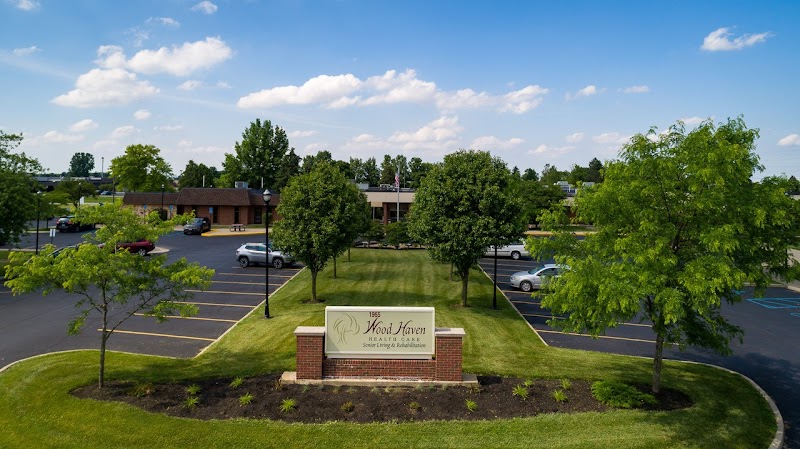
How is Wood Haven Health Care Senior Living & Rehab Staffed?

CMS rates WOOD HAVEN HEALTH CARE SENIOR LIVING & REHAB's staffing level at 3 out of 5 stars, which is average compared to other nursing homes. Staff turnover is 49%, compared to the Ohio average of 46%.

What Have Inspectors Found at Wood Haven Health Care Senior Living & Rehab?

State health inspectors documented 36 deficiencies at WOOD HAVEN HEALTH CARE SENIOR LIVING & REHAB during 2018 to 2025. These included: 35 with potential for harm and 1 minor or isolated issues.
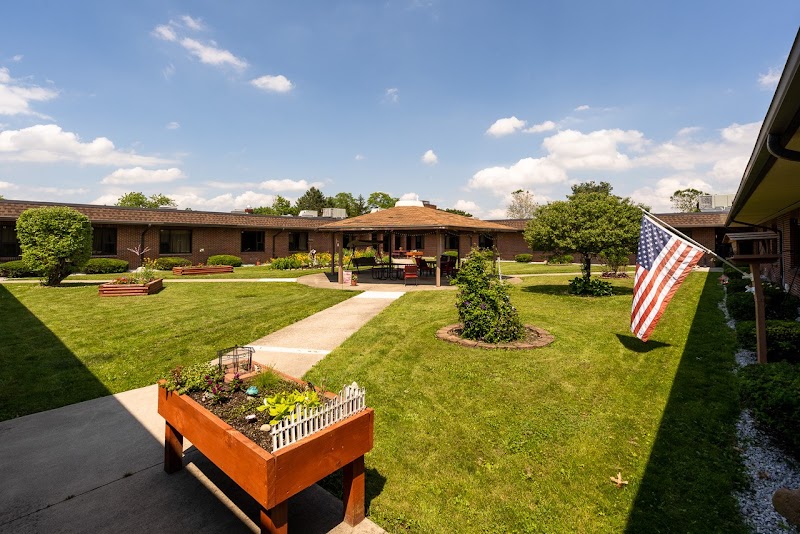
Who Owns and Operates Wood Haven Health Care Senior Living & Rehab?

WOOD HAVEN HEALTH CARE SENIOR LIVING & REHAB is owned by a government entity. Government-operated facilities are typically run by state, county, or municipal agencies. The facility operates independently rather than as part of a larger chain. With 93 certified beds and approximately 74 residents (about 80% occupancy), it is a smaller facility located in BOWLING GREEN, Ohio.
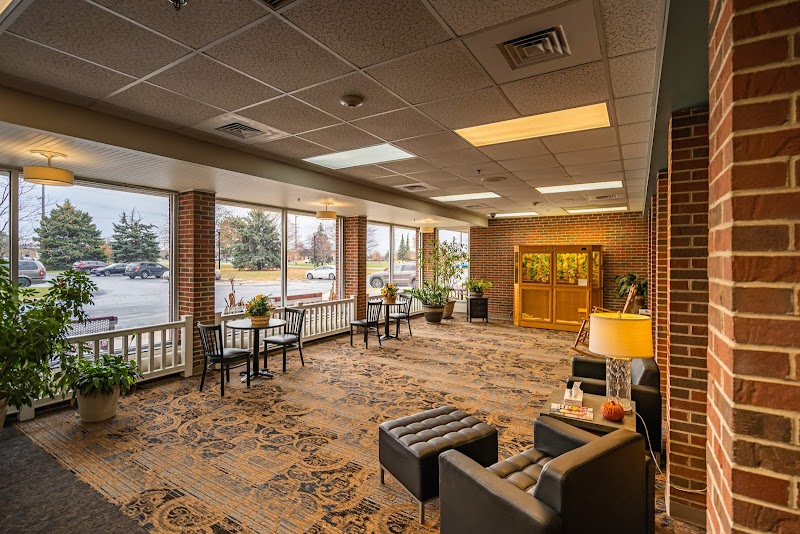
How Does Wood Haven Health Care Senior Living & Rehab Compare to Other Ohio Nursing Homes?

Compared to the 100 nursing homes in Ohio, WOOD HAVEN HEALTH CARE SENIOR LIVING & REHAB's overall rating (3 stars) is below the state average of 3.2, staff turnover (49%) is near the state average of 46%, and health inspection rating (2 stars) is below the national benchmark.

What Should Families Ask When Visiting Wood Haven Health Care Senior Living & Rehab?

Based on this facility's data, families visiting should ask: "Can I visit during a mealtime to observe dining assistance and food quality?" "How do you handle medical emergencies, and what is your hospital transfer rate?" "Can I speak with family members of current residents about their experience?"

Is Wood Haven Health Care Senior Living & Rehab Safe?

Based on CMS inspection data, WOOD HAVEN HEALTH CARE SENIOR LIVING & REHAB has a clean safety record: no substantiated abuse findings (meaning no confirmed cases of resident harm), no Immediate Jeopardy citations (the most serious violation level indicating risk of serious injury or death), and is not on the Special Focus Facility watch list (a federal program monitoring the lowest-performing 1% of nursing homes). The facility has a 3-star overall rating and ranks #100 of 100 nursing homes in Ohio. While no facility is perfect, families should still ask about staff-to-resident ratios and recent inspection results during their visit.

Do Nurses at Wood Haven Health Care Senior Living & Rehab Stick Around?

WOOD HAVEN HEALTH CARE SENIOR LIVING & REHAB has a staff turnover rate of 49%, which is about average for Ohio nursing homes (state average: 46%). Moderate turnover is common in nursing homes, but families should still ask about staff tenure and how the facility maintains care continuity when employees leave.

Was Wood Haven Health Care Senior Living & Rehab Ever Fined?

WOOD HAVEN HEALTH CARE SENIOR LIVING & REHAB has no federal fines on record. CMS issues fines when nursing homes fail to meet care standards or don't correct problems found during inspections. The absence of fines suggests the facility has either maintained compliance or corrected any issues before penalties were assessed. This is a positive indicator, though families should still review recent inspection reports for the full picture.

Is Wood Haven Health Care Senior Living & Rehab on Any Federal Watch List?

WOOD HAVEN HEALTH CARE SENIOR LIVING & REHAB is not on any federal watch list. The most significant is the Special Focus Facility (SFF) program, which identifies the bottom 1% of nursing homes nationally based on persistent, serious quality problems. Not being on this list means the facility has avoided the pattern of deficiencies that triggers enhanced federal oversight. This is a positive indicator, though families should still review the facility's inspection history directly.