BRIAR HILL HEALTH CAMPUS
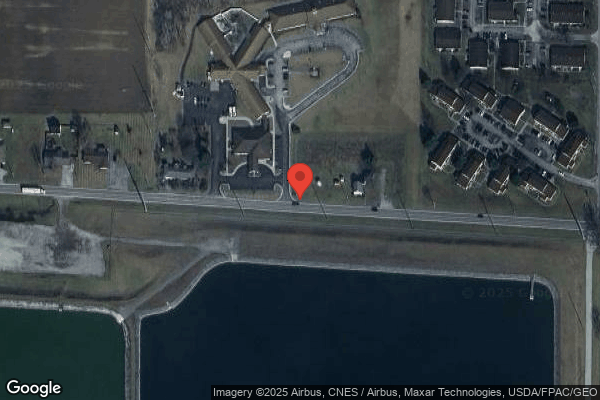
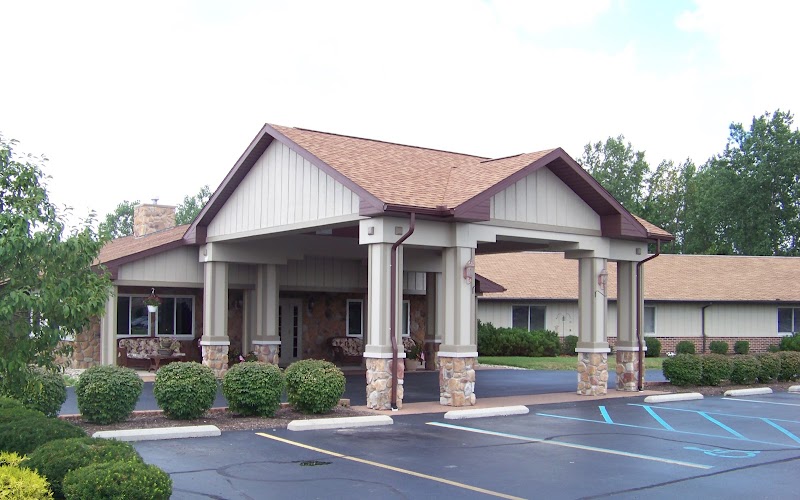
600 STERLING DR, NORTH BALTIMORE, OH 45872 (419) 257-2421
For profit - Limited Liability company 54 Beds TRILOGY HEALTH SERVICES Data: November 2025
Trust Grade
90/100
#32 of 913 in OH
Last Inspection: June 2024

Within standard 12-15 month inspection cycle. Federal law requires annual inspections.

Overview

Briar Hill Health Campus in North Baltimore, Ohio, has received an impressive Trust Grade of A, indicating it is an excellent facility that comes highly recommended. Ranking #32 out of 913 nursing homes in Ohio places it in the top half, while being #1 out of 11 in Wood County means it is the best local option available. The facility is showing improvement over time, decreasing its issues from six in 2021 to just two in 2024. Staffing is a strong point with a 4 out of 5 star rating and a turnover rate of 42%, which is better than the state average, suggesting that staff are familiar with the residents' needs. On the downside, there have been concerns about maintaining proper food storage and timely resident assessments, which could impact resident safety and care quality.

Trust Score
A
90/100
In Ohio
#32/913
Top 3%
Safety Record
Low Risk
No red flags
Inspections
Getting Better
6 → 2 violations
Staff Stability
○ Average
42% turnover. Near Ohio's 48% average. Typical for the industry.
Penalties
✓ Good
No fines on record. Clean compliance history, better than most Ohio facilities.
Skilled Nurses
○ Average
Each resident gets 38 minutes of Registered Nurse (RN) attention daily — about average for Ohio. RNs are the most trained staff who monitor for health changes.
Violations
○ Average
10 deficiencies on record. Average for a facility this size. Mostly minor or procedural issues.
★★★★★
5.0
Overall Rating
★★★★☆
4.0
Staff Levels
★★★★★
5.0
Care Quality
★★★★★
5.0
Inspection Score
Stable
2021: 6 issues
2024: 2 issues

The Good

  • 4-Star Staffing Rating · Above-average nurse staffing levels
  • 5-Star Quality Measures · Strong clinical quality outcomes
  • Full Sprinkler Coverage · Fire safety systems throughout facility
  • No fines on record
  • Staff turnover below average (42%)

    6 points below Ohio average of 48%

Facility shows strength in staffing levels, quality measures, fire safety.

The Bad

Staff Turnover: 42%

Near Ohio avg (46%)

Typical for the industry

Chain: TRILOGY HEALTH SERVICES

Part of a multi-facility chain

Ask about local staffing decisions and management

The Ugly 10 deficiencies on record

Jun 2024 2 deficiencies
CONCERN (D)

Potential for Harm - no one hurt, but risky conditions existed

MDS Data Transmission (Tag F0640)

Could have caused harm · This affected 1 resident

**NOTE- TERMS IN BRACKETS HAVE BEEN EDITED TO PROTECT CONFIDENTIALITY** Based on medical record review and staff interview, the facility failed to ensure resident assessments were completed timely. Th...

Read full inspector narrative →
**NOTE- TERMS IN BRACKETS HAVE BEEN EDITED TO PROTECT CONFIDENTIALITY** Based on medical record review and staff interview, the facility failed to ensure resident assessments were completed timely. This affected one (#41) of two residents review for discharged resident assessments. The census was 43. Findings include: Review of the closed medical record review revealed Resident #41 was admitted on [DATE] and discharged home on [DATE]. Diagnoses included fracture of unspecified part of neck of left femur, hypertensive chronic kidney disease, chronic kidney disease stage 4, essential (primary) hypertension, non-Hodgkin lymphoma, and unspecified osteoarthritis. Review of the Minimum Data Set (MDS) assessment, dated 01/09/24, revealed the resident had an admission assessment completed. No further MDS assessments were entered. Interview on 06/18/24 at 4:37 P.M., with Licensed Practical Nurse (LPN) #559 and Corporate Registered Nurse (RN) #591 verified Resident #41 did not have a discharge MDS assessment completed.
CONCERN (D)

Potential for Harm - no one hurt, but risky conditions existed

Assessment Accuracy (Tag F0641)

Could have caused harm · This affected 1 resident

**NOTE- TERMS IN BRACKETS HAVE BEEN EDITED TO PROTECT CONFIDENTIALITY** Based on medical record review and staff interview, the facility failed to ensure an accurate resident assessment was completed ...

Read full inspector narrative →
**NOTE- TERMS IN BRACKETS HAVE BEEN EDITED TO PROTECT CONFIDENTIALITY** Based on medical record review and staff interview, the facility failed to ensure an accurate resident assessment was completed for an anticoagulant medication. This affected one (#21) of thirteen residents reviewed for accurate resident assessments. The facility census was 43. Findings include: Review of the medical record revealed Resident #21 was admitted on [DATE]. Diagnoses included atherosclerotic heart disease of native coronary artery without angina pectoris, unspecified dementia, type two diabetes mellitus without complications, major depressive disorder, anxiety disorder, and essential hypertension. Review of the Minimum Data Set (MDS) assessment, dated 05/06/24, revealed the resident was rarely understood. According to the MDS assessment one of the high-risk medications the resident was taking included anticoagulant medications. Review of physician orders dated April and May 2024 (including discontinued orders) and current orders for June 2024, revealed no anticoagulant medications had been prescribed. Interview on 06/18/24 at 4:39 P.M., with Licensed Practical Nurse (LPN) #559 and Corporate Registered Nurse (RN) #591 verified Resident #21 was not prescribed an anticoagulant medication and was documented inaccurately.
Dec 2021 6 deficiencies
CONCERN (D)

Potential for Harm - no one hurt, but risky conditions existed

Deficiency F0554 (Tag F0554)

Could have caused harm · This affected 1 resident

Based on observation, medical record review, staff and resident interview, and review of facility policies, the facility failed to assess a resident to determine their appropriateness for self-adminis...

Read full inspector narrative →
Based on observation, medical record review, staff and resident interview, and review of facility policies, the facility failed to assess a resident to determine their appropriateness for self-administering medications. This affected one (#42) of five residents reviewed for unnecessary medications. The facility identified no current residents assessed as able to self-administer their medications. The census was 49. Findings include: Review of Resident #42's medical record revealed an admission date of 01/05/21. Diagnoses included unspecified dementia with behavioral disturbances, dry eye syndrome of the unspecified lacrimal gland, spinal stenosis, major depression, acute kidney failure, paranoid personality disorder, and delusional disorders. Review of the most recently completed Minimum Data Set (MDS) assessment, dated 12/02/21, revealed Resident #42 had intact cognition. Review of Resident #42's comprehensive care plan, last reviewed on 10/18/21, revealed no care plan for Resident #42 to self-administer medications. Review of a physician order dated 12/03/21 revealed Resident #42 was ordered the eye moistening medication Systane (polyethylene glycol 400 0.4% and propylene glycol 0.3%) eye drops to administer two drops in each eye twice daily as needed. There were no directions in the physician order to indicate Resident #42 as able to self-administer the medication or the medication could be kept with the resident. Review of Resident #42's medical record revealed no documented evidence of Resident #42 being assessed by the interdisciplinary team to determine if she was clinically able to self-administer her Systane eye drops. Observation on 12/19/21 at 11:08 A.M. revealed Resident #42 sitting in her room at the side of the bed. Further observation revealed two boxes of Systane eye drops on her over the bed table with one box opened and the other box sealed. Interview with Resident #42 at this time stated she was having dry eyes and the physician recently ordered the eye drops to treat her condition. Resident #42 verified she was administering the eye drops by herself. Subsequent observations on 12/19/21 at 4:38 P.M., on 12/20/21 at 8:38 A.M., at 10:28 A.M., and at 12:21 P.M. revealed Resident #42 remained with both boxes of Systane eye drops on her over the bed table in her room. Interview on 12/20/21 at 10:29 A.M. with Resident #42 stated she had been administering the Systane eye drops four times each day with doses given in the morning, before noon, in the afternoon, and at bedtime. Resident #42 stated she told the nurses when she gave herself the eye drops but did not document the medication being administered any where. Resident #42 stated no one talked to her about how often she should administer it, where she should store the medication, or any side effects of taking the medication. Interview on 12/20/21 at 1:13 P.M. with Licensed Practical Nurse (LPN) #536 verified Resident #42 was self-administering her Systane eye drops but was not aware exactly how often Resident #42 was administering the eye drops. LPN #536 stated she knew Resident #42 was administering the eye drops at least twice daily because the nurses administered different eye drops to Resident #42 twice each day and Resident #42 would indicate she gave herself the Systane eye drops at that time. LPN #536 was not aware if Resident #42 was ever assessed to determine if she was able to self-administer medications. Observation on 12/20/21 at 1:30 P.M. of Resident #42's bedroom, with LPN #536, revealed both boxes of Systane eye drops remained on her over the bed table. One box was opened and the other remained sealed. LPN #536 verified the Systane eye drops on Resident #42's over the bed table were the eye drops she was self-administering. Interview on 12/20/21 at 1:37 P.M. with Director of Nursing (DON) stated the facility had an assessment they completed with any resident who was self-administering medications but she was not aware of any resident in the nursing home who were currently self-administering medications. DON stated the resident would need to be assessed on how to read and follow medication instructions and if they were physically and mentally able to administer the medication. DON verified Resident #42 was not assessed for self-administration of her Systane eye drops. Review of a facility policy titled Medication Administration General Guidelines, revised November 2018, revealed residents are allowed to self-administer medications when specifically authorized by the attending physician and in accordance with procedures for self-administration of medications. Review of a facility policy titled Guidelines for Self-Administration of Medications, dated 05/22/18, revealed residents requesting to self-medicate or has self-medication as part of their plan of care shall be assessed using the facility's self administration of medication assessment within the electronic health record. The resident and/or family/responsible party will be informed of the results of the assessment and whether the resident has been determined to safely self-administer medications. The medication will be kept in a locked drawer in the resident's room. The resident may be supplied with a medication administration record (MAR) to record administration if desired. periodic verification of administration compliance will be observed by nursing staff. A self-administration care plan will be initiated and updated as indicated.
CONCERN (D)

Potential for Harm - no one hurt, but risky conditions existed

Safe Environment (Tag F0584)

Could have caused harm · This affected 1 resident

Based on resident interview, observation, staff interview, and review of facility policy, the facility failed to maintain a clean and sanitary environment. This affected two (#32 and #44) of 24 reside...

Read full inspector narrative →
Based on resident interview, observation, staff interview, and review of facility policy, the facility failed to maintain a clean and sanitary environment. This affected two (#32 and #44) of 24 residents reviewed for environment. The facility census was 49. Findings include: Review of the medical record for Resident #32 revealed ad admission date of 11/03/21. Diagnoses included COVID-19, cerebral infarction (stroke), type II diabetes, chronic obstructive pulmonary disease (COPD), and major depressive disorder. Additional review of the quarterly Minimum Data Set (MDS) assessment, dated 11/26/21, revealed Resident #32 was cognitively intact, required supervision with toilet use, and was always continent of bowel and bladder. Review of the medical record for Resident #44 revealed an admission date of 09/12/21. Diagnoses included wedge compression fracture of the second and fourth lumbar vertebra, heart disease, end stage renal disease, type II diabetes, difficulty walking, lack of coordination, and muscle weakness. Additional review of the quarterly MDS assessment, dated 11/27/21, revealed Resident #44 was severely cognitively impaired, required extensive assistance with toilet use, was occasionally incontinent of bladder, and always continent of bowel. Interview on 12/19/21 at 10:58 A.M. of Resident #32 revealed her bathroom had not been cleaned yet today. Resident #32 stated she was able to use the bathroom without assistance, but the toilet was always dirty and had something smeared all over it. Resident #32 stated she shared the bathroom with Resident #44. Observation of Resident #32's bathroom at the time of the interview revealed a small garbage can sitting to the left of the toilet. The garbage can was full. There was an unknown reddish-brown substance smeared on the back of the toilet seat and a quarter sized black spot dried on interior of the toilet bowl. Observations on 12/19/21 from 1:30 P.M. through 4:30 P.M. revealed the garbage in Resident #32's bathroom had been emptied, but the toilet had not been cleaned. Observation on 12/20/21 at 9:50 A.M. of Resident #32's bathroom revealed the toilet continued to have a reddish-brown substance smeared on the back of the toilet seat and the quarter sized dried black substance on the interior of the toilet remained. Interview at the time of the observation on 12/20/21 at 9:50 A.M. with Environmental Services Associate (ESA) #568 revealed resident rooms were to be cleaned daily, including the bathroom. ESA #568 stated staff did not have checklists and just knew what needed to be done based on daily assignment area. ESA #568 verified there was an unknown substance on Resident #32's toilet. ESA #568 stated staff were aware the toilet was frequently dirty and she tried to check Resident #32's bathroom each day before she left at the end of her shift. ESA #568 verified both Resident #32 and Resident #44 utilized that bathroom. Interview on 12/21/21 at 6:56 A.M. with Licensed Practical Nurse (LPN) #564 revealed Resident #32 was independent with toilet use, but Resident #44 required staff assistance with using the restroom. Review of facility policy titled Room Cleaning - Health Center Rooms, revised 06/23/20, revealed resident rooms were cleaned daily, including cleaning and disinfecting bathrooms.
CONCERN (D)

Potential for Harm - no one hurt, but risky conditions existed

Quality of Care (Tag F0684)

Could have caused harm · This affected 1 resident

**NOTE- TERMS IN BRACKETS HAVE BEEN EDITED TO PROTECT CONFIDENTIALITY** Based on observation, medical record review, and staff interview, the facility failed to monitor for edema and ensure non-pharma...

Read full inspector narrative →
**NOTE- TERMS IN BRACKETS HAVE BEEN EDITED TO PROTECT CONFIDENTIALITY** Based on observation, medical record review, and staff interview, the facility failed to monitor for edema and ensure non-pharmaceutical interventions were implemented to minimize the occurrence of lower extremity edema for one (#36) of 24 residents reviewed for timely care and treatment. The facility census was 49. Findings include: Review of the medical record for Resident #36 revealed an admission to the facility on [DATE]. Diagnoses included Alzheimer's disease, dementia, type 2 diabetes mellitus, liver disease, anemia, hyperlipidemia, benign prostatic hyperplasia, COVID-19, peripheral vascular disease, hypertension, depression, and history of acute kidney failure. Review of the most current Minimum Data Set (MDS) assessment, dated 11/25/21, identified the resident with moderately impaired cognition, requires staff supervision for the completion of activities of daily living, utilizes a wheel chair for mobility, frequently incontinent of bladder, continent of bowel, and receives a diuretic medication daily. Review of the physician orders revealed orders dated 10/16/19 for the diuretic hydrochlorothiazide 25 milligrams (mg) once daily. On 12/13/21 the physician ordered the diuretic hydralazine 20 mg three times daily. Review of plan of care implemented 03/18/20 addressed the resident's administration of a diuretic medication. On 11/27/21 the plan of care was reviewed and revised with interventions including: observe cardiovascular system and fluid status to determine effectiveness of diuretic therapy (e.g., edema, jugular vein distention, mental confusion, shortness of breath, abnormal breath sounds, abnormal heart sounds), administer medications in accordance with physician orders, observe and report effectiveness as needed. There were no interventions to prevent/decrease edema other than the diuretic use. Review of the nursing progress notes did not revealed Resident #36 was being assessed for the presence of edema, or was experiencing any edema. Observation on 12/19/21 at 10:17 A.M. revealed Resident #36 in his room seated in a wheelchair with his feet to the floor. Interview at this time, Resident #36 asked What are they doing about the swelling in my feet and legs? He then lifted his pant legs exposing the bilateral lower extremities. The resident's sport socks were constricting both ankles with approximately 3+ edema to the bilateral lower extremities. including the lower legs/calves. Interview on 12/20/21 at 10:55 A.M., Licensed Practical Nurse (LPN) #570 revealed no knowledge Resident #36 had bilateral lower extremity edema. Observation with LPN #570 at the time of the interview noted LPN #570 to assess Resident #36 with 3+ edema to both lower extremities extending up from both feet to the lower legs. LPN#570 confirmed there was no information contained in the medical record documenting Resident #36 was being assessed for any edema and verified no interventions were in place to prevent or decrease any edema. Interview on 12/20/21 at 11:09 A.M. the Director of Nursing verified Resident #36 had no additional interventions in place to address bilateral lower extremity edema other than diuretic medications.
CONCERN (D)

Potential for Harm - no one hurt, but risky conditions existed

Deficiency F0687 (Tag F0687)

Could have caused harm · This affected 1 resident

**NOTE- TERMS IN BRACKETS HAVE BEEN EDITED TO PROTECT CONFIDENTIALITY** Based on observation, medical record review, resident interview, and staff interview, the facility failed to follow up with a ph...

Read full inspector narrative →
**NOTE- TERMS IN BRACKETS HAVE BEEN EDITED TO PROTECT CONFIDENTIALITY** Based on observation, medical record review, resident interview, and staff interview, the facility failed to follow up with a physician for treatment of fungal infection on the toe nails for one (#24) of 24 residents reviewed for comprehensive foot care. The facility census was 49. Findings include: Review of the record for Resident #24 revealed an admission to the facility on [DATE]. Diagnoses included metabolic encephalopathy, urinary tract infection, acute kidney failure, dysphasia, atrial fibrillation, chronic kidney disease, major depression, dementia, cerebral vascular disease, and hypertension. Review of the Minimum Data Set (MDS) assessment, dated 11/15/21, Resident #24 was alert, able to make needs known, dependent on staff for the completion of activities of daily living, and at risk for skin breakdown with no concerns listed. Review of a physician clinical note dated 12/01/21 documented Resident #24 with multiple toenails with fungal infection. The clinical note lacked documentation implementing a treatment for the infection. Interview on 12/19/21 at 9:59 A.M., Resident #24 stated her physician discovered toe nail fungus to both great toes and no treatment has been implemented. The resident further stated Having fungus on my body is disgusting. Resident #24 stated she wanted the condition resolved. Observation on 12/20/21 at 7:46 A.M. Resident #24 was noted in bed with State Tested Nurse Aide (STNA) #575 providing morning hygiene. Resident #24's feet were exposed with her bilateral great toenails noted to have the presence of a yellow substance. Interview with STNA #575 at the time of the observation verified the presence of the yellow substance. Interview on 12/20/21 at 8:05 A.M., STNA #508 revealed Resident #24's toe condition was reported to a nurse. Interview on 12/20/21 at 10:45 A.M., Licensed Practical Nurse (LPN) #570 revealed she was unaware Resident #24 was discovered with toenail fungus and confirmed no treatment had been initiated. Interview on 12/20/21 at 1:58 P.M., the Director of Nursing (DON) confirmed Resident #24 was assessed with a fungus infection to the toe nails and no treatment was noted. The DON verified nursing did not follow-up to obtain a treatment for the fungus infection.
CONCERN (D)

Potential for Harm - no one hurt, but risky conditions existed

Accident Prevention (Tag F0689)

Could have caused harm · This affected 1 resident

**NOTE- TERMS IN BRACKETS HAVE BEEN EDITED TO PROTECT CONFIDENTIALITY** Based on medical record review, observation, staff interview, and review of Safety Data Sheet, the facility failed to ensure haz...

Read full inspector narrative →
**NOTE- TERMS IN BRACKETS HAVE BEEN EDITED TO PROTECT CONFIDENTIALITY** Based on medical record review, observation, staff interview, and review of Safety Data Sheet, the facility failed to ensure hazardous chemicals on the 100-Hall of the facility were secured. This had the potential to affect one resident (#251) residing on the 100-Hall, and identified by the facility as being cognitively impaired and independently mobile. The facility census was 49. Findings include: Review of the medical record revealed Resident #251 was admitted on [DATE]. Diagnoses included COVID-19, altered mental status, dementia with behavioral disturbance, and schizoaffective disorder. Review of the admission Minimum Data Set (MDS) assessment, dated 12/13/21, revealed Resident #251 was severely cognitively impaired. Observation on 12/19/21 at 10:11 A.M. of the soiled linen room located next to the shower room on the 100-Hall revealed the door was not locked. Inside the soiled linen room was a cabinet hanging on the wall. A sign posted on the cabinet stated not to leave the key in the lock. Further observation revealed the cabinet was not locked and a key was hanging on the side of the cabinet. Inside the unlocked cabinet were bottles of disinfectant cleaner approximately half-full , one bottle of deodorizer approximately three-quarter full , and three full eight ounce bottles of personal cleanser. Interview on 12/19/21 at 10:38 A.M. with Life Enrichment Director (LED) #549 verified both the door to the soiled linen closet and the cabinet inside of the closet were unlocked. LED #549 locked the cabinet, verified it was supposed to be locked and she would remind the staff of this. Observations on 12/20/21 from 8:10 A.M. through 9:50 A.M. of the soiled linen closet on the 100-Hall revealed the door to the soiled linen closet and the cabinet holding the chemicals in the closet was unlocked. Interview on 12/20/21 at 9:50 A.M. with Environmental Services Associate (ESA) #568 revealed the door to the soiled linen closet did not have a lock. ESA #568 verified the cabinet inside of the soiled linen closet was unlocked and held chemicals that were accessible to residents. Interview on 12/20/21 at 9:55 A.M. with Licensed Practical Nurse (LPN) #536 revealed Resident #251 was a new admission to the facility from the assisted living. LPN #536 stated Resident #256 moved to the facility due to increased confusion and forgetfulness. Review of the Safety Data Sheet, issue date 01/11/18, for the disinfectant cleaner revealed the disinfectant was harmful if swallowed and caused severe skin burns and eye damage. Additional review revealed the disinfectant should be kept in locked storage. Review of the Safety Data Sheet, Revision E, for the personal cleanser revealed the cleanser was harmful if swallowed, caused serious eye irritation and damage. Review of the Safety Data Sheet, undated, for the deodorizer, revealed the deodorizer caused serious eye damage or eye irritation. The facility identified Resident #251 to be the only resident on the 100-Hall who was independently mobile and had cognitive impairment.
CONCERN (F)

Potential for Harm - no one hurt, but risky conditions existed

Food Safety (Tag F0812)

Could have caused harm · This affected most or all residents

Based on observation, staff interview, and review of a facility policy, the facility failed to properly store foods and maintain the kitchen in a sanitary manner. This affected all 49 residents in the...

Read full inspector narrative →
Based on observation, staff interview, and review of a facility policy, the facility failed to properly store foods and maintain the kitchen in a sanitary manner. This affected all 49 residents in the facility who the facility identified as receiving food from the kitchen. Findings include: Observation of the facility kitchen on 12/19/21 at 9:45 A.M. revealed pre-sliced deli meats stored in a plastic bin on the bottom shelf of the walk in refrigerator. Inside the plastic bin revealed opened bags of bologna, corned beef, pepperoni, ham, and turkey which were placed inside plastic zip sealed bags inside the plastic bin. The bag of ham had a slimy liquid covering the bag. Further inspection revealed a slimy liquid covered all the bags of meat inside the plastic bin and a bag of sliced bologna was noted to not be fully sealed and leaking the slimy liquid. Observation of a food label sticker placed on the bag of bologna revealed a used by date of 11/28/21. A second bag of bologna inside the plastic bin had a food label sticker with a used by date of 12/13/21. Interview on 12/19/21 at 9:49 A.M. with Director of Food Services (DFS) #531 stated the used by dates should be seven days from when the food item was opened. DFS #531 verified the bologna was outside the used by dates. DFS #531 also confirmed the slimy liquid all over each bag of pre-sliced meat and threw the meat away. Additional observation of the walk in refrigerator on 12/19/21 at 9:52 A.M., after hand washing was completed, revealed a green metal rack which had salad dressings stored on the top shelf. Closer inspection of the metal grates and the underside of the shelf revealed a grayish-white fuzzy growth along the length of the metal shelf and between the grates directing under the bottles of salad dressing. Located under the top metal shelf were open boxes of fresh fruits and vegetables. Observation of the walk in freezer on 12/19/21 at 9:56 A.M. revealed a bag of opened French fries which were not properly sealed and exposed to the elements in the freezer, five breaded chicken tenders that were laying loose inside a plastic bin with other sealed meats, and a breaded meat patty that was also laying loose inside a separate plastic bin which contained other meats in the sealed packages. Interview on 12/19/21 at 10:02 A.M. with DFS #531 stated she was not sure when the last time the walk in refrigerator was deep cleaned but estimated it was around a month ago. DFS #531 verified the grayish-white fuzzy growth on the length of the top shelf and stated it was most likely mold growth from spilled food items. DFS #531 then observed the open bag of French fries and the two plastic bins in the freezer that contained the loose breaded meat tenders and patty and confirmed they should have been secured and stored in containers of some kind and not left open to air. Review of a facility policy titled Food Labeling and Dating Policy, dated 03/18/19, revealed any food product removed from its original container, has a broken seal, or has been processed in any way must have a label. The food label must have the item name, the date and time the food was labeled, the use by date, initials of the person labeling the item, and securely cover the food item.
Jul 2019 2 deficiencies
CONCERN (D)

Potential for Harm - no one hurt, but risky conditions existed

Resident Rights (Tag F0550)

Could have caused harm · This affected 1 resident

**NOTE- TERMS IN BRACKETS HAVE BEEN EDITED TO PROTECT CONFIDENTIALITY** Based on observation, record review, resident interview, staff interview, and family interview, the facility failed to preserve ...

Read full inspector narrative →
**NOTE- TERMS IN BRACKETS HAVE BEEN EDITED TO PROTECT CONFIDENTIALITY** Based on observation, record review, resident interview, staff interview, and family interview, the facility failed to preserve the dignity of one resident by having her use a bedside commode instead of providing her assistance to use the toilet in the bathroom which would provide privacy. This affected one (Resident #7) of one resident reviewed for resident rights. The census was 45. Findings include: Review of the medical record revealed Resident #7 was admitted on [DATE]. Diagnoses included dementia with behavioral disturbances, unspecified lack of coordination, mono-arthritis, left knee, pain in right wrist, muscle weakness and difficulty in walking. Review of the plan of care for Resident #7 revealed the resident was at risk for falling related to a history of falls and decline in her Activity of Daily Living (ADL)'s. Her goal was to remain free from falls with major injury. Her interventions included the resident required two staff assistance with transfers and to encourage the commode during bedtime care. Review of the Individual Plan Report for Resident #7 for ADL's from Matrix Care which was what the aides used to assist residents, revealed she used a walker and required one to two assistance with ADL's. Fall interventions included to use the commode for toileting for safety. Review of progress notes for Resident #7 dated 03/31/18 at 11:52 A.M. which was an interdisciplinary team note revealed the resident tends to show signs of weakness with ambulating to the restroom. When resident was returning to the bed, the resident lost balance and was lowered to the floor. Intervention was to have the resident use the commode due to increased weakness and balance concerns. Interview with spouse of Resident #7 of 07/08/19 at 9:26 A.M., revealed she was not able to use the toilet in her room because there was a male resident in the adjoining room who uses it so she had to use a bed side commode. Observation of toileting on 07/09/19 at 11:59 P.M., with Certified Resident Care Associate (CRCA) (#400, #401) in the room of Resident #7 for toileting before lunch was completed. They used a two-assistance transfer with a gait belt to the commode. Resident #7 was in her wheelchair in her room, the bedside commode was by the curtain which was pulled. Resident pulled up using the walker and moved her feet slightly to aide with the transfer. Interview with CRCA #400 on 07/10/19 at 11:17 A.M. revealed Resident #7 had not walked to the bathroom for about a year and she was pivoted to the bedside commode unless she was having a shower then they take her to the shower room toilet but never use the toilet in her room. Interview with CRCA# 401 on 07/09/19 at 12:10 P.M., verified they do not take her into the bathroom because they use the commode with her all the time. She stated the resident can't use the regular toilet due to it being used by the male resident in the adjoining room. Observation on 07/09/19 at 1:30 P.M., of Resident #7 in therapy room revealed she was on the bike machine using her arms and legs. Interview with Director of Therapy #500 on 07/09/29 at 1:30 P.M., revealed Resident #7 does work with the therapist and uses the toilet in the therapy room. Interview with Resident #7 on 07/11/19 at 10:30 A.M. revealed she does not like using the bedside commode due to it seems very public and she expressed she was a private person. She would rather go into a toilet with a door for privacy. She likes her room and does not want to move but just wants to use the bathroom for toileting.
CONCERN (D)

Potential for Harm - no one hurt, but risky conditions existed

Deficiency F0558 (Tag F0558)

Could have caused harm · This affected 1 resident

**NOTE- TERMS IN BRACKETS HAVE BEEN EDITED TO PROTECT CONFIDENTIALITY** Based on medical record review, observation, resident interview, and staff interview, the facility failed to provide a resident ...

Read full inspector narrative →
**NOTE- TERMS IN BRACKETS HAVE BEEN EDITED TO PROTECT CONFIDENTIALITY** Based on medical record review, observation, resident interview, and staff interview, the facility failed to provide a resident with a special shoe accommodation. This affected one Resident (#37) of three residents reviewed for accommodations. The facility census was 45. Findings include: Review of Resident #37's medical record revealed an admission date of 05/14/15. Diagnoses included atherosclerotic heart disease, rheumatoid arthritis, hypertension, wedge compression fracture of the first lumbar vertebra, osteoarthritis, muscle weakness, difficulty walking, history of falling, anxiety disorder, and diabetes mellitus. Review of the physician orders revealed an order dated 12/11/18 for Resident #37 to be fitted for diabetic shoes. Review of the progress notes dated 12/12/18 at 11:18 A.M., revealed notification had been made to a shoe company initiating the process of retrieving diabetic specialty shoes for Resident #37. Review of Resident #37's quarterly Minimum Data Set (MDS) assessment dated [DATE] revealed the resident to be dependent on staff for mobility and transfers. Interview and observation on 07/08/19 at 10:08 A.M., with Resident #37 revealed the resident reported she was waiting on specially ordered shoes that were to be of a wider width to accommodate her bunions. The resident stated the shoes were ordered approximately four months ago but had not received the shoes as to date. Observation at this time revealed the resident did not have diabetic specialty shoes in place and was wearing house slippers. Resident #37 did confirm the availability of tennis shoes but stated they were tight fitting across her toes. Interview on 07/09/19 at 10:43 A.M., with Social Services Staff (SSS) #100 confirmed Resident #37 had informed staff that she had been measured for diabetic specialty shoes. SSS #100 revealed the resident had been seen by the podiatrist at the facility but was not aware of any shoes being ordered. Interview on 07/09/19 at 2:40 P.M., with Registered Nurse (RN) #200 confirmed awareness of Resident #37 being fitted for specialty shoes but was unaware of the date in which this occurred. Review of the progress notes dated 07/09/19 at 2:57 P.M., revealed SSS #100 notified the family and resident regarding the cost for private payment of the specialty shoes. Interview on 07/09/19 at 3:15 P.M., with SSS #100 confirmed Resident #37 had been fitted for specialty diabetic shoes in December 2018 and that she had forgotten about it. SSS #100 revealed calling the shoe company on 07/09/19 to inquire about the specialty shoes and was advised Resident #37's insurance required prior authorization and had denied the claim for the shoes. Interview on 07/10/19 at 2:30 P.M. with SSS #100 revealed a fax had been sent to the medical director of the facility at a number that was not the facility's fax number on 12/30/18 regarding the shoe company not being in Resident #37's insurance provider network.
Understanding Severity Codes (click to expand)
Life-Threatening (Immediate Jeopardy)
J - Isolated K - Pattern L - Widespread
Actual Harm
G - Isolated H - Pattern I - Widespread
Potential for Harm
D - Isolated E - Pattern F - Widespread
No Harm (Minor)
A - Isolated B - Pattern C - Widespread

Questions to Ask on Your Visit

  • "Can I speak with families of current residents?"
  • "What's your RN coverage like on weekends and overnight?"

Our Honest Assessment

Strengths
  • • Grade A (90/100). Above average facility, better than most options in Ohio.
  • • No major safety red flags. No abuse findings, life-threatening violations, or SFF status.
  • • No fines on record. Clean compliance history, better than most Ohio facilities.
  • • 42% turnover. Below Ohio's 48% average. Good staff retention means consistent care.
Concerns
  • • No significant concerns identified. This facility shows no red flags across CMS ratings, staff turnover, or federal penalties.
Bottom line: Generally positive indicators. Standard due diligence and a personal visit recommended.

About This Facility

What is Briar Hill Health Campus's CMS Rating?

CMS assigns BRIAR HILL HEALTH CAMPUS an overall rating of 5 out of 5 stars, which is considered much above average nationally. Within Ohio, this rating places the facility higher than 99% of the state's 100 nursing homes. This rating reflects solid performance across the metrics CMS uses to evaluate nursing home quality.
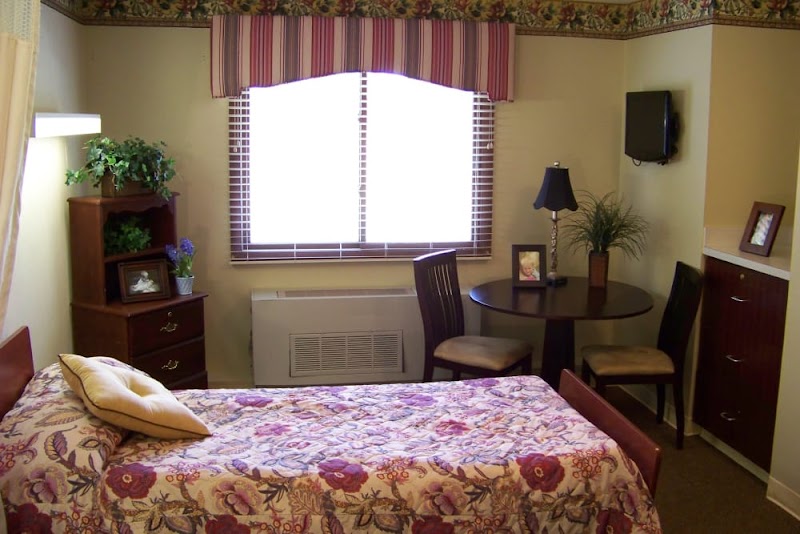
How is Briar Hill Health Campus Staffed?

CMS rates BRIAR HILL HEALTH CAMPUS's staffing level at 4 out of 5 stars, which is above average compared to other nursing homes. Staff turnover is 42%, compared to the Ohio average of 46%. This relatively stable workforce can support continuity of care.

What Have Inspectors Found at Briar Hill Health Campus?

State health inspectors documented 10 deficiencies at BRIAR HILL HEALTH CAMPUS during 2019 to 2024. These included: 10 with potential for harm.
Who Owns and Operates Briar Hill Health Campus?

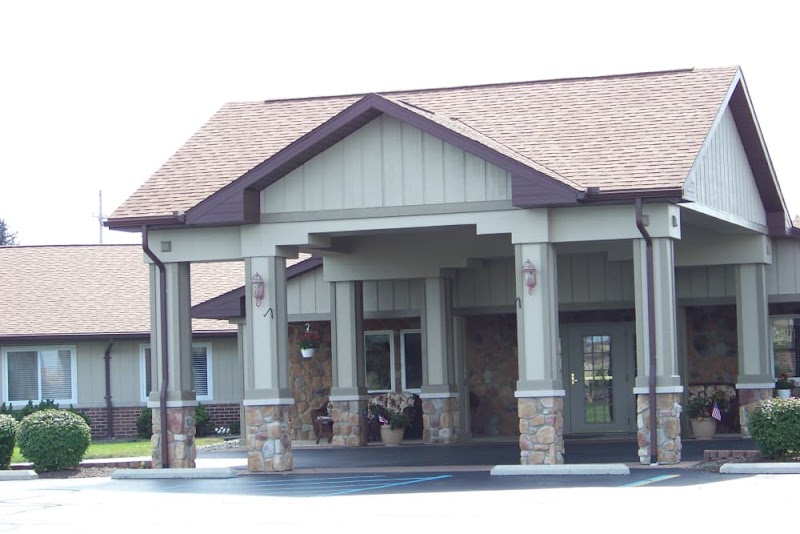
BRIAR HILL HEALTH CAMPUS is owned by a for-profit company. For-profit facilities operate as businesses with obligations to shareholders or private owners. The facility is operated by TRILOGY HEALTH SERVICES, a chain that manages multiple nursing homes. With 54 certified beds and approximately 46 residents (about 85% occupancy), it is a smaller facility located in NORTH BALTIMORE, Ohio.
How Does Briar Hill Health Campus Compare to Other Ohio Nursing Homes?

Compared to the 100 nursing homes in Ohio, BRIAR HILL HEALTH CAMPUS's overall rating (5 stars) is above the state average of 3.2, staff turnover (42%) is near the state average of 46%, and health inspection rating (5 stars) is much above the national benchmark.

What Should Families Ask When Visiting Briar Hill Health Campus?

Based on this facility's data, families visiting should ask: "Can I visit during a mealtime to observe dining assistance and food quality?" "How do you handle medical emergencies, and what is your hospital transfer rate?" "Can I speak with family members of current residents about their experience?"

Is Briar Hill Health Campus Safe?

Based on CMS inspection data, BRIAR HILL HEALTH CAMPUS has a clean safety record: no substantiated abuse findings (meaning no confirmed cases of resident harm), no Immediate Jeopardy citations (the most serious violation level indicating risk of serious injury or death), and is not on the Special Focus Facility watch list (a federal program monitoring the lowest-performing 1% of nursing homes). The facility has a 5-star overall rating and ranks #1 of 100 nursing homes in Ohio. While no facility is perfect, families should still ask about staff-to-resident ratios and recent inspection results during their visit.

Do Nurses at Briar Hill Health Campus Stick Around?

BRIAR HILL HEALTH CAMPUS has a staff turnover rate of 42%, which is about average for Ohio nursing homes (state average: 46%). Moderate turnover is common in nursing homes, but families should still ask about staff tenure and how the facility maintains care continuity when employees leave.

Was Briar Hill Health Campus Ever Fined?

BRIAR HILL HEALTH CAMPUS has no federal fines on record. CMS issues fines when nursing homes fail to meet care standards or don't correct problems found during inspections. The absence of fines suggests the facility has either maintained compliance or corrected any issues before penalties were assessed. This is a positive indicator, though families should still review recent inspection reports for the full picture.

Is Briar Hill Health Campus on Any Federal Watch List?

BRIAR HILL HEALTH CAMPUS is not on any federal watch list. The most significant is the Special Focus Facility (SFF) program, which identifies the bottom 1% of nursing homes nationally based on persistent, serious quality problems. Not being on this list means the facility has avoided the pattern of deficiencies that triggers enhanced federal oversight. This is a positive indicator, though families should still review the facility's inspection history directly.