ROLLING HILLS REHAB AND CARE CTR
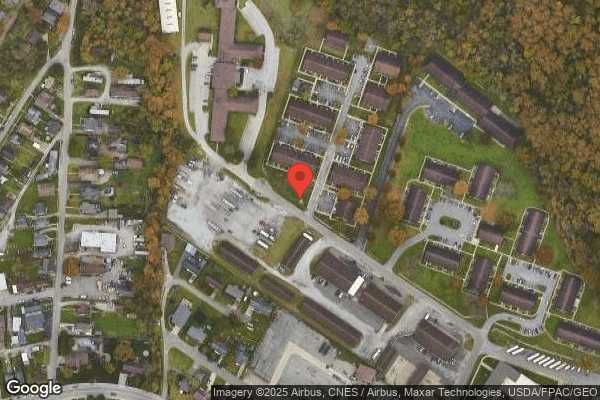
68222 COMMERCIAL DRIVE, BRIDGEPORT, OH 43912 (740) 635-4600
For profit - Limited Liability company 75 Beds NORTHWOOD HEALTHCARE GROUP Data: November 2025 1 Immediate Jeopardy citation
Trust Grade
0/100
#897 of 913 in OH
Last Inspection: November 2024

Within standard 12-15 month inspection cycle. Federal law requires annual inspections.

Overview

Rolling Hills Rehab and Care Center has received a Trust Grade of F, indicating significant concerns with care quality. In Ohio, it ranks #897 out of 913 facilities, placing it in the bottom half, and #10 out of 10 in Belmont County, meaning there are no better local options. While the facility is showing signs of improvement, reducing issues from 27 in 2024 to 14 in 2025, it still faces serious challenges, including a critical incident where a resident missed essential hemodialysis treatments due to lack of transportation, leading to actual harm. Staffing ratings are poor at 1 out of 5 stars; however, turnover is at 42%, which is an improvement over the state average. The facility has also not incurred any fines, but there are ongoing concerns about cleanliness and the environment, as well as issues with staff communication and advocacy for residents.

Trust Score
F
0/100
In Ohio
#897/913
Bottom 2%
Safety Record
High Risk
Review needed
Inspections
Getting Better
27 → 14 violations
Staff Stability
○ Average
42% turnover. Near Ohio's 48% average. Typical for the industry.
Penalties
✓ Good
No fines on record. Clean compliance history, better than most Ohio facilities.
Skilled Nurses
○ Average
Each resident gets 30 minutes of Registered Nurse (RN) attention daily — about average for Ohio. RNs are the most trained staff who monitor for health changes.
Violations
⚠ Watch
69 deficiencies on record. Higher than average. Multiple issues found across inspections.
★☆☆☆☆
1.0
Overall Rating
★☆☆☆☆
1.0
Staff Levels
★★★★☆
4.0
Care Quality
★☆☆☆☆
1.0
Inspection Score
Stable
2024: 27 issues
2025: 14 issues

The Good

  • 4-Star Quality Measures · Strong clinical quality outcomes
  • Full Sprinkler Coverage · Fire safety systems throughout facility
  • No fines on record
  • Staff turnover below average (42%)

    6 points below Ohio average of 48%

Facility shows strength in quality measures, fire safety.

The Bad

1-Star Overall Rating

Below Ohio average (3.2)

Significant quality concerns identified by CMS

Staff Turnover: 42%

Near Ohio avg (46%)

Typical for the industry

Chain: NORTHWOOD HEALTHCARE GROUP

Part of a multi-facility chain

Ask about local staffing decisions and management

The Ugly 69 deficiencies on record

1 life-threatening
Sept 2025 1 deficiency
CONCERN (F) 📢 Someone Reported This

A family member, employee, or ombudsman was alarmed enough to file a formal complaint

Potential for Harm - no one hurt, but risky conditions existed

Safe Environment (Tag F0921)

Could have caused harm · This affected most or all residents

Based on interview and observation, the facility failed to maintain a clean, safe, comfortable and sanitary environment. This had the potential to affect all 51 residents residing in the facility. The...

Read full inspector narrative →
Based on interview and observation, the facility failed to maintain a clean, safe, comfortable and sanitary environment. This had the potential to affect all 51 residents residing in the facility. The facility census was 51. Findings Include: Initial tour on 09/16/25 from 1:35 P.M. to 1:44 P.M., revealed the South Unit shower room had a sewer odor that lingered into the beginning of the 100 and 200 hallway and nurse's station. The carpet behind the nurse's station was stained and dirty. Wallpaper in the corner by the vending machine was pulled away from the wall and mold spots were noted behind the wallpaper on the wall. The carpet floor tiles in the vending room were pulling up off the ground, some were not cut properly to fit the edge of the room, and all the carpet tiles were moved under the snack vending machine. Interview on 09/16/25 at 1:35 P.M., with Certified Nursing Assistant (CNA) #124 confirmed the sewer odor was coming from the South Unit shower room. Observation on 09/16/25 at 2:05 P.M., of the facility with the Maintenance Director (MD) revealed he was just hired four weeks ago. Corporate was supposed to have taken care of the mold issue and the professional carpet cleaners cleaned the carpet two Fridays ago. The MD confirmed the areas behind the nurse's station had not been cleaned yet due to the carpet tiles were pulled up to fix a water leak and he had just put the old carpet tiles back down and had not had time to clean them yet. The MD confirmed the South Unit shower room had a sewer smell. The MD reported housekeeping had been using Echo Patch down the South Unit shower room daily. Further observation with the MD confirmed there was mold behind the wallpaper that was pulled away from the wall in the vending room and the North Unit shower room had missing/broken tiles on the floors and walls and the corner strips were pulled off the corners. There was a brown/black substance on the walls, the skid strips were partially missing and coming off the tile, and the floors were dirty. Interview and observation of the South Unit shower room on 09/16/25 at 2:20 P.M., with CNA #102 confirmed the South Unit shower room smelled like sewer. The CNA confirmed the South Unit shower room always had a sewer smell. CNA #102 confirmed she had showered residents in the South Unit shower room today. Interview and observation of the South Unit shower room on 09/16/25 at 2:21 P.M., with Central Supply #142 confirmed the South Unit shower room had a sewer smell. Interview and observation on 09/17/25 from 7:00 A.M. to 7:13 A.M. with the Director of Nursing (DON) confirmed the South Unit shower room had a sewer smell that lingered into the hallways on 100 and 200 hallways, there was mold in the vending room behind the wallpaper, missing carpet tiles under the snack vending machine, the carpet tiles in the vending room were loose and not cut properly to fit on the floor, and the North Unit shower room had missing/broken tiles on the floor and wall, floors were dirty, missing corner pieces, the skid strips were partially missing and coming up from the floor. Interview on 09/17/25 at 7:21 A.M., with Licensed Practical Nurse (LPN) #172 confirmed the sewer smell that lingered in the hallways on 100 and 200 hall was coming from the South shower room. The LPN confirmed the carpet tiles behind the nurse's station were dirty. Interview on 09/17/25 at 10:41 A.M., with Resident #38 confirmed the South Unit shower room has a sewer odor, that lingered down the hallway. The resident resided in room which was at the beginning of the 200 hall. Interview and observation on 09/17/25 at 10:53 A.M., with CNA #157 confirmed the sewer odor on 100 and 200 hallways comes from the South Unit shower room. Observation and interview on 09/17/25 at 12:46 P.M. of Resident #3's room (unoccupied at the time of the observation) revealed the room had an odor that lingered into the hallway. The toilet had a black substance stuck to the inside of the toilet bowl, the flooring was coming up in the bathroom and had a brown substance on it, and the bathroom had a strong urine odor. These findings were confirmed with CNA #108, the MD, and Central Supply #142 at the time of the observation. This deficiency represents non-compliance investigated under Complaint Number 2609731.
Aug 2025 1 deficiency
CONCERN (D) 📢 Someone Reported This

A family member, employee, or ombudsman was alarmed enough to file a formal complaint

Potential for Harm - no one hurt, but risky conditions existed

Investigate Abuse (Tag F0610)

Could have caused harm · This affected 1 resident

**NOTE- TERMS IN BRACKETS HAVE BEEN EDITED TO PROTECT CONFIDENTIALITY** Based on record review, facility policy review, Self-Reported Incident (SRI) review, and interviews, the facility failed to prov...

Read full inspector narrative →
**NOTE- TERMS IN BRACKETS HAVE BEEN EDITED TO PROTECT CONFIDENTIALITY** Based on record review, facility policy review, Self-Reported Incident (SRI) review, and interviews, the facility failed to provide documented evidence of a thorough investigation and report allegations of sexual abuse to the State survey agency. This affected two residents (Resident #19 and Resident #45) of three residents reviewed for abuse. The facility census was 51.Findings Include:1. Record review revealed Resident #19 was admitted to the facility on [DATE] with diagnoses of Alzheimer's Disease, vascular dementia, alcohol use, flaccid bladder, hydronephrosis, major depressive disorder, hypertension, and anxiety.Record review of Resident #19's quarterly Minimum Data Set (MDS) dated [DATE] revealed Resident #19 had severe cognitive impairment and could independently walk at least 150 feet.Record review of Resident #19's assessment for behaviors completed 06/13/25 revealed Resident #19 wandered freely without interruption. Additional factors affecting the resident's behaviors included the resident would become frustrated due to problems communicating discomfort or unmet needs.Review of Resident #19's care plan completed on 07/09/25 revealed the resident had behaviors including increased sexual behaviors. Interventions included, if reasonable, discussing the resident's behavior, explaining/reinforcing why the behavior was inappropriate and/or unacceptable to the resident, and praise any indication of the resident's progress/improvement in behavior.Review of Resident #19's visit and progress note from Psychiatric Mental Health Nurse Practitioner (PMHNP) #105 dated 07/22/25 stated that nursing staff reported the previous week that Resident #19 had pulled a female resident into a room and attempted to pull down her pants. He was caught and re-directed. Resident #19 was a poor historian and had speech issues. The DON reported he roamed around the facility most of the day. Resident #19 focused on female residents, one particular who was bedbound and had end stage dementia. They have found him several times in her room with his hand under the blanket. Resident #19 was not allowed alone in female (resident) rooms. Resident #19 was continually re-directed.Review of Resident #19's record revealed a progress note dated 08/14/25 at 4:00 P.M. stating 15-minute checks were initiated by the Administrator. There was no additional information indicating why the resident was receiving 15-minute checks/increased monitoring. There was no documented evidence of sexual behaviors on 08/14/25 or 08/15/25. Record review revealed Resident #19 received an order on 08/14/25 for Cimetidine with instructions to give 400 milligrams (mg) by mouth two times a day for a decrease in sexual behaviors for 14 days.Review of Resident #19's record revealed a progress note dated 08/16/25 at 10:30 A.M. that stated the resident was being sent to the emergency room due to behaviors.Review of the facility Self-Reported Incidents revealed the facility had not reported an incident since 08/07/25.2. Record review revealed Resident #45 was admitted to the facility on [DATE] with diagnoses including femur fracture, anxiety, hyperlipidemia, dementia, depression, anxiety, constipation, and emphysema.Review of Resident #45's admission Minimum Data Set (MDS) dated [DATE] revealed the resident had severe cognitive impairment and was dependent on staff for activities of daily living (ADL) care. Review of the care plan dated 08/19/25 revealed Resident #45 had impaired cognitive function/dementia or impaired thought process related to dementia. Interventions included supervising and reorienting as needed. Additionally, the resident had a care plan for a past traumatic event of exposure to sexual assault. Interventions included to encourage social interactions, observe for signs and symptoms of post-traumatic stress disorder (PTSD) (such as anxiety, flashbacks, nightmares, or sleep disturbances), reduce emotional distress, and to increase engagement in meaningful activities to reflect an overall improvement in the patient's well-being. Further review of the medical record revealed no documented evidence of any inappropriate behaviors between Resident #45 and Resident #19 on 08/14/25 and 08/15/25.Phone Interview on 08/20/25 at 10:07 A.M., Licensed Practical Nurse (LPN) #100 reported that Resident #19 had previously had inappropriate behaviors towards Resident #45. She was told that Resident #19 had previously tried to put his hands down Resident #19 pants. She stated the facility moved Resident #45 to another area in the facility and staff were advised to redirect him away from her. Interview on 08/20/25 at 10:15 A.M., Certified Nursing Assistant (CNA) #101 reported she worked on 08/15/25 and 08/16/25 with Resident #45 and Resident #19. She reported the facility staff had to continuously redirect Resident #19 away for Resident #45. She continued that he would become agitated and aggressive when he was redirected away from her. Interview on 08/20/25 at 10:31 A.M., CNA #102 reported she witnessed Resident #19 grab Resident #45's breast while at the nursing station on 08/14/25. She continued that she reported the incident to the Assistant Director of Nursing (ADON) #103. She went on to say throughout the day Resident #19 was hovering over Resident #45 and had to be redirected, which was reported to the Administrator. CNA #102 stated the hovering was so bad that staff had to bring Resident #45 with them during their rounds to ensure Resident #19 did not reach Resident #45. She stated after she reported the inappropriate touch to the administration, the Administrator and ADON #103 pulled her into a room and asked her if she was sure of what she saw and she replied yes. She continued that they did not have her write a statement regarding the situation. Interview on 08/20/25 at 11:20 A.M., Registered Nurse (RN) #104 reported while sitting at the nurse's station on 08/15/25 with Resident #45, the resident stated, [explicit], he took my clothes off me and indicated that Resident #19 was the perpetrator as he was present in the nurse's station during the statement. RN #104 stated that she went to the Administrator and reported the allegation. She went on to say she was told to complete a skin assessment on Resident #45 but was told not to chart the incident. She stated she was never made to write a statement regarding the incident. Interview on 08/20/25 at 1:27 P.M., the facility Administrator stated that on 08/15/25 it was reported to her that Resident #45 told a nurse that Resident #19 took her clothes off, she stated he was placed on one-on-one staffing. She stated she interviewed the nurse and completed a body assessment but did not open an investigation or report the incident as an SRI. At this time, the Administrator denied ever receiving a report that Resident #19 touched Resident #45's breast on 08/14/25. Interview on 08/20/25 at 2:20 P.M., ADON #103 reported staff came to her on 08/14/25 with concerns that Resident #19 was fixated on Resident #45. She reported that he was not doing anything malicious but did want to be near Resident #45. She stated later the same day, CNA #102 came to her and reported Resident #19 reached from behind Resident #45 and touched her breast while at the nurse's station. She stated she did not believe this was done in a sexual manner, as Resident #19 was severely cognitively impaired, but she did report it on to the Administrator. She stated she believed the Administrator then put Resident #19 on 15-minute checks. Interview on 08/20/25 at 2:57 P.M., the facility Administrator was reinterviewed and reported she now remembered staff coming to her on 08/14/25 reporting that they believed Resident #19 attempted to touch Resident #45's breast. She stated she did not believe he was cognitively intact enough to do this purposefully and that was why she did not complete an investigation or make a report to the State agency. She reported she did initiate 15-minute checks for Resident #19 after the report. She stated on 08/16/25, Resident #19 was sent to the hospital for behavioral issues and had not yet returned. Review of facility policy titled Abuse, Neglect, Exploitation, and Misappropriation of Resident Property, dated 11/01/19 revealed it was the facility's policy to investigate all alleged violations involving abuse, neglect, exploitation, mistreatment of a resident, or misappropriation of a resident property, including injuries of unknown source, in accordance with this policy. Facility staff should immediately report all such allegations to the administrator/designee and to the Ohio Department of Health in accordance with the procedures in this policy. Immediately report to the administrator or designee, and to the Ohio Department of health of alleged violations involving abuse, neglect, exploitation, mistreatment of a resident or misappropriation of a resident property and injuries of unknown source as soon as possible, but in no event later than 24 hours from the time the incident/allegation was made known to the staff member. Mistreatment was defined as inappropriate treatment or exploitation of a resident. Sexual abuse was defined as non-consensual sexual contact of any type with a resident.This deficiency demonstrates an example of continued non-compliance investigated under Master Complaint Number 259319 and Complaint Number 2593176.
Aug 2025 7 deficiencies 1 IJ
CRITICAL (J) 📢 Someone Reported This

A family member, employee, or ombudsman was alarmed enough to file a formal complaint

Immediate Jeopardy (IJ) - the most serious Medicare violation

Free from Abuse/Neglect (Tag F0600)

Someone could have died · This affected 1 resident

**NOTE- TERMS IN BRACKETS HAVE BEEN EDITED TO PROTECT CONFIDENTIALITY** Based on medical record review, hospital record review, review of data found at www.kidneyfoundation.org, policy review and inte...

Read full inspector narrative →
**NOTE- TERMS IN BRACKETS HAVE BEEN EDITED TO PROTECT CONFIDENTIALITY** Based on medical record review, hospital record review, review of data found at www.kidneyfoundation.org, policy review and interviews, the facility failed to prevent an incident of neglect when Resident #51 did not receive hemodialysis treatments as ordered due to a lack of facility provided transportation. This resulted in Immediate Jeopardy and actual harm with risk of death beginning on 07/21/25 when Resident #51, who was dependent on hemodialysis due to end stage renal disease, was not transported to a scheduled dialysis treatment. The resident subsequently missed hemodialysis on 07/23/25 again due to a lack of facility provided/arranged transportation. As a result, Resident #51 developed symptoms of fluid volume overload, shortness of breath, fatigue and weakness. The facility failed to timely identify the resident's condition change and did not transfer the resident to the emergency room (ER) until the evening of 07/23/25 at which time she was diagnosed with hyperkalemia (elevated potassium level of 7.7 (critical)) due to missed hemodialysis treatments and required admission to the intensive care unit (ICU) to receive continuous renal replacement therapy (CRRT) to restore the resident's blood potassium level and prevent imminent deterioration of the resident's condition. This affected one resident (Resident #51) of one resident identified by the facility to receive hemodialysis treatments. The facility census was 52. On 08/04/25 at 4:47 P.M. the Director of Nursing #7, Assistant Director of Nursing #6, Administrator #128 , Regional Director of Operations (RDO) #614, and Regional Director of Clinical Services 615 were notified Immediate Jeopardy began on 07/21/25 when the facility failed to secure transportation for Resident #51 to receive life sustaining hemodialysis treatments required due to the resident's end stage renal disease. Due to the missed appointments, the resident was hospitalized in the intensive care unit requiring continuous renal replacement. The resident was assessed to have hyperkalemia, was hyponatremic and her electrocardiogram revealed cardiac changes, including heart block, due to the changes in condition associated with the missed hemodialysis treatments. The Immediate Jeopardy was removed on 08/04/2025 when the facility implemented the following corrective actions: On 08/04/2025 from 5:07 P.M. until 5:17 P.M. Regional Director of Operations (RDO) #614 Regional Director of Clinical Services #615, Administrator #128, Director of Nursing (DON) #7 and Assistant Director of Nursing (ADON) #6 were educated via Teams call by VP of Clinical Operations #613 and VPO #612 regarding: Abuse and Neglect Policy, Resident examination and assessment, Change in Resident's Condition or Status with Notification, Transportation and interventions, and Charting and Documentation. On 08/04/2025 at 5:20 P.M. all department heads were educated via in-person meeting by RDO #614 and Regional Director of Clinical Services #615 on Abuse and Neglect Policy, Resident examination and assessment, Change in Resident's Condition or Status with Notification, Transportation and interventions, and Charting and Documentation. Department heads educated included Administrator #128, DON #7, Business Office Manager (BOM) #129, ADON #6, admission Coordinator/Marketing #218, Dietary Manager #65, Social Services #106, Minimal Data Set (MDS) Registered Nurse (RN) #2, Regional Director of Clinical Services #615, RDO #614, and Central Supply/Medical Records #5. On 08/04/2025 from 5:30 P.M. until 6:00 P.M. an audit of the facility appointment calendar was completed for all 52 residents for missed appointments due to transportation concerns the week of 07/21/2025 to 07/28/2025 when the facility was without a wheelchair accessible van. Two additional residents were identified as having missed appointments and were clinically assessed for a decline in condition. The audit completed by ADON #6 identified Resident #15 had a chemotherapy appointment scheduled for 07/21/2025 but arranged transportation did not arrive to transport the resident on 7/21/2025. Resident #15's appointment was rescheduled for 07/31/2025 and transportation was provided by the facility. Resident #17 had a non-life sustaining dermatology appointment scheduled for 07/21/2025. Transportation was canceled by Valley Logistics transportation company; the Activity Director was notified on 7/18/2025 when the Activity Director called to confirm transportation arrangements. This appointment and transportation were rescheduled to 08/18/2025, with the facility to transport. On 08/04/2025 from 6:04 P.M. until 6:40 P.M. resident interviews were conducted to identify possible situations of neglect. Thirty-one (31) residents with a Brief Interview for Mental Status (BIMS) score of 13 or higher were interviewed by the BOM. Residents interviewed included Resident #4, # 5, #10, #11, #12, #13, #14, #15, #17, #18, #19, #20, #21, # 22, #23, #26, #28, #29, # 32, #34, #35, #37, #38, #42, #43, #47, # 48, #50, #51, #53, and #55. Questions included, Has staff, a resident or anyone else here neglected you? and Have you seen any resident here being neglected?. On 08/04/2025 from 6:05 P.M. until 6:40 P.M. resident skin assessments were completed for (21) residents with a BIMS score of 12 or lower by facility ADON #6 and DON #7. Residents assessed included Resident #1, #2, #3, #6, # 7, #8, #9, #16, #27, #30, #31, #33, #36, #39, #40, #41, #45, #46, #49 and#54. On 08/04/2025 from 6:40 P.M. until 7:00 P.M. a Quality Assurance Performance Improvement (QAPI) meeting was held meeting held with facility staff members including Administrator #128, Director of Nursing #7, BOM #129, Assistant Director of Nursing #6 , admission Coordinator/Marketing #218, Dietary Manager #65, Social Services #106 (by phone), MDS RN #2, Regional Director of Clinical Services #615, Regional Director Operations #614, Central Supply/Medical Records #5, and Medical Director #606 (by phone). The QAPI agenda consisted of the review of the facility IJ abatement plan, a root cause analysis, staff education topics, and weekly audits to be completed. The root cause was identified as transportation concerns arose, staff did not complete appropriate notifications, assessments, and interventions to ensure Resident #51 had no adverse effects. Education topics include pertinent facility policies, including the policies titled, Abuse and Neglect Policy, Resident examination and assessment, Change in Resident's Condition or Status with Notification, Transportation and interventions, and Charting and Documentation. On 08/04/2025 from 6:59 P.M. until 8:44 P.M. an audit of the facility EHR report titled 72 Hour Report, which included weights and vitals, progress notes, the completion of assessments, etc. for the previous 72 hours, was completed for all 52 residents by MDS RN #2, to confirm appropriate notifications and interventions for residents with a change in condition. On 08/04/2025 from 7:05 P.M. until 7:17 P.M. All Staff Education was completed remotely by RDO #614 via facility communication system on the topics of Abuse/ Neglect, Resident examination and assessment, Change in Resident's Condition or Status with notification, Transportation and interventions, and Charting and Documentation. All 80 staff members were educated, including re-education to facility administration. (Education was provided to 20 licensed practical nurses (LPN) and registered nurses (RN), 34 Certified Nursing Assistants (CNAs), eight dietary staff members, six housekeeping staff members, one laundry staff member, two activity staff members, one central supply/medical records staff member, and eight administrative staff members. The facility communication system allowed facility administration to send information to staff via Short Message Service (SMS), with confirmation of receipt of the message being received by the facility for each staff member. In addition to the remote education, facility staff were to sign an in-service sheet in acknowledgement of receipt of this education, at the arrival of the facility for their next scheduled shift. This was being audited daily by facility Administrator or Designee, until completion. The facility's new hire orientation was updated by the facility Administrator to include the policies outlined in the completed education. On 08/04/2025 from 8:00 P.M. until 8:19 P.M. all appointments scheduled for 07/27/25 through 08/02/25 were audited for missed appointments due to lack of transportation by DON #7. Residents who had appointments included Resident #51, Resident #43, Resident #50, Resident #15. On 08/04/25 from 8:13 P.M. until 8:28 P.M. all appointments scheduled for Sunday 08/03/25 through 08/09/25 were audited to ensure transportation was scheduled. The audit was completed by BOM #129. Residents who have scheduled appointments included Resident #51, Resident #3, Resident #36, Resident #37, Resident #20. Transportation would be completed by the facility or Valley Logistics transportation company for all appointments. On 08/04/25 at 10:39 P.M. Resident #51's care plan was updated to add appropriate steps for any missed dialysis appointments per facility policies by MDS RN #2. Resident #51's care plan would be accessible to nursing staff via facility Electronic Health Record (EHR), including transportation interventions and notification, in accordance with facility policies titled, Transportation, Charting and Documentation, and Change in a Resident's Condition or Status, Resident Examination and Assessment, and a handout titled Education Highlights. The facility implemented a plan for the following audits to be initiated on or by 08/06/2025: o Appointment calendar will be audited for accuracy, completion and transportation five times per week for four weeks and then weekly for four weeks by DON or designee. The facility appointment calendar is managed by Activity Director, including the verification of scheduled appointments and transportation. All transportation is completed by the facility and/or Valley Logistics transportation company. o Interventions for missed appointments would be audited by DON or designee five times per week for four weeks then weekly for four weeks, including documentation in the medical record of interventions and notifications to facility DON and primary care provider team. Facility EHR bulletin board notice posted on 08/04/2025 at 10:46 P.M. by RDO #614 for nurses to notify DON of any missed appointments. o 24/72hr report to be reviewed for resident changes in condition would be audited daily Monday through Friday; Monday to capture Friday through Sunday five times per week for four weeks to ensure proper documentation is included such as assessments, adverse reactions, unusual occurrences, refusals, declines, notifications. Audit to be completed by DON or Designee. o Resident interviews for residents with a BIMS of 13 or higher or head to toe assessments for residents with a BIMS of 12 or lower to assess for concerns of neglect would be completed for three random residents five times per week for four weeks and then three random residents weekly for four weeks by DON or Designee. o Results of all audits would be reviewed weekly, at minimum, by the facility's QAPI committee for the duration of the audits. Although the Immediate Jeopardy was removed on 08/04/2025 the deficiency remains at Severity Level II (no actual harm with potential for more than minimal harm that is not Immediate Jeopardy) as the facility is still in the process of implementing their corrective action plan and monitoring to ensure on-going compliance. Findings include:Record review revealed Resident #51 was admitted to the facility on [DATE] with diagnoses including respiratory failure, type two diabetes, chronic obstructive respiratory disease, anemia, atherosclerotic heart disease, schizophrenia, borderline personality disorder, hypothyroidism, hypertension, chronic kidney disease, kidney failure and renal (hemo)dialysis dependence. Review of Resident #51's physician orders revealed an order for hemodialysis every Monday, Wednesday, and Friday at an outside dialysis center due to renal failure. Review of Resident #51's care plan dated 04/11/25 revealed the resident needed hemodialysis related to renal failure. Goals included the resident would have immediate intervention should any signs or symptoms of complications from dialysis exist. The care plan reflected the resident received (hemo)dialysis at (name and location of dialysis center) on Monday, Wednesday, and Friday at 10:30 A.M. Interventions included encouraging the resident to go for their scheduled dialysis appointments. Monitor vital signs and notify the medical doctor (MD) of significant abnormalities. Monitor, document, report as needed (PRN) for signs and symptoms of renal insufficiency such as changes in level of consciousness, changes in skin turgor, oral mucosa, and changes in heart and lung sounds. Check arteriovenous (AV) fistula (a connection between an artery and vein surgically created to receive dialysis) site thrill (a palpable vibration or tremor felt over an AV fistula that indicates turbulent blood flow)/bruit (an abnormal sound, often described as a swishing or blowing that can be heard with a stethoscope over a blood vessel and indicates turbulent blood flow); palpate/feel to assess for thrill and auscultate for bruit as ordered. Review of Resident #51 quarterly Minimum Data Set (MDS) assessment completed 06/04/25 revealed the resident had a BIMS score of 15 (out of a total score of 15), indicating Resident #51 was cognitively intact. The assessment also reflected the resident received dialysis. Review of Resident #51's dialysis communication binder, taken to and from each dialysis appointment for communication between the facility and the dialysis provider, revealed Resident #51 did not receive dialysis treatments on 07/21/25, or 07/23/25. Resident #51 last attended a dialysis appointment was on 07/18/25 which resulted in Resident #51 going a total of five days without being dialyzed before she was transferred to the hospital (on 07/23/25) for emergent medical intervention/treatment. Further reviews of Resident #51's medical record revealed no documentation, including vital signs, were available on 07/21/25 or 07/23/25 until the resident was transported to the hospital for evaluation (on 07/23/25). Further review revealed no additional nursing progress notes or documentation the resident missed the hemodialysis treatments on this date. There was no documentation the resident's physician or nephrologist were notified of the missed hemodialysis treatments. Review of Resident #51's progress note dated 07/23/25 at 6:49 P.M. authored by Registered Nurse (RN) #120 revealed Resident #51 was feeling very weak and having a change in condition, sending to emergency department for evaluation. An additional note dated 07/23/25 authored by LPN #38 at 10:48 P.M. revealed the resident was admitted to the hospital. Review of Resident #51's emergency room documentation dated 07/23/25 and authored by Doctor of Medicine (MD) #608 revealed Resident #51 presented to the emergency department (ED) on 07/23/25 from a skilled nursing facility (SNF) with shortness of breath. Resident #51 had a past medical history (PMH) of end stage renal disease (ESRD) and missed dialysis on Monday 07/21/25 due to lack of transportation from the SNF. Lab work revealing hyperkalemia, potassium 7.7 milliequivalents per liter (mEq/L) (normal range 3.5-5.0 mEq/L), mixed metabolic and respiratory acidosis (a serious life-threatening situation when the lungs and the body's metabolism are making the blood too acidic at the same time, caused by an increase in carbon dioxide and an excessive amount of acid build up). Electrocardiogram (EKG) showing Intraventricular conduction delay (IVCD) (the electrical signals from the lower heart chambers are moving slower than usual, causing the heart to beat out of sync or rhythm therefore not pumping blood to the body efficiently). Resident #51 was admitted to the ICU to facilitate continuous renal replacement therapy (CRRT). CRRT is a type of dialysis that provides a continuous, 24-hour treatment with acute kidney injury who are too unstable for traditional, intermittent dialysis methods offering life-saving support to critically ill patients. Primary hospital diagnoses for Resident #51 hospital admission from 07/23/25 through 07/25/25 included acute hyperkalemia, encounter for CRRT for end-stage renal disease (ESRD) and admitted to intensive care unit (ICU) for CRRT. Resident #51 required CRRT, transitioning to hemodialysis (HD), hyperkalemia treatment, strict intake and outputs, serial basic metabolic panel (BMP) lab work, and hyponatremia improving with CRRT. Hyponatremia (lab work revealing sodium of 128) was likely due to volume overload with two missed hemodialysis (HD) sessions. EKG on admission with sinus bradycardia (a slower than normal heart rate, less than 60 beats per minute) , second degree atrioventricular (AV) block (a heart rhythm where electrical signals from the upper chambers of the heart are not conducted to the hearts lower chambers causing the heart to miss a beat) , Mobitz type 2 right bundle branch block (the right side of the heart has a delay in receiving electrical signals causing signals to come late or be completely missed), repeat EKG showing sinus bradycardia with sinus arrhythmia and right bundle branch block, likely metabolic in nature secondary to missed HD and hyperkalemia. Patient was treated with medications without significant improvement and was admitted to ICU for dialysis.Review of Resident #51's hospital record revealed an EKG reading from 07/23/25 authored by Cardiologist #609 that stated Resident #51 had junctional bradycardia with intermittent heart block, widening of the QRS complex, this was a change when compared to prior EKGs Review of Resident #51's hospital record revealed an admission note authored by MD #606 which included Resident #51 was dialysis dependent (for renal failure) and she missed (HD treatments) due to transportation issues. EKG showed junctional bradycardia with intermittent heart block, widening of the QRS complex. Resident #51 showed hyperkalemic changes on her EKG, changes that were not there on the previous. Resident #51 would be admitted to the ICU for dialysis. Review of Resident #51's hospital record revealed a hospital admission note dated 07/23/25 and authored by the emergency department physician Doctor of Osteopathic Medicine (DO) #610, which documented Resident #51 had a high probability of imminent life or limb threatening deterioration due to severe hyperkalemia with EKG changes. Review of Resident #51 hospital record revealed a note dated 07/24/25 and authored by Nephrologist #611 which included Resident #51 was known to their practice due to her dialytic needs. Resident #51 was typically compliant with her treatments for dialysis. Resident #51 missed dialysis on Monday 07/21/25 and Wednesday 07/23/25 due to the nursing facility not having transportation because of issues with their van. Lab work revealed hyperkalemia, acidemia, and cardiac involvement secondary to hyperkalemia. The note included will touch base with our team regarding further management from her facility so these transportation issues are resolved. Review of Resident #51's progress note dated 07/25/25 at 7:42 P.M. and authored by LPN #304 revealed Resident #51 returned from the hospital after admission for continuous dialysis. Interview on 07/30/25 at 10:34 A.M. with offsite Dialysis Registered Nurse (RN) #604 revealed it was not recommended for any patient who required dialysis to miss an appointment for dialysis. Missing even just one appointment could lead to hospitalization and possible death. Someone who may be presenting with adverse reactions from missing dialysis could include confusion and diarrhea; the resident's potassium level could rise causing hyperkalemia; a dangerous excess amount of potassium leading to cardiac changes. Interview on 07/30/25 at 10:59 A.M. with offsite dialysis social worker, Licenses Social Worker (LSW) #603 revealed on Monday 07/21/25 the facility called the dialysis center to cancel Resident #51's dialysis appointment due to transportation issues. LSW #603 also shared the facility canceled dialysis on 07/23/25, without reason. At that time (on 07/23/25) dialysis staff recommended the resident be sent to the ER. Further interview revealed Nephrologist #611 shared, later on 07/23/25, that Resident #51 was in the hospital requiring continuous renal replacement therapy (CRRT). Nephrologist #611 wanted to discharge Resident #51 from the hospital on [DATE] back to the facility; however, the facility advised against this stating they felt it was safer for the resident to remain in the hospital for dialysis. Resident #51 was scheduled for dialysis on 07/25/25 at the offsite dialysis center but remained in the hospital at that time. LSW #603 stated missing a dialysis appointment could lead to toxin build up and fluid overload, some symptoms may include shortness of breath, nausea and vomiting, and swelling. Interview with Via [NAME] Therapeutic Behavior support (TBS) #605 on 07/30/21 at 1:20 P.M. revealed she saw Resident #51 a few days a week. TBS #605 revealed Resident #51 missed a few dialysis appointments and was in the hospital the week of 07/21/25 to 07/25/25. TBS stated she was told Resident #51 missed dialysis due to transportation issues; transportation was down. TBS #605 stated she was told this on Wednesday 07/23/25. TBS #605 stated she went in to see Resident #51on 07/23/25 around 2:30 P.M. and Resident #51 said she didn't feel good and that she had thrown up. TBS #605 shared Resident #51 was not her usual self that day. TBS #605 stated she notified the nurse but could not remember which nurse. TBS #605 shared the nurse said they were aware and told her Resident #51 hadn't been feeling well. Interview with Registered Nurse (RN) #11 on 07/30/25 at 2:51 P.M. confirmed Resident #51 did not receive hemodialysis on 07/21/25 and 07/23/25 on her usual appointment days due to the facility not having transportation to get Resident #51 to the dialysis facility. Interview on 07/30/25 at 3:10 P.M. with LPN #60 verified Resident #51 missed two hemodialysis appointments, on Monday 07/21/25 and Wednesday 07/23/25. The LPN revealed Resident #51 missed her dialysis appointments due to not having transportation to the dialysis center and back. LPN #60 stated Resident #51 was ready for dialysis and as time passed and it got closer to when she would usually leave, someone then told them there was no transportation and dialysis was cancelled. LPN #60 stated Resident #51 was eventually transferred to the hospital due to a status change, not feeling well and not acting like her usual self. The nurse stated the resident was in the ICU for a few days due to missing two dialysis appointments. During that time Resident #51 required an ICU admission for CRRT. Interview on 07/30/25 at 3:23 P.M. with Licensed Practical Nurse (LPN) #200 confirmed on 07/21/25 Resident #51 missed her dialysis appointment. LPN #200 stated Resident #51's dialysis appointment was missed due to the facility not having a van to transfer the resident to and from dialysis on 07/21/25. Interview on 07/30/25 at 3:54 P.M. with Anonymous Staff Member (ASM) #484 revealed Resident #51 was not acting herself on Wednesday 07/23/25. The ASM stated Resident #51 had missed two dialysis appointments due to transportation issues and was not acting herself, she would answer appropriately but was acting off. Before Resident #51 was transferred to the hospital, she had vomited. ASM #484 revealed at times when Resident #51 didn't feel good she could be more agitated than usual, maybe a little crabby at times when she was unwell but Resident #51 wasn't even doing this, it was as if the lights were on but no one was there. ASM #484 confirmed Resident #51 was transferred to the emergency room on [DATE] because of her change in status. Interview on 07/30/25 at 4:07 P.M. with Certified Nursing Assistant (CNA) #377 revealed the week of 07/20/25 through 07/26/25 the facility's transportation van was down and out of order. CNA #377 confirmed Resident #51 missed two dialysis appointments due to having no transportation to get there. CNA #377 revealed the days leading up to Resident #51 being transferred to the hospital Resident #51 was not herself, she was acting different than she usually did and even stated several times she was feeling sick. Interview on 07/30/25 at 4:24 P.M. with LPN #61 revealed transportation had been down since last week (week of 07/20/25). LPN #61 revealed residents were missing appointments due to this. LPN #61 stated Resident #51 did not go to dialysis on 07/21/25 due to having no transportation and the resident appeared more tired than usual the days following up to her being admitted to the ICU (on 07/23/25). The LPN was unsure if Resident #51's physician or nephrologist were notified of the resident missing her dialysis appointments. LPN #61 denied any knowledge of anyone trying to set up alternative transportation for Resident #51 for the dialysis on Monday or Wednesday; the transportation vehicle was down so her appointments got canceled. Interview on 07/30/25 at 4:54 P.M. with Resident #51 confirmed she missed dialysis on Monday 07/21/25 because there was no van but stated she could not recall if she missed dialysis on Wednesday 07/23/25 due to her not being able to remember anything from those days. Resident #51 stated she didn't remember if she had dialysis or not, she didn't remember if she was sick, she did not remember if she felt unwell, she couldn't recall anything from those days. Resident #51 shared she missed dialysis on Monday and then she woke up and was in the hospital, in the ICU with a lot of stuff going on around her. Resident #51 stated anything between the two events she didn't recall. Resident #51 stated to her knowledge the dialysis center called the facility to see where she was and that was when the facility told dialysis that she wouldn't be making it to dialysis because the van wasn't working. Resident #51 stated she does not believe her doctor knew she wasn't going to dialysis. Resident #51 stated she knows what goes on, she doesn't forget things, however she stated she could not remember anything after missing dialysis on 07/21/25 until she woke up in the ICU. Interview on 07/30/25 at 6:02 P.M. with ASM #455 revealed Resident #51 missed two dialysis appointments on 07/21/25 and 07/23/25. ASM #455 stated these appointments were missed due to the facility transportation van being out of order. The ASM stated to their knowledge no one attempted to get alternative transportation for Resident #51 to get to her dialysis appointments for either of the two appointments missed. ASM #455 revealed on the days leading up to Resident #51 hospital admission (on 07/23/25) the resident was not right at all, she was acting different, complaints of not feeling well, and even her body color was not what it usually was. ASM #455 revealed something should have been done sooner, transport was down Monday, but the resident still missed Wednesday; and it seemed like her status was worsening and nothing was being done about it. Interview on 07/31/25 at 7:14 A.M. with CNA #74 revealed Resident #51 missed two dialysis appointments on 07/21/25 and 07/23/25. CNA #74 confirmed that these two dialysis appointments were missed due to the facility transportation van being broke down. An interview on 07/31/25 at 7:30 A.M. with CNA #301 revealed on 07/21/25 Resident #51 was up and ready for her dialysis appointment like she was every Monday. Around 9:30 A.M. they were notified that there was no transportation for Resident #51 to go to dialysis. Resident #51 then missed another dialysis appointment on 07/23/25 again due to having no transportation. This resulted in Resident #51 being admitted to the hospital in the intensive care unit requiring continuous dialysis. Interview on 07/31/25 at 7:55 A.M. with CNA #64 confirmed Resident #51 missed two dialysis appointments on Monday 07/21/25 and Wednesday 07/23/25. CNA #64 stated these dialysis appointments were missed due to the facility transportation vehicle not working. CNA #51 confirmed Resident #51 ended up in the intensive care unit requiring continuous dialysis due to missing the two appointments. Interview on 07/31/25 at 8:31 A.M. with CNA #21 confirmed Resident #51 missed dialysis appointments due to not having transportation to get there. CNA #21 revealed awareness of Resident #51 missing dialysis on 07/21/25 and stated she was unsure of how many more days she missed. CNA #21 revealed Resident #51 in the days leading up to her hospitalization after missing dialysis complained of being short of breath, but she was unsure if that was correlated. Interview on 07/31/25 at 12:59 P.M. with facility medical director (MD) #606 revealed the MD was not notified of Resident #51 missing dialysis on 07/21/25 or 07/23/25. MD #606 stated when Resident #51 was admitted to the hospital (on 07/23/25) he was notified she was being admitted , but it wasn't until after that that he was told she had missed two dialysis days. MD #606 revealed missing a dialysis day could result in fluid overload, hyperkalemia, hospitalization, myocardial infarction (MI), and even death. Some symptoms you would experience with fluid overload or hyperkalemia included shortness of breath, cardiac changes, and vomiting. Interview on 07/31/25 at 11:27 A.M. with ASM #450 revealed Resident #51 missed two dialysis appointments, one on 07/21/25 and the other on 07/23/25. The ASM voiced they felt the facility was negligent with Resident #51 missing her dialysis appointments and facility's lack of reaction to Resident #51 decline leading up to her hospitalization. ASM #450 revealed the facility transport van had been down for a while and they (the facility) had ample time to get transportation set up, the facility rented a van to take residents to a wrestling event but didn't attempt to get transportation of any form for Resident #51 to receive medically necessary dialysis. ASM #450 stated in the days leading up to Resident #51's admission to the hospital after missing dialysis she looked pale, she was sleeping a lot and typically she was a very active person, always awake and utilized her call light often which she hadn't been doing, and hadn't voided. Interview on 08/04/25 at 8:40 A.M. with ASM #451 revealed for about a week (the week of 07/20/25) the facility did not have a transportation van. This resulted in several residents missing appointments. The ASM voiced administration did not attempt to get transportation for the residents, it didn't seem like they cared. Resident #51 missed her dialysis appointments, for two days, she hadn't been to dialysis since 07/18/25 so she hadn't been to dialysis in five days leading up to her discharge to the hospital. The ASM stated administration didn't seem to care. Interview on 08/04/25 at 9:30 A.M. with Dialysis RN #607 confirmed Resident #51 missed her dialysis appointment on 07/21/25 and 07/23/25. RN #607 stated Resident #51 had not been to dialysis for two appointments totaling five days without being dialyzed, and Resident #51 was very compliant with dialysis, she didn't miss. The two days that were missed were due to the facility not having transportation to get Resident #51 to dialysis. RN #607 stated on Monday they asked the facility if the resident could attend dialysis Tuesday 07/22/35 and the facility reported the earliest they could get Resident #51 to dialysis was on Wednesday 07/23/25. RN #607 stated Resident #51's dialysis appointments typically began around 10:30 A.M. On 07/23/25 when it became apparent Resident #51 was not going to make it to her dialysis appointment the dialysis facility called the facility to recommended Resident #51 be transferred to the hospital fairly immediately; however, the resident was not sent until later that evening. Dialysis RN #607 stated it was not safe for someone to miss a dialysis appointment; this could cause fluid overload putting a burden on the resident's heart. Missing dialysis could also cause your potassium to rise causing hyperkalemia and anomalies with heart rhythm all the way up to cardiac arrest. Interview on 08/04/25 at 10:15 A.M. with DON #7
CONCERN (D) 📢 Someone Reported This

A family member, employee, or ombudsman was alarmed enough to file a formal complaint

Potential for Harm - no one hurt, but risky conditions existed

Deficiency F0561 (Tag F0561)

Could have caused harm · This affected 1 resident

**NOTE- TERMS IN BRACKETS HAVE BEEN EDITED TO PROTECT CONFIDENTIALITY** Based on interview, record review and resident agreement review the facility failed to ensure residents were transported to medi...

Read full inspector narrative →
**NOTE- TERMS IN BRACKETS HAVE BEEN EDITED TO PROTECT CONFIDENTIALITY** Based on interview, record review and resident agreement review the facility failed to ensure residents were transported to medical appointments. This affected one resident (Resident #17) of four residents reviewed.Findings include: Record review revealed Resident #17 was admitted to the facility on [DATE] with diagnoses including type 2 diabetes, vascular dementia, anemia, hypertension (HTN) and nicotine dependence.Review of the Minimum data set (MDS) revealed Resident #17 had a brief interview for mental status (BIMS) score of 13, out of a possible 15, indicating intact cognition.Medical record review revealed the facility was aware transportation was unavailable for Resident #17 as of 07/18/25 and there was no documentation to support attempts for alternate transportation were made so Resident #17 could attend the appointment.Interview on 07/31/25 at 10:55 A.M. with Resident #17 revealed on 07/21/25 he got up and got ready for an appointment regarding a cyst above his eye. Resident #17 stated he had been waiting for this appointment and went to the front of the building and waited but never saw the van for transport. He stated he eventually asked staff about what was happening and he was told his appointment was cancelled because the van was broken. The resident said he was confused and shocked because he had not cancelled the appointment and he was upset because no one had told him about the transportation cancellation. The resident stated he felt out of the loop on his appointments and other things, and it seemed like others knew about what was going on but he did not. The resident shared he had asked to be kept informed and even said the facility could call his room to update him.An interview on 07/31/25 with Receptionist #602 with the dermatology office confirmed Resident #17 had an appointment scheduled with them on 07/21/25 at 1:30 P.M. but the appointment was cancelled that day. Review of Rolling Hills undated resident admission agreement page three revealed physician ordered services are available through duly licensed, registered, and/or certified practitioners or entities including transportation services. This deficiency demonstrated non-compliance investigated under Master Complaint Number 2576098.
CONCERN (D) 📢 Someone Reported This

A family member, employee, or ombudsman was alarmed enough to file a formal complaint

Potential for Harm - no one hurt, but risky conditions existed

Investigate Abuse (Tag F0610)

Could have caused harm · This affected 1 resident

**NOTE- TERMS IN BRACKETS HAVE BEEN EDITED TO PROTECT CONFIDENTIALITY** Based on record review, facility policy review, facility investigation review and interviews the facility failed to thoroughly i...

Read full inspector narrative →
**NOTE- TERMS IN BRACKETS HAVE BEEN EDITED TO PROTECT CONFIDENTIALITY** Based on record review, facility policy review, facility investigation review and interviews the facility failed to thoroughly investigate and report allegations of sexual abuse to the state survey agency. This affected two residents (Resident #7 and #54) of three residents reviewed for abuse. The facility census was 52.Findings Include:1. Record review revealed Resident #7 admitted to the facility on [DATE] with diagnoses of vascular dementia, alcohol use, flaccid bladder, hydronephrosis, major depressive disorder, hypertension, metabolic encephalopathy, and anxiety.Record review of Resident #7 quarterly Minimum Data Set(MDS) dated [DATE] revealed Resident #7 had severe cognitive impairment, exhibited behaviors and could independently walk at least 150 feet.Record review of Resident #7's assessment for behaviors completed 06/13/25 revealed Resident #7 wandered freely without interruption. Additional factors affecting the resident's behaviors included the resident would become frustrated due to problems communicating discomfort or unmet needs.Record review of Resident #7 assessment for elopement revealed Resident #7 is a high elopement risk due to intermittent confusion, poor safety and environment awareness, and wears a wander guard on their left ankle.Review of Resident #7 record revealed a progress note dated 07/09/25 stating resident was ambulating up and down hall two multiple times throughout the day. No behaviors noted at this time. Patient is laying in his bed in his room, eyes closed, arouses easily, call light in reach.Review of Resident #7 record revealed a progress note dated 07/09/25 authored by Assistant Director of Nursing #6 revealed the resident was noted from staff of having increased sexual behaviors. One on one performed and patient redirectable. Psych nurse practitioner (NP)(not identified) in to see patient awaiting recommendations at this time.Review of Resident #7 record revealed a progress note dated 07/09/25 authored by facility Administrator stating administrator and Director of nursing (DON) notified POA of increased sexual behaviors.Review of Resident #7 care plan completed on 07/09/25 revealed the resident has behaviors including increase sexual behaviors. Interventions include, if reasonable, discussing the resident's behavior. Explain/ reinforce why behavior is inappropriate and/pr unacceptable to the resident and praise any indication of the resident's progress/ improvement in behavior.Record review of Resident #7 paper and electronic medical record revealed no documentation of alleged increased sexual behaviors in relation to the medication order, psych consult, and revised care plan due to sexual behaviors. Record review revealed no documentation of Resident #7 POA being notified of increased sexual behaviors or witnessed observations of being sexually inappropriate with Resident #54.Record review revealed Resident #7 order for cimetidine give 400 milligrams (mg) by mouth (PO) three times a day (TID) for decreased sexual behaviors ordered on 07/16/25.Review of Resident #7's visit and progress note from Psychiatric Mental Health Nurse Practitioner (PMHNP) #626 dated 07/22/25 at 11:55 A.M. stating DON #7 reported the previous week that Resident #7 had pulled a female resident into a room and attempted to pull down her pants. He was caught and re-directed. Resident #7 is a poor historian and has speech issues. The DON reported he roams around the facility most of the day. Resident #7 focused on female residents, one particular who is bedbound and has end stage dementia-they have found him several times in her room with his hand under the blanket. He is found in another resident's room sitting close to her bed. Resident #7 is not allowed alone in female (resident) rooms. Resident #7 is continually re-directed. 2. Record review revealed Resident #54 admitted to the facility on [DATE] with diagnoses including femur fracture, anxiety, hyperlipidemia, dementia, depression, anxiety, constipation, and emphysema.Review of Resident #54 Minimum Data Set (MDS) revealed the resident had severe cognitive impairment and was dependent on staff for activities of daily living (ADL) care. Review of the care plan revealed Resident #54 had impaired cognitive function/dementia or impaired thought process related to dementia. Interventions included supervising and reorient as needed.Review of Resident #54's progress notes revealed a progress note authored by Administrator #1 on 07/09/25 stating the administrator spoke with resident's power of attorney (POA) regarding a room move to the north end of the facility. POA okay with the move.Review of Resident #54's progress notes revealed a progress note authored by social worker 07/09/25 stating the resident was notified about receiving a new room, resident expressed understanding. Administration notified the POA and is okay with move, no concerns at this time. (Please note, there was no documentation regarding any incidents or concerns regarding the need for the resident's room change).Further review of the medical record revealed no evidence of any inappropriate behaviors between Resident #54 and Resident #7.Interview on 07/30/25 at 12:44 P.M. with Psychiatric Mental Health Nurse Practitioner (PMHNP) #616 revealed she was notified by the facility on 07/09/25 of Resident #7 having increased behaviors. PMHNP #616 stated when the facility called to consult her, they didn't go into detail if anything happened, they just stated Resident #7 had increased behaviors and needed seen. PMHNP #616 stated Resident #7 was then seen on 07/22/25, due to waiting for his paperwork to go through to be seen. Interview on 07/30/25 at 3:32 P.M. with Certified Nurses Aide (CNA) #377 revealed there was a situation between Resident #7 and Resident #54 on 07/08/25 where Resident #7 pushed Resident #54 into his room and was found with his pants down. CNA #377 shared that due to this, Resident #54 was moved away from Resident #7, on the north side of the building. CNA #377 stated they were not sure if anything has been done about this situation, they are unsure if the family was notified of the full extent of the situation, and no one had approached them for statement. Interview on 07/31/25 at 7:05 A.M. with CNA #74 revealed Resident #54 was moved to the north end of the building after a situation, they can not recall the exact date, where Resident #7 was caught pushing Resident #54 into his room, and when staff entered his room, his pants were down. Resident #7 still walks to the north side of the building to find Resident #54, every day. Resident #54 is not cognitively intact, and its concerning that he still walks to the north side and finds Resident #54. CNA #74 did not believe Resident #54's family was notified of the situation, because they had to be redirected to the resident's new room when they visited after the incident. They were observed knocking on her old room door and staff had to direct them to her new room. CNA #74 verified they had not provided a statement or asked about the incident. CNA #74 stated the incident was not investigated by the facility.Interview on 07/31/25 at 7:15 A.M. with Licensed Practical Nurse (LPN) #61 revealed there was a shift, they could not recall the exact date, where Resident #7 was trying to hunt down Resident #54. Resident #54 was still on the south side of the building at this time. LPN #61 stated when they had came back to work the next time (after the incident) Resident #54 had been moved to the north side of the building and was told this was due to Resident #7's behaviors. LPN #61 confirmed Resident #7 still walked over to the north side of the building often and the staff re-direct him to go back to the south side.Interview on 07/31/25 at 7:30 A.M. with CNA #301 revealed a few weeks back, they believed the incident took place on 07/08/25 when they were walking down the hallway, pushing Resident #23. CNA #301 noticed Resident #7 hovering around Resident #54. Earlier in the day, Resident #7 had attempted to give Resident #54 coffee, and was patting her back. While walking down the hallway, CNA #301 noticed Resident #7 had pushed Resident #54 into Resident #7's room, then closed the door behind him. CNA #301 stated that immediately they went to the door, knocked and opened the door. CNA #301 observed Resident #7 attempting to pull his pants down and removing the blanket that had been across Resident #54's shoulders. CNA #301 then notified Nurse #39 and CNA #21 of the situation and that assistance was needed. When Nurse #39 and CNA #21 came to the room, CNA #301 proceeded with Resident #23. CNA #301 stated that day on 07/08/25, no one asked her to write a statement. Further interview revealed there was a monthly meeting that day so she thought someone would get her statement after the meeting but no one ever did. CNA #301 shared that in these situations, staff notify the nurse and then someone comes to get statements about what happened. CNA #301 stated on 07/09/25 DON #7 called her and asked about the incident and what happened. CNA #301 stated she gave DON a statement of the incident over the phone and told her the same details as stated in this current interview. CNA #301 then showed this writer a cell phone call log with a 37 minute phone call on 07/09/25 with DON #7 at approximately 12:38 P.M. CNA #301 stated they are not sure if family was notified but when they came back to work Resident #54 had been moved to the north side of the building.Interview on 07/31/25 at 7:55 A.M. with CNA #64 revealed Resident #7 was caught being sexually inappropriate with Resident #54. This resulted in Resident #54 being moved to the north side of the facility to be away from Resident #7. Resident #7 still lingered over to the north side to find Resident #54. CNA #64 stated staff were being told to redirect Resident #7 to the south side due to the incident that took place (on 07/08/25).Interview on 07/31/25 at 8:56 A.M. with CNA #21 revealed on 07/08/25 she was at the nurse's station when CNA #301 called for her and Nurse #39 to help in Resident #7's room. CNA #21 stated when she and Nurse #39 approached Resident #7's room, Resident #54 was in their wheelchair by the bathroom door and Resident #7 was attempting to pull the privacy curtain. Resident #7 had been attempting to pull his pants down. Resident #54 was immediately removed from the room. After the incident took place, Resident #54 was re-located to the north side of the building. CNA #21 shared Resident #7 still walked over to the north side of the building all day long, trying to find Resident #54. CNA #21 stated she was not interviewed the next day regarding the incident with Resident #54 and Resident #7. CNA #21 stated she did not believe Resident #54's family was aware of the situation involving Resident #7 because a few days later Resident #54 family came to visit and they went to her old room on the south end of the building.Interview on 07/31/25 at 11:15 A.M. with CNA #102 revealed on 07/08/25 Resident #54 was in the hallway of the south side of the building and Resident #7 came and was lingering around her, touching her hair, her shoulders, and was re-directed and removed from the area. Resident #7 then began to push Resident #54 in her wheelchair into his room, then he closed the door behind him. Staff went in to assess the situation and found Resident #7 with his pants down. Resident #54 was removed from the room. CNA #102 shared there was no documentation or charting that the event took place. ADON #6 was notified about the incident and told staff Resident #54 would be moved to the north side of the building. CNA #102 confirmed Resident #54's family was not notified of the full extent and nature because she was moved to the north side of the building. CNA #102 stated Resident #7 was ordered a medication to decrease his sex drive but in the documentation and charting there was no rationale as to why it was ordered.Interview on 08/04/25 at 8:12 A.M. with CNA #104 revealed there was an incident with Resident #54 and Resident #7 but they were not working when the incident occurred. CNA #104 stated they do know Resident #54 was moved to the north side of the building due to the incident. CNA #104 stated Resident #7 still comes to the north side of the building to look for Resident #54, he is re-directed to the south side. Resident #7 will find Resident #54 and grope her, relentlessly try to find her. Interview on 08/04/25 at 10:15 A.M. with DON #7 revealed Resident #7 had a fixation with Resident #54, which wasn't typical behavior for Resident #7. Resident #7 would push Resident #54's wheelchair around, become protective over her, and brought her suckers. DON #7 stated Resident #54 had no behaviors and stated Resident #54 had advanced dementia. DON #7 confirmed the reason Resident #54 was moved was because of the fixation Resident #7 had with Resident #54 as they originally resided on the same unit. The DON stated she did not initiate an investigation or report the incident because nothing happened.Interview on 08/05/25 at 8:22 A.M. with CNA #216 revealed Resident #7 was found to be in his room with the door closed and his pants down with Resident #54 present. This lead to Resident #54 being moved to the north side of the building. CNA #216 stated this had not stopped Resident #7 from coming to the north side and seeking Resident #54. CNA #216 stated they are told to re-direct Resident #7 and that was it. Interview on 08/05/25 at 12:53 P.M. with Resident #7's POA #617 revealed they were made aware the facility was making changes to Resident #7 medication regimen but were not sure why. POA #617 stated Resident #7 had dementia, and doesn't speak, is lonely and he had a friend who he would push around in her wheelchair and sit beside, but nothing inappropriate happened however the facility moved her to the other side of the building. POA #617 denied being notified of any sort of inappropriate behaviors or incidents between Resident #7 and Resident #54 causing the medication and room change.Interview on 08/05/25 with Resident #54's POA #619 revealed she was notified of Resident #54's room change. POA #619 stated they were told the room change was due to a gentleman being infatuated with Resident #54. POA #619 was told Resident #54 and Resident #7 would hold hands and Resident #7 would give Resident #54 things like coffee or suckers but since legally neither residents were able to give consent, they felt it was safe to move Resident #54. POA #619 denied any other incidents or behaviors being reported to them by the facility regarding Resident #54 or Resident #7.As of 08/05/25, there was no Self-Reported Incident submitted by the facility to the state survey agency.Interview on 08/07/25 at 10:45 A.M. with ADON #6 revealed, when requesting documents regarding the note written by PMHNP #626, she provided a progress note dated 07/22/25 stating Resident #7 was a male residing at the facility long term care. He was being seen today for initial visit for generalized anxiety disorder, major depressive disorder, dementia, and inappropriate sexual behaviors. ADON #6 also provided a hand written note of what residents were seen by PMHNP on 07/22/25 and what new orders were given to those residents. ADON #6 confirmed this was all the facility had regarding documentation from PMHNP #626 and information related to the incident between Resident #7 and Resident #54.Review of facility policy titled Abuse, Neglect, Exploitation, and Misappropriation of resident property dated 10/27/17 revealed it is the facility's policy to investigate all alleged violations involving abuse, neglect, exploitation, mistreatment of a resident, or misappropriation of a resident property, including injuries of unknown source, in accordance with this policy. Facility staff should immediately report all such allegations to the administrator/designee and to the Ohio Department of Health in accordance with the procedures in this policy. Social services if appropriate should be notified of the incident so that it may take appropriate interventions to care for the psychosocial needs of any involved residents. Documentation in the nurses notes should include the results of the residents assessment, notification of the physician and the resident representative. Immediately report to the administrator or designee, and to the Ohio Department of health of alleged violations involving abuse, neglect, exploitation, mistreatment of a resident or misappropriation of a resident property and injuries of unknown source as soon as possible, but in no event later than 24 hours from the time the incident/allegation was made known to the staff member. Mistreatment is defined as inappropriate treatment or exploitation of a resident. Sexual abuse is defined as non-consensual sexual contact of any type with a resident. Prevention and identification include the assessment, care planning, and monitoring of residents with needs and behaviors which might lead to conflict or neglect. Such behaviors include entering other residents' rooms, residents with self injurious behaviors, residents with communication disorders, and those that require heavy nursing care and/or are totally dependent on staff. Ohio Department of health will be notified by using the online enhanced information dissemination and collection system. The facility will submit an online self reported incident form in accordance with the Ohio Department of health then current instructions. The administrator will notify the resident or the resident representative, as appropriate, when a report has been made to Ohio Department of health. The facility will initiate an investigation of the allegation. The investigation must be completed within five working days. The investigation protocol includes interview with the resident, the accused, and all witnesses. Witnesses will include anyone who witnessed or heard the incident, came in close contact with the resident the day of the incident including other residents and family members, and employees who worked closely with the accused and or alleged victim the day of the incident. If there are no direct witnesses then the interviews may be expanded. Obtain a statement from each witness. Review the resident records. Evidence of the investigation should be documented. Follow up is required with resident to resident abuse, neglect, exploitation, mystery of a resident, or misappropriation of resident property. The facility will refer the matter to the interdisciplinary team to determine the appropriate interventions.This deficiency demonstrates non-compliance investigated under Complaint Number 2567685.
CONCERN (D) 📢 Someone Reported This

A family member, employee, or ombudsman was alarmed enough to file a formal complaint

Potential for Harm - no one hurt, but risky conditions existed

Deficiency F0657 (Tag F0657)

Could have caused harm · This affected 1 resident

**NOTE- TERMS IN BRACKETS HAVE BEEN EDITED TO PROTECT CONFIDENTIALITY** Based on record review, interview and policy review the facility failed to maintain accurate care plans. This affected one (Resi...

Read full inspector narrative →
**NOTE- TERMS IN BRACKETS HAVE BEEN EDITED TO PROTECT CONFIDENTIALITY** Based on record review, interview and policy review the facility failed to maintain accurate care plans. This affected one (Resident #51) of nine residents reviewed. The census was 52.Findings include: Record review revealed Resident #51 admitted to the facility on [DATE] with diagnoses including respiratory failure, type two diabetes, (COPD), gastro-esophageal reflux disease (GERD) osteoarthritis, anemia, atherosclerotic heart disease, insomnia, schizophrenia hypercholesterolemia, overactive bladder, borderline personality disorder, hypothyroidism, pyoderma, hypertension, anxiety major depressive disorder, chronic kidney disease, kidney failure, and , renal dialysis dependent. Review of Resident #51 orders revealed an order for hemodialysis every Monday, Wednesday, and Friday for renal failure. Review of Resident #51 minimum data set (MDS) revealed a brief interview for mental status (BIMS) score of 15, indicating Resident #51 was cognitively intact. Review of Resident #51 care plan completed 04/11/25 revealed the resident needed hemodialysis related to renal failure. Goals included the resident will have immediate intervention should any signs or symptoms of complications from dialysis. Interventions include encouraging the resident to go for the scheduled dialysis appointments. The resident receives dialysis at (dialysis center) in St Clairsville on Monday, Wednesday, Friday at 10:30 A.M. Monitor vital signs and notify medical doctor (MD) of significant abnormalities. Monitor, document, report as needed (PRN) for signs and symptoms of renal insufficiency such as changes in level of consciousness, changes in skin turgor, oral mucosa, and changes in heart and lung sounds. Check AV fistula site thrill/bruit; palpate/feel to assess for thrill and auscultate for bruit as ordered. Interview on 07/30/25 at 7:30 A.M. with (name of dialysis center) of St. Clairsville revealed Resident #51 no longer came to their facility for dialysis. (Name of dialysis center) of St. Clairsville revealed Resident #51 used to receive dialysis on their campus but [NAME] for quite some time. Interview on 07/30/25 at 10:34 A.M. with (name of dialysis center) Administrative Assistant of Bridgeport confirmed Resident #51 received dialysis at their location. Interview on 07/30/25 at 4:54 P.M. with Resident #51 confirmed she did not attend dialysis in St. Clairsville, but attended dialysis at (dialysis center) of Bridgeport. Review of Rolling Hills undated policy titled Care Planning- Interdisciplinary Team revealed the facility's care planning [NAME] is responsible for the development of an individualized comprehensive care plan for each resident. The care plan is based on the resident's comprehensive assessment and is developed by Care Planning/ Interdisciplinary Team which includes but is not limited to the following personnel: the resident, attending physician, the registered nurse who has responsibility for the resident, the social service worker, the director of nursing, and others as appropriate or necessary to meet the needs of the resident. This deficiency is an incidental finding discovered during the complaint investigation.
CONCERN (F) 📢 Someone Reported This

A family member, employee, or ombudsman was alarmed enough to file a formal complaint

Potential for Harm - no one hurt, but risky conditions existed

Administration (Tag F0835)

Could have caused harm · This affected most or all residents

**NOTE- TERMS IN BRACKETS HAVE BEEN EDITED TO PROTECT CONFIDENTIALITY** Based on record review and interview, the facility failed to ensure operations were conducted in a manner that supported and enc...

Read full inspector narrative →
**NOTE- TERMS IN BRACKETS HAVE BEEN EDITED TO PROTECT CONFIDENTIALITY** Based on record review and interview, the facility failed to ensure operations were conducted in a manner that supported and encouraged the highest level of resident care, as staff were prohibited from speaking freely with state agency personnel, which hindered their ability to advocate for residents without fear of retaliation. The facility administration also failed to ensure contracted staff were not asked to alter legal documents contained within resident medical records. This affected one resident (#7) and had the potential to affect all 52 residents residing in the facility.Findings include:During the onsite investigation the following concerns were identified related to administrative oversight in the facility and the ability for staff to openly communicate with state agency survey staff:a. Interview on 07/30/25 at 3:33 P.M. with Anonymous Staff Member (ASM) #707 revealed staff were targeted after surveys if they speak with the state survey agency. The interview revealed there was a fear of retaliation and staff losing their jobs or being treated differently as a result of speaking with state surveyors. Interview on 07/30/25 at 5:45 P.M. with ASM #406 revealed there was a fear of retaliation from management for advocating for residents and speaking with surveyors during survey. ASM #406 revealed staff were told by DON #1 that staff were required to tell management what was discussed with surveyors. Management watched staff speaking with surveyors and following conversations, management would pull staff away from whatever they were doing to interrogate you. Staff were also coached that as soon as the state survey agency walked into the building, they were told what information they could talk about and information they could not give to the surveyors. ASM #406 stated staff fear retaliation from management if they were caught talking to the state survey agency/surveyors.Interview on 07/30/25 at 6:00 P.M. with ASM #407 revealed management does not want staff to speak with the state survey agency when they come in and staff were encouraged not to speak with the surveyor. Staff were told essentially to cover for the facility if there were any issues or concerns. Staff members were coached on topics to steer away from and told if they have to lie, they can. Management sit and watch the cameras and would watch who, and when someone talked with a surveyor. Management staff would then question whoever they see speaking to them questioning what was asked and what information they provided to the state survey agency. ASM #407 revealed management only seemed to watch the cameras when state staff were in the building. This made staff fear retaliation. ASM #407 revealed this was being done by Director of Nursing (DON) #7 and Administrator #1.Interview on 07/30/25 at 6:15 P.M. with ASM #401 revealed there was a fear amongst staff for talking to surveyors initiated by management. ASM #401 stated management had interfered with surveys by coaching staff on what to talk about with surveyors and topics to steer away from, Administrator #1 has told staff to lie about certain topics. ASM #401 stated staff would avoid being seen conversing with surveyors because if they were caught, staff get pulled into the office. ASM #401 stated there was a fear of retaliation, a lot of favoritism was shown by management and staff were targeted after surveys if they were suspected of coming forward with information.Interview on 07/31/25 at 6:00 A.M. with ASM #405 revealed staff were coached by administration during surveys with the state survey agency. Management would pull staff into offices or rooms and staff were told not to volunteer information and if staff didn't want to answer something to come and get management, but don't bring up anything to the surveyors. If staff get caught speaking to a surveyor they were hounded on what was talked about and what information was given. This has been done by DON #7, Administrator #1 and a corporate staff member (unable to recall name) on different occasions. Interview on 07/31/25 at 11:27 A.M. with ASM #501 revealed there was a fear of retaliation from management if staff talked to surveyors and educated/protected the residents. ASM #501 stated staff were coached to steer away from certain topics, and management somewhat told staff what to say in situations. ASM #501 revealed no staff wanted to talk to state surveyors because if staff were caught talking by management they would get pulled into the office or a private room and asked what was talked about, what was asked, what was said, what the state surveyor said etc Certain employees would be followed around to try to prevent them from speaking to state staff or to overhear their conversations. Further interview revealed this had lead to a decline in resident care because staff were fearful of retaliation negatively affecting the residents.Interview on 07/31/25 at 11:34 A.M. with ASM #502 revealed staff fear retaliation from management. Staff jobs were threatened if management heard staff speaking with state surveyors. ASM stated the staff felt like they became a target. When state staff entered the facility things weren't handled appropriately. ASM #502 revealed if staff brought up a concern, especially resident concerns it seemed like it became hidden and brushed under the rug as if it never happened. Interview on 08/04/25 at 7:03 A.M. with ASM #701 revealed staff were uneasy about speaking with state surveyors due to fear of retaliation from management. ASM #701 stated management had coached staff on what to say to surveyors. Staff were told to keep conversations short, sweet, and vague. Staff were told over and over by management that state is not your friend. If staff were caught speaking with state surveyors there were asked what was talked about and any specific questions the surveyor(s) asked. ASM #701 stated they fear retaliation from management, management was very spiteful and staff might end up losing their job as a result. b. Interview on 08/05/25 at 10:15 A.M. with DON #7 revealed Resident #7 had a fixation with Resident #54, which wasn't typical behavior for Resident #7. Resident #7 would push Resident #54's wheelchair around, become protective over her, and brought her suckers. DON #7 stated Resident #54 had no behaviors and stated she had advanced dementia. DON #7 stated Resident #54 and Resident #7 family's were looped in on the situation. DON #7 confirmed as a result Resident #7 was moved to the other side of the building, to the north end because originally Resident #7 and Resident #54 were on the same hallway. DON #7 stated she did not perform an investigation or report an allegation to the state agency because nothing happened. Interview on 08/07/25 at 10:20 A.M. with Viaquest Mental Health Nurse Practitioner (MHNP) #626 revealed Resident #7 was seen on 07/22/25, there had been a completed psychiatric note since that date, the facility was aware of the note and had access, it was an 11 page document, which included the DON made Viaquest staff aware of sexually inappropriate behaviors displayed by Resident #7 towards a female resident.On 08/07/25 at 10:45 A.M. the surveyor requested documents for Resident #7. A note was provided written by MHNP #626 dated 07/22/25 which included Resident #7 was a [AGE] year old male residing at Rolling Hills LTC. He was being seen today for initial visit for generalized anxiety disorder, major depressive disorder, dementia, and inappropriate sexual behaviors. ADON #7 also provided a hand written note of what residents were seen by MHNP on 07/22/25 and what new orders were given to those residents. ADON #6 confirmed this was all they had regarding notes from MHNP #626 and information regarding the incident between Resident #7 and Resident #54.During an interview on 08/07/25 at 11:15 A.M. Assistant Director of Nursing (ADON) #6 and DON #7 were notified of the state agency surveyor's awareness of an 11 page psych note (requested to be reviewed as part of the survey investigation) written by the MHNP on 07/22/25 for Resident #7.On 08/07/25 at 12:28 P.M. Regional Director of Operations (RDO) #614 provided the psych note for Resident #7 written on 07/22/25 and also provided two witness statements regarding an incident on 07/08/25. Review of the witness statements provided by RDO #614 revealed one statement was not written until 08/05/25 regarding an incident on 07/08/25 and the other was an undated statement written by DON #7 stating she investigated the incident and got statements. On 08/04/25 at 10:15 A.M. interview with DON #7 regarding the incident on 07/08/25, revealed she did not gather witness statements regarding the sexually inappropriate incident between Resident #7 and Resident #54 because nothing happened. No documents of investigation were provided to the surveyor for review during the onsite investigation regarding a sexually inappropriate incident between Resident #7 and Resident #54 until 08/07/25 at 12:28 P.M. This information had been repeatedly requested since 07/31/25. Documents were provided after this surveyor confirmed with MHNP that Resident #7 was seen on 07/22/25 and after DON #7 confirmed on 08/04/25 at 10:15 A.M. and ADON #6 confirmed on 08/07/25 at 10:45 A.M. there was no other documentation regarding the incident.Review of an email sent to the state agency surveyor from MHNP #626 on 08/08/25 at 4:33 A.M. revealed the documentation for Resident #7 has been completed but the facility was now attempting to recant the information they were given on this patient. The MHNP has been contacted repeatedly by facility management and asked to change the verbiage and persons involved with Resident #7.This deficiency demonstrates non-compliance investigated under Master Complaint Number 2576098.
CONCERN (F) 📢 Someone Reported This

A family member, employee, or ombudsman was alarmed enough to file a formal complaint

Potential for Harm - no one hurt, but risky conditions existed

Safe Environment (Tag F0921)

Could have caused harm · This affected most or all residents

**NOTE- TERMS IN BRACKETS HAVE BEEN EDITED TO PROTECT CONFIDENTIALITY** Based on interview and observation, the facility failed to maintain a clean, safe, comfortable and sanitary environment. This ha...

Read full inspector narrative →
**NOTE- TERMS IN BRACKETS HAVE BEEN EDITED TO PROTECT CONFIDENTIALITY** Based on interview and observation, the facility failed to maintain a clean, safe, comfortable and sanitary environment. This had the potential to affect all 52 residents residing in the facility. Findings include: During the onsite complaint survey, the following information was obtained:a. Interview with Certified Nursing Assistant (CNA) #104 on 07/30/25 at 8:51 A.M. revealed there was mold across the whole building. They have recently had several water leaks, on the north side. The water leaks included the washer. CNA #104 stated they were unsure if it was due to a leak, or an overflowing of water but regardless a large amount of water came out onto the floor of the laundry room, and the entire vending machine room carpet was soaked. CNA #104 confirmed the water mark on the carpet of the vending machine room and a strong musty smell. CNA #104 stated there was a musty foul odor throughout the building, however it is the strongest in the vending machine room. CNA #104 stated the AC units of the resident rooms also have a wet/musty smell.b. Interview with CNA #377 on 07/30/25 at 3:32 P.M. revealed there was a strong musty smell in the facility. CNA #377 stated you are also able to smell this odor when in resident rooms. CNA #377 stated they were concerned about the smell, along with things they've seen that could be mold that is affecting the residents and staff.c. Interview on 07/30/25 at 3:10 P.M. with Licensed Practical Nurse #60 revealed there was a foul odor to the building, not a normal odor but almost like a musty wet odor. Nurse #60 stated nothing was being done about this. The Nurse stated there was a concern for residents especially those with chronic respiratory issues.d. Interview on 07/30/25 at 4:24 P.M. with LPN # 61 revealed there is a mold issue in the building, and the facility was aware, but not addressing the issue appropriately. LPN #61 stated they took a water hose and sprayed the AC unit grills after the last inspection. Resident #17 on the south side of the building had mold in it, and a musty odor. LPN #61 stated on the north end of the building a hot water tank leaked into the carpeted crash cart room, behind the nurses station, and that room smells musty and there was a concern mold or something may be growing under the carpet because after the water flooded into the room, it was never cleaned, to their knowledge.e. Observation with Maintenance #600 on 07/30/35 between 4:46 P.M. and 4:50 P.M. confirmed there was an unknown black speckled substance on the air-conditioning unit of room [ROOM NUMBER], the soiled linen room on the north side of the building, in the back right bottom corner there was a moderate amount of a black, unknown substance along the wall and the crash cart room had a strong foul musty odor. Maintenance #600 stated the hot water tank in the room sharing a wall to the crash cart room had leaked. He confirmed the carpet was not pulled up to assess for the cause of the odor or any damage from the water leak.f. Interview on 07/30/25 at 5:45 P.M. with CNA #300 revealed there was a concern with mold in the building. CNA #300 stated it was probably the worst in the vending machine room and if you lifted up weak spots in the carpet of the vending machine room, it is disgusting underneath, CNA #300 stated they were not sure what was under the carpet but it isn't good and along the wall there was a black substance that wasn't always been there. CNA #300 confirmed the vending machine room had a strong musty odor. CNA #300 stated nothing was being done about the root cause of the odors and black substances across the building, but every once in a while management would put out air fresheners or spray air freshener.g. Observation on 07/31/25 at 6:46 A.M. revealed one resident was sitting in the vending machine room. There was a small stand-up portable white air conditioner in the room. There is a strong musty/damp odor to the room.h. Interview on 07/31/25 at 7:00 A.M. with anonymous staff member #459 stated they had a concern about mold within the facility. They stated a lot of people feel sick when they come to work, especially when working a long stretch of days, then when you have a few days off you feel better and the cycle repeats. Anonymous staff member #459 stated if staff were feeling like this, it wasn't good for the residents who are in the facility 24/7. They stated on the north side of the building there was a leak in the laundry room, which shared a wall with the vending machine room, now there are several flies and gnats that swarm in the vending machine room and it had a strong very musty odor. They confirmed this is a common area for residents, visitors, and family to sit in and socialize.i. Interview on 07/31/25 at 7:55 A.M. with CNA #64 revealed the whole building smelled moldy/mildewy. CNA #64 stated that specifically on the north side, in the vending machine area, was the worst. There was a water leak in the laundry room and the water went to the vending machine room, as they share a wall, and the carpet was soaked. Ever since this incident they have had flies and gnats that seem to be getting worse. The crash cart room behind the nurses station on the north side of the building had a smell to it, the same throughout the building a wet musty smell; this had been since a water leak in the hot water room which shares a wall with the crash cart room. The room smelled very musty and its warm so it made it worse. CNA #64 stated several rooms and areas in the building have no ventilation so the leaks, dampness, warmth, and lack of ventilation make the smell horrible and concern for mold growth.j. Interview on 07/31/25 at 8:23 A.M. with CNA #34 revealed there was a previous water issue with some leaks across the building. She stated the carpet held a lot of stuff causing the musty wet odors. CNA #34 stated there are a few rooms along the 400 hall which smell musty. k. Interview on 07/31/25 at 8:56 A.M. with CNA #21 revealed the building was extremely hot and stuffy. There was a sewer smell that came from the south side shower room. CNA #21 stated she assumed there was mold on the north side of the building from where water leaked out of the laundry room and one of the hot water tanks. CNA #21 stated there is a mildew smell in the vending machine room and in the crash cart room behind the nurses station, it was a strong smell.l. Observation on 07/31/25 at 9:26 A.M. of Resident #34 room revealed a foul odor in the bathroom, and an unknown black substance lined along the perimeter of the room. Observation revealed housekeeping had been in to clean the room on 07/31/25. This was confirmed at 9:30 A.M. with CNA #301.m. Observation on 07/31/25 at 10:30 A.M. with Assistant Director of Nursing #6 of Resident #34's bathroom revealed a black unknown substance around the perimeter of the bathroom and there was a musty odor upon entry. Housekeeping had been in to clean the room previously on 07/31/25. The ADON confirmed it is there; this would not be okay in her home. Observation of Resident #34's closet door revealed a ribbon was wrapped around the door and several sewing pin needles were sticking out of the ribbon. This was also verified during the observation.n. Interview with anonymous staff member #450 on 07/31/25 at 11:17 A.M. revealed there was mold all over the building, the north side bathroom is disgusting. The north side public bathroom had a foul odor, constantly, cleaning doesn't help. There was an unknown substance built around the walls and parts of the walls are not in good repair. There was a leak on the south side of the building on the 200 hall, they were told to throw down towels and blankets and eventually a plumber would be called. Anonymous staff member #450 stated there was a musty smell across the building, possibly from all the water leaks/bursts across the north and south side. They stated there was a musty smell coming from the shower rooms and several resident bathrooms had a foul odor. Anonymous staff member #450 stated the vending machine room had a foul smell. There was a leak in the laundry room and leaked into the vending machine room for four days straight, the solution again was to throw towels and blankets over it. The vending machine room was a common area where residents would sit, rest, and socialize with each other.o. Interview on 07/31/25 at 11:35 A.M. with anonymous staff member #483 revealed there was a mold issue thought the building. Several pipes busted and flooded areas around the 200 hall, in the laundry room, and vending machine room and nothing was done about it. Anonymous staff member #483 confirmed there was a musty, damp smell throughout the building and hallways. Nothing was done after the pipes busted in relation to the water filling up the hallway carpeting and walls, and the vending machine room.p. Observation on 07/31/25 at 2:00 P.M. of Resident #32's air conditioning vent revealed an unknown black and white fuzzy substance, speckled along the vent. This was confirmed with CNA #64 at 2:05 P.M.q. Observation on 07/31/25 at 3:05 P.M. with Facility administrator confirmed a moderate amount of a black unknown substance in the vending machine room in the corner behind the 7 up machine. Substance is a black unknown substance behind the 7 up machine in the corner. A green wall paper is seen peeling back revealing a moderate amount of an unknown black speckled substance.r. lnterview on 07/31/25 at 2:45 P.M. with Anonymous staff member #481 revealed the mold was the biggest concern they had. The carpet needed ripped up, there are pipes that had burst and water leaked all over the carpet Anonymous staff member #481 stated the smell was horrible from the carpet due to the water leaking. The worst area was probably the vending machine room after a pipe busted and leaked into the room for a few days. Anonymous staff member #481 was concerned the air ducts in the building were full of mold. She stated there was a smell to them and there would be black speckles along the vents. Anonymous staff member #481 stated the public bathrooms were in bad shape. These bathrooms have water leaking under the sink, and it smells foul all the time. Anonymous staff member #481 revealed they have respiratory issues when they're in the building, then when they have a few days off in a row they feel better. Anonymous staff member #481 stated several staff members have brought up concerns of mold and resident wellbeing in the building but nothing was done about it.s. Interview on 08/04/25 at 12:00 P.M. with Anonymous staff member #453 stated there was a mold issue across the facility. The mold was in the vents, under carpets, and behind wall paper. Anonymous staff member #453 stated in the vending machine room the odor was horrible, the whole building smelled musty and wet. There was a leak from the laundry room leading into the vending machine room and the north hallway, they didn't properly clean the carpet; the solution was throwing towels and blankets over the water until it dried. Anonymous staff member #453 stated lots of staff have been sick and believe the current state of the building is the cause because when they have a few days off they feel fine. Anonymous staff member #453 stated there are residents who are often respiratory sick and they're not checking to see if the mold is a cause at this time.t. Observation on 08/07/25 at 11:40 A.M. revealed a strong, foul smelling sewer- rotten egg- like odor in the south side shower room. This was confirmed with CNA #11 at 11:45 A.M.This deficiency demonstrates non-compliance investigated under Master Complaint Number 2576089 and Complaint Numbers 2567685, 1282969 and 1282968.
CONCERN (F) 📢 Someone Reported This

A family member, employee, or ombudsman was alarmed enough to file a formal complaint

Potential for Harm - no one hurt, but risky conditions existed

Deficiency F0925 (Tag F0925)

Could have caused harm · This affected most or all residents

Based on observation, and interviews the facility failed to provide an effective pest management program. This had the potential to affect all 52 residents residing in the facility.Findings include:a....

Read full inspector narrative →
Based on observation, and interviews the facility failed to provide an effective pest management program. This had the potential to affect all 52 residents residing in the facility.Findings include:a. Interview on 07/30/25 at 9:00 A.M. with Certified Nursing Assistant (CNA) #104 confirmed the flies were horrible around the building. There was also an issue with the gnats however the flies were more prevalent. CNA #104 believed the flies and gnats were possibly due to the musty odor and the dampness of the carpeting and air conditioning units. CNA #104 stated the gnats and flies could also be from the lack of having a housekeeper daily. CNA #104 confirmed flies were often found in resident rooms.b. Interview on 07/30/25 with Licensed Practical Nurse (LPN) #61 at 4:40 P.M. revealed the flies in the building were horrible. There was a resident who had them in his room and he required cream on his legs. The flies will swarm around his legs, and you have to ensure the flies do not stick to them. Families have brought in bug spray because it's gotten so bad. LPN #61 stated staff are being told someone is going to come in and spray the building, but nothing is done about it and the amount of flies is becoming worse.c. Interview on 07/31/25 at 7:00 A.M. with anonymous staff member #459 stated on the north side of the building in the vending machine room there are several flies and gnats that swarm in the vending machine room and it has a strong, musty odor. They confirmed this is a common area for residents, visitors and families to sit and socialize.d. Interview on 07/31/25 at 7:35 A.M. with Anonymous staff member #489 revealed there was an issue with gnats and flies in the building and in resident rooms. Anonymous staff member #489 stated there were no screens on the residents' windows. Anonymous staff member #489 stated this may be where the flies and gnats are coming from however, they were unsure of an exact cause.e. Interview on 07/31/25 at 7:55 A.M. with CNA #64 revealed the facility currently had fly and gnat issues that seem to be getting worse and some families have been bringing in bug spray (no families identified).f. Observation during interview on 07/31/25 at 8:23 A.M. with CNA #34 two gnats flew by, confirmed with CNA #34.g. Interview on 07/31/25 at 8:58 A.M. with CNA #21 revealed there were gnats and flies throughout the building, more flies than gnats. CNA #21 stated staff and residents were getting bit so bug spray was brought in by a few people for residents and staff use. h. Observation on 07/31/25 at 9:59 A.M. of the north side nurses station revealed a black container with four unopened mighty shakes and two unopened magic cups were noted at the desk. Three flies were observed swarming around the shakes and cups. This observation was confirmed with CNA #370. Upon observation of the crash cart room at the north side nurses' station, a gnat was flying around this writer's face.i. Observation and interview on 07/31/25 at 2:10 P.M. of Resident #37 revealed she has a pink fly swatter sitting on her bedside table. Resident #37 stated she requested her family bring it in because there are flies everywhere, they swarm around you, land on you and your stuff so she keeps that beside her.j. Interview on 07/31/25 at 2:15 P.M. with Power of Attorney (POA) #620 confirmed there was an issue with flies in the building, and stated its gross. At one time there was four flies flying around her family member's room at one time when they walked in. She is unsure what is causing the problem but its an issue that wasn't getting resolved.k. Interview on 07/31/25 at 2:28 P.M. with POA #625 stated the gnats and flies were all over the place, you were constantly swatting them away from you or your family. They stated they have brought in a fly swatter before.l. Interview on 07/31/25 at 2:45 P.M. with Anonymous staff member #70 confirmed there was a fly issue in the building and it seemed to get worse this past summer.m. Interview on 08/06/25 at 12:06 P.M. with anonymous staff member #102 revealed there was a significant fly problem in the building. Anonymous staff member #102 stated Resident #19 always has so many flies in their room as well as Resident #22 and Resident #36.This deficiency demonstrates non-compliance investigated under Master Complaint Number 2576098.
Jun 2025 1 deficiency
CONCERN (F) 📢 Someone Reported This

A family member, employee, or ombudsman was alarmed enough to file a formal complaint

Potential for Harm - no one hurt, but risky conditions existed

Safe Environment (Tag F0921)

Could have caused harm · This affected most or all residents

Based on observation and interview, the facility failed to ensure office spaces were clean and sanitary. This had the potential to affect all residents residing in the facility. The census was 55. Fin...

Read full inspector narrative →
Based on observation and interview, the facility failed to ensure office spaces were clean and sanitary. This had the potential to affect all residents residing in the facility. The census was 55. Findings include: Observation and interview on 06/05/25 at 9:50 A.M. with Director of Maintenance (DM) # 100 revealed an approximate 12-inch section of peeling wallpaper was located near the baseboard of the back wall in Social Services Director (SSD) #84's office. DM #100 pulled back the peeling wallpaper and black areas were visible on the dry wall. DM #100 confirmed he was aware of the peeling wallpaper, but was not aware of the mold-like areas beneath the wallpaper. During observations of the SSD office on 06/05/25, residents were observed stopping at the office and speaking with the SSD. The SSD kept her office door open. Interview on 06/05/25 at 10:00 A.M. with Social Services Director (SSD) #84 stated on 05/05/25, she notified the Administrator of the peeling wallpaper in her office and of her concern regarding the air quality in her office. SSD #84 stated she was told by the Administrator that she could move to another office; however, SSD #84 stated she did not move from her office because when she asked the Administrator if the other office's air quality would be tested (to ensure there was no mold in the office), an answer was not provided. SSD #84 stated she also notified Regional Director of Maintenance (DM) #162 of her peeling wallpaper and of her air quality concerns and was told she could move to another office. Interview on 06/08/25 at 2:14 P.M. with the Administrator confirmed SSD #84's peeling office wallpaper needed to be repaired and the office remediated for potential mold. The Administrator confirmed SSD #84 was immediately relocated to another office in the facility and her office was sealed for remediation and repair. Interview on 06/08/25 at 2:20 P.M. with Regional DM #162 confirmed he was notified by SSD #84 of peeling wallpaper in her office and stated that looking back on it, he should have insisted SSD #84 relocate to another office so repairs could have been made. DM #162 stated SSD #84 told him she had too many things to move, and she would not be returning to her position following the birth of her child. This deficiency represents non-compliance investigated under Master Complaint Number OH00166074 and Complaint Number OH00166043.
Apr 2025 2 deficiencies
CONCERN (D) 📢 Someone Reported This

A family member, employee, or ombudsman was alarmed enough to file a formal complaint

Potential for Harm - no one hurt, but risky conditions existed

Notification of Changes (Tag F0580)

Could have caused harm · This affected 1 resident

**NOTE- TERMS IN BRACKETS HAVE BEEN EDITED TO PROTECT CONFIDENTIALITY** Based on record review, interview, and policy review, the facility failed to ensure resident representatives were notified when ...

Read full inspector narrative →
**NOTE- TERMS IN BRACKETS HAVE BEEN EDITED TO PROTECT CONFIDENTIALITY** Based on record review, interview, and policy review, the facility failed to ensure resident representatives were notified when there was a change in the residents' treatments/ medications as required. This affected three of three residents reviewed for changes in condition. Findings include: 1. Review of Resident #45's medical record revealed she was admitted to the facility on [DATE]. Her diagnoses included anoxic brain damage, epilepsy (seizures), major depressive disorder, and anxiety disorder. Review of Resident #45's profile under the electronic medical record (EMR) revealed the resident's emergency contacts were listed. Her sister was identified as the resident's emergency contact #1, with a contact phone number included. Review of Resident #45's quarterly Minimum Data Set (MDS) assessment dated [DATE] revealed the resident did not have any communication issues and was cognitively intact. She was able to make herself understood and was able to understand others. She was not known to display any behaviors during the seven day assessment period. Review of Resident #45's nurses' progress notes revealed there were four occasions over the past five months in which there was no documented evidence of the resident's representative (her sister) being notified when there was a change in the resident's condition and/ or new orders for treatment had been received. The four occasions were as follows: On 01/01/25 at 8:18 P.M., Resident #45's physician was called about Vicks (menthol vapor rub) and cough drops. The physician gave approval for Vicks to be applied three times a day as needed (prn) and also approved the resident to keep cough drops in her room. There was no evidence the resident's representative was notified of the new orders. On 02/16/25 at 5:25 P.M., Resident #45 complained of vaginal burning and discomfort. She also complained of mid-thoracic back pain and decreased urination. Her physician was notified and ordered a urinalysis to be done. There was no indication in the progress not that the resident's representative was notified of the new order. On 03/12/25 at 4:40 P.M., Resident #45 was seen by the nurse practitioner. The nurse practitioner gave a new order to discontinue her Buspar (anti-anxiety medication) and to increase her Remeron (an anti-depressant). The resident was made aware, but there was no indication of her sister being notified of the change in medication orders. On 04/09/25 at 2:42 P.M., Resident #45 was seen by the nurse practitioner. A new order was given to start Prozac (an anti-depressant) and decrease her Remeron. She also discontinued the resident's Vistaril (an anti-anxiety medication). The resident was made aware and in agreement to the changes. There was no evidence of the resident's sister being notified of the new medication changes. On 04/29/25 at 10:57 A.M., an interview with Resident #45 revealed she had been in the facility for about a year now. She was there for therapy following her traumatic brain injury. She reported she was her own person, but her sister was to be notified of any changes in her condition or in her medications/ treatment plan. On 04/30/25 at 9:15 A.M., an interview with the facility's Director of Nursing (DON) revealed she was not able to find evidence of Resident #45's sister being notified of the previously mentioned new orders that had been received. She confirmed the nurses' progress notes did not show any documented evidence of the resident's sister being notified as was desired by the resident. The facility's Administrator, who was present during the interview, revealed Resident #45 was her own person and they informed her of any changes in her orders, such as with her medications. The Administrator reported she had went back to talk to the resident about that yesterday and was told it was okay for them to notify just the resident about any medication changes. She informed the Administrator she continued to want her sister notified of any changes in her condition. On 04/30/25 at 9:45 A.M., a follow up interview with Resident #45 confirmed she had a conversation with the facility's Administrator the day before regarding who to notify of new orders. She confirmed she had told the Administrator it was okay just to let her know about the medication changes, but then talked to her sister yesterday evening, who still wanted to be notified when new orders were received. The resident was informed it was her right to decide who would be notified of changes in her condition or of medication/ treatment changes. She reported she would like for the facility to also notify her sister of any new orders she was given. She talked to her sister daily, but did not always remember to tell her everything that was going on with her. Review of the facility's policy on Change in a Resident's Condition Status revised December 2016 revealed it was the facility's policy to promptly notify the resident, his or her attending physician, and representative (sponsor) of changes in the resident's medical/ mental condition and/ or status. The nurse would notify the resident's attending physician or on-call physician when there had been a need to alter the resident's medical treatment significantly. A significant change of condition was defined as a major decline or improvement in the resident's status that would not normally resolve itself without intervention by staff or implementing standard disease-related clinical interventions and required interdisciplinary review and/ or revision to the care plan. Unless otherwise instructed by the resident, a nurse would notify the resident's representative when there was a significant change in the resident's physical, mental, or psychosocial status. 2. Review of Resident #51's medical record revealed she was admitted to the facility on [DATE]. Her diagnoses included unspecified dementia, an altered mental status, major depressive disorder, and adult failure to thrive. Review of Resident #51's profile under the EMR revealed her son was listed as her emergency contact #1. The resident's daughter was listed as her emergency contact #2. Review of Resident #51's annual MDS assessment dated [DATE] revealed the resident had highly impaired hearing without the use of hearing aids and clear speech. She was able to make herself understood and was usually able to understand others. Her cognition was moderately impaired. Review of Resident #51's nurses' progress notes revealed there were two separate times the resident had a change in her condition that warranted new orders from the physician. Both times there was no documented evidence of the resident's representative being notified of her change in condition and/ or new orders received. The nurses' progress notes revealed the following: On 11/27/24 at 4:28 A.M., a large, dark brown blood clot was noted in the resident's brief (incontinent brief). It was not clear where the clot had come from. A message was left for the physician and the resident's daughter (emergency contact #2) was updated. There was no evidence of the resident's son being notified of the change in the resident's condition. On 11/27/24 at 11:13 A.M., the nurse contacted the physician about the resident. New orders were given for a complete blood count (CBC) to be drawn stat (immediately). There was no documented evidence of the son being notified of the new order for the lab draw. On 04/14/25 at 1:26 PM, Resident #51 was visited by the nurse practitioner. She gave a new order for the use of Voltaren gel topically to her bilateral lower legs as needed (PRN) for pain. The resident was made aware of the new order, but there was no documented evidence of the son being informed of the new order. On 04/30/25 at 9:15 A.M., an interview with the facility's DON revealed she was not able to find any evidence of Resident #51's son being notified of the resident's change in condition on 11/27/24 or the new orders that had been given on 11/27/24 and on 04/14/25. The Administrator, who was present during the interview, revealed Resident #51 was her own person. She was informed the resident's most recent annual MDS assessment completed on 02/03/25 identified the resident's cognition as being moderately impaired. She acknowledged the resident's son was identified in her medical record as being her emergency contact #1 and should have been informed of the change in condition and new orders that had been given. 3. Review of Resident #44's medical record revealed the resident was admitted to the facility on [DATE]. His diagnoses included Parkinson's disease, congestive heart failure, major depressive disorder and anxiety disorder. Review of Resident #44's profile included under the EMR revealed his son was listed as his durable power of attorney for healthcare and his emergency contact #1. Review of Resident #44's admission MDS dated [DATE] revealed the resident did not have any communication issues but his cognition was moderately impaired. He was not known to display any behaviors or reject care during the seven day assessment period. Review of Resident #44's nurses' progress notes revealed there were five separate occasions when the resident had a change in condition and/ or received new orders from the physician or nurse practitioner, without evidence of the resident's DPOA for healthcare/ emergency contact #1 was notified. The nurses' progress notes revealed the following: On 02/26/25 at 1:35 P.M. the nurse practitioner was in to see Resident #44 and gave new orders for the resident to start breathing treatments PRN (as needed) for 14 days. The resident was made aware of the new order, but there was no indication of the son being notified of the new order. On 02/26/25 at 9:39 P.M., Resident #44's lab work was reviewed by the physician and new orders were received for the resident to receive Prostat (a liquid protein) and to have lab work in two weeks. Again, the resident was made aware, but there was no indication his son was notified of the new orders. On 03/12/25 at 11:18 A.M., Resident #44 was seen by the nurse practitioner. He complained of low back pain while urinating. A new order was given to obtain a urinalysis (U/A). The resident was made aware, but there was no documented evidence of the son being informed of the resident's change in condition and new order received for a U/A. On 03/28/25 at 11:32 P.M., Resident #44 was started on Cipro ( an antibiotic) that evening. His U/A was still pending. There was no documented evidence that the resident's son was informed of the resident being placed on an antibiotic. On 04/09/25 at 1:06 P.M., Resident #44 was seen by the nurse practitioner and his lab work had been reviewed. She gave a new order to start Vitamin D and repeat the resident's Vitamin D level in eight weeks. The resident was made aware, but there was no documented evidence to show his son had been made aware as well. On 04/29/25 at 3:13 P.M., an interview with the facility's DON revealed it was the facility's practice to notify the resident of any new orders, if the resident was considered their own person. She denied that they would notify a resident's family of any new orders or changes in condition, if the resident was their own person. For those residents with cognitive impairment, they would notify the resident's emergency contact/ power of attorney (POA) of any changes in the resident's condition or new orders. She was asked about Resident #44 to determine if he was considered his own person. She reported Resident #44's son was to be notified of any change in condition or new order, as he was the resident's POA. It was reviewed with the DON, all the documentation in Resident #44's progress notes of changes in his condition and/ or new orders that did not have any documented evidence of the resident's son being notified. She recorded the dates and times of the above and was asked to provide any evidence to the contrary. No additional information was able to be provided to show the son had been made aware of those new orders. This deficiency represents non-compliance investigated under Complaint Number OH00164776.
CONCERN (D) 📢 Someone Reported This

A family member, employee, or ombudsman was alarmed enough to file a formal complaint

Potential for Harm - no one hurt, but risky conditions existed

Accident Prevention (Tag F0689)

Could have caused harm · This affected 1 resident

**NOTE- TERMS IN BRACKETS HAVE BEEN EDITED TO PROTECT CONFIDENTIALITY** Based on record review, observation, interview, and policy review, the facility failed to ensure fall prevention interventions w...

Read full inspector narrative →
**NOTE- TERMS IN BRACKETS HAVE BEEN EDITED TO PROTECT CONFIDENTIALITY** Based on record review, observation, interview, and policy review, the facility failed to ensure fall prevention interventions were implemented for residents at risk and with a history of falls as per their plan of care. This affected two (Resident #45 and #51) of three residents reviewed for falls. Findings include: 1. Review of Resident #45's medical record revealed she was admitted to the facility on [DATE]. Her diagnoses included anoxic brain damage, epilepsy (seizures), major depressive disorder, and anxiety disorder. Review of Resident #45's quarterly Minimum Data Set (MDS) assessment dated [DATE] revealed the resident did not have any communication issues and was cognitively intact. She required supervision to touching assistance with with transfers. She was indicated to have had one fall with injury (not major injury) since her prior assessment. Review of Resident #45's care plans revealed she had a care plan in place for being at risk for falls related to deconditioning, gait/ balance problems, hypotension (low blood pressure), incontinence, the use of psychoactive medications, and being unaware of her safety needs. The care plan was initiated on 12/01/23. The goal was for her not to sustain serious injury through the review date. The interventions included the need to ensure her garbage can was within reach. That intervention was initiated on 05/03/24. On 04/30/25 at 9:07 A.M., an observation of Resident #45 noted her to be sitting in bed with her legs crossed. She had the lower half of her body covered with a blanket and she was watching something on her iPad. Her bed was in the back left corner of the room and the right side of the bed was against the side wall and the head of her bed was against the back wall the window was on. Her trash can was noted to be away from her bed and out of her reach against the other side wall opposite from the one her bed was against. It was positioned next to the night stand that was between the bathroom door and the entry door to her room. An interview with the resident at the time of the observation revealed that was the location they always had her trash can at. She confirmed she could not reach it where it was placed when she was in bed. Also confirmed she was not supposed to get up without assistance and the staff did not leave her trash can by her bed, when she was lying in bed. On 04/30/25 at 9:13 A.M., an interview with the facility's Director of Nursing (DON) revealed Resident #45's fall prevention interventions included the need to keep the resident's garbage can in reach. She confirmed the resident's garbage can was not within her reach, when it was placed against the wall opposite of the wall her bed was on. Review of the facility's policy on Managing Falls and Fall Risk revised March 2018 revealed based on previous evaluations and current data, the staff would identify interventions related to the resident's specific risks and causes to try to prevent the resident from falling and to try to minimize complications from falling. The staff, with input from the attending physician, would implement a resident-centered fall prevention plan to reduce the specific risk factors of falls for each resident at risk or with a history of falls. If interventions have been successful in preventing falling, staff would continue the interventions or reconsider whether those measures were still needed if a problem that required the intervention had resolved. 2. Review of Resident #51's medical record revealed she was admitted to the facility on [DATE]. Her diagnoses included adult failure to thrive, dizziness and giddiness, hypertension, unspecified dementia, and difficulty walking. Review of Resident #51's annual MDS assessment dated [DATE] revealed the resident had highly impaired hearing, without the use of hearing aids. Her vision was adequate with the use of glasses. She was able to make herself understood and was usually able to understand others. Her cognition was moderately impaired. She did not display any behaviors and was not known to reject care. She required supervision or touching assistance with bed mobility and transfers. Review of Resident #51's care plans revealed she had a care plan in place for being at risk for falls related to anemia, weakness, and having complaints of pain at times. The care plan was initiated on 05/03/22. The goal was for her not to have any fall related injuries. Her interventions included the use of a visual reminder in her room to call for assistance. That intervention was added as a fall prevention intervention on 10/02/23. On 04/29/25 at 2:30 PM, an observation of Resident #51 noted her to be sitting up in her bedside chair next to her bed. There were no signs posted in her room for a visual reminder for the resident to call for assistance, as per her plan of care. On 4/29/25 at 2:40 PM, an interview with LPN #100 revealed Resident #51 was at risk for falls. She recalled the resident fell about a month ago. She was questioned about what fall prevention interventions were in place to prevent falls from occurring. She was not aware of the intervention for the resident to have a visual reminder in her room to call for assistance. She reported the resident was in room [ROOM NUMBER], when her fall occurred about a month ago. She verified the resident's current room did not have any visual reminders in the room to call for assistance. Observations of the resident's prior room noted there to be a sign posted in that room on the wall by bed A To call for assistance. LPN #100 verified Resident #51 was in bed A when she was in room [ROOM NUMBER]. She indicated the resident changed rooms about a week or so ago and the visual reminder sign was not moved with the resident. This deficiency represents non-compliance investigated under Master Complaint Number OH00165235 and Complaint Number OH00164776.
Apr 2025 2 deficiencies
CONCERN (D) 📢 Someone Reported This

A family member, employee, or ombudsman was alarmed enough to file a formal complaint

Potential for Harm - no one hurt, but risky conditions existed

Quality of Care (Tag F0684)

Could have caused harm · This affected 1 resident

**NOTE- TERMS IN BRACKETS HAVE BEEN EDITED TO PROTECT CONFIDENTIALITY** Based on record review, interviews and policy review, the facility failed to implement preoperative orders prior to a scheduled ...

Read full inspector narrative →
**NOTE- TERMS IN BRACKETS HAVE BEEN EDITED TO PROTECT CONFIDENTIALITY** Based on record review, interviews and policy review, the facility failed to implement preoperative orders prior to a scheduled surgical procedure resulting in the procedure being rescheduled. This affected one resident (Resident #18) of five reviewed for physician orders. Findings include: Review of Resident #18's medical record revealed an admission date of 01/23/24 with diagnoses including aftercare following surgery on the nervous system, diabetes, major depression, hypertension and hyperlipidemia. Review of Resident #18's care plan revealed a care plan initiated on 07/23/24 for risk of bleeding related to antiplatelet use, indicating to monitor the resident for bleeding and increased bruising. Review of the physician orders revealed an order for aspirin 81 milligrams by mouth daily for a blood thinner started on 11/08/24. Review of Resident #18's progress notes revealed a note written on 01/27/25 at 10:00 A.M. indicating a call was received from the Neuroscience center to schedule a surgical date of 03/13/25 as the date of Resident #18's craniotomy. He was to arrive at the hospital at 7:00 A.M. that day. His preoperative testing and appointment were to be completed at the bone/joint building across the street from the hospital. The facility scheduling was notified to set up transportation. Review of Resident #18's annual Minimum Data Set (MDS) assessment dated [DATE] revealed the resident had severe cognitive impairment. Review of Resident #18's progress notes revealed a note written on 03/05/25 at 3:50 P.M. indicating Resident #18 left the facility around noon with staff to go to an appointment and returned to the facility at 3:25 P.M. There was no other information provided related to the appointment. Review of Resident #18's progress notes revealed a note dated 03/06/25 at 9:56 P.M. from the resident's medical provider indicating Resident #18 had a benign neoplasm of the pituitary gland and was scheduled for a craniotomy on 03/13/25. Review of Resident #18's physician's orders revealed no preoperative orders were in place prior to the surgery scheduled for 03/13/25 such as medications to be held, if the resident was to stop intake of food and fluids prior to surgery, or if he was allowed to take his medication prior to surgery. There was no evidence in the medical record of when the resident attended the pre-op appointment. Review of Resident #18's progress notes revealed a note written on 03/13/25 at 10:25 A.M. by the Director of Nursing indicating a call was received from the hospital surgical department indicating Resident #18's surgery was being rescheduled due to a miscommunication about medications being held. The note indicated that only basic surgical instructions were present in the facility not the neurological surgery instructions. The neurology department was to contact the facility with a new appointment. Review of Resident #18's March 2025 medication administration record revealed he received 81 milligrams of aspirin, one tablet by mouth once daily as a blood thinner from 03/01/25 until 03/12/25. There were no instructions to not administer the resident's aspirin prior to surgery. In an interview on 04/10/25 at 2:00 P.M. Licensed Practical Nurse (LPN) #175 stated when orders were received that require transportation the receiving nurse enters the orders into the computer, notifying the receptionist or the activity director so that they can arrange transportation and notify the resident and their responsible party. If the resident is having testing, surgery or a procedure that requires preparation before the procedure, those orders should be entered into the electronic medical record when received. Medications that must be held can have a date entered to start holding the medication and a date entered to stop holding the medication. In an interview on 04/14/25 at 2:06 P.M. LPN #145 stated that the nurse who receives preoperative orders should place them in the electronic medical record and make sure they are entered completely including any orders to hold medications. In an interview on 04/14/25 at 2:12 P.M. LPN #101 stated the nurse receiving preoperative orders should enter those orders into the electronic healthcare record. If the resident is on any type of blood thinning medication and the medication is not addressed in the preoperative orders a call should be made to the surgeon for clarification on what to do about these medications. In an interview on 04/14/25 at 2:42 P.M. Activities Director #136 revealed that when a resident goes out for an appointment, they are accompanied by someone from the activities department or the facility receptionist when that position is filled, the accompanying person is also the transportation driver. Activities Director #136 stated they currently have a Certified Nursing Assistant (CNA), who is on light duty, filling the receptionist position and she has only been filling the position for about three weeks. The previous transportation driver is no longer employed at the facility. Activities Director #136 stated the driver obtains the paperwork to take with the resident to the appointment from the nurse caring for the resident and gives it to the medical staff at the appointment. The driver stays with the resident and receives any paperwork returning with the resident to the facility and the driver gives that paperwork to the facility nurse who is caring for the resident upon their return to the facility. In an interview on 04/15/25 at 1:27 P.M. the Director of Nursing (DON) verified there were no preoperative orders in the electronic medical record for Resident #18's surgery scheduled for 03/13/25. The DON confirmed that Resident #18 received 81 milligrams of aspirin, one tablet by mouth once daily as a blood thinner from 03/01/25 until 03/12/25. The DON further stated her expectations were that the nurse receiving the preoperative orders would enter them into the electronic medical record, document them in the progress notes and notify the responsible party and the resident's medical provider at the nursing home. The DON stated the aspirin should have been held prior to the scheduled surgery date and if an order was not received to hold it, with the preoperative orders, a call should have been made to the surgeon for clarification. The DON verified LPN #147 was the nurse working the day Resident #18 received his pre-operative orders but the nurse did not indicate what the resident's specific pre-operative orders were and this resulted in the resident's survey having to be cancelled and rescheduled because he received his aspirin prior to surgery. The DON verified LPN #147 was no longer employed at the facility due to not following facility procedures. In an interview on 04/15/25 at 2:20 P.M. LPN #200 with the hospital neurosurgery department stated Resident #18's craniotomy surgery was cancelled the morning of 03/13/25 after he arrived at the hospital. LPN #200 stated that during a review of Resident #18's medication administration record it was discovered that he had received 81 milligrams of aspirin, one tablet by mouth once daily as a blood thinner on 03/12/25. The hospital called the facility, and the DON verified Resident #18 had received the medication. The surgeon chose to cancel the craniotomy to remove a benign pituitary tumor because the resident was at high risk for bleeding from receiving the aspirin. LPN #200 further stated the aspirin should have been held for at least one week prior to the surgery. Review of a Pharmacologic Profile used by the facility for antiplatelet agents such as aspirin revealed these types of medications should be used cautiously in people who were at risk for bleeding from procedures such as surgery. Review of the policy titled Charting and Documentation revised July 2017 revealed that changes in the plan of care goals and objectives and events and incidents involving the resident should be documented in the resident medical record. Documentation should be complete and accurate. This deficiency represents non-compliance investigated under Complaint Number OH00163835.
CONCERN (D) 📢 Someone Reported This

A family member, employee, or ombudsman was alarmed enough to file a formal complaint

Potential for Harm - no one hurt, but risky conditions existed

Safe Environment (Tag F0921)

Could have caused harm · This affected 1 resident

Based on observation and staff interviews, the facility failed to maintain a clean and comfortable environment for the residents residing in the facility. This affected one resident (Resident #6) of f...

Read full inspector narrative →
Based on observation and staff interviews, the facility failed to maintain a clean and comfortable environment for the residents residing in the facility. This affected one resident (Resident #6) of five residents interviewed on the 100 and 200 units who utilized the community shower. The facility census was 63. Findings include: In an interview on 04/10/25 at 1:13 P.M. Resident #6 stated that she did not use the shower room on her unit but went to the shower on the other side of the building because the shower on her side had a bad odor and stains on the floor creating an unpleasant shower experience. Observation of the shower room shared by the 100 hall and 200 hall on 04/10/25 at 1:43 P.M. revealed a musty, rotten egg-like odor similar to sewage in the shower room and a gray-brown stain that was approximately an inch wide and four inches in length, on the floor along the wall at the edge of the shower stall, below the emergency call cord. In an interview on 04/10/25 at 1:43 P.M. Housekeeper #138 confirmed the odor and the stain on the floor in the shower room . In an interview on 04/10/25 at 2:15 P.M. the Administrator verified the odor and the stain on the floor in the shower room but she thought it had gotten better since there were no recent resident complaints. In an interview on 04/14/25 at 10:10 A.M. Certified Nursing Assistant #174 stated the shower problem had started about a month ago and got better for a short time. She stated that the shower room did not have an odor in the morning but the odor became apparent after two or three showers were given. This deficiency represents non-compliance investigated under Complaint Number OH00163775.
Nov 2024 18 deficiencies
CONCERN (D)

Potential for Harm - no one hurt, but risky conditions existed

Deficiency F0583 (Tag F0583)

Could have caused harm · This affected 1 resident

Based on record review, observation, interview, and policy review the facility failed to ensure privacy was maintained during the administration of an injectable medication and transdermal patch. This...

Read full inspector narrative →
Based on record review, observation, interview, and policy review the facility failed to ensure privacy was maintained during the administration of an injectable medication and transdermal patch. This affected one resident (#160) out of four residents observed for medication administration. The facility census was 50. Findings include: Review of the medical record for Resident #160 revealed an admission date of 11/11/24. Diagnoses included diabetes mellitus (DM), acute respiratory failure, and asthma. Review of Resident #160's November 2024 physician orders revealed an order to inject Lovenox (a medication utilized for DM) 30 milligrams/0.3 milliliters to be injected subcutaneously every 12 hours and Lidocaine external patch four percent to be applied to the rib area topically one time a day for pain. Observation on 11/20/24 at 8:24 A.M. revealed Registered Nurse (RN) #351 gathered medication and entered Resident #160's room. Upon entering the room, RN #351 left the resident's door open and did not close the resident's individual curtain. Resident #160 was sitting in her wheelchair positioned in front of the open door. Resident #160 was able to be visualized from the hallway. RN #351 applied gloves, lifted the resident's shirt exposing her abdomen, and injected her with the Lovenox injection. After administering her oral medications and applying a wrap to the resident's foot, she lifted the resident's shirt exposing her rib cage and applied a Lidocaine patch to the resident's left rib cage. Interview on 11/20/24 at 9:06 A.M., RN #351 verified she did not provide privacy to Resident #160 during the administration of her Lovenox injection and the application of her Lidocaine patch. She confirmed that the resident's abdomen and rib cage were exposed and visible from the hallway during the administration of the Lovenox injection and the Lidocaine patch. Review of the facility policy, Quality of Life, Dignity dated August 2009 revealed staff shall promote, maintain and protect resident privacy, including bodily privacy during assistance with personal care and during treatment procedures.
CONCERN (D) 📢 Someone Reported This

A family member, employee, or ombudsman was alarmed enough to file a formal complaint

Potential for Harm - no one hurt, but risky conditions existed

Report Alleged Abuse (Tag F0609)

Could have caused harm · This affected 1 resident

Based on self-reported incident review, medical record review, resident interview, staff interview, and policy review, the facility failed to ensure allegations of abuse were reported to the state age...

Read full inspector narrative →
Based on self-reported incident review, medical record review, resident interview, staff interview, and policy review, the facility failed to ensure allegations of abuse were reported to the state agency in a timely manner. This affected one (Resident #30) of three residents (Resident #14, Resident #30, and Resident #53) reviewed for abuse. The facility census was 50. Findings include: Review of the facility on-line self-reported incidents (SRI) revealed from January 2024 through November 2024 the facility had not filed an SRI with the state agency, indicating the facility was investigating an allegation of an incident involving misappropriation. Review of the medical record for Resident #30 revealed an admission date of 03/05/24. Diagnoses included diabetes mellitus, bipolar disorder, and anxiety disorder. Review of Resident #30's quarterly minimum data set (MDS) 3.0 assessment with a reference date of 09/12/24 revealed the resident had an intact cognition level and he had not experienced hallucinations or delusions during the review period. Interview on 11/18/24 at 11:08 A.M. with Resident #30 revealed he had approximately one hundred and thirty-two dollars taken from him. He stated that he reported the allegation to the previous administration (Administrator #500) three months ago, but the money was never returned, and no one had followed up with him regarding who had taken his money. Interview on 11/20/24 at 10:27 A.M. with Social Work Director (SWD) #348 revealed sometime in August 2024, Resident #30 reported to the previous Business Office Manager (BOM) that he had missing money. The previous BOM reported the allegation during their morning meeting. She continued that herself and the (previous) Administrator #500 interviewed Resident #30 after the allegation was made. While conducting the interview with the resident, he reported that either forty or fifty dollars was taken from him. He stated he kept the money between his phone and phone case. SWD #348 and Administrator #500 questioned the resident as to why he did not keep the money in his lock box, and he reported he liked to have it on hand. SWD #348 went on to say Administrator #500 asked the resident where he got the money, and he reported his girl friend brought it in. Administrator #500 asked the resident if he could check with the girlfriend to see how much she brought, and the resident responded that would be fine. SWD #348 continued that she had not heard anything about the missing money after their initial interview with Resident #30. She stated the Administrator was responsible for the continued investigation and reporting after an allegation of misappropriation was made. Interview on 11/20/24 at 12:47 P.M. with the (current) Administrator verified that (previous) Administrator #500 did not report the allegation of misappropriation to the state agency. She continued that it would be her expectation that all allegations of misappropriation were reported to the state agency timely. Review of the facility policy Abuse, Neglect, Exploitation, and Misappropriation of Resident Property dated 11/01/19 revealed the facility would not tolerate Abuse, Neglect, Exploitation of its residents or the Misappropriation of Resident Property. It was the facility's policy to investigate all alleged violations involving misappropriation of resident property in accordance with this policy. The policy defined misappropriation of resident property as the deliberate misplacement, exploitation, or wrongful temporary or permanent use of a resident's belongings or money without the resident's consent. The Administrator or his designee would notify the Ohio Department of Health (state agency) of all alleged violations including misappropriation of resident property as soon as possible, but no later than twenty-four hours from the time the incident/allegation was made to a staff member. This deficiency represents non-compliance investigated under Complaint Number OH00159928.
CONCERN (D) 📢 Someone Reported This

A family member, employee, or ombudsman was alarmed enough to file a formal complaint

Potential for Harm - no one hurt, but risky conditions existed

Investigate Abuse (Tag F0610)

Could have caused harm · This affected 1 resident

Based on self-reported incident review, medical record review, resident interview, staff interview, and policy review, the facility failed to investigate an allegation of misappropriation of resident ...

Read full inspector narrative →
Based on self-reported incident review, medical record review, resident interview, staff interview, and policy review, the facility failed to investigate an allegation of misappropriation of resident property. This affected one (Resident #30) of three residents (Resident #14, Resident #30, and Resident #53) reviewed for abuse. The facility census was 50. Findings include: Review of the facility on-line self-reported incidents (SRI) revealed from January 2024 through November 2024 the facility had not filed an SRI with the state agency, indicating the facility was investigating an allegation of an incident involving misappropriation. Review of the medical record for Resident #30 revealed an admission date of 03/05/24. Diagnoses included diabetes mellitus, bipolar disorder, and anxiety disorder. Review of Resident #30's quarterly minimum data set (MDS) 3.0 assessment with a reference date of 09/12/24 revealed the resident had an intact cognition level and he had not experienced hallucinations or delusions during the review period. Interview on 11/18/24 at 11:08 A.M. with Resident #30 revealed he had approximately one hundred and thirty-two dollars taken from him. He stated that he reported the allegation to the previous administration (Administrator #500) three months ago, but the money was never returned, and no one had followed up with him regarding who had taken his money. Interview on 11/20/24 at 10:27 A.M. with Social Work Director (SWD) #348 revealed sometime in August 2024, Resident #30 reported to the previous Business Office Manager (BOM) that he had missing money. The previous BOM reported the allegation during their morning meeting. She continued that herself and the (previous) Administrator #500 interviewed Resident #30 after the allegation was made. While conducting the interview with the resident, he reported that either forty or fifty dollars was taken from him. He stated he kept the money between his phone and phone case. SWD #348 and Administrator #500 questioned the resident as to why he did not keep the money in his lock box, and he reported he liked to have it on hand. SWD #348 went on to say Administrator #500 asked the resident where he got the money, and he reported his girl friend brought it in. Administrator #500 asked the resident if he could check with the girlfriend to see how much she brought, and the resident responded that would be fine. SWD #348 continued that she had not heard anything about the missing money after their initial interview with Resident #30. She stated the Administrator was responsible for the continued investigation and reporting after an allegation of misappropriation was made. SWD #348 also revealed she was unable to find any soft investigation into the allegation or notes addressing the report from morning meetings in August 2024. Interview on 11/20/24 at 12:47 P.M. with the (current) Administrator verified that she was unable to find an investigation, completed by Administrator #500, regarding the allegation of misappropriation made by Resident #30. She continued that it would be her expectation that all allegations of misappropriation were investigated timely. Review of the facility policy Abuse, Neglect, Exploitation, and Misappropriation of Resident Property dated 11/01/19 revealed the facility would not tolerate Abuse, Neglect, Exploitation of its residents or the Misappropriation of Resident Property. It was the facility's policy to investigate all alleged violations involving misappropriation of resident property in accordance with this policy. The policy defined misappropriation of resident property as the deliberate misplacement, exploitation, or wrongful temporary or permanent use of a resident's belongings or money without the resident's consent. The policy stated, the investigation must be completed within five working days, unless there were special circumstances causing the investigation to continue beyond five working days. This deficiency represents non-compliance investigated under Complaint Number OH00159928.
CONCERN (D)

Potential for Harm - no one hurt, but risky conditions existed

Transfer Notice (Tag F0623)

Could have caused harm · This affected 1 resident

**NOTE- TERMS IN BRACKETS HAVE BEEN EDITED TO PROTECT CONFIDENTIALITY** 2. Review of medical record for Resident #45 revealed an admission date of 08/23/24. Diagnoses included acute kidney failure, se...

Read full inspector narrative →
**NOTE- TERMS IN BRACKETS HAVE BEEN EDITED TO PROTECT CONFIDENTIALITY** 2. Review of medical record for Resident #45 revealed an admission date of 08/23/24. Diagnoses included acute kidney failure, severe protein calorie malnutrition, dysphagia (difficulty swallowing), urinary tract infection, acute embolism (a blood clot that travels through a blood vessel) and thrombosis (a blood clot that forms in a blood vessel) of an unspecified lower extremity, bacteremia (bacteria in the blood stream), acute on chronic systolic (congestive) heart failure, neuromuscular dysfunction of bladder, atrial fibrillation (an irregular and often rapid heart rhythm), atherosclerotic heart disease, hematuria (blood in the urine), and a wedge compression fracture of the second lumbar vertebra. Resident #45 was paying for his stay privately. Review of Medicare five-day Minimum Data Set (MDS) assessment, dated 11/05/24, revealed the resident was moderately impaired cognitively and required substantial to dependent assistance for activities of daily living. Review of the progress notes for Resident #45 revealed on 10/30/24 the resident had an episode of unresponsiveness and his foley catheter was not patent (free flowing). A new catheter was placed, it was also not patent, and was unable to be flushed. The physician was made aware and ordered the resident to be transported to the hospital emergency department for an evaluation. On 10/31/24 when the facility had called to check on the resident, they were advised the resident had been admitted with sepsis (a life threatening condition that happens when the body's immune system has an extreme response to an infection). Review of the census section in Resident #45's medical record confirmed the resident had been out of the facility from 10/30/24, when the resident was sent out to the hospital, until 11/05/24, when the resident had been readmitted from the hospital. Review of Resident #45's medical record revealed no evidence of a transfer notice for the 10/30/24 hospital stay. Interview on 11/21/24 at 3:55 P.M. with the Administrator confirmed there was no transfer notice for Resident #45's 10/30/24 hospitalization. She stated the person who had been completing the form left unexpectedly. Review of the facility policy titled, Transfer or Discharge Notice, dated December 2016, revealed the facility shall provide a resident and/or the resident's representative (sponsor) with a thirty-day written notice of an impending transfer or discharge. Under the following circumstances, the notice would be given as soon as it was practicable, but before the transfer or discharge: an immediate transfer or discharge was required by the resident's urgent medical needs. The resident and/or representative would be notified in writing of the following information: the reason for the transfer or discharge; the effective dated of the transfer or discharge; the location to which the resident was being transferred or discharged ; a statement of the resident's rights to appeal the transfer or discharge; and the facility bed-hold policy. Based on record review, interview, and policy review, the facility failed to ensure residents and/or the resident representatives were provided with transfer notices after the residents were transferred to the hospital. This affected two residents (#45 and #55) of three residents reviewed for hospitalization and discharge. The facility census was 50 residents. Findings include: 1. Medical record review revealed Resident #55 was admitted to the facility on [DATE] with diagnoses including orthopedic aftercare following surgical amputation, diabetes mellitus, psychoactive substance abuse, chronic kidney disease, heart failure, and chronic obstructive pulmonary disease. The resident was discharged on 11/15/24 following a hospitalization. Further review of the resident's electronic and paper based medical record revealed no evidence that a transfer/discharge form was completed and given or sent to the resident/resident representative. Interview on 11/19/24 at 12:05 P.M., the Director of Nursing (DON) confirmed there was no evidence that a transfer form was completed and was given to the resident/resident representative in writing when Resident #55 was transferred to the hospital on [DATE]. Review of the facility policy titled, Transfer or Discharge Notice, dated December 2016, revealed the facility shall provide a resident and/or the resident's representative (sponsor) with a thirty-day written notice of an impending transfer or discharge. Under the following circumstances, the notice would be given as soon as it was practicable, but before the transfer or discharge: an immediate transfer or discharge was required by the resident's urgent medical needs. The resident and/or representative would be notified in writing of the following information: the reason for the transfer or discharge; the effective dated of the transfer or discharge; the location to which the resident was being transferred or discharged ; a statement of the resident's rights to appeal the transfer or discharge; and the facility bed-hold policy.
CONCERN (D)

Potential for Harm - no one hurt, but risky conditions existed

Deficiency F0625 (Tag F0625)

Could have caused harm · This affected 1 resident

**NOTE- TERMS IN BRACKETS HAVE BEEN EDITED TO PROTECT CONFIDENTIALITY** 2. Review of medical record for Resident #45 revealed an admission date of 08/23/24. Diagnoses included acute kidney failure, se...

Read full inspector narrative →
**NOTE- TERMS IN BRACKETS HAVE BEEN EDITED TO PROTECT CONFIDENTIALITY** 2. Review of medical record for Resident #45 revealed an admission date of 08/23/24. Diagnoses included acute kidney failure, severe protein calorie malnutrition, dysphagia (difficulty swallowing), urinary tract infection, acute embolism (a blood clot that travels through a blood vessel) and thrombosis (a blood clot that forms in a blood vessel) of an unspecified lower extremity, bacteremia (bacteria in the blood stream), acute on chronic systolic (congestive) heart failure, neuromuscular dysfunction of bladder, atrial fibrillation (an irregular and often rapid heart rhythm), atherosclerotic heart disease, hematuria (blood in the urine), and a wedge compression fracture of the second lumbar vertebra. Resident #45 was paying for his stay privately. Review of Medicare five-day Minimum Data Set (MDS) assessment, dated 11/05/24, revealed the resident was moderately impaired cognitively and required substantial to dependent assistance for activities of daily living. Further review of the progress notes in Resident #45's medical record revealed on 10/30/24 the resident had an episode of unresponsiveness and his foley catheter was not patent (free flowing). A new catheter was placed, which was also not patent, and was unable to be flushed. The physician was made aware and ordered the resident to be transported to the local hospital emergency department for evaluation. On 10/31/24 when the facility had called to check on the resident, they were advised the resident had been admitted with sepsis (a life-threatening condition that happens when the body's immune system has an extreme response to an infection). Review of the census section in Resident #45's medical record confirmed the resident had been out of the facility from 10/30/24 when the resident was sent out to the hospital, until 11/05/24 when the resident had been readmitted to the facility from the hospital. Review of the medical record for Resident #45 revealed there was no bed hold notice for the hospital stay from 10/30/24. Interview on 11/21/24 at 3:55 P.M. with the Administrator confirmed there was no bed hold notice for Resident #45's 10/30/24 hospitalization. She stated the person who had been completing the form left unexpectedly. Review of the undated facility policy Bed-Holds and Returns, prior to a transfer, written information would be given to the residents and the residents' representatives. For a non-Medicaid resident who requested a bed hold, the resident would be responsible for the facility's basic per diem rate while his or her bed was held. Based on record review, interview, and policy review, the facility failed to ensure residents and/or resident representatives were provided with bed hold notices following hospital transfers. This affected two residents (#45 and #55) of two residents reviewed for hospitalizations. The facility census was 50 residents. Findings include: 1. Medical record review revealed Resident #55 was admitted to the facility on [DATE] with diagnoses including orthopedic aftercare following surgical amputation, diabetes mellitus, psychoactive substance abuse, chronic kidney disease, heart failure, and chronic obstructive pulmonary disease. The resident was transferred to the hospital on [DATE]. Further review of the resident's electronic and paper based medical record revealed no evidence that a bed hold notice was given or sent to the resident/resident representative. Interview on 11/19/24 at 12:05 P.M. with the Director of Nursing (DON) confirmed there was no evidence that a bed hold notice was completed and given to Resident #55 or the residents representative, in writing, when the resident was transferred to the hospital on [DATE]. Review of the facility policy titled, Bed-Holds and Returns, undated, revealed prior to transfers and therapeutic leaves, residents or resident representatives would be informed in writing of the bed-hold and return policy.
CONCERN (D)

Potential for Harm - no one hurt, but risky conditions existed

Deficiency F0658 (Tag F0658)

Could have caused harm · This affected 1 resident

Based on medical record review and staff interview, the facility failed to ensure psychiatric progress notes were obtained from the provider, failed to ensure a new diagnosis of schizoaffective disord...

Read full inspector narrative →
Based on medical record review and staff interview, the facility failed to ensure psychiatric progress notes were obtained from the provider, failed to ensure a new diagnosis of schizoaffective disorder was identified and added to the medical record and care plan, and failed to accurately transcribe changes to psychiatric medications. This affected one resident (#37) out of one resident reviewed for mood and behavior. The facility census was 50. Findings include: Review of the medical record for Resident #37 revealed an admission date of 12/22/23. Diagnoses included encephalopathy, post-traumatic stress disorder (PTSD), unspecified psychosis, major depressive disorder and anxiety disorder. The medical record did not indicate that the resident had a diagnosis of schizoaffective disorder. Continued review of the medical record revealed the facility had not obtained the residents psychiatric notes from her outside provider. Review of Resident #37's annual minimum data set (MDS) 3.0 assessment with a reference date of 10/13/24 revealed the resident was cognitively intact and was receiving antipsychotic medications. Review of Resident #37's Behavioral Health Care Note and order form dated 10/22/24 revealed the resident's functional/behavioral changes were worsening. The note stated the resident's diagnosis was schizoaffective disorder verses an other physical neurological disorder. An order was written to continue Abilify (an antipsychotic medication) 10 milligrams (mg) by mouth daily for two weeks (with a discontinue date of 11/07/24), start Olanzapine (an antipsychotic medication) 7.5 mg by mouth (starting 10/23/24), and call for progress in two weeks. Review of Resident #37's physician orders revealed an order dated 10/23/34 for Olanzapine oral tablet 7.5 mg by mouth one time a day for behaviors and an order for Abilify oral tablet 10 mg by mouth one time a day for mood dated 09/11/24. Review of Resident #37's Medication Administration Record for November 2024 revealed Resident #37 was receiving Abilify 10 mg by mouth daily as of 11/21/24. Review of Resident #37's psychotic encounter report (obtained from the psychiatric office after the surveyor requested missing progress notes) revealed on 05/06/24 the resident received a new diagnosis of schizoaffective disorder. Review of Resident #37's comprehensive care plan revealed as of 11/21/24, the resident did not have a care plan indicating she had a diagnoses of schizoaffective disorder. Interview on 11/20/24 at 9:23 A.M. with the Director of Nursing (DON) revealed Resident #37 had been seeing an outside psychiatrist for several months. She reported the facility had not followed up with the psychiatrist's office by receiving chart notes from her visits. She stated she spoke with the office, and it was determined that she was diagnosed in May 2024 with schizoaffective disorder, but due to not receiving the notes, the facility was unaware and did not add the diagnosis to her medical record or initiate a care plan related to the new diagnoses. Additionally, she confirmed the facility did not accurately transcribe the physician order from 10/22/24 causing the resident to receive 12 extra doses of the antipsychotic medication Abilify. The DON reported it was her expectation that the facility nurses ensured all chart notes were obtained after an appointment and orders were accurately transcribed and provided to her for monitoring.
CONCERN (D)

Potential for Harm - no one hurt, but risky conditions existed

Incontinence Care (Tag F0690)

Could have caused harm · This affected 1 resident

Based on medical record review, staff interview and policy review, the facility failed to obtain a physician ordered urinalysis (UA) and culture and sensitivity (C&S) for Resident #38, delaying antibi...

Read full inspector narrative →
Based on medical record review, staff interview and policy review, the facility failed to obtain a physician ordered urinalysis (UA) and culture and sensitivity (C&S) for Resident #38, delaying antibiotic treatment. This affected one resident (#38) out of two residents reviewed for urinary tract infections (UTI). The facility census was 50. Findings Include: Review of the medical record for Resident #38 revealed an admission date of 08/19/2024. Diagnoses included unspecified dementia, end stage renal disease, and muscle wasting and atrophy. Review of Resident #38's annual minimum data set (MDS) 3.0 assessment with a reference date of 10/16/24 revealed the resident had a severe cognitive impairment. Review of Resident #38's nursing progress note dated 10/24/2024 at 2:31 P.M. revealed the resident had complaints of pain upon urination and the resident complained of abdominal pain. The resident reported that his stomach hurt and he could not urinate. Review of Resident #38's nursing progress note dated 10/25/2024 at 4:08 P.M. revealed the nurse spoke with the Nurse Practitioner (NP) about the resident's complaints and the NP agreed to order a UA. Review of Resident #38's nursing progress note dated 10/29/2024 at 2:40 P.M. revealed a urine sample was obtained via clean catch, and the patient tolerated it well. Review of Resident #38's physician orders revealed an order dated 10/25/24 to obtain a urine sample for a UA C&S due to complaints of burning with urination, an order dated 10/29/24 for the facility to obtain a UA C&S STAT (immediately) for pain and burning upon urination, and an order dated 11/04/24 for Macrobid (an antibiotic) Oral Capsule 100 milligrams (mg) by mouth two times a day for seven days for a UTI. Review of Resident #38's UA's from October 2024 revealed a UA C&S was obtained on 10/30/24. The culture results completed on 11/03/24 indicated the urine was positive for Escherichia coli (E-coli). Additional review of the lab work for October 2024 revealed a UA C&S was not completed on 10/25/24 as ordered. Interview on 11/21/24 at 1:52 P.M. with the Director of Nursing (DON) revealed Resident #38 became symptomatic of a UTI and an order was obtained on 10/25/24 for a UA C&S. When the nurse entered the order, it did not get transcribed correctly to the Medication Administration Record (MAR) therefor the UA C&S was never obtained. She stated the error was caught on 10/29/24 and a new order was put in place. The DON confirmed the laboratory results revealed the resident was positive for a UTI requiring antibiotic therapy and that the error delayed Resident #38's treatment by several days. Review of the facility policy, Medication and Treatment Orders dated July 2016 revealed orders for medications and treatments would be consistent with the principles of safe and effective order writing. The policy did not describe the process for transcribing physician orders to the medication administration record.
CONCERN (D)

Potential for Harm - no one hurt, but risky conditions existed

Deficiency F0692 (Tag F0692)

Could have caused harm · This affected 1 resident

**NOTE- TERMS IN BRACKETS HAVE BEEN EDITED TO PROTECT CONFIDENTIALITY** Based on record review, staff interview, observation, and facility policy, the facility failed to ensure weights were obtained p...

Read full inspector narrative →
**NOTE- TERMS IN BRACKETS HAVE BEEN EDITED TO PROTECT CONFIDENTIALITY** Based on record review, staff interview, observation, and facility policy, the facility failed to ensure weights were obtained per the residents individual needs and as ordered for Resident #16, #25, and #158; Additionally, the facility failed to ensure nutritional supplements were received for Resident #16. This affected three residents (#16, #25, and #158) out of four residents reviewed for nutrition. The facility census was 50. Findings include: 1. Review of medical record for Resident #25 revealed an admission date of 05/03/23. Pertinent diagnoses include acute kidney failure, chronic obstructive pulmonary disease (COPD), morbid obesity, type two diabetes mellitus, heart failure, personal history of other malignant neoplasm of large intestine, and major depressive disorder. Review of Resident #25's physician orders revealed an order dated 02/01/24 for a no added salt diet, regular texture, and thin liquids, and an order dated 03/06/24 for monthly weights. Review of Resident #25's weights revealed a weight of 425 pounds (lbs) on 08/05/24, a weight of 419 lbs on 09/12/24, a weight of 418 lbs on 10/14/24, and a weight of 436 lbs on 11/04/24, indicating an 18-pound (4.3 percent) increase from 10/24/24 to 11/04/24. Review of Resident #25's care plan, dated 11/05/24, revealed Resident #25 had a history of congestive heart failure and interventions included observe/document/report, as needed, any signs or symptoms of congestive heart failure which included weight gain that was unrelated to intake. Interview on 11/21/24 at 11:43 A.M. with Resident #25 revealed her weight normally fluctuated, but she was worried about her weight increase. She stated she was not sure why this month she weighed 436 lbs since she had been adjusting her diet to help promote some weight loss by cutting down on her carbohydrate intakes. Interview on 11/21/24 at 11:51 A.M. with Licensed Practical Nurse (LPN) #366 revealed the normal criteria to reweigh a resident would be if there was a difference of five pounds from the previous weight. LPN #366 confirmed the 18 lb weight increase for Resident #25 from 10/14/24 to 11/04/24 and stated the resident should have been reweighed. Interview on 11/21/24 at 11:55 A.M. with LPN #360 also confirmed there had been an 18 lb weight increase from 10/14/24 to 11/04/24 for Resident #25. She also stated with Resident #25's weight increase, she would have thought the resident would have been reweighed. Interview on 11/21/24 at 11:59 A.M. with Certified Nursing Assistant (CNA) #333 revealed the CNAs would obtain the monthly weights and write the weights down on a paper. When the nurses would put the weights in the computer, they would let the CNAs know if a resident needed reweighed. Interview on 11/21/24 at 12:03 P.M. with the Director of Nursing (DON) revealed the CNAs obtained the weights and she (the DON) would enter the weights into the computer. She stated if something looked abnormal they would reweigh the resident. The DON confirmed with Resident #25's 18 lb weight increase from 10/14/24 to 11/04/24, the resident should have been reweighed. When asked why a reweight hadn't been obtained for the resident, the DON stated she, along with the dietitian who also reviewed the weights, missed it. 2. Review of the medical record for Resident #158 revealed an admission date of 11/06/24. Diagnoses included unspecified focal traumatic brain injury with loss of consciousness, colostomy status, gastrostomy status, and acute respiratory failure. Review of the recorded weight dated 11/06/24 revealed Resident #158 weighed 125.5 pounds (lbs). No other weights were recorded. Review of the admission assessment and care plan dated 11/06/24 revealed Resident #158 was oriented to person only and the resident required total assistance of staff for nutrition. Review of physician's order dated 11/07/24 revealed an order for Jevity 1.5 (tube feeding) 65 milliliters (ml) per hour continuously. The order also stated the resident was to receive nothing by mouth. Review of the nutrition assessment dated [DATE] revealed Resident #158 was tolerating the tube feeding and it was meeting the residents estimated calorie and protein needs. Review of the nutrition review dated 11/11/24 revealed that the last weight was on 11/06/24 when Resident #158 weighed 125.5 lbs. The review also stated the resident was to receive nothing by mouth and was provided tube feedings. Review of reweigh on 11/19/24 revealed Resident #158 weighed 127 lbs. Interview on 11/18/24 at 10:22 A.M. with Resident #158's family member revealed the resident had only been in the facility for a short time, but he was concerned that Resident #158 was loosing weight. Interview on 11/19/24 at 4:48 P.M. with the Administrator confirmed the facility had only checked the weight for Resident #158 on 11/06/24 and no other weights had been obtained. The Administrator reported that weights were to be checked weekly for a month upon admission, for all new admissions. Interview on 11/20/24 at 8:23 A.M. with Registered Dietician (RD) #501 revealed that all new admissions had their weight checked weekly for a month. She confirmed Resident #158 only had his weight checked upon admission. Review of the facility policy titled, Weight Assessment and Interventions, updated 01/10/23, revealed the nursing staff would measure resident weights on admission and then weekly for four weeks. If no weight concerns were noted at that point, weights would be measured monthly thereafter. 3. Review of the medical record for Resident #16 revealed an admission date of 11/18/22. Diagnoses included Alzheimer's Disease, dysphagia, and constipation. Review of Resident #16's quarterly minimum data set (MDS) 3.0 assessment, with a reference date of 08/28/24, revealed Resident #16 was severely impaired and needed maximum assistance for most activities of daily living including eating. Review of Resident #16's current physician orders revealed an order dated 08/27/24 for Pro-Stat (a ready-to-drink concentrated liquid protein) 30 milliliters (ml) three times a day as a dietary supplement, and an order dated 02/23/24 for the facility to obtain weekly weights. Review of Resident #16's weights revealed on 08/14/24 the resident weighed 73.6 lbs, on 09/12/24 the resident weighed 71.6 lbs, on 10/14/24 the resident weighed 69.8 lbs, and on 11/18/24 the resident weighed 65 lbs. A reweight completed on 11/20/24 revealed the resident's weight had increased to 69.8 lbs. There was no evidence in the residents record indicating the facility had been obtaining weekly weights. Review of Resident #16's Medication Administration Record (MAR) from 08/27/24 through 11/13/24 revealed the facility had not administered the residents ordered Pro-Stat supplement. Review of Resident #16's Nutrition/Weight progress note dated 08/25/24, completed by Registered Dietitian (RD) #500, revealed the resident had a Stage Three pressure ulcer (a pressure ulcer with full thickness tissue loss where subcutaneous fat was visible but bone, tendon, or muscle was not exposed) to her left heel. RD #500 suggested to add 30 ml of Pro-Stat twice a day for wound healing. The note stated the residents established needs included 1500 calories and 60 to 70 grams of protein. The note also indicated the RD would continue to monitor the residents intakes and the wound. Review of Resident #16's Comprehensive Care Plan dated 10/23/24 revealed the resident was a nutritional risk due to leaving food uneaten on trays, wounds, body mass index suggesting an underweight status, dysphasia and diagnoses. Interventions included to monitor the residents weight per the facility policy and provide supplements as ordered. Observation on 11/19/24 at 8:45 A.M. revealed Resident #16 was resting in bed. She appeared very thin, and her legs were noted to be slightly contracted. The facility staff had placed pillows around her body to assist with positioning. Interview on 11/20/24 at 12:35 P.M. with Registered Dietitian (RD) #501 revealed Resident #16 was on several different supplements for weight gain. She was not aware the staff were supposed to be obtaining weekly weights for Resident #16. She also revealed she was unaware the resident was not receiving her Pro-Stat supplement from 08/27/2024 until 11/14/24. Interview on 11/20/24 at 2:06 P.M. with the Director of Nursing verified the facility had not obtained weekly weights for Resident #16 as ordered. She also verified the resident did not received her Pro-Stat supplement as ordered from 08/27/2024 until 11/14/24. The DON stated there was a transcription error, where the supplement was not added correctly to the medication administration record.
CONCERN (D)

Potential for Harm - no one hurt, but risky conditions existed

Respiratory Care (Tag F0695)

Could have caused harm · This affected 1 resident

**NOTE- TERMS IN BRACKETS HAVE BEEN EDITED TO PROTECT CONFIDENTIALITY** Based on record review, observation, staff and resident interviews, and facility policy, the facility failed to ensure the mask ...

Read full inspector narrative →
**NOTE- TERMS IN BRACKETS HAVE BEEN EDITED TO PROTECT CONFIDENTIALITY** Based on record review, observation, staff and resident interviews, and facility policy, the facility failed to ensure the mask of a resident's nebulizer (a device which turns liquid medicine into a fine mist that can be inhaled) was properly stored after use. This affected two residents (#25 and #47) out of three residents reviewed for respiratory care. The facility identified eight residents (#2, #5, #19, #25, #30, #47, #159, and #161) as utilizing nebulizers. The facility census was 50. Findings include: 1. Review of medical record for Resident #47 revealed an admission date of 06/19/24. Diagnoses included chronic obstructive pulmonary disease (COPD) and nicotine dependence from cigarettes. Review of Resident #47's quarterly Minimum Data Set (MDS) assessment, dated 09/26/24, revealed the resident was cognitively intact with no refusal of care. Review of the care plan dated 06/20/24 revealed Resident #47 had Emphysema/COPD with an intervention to give the resident her aerosol or bronchodilator as ordered and to monitor/document any side effects and effectiveness. Review of Resident #47's physician orders revealed an order dated 06/21/24 for Levoalbuterol HCI inhalation solution 1.25 milligram (mg) (a medicine to relax the smooth muscles of the airways to relieve tightened muscles which can cause wheezing, chest tightness, shortness of breath, and chronic cough) with directions to inhale orally via nebulizer three times a day for a bronchodilator; an order dated 10/11/24 for Budesonide 0.5 mg/2 milliliter (ml) suspension (a corticosteriod used in the long term management of asthma and COPD) with directions to inhale one unit dose via nebulizer twice daily every morning and at bedtime for antiasthma; and an order dated 11/13/24 for Ipratropium Bromide 0.02 percent (%) solution (a medicine which relaxes muscles in the airway and increases air flow to the lungs) with instructions to inhale one unit dose via nebulizer three times a day for antiasthma. Observation and interview on 11/18/24 at 10:05 A.M. revealed Resident #47's nebulizer mask was sitting on top of her nebulizer machine and was uncovered. Interview at the time of observation with Resident #47 revealed her mask was never covered when not in use. Observations on 11/19/24 at 7:52 A.M, 10:17 A.M. and 4:40 P.M. revealed Resident #47's nebulizer mask remained uncovered when not in use. Observation on 11/20/24 at 7:34 A.M. revealed Resident #47's nebulizer mask was uncovered and hanging off the metal clip of the call cord, which was draped over the bedside table. Interview on 11/20/24 at 7:35 A.M. with Certified Nursing Assistant (CNA) #334 confirmed Resident #47's mask was hanging off the metal clip of the call cord and was uncovered. CNA #334 further verified nebulizer masks were to be stored in a bag when not in use. Interview on 11/20/24 at 11:11 A.M. with Licensed Practical Nurse (LPN) #361 revealed as soon as the nebulizer treatment was done, the nurse was to rinse and dry out the parts of the nebulizer and then store them in a plastic bag. Review of facility policy Administering Medications through a Small Volume (Handheld) Nebulizer, revised October 2010, revealed when treatment was complete, the nebulizer equipment should be rinsed and disinfected, and once dried, should be stored in a plastic bag with the resident's name and the date on it. 2. Review of the medical record revealed Resident #25 was admitted to the facility on [DATE]. Diagnoses included chronic obstructive pulmonary disease (COPD), diabetes mellitus, morbid obesity, acute kidney failure, and heart failure. Review of the quarterly Minimum Data Set (MDS) assessment, dated 10/27/24, revealed Resident #25's Brief Interview for Mental Status (BIMS) score was 15, which indicated intact cognition. There were no behaviors or rejection of care and the resident received oxygen therapy. Review of the Care Plan, dated 11/05/24, revealed Resident #25 had emphysema and COPD related to physiological atrophy and history of smoking with the interventions that included to administer oxygen as ordered. Review of Resident #25's physician order, dated 05/03/23, revealed an order to titrate oxygen via nasal cannula to keep oxygen saturations above 92%, not to exceed 4 liters per minute (LPM). Observation on 11/18/24 at 12:02 P.M. revealed Resident #25's oxygen flow rate was set at 5 LPM via nasal cannula and the oxygen humidification bottle was empty of water. Interview on 11/18/24 at 12:02 P.M., Licensed Practical Nurse (LPN) #361 confirmed Resident #25's oxygen flow rate was incorrectly infusing at 5 LPM as it should have been infusing at 4 LPM and the oxygen humidification bottle was empty of water. Interview on 11/19/24 at 8:10 A.M., the Director of Nursing confirmed Resident #25's oxygen flow rate should have been infused as ordered by the physician and the oxygen humidification bottle should have been observed each shift by staff to ensure the bottle was not empty of water. Review of facility policy titled, Oxygen Administration, dated October 2021, revealed the purpose of this procedure was to provide guidelines for safe oxygen administration. Steps in the procedure included to adjust the oxygen delivery device so that it was comfortable for the resident and the proper flow of oxygen was being administered, ensure there was water in the humidifying jar and that the water level was high enough that the water would bubble as oxygen flowed through.
CONCERN (D)

Potential for Harm - no one hurt, but risky conditions existed

Deficiency F0697 (Tag F0697)

Could have caused harm · This affected 1 resident

Based on record review, interview, observation, and policy review, the facility failed to ensure Resident #21 was provided pain gel medications as ordered for tooth pain. This affected one resident (#...

Read full inspector narrative →
Based on record review, interview, observation, and policy review, the facility failed to ensure Resident #21 was provided pain gel medications as ordered for tooth pain. This affected one resident (#21) out of three residents (Resident #21, Resident #43, and Resident #51) reviewed for pain. The facility census was 50. Findings include: Review of the medical record for Resident #21 revealed an admission date of 12/22/23. Diagnoses included type two diabetes mellitus, chronic obstructive pulmonary disease, dysphagia, and muscle weakness. Review of Resident #21's Comprehensive Care Plan dated 12/27/23 revealed the resident had the potential for oral/dental health problems with a goal that the resident would be free of infection, pain or bleeding in the oral cavity. Interventions included to administer medications as ordered and to coordinate arrangements for dental care and transportation as needed/as ordered. Review of Resident #21's current physician orders revealed, and order dated 06/20/24 for Anbesol Maximum Strength Mouth/Throat Gel 20 percent with instructions for one application orally every four hours as needed for tooth/mouth pain. Review of Resident #21's Medication Administration Record from 06/20/24 until 11/19/24 revealed the facility had not administered Anbesol Maximum Strength Mouth/Throat Gel to the resident. Review of Resident #21's Nurse Practioner progress note dated 06/11/2024 at 3:19 P.M. revealed Resident #21 stated that she was set up for dental and was to possibly have some of her teeth removed. She asked if she could have some Orajel (medicated oral gel) to help with the pain with her teeth. Review of Resident #21's dental note dated 10/03/24 revealed a limited exam with discomfort was completed. Probable cause of the discomfort was broken teeth and a cavity. The dental recommendation included an extraction. Interview on 11/18/24 at 1:25 P.M. with Resident #21 revealed she was in the process of getting dental work completed. She stated the physician had ordered Anbesol gel (a topical medication that could provide temporary pain relief for mouth and dental issues). The resident continued that the medication was ordered several months ago, and she had asked for it several times. She went on to say the facility staff told her that the medication needed to be picked up since it was not available at the facility pharmacy. Observation and interview on 11/19/24 at 9:20 A.M. of the 100 hall medication cart (the hall where Resident #21 resided) with Licensed Practical Nurse (LPN) #363 revealed Anbesol gel was not in the cart. Interview at this time with LPN #363 revealed she did not believe the facility had ever had the medication available for the resident. She continued that she had been providing Resident #21 Tylenol occasionally for her dental pain. Interview on 11/19/24 at 10:25 A.M. with Laundry and Housekeeping Manager (LHM) #313, who also identified herself as the person responsible for obtaining over the counter medications for the facility, revealed none of the facility nurses made her aware that she needed to order Resident #21's Anbesol gel. She stated when a medication was not obtained from the facility pharmacy, it was the facility nurses responsibly to make her aware of the medication and she would either order it online or go to the store to pick it up. She verified the medication was not obtained for Resident #21 until 11/19/24. Follow up Interview on 11/20/24 at 10:03 A.M. with Resident #21 revealed that she received her medicated gel yesterday (11/19/24) and it helped a lot with her dental pain. She confirmed she had been receiving Tylenol as needed for her tooth pain since the medicated gel was not available, but she preferred the medicated gel and she stated it worked better. Interview on 11/19/24 at 4:49 P.M. with the Administrator verified the resident did not receive her medicated gel due the facility nurses not communicating the need for the medication to be picked up, which caused a delay in Resident #21's pain management. Review of the undated policy, Medication and Treatment Orders, Dental Services revealed medication orders and treatment would be administered by nursing service personnel as soon as the order had been received. Review of the policy, Pain Assessment and Management dated March 2015 revealed the purpose of the procedure was to help the staff identify pain in the resident, and to develop interventions that were consistent with the resident's goals and needs, and to ensure the underlying causes of pain were addressed. The general guidelines stated the pain management program was based on a facility-wide commitment to resident comfort, and pain management was defined as the process of alleviating the resident's pain to a level that was acceptable to the resident and was based on his or her clinical condition and established treatment goals.
CONCERN (D)

Potential for Harm - no one hurt, but risky conditions existed

Drug Regimen Review (Tag F0756)

Could have caused harm · This affected 1 resident

Based on record review and staff interview, the facility failed to ensure a pharmacy recommendation for laboratory monitoring was addressed by the physician. This affected one (Resident #43) of five r...

Read full inspector narrative →
Based on record review and staff interview, the facility failed to ensure a pharmacy recommendation for laboratory monitoring was addressed by the physician. This affected one (Resident #43) of five residents reviewed for unnecessary medications. Findings include: Review of the medical record for Resident #43 revealed an admission date of 06/28/24 with diagnoses including epilepsy, seizure disorder, dysphagia, chronic obstructive pulmonary disease, diabetes mellitus, and chronic kidney disease. Review of the Minimum Data Set (MDS) quarterly assessment, dated 11/05/24, indicated Resident #43's Brief Interview for Mental Status (BIMS) assessment was not conducted due to the resident rarely/never understood and the resident had a diagnosis of seizure disorder. Review of Resident #43's physician orders revealed an order, dated 06/28/24, for valproic acid (a medication used for seizures) oral solution 250 milligrams (mg)/5 milliliters (ml). Review of the Monthly Regimen Reviews (MRR), dated August 2024, September 2024, and October 2024, revealed the pharmacist recommended a valproic acid level and an ammonia level to be ordered since the resident was taking Depakene (the Brand name for valproic acid). The physician did not address or sign the pharmacy recommendations. Interview on 11/21/24 at 2:10 P.M. with the Director of Nursing (DON) confirmed the physician did not address or sign Resident #43's pharmacy recommendations dated August 2024, September 2024, and October 2024. She stated the physician would be notified and the labs would be ordered today (11/21/24). The DON further confirmed Resident #43's last valproic level was obtained in June 2024. Interview on 11/21/24 at 5:43 P.M. with Pharmacist #710 confirmed the physician did not address the pharmacy recommendations in August 2024, September 2024, and October 2024. Pharmacist #710 stated his normal course of action would be to call the physician to inquire after a second pharmacy recommendation was issued. Pharmacist #710 stated his recommendation would be for Resident #43's valproic acid level to be obtained/monitored every six months.
CONCERN (D)

Potential for Harm - no one hurt, but risky conditions existed

Dental Services (Tag F0791)

Could have caused harm · This affected 1 resident

Based on interview, observation, record review, and policy review the facility failed to ensure Resident #21 received timely dental services after experiencing dental pain. This affected one out of tw...

Read full inspector narrative →
Based on interview, observation, record review, and policy review the facility failed to ensure Resident #21 received timely dental services after experiencing dental pain. This affected one out of two residents (Resident #21 and Resident #8) reviewed for dental services. The facility census was 50. Findings include: Review of the medical record for Resident #21 revealed an admission date of 12/22/23. Diagnoses included type two diabetes mellitus, chronic obstructive pulmonary disease, dysphagia, and muscle weakness. Interview on 11/18/24 at 1:25 P.M. with Resident #21 revealed she was in the process of getting dental work completed. She stated she started experiencing dental pain several months ago but just recently saw the dentist. Review of Resident #21's Comprehensive Care Plan dated 12/27/23 revealed Resident #21 had potential for oral/dental health problems. The resident's goal indicated the resident would be free of infection, pain or bleeding in the oral cavity by review date. Interventions included administer medications as ordered and to coordinate arrangements for dental care, transportation as needed/as ordered. Review of Resident #21's current physician orders revealed, and order dated 06/20/24 for Anbesol Maximum Strength Mouth/Throat Gel 20 percent. With instructions to give one application orally every four hours as needed for tooth/mouth pain. Review of Resident #21's Nurse Practitioner progress note dated 06/11/2024 timed 3:19 P.M. revealed Resident #21 stated that she was set up for dental and was to possibly have some of her teeth removed. She asked if she could have some Orajel (medicated gel) to help with the teeth pain. Review of Resident #21's dental note dated 10/03/24 revealed a limited exam with discomfort was completed. Probable cause of the discomfort was broken teeth and a cavity. Recommendation included extraction. Additional review of dental notes verified this was the first time Resident #21 was seen by the dentist since her admission to the facility. Interview on 11/19/24 at 12:22 P.M. with Social Work Director (SWD) #338 revealed that she was not notified Resident #21 was experiencing dental pain. SWD #338 said if she was aware she would have ensured the resident was seen sooner. Resident #21 was set up to be seen on 07/17/24 but the visit was rescheduled until November 2014 because there was not enough residents to be seen in July. Interview on 11/19/24 at 4:49 P.M. with the Administrator verified Resident #21 did not receive timely dental services after experiencing discomfort due to miscommunication with the facility staff. Review of the undated facility policy, Dental Examination/Assessment revealed residents would receive dental services as needed, upon conducting a dental examination a resident needed dental services will be promptly referred to a dentist.
CONCERN (D)

Potential for Harm - no one hurt, but risky conditions existed

Deficiency F0801 (Tag F0801)

Could have caused harm · This affected 1 resident

Based on record review, staff interviews, review of the Ohio Dietetics website, and review of the nutritional consulting company's contract with the facility, the facility failed to ensure the nutriti...

Read full inspector narrative →
Based on record review, staff interviews, review of the Ohio Dietetics website, and review of the nutritional consulting company's contract with the facility, the facility failed to ensure the nutritional staff member who was completing quarterly reviews was qualified to assess the nutritional status for resident quarterly reviews. This affected one (Resident #25) of three residents who were reviewed for nutrition and had the potential to affect all residents who required a nutritional quarterly review. The facility census was 50. Findings include: Review of medical record for Resident #25 revealed an admission date of 05/03/23. Pertinent diagnoses included acute kidney failure, chronic obstructive pulmonary disease (COPD), morbid obesity, type two diabetes mellitus, heart failure, personal history of other malignant neoplasm of large intestine, and major depressive disorder. Review of 10/27/24 quarterly Minimum Data Set (MDS) assessment revealed Resident #25 was cognitively intact, had no rejection of care, required set up or clean up assistance for eating, had no significant changes, and was on a therapeutic diet. Review of Resident #25's Dietary Review, dated 10/24/24, and authored by Certified Dietary Manager (CDM) #600, revealed CDM #600 assessed Resident #25 as not having had a significant weight change, and her meal intakes were meeting her nutritional needs. Interview on 11/21/24 at with CDM #600 confirmed she was a certified dietary manager (a non-licensed professional without a bachelor's degree in nutrition). CDM #600 completed all the quarterly nutritional reviews and the Registered Dietitian, Licensed Dietitian (RDLD) completed all the annual, new or readmission, and significant change assessments. CDM #600 confirmed she assessed, while completing the quarterly reviews, if there had been a significant change by using a calculator and if nutritional needs were being met by intakes of the diet. Interview on 11/21/24 at 3:30 P.M. with Human Resource Director #364 revealed the CDM and the RDLD were employed by a dietetic consulting company the facility used. Review of the Ohio Medical Board's website https://www.med.ohio.gov/help-center/questions/dietitian, revealed unlicensed assistive personnel could collect and record nutritional data to assist the dietitian with assessments and counseling. Evaluating or interpreting nutritional data was considered the practice of dietetics and a person who did not meet the criteria for licensure or exemption from licensure could not practice dietetics even under supervision. Review of the contract between the facility and the consulting dietetics company, dated 12/01/20, revealed the parties expressly acknowledged that it was the intent of the parties to comply fully with all federal, state, and local laws, statutes, rules, regulations and ordinances and with federal, state and private payer health care programs. The provider agreed to provide a nutritionist/dietitian with the minimum education of a graduation from a four-year college or university with a bachelor's degree in nutrition or dietetics and one year nutrition experience or completion of an American Dietetic Association (ADA) approved dietetic internship with ADA commission on dietetic registration eligibility or an equivalent combination of education and experience.
CONCERN (F)

Potential for Harm - no one hurt, but risky conditions existed

Deficiency F0837 (Tag F0837)

Could have caused harm · This affected most or all residents

Based on record review, review of Quality Assurance Performance Improvement (QAPI) sign-in sheets, staff interview, and policy review, the facility failed to ensure the governing body was engaged and ...

Read full inspector narrative →
Based on record review, review of Quality Assurance Performance Improvement (QAPI) sign-in sheets, staff interview, and policy review, the facility failed to ensure the governing body was engaged and involved in the oversight of the functions of the facility in regards to the QAPI program. This affected all 50 residents in the facility. The facility census was 50. Findings include: Review of the facility's survey tracking history revealed the facility had an annual survey completed on 11/17/22 and complaint surveys on 10/17/24, 09/12/24, 05/13/24, 01/17/24, and 03/08/23 which all resulted in citations under the care areas of nursing services, quality of care, admission discharge and transfer, freedom from abuse neglect and exploitation, and food and nutrition services. Review of the facility quarterly QAPI attendance logs revealed the committee had not meet since before their last annual survey on 11/17/22. Interview on 11/21/24 at 3:00 P.M. with the facility's Administrator revealed the facility could not provide evidence of quarterly QAPI meetings since before last annual survey on 11/17/22. The Administrator said they had a meeting on 11/20/24 but the Medical Director was not present. Phone interview on 11/21/24 at 4:03 P.M. with Medical Director #550 revealed he was aware of the Medical Director's role in the facility's QA committee and the need for quarterly meetings. Medical Director #550 said the facility had not held a QAPI meeting since he was hired and he was not made aware the facility did not have a QAPI program in place since prior to their last annual survey. Phone interview on 11/21/24 at 4:24 P.M. with [NAME] President of Clinical Operations (VPCO) #650 revealed the facility was responsible for sending the governing body QAPI information quarterly for the governing body to review. It was the responsibility of the governing body to ensure compliance with the QA committee. It was also the governing body's responsible to occasionally attend QA meetings to ensure compliance. Additionally, VPCO #650 verified the governing body did not have evidence that the facility had a QAPI program in place since prior to their last annual survey cycle or had attended any QA meetings since prior to the facility's last annual survey cycle. Review of the facility policy, Administrative Management (Governing Board), dated April 2011, revealed the governing board was responsible for the management and operation of the facility. The facility's governing board was the supreme authority and had full legal authority and responsibility for the management and operation of the facility. The Administrator was accountable to the governing board. The governing board was responsible for, but was not limited to, the establishment of policies and procedures governing the facility's corporate compliance program; provision of facility services and quality resident care in accordance with professional standards of practice and principles; establishment and implementation of a system whereby resident and staff grievances and/or recommendations could be identified and acted upon within the facility. Review of the undated facility policy, Quality Assurance and Performance Improvement (QAPI) Committee revealed the committee was a standing committee of the facility and would provide reports to the Administrator and governing board (body). The QAPI Committee advised the Administrator and owner and/or governing board (body). The committee had the full authority to oversee the implementation of the QAPI program, including, but not limited to, establishing performance and outcome indicators for quality of care and services delivered in the facility; choosing and implementing tools that best captured and measured data about the chosen indicators; appropriately interpreting data within the context of standards of care, benchmarks, targets and the strengths and challenges of the facility; and communicating the information gathered and their interpretation to the owner/governing board (body). Review of Job Description and Performance Standard, dated November 2014, revealed the administrator would operate the facility in accordance with the established policies and procedures of the governing body in compliance with federal, state and local regulations; act as liaison to the governing body for the medical, nursing and other professional staffs and all facility departments; and assume responsibility for implementation of an effective Quality Assurance program.
CONCERN (F)

Potential for Harm - no one hurt, but risky conditions existed

Deficiency F0847 (Tag F0847)

Could have caused harm · This affected most or all residents

Based on interview, record review, and review of the facility arbitration agreement, the facility failed to ensure residents or their representative were educated regarding their right to communicate ...

Read full inspector narrative →
Based on interview, record review, and review of the facility arbitration agreement, the facility failed to ensure residents or their representative were educated regarding their right to communicate with local, state, or federal officials before signing an arbitration agreement or within thirty days of signing the agreement. This affected all residents residing in the facility. The facility census was 50. Findings include: Review of the facility's undated arbitration agreement revealed that the resident or representative did not have to sign the agreement to receive healthcare services and they could cancel the agreement by providing written notice of cancellation to the facility within thirty days after signing the agreement. There was no information regarding communication with local, state, and federal officials. Interview on 11/20/24 at 12:54 P.M. with the Administrator confirmed the arbitration agreement did not provide guidance to residents or representatives that they could reach out of local, state, and federal officials for guidance before signing the agreement or within thirty days of signing the agreement. Interview on 11/20/24 at 1:00 P.M. with admission Staff #502 revealed she went over the arbitration agreement with each resident or representative on admission. She reported that she did not offer guidance to residents or their representatives regarding communication with local, state, or federal officials before signing the agreement or within thirty days of signing the agreement. She reported she was unfamiliar with the guidance. Subsequent interview on 11/21/24 at 10:50 A.M. with the Administrator revealed the facility did not have a policy and procedure regarding arbitration agreements.
CONCERN (F)

Potential for Harm - no one hurt, but risky conditions existed

Deficiency F0848 (Tag F0848)

Could have caused harm · This affected most or all residents

Based on interview, record review, and review of the facility arbitration agreement, the facility failed to ensure their arbitration agreement allowed for a mutually agreeable arbitrator and venue. Th...

Read full inspector narrative →
Based on interview, record review, and review of the facility arbitration agreement, the facility failed to ensure their arbitration agreement allowed for a mutually agreeable arbitrator and venue. This had the potential to affect all residents residing in the facility. The facility was census was 50. Findings include: Review of the facility's undated arbitration agreement revealed matters would be resolved by binding arbitration administered by the American Arbitrators Association, under their rules and procedures. If the American Arbitrators Association did not enforce pre-dispute arbitration agreement, then any other reasonable arbitration association chosen solely by the facility would be an acceptable replacement. The agreement also indicated the venue for arbitration would be in a proper closer venue to the facility's principal place of business. Interview on 11/20/24 at 12:54 P.M. with the Administrator confirmed that the arbitration agreement clearly stated who the facility had chosen for an arbitrator. The Administrator also reported that she was not sure where the closest venue would be since the facility was located in one town and the corporate headquarters were in another. Interview on 11/20/24 at 1:00 P.M. with admission Staff #502 revealed she went over the arbitration agreement with each resident and representative on admission. admission Staff #502 reported she was unaware that the venue and the arbitrators must be a mutually agreed upon third party that was decided by the resident or representative and the facility. She confirmed the agreement did not give the resident or representative a choice of arbitrator or venue. Subsequent interview on 11/21/24 at 10:50 A.M. with the Administrator revealed the facility did not have a policy and procedure regarding arbitration agreements.
CONCERN (F)

Potential for Harm - no one hurt, but risky conditions existed

Deficiency F0865 (Tag F0865)

Could have caused harm · This affected most or all residents

Based on interview, review of survey history, review of approved plans of corrections, and policy review, the facility failed to establish a Quality Assurance and Performance Improvement (QAPI) progra...

Read full inspector narrative →
Based on interview, review of survey history, review of approved plans of corrections, and policy review, the facility failed to establish a Quality Assurance and Performance Improvement (QAPI) program that thoroughly evaluated identified areas in need of improvement, and monitored and evaluated the effectiveness of corrective action making revisions to systems and practices as needed to ensure ongoing compliance. This affected all 50 residents residing in the facility. Findings include: Review of the facility's survey tracking history revealed the facility had an annual survey completed on 11/17/22 and complaint surveys on 10/17/24, 09/12/24, 05/13/24, 01/17/24, and 03/08/23 which all resulted in citations under the care areas of nursing services, quality of care, admission discharge and transfer, freedom from abuse neglect and exploitation, and food and nutrition services. Review of the facility submitted plans of corrections revealed findings would be reported to QAPI for review and further intervention. Interview on 11/21/24 at 3:00 P.M. the facility's Administrator revealed the facility could not find evidence that they had implemented a comprehensive QAPI program since before last annual survey on 11/17/22. The Administrator was unable to find documentation that the facility held quarterly meetings, that the committee thoroughly evaluated and identified areas in need of improvement, and prior deficient practices were being monitored to determine if the plan of correction was being implemented as written and corrections were being sustained. Review of the undated facility policy, Quality Assurance and Performance Improvement (QAPI) Committee revealed the facility would establish and maintain a QAPI Committee to oversees the implementation of the QAPI Program. The primary goals of the QAPI Committee were to establish, maintain and oversee facility systems and processes to support the delivery of quality of care and services; promote the consistent use of facility systems and processes during provision of care and services; help identify actual and potential negative outcomes relative to resident care and resolve them appropriately; support the use of root cause analysis to help identify where patterns of negative outcomes pointed to underlying systematic problems; help departments, consultants and ancillary services implement systems to correct potential and actual issues in quality of care; coordinate the development, implementation, monitoring, and evaluation of performance improvement projects to achieve specific goals; and coordinate and facilitate communication regarding the delivery of quality resident care within and among departments and services, and between facility staff, residents, and family members.
CONCERN (F)

Potential for Harm - no one hurt, but risky conditions existed

Deficiency F0868 (Tag F0868)

Could have caused harm · This affected most or all residents

Based on review of Quality Assurance and Performance Improvement (QAPI) attendance logs, staff interview, and policy review, the facility failed to hold quarterly meetings composed of staff who unders...

Read full inspector narrative →
Based on review of Quality Assurance and Performance Improvement (QAPI) attendance logs, staff interview, and policy review, the facility failed to hold quarterly meetings composed of staff who understood the characteristics and complexities of the care and services delivered by each unit, and/or department including the director of nursing (DON), Medical Director, Infection Preventionist (IP), and at least three other staff, one of whom was the facility's administrator, owner, board member, or other individual in a leadership role who had knowledge of facility systems and the authority to change those systems. This affected all 50 residents residing in the facility. Findings include: Review of the facility's survey tracking history revealed the facility had an annual survey completed on 11/17/22 and complaint surveys on 10/17/24, 09/12/24, 05/13/24, 01/17/24, and 03/08/23 which all resulted in citations under the care areas of nursing services, quality of care, admission discharge and transfer, freedom from abuse neglect and exploitation, and food and nutrition services. Review of the facility submitted plans of corrections for each survey revealed findings would be reported to QAPI for review and further intervention. Review of the facility quarterly QAPI attendance logs revealed the committee had not meet since before their last annual survey on 11/17/22. Interview on 11/21/24 at 3:00 P.M. with the facility's Administrator revealed the facility could not find evidence that they held quarterly QAPI meetings since before the last annual survey on 11/17/22. The Administrator said they held a meeting on 11/20/24 (two days after the most recent survey cycle) but the Medical Director was not present. Phone Interview on 11/21/24 at 4:03 P.M. with Medical Director #550 revealed upon hire he was aware of the Medical Director's role in the facility's QA committee and the need for quarterly meetings. Medical Director #550 went on to say the facility had not held a QAPI meeting since his hire. Upon hire he was not made aware the facility did not have a QAPI program in place since prior to their last annual survey. Medical Director #550 indicated a QAPI program was important so the facility was aware of how things were going in the facility, what needed addressed, and if interventions implemented were effective. Review of the Medical Director Agreement dated 06/01/24 revealed Medical Director #550 entered into a agreement on 06/01/24. Duties included participating in the facility's Quality Assessment and Assurance Committee (QAA Committee) or assigning a designee to represent him/her, assisting in overall care coordination in the facility, assisting in the development of educational programs for facility staff and other professionals, and reviewing and evaluating facility processes and practices. Review of the undated facility policy, Quality Assurance and Performance Improvement (QAPI) Committee revealed the facility would establish and maintain a QAPI Committee that oversaw the implementation of the QAPI Program. The Administrator would appoint both permanent and rotating members of the committee. The Administrator would appoint individuals to fill any vacancies occurring on the committee. A Committee Chairperson, Administrator, DON, Medical Director, Dietary Representative, Pharmacy Representative, Social Services Representative, Activities Representative, Environmental Services Representative, Infection Control Representative, Rehabilitative/Restorative Services Representative, Staff Development Representative, Safety Representative, and Medical Records Representative would serve on the committee. The committee would meet monthly at an appointed time and special meetings could be called by the coordinator as needed to address issues that could not be held until the next regularly scheduled meeting.
Oct 2024 1 deficiency
CONCERN (D) 📢 Someone Reported This

A family member, employee, or ombudsman was alarmed enough to file a formal complaint

Potential for Harm - no one hurt, but risky conditions existed

Deficiency F0726 (Tag F0726)

Could have caused harm · This affected 1 resident

Based on record review, policy review, review of a respiratory care journal, personnel file review and interview, the facility failed to ensure only competent staff provided tracheostomy care/insertio...

Read full inspector narrative →
Based on record review, policy review, review of a respiratory care journal, personnel file review and interview, the facility failed to ensure only competent staff provided tracheostomy care/insertion to residents. This affected one (Resident #58) of two residents reviewed for tracheostomy care. Findings include: Review of Resident #58's closed medical record revealed diagnoses including anxiety disorder, history of malignant neoplasm of the larynx (voice box), acquired absence of the larynx, and tracheostomy ( a surgical procedure that creates an opening in the windpipe (trachea) through the front of the neck. A tube is then inserted through the opening to allow air to bypass the nose and mouth and go directly into the lungs) status. A nursing note dated 04/12/24 at 6:00 P.M. indicated upon Resident #58's arrival his son demonstrated how to put the tracheostomy tube in, get Resident #58 to cough, use of the ventilator over the tracheostomy, and how to clean the tracheostomy tube using water and peroxide. Review of the admission physician orders revealed to suction the resident using a #14 french kit as needed to clear secretions or choking, may use normal saline to help suction as needed and change trach ties daily and as needed. Review of the treatment administration record (TAR) for 04/16/24 and 04/17/24 revealed licensed nurses documented the physician ordered care was provided. During an interview on 10/16/24 at 4:08 P.M., State Tested Nursing Assistant (STNA) #75 stated Resident #58 used to take his tracheostomy tube out. STNA #75 was unable to recall an exact date but stated Resident #58's tracheostomy tube was found on the floor. The tube was dirty and gunky. STNA #75 stated Resident #58's son had shown staff how to change the tracheostomy tube at one time. When a nurse had not responded to the concern regarding Resident #58's tube being removed after approximately an hour she (STNA #75) used a solution Resident #58 had in the bathroom for his tracheostomy care and a scrubber to clean the trach, ran it under water, and let it dry. After it had a chance to dry, she had Resident #58 cough while she inserted the tube back into Resident #58's neck. STNA #75 stated Resident #58 had no extra tracheostomy tubes at bedside. STNA #75 stated she was unaware STNAs could not provide tracheostomy care. STNA #75 indicated she was educated around 05/01/24 that she was unable to do tracheostomy care. On 10/17/24 at 8:05 A.M., STNA #75 stated when she did the tracheostomy care she used clean gloves but not sterile procedure. There was no inner cannula. On 10/17/24 at 11:05 A.M. interview with Regional Director of Operations (RDO) #95 revealed she spoke with STNA #75 and was provided the same information as the surveyor (the STNA provided trach care to Resident #58). The RDO verified the STNA resigned after the incident (but has since been re-hired). There were no residents with a tracheostomy during the onsite survey. Review of STNA #75's personnel file revealed an initial hire date of 05/01/23 with a resignation date of 05/13/24 and a re-hire date of 07/16/24. Review of Respiratory Care Journal, August 2010 Volume 55, revealed an article, When to Change a Tracheostomy Tube. The article revealed any patient (resident) with a tracheostomy tube should have a spare tube available in case of an emergency. Even in the most stable patient (resident) with well trained caregivers some risk associated with a home tracheostomy tube change would persist. Review of the facility's Tracheostomy Care policy (revised August 2013) revealed aseptic technique must be used during cleaning and sterilization of reusable tracheostomy tubes and during tracheostomy tube changes, either reusable or disposable. Gloves must be used on both hands during any or all manipulation of the tracheostomy. Sterile gloves must be used during aseptic procedures. A replacement tracheostomy tube must be available at the bedside at all times. Items that must be available at the bedside at all times included exam and sterile gloves. This deficiency represents non-compliance investigated under Complaint Number OH00158317.
Sept 2024 2 deficiencies
CONCERN (D) 📢 Someone Reported This

A family member, employee, or ombudsman was alarmed enough to file a formal complaint

Potential for Harm - no one hurt, but risky conditions existed

Quality of Care (Tag F0684)

Could have caused harm · This affected 1 resident

**NOTE- TERMS IN BRACKETS HAVE BEEN EDITED TO PROTECT CONFIDENTIALITY** Based on medical record review and interview the facility failed to ensure an admission skin assessment was completed timely and...

Read full inspector narrative →
**NOTE- TERMS IN BRACKETS HAVE BEEN EDITED TO PROTECT CONFIDENTIALITY** Based on medical record review and interview the facility failed to ensure an admission skin assessment was completed timely and post trauma skin alteration treatments were administered as ordered. This affected one resident (#20) of three records reviewed for skin alterations. Findings include: Medical record review revealed Resident #20 was admitted to the facility on [DATE] with diagnoses including orthopedic aftercare, diabetes, and multiple fractures. Review of Resident #20's hospital discharge order dated 08/29/24 revealed orders for triad (sterile coating that adheres to wet skin and keeps the wound covered) to coccyx and penis twice daily, mesalt rope (absorbs exudate) and dry dressing to right shin twice daily, hydrofera blue (dressing that kills bacteria and reduces bio-burden) ready with words facing out to the left upper arm wound , right buttocks, left axilla wound, left calf and left elbow to be changed every five days and as needed. Review of Resident #20's orders and treatment administration records dated 08/29/24 to 09/03/24 revealed no evidence the hospital discharge orders were implemented until 09/03/24. Review of Resident #20's paper medical record revealed the paper skin assessment was blank. Review of Resident #20's electronic medical record revealed the admission skin assessment was not completed. Review of Resident #20's wound notes from the Wound Nurse Practitioner (WNP)#500 dated 09/04/24 revealed the resident was being seen for multiple wounds that were present on admission status post a motor vehicle accident. The wounds located right lateral buttocks, right anterior left lower extremity (deep laceration), neck, left lateral proximal leg, left lateral leg, gluteal crease and left upper arm. The resident was on a motorcycle with helmet on and was ejected 40 feet. The resident had extensive number of fractures of ribs, spine, right leg, left arm, right hip non-operable fracture, pelvic fracture, and tibia fracture. Review of Resident #20's wound notes revealed no evidence of a weekly skin assessment for 09/11/24. Review of Resident #20's plan of care revealed on 09/12/24 the facility initiated a skin impairment plan of care for skin impairments to the left upper arm, right buttock, left axilla, coccyx and penis related to recent trauma (motorcycle accident). Interview on 09/12/24 at 3:15 P.M. with Resident #20 confirmed staff did not perform his wound treatments for four or five days after admission due to it was the weekend then it was a holiday on Monday (09/02/24). Interview on 09/12/24 at 3:18 P.M. with the Director of Nursing (DON) and Wound Nurse (Licensed Practical Nurse) #107 confirmed the resident didn't have a skin assessment completed upon admission until the WNP saw the resident on 09/04/24. The DON and LPN #107 confirmed the hospital discharge wound orders were not entered and treatments were not administered until 09/03/24. LPN #107 reported the WNP was at the facility yesterday (09/11/24) and she had completed rounds with the WNP, however she had not documented the measurements or entered the new orders yet. This deficiency represents non-compliance investigated under Complaint Number OH00157623.
CONCERN (F) 📢 Someone Reported This

A family member, employee, or ombudsman was alarmed enough to file a formal complaint

Potential for Harm - no one hurt, but risky conditions existed

Infection Control (Tag F0880)

Could have caused harm · This affected most or all residents

**NOTE- TERMS IN BRACKETS HAVE BEEN EDITED TO PROTECT CONFIDENTIALITY** Based on medical record review, observation, interview, and policy review the facility failed to ensure infection control practi...

Read full inspector narrative →
**NOTE- TERMS IN BRACKETS HAVE BEEN EDITED TO PROTECT CONFIDENTIALITY** Based on medical record review, observation, interview, and policy review the facility failed to ensure infection control practices were maintained to prevent the spread of COVID-19 and failed to ensure enhanced barrier precaution were maintained during resident care. This had the potential to affect all 54 residents residing in the facility. Findings included: 1. Medical record review Resident #14 was admitted to the facility on [DATE] with diagnoses including respiratory failure, COVID-19, and diabetes. Review of Resident #14's progress note dated 09/08/24 revealed the resident was still complaining of not feeling well; chilled at this time. Resident tested positive for COVID-19. Resident moved to room [ROOM NUMBER]. Review of Resident #14's orders dated 09/08/24 revealed the resident was ordered strict droplet precautions for COVID-19 for ten days. Observation of Resident #14's room and interview on 09/12/24 at 8:10 A.M. with State Tested Nurse's Aide (STNA) #126, Director of Nursing (DON), and Assistant Director of Nursing (ADON) #119 and 10:18 A.M., with ADON #119 revealed there was no signage indicating the resident was in isolation, no personal protective equipment (PPE) cart, and no waste receptacle containers for contaminated materials. The staff confirmed Resident #14 had COVID-19 and was supposed to be in droplet isolation. The staff confirmed there should have been signs indicating the resident was in isolation, a PPE cart outside the room, and two cardboard boxes inside the room by the door to place the re-usable gowns and the other for trash (mask, gloves, etc.). 2. Medical record review revealed Resident #31 was admitted to the facility on [DATE] with diagnoses including chronic obstructive pulmonary disease, dementia, and history of COVID-19. Review of Resident #31's orders dated 09/10/24 revealed Resident #31 was ordered strict droplet precautions for COVID-19 for ten days. Observation and interview on 09/12/24 at 8:20 A.M. of Resident #31's room with Registered Nurse (RN) #103 revealed there was no signage indicating the resident was in isolation, no PPE cart, nor waste receptacle containers for contaminated materials. This was verified with RN #103 at the time of the observation. 3. Medical record review revealed Resident #47 was admitted to the facility on [DATE] with diagnoses including orthopedic aftercare, end stage renal disease, diabetes, and peripheral vascular disease. Review of Resident #47's hospital COVID-19 test dated 09/06/24 revealed the resident tested positive for COVID-19. Review of Resident #47's orders dated 09/10/24 revealed the resident was ordered strict droplet precautions for COVID-19 until 09/17/24. Observation and interview on 09/12/24 at 8:27 A.M. of Resident #47's room with RN #103 revealed there was no signage indicating the resident was in isolation, there was a re-usable gown hanging on the outside the door on a hook, the PPE cart only contained face shields and gloves. There was no evidence of mask or gowns. Findings confirmed with RN #103 during observation. 4. Medical record review revealed Resident #29 was admitted to the facility on [DATE] with diagnoses including acute kidney failure, colostomy, and acute pain. Review of Resident #29's orders dated 09/2024 revealed the resident was ordered enhanced barrier precautions (EBP) related to indwelling medical device/wounds/infections/colonization with a MDRO during high contact resident care activities. Observation and interview on 09/12/24 at 9:20 A.M. of Resident #29 with Licensed Practical Nurse (LPN) #107, revealed there was a sign for EBP and a PPE cart outside Resident #29's room. State Tested Nurse's Aide (STNA) #141 was in the room with only gloves on providing care and turning the resident. LPN#107 confirmed STNA #141 should have been wearing a gown when providing direct care to Resident #29 because the resident had a colostomy. 5. Interview on 09/12/24 at 8:35 A.M. with STNA #149, DON, and ADON revealed STNA #149 reported there was no N95 masks on the unit, however there were some near the time clock and there were a few on the other unit. The STNA reported she wears the same N95 all day and doesn't change even when she had been in a COVID-19 or isolation room. The STNA also reported the facility was using re-usable gowns in the isolation rooms and they were short on gowns. Interview on 09/12/24 at 8:44 A.M., with the DON and ADON revealed all staff were required to wear N95 at all times when the facility was in COVID outbreak mode. The facility had been in outbreak mode for the last three or four days. Interview on 09/12/24 at 9:16 A.M., with STNA #154 revealed she wears the same N95 mask all day, however, places a surgical mask over her N95 mask when she goes into the room of a resident with COVID-19 and just removes the surgical mask when she exits. Interview on 09/12/24 at 9:20 A.M., with LPN #107 revealed she wears the same N95 mask all day, however, places a surgical mask over her N95 mask when she goes into the room of a resident with COVID-19 room and just removes the surgical mask when she exits. Review of the facility's policy titled Isolation (dated 01/2012) revealed the facility would implement a system (signs) to alert staff and visitors to the type of precautions the resident requires. Review of the facility's policy titled COVID-19 (dated 05/15/23) revealed a single case was considered outbreak mode. Positive residents would be maintained strict droplets precautions. Universal source control would be implemented when the facility was considered in outbreak (N95, eyewear). Staff should wear full PPE: N95 mask, gown, gloves, and face shields for care of resident who are known COVID positive for all resident contact. N95's must be changed when exiting a resident room that was COVID positive and a new one donned. PPE should be available before entrance to an isolation room and should be utilized even in the presence of an emergency. Review of the facility's policy titled Personal Protective Equipment (dated 09/2010) revealed to use gown once and then discard into an appropriate receptacle inside the exam/treatment room. Reusable gowns should be laundered after each use. The gowns must be discarded in the appropriate container located in the room. If a disposable gown and mask was used remove and discard into the waste receptacle inside the room. Review of the facility's policy titled EBP (dated 04/01/24) revealed staff should use gown and gloves during high-contact resident care activity (dressing, bathing, transferring, hygiene care, changing linens). This deficiency represents non-compliance investigated under Complaint Number OH00157623.
May 2024 2 deficiencies
CONCERN (D) 📢 Someone Reported This

A family member, employee, or ombudsman was alarmed enough to file a formal complaint

Potential for Harm - no one hurt, but risky conditions existed

Transfer Notice (Tag F0623)

Could have caused harm · This affected 1 resident

Based on closed record review, review of email correspondence and interview the facility failed to ensure all requirements were met in issuing a discharge notice to Resident #51. This affected one res...

Read full inspector narrative →
Based on closed record review, review of email correspondence and interview the facility failed to ensure all requirements were met in issuing a discharge notice to Resident #51. This affected one resident (#51) of three residents reviewed for discharge. Findings include: Review of Resident #51's closed medical record revealed an admission date of 11/03/23 with diagnoses including morbid obesity, bipolar disorder, borderline personality disorder, muscle wasting and atrophy, and hypertension. Record review revealed on 04/17/24 the resident was transferred and admitted to an in-patient behavioral health unit for evaluation and treatment of suicidal ideations. Review of Resident #51's Minimum Data Set (MDS) 3.0 discharge assessment, dated 04/17/24, revealed the resident was cognitively intact. The MDS reflected the resident had an unplanned discharge to a short-term general hospital and no return was anticipated. On 05/13/24 an onsite investigation by the State agency revealed the facility was refusing to allow Resident #51 to return following her hospital course of treatment. Information obtained at the time of the survey revealed the resident had been cleared and was ready for discharge, however the facility had refused to allow her to return. Review of an email communication, dated 05/14/24 at 6:56 P.M., from Ombudsman Program Director #506 to Corporate RN #400 and the Administrator revealed, The psychiatric facility treated her and reported she was safe to return to her home, the facility. Review of an email communication, dated 05/14/24 at 7:11 P.M., from Ombudsman Program Director #506 to Corporate RN #400 and the Administrator revealed, Also -just checking if I missed it or not, was she provided a discharge notice? We did not receive one here. For our records, I wanted to verify that was correct that she also did not receive a discharge notice that every resident would be entitled to with appeal rights. Review of an email communication, dated 05/15/24 at 9:35 P.M., from Corporate RN #400 to Ombudsman Program Director #506 revealed, Yes, it went out on 04/17. Review of an email communication, dated 05/16/24 at 2:05 P.M., from Ombudsman Program Director #506 to Corporate RN #400 and Administrator revealed, can you forward me the discharge letter that was sent via email and documentation of it being sent to the resident too. Thanks. Review of a Notice of Transfer or Discharge document, dated 04/17/24 revealed Resident #51 was being transferred on 04/17/24 to another health care facility/hospital (name of hospital included). The reason documented on the notice indicated an emergency arose in which the resident's urgent medical needs necessitated a more immediate transfer or discharge and noted the resident was a risk to self. Review of the transfer/discharge document revealed the section on the form to document who the notice was issued to was blank. Record review revealed no documented evidence this notice was actually provided to the resident. The facility provided a second letter, dated 05/16/24 which included only the following information: To Whom it may concern, Please advise, the following discharge notice is to supplement the previous discharge notice provided on 04/17/24. The resident is to be discharged for the following reasons. 1. An emergency exists in which the resident's urgent medical needs necessitate a more immediate transfer or discharge. 2. The welfare and needs of the resident cannot be met in the facility. 3. The safety of individuals in the home is endangered. Record review revealed this letter was dated 05/16/24, almost 30 days after the resident had been transferred from the facility, during which time she had not been afforded the right to return to facility. Review of this letter revealed no evidence of who it was issued to, information related to where the proposed discharge location for the resident was or evidence the facility provided any information related to appeal rights associated with the discharge. On 06/12/24 at 11:25 A.M. the DON confirmed Resident #51's medical record did not include any updates or information following her discharge. The DON stated, the resident was discharged , we would not document in a closed medical record. During the onsite visit for the post-survey revisit completed on 06/14/24, interviews with the Ombudsman revealed as a result of communication between the Ombudsman and the facility after 05/13/24, the Ombudsman was in the process of working with Resident #51 to request an appeal of the resident's discharge. As of 06/14/24, a hearing had not been held.
CONCERN (D) 📢 Someone Reported This

A family member, employee, or ombudsman was alarmed enough to file a formal complaint

Potential for Harm - no one hurt, but risky conditions existed

Safe Transfer (Tag F0626)

Could have caused harm · This affected 1 resident

**NOTE- TERMS IN BRACKETS HAVE BEEN EDITED TO PROTECT CONFIDENTIALITY** Based on medical record review, policy review and interview the facility failed to ensure Resident #51 was permitted to return t...

Read full inspector narrative →
**NOTE- TERMS IN BRACKETS HAVE BEEN EDITED TO PROTECT CONFIDENTIALITY** Based on medical record review, policy review and interview the facility failed to ensure Resident #51 was permitted to return to the facility following a hospitalization. This affected one resident (#51) of three residents reviewed for hospitalization. The facility census was 50. Findings include: Review of Resident #51's closed medical record revealed an admission date of 11/03/23 with diagnoses including morbid obesity, bipolar disorder and borderline personality disorder. Review of Resident #51's care conference records revealed an admission/initial care conference was held on 11/16/23 with both Resident #51 and her grandmother attending and the resident was determined to be long term care placement at this time. On 03/12/24 a quarterly care conference was held with both Resident #51 and her grandmother attending. At this time, discharge planning had changed to discharging to the grandmother's home with the assistance of the Home Choice program (outside entity which assist residents in obtaining items in effort to return home safely). The care conference notes indicated a Home Choice assessment scheduled for 04/12/24 at 10:00 A.M. Record review revealed no evidence of any additional progress notes related to discharge plans were found. Review of the medical record revealed on 04/15/24 the resident was voicing suicidal ideations and sent to the local emergency room for evaluation. Resident #51 returned from the emergency room and was placed on suicide watch. On 04/17/24 psychiatric placement was found at an in-patient behavioral health unit and Resident #51 was transported to that facility. Review of Resident #51's Minimum Data Set (MDS) 3.0 discharge assessment with a reference date of 04/17/24 revealed the resident was cognitively intact. The MDS reflected the resident had an unplanned discharge to a short term general hospital and no return was anticipated. On 05/13/24 at 8:20 A.M. telephone interview with the Ombudsman revealed she was aware the facility was refusing to allow Resident #51 to return from the hospital. Information from the Ombudsman revealed she had received a call from Resident #51 (around 04/30/24) with concerns the facility was refusing to allow the resident to return from the hospital. The Ombudsman indicated the facility had been educated on the resident right to return after hospitalization and she was aware the hospital had also previously reached out to the facility to attempt to coordinate the resident's return to the facility. However, the facility continued to refuse to accept the resident back. On 05/13/24 at 9:20 A.M. interview with the Director of Nursing (DON) verified Resident #51 was not re-admitted to the facility after hospitalization. On 05/13/24 at 9:30 A.M. interview with the Administrator verified Resident #51 was not re-admitted to the facility following her hospitalization. The Administrator indicated the resident had discharge plans in place through the facility to return to her grandmother's home and only required a bariatric bed. An additional interview with the Administrator on 05/13/24 at 11:15 A.M. indicated the hospital was informed of the resident's discharge plans to the grandmother's home and a bariatric bed was needed. The Administrator indicated he believed hospitals were able to obtain bariatric beds faster than nursing facilities utilizing the Home Choice program. The Administrator verified the MDS completed for the resident upon discharge (04/17/24) for Resident #51 indicated return not anticipated. On 05/13/24 at 10:29 A.M. interview with Social Services Designee (SSD) #105 verified there were no progress notes related to discharge planning for Resident #51 (or to indicate the plan was for the resident to discharge home from the hospital). SSD #105 indicated discharge planning notes were kept in a paper file related to care conferences. SSD #105 indicated a quarterly care conference on 03/12/24 was held with both Resident #51 and the resident's grandmother and they agreed to a discharge plan of returning to the grandmother's home and utilizing Home Choice to obtain a bariatric bed. A Home Choice assessment was scheduled for 04/12/24. The Home Choice assessor was contacted the following week to obtain information, but was on vacation that week. Home Choice assessor was contacted again after his week long vacation and was advised the application for a bariatric bed was submitted. On 05/13/24 at 10:48 A.M. telephone interview with the hospital discharge coordinator revealed the facility was currently refusing to allow Resident #51 to return to their facility. The hospital discharge coordinator revealed the resident had been admitted on [DATE] and had been at the facility for over five days and was to be discharged back to the nursing home on [DATE]. However, when she called the facility regarding the discharge, the facility informed her the corporate team had made a decision that they were not willing to accept the resident back. The hospital discharge coordinator indicated she tried to talk to the facility but the social worker said it was a corporate decision. On 05/13/24 at 11:01 A.M. a telephone interview with Resident #51 revealed she was currently hospitalized and the facility was not permitting her to return. During the interview, the resident revealed she was unsure of her discharge plans. The resident indicated when she was transferred to the hospital on [DATE] she had been told by the facility social worker that she would be in the hospital for five to seven days and then she would return to the facility. All of her belongings were at the facility when she left and there was no plan to have them removed. The resident revealed after her hospital admission she learned the facility was refusing to allow her to return, had boxed up all of her belongings and was saying she was to go home (instead of returning to the nursing home). However, the resident indicated prior to her nursing home admission (approximately six months ago) she lived with her grandmother who was disabled and unable to care for her. She stated she required assistance with personal care, ensuring medication prescriptions were filled and medications were available to take and transportation. The resident indicated the nursing home was her home and she was comfortable living there receiving the necessary care she required. She indicated while there was some discussion about her potentially returning home with grandmother once she could get a bariatric bed, nothing had been confirmed or finalized and she felt her safest and most optimal outcome would be to remain in the nursing home to ensure her nursing care needs were met at least for the time being. When asked if the resident desired to return to the nursing home, she stated yes and again stated it was her home. Review of the undated facility policy titled Bed-Holds and Returns indicated resident may return to and resume residence in the facility after hospitalization. This deficiency represents non-compliance investigated under Master Complaint Number OH00153459 and Complaint Number OH00153338.
Apr 2024 1 deficiency
CONCERN (D) 📢 Someone Reported This

A family member, employee, or ombudsman was alarmed enough to file a formal complaint

Potential for Harm - no one hurt, but risky conditions existed

Free from Abuse/Neglect (Tag F0600)

Could have caused harm · This affected 1 resident

**NOTE- TERMS IN BRACKETS HAVE BEEN EDITED TO PROTECT CONFIDENTIALITY** THE FOLLOWING DEFICIENCY REPRESENTS AN INCIDENT OF PAST NON-COMPLIANCE THAT WAS SUBSEQUENTLY CORRECTED PRIOR TO THIS SURVEY. Bas...

Read full inspector narrative →
**NOTE- TERMS IN BRACKETS HAVE BEEN EDITED TO PROTECT CONFIDENTIALITY** THE FOLLOWING DEFICIENCY REPRESENTS AN INCIDENT OF PAST NON-COMPLIANCE THAT WAS SUBSEQUENTLY CORRECTED PRIOR TO THIS SURVEY. Based on observation, interview, record review, facility investigation review and policy review the facility failed to ensure residents were free from staff physical abuse. This affected two residents (#38 and #56) of three residents reviewed for abuse. The facility census was 57. Finding include: 1. Review of the medical record for Resident #56 revealed an admission date of 01/30/24. Diagnoses included Asperger syndrome (a developmental disorder affecting ability to effectively socialize and communicate), bipolar disorder, anxiety disorder, and Wernicke's encephalopathy (an acute neurological condition characterized by a clinical triad of ophthalmoplegia, ataxia, and confusion). Review of Resident #56's admission Minimum Data Set (MDS) assessment, dated 01/31/24, revealed the resident had impaired cognition and a memory problem. The resident was dependent on staff for bed mobility and transfers. Review of Resident #56 care plan dated 02/04/24 revealed the resident has impaired cognitive function or impaired thought processes related to developmentally delayed, difficulty making decisions, and Asperger's. Interventions included asking yes and no questions to determine the resident's needs. Communicate with the resident/family/caregivers regarding resident's capabilities and needs. Identify yourself at each interaction. Face the resident when speaking and make eye contact. The resident understands consistent, simple, directive sentences. Provide the resident with necessary cues- stop and return if agitated. Present just one thought, idea, question, or command at a time. Review of the facility's Self-Reported Incident (SRI) dated 03/15/24 and timed 8:31 P.M. revealed a State Tested Nursing Assistant (STNA) alerted the nursing staff Resident #56 reported STNA #101 for whacking her back and cussing at her during incontinence care. The resident reported it was only STNA #101 and the resident was in the room with no other witnesses present. The nurse on duty reported to the Director of Nursing (DON) of the accusations. STNA #101 was immediately escorted out of the building and suspended pending investigation. A head-to-toe assessment of the resident was completed with findings of light blue markings on the left shoulder with scattered petechiae. The resident reported that STNA #101 whacked me on my back maybe four times. The resident stated the STNA told her to hold explicit still during care. She reports that she was rolled to her right-side during incontinence care. The resident is a Hoyer transfer and dependent on care. The resident was incontinent bowel and bladder and her shirt got wet with urine. The resident's clothing was bagged up, which the resident believed was being thrown away. During the investigation the resident's clothing was found in the laundry. On follow up with the resident, she reports additional allegations that STNA #101 threw her on the bed and bounced her head on the headboard. Another skin check was completed with resolved skin areas. The mother of the resident reports that she has sensory processing disorder and may be making allegations because she wants to return home. STNA #101 was interviewed and denied all allegations. STNA #101 reports that she was providing incontinence care and resident was resisting and rolling back into her hands during care. The Medical Director (MD) was notified, the residents family notified, and authorities were notified as indicated. Review of STNA #120's witness statement dated 03/15/24 revealed the STNA walked into Resident #56 room to start her last rounds and (the resident) stated crying saying, I didn't pee on her The STNA asked what she was talking about, and she said STNA #101 called me a dumb explicit and hit me in my back. The STNA continued in her statement that she rolled her over and the resident reached behind her shoulders and said, right here on my Spine. STNA #120 stated she saw two blue marks on her shoulder and went and reported the incident. Review of Resident #56's nurse practitioner (NP) progress note dated 03/16/24 at 12:09 P.M. NP #100 revealed Resident #56 claims, the night before (03/15/24) one of the aides moving her had punched her in the back. When NP #100 went to assess her, she was crying over the ordeal, and she did not want to see the STNA again. It was very hard to assess the patient; she would not roll over on her side for me. Even with her mother helping. Assessment of her back revealed the NP could not see any bruising as far as I could look and was very tender her whole back on palpation. Review of the facility's investigation revealed STNA #101 completed incontinence care by herself without assistance on Resident #56. There were no witnesses to the incident and no other residents reported negative incidents with STNA #101. The STNA was suspended from the facility from 03/15/24 to 03/21/24 but was brought back after the incident was unable to be substantiated. A phone interview on 04/10/24 at 10:09 A.M. with Family Member #112 revealed she was notified of the allegation right away. The facility assured her the staff member (STNA #101) would not be working on Resident #56's hall ever again. She continued that her daughter has not made allegations like this before, but she does have sensory issues and a light touch may feel like much more to her. Interview on 04/09/24 at 10:30 A.M. with Resident #56 revealed the resident denied any further allegations related to mistreatment by staff members in the facility. No signs of pain or discomfort were noted. Interview on 04/09/24 at 4:00 P.M. with the Director of Nursing (DON) revealed the facility was unable to substantiate the allegation due to lack of witnesses and evidence. Following the incident, all staff members were educated on the abuse and neglect policy, and the STNA was permitted back to work but kept on another unit. 2. Review of the medical record for Resident #38 revealed an admission date of 05/03/19. Diagnoses included vascular dementia, hemiplegia and hemiparesis following other nontraumatic intracranial hemorrhage, and type two diabetes mellitus. Review of Resident #38's quarterly MDS assessment dated [DATE] revealed he was cognitively intact. Review of the SRI dated 04/01/2024 and timed 10:18 A.M. revealed Resident #38, alerted a floor staff member that STNA #101 was rough with his care and hit him in his testicles on the night of 03/31/2024. He is incontinent of bowel and bladder, dependent for personal care and has diagnoses of CVA, dementia, and depression. The resident denied reporting to the nurse on duty that night, or other staff members. The resident denied pain during and after the alleged incident. There were no skin areas on 04/01/2024 (during his assessment). The resident reported that he told STNA #101, to be a little more careful. and then If you can't be more gentle, don't come in my room. He does not recall any further encounters that night. His roommate does not recall any incident on 03/31/2024. The resident refused evaluation in the ER. He refused to report to additional authorities. Reported per protocol. The alleged incident was unwitnessed. STNA #101 denied all allegations and knowledge of the incident. She then subsequently resigned her position at her own will. The MD and the resident's son were notified of the alleged incident. Review of the facility's investigation revealed the facility interviewed all parties involved. STNA #101 denied the allegations and resigned from her position. No visible injuries were observed to Resident #38. The interviews conducted revealed no other concerns with care. The authorities were notified, and abuse training was conducted with all staff. Review of Resident #38 care plan dated 04/09/24 revealed the resident had self-care performance deficit. Interventions included a Hoyer lift for all transfers, the resident required extensive assistance by one to two staff for toileting assistance, and extensive assistant of one staff for personal hygiene. Interview on 04/09/24 at 9:42 A.M. with Resident #38 revealed STNA #101 came into his room the other night and beat the crap out of me. He stated she was being rough with care when turning him and he told her to be easier. He then reports STNA #101 stated, I'll show you rough and hit him multiple times in the groin. He reported, it hurt so bad he couldn't stand it He stated he was shocked and something like that had never happened to him before. He reported it to another STNA, and a nurse came and talked to him. He stated that he believed STNA #101 was fired because he had not seen her again. Interview on 04/09/24 at 4:00 P.M. with the DON reported Resident #38 and Resident #56 do not live in the same hall, both require full assistance with care and transfers. She stated they do not usually attend activities and would not have contact with each other. However, the DON indicated she still felt unable to substantiate the allegations of abuse due to lack of witnesses. Further interview revealed Resident #56's mother felt the situation may have been a false allegation because the resident wanted to go home or the resident interpreted the situation wrong because of the resident's sensory processing disorder (the brain has trouble receiving and responding to information that comes in through the senses) that the STNA handled her rough when she may not. However, there was no indication as to why the residents' (both Resident #38 and #56) allegations/reports of the incidents were not sufficient to determine mistreatment/abuse had occurred. The facility did not provide evidence that either resident had a history of making false allegations. Review of STNA #101's employee file revealed a hire date of 02/29/24. Review of the employee file revealed the STNA had received abuse training upon hire. The STNA resigned her position on 04/01/24. Review of the facility's Abuse, Neglect, Exploitation, and Misappropriation of Resident Property revealed the facility would not tolerate abuse. The policy defines abuse as the willful infliction of injury, unreasonable confinement, intimidation, or punishment resulting in physical harm, pain, or mental anguish. The deficiency was corrected on 04/01/24 after the facility implemented the following corrective actions: • STNA #101 was removed suspended pending the outcome of the investigation on 04/01/24 and resigned her position on 04/01/24. • All residents with a BIMS of 12 or higher were interviewed by the DON on 04/01/24 to ensure no further abuse concerns were present. • All residents with a BIMS lower than 12 received skin assessments completed by the DON on 04/01/24. • On 04/01/24 the authorities were made aware of the incident with Resident #38. • On 04/01/24 staff members who were working on 03/31/24 were interviewed by the DON to ensure no one witnessed abuse. • The DON provided abuse training for all staff members on 04/01/24. This deficiency represents non-compliance investigated under Complaint Number OH 00152682
Jan 2024 3 deficiencies
CONCERN (D) 📢 Someone Reported This

A family member, employee, or ombudsman was alarmed enough to file a formal complaint

Potential for Harm - no one hurt, but risky conditions existed

Free from Abuse/Neglect (Tag F0600)

Could have caused harm · This affected 1 resident

**NOTE- TERMS IN BRACKETS HAVE BEEN EDITED TO PROTECT CONFIDENTIALITY** Based on record review, self- reported incident (SRI) review, interview, and policy review the facility failed to ensure a resid...

Read full inspector narrative →
**NOTE- TERMS IN BRACKETS HAVE BEEN EDITED TO PROTECT CONFIDENTIALITY** Based on record review, self- reported incident (SRI) review, interview, and policy review the facility failed to ensure a resident was free from verbal and physical abuse from a family member. This affected one resident (#22) of three residents reviewed. The facility census was 48. Findings included: Closed record review revealed Resident #22 was admitted to the facility on [DATE] with diagnoses including cerebral infarction, type II diabetes mellitus, acute respiratory failure with hypoxia, dysphagia, gastrostomy status, hypertensive heart disease with heart failure, myocardial infarction, hyperlipidemia, hypertension, and hypothyroidism. Review of a SRI (reference number 239205) dated 09/15/23 revealed Resident #22 alleged her son hit her on top of the head during a visit at the facility. The category of the SRI was physical abuse and the alleged perpetrator was listed as family/visitor. The initial source of the allegation was listed as resident/victim. The brief description of the allegation revealed the resident claims her son hit her on top of her head during his visit on this day in her room at the facility. The SRI identified the resident did provide meaningful information during interview. Review of the SRI completed by the Administrator revealed Resident #22 and her son had raised voices which staff witnessed, and Resident #22 is hard of hearing and needs louder close tones to hear. The facility summary stated Resident #22's son was interviewed on 09/15/23 at an unspecified time and revealed Resident #22 was pulling on his beard and would not release it, so he used his hand to remove Resident #22's hand from his beard when Resident #22 bent his fingers backward. The facility summary continued stating Resident #22's son stated he would never strike her, but he does have a rough vernacular, but his words were intended to be playful, and his girlfriend corroborated his story. Review of the facility summary stated Resident #22's son reported the resident had a history of making false allegations. According to the facility summary, Resident #22's son chose to peacefully leave the facility to de-escalate the situation but did return to visit on 09/18/23 and 09/19/23 which were positive interactions. Review of the summary continued stating Resident #22 was interviewed on 09/15/23 and 09/18/23 and was forgetful regarding details of the incident, but she did not want law enforcement involved because she is not fearful of her son and would like him to visit. Resident #22 denied pain or injury, was pleasant, and struggled to recall the event without encouragement. A skin check was completed with no findings and the physician was notified. The conclusion of the SRI revealed the Administrator identified the allegation was unsubstantiated. The evidence was inconclusive and abuse, neglect, and misappropriation was not suspected. The SRI was completed by the Administrator and he was the principal investigator. Review of additional information provided by the Administrator as part of the SRI revealed the following: Review of an undated statement from Activities Assistant (AA) #105 revealed she was walking down the hall when a therapy staff held up a finger to indicate to listen to what was happening in Resident #22's room. AA #105 stated they heard Resident #22's son say, don't pull my beard hair or I won't ever come back again, followed by don't mess around or I will beat the shit out of you. AA #105 revealed the nurse (later identified as Licensed Practical Nurse (LPN) #101) had come to Resident #22's room at that time so she ran to the social services office to inform the social worker of the situation. The Administrator gathered this evidence and witness statement (from AA #105), however failed to identify Resident #22 was verbally abused by the resident's son. Review of a statement dated 09/15/23 by Social Work Director (SWD) #109 revealed an activity assistant came to her office to inform SWD #109 about Resident #22 and her son arguing and Resident #22's son had threatened to hit the resident. SWD #109 reported she rushed to Resident #22's room and found Resident #22's son outside the room while his girlfriend was in the room. SWD #109 revealed when Resident #22 was interviewed she stated, he hit me on my head and it hurts, I'm tired of him using me as a punching bag. SWD #109 asked Resident #22 if she felt like her son was joking around and Resident #22 stated, no, he does this all the time, and SWD #109 took Resident #22 to her office for further investigation. SWD #109 stated Resident #22 was taken to the business office where she was interviewed by the Administrator when Resident #22 repeated, he uses my head as a punching bag, I'm [AGE] years old. SWD #109's statement continued stating SWD #109 and Administrator went to Resident #22's room where Administrator advised the son and girlfriend it may be best if they left and Resident #22's son was upset and said, I'll just never come back then. The Administrator gathered this evidence and witness statement (from SWD #109), however failed to identify Resident #22 was verbally and physically abused by the resident's son. In addition, the SRI that was completed by the Administrator identified Resident #22's son, chose to peacefully leave the facility to de-escalate the situation. This is conflicting information from SWD #109's witness statement that stated Resident #22's son was upset and said, I'll just never come back then. Review of a statement dated 09/15/23 at 10:30 A.M. by Licensed Practical Nurse (LPN) #101 revealed while walking down the hall, a therapy staff was waving for her outside of Resident #22's room. As LPN #101 approached the room, she was able to hear Resident #22's son yelling, you're not going home ever, you're fu**ing nuts. Resident #22 started to tear up and LPN #101 asked the family to step out of Resident #22's room and provided education to not use vulgar language or scream at anyone. The Administrator gathered this evidence and witness statement (from LPN #101), however failed to identify Resident #22 was verbally abused by the resident's son. Review of an undated statement from Certified Occupational Therapy Assistant (COTA) #170 revealed while walking down the hall on 09/15/23 at approximately 10:50 A.M. she overheard an interaction between Resident #22 and her family who was utilizing excessive and loud profanities. COTA #170 revealed she heard Resident #22's son state, You are so fu**ed in the head, you are not coming home, and Resident #22 asked why did you hit me on the head? Resident #22's son repeated his mom would not be coming home and Resident #22 stated, you hit me on the head, to which her son replied, because you bent my fu**ing finger. COTA #170 stated Resident #22 then began to sob while her son mocked her and stated, do not pull on my beard. COTA #170 revealed at this point, other staff members intervened. The Administrator gathered this evidence and witness statement (from COTA #170), however failed to identify Resident #22 was verbally and physically abused by the resident's son. COTA #170's witness statement identified she heard Resident #22's son admit to hitting Resident #22 on the head when he was asked by the resident why he hit her on the head and he replied, because you bent my fu**ing finger. Review of a skin check on 09/15/23 revealed Resident #22 had no skin issues. There was no other documented assessment of Resident #22 after the incident. Review of a nursing note from 09/15/23 revealed Resident #22 had an incident with her son with no negative outcomes. There was no additional information provided in the resident's medical record. There was no documented evidence the resident's attending physician was notified of the incident. Interview on 01/17/24 at 1:31 P.M. with Administrator revealed he had provided the surveyor with the complete SRI. There was no additional information to provide to the surveyor. Interview on 01/17/24 at 4:35 P.M. when attempting to interview the Administrator and to review the SRI and information contained within the facility investigation,with the Administrator, the Administrator stated he did not have a separate copy of the interviews from the SRI because the investigation tool in the EIDC was his investigation. The Administrator stated interviews listed were part of the findings because as the principle investigator he completed the interviews and that was his evidence. When the surveyor requested additional information from the interview completed with Resident #22's son and girlfriend, the Administrator stated do you know how hard it is to interview someone and ask if they hit their loved one?, it's a delicate conversation and I don't just blurt it out and have a pen and paper and shine a light in their eye like I'm a cop. The Administrator stated there wasn't anything separate and just because there wasn't something scrawled on a scrap piece of paper does not mean it didn't happen. Review of a policy titled Abuse, Neglect, Exploitation & Misappropriation of Resident Property (undated) revealed abuse is defined as the willful infliction of injury, unreasonable confinement, intimidation, or punishment with resulting physical harm, pain, or mental anguish,. Instances of abuse of all residents, irrespective of any mental or physical condition, cause physical harm, pain, or mental anguish. It includes verbal abuse, sexual abuse, physical abuse, and mental abuse, including abuse facilitated or enabled through the use of technology, such as through the use of photographs and recording devices to demean or humiliate a resident. If a third party is accused or suspected, if a person not on staff is accused of Abuse, Neglect, Exploitation, Mistreatment of a resident, or Misappropriation of Resident Property, (Facility) will take action to protect the resident including but not limited to contacting the third party and addressing the issue directly with him/her, preventing access to the resident during the investigation, and/or referring the matter to the appropriate authorities. After completion of the investigation, all of the evidence should be analyzed, and the Administrator (or his/her designee) will make a determination regarding whether the allegation or suspicion is substantiated. Under the section of the policy titled, Follow-Up, the policy identified if a third party (including family member, individuals providing services under contractual arrangements or other visitors) have Abused, Neglected, Exploited, Mistreated a resident, or Misappropriated Resident Property, the Administrator will determine an appropriate response, up to and including notifying the appropriate legal authorities and permanently banning the individual from the premises. This deficiency represents non-compliance investigated under Complaint Number OH00149790.
CONCERN (D) 📢 Someone Reported This

A family member, employee, or ombudsman was alarmed enough to file a formal complaint

Potential for Harm - no one hurt, but risky conditions existed

Investigate Abuse (Tag F0610)

Could have caused harm · This affected 1 resident

**NOTE- TERMS IN BRACKETS HAVE BEEN EDITED TO PROTECT CONFIDENTIALITY** Based on record review, self- reported incident (SRI) review, interview, and policy review revealed the facility failed to thoro...

Read full inspector narrative →
**NOTE- TERMS IN BRACKETS HAVE BEEN EDITED TO PROTECT CONFIDENTIALITY** Based on record review, self- reported incident (SRI) review, interview, and policy review revealed the facility failed to thoroughly investigate an allegation of resident abuse. This affected one resident (#22) of three residents reviewed. The facility census was 48. Findings included: Record review revealed Resident #22 was admitted to the facility on [DATE] with diagnoses including cerebral infarction, type II diabetes mellitus, acute respiratory failure with hypoxia, dysphagia, gastrostomy status, hypertensive heart disease with heart failure, myocardial infarction, hyperlipidemia, hypertension, and hypothyroidism. Review of a SRI (reference number 239205) dated 09/15/23 revealed Resident #22 alleged her son hit her on top of the head during a visit at the facility. Review of the SRI summary of the incident revealed Resident #22 and her son had raised voices which staff witnessed, and Resident #22 is hard of hearing and needs louder close tones to hear. The facility summary stated Resident #22's son was interviewed on 09/15/23 at an unspecified time and revealed Resident #22 was pulling on his beard and would not release it, so he used his hand to remove Resident #22's hand from his beard when Resident #22 bent his fingers backward. The facility summary continued stating Resident #22's son stated he would never strike her, but he does have a rough vernacular, but his words were intended to be playful, and his girlfriend corroborated his story. Review of the facility summary stated Resident #22's son reported the resident had a history of making false allegations. According to the facility summary, Resident #22's son chose to peacefully leave the facility to de-escalate the situation but did return to visit on 09/18/23 and 09/19/23 which were positive interactions. Review of the summary continued stating Resident #22 was interviewed on 09/15/23 and 09/18/23 and was forgetful regarding details of the incident, but she did not want law enforcement involved because she is not fearful of her son and would like him to visit. Resident #22 denied pain or injury, was pleasant, and struggled to recall the event without encouragement. A skin check was completed with no findings and the physician was notified. Review of an undated statement from Activities Assistant (AA) #105 revealed she was walking down the hall when a therapy staff held up a finger to indicate to listen to what was happening in Resident #22's room. AA #105 stated they heard Resident #22's son say, don't pull my beard hair or I won't ever come back again, followed by don't mess around or I will beat the shit out of you. AA #105 revealed the nurse had come to Resident #22's room at that time so she ran to the social services office to inform the social worker of the situation. Review of a statement dated 09/15/23 by Social Work Director (SWD) #109 revealed an activity assistant came to her office to inform SWD #109 about Resident #22 and her son arguing and Resident #22's son had threatened to hit the resident. SWD #109 reported she rushed to Resident #22's room and found Resident #22's son outside the room while his girlfriend was in the room. SWD #109 revealed when Resident #22 was interviewed she stated, he hit me on my head and it hurts, I'm tired of him using me as a punching bag. SWD #109 asked Resident #22 if she felt like her son was joking around and Resident #22 stated, no, he does this all the time, and SWD #109 took Resident #22 to her office for further investigation. SWD #109 stated Resident #22 was taken to the business office where she was interviewed by the Administrator when Resident #22 repeated, he uses my head as a punching bag, I'm [AGE] years old. SWD #109's statement continued stating SWD #109 and Administrator went to Resident #22's room where Administrator advised the son and girlfriend it may be best if they left and Resident #22's son was upset and said, I'll just never come back then. Review of a statement dated 09/15/23 at 10:30 A.M. by Licensed Practical Nurse (LPN) #101 revealed while walking down the hall, a therapy staff was waving for her outside of Resident #22's room. As LPN #101 approached the room, she was able to hear Resident #22's son yelling, you're not going home ever, you're fu**ing nuts. Resident #22 started to tear up and LPN #101 asked the family to step out of Resident #22's room and provided education to not use vulgar language or scream at anyone. Review of an undated statement from Certified Occupational Therapy Assistant (COTA) #170 revealed while walking down the hall on 09/15/23 at approximately 10:50 A.M. she overheard an interaction between Resident #22 and her family who was utilizing excessive and loud profanities. COTA #170 revealed she heard Resident #22's son state, You are so fu**ed in the head, you are not coming home, and Resident #22 asked why did you hit me on the head? Resident #22's son repeated his mom would not be coming home and Resident #22 stated, you hit me on the head, to which her son replied, because you bent my fu**ing finger. COTA #170 stated Resident #22 then began to sob while her son mocked her and stated, do not pull on my beard. COTA #170 revealed at this point, other staff members intervened. Review of a skin check on 09/15/23 revealed Resident #22 had no skin issues. Review of a nursing note from 09/15/23 revealed Resident #22 had an incident with her son with no negative outcomes. Review Resident #22's medical record and the facility SRI and investigation revealed no evidence an assessment of the resident that included range of motion, full body assessment, and vital signs. There was no documented evidence the resident's attending physician was notified of the incident. Interview on 01/17/24 at 1:31 P.M. with Administrator revealed he had provided the surveyor with the complete SRI. Interview on 01/17/24 at 4:35 P.M. with the Administrator verified there was no documentation to provide evidence Resident #22's physician was notified of the incident. Review of a policy titled Abuse, Neglect, Exploitation & Misappropriation of Resident Property revealed a nurse should perform an initial assessment of the resident which should generally include range of motion, full body assessment, and vital signs. The resident's attending physician should be notified if an incident has occurred requiring physician involvement. If a third party is suspected, the facility will take action to protect the resident including but not limited to contacting the third party and addressing the issue directly with him/her, preventing access to resident during the investigation, and/or referring the matter to the appropriate authorities. Documentation in the nurses' notes should include the results of the resident's assessment, notification of the physician and the resident representative. Once the administrator and the Ohio Department of Health (ODH) are notified, the person completing the investigation should interview the resident, the accused, and all witnesses. Obtain a statement from the resident, accused and each witness. Evidence of the investigation should be documented. This deficiency represents non-compliance investigated under Complaint Number OH00149790.
CONCERN (D) 📢 Someone Reported This

A family member, employee, or ombudsman was alarmed enough to file a formal complaint

Potential for Harm - no one hurt, but risky conditions existed

Tube Feeding (Tag F0693)

Could have caused harm · This affected 1 resident

**NOTE- TERMS IN BRACKETS HAVE BEEN EDITED TO PROTECT CONFIDENTIALITY** Based on record review, observation, review of the guidance provided in the website for the National Library of Medicine, and in...

Read full inspector narrative →
**NOTE- TERMS IN BRACKETS HAVE BEEN EDITED TO PROTECT CONFIDENTIALITY** Based on record review, observation, review of the guidance provided in the website for the National Library of Medicine, and interview, the facility failed to check a gastrostomy tube placement prior to administering a tube feed in order to prevent complications. This affected one resident (#62) of three residents reviewed for weight loss. The facility census was 48. Findings included: Record review revealed Resident #62 was admitted to the facility on [DATE] with diagnoses including chronic respiratory failure with hypoxia, muscle wasting and atrophy, epilepsy, spastic quadriplegic cerebral palsy, anemia, pneumonia, and gastrostomy status. Review of a Medication Administration Record (MAR) for January 2024 revealed Resident #62 had an order dated 01/15/24 for enteral tube feed five times a day, enteral feeding formula jevity 1.5 240 ml, bolus five times a day and flush 30 ml before and after tube feed, monitor every shift. Review of a care plan dated 11/15/23 revealed Resident #62 required tube feeding via PEG related to dysphagia with a goal of Resident #62 maintaining adequate nutritional and hydration status as evidenced by weight stable, no signs or symptoms of malnutrition or dehydration through review date. Care plan interventions included to check the tube placement and gastric contents/residuals volume per facility protocol and record. Observation on 01/17/24 at 2:45 P.M. with Licensed Practical Nurse (LPN) #112 revealed bolus tube feed being administered to Resident #62. During observation, LPN #112 washed her hands and applied gloves, positioned towels around Resident #62's abdomen to keep him clean, measured out flushes and jevity, flushed the tube with water, then began to administer the tube feed. After the tube feed was finished, LPN #112 flushed the tube again with water, then locked it to prevent back flow. LPN #112 cleaned her work area and then exited the room. At the time of the observation, LPN #112 did not check peg tube placement prior to administering the resident's tube feed. Interview on 01/17/24 at 3:05 P.M. with LPN #112 confirmed she did not check the gastrostomy/peg tube placement prior to administering the bolus tube feed because it had been checked earlier in the shift. LPN #112 confirmed the placement of the gastrostomy/peg tube should be checked prior to each administration of feeding. Review of the National Library of Medicine, Nursing Skills, 2nd edition, Chapter 17, Enteral Tube Management (https://www.ncbi.nlm.nih.gov/books/NBK596741), revealed the nurse's responsibilities when caring for a patient with an enteral tube include the following: • assessing tube placement and patency • assessing and cleansing the insertion site • administering tube feeding • administering medication • irrigating/flushing the tube • suctioning the tube • monitoring for complications. In addition, review of the guidance provided under the section of assessing tube placement revealed the nurse must routinely check tube placement before every use. The American Association of Critical Care Nursing recommends that the position of a feeding tube should be checked and documented every four hours and prior to the administration of enteral feedings and medications. This deficiency represents non-compliance investigated under Complaint Number OH00149790.
Mar 2023 1 deficiency
CONCERN (F) 📢 Someone Reported This

A family member, employee, or ombudsman was alarmed enough to file a formal complaint

Potential for Harm - no one hurt, but risky conditions existed

Food Safety (Tag F0812)

Could have caused harm · This affected most or all residents

Based on record review, interview, and facility policy review the facility failed to ensure food prepared in the kitchen was checked for temperature to verify it was held at the correct temperature to...

Read full inspector narrative →
Based on record review, interview, and facility policy review the facility failed to ensure food prepared in the kitchen was checked for temperature to verify it was held at the correct temperature to prevent food-borne illness. This had the potential to affect 48 of the 49 residents residing in the facility who received food from the facility kitchen (Resident #21 received no food by mouth). The facility census was 49. Findings included: Review of resident diet documentation, dated 03/06/23, revealed four residents received pureed diet form, four residents received chopped diet form, 40 residents received regular diet form, and one resident was nothing by mouth and did not receive food from the facility kitchen. Review of food temperature logs since 11/17/22 revealed food temperatures were not taken during preparation, and during holding. Specifically the food temperature logs revealed the following: no food temperature checks on 11/28/22, 12/08/22, 12/09/22, 12/12/22, 12/13/22, 12/14/22, 12/15/22, 12/16/22, 01/14/23, 01/15/23, 01/24/23, 01/25/23, 01/26/23, 02/06/23, 02/07/23, 02/08/23, 02/09/23, 02/14/23, 02/17/23, 02/26/23, for breakfast and lunch; no food temperature checks on 01/11/23, 01/19/23, 02/19/23, 02/27/23 for supper; no food temperature checks on 11/29/22, 11/30/22, 12/07/22, 02/15/23, 02/16/23, 02/22/23 for breakfast, lunch or supper. Interview on 03/06/23 at 11:25 A.M. with the Dietary Manager (DM) #213 verified that food temperatures should be checked on all food items and for all meals. DM #213 verified if there were no food temperatures checked, then staff would not know if the food was safe to serve. Review of the facility policy titled, Food Temperatures, undated, revealed the temperature will be taken and recorded for all items at all meals. This deficiency is cited as an incidental finding to Complaint Number OH00140477.
Nov 2022 13 deficiencies
CONCERN (D)

Potential for Harm - no one hurt, but risky conditions existed

Deficiency F0553 (Tag F0553)

Could have caused harm · This affected 1 resident

**NOTE- TERMS IN BRACKETS HAVE BEEN EDITED TO PROTECT CONFIDENTIALITY** Based on interview, record review, and facility policy review the facility failed to ensure residents who were cognitively indep...

Read full inspector narrative →
**NOTE- TERMS IN BRACKETS HAVE BEEN EDITED TO PROTECT CONFIDENTIALITY** Based on interview, record review, and facility policy review the facility failed to ensure residents who were cognitively independent were included in care conferences. This affected one Resident (#6) of 15 residents reviewed for care planning. The facility census was 45. Findings included: Review of Resident #6's medical record revealed she was admitted to the facility on [DATE] with the diagnoses of unspecified fracture of the shaft of the right tibia, pain in the right thigh, essential hypertension, and muscle wasting and atrophy. Review of Resident #6's admission Minimum Data Set (MDS) 3.0 assessment dated [DATE] revealed she was cognitively independent. Review of the facility's two forms titled, Care Conference Sign-in-Sheet for Resident #6 dated/timed 09/09/22 at 10:00 A.M. and 11/04/22 at 2:00 P.M. revealed no signature of Resident #6 to identify she was present at her care conferences. On 11/14/22 at 3:19 P.M. an interview with Resident #6 revealed she did not participate in her care planning. On 11/15/22 at 3:01 P.M. an interview with Social Services Director (SSD) #124 revealed Resident #6's family member liked to be involved in the care planning process because he thought Resident #6 didn't fully understand what was going on and wanted a care conference without Resident #6 present. SS #124 revealed the family member lived far away and therefore, Resident #6's care plan conferences are done with him over the phone. SS #124 reported information would then be provided to Resident #6 about her care. SSD #124 verified Resident #6 had not been part of the care planning process and her signatures were not on the Care Conference Sign-in-Sheets for 09/09/22 and 11/04/22. This confirmed she was not part of those care planning conferences. Review of the facility policy titled, Resident Participation - Assessment/Care Plans, revised 12/16, revealed the resident and his or her legal representative are encouraged to attend and participate in the resident's assessment and in the development of the resident's person-centered care plan. The policy also revealed the care planning process would facilitate the inclusion of the resident and/or representative.
CONCERN (D)

Potential for Harm - no one hurt, but risky conditions existed

Deficiency F0578 (Tag F0578)

Could have caused harm · This affected 1 resident

**NOTE- TERMS IN BRACKETS HAVE BEEN EDITED TO PROTECT CONFIDENTIALITY** Based on interview, record review and facility policy review the facility failed to ensure code status was consistent between th...

Read full inspector narrative →
**NOTE- TERMS IN BRACKETS HAVE BEEN EDITED TO PROTECT CONFIDENTIALITY** Based on interview, record review and facility policy review the facility failed to ensure code status was consistent between the paper chart and electronic health record (EHR) for Resident #6. This affected one Resident (#6) of 16 Residents reviewed for advanced directive. The facility census was 45. Findings included: Review of Resident #6's medical record revealed she was admitted to the facility on [DATE] with the diagnoses of unspecified fracture of the shaft of the right tibia, pain in the right thigh, essential hypertension, and muscle wasting and atrophy. Review of Resident #6's admission minimum data set (MDS) 3.0 assessment dated [DATE] revealed she was cognitively independent. Review of the Resident #6's physician order dated 09/07/22 in the EHR revealed an order for do not resuscitate - comfort care (DNR-CC) which means staff do no life saving measures. Review of the do not resuscitate (DNR) order form of Resident #6 in her paper chart signed by the advanced level provider on 09/16/22 revealed Resident #6 requested DNR - CCA which means staff can do anything up until the time a resident stops breathing and their heart stops. Review of Resident #6's care plan dated 09/20/22 revealed Resident #6's advance directive was do not resuscitate- comfort care arrest (DNR-CCA). On 11/15/22 at 1:55 P.M. an interview with Resident #6 revealed she did not want any life saving measures. On 11/15/22 at 2:10 P.M. an interview with Licensed Practical Nurse (LPN) #126 verified the EHR revealed DNR-CC while the DNR order form in Resident #6's paper chart revealed DNR-CCA. She verified there was a discrepancy in Resident #6's advanced directive documentation. Review of the facility policy titled, Advanced Directives, revised 12/16, revealed the plan of care for each resident will be consistent with his or her documented treatment preferences and/or advance directive.
CONCERN (D)

Potential for Harm - no one hurt, but risky conditions existed

Deficiency F0645 (Tag F0645)

Could have caused harm · This affected 1 resident

**NOTE- TERMS IN BRACKETS HAVE BEEN EDITED TO PROTECT CONFIDENTIALITY** 3. Review of Resident #3's medical record revealed she was admitted to the facility on [DATE] with diagnoses including bipolar d...

Read full inspector narrative →
**NOTE- TERMS IN BRACKETS HAVE BEEN EDITED TO PROTECT CONFIDENTIALITY** 3. Review of Resident #3's medical record revealed she was admitted to the facility on [DATE] with diagnoses including bipolar disorder. Review of Resident #3's admission MDS 3.0 assessment dated [DATE] revealed she was cognitively independent, had an active diagnosis of bipolar disorder and was receiving antipsychotic medication. Review of Resident #3's PASARR dated 05/25/22 revealed there were no indications of serious mental illness and/or developmental disability. Review of Resident #3's PASARR dated 05/25/22 revealed an error under section E of the document. For the question of does the individual have a diagnoses of any of the mental disorders listed below which included mood disorder, the box beside no was marked with an X. This was not accurate since Resident #3 did have an active mood disorder diagnosis of Bipolar. On 11/15/22 at 3:01 P.M. interview with SSD #124 revealed the PASARR was completed at an outside acute care facility for Residents and then were scanned into the system by the former Admission/Marketing staff member. SSD #124 wasn't sure if the PASARRs were reviewed upon admission, and SSD #124 verified Resident #3's PASARR was not accurate. Review of the facility policy titled, admission Criteria, revised 12/16, revealed potential residents with mental disorders or intellectual disabilities will only be admitted if the state mental health agency has determined (through the preadmission screening program) that the individual has a physical or mental condition that requires the level of services provided by the facility. Without an accurate PASARR upon admission, residents could be admitted to a facility that cannot meet their mental health or intellectual needs. Based on medical record review and staff interview, the facility failed to ensure preadmission screening for individuals with mental disorders were accurate. This affected three (Resident #3, Resident #41 and Resident #43) of four residents review for preadmission screening. The facility census was 45. Findings include: 1. Review of Resident #41's medical record revealed he was admitted to the facility on [DATE]. Admitting diagnoses included bipolar disorder and schizophrenia. Review of the quarterly minimum data set (MDS) 3.0 assessment dated [DATE] revealed her cognition was intact, she required limited assistance of one staff member for transfers, bed mobility, and extensive assistance of one staff member for dressing, toilet use and personal hygiene. Review of the plan of care revealed she was admitted to the facility with a diagnosis of depression, and would maintain her baseline mood without decompensation. Interventions included medications as ordered, involve in making her own decisions, offer choices and notify the physician of changes. Review of the Preadmission Screening and Resident Review (PASARR) document dated 07/07/22 revealed no indication of serious mental illness. Further review revealed Resident # 41 had a diagnosis of bipolar disorder and schizophrenia upon admission. Interview with Social Service Director (SSD) #124 on 11/15/22 at 2:50 P.M. verified the PASARR was not correct and no PASARR level two was completed to address Resident #41's mental health service needs. 2. Review of Resident #43's medical record revealed he was admitted to the facility on [DATE]. Diagnoses included bipolar disorder and Wernicke's encephalopathy. Review of the quarterly MDS 3.0 assessment dated [DATE] revealed his cognition was moderately impaired. He requires supervision with one staff physical assistance for bed mobility, transfers, dressing, toilet use and personal hygiene. Review of the plan of care revealed he would maintain his baseline mood without de-compensation through the review date. Interventions included depression medications as ordered, educate on interventions for triggers and reassurance, involve in making own schedule/sequencing of activities, monitor any labs relating to medications/diagnosis as ordered, non-pharmacological interventions, notify physician of any changes/decline with mood triggers, offer choices to enhance sense of control and psych consult and treatment as ordered. Review of the PASARR dated 09/23/22 revealed Resident #43 did not have a diagnosis of a serious mental illness. Review of the plan of care dated 09/27/22 revealed he had a diagnosis of Depression (Bipolar Disorder). Interview with SSD #124 on 11/15/22 at 2:50 P.M. verified the PASARR was not correct and no PASARR level two was completed to address Resident #43's mental health service needs.
CONCERN (D)

Potential for Harm - no one hurt, but risky conditions existed

Deficiency F0657 (Tag F0657)

Could have caused harm · This affected 1 resident

**NOTE- TERMS IN BRACKETS HAVE BEEN EDITED TO PROTECT CONFIDENTIALITY** 2. Review of Resident #3's medical record revealed she was admitted to the facility on [DATE] with the diagnoses of type two dia...

Read full inspector narrative →
**NOTE- TERMS IN BRACKETS HAVE BEEN EDITED TO PROTECT CONFIDENTIALITY** 2. Review of Resident #3's medical record revealed she was admitted to the facility on [DATE] with the diagnoses of type two diabetes, with neuropathy, chronic obstructive pulmonary disease, essential hypertension, and bipolar disorder. Review of Resident #3's admission Minimum Data Set (MDS) 3.0 assessment dated [DATE] revealed she was cognitively independent, had an active diagnosis of bipolar disorder and was receiving any antipsychotic medication. Review of Resident #3's quarterly MDS dated [DATE] revealed she was cognitively independent and was not receiving any antipsychotic medication. Review of Resident #3's physician orders revealed an order for Seroquel (an antipsychotic medication) 25 milligrams by mouth at bedtime. This medication order was discontinued on 06/30/22. Additional review of Resident #3's physician orders revealed she did not have any other order for an antipsychotic medication since 06/30/22. Review of Resident #3's current care plan revealed a focus of a risk for adverse effects related to use of antipsychotic medication for the diagnosis of bipolar disorder even though Resident #3 had not been on an antipsychotic medication since 06/30/22. On 11/16/22 at 9:04 A.M. an interview with Licensed Practical Nurse (LPN) #110 verified Resident #3's care plan was reviewed but not correctly revised. She reported Resident #3 was not on antipsychotic medications since 06/30/22 and the focus of her being at a risk for adverse effects related to the use of antipsychotic medications was not accurate. Review of the facility policy titled, Care Plans, Comprehensive Person-Centered, revised 12/16, revealed assessments of residents are ongoing and care plans are revised as information about the residents and the residents' conditions change. Based on medical record review, staff interview and policy review the facility failed to ensure care plans were revised after new fall interventions were implemented and when psychotropic medications were discontinued. This affected two (Residents #3 and #26) of 15 residents reviewed for care plans. The facility census was 45. Findings include: 1. Review of Resident #26's medical record revealed an admission date of 02/07/19 with diagnoses that included diabetes mellitus, lupus and hypertension. Further review of Resident #26's medical record revealed on 07/13/22 the resident sustained a fall in his bathroom during independent ambulation and transfer. Review of the fall investigation revealed a new intervention of non-skid strips to the bathroom floor in front of the toilet. Review of the fall care plan found no evidence of the new intervention of non-skid strips added to the fall care plan. Interview with Registered Nurse (RN) #154 on 11/16/22 at 9:55 A.M. verified Resident #26's fall care plan was not revised to include non-skid strips to the bathroom floor following a fall on 07/13/22.
CONCERN (D)

Potential for Harm - no one hurt, but risky conditions existed

Quality of Care (Tag F0684)

Could have caused harm · This affected 1 resident

**NOTE- TERMS IN BRACKETS HAVE BEEN EDITED TO PROTECT CONFIDENTIALITY** Based on interview and record review the facility failed to ensure a resident with loose stools was assessed and care provided. ...

Read full inspector narrative →
**NOTE- TERMS IN BRACKETS HAVE BEEN EDITED TO PROTECT CONFIDENTIALITY** Based on interview and record review the facility failed to ensure a resident with loose stools was assessed and care provided. This affected one Resident (#36) of one Resident reviewed for general concerns. The facility census was 45. Findings included: Review of Resident #36's medical record revealed an admission date of 01/31/22 with diagnoses of chronic obstructive pulmonary disease with acute exacerbation, type two diabetes mellitus without complications, essential hypertension, and hyperlipidemia. Review of Resident #36's quarterly minimum data set (MDS) 3.0 assessment dated [DATE] revealed she was cognitively impaired and always incontinent of stool. Review of Resident #36's admission assessment dated [DATE] revealed she had normal formed stool, and rarely/never depended on laxatives. Review of Resident #6's stool consistency dated 10/18/22 to 11/16/22 revealed twelve formed stools, twenty-one loose stools, and nineteen putty like stools. Review of physician orders revealed Resident #36 was not receiving any medications to prevent loose stools. There were no physician orders regarding loose stools. Review of Resident #36's progress notes dated 07/14/22 to 11/02/22 revealed no documentation regarding her loose stools. On 11/14/22 at 10:02 A.M. an interview with Resident #36 revealed she had loose stools since she had come to the facility and didn't have this problem prior being admitted to the facility. On 11/16/22 at 11:11 A.M. an interview with State Tested Nurse Assistant (STNA) #141 and STNA #155 revealed they were aware of Resident #36 having loose stools and the nursing staff have been informed. STNA #141 reported she has told Licensed Practical Nurse (LPN) #101 and LPN #126. STNA #155 reported she has informed LPN #101, LPN #126, and LPN #109. STNA #141 reported LPN #126 said she would talk with Resident #36's doctor regarding the loose stools. STNA #141 reported the loose stools have been occurring for five months and STNA #155 said Resident #36 has had loose stools for the entire time she has worked here. On 11/17/22 at 7:55 A.M. a follow-up interview with Resident #36 revealed she did not have loose stools prior to coming into the facility. She reported her stools were formed and sometimes hard needing a laxative.
CONCERN (D)

Potential for Harm - no one hurt, but risky conditions existed

Tube Feeding (Tag F0693)

Could have caused harm · This affected 1 resident

Based on medical record review, observation and staff interview the facility failed to follow physician's orders for tube feeding infusing times and solution type. This affected one (Resident #25) of ...

Read full inspector narrative →
Based on medical record review, observation and staff interview the facility failed to follow physician's orders for tube feeding infusing times and solution type. This affected one (Resident #25) of one residents reviewed for tube feeding. The facility identified one resident utilizing tube feedings. Findings include: Review of Resident #25's medical record revealed an admission date of 01/18/19 with diagnoses that included cerebrovascular accident, dysphagia and PEG tube (Percutaneuos Endoscopic Gastrostomy). Further review of the medical record revealed physician's orders dated 11/15/22 for tube feeding orders (tube placed through the abdominal wall into the stomach to provide liquid nutritional solution) which indicated Resident #25 was to receive Glucerna 1.5 (liquid nutritional solution) at a rate of 75 milliliters per hour (ml/hr) for 12 hours from 6:00 P.M. to 6:00 A.M. every day. Observation of Resident #25 on 11/16/22 at 7:38 A.M. revealed the resident connected to tube feeding and infusing at 75 ml/hr. The tube feeding solution in place was Glucerna 1.2. Interview with Licensed Practical Nurse (LPN) #109 on 11/16/22 at 7:45 A.M. verified the incorrect tube feeding solution was in place and the tube feeding is to be disconnected at 6:00 A.M
CONCERN (D)

Potential for Harm - no one hurt, but risky conditions existed

Unnecessary Medications (Tag F0759)

Could have caused harm · This affected 1 resident

Based on medical record review, observation and staff interview, the facility failed to maintain a medication error rate of less than five percent. Three errors occurred within 25 opportunities for er...

Read full inspector narrative →
Based on medical record review, observation and staff interview, the facility failed to maintain a medication error rate of less than five percent. Three errors occurred within 25 opportunities for error resulting in a medication error rate of 12%. This affected one Resident (#33) out of six residents observed for medication administration. The facility census was 45. Findings include: Observation of the medication administration on 11/16/22 from 8:06 A.M. to 9:13 A.M. with Registered Nurse (RN) #130 and on 11/17/22 at 7:46 A.M. with Licensed Practical Nurse (LPN) #101 revealed 25 opportunities for medication error across six residents (#6, #20, #32, #33, #41 and #43). During the observation on 11/16/22 at 8:06 A.M. of medication administration to Resident #33 by Registered Nurse (RN) #130 revealed she administered Probiotic 250 mg (milligrams) to Resident #33. Resident #33 requested a Zofran for nausea and RN #130 replied to Resident #33 the Zofran was not available and she would have to order it. RN #130 revealed to the surveyor Resident #33 was ordered Lactulose (laxative) 30 ml (milliliters) and Miralax 17 grams but Resident #33 usually refused it. At no time did RN #130 offer the Lactulose or Mirilax to Resident #33. Review of physician orders for Resident #33 following the observations revealed orders dated 10/24/22 for Lactulose 30 ml twice a day and Miralax 17 grams once a day. In addition, a physician order dated 10/30/22 was for Zofran four mg every six hours as needed. Interview on 11/16/22 at 9:20 A.M. with RN #130 verified she had not offered Resident #33 her Lactulose or Miralax and verified Zofran not being available . Review of the facility policy titled Administering Medications, dated December 2021, stated medications must be administered as ordered.
CONCERN (D)

Potential for Harm - no one hurt, but risky conditions existed

Deficiency F0761 (Tag F0761)

Could have caused harm · This affected 1 resident

Based on observation, staff interview, and review of the facility policy and procedure, the facility failed to ensure the medication cart was kept locked against unauthorized access. This had the pote...

Read full inspector narrative →
Based on observation, staff interview, and review of the facility policy and procedure, the facility failed to ensure the medication cart was kept locked against unauthorized access. This had the potential to affect one Resident (Resident #41) identified by the facility as cognitively impaired and independently mobile out of 20 residents residing on the 300 and 400 unit hall way where the unlocked medication cart was kept. The facility census was 45. Findings include: On 11/14/22 at 9:24 A.M. the medication cart was observed in the hallway on the 400 unit unlocked, out of site of the nurse and accessable to Resident #41 directly outside of his room. This was verified with Registered Nurse (RN) #106 at 9:26 A.M. during the observation when she revealed the lock was broke, she could not lock the cart and would need to let the maintenance staff know it needed to be fixed. Additional observations on 11/16/22 from 8:06 A.M. to 8:43 A.M. revealed RN #124 was passing medications to three residents during this time frame and each time left the medication cart unlocked in the hallway and out of her sight while passing the medications in the resident rooms. An interview was conducted on 11/16/22 at 9:20 A.M. with RN #124 verifying she left the cart unlocked multiple times and out of her site. Review of the facility policy and procedure Administering Medications dated 2001 and revised 12/2021 revealed during administration of medications, the medication cart will be kept closed and locked when out of sight of the medication nurse or aide.
CONCERN (D)

Potential for Harm - no one hurt, but risky conditions existed

Deficiency F0805 (Tag F0805)

Could have caused harm · This affected 1 resident

Based on observation, interview and facility policy review the facility failed to ensure food did not lose nutritional value during the puree process. This had the potential to affect one Resident (#2...

Read full inspector narrative →
Based on observation, interview and facility policy review the facility failed to ensure food did not lose nutritional value during the puree process. This had the potential to affect one Resident (#25) who was the only resident ordered a pureed diet. The facility census was 45. Findings included: Review of the facility's list of resident diets, printed 11/14/22, revealed Resident #25 was the only Resident in the facility who received a pureed diet. Observation on 11/15/22 at 10:15 A.M. of Dietary [NAME] (DC) #127 preparing puree. DC #127 put one serving of ham in the puree processor, turned it on, and then added water through the top of the processor. After completion of the ham puree, DC #127 then pureed one serving of carrots using a handheld puree processor. DC #127 added water to the carrots to obtain the consistency she wanted of the carrot puree. On 11/15/22 at 10:20 A.M. an interview with DC #127 verified she used water for pureeing both the ham and the carrots. This surveyor asked DC #127 if she ever used liquid from the protein and vegetables instead of water and DC #127 answered sometimes. She reported the recipes are very vague and just direct to add liquid or thickener to obtain the correct consistency. She verified the ham puree was too thin and she would add thickener to it. Review of the facility policy titled, Pureed Food Preparation, undated, revealed the facility will prepare pureed foods in a manner that sustains nutritional value and taste. Number three of this policy revealed when blending meats, liquids may need to be added. Never use water. Only use nutritive liquids such as broth, milk, etc, to blend meats. Number six of this policy revealed most vegetables will not need liquid additives. If liquids are necessary, only use nutritive liquids.
CONCERN (D)

Potential for Harm - no one hurt, but risky conditions existed

Deficiency F0810 (Tag F0810)

Could have caused harm · This affected 1 resident

**NOTE- TERMS IN BRACKETS HAVE BEEN EDITED TO PROTECT CONFIDENTIALITY** Based on observation, medical record review and staff interview, the facility failed to ensure assistive devices were provided d...

Read full inspector narrative →
**NOTE- TERMS IN BRACKETS HAVE BEEN EDITED TO PROTECT CONFIDENTIALITY** Based on observation, medical record review and staff interview, the facility failed to ensure assistive devices were provided during meals. This affected one Resident (#13) of one Resident reviewed for nutrition. The census was 45. Findings include: Review of Resident #13's medical record revealed he was admitted to the facility on [DATE]. Diagnoses included protein calorie malnutrition and hemiplegia. Review of the quarterly Minimum Data (MDS) 3.0 assessment dated [DATE] revealed his cognition was intact. He required extensive assistance of two or more staff members for bed mobility, transfers, and toilet use. He required extensive assistance of one staff member for dressing and personal hygiene. Functional limitation of range of motion upper and lower extremities (right side). Review of the plan of care dated 05/13/22 revealed the resident had potential nutritional problems related to subdural hemorrhage, gastrostomy, chronic obstructive pulmonary disease, COVID, constipation, vitamin deficiency, depression, hypothyroidism, and significant weight loss. Interventions included the resident would consume at least 75% of meals, use of a sippy cup for hot liquids as ordered (10/13/20) and Registered Dietician to evaluate and make diet change recommendations as needed. Observations on 11/16/22 at 12:30 P.M. revealed he was eating lunch and no sippy cup was provided to him for hot coffee instead Resident #13 was given a regular cup. On 11/17/22 at 8:07 A.M. he was eating breakfast and had a regular cup for hot coffee, no sippy cup was observed. Review of the meal ticket on Resident #13's tray did not indicate he required use of a sippy cup for hot liquids. On 11/17/22 at 8:09 A.M. interview with State Tested Nurses Aide (STNA) #105 revealed she had never seen him with a sippy cup at meals. .
CONCERN (D)

Potential for Harm - no one hurt, but risky conditions existed

Antibiotic Stewardship (Tag F0881)

Could have caused harm · This affected 1 resident

**NOTE- TERMS IN BRACKETS HAVE BEEN EDITED TO PROTECT CONFIDENTIALITY** Based on record review, interview and policy review the facility failed to follow antibiotic stewardship guidelines. This affect...

Read full inspector narrative →
**NOTE- TERMS IN BRACKETS HAVE BEEN EDITED TO PROTECT CONFIDENTIALITY** Based on record review, interview and policy review the facility failed to follow antibiotic stewardship guidelines. This affected one Resident (#34) of five Residents reviewed for unnecessary medications. The facility census was 45. Findings include: Review of Resident #34's medical record revealed she was initially admitted to the facility on [DATE] and readmitted on [DATE] with the diagnoses of muscle wasting and atrophy, not elsewhere classified, repeated falls, syncope and collapse, anxiety disorder, and major depressive disorder. Review of Resident #34's quarterly minimum data set (MDS) 3.0 assessment dated [DATE] revealed she was cognitively independent. Review of Resident #34's physicians orders revealed an order dated 01/06/22 for Keflex (an antibiotic) 500 milligrams (mg), one capsule by mouth two times a day for a urinary tract infection for seven days. Review of Resident #34's 01/22 medication administration record (MAR) revealed Resident #34 received the Keflex 500 mg by mouth twice a day for seven days from 01/06/22 to 01/13/22. Review of Resident #34's urine culture final report dated 01/08/22 revealed she had providencia rettgeri and hafnia alvei bacteria in her urine. Review of the urine sensitivity final report dated 01/08/22 revealed Keflex was not one of the medications listed for bacterial susceptibility. On 11/17/22 at 8:36 A.M. an interview with Registered Nurse (RN) #154 verified the culture and sensitivity report had a final date of 01/08/22 and Keflex was not one of the medications listed for bacterial susceptibility. She verified the facility should have looked at the final susceptibility report to ensure Resident #34 was on an antibiotic which would kill the two bacteria in her urine. Review of the facility's policy titled, Antibiotic Stewardship - Orders for Antibiotics, revised 12/16, revealed appropriate indications for use of antibiotics include criteria met for clinical definition of active infection or suspected sepsis; and pathogen susceptibility, based on culture and sensitivity, to antimicrobial.
CONCERN (E)

Potential for Harm - no one hurt, but risky conditions existed

Comprehensive Care Plan (Tag F0656)

Could have caused harm · This affected multiple residents

**NOTE- TERMS IN BRACKETS HAVE BEEN EDITED TO PROTECT CONFIDENTIALITY** Based on observation, interview, record review and facility policy review the facility failed to develop care plans for all Resi...

Read full inspector narrative →
**NOTE- TERMS IN BRACKETS HAVE BEEN EDITED TO PROTECT CONFIDENTIALITY** Based on observation, interview, record review and facility policy review the facility failed to develop care plans for all Residents. This affected four Residents (#3, #4, #34, and #41) of 15 Residents reviewed for care plans. The facility census was 45. Findings included: 1. Review of Resident #3's medical record revealed she was admitted to the facility on [DATE] with the diagnoses of type two diabetes, with neuropathy, chronic obstructive pulmonary disease, essential hypertension, and bipolar disorder. Review of Resident #3's admission Minimum Data Set (MDS) 3.0 assessment dated [DATE] revealed she was cognitively independent and her quarterly MDS dated [DATE] revealed she wore corrective lenses. Review of Resident #3's care plan revealed no care plan regarding vision concerns and the resident's need to use eye glasses. Observation and interview were conducted on 11/14/22 at 10:35 A.M. of Resident #3 who was speaking to the surveyor without wearing her eye glasses. Resident #3 revealed her glasses were caught in her sheets, went through the washer and were ruined and she had been waiting for the facility to address it and get her new glasses. On 11/16/22 at 9:56 A.M. an interview with Licensed Practical Nurse (LPN) #110 revealed she does not write the care plan from section B of the MDS which addressed the need for corrective lenses. LPN #110 reported it was the responsibility of the Social Service Director (SSD) #124 to care plan the need for corrective lenses for vision impairment. On 11/16/22 at 9:59 A.M. an interview with SSD #124 revealed she has done care plans for residents but not all residents have care plans for ancillary needs like vision. She reported she is new to the position and new to working in a long-term care facility. On 11/16/22 at 10:23 A.M. an interview with LPN #110 verified there was no care plan developed regarding vision concerns for Resident #3. 2. Review of Resident #34's medical record revealed she was initially admitted to the facility on [DATE] and readmitted on [DATE] with the diagnoses of muscle wasting and atrophy, not elsewhere classified, repeated falls, syncope and collapse, anxiety disorder, and major depressive disorder. Review of Resident #34's quarterly MDS 3.0 assessment dated [DATE] revealed she was cognitively independent, had active diagnoses of anxiety disorder and depression and received antianxiety and antidepressant medications. Review of Resident #34's care plan revealed no care plan regarding depression and anxiety care or being on an antidepressant or antianxiety medication. On 11/16/22 at 1:22 P.M. an interview with LPN #110 verified there was no care plan regarding depression and anxiety care or being on an antianxiety or antidepressant medication. 4. Observation of Resident #4 throughout the survey identified the use of a pommel cushion (seat cushion with a raised portion placed between the thighs to prevent sliding out of a chair) in place to the wheelchair seat. Review of Resident #4's medical record revealed an admission date of 06/10/20 with diagnoses that included cerebrovascular accident, diabetes mellitus and dementia. Further review of the medical record revealed a physician's order on 04/19/22 which initiated the use of a pommel cushion to the residents wheelchair. Review of Resident #4's care plans found no evidence of the pommel cushion use. Interview with Registered Nurse (RN) #154 on 11/16/22 at 4:10 P.M. verified no care plan in place for pommel cushion use. Review of the facility policy titled, Care Plans, Comprehensive Person-Centered, revised 12/16, revealed a comprehensive, person-centered care plan that includes measurable objectives and timetables to meet the resident's physical, psychosocial and functional needs is developed and implemented for each resident. 3. Review of Resident #41's medical record revealed he was admitted to the facility on [DATE]. Diagnoses included respiratory failure, chronic obstructive pulmonary disease, bipolar disorder, schizophrenia, atrial fibrillation, and high blood pressure. Review of the quarterly MDS 3.0 assessment dated [DATE] revealed her cognition was intact, she required limited assistance of one staff member for transfers, bed mobility, and extensive assistance of one staff member for dressing, toilet use and personal hygiene. In addition, she was edentulous and wore dentures. Review of the plan of care revealed no evidence of a plan of care for dentures/dental. Iinterview with Social Services Director #124 on 11/16/22 at 10:00 A.M. verfied no care plan for endentulous and wore dentures.
CONCERN (F)

Potential for Harm - no one hurt, but risky conditions existed

Food Safety (Tag F0812)

Could have caused harm · This affected most or all residents

**NOTE- TERMS IN BRACKETS HAVE BEEN EDITED TO PROTECT CONFIDENTIALITY** Based on observation, interview and review of facility policies, the facility did not prepare and serve food under sanitary cond...

Read full inspector narrative →
**NOTE- TERMS IN BRACKETS HAVE BEEN EDITED TO PROTECT CONFIDENTIALITY** Based on observation, interview and review of facility policies, the facility did not prepare and serve food under sanitary conditions. This had the potential to affect all 45 Residents in the facility who received meals from the kitchen, as the facility identified no residents who did not receive meals from the kitchen. The facility census was 45. Findings included: 1. Observation on 11/14/22 at 8:10 A.M. of Dietary Aide (DA) #113 drying pans on a cart with a damp towel. DA #113 verified at the time she was not supposed to dry dishes or pans with a towel but was supposed to let the dishes and pans air dry before use. On 11/14/22 at 8:14 A.M. an interview with the Dietary Manger (DM) #111 verified the staff are not to dry items with towels due to cross contamination potential and DA #113 had been directed prior times to not dry pans and dishes with towels. Review of the facility policy titled, Sanitization, revised 12/28, revealed the food service area shall be maintained in a clean and sanitary manner. 2. On 11/14/22 between 11:58 A.M. to 12:03 P.M. observation revealed State Tested Nurses Aide (STNA) #141 delivered trays to room [ROOM NUMBER] then 406 and she did not wash her hands or use hand sanitizer after assisting with tray set up in between rooms. Dietary Aide #121 delivered trays to rooms 405, 408 and 412 and assisted with tray set up and she did not wash her hands or use hand sanitizer after assisting the residents. Interview with STNA #141 and Dietary Aide #121 on 11/14/22 at 12:05 P.M. verified they had not washed their hands nor used hand sanitizer in between resident rooms. Review of the policy and procedure Hand Washing, not dated, revealed hand washing was the simplest, easiest, most economical way to prevent the spread of infection. Employees shall at minimum wash their hands before, during and after handling food or beverages and after each patient contact. 3. Observation of the dry food storage area on 11/15/22 at 7:48 A.M. revealed of a five-pound bag of rotini pasta, four cups of bowtie pasta, six cups of egg noodles, a partial container of 11.3 ounces of chicken gravy, and a partial container of 11.3 ounces of pork roast gravy open and not marked with the date opened. An interview at the time of the observation with the DM #111 verified the items were open and there was no open date written on the packaging. Review of the facility policy titled, Food Receiving and Storage, revised 07/14, revealed foods shall be received and stored in a manner that complies with safe food handling practices. 4. Observation on 11/15/22 at 10:15 A.M. of the facility puree process revealed Dietary [NAME] (DC) #127 preparing pureed ham in the puree processor. The puree processor used for the ham was run through the facility's dishwasher by DC #127 while the surveyor observed. Once the dishwasher was done, DC #127 opened the dishwasher by the handle of the dishwasher with her bare hands and then assembled the internal workings of the puree processor without washing her hands that had touched the handle of the dishmachine and proceeded to puree the au gratin potatoes in the wet processor bowl. On 11/15/22 at 10:25 A.M. an interview with DC #127 verified she used her bare hands to reassemble the internal workings of the puree processor and did not let the processor air dry prior to using it. Review of the facility policy titled, Sanitization, revised 12/28, revealed the food service area shall be maintained in a clean and sanitary manner.
Mar 2020 14 deficiencies
CONCERN (D)

Potential for Harm - no one hurt, but risky conditions existed

Resident Rights (Tag F0550)

Could have caused harm · This affected 1 resident

**NOTE- TERMS IN BRACKETS HAVE BEEN EDITED TO PROTECT CONFIDENTIALITY** Based on observation, medical record review and interview the facility failed to promote Resident #1's dignity during meals and ...

Read full inspector narrative →
**NOTE- TERMS IN BRACKETS HAVE BEEN EDITED TO PROTECT CONFIDENTIALITY** Based on observation, medical record review and interview the facility failed to promote Resident #1's dignity during meals and Resident #51's dignity related to urinary catheter use. This affected one resident (#51) of two residents reviewed for urinary catheters and one resident (#1) observed during meals. The census was 63. Findings include: 1. Medical record review revealed Resident #1 was admitted on [DATE] with diagnoses including bladder and prostate cancer. On 03/11/20 at 12:50 P.M., observation revealed Assistant Director of Nursing (ADON) #32 was observed standing next to Resident #1 in the main dining room. ADON #32 was observed standing while feeding the resident his lunch meal. Human Resources #64 and Administrator in Training #80 were observed in the dining room talking with ADON #32 and did not intervene. At the time of the above observation, the Director of Nursing verified the observation and stated staff should be sitting next to the resident when assisting them with meals. 2. Review of Resident #51's medical record revealed diagnoses including dementia, obstructive and reflux uropathy, and neuromuscular dysfunction of the bladder. A plan of care initiated 08/28/19 indicated Resident #51 had a Foley catheter related to urinary retention and neurogenic bladder after a stroke. One of the interventions was to cover the urinary drainage bag for dignity. Resident #51 had physician's orders dated 12/24/19 to provide catheter care every shift, change the catheter securement device every week, change the indwelling catheter and drainage bag as necessary for leakage or blockage and to flush the Foley catheter with five milliliters of normal saline for leakage or blockage as needed. On 03/10/20 at 8:14 A.M., 9:44 A.M., 11:08 A.M. and 2:00 P.M. Resident #51 was observed sitting in a recliner in his room without the urinary catheter bag covered. The clear side of the bag was facing the hallway with the urine clearly visible. On 03/10/20 at 2:03 P.M., Licensed Practical Nurse (LPN) #25 verified the urinary collection bag was not covered and was visible from the hall.
CONCERN (D)

Potential for Harm - no one hurt, but risky conditions existed

Deficiency F0645 (Tag F0645)

Could have caused harm · This affected 1 resident

**NOTE- TERMS IN BRACKETS HAVE BEEN EDITED TO PROTECT CONFIDENTIALITY** Based on medical record review and interview the facility failed to complete required screenings and assessments as required. Th...

Read full inspector narrative →
**NOTE- TERMS IN BRACKETS HAVE BEEN EDITED TO PROTECT CONFIDENTIALITY** Based on medical record review and interview the facility failed to complete required screenings and assessments as required. This affected one resident (#41) of one resident reviewed for Preadmission Screening and Record Review (PASARR). Findings include: Medical record review revealed Resident #41 was admitted on [DATE] with diagnoses including schizoaffective disorder, unspecified mood affective disorder and major depressive disorder. Review of the care plan titled At Risk for Behavior Problems related to Schizoaffective disorder revised 02/25/18 revealed to monitor for behaviors. Review of the annual Minimum Data Set 3.0 assessment dated [DATE] revealed Resident #41 was not considered by the State to have a serious mental illness and the resident had active diagnoses included schizophrenia and depression. On 03/10/20 at 11:32 A.M. interview with Social Service Director #22 verified a PASARR should have been completed for Resident #41 and as of 03/10/20 there was no evidence this was completed.
CONCERN (D)

Potential for Harm - no one hurt, but risky conditions existed

Comprehensive Care Plan (Tag F0656)

Could have caused harm · This affected 1 resident

**NOTE- TERMS IN BRACKETS HAVE BEEN EDITED TO PROTECT CONFIDENTIALITY** Based on medical record review and interview, the facility failed to ensure comprehensive care plans were developed for all resi...

Read full inspector narrative →
**NOTE- TERMS IN BRACKETS HAVE BEEN EDITED TO PROTECT CONFIDENTIALITY** Based on medical record review and interview, the facility failed to ensure comprehensive care plans were developed for all residents. This affected three residents (#1, #31, and #57) of 25 residents reviewed for care plans. Findings include: 1. Review of the hospice Patient/Family Informed Consent dated 10/28/19 revealed Resident #1 had chosen to receive Hospice services. Medical record review revealed Resident #1 was admitted on [DATE] with diagnoses including carcinoma of the prostate and diabetes mellitus. The resident was ordered to continue receiving hospice services. Review of the admission Minimum Data Set 3.0 (MDS) assessment dated [DATE] revealed Resident #1 had been receiving hospice services prior to and since being admitted to the facility. Review of the Hospice Recertification dated 10/28/19 to 01/23/20 revealed Resident #1 continued to receive hospice services while a resident at the facility. On 03/11/20 at 11:49 A.M., interview with Registered Nurse (RN) #12 verified there was no comprehensive care plan developed by the facility regarding hospice services. 2. Medical record review revealed Resident #31 was admitted on [DATE] with diagnoses including chronic constipation and heart failure. Review of the quarterly Minimum Data Set 3.0 (MDS) assessment dated [DATE] revealed Resident #31 was cognitively intact for decision-making and was occasionally incontinent of bladder and frequently incontinent of bowel with no toileting programs. Review of the record revealed Resident #31 had episodes of urinary and bowel incontinence. Review of the record revealed no evidence of a urinary or bowel incontinence care plan. On 03/12/20 at 9:51 A.M., interview with the Director of Nursing (DON) verified there was no evidence of a bowel or urinary care plan for Resident #31. 3. Medical record revealed Resident #57 was admitted on [DATE] with diagnoses including hypertension. Resident #57 was readmitted after a hospitalization on 02/04/20 with diagnoses of acute hypoxic respiratory failure and community acquired pneumonia. Review of the hospital Discharge summary dated [DATE] revealed diagnoses including acute hypoxic respiratory failure. Review of the quarterly MDS assessment dated [DATE] revealed Resident #57 was cognitively intact and had a diagnosis of pneumonia. Review of the electronic Physician Orders dated March 2020 revealed to titrate oxygen to keep oxygen saturation above 92%, check pulse oximetry every shift, and if oxygen saturation does not improve on 4 liters of oxygen to notify the physician. Review of the record revealed no actual or potential respiratory care plan. On 03/11/20 at 6:34 P.M., interview with the DON verified Resident #57's did not have a respiratory care plan.
CONCERN (D)

Potential for Harm - no one hurt, but risky conditions existed

Deficiency F0657 (Tag F0657)

Could have caused harm · This affected 1 resident

**NOTE- TERMS IN BRACKETS HAVE BEEN EDITED TO PROTECT CONFIDENTIALITY** Based on record review and interview the facility failed to ensure Resident #17's care plan was revised. This affected one resid...

Read full inspector narrative →
**NOTE- TERMS IN BRACKETS HAVE BEEN EDITED TO PROTECT CONFIDENTIALITY** Based on record review and interview the facility failed to ensure Resident #17's care plan was revised. This affected one resident (#17) of five residents reviewed for activities of daily living. Findings include: Review of Resident #17's medical record revealed an admission date of 05/31/19 with diagnoses including hemiplegia and hemiparesis following a cerebral infarction, chronic kidney disease and diabetes. Review of the maintenance program related to therapy plan of care initiated 08/09/19 revealed to walk the resident from the bed to the bathroom with one person physical assist, hemi-walker and gait belt twice a day initiated 10/15/19. Review of the physician orders revealed physical therapy to treat five times per week for therapeutic exercise and activities, neuromuscular re-education, gait training, group therapy and electrical stimulation from 01/02/20 to 02/20/20. Review of the quarterly MDS dated [DATE] revealed the resident was cognitively intact and required extensive assistance of one staff member with bed mobility, transfers, walk in room, walk in corridor, dressing, toilet use and personal hygiene. The resident received physical therapy services during the assessment period. Review of the State tested nursing assistant (STNA) task list revealed a maintenance ambulation program to walk from the bed to the bathroom with one person physical assist, hemi-walker and gait belt twice a day. Further review of the task documentation revealed the resident participated in the program 14 times from 02/21/20 to 03/11/20. Review of the Physical Therapy (PT) Discharge summary dated [DATE] revealed the resident had demonstrated minimal functional gains during mobility. Discontinue PT due to highest practical level achieved. The resident was scheduled for cardiologist appointment in March due to ongoing pulse rate and lethargy. On 03/11/20 at 7:28 P.M. interview with STNA #38 revealed the resident was on a maintenance ambulation program and would sometimes ambulate in the hallway until she was tired or she would ambulate from her bed to the bathroom. On 03/12/20 at 9:00 A.M. interview with Occupational Therapist #105 revealed the resident was previously on a maintenance ambulation program with nursing prior to therapy being initiated in January. The resident had an inconsistent heart rate with dizziness and, at the time of discharge from physical therapy, a maintenance ambulation program was not recommended to nursing since therapy did not feel it was safe for STNAs to ambulate Resident #17. On 03/12/20 at 10:30 A.M. interview with the Director of Nursing (DON) verified the resident had previously experienced episodes of a low heart rate and the physician had adjusted the resident's medications as a result. The DON also verified the resident was discharged from physical therapy on 02/20/20 and did not have a recommendation for a maintenance ambulation program with nursing due to the PT not feeling the resident should be ambulating with the STNA for safety reasons. Lastly, the DON verified the plan of care was not revised to accurately reflect the resident the resident not being safe to ambulate with an STNA due to her cardiac issues.
CONCERN (D)

Potential for Harm - no one hurt, but risky conditions existed

Deficiency F0661 (Tag F0661)

Could have caused harm · This affected 1 resident

**NOTE- TERMS IN BRACKETS HAVE BEEN EDITED TO PROTECT CONFIDENTIALITY** Based on medical record review and interview the facility failed to complete a discharge recapitulation and summary as required....

Read full inspector narrative →
**NOTE- TERMS IN BRACKETS HAVE BEEN EDITED TO PROTECT CONFIDENTIALITY** Based on medical record review and interview the facility failed to complete a discharge recapitulation and summary as required. This affected one resident (#63) of one resident reviewed for discharge. Findings include: Medical record review revealed Resident #63 was admitted on [DATE] and was discharged to home on [DATE]. Review of the assessment: Discharge Instruction Form dated 01/21/20 revealed the assessment was not comprehensive. There was no evidence the following areas were completed on the assessment: Medicare information, pharmacy, home care, home services, medication education, prevention and disease management education, emergency information, brief medical history, current treatments, scheduled appointments and tests, medication list including name, action, dose, how to take, when to take it or notes were documented. Review of the nursing note dated 01/21/20 revealed resident to discharge at this time, reviewed all instructions with the resident and daughter. They had no questions or concerns and was given the physician office number to follow up with if they had any issues. Review of the record revealed no evidence of a comprehensive recapitulation or discharge summary for Resident #63. On 03/11/20 at 2:57 P.M., interview with the Director of Nursing verified there was no comprehensive discharge recapitulation for Resident #63 stating the facility had just started using a new form and not all parts of the assessment had been completed.
CONCERN (D)

Potential for Harm - no one hurt, but risky conditions existed

Quality of Care (Tag F0684)

Could have caused harm · This affected 1 resident

**NOTE- TERMS IN BRACKETS HAVE BEEN EDITED TO PROTECT CONFIDENTIALITY** Based on observation, medical record review and interview the facility failed to ensure non-pressure skin impairment was assesse...

Read full inspector narrative →
**NOTE- TERMS IN BRACKETS HAVE BEEN EDITED TO PROTECT CONFIDENTIALITY** Based on observation, medical record review and interview the facility failed to ensure non-pressure skin impairment was assessed and treated for Resident #8. This affected one resident (#8) of three residents reviewed for non-pressure related skin conditions. Findings include: Review of Resident #8's medical record revealed an admission date of 05/03/19. Diagnoses included congestive heart failure, depression, type 2 diabetes mellitus, hypertension and gout. A plan of care initiated 05/03/19 indicated Resident #8 was at risk for skin breakdown related to general weakness. An intervention dated 05/16/19 indicated nurses were to be notified of any redness. On 03/09/20 at 2:21 P.M. interview with Resident #8 revealed he had a rash on his legs which scaled and caused itching. Resident #8 stated staff had tried applying lotion without relief. Resident #8 stated staff had mentioned possibly providing medication for itching but he had not heard anything else about it. A weekly skin assessment dated [DATE] revealed there was no red area that remained after 30 minutes of pressure reduction, no rashes, no excessively dry or flaky skin. On 03/11/20 at 11:40 A.M. an interview with Licensed Practical Nurse (LPN) #76 revealed she was not aware of any skin impairment for Resident #8. On 03/11/20 at 11:45 A.M., LPN #76 assessed Resident #8's legs upon request. A red area was noted to the medial aspect of the right lower extremity in the area of the right ankle. LPN #76 told Resident #8 she would have the nurse practitioner look at the area and determine how she wanted to treat it. Resident #8 reported his legs were itching, especially in the area of the reddened skin. A nursing entry dated 03/11/20 at 12:14 P.M. indicated Resident #8 verbalized itching to bilateral lower legs. Scattered dry areas were noted to bilateral lower legs with a large area noted to the right inner ankle. The nurse practitioner examined the area and provided a new order for Triamcinolone 0.1% cream to bilateral lower legs twice a day for three weeks. On 03/11/20 at 12:45 P.M., State Tested Nursing Assistant (STNA) #17 revealed Resident #8 had been complaining a lot about itching and tended to scratch. The red area on his right inner leg had been there for a while now stating she knew it had definitely been there over two weeks. STNA #17 stated she applied lotion to the area in an attempt to provide relief. STNA #17 stated she was told the wound nurse knew about the area so she did not report it.
CONCERN (D)

Potential for Harm - no one hurt, but risky conditions existed

Accident Prevention (Tag F0689)

Could have caused harm · This affected 1 resident

**NOTE- TERMS IN BRACKETS HAVE BEEN EDITED TO PROTECT CONFIDENTIALITY** 3. Review of Resident #14's medical record revealed an admission date of 12/30/19 with diagnoses including spinal stenosis, hemi...

Read full inspector narrative →
**NOTE- TERMS IN BRACKETS HAVE BEEN EDITED TO PROTECT CONFIDENTIALITY** 3. Review of Resident #14's medical record revealed an admission date of 12/30/19 with diagnoses including spinal stenosis, hemiplegia and hemiparesis following cerebral infarction affecting left non-dominant side, history of falls, functional quadriplegia, and abnormalities of gait and mobility. Review of the Morse Fall scale dated 12/30/19 revealed the resident was a high risk for falling. Review of the admission MDS 3.0 assessment, dated 01/04/20 revealed the resident had moderate cognitive impairment and required extensive assistance of two staff members with bed mobility, transfers, and toilet use. The resident also required extensive assistance of one staff member with personal hygiene. Review of the fall investigation dated 01/07/20 revealed on 01/07/20 at 3:35 P.M. the resident was being transferred to the toilet by staff using the sit-to-stand lift and had to be lowered to the floor. The resident was assessed for injuries and a scabbed area to his right knee had been re-opened. The resident denied pain or hitting his head. The resident stated his knees just wouldn't hold up. STNA #42 stated the resident let go of the handles and his knee gave out so she lowered him to the floor. The new interventions were the hoyer lift for all transfers and one to one education for STNA #42 regarding the sit-to-stand-lift. The investigation did not indicate concerns related to the staff not using the lift as the manufacturer intended or any concerns with user error. The investigation did not indicate the lift was inspected for functionality after the incident. Review of the fall response assessment form 2.5 dated 01/07/20 revealed gait disturbance may have contributed to the fall and a pain management assessment had been attempted and the use of a mechanical/hoyer lift was the new intervention added. On 03/11/20 at 2:26 P.M. interview with STNA #42 revealed she was transferring the resident from the toilet when the resident's leg buckled or the lift came undone and the resident began to slide out of the lift so she lowered the resident to the floor and got the nurse. The STNA stated she had been educated, when she was hired, regarding the use of the sit-to-stand lift. On 03/11/20 at 2:52 P.M. interview with LPN #71 revealed she was working the day the resident came out of the lift and he bumped a scab off of his knee. The resident did not have other injuries but she did provide the STNA with one to one education regarding the use of the lift and ensuring the resident was properly secured in the lift. On 03/11/20 at 3:15 P.M. interview with the DON verified the investigation did not determine the root cause of the resident's fall and was not a comprehensive fall investigation. On 03/11/20 at 3:30 P.M. interview with the Administrator revealed the fall was determined to be user error and was not due to faulty equipment. On 03/11/20 at 5:30 P.M. interview with the DON revealed she determined the root cause of the fall to be user error and not faulty equipment when the STNA failed to properly secured the resident's legs with the leg strap provided on the lift. Further interview with the DON verified the staff member was State tested within the last six months and the STNA should have ensured the resident was properly placed in the lift and everything was attached/secured. The DON verified this was part of the orientation. An additional interview on 03/12/20 at 9:30 A.M. revealed the STNA involved was the only staff member educated on the use of lifts after the incident. The lift was used incorrectly resulting in a resident fall. Review of the Clinical Protocol for Falls dated 2001 revealed within 24 hours of the fall, staff will attempt to define the cause of the fall. Review of STNA #42's employee file revealed she received general facility orientation, including fall prevention, on 05/28/19. Further review of the employee file revealed attachment 5, lift program skills check off sheet, stand assist mechanical lifts ([NAME] 3000) was completed on 05/28/19 and included assisting the resident in placing their feet on the platform of the lift. The STNA also received additional education regarding fall prevention, how serious resident falls could be, what conditions make resident falls more likely to occur and prevention procedures on 08/23/19. Review of the instructions for use of the [NAME] 3000 sit-to-stand lift revised 04/20/19 revealed to avoid injury, always read the instructions for use and accompanied documents before using the product. An assessment must be made for each individual resident being raised by the lift- by a medically qualified person- as to whether the resident required the lower leg straps when using the standing sling and use if necessary. Based on observation, record review, review of the facility fall investigations and interview the facility failed to ensure fall interventions were implemented, failed to ensure staff were knowledgeable regarding a resident's needs and proper use of equipment, and failed to conduct timely thorough investigations into falls. This affected three residents (#8, #14, and #51) of four residents reviewed for accidents. Findings include: 1. Review of Resident #8's medical record revealed an admission date of 05/03/19. Diagnoses included hemiplegia (paralysis of one side of the body) and hemiparesis (weakness of one side of the body) following a non-traumatic intracranial hemorrhage affecting the left non-dominant side, congestive heart failure, type 2 diabetes mellitus, and stroke. A care plan initiated 05/03/19 indicated Resident #8 had a self care deficit related to right sided weakness. A care plan initiated 05/03/19 indicated Resident #8 was at risk for falls related to right sided weakness and general weakness. An admission five day Minimum Data Set (MDS) assessment dated [DATE] indicated Resident #8 was able to make himself understood and was able to understand others. The MDS indicated Resident #8 required extensive assist of two or more people for bed mobility. The MDS indicated Resident #8 had no history of falls within the six months prior to admission or since admission. On 05/16/19 an intervention was added to the self care deficit care plan that read: Bed Mobility: (2) assist required. Another area of the care plan initiated 05/16/19 indicated Resident #8 had an activity of daily living self-care performance deficit related to hemiplegia and impaired balance. An intervention dated 05/16/19 indicated Resident #8 required (extensive assist) by (one) staff member to turn and reposition in bed. On 05/16/19, an intervention was added to the care plan addressing fall risk indicating Resident #8's bed was to be kept in the lowest position. A nursing note dated 07/31/19 at 3:48 A.M. indicated Resident #8 rolled off the left side of the bed while care was being provided. No injuries were noted and Resident #8 did not complain of pain or discomfort. A quarterly MDS dated [DATE] indicated Resident #8 was cognitively intact. Review of the facility fall investigation/summary indicated the resident stated he rolled off the side of the bed while the aide was caring for him. The report indicated the resident stated he usually grabbed the bedside stand to brace himself but didn't on that occasion. The report indicated Resident #8 was receiving assistance by one staff member at the time of the fall. A new intervention was implemented for an enabler bar to the left side of the bed for turning/repositioning. The report indicated no follow up was required. A witness statement signed by Nursing Assistant #130 indicated Resident (not identified) rolled to his left side to assist with care and rolled himself out of bed. On 03/12/20 at 4:25 P.M., Resident #8 was interviewed regarding the fall from the bed. Resident #8 stated before the aide started to give care he asked if she needed to get help because generally two aides went in and one stood on both sides of the bed as he was rolled. Resident #8 stated the aide told him she did not need help and proceeded to roll him and was unable to catch him when he fell from the bed. Resident #8 stated he told people it was his fault because he did not want the aide to get into trouble. On 03/12/20 at 4:25 P.M., Nursing Assistant #130 was interviewed by phone and stated she had not worked at the facility long when Resident #8 fell. Nursing Assistant #130 stated she did not know anything about Resident #8 when she attempted to provide care as she had not observed anybody giving him care during orientation. Nursing Assistant #130 stated she did not know how Resident #8 rolled or did with bed mobility. Nursing Assistant #130 stated Resident #8 rolled himself over and never mentioned that she might need assistance. Observations of Resident #8 on 03/09/20 at 11:26 A.M. and between 2:11 P.M. and 2:21 P.M., on 03/10/20 at 8:27 A.M., 11:10 A.M., and 2:08 P.M., on 03/11/20 at 4:23 A.M., 10:11 A.M., and 11:45 A.M., and on 03/12/20 at 7:34 A.M., 11:34 A.M., 3:23 P.M., and 3:45 P.M. revealed he was lying in bed but the bed was not in the lowest position. On 03/12/20 at 3:45 P.M., State Tested Nursing Assistant (STNA) #59 verified Resident #8's bed was not in the lowest position. 2. Review of Resident #51's medical record revealed diagnoses including mood disorder, generalized muscle weakness, dementia, cerebral infarction and spastic hemiplegia (paralysis of one side of the body) affecting the right dominant side. Review of a nursing progress note dated 05/04/19 at 11:40 A.M. revealed upon entering Resident #51's room he was noted to be sitting in front of the bathroom sink on the floor. Resident #51 reported he was going to use the commode. No injuries were noted. Review of a fall investigation/summary report for the fall which occurred on 05/04/19 at 11:40 A.M. indicated Resident #51 had a history of falls that had not improved despite interventions. No interim interventions were documented to prevent further falls. The psychiatrist or his nurse practitioner would be asked to re-evaluate psychotropic medication use. Review of a nursing note dated 05/06/19 at 9:34 A.M. indicated the interdisciplinary team reviewed the fall. Resident #51 was to be seen by the psychiatrist during his next visit. There was no evidence of any new interventions put in place pending the psychiatrist's visit. Review of a progress note dated 08/17/19 at 12:15 A.M. revealed a loud noise was heard. Upon entering Resident #51's room, he was found in a sitting position on the floor next to his bed. Resident #51 indicated he was not sure how but he slid off the bed. No injuries were noted. Review of the fall investigation/summary indicated an intervention for the bed to be kept in the lowest position. This was the intervention implemented after a fall on 08/14/19. Review of a nursing note dated 08/19/19 at 9:47 A.M. indicated the interdisciplinary team reviewed the fall from 08/17/19. Resident #51 was on therapy caseload and regaining strength. The determination was made for Resident #51 to continue with therapy and his current plan of care. Review of a nursing note dated 09/22/20 at 1:45 P.M. indicated Resident #51 was observed lying on the floor beside his bed in front of the wheelchair. Resident #51 was unable to recall or state what happened. The note indicated Resident #51 would return to using the geri chair while up in his room unattended. Review of the fall investigation from 09/22/19 did not reveal that staff attempted to determine if Resident #51 was attempting to transfer from the bed to the wheelchair or vice versa. Review of a nursing note dated 09/23/19 at 10:23 A.M. indicated the interdisciplinary team reviewed the fall and therapy was to assist Resident #51 while in the standard wheelchair. A geri chair was to be utilized at all other times. Review of a nursing note dated 10/08/19 at 12:45 A.M. indicated at 12:30 A.M. Resident #51 was heard yelling out and was discovered sliding off the bed. Resident #51 was lowered to the floor. Resident #51 stated he was trying to get up to the bathroom. Resident #51 was re-oriented and reminded nursing would assist with bathroom needs and transfers in and out of bed. Review of a nursing note dated 10/08/19 at 10:02 A.M. indicated the interdisciplinary team reviewed the fall. A new order was obtained for bilateral floor mats while Resident #51 was in bed. Review of a nursing note dated 10/12/19 at 12:15 A.M. indicated Resident #51 was heard yelling for help and was sliding out of bed onto the fall mat. Resident #51 indicated he was trying to pull his covers up. Review of a nursing note dated 10/14/19 at 10:36 A.M. indicated the interdisciplinary team reviewed the fall and determined all current interventions were to be continued. Review of a nursing note dated 11/12/19 at 12:25 P.M. indicated Resident #51 was observed sitting on the floor in front of the recliner chair. Resident #51 indicated he had to use the bathroom. Review of a nursing note dated 11/13/19 at 9:55 A.M. indicated the interdisciplinary team reviewed the fall. Staff were to offer/assist Resident #51 to the restroom every two hours or as needed. Review of a nursing note dated 11/15/19 at 1:50 P.M. indicated Resident #51 was observed sliding himself out of the chair. Staff intervened and lowered Resident #51 to the floor. No injuries were noted. Review of a fall investigation/summary for the fall on 11/15/19 did not reveal which chair Resident #51 was sitting in. A new intervention was implement for Resident #51 to be assisted back to the recliner or bed for safety after meals. During an interview on 03/12/20 starting at 11:30 A.M., the Director of Nursing (DON) verified the fall which occurred on 05/04/19 was not evaluated for root cause or interventions implemented until 05/06/19 and the psychiatrist visited 05/09/19. The DON verified when residents fell it would be beneficial for staff on scene to attempt to determine root cause of the fall and put immediate interventions in place. The DON verified there was not a timely evaluation of the fall on 08/17/19. The fall was reviewed by the interdisciplinary team on 08/19/19. The DON verified the fall investigation was incomplete but she believed Resident #51 was attempting to transfer from the wheelchair to the bed when he fell on [DATE]. The DON verified education or providing Resident #51 with reminders was not necessarily an appropriate intervention due to his dementia and memory impairment. The DON verified the fall from 10/12/19 was not reviewed by the interdisciplinary team until 10/14/19 to determine if interventions needed changed. The DON verified there was no indication which chair Resident #51 was sliding from on 11/15/19. The DON stated she thought Resident #51 was sliding from the wheelchair and that Resident #51 was probably in the wheelchair for meals with therapy. The DON was non-committal regarding whether Resident #51 should have been transferred back to the recliner after the meal before staff observed him sliding out of the chair because there was already an intervention in place for Resident #51 not to be in the wheelchair in his room unsupervised/without therapy. The DON verified the fall investigations for the above noted falls and additional falls were not comprehensive. On 03/12/20 at 11:55 A.M., Occupational Therapist (OT) #105 stated therapy would not have left Resident #51 in the wheelchair unsupervised after meals on 11/15/19. OT #105 verified a more thorough investigation would be more helpful in determining what happened and to guide any further needed interventions. On 03/12/20 at 12:08 P.M., OT #105 stated Resident #51 got a high back wheelchair on 11/06/19 and Resident #51 would have been safe in the chair as long as he was reclined. Therapy had been discontinued as of 11/11/19. Review of the facility Falls-Clinical Protocol, revised September 2012 revealed staff would evaluate and document falls that occurred while the residents were in the facility. For an individual who had fallen, staff were to attempt to define possible causes within 24 hours of the fall. Based on the assessment, the staff and physician would identify pertinent interventions to try to prevent subsequent falls and to address risks of serious consequences of falling. If underlying causes of falls could not be readily identified or corrected, staff would try various relevant interventions, based on assessment of the nature or category of falling until falling reduced or stopped or a reason was identified for its continuation.
CONCERN (D)

Potential for Harm - no one hurt, but risky conditions existed

Incontinence Care (Tag F0690)

Could have caused harm · This affected 1 resident

**NOTE- TERMS IN BRACKETS HAVE BEEN EDITED TO PROTECT CONFIDENTIALITY** Based on medical record review, policy review and interview the facility failed to implement interventions to restore and/or mai...

Read full inspector narrative →
**NOTE- TERMS IN BRACKETS HAVE BEEN EDITED TO PROTECT CONFIDENTIALITY** Based on medical record review, policy review and interview the facility failed to implement interventions to restore and/or maintain bowel and bladder continence. This affected one resident (#31) of two residents reviewed for bladder and bowel incontinence. The facility identified no current residents on a bowel and/or urinary toileting program. Findings include: Medical record review revealed Resident #31 was admitted on [DATE] with diagnoses including chronic constipation and depression. Review of the quarterly Minimum Data Set 3.0 (MDS) assessment dated [DATE] revealed Resident #31 was always continent of bowel and bladder with no toileting program. Review of the quarterly MDS assessment dated [DATE] revealed Resident #31 was occasionally incontinent of bladder and frequently incontinent of bowel with no toileting program. Review of the medical record revealed no evidence of a urinary or bowel incontinence assessment or care plan. Review of the Task: Urinary Continence dated 02/12/20 to 03/12/20 revealed five episodes of incontinence. Further review of the five incontinent episodes revealed Resident #31 was incontinent at 12:32 P.M., 12:56 P.M., 2:17 P.M., 10:30 P.M. and 10:38 P.M There was no evidence in the medical record of intervention to restore or maintain bladder function. Review of the Task: Bowel Continence dated 02/12/20 to 03/12/20 revealed eight episodes of incontinence. Further review of the eight episodes revealed Resident #31 was incontinent at 6:19 A.M., 4:39 P.M., 8:15 P.M., 8:56 P.M., 9:10 P.M., 9:22 P.M., 10:29 P.M. and 10:36 P.M There was no evidence in the medical record of intervention to restore or maintain bladder function. On 03/10/20 at 9:56 A.M., interview with Resident #31 revealed he had problems with his bowel and bladder including episodes of incontinence and constipation. On 03/12/20 at 11:14 A.M., interview with Registered Nurse (RN) #12 verified there was no evidence of an assessment or care plan for Resident #31's bowel or bladder incontinence. RN #12 further verified there were no interventions implemented to restore normal bowel/bladder function for the resident or to decrease the episodes of incontinence. Review of the policy titled Behavioral Programs and Toileting Plans for Urinary Incontinence revised October 2010 revealed guidelines for the initiation and monitoring of behavioral interventions and/or a toileting plan for the resident with urinary incontinence. Options for managing urinary incontinence include primarily behavioral programs, toileting plans and medication therapy.
CONCERN (D)

Potential for Harm - no one hurt, but risky conditions existed

Deficiency F0700 (Tag F0700)

Could have caused harm · This affected 1 resident

Based on observation, medical record review and interview the facility failed to ensure residents were assessed for risk of entrapment from bed rails prior to installation and failed to document a rev...

Read full inspector narrative →
Based on observation, medical record review and interview the facility failed to ensure residents were assessed for risk of entrapment from bed rails prior to installation and failed to document a review of the risk verses benefits of bed rails with residents or resident representatives. This affected two residents (#8 and #51) of four residents reviewed for accidents. Findings include: 1. Review of Resident #8's medical record revealed an admission date of 05/03/19. Diagnoses included hemiplegia (paralysis of one side of the body) and hemiparesis (weakness of one side of the body) following a non-traumatic intracranial hemorrhage affecting the left non-dominant side and cerebral infarction. On 08/05/19 an order was written for an enabler bar to the left side of the bed for turning and repositioning. The enabler bar was to be checked daily. There was no evidence the risks and benefits were explained in order to obtain an informed consent for the bed rail use. There was no evidence of a risk for entrapment being performed prior to the bed rail installation. On 03/10/20 at 11:10 A.M., Resident #8 was observed lying in bed with a bed rails on the left side of the bed. Registered Nurse (RN) #8 confirmed Resident #8 had a bed rail on the left side of the bed with the width between the inner bars of the bed rail measuring 17 and 3/4 inches. Resident #8's trunk was leaning toward the left side. On 03/10/20 at 2:53 P.M., the Director of Nursing (DON) was questioned about what interventions were attempted prior to the use of the assist rails, if there had been an assessment regarding entrapment risk before installation, and if an explanation regarding the risks and benefits of the bed rail use was provided to obtain informed consent prior to use. On 03/11/20 at 10:39 A.M., the DON stated she could find no evidence of education of risk verses benefits for the bed rail use. The DON did not provide any assessments regarding risk of entrapment or other interventions attempted before side rail used. 2. Review of Resident #51's medical record revealed an admission date of 08/07/18. Diagnoses included cerebral infarction, Alzheimer's disease, generalized muscle weakness, and spastic hemiplegia affecting the right side. An order written 01/22/20 indicated an enabler bar was to be used to the right side of the bed for turning and repositioning. Staff were to check the enabler bar daily. There was no evidence the risks and benefits were explained in order to obtain an informed consent for the bed rail use. There was no evidence of a risk for entrapment being performed prior to the bed rail installation. On 03/10/20 at 11:45 A.M., observations of the bed assist handle on the right side of Resident #51's bed with the DON revealed the distance between the inner rails was 18 inches. The distance from the frame to the lower part of the horizontal bar was 11.5 inches and the distance between the mattress and the top of the lower part of the horizontal bar was 8.5 to 9 inches depending on the area of the mattress measured. The DON verified with Resident #51's weight the distance between the mattress and bar could fluctuate. On 03/10/20 at 2:53 P.M., the Director of Nursing (DON) was questioned about what interventions were attempted prior to the use of the assist rails, if there had been an assessment regarding entrapment risk before installation, and if an explanation regarding the risks and benefits of the bed rail use was provided to obtain informed consent prior to use. On 03/11/20 at 10:39 A.M., the DON stated she could find no evidence of education of risk verses benefits for the bed rail use. The DON did not provide any assessments regarding risk of entrapment or other interventions attempted before side rail used.
CONCERN (D)

Potential for Harm - no one hurt, but risky conditions existed

Deficiency F0757 (Tag F0757)

Could have caused harm · This affected 1 resident

Based on record review, medication reference review and interview the facility failed to ensure Resident #17 was monitored prior to medication administration known to affect resident heart rate to ens...

Read full inspector narrative →
Based on record review, medication reference review and interview the facility failed to ensure Resident #17 was monitored prior to medication administration known to affect resident heart rate to ensure the medication was justified and necessary. This affected one resident (#17) of six residents reviewed for unnecessary medication use. Findings include: Review of Resident #17's medical record revealed an admission date of 05/31/19 with diagnoses including hemiplegia and hemiparesis following a cerebral infarction, chronic kidney disease and diabetes. Review of the quarterly Minimum Data Set (MDS) 3.0 assessment, dated 01/08/20 revealed the resident was cognitively intact and required extensive assistance of one staff member with bed mobility, transfers, walk in room, walk in corridor, dressing, toilet use and personal hygiene. Review of the physician's orders revealed an order for Metoprolol 50 milligrams (mg) daily in the morning dated 01/15/20. Prior to the ordered dose, the resident received Metoprolol 25 mg three times a day. Due to a low heart rate and complaints of dizziness, the dose was adjusted on 01/15/20. The time of administration was noted on the medication administration record at 6:00 A.M. daily. Further review of the medical record revealed no parameters for administration or orders to administer the medication if the resident's pulse was lower than recommended. Review of the Davis's Drug Guide for Nurses Fourteenth Edition copyright 2015 revealed adverse reactions/side effects including fatigue, weakness, dizziness, drowsiness and bradycardia (low heart rate). Further review revealed to assess apical pulse before administration. If the pulse is less than 50 beats per minute (bpm), withhold medication and notify a health care professional. Review of the resident's vital signs revealed the following heart rates: 01/16/20 9:00 A.M. 41 bpm 01/22/20 9:20 A.M. 48 bpm 02/03/20 10:20 A.M. 49 bpm 02/07/20 12:01 P.M. 45 bpm 02/09/20 9:44 A.M. 44 bpm 02/12/20 10:44 A.M. 45 bpm 02/14/20 8:13 A.M. 43 bpm 02/18/20 9:04 A.M. 44 bpm 03/01/20 6:16 P.M. 48 bpm and 03/07/20 9:06 A.M. 47 bpm No heart rate was noted to be assessed prior to administration of the Metoprolol. On 03/12/20 at 1:10 P.M. interview with the Director of Nursing (DON) verified the resident had been having episodes of a low pulse rate with symptoms and the dose of the resident's Metoprolol had been adjusted. The DON verified the medication had been administered without assessment of the resident's apical pulse prior and per the drug reference manual the nursing staff had access to on computer desktops indicated the apical pulse should be assessed prior to administration. The DON also verified the medical record did not contain parameters of medication administration related to the Metoprolol or when to administer the medication. The DON verified the resident's Metoprolol was scheduled for 6:00 A.M.
CONCERN (D)

Potential for Harm - no one hurt, but risky conditions existed

Deficiency F0909 (Tag F0909)

Could have caused harm · This affected 1 resident

Based on observation, medical record review and interview the facility failed to ensure bed rails were appropriate for use with air mattresses prior to installation. This affected two residents (#8 an...

Read full inspector narrative →
Based on observation, medical record review and interview the facility failed to ensure bed rails were appropriate for use with air mattresses prior to installation. This affected two residents (#8 and #51) of four residents reviewed for accidents. Findings include: 1. Review of Resident #8's medical record revealed an admission date of 05/03/19. Diagnoses included hemiplegia (paralysis of one side of the body) and hemiparesis (weakness of one side of the body) following a non-traumatic intracranial hemorrhage affecting the left non-dominant side and cerebral infarction. On 08/05/19, an order was written for an enabler bar to the left side of the bed for turning and repositioning. The enabler bar was to be checked daily. On 08/08/19, an order was written for an alternating pressure mattress. On 03/10/20 at 11:10 A.M., Resident #8 was observed lying in bed with a bed rail on the left side of the bed. Registered Nurse (RN) #8 confirmed Resident #8 had a bed rail on the left side of the bed with the width between the inner bars of the bed rail measuring 17 and 3/4 inches. Resident #8's trunk was leaning toward the left side. There was an alternating pressure mattress on the bed. During a phone interview on 03/10/20 at 1:38 P.M., Drive Medical (manufacturer of the home bed assist handle) Representative #125 indicated the home bed assist handle model #RTL 15063-ADJ was not appropriate to be used on beds with low air loss or alternating air loss mattresses, stating the assist handle could become unsturdy and/or the frame could bend. On 03/10/20 at 2:53 P.M., the DON was informed of the conversation with the Drive Medical representative. The DON revealed she was unaware the bed rail should not be used with an air mattress. 2. Review of Resident #51's medical record revealed an admission date of 08/07/18. Diagnoses included cerebral infarction, Alzheimer's disease, generalized muscle weakness, and spastic hemiplegia affecting the right side. On 12/24/19, a physician's order was written for an alternating pressure mattress to the bed. An order written 01/22/20 indicated an enabler bar was to be used to the right side of the bed for turning and repositioning. Staff were to check the enabler bar daily. Review of the Drive Medical Home bed assist handle pamphlet, item #RTL 15063-ADJ, indicated the rail was designed for use on a bed with a box spring and mattress. On 03/10/20 at 11:45 A.M., observations of the bed assist handle on the right side of Resident #51's bed with the Director of Nursing (DON) revealed the distance between the inner rails was 18 inches. The distance from the frame to the lower part of the horizontal bar was 11.5 inches and the distance between the mattress and the top of the lower part of the horizontal bar was 8.5 to 9 inches depending on the area of the mattress measured. The DON verified with Resident #51's weight the distance between the mattress and bar could fluctuate. There was an alternating pressure mattress on the bed. A request was made for the bed rail manufacturer's guidelines. During a phone interview on 03/10/20 at 1:38 P.M., Drive Medical (manufacturer of the home bed assist handle) Representative #125 indicated the home bed assist handle model #RTL 15063-ADJ was not appropriate to be used on beds with low air loss or alternating air loss mattresses, stating the assist handle could become unsturdy and/or the frame could bend. On 03/10/20 at 2:53 P.M., the DON was informed of the conversation with the Drive Medical representative. The DON revealed she was unaware the bed rail should not be used with an air mattress.
CONCERN (E)

Potential for Harm - no one hurt, but risky conditions existed

Assessment Accuracy (Tag F0641)

Could have caused harm · This affected multiple residents

**NOTE- TERMS IN BRACKETS HAVE BEEN EDITED TO PROTECT CONFIDENTIALITY** 9. Review of Resident #32's medical record revealed an admission date of 09/20/19 with diagnoses including Parkinson's Disease, ...

Read full inspector narrative →
**NOTE- TERMS IN BRACKETS HAVE BEEN EDITED TO PROTECT CONFIDENTIALITY** 9. Review of Resident #32's medical record revealed an admission date of 09/20/19 with diagnoses including Parkinson's Disease, atrial fibrillation, anxiety, depression and muscle spasms. Review of the physician's orders revealed bilateral side rails to the resident's bed to enable turning and repositioning, check placement every shift dated 01/21/20. Review of the physical restraint decision tree dated 01/21/20 revealed the side rails did not restrict the resident's freedom of movement and the device was considered an enabler. Review of the current self care deficit related to Parkinson's Disease plan of care (initiated 09/20/19) revealed interventions including bilateral side rails to aide in turning and repositioning written 01/23/20. Review of the quarterly MDS dated [DATE] revealed the resident was cognitively intact and required extensive assistance of two staff members with bed mobility, transfers, dressing, toilet use and personal hygiene. Further review revealed the resident used bed rails daily and these were identified as a physical restraint. On 03/09/20 at 6:35 P.M., RN #12 stated none of the side rails/enabler bars used by any of the facility residents were restraints. However, she had coded all of the rails used as restraints on the MDS 3.0 assessments. RN #12 verified the coding was inaccurate since the devices had been assessed and determined not to be restraints. 10. Review of Resident #24's medical record revealed an admission date of 08/29/12 with diagnoses including muscle weakness, congestive heart failure and osteoarthritis. Review of the physical restraint decision tree dated 10/23/19 revealed the resident had a side rail for assistance with turning and repositioning. Review of the physician's orders revealed a half side rail to the left side of the bed for turning and repositioning; check daily, written 01/05/19. Review of the quarterly MDS dated [DATE] revealed the resident had severe cognitive impairment and required extensive assistance of two staff members with bed mobility, transfers, toilet use and personal hygiene. Lastly, the MDS reflected the resident had a physical restraint by way of side rails used daily. On 03/09/20 at 6:35 P.M., RN #12 stated none of the side rails/enabler bars used by any of the facility residents were restraints. However, she had coded all of the rails used as restraints on the MDS 3.0 assessments. RN #12 verified the coding was inaccurate since the devices had been assessed and determined not to be restraints. Review of the policy titled Electronic Transmission of the MDS revised September 2010 revealed all MDS assessments were to be completed in accordance with current OBRA regulations governing the transmission of MDS data. Based on observation, medical record review, policy review and interview the facility failed to ensure Minimum Data Set (MDS) 3.0 comprehensive assessments were accurate. This affected 10 residents (#1, #8, #21, #24, #25, #32, #41, #51, #57 and #273) of 25 residents reviewed for comprehensive MDS 3.0 assessments. Findings include: 1. Review of the hospice Patient/Family Informed Consent dated 10/28/19 revealed Resident #1 had chosen to receive hospice services. Medical record review revealed Resident #1 was admitted on [DATE] with diagnoses including carcinoma of the prostate and diabetes mellitus. Review of the admission Minimum Data Set 3.0 (MDS) assessment dated [DATE] revealed Resident #1 had been receiving Hospice services prior to and since being admitted to the facility. Review of the admission MDS assessment dated [DATE] revealed the resident's prognosis did not include a life expectancy of less than six months to live. Review of the discharge return anticipated Minimum Data Set 3.0 (MDS) assessment dated [DATE] revealed the resident received Hospice care prior to and since being admitted to the facility, did not have a terminal prognosis of less than six months to live and used an external condom catheter. Review of the Hospice Recertification dated 10/28/19 to 01/23/20 revealed Resident #1 prognosis was for a life expectancy of less than six months if the terminal illness ran its normal course. On 03/11/20 at 11:49 A.M., interview with Registered Nurse (RN) #12 verified the admission MDS assessment was inaccurate for Resident #1's prognosis. In addition, RN #12 verified the discharge return anticipated MDS assessment dated [DATE] were inaccurate for prognosis and the use of an external catheter. 2. Medical record review revealed Resident #41 was admitted on [DATE] with a diagnosis including schizoaffective disorder. Review of the quarterly MDS 3.0 assessment dated [DATE] revealed Resident #41 was continent of bladder and bowel. Review of the Task: Bowel Continence dated 10/03/19 to 10/09/19 revealed the resident was incontinent of bowel on 13 occasions and had no episodes of continence. Review of the Task: Bladder Continence dated 10/03/19 to 10/09/19 revealed Resident #41 had one episode of urinary continence and 15 incontinent episodes. On 03/09/ at 5:50 P.M., interview with RN #12 verified Resident #41's MDS was inaccurate for bowel and bladder continence. 3. Medical record review revealed Resident #57 was admitted on [DATE] with a diagnosis including hypertension. Review of the Discharge summary dated [DATE] revealed Resident #57 was discharged back to the facility after a hospitalization due to diagnoses including a spinal fracture and acute hypoxic respiratory failure. Review of the quarterly MDS assessment dated [DATE] revealed Resident #57 had no respiratory failure or 'other fractures'. On 03/09/20, 03/10/20 and 03/11/20, Resident #57 was observed smoking a cigarette during scheduled smoke times. On 03/11/20 at 5:32 P.M., interview with RN #12 verified Resident #57's quarterly MDS assessment dated [DATE] was inaccurate for respiratory failure and 'other fracture' was not documented on the assessment. 4. Medical record review revealed Resident #25 was admitted on [DATE] with diagnoses including diabetes mellitus and depression. Review of the Physician Orders dated 06/25/19 revealed an order for an enabler bar to right side of bed for turning and positioning. Review of the Physical Restraint Decision Tree dated 10/23/19 revealed the side rails were used as enabler's to turn and position. Review of the quarterly MDS assessment dated [DATE] revealed side rails were used daily as a restraint for Resident #25. On 03/09/20 at 4:48 P.M., observation revealed one side rail on the right side of Resident #25's bed. On 03/13/20 at 2:00 P.M., interview with RN #100 verified Resident #25's side rail was not a restraint and the MDS assessment had been coded in error. 6. Review of Resident #51's medical record revealed diagnoses including cerebral infarction, spastic hemiplegia (paralysis of one side of the body) affecting the right dominant side, generalized muscle weakness and dementia. A nursing note dated 08/14/19 at 11:53 P.M. indicated Resident #51 rolled out of bed with no injury noted. Review of an annual MDS assessment dated [DATE] indicated Resident #51 did not have any falls since re-entry or the prior assessment. On 03/12/20 at 1:10 P.M., RN #12 verified Resident #51's annual MDS dated [DATE] was inaccurate regarding falls as it did not capture the fall from 08/14/19. In addition, a physical restraint decision tree assessment dated [DATE] did not indicate the device being evaluated and had no signature. The assessment indicated the device did not restrict freedom of movement. The assessment indicated the device assisted in improvement of Resident #51's functional status and not used to treat medical symptoms. The assessment indicated the device was requested by Resident #51 and his power of attorney. An order written 01/22/20 indicated an enabler bar was to be used to the right side of the bed for turning and repositioning. Staff were to check the enabler bar daily. There was no physical restraint decision tree completed after the enabler bar ordered on 01/22/20. A Medicare five day Minimum Data Set (MDS) assessment dated [DATE] indicated a physical restraint of a bed rail was used daily. On 03/09/20 at 6:35 P.M., RN #12 stated none of the side rails/enabler bars used by any of the facility residents were restraints. However, she had coded all of the rails used as restraints on the MDS 3.0 assessments. RN #12 verified the coding was inaccurate since the devices had been assessed and determined not to be restraints. On 03/11/20 at 8:30 A.M., the Director of Nursing (DON) indicated she believed she did the hand-written restraint assessment dated [DATE] instead of the computerized restraint assessment and stated it was an assessment for the enabler bar. The DON verified she determined the enabler bar did not act as a restraint for Resident #51. Although the order for the enabler bar was dated 01/22/20, Resident #51 had it since his readmission to the facility 12/24/19. 7. Review of Resident #273's medical record revealed an admission date of 01/17/20. Diagnoses included a history of venous thrombosis (formation of a blood clot inside a blood vessel, obstructing the flow of blood through the circulatory system) and embolism (lodging of a blockage-causing piece of material inside a blood vessel). Review of the January 2020 Medication Administration Record (MAR) revealed Resident #273 was receiving the anticoagulant, Savaysa. Review of the 01/24/20 Minimum Data Set Assessment indicated Resident #273 had not received an anticoagulant. On 03/9/20 at 6:35 P.M., RN #12 was interviewed and stated she did not code the Savaysa because she did not believe it was an anticoagulant. On 03/09/20 at 6:48 P.M., manufacturer information regarding the Savaysa was reviewed with RN #12 who verified the information indicated Savaysa was an anticoagulant. On 03/10/20 at 8:02 A.M., RN #12 stated she reviewed the January MAR and Resident #273 received five days of anticoagulant which should have been coded on the 01/24/20 MDS. 8. Review of Resident #8's medical record revealed an admission date of 05/03/19. Diagnoses included hemiplegia (paralysis of one side of the body) and hemiparesis (weakness of one side of the body) following a non-traumatic intracranial hemorrhage affecting the left non-dominant side and cerebral infarction. On 08/05/19, an order was written for an enabler bar to the left side of the bed for turning and repositioning. The enabler bar was to be checked daily. A physical restraint decision tree dated 10/23/19 indicated the enabler bar did not restrict freedom of movement and was used for assistance with turning and repositioning. A quarterly MDS dated [DATE] indicated under the physical restraint section that a bed rail was used daily. On 03/09/20 at 6:35 P.M., RN #12 verified Resident #8's enabler bar was not used as a restraint but as an enabler. RN #12 verified the coding of the side rail as a restraint on the 12/31/19 MDS was inaccurate. 5. Review of Resident #21's medical record revealed the resident was admitted to the facility on [DATE] with diagnoses of depression and dementia. Review of the physician's orders dated 01/03/20 revealed an order for Zoloft, an antidepressant 50 milligrams (mg) daily. Review of the quarterly MDS assessment dated [DATE] revealed the facility failed to code the antidepressant on the MDS. This was verified during interview with the Director of Nursing on 03/12/20 at 10:30 A.M.
CONCERN (F)

Potential for Harm - no one hurt, but risky conditions existed

Deficiency F0804 (Tag F0804)

Could have caused harm · This affected most or all residents

**NOTE- TERMS IN BRACKETS HAVE BEEN EDITED TO PROTECT CONFIDENTIALITY** Based on observation, record review and interview the facility failed to ensure palatability of the orange juice. This affected ...

Read full inspector narrative →
**NOTE- TERMS IN BRACKETS HAVE BEEN EDITED TO PROTECT CONFIDENTIALITY** Based on observation, record review and interview the facility failed to ensure palatability of the orange juice. This affected one resident (#16) and had the potential to affect all 62 of 62 residents who received food/fluids from the kitchen with the exception of Resident #11 who received nothing by mouth. The facility census was 63. Findings include: Review of Resident #16's medical record revealed diagnoses including type 2 diabetes mellitus and vitamin deficiency. A quarterly Minimum Data Set (MDS) assessment dated [DATE] indicated Resident #16 was able to be understood and was able to understand others. The MDS indicated Resident #16 was cognitively intact. On 03/10/20 at 2:09 P.M. during an interview with Resident #16 the resident voiced concerns about the facility orange juice. The resident stated when staff provided orange juice from the juice machine it was horrid tasting and separated. Resident #16 stated he had staff buy him good orange juice at a local grocery store and had two staff members taste it then try the facility's juice from the juice machine and they agreed the juice from the juice machine did not taste good, with one of the staff members actually spitting the juice out. On 03/12/20 at 7:41 A.M., Resident #16 stated the problem with the taste of the orange juice had been since before Christmas. On 03/11/20 at 12:27 P.M., temperatures and taste of food on a test tray were monitored. No orange juice was on the test tray so a request was made to taste the orange juice which was served from the juice machine. Dietary Supervisor #61 entered the kitchen and placed orange juice in two cups. After tasting the orange juice, Dietary Supervisor #61 stated the orange juice tasted bland. The surveyor reported upon tasting the orange juice it tasted watery to which Dietary Supervisor #61 nodded her head. Dietary Supervisor #61 stated there had been resident complaints regarding the orange juice from the juice machine.
CONCERN (F)

Potential for Harm - no one hurt, but risky conditions existed

Food Safety (Tag F0812)

Could have caused harm · This affected most or all residents

**NOTE- TERMS IN BRACKETS HAVE BEEN EDITED TO PROTECT CONFIDENTIALITY** Based on observation, policy review and interview the facility failed to ensure food and drinks stored in nourishment refrigerat...

Read full inspector narrative →
**NOTE- TERMS IN BRACKETS HAVE BEEN EDITED TO PROTECT CONFIDENTIALITY** Based on observation, policy review and interview the facility failed to ensure food and drinks stored in nourishment refrigerators and personal refrigerators were stored under sanitary conditions. This had the potential to affect all 62 or 62 residents who received food/fluids from the kitchen with the exception of Resident #11 who received nothing by mouth. The facility census was 63. Findings include: 1. On 03/10/20 at 10:00 A.M., observations of the 300/400 hall snack/nourishment refrigerator located in the 300/400 hall medication room with Registered Nurse (RN) #8 revealed a bag with a container on top of it. The container was labeled room [ROOM NUMBER] and was dated 01/13/20 and contained a potato. Inside the bag were two containers with neither container labeled with a name or date. One of the containers had what appeared to be a wilted salad. RN #8 agreed the food in the container appeared to be a wilted salad and disposed of it. The other container had pasta with sauce. RN #8 stated she assumed those containers also belonged to the resident in room [ROOM NUMBER] but could not say with certainty. RN #8 stated night shift nurses were responsible for cleaning the refrigerator and disposing of old food. 2. On 03/10/20 at 10:07 A.M., observations of the 100/200 hall snack/nourishment refrigerator located in the medication room revealed a container of Fritos dip. Licensed Practical Nurse (LPN) #75 stated food was supposed to be disposed of after seven days and stated she knew the dip had been in the refrigerator the week before. There was a bag with spaghetti/bread and a styrofoam carry out container which was not tightly sealed in the refrigerator with no name and no date. This was verified by LPN #75. 3. On 03/10/20 at 2:28 P.M., RN #8 entered the room with medication and asked Resident #16 if he wanted something to drink to which he replied something to drink would be nice. RN #8 asked if Resident #16 wanted something to drink from the refrigerator to which he responded affirmatively. Resident #16 was offered a choice between Coke and milk. Resident #16 chose milk and RN #8 removed a carton of milk from Resident #16's personal refrigerator, which was expired and sat it on the table in front of him for consumption. RN #8 took the carton and confirmed the date then disposed of it. Review of the facility Foods Brought by Family/Visitors revised December 2008 revealed perishable food brought in by visitors must be stored in re-sealable containers with tightly fitting lids in the refrigerator. Containers were to be labeled with the resident's name, the item and the use by date. The nursing staff were responsible for discarding perishable foods on or before the use by date. The nursing and/or food service staff were responsible for discarding any foods prepared for the resident that showed obvious signs of potential food borne danger (for example, mold growth, foul odor, past due package expiration dates). Home prepared and home-preserved foods were permitted if brought by family or visitors for individual residents. Such foods could not be shared or distributed to other residents. Review of the facility Refrigerators and Freezers Temperature Logs policy, revised December 2014 indicated the facility would ensure safe refrigerator and freezer maintenance, temperatures and sanitation and would observe food expiration guidelines. On 03/11/20 at 11:00 A.M., the Director of Nursing (DON) was asked if there was a time frame for how long food brought in from outside could be kept in refrigerators. The DON stated she would have to refer to policies. Upon review of the policies provided by the facility, the DON verified there were no specific time frames. The DON stated she thought food was probably disposed of after two days and nurses should be checking food when checking refrigerator temperatures.
Understanding Severity Codes (click to expand)
Life-Threatening (Immediate Jeopardy)
J - Isolated K - Pattern L - Widespread
Actual Harm
G - Isolated H - Pattern I - Widespread
Potential for Harm
D - Isolated E - Pattern F - Widespread
No Harm (Minor)
A - Isolated B - Pattern C - Widespread

Questions to Ask on Your Visit

  • "What changes have you made since the serious inspection findings?"
  • "What safeguards are in place to prevent abuse and neglect?"
  • "Can I speak with families of current residents?"
  • "What's your RN coverage like on weekends and overnight?"

Our Honest Assessment

Strengths
  • • No fines on record. Clean compliance history, better than most Ohio facilities.
  • • 42% turnover. Below Ohio's 48% average. Good staff retention means consistent care.
Concerns
  • • Multiple safety concerns identified: Federal abuse finding, 1 life-threatening violation(s), Special Focus Facility. Review inspection reports carefully.
  • • 69 deficiencies on record, including 1 critical (life-threatening) violation. These warrant careful review before choosing this facility.
  • • Grade F (0/100). Below average facility with significant concerns.
Bottom line: This facility has a substantiated abuse finding. Extreme caution advised. Explore alternatives.

About This Facility

What is Rolling Hills Rehab And Care Ctr's CMS Rating?

CMS assigns ROLLING HILLS REHAB AND CARE CTR an overall rating of 1 out of 5 stars, which is considered much below average nationally. Within Ohio, this rating places the facility higher than 0% of the state's 100 nursing homes. A rating at this level reflects concerns identified through health inspections, staffing assessments, or quality measures that families should carefully consider.
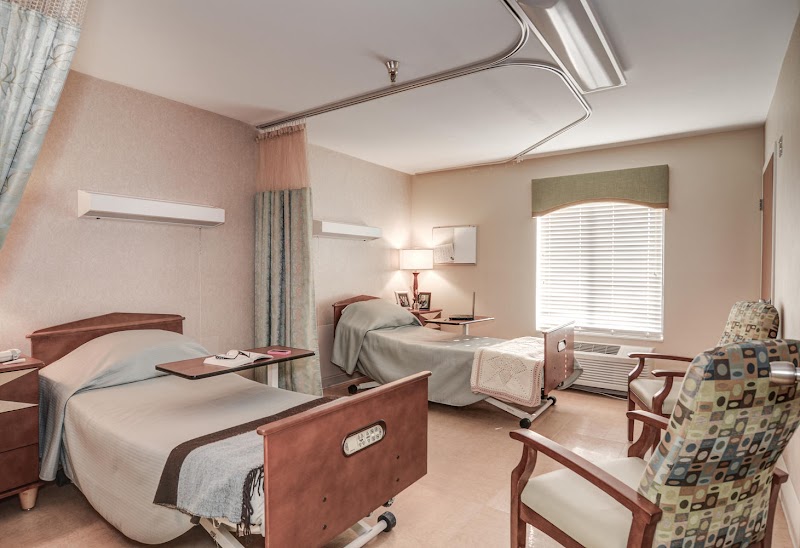
How is Rolling Hills Rehab And Care Ctr Staffed?

CMS rates ROLLING HILLS REHAB AND CARE CTR's staffing level at 1 out of 5 stars, which is much below average compared to other nursing homes. Staff turnover is 42%, compared to the Ohio average of 46%. This relatively stable workforce can support continuity of care. RN turnover specifically is 56%, which is notably high. RNs provide skilled clinical oversight, so turnover in this role can affect medical care quality.

What Have Inspectors Found at Rolling Hills Rehab And Care Ctr?

State health inspectors documented 69 deficiencies at ROLLING HILLS REHAB AND CARE CTR during 2020 to 2025. These included: 1 Immediate Jeopardy (the most serious level, indicating potential for serious harm or death) and 68 with potential for harm. Immediate Jeopardy findings are rare and represent the most serious regulatory concerns. They require immediate corrective action.
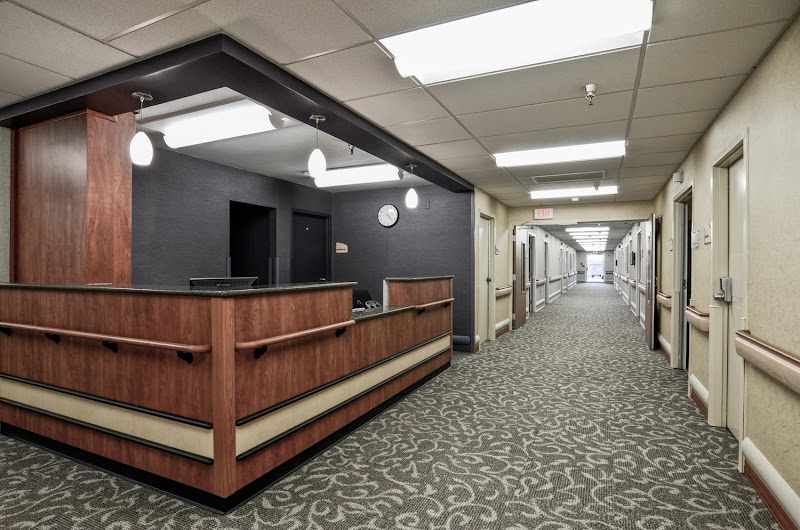
Who Owns and Operates Rolling Hills Rehab And Care Ctr?

ROLLING HILLS REHAB AND CARE CTR is owned by a for-profit company. For-profit facilities operate as businesses with obligations to shareholders or private owners. The facility is operated by NORTHWOOD HEALTHCARE GROUP, a chain that manages multiple nursing homes. With 75 certified beds and approximately 57 residents (about 76% occupancy), it is a smaller facility located in BRIDGEPORT, Ohio.
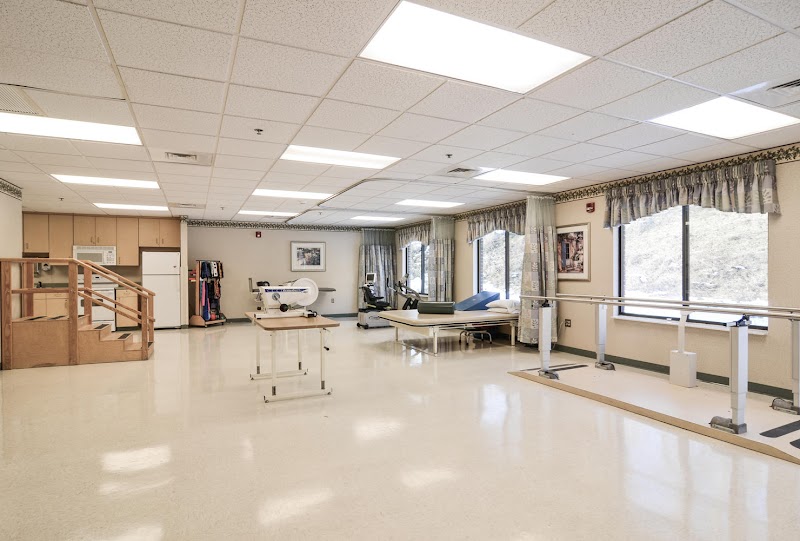
How Does Rolling Hills Rehab And Care Ctr Compare to Other Ohio Nursing Homes?

Compared to the 100 nursing homes in Ohio, ROLLING HILLS REHAB AND CARE CTR's overall rating (1 stars) is below the state average of 3.2, staff turnover (42%) is near the state average of 46%, and health inspection rating (1 stars) is much below the national benchmark.

What Should Families Ask When Visiting Rolling Hills Rehab And Care Ctr?

Based on this facility's data, families visiting should ask: "What changes have been made since the serious inspection findings, and how are you preventing similar issues?" "What safeguards and monitoring systems are in place to protect residents from abuse or neglect?" "Can you walk me through typical staffing levels on day, evening, and night shifts?" "Can I visit during a mealtime to observe dining assistance and food quality?" These questions are particularly relevant given the facility's Immediate Jeopardy citations, the substantiated abuse finding on record, and the below-average staffing rating.

Is Rolling Hills Rehab And Care Ctr Safe?

Based on CMS inspection data, ROLLING HILLS REHAB AND CARE CTR has documented safety concerns. The facility has 1 substantiated abuse finding (meaning confirmed case of resident harm by staff or other residents). Inspectors have issued 1 Immediate Jeopardy citation (the most serious violation level indicating risk of serious injury or death). The facility is currently on the Special Focus Facility watch list (a federal program monitoring the lowest-performing 1% of nursing homes nationwide). The facility has a 1-star overall rating and ranks #100 of 100 nursing homes in Ohio. Families considering this facility should ask detailed questions about what corrective actions have been taken since these incidents.

Do Nurses at Rolling Hills Rehab And Care Ctr Stick Around?

ROLLING HILLS REHAB AND CARE CTR has a staff turnover rate of 42%, which is about average for Ohio nursing homes (state average: 46%). Moderate turnover is common in nursing homes, but families should still ask about staff tenure and how the facility maintains care continuity when employees leave.

Was Rolling Hills Rehab And Care Ctr Ever Fined?

ROLLING HILLS REHAB AND CARE CTR has no federal fines on record. CMS issues fines when nursing homes fail to meet care standards or don't correct problems found during inspections. The absence of fines suggests the facility has either maintained compliance or corrected any issues before penalties were assessed. This is a positive indicator, though families should still review recent inspection reports for the full picture.

Is Rolling Hills Rehab And Care Ctr on Any Federal Watch List?

ROLLING HILLS REHAB AND CARE CTR is currently an SFF Candidate, meaning CMS has identified it as potentially qualifying for the Special Focus Facility watch list. SFF Candidates have a history of serious deficiencies but haven't yet reached the threshold for full SFF designation. The facility is being monitored more closely — if problems continue, it may be added to the official watch list. Families should ask what the facility is doing to address the issues that led to this status.