CARLISLE MANOR HEALTH CARE INC
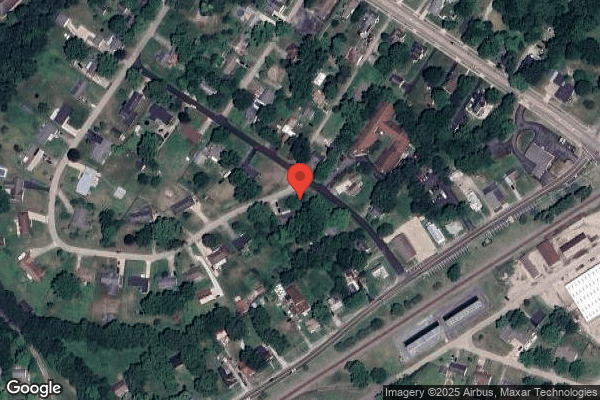
730 HILLCREST DRIVE, CARLISLE, OH 45005 (937) 746-2662
For profit - Corporation 48 Beds EMBASSY HEALTHCARE Data: November 2025
Trust Grade
75/100
#236 of 913 in OH
Last Inspection: February 2023

Over 2 years since last inspection. Current conditions may differ from available data.

Overview

Carlisle Manor Health Care Inc has a Trust Grade of B, indicating it is a good choice, though there is room for improvement. It ranks #236 out of 913 facilities in Ohio, placing it in the top half, and #5 out of 16 in Warren County, meaning only four local options are better. The facility is improving, as the number of issues identified has decreased from three in 2023 to two in 2024. Staffing is a weakness, with a low rating of 1 out of 5 stars and a turnover rate of 46%, which is slightly below the state average. However, there have been no fines reported, indicating compliance with regulations, and the facility has adequate RN coverage, which is vital for resident care. On the downside, a serious incident occurred when a resident fell from a wheelchair during transport, resulting in multiple fractures. Additionally, there were concerns about a resident's catheter bag being improperly covered and the unsafe disposal of medications, which could potentially affect other residents. Families should weigh these strengths and weaknesses carefully when considering this facility for their loved ones.

Trust Score
B
75/100
In Ohio
#236/913
Top 25%
Safety Record
Moderate
Needs review
Inspections
Getting Better
3 → 2 violations
Staff Stability
⚠ Watch
46% turnover. Above average. Higher turnover means staff may not know residents' routines.
Penalties
✓ Good
No fines on record. Clean compliance history, better than most Ohio facilities.
Skilled Nurses
⚠ Watch
Each resident gets only 27 minutes of Registered Nurse (RN) attention daily — below average for Ohio. Fewer RN minutes means fewer trained eyes watching for problems.
Violations
○ Average
8 deficiencies on record. Average for a facility this size. Mostly minor or procedural issues.
★★★★☆
4.0
Overall Rating
★☆☆☆☆
1.0
Staff Levels
★★★★★
5.0
Care Quality
★★★★☆
4.0
Inspection Score
Stable
2023: 3 issues
2024: 2 issues

The Good

  • 5-Star Quality Measures · Strong clinical quality outcomes
  • Full Sprinkler Coverage · Fire safety systems throughout facility
  • No fines on record

Facility shows strength in quality measures, fire safety.

The Bad

Staff Turnover: 46%

Near Ohio avg (46%)

Higher turnover may affect care consistency

Chain: EMBASSY HEALTHCARE

Part of a multi-facility chain

Ask about local staffing decisions and management

The Ugly 8 deficiencies on record

1 actual harm
Sept 2024 1 deficiency
CONCERN (D) 📢 Someone Reported This

A family member, employee, or ombudsman was alarmed enough to file a formal complaint

Potential for Harm - no one hurt, but risky conditions existed

Incontinence Care (Tag F0690)

Could have caused harm · This affected 1 resident

Based on medical record review, observation, staff interview, and review of the facility policy, the facility to ensure staff provided timely incontinence care. This affected one (Resident #29) of thr...

Read full inspector narrative →
Based on medical record review, observation, staff interview, and review of the facility policy, the facility to ensure staff provided timely incontinence care. This affected one (Resident #29) of three residents reviewed for incontinence care. This had the potential to affect 26 facility-identified incontinent residents. The facility census was 48 residents. Findings include: Review of medical records for Resident #29 revealed an admission dated 06/15/23 with diagnoses including dementia, depression, osteoporosis, atrial fibrillation, type two diabetes, chronic diastolic heart failure, and anxiety disorder. Review of Minimum Data Set (MDS) assessment for Resident #29 dated 07/18/24 revealed the resident was cognitively impaired and was dependent upon staff assistance with bathing and hygiene. Review of the care plan for Resident #29 dated 07/19/24 revealed the resident had bowel and bladder incontinence. Interventions included the following: be aware of changes in urinary elimination, inspect for skin breakdown and intervene when needed, obtain vital signs, provide incontinence care every two hours and as needed, apply house moisture barrier cream as ordered. Review of the care plan for Resident #29 dated 07/26/23 revealed the resident had a potential for alteration in skin integrity related to bowel and bladder incontinence. Interventions included the following: educate family and resident on skin breakdown, encourage to float heels while in bed, encourage to turn and position every two hours and as needed, pressure reducing mattress to bed, provide assistance with hygiene, including peri care as needed, use barrier cream with showers and with incontinent episodes. Observations on 09/03/24 from 10:45 A.M. through 1:42 P.M. revealed Resident #29 was sitting in her Geri chair in the common area during this time frame, and no staff approached the resident to offer incontinence care. Interview on 09/03/24 at 1:40 P.M. with State Tested Nurse Aide (STNA) #206 confirmed Resident #29 was incontinent of bowel and bladder and was confused and should be checked for incontinence every two hours and changed as needed. STNA #206 confirmed she had not checked the resident for incontinence and offered care since 09/03/24 at 10:20 A.M. Observation of incontinence care on 09/03/24 at 1:48 P.M. for Resident #29 per STNA #206 revealed the resident's incontinence brief was saturated with urine and there was feces smeared in the brief. Interview on 09/03/24 at 1:48 P.M. with STNA #206 confirmed Resident #29 had a moderate saturation of urine and smear of feces in her incontinent brief. Interview on 09/03/24 at 1:55 P.M. with STNA #246 confirmed Resident #29 was incontinent of bowel and bladder and should be checked and changed every two hours at a minimum. STNA #246 further confirmed the last time she had checked Resident #29 for incontinence was over three hours prior at 10:20 A.M. Interview on 09/03/24 at 4:00 P.M. with the Director of Nursing (DON) confirmed the STNAs needed more education and were not timely in providing care. Review of facility policy titled Incontinence dated 07/01/24 revealed all residents who were incontinent would receive appropriate care and services. This deficiency represents noncompliance investigated under Complaint Number 00155967.
Jul 2024 1 deficiency 1 Harm
SERIOUS (G) 📢 Someone Reported This

A family member, employee, or ombudsman was alarmed enough to file a formal complaint

Actual Harm - a resident was hurt due to facility failures

Accident Prevention (Tag F0689)

A resident was harmed · This affected 1 resident

**NOTE- TERMS IN BRACKETS HAVE BEEN EDITED TO PROTECT CONFIDENTIALITY** THE FOLLOWING DEFICIENCY REPRESENTS AN INCIDENT OF PAST NONCOMPLIANCE THAT WAS SUBSEQUENTLY CORRECTED PRIOR TO THIS SURVEY. Bas...

Read full inspector narrative →
**NOTE- TERMS IN BRACKETS HAVE BEEN EDITED TO PROTECT CONFIDENTIALITY** THE FOLLOWING DEFICIENCY REPRESENTS AN INCIDENT OF PAST NONCOMPLIANCE THAT WAS SUBSEQUENTLY CORRECTED PRIOR TO THIS SURVEY. Based on closed medical record review, hospital visit summary review, facility self-reported incident and investigation review, and staff interview, the facility failed to ensure residents were safely transported on and off the facility vehicle. Actual harm occurred on 06/05/24 when Resident #91, who was in a wheelchair, sustained a fall resulting in multiple fractures including a fracture to his left leg and fractures to his ribs on the left side when staff were assisting him off the facility bus. A space/gap was identified between the ramp platform and the bus and the resident's wheelchair turned and got stuck in there and the resident flipped out of his chair on to the ramp. The resident complained of pain as a result of the fall with injury and was subsequently transported to the emergency room for evaluation and treatment of his injuries. This affected one resident (#91) of four residents reviewed for safety concerns. The facility census was 45. Findings include: Review of the closed medical record for Resident #91 revealed an admission date of 04/15/19 and a discharge date of 06/05/24. Diagnoses included presence of an artificial knee joint, altered mental status, type two diabetes mellitus, and chronic pain. Review of the plan of care dated 04/16/19 revealed Resident #91 was at risk for experiencing pain/discomfort related to a long history of opioid use. Resident #91 received narcotic analgesic medication routinely for a long history of knee pain. Resident #91 received corticosteroid injections as needed. Interventions included administering pain medication as ordered and observing side effects and effectiveness, complete pain assessments, and observe for pain every shift. Review of the plan of care dated 05/03/19 revealed Resident #91 had a potential risk for falls related to a history of frequent falls. He has low tolerance and was very easily fatigued. He received narcotic analgesic and psychotropic medications routinely. He had fluctuations in cognition. Intervention includes ensuring Dycem to wheelchair to reduce risk of sliding, assist with transfers as needed, and use a Hoyer lift as needed for transfers. Review of Resident #91's annual Minimum Data Set (MDS) 3.0 assessment dated [DATE] revealed a Brief Interview for Mental Status (BIMS) score of 12 out of 15 indicating moderate cognitive impairment for daily decision-making abilities. Resident #91 was noted to be free of bilateral upper or lower impairments and required the use of a wheelchair for mobility. Review of a witnessed fall investigation dated 06/05/24 created by Registered Nurse (RN) #126 revealed the nurse was notified Resident #91 had slipped out of his wheelchair when State Tested Nursing Assistant (STNA) was attempting to assist the resident off the bus. Upon observation, Resident #91 was lying on his back complaining of left side back pain and tearful stating left knee pain. Nurse Practitioner (NP) #500 made aware. Immediate (STAT) X-ray of pelvis, bilateral hips and left knee was ordered. Vital signs revealed blood pressure at 120/70 millimeter of mercury (mmHg), pulse at 89 beats per minute, respiration at 18 breaths pre minute, oxygen saturation at 95 % room air, and temperature at 98.2 degrees Fahrenheit. Abrasion noted to the left knee measuring 6.0 centimeter (cm) in length by 0.6 cm in width and area was cleansed with normal saline, pat dry and a dry dressing applied. Resident #91 stated that he slid out of the chair. Review of the completed Skin Observation dated 06/05/24 at 4:00 P.M. revealed Resident #91 was noted to have an abrasion to his left front knee, measurements obtained, and treatment implemented. Review of a Pain Evaluation dated 06/05/24 at 4:10 P.M. for Resident #91 revealed the resident was complaining of pain noted to his left front knee. Pain was also noted using non-verbal pain rating indicating the resident's pain hurt a little more. Non-pharmacological interventions were attempted but not effective. Pain medication was administered. Continued review of investigation revealed an Interdisciplinary note dated 06/05/24 that revealed the family and Medical Director were made aware of the incident. New orders were obtained to cleanse the area to knee with normal saline cover with a clean dry dressing. Resident #91 was sent to the emergency room for evaluation. Fracture noted to left leg and ribs. Family made aware, medical director made aware. Statements provided state that Resident #91 slid forward out of his wheelchair on the bus ramp. Staff education provided. Review of the facility's timeline of events dated 06/05/24 revealed: • At 3:00 P.M., Resident #91 fell while getting off the bus on the bus ramp. • At 3:05 P.M., STNA with Resident #91 made sure that the resident was in a safe position and then came in to get nursing staff. • At 3:10 P.M., Nursing staff came to assess Resident #91 and vital signs obtained. • At 3:12 P.M., Assistant Director of Nursing (ADON) notified Power of Attorney (POA) of incident. • At 3:15 P.M., Hoyer lift was taken outside and assisted Resident #91 back into his wheelchair. • At 3:25 P.M., Resident #91 was assisted back to bed, nurse on the floor assessed skin and pain level, dressing applied to left knee and pain medication was administered. • At 3:45 P.M., Medical Director notified, new order received to obtain STAT X-ray of bilateral hips and left knee. • At 4:00 P.M., NP #500 was notified when she arrived at the facility. • At 4:45 P.M., NP #500 assessed Resident #91. • At 5:15 P.M. Family was notified by the ADON and NP#500 that the resident wanted to go to the emergency room for evaluation and was very adamant that he did not want to stay here. • At 5:45 P.M.-6:00 P.M. Resident #91 left the facility. Review of the statement dated 06/05/24 created by Transporter #28 revealed Transporter #28 was helping to unload residents off the bus, Activity Director #48 and Transporter #28 were coming back from an outing and the Activity Director was taking another resident inside when Transporter #28 put the lift up and then proceeded to unhook Resident #91 from the locked belts and seat belt. Transporter #28 then unlocked Resident #91's wheelchair; and moved him into the front facing position. Resident #91 was grabbing onto the back of the seat handles and the lift bar, before Transporter #28 could see what was going on, his wheelchair got stuck on the lift and Resident #91 landed on his left side. Resident #91 denied hitting his head. Review of an undated statement created by Licensed Practical Nurse (LPN) #82 revealed at approximately 3:00 P.M., LPN #82 was notified by STNA (Transporter #28) that Resident #91 fell out of his chair onto the bus ramp. Upon arriving outside to the bus, LPN #82 noted Resident #91 was laying on his right side on the bus ramp. Resident #91 stated that he fell out of his chair, and he was complaining of left knee pain. STNA (Transporter #28) stated she was getting Resident #91 onto the ramp and his wheelchair caught the ramp's lip, and he slid out of his chair onto his buttock onto the legs of the wheelchair and then slid out to the ramp on his left side. This STNA (Transporter #28) stated she made sure the resident was in a safe position before she came in to get help. LPN #82 assessed Resident #91 and noted an abrasion to his left knee, vital signs were 120/70 mmHg, heart rate at 89 beats per minute, respiration at 18 breaths per minutes, oxygen saturations at 95% room air, temperature at 98.2 degrees F, and pain was noted to be a 5 out of 10 on the numeric pain scale, and pupils were equal, round, and reactive to light and accommodation (PERRLA). Resident #91 stated pain is in his left leg mainly in the left knee. Resident #91 responded appropriately. Staff assisted resident back to wheelchair via Hoyer lift with no complications, then back to his bed. Once Resident #91 was back to bed, the floor nurse administered resident medication including ordered pain medication. NP #500 notified. Power of Attorney (POA) notified. POA and NP #500 agreed to obtain in house STAT X-ray to bilateral hips and left knee. STAT X-ray ordered at approximately 3:45 P.M. Under further assessment from NP #500 at approximately 4:45 P.M., Resident #91 stated that he was in pain and that he wanted to go to the emergency room for evaluation. POA was notified and Resident #91 was sent to the emergency room. Resident #91 left the facility at approximately 5:45 P.M.-6:00 P.M. Review of Resident #91's hospital summary record dated 06/05/24 revealed a clinical impression including periprosthetic fracture around internal prosthetic left knee joint, closed nondisplaced fracture of medial malleolus of the left tibia, and closed fracture of the distal end of the left ulna. Review of the statement created by LPN #22 dated 06/06/24 revealed when LPN #22 walked out the front door of the facility, Resident #91 was lying with his head towards the building and bilateral lower extremities (BLE) was towards the bus in supine position. Staff slightly rolled resident to left side, placed a Hoyer pad under him, rolled slightly to the right side, placed Hoyer pad in the center of him. Staff placed the Hoyer lift around the resident and lowered it down to the resident and the ramp, placed the correct straps on the residents Hoyer pad to gently lift the resident up. Staff placed the wheelchair in the correct position and transferred him into the wheelchair via Hoyer lift with no further incidents noted. Resident #91 was then brought inside by staff. Review of the statement created by Admissions #98 dated 06/06/24 revealed that on 06/05/24 around 3:00 P.M. STNA #28 came into the office and requested assistance. She said Resident #91 had fallen out of his wheelchair and was on the lift. The nurse went outside with other staff. LPN #82 and floor nurses assessed Resident #91. He was lying on the lift; the lift was on the ground. His head was lying towards the end of the lift, with his feet towards the bus lying more on his right side, with complaints of pain to his left leg and hip area. The mechanical lift was brought out to the bus, the Hoyer pad was removed from his wheelchair to be placed under him. He was mechanically transferred into his wheelchair and taken back to his room. NP #500 visited with Resident #91 to assess his level of pain and injuries. Review of the statement created by Receptionist #38 dated 06/06/24 revealed that Receptionist #38 was a witness on 06/05/24. Resident #91 had a fall; however, she did not actually witness the fall. Receptionist #38 saw Resident #91 on the lift on the ground with nursing staff and the Administrator and they were assessing him and using a Hoyer lift to get him up safely. Review of the statement dated 06/06/24 created by Activities Director #48 revealed that on 06/05/24, they had come back from an outing, approximately 3:00 P.M. Activities Director #48 and Transportation #28 were on the outing. They had unloaded a resident off the lift, and Activities Director #48 went inside with the other resident to take her back to her room. When she came back out to the bus, Resident #91 was on his back on the lift and the lift had been lowered to the ground. Review of the statement created by Social Worker #128 revealed Transporter #28 came to the front door and asked for help to assist with Resident #91, Social Worker #128 observed him lying on the lift with a pillow under his head. Staff all helped with getting a lift and getting him back into his wheelchair. Nursing ordered a STAT x-ray for him. Review of an undated statement created by RN #126 revealed she was located in the admissions office speaking with LPN #82 when Transporter #28 came through the front door stating Resident #91 was on the ground. Upon assessment after exiting the front door, Resident #91 was observed lying on his back with his head towards the end of the ramp. Resident #91 stated his leg hurts. Unable to obtain blood pressure due to cuff malfunction. All other vital signs within normal limits. Transporter #28 advised resident did not hit his head. A call was placed to POA who declined for resident to be sent to the emergency room. All available staff assisted residents to turn side to side to place the Hoyer pad under the resident. Resident #91 was assisted back into the wheelchair via Hoyer. Resident #91 was taken to his room and assisted into bed via Hoyer lift. Upon assessment Resident #91 was noted with a 6 cm in length by 0.6 cm in width abrasion to the left knee. Area was cleansed with normal saline, pat dry and foam dressing applied. Small hematoma noted to left knee. Routine Norco (pain medication) administered at this time. LPN #82 was advised to obtain X-rays, orders placed in electronic charting system and X-ray provider contacted. NP #500 in facility and confirmed she was aware of the incident. At approximately 5:30-ish P.M., received call from NP #500 to send to the emergency room to evaluate and treat. Resident #91 sent to local ER via squad. Report called in to the ER and advised of incident. Interview on 06/28/24 at 10:42 A.M. with the DON revealed she was not at the facility when this incident with Resident #91 occurred but per her understanding staff was either assisting Resident #91 on or off the bus via wheelchair and using the buses wheelchair ramp. There was a very small space/gap between the ramp platform and the bus and the resident's wheelchair somehow turned and got stuck in there and the resident flipped out of his chair on to the ramp. Resident #91 did sustain fractures and the family felt best for the resident to reside at a different facility (following the incident), so the resident was discharged . Interview on 06/28/24 at 1:30 P.M. with Transporter #28 revealed the facility bus had just returned from an activity outing and she was assisting residents back into the facility. Resident #91 was still on the facility van so she made sure the van's wheelchair lift was up so she could assist the resident off the van. She stated she grabbed the resident's wheelchair handles and turned the wheelchair and proceeded to push the wheelchair off the van and onto the lift. The lift has a handrail on both sides and while she was pushing Resident #91's wheelchair onto the lift, he grabbed hold of the railing and proceeded to try and pull himself onto the van lift. There was a gap between the van and the lift and when she was turning the wheelchair, the wheels on the chair were sideways and got stuck in the gap. Due to the wheelchair wheels being stuck in this gap and Resident #91 pulling himself with the lift railing, he pulled himself right out of his wheelchair and onto the wheelchair lift. Transporter #28 stated she then made sure the resident was safe and lowered the lift to the ground so she could go get assistance. Interview on 06/28/2024 at 3:00 P.M. with Activity Director #48 revealed she was the one driving the bus the day this incident with Resident #91 occurred. She stated they had just gotten back from a group outing (going out to eat). Activity Director #48 claimed she was assisting residents off the bus and another staff member came out to assist. She was taking a resident into the facility and the other staff member was in the process of assisting Resident #91 off the bus via wheelchair and the bus wheelchair lift. Before she could come back out, she heard everyone saying the Resident #91 fell out of his wheelchair and they were going out to help get him back up. Upon returning to the bus, she said the bus wheelchair lift was on the ground level and Resident #91 was laying with his head away from the van side door and his legs were facing towards the van's side door. The deficient practice was corrected on 06/06/24 when the facility implemented the following corrective actions: • On 06/05/24 the facility Administrator notified the Medical Director of actions taken. No additional orders or recommendations received. • On 06/06/24, all staff education was given by Regional Nursing Director #600 for falls, notification, transportation, abuse and neglect, and safe transfers. • On 06/06/24, all staff that transfer residents via bus were educated by Activity Director #48 with return demonstration. • Audits performed with every transport, 1-2 transports daily for the month of July 2024, then weekly for the month of August 2025, September 2024, and October 2024. This deficiency represents non-compliance investigated under Complaint Number OH00154902.
Feb 2023 3 deficiencies
CONCERN (D) 📢 Someone Reported This

A family member, employee, or ombudsman was alarmed enough to file a formal complaint

Potential for Harm - no one hurt, but risky conditions existed

Pressure Ulcer Prevention (Tag F0686)

Could have caused harm · This affected 1 resident

**NOTE- TERMS IN BRACKETS HAVE BEEN EDITED TO PROTECT CONFIDENTIALITY** Based on medical record, staff interview and policy review, the facility failed to provide adequate care and treatment to a resi...

Read full inspector narrative →
**NOTE- TERMS IN BRACKETS HAVE BEEN EDITED TO PROTECT CONFIDENTIALITY** Based on medical record, staff interview and policy review, the facility failed to provide adequate care and treatment to a resident's pressure ulcers. This affected one (#242) out of two residents reviewed for wound care. The facility census was 42. Findings include: Review of the Resident #242's chart revealed Resident #242 was admitted to the facility on [DATE] with diagnoses including non st elevation myocardial infarction, sepsis, paroxysmal atrial fibrillation, depression, multiple sclerosis, hyperlipidemia, anxiety disorder, obstructive sleep apnea, personal history of urinary tract infections, hypertension, congestive heart failure and type two diabetes mellitus. Resident #242 discharged from the facility 12/26/22. Review of the Minimum Data Set (MDS) assessment dated [DATE] revealed Resident #242's cognition was not assessed. The resident required extensive assistance with bed mobility, dressing, toileting, and personal hygiene. Resident #242 required total dependence with transfers and Resident #242 was independent with eating. Resident #242 had a stage four pressure ulcer present upon admission. Review of the wound care note dated 12/13/22, completed by a different facility prior to Resident #242's admission to the current facility, revealed the resident had a stage four pressure ulcer to his sacrum measuring 8.52 centimeters (cm) in length by (x) 11.51 cm in width x 5.0 cm in depth. Additional review revealed the resident had a stage one pressure ulcer to the left heel measuring 4.61 cm in length x 4.76 cm in width, and a suspected deep tissue injury to the right heel measuring 2.45 cm in length x 3.55 cm in width. Resident #242 was ordered to have his right and left heels cleaned with wound cleanser and have skin barrier wipes applied with a foam bordered dressing. Review of the progress note dated 12/22/22, revealed Resident #242 arrived at the current facility at approximately 9:00 P.M. The Director of Nursing (DON), family, and physician were made aware of Resident #242's arrival. Review of the Braden score assessment dated [DATE] revealed Resident #242 was at low risk for developing pressure ulcers. Review of the admission assessment and baseline care plan dated 12/23/22, revealed Resident #242 had a pressure area to the left heel measuring 2.0 cm in length x 1.5 cm in wide x 0.01 cm in depth, a pressure area to the right heel measuring 4.5 cm in length x 4.0 cm in width x 0.01 cm in depth, and an unstageable pressure ulcer to the sacrum that was 11.5 cm in length x 9.0 cm in width x 0.5 cm in depth. Review of the wound progress note dated 12/26/22, revealed Resident #242 had a deep tissue injury to his left heel that was 3.0 cm x 2.0 cm, an unstageable deep tissue injury to the right heel measuring 4.5 cm x 4.0 cm, with a small amount of blood pooled and was palpable under the skin. Additionally, the resident had a stage four sacrum wound measuring 9.0 cm x 14 cm x 4.0 cm. The physician was in to see the resident. Review of the progress notes dated 12/26/22, revealed Resident #242's wife was at the facility requesting Resident #242 be sent out to the hospital for evaluation. The resident was sent to the hospital per request. Review of Resident #242's physician progress note dated 12/26/22, revealed Resident #242 was seen by the physician and the resident wanted to go home with home health. Resident #242 had a rectal tube and Foley catheter. Resident #242 had a stage three to the sacrum. Review of Resident #242's physician orders from 12/22/22 to 12/26/22 revealed Resident #242 did not have any wound treatment orders in place for the pressure ulcers on his right and left heels. Interview on 02/24/23 at 3:38 P.M. with Wound Care Licensed Practical Nurse (WC LPN) #366 verified Resident #242 did not have any treatment orders in place for his pressure areas on his right and left heel and stated skin prep could have been continued from his prior facility. WC LPN #366 reported Resident #242's pressure ulcers on his heels were not opened on 12/26/22 and she felt that the nurse that did Resident #242's admission assessment incorrectly recorded depth on Resident #242's pressure areas to his heels. WC LPN #366 also stated she notified Physician #900 of Resident #242's pressure ulcers on his right and left heel on 12/26/22 but was not sure if the physician was notified of the areas to Resident #242's heels prior to 12/26/22. WC LPN #366 stated she was not sure if Resident #242 had heel boots on when she assessed him on 12/26/22. Review of the undated negative pressure wound therapy policy revealed the facility will provide evidenced based treatments in accordance with current standards of practice and physician orders. Review of the facility's wound care policy dated November 2018 revealed the facility will provide therapeutic treatment to heal wounds. Treatments implemented by a nurse require a physician order. This deficiency represents non-compliance investigated under Complaint Number OH00138942.
CONCERN (E) 📢 Someone Reported This

A family member, employee, or ombudsman was alarmed enough to file a formal complaint

Potential for Harm - no one hurt, but risky conditions existed

Resident Rights (Tag F0550)

Could have caused harm · This affected multiple residents

**NOTE- TERMS IN BRACKETS HAVE BEEN EDITED TO PROTECT CONFIDENTIALITY** 2. Medical record review revealed Resident #33 admitted to the facility on [DATE] with diagnoses including peripheral vascular d...

Read full inspector narrative →
**NOTE- TERMS IN BRACKETS HAVE BEEN EDITED TO PROTECT CONFIDENTIALITY** 2. Medical record review revealed Resident #33 admitted to the facility on [DATE] with diagnoses including peripheral vascular disease, retention of urine, mononeuropathy, benign prostatic hyperplasia without lower urinary tract symptoms, heart failure, and diabetes mellitus. Review of Resident #33's quarterly Minimum Data Set (MDS) assessment dated [DATE] revealed the resident was cognitively intact and required extensive assistance with bed mobility, dressing, toileting, and personal hygiene. Resident #33 required total dependence with transfers and set up with eating. The resident utilized a Foley catheter for bladder, and was incontinent of bowel, wore briefs, and required peri care every two hours and as needed. Observation on 02/21/23 at 12:13 P.M. of Resident #33 revealed a Foley catheter bag hanging on the bed frame covered with a clear trash liner instead of a privacy (dignity) bag. Interview at the time of the observation with LPN #301, verified the catheter bag was covered with a clear trash liner instead of a dignity bag. 3. Medical record review revealed Resident #34 admitted to the facility on [DATE] with diagnoses including peripheral vascular disease, cerebral infarction, hyperlipoidemia, and obstructive and reflux uropathy. Review of Resident #34's entry Minimum Data Set (MDS) assessment dated [DATE] revealed the resident was moderately cognitively intact and required extensive assistance with bed mobility, dressing, toileting, and personal hygiene. Resident #34 required total dependence with transfers and set up with eating. The resident utilized a Foley catheter for bladder and a colostomy for bowel. Observation on 02/21/23 at 12:15 P.M. of Resident #34 revealed a Foley catheter bag hanging on the bed frame covered with a clear trash liner instead of a dignity bag. Interview at the time of the observation with LPN #301, verified the catheter bag was covered with a clear trash liner instead of a dignity bag. 4. Medical record review revealed Resident #34 admitted to the facility on [DATE] with essential hypertension, urinary tract infection, hematuria, other retention of urine, hyperlipidemia, and tachycardia. Review of Resident #39's entry Minimum Data Set (MDS) assessment dated [DATE] revealed the resident was moderately cognitively intact and required extensive assistance with bed mobility, dressing, toileting, and personal hygiene. Resident #39 required total dependence with transfers and set up with eating. The resident utilized a Foley catheter for bladder, was incontinent of bowel and required peri care every two hours and as needed. Observation on 02/21/23 at 12:35 P.M. of Resident #39 revealed a Foley catheter bag hanging on the bed frame covered with a clear trash liner instead of a dignity bag. Interview at the time of the observation with LPN #301, verified the catheter bag was covered with a clear trash liner instead of a dignity bag. Interview on 02/22/23 at 09:30 A.M. with the Director of Nursing (DON) verified Foley catheter bags were to be covered with privacy (dignity) bags per policy. Review of policy titled, Catheter Care, dated 08/22/22 revealed privacy (dignity) bags will be available, and catheter drainage bags will be covered at all times while in use. Based on observation, staff interview, and record review, the facility failed to cover residents' catheter bags to promote privacy and dignity. This affected four (Residents #192, #33, #34, and #39) of four residents reviewed for dignity. The facility's census was 42. Findings include: 1. Review of the medical record revealed Resident #192 admitted to the facility on [DATE] and had diagnoses of type II diabetes, non-pressure chronic ulcer, unspecified major depressive disorder, and peripheral vascular disease. Review of the most recent Minimum Data Set (MDS) assessment dated [DATE] revealed the resident was cognitively intact, had no behaviors, did not wander, and did not reject care. Resident # 192 was a two-person assist, was independent with eating, and required extensive assistance with bed mobility, transfers, locomotion, dressing, toileting, and personal hygiene. Review of the care plan dated 02/13/23 revealed Resident #192 had the potential for complications related to the use of a Foley catheter. Interventions included change catheter as needed, change Foley collection bag as per policy, position catheter bag and tubing below the level of the bladder, ensure tubing is not under the resident's legs, obtain output every shift, encourage fluids, observe/report signs of infection, report abnormal labs, and provide Foley catheter care per policy. Observation on 02/21/23 at 11:20 A.M. revealed Resident #192 had a urine collection bag in a clear trash liner attached to the right side of the bed and visible from the hallway. Interview on 02/21/23 at 11:52 A.M. Licensed Practical Nurse (LPN) #308 verified Resident #192's catheter bag was hanging from bed in a clear trash liner and should have been in a dignity bag (a bag used to cover the catheter bag showing any urine drainage). LPN #308 stated the aides had asked about dignity bags that morning and she had told them if they could not locate them in the storage room, they should use pillowcases to cover the urine collection bags.
CONCERN (E)

Potential for Harm - no one hurt, but risky conditions existed

Deficiency F0761 (Tag F0761)

Could have caused harm · This affected multiple residents

Based on observation, staff interview, and policy review, the facility failed to ensure medications were disposed of safely. This had the potential to affect four (Residents #11, #30, #34, and #36) wh...

Read full inspector narrative →
Based on observation, staff interview, and policy review, the facility failed to ensure medications were disposed of safely. This had the potential to affect four (Residents #11, #30, #34, and #36) who the facility identified as independently mobile and cognitively impaired. The facility census was 42. Findings include: Observation on 02/22/23 at 8:08 A.M. revealed Registered Nurse (RN) #312 threw away medications in the trash can on the 200-Hall medication cart. Medications thrown away included isosorbide 60 mg, amlodipine 5 mg, metoprolol 100 mg, metoprolol 50 mg, losartan 50 mg, and dicyclomine 20 mg. Interview on 02/22/23 at 8:09 A.M. RN #312 verified she had thrown the medications in the trash can and stated she always threw medications away in the trash can and emptied the trash when she was finished with her medication pass because they were no longer allowed to throw medications away in the sharp's container. Review of policy titled, Storage of Controlled Medications, dated 06/2017 revealed nurses were responsible for the storage and safe handling of medications.
Sept 2018 3 deficiencies
CONCERN (D)

Potential for Harm - no one hurt, but risky conditions existed

Transfer Notice (Tag F0623)

Could have caused harm · This affected 1 resident

**NOTE- TERMS IN BRACKETS HAVE BEEN EDITED TO PROTECT CONFIDENTIALITY** Based on medical record reviews, resident interview, and staff interview. the facility failed to ensure residents received a tra...

Read full inspector narrative →
**NOTE- TERMS IN BRACKETS HAVE BEEN EDITED TO PROTECT CONFIDENTIALITY** Based on medical record reviews, resident interview, and staff interview. the facility failed to ensure residents received a transfer notice prior to going to the hospital. This affected two (#29 and #37) of three residents reviewed for hospitalization. The facility census was 45. Findings included: 1. Medical record review revealed Resident #29 was admitted to the facility originally on 06/02/17 and was readmitted on [DATE]. Diagnoses included heart failure, chronic obstructive pulmonary disease, and cerebral infarction (stroke). Review of the resident's quarterly Minimum Data Set (MDS) assessment completed on 07/26/18 revealed the resident had moderate cognitive impairment. Continued medical record review revealed Resident #29 was discharged to the hospital on [DATE], and was readmitted on [DATE]. There was no evidence the resident was provided a transfer notice upon transfer to the hospital. Interview with Resident #29 on 09/11/18 at 10:21 A.M., revealed he had not received a transfer notice during his last hospitalization. 2. Medical record review revealed Resident #37 was admitted to the facility originally on 06/07/12, and was readmitted on [DATE]. His diagnoses included fracture of the lower end of the femur, diabetes type two, chronic obstructive pulmonary disease, and chronic kidney disease. Review of the resident's quarterly MDS assessment completed on 08/22/18 revealed the resident was cognitively intact. Continued medical record review revealed the resident was discharged to the hospital on [DATE], and was readmitted on [DATE]. There was no evidence the resident was given a transfer notice upon discharge to the hospital. Interview on 09/11/18 at 6:15 P.M., with the Administrator, confirmed there was no evidence Residents #29, or #37 were given a transfer notice when they both were transferred to the hospital.
CONCERN (D)

Potential for Harm - no one hurt, but risky conditions existed

Deficiency F0625 (Tag F0625)

Could have caused harm · This affected 1 resident

**NOTE- TERMS IN BRACKETS HAVE BEEN EDITED TO PROTECT CONFIDENTIALITY** Based on medical record reviews, resident interview, and staff interview, the facility failed to ensure residents received a bed...

Read full inspector narrative →
**NOTE- TERMS IN BRACKETS HAVE BEEN EDITED TO PROTECT CONFIDENTIALITY** Based on medical record reviews, resident interview, and staff interview, the facility failed to ensure residents received a bed hold notice prior to going to the hospital. This affected two (#29 and #37) of three residents reviewed for hospitalization. The facility census was 45. Findings included: 1. Medical record review revealed Resident #29 was admitted to the facility originally on 06/02/17 and was readmitted on [DATE]. Diagnoses included heart failure, chronic obstructive pulmonary disease, and cerebral infarction (stroke). Review of the resident's quarterly Minimum Data Set (MDS) assessment completed on 07/26/18 revealed the resident had moderate cognitive impairment. Continued medical record review revealed Resident #29 was discharged to the hospital on [DATE], and was readmitted on [DATE]. There was no evidence the resident was provided a bed hold notice upon transfer to the hospital. Interview with Resident #29 on 09/11/18 at 10:21 A.M., confirmed he had not received a bed hold notice during his last hospitalization. 2. Medical record review revealed Resident #37 was admitted to the facility originally on 06/07/12, and was readmitted on [DATE]. His diagnoses included fracture of the lower end of the femur, diabetes type two, chronic obstructive pulmonary disease, and chronic kidney disease. Review of the resident's quarterly MDS assessment completed on 08/22/18 revealed the resident was cognitively intact. Continued review of Resident #37's medical record revealed the resident was discharged to the hospital on [DATE], and was readmitted on [DATE]. There was no evidence the resident was given a bed hold notice upon discharge to the hospital. Interview on 09/11/18 at 6:15 P.M., with the Administrator confirmed there was no documentation Residents #29, or #37 were given a bed hold notice.
CONCERN (E)

Potential for Harm - no one hurt, but risky conditions existed

Deficiency F0909 (Tag F0909)

Could have caused harm · This affected multiple residents

**NOTE- TERMS IN BRACKETS HAVE BEEN EDITED TO PROTECT CONFIDENTIALITY** Based on medical record reviews, observations, review of the Food and Drug Administration guidelines, and staff interview, the f...

Read full inspector narrative →
**NOTE- TERMS IN BRACKETS HAVE BEEN EDITED TO PROTECT CONFIDENTIALITY** Based on medical record reviews, observations, review of the Food and Drug Administration guidelines, and staff interview, the facility failed to ensure residents had side rails/enabler bars that were the size recommended for safety to prevent entrapment. This affected four residents (#6, #13, #29 and #33) of 14 identified as having side rails or enabler bars in the facility. The facility census was 45. Findings included: 1. Medical record review revealed Resident #6 was admitted to the facility on [DATE]. Diagnoses included multiple sclerosis, muscle wasting and atrophy, and altered mental status. Review of the annual Minimum Data Set (MDS) assessment completed on 06/14/18 revealed Resident #6 had severe cognitive impairment. She required extensive assist of two staff for bed mobility. Observation of Resident #6 with the Administrator on 09/10/18 at 12:56 P.M, revealed the resident was in bed with an enabler bar, with a large opening on her right side. The Administrator measured the opening. The gap measured 15 inches, by 13 inches. The facility placed a cover over the bar to prevent entrapment. 2. Medical record review revealed Resident #13 was admitted to the facility on [DATE]. Diagnoses included quadriplegia, aphasia, dysphagia, convulsions, and contracture. Review of the resident's MDS assessment completed on 07/03/18 revealed the resident had severe cognitive impairment. She was totally dependent on two staff for bed mobility, transfer and locomotion. Review of Resident #13's side rail assessment dated [DATE] revealed a recommendation for bilateral side rails to be used with an air mattress. Observation of Resident #13 with the Administrator on 09/10/18, at 12:57 P.M., revealed the resident was in bed on an air mattress with bilateral side rails. There was a large opening at the center of the side rails. The Administrator measured the opening in the side rail and found it was seven inches by seven and a half inches. She covered the opening by placing bilateral rail padding on the inside. 3. Medical record review revealed Resident #29 was admitted to the facility on [DATE]. Diagnoses included heart failure, abnormal posture, chronic obstructive pulmonary disease, and muscle weakness. Review of the resident's MDS assessment completed on 07/26/18 revealed the resident had moderate cognitive impairment. He required extensive assist of one staff for bed mobility. Observation of Resident #29 with the Administrator 09/10/18 at 12:59 P.M., revealed the resident was in bed with an enabler bar to his right side measuring 14 inches wide, by 12 inches from the top, to the mattress. A cover was placed over the enabler bar immediately covering the large opening. 4. Medical record review revealed Resident #33 was admitted to the facility on [DATE]. Diagnoses included cellulitis of the left lower limb, cerebral infarction (stroke), and recurrent major depressive disorder, severe with psychotic symptoms. Review of the resident's annual MDS assessment completed on 08/09/18 revealed the resident was cognitively intact. He required limited assistance of one staff for bed mobility. Observation of Resident #33 with the Administrator on 09/10/18 at 1:03 P.M., revealed the resident had an enabler bar with a large opening to his right side against the wall. The facility placed a cover immediately over the opening to prevent entrapment. Interview with the Director of Nursing (DON) on 09/10/18 at 12:55 P.M., revealed she was monitoring the distance between the mattress and rails, however was unaware there were safety recommendations regarding the space within the rails. She confirmed this had not been monitored. She confirmed there had never been any residents entrapped in a rail. Review of the FDA Guidance for Industry and FDA Staff, Hospital Bed System Dimensional and Assessment Guidance to Reduce Entrapment issued on 03/10/16, revealed to reduce the risk of head entrapment, openings in the bed system should not allow the widest part of a small head (head breadth measured across the face from ear to ear) to be trapped. The recommendations for the dimension was to be no more than 4 3/4 inches.
Understanding Severity Codes (click to expand)
Life-Threatening (Immediate Jeopardy)
J - Isolated K - Pattern L - Widespread
Actual Harm
G - Isolated H - Pattern I - Widespread
Potential for Harm
D - Isolated E - Pattern F - Widespread
No Harm (Minor)
A - Isolated B - Pattern C - Widespread

Questions to Ask on Your Visit

  • "Can I speak with families of current residents?"
  • "What's your RN coverage like on weekends and overnight?"

Our Honest Assessment

Strengths
  • • No fines on record. Clean compliance history, better than most Ohio facilities.
Concerns
  • • 8 deficiencies on record, including 1 serious (caused harm) violation. Ask about corrective actions taken.
Bottom line: Generally positive indicators. Standard due diligence and a personal visit recommended.

About This Facility

What is Carlisle Manor Health Care Inc's CMS Rating?

CMS assigns CARLISLE MANOR HEALTH CARE INC an overall rating of 4 out of 5 stars, which is considered above average nationally. Within Ohio, this rating places the facility higher than 99% of the state's 100 nursing homes. This rating reflects solid performance across the metrics CMS uses to evaluate nursing home quality.

How is Carlisle Manor Health Care Inc Staffed?

CMS rates CARLISLE MANOR HEALTH CARE INC's staffing level at 1 out of 5 stars, which is much below average compared to other nursing homes. Staff turnover is 46%, compared to the Ohio average of 46%. RN turnover specifically is 71%, which is notably high. RNs provide skilled clinical oversight, so turnover in this role can affect medical care quality.

What Have Inspectors Found at Carlisle Manor Health Care Inc?

State health inspectors documented 8 deficiencies at CARLISLE MANOR HEALTH CARE INC during 2018 to 2024. These included: 1 that caused actual resident harm and 7 with potential for harm. Deficiencies causing actual harm indicate documented cases where residents experienced negative health consequences.

Who Owns and Operates Carlisle Manor Health Care Inc?

CARLISLE MANOR HEALTH CARE INC is owned by a for-profit company. For-profit facilities operate as businesses with obligations to shareholders or private owners. The facility is operated by EMBASSY HEALTHCARE, a chain that manages multiple nursing homes. With 48 certified beds and approximately 42 residents (about 88% occupancy), it is a smaller facility located in CARLISLE, Ohio.

How Does Carlisle Manor Health Care Inc Compare to Other Ohio Nursing Homes?

Compared to the 100 nursing homes in Ohio, CARLISLE MANOR HEALTH CARE INC's overall rating (4 stars) is above the state average of 3.2, staff turnover (46%) is near the state average of 46%, and health inspection rating (4 stars) is above the national benchmark.

What Should Families Ask When Visiting Carlisle Manor Health Care Inc?

Based on this facility's data, families visiting should ask: "Can you walk me through typical staffing levels on day, evening, and night shifts?" "Can I visit during a mealtime to observe dining assistance and food quality?" "How do you handle medical emergencies, and what is your hospital transfer rate?" "Can I speak with family members of current residents about their experience?" These questions are particularly relevant given the below-average staffing rating.

Is Carlisle Manor Health Care Inc Safe?

Based on CMS inspection data, CARLISLE MANOR HEALTH CARE INC has a clean safety record: no substantiated abuse findings (meaning no confirmed cases of resident harm), no Immediate Jeopardy citations (the most serious violation level indicating risk of serious injury or death), and is not on the Special Focus Facility watch list (a federal program monitoring the lowest-performing 1% of nursing homes). The facility has a 4-star overall rating and ranks #1 of 100 nursing homes in Ohio. While no facility is perfect, families should still ask about staff-to-resident ratios and recent inspection results during their visit.

Do Nurses at Carlisle Manor Health Care Inc Stick Around?

CARLISLE MANOR HEALTH CARE INC has a staff turnover rate of 46%, which is about average for Ohio nursing homes (state average: 46%). Moderate turnover is common in nursing homes, but families should still ask about staff tenure and how the facility maintains care continuity when employees leave.

Was Carlisle Manor Health Care Inc Ever Fined?

CARLISLE MANOR HEALTH CARE INC has no federal fines on record. CMS issues fines when nursing homes fail to meet care standards or don't correct problems found during inspections. The absence of fines suggests the facility has either maintained compliance or corrected any issues before penalties were assessed. This is a positive indicator, though families should still review recent inspection reports for the full picture.

Is Carlisle Manor Health Care Inc on Any Federal Watch List?

CARLISLE MANOR HEALTH CARE INC is not on any federal watch list. The most significant is the Special Focus Facility (SFF) program, which identifies the bottom 1% of nursing homes nationally based on persistent, serious quality problems. Not being on this list means the facility has avoided the pattern of deficiencies that triggers enhanced federal oversight. This is a positive indicator, though families should still review the facility's inspection history directly.