CHILLICOTHE POST ACUTE
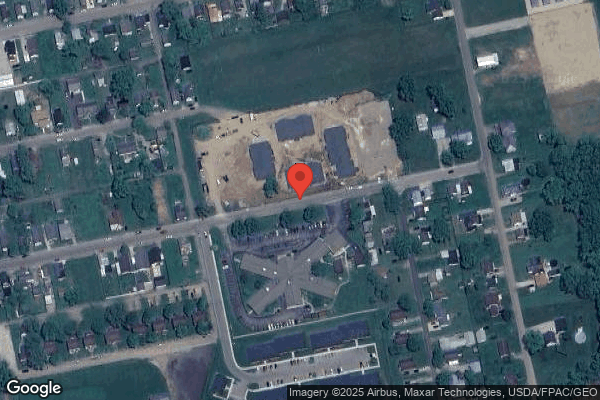
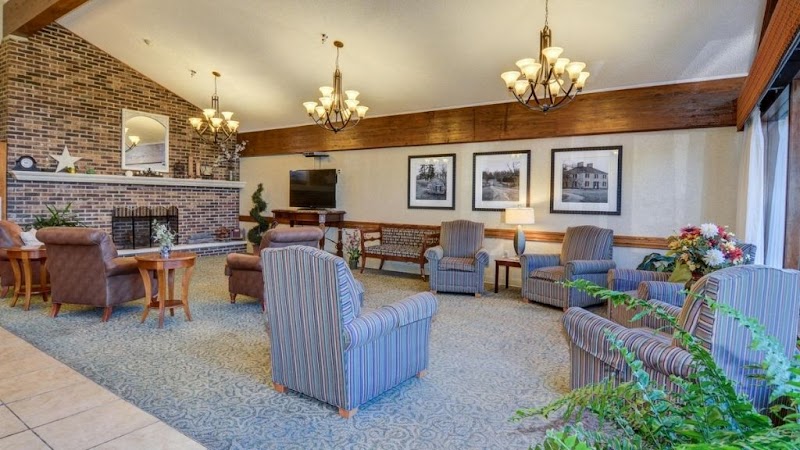
1058 COLUMBUS ST, CHILLICOTHE, OH 45601 (740) 773-5000
For profit - Corporation 99 Beds PACS GROUP Data: November 2025
Trust Grade
70/100
#240 of 913 in OH
Last Inspection: July 2024

Within standard 12-15 month inspection cycle. Federal law requires annual inspections.

Overview

Chillicothe Post Acute has received a Trust Grade of B, indicating it is a good choice among nursing homes. It ranks #240 out of 913 facilities in Ohio, placing it in the top half, and #2 out of 6 in Ross County, meaning only one local facility is rated higher. The facility is improving, with issues decreasing significantly from 12 in 2024 to just 1 in 2025. Staffing is rated average, with a turnover rate of 44%, which is slightly below the Ohio average, and it boasts more RN coverage than 95% of state facilities, ensuring better oversight of resident care. However, there have been some concerning incidents, such as a malfunctioning call light system that left residents unable to alert staff effectively, peeling and damaged flooring in bathrooms posing safety risks, and improper food handling practices that could lead to food-borne illnesses. Overall, while there are notable strengths, families should be aware of these weaknesses when considering this facility.

Trust Score
B
70/100
In Ohio
#240/913
Top 26%
Safety Record
Low Risk
No red flags
Inspections
Getting Better
12 → 1 violations
Staff Stability
○ Average
44% turnover. Near Ohio's 48% average. Typical for the industry.
Penalties
✓ Good
No fines on record. Clean compliance history, better than most Ohio facilities.
Skilled Nurses
✓ Good
Each resident gets 57 minutes of Registered Nurse (RN) attention daily — more than average for Ohio. RNs are trained to catch health problems early.
Violations
⚠ Watch
32 deficiencies on record. Higher than average. Multiple issues found across inspections.
★★★★☆
4.0
Overall Rating
★★★☆☆
3.0
Staff Levels
★★★★★
5.0
Care Quality
★★★☆☆
3.0
Inspection Score
Stable
2024: 12 issues
2025: 1 issues

The Good

  • 5-Star Quality Measures · Strong clinical quality outcomes
  • Full Sprinkler Coverage · Fire safety systems throughout facility
  • No fines on record
  • Staff turnover below average (44%)

    4 points below Ohio average of 48%

Facility shows strength in quality measures, fire safety.

The Bad

Staff Turnover: 44%

Near Ohio avg (46%)

Typical for the industry

Chain: PACS GROUP

Part of a multi-facility chain

Ask about local staffing decisions and management

The Ugly 32 deficiencies on record

Sept 2025 1 deficiency
CONCERN (D) 📢 Someone Reported This

A family member, employee, or ombudsman was alarmed enough to file a formal complaint

Potential for Harm - no one hurt, but risky conditions existed

Notification of Changes (Tag F0580)

Could have caused harm · This affected 1 resident

**NOTE- TERMS IN BRACKETS HAVE BEEN EDITED TO PROTECT CONFIDENTIALITY** THE FOLLOWING DEFICIENCY REPRESENTS AN INCIDENT OF PAST NON-COMPLIANCE THAT WAS SUBSEQUENTLY CORRECTED PRIOR TO THIS SURVEY. Bas...

Read full inspector narrative →
**NOTE- TERMS IN BRACKETS HAVE BEEN EDITED TO PROTECT CONFIDENTIALITY** THE FOLLOWING DEFICIENCY REPRESENTS AN INCIDENT OF PAST NON-COMPLIANCE THAT WAS SUBSEQUENTLY CORRECTED PRIOR TO THIS SURVEY. Based on medical record review, staff interview, and policy review, the facility failed to ensure the physician was immediately notified of a resident's change of condition. This affected one (#120) of three residents reviewed for change of condition. The facility census was 70.Findings include: Medical record review for Resident #120 revealed an admission date of 07/17/25 and was discharged on 07/19/25. Diagnoses included coronary artery disease, hydronephrosis, renal insufficiency, anxiety, depression, atrial fibrillation, and cardiomyopathy. Review of the five-day Medicare Minimum Data Set (MDS) assessment dated [DATE] revealed Resident #120 was moderately cognitively impaired, and was partial to moderate assistance for toileting, bed mobility, and for transfers. Review of the progress note dated 07/19/25 at 12:19 A.M. revealed Resident #120 was yelling and the staff entered the room and found her on the floor next to the bed. The resident said she rolled out of the bed. The resident was assessed and had an open hematoma to the right lower leg. There was a knot to the right back of the head and small red area to the right eyebrow. Range of motion was within normal limits, and the resident complained of a headache, which Tylenol was administered, and the pain was relieved. The resident was assisted to get off the floor and was put in a Broda chair and taken out to the nursing station so she could be monitored. She was talking to the staff at the time. The family was called by telephone, the unit manager was notified by a text message, and the physician was notified via fax message. Neurological checks were started, and they were negative. During an interview on 08/28/25 at 11:00 A.M., Physician #200 stated he was not contacted regarding the unwitnessed fall of Resident #120 on 07/18/25. He stated the usual protocol was for the nurse to call to report an injury, including a bump in the back of the head. Physician #200 stated he was unaware of a fax sent from the facility on 07/18/25. During an interview on 08/28/25 at 11:33 A.M., Licensed Practical Nurse, (LPN), #65 revealed on 07/18/25 at approximately 11:15 P.M., Resident 120 was discovered on the floor near her bed. The resident's vital signs were within normal limits, and the resident had a small golf ball sized raised area on the back of her head. The resident had hematoma on her right leg and reddened right eyebrow. The resident was alert, reported no pain and stated she rolled out of bed. LPN #65 stated he faxed the information of the resident's fall, condition change and the initiation of neurological checks to the Physician #200 at approximately 11:30 P.M. He did not receive any return communication from Physician #200. LPN 65 stated he should have called Physician #200 after there had been no return communication. Review of the policy titled Changes in Resident's Condition or Status dated 02/01/21 revealed the facility will promptly notify the resident, his or her attending physician, and the resident's representative of changes in the resident's medical/mental condition. The deficient practice was corrected on 07/19/25 when the facility implemented the following corrective actions: On 07/19/25, the Director of Nursing (DON)/Designee conducted a comprehensive review of all current residents with similar risk profiles to ensure appropriate fall risk assessments were current and fall prevention protocols were in place. The assessment included review of notification procedures for all recent incidents to identify any patterns of communication protocol deviations. No additional concerns were identified during this comprehensive facility-wide evaluation, confirming that this incident represented an isolated occurrence of notification protocol deviation rather than a systemic care issue. Review of the documents revealed this was completed. On 07/19/25, the DON/Designee provided comprehensive re-education to all nursing staff regarding critical communication protocols. Physician Notification Requirements for Fall Incidents: It is essential all nursing staff understand the distinction between routine and urgent physician notification requirements following resident falls. When a fall results in ANY injury, including bruising, swelling, wounds, or head trauma, immediate telephone notification to the attending physician or on-call provider is required. Fax notification alone does not meet the standard for incidents involving injuries, as direct verbal communication allows for immediate clinical guidance and potential order modifications. This requirement ensures timely medical evaluation and intervention when indicated. Emergency Contact Notification Procedures: Staff must attempt to contact ALL listed emergency contacts when notifying families of significant incidents. When the primary contact cannot be reached directly, staff must make reasonable attempts to contact secondary contacts within the same timeframe. This includes calling alternative phone numbers, attempting contact with adult children or other designated contacts. Review of the documents revealed this was completed. Enhanced auditing processes were implemented effective 07/19/25, with the DON conducting focused audits on a minimum of five fall incidents and notification procedures weekly for four weeks, then as needed thereafter. These audits specifically evaluate notification methods, timing, and documentation completeness for all incidents involving potential injuries or condition changes, with any identified issues forwarded to the Quality Assurance committee for immediate follow-up. Review of these documents revealed this was completed. This deficiency represents non-compliance investigated under Complaint Number 2572441 and Control Number 2572194.
Jul 2024 12 deficiencies
CONCERN (D)

Potential for Harm - no one hurt, but risky conditions existed

Resident Rights (Tag F0550)

Could have caused harm · This affected 1 resident

Based on observations, resident interview and staff interview, the facility failed to ensure resident dignity was maintained during dining experiences. This affected two (#36 and #242) of two resident...

Read full inspector narrative →
Based on observations, resident interview and staff interview, the facility failed to ensure resident dignity was maintained during dining experiences. This affected two (#36 and #242) of two residents observed for dining. The facility census was 87. Findings include: 1. Observation on 07/15/24 at 11:59 A.M. revealed State Tested Nursing Assistant (STNA) #54 entered the room of Resident #41, carrying the resident's lunch meal tray. STNA #54 set up the resident's tray and began to feed the resident while standing at the side of the resident's bed. Resident #242, Resident #41's roommate, was sitting in his wheelchair in the room and had not received a lunch meal tray. Interview on 07/15/24 at 12:08 P.M. with Resident #242 confirmed the lunch meal Resident #41 was being fed smelled good. Resident #242 additionally confirmed he was hungry and was still waiting for his lunch meal to be delivered to the room Interview on 07/15/24 at 12:10 P.M. with STNA #54 confirmed residents who required assistance consuming meals received their meal trays first so staff could assist them. While Resident #242 was in the same room as Resident #41, STNA #54 stated Resident #242 would receive his lunch meal tray once it was brought to the hallway by kitchen staff. Additional observation on 07/17/24 at 11:20 A.M. revealed STNA #60 entered the room of Resident #41, carrying the resident's lunch meal tray. STNA #60 set up the resident's tray and squatted down beside the resident's bed and began feeding the resident. Resident #242 was sitting in his wheelchair in the room and had not received a lunch meal tray. Interview on 07/17/24 at 11:26 A.M. with Resident #242 revealed the lunch meal tray Resident #41 was being fed smelled good, as he was hungry. Resident #242 confirmed Resident #41 always received his lunch meal tray first, while he received his meal approximately 30 minutes later. Resident #242 stated he preferred to receive his meal tray at the same time as Resident #41. Observation on 07/17/24 at 11:43 A.M. revealed the lunch meal for Resident #242 was served to the resident in his room, approximately 23 minutes after Resident #41 had been served his meal. 2. Observation on 07/15/24 at 12:00 P.M. revealed Resident #31 was being fed by facility staff. Resident #36 was also observed in the room, without a meal tray. Concurrent interview with Resident #36 revealed she was hungry and always received her meal tray after her roommate, Resident #31, had already been fed. Resident #36 stated she always had to watch while Resident #31 was fed. Interview on 07/17/24 at 11:00 A.M. with Dietary Manager (DM) #500 verified meal trays for residents who required assistance were sent out to the floor first and fed by staff before the rest of the residents received meal trays. Additional observation on 07/17/24 at 11:46 A.M. revealed Resident #31 was being fed the lunch meal by facility staff. Resident #36 was also observed in the room, without a lunch meal. Interview on 07/17/24 at 11:56 A.M. with Resident #36 revealed her roommate, Resident #31, always received her meal tray first. Resident #36 stated she had to watch her roommate eat while she had to wait.
CONCERN (D)

Potential for Harm - no one hurt, but risky conditions existed

Deficiency F0553 (Tag F0553)

Could have caused harm · This affected 1 resident

**NOTE- TERMS IN BRACKETS HAVE BEEN EDITED TO PROTECT CONFIDENTIALITY** Based on medical record review, resident interview, staff interview and review of facility policy, the facility failed to ensure...

Read full inspector narrative →
**NOTE- TERMS IN BRACKETS HAVE BEEN EDITED TO PROTECT CONFIDENTIALITY** Based on medical record review, resident interview, staff interview and review of facility policy, the facility failed to ensure residents were invited to care conferences. This affected one (#23) of one residents reviewed for care conferences. The facility census was 87. Findings include: Review of the medical record for Resident #23 revealed an admission date of 10/04/19. Diagnoses included diabetes, schizoaffective disorder bipolar type, chronic obstructive pulmonary disease, cerebral ischemic attack, restlessness and agitation and impulsive behavior. Review of the Minimum Data Set (MDS) assessment dated [DATE] revealed Resident #23 was cognitively intact. Review of the care conferences dated 12/16/23, 03/08/24 and 05/20/24 revealed no evidence Resident #23 was invited to or attended the care conferences. Interview on 07/16/24 at 9:24 A.M. with Resident #23 revealed she was unaware of any care conferences and had not been invited to any. Resident #23 stated she would have attended had she been invited. Interview on 07/17/24 at 9:40 A.M. with the Director of Nursing (DON) and Social Services (SS) #52 confirmed the facility had no evidence of who attended Resident #23's care conferences, including any documentation of Resident #23 being invited, attending, or declining to participate. Review of the facility policy titled IDT Care Conference Documentation, dated 11/20/23, revealed interdisciplinary care conferences would be held and residents would be invited to attend. The conferences would be scheduled quarterly and invitations would be sent to residents to attend. Each discipline would report on current status and revise goals. Resident questions would be answered and documentation would be kept in the electronic medical record.
CONCERN (D)

Potential for Harm - no one hurt, but risky conditions existed

Transfer Requirements (Tag F0622)

Could have caused harm · This affected 1 resident

Based on medical record review and staff interview, the facility failed to ensure the appropriate records and documentation were completed and sent with the resident upon transfer to the hospital. Thi...

Read full inspector narrative →
Based on medical record review and staff interview, the facility failed to ensure the appropriate records and documentation were completed and sent with the resident upon transfer to the hospital. This affected one (#13) of the three residents reviewed for hospitalizations. The facility census was 87. Findings include: Record review for Resident #13 revealed an admission date of 10/25/23 with diagnoses including chronic respiratory failure, pulmonary disease, and dementia. Review of the admission Minimum Data Set (MDS) assessment, dated 04/23/24, revealed Resident #13 was assessed to have mildly impaired cognition. Review of the nurses progress note, dated 03/24/24 and timed 1:34 A.M., revealed Resident #13 experienced a change in condition and was transferred to the hospital. Further review of Resident #13's medical record revealed the facility SNF/NF to Hospital Transfer Form was not completed until 03/25/24, the day after the resident was sent to the hospital. Interview on 07/18/24 at 8:46 A.M. with the Director of Nursing (DON) confirmed the SNF/NF to Hospital Transfer Form, medication list, and bed hold notice were not sent to the hospital at the time Resident #13 was transferred. The DON confirmed the SNF/NF to Hospital Transfer form was completed on 03/25/24 and was faxed to the hospital, along with the residents medication list and bed hold notice, after the hospital called and requested them.
CONCERN (D)

Potential for Harm - no one hurt, but risky conditions existed

Assessment Accuracy (Tag F0641)

Could have caused harm · This affected 1 resident

Based on medical record review and staff interview, the facility failed to ensure the Minimum Data Set (MDS) assessment was accurately coded. This affected one (#82) of three residents reviewed for re...

Read full inspector narrative →
Based on medical record review and staff interview, the facility failed to ensure the Minimum Data Set (MDS) assessment was accurately coded. This affected one (#82) of three residents reviewed for resident assessments. The facility census was 87. Findings include: Review of Resident #82's medical record revealed an admission date of 04/26/24 and discharged on 04/27/24. Diagnoses included congestive heart failure, hypertensive heart disease, endocarditis, primary pulmonary hypertension, monothematic aortic valve stenosis, anemia, thrombocytopenia, hyperlipidemia, obesity, benign prostatic hyperplasia, hyperglycemia and anxiety disorder. Review of the Medicare Five-Day Minimum Data Set (MDS) assessment, dated 04/27/24, revealed Resident #82 discharged to a short term general hospital. Review of a progress note, dated 04/27/24 at 1:26 P.M., revealed Resident #82 was transferring to an inpatient hospice facility. Interview on 07/18/24 at 1:17 P.M. with Registered Nurse (RN) #66 confirmed Resident #82 was transferred to an inpatient hospice facility and did not go to the hospital from the facility. RN #66 verified the MDS was coded incorrectly.
CONCERN (D)

Potential for Harm - no one hurt, but risky conditions existed

Quality of Care (Tag F0684)

Could have caused harm · This affected 1 resident

**NOTE- TERMS IN BRACKETS HAVE BEEN EDITED TO PROTECT CONFIDENTIALITY** Based on observation, resident interview, staff interview and review of the medical record, the facility failed to ensure a new ...

Read full inspector narrative →
**NOTE- TERMS IN BRACKETS HAVE BEEN EDITED TO PROTECT CONFIDENTIALITY** Based on observation, resident interview, staff interview and review of the medical record, the facility failed to ensure a new skin impairment was assessed and monitored to promote healing. This affected one (#20) of four residents reviewed for skin assessments. The facility census was 87. Findings include: Review of the medical record for Resident #20 revealed an admission date of 06/15/21. Diagnoses included heart disease, anemia, muscle weakness, dysphasia and repeated falls. Review of the Minimum Data Set (MDS) assessment dated [DATE] revealed Resident #20 was cognitively intact. Observation on 07/15/24 at 12:08 P.M. of Resident #20 revealed the resident had a bandage to his left elbow. Concurrent interview with Resident #20 stated, during his shower, he bumped his elbow on the wall and had a small scrape. Resident #20 stated the nurse put a bandage on the area. Further review of Resident #20's medical record, including progress notes and skin/wound assessments, revealed no evidence of an assessment of the area noted to the Resident's left elbow. Interviews on 07/17/24 from 11:10 A.M. to 11:30 A.M. with the Director of Nursing (DON), Licensed Practical Nurse (LPN) #40, Assistant Director of Nursing (ADON) #99 and Unit Manager (UM) #63 revealed they were each unaware of any skin impairment on Resident #20. LPN #40 stated he had been Resident #20's nurse on 07/15/24 and ADON #99 and UM #63 revealed they had been on Resident #20's unit the last few days. Each staff confirmed they had no knowledge of the skin impairment. Interview on 07/18/24 at 1:16 P.M. with State Tested Nursing Aide (STNA) #53 revealed she assisted Resident #20 with a shower over the weekend. STNA #53 stated the resident bumped his arm and got a small skin tear to his left elbow. STNA #53 stated she she informed Registered Nurse (RN) #88, who gave Resident #20 a bandage. Interview on 07/18/24 at 2:30 P.M. with the DON confirmed the facility had no documentation related to assessment, monitoring, or treatment of Resident #20's skin tear.
CONCERN (D)

Potential for Harm - no one hurt, but risky conditions existed

Deficiency F0699 (Tag F0699)

Could have caused harm · This affected 1 resident

Based on medical record review and staff interview, the facility failed to ensure a resident with Post Traumatic Stress Disorder (PTSD) was appropriately assessed to identify the source of the residen...

Read full inspector narrative →
Based on medical record review and staff interview, the facility failed to ensure a resident with Post Traumatic Stress Disorder (PTSD) was appropriately assessed to identify the source of the resident's PTSD and minimize triggers and/or re-traumatization. This affected one (#48) of one residents identified by the facility as having a diagnosis of PTSD/trauma. The facility census was 87. Findings include: Record review for Resident #48 revealed an admission date of 06/27/23. Diagnoses included PTSD, chronic respiratory failure, chronic osteomyelitis, diabetes mellitus type II, chronic obstructive pulmonary disease, cerebrovascular insufficiency, protein-calorie malnutrition, apraxia, hypotension, myocardial infarction, anxiety, pulmonary embolism, spinal stenosis, restless leg syndrome, epilepsy, chronic pain, pseudobulbar affect (causes uncontrollable crying and/or laughing), insomnia, gastroesophageal reflux disease and hypertension. Review of the Minimum Data Set (MDS) assessment, dated 06/05/24, revealed Resident #48 was cognitively intact. Resident #48 had an active diagnosis of PTSD. Review of the active plan of care revealed Resident #48 had no care plan in place addressing the resident's PTSD, including cause, triggers which may lead to re-traumatization, interventions to reduce the risk of re-traumatization, or care provided for PTSD. Further review of Resident #48's medical record revealed no evidence an assessment had been completed to identify the cause of the resident's PTSD or to identify potential triggers, which may cause re-traumatization. Interview on 07/18/24 at 8:47 A.M. with the Director of Nursing (DON) verified an assessment of the source of Resident #48's PTSD and possible triggers had not been completed. Additionally, the DON verified there was no plan of care implemented to address Resident #48's diagnosis of PTSD to minimize the risk of re-traumatization.
CONCERN (D)

Potential for Harm - no one hurt, but risky conditions existed

Drug Regimen Review (Tag F0756)

Could have caused harm · This affected 1 resident

Based on review of pharmacy recommendations, medical record review and staff interview, the facility failed to timely act upon pharmacy recommendations for laboratory values to be drawn. This affected...

Read full inspector narrative →
Based on review of pharmacy recommendations, medical record review and staff interview, the facility failed to timely act upon pharmacy recommendations for laboratory values to be drawn. This affected one (#25) of five residents reviewed for unnecessary medications. The facility census was 87. Findings include: Review of Resident #25's medical record revealed an admission date of of 12/29/22. Diagnoses included hemiplegia and hemiparesis following cerebral infarction, type two diabetes mellitus, chronic kidney disease, myocardial infarction, epilepsy, atherosclerotic heart disease of native coronary artery, hypertension, chronic pain syndrome, , major depressive disorder, gastroesophageal reflux disease, fracture of right upper end of humerus and localized edema. Review of the significant change Minimum Data Set (MDS) assessment, dated 06/18/24, revealed Resident #25 was cognitively intact, used a walker to aid in ambulation and was always continent of bowel and bladder. Review of a physician order dated 04/18/23 revealed to give Keppra (anti-seizure medication) oral tablet 500 milligrams (mg), one tablet by mouth two times a day for epilepsy. Review of a pharmacy recommendation, dated 04/22/24, revealed a recommendation for Keppra laboratory level to be drawn every six months. The Certified Nurse Practitioner (CNP) accepted the recommendation on 04/24/24 and ordered Keppra level every six months. Review of laboratory results revealed Resident #25 had a Keppra level drawn on 06/21/24. Further review of the medical record revealed no previous laboratory draws had been completed for a Keppra level. Interview on 07/18/24 at 1:14 P.M. with the Director of Nursing (DON) verified Resident #25's Keppra laboratory value was not drawn until 06/21/24, approximately two months after the pharmacy had made the recommendation and the CNP ordered the level to be completed.
CONCERN (D)

Potential for Harm - no one hurt, but risky conditions existed

Unnecessary Medications (Tag F0759)

Could have caused harm · This affected 1 resident

Based on observation, medical record review and staff interview, the facility failed to ensure medication error rates were not greater than 5% when staff crushed extended release medications for Resid...

Read full inspector narrative →
Based on observation, medical record review and staff interview, the facility failed to ensure medication error rates were not greater than 5% when staff crushed extended release medications for Residents #27 and #46. This affected two (#27 and #46) of five residents reviewed for medication administration. The facility had two errors out of 30 opportunities, for a medication error rate of 6.67%. The facility census was 87. Findings include: 1. Review of Resident #27's medical record revealed an admission date of 04/18/22. Diagnoses included carotid artery syndrome, heart failure, type two diabetes mellitus, atherosclerotic heart disease, atrial fibrillation, hypertensive heart disease with heart failure, anemia and vascular dementia. Review of the Minimum Data Set (MDS) assessment, dated 04/19/24, revealed Resident #27 was severely cognitively impaired, used a wheelchair, had an ostomy and was always incontinent of bladder. Review of a physician order dated 04/20/22 revealed to give metoprolol succinate extended release tablet 24 Hour 50 milligram (mg), one tablet by mouth one time a day for hypertension and do not crush. Observation on 07/16/24 at 7:45 A.M. of medication administration pass for Resident #27 revealed Registered Nurse (RN) #11 passed all scheduled medications, including metoprolol succinate extended release 50 mg. RN #11 crushed all of Resident #27's medications prior to administration, including the metoprolol succinate extended release. Interview on 07/16/24 at 9:00 A.M. with RN #11 verified she crushed Resident #27's medications and the metoprolol succinate extended release should not of been crushed. 2. Review of Resident #46's medical record revealed an admission date of 08/14/23. Diagnoses included cerebrovascular disease, parkinsonism, encounter for palliative care, generalized anxiety disorder, vitamin D deficiency, hypertension, personal history of transient ischemia attack and cerebral infarction, multiple sclerosis and disorder of bone. Review of the quarterly Minimum Data Set (MDS) assessment, dated 05/06/24, revealed Resident #46 was cognitively intact, used a wheelchair to aid in mobility and was infrequently incontinent of bladder and always continent of bowels. Review of a physician order, dated 12/09/23, revealed to give Myrbetriq (Mirabegron) oral tablet Extended Release 24 Hour 50 mg, one tablet by mouth one time a day for overactive bladder. Observation on 07/16/24 at 8:00 A.M. of medication administration pass for Resident #46 revealed RN #11 passed all scheduled medications, including Myrbetriq 50 mg. RN #11 crushed all of Resident #46's medications, including the Myrbetriq Extended Release. Interview on 07/16/24 at 9:00 A.M. with RN #11 verified she crushed Resident #46's medications and the Myrbetriq Extended Release should not of been crushed. Interview on 07/16/24 at 9:13 A.M. with the Director of Nursing (DON) verified she confirmed with the pharmacy that Myrbetriq Extended Release should not be crushed.
CONCERN (D)

Potential for Harm - no one hurt, but risky conditions existed

Dental Services (Tag F0791)

Could have caused harm · This affected 1 resident

**NOTE- TERMS IN BRACKETS HAVE BEEN EDITED TO PROTECT CONFIDENTIALITY** Based on medical record review, review of dental notes, resident interview and staff interview, the facility failed to ensure de...

Read full inspector narrative →
**NOTE- TERMS IN BRACKETS HAVE BEEN EDITED TO PROTECT CONFIDENTIALITY** Based on medical record review, review of dental notes, resident interview and staff interview, the facility failed to ensure dental recommendations were followed-up on timely. This affected one (#23) of one residents reviewed for dental services. The facility census was 87. Findings include: Review of the medical record for Resident #23 revealed an admission date of 10/04/19. Diagnoses included diabetes, schizoaffective disorder bipolar type, chronic obstructive pulmonary disease, cerebral ischemic attack, restlessness and agitation and impulsive behavior. Review of the Minimum Data Set (MDS) assessment dated [DATE] revealed Resident #23 was cognitively intact. The dental section indicated Resident #23 had no broken teeth. Review of the plan of care dated 05/08/24 revealed Resident #23 was at risk for oral and dental problems. Interventions included to monitor, document and report any problems needing attention. Review of dental notes dated 09/27/23 revealed Resident #23 was seen by the dentist for discomfort. Extraction was recommended for probable broken tooth. Further review of the medical record revealed a referral was not sent until 07/12/24 for the extraction of 10 lower teeth. Interview on 07/16/24 at 9:29 A.M. with Resident #23 revealed she was seen by the dentist a while ago for broken teeth, but there had been no follow-up after that appointment for the extractions. Resident #23 stated the broken teeth caused her discomfort and she had several teeth that needed pulled. Interview on 07/17/24 at 9:40 A.M. with the Director of Nursing (DON) verified the facility had not followed-up on getting needed dental services for Resident #23 from the time the recommendation for extraction was received on 09/27/23 until the referral was made on 07/12/24.
CONCERN (D)

Potential for Harm - no one hurt, but risky conditions existed

Deficiency F0883 (Tag F0883)

Could have caused harm · This affected 1 resident

Based on medical record review, staff interview and review of the Centers for Disease Control and Prevention (CDC) guidance, the facility failed to ensure residents were timely offered, provided, and ...

Read full inspector narrative →
Based on medical record review, staff interview and review of the Centers for Disease Control and Prevention (CDC) guidance, the facility failed to ensure residents were timely offered, provided, and educated on pneumococcal vaccinations. This affected three (#23, #25, and #58) of five residents reviewed for vaccination status. The facility census was 87. Findings include: 1. Review of the medical record for Resident #23 revealed an admission date of 10/04/19. Diagnoses included diabetes, schizoaffective disorder bipolar type, chronic obstructive pulmonary disease, cerebral ischemic attack, restlessness and agitation and impulsive behavior. Review of the pneumococcal consent dated 09/15/23 revealed Resident #23 consented to the pneumonia vaccine. Further review revealed the vaccine was not administered until 10/02/23. 2. Review of the medical record for Resident #25 revealed an admission date of 12/29/22. Diagnoses included hemiplegia and hemiparesis, cerebral infarct, diabetes and epilepsy. Further review of Resident #25's medical record revealed the resident's family declined the pneumococcal vaccine. The medical record contained no evidence Resident #25 or the resident's responsible party were provided education on the vaccination, including the risks and benefits. 3. Review of the medical record for Resident #58 revealed an admission date of 04/09/24. Diagnoses included heart disease, hemiplegia and hemiparesis, atrial fibrillation, heart disease, spinal stenosis and cerebral attack. Review of the immunization record revealed Resident #58 received the Prevnar 13 pneumococcal vaccine on 12/21/15. Further review revealed no evidence Resident #58 was offered or provided any additional doses of pneumococcal vaccinations. Review of the CDC guidelines for pneumococcal vaccination revealed a dose of pneumococcal 20-valent conjugate vaccine (PCV20) or pneumococcal polysaccharide vaccine (PPSV23), at least one year after the previous dose of Prevnar 13, was recommended for Resident #58. Interview on 07/18/24 at 11:20 A.M. with Infection Preventionist (IP) #78 and Minimum Data Set Nurse (MDSN) #66 confirmed there was a delay in Resident #23 receiving the pneumococcal vaccination following consent. IP #78 and MDSN #66 stated vaccines should be provided within one week of getting consent from the resident or the resident's responsible party. Additionally, IP #78 and MDSN #66 verified there was no evidence Resident #25 was provided education related to pneumococcal vaccination and no evidence Resident #58 had been offered or provided the CDC recommended dose of either PCV20 or PPSV23. Review of the facility policy titled Pneumococcal Vaccination of Residents, undated, revealed each resident would be asked about the pneumococcal vaccination as well as previous records reviewed to determine vaccination status. Recommendations were available from the CDC on specific situations in which vaccination is indicated, as well as direction on additional booster doses that may be recommended.
CONCERN (E) 📢 Someone Reported This

A family member, employee, or ombudsman was alarmed enough to file a formal complaint

Potential for Harm - no one hurt, but risky conditions existed

Safe Environment (Tag F0584)

Could have caused harm · This affected multiple residents

**NOTE- TERMS IN BRACKETS HAVE BEEN EDITED TO PROTECT CONFIDENTIALITY** 3. Observation on 07/15/24 at 12:09 P.M. revealed the flooring in Resident #20 and Resident #35's bathroom was peeling, torn, an...

Read full inspector narrative →
**NOTE- TERMS IN BRACKETS HAVE BEEN EDITED TO PROTECT CONFIDENTIALITY** 3. Observation on 07/15/24 at 12:09 P.M. revealed the flooring in Resident #20 and Resident #35's bathroom was peeling, torn, and curling up at the doorway. The flooring under the sink also appeared wavy. Interview of Residents #20 and #35 at the time of the observation revealed the flooring had been in disrepair for several months. 4. Observation on 07/16/24 at 9:24 A.M. revealed Resident #23's bathroom flooring was peeling and had been secured with duct tape, which was also beginning to peel and curl up. Additionally, the room and bathroom doors had gouges in the wood along the edges. Concurrent interview with Resident #23 revealed the bathroom flooring had been in disrepair for some time and the resident was fearful of getting splinters from the gouges in the room and bathroom doors. Interview on 07/16/24 at 3:40 P.M. with MD #55 revealed he was aware of the flooring concerns in resident bathrooms. MD #55 stated the facility had obtained several quotes in November 2023 to replace the flooring, but they were waiting for approval from the corporate office. MD #55 verified the findings in Residents #20, #35 and #23's bathrooms. Additionally, MD #55 verified the large gouges to the room and bathroom doors in Resident #23's room and stated he should sand the doors to prevent injury. 5. Review of the medical record for Resident #20 revealed an admission date of 06/15/21. Diagnoses included heart disease, anemia, muscle weakness, dysphasia and repeated falls. Review of the Minimum Data Set (MDS) assessment dated [DATE] revealed Resident #20 was cognitively intact. Observation on 07/15/24 at 12:09 P.M. revealed an approximately six by six inch area on Resident #20's fitted bed sheet with dried blood spots. The area was uncovered, making it visible upon entering the room. Concurrent interview with Resident #20 revealed the blood on his sheets was from a skin tear to his elbow. Resident #20 had a bandage on his left elbow. Resident #20 stated he would like his sheets changed due to the dried blood, but staff had not done it yet. Observation on 07/16/24 at 3:27 P.M. revealed Resident #20's bed linens had blood spots in the same area as observed the previous day. Concurrent interview with Resident #20 confirmed his linens had not been changed. Interview on 07/16/24 at 3:40 P.M. with MD #55, and concurrent observation, confirmed Resident #20's bed linen had spots of dried blood. MD #55 stated he would request the sheets be changed. Review of facility policy titled, ADL Care, dated 11/30/23 revealed Resident linen should be changed on shower days and as needed. This deficiency represents non-compliance investigated under Complaint Number OH00154488. Based on observation, resident interview, staff interview and review of facility policy, the facility failed to ensure bathroom flooring and resident room doors were maintained in a clean and safe condition. Additionally, the facility failed to ensure linens were changed upon being soiled in a timely manner. This affected eight (#20, #23, #35, #75, #235, #236, and #238) of eight residents reviewed for environment. The facility census was 87. Findings include: 1. Observation on 07/15/24 at 9:40 A.M. revealed the linoleum in the bathroom of Resident #235 and Resident #236 was taped down across the doorway with duct tape, which was dirty and tattered. There was a gap between the edge of the linoleum and the walls which went around the bathroom. Dirt and debris were observed in the gap between the linoleum and walls. 2. Observation on 07/15/24 at 9:50 A.M. revealed the linoleum in the bathroom of Resident #238 and Resident #75 was taped down across the doorway with duct tape which was dirty, tattered, and had a mold-like substance on it. There was a gap between the edge of the linoleum and the walls which went around the bathroom. Dirt and debris were observed in the gap between the linoleum and walls. The linoleum was loose from the floor and had formed wave like patterns across most of the bathroom floor. Interview on 07/16/24 at 4:10 P.M. with Resident #238 confirmed the bathroom floor was in poor repair, causing it to be difficult and unsafe to wheel across in a wheelchair. Observation and concurrent interview on 07/16/24 at 4:15 P.M. with Maintenance Director (MD) #55 confirmed Resident #75, Resident #235, Resident #236, and Resident #238 resided in rooms with bathroom flooring which was in poor repair, dirty, duct taped down across the doorways and in need of being replaced.
CONCERN (E)

Potential for Harm - no one hurt, but risky conditions existed

Food Safety (Tag F0812)

Could have caused harm · This affected multiple residents

Based on observation, staff interview and review of facility policy, the facility failed to ensure food was prepared in a manner to prevent food-borne illness. This had the potential to affect all res...

Read full inspector narrative →
Based on observation, staff interview and review of facility policy, the facility failed to ensure food was prepared in a manner to prevent food-borne illness. This had the potential to affect all residents residing in the facility, with the exception of two residents (#48 and #237) identified by the facility as having no food by mouth (NPO). The facility census was 87. Findings include: Observation on 07/15/24 at 9:00 A.M. revealed two large, uncooked pork loins in plastic packaging, lying in the sink. The two raw pork loins were submerged in water with the drain plug in place, keeping the water from draining. No water was running into the sink. Dietary Manager (DM) #500 obtained the temperature of the water the pork loins were submerged in with a facility thermometer. The water temperature was 62 degrees Fahrenheit (F). Interview with DM #500 on 07/15/24 at 9:02 A.M. confirmed the two raw pork loins were submerged in standing water, which had a temperature of 62 degrees F. DM #500 confirmed raw meats were only to be thawed under cold running water. Review of the facility policy titled Time and Temperature Control and Recording, undated, revealed during thawing, the surface of foods can warm up enough to allow dangerous bacteria to grow. Since it can take more than four hours to thaw most foods, it is imperative to do so in a safe manner to discourage the growth of bacteria. For cold water thawing, thaw frozen food, in its leak-proof packaging, completely submerged under clean, cold, running water. This method is not appropriate for large roasts/cuts of meat that will not thaw within the four hour timeframe of exposure to temperatures above 41 degrees F.
Jun 2023 2 deficiencies
CONCERN (D) 📢 Someone Reported This

A family member, employee, or ombudsman was alarmed enough to file a formal complaint

Potential for Harm - no one hurt, but risky conditions existed

Accident Prevention (Tag F0689)

Could have caused harm · This affected 1 resident

**NOTE- TERMS IN BRACKETS HAVE BEEN EDITED TO PROTECT CONFIDENTIALITY** Based on medical record review, observation, staff interview and policy review the facility failed to ensure a safe transfer was...

Read full inspector narrative →
**NOTE- TERMS IN BRACKETS HAVE BEEN EDITED TO PROTECT CONFIDENTIALITY** Based on medical record review, observation, staff interview and policy review the facility failed to ensure a safe transfer was performed. This affected one resident (#60) of three residents reviewed for transfers. The census was 75. Findings included: Medical record review for Resident #60 revealed an admission date of 03/09/23. Diagnoses included Parkinson's disease, coronary artery disease, and cerebrovascular accident. Review of the care plan for Resident #60 dated 03/10/23 revealed Resident #60 had an activity of daily living (ADL) self-care deficit as evidenced by the inability to care for self related to physical limitations. Interventions included to transfer with two-person assistance with the use of a gait belt. Review of the quarterly Minimum Data Set (MDS) dated [DATE] revealed Resident #60 required extensive assistance of two-persons for bed mobility, transfers, and toilet use. Observation of a transfer for Resident #60 on 06/13/23 at 9:40 A.M. revealed the State Tested Nursing Assistant (STNA) #140 used her hands to pull on the resident's right arm and then used her other hand underneath the left arm to pull Resident #60 up in bed to a sitting position on the side of the bed. The STNA #140 placed her right and left hands under the resident's armpits, raised the resident up and placed her in the wheelchair. No other staff members were in the room at this time. Interview on 06/13/23 at 9:45 A.M., STNA #140 verified she should have used a two-person transfer and used a gait belt when she transferred Resident #60, but she was nervous. Interview with the Director of Nursing (DON) on 06/13/23 at 10:12 A.M., revealed gait belts should be used for transfers for the resident if the care plan says so. Interview with the Unit Manager (UM) #108 on 06/13/23 at 1:20 P.M., verified Resident #60 required two-person assistance for bed mobility and transfers. Review of the policy titled Gait Belts, undated revealed gait belts will be available for use during all standing pivot transfers and when ambulating a resident who requires contact guard or physical assist. This deficiency represents non-compliance investigated under Complaint Number OH00143090.
CONCERN (D) 📢 Someone Reported This

A family member, employee, or ombudsman was alarmed enough to file a formal complaint

Potential for Harm - no one hurt, but risky conditions existed

Incontinence Care (Tag F0690)

Could have caused harm · This affected 1 resident

**NOTE- TERMS IN BRACKETS HAVE BEEN EDITED TO PROTECT CONFIDENTIALITY** Based on medical record review, observation, and staff interview, the facility failed to ensure infection prevention measures we...

Read full inspector narrative →
**NOTE- TERMS IN BRACKETS HAVE BEEN EDITED TO PROTECT CONFIDENTIALITY** Based on medical record review, observation, and staff interview, the facility failed to ensure infection prevention measures were followed during incontinence care to prevent potential infection. This affected one resident (#60) of one resident reviewed for incontinence care of 45 residents who were incontinent. The facility identified there were 45 residents who were incontinent. The census was 75. Findings included: Medical record review for Resident #60 revealed an admission date of 03/09/23. Diagnoses included Parkinson's disease, coronary artery disease, and cerebrovascular accident. Review of the quarterly Minimum Data Set (MDS) dated [DATE] revealed Resident #60 required extensive assistance of two-persons for bed mobility, transfers, and toilet use. The resident was always incontinent of bowel and bladder. Observation on 06/13/23 at 9:30 A.M. revealed State Tested Nursing Aide (STNA) #140 provided peri-care for the resident. The STNA #140 washed her hands, donned gloves, wiped the front peri area of the resident. STNA #140 turned Resident #60 on to the right side and proceeded to clean the stool from the resident's bottom, she turned the resident further onto the right side which revealed more stool on the upper part of the buttocks the STNA had missed. STNA #140 stuck her right gloved hand into the stool. The STNA #140 continued cleaning the stool off of the resident. STNA #140 placed a clean adult brief on Resident #60, pulled the curtain back with both gloved hands, removed clean clothes out of the closet, placed clean pants on the resident, and placed her in the wheelchair. Once the STNA #140 had Resident #60 in her wheelchair the STNA removed the residents' shirt and placed a clean shirt on the resident. At no time was STNA #140 observed changing her gloves until she had the resident ready for the day. Interview with the STNA #140 on 06/13/23 at 9:45 A.M., verified she probably had stool on her gloved hands when she found more stool on the top portion of the buttocks. She said she should have changed her gloves and washed her hands before she dressed Resident #60 and helped her out of bed. She said this was not her practice at all, she was nervous with someone watching her.
May 2023 2 deficiencies
CONCERN (D) 📢 Someone Reported This

A family member, employee, or ombudsman was alarmed enough to file a formal complaint

Potential for Harm - no one hurt, but risky conditions existed

Comprehensive Care Plan (Tag F0656)

Could have caused harm · This affected 1 resident

Based on interview and record review the facility failed to provide evidence of interventions included on a resident's plan of care were implemented when a resident was having self injurious behaviors...

Read full inspector narrative →
Based on interview and record review the facility failed to provide evidence of interventions included on a resident's plan of care were implemented when a resident was having self injurious behaviors. This affected one of three residents (#32) records reviewed for incidents. The facility census was 85. Findings include: Review of the medical record for Resident #32 revealed an admission date of 01/05/23. At the time of the survey, Resident #32 was at the hospital. Diagnoses included cerebral infarction, type two diabetes mellitus, schizophrenia, post traumatic stress disorder, and chronic kidney disease stage three. Review of the quarterly Minimum Data Set (MDS) assessment, dated 03/19/23, revealed Resident #32 had impaired cognition. The resident required supervision for bed mobility, one person physical assist with transfers and ambulation. Resident #32 had behavioral symptoms not directed towards others such as hitting self, pacing, disrobing in public, throwing food or bodily waste, verbal symptoms such as screaming, disrupting sounds and rejection of care. Review of the plan of care dated 07/29/22 revealed Resident #32 was at risk for behavior symptoms related to Alzheimer's disease, dementia, affects of cerebral vascular accident, alcoholism, closed head injury, mental illness, and schizophrenia with suicidal and homicidal ideation. Interventions included administer medications per physician order, attempt psychotropic drug reduction per physician orders as needed, observe for mental status/behavior changes when new medication was started or with changes in dose and provide consistent approaches when giving care. On 04/23/23 interventions added included frequent checks by staff to observe for behaviors, leave door to the room open for improved observations, and monitor for targeted behaviors such as depression, overwhelming fear, nervousness and anxiety. If the resident exhibited symptoms provide a quiet environment, monitor for thirst and hunger, provide fluids and snacks of resident's preference and redirection. Review of the plan of care dated 12/09/22 revealed Resident #32 had verbal and physical agitation and aggression, paranoia, refused medications, refused care delivery such as showers, incontinence care and meals related to cognitive impairment and mental illness. Interventions included administer medication per the physician orders, approach from slightly to the side of the resident, provide diversional activity, remove from public area when behaviors was disruptive or unacceptable, provide one on one time that was non- interrupted and non- care related, use consistent routine and caregivers for activities of daily living. Review of the nurse progress notes dated 04/23/23 at 11:26 A.M. revealed the nurse found the resident yelling out and observed him striking his face with a closed fist. Bruising was noted to bilateral brows, and eyes, sclera was red in both eyes. The nurse instructed the staff to check on the resident frequently and to leave the door of his room open. A note dated 04/24/23 at 11:45 A.M. revealed the Nurse Practitioner (NP) noted the resident was punching self in head with fists over the weekend. The resident had been noted to have contusion on his face from this behavior. The resident remained minimally communicative and refused all medications and some meals. Attempts were made to send Resident #32 to the VA for placement in an appropriate facility. The resident returned without proper placement. The resident refused to talk or interact with staff or environment. A note dated 04/25/23 at 11:10 P.M. indicated the nurse was made aware the resident was on 15 minutes checks for safety. The nurse informed staff and added to the plan of care and an in-service. Review of Resident #32's nursing progress notes were silent related to interventions provided by staff per the plan of care related to aggression, agitation and self injurious behaviors. Interviews on 05/01/23 at 2:24 P.M. and 2:29 P.M. with State Tested Nursing Assistants (STNA) #29 and #140 revealed resident behaviors were reported to the nurse. Interviews on 05/02/23 at 11:30 A.M. and 1:00 P.M. with Registered Nurse (RN) #240 and Licensed Practical Nurse (LPN) #183 revealed residents behavioral symptoms and interventions provided would be documented in the nursing progress notes. A phone interview on 05/02/23 at 2:33 P.M. with Registered Nurse (RN) #233 revealed she was familiar with Resident #32. The RN stated Resident #32 had behaviors such as refusing medications, care including showers, self injurious behaviors and would become agitated and combative with the staff. On 04/26/23 Resident #32 had been yelling and screaming out all day. Resident #32 started hitting himself, pinching himself and yelling out. RN #233 stated she tried to calm the resident down by offering fluids, foods and any diversion she could think of. The RN stated she parked her medication cart outside of Resident #32's door to keep closer eye on him. Resident #32 started hitting himself, pinching himself and yelling out. RN #233 stated she tried one to one attention which did not work. RN #32 stated nurses document behaviors and interventions in the nursing progress notes. RN #233 stated she was not sure if she documented all of the interventions she attempted on 04/26/23. The facility did not provide a policy related to resident behavioral management. This deficiency represents non-compliance investigated under Complaint Number OH00142408.
CONCERN (D) 📢 Someone Reported This

A family member, employee, or ombudsman was alarmed enough to file a formal complaint

Potential for Harm - no one hurt, but risky conditions existed

Quality of Care (Tag F0684)

Could have caused harm · This affected 1 resident

**NOTE- TERMS IN BRACKETS HAVE BEEN EDITED TO PROTECT CONFIDENTIALITY** Based on interview and record review the facility failed to consistently assess and monitor bruising and edema of a resident's f...

Read full inspector narrative →
**NOTE- TERMS IN BRACKETS HAVE BEEN EDITED TO PROTECT CONFIDENTIALITY** Based on interview and record review the facility failed to consistently assess and monitor bruising and edema of a resident's face. This affected one resident (#32) of three reviewed for incident/accidents, and change of condition. The facility census was 84. Findings include Review of the medical record for Resident #32 revealed an admission date of 01/05/23. At the time of the survey, Resident #32 was at the hospital. Diagnoses included cerebral infarction, type two diabetes mellitus, schizophrenia, post traumatic stress disorder, and chronic kidney disease stage three. Review of the quarterly Minimum Data Set (MDS) assessment, dated 03/19/23, revealed Resident #32 had impaired cognition. The resident required supervision for bed mobility, one person physical assist with transfers and ambulation. Resident #32 had behavioral symptoms not directed towards others such as hitting self, pacing, disrobing in public, throwing food or bodily waste, verbal symptoms such as screaming, disrupting sounds and rejection of care. Review of the plan of care dated 07/29/22 revealed Resident #32 was at risk for behavior symptoms related to Alzheimer's disease, dementia, affects of cerebral vascular accident, alcoholism, closed head injury, mental illness, and schizophrenia with suicidal and homicidal ideation. Interventions included administer medications per physician order, attempt psychotropic drug reduction per physician orders as needed, observe for mental status/behavior changes when new medication was started or with changes in dose and provide consistent approaches when giving care. On 04/23/23 interventions added included frequent checks by staff to observe for behaviors, leave door to the room open for improved observations, and monitor for targeted behaviors such as depression, overwhelming fear, nervousness and anxiety. If the resident exhibited symptoms provide a quiet environment, monitor for thirst and hunger, provide fluids and snacks of resident's preference and redirection. Review of the plan of care dated 12/09/22 revealed Resident #32 had verbal and physical agitation and aggression, paranoia, refused medications, refused care delivery such as showers, incontinence care and meals related to cognitive impairment and mental illness. Interventions included administer medication per the physician orders, approach from slightly to the side of the resident, provide diversional activity, remove from public area when behaviors was disruptive or unacceptable, provide one on one time that was non interrupted and non care related, use consistent routine and caregivers for activities of daily living. There was not a plan of care for skin impairment related to behaviors such as bruising or edema. Review of the nurse progress notes dated 04/22/23 at 3:46 P.M. revealed Resident #32 had skin issues identified: bruising, swelling, purple bruising was noted to bilateral brows and reddened area to base of nose. The sclera to the right eye was red. The Nurse Practitioner (NP) and physician were notified of changes in condition. New orders were obtained. A note dated 04/23/23 at 11:26 A.M. revealed the nurse found the resident yelling out and observed him striking his face with a closed fist. Bruising was noted to bilateral brows, and eyes, sclera was red in both eyes. The nurse instructed the staff to check on the resident frequently and to leave the door of his room open. The physician was informed and awaiting a response. A note dated 04/24/23 at 11:45 A.M. revealed the NP noted the resident was punching self in head with fists over the weekend. The resident had been noted to have contusion on his face from this behavior. The nursing notes were silent on the monitoring of bruised areas or edema to Resident #32's face after initial observation on 04/22/23. Review of the Treatment Administration Record (TAR) for April 2023 revealed no monitoring of Resident #32's bruising and edema to face. Review of the paper copy of the Skin Alteration Record dated 04/23/23 provided by the Director of Nursing (DON) on 05/02/23 at 4:15 P.M. revealed Resident #32 had a purple, blue area to his left eye measuring three by five centimeters (cm), a blue/brown area to right eye measuring two cm by four cm and slight edema noted to the bridge of nose. No further documentation was provided. Interviews on 05/01/23 at 2:24 P.M. and 2:29 P.M. with State Tested Nursing Assistants (STNA) #29 and #140 revealed resident skin impairments were reported to the nurse. Interviews on 05/02/23 at 11:30 A.M. and 1:00 P.M. with Registered Nurse (RN) #240 and Licensed Practical Nurse (LPN) #183 revealed any skin impairments would be monitored and documented on the TAR and or nursing notes. A phone interview on 05/02/23 at 2:33 P.M. with Registered Nurse (RN) #233 revealed she was familiar with Resident #32. The RN stated Resident #32 had behaviors such as refusing medications, care including showers, self injurious behaviors and would become agitated and combative with the staff. On 04/26/23 Resident #32 had been yelling and screaming out all day. The RN stated she tried to calm him down by offering fluids, foods, and any diversion she could think of. The RN parked her medication cart outside of the residents room [NAME] keep close eye on him. RN #233 stated skin impairments would be documented in nursing progress notes and on the TAR. The facility did not provide a policy on non- pressure skin impairment. This deficiency represents non-compliance investigated under Complaint Number OH00142408.
May 2022 11 deficiencies
CONCERN (D)

Potential for Harm - no one hurt, but risky conditions existed

Deficiency F0552 (Tag F0552)

Could have caused harm · This affected 1 resident

**NOTE- TERMS IN BRACKETS HAVE BEEN EDITED TO PROTECT CONFIDENTIALITY** Based on medical record review, review of the [NAME] Nursing Drug book, and staff and resident interview, the facility failed to...

Read full inspector narrative →
**NOTE- TERMS IN BRACKETS HAVE BEEN EDITED TO PROTECT CONFIDENTIALITY** Based on medical record review, review of the [NAME] Nursing Drug book, and staff and resident interview, the facility failed to ensure residents were informed of the indication and side effects of medication to make an informed decision. This affected one resident (#12) of 20 residents reviewed. The facility census was 75. Findings include: Review of the medical record for Resident #12 revealed an admission date of 06/10/18 with diagnosis including peripheral vascular disease, depression, morbid obesity, weakness and chronic pain. Review of the Medicare five day Minimum Data Set (MDS) dated [DATE] revealed Resident #12 was cognitively intact with behaviors of rejection of care. Resident #12 required extensive assistance of two persons for bed mobility, dressing, toilet use, and personal hygiene. Resident #12 was continent of bladder function and had a colostomy for bowel function. Review of the physician orders for May 2022 revealed on 11/19/20 Resident #12 was ordered and received Cimetidine (an antacid medication to treat heartburn and peptic ulcers) 400 milligrams (mg) by mouth daily for behaviors. Per [NAME] Nursing Drug book 2022, the side effects of Cimetidine included diarrhea, constipation, fatigue, mental confusion and sexual dysfunction including loss of libido and erectile dysfunction. Review of the plan of care updated on 04/26/21 for at risk for behavior symptoms of unrealistic ideas of caring for self, consistently and frequently removes colostomy appliance and plays in bowel movement and pours urine on himself and bed. Interventions included the resident will be educated to not remove colostomy bag and play in his bowel movement, and use consistent approaches with giving care. Review of the behavioral assessment completed on 07/23/21 for Resident #12 revealed the resident was alert, oriented and his own decision maker. Resident #12 had on-going behaviors of being sexually inappropriate with female staff. Resident #12 would report to the staff during care that he was touching himself. The physician was aware and prescribed a pharmacological intervention. Review of the nursing progress notes dated from 08/28/20 through 05/05/22 revealed a note dated 04/15/22 at 12:19 P.M. revealed the resident had long periods of masturbation and was sexually inappropriate with the female State Tested Nursing Assistants (STNA). This was a reoccurring constant behavior for Resident #12. The Nurse Practitioner (NP) was notified. During an interview on 05/04/22 at 12:05 P.M., with Resident #12 revealed he did not know or have an understanding of why he was prescribed the medication Cimetidine. Resident #12 also stated he was not aware of the side effects of taking the medication. Resident #12 revealed that he was not informed by the physician, nurse practitioner, social services or nursing staff the reason he was prescribed the medication or the side effect related to erectile dysfunction. An interview on 05/04/22 at 11:41 A.M. with STNA #126 revealed Resident #12 did not typically have behaviors except for removing his colostomy bag and playing with his own bowel movement. An interview on 05/05/22 at 1:45 P.M. with Unit Manager #186 revealed Resident #12 had sexual behaviors of masturbation when staff were providing care and inappropriate comments to female staff. The Unit Manager said he was started on the Cimetidine due to the sexual behaviors. The Unit Manager stated the Nurse Practitioner explained the medication to the resident and the side effects. However, the facility failed to provide evidence of this conversation. The Nurse Practitioner no longer worked at the facility.
CONCERN (D)

Potential for Harm - no one hurt, but risky conditions existed

PASARR Coordination (Tag F0644)

Could have caused harm · This affected 1 resident

**NOTE- TERMS IN BRACKETS HAVE BEEN EDITED TO PROTECT CONFIDENTIALITY** Based on medical record review and staff interview the facility failed to refer a resident with a newly evident mental disorder ...

Read full inspector narrative →
**NOTE- TERMS IN BRACKETS HAVE BEEN EDITED TO PROTECT CONFIDENTIALITY** Based on medical record review and staff interview the facility failed to refer a resident with a newly evident mental disorder for a level II resident review with a significant change in status assessment. This affected one resident (#55)of six residents reviewed for pre-admission screening and resident review (PASRR). The facility census was 75. Findings include: Review of Resident #55's medical record revealed he was admitted on [DATE]. Diagnoses included right lower leg fracture, hyperkalemia, paranoid personality, skin picking disorder, restless leg syndrome, depression, type II diabetes, and end stage renal disease. Review of Resident #55's PASRR dated 03/02/2022 revealed no mental illness diagnoses. Review of Resident #55's significant change Minimum Data Set (MDS) dated [DATE] revealed the following. Resident #55 was not considered to have a serious mental illness. Resident #55's speech was clear, he made himself understood, he understands, and his cognition was intact. Review of Resident #55's progress notes revealed the following. On 04/01/2022 Resident #55 was paranoid, thought people were conspiring to kill him. Resident #55 reported hearing people behind him talking, only Resident #55 and the nurse were in the room. Resident refused medications, was awake all night. Resident #55 initially was anxious, he calmed down but continued with paranoia and thoughts of conspiracies. Review of Resident #55's physician orders revealed on 04/04/2022 an antipsychotic medication (Seroquel) 25 milligrams (mg) at bedtime for behaviors was ordered. Further review of Resident#55's physician orders revealed a new diagnosis of paranoia/delusional disorder. Review of Resident #55's behavior assessment dated [DATE] revealed Resident #55 had experienced thoughts or experiences of being out of touch with reality, has disorganized speech and behavior with decrease in activity of daily living and therapy participation. Resident #55 had difficulty with memory and concentration. Resident #55 had presence of hallucinations, (verbal and auditory). Resident #55 had beliefs people were after him and going to harm him. Resident #55 was confused disoriented and reality orientation was not accepted. Resident #55's thoughts and fearfulness caused him anxiety and mental anguish. No new PASRR was completed with the new emergent of Resident #55's paranoia and delusions. During an interview with the Admissions Director #160 on 05/05/22 10:10 A.M., verified when Resident #55 was newly diagnosed with paranoia and delusions a new PASRR was not submitted.
CONCERN (D)

Potential for Harm - no one hurt, but risky conditions existed

Deficiency F0645 (Tag F0645)

Could have caused harm · This affected 1 resident

**NOTE- TERMS IN BRACKETS HAVE BEEN EDITED TO PROTECT CONFIDENTIALITY** Based on medical record review, observation, staff interview, and policy review, the facility failed to ensure residents with di...

Read full inspector narrative →
**NOTE- TERMS IN BRACKETS HAVE BEEN EDITED TO PROTECT CONFIDENTIALITY** Based on medical record review, observation, staff interview, and policy review, the facility failed to ensure residents with diagnoses of mental disorders or intellectual disabilities were correctly identified during the Preadmission Screening and Resident Review (PASRR) and the facility failed to reassess residents with expired level one determinations. This affected two residents (#02 and #45) of seven residents reviewed during the annual survey for PASARR. The facility census was 75. Findings include: 1. Review of medical record for resident #02 revealed an admission date of [DATE]. Diagnoses included depressive disorder, dementia with behavioral disturbance, dementia without behavioral disturbance, psychosis not due to a substance or known disorder. Resident # 2 was diagnosed with cognitive communication deficit on [DATE]. Review of Resident #02's physician orders revealed an order for risperidone (antipsychotic medication) 0.5 milligrams one tablet by mouth once daily at bedtime for dementia with behaviors, an order for Zoloft 25 milligrams one tablet by mouth one time a day for depression, and an order to monitor two times daily for side effects related to use of psychotropic medications. Review of Resident #02's PASRR dated [DATE] indicated in section D Resident #02 did not have a diagnosis of dementia, indicated in section E(1) Resident #02 did not have any diagnoses of mental disorders, and indicated in section E(6) was unknown if Resident #02 had been prescribed any psychotropic medications. During an interview with the Admissions Director #160 on [DATE] at 3:40 P.M., verified Resident #02's diagnoses of dementia with behavioral disturbance, depressive disorder, and psychosis were absent from the PASRR dated [DATE]. She stated Resident #02 would require another PASRR level one screening to be completed to correct this. Review of the facilities Preadmission Screening and Resident Review (PASARR) policy dated, 08/2021, revealed the screening is accurate based on current information. 2. Review of Resident #45's medical record revealed he was admitted on [DATE] with diagnoses syncope, ventricular tachycardia, dysphagia, major depressive disorder, dementia with Lewy body dementia, anxiety, psychotic disorder, and adult failure to thrive. Review of Resident #45's annual Minimum Data Set (MDS) [DATE] revealed the following. Information regarding Resident #45's PASRR information was blank. Resident #45's speech was clear, he made himself understood, understands others, and his cognition was intact. Review of Resident #45's PASRR revealed he was admitted on [DATE] with a seven day emergency admission approved. Review of Resident #45's PASRR dated [DATE] revealed Resident #45 was approved for a 90 day nursing home placement. Resident #45 had no additional PASRRs submitted after the 90 day extension was approved. During an interview with the Admissions Director #160 on [DATE] 10:10 A.M., verified when Resident #45 approved 90 day PASRR extension expired no PASRR was submitted.
CONCERN (D)

Potential for Harm - no one hurt, but risky conditions existed

Quality of Care (Tag F0684)

Could have caused harm · This affected 1 resident

**NOTE- TERMS IN BRACKETS HAVE BEEN EDITED TO PROTECT CONFIDENTIALITY** Based on medical record review, observations, and staff and resident interviews, the facility failed to ensure care planned skin...

Read full inspector narrative →
**NOTE- TERMS IN BRACKETS HAVE BEEN EDITED TO PROTECT CONFIDENTIALITY** Based on medical record review, observations, and staff and resident interviews, the facility failed to ensure care planned skin alteration prevention interventions were in place and failed to ensure residents edema was being monitored. This affected two residents (#57 and #51) out of the five residents reviewed for edema and skin conditions. The facility census was 75. Findings include: 1. Record review for Resident #57 revealed this resident was admitted to the facility on [DATE] and had diagnoses including acute combined systolic and diastolic heart failure, cognitive communication deficit, polyneuropathy, recurrent depressive disorders, cerebral infarction, anxiety disorder, muscle weakness, repeated falls, dysphagia, hemiplegia and hemiparalysis affecting unspecified site, and osteoarthritis. Review of the annual Minimum Data Set (MDS) assessment dated [DATE] revealed the Resident #57 had mildly impaired cognition evidenced by a Brief Interview for Mental Status (BIMS) assessment score of 10. This resident required extensive assistance from two staff members for bed mobility and transfers and extensive assistance from one staff member for toilet use. This resident had skin tears. Review of the care plan, dated 06/26/17 and revised on 04/15/19, revealed Resident #57 was at risk for alteration in skin integrity. Interventions included to encourage resident to wear geri-sleeves, float heels as able, check wheel chair for cotton sleeving installed to arm rest, and staff will provide left arm sling for transfers and encourage use. Review of the care plan, dated 04/20/22, revealed the resident had a skin tear to the top of the right hand. Interventions included to administer treatment as ordered by the physician. Review of the State Tested Nursing Assistant (STNA) [NAME] revealed instructions to encourage Resident #57 to have left hand palm guard in place as tolerated and to encourage the resident to wear geri-sleeves. Observation on 05/02/22 at 11:39 A.M. revealed Resident #57 was lying in bed. The resident did not have a palm guard in place to the left hand and was wearing a short sleeve shirt without geri-sleeves. The resident had multiple areas of bruising on both arms and hands and had a bandage in place to a skin tear on the right hand. During an interview with Resident #57 on 05/02/22 at 11:41 A.M., verified the resident did not have a palm guard located on her left hand and was unsure where it was located. Observation on 05/02/22 at 3:05 P.M. revealed Resident #57 was without a palm guard in place to her left hand and did not have geri-sleeves on. Observation on 05/03/22 at 8:16 A.M. revealed Resident #57 was sitting in a wheelchair and did not have a palm protector in place to the left hand and did not have geri-sleeves on either arm. Observation on 05/03/22 at 2:10 P.M. revealed Resident #57 was lying in bed and did not have a palm protector in place to the left hand and did not have geri-sleeves on either arm. Observation and interview with Registered Nurse (RN) #105 on 05/03/22 at 2:30 P.M. verified Resident #57 did not have a palm protector in place to the left hand and verified no palm protector could be located in the residents room. Observation and interview with STNA #190 on 05/03/22 at 2:42 P.M. verified Resident #57 did not have a palm protector in place to the left hand. STNA #190 stated staff had been unable to locate the palm protector since the previous week. STNA #190 stated she had worked at the facility for three years and could not recall Resident #57 ever wearing geri-sleeves and verified they were not in place on the residents arms or located in the residents room. Observation and interview with STNA #183 and STNA #121 on 05/04/22 at 9:09 A.M. verified neither employee could recall Resident #57 wearing geri-sleeves or being instructed to encourage the resident to wear geri-sleeves. During an interview with RN #186 on 05/05/22 at 11:10 A.M. verified Resident #57 had skin alteration prevention interventions in place on the care plan and STNA [NAME] which included a palm protector to the left hand as tolerated and encourage resident to wear geri-sleeves as tolerated. RN #186 verified there was no documentation available of the resident refusing to wear the geri-sleeves or palm protector. 2. Review of the medical record for Resident #51 revealed an admission date of 06/09/21 with diagnosis including chronic peripheral venous insufficiency, weakness, atrial fibrillation and edema. Review of the quarterly MDS dated [DATE] revealed Resident #51 was cognitively intact with no behaviors. Resident #51 required extensive assistance of two persons for bed mobility, transfers, dressing, toilet use, personal hygiene and bathing. Review of the May 2022 physician orders indicated Resident #51 received furosemide (a diuretic used to treat fluid retention or edema) 40 milligrams (mg) by mouth daily, was on a fluid restriction of 2000 milliliters (ml) daily, a low sodium diet, and on 10/30/21 a treatment of an Unna boot wrap (compression bandage) to bilateral lower extremities and feet, cover with an ace bandage and change every three days on night shift. Review of the nursing progress notes dated from 10/30/21 to 05/05/22 and the skin wound care assessments had no documentation regarding the edema to bilateral lower extremities, the condition of the residents skin or improvement. Review of Resident #51's plan of care revealed no documentation of the edema to the bilateral lower extremities or the treatment of. Observations on 05/02/22 at 12:05 P.M., on 05/03/22 at 2:01 P.M. and 05/04/22 at 9:04 A.M. revealed the resident had the Unna boot bandage and ace wraps to bilateral lower extremities. Resident #51 had four plus pitting edema to bilateral lower extremities. During an interview on 05/05/22 at 11:25 A.M., with Unit Manager #186 revealed Resident #51 has pitting edema to his bilateral lower extremities that was being treated with Unna boot and ace bandages. The Unit Manager verified there was not any documentation describing the edema, the skin of the bilateral lower extremities, if the skin was open, or healing. The Unit Manager also said the plan of care had not reflected the care of the edema.
CONCERN (D)

Potential for Harm - no one hurt, but risky conditions existed

Accident Prevention (Tag F0689)

Could have caused harm · This affected 1 resident

**NOTE- TERMS IN BRACKETS HAVE BEEN EDITED TO PROTECT CONFIDENTIALITY** Based on observation, medical record review, and staff interview the facility failed to ensure a resident's bed was positioned t...

Read full inspector narrative →
**NOTE- TERMS IN BRACKETS HAVE BEEN EDITED TO PROTECT CONFIDENTIALITY** Based on observation, medical record review, and staff interview the facility failed to ensure a resident's bed was positioned to prevent the resident from falling out of bed between the bed and the wall. This affected one resident (#04) of three sampled residents reviewed for accidents. The facility census was 75. Findings include: Review of Resident #04's medical record revealed he was admitted on [DATE]. Diagnoses included chronic obstructive pulmonary, schizophrenia, and falls. Review of Resident #04's Minimum Data Set (MDS) dated [DATE] revealed the following. Resident #04's speech was clear, he made himself understood, he usually understands others, and his cognition was intact. Resident #04 had no indicators of psychosis, no behaviors, did not reject care, and did not wander. Resident #04 required extensive assistance two staff for bed mobility, to transfer, and did not walk. Resident #04 had two or more falls with no injury and two or more falls with minor injury. Review of Resident #04's behavior assessment dated [DATE] revealed Resident #04 was non-compliant with care since admission. Resident #04 purposefully attempted to get out of bed or throw himself from a bed or a chair. Resident #04's falls and interventions included: medication adjustments and one to one staff were provided as necessary. Review of Resident #04's plan of care dated 01/28/22 revealed Resident #04 was at risk for falls due to muscle weakness, unsteady gait, use of psychotropic medications, poor safety awareness, and impulsive behaviors. The interventions listed included encourage Resident #04 to wear hipsters, may have one on one when restless or agitated intermittently, offer food and drink when restless, use a scoop defined perimeter mattress. Review of Resident #04's quarterly MDS dated [DATE] revealed no change. Review of Resident #04's progress notes dated 04/23/22 revealed Resident #04 was found in his room on the floor, between the bed and the wall. Resident #04 had a large red mark on right side of back, no bruising was evident, and five and a half centimeter (cm) abrasion on. Observation of Resident #04 on 05/03/2022 at 1:59 P.M. revealed he was in bed with a defined perimeter mattress. The left side of the bed was along the wall with a gap of approximately eight inches between the bed and the wall. Resident #04 was observed on 05/04/2022 at 7:15 A.M., 10:15 A.M., 12:26 P.M. in bed the bed was in the same position. Observation with the Director of Nursing (DON) on 05/04/2022 at 3:30 P.M. revealed Resident #04 was in bed with a defined perimeter mattress, the left side of the bed was along the wall with a gap of approximately eight inches between the bed and the wall. Interview of the DON at the above time revealed the bed was not supposed to be positioned along the wall but, perpendicular to the wall. The DON verified the gap posed a risk for Resident #04 being injured from a fall from the bed on the left side.
CONCERN (D)

Potential for Harm - no one hurt, but risky conditions existed

Deficiency F0692 (Tag F0692)

Could have caused harm · This affected 1 resident

**NOTE- TERMS IN BRACKETS HAVE BEEN EDITED TO PROTECT CONFIDENTIALITY** 3. Review of medical record for resident #02 revealed an admission date of 11/25/21. Diagnoses included chronic obstructive pulm...

Read full inspector narrative →
**NOTE- TERMS IN BRACKETS HAVE BEEN EDITED TO PROTECT CONFIDENTIALITY** 3. Review of medical record for resident #02 revealed an admission date of 11/25/21. Diagnoses included chronic obstructive pulmonary disease, other recurrent depressive disorders, atrial fibrillation, dementia, muscle weakness, cognitive communication deficit, gastrointestinal hemorrhage, dysphagia, and anemia. Review of Resident #02's weights revealed on 04/07/2022 the resident weighed 158.2 pounds. On 04/27/2022, the resident weighed 149.0 pounds which is a -5.82 % loss. And further review of Resident #02's weights revealed on 01/07/2022 the resident weighed 177.0 lbs. On 04/27/2022, the resident weighed 149 pounds which is a -15.82 % loss. Review of Resident #02's orders revealed an order for ProMod Liquid 30 milliliters by mouth two times daily for wound healing and an order for Dronabinol 2.5 milligrams by two times daily for poor appetite. Review of Resident #02's care plan revealed interventions to administer appetite stimulant as ordered and an intervention to encourage and assist as needed to consume foods and supplements offered. Review of Resident #02's nutritional supplement and bedtime snack intake reveals documentation of Resident's acceptance of supplement. Documentation does not show what percentage of supplement or bedtime snack was consumed by the resident. Observation of STNA # 192 on 05/04/22 at 08:40 A.M. revealed nutritional supplement of Ensure Plus was provided on meal tray. During an interview with STNA #192 on 05/04/22 at 8:48 A.M., STNA #192 stated Resident #02's tray was prepared for him. The STNAs supervise his intake and encourage Resident #02 to consume more or assist if needed. During a follow-up interview with STNA #192 on 05/04/22 at 9:18 A.M., revealed the STNAs do not record the percentage of the supplement or bedtime snack consumed. STNA # 192 stated if a Resident drinks any of a supplement or consumes any of a bedtime snack, it is recorded as accepted in the documentation system. She also stated the amount of a liquid supplement is not calculated in the percentage of each meal consumed if provided on a meal tray. Based on observation, interview, and medical record review, the facility failed to ensure evidence of the amount of supplements consumed by residents. This affected three residents (#04, #42, and #46) out of four residents reviewed for nutrition. The facility census was 75. Findings include: 1. Record review for Resident #46 revealed this resident was admitted to the facility on [DATE]. Diagnoses included cerebral infarction, schizophrenia, dysphagia following cerebral infarction, aphasia, adult failure to thrive, unspecified protein-calorie malnutrition, unspecified mood disorder, generalized anxiety disorder, major depressive disorder, schizoaffective disorder, muscle weakness, cognitive communication deficit, dysphagia, nicotine dependence, cramp and spasm, insomnia, and constipation. Review of the significant change Minimum Data Set (MDS) assessment dated [DATE] revealed Resident #46 had mildly impaired cognition evidenced by a Brief Interview for Mental Status (BIMS) assessment score of 13. The resident required extensive assistance from two staff members for bed mobility, limited assistance from two staff members for transfers, extensive assistance from one staff member for toilet use, and extensive assistance from one staff member for eating. Review of the care plan dated 02/28/21 revealed the Resident #46 was at risk for alteration in nutritional status. Interventions included to encourage and assist as needed to consume foods and/or supplements and fluids offered, explain and reinforce the importance of maintaining the diet as ordered, honor food preferences, monitor for signs and symptoms of dysphagia, obtain and monitor diagnostic work as ordered. Review of the physicians order dated 12/15/21 revealed Resident #46 was ordered a nutritional treat twice a day as a supplement. Review of the documentation of supplement intake for the nutritional treat for Resident #46 dated 12/15/21 through 04/30/22 revealed the documentation only provided information regarding whether the resident accepted or refused the supplement and did not contain the amount of the supplement consumed by the resident. During an interview with STNA #183 on 05/04/22 at 1:03 P.M., verified staff only documented whether or not a resident accepted or refused a supplement and did not document the amount of the supplement which was consumed. STNA #183 stated documenting a resident had accepted a supplement did not mean the resident consumed any of the supplement, only the resident took the supplement from staff and did not refuse it. STNA #183 verified there was not a way to look back and view how much of a supplement a resident had consumed. During an interview with Registered Dietitian Nutritionist (RDN) #165 on 05/04/2022 at 1:10 P.M., revealed for supplements there was no way to put it in the tracker for the STNA's to document the amount the residents consumed and it was difficult to evaluate the effectiveness of a supplement as a nutritional intervention. During an interview with the Director of Nursing (DON) on 05/04/22 at 3:53 P.M., verified the supplement tracker did not allow for a percentage of intake making it difficult to evaluate the effectiveness of the supplement. 2. Review of Resident #04's medical record revealed he was admitted on [DATE]. Diagnoses included chronic obstructive pulmonary, schizophrenia, and falls. Review of Resident #04's physician orders revealed a regular diet. Review of Resident #04's nutrition assessment dated [DATE] revealed his current body weight was 170.6 pounds and his Body Mass Index (BMI) was 25.2 indicating he was overweight. Resident #04 was scheduled a bedtime snack of a sandwich. Review of Resident #04's Minimum Data Set (MDS) dated [DATE] revealed the following. Resident #04's speech was clear, he made himself understood, he usually understands others, and his cognition was intact. Resident #04 had no indicators of psychosis, no behaviors, did not reject care, and did not wander. Resident #04 required extensive assistance two staff for bed mobility, to transfer, did not walk, and extensive assistance of one staff to eat. Resident #04 had no swallowing problems, was 69 inches, 169 pounds, had no significant weight changes. Resident #04 had six months or less life expectancy, was on hospice. Review of Resident #04's quarterly MDS dated [DATE] revealed no change. Review of Resident #04's bedtime snack intake revealed on 05/03/2022 he accepted the bedtime sandwich. Observation of Resident #04 on 05/04/2022 at 12:26 P.M. revealed a meat sandwich was on his over bed table. The sandwich was in a sealed plastic bag. The plastic bag was labeled with Resident #04's name, bedtime snack, and dated 05/03/2022. Resident #04 would not respond to questions. During an interview of State Tested Nursing Assistant (STNA) #126 on 05/04/2022 at 1:05 P.M., verified Resident #04 had a meat sandwich from the night before on his overbed table. STNA #126 confirmed it was sealed. STNA stated Resident #04 likes food and will always wake up to eat. STNA #126 stated Resident #04 likes candy and pop. During an interview of Registered Dietitian Nutritionist (RDN) #165 on 05/04/2022 at 1:10 PM revealed for supplements there was no way to put it tracker for the STNA's no document the amount residents consumed. it was difficult to evaluate the effectiveness of a supplement as a nutritional intervention. RND #165 confirmed RND #165 stated the only way she knows how well Resident #04 consumes a supplement is to ask the STNA's. During an interview of the Director of Nursing (DON) on 05/04/22 03:53 P.M. revealed staff should not check accept on the supplement tracker if the resident did not eat it. The DON verified the supplement tracker did not allow for a percentage of intake and making it difficult to evaluate the effectiveness of the supplement.
CONCERN (D)

Potential for Harm - no one hurt, but risky conditions existed

Deficiency F0757 (Tag F0757)

Could have caused harm · This affected 1 resident

**NOTE- TERMS IN BRACKETS HAVE BEEN EDITED TO PROTECT CONFIDENTIALITY** Based on medical record review, staff interview, and policy review the facility failed to evaluate a resident's need for an opio...

Read full inspector narrative →
**NOTE- TERMS IN BRACKETS HAVE BEEN EDITED TO PROTECT CONFIDENTIALITY** Based on medical record review, staff interview, and policy review the facility failed to evaluate a resident's need for an opioid analgesic prior to the administration of the medication. This affected one resident (#265) of one resident's reviewed for pain. The facility census was 75. Findings include: Review of Resident #265's medical record revealed he was admitted on [DATE]. Diagnoses included osteomyelitis, alcohol use, type II diabetes, streptococcal infection, non-pressure chronic ulcer of foot with fat layer exposed, resistance to vancomycin, and altered mental status. Review of Resident #265's admission Minimum Data Set (MDS) dated [DATE] revealed his speech was clear, he made himself understood, understands others, and his cognition was intact. Resident #265 had no behaviors and did not resist care. Resident #265 required supervision of one staff for bed mobility, to transfer, and to walk. Resident #265 received scheduled pain medication, received as needed (PRN) pain medication, and non-medication intervention for pain, had pain in past five days, occasionally pain, the pain did not make it hard for him to sleep, and did not limit his day to day activities. Resident #265's pain level was four out of 10 on a 0-10 pain scale rating, representing moderate pain according to the Numeric Rating Scale (NRS). Resident #265 participated in the assessment. Review of Resident # 265's physician orders revealed an opioid analgesic (oxycodone) 10 milligrams (mg) every six hours for severe pain. Resident #265 also had orders for pain evaluation every day. Review of Resident #265's medication administration record (MAR) for April 2022 revealed the following dates Resident #265 received the PRN Oxycodone with no evidence of his pain rating: 04/14/22 one dose, 04/15/22 two does, 04/16/22 two dose, 04/17/22 and 04/18/22 one dose daily, 04/19/22 and 04/20/22 two doses, 04/21/22 through 04/24/22 three doses daily, 04/25/22 one doss, 04/26/22 three doses, 04/27/22 two doses, 04/28/2022 one dose, 04/29/22 and 04/30/22 three doses. Review of Resident #265's MAR for May 2022 revealed the following dates Resident #265 received the PRN Oxycodone with no evidence of his pain rating: 05/01/22 three dose, 05/02/22 and 05/03/22 one dose, and 05/04/22 two doses. Review of Resident #265 daily pain scale recordings from 04/15/22 to 05/15/22 revealed it ranged from 0 to 5 out of 10. A NRS of eight and above represents severe pain. During an interview with the Director of Nursing (DON) on 05/05/22 at 11:35 A.M., revealed Resident #265's pain was assessed daily and prior to administering pain medication. A follow-up interview with the DON at 3:55 P.M. verified no pain level was obtained prior to administering Resident #265's Oxycodone. Review of the facility policy titled Pain Management Guidelines dated 11/2021 revealed pain was evaluated daily for each patient and before and after the administration of PRN pain medication.
CONCERN (D)

Potential for Harm - no one hurt, but risky conditions existed

Unnecessary Medications (Tag F0759)

Could have caused harm · This affected 1 resident

**NOTE- TERMS IN BRACKETS HAVE BEEN EDITED TO PROTECT CONFIDENTIALITY** Based on medical record review, observation, staff interview, and policy review the facility failed to ensure medications were a...

Read full inspector narrative →
**NOTE- TERMS IN BRACKETS HAVE BEEN EDITED TO PROTECT CONFIDENTIALITY** Based on medical record review, observation, staff interview, and policy review the facility failed to ensure medications were administered without error. There were 38 opportunities for error with three observed errors for a calculated error rate of 7.89 percent. This affected one resident (#17) of three residents observed for medication administration. The facility census was 75. Findings included: Review of the medical record for Resident #17 revealed an admission date of 10/18/18. Diagnoses included glaucoma, macular degeneration and type two diabetes mellitus. Review of the admission assessment dated [DATE] indicated Resident #17 required assistance with medication administration. Review of the physician orders for May 2022 revealed Resident #17 was ordered Artificial Tears instill two drops to both eyes two times daily, Timolol Maleate (a medication to decrease pressure inside the eye) 0.5% instill one drop to both eyes two times daily, Brimonidine (a glaucoma medication) 0.2% instill one drop to both eyes two times daily and Latanprost (a medication to treat pressure inside the eye) 0.005% instill one drop to each eye at bedtime. Review of the plan of care revealed the resident was at risk for impaired vision related to glaucoma and macular degeneration. Interventions included administering medications as ordered. During an observation on 05/04/22 at 7:50 A.M. of Licensed Practical Nurse (LPN) #309 administering medications to Resident #17. Resident #17 was ordered Artificial Tears instill two drops to both eyes, Timolol Maleate 0.5% instill one drop to both eyes, Brimonidine 0.2% instill one drop to both eyes. LPN #309 administered one drop of the Artificial tears, Timolol Maleate and Latanaprost 0.005% to each eye consecutively without allowing the ordered time between each drop. Also, the Latanaprost was ordered for hour of sleep only and Resident #17 did not receive the Brimonidine as ordered. During an interview on 05/04/22 at 7:58 A.M., with LPN #309 verified the eye drops were given consecutively with no time between each drop. LPN #309 also confirmed she administered the wrong eye drops as the Latanaprost was to be given at bedtime and the Brimonidine was to be administered two times daily, morning and evening. LPN #309 said she was going to notify the physician. During an interview on 05/04/22 at 9:44 A.M., with the Director of Nursing (DON) verified administering eye drops consecutively without a wait time was not a standard of practice or policy. Review of the facility policy titled Medication Administration: eye drops and ointment dated 06/21 revealed the procedure was to verify the physicians orders and to wait three to five minutes between each different eye medication administration if more than one medication ordered.
CONCERN (E)

Potential for Harm - no one hurt, but risky conditions existed

Medication Errors (Tag F0758)

Could have caused harm · This affected multiple residents

**NOTE- TERMS IN BRACKETS HAVE BEEN EDITED TO PROTECT CONFIDENTIALITY** 4. Review of the medical record for Resident #46 revealed the resident was admitted to the facility on [DATE]. Diagnoses include...

Read full inspector narrative →
**NOTE- TERMS IN BRACKETS HAVE BEEN EDITED TO PROTECT CONFIDENTIALITY** 4. Review of the medical record for Resident #46 revealed the resident was admitted to the facility on [DATE]. Diagnoses included cerebral infarction, schizophrenia, dysphagia following cerebral infarction, aphasia, adult failure to thrive, unspecified protein-calorie malnutrition, unspecified mood disorder, generalized anxiety disorder, major depressive disorder, schizoaffective disorder, muscle weakness, cognitive communication deficit, dysphagia, nicotine dependence, cramp and spasm, insomnia, and constipation. Review of the significant change Minimum Data Set (MDS) assessment dated [DATE] revealed Resident #46 had mildly impaired cognition evidenced by a Brief Interview for Mental Status (BIMS) assessment score of 13. The resident required extensive assistance from two staff members for bed mobility, limited assistance from two staff members for transfers, extensive assistance from one staff member for toilet use, and extensive assistance from one staff member for eating. Review of the active physician order dated 02/24/21 revealed Resident #46 was ordered one tablet of 150 mg Extended Release Quetiapine Fumarate (an antipsychotic medication) at bedtime for schizoaffective disorder. An dated 06/04/21 revealed Resident #46 was ordered one tablet of 0.5 milligram (mg) Ativan three times a day for anxiety. Review of the pharmacist recommendation dated 12/21/21 revealed to attempt a gradual dose reduction by reducing the frequency of Resident #46's scheduled Ativan 0.5 mg tablets from three times a day to twice a day. The recommendation contained documentation by the Certified Nurse Practitioner (CNP) to decline the recommendation due to Patient is easily upset and becomes emotional/tearful over minor events. She needs to continue medication to prevent worsening anxiety. Review of the pharmacist recommendation dated 02/15/22 revealed to attempt a gradual dose reduction by reducing the prescribed dose of Quetiapine Fumarate from 150 mg once daily to 50 mg once daily. The recommendation contained documentation by the CNP to decline the recommendation due to Patients behaviors and psyche disorders are more manageable on current medications other medications have been ineffective. Review of the pharmacist recommendation dated 03/22/22 revealed the suggestion to attempt a gradual dose reduction by reducing the prescribed frequency of Resident #46's scheduled Ativan 0.5 mg tablets from three times a day to twice a day. The recommendation contained documentation by the CNP to decline the recommendation due to Her level of anxiety is severe even with medication. It would be detrimental to her quality of life if medication was decreased. During an interview with Registered Nurse (RN) #186 on 05/05/22 at 11:10 A.M., verified Resident #46 had been receiving Ativan since 06/24/21 and Quetiapine Fumarate since 02/24/21 with no gradual dose reductions attempted despite pharmacy recommendations. RN #186 verified there was no evidence available of adverse side effects related to previous reduction attempts related to Resident #46's Ativan or Quetiapine Fumarate medication therapy. Based on medical record review, staff interview, and policy review the facility failed to ensure residents who received psychoactive medications identified specific target behaviors, reduced the medication when the reduction was not clinically contraindicated, and had not ruled out causes of newly emergent behaviors before administering psychoactive medications. This affected four residents (#04, #45, #46, and #55) of six sampled resident reviewed for unnecessary drugs. The facility census was 75. Findings include: 1. Review of Resident #04's medical record revealed he was admitted on [DATE]. Diagnoses included chronic obstructive pulmonary, schizophrenia, and fall. Review of Resident #04's quarterly Minimum Data Set (MDS) date 04/18/2022 revealed the following. Resident # 04's speech was clear, he made himself understood, he usually understands others, and his cognition was intact. Resident #04 had no indicators of psychosis, no behaviors, did not reject care, and did not wander. Resident #04 required extensive assistance two staff for bed mobility, to transfer, and did not walk. Resident #04 had functional limitations of both sides of upper and lower extremities. Resident #04's had six months or less life expectancy, was on hospice. Resident #04 received an antipsychotic medication daily. Review of Resident #04's physician orders revealed he received the following antipsychotic medications: Haloperidol Decanoate Solution 150 milligrams (mg) injection every 28 for undifferentiated schizophrenia and or /behaviors and Haloperidol Lactate Concentrate 10 mg three times a day for schizophrenia. Behavior assessment dated [DATE] revealed Resident #04 was non-compliant with care since admission, he strikes out, yells, cusses' staff when attempting to do care delivery. Resident #04 purposefully throws himself from bed or chair, many attempts were provided to promote safety from falls and interventions were implemented including medication adjustments and one to one staffing was provided as necessary. Review of Resident #04's progress note dated 02/12/22 revealed the hospice nurse evaluated the resident after his fall. The hospice nurse reported Resident #04 was too alert and oriented with normal range of motion for a sitter at the time. The hospice nurse reported she would suggest a medication increase/review to the physician. The staff would continue to monitor the resident closely and sit with the resident intermittently as staffing allowed. Further review of Resident #04's progress notes revealed a new order for Haldol five mg three times a day. Review of Resident #04's progress note dated 02/14/22 revealed the writer spoke with hospice after review of falls over the weekend. Alternate placement for Resident #04 was pursued for him. The facility had implemented every possible fall prevention intervention for him. Resident #04 required one on one staff at intervals the facility was unable to provide. Further review of Resident #04's progress notes on this day revealed Haldol five mg three times a day was ordered. Review of Resident #04's 04/07/22 progress notes revealed Resident #04 was very rude toward staff cursing, kicking at staff, and continued to refuse aerosol treatments every day. The hospice nurse was notified and new orders for Haldol 10 mg three times a day was obtained. Review of Resident #04's progress notes revealed his last behavior was on 04/23/22 when he was found between his bed and the wall. During an observation of Resident #04 on 05/03/22 at 1:59 P.M., 3:48 P.M., on 05/04/2022 at 7:15 A.M., 10:15 A.M., 12:26 P.M. 2:48 P.M., and 4:15 P.M. revealed he was in bed asleep. During an interview of State Tested Nursing Assistant (STNA) #126 on 05/04/2022 at 1:05 P.M. stated Resident #04 liked food and would always wake up to eat. STNA #126 stated Resident #04 likes candy and pop. If he was told he was getting a pop or candy if he cooperated, then he would. Resident #126 wants to be left alone and he would throw himself to the floor at times but not lately. During an interview with the Hospice Registered Nurse (HRN) #300 on 05/05/22 at 9:44 A.M., revealed Resident #04 was an unhappy mad man. HRN #300 stated Resident #04 throws himself out of his bed, tells me to get the expletive out and leave him alone. HRN #300 stated Resident #04 gets the Haldol for behaviors and agitation. HRN #300 stated Resident #04 does sleep a lot, but if you go in, he will wake up and tell you to get the expletive out. 2. Review of Resident #45's medical record revealed he was admitted on [DATE]. Diagnoses included syncope, ventricular tachycardia, dysphagia, major depressive disorder, dementia with Lewy Body Dementia, anxiety, psychotic disorder, and adult failure to thrive. Review of Resident #45's annual Minimum Data Set (MDS) 07/23/21 revealed Resident #45 required supervision of one staff to eat, to transfer, to walk, required limited assistance of one staff to dress. Received an antipsychotic and an antidepressant for seven days, had a gradual dose reduction on 05/21/21 and not clinically contraindicated. Review of Resident #45's MDS dated [DATE] revealed Resident #45's speech was clear, he made himself understood, understands others, and his cognition was intact. Resident #45 had no behaviors, did not wander, and did not reject care. Resident #45 required extensive assistance of two staff for bed mobility to transfer, limited supervision of one staff to walk, for locomotion, extensive assistance of one staff for dressing, and supervision with set up help to eat. Review of Resident #45's physician orders revealed an antipsychotic medication (Seroquel) 50 mg at bedtime for Lewy Body Dementia with psychosis and an antidepressant (Effexor) 75 mg twice a day for depression and an antianxiety medication (Ativan) two mg per milliliter injection as needed (PRN) for seizures. Resident #45 did not have target behaviors identified for the use of the Seroquel and the Effexor. Review of Resident #45's pharmacy recommendations dated 09/19/21 revealed a recommendation that psychotropic medications used on a PRN basis must be limited to 14 days unless an extension beyond 14 days is determined to be appropriate. The physician's response was the medication was ordered for seizure activity not for behaviors. Review of Resident #45's the pharmacy recommendation dated 11/16/21 revealed a recommendation for a dose reduction for Seroquel 50 mg at bedtime and Effexor 75 mg twice daily. The physician responded regarding the Seroquel nursing staff reported attempts to adjust the medication/dose in the past resulted in patient becoming withdrawn and refusing to take any of his medications. Regarding the Effexor Resident #45 still displayed symptoms of depression and a decrease may be detrimental to the resident. Review of Resident #45's progress notes from 01/01/22 to 05/05/22 revealed three behaviors noted. The behaviors were refusal of medication. During an interview with Registered Nurse (RN) #151 on 05/05/22 at 10:33 A.M., revealed Resident #45 had no behaviors. During an interview with STNA #126 on 05/05/22 at 10:34 A.M., revealed Resident #45 had no behaviors. During an interview with the Director of Nursing (DON) on 05/04/22 at 9:20 A.M., revealed the facility did not identify target behaviors for psychoactive medications. The DON stated behaviors were documented in the nurse's notes. 3. Review of Resident #55's medical record revealed he was admitted on [DATE]. Diagnoses included right lower leg fracture, hyperkalemia, paranoid personality, skin picking disorder, restless leg syndrome, depression, type II diabetes, and end stage renal disease. Review of Resident #55's significant change MDS dated [DATE] revealed the following. Resident #55's speech was clear, he made himself understood, he understands, and his cognition was intact. Resident #55 had other behaviors four to six times a week, that significantly interfered with care and significantly interfered with the resident's participation in activities or social interactions, that did not affect other residents, he did not wander, and he did not reject care. Resident #55 required extensive assistance of two staff for bed mobility, to transfer, extensive assistance of one staff for locomotion, and used a walker and wheelchair. Resident #55 received insulin injections, antipsychotic medication four days, and an antidepressant daily. Resident #55 was on dialysis. Review of a physician order start date 04/04/22 revealed Resident #55 was ordered an antipsychotic medication (Seroquel) 25 mg at bedtime for behaviors on 04/09/2022 the reason for the medication was changed to paranoid/delusional disorder. Review of Resident #55's progress notes dated 03/30/22 Resident #55 complained of pain radiating from his stomach up his chest and requested to be sent to the hospital. Resident #55 was sent out and returned on 03/31/22. On 04/01/22 Resident #55 heard people behind him talking when only Resident #55 and the nurse were in the room. Resident #55 refused to take his medications, was paranoid, and had thoughts of conspiracies affecting him. On 04/03/22 Resident #55 requested to go to the hospital stating it was his right. Resident #55 was assessed, and no irregularities were noted. Resident #55's provider was contacted and stated if he wants to go, he can call nine-one-one (911). Resident #55 called 911 was transport to the hospital and returned later that day with no findings. After this date there was no evidence Resident #55 had delusions or paranoia. Review of the medical record revealed there was no evidence other reasons for the new emergence of paranoid and delusional behaviors were ruled out prior to administering antipsychotic medication. Review of Resident #55's behavior assessment dated [DATE] revealed Resident #55 was experiencing thoughts or experiences that seem out of touch with reality, had disorganized speech and behavior with decrease in activity of daily living and therapy participation. Resident #55 had difficulty with memory, concentration, and hallucinations (verbal and auditory). Resident #55 believed that people were after him going to harm him. During an interview with STNA #138 on 05/04/22 at 9:06 A.M., revealed Resident #55 had expressed no hallucinations or delusions. During an interview with the DON on 05/04/22 at 9:20 A.M., revealed there was no evidence other issues were ruled out prior to administering the psychotropic medication. The DON revealed Resident #55 was not assessed by or provided mental health services when he had delusions and paranoid expressions.
CONCERN (E)

Potential for Harm - no one hurt, but risky conditions existed

Infection Control (Tag F0880)

Could have caused harm · This affected multiple residents

Based on observation, interview and policy review the facility failed to ensure the glucometer was cleaned effectively between use. This had the potential to affect 12 residents (#27, #49, #17, #32, #...

Read full inspector narrative →
Based on observation, interview and policy review the facility failed to ensure the glucometer was cleaned effectively between use. This had the potential to affect 12 residents (#27, #49, #17, #32, #35, #53, #20, #28, #215, #07, #25 and #14) of 22 residents residing on the hallway who required blood glucose monitoring. The facility census was 75. Findings include: During an observation on 05/04/22 at 7:50 A.M. with Licensed Practical Nurse (LPN) #309 cleaned the glucometer, after use, with an alcohol wipe pad. LPN #309 wiped the glucometer off once over and placed it on top of the medication cart. During an interview on 05/04/22 at 7:51 A.M., with LPN # 309 verified the glucometer was cleaned with an alcohol wipe pad. LPN #309 said she always cleaned the glucometer with an alcohol wipe and was not aware of the facility policy on cleaning/sanitizing glucometers. LPN #309 proceeded to the supervisor for instruction. During an interview on 05/04/22 at 9:44 A.M., with the Director of Nursing (DON) revealed cleaning the glucometer with an alcohol wipe was not standard practice or proper infection control. The DON stated the glucometer should be cleaned with a bleach wipe or a germicidal wipe, with a dwell time of five minutes, wipe off excess liquid with clean paper towel, then place the glucometer back in the drawer of the medication cart. Review of the facility policy titled Glucose Blood Monitoring dated 02/11 revealed the blood glucose meter should be cleaned with an Environmental Protection Agency (EPA) approved hypochlorite solution (1:10 bleach) wipe or approved germicidal disinfectant per the manufacturer instructions.
MINOR (C)

Minor Issue - procedural, no safety impact

Employment Screening (Tag F0606)

Minor procedural issue · This affected most or all residents

Based on personnel file review and staff interview, the facility failed to ensure prospective employees were cross checked on all registries prior to hire. This affected two employee personnel files o...

Read full inspector narrative →
Based on personnel file review and staff interview, the facility failed to ensure prospective employees were cross checked on all registries prior to hire. This affected two employee personnel files of 11 personnel files reviewed. This had the potential to affect all residents residing in the facility. The facility census was 75. Findings include: Review of personnel records for the Administrator revealed a hire date of 01/04/21, and Human Resources Director # 166, hire date of 11/15/21, had no evidence they were checked against the State of Ohio Nurse Aide Registry. During an interview with Human Resources Director #166 on 05/05/22 at 2:49 P.M., verified the personnel files for the Administrator #146 and Human Resources Director #166 contained no evidence of pre-employment checks against the State of Ohio Nurse Aide Registry.
Aug 2019 4 deficiencies
CONCERN (D)

Potential for Harm - no one hurt, but risky conditions existed

Report Alleged Abuse (Tag F0609)

Could have caused harm · This affected 1 resident

Based on medical record review, staff interview and facility policy and procedure review, a facility employee failed to report an allegation of abuse to the Administrator and/or designee involving Res...

Read full inspector narrative →
Based on medical record review, staff interview and facility policy and procedure review, a facility employee failed to report an allegation of abuse to the Administrator and/or designee involving Resident #45. This affected one (#45) of one resident reviewed for abuse. Findings include: Review of Resident #45's medical record revealed an admission dated of 11/20/17 with the admitting diagnoses of Parkinson's disease, obesity, tremors and anxiety disorder. Review of the resident's quarterly Minimum Data Set (MDS) 3.0 assessment, dated 07/23/19, revealed the resident had clear speech, usually understood others, made himself understood and had no cognitive deficit as indicated by a Brief Interview for mental Status (BIMS) score of 15. On 08/06/19 at 11:33 A.M., an interview with Employee #23 revealed on 08/05/19 she was cleaning the resident's room and he was sitting on the side of his bed. She said he ask for assistance to put his legs up in the bed so he could go to sleep. The employee explained to him to turn on his call light. The employee said the nurse, Registered Nurse (RN) #42 was in the hallway and was asked to help the resident. The employee said the RN came into the room all huffy and puffy and picked his legs up and threw them in bed, then just walked out. The employee felt the nurse handled the resident roughly. The employee verified the incident was not reported on 08/05/19 due to the fear job loss. On 08/06/19 at 12:11 P.M., an interview with the Administrator revealed she had not had any employee report abuse to her in regards to Resident #45 and the allegation should have been reported on 08/05/19 at the time of the occurrence. Review of the facility's Abuse, Neglect, Exploitation, Mistreatment and Misappropriation policy, dated 10/2016, revealed each individual shall report immediately, but no later than two hours after forming the suspicion.
CONCERN (D)

Potential for Harm - no one hurt, but risky conditions existed

Medication Errors (Tag F0758)

Could have caused harm · This affected 1 resident

Based on medical record review and staff interview, the facility failed to identify and monitor target behaviors for a resident receiving psychotropic medications. This affected one (Resident #45) of ...

Read full inspector narrative →
Based on medical record review and staff interview, the facility failed to identify and monitor target behaviors for a resident receiving psychotropic medications. This affected one (Resident #45) of five residents for unnecessary medications. Findings include: Review of Resident #45's medical record revealed an admission date of 11/20/17 with the admitting diagnoses of Parkinson's disease, obesity, tremors and anxiety disorder. Review of the resident's quarterly Minimum Data Set (MDS) 3.0 assessment, dated 07/23/19, revealed the resident had clear speech, usually understood others, made himself understood and had no cognitive deficit as indicated by a Brief Interview for mental Status (BIMS) score of 15. Review of the mood and behavior revealed the resident had no indicators of depression and displayed no behaviors. The MDS indicated the resident received antipsychotic and antidepressant medications. Review of the resident's plan of care, dated 04/28/18, revealed the resident was at risk for a change in mood related to history anxiety/panic disorder and major depressive disorder. Interventions included to administer medications per physicians orders, assess for physical/environmental changes that may precipitate change in medications, attempt gradual dose reductions per physician's orders, evaluate effectiveness and side effects of medications, implement non-pharmacological interventions, therapies, observe for mental status/mood state changes when new medication was started or with dose changes and validate feelings or loss. Review of the resident's monthly physician's orders for August 2019 revealed orders, dated 11/20/17, for Depakote (anticonvulsant) ER 250 milligrams (mg.) by mouth twice a day, on 04/30/18 Abilify five mg. by mouth daily for major depression and on 10/15/18, Zoloft (antidepressant) 150 mg, by mouth daily. Review of the resident's medical record failed to provide target behaviors and monitoring of the target behaviors for the use of the psychotropic medications. On 08/06/19 at 4:06 P.M., an interview with the Director of Nursing (DON) verified the lack of identifying target behaviors and the monitoring of behaviors.
CONCERN (E)

Potential for Harm - no one hurt, but risky conditions existed

Respiratory Care (Tag F0695)

Could have caused harm · This affected multiple residents

**NOTE- TERMS IN BRACKETS HAVE BEEN EDITED TO PROTECT CONFIDENTIALITY** Based on record review, observations, staff interview and facility policy review, the facility failed to ensure oxygen tubing wa...

Read full inspector narrative →
**NOTE- TERMS IN BRACKETS HAVE BEEN EDITED TO PROTECT CONFIDENTIALITY** Based on record review, observations, staff interview and facility policy review, the facility failed to ensure oxygen tubing was dated for Resident #11, #24, #61, #277 and #280. Additionally two resident's oxygen tubing (#11 and #61) were not changed on a weekly basis. This affected five residents (Resident #11, #24, #61, #277 and #280) reviewed for oxygen. The facility identified 28 residents who used oxygen in the facility. The facility census was 79. Findings include: 1. Record review for Resident #277 revealed an admission date of 07/31/19 with medical diagnoses including cardiomegaly, pleural effusion, acute respiratory failure with hypoxia, persistent atrial fibrillation, cardiomyopathy, hemothorax and heart failure. Review of the admission Minimum Data Set (MDS) assessment, dated 08/07/19, revealed Resident #277's cognition was intact. Review of Resident #277's admitting physician orders revealed an order for oxygen four liters per minute (lpm) as needed (prn). Observation on 08/05/19 at 9:47 A.M. revealed the resident in her room wearing oxygen via nasal cannula. The resident's oxygen tubing was not dated. Interview on 08/05/19 at 9:57 A.M. with Licensed Practical Nurse (LPN) #93 who stated the nurses didn't date the oxygen tubing. LPN #93 stated a respiratory company did it weekly when they came to the facility. LPN #93 verified Resident #277's tubing was not dated. 2. Medical record review for Resident #280 revealed an admission date of 08/02/19. Medical diagnoses included hypertension, chronic obstructive pulmonary disorder, shortness of breath, atrial fibrillation with rapid ventricular rate, and congestive heart failure. Observation on 08/05/19 at 2:40 P.M. revealed Resident #280 in his bed with oxygen via nasal cannula and the oxygen tubing was not dated. Interview on 08/05/19 at 2:41 P.M. with LPN #93 who verified Resident #280's oxygen tubing was not dated. 3. Review of Resident #24's medical record revealed an admission date of 01/12/18 with the admitting diagnoses of congestive heart failure (CHF), obesity, cardiomyopathy and atrial fibrillation. Review of the resident's quarterly MDS 3.0 assessment dated [DATE] revealed the resident had clear speech, understood others, made himself understood and had no cognitive deficit as indicated by a BIMS score of 15. The MDS indicated the resident received oxygen therapy. Review of the plan of care dated 12/21/17 revealed the resident has altered respiratory status/difficulty breathing related to chronic obstructive pulmonary disease. Interventions included to assist resident/family/caregiver in learning signs of respiratory compromise, monitor for signs/symptoms of respiratory distress and report to physician as needed and provide oxygen as ordered at four liters per minute via nasal cannula. Review of the resident's monthly physician's orders for August 2019 revealed orders dated 06/19/19 for oxygen at four liters via nasal cannula as needed and check oxygen saturation rates every shift. On 08/05/19 at 10:32 A.M., an observation of the resident's oxygen concentrator revealed the oxygen cannula tubing and humidifier bottle were not dated. On 08/07/19 at 9:50 A.M., an interview with Registered Nurse (RN) #138 verified the resident's oxygen cannula tubing and humidifier bottle were not dated. 4. Record review of Resident #11 revealed an admission date of 01/04/14. Diagnoses included chronic obstructive pulmonary disease, atrial fibrillation, chronic kidney disease stage three and adult failure to thrive. Observation on 08/07/19 at 8:33 A.M. revealed Resident #11's oxygen tubing was dated 07/26/19. Interview with the Director of Nursing (DON) on 08/07/19 at 8:33 A.M. verified Resident #11's oxygen tubing was dated 07/26/19 and that it should be changed weekly. 5. Record review of Resident #61 revealed an admission date of 09/18/17. Diagnoses included cirrhosis of liver, tobacco use and diabetes mellitus. Observation on 08/07/19 at 8:35 A.M. revealed Resident #61's oxygen tubing was dated 07/26/19. Interview with the Director of Nursing (DON) on 08/07/19 at 8:35 A.M. verified Resident #61's oxygen tubing was dated 07/26/19 and that it should be changed weekly. Review of the facility Oxygen Administration policy, dated 07/2017, revealed to change all tubing and masks as per state protocol and label with date and initials.
CONCERN (F)

Potential for Harm - no one hurt, but risky conditions existed

Deficiency F0919 (Tag F0919)

Could have caused harm · This affected most or all residents

Based on staff interviews and observation, the facility failed to have a properly working call light system. This affected all 79 residents in the facility. The facility census was 79. Findings includ...

Read full inspector narrative →
Based on staff interviews and observation, the facility failed to have a properly working call light system. This affected all 79 residents in the facility. The facility census was 79. Findings include: During tour of the facility on 08/05/19 at 8:00 A.M., it was noted the call light system was not properly working. The individual room lights would light up when a resident pushed the call light button, but the alarm system placed in the halls would not ring out. It was also observed that the state tested nurse aides (STNAs) were not aware when a call light came on except when looking down the direction of the light. Interview with the Administrator on 08/05/19 at 9:00 A.M. revealed when a resident puts on their call light, the light would light up outside of the room and a signal would cause a buzzing sound to alarm the STNAs. The Administrator confirmed the call light system was not working properly. Interview with Maintenance #58 on 08/06/19 at 2:47 P.M. revealed the system has been intermitted for approximately three weeks. He revealed a plan to totally replace the system was in place. He stated on 08/07/19 at 8:35 A.M. the new system would start being installed on 09/02/19. Until then, the residents would keep their bells and use the call lights as well.
Understanding Severity Codes (click to expand)
Life-Threatening (Immediate Jeopardy)
J - Isolated K - Pattern L - Widespread
Actual Harm
G - Isolated H - Pattern I - Widespread
Potential for Harm
D - Isolated E - Pattern F - Widespread
No Harm (Minor)
A - Isolated B - Pattern C - Widespread

Questions to Ask on Your Visit

  • "Can I speak with families of current residents?"
  • "What's your RN coverage like on weekends and overnight?"

Our Honest Assessment

Strengths
  • • No major safety red flags. No abuse findings, life-threatening violations, or SFF status.
  • • No fines on record. Clean compliance history, better than most Ohio facilities.
  • • 44% turnover. Below Ohio's 48% average. Good staff retention means consistent care.
Concerns
  • • 32 deficiencies on record. Higher than average. Multiple issues found across inspections.
Bottom line: Mixed indicators with Trust Score of 70/100. Visit in person and ask pointed questions.

About This Facility

What is Chillicothe Post Acute's CMS Rating?

CMS assigns CHILLICOTHE POST ACUTE an overall rating of 4 out of 5 stars, which is considered above average nationally. Within Ohio, this rating places the facility higher than 99% of the state's 100 nursing homes. This rating reflects solid performance across the metrics CMS uses to evaluate nursing home quality.
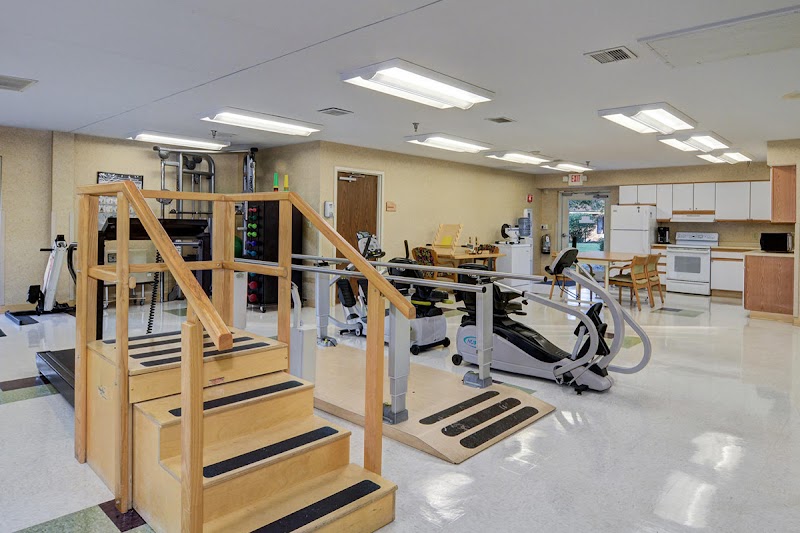
How is Chillicothe Post Acute Staffed?

CMS rates CHILLICOTHE POST ACUTE's staffing level at 3 out of 5 stars, which is average compared to other nursing homes. Staff turnover is 44%, compared to the Ohio average of 46%. This relatively stable workforce can support continuity of care.

What Have Inspectors Found at Chillicothe Post Acute?

State health inspectors documented 32 deficiencies at CHILLICOTHE POST ACUTE during 2019 to 2025. These included: 31 with potential for harm and 1 minor or isolated issues.
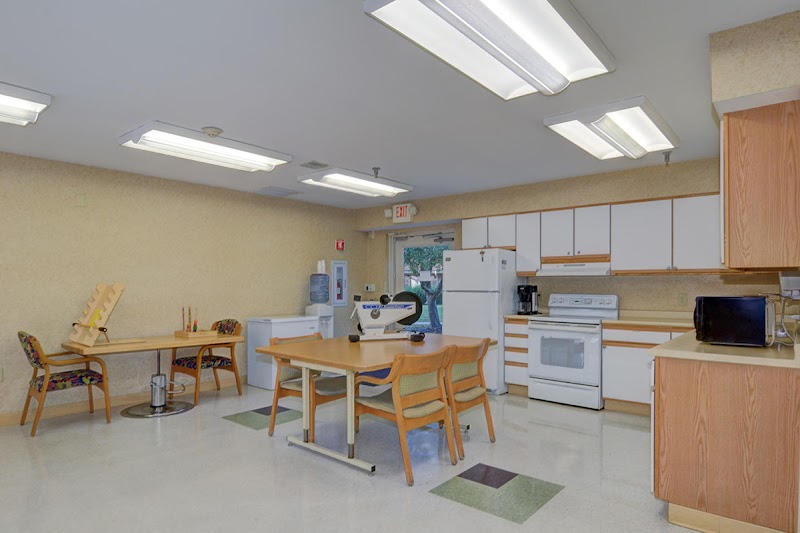
Who Owns and Operates Chillicothe Post Acute?

CHILLICOTHE POST ACUTE is owned by a for-profit company. For-profit facilities operate as businesses with obligations to shareholders or private owners. The facility is operated by PACS GROUP, a chain that manages multiple nursing homes. With 99 certified beds and approximately 77 residents (about 78% occupancy), it is a smaller facility located in CHILLICOTHE, Ohio.
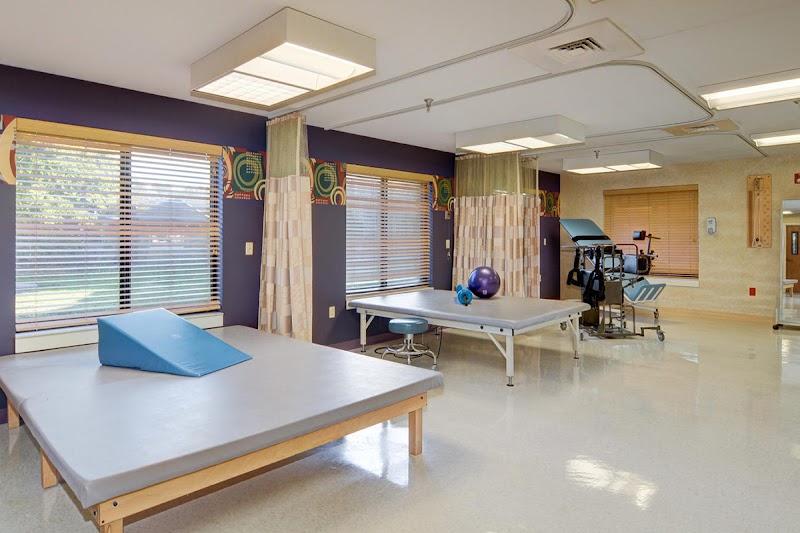
How Does Chillicothe Post Acute Compare to Other Ohio Nursing Homes?

Compared to the 100 nursing homes in Ohio, CHILLICOTHE POST ACUTE's overall rating (4 stars) is above the state average of 3.2, staff turnover (44%) is near the state average of 46%, and health inspection rating (3 stars) is at the national benchmark.

What Should Families Ask When Visiting Chillicothe Post Acute?

Based on this facility's data, families visiting should ask: "Can I visit during a mealtime to observe dining assistance and food quality?" "How do you handle medical emergencies, and what is your hospital transfer rate?" "Can I speak with family members of current residents about their experience?"

Is Chillicothe Post Acute Safe?

Based on CMS inspection data, CHILLICOTHE POST ACUTE has a clean safety record: no substantiated abuse findings (meaning no confirmed cases of resident harm), no Immediate Jeopardy citations (the most serious violation level indicating risk of serious injury or death), and is not on the Special Focus Facility watch list (a federal program monitoring the lowest-performing 1% of nursing homes). The facility has a 4-star overall rating and ranks #1 of 100 nursing homes in Ohio. While no facility is perfect, families should still ask about staff-to-resident ratios and recent inspection results during their visit.

Do Nurses at Chillicothe Post Acute Stick Around?

CHILLICOTHE POST ACUTE has a staff turnover rate of 44%, which is about average for Ohio nursing homes (state average: 46%). Moderate turnover is common in nursing homes, but families should still ask about staff tenure and how the facility maintains care continuity when employees leave.

Was Chillicothe Post Acute Ever Fined?

CHILLICOTHE POST ACUTE has no federal fines on record. CMS issues fines when nursing homes fail to meet care standards or don't correct problems found during inspections. The absence of fines suggests the facility has either maintained compliance or corrected any issues before penalties were assessed. This is a positive indicator, though families should still review recent inspection reports for the full picture.

Is Chillicothe Post Acute on Any Federal Watch List?

CHILLICOTHE POST ACUTE is not on any federal watch list. The most significant is the Special Focus Facility (SFF) program, which identifies the bottom 1% of nursing homes nationally based on persistent, serious quality problems. Not being on this list means the facility has avoided the pattern of deficiencies that triggers enhanced federal oversight. This is a positive indicator, though families should still review the facility's inspection history directly.