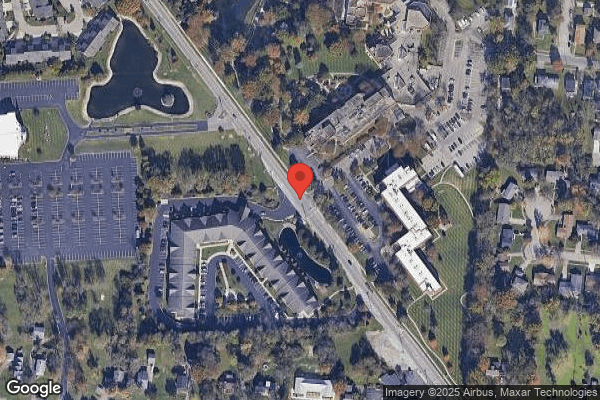

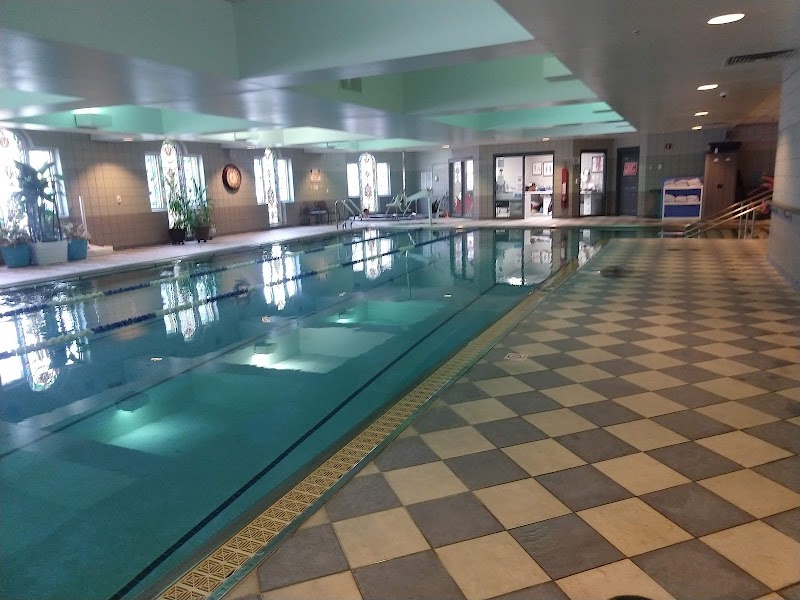


MAPLE KNOLL VILLAGE

11100 SPRINGFIELD PIKE, CINCINNATI, OH 45246 (513) 782-2788
Non profit - Corporation 90 Beds Independent Data: November 2025
Trust Grade
75/100
#108 of 913 in OH
Last Inspection: December 2023

Within standard 12-15 month inspection cycle. Federal law requires annual inspections.

Overview

Maple Knoll Village in Cincinnati has a Trust Grade of B, indicating it is a good choice for families seeking care, though not without its flaws. It ranks #108 out of 913 facilities in Ohio, placing it in the top half of nursing homes in the state, and #9 out of 70 in Hamilton County, meaning only eight local options are better. The facility is improving, with issues decreasing from seven in 2020 to six in 2023, and it has a commendable staffing turnover rate of 42%, which is below the state average. However, there have been concerns, including a serious incident where a resident fell during a transfer due to inadequate staff assistance, resulting in a hip fracture. Additionally, there were issues with food safety and meal preparation, impacting all residents receiving meals from the kitchen. Overall, while Maple Knoll Village has many strengths, families should be aware of these significant weaknesses when considering it for their loved ones.

Trust Score
B
75/100
In Ohio
#108/913
Top 11%
Safety Record
Moderate
Needs review
Inspections
Getting Better
7 → 6 violations
Staff Stability
○ Average
42% turnover. Near Ohio's 48% average. Typical for the industry.
Penalties
✓ Good
No fines on record. Clean compliance history, better than most Ohio facilities.
Skilled Nurses
○ Average
Each resident gets 32 minutes of Registered Nurse (RN) attention daily — about average for Ohio. RNs are the most trained staff who monitor for health changes.
Violations
⚠ Watch
21 deficiencies on record. Higher than average. Multiple issues found across inspections.
★★★★★
5.0
Overall Rating
★★★☆☆
3.0
Staff Levels
★★★★★
5.0
Care Quality
★★★★☆
4.0
Inspection Score
Stable
2020: 7 issues
2023: 6 issues

The Good

  • 5-Star Quality Measures · Strong clinical quality outcomes
  • Full Sprinkler Coverage · Fire safety systems throughout facility
  • No fines on record
  • Staff turnover below average (42%)

    6 points below Ohio average of 48%

Facility shows strength in quality measures, fire safety.

The Bad

Staff Turnover: 42%

Near Ohio avg (46%)

Typical for the industry

The Ugly 21 deficiencies on record

1 actual harm
Dec 2023 4 deficiencies
CONCERN (D)

Potential for Harm - no one hurt, but risky conditions existed

Investigate Abuse (Tag F0610)

Could have caused harm · This affected 1 resident

**NOTE- TERMS IN BRACKETS HAVE BEEN EDITED TO PROTECT CONFIDENTIALITY** Based on record review, review of self-reported incidents (SRI's), review of the staffing schedule, review of time card punches,...

Read full inspector narrative →
**NOTE- TERMS IN BRACKETS HAVE BEEN EDITED TO PROTECT CONFIDENTIALITY** Based on record review, review of self-reported incidents (SRI's), review of the staffing schedule, review of time card punches, staff interviews and review of facility policy, the facility failed to implemented their policy to remove a staff from the duty following an abuse allegation and while an investigation was being completed. This affected one (#42) of 22 residents reviewed for abuse. Facility census was 75. Findings include: Review of the medical record for Resident #42 revealed admission date 01/06/23. Diagnoses include, but not limited to, cerebral infarction, hemiplegia and hemiparesis, left non-dominant side, dysphasia, pain in left knee, and hypertension. Review of the annual Minimum Data Set (MDS) assessment dated [DATE] revealed Resident #42 had intact cognition. The Resident required clean-up assistance for eating and substantial/maximal assistance toileting hygiene. Review of the plan of care dated 11/22/23 revealed Resident #42 had a self-care deficit secondary to cerebral vascular accident (CVA) with left sided hemiplegia, decreased activity tolerance, compromised strength, and pain. Goals include maintain current ability to feed self meals every day after staff sets up trays as needed and will continue to participate with Activities of Daily Living (ADL) by washing upper body after set up. Interventions include allow resident ample time to absorb cues and complete tasks. Assist resident with meal consumption as needed. Assist with opening packages/containers as needed. Set up and supervise ADL's, assist and perform as needed. The resident is at risk for decline in bed mobility related to CVA and left sided weakness with goal for resident to assist with bed mobility with no more that extensive assistance of staff member. Interventions include observe for tolerance of bed mobility program; offer praise on efforts and participation as needed. State Tested Nurse Aide (STNA) to offer verbal and physical cues to resident to participate with bed mobility to fullest extent possible. Interview on 12/20/23 4:35 P.M. Resident #42 stated she had the remote out, asked the STNA #248 where to put the remote because the STNA had moved the bedside table. Resident #42 stated STNA #248 took the remote and threw it against the wall. She hit the resident's hand. Resident #50, roommate, told the STNA to leave the room. Another aide finished the shift. Resident #42 stated she thought the supervisor came back to talk to us on that same night. Review of SRI and investigation revealed Licensed Practical Nurse (LPN) #207 was aware of the incident on 11/25/23 and the Administrator was notified on 11/27/23. Review of time card punches for STNA #248 revealed she punched in on 11/24/23 at 7:06 A.M. and punched out on 11/25/23 at 7:56 A.M. Review of the written statement dated 11/25/23 revealed Resident #42 stated STNA #248 had slapped her hand and thrown her remote. She reported LPN #207 and the supervisor came into the room. The STNA came into the room and said she did not hit Resident #42. Interview on 12/21/23 at 12:09 P.M. the Director of Nursing (DON) stated the STNA #248 had been moved to another unit, Resident #42 had been removed from the STNA's assignment, but the STNA completed her scheduled shift following Resident #42's allegation. The DON verified the STNA should have been sent home immediately. Interview on 12/21/23 at 12:12 P.M. the Administrator stated he was notified of the incident on Monday 11/27/23 at 4:30 P.M. and he notified the scheduler to remove STNA #248 off the schedule. The scheduler left a message and a texted with STNA #248 to not come in. Review of the schedule dated 11/27/23 revealed STNA #248 had been crossed off the schedule. Review of the timecard for STNA #248 revealed she clocked in on 11/27/23 at 7:03 P.M. and clocked out at 7:53 A.M. The Administrator stated there had been multiple call offs that night, the night shift team were not aware of the circumstances, and not sure why STNA #248 had been crossed off the schedule, but they let her work on a different unit and Resident #42 was not on her assignment. The Administrator stated STNA #248 tried to come in and work again on 11/28/23 but night shift management had been informed of the circumstances and STNA #248 had been sent home. Time clock punches verified his statement. Review of facility policy titled Abuse, Neglect, Mistreatment, and Misappropriation of Resident Property Policy/Procedure, undated, revealed the employees must always report any abuse or suspicion of abuse immediately to the Administrator. The Administrator will involve key leadership personnel as necessary to assist with reporting, investigation, and follow up. The facility shall report to the State Agency and local law enforcement agency any reasonable suspicion of a crime against any individual who is a resident of or is receiving care from, the facility. The facility shall report immediately, but not more than two hours after forming the suspicion, if the events that cause the suspicion result in serious bodily injury; or not later than 24 hours if the events that cause the suspicion do not result in serious bodily injury. While the investigation is being conducted, accused individuals employed by the facility will be removed from the schedule and denied access to the resident until investigation is complete and further decision is made regarding continued employment/access to resident.
CONCERN (D)

Potential for Harm - no one hurt, but risky conditions existed

Pressure Ulcer Prevention (Tag F0686)

Could have caused harm · This affected 1 resident

**NOTE- TERMS IN BRACKETS HAVE BEEN EDITED TO PROTECT CONFIDENTIALITY** Based on record review, observation, staff interviews, and policy review, the facility failed to ensure a residents air mattress...

Read full inspector narrative →
**NOTE- TERMS IN BRACKETS HAVE BEEN EDITED TO PROTECT CONFIDENTIALITY** Based on record review, observation, staff interviews, and policy review, the facility failed to ensure a residents air mattress was plugged in and properly functioning to potentially prevent pressure ulcer development. This affected one resident (#55) out of two residents reviewed for skin breakdown. Facility census was 75. Findings include: Record review revealed Resident #55 admitted to the facility on [DATE] with diagnoses including fracture of the lower end of right radius, fracture of lower end of right femur, moderate protein-calorie malnutrition, chronic obstructive pulmonary disease, peripheral vascular disease and hypertension. Review of Resident #55's care plan initiated on 08/04/23 revealed Resident #55 is at risk skin breakdown related to decreased mobility, pain, antidepressant use, oxygen tubing, admitted with surgical wound right hip, skin tear and excoriation on buttocks. Interventions noted the resident required assist with turning and repositioning every shift, encouragement to turn side to side, body audits weekly, pressure reduction mattress to bed, and tropical treatment per physician orders. Review of the Minimum Data Set (MDS) 3.0 assessment dated [DATE] revealed Resident #55 had no pressure ulcers. Review of quarterly Braden Scale for Predicting Pressure Ulcers dated 11/08/23 revealed Resident #55 was at moderate risk for developing pressure ulcers due to decreased mobility. Observation on 12/18/23 at 10:42 A.M. revealed Resident #55's air mattress was not on. The lights on the electric box for the air mattress were not lit up. Observation on 12/19/23 at 8:37 A.M. revealed Resident #55's air mattress was not on. The lights on the electric box for the air mattress were not lit up. Observation on 12/20/23 at 8:42 A.M. revealed Resident #55's air mattress was not on. The lights on the electric box for the air mattress were not lit up. Interview on 12/20/23 at 8:42 A.M. with LPN #308 confirmed the air mattress for Resident #55 was unplugged. LPN #308 confirmed the air mattress should be plugged in and turned on. LPN #308 also revealed the lights on the air mattress should be lit up. Observation on 12/20/23 at 10:22 A.M. revealed Resident #55's air mattress was not on and the lights on the electric box for the air mattress were not lit up. Interview on 12/20/23 at 10:22 A.M. with LPN #308 confirmed Resident #55's air mattress was not plugged in and the lights on the electrical box were not on. Interview further revealed the plug to air mattress box was damaged and that maintenance needed called. LPN #308 confirmed Resident #55's air mattress was an intervention to prevent pressure ulcer development. Review of facility policy Pressure Ulcer/Injuries, undated, revealed the facility will review the resident's care plan and identify the risk factors as well as the interventions designed to reduce or eliminate those considered modifiable. Policy also revealed that the facility will implement interventions for prevention, select appropriate support surfaces based on the resident's mobility, continence, skin moisture and perfusion, body size, weight, and overall risk factors.
CONCERN (D)

Potential for Harm - no one hurt, but risky conditions existed

Deficiency F0698 (Tag F0698)

Could have caused harm · This affected 1 resident

**NOTE- TERMS IN BRACKETS HAVE BEEN EDITED TO PROTECT CONFIDENTIALITY** Based on medical record review, staff interviews and review of facility policy, the facility failed to ensure a residents hemodi...

Read full inspector narrative →
**NOTE- TERMS IN BRACKETS HAVE BEEN EDITED TO PROTECT CONFIDENTIALITY** Based on medical record review, staff interviews and review of facility policy, the facility failed to ensure a residents hemodialysis access site was monitored and documented per the facility policy. This affected one (#61) out of one residents reviewed for dialysis services. The census was 75. Findings include: Review of the medical record for Resident #61 revealed admission date of 05/25/21. Diagnoses include, but not limited to, cerebral infarction, end stage renal disease (ESRD), dependence on renal dialysis, atrial fibrillation (A Fib), and bilateral osteoarthritis (OA) of knee, Review of the quarterly Minimum Data Set (MDS) assessment dated [DATE] revealed Resident #61 had intact cognition. The resident required special treatment of dialysis. Review of the Plan of Care dated 11/06/23 revealed Resident #61 has End Stage Disease related to: diabetes mellitus (DM) with goal the resident will have immediate intervention should any signs or symptoms (s/sx) of complications from dialysis occur through the review date. The resident will have no s/sx of complications from dialysis such as: nausea/vomiting (N/V); disorientation; pruritis; delusions; decreased blood pressure (BP) any day through through the review date. Check arm shunt for bruit and thrill- notify physician (MD) and Dialysis Center immediately if neither present Keep dressing to dialysis access site clean and dry. Call MD immediately for development of fever, chills, excessive bleeding at shunt site; swelling at left arm shunt site; pain at access site not relieved with pain medication. Observe the resident for s/s of dialysis intolerance as listed in goal. Review of physician orders dated 09/02/23 revealed Dialysis: Days of the week: Monday, Wednesday, and Friday. Send bagged lunch or breakfast. Review of the Medical Administration Record (MAR) and Treatment Administration Record (TAR) for December 2023 revealed orders and documentation dated 09/02/23 for Dialysis: No blood pressure (BP) and/or no blood draws left arm. There were no orders or documentation specific to monitoring the hemodialysis (HD) access site. Interview on 12/20/23 at 2:44 P.M. Licensed Practical Nurse (LPN) #229 stated they watched Resident #61's dialysis site to make sure there were not any problems. LPN #229 confirmed monitoring did not pop up on the electronic charting record, for documentation. LPN #229 thought Resident #61 had orders for no BP or intravenous sticks and monitor site. LPN #229 stated his access site was in the left arm. The Assistant Director of Nursing (ADON) #09 verified on 12/21/23 at 11:50 A.M. that there was no monitoring of Resident #61's hemodialysis site per the facility policy. Review of facility policy titled Dialysis Policy/Procedures, dated 11/28/18, revealed the licensed nurse will provide monitoring and documentation of the status of the resident's HD access site to observe for bleeding and other complications.
CONCERN (D)

Potential for Harm - no one hurt, but risky conditions existed

Infection Control (Tag F0880)

Could have caused harm · This affected 1 resident

**NOTE- TERMS IN BRACKETS HAVE BEEN EDITED TO PROTECT CONFIDENTIALITY** Based on record review, observation, staff interviews, and policy review, the facility failed to ensure staff used appropriate p...

Read full inspector narrative →
**NOTE- TERMS IN BRACKETS HAVE BEEN EDITED TO PROTECT CONFIDENTIALITY** Based on record review, observation, staff interviews, and policy review, the facility failed to ensure staff used appropriate personal protective equipment (PPE) while in a residents room who was positive for Coronavirus Disease 2019 (COVID-19) This affected one (#46) of one residents reviewed for transmission based precautions for COVID-19. The facility census was 75. Findings include: Record review revealed Resident #46 admitted to the facility on [DATE] with diagnoses including dementia, anxiety, vitamin deficiency, hypertension and COVID-19. Review of Resident #46 physician orders revealed an order dated 12/13/23 for Isolation: COVID-19, gloves, gown, eyewear and N-95 required for entry into room. All services to be provided for in room. every shift for COVID isolation for 11 Days. Pt to remain in room by himself with no roommate. Observation on 12/18/23 at 12:14 P.M. revealed STNA #289 in Resident #46's room providing care at bedside without an N-95 mask on. STNA #289 was noted with a gown, gloves, glasses and a surgical mask on. N-95 masks were located at the entry to Resident #46's room in the personal protective supply area. Interview on 12/18/23 at 12:14 P.M. with STNA #289 revealed she did not see them, when asked if she should have an N-95 mask on. Interview on 12/18/23 at 12:18 P,M. with the Assistant Director of Nursing confirmed an N-95 must be worn in all COVID-19 positive rooms. Review of facilities COVID-19 Novel Corona Virus Policy/Procedure dated 03/02/20 revealed it is the policy of this facility to minimize exposures to respiratory pathogens and promptly identify residents with clinical features and an epidemiologic risk for the COVID-19 and to adhere to Standard, Contact and Airborne Precautions, including the use of eye protection. For a resident with known or suspected COVID-19, immediate infection prevention and control measures will be put into place. Limit only essential personnel to enter the room with appropriate personal protective equipment (PPE) and respiratory protection. PPE includes: Gloves, Gown, Respiratory Protection N-95 filtering face piece respirator prior to entry and removal after exiting. Perform hand hygiene after discarding.
Apr 2023 2 deficiencies
CONCERN (D) 📢 Someone Reported This

A family member, employee, or ombudsman was alarmed enough to file a formal complaint

Potential for Harm - no one hurt, but risky conditions existed

Report Alleged Abuse (Tag F0609)

Could have caused harm · This affected 1 resident

Based on record review, staff interviews, review of facility policy, review of self-reported incidents (SRIs) and review of facility investigation, the facility failed to report an allegation of abuse...

Read full inspector narrative →
Based on record review, staff interviews, review of facility policy, review of self-reported incidents (SRIs) and review of facility investigation, the facility failed to report an allegation of abuse to the state agency. This affected one resident (#30) out of three residents reviewed for abuse. The facility census was 83. Findings included: Review of the medical record for Resident #30 revealed an admission of 03/09/21. Diagnoses included dementia, type 2 diabetes mellitus, benign prostatic hypertrophy, gastroesophageal reflux disease, repeated falls, chronic obstructive pulmonary disease, and retention of urine. Review of the quarterly Minimum Data Set (MDS) assessment for Resident #30 dated 04/06/23, revealed the resident was cognitively impaired. The resident had a brief interview for mental status (BIMS) score of 07. Review of the plan of care for Resident #30 dated 11/15/22, revealed the resident could be verbally inappropriate towards staff. Interventions included administering medications as ordered, discussing/exploring feeling of anger/anxiety with resident, and maintaining consistent caregivers as schedule would permit. Review of the witness statement written by LPN #107 regarding the incident with Resident #30 and his family revealed that on 04/11/23 at 3:30 P.M., the family of the resident requested that staff put Resident #30 in his wheelchair so they could take the resident outside. Licensed Practical Nurse (LPN) #107 stated that she was unable to locate State Tested Nursing Assistant (STNA) #183. At 3:45 P.M., STNA #183 arrived on the floor. The family of Resident #30 approached LPN #107 at 3:50 P.M. stating there was a problem. The family member alleged that STNA #183 was being rude to them and cussing at them. LPN #107 walked down the hallway with the family member to the Resident #30's room. STNA #183 was noted in the hallway spinning around in a rolling chair talking on her personal phone. LPN #107 asked STNA #183 to help her place the resident in his wheelchair. STNA #183 stated that she does not have time for this expletive. His expletive has been rude to me. The family of Resident #30 tried to apologize to STNA #183 stating that he is like this with everyone. STNA #183 responded by saying expletive this, I am not on this expletive. At this time, LPN #107 stated that she escorted STNA #183 off the floor asking her to leave and not return to the floor. Review of the facility investigation dated 04/13/23, regarding the incident that occurred with Resident #30's family on 04/11/23, revealed the facility stepped in when they recognized a bad situation. STNA #183 was asked to leave the floor immediately. Administrative Registered Nurse (RN) #100 provided statements and documentation that LPN #107 was interviewed and STNA #183 was interviewed. STNA #183 had left the facility after the incident and did not care for any residents after being asked to leave the floor. STNA #183 was notified of her termination. No residents were interviewed that were cared for by STNA #183 on 04/11/23. The cameras were not accessed to review the details and specifics of the incident. Interview on 04/19/23 at 11:55 A.M. with Licensed Practical Nurse (LPN) #107, revealed there was an incident between a State Tested Nursing Assistant (STNA) (identified as STNA#183) and the family member of Resident #30 that occurred in the last couple of weeks. LPN #107 was on shift when she heard STNA #183 using profanity towards a resident's family near the resident. LPN #107 immediately intervened between STNA #183 and the family members. LPN #107 escorted STNA #183 off the floor and checked on Resident #30 and his family and the incident was reported to the Director of Nursing (DON). Interview on 04/19/23 at 1:45 P.M. with Administrative RN #100 confirmed that the facility did not report this incident of alleged abuse to the state agency. Review of facility's SRI's for 04/11/22, revealed no documented evidence the facility created an SRI for the alleged staff-to-resident abuse. Further review of the SRI's revealed the facility created a verbal abuse allegation on 04/20/23 dated 04/12/23 at 2:11 P.M. The SRI was unsubstantiated. Review of the facility policy titled Abuse, Neglect, Mistreatment and Misappropriation of Resident Property, dated 10/21/22, revealed the facility failed to implement their policy. Mental abuse is defined as including, but not limited to, humiliation, harassment, threats of punishment, or deprivation. Mental abuse also includes, but is not limited to, abuse that is facilitated or caused by nursing home staff taking or using photographs or recordings in any manner; There may be some situations in which the resident is unable to express him/herself due to a medical condition and/or cognitive impairment; cannot relate what has occurred; or may not express outward signs of physical harm, pain, or mental anguish. A lack of response by the resident does not mean that mental abuse did not occur. Mental abuse may occur through either verbal or nonverbal conduct which causes or has the potential to cause the resident to experience humiliation, intimidation, fear, shame, agitation, or degradation. Finally, Notification/submission to the State Agency will be made by the Director of Nursing/designee within 24 hours of incident being identified. Follow up with the State Agency will be completed within five working days of the initial report. This deficiency represents non-compliance investigated under Complaint Number OH00140219.
CONCERN (D) 📢 Someone Reported This

A family member, employee, or ombudsman was alarmed enough to file a formal complaint

Potential for Harm - no one hurt, but risky conditions existed

Investigate Abuse (Tag F0610)

Could have caused harm · This affected 1 resident

Based on record review, staff interviews, review of facility's investigation, and review of facility policy, the facility failed to thoroughly investigate an alleged incident of staff-to-resident abus...

Read full inspector narrative →
Based on record review, staff interviews, review of facility's investigation, and review of facility policy, the facility failed to thoroughly investigate an alleged incident of staff-to-resident abuse. This affected one resident (#30) out of three residents reviewed for potential abuse. The facility census was 83. Findings included: Review of the medical record for Resident #30 revealed an admission of 03/09/21. Diagnoses included dementia, type 2 diabetes mellitus, benign prostatic hypertrophy, gastroesophageal reflux disease, repeated falls, chronic obstructive pulmonary disease, and retention of urine. Review of the quarterly Minimum Data Set (MDS) assessment for Resident #30 dated 04/06/23, revealed the resident was cognitively impaired. The resident had a brief interview for mental status (BIMS) score of 07. Review of the plan of care for Resident #30 dated 11/15/22 revealed the resident can be verbally inappropriate towards staff. Interventions included administering medications as ordered, discussing/exploring feeling of anger/anxiety with resident, and maintaining consistent caregivers as schedule would permit. Review of the witness statement written by Licensed Practical Nurse (LPN) #107 regarding the incident with Resident #30's family revealed that on 04/11/23 at 3:30 P.M., the family of the resident requested that staff put Resident #30 in his wheelchair so they could take the resident outside. LPN #107 stated that she was unable to locate State Tested Nursing Assistant (STNA) #183. At 3:45 P.M., STNA #183 arrived on the floor. The family of Resident #30 approached LPN #107 at 3:50 P.M. stating there was a problem. The family member alleged that STNA #183 was being rude to them and cussing at them. LPN #107 walked down the hallway with the family member to the Resident #30's room. STNA #183 was noted in the hallway spinning around in a rolling chair talking on her personal phone. LPN #107 asked STNA #183 to help her place the resident in his wheelchair. STNA #183 stated that she does not have time for this expletive. His expletive has been rude to me. The family of Resident #30 tried to apologize to STNA #183 stating that he is like this with everyone. STNA #183 responded by saying expletive this, I am not on this expletive. At this time, LPN #107 stated that she escorted STNA #183 off the floor asking her to leave and not return to the floor. Review of the facility's investigation dated 04/13/23, regarding the incident that occurred with Resident #30's family on 04/11/23, revealed the facility stepped in when they recognized a bad situation. STNA #183 was asked to leave the floor immediately. Administrative Registered Nurse (RN) #100 provided statements and documentation that LPN #107 was interviewed and STNA #183 was interviewed. STNA #183 had left the facility after the incident and did not care for any residents after being asked to leave the floor. STNA #183 was notified of her termination. No residents were interviewed that were cared for by STNA #183 on 04/11/23. The cameras were not accessed to review the details and specifics of the incident. Interview on 04/19/23 at 11:55 A.M. with LPN #107, revealed there was an incident between STNA #183 and the family member of Resident #30 that occurred in the last couple of weeks. LPN #107 was on shift when she heard STNA #183 using profanity towards a resident's family near the resident. LPN #107 immediately intervened between STNA #183 and the family members. LPN #107 escorted STNA #183 off the floor and checked on Resident #30 and his family and the incident was reported to the Director of Nursing (DON). Interview on 04/19/23 at 1:45 P.M. with Administrative RN #100 verified the facilities investigation showed no proof STNA #183 was cursing at Resident #30; however, RN #100 agreed that the resident could hear his family getting yelled at by STNA #183 because they were right outside the room in the hallway. She agreed that she would feel some type of distress if someone was yelling at her family member. RN #100 confirmed that she did not interview those cognitively intact residents on the unit cared for by STNA #183 to confirm that no mistreatment had taken place. Additionally, the facility had cameras throughout the hallways and RN #100 confirmed those cameras were not reviewed as a part of the investigation. Review of the facility policy titled Abuse, Neglect, Mistreatment and Misappropriation of Resident Property, dated 10/21/22, revealed the facility failed to implement their policy. Mental abuse is defined as including, but not limited to, humiliation, harassment, threats of punishment, or deprivation. Mental abuse also includes, but is not limited to, abuse that is facilitated or caused by nursing home staff taking or using photographs or recordings in any manner; There may be some situations in which the resident is unable to express him/herself due to a medical condition and/or cognitive impairment; cannot relate what has occurred; or may not express outward signs of physical harm, pain, or mental anguish. A lack of response by the resident does not mean that mental abuse did not occur. Mental abuse may occur through either verbal or nonverbal conduct which causes or has the potential to cause the resident to experience humiliation, intimidation, fear, shame, agitation, or degradation. Additionally, It is the policy of facility that reports of abuse are promptly and thoroughly investigated. The investigation is the process used to try to determine what happened if anything. The Administrator or designee will investigate the incident with the assistance of appropriate personnel. Staff are expected to cooperate during the investigation to assure the resident is fully protected. The investigation will include who was involved, resident statements (staff should attempt to interview non-verbal residents or cognitively impaired residents. If unable to be interviewed or if the resident declines to be interviewed then staff will observe the resident, assess resident behaviors, affect, and response interactions and document findings), resident's roommate statements, involved staff and witness statements of events, observations of resident and staff behaviors during the investigation, and environmental considerations. This deficiency represents non-compliance investigated under Complaint Number OH00140219.
Jan 2020 7 deficiencies 1 Harm
SERIOUS (G)

Actual Harm - a resident was hurt due to facility failures

Accident Prevention (Tag F0689)

A resident was harmed · This affected 1 resident

**NOTE- TERMS IN BRACKETS HAVE BEEN EDITED TO PROTECT CONFIDENTIALITY** Based on medical record review, mechanical lift manufacturer's recommendation review, facility policy review, facility investiga...

Read full inspector narrative →
**NOTE- TERMS IN BRACKETS HAVE BEEN EDITED TO PROTECT CONFIDENTIALITY** Based on medical record review, mechanical lift manufacturer's recommendation review, facility policy review, facility investigation, witness statement review, and staff interview, the facility failed to provide two staff members when utilizing a mechanical lift for a resident transfer This resulted in actual harm when Resident #19 sustained a fall from the bed which resulted in a left distal midshaft hip fracture that required surgical intervention. This affected one (#19) of one residents reviewed for accidents. The facility census was 122. Findings include: Review of the medical record for Resident #19 revealed an admission date of 12/18/18 with a diagnoses of vascular dementia with behavioral disturbance, osteoporosis, spondylosis of lumbar -sacral region and spinal stenosis. Review of the admission Minimum Data Set (MDS) assessment dated [DATE] revealed resident was cognitively impaired and required extensive assistance of two staff with bed mobility and with transfers. Review of care plan for falls initiated on 12/18/18 revealed the resident had the potential for harm/injury related to falls secondary to weakness, dementia with poor long- and short-term memory, impaired mobility, impaired cognition, prescribed antidepressant and antipsychotic, poor judgment and safety awareness. Interventions included the resident required the assistance of two staff with activities of daily living (ADLs). Review of the physical therapy discharge summary for Resident #19 dated 01/17/19 revealed resident received physical therapy services from 12/19/18 through 01/17/19. Further review of discharge summary revealed resident required maximum assistance of two staff with transfers, and staff should use the Sara lift (mechanical lift) when transferring resident. Review of physician orders for Resident #19 for January and February 2019 revealed staff should utilize Sara lift for all transfers and toileting with the assistance of two staff. Review of physician progress note for Resident #19 dated 01/10/19 revealed the resident required a stand-up lift for transfers and should have the assistance of two staff when standing. Further review of the note revealed the resident was a fall risk and required two-person assistance for transfers. Review of the nurse progress note for Resident #19 dated 02/14/19 revealed the resident was sent to the hospital via 911 due a fall which occurred on 02/14/19 at 6:15 A.M., and the resident had complained of leg pain immediately following the fall. Review of the facility fall investigation for Resident #19 dated 02/14/19 revealed the nurse found resident lying on the floor complaining of severe hip pain. Further review of the investigation revealed the State Tested Nursing Assistant (STNA) #177 reported the resident became combative with care and while attempting to secure the Sara lift pad around the resident, the resident began to slide out of bed, and STNA #177 lowered the resident to the floor. Review of the witness statement from STNA #177 dated 02/14/19 revealed the aide was by herself while attempting to transfer Resident #19 out of bed using the Sara lift. Further review of statement revealed Resident #19 became combative as the aide was positioning the lift pad around the resident and the resident began to slide out of bed. STNA #177 stated she then lowered Resident #19 to the floor. Review of hospital records for Resident #19 dated 02/14/19 thru 02/16/19 revealed the resident was admitted on [DATE] due to a fall that occurred at the facility. Further review of the record revealed the resident sustained a fracture to her left distal midshaft femur which required surgical repair. Interview on 01/16/20 at 11:30 A.M. with the Director of Nursing (DON) confirmed STNA #177 had attempted to transfer Resident #19 using the [NAME] mechanical lift without the assistance of two staff on 02/14/19. The DON verified the resident sustained a hip fracture when she was lowered to the floor. Review of the Sara lift manufacturer's recommendations dated 04/20/16, revealed the Sara lift should be used in accordance with a full clinical assessment of the resident and his/her condition. Review of facility policy titled Lifting Machine, Using a Mechanical dated 09/23/19, revealed the resident center care may indicated the resident has been assessed to need two staff persons to use the sit-to- stand lift as per the resident's plan of care.
CONCERN (D)

Potential for Harm - no one hurt, but risky conditions existed

Resident Rights (Tag F0550)

Could have caused harm · This affected 1 resident

Based on observations, record reviews and staff interviews, the facility failed to ensure each resident was treated in a manner that promoted their individuality and dignity during dining. This affect...

Read full inspector narrative →
Based on observations, record reviews and staff interviews, the facility failed to ensure each resident was treated in a manner that promoted their individuality and dignity during dining. This affected two(#7 and #79) residents, who were dependent on the physical assistance of one staff to eat, of 36 residents located on the third floor of the facility. The facility census was 122. Findings include: Review of the medical record of Resident #7 revealed an admission date of 12/05/06, with diagnoses including Alzheimer's disease, dysphagia, volume depletion, and chronic kidney disease. Review of the resident's most recent quarterly minimum data set (MDS) assessment revealed the resident was identified by the facility as having short and long term memory problems, severely impaired cognitive skills, and being totally dependent on one staff person for eating/drinking. Resident #7 had contractures of both hands. The resident was located on the third floor secured unit. Review of the medical record of Resident #79 revealed an admission date of 01/12/16, with diagnoses including encephalopathy, dementia, restlessness and agitation, and irritable bowel syndrome. Review of the resident's most recent quarterly MDS assessment revealed the resident was identified by the facility as having short and long term memory problems, severely impaired cognitive skills, and being totally dependent on staff for eating/drinking. Resident #79 had contractures of both hands. The resident was located on the third floor secured unit. Observation on 01/14/20 at 8:33 A.M. of the residents on the third floor, secured unit, were observed having breakfast in the third floor unit dining room. There were four State Tested Nurse Aides (STNAs) and the Director of Nursing (DON) in the dining room at that time feeding residents who needed assistance to eat. All the residents had been served their breakfast at the time the observation started. There were two residents (#7 and #79) who were seated at tables with their breakfast trays in front of them and their food covered. There were nursing staff feeding other residents at the same tables as residents #7 and #79, sitting directly across from them. At 8:37 A.M., STNA #80 who had completed feeding another resident across the table from Resident #79, uncovered the food on the tray and began to feed Resident #79. At 8:44 A.M., one addition STNA #29 entered the dining room and uncovered Resident #7's food and began feeding her, 11 minutes after the observation began. Interview with the Director of Nursing (DON) on 01/15/20 at 5:30 P.M. regarding the observations made during the breakfast meal in the third floor dining room. The DON verified Residents #7 and #79 were served their food and not fed, while others around them were eating independently or being assisted as needed. She shared that she observed what as going on, and verbalized that STNA #29 was not readily available to assist with feeding as he was helping another resident who needed extensive assistance in the bathroom. The DON stated the expectations was that residents were to be fed at the time they were served. She stated that is how the meal period was arranged may need to be reviewed for example implementing two seating, or review utilization of staff during meals. The DON reported the problems was not related to lack of staff. Interview with STNA #80 on 0/1/16/20 at 10:27 A.M., regarding observations made during the breakfast meal in the third floor unit dining room on 01/15/20. STNA #80 stated that sometimes there were sufficient staff present to feed all the dependent residents when service, and sometimes not. STNA #80 shared that some STNAs may be assisting other residents with showers or other care needs, and then come to the dining room after the residents had already been served.
CONCERN (D)

Potential for Harm - no one hurt, but risky conditions existed

Safe Environment (Tag F0584)

Could have caused harm · This affected 1 resident

Based on medical record review, observation, resident and staff interview, the facility failed to maintain a homelike environment. This affected one (#113) of 24 residents reviewed for environment. Th...

Read full inspector narrative →
Based on medical record review, observation, resident and staff interview, the facility failed to maintain a homelike environment. This affected one (#113) of 24 residents reviewed for environment. The census was 122. Findings include: Review of the medical record for Resident #113 revealed an admission date of 09/27/05 with a diagnosis of left lower extremity above the knee amputation. Review of the Minimum Data Set (MDS) assessment for Resident #113 dated 10/03/19 revealed resident was cognitively intact and required extensive assistance of two staff with transfers. Review of the care plan for Resident #113 dated 04/10/19 revealed resident had the potential for falls related to amputation. Interventions included transfer resident using a Hoyer lift. Observation of Resident #113's room on 01/13/20 at 9:30 A.M. and 10:22 A.M., revealed the Hoyer lift for the fourth floor was being stored in the resident's room. Resident #113 was in her wheelchair. Interview on 01/13/20 at 10:22 A.M. with Resident #113 verified the Hoyer lift for the fourth floor had been stored in her room since approximately 8:00 A.M. on 01/13/20. Resident #113 further stated she did not like the lift being stored in her room. Interview on 01/13/19 at 10:30 A.M. with Registered Nurse (RN) #66 confirmed the Hoyer lift was in resident's room and it was not in use. RN #66 further stated the Hoyer lift for the fourth floor should not be stored in a resident room.
CONCERN (D)

Potential for Harm - no one hurt, but risky conditions existed

Respiratory Care (Tag F0695)

Could have caused harm · This affected 1 resident

Based on observations, medical record review, facility policy review, resident and staff interviews, the facility failed to ensure tubing for oxygen and respiratory treatments was dated when opened an...

Read full inspector narrative →
Based on observations, medical record review, facility policy review, resident and staff interviews, the facility failed to ensure tubing for oxygen and respiratory treatments was dated when opened and changed regularly. This affected two (#113 and #316) of two residents reviewed for respiratory care. The census was 122. Findings include. 1. Review of the medical record for Resident #113 revealed an admission date of 09/27/05, with a diagnosis of left lower extremity above the knee amputation. Review of Minimum Data Set (MDS) Assessment for Resident #113 dated 10/03/19 revealed the resident was cognitively intact and required extensive assistance of two staff with activities of daily living. Review of January 2020 physician orders for Resident #113 revealed an order for oxygen at two liters at bedtime and remove every morning. Observation of Resident #113 on 01/13/20 at 10:38 A.M., revealed the oxygen tubing was not dated. Interview on 01/13/20 at 10:38 A.M. with Resident #113 confirmed she was unsure when her oxygen tubing had last been changed. Interview on 01/13/20 at 10:45 A.M., with Registered Nurse (RN) #66 verified Resident #113's oxygen tubing was not dated, and she was unsure when it had been changed. RN #66 stated the oxygen tubing should be dated when opened and should be changed at least weekly. 2. Review of the medical record for Resident #316 revealed an admission date of 01/03/20 with a diagnosis of chronic kidney disease. Review of physician orders for Resident #316 revealed an order dated 01/05/20 for albuterol via hand held nebulizer three times daily. Observation on 01/16/20 at 8:17 A.M., of Resident #316 revealed the tubing to resident's hand-held nebulizer treatment was dated 01/05/20. Interview on 01/16/20 at 8:17 A.M., with Licensed Practical Nurse (LPN) #36 verified the tubing to Resident #316's hand nebulizer treatment was dated 01/05/20. LPN #36 further stated the tubing to the nebulizer treatments should be dated when opened and should be changed at least weekly. Review of facility policy titled Oxygen Connecting Tubing Cleaning/Change Procedure dated 09/13/16 revealed oxygen tubing should be changed weekly.
CONCERN (D)

Potential for Harm - no one hurt, but risky conditions existed

Deficiency F0761 (Tag F0761)

Could have caused harm · This affected 1 resident

Based on observations, medical record review, facility policy review, pharmacy online resource review and staff interviews, the facility failed to ensure expired medications were discarded and medicat...

Read full inspector narrative →
Based on observations, medical record review, facility policy review, pharmacy online resource review and staff interviews, the facility failed to ensure expired medications were discarded and medications had an open date and expiration date. This had affected three (#79, #3 and #42) of 122 residents who received medications in the facility. The census was 122. Findings include: 1. Review of the medical record for Resident #79 revealed an admission date of 01/12/16 with a diagnosis of dementia. Review of the medical record for Resident #79 revealed an order dated 12/19/19 for acetaminophen liquid every eight hours routinely. Observation of medication storage room on third floor on 01/15/20 at 8:07 A.M. with Registered Nurse (RN) #66 revealed bottle of liquid acetaminophen with an expiration date of 12/2019. Interview on 01/15/20 at 8:09 A.M. with Registered Nurse (RN) #66 confirmed the medication storage room on the third floor contained a bottle of liquid acetaminophen with an expiration date of 12/2019. RN #66 confirmed the medication was expired and should have been discarded. 2. Review of the medical record for Resident # 3 revealed an admission date of 04/06/19 with a diagnosis of anorexia. Review of record for Resident #3 revealed an order dated 02/21/19 for one-half of a Vita-Day multi-vitamin tablet daily. Observation of the 300 Hall cart on 01/15/20 at 11:30 A.M., with Licensed Practical Nurse (LPN) #58 revealed the cart contained a bottle of Vita-Day multi-vitamin for Resident #3 which did not have a manufacturer's expiration date. The bottle had been dated as opened on 10/24/19. Interview on 01/15/20 at 11:35 A.M., with Licensed Practical Nurse (LPN) #58 confirmed the bottle of multivitamins for Resident #58 did not have a manufacturer's expiration date, and she could not confirm if it was expired or not. LPN #58 further stated expired medications should be discarded and not administered to residents. 3. Review of the medical record for Resident #42 revealed an admission date of 10/01/14 with a diagnosis of chronic kidney disease. Review of physician orders for Resident #42 revealed orders dated 11/01/16 for Refresh liquigel eye drops to both eyes twice daily and Refresh PM ointment to both eyes every night at bedtime. Observation of the 400 Hall cart on 01/15/20 at 7:42 A.M. with LPN #83 revealed the cart contained an undated opened bottle of Refresh Liquigel eye drops and undated opened tube of Refresh PM for Resident #42. Interview on 01/15/20 at 7:50 A.M., with LPN #83 confirmed Refresh Liquigel and Refresh PM for Resident #42 were undated and opened. LPN #83 further stated ophthalmic preparations should be dated upon opening and discarded within 30 days. Review of the undated facility policy titled Drug Storage revealed expired medication should be removed from storage promptly and destroyed. Review of The International Pharmacopeia, Seventh Edition, dated 2017, (http://apps.who.int/phint/2017/index.html#d/b.6.2.1.3) revealed multidose ophthalmic drop preparations may be used for up to four weeks after the container is initially opened.
CONCERN (D)

Potential for Harm - no one hurt, but risky conditions existed

Medical Records (Tag F0842)

Could have caused harm · This affected 1 resident

Based on the medical record review and staff interviews, the facility failed to ensure a resident medical records contained documentation of resident incident resulting in injury. This affected one (#...

Read full inspector narrative →
Based on the medical record review and staff interviews, the facility failed to ensure a resident medical records contained documentation of resident incident resulting in injury. This affected one (#92) of 24 resident's medical records reviewed. The census was 122. Findings include: Review of medical record for Resident #92 revealed an admission date of 08/19/16 with a diagnosis of dementia without behavioral disturbance. Review of the Minimum Data Set (MDS) for Resident #92 dated 12/17/19 revealed resident was cognitively impaired and required extensive assist of one staff with activities of daily living (ADLs). Review of the nurse progress note for Resident #92 dated 12/14/19 at 4:18 P.M. documented by Licensed Practical Nurse (LPN) #38 revealed an order to apply pressure dressing to skin tear to resident's left arm, cleanse with normal saline, approximate skin, apply steri strips, monitor steri strips every shift until healed. Review of the medical record for Resident #92 revealed it was silent regarding an account of how resident sustained a skin tear to her left forearm on 12/14/19. Interview on 01/15/20 at 3:29 P.M. with LPN #38 confirmed the night shift nurse, LPN #8, reported Resident #92 had a sustained a skin tear to her left forearm during the night shift on 12/14/19. LPN #38 further confirmed she obtained a physician order for skin tear on 12/14/19 as it had started bleeding. Interview on 01/15/20 at 4:33 P.M. with LPN #8 confirmed the aide reported Resident #92 sustained a skin tear during care, and he applied a dressing to resident's arm. LPN #8 further confirmed he notified LPN #38 of Resident #92's skin tear at the change of shift report on 12/14/19, but he did not document the incident in the resident's medical record. Interview on 01/16/20 at 1:12 P.M. with the Director of Nursing (DON) confirmed Resident #92's medical record contained no documentation regarding an account of how resident sustained a skin tear to her left forearm on 12/14/19. The DON further confirmed incidents involving resident injury should be documented in the medical record.
CONCERN (E)

Potential for Harm - no one hurt, but risky conditions existed

Deficiency F0805 (Tag F0805)

Could have caused harm · This affected multiple residents

Based on observation, staff interviews, review of the planned menus, and review of facility policy, the facility failed to prepared ground meat in accordance with the planned menu in order to meet the...

Read full inspector narrative →
Based on observation, staff interviews, review of the planned menus, and review of facility policy, the facility failed to prepared ground meat in accordance with the planned menu in order to meet the individual needs of residents with chewing/swallowing difficulties. This had the potential to affect 18 (#114, #69, #89, #15, #1, #86, #9, #60, #73, #68, #44, #43, #96, #19, #109, #50, #17 and #85) of 18 residents with a physician's orders for a soft/mechanically soft diet. The facility census was 122. Findings include: Observations of the meal preparation and service was observed in the central kitchen, and in the third floor serving, kitchen on beginning at 10:57 A.M. on 01/15/20. The planned menu for the lunchtime meal included a choice of soup, barbequed (BBQ) pulled pork, cole slaw or cantelope, and pudding or ice cream. Review of the production sheet for special diets, and the steam table set up sheet for the serving kitchens, revealed that pulled BBQ pork was to be of a ground consistency for residents on soft/mechanically soft diets. Observations on 01/15/20 at 11:42 A.M., the hot food arrived in the third floor serving kitchen in an enclosed hot cart from the central kitchen. At that time Dietary Staff (DS) #143 began setting up the steam table in the serving kitchen and the temperature of the food was taken at 11:50 A.M. There was no ground BBQ pork evident on the steam table for service. The pulled BBQ pork for regular diets included small chunks and strands of pork which would potentially not have been suitable for residents with chewing and/or swallowing difficulties. Observations at 12:04 P.M., revealed DS #143 began plating food for service in the third floor unit dining room and room trays. DS #142 was asked at that time if ground BBQ pork was to have been prepared for service. DS #142 and DS #143 affirmed there was no ground BBQ pork on the steam table, or in the hot cart delivered by the kitchen. DS #148 who was also assisting commented that the facility dietitian, Registered Dietitian (RD) #114 may have okayed the use of the pulled pork for the ground diets. Interview on 01/15/20 at 12:40 P.M. with DS #143 was asked if he was provided any additional information about the ground pork. He reported there was supposed to have been some prepared and sent up to the floor for the lunch time meal. He stated the central kitchen did prepare and send up ground consistency pork to the serving kitchen for service to residents on soft/mechanically soft diets after being questioned by the surveyor. Observation on 01/15/20 of Residents #73 and #68, both with orders for soft diets, were observed eating in the third floor dining room. The BBQ pork they were eating had been ground, and was obviously a different texture than the BBQ pork that was served to residents on regular diets in the same dining room. Interview on 01/15/20 at 3:11 P.M., with DS #142 regarding why no ground BBQ pork was prepared, until it was brought to the attention of dietary staff by the surveyor. DS #142 reported that DS #131, a sous chef, was responsible for preparing the ground pork for the lunchtime meal that day, that he missed the line specifying that 20 servings of ground pork were to be prepared. He affirmed that no ground pork had been prepared in advance, but that BBQ pork was ground on discovery that none had been prepared and was served to residents on soft diets. Interview with Registered Dietitian (RD) #114 on 01/15/20 at 3:19 P.M., verified the BBQ pork served to regular diets during the lunchtime meal would have not been acceptable for residents with orders for a soft/mechanically soft diet. Review of the undated policy for diets revealed that residents are offered diets as ordered by the physician, and listed the diets. The diet described as soft/mechanically soft/dental soft specified that meat was to be ground to facilitate chewing.
Nov 2018 8 deficiencies
CONCERN (D)

Potential for Harm - no one hurt, but risky conditions existed

Deficiency F0582 (Tag F0582)

Could have caused harm · This affected 1 resident

**NOTE- TERMS IN BRACKETS HAVE BEEN EDITED TO PROTECT CONFIDENTIALITY** Based record review and staff interview, the facility failed to ensure a resident that was discharged from Medicare Part A servi...

Read full inspector narrative →
**NOTE- TERMS IN BRACKETS HAVE BEEN EDITED TO PROTECT CONFIDENTIALITY** Based record review and staff interview, the facility failed to ensure a resident that was discharged from Medicare Part A services was notified of the potential liability for payment. This affected one (Resident #17) of three residents reviewed for beneficiary notices. The facility census was 122. Findings include: Review of Resident #17's medical record revealed resident was admitted to the facility on [DATE] with the following diagnoses; dysphagia, acute respiratory failure with hypoxia, cellulitis of the right lower limb, sepsis, ventricular tachycardia, and chronic atrial fibrillation. Review of Resident #17's quarterly Minimum Data Sets (MDS) assessment dated [DATE] revealed resident to be cognitively intact and require total dependence with bed mobility, transfers, and toileting. Resident #17 was also independent with eating and required extensive assistance with dressing on the 08/09/18 MDS. Review of Resident #17's chart revealed resident was admitted to Medicare Part A skilled services on 05/10/18 and had a last covered day of skilled services on 06/15/18. Further review of Resident #17's chart revealed resident's representative was informed of the Notice of Medicare Non-Coverage (NOMNC) on 06/13/18. Resident #17's representative signed the NOMNC on 06/14/18. Resident #17's chart did not include a Skilled Nursing Facility Advance Beneficiary Notice of Non-coverage (SNF ABN) to inform the resident of the potential liability for payment. Interview with Social Worker (SW) #134 on 11/06/18 at 8:53 A.M., verified a SNF ABN to inform the resident of the potential liability for payment was not completed upon Resident #17's discharge from skilled services on 06/13/18.
CONCERN (D)

Potential for Harm - no one hurt, but risky conditions existed

Deficiency F0625 (Tag F0625)

Could have caused harm · This affected 1 resident

**NOTE- TERMS IN BRACKETS HAVE BEEN EDITED TO PROTECT CONFIDENTIALITY** Based on record review and staff interview, the facility failed to provide residents or their representatives with written bed h...

Read full inspector narrative →
**NOTE- TERMS IN BRACKETS HAVE BEEN EDITED TO PROTECT CONFIDENTIALITY** Based on record review and staff interview, the facility failed to provide residents or their representatives with written bed hold notices during absences from the facility. This affected two (Resident #36 and Resident #100) of four residents reviewed for hospitalizations. The facility census was 122. Findings include: 1. Review of Resident #100's medical record revealed the resident was admitted to the facility on [DATE] with the following diagnoses; muscle weakness, obstructive hydrocephalus, anemia, osteoarthritis, hyperlipidemia, dysphagia, lack of coordination, depressive disorder, constipation, allergic rhinitis glaucoma and constipation. Review of Resident #100's quarterly Minimum Data Sets (MDS) assessment dated [DATE] revealed the resident had cognitive impairment and required total dependence with bed mobility, transfers, dressing, eating, toileting, and personal hygiene. Review of Resident #100's medical record revealed the resident was discharged to the hospital on [DATE] with chest pain and readmitted to the facility on [DATE]. The medical record contained no documented evidence the resident or resident's representative was provided with a written bed hold notice at the time of the leave or hospitalization. Interview with Director of Corporate Compliance (DCC) #17 on 11/06/18 at 2:33 P.M., verified a written bed hold notice was not provided to Resident #100 or their representative at the time of leave or hospitalization. 2. Review of Resident #36's medical record revealed the resident was admitted to the facility on [DATE] with diagnoses including protein-calorie malnutrition, Parkinson's, major depressive disorder, anxiety disorder, osteoarthritis, muscle weakness, anorexia, dysphonia. Review of the MDS assessment dated [DATE] revealed the resident had mild cognitive impairment with no acute changes. The resident was assessed with rejection of care noted one to three days during the seven day look back period. Resident #36 required supervision and setup with eating, extensive one person assistance with bed mobility, transfer, locomotion, dressing, toileting, and personal hygiene. Further review of the MDS revealed Resident #36 was wheelchair dependent with a history of falls with no injury and at risk of pressure with no pressure injury during look back. Review of Nursing Progress Notes dated 05/12/18 and again on 05/30/18 revealed the resident was sent out, and admitted to the local hospital for a dislocated hip. Further review of the medical record revealed there was no documented evidence the resident and/or representative was provided the required notice of bed hold when she was sent out of the facility to the hospital. Interview via email on 11/07/18 at 12:50 P.M. DCC #17 verified the facility did not have a provide verification Resident #36 or her representative was provided the required bed hold notices when she was transferred to the hospital.
CONCERN (D)

Potential for Harm - no one hurt, but risky conditions existed

Deficiency F0678 (Tag F0678)

Could have caused harm · This affected 1 resident

**NOTE- TERMS IN BRACKETS HAVE BEEN EDITED TO PROTECT CONFIDENTIALITY** Based on record review and staff interview, the facility failed to ensure a resident's code status was accurately documented in ...

Read full inspector narrative →
**NOTE- TERMS IN BRACKETS HAVE BEEN EDITED TO PROTECT CONFIDENTIALITY** Based on record review and staff interview, the facility failed to ensure a resident's code status was accurately documented in the electronic medical record. This affected one (Resident #100) of 32 residents reviewed for accurate advanced directives. The facility census was 122. Findings include: Review of Resident #100's medical record revealed the resident was admitted to the facility on [DATE] with the following diagnoses; muscle weakness, obstructive hydrocephalus, anemia, osteoarthritis, hyperlipidemia, dysphagia, lack of coordination, depressive disorder, constipation, allergic rhinitis glaucoma and constipation. Review of Resident #100's quarterly Minimum Data Sets (MDS) assessment dated [DATE] revealed the resident had cognitive impairment and required total dependence with bed mobility, transfers, dressing, eating, toileting, and personal hygiene. Review of Resident #100's paper chart revealed the resident had a Do Not Resuscitate (DNR) form indicating resident's code status to be Do Not Resuscitate Comfort Care (DNRCC). Resident #100's representative and physician signed the DNR form on 10/30/18. Review of Resident #100's code status in his electronic record revealed resident's code status to be listed as a full code. Interview with Director of Corporate Compliance (DCC) #17 on 11/05/18 at 3:30 P.M. verified Resident #100's code status in the electronic chart was not accurate prior to surveyor intervention. Review of the facility's undated Advanced Directives policy revealed the physician's order regarding a resident's code status should be entered into the medical record.
CONCERN (D)

Potential for Harm - no one hurt, but risky conditions existed

Pharmacy Services (Tag F0755)

Could have caused harm · This affected 1 resident

**NOTE- TERMS IN BRACKETS HAVE BEEN EDITED TO PROTECT CONFIDENTIALITY** Based on observations, record review, staff interviews and policy review, the facility failed to ensure narcotic medications wer...

Read full inspector narrative →
**NOTE- TERMS IN BRACKETS HAVE BEEN EDITED TO PROTECT CONFIDENTIALITY** Based on observations, record review, staff interviews and policy review, the facility failed to ensure narcotic medications were signed out immediately upon administration. This affected three residents (#42, #108, #322) of 15 residents (#68, #27, #83, #92, #48, #62, #85, #36, #322, #42, #70, #12, #18, #105, and #108) receiving narcotic medications on floors two and three of the facility. The facility census was 122. Findings include: 1. Review of Resident #42's medical record revealed the resident was admitted to the facility on [DATE] with diagnoses including dementia, major depressive disorder, anxiety disorder, psychosis, cirrhosis of the liver, neck fracture, and dysphagia. Observation on 11/06/18 at 12:50 P.M. revealed Licensed Practical Nurse (LPN) #54 revealed the nurse signing out a Lorazepam for Resident #42 with a time of administration at 8:00 A.M. Interview of LPN #54 on 11/06/18 at 12:50 P.M. verified she had not signed out a Lorazepam on Resident #42's record upon administration at 8:00 A.M. because she had another patient actively dying. 2. Review of Resident #108's medical record revealed the resident was admitted to the facility on [DATE] with diagnoses of fractured femur, hypertension, lumbago, asthma, chronic obstructive pulmonary disease, anxiety, osteoarthritis, depressive disorder, and colostomy. Observation of medication cart #201 on 11/06/18 at 3:04 P.M. with LPN #83 revealed a scheduled drug count sheet for resident #108 revealed there should have been a quantity of 12 hydrocodone 5/325 pills but only 11 pills were located in the locked cart. LPN #83 stated she did not document a dose of the medication given approximately 30 minutes prior due to an acute situation with another resident. Interview of Infection Preventionist #303 on 11/06/18 at 3:06 P.M. verified the incorrect count sheet and number of pills for Resident #42. 3. Resident #332 was admitted to the facility on [DATE] with diagnoses include acute kidney failure, type two diabetes, primary osteoarthritis left knee, segmental and somatic dysfunction of lower extremity, presence of left artificial knee joint. Review of Resident #332's narcotic count sheet on 11/06/18 at 3:06 P.M. revealed oxycontin 10 milligrams (mg) with a quantity of four should be in the narcotic box. A narcotic count performed with LPN #83 revealed there were only three oxycontin 10 milligram pills in the drawer. LPN #83 stated she gave Resident #332 one pill at 9:00 A.M. but did not document it. Review of undated facility policy, Managing Controlled Substances, revealed Immediately after a dose of a controlled drug is administered, the licensed nurse administering the drug is to enter all of the following information on the proof-of-use record: date and time of administration, dose administered, signature of the nurse administering the dose, remaining doses, the controlled substance administration must also be recorded on the Medication Administration Record (MAR).
CONCERN (D)

Potential for Harm - no one hurt, but risky conditions existed

Deficiency F0761 (Tag F0761)

Could have caused harm · This affected 1 resident

**NOTE- TERMS IN BRACKETS HAVE BEEN EDITED TO PROTECT CONFIDENTIALITY** Based on observations, record review, staff interviews and facility policy review, the facility failed to ensure vials of insuli...

Read full inspector narrative →
**NOTE- TERMS IN BRACKETS HAVE BEEN EDITED TO PROTECT CONFIDENTIALITY** Based on observations, record review, staff interviews and facility policy review, the facility failed to ensure vials of insulin were disposed of after 28 days of being accessed for resident use. This affected one resident (#52) of one resident receiving novolog insulin from one (Medication cart #302) of five medications carts observed. The facility census was 122. Findings include: Review of Resident #52's medical record revealed the resident was admitted on [DATE] with diagnoses including type two diabetes, diabetic polyneuropathy and hyperlipidemia. Observation of medication cart #302 on 11/06/18 at 12:43 P.M. revealed an open vial of Resident #52's Humalog insulin dated as opened on 10/07/18 and a manufacturer expiration date of 03/2021. Interview with Licensed Practical Nurse (LPN) #54 on 11/06/18 at 12:43 P.M., verified Resident #52's Humalog insulin was opened on 10/07/18. LPN #54 also stated accessed insulins are good for 30 days. Interview with Infection Preventionist (IP) #303 on 11/06/18 at 12:45 P.M., indicated opened vials of insulin are good for 30 days. Review of the facility policy, Administration of Injectable Medications, (undated) revealed multi-dose injectable vials must be discarded after 28 days or according to manufacturer instructions.
CONCERN (E)

Potential for Harm - no one hurt, but risky conditions existed

Transfer Notice (Tag F0623)

Could have caused harm · This affected multiple residents

**NOTE- TERMS IN BRACKETS HAVE BEEN EDITED TO PROTECT CONFIDENTIALITY** Based on record review and staff interviews, the facility failed to notify the ombudsman of discharges from the facility. This a...

Read full inspector narrative →
**NOTE- TERMS IN BRACKETS HAVE BEEN EDITED TO PROTECT CONFIDENTIALITY** Based on record review and staff interviews, the facility failed to notify the ombudsman of discharges from the facility. This affected four (Resident #36, Resident #68, Resident #100 and Resident #272) reviewed for discharge notification in a facility census of 122. Findings include: 1. Record review of Resident #100's chart revealed resident was admitted to the facility on [DATE] with the following diagnoses; muscle weakness, obstructive hydrocephalus, anemia, osteoarthritis, hyperlipidemia, dysphagia, lack of coordination, depressive disorder, constipation, allergic rhinitis glaucoma and constipation. Review of Resident #100's quarterly Minimum Data Sets (MDS) assessment dated [DATE] revealed resident had cognitive impairment and required total dependence with bed mobility, transfers, dressing, eating, toileting, and personal hygiene. Review of Resident #100's medical record revealed resident was discharged to the hospital on [DATE] with chest pain and readmitted to the facility on [DATE]. The medical record contained no evidence that the resident or resident's representative was provided with an appropriate written transfer/discharge notice at the time of the hospitalizations or that the Office of the State Long Term Care Ombudsman was notified in writing of the resident's hospitalization. Interview with Director of Corporate Compliance (DCC) #17 on [DATE] at 2:33 P.M. verified the facility neither provided the resident or resident's representative with a transfer/discharge notice at the time of the transfers nor notified the Office of the State Long Term Care Ombudsman of the resident's hospitalization. 2. Review of Resident #36's medical record revealed the resident was admitted to the facility on [DATE] with diagnoses including protein-calorie malnutrition, Parkinson's, major depressive disorder, anxiety disorder, osteoarthritis, muscle weakness, anorexia, dysphonia. Review of the Minimum Data Set (MDS) assessment dated [DATE] revealed the resident had mild cognitive impairment with no acute changes. MDS revealed Resident #36 had rejection to care noted one to three days during seven day look back. Resident #36 required supervision and setup with eating, extensive one person assistance with bed mobility, transfer, locomotion, dressing, toileting, and personal hygiene. Further review of the MDS revealed Resident #36 was wheelchair dependent with a history of falls with no injury and at risk of pressure with no pressure injury. Review of Nursing Progress Notes dated [DATE] and again on [DATE] revealed the resident was sent out, and admitted to the local hospital for a dislocated hip. Further review of the medical record was silent of verification that the ombudsman was ever notified of the hospital transfer. 3. Review of Resident #68's medical record revealed the resident was admitted to the facility on [DATE] with diagnoses including dysphagia, respiratory failure, pneumonia, kidney failure, muscle weakness, hyperkalemia, dementia, diarrhea, congestive heart failure. Review of the Significant Change MDS assessment dated [DATE] revealed Resident #68 had severe impaired cognitive skills, required extensive assistance to total dependence for activities of daily living, and always incontinent bowel and bladder. Review of nursing note dated [DATE] revealed Resident #68 was transferred to the hospital for a non-ST Segment Myocardial Infarction (NSTEMI). 4. A chart review completed on [DATE] revealed that Resident #272 was admitted on [DATE] with diagnosis including difficulty in walking, weakness, Alzheimer's, benign prostatic hyperplasia, diarrhea, hyperlipidemia, hypertension, diverticulosis, dehydration, constipation, chronic kidney disease, and left hip fracture. Resident #272 expired on [DATE]. Review of Discharge Return Anticipated MDS dated [DATE] revealed that Resident #272 had severe cognitive deficits, requires extensive to dependent assist, and incontinent of bowel and bladder. Review of nursing note dated [DATE] that Resident #272 was transferred and admitted to the hospital on [DATE]. Interview on [DATE] at 10:30 A.M., with Administrator #8 verified the ombudsman had not been notified of Resident #36, #68, and #272 being discharged from facility to the hospital.
CONCERN (E)

Potential for Harm - no one hurt, but risky conditions existed

Infection Control (Tag F0880)

Could have caused harm · This affected multiple residents

Based on observation, record reviews, staff interviews and facility policy review, the facility failed to ensure individually used glucometers were cleaned appropriately. This affected six residents (...

Read full inspector narrative →
Based on observation, record reviews, staff interviews and facility policy review, the facility failed to ensure individually used glucometers were cleaned appropriately. This affected six residents (#29, #76, #96, #50, #60, #59) the facility identified as using glucometers. The facility census was 122. Findings include: Interview on 11/05/18 at 8:10 A.M., with Licensed Practical Nurse (LPN) #89 revealed she cleans resident glucometers with alcohol wipes between uses. Interview on 11/06/18 at 8:16 A.M., with LPN #96 revealed she cleans resident glucometers with alcohol pads between uses. Interview on 11/05/18 at 8:39 A.M., with Infection Preventionist (IP) #303 revealed each resident have their own glucometer and staff should be cleaning glucometers with Sani-Wipes between each use, as stated in the facility policy. Interview on 11/06/18 at 9:00 A.M., with IP #303 revealed he had been told LPN #96 was cleaning glucometers with alcohol swabs between each use and had already provided LPN #89 and LPN #96 with education regarding the cleaning of glucometers. Observation of multiple medication carts during medication administration observation revealed each cart contained a container of Sani-Wipes are located in the left bottom drawer. Review of the Assure Prism Glucometer User Instruction Manual revealed, The meter should be cleaned and disinfected after use on each patient. We have validated PDI Super Sani-Cloth wipes for disinfecting the Assure Prism multi-meter. Review of the facility policy, Cleaning Glucometers Policy and Procedure, dated 11/08/17 revealed, glucometers are disinfected to help prevent the spread of infection. All glucometers will be disinfected between uses for residents with an approved surface disinfectant or per manufacturer's recommendations. All glucometers are to be cleaned with an approved surface disinfectant or per manufacturers recommendations prior to and after each resident use. Wipe all hard, non-porous environmental surfaces of glucometer with disinfecting wipe or per manufacturers recommendations Allow all surfaces to remain wet and air dry for at least one minute to kill HBV, HCV, HIV-1 and other bacteria/viruses. Five minutes for suspected TB. Lancets are to be for single use only and disposed of properly after use.
CONCERN (F)

Potential for Harm - no one hurt, but risky conditions existed

Food Safety (Tag F0812)

Could have caused harm · This affected most or all residents

Based on observation, record review, staff interview and policy review, the facility failed to ensure food temperatures, the handling of food, sanitizer buckets, food items in a reach in freezer, and ...

Read full inspector narrative →
Based on observation, record review, staff interview and policy review, the facility failed to ensure food temperatures, the handling of food, sanitizer buckets, food items in a reach in freezer, and pest control in the kitchen were maintained in a manner to prevent and protect food against contamination and spoilage. This affected all 122 residents residing who receive meals from the kitchen. The facility census was 122. Findings include: 1. Observation of the facility's kitchen on 11/04/18 at 8:43 A.M. revealed a reach in freezer to include a ham in the manufactures plastic packaging that had approximately 1 inch of ice build-up around the ham. There was also a box of food items in the reach in freezer that had approximately one inch of ice build-up on the box. Observation of the reach in refrigerator revealed three pans of red jello dated 10/21/18 that were not covered. Interview with Chef #137 on 11/04/18 at 8:43 A.M. verified the ice build-up on the ham and on the box in the reach in freezer. Chef #137 reported the freezer probably had a leak. Chef #137 also confirmed the three pans of red jello in the reach in refrigerator were dated 10/21/18 and were not covered. Review of the facility's Dates and Labels policy dated February 2010 revealed ready to eat products must be used within seven days from opening. Opened products must be stored in an air tight container if the original container does not reseal. 2. Observation of the dishwasher on 11/04/18 at 9:00 A.M. revealed a red insect about one half inch long to crawl out from underneath the dishwasher and returned under the dishwasher. Interview with Kitchen Attendant #44 on 11/04/18 at 9:00 A.M. verified the insect crawled out from underneath the dishwasher. Review of the facility's work orders revealed two roaches were seen in the facility near the kitchen on 10/03/18. Review of the facility's undated pest control scope of service contract revealed the main kitchen is inspected by the pest control company weekly. Interview with Director of Environmental Services (DES) #300 on 11/06/18 at 3:00 P.M. revealed the facility's kitchen is inspected weekly and sprayed as needed for pests. 3. Observation of the kitchen sanitizer buckets on 11/04/18 at 9:10 A.M. revealed two sanitizer buckets in active use in the kitchen. The sanitizer bucket located on the preparation table near the stove was 400 parts per million (ppm). The sanitizer bucket located in the sink near the walk-in refrigerators revealed the sanitizer to be zero ppm. Interview with Director of Food Services (DFS) #305 on 11/04/18 at 9:05 A.M. verified sanitizer buckets in the kitchen did not contain the appropriate ppm of sanitizer. Review of the facility's undated Red Sanitizer Bucket revealed the sanitizer buckets should be between 300 to 400 ppm. 4. Observation on 11/06/18 at 11:48 A.M. Dining Services(DS) #32 was observed checking temperatures of food prior to distribution on the fourth floor. DS #32 was noted to wash hands and apply gloves while checking each food item. While temping food, DS #32 was observed touching her face and glasses with gloved hands then taking the same gloved hand with the thermometer, putting it into the tomato soup, and touching the soup with dirty gloved hands. Interview immediately following the observation with DS #32 verified they touched their face and glasses and then putting their hands in the soup, touching soup with the same gloved hand. 5. Observation on 11/06/18 at 12:15 P.M. revealed Chef #136 was noted assisting food service for residents on the fourth floor kitchenette area. A small refrigerator was observed with cups of milk, juice, fruit bowls, and plates containing chicken salad sandwiches with the door kept open during the entire food service prep observation. Temperatures taken on food inside of the refrigerator prior to serving to residents. Chef #136 temped cups of milk at 55 degrees and chicken salad sandwiches at 50 degrees. Interview on 11/06/18 immediately following the observation with Chef #136 verified the increased temperatures and also verified the cold foods should be maintained at/or below 40 degrees. Review of the facility's Food Storage policy dated 09/2004 revealed food items are to be kept out of the 40 degrees to 140 degrees danger zone. Further review of the policy revealed gloves are to be changed by staff every time they go from one task to another. The policy did not provide any information regarding food being protected from ice build up.
Understanding Severity Codes (click to expand)
Life-Threatening (Immediate Jeopardy)
J - Isolated K - Pattern L - Widespread
Actual Harm
G - Isolated H - Pattern I - Widespread
Potential for Harm
D - Isolated E - Pattern F - Widespread
No Harm (Minor)
A - Isolated B - Pattern C - Widespread

Questions to Ask on Your Visit

  • "Can I speak with families of current residents?"
  • "What's your RN coverage like on weekends and overnight?"

Our Honest Assessment

Strengths
  • • No fines on record. Clean compliance history, better than most Ohio facilities.
  • • 42% turnover. Below Ohio's 48% average. Good staff retention means consistent care.
Concerns
  • • 21 deficiencies on record, including 1 serious (caused harm) violation. Ask about corrective actions taken.
Bottom line: Generally positive indicators. Standard due diligence and a personal visit recommended.

About This Facility

What is Maple Knoll Village's CMS Rating?

CMS assigns MAPLE KNOLL VILLAGE an overall rating of 5 out of 5 stars, which is considered much above average nationally. Within Ohio, this rating places the facility higher than 99% of the state's 100 nursing homes. This rating reflects solid performance across the metrics CMS uses to evaluate nursing home quality.

How is Maple Knoll Village Staffed?

CMS rates MAPLE KNOLL VILLAGE's staffing level at 3 out of 5 stars, which is average compared to other nursing homes. Staff turnover is 42%, compared to the Ohio average of 46%. This relatively stable workforce can support continuity of care.

What Have Inspectors Found at Maple Knoll Village?

State health inspectors documented 21 deficiencies at MAPLE KNOLL VILLAGE during 2018 to 2023. These included: 1 that caused actual resident harm and 20 with potential for harm. Deficiencies causing actual harm indicate documented cases where residents experienced negative health consequences.

Who Owns and Operates Maple Knoll Village?

MAPLE KNOLL VILLAGE is owned by a non-profit organization. Non-profit facilities reinvest revenue into operations rather than distributing to shareholders. The facility operates independently rather than as part of a larger chain. With 90 certified beds and approximately 72 residents (about 80% occupancy), it is a smaller facility located in CINCINNATI, Ohio.

How Does Maple Knoll Village Compare to Other Ohio Nursing Homes?

Compared to the 100 nursing homes in Ohio, MAPLE KNOLL VILLAGE's overall rating (5 stars) is above the state average of 3.2, staff turnover (42%) is near the state average of 46%, and health inspection rating (4 stars) is above the national benchmark.

What Should Families Ask When Visiting Maple Knoll Village?

Based on this facility's data, families visiting should ask: "Can I visit during a mealtime to observe dining assistance and food quality?" "How do you handle medical emergencies, and what is your hospital transfer rate?" "Can I speak with family members of current residents about their experience?"

Is Maple Knoll Village Safe?

Based on CMS inspection data, MAPLE KNOLL VILLAGE has a clean safety record: no substantiated abuse findings (meaning no confirmed cases of resident harm), no Immediate Jeopardy citations (the most serious violation level indicating risk of serious injury or death), and is not on the Special Focus Facility watch list (a federal program monitoring the lowest-performing 1% of nursing homes). The facility has a 5-star overall rating and ranks #1 of 100 nursing homes in Ohio. While no facility is perfect, families should still ask about staff-to-resident ratios and recent inspection results during their visit.

Do Nurses at Maple Knoll Village Stick Around?

MAPLE KNOLL VILLAGE has a staff turnover rate of 42%, which is about average for Ohio nursing homes (state average: 46%). Moderate turnover is common in nursing homes, but families should still ask about staff tenure and how the facility maintains care continuity when employees leave.

Was Maple Knoll Village Ever Fined?

MAPLE KNOLL VILLAGE has no federal fines on record. CMS issues fines when nursing homes fail to meet care standards or don't correct problems found during inspections. The absence of fines suggests the facility has either maintained compliance or corrected any issues before penalties were assessed. This is a positive indicator, though families should still review recent inspection reports for the full picture.

Is Maple Knoll Village on Any Federal Watch List?

MAPLE KNOLL VILLAGE is not on any federal watch list. The most significant is the Special Focus Facility (SFF) program, which identifies the bottom 1% of nursing homes nationally based on persistent, serious quality problems. Not being on this list means the facility has avoided the pattern of deficiencies that triggers enhanced federal oversight. This is a positive indicator, though families should still review the facility's inspection history directly.