RESIDENCE AT SALEM WOODS
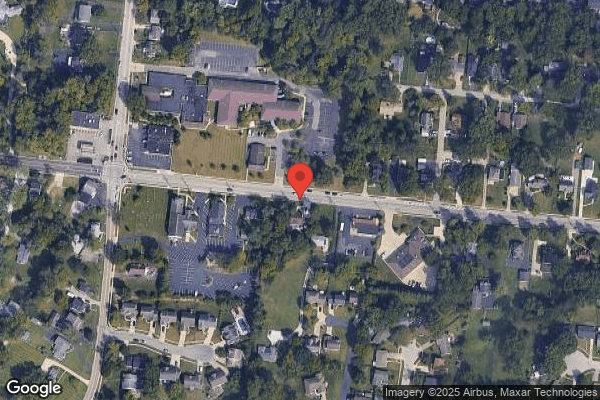

6164 SALEM ROAD, CINCINNATI, OH 45230 (513) 231-8292
For profit - Corporation 99 Beds FOUNDATIONS HEALTH SOLUTIONS Data: November 2025
Trust Grade
90/100
#151 of 913 in OH
Last Inspection: May 2025

Inspected within the last 6 months. Data reflects current conditions.

Overview

The Residence at Salem Woods has received a Trust Grade of A, indicating it is an excellent facility highly recommended for care. It ranks #151 out of 913 nursing homes in Ohio, placing it in the top half statewide, and #14 out of 70 in Hamilton County, meaning only 13 local options are better. The facility appears to be improving, with issues decreasing from 4 in 2022 to 2 in 2025. Staffing is a relative strength, with a 3/5 star rating and a turnover rate of 40%, which is below the state average. Notably, there have been no fines, suggesting compliance with regulations. However, there have been some concerns, like expired medications in storage, and pureed foods not being prepared correctly, which could impact residents on special diets. Additionally, an admission weight was not taken for one resident, which is important for proper care management. Overall, while there are areas for improvement, the Residence at Salem Woods generally provides quality care and a stable environment for its residents.

Trust Score
A
90/100
In Ohio
#151/913
Top 16%
Safety Record
Low Risk
No red flags
Inspections
Getting Better
4 → 2 violations
Staff Stability
○ Average
40% turnover. Near Ohio's 48% average. Typical for the industry.
Penalties
✓ Good
No fines on record. Clean compliance history, better than most Ohio facilities.
Skilled Nurses
○ Average
Each resident gets 32 minutes of Registered Nurse (RN) attention daily — about average for Ohio. RNs are the most trained staff who monitor for health changes.
Violations
○ Average
7 deficiencies on record. Average for a facility this size. Mostly minor or procedural issues.
★★★★★
5.0
Overall Rating
★★★☆☆
3.0
Staff Levels
★★★☆☆
3.0
Care Quality
★★★★★
5.0
Inspection Score
Stable
2022: 4 issues
2025: 2 issues

The Good

  • Full Sprinkler Coverage · Fire safety systems throughout facility
  • No fines on record
  • Staff turnover below average (40%)

    8 points below Ohio average of 48%

Facility shows strength in fire safety.

The Bad

Staff Turnover: 40%

Near Ohio avg (46%)

Typical for the industry

Chain: FOUNDATIONS HEALTH SOLUTIONS

Part of a multi-facility chain

Ask about local staffing decisions and management

The Ugly 7 deficiencies on record

May 2025 2 deficiencies
CONCERN (D)

Potential for Harm - no one hurt, but risky conditions existed

Quality of Care (Tag F0684)

Could have caused harm · This affected 1 resident

Based on medical record review, staff interview, and review of the facility policy, the facility failed to obtain a resident's weight upon admission to the facility. This affected one (#16) resident o...

Read full inspector narrative →
Based on medical record review, staff interview, and review of the facility policy, the facility failed to obtain a resident's weight upon admission to the facility. This affected one (#16) resident of the three residents reviewed for weight changes. The facility census was 84 residents. Findings include: Review of the medical record for Resident #16 revealed an admission date of 03/15/25 with diagnoses including diabetes mellitus (DM), dysphagia, and acute kidney failure. Review of the care plan for Resident #16 dated 03/15/25 revealed the resident was at risk for alteration in nutrition and hydration and weight loss related to acute kidney failure, hydronephrosis, DM, fatty liver, anemia and poor intakes. Interventions to prevent weight loss included the following: assist/feed meals, monitor laboratory findings as ordered, speech referral as needed, provide supplements as ordered. Review of the Minimum Data Set (MDS) assessment for Resident #16 dated 04/24/25 revealed the resident had impaired cognition and required maximum assistance from the staff with eating. Review of the weight record for Resident #16 revealed a weight of 186.1 pounds on 03/15/25 and a weight of 152.4 pounds on 03/21/25. The Registered Dietitian (RD) crossed out the admission weight of 186.1 pounds dated 03/15/25 and documented the weight as inaccurate. Interview on 04/30/25 at 12:32 P.M. with the RD confirmed she documented Resident #16's admission weight of 186.1 as erroneous. The RD confirmed she spoke Registered Nurse (RN) #38 who stated the facility staff did not obtain Resident #16's weight upon admission but had copied the weight of 186.1 from preadmission hospital records. Interview on 04/30/25 at 1:28 P.M. with RN #38 confirmed she completed the admission assessment for Resident #16 on 03/15/25 but the facility staff did not obtain a weight for the resident. RN #38 confirmed she copied the weight from the resident's preadmission hospital paperwork. Interview with the Director of Nursing (DON) and the RD on 04/30/25 at 3:07 P.M. confirmed facility staff should obtain an actual resident weight upon admission and note the weight in the medical record. The DON and the RD further confirmed the facility did not obtain a weight for Resident #16 upon admission. Further interview confirmed RN #38 copied the admission weight of 186.1 for Resident #16 from the preadmission hospital paperwork and the staff had not actually weighed the resident. Review of the facility policy titled admission Weights undated revealed residents must have accurate admission weights, and the facility staff should weigh the resident upon admission using a standing scale, a sitting scale or a Hoyer scale. Staff should not use the hospital weight, or a weight reported by the resident.
CONCERN (D)

Potential for Harm - no one hurt, but risky conditions existed

Deficiency F0697 (Tag F0697)

Could have caused harm · This affected 1 resident

Based on medical record review, observation staff interview, review of the facility policy, and review of guidelines from the National Pressure Injury Advisory Panel (NPIAP), the facility failed to en...

Read full inspector narrative →
Based on medical record review, observation staff interview, review of the facility policy, and review of guidelines from the National Pressure Injury Advisory Panel (NPIAP), the facility failed to ensure resident pain was effectively managed during a dressing change. This affected one (Resident #6) of three residents reviewed for pain management. The facility census was 84 residents. Findings include: Review of the medical record for Resident #6 revealed an admission date of 04/01/11 with diagnoses including diabetes, profound intellectual disabilities, anxiety disorder, and aphasia. Review of the care plan for Resident #6 dated 12/28/11 revealed the resident was unable to verbally express pain. Goals of Resident #16's care plan were to decrease the resident's pain to an acceptable level to allow the resident's participation in treatments and activities of daily living (ADLs) and signs of discomfort would be reduced or resolved. Interventions included the following: administer medications as ordered, medications as ordered to manage pain, monitor effectiveness of interventions, monitor for increased pain levels. Review of the Minimum Data Set (MDS) assessment for Resident #6 dated 02/07/25 revealed the resident was non-communicative with severely impaired cognition and was dependent on staff with all activities of daily living (ADLs). Review of the notes per the wound nurse practitioner (NP) for Resident #6 dated 04/10/25 revealed the resident had a full thickness diabetic foot ulcer to his left heel which measured 3.3 centimeters (cm) in length by 3.5 cm in width with the depth unable to be determined. The ulcer contained 30 percent (%) granulation tissue, 20 % slough, and 50 % eschar. Debridement of the wound was postponed due to concerns for Resident #6's discomfort and pain levels. The treatment was changed due to adherence of the dressing to the wound bed to the following order: cleanse the wound with normal saline, apply Medihoney, apply calcium alginate, cover with an ABD pad and wrap with Kerlix. Review of the notes per the wound NP for Resident #6 dated 04/17/25 revealed the resident's diabetic foot ulcer measured 4.2 cm in length by 4.0 cm in depth with a depth unable to be determined. The ulcer contained 10 % granulation tissue, 10 % slough, and 80 % eschar. The resident showed signs of discomfort and pain to the ulcer during the wound NP visit. Review of the Medication Administration Record (MAR) for Resident #6 dated April 2025 revealed the resident had an order for Tramadol twice daily as needed for pain. Resident #6 was not documented for administration of Tramadol on 04/30/25. Observation of wound care for the left diabetic foot ulcer for Resident #6 on 04/30/25 at 9:27 A.M. per Assistant Director of Nursing (ADON) #97 revealed when the nurse began removing the dressing from the resident's left foot, the resident attempted to pull his foot away. As ADON #97 continued with dressing change Resident #6 began whimpering, pulling his foot away, grimacing, moaning and growling in pain, and began biting his fingers and these signs continued throughout the procedure. Interview on 04/30/25 at 9:50 A.M. with ADON #97 confirmed she was unaware if Resident #6 had received pain medication prior to the dressing change and confirmed the resident demonstrated signs of pain and discomfort throughout the procedure such as pulling his foot away, grimacing, moaning and growling in pain, and biting his fingers. ADON #97 confirmed she continued with the treatment despite Resident #6 exhibiting nonverbal indicators of pain. Review of the facility policy titled Pain Assessment and Management dated 03/31/16 revealed assessment and adequate treatment of pain was central to the management of the physical and psychological well-being of residents. The resident's pain should be assessed as needed and if the resident was unable to communicate pain symptoms, the staff should observe for behavior that indicated pain such as restlessness, agitation, groaning or holding of an area. The staff should provide pharmacological interventions in accordance with physician's orders. Review of the online resource per the NPIAP titled Prevention and Treatment of Pressure Ulcers: Clinical Practice Guideline at (https://npiap.com/general/custom.asp?page=2014Guidelines) downloaded on 05/14/25, revealed on page 161 that staff should organize care delivery to ensure that it is coordinated with pain medication administration and that minimal interruptions follow. Pain management included performing care after administration of pain medication to minimize pain experienced and interruptions to comfort for the individual. Review of page 165 revealed staff should use adequate pain control measures, including additional dosing, prior to commencing wound care procedures. This statement was based on expert opinion. Wound care procedures including wound manipulation, wound cleansing, debridement, and dressing changes were painful to the patient.
Apr 2022 4 deficiencies
CONCERN (D)

Potential for Harm - no one hurt, but risky conditions existed

Pharmacy Services (Tag F0755)

Could have caused harm · This affected 1 resident

Based on observation, staff interview, and policy review, the facility failed to properly prepare medications for administration. This had the potential to affect three Residents (#15, #23, and #59) o...

Read full inspector narrative →
Based on observation, staff interview, and policy review, the facility failed to properly prepare medications for administration. This had the potential to affect three Residents (#15, #23, and #59) out of 25 residents who reside on the Oak and Pine unit. The facility census was 87. Findings include: Observation on 04/12/22 at 2:59 P.M. of the medication cart on the Oak and Pine unit revealed there were three cups of pre-poured medications prepared for three Residents (#15, #23, and #59) in the top drawer of the cart. Interview with Licensed Practical Nurse (LPN) #80 during the observation on 04/12/22 at 2:59 P.M. revealed the medications pre-poured for Resident #15 included two glyburide five milligrams (mg) pills, the medication pre-poured for Resident #23 included percocet (controlled opoid) 7.5/325 mg, and the medications pre-poured for Resident #59 were robaxin 500 mg and percocet 7.5/325 mg. Interview on 04/12/22 at 3:05 P.M. with the Manager of Clinical Services #87 verified the medications were prepared improperly for Resident #15, #23, and #59, when the medications were pre-poured into a cup and set in the top drawer of the medication cart. Review of the General Guidelines for Medication Administration Policy, dated 06/21/17, revealed only one resident's medication at a time should be prepared and taken into the resident's room. Pre-pouring medications is not an acceptable or safe practice.
CONCERN (E)

Potential for Harm - no one hurt, but risky conditions existed

Deficiency F0804 (Tag F0804)

Could have caused harm · This affected multiple residents

Based on observation, staff interview, review of facility recipes, and policy review, the facility failed to properly prepare pureed food. This had the potential to affect all eight facility identifie...

Read full inspector narrative →
Based on observation, staff interview, review of facility recipes, and policy review, the facility failed to properly prepare pureed food. This had the potential to affect all eight facility identified residents (#9, #10, #17, #29, #40, #47, #49, and #56) in the facility who receive a pureed diet. The facility census was 87. Findings include: Observation on 04/12/22 at 9:23 A.M. revealed [NAME] #21 prepared pureed ham for the lunch meal. [NAME] #21 stated there was one pureed diet, which was liquified, and the remainder of the pureed diets were standard puree. [NAME] #21 placed ham into the food processor, turned the food processor on, and then added water to the food processor. [NAME] #21 continued to add water to the food processor until the ham was a watery consistency. [NAME] #21 then scooped a portion of the liquified ham mixture into an insulated bowl and informed the surveyor the contents in the bowl were for the liquified pureed diet. [NAME] #21 then added thickening powder to the ham mixture to create an appropriate pureed-textured ham for the remainder of the pureed diets. Continued observation on 04/12/22 at approximately 9:30 A.M. revealed [NAME] #21 placed green beans into the food processor to begin preparing the pureed green beans. [NAME] #21 turned on the food processor and began adding water as well as a small amount of thickener to the green beans until the appropriate consistency was achieved. Interview on 04/12/22 at approximately 9:35 A.M. with [NAME] #21, verified he prepared the pureed liquified diet by adding enough water to the ham to make all of the ham liquified and utilized thickener to thicken the mixture back to a pureed form, unnecessarily adding more liquid to all of the pureed ham. [NAME] #21 stated he has always done it that way. Interview on 04/13/22 at approximately 12:15 P.M. with Registered Dietitian (RD) #88, verified water should not be used to aid in the process of making pureed foods. Interview on 04/13/22 at 12:42 P.M. with Dietary Supervisor #65, verified [NAME] #21 used water when making the pureed ham and pureed green beans on 04/12/22. Review of the Recipe Summary Card titled Pureed Meats (Protein) revealed food should be pureed until meats with a little stock/cooking liquid reach a smooth consistency. If needed, add additional stock or liquid to reach a smooth consistency and add thickener to achieve a mashed potato consistency. Review of the Recipe Summary Card titled Pureed Vegetables revealed food should be pureed until vegetables reach a smooth consistency. If needed, stock or liquid can be added to reach a smooth consistency and add thickener to achieve mashed potato consistency. Review of the facility policy titled Procedure for Thinned-Puree, undated, revealed pureed food was to be prepared according to the recipe and, prior to adding the thickening agent, remove one portion of the food needed to be thinned. The cook should then use broth, milk, juice, or half and half to thin the pureed item, adding one ounce of liquid at a time to achieve the desired consistency.
CONCERN (F)

Potential for Harm - no one hurt, but risky conditions existed

Deficiency F0761 (Tag F0761)

Could have caused harm · This affected most or all residents

**NOTE- TERMS IN BRACKETS HAVE BEEN EDITED TO PROTECT CONFIDENTIALITY** Based on observation, staff interview, review of medication insert, and policy review, the facility failed to ensure medications...

Read full inspector narrative →
**NOTE- TERMS IN BRACKETS HAVE BEEN EDITED TO PROTECT CONFIDENTIALITY** Based on observation, staff interview, review of medication insert, and policy review, the facility failed to ensure medications were dated after opening and were not expired. This had the potential to affect all 87 residents residing in the facility. The facility census was 87. Findings include: 1. Observation on [DATE] at 1:42 P.M. of the medication storage room revealed two 16-ounce bottles of liquid Docusate Sodium Stool Softener with an expiration date of 09/2020. Interview on [DATE] at 1:43 P.M. with Licensed Practical Nurse #36 confirmed the expiration date on the two Docusate Sodium Stool Softener bottles. 2. Observation on [DATE] at 2:00 P.M. of the refrigerator on the 300 Hall revealed a vial of Aplisol (Tuberculin Purified Protein Derivative, Diluted [Stabilized Solution]), used for diagnosing tuberculosis, was opened but was not dated. Interview on [DATE] at 2:01 P.M. with Registered Nurse #89 confirmed the tuberculin solution was opened with no date marked to indicate when the solution had been opened. Review of the packaging insert for the tuberculin solution, revised 03/2016, revealed vials in use for more than 30 days should be discarded. Review of the facility policy titled Medication Storage, dated [DATE], revealed medications and biologicals are stored safely, securely and properly following manufacturer's recommendations or those of the supplier. Outdated, contaminated, or deteriorated medications and those in containers that are cracked, soiled, or without secure closures are immediately removed from stock, disposed of according to procedures for medication destruction, and reordered from the Pharmacy, if replacements are needed.
MINOR (C)

Minor Issue - procedural, no safety impact

Deficiency F0730 (Tag F0730)

Minor procedural issue · This affected most or all residents

Based on personnel file review and staff interview, the facility failed to ensure State Tested Nurse Aides (STNA) received annual performance review evaluations. This affected two (STNA #38 and STNA #...

Read full inspector narrative →
Based on personnel file review and staff interview, the facility failed to ensure State Tested Nurse Aides (STNA) received annual performance review evaluations. This affected two (STNA #38 and STNA #61) of two STNA's reviewed for annual performance evaluations and had the potential to affect all 87 residents. The facility census was 87. Findings include: 1. Review of STNA #38's personnel file revealed STNA #38 was hired on 07/02/19. Further review of STNA #38's personnel file revealed STNA #38 did not receive an annual performance review evaluation between 07/2020 and 04/14/22. 2. Review of STNA #61's personnel file revealed STNA #61 was hired on 09/03/15. Further review of STNA #61's personnel file revealed STNA #61 did not receive an annual performance review evaluation between 09/03/20 and 04/14/22. Interview on 04/14/22 between 12:30 P.M. and 1:15 P.M. with Human Resources Director #42, verified STNA #61 and STNA #38 did not receive an annual performance review evaluations during the dates specified.
Oct 2019 1 deficiency
CONCERN (D)

Potential for Harm - no one hurt, but risky conditions existed

Assessment Accuracy (Tag F0641)

Could have caused harm · This affected 1 resident

**NOTE- TERMS IN BRACKETS HAVE BEEN EDITED TO PROTECT CONFIDENTIALITY** Based on observation, record review and staff interviews, the facility failed to accurately code information on the Minimum Data...

Read full inspector narrative →
**NOTE- TERMS IN BRACKETS HAVE BEEN EDITED TO PROTECT CONFIDENTIALITY** Based on observation, record review and staff interviews, the facility failed to accurately code information on the Minimum Data Set (MDS) assessments. This affected two (#2 and #12) of 23 residents reviewed for MDS accuracy in the final sample. The facility census was 101. Findings include: 1. Review of the medical record for Resident #2 revealed an admission date of 06/16/18. Diagnoses included dementia. Review of the quarterly Minimum Data Set (MDS) assessment dated [DATE] revealed the resident had impaired cognition and indicated Resident #2 had impairment in functional limitations for both sides of upper and lower extremities. Observation on 10/02/19 at 2:09 P.M. revealed Resident #2 participating in activities. She was observed walking in the common area, drinking juice, flipping pages of a magazine and smacking her hands on a table for attention. There were no functional limitations observed with the resident's upper extremities. Interview with MDS Licensed Practical Nurse (LPN) #37 on 10/03/19 at 1:55 P.M. reported Resident #2 was not cooperative with her, so she coded impairment. When questioned what the specific functional impairment was that she had observed, LPN #37 stated the resident could not move things like her toes. LPN #2 stated she was unaware of any specific functional impairment for Resident #12. Interview with Unit Manager #37 on 10/03/19 at 2:45 P.M. verified she completed the functional resident observations form on 03/21/19 and 06/21/19 for Resident #12 as no impairment. She reported the forms were completed for MDS completion. She stated Resident #2 was able to do the activities she wanted, feed herself, transfer and ambulate independently, and pick up objects. 2. Review of the medical record for Resident #12 revealed an admission date of 06/06/19. Diagnoses included vascular dementia with behavioral disturbance, osteoarthritis and presence of artificial knee joint left and right. Review of the quarterly Minimum Data Set (MDS) assessment, dated 07/02/19, revealed Resident #12 had cognitive impairment and had functional limitations on both sides of lower extremities and no impairment of upper extremities. Review of the physical function observation form, dated 07/09/19, indicated Resident #12 had no functional impairment of upper or lower extremities. Observations on 09/30/19 at 2:04 P.M. and 10/03/19 at 4:00 P.M. revealed Resident #12 actively participating in a toss activity in the ELM unit lounge and ambulating to the bathroom without assistive devices. Interview on 10/03/19 at 4:00 P.M. with LPN #6 reported Resident #12 ambulated and toileted self independently and denied resident had any limitations in her legs, knees, or feet. Interview on 10/03/19 at 4:10 P.M. with the Director of Nursing and Corporate Support Registered Nurse #400 verified the MDS coding did not match the facility assessments or staff reports of Residents #2 ' s and #12 ' s functional abilities.
Understanding Severity Codes (click to expand)
Life-Threatening (Immediate Jeopardy)
J - Isolated K - Pattern L - Widespread
Actual Harm
G - Isolated H - Pattern I - Widespread
Potential for Harm
D - Isolated E - Pattern F - Widespread
No Harm (Minor)
A - Isolated B - Pattern C - Widespread

Questions to Ask on Your Visit

  • "Can I speak with families of current residents?"
  • "What's your RN coverage like on weekends and overnight?"

Our Honest Assessment

Strengths
  • • Grade A (90/100). Above average facility, better than most options in Ohio.
  • • No major safety red flags. No abuse findings, life-threatening violations, or SFF status.
  • • No fines on record. Clean compliance history, better than most Ohio facilities.
  • • 40% turnover. Below Ohio's 48% average. Good staff retention means consistent care.
Concerns
  • • No significant concerns identified. This facility shows no red flags across CMS ratings, staff turnover, or federal penalties.
Bottom line: Generally positive indicators. Standard due diligence and a personal visit recommended.

About This Facility

What is Residence At Salem Woods's CMS Rating?

CMS assigns RESIDENCE AT SALEM WOODS an overall rating of 5 out of 5 stars, which is considered much above average nationally. Within Ohio, this rating places the facility higher than 99% of the state's 100 nursing homes. This rating reflects solid performance across the metrics CMS uses to evaluate nursing home quality.
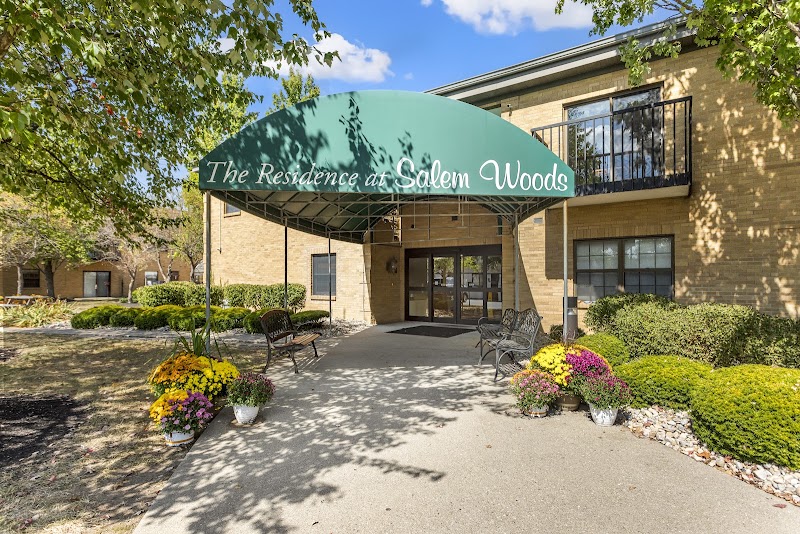
How is Residence At Salem Woods Staffed?

CMS rates RESIDENCE AT SALEM WOODS's staffing level at 3 out of 5 stars, which is average compared to other nursing homes. Staff turnover is 40%, compared to the Ohio average of 46%. This relatively stable workforce can support continuity of care.

What Have Inspectors Found at Residence At Salem Woods?

State health inspectors documented 7 deficiencies at RESIDENCE AT SALEM WOODS during 2019 to 2025. These included: 6 with potential for harm and 1 minor or isolated issues.

Who Owns and Operates Residence At Salem Woods?

RESIDENCE AT SALEM WOODS is owned by a for-profit company. For-profit facilities operate as businesses with obligations to shareholders or private owners. The facility is operated by FOUNDATIONS HEALTH SOLUTIONS, a chain that manages multiple nursing homes. With 99 certified beds and approximately 85 residents (about 86% occupancy), it is a smaller facility located in CINCINNATI, Ohio.
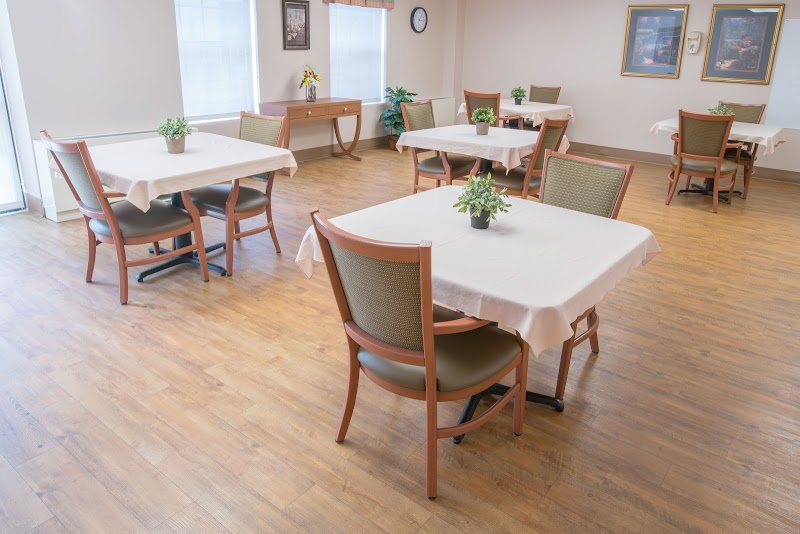
How Does Residence At Salem Woods Compare to Other Ohio Nursing Homes?

Compared to the 100 nursing homes in Ohio, RESIDENCE AT SALEM WOODS's overall rating (5 stars) is above the state average of 3.2, staff turnover (40%) is near the state average of 46%, and health inspection rating (5 stars) is much above the national benchmark.

What Should Families Ask When Visiting Residence At Salem Woods?

Based on this facility's data, families visiting should ask: "Can I visit during a mealtime to observe dining assistance and food quality?" "How do you handle medical emergencies, and what is your hospital transfer rate?" "Can I speak with family members of current residents about their experience?"

Is Residence At Salem Woods Safe?

Based on CMS inspection data, RESIDENCE AT SALEM WOODS has a clean safety record: no substantiated abuse findings (meaning no confirmed cases of resident harm), no Immediate Jeopardy citations (the most serious violation level indicating risk of serious injury or death), and is not on the Special Focus Facility watch list (a federal program monitoring the lowest-performing 1% of nursing homes). The facility has a 5-star overall rating and ranks #1 of 100 nursing homes in Ohio. While no facility is perfect, families should still ask about staff-to-resident ratios and recent inspection results during their visit.

Do Nurses at Residence At Salem Woods Stick Around?

RESIDENCE AT SALEM WOODS has a staff turnover rate of 40%, which is about average for Ohio nursing homes (state average: 46%). Moderate turnover is common in nursing homes, but families should still ask about staff tenure and how the facility maintains care continuity when employees leave.

Was Residence At Salem Woods Ever Fined?

RESIDENCE AT SALEM WOODS has no federal fines on record. CMS issues fines when nursing homes fail to meet care standards or don't correct problems found during inspections. The absence of fines suggests the facility has either maintained compliance or corrected any issues before penalties were assessed. This is a positive indicator, though families should still review recent inspection reports for the full picture.

Is Residence At Salem Woods on Any Federal Watch List?

RESIDENCE AT SALEM WOODS is not on any federal watch list. The most significant is the Special Focus Facility (SFF) program, which identifies the bottom 1% of nursing homes nationally based on persistent, serious quality problems. Not being on this list means the facility has avoided the pattern of deficiencies that triggers enhanced federal oversight. This is a positive indicator, though families should still review the facility's inspection history directly.