OHIO LIVING LLANFAIR
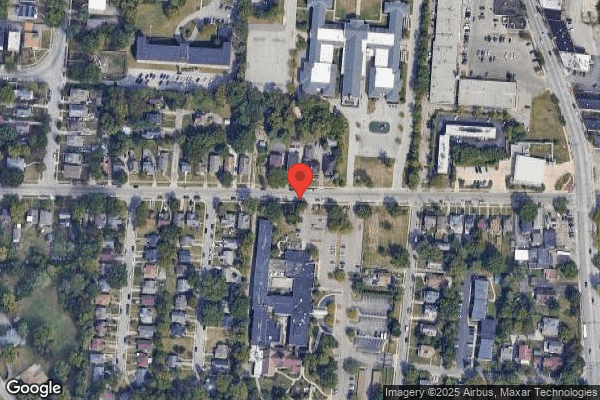

1701 LLANFAIR AVENUE, CINCINNATI, OH 45224 (513) 681-4230
Non profit - Corporation 36 Beds OHIO LIVING COMMUNITIES Data: November 2025
Trust Grade
85/100
#130 of 913 in OH
Last Inspection: February 2024

Within standard 12-15 month inspection cycle. Federal law requires annual inspections.

Overview

Ohio Living Llanfair in Cincinnati has a Trust Grade of B+, which means it is above average and recommended for families considering nursing home options. It ranks #130 out of 913 facilities in Ohio, putting it in the top half of the state, and is #13 out of 70 in Hamilton County, indicating that only a few local options are better. The facility is improving, with issues decreasing from 3 in 2022 to just 1 in 2024. Staffing is solid, with a rating of 4 out of 5 stars and a turnover rate of 32%, significantly lower than the state average, which suggests that staff are stable and familiar with the residents. Notably, there have been no fines, which is a positive sign of compliance. However, there have been concerns noted, such as failing to ensure required committee members attended meetings and not notifying families when a resident was transferred to the hospital. Overall, while the facility has many strengths, potential residents should be aware of these issues.

Trust Score
B+
85/100
In Ohio
#130/913
Top 14%
Safety Record
Low Risk
No red flags
Inspections
Getting Better
3 → 1 violations
Staff Stability
○ Average
32% turnover. Near Ohio's 48% average. Typical for the industry.
Penalties
✓ Good
No fines on record. Clean compliance history, better than most Ohio facilities.
Skilled Nurses
✓ Good
Each resident gets 50 minutes of Registered Nurse (RN) attention daily — more than average for Ohio. RNs are trained to catch health problems early.
Violations
⚠ Watch
17 deficiencies on record. Higher than average. Multiple issues found across inspections.
★★★★★
5.0
Overall Rating
★★★★☆
4.0
Staff Levels
★★★★★
5.0
Care Quality
★★★★☆
4.0
Inspection Score
Stable
2022: 3 issues
2024: 1 issues

The Good

  • 4-Star Staffing Rating · Above-average nurse staffing levels
  • 5-Star Quality Measures · Strong clinical quality outcomes
  • Full Sprinkler Coverage · Fire safety systems throughout facility
  • No fines on record
  • Staff turnover below average (32%)

    16 points below Ohio average of 48%

Facility shows strength in staffing levels, quality measures, fire safety.

The Bad

Staff Turnover: 32%

14pts below Ohio avg (46%)

Typical for the industry

Chain: OHIO LIVING COMMUNITIES

Part of a multi-facility chain

Ask about local staffing decisions and management

The Ugly 17 deficiencies on record

Feb 2024 1 deficiency
CONCERN (F)

Potential for Harm - no one hurt, but risky conditions existed

Deficiency F0868 (Tag F0868)

Could have caused harm · This affected most or all residents

Based on review of Quality Assessment and Assurance (QAA) committee sign-in sheets and staff interview, the facility failed to ensure all required members of the QAA committee attended meetings at lea...

Read full inspector narrative →
Based on review of Quality Assessment and Assurance (QAA) committee sign-in sheets and staff interview, the facility failed to ensure all required members of the QAA committee attended meetings at least quarterly. This had the potential to affect all 35 residents residing in the facility. The census was 35. Findings include: Review of the QAA committee meeting sign-in sheets for the last year revealed, for quarterly meetings held on 07/17/23 and 10/09/23, Medical Director (MD) #800 nor MD #800's designee attended the meetings as required. Interview on 02/22/24 at 5:13 P.M. with the Administrator and Director of Nursing (DON) verified MD #800 nor a designee attended the quarterly QAA committee meetings on 07/17/23 and 10/09/23.
Dec 2022 3 deficiencies
CONCERN (D) 📢 Someone Reported This

A family member, employee, or ombudsman was alarmed enough to file a formal complaint

Potential for Harm - no one hurt, but risky conditions existed

Notification of Changes (Tag F0580)

Could have caused harm · This affected 1 resident

**NOTE- TERMS IN BRACKETS HAVE BEEN EDITED TO PROTECT CONFIDENTIALITY** Based on record review, staff interview and policy review, the facility failed to notify family after a resident was transferred...

Read full inspector narrative →
**NOTE- TERMS IN BRACKETS HAVE BEEN EDITED TO PROTECT CONFIDENTIALITY** Based on record review, staff interview and policy review, the facility failed to notify family after a resident was transferred to the hospital. This affected one (#40) of three residents sampled for notifications. The facility census was 37. Findings include: Review of the medical record for the Resident #40 revealed an admission date of 10/13/2022 and a discharge date of 10/31/2022. Diagnoses included but were not limited fracture of the neck of the left femur, generalized anxiety disorder, urinary tract infection, unspecified dementia with behavioral disturbance, and hypertension. Review of the most recent Minimum Data Set (MDS) 3.0 assessment dated [DATE] revealed the resident had a BIMS of 3, had no behaviors, did not reject care, and did not wander. Resident #40 was a two-person physical assist, required extensive assistance for bed mobility, transfers, dressing, toileting, and personal hygiene; supervision with eating; and locomotion did not occur. Review of progress notes revealed on 10/15/2022 Resident #40 had a fall with head injury and was sent out for evaluation due to anticoagulant therapy and change in mental status. Nurse found the resident hanging outside of the bed on his head. Resident #40 had a computerized tomography (CT) scan at the hospital and was sent back to the facility on [DATE]. During an interview on 11/29/2022 at 3:46 P.M. the Administrator stated Resident #40 was found in the fetal position by the bed at on 10/15/2022 at 10:36 P.M. with his legs and feet upright and head on the floor. Vital signs were taken and were within normal limits. Staff assisted Resident #40 back to bed, and the resident complained of a headache. Doctor was contacted at 11:02 P.M. with a message left requesting a return call, and wife was contacted at 11:08 P.M. Upon return call, the provider wanted Resident #40 to go to the hospital to get checked out because he was taking anticoagulants and was complaining of a headache. The order for Resident #40 to be sent to the hospital was written at 11:18 P.M. During an interview on 11/30/2022 at 9:43 A.M. the Administrator stated she spoke to Licensed Practical Nurse (LPN) #390 by telephone on 11/29/2022. The nurse stated she notified Resident #40's spouse on 10/15/2022 prior to receiving the physician order to send Resident #40 to the hospital and informed her there was a strong probability the resident would be sent out due to his current anticoagulant regimen. The Administrator verified there was no documentation which indicated Resident #40's family was notified that Resident #40 was sent to the hospital on [DATE]. Review of policy titled Change of Condition: Observing, Recording, and Reporting dated 04/01/2022, revealed the facility provide immediate notification to the resident's legal representative and physician for any accident resulting in injury which potentially required physician intervention, a significant change in the resident's condition, a need to significantly alter treatment, and a decision to transfer or discharge a resident from the facility. This deficiency represents non-compliance investigated under Complaint Number OH00137235.
CONCERN (D) 📢 Someone Reported This

A family member, employee, or ombudsman was alarmed enough to file a formal complaint

Potential for Harm - no one hurt, but risky conditions existed

Pharmacy Services (Tag F0755)

Could have caused harm · This affected 1 resident

**NOTE- TERMS IN BRACKETS HAVE BEEN EDITED TO PROTECT CONFIDENTIALITY** Based on medical record review, staff interview and policy review, the facility failed to timely administer antibiotic medicatio...

Read full inspector narrative →
**NOTE- TERMS IN BRACKETS HAVE BEEN EDITED TO PROTECT CONFIDENTIALITY** Based on medical record review, staff interview and policy review, the facility failed to timely administer antibiotic medication to a resident with physician orders for antibiotic medication upon admission. This affected one (#40) of four residents sampled for medication administration. The facility census was 37. Findings include: Review of the medical record for the Resident #40 revealed an admission date of 10/13/2022 and a discharge date of 10/31/2022. Diagnoses included but were not limited fracture of the neck of the left femur, generalized anxiety disorder, urinary tract infection, unspecified dementia with behavioral disturbance, and hypertension. Review of the most recent Minimum Data Set (MDS) 3.0 assessment dated [DATE] revealed the resident had a brief interview for mental status (BIMS) of three, had no behaviors, did not reject care, and did not wander. Resident #40 was a two-person physical assist, required extensive assistance for bed mobility, transfers, dressing, toileting, and personal hygiene; supervision with eating; and locomotion did not occur. Review of Hospital #9's medication list dated 10/13/2022 revealed in addition to continuing routine medications, Resident #40 was ordered to start taking cefdinir 300 mg by mouth twice daily for five days (no diagnosis provided), Heparin 5000 unit per ml injections every eight hours until Coumadin levels were therapeutic, magnesium oxide 400 mg by mouth once daily for 14 days, sennosides-docusate sodium 8.5-50 mg by mouth once daily, and tramadol 50 mg by mouth every six hours as needed for pain for five days. Review of progress notes revealed Resident #40 was started on cefdinir 300 mg by mouth twice daily for five days for diagnosis of Urinary Tract Infection (UTI) on 10/18/2022. Review of the Medication Administration Record dated October 2022 revealed Resident #40 took cefdinir 300 mg by mouth twice daily from 10/19/2022 to 10/23/2022. During an interview on 11/29/2022 at 3:05 P.M. Social Worker #320 stated it was mentioned during a care conference on 10/18/2022 with family that Resident #40 had a UTI in the hospital before he came to the facility. To his knowledge, the Social Worker #320 stated the hospital did not communicate that fact to the facility, and the antibiotic treatment was not started right away. During an interview on 11/30/2022 at 3:01 P.M. Registered Nurse (RN) #415 verified the facility had scanned the list of medications from the hospital paperwork on 10/14/2022, which included orders for Cefdinir 300 mg by mouth twice daily for five days, and the facility did not begin to administer the antibiotic until 10/19/2022. Review of policy titled admission of Residents last revised 09/13/2022 revealed procedures for admission included to review all available transfer information and conduct interviews with resident and family accompanying resident. Review of policy titled Safe Medication Administration Practices, Long-Term Care revised 05/20/2022 revealed upon admission the facility obtained a list of medications and reviewed the list with the resident and accompanying family to verify accuracy. This deficiency represents non-compliance investigated under Complaint Number OH00137235.
CONCERN (E) 📢 Someone Reported This

A family member, employee, or ombudsman was alarmed enough to file a formal complaint

Potential for Harm - no one hurt, but risky conditions existed

Transfer Requirements (Tag F0622)

Could have caused harm · This affected multiple residents

**NOTE- TERMS IN BRACKETS HAVE BEEN EDITED TO PROTECT CONFIDENTIALITY** Based on medical record review, review of discharge notes, review of facility documentation, review of Resident Handbook, review...

Read full inspector narrative →
**NOTE- TERMS IN BRACKETS HAVE BEEN EDITED TO PROTECT CONFIDENTIALITY** Based on medical record review, review of discharge notes, review of facility documentation, review of Resident Handbook, review of the admission Agreement, review of a letter from the facility, staff interview and policy review, the facility failed to issue an appropriate discharge related to corporate decisions to de-certify beds prior to issuing proper notification to the State Agency of plans to decrease capacity including quantity and location of certified beds to be affected and the date upon which the new capacity was to be implemented. This affected six (#20, #21, #22, #23, #55, and #60) of six residents reviewed for discharge. The facility census was 37. Findings include: 1. Review of the medical record for the Resident #20 revealed an admission date of 11/10/2017. Diagnoses included but were not limited to hemiplegia and hemiparesis related to cerebral infarction, unspecified epilepsy, unspecified bipolar disorder, and autoimmune lymphoproliferative syndrome. Review of the most recent Minimum Data Set (MDS) 3.0 assessment dated [DATE] revealed the resident had a brief interview for mental status (BIMS) of 99, had no behaviors, did not reject care, and did not wander. Resident #20 was a two-person physical assist and required total assistance for all Activities of Daily Living (ADL's). Review of the care plan dated 11/22/2017 revealed Resident #20 had no plan to discharge and long-term care at the facility was appropriate. Interventions included quarterly care conferences, provide one-on-one (1:1) as needed, and review discharge planning on comprehensive assessments only. Review of Discharge notice dated 11/04/2022 revealed Resident #20 was notified in writing that she was to be discharged by 12/06/2022 due to the facility ceasing to operated several of its licensed skilled beds. The notice provided information regarding three potential facilities to which the resident could transfer, information regarding the appeal process, and contact information for resident advocates. 2. Review of the medical record for the Resident #21 revealed an admission date of 06/14/2022. Diagnoses included but were not limited to hemiplegia and hemiparesis following cerebral infarction, Bell's palsy, unspecified dementia, and unspecified depression. Review of the most recent MDS 3.0 assessment dated [DATE] revealed the resident had a BIMS of seven, had no behaviors, did not reject care, and did not wander. Resident #21 was a one-person physical assist and required supervision/setup assistance for all ADL's. Review of care plan dated 06/27/2022 revealed Resident #21 was appropriate for long term care at the facility. Interventions included care conferences as scheduled and provide care services as scheduled and as needed. Review of Discharge notice dated 11/04/2022 revealed Resident #21 was notified in writing that she was to be discharged by 12/06/2022 due to the facility ceasing to operated several of its licensed skilled beds. The notice provided information regarding three potential facilities to which the resident could transfer, information regarding the appeal process, and contact information for resident advocates. 3. Review of the medical record for the Resident #22, revealed an admission date of 11/28/2017. Diagnoses included but were not limited to flaccid hemiplegia and hemiparesis to right side following cerebral infarction, obesity, unspecified recurrent major depressive disorder, unspecified anxiety disorder, unspecified epilepsy, and severe vascular dementia with behavioral disturbance. Review of the most recent MDS 3.0 assessment dated [DATE] revealed the resident had a BIMS of 99, had no behaviors, did not reject care, and did not wander. Resident #20 had no plan to discharge and long-term care at the facility was appropriate. Interventions included quarterly care conferences, provide 1:1 as needed, and review discharge planning on comprehensive assessments only. Review of Discharge notice dated 11/04/2022 revealed Resident #22 was notified in writing that she was to be discharged by 12/06/2022 due to the facility ceasing to operate several of its licensed skilled beds. The notice provided information regarding two potential facilities to which the resident could transfer, information regarding the appeal process, and contact information for resident advocates. 4. Review of the medical record for the Resident #23, specified, revealed an admission date of 10/04/2021. Diagnoses included but were not limited to unspecified cerebral infarction, type II diabetes, unspecified convulsions, pseudobulbar effect, unspecified systolic congestive heart failure, generalized anxiety disorder, and severe recurrent major depressive disorder with psychotic symptoms. Review of the most recent MDS 3.0 assessment dated [DATE] revealed the resident had a BIMS of 11, had no behaviors, did not reject care, and did not wander. Resident # 23 was a one -person physical assist, required extensive assistance for bed mobility, dressing, toileting, and locomotion; limited assistance for transfers; and supervision for eating and personal hygiene. Review of the medical record revealed Resident #23 had no care plan for discharge. Review of progress notes revealed on 11/06/2022 Social Worker (SW) #320 hand-delivered a discharge notice to Resident #23 due to the facility ceasing to operate several skilled long-term beds. SW#320 asked Resident #23 if he had a preference for a facility to transfer to. The note indicated the discharge letter was also mailed to the resident representative. Review of Discharge notice dated 11/04/2022 revealed Resident #23 was notified in writing that he was to be discharged by 12/06/2022 due to the facility ceasing to operate several of its licensed skilled beds. The notice provided information regarding three potential facilities to which the resident could transfer, information regarding the appeal process, and contact information for resident advocates. 5. Review of the medical record for the Resident #55 revealed an admission date of 11/11/2021, and a discharge date of 11/22/2022. Diagnoses included but were not limited to type II diabetes, unspecified depression, hypertension, gout, and glaucoma. Review of the most recent MDS 3.0 assessment dated [DATE] revealed the resident had a BIMS of nine, had no behaviors, did not reject care, and did not wander. Resident #55 was a one-person physical assist, required extensive assistance for bed mobility, transfers, dressing, toileting, personal hygiene; supervision for eating; and locomotion did not occur. Review of the care plan dated 11/30/2021 revealed Resident #55 had no plan to discharge and long-term care at the facility was appropriate. Interventions included quarterly care conferences, provide 1:1 as needed, and review discharge planning on comprehensive assessments only. Review of Discharge notice dated 11/04/2022 revealed Resident #55 was notified in writing that she was to be discharged by 12/06/2022 due to the facility ceasing to operate several of its licensed skilled beds. The notice provided information regarding three potential facilities to which the resident could transfer, information regarding the appeal process, and contact information for resident advocates. 6. Review of the medical record for the Resident #60 revealed an admission date of 06/17/2020 and a discharge date of 11/28/2022. Diagnoses included but were not limited to moderate vascular dementia, flaccid hemiplegia following cerebral infarction affecting right dominant side, type II diabetes, unspecified epilepsy, and acute on chronic systolic congestive heart failure. Review of the most recent MDS 3.0 assessment dated [DATE] revealed the resident had a BIMS of 99, had no behaviors, did not reject care, and did not wander. Resident #60 was a one to two-person physical assist, required total assistance for transfers, extensive assistance for bed mobility, dressing, toileting, and personal hygiene, and supervision for eating. Review of the care plan dated 06/29/2020 revealed Resident #60 had no plan to discharge and long-term care at the facility was appropriate. Interventions included quarterly care conferences, provide 1:1 as needed, and review discharge planning on comprehensive assessments only. Review of Discharge notice dated 11/04/2022 revealed Resident #60 was notified in writing that she was to be discharged by 12/06/2022 due to the facility ceasing to operate several of its licensed skilled beds. The notice provided information regarding three potential facilities to which the resident could transfer, information regarding the appeal process, and contact information for resident advocates. Telephone interview on 11/29/22 at 2:13 P.M. with Chief Executive Officer (CEO) #550 revealed the facility had the intent to decertify the beds at the facility prior to 01/01/23. CEO #550 stated that he could not provide the state survey agency a date of when the facility would send the formal notification of the bed decrease or when the facility would decrease the beds because they were working strategically with the residents and families. CEO #550 stated that the facility had no intent to discharge and readmit residents and that the facility had integrity. CEO #550 reported the company spent 11 million dollars last year on agency staffing and there were concerns about the level of care for residents. The surveyor discussed that the facility's discharge notice stated the facility was ceasing to operate licensed beds and the state survey agency had no evidence that the facility had put plans in place to cease operating the beds. The surveyor again asked for the plans and dates of when the facility plans to notify the state survey agency of the capacity decrease and the date the tentative decrease would occur, but CEO #550 stated he did not have dates. During an interview on 11/29/2022 at 8:48 A.M. the Administrator stated the facility had already closed the Sunny Dale Hall and there were only four people left on [NAME] Hall. The facility was closing that unit next, so they sent out discharge letters which gave the residents 30-day notice. The organization was down-sizing and was not accepting any more short-term rehab from the community due to staffing costs and low reimbursement. Discharge letters were sent out in the beginning of November, date not specified, and gave the residents until 12/06/2022, a little over 30 days, to make other living arrangements. The facility provided names and contact information for three local facilities that had already agreed to accept the residents, and social services worked with the residents and families to make referrals as requested. During an interview on 11/30/2022 at 8:21 A.M. the Administrator stated the facility allowed residents who had started with the facility in Assisted Living or Independent Living to move to remain in the facility on the Rehab unit, but there was nothing in writing that supported this decision. The Administrator confirmed that the decrease in certified beds did not fit neatly into any of the acceptable reasons for facility-initiated discharge that were listed in the discharge policy, Resident Agreement, or Resident Handbook. The Administrator stated of the six residents who had received discharge notices (Residents #20, #21, #22, #23, #55, and #60), there were three residents (#21, #22, and #23) who remained in the facility. Resident #23 was discharging to another local facility, on 12/01/2022. Resident #22's family was looking for a facility with a four-to-five-star rating, and SW #320 was working with Resident #21's family to find placement. Review of Corporate Letter to ODH dated 11/29/2022 revealed As a result of the significant financial pressure resulting form escalating operational expenses, due to the cost prohibitive reliance of agency clinical staffing and the continued underfunding from the Medicaid program, Ohio Living Llanfair is in the process of strategically positioning the available number of skilled nursing beds on the campus. The letter gave no indication of how many skilled beds were affected or when the change to the facilities capacity would take effect. Review of Resident Handbook revealed reasons for involuntary (facility-initiated) discharge included the facility could not meet the resident's needs, the resident's health had improved/the resident no longer needed the facility's services, the resident's/other residents/staff's safety was endangered, failure to pay, the facility ceased to operate, or the facility's participation in Medicare/Medicaid was involuntarily terminated or denied. The facility was required to provide 30-day advanced notice of the transfer/discharge to the resident/representative in writing. Review of the Resident admission Agreement revealed the facility could terminate the agreement for the following reasons: failure to pay, the resident's stay jeopardized the welfare of the resident/other residents, the facility's license/certification was revoked/renewal was denied, or the facility voluntarily closed. Review of policy titled Discharge/Transfer of the Resident last revised 10/24/2022 revealed the facility could initiate a resident's discharge for the following reasons: the resident's needs could not be met, the resident's health had improved/the resident no longer required the facility's services, the safety of other individual was endangered due to the resident's clinical/behavioral status, or the resident failed to pay. The facility was required to give 30-day advanced notice in writing to the resident/representative which included the reason for discharge, the effective date of discharge, the location to which the resident is to be discharge, a statement of the resident's right to appeal, and contact information for the Ombudsman (mail, e-mail, and telephone number). This deficiency represents non-compliance investigated under Complaint Number OH00137694, Complaint Number OH00137668, and Complaint Number OH00137666.
May 2021 9 deficiencies
CONCERN (D)

Potential for Harm - no one hurt, but risky conditions existed

Resident Rights (Tag F0550)

Could have caused harm · This affected 1 resident

Based on record review, observation, staff interview, and review of the facility's policy, the facility failed to provide dining services in a dignified manner. This affected two (Residents #13 and #3...

Read full inspector narrative →
Based on record review, observation, staff interview, and review of the facility's policy, the facility failed to provide dining services in a dignified manner. This affected two (Residents #13 and #36) of five residents reviewed for nutrition. The facility census was 57. Findings include: 1. Review of the medical record for Resident #13 revealed an admission date of 02/11/16 with a diagnosis of Alzheimer's disease. Review of the Minimum Data Set (MDS) assessment, dated 02/18/21, revealed the resident was cognitively impaired and required extensive assistance of one staff with feeding. Review of the care plan, last updated 05/11/21, revealed the resident was at nutritional risk due to diagnosis of dementia and need for need for mechanically altered diet due to pocketing foods. The resident could feed herself using her hands to eat and required staff assistance needed to finish and eat adequately. Interventions included the following: serve pureed diet as ordered, provide assistance to eat as needed for optimal meal intakes, offer cueing to clear pocketed foods from mouth as needed, monitor for choking, pocketing food, or drooling, monitor for signs and symptoms of self-feeding difficulties, and serve meals in the dining room. Observation on 05/10/21 at 12:10 P.M. revealed Resident #13 was seated in the dining room with a plate of pureed food and utensils in front of her. Resident was using her fingers to eat the pureed food and was having difficulty feeding herself. There were no staff present in the dining room until 12:21 P.M. Further observation at 12:21 P.M. revealed State Tested Nursing Assistant (STNA) #455 entered the dining room and placed a spoon in Resident #13's hand and cued the resident so she was able to feed herself the pureed food with a spoon. Interview on 05/10/21 at 12:22 P.M. with STNA #455 confirmed Resident #13 needed assistance and cueing to use a spoon when eating pureed food in order to provide a dignified dining experience. 2. Review of the medical record for Resident #36 revealed an admission date of 11/24/20 with a diagnosis of vascular dementia without behavioral disturbance. Review of the MDS assessment, dated 04/10/21, revealed the resident was cognitively impaired and required supervision and set up help with eating. Review of the care plan, dated 01/13/21, revealed the resident was at nutritional risk due to dementia. Interventions included the following: serve regular diet as ordered, supplements as ordered, assistance to eat, cueing as needed for optimal intakes, monitor for chewing/swallowing problems such as coughing, choking, pocketing, or drooling, monitor for signs and symptoms of self-feeding difficulties, and serve meals in the dining room. Observation on 05/12/21 at 12:49 P.M. revealed STNA #455 was feeding Resident #13 her lunch when Resident #36 called for assistance. STNA #455 pushed Resident #13's plate out of the resident's reach and told the resident she would return soon. STNA #455 went to Resident #36 and fed her several bites of her food and remained standing over the resident as she did so. While STNA #455 was feeding/encouraging Resident #36 to eat, Resident #13 reached out for her plate of food but it was out of her reach. STNA #455 was the only staff person present in the dining room during the observation. Interview on 05/12/21 at 12:55 P.M. with STNA #455 confirmed staff should sit down and be eye level when assisting residents with feeding to provide a dignified dining experience. STNA #455 further confirmed she had moved Resident #13's food out of her reach because while she tended to Resident #36. STNA #455 confirmed Resident #13 was reaching for her food while STNA was assisting Resident #36 but she had deliberately placed the resident's food out of reach because she didn't think resident would be able to feed herself as resident's ability to self-feed was variable from day to day. Review of the facility's policy titled Dining and Meal Service, dated 2013, revealed the dining experience would be person-centered with the purpose of enhancing each individual patient's/resident's quality of life and would be supportive of each individuals' needs during dining and individuals would be assisted promptly and in a timely manner after the meal arrived.
CONCERN (D)

Potential for Harm - no one hurt, but risky conditions existed

Report Alleged Abuse (Tag F0609)

Could have caused harm · This affected 1 resident

Based on record review, staff interview, review of facility's Self-Reported Incidents (SRIs), and review of the facility's policy, the facility failed to report an allegation of physical abuse regardi...

Read full inspector narrative →
Based on record review, staff interview, review of facility's Self-Reported Incidents (SRIs), and review of the facility's policy, the facility failed to report an allegation of physical abuse regarding a resident-to-resident altercation to the State Survey Agency, the Ohio Department of Health (ODH). This affected two (Residents #23 and #31) of two residents reviewed for abuse. The facility census was 58. Findings include: Review of the medical record for Resident #31 revealed an admission date of 09/05/18 with a diagnosis of Alzheimer's disease. Review of the Minimum Data Set (MDS) assessment revealed the resident was cognitively impaired. Review of the nursing progress note for Resident #31, dated 04/09/20, revealed the nurse was called to the dining room due to resident being slapped by another resident. The nurse assessed the resident for injuries and none were noted. Review of the medical record for Resident #23 revealed an admission date of 09/04/19 with a diagnosis of unspecified dementia with behavioral disturbance. Review of the MDS assessment, dated 03/10/21, revealed the resident was cognitively impaired. Review of the nursing progress note for Resident #23, dated 04/09/20, revealed the nurse was called to the dining room due to resident being slapped by another resident. Resident #23 confirmed she was slapped by another resident, but she was not injured. Review of the facility's SRIs revealed there were no reports filed regarding Residents #23 and #31. Interview on 05/12/21 at 2:45 P.M. with Executive Director (ED) #730 confirmed the facility did not report the resident-to-resident physical altercation between Residents #23 and #31 to the ODH. Review of the facility's policy titled Abuse, Neglect Misappropriation and Crime Reporting, dated 11/04/19, revealed the facility would report all allegations of abuse including resident to resident abuse to ODH.
CONCERN (D)

Potential for Harm - no one hurt, but risky conditions existed

Investigate Abuse (Tag F0610)

Could have caused harm · This affected 1 resident

Based on record review, staff interview, review of the facility's Self-Reported Incidents (SRIs), and review of the facility's policy, the facility failed to thoroughly investigate a resident-to-resid...

Read full inspector narrative →
Based on record review, staff interview, review of the facility's Self-Reported Incidents (SRIs), and review of the facility's policy, the facility failed to thoroughly investigate a resident-to-resident physical altercation. This affected two (Residents #23 and #31) of two residents reviewed for abuse. The facility census was 58. Findings include: Review of the medical record for Resident #31 revealed an admission date of 09/05/18 with a diagnosis of Alzheimer's disease. Review of the Minimum Data Set (MDS) assessment revealed the resident was cognitively impaired. Review of the nursing progress note for Resident #31, dated 04/09/20, revealed the nurse was called to the dining room due to resident being slapped by another resident. The nurse assessed the resident for injuries and none were noted. Review of the medical record for Resident #23 revealed an admission date of 09/04/19 with a diagnosis of unspecified dementia with behavioral disturbance. Review of the MDS assessment, dated 03/10/21, revealed the resident was cognitively impaired. Review of the nursing progress note for Resident #23, dated 04/09/20, revealed the nurse was called to the dining room due to resident being slapped by another resident. Resident #23 confirmed she was slapped by another resident, but she was not injured. Review of the facility's SRIs revealed there were no reports filed regarding Residents #23 and #31. Interview on 05/12/21 at 2:45 P.M. with Executive Director (ED) #730 confirmed the facility did not conduct an investigation regarding the resident to resident physical altercation between Residents #23 and #31. Review of the facility's policy titled Abuse, Neglect Misappropriation and Crime Reporting, dated 11/04/19, revealed the facility would thoroughly investigate all allegations of abuse including resident-to-resident abuse.
CONCERN (D)

Potential for Harm - no one hurt, but risky conditions existed

ADL Care (Tag F0677)

Could have caused harm · This affected 1 resident

Based on record review, observation, and staff interview, the facility failed to ensure dependent residents were shaved during provision of grooming and hygiene care. This affected one (Resident #51) ...

Read full inspector narrative →
Based on record review, observation, and staff interview, the facility failed to ensure dependent residents were shaved during provision of grooming and hygiene care. This affected one (Resident #51) of 17 residents reviewed for hygiene. The facility census was 57. Findings include: Review of the medical record for Resident #51 revealed an admission date of 05/11/20 with a diagnosis including dementia with behavioral disturbance, depression, and anxiety disorder. Review of the Minimum Data Set (MDS) assessment, dated 04/12/21, revealed the resident was cognitively impaired and required extensive assistance of one staff with personal hygiene and grooming. Review of the care plan, dated 05/18/20, revealed the resident had a self-care deficit related to dementia and decreased physical function. The goal was for the resident to have proper hygiene and grooming daily and as needed. Interventions included monitoring for any improvement/decline in self-participation, encourage to complete tasks on their own and assist as needed. Observation of Resident #51 on 05/10/21 at 11:24 A.M. revealed the resident had long hairs (approximately one half inch) growing from her chin. Interview on 05/10/21 at 11:26 A.M. with State Tested Nursing Assistant (STNA) #435 confirmed Resident #51 had long hairs growing from her chin and that shaving the resident should be done on shower days. STNA #435 further confirmed she was not sure when Resident #51 had last received a shower. Interview on 05/10/21 at 11:28 A.M. with Licensed Practical Nurse (LPN) #395 confirmed Resident #51 had long hairs growing from her chin and the resident was not able to shave herself. Interview on 05/13/21 at 11:00 A.M. with LPN #565 confirmed Resident #51's shower days were Wednesday (05/12/21) and Saturday on the evening shift and she should be shaved on those dates. LPN #565 confirmed the STNAs completed shower sheets with every shower but could not find any shower sheets for Resident #51 for the month of May 2021. This deficiency substantiates Complaint Number OH00111766.
CONCERN (D)

Potential for Harm - no one hurt, but risky conditions existed

Respiratory Care (Tag F0695)

Could have caused harm · This affected 1 resident

Based on record review, observation, staff interview, and review of the facility's policy, the facility failed to ensure oxygen tubing was dated to indicate the date on which the tubing was changed/in...

Read full inspector narrative →
Based on record review, observation, staff interview, and review of the facility's policy, the facility failed to ensure oxygen tubing was dated to indicate the date on which the tubing was changed/initiated. This affected one (Resident #51) of one resident reviewed for respiratory care. The facility identified eight residents on oxygen therapy. The census was 57. Findings include: Review of the medical record for Resident #51 revealed an admission date of 05/11/20 with a diagnosis including dementia with behavioral disturbance, depression, and anxiety disorder. Review of the Minimum Data Set (MDS) assessment, dated 04/12/21, revealed the resident was cognitively impaired. Review of the physician orders, dated May 2021, revealed an order for oxygen per nasal cannula up to five liters continuously to maintain oxygen saturation levels above 92 percent (%). Review of the Medication Administration Record (MAR) and the Treatment Administration Record (TAR) for May 2021 for Resident #51 revealed it was silent regarding administration of oxygen and regarding changing the oxygen tubing. Observation on 05/10/21 at 11:17 A.M. revealed Resident #51 had oxygen in place per nasal cannula at five liters. The oxygen tubing was not dated. Interview on 05/10/21 at 11:19 A.M. with Licensed Practical Nurse (LPN) #395 confirmed the oxygen tubing for Resident #51 was not dated and she was unsure when it had last been changed. Observation on 05/12/21 at 12:31 P.M. revealed Resident #51 had oxygen in place per nasal cannula at five liters. The oxygen tubing was not dated. Interview on 05/12/21 at 12:32 P.M. with LPN # 530 confirmed the oxygen tubing for Resident #51 was not dated and further confirmed the May 2021 MAR/TAR for the resident did not include documentation of oxygen administration or changing of tubing. Review of the facility's policy titled Oxygen Administration and Handling, dated 10/10/20, revealed oxygen tubing should be dated when opened and should be changed at least weekly.
CONCERN (D)

Potential for Harm - no one hurt, but risky conditions existed

Pharmacy Services (Tag F0755)

Could have caused harm · This affected 1 resident

Based on record review, staff interview, and review of the facility's policy, the facility failed to administer insulin and intravenous (IV) antibiotics as ordered by the physician. This affected two ...

Read full inspector narrative →
Based on record review, staff interview, and review of the facility's policy, the facility failed to administer insulin and intravenous (IV) antibiotics as ordered by the physician. This affected two (Resident #13 and #51) of six residents reviewed for unnecessary medications. The facility census was 57. Findings include: 1. Review of the medical record for Resident #13 revealed an admission date of 02/11/16 with a diagnosis of Alzheimer's disease. Review of the Minimum Data Set (MDS) assessment, dated 02/18/21, revealed the resident was cognitively impaired. Review of the resident's Medication Administration Record (MAR), dated April 2021, revealed an order for the IV antibiotic Cefazolin to be administered three times daily from 04/16/21 to 05/05/21 for treatment of a urinary tract infection (UTI). Review of the April 2021 MAR revealed the following doses were not administered and the MAR did not note a refusal or rationale for not administering the medication: 04/17/21 at 7:00 A.M., 2:00 P.M., and 6:00 P.M., 04/18/21 at 7:00 A.M. and 2:00 P.M., 04/25/21 at 7:00 A.M., 04/28/21 at 7:00 A.M., 2:00 P.M., and 6:00 P.M. Review of the resident's MAR, dated May 2021, revealed the following doses were not administered and the MAR did not note a refusal or rationale for not administering the medication: 05/01/21 at 6:00 P.M., 05/05/21 at 2:00 P.M. Further review of the MAR revealed the medication was discontinued on 05/06/21. Review of the nurse progress notes for Resident #13 dated 04/16/21 through 05/05/21 revealed the notes were silent regarding physician notification of the missed doses and/or refusals or rationale for missed doses. Interview on 05/13/21 at 2:08 P.M. with Registered Nurse (RN) #835 confirmed Resident #13's medical record did not include physician notification of the missed doses and/or refusals or rationale for missed doses of IV antibiotics in April 2021 and May 2021. Review of the facility's policy titled Medication Administration, dated 11/20/20, revealed the facility would ensure staff administered medications as ordered within two hours of the prescribed times and would monitor and document medication administration and the effectiveness of all medications administered. 2. Review of the medical record for Resident #51 revealed an admission date of 05/11/20 with a diagnosis of diabetes mellitus. Review of the Minimum Data Set (MDS) assessment, dated 04/12/21, revealed the resident was cognitively impaired. Review of the care plan, dated 01/20/21, revealed the resident was at risk for hypo/hyperglycemia. Interventions included medications as ordered, monitor finger sticks as ordered, notify the physician of abnormal results, monitor for signs and symptoms of hypo/hyperglycemia and provide routine sliding scale insulin per orders. Review of the resident's MAR, dated May 2021, revealed the resident did not receive nighttime dose of insulin on 05/01/21 and 05/02/21 or the morning dose of insulin per sliding scale on 05/11/21. There was not blood sugar recorded for the morning on 05/11/21 Interview on 05/13/21 at 2:08 P.M. with Registered Nurse (RN) #835 confirmed Resident #51's medical record did not include physician notification of the missed doses and/or refusals or rationale for missed doses of insulin in May 2021. Review of the facility's policy titled Medication Administration, dated 11/20/20, revealed the facility would ensure staff administered medications as ordered within two hours of the prescribed times and would monitor and document medication administration and the effectiveness of all medications administered
CONCERN (D)

Potential for Harm - no one hurt, but risky conditions existed

Medication Errors (Tag F0758)

Could have caused harm · This affected 1 resident

**NOTE- TERMS IN BRACKETS HAVE BEEN EDITED TO PROTECT CONFIDENTIALITY** Based on medical record review, staff interview, review of the online Medscape resource, and review of the facility's policy, th...

Read full inspector narrative →
**NOTE- TERMS IN BRACKETS HAVE BEEN EDITED TO PROTECT CONFIDENTIALITY** Based on medical record review, staff interview, review of the online Medscape resource, and review of the facility's policy, the facility failed to ensure antipsychotic medications were administered for appropriate clinical indications, monitored for target behavioral symptoms, and considered for gradual dosage reductions when indicated. This affected two (Residents #51 and #152) of six residents reviewed for unnecessary medications. The facility census was 57. Findings include: 1. Review of the medical record for Resident #152 revealed an admission date of [DATE] with a diagnosis of Alzheimer's disease. Resident #152 had no diagnoses of psychosis or other specific medical conditions to justify the use of antipsychotic medications. Review of the physician's order, dated [DATE], revealed the resident had an order for the antipsychotic medication Seroquel 75 milligrams (mg.) to be administered routinely three times daily. Review of the resident's Medication Administration Record (MAR), dated [DATE], revealed it did not include monitoring of targeted behaviors associated with the use of Seroquel. The resident received Seroquel routinely three times daily as ordered. Review of the medical record for Resident #152 revealed it did not include a baseline care plan regarding the use of Seroquel. Interview on [DATE] at 12:40 P.M. with Licensed Practical Nurse (LPN) #565 confirmed Resident #152 received Seroquel three times daily and his record did not include targeted behaviors for the use of Seroquel or any kind of behavior monitoring or tracking. Interview on [DATE] at 2:08 P.M. with Registered Nurse (RN) #835 confirmed Resident #152's medical record did not include the following: a diagnosis or specific medical condition related to Seroquel use, a baseline care plan regarding the use of Seroquel, or monitoring of targeted behavioral symptoms. Review of the facility's policy titled Psychotropic Medications, dated [DATE]. revealed psychotropic medications will be administered pursuant to rule §483.45 in the Code of Federal Regulations (CFR). Review of the online resource Medscape revealed Seroquel included a black box warning indicating the medication placed elderly patients with dementia related psychosis at increased risk of mortality and medication was not approved for the treatment of patients with dementia-related psychosis. 2. Review of the medical record for Resident #51 revealed an admission date of [DATE] with diagnoses including dementia with behavioral disturbance, depression, and anxiety disorder. Resident #51 had no diagnoses of psychosis or other specific medical conditions to justify the use of antipsychotic medications Review of the Minimum Data Set (MDS) assessment, dated [DATE], revealed the resident was cognitively impaired, antipsychotics were received on seven out of seven days in the review period, no gradual dose reduction (GDR) had been attempted and the physician had not documented a GDR as clinically contraindicated. Review of the resident's care plan, dated [DATE], revealed the resident had altered behavior related to diagnoses of dementia with behaviors and resident could become agitated when attempting to locate deceased husband. Interventions included to address inappropriate behavior consistently as it occurs, consult with psychiatrist/psychologist as needed, medications as ordered, monitor for effectiveness/adverse/side effects, consult with social worker as needed, educate family on diagnosis of dementia and not to remind resident of husband's passing. Review of the physician's orders, dated [DATE], revealed an order for Zyprexa (an antipsychotic) to be administered routinely twice per day. Review of the medical record for Resident #51 revealed it did not include an assessment of abnormal involuntary movements associated with long term antipsychotic use and it did not include monitoring of targeted behaviors associated with the use of Zyprexa. Review of the MAR for [DATE] revealed the resident received Zyprexa twice daily routinely. Interview on [DATE] at 12:40 P.M. with Licensed Practical Nurse (LPN) #565 confirmed Resident #51's record did not include targeted behaviors for the use of Zyprexa nor did the record include behavior monitoring. Interview on [DATE] at 2:08 P.M. with Registered Nurse (RN) #835 confirmed Resident #51's medical record did not include the following: a diagnosis or specific medical condition related to Zyprexa use, an assessment of abnormal involuntary movements associated with long term antipsychotic use, attempted GDR and/or documentation of medical contraindication, or monitoring of targeted behavioral symptoms. Review of the online resource Medscape revealed Zyprexa included a black box warning indicating the medication placed elderly patients with dementia related psychosis at increased risk of mortality and medication was not approved for the treatment of patients with dementia-related psychosis.
CONCERN (D)

Potential for Harm - no one hurt, but risky conditions existed

Deficiency F0760 (Tag F0760)

Could have caused harm · This affected 1 resident

**NOTE- TERMS IN BRACKETS HAVE BEEN EDITED TO PROTECT CONFIDENTIALITY** Based on record review, review of the facility's policy, and staff interview, the facility failed to prevent a significant medic...

Read full inspector narrative →
**NOTE- TERMS IN BRACKETS HAVE BEEN EDITED TO PROTECT CONFIDENTIALITY** Based on record review, review of the facility's policy, and staff interview, the facility failed to prevent a significant medication error when Resident #20 was given another resident's medications. This affected one resident (#20) of resident reviewed for medication administration. The facility census was 57. Findings include: Medical record review for Resident #20 revealed the resident was admitted to the facility on [DATE] with diagnoses including hypertension unspecified heart failure, acute kidney injury, and unspecified dementia without behavioral disturbance. Review of the Minimum Data Set (MDS) assessment, dated 03/03/21, revealed Resident #20 had moderately impaired cognition, did not wander, and did not reject care. Review of the physician orders, for May 2021, revealed Resident #20 had active orders for acetaminophen (treats minor pain), acidophilus (probiotic), Albuterol sulfate (treats and prevents bronchospasm), calcium 500 milligrams (mg.) plus D, famotidine (treats gastroesophageal reflux disease), Levothyroxine (treats hypothyroidism), Metoprolol Succinate (treats high blood pressure), Miralax (stool softener), multivitamin with minerals, and Vitamin D3 (vitamin). Review of the progress note, dated 05/06/21 at 9:50 A.M., revealed Licensed Practical Nurse (LPN) #55 reported to Registered Nurse (RN) #65 she had administered another resident's medication to Resident #20 by mistake. Medications administered included Tylenol (treats mild pain) 650 mg, Buspar (anti-anxiety medication) 10 mg., Lactulose (laxative) 30 mg., and Oxycodone (narcotic pain medication) 5.0 mg. RN #65 stated she notified the doctor and family. Review of the facility's Medication Error Log, no date, revealed LPN #55 committed and reported a medication error on 05/06/21. The corrective action taken included staff education about the Five Rights of Medication Administration. Interview on 05/11/21 at 03:07 P.M. revealed RN #65 stated on 05/06/21, the agency nurse (LPN #55) walked into the wrong room and gave medications to Resident #20 which belonged to another resident. The LPN #55 informed RN #65 immediately of what happened and what medications were given. The RN stated she looked at the medications given in error and made a list of potential side effects to monitor for before she explained to the doctor, in facility at the time of occurrence, what had happened. The doctor said the resident should be fine but recommended to monitor Resident #20 for diarrhea and drowsiness and hold routine medications. The agency nurse monitored Resident #20 frequently for vitals and adverse effects and passed on to continue monitoring in shift-to-shift report. Review of the facility's policy titled Medication Error Report, dated 08/15/20, revealed in case of medication error, the nurse provides emergency care as needed, notifies the supervisor, physician, and resident's responsible party, assesses vital signs and adverse effects frequently, reported follow-up care in shift report, and documented each shift until the resident was stable.
CONCERN (D)

Potential for Harm - no one hurt, but risky conditions existed

Infection Control (Tag F0880)

Could have caused harm · This affected 1 resident

Based on observation, staff interview, and review of the facility's policy, the facility failed to ensure staff performed appropriate hand hygiene during meals. This affected three (Residents #13, #23...

Read full inspector narrative →
Based on observation, staff interview, and review of the facility's policy, the facility failed to ensure staff performed appropriate hand hygiene during meals. This affected three (Residents #13, #23, and #36) of 14 residents on the Grove Unit. The facility census was 57. Findings include: Observation on 05/10/21 at 12:21 P.M. revealed State Tested Nursing Assistant (STNA) #455 entered the dining room after returning from a break off the floor, and did not perform hand hygiene before providing hands on assistance with eating to Residents #13, #23, and #36. STNA #455 did not sanitize her hands between assisting Residents #13, #23, and #36. Interview on 05/10/21 at 12: 40 P.M. with STNA #455 confirmed she did not wash or sanitize her hands upon returning to the floor following her break and did not wash or sanitize hands in between providing hands on assistance with eating to Residents #13, #23 and #36. Observation on 05/12/21 at 12:49 P.M. revealed STNA #455 was feeding Resident #13 her lunch and was wearing gloves. Then STNA #455 removed her gloves and discarded them, donned a pair of new gloves from her pocket and assisted Resident #36 with eating for approximately one minute. STNA then removed her gloves and discarded them, donned a new pair of gloves from her pocket and went back to provide additional hands-on assistance with feeding to Resident #13. The STNA was observed not to perform any hand hygiene between her glove changes from Resident #13 to Resident #36 and then Resident #36 to Resident #13. Interview on 05/12/21 at 12:55 P.M. with STNA #455 confirmed she did not wash or sanitize her hands between residents, and she thought changing gloves between residents eliminated the need for her to perform hand hygiene. Review of the facility's policy titled Hand Hygiene, dated 05/15/20, revealed hand hygiene should be performed before and after patient contact and glove use did not eliminate the need for hand hygiene. This deficiency substantiates Complaint Number OH00111766.
May 2019 4 deficiencies
CONCERN (D)

Potential for Harm - no one hurt, but risky conditions existed

Deficiency F0625 (Tag F0625)

Could have caused harm · This affected 1 resident

**NOTE- TERMS IN BRACKETS HAVE BEEN EDITED TO PROTECT CONFIDENTIALITY** Based on medical record review and staff interview the facility failed to provide bed hold notices to residents upon transfer to...

Read full inspector narrative →
**NOTE- TERMS IN BRACKETS HAVE BEEN EDITED TO PROTECT CONFIDENTIALITY** Based on medical record review and staff interview the facility failed to provide bed hold notices to residents upon transfer to the hospital. This affected two residents (#4 and #76)of two reviewed for hospitalizations. The facility census was 69. Findings include: 1. Medical record review revealed Resident #4 was admitted to the facility on [DATE] with diagnoses including poly-osteoarthritis, sacral ulcer stage four, hemiplegia, heart failure, and hypertensive chronic kidney disease. Review of the most current comprehensive assessment revealed the resident had no cognitive deficits. Review of Resident #4's nursing note dated 12/29/18 at 1:30 P.M. revealed a State Tested Nursing Assistant (STNA) called the nurse to Resident #4's room because it appeared the resident was unconscious. The resident was sent to the hospital and admitted with the diagnoses of Hypokalemia (low potassium) and urinary tract infection (UTI). There was no evidence in the medical record the resident or representative received a bed hold notice. 2. Medical record review revealed Resident #76 was admitted to the facility on [DATE] with diagnoses including chest pain, dysphagia, end stage renal disease, dependence on renal dialysis, congestive heart failure, and coronary artery disease. Review of Resident #76's nursing note dated 03/23/19 revealed the resident was sent to a local emergency room due to unresponsiveness and decreased oxygen saturation. Review of nursing note dated 03/25/19 revealed Resident #76's daughter was made aware Resident #76 was discharged to the hospital and would not be returning. Interview on 05/01/19 at 2:18 P.M., with the Administrator verified that there was no evidence that notification on bed hold was given to either resident or their representative.
CONCERN (D)

Potential for Harm - no one hurt, but risky conditions existed

Comprehensive Care Plan (Tag F0656)

Could have caused harm · This affected 1 resident

**NOTE- TERMS IN BRACKETS HAVE BEEN EDITED TO PROTECT CONFIDENTIALITY** Based on medical record review and staff interview, the facility failed to ensure resident's had comprehensive care plans develo...

Read full inspector narrative →
**NOTE- TERMS IN BRACKETS HAVE BEEN EDITED TO PROTECT CONFIDENTIALITY** Based on medical record review and staff interview, the facility failed to ensure resident's had comprehensive care plans developed for anticoagulant (blood thinner) use, epilepsy diagnosis, and activities. This affected three residents (#4, #8, and #36) of 18 care plans reviewed. The facility census was 69. Findings include: 1. Medical record review revealed Resident #8 was admitted on [DATE] with diagnoses including dementia, hypoxia, acute respiratory distress, and atrial fibrillation (irregular heartbeat). Review of the annual Minimum Data Set (MDS) assessment dated [DATE] revealed Resident #8 had no cognitive deficits. Review of Resident #8's physician order dated 04/26/19 for Coumadin (blood thinner) 3 milligrams (mg) once a day late evening. There was no evidence in the medical record a care plan had been developed and implemented for the use of anticoagulant. Interview on 05/01/19 at 2:19 P.M., with Registered Nurse (RN) #805 verified there was no care plan for the use of an anticoagulant. 2. Medical record review revealed Resident #4 was admitted to the facility on [DATE] with diagnoses including poly-osteoarthritis, retention of urine, sacral ulcer stage four, and epilepsy. There was no evidence there was a care plan developed for the diagnosis of epilepsy. Interview on 05/01/19 at 2:19 P.M., with Registered Nurse (RN) #805 verified there was no care plan for Resident #4's diagnosis of epilepsy. 3. Medical record review revealed Resident #36 was admitted to the facility on [DATE] with diagnoses including cerebral infarction (stroke), hyperlipidemia, hemiplegia and hemiparesis affecting right dominant side, and vascular dementia with behavioral disturbance. Review of Resident #36's annual MDS dated [DATE] revealed the resident had short and long term memory problems. Review of the care assessment for activities (CAA) dated 12/02/18 revealed the resident as having a cerebral vascular accident in the past which affected her ability to communicate verbally, and she did not speak, and it could not be determined how much she was able to understand. The CAA revealed Resident #36 had family which visited routinely, as well as visits with activities department staff. The CAA further revealed a care plan for activities would be developed. There was no evidence in the medical record a care plan related to activities was ever developed. Interview on 04/29/19 at 10:48 A.M., with a family member of Resident #36 in the resident's room revealed the resident appeared to be bed bound and had multiple contractures of her lower legs and right arm. The resident was noted with unclear speech. The family member revealed she felt the resident was sad and needed more interaction. The family member revealed she felt the resident needed to get out of her room more often. On 04/30/19 at 5:48 A.M., Resident #36 was observed lying in bed on her right side where she could look out the door to the room. There was no music or television on in the room. The resident would attempt to speak when spoken to, however was not understood. On 05/01/19 at 5:37 P.M., the interim Director of Nursing (DON) confirmed a plan of care was not developed for Resident #36 regarding activities.
CONCERN (D)

Potential for Harm - no one hurt, but risky conditions existed

Deficiency F0679 (Tag F0679)

Could have caused harm · This affected 1 resident

**NOTE- TERMS IN BRACKETS HAVE BEEN EDITED TO PROTECT CONFIDENTIALITY** Based on medical record review, observation, review of activity schedules, resident council minutes review, staff interview, res...

Read full inspector narrative →
**NOTE- TERMS IN BRACKETS HAVE BEEN EDITED TO PROTECT CONFIDENTIALITY** Based on medical record review, observation, review of activity schedules, resident council minutes review, staff interview, resident interview, and family interview, the facility failed to ensure two residents were provided with an ongoing program of activities consistent with their comprehensive assessment, individualized written plan of care and/or expressed needs. This affected two residents (#36 and #39) of three reviewed for activities. The facility census was 69. Findings include: 1. Medical record review revealed Resident #36 was admitted to the facility on [DATE] with diagnoses including cerebral infarction (stroke), hemiplegia and hemiparesis affecting right dominant side, and vascular dementia with behavioral disturbance. Review of the annual comprehensive assessment revealed the resident had short and long term memory problems, and required the physical assistance of two person for bed mobility and transferring. Review of Resident #36' care area assessment (CAA) for activities dated 12/02/18 revealed the resident had a cerebral vascular accident in the past which affected her ability to communicate verbally, and she did not speak. It could not be determined how much she was able to understand. The CAA revealed the resident's family visited routinely as well as visits with activities department staff. The CAA revealed a care plan for activities would be developed. There was no evidence in the medical record a care plan had been developed for activities for Resident #36. On 04/29/19 at 10:48 A.M., interview with a family member of Resident #36 in the resident's room revealed the resident was bed bound, had unclear speech. The family member revealed she felt the resident was sad and needed more interaction. The family member revealed she felt the resident would enjoy singing/music, puzzles, being read the bible, a card game, and felt the resident needed to get out of her room more often. On 04/30/19 at 9:37 A.M., the Resident #36 was observed resting in bed on her right side. There was no television or music on in the room. The resident continually laid on her right side looking out the door of her room throughout the remainder of the day during intermittent observations with no activities provided other than routine nursing care. Interview with State Tested Nurse Aide (STNA) #73 on 05/01/19 at 9:46 A.M., revealed she frequently worked with Resident #36 and the resident was only gotten up on occasion into a geriatric recliner on no specific schedule. She stated she had not seen her participate in activities when she was up. On 05/01/19 at 2:40 P.M., interview with Activities Coordinator (AC) #829 revealed Resident #36 was to have one on one in room visits two to three times a week by an activities assistant. The one on one visits provided included things like reading to her from the bible, and hand massages with lotion. AC #829 also reported the resident had family visits on two or three times a week. AC #829 revealed she had not seen her out of bed for activities, and was not certain why the resident was not assisted out of bed to attend activities. On 05/01/19 at 4:05 P.M., interview and review of Resident #36's activities documentation with AC #829 revealed the resident had not been receiving one on one activities for the month of January 2019. The documentation revealed Resident #36 had only been visited one on one by activity staff nine times in four months as follows; four times in January 2019, one time in February 2019, two times in March 2019, and two times in April 2019. Review of Resident #36's April 2019 group activity log indicated the resident was not present for any group activities even as a passive observer. This was confirmed with AC #829. 2. Medical record revealed Resident #39 was admitted to the facility 12/02/17 with diagnoses of peripheral vascular disease, atrial fibrillation (irregular heartbeat), heart disease, and major depressive disorder. Review of the most recent comprehensive assessment revealed the resident had good memory and recall. The assessment further revealed it was very important for the resident to do things with groups of people, doing favorite activities, and to participate in religious services. Review of the facility's activity schedules for February through April 2019 revealed Sunday activity offerings in February included church services at 11:00 A.M., then listening to radio music at 11:30 A.M., and 4:30 P.M. Review of the March 2019 Sunday activity offerings included coffee and news at 10:00 A.M., church services at 11:00 A.M., and prayer services at 3:00 P.M. in the chapel. Review of the April 2019 Sunday activity offerings included church services at 11:00 A.M. then listening to radio music at 11:30 A.M. and 4:30 A.M., and on watching the local professional baseball game on television as scheduled. On 04/20/19 at 9:43 A.M., interview with Resident #39 revealed she liked the facility. She stated she liked most of the activities and liked to participate. Resident #39 then stated that there were not as many activities offered on the week ends so the residents end up in the small dining room room watching television. She revealed she goes to church in the morning on Sundays, and then there was nothing to do after that, only sit and wait for lunch and supper. Interview with AC #811 on 05/01/19 at 3:37 P.M., revealed on the weekends there was only one staff person on duty which covered the adjacent assisted living unit, the memory care unit, and the living center unit. She revealed on Sundays the activity staff person does coffee and news in the morning at 10:00 A.M., however it was held in the assisted living unit, not the nursing facility. AC #811 then revealed at 10:30 A.M., the activity staff person has to get residents to the large dining room for morning church services. She stated the afternoon prayer services were mostly for assisted living residents and were held in the campus center. AC #811 revealed the radio music activity was listening to the radio. She confirmed that Resident #39 had expressed in the April 2019 resident council meeting she would like more week end activities for the residents. AC #811 confirmed she had not acted on the request of Resident #39.
CONCERN (D)

Potential for Harm - no one hurt, but risky conditions existed

Deficiency F0773 (Tag F0773)

Could have caused harm · This affected 1 resident

**NOTE- TERMS IN BRACKETS HAVE BEEN EDITED TO PROTECT CONFIDENTIALITY** Based on medical record review and staff interview, the facility failed to complete physician ordered laboratory testing for one...

Read full inspector narrative →
**NOTE- TERMS IN BRACKETS HAVE BEEN EDITED TO PROTECT CONFIDENTIALITY** Based on medical record review and staff interview, the facility failed to complete physician ordered laboratory testing for one resident (#48) of five reviewed for unnecessary medication. The facility census was 69. Findings include: Medical record review revealed Resident #48 was admitted to the facility on [DATE] with diagnoses including dementia, atrial fibrillation (irregular heartbeat), heart failure, and malignant neoplasm (cancer) of large intestine. Review of physician orders revealed Resident #48 was receiving Lasix (diuretic) 60 milligrams (mg) daily. Review of pharmacy recommendations dated 09/24/18, 11/27/18, and 02/18/19 revealed it was recommended a basic metabolic panel (BMP) be completed due to the use of Lasix. The physician agreed with the recommendation. There was no evidence in the medical record the laboratory testing of the BMP was ever completed. Interview on 05/02/19 at 8:09 A.M., with the Director of Nursing (DON) verified the BMP lab was not completed as recommended for Resident #48.
Understanding Severity Codes (click to expand)
Life-Threatening (Immediate Jeopardy)
J - Isolated K - Pattern L - Widespread
Actual Harm
G - Isolated H - Pattern I - Widespread
Potential for Harm
D - Isolated E - Pattern F - Widespread
No Harm (Minor)
A - Isolated B - Pattern C - Widespread

Questions to Ask on Your Visit

  • "Can I speak with families of current residents?"
  • "What's your RN coverage like on weekends and overnight?"

Our Honest Assessment

Strengths
  • • Grade B+ (85/100). Above average facility, better than most options in Ohio.
  • • No major safety red flags. No abuse findings, life-threatening violations, or SFF status.
  • • No fines on record. Clean compliance history, better than most Ohio facilities.
  • • 32% turnover. Below Ohio's 48% average. Good staff retention means consistent care.
Concerns
  • • 17 deficiencies on record. Higher than average. Multiple issues found across inspections.
Bottom line: Generally positive indicators. Standard due diligence and a personal visit recommended.

About This Facility

What is Ohio Living Llanfair's CMS Rating?

CMS assigns OHIO LIVING LLANFAIR an overall rating of 5 out of 5 stars, which is considered much above average nationally. Within Ohio, this rating places the facility higher than 99% of the state's 100 nursing homes. This rating reflects solid performance across the metrics CMS uses to evaluate nursing home quality.
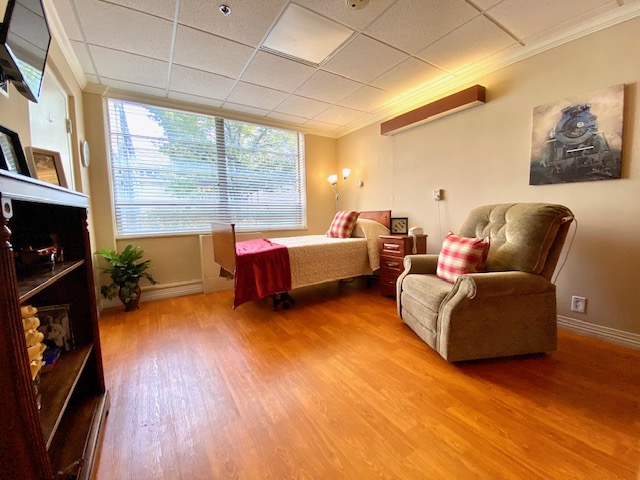
How is Ohio Living Llanfair Staffed?

CMS rates OHIO LIVING LLANFAIR's staffing level at 4 out of 5 stars, which is above average compared to other nursing homes. Staff turnover is 32%, compared to the Ohio average of 46%. This relatively stable workforce can support continuity of care.

What Have Inspectors Found at Ohio Living Llanfair?

State health inspectors documented 17 deficiencies at OHIO LIVING LLANFAIR during 2019 to 2024. These included: 17 with potential for harm.

Who Owns and Operates Ohio Living Llanfair?

OHIO LIVING LLANFAIR is owned by a non-profit organization. Non-profit facilities reinvest revenue into operations rather than distributing to shareholders. The facility is operated by OHIO LIVING COMMUNITIES, a chain that manages multiple nursing homes. With 36 certified beds and approximately 34 residents (about 94% occupancy), it is a smaller facility located in CINCINNATI, Ohio.
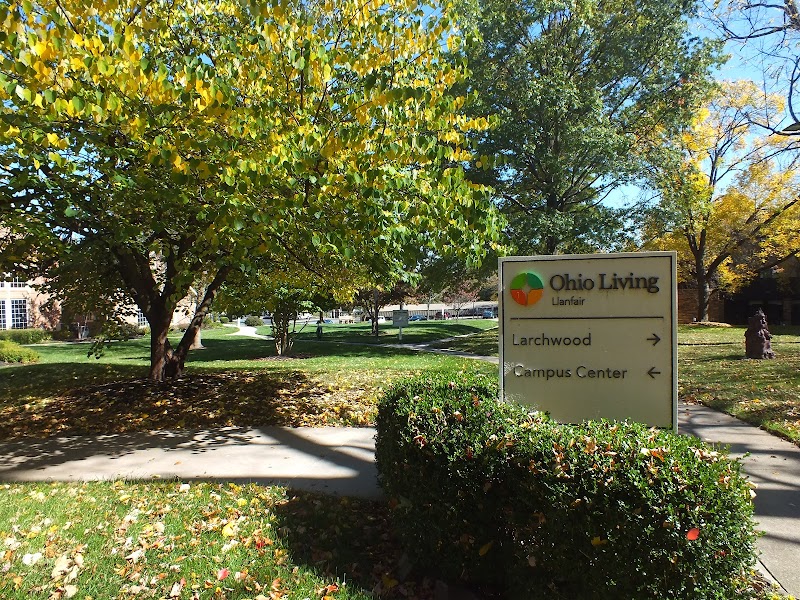
How Does Ohio Living Llanfair Compare to Other Ohio Nursing Homes?

Compared to the 100 nursing homes in Ohio, OHIO LIVING LLANFAIR's overall rating (5 stars) is above the state average of 3.2, staff turnover (32%) is significantly lower than the state average of 46%, and health inspection rating (4 stars) is above the national benchmark.

What Should Families Ask When Visiting Ohio Living Llanfair?

Based on this facility's data, families visiting should ask: "Can I visit during a mealtime to observe dining assistance and food quality?" "How do you handle medical emergencies, and what is your hospital transfer rate?" "Can I speak with family members of current residents about their experience?"

Is Ohio Living Llanfair Safe?

Based on CMS inspection data, OHIO LIVING LLANFAIR has a clean safety record: no substantiated abuse findings (meaning no confirmed cases of resident harm), no Immediate Jeopardy citations (the most serious violation level indicating risk of serious injury or death), and is not on the Special Focus Facility watch list (a federal program monitoring the lowest-performing 1% of nursing homes). The facility has a 5-star overall rating and ranks #1 of 100 nursing homes in Ohio. While no facility is perfect, families should still ask about staff-to-resident ratios and recent inspection results during their visit.

Do Nurses at Ohio Living Llanfair Stick Around?

OHIO LIVING LLANFAIR has a staff turnover rate of 32%, which is about average for Ohio nursing homes (state average: 46%). Moderate turnover is common in nursing homes, but families should still ask about staff tenure and how the facility maintains care continuity when employees leave.

Was Ohio Living Llanfair Ever Fined?

OHIO LIVING LLANFAIR has no federal fines on record. CMS issues fines when nursing homes fail to meet care standards or don't correct problems found during inspections. The absence of fines suggests the facility has either maintained compliance or corrected any issues before penalties were assessed. This is a positive indicator, though families should still review recent inspection reports for the full picture.

Is Ohio Living Llanfair on Any Federal Watch List?

OHIO LIVING LLANFAIR is not on any federal watch list. The most significant is the Special Focus Facility (SFF) program, which identifies the bottom 1% of nursing homes nationally based on persistent, serious quality problems. Not being on this list means the facility has avoided the pattern of deficiencies that triggers enhanced federal oversight. This is a positive indicator, though families should still review the facility's inspection history directly.