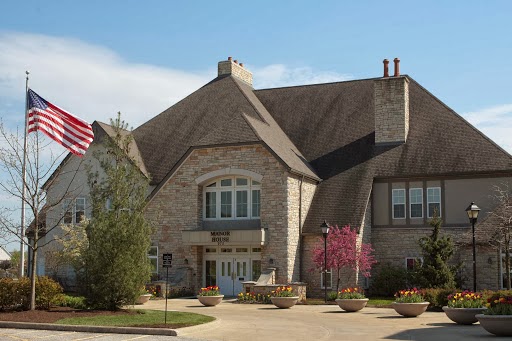

CONCORDIA AT SUMNER

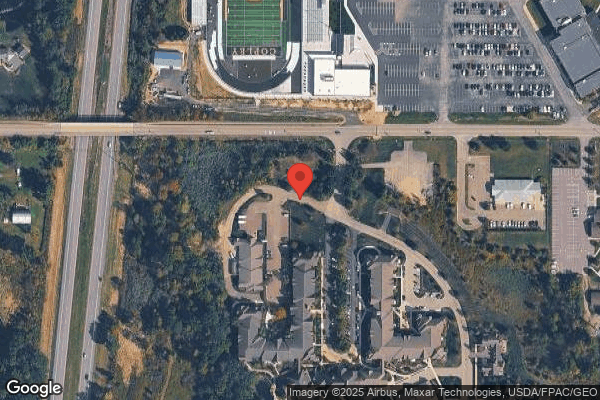
970 SUMNER PARKWAY, COPLEY, OH 44321 (330) 664-1000
Non profit - Corporation 48 Beds CONCORDIA LUTHERAN MINISTRIES Data: November 2025
Trust Grade
60/100
#440 of 913 in OH
Last Inspection: February 2024

Within standard 12-15 month inspection cycle. Federal law requires annual inspections.

Overview

Concordia at Sumner has received a Trust Grade of C+, indicating it is slightly above average but not exceptional. It ranks #440 out of 913 nursing homes in Ohio, placing it in the top half of facilities statewide, and #21 out of 42 in Summit County, meaning there are only a few better options nearby. The facility is improving, with reported issues decreasing from 7 in 2024 to 3 in 2025. Staffing is a strength, with a solid rating of 4 out of 5 stars and a turnover rate of 40%, which is better than the state average. However, there have been concerns regarding kitchen sanitation, with incidents where food was not handled properly, potentially risking resident health. Despite these weaknesses, the absence of fines and strong quality measures ratings are positive aspects to consider.

Trust Score
C+
60/100
In Ohio
#440/913
Top 48%
Safety Record
Low Risk
No red flags
Inspections
Getting Better
7 → 3 violations
Staff Stability
○ Average
40% turnover. Near Ohio's 48% average. Typical for the industry.
Penalties
✓ Good
No fines on record. Clean compliance history, better than most Ohio facilities.
Skilled Nurses
○ Average
Each resident gets 35 minutes of Registered Nurse (RN) attention daily — about average for Ohio. RNs are the most trained staff who monitor for health changes.
Violations
⚠ Watch
22 deficiencies on record. Higher than average. Multiple issues found across inspections.
★★★☆☆
3.0
Overall Rating
★★★★☆
4.0
Staff Levels
★★★★★
5.0
Care Quality
★★☆☆☆
2.0
Inspection Score
Stable
2024: 7 issues
2025: 3 issues

The Good

  • 4-Star Staffing Rating · Above-average nurse staffing levels
  • 5-Star Quality Measures · Strong clinical quality outcomes
  • Full Sprinkler Coverage · Fire safety systems throughout facility
  • No fines on record
  • Staff turnover below average (40%)

    8 points below Ohio average of 48%

Facility shows strength in staffing levels, quality measures, fire safety.

The Bad

3-Star Overall Rating

Near Ohio average (3.2)

Meets federal standards, typical of most facilities

Staff Turnover: 40%

Near Ohio avg (46%)

Typical for the industry

Chain: CONCORDIA LUTHERAN MINISTRIES

Part of a multi-facility chain

Ask about local staffing decisions and management

The Ugly 22 deficiencies on record

Aug 2025 1 deficiency
CONCERN (D) 📢 Someone Reported This

A family member, employee, or ombudsman was alarmed enough to file a formal complaint

Potential for Harm - no one hurt, but risky conditions existed

Infection Control (Tag F0880)

Could have caused harm · This affected 1 resident

**NOTE- TERMS IN BRACKETS HAVE BEEN EDITED TO PROTECT CONFIDENTIALITY** Based on observation, interview, and facility policy review, the facility failed to ensure infection control protocols were main...

Read full inspector narrative →
**NOTE- TERMS IN BRACKETS HAVE BEEN EDITED TO PROTECT CONFIDENTIALITY** Based on observation, interview, and facility policy review, the facility failed to ensure infection control protocols were maintained during incontinence care and Hoyer (mechanical) lift transfers. This affected one resident (#8) out of one resident observed for incontinence care and Hoyer lift transfers. The facility census was 42.Findings included: Review of the medical record for Resident #8 revealed an admission date of 01/05/22. Diagnoses included but not limited to chronic kidney disease, anxiety disorder, and unsteadiness on feet.Review of the Minimum Data Set (MDS) quarterly assessment dated [DATE] revealed Resident #8 had intact cognition. Resident #8 was dependent on staff for incontinence care and transfers and was always incontinent of bladder and bowel.Observation on 08/21/25 at 7:08 A.M. of incontinence care for Resident #8 revealed Certified Nursing Assistant (CNA) #261 gathered supplies, provided privacy, and explained the procedure to Resident #8. CNA #261 used hand sanitizer in Resident #8's room and went to don gloves and the box was empty. At 7:09 A.M., CNA #261 left the room and went to the supply room, touched the doorknob and went in and received a box of gloves. At 7:11 A.M., CNA #261 returned to Resident #8's room and donned gloves without performing hand hygiene. CNA #261 removed Resident #8's brief which was soiled with a moderate amount of urine. CNA #261 provided perineal care, then with the same gloves on, she touched Resident #8's basin and moved multiple items around in basin to find the barrier cream container. CNA #261 then proceeded to put barrier cream on her gloves and applied it to Resident #8's buttocks. CNA #261 then applied a new brief with the same soiled gloves. CNA #261 then, with same gloves still applied, got the sling pads for the Hoyer lift and positioned the sling pad underneath Resident #8. CNA #261 then got the Hoyer life, attached the sling to the lift, raised Resident #8, and transferred the resident into the electric wheelchair. CNA #261 then gathered garbage and linens and before exiting room where she removed the glove from her right hand and the glove on the left hand remained. Before exiting room CNA #261 used hand sanitizer located on Resident #8's wall on her right ungloved hand and rubbed her right hand, moving fingers around and on palm of right hand and exited room, glove on the left hand remained. CNA #261 then went to the Hopper room, a designated utility room, with the glove still intact to her left hand. In the Hopper room she removed her left glove and then rubbed her left hand together with her right ungloved hand. At this point there was no visible hand sanitizer remaining on her right hand. Interview on 08/21/25 at 7:29 A.M. with CNA #261 confirmed she did not perform hand hygiene or glove usage correctly during incontinence care or with Hoyer lift. CNA #261 reported she just forgot.Interview on 08/21/25 at 8:34 A.M. with the Director of Nursing (DON) and Clinical Nurse Consultant (CNC) #400 confirmed hand hygiene is to be performed before and after glove usage, after perineal care, before applying barrier cream, and before and after each procedure. Review of the facility document, Aide Skills: Providing Perineal Care, undated, revealed to perform hand hygiene and don new gloves before starting the procedure.Review of the facility policy, Hand Hygiene procedure, dated 2022, revealed all staff will perform proper hand hygiene procedure to prevent the spread of infection to other personnel, residents, and visitors, and the use of gloves does not replace hand hygiene. If task requires gloves, perform hand hygiene prior to donning gloves, and immediately after removing gloves. Further states, hand hygiene is indicated and will be performed under the condition listed in the attached hygiene table to include the following: before applying and removing personal protective equipment (PPE), including gloves, before and after handling clean or soiled linens, before performing resident care procedures, after handling items potentially contaminated with excretions/body fluids, during resident care, moving from a contaminated body site to a clean body site, after assistance with personal body functions to include elimination, and when in doubt.
Feb 2025 2 deficiencies
CONCERN (E) 📢 Someone Reported This

A family member, employee, or ombudsman was alarmed enough to file a formal complaint

Potential for Harm - no one hurt, but risky conditions existed

Deficiency F0804 (Tag F0804)

Could have caused harm · This affected multiple residents

Based on observation, interviews, and policy review the facility failed to serve food at an appropriate temperature. This affected the 22 residents observed for lunch service, Residents #22, #23, #24,...

Read full inspector narrative →
Based on observation, interviews, and policy review the facility failed to serve food at an appropriate temperature. This affected the 22 residents observed for lunch service, Residents #22, #23, #24, #25, #26, #27, #28, #29, #30, #31, #32, #33, #34, #35, #36, #37, #38, #39, #40, #41, #42, and #43. Census was 43. Findings include: Observations on 12/13/25 at 12:55 P.M. revealed a test tray left the kitchen with resident meals trays and arrived at the unit at 12:59 P.M. Certified Nurse Assistant (CNA) #102 started passing the meal trays to the residents at 1:09 P.M. At 1:29 P.M., after the last resident was served, the test tray was sampled. The temperature of the roast beef and mashed potatoes was 100 degrees Fahrenheit. The roast beef was dry and the gravy was salty. The food temperatures were verified by CNA #102. The residents who received meal trays from the food cart with the test tray included Residents #22, #23, #24, #25, #26, #27, #28, #29, #30, #31, #32, #33, #34, #35, #36, #37, #38, #39, #40, #41, #42, and #43. Interviews on 02/13/25 from 1:33 P.M. to 1:40 P.M. with Resident #33, #34, and #43 revealed the food was not hot, it was warm. The residents also stated the meat was dry. Review of the facility policy Record of Food Temperatures, dated 2023 revealed foods were to be held at 135 degrees Fahrenheit or greater. This deficiency represents non-compliance investigated under Complaint Number OH00162594.
CONCERN (F) 📢 Someone Reported This

A family member, employee, or ombudsman was alarmed enough to file a formal complaint

Potential for Harm - no one hurt, but risky conditions existed

Food Safety (Tag F0812)

Could have caused harm · This affected most or all residents

Based on observations, interview, and policy review the facility failed to serve food in a sanitary manner. This had the potential to affect all residents who ate meals prepared in the kitchen. The ce...

Read full inspector narrative →
Based on observations, interview, and policy review the facility failed to serve food in a sanitary manner. This had the potential to affect all residents who ate meals prepared in the kitchen. The census was 43. Findings include: Observations on 02/13/25 from 12:03 P.M. to 12:55 P.M. revealed [NAME] #100 plating food and Kitchen Aide (KA) #101 placing food trays consisting of open roast beef sandwiches with mashed potatoes, gravy, fruit cup and coleslaw into the food cart for transportation. KA #101 did not cover the fruit or coleslaw before putting the trays in the transport cart. [NAME] #100 was observed donning and doffing gloves throughout lunch service without washing his hands between glove changes. In addition, after donning clean gloves Cook#100 was observed opening refrigerator doors, kitchen drawers and picking up non-food items then picking up food items. [NAME] #100 was observed picking up the mechanical altered roast beef with a gloved hand and spreading it on the bread. A cell phone charger and cell phone were observed on the serving counter amongst beverages and food items to be placed on the meal trays. An interview with [NAME] #100 at the time of the observation revealed a scoop was available which he could retrieve and use for placing the roast beef onto the bread. Review of the facility policy titled Food Safety Requirements, dated 2023 noted food should be covered when traveling down the hallway. Gloves should be worn when directly touching ready-to-eat foods, and staff should not touch food with bare hands, exhibiting appropriate use of gloves, tongs, deli paper, and spatulas. Interview with the Director of Nursing on 02/13/25 at 3:45 P.M. revealed all residents received food served in the kitchen. There were no residents who had orders to receive nothing by mouth. This deficiency represents non-compliance investigated under Complaint Number OH00162594.
Jul 2024 1 deficiency
CONCERN (D) 📢 Someone Reported This

A family member, employee, or ombudsman was alarmed enough to file a formal complaint

Potential for Harm - no one hurt, but risky conditions existed

Deficiency F0569 (Tag F0569)

Could have caused harm · This affected 1 resident

**NOTE- TERMS IN BRACKETS HAVE BEEN EDITED TO PROTECT CONFIDENTIALITY** Based on record review, interview and facility policy review, the facility failed to ensure Resident #45's funds were disbursed ...

Read full inspector narrative →
**NOTE- TERMS IN BRACKETS HAVE BEEN EDITED TO PROTECT CONFIDENTIALITY** Based on record review, interview and facility policy review, the facility failed to ensure Resident #45's funds were disbursed timely after discharge. This affected one resident (#45) of three residents reviewed for resident funds. Facility census was 44. Findings include: Review of Resident #45's closed medical record revealed an admission date of 05/20/23 with diagnoses including cardiac murmur, depression, anxiety disorder, dementia with mood disturbance, pneumonia and hyperlipidemia. Resident #45 discharged to another facility on 09/05/23 and did not return to this facility. Review of Resident #45's quarterly minimum data set (MDS) 3.0 assessment dated [DATE] revealed she was cognitively intact and required supervision to limited assistance for most activities of daily living. Review of a nurses' note dated 09/05/23 revealed Resident #45 was discharging that date to another facility. Review of Resident #45's life care contract with the facility signed by the resident on 09/30/04 revealed she would be charged $800.00 per month for care at the facility for the rest of her life, even upon move-in to assisted living or skilled nursing from her villa. Review of Resident #45's financial ledger dated 02/13/24 revealed the following monthly charges during her skilled nursing stay: • May 2023: Haircuts (2), perm and set, shampoo and tip totaling $124.50 • June 2023: $350.00 per day from 06/02/23 to 06/19/23 totaling $6300.00 • July 2023: $325.00 per day from 07/10/23 to 07/31/23 totaling $7150.00 • August 2023: $340.00 per day from 08/01/23 to 08/31/23, hair set, tip and shampoo totaling $10579.60 • September 2023: $340.00 per day from 09/01/23 to 09/04/23 totaling $1360.00 The bottom of the ledger indicated there was a credit of $25,514.10. Interview on 07/23/24 at 8:50 A.M. with Executor of Estate (EE) #299 revealed back in 2023, the facility had overcharged Resident #45 while she was a resident in the skilled nursing facility. In January 2024, he identified there was a mistake with Resident #45's accounting due to this overcharging, the facility's corporation had been contacted and a credit was due to Resident #45's estate but the credit had not been received as of the time of the interview. Interview on 07/23/24 starting at 2:20 P.M. with Accounting Manager (AM) #310 and [NAME] Specialist (BS) #309 revealed Resident #45 was a resident here before the facility's corporation came along. Resident #45 had a special life care contract in place which indicated she would be charged $800.00 per month regardless of her level of care. Over Resident #45's time on the facility's campus, she lived in a villa but was admitted to this skilled nursing facility on 05/20/23 where she resided until 09/05/23. At some point (date not known) the facility's corporate billing personnel determined Resident #45 was overcharged while she was in the facility for six months and the money was going to be returned to Resident #45 but neither AM #310 or BS #309 could state if this had actually been done. Phone interview on 07/23/24 at 2:22 P.M. with Corporate Accounts Receivable Director (CARD) #311 with AM #310 and BS #309 present revealed Resident #45 had a specialized contract that dictated she would be charged a set amount per month for care needs. CARD #311 stated around February 2024 there was discussion about a discrepancy between Resident #45's contract and her charges while she had been a resident of the skilled nursing facility. CARD #311 indicated the last correspondence with EE #299 regarding the overpayment had been on 06/28/24 and she was unaware of any further movement with the credit since this date. CARD #311 also shared refunds of resident accounts did not take this long and were usually resolved under 90 days. Review of a financial statement dated 03/31/24 revealed Resident #45's account had a credit of $25,514.10. Review of e-mails between the facility and EE #299 revealed he provided the facility with needed wire transfer information on 06/27/24 at 8:39 P.M. to obtain the overpayment. There were no e-mails after 06/28/24. Follow-up phone interview on 07/24/24 at 10:28 A.M. with CARD #311 confirmed she learned of Resident #45's life care contract in February 2024 and that is when the adjustments to her account were made leading to a credit of $25,514.10. CARD #311 verified there was no evidence the facility's corporation had disbursed the overpayment to Resident #45's estate as of the time of the interview. Review of the facility policy, Resident Personal Funds, revised 04/01/24 revealed upon the discharge, eviction or death of a resident the facility will convey within 30 days the residents' funds and a final account of those funds to the resident or in the case of death, the individual or probate jurisdiction administering the resident's estate in accordance with state law. This deficiency represents noncompliance investigated under Complaint Number OH00154864.
Feb 2024 6 deficiencies
CONCERN (D)

Potential for Harm - no one hurt, but risky conditions existed

ADL Care (Tag F0677)

Could have caused harm · This affected 1 resident

**NOTE- TERMS IN BRACKETS HAVE BEEN EDITED TO PROTECT CONFIDENTIALITY** Based on observations, interviews, record review, and facility policy review the facility failed to ensure Resident #5 and Resid...

Read full inspector narrative →
**NOTE- TERMS IN BRACKETS HAVE BEEN EDITED TO PROTECT CONFIDENTIALITY** Based on observations, interviews, record review, and facility policy review the facility failed to ensure Resident #5 and Resident #292 received assistance with activities of daily living (ADL). This affected two residents (#5 and #292) of 35 residents reviewed for ADL care. The facility census was 35. Findings Include: 1. Review of the medical record for Resident #5 revealed an admission date on 03/04/16. Diagnoses include multiple sclerosis and muscle weakness. Review of quarterly Minimum Data Set (MDS) dated [DATE] revealed Resident #5 was dependent for personal hygiene, toileting, and showers. Review of the plan of care dated 11/21/22 for ADL due to multiple sclerosis revealed inventions included assist Resident #5 with ADL completion as needed, and resident will participate in activities as ordered. Showers were to be given Tuesdays and Fridays. Interview on 02/20/24 at 11:54 A.M. with Resident #5 revealed she does not always get her showers per shower schedule. Resident #5 stated she does not feel there was enough staff to provide residents with all of their showers and grooming. Resident #5 was very upset that she had visible chin hairs and wanted them shaved. Observation at the time of the interview revealed visible chin hairs approximately one inch long. Review of the shower sheets and shower task documentation revealed Resident #5 did not receive a shower or bed bath from 01/23/24 through 02/02/24 (10 days). Interview on 02/21/24 at 3:00 P.M. with the Director of Nursing (DON) verified there was no documented evidence Resident #5 received showers from 01/23/24 to 02/02/24. Review of the facility policy Resident Showers, dated 10/17/22, revealed residents will be provided showers as per request or as per facility schedule protocols and based upon resident safety. 2. Review of the medical record for Resident #292 revealed admission date 02/14/24. Diagnosis included depression, cognitive communication deficit, unsteadiness on feet, and surgical aftercare. Review of baseline assessment dated [DATE] revealed Resident #292 required two assists for bed mobility, toileting, and showers. Review of the shower sheets and shower task documentation revealed no documented evidence showers were provided for Resident #292 since admission on [DATE] through 02/20/24. Interview on 02/20/24 at 11:05 A.M. with Resident #292 stated she would love to be shaved. Resident #292 stated she does not like having long chin hair. Observation at the time of the interview Resident #292 had chin hair approximately one inch to one and a half inches on chin. Interview on 02/20/24 at 3:39 P.M. with Licensed Practical Nurse (LPN) #200 verified Resident #292 has long chin hair and needed to be shaved. Review of the facility policy Activities of Daily Living (ADL), dated 10/17/22, revealed residents who are unable to carry out ADL will receive the necessary services to maintain good nutrition, grooming, and personal and oral hygiene.
CONCERN (D)

Potential for Harm - no one hurt, but risky conditions existed

Pressure Ulcer Prevention (Tag F0686)

Could have caused harm · This affected 1 resident

**NOTE- TERMS IN BRACKETS HAVE BEEN EDITED TO PROTECT CONFIDENTIALITY** Based on observations, interview, and record review the facility did not ensure Resident #10 had her wound dressing changed as o...

Read full inspector narrative →
**NOTE- TERMS IN BRACKETS HAVE BEEN EDITED TO PROTECT CONFIDENTIALITY** Based on observations, interview, and record review the facility did not ensure Resident #10 had her wound dressing changed as ordered by the physician. This affected one resident (#10) of one resident reviewed for wound care. The facility census was 35. Findings Include: Review of the medical record revealed an admission date of 08/24/22. Diagnoses included dementia, depression, stage four pressure ulcer of the sacral region and acute kidney failure. Review of the quarterly Minimum Data Set (MDS) assessment dated [DATE] revealed the resident was severely cognitively impaired. She was totally dependent on staff for oral hygiene, showering or bathing, personal hygiene, and toileting. Review of the physician's orders for February 2024 revealed an order dated 02/18/24 to cleanse the right upper buttock with saline, apply a small amount of Santyl (ointment used to remove damaged tissue) to the wound bed and cover it with an island border foam dressing. The treatment was to be completed daily and as needed in the morning. Review of progress note dated 02/18/24 revealed a wound to the right upper buttock was identified. The wound appeared to be white in color with pink surrounding tissue. Review of the wound assessment dated [DATE] revealed right upper buttock was evaluated by the wound nurse, and a dressing was applied. The wound measured 2.2 centimeters (cm) by 2.0 cm in size, stage 2 pressure ulcer (partial thickness loss of dermis presenting as a shallow open ulcer with a red, pink wound bed, without slough). Review of the Treatment Administration Record for February 2024 revealed no documented evidence the dressing change was completed on 02/20/24. Observation on 02/21/24 at 10:00 A.M. of Resident #10's wound care with Licensed Practical Nurse (LPN) #209 revealed the dressing on Resident #10's right upper buttock revealed a dressing was dated 02/19/24. Interview on 02/21/24 at 10:15 A.M. with LPN #209 verified Resident #10's right upper buttock wound should have been changed on 02/20/24 and was last changed on 02/19/24.
CONCERN (D)

Potential for Harm - no one hurt, but risky conditions existed

Infection Control (Tag F0880)

Could have caused harm · This affected 1 resident

Based on observation, interview, record review, and review of manufacture guidelines for urinary drainage bag the facility failed to ensure proper infection control practices for Resident #4 when his ...

Read full inspector narrative →
Based on observation, interview, record review, and review of manufacture guidelines for urinary drainage bag the facility failed to ensure proper infection control practices for Resident #4 when his indwelling Foley catheter bag was lying on the floor. This affected one resident (#4) of one resident reviewed for indwelling Foley catheter care. The facility census was 35. Findings Include: Review of the medical record for Resident #4 revealed an admission date of 08/19/22 with diagnosis including neuromuscular dysfunction of bladder and diabetes mellitus. Review of the physician orders for February 2024 revealed an order for an indwelling Foley catheter care every shift. Review of the plan of care 01/18/24 for indwelling Foley catheter due to urinary obstruction. Intervention included staff will keep the indwelling Foley catheter drainage bag off the floor and below bladder level. Observation on 02/20/24 at 10:28 A.M. of Resident #4 revealed observation of the resident sitting in a recliner with the indwelling Foley catheter bag lying on the floor. Interview on 02/20/24 at 10:30 A.M. with Resident #4 revealed staff puts his indwelling Foley catheter bag on the floor or hangs it on the bottom of his wheelchair. Interview on 02/20/24 at 3:20 P.M. with Licensed Practical Nurse (LPN) #200 verified no indwelling Foley catheter bag should be lying on the floor at any time. The indwelling Foley catheter bag should be hung up and below the level of the bladder. Review of the manufacture guidelines for urinary drainage bag revealed hang bag utilizing the hanger or rope. Do not place bags on floor.
CONCERN (E)

Potential for Harm - no one hurt, but risky conditions existed

Deficiency F0757 (Tag F0757)

Could have caused harm · This affected multiple residents

**NOTE- TERMS IN BRACKETS HAVE BEEN EDITED TO PROTECT CONFIDENTIALITY** Based on record review, staff interview, and facility policy review the facility failed to ensure non-pharmacological interventi...

Read full inspector narrative →
**NOTE- TERMS IN BRACKETS HAVE BEEN EDITED TO PROTECT CONFIDENTIALITY** Based on record review, staff interview, and facility policy review the facility failed to ensure non-pharmacological interventions were attempted prior to the administration of the pain medication for Residents #9, #10, #16, and #341 and did not ensure as needed (PRN) pain medications and failed to ensure parameters were in place for Resident #10's PRN pain medication. In addition, the facility failed to ensure PRN antianxiety were not used for longer than 14 days without rationale or review for Resident #16. This affected four residents (#9, #10, #16, and #341) of five residents reviewed for unnecessary medications. The facility census was 35. Findings include: 1. Record review revealed Resident #341 was admitted to the facility on [DATE] with diagnoses including fracture of right pubis, hemiplegia, and hemiparesis following cerebrovascular disease and atrial fibrillation. Review of the most recent Minimum Data Set (MDS) 3.0 assessment dated [DATE] revealed Resident #341 was cognitively intact and required partial or moderate assistance with for activities of daily living. Review of the physician's orders for February 2024 revealed Resident #341 was ordered to receive opioid pain medication, Oxycodone 5 milligrams (mg) every six hours as needed (PRN). Review of the medication administration record (MAR) revealed Resident #341 received doses of PRN Oxycodone from 02/03/24 to 02/20/24 at least once a day except for 02/10/24. Review of Resident #341's Care Pathways in the medical record revealed to administer pain medication per order if non-medication interventions are ineffective. Review of the resident's medical record revealed no evidence non-pharmacological interventions were attempted prior to the use of the PRN Oxycodone for the dates noted above. Interview on 02/20/24 at 9:35 A.M. with Resident #341 revealed that she would like a shower daily to help her with her lower back pain. Resident #341 stated that she gets her regularly scheduled showers but not extra ones. Interview on 02/21/24 at 10:49 A. M. with Director of Nursing (DON) revealed a resident could get a shower whenever they want one. The DON could not produce documented evidence Resident #341 received showers except for scheduled shower days. DON also verified that there was no documented evidence nonpharmacological interventions were attempted prior to administrating pain medication for Resident # 341. 2. Review of the medical record for Resident #9 revealed and admission date of 06/22/17 with diagnosis including multiple sclerosis, dementia, bipolar disorder, muscle contracture, schizoaffective disorder, depression, and anxiety. Review of the quarterly MDS assessment dated [DATE] revealed Resident #9 was cognitively intact. He required setup help for eating and oral hygiene and was dependent for toileting, showering, and personal hygiene. Review of the physician's orders for February 2024 revealed an order for Acetaminophen 325 mg (analgesic) by mouth (PO) every four hours PRN for pain. Review of the physician's orders for January 2024 revealed an order Hydrocodone 325 mg (opioid pain medication) PO every 12 hours PRN for severe pain of eight to ten on a one to ten pain scale, beginning on 01/24/24. Review of the MAR for December 2023 revealed Resident #9 received one dose of Acetaminophen on 12/07/23 for a pain level of eight. Review of the MAR for January 2024 revealed Resident #9 received one dose of Acetaminophen on 01/09/24 for a pain level of eight. Review of the MAR for February 2024 revealed Resident #9 received one dose of Acetaminophen on 02/02/24 for a pain level of six. Review of the medical record revealed no documented evidence non-pharmacological interventions were attempted prior to the administration of Acetaminophen at any time for Resident #9. Interview on 02/21/24 at 3:05 P.M. with the DON confirmed the facility had no documented evidence nonpharmacological interventions should be or were attempted for Resident #9's PRN pain medications. 3. Review of the medical record for Resident #10 revealed an admission date of 08/24/22 with diagnoses including dementia, depression, kidney failure, muscle weakness, and pain. Review of the quarterly MDS assessment dated [DATE] revealed Resident #10 was severely cognitively impaired. She required supervision for eating, and was dependent for oral hygiene, personal hygiene, and toileting. Review of the physician's orders for February 2024 revealed an order for Acetaminophen 325 mg PO every six hours PRN for pain and Tramadol 50 mg (opioid pain medication) PO every eight hours PRN for pain. There were no parameters for at what pain level the Tramadol would be administered. Review of the MAR for January 2024 revealed Resident #10 received Tramadol one time on 01/25/24 for a pain level of seven. Interview on 02/21/24 at 3:05 P.M. with the DON confirmed the facility had no documented evidence nonpharmacological interventions should be or were attempted for Resident #10's PRN pain medications. She also confirmed there were no parameters for the use of Tramadol for Resident #10. 4. Review of the medical record for Resident #16 revealed an admission date of 04/30/20 with diagnoses including dementia, insomnia, depression, muscle weakness, anxiety, and abnormal posture. Review of the quarterly MDS assessment dated [DATE] revealed Resident #16 was severely cognitively impaired. She required set-up help for eating, partial to moderate assistance for oral hygiene, and was totally dependent for toileting, showering, and personal hygiene. Review of the physician's orders for February 2024 revealed an order for morphine sulfate 100 mg (opioid pain medication) PO every hour PRN for moderate to severe pain, an order for Acetaminophen 325 mg PO every six hours PRN for pain and Ativan 1 mg (antianxiety medication) every four hours PRN for anxiety. There was no end date for the distribution of the PRN Ativan. Review of the MAR for December 2023 revealed Resident #16 received morphine one time on 12/03/23 for a pain level of eight, one time on 12/05/23 for pain level of eight, one time on 12/11/23 for a pain level of eight, one time on 12/12/23 for a pain level of six, one time on 12/15/23 for a pain level of seven, and one time 12/17/23 for pain level of seven. The resident received PRN Ativan one time each on 12/03/23, 12/11/23, 12/13/23, 12/17/23, and 12/27/23. Review of the MAR for January 2024 revealed Resident #16 received morphine one time on 01/21/24 for pain level of six, one time on 01/23/24 for a pain level of seven, one time on 01/27/23 for a pain level of eight, one time on 01/28/23 for a pain level of seven, three times on 01/28/24 for a pain level of five, seven, and seven, and one time on 01/30/24 for a pain level of seven. The resident received PRN Ativan one time each on 01/08/24, 01/17/24, 01/18/24, 01/19/24, 01/20/24, and 01/24/24. Review of the MAR for February 2024 revealed Resident #16 received morphine one time on 01/01/24 for a pain level of ten and one time on 01/01/24 for a pain level of eight, one time on 01/09/24 for a pain level of nine, one time on 01/10/24 for pain level of eight, one time on 01/11/24 for pain level of a eight, one time on o1/15/24 for a pain level of eight ,and one time on 01/20/24 for a pain level of nine. The resident received PRN Ativan one time each on 01/01/24, 01/02/24, and 01/03/24 and two times on 01/19/24 and 01/20/24. Review of the medical record revealed no evidence non-pharmacological interventions were attempted prior to the administration of morphine at any time for Resident #16. Interview on 02/21/24 at 3:05 P.M. with the DON confirmed the facility had no documented evidence nonpharmacological interventions should be or were attempted for Resident #16's PRN pain medications. She also confirmed there was no stop date or rationale for the PRN Ativan for Resident #16. Review of the facility policy titled Pain Management, dated 10/17/22, revealed the facility would attempt non-pharmacological interventions as part of the pain management process.
CONCERN (F)

Potential for Harm - no one hurt, but risky conditions existed

Food Safety (Tag F0812)

Could have caused harm · This affected most or all residents

Based on observations, interview, and facility policy review, the facility failed to ensure the kitchen was clean and sanitary. This had the potential to affect 35 residents that received meals from t...

Read full inspector narrative →
Based on observations, interview, and facility policy review, the facility failed to ensure the kitchen was clean and sanitary. This had the potential to affect 35 residents that received meals from the facility. No residents were identified as receiving nothing by mouth. Findings Include: A tour of the kitchen on 02/20/24 from 8:00 A.M. to 8:15 A.M. revealed the reach-in refrigerator had dried milk on the bottom of it and a container of gravy was not labeled or dated and had a plastic spoon in it, the microwave had dried food splatter inside, the steam table had food splatter on it, the reach-in freezer had a bag of chicken not labeled or dated and stuck to the bottom of the freezer. This was verified by the Administrator on 02/20/24 at 8:17 A.M. Interview on 02/22/24 at 10:27 A.M. with Registered Dietitian (RD) #264 revealed that she does not inspect the kitchen. Corporate staff inspects the kitchen. Review of the facility policy titled, Food safety Requirements, dated 01/16/23, revealed basic cleaning equipment will be maintained in a clean and sanitary condition after every use to ensure food safety. Leftovers and opened items shall be clearly labeled with date the food item is to be discarded.
CONCERN (F)

Potential for Harm - no one hurt, but risky conditions existed

Deficiency F0838 (Tag F0838)

Could have caused harm · This affected most or all residents

**NOTE- TERMS IN BRACKETS HAVE BEEN EDITED TO PROTECT CONFIDENTIALITY** Based on record review and interview, the facility failed to ensure the facility assessment was accurate and thorough regarding ...

Read full inspector narrative →
**NOTE- TERMS IN BRACKETS HAVE BEEN EDITED TO PROTECT CONFIDENTIALITY** Based on record review and interview, the facility failed to ensure the facility assessment was accurate and thorough regarding facility staffing. This had the potential to affect all 35 residents in the facility. Findings Include: Review of the facility assessment dated [DATE] revealed staffing was sufficient regarding the current amount of staff needed to care for the number and acuity of residents. There was no indication of the type and number of staff needed to provide care and services. Interview on 02/21/24 at 11:09 A.M. with Corporate Registered Nurse (RN) #298 confirmed the facility assessment was not thorough and accurate.
Jul 2023 2 deficiencies
CONCERN (D) 📢 Someone Reported This

A family member, employee, or ombudsman was alarmed enough to file a formal complaint

Potential for Harm - no one hurt, but risky conditions existed

ADL Care (Tag F0677)

Could have caused harm · This affected 1 resident

**NOTE- TERMS IN BRACKETS HAVE BEEN EDITED TO PROTECT CONFIDENTIALITY** Based on observation, record review, and interview the facility failed to ensure Resident #6 and Resident #12 who were dependent...

Read full inspector narrative →
**NOTE- TERMS IN BRACKETS HAVE BEEN EDITED TO PROTECT CONFIDENTIALITY** Based on observation, record review, and interview the facility failed to ensure Resident #6 and Resident #12 who were dependent on staff assistance for activities of daily living (ADL) received proper assistance with transfers. This affected two residents (Resident #6 and Resident #12) out of four residents reviewed for ADL. Findings include: 1. Review of the medical record for Resident #6 revealed an admission date of 01/05/22 with diagnosis of chronic kidney disease, abnormal posture, lack of coordination, unsteadiness on feet, acute kidney failure, morbid severe obesity, hypertension, and hypothyroidism. Review of the initial Physical Therapy Evaluation for Resident #6 done on 09/07/22 revealed to transfer the resident with mechanical lift and assist of one. Review of the physician orders dated 10/26/22 revealed Resident #6 orders included transfer/mobility with full body mechanical lift assist of one. Review of the plan of care, dated 12/09/22 for transfer and mobility revealed the resident required a full body mechanical lift assist of one. Review of the quarterly Minimum Data Set (MDS) 3.0 assessment dated [DATE] revealed Resident #6 required total dependence of two plus assistance for transfers. Review of Resident #6's medical record revealed the plan of care and physician orders were not updated to reflect the residents most recent MDS on 06/04/23 assessment identifying the resident required two person assistance with transfers. There was no evidence the resident was assessed by therapy after the MDS identified the resident needing two person assistance. Interview on 07/03/23 at 11:46 A.M. with Therapy Director (TD) #144 revealed all residents are screened upon admission for transfer status by therapy department and as needed. TD #144 reported she provided in-service to staff on the use of mechanical lifts. Observation on 07/05/23 at 12:52 P.M. revealed State Tested Nursing Aide (STNA) #145 transfer the resident with the electric mechanical lift without locking the brakes when transferring Resident #6 into his electric wheelchair. During the transfer Resident #6 was leaning towards his left side. Interview on 07/05/23 at 1:03 P.M. with STNA #145 confirmed she did not lock the brakes on the mechanical lift as she should have. STNA #145 reported Resident #6 always leans to one side and that is why she didn't lock the brakes on the mechanical lift when lowering resident #6 into his electric wheelchair as required. Interview on 07/05/23 at 3:15 P.M. with Director of Nursing (DON) revealed residents are assessed for the level of transfer assistance required on admission and quarterly. Interview on 07/06/23 at 8:05 A.M. with DON confirmed mechanical lifts are required to have the brakes locked. Review of the manufacturer's guide for Maxi Move (electric mechanical lift) revised 03/2020 revealed on page six the policy on the number of staff members required for patient transfer. Stated lifts are designed for safe usage with one caregiver. However, there are circumstances such as combativeness, obesity, contracture etc. of the individual that may dictate the need for a two-person transfer. It is the responsibility of each facility or medical professional to determine if a one or two-person transfer is more appropriate, based on the task, resident load, environment, capability, and skill level of the staff members. 2. Review of the medical record for Resident #12 revealed an admission date of 06/05/23 and diagnosis included nontraumatic intracerebral hemorrhage, unsteadiness on feet, lack of coordination, dysphagia, hypertension, chronic kidney disease, stage 3, and dysphagia. Review of the the initial Physical Therapy Evaluation for Resident #12 dated 06/06/23 revealed the resident required assist of one with the manual sit to stand (Sara Steady). Review of the plan of care, dated 06/08/23 revealed no evidence of the level of transfer assistance the resident required. Review of the quarterly MDS 3.0 assessment dated [DATE] revealed Resident #12 required extensive with two plus assistance for transfers. Review of the progress notes dated 06/16/23 at 10:27 A.M. revealed Resident #12 had a witnessed fall with STNA #122 present to lower to floor using the manual sit to stand with only one assist. Progress notes further stated contributing factors to include two assist needed with resident due to right sided weakness. Interview on 07/03/23 at 11:46 A.M. with Therapy Director (TD) #144 revealed all residents are screened upon admission for transfer status by therapy department and as needed. TD #144 reported she provided in-service to staff on the use of mechanical lifts. Observation on 07/05/23 at 9:14 A.M. revealed STNA #122 transfer Resident #12 using a manual sit to stand lift. It took STNA #122 numerous attempts to get the resident up from the sitting position to transfer. STNA #122 had to give the resident many cues to complete the transfer. Interview on 07/05/23 at 9:23 A.M. with STNA #122 confirmed Resident #12 should have been a two person assist with the manual sit to stand after pulling up the [NAME] on her computer. STNA #122 reported she doesn't usually check the [NAME] in the computer. Observation of the [NAME] with STNA #122 confirmed Resident #12 required two person assistance with transfers. Interview on 07/05/23 at 9:51 A.M. with Director of Nursing (DON) confirmed Resident #12 required a manual sit to stand with two assist for transfers. DON reported Resident #12 had a fall on 06/16/23 with the manual sit to stand lift with one assist. DON reported the new intervention was two assist for sit to stand transfers. Review of the manufacturer's policy, Sara Steady, dated 12/2022, revealed on page 11 safety instructions, Warning: To avoid injury, a full clinical assessment of the patient's condition and suitability must be carried out by qualified personnel before attempting to use Sara Steady for rehabilitation activities. This deficiency represents non-compliance investigated under Complaint Number OH00140148.
CONCERN (D) 📢 Someone Reported This

A family member, employee, or ombudsman was alarmed enough to file a formal complaint

Potential for Harm - no one hurt, but risky conditions existed

Accident Prevention (Tag F0689)

Could have caused harm · This affected 1 resident

**NOTE- TERMS IN BRACKETS HAVE BEEN EDITED TO PROTECT CONFIDENTIALITY** Based on observation, record review, and interview the facility failed to ensure Resident #6 was transferred safely and Resident...

Read full inspector narrative →
**NOTE- TERMS IN BRACKETS HAVE BEEN EDITED TO PROTECT CONFIDENTIALITY** Based on observation, record review, and interview the facility failed to ensure Resident #6 was transferred safely and Resident #12's fall interventions were in place. This affected one Resident (Resident #6) out of two residents reviewed for accident hazards. Findings include: 1. Review of the medical record for Resident #6 revealed an admission date of 01/05/22 with diagnosis of chronic kidney disease, abnormal posture, lack of coordination, unsteadiness on feet, acute kidney failure, morbid severe obesity, hypertension, and hypothyroidism. Review of the quarterly Minimum Data Set (MDS) 3.0 assessment dated [DATE] revealed Resident #6 required total dependence of two plus assistance for transfers. Observation on 07/05/23 at 12:52 P.M. revealed State Tested Nursing Aide (STNA) #145 transfer the resident with the electric mechanical lift without locking the brakes when transferring Resident #6 into his electric wheelchair. During the transfer Resident #6 was leaning towards his left side. Interview on 07/05/23 at 1:03 P.M. with STNA #145 confirmed she did not lock the brakes on the mechanical lift as she should have. STNA #145 reported Resident #6 always leans to one side and that is why she didn't lock the brakes on the mechanical lift when lowering resident #6 into his electric wheelchair as required. Interview on 07/06/23 at 8:05 A.M. with DON confirmed mechanical lifts are required to have the brakes locked. 2. Review of the medical record for Resident #12 revealed an admission date of 06/05/23 and diagnosis included nontraumatic intracerebral hemorrhage, unsteadiness on feet, lack of coordination, dysphagia, hypertension, chronic kidney disease, stage 3, and dysphagia. Review of the the initial Physical Therapy Evaluation for Resident #12 dated 06/06/23 revealed the resident required assist of one with the manual sit to stand (Sara Steady). Review of the plan of care, dated 06/08/23 revealed no evidence of the level of transfer assistance the resident required. Review of the quarterly MDS 3.0 assessment dated [DATE] revealed Resident #12 required extensive with two plus assistance for transfers. Review of the progress notes dated 06/16/23 at 10:27 A.M. revealed Resident #12 had a witnessed fall with STNA #122 present to lower to floor using the manual sit to stand with only one assist. Progress notes further stated contributing factors to include two assist needed with resident due to right sided weakness. Interview on 07/03/23 at 11:46 A.M. with Therapy Director (TD) #144 revealed all residents are screened upon admission for transfer status by therapy department and as needed. TD #144 reported she provided in-service to staff on the use of mechanical lifts. Observation on 07/05/23 at 9:14 A.M. revealed STNA #122 transfer Resident #12 using a manual sit to stand lift. It took STNA #122 numerous attempts to get the resident up from the sitting position to transfer. STNA #122 had to give the resident many cues to complete the transfer. Interview on 07/05/23 at 9:23 A.M. with STNA #122 confirmed Resident #12 should have been a two person assist with the manual sit to stand after pulling up the [NAME] on her computer. STNA #122 reported she doesn't usually check the [NAME] in the computer. Observation of the [NAME] with STNA #122 confirmed Resident #12 required two person assistance with transfers. Interview on 07/05/23 at 9:51 A.M. with Director of Nursing (DON) confirmed Resident #12 required a manual sit to stand with two assist for transfers. DON reported Resident #12 had a fall on 06/16/23 with the manual sit to stand lift with one assist. DON reported the new intervention was two assist for sit to stand transfers. Review of the manufacturer's policy, Sara Steady, dated 12/2022, revealed on page 11 safety instructions, Warning: To avoid injury, a full clinical assessment of the patient's condition and suitability must be carried out by qualified personnel before attempting to use Sara Steady for rehabilitation activities. This deficiency represents non-compliance investigated under Complaint Number OH00140148.
Feb 2022 6 deficiencies
CONCERN (D)

Potential for Harm - no one hurt, but risky conditions existed

Comprehensive Care Plan (Tag F0656)

Could have caused harm · This affected 1 resident

**NOTE- TERMS IN BRACKETS HAVE BEEN EDITED TO PROTECT CONFIDENTIALITY** Based on observation, interview and record review the facility failed to develop and implement an individualized care plan relat...

Read full inspector narrative →
**NOTE- TERMS IN BRACKETS HAVE BEEN EDITED TO PROTECT CONFIDENTIALITY** Based on observation, interview and record review the facility failed to develop and implement an individualized care plan related to the hygiene and application of a palm guard for Resident #12 regarding bilateral hand contractures. This affected one of three residents reviewed for activities of daily living (#12, #16, #40 and #398) and one resident (#12) reviewed for position and mobility. Findings include: Review of the medical record revealed Resident #12 was admitted to the facility on [DATE] with diagnoses including COVID 19, muscle weakness, cognitive communication deficit, hereditary motor and sensory neuropathy, dementia without behavioral disturbance, diabetes, chronic pain syndrome, obesity, anxiety, pain, spinal stenosis cervical region and strain of muscle fascia. Review of the physician's order dated 07/04/19 revealed to cleanse palms daily with soap and water, allow to dry; apply and use palm guard at all times as tolerated. May remove for hygiene. Night shift to cleanse palms nightly with soap and water. Review of the comprehensive assessment (MDS 3.0) dated 12/17/21 indicated Resident #12 had severe cognitive impairment. She displayed other behavioral symptoms not directed toward others and rejected evaluation or care on one to three days of the assessment period. Resident #12 required the extensive assistance of two staff for bed mobility and personal hygiene. Review of the Activities of Daily Living (ADL) care plan indicated the interventions included Resident #12 will follow rehabilitation recommendations, receive pain medication prior to participation, utilize adaptive equipment as ordered and assist with completion with ADLs as necessary. There was no care plan found that specifically addressed use of a palm guard or hand hygiene related to contractures. Interview with and observation of Resident #12 on 02/22/22 at 11:45 A.M. indicated she was not able to open her left hand at all and the right hand opened slightly but her fingers did not extend. Her left hand was tightly fisted and bent in at the wrist. Her nails were chipped and jagged on both hands and her nails on her right hand were full of debris. She reported doing her own nail care by picking away at them. There was a sign posted in the bathroom indicating to cleanse and place a rolled-up wash cloth in her left hand. Resident #12 reported they used to something put in her left hand but was unable to say the last time that was done. She said she did her own exercises but both hands were painful. On 02/23/22 at 10:15 A.M. Resident #12's left hand remained closed tightly with no washcloth in her palm and the nails remained the same. She reported her hands had not been washed and there was no washcloth in her left hand. On 02/24/22 at 10:00 A.M. State Tested Nurse Aide (STNA) #566 was observed completing hand hygiene on Resident #12. STNA #566 had never worked with Resident #12 previously. She prepared by running the water until it was warm, soaked a washcloth with the water and added a small amount of soap on the washcloth. STNA #566 began by wiping the outside of the left hand with the washcloth. Resident #12 winced a few times and when STNA #566 attempted to wipe the inside of the left hand the resident said she was hurting her wrist. With the first wipe, there was a yellow/brown thick plaque and debris on the washcloth. STNA #566 referred to the debris as gunk and said there was a lot in there verifying her hand not been cleansed in some time. STNA #566 kept turning the washcloth after each attempt at cleaning the left palm and between the fingers. An excessive amount of debris was removed after each wipe. Resident #12 said ouch, don't do it anymore and moved her hand away from the STNA, wincing in pain. STNA #566 stopped and got a new washcloth to clean the right hand. Resident #12 continued to complain while her right hand was cleansed. The fingernails were long and jagged and filled with old food and other brown debris. STNA #566 confirmed the resident's hands and nails had not been cleansed in a while. Resident #12 also confirmed her hands were not cleansed routinely. On 02/24/22 at 10:10 A.M. the Director of Nursing (DON) was informed of the observation. On 02/24/22 at 11:28 A.M. the DON verified a care plan had not been developed to address application of a palm guard or hand hygiene related to contractures.
CONCERN (D)

Potential for Harm - no one hurt, but risky conditions existed

ADL Care (Tag F0677)

Could have caused harm · This affected 1 resident

**NOTE- TERMS IN BRACKETS HAVE BEEN EDITED TO PROTECT CONFIDENTIALITY** Based on observation, interview and record review the facility failed to provide adequate hand hygiene and apply a palm guard as...

Read full inspector narrative →
**NOTE- TERMS IN BRACKETS HAVE BEEN EDITED TO PROTECT CONFIDENTIALITY** Based on observation, interview and record review the facility failed to provide adequate hand hygiene and apply a palm guard as ordered for Resident #12 who was dependent for activities of daily living care. This affected one (Resident #12) of four residents (#12, #16, #40 and #398) reviewed for activities of daily living. Findings include: Review of the medical record revealed Resident #12 was admitted to the facility on [DATE] with diagnoses including COVID 19, muscle weakness, cognitive communication deficit, hereditary motor and sensory neuropathy, dementia without behavioral disturbance, diabetes, chronic pain syndrome, obesity, anxiety, pain, spinal stenosis cervical region and strain of muscle fascia. Review of the physician's order dated 07/04/19 revealed to cleanse palms daily with soap and water, allow to dry; apply and use palm guard at all times, as tolerated. May remove for hygiene. Night shift to cleanse palms nightly with soap and water. Review of the comprehensive assessment (MDS 3.0) dated 12/17/21 indicated she had severe cognitive impairment. She displayed other behavioral symptoms not directed toward others and rejected evaluation or care on one to three days of the assessment period. Resident #12 required the extensive assistance of two staff in bed mobility and personal hygiene. Review of the Activities of Daily Living (ADL) care plan indicated the interventions included Resident #12 will follow rehabilitation recommendations, receive pain medication prior to participation, utilize adaptive equipment as ordered and assist with ADLs as necessary. There was no care plan found that specifically addressed application of a palm guard or hand hygiene related to contractures. Review of the February 2022 Treatment Administration Record (TAR) revealed the nurses had signed indicating her left hand was cleansed with soap and water, allowed to dry, and a palm guard was applied twice daily and night shift cleansed her palms nightly with soap and water. Interview with and observation of Resident #12 on 02/22/22 at 11:45 A.M. indicated she was not able to open her left hand at all and the right hand opened slightly but her fingers did not extend. Her left hand was tightly fisted and bent in at the wrist. Her nails were chipped and jagged on both hands and her nails on her right hand were full of debris. She reported doing her own nail care by picking away at them. There was a sign posted in the bathroom indicating to cleanse and place a rolled-up wash cloth in her left hand. Resident #12 reported they used to something put in her left hand but was unable to say the last time that was done. She said she did her own exercises but both hands were painful. On 02/23/22 at 10:15 A.M. Resident #12's left hand remained closed tightly with no washcloth in her palm and the nails remained the same. She reported her hands had not been washed and there was no washcloth in her left hand. Interview with Licensed Practical Nurse (LPN) #522 on 02/23/22 at 10:28 A.M. reported Resident #12 complained of pain in her hands but would allow a washcloth to be put into it for periods of time per her request. She indicated Resident #12 refused to have her nails filed or cut by staff. On 02/24/22 at 10:00 A.M. State Tested Nurse Aide (STNA) #566 was observed completing hand hygiene on Resident #12. STNA #566 had never worked with Resident #12 previously. She prepared by running the water until it was warm, soaked a washcloth with the water and added a small amount of soap on the washcloth. STNA #566 began by wiping the outside of the left hand with the washcloth. Resident #12 winced a few times and when STNA #566 attempted to wipe the inside of the left hand the resident said she was hurting her wrist. With the first wipe, there was a yellow/brown thick plaque and debris on the washcloth. STNA #566 referred to the debris as gunk and said there was a lot in there verifying her hand not been cleansed in some time. STNA #566 kept turning the washcloth after each attempt at cleaning the left palm and between the fingers. An excessive amount of debris was removed after each wipe. Resident #12 said ouch, don't do it anymore and moved her hand away from the STNA, wincing in pain. STNA #566 stopped and got a new washcloth to clean the right hand. Resident #12 continued to complain while her right hand was cleansed. The fingernails were long and jagged and filled with old food and other brown debris. STNA #566 confirmed the resident's hands and nails had not been cleansed in a while. Resident #12 also confirmed her hands were not cleansed routinely. On 02/24/22 at 10:10 A.M. the Director of Nursing (DON) was informed of the observation. On 02/24/22 at 11:28 A.M. the DON confirmed the nurses had been signing the TAR to indicate Resident #12's hands were cleansed and the palm guard was applied twice a day and her hands were cleansed nightly.
CONCERN (E)

Potential for Harm - no one hurt, but risky conditions existed

Employment Screening (Tag F0606)

Could have caused harm · This affected multiple residents

Based on personnel file review and interview the facility failed to ensure all new employees were checked against the State of Ohio Nurse Aide Registry. This affected seven of twelve staff reviewed an...

Read full inspector narrative →
Based on personnel file review and interview the facility failed to ensure all new employees were checked against the State of Ohio Nurse Aide Registry. This affected seven of twelve staff reviewed and 39 residents in the facility. Findings include: Review of personnel files for the Administrator, Director of Nursing (DON), Food Service Manager (FSM) #538, Licensed Practical Nurse (LPN) #522, LPN #503, Registered Nurse (RN) #557, and RN #510 revealed their names were not verified through the State of Ohio Nurse Aide Registry (NAR) for findings concerning abuse, neglect, exploitation, misappropriation of property, or mistreatment. Interview on 02/24/22 at 11:30 A.M. with the Human Resource Manager (HRM) #574 verified the Administrator, DON, FSM #538, LPN #522, LPN #503, RN #557, and RN #510 were not checked against the Nurse Aide Registry upon hire. All seven employees were subsequently checked against the NAR.
CONCERN (F)

Potential for Harm - no one hurt, but risky conditions existed

Food Safety (Tag F0812)

Could have caused harm · This affected most or all residents

**NOTE- TERMS IN BRACKETS HAVE BEEN EDITED TO PROTECT CONFIDENTIALITY** Based on observation, staff interview, and review of facility policy the facility failed to ensure kitchen staff wore appropriat...

Read full inspector narrative →
**NOTE- TERMS IN BRACKETS HAVE BEEN EDITED TO PROTECT CONFIDENTIALITY** Based on observation, staff interview, and review of facility policy the facility failed to ensure kitchen staff wore appropriate hair coverings. This had the potential to affect 39 residents who received food from the kitchen. The facility census was 39. Findings include: Observation on 02/22/22 at 8:30 A.M. during tour of the kitchen, revealed Food Service Manager (FSM) #538 was not wearing a hairnet. Interview on 02/22/22 at 8:30 A.M. with FSM #538 confirmed he was not wearing a hairnet. Observation on 02/22/22 at 11:02 A.M. of the kitchen located on the [NAME] unit revealed [NAME] #580 was not wearing a hairnet. Interview on 02/22/22 at 11:02 A.M. with [NAME] #580 revealed she did not wear a hairnet because she wore her hair in braids and the hairnets did not fit. [NAME] #580 confirmed she was not wearing a hairnet. Observation on 02/22/22 at 12:14 P.M. revealed [NAME] #546 enter the kitchen located on the [NAME] unit without a hairnet. Interview on 02/22/22 at 12:14 P.M. with [NAME] #546 confirmed he was not wearing a hairnet. Observation on 02/22/22 at 12:30 P.M. of the door used to enter the kitchen located on the [NAME] unit, revealed a sign that informed staff that hair restraints and masks must be worn in the kitchen area. Review of the facility documents titled Dietary Services undated, revealed the facility had a policy in place to prevent contamination of food products and therefore prevent foodborne illness that included wearing hair nets. Review of the document revealed the facility did not implement the policy.
CONCERN (F)

Potential for Harm - no one hurt, but risky conditions existed

Infection Control (Tag F0880)

Could have caused harm · This affected most or all residents

**NOTE- TERMS IN BRACKETS HAVE BEEN EDITED TO PROTECT CONFIDENTIALITY** Based on observation, record review and interview the facility failed to properly prevent the potential spread of infections suc...

Read full inspector narrative →
**NOTE- TERMS IN BRACKETS HAVE BEEN EDITED TO PROTECT CONFIDENTIALITY** Based on observation, record review and interview the facility failed to properly prevent the potential spread of infections such as COVID-19 as evidenced by failing to ensure all staff and visitors were consistently screened for COVID-19 when entering the facility. This had the potential to affect all 39 residents currently residing in the facility. Findings include: Review with the Administrator of Staffing Schedules and the staff COVID-19 screening log form dated 02/15/22 revealed State Tested Nursing Assistant (STNA) #502, STNA #504, Licensed Practical Nurse (LPN) #506, STNA #508, Housekeeping (HSK) #519 (tested positive for COVID-19 on 02/17/22), [NAME] #525, HSK #529, STNA #541, Activity Director (AD) #550, STNA #551, Activity Aide (AA) #553, LPN #558, STNA #559, STNA #567, STNA #572 [NAME] #580, AA #582, STNA #905, Kitchen #912 and Kitchen #913 were not screened for COVID-19 prior to their work shift. Review with the Administrator of the Staffing Schedules and the staff COVID-19 screening log form dated 02/16/22 revealed STNA #500, STNA #502, STNA #504, HSK #519, [NAME] #525, LPN #527, HSK #529, AD #550, Food Service #538, [NAME] #546, STNA #551, STNA #556, STNA #565, STNA #566, STNA #567, Medical Records #572, AA #573, AA #582, Kitchen #912 and Kitchen #913 were not screened for COVID-19 prior to their work shift. Review with the Administrator of the Staffing Schedules and the staff COVID-19 screening log form dated 02/17/22 revealed STNA #504, STNA #523, [NAME] #525, LPN #527, HSK #529, STNA #530, Food Service #538, [NAME] #546, STNA #555, STNA #556, STNA #560, STNA #564, STNA #565, STNA #566, STNA #570, STNA #572, [NAME] #580 and Kitchen #911 were not screened for COVID-19 prior to their work shift. Review with the Administrator of the Staffing Schedules and the staff COVID-19 screening log form dated 02/18/22 revealed STNA #500, STNA #508, STNA #509, [NAME] #525, LPN #526, HSK #529, STNA #530, HSK #537, Food Service #538, [NAME] #546, AD #550, AA #553, STNA #555, STNA #560, STNA #567, Medical Records #572, [NAME] #580, AA #582, STNA #906 and Kitchen #911 were not screened for COVID-19 prior to their work shift. Interview on 02/23/22 at 9:55 A.M. with STNA #567 indicated she was screened for COVID-19 on the [NAME] Unit upon entrance into the facility. Review of the staff COVID-19 screening log form dated 02/23/22 revealed STNA #567 did not sign the form indicating she was screened for COVID-19. Interview on 02/23/22 at 9:56 A.M. with LPN #521 confirmed STNA #567 did not screen for COVID-19 on the COVID-19 screening form as required. Interview on 02/23/22 at 9:57 A.M. with STNA #559 indicated she was screened for COVID-19 on the [NAME] Unit upon entry into the facility. Review of the Staff COVID-19 screening log form dated 02/23/22 revealed STNA #559 did not sign the form confirming she was screened for COVID-19. Interview on 02/23/22 at 10:03 A.M. with STNA #566 indicated she had been employed in the facility two weeks and she forgot to screen for COVID-19 upon entry into the facility and prior to her work shift. Review of the Staff COVID-19 screening log form dated 02/23/22 revealed STNA #566 did not sign the form confirming she was screened for COVID-19. Interview on 02/23/22 at 10:06 A.M. with [NAME] #580 indicated she was screened for COVID-19 upon entry into the building. Review of the Staff COVID-19 screening log form dated 02/23/22 revealed [NAME] #580 did not sign the form confirming she was screened for COVID-19. Interview on 02/23/22 at 10:07 A.M. with [NAME] #546 indicated he was rushed and did not self-screen for COVID-19 upon entry into the building. Interview on 02/23/22 at 10:20 A.M. with [NAME] #580 confirmed she did not self-screen for COVID-19 prior to entrance into the building. Observation on 02/23/22 at 12:35 P.M. with Visitor #900 indicated he was in the facility to visit the nurse. Visitor #900 did not screen for COVID-19 prior to entering the nursing station. Interview on 02/23/22 at 12:36 P.M. with Visitor #900 confirmed he came into the facility to visit the nurse and did not self-screen for COVID-19 upon entry into the building. Observation on 02/23/22 at 2:09 P.M. with Resident #920's husband revealed the visitor did not self-screen for COVID-19 and sign the visitor COVID-19 screening log form upon entry into the building. Interview on 02/23/22 at 2:20 P.M. with Physical Therapist (PT) #901 confirmed Resident #920's husband did not appropriately screen for COVID-19 upon entry into the building. Interview on 02/24/22 from 9:54 A.M. with the Administrator confirmed staff (activity, dietary, nursing, housekeeping) and visitors were not consistently screening for COVID-19 upon entry into the building. Interview on 02/24/22 at 11:04 A.M. with Housekeeping Supervisor #540 confirmed her housekeeping staff did not screen for COVID-19 symptoms from 02/15/22 to 02/18/22. She indicated she self-screened on 02/24/22 in the assisted living portion of the facility. She also confirmed when staff entered the facility through the back entrance designated for employees, her staff were required to travel in the hall past two resident rooms to the nurses' station to screen for COVID-19 symptoms (on the [NAME] Unit). Housekeeping Supervisor #540 confirmed there was not a screening station at the back employee entrance. When asked, Housekeeping Supervisor #540 stated when staff were not screened consistently, COVID-19 infection may enter the building and the facility would have an outbreak. Interview on 02/24/22 at 11:26 A.M. with the Director of Nursing (DON) revealed she was not aware she had to screen for COVID-19 upon entry into the building to prevent potential transmission of COVID-19 to other staff and residents. She confirmed she signed the screening log form that she screened for COVID-19 on 02/24/22 which was the only entry on the form. The DON confirmed staff and visitors were required to self-screen for COVID-19 upon entry into the building. The DON was unable to provide the staff self-screening policy for COVID-19. When asked, the DON stated that when staff were not screened consistently, there was a risk of a COVID-19 outbreak. Review of the facility Visitation Policy dated 11/18/21 indicated visitors who have a positive viral test for COVID-19, symptoms of COVID-19, or currently meet the criteria for quarantine, should not enter the facility and facilities should screen all who enter for these exclusions. Review of the Interim Infection Prevention and Control Recommendations for Healthcare Personnel During the Coronavirus Disease 2019 (COVID-19) Pandemic updated 02/02/22 revealed options could include (but are not limited to) individual screening on arrival at the facility or implementing an electronic monitoring system in which individuals can self-report any of the above before entering the facility (https://www.cdc.gov/Coronavirus/2019-ncov/hcp/infection-control-recommendations.html). This deficiency substantiates Complaint Number OH00115581.
CONCERN (F)

Potential for Harm - no one hurt, but risky conditions existed

Deficiency F0888 (Tag F0888)

Could have caused harm · This affected most or all residents

**NOTE- TERMS IN BRACKETS HAVE BEEN EDITED TO PROTECT CONFIDENTIALITY** Based on observation, record review and interview the facility failed to implement their vaccination policy and monitor staff me...

Read full inspector narrative →
**NOTE- TERMS IN BRACKETS HAVE BEEN EDITED TO PROTECT CONFIDENTIALITY** Based on observation, record review and interview the facility failed to implement their vaccination policy and monitor staff members, contract employees and visitors to ensure that 100% (percent) of staff have received at least one dose of a COVID-19 vaccine, have a pending request for exemption, or have been identified as appropriate for a temporary delay per Centers for Disease Control (CDC) guidance. The vaccination rate for the facility was calculated at 97.3%. This had the potential to affect all 39 residents currently residing in the facility. Findings include: Observation on 02/22/22 at 10:10 A.M. revealed Volunteer #666 and Volunteer #667 were providing communion services to various residents. Both volunteers visit the facility approximately every three weeks to provide communion services. Observation on 02/22/22 at 10:13 A.M. revealed hospice State Tested Nursing Assistant (STNA) #668 was in the nursing station on the [NAME] Unit. Interview on 02/22/22 at 10:14 A.M. with hospice STNA #668 confirmed she was in the facility to provide care for Resident #30 and she usually provided the resident's care on Tuesdays and Thursdays. Interview on 02/22/22 at 3:11 P.M. with the Director of Nursing (DON) confirmed the hospice companies did not provide the vaccination or exemption status of the employees and were not tracked by the facility according to the policy. The DON also revealed she thought Volunteers #666 and #667 were visitors and thus exempt from tracking for COVID-19 vaccination or exemption status. Interview on 02/23/22 at 10:50 A.M. with Volunteer #667's husband indicated he was called this morning for the COVID-19 vaccination card and he sent it in to the facility. Review of the undated COVID-19 Staff Vaccination Status for Providers form did not reveal evidence Volunteer #666, Volunteer #667 or STNA #668 were placed on the form to track for the vaccination status, exemption or temporary delay. Calculation of vaccination status including all three revealed the vaccination rate was 97.3% versus 100%when calculated without them. Review of the facility Vaccination Policy revised 02/08/22 confirmed within 30 days, the facility would have policies and procedures developed and implemented for ensuring all facility staff were vaccinated against COVID-19 and ensure that 100% of staff have received at least one dose of a COVID-19 vaccine, having a pending request for exemption, or have been identified as appropriate for a temporary delay per the CDC.
May 2019 4 deficiencies
CONCERN (D)

Potential for Harm - no one hurt, but risky conditions existed

Investigate Abuse (Tag F0610)

Could have caused harm · This affected 1 resident

**NOTE- TERMS IN BRACKETS HAVE BEEN EDITED TO PROTECT CONFIDENTIALITY** Based on record review and interview the facility failed to complete a thorough and comprehensive investigation following an all...

Read full inspector narrative →
**NOTE- TERMS IN BRACKETS HAVE BEEN EDITED TO PROTECT CONFIDENTIALITY** Based on record review and interview the facility failed to complete a thorough and comprehensive investigation following an allegation of physical, emotional abuse and neglect involving Resident #142 and following an allegation of physical abuse involving Resident #141. This affected two residents (Resident #142 and Resident #141) of two residents reviewed for abuse. Findings include: 1. Review of the medical record for Resident #142 revealed the resident was admitted to the facility on [DATE] with diagnoses including pneumonia, acute respiratory failure, pulmonary disease, macular degeneration, anxiety, diabetes, bilateral hard of hearing, stroke, low vision with both eyes and glaucoma. Review of the Minimum Data Set (MDS) 3.0 assessment, dated 02/05/19 revealed Resident #142 was cognitively intact. The MDS revealed the resident had moderate hearing difficulty requiring the speaker to increase volume and speak distinctly in addition to having highly impaired vision. Review of a facility Self-Reported Incident (SRI) dated 01/31/19 revealed on 01/31/19 Resident #142 reported to the Director of Nursing and Registered Nurse (RN) Supervisor #201, that State Tested Nurse Aide (STNA) #204 declined to perform personal care and physically harmed him. Review of the facility investigation revealed on 01/31/19 STNA #204 reported to licensed practical nurse (LPN)#200 that Resident #142 was accusing her of being abusive. STNA #204 denied the allegation. LPN #200 and Registered nurse (RN) supervisor #201 placed STNA #204 on administrative leave during the investigation. When interviewed by the Director of Nursing (DON), STNA #204 denied the allegations of physical and emotional abuse and neglect. LPN #200 interviewed Resident #142 and the resident's spouse/Resident #198. Resident #142 said STNA #204 was mean, pushed him around in bed and pulled his breathing treatment mask off roughly. Resident #198 stated she heard STNA #204 speaking loudly and was mean. The investigation further revealed an interview with STNA #203. STNA #203 reported Resident #142 told her STNA #204 was moving at a pace that was not to his liking, too fast, too loud. The investigation revealed a statement by RN #201 that indicated Resident #142 reported STNA #204 was shouting and choked the resident with the breathing treatment tube. Each staff report contained different allegations with the only consistent allegation of STNA #204 speaking in a loud voice. Review of the Self-Reported Incident revealed no additional residents or staff were interviewed as part of the facility investigation to determine if other residents and staff had knowledge of the incident or if other residents might have been affected. On 05/29/19 at 9:23 A.M. an interview with the administrator verified other relevant resident or staff interviews were not completed in regard to the investigation of alleged abuse involving Resident #142. Review of the facility policy titled Abuse, Neglect, Mistreatment and Misappropriation of Resident Property, dated November 2016 revealed it was the facility policy to report and investigate suspicion and awareness of any abuse, neglect or misappropriation of residents. 2. Review of Resident #141's medical record revealed the resident was admitted to the facility on [DATE] with diagnoses including right knee pain, muscle weakness, and arthritis. Review of the admission Minimum Data Set (MDS) 3.0 assessment dated [DATE] indicated the resident was cognitively intact and required supervision and limited assistance with transfer and toileting. Review of an SRI dated 02/06/19 revealed on 02/06/19 at 4:40 P.M., Resident #141 reported an allegation of abuse to RN #206. The resident alleged STNA #210 was rough with her during care, yanking at her pants while pulling her pants up and digging her fingernails into her legs. RN #206 immediately reported the allegation, and STNA #210 was removed from the facility. Review of the facility's investigation of the SRI dated 02/06/19 revealed there were witness statements from the alleged perpetrator (STNA #210), RN #206, STNA #207, and STNA #208. The investigation included an assessment of Resident #141's body for injury and an interview with Resident #141. There was no evidence of interviews with any other resident STNA #210 cared for the afternoon of 02/06/19. During an interview on 05/29/19 at 12:11 P.M., the administrator verified the facility obtained no other resident interviews during the investigation of Resident #141's allegation of abuse on 02/06/19. Review of the facility policy titled Abuse, Neglect, Mistreatment and Misappropriation of Resident Property, dated November 2016 revealed it was the facility policy to report and investigate suspicion and awareness of any abuse, neglect or misappropriation of residents.
CONCERN (D)

Potential for Harm - no one hurt, but risky conditions existed

Infection Control (Tag F0880)

Could have caused harm · This affected 1 resident

**NOTE- TERMS IN BRACKETS HAVE BEEN EDITED TO PROTECT CONFIDENTIALITY** Based on observation, record review and interview the facility failed to maintain effective infection control practices during u...

Read full inspector narrative →
**NOTE- TERMS IN BRACKETS HAVE BEEN EDITED TO PROTECT CONFIDENTIALITY** Based on observation, record review and interview the facility failed to maintain effective infection control practices during urinary catheter care to prevent the spread of infection. This affected one resident (Resident #146) of one resident reviewed for urinary catheters. Findings include: Review of Resident #146's medical record revealed the resident was admitted to the facility on [DATE] with diagnoses including urinary tract infection and benign prostatic hyperplasia (BPH) with indwelling urinary catheter. The resident had a physician order, dated 05/17/19 for the antibiotic, Cefdinir 300 milligrams every 12 hours for 10 days for treatment of a urinary tract infection. A physician order dated 05/17/19 indicated Resident #146 was to have urinary catheter care every shift. On 05/30/19 beginning at 1:22 P.M., an observation of urinary catheter care was completed. State tested nursing assistant (STNA) #212 applied gloves and assisted Resident #146 to transfer to the toilet. Using a soapy, wet washcloth, the STNA cleaned the urinary catheter bag tubing from where it connected to the catheter down toward the urine collection bag. She then rinsed and dried the tubing. STNA #212 emptied the urine from the bag into a graduated container then cleaned the outlet port of the bag with alcohol pads. At this point, the STNA left the room wearing the same gloves she used to clean the tubing and empty urine from the catheter bag. She returned to Resident #146's room a short time later still wearing gloves. Resident #146 was still on the toilet and had a bowel movement. The STNA prompted the resident to wipe himself then she cleaned his buttocks with pre-moistened wipes. STNA #212 using a soapy, wet washcloth provided urinary catheter care, cleaning around the insertion site at the end of the penis then the catheter from the insertion site outward. She then rinse and dried the area. With a clean soapy, wet washcloth, the STNA provided perineal care, cleaning the groin area then the buttocks. After completing perineal care, she assisted Resident #146 to transfer to his wheelchair. STNA #212 then pushed the wheelchair into the sitting area in his room and assisted the resident to transfer to his recliner. She repositioned his overbed table next to the resident then moved the call light on top of the bed. The STNA emptied and rinsed the graduated container holding the urine and placed the soiled towels and washcloths in a plastic bag. The STNA then removed the gloves and washed her hands. The only time STNA #212 was observed removing gloves and washing and/or cleansing hands was after she completed the entire procedure. During an interview on 05/30/19 at 1:47 P.M., STNA #212 indicated she changed her gloves after giving peri care and just now after completing care. She agreed she touched many things with the gloved hands. STNA #212 verified she did not wash or cleanse her hands between glove changes. Review of the facility Hand Washing Policy, revised May 2014 revealed handwashing with liquid soap and water must be performed after the following: three concurrent uses of hand sanitizer, contact with moist body fluids, after glove removal, and after touching infectious material.
CONCERN (F)

Potential for Harm - no one hurt, but risky conditions existed

Pharmacy Services (Tag F0755)

Could have caused harm · This affected most or all residents

**NOTE- TERMS IN BRACKETS HAVE BEEN EDITED TO PROTECT CONFIDENTIALITY** Based on observation, review of manufacturer's recommendations and interview the facility failed to ensure expired medications a...

Read full inspector narrative →
**NOTE- TERMS IN BRACKETS HAVE BEEN EDITED TO PROTECT CONFIDENTIALITY** Based on observation, review of manufacturer's recommendations and interview the facility failed to ensure expired medications and medications past the use by date were discarded. This affected one resident (Resident #21) of six residents with eye drops located in the [NAME] Unit medication cart and had the potential to affect all residents when stock medications located in the intravenous (IV) cart were found expired. The facility census was 43. Findings include: 1. Review of Resident #21's medical record revealed the resident was admitted to the facility on [DATE] with a diagnosis including glaucoma. The resident had a physician order, dated 01/11/19 for Pilocarpine 4 percent (%) eye drops one drop both eyes four times daily, Timolol maleate 0.5% eye drops one drop two times daily, and Azopt 1% one drop both eyes three times daily. On 05/29/19 at 5:42 P.M., an observation of the [NAME] Unit medication cart was completed accompanied by Registered Nurse (RN) #220. Eye medications found inside the medication cart include: A 15 milliliter (ml) bottle of Pilocarpine hydrochloride ophthalmic solution 4% belonging to Resident #21. The bottle was dated as opened on 01/24/19. A 10 ml bottle of Timolol maleate (Timoptic) 0.5% eye drops belonging to Resident #21. The bottle was dated as opened on 01/24/19. A 10 ml bottle of Azopt 1% ophthalmic suspension belonging to Resident #21. The bottle was dated as opened on 03/17/19. On 05/29/19 at 5:50 P.M., an interview with RN #220 confirmed the dates the eye drops were opened. Review of the manufacturer's prescribing information for Pilocarpine hydrochloride, Timolol maleate, and Azopt ophthalmic solution revealed no indication how long the eye drops were safe after opening. On 05/29/19 at 6:19 P.M., RN #220 was unable to provide any manufacturers' information to indicate how long the eye drops could be kept once opened. Center for Medicaid and Medicare (CMS) guidance indicated eye drops in multi-dose packaging contain preservatives to ensure the sealed product remains sterile. After opening however, the preservative can only ensure the drops are safe for the eye for a period of 28 days. Beyond 28 days, using the drops may cause serious damage to the eye as bacteria may have been introduced. 2. On 05/29/19 at 5:52 P.M., an observation of the facility intravenous (IV) medication cart was completed accompanied by RN #220. The cart was located in the [NAME] Unit medication room. Antibiotics found inside the IV medication cart included: Five vials each containing Cefazolin 1 gram (gm) with expiration date of 01/2019. Four vials each containing Ceftazidime 1 gm with expiration date of 04/2019. Two vials each containing Piperacillin/Tazobactam (Zosyn) 3.375 gm with expiration date of 03/2019 and one vial with expiration date of 03/01/19. Two vials each containing Gentamicin 80 milligrams/2 ml with expiration date of 03/2019. One vial containing Tobramycin 80 milligrams/2 ml with expiration date of 03/2019. On 05/29/19 at 06:24 P.M., RN #220 confirmed the above antibiotics were expired.
MINOR (C)

Minor Issue - procedural, no safety impact

Abuse Prevention Policies (Tag F0607)

Minor procedural issue · This affected most or all residents

**NOTE- TERMS IN BRACKETS HAVE BEEN EDITED TO PROTECT CONFIDENTIALITY** 2. Review of the medical record for Resident #142 revealed the resident was admitted to the facility on [DATE] with diagnoses in...

Read full inspector narrative →
**NOTE- TERMS IN BRACKETS HAVE BEEN EDITED TO PROTECT CONFIDENTIALITY** 2. Review of the medical record for Resident #142 revealed the resident was admitted to the facility on [DATE] with diagnoses including pneumonia, acute respiratory failure, pulmonary disease, macular degeneration, anxiety, diabetes, bilateral hard of hearing, stroke, low vision with both eyes and glaucoma. Review of the Minimum Data Set (MDS) 3.0 assessment, dated 02/05/19 revealed Resident #142 was cognitively intact. The MDS revealed the resident had moderate hearing difficulty requiring the speaker to increase volume and speak distinctly in addition to having highly impaired vision. Review of a facility Self-Reported Incident dated 01/31/19 revealed on 01/31/19 Resident #142 reported to the Director of Nursing and Registered Nurse (RN) Supervisor #201, that State Tested Nurse Aide (STNA) #204 declined to perform personal care and physically harmed him. Review of the facility investigation revealed on 01/31/19 STNA #204 reported to licensed practical nurse (LPN) #200 that Resident #142 was accusing her of being abusive. STNA #204 denied the allegation. LPN #200 and Registered nurse (RN) supervisor #201 placed STNA #204 on administrative leave during the investigation. When interviewed by the Director of Nursing (DON), STNA #204 denied the allegations of physical and emotional abuse and neglect. LPN #200 interviewed Resident #142 and the resident's spouse/Resident #198. Resident #142 said STNA #204 was mean, pushed him around in bed and pulled his breathing treatment mask off roughly. Resident #198 stated she heard STNA #204 speaking loudly and was mean. The investigation further revealed an interview with STNA #203. STNA #203 reported Resident #142 told her STNA #204 was moving at a pace that was not to his liking, too fast, too loud. The investigation revealed a statement by RN #201 that indicated Resident #142 reported STNA #204 was shouting and choked the resident with the breathing treatment tube. Each staff report contained different allegations with the only consistent allegation of STNA #204 speaking in a loud voice. Review of the Self-Reported Incident revealed no additional residents or staff were interviewed as part of the facility investigation to determine if other residents and staff had knowledge of the incident or if other residents might have been affected. On 05/29/19 at 9:23 A.M. an interview with the administrator verified other relevant resident or staff interviews were not completed in regard to the investigation of alleged abuse involving Resident #142. Review of the facility policy titled Abuse, Neglect, Mistreatment and Misappropriation of Resident Property, dated November 2016 revealed it was the facility policy to report and investigate suspicion and awareness of any abuse, neglect or misappropriation of residents. Based on record review and interview the facility failed to effectively implement their Abuse policy and procedure for Resident #141 and Resident #142 related to the completion of thorough and complete investigations. This affected two residents (Resident #141 and #142) and had the potential to affect all 43 residents residing in the facility. Findings include: 1. Review of a facility self reported incident (SRI), dated 02/06/19 revealed on 02/06/19 at 4:40 P.M., Resident #141 reported an allegation of abuse to Registered Nurse (RN) #206. The resident alleged State Tested Nursing Assistant (STNA) #210 was rough with her during care, yanking at her pants while pulling her pants up and digging her fingernails into her legs. RN #206 immediately reported the allegation, and STNA #210 was removed from the facility. Review of the facility's investigation of the SRI dated 02/06/19 revealed there were witness statements from the alleged perpetrator (STNA #210), RN #206, STNA #207, and STNA #208. The investigation included only one resident interview, Resident #141. There was no evidence of interviews with any other resident STNA #210 cared for the afternoon of 02/06/19. During an interview on 05/29/19 at 12:11 P.M., the administrator verified the facility obtained no other resident interviews during the investigation of Resident #141's allegation of abuse on 02/06/19. Review of the facility's Abuse, Neglect, Mistreatment, and Misappropriation of Resident Property Policy, revised November 2016 revealed when an incident or suspected incident of abuse was reported, the administrator or designee would investigate the incident. The investigation would include who was involved, residents' statements, resident's roommate statement, involved staff and witness statement of events, a description of the resident's behavior and environment at the time of the incident, injuries present including a resident assessment, observation of resident and staff behaviors during the investigation, and environmental considerations.
Understanding Severity Codes (click to expand)
Life-Threatening (Immediate Jeopardy)
J - Isolated K - Pattern L - Widespread
Actual Harm
G - Isolated H - Pattern I - Widespread
Potential for Harm
D - Isolated E - Pattern F - Widespread
No Harm (Minor)
A - Isolated B - Pattern C - Widespread

Questions to Ask on Your Visit

  • "Can I speak with families of current residents?"
  • "What's your RN coverage like on weekends and overnight?"

Our Honest Assessment

Strengths
  • • No major safety red flags. No abuse findings, life-threatening violations, or SFF status.
  • • No fines on record. Clean compliance history, better than most Ohio facilities.
  • • 40% turnover. Below Ohio's 48% average. Good staff retention means consistent care.
Concerns
  • • 22 deficiencies on record. Higher than average. Multiple issues found across inspections.
Bottom line: Mixed indicators with Trust Score of 60/100. Visit in person and ask pointed questions.

About This Facility

What is Concordia At Sumner's CMS Rating?

CMS assigns CONCORDIA AT SUMNER an overall rating of 3 out of 5 stars, which is considered average nationally. Within Ohio, this rating places the facility higher than 0% of the state's 100 nursing homes. This mid-range rating indicates the facility meets federal standards but may have areas for improvement.

How is Concordia At Sumner Staffed?

CMS rates CONCORDIA AT SUMNER's staffing level at 4 out of 5 stars, which is above average compared to other nursing homes. Staff turnover is 40%, compared to the Ohio average of 46%. This relatively stable workforce can support continuity of care.

What Have Inspectors Found at Concordia At Sumner?

State health inspectors documented 22 deficiencies at CONCORDIA AT SUMNER during 2019 to 2025. These included: 21 with potential for harm and 1 minor or isolated issues.

Who Owns and Operates Concordia At Sumner?

CONCORDIA AT SUMNER is owned by a non-profit organization. Non-profit facilities reinvest revenue into operations rather than distributing to shareholders. The facility is operated by CONCORDIA LUTHERAN MINISTRIES, a chain that manages multiple nursing homes. With 48 certified beds and approximately 40 residents (about 83% occupancy), it is a smaller facility located in COPLEY, Ohio.

How Does Concordia At Sumner Compare to Other Ohio Nursing Homes?

Compared to the 100 nursing homes in Ohio, CONCORDIA AT SUMNER's overall rating (3 stars) is below the state average of 3.2, staff turnover (40%) is near the state average of 46%, and health inspection rating (2 stars) is below the national benchmark.

What Should Families Ask When Visiting Concordia At Sumner?

Based on this facility's data, families visiting should ask: "Can I visit during a mealtime to observe dining assistance and food quality?" "How do you handle medical emergencies, and what is your hospital transfer rate?" "Can I speak with family members of current residents about their experience?"

Is Concordia At Sumner Safe?

Based on CMS inspection data, CONCORDIA AT SUMNER has a clean safety record: no substantiated abuse findings (meaning no confirmed cases of resident harm), no Immediate Jeopardy citations (the most serious violation level indicating risk of serious injury or death), and is not on the Special Focus Facility watch list (a federal program monitoring the lowest-performing 1% of nursing homes). The facility has a 3-star overall rating and ranks #100 of 100 nursing homes in Ohio. While no facility is perfect, families should still ask about staff-to-resident ratios and recent inspection results during their visit.

Do Nurses at Concordia At Sumner Stick Around?

CONCORDIA AT SUMNER has a staff turnover rate of 40%, which is about average for Ohio nursing homes (state average: 46%). Moderate turnover is common in nursing homes, but families should still ask about staff tenure and how the facility maintains care continuity when employees leave.

Was Concordia At Sumner Ever Fined?

CONCORDIA AT SUMNER has no federal fines on record. CMS issues fines when nursing homes fail to meet care standards or don't correct problems found during inspections. The absence of fines suggests the facility has either maintained compliance or corrected any issues before penalties were assessed. This is a positive indicator, though families should still review recent inspection reports for the full picture.

Is Concordia At Sumner on Any Federal Watch List?

CONCORDIA AT SUMNER is not on any federal watch list. The most significant is the Special Focus Facility (SFF) program, which identifies the bottom 1% of nursing homes nationally based on persistent, serious quality problems. Not being on this list means the facility has avoided the pattern of deficiencies that triggers enhanced federal oversight. This is a positive indicator, though families should still review the facility's inspection history directly.