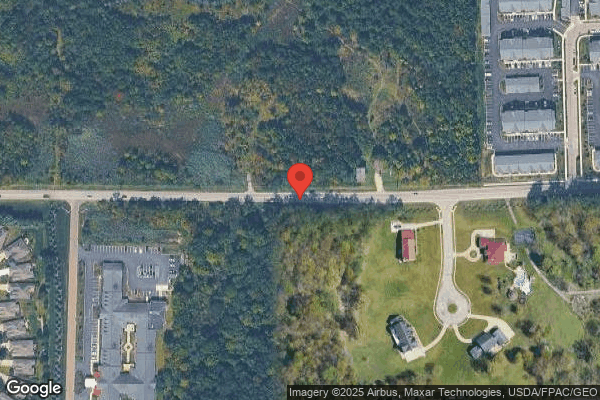

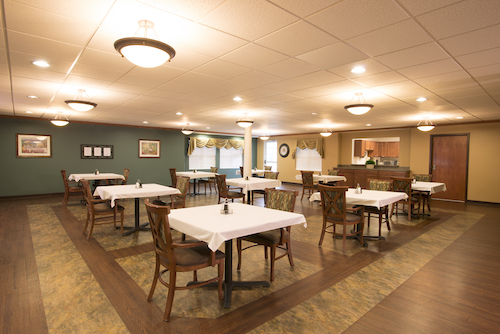

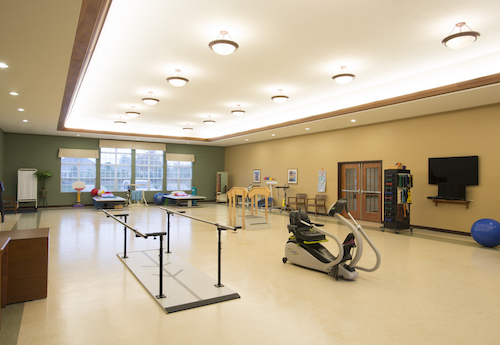
BATH CREEK ESTATES

186 WEST BATH ROAD, CUYAHOGA FALLS, OH 44223 (330) 922-9911
For profit - Corporation 99 Beds SABER HEALTHCARE GROUP Data: November 2025
Trust Grade
75/100
#222 of 913 in OH
Last Inspection: December 2023

Within standard 12-15 month inspection cycle. Federal law requires annual inspections.

Overview

Bath Creek Estates in Cuyahoga Falls, Ohio, has a Trust Grade of B, indicating a good but not outstanding reputation among nursing homes. It ranks #222 out of 913 facilities in Ohio, placing it in the top half, and #6 out of 42 in Summit County, meaning only five local options are better. Unfortunately, the facility's trend is worsening, with issues increasing from 2 in 2023 to 8 in 2025. Staffing is rated 2 out of 5 stars, indicating below-average support; however, the turnover rate is 46%, slightly better than the state average. Notably, the facility has not incurred any fines, which is a positive sign. However, there are some concerning incidents, such as multiple residents not having emergency call devices within reach, which poses a safety risk, and failures in hand hygiene practices during medication administration, potentially risking infection. Additionally, there was a reported issue with food being served at unsafe temperatures, which affected residents on the Covid unit. Overall, while Bath Creek Estates has some strengths, families should be aware of these significant weaknesses before making a decision.

Trust Score
B
75/100
In Ohio
#222/913
Top 24%
Safety Record
Low Risk
No red flags
Inspections
Getting Worse
2 → 8 violations
Staff Stability
⚠ Watch
46% turnover. Above average. Higher turnover means staff may not know residents' routines.
Penalties
✓ Good
No fines on record. Clean compliance history, better than most Ohio facilities.
Skilled Nurses
○ Average
Each resident gets 30 minutes of Registered Nurse (RN) attention daily — about average for Ohio. RNs are the most trained staff who monitor for health changes.
Violations
⚠ Watch
14 deficiencies on record. Higher than average. Multiple issues found across inspections.
★★★★☆
4.0
Overall Rating
★★☆☆☆
2.0
Staff Levels
★★★☆☆
3.0
Care Quality
★★★★☆
4.0
Inspection Score
Stable
2023: 2 issues
2025: 8 issues

The Good

  • Full Sprinkler Coverage · Fire safety systems throughout facility
  • No fines on record

Facility shows strength in fire safety.

The Bad

Staff Turnover: 46%

Near Ohio avg (46%)

Higher turnover may affect care consistency

Chain: SABER HEALTHCARE GROUP

Part of a multi-facility chain

Ask about local staffing decisions and management

The Ugly 14 deficiencies on record

Mar 2025 5 deficiencies
CONCERN (D) 📢 Someone Reported This

A family member, employee, or ombudsman was alarmed enough to file a formal complaint

Potential for Harm - no one hurt, but risky conditions existed

ADL Care (Tag F0677)

Could have caused harm · This affected 1 resident

**NOTE- TERMS IN BRACKETS HAVE BEEN EDITED TO PROTECT CONFIDENTIALITY** Based on observation, interview, record review and review of facility policy, the facility failed to ensure Resident #94 was pro...

Read full inspector narrative →
**NOTE- TERMS IN BRACKETS HAVE BEEN EDITED TO PROTECT CONFIDENTIALITY** Based on observation, interview, record review and review of facility policy, the facility failed to ensure Resident #94 was provided incontinence care according to physician order and to maintain good hygiene for skin integrity. This affected one resident (Resident #94) out of three residents reviewed for incontinence. The facility census was 94. Findings include: Review of Resident #94's medical record revealed an admission date of 12/27/19 and diagnoses included heart failure, Parkinson's Disease, and dementia without behavioral disturbance, psychotic disturbance, mood disturbance and anxiety. Review of Resident #94's physician orders dated 10/26/23 revealed Resident #94 was to be checked and changed every two hours as tolerated every shift. Review of Resident #94's care plan dated 05/21/24 included Resident #94 was incontinent of bowel and bladder related to debility and dementia, and Resident #94 would not exhibit skin breakdown. Interventions included to report signs of skin breakdown or perianal excoriation, use barrier cream with each brief change, use brief to enhance dignity and check and change every two to three hours and as needed. Review of Resident #94's annual Minimum Data Set (MDS) 3.0 assessment dated [DATE] revealed Resident #94 was rarely or never understood. Resident #94 did not reject care during the seven-day assessment look-back period. Resident #94 was dependent for toileting hygiene, personal hygiene and upper and lower body dressing. Resident #94 was always incontinent of urine and bowel. Resident #94 did not have open lesions, skin tears, or Moisture Associated Skin Damage (MASD). Review of Resident #94's progress notes dated 02/10/25 through 03/12/25 did not reveal evidence Resident #94 had any reddened or open areas to the buttocks nor surrounding areas. Review of Resident #94's skin observations from 03/11/25 through 03/12/25 did not reveal evidence Resident #94 had an open area to the left buttock or her buttocks were very reddened. Review of a Wound Evaluation for Resident #94, dated 03/12/25 and written by Wound Nurse Practitioner (WNP) #501, included Resident #94 had a new partial thickness abrasion of her left buttock. Measurements were length 0.5 centimeters (cm), width 0.5 cm and depth 0.1 cm. Treatment was cleanse with mild soap and water, pat dry, apply generous application of barrier cream every shift and as needed after any incontinent episode. During routine hygiene care a new partial thickness abrasion to the left buttock was found. Resident #94 was seen via telehealth. The surrounding tissue was blanching (a temporary whitening or paleness of skin when pressure is applied, indicating good blood flow that returns to normal when pressure is applied). Resident #94 had discoloration throughout the buttocks consistent with scar tissue from a previous injury but no other acute trauma breakdown. Suspect the area was caused by the incontinence brief rubbing against fragile tissue. Instructions were to apply a generous application of barrier cream, ensure appropriate fitting briefs, and frequent hygiene care to minimize incontinence exposure and monitor for closure. Review of Resident #94's Nurse Practitioner notes written by Certified Nurse Practitioner (CNP) #502 dated 03/14/25 included staff reported Resident #94 had an abrasion on the left buttock found during care. Resident #94 was incontinent of urine and feces. Resident #94 was evaluated by WNP #501 via telehealth with orders for barrier cream. Resident #94 received hospice services and skin issues were expected due to terminal condition. Resident #94 had an abrasion to the left buttock with clear drainage, and measurements were length 0.5 cm, width 0.5 cm and depth was 0.1 cm. Observation on 03/11/25 at 3:30 P.M. of Resident #94 revealed she was sitting in a padded wheelchair in the common area. Observation on 03/11/25 at 4:17 P.M. revealed Resident #94 was sitting in a padded wheelchair in the common area and Certified Nursing Assistant (CNA) #301 pushed her back to her room. Interview on 03/11/25 at 4:17 P.M. with CNA #301 revealed Resident #94 was assisted out of bed into her padded wheelchair around 11:30 A.M. CNA #301 stated she was going to put Resident #94 back to bed to change her incontinence brief and then get her back up for the dinner meal, but she needed the help of a second aide because Resident #94 used a mechanical lift. CNA #301 indicated Resident #94 needed to be up for all meals because she needed assistance with feeding. CNA #301 revealed Resident #94 had been in the padded wheelchair since 11:30 A.M. so Resident #94 was last checked and changed for incontinence care over four and a half hours ago. Observation on 03/11/25 at 4:37 P.M. revealed CNA #385 arrived at Resident #94's room to assist with her transfer. CNA #301 and CNA #385 assisted Resident #94 back to her bed and proceeded to provide incontinence care. Observation revealed Resident #94's incontinence brief was heavily saturated with urine, her bilateral buttocks were very reddened in color, and an open area was noted on her left upper, inner buttock. The open area wound bed was pink in color. CNA #301 applied barrier cream to the open area which was about the size of a quarter. When asked if this was a new area and if the nurse knew about it CNA #301 stated she thought the nurse knew about it because they check residents' skin, but she did not tell the nurse Resident #94 had an open area to the left buttock. CNA #385 stated he took care of Resident #94 a couple days ago and she did not have the open area to the left buttock. Observation on 03/12/25 at 11:30 A.M. of Resident #94 revealed she was sitting in a padded wheelchair in the common area. Observation on 03/12/25 at 1:14 P.M. of Resident #94 revealed she was sitting in the dining area and an unidentified aide finished feeding her and pushed her into the common area without checking or changing her incontinence brief. Observation on 03/12/25 at 2:20 P.M. of Resident #94 revealed she was still sitting in a padded wheelchair in the common area. There was no observation Resident #94's incontinence brief was checked or changed. Observation on 03/12/25 at 4:24 P.M. of CNA #342 and #370, with Licensed Practical Nurse (LPN) #349 present during the observation, revealed both CNA assisted Resident #94 back to her bed using a mechanical lift and proceeded to provide incontinence care. Resident #94's incontinence brief was heavily soaked with urine, her buttocks were very red, and her upper, inner left buttock had a quarter sized open area. The left buttock open area was dark red in color. Further observation revealed two long dark red marks on Resident #94's right inner, upper thighs and one long dark red mark on the left upper, inner thigh. CNA #342 and #370 stated the red marks looked like they were caused by Resident #94's incontinence brief. LPN #349 confirmed the presence of the left buttock open area and the three red marks on Resident #94's thighs. LPN #349 stated the areas were not reported to her by any aide. Measurements obtained by LPN #349 revealed the inner left buttock had a length of 0.5 cm, width of 0.5 cm, the depth was not measured, and the wound bed was dark red. Resident #94's right thigh marks measured length of 7.0 cm, width 0.5 cm, and depth was not measured and the second right thigh mark measured length 5.0 cm, width 0.5 cm, and the depth was not measured. Resident #94's left thigh mark measured length 3.5 cm, width 0.25 cm, and depth was not measured. LPN #349 stated the marks on Resident #94's upper, inner thighs blanched but seemed a little sluggish. CNA #370 stated she arrived for work at 3:00 P.M. and Resident #94 was sitting in the common area and had not been changed since she arrived at work at 3:00 P.M. Interview on 03/12/25 at 5:30 P.M. with CNP #502 revealed she evaluated Resident #94's open area to the left buttock and the three long red marks on her right and left upper, inner thighs. CNP #502 indicated the marks on Resident #94's thighs and the open area on her left buttock looked like MASD (moisture associated skin damage caused by prolonged exposure to a source of moisture such as urine or stool). CNP #502 stated the Wound Nurse Practitioner (WNP) #501 would see Resident #94 via virtual visit. Review of the facility policy titled Wound Documentation Policy reviewed 01/18/2017 revealed included in the definition of a wound was moisture-associated skin damage which should be immediately reported to nursing by the CNAs who identify it, and a wound assessment should be documented immediately once the wound is identified. Review of the facility policy titled Incontinent Resident Care revised 01/2014 included incontinent residents would be cared for by nursing personnel to ensure adequate skin care, odor control and provide personal hygiene. This deficiency represents non-compliance investigated under Complaint Number OH00162087 and OH00161805.
CONCERN (D) 📢 Someone Reported This

A family member, employee, or ombudsman was alarmed enough to file a formal complaint

Potential for Harm - no one hurt, but risky conditions existed

Accident Prevention (Tag F0689)

Could have caused harm · This affected 1 resident

Based on observations, interviews, record review, and facility policy, the facility failed to ensure fall interventions were in place as ordered to prevent accidents for three residents (#23, #25, and...

Read full inspector narrative →
Based on observations, interviews, record review, and facility policy, the facility failed to ensure fall interventions were in place as ordered to prevent accidents for three residents (#23, #25, and #72) out of three residents reviewed for accidents. The facility census was 94. Findings include: 1. Review of the medical record for Resident #23 revealed an admission date of 06/28/18 with diagnoses including severe protein calorie malnutrition, end stage renal disease, chronic obstructive pulmonary disease (COPD), dementia, muscle weakness, anemia, cerebral infarction, anorexia, unsteadiness on feet, and bipolar disorder. Review of the annual Minimum Data Set (MDS) 3.0 assessment, dated 03/01/25, revealed Resident #23 was severely impaired cognitively, rejected care one to three days of the assessment reference period, and was dependent on staff for most activities of daily living and required substantial/maximum assistance from staff for mobility. Review of the facility document titled John Hopkins Fall Risk assessments for Resident #23 revealed on 09/30/24 resident was at moderate fall risk and on 03/13/25 the resident had increased to a high fall risk. Review of the facility incident log revealed Resident #23 had a fall on 10/25/24. Review of the facility's fall investigation documents revealed Resident #23 had been found on the floor next to his low bed on 10/25/24 at 3:50 A.M. The resident was assessed to have no injuries and was unable to say what happened. The resident was wearing nonskid footwear and current fall interventions had been in place. The resident had no injuries. Review of Resident #23's physician orders revealed orders dated 09/30/24 for dycem (nonslip polymer material) to wheelchair above and below wheelchair cushion, dycem to recliner, perimeter mattress to bed, positioning pillow when in bed, and bed in low position when occupied, and an order dated 10/25/24 for floor mats at bedside. Review of the care plan, created on 07/07/23, revealed Resident #23 was at risk for falling related to weakness, refusal of care, episodes of incontinence, medication use, history of shortness of breath secondary to COPD. Interventions included position pillows when in bed; mat to floor at bedside; dycem to recliner; dycem to wheelchair cushion above and below; keep personal items and frequently used items within reach; keep bed in lowest position with brakes locked; and keep call light in reach at all times. Observation on 03/12/25 at 8:18 A.M. revealed Resident #23 was awake in his bed, which was in low position and a mat was observed on the ground next to the bed. The resident's call light was not in reach with the soft touch emergency call device observed sitting on top of the mini refrigerator sitting next to his bed. Interview at the time of observation with Certified Nursing Assistant (CNA) #320 confirmed the emergency call device was on top of the mini refrigerator and was not in reach of the resident. Observation on 03/13/25 at 7:56 A.M. of Resident #23's room revealed the resident was in his bed, and the bed was in low position. A grey floor mat was observed folded up and had been leaning between the wall and his mini refrigerator. The recliner in his room did not have dycem on it , and the wheelchair in the bathroom did not have dycem applied to the top and bottom of the cushion in the wheelchair. His soft touch emergency call device was in reach. His room was uncluttered and pillows were positioned as requested by the family. Interview on 03/13/25 at 8:02 A.M. with CNA #336 confirmed Resident #23's mat was folded up against the wall and there was no dycem applied to the resident's recliner in his room or above and below the resident's wheelchair cushion. She stated she was newer to the area where Resident #23 resided, and she had just started her shift and hadn't had time to investigate what fall interventions Resident #23 should have in place. Interview on 03/13/25 at 4:59 P.M. with the Director of Nursing (DON) revealed nurses knew fall interventions for residents by the orders written in the medical record and fall interventions should be in place. The DON stated nurses should go over in report every fall intervention a resident has in place especially if the aide was not familiar with the resident. She confirmed verbal report was the only way for an aide to know what fall interventions should be in place for a resident. Review of facility policy Fall Prevention and Management Policy, revised on 08/06/24, revealed residents would be assessed for fall risk on admission, quarterly, and as needed. If risks were identified, preventative measures would be put in place and care planned. 2. Review of the medical record for Resident #72 revealed an admission date of 06/07/21 and diagnoses included dementia, major depressive disorder, age-related osteoporosis without current pathological fracture, severe-protein calorie malnutrition, encounter for palliative care, cognitive communication deficit, and history of falling. Review of Resident #72's quarterly MDS 3.0 assessment, dated 03/04/25, revealed the resident was severely impaired cognitively, was dependent on staff for activities of daily living and mobility, and had no falls since the previous assessment. Review of Resident #72's care plan, dated 07/27/23, revealed the resident was at risk for falling related to weakness and antidepressant medication use. Approaches included sensor alarm to wheelchair; sensor alarm to bed; provide proper well-maintained footwear; visual cues in bathroom; visual cues to remind resident to use call light for assistance; encourage to lay down after meals; encourage common areas when restless; encourage resident to be up for meals; encourage bed in lowest position with mat to floor; dycem to wheelchair; observed frequently and place in supervised area when out of bed; give resident verbal reminders not to ambulate/transfer without assistance; and place resident in a fall prevention program. Review of Resident #72's John Hopkins Fall Risk assessments dated 03/03/24, 04/10/24, 06/05/24, 07/31/24, and 12/02/24 revealed the resident was a high fall risk. Review of Resident #72's physician orders revealed orders dated 05/23/23 for dycem (nonslip polymer material) to wheelchair, encourage resident to be up for meals, encourage resident to lay down after meals, visual cues in room and bathroom to utilize call light for assistance, an order dated 12/23/23 to encourage bed in lowest position, an order dated 08/01/24 for mat to floor at bedside; an order dated 11/18/24 for hospice services with a diagnoses of protein calorie malnutrition, and an order dated 12/02/24 for a sensor alarm to bed. Review of progress notes in Resident #72's medical record revealed on 11/30/24 the resident was found on the floor on the side of her bed at the foot of the bed. The resident had no major injury with a new intervention to have Hospice come in and see the resident. A progress note dated 12/03/24 revealed when Resident #72 had her fall all current interventions had been in place and a new intervention for an alarm to bed had been added. Observation on 03/13/25 at 8:09 A.M. of Resident #72's room revealed a blue mat was folded into thirds and leaning up against the right wall as the resident was sleeping in her bed. Interview with the DON at 8:10 A.M. confirmed the mat had been folded against the wall and after looking at Resident #72 physician orders her medical record, the DON confirmed the mat should have been down on the floor. Interview on 03/13/25 at 4:59 P.M. with the Director of Nursing (DON) revealed nurses knew fall interventions for residents by the orders written in the medical record and fall interventions should be in place. The DON stated nurses should go over in report every fall intervention a resident has in place especially if the aide was not familiar with the resident. She confirmed verbal report was the only way for an aide to know what fall interventions should be in place for a resident. Review of facility policy Fall Prevention and Management Policy, revised on 08/06/24, revealed residents would be assessed for fall risk on admission, quarterly, and as needed. If risks were identified, preventative measures would be put in place and care planned. 3. Review of the medical record for Resident #25 revealed an admission date of 02/14/25 with diagnoses including anemia, unspecified fall, acute on chronic diastolic (congestive) heart failure, restless leg syndrome, paroxysmal atrial fibrillation, and cognitive communication deficit. Review of admission Minimum Data Set (MDS) assessment, dated 02/20/25, revealed Resident #25 was severely impaired cognitively, required substantial/maximum assistance for oral and toilet hygiene, required partial/moderate assistance from staff for sit to stand, chair to bed transfer, and toilet transfer, and supervision from staff to walk up to 150 feet. The resident was independent with wheelchair maneuverability, was occasionally incontinent of bowel and bladder, and had a fall in the past month. Review of the care plan created on 02/14/25 revealed Resident #25 was at risk for falls related to psychotic medications, anemia, restless leg, neuropathy, and weakness. Interventions included a reacher, perimeter mattress to bed, out of bed for meals, display signage as visual cues to remind resident of fall prevention call don't fall, encourage resident is wearing nonskid footwear, bed in lowest position, and keep familiar objects commonly used objects within reach. Review of the facility document titled John Hopkins Fall Risk assessment , dated 02/14/25, revealed Resident #25 was high fall risk. Review of the physician orders revealed an order dated 02/17/25 for visual cues to remind resident to use call light and wait for assistance. Review of progress notes in Resident #25's medical record revealed a progress note dated 02/20/25 which indicated the resident had an unwitnessed fall in his room. The resident was observed on the floor with both arms on the recliner. The resident stated he was sitting on the edge of bed and fell trying to transfer himself on to the recliner. The resident was noted to have no apparent injuries. The resident was educated on use of call light for assistance. Another progress note dated 02/21/25 revealed the nurse had been notified by the aide that the resident was on the floor. The nurse found resident sitting on floor with no major injury. The resident stated he tried to get up and slide from the bed. Observation on 03/13/25 at 8:05 A.M. of Resident #25's room revealed the resident was in a low bed with a perimeter mattress with familiar items being kept within reach. There was a reacher in his room, however, there was no observation of a posted sign to call for assistance. Interview at the time of observation with Registered Nurse (RN) #354 confirmed there was no sign posted to call for assistance and could not give an explanation on why the sign wasn't posted. Interview on 03/13/25 at 4:59 P.M. with the DON revealed nurses knew fall interventions for residents by the orders written in the medical record and fall interventions should be in place. The DON stated nurses should go over in report every fall intervention a resident has in place especially if the aide was not familiar with the resident. She confirmed verbal report was the only way for an aide to know what fall interventions should be in place for a resident. Review of facility policy Fall Prevention and Management Policy, revised on 08/06/24, revealed residents would be assessed for fall risk on admission, quarterly, and as needed. If risks were identified, preventative measures would be put in place and care planned. This deficiency represents non-compliance investigated under Complaint Numbers OH00163348 and OH00161805.
CONCERN (D) 📢 Someone Reported This

A family member, employee, or ombudsman was alarmed enough to file a formal complaint

Potential for Harm - no one hurt, but risky conditions existed

Deficiency F0800 (Tag F0800)

Could have caused harm · This affected 1 resident

Based on observation, interview, record review and review of facility policy, the facility did not ensure Resident #25, #26 and #74 received sugar-free pancake syrup in accordance with their low conce...

Read full inspector narrative →
Based on observation, interview, record review and review of facility policy, the facility did not ensure Resident #25, #26 and #74 received sugar-free pancake syrup in accordance with their low concentrated sweets (LCS) therapeutic diet order to meet their needs. This affected three residents (#25, #26 and #74) out of three residents reviewed for food/nutrition. The facility identified 14 residents (#7, #12, #25, #26, #32, #34, #37, #45, #54, #58, #63, #69, #74 and #88) as receiving a LCS diet. The facility census was 94. Findings include: 1.Review of the medical record for Resident #74 revealed a current admission date of 02/08/25 and original admission date of 10/27/24. Pertinent diagnoses included type two diabetes mellitus, acquired absence of left foot, and morbid obesity diet to excess calories. Review of Resident #74's physician orders revealed an order dated 02/08/25 for a LCS (low concentrated Sweets) diet with large portions. Review of the admission Minimum Data Set (MDS) 3.0 assessment, dated 02/14/25, revealed Resident #74 was cognitively intact, required set up for eating, and was on a therapeutic diet. Review of Resident #74's Medical Nutrition Therapy Observation, dated 10/30/24, revealed the resident was on a therapeutic diet (LCS diet) , and the diet was appropriate for his diagnosis of type two diabetes mellitus. The nutritional intervention was to provide the therapeutic diet as ordered with the addition of large portions. Review of the care plan, dated 10/30/24, revealed Resident #74 had increased nutrition/hydration risk related to being on a therapeutic diet and having type two diabetes mellitus. Interventions included review preferences per routine and as needed; respect/honor resident dietary choices; provide diet per order; monitor weight per protocol, monitor dietary and nutritional intake; and encourage compliance with diet guidelines. Observation on 03/12/25 at 8:29 A.M. of Resident #74's breakfast tray as Certified Nursing Assistant (CNA) #336 was collecting the tray revealed on the tray was an empty individual regular syrup. The tray ticket on Resident #74's breakfast tray indicated the resident was on a LCS (low concentrated sweets) diet and was to receive two diet syrups. At the time of observation, CNA #336 confirmed regular instead of diet syrup had been served to the resident. 2. Review of the medical record for Resident #25 revealed an admission date of 02/14/25. Pertinent diagnoses included type two diabetes with diabetic neuropathy, chronic kidney disease stage three, and cognitive communication deficit. Review of Resident #25's physician orders revealed an order dated 02/27/25 for a LCS (Low Concentrated Sweets) diet with double entrée. Review of Resident #25's admission MDS 3.0 assessment, dated 02/20/25, revealed the resident was severely impaired cognitively, independent for eating, and was on a therapeutic diet. Review of the care plan, dated 02/20/23, revealed Resident #25 was at increased nutritional/hydration risk related to type two diabetes with therapeutic diet prescribed with use of insulin. Approaches included review preferences per routine and as needed; respect/honor resident dietary choices; provide diet as ordered; monitor weight per protocol; and monitor dietary intake. Observation on 03/12/25 at 8:31 A.M. of Resident #25's breakfast tray as the resident was finishing his breakfast in the unit dining room revealed on the tray was an empty individual regular syrup. The tray ticket on Resident #25's breakfast tray indicated the resident was on LCS (low concentrated sweets) diet and was to receive two diet syrups. At the time of observation, Dietary [NAME] #357 confirmed the resident had regular syrup on this meal tray and should have been given diet syrup. 3. Review of the medical record for Resident #26 revealed an admission date of 02/04/21. Pertinent diagnoses included type two diabetes with diabetic chronic kidney disease. Review of Resident #26's physician orders revealed an order dated 05/23/23 for a LCS (low concentrated sweets) diet. Review of the quarterly Medical Nutritional Therapy Observation, dated 01/08/25, revealed Resident #26 was on a LCS restricted diet and had no significant weight changes with intakes meeting nutritional and fluid needs. Review of the care plan dated, 10/16/23, revealed Resident #26 was at risk for complications related to diabetes. Approaches included dietary consultation to discuss and determine meal planning, meal choices, dietary restriction and dietary adequacy and explain dietary regime and restrictions and how to prevent complications. Observation on 03/12/25 at 8:33 A.M. of Resident #26's breakfast tray in the resident's room revealed on the tray was an individual container of regular syrup. The tray ticket on Resident #26's breakfast tray indicated the resident was on a LCS (low concentrated sweets) diet and was to receive two diet syrups. At the time of observation, Laundry/Housekeeping #376 confirmed there was regular syrup on Resident #26's breakfast tray. Interview on 03/12/25 at 11:37 A.M. with Regional Director of Dietary Services (RDDS) #500 revealed a LCS diet was pretty liberal and the only difference between a LCS diet and a regular diet was the LCS diet received sugar free condiments and smaller portions of sweet desserts. RDDS #500 indicated the diet guide sheet guided staff on what food items and serving sizes should be served for each diet and the tray ticket would state what beverage and condiments a resident should receive. RDDS #500 confirmed residents who were on a LCS diet should have received sugar-free syrup on their breakfast trays instead of regular. Interview on 03/12/25 at 2:39 P.M. with CNA #320 revealed the kitchen had been sending regular jelly and syrup on the LCS breakfast trays a lot lately. Interview on 03/12/25 at 2:18 P.M. with CNA #329 revealed she had seen regular condiments being sent on the residents' breakfast trays who are on a LCS diet. Review of the Bath Creek Estates North Fall Winter 24/25 Diet Guide Sheet revealed on Wednesday of week four of the menu (03/12/25) residents on a LCS diet were to receive two pancakes and one sausage patty for breakfast. Review of the facility's dietary staff education documentation with staff signatures revealed on 03/06/25 dietary staff had been educated on various topics which included providing meal items per tray ticket. Review of the facility policy Diet Orders Policy, revised on 03/18/24, revealed the Food and Nutrition Services Manager will utilize a tray card identification system to ensure each resident receives his or her diet as ordered, and that the diet in the medical record reflects the diet in the tray card system. This deficiency represents non-compliance investigated under Complaint Number OH00163395.
CONCERN (E) 📢 Someone Reported This

A family member, employee, or ombudsman was alarmed enough to file a formal complaint

Potential for Harm - no one hurt, but risky conditions existed

Deficiency F0558 (Tag F0558)

Could have caused harm · This affected multiple residents

Based on observations, interviews, record review, and review of facility policy, the facility failed to ensure emergency call devices/call lights were within reach of Resident #12, #16, #20, #23 and #...

Read full inspector narrative →
Based on observations, interviews, record review, and review of facility policy, the facility failed to ensure emergency call devices/call lights were within reach of Resident #12, #16, #20, #23 and #64. This affected five residents (#12, #16, #20, #23, #64, ) out of seven residents reviewed for emergency call devices within reach. The facility census was 94. Findings include: 1. Review of the medical record for Resident #20 revealed an admission date of 02/28/25 with diagnoses including unspecified fall, wedge compression fracture of fifth lumbar vertebra, history of falling, severe protein calorie malnutrition, chronic obstructive pulmonary disease (COPD), osteolysis , and secondary malignant neoplasm (cancer) of bone. Review of the admission Minimum Data Set (MDS) 3.0 assessment, dated 03/06/25, revealed Resident #20 was moderately impaired cognitively, was dependent on staff for activities of daily living and for all mobility, and was frequently incontinent of bowel and bladder. The resident had a fall in the last month prior to admission, had a fracture related to a fall in the six months prior to admission, but had no falls since admission. Review of the facility document titled John Hopkins Fall Risk, dated 02/28/25, revealed Resident #20 was a moderate fall risk. Further review of Resident #20's medical record revealed an admission progress note, dated 02/28/25 which indicated the resident was at an advanced age, was very fragile, had very thin skin, and was admitted with bruises at both knees from a fall prior to admission. Review of the nurse practitioner note, dated 03/03/25, revealed Resident #20 was alert and frail. Review of the care plan, created on 02/28/25, revealed Resident #20 was at risk for falls related to COPD, weakness, glaucoma, and use of oxygen tubing. Interventions included bed in lowest position, and keep familiar objects/commonly used items within reach. Observation on 03/11/25 at 9:00 A.M. revealed Resident #20 was in bed and her emergency call device (call light) was observed out of reach as the call device was observed sitting on the bedside table. At the time of observation, Resident #20 stated she was unable to reach the call light. Interview on 03/11/25 at 9:02 A.M. with Assistant Director of Nursing (ADON) #360 confirmed the call light was out of reach and proceeded to place the call light within reach of Resident #20. 2. Review of the medical record for Resident #16 revealed an admission date of 03/05/25 with diagnoses including altered mental status, Alzheimer's disease, age related osteoporosis without current pathological fracture, unspecified mood disorder, and other abnormalities of gait and mobility. Review of the 03/12/25 admission MDS 3.0 assessment for Resident #16 revealed it was in progress. Review of the Brief Interview for Mental Status (BIMS) 2023, dated 03/06/25, revealed Resident #16 was severely impaired cognitively. Review of section GG supportive documentation tool, dated 03/10/25, revealed Resident #16 required partial/moderate assistance from staff for eating, oral and personal hygiene, and to sit to stand; substantial/max assistance for toileting hygiene, shower/bathe self, dressing and putting on footwear, and transfers. Walking ten feet was not attempted during the assessment reference period, and the resident was dependent on staff for wheelchair maneuverability. Review of the care plan dated 03/05/25 revealed Resident #16 was at risk for falls related to Alzheimer's, mood disorder, and communication deficit. Interventions included ensure resident was wearing nonskid footwear, bed in lowest position, and keep familiar objects/commonly used items within reach. Observation on 03/11/25 at 9:06 A.M. revealed Resident #16 was observed sleeping in bed with her head elevated and the emergency call device was on the floor under Resident #16's head of the bed. Interview on 03/11/25 at 9:07 A.M. with Environmental Services Manager (ESM) #406 confirmed the call light was not in reach for Resident #16. 3. Review of the medical record for Resident #12 revealed an admission date of 04/25/22 with diagnoses including cerebral infarction, localization related symptomatic epilepsy and epileptic syndromes with complex partial seizures, anemia, vitamin D deficiency, hemiplegia and hemiparesis following cerebral infarction, COPD), and complete traumatic amputation of lower leg. Review of the annual MDS 3.0 assessment, dated 02/06/25, revealed Resident #12 was cognitively intact, was dependent on staff for most activities of daily living and for mobility, had an indwelling catheter and was always incontinent of bowel, and had no falls since previous assessment. Review of the facility document titled John Hopkins Fall Risk assessments dated 05/11/24, 08/04/24, and 11/06/24 revealed the resident was moderate fall risk. Review of the care plan, created on 07/07/23, revealed Resident #12 was at risk for falling related to weakness, impaired mobility, and antidepressant medication. Interventions included positioning pillow to help him determine edge of bed, low bed when occupied, keep personal items and frequently used items within reach, and keep call light in reach at all times. Observation on 03/11/25 at 9:26 A.M. revealed Resident #12 was sitting up in his bed. His emergency call devise was on the floor near the base of his overbed table. Interview with Resident #12 at the time of observation revealed he was unable to reach his emergency call device. Interview on 03/11/25 at 9:30 A.M. with Registered Nurse (RN) #354 confirmed Resident #12's emergency call device was out of reach. 4. Review of the medical record for Resident #64 revealed an admission date of 02/13/25 with diagnoses including unspecified intellectual disabilities, other seizures, mild protein calorie malnutrition, and insomnia. Review of the admission MDS 3.0 assessment, dated 02/19/25, revealed the resident was moderately impaired cognitively, required supervision from staff for oral hygiene and dressing, substantial/maximum assistance from staff for shower/bathe self and sit to lying, and was dependent on staff for toileting hygiene and sit to stand. Transfers and walking had not been attempted during the assessment reference period, and the resident was always incontinent of bowel and bladder. The resident hadn't had a fall since admission, however, the resident had a fall in the last two to six months and had a fracture related to a fall in the last six months. Review of the facility document titled John Hopkins Fall Risk assessment, dated 02/13/25, revealed Resident #64 was a moderate fall risk. Review of the care plan dated 12/11/24 revealed Resident #64 was at risk for falls related to right ankle fracture, seizures, incontinence, debility, and cognitive deficits. Interventions included encourage resident to wear non-skid footwear when out of bed, encourage bed to be in low position, provide toileting assistance as needed/per routine, and keep familiar objects/commonly used items within reach. Observation on 03/11/25 at 9:28 A.M. revealed Resident #64 was sitting in her wheelchair next to her bed with her back wheels in front of her bedside table and the resident was facing away from bedside table. The emergency call device was observed wrapped around the position bar on the left side of her head of bed, which was beside the back wheel of Resident #64's wheelchair and was out of reach of the resident. Interview with Resident #64 at the time of observation revealed the resident voiced she was unable to reach the call light. Interview on 03/11/25 at 9:31 A.M. with RN #354 confirmed Resident #64's emergency call device was out of reach of the resident. 5. Review of the medical record for Resident #23 revealed an admission date of 06/28/18 with diagnoses including severe protein calorie malnutrition, end stage renal disease, chronic obstructive pulmonary disease, dementia, muscle weakness, anemia, cerebral infarction, anorexia, unsteadiness on feet, and bipolar disorder. Review of the annual MDS 3.0 assessment, dated 03/01/25, revealed Resident #23 was severely impaired cognitive, rejected care one to three days of the assessment reference period, and was dependent on staff for most activities of daily living and required substantial/maximum assistance from staff for mobility. Review of the facility document titled John Hopkins Fall Risk assessments for Resident #23 revealed on 09/30/24 resident was at moderate fall risk and on 03/13/25 the resident had increased to a high fall risk. Review of the facility incident log revealed Resident #23 had a fall on 10/25/24. Review of the facility's fall investigation material revealed Resident #23 had been found on the floor next to his low bed on 10/25/24 at 3:50 A.M. The resident was assessed to have no injuries and was unable to say what happened. The resident was wearing nonskid footwear and current fall interventions had been in place. The resident had no injuries. Review of the care plan, created on 07/07/23, revealed Resident #23 was at risk for falling related to weakness, refusal of care, episodes of incontinence, medication use, history of shortness of breath secondary to COPD. Interventions included position pillows when in bed; mat to floor at bedside; dycem (polymer nonslip material) to recliner; dycem to wheelchair cushion above and below; keep personal items and frequently used items within reach; keep bed in lowest position with brakes locked; and keep call light in reach at all times. Observation on 03/12/25 at 8:18 A.M. revealed Resident #23 was awake in his bed, which was in low position and a mat was observed on the ground next to the bed. The resident's call light was not in reach with the soft touch emergency call device observed sitting on top of the mini refrigerator sitting next to his low bed. Interview at the time of observation with Certified Nursing Assistant (CNA) #320 confirmed the emergency call device was on top of the mini refrigerator and was not in reach of the resident. Review of the facility policy titled Resident Communication System and Call Light Policy, revised on 06/30/17, revealed when the resident is in bed or in a chair, be sure the call light is within easy reach. This deficiency represents non-compliance investigated under Complaint Number OH00162087 and OH00161805.
CONCERN (E) 📢 Someone Reported This

A family member, employee, or ombudsman was alarmed enough to file a formal complaint

Potential for Harm - no one hurt, but risky conditions existed

Infection Control (Tag F0880)

Could have caused harm · This affected multiple residents

Based on observation, interview, record review and review of facility policy, the facility failed to ensure hand hygiene was implemented during medication administration for Resident's #18, #42, #43, ...

Read full inspector narrative →
Based on observation, interview, record review and review of facility policy, the facility failed to ensure hand hygiene was implemented during medication administration for Resident's #18, #42, #43, #46 and #84 and during care for Resident #101. The facility also failed to ensure appropriate personal protective equipment (PPE) was worn during PEG (percutaneous endoscopic gastrostomy) tube care for Resident #46. This affected six residents (Resident's #18, #42, #43, #46, #84 and #101) and had the potential to affect an additional 37 residents (Resident's #3, #4, #6, #12, #17, #19, #21, #28, #33, #34, #36, #38, #40, #41, #46, #47, #49, #50, #54, #56, #58, #60, #63, #64, #66, #67, #70, #75, #79, #82, #83, #86, #88, #89, #91, #92, #94) residing on the 300 and 400 nursing units. The facility census was 94. Findings include: 1. Observation on 03/12/25 at 7:35 A.M. of Licensed Practical Nurse (LPN) #349 revealed LPN #349 was standing at the medication cart preparing medications to be administered to Resident #43. After LPN #349 prepared Resident #43's medications and placed the medications in a small plastic cup without first sanitizing or washing her hands she walked into Resident #43's room and administered them to Resident #43. Resident #43 asked for pain medication and LPN #349 returned to the medication cart, prepared the pain medication for administration and walked back into Resident #43's room to give her the pain medication. LPN #349 exited Resident #43's room, walked to the medication cart and began preparing Resident #42's medication for administration. LPN #349 did not wash her hands or use hand sanitizer after exiting Resident #43's room or before beginning to prepare Resident #42's medications. Observation on 03/12/25 at 7:58 A.M. of LPN #349 revealed she was standing at the medication cart preparing Resident #42's medications for administration. After she was finished preparing the medications she placed the pills in a small plastic cup and walked into Resident #42's room to administer the medications. After administering Resident #42's medications LPN #349 walked back to the medication cart without washing her hands or using hand sanitizer and began preparing Resident #84's medications for administration. Observation on 03/12/25 at 8:05 A.M. of LPN #349 revealed she was standing at the medication cart preparing Resident #84's medications for administration. After she was finished preparing Resident #84's medications for administration she placed the pills in a small plastic cup and walked into Resident #84's room to administer the medications. After administering Resident #84's medication LPN #349 walked back to the medication cart without washing her hands or using hand sanitizer. Interview on 03/12/25 at 8:24 A.M. with LPN #349 confirmed she did not use hand sanitizer or wash her hands during Resident's #43, #42 and #84's medication administration. Observation on 03/12/25 at 8:26 A.M. of LPN #306 revealed she was standing at the medication cart preparing Resident #18's medications for administration. LPN #306 did not sanitize or wash her hands before the medication preparation for Resident #18. After she was finished preparing Resident #18's medications for administration she placed the pills in a small plastic cup and walked into Resident #18's room to administer the medications. After administering Resident #18's medication LPN #306 walked back to the medication cart without washing her hands or using hand sanitizer. Observation on 03/12/25 at 8:38 A.M. revealed LPN #306 was standing at the medication cart and an unidentified aide walked up to her and told her Resident #101 needed the assistance of nurse. Without washing her hands or using hand sanitizer LPN #306 walked into Resident #101's room to assist him. Resident #101 stated he threw up and it went on his gown. LPN #306 pulled Resident #101's bed linens up without putting gloves on, noticed some emesis had fallen on a towel lying on Resident #101's bed, put gloves on and removed the soiled towel from the bed. Interview on 03/12/25 at 8:38 A.M. with LPN #306 confirmed she did not use hand sanitizer or wash her hands during Resident #18's medication administration or before she entered Resident #101's room to assist him. 2. Review of Resident #46's medical record revealed an admission date of 02/22/25 and diagnoses included cerebral palsy, dysphagia and attention deficit hyperactivity disorder. Review of Resident #46's care plan dated 03/05/25 included Resident #46 was at increased nutritional risk elated to gastric tube use. Gastric tube related to nothing by mouth, dysphagia. Resident #46 had enteral feeding, supplements to support normal lab levels. Interventions included to check tube placement prior to medication, tube feeding administration; enhanced barrier isolation. Review of Resident #46's physician orders dated 03/12/25 revealed Isolation, Transmission Based Precaution: Enhanced Barrier Precautions. Observation on 03/12/25 at 9:13 A.M. of Resident #46's room did not reveal an Enhanced Barrier Precaution (EBP) sign was on the door to his room and there was no plastic cart with PPE near the door to his room or PPE hanging on the door to the room. Observation on 03/12/25 at 9:13 A.M. of LPN #306 revealed Certified Nursing Assistant (CNA) #375 told her Resident #46's tube feeding pump was not working. LPN #306 walked into Resident #46's room without washing her hands or using hand sanitizer, did not don an isolation gown, and went over to Resident #46's tube feeding pump to see why it was not working. LPN #306 tried to turn the pump on, stated the PEG tube was clogged and she needed to flush Resident #46's PEG tube. LPN #306 returned to the medication cart without washing her hands or using hand sanitizer and prepared Resident #46's medications for administration and found a clean syringe to flush the PEG tube. LPN #306 walked into Resident #46's room with the medications and clean syringe and did not don an isolation gown. LPN #306 proceeded to flush Resident #46's PEG tube with water, then administered the medications via the PEG tube. After LPN #306 flushed his PEG tube and administered Resident #46's medications she connected the tube feeding and turned the pump on to continuously administer Isosource 1.5 at 45 cc per hour per physician orders. LPN #306 washed her hands before leaving the room. LPN #306 confirmed she did not don an isolation gown before providing care for Resident #46's feeding tube and administering medications via the feeding tube. Interview on 03/12/25 at 9:20 A.M. with the Director of Nursing (DON) confirmed Resident #46 did not have a sign for Enhanced Barrier Precautions on his door or PPE near the entrance to his room. The DON indicated she was going to make sure PPE was available near the entrance to Resident #46's room and a sign was placed on his door going forward. The DON stated LPN #306 confirmed she did not don an isolation gown prior to providing care for him. Review of the facility policy titled Transmission-Based Precautions and Isolation Policy revised 04/15/24 included EBP (Enhanced Barrier Precautions) were intended to prevent transmission of multi-drug resistant organisms (MDROs) via contaminated hands and clothing of healthcare workers to high risk residents. EBP are indicated for high contact care activities for residents with chronic wounds and indwelling devices (such as central lines, urinary catheters, and trachs) and for all those colonized or infected with a MDRO currently targeted by the CDC1. Other MDROs may be included at the discretion of the facility Infection Control Committee unless required by state guidance. Review of the facility policy titled Hand Hygiene/Handwashing Policy revised 02/28/2025 included hand hygiene was the most important component for preventing the spread of infection. Use of gloves did not replace the need for hand cleaning by either hand rubbing or hand washing. Unless hands were visibly soiled, an alcohol-based hand rub was preferred over soap and water in most clinical situations due to evidence of better compliance compared to soap and water. Healthcare personnel should use an alcohol-based hand rub or wash with soap and water for the following clinical indications: immediately before touching a patient, before performing an aseptic task (for example, placing an indwelling device) or handling invasive medical devices, before moving from work on a soiled body site to a clean body site on the same patient, after touching a patient or the patient's immediate environment, after contact with blood, body fluids, or contaminated surfaces, immediately after glove removal.
Jan 2025 3 deficiencies
CONCERN (D) 📢 Someone Reported This

A family member, employee, or ombudsman was alarmed enough to file a formal complaint

Potential for Harm - no one hurt, but risky conditions existed

Quality of Care (Tag F0684)

Could have caused harm · This affected 1 resident

**NOTE- TERMS IN BRACKETS HAVE BEEN EDITED TO PROTECT CONFIDENTIALITY** Based on observation, record review, facility policy review and interview, the facility failed to provide timely and necessary t...

Read full inspector narrative →
**NOTE- TERMS IN BRACKETS HAVE BEEN EDITED TO PROTECT CONFIDENTIALITY** Based on observation, record review, facility policy review and interview, the facility failed to provide timely and necessary treatment for Resident #22 following laboratory testing that included a critically high sodium level to prevent a hospitalization. This affected one resident (#22) of three residents reviewed for laboratory testing. The facility census was 88. Findings included: Review of the medical record for Resident #22 revealed an admission date of 07/10/18 with diagnosis including attention to gastrostomy (tube), severe protein-calorie malnutrition, acute kidney failure, end stage renal disease, dementia, bipolar disorder with current episode manic severe with psychotic features, and patient's noncompliance with other medical treatment and regimen. Review of the care plan dated 08/01/23 revealed Resident #22 had increased risk for nutritional status related to diagnosis of end state renal disease, dysphagia with risks associated with overall disease process, underweight, low body mass index (BMI) with history of suboptimal intake and history weight fluctuation. Interventions included monitor lab values and monitor for signs and symptoms of dehydration. Review of the progress note dated 09/11/24 at 4:58 P.M. documented as a late entry on 09/12/24 at 10:00 P.M., authored by RN #166 revealed an aide notified this nurse resident brief was dry throughout the day and this nurse asked the oncoming nurse to monitor (the resident) for output. Review of the progress note dated 09/12/24 at 10:00 P.M. revealed Registered Nurse (RN) #166 documented the resident did have a wet brief prior to bed. The nurse assessed the resident in the morning and his brief was wet times one. Review of Resident #22's progress note dated 09/17/24 revealed the revealed the resident refused all meals on this date, the nurse and care staff offered multiple times and tried to feed the resident during all meals, and he still refused. The note revealed the resident did drink four chocolate boosts and two mighty shakes on this day. Review of a monthly ordered laboratory report dated 09/18/24 at 5:08 P.M. revealed Resident #22 had a critically high sodium (NA+) level of 164 (normal range 138 to 145). High sodium levels, known as hypernatremia, can include thirst, urinating less, vomiting, diarrhea, confusion, muscle twitching, seizures, lethargy, irritability and stupor or coma. The lab results had a handwritten note (dated 09/18/24) with no new orders (NNO), monitor and consult nephrology and was initialed by Licensed Practical Nurse (LPN) #213. Review of the progress note dated 09/18/24 at 8:12 P.M., authored by Assistant Director of Nursing (ADON) #170 revealed CBC with Differential and CMP reported to on call Nurse Practitioner (NP) #232 and (resident's) sister. No new orders (NNO) were received at this time. The progress note included to monitor and notify nephrology. Review of a progress note dated 09/19/24 at 9:10 A.M. authored by ADON #170 revealed labs from 09/18/24 faxed to Physician #231's (nephrology) office at this time. Review of the progress note dated 09/19/24 at 12:17 P.M. authored by ADON #170 revealed, attempted to reach Physician #231's (nephrology) office to discuss labs from 09/18/24. Office at lunch at this time. Record review revealed no evidence of additional attempts by facility staff to contact Physician #231 prior to this note or following this note. Review of the progress note dated 09/19/24 at 1:35 P.M. authored by ADON #170 revealed the Director of Nursing (DON) reviewed labs and lab ranges with Resident #22's sister. Review of the progress note dated 09/19/24 at 1:38 P.M. authored by ADON #170 revealed Resident #22's sister was notified of labs faxed to Physician #231's office with no response. Resident #22's sister contacted Physician #231's office and had an appointment scheduled for 09/23/24 at 2:00 P.M. Resident #22's sister stated she would arrange transportation to appointment. Review of the progress note dated 09/19/24 at 3:29 P.M. authored by ADON #170 revealed Resident #22's sister requested the resident be transferred to hospital due to the resident's labs and consistent poor oral intake. Resident #22's sister was concerned about waiting until appointment on 09/23/24 with Physician #231 to evaluate. The NP was notified and gave the okay to transfer the resident to the hospital emergency department per the sister's request. Review of the progress note dated 09/19/24 at 11:38 P.M. revealed Resident #22's sister transported the resident to hospital, and they left the facility at 10:00 P.M. Resident #22's sister called facility and stated the resident may be admitted due to his sodium level. Review of Resident #22's progress notes from the time of the lab was reported on 09/18/24 through the time the resident was hospitalized on [DATE] revealed no additional comprehensive assessment or monitoring of the resident related to the critically high sodium level was documented in the resident's medical record. Review of the progress note dated 09/20/24 at 3:50 A.M. revealed Resident #22 was admitted to intensive care unit (ICU) due to hypernatremia. Resident #22 returned to the facility on [DATE]. Review of the quarterly Minimum Data Set (MDS) assessment dated [DATE] revealed Resident #22 had impaired cognition. On 12/31/24 at 7:31 A.M. Resident #22 was observed sleeping in his room with the head of bed (HOB) elevated, tube feeding was infusing, and no signs of incontinence were noted. During an interview on 12/31/24 at 10:22 A.M. with Resident #22's sister, the sister revealed after being notified of the resident's critical lab result (sodium level) in September 2024, she notified the resident's nephrologist. On 12/31/24 at 10:58 A.M. an interview with ADON #170 revealed Resident #22 had lab work on 09/18/24 which was abnormal with a critically high sodium level of 164. ADON #170 revealed the on-call NP, NP #232 was notified with no new orders received. ADON #170 revealed she faxed the labs to Physician #231 on 09/19/24 and attempted to call the office on 09/19/24 but was unable to leave a message. ADON #170 reported she contacted Resident #22's sister regarding the abnormal lab. On 01/02/25 at 12:21 P.M. an interview with NP #232 revealed she wasn't sure if she was the NP on call on 09/18/24 and didn't have any information about Resident #22 from this date. NP #232 called back and confirmed she was the NP who was on call on this date, but indicated she didn't remember much about the conversation that was had regarding Resident #22. On 01/02/25 at 2:36 P.M. a telephone interview with LPN #213 revealed she was the nurse taking care of Resident #22 on 09/18/24. LPN #213 verified she received the laboratory testing with the critically high sodium level and notified the on-call NP. On 01/07/25 at 5:17 P.M. interview with Physician #233 revealed for Resident #22's critical sodium lab result of 164 she would have given orders to send the resident to the hospital for evaluation and until emergency medical services (EMS) arrived she would have ordered (water) flushes via the resident's gastrostomy tube. On 01/09/25 at 1:02 P.M. an interview with Physician #231 (the nephrologist) revealed his office did not receive any calls from the facility regarding Resident #22's critical sodium level of 164 in September 2024. Physician #231 reported labs were typically faxed but for critical labs his office wanted to be notified by phone so they could look at the labs otherwise they wouldn't timely know there was a concern. Physician #231 revealed (on 09/19/24) Resident #22's sister called the office regarding the critical lab. Physician #231 reported it was not the responsibility of Resident #22's sister to notify the office of the abnormal lab, and his expectation was that the facility should have provided the notification. Physician #231 revealed for a critically high sodium level of 164, intervention would have been necessary, and orders should have been given. Physician #231 revealed he saw Resident #22 in the intensive care unit during the resident's hospitalization and the resident was profoundly dehydrated. Physician #231 revealed at the time the laboratory testing results were obtained; the resident should have had orders for increased fluids and to hold/discontinue diuretic medication the resident was on. During the interview, Physician #231 reiterated for critical labs facility should have called and not just faxed labs. Review of facility policy titled, Resident Change in Condition Policy, revised 06/27/24 revealed the licensed nurse would recognize and intervene in the event of a change in resident condition A Significant Change of condition was a decline or improvement in the resident's status that would not normally resolve itself without intervention by staff or by implementing standard disease-related clinical intervention(s) and/or one that impacted more than one area of the resident's health status, and/or one that required interdisciplinary review and or revision to the care plan. This deficiency represents non-compliance investigated under Complaint Number OH00160448.
CONCERN (D) 📢 Someone Reported This

A family member, employee, or ombudsman was alarmed enough to file a formal complaint

Potential for Harm - no one hurt, but risky conditions existed

Deficiency F0697 (Tag F0697)

Could have caused harm · This affected 1 resident

**NOTE- TERMS IN BRACKETS HAVE BEEN EDITED TO PROTECT CONFIDENTIALITY** Based on record review, interview and facility policy, the facility failed to properly assess Resident #89's pain upon admission...

Read full inspector narrative →
**NOTE- TERMS IN BRACKETS HAVE BEEN EDITED TO PROTECT CONFIDENTIALITY** Based on record review, interview and facility policy, the facility failed to properly assess Resident #89's pain upon admission to ensure an effective pain management plan was in place. This affected one resident (#89) out of three residents reviewed for pain management. Facility census was 88. Findings included: Review of the closed medical record for Resident #89 revealed an admission date of 09/04/24 and a discharge date of 09/09/24. Diagnosis included but were not limited to sepsis, intraspinal abscess and granuloma, lumbar epidural abscess, post laminectomy syndrome, fusion of spine lumbar region, urinary tract infection (UTI), wedge compression fracture of third lumbar vertebra, bacteremia, type 2 diabetes mellitus (DM) with peripheral angiopathy, and bipolar disorder. Review of the hospital medication records revealed Resident #89 last received Oxycodone 5 milligrams (mg) on 09/04/25 at 1:15 P.M. Review of the physician orders for September 2024 revealed an order for Oxycodone 5 mg one to two tablets every six hours as needed (PRN) for pain. Review of Resident #89's medical record revealed no progress notes dated 09/04/24 regarding pain upon admission. Review of the admission assessment dated [DATE] at 6:00 P.M. revealed for the past five days Resident #89 had a #9 pain (scale 0 the least to 10 the worse pain) on admission, which was moderate, throbbing and aching almost daily. There was no documentation in the MDS data for pain assessment completed on admission, 09/04/24 for the evening shift. Review of the scheduled 5-day Minimum Data Set (MDS) dated [DATE] revealed Resident #89 had intact cognition. Review of the medication administration records (MARS) and treatment administration records (TARS) for 09/04/24, revealed there was no documentation of a pain assessment completed on 09/04/24 the evening of admission. The first documentation for pain assessment completed was on 09/05/24 for day shift. Interview was attempted two times on 01/06/25 at 7:35 A.M. and at 3:00 P.M. with Licensed Practical Nurse (LPN) #213, nurse who admitted Resident #89 and no return call was received. Interview on 01/08/25 at 9:09 A.M. with Registered Nurse (RN) #177 revealed pain assessments were to be completed every shift and PRN and documented on the MARS/TARS. RN #177 reported Resident #89 had Oxycodone 5 mg available in the omnicel (secure locked case with medications available to pull as needed) and could have been pulled for administration. Interview on 01/08/25 at 9:15 A.M. via phone with RN # 136 revealed pain assessments were to be completed every shift and PRN and documented on the MARS/TARS. RN #136 reported Resident #89 had the Oxycodone 5 mg available in the omnicel (secure locked case with medications available to pull as needed) and it could have been pulled for administration. Interview on 01/08/25 at 7:20 A.M. with Director of Nursing (DON) confirmed Resident #89 was admitted to facility on 09/04/24 at 5:45 P.M. and had a script for Oxycodone 5 mg on admission. DON confirmed the discharge medication list from hospital showed Oxycodone was last given at 1:15 P.M. DON confirmed a pain assessment was to be completed on admission, per shift and PRN and no pain assessment was completed for Resident #89 on admission. DON confirmed Resident #89 first received Oxycodone 5 mg on 09/05/24 at 12:43 A.M. Interview on 01/08/24 at 10:11 A.M. with Assistant Director of Nursing (ADON) #170 confirmed there was no pain assessment completed on 09/04/24 for Resident #89. ADON #170 reported pain assessments were to be completed on admission, every shift and PRN. Review of facility policy, Pain Management Protocol, revised 10/24/22, revealed it is the policy of this community to ensure any resident that is admitted to the facility is assessed for pain and/or the potential for pain in order for the resident to reach and maintain his/her highest practicable level of physical, mental, and psychosocial well-being in accordance with the comprehensive assessment and plan of care. This deficiency represents non-compliance investigated under Complaint Number OH00161187.
CONCERN (D) 📢 Someone Reported This

A family member, employee, or ombudsman was alarmed enough to file a formal complaint

Potential for Harm - no one hurt, but risky conditions existed

Pharmacy Services (Tag F0755)

Could have caused harm · This affected 1 resident

**NOTE- TERMS IN BRACKETS HAVE BEEN EDITED TO PROTECT CONFIDENTIALITY** Based on record review and interviews the facility failed to ensure Resident #89 was administered medication per physician order...

Read full inspector narrative →
**NOTE- TERMS IN BRACKETS HAVE BEEN EDITED TO PROTECT CONFIDENTIALITY** Based on record review and interviews the facility failed to ensure Resident #89 was administered medication per physician orders. This affected one resident (89) out of three residents for medication administration. Findings included: Review of the medical record for Resident #89 revealed an admission date of 09/04/24 at 5:45 P.M. and a discharge date of 09/09/24. Diagnosis included but were not limited to sepsis, intraspinal abscess and granuloma, lumbar epidural abscess, post laminectomy syndrome, fusion of spine lumbar region, urinary tract infection (UTI), wedge compression fracture of third lumbar vertebra, bacteremia, type 2 diabetes mellitus (DM) with peripheral angiopathy, and bipolar disorder. Review of the physician orders for September 2024 revealed an order for Cefazolin (antibiotic) in dextrose 5% solution to administer 2 grams per 100 milliliter (gram/ml) intravenous (IV) three times a day (TID) for seven (7 days). Review of the hospital medication records revealed Resident #89 last received Cefazolin 2 gram/100 ml at 1:31 P.M. Review of the scheduled 5-day Minimum Data Set (MDS) dated [DATE] revealed Resident #89 had intact cognition. Review of the medication administration records and treatment administration records (MARS and TARS) for 09/04/24, revealed Resident #89 did not receive the 8:00 P.M. dose of Cefazolin as ordered. Review of the MAR revealed Resident #89 received the first dose of Cefazolin on 09/05/24 at 8:00 A.M. Phone interview was attempted on 01/06/25 at 7:35 A.M. and at 3:00 P.M. with Licensed Practical Nurse (LPN) #213, nurse who admitted Resident #89. The interview was unsuccessful and no return call was received. Interview on 01/08/25 at 9:09 A.M. with Registered Nurse (RN) #177 revealed Cefazolin 2gram/100 ml was available in the omnicel (secure locked case with medications available to pull as needed) and should have been pulled and administered to Resident #89 the night of admission. Interview on 01/08/25 at 9:15 A.M. via phone with RN # 136 revealed Cefazolin 2gram/100 ml was available in the omnicel (secure locked case with medications available to pull as needed) and should have been pulled and administered to Resident #89 the night of admission. Interview on 01/08/25 at 7:20 A.M. with Director of Nursing (DON) verified Resident #89 was admitted to facility on 09/04/24 at 5:45 P.M. and had a script for Cefazolin on admission. DON verified Cefazolin 2 grams was last given at 1:31 P.M. and confirmed Resident #89 was not administered the medication on 09/04/24 at ordered. Interview on 01/08/24 at 8:48 A.M. with DON confirmed Cefazolin 2 gram antibiotic was available in the Omnicel to pull as needed. DON reported facility shouldn't take admissions at change of shift, which is 6:00 P.M. Interview on 01/08/25 at 12:40 P.M. with Pharmacist #234 confirmed Cefazolin was available in Omnicel to pull Review of facility policy, Medication Administration Times, revised 05/01/10, revealed facility should commence medication administration within sixty (60) minutes before the designated times of administration and should be completed by 60 minutes after the designated times of administration. This deficiency represents non-compliance investigated under Complaint Number OH00161187.
Dec 2023 1 deficiency
CONCERN (D)

Potential for Harm - no one hurt, but risky conditions existed

Deficiency F0692 (Tag F0692)

Could have caused harm · This affected 1 resident

**NOTE- TERMS IN BRACKETS HAVE BEEN EDITED TO PROTECT CONFIDENTIALITY** Based on observations, review of the medical record, interviews with staff, and facility policy review the facility failed to en...

Read full inspector narrative →
**NOTE- TERMS IN BRACKETS HAVE BEEN EDITED TO PROTECT CONFIDENTIALITY** Based on observations, review of the medical record, interviews with staff, and facility policy review the facility failed to ensure Residents #81 and #33 received their supplements as ordered and failed to ensure Resident #14 received nectar thick liquids as ordered. This affected three residents (#14, #33, and #81) out of seven residents reviewed for nutrition. The facility census was 97. Findings included: 1. Review of the medical record revealed Resident #81 was admitted to the facility on [DATE]. Diagnoses included osteomyelitis, pneumonia, mild proteins calorie malnutrition, diabetes, hypertension, chronic obstructive pulmonary disease, acute respiratory failure, vitamin D deficiency, heart failure, and dysphagia. Review of the weights in the medical record revealed on 11/07/23 Resident #81 weighed 101.6 pounds. Review of the weights in the medical record revealed on 12/13/23 Resident #81 weighed 93.3 pounds for an 8.3-pound weight loss in a month. Review of the progress notes dated 12/14/23 revealed Resident #81 had a weight loss of three pounds this week. Recommended adding sugar free Mighty Shake (nutritional supplement) twice daily to help meet her needs. Review of the physician's orders revealed Resident #81 had an order dated 12/14/23 for a sugar free Mighty Shake twice daily at 12:00 P.M. and 6:00 P.M. Observation on 12/20/23 at 5:15 P.M. revealed a staff member had taken the dinner tray for Resident #81 into her room and set it on the bedside stand beside her bed. Resident #81 was sleeping with her head rolled down. At 5:35 P.M. Resident #81 was still sleeping with the head of her bed rolled down. Her dinner tray was still on her bedside stand with the cover on it. Her meal ticket indicated she was to have six ounces of beef vegetable stew, one serving of alternate vegetable, half cup of mashed potatoes, one cup tossed salad with dressing, roll/bread, yellow cupcake with no frosting, and a four ounces Mighty Shake. She did not receive one serving of alternate vegetable, half cup of mashed potatoes, or the four ounces Mighty Shake. An interview at this time with Registered Nurse (RN) #724 verified she had not received her vegetables, mashed potatoes, or Mighty Shake on her tray. She stated she would find out why from the kitchen. Review of the facility policy titled, Diet Order Policy, dated 07/27/20, revealed the facility wound ensure residents were provided meals as ordered by their healthcare provider. Diet orders would follow the facility formulary or an individualized diet as written and/or approved by the Registered Dietitian. The Food Service Manager would utilize a tray card identification system to ensure that each resident received his or her diet as ordered and the diet in the medical record matched the diet on the tray card system. 2. Review of the medical record revealed Resident #33 was admitted to the facility on [DATE]. Diagnoses included cerebral infarction, hemiplegia of the left side, dysphagia, atrial fibrillation, chronic obstructive pulmonary disease, convulsions, hypothyroidism, hydronephrotic, chronic pain syndrome, vascular dementia, major depressive disorder, and generalized anxiety disorder. Review of the quarterly Minimum Data Set (MDS) assessment dated [DATE] revealed Resident #33 had intact cognition. She did not have any weight loss, and she received a mechanically altered diet. Review of the physician's orders revealed Resident #33 had an order dated 06/01/23 for 120 milliliters (ml) of Mighty Shake twice daily, and she had a regular pureed diet with nectar thick liquids. A dining observation on 12/18/23 at 1:10 P.M. revealed the meal ticket for Resident #33 indicated she was to have a four-ounce Mighty Shake. She had a one-two handle spouted cup with apple juice in it. She was not given or offered a Mighty Shake, and she was taken back to her room. An interview at this time with Licensed Practical Nurse (LPN) #703 verified she had not received her Mighty Shake and she would go get her one. A dining observation on 12/19/23 at 8:30 A.M. revealed the meal ticket for Resident #33 indicated she was to have a four-ounce Mighty Shake. She had a one-two handle spouted cup with apple juice in it. She was not given or offered a Mighty Shake, and she was taken back to her room. An interview at this time with the Director of Nursing (DON) verified she had not received her mighty shake, and she would go find out why she had not received it. Review of the plan of care dated 07/25/23 revised on 11/21/23 revealed Resident #33 had an increased nutrition/hydration risk related to hypertension, atrial fibrillation, coronary artery disease, cerebrovascular accident, chronic obstructive pulmonary disease, need for thickened liquids and mechanically altered diet. Interventions included providing supplements as ordered. Review of the facility policy titled, Diet Order Policy, dated 07/27/20, revealed the facility wound ensure residents were provided meals as ordered by their healthcare provider. Diet orders would follow the facility formulary, or an individualized diet as written and/or approved by the Registered Dietitian. The Food Service Manager would utilize a tray card identification system to ensure that each resident received his or her diet as ordered and the diet in the medical record matched the diet on the tray card system. 3. Review of the medical record revealed Resident #14 was admitted to the facility on [DATE]. Diagnoses included dementia, major depressive disorder, hypertension, seizures, hypothyroidism, benign prostatic hyperplasia, convulsions, basal cell carcinoma, heart failure, cerebral infarction, and dysphagia. Review of the physician's orders revealed Resident #14 had an order dated 05/23/23 for a regular diet with nectar thick liquids. Review of the annual MDS assessment dated [DATE] revealed Resident #14 had severely impaired cognition, he had no weight loss and had a mechanically altered diet. Review of the lunch meal ticket dated 12/18/23 revealed Resident #14 was to have nectar thick liquids, nectar thick coffee, and nectar thick apple juice. A dining observation on 12/18/23 at 12:50 P.M. revealed the meal ticket for Resident #14 indicated he was to receive nectar thick liquids. Further observation revealed State Tested Nursing Assistant (STNA) #732 poured a regular thin consistency chocolate milk into a handled mug and gave it to him to drink. He took two drinks prior to the surveyor asking her if she had thickened the chocolate milk; she stated she had not, and she did not even know how to thicken the chocolate milk. An interview at this time with LPN#703 verified he should have nectar thick chocolate milk, and they had thickener packets to thicken the liquids that do not come already thickened. On 12/19/23 at 11:05 A.M. an interview with Food Service Manager #676 revealed the facility provided pre-thickened juices; however, the milk had to be thickened manually. If they do not have the pre thickened juices, then the staff thickens the juice with the thickener packets. She stated that the dietary department sends out thickener packets on the drink carts for all meals. Review of the facility policy titled, Diet Order Policy, dated 07/27/20, revealed the facility wound ensure residents were provided meals as ordered by their healthcare provider. Diet orders would follow the facility formulary or an individualized diet as written and/or approved by the Registered Dietitian. The Food Service Manager would utilize a tray card identification system to ensure that each resident received his or her diet as ordered and the diet in the medical record matched the diet on the tray card system.
Sept 2023 1 deficiency
CONCERN (D) 📢 Someone Reported This

A family member, employee, or ombudsman was alarmed enough to file a formal complaint

Potential for Harm - no one hurt, but risky conditions existed

Grievances (Tag F0585)

Could have caused harm · This affected 1 resident

**NOTE- TERMS IN BRACKETS HAVE BEEN EDITED TO PROTECT CONFIDENTIALITY** Based on record review, review of facility policy and interview the facility failed to timely address a concern/grievance and as...

Read full inspector narrative →
**NOTE- TERMS IN BRACKETS HAVE BEEN EDITED TO PROTECT CONFIDENTIALITY** Based on record review, review of facility policy and interview the facility failed to timely address a concern/grievance and assist with a solution for Resident #202's responsible party related to the use of a video camera in the resident's room. This affected one resident (#202) of three residents reviewed for the use of video cameras. The facility census was 94. Findings include: Review of the medical record for Resident #202 revealed an admission date of 08/31/22 with diagnoses including end stage renal disease, dysphagia, bipolar disorder, dependence on renal dialysis, and contracture of left hand. Review of the quarterly Minimum Data Set (MDS) 3.0 assessment dated [DATE] revealed Resident #202 had moderate cognitive impairment. The assessment revealed Resident #202 required extensive assistance from one staff for bed mobility, transfers, dressing, personal hygiene, and bathing. Interview with the Responsible Party (RP) of Resident #202 on 09/13/23 at 9:35 A.M. revealed she received a call on 08/22/23 from the Administrator indicating a video monitoring camera (previously placed by the RP) was being removed from the resident's room as the facility was not required to provide internet/Wi-FI access for the use of the camera (although the facility did provide residents with internet service). The Administrator informed the RP she would need to obtain her own internet access for the use of the camera. The facility removed the camera on 08/22/23 at 4:04 P.M. per the timestamp of the video from the camera. Resident #202's RP stated since that time she has tried to obtain Wi-Fi with other suppliers but had been unable to since the facility already had their own Wi-Fi and stated she had been told they cannot have two (internet supplier) companies in the same building. Resident #202's RP stated she had also attempted to obtain a hotspot from two different phone carriers but was told the hotspot would not provide enough data to sustain the camera at all times regardless of the data plan she chose. The RP indicated since this time, the facility has failed to assist her with alternative means to ensure the camera could be utilized after informing them the alternate Wi-Fi sources were not an option. Interview on 09/13/23 at 3:02 P.M. with the Administrator revealed the facility does allow cameras per their policy and provides electricity but the resident and/or their responsible party would need to obtain their own internet to maintain the camera. The Administrator stated she informed Resident #202's RP the camera was going to be removed due to the camera using the facility Wi-Fi and that the family would need to obtain their own Wi-Fi to run the monitoring camera. There was no evidence of any additional effective follow-up by the facility to assist Resident #202's RP to have a video camera in the resident's room since the time the camera was removed. During the interview, the Administrator denied knowing the resident's RP was not able to obtain an effective alternate Wi-Fi source. However, there was no evidence the facility was actively working to assist or had communication with the family regarding this. The administrator provided a list of devices (Wi-Fi) potentially used by other residents at other facilities but revealed she had not provided these options to Resident #202's RP as of this date. Interviews on 09/13/23 between 3:45 P.M. and 4:10 P.M. with Residents #256 and #261 confirmed they were permitted to use the facility Wi-Fi to use internet on their phones. Interview on 09/14/23 at 12:30 P.M. with the Administrator revealed there were no current residents in the facility with video cameras. During a follow-up interview with Resident #202's RP on 09/18/23 at 12:15 P.M. the RP revealed she had communicated (date not recalled) to the facility the other sources of Wi-Fi were not an option due to them not having enough data to run the camera. She also stated as the administrator was removing the camera from the resident's room (on 08/22/23), she spoke to her through the camera telling her not to remove it as it was against Esther's Law (a law in Ohio only related to the use of video cameras/monitoring) to remove it, and the Administrator said she was removing it despite her request to leave it at that time until a resolution could be reached. The RP stated she primarily wanted the camera in the resident's room so the resident could see/talk to family members who were unable to visit. Review of the facility website under the services tab for long term care specialties states, Our specialized long term care services include but are not limited to cable television and internet access. Review of the policy titled Electronic Monitoring in Resident's Rooms Policy (Esther's Law: Ohio only), dated 03/23/22, revealed Our community will permit residents and legally authorized people to install and use fixed electronic monitoring devices in accordance with applicable laws. This deficiency represents noncompliance investigated under Complaint Number OH00146020.
May 2021 3 deficiencies
CONCERN (D)

Potential for Harm - no one hurt, but risky conditions existed

Deficiency F0558 (Tag F0558)

Could have caused harm · This affected 1 resident

**NOTE- TERMS IN BRACKETS HAVE BEEN EDITED TO PROTECT CONFIDENTIALITY** Based on observation, record review and interview the facility failed to ensure call lights were within reach and accessible for...

Read full inspector narrative →
**NOTE- TERMS IN BRACKETS HAVE BEEN EDITED TO PROTECT CONFIDENTIALITY** Based on observation, record review and interview the facility failed to ensure call lights were within reach and accessible for Residents #55, #63 and #74. This affected three residents of 32 residents reviewed for call light placement. Findings include: 1. Resident #55 was admitted to the facility on [DATE] with diagnoses that included diabetes mellitus, chronic kidney disease, chronic obstructive pulmonary disease, and major depressive disorder. Review of the most recent Minimum Data Set (MDS) 3.0 assessment dated [DATE] revealed Resident #55 had intact cognition and needed supervision with one staff member for activities of daily living. Observation of Resident #55 on 04/26/21 at 12:35 P.M. revealed Resident #55 was in wheelchair with his pants around his knees. Resident #55 stated that he was not feeling well. The call light was noted to be clipped around the side of the bedrail approximately three feet from where Resident #55 was seated. Interview on 04/26/21 at 12:35 P.M. with the Director of Nursing (DON) verified the call light was out of Resident #25's reach and indicated he would be able to use the call light if it was within his reach. 2. Record review revealed Resident #63 was admitted to the facility on [DATE] with diagnoses that included diabetes mellitus, hyperlipidemia, and COVID-19. Review of the most recent MDS 3.0 assessment dated [DATE] revealed Resident #63 had intact cognition and required limited assistance with one staff member for activities of daily living. Observation of Resident #63 on 04/26/21 at 12:50 P.M. revealed Resident #63 was in lying in bed. Resident #63 stated he would use the call light if it was in reach. The call light was noted to be clipped around the side of the bedrail and the bedrail was in the down position. Interview at that time with DON in Training #86 verified Resident #63's call light was out of reach and indicated he would be able to use the call light if it was within his reach. 3. Record review revealed Resident #74 was admitted to the facility on [DATE] with diagnoses that included dysphagia, hyperlipidemia, and chronic obstructive pulmonary disease. Resident #74's care plan dated 05/26/18 revealed he was at risk for falls related to hemiplegia (paralysis on one side of the body) with left sided weakness. Interventions include for him to have the call light within reach. Review of the most recent MDS 3.0 assessment dated [DATE] revealed Resident #74 had slightly impaired cognition and required extensive assistance with one to two staff members for activities of daily living. Observation of Resident #74 on 04/26/21 at 12:50 P.M. revealed Resident #63 was in lying in bed. Resident #63 stated he would use the call light if it was in reach. The call light was noted to be on the floor. This concern was verified on 04/26/21 at 12:50 P.M. with Licensed practical Nurse #59 at the time of the observation.
CONCERN (D)

Potential for Harm - no one hurt, but risky conditions existed

Comprehensive Care Plan (Tag F0656)

Could have caused harm · This affected 1 resident

**NOTE- TERMS IN BRACKETS HAVE BEEN EDITED TO PROTECT CONFIDENTIALITY** 2. Record review for Resident #61 revealed an admission date of 03/24/21. Diagnoses included muscle weakness, Alzheimer's diseas...

Read full inspector narrative →
**NOTE- TERMS IN BRACKETS HAVE BEEN EDITED TO PROTECT CONFIDENTIALITY** 2. Record review for Resident #61 revealed an admission date of 03/24/21. Diagnoses included muscle weakness, Alzheimer's disease, and failure to thrive. Review of the current, active care plan revealed Resident #61 was at increased nutrition risk related to Alzheimer's dementia and adult failure to thrive. Interventions included for staff to monitor dietary intake. The MDS assessment dated [DATE] revealed Resident #61 was cognitively impaired and required set-up help from staff for eating. Record review of the meal intake records dated 04/06/21 through 05/02/21 which included breakfast, lunch, and dinner for Resident #61 revealed five dates were documented for breakfast and lunch (04/06/21, 04/26/21, 04/27/21, 04/29/21 and 05/02/21). Record review revealed no further documentation was found in Resident #61's medical records to confirm documentation of meal intake. Interview with the DON on 04/28/21 at 12:15 P.M. verified the meal intakes were not consistently documented for all three meals each day for Resident #61 in order for staff to monitor nutritional status as care planned. 3. Resident #4 was readmitted to the facility on [DATE]. Her admitting diagnoses included dementia, major depressive disorder, hypertension, and dysphagia. Review of the MDS assessment dated [DATE] revealed Resident #4 had severe cognitive impairment and required extensive assistance of one staff person for eating. Review of the plan of care dated 03/04/21 revealed Resident #4 was at nutritional risk related to a history of significant weight loss, medical diagnoses, and modified diet. Interventions for this plan of care included a fortified food program, staff to monitor dietary intake, and staff to monitor the need for increased nutritional interventions. Review of the documented meal intakes for April and May 2020 revealed the percentage for breakfast meal intakes was only recorded on 04/20/21, 04/21/21, 04/29/21 and 05/03/21. The percentage of lunch intakes was only documented on 04/05/21, 04/12/21 and 04/29/21. The percentage of dinner intakes was only documented on 04/04/21, 04/07/21, 04/08/21, 04/09/21, 04/14/21, 04/15/21, 04/16/21, 04/19/21, 04/22/21, 04/26/21, 04/27/21 and 04/28/21. Interview with the DON on 04/28/21 at 12:15 P.M. verified the meal intakes were not consistently documented for all three meals each day for Resident #4 in order for staff to monitor nutritional status as care planned. Based on record review and interview, the facility failed to ensure resident's meal intakes were documented consistently for each meal. This affected three residents (Resident #4, Resident #19, and Resident #61) out of four residents reviewed for meal intakes. The facility census was 77 Findings Include: 1. Resident #19 was admitted to this facility on 01/28/21. Her admitting diagnoses included dementia, major depressive disorder, hypertension, chronic atrial fibrillation and open wound on the right ankle. Review of Resident #19's plan of care dated 01/29/21 revealed she had impaired skin integrity of her right ankle. Interventions for this plan of care were for staff to administer treatments as ordered, assess and document the status of the wound, elevate her heels off of the bed, monitor her nutritional status and consult the dietician as needed. Review of this resident's Minimum Data Set (MDS) assessment dated [DATE] revealed Resident #19 had moderate cognitive impairment, needed extensive assistance of one staff person for most activities of daily living. Review of the documented meal intakes for April 2020 revealed the percentage of intake for breakfast intake was only monitored on 04/10/21, 04/12/21, 04/13/21, and 04/14/21. The percentage of lunch intakes was only documented on 04/10/21 and 04/13/21. The percentage of dinner intakes was only documented on 04/04/21, 04/05/21, 04/08/21, 04/09/21, 04/13/21, 04/14/21, 04/15/21, 04/15/21, 04/16/21, 04/20/21, 04/26/27, and 04/27/21 (12 days). Interview with the Director of Nursing (DON) on 04/28/21 at 12:15 P.M. verified the meal intakes were not consistently documented for all three meals each day for Resident #19 in order for staff to monitor her nutritional status as care planned.
CONCERN (E)

Potential for Harm - no one hurt, but risky conditions existed

Deficiency F0804 (Tag F0804)

Could have caused harm · This affected multiple residents

Based on observation, record review and interview, the facility failed to serve food at a safe/palatable temperatures on the Covid unit. This had the potential to affect all 16 residents (Residents #3...

Read full inspector narrative →
Based on observation, record review and interview, the facility failed to serve food at a safe/palatable temperatures on the Covid unit. This had the potential to affect all 16 residents (Residents #36, #41, #49, #50, #51, #53, #63, #70, #71, #76, #82, #210, #217, #225, #236, and #238) who ate meals on the Covid unit. The facility census was 77. Finding include: Resident interviews conducted on the Covid unit on 04/26/21 between 11:00 A.M. and 1:00 P.M. with Residents #51, #53, #76, #82, #217 and #236 revealed their food was not served at palatable temperatures. Review of the food temperatures recorded on 04/28/21 prior to the dinner meal service revealed the meat (sloppy joe meat) temperature was 208 degrees, the vegetable (cole slaw) was 32 degrees, the starch (onion rings) were 187 degrees. On 04/28/21 at 5:00 P.M., a test tray was requested on the Covid unit. At 5:29 P.M. the meal tray cart was delivered to the Covid unit. There were 16 resident trays plus the test tray in the cart. Registered Nurse (RN) #51, State Tested Nursing Assistant (STNA) #20 and Unit Manager #41 were present to pass meal trays to the 16 residents (Residents #36, #41, #49, #50, #51, #53, #63, #70, #71, #76, #82, #210, #217, #225, #236, and #238) residing on the Covid unit. The last resident tray was delivered at 6:06 P.M. The test tray was then checked. The food temperatures were obtained by Unit Manager #41 at 6:06 P.M. using a digital thermometer. The sloppy joe sandwich was 114 degrees, the onion rings were 90 degrees, and the cole slaw was 52 degrees. Unit Manager #41 confirmed the hot foods were not hot and the cole slaw was too warm. Interview on 05/04/21 at 12:15 P.M. with Dietary Manager #2 and Registered Dietitian #85 revealed tray line is audited once a month for mealtimes, taste, temperature, and accuracy. Audits are done on diets and tray cards when assessing the residents, quarterly and as needed. They verified test trays had not been completed on the Covid unit for a while. Review of the dietary policy entitled, Food Temperatures, dated 08/28/19, revealed hot food items may not fall below 135 degrees F while holding after cooking. Cold foods must be served at a temperature of 41 degrees F or below.
Feb 2019 1 deficiency
CONCERN (D)

Potential for Harm - no one hurt, but risky conditions existed

ADL Care (Tag F0677)

Could have caused harm · This affected 1 resident

**NOTE- TERMS IN BRACKETS HAVE BEEN EDITED TO PROTECT CONFIDENTIALITY** Based on observation, interview, record and policy review, the facility failed to provide consistent mouth care to Resident #24 ...

Read full inspector narrative →
**NOTE- TERMS IN BRACKETS HAVE BEEN EDITED TO PROTECT CONFIDENTIALITY** Based on observation, interview, record and policy review, the facility failed to provide consistent mouth care to Resident #24 who was dependent on staff for activities of daily living. This affected one of four residents (#7, #15, #24, #31) reviewed for activities of daily living and one of six residents (#12, #15, #22, #24, #51 and #62) who [NAME] tube feedings. Findings include: Review of the medical record revealed Resident #24 was admitted to the facility on [DATE] with diagnoses including major depressive disorder, heart failure, cerebral infarction, acute respiratory failure, muscle weakness, dysphagia, speech disturbance and tracheostomy. Review of the physician orders indicated she could not take food by mouth and received nutrition via feeding tube. Review of the admission comprehensive assessment (MDS 3.0) dated 06/29/18 indicated she was severely cognitively impaired, did not display behaviors and required the extensive assistance of one staff for personal hygiene. She was noted to have obvious or likely cavities or broken natural teeth. Review of the activity of daily living plan of care initiated on 06/25/18 indicated staff were to assist the resident with oral care. Review of the oral health problem care plan initiated on 06/25/18 revealed interventions to assess oral cavity for pain, sensitivity, presence of lesions, ulcers, inflammation, bleeding, swelling or rashes, assess/provide mouth care as needed, dietitian to assess, referral to dental services, use mouth rinse every 12 hours as needed. Review of the task section of the electronic medical record where STNAs charted provision of care indicated mouth care was marked as provided on 27 out of the last 30 days. Review of a dental service visit dated 08/23/18 indicated Resident #24 had heavy plaque and calculus on her teeth. Her oral hygiene status was poor. Observation of Resident #24 on 02/04/19 at 10:00 A.M., on 02/05/19 at 9:24 A.M., 3:52 P.M. and on 02/06/19 at 8:40 A.M. and at 9:30 A.M. revealed a thick layer of hard, dried crusty film across her lips. On 02/06/19 at 9:33 A.M. State Tested Nurse Aide (STNA) #96 verified the resident's mouth was in need of care. She washed her hands, applied disposable gloves, obtained wash cloths, wet them with warm water and began to gently soak and wipe Resident #24's mouth. The thick layer of hard, dried crust was removed. She used a toothette to swab the interior of her mouth. Afterwards, STNA #96 applied lip balm. Review of the oral hygiene policy and procedure revised July 2015 indicated nursing staff personnel would provide oral hygiene in order to cleanse the mouth and lessen the occurrence of mouth infections. Staff were to encourage independence, place face towel under the chin, wash hands, put on gloves, assist with brushing teeth, use an emesis basin and assist resident to rinse mouth. Remove gloves wash hands. Care for the unconscious resident-special mouth care included placing resident in side lying position with face extending over edge of pillow, facing the caregiver unless contraindicated, place towel under face, position emesis basin, wash hands, put on disposable gloves. Hold mouth open depressing tongue with tongue depressor. Moisten the applicators, frequently and discard in waste container, rinse mouth with water, keeping head in a position so that the water and solution drains into emesis basin, use prepackaged mouth swabs of toothettes to lubricate lips, tongue and inside of mouth, remove gloves and wash hands. Repeat procedure as frequently as necessary to keep mouth clean and moist.
Understanding Severity Codes (click to expand)
Life-Threatening (Immediate Jeopardy)
J - Isolated K - Pattern L - Widespread
Actual Harm
G - Isolated H - Pattern I - Widespread
Potential for Harm
D - Isolated E - Pattern F - Widespread
No Harm (Minor)
A - Isolated B - Pattern C - Widespread

Questions to Ask on Your Visit

  • "Can I speak with families of current residents?"
  • "What's your RN coverage like on weekends and overnight?"

Our Honest Assessment

Strengths
  • • No major safety red flags. No abuse findings, life-threatening violations, or SFF status.
  • • No fines on record. Clean compliance history, better than most Ohio facilities.
Concerns
  • • 14 deficiencies on record. Higher than average. Multiple issues found across inspections.
Bottom line: Generally positive indicators. Standard due diligence and a personal visit recommended.

About This Facility

What is Bath Creek Estates's CMS Rating?

CMS assigns BATH CREEK ESTATES an overall rating of 4 out of 5 stars, which is considered above average nationally. Within Ohio, this rating places the facility higher than 99% of the state's 100 nursing homes. This rating reflects solid performance across the metrics CMS uses to evaluate nursing home quality.

How is Bath Creek Estates Staffed?

CMS rates BATH CREEK ESTATES's staffing level at 2 out of 5 stars, which is below average compared to other nursing homes. Staff turnover is 46%, compared to the Ohio average of 46%.

What Have Inspectors Found at Bath Creek Estates?

State health inspectors documented 14 deficiencies at BATH CREEK ESTATES during 2019 to 2025. These included: 14 with potential for harm.

Who Owns and Operates Bath Creek Estates?

BATH CREEK ESTATES is owned by a for-profit company. For-profit facilities operate as businesses with obligations to shareholders or private owners. The facility is operated by SABER HEALTHCARE GROUP, a chain that manages multiple nursing homes. With 99 certified beds and approximately 89 residents (about 90% occupancy), it is a smaller facility located in CUYAHOGA FALLS, Ohio.

How Does Bath Creek Estates Compare to Other Ohio Nursing Homes?

Compared to the 100 nursing homes in Ohio, BATH CREEK ESTATES's overall rating (4 stars) is above the state average of 3.2, staff turnover (46%) is near the state average of 46%, and health inspection rating (4 stars) is above the national benchmark.

What Should Families Ask When Visiting Bath Creek Estates?

Based on this facility's data, families visiting should ask: "Can you walk me through typical staffing levels on day, evening, and night shifts?" "Can I visit during a mealtime to observe dining assistance and food quality?" "How do you handle medical emergencies, and what is your hospital transfer rate?" "Can I speak with family members of current residents about their experience?" These questions are particularly relevant given the below-average staffing rating.

Is Bath Creek Estates Safe?

Based on CMS inspection data, BATH CREEK ESTATES has a clean safety record: no substantiated abuse findings (meaning no confirmed cases of resident harm), no Immediate Jeopardy citations (the most serious violation level indicating risk of serious injury or death), and is not on the Special Focus Facility watch list (a federal program monitoring the lowest-performing 1% of nursing homes). The facility has a 4-star overall rating and ranks #1 of 100 nursing homes in Ohio. While no facility is perfect, families should still ask about staff-to-resident ratios and recent inspection results during their visit.

Do Nurses at Bath Creek Estates Stick Around?

BATH CREEK ESTATES has a staff turnover rate of 46%, which is about average for Ohio nursing homes (state average: 46%). Moderate turnover is common in nursing homes, but families should still ask about staff tenure and how the facility maintains care continuity when employees leave.

Was Bath Creek Estates Ever Fined?

BATH CREEK ESTATES has no federal fines on record. CMS issues fines when nursing homes fail to meet care standards or don't correct problems found during inspections. The absence of fines suggests the facility has either maintained compliance or corrected any issues before penalties were assessed. This is a positive indicator, though families should still review recent inspection reports for the full picture.

Is Bath Creek Estates on Any Federal Watch List?

BATH CREEK ESTATES is not on any federal watch list. The most significant is the Special Focus Facility (SFF) program, which identifies the bottom 1% of nursing homes nationally based on persistent, serious quality problems. Not being on this list means the facility has avoided the pattern of deficiencies that triggers enhanced federal oversight. This is a positive indicator, though families should still review the facility's inspection history directly.