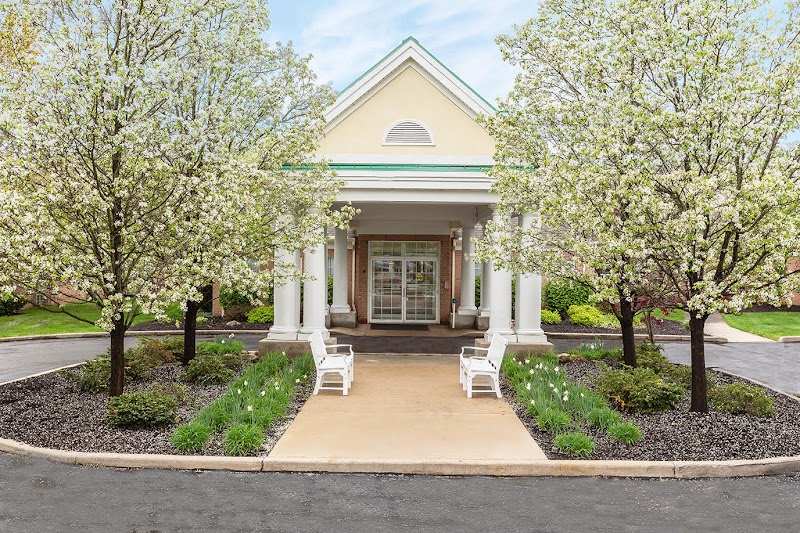
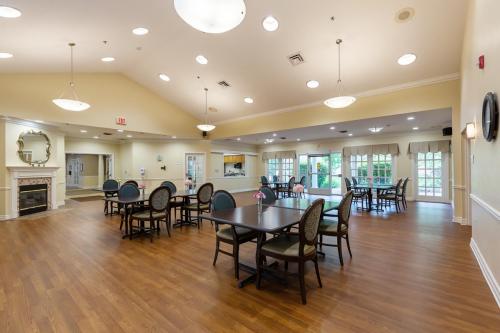
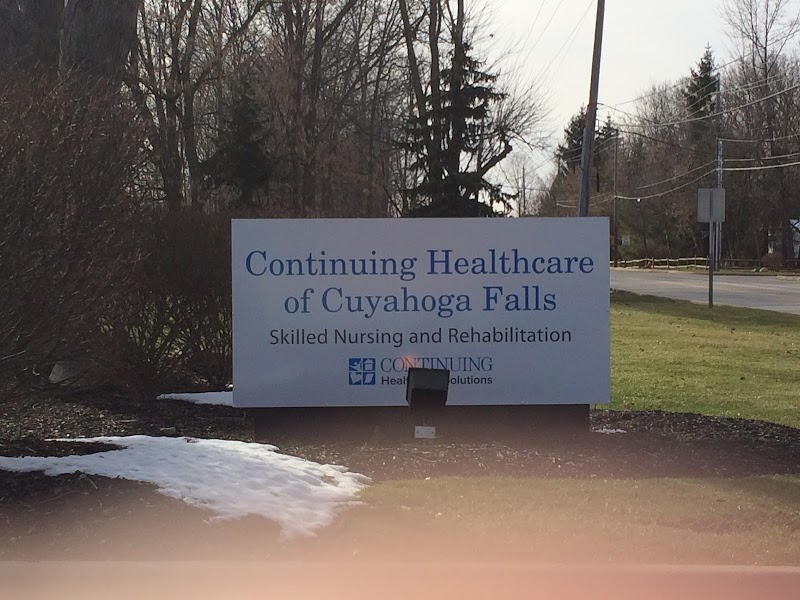
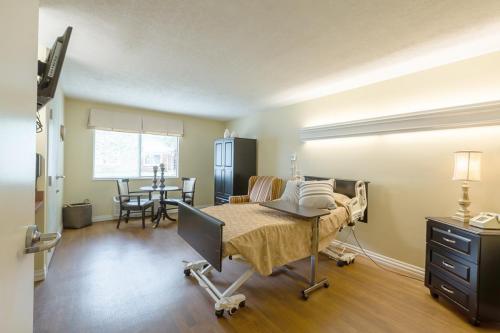
CONTINUING HEALTHCARE OF CUYAHOGA FALLS

300 EAST BATH ROAD, CUYAHOGA FALLS, OH 44223 (330) 929-6272
For profit - Limited Liability company 122 Beds PARADIGM HEALTHCARE Data: November 2025 3 Immediate Jeopardy citations
Trust Grade
0/100
Last Inspection: December 2024

Within standard 12-15 month inspection cycle. Federal law requires annual inspections.

Overview

Continuing Healthcare of Cuyahoga Falls has received a Trust Grade of F, indicating significant concerns about the quality of care provided. With no ranking in Ohio or Summit County, the facility does not stand out positively among its peers. Although the trend shows improvement-reducing issues from 35 in 2024 to 19 in 2025-there are still serious concerns, including 91 total deficiencies and $288,863 in fines, which is higher than 97% of facilities in Ohio. Staffing is a critical issue, with a turnover rate of 72%, far exceeding the state average, and while RN coverage is average, the facility has been found lacking in timely personal care, leading to severe consequences for residents. Specific incidents include a resident who went without necessary incontinence care for over 11 hours, resulting in serious skin injuries, highlighting a troubling gap in caregiving practices.

Trust Score
F
0/100
In Ohio
#112/223
Top 50%
Safety Record
High Risk
Review needed
Inspections
Getting Better
35 → 19 violations
Staff Stability
⚠ Watch
72% turnover. Very high, 24 points above average. Constant new faces learning your loved one's needs.
Penalties
✓ Good
$288,863 in fines. Lower than most Ohio facilities. Relatively clean record.
Skilled Nurses
⚠ Watch
Each resident gets only 28 minutes of Registered Nurse (RN) attention daily — below average for Ohio. Fewer RN minutes means fewer trained eyes watching for problems.
Violations
⚠ Watch
91 deficiencies on record. Higher than average. Multiple issues found across inspections.
☆☆☆☆☆
0.0
Overall Rating
☆☆☆☆☆
0.0
Staff Levels
☆☆☆☆☆
0.0
Care Quality
☆☆☆☆☆
0.0
Inspection Score
Stable
2024: 35 issues
2025: 19 issues

The Good

  • Full Sprinkler Coverage · Fire safety systems throughout facility
  • No fines on record

Facility shows strength in fire safety.

The Bad

Staff Turnover: 72%

26pts above Ohio avg (46%)

Frequent staff changes - ask about care continuity

Federal Fines: $288,863

Well above median ($33,413)

Significant penalties indicating serious issues

Chain: PARADIGM HEALTHCARE

Part of a multi-facility chain

Ask about local staffing decisions and management

Staff turnover is very high (72%)

24 points above Ohio average of 48%

The Ugly 91 deficiencies on record

3 life-threatening 4 actual harm
Aug 2025 2 deficiencies 1 Harm
SERIOUS (G) 📢 Someone Reported This

A family member, employee, or ombudsman was alarmed enough to file a formal complaint

Actual Harm - a resident was hurt due to facility failures

Deficiency F0697 (Tag F0697)

A resident was harmed · This affected 1 resident

**NOTE- TERMS IN BRACKETS HAVE BEEN EDITED TO PROTECT CONFIDENTIALITY** Based on medical record review, staff interview, review of imaging reports, review of hospital records, and facility policy revi...

Read full inspector narrative →
**NOTE- TERMS IN BRACKETS HAVE BEEN EDITED TO PROTECT CONFIDENTIALITY** Based on medical record review, staff interview, review of imaging reports, review of hospital records, and facility policy review, the facility failed to ensure complaints and origins of pain were comprehensively evaluated and timely reported to a physician. This resulted in Actual Harm on 07/11/25 when Resident #150, who had severely impaired cognition and who was dependent on staff for all activities of daily living (ADLs), was identified to have bruising and pain in her right hip and was observed by staff grabbing her right thigh. Resident #150's pain medication was changed from as needed to routine, and Resident #150 continued to have pain with no evidence of a thorough pain assessment or assessment of range of motion to the affected extremity. Between 07/11/25 and 07/16/25, Resident #150 continued to have breakthrough pain. On 07/16/25, Resident #150's pain was rated at a 10 out of 10 (worst possible pain) and the physician[SS1] was notified and ordered an x-ray examination, and it was determined Resident #150 had a fractured right hip. This affected one Resident (#150) of three residents reviewed for accidents and change in condition. The facility census was 50. Findings include:Review of the closed medical record for Resident #150 revealed diagnoses including but not limited to, dementia, an unspecified fracture of shaft of left tibia (04/11/25), unspecified fracture of right femur (07/17/25), Type II diabetes mellitus, repeated falls, unspecified protein-calorie malnutrition, and hereditary and idiopathic neuropathy. Review of the Minimum Data Set (MDS) 3.0 quarterly assessment dated [DATE] for Resident #150 revealed a Brief Interview for Mental Status (BIMS) score of 4 which indicated severely impaired cognition. Review of the ADLs for Resident #150 revealed she used a wheelchair and required maximum assist for dressing and personal hygiene, was incontinent of bowel and bladder, and was dependent on staff for toileting, bathing, rolling left to right, and transferring. Review of the physician order for Resident #150 revealed an order dated 04/11/25 for Percocet (Oxycodone with Acetaminophen) [a narcotic medication used to treat moderate to severe pain] oral tablet 5-325 milligram (mg) two tablets by mouth every four hours as needed for severe pain. Review of Resident #150's care plan dated revised 04/24/25 revealed an ADL self-performance deficit related to diagnosis of diabetes mellitus, congenital postural curvature of the spine, history of a right hip fracture, and a history of a left tibia and fibula fracture in April 2025. Interventions included but were not limited to skin inspection weekly with any concerns reported to the nurse, staff to turn and reposition in bed as needed, transfers using the Hoyer (mechanical lift used to safely transfer individuals with limited mobility), and report declines in ADLs to physician. Review of a skin assessment dated [DATE] for Resident #150 revealed intact skin, with no areas of concern or impending wound development. Review of the witness statement dated 07/07/25 and 07/08/25 from Certified Nursing Assistant (CNA) #259 revealed Resident #150 ate about 50-75% of meals and was noted to grab her leg due to pain. Resident #150 was noted to be in pain while changing her and was medicated but continued to complain of pain throughout the day despite medication. Review of the nursing progress note dated 07/09/25 timed at 8:18 P.M. revealed Resident #150 reported severe pain all over her body and 2 tablets of as needed (PRN) Percocet 5-325 mg tablets were administered as ordered. Review of the nursing progress note dated 07/10/25 timed at 9:02 A.M. for Resident #150 indicated two tablets of Percocet 5-325 mg oral tablet were given for severe pain. Repositioning and distraction were noted to be ineffective. A note timed at 3:19 P.M. noted an additional dose of Percocet was given to Resident #150 for severe pain in her left leg, and repositioning and distraction were noted to be ineffective. An additional note timed at 9:23 P.M. revealed two tablets of Percocet 5-325 mg oral tablet were given to Resident #150 due to severe pain. Review of the 07/11/25 nursing progress noted timed at 3:13 P.M. for Resident #150 revealed two tablets of Percocet 5-325 mg oral tablet were given for pain in her legs and repositioning and distraction were noted to be ineffective. An additional note timed at 4:08 P.M. revealed Resident #150 had a bruise on her left leg. Resident #150 was noted to squeeze the leg in the area of the bruise when in pain. Resident #150 stated she squeezes her leg to make it feel better. No further discoloration was noted. A new order for Percocet was received from the nurse practitioner. Review of the physician order dated 07/11/25 revealed a new order for Oxycodone 10 mg by mouth five times a day for pain related to encounter for orthopedic aftercare. An additional order dated 07/11/25 for Acetaminophen (an over-the-counter mild pain reliever) 500 mg by mouth five times a day for pain. The Oxycodone and Acetaminophen were scheduled to be administered at the same times. Review of the 07/11/25 nursing progress note timed at 9:00 P.M. revealed two tablets of Percocet 5-325 mg oral tablets were given to Resident #150 for reports of severe pain. Review of change of condition assessment dated [DATE] for Resident #150 revealed the resident had a bruise to her right front thigh and pain in her leg. The assessment did not include any evidence range of motion (ROM) was evaluated or that a functional assessment was performed. Review of the 07/11/25 witness statement from CNA #254 revealed she reported bruising to Registered Nurse (RN) #234 and Director of Nursing (DON) #283 which were small and yellowish in color. The CNA noted the bruises appeared to be self-inflicted from hands on right thigh. Review of the witness statement dated 07/11/25 from the previous Director of Nursing (DON) #283 revealed the CNA requested the nurse and DON #283 to look at Resident #150 in bed. DON #283 indicated a few bruises were noted when Resident #150 took her hands and placed them around her right thigh and that the bruises appeared to be self-inflicted. Review of Resident #150's Medication Administration Record (MAR) for July 2025 revealed on 07/12/25, the resident reported pain ratings of five at 6:00 A.M., three at 10:00 A.M., and five at 6:00 P.M. On 07/13/25, the resident reported pain ratings of a two at 6:00 A.M., three at 10:00 A.M., a one at 2:00 P.M., and a two at 10:00 P.M. On 07/14/25, the resident reported pain levels of a two at 6:00 A.M., three at 10:00 A.M., and four at 6:00 P.M. Review of a nursing progress note dated the 07/15/25 and timed at 4:40 P.M. revealed Resident #150 continued to show signs of pain and general discomfort with ecchymosis (bruising) noted to her right thigh and inguinal (groin) area. Review of a skin assessment dated [DATE] for Resident #150 revealed intact skin, new area identified on front of right thigh. The new area was described as a small yellow and blue colored bruise where Resident #150 placed her fingers to lift her leg. Two bruises were noted on each side of her right thigh. Review of Resident #150's MAR for July 2025 revealed on 07/15/25, the resident reported pain ratings of three at 6:00 A.M., five at 10:00 A.M., six at 2:00 P.M., two at 6:00 P.M., and a six at 10:00 P.M. Review of a nursing progress note dated 07/16/25 and timed at 5:26 P.M. revealed Resident #150 was alert and expressed pain during the shift. A large bruise was observed on the resident's right thigh. Supervisor (unnamed) was made aware and stated resident was awaiting an orthopedic follow-up appointment. Resident #150 was observed not eating much during meals this shift. A subsequent note timed at 11:54 P.M. revealed Resident #150 reported excruciating pain to her right hip. The physician was notified and the nurse put in an order for x-rays to be done due to bruises to the right hip and sensitivity to the area. An x-ray was to be completed in the morning. The note did not mention if the resident's ROM had been assessed or if a functional assessment had been performed. Review of Resident #150's MAR for July 2025 revealed on 07/16/25, the resident reported pain ratings of a five at 6:00 A.M., three at 2:00 P.M., four at 6:00 P.M., and an eight at 10:00 P.M. On 07/17/25 at 6:00 A.M, Resident #150's pain was rated as a ten out of ten. Review of an x-ray examination report dated 07/17/25 revealed Resident #150 had an acute right hip fracture to the intertrochanteric ridge. Review of a change in condition note dated 07/17/25 and timed at 1:05 P.M. revealed the results of the x-ray concluded an acute right hip fracture to the intertrochanteric ridge. Orders were placed to send Resident #150 to a local emergency room. Resident #150 left the facility at 1:19 P.M. Review of the nursing progress note dated 07/17/25 and timed at 11:32 P.M. revealed Resident #150 was admitted to the local hospital with a diagnosis of a right femur fracture. Review of a facility self-reported incident (SRI) dated 07/17/25 revealed an injury of unknown origin was reported for Resident #150's hip fracture. The facility submitted their final report on 07/24/25 and concluded the injury was the result of non-witnessed mechanical trauma in the context of severe osteoporosis and prior hardware failure and determined no abuse or mistreatment occurred. Review of a hospital Discharge summary dated [DATE] revealed Resident #150 was treated at a local hospital for a diagnosis of right intertrochanteric hip fracture, dementia, and recurrent falls and noted that upon hospital discharge, hospice care was recommended. X-ray results of the right hip on 07/17/25 revealed an acute, mildly displaced right intertrochanteric fracture. The report noted the resident's family declined surgical intervention and opted for hospice care. Resident #150 did not return to the facility. Review of the facility incident log from 06/01/25 to 08/06/25 did not reveal any incidents or falls for Resident #150. Review of the witness statement dated 07/23/25 from CNA #235 revealed on 07/15/25 she helped CNA #234 change Resident #150 in bed and observed the bruising on her thigh which appeared to be yellow in color and reported it to the nurse and DON. Review of the witness statement dated 07/24/25 from Director of Rehabilitation #282 revealed therapy did seated occupational therapy with Resident #150 in July 2025 and did not do physical therapy. Interview on 08/06/25 at 10:23 A.M. with CNA #235 revealed she was helping CNA #247 change Resident #150 on 07/09/25 and when they went to roll Resident #150 over, they noticed yellow and purplish bruising. They went to tell Licensed Practical Nurse (LPN) #284 and RN #234 who stated they were already aware of the bruising. Interview on 08/06/25 at 10:31 A.M. with CNA #247 revealed she went in with CNA #235 to change Resident #150 on 07/09/25 and noticed a large bruise on her inner hip. CNA #247 went to get the nurse, and the nurse stated it was yellow and appeared to be an older bruise. When CNA #247 and CNA #235 turned Resident #150 onto her side, the back of her hip was purple, and she told the nurse she needed to go to the hospital. CNA #247 stated she reported it to LPN #284 on 07/09/25 and again the next time she worked on 07/11/25 to RN #234 and Unit Manger #218. CNA #247 stated a few days prior, she had noticed Resident #150 had not been eating or drinking well and was moaning during shift and had reported it on 07/09/25 and was told by RN #234 and Unit Manager #218 they would keep an eye on it and medicate Resident #150. Phone interview on 08/06/25 at 5:25 P.M. with Registered Nurse (RN) #234 revealed CNA #247 called her into Resident #150's room on 07/11/25 to look at bruising with DON #283. RN #234 then called the physician and got an order for scheduled pain medication. RN #234 stated the bruising appeared older and yellow. RN #234 stated Resident #150 would squeeze her thighs and the bruising appeared to be where she grabbed her thighs. Interview on 08/07/25 at 6:12 A.M. with LPN #241 revealed she was told by LPN #284 in the first few days of July about the bruising on Resident #150, but the resident was not sent out for evaluation until a couple of weeks later. LPN #241 stated when the bruising was first observed, it appeared to be smaller and did not appear to be concerning, and Resident #150 was unaware how it happened. The second time, a couple weeks later, the bruising was observed it was much larger and was yellowish, indicating an older bruise. Interview on 08/07/25 at 6:25 A.M. with CNA #228 revealed she first noticed the bruising in the middle of July, and it had already been reported. The bruising appeared small, and dark in color. Resident #150 appeared to be in pain despite the resident receiving pain medication. CNA #228 reported the bruising got worse and Resident #150 seemed more confused. On 07/16/25, prior to the x-ray, Resident #150 seemed to be in considerable pain, was moaning, and would grab her right thigh. Interview on 08/07/25 at 7:26 A.M. with CNA #234 revealed she reported Resident #150 having pain and rubbing her hip around 07/06/25 to RN #234 who talked with DON #283. A couple days later she reported Resident #150 was not eating or drinking well. When CNA #234 asked Resident #150 if she was in pain she nodded yes. CNA #234 stated when she washed her up on 07/10/25, the resident had pain, and she reported it to DON #283. The bruising appeared purple in color. Following reporting the resident's pain to DON #283, Resident #150 appeared to be in more pain and was not sent out until 07/17/25. Resident #150 was not wanting to get out of bed due to her pain and when she was being changed, she was moaning in pain. Interview on 08/07/25 at 12:25 P.M. with the Assistant Director of Nursing (ADON) revealed Resident #150 was unable to voice concerns about pain or bruising. RN #234 contacted her on 07/11/25 and they thought the bruising was from Resident #150 grabbing her thighs with her hands. On 07/16/25, when Resident #150 was having extreme pain, an x-ray was completed, and she was sent out for further evaluation of the right hip fracture. The ADON confirmed she was unable to provide evidence that the physician was notified of continued breakthrough pain between 07/11/25 and 07/16/25 when the x-ray was ordered. Telephone interview on 08/07/25 at 12:48 P.M. with RN #237 revealed after 07/11/25, Resident #150's pain medications (Oxycodone 10 mg) were scheduled. RN #237 reported Resident #150 appeared to be more confused and her quality of life seemed to be declining. RN #237 stated she had reported her concerns, but the concerns were falling on deaf ears. RN #237 stated when communicating with the previous shift nurse, they both felt the increased pain medications were causing Resident #150 to be less alert and not addressing the resident's pain. The two nurses had discussed Resident #150 and had concerns she would need to have an x-ray examination or need to be sent out (to the hospital) to address her condition change. Interview on 08/07/25 at 2:33 P.M. with the Administrator revealed they were not aware of Resident #150 sustaining any falls and proceeded to investigate Resident #150's fracture as an injury of unknown origin following the x-ray examination results obtained on 07/17/25. The Administrator reported that the facility staff believed Resident #150's bruising was not suspicious, had been caused by her squeezing her leg, the bruising appeared to be Resident #150's handprint, and they did not open a SRI until 07/17/25. Review of the facility policy titled Change in Condition Communication revised 06/2019 revealed to notify the physician of the change in medical condition. The nurse will document all assessments and changes in the resident's condition in the medical record. All attempts to notify the physician and family members will be thoroughly documented in the resident's medical record. The guidelines are not intended to substitute for good nursing judgement. If the nurse feels uncomfortable with a situation, he/she should not delay contacting the physician or call 911 if it appears to be life-threatening event. The above applies 24 hours a day, seven days a week. This deficiency represents non-compliance investigated under Complaint Number 2576681.
CONCERN (D) 📢 Someone Reported This

A family member, employee, or ombudsman was alarmed enough to file a formal complaint

Potential for Harm - no one hurt, but risky conditions existed

Deficiency F0760 (Tag F0760)

Could have caused harm · This affected 1 resident

**NOTE- TERMS IN BRACKETS HAVE BEEN EDITED TO PROTECT CONFIDENTIALITY** Based on observation, interview, record review, and facility policy review, the facility failed to ensure residents were free fr...

Read full inspector narrative →
**NOTE- TERMS IN BRACKETS HAVE BEEN EDITED TO PROTECT CONFIDENTIALITY** Based on observation, interview, record review, and facility policy review, the facility failed to ensure residents were free from significant medication errors. This affected one resident (#112) out of three residents reviewed for insulin administration. The facility identifieid ten residents who required insulin. The facility census was 50. Findings include: Review of Resident #112's medical record revealed an admission date of 02/22/21 with diagnoses including chronic kidney disease, heart failure, type two diabetes mellitus, and protein calorie malnutrition.Review of Resident #112's care plan revised on 08/16/21 revealed the resident was at risk for hypoglycemic (low blood sugar) and hyperglycemic (elevated blood sugar) episodes related to diabetes. Listed interventions included to monitor blood sugar levels as ordered, monitor for signs and symptoms of hypoglycemia and hyperglycemia, and to administer insulin as ordered. Review of Resident #112's physician orders revealed an order dated 06/18/25 for Novolog (a short acting insulin) inject 3 units subcutaneously twice daily for type two diabetes mellitus with diabetic neuropathy. Additional instructions stated to hold the dose for a blood sugar less than 110. Review of the Minimum Data Set (MDS) quarterly assessment dated [DATE] revealed Resident #112 had a Brief Interview for Mental Status (BIMS) score of 15 indicating intact cognition. Resident #115 was assessed to require minimal or supervising assistance for activities of daily living (ADLs) and hygiene needs. Resident #112 was identified to require insulin injections on seven out of seven days of the assessment reference period. Observation on 08/06/25 at 11:42 A.M. revealed Licensed Practical Nurse (LPN) #231 obtained Resident #112 ' s blood glucose level. LPN #231 cleansed her hands and the glucometer. LPN #231 proceeded to wipe Resident #112's finger with an alcohol swab, inserted the test trip into the glucometer, and used a single-use lancet to prick Resident #112's right pinky finger with the lancet. LPN #231 wiped the first drop of blood off with clean gauze and then placed the test strip over a small drop of Resident #112's blood to obtain a blood glucose result of 93. LPN #231 then retrieved the multidose vial of Resident #112's Novolog insulin from the medication cart, cleansed the top of the vial with an alcohol swab, and drew up four units of insulin using an insulin syringe. LPN #231 then performed hand hygiene and returned to Resident #112's room. LPN #231 administered the four units of insulin subcutaneously to Resident #112, injecting the insulin into the resident's right upper arm. Hand hygiene was performed after contact with the resident.Interview with the Director of Nursing (DON) on 08/06/25 at 1:30 P.M. verified the significant medication error with LPN #231 administering insulin to Resident #112 when the medication should have been held per provider order. The DON assessed Resident #112 for any signs and symptoms of hypoglycemia. Resident #112 displayed no negative effects from receiving the insulin dose. The DON documented the medication error in the electronic medical record and informed the resident and the physician of the occurrence. No new orders were obtained. Review of facility policy titled, Medication Administration and Management revised 06/2019, revealed authorized staff members administer subcutaneous injections. The nurse will review physician orders and follow the eight rights of medication administration. This deficiency represents non-compliance investigated under Complaint Number 2581097.
Jul 2025 1 deficiency
CONCERN (E) 📢 Someone Reported This

A family member, employee, or ombudsman was alarmed enough to file a formal complaint

Potential for Harm - no one hurt, but risky conditions existed

Deficiency F0813 (Tag F0813)

Could have caused harm · This affected multiple residents

**NOTE- TERMS IN BRACKETS HAVE BEEN EDITED TO PROTECT CONFIDENTIALITY** Based on observations, resident and staff interviews and record reviews, the facility failed to ensure resident refrigerators we...

Read full inspector narrative →
**NOTE- TERMS IN BRACKETS HAVE BEEN EDITED TO PROTECT CONFIDENTIALITY** Based on observations, resident and staff interviews and record reviews, the facility failed to ensure resident refrigerators were monitored for sanitary conditions and that food was maintained at temperatures safe for consumption. This affected 17 (#6, #8, #9, #12, #13, #17, #19, #20, #25, #29, #30, #31, #32, #36, #40, #41 and #45) of 17 residents identified by the facility as having personal refrigerators. The facility census was 49.Findings include: Interview on 07/08/25 at 10:50 A.M. with Resident #12, revealed he was concerned about his refrigerator being safe and the floor surrounding the refrigerator area having a red dried substance. Observation of Resident #12's refrigerator revealed a red, dried substance on the bottom shelf. The thermometer in the refrigerator showed a temperature of 50 degrees Fahrenheit (F). There was food in the refrigerator. Further observation revealed a refrigerator temperature monitoring log for June 2025 hanging on the outside of the refrigerator that had only been completed until 06/13/25. There was no July 2025 log. Resident #12 stated the staff did not monitor his refrigerator.Observation on 07/08/25 at 10:55 A.M., with Registered Nurse (RN) #281, of Resident #12's refrigerator verified the above findings. Concurrent interview with RN #281 revealed staff were to take care of the refrigerators in the resident rooms.Interview on 07/08/25 at 11:03 A.M. with Maintenance Director (MD) #200 revealed the housekeeping staff cleaned Resident #12's refrigerator weekly. He stated he had been on vacation the last two weeks of June 2025.Interview on 07/08/25 at 11:13 A.M. with Social Services (SS) #220 revealed the activities department was monitoring the refrigerators while MD #200 was on vacation. She stated there was a separate binder with all of the refrigerator monitoring logs that was kept in the activities office. SS #220 stated Activity Assistant (AA) #222 had the binder.Interview on 07/08/25 at 11:25 A.M. with AA #222 revealed the refrigerator temperature monitoring binder was in her office. She provided the binder which revealed there were 17 residents who had refrigerators in their rooms. On reviewing the logs with AA #222, she verified the logs for June 2025 were not completed for any of the residents in the binder. She stated different staff were designated so many rooms and they were to monitor the refrigerators and she had been assigned to four rooms. AA #222 verified the four rooms she was assigned to were not completed.Observations on 07/08/25 from 11:46 A.M. through 1:17 P.M. with RN #281 revealed there were 17 residents who had refrigerators in their rooms. The 16 additional resident refrigerators revealed: On 07/08/25 at 11:46 A.M., room [ROOM NUMBER], Resident #20's refrigerator had a refrigerator temperature monitoring log for June 2025 that had not been completed. There was no July 2025 monitoring log on the refrigerator. There was food in the refrigerator.On 07/08/25 at 11:47 A.M., room [ROOM NUMBER], Resident #25's refrigerator had a refrigerator temperature monitoring log for June 2025 and was only completed until 06/08/25. There was no July 2025 monitoring log on the refrigerator. There was food in the refrigerator.On 07/08/25 at 11:50 A.M., room [ROOM NUMBER], Resident #13's refrigerator had a refrigerator temperature monitoring log for June 2025 that had not been completed for 06/17/25 through 06/21/25. The July 2025 log was handwritten at the bottom of the page and had not been completed on 07/04/25, 07/05/25 and 07/07/25. There was food in the refrigerator.On 07/08/25 at 11:55 A.M., room [ROOM NUMBER], Resident #19's did not have a temperature monitoring log for July 2025. The refrigerator thermometer showed a temperature of 72 degrees F. There was food in the refrigerator.On 07/08/25 at 11:58 A.M., room [ROOM NUMBER], Resident #40's refrigerator had a refrigerator temperature monitoring log for June 2025 that was completed, however, there was not a log for July 2025. Inside the refrigerator there was a dried yellow food substance. There was no thermometer in the refrigerator to monitor the temperature. There was food in the refrigerator.On 07/08/25 at 11:59 A.M., room [ROOM NUMBER], Resident #26's refrigerator had a refrigerator temperature monitoring log for June 2025 that was completed, however, there was not a log for July 2025. There was food in the refrigerator.On 07/08/25 at 12:00 P.M., room [ROOM NUMBER], Resident 32's refrigerator had a refrigerator temperature monitoring log for June 2025 that was not completed from 06/07/25 through 06/22/25. July log was not done on 07/04/25 and 07/05/25. There was food in the refrigerator.On 07/08/25 at 12:01 P.M., room [ROOM NUMBER], Resident #8's refrigerator did not have a refrigerator temperature monitoring log. There was food in the refrigerator.On 07/08/25 at 12:03 P.M., room [ROOM NUMBER], Resident #29's refrigerator did not have a refrigerator temperature monitoring log. There was food in the refrigerator.On 07/08/25 at 12:04 P.M., room [ROOM NUMBER], Resident #30's refrigerator did not have a refrigerator temperature monitoring log. The refrigerator thermometer showed a temperature of 44 degrees F. There was food in the refrigerator.On 07/08/25 at 12:07 P.M., room [ROOM NUMBER], Resident #45's refrigerator had a refrigerator temperature monitoring log for June 2025 that had not been completed. The refrigerator thermometer showed a temperature of 50 degrees F. There was food in the refrigerator. On 07/08/25 at 12:08 P.M., room [ROOM NUMBER], Resident #9's refrigerator had a refrigerator temperature monitoring log for June 2025 that had been completed from 06/10/25 through 06/31/25 (there are only 30 days in June 2025). There was not a log for July 2025. The refrigerator had a dried brown substance on the bottom shelf. There was food in the refrigerator. On 07/08/25 at 12:09 P.M., room [ROOM NUMBER], Resident #6's refrigerator had a refrigerator temperature monitoring log for June 2025 that had been completed until 06/13/25. There was not a log for July 2025. The refrigerator thermometer showed a temperature of 48 degrees F. There was food in the refrigerator. On 07/08/25 at 12:10 P.M., room [ROOM NUMBER], Resident #41's revealed there was not a refrigerator temperature monitoring log on the refrigerator. There was food in the refrigerator. On 07/08/25 at 12:13 P.M., room [ROOM NUMBER], Resident #17's refrigerator had a refrigerator temperature monitoring log for June 2025 that had been completed from 06/01/25 through 06/03/25 and on 06/20/25. There was not a log for July 2025. There was food in the refrigerator. On 07/08/25 at 1:17 P.M., room [ROOM NUMBER], Resident #31's refrigerator had a refrigerator temperature monitoring log for July 2025 and was up to date, but no log for June 2025. There was food in the refrigerator. Review of the facility document titled, Housekeeping Cleaning Checklist, undated, revealed daily assignments included to clean the refrigerators, defrost them if needed, keep the temperature log up to date and to check that the food was dated and thrown out after three days.Review of the facility policy titled, Resident Refrigerators, revised September 2024, revealed refrigerator temperatures must be maintained at or below 41 degrees F. This deficiency represents non-compliance investigated under Complaint Number OH00167124 (iQIES Complaint Number 1307553) .
Jun 2025 2 deficiencies 1 Harm
SERIOUS (G) 📢 Someone Reported This

A family member, employee, or ombudsman was alarmed enough to file a formal complaint

Actual Harm - a resident was hurt due to facility failures

Accident Prevention (Tag F0689)

A resident was harmed · This affected 1 resident

**NOTE- TERMS IN BRACKETS HAVE BEEN EDITED TO PROTECT CONFIDENTIALITY** Based on medical record review, staff interview, review of the facility investigation and facility policy review, the facility f...

Read full inspector narrative →
**NOTE- TERMS IN BRACKETS HAVE BEEN EDITED TO PROTECT CONFIDENTIALITY** Based on medical record review, staff interview, review of the facility investigation and facility policy review, the facility failed to thoroughly investigate the root cause of Resident #27's repeated falls on 03/16/25, 03/30/25, and 04/08/25, and failed to implement appropriate fall prevention interventions for Resident #27 to prevent further falls. Actual Harm occurred on 04/08/25 when Resident #27 fell attempting to transfer herself to the bathroom unsupervised resulting in a fall requiring hospitalization with a distal left tibia fracture. This affected one (Resident #27) of two residents reviewed for falls. The facility census is 50. Findings include: Review of the medical record for Resident #27 revealed an admission date of 12/26/22 and a readmission date of 04/11/25. Diagnoses included fracture of the shaft of the left tibia, hypertension, and type two diabetes mellitus. Review of the care plan dated 12/27/22 revealed Resident #27 has had falls and a potential for injury. Interventions included maintaining a clear pathway and monitoring for side effects of psychotropic medications. Updated interventions included encourage Resident #27 to wear briefs at all times (03/18/25), Resident #27 was to be in a tilt-in-space wheelchair and tilt when Resident #27 wants to rest (03/25/25). Review of the fall risk assessments dated 02/04/25 revealed Resident #27 was at risk for falls. Additional fall risk assessments completed on 03/17/25, 03/30/25, and 04/08/25 revealed Resident #27 was at high risk for falls. Review of the nursing progress note dated 03/16/25 revealed Resident #27 was observed on the floor alongside her bed. Resident #27 was alert and oriented to person only, and unable to describe the events that occurred. Resident #27 was assessed, and no injury was noted. The physician and Resident #27's family were notified. No new orders or fall prevention interventions were implemented at that time. Review of the fall investigation 03/16/25 did not include if the resident was incontinent at the time of the fall, if she was attempting to go to the bathroom at the time of the fall, when she was last toileted, what footwear she was wearing, or if the call light was activated. The Interdisciplinary Team (IDT) implemented an intervention on 03/18/25 to ensure Resident #27 wore briefs at all times as a result of the fall on 03/16/25. Review of the nursing progress note dated 03/30/25 at 6:47 P.M. revealed Resident #27 was observed on the floor in her bathroom. Her wheelchair was in a locked position beside her in front of the sink. The nurse assessed injuries and Resident #27 reported no pain or discomfort at that time. The physician and Resident #27's family were notified. No new orders or fall prevention interventions were implemented at that time. Review of the fall investigation dated 03/30/25 did not include if the resident was incontinent at the time of the fall, if she was attempting to go to the bathroom at the time of the fall, if she was wearing a brief at the time of the fall, when she was last toileted, what footwear she was wearing, or if the call light was activated. The IDT implemented a new fall prevention intervention to apply non-slip strips to Resident #27's bathroom floor in front of the sink on 03/31/25 as a result of the fall on 03/30/25. Review of the quarterly Minimum Data Set (MDS) assessment dated [DATE] revealed Resident #27 had severe cognitive impairment. Resident #27 required extensive assistance with all activities of daily living. Resident #27 was frequently incontinent of urine and bowel. Review of the nursing progress note dated 04/08/25 at 3:02 P.M. revealed Resident #27's roommate informed the nurse that Resident #27 was on the floor in the bathroom. Resident #27 was assessed, and she reported pain in her left leg. The physician and Resident #27's family were notified. An order for an x-ray was obtained. Resident #27 was placed at the nurse's station in her chair as she kept attempting to transfer herself when left alone. Review of the nursing progress note dated 04/08/25 at 10:57 P.M. revealed Resident #27's x-ray of her left leg showed fractures. The nurse called 911, and Resident #27 was sent to the hospital. Resident #27's physician, family, and Director of Nursing (DON) were notified. Review of the fall investigation dated 04/08/25 revealed Resident #27 was attempting to transfer herself when she fell. She was complaining of left leg pain. The physician was notified and an order for a left hip x-ray was ordered. Resident #27 was placed at the nurse's station for extra monitoring. The fall investigation did not reveal if the call light was activated, what time Resident #27 was last toileted before her fall at 3:02 P.M., if she had a brief on as implemented on 03/18/25, if she was tilted back in the tilt-in-space wheelchair as implemented on 03/25/25, if the non-slip strips were on the bathroom floor as implemented on 03/31/25, or what type of footwear she was wearing. Review of the hospital paperwork dated 04/11/25 revealed Resident #27 was discharged from the hospital with a final diagnosis of left distal tibia shaft fracture. Review of the physician's order dated 04/11/25 revealed an order for 5-325 milligrams of Percocet (opioid pain medication) one to two tablets every four hours as needed for pain. Interview on 06/10/25 at 11:22 A.M. with the DON confirmed Resident #27 fell on [DATE] and suffered a fracture of her left tibia. The DON confirmed after every fall, the IDT meets to go over interventions. The DON reported she was not working at the facility at the time of the falls. Interview on 06/10/25 at 12:20 P.M. with Regional Nurse #610 revealed the facility did put a note in the investigation that non-slip strips were added to Resident #27's floor in front of the bathroom sink on 03/31/25 as a result of the fall on 03/30/25, but they did not update the care plan. Regional Nurse #610 confirmed that the facility did not thoroughly investigate the root cause of the falls that occurred on 03/16/25 and 03/30/25 and did not implement appropriate fall prevention interventions determined by a root cause analysis after each fall. She verified that making sure Resident #27, who was falling attempting to transfer herself to the bathroom, was wearing a brief at all times was not an appropriate intervention. Review of the facility policy titled Fall Management, revised July 2024, revealed the facility will develop an individualized fall prevention plan for each resident identified at risk. After a fall the interdisciplinary team will review fall incidents to determine contributing factors, implement appropriate interventions, and adjust the resident's care plan accordingly. This deficiency represents non-compliance investigated under Master Complaint Number OH00166603.
CONCERN (E) 📢 Someone Reported This

A family member, employee, or ombudsman was alarmed enough to file a formal complaint

Potential for Harm - no one hurt, but risky conditions existed

Deficiency F0761 (Tag F0761)

Could have caused harm · This affected multiple residents

**NOTE- TERMS IN BRACKETS HAVE BEEN EDITED TO PROTECT CONFIDENTIALITY** 2. Review of the medical record for Resident #9 revealed an admission date of 10/24/19. Diagnoses included weakness, gastro-esop...

Read full inspector narrative →
**NOTE- TERMS IN BRACKETS HAVE BEEN EDITED TO PROTECT CONFIDENTIALITY** 2. Review of the medical record for Resident #9 revealed an admission date of 10/24/19. Diagnoses included weakness, gastro-esophageal reflux disease without esophagitis, vitamin D deficiency, and age-related osteoporosis without current pathological fracture. Review of the quarterly MDS assessment dated [DATE] revealed Resident #9 had intact cognition. Observation on 06/09/25 at 10:35 A.M. in the Resident #9's room revealed an opened store brand bottle of an antacid chewable, with more than 50% gone, sitting on the resident's bedside table. Interview at this time, Resident #9 stated she had a friend bring it in for her. Resident #9 stated they don't have it here and were too busy with other residents. Observation on 06/11/25 at 4:53 P.M. in Resident #9's room the bottle of store brand antacid was no longer on the bedside table. Interview at this time with Resident #9 revealed she still had them but had put the bottle in drawer of her nightstand next to her bed. Observed Resident #9 open the second drawer of the nightstand pull out the bottle of store brand antacids. Resident #9 stated she also keeps hemorrhoid cream in her bathroom and stated if the facility can order it for her, they can. Observed a store brand tube of hemorrhoid cream that was just about empty sitting on the bathroom sink. Review of the physician orders for June 2025 revealed Resident #9 had active orders for Tums oral tablet chewable (calcium carbonate (antacid). Give one unit by mouth every four hours as needed for heartburn/indigestion. There was also an order for Preparation H rectal ointment to insert one application rectally every six hours as needed for hemorrhoid. May give to the resident in a cup to apply. Observation on 06/11/25 at 5:03 P.M. with LPN #553 verified the observation of the store brand hemorrhoid cream and bottle of antacids in Resident #9's room. Interview at this time with LPN #553 stated she knows for sure the antacids should not be at bedside but wasn't sure about the hemorrhoid cream. Interview on 06/11/25 at approximately 5:10 P.M. with the Director of Nursing (DON) and Regional Nurse #605 revealed the resident needed a physician order to have both the hemorrhoid cream and antacid at bedside and verified Resident #9 did not have a physician order for those medications at bedside. Based on record review, observation, interview, and review of the facility policy, the facility failed to date a multi-use vial of medication for Resident #13 after opening. The facility also failed to ensure Resident #9 did not keep over the counter medications at her bedside. This affected two (Residents #13 and #9) out of how many 16 residents reviewed for medication storage and had the potential to affect all 50 residents residing in the facility. Findings include: 1. Review of the medical record for Resident #13 revealed an admission date of 02/24/21. Diagnoses included chronic obstructive pulmonary disease, type two diabetes mellitus, and asthma. Review of the physician's order dated 04/03/25 revealed to inject NovoLog 100 units/milliliters before dinner per sliding scale. Review of the quarterly Minimum Data Set (MDS) assessment 04/15/25 revealed Resident #13 had intact cognition. Resident #13 required set-up to moderate assistance for activities of daily living. Review of the care plan dated 04/22/25 revealed Resident #13 was at risk for infections related to daily insulin injections. Interventions included administering medications as ordered and monitoring and assessing injection site for pain and redness. Observation of the medication cart for the 400-hallway on 06/11/24 at 8:10 A.M. revealed a bottle of NovoLog for Resident #13 with no date opened marked on it. Interview during the observation with Licensed Practical Nurse (LPN) #553 confirmed the bottle was not dated when opened, and she was unable to verify when it was opened.
Apr 2025 8 deficiencies
CONCERN (D) 📢 Someone Reported This

A family member, employee, or ombudsman was alarmed enough to file a formal complaint

Potential for Harm - no one hurt, but risky conditions existed

Free from Abuse/Neglect (Tag F0600)

Could have caused harm · This affected 1 resident

**NOTE- TERMS IN BRACKETS HAVE BEEN EDITED TO PROTECT CONFIDENTIALITY** Based on record review, interview and review of facility policy, the facility did not ensure facility staff did not neglect Resi...

Read full inspector narrative →
**NOTE- TERMS IN BRACKETS HAVE BEEN EDITED TO PROTECT CONFIDENTIALITY** Based on record review, interview and review of facility policy, the facility did not ensure facility staff did not neglect Resident #5 when in need of staff assistance to meet care needs. This affected one resident (Resident #5) of three residents reviewed for abuse/neglect. The facility census was 51. Findings include: Record review for Resident #5 revealed an admission date of 06/01/22 and a readmission date of 01/10/25 with diagnoses including heart failure, cardiomegaly (enlarged heart) with atheroscerotic heart disease, , atrial fibrillation (heart arrhythmia), osteoarthritis, diabetes mellitus, palpitations, insomnia, chronic embolism and thrombosis of unspecified vein and hypokalemia (low potassium level). A review of Resident #5's most recent quarterly Minimum Data Set (MDS) 3.0 assessment dated [DATE] indicated Resident #5 was always incontinent of bowel and bladder. Record review of Resident #5's plan of care initiated on 06/02/2022 revealed Resident #5 had an alteration in elimination related to bowel and bladder incontinence. The goal of the plan of care was to ensure Resident #5 was clean, dry and odor free. Interventions on the plan of care initiated on 03/25/25 and 06/02/22 respectively indicated to check and change Resident #5 for incontinence every two hours and as needed per Resident #5's request and provide incontinence care as ordered. Further review of Resident #5's medical record contained no documentation of an incident regarding the staff refusing to assist Resident #5 back to bed to provide incontinence care. An interview with Resident #5 on 04/14/25 at 7:45 A.M. revealed approximately two weeks ago on a Sunday at 12:30 P.M. she had asked Certified Nursing Assistant (CNA) #90 to assist her with incontinence care after having a bowel movement. Resident #5 stated CNA #90 told her she would need to wait for assistance with incontinence care. Resident #5 stated she waited for a long time and when CNA #90 walked in her room, she blocked the doorway while seated in her wheelchair to prevent CNA #90 from leaving her room. Resident #5 stated she told CNA #90 that she would not allow her to exit the room until after she was assisted with incontinence care. Resident #5 stated she argued with CNA #90 and CNA #90 was not allowed to provide care for her. Resident #5 stated a different staff member finally assisted her with incontinence care at approximately 4:15 P.M. in the afternoon. An interview with Licensed Practical Nurse (LPN) #62 on 04/14/25 at 2:54 P.M. revealed LPN #62 had assisted Resident #5 with incontinence care on the day Resident #5 had an argument with CNA #90 over incontinence care. LPN #62 stated the facility was short staffed at that time due to a CNA reporting off for the 12 hour day shift (7:00 A.M. to 7:00 P.M.) on the day the above incident occurred between Resident #5 and CNA #90. LPN #62 stated CNA #90 had informed her of an incident with Resident #5. Resident #5 had blocked CNA #90 in Resident #5's room demanding CNA #90 assist her back to bed and provide incontinence care. LPN #62 stated she and another CNA from the staffing agency assisted Resident #5 back to bed and provided incontinence care at approximately 4:15 P.M. LPN #62 stated she informed the Assistant Director of Nursing (ADON) of the situation and was informed by the ADON to figure it out. LPN #62 stated the ADON did not want to have to come in to the facility and threatened the staff if she had to come in to the facility the staff would be in trouble. LPN #62 stated she had called the ADON for advice on how she should respond to the incident but was not given instruction from the ADON on how to proceed. An interview with CNA #90 on 04/16/25 at 10:15 A.M. revealed she felt the facility was short staffed on the day she had an altercation with Resident #5. CNA #90 stated several weeks ago she had assisted Resident #5 out of bed (unable to remember date or day of the week) and told Resident #5 she would not be able to assist her back to bed until later in the day due to she needed to make her rounds and see the other residents assigned to her. CNA #90 stated a short time later she saw Resident #5 straining in her wheelchair having a bowel movement. At approximately 12:30 P.M. Resident #5 asked CNA #90 to assist her back to bed and provide incontinence care. CNA #90 stated the nurse assigned to the area was taking her break and she entered Resident #5's room to make her bed when Resident #5 blocked the doorway to the room to prevent her from leaving the room. Resident #5 demanded CNA #90 assist her back to bed and provide incontinence care. CNA #90 stated Resident #5 accused her of neglect and backed her wheelchair into CNA #90 and threatened to call the police. CNA #90 stated she told Resident #5 she would report her for assault. CNA #90 stated Resident #5 eventually allowed her to leave the room and the police were not called. CNA #90 stated she reported the incident to LPN #62. CNA #90 stated LPN #62 and another staff member assisted Resident #5 with the use of a mechanical lift back to bed and provided incontinence care later in the afternoon at approximately 4:30 P.M. CNA #90 stated she reported the incident to the ADON and the Director of Nursing (DON). CNA #90 stated she now was not permitted to provide care for Resident #5. CNA #90 stated she was not instructed to write a statement regarding the incident and was unsure if the administrative staff investigated the incident. An interview with the Director of Nursing (DON) on 04/16/25 at 10:38 A.M. revealed she was informed that the ADON received a text message from LPN #62. LPN #62 texted the ADON and reported that Resident #5 had trapped CNA #90 in her room with her wheelchair. The ADON talked to LPN #62 and told her to assist Resident #5 back to bed. The DON stated she had talked to CNA #90 who was upset about Resident #5's behavior and that Resident #5 had blocked CNA #90 in her room using her wheelchair. DON stated she was not aware of the full story and had not conducted a thorough investigation of the incident. An interview with the ADON on 04/16/25 at 10:46 A.M. revealed CNA #90 had informed her that Resident #5 wanted assistance to get in bed. The ADON stated Resident #5 did not get along with CNA #90, she was not aware of the whole story and did not investigate the incident further by interviewing other staff or Resident #5. The ADON told LPN #62 to assist Resident #5 back to bed and provide incontinence care. The ADON informed LPN #62 that if she had to personally come in to the facility the staff would be in trouble. Review of the facility policy titled Abuse, Neglect, Exploitation, Misappropriation of Resident Property, dated 11/01/19, indicated the definition of neglect was the failure of the facility, its employees, or facility service providers to provide goods and services to a resident necessary to avoid physical harm, pain, mental anguish, or emotional distress. The policy stated the facility will not tolerate abuse, neglect, exploitation of its residents or the misappropriation of resident property. All alleged violations involving abuse, neglect, exploitation, mistreatment of a resident, or misappropriation of resident property, including injuries of unknown source should be thoroughly investigated and immediately reported to the administrator/designee and to the Ohio Department of Health in accordance with the procedures in this policy. In cases where a crime is suspected, staff should also report the same to local law enforcement in accordance the facility's crime reporting policy. This deficiency represents non-compliance investigated under Complaint Number OH00164297, Complaint Number OH00164189, and Complaint Number OH00164096
CONCERN (D) 📢 Someone Reported This

A family member, employee, or ombudsman was alarmed enough to file a formal complaint

Potential for Harm - no one hurt, but risky conditions existed

Report Alleged Abuse (Tag F0609)

Could have caused harm · This affected 1 resident

**NOTE- TERMS IN BRACKETS HAVE BEEN EDITED TO PROTECT CONFIDENTIALITY** Based on record review, interview and review of facility policy, the facility did not ensure an allegation of neglect of Residen...

Read full inspector narrative →
**NOTE- TERMS IN BRACKETS HAVE BEEN EDITED TO PROTECT CONFIDENTIALITY** Based on record review, interview and review of facility policy, the facility did not ensure an allegation of neglect of Resident #5 was reported to the state agency and administrator as required. This affected one resident (Resident #5) of three residents reviewed for abuse/neglect. The facility census was 51. Findings include: Review of the medical record for Resident #5 revealed an admission date of 06/01/22 and a readmission date of 01/10/25 with diagnoses including heart failure, cardiomegaly (enlarged heart)with atheroscerotic heart disease, , atrial fibrillation (heart arrhythmia), osteoarthritis, diabetes mellitus, palpitations, insomnia, chronic embolism and thrombosis of unspecified vein and hypokalemia (low potassium level). A review of Resident #5's most recent quarterly Minimum Data Set (MDS) 3.0 assessment dated [DATE] indicated Resident #5 was always incontinent of bowel and bladder. Review of Resident #5's plan of care initiated on 06/02/2022 revealed Resident #5 had an alteration in elimination related to bowel and bladder incontinence. The goal of the plan of care was to ensure Resident #5 was clean, dry and odor free. Interventions on the plan of care initiated on 03/25/25 and 06/02/22 respectively indicated to check and change Resident #5 for incontinence every two hours and as needed per Resident #5's request and provide incontinence care as ordered. Resident #5's clinical record contained no documentation of an incident regarding the staff refusing to assist Resident #5 back to bed to provide incontinence care. An interview with Resident #5 on 04/14/25 at 7:45 A.M. revealed approximately two weeks ago on a Sunday at 12:30 P.M. she had asked Certified Nursing Assistant (CNA) #90 to assist her with incontinence care after having a bowel movement. Resident #5 stated CNA #90 told her she would need to wait for assistance with incontinence care. Resident #5 stated she waited for a long time and when CNA #90 walked in her room, she blocked the doorway while seated in her wheelchair to prevent CNA #90 from leaving her room. Resident #5 stated she told CNA #90 that she would not allow her to exit the room until after she was assisted with incontinence care. Resident #5 stated she argued with CNA #90 and CNA #90 was not allowed to provide care for her. Resident #5 stated a different staff member finally assisted her with incontinence care at approximately 4:15 P.M. in the afternoon. An interview with Licensed Practical Nurse (LPN) #62 on 04/14/25 at 2:54 P.M. revealed LPN #62 had assisted Resident #5 with incontinence care on the day Resident #5 had an argument with CNA #90 over incontinence care. LPN #62 stated the facility was short staffed at that time due to a CNA reporting off for the 12 hour day shift (7:00 A.M. to 7:00 P.M.) on the day the above incident occurred between Resident #5 and CNA #90. LPN #62 stated CNA #90 had informed her of an incident with Resident #5. Resident #5 had blocked CNA #90 in Resident #5's room demanding CNA #90 assist her back to bed and provide incontinence care. LPN #62 stated she and another CNA from the staffing agency assisted Resident #5 back to bed and provided incontinence care at approximately 4:15 P.M. LPN #62 stated she informed the Assistant Director of Nursing (ADON) of the situation and was informed by the ADON to figure it out. LPN #62 stated the ADON did not want to have to come in to the facility and threatened the staff if she had to come in to the facility the staff would be in trouble. LPN #62 stated she had called the ADON for advice on how she should respond to the incident but was not given instruction from the ADON on how to proceed. An interview with CNA #90 on 04/16/25 at 10:15 A.M. revealed she felt the facility was short staffed on the day she had an altercation with Resident #5. CNA #90 stated several weeks ago she had assisted Resident #5 out of bed (unable to remember date or day of the week) and told Resident #5 she would not be able to assist her back to bed until later in the day due to she needed to make her rounds and see the other residents assigned to her. CNA #90 stated a short time later she saw Resident #5 straining in her wheelchair having a bowel movement. At approximately 12:30 P.M. Resident #5 asked CNA #90 to assist her back to bed and provide incontinence care. CNA #90 stated the nurse assigned to the area was taking her break and she entered Resident #5's room to make her bed when Resident #5 blocked the doorway to the room to prevent her from leaving the room. Resident #5 demanded CNA #90 assist her back to bed and provide incontinence care. CNA #90 stated Resident #5 accused her of neglect and backed her wheelchair into CNA #90 and threatened to call the police. CNA #90 stated she told Resident #5 she would report her for assault. CNA #90 stated Resident #5 eventually allowed her to leave the room and the police were not called. CNA #90 stated she reported the incident to LPN #62. CNA #90 stated LPN #62 and another staff member assisted Resident #5 with the use of a mechanical lift back to bed and provided incontinence care later in the afternoon at approximately 4:30 P.M. CNA #90 stated she reported the incident to the ADON and the Director of Nursing (DON). CNA #90 stated she now was not permitted to provide care for Resident #5. CNA #90 stated she was not instructed to write a statement regarding the incident and was unsure if the administrative staff investigated the incident. An interview with the Director of Nursing (DON) and Administrator on 04/16/25 at 10:38 A.M. revealed the DON was informed that the ADON received a text message from LPN #62. LPN #62 texted the ADON and reported that Resident #5 had trapped CNA #90 in her room with her wheelchair. The ADON talked to LPN #62 and told her to assist Resident #5 back to bed. The DON stated she had talked to CNA #90 who was upset about Resident #5's behavior and that Resident #5 had blocked CNA #90 in her room using her wheelchair. The DON stated she was not aware of the full story, had not conducted a thorough investigation of the incident and did not report the incident to the state agency as required. The Administrator confirmed the incident had not been reported to the state agency and Administrator as required and an investigation had not been conducted. An interview with the ADON on 04/16/25 at 10:46 A.M. revealed CNA #90 had informed her that Resident #5 wanted assistance to get in bed. The ADON stated Resident #5 did not get along with CNA #90, she was not aware of the whole story and did not investigate the incident further by interviewing other staff or Resident #5 nor was it reported to the Administrator. Review of the facility policy titled Abuse, Neglect, Exploitation, Misappropriation of Resident Property, dated 11/01/19, indicated the definition of neglect was the failure of the facility, its employees, or facility service providers to provide goods and services to a resident necessary to avoid physical harm, pain, mental anguish, or emotional distress. The policy stated the facility will not tolerate abuse, neglect, exploitation of its residents or the misappropriation of resident property. All alleged violations involving abuse, neglect, exploitation, mistreatment of a resident, or misappropriation of resident property, including injuries of unknown source should be thoroughly investigated and immediately reported to the administrator/designee and to the Ohio Department of Health in accordance with the procedures in this policy. If a staff member was accused or suspected of abuse, neglect, exploitation, mistreatment of a resident, or misappropriation of resident property, the facility should immediately remove that staff member from the facility and the schedule pending the outcome of the investigation. Documentation in the nurses' notes should include the results of the resident's assessment, notification of the physician and the resident representative, and any treatment provided. Appropriate quality assurance documentation should be completed as well. Once the Administrator and Ohio Department of Health were notified, an investigation of the allegation violation would be conducted and completed within five working days, unless there were special circumstances causing the investigation to continue beyond 5 working days. There should be documented evidence of the investigation. This deficiency represents non-compliance investigated under Complaint Number OH00164297, Complaint Number OH00164189, and Complaint Number OH00164096
CONCERN (D) 📢 Someone Reported This

A family member, employee, or ombudsman was alarmed enough to file a formal complaint

Potential for Harm - no one hurt, but risky conditions existed

Investigate Abuse (Tag F0610)

Could have caused harm · This affected 1 resident

**NOTE- TERMS IN BRACKETS HAVE BEEN EDITED TO PROTECT CONFIDENTIALITY** Based on record review, interview and review of facility policy, the facility did not ensure an allegation of neglect of Residen...

Read full inspector narrative →
**NOTE- TERMS IN BRACKETS HAVE BEEN EDITED TO PROTECT CONFIDENTIALITY** Based on record review, interview and review of facility policy, the facility did not ensure an allegation of neglect of Resident #5 was thoroughly investigated and corrective action taken as required. This affected one resident (Resident #5) of three residents reviewed for abuse/neglect. The facility census was 51. Findings include: Review of the medical record for Resident #5 revealed an admission date of 06/01/22 and a readmission date of 01/10/25 with diagnoses including heart failure, cardiomegaly (enlarged heart)with atheroscerotic heart disease, , atrial fibrillation (heart arrhythmia), osteoarthritis, diabetes mellitus, palpitations, insomnia, chronic embolism and thrombosis of unspecified vein and hypokalemia (low potassium level). A review of Resident #5's most recent quarterly Minimum Data Set (MDS) 3.0 assessment dated [DATE] indicated Resident #5 was always incontinent of bowel and bladder. Review of Resident #5's plan of care initiated on 06/02/2022 revealed Resident #5 had an alteration in elimination related to bowel and bladder incontinence. The goal of the plan of care was to ensure Resident #5 was clean, dry and odor free. Interventions on the plan of care initiated on 03/25/25 and 06/02/22 respectively indicated to check and change Resident #5 for incontinence every two hours and as needed per Resident #5's request and provide incontinence care as ordered. Further review of Resident #5's clinical record revealed it contained no documentation of an incident regarding the staff refusing to assist Resident #5 back to bed to provide incontinence care. An interview with Resident #5 on 04/14/25 at 7:45 A.M. revealed approximately two weeks ago on a Sunday at 12:30 P.M. she had asked Certified Nursing Assistant (CNA) #90 to assist her with incontinence care after having a bowel movement. Resident #5 stated CNA #90 told her she would need to wait for assistance with incontinence care. Resident #5 stated she waited for a long time and when CNA #90 walked in her room, she blocked the doorway while seated in her wheelchair to prevent CNA #90 from leaving her room. Resident #5 stated she told CNA #90 that she would not allow her to exit the room until after she was assisted with incontinence care. Resident #5 stated she argued with CNA #90 and CNA #90 was not allowed to provide care for her. Resident #5 stated a different staff member finally assisted her with incontinence care at approximately 4:15 P.M. in the afternoon. An interview with Licensed Practical Nurse (LPN) #62 on 04/14/25 at 2:54 P.M. revealed LPN #62 had assisted Resident #5 with incontinence care on the day Resident #5 had an argument with CNA #90 over incontinence care. LPN #62 stated the facility was short staffed at that time due to a CNA reporting off for the 12 hour day shift (7:00 A.M. to 7:00 P.M.) on the day the above incident occurred between Resident #5 and CNA #90. LPN #62 stated CNA #90 had informed her of an incident with Resident #5. Resident #5 had blocked CNA #90 in Resident #5's room demanding CNA #90 assist her back to bed and provide incontinence care. LPN #62 stated she and another CNA from the staffing agency assisted Resident #5 back to bed and provided incontinence care at approximately 4:15 P.M. LPN #62 stated she informed the Assistant Director of Nursing (ADON) of the situation and was informed by the ADON to figure it out. LPN #62 stated the ADON did not want to have to come in to the facility and threatened the staff if she had to come in to the facility the staff would be in trouble. LPN #62 stated she had called the ADON for advice on how she should respond to the incident but was not given instruction from the ADON on how to proceed. An interview with CNA #90 on 04/16/25 at 10:15 A.M. revealed she felt the facility was short staffed on the day she had an altercation with Resident #5. CNA #90 stated several weeks ago she had assisted Resident #5 out of bed (unable to remember date or day of the week) and told Resident #5 she would not be able to assist her back to bed until later in the day due to she needed to make her rounds and see the other residents assigned to her. CNA #90 stated a short time later she saw Resident #5 straining in her wheelchair having a bowel movement. At approximately 12:30 P.M. Resident #5 asked CNA #90 to assist her back to bed and provide incontinence care. CNA #90 stated the nurse assigned to the area was taking her break and she entered Resident #5's room to make her bed when Resident #5 blocked the doorway to the room to prevent her from leaving the room. Resident #5 demanded CNA #90 assist her back to bed and provide incontinence care. CNA #90 stated Resident #5 accused her of neglect and backed her wheelchair into CNA #90 and threatened to call the police. CNA #90 stated she told Resident #5 she would report her for assault. CNA #90 stated Resident #5 eventually allowed her to leave the room and the police were not called. CNA #90 stated she reported the incident to LPN #62. CNA #90 stated LPN #62 and another staff member assisted Resident #5 with the use of a mechanical lift back to bed and provided incontinence care later in the afternoon at approximately 4:30 P.M. CNA #90 stated she reported the incident to the ADON and the Director of Nursing (DON). CNA #90 stated she now was not permitted to provide care for Resident #5. CNA #90 stated she was not instructed to write a statement regarding the incident and was unsure if the administrative staff investigated the incident. An interview with the Director of Nursing (DON) and Administrator on 04/16/25 at 10:38 A.M. revealed the DON was informed that the ADON received a text message from LPN #62. LPN #62 texted the ADON and reported that Resident #5 had trapped CNA #90 in her room with her wheelchair. The ADON talked to LPN #62 and told her to assist Resident #5 back to bed. The DON stated she had talked to CNA #90 who was upset about Resident #5's behavior and that Resident #5 had blocked CNA #90 in her room using her wheelchair. The DON stated she was not aware of the full story, had not conducted a thorough investigation of the incident and did not report the incident to the state agency as required. The Administrator confirmed the incident had not been reported to the state agency and Administrator as required and an investigation had not been conducted therefore no corrective action was taken related to the incident. An interview with the ADON on 04/16/25 at 10:46 A.M. revealed CNA #90 had informed her that Resident #5 wanted assistance to get in bed. The ADON stated Resident #5 did not get along with CNA #90, she was not aware of the whole story and did not investigate the incident further by interviewing other staff or Resident #5 nor was it reported to the Administrator. Review of the facility policy titled Abuse, Neglect, Exploitation, Misappropriation of Resident Property, dated 11/01/19, indicated the definition of neglect was the failure of the facility, its employees, or facility service providers to provide goods and services to a resident necessary to avoid physical harm, pain, mental anguish, or emotional distress. The policy stated the facility will not tolerate abuse, neglect, exploitation of its residents or the misappropriation of resident property. All alleged violations involving abuse, neglect, exploitation, mistreatment of a resident, or misappropriation of resident property, including injuries of unknown source should be thoroughly investigated and immediately reported to the administrator/designee and to the Ohio Department of Health in accordance with the procedures in this policy. If a staff member was accused or suspected of abuse, neglect, exploitation, mistreatment of a resident, or misappropriation of resident property, the facility should immediately remove that staff member from the facility and the schedule pending the outcome of the investigation. Documentation in the nurses' notes should include the results of the resident's assessment, notification of the physician and the resident representative, and any treatment provided. Appropriate quality assurance documentation should be completed as well. Once the Administrator and Ohio Department of Health were notified, an investigation of the allegation violation would be conducted and completed within five working days, unless there were special circumstances causing the investigation to continue beyond five working days. Investigation protocol of the person investigating the incident should generally take the following actions: • Interview the resident, the accused, and all witnesses. Witnesses generally include anyone who: witnessed or heard the incident; came in close contact with the resident the day of the incident and employees who worked closely with the accused employee(s) and/or alleged victim the day of the incident. • If there are no direct witnesses, then the interviews may be expanded. For example, to cover all employees on the unit, or, as appropriate, the shift. • Obtain a statement from the resident, if possible, the accused, and each witness. • Obtain all medical reports and statements from physicians and/or hospitals, if applicable. • Review the residents records. • If the accused is an employee, then review his/her employment records. • Evidence of the investigation should be documented. This deficiency represents non-compliance investigated under Complaint Number OH00164297, Complaint Number OH00164189, and Complaint Number OH00164096
CONCERN (D) 📢 Someone Reported This

A family member, employee, or ombudsman was alarmed enough to file a formal complaint

Potential for Harm - no one hurt, but risky conditions existed

Pressure Ulcer Prevention (Tag F0686)

Could have caused harm · This affected 1 resident

**NOTE- TERMS IN BRACKETS HAVE BEEN EDITED TO PROTECT CONFIDENTIALITY** Based on observation, record review and interview the facility failed to ensure staff provided the physician ordered wound treat...

Read full inspector narrative →
**NOTE- TERMS IN BRACKETS HAVE BEEN EDITED TO PROTECT CONFIDENTIALITY** Based on observation, record review and interview the facility failed to ensure staff provided the physician ordered wound treatment during Resident #47's wound treatment procedure. This affected one resident (Resident #47) out of three residents reviewed for wounds. The facility census was 51. Findings include: Review of the medical record for Resident #47 revealed an admission date of 01/13/23 with diagnoses including bullous penphigoid (a rare autoimmune disease that causes blisters or sores on the skin.), morbid obesity, anxiety, depression, insomnia, lymphedema, adult failure to thrive and high blood pressure. Review of a wound assessment dated [DATE] for Resident #47 revealed Resident #47 had severe edema of the lower extremities, and multiple sores and blisters on the thighs, abdominal fold, buttocks, and back. Resident #47's physician order dated 06/25/24 indicated to implement enhanced barrier isolation precautions during resident care tasks. Resident #47 had a stage three pressure ulcer located on the posterior right thigh measuring 4 centimeters (cm) long by 4.5 cm wide by 0.2 cm deep and right lower back measuring 4.1 cm long by 4.5 cm wide by 0.2 cm deep. Resident #47's physician orders dated 03/23/25 instructed to cleanse the left abdominal fold with normal saline and apply betadine, cover with abdominal pad once a day and as needed, cleanse the right upper buttocks wound with normal saline, apply calcium alginate to wound bed and dress with silicone super absorbent dressing once a day as needed, cleanse the right posterior thigh stage three wound with normal saline, apply calcium alginate and cover with foam dressing once a day as needed, and to cleanse the right flank with normal saline, apply silicone super absorbent dressing once a day as needed. An observation of Licensed Practical Nurse (LPN) #130 performing Resident #47's wound treatment procedure on 04/16/25 at 9:00 A.M. revealed a failure to apply the physician ordered wound treatment to Resident #47's left abdominal fold, right upper buttocks, right posterior thigh and right flank. LPN #130 cleaned the above listed wounds with normal saline, applied calcium alginate with silver to all the wounds and covered the wounds with abdominal pads and 4 inch long by 4 inch wide gauze pads securing the dressings with paper tape. LPN #130 stated during the observation the silicone super absorbent dressing and foam dressing were not available in the facility so abdominal pads and gauze were used instead to cover Resident #47's wounds. An interview with LPN #130 on 04/16/25 at 10:10 A.M. verified she did not apply the wound treatments as ordered by the physician for Resident #47. Review of the facility policy and procedure titled Dressing Change: Wound dated 06/2019 indicated it was the policy of this facility that dressing changes will follow specific manufacture's guidelines and general infection control principles. The procedure included item number 16 which indicated for staff to follow manufacturer's guidelines (available on the wound care product's package insert) and physician orders when using any wound care product. This deficiency represents non-compliance investigated under Complaint Number OH00164297.
CONCERN (D) 📢 Someone Reported This

A family member, employee, or ombudsman was alarmed enough to file a formal complaint

Potential for Harm - no one hurt, but risky conditions existed

Unnecessary Medications (Tag F0759)

Could have caused harm · This affected 1 resident

Based on observation, record review and interview the facility failed to ensure the staff administered medications with a less than five percent error rate. Three errors occurred within 24 opportuniti...

Read full inspector narrative →
Based on observation, record review and interview the facility failed to ensure the staff administered medications with a less than five percent error rate. Three errors occurred within 24 opportunities for error resulting in a medication error rate of 12.5 percent. This affected two residents (Resident #13 and Resident #28) out of six resident observed for medication administration. The facility census was 51. Findings include: 1. Review of the medical record for Resident #28 revealed an admission date of 01/21/25 with diagnoses including chronic respiratory disease including respiratory failure, chronic obstructive pulmonary disease, hypercapnea, hypoxia, high cholesterol, atherosclerotic heart disease, anemia, psychoactive substance abuse, cocaine/cannabis abuse, alcohol abuse, hemophilus influenza and insomnia. A review of Resident #28's physician order dated 04/10/25 indicated to administer 25 milligrams (mg) of metoprolol tartrate orally twice a day. An observation on 04/14/25 at 7:58 A.M. of Registered Nurse (RN) #61 administering medications to Resident #28 revealed RN #61 administered two tablets of metoprolol 25 mg orally to Resident #28 during the observation. An interview with RN #61 on 04/14/25 at 2:48 P.M. verified she had administered two tablets of the metoprolol tartrate 25 mg to Resident #28 erroneously. RN #61 stated she should have administered one tablet of the metoprolol tartrate 25 mg medication in the morning. 2. Review of the medical record for Resident #13 revealed an admission date of 02/24/21 with diagnoses including hypertensive heart failure, bipolar disorder, low thyroid level, benign prostatic hyperplasia, gastroesophageal reflux disease, vitamin D deficiency, chronic pain syndrome, restless leg syndrome, anemia, constipation, high cholesterol, chronic obstructive pulmonary disease, diverticulosis, insomnia, diabetes mellitus with diabetic neuropathy, vascular dementia with agitation and anxiety. A review of Resident #13's physician order dated 09/19/25 indicated to administer cyanobalamin 1000 micrograms (mcg) tablet orally once a day in the morning and on 03/26/25 to administer vitamin D2 50 mcg tablet orally once a day in the morning. An observation of RN #61 administer medications to Resident #13 on 04/14/25 at 8:32 A.M. revealed RN #61 administered 500 mcg of cyanobalamin orally and failed to administer the vitamin D2 50 mcg tablet orally to Resident #13 as ordered by the physician. \ An interview with RN #61 on 04/14/25 at 2:48 P.M. verified she had administered the incorrect dosage of the cyanobalamin medications and had failed to administer the vitamin D2 medication as ordered by the physician to Resident #13. Review of the facility policy titled Medication Administration and Management dated 06/2019 indicated only authorized licensed or certified/permitted medication aide or by state regulatory guidelines staff, pass and sign for medications administered. Authorized licensed or certified/permitted medication aide or by state regulatory guidelines staff must understand: A. Indications/Reasons for therapy; B. Effectiveness of the therapeutic goal; C. Drug actions; D. The 8 Rights for administering medication including the right resident, the right drug, the right dose, the right time, the right route, the right charting and the right result. This deficiency represents non-compliance investigated under Complaint Number OH00164189.
CONCERN (D) 📢 Someone Reported This

A family member, employee, or ombudsman was alarmed enough to file a formal complaint

Potential for Harm - no one hurt, but risky conditions existed

Deficiency F0804 (Tag F0804)

Could have caused harm · This affected 1 resident

Based on observation and interview the facility did not ensure food served to Resident #5, #46 and #47 was palatable and attractive. This affected three residents (#5, #46 and #47) of seven residents ...

Read full inspector narrative →
Based on observation and interview the facility did not ensure food served to Resident #5, #46 and #47 was palatable and attractive. This affected three residents (#5, #46 and #47) of seven residents reviewed for food and nutrition. The facility census was 51. Findings include: An interview was conducted on 04/14/25 at 9:20 A.M. with Resident #47 who revealed she did not like the taste of the facility food. An observation was conducted on 04/14/25 from 12:45 P.M. to 12:57 P.M. of the kitchen tray line for the lunch meal. [NAME] # 112 had placed a shallow pan of meatloaf on the trayline for the meal service. The meatloaf had burnt edges and [NAME] #112 needed to scrape between the pan and the burnt edges of the meatloaf in order to release pieces of meatloaf. Observation of the mashed potatoes on tray line revealed the mashed potatoes were so runny/watery [NAME] #112 had to serve them with a serving spoon instead of a measured scoop. In addition, [NAME] #112 was serving rice that had a clumped, ball-like shape when scooped onto the plate. [NAME] #112 verified the findings at the time of the observation. An observation of a test tray on 04/14/25 revealed the test tray was plated and left the kitchen at 1:20 P.M., and arrived to the Cascade unit at 1:22 P.M. Certified Dietary Manager (CDM) #132 removed the test tray after the other trays were passed and obtained food temperatures using a calibrated thermometer used by the facility. The food temperatures were at acceptable temperatures for point of service ranging between 135 to 138 degrees Fahrenheit. The appearance of the food on the plate revealed burnt meatloaf pieces instead of an intact slice of meatloaf. The mashed potatoes looked watery and had spilled over three-quarters of the plate, touching other food items making the presentation unappetizing. A taste of the meatloaf revealed hard burnt edges and the mashed potato tasted watery with no spice and improper consistency. An interview on 04/14/25 at 1:25 P.M. with CDM #132 at the time of the test tray observation revealed CDM #132 verified the mashed potatoes lacked flavor and were runny and the meatloaf was burnt and unappetizing in appearance. CDM #132 stated the cook had used the wrong size pan causing the meatloaf to appear flat and more easily burnt during the cooking process. An interview on 04/14/25 at 1:50 P.M. with Resident # 46 revealed he did not eat his lunch because the meat looked different and was not appetizing. An interview on 04/14/25 at 4:37 P.M. with Resident #5 revealed she did not eat the meatloaf served to her at lunch because the meat was burnt, and the rice was overcooked. An interview on 04/16 /25 at 2:30 P.M. with the Administrator revealed the facility did not have a policy or procedure for food palatability. This deficiency represents non-compliance investigated under Complaint Number OH00164096.
CONCERN (E) 📢 Someone Reported This

A family member, employee, or ombudsman was alarmed enough to file a formal complaint

Potential for Harm - no one hurt, but risky conditions existed

Safe Environment (Tag F0584)

Could have caused harm · This affected multiple residents

Based on observation, record review, interview and review of facility policy, the facility failed to maintain a safe, clean, comfortable and homelike environment for all residents. This affected one r...

Read full inspector narrative →
Based on observation, record review, interview and review of facility policy, the facility failed to maintain a safe, clean, comfortable and homelike environment for all residents. This affected one resident (Resident #29) of three residents reviewed for environment on the Cascade unit, and had the potential to affect an additional 35 residents (Resident #1, #2, #5, #6, #8, #10, #11, #12, #13, #15, #17, #18, #21, #22, #23, #24, #26, #28, #30, #31, #34, #36, #37, #38, #40, #41, #42, #43, #45, #48, #49, #50, #33, #19,and #32) the facility identified as living on the Buckeye and Memory Care (MC) units. The facility census was 51. Findings include: Record review of the Resident Council Meeting Minutes dated 02/05/25 revealed residents had concerns staff were not making beds or changing sheets, not emptying trash cans or putting bags in the trash cans. Record review of Resident Council Meeting Minutes dated 03/26/25 revealed a concern regarding rooms needing swept more than once a week. Review of the facility cleaning checklist revealed bathrooms were to be swept, and bedrooms were to have the floor swept and trash cans emptied daily. An interview was conducted on 04/14/25 at 9:02 A.M. with Resident # 29 who revealed she was waiting for staff to clean her trash can because it was overflowing to the top and stated the trash bothered her. Observation at the time of the interview revealed Resident #29's trash can was overflowing with trash. An interview was conducted on 04/14/25 at 2:05 P.M. with the Ombudsman who revealed a resident had complained they did not receive showers due to lack of towels and washcloths. Observations were conducted on 04/14/25 from 4:00 P.M. to 4:40 P.M. with Housekeeping and Maintenance Supervisor (HMS) #131 and revealed the following findings: • Resident #29's room smelled of urine and feces, and there was a soiled brief in the unlined trash can next to the bed, and under the bed there was spilled liquids that had disintegrated tissues in it and a toilet paper roll. HMS #131 verified the findings at the time of the observation and stated it was a big mess under the bed. • There was a seven-inch hole in the wall by the utility room entrance on the MC unit. • Wallpaper was ripped in the Buckeye unit hallway due to a handrail that was pulled away from the wall and in need of being secured to the wall. • A comb with hair on it was observed to be laying in the common area on the floor under a dresser but visible to the eye on the Buckeye unit. • A lounge chair in the MC unit had dark brown stains on the side of the chair. • The linen closet on the Cascade unit had no washcloths or towels available for use. • The linen closets on the Buckeye and MC units had no washcloths available for use and 17 towels in each closet. An interview on 04/14/25 at 4:45 P.M. with HMS #131 revealed the last time the facility ordered ten wash clothes was 03/21/25, and the facility did not have any pending orders for more. HMS #131 verified there was not enough washcloths or towels in the observed linen closets. An interview on 04/16/25 at 2:01 P.M. with Resident #5 revealed she did not receive showers or bed baths because staff stated they ran out of wash cloths. An interview on 04/16/25 at 2:10 P.M. with Certified Nurse Assistant (CNA) # 130 revealed the facility could use more wash cloths for resident care. An interview on 04/16/25 at 2:15 P.M. with CNA #133 revealed the facility could use more washcloths for resident care. Review of the facility policy titled, General Environmental Cleaning Techniques, revised February 2022, revealed the facility established a policy to maintain a standardized approach to environmental cleaning to promote a clean, sanitary living environment. This deficiency represents non-compliance identified during investigation of Complaint Number OH00164096 and OH00164189.
CONCERN (E) 📢 Someone Reported This

A family member, employee, or ombudsman was alarmed enough to file a formal complaint

Potential for Harm - no one hurt, but risky conditions existed

Infection Control (Tag F0880)

Could have caused harm · This affected multiple residents

**NOTE- TERMS IN BRACKETS HAVE BEEN EDITED TO PROTECT CONFIDENTIALITY** Based on observation, interview, record review and review of facility policy the facility failed to ensure staff performed hand ...

Read full inspector narrative →
**NOTE- TERMS IN BRACKETS HAVE BEEN EDITED TO PROTECT CONFIDENTIALITY** Based on observation, interview, record review and review of facility policy the facility failed to ensure staff performed hand hygiene and implemented proper glove use during medication administration for Resident #6, Resident #13, and Resident #22, and failed to disinfect the glucometer after using it to check Resident #13's blood sugar. This affected three residents (#6, #13 and #22) out of six residents reviewed for medication administration. In addition, the facility failed to ensure staff donned appropriate personal protective equipment (PPE) during wound care for Resident #47. This affected one resident (Resident #47) out of three residents reviewed for wound care. The facility census was 51 Findings include: 1. Review of the medical record for Resident #13 revealed an admission date of 04/21/21 with diagnoses including hypertensive heart disease, bipolar disorder, hypothyroidism, benign prostatic hyperplasia, gastroesophageal reflux disease, vitamin D deficiency, chronic pain syndrome, restless leg syndrome, anemia, constipation, hyperlipidemia, asthma, diabetes mellitus with diabetic neuropathy, and chronic obstructive pulmonary disease, and diverticulosis. 2. Review of the medical record for Resident #6 revealed an admission date of 02/22/21 and re-admitted on [DATE] with diagnoses including chronic pain syndrome, anemia in chronic kidney disease, insomnia, heart/respiratory failure, hyperlipidemia, high blood pressure, diabetes mellitus with diabetic neuropathy, morbid obesity, lymphedema, obstructive sleep apnea, adjustment disorder with anxiety, delusional disorder, gout, and chronic pansinusitis. An observation was conducted of Registered Nurse (RN) #61 on 04/14/25 at 7:58 A.M. administering medications to Resident #13 and Resident #6, and obtaining Resident #13's blood sugar. After RN #61 completed medication administration to Resident #28, RN #61 did not perform hand hygiene and proceeded to don a pair of gloves and obtained Resident #13's blood sugar. After obtaining Resident #13's blood sugar, RN #61 removed her gloves, did not perform hand hygiene and obtained Resident #13's Basaglar insulin pen from the medication cart. RN #61 administered the insulin (Basaglar insulin 30 units) subcutaneously in Resident #13's left upper arm. RN #61 did not don a pair of gloves or perform hand hygiene prior to administering Resident #13's insulin. After obtaining Resident #13's blood sugar level, RN #61 placed the used glucometer on the medication cart and did not clean/disinfect the glucometer prior to using the glucometer to obtain Resident # 6's blood sugar level. RN #61 did not don a pair of gloves or perform hand hygiene prior to dispensing and administering Basaglar insulin 38 units and Novolog insulin 4 units subcutaneously to Resident #6. An interview with RN #61 on 04/14/25 at 8:55 A.M. verified she failed to perform hand hygiene to prevent possible spread of germs during Resident #13's and Resident #6's medication administration and failed to clean/disinfect the glucometer after obtaining Resident #13's blood sugar and failed to don a pair of gloves prior to administering Resident #13's and Resident #6's insulin subcutaneously. 3. Review of the medical record for Resident #22 revealed an admission date of 10/18/22 and re-admission date of 11/19/24 with diagnoses including Alzheimer's disease, fractured right femur, atrial fibrillation, urinary tract infection, malnutrition, osteoarthritis, high blood pressure, benign prostatic hyperplasia, lung cancer, gastroenteritis and diverticulosis. An observation was conducted of Licensed Practical Nurse (LPN) #62 on 04/14/25 at 9:00 A.M. administering medications to Resident #22. LPN #62 had just completed administering medications to Resident #34 and proceeded to obtain Resident #22's medications from the medication cart without performing hand hygiene. LPN #62 dispensed Resident #22's medications in a medication cup, handed the cup to Resident #22 and watched Resident #22 consume the medication. An interview with LPN #62 on 04/14/25 at 9:05 A.M. confirmed she had failed to perform hand hygiene before administering Resident #22's medications. 4. Review of the medical record for Resident #47 revealed an admission date of 01/13/23 with diagnoses including bullous penphigoid (a rare autoimmune disease that causes blisters or sores on the skin.), morbid obesity, anxiety, depression, insomnia, lymphedema, adult failure to thrive and high blood pressure. Review of a wound assessment dated [DATE] for Resident #47 revealed Resident #47 had severe edema of the lower extremities, and multiple sores and blisters on Resident #47's thighs, abdominal fold, and buttocks. Resident #47's physician order dated 06/25/24 indicated to implement enhanced barrier isolation precautions during resident care tasks. An observation of LPN #130 perform Resident #47's wound treatment revealed a failure to don a gown prior to performing the task. An interview with LPN #130 on 04/16/25 at 10:10 A.M. verified she should have worn a gown during Resident #47's wound treatment procedure for enhanced barrier precautions. A review of the facility policy titled Infection Control: Cleaning and Disinfecting Resident Care Equipment dated 06/2024 indicated using medical devices on more than one person increases the risk of infections. Devices such as blood glucose monitors, blood pressure cuffs, electronic thermometers, and stethoscopes are all devices that can potentially spread infection from one resident to the other. Equipment will be maintained and kept clean or disinfected in accordance with acceptable policies. Manufacturers' recommendations will be followed when cleaning or disinfecting medical equipment. Blood glucose monitors wound be cleaned and disinfected by using germicidal wipes and allow to air dry. A fresh wipe would be used each time a blood glucose monitor was cleaned. Cleanse all surfaces on the top, bottom and sides of the glucometer. A review of the facility policy titled Hand Hygiene dated 12/2024 indicated the policy was for the facility to prioritize hand hygiene with soap and water and/or alcohol based hand sanitizer as a fundamental practice in preventing the spread of infections. All staff must perform hand hygiene before/after resident contact, after removing gloves or personal protective equipment (PPE), after contact with bodily fluids, surface, or contaminated equipment, and before eating and after using the restroom. Review of the Centers for Disease Control and Prevention (CDC) guidelines for use of enhanced barrier precautions in skilled nursing facilities dated 06/2021 indicated multidrug-resistant organism (MDRO) transmission is common in skilled nursing facilities, contributing to significant morbidity and mortality for residents and increased costs for the health care system. Enhanced Barrier Precautions (EBP) is an approach of targeted gown and glove use during high contact resident care activities, designed to reduce the transmission of staphylococcus aureus and MDROs EBP should be applied to residents with wounds, indwelling medical devices, regardless of MDRO colonization status and infection of colonization with a MDRO. Effective implementation of EBP requires staff training on proper use of PPE and availability of PPE with hand hygiene products at the point of care. This deficiency represents non-compliance investigated under Complaint Number OH00164297.
Feb 2025 6 deficiencies
CONCERN (E) 📢 Someone Reported This

A family member, employee, or ombudsman was alarmed enough to file a formal complaint

Potential for Harm - no one hurt, but risky conditions existed

Deficiency F0725 (Tag F0725)

Could have caused harm · This affected multiple residents

**NOTE- TERMS IN BRACKETS HAVE BEEN EDITED TO PROTECT CONFIDENTIALITY** Based on the observation, review of the Centers for Medicare and Medicaid (CMS) 802 Matrix form, review of the nursing staff ass...

Read full inspector narrative →
**NOTE- TERMS IN BRACKETS HAVE BEEN EDITED TO PROTECT CONFIDENTIALITY** Based on the observation, review of the Centers for Medicare and Medicaid (CMS) 802 Matrix form, review of the nursing staff assignment sheets, review of the education in-service attendance record, and interview, the facility failed to ensure sufficient nursing staff to provide appropriate supervision to residents residing on the secured memory care unit. This affected 19 residents (Resident #29, #53, #48, #12, #34, #30, #56, #38, #16, #44, #17, #58, #9, #42, #19, #2, #13, #45 and #20) who resided on the [NAME] Hills unit (the secured memory care unit). Facility census was 59. Findings include: Review of the Daily Assignment Sheet [for nursing staff] dated 01/23/25 revealed Registered Nurse (RN) #9 and Certified Nurse Aide (CNA) #21 were assigned to [NAME] Hills unit (secured memory care unit) from 7:00 A.M. to 7:00 P.M. and CNA #8 was assigned to [NAME] Hills unit from 7:00 A.M. to 3:00 P.M. Review of the Education In-Service Attendance Record dated 01/23/25 timed 7:00 A.M. and 2:30 P.M. revealed RN #9, CNA #21 and CNA #8's signatures were in proximity to each other on the attendance record (the three staff were assigned to work on the [NAME] Hills unit). Review of the Daily Assignment Sheet [for nursing staff] dated 01/25/25 revealed two nurses had called off so the Director of Nursing (DON) and CNA #8 were assigned to the [NAME] Hills unit from 7:00 A.M. to 7:00 P.M. There was not a nurse assigned to the Buckeye Trail unit. Review of the Daily Assignment Sheet [for nursing staff] dated 01/30/25 revealed CNA #8 was assigned to the [NAME] Hills unit from 7:00 A.M. to 7:00 P.M. and Licensed Practical Nurse (LPN) #16 was assigned to the [NAME] Hills unit from 7:00 A.M. to 3:00 P.M. RN #9 was assigned the [NAME] Hills unit after 3:00 P.M. however RN #9 called off. Review of the Daily Assignment Sheet [for nursing staff] dated 02/09/25 revealed LPN #18 and CNA #19 were assigned to the [NAME] Hills unit from 7:00 P.M. to 7:00 P.M. CNA #20 was assigned to part of Buckeye Trail unit and there was not a nurse assigned to Buckeye Trail unit from 7:00 P.M. to 7:00 A.M. Review of the Daily Assignment Sheet [for nursing staff] dated 02/10/25 revealed LPN #22 and CNA #23 were assigned to the [NAME] Hills unit from 7:00 P.M. to 7:00 A.M. There was not a nurse assigned to the Buckeye Trail unit. Review of the CMS-802 Matrix form dated 02/04/25 revealed the following regarding the residents residing on the secured memory care unit: Resident #17 had a fall and fall with injury, Resident #34 had a fall, a fall with injury and a fall with major injury, Resident #38 had a fall and Resident #53 had a fall. There were 16 residents (Residents #2, #9, #12, #13, #16, #17, #19, #20, #29, #30, #38, #42, #44, #48, #53, and #56) with a diagnosis of Alzheimer's disease and/or dementia. Observation on 02/04/25 at 9:08 A.M. revealed Resident #9's door was closed. The surveyor knocked and opened the door to find Resident #9 walking/wandering around aimlessly in his room. Resident #9 did not respond or make eye contact when spoken to. At 9:23 A.M., Resident #9 continued walking/wandering around his room now wearing a soft helmet strapped underneath his chin. At 10:20 A.M., Resident #9 was walking/wandering around the dining room on the secured memory care unit. Interview on 02/04/25 at 11:50 A.M. with Resident #9's spouse revealed she visited Resident #9 daily and was in the building until after 7:00 P.M. The secured memory care unit was left unattended and there were not any staff on the unit during an all-staff meeting a couple of weeks ago (01/23/25). Observation on 02/04/25 at 1:25 P.M. revealed Resident #9 lying on his left side on the floor, awake and not talking, while in the hallway on the secured memory care unit. Interview, during the observation, with RN #9 (who was sitting at the nurses station watching him) revealed Resident #9 puts himself on the floor. Observation on 02/04/24 at approximately 2:36 P.M. of the memory care unit revealed Resident #58 lying on the floor of his room on his side with his head under the bed near the door. He had the bed's grab bar in one hand and was fiddling with bed parts underneath the bed. He was wearing one shoe. There were no staff in the area. Observation and interview on 02/04/25 at 2:45 P.M. with CNA #8 confirmed Resident #58 was still on the floor fiddling with the bed parts. CNA #8 assisted Resident #58 to his feet. Interview on 02/04/25 at 2:50 P.M. with Resident #16's daughter revealed there was not enough staff on the secured memory unit. At times, there was one nurse aide and one nurse working on the secured memory unit and when the nurse had to leave the unit to go to another unit that she was also responsible for, that left one nurse aide on the unit to tend to all the residents. There was an all-staff meeting a couple of days ago (01/23/25) and there were no staff on the unit. While there were no staff on the unit, Resident #19, a new resident who had physical aggression, was attempting to get out of his chair so Resident #16's daughter had to assist him. Interview on 02/04/25 at 3:40 P.M. with the Director of Nursing (DON) revealed two nurses had called off so he worked as a floor nurse on [NAME] Hills unit (the secured memory care unit) and half of Buckeye Trail unit with one nurse aide on [NAME] Hills on 01/25/25. The DON verified when he left [NAME] Hills unit to go to Buckeye Trail unit, one nurse aide was working on [NAME] Hills to tend to all the residents. Tour of the memory care unit on 02/04/25 at 3:50 P.M. revealed a strong odor of urine was detected outside of Resident #12's room. Upon entering the room, the ambient room temperature was cold and the odor of stale urine stronger. The window in the room was open. Resident #12 was observed bent over at the waist using her hands to sweep up pieces of rice, peas and carrots that were scattered between the two beds in the room into a pile. Resident #12 was speaking to herself although the words were not intelligible. Resident #12's clothing did not appear wet, but she did have an odor of urine about her. Upon further observation a meal tray was observed on Resident #12's bed, the plate cover was facing up and held two drinking cups and other items. The cups within the plate cover were filled with liquid and wet napkins or paper towels. Observation and interview on 02/04/25 at 3:55 P.M. with CNA #7 confirmed the strong smell of urine in Resident #12's room. CNA #7 indicated Resident #12 was frequently incontinent which caused the room to always have an odor of urine, and the room was cold because the window was open. During interview with CNA #7, Resident #12 continued to fuss over the food on the floor while speaking unintelligibly. Observation of Resident #12's bed with CNA #7 revealed upon lifting the blanket, top sheet, and incontinence pad, the fitted sheet had a large wet area with a yellow/brown ring around the edge that had the distinct odor of stale urine measuring approximately 24 inches by 16 inches. CNA #7 guided Resident #12 to the bathroom and sat her on the toilet. Resident #12's clothing was dry and her incontinence brief did not appear wet. CNA #7 indicated she was unaware of the wet bed linen because she provided Resident #12's incontinence care in the common bathroom. Observation on 02/10/25 at 7:40 A.M. of the secured memory care unit revealed LPN #18 was standing at the medication cart counting narcotics with RN #9. Interview on 02/10/25 at 7:45 A.M. with LPN #18 verified she worked night shift from 02/09/25 to 02/10/25 and was assigned to work on both the [NAME] Hills unit and Buckeye Trail unit. LPN #18 stated CNA #19 was the assigned nurse aid on the [NAME] Hills unit and CNA #20 floated between units that night. LPN #18 verified, at times, there was only one nursing staff on the secured memory unit. Observation on 02/10/25 at 8:35 A.M. revealed Resident #17 was sitting in a wheelchair in the dining room of the secured memory care unit. Resident #17 had a black/blue/yellow bruising to the right side of her face covering her right eye, right temple, and right forehead measuring approximately six inches by six inches. Observation upon entering the memory care unit on 02/10/15 at 9:45 A.M. revealed Resident #58 kneeling on floor directly in front of the exit door fiddling with the underside of the push bar. Resident #58 said he did not understand why he could not exit; he wanted to leave and did not want to be where he was. I just want to go home. A staff, not assigned to the work in the memory care unit, responded to the alarming door and helped Resident #58 to his feet. The staff walked Resident #58 to the common area telling him the doctor wanted him to stay for a few more days. Resident #12's room smelled of stale urine. There was no obvious urine on the floor, bathroom or on Resident #12's bed linens. Resident #12 was not present in room. Interview on 02/10/25 at 12:50 P.M. with Ombudsman #24 revealed there were no staff on the secured memory care unit when Ombudsman #24 visited sometimes, and Ombudsman #24 was fearful to leave the unit since it would be unattended. Interview on 02/10/25 at 2:50 P.M. with [NAME] President of Operations (VPO) #11 verified RN #9, CNA #21 and CNA #8 were in the all-staff meeting on 01/23/25 while assigned to provide care and services to the residents on the [NAME] Hills unit. VPO #11 also verified on 01/25/25, 01/30/25 and 02/09/25 when a nurse was assigned to both [NAME] Hills unit and Buckeye Trail unit and the nurse left the [NAME] Hills unit to go tend to Buckeye Trail unit, it left one CNA to care for all the residents in the [NAME] Hills unit. VPO #11 also confirmed if a CNA was assisting a resident with care or toileting, the other residents were left unsupervised for falls and behaviors on the [NAME] Hills unit. Observation on 02/11/25 at 9:15 A.M. revealed Resident #2 was walking/wandering around the common area on the secured memory care unit. This deficiency represents non-compliance investigated under Complaint Number OH00162019.
CONCERN (E) 📢 Someone Reported This

A family member, employee, or ombudsman was alarmed enough to file a formal complaint

Potential for Harm - no one hurt, but risky conditions existed

Deficiency F0744 (Tag F0744)

Could have caused harm · This affected multiple residents

**NOTE- TERMS IN BRACKETS HAVE BEEN EDITED TO PROTECT CONFIDENTIALITY** Based on observation, record review, and interview, the facility failed to ensure all residents in the memory care unit received...

Read full inspector narrative →
**NOTE- TERMS IN BRACKETS HAVE BEEN EDITED TO PROTECT CONFIDENTIALITY** Based on observation, record review, and interview, the facility failed to ensure all residents in the memory care unit received appropriate dementia care and services. This affected three of three residents (Residents #9, #58 and #12) reviewed for dementia care and had the potential to affect 19 (Resident #29, #53, #48, #12, #34, #30, #56, #38, #16, #44, #17, #58, #9, #42, #19, #2, #13, #45 and #20) residents residing in the memory care unit. Findings include: 1. Medical record review revealed Resident #58 was admitted on [DATE]. Resident #58's date of birth was 01/06/66 and he had diagnoses including cognitive communication deficit, restlessness, agitation, insomnia, hepatic encephalopathy (loss of brain function when a damaged liver does not remove toxins from the blood), alcohol dependence and homelessness on admit. Review of the Minimum Data Set (MDS) assessment with an initiation date of 01/22/25 revealed Resident #58 had a Brief Interview Mental Status (BIMS) score of 13 indicating he was cognitively intact. Resident #58 was receiving antipsychotic, antianxiety and antidepressant medications. It was very important for Resident #58 to go outside and get fresh air when the weather was good and very important to listen to music he liked. It was somewhat important to do things with groups of people and participate in religious service. Review of Resident #58's care plan revealed a focus dated 01/17/25 indicating he required a secure unit related to cognitive disorder, dementia/Alzheimer's, need for structured environment, and wandering. The goal included Resident #58's safety would be maintained through appropriate supervision and a structured/supportive environment. Interventions included administering medications as ordered, utilizing techniques such as redirection, distraction, and calming, planning and facilitating activities that were meaningful and appropriate to resident's cognitive abilities. A focus of elopement risk, dated 01/17/25 had interventions including offer engaging activities that interest the resident and reduce restlessness and Resident #58 required reminders and assistance to activities. A focus of activities dated 01/22/25 indicated Resident #58's activities of preference included sip and chat, cards, and music with interventions including requires reminders and assistance to activities and needs calming activities. Observation in the memory care unit on 02/04/24 at approximately 2:36 P.M. revealed Resident #58 lying on the floor of his room on his side with his head under the bed near the door. He had the bed's grab bar in one hand and was fiddling with bed parts underneath the bed. He was wearing one shoe. There were no staff in the area. Observation and interview with Certified Nurse Aide (CNA) #8 at 2:45 P.M. confirmed Resident #58 was still on the floor fiddling with the bed parts. CNA #8 assisted Resident #58 to his feet and told Resident #58 she would get maintenance to look at the bed. There were no organized activities in progress at that time of the observation. There was no activity Colander posted in the room and no device to allow Resident #58 to listen to music. Upon entering the memory care unit on 02/10/15 at 9:45 A.M. Resident #58 was observed kneeling on floor directly in front of the exit door fiddling with the underside of the push bar. Resident #58 said he did not understand why he could not exit; he wanted to leave and did not want to be where he was. I just want to go home. A staff, not assigned to the work in the memory care unit responded to the alarming door and helped Resident #58 to his feet. The staff walked Resident #58 to the common area telling him the doctor wanted him to stay for a few more days. Continued observation revealed eleven residents seated around a TV located in hallway across from one of the two dining rooms. Registered Nurse (RN) #9 and a CNA were observed inside the nurse's station and, another CNA (CNA #7) was observed going room to room making beds. Observation of the activity calendar hanging on bulletin board revealed Daily Chronicle at 10:00 A.M. and Sip and chat at 10:30 A.M. Observation at 9:57 A.M. revealed Resident #58 walking to the exit door located next to his room, hitting the door's release bar with his fist and then entering his room. At 9:58 A.M. RN #9 exited the nurse's station retrieved a beach ball and began playing ball toss with the residents seated near the TV. Resident #58 was not invited to join the activity. No attempt was made to engage any resident who was not in the immediate area. At 10:05 A.M. Resident #58 was observed in his room picking up debris from the floor while holding a fist full of disposable gloves. There was no Daily Chronicle activity observed. 2. Medical record review revealed Resident #12 was admitted on [DATE]. Resident #12 had diagnoses including altered mental status, insomnia, anxiety disorder and vascular dementia. Review of Resident #12's Minimum Data Set (MDS) assessment dated [DATE] revealed she was severely cognitively impaired. Resident #12 was receiving an antianxiety. Resident #12 rarely/never understood and was rarely/never understood and had rejection of care one to three days of the seven-day assessment period. Resident #12 was always incontinent of bowel and bladder and was not on a toileting program. Review of Resident #12's care plan revealed a focus with a revision date of 07/18/24 indicating Resident #12 required a secure dementia unit related to disoriented to place, wandering and motor agitation. The care plan further indicated to monitor for fatigue and weight loss, provide structured activities including toileting (not a structured activity), walking inside and outside, reorientation strategies including signs, pictures, and memory boxes. Review of a focus for activities with a revision date of 12/12/24 revealed Resident #12 had difficulties focusing throughout the day and required reminders/encouragement to attend activities of choice/preference. The interventions also included to respect right to refuse to attend activities. During tour of the memory care unit on 02/04/25 at 3:50 P.M. a strong odor of urine was detected outside of Resident #12's room. Upon entering the room, the ambient room temperature was cold and the odor of stale urine stronger. The window in the room was open. Resident #12 was observed bent over at the waist using her hands to sweep up pieces of rice, peas and carrots that were scattered between the two beds in the room into a pile. Resident #12 was speaking to herself although the words were not intelligible. Resident #12's clothing did not appear wet, but she did have an odor of urine about her. Upon further observation a meal tray was observed on Resident #12's bed, the plate cover was facing up and held two drinking cups and other items. The cups within the plate cover were filled with liquid and wet napkins or paper towels. Observation and interview with Certified Nurse Aide (CNA) #7 on 02/04/25 at 3:55 P.M. confirmed the strong smell of urine in Resident #12's room. CNA #7 indicated Resident #12 was frequently incontinent which caused the room to always have an odor of urine, and the room was cold because the window was open. During interview with CNA #7, Resident #12 continued to fuss over the food on the floor while speaking unintelligibly. Observation of Resident #12's bed with CNA #7 revealed upon lifting the blanket, top sheet, and incontinence pad, the fitted sheet had a large wet area with a yellow/brown ring around the edge that had the distinct odor of stale urine measuring approximately 24 inches by 16 inches. CNA #7 guided Resident #12 to the bathroom and sat her on the toilet. Resident #12's clothing was dry and her incontinence brief did not appear wet. CNA #7 indicated she was unaware of the wet bed linen because she provided Resident #12's incontinence care in the common bathroom. Observation on the memory care unit on 02/10/15 at 9:45 A.M. revealed upon entering Resident #12's room there was an odor of stale urine. There was no obvious urine on the floor, bathroom or on Resident #12's bed linens. Resident #12 was not present in room. Observation on 02/11/25 at 3:30 P.M. revealed a game of Bingo was in progress with four residents in attendance. Observation of Resident #12's room revealed the door was closed and upon knocking there was no reply. Upon entering the room Resident #12 was observed sitting in a straight back chair next to her bed speaking to herself with unintelligible words. There was no memory box, signs, pictures, or monthly calendar in the room as indicated in the care plan. There was not a memory box, sign or pictures immediately outside of Resident #12's room. Registered Nurse (RN) #9 was seated inside the nurse's station. 3. Medical record review revealed Resident #9 was admitted to the facility on [DATE]. Resident #9's date of birth was 11/23/58. Resident #9 had diagnoses including early onset Alzheimer's disease, anxiety disorder, insomnia, and depression. Review of the Minimum Data Set (MDS) assessment dated [DATE] revealed Resident #9 was severely cognitively impaired. Resident #9 was receiving antipsychotic, antianxiety and antidepressant medications. Review of Resident #9's care plan revealed focus areas of falls and potential injury related to Alzheimer's disease, anxiety, frequent urination, disorientation and unspecified convulsions with a revision date of 07/21/23. The plan indicated Resident #9 was ambulatory on unit and would place self on floor throughout the shift. Interventions dated 07/03/23 indicated to encourage to get off floor when he laid on it and to ambulate in common area to increase supervision, bedroom door to remain closed when not occupied, rearranging furniture in common area, offering snack when wandering, helmet on when out of bed, bed in lowest position, monitor for effects of psychotropic medications, offer wheelchair for mobility during times of weakness, planned activity during restlessness (did not include what planned activity), resident education (resident severely cognitively impaired) and rehabilitation referral. A focus area for behavior problem revised 09/27/23 revealed Resident #9 chose to put himself on the floor and was not aware of personal space and surroundings. The interventions indicated refer to psych as needed and redirect to sleep only in his bed. There were no other interventions to provide staff with guidance on how to redirect or interventions to prevent the behaviors. A focus area for activities initiated 12/24/24 indicated to post monthly calendar in room, remind/encourage to attend activities, assist to activities of interest (did not indicate activities of interest or activity preferences) and respect right to refuse activities. Observation on 02/04/25 at 9:08 A.M. revealed Resident #9's door was closed. The surveyor knocked and opened to the door to find Resident #9 walking/wandering around aimlessly in his room. Resident #9 did not respond or make eye contact when spoken to. Observation on 02/04/25 at 9:23 A.M. revealed Resident #9 continued walking/wandering around his room now wearing a soft helmet strapped underneath his chin. At 10:20 A.M., Resident #9 was walking/wandering around the dining room on the secured memory care unit. Interview on 02/04/25 at 11:50 A.M. with Resident #9's spouse revealed she visited Resident #9 every day and was in the building until after 7:00 P.M. The secured memory care unit was left unattended and there were not any staff on the unit during an all-staff meeting a couple of weeks ago. Observation on 02/04/25 at 1:25 P.M. revealed Resident #9 lying on his left side on the floor, awake and not talking, while in the hallway on the secured memory care unit. There were no staff reassuring him and/or asking if he wanted to get off the floor. Interview, during the observation, with Registered Nurse (RN) #9 (who was sitting at the nurses station watching him) revealed Resident #9 put himself on the floor. Observation of the memory care unit on 02/04/25 at 2:15 P.M. revealed residents seated at dining tables in the two dining areas. Resident #9 was seated at a table with his lap full of food crumbs. His eyes were closed, and his arms were hanging below the arms of the chair. An unidentified resident was sitting in a wheelchair across from Resident #9 with a partially eaten meal in front of her; her eyes were closed with her chin resting on her chest. A third resident was seated to Resident #9's left. All around the residents were food crumbs and spilled liquids on the floor. Observation of the table to Resident #9's right revealed two residents seated at a table with their meal trays in front of them. Neither resident was actively eating. There was food crumbs scattered about the table and on the floor and liquid spilled next to a chair. There were no staff in the dining area with the residents. Three staff were at the nurse's station; Certified Nurse Aide (CNA) #8, and the Assistant Director of Nursing (ADON) were standing in front of the nurse's station and RN #9 was seated behind the desk inside the nurse's station. Upon being observed, CNA #8 went to the dining area. When asked when the meal was served CNA #8 indicated she did not know and began removing meals from the tables placing them in the meal transport cart. CNA #8 looked at the schedule for meal delivery and indicated the meal was scheduled to be delivered at 12:15 P.M. but could not say for certain when the meal arrived to the unit. Interview with the Director of Nursing (DON) and Assistant Director of Nursing (ADON) on 02/04/25 at approximately 2:50 P.M. revealed three staff were scheduled to work in the memory care unit, two CNAs (#7 and #8) and one RN (#9). The ADON said during the 2:15 P.M. observation she was in the memory care unit because one of the CNAs was on break. The ADON was not in the dining room assisting the residents with their meals because she was delivering a message to RN #9. The ADON indicated she was newly hired and on orientation. Observation on 02/10/15 at 9:45 A.M. in the memory care unit revealed an activity calendar hanging on bulletin board. Further review scheduled activities included Daily Chronicle at 10:00 A.M. and Sip and chat at 10:30 A.M. Resident #9 was observed wondering about the two halls and into the dining area. At 9:58 A.M. RN #9 exited the nurse's station retrieved a beach ball and began playing ball toss with the residents seated near the TV. Resident #9 was lying on the floor in the dining room located in front of the kitchenette. Resident #9 was not invited to join the activity. No attempt was made to engage any resident who was not in the immediate area. At 10:05 A.M. Resident #9 got off floor and resumed wandering. Observation on 02/10/25 at 3:30 P.M. on the memory care unit revealed a game of Bingo was in progress with four residents in attendance. RN #9 was seated inside the nurse's station. Two residents were seated in their wheelchairs in front of TV located in hallway; both were sleeping with eyes closed and their chins resting on their chests. Resident #9 was wandering about the unit occasionally stopping to lay on the floor for a short period of time then getting back up to resume wandering. 4. Observation on 02/04/25 at 9:10 A.M. revealed residents in the memory care unit eating breakfast. The memory care unit was [NAME] with multiple areas of peeling wallpaper in the hallways and the unit smelled of urine. Interview on 02/04/25 at 2:50 P.M. with Resident #16's daughter revealed there was not enough staff on the secured memory unit. At times, there was one nurse aide and one nurse working on the secured memory unit and when the nurse unit had to leave the unit to go to another unit that she was responsible for, that would leave one nurse aide on the unit to tend to all the residents. There was an all-staff meeting a couple of days ago and there were no staff on the unit. Resident #19, a new resident who had physical aggression, was attempting to get out of his chair so Resident #16's daughter had to assist him. Interview on 02/04/25 at 3:40 P.M. with the Director of Nursing (DON) revealed two nurses called off so he had to work as a floor nurse on [NAME] Hills (the secured memory care unit) and half of Buckeye Trail unit with one nurse aide on [NAME] Hills on 01/25/25. The DON verified when he left [NAME] Hills to go to Buckeye Trail unit, one nurse aide was working on [NAME] Hills to tend to all the residents. Observation on 02/10/25 at 7:40 A.M. of the secured memory care unit revealed Licensed Practical Nurse (LPN) #18 was standing at the medication cart counting narcotics with RN #9. Interview on 02/10/25 at 7:45 A.M. with LPN #18 verified she worked night shift from 02/09/25 to 02/10/25 and was assigned [NAME] Hills and Buckeye Trail unit. LPN #18 stated Certified Nurse Aide (CNA) #19 was the assigned CNA for the [NAME] Hills unit and CNA #20 floated between units that night. LPN #18 verified there was only one nursing staff on the secured memory unit at times. Observation on 02/10/25 at 8:35 A.M. revealed Resident #17 was sitting in a wheelchair in the dining room of the secured memory care unit. Resident #17 had black/blue/yellow bruising on the right side of her face covering her right eye, right temple, and right forehead measure approximately six inches by six inches. Interview on 02/10/25 at 12:50 P.M. with Ombudsman #24 revealed there were no staff on the secured memory care unit when Ombudsman #24 visited sometimes, and Ombudsman #24 was fearful to leave the unit since it would be unattended. Interview on 02/10/25 at 2:50 P.M. with [NAME] President of Operations (VPO) #11 verified RN #9, CNA #21 and CNA #8 were in the all-staff meeting on 01/23/25 while assigned to the [NAME] Hills unit (memory care unit). VPO #11 also verified on 01/25/25, 01/30/25 and 02/09/25 when a nurse was assigned to [NAME] Hills unit and Buckeye Trails unit and the nurse left the [NAME] Hills unit to tend to the Buckeye Trail unit, it left one CNA for all the resident on the [NAME] Hills unit. VPO #11 also confirmed if a CNA was assisting a resident with incontinence care or toileting, the other residents were left unsupervised for falls and behaviors on the [NAME] Hills unit. Observation on 02/11/25 at 9:15 A.M. revealed Resident #2 was walking/wandering around the common area on the secured memory care unit. This deficiency represents non-compliance investigated under Complaint Number OH00162019.
CONCERN (E) 📢 Someone Reported This

A family member, employee, or ombudsman was alarmed enough to file a formal complaint

Potential for Harm - no one hurt, but risky conditions existed

Menu Adequacy (Tag F0803)

Could have caused harm · This affected multiple residents

Based on observation, review of diet order report, policy review, and interview, the facility failed to follow the menu to ensure nutritional adequacy. This affected 12 residents (Residents #1, #3, #9...

Read full inspector narrative →
Based on observation, review of diet order report, policy review, and interview, the facility failed to follow the menu to ensure nutritional adequacy. This affected 12 residents (Residents #1, #3, #9, #15, #19, #24, #25, #41, #42, #48, #51, and #53) who were ordered a mechanical soft diet or a pureed diet. The census was 59. Findings include: Review of the of Week One 2024-2025 for Tuesday [02/04/25] Menu Spreadsheet revealed residents ordered a pureed diet were supposed to receive pureed scrambled eggs, pureed toast and six ounces of pureed hot or cold cereal with beverages for breakfast. Residents ordered a mechanical soft diet were supposed to receive three ounces of ground lemon pepper chicken for lunch. Residents ordered a pureed diet were supposed to receive three ounces of pureed lemon pepper chicken, four ounces of pureed fluffy steamed rice, four ounces of peas and carrots and two ounces of pureed dinner roll for lunch. The menu was signed by a Registered Dietitian (RD). Observation on 02/04/25 at 8:54 A.M. of [NAME] #3 serving breakfast from the steam table in the kitchen revealed [NAME] #3 served Residents #9 and #42 pureed eggs and pureed toast with thickened water, thickened juice and thickened milk. Interview, during the observation, with [NAME] #3 verified Residents #9 and #42 were only receiving pureed eggs and pureed toast along with the beverages. Observation on 02/04/25 at 9:13 A.M. of the secured memory care unit revealed Registered Nurse (RN) #9 feeding Resident #42 her meal. There was not pureed hot or cold cereal on the resident's meal tray. Interviews on 02/04/25 between 10:45 A.M. and 10:50 A.M. with Residents #6 and #43 revealed portion sizes were small. Observation on 02/04/25 at 12:23 P.M. and 1:06 P.M. of [NAME] #3 serving lunch from the steam table in the kitchen revealed [NAME] #3 used a two and two-thirds scoop to serve the ground chicken, two-ounce scoop to serve the pureed rice, a two-ounce scoop to serve the pureed peas and carrots, and a two-ounce scoop to serve the pureed chicken. [NAME] #3 served Residents #9 and #42's meal tray and there was not a pureed dinner roll on the meal trays for the residents. Interview, during the observation, with [NAME] #3 verified he did not prepare or serve pureed dinner rolls. Interview on 02/04/25 at 1:19 P.M. with RD #14 verified the incorrect serving scoops were used to serve the ground chicken, pureed rice, pureed peas and carrots and pureed chicken. RD #14 verified the residents ordered mechanical soft and pureed diets were served a lesser amount than what the menu spreadsheet directed. RD #14 also confirmed pureed dinner rolls were not prepared or served. Interviews on 02/10/25 between 10:05 A.M. and 10:20 A.M. with Residents #37, #14 and #49 revealed the portion sizes were small. Review of the facility's undated Menu policy and procedure revealed menus met the requirements of the Food and Nutrition Board of the Nutritional Research Council of the National Academy of Science. Menus must be followed as written with the following exceptions: when ethnic, cultural, geographic, or religious habits of the resident population required a substitution. Review of the diet order report dated 02/04/25 revealed Residents #3, #15, #19, #24, #25, #41, #48, and #51. Residents #1, #9, and #42 were ordered a pureed diet. Resident #53 was ordered a mechanical soft diet with pureed meats. This deficiency represents non-compliance investigated under Complaint Number OH00161747.
CONCERN (E) 📢 Someone Reported This

A family member, employee, or ombudsman was alarmed enough to file a formal complaint

Potential for Harm - no one hurt, but risky conditions existed

Deficiency F0887 (Tag F0887)

Could have caused harm · This affected multiple residents

**NOTE- TERMS IN BRACKETS HAVE BEEN EDITED TO PROTECT CONFIDENTIALITY** Based on medical record review, review of the Centers of Disease Control and Prevention (CDC) COVID-19 vaccination guidelines, p...

Read full inspector narrative →
**NOTE- TERMS IN BRACKETS HAVE BEEN EDITED TO PROTECT CONFIDENTIALITY** Based on medical record review, review of the Centers of Disease Control and Prevention (CDC) COVID-19 vaccination guidelines, policy review and interview, the facility failed to offer any 2024-2025 COVID-19 vaccinations to residents. This affected five (Residents #9, #43, #38, #17 and #34) residents reviewed for COVID-19 vaccination. The census was 59. Findings include: Review of the CDC's Interim Clinical Considerations for COVID-19 Vaccines in the United States dated 01/31/25 revealed people ages 65 and older, vaccinated under the routine schedule, were recommended to receive two doses of any 2024-2025 COVID-19 vaccine separated by six months (minimum interval two months) regardless of vaccination history with one exception: unvaccinated people who initiated vaccination with 2024-2025 Novavax COVID-19 vaccine were recommended to receive two doses of Novavax followed by a third dose of any COVID-19 vaccine six months (minimum interval two months) later. Review of the facility's COVID-19 policy revised April 2024 revealed long-term care facilities should offer residents COVID-19 vaccination. 1. Review of the medical record for Resident #9 revealed an admission date of 06/23/22 with diagnoses of Alzheimer's disease, anxiety disorder, convulsion, and dementia. Resident #9 was over [AGE] years old, resided in the secured memory care unit and his spouse was his responsible party. Review of the immunization audit report dated 02/11/25 revealed Resident #9 received the COVID-19 Pfizer booster vaccine on 06/30/22. There was no evidence Resident #9 was offered and/or received any 2024-2025 COVID-19 vaccine. Interview on 02/10/25 at 2:20 P.M. with [NAME] President of Operations (VPO) #11 verified there was no evidence Resident #9 was offered and/or received any 2024-2025 vaccine. 2. Review of medical record for Resident #43 revealed an admission date of 04/25/23 with diagnoses of schizophrenia, hypertension, hyperlipidemia, delusional disorder, and absence of left foot. Resident #43 was over [AGE] years old and was his own responsible party. Review of the immunization audit report dated 02/11/25 revealed Resident #43 refused COVID-19 Pfizer vaccine on 04/26/23. There was no evidence Resident #43 was offered and/or received any 2024-2025 COVID-19 vaccine. Interview on 02/10/25 at 2:20 P.M. with [NAME] President of Operations (VPO) #11 verified there was no evidence Resident #43 was offered and/or received any 2024-2025 vaccine. 3. Review of the medical record for Resident #38 revealed an admission date of 12/13/22 with diagnoses of chronic obstructive pulmonary disease (COPD), asthma, diabetes, emphysema, atrial fibrillation, epilepsy, dementia, heart failure. Resident #38 was over [AGE] years old, resided on the secured memory care unit and Resident #38's son was the resident's Power of Attorney (POA). Review of the immunization audit report dated 02/11/25 revealed there was no evidence Resident #38 was offered and/or received any COVID-19 vaccine. Interview on 02/10/25 at 2:20 P.M. with [NAME] President of Operations (VPO) #11 verified there was no evidence Resident #38 was offered and/or received any 2024-2025 vaccine. 4. Review of the medical record for Resident #17 revealed an admission date of 12/26/22 with diagnoses of dementia with behavioral disturbance, diabetes, hyperlipidemia, and intestinal malabsorption. Resident #17 was over [AGE] years old, resided in the secured memory care unit and Resident #17's granddaughter was the resident's responsible party. Review of the immunization record report dated 02/11/25 revealed there was no evidence Resident #17 was offered and/or received any COVID-19 vaccine. Interview on 02/10/25 at 2:20 P.M. with [NAME] President of Operations (VPO) #11 verified there was no evidence Resident #17 was offered and/or received any 2024-2025 vaccine. 5. Review of the medical record for Resident #34 revealed an admission date of 02/10/24 with diagnoses of acute kidney failure, Alzheimer's disease, diabetes, protein-calorie malnutrition, and restless and agitation. Resident #34 was over [AGE] years old, resided in the secured memory care unit and Resident #34's daughter was her legal guardian. Review of the immunization record report dated 02/11/25 revealed Resident #34 received the COVID-19 vaccine on 06/27/21 and 07/28/21. There was no evidence Resident #43 was offered and/or received any 2024-2025 COVID-19 vaccine. Interview on 02/10/25 at 2:20 P.M. with [NAME] President of Operations (VPO) #11 verified there was no evidence Resident #34 was offered and/or received any 2024-2025 vaccine. This deficiency represents non-compliance investigated under Complaint Number OH00162019.
CONCERN (F) 📢 Someone Reported This

A family member, employee, or ombudsman was alarmed enough to file a formal complaint

Potential for Harm - no one hurt, but risky conditions existed

Deficiency F0804 (Tag F0804)

Could have caused harm · This affected most or all residents

**NOTE- TERMS IN BRACKETS HAVE BEEN EDITED TO PROTECT CONFIDENTIALITY** Based on observation, review of the diet order report, and interview, the facility failed to serve food at an appetizing taste a...

Read full inspector narrative →
**NOTE- TERMS IN BRACKETS HAVE BEEN EDITED TO PROTECT CONFIDENTIALITY** Based on observation, review of the diet order report, and interview, the facility failed to serve food at an appetizing taste and temperature. This had the potential to affect all 59 residents who received meals from the kitchen. The census was 59. Findings include: Observation on 02/04/25 at 1:19 P.M. revealed [NAME] #3 served a test tray consisting of a lemon pepper chicken breast, white rice and cooked peas and carrots from the kitchen tray line and placed the meal tray within the meal cart. At 1:23 P.M., the meal cart was delivered to [NAME] Hills unit (secured memory care unit). At 1:28 P.M., the nursing staff began serving residents meals within the dining room on the secured memory unit. At 1:39 P.M., all residents had been served their lunch tray, and the test tray was tested. Registered Dietitian (RD) #14 used a facility thermometer to take the temperature of the food while the surveyor taste tested the food. RD #14 confirmed the following temperatures: 93.5 degrees Fahrenheit (F) for the chicken breast, 84 degrees F for the white rice and 94 degrees F for the peas and carrots. The chicken, rice and peas and carrots were all at room temperature. The rice was hard. Interview, during the observation, with RD #14 verified all the meal trays took appropriately 20 minutes to serve from the time the meals were plated until the time the meals were served on the secured memory care unit and verified the meal was not at an appetizing taste and temperature. Interview on 02/04/25 at 10:15 A.M. with Resident #14 revealed hot food was served cold. Review of the diet order report dated 02/04/25 revealed all 59 residents had a diet order. This deficiency represents non-compliance investigated under Complaint Number OH00161747.
CONCERN (F) 📢 Someone Reported This

A family member, employee, or ombudsman was alarmed enough to file a formal complaint

Potential for Harm - no one hurt, but risky conditions existed

Food Safety (Tag F0812)

Could have caused harm · This affected most or all residents

Based on observation, review of the food temperature log, review of the FoodSafety.gov website, review of the diet order report, policy review and interview, the facility failed to store and prepare f...

Read full inspector narrative →
Based on observation, review of the food temperature log, review of the FoodSafety.gov website, review of the diet order report, policy review and interview, the facility failed to store and prepare food in a sanitary manner. This affected all 59 residents who received meals from the kitchen. The census was 59. Findings include: Observation on 02/04/25 at 7:55 A.M. during the initial tour of the kitchen revealed the tiled floor was black and sticky in the kitchen servery and in the kitchen. There were no paper towels in the paper towel dispenser at the handwashing sink in the dish machine room. There was a food temperature log dated the First Week of February hanging on the bulletin board outside of Dietary Manager (DM) #4's office within the kitchen. There was a cardboard box full of four-ounce milk cartons sitting on the floor, an opened plastic bag of hot dogs in a metal pan without a date, and four slices of what appeared to be pie covered with plastic wrap without a date sitting on a tray on a metal food cart within Fridge #1 which was the walk-in refrigerator. At 8:15 A.M., the outside walk-in freezer was observed with Director of Maintenance (DOM) #5. The outside freezer door was propped opened by ice buildup on the ground. There was an unlocked padlock hanging from the freezer door handle. DOM #5 was unsuccessful with fully shutting the freezer door due the built-up ice on the ground after making multiple attempts. Interview, during the observation, with DOM #5 verified the outside freezer door could not be closed and the outside freezer had been found unlocked. Review of the food temperature log dated the first week of February revealed instructions that stated, record food temperature when taking out of the oven, prior to service, and halfway after meals have been served. The egg temperature was 149 degrees Fahrenheit (F) for Sunday [02/02/25] breakfast and the egg temperature was 149 degrees F for Monday breakfast [02/03/25]. There was no future temperatures taken of the eggs on those days. Interview on 02/04/25 at 8:20 A.M. with Dietary Aide (DA) #2 revealed she had gone to the outside freezer that morning and found the padlock unlocked and she had to force the freezer door shut due to the build up of ice on the ground. Observation on 02/04/25 at 8:43 A.M. of Fridge #2 (a reach-in refrigerator in the kitchen) revealed there was what appeared to be cornbread pieces in plastic bag that was not labeled or dated and nine four-ounce and one two-ounce plastic containers of what appeared to be gelled peaches without a label or a date. At 8:58 A.M., there was a two feet by two feet buildup of ice noted on the ceiling by the fan hanging over frozen food in the walk-in freezer within the walk-in refrigerator. Observation on 02/04/25 at 9:30 A.M. in the kitchen revealed [NAME] #3 had patches of facial hair not covered with a beard restraint while preparing peas and carrots in a large metal pan. At 11:30 A.M., DM #5 was preparing peanut butter and jelly sandwiches without a hair restraint. Interview on 02/04/25 at 9:30 A.M. and 11:30 A.M. with DM #5 verified [NAME] #3 should be donning a beard restraint while preparing food, the gelled peaches did not have a label or date, the cornbread pieces did not have a label or date, food should not be sitting on the floor in the walk-in refrigerator, the hotdog bag was open and did not have a date, the pie pieces did not have a date, the kitchen floor was dirty, and the ice build up hanging over the frozen food within the walk-in freezer. DM #5 also confirmed the February 2025 food temperature log for the eggs prepared during Sunday [02/02/25] and Monday [02/03/25] breakfast did not meet the appropriate temperature to ensure a proper cooked temperature and confirmed she (DM #5) was not wearing a hairnet while preparing food. Observation on 02/04/25 at 12:46 P.M. at 1:06 P.M. during lunch service revealed [NAME] #3 carrying five frozen hamburger patties with a bare hand from the freezer and touching a hot dog bun with a bare left hand with a band aide on his left thumb. Review of the facility's Food Safety Receiving and Storage policy revised 08/12/19 revealed store food at least six inches off the floor. Keep the doors on the cold storage units shut as much as possible. Refrigerated, ready to eat Time/Temperature Control for Safety Foods (TCS) were properly covered, labeled, dated with a use-by-date and refrigerated immediately. [NAME] them clearly to indicate the date by which the food shall be consumed or discarded. The day of preparation or day the original container was opened shall be considered Day 1. Discard after three days unless otherwise indicated. Review of the Safe Minimum Internal Temperature Chart for Cooking via www.FoodSaftey.gov website accessed on 02/11/25 revealed the minimum internal temperature chart for egg dishes was 160 degrees F. Review of the facility's Safe Food Preparation policy dated June 2019 revealed avoid touching ready-to-eat foods that were not subsequently cooked with bare hands. Use tongs (or other utensils) or gloves instead. Anyone working in, visiting, or inspecting the kitchen during normal food production hours was expected to wear appropriate hair restraint. Review of the diet order report dated 02/04/25 revealed all 59 residents had a diet order. This deficiency represents non-compliance investigated under Complaint Number OH00161747.
Dec 2024 17 deficiencies
CONCERN (D) 📢 Someone Reported This

A family member, employee, or ombudsman was alarmed enough to file a formal complaint

Potential for Harm - no one hurt, but risky conditions existed

Quality of Care (Tag F0684)

Could have caused harm · This affected 1 resident

**NOTE- TERMS IN BRACKETS HAVE BEEN EDITED TO PROTECT CONFIDENTIALITY** 2. Review for Resident #62's medical record revealed an admission date of 10/07/24. Diagnoses included cutaneous abscess of peri...

Read full inspector narrative →
**NOTE- TERMS IN BRACKETS HAVE BEEN EDITED TO PROTECT CONFIDENTIALITY** 2. Review for Resident #62's medical record revealed an admission date of 10/07/24. Diagnoses included cutaneous abscess of perineum, rectal abscess, Crohn's disease, and rectal fistula. Review of the admission Minimum Data Set (MDS) assessment dated [DATE] revealed Resident #62 was cognitively intact. Resident #62 had medically complex conditions including ulcerative colitis, Crohn's, and inflammatory bowel disease. Resident #62 received antibiotics and received intravenous (IV) medication. Review of the care plan for Resident #62 dated 10/07/24 revealed Resident #62 was to be on Enhanced Barrier Precautions (EBP) as evidence by a peripherally inserted central catheter (PICC) and an open wound. Review of the physician orders for Resident #62 dated 10/23/24 revealed orders for PICC line dressing change, change PICC line dressing every five days and as needed. Interview and observation on 12/17/24 at 8:38 A.M., with Resident #62 revealed Resident #62's PICC line was located in Resident #62's left upper arm and dated 11/25/24. Drainage was visible on the dressing and the edges of the dressing was lifting. Resident #62 revealed he never refused his PICC line dressing changes and revealed he had to ask them last time to change the PICC dressing, stating, they never even offer. Interview on 12/17/24 at 8:50 A.M., with Licensed Practical Nurse (LPN) #457 revealed Resident #62 never refused PICC line dressing changes. Observation on 12/17/24 at 1:19 P.M., with LPN #457 of Resident #62's PICC line revealed Resident #62's PICC line was located in Resident #62's left upper arm. LPN #457 confirmed the dressing covering the PICC line was dated 11/25/24. There was visible brownish colored drainage on the dressing covering the wound and the edges of the dressing was lifting on all four sides. Review of the medication administration record (MAR) with LPN #457 confirmed LPN #457 signed off the PICC line dressing change on the MAR as completed on 12/03/24, 12/08/24, and 12/13/24 at 7:00 A.M.; LPN #457 stated, Maybe he wasn't in his room, sometimes when we are really busy I sign off the treatment before I do it. LPN #457 confirmed the PICC line dressing did not get changed as scheduled or after 11/25/24 and she signed the MAR reflecting it did get changed. LPN #457 repeated when we were really busy she signed off the treatment before she did them, and confirmed Resident #62 did not refuse the treatment, she did not offer it. Based on observations, resident record review, resident interview, staff interviews, and facility policy review, the facility failed to ensure physician orders were followed and implemented. This affected two (#46 and #62) of six residents reviewed for physician orders. The facility census was 59. Findings include: 1. Review of the medical record for Resident #46 revealed an admission date of 11/10/21. Diagnoses included dementia, anxiety disorder, Alzheimer's disease, muscle weakness, and difficulty walking. Review of the quarterly minimum data set (MDS) assessment dated [DATE] revealed the resident had impaired cognition and required substantial to maximum assistance from staff for transfers. Review of the physician orders for December 2024 revealed active orders to encourage the resident to elevate feet throughout day for every shift for bilateral edema to feet. Interview on 12/16/24 at 1:44 P.M., with Resident #46's family member revealed the resident was recently started on a blood thinner for a blood clot in her leg and stated they were not elevating her leg. Observation on 12/17/24 at 2:07 P.M., of Resident #46 sitting in her wheelchair with no leg rest or feet elevated in dining area, still eating lunch. Observation on 12/18/24 at 9:16 A.M., of Resident #46 sitting in her wheelchair with no leg rest or feet elevated in the dining room. Observation on 12/18/24 at 10:52 A.M., of Resident #46 sitting in her wheelchair with no leg rest or feet elevated in the common area during an activity. Observed the Resident#46's left foot appeared swollen. Interview on 12/18/24 at 10:54 A.M., with Registered Nurse (RN) #304 verified there was some swelling in Resident #46's left foot. RN #304 stated they had been encouraging the resident to elevate her feet when she was in bed but it would help to have her feet elevated while in the wheelchair. RN #304 stated therapy could evaluate her for leg rests. RN #304 stated she had never seen Resident #46's feet elevated or her wheelchair with leg rest, although this was her second time at the facility. Observation on 12/18/24 at 2:23 P.M., of Resident #46 sitting in her wheelchair with no leg rest or feet elevated in the dining area eating lunch. Interview on 12/18/24 at 2:51 P.M., with Certified Nurse Aid (CNA) #425 stated there was only one leg rest found in Resident #46's room and that her left foot was swollen. CNA #425 stated they tried to encourage her to elevate her feet but had not attempted yet today. Observation on 12/18/24 at 5:04 P.M., of Resident #46 observed sitting in her wheelchair with no leg rest or feet elevated in dining area.
CONCERN (D) 📢 Someone Reported This

A family member, employee, or ombudsman was alarmed enough to file a formal complaint

Potential for Harm - no one hurt, but risky conditions existed

Pressure Ulcer Prevention (Tag F0686)

Could have caused harm · This affected 1 resident

**NOTE- TERMS IN BRACKETS HAVE BEEN EDITED TO PROTECT CONFIDENTIALITY** Based on observations, resident record review, and staff interviews, the facility failed to ensure physician ordered pressure re...

Read full inspector narrative →
**NOTE- TERMS IN BRACKETS HAVE BEEN EDITED TO PROTECT CONFIDENTIALITY** Based on observations, resident record review, and staff interviews, the facility failed to ensure physician ordered pressure relieving devices were in place to prevent pressure ulcers. This affected one (#21) of two residents reviewed for pressure sores. The facility census was 59. Findings include: Review of Resident #21's medical record revealed an admission date of 10/18/22 and re-admission date of 11/19/24, with diagnoses including: displaced fracture of the neck of the right femur, muscle weakness, and aftercare following joint replacement surgery. Review of the 5-Day Minimum Data Set (MDS) assessment dated [DATE] revealed Resident #21 was alert with cognition impairment. Review of the MDS assessment revealed Resident #21 was dependent on staff for activities of daily living (ADLs). Review of the care plan dated 12/09/24 revealed Resident #21 had a fracture and was at risk for increased pain, limited ambulation, and further injury related to a right femur fracture. Interventions included abductor pillow to maintain hip precautions as ordered, use positioning devices for proper body alignment as ordered, and sleep with pillow between legs. Review of the physician orders dated 05/03/23 revealed an order to float heels every shift. Review of the progress note dated 11/16/24 at 2:40 A.M., revealed Resident #21 was admitted to the hospital with a right femur fracture. Review of the progress note dated 11/19/24 at 2:48 P.M., revealed Resident #21 returned from the hospital via stretcher. Observation on 12/16/24 at 9:29 A.M., revealed Resident #21 lying in bed asleep. Resident #21 was observed to not have floating heel protectors in place. Interview and observation on 12/16/24 at 9:30 A.M., with Certified Nurse Assistant (CNA) #449 revealed Resident #21 had a fall that resulted in a broken hip. CNA #449 revealed Resident #21 had pain and was limited in his mobility. CNA #449 revealed she was not aware of the orders for heel protectors. Observation during interview with CNA #449 verified Resident #21 was in bed without heel protectors in place. Interview and observation on 12/16/24 at 2:54 P.M., with Licensed Practical Nurse (LPN) #463 revealed Resident #21 had a fall that resulted in a hip fracture. LPN #463 revealed Resident #21 was always in pain and stayed in bed due to limited mobility. LPN #21 revealed Resident #21 was to have heel protectors in place to prevent pressure ulcers due to current orders to remain in bed. Observation during interview with LPN #463 verified Resident #21 was in bed without heel protectors in place. Interview and observation on 12/17/24 at 2:08 P.M., with LPN #457 revealed Resident #21 had an order to float heels as a prevention mechanism to prevent pressure ulcers. LPN #457 revealed Resident #21 was to have heel protectors in place at all times. Observation at the time of the interview with LPN #457 confirmed Resident #21's heel protectors were not in place as ordered. Random observations during the annual survey period dated 12/16/24 through 12/19/24 revealed Resident #21 did not have heel protectors in place. Resident #21 remained in bed for the duration of the annual survey.
CONCERN (D) 📢 Someone Reported This

A family member, employee, or ombudsman was alarmed enough to file a formal complaint

Potential for Harm - no one hurt, but risky conditions existed

Deficiency F0687 (Tag F0687)

Could have caused harm · This affected 1 resident

**NOTE- TERMS IN BRACKETS HAVE BEEN EDITED TO PROTECT CONFIDENTIALITY** Based on medical record review, observation, staff interview, and review of policy, the facility failed to ensure foot care was ...

Read full inspector narrative →
**NOTE- TERMS IN BRACKETS HAVE BEEN EDITED TO PROTECT CONFIDENTIALITY** Based on medical record review, observation, staff interview, and review of policy, the facility failed to ensure foot care was provided as needed. This affected two (#15 and #41) of two residents reviewed for non-pressure wounds. The facility census was 59. Findings include: 1. Review of Resident #41's medical record revealed an admission date of 08/25/20. Diagnoses included type two diabetes mellitus, idiopathic peripheral autonomic neuropathy, cellulitis of unspecified part of limb, and erythema intertrigo. Review of the Minimum Data Set (MDS) assessment dated [DATE] revealed the resident was cognitively intact. Resident #41 was dependent for dressing, toilet use, transferring, putting on and taking off footwear and was unable to walk. Resident #41 had no skin ulcers, wounds, or other skin problems identified at the time of the assessment. Review of the care plan dated 02/24/23 revealed Resident #41 had diabetes mellitus and was at risk for diabetic related complications. Interventions included to use a draw sheet or lifting device to move resident, use caution during transfers and bed mobility to prevent striking arms, legs and hands against any sharp or hard surface, monitor/document location, size and treatment of skin injury, report abnormalities, failure to heal, signs and symptoms of infection, maceration (skin softening and breaking down due to moisture) et cetera (etc) to physician (MD) and weekly treatment documentation to include measurement of each area of skin breakdown's width, length, depth, type of tissue and exudate and any other notable changes or observations. Further review of the care plan revealed identification of behaviors or the resident refusing care. However, there was no documentation in the progress notes or medical record of Resident #41 refusing care. Observation on 12/16/24 at 10:28 A.M. revealed Resident #41 sitting in bed with his right foot exposed and a dressing to the right anterior side of the foot, dated 11/07/24. Interview and observation on 12/16/24 at 1:30 P.M., with Unit Manager/Licensed Practical Nurse (UM/LPN) #434, verified the dressing on Resident #41's foot was dated 11/07/24. UM/LPN #434 removed the old dressing, revealing brown dried drainage on the bandage and an opened area on the foot. Further review of the medical record revealed no orders for treatment to the right foot or documentation of the 11/07/24 dressing. Review of the weekly skin assessments from 11/01/24 to present revealed no concerns identified related to Resident #41's right lateral foot. There were no further assessments of Resident #41's feet. Review of the policy titled Nursing Policies and Procedures Subject: Wound Evaluation, dated June 2019, stated the facility was to evaluate wounds during dressing changes. Evaluation should be performed on admission, weekly, and on discovery. Review of the policy titled Nursing Policies and Procedures Subject: Wound Documentation, dated June 2019, revealed on admission and/ or discovery, the nurse initiates the wound documentation process. 2. Review for Resident #15's medical record revealed an admission date of 04/20/23. Diagnoses included dementia, type two diabetes mellitus, muscle weakness and difficulty in walking. Review of the quarterly MDS assessment dated [DATE] revealed Resident #15 used a walker for mobility, required substantial/maximum assistance with putting on and taking off footwear and was dependent for personal hygiene. Review of the physician orders for Resident #15 revealed an order dated 03/29/24 to cleanse bilateral feet with soap and water, pat dry and apply Aquaphor every shift. The treatment was scheduled at 7:00 A.M. and 7:00 P.M. Observation on 12/18/24 at 8:17 A.M., revealed Resident #15 was sitting in a chair in the lounge sleeping. Resident #15 had no socks on, and her shoes were removed and sitting next to her feet on the floor. Resident #15's feet appeared very dry and flaky. Review on 12/19/24 1:55 P.M., of the medication administration and treatment administration records (MAR/TAR) for Resident #15 for December 2024 with RN #427 confirmed the treatments to cleanse Resident #15's bilateral feet with soap and water, pat dry and apply Aquaphor every shift was signed as completed twice daily. RN #427 revealed, We don't do that, that was when we had carpet. They all had the order in the spring. We just need to get it discontinued, we only did it for a few weeks after it was written. I don't know why the nurses still sign it off, I am guilty too, I just sign it but I will get it discontinued. Observation on 12/19/24 at 2:00 P.M., of Resident #15's right foot with RN #427 confirmed Resident #15's right foot was dry, had flaking skin over the entire foot and the heel had a large crack through it. Interview on 12/19/24 between 2:17 P.M. and 2:53 P.M., with the Director of Nursing (DON) revealed if nurses sign the physician orders off on the MAT/TAR as completed, they should be doing it. The DON confirmed he looked at Resident #15's right foot and verified the dry flaky skin and the cracked heel. The DON confirmed there were no other treatments to Resident #15's feet except to cleanse bilateral feet with soap and water pat dry and apply Aquaphor every shift.
CONCERN (D) 📢 Someone Reported This

A family member, employee, or ombudsman was alarmed enough to file a formal complaint

Potential for Harm - no one hurt, but risky conditions existed

Deficiency F0688 (Tag F0688)

Could have caused harm · This affected 1 resident

**NOTE- TERMS IN BRACKETS HAVE BEEN EDITED TO PROTECT CONFIDENTIALITY** Based on observations, resident record review, and staff interviews, the facility failed to ensure a resident with limited range...

Read full inspector narrative →
**NOTE- TERMS IN BRACKETS HAVE BEEN EDITED TO PROTECT CONFIDENTIALITY** Based on observations, resident record review, and staff interviews, the facility failed to ensure a resident with limited range of motion from a fractured hip was provided with positioning device to prevent dislocation of hip. This affected one (#21) of six residents reviewed for accidents. The facility census was 59. Findings include: Review of Resident #21's medical record revealed an admission date of 10/18/22 and re-admission date of 11/19/24, with diagnoses including: displaced fracture of the neck of the right femur, muscle weakness, and aftercare following joint replacement surgery. Review of the 5-Day Minimum Data Set (MDS) assessment dated [DATE] revealed Resident #21 was alert with cognition impairment. Resident #21 was dependent on staff for activities of daily living (ADLs). Review of the care plan dated 12/09/24 revealed Resident #21 had a fracture and was at risk for increased pain, limited ambulation, and further injury related to a right femur fracture. Interventions included abductor pillow to maintain hip precautions as ordered, use positioning devices for proper body alignment as ordered, and sleep with pillow between legs. Review of the progress note dated 11/15/24 at 11:12 A.M., revealed Resident #21 had an unwitnessed fall and was found on the floor by staff. Resident #21 received orders to be transported to the emergency room via stretcher due to right hip pain. Review of the progress note dated 11/16/24 at 2:40 A.M., revealed Resident #21 was admitted to the hospital with a right femur fracture. Review of the progress note dated 11/19/24 at 2:48 P.M., revealed Resident #21 returned from the hospital via stretcher. Review of the progress note dated 11/19/24 at 5:31 P.M., revealed Resident #21 received orders to be placed on strict dislocation precautions that included having a pillow between his legs and staying in place at all times. Review of the physician orders dated 12/06/24 revealed an order for Resident #21 to sleep with pillow between his legs. Observation on 12/16/24 at 9:29 A.M., revealed Resident #21 lying in bed asleep. Resident #21 was observed to not have a pillow between his legs. Interview and observation on 12/16/24 at 9:30 A.M., with Certified Nurse Assistant (CNA) #449 revealed Resident #21 had a fall that resulted in a broken hip. CNA #449 revealed Resident #21 had pain and was limited in his mobility. CNA #449 revealed Resident #21 was to have a pillow in place between his legs while in bed. Observation during interview with CNA #449 verified Resident #21 was in bed without a pillow in between his legs. Interview and observation on 12/16/24 at 2:54 P.M., with Licensed Practical Nurse (LPN) #463 revealed Resident #21 had a fall that resulted in a hip fracture. LPN #463 revealed Resident #21 was always in pain and stayed in bed due to limited mobility. LPN #21 revealed Resident #21 was to have a pillow in between his legs. Observation during interview with LPN #463 confirmed Resident #21 was in bed without a pillow in between his legs. A follow-up interview on 12/17/24 at 2:06 P.M., with CNA #449 revealed staff nurses were responsible to ensure Resident #21's pillow was in place between his legs due to pain and limited mobility. Interview and observation on 12/17/24 at 2:08 P.M., with LPN #457 revealed Resident #21 was to have hip pillows in place at all times. Observation at the time of the interview with LPN #457 verified Resident #21's pillows were not in place between his legs as ordered. Random observations during the annual survey period dated 12/16/24 through 12/19/24 revealed Resident #21 did not have a pillow between his legs. Resident #21 remained in bed for the duration of the annual survey.
CONCERN (D)

Potential for Harm - no one hurt, but risky conditions existed

Medication Errors (Tag F0758)

Could have caused harm · This affected 1 resident

**NOTE- TERMS IN BRACKETS HAVE BEEN EDITED TO PROTECT CONFIDENTIALITY** Based on record review and staff interview, the facility failed to ensure an as needed psychotropic medication was stopped after...

Read full inspector narrative →
**NOTE- TERMS IN BRACKETS HAVE BEEN EDITED TO PROTECT CONFIDENTIALITY** Based on record review and staff interview, the facility failed to ensure an as needed psychotropic medication was stopped after 14 days of ordering. This affected one (#52) of five residents reviewed for medication. The facility census was 59. Findings include: Review of the medical record for Resident #52 revealed an admission date of 06/23/22. Diagnoses included Alzheimer's disease with early onset, anxiety disorder, insomnia, and dementia. Review of the quarterly minimum data set (MDS) assessment dated [DATE] revealed Resident #52 had impaired cognition. Review of the physician orders for December 2024 revealed active order for Ativan oral tablet 0.5 milligrams (mg) (Lorazepam). Give 0.5 mg by mouth every 4 hours as needed for anxiety with a start date of 11/11/24. Interviews on 12/17/24 at 4:21 P.M. and 5:22 P.M., with the Director of Nursing (DON) verified there was no stop date for the as needed Ativan and should have been after 14 days. The DON stated he called hospice agency (who ordered the Ativan originally) and hospice will discontinue the medication because the resident has not needed the medication outside of the routine order.
CONCERN (D) 📢 Someone Reported This

A family member, employee, or ombudsman was alarmed enough to file a formal complaint

Potential for Harm - no one hurt, but risky conditions existed

Unnecessary Medications (Tag F0759)

Could have caused harm · This affected 1 resident

**NOTE- TERMS IN BRACKETS HAVE BEEN EDITED TO PROTECT CONFIDENTIALITY** Based on observation, staff interview, medical record review, and review of manufacturer's guidelines, the facility failed to en...

Read full inspector narrative →
**NOTE- TERMS IN BRACKETS HAVE BEEN EDITED TO PROTECT CONFIDENTIALITY** Based on observation, staff interview, medical record review, and review of manufacturer's guidelines, the facility failed to ensure the medication error rate did not exceed five percent (%). The facility had three medication errors of 25 opportunities for an error rate of 12%. This affected two (#31 and #32) of four residents reviewed for medication administration. The facility census was 59 residents. Findings include: 1. Review for Resident #31's medical record revealed an admission date of 12/18/20. Diagnoses included muscle wasting, hypocalcemia, and [NAME] syndrome (an immune system illness). Review of the quarterly Minimum Data Set (MDS) dated [DATE] revealed Resident #31 was cognitively intact. Review of the care plan dated 01/06/23 revealed Resident #31 was at risk for constipation related to decreased mobility and medication use. Interventions included to administer medications as ordered. Review of the physician orders for Resident #31 for December 2024 revealed an order for Miralax oral powder 17 gram (gm)/scoop. Give 1 scoop by mouth in the morning every other day related to [NAME] syndrome. An additional order included calcium tablet 600-200 milligram (mg) unit, (Calcium-Vitamin D). Give 1 tablet by mouth two times a day for hypocalcemia. Observation on 12/17/24 at 8:11 A.M., with Licensed Practical Nurse (LPN) #701 during medication administration for Resident #31 revealed calcium tablet 600-200 mg unit was not available for administration. LPN #701 confirmed the calcium was not available. LPN #701 then poured Miralax oral powder into the cap, half way to the fill line, then poured it into a cup to serve. LPN #701 verified that was the complete dose to be administered. The surveyor read the instructions on the container with LPN #701 which included 17 gms would be the full cap (to the top of the white line). Concurrent interview with LPN #701 verified she prepared the wrong dose of Miralax for administration to Resident #31. 2. Review for Resident #32's medical record revealed an admission date of 02/21/18. Diagnoses included type two diabetes mellitus. Review of the quarterly MDS dated [DATE] revealed Resident #32 was cognitively intact and had diabetes mellitus. Review of the care plan for Resident #32 dated 10/08/24 revealed Resident #32 was at risk for hypo/hyperglycemia related to diabetes mellitus. Interventions included to administer diabetes medication as ordered by the doctor. Review of the physician orders for December 2024 for Resident #32 revealed Humalog subcutaneous solution cartridge 100 units/milliliter (ml) (Insulin Lispro) inject four units subcutaneous (SQ) three times a day, give with Humalog subcutaneous solution as per sliding scale three times a day related to type two diabetes mellitus with other circulatory complications. Observation on 12/18/24 11:35 A.M., with LPN #415 during Resident #32's administration of Humalog (Insulin Lispro) revealed LPN #415 set the Kwikpen at 12 units (four units for the routine dose and eight units per the sliding scale result). Continuous observation revealed LPN #415 did not prime the Kwikpen prior to setting the dose. LPN #415 showed the surveyor the 12 units set on the Kwikpen and confirmed she was ready to administer the dose. When asked about priming, LPN #415 revealed, You don't need to with a Kwikpen then asked the surveyor, Why, are you supposed to? LPN #415 confirmed she never primed the Kwikpen and confirmed she would have administered the insulin injection if the surveyor had not intervened. Review of the manufacturer's guidelines titled, Use of the Insulin Lispro, revised July 2023, revealed to always use a new needle for each injection and prime before each injection. Priming the pen means removing the air from the needle and cartridge that may collect during normal use and ensures that the pen is working correctly. If you do not prime the pen before each injection, you may get too much or too little insulin.
CONCERN (D) 📢 Someone Reported This

A family member, employee, or ombudsman was alarmed enough to file a formal complaint

Potential for Harm - no one hurt, but risky conditions existed

Dental Services (Tag F0791)

Could have caused harm · This affected 1 resident

Based on observations, medical record review, policy review, resident interview and staff interview, the facility failed to arrange an Maxillary Oral Surgeon consult as ordered. This affected one (#2)...

Read full inspector narrative →
Based on observations, medical record review, policy review, resident interview and staff interview, the facility failed to arrange an Maxillary Oral Surgeon consult as ordered. This affected one (#2) of one resident reviewed for dental services. The facility census was 59. Findings included: Review of Resident #2's medical record revealed an admission date of 07/07/22, with diagnoses including: unspecified dementia, gastroesophageal reflux disease, and hypertensive heart disease without heart failure. Review of the quarterly Minimum Data Set (MDS) assessment completed on 10/07/24 revealed Resident #2 had no broken or loosely fitting full or partial dentures or mouth or facial pain, discomfort or difficulty chewing. Review of care plan initiated on 10/02/18, revealed Resident #2 had potential for dental concerns and was at risk for increased pain and infections as evidenced by own teeth, poor dentition, and rejections of assistance with oral hygiene. Interventions included observe for pain, excessive bleeding, et cetera (etc) and report to physician (MD), observe for signs and symptoms of infection, for example, swollen glands, fever, redness, etc. and report to MD, and observe to ensure food texture is appropriate. Review of the dental consent form dated 08/05/24 revealed Resident #2 had a dental visit and was referred to a maxillary oral surgeon for sedation and extraction of ten teeth. Review of a progress note dated 09/13/24 revealed a note stating working on oral surgeon referral. Further review of the medical record revealed no additional follow up from the 09/13/24 note or evidence of an appointment being arranged for Resident #2 to be seen by an oral surgeon. Observation on 12/17/24 at 1:30 P.M., revealed Resident #2 sitting at the dining room table attempting to eat lunch. Lunch consisted of shredded beef, cubed potatoes, pudding and gelatin. Resident #2 consumed approximately 25 percent of the gelatin and pudding. Concurrent interview with Resident #2 revealed she was unable to eat the solid foods due to mouth pain. Interview on 12/17/24 at 1:30 P.M., with Certified Nursing Assistant (CNA) #449 revealed she made Resident #2 a peanut butter and jelly or bread and butter sandwich with her lunch to assist her with eating foods that are tolerable. Interview on 12/18/24 at 2:59 P.M., with Medical Records Staff (MRS) #452 revealed she was responsible for scheduling ancillary appointments, including oral surgeons, and associated transportation. MRS #452 denied she was made aware by social services to schedule an oral surgeon appointment for Resident #2 and verified no appointment had been arranged for the resident. Review of the policy titled Ancillary Policy, dated January 2024, revealed the facility was to assist residents in obtaining routine and 24-hour emergency dental care.
CONCERN (D) 📢 Someone Reported This

A family member, employee, or ombudsman was alarmed enough to file a formal complaint

Potential for Harm - no one hurt, but risky conditions existed

Medical Records (Tag F0842)

Could have caused harm · This affected 1 resident

**NOTE- TERMS IN BRACKETS HAVE BEEN EDITED TO PROTECT CONFIDENTIALITY** Based on observation, resident interview, staff interview, record review, and review of policy, the facility failed to ensure ac...

Read full inspector narrative →
**NOTE- TERMS IN BRACKETS HAVE BEEN EDITED TO PROTECT CONFIDENTIALITY** Based on observation, resident interview, staff interview, record review, and review of policy, the facility failed to ensure accurate documentation reflecting care and treatment provided. This affected two (#15 and #62) of three residents reviewed for wound care. The facility census was 59. Findings include: 1. Review for Resident #62's medical record revealed an admission date of 10/07/24. Diagnoses included cutaneous abscess of perineum, rectal abscess, Crohn's disease, and rectal fistula. Review of the admission Minimum Data Set (MDS) assessment dated [DATE] revealed Resident #62 was cognitively intact. Resident #62 had medically complex conditions including ulcerative colitis, Crohn's, and inflammatory bowel disease. Resident #62 received antibiotics and received intravenous (IV) medication. Review of the care plan for Resident #62 dated 10/23/24 revealed the resident was on IV - peripherally inserted central catheter (PICC) antibiotics related to peritoneal abscess. Interventions included to observe dressing. Change dressing and record observations of site. Review of the physician orders for Resident #62 dated 10/23/24 revealed orders for PICC line dressing change, change PICC line dressing every five days and as needed. Review of the Medication Administration Record (MAR) for Resident #62 from 11/23/24 through 12/17/24 revealed the PICC line dressing changes were scheduled to be completed on 11/23/24, 11/28/24, 12/03/24, 12/08/24, and 12/13/24 at 7:00 A.M. Further review revealed each date was signed as completed, with the exception of 11/28/24. Review of the nursing note for Resident #62 dated 11/25/24 at 3:23 P.M., completed by Registered Nurse (RN) #412, revealed the physician was notified of leakage at the resident's PICC line site. The dressing was changed to the site. Review of the nursing note for Resident #62 dated 11/28/24 at 12:56 P.M., completed by RN #412, revealed PICC Line Dressing Change: Change PICC Line dressing every five days and as needed; PICC line dressing was changed on 11/25/24. Interview and observation on 12/17/24 at 8:38 A.M., with Resident #62 revealed Resident #62's PICC line was located in Resident #62's left upper arm and dated 11/25/24. Drainage was visible on the dressing and the edges of the dressing was lifting. Resident #62 revealed he never refused his PICC line dressing changes and revealed he had to ask them last time to change the PICC dressing, stating, they never even offer. Interview on 12/17/24 at 8:50 A.M., with Licensed Practical Nurse (LPN) #457 revealed Resident #62 never refused PICC line dressing changes. Observation on 12/17/24 at 1:19 P.M., with LPN #457 of Resident #62's PICC line revealed Resident #62's PICC line was located in Resident #62's left upper arm. LPN #457 confirmed the dressing covering the PICC line was dated 11/25/24. There was visible brownish colored drainage on the dressing covering the wound and the edges of the dressing was lifting on all four sides. Review of the MAR with LPN #457 confirmed LPN #457 signed off the PICC line dressing change on the MAR as completed on 12/03/24, 12/08/24, and 12/13/24 at 7:00 A.M.; LPN #457 stated, Maybe he wasn't in his room, sometimes when we are really busy I sign off the treatment before I do it. LPN #457 confirmed the PICC line dressing did not get changed as scheduled after 11/25/24 and she signed the MAR reflecting it did get changed. LPN #457 repeated when really busy, she signed off the treatment before she did them. LPN #457 confirmed Resident #62 did not refuse the dressing changes and further verified she did not complete the dressing changes but documented they had been done. 2. Review of Resident #15's medical record revealed an admission date of 04/20/23. Diagnoses included dementia, type two diabetes mellitus, muscle weakness and difficulty in walking. Review of the quarterly MDS assessment dated [DATE] revealed Resident #15 used a walker for mobility, required substantial/maximum assistants with putting on and taking off footwear and was dependent for personal hygiene. Review of the physician orders for Resident #15 revealed an order dated 03/29/24 to cleanse bilateral feet with soap and water pat dry and apply Aquaphor every shift. The treatment was scheduled at 7:00 A.M. and 7:00 P.M. Observation on 12/18/24 at 8:17 A.M., revealed Resident #15 was sitting in a chair in the lounge sleeping. Resident #15 had no socks on, and her shoes were removed and sitting next to her feet on the floor. Resident #15's feet appeared very dry and flaky. Review on 12/19/24 1:55 P.M. of the MAR and treatment administration record (TAR) for Resident #15 for December 2024, with RN #427, confirmed the treatments to cleanse Resident #15's bilateral feet with soap and water, pat dry and apply Aquaphor every shift was signed as completed twice daily. RN #427 revealed, We don't do that. That was when we had carpet. They all had the order in the spring. We just need to get it discontinued, we only did it for a few weeks after it was written. I don't know why the nurses still sign it off, I am guilty too, I just sign it but I will get it discontinued. RN #457 verified treatments were documented as completed, even though they had not been done. Interview on 12/19/24 between 2:17 P.M. and 2:53 P.M., with the Director of Nursing (DON) revealed if nurses sign the physician orders off on the MAT/TAR, they should be doing it. The DON confirmed he looked at Resident #15's right foot and verified the dry flaky skin and the cracked heel. The DON confirmed there was no other treatment to Resident #15's feet except to cleanse bilateral feet with soap and water pat dry and apply Aquaphor every shift. Review of the policy titled, Documentation - Licensed Nurse, revised June 2019, revealed the nursing staff will be responsible for recording care and treatment, observations and assessments and other appropriate entries in the resident clinical record. The qualified nursing staff notes the time, date, and dosage of all medications and treatments at the time they are administered and initials the note on the medication and/or treatment record. Entries are factual and objective, do not document an action before it took place, do not document an action that did not take place.
CONCERN (D) 📢 Someone Reported This

A family member, employee, or ombudsman was alarmed enough to file a formal complaint

Potential for Harm - no one hurt, but risky conditions existed

Infection Control (Tag F0880)

Could have caused harm · This affected 1 resident

**NOTE- TERMS IN BRACKETS HAVE BEEN EDITED TO PROTECT CONFIDENTIALITY** Based on observation, staff interview, record review, and review of policies, the facility failed to ensure infection control pr...

Read full inspector narrative →
**NOTE- TERMS IN BRACKETS HAVE BEEN EDITED TO PROTECT CONFIDENTIALITY** Based on observation, staff interview, record review, and review of policies, the facility failed to ensure infection control practices were maintained during a sterile peripherally inserted central catheter (PICC) line dressing change. This affected one (#62) of one resident reviewed for infection control with intravenous access care. The facility census was 59. Findings include: Review for Resident #62's medical record revealed an admission date of 10/07/24. Diagnoses included cutaneous abscess of perineum, rectal abscess, Crohn's disease, and rectal fistula. Review of the admission Minimum Data Set (MDS) assessment dated [DATE] revealed Resident #62 was cognitively intact. Resident #62 had medically complex conditions including ulcerative colitis, Crohn's', and inflammatory bowel disease. Resident #62 received antibiotics and received IV medication. Review of the care plan for Resident #62 dated 10/07/24 revealed Resident #62 was to be on Enhanced Barrier Precautions as evidence by a peripherally inserted central catheter (PICC) and an open wound. Review of the physician orders for Resident #62 dated 10/23/24 revealed orders for PICC line dressing change, change PICC line dressing every five days and as needed. Observation on 12/17/24 at 1:19 P.M., of Licensed Practical Nurse (LPN) #457 complete a sterile dressing change to Resident #62's PICC line revealed Resident #62 was sitting in a chair in his room. On Resident #62's doorway was an Enhanced Barrier Precaution (EBP) sign. LPN #457 confirmed the PICC line was located in Resident #62's left upper arm. LPN #457 confirmed the dressing covering the PICC line was dated 11/25/24. There was visible brownish colored drainage on the dressing covering the wound and the edges of the dressing was lifting on all four sides. LPN #457 did not donn an isolation gown prior to or during any of the procedure. LPN #457 removed the old dressing from the PICC line site, disposed of the old dressing and the gloves then opened the sterile dressing change kit and donned the gloves without washing her hands after removing the old soiled dressing. LPN #457 then cleansed the wound and applied a new sterile dressing. LPN #457 verified she did not donn a gown during the dressing change and revealed she thought she was supposed to but was not sure. LPN #457 verified she did not wash her hands after removing the soiled dressing and before donning the sterile gloves. LPN #457 verified the dressing was dated 11/25/24. Interview on 12/17/24 at 1:40 P.M., with Director of Nursing (DON) revealed the nurse was required to apply an isolation gown while completing a dressing change to a PICC line and confirmed the nurse should absolutely wash their hands after removing a soiled dressing and before donning sterile gloves which are required to do a PICC line dressing change. Review of the policy titled, Enhanced Barrier Precautions (EBP), dated March 2024, revealed EBP is an infection control intervention designed to reduce the transmission of multi drug resistant organisms (MDRO) and employs targeted gown and glove use during high contact resident care activities for targeted residents. EBP are indicated for residents with wounds and or indwelling medical services even if the resident is not known to be infected or colonized with MDRO. Review of the policy titled, Dressing Change: Wound, dated June 2019, revealed to wash hands before and after donning gloves. Put on gloves, remove old dressing, remove gloves and wash hands. Put on clean gloves then cleanse the wound.
CONCERN (E) 📢 Someone Reported This

A family member, employee, or ombudsman was alarmed enough to file a formal complaint

Potential for Harm - no one hurt, but risky conditions existed

Deficiency F0565 (Tag F0565)

Could have caused harm · This affected multiple residents

Based on medical record reviews, observations, review of self-reported incident, review of resident concern log, review of resident council minutes, policy review, resident interview, ombudsman interv...

Read full inspector narrative →
Based on medical record reviews, observations, review of self-reported incident, review of resident concern log, review of resident council minutes, policy review, resident interview, ombudsman interview and staff interviews, the facility failed to timely and fully address residents expressed concerns with care and treatment and environmental issues. This directly affected eighteen Residents (#9, #10, #11, #19, #27, #30, #31, #32, #40, #47, #48, #49, #52, #54, #55, #56, #58, and #62), with the potential to affect all resident residing on the 300 hall. The census was 59. Findings include: On 12/17/24 from 1:45 P.M. to 2:10 P.M. a resident meeting was held with Resident #32, Resident #40, Resident #47 and Resident #62 attending. The residents revealed concerns with the facility's lack of response to expressed concerns. The residents stated they consistently had issues with call light response times, dietary issues, missing laundry and the turnover of staff. Resident #32 had an issue with his light not working and reported it weeks prior. Resident #40 had voiced concerns about the temperature of the shower room on the memory care unit. Resident #62 stated he reported missing clothing. All four residents stated no inventory lists were completed for them. They also stated the Ombudsman or Advocate numbers were not displayed. 1. Review of the medical record for Resident #62 revealed an admission date of 10/07/24. Diagnoses included rectal fistula, protein-calorie malnutrition and insomnia. Resident #62 was cognitively intact. Review on 12/17/24 at 5:42 P.M., with Minimum Data Set (MDS)/ Licensed Practical Nurse (LPN) #417 of Resident #62's hard chart revealed no inventory sheet. However, MDS/LPN #417 came back 15 minutes later with a copy of an inventory sheet dated 10/07/24, with the resident's name at the top and a nurse's signature at the bottom with a note that said, came from hospital in only hospital gown on person. There was no resident signature though the form had a line for a resident signature and a date. Review of a Self-Reported Incident #253370 dated 10/25/24 for misappropriation of clothing revealed Resident #62 reported clothing missing after a hospital visit in October. The former social worker wrote a statement dated 10/25/24 stating Resident #62 was upset because the facility administration had not responded to his prior report of missing clothing (no dates specified). The investigation included taking Resident #62 to the laundry room to view all of the missing laundry, none of which were his. The staff searched the male resident rooms, but no clothes were found. An undated handwritten list of missing items was in the report along with a longer typed list of items dated 11/23/24. The facility unsubstantiated the allegation. Interview on 12/16/24 at 11:00 A.M. with Resident #62 revealed he was still upset with management because they never took an inventory upon admission and did not do an inventory when the Ombudsman initially asked them to after the SRI was created. He said management observed the Ombudsman return at a later date and the facility staff rushed to his room to complete one. Interview on 12/18/24 at 12:15 P.M., with the Ombudsman revealed there was no inventory list in his chart when she came to investigate the first time, including the blank one with the nurse's signature. The Ombudsman stated that when she came back a couple of weeks later to check, she had to create the list with the facility. She was frustrated there was no resolution or replacement of any clothes for Resident #62. Interview on 12/18/24 at 4:40 P.M., with Unit Manager #50 revealed she completed the blank inventory sheet on the day of the admission. When asked why it was not included in the SRI investigation with the other lists, she could not say. Interview on 12/18/24 at 5:15 P.M., with the Administrator and the Director of Maintenance (DM) #401 ( oversees laundry also) revealed DM #401 stated nursing should do inventory sheets upon admission and names should be marked on clothing. The Administrator added that's the problem. Review of the concern log from October 2024 revealed no concern listed about Resident #62's missing clothing before or after the SRI was reported. Review of the inventory sheets for Resident #9, Resident #48, Resident #56 and Resident #58 revealed they were blank or missing from the chart. 2. Review of the medical record for Resident #40 revealed an admission date of 06/01/22. Diagnoses included urinary tract infection, paresthesia of skin and diabetes. She was cognitively intact. Interview on 12/18/24 at 5:15 P.M. with the Administrator and DM 401 revealed DM #401 was aware of the water temperature in the shower room on the Memory Care unit was around 80 degrees Fahrenheit. Interview on 12/18/24 at 5:15 P.M., with DM #401 revealed he was aware the water in the shower room ran in the eighties. He stated he did not have a temperature log as they were switching forms. Observation on 12/18/24 around 6:15 P.M., revealed DM #401 tested the water temperature in the shower room stating it was 86 degrees Fahrenheit. Review of the Resident Council minutes from 11/27/24 and an entry from the concern log on 11/27/24 revealed Resident #40 noted the shower room water was often not warm enough. There was no resolution noted. 3. Review of the medical record for Resident #32 revealed an admission date of 02/21/18. Diagnoses included diabetes, chronic obstructive pulmonary disease and Parkinson's Disease. He was cognitively intact. Interview on 12/17/24 at 1:45 P.M., with Resident #32 revealed he had complained of the string on his light above his bed not working weeks ago. Review of the concern log for November revealed an entry on 11/20/24 about Resident #32's pull string needing replaced. There was no resolution noted. 4. Observation by another surveyor starting the morning of 12/16/24 during the screening process of the survey revealed hallway lights were flickering on the 300 hallway. Interview on 12/16/24 at 9:26 P.M., with Maintenance Assistant #405 revealed the parts to replace the lights were $40/piece but corporate did not want to pay for them. Review of the concern log entry on 12/03/24 by Resident #19 and #49 revealed complaints of flickering lights. There was no resolution noted. 5. Review of the concern logs from August through December revealed 45 entries from various residents about dietary issues, missing laundry, maintenance issues, housekeeping issues and care issues. There were no resolutions noted for any of them. Review of the Concern and Complaint log from 07/31/24 through 12/12/24 revealed multiple complaints, made by residents, regarding staffing. • On 09/25/24, Resident #11 complained about medication administration and assistance with toileting. Resident #14 complained that she was often left alone in the bathroom and the aides were not doing their rounds. • On 11/01/24, Resident #52 complained about not enough staffing to provide his care. • On 11/05/24, Resident #11 complained about nursing issues again. • On 11/26/24, Resident #31 complained about not getting assistance with her hearing aids. • On 11/27/24, Resident #40 complained about the aides not getting residents up early enough for church services on Sunday. • On 12/12/24, Residents #10, #19, #27, #47, #49, and #55 all complained about nursing concerns. Interview on 12/16/24 at 10:12 A.M., with the Administrator revealed no resolutions had been made and confirmed the Concern logs were blank regarding resolutions. Review of Resident Council minutes from 07/31/24, 08/28/24, 09/25/24, 10/30/24 and 11/27/24 revealed the following staffing concerns. • On 07/31/24 Resident #47 stated her call light was not always placed close to her. Residents #30, #40, and #54 stated the aides were using their personal, privately bought, body wash and personal hygiene products for other residents. • On 08/28/24 and 09/25/24, several residents had personal care concerns. They were told they will be addressed on an individual basis. The residents were reminded to voice their concerns at the time instead of waiting for Resident Council. • On 10/30/24, several residents had personal care concerns. They were told they will be addressed on an individual basis. The residents were reminded to voice their concerns at the time instead of waiting for Resident Council. Many residents stated they were not receiving ice water because the aides are not filling up the unit ice bucket. • On 11/27/24, many residents stated they were not receiving ice water because the aides are not filling up the unit ice bucket. Residents were not receiving the correct size incontinent briefs. Resident #40 stated her aide is not getting her up and dressed early enough for Sunday church services. Interview with the Administrator on 12/18/24 at 3:00 P.M., verified there were no resolutions noted on the concern log for the above examples and multiple entries on various dates including 11/20/24, 12/03/24, 12/09/24, 12/12/24 and 12/15/24. The Administrator did not provide additional information. Review of the policy titled Operations Policies and Procedures: Complaints/Grievance Process, dated June 2019, revealed the facility would take immediate action to prevent further potential violation of any resident right while the alleged violation was being investigated. This deficiency represents non-compliance investigated under Complaint Number OH00160016.
CONCERN (E) 📢 Someone Reported This

A family member, employee, or ombudsman was alarmed enough to file a formal complaint

Potential for Harm - no one hurt, but risky conditions existed

Accident Prevention (Tag F0689)

Could have caused harm · This affected multiple residents

**NOTE- TERMS IN BRACKETS HAVE BEEN EDITED TO PROTECT CONFIDENTIALITY** Based on observation, resident interview and staff interview, the facility failed to ensure potentially hazardous chemicals and ...

Read full inspector narrative →
**NOTE- TERMS IN BRACKETS HAVE BEEN EDITED TO PROTECT CONFIDENTIALITY** Based on observation, resident interview and staff interview, the facility failed to ensure potentially hazardous chemicals and medicated treatments were kept in a secured area where residents residing in the Memory Care Unit did not have access. This had the potential to affect 14 (#1, #7, #12, #15, #16, #35, #37, #43, #44, #50, #52, #57, #59, and #60) who were identified by the facility as being independently mobile of the 17 residents residing in the Memory Care Unit. In addition, the facility failed to ensure a resident at risk for choking was supervised and monitored during meals. This affected one (#50) of ten residents observed for dining in the memory care unit. The facility census was 59. Findings include: 1. Observation on 12/16/24 at 12:39 P.M. of the Memory Care Unit revealed a large dining area. Next to the dining area was an open kitchenette area with multiple kitchen cabinets. Observation revealed none of the cabinets were secured. Residents were observed sitting in the dining area and wandering throughout the unit including the kitchenette area. Observation of the unsecured cabinets within reach of residents in the kitchenette area, as they were opened, revealed three boxes of unopened Binax now COVID 19 tests, one opened Inteli swab COVID 19 test with one of the two tests missing, partially used body cleanser, body spray, and plastic silverware. In the second lower cabinet opened was partially used cans of Lysol spray, Clorox spray, and air sanitizer. In the unsecured drawer by the sink was a bottle of liquid baby powder, coffee creamer, condiments, car keys, and nasal swabs. The next drawer had a hairbrush stored with silverware. Observation and interview on 12/16/24 at 12:50 P.M. with Registered Nurse (RN) #427 verified all items in the cabinets in the kitchenette area. RN #427 confirmed residents frequently wander in the kitchenette area and residents have full access to all cabinets and drawers in the kitchenette area and none were locked or secured. Observation on 12/18/24 at 8:18 A.M. of the treatment cart located in the secured Memory Care Unit located across from dining room was unlocked. Observation revealed no staff were present or within view of the area/cart. The treatment cart had five drawers with multiple treatment items including dressings, lotions, medicated creams, tinactin spray, multiple containers of nyamycin powder, hemorrhoid ointments, diclofenac cream, zinc ointment, and antibiotic ointments. Observation and interview on 12/18/24 at 8:24 A.M. revealed RN #702 exited a resident room at the end of a hall. RN #702 confirmed the treatment cart was left unsupervised and unsecured in the residential living area. RN #702 confirmed there was only one other staff member in the Memory Care Unit and she was unsure where that staff member was. RN #702 verified the treatment cart was unlocked where residents were noted actively wandering and she did not notice the cart was left unlocked. 2. Review of Resident #50's medical record revealed an admission date of 07/08/22. Diagnoses included muscle weakness, dysphagia oropharyngeal phase, and dementia. Additional diagnoses dated 10/08/24 included fracture of the sternum, multiple fractures of ribs, and on 12/08/24 other symptoms and signs concerning food and fluid intake were added. Review of the quarterly MDS dated [DATE] revealed Resident #50 was severely cognitively impaired. Resident #50 had impairment on both sides of upper extremities and impairment on one side lower extremity. Resident #50 used a walker and required set up or clean up assist with meals. Review of the physician orders dated 09/09/22 revealed Resident #50 was to receive a regular diet, mechanical soft texture, and regular thin consistency liquids. Review of the care plan for potential risk for nutrition initiated on 03/18/24 and revised on 12/13/24 for Resident #50 revealed Resident #50 was to be monitored for chewing and swallowing difficulty that may trigger speech therapy consult-notifying nursing or dietitian. Review of the progress note dated 10/06/24 at 9:29 A.M. for Resident #50 completed by Licensed Practical Nurse (LPN) #447 revealed Resident #50 had a choking incident and had to have the Heimlich maneuver performed. Resident #50 was sent out via 911. Review of the progress note dated 10/06/24 at 9:30 A.M., completed by LPN #434, for Resident #50 revealed a change of condition was identified: Resident (#50) choked during breakfast. Resident was eating breakfast and choking on her food. Review of the progress note dated 10/06/24 at 9:54 P.M., completed by LPN #437 for Resident #50 revealed the nurse called the hospital for an update on the resident. Resident #50 was admitted for a sternum fracture. The resident's nurse stated that the resident will get a chest x-ray in the A.M., and she is able to swallow and take her medications now. Review of the progress note dated 10/08/24 at 4:52 P.M., completed by Director of Nursing (DON), for Resident #50 revealed the resident returned to the facility. Record review of the physician order dated 10/08/24 revealed an order for Speech Therapy (ST) and patient to be seen three times a week for four weeks addressing cognition and swallowing. Interview on 12/19/24 at 8:38 A.M. with Certified Nursing Assistant (CNA) #425 revealed she had to try to still get residents up for breakfast. CNA #425 revealed there were not enough staff to do it all, one nurse and one aide, there was not enough to care for everyone. CNA #425 then left to care for Resident #37. Registered Nurse (RN) #427 also left the dining room again. Observation revealed Resident #50 was sitting in a chair in the dining room with a plate of scrambled eggs and a dry piece of toast. No staff were present to assist or observe Resident #50 with her meal. Observation revealed Resident #50 had multiple broken/missing teeth and multiple caries. Resident #50 revealed she had trouble chewing her food due to missing teeth in front and on both sides. Interview and observation on 12/19/24 at 8:41 A.M. with RN #427 revealed RN #427 was sitting behind the nurses station. RN #427 verified she was unable to see Resident #50 in the dining room due to the wall blocking the view to where Resident #50 was sitting in the corner eating her breakfast unattended in the dining room. Interview on 12/19/24 at 9:30 A.M. with the DON revealed he would expect staff to monitor Resident #50 during meals. The DON confirmed Resident #50 did have a care plan specific to monitoring for chewing and swallowing. Phone interview on 12/19/24 at 12:42 P.M. with ST #703 revealed Resident #50 becomes distracted easily when eating. ST #703 revealed she would recommend Resident #50 was observed during meals.
CONCERN (E) 📢 Someone Reported This

A family member, employee, or ombudsman was alarmed enough to file a formal complaint

Potential for Harm - no one hurt, but risky conditions existed

Deficiency F0761 (Tag F0761)

Could have caused harm · This affected multiple residents

Based on observation, staff interview, and review of policy, the facility failed to ensure medications were stored in a secure manner. This affected six (#4, #25, #27, #40, #41, and #60) and had the p...

Read full inspector narrative →
Based on observation, staff interview, and review of policy, the facility failed to ensure medications were stored in a secure manner. This affected six (#4, #25, #27, #40, #41, and #60) and had the potential to affect 19 additional residents (#1, #3, #7, #12, #15, #16, #17, #21, #26, #29, #35, #37, #43, #44, #49, #50, #52, #57, and #59) identified by the facility as being cognitively impaired and independently mobile. The facility census was 40. Findings include: 1. Observation on 12/16/24 at 9:20 A.M., revealed 11 pills left unattended in a medication cup at the bedside table for Resident #41. Certified Nursing Assistant (CNA) #462 was present providing incontinence care for Resident #41. Interview and observation on 12/16/24 at 9:24 A.M., with Licensed Practical Nurse (LPN) #463 confirmed the 11 pills were left unattended in a medication cup at the bedside table for Resident #41 and confirmed the medications were not administered to Resident #41 per the physician orders. 2. Observation on 12/16/24 at 9:36 A.M., revealed four pills in a medication cup left unattended at the bedside table for Resident #25. Interview with LPN #463, at the time of the observation, confirmed the four pills in medication cup that was to be administered to Resident #25 was left on the table and not administered per the physicians orders. 3. Observation on 12/16/24 at 9:36 A.M., revealed Resident #4 was sitting up in a wheelchair in her room. Observation revealed a small white oval shaped pill on the floor next to the window in her room. A large white pill was observed under the bed side table, an additional half white oval shaped pill was on the other side of the room in front of the sink, a half oval shaped pill was on the floor in front of the entrance door and an additional oval shaped white pill was near the wheel of the bed. Interview at the time of the observation, with LPN #701, confirmed all five pills lying throughout the room on the floor of Resident #4's room and revealed the pills wouldn't have been from today because she doesn't give the resident her pills in her room. LPN #701 stated the large white pill was a potassium supplement and the remainder of the white pills were escitalopram 10 milligrams (mg). LPN #701 confirmed Resident #4 was unable to self administer medications. Observation on 12/16/24 at 10:28 A.M., while walking up Cascade hall, a small round pill was observed left on the floor. Interview with LPN #701, at the time of the observation, confirmed the pill and revealed it was a Topiramate used for epilepsy. LPN #701 revealed she did not know who the pill belonged to. 4. Observation on 12/16/24 at 10:33 A.M., revealed a medication cup on Resident #27's table in his room with four large white pills and 3 capsules in the cup. Interview at the time of the observation, with LPN #701 revealed she left the pills for Resident #27 to take with his meal but he must have left them and went on to therapy. 5. Observation on 12/16/24 at 1:03 P.M., in the Memory Care Unit revealed Resident #60 had a large opened bag of Halls cough drops sitting on her nightstand. Interview with Registered Nurse (RN) #427, at the time of the observation, confirmed the Halls were left unsecured on Resident #60's nightstand. RN #427 confirmed no medications should be left unsecured in the Memory Care Unit. Interview on 12/18/24 at 10:33 A.M. with Director of Nursing (DON) confirmed at the times of the observations on 12/16/24, Residents #41, #25, #27, and #60 did not have orders or assessments completed to self administer medications. The DON confirmed medications should never be left at a bedside unsecured/unattended at any time. 6. Observation on 12/18/24 at 9:49 A.M., outside of the room belonging to Resident #40, revealed a red/burgundy colored pill in an oval form, located on the floor. Interview on 12/18/24 at 9:51 A.M., with LPN #415 confirmed and verified the loose pill on the floor in the hallway located outside of Resident #40's room. Review of the policy titled, Medication Administration and Management, revised June 2019, revealed only authorized medical and licensed nursing staff will administer medications ordered by the physician. (The residents right to self-administer medications will be respected following the Medication Self Administration Policy) Home medications must have a written order from the admitting or attending physician for use by the resident and home medications must be kept on the medication cart with the residents current medications. Remain with the patient/resident until he/she has swallowed the medication. This deficiency represents non-compliance investigated under Complaint Number OH00160172.
CONCERN (E) 📢 Someone Reported This

A family member, employee, or ombudsman was alarmed enough to file a formal complaint

Potential for Harm - no one hurt, but risky conditions existed

Deficiency F0804 (Tag F0804)

Could have caused harm · This affected multiple residents

Based on observations, resident interviews, staff interviews, review of resident diet order list and policy review, the facility did not ensure food was held at appropriate temperatures while on the s...

Read full inspector narrative →
Based on observations, resident interviews, staff interviews, review of resident diet order list and policy review, the facility did not ensure food was held at appropriate temperatures while on the steam table and served at palatable temperatures. This affected seven residents on pureed (#13, #36 #52) and/or mechanical soft (#4, #15, #19, #50) diets respectively. Additionally, interviews with four residents (#11, #19, #33, #40) voiced concerns that the food was served cold. The facility census was 59. Findings include: Interviews on 12/16/24 from 9:00 A.M. to 3:00 P.M. with Residents #11, #19, #33, and #40 stated the food was served cold. Observation on 12/19/24 at 11:38 A.M., Dietary [NAME] (DC) #407 washed his hands and then obtained food temperatures of the food on the steam table for tray line meal service. Continuous observation revealed the temperature of the ground baked ziti was 120 degrees Fahrenheit (F), pureed baked ziti was 120 degrees F, and the pureed beets were 130 degrees F. Concurrent interview with DC #407 verified the temperatures and stated the items would heat up while on the steam table. Observation on 12/19/24 at 12:58 P.M. of the test tray with Dietary Manager (DM) #454, revealed the temperature of the baked ziti was 111 degrees F and the diced beets were 108.8 degrees F. Both items were flavorful but were cold. Coinciding interview with DM #454 verified the food temperatures. DM #454 stated yesterday was his first food committee meeting and the residents complained about the taste of the food as well as the food temperatures being cold. Review of the undated policy titled, Safe Food Temperatures, revealed it was the policy of the facility that food temperatures would be maintained at acceptable levels during food storage, preparation, holding, serving, delivery, cooling and reheating. The steam table may not be used to reheat food. Hold hot foods at 140 degrees F or higher during meal service (on the tray line). Hold cold foods at 40 degrees F or lower during meal service (on the tray line). Maintain and serve hot beverages at 140 degrees F or higher. This deficiency represents non-compliance investigated under Master Complaint Number OH00160817 and Complaint Numbers OH00160146, and OH00160016.
CONCERN (F) 📢 Someone Reported This

A family member, employee, or ombudsman was alarmed enough to file a formal complaint

Potential for Harm - no one hurt, but risky conditions existed

Deficiency F0725 (Tag F0725)

Could have caused harm · This affected most or all residents

Based on observations, staff interviews, review of nursing schedules, review of Self-Reported Incidents (SRI), review of personnel files, review of concern logs, review of resident council minutes, an...

Read full inspector narrative →
Based on observations, staff interviews, review of nursing schedules, review of Self-Reported Incidents (SRI), review of personnel files, review of concern logs, review of resident council minutes, and review of the facility assessment, the facility failed to provide sufficient nursing staff to meet the total care needs of the residents and failed to provide adequate nursing coverage on each shift. This had the potential to affect all 59 resident in the facility. The facility census was 59. Findings include: 1. Review of an SRI, dated 09/17/24, revealed Certified Nursing Assistant (CNA) #600 was found to be sleeping in an empty resident bed and had eaten several bags of snacks and chips. Resident #4 stated an STNA (State Tested Nursing Assistant) came into her room, pulled the privacy curtain and pulled her blind down. CNA #600 then proceeded to lay down in the bed, the other bed in her room (bed B), and ate and drank all night. Resident #4 stated I could hear her crunching all night. CNA #600 was suspended pending the investigation. Review of CNA #600's personnel file revealed she was terminated on 09/20/24 due to a disciplinary occurrence on 09/17/24 regarding conduct and customer service. The Director of Nursing (DON) signed and witnessed the document. Interview on 12/17/24 at 3:10 P.M. with the DON confirmed there was only one nurse on duty that evening and CNA #600 no longer worked at the facility. 2. Observations on 12/18/24 at 2:32 P.M. revealed several residents in the common area on the Memory Care Unit, sitting in chairs and wheelchairs. The assigned CNA was in the shower room with a resident and the nurse was not on unit. Activity Aide #402 was on the unit painting resident fingernails. Observation on 12/18/24 at 2:33 P.M. noted an active call light for Resident #12. The call light was answered at 2:40 P.M. by the CNA when she exited the shower room. Review of the nursing schedule for 12/18/24 for the Memory Care Unit revealed one nurse and two CNA's were scheduled to be on the unit. 3. Observation on 12/18/24 at 4:37 P.M. found a resident sitting in chair with no socks or shoes on. Interview with Registered Nurse (RN) #605 confirmed the resident had no socks or shoes on. She stated there are not enough staff, and she can't get everything done. She only had one aide, all day, back in Memory Care. RN #605 stated when the aide was helping residents, RN #605 can pass medications, but RN #605 has to stop when there is no aide on the floor. RN #605 was unable to provide incontinence care with no aide on the floor to assist her with meeting the needs of the residents. Interview on 12/18/24 at 4:45 P.M. with CNA #425 reported the resident was up when she started her shift, with no socks on then, just shoes. She took the shoes off the resident. She stated it's too much in memory care with just one aide. She told the DON and Administrator, and they say it's a number thing. The census is low, but these people need more care, and CNA #425 stated she can't get everything done. Needing to assist residents with toileting every two hours leaves residents unattended and leads to more falls. Review of the nursing schedule for 12/18/24, for the Memory Care Unit revealed one nurse and two CNA's were scheduled to be on the unit. 4. Observation on 12/19/24 at 8:20 A.M. of meal service in the Memory Care Unit revealed Social Worker Designee (SWD) #453 was observing Business Office Manager (BOM) #410 passing the breakfast trays in the Memory Care Dining Room. No other staff were present. After serving the breakfast trays, SWD #453 and BOM #410 left the Memory Care Unit. Observation revealed BOM #410 did not open any milk cartons or offer a glass or straw to the residents for their milk. Residents observed unattended in the dining room were Residents #5, #7, #13, #15, #16, #44, #50, #57, #59, and #60. Observation and interview on 12/19/24 at 8:32 A.M. of the dining room with RN #427 revealed the kitchen did not provide the residents cups for milk, they provide coffee cups only except for two residents, Residents #13 and #52 who received thickened liquids. RN #427 confirmed staff did not open the milk for residents. Observation revealed residents did not open or drink the milk. Resident #60 stated, I can't open it, so I will just leave it. Observation on 12/19/24 at 8:34 A.M. revealed Resident #37 walking down the hall towards the dining room in the Memory Care Unit in a shirt saturated in urine to her armpit and pants that were saturated front and back with urine. Resident #37 had a strong urine odor. Observation revealed RN #427 was feeding one resident. RN #427 revealed there was only one other staff member in the Memory Care Unit, and she was assisting another resident. Interview on 12/19/24 at 8:38 A.M. with CNA #425 revealed she had to try to still get residents up for breakfast. CNA #425 revealed there were not enough staff to do it all, one nurse and one aid, and there was not enough to care for everyone. CNA #425 then left to care for Resident #37. RN #427 also left the dining room again. Observation revealed Resident #50 was sitting in a chair in the dining room with a plate of scrambled eggs and a dry piece of toast. No staff were present to assist or observe Resident #50 with her meal. 5. Interview on 12/19/24 at 8:38 A.M. with CNA #425 stated the family of Resident #52 wants him to wake up on his own and it varies, he is usually up between 10:00 A.M. and 12:00 P.M. CNA #425 stated she will save his breakfast tray and warm it up. She will check to see when Resident #52 is up and walking around his room. CNA #425 stated Residents #35 and #46 were awake and in their rooms as well. She was unable to get them up, to bring them down to breakfast because she was the only aide on the unit. Review of the nursing schedule for 12/19/24 for the Memory Care Unit revealed one nurse and two CNA's were scheduled to be on the unit. 6. Review of Resident Council minutes from 07/31/24, 08/28/24, 09/25/24, 10/30/24 and 11/27/24 revealed the following staffing concerns: • On 07/31/24, Resident #47 stated her call light was not always placed close to her. Residents #30, #40, and #54 stated the aides were using their personal, privately bought, body wash and personal hygiene products for other residents. • On 08/28/24 and 09/25/24, several residents had personal care concerns. They were told they will be addressed on an individual basis. The residents were reminded to voice their concerns at the time instead of waiting for Resident Council. • On 10/30/24, several residents had personal care concerns. They were told they will be addressed on an individual basis. The residents were reminded to voice their concerns at the time instead of waiting for Resident Council. Many residents stated they were not receiving ice water because the aides are not filling up the unit ice bucket. • On 11/27/24, many residents stated they were not receiving ice water because the aides are not filling up the unit ice bucket. Residents were not receiving the correct size incontinent briefs. Resident #40 stated her aide is not getting her up and dressed early enough for Sunday church services. Review of the Concern and Complaint logs from 07/31/24 through 12/12/24 revealed multiple complaints made by residents regarding staffing. • On 09/25/24, Resident #11 complained about medication administration and assistance with toileting. Resident #14 complained that she was often left alone in the bathroom and the aides were not doing their rounds. • On 11/01/24, Resident #52 complained about not having enough staffing to provide his care. • On 11/05/24, Resident #11 complained about nursing issues again. • On 11/26/24, Resident #31 complained about not getting assistance with her hearing aids. • On 11/27/24, Resident #40 complained about the aides not getting residents up early enough for church services on Sunday. • On 12/12/24, Residents #10, #19, #27, #47, #49, and #55 all complained about nursing concerns. Interview on 12/16/24 at 10:12 A.M. with the Administrator revealed no resolutions had been made to residents expressing concerns. 7. Review of the Facility Assessment, updated 08/13/24, was based on the Average Daily Census of 60 residents. The facility census was 59. It asserted a ratio of one nurse for every 20 residents is required on the day shift, approximately three nurses, and one nurse for every 30 residents was required on the night shift, approximately two nurses. Review of nursing schedules for 10/03/24 through 10/15/24 revealed on 10/07/24 and 10/14/24 there were only two nurses scheduled for the day shift, 7:00 A.M. to 7:00 P.M. Only one nurse was scheduled for the following night shifts, 7:00 P.M. to 7:00 A.M., on 10/03/24, 10/04/24, 10/05/24, 10/06/24, 10/08/24, 10/09/24, 10/10/24, 10/11/24, 10/13/24, 10/14/24, and 10/15/24. Interview on 12/16/24 at 10:12 A.M. with the Administrator verified the staff schedules were not staffed according to the facility assessment. This deficiency represents noncompliance investigated under Complaint Numbers OH00160172 and OH00160016.
CONCERN (F) 📢 Someone Reported This

A family member, employee, or ombudsman was alarmed enough to file a formal complaint

Potential for Harm - no one hurt, but risky conditions existed

Deficiency F0802 (Tag F0802)

Could have caused harm · This affected most or all residents

**NOTE- TERMS IN BRACKETS HAVE BEEN EDITED TO PROTECT CONFIDENTIALITY** Based on observations, resident interviews, staff interviews, job description review, review of resident diet order list, and re...

Read full inspector narrative →
**NOTE- TERMS IN BRACKETS HAVE BEEN EDITED TO PROTECT CONFIDENTIALITY** Based on observations, resident interviews, staff interviews, job description review, review of resident diet order list, and review of personnel files, the facility failed to ensure adequate and appropriate dietary staff to meet the dietary needs of the residents. This had the potential to affect all residents except one resident (#45) who received nothing by mouth. The facility census was 59. Findings include: Interview on 12/16/24 at 9:00 A.M. with Resident #21 revealed his breakfast meal had not arrived, and he was hungry. Resident #21 revealed his breakfast, lunch, and dinner meal were late daily. Interview and observation on 12/16/24 at 9:10 A.M. with Resident #11 revealed she had not received her breakfast meal. Resident #11 revealed all her meals arrived late every day. Resident #11 revealed her lunch always arrived after 2:30 P.M. and her dinner always arrived after 6:30 P.M. Review of the mealtimes revealed for lunch dining room opened at 11:15 A.M. The tray line began at 12:00 P.M., the [NAME] unit received lunch at 12:15 P.M., the Buckeye unit at 12:30 P.M. and Cascade unit at 12:45 P.M. At the bottom of the mealtimes revealed please allow five to 10 minutes grace period on halls and noted to be revised on 05/16/24. Observation of lunch in the main dining room on 12/16/24 at 12:01 P.M. revealed six residents and Certified Nurse Assistant (CNA) #406 sitting in the dining room. By 12:13 P.M., there were eight residents in the dining room. Observation on 12/16/24 at 12:26 P.M., revealed lunch nor beverages were served. At this time, interviews with Residents #20, # 24, #39, #47, #49, #54, #55, and #56 revealed lunch was late. All residents stated they were usually in the dining room by 11:30 A.M. and the aides were supposed to be in the dining room serving beverages. The residents stated the kitchen was always late with meals. Observation on 12/16/24 at 12:37 P.M. revealed lunch trays had not arrived at the Buckeye Trail Unit. Observation on 12/16/24 at 12:38 P.M. revealed CNA #406 to bring out the beverage cart and start offering beverages to the residents in the dining room. Interview on 12/16/24 at 12:40 P.M. with CNA #462 and Licensed Practical Nurse (LPN) #457 verified the lunch meal trays had not arrived to the Buckeye Trail Unit and were late. Interview with CNA #462 and LPN #457 revealed the meals, breakfast, lunch and dinner, were always late. LPN #457 revealed the kitchen did not have enough staff to meet the needs of the residents and to produce efficient results. Interview on 12/16/24 at 12:42 P.M. with CNA #406 stated typically lunch was served at 11:30 A.M., but there had been a lot of issues with kitchen staff. CNA #406 stated they can't stop people from quitting or being unhappy with their job. CNA #406 stated lunch was on time when the kitchen was staffed but it had been unstable since the core group left. CNA #406 verified lunch today was running late and she had to make the beverage cart because the residents were sitting. CNA #406 stated the kitchen staff were still working on lunch. CNA #406 stated the kitchen staff usually made the beverage cart, but she will help with what she can even if outside of her scope. Observation on 12/16/24 at 12:57 P.M. noted CNA #406 to bring out and start serving dessert. At this time, CNA #406 stated it was upside-down cake and they were still waiting for lunch. Observation and interview on 12/16/24 at 1:03 P.M. revealed lunch trays had not arrived at Buckeye Trail, Cascade Valley, and [NAME] Hills, the 3 units that made up the facility census of 59. LPN #303 confirmed the lunch trays had not arrived and stated, The meals are always late. Observation on 12/16/24 at 1:28 P.M. revealed the lunch cart arrived, and CNA #406 started serving the dining room. During an interview on 12/17/24 at 10:35 A.M. with Dietary Manager (DM) #454 he stated he started on 12/02/24. DM #454 stated staffing in the kitchen was low and he was trying to put staff in the kitchen. DM #454 stated on 12/16/24, the cook called off and a dietary aide was in a car accident. DM #454 stated there was a laundry aide that does both the kitchen and laundry and the maintenance men had helped in the kitchen. DM #454 stated prior to his start at the facility, the Administrator used to cook in the kitchen. Interview on 12/18/24 at 8:54 A.M. with Maintenance Assistant (MA) #405 stated he helped out in the kitchen when there was a call off or staff had quit. MA #405 stated he only did the dishes and delivered the hall carts. Interview on 12/18/24 at 8:56 A.M. with Director of Maintenance (DOM) #401 stated he has helped in the kitchen only in emergencies and he helped cook and do the dishes. DOM #401 stated he had no formal training but has helped out in the kitchen at other nursing homes and cooked at home. Interview on 12/18/24 at 9:02 A.M. with Laundry Aide (LA) #455 stated he helped out in kitchen usually with call offs. LA #455 stated he would work a few hours in the kitchen which included doing the dishes, sweeping/mopping floors, and help with food preparation. Review of job description for the cook revealed under required education and experience revealed preferred ServSafe Certification and 2 or more years experience as a cook in a restaurant or institution. Review of the personnel file for DOM #401 revealed a hire date of 08/22/24. Review of the application under previous employment included maintenance, maintenance director, scale techician but no listed dates or time frames. There was no noted history related to food service or restaurant work. Observation on 12/18/24 at 4:44 P.M. revealed nine residents in the dining room. Staff were observed offering beverages to residents. Interview on 12/18/24 at 4:48 P.M. with DM #454 stated the cook walked out and he had to finish preparing dinner. Observation on 12/18/24 at 5:26 P.M., all residents in the dining room were served dinner. Review of the mealtimes for dinner revealed the dining room opens at 4:00 P.M., the tray line starts at 4:45 P.M., Buckeye unit received meals at 5:00 P.M., Cascade unit received meals at 5:15 P.M., and [NAME] unit receive meals at 5:30 P.M. Review of the resident diet order list revealed Resident #45 had a physician order to receive nothing by mouth. This deficiency represents non-compliance investigated under Master Complaint Number OH00160817, and Complaint Numbers OH00160172, OH00160146, and OH00160016.
CONCERN (F) 📢 Someone Reported This

A family member, employee, or ombudsman was alarmed enough to file a formal complaint

Potential for Harm - no one hurt, but risky conditions existed

Food Safety (Tag F0812)

Could have caused harm · This affected most or all residents

**NOTE- TERMS IN BRACKETS HAVE BEEN EDITED TO PROTECT CONFIDENTIALITY** 2. Review of Resident #55's medical record revealed an admission date of 04/02/23. Diagnoses included type two diabetes mellitus...

Read full inspector narrative →
**NOTE- TERMS IN BRACKETS HAVE BEEN EDITED TO PROTECT CONFIDENTIALITY** 2. Review of Resident #55's medical record revealed an admission date of 04/02/23. Diagnoses included type two diabetes mellitus, muscle weakness, difficulty in walking, gastroesophageal reflux disorder, and heart failure. Review of the quarterly Minimum Data Set (MDS) assessment dated [DATE] revealed Resident #55 was cognitively intact. Resident #55 required set up or clean up assist with meals and was independent with ambulation. Observation on 12/16/24 at 9:56 A.M., revealed Resident #55 had a refrigerator in his room. Observation of the refrigerator revealed multiple food items including dairy, milk products, cottage cheese, yogurt, pudding snacks, multiple types of cheese and sodas. The shelving unit in the refrigerator had multiple spills. There was no thermometer available, and the bottom of the refrigerator had a liquid spill with brown and pink particles floating and a thick slime floating on top. The refrigerator had a foul odor. Per Resident #55 he tried to clean it when he could but he had no cleaning supplies. Interview on 12/16/24 at 10:10 A.M. with Housekeeper #421 revealed housekeepers did not clean refrigerators. Observation on 12/16/24 at 11:11 A.M., with the Director of Nursing (DON), of Resident #55's refrigerator in his room confirmed the contents, spills, odor and slime with the food inside the refrigerator. The DON stated housekeepers were to clean refrigerators. The DON confirmed the food/drinks in Resident #55's refrigerator were unsafe to consume. Resident #55 revealed to the DON he tried to clean it and told them it needed cleaned. 3. Review for Resident #1's medical record revealed a readmission date of 02/03/23. Diagnoses included vascular dementia and Alzheimer's disease. Review of the quarterly MDS dated [DATE] revealed Resident #1 was severely cognitively impaired. Resident #1 had no impairment of the upper or lower extremities and used a walker for mobility. Observation on 12/16/24 at 1:07 P.M., with Director of Admissions (DOA) #441 of Resident #1's refrigerator, located in the resident's room on the Memory Care Unit, revealed the refrigerator temperature was 44 degrees Fahrenheit (F). Inside the refrigerator were multiple food items including a container of ham salad with an expiration date of 11/20/24 and a yogurt with an expiration date of 10/01/24. There was no temperature tracking log observed on or near the refrigerator. Resident #1 was observed sitting in a chair in her room. Resident #1 stood and ambulated independently. Resident #1 revealed she ate the food items from her refrigerator. DOA #441 confirmed the expired food items in Resident #1's refrigerator and stated the Certified Nursing Assistants (CNA) and housekeeping should routinely clean the resident's refrigerator and dispose of expired food items. Review of the facility policy titled, Refrigerators and Freezers, created 12/05/19, revealed the facility would ensure safe refrigerator and freezer maintenance, temperatures, and sanitation, and will observe food expiration guidelines. Acceptable temperature ranges were 35 degrees F to 40 degrees F for refrigerators and less than 0 degrees F for freezers. Monthly tracking sheets for all refrigerators and freezers would be posted to record temperatures. For residents with a personal refrigerator, staff would place a portable thermometer in the refrigerator and the temperature of that refrigerator would be recorded by housekeeping personnel. Supervisors would be responsible for assuring food items in pantry, refrigerators, and freezers were not expired or post perish dates. Based on observation, policy review, resident interviews, and staff interviews, the facility failed to ensure a clean and sanitary kitchen. This had the potential to affect all residents except one resident (#45) who received nothing by mouth. The facility census was 59. Findings include: 1. Observations during the tour of the kitchen on 12/16/24 from 9:33 A.M. to 9:56 A.M., with the Administrator revealed: • observed in the walk-in cooler the two light fixtures were heavily dusty, there was a black substance on the ceiling near the fans and on the silver parts around the fan. There was also a black substance/spots on the wall around the door that led to the walk-in freezer; • observed on a clean rack on the bottom shelf was a black bucket with plastic cups that were clear colored but were very cloudy. There was a four slotted silverware container with spoons in two of the slots that had water spots and the other two slots were empty with crumbs; • the dry storage room floor entry way was heavily soiled; • observed the back side of the steam table was heavily soiled and dusty. The coffee urn sat on a table behind the steam table and the bottom shelf of this table had boxes of coffee filters and coffee. This shelf had dried coffee stains; • observed under the sink where the juice machine was located was a large white dried stain and a sticky, brown substance on the shelf; and • the ice machine next to the sink, observed inside on the bottom portion of the silver part that the ice comes down had a tannish substance along it. Interview on 12/16/24 between 9:33 A.M. to 9:56 A.M., the Administrator verified the above findings. Follow-up visit to the kitchen on 12/18/24 at 11:15 A.M., observed the toaster on the preparation table next to the blender was heavily caked with crumbs inside, on the knobs, and unclean on the outside of the toaster. Interview on 12/18/24 at 11:28 A.M. with Dietary Manager (DM) #454 verified the observation. Review of the resident diet order list revealed Resident #45 had a physician order to receive nothing by mouth. Review of the policy titled Sanitation and Food Safety in Food Service, revised June 2019, revealed the nutrition/culinary services director (NSD) will assume responsibility for the food safety and sanitation of the Nutrition Culinary Department.
CONCERN (F) 📢 Someone Reported This

A family member, employee, or ombudsman was alarmed enough to file a formal complaint

Potential for Harm - no one hurt, but risky conditions existed

Safe Environment (Tag F0921)

Could have caused harm · This affected most or all residents

**NOTE- TERMS IN BRACKETS HAVE BEEN EDITED TO PROTECT CONFIDENTIALITY** Based on observations, resident interviews, family interviews, staff interviews, review of resident council minutes, and policy ...

Read full inspector narrative →
**NOTE- TERMS IN BRACKETS HAVE BEEN EDITED TO PROTECT CONFIDENTIALITY** Based on observations, resident interviews, family interviews, staff interviews, review of resident council minutes, and policy review, the facility failed to ensure a clean, functional and sanitary environment. This had the potential to affect all 59 residents. The facility census was 59. Findings include: Observation on 12/16/24 at 9:00 A.M of Resident #21 over the bed light revealed a light that was unable to be turned on due to no string or pull cord to operate it. Interview on 12/16/24 at 9:00 A.M., with Resident #21 revealed the light above his bed had not been in working order for 8 weeks and no one would fix it due to electricity concerns and/or hazards. Interview on 12/16/24 at 9:03 A.M. with Licensed Practical Nurse (LPN) #303 revealed housekeeping did not clean the resident rooms or common areas often. LPN #303 revealed housekeeping staff typically swept and mopped the areas that were visible from the hallways. Interview and observation on 12/16/24 at 9:10 A.M., with Resident #11 revealed housekeeping staff never cleaned her room. Resident #11 revealed sometimes the Certified Nursing Assistants (CNAs) attempted to straighten up, but they were busy meeting the needs of the residents. Observation during the interview with Resident #11 revealed a foul odor located in her bathroom. Observation of the bathroom revealed a toilet with brown stains located around the toilet seat and base of toilet. The brown stains appeared smeared and crusted. Observation on 12/16/24 at 9:15 A.M. of the cascade valley and buckeye trails units revealed multiple flickering lights on the ceilings. Interview on 12/16/24 at 9:26 A.M. with the Maintenance Assistant (MA) #405 revealed the lights were $40 a piece to replace but corporate was too cheap to replace it or they didn't want to pay for it. MA #405 confirmed and verified the flickering lights throughout the facility units. Interview on 12/16/24 at 9:30 A.M., with CNA #415 revealed housekeeping staff did not clean the resident rooms. CNA #415 confirmed and verified Resident #21 room was dirty and his fall floor mat was dirty with brown footprints located on the surface. CNA #415 also confirmed and verified Resident #11 bathroom with brown smear stains and foul odors. Interview on 12/16/24 at 9:51 A.M., with Housekeeper (HSKPR) #421 revealed she cleaned resident rooms every other day. However, she did not clean the residents rooms if the residents remained in the room. HSKPR #421 revealed she did not touch or clean resident bathroom shower curtains or privacy curtains. Interview and observation on 12/16/24 at 10:03 A.M., with MA #405 revealed the facility utilized an electronic system, TELS, to monitor facility and residents needs as it related to completing issues related to the environment. MA #405 revealed he did not have access to this system; therefore, he could not fix any issues that he was not aware of. MA #405 confirmed and verified Resident #21's over the bed light and pull cord was not in working order. Observation on 12/16/24 at 10:23 A.M., on the Memory Care Unit, revealed a floor strip located in the dining room that was lifting and peeling from one end to the other. The floor strip was approximately 16 feet long and 3 inches wide and corroded with dirt. Observation on 12/16/24 at 10:32 A.M., revealed a strong odor of urine on the Memory Care Unit. Interview on 12/16/24 at 10:36 A.M. with HSKPR #418 revealed there was one housekeeper assigned per unit. HSKPR #418 revealed the strong odors of urine was a daily issue, but it was usually cleared by mid-shift. HSKPR #418 confirmed and verified the strong odor of urine. Observation on 12/16/24 at 11:12 A.M. of Resident 23's bathroom revealed there was no soap in the dispenser and the bathroom has a pervasive odor of urine. Interview on 12/16/24 at 11:17 A.M. with CNA #462 revealed there was no soap in Resident #23's bathroom and there was a strong odor of urine in her bathroom. Interview on 12/17/24 at 9:15 A.M., with Resident #18's wife, revealed Resident #18's floors were covered with crumbs, trash cans had garbage overflowing onto the floor, and the toilet ring caulking was peeling. Interview with Resident #18's wife revealed he had been without hand soap for quite some time and the room had smells of urine. Observation and interview on 12/17/24 at 9:44 A.M. with Resident #53 revealed his shower curtain had splattered reddish brown stains covering the entire curtain. Resident #53 revealed he had wounds that bleed constantly, and it occurred two weeks ago after showering. Resident #53 revealed he requested a replacement shower curtain for the past two weeks. Interview on 12/17/24 at 9:44 A.M. with LPN #463 confirmed and verified Resident #53 shower curtain. Observation on 12/17/24 at 9:52 A.M. of Resident #18's room and bathroom was confirmed with LPN #463. Interview on 12/17/24 at 1:32 P.M. with Resident #53 revealed that he's been without hand soap in his bathroom for approximately three weeks and he's had to use body wash as a substitute when washing his hands. Interview on 12/17/24 at 1:36 P.M. with HSKPR #430 verified Resident #53's bathroom had no hand soap. Interview on 12/17/24 at 1:38 P.M. with HSKPR #430 verified Resident #18's bathroom had no hand soap. Interview on 12/18/24 at 2:40 P.M. with MA #405 confirmed the floor strips condition and revealed the strip separated the dining room from the kitchenette on the memory care unit, and was tethered, torn, and frayed with pieces [NAME] up. Observation on 12/18/24 at 5:07 P.M., located on the Memory Care Unit, revealed an unclean unit with multiple crumbs from previous meals on the floor. Multiple tables located in the dining area were unclean with various spillage and crumbs observed. Resident #44 was observed sitting in her wheelchair bending over attempting to pick up crumbs off the floor. Observation revealed a plastic cup underneath the table with trash stuffed inside. Interview on 12/18/24 at 5:07 P.M. with CNA #425 revealed HSKPR #430 cleans the common areas once a day and the housekeeping department as a whole was not good. CNA #425 confirmed and verified the above findings located on the memory care unit. Observation on 12/16/24 at 9:56 A.M., revealed Resident #55 was sitting up in a chair in his room. Observation revealed there were multiple food crumbs and dried spills on the floor. The floor was sticky throughout. There was a privacy curtain pulled near the center of the room. The curtain had multiple large red/brown stains with visible substance sticking to the curtain. The window blinds had thick filmy dust on each blind. The walls had dried drippings of spills. The refrigerator was sitting on a piece of broken wood, the right front corner was sunk into the broken wood. In front of the refrigerator on the floor was multiple food/drink spills that also had paper items unable to be picked up because they were stuck to the floor. The sink located near the refrigerator had food particles covering the drain, the drain also had a thick black film. The bottom of the sink had multiple wet food crumbs and stains. The bathroom floor had a large amount of dirt and grime build up in all corners and floor edging. The floor was dirty and sticky. The toilet bowl had a thick ring around the inside of the bowl. The shower was dirty with black mold on all the corners of the shower. Interview with Resident #55, at the time of the observation, stated he has never seen a housekeeper in his room, he tried to clean when he could but he had no cleaning supplies. Resident #55 stated he was frustrated, he had asked for help with cleaning his room several times and did not like living in the environment but he was unable to clean the room himself. Interview with Certified Nursing Assistant (CNA) #406 , at the time of the observation and resident interview, verified the appearance in the room. Observation on 12/16/24 at 11:11 A.M., with Director of Nursing (DON) of Resident #55's room confirmed the appearance of the room including the refrigerator, the food and paper stuck to the floor, the privacy curtain covered in a substance unknown, the window blinds covered in a thick filmy dust, the sink with a black substance covering the drain and multiple food particles, the bathroom floor with dirt and grime build up, the dirty toilet bowl and the mold in the shower used by the resident. The DON revealed he would not stay in that room. Observation on 12/17/24 at 4:43 P.M. with Maintenance Director #401 revealed he was also the Housekeeping Supervisor. Observation of Resident #55's room with Maintenance Director #401 confirmed the sink located near the refrigerator still had food particles covering the drain, the drain also had a thick black film. The bottom of the sink had multiple wet food crumbs and stains. The shower was dirty with black mold on all the corners of the shower. Maintenance Director #401 revealed the sink appeared clogged and he was not aware of the concerns. Maintenance Director #401 confirmed it appeared to be black mold in the shower and revealed housekeeping should be checking rooms [NAME] and the problem was housekeepers kept calling off, and they were not cleaning as well as they should be. Review of the policy titled, General Resident Area Cleaning/Disinfecting dated February 2022, revealed routine cleaning of inpatient areas while the patient is admitted , focuses on the patient zones, and aims to remove organic material and reduce microbial contamination to provide a visually clean environment. Routine cleaning was daily including high touch areas, floors and handwashing sinks. Resident restrooms and toilets clean and disinfect daily and floors under normal conditions should be cleaned daily. This deficiency represents non-compliance investigated under Master Complaint Number OH00160817, and Complaint Numbers OH00160146 and OH00160016. Observations on 12/18/24 at 6:00 P.M. with Maintenance Director #401 and Maintenance Assistance #405 revealed the Memory Care Shower Room shower water was not hot. The faucet was allowed to run for three minutes. The first temperature obtained was 86.1 degrees Fahrenheit. After an additional minute, the second temperature was still 86.1 degrees Fahrenheit. At 6:08 P.M., a water temperature was taken from Resident #33's shower. The faucet was allowed three minutes to run. The first temperature obtained was 110 degrees Fahrenheit. After an additional minute, the second test performed with temperature of 111 degrees Fahrenheit obtained. Interviews on 12/18/24 at 6:00 P.M. and 6:08 P.M. with Maintenance Director #401 confirmed the temperatures observation and the range for bathing was 100 to 120 degrees Fahrenheit. Review of Resident Council minutes from 11/27/24 revealed Resident #40 complained about cold water in the Memory Care Unit shower room.
Jul 2024 13 deficiencies
CONCERN (D)

Potential for Harm - no one hurt, but risky conditions existed

Deficiency F0551 (Tag F0551)

Could have caused harm · This affected 1 resident

**NOTE- TERMS IN BRACKETS HAVE BEEN EDITED TO PROTECT CONFIDENTIALITY** Based on resident record review, guardian interview and staff interviews, the facility failed to ensure Resident #12's resident ...

Read full inspector narrative →
**NOTE- TERMS IN BRACKETS HAVE BEEN EDITED TO PROTECT CONFIDENTIALITY** Based on resident record review, guardian interview and staff interviews, the facility failed to ensure Resident #12's resident funds account was implemented in a timely manner. This affected one resident (#12) of one reviewed for financial services. The facility census was 62. Findings include: Review of the medical record for Resident #12 revealed an admission date of 12/22/22 with diagnoses that included epilepsy, type two diabetes, and dysphagia. Review of the Minimum Data Set (MDS) assessment dated [DATE] revealed Resident #12 had a Brief Interview for Mental Status (BIMS) score of three that indicated he was cognitively impaired. Review of the progress note dated 03/27/24 at 2:38 P.M. revealed a care conference was held with Resident #12's guardian regarding establishing a representative payee and resident fund management service (RFMS) account for personal needs allowance (PNA) and supplemental security income (SSI). Review of the care conference assessment dated [DATE] revealed Resident #12 had a problem and/or needed to apply for RFMS and representative payee for PNA and SSI. Review of the current balance of resident funds managed by the facility, dated 07/17/24, revealed Resident #12 did not have a listed current account. Interview on 07/15/24 at 9:09 A.M. with Resident #12's guardian revealed there were multiple attempts at setting up an RFMS account for months with no assistance from facility staff. Interview on 07/17/24 at 9:30 A.M. with Business Office Manager (BOM) #554 revealed she managed all resident fund accounts and it only required paperwork to get an account started. BOM #554 revealed she did not have an open account for Resident #12. BOM #554 revealed she had only worked at the facility for a month, but no one had informed her of Resident #12's guardian request to open a RFMS account. Interview on 07/17/24 at 4:16 P.M. with Licensed Social Worker (LSW) #551 revealed she was present at the care conference when Resident #12's guardian requested assistance with setting up a RFMS account. LSW #551 revealed someone from the business office was present at the time of the care conference, but she always took notes and entered them into the electronic medical record or kept it documented on a sheet. LSW #551 verified lack of follow-up and follow-through on Resident #12's guardian request to open an RFMS account.
CONCERN (D)

Potential for Harm - no one hurt, but risky conditions existed

ADL Care (Tag F0677)

Could have caused harm · This affected 1 resident

**NOTE- TERMS IN BRACKETS HAVE BEEN EDITED TO PROTECT CONFIDENTIALITY** Based on observation, medical record review, resident interview, staff interview, and facility policy review, the facility faile...

Read full inspector narrative →
**NOTE- TERMS IN BRACKETS HAVE BEEN EDITED TO PROTECT CONFIDENTIALITY** Based on observation, medical record review, resident interview, staff interview, and facility policy review, the facility failed to ensure nail care was provided for Residents #7, #15, and #59, who were dependent for activities of daily living (ADL). This affected three residents (#7, #15, #59) of three reviewed for nail care. The facility census was 62. Findings include: 1. Review of the medical record for Resident #7 revealed an admission date of 05/03/22 with diagnoses including Alzheimer's disease, chronic obstructive pulmonary disease, and type two diabetes. Review of the Minimum Data Set (MDS) assessment dated [DATE] revealed Resident #7 was cognitively impaired and was severely impaired for decisions regarding tasks of daily life. Review of the MDS assessment revealed Resident #7 was dependent on staff for ADL. Review of the care plan dated 06/06/24 revealed Resident #7 had an ADL functional decline related to weakness and decreased mobility with interventions that included assist with personal hygiene. Review of the physician orders dated 06/25/24 revealed an order for showers every Monday and Thursday night shift. Observation on 07/15/24 at 11:30 A.M. revealed Resident #7 sitting in common area. Resident #7's nails were observed to be approximately one inch in length. 2. Review of the medical record for Resident #15 revealed an admission date of 04/20/23 with diagnoses including dementia, chronic obstructive pulmonary disease, and type two diabetes. Review of the MDS assessment dated [DATE] revealed Resident #15 had a memory problem, severely impaired regarding tasks of daily life with inattention and disorganized thinking. Review of the MDS assessment revealed Resident #15 was dependent on staff for ADL. Review of the care plan dated 04/11/24 revealed Resident #15 had a history of diabetes mellitus, dementia, and had a self-care performance deficit with interventions that included checking nail length, trimming and cleaning on bath day as necessary. Review of the physician orders dated 06/25/24 revealed an order for shower every Monday and Friday night shift. Observation on 07/15/24 at 9:11 A.M. revealed Resident #15 sitting in the common area playing with an activity cloth. Resident #15's nails appeared approximately one inch in length on various fingers. 3. Review of the medical record for Resident #59 revealed an admission date of 08/26/23 with diagnoses including dementia, altered mental status, and transient cerebral ischemic attack. Review of the MDS assessment dated [DATE] revealed a Brief Interview for Mental Status (BIMS) score of two that indicated Resident #59 was cognitively impaired. Review of the MDS assessment revealed Resident #59 required assistance for ADL. Review of the care plan dated 05/27/24 revealed Resident #59 was dependent on staff for meeting physical needs and had an ADL self-care performance deficit related to dementia. Interventions included checking nail length and trimming on bath and/or shower days. Review of the physician orders dated 06/26/24 revealed an order for showers on every night shift every Wednesday and Sunday. Observation on 07/15/24 at 9:04 A.M. revealed Resident #59 wandering in dining room. Resident #59 stopped and sat in a chair adjacent to the nursing station. Resident #59's nails were observed to be approximately one inch in length on both left and right hand. Interview and observation on 07/15/24 at 12:36 P.M. with State Tested Nurse Assistant (STNA) #513 revealed the activity department were responsible for resident nail care. STNA #513 revealed the activity staff cared for resident nails once a week or every two weeks or as needed. STNA #513 revealed Resident #59 liked for her nails to be trimmed. STNA #513 confirmed and verified Resident #7, #15, and #59's fingernails were long in length and required a trim. Interview on 07/15/24 at 12:40 P.M. with Resident #59 revealed she liked her nails trimmed short. Subsequent observations of Resident #7's fingernails on 07/15/24 at 12:55 P.M., 07/16/24 at 7:25 A.M., and 07/18/24 at 8:09 A.M. revealed her nails remained untrimmed. Subsequent observations of Resident #15's fingernails on 07/15/24 at 12:55 P.M., 07/16/24 at 8:30 A.M., and 07/18/24 at 11:03 A.M. revealed her nails remained untrimmed. Subsequent observations of Resident #59's fingernails on 07/16/24 at 7:25 A.M., 07/17/24 at 8:23 A.M., and 07/18/24 at 8:09 A.M. revealed her nails remained untrimmed. Interview on 07/18/24 at 11:03 A.M. with Activity Director (AD) #560 revealed the activity staff were not responsible for nail maintenance for residents. AD #560 revealed the activity staff offered nail care such as colored polish and simple manicures. AD #560 revealed nursing staff managed nail care for residents. Interview and observation on 07/18/24 at 11:07 A.M. with Licensed Practical Nurse (LPN) #504 revealed residents received nail care on designated nail days with the activity department. LPN #504 revealed if the activity department did not trim resident's nails, the nursing staff completed the task. LPN #504 confirmed and verified Residents #7, #15, and #59's nails were in various order such as long, unkempt, and jagged. Review of the facility policy titled Care of Fingernails/Toenails, revised October 2010, revealed the facility had a policy in place to clean the nail bed, keep nails trimmed, and to prevent infections. Review of the policy revealed nail care included daily cleaning and regular trimming.
CONCERN (D)

Potential for Harm - no one hurt, but risky conditions existed

Quality of Care (Tag F0684)

Could have caused harm · This affected 1 resident

**NOTE- TERMS IN BRACKETS HAVE BEEN EDITED TO PROTECT CONFIDENTIALITY** Based on medical record review and interview, the facility failed to ensure a dermatology appointment was scheduled in a timely ...

Read full inspector narrative →
**NOTE- TERMS IN BRACKETS HAVE BEEN EDITED TO PROTECT CONFIDENTIALITY** Based on medical record review and interview, the facility failed to ensure a dermatology appointment was scheduled in a timely manner for Resident #54. This affected one resident (#54) of three reviewed for skin and wound care. The facility census was 62. Findings include: Review of the medical record for Resident #54 revealed an admission date of 05/01/24 with diagnoses including diabetes mellitus, psoriasis, left below knee amputation (BKA), right above knee amputation (AKA), and diabetic neuropathy. Review of the Minimum Data Set (MDS) admission assessment dated [DATE] revealed Resident #54 was cognitively intact. Review of the Encore Wound Care notes from 06/12/24, 06/19/24, 06/26/24, and 07/03/24 revealed Resident #54 was referred to dermatology for wound evaluation at each visit with no documented evidence the referral was followed up on. Review of the Encore Wound Care note dated 07/11/24 revealed Resident #54 was seen for management of lesions to bilateral arms and a pressure area to the left BKA. Resident #54 reported the wounds on his arms were reoccurring. The lesions on Resident #54 were found to be consistent with psoriasis. A recommendation was previously given for Resident #54 to see a dermatologist for evaluation of the wound condition. The wound nurse was updated on Resident #54's condition. Resident #54's wounds included a lesion to left elbow measuring 2.5 centimeters (cm) by 2.2 cm by 0.3 cm, a lesion to right upper arm measuring 13.0 cm by 5.5 cm by 0.2 cm and was noted to be clustered lesions, a lesion to left upper arm measuring 11.0 cm by 4.0 cm by 0.1 cm, and a lesion to right middle back measuring 3.5 cm by 2.5 cm by 0.1 cm. Resident #54 was referred to dermatology. Review of the physician's order dated 07/11/24 revealed Resident #54 had an order to refer to dermatology for wound and skin issues. Interview on 07/15/24 at 2:52 P.M. with Resident #54 revealed he had psoriasis. Resident #54 indicated he was seeing wound care for the open areas on his skin. Resident #54 indicated the areas itched and burned. Resident #54 indicated he had requested about a month prior for a treatment to help with the itching and burning but nothing had been ordered. Review of the plan of care revised on 07/18/24 revealed Resident #54 had skin impairments related to psoriasis. Interventions included avoid scratching, keep fingernails short, keep skin dry and clean, use lotion on dry skin, monitor and document skin injuries, and use caution during transfer to prevent striking skin against hard surface. Further review of Resident #54's medical record revealed there was no documented evidence a dermatology appointment was made. Interview on 07/18/24 at 7:18 A.M. with the Director of Nursing (DON) revealed he was aware Resident #54 was referred to a dermatologist; however, the appointment had not yet been made. The DON indicated the medical records/housekeeping director was also responsible for scheduling appointments and transportation. Interview on 07/18/24 at 8:14 A.M. with Medical Records/Housekeeping Director #550 revealed she was unaware Resident #54 had a referral for dermatology. Medical Records/Housekeeping Director #550 indicated a nurse would give her a copy of the telephone order and she would arrange the appointments and transportation. Medical Records/Housekeeping Director #550 confirmed Resident #54 did not have a dermatology appointment scheduled.
CONCERN (D)

Potential for Harm - no one hurt, but risky conditions existed

Accident Prevention (Tag F0689)

Could have caused harm · This affected 1 resident

**NOTE- TERMS IN BRACKETS HAVE BEEN EDITED TO PROTECT CONFIDENTIALITY** Based on observation, interview, record review, and review of the facility policy, the facility failed to ensure Resident #16 wa...

Read full inspector narrative →
**NOTE- TERMS IN BRACKETS HAVE BEEN EDITED TO PROTECT CONFIDENTIALITY** Based on observation, interview, record review, and review of the facility policy, the facility failed to ensure Resident #16 was monitored for use of assistive devices to decrease risk of falls. This affected one resident (Resident #16) of four residents reviewed for accidents. The facility census was 62. Findings include: 1. Review of the medical record for Resident #16 revealed an admission date of 02/15/24 with diagnoses including a fracture of the left femur, aftercare flowing joint replacement surgery, and Alzheimer's disease. Review of the MDS assessment dated [DATE] revealed a Brief Interview for Mental Status (BIMS) score of three that indicated Resident #16 had impaired cognition. Review of the MDS assessment revealed Resident #16 utilized a walker for ambulation. Review of the care plan dated 05/27/24 revealed Resident #16 had a self-care performance deficit related to left femur fracture with repair and was at risk for falls related to history of falls and recent hip fracture with repair. Interventions included monitoring the use of adaptive devices such as walker. Review of the care conference assessment dated [DATE] revealed Resident #16 shuffled with ambulation and received training with a wheeled walker to decrease the risk of falls. Interview on 07/15/24 at 9:00 A.M. with Registered Nurse (RN) #500 revealed Resident #16 was a fall risk and was required to utilize a walker for safety measures. Observation on 07/15/24 at 9:06 A.M. revealed Resident #16 sitting in the dining room. Resident #16 was observed to be without her walker. Observation on 07/15/24 at 9:07 A.M., of the common area, revealed a walker in the corner of the room with a sign that read [Resident #16], always keep this walker with you. Observation revealed Resident #16 remained in the dining room, approximately 50 feet away from walker. Interview on 07/15/24 at 9:07 A.M. with State Tested Nurse Assistant (STNA) #513 revealed Resident #16 was to always keep her walker with her as a fall prevention precaution. STNA #513 confirmed and verified Resident #16's walker was not within reach to decrease the risk of a fall. Observation and interview on 07/15/24 at 12:26 P.M. with STNA #513 revealed Resident #16 was ambulating throughout the [NAME] Unit without utilizing the walker. STNA #513 confirmed and verified Resident #16 did not have her walker. Subsequent observations of Resident #16 on 07/16/24 at 7:25 A.M. and 07/18/24 at 8:09 A.M. revealed Resident #16 was without her walker. Review of the facility policy titled Assistive Devices and Equipment, revised July 2017, revealed the facility had a policy in place to provide, maintain, train, and supervise the use of assistive devices and equipment for residents. Further review of the policy revealed devices and equipment that assisted resident mobility, safety and independence were provided and included walkers.
CONCERN (D)

Potential for Harm - no one hurt, but risky conditions existed

Deficiency F0806 (Tag F0806)

Could have caused harm · This affected 1 resident

**NOTE- TERMS IN BRACKETS HAVE BEEN EDITED TO PROTECT CONFIDENTIALITY** Based on record review, interview, and review of the facility policy, the facility failed to accommodate Resident #23's allergie...

Read full inspector narrative →
**NOTE- TERMS IN BRACKETS HAVE BEEN EDITED TO PROTECT CONFIDENTIALITY** Based on record review, interview, and review of the facility policy, the facility failed to accommodate Resident #23's allergies and food preferences. This affected one resident (#23) of the twenty-seven resident records reviewed. The facility census was 62. Findings include: Review of the medical record revealed Resident #23 was admitted to the facility on [DATE] with diagnoses including an open wound on the left foot, respiratory failure, peripheral artery disease, and chronic kidney disease. Review of the Minimum Data Set (MDS) 3.0 quarterly assessment dated [DATE] revealed Resident #23's cognition was intact. Review of the physician's orders dated 06/11/24 revealed Resident #23 had an order for Fiasp FlexTouch (insulin) subcutaneous solution pen injector 100 units per milliliter (ml) injection per sliding scale at 8:00 A.M., 12:00 P.M., and 4:00 P.M. Resident #23 had an order for Fiasp FlexTouch pen injector solution subcutaneously 100 units per ml inject 10 units three times a day at morning, noon, and HS (at night before bed), and an order for Lantus SoloStar (insulin) pen injector subcutaneous solution injection 40 units two times per day morning and night. Review of the Encore Wound Care assessment dated [DATE] revealed Resident #23 had a screening evaluation for soft tissue injuries due to poor mobility, incontinence, and diabetes. The lesion was identified as a diabetic wound on the right foot. Review of the Hospital After Care Visit Instructions dated 06/21/24 revealed Resident #23's wound care instructions included to leave the dressing and compression wrap in place, keep blood sugars under good control to help with healing, and to increase protein in the diet to promote wound healing. Review of the facility electronic medical record face sheet revealed Resident #23 had allergies to peanut butter, peanut oil, shellfish, and pickled meats. Review of the resident food preference list revealed Resident #23 disliked peanut butter. Review of the facility night snack bag list revealed each unit was to receive five fresh fruits, five Jello cups, five pudding cups, ten crackers, ten cookies, and ten sandwiches. Interview on 07/18/24 at 2:55 P.M. revealed Resident #23 was not offered sandwiches for night snacks because he was allergic to peanut butter. The facility gave the resident fruit as a substitute for the sandwich. Resident #23 stated he received two boiled eggs when dinner trays were delivered at 5:15 P.M. The eggs would sit on the tray table until 8:30 P.M. when Resident #23 ate the eggs as a snack. Resident #23 stated he preferred a different sandwich at night because he could not eat peanut butter. Interview on 07/18/24 at 11:30 A.M. with Food Service Manager #557 revealed nutrition services always served peanut butter sandwiches for night snacks. No other sandwiches were provided to prevent spoilage because the nursing units did not use the refrigerators. Interview on 07/17/24 at 8:50 A.M. revealed State Tested Nurse Aide (STNA) #517 stated the unit refrigerators were not used to store resident food, so residents received peanut butter sandwiches for snacks. Interview on 07/18/24 at 2:22 P.M. with Licensed Practical Nurse (LPN) #509 and STNA #519 revealed residents received peanut butter sandwiches and fruit for snacks. The kitchen would send out snack trays at 7:00 P.M. Review of the undated facility policy labeled Between Meal Snack/Bedtime Nourishments revealed the bedtime snack must consist of foods that are nourishing, and nursing should be responsible for placing those items needing refrigeration in the pantry refrigerator station.
CONCERN (D)

Potential for Harm - no one hurt, but risky conditions existed

Medical Records (Tag F0842)

Could have caused harm · This affected 1 resident

**NOTE- TERMS IN BRACKETS HAVE BEEN EDITED TO PROTECT CONFIDENTIALITY** Based on record review, staff interviews, and review of hospital paperwork, the facility did not ensure adequate documentation w...

Read full inspector narrative →
**NOTE- TERMS IN BRACKETS HAVE BEEN EDITED TO PROTECT CONFIDENTIALITY** Based on record review, staff interviews, and review of hospital paperwork, the facility did not ensure adequate documentation was in place for a hospitalization for Resident #12. This affected one resident (#12) of two reviewed for hospitalization. The facility census was 62. Findings include: Review of the medical record for Resident #12 revealed an admission date of 12/22/22 with diagnoses including epilepsy, type two diabetes, and dysphagia. Review of the Minimum Data Set (MDS) assessment dated [DATE] revealed Resident #12 had a discharge with return anticipated. Review of the progress note dated 02/02/24 at 8:08 A.M. revealed Resident #12 was in the hospital. Review of the progress note dated 02/02/24 at 12:14 P.M. revealed Resident #12 was being admitted to a local hospital with a diagnosis of seizure. Review of the hospital discharge paperwork dated 02/09/24 revealed Resident #12 was admitted to the intensive care unit with a diagnosis of seizures and discharged back to the facility on [DATE] with an updated medication list. Review of the progress note dated 02/10/24 at 3:26 P.M. revealed Resident #12 returned to the facility via stretcher. Review of the nursing admit and/or readmit assessment dated [DATE] revealed Resident #12 returned from the hospital due to seizures and sustained bruising to his arms and left upper shoulder from intravenous therapy and seizure activity. Interviews on 07/15/24 at 9:00 A.M. with Registered Nurse (RN) #500, 9:09 A.M. with State Tested Nurse Aide (STNA) #513, 9:13 A.M. with Licensed Practical Nurse (LPN) #504, 12:51 P.M. with Unit Manager (UM) #558, and on 07/17/24 at 8:05 A.M. with LPN #510, and 8:16 A.M. with LPN #505 revealed facility nursing staff were unable to provide any information related to Resident #12's discharge to the hospital. Interview on 07/15/24 at 9:09 A.M. with Resident #12's guardian revealed he was sent to the hospital late and ended up being admitted to the intensive care unit with seizures. Interview on 07/17/24 at 9:57 A.M. with the Administrator revealed she was not aware of anything related to Resident #12's discharge to the hospital, as she was only in the facility for approximately one month. Interview on 07/17/24 at 1:26 P.M. with the Director of Nursing (DON) revealed he was not sure what occurred with Resident #12, but he would provide documentation related to the hospitalization. Interview on 07/17/24 at 1:45 P.M. with the Assistant Director of Nursing (ADON) #548 revealed the facility did not have any documentation related to Resident #12's hospitalization. Review of the physician's note provided by the DON, dated 02/02/24, with the original date of 01/02/24 crossed out and the word February wrote in, revealed Resident #12 had increasing seizures with twitching from the shoulders up, was nonverbal with a right-sided gaze deviation with some of the episodes. Review of the note revealed no information related to the hospitalization. Review of the medical record for Resident #12 revealed the facility failed to document a change in condition, risk assessment, progress note related to the discharge, and incident reporting.
CONCERN (D)

Potential for Harm - no one hurt, but risky conditions existed

Antibiotic Stewardship (Tag F0881)

Could have caused harm · This affected 1 resident

**NOTE- TERMS IN BRACKETS HAVE BEEN EDITED TO PROTECT CONFIDENTIALITY** Based on interview, medical record review, and facility policy review, the facility failed to ensure implementation of appropria...

Read full inspector narrative →
**NOTE- TERMS IN BRACKETS HAVE BEEN EDITED TO PROTECT CONFIDENTIALITY** Based on interview, medical record review, and facility policy review, the facility failed to ensure implementation of appropriate antibiotic stewardship measures for residents who were on an antibiotic for urinary tract infection (UTI). This affected three residents (#7, #37, and #55) of three reviewed for antibiotic use. The facility census was 62. Findings include: 1. Review of the medical record for Resident #7 revealed an admission date of 05/03/22 with diagnoses including Alzheimer's disease, diabetes mellitus, depression, anxiety disorder, dementia without behavioral disturbance, and hypertension. Review of the progress notes for June 2024 revealed no evidence Resident #7 was displaying signs and symptoms of a UTI. There was no evidence Resident #7 was ordered a urinalysis (a test of the urine often used to check for UTI) to rule out a UTI. Review of the physician's order dated 06/14/24 revealed Resident #7 was ordered 500 milligrams (mg) Keflex (an antibiotic medication) oral capsule by mouth three times per day (TID) for seven days for a UTI. Review of the medication administration record (MAR) for June 2024 revealed Resident #7 received Keflex from 06/14/24 on afternoon shift to 06/21/24 on morning shift. Review of the general progress note dated 06/16/24 revealed Resident #7 was on an antibiotic for a UTI. There were no adverse reactions noted. Resident #7's representative was notified of the new order. Further review of the medical record revealed no evidence a urinalysis was completed for Resident #7 despite being treated with an antibiotic for a UTI. Review of the Infection Control Monthly Report for June 2024 revealed Resident #7 was treated for UTI with Keflex starting 06/14/24 and resolved 06/21/24. There was no evidence an organism was specified. Review of the Revised McGeer Criteria for Infection Surveillance Checklist, undated, revealed Resident #7's infection began on 06/14/24. The checklist was not completed to address UTI criteria. It was handwritten on the checklist Keflex 500 mg TID x 7 days. Interview on 07/17/24 at 1:57 P.M. with Unit Manager #558 revealed she was the facility's infection preventionist and wound nurse. Unit Manager #558 indicated she had taken over the role of infection preventionist on 06/26/24. Unit Manager #558 indicated she had been on vacation and working with residents since she started. Unit Manager #558 indicated she had not had time to review the infection control program or antibiotic stewardship program thoroughly. Unit Manager #558 confirmed the McGeer Criteria Checklist was not completed, and she was unable to locate a urinalysis for Resident #7 related to treatment for a UTI. Unit Manager #558 indicated she believed Resident #7 was put on an antibiotic because Resident #7 was having behaviors, and a UTI was suspected. Interview on 07/18/24 at 7:18 A.M. with the Director of Nursing (DON) confirmed he was unable to locate a urinalysis for Resident #7 related to a UTI treated with antibiotics. Review of the facility policy labeled Antibiotic Stewardship - Orders for Antibiotics dated December 2016 revealed appropriate indications for use of antibiotics included the criteria was met for clinical definition of an active infection and pathogen susceptibility based on culture and sensitivity to antimicrobial. 2. Review of the medical record for Resident #37 revealed an admission date of 10/23/19 with diagnoses including diabetes mellitus, Parkinson's disease, altered mental status, neuromuscular dysfunction of the bladder, and bipolar disorder. Review of the physician's orders dated 03/30/24 revealed Resident #37 had a supra pubic indwelling urinary catheter, and staff should monitor the catheter every shift for urine clarity, color, and amount of urine produced. Review of the general progress note dated 05/07/24 revealed Resident #37 had amber colored urine in catheter bag. The physician was notified, and a new order was obtained for urinalysis with culture (a test used to identify bacteria or yeast present that are associated with UTI and identify which medications work best to treat the infection). Review of the physician's order dated 05/11/24 revealed Resident #37 was ordered 500 mg Cefuroxime Axetil (an antibiotic medication) oral tablet twice daily for a UTI for seven days. Review of the MAR for May 2024 revealed Resident #37 received Cefuroxime Axetil via percutaneous endoscopic gastrostomy (PEG) tube from 05/11/24 at bedtime to 05/18/24 at morning shift. Review of the lab results report dated 05/12/24 revealed Resident #37 had urine specimen collected on 05/09/24. The urinalysis results revealed abnormal findings including light orange colored urine, turbid clarity, and few bacteria in specimen. Probable contamination noted, and the laboratory should be contacted within 48 hours if identification was clinically indicated. There was no evidence a culture and sensitivity test was completed for identification. Review of the Minimum Data Set (MDS) annual assessment dated [DATE] revealed Resident #37 had moderately impaired cognition. Resident #37 had indwelling catheter for bladder elimination. Further review of the medical record for Resident #37 revealed no evidence a culture and sensitivity test was obtained to further assess for a UTI. Review of the facility Infection Control Log for May 2024 revealed Resident #37 was treated for a UTI and treated with an antibiotic. There was no evidence an organism was specified. Review of the Revised McGeer Criteria for Infection Surveillance Checklist, dated 05/16/24, revealed Resident #37's infection started on 05/07/24. The checklist was not fully completed, and no indication of meeting or not meeting UTI criteria was made. It was noted Resident #37 had either acute change in mental status or acute functional decline with no alternate diagnosis and leukocytosis. Interview on 07/17/24 at 1:52 P.M. with Unit Manager #558 revealed she was the facility's infection preventionist and wound nurse. Unit Manager #558 indicated she had taken over the role of infection preventionist on 06/26/24. Unit Manager #558 indicated she had been on vacation and working with residents since she started. Unit Manager #558 indicated she had not had time to review the infection control program or antibiotic stewardship program thoroughly. Unit Manager #558 confirmed the McGeer Criteria Checklist was not completed, and she was unable to locate a culture and sensitivity test for Resident #37's 05/07/24 UTI. Interview on 07/18/24 at 7:18 A.M. with the DON confirmed he was unable to locate a culture and sensitivity test for Resident #37's 05/07/24 UTI. Review of the facility policy labeled Antibiotic Stewardship - Orders for Antibiotics dated December 2016 revealed appropriate indications for use of antibiotics included the criteria was met for clinical definition of an active infection and pathogen susceptibility based on culture and sensitivity to antimicrobial. 3. Review of the medical record for Resident #55 revealed an admission date of 02/17/23 with diagnoses including diabetes mellitus, epilepsy, anxiety disorder, fibromyalgia, and overactive bladder. Resident #55 was on hospice services. Review of the general progress note dated 06/12/24 revealed the hospice physician ordered staff to collect a urine specimen for Resident #55 for a drug screen panel. Review of the lab results report dated 06/13/24 revealed a urine specimen collected on 06/13/24. The urinalysis results revealed abnormal findings including bacteria, glucose, budding yeast, and protein present in specimen. There was no evidence a culture and sensitivity test was completed for identification. Resident #55's urine specimen was also used to complete a drug abuse panel. Review of the general progress note dated 06/13/24 revealed hospice was notified of urinalysis results. Resident #55 was ordered an antibiotic for seven days. Review of the physician's order dated 06/14/24 revealed Resident #55 was ordered 500 mg Cipro (an antibiotic medication) oral tablet by mouth two times a day for seven days for UTI. Review of the MAR for June 2024 revealed Resident #55 received Cipro from 06/14/24 to 06/20/24. Further review of the medical record for Resident #55 revealed no evidence a culture and sensitivity test was obtained to further assess for a UTI. Review of the Infection Control Monthly Report for June 2024 revealed Resident #55 was treated for UTI with Cipro. There was no evidence an organism was specified. Review of the Revised McGeer Criteria for Infection Surveillance Checklist, undated, the checklist was not completed. Resident #55's name was written at the top of checklist. Interview on 07/17/24 at 1:52 P.M. with Unit Manager #558 revealed she was the facility's infection preventionist and wound nurse. Unit Manager #558 indicated she had taken over the role of infection preventionist on 06/26/24. Unit Manager #558 indicated she had been on vacation and working with residents since she started. Unit Manager #558 indicated she had not had time to review and make changes to the infection control program or antibiotic stewardship program thoroughly. Unit Manager #558 confirmed the McGeer Criteria Checklist was not completed and she was unable to locate a culture and sensitivity test for Resident #55's 06/14/24 UTI. Unit Manager #558 indicated she had difficulty determining when Resident #55's UTI was active and was unaware of the 06/14/24 infection. Interview on 07/18/24 at 7:18 A.M. with the DON confirmed he was unable to locate a culture and sensitivity test for Resident #55's 06/14/24 UTI. The DON indicated a drug abuse panel was completed as Resident #55 was not acting herself and was more sleepy than usual. Review of the facility policy labeled Antibiotic Stewardship - Orders for Antibiotics dated December 2016 revealed appropriate indications for use of antibiotics included the criteria was met for clinical definition of an active infection and pathogen susceptibility based on culture and sensitivity to antimicrobial.
CONCERN (D)

Potential for Harm - no one hurt, but risky conditions existed

Deficiency F0883 (Tag F0883)

Could have caused harm · This affected 1 resident

Based on interview, medical record review, review of current Centers for Disease Control and Prevention (CDC) recommendations, review of the Ohio Impact Statewide Immunizations Information System (Imp...

Read full inspector narrative →
Based on interview, medical record review, review of current Centers for Disease Control and Prevention (CDC) recommendations, review of the Ohio Impact Statewide Immunizations Information System (ImpactSIIS) and facility policy review, the facility did not ensure pneumococcal vaccinations were offered and provided as required. This affected two residents (#55 and #59) of five reviewed for pneumococcal vaccinations. The facility census was 62. Findings include: 1. Review of the medical record for Resident #55 revealed an admission date of 02/17/23 with diagnoses including diabetes mellitus, heart failure, chronic kidney disease, hypertension, chronic obstructive pulmonary disease, mild persistent asthma and fibromyalgia. Review of the immunization history revealed Resident #55 received pneumovax dose 1 on 11/27/16. Review of the ImpactSIIS (an online tool allowing providers to record immunizations/vaccinations administered in the State of Ohio) Patient Vaccination report dated 02/22/23 revealed Resident #55 received Pneumococcal conjugate vaccine (PCV)7 vaccine on 11/01/16 and PCV23 on 11/27/16. No additional pneumococcal vaccination history was available. Review of the Informed Consent for Pneumococcal Vaccine form dated 03/14/24 revealed Resident #55 gave consent to receive pneumococcal vaccination unless medically contraindicated. Further review of the medical record for Resident #55 revealed no evidence of administration of pneumococcal vaccine or medical contraindication. Review of the CDC Pneumococcal Vaccine Timing for Adults factsheet revealed Resident #55 was eligible to receive one dose of PCV15 or PCV20. Interview on 07/17/24 at 2:12 P.M. with Unit Manager #558 revealed she was the facility's infection preventionist and wound nurse. Unit Manager #558 confirmed there was no evidence Resident #55 received pneumococcal vaccination to ensure Resident #55's vaccination series was up to date. Review of the facility policy labeled Pneumococcal Vaccine dated August 2016 revealed administration of the pneumococcal vaccines or revaccinations would be made in accordance with current CDC recommendations at the time of the vaccination. Residents would be offered pneumococcal vaccines to aid in preventing pneumonia infections. 2. Review of the medical record for Resident #59 revealed and admission date of 08/26/23 with diagnoses including dementia with behavioral disturbance, insomnia, transient cerebral ischemic attack, and altered mental status. Review of the immunization history revealed there was no pneumococcal vaccination history for Resident #59 located in the medical record. Review of the Informed Consent for Pneumococcal Vaccine form dated 03/05/24 revealed Resident #59's guardian gave consent for Resident #59 to receive pneumococcal vaccination unless medically contraindicated. Further review of the medical record for Resident #59 revealed no evidence of administration of pneumococcal vaccine or medical contraindication. Review of CDC Pneumococcal Vaccine Timing for Adults factsheet revealed Resident #59 was eligible to receive one dose of PCV15 or PCV20. Interview on 07/17/24 at 2:12 P.M. with Unit Manager #558 revealed she was the facility's infection preventionist and wound nurse. Unit Manager #558 confirmed there was no evidence Resident #59 received pneumococcal vaccination. Review of the facility policy Pneumococcal Vaccine dated August 2016 revealed administration of the pneumococcal vaccines or revaccinations would be made in accordance with current CDC recommendations at the time of the vaccination. Residents would be offered pneumococcal vaccines to aid in preventing pneumonia infections.
CONCERN (E)

Potential for Harm - no one hurt, but risky conditions existed

Deficiency F0887 (Tag F0887)

Could have caused harm · This affected multiple residents

Based on interview, medical record review, review of current Centers for Disease Control and Prevention (CDC) recommendations, review of Ohio Impact Statewide Immunizations Information System (ImpactS...

Read full inspector narrative →
Based on interview, medical record review, review of current Centers for Disease Control and Prevention (CDC) recommendations, review of Ohio Impact Statewide Immunizations Information System (ImpactSIIS) and facility policy review, the facility failed to ensure residents and staff were educated, screened, and offered COVID-19 vaccinations as required. This affected Licensed Practical Nurse (LPN) #505 and four residents (#16, #30, #55 and #59) of five residents reviewed for immunizations. The facility census was 62. Findings include: 1. Review of CDC Interim Clinical Considerations for Use of COVID-19 Vaccines in the United States dated 04/04/24 revealed COVID-19 vaccination was recommended for anyone over the age of six months for prevention of COVID-19. The CDC recommended to stay up to date with COVID-19 vaccination. COVID-19 2023-2024 formula vaccination was recommended if one or more does of any original monovalent or bivalent COVID-19 vaccines doses was received. Review of the COVID-19 Vaccination Card for Licensed Practical Nurse (LPN) #505 revealed she had received dose one of Pfizer COVID-19 vaccination on 09/03/21 and dose two of Pfizer COVID-19 vaccination on 09/24/21. Interview on 07/18/24 at 11:07 A.M. with LPN #505 revealed she had been hired two weeks prior and had provided her COVID-19 vaccination card. Interview on 07/18/24 at 8:49 A.M. with Human Resources (HR) #549 revealed she was responsible for staff orientation upon hire. HR #549 indicated staff do not receive any education on COVID-19 vaccinations. HR #549 indicated she requested the staff provide a copy of their COVID-19 Vaccination Card upon hire. HR#549 questioned if it was still required for staff to be educated, screened, and offered the COVID-19 vaccination. Follow up interview on 0718/24 at 9:15 A.M. revealed HR #549 returned with a document and indicated it was the reading material provided to staff regarding the COVID-19 vaccine in the new hire packet. HR #549 confirmed she had no evidence LPN #505 was educated, screened, or offered a 2023-2024 formula COVID-19 vaccination as recommended by CDC. Review of the education material from Northwood Healthcare titled Make an Educated Decision to Get Vaccinated dated 05/28/21 discussed vaccination safety, types of COVID-19 vaccines available, side effects, and fertility considerations. The education material was not updated to discuss current recommendations by the CDC for additional doses of COVID-19 vaccinations. Review of the facility policy COVID-19 Vaccine Policies and Procedures dated 06/27/23 revealed the facility would continue to offer COVID-19 vaccinations to all staff who wish to receive them. All staff would be educated in a manner they can understand consistent with CDC and Food and Drug Administration (FDA) information. The education at a minimum would include the FDA vaccine information fact sheet. 2. Review of the medical record for Resident #16 revealed and admission date of 02/15/24 with diagnoses including Alzheimer's disease, vascular dementia with agitation, adult failure to thrive, carcinoma of unspecified breast, and history of COVID-19. Review of the immunization history revealed no evidence of COVID-19 vaccination for Resident #16 was located in the medical record. Review of the ImpactSIIS (an online tool allowing providers to record immunizations/vaccinations administered in the State of Ohio) Patient Vaccination report dated 02/13/24 revealed Resident #16 received doses of COVID-19 vaccination on 03/30/21, 04/20/21, and 11/11/21. Review of the COVID-19 Vaccine Registration Form dated 03/20/24 revealed consent was received for COVID-19 vaccination for Resident #16. There was no evidence COVID-19 vaccination was administered. Further review of Resident #16's medical record revealed no evidence COVID-19 vaccination was administered. Interview on 07/17/24 at 2:12 P.M. with Unit Manager #558 revealed she was the facility's infection preventionist and wound nurse. Unit Manager #558 indicated she had taken over the role of infection preventionist on 06/26/24. Unit Manager #558 confirmed there was no evidence Resident #16 was administered the COVID-19 vaccine. Unit Manager #558 indicated when she started the position the binder labeled for vaccinations was empty and there was no way for her to know which residents needed vaccinations at the time of interview. Interview on 07/18/24 at 7:18 A.M. with the Director of Nursing (DON) revealed he was unaware of which residents had vaccination requirements. The DON indicated he became employed by the facility at the beginning of June 2024. Review of the CDC Interim Clinical Considerations for Use of COVID-19 Vaccines in the United States dated 04/04/24 revealed COVID-19 vaccination was recommended for anyone over the age of six months for prevention of COVID-19. The CDC recommended to stay up to date with COVID-19 vaccination. COVID-19 2023-2024 formula vaccination was recommended if one or more does of any original monovalent or bivalent COVID-19 vaccines doses was received. Review of the facility policy labeled COVID-19 Vaccine Policies and Procedures dated 06/27/23 revealed the facility would continue to offer COVID-19 vaccinations to all residents who wish to receive them. All residents or their representatives would be educated in a manner they can understand consistent with CDC and Food and Drug Administration (FDA) information. The education at a minimum would include the FDA vaccine information fact sheet. 3. Review of the medical record for Resident #30 revealed an admission date of 02/21/18 with diagnoses including chronic obstructive pulmonary disease, diabetes mellitus, Parkinson's disease, hypertensive heart disease, dementia, and anemia. Review of the immunization history revealed Resident #30 received doses of COVID-19 vaccination on 01/11/21, 02/01/21, and 10/28/21. There was no evidence additional doses had been offered or received. Further review of Resident #30's medical record revealed no evidence Resident #30 had been educated, screened, or offered a COVID-19 vaccination. Review of the CDC Interim Clinical Considerations for Use of COVID-19 Vaccines in the United States dated 04/04/24 revealed COVID-19 vaccination was recommended for anyone over the age of six months for prevention of COVID-19. The CDC recommended to stay up to date with COVID-19 vaccination. COVID-19 2023-2024 formula vaccination was recommended if one or more does of any original monovalent or bivalent COVID-19 vaccines doses was received. Interview on 07/17/24 at 2:12 P.M. with Unit Manager #558 revealed she was the facility's infection preventionist and wound nurse. Unit Manager #558 indicated she had taken over the role of infection preventionist on 06/26/24. Unit Manager #558 confirmed there was no evidence Resident #30 was educated on, screened for, or offered a COVID-19 vaccine. Unit Manager #558 indicated when she started the position the binder labeled for vaccinations was empty and there was no way for her to know which residents needed vaccinations at the time of interview. Interview on 07/18/24 at 7:18 A.M. with the DON revealed he was unaware of which residents had vaccination requirements. The DON indicated he became employed by the facility at the beginning of June 2024. Review of the facility policy labeled COVID-19 Vaccine Policies and Procedures dated 06/27/23 revealed the facility would continue to offer COVID-19 vaccinations to all residents who wish to receive them. All residents or their representatives would be educated in a manner they can understand consistent with CDC and Food and Drug Administration (FDA) information. The education at a minimum would include the FDA vaccine information fact sheet. 4. Review of the medical record for Resident 55 revealed an admission date of 02/17/23 with hypertension, chronic obstructive pulmonary disease, mild persistent asthma, and fibromyalgia. Review of the immunization history revealed Resident #55 received doses of COVID-19 vaccination on 05/14/21 and 09/09/21. Review of the COVID-19 Vaccine Registration Form dated 03/14/24 revealed consent was received for COVID-19 vaccination for Resident #55. There was no evidence COVID-19 vaccination was administered. Further review of Resident #55's medical record revealed no evidence COVID-19 vaccination was administered. Interview on 07/17/24 at 2:12 P.M. with Unit Manager #558 revealed she was the facility's infection preventionist and wound nurse. Unit Manager #558 indicated she had taken over the role of infection preventionist on 06/26/24. Unit Manager #558 confirmed there was no evidence Resident #55 was administered the COVID-19 vaccine. Unit Manager #558 indicated when she started the position the binder labeled for vaccinations was empty and there was no way for her to know which residents needed vaccinations at the time of interview. Interview on 07/18/24 at 7:18 A.M. with the DON revealed he was unaware of which residents had vaccination requirements. The DON indicated he became employed by the facility at the beginning of June 2024. Review of the CDC Interim Clinical Considerations for Use of COVID-19 Vaccines in the United States dated 04/04/24 revealed COVID-19 vaccination was recommended for anyone over the age of six months for prevention of COVID-19. The CDC recommended to stay up to date with COVID-19 vaccination. COVID-19 2023-2024 formula vaccination was recommended if one or more does of any original monovalent or bivalent COVID-19 vaccines doses was received. Review of the facility policy labeled COVID-19 Vaccine Policies and Procedures dated 06/27/23 revealed the facility would continue to offer COVID-19 vaccinations to all residents who wish to receive them. All residents or their representatives would be educated in a manner they can understand consistent with CDC and Food and Drug Administration (FDA) information. The education at a minimum would include the FDA vaccine information fact sheet. 5. Review of the medical record for Resident #59 revealed and admission date of 08/26/23 with and diagnoses including dementia with behavioral disturbance, insomnia, transient cerebral ischemic attack, and altered mental status. Review of the immunization history revealed there was no COVID-19 vaccination history for Resident #59 located in the medical record. Review of the COVID-19 Vaccine Registration Form dated 03/05/24 revealed consent was received for COVID-19 vaccination for Resident #59. There was no evidence COVID-19 vaccination was administered. Further review of Resident #59's medical record revealed no evidence COVID-19 vaccination was administered. Interview on 07/17/24 at 2:12 P.M. with Unit Manager #558 revealed she was the facility's infection preventionist and wound nurse. Unit Manager #558 indicated she had taken over the role of infection preventionist on 06/26/24. Unit Manager #558 confirmed there was no evidence Resident #59 was administered the COVID-19 vaccine. Unit Manager #558 indicated when she started the position the binder labeled for vaccinations was empty and there was no way for her to know which residents needed vaccinations at the time of interview. Interview on 07/18/24 at 7:18 A.M. with the DON revealed he was unaware of which residents had vaccination requirements. The DON indicated he became employed by the facility at the beginning of June 2024. Review of the CDC Interim Clinical Considerations for Use of COVID-19 Vaccines in the United States dated 04/04/24 revealed COVID-19 vaccination was recommended for anyone over the age of six months for prevention of COVID-19. The CDC recommended to stay up to date with COVID-19 vaccination. COVID-19 2023-2024 formula vaccination was recommended if one or more does of any original monovalent or bivalent COVID-19 vaccines doses was received. Review of the facility policy labeled COVID-19 Vaccine Policies and Procedures dated 06/27/23 revealed the facility would continue to offer COVID-19 vaccinations to all residents who wish to receive them. All residents or their representatives would be educated in a manner they can understand consistent with CDC and Food and Drug Administration (FDA) information. The education at a minimum would include the FDA vaccine information fact sheet.
CONCERN (F)

Potential for Harm - no one hurt, but risky conditions existed

Food Safety (Tag F0812)

Could have caused harm · This affected most or all residents

Based on observation, staff interview, and facility policy review, the facility failed to store resident snacks in the nurse's station refrigerators in accordance with professional standards. Food in ...

Read full inspector narrative →
Based on observation, staff interview, and facility policy review, the facility failed to store resident snacks in the nurse's station refrigerators in accordance with professional standards. Food in the unit refrigerators was expired and not labeled with dates or resident's names. This had the potential to affect 60 residents who ate food in the facility. The facility identified two residents (#37 and #45) who received nothing by mouth. The facility census was 62. Findings include: Observation on 07/17/24 from 8:48 A.M. to 9:27 A.M. with Director of Maintenance #553 revealed the following concerns: • The activity office resident's refrigerator contained potato salad that expired on 07/10/24. Interview on 07/17/24 at 8:48 A.M. with Social Service Director (SSD) #551 revealed the activity refrigerator was used for resident food during activities. Observation on 07/17/24 with the Director of Maintenance #553 revealed the following concerns on the Cascade unit: • Applesauce used for medication administration did not have a label or a date. The applesauce was observed to have a brown discoloration on the side of the cups. • A half pint of chocolate milk expired on 07/16/24. • There was an unlabeled and undated Ranch salad dressing and a Styrofoam container of restaurant food in the unit refrigerator. Interview on 07/17/24 at 9:00 A.M. with Licensed Practical Nurse (LPN) #509 revealed they did not know what resident used the Ranch salad dressing or what resident had the left over restaurant food. LPN # 509 stated the staff did not store resident nourishments in the unit refrigerator because residents only received peanut butter sandwiches and ice water. Interview on 07/17/25 at 9:10 A.M. with the Assistant Director of Nursing (ADON) #548 verified the applesauce in the Cascade refrigerator was for resident use. Interview on 07/17/24 at 9:20 A.M. with Unit Manager #558 revealed the memory care unit refrigerator was used to store resident food. No residents in the memory care unit had refrigerators in their rooms. Observation on 07/17/24 at 9:27 A.M. revealed SSD #551 removed the expired milk, tube feeding, and oral nutrition supplements from the memory care unit refrigerator and attempted to walk past the surveyor before dates and products were recorded. Interview on 07/17/24 at 9:27 A.M. revealed SSD #551 was unsure what food in the memory care unit refrigerator was used for resident or staff use. Observation on 07/17/24 of food removed by SSD #551 revealed milk that expired 07/08/24, Kale Farms Tube Feeding 1.4 carton that expired 03/31/24. Further observation of the memory care unit refrigerator revealed an unlabeled and undated zesty vinaigrette. Review of the undated facility policy labeled, Between Meal Snacks/Bedtime Nourishments revealed outdated cartons of milk should be removed on a daily basis by dietary, and nursing should be responsible for placing nourishments needing refrigeration in the pantry refrigerator at the station.
CONCERN (F)

Potential for Harm - no one hurt, but risky conditions existed

Infection Control (Tag F0880)

Could have caused harm · This affected most or all residents

Based on observation, interview, medical record review and facility policy review, the facility failed to ensure enhanced barrier precautions (EBP) were in place as required. This affected three resid...

Read full inspector narrative →
Based on observation, interview, medical record review and facility policy review, the facility failed to ensure enhanced barrier precautions (EBP) were in place as required. This affected three residents (#31, #40, and #54) of three reviewed for EBP. The facility identified nine residents (#23, #26, #31, #34, #37, #40, #45, #47 and #54) on EBP. The facility also failed to ensure laundry staff had access to and wore appropriate personal protective equipment (PPE) to handle soiled linens. This had the potential to affect all residents. The facility census was 62. Findings include: 1. Review of the medical record for Resident #31 revealed an admission date of 01/11/21 with diagnoses including contracture of right knee, abnormalities of gait and mobility, anxiety disorder, recurrent major depressive disorder, and anemia. Review of the physician's order dated 06/25/24 revealed Resident #31 had an order for EBP. Review of the plan of care dated 06/25/24 revealed Resident #31 required EBP related to chronic wounds. Interventions included EBP signage on door and wearing gown and gloves for high contact resident care. Review of Wound - Weekly Observation Tool dated 07/10/24 revealed Resident #31 had a stage three pressure ulcer (full thickness tissue loss, subcutaneous fat may be visible but bone, tendon or muscle are not exposed, slough may be present but does not obscure the depth of tissue loss, may include undermining and tunneling) to left posterior thigh acquired on 08/30/23. Interview on 07/15/24 at 11:13 A.M. with Licensed Practical Nurse (LPN) #505 confirmed Resident #31 had an order for EBP. Observation on 07/15/24 at 11:17 A.M. with LPN #505 revealed there was no readily assessable PPE or signage announcing EBP located in the area of Resident #31's room. Interview on 07/15/24 at 11:17 A.M. with LPN #505 confirmed findings. LPN #505 indicated when providing direct care for a resident with EBP, staff were to wear gloves. LPN #505 indicated gloves were all that was required for EBP. LPN #505 indicated Resident #31 had wounds, and she was unaware Resident #31 was supposed to be on EBP. Interview on 07/15/24 at 11:19 A.M. with Unit Manager #558 revealed she was the facility's infection preventionist and wound nurse. Unit Manager #558 confirmed Resident #31 was on EBP. Unit Manager #558 indicated she was unaware EBP signage was not posted, and PPE was not readily available for Resident #31. Review of the facility policy Enhanced Barrier Precautions (EBP) Policy and Procedure dated 04/01/24 revealed EBP was indicated for residents with wounds and indwelling medical devices regardless of multidrug resistant organism (MDRO) colonization status. The policy indicated effective implementation of EBP required staff training on the proper use of PPE, availability of PPE, and hand hygiene at the point of care. The policy indicated gowns and gloves were required for high-contact resident care activities. The policy indicated signage should be posted on the door or on the wall outside of the resident room indicating EBP were to be used. 2. Review of the medical record for Resident #40 revealed an admission date of 08/25/20 and diagnoses including diabetes mellitus, congestive heart failure, osteoarthritis, chronic kidney disease, cellulitis, and reduced mobility. Review of the physician's order dated 04/03/24 revealed Resident #40 had an order for EBP. Review of plan of care dated 04/03/24 revealed Resident #40 required EBP related to chronic wounds. Interventions included EBP signage on door and wearing gown and gloves for high contact resident care. Review of the Wound - Weekly Observation Tool dated 07/11/24 revealed Resident #40 had a stage three pressure area to right thigh acquired on 03/27/24, a stage three pressure area to right buttock acquired on 10/27/23, a deep tissue pressure injury (DTPI) (a purple or maroon localized area of discolored intact skin or blood-filled blister due to damage of underlying soft tissue due to pressure and/or shear. The area may be preceded by tissue that is painful, firm, mushy, boggy, warmer or cooler as compared to adjacent tissue) to the left lateral foot acquired 07/11/24, a DTPI to the right lateral foot acquired 07/11/24, and a stage three pressure area to the left inner thigh acquired 07/11/24. Interview on 07/15/24 at 11:14 A.M. with LPN #505 confirmed Resident #40 had an order for EBP. Observation on 07/15/24 at 11:17 A.M. with LPN #505 revealed there was no readily assessable PPE or signage announcing EBP located in the area of Resident #40's room. Interview on 07/15/24 at 11:17 A.M. with LPN #505 confirmed findings. LPN #505 indicated when providing direct care for a resident with EBP, staff were to wear gloves. LPN #505 indicated gloves were all that was required for EBP. LPN #505 indicated Resident #40 had wounds, and she was unaware Resident #40 was supposed to be on EBP. Interview on 07/15/24 at 11:19 A.M. with Unit Manager #558 revealed she was the facility's infection preventionist and wound nurse. Unit Manager #558 confirmed Resident #40 was on EBP. Unit Manager #558 indicated she was unaware EBP signage was not posted, and PPE was not readily available for Resident #40. Review of the facility policy Enhanced Barrier Precautions (EBP) Policy and Procedure dated 04/01/24 revealed EBP was indicated for residents with wounds and indwelling medical devices regardless of multidrug resistant organism (MDRO) colonization status. The policy indicated effective implementation of EBP required staff training on the proper use of PPE, availability of PPE, and hand hygiene at the point of care. The policy indicated gowns and gloves were required for high-contact resident care activities. The policy indicated signage should be posted on the door or on the wall outside of the resident room indicating EBP were to be used. 3. Review of the medical record for Resident #54 revealed an admission date of 05/01/24 and diagnoses including diabetes mellitus, psoriasis, left below knee amputation (BKA), right above knee amputation (AKA), and diabetic neuropathy. Review of the physician's order dated 06/25/24 revealed Resident #54 had order for EBP. Review of the plan of care dated 06/25/24 revealed Resident #54 required EBP related to chronic wounds. Interventions included EBP signage on door and wearing gown and gloves for high contact resident care. Review of the Wound - Weekly Observation Tool dated 07/11/24 revealed Resident #54 had stage three pressure area to left BKA and lesions to the left elbow, right upper arm, left upper arm, and right middle back. Resident #54 admitted with wounds on 05/01/24. Interview on 07/15/24 at 11:15 A.M. with LPN) #505 confirmed Resident #54 had an order for EBP. Observation on 07/15/24 at 11:17 A.M. with LPN #505 revealed there was no readily assessable PPE or signage announcing EBP located in the area of Resident #54's room. Interview on 07/15/24 at 11:17 A.M. with LPN #505 confirmed findings. LPN #505 indicated when providing direct care for a resident with EBP, staff were to wear gloves. LPN #505 indicated gloves were all that were required for EBP. LPN #505 indicated Resident #54 had wounds, and she was unaware Resident #54 was supposed to be on EBP. Interview on 07/15/24 at 11:19 A.M. with Unit Manager #558 revealed she was the facility's infection preventionist and wound nurse. Unit Manager #558 confirmed Resident #54 was on EBP. Unit Manager #558 indicated she was unaware EBP signage was not posted, and PPE was not readily available for Resident #54. Review of the facility policy Enhanced Barrier Precautions (EBP) Policy and Procedure dated 04/01/24 revealed EBP was indicated for residents with wounds and indwelling medical devices regardless of multidrug resistant organism (MDRO) colonization status. The policy indicated effective implementation of EBP required staff training on the proper use of PPE, availability of PPE, and hand hygiene at the point of care. The policy indicated gowns and gloves were required for high-contact resident care activities. The policy indicated signage should be posted on the door or on the wall outside of the resident room indicating EBP were to be used. 4. Interview on 07/18/24 at 8:17 A.M. with Housekeeping Director #550 revealed laundry staff were to wear gloves and gowns when sorting or handling soiled linens. Observation on 07/18/24 at 8:23 A.M. with Housekeeping Director #550 revealed Laundry Aide #600 was observed loading soiled linens into the washing machine from a soiled laundry cart. Laundry Aide #600 was observed to be wearing disposable gloves. Laundry Aide #600 was not wearing any additional PPE. Interview on 07/18/24 at 8:23 A.M. with Laundry Aide #600 confirmed she was not wearing a gown to handle soiled linens. Laundry Aide #600 indicated there were no gowns available for her to wear. Housekeeping Director #550 was also present during the interview with Laundry Aide #600. Housekeeping Director #550 indicated there were normally re-usable cloth gowns or disposable gowns available for use in laundry areas. Housekeeping Director #550 was unable to locate any cloth or disposable gowns in the laundry area. Review of the facility policy Departmental (Environmental Services) - Laundry and Linen dated January 2014 revealed employees sorting or washing linen must wear a gown and gloves.
MINOR (C)

Minor Issue - procedural, no safety impact

Abuse Prevention Policies (Tag F0607)

Minor procedural issue · This affected most or all residents

Based on interview and record review, the facility failed to implement policies and procedures related to screening staff prior to employment. This affected one of twelve personnel files reviewed and ...

Read full inspector narrative →
Based on interview and record review, the facility failed to implement policies and procedures related to screening staff prior to employment. This affected one of twelve personnel files reviewed and had the potential to affect all 62 residents residing in the facility. Findings include: Review of the facility personnel file revealed Assistant Director of Nursing (ADON) #548 was hired 02/14/24. Further review of ADON #548's personnel file revealed the National Sex Offender Registry was checked and verified on 04/30/24 and Nurse Aide Registery verification was performed on 04/30/24, two and a half months after hire. Interview on 07/27/24 at 2:00 P.M. with Human Resources (HR) #549 revealed the National Sex Offender Registry and Nurse Aide Registry verification were not checked prior to employment. In addition, references were not checked prior to employment. Review of the facility policy titled, Abuse, Neglect, Exploitation and Misappropriation of Resident Property, dated 11/01/19, revealed it was the policy of the facility to undertake background checks of all employees and retain on file applicable records of current employees and to retain on file applicable checks. The facility will check with the Ohio Nurse Assistant Registry and check Criminal Background checks prior to hiring.
MINOR (C)

Minor Issue - procedural, no safety impact

Deficiency F0730 (Tag F0730)

Minor procedural issue · This affected most or all residents

Based on personnel file review, interview, and review of the employee services handbook, the facility failed to complete an annual performance review of every state tested nurse aide (STNA) at least o...

Read full inspector narrative →
Based on personnel file review, interview, and review of the employee services handbook, the facility failed to complete an annual performance review of every state tested nurse aide (STNA) at least once every twelve months. Three of the four STNAs personnel files reviewed did not have annual performance reviews. This had the potential to affect all 62 residents residing in the facility. Findings include: Review of personnel file revealed STNA #521 was hired on 05/11/04. An annual performance review was not available for review. Review of personnel file revealed STNA #520 was hired 03/31/23. A ninety day or annual performance review was not available for review. Review of personnel file revealed STNA #513 was hired on 08/01/17. An annual performance review was not available for review. Interview on 07/17/24 at 3:58 P.M. with the Director of Nursing (DON) revealed the DON oversaw the schedule of any newly hired nurses to ensure proper orientation and performance reviews were completed. He verified STNAs #521, #520, and #513 had no performance reviews in their personnel files. Review of Continuing Healthcare Services Employee Services Handbook, dated January 2020, revealed employees must receive a 90-day evaluation and an annual evaluation on or before their anniversary date.
Apr 2024 1 deficiency
CONCERN (D) 📢 Someone Reported This

A family member, employee, or ombudsman was alarmed enough to file a formal complaint

Potential for Harm - no one hurt, but risky conditions existed

Quality of Care (Tag F0684)

Could have caused harm · This affected 1 resident

**NOTE- TERMS IN BRACKETS HAVE BEEN EDITED TO PROTECT CONFIDENTIALITY** Based on observation, interview, record review and facility policy review, the facility failed to ensure call lights were answer...

Read full inspector narrative →
**NOTE- TERMS IN BRACKETS HAVE BEEN EDITED TO PROTECT CONFIDENTIALITY** Based on observation, interview, record review and facility policy review, the facility failed to ensure call lights were answered in a timely manner and failed to promptly address resident needs. This affected one resident (#14) of three residents reviewed for call light response and had the potential to affect all 60 residents residing in the facility. Findings include: Review of the medical record for Resident #14 revealed and admission date of 03/08/24. Diagnoses included congestive heart failure (CHF), muscle weakness, chronic obstructive pulmonary disease (COPD), depression, and hypertension. Review of the comprehensive Minimum Data Set (MDS) assessment dated [DATE] revealed Resident #14 was cognitively intact. She was dependent on staff for toileting, showering and dressing, required partial to moderate assistance for personal hygiene and set-up or clean-up assistance for eating and oral hygiene. Review of the care plan dated 03/14/24 revealed Resident #14 had a self-care deficit due to fatigue, CHF, COPD, and weakness. Interventions included staff assistance with turning and repositioning in bed and assistance with dressing, toilet use, eating, and oral hygiene. Observation on 04/09/24 at 9:40 A.M. revealed Admissions Worker #206 sat at the nurse's station at the end of the 400-hall scrolling through her cell phone. Interview on 04/9/24 at 9:45 A.M. with Registered Nurse (RN) #202 revealed she did see staff using their cell phones or wearing earbuds at times during work. She confirmed cell phone use and earbuds were not allowed to be used while working. Observation on 04/09/24 at 11:21 A.M. revealed Admissions Worker #206 and Business Office Manager (BOM) #207 sat at the nurse's station on the 400-hall looking at pictures on a cell phone. The call light for Resident #15 had been activated. State Tested Nurse's aide (STNA) #205 responded within seven minutes. Interview on 04/09/24 at 11:30 A.M. with STNA #205 revealed call lights could be answered by anyone, but there were times they went unanswered. She confirmed there were times she observed staff on their cell phones when call lights were unanswered. Observation on 04/09/24 at 1:07 P.M. revealed Admissions Worker #206 sat at the nurse's station at the end of the 400-hall scrolling through her cell phone. Resident #14's call light was activated. Resident # 11 self-propelled her wheelchair to the end of the hall and told Admissions Worker #206 Resident #14 needed a nurse. Observation on 04/09/24 at 1:18 P.M. revealed Resident #14 began calling out for help to a nurse. Therapy Aide #208 spoke to Resident #14 and let her know she would tell the nurse the resident needed assistance. Therapy Aide #208 walked to the end of the hall and told Licensed Practical Nurse (LPN) #209 Resident #14 needed a nurse. STNA #205 responded to Resident #14's call light at 1:36 P.M., 29 minutes after it was activated. Interview on 04/09/24 at 1:40 P.M. with STNA #205 revealed Resident #14 had just woken up from a nap and was a little confused. She was asking for her lunch to be heated up. Interview on 04/09/24 at 1:43 P.M. with Admissions Worker #206 and BOM #207 revealed both employees sat at the nurse's station rather than respond to call lights. BOM #207 revealed all rooms had a light on the outside of the door to indicate call light had been activated. She revealed both she and Admissions Worker #207 checked the 400-hall every ten to 15 minutes for call lights since they could not see down the hall when they sat at the nurse's station. She confirmed she did not know Resident #14's light was on as she had just returned from lunch. Admissions Worker #206 revealed no knowledge Resident #14's call light had been activated. Interview on 04/10/24 at 7:47 A.M. with Resident #14 revealed sometimes it took a while to get help when she needed it. Interview on 04/10/24 at 8:48 A.M. with the Administrator revealed call lights could be answered by anyone, and it was reasonable to expect them to be answered within five minutes. Review of the call lights audits for February and March 2024 revealed of the 14 rooms audited for call light response, eight were answered in more than five minutes. Review of the Resident Council minutes dated 03/27/24 revealed resident concerns regarding aides on their personal cell phones while working. Review of the facility policy titled Answering the Call Light, dated October 2010, revealed the facility would respond to the residents' requests and needs as soon as possible. Review of the facility policy titled Resident Rights, dated 03/19/24, revealed residents had the right to have all reasonable requests answered promptly. This deficiency represents noncompliance investigated under Complaint Number OH00151909.
Jan 2024 4 deficiencies
CONCERN (D) 📢 Someone Reported This

A family member, employee, or ombudsman was alarmed enough to file a formal complaint

Potential for Harm - no one hurt, but risky conditions existed

Deficiency F0553 (Tag F0553)

Could have caused harm · This affected 1 resident

**NOTE- TERMS IN BRACKETS HAVE BEEN EDITED TO PROTECT CONFIDENTIALITY** Based on record review, interview, and facility policy review the facility failed to ensure residents and/or their representativ...

Read full inspector narrative →
**NOTE- TERMS IN BRACKETS HAVE BEEN EDITED TO PROTECT CONFIDENTIALITY** Based on record review, interview, and facility policy review the facility failed to ensure residents and/or their representatives were invited to participate in care conferences as required. This affected three residents (#7, #36, and #43) of three residents reviewed for participation in care planning. The facility census was 68. Findings include: 1. Review the medical record for Resident #7 revealed an admission date of 2/24/21. Diagnoses Included chronic obstructive pulmonary disease (COPD), diabetes, depression, dementia, and anxiety. The resident had a legal guardian. Review of the comprehensive Minimum Data Set (MDS) assessment dated [DATE] revealed Resident #7 was cognitively intact. He required supervision for showering or bathing and hygiene, set up help for eating, oral hygiene and was independent in toileting. Review of the medical record review the care conference was held for Resident #7 on 01/26/23. Those in attendance included the social worker, activities, and nursing administration. There was no documented evidence in the medical record that the resident and/or his guardian were invited. Review of the medical record revealed no documented evidence of a quarterly care plan between 07/27/23 and 01/26/24. Interview on 01/30/24 at 9:27 A.M. with Resident #7's legal guardian confirmed she attended a care conference for the resident in July of 2023 that she requested but had not been invited to or attended any other care conferences for the resident. 2. Review of the medical record for Resident #43 revealed and admission date of 7/26/23. Diagnoses included gastric ulcer, anemia, muscle weakness, and difficulty walking. Review the quarterly MDS assessment dated [DATE] revealed Resident #43 was cognitively intact. She required supervision for showering, set up help for oral hygiene, and was independent and eating. There was no documented evidence in the electronic medical record that a care conference was held, or Resident #43 was invited or attended. Review of the facility provided document titled IDT Care Conference Summary dated 07/31/23 revealed Resident #43 was invited to the conference but declined to attend. The form indicated the Licensed Social Worker (LSW), Social Service Designee (SSD), nursing, and therapy were in attendance. There were no signatures on the document. Review of the medical record revealed no documented evidence of a quarterly care plan after 07/31/23. Interview with on 01/29/24 at 1:34 P.M. with Resident #43 revealed she had not been invited to attend any meetings discussing her care or services while at the facility but would like to attend if invited. 3. Review of the medical record for Resident #36 revealed and admission date of 12/20/23. Diagnosis included muscular dystrophy, morbid obesity, insomnia, chronic pain, and hypothyroidism. Review of the quarterly MDS assessment dated [DATE] revealed Resident #36 was moderately cognitively impaired. She required partial to moderate assistance for oral care, showering and hygiene, set up help for eating, and supervision for toileting. There was no documented evidence in the electronic medical record that a care conference had been held, or Resident #36 was invited or attended. Review of the facility provided document titled IDT Care Conference Summary dated 01/02/24 revealed Resident #36 was invited to the conference but declined to attend. The form indicated the LSW, SSD, nursing, and therapy were in attendance. There were no signatures on the document. Interview with on 01/30/24 at 9:03 A.M. with Resident #36 revealed she had not been invited to attend any meetings discussing her care or services while at the facility but would like to attend if invited. Interview on 1/30/24 at 8:53 AM with SSD #206 revealed care conferences were held as noted. She had no other documented evidence Residents #7, #36, or #43 or their representatives had been invited to any care conferences. Review of the facility policy titled Care plans - Comprehensive, Person-Centered dated December 2016 revealed the resident would be informed of their right to participate in their treatment. An explanation would be included in the residence medical record if the resident and/or their representative's participation was determined to not be practicable. This deficiency represents noncompliance investigated under Master Complaint Number OH00150251.
CONCERN (D) 📢 Someone Reported This

A family member, employee, or ombudsman was alarmed enough to file a formal complaint

Potential for Harm - no one hurt, but risky conditions existed

Deficiency F0657 (Tag F0657)

Could have caused harm · This affected 1 resident

**NOTE- TERMS IN BRACKETS HAVE BEEN EDITED TO PROTECT CONFIDENTIALITY** Based on record review, interview, and facility policy review the facility failed to ensure care conferences were completed as r...

Read full inspector narrative →
**NOTE- TERMS IN BRACKETS HAVE BEEN EDITED TO PROTECT CONFIDENTIALITY** Based on record review, interview, and facility policy review the facility failed to ensure care conferences were completed as required. This finding affected three residents (#7, #36 and #43) of three residents reviewed for care planning. The facility census was 68. Findings include: 1. Review the medical record for Resident #7 revealed an admission date of 02/24/21. Diagnoses Included chronic obstructive pulmonary disease (COPD), diabetes, depression, dementia, and anxiety. The resident had a legal guardian. Review of the comprehensive Minimum Data Set (MDS) assessment date 01/13/24 revealed Resident #7 was cognitively intact. He required supervision for showering or bathing and hygiene, set up help for eating, oral hygiene, and was independent in toileting. Review of the medical record review the care conference was held for Resident #7 on 01/26/23. Those in attendance included the social worker, activities, and nursing administration. There was no documented evidence in the medical record that the resident and/or his guardian were invited. Review of the social service note dated 07/25/23 at 1:47 P.M. revealed Resident 7#'s guardian requested a care conference which was scheduled for 07/27/23 at 10:30 A.M. Review of the medical record revealed no documented evidence of a quarterly care plan between 07/27/23 and 01/26/24. Interview on 01/30/24 at 9:27 A.M. with Resident #7's legal guardian confirmed she attended a care conference for the resident in July of 2023 that she requested but had not been invited to or attended any other care conferences for the resident. 2. Review of the medical record for Resident #43 revealed and admission date of 07/26/23. Diagnoses included gastric ulcer, anemia, muscle weakness, and difficulty walking. Review the quarterly MDS assessment data at 11/02/23 revealed Resident #43 was cognitively intact. She required supervision for showering, set up help for oral hygiene, and was independent and eating. There was no documented evidence in the electronic medical record that care conference had been held, or the resident was invited or attended. Review of the facility provided document titled IDT Care Conference Summary dated 07/31/23 revealed Resident #43 was invited to the conference but declined to attend. The form indicated that the licensed social worker (LSW), social service designee (SSD), nursing, and therapy were in attendance. There were no signatures on the document. Review of the medical record revealed no documented evidence of a quarterly care plan after 07/31/23. Interview with on 01/29/24 at 1:34 P.M. with Resident #43 revealed she had not been invited to attend any meetings discussing her care or services while at the facility but would like to attend if invited. 3. Review of the medical record for Resident #36 revealed an admission date of 12/20/23. Diagnosis included muscular dystrophy, morbid obesity, insomnia, chronic pain, and hypothyroidism. Review of the quarterly MDS assessment dated [DATE] revealed Resident #36 was moderately cognitively impaired. She required partial to moderate assistance for oral care, showering and hygiene, set up help for eating, and supervision for toileting. There was no documented evidence in the electronic medical record that a care conference had been held, or the resident was invited or attended. Review of the facility provided document titled IDT Care Conference Summary dated 01/02/24 revealed Resident #36 was invited to the conference but declined to attend. The form indicated the LSW, SSD, nursing, and therapy were in attendance. There were no signatures on the document. Interview with on 01/30/24 at 9:03 A.M. with Resident #36 revealed she had not been invited to attend any meetings discussing her care or services while at the facility but would like to attend if invited. Interview on 1/30/24 at 8:53 A.M. with SSD #206 revealed care conferences were held as noted. She revealed she had no documented evidence of any other care conferences for Resident's #7, #36 or #43. Review of the facility policy titled Care plans - Comprehensive, Person-Centered dated December 2016 revealed the resident would be informed of their right to participate in their treatment. An explanation would be included in the residence medical record if the resident and/or their representative's participation was determined to not be practicable. The care plan would be updated at least quarterly. This deficiency represents noncompliance investigated under Master Complaint Number OH00150251.
CONCERN (F) 📢 Someone Reported This

A family member, employee, or ombudsman was alarmed enough to file a formal complaint

Potential for Harm - no one hurt, but risky conditions existed

Social Worker (Tag F0850)

Could have caused harm · This affected most or all residents

Based on record review and interview, the facility failed to employ a full-time licensed social worker (LSW) as required. This had the potential to affect all 68 residents in the facility. Findings i...

Read full inspector narrative →
Based on record review and interview, the facility failed to employ a full-time licensed social worker (LSW) as required. This had the potential to affect all 68 residents in the facility. Findings include: Review of the employee list provided by the facility revealed no LSW listed as being employed at the facility. Interview on 01/29/24 at 9:48 A.M. with the Administrator revealed the facility did not have a full-time social worker. Interview on 01/29/24 at 10:36 A.M. with the Regional Director of Operations (RDO) #200 confirmed the facility was certified and licensed for 122 beds. She confirmed the facility did not currently have a full-time LSW. This deficiency represents noncompliance investigated under Master Complaint Number OH00150251.
MINOR (C) 📢 Someone Reported This

A family member, employee, or ombudsman was alarmed enough to file a formal complaint

Minor Issue - procedural, no safety impact

Staffing Information (Tag F0732)

Minor procedural issue · This affected most or all residents

Based on observation and interview the facility failed to ensure posted nursing staff information was posted daily as required. This had the potential to affect all 68 residents residing in the facili...

Read full inspector narrative →
Based on observation and interview the facility failed to ensure posted nursing staff information was posted daily as required. This had the potential to affect all 68 residents residing in the facility. Findings include: Observation of the posted nursing staff information on 01/29/24 at 7:24 A.M. revealed the information posted was dated 01/26/24. Interview at the time of the observation with Business Office Manager #204 confirmed the required daily nursing staffing information had not been posted since 01/26/24 and should be updated daily. This deficiency represents noncompliance investigated under Master Complaint Number OH00150251.
Jul 2023 2 deficiencies
CONCERN (F) 📢 Someone Reported This

A family member, employee, or ombudsman was alarmed enough to file a formal complaint

Potential for Harm - no one hurt, but risky conditions existed

Infection Control (Tag F0880)

Could have caused harm · This affected most or all residents

Based on interview and record review, the facility failed to ensure proper screening and monitoring of infections were in place to prevent development and transmission of Carbapenem Resistant Acinetob...

Read full inspector narrative →
Based on interview and record review, the facility failed to ensure proper screening and monitoring of infections were in place to prevent development and transmission of Carbapenem Resistant Acinetobacter Baumannii (CRAB). This affects two of two residents (Resident #26 and #93) reviewed for infection control and had the potential to affect all 73 residents in the facility. Findings Included: Review of the infection control log for 12/30/23 through 03/2023 revealed two cases of (Carbapenemase producing organisms) CPO. On 12/30/23 Resident #93 was noted to have CPO and on 03/06/23 Resident #26 had CPO. Review of the closed medical record for Resident #93 revealed an admission date of 11/30/21 and a discharge date of 04/21/23. Resident #93's diagnoses included sepsis (acute infection), adult failure to thrive, and anxiety. Resident #93's progress note dated 12/20/22 revealed the local health department (LHD) reported the resident was positive for Carbapenem Resistant Acinetobacter Baumannii (CRAB), which was contagious by contact and is an antibiotic resistant germ the colonize the skin). Resident #93 was to be placed on contact precautions upon return to the facility. Resident #93's physician orders for December 2022 revealed an order for contact isolation secondary to CRAB. Review of the open medical record for Resident #26 revealed an admission date 02/01/21. Resident #26's diagnoses including multiple sclerosis, heart failure and neuromuscular dysfunction of bladder. Review of the email correspondence from LHD and Director of Nursing (DON) dated 02/24/23 revealed Resident #26 wound culture was positive for CRAB. Resident #26 was in the hospital at the time. Review of the discharge orders from a hospital admission dated 03/03/23 revealed the resident was positive for CRAB and it did not indicate isolation precautions were needed. Review of the email correspondence from LHD to DON dated 03/06/23 revealed Resident #26 was confirmed by ODH to have CRAB in wound culture and it was recommended to screen other residents on the same unit as the index case. Due to the high importance of monitoring these organisms, ODH would like for the facility to screen those on the same unit as the confirmed case. Review of Resident #93's physician orders dated 03/06/23 revealed the resident was to be on enhanced transmission based precautions for CRAB. Interview on 07/13/23 at 2:30 PM with DON in regards to CRAB revealed the facility was notified on 12/30/23 by the LHD Resident #93 tested positive for CRAB, related to the hospital stay and hospital had a CRAB outbreak. The DON stated this was prior to her coming to the facility. Resident #93 was put on enhanced precautions. The facility was to sample 22 residents in January to test for CRAB transmission. The samples were collected and were not sent out. The DON stated on 02/24/23 she received an email from LHD that Resident #26 wound culture was positive CRAB, and her sample would be sent to the Ohio Department of Health (ODH) for confirmation and resident should be put on enhanced precautions. The DON stated she was on vacation until 03/13/23. Resident #26 returned to facility on 03/06/23 and was put on enhanced precautions. The DON verified she has not yet collected the 22 samples that were requested. The DON verified the samples have not been sent out for testing. This deficiency represents non-compliance investigated under Complaint Number OH00144332.
CONCERN (F) 📢 Someone Reported This

A family member, employee, or ombudsman was alarmed enough to file a formal complaint

Potential for Harm - no one hurt, but risky conditions existed

Safe Environment (Tag F0921)

Could have caused harm · This affected most or all residents

Based on observation, record review and interview, the facility failed to ensure the facility carpets were kept clean to ensure a homelike environment for residents. This had the potential to affect a...

Read full inspector narrative →
Based on observation, record review and interview, the facility failed to ensure the facility carpets were kept clean to ensure a homelike environment for residents. This had the potential to affect all 73 residents residing in the facility. Findings Included: Observation during the initial tour on 7/12/23 at 7:15 AM revealed the carpets on all hallways and common areas had large black, filthy stains and small stains all over it. Interview on 07/13/23 at 11:40 A.M. with Administrator revealed the carpet cleaner has been broken since he has been there (March 2023). Maintenance had a small spot cleaner that could be used to clean small areas. The Administrator verified the carpet in halls and in resident rooms throughout the facility were filthy with large stains and the carpet has not been cleaned since March 2023. Interview on 07/13/23 at 11:59 A.M. with Maintenance #311 stated the carpet cleaner had not been working for a long time. He only had a small spot cleaner to use, and it hurts his back to get down on the floor to clean the spots. Maintenance #311 verified the carpet throughout the facility was filthy and needed to be deep cleaned. Interview on 07/13/23 at 2:30 P.M. with Director of Nursing (DON) revealed she started at the end of February 2023 and the carpets had never been cleaned and the stains on the carpet had been there since she started in February. Interviews on 07/12/23 from 3:12 P.M. to 3:30 P.M. with Resident #5, #10's family member, #20, #29, #52, #71 and #72, on 07/13/23 at 1:05 P.M. with Resident #40, on 07/16/23 at 5:40 A.M. with #15 revealed the carpet all through the facility was filthy and needed cleaned or replaced. Review of the facility policy, Cleaning/Repairing Carpeting and Cloth Furnishings, dated 12/2009 revealed carpets shall be deep cleaned periodically as needed. This deficiency represents non-compliance investigated under Complaint Number OH00144318.
Mar 2023 27 deficiencies 3 IJ (2 facility-wide)
CRITICAL (K) 📢 Someone Reported This

A family member, employee, or ombudsman was alarmed enough to file a formal complaint

Immediate Jeopardy (IJ) - the most serious Medicare violation

ADL Care (Tag F0677)

Someone could have died · This affected multiple residents

**NOTE- TERMS IN BRACKETS HAVE BEEN EDITED TO PROTECT CONFIDENTIALITY** Based on observation, record review, facility policy and procedure review, and interview the facility failed to ensure Resident ...

Read full inspector narrative →
**NOTE- TERMS IN BRACKETS HAVE BEEN EDITED TO PROTECT CONFIDENTIALITY** Based on observation, record review, facility policy and procedure review, and interview the facility failed to ensure Resident #52 and Resident #55, who required staff assistance for activities of daily living care, received adequate and timely incontinence care. This resulted in Immediate Jeopardy and actual harm on 02/06/23 when Resident #55, who required extensive assist of two staff for activities of daily living care and was assessed to be always incontinent of bowel and bladder, went from 02/06/23 at 2:00 A.M. to 1:25 P.M. before being provided incontinence care after repeated requests. Resident #55 was observed to be saturated in urine and dried bowel movement on her bilateral thighs area resulting in the development of a Stage II pressure ulcer (partial thickness wound at the epidermis and dermis level) to her left buttock that was bleeding with excoriation and redness surrounding. The Immediate Jeopardy and actual harm continued on 02/08/23 when Resident #52, who required total dependence from two staff for incontinence care and was assessed to be always incontinent of bowel and bladder, went from 02/08/23 at 5:30 A.M. to 9:34 A.M. without incontinence care after repeated requests. Resident #52 was found saturated in urine and bowel movement with a dried brown ring on her bottom sheet resulting in excoriation with redness on her peri area and excoriation with bleeding and redness to her bilateral buttocks. On 02/16/23 at 4:57 P.M. the Administrator and Regional Director of Clinical Services #859 were notified Immediate Jeopardy began on 02/06/23 when staff failed to provide Resident #55 incontinence care after repeated requests resulting in the development of a Stage II pressure ulcer to her left buttock that was bleeding with excoriation and redness surrounding and on 02/08/23 when staff failed to provide Resident #52 incontinence care after repeated requests resulting in excoriation with bleeding and redness to her bilateral buttocks. In addition, concerns that did not rise to Immediate Jeopardy were identified related to the facility failure to ensure Resident #8, #10, and #26 were assisted with proper denture care and provided dentures for use prior to meals. This affected two residents (#52 and #55) reviewed for incontinence care, three residents (#8, #10 and #26) reviewed for oral/denture status and had the potential to affect 68 additional residents (#1, #2, #3, #4, #5, #7, #8, #9, #10, #11, #12, #13, #14, #16, #17, #18, #19, #20, #21, #22, #24, #25, #26, #28, #29, #30, #31, #32, #33, #34, #35, #36, #37, #38, #39, #40, #41, #44, #45, #46, #47, #48, #49, #50, #51, #52, #53, #54, #55, #56, #57, #58, #60, #61, #62, #64, #66, #67, #68, #69, #72, #73, #74, #75, #76, #77, #78, and #80) who were assessed to be incontinent of bowel and/or bladder. The facility census was 84. The Immediate Jeopardy was removed on 02/22/23 when the facility implemented the following corrective actions: • On 02/16/23 at 11:26 P.M. Resident #52 was assessed by Unit Manager/ LPN #974 for negative outcomes related to the lack of timely incontinence care. Resident #52 has a treatment in place to peri area which was ordered on 02/15/23 by Wound Nurse Practitioner (NP) #968. Resident was updated of new treatment regimen and verbalized understanding. • On 02/16/23 at 11:42 P.M. Resident #55 was assessed by Regional Clinical Nurse #859 for negative outcomes related to the lack of timely incontinence care. Resident #55 refused to have skin assessed despite education and multiple attempts. Resident has treatment order in place to left buttocks which was ordered on 02/07/23 by Wound NP #968. Resident was updated of current treatment regimen to left buttock and verbalized understanding. • On 02/16/23 at 7:00 P.M. all 68 additional residents who were identified to be incontinent were assessed by Unit Manager/ Licensed Practical Nurse (LPN) #975 and Unit Manager/ LPN #974 to ensure that timely and appropriate incontinence care was provided. • On 02/16/23 at 8:00 P.M. the Administrator reviewed current staffing levels to ensure adequate staffing for the facility. • On 02/17/23 at 10:30 A.M. residents who were interviewable were asked if they felt staff met their needs timely and if their call light was answered in a timely manner. Interviews were completed by the Administrator, Admissions #806, Environmental Director #842, Human Resources #821, Medical Records/Housekeeping #835, Licensed Social Worker (LSW) #819, Activities #803, and Dietary Manager #808. • On 02/17/23 at 2:00 P.M. the Administrator, Director of Nursing, Scheduler #826, Unit Manager/ LPN #974, and Unit Manager/ LPN #975 were educated by Regional Director of Operations #977 on adequate staffing levels to provide timely and appropriate care. • On 2/17/23 at 2:00 P.M. a staffing meeting was held by Administrator to review daily schedule and ensure adequate staffing for the facility. • On 02/17/23 at 2:15 P.M. an Ad Hoc Quality Assurance Performance Improvement (QAPI) was completed including Medical Director #978 via phone. • On 02/18/23 at 9:20 A.M. current staffing and schedules were reviewed by Scheduler #826, LSW #819, and Regional Nurse #976 to ensure facility was meeting adequate staffing. • Beginning on 02/18/23 the facility implemented audits to be conducted by DON/designee to ensure all residents received timely and appropriate incontinence care, daily for four weeks then weekly for four weeks then ongoing as needed. Audits were verified as completed on 02/18,23, 02/19/23, 02/20/23, and 02/21/23. • Beginning on 02/18/23 a plan for resident and/or responsible party interviews to be conducted by the Administrator/designee to ensure that all residents receive timely and adequate personal care. The interviews will be completed with five residents daily for four weeks and then five residents weekly for four weeks and then ongoing as needed. Interviews verified as completed on 02/18,23, 02/19/23, 02/20/23, and 02/21/23. • Beginning on 02/18/23 a plan for audits to be conducted by the Administrator/designee to ensure sufficient staffing to maintain appropriate care for all residents, five times weekly for eight weeks and ongoing as needed. Audits verified as completed on 02/18/23, 02/19/23, 02/20/23, and 02/21/23. • Staff education as part of the facility abatement plan was initiated on 02/16/23 and continued through 02/22/23. • On 02/16/23 at 9:00 P.M. the interdisciplinary management team (Administrator, Admissions #806, Environmental Director #842, Human Resources #821, Medical Records/Housekeeping #835, Licensed Social Worker (LSW) #819, Activities #803, Dietary Manager #808 with Regional Clinical Nurse #859 began education for staff including clinical topics on timely and appropriate incontinence care, the facility Quality of Life and Dignity policy, answering call lights timely and prevention of pressure ulcer development. • Interview with staff on 02/21/23 from 5:05 A.M. to 5:48 A.M. revealed Agency LPN #989, #983, LPN #848, Agency STNA #988, #984, #985, and STNA #990 were not educated prior to working at the facility. • On 02/21/23 at 7:45 A.M. Regional Nurse #976 and Administrator notified of staff not educated prior to start of shift. • Interviews with staff on 02/22/23 from 9:59 A.M. to 10:12 A.M. revealed LPN #820 and Agency STNA #944 did not receive education prior to working at the facility. • On 02/22/23 at 10:25 A.M. [NAME] President of Clinical Services #979 was notified of staff not being educated prior to shift. • On 2/22/23 at 1:00 P.M. the facility implemented a plan to ensure a department head would be assigned to each shift change to ensure education was provided to each employee entering the facility prior to working their assignment. • Interview on 02/22/23 from 2:02 P.M. to 2:10 P.M. LPN #820 and Agency STNA #944 received education. • All findings will be reported to the Quality Assurance Performance Improvement Committee for review and recommendations. Although the Immediate Jeopardy was removed on 02/22/23, the facility remained out of compliance at Severity Level 2 (no actual harm with potential for more than minimal harm that is not Immediate Jeopardy) as the facility was still in the process of implementing their corrective action and monitoring to ensure on-going compliance. Findings include: 1. Record review for Resident #55 revealed an admission date of 08/25/20 with diagnoses including congestive heart failure, diabetes, chronic kidney disease, morbid obesity, and hypertension. Review of the care plan dated 09/01/20 revealed Resident #55 had an alteration in elimination related to bowel and bladder incontinence. Interventions included check and change every two hours and as needed, monitor for skin redness and irritation, and provide incontinence care as needed. Review of the quarterly Minimum Data Set (MDS) 3.0 assessment dated [DATE] revealed Resident #55 had intact cognition and required extensive assist of one staff with bed mobility and was totally dependent of two staff with transfers. She required extensive assist of two staff with toileting. She was always incontinent of bowel and bladder. She was at risk for pressure ulcers but had no pressure ulcers during the seven-day assessment reference period. Review of the care plan dated 01/24/23 revealed Resident #55 had actual impaired skin integrity from moisture associated skin damage (MASD) to her right thigh. Interventions included provide wound care per physician order and skin assessment per policy. Review of the Braden scale pressure ulcer risk assessment dated [DATE] and completed by Licensed Practical Nurse (LPN) #971 revealed Resident #55 was at high risk for pressure ulcers due to her sensory perception was very limited, constantly moist, bedfast, and problem with friction and shear. Review of the February 2023 physician's orders, revealed Resident #55 had an order to cleanse her left and right inner thighs, apply collagen to the wound base, and cover with a foam dressing every day shift due to excoriation dated 01/08/23. A new order was obtained on 02/07/23 to cleanse her left buttock with normal saline, apply alginate and a foam dressing due to skin compromise (new open area). Review of the Weekly Observation Tool dated 02/01/23 and completed by LPN/ Unit Manger #809 revealed Resident #55 had facility acquired impaired skin to her left inner thigh from the friction of her brief. There were no measurements, and the treatment was to continue. Review of the Weekly Observation Tool dated 02/01/23 and completed by LPN/ Unit Manger #809 revealed Resident #55 had facility acquired MASD to her right thigh area due to friction and body fluids. The treatment was to continue as ordered. Interview on 02/06/23 at 10:15 A.M. with Resident #55 revealed she activated her call light and staff answered her call light on 02/06/23 at 8:00 A.M. She revealed she told staff that she needed changed, and they turned off her light and walked out of the room. She revealed she was still waiting the staff to come back. She was unable to name the staff as she stated the staff were all from agency, and stated she had different staff almost every day. Interview on 02/06/23 at 10:35 A.M. with Agency State Tested Nursing Assistant (STNA) #854 revealed she was the aide assigned to Resident #55, and she had been on the unit alone for three hours. She revealed she had 27 residents and had not provided the residents (including Resident #55) incontinence care as she had just finished with breakfast trays. Interview and observation on 02/06/23 at 11:17 A.M. with Resident #55 revealed staff had not come back to provide incontinence care. She again stated she had asked at 8:00 A.M. She revealed the last time she was changed was on 02/06/23 at 2:00 A.M. She revealed staff always said they would be back after they answered her call light, but they never returned. Observation on 02/06/23 at 11:59 A.M. revealed Resident #55 yelled out as Agency STNA #854 walked by her room. Resident #55 stated to Agency STNA #854 that she was still waiting to be changed and stated she had been waiting since 8:00 A.M. Agency STNA #854 stated to Resident #55 that she was waiting for Agency LPN #852 to do her dressing change and she was going to change her at the same time. Agency STNA #854 also told to Resident #55 that she also had to finish changing two other residents down the hall and then she would get to her. Observation on 02/06/23 at 12:38 P.M. revealed Agency STNA #854 asked Agency LPN #852 to let her know when she was ready to change Resident #55's dressings as she was going to change her at the same time. Agency LPN #852 stated she was ready anytime. Agency STNA #854 then stated, well right now, I am going to chart and stuff. Agency STNA #853 who also was assigned Resident #55's unit came up to the nursing station at the same time and proceeded to remain at the nursing station from 12:38 A.M. to 12:45 P.M. on her personal phone and Agency STNA #854 continued to document. Observation revealed on 02/06/23 at 12:45 P.M. Agency STNA #854 stated to Agency LPN #852 oh well, trays are here now. Observation on 02/06/23 at 1:25 P.M. revealed Agency LPN #852 asked Agency STNA #853 to assist her in doing Resident #55's incontinence care and wound care. While in the room, Resident #55 requested only Agency LPN #852 complete her incontinence care and wound care. Agency LPN #852 then proceeded to provide incontinence care. Observation revealed Resident #55's brief was heavily saturated in urine as Agency LPN #852 stated if she had to estimate, Resident #55 had urinated at least five times. Observation also revealed Resident #55 was incontinent of a moderate amount of bowel movement and parts of the bowel movement were dried to her bilateral inner thighs. Agency LPN #852 was asked to describe her skin integrity and she revealed her peri area and buttocks were excoriated with redness and bleeding. She revealed Resident #55 was tender to touch as Resident #55 stated ouch, ouch when provided incontinence care. Resident #55 then proceeded to say it was very sore and tender as she had not been changed since 2:00 AM. (almost 12 hours). Agency LPN #852 completed her wound dressing changes as ordered. She then noted a new open area to Resident #55's left buttock. Agency LPN #852 described the new open area as a Stage II pressure ulcer that measured 1.0 centimeter (cm) in length by 1.0 cm in width, and she revealed she was unable to determine the depth as there was a large amount of bleeding. She revealed the area was surrounded by redness. Resident #55 then became upset and started to cry as Agency LPN #852 was informing her of the new area. Resident #55 again stated that she had not been changed since 2:00 A.M. and that she had asked at 8:00 A.M. and then also again after that, and nobody changed her. She revealed now she had another pressure ulcer and that she would never get healed. Interview on 02/06/23 at 2:15 P.M. with Resident #55's daughter revealed she had informed management staff multiple times regarding her mother not getting changed at least every two hours and that even after she brought up the concern, things had not improved. She revealed she was upset because her mother had a new pressure ulcer because the facility did not provide the care she needed. Review of nursing note dated 02/06/23 at 2:07 P.M. and completed by Agency LPN #852 revealed during wound care Resident #55 was found to have another small open area to her left buttock with moderate amount of blood. The area was about 1.0 cm in size. The wound was cleaned with normal saline, and a dressing was applied. Interview on 02/07/23 at 3:12 P.M. with the Director of Nursing revealed incontinence care was to be completed every two hours and/ or as needed if it was needed prior. Review of the facility policy labeled, Perineal Care, dated October 2010, revealed the purpose of this procedure was to provide cleanliness and comfort to the resident, prevent infection and skin irritation, and observe the residents skin condition. The policy did not include language to provide perineal care timely. 2. Review of the medical record for Resident #52 revealed an admission date of 06/01/22 with diagnoses including atrial fibrillation, diabetes, morbid obesity, and congestive heart failure. Review of the care plan dated 06/02/22 revealed Resident #52 had an alteration in elimination. She was incontinent of bowel and bladder. Interventions included incontinence care as needed and monitor skin for redness and irritation. Review of the care plan dated 06/02/22 revealed Resident #52 was at risk for impaired skin integrity due to morbid obesity. Interventions included barrier cream after each incontinent episode, skin assessment as ordered, and turn and reposition as ordered. Review of the quarterly MDS 3.0 assessment dated [DATE] revealed Resident #52 had intact cognition. She required extensive assist of two staff with bed mobility. She was totally dependent of two staff with toileting and transfers. She was always incontinent of bowel and bladder. Review of an email dated 01/17/23 at 8:28 P.M. from LPN #820 to Regional Director of Clinical Services #859 revealed LPN #820 answered Resident #52's call light, and she had expressed that she was waiting to be changed. The email noted STNA #856 had answered her call light on 01/17/23 at 6:30 P.M. and turned her call light off and stated she would return. The email noted LPN #820 stated she had asked STNA #856 to answer Resident #52's call light. The email noted she followed up with Resident #52 who stated STNA #856 had not provided incontinence care. The email revealed Resident #52 was lying in bowel movement for an hour, and STNA #856 left the facility without changing the resident. Review of the Weekly Skin assessment dated [DATE] and completed by LPN #971 revealed Resident #52's skin was intact, and no issues were noted. Review of the Braden scale pressure ulcer risk assessment dated [DATE] authored by LPN #971 revealed Resident #52 was at high risk for skin breakdown. Interview on 02/06/23 at 9:48 A.M. and on 02/07/23 at 11:02 A.M. with Resident #52 revealed it took five to six hours to get changed most the time. She revealed she would activate her call light and when staff answered her call light, she would ask to get changed and staff would say they would be back, but they did not return for several hours. She revealed on 02/05/23 she was not changed for over 12 hours even though she had asked several times. She revealed several weeks ago an STNA #856 had answered her call light at approximately 6:30 P.M. and said she would be back but never returned. She revealed she notified LPN #820 and she stated she would have STNA #856 change her. She revealed STNA #856 never changed her as she left at the end of her shift. She revealed she did not end up getting changed until approximately 8:00 P.M. She revealed LPN #820 stated she would notify management of the concern, but they had never followed up with her regarding the incident. Interview on 02/07/23 at 8:31 A.M. with LPN #820 revealed she reported an incident she felt was neglect a few weeks ago as STNA #856 had answered Resident #52's call light and Resident #52 had asked to be changed, and STNA #856 stated she would be back. She revealed Resident #52 had also reported to her that she needed changed so she had instructed STNA #856 to change Resident #52, but she never changed her and left the facility. She revealed she reported the incident to Regional Director of Clinical Services #859 in writing. She revealed she had witnessed this occur multiple times especially from the agency staff as they would sit behind the nursing station and not assist the residents with incontinence care. Interview on 02/07/23 at 3:12 P.M. with the Director of Nursing revealed incontinence care was to be completed every two hours and/ or as needed if it was needed prior. Interview on 02/07/23 at 4:30 P.M. with Activities #803 revealed she held Resident Council Meetings monthly. She revealed on 11/29/22 several residents, including Resident #52, revealed they had not been receiving proper care including timely incontinence care. She revealed on 01/25/23 residents complained of being left soiled, including Resident #52. She revealed the facility had not had consistent management and it was hard as she filled out individual grievance reports to voice residents' concerns after the resident council meeting but felt the issues were not addressed as the same concerns continued monthly. Interview and observation on 02/08/23 at 8:32 A.M. revealed Resident #52 had her call light on, and a strong odor of urine and bowel movement was coming from her room. She had tears in her eyes and stated, it is happening again as her call light had been on since 7:45 A.M. as she needed changed as she was lying in a soiled mess. She revealed she had a bowel movement, and her skin was burning. Observation on 02/08/23 at 8:46 A.M. revealed the Administrator answered the resident's call light and Resident #52 explained she needed changed. The Administrator asked what nursing station she was assigned to (since her room was in the middle of the two nursing stations). The Administrator proceeded to the nursing station and left the resident's call light on. Observation on 02/08/23 at 9:14 A.M. revealed Agency STNA #862 answered Resident #52's call light and the resident again stated she needed changed. Agency STNA #862 revealed she would tell the resident's aide and proceeded to notify STNA #833. Observation on 02/08/23 at 9:22 A.M. revealed STNA #833 walked into Resident #52's room and told Resident #52 she had to collect breakfast trays and then would provide her incontinence care. Observation on 02/08/23 at 9:34 A.M. of incontinence care completed by STNA #833 and STNA #857 for Resident #52 revealed the resident had excoriation with redness on her peri area and excoriation with bleeding and redness to her buttocks. Resident #52's brief was heavily saturated with urine as well as a large brown dried ring on the resident's bottom sheet. The resident had also been incontinent of large amount of bowel movement. STNA #833 verified the above findings. Resident #52 stated she had not been changed since 5:30 A.M. STNA #833 revealed there was only one aide on the unit on night shift, and she was not able to get to Resident #52 prior. Review of the facility policy labeled, Perineal Care, dated October 2010, revealed the purpose of this procedure was to provide cleanliness and comfort to the resident, prevent infection and skin irritation, and observe the residents skin condition. The policy did not include language to provide perineal care timely. 3. Review of the medical record for Resident #8 revealed an admission date of 10/09/19 with diagnoses including dementia, mild protein calorie malnutrition, hypertension, and congestive heart failure. Review of the Dental Progress Note dated 01/09/23 and authored by Dentist #863 revealed he completed a periodic exam for Resident #8. He revealed she had no natural teeth, and her dentures were well fitting. Review of the care plan dated 01/09/23 revealed Resident #8 was at risk for oral and dental health problems related to dentures. Interventions included coordinate arrangements for dental care, monitor and document signs of oral problems, and provide mouth care. Review of the annual MDS 3.0 assessment dated [DATE] revealed Resident #8 had impaired cognition. She required total dependence of two staff with bed mobility and transfers. She was unable to ambulate. She required extensive assist of one staff with personal hygiene and limited assist of one staff with eating. She had no natural teeth. Review of the February 2023 Physician Orders revealed Resident #8 was on a mechanical soft diet. Interview on 02/06/23 at 3:50 P.M. with Resident #8's daughter revealed she had visited several times when her mother was eating, and the facility had not placed her dentures inside her mouth causing difficulty for Resident #8 to eat. Resident #8's daughter revealed she had brought this concern up many times to the administration, but it continued to occur. Observation on 02/07/23 at 8:55 A.M. revealed Resident #8 was in her bed with her breakfast tray in front of her. She was trying to bite into an English muffin and was having difficulty biting a piece off as she did not have dentures in her mouth. Observation revealed her dentures were in the bathroom in the denture cup. She then proceeded to set the English muffin back down without taking a bite and closed her eyes not attempting to eat any further. Interview on 02/07/23 with STNA #818 revealed she had provided Resident #8 her breakfast tray. She verified she had not provided Resident #8 her dentures prior to providing her tray and stated, Yes she should have had her dentures in for breakfast. 4. Review of the medical record for Resident #26 revealed an admission date of 02/24/21 with diagnoses including chronic obstructive pulmonary disease (COPD), diabetes, dementia, gastroesophageal reflux disease, and major depression. Review of the care plan dated 02/09/22 revealed Resident #26 was at risk for oral problems related to edentulous (no teeth) status. Interventions included monitor for signs of oral problems and provide mouth care as per activities of daily living personal hygiene. Review of the Dental Progress Note dated 02/17/22 revealed Dentist #864 completed a periodic exam and noted Resident #26 had upper and lower dentures. She revealed the dentures fit well, and the resident was satisfied. Review of the annual MDS 3.0 assessment dated [DATE] revealed Resident #26 had impaired cognition. He required extensive assist of one staff with bed mobility, and limited assist of one staff with personal hygiene. He was independent with set-up help for eating. He had no natural teeth. Review of the February 2023 Physician Orders revealed Resident #26 was on a regular mechanical soft diet. Observation and interview on 02/07/23 at 9:05 A.M. with Resident #26 revealed his breakfast tray was sitting on his over the bed table, and he was lying on his bed. He revealed he did not have his dentures in. He revealed staff did not offer his dentures when they had delivered his tray. He stated, I do not think they would even if I asked. He revealed the staff were always in a hurry, and he felt he received no assistance from staff with his care. He revealed it would be nice to have been offered his dentures as he felt he does eat better with his dentures in his mouth. Observation revealed his upper and lower dentures were in his bathroom in a denture cup. Interview on 02/07/23 at 9:14 A.M. with LPN #820 verified Resident #26's dentures were sitting in a denture cup in his bathroom. She revealed she thought he placed his own dentures in his mouth and usually was not a big breakfast eater anyway. 5. Record review for Resident #10 revealed an admission date of 03/08/18 with diagnoses including psychosis, chronic obstructive pulmonary disease, hypertension, and Alzheimer's disease. Review of the Dental Progress Note dated 02/07/20 revealed Resident #10 had a comprehensive dental exam. She had upper and lower dentures, and the dentures fit well. Review of the care plan dated 05/25/22 revealed Resident #10 was edentulous and had upper and lower dentures. Interventions included coordinate arrangements for dental care, frequent mouth inspections, monitor for signs of oral and dental problems, and provide mouth care as per activities of daily living personal hygiene. Review of the annual MDS 3.0 assessment dated [DATE] revealed Resident #10 had impaired cognition. She was totally dependent of two staff with bed mobility and transfers. She was totally dependent of one staff with personal hygiene and required extensive assist of one staff with eating. She had no natural teeth. Review of the February 2023 physician ordered revealed Resident #10 was on a pureed diet. Observation on 02/07/23 at 9:17 A.M. revealed Agency STNA #857 was feeding Resident #10 in her room. Agency STNA #857 revealed she had not attempted to put in Resident #10's dentures prior to assisting with feeding. She revealed she did not realize she had dentures. Observation revealed in Resident #10's bathroom there was a denture cup with dentures in it. Attempted to interview Resident #10 on 02/07/23 at 9:19 A.M. but unable due to cognitive ability. Review of the list of residents provided by the facility on 02/06/23 of residents that had dentures revealed it included Residents #8, #10, and #26. Interview on 02/07/23 at 3:12 P.M. with the Director of Nursing verified Residents #8, #10, and #26 had dentures, and staff should have assisted the residents with oral care including the assistance of providing dentures prior to breakfast. Review of the facility policy labeled, Dentures, Cleaning and Storing, dated October 2010, revealed the purpose of the policy was to cleanse and freshen the resident's mouth, clean the resident's dentures, and to prevent infections of the mouth. The policy revealed the resident was to be provided denture care before breakfast and at bedtime. The policy revealed to instruct and assist the resident as needed to rinse his or her mouth after each meal. The policy revealed encourage the resident to keep dentures in as much as possible as when dentures were left out the bone structure to the mouth changes and the gums shrink causing dentures to fit improperly. This deficiency represents non-compliance investigated under Complaint Number OH00140369, OH00140222, OH00139918, OH00139084 and OH00138338.
CRITICAL (L) 📢 Someone Reported This

A family member, employee, or ombudsman was alarmed enough to file a formal complaint

Immediate Jeopardy (IJ) - the most serious Medicare violation

Free from Abuse/Neglect (Tag F0600)

Someone could have died · This affected most or all residents

⚠️ Facility-wide issue

**NOTE- TERMS IN BRACKETS HAVE BEEN EDITED TO PROTECT CONFIDENTIALITY** Based on observation, record review, facility policy and procedure review, and interview the facility failed to ensure residents...

Read full inspector narrative →
**NOTE- TERMS IN BRACKETS HAVE BEEN EDITED TO PROTECT CONFIDENTIALITY** Based on observation, record review, facility policy and procedure review, and interview the facility failed to ensure residents were provided adequate and timely personal care to prevent incidents of neglect. This resulted in Immediate Jeopardy and actual harm on 02/06/23 when Resident #55, who required extensive assist of two staff for activities of daily living care and was assessed to be always incontinent of bowel and bladder, went from 02/06/23 at 2:00 A.M. to 1:25 P.M. before being provided incontinence care after repeated requests. Resident #55 was observed to be saturated in urine and dried bowel movement on her bilateral thighs area resulting in the development of a Stage II pressure ulcer (partial thickness wound at the epidermis and dermis level) to her left buttock that was bleeding with excoriation and redness surrounding. The Immediate Jeopardy and actual harm continued 02/08/23 when Resident #52, who required total dependence from two staff for incontinence care and was assessed to be always incontinent of bowel and bladder, went from 02/08/23 at 5:30 A.M. to 9:34 A.M. without incontinence care after repeated requests. Resident #52 was found saturated in urine and bowel movement with a dried brown ring on her bottom sheet resulting in excoriation with redness on her peri area and excoriation with bleeding and redness to her bilateral buttocks. The Immediate Jeopardy continued 02/17/23 when 15 residents, Resident #13, #17, #19, #21, #31, #33, #46, #49, #56, #60, #68, #72, #73, #76 and #235, who resided on the [NAME] unit did not receive medication administration, pain assessments or oxygen saturation monitoring due to a lack of staff onsite to provide care. A situation of neglect (that did not rise to an Immediate Jeopardy level) occurred on 02/06/23 when the facility failed to ensure Agency Licensed Practical Nurse (LPN) #852 had access to the Electronic Medical Administration Record (EMAR) to administer medications resulting in a significant medication error for Resident #34 as the resident did not receive her seizure medication timely. A situation of neglect (that did not rise to an Immediate Jeopardy level) occurred on 02/25/23 when STNA staff failed to provide incontinence care timely at the resident's request. Resident #59 was assisted out of bed by staff at approximately 8:00 A.M. The resident then reported to STNA #857 and STNA #475 he needed changed and was told by STNA #475 that she had already cleaned him up before he had gotten up in his wheelchair and told him to roll back that way despite being incontinent of bowel movement. STNA #475 verified she told Resident #59 this as she stated the workload was heavy and she had another resident who needed care. STNA #857 verified she witnessed STNA #475 and Resident #59's interaction and revealed she then assisted Resident #59 with incontinence care and changed him at approximately 9:00 A.M. She confirmed he was incontinent of bowel and urine. Resident #59 revealed he was furious STNA #475 was not going to change him despite being incontinent of bowel and stated the STNA had done this on prior occasions as well. The resident indicated he later left the facility without notifying staff because he was not staying at a facility that treated him in that manner. This affected three residents (#52, #55 and #59) reviewed for incontinence care, one resident (#34) observed during medication administration, 15 residents (13, #17, #19, #21, #31, #33, #46, #49, #56, #60, #68, #72, #73, #76 and #235) residing on the [NAME] unit and had the potential to affect all 84 residents residing in the facility. On 02/16/23 at 4:57 P.M. the Administrator and Regional Director of Clinical Services #859 were notified Immediate Jeopardy began on 02/06/23 when a lack of staff resulted in situations of neglect of resident care. The Immediate Jeopardy continued on 02/08/23 as a result of continued incidents of neglect of resident care. The Immediate Jeopardy continued on 02/17/23 when there were not enough licensed staff on duty to ensure medications and assessments were completed for residents on the [NAME] unit resulting in resident neglect. The Immediate Jeopardy was removed on 02/22/23 when the facility implemented the following corrective actions: • On 02/16/23 at 6:55 P.M. an audit was completed by Unit Manager/ Licensed Practical Nurse (LPN) #974 to ensure that all staff required to use the electronic medical records for medication administration had access. This was verified as completed 02/16/23. • On 02/16/23 at 7:59 P.M. the Administrator submitted a Self-Reported Incident (SRI) related to an allegation of neglect involving Resident #52. • On 02/16/23 at 11:42 P.M. Resident #55 was assessed by Regional Clinical Nurse #859 for negative outcomes related to the lack of timely incontinence care. Resident #55 refused to have skin assessed despite education and multiple attempts. Resident has treatment order in place to left buttocks which was ordered on 02/07/23 by Wound NP #968. Resident was updated of current treatment regimen to left buttock and verbalized understanding. This was verified as completed 02/16/23. • On 02/16/23 at 11:26 P.M. Resident #52 was assessed by Unit Manager/ LPN #974 for negative outcomes related to the lack of timely incontinence care. Resident #52 has a treatment in place to peri area which was ordered on 02/15/23 by Wound Nurse Practitioner (NP) #968. Resident was updated of new treatment regimen and verbalized understanding. • On 02/16/23 at 7:00 P.M. a skin assessment was completed on all residents by Unit Manager/ LPN #975 and Unit Manager/ LPN #974, and Regional Clinical Nurse #859 to ensure that timely and appropriate incontinence care was provided, and residents are free from neglect of care needs by staff. • On 02/16/23 at 8:00 P.M. facility current staffing levels were reviewed by the Administrator to ensure adequate staffing for the facility. • On 02/17/23 at 8:30 A.M. facility staffing levels were reviewed by Administrator to ensure sufficient staffing to meet resident needs. • On 02/17/23 at 9:00 A.M. an audit was completed by Unit Manager/ LPN #974 to ensure that all staff required to use the electronic medical records for medication administration had access. • On 02/17/23 at 10:30 A.M. all residents who can be interviewed were questioned on if they have experienced abuse, neglect, exploitation, or misappropriation while in the facility, and if they are receiving timely personal care. Interviews were completed by Administrator, Admissions #806, Environmental Director #842, Human Resources #821, Medical Records/Housekeeping #835, Licensed Social Worker (LSW) #819, Activities #803, and Dietary Manager #808. • On 02/17/23 at 11:42 A.M. the Administrator submitted an SRI related to an allegation of neglect for Resident #55. • On 02/17/23 at 1:40 P.M. Resident #34 was assessed by Unit Manager/ LPN #974 for negative outcomes related to not receiving a seizure medication in the appropriate time frame. • On 02/17/23 at 1:30 P.M. A medication error report was completed by Unit Manager/ LPN #975 including physician notification and family notification for Resident #34. • On 02/17/23 at 1:48 P.M. an audit was completed by Regional Nurse #976 on all residents receiving seizure medication to ensure all medications were administered timely. • On 02/17/23 at 2:00 P.M. the Administrator, Director of Nursing, Scheduler #826, Unit Manager/ LPN #974, and Unit Manager/ LPN #975 were educated by Regional Director of Operations #977 on adequate staffing levels to provide timely and appropriate care. • On 02/17/23 at 2:00 P.M. a staffing meeting was held by the Administrator to review daily schedule and ensure adequate staffing for the facility. • On 02/17/23 at 2:15 P.M. an Ad Hoc Quality Assurance and Performance Improvement (QAPI) was completed including Medical Director #978 via phone. • On 02/18/23 at 9:20 A.M. current staffing and schedule were reviewed by Scheduler #826, LSW #819, and Regional Nurse #976 to ensure facility was meeting adequate staffing. • On 02/18/23 at 1:00 P.M. Scheduler #826 and [NAME] President (VP) of Clinical Services #977 reviewed schedules for 02/18/23-02/20/23. • On 02/18/23 at 1:12 P.M. Scheduler #826 sent weekend schedule to Administrator, Regional Nurse #976, VP of Clinical Services #979, Regional Director of Operations #977, VP of Operations #980, and Human Resources #821 to ensure corporate team had access to facility schedules. • On 02/18/23 at 2:15 P.M. Regional Nurse #976 posted on-call list and phone numbers at each nurses' station to ensure all staff have contact numbers for any clinical or staffing concerns. The on-call contact list included: Regional Nurse #976, VP of Clinical Services #979, Regional Director Operations #977, and VP of Operations #980. • Beginning on 02/18/23 a plan for audits to be conducted by DON/designee daily to ensure all residents receive timely and appropriate incontinence care and medications were given per physician order and electronic medical record access for all required employees for four weeks then weekly for four weeks then ongoing as needed. Audits verified as completed on 02/18/23, 02/19/23, 02/20/23, and 02/21/23. • Beginning on 02/18/23 a plan for resident and/or responsible party interviews to be conducted by the Administrator/designee daily to ensure that all residents remain free from neglect and are receiving adequate and timely personal care. The interviews will be completed with five residents daily for four weeks and then five residents weekly for four weeks then ongoing as needed. Audits verified as completed on 02/18,23, 02/19/23, 02/20/23, and 02/21/23. • Beginning on 02/18/23 a plan for audits to be conducted by the Administrator/designee to ensure sufficient staffing to maintain appropriate care for all residents, 5 times weekly for 8 weeks and ongoing as needed. Audits verified as completed on 02/18/23, 02/19/23, 02/20/23, and 02/21/23. • Staff education as part of the facility abatement plan was initiated on 02/16/23 and continued through 02/22/23: • On 02/16/23 at 9:00 P.M. the interdisciplinary management team (Administrator, Admissions #806, Environmental Director #842, Human Resources #821, Medical Records/Housekeeping #835, Licensed Social Worker (LSW) #819, Activities #803, Dietary Manager #808 with Regional Clinical Nurse #859 began education for staff including clinical topics on timely and appropriate incontinence care, the facility Quality of Life and Dignity policy, answering call lights timely and prevention of pressure ulcer development. • Interview with staff on 02/21/23 from 5:05 A.M. to 5:48 A.M. revealed Agency LPN #989, #983, LPN #848, Agency STNA #988, #984, #985, and STNA #990 were not educated prior to working at the facility. • On 02/21/23 at 7:45 A.M. Regional Nurse #976 and Administrator notified of staff not educated prior to start of shift. • Interviews with staff on 02/22/23 from 9:59 A.M. to 10:12 A.M. revealed LPN #820 and Agency STNA #944 did not receive education prior to working at the facility. • On 02/22/23 at 10:25 A.M. [NAME] President of Clinical Services #979 was notified of staff not being educated prior to shift. • On 2/22/23 at 1:00 P.M. the facility implemented a plan to ensure a department head would be assigned to each shift change to ensure education was provided to each employee entering the facility prior to working their assignment. • Interview on 02/22/23 from 2:02 P.M. to 2:10 P.M. LPN #820 and Agency STNA #944 received education. • All findings will be reported to the Quality Assurance Performance Improvement Committee for review and recommendations. Although the Immediate Jeopardy was removed on 02/22/23, the facility remained out of compliance at Severity Level 2 (no actual harm with potential for more than minimal harm that is not Immediate Jeopardy) as the facility was still in the process of implementing their corrective action and monitoring to ensure on-going compliance. Findings include: 1. Record review for Resident #55 revealed an admission date of 08/25/20 with diagnoses including congestive heart failure, diabetes, chronic kidney disease, morbid obesity, and hypertension. Review of the care plan dated 09/01/20 revealed Resident #55 had an alteration in elimination related to bowel and bladder incontinence. Interventions included check and change every two hours and as needed, monitor for skin redness and irritation, and provide incontinence care as needed. Review of the quarterly Minimum Data Set (MDS) 3.0 assessment dated [DATE] revealed Resident #55 had intact cognition and required extensive assist of one staff with bed mobility and was totally dependent of two staff with transfers. She required extensive assist of two staff with toileting. She was always incontinent of bowel and bladder. She was at risk for pressure ulcers but had no pressure ulcers during the seven-day assessment reference period. Review of the care plan dated 01/24/23 revealed Resident #55 had actual impaired skin integrity from moisture associated skin damage (MASD) to her right thigh. Interventions included provide wound care per physician order and skin assessment per policy. Review of the Braden scale pressure ulcer risk assessment dated [DATE] and completed by Licensed Practical Nurse (LPN) #971 revealed Resident #55 was at high risk for pressure ulcers due to her sensory perception was very limited, constantly moist, bedfast, and problem with friction and shear. Review of the February 2023 physician's orders, revealed Resident #55 had an order to cleanse her left and right inner thighs, apply collagen to the wound base, and cover with a foam dressing every day shift due to excoriation dated 01/08/23. A new order was obtained on 02/07/23 to cleanse her left buttock with normal saline, apply alginate and a foam dressing due to skin compromise (new open area). Review of the Weekly Observation Tool dated 02/01/23 and completed by LPN/ Unit Manger #809 revealed Resident #55 had facility acquired impaired skin to her left inner thigh from the friction of her brief. There were no measurements, and the treatment was to continue. Review of the Weekly Observation Tool dated 02/01/23 and completed by LPN/ Unit Manger #809 revealed Resident #55 had facility acquired MASD to her right thigh area due to friction and body fluids. The treatment was to continue as ordered. Interview on 02/06/23 at 10:15 A.M. with Resident #55 revealed she activated her call light and staff answered her call light on 02/06/23 at 8:00 A.M. She revealed she told staff that she needed changed, and they turned off her light and walked out of the room. She revealed she was still waiting the staff to come back. She was unable to name the staff as she stated the staff were all from agency, and stated she had different staff almost every day. Interview on 02/06/23 at 10:35 A.M. with Agency State Tested Nursing Assistant (STNA) #854 revealed she was the aide assigned to Resident #55, and she had been on the unit alone for three hours. She revealed she had 27 residents and had not provided the residents (including Resident #55) incontinence care as she had just finished with breakfast trays. Interview and observation on 02/06/23 at 11:17 A.M. with Resident #55 revealed staff had not come back to provide incontinence care. She again stated she had asked at 8:00 A.M. She revealed the last time she was changed was on 02/06/23 at 2:00 A.M. She revealed staff always said they would be back after they answered her call light, but they never returned. Observation on 02/06/23 at 11:59 A.M. revealed Resident #55 yelled out as Agency STNA #854 walked by her room. Resident #55 stated to Agency STNA #854 that she was still waiting to be changed and stated she had been waiting since 8:00 A.M. Agency STNA #854 stated to Resident #55 that she was waiting for Agency LPN #852 to do her dressing change and she was going to change her at the same time. Agency STNA #854 also told to Resident #55 that she also had to finish changing two other residents down the hall and then she would get to her. Observation on 02/06/23 at 12:38 P.M. revealed Agency STNA #854 asked Agency LPN #852 to let her know when she was ready to change Resident #55's dressings as she was going to change her at the same time. Agency LPN #852 stated she was ready anytime. Agency STNA #854 then stated, well right now, I am going to chart and stuff. Agency STNA #853 who also was assigned Resident #55's unit came up to the nursing station at the same time and proceeded to remain at the nursing station from 12:38 A.M. to 12:45 P.M. on her personal phone and Agency STNA #854 continued to document. Observation revealed on 02/06/23 at 12:45 P.M. Agency STNA #854 stated to Agency LPN #852 oh well, trays are here now. Observation on 02/06/23 at 1:25 P.M. revealed Agency LPN #852 asked Agency STNA #853 to assist her in doing Resident #55's incontinence care and wound care. While in the room, Resident #55 requested only Agency LPN #852 complete her incontinence care and wound care. Agency LPN #852 then proceeded to provide incontinence care. Observation revealed Resident #55's brief was heavily saturated in urine as Agency LPN #852 stated if she had to estimate, Resident #55 had urinated at least five times. Observation also revealed Resident #55 was incontinent of a moderate amount of bowel movement and parts of the bowel movement were dried to her bilateral inner thighs. Agency LPN #852 was asked to describe her skin integrity and she revealed her peri area and buttocks were excoriated with redness and bleeding. She revealed Resident #55 was tender to touch as Resident #55 stated ouch, ouch when provided incontinence care. Resident #55 then proceeded to say it was very sore and tender as she had not been changed since 2:00 AM. (almost 12 hours). Agency LPN #852 completed her wound dressing changes as ordered. She then noted a new open area to Resident #55's left buttock. Agency LPN #852 described the new open area as a Stage II pressure ulcer that measured 1.0 centimeter (cm) in length by 1.0 cm in width, and she revealed she was unable to determine the depth as there was a large amount of bleeding. She revealed the area was surrounded by redness. Resident #55 then became upset and started to cry as Agency LPN #852 was informing her of the new area. Resident #55 again stated that she had not been changed since 2:00 A.M. and that she had asked at 8:00 A.M. and then also again after that, and nobody changed her. She revealed now she had another pressure ulcer and that she would never get healed. Interview on 02/06/23 at 2:15 P.M. with Resident #55's daughter revealed she had informed management staff multiple times regarding her mother not getting changed at least every two hours and that even after she brought up the concern, things had not improved. She revealed she was upset because her mother had a new pressure ulcer because the facility did not provide the care she needed. Review of nursing note dated 02/06/23 at 2:07 P.M. and completed by Agency LPN #852 revealed during wound care Resident #55 was found to have another small open area to her left buttock with moderate amount of blood. The area was about 1.0 cm in size. The wound was cleaned with normal saline, and a dressing was applied. Interview on 02/07/23 at 3:12 P.M. with the Director of Nursing revealed incontinence care was to be completed every two hours and/ or as needed if it was needed prior. Review of a facility self-reported incident, dated 02/17/23 revealed the facility reported an incident of neglect involving Resident #55 to the State agency. The SRI revealed the resident was not provided timely incontinence care. Review of the SRI revealed the facility substantiated the incident of neglect. Review of the facility policy labeled, Perineal Care, dated October 2010, revealed the purpose of this procedure was to provide cleanliness and comfort to the resident, prevent infection and skin irritation, and observe the residents skin condition. The policy did not include language to provide perineal care timely. 2. Review of the medical record for Resident #52 revealed an admission date of 06/01/22 with diagnoses including atrial fibrillation, diabetes, morbid obesity, and congestive heart failure. Review of the care plan dated 06/02/22 revealed Resident #52 had an alteration in elimination. She was incontinent of bowel and bladder. Interventions included incontinence care as needed and monitor skin for redness and irritation. Review of the care plan dated 06/02/22 revealed Resident #52 was at risk for impaired skin integrity due to morbid obesity. Interventions included barrier cream after each incontinent episode, skin assessment as ordered, and turn and reposition as ordered. Review of the quarterly MDS 3.0 assessment dated [DATE] revealed Resident #52 had intact cognition. She required extensive assist of two staff with bed mobility. She was totally dependent of two staff with toileting and transfers. She was always incontinent of bowel and bladder. Review of an email dated 01/17/23 at 8:28 P.M. from LPN #820 to Regional Director of Clinical Services #859 revealed LPN #820 answered Resident #52's call light, and she had expressed that she was waiting to be changed. The email noted STNA #856 had answered her call light on 01/17/23 at 6:30 P.M. and turned her call light off and stated she would return. The email noted LPN #820 stated she had asked STNA #856 to answer Resident #52's call light. The email noted she followed up with Resident #52 who stated STNA #856 had not provided incontinence care. The email revealed Resident #52 was lying in bowel movement for an hour, and STNA #856 left the facility without changing the resident. Record review revealed a facility investigation, dated 1/20/23 completed by Regional Director of Clinical Services #859. The investigation revealed on 01/17/23 she had received a message by email from LPN #820 regarding Resident #52 not being changed timely by STNA #856. The investigation revealed on 01/18/23 Regional Director of Clinical Services #859 spoke with Former LPN/ Unit Manager #971, and he had provided information the resident did get changed. Review of the Weekly Skin assessment dated [DATE] and completed by LPN #971 revealed Resident #52's skin was intact, and no issues were noted. Review of the Braden scale pressure ulcer risk assessment dated [DATE] authored by LPN #971 revealed Resident #52 was at high risk for skin breakdown. Interview on 02/06/23 at 9:48 A.M. and on 02/07/23 at 11:02 A.M. with Resident #52 revealed it five to six hours to get changed most the time. She revealed she would activate her call light and when staff answered her call light, she would ask to get changed and staff would say they would be back, but they did not return for several hours. She revealed on 02/05/23 she was not changed for over 12 hours even though she had asked several times. She revealed several weeks ago an STNA #856 had answered her call light at approximately 6:30 P.M. and said she would be back but never returned. She revealed she notified LPN #820 and she stated she would have STNA #856 change her. She revealed STNA #856 never changed her as she left at the end of her shift. She revealed she did not end up getting changed until approximately 8:00 P.M. She revealed LPN #820 stated she would notify management of the concern, but they had never followed up with her regarding the incident. Interview on 02/07/23 at 8:31 A.M. with LPN #820 revealed she reported an incident she felt was neglect a few weeks ago as STNA #856 had answered Resident #52's call light and Resident #52 had asked to be changed, and STNA #856 stated she would be back. She revealed Resident #52 had also reported to her that she needed changed so she had instructed STNA #856 to change Resident #52, but she never changed her and left the facility. She revealed she reported the incident to Regional Director of Clinical Services #859 in writing. She revealed she had witnessed this occur multiple times especially from the agency staff as they would sit behind the nursing station and not assist the residents with incontinence care. Interview on 02/07/23 at 9:34 A.M. with Regional Director of Clinical Services #859 revealed she had never received an email and/ or anything in writing from any staff member regarding Resident #52 not being changed in a timely manner by staff including a staff member leaving the facility after Resident #52 had requested to be changed and a nurse requesting the staff to change her. During a follow up interview on 02/07/23 at 12:40 P.M. Regional Director of Clinical Services #859 revealed she had just remembered there had been an investigation that was completed regarding the allegation Resident #52 and LPN #820 had made on 01/17/23. She stated she had forgotten about it until she was looking through her stuff. She verified the complaint/concern was not placed on the grievance log and denied filing a self-reported incident to the State agency related to an incident of neglect. She verified in the email LPN #820 had stated Resident #52 had been lying in bowel movement and not changed for an hour after repeated requests to be changed, and STNA #856 assigned to care for Resident, #52 left the facility without changing her. Interview on 02/07/23 at 3:12 P.M. with the Director of Nursing revealed incontinence care was to be completed every two hours and/ or as needed if it was needed prior. Interview on 02/07/23 at 4:30 P.M. with Activities #803 revealed she held Resident Council Meetings monthly. She revealed on 11/29/22 several residents, including Resident #52, revealed they had not been receiving proper care including timely incontinence care. She revealed on 01/25/23 residents complained of being left soiled, including Resident #52. She revealed the facility had not had consistent management and it was hard as she filled out individual grievance reports to voice residents' concerns after the resident council meeting but felt the issues were not addressed as the same concerns continued monthly. Interview and observation on 02/08/23 at 8:32 A.M. revealed Resident #52 had her call light on, and a strong odor of urine and bowel movement was coming from her room. She had tears in her eyes and stated, it is happening again as her call light had been on since 7:45 A.M. as she needed changed as she was lying in a soiled mess. She revealed she had a bowel movement, and her skin was burning. Observation on 02/08/23 at 8:46 A.M. revealed the Administrator answered the resident's call light and Resident #52 explained she needed changed. The Administrator asked what nursing station she was assigned to (since her room was in the middle of the two nursing stations). The Administrator proceeded to the nursing station and left the resident's call light on. Observation on 02/08/23 at 9:14 A.M. revealed Agency STNA #862 answered Resident #52's call light and the resident again stated she needed changed. Agency STNA #862 revealed she would tell the resident's aide and proceeded to notify STNA #833. Observation on 02/08/23 at 9:22 A.M. revealed STNA #833 walked into Resident #52's room and told Resident #52 she had to collect breakfast trays and then would provide her incontinence care. Observation on 02/08/23 at 9:34 A.M. of incontinence care completed by STNA #833 and STNA #857 for Resident #52 revealed the resident had excoriation with redness on her peri area and excoriation with bleeding and redness to her buttocks. Resident #52's brief was heavily saturated with urine as well as a large brown dried ring on the resident's bottom sheet. The resident had also been incontinent of large amount of bowel movement. STNA #833 verified the above findings. Resident #52 stated she had not been changed since 5:30 A.M. STNA #833 revealed there was only one aide on the unit on night shift, and she was not able to get to Resident #52 prior. Review of a facility self-reported incident, dated 02/16/23 revealed the facility substantiated an incident of neglect, mistreatment, and abuse for Resident #52 regarding the incident that had occurred on 01/17/23 at 6:30 P.M. The SRI revealed Regional Director of Clinical Services #859 was notified by LPN #820 Resident #52 reported to LPN #820 she turned on her call light and STNA #856 had answered and stated she would be back to assist her. The SRI revealed LPN #820 noticed Resident #52's call light on again and requested STNA #856 to assist Resident #52. The SRI revealed at the end of the shift LPN #820 checked on Resident #52 and Resident #52 verbalized she had not been changed. Interview on 02/27/23 at 9:28 A.M. with Administrator revealed he was not aware of the allegation of neglect for Resident #52 on 01/17/23. He revealed Regional Director of Clinical Services #859 had received the allegation on 01/17/23 but had not reported it to him; therefore, he had not completed an SRI. Review of the facility policy labeled, Perineal Care, dated October 2010, revealed the purpose of this procedure was to provide cleanliness and comfort to the resident, prevent infection and skin irritation, and observe the residents skin condition. The policy did not include language to provide perineal care timely. 3. On 02/17/23 review of the facility staffing schedule revealed there were four nurses (one Registered Nurse (RN) and three LPN's) scheduled 7:00 A.M. to 7:00 P.M. and two nurses (two LPN's) scheduled 7:00 P.M. to 7:00 A.M. as two LPNs from agency did not show up per the Daily Assignment Sheet. The facility census was 85. On 02/18/23 at 8:05 A.M. interview with LPN #848 revealed she was scheduled 7:00 P.M. to 7:00 A.M. and they had two nurses that did not show up for their shift at 7:00 P.M. She revealed Agency LPN #993 was on 02/17/23 from 7:00 A.M. to 7:00 P.M. and came to her at approximately 10:30 P.M. to hand her the keys for the [NAME] unit. She revealed Agency LPN #993 stated she was only supposed to stay till 7:00 P.M. and had not passed any of the medications that were scheduled
CRITICAL (L) 📢 Someone Reported This

A family member, employee, or ombudsman was alarmed enough to file a formal complaint

Immediate Jeopardy (IJ) - the most serious Medicare violation

Deficiency F0725 (Tag F0725)

Someone could have died · This affected most or all residents

⚠️ Facility-wide issue

**NOTE- TERMS IN BRACKETS HAVE BEEN EDITED TO PROTECT CONFIDENTIALITY** Based on observation, record review, review of staffing (schedules, daily staffing assignment sheets, and employee punch detail)...

Read full inspector narrative →
**NOTE- TERMS IN BRACKETS HAVE BEEN EDITED TO PROTECT CONFIDENTIALITY** Based on observation, record review, review of staffing (schedules, daily staffing assignment sheets, and employee punch detail), review of a facility concern log, review of resident council minutes, review of the facility Staffing policy and procedure, review of the Facility Assessment, and interviews the facility failed to maintain sufficient nursing staff with the appropriate competencies and skills sets to provide nursing and related services to assure resident safety and attain or maintain the highest practicable physical, mental, and psychosocial well-being of each resident. This resulted in Immediate Jeopardy and actual harm on 02/06/23 when there was insufficient staff to ensure Resident #55 who was dependent on staff for care went from 2:00 A.M. to 1:25 P.M. without incontinence care even after repeated requests resulting in the development of a Stage II pressure ulcer (partial thickness wound at the epidermis and dermis level) to her left buttock that was bleeding with excoriation and redness surrounding. The Immediate Jeopardy and actual harm continued 02/08/23 when Resident #52, who required total dependence from two staff for incontinence care and was assessed to be always incontinent of bowel and bladder, went from 5:30 A.M. to 9:34 A.M. without incontinence care after repeated requests for care were made. Resident #52 was found saturated in urine and bowel movement with a dried brown ring on her bottom sheet resulting in excoriation with redness on her peri area and excoriation with bleeding and redness to her bilateral buttocks. The Immediate Jeopardy continued 02/17/23 when 15 residents, Resident #13, #17, #19, #21, #31, #33, #46, #49, #56, #60, #68, #72, #73, #76 and #235, who resided on the [NAME] unit did not receive medication administration, pain assessments or oxygen saturation monitoring due to a lack of staff onsite to provide care. A staffing concern (that did not rise to an Immediate Jeopardy level) occurred on 02/06/23 when the facility failed to ensure Agency Licensed Practical Nurse (LPN) #852 had access to the Electronic Medical Administration Record (EMAR) to administer medications resulting in a significant medication error for Resident #34 as the resident did not receive her seizure medication timely. A staffing concern (that did not rise to an Immediate Jeopardy level) also occurred when the facility did not ensure showers were completed per the care plan and resident's preferences for Residents #39, #45, #50 and #78 due to lack of staff. This affected three residents (#52, #55 and #68) reviewed for incontinence care, one resident (#34) observed during medication administration, 15 residents (13, #17, #19, #21, #31, #33, #46, #49, #56, #60, #68, #72, #73, #76 and #235) residing on the [NAME] unit, four residents (#39, #45, #50 and #78) reviewed for showers, eight residents interviewed and/or who had voiced staffing concerns (#83, #21, #82, #186, #34, #185, #61 and #8) and had the potential to affect all 84 residents residing in the facility. On 02/16/23 at 4:57 P.M. the Administrator and Regional Director of Clinical Services #859 were notified Immediate Jeopardy began on 02/06/23 when a lack of staff resulted in situations of neglect of resident care, including timely incontinence care and medication administration. The Immediate Jeopardy continued on 02/08/23 related to a lack of staff to provide timely incontinence care and on 02/17/23 when there were not enough licensed staff on duty to ensure medications and assessments were completed for residents on the [NAME] unit. The Immediate Jeopardy was removed on 02/22/23 when the facility implemented the following corrective actions: • On 02/16/23 at 6:55 P.M. an audit was completed by Unit Manager/ Licensed Practical Nurse (LPN) #974 to ensure that all staff required to use the electronic medical records for medication administration had access. This was verified as completed 02/16/23. • On 02/16/23 at 11:42 P.M. Resident #55 was assessed by Regional Clinical Nurse #859 for negative outcomes related to the lack of timely incontinence care. Resident #55 refused to have skin assessed despite education and multiple attempts. Resident has treatment order in place to left buttocks which was ordered on 02/07/23 by Wound NP #968. Resident was updated of current treatment regimen to left buttock and verbalized understanding. This was verified as completed 02/16/23. • On 02/16/23 at 11:26 P.M. Resident #52 was assessed by Unit Manager/ LPN #974 for negative outcomes related to the lack of timely incontinence care. Resident #52 has a treatment in place to peri area which was ordered on 02/15/23 by Wound Nurse Practitioner (NP) #968. Resident was updated of new treatment regimen and verbalized understanding. • On 02/16/23 at 7:00 P.M. a skin assessment was completed on all residents by Unit Manager/ LPN #975 and Unit Manager/ LPN #974, and Regional Clinical Nurse #859 to ensure that timely and appropriate incontinence care was provided, and residents are free from neglect of care needs by staff. • On 02/16/23 at 8:00 P.M. facility current staffing levels were reviewed by the Administrator to ensure adequate staffing for the facility. • On 02/17/23 at 8:30 A.M. facility staffing levels were reviewed by Administrator to ensure sufficient staffing to meet resident needs. • On 02/17/23 at 9:00 A.M. an audit was completed by Unit Manager/ LPN #974 to ensure that all staff required to use the electronic medical records for medication administration had access. • On 02/17/23 at 10:30 A.M. all residents who can be interviewed were questioned on if they have experienced abuse, neglect, exploitation, or misappropriation while in the facility, and if they are receiving timely personal care. Interviews were completed by Administrator, Admissions #806, Environmental Director #842, Human Resources #821, Medical Records/Housekeeping #835, Licensed Social Worker (LSW) #819, Activities #803, and Dietary Manager #808. • On 02/17/23 at 1:40 P.M. Resident #34 was assessed by Unit Manager/ LPN #974 for negative outcomes related to not receiving a seizure medication in the appropriate time frame. • On 02/17/23 at 1:30 P.M. A medication error report was completed by Unit Manager/ LPN #975 including physician notification and family notification for Resident #34. • On 02/17/23 at 1:48 P.M. an audit was completed by Regional Nurse #976 on all residents receiving seizure medication to ensure all medications were administered timely. • On 02/17/23 at 2:00 P.M. the Administrator, Director of Nursing, Scheduler #826, Unit Manager/ LPN #974, and Unit Manager/ LPN #975 were educated by Regional Director of Operations #977 on adequate staffing levels to provide timely and appropriate care. • On 02/17/23 at 2:00 P.M. a staffing meeting was held by the Administrator to review daily schedule and ensure adequate staffing for the facility. • On 02/17/23 at 2:15 P.M. an Ad Hoc Quality Assurance and Performance Improvement (QAPI) was completed including Medical Director #978 via phone. • On 02/18/23 at 9:20 A.M. current staffing and schedule were reviewed by Scheduler #826, LSW #819, and Regional Nurse #976 to ensure facility was meeting adequate staffing. • On 02/18/23 at 1:00 P.M. Scheduler #826 and [NAME] President (VP) of Clinical Services #977 reviewed schedules for 02/18/23-02/20/23. • On 02/18/23 at 1:12 P.M. Scheduler #826 sent weekend schedule to Administrator, Regional Nurse #976, VP of Clinical Services #979, Regional Director of Operations #977, VP of Operations #980, and Human Resources #821 to ensure corporate team had access to facility schedules. • On 02/18/23 at 2:15 P.M. Regional Nurse #976 posted on-call list and phone numbers at each nurses' station to ensure all staff have contact numbers for any clinical or staffing concerns. The on-call contact list included: Regional Nurse #976, VP of Clinical Services #979, Regional Director Operations #977, and VP of Operations #980. • Beginning on 02/18/23 a plan for audits to be conducted by DON/designee daily to ensure all residents receive timely and appropriate incontinence care and medications were given per physician order and electronic medical record access for all required employees for four weeks then weekly for four weeks then ongoing as needed. Audits verified as completed on 02/18/23, 02/19/23, 02/20/23, and 02/21/23. • Beginning on 02/18/23 a plan for resident and/or responsible party interviews to be conducted by the Administrator/designee daily to ensure that all residents remain free from neglect and are receiving adequate and timely personal care. The interviews will be completed with five residents daily for four weeks and then five residents weekly for four weeks then ongoing as needed. Audits verified as completed on 02/18,23, 02/19/23, 02/20/23, and 02/21/23. • Beginning on 02/18/23 a plan for audits to be conducted by the Administrator/designee to ensure sufficient staffing to maintain appropriate care for all residents, 5 times weekly for 8 weeks and ongoing as needed. Audits verified as completed on 02/18/23, 02/19/23, 02/20/23, and 02/21/23. • Staff education as part of the facility abatement plan was initiated on 02/16/23 and continued through 02/22/23: On 02/16/23 at 9:00 P.M. the interdisciplinary management team (Administrator, Admissions #806, Environmental Director #842, Human Resources #821, Medical Records/Housekeeping #835, Licensed Social Worker (LSW) #819, Activities #803, Dietary Manager #808 with Regional Clinical Nurse #859 began education for staff including clinical topics on timely and appropriate incontinence care, the facility Quality of Life and Dignity policy, answering call lights timely and prevention of pressure ulcer development. Interview with staff on 02/21/23 from 5:05 A.M. to 5:48 A.M. revealed Agency LPN #989, #983, LPN # 848, Agency STNA #988, #984, #985, and STNA #990 were not educated prior to working at the facility. On 02/21/23 at 7:45 A.M. Regional Nurse #976 and Administrator notified of staff not educated prior to start of shift. Interviews with staff on 02/22/23 from 9:59 A.M. to 10:12 A.M. revealed LPN #820 and Agency STNA # 944 did not receive education prior to working at the facility. On 02/22/23 at 10:25 A.M. Regional Director of Operation #977 was notified of staff not being educated prior to shift. On 2/22/23 at 1:00 P.M. the facility implemented a plan to ensure a department head would be assigned to each shift change to ensure education was provided to each employee entering the facility prior to working their assignment. Interview on 02/22/23 from 2:02 P.M. to 2:10 P.M. LPN #820 and Agency STNA #944 received education. • All findings will be reported to the Quality Assurance Performance Improvement Committee for review and recommendations. Although the Immediate Jeopardy was removed on 02/22/23, the facility remained out of compliance at Severity Level 2 (no actual harm with potential for more than minimal harm that is not Immediate Jeopardy) as the facility was still in the process of implementing their corrective action and monitoring to ensure on-going compliance. Findings include: 1. Record review for Resident #55 revealed an admission date of 08/25/20 with diagnoses including congestive heart failure, diabetes, chronic kidney disease, morbid obesity, and hypertension. Review of the care plan dated 09/01/20 revealed Resident #55 had an alteration in elimination related to bowel and bladder incontinence. Interventions included check and change every two hours and as needed, monitor for skin redness and irritation, and provide incontinence care as needed. Review of the quarterly Minimum Data Set (MDS) 3.0 assessment dated [DATE] revealed Resident #55 had intact cognition and required extensive assist of one staff with bed mobility and was totally dependent of two staff with transfers. She required extensive assist of two staff with toileting. She was always incontinent of bowel and bladder. She was at risk for pressure ulcers but had no pressure ulcers during the seven-day assessment reference period. Review of the care plan dated 01/24/23 revealed Resident #55 had actual impaired skin integrity from moisture associated skin damage (MASD) to her right thigh. Interventions included provide wound care per physician order and skin assessment per policy. Review of the Braden scale pressure ulcer risk assessment dated [DATE] and completed by Licensed Practical Nurse (LPN) #971 revealed Resident #55 was at high risk for pressure ulcers due to her sensory perception was very limited, constantly moist, bedfast, and problem with friction and shear. Review of the February 2023 physician's orders, revealed Resident #55 had an order to cleanse her left and right inner thighs, apply collagen to the wound base, and cover with a foam dressing every day shift due to excoriation dated 01/08/23. A new order was obtained on 02/07/23 to cleanse her left buttock with normal saline, apply alginate and a foam dressing due to skin compromise (new open area). Review of the Weekly Observation Tool dated 02/01/23 and completed by LPN/ Unit Manger #809 revealed Resident #55 had facility acquired impaired skin to her left inner thigh from the friction of her brief. There were no measurements, and the treatment was to continue. Review of the Weekly Observation Tool dated 02/01/23 and completed by LPN/ Unit Manger #809 revealed Resident #55 had facility acquired MASD to her right thigh area due to friction and body fluids. The treatment was to continue as ordered. Interview on 02/06/23 at 10:15 A.M. with Resident #55 revealed she activated her call light and staff answered her call light on 02/06/23 at 8:00 A.M. She revealed she told staff that she needed changed, and they turned off her light and walked out of the room. She revealed she was still waiting the staff to come back. She was unable to name the staff as she stated the staff were all from agency, and stated she had different staff almost every day. Interview on 02/06/23 at 10:35 A.M. with Agency State Tested Nursing Assistant (STNA) #854 revealed she was the aide assigned to Resident #55, and she had been on the unit alone for three hours. She revealed she had 27 residents and had not provided the residents (including Resident #55) incontinence care as she had just finished with breakfast trays. Interview and observation on 02/06/23 at 11:17 A.M. with Resident #55 revealed staff had not come back to provide incontinence care. She again stated she had asked at 8:00 A.M. She revealed the last time she was changed was on 02/06/23 at 2:00 A.M. She revealed staff always said they would be back after they answered her call light, but they never returned. Observation on 02/06/23 at 11:59 A.M. revealed Resident #55 yelled out as Agency STNA #854 walked by her room. Resident #55 stated to Agency STNA #854 that she was still waiting to be changed and stated she had been waiting since 8:00 A.M. Agency STNA #854 stated to Resident #55 that she was waiting for Agency LPN #852 to do her dressing change and she was going to change her at the same time. Agency STNA #854 also told to Resident #55 that she also had to finish changing two other residents down the hall and then she would get to her. Observation on 02/06/23 at 12:38 P.M. revealed Agency STNA #854 asked Agency LPN #852 to let her know when she was ready to change Resident #55's dressings as she was going to change her at the same time. Agency LPN #852 stated she was ready anytime. Agency STNA #854 then stated, well right now, I am going to chart and stuff. Agency STNA #853 who also was assigned Resident #55's unit came up to the nursing station at the same time and proceeded to remain at the nursing station from 12:38 A.M. to 12:45 P.M. on her personal phone and Agency STNA #854 continued to document. Observation revealed on 02/06/23 at 12:45 P.M. Agency STNA #854 stated to Agency LPN #852 oh well, trays are here now. Observation on 02/06/23 at 1:25 P.M. revealed Agency LPN #852 asked Agency STNA #853 to assist her in doing Resident #55's incontinence care and wound care. While in the room, Resident #55 requested only Agency LPN #852 complete her incontinence care and wound care. Agency LPN #852 then proceeded to provide incontinence care. Observation revealed Resident #55's brief was heavily saturated in urine as Agency LPN #852 stated if she had to estimate, Resident #55 had urinated at least five times. Observation also revealed Resident #55 was incontinent of a moderate amount of bowel movement and parts of the bowel movement were dried to her bilateral inner thighs. Agency LPN #852 was asked to describe her skin integrity and she revealed her peri area and buttocks were excoriated with redness and bleeding. She revealed Resident #55 was tender to touch as Resident #55 stated ouch, ouch when provided incontinence care. Resident #55 then proceeded to say it was very sore and tender as she had not been changed since 2:00 AM. (almost 12 hours). Agency LPN #852 completed her wound dressing changes as ordered. She then noted a new open area to Resident #55's left buttock. Agency LPN #852 described the new open area as a Stage II pressure ulcer that measured 1.0 centimeter (cm) in length by 1.0 cm in width, and she revealed she was unable to determine the depth as there was a large amount of bleeding. She revealed the area was surrounded by redness. Resident #55 then became upset and started to cry as Agency LPN #852 was informing her of the new area. Resident #55 again stated that she had not been changed since 2:00 A.M. and that she had asked at 8:00 A.M. and then also again after that, and nobody changed her. She revealed now she had another pressure ulcer and that she would never get healed. Interview on 02/06/23 at 2:15 P.M. with Resident #55's daughter revealed she had informed management staff multiple times regarding her mother not getting changed at least every two hours and that even after she brought up the concern, things had not improved. She felt the facility never had enough staff on to meet her needs as she had been at the facility multiple times and had witnessed her mother request assistance and the staff stated she had to wait as there was not enough staff to get to her. She revealed she was upset because her mother had a new pressure ulcer because the facility did not provide the care she needed. Review of nursing note dated 02/06/23 at 2:07 P.M. and completed by Agency LPN #852 revealed during wound care Resident #55 was found to have another small open area to her left buttock with moderate amount of blood. The area was about 1.0 cm in size. The wound was cleaned with normal saline, and a dressing was applied. Interview on 02/07/23 at 3:12 P.M. with the Director of Nursing revealed incontinence care was to be completed every two hours and/ or as needed if it was needed prior. Review of the facility policy labeled, Perineal Care, dated October 2010, revealed the purpose of this procedure was to provide cleanliness and comfort to the resident, prevent infection and skin irritation, and observe the residents skin condition. The policy did not include language to provide perineal care timely. 2. Review of the medical record for Resident #52 revealed an admission date of 06/01/22 with diagnoses including atrial fibrillation, diabetes, morbid obesity, and congestive heart failure. Review of the care plan dated 06/02/22 revealed Resident #52 had an alteration in elimination. She was incontinent of bowel and bladder. Interventions included incontinence care as needed and monitor skin for redness and irritation. Review of the care plan dated 06/02/22 revealed Resident #52 was at risk for impaired skin integrity due to morbid obesity. Interventions included barrier cream after each incontinent episode, skin assessment as ordered, and turn and reposition as ordered. Review of the quarterly MDS 3.0 assessment dated [DATE] revealed Resident #52 had intact cognition. She required extensive assist of two staff with bed mobility. She was totally dependent of two staff with toileting and transfers. She was always incontinent of bowel and bladder. Review of an email dated 01/17/23 at 8:28 P.M. from LPN #820 to Regional Director of Clinical Services #859 revealed LPN #820 answered Resident #52's call light, and she had expressed that she was waiting to be changed. The email noted STNA #856 had answered her call light on 01/17/23 at 6:30 P.M. and turned her call light off and stated she would return. The email noted LPN #820 stated she had asked STNA #856 to answer Resident #52's call light. The email noted she followed up with Resident #52 who stated STNA #856 had not provided incontinence care. The email revealed Resident #52 was lying in bowel movement for an hour, and STNA #856 left the facility without changing the resident. Review of the Weekly Skin assessment dated [DATE] and completed by LPN #971 revealed Resident #52's skin was intact, and no issues were noted. Review of the Braden scale pressure ulcer risk assessment dated [DATE] authored by LPN #971 revealed Resident #52 was at high risk for skin breakdown. Interview on 02/06/23 at 9:48 A.M. and on 02/07/23 at 11:02 A.M. with Resident #52 revealed it five to six hours to get changed most the time. She revealed she would activate her call light and when staff answered her call light, she would ask to get changed and staff would say they would be back, but they did not return for several hours. She revealed on 02/05/23 she was not changed for over 12 hours even though she had asked several times. She revealed several weeks ago an STNA #856 had answered her call light at approximately 6:30 P.M. and said she would be back but never returned. She revealed she notified LPN #820 and she stated she would have STNA #856 change her. She revealed STNA #856 never changed her as she left at the end of her shift. She revealed she did not end up getting changed until approximately 8:00 P.M. She revealed LPN #820 stated she would notify management of the concern, but they had never followed up with her regarding the incident. Interview on 02/07/23 at 8:31 A.M. with LPN #820 revealed she reported an incident she felt was neglect a few weeks ago as STNA #856 had answered Resident #52's call light and Resident #52 had asked to be changed, and STNA #856 stated she would be back. She revealed Resident #52 had also reported to her that she needed changed so she had instructed STNA #856 to change Resident #52, but she never changed her and left the facility. She revealed she reported the incident to Regional Director of Clinical Services #859 in writing. She revealed she had witnessed this occur multiple times especially from the agency staff as they would sit behind the nursing station and not assist the residents with incontinence care. Interview on 02/07/23 at 3:12 P.M. with the Director of Nursing revealed incontinence care was to be completed every two hours and/ or as needed if it was needed prior. Interview on 02/07/23 at 4:30 P.M. with Activities #803 revealed she held Resident Council Meetings monthly. She revealed on 11/29/22 several residents, including Resident #52, revealed they had not been receiving proper care including timely incontinence care. She revealed on 01/25/23 residents complained of being left soiled, including Resident #52. She revealed the facility had not had consistent management and it was hard as she filled out individual grievance reports to voice residents' concerns after the resident council meeting but felt the issues were not addressed as the same concerns continued monthly. Interview and observation on 02/08/23 at 8:32 A.M. revealed Resident #52 had her call light on, and a strong odor of urine and bowel movement was coming from her room. She had tears in her eyes and stated, it is happening again as her call light had been on since 7:45 A.M. as she needed changed as she was lying in a soiled mess. She revealed she had a bowel movement, and her skin was burning. Observation on 02/08/23 at 8:46 A.M. revealed the Administrator answered the resident's call light and Resident #52 explained she needed changed. The Administrator asked what nursing station she was assigned to (since her room was in the middle of the two nursing stations). The Administrator proceeded to the nursing station and left the resident's call light on. Observation on 02/08/23 at 9:14 A.M. revealed Agency STNA #862 answered Resident #52's call light and the resident again stated she needed changed. Agency STNA #862 revealed she would tell the resident's aide and proceeded to notify STNA #833. Observation on 02/08/23 at 9:22 A.M. revealed STNA #833 walked into Resident #52's room and told Resident #52 she had to collect breakfast trays and then would provide her incontinence care. Observation on 02/08/23 at 9:34 A.M. of incontinence care completed by STNA #833 and STNA #857 for Resident #52 revealed the resident had excoriation with redness on her peri area and excoriation with bleeding and redness to her buttocks. Resident #52's brief was heavily saturated with urine as well as a large brown dried ring on the resident's bottom sheet. The resident had also been incontinent of large amount of bowel movement. STNA #833 verified the above findings. Resident #52 stated she had not been changed since 5:30 A.M. STNA #833 revealed there was only one aide on the unit on night shift, and she was not able to get to Resident #52 prior. Review of the facility policy labeled, Perineal Care, dated October 2010, revealed the purpose of this procedure was to provide cleanliness and comfort to the resident, prevent infection and skin irritation, and observe the residents skin condition. The policy did not include language to provide perineal care timely. 3. On 02/17/23 review of the facility staffing schedule revealed there was four nurses (one Registered Nurse (RN) and three LPN's) scheduled 7:00 A.M. to 7:00 P.M. and two nurses (two LPN's) scheduled 7:00 P.M. to 7:00 A.M. as two LPNs from agency did not show up per the Daily Assignment Sheet. The facility census was 85. On 02/18/23 at 8:05 A.M. interview with LPN #848 revealed she was scheduled 7:00 P.M. to 7:00 A.M. and they had two nurses that did not show up for their shift at 7:00 P.M. She revealed Agency LPN #993 was on 02/17/23 from 7:00 A.M. to 7:00 P.M. and came to her at approximately 10:30 P.M. to hand her the keys for the [NAME] unit. She revealed Agency LPN #993 stated she was only supposed to stay till 7:00 P.M. and had not passed any of the medications that were scheduled (HS - 8:00 P.M.) per the MAR for the residents residing on the unit. LPN #848 revealed she was unable to administer any of the medications on the [NAME] unit as she had her own unit to complete. She verified residents on the [NAME] unit did not receive their medications, were not assessed for pain and had no monitoring of their oxygen saturation level on 02/17/23 scheduled for HS-8:00 P.M. She revealed the physician and/or responsible party was not notified of medications not being administered/assessments not being completed. She revealed she had attempted to contact Regional Director of Clinical Services #859 (acting Director of Nursing), Administrator, and Scheduler #826 by phone to update them regarding medications not being passed due to lack of staffing, but she did not receive a call back. On 02/18/23 at 9:02 A.M. and 10:55 A.M. interview with Scheduler #826 revealed her phone was broke and she was unable to receive any calls and/or messages. She revealed she let Regional Director of Clinical Nurse #859 know prior that her phone was not working and had provided her a different number to call her on regarding staffing issues. She revealed the staff on the floor were not provided this number. On 02/18/23 at 9:08 A.M. interview with Agency LPN #993 revealed she was scheduled 02/17/23 from 7:00 A.M. to 7:00 P.M. on the [NAME] unit. She revealed her relief at 7:00 P.M. did not show up. She revealed she had contacted Scheduler #826 and notified her that her relief did not show up but received no return call. She also called Regional Director of Clinical Nurse #859 but was unable to leave a message as her voicemail box was full. She verified she did not administer any medications that were scheduled at HS- 8:00 P.M. on the [NAME] unit as she was only scheduled till 7:00 P.M. and was also busy completing her other assigned work including documentation. She revealed she left the facility at approximately 10:58 P.M. and had given the keys and report which included that she did not administer the HS medications on the [NAME] unit on 02/17/23. On 02/18/23 from 9:25 A.M. to 9:32 A.M. revealed Resident #13, #17, #19, #21, #31, #33, #46, #49, #56, #60, #68, #72, #73, #76 and #235, who resided on the [NAME] unit that did not receive their medications were cognitively impaired and unable to be interviewed. On 02/18/23 at 10:21 A.M. and 11:09 A.M. interview with Regional Nurse #976 revealed she spoke with Regional Director of Clinical Nurse #859 who stated that she had gone out of state and was in a remote area and unable to receive phone calls. Regional Nurse #976 verified Regional Director of Clinical Nurse #859 was the acting Director of Nursing for the facility and stated she placed a notice at the nursing station to contact MDS/Registered Nurse (RN) #824 of any nursing concerns. Regional Nurse #976 verified she was unable to locate the notice/ posting at the nursing stations regarding to contact MDS/ RN #826. She revealed she spoke with the Administrator who denied getting any phone calls. She revealed she had just found out about Scheduler #826's phone not working and was unable to receive calls. On 02/18/23 at 10:58 A.M. interview with RN #981 revealed
SERIOUS (G) 📢 Someone Reported This

A family member, employee, or ombudsman was alarmed enough to file a formal complaint

Actual Harm - a resident was hurt due to facility failures

Pressure Ulcer Prevention (Tag F0686)

A resident was harmed · This affected 1 resident

**NOTE- TERMS IN BRACKETS HAVE BEEN EDITED TO PROTECT CONFIDENTIALITY** Based on observation, record review, facility policy and procedure review and interview the facility failed to ensure timely ass...

Read full inspector narrative →
**NOTE- TERMS IN BRACKETS HAVE BEEN EDITED TO PROTECT CONFIDENTIALITY** Based on observation, record review, facility policy and procedure review and interview the facility failed to ensure timely assessments and adequate interventions were implemented to prevent the development of pressure ulcers. Actual Harm occurred on 11/17/22 when Resident #66, who was diagnosed on [DATE] with a new right wrist and pubis fracture and required extensive assist with activities of daily living including bed mobility and transfers, developed an unstageable pressure ulcer (full-thickness tissue loss in which the base of the ulcer is covered by slough and/or eschar) to the coccyx with a lack of evidence of adequate and effective interventions being in place prior to the development. This affected two residents (Resident #66 and #55) of three residents reviewed for pressure ulcers. The facility census was 84. Findings included: 1. Review of the medical record for Resident #66 revealed an admission date of 09/21/22 with diagnoses including adjustment disorder with depressed mood, vascular dementia, hypertension, right wrist fracture, and pubis fracture. Review of the unsigned admission Packet- V12 dated 09/21/22 revealed Resident #66's skin was intact. The admission packet included a Braden Scale pressure ulcer risk assessment that did not indicate if Resident #66 was at risk of developing pressure ulcers. The admission packet revealed the resident had slightly limited sensory perception and was occasionally moist. Review of the care plan dated from 09/21/22 to 11/18/22 revealed no care plan was in place for Resident #66 regarding risk for developing pressure ulcers and/or any interventions to prevent pressure ulcers including after she returned from the hospital on [DATE] following treatment for a fracture to her right wrist and pubis area. Review of the Braden Scale pressure ulcer risk assessments for Resident #66 from 09/22/22 to 01/31/23 revealed Resident #66 was not re-assessed again for her risk of developing a pressure ulcer including on 10/29/22 when she returned from the hospital with fractures to her right wrist and pubis area or when a significant change in status Minimum Data Set (MDS) 3.0 assessment was completed on 11/08/22. Review of the nursing note dated 10/28/22 at 3:16 P.M. and completed by Licensed Practical Nurse (LPN) #967 revealed Resident #66 had fallen and stated she felt she had broken her hip. The resident was transferred to the hospital. Review of the nursing note dated 10/29/22 at 10:00 A.M. and completed by LPN/ Unit Manager #809 revealed Resident #66 returned from the hospital on [DATE] at approximately 11:30 P.M. and was diagnosed with right wrist and pubis fractures. Review of the significant change MDS 3.0 assessment dated [DATE] revealed Resident #66 had impaired cognition. The assessment revealed the resident required extensive assistance of one staff for bed mobility, dressing, toileting, and personal hygiene. She required extensive assist of two staff with transfers. She was at risk for pressure ulcers and had no pressure ulcers noted at that time. Review of the nurses note dated 11/17/22 at 1:39 P.M. authored by LPN #965 revealed the LPN went in to give Resident #66 a total bed bath and noticed an unstageable wound on her coccyx area. The note revealed the LPN had the wound care nurse measure and treat the wound. The note revealed new treatment orders were obtained. Review of the Wound Weekly Observation Tool, dated 11/17/22, and completed by Former LPN/ Wound Nurse #966 revealed Resident #66 had an unstageable facility acquired pressure ulcer that was first identified on 11/17/22. The wound measured 5.6 centimeters (cm) in length by 4.8 cm in width and the depth was undetermined. The wound contained 75 percent slough (dead tissue that may have a yellow or white appearance) as well as necrotic (dead tissue that usually is black in nature). The area had a moderate amount of serosanguinous (clear drainage that may contain blood) drainage. The assessment revealed a treatment was ordered: cleanse wound with normal saline, pat dry, apply nickel thick Santyl (chemical topical agent used to debride/ remove dead tissue) to wound bed, cover with calcium alginate (dressing for moderately to heavily exudative wounds) and place bordered foam dressing every shift and as needed. Review of the care plan dated 11/18/22 revealed Resident #66 was at risk for impaired skin integrity secondary to fracture. Interventions included barrier cream, elevate heels, inspect skin during routine care, and lift sheet on chair and bed for positioning. Review of the Wound Progress Note dated 12/14/22 and completed by Wound Nurse Practitioner (NP) #968 revealed Resident #66 had a Stage IV (full thickness tissue loss with exposed bone, tendon or muscle, slough or eschar may be present on some parts of the wound bed, often include undermining and tunneling) wound to her sacrum area. The wound measured 2.8 cm in length, 2.5 cm in width, 1.2 cm in depth and was tunneling 1.8 cm at 12 o'clock. The area contained minimal slough. Review quarterly MDS 3.0 assessment dated [DATE] revealed Resident #66 had impaired cognition. She required total dependence of two staff with bed mobility. She required extensive assist of two staff with transfers, toileting, and dressing. She was unable to ambulate. She was at risk for unhealed pressure ulcers and had one unstageable pressure ulcer that was not present on admission. Review of the February 2023 physician's orders revealed Resident #66 had an order to cleanse her coccyx wound with normal saline, pat dry, apply nickel thick Santyl to wound bed, cut and place alginate to size of wound bed and cover with a border foam dressing every day and as needed, encourage side to side repositioning every two hours, and a low air loss mattress. Review of the care plan last revised 02/02/23 revealed Resident #66 had actual impaired skin integrity ulcer to her sacrum area. Interventions included encourage to turn and reposition every two hours as tolerated, low air loss mattress, wound care as ordered, and skin assessments per policy that was added 11/18/22. Interview on 02/07/23 at 11:12 A.M. with Resident #66 revealed she had hurt her wrist and hip during a fall several months ago. She revealed she now had a pressure ulcer to her coccyx area. She was unable to provide any further details regarding her pressure ulcer due to cognitive impairment. Observation on 02/07/23 at 12:23 P.M. of wound care for Resident #66, completed by LPN/ Unit Manager #809 revealed the resident had a pressure ulcer to her coccyx/ sacrum area. LPN/ Unit Manager #809 revealed the wound was smaller in size as it started out as an unstageable the size of a 50-cent piece and now was the size of a dime. She described the wound bed with no slough and healthy tissue surrounding. Interview on 02/07/23 at 12:35 P.M. with LPN/ Unit Manger #809 verified Resident #66's wound was first identified on 11/17/22 as a facility acquired unstageable pressure ulcer. She verified the Wound Weekly Observation Tool dated 11/17/22 noted the wound to contained 75 percent slough as well as necrotic tissue. She stated, honestly, I do not know why it was not found at an earlier stage as it should have been. She verified the MDS 3.0 assessment dated [DATE] revealed Resident #66 required extensive assist from staff for transfers and bed mobility. She verified Resident #66 had returned from the hospital on [DATE] with fractures to her right wrist and pubis area. She verified a Braden scale pressure ulcer risk assessment was not completed on return from hospital on [DATE] nor on 11/08/22 when a significant change in condition MDS 3.0 assessment was completed. She revealed pressure ulcer risk assessments should be completed on admission, quarterly, and upon a change in condition. She verified a pressure ulcer risk assessment for Resident #66 was only completed on 09/21/22 and 01/31/23. Interview on 02/07/23 at 3:12 P.M. with the Director of Nursing verified a Braden Scale for pressure ulcer risk assessment was to be done on admission, quarterly, and upon a change in condition. She verified Resident #66 should have been assessed upon return from the hospital with a new fracture to right wrist and pubis area for risk of pressure ulcer development as this was a change in condition for her. She also verified a care plan should have been implemented upon return from the hospital for a potential for impaired skin integrity prior to her developing an unstageable pressure ulcer. Interview on 02/08/23 at 12:50 P.M. with Regional Director of Clinical Services #859 revealed she attempted to find additional wound consults completed by a physician and/or a nurse practitioner (NP) as she consulted the outside wound care provider but indicated the first Wound Progress Note completed by Wound NP #968 was dated 12/14/22 and was the first they had on file. She revealed she was unable to locate any further consults for Resident #66. Review of the facility policy labeled Prevention of Pressure Ulcer/ Injuries, dated July 2017, revealed the purpose of the policy was to provide information regarding the identification of pressure ulcers, injury risk factors, and interventions for specific risk factors. The policy revealed the residents care plan should identify risk factors as well as the interventions designed to reduce or eliminate those considered modifiable. The policy revealed risk assessments were to be completed on admission and upon any change in condition. The policy revealed the staff should inspect skin daily when performing activities of daily living personal care. 2. Record review for Resident #55 revealed an admission date of 08/25/20 with diagnoses including congestive heart failure, diabetes, chronic kidney disease, morbid obesity, and hypertension. Review of the care plan dated 09/01/20 revealed Resident #55 had an alteration in elimination related to bowel and bladder incontinence. Interventions included check and change every two hours and as needed, monitor for skin redness and irritation, and provide incontinence care as needed. Review of the quarterly Minimum Data Set (MDS) 3.0 assessment dated [DATE] revealed Resident #55 had intact cognition and required extensive assist of one staff with bed mobility and was totally dependent of two staff with transfers. She required extensive assist of two staff with toileting. She was always incontinent of bowel and bladder. She was at risk for pressure ulcers but had no pressure ulcers during the seven-day assessment reference period. Review of the care plan dated 01/24/23 revealed Resident #55 had actual impaired skin integrity from moisture associated skin damage (MASD) to her right thigh. Interventions included provide wound care per physician order and skin assessment per policy. Review of the Braden scale pressure ulcer risk assessment dated [DATE] and completed by Licensed Practical Nurse (LPN) #971 revealed Resident #55 was at high risk for pressure ulcers due to her sensory perception was very limited, constantly moist, bedfast, and problem with friction and shear. Review of the February 2023 physician's orders, revealed Resident #55 had an order to cleanse her left and right inner thighs, apply collagen to the wound base, and cover with a foam dressing every day shift due to excoriation dated 01/08/23. A new order was obtained on 02/07/23 to cleanse her left buttock with normal saline, apply alginate and a foam dressing due to skin compromise (new open area). Review of the Weekly Observation Tool dated 02/01/23 and completed by LPN/ Unit Manger #809 revealed Resident #55 had facility acquired impaired skin to her left inner thigh from the friction of her brief. There were no measurements, and the treatment was to continue. Review of the Weekly Observation Tool dated 02/01/23 and completed by LPN/ Unit Manger #809 revealed Resident #55 had facility acquired MASD to her right thigh area due to friction and body fluids. The treatment was to continue as ordered. Interview on 02/06/23 at 10:15 A.M. with Resident #55 revealed she activated her call light and staff answered her call light on 02/06/23 at 8:00 A.M. She revealed she told staff that she needed changed, and they turned off her light and walked out of the room. She revealed she was still waiting the staff to come back. She was unable to name the staff as she stated the staff were all from agency, and stated she had different staff almost every day. Interview on 02/06/23 at 10:35 A.M. with Agency State Tested Nursing Assistant (STNA) #854 revealed she was the aide assigned to Resident #55, and she had been on the unit alone for three hours. She revealed she had 27 residents and had not provided the residents (including Resident #55) incontinence care as she had just finished with breakfast trays. Interview and observation on 02/06/23 at 11:17 A.M. with Resident #55 revealed staff had not come back to provide incontinence care. She again stated she had asked at 8:00 A.M. She revealed the last time she was changed was on 02/06/23 at 2:00 A.M. She revealed staff always said they would be back after they answered her call light, but they never returned. Observation on 02/06/23 at 11:59 A.M. revealed Resident #55 yelled out as Agency STNA #854 walked by her room. Resident #55 stated to Agency STNA #854 that she was still waiting to be changed and stated she had been waiting since 8:00 A.M. Agency STNA #854 stated to Resident #55 that she was waiting for Agency LPN #852 to do her dressing change and she was going to change her at the same time. Agency STNA #854 also told to Resident #55 that she also had to finish changing two other residents down the hall and then she would get to her. Observation on 02/06/23 at 12:38 P.M. revealed Agency STNA #854 asked Agency LPN #852 to let her know when she was ready to change Resident #55's dressings as she was going to change her at the same time. Agency LPN #852 stated she was ready anytime. Agency STNA #854 then stated, well right now, I am going to chart and stuff. Agency STNA #853 who also was assigned Resident #55's unit came up to the nursing station at the same time and proceeded to remain at the nursing station from 12:38 A.M. to 12:45 P.M. on her personal phone and Agency STNA #854 continued to document. Observation revealed on 02/06/23 at 12:45 P.M. Agency STNA #854 stated to Agency LPN #852 oh well, trays are here now. Observation on 02/06/23 at 1:25 P.M. revealed Agency LPN #852 asked Agency STNA #853 to assist her in doing Resident #55's incontinence care and wound care. While in the room, Resident #55 requested only Agency LPN #852 complete her incontinence care and wound care. Agency LPN #852 then proceeded to provide incontinence care. Observation revealed Resident #55's brief was heavily saturated in urine as Agency LPN #852 stated if she had to estimate, Resident #55 had urinated at least five times. Observation also revealed Resident #55 was incontinent of a moderate amount of bowel movement and parts of the bowel movement were dried to her bilateral inner thighs. Agency LPN #852 was asked to describe her skin integrity and she revealed her peri area and buttocks were excoriated with redness and bleeding. She revealed Resident #55 was tender to touch as Resident #55 stated ouch, ouch when provided incontinence care. Resident #55 then proceeded to say it was very sore and tender as she had not been changed since 2:00 AM. (almost 12 hours). Agency LPN #852 completed her wound dressing changes as ordered. She then noted a new open area to Resident #55's left buttock. Agency LPN #852 described the new open area as a Stage II pressure ulcer that measured 1.0 centimeter (cm) in length by 1.0 cm in width, and she revealed she was unable to determine the depth as there was a large amount of bleeding. She revealed the area was surrounded by redness. Resident #55 then became upset and started to cry as Agency LPN #852 was informing her of the new area. Resident #55 again stated that she had not been changed since 2:00 A.M. and that she had asked at 8:00 A.M. and then also again after that, and nobody changed her. She revealed now she had another pressure ulcer and that she would never get healed. Interview on 02/06/23 at 2:15 P.M. with Resident #55's daughter revealed she had informed management staff multiple times regarding her mother not getting changed at least every two hours and that even after she brought up the concern, things had not improved. She revealed she was upset because her mother had a new pressure ulcer because the facility did not provide the care she needed. Review of nursing note dated 02/06/23 at 2:07 P.M. and completed by Agency LPN #852 revealed during wound care Resident #55 was found to have another small open area to her left buttock with moderate amount of blood. The area was about 1.0 cm in size. The wound was cleaned with normal saline, and a dressing was applied. Interview on 02/07/23 at 3:12 P.M. with the Director of Nursing revealed incontinence care was to be completed every two hours and/ or as needed if it was needed prior. Review of the facility policy labeled, Perineal Care, dated October 2010, revealed the purpose of this procedure was to provide cleanliness and comfort to the resident, prevent infection and skin irritation, and observe the residents skin condition. The policy did not include language to provide perineal care timely. This deficiency represents non-compliance investigated under Complaint Number OH00139084.
SERIOUS (G) 📢 Someone Reported This

A family member, employee, or ombudsman was alarmed enough to file a formal complaint

Actual Harm - a resident was hurt due to facility failures

Deficiency F0742 (Tag F0742)

A resident was harmed · This affected 1 resident

**NOTE- TERMS IN BRACKETS HAVE BEEN EDITED TO PROTECT CONFIDENTIALITY** Based on record review, interviews, and facility policy review the facility failed to ensure Resident #335, who had a diagnosis ...

Read full inspector narrative →
**NOTE- TERMS IN BRACKETS HAVE BEEN EDITED TO PROTECT CONFIDENTIALITY** Based on record review, interviews, and facility policy review the facility failed to ensure Resident #335, who had a diagnosis of paranoid schizophrenia received appropriate treatment, including the administration of anti-psychotic medications to ensure the resident maintained the highest practicable mental and psychosocial well-being. Actual Harm occurred on [DATE] when Resident #335 was transferred and admitted for in-patient psychiatric care with increased hallucinations and suicidal ideation, a deterioration in the resident's mental well-being. Prior to the hospitalization, the facility failed to ensure the psychoactive medication, Clozaril (anti-psychotic medication used to treat mental/mood disorders including schizophrenia) was administered as ordered. The resident was hospitalized until [DATE]. This affected one resident (#335) of six residents reviewed for medication administration. The facility census was 84. Findings include: Review of the medical record revealed Resident #335 was admitted on [DATE] with diagnoses including paranoid schizophrenia and major depressive disorder. Review of Resident #335's census documentation revealed the resident was transferred to the hospital on [DATE]. The resident was re-admitted to the facility on [DATE]. Review of the psychiatric progress note, dated [DATE] by Nurse Practitioner (NP) #450 revealed a chief complaint of increased suicidal ideation and thinking people are demons. The resident was disoriented, had delusions, and had auditory and visual hallucinations. NP #450 provided a new order to increase the resident's Clozaril to 200 milligrams (mg) twice daily. Review of the physician's orders for Resident #335 revealed an order (dated [DATE]) for Clozaril (Clozapine) 200 mg, one tablet twice a day for behaviors. On [DATE], the order for 200 mg twice daily was discontinued. A new order was provided by NP #450 to administer 275 mg twice daily for hallucinations. Resident #335 also had an order (dated [DATE]) to obtain Clozapine levels every Monday for therapeutic drug level monitoring and an order (dated [DATE]) to assess Resident #335's behaviors every shift. Review of the care plan, dated [DATE] revealed Resident #335 received anti-psychotic medications and had a diagnosis of schizophrenia. The plan reflected the order, dated [DATE] to increase Clozaril per NP #450 to decrease hallucinations. Interventions included to administer medications as ordered. Review of the Minimum Data Set (MDS) 3.0 assessment dated [DATE] revealed Resident #335 had intact cognition. The MDS assessment noted the resident had received anti-psychotic medications six of seven days during the assessment reference period and the medications were received on a daily routine basis. The assessment also noted the resident had delusions. Review of the Medication Administration Record (MAR) for [DATE], revealed Clozaril 200 mg was not administered as ordered at bedtime on [DATE], [DATE], [DATE], [DATE], [DATE] or in the morning on [DATE], [DATE], [DATE] or [DATE]. The Clozapine levels were drawn as ordered. Resident #335 was noted to have behaviors at night on [DATE] and [DATE] as well as on day shift on [DATE]. Review of the MAR for February 2023 revealed Clozaril 25 mg, Clozaril 50 mg and Clozaril 200 mg (total of 275 mg) were not administered in the morning on [DATE] or [DATE] or at bedtime on [DATE] or [DATE]. Resident #335 was noted to have behaviors on day shift on [DATE] and at night on [DATE]. Review of the laboratory results, dated [DATE] revealed the resident's Clozapine serum level was 60 nanograms/milliliter (ng/mL) and Norclozapine serum was 40 ng/mL with a combined total of 100 ng/mL (normal/therapeutic 350-600 ng/mL), which revealed it was not at a therapeutic level. The laboratory data reference stated patients dosed with 400 mg Clozapine daily for four weeks were most likely to exhibit a therapeutic effect when the sum of Clozapine and Norclozapine concentrations were at least 450 ng/mL. Review of the resident's nursing progress notes revealed on [DATE] at 11:09 P.M. Clozaril 200 mg was not given due to staff not being able to locate the medication. On [DATE] at 1:44 P.M. social services met with the resident and he stated he wanted to die and life was not worth living. Resident #335 was noted to have delusions of a curse being placed on him. He did confirm to social services that he had suicidal thoughts and was going to ask staff to give him a razor blade. Social services was able to de-escalate him and nursing was updated. On [DATE] at 8:01 P.M. Clozaril was not administered due to being on order. On [DATE] at 4:20 A.M. Clozaril was not administered due to being on order. On [DATE] at 5:54 A.M. Clozaril was not administered and stated it was not applicable. On [DATE] at 8:44 P.M. Clozaril was not administered due to being on order. On [DATE] at 5:59 P.M. Clozaril was not administered due to being on order. On [DATE] at 12:59 P.M. nursing updated the medical doctor of missed medication and noted it was okay to medication is filled by pharmacy. On [DATE] at 7:33 P.M. it was noted Resident #335 was having behaviors and stated he was stressed and was requesting psych services. Nursing stated the previous shift notified the physician of the behavior. On [DATE] at 7:59 P.M. Clozaril was not administered due to medication not being available and the Clozapine serum level was faxed to the pharmacy. The note revealed nursing would administer the medication as soon as it was delivered. On [DATE] at 10:00 P.M. Licensed Practical Nurse (LPN) #989 noted another nurse had made her aware that Resident #335 had been without his antipsychotic medications for days. LPN #989 updated the pharmacy and the pharmacy representative stated they needed the updated Clozapine levels to release the medication. LPN #989 stated Resident #335 appeared confused, speech unclear and garbled. On [DATE] at 11:31 A.M. another resident reported to nursing staff Resident #335 had been having hallucinations with seeing animals and demons. Nursing staff placed him near the nurses station for monitoring. On [DATE] at 4:19 P.M. Resident #335 was having increased hallucinations. NP #450 was updated and provided a new order to increase Clozaril dosage from 200 mg twice daily to 275 mg twice daily to attempt to reduce hallucinations. On [DATE] at 8:48 P.M. Clozaril was not administered due to being on order. On [DATE] at 5:01 A.M. Clozaril was not administered due to being on order. On [DATE] at 11:25 P.M. a nursing note revealed at 10:50 P.M. Resident #335 spoke to the nurse and stated he was going to hell because he sinned. He stated he wished to die and then attempted to cut open his skin with his fingernail. He stated he had a plan to kill himself and was going to slit his wrist with a razor blade if he got one. Nursing placed the resident in the lobby where he was observed having hallucinations and attempted to scratch his arm until he died. The on-call Nurse Practitioner was called and provided an order to send the resident to the hospital for suicidal ideation and hallucinations. On [DATE] at 11:26 P.M. it was noted the Clozaril bedtime dose was not available. Review of a discharge form, dated [DATE] from the psychiatric hospitalization at Akron City Hospital revealed Resident #335 was admitted on [DATE] for behavioral health. His primary diagnosis was hallucinations. A behavioral health psycho-social assessment, dated [DATE] revealed the resident was admitted directly from the emergency department due to suicidal ideation, thoughts of self-harm, hallucinations, and delusional thought content. The assessment revealed the resident had been non compliant with medications for three to four days prior to admission. Review of the Department of Psychiatry History and Physical revealed the resident had not taken his Clozapine for the previous two days prior to hospitalization. He was noted to be depressed, had decreased energy, suicidal ideation, anxiety, hallucinations, and delusions. Interview on [DATE] at 3:08 P.M. with NP #450 revealed he saw Resident #335 on a monthly basis. He stated it was problematic Resident #335's Clozaril medication was not given as ordered as the medication needed to be titrated to be at a therapeutic level. NP #450 revealed for Clozaril to be therapeutic, it needed consistent dosing. The NP would not verify the psychiatric hospitalization for Resident #335 was caused by the facility not administering the medications as ordered, however, the NP indicated it would cause a worsening of symptoms. NP #450 revealed if he would have been made aware of Resident #335 missing the doses listed above, he would've restarted the medication at different dose to re-titrate the medication. Interview on [DATE] at 3:30 P.M. with Director of Nursing (DON) #2 verified Resident #335 did not receive his Clozaril as ordered by NP #450 for the dates listed above. Review of the facility policy titled, Administering Medications, revised [DATE], revealed medications must be administered in accordance with the orders. This deficiency represents non-compliance investigated under Complaint Numbers OH00139918, OH00138866, OH00138859 and OH00138338.
CONCERN (D)

Potential for Harm - no one hurt, but risky conditions existed

Deficiency F0567 (Tag F0567)

Could have caused harm · This affected 1 resident

**NOTE- TERMS IN BRACKETS HAVE BEEN EDITED TO PROTECT CONFIDENTIALITY** Based on record review and interview, the facility failed to ensure Residents #45 and #235's authorization to manage funds were ...

Read full inspector narrative →
**NOTE- TERMS IN BRACKETS HAVE BEEN EDITED TO PROTECT CONFIDENTIALITY** Based on record review and interview, the facility failed to ensure Residents #45 and #235's authorization to manage funds were witnessed by a person not affiliated with the facility in any manner. This finding affected two residents (#45 and #235) of five residents reviewed for personal fund accounts. The facility census was 84. Findings include: 1. Review of Resident #45's medical record revealed she was readmitted on [DATE] with diagnoses including acute respiratory failure, diabetes, and difficulty in walking. Review of Resident #45's Minimum Data Set (MDS) 3.0 assessment dated [DATE] revealed she exhibited intact cognition. Review of Resident #45's undated Authorization and Agreement to Handle Resident Funds form indicated the resident signed the form, and the form did not contain a witness signature as required. 2. Review of Resident #235's medical record revealed he was admitted on [DATE] and readmitted on [DATE] with diagnoses including chronic obstructive pulmonary disease, vascular dementia, and metabolic encephalopathy. Review of Resident #45's MDS 3.0 assessment dated [DATE] revealed he exhibited severe cognitive impairment. Review of Resident #235's undated Authorization and Agreement to Handle Resident Funds form revealed the power-of-attorney signed the form, and the form did not contain a witness signature as required. Interview on 02/27/23 at 8:20 A.M. with Human Resources #821 confirmed Residents #45 and #235's Authorization and Agreement to Handle Resident Funds forms were not witnessed as required.
CONCERN (D)

Potential for Harm - no one hurt, but risky conditions existed

Deficiency F0569 (Tag F0569)

Could have caused harm · This affected 1 resident

**NOTE- TERMS IN BRACKETS HAVE BEEN EDITED TO PROTECT CONFIDENTIALITY** Based on record review and interview, the facility failed to disperse Resident #136's funds following discharge from the facilit...

Read full inspector narrative →
**NOTE- TERMS IN BRACKETS HAVE BEEN EDITED TO PROTECT CONFIDENTIALITY** Based on record review and interview, the facility failed to disperse Resident #136's funds following discharge from the facility in a timely manner. This finding affected one resident (#136) of five residents reviewed for personal fund accounts. The facility census was 84. Findings include: Review of Resident #136's medical record revealed she was admitted to the facility on [DATE] and discharged on 12/29/22 with diagnoses including chronic obstructive pulmonary disease, diabetes, and anxiety disorder. Review of Resident #136's undated Authorization and Agreement to Handle Resident Funds form revealed she had a resident fund account. Review of Resident #136's progress note dated 12/30/22 at 12:05 A.M. revealed she was observed without vital signs and hospice was made aware. Review of Resident #136's medical record revealed a check to the State of Ohio Attorney General's Office in the amount of $1,213.63 (one thousand two hundred thirteen dollars and sixty-three cents) was mailed on 02/27/23. Interview on 02/27/23 at 8:20 A.M. with Human Resources #821 confirmed Resident #136's resident funds were not dispersed because she was waiting on any pending charges from the corporate office.
CONCERN (D)

Potential for Harm - no one hurt, but risky conditions existed

Deficiency F0578 (Tag F0578)

Could have caused harm · This affected 1 resident

**NOTE- TERMS IN BRACKETS HAVE BEEN EDITED TO PROTECT CONFIDENTIALITY** Based on medical record review, staff interview, and facility policy review the facility failed to ensure advanced directives we...

Read full inspector narrative →
**NOTE- TERMS IN BRACKETS HAVE BEEN EDITED TO PROTECT CONFIDENTIALITY** Based on medical record review, staff interview, and facility policy review the facility failed to ensure advanced directives were present in the electronic medical record (EMR), paper medical record (PMR), and failed to ensure physicians orders were in place for Resident #285. The facility also failed to ensure advance directives were updated per care plan for Resident #337. This affected two residents (#285 and #337) of two reviewed for advance directives. Findings include: 1. Review of the EMR revealed Resident #285 was admitted to the facility on [DATE] with diagnoses including anxiety, human immunodeficiency virus (HIV), type two diabetes, and chronic kidney disease. Review of the EMR and PMR revealed Resident #285 had no documented advance directives in place. Observation of Resident #285's EMR, PMR, and physician orders on [DATE] at 4:26 P.M. with Registered Nurse (RN) #447 revealed no documented advance directives. Interview on [DATE] at 4:26 P.M. with RN #447 revealed Resident #285 did not have advance directives located in the EMR, PMR, or physician orders. RN #447 revealed she would need to alert the Director of Nursing (DON) #2 and start an audit of her own. RN #447 revealed Resident #285 had been in the facility for at least five days. Review of the facility document titled Advance Directives, revised [DATE], revealed the facility had a policy in place that advance directives would be respected in accordance with state law and facility policy. Further review of the policy revealed information about whether or not the resident had executed an advance directive would be displayed prominently in the medical record. Review of the document revealed the facility did not implement the policy. 2. Review of the closed record for Resident #337 with an admission date of [DATE] and date of death in facility as [DATE] revealed his diagnoses included diabetes, chronic ischemic heart disease, dementia, and atrial fibrillation. Review of the Do Not Resuscitate (DNR) Order Form, dated [DATE], revealed Nurse Practitioner (NP) #969 changed Resident #337's code status to a DNR- Comfort Care-Arrest (DNR-CCA). Review of the care plan dated [DATE] revealed Resident #337 was a full code per resident's wishes. Interventions included staff would initiate cardiopulmonary resuscitation (CPR) until emergency services arrived, advance directives would be placed in chart, and call emergency services for help. Review of the Physician Orders for [DATE] revealed Resident #337 had an order dated [DATE] that revealed his code status was DNR-CCA. Interview on [DATE] at 1:35 P.M. with Minimum Data Set (MDS)/ RN #824 verified Resident #337's care plan was not revised to reflect Resident #337's accurate code status. Review of the policy labeled, Advance Directives, last revised on [DATE], revealed advance directives would be respectful in accordance with state and facility policy. The policy revealed the plan of care for each resident would be consistent with his or her documented treatment preferences and/ or advance directives.
CONCERN (D) 📢 Someone Reported This

A family member, employee, or ombudsman was alarmed enough to file a formal complaint

Potential for Harm - no one hurt, but risky conditions existed

Abuse Prevention Policies (Tag F0607)

Could have caused harm · This affected 1 resident

**NOTE- TERMS IN BRACKETS HAVE BEEN EDITED TO PROTECT CONFIDENTIALITY** 3. Resident #53 was admitted the facility on 09/20/22 with diagnoses including multiple sclerosis, malignant neoplasm of prostat...

Read full inspector narrative →
**NOTE- TERMS IN BRACKETS HAVE BEEN EDITED TO PROTECT CONFIDENTIALITY** 3. Resident #53 was admitted the facility on 09/20/22 with diagnoses including multiple sclerosis, malignant neoplasm of prostate, and late-onset cerebellar ataxia. Review of the quarterly MDS 3.0 assessment dated [DATE] revealed Resident #53 had a Brief Interview for Mental Status (BIMS) score of 15 that indicated Resident #53 was alert and oriented to person, place, time. Resident #53 required one-staff physical extensive assist for activities of daily living (ADL). Interview on 02/21/23 at 11:17 A.M. with Resident #53 revealed he had $300.00 in his personal wallet and had $200.00 stolen. Resident #53 revealed the facility reimbursed him $200.00 after searching his room. Interview on 02/22/23 at 3:24 P.M. with the Social Work Director (SWD) #819 revealed Resident #53 reported missing $200.00 from his personal wallet. SWD #819 revealed the facility completed a complaint report, searched his room, and investigated. SWD #819 revealed the facility reimbursed Resident #53 the missing funds. Review of the facility document titled Complaint/Grievance Report, dated 02/06/23, revealed the facility received a concern communicated by Resident #53 of $200.00 missing from his wallet. Review of the document revealed an internal investigation was completed with Resident #53's funds being reimbursed. Review of the Ohio Department of Health's Gateway system revealed no SRI related to the allegation of misappropriation for Resident #53. Interview on 02/23/23 at 4:13 P.M. with the Administrator verified the above findings. Review of facility policy labeled, Abuse, Neglect, Exploitation and Misappropriation of Resident Property, dated 11/01/19, revealed the facility would not tolerate abuse, neglect, and exploitation of the residents. The policy defines neglect as the failure of the facility, its employees or facility service providers to provide goods and services necessary to avoid physical harm, pain, mental anguish, and emotional distress. The administrator and/ or designee would notify Ohio Department of Health of all alleged violations involving Abuse, Neglect, Exploitation, Mistreatment of a resident of the event no later than 24 hours from the time of the incident. The policy revealed once the administrator was notified an investigation of the allegation would be conducted. The policy revealed the investigation protocol would include the person investigating would interview the resident, accused, and all witnesses. The policy revealed documentation of evidence of the investigation would be documented. This deficiency represents non-compliance investigated under Complaint Number OH00140222. Based on observation, record review, facility policy and procedure review, Ohio Department of Health's Gateway system for Self-Reported Incidents (SRIs), and interview the facility failed to ensure they implemented their policy regarding neglect and misappropriation. This affected three residents (#52, #53 and #55) out of three residents reviewed for abuse, neglect, and misappropriation and had the potential to affect all 84 residents residing in the facility. Findings include: 1. Record review for Resident #55 revealed an admission date of 08/25/20 with diagnoses including congestive heart failure, diabetes, chronic kidney disease, morbid obesity, and hypertension. Review of the care plan dated 09/01/20 revealed Resident #55 had an alteration in elimination related to bowel and bladder incontinence. Interventions included check and change every two hours and as needed, monitor for skin redness and irritation, and provide incontinence care as needed. Review of the quarterly Minimum Data Set (MDS) 3.0 assessment dated [DATE] revealed Resident #55 had intact cognition and required extensive assist of one staff with bed mobility and was totally dependent of two staff with transfers. She required extensive assist of two staff with toileting. She was always incontinent of bowel and bladder. She was at risk for pressure ulcers but had no pressure ulcers during the seven-day assessment reference period. Review of the care plan dated 01/24/23 revealed Resident #55 had actual impaired skin integrity from moisture associated skin damage (MASD) to her right thigh. Interventions included provide wound care per physician order and skin assessment per policy. Review of the Braden scale pressure ulcer risk assessment dated [DATE] and completed by Licensed Practical Nurse (LPN) #971 revealed Resident #55 was at high risk for pressure ulcers due to her sensory perception was very limited, constantly moist, bedfast, and problem with friction and shear. Review of the February 2023 physician's orders, revealed Resident #55 had an order to cleanse her left and right inner thighs, apply collagen to the wound base, and cover with a foam dressing every day shift due to excoriation dated 01/08/23. A new order was obtained on 02/07/23 to cleanse her left buttock with normal saline, apply alginate and a foam dressing due to skin compromise (new open area). Review of the Weekly Observation Tool dated 02/01/23 and completed by LPN/ Unit Manger #809 revealed Resident #55 had facility acquired impaired skin to her left inner thigh from the friction of her brief. There were no measurements, and the treatment was to continue. Review of the Weekly Observation Tool dated 02/01/23 and completed by LPN/ Unit Manger #809 revealed Resident #55 had facility acquired MASD to her right thigh area due to friction and body fluids. The treatment was to continue as ordered. Interview on 02/06/23 at 10:15 A.M. with Resident #55 revealed she activated her call light and staff answered her call light on 02/06/23 at 8:00 A.M. She revealed she told staff that she needed changed, and they turned off her light and walked out of the room. She revealed she was still waiting the staff to come back. She was unable to name the staff as she stated the staff were all from agency, and stated she had different staff almost every day. Interview on 02/06/23 at 10:35 A.M. with Agency State Tested Nursing Assistant (STNA) #854 revealed she was the aide assigned to Resident #55, and she had been on the unit alone for three hours. She revealed she had 27 residents and had not provided the residents (including Resident #55) incontinence care as she had just finished with breakfast trays. Interview and observation on 02/06/23 at 11:17 A.M. with Resident #55 revealed staff had not come back to provide incontinence care. She again stated she had asked at 8:00 A.M. She revealed the last time she was changed was on 02/06/23 at 2:00 A.M. She revealed staff always said they would be back after they answered her call light, but they never returned. Observation on 02/06/23 at 11:59 A.M. revealed Resident #55 yelled out as Agency STNA #854 walked by her room. Resident #55 stated to Agency STNA #854 that she was still waiting to be changed and stated she had been waiting since 8:00 A.M. Agency STNA #854 stated to Resident #55 that she was waiting for Agency LPN #852 to do her dressing change and she was going to change her at the same time. Agency STNA #854 also told to Resident #55 that she also had to finish changing two other residents down the hall and then she would get to her. Observation on 02/06/23 at 12:38 P.M. revealed Agency STNA #854 asked Agency LPN #852 to let her know when she was ready to change Resident #55's dressings as she was going to change her at the same time. Agency LPN #852 stated she was ready anytime. Agency STNA #854 then stated, well right now, I am going to chart and stuff. Agency STNA #853 who also was assigned Resident #55's unit came up to the nursing station at the same time and proceeded to remain at the nursing station from 12:38 A.M. to 12:45 P.M. on her personal phone and Agency STNA #854 continued to document. Observation revealed on 02/06/23 at 12:45 P.M. Agency STNA #854 stated to Agency LPN #852 oh well, trays are here now. Observation on 02/06/23 at 1:25 P.M. revealed Agency LPN #852 asked Agency STNA #853 to assist her in doing Resident #55's incontinence care and wound care. While in the room, Resident #55 requested only Agency LPN #852 complete her incontinence care and wound care. Agency LPN #852 then proceeded to provide incontinence care. Observation revealed Resident #55's brief was heavily saturated in urine as Agency LPN #852 stated if she had to estimate, Resident #55 had urinated at least five times. Observation also revealed Resident #55 was incontinent of a moderate amount of bowel movement and parts of the bowel movement were dried to her bilateral inner thighs. Agency LPN #852 was asked to describe her skin integrity and she revealed her peri area and buttocks were excoriated with redness and bleeding. She revealed Resident #55 was tender to touch as Resident #55 stated ouch, ouch when provided incontinence care. Resident #55 then proceeded to say it was very sore and tender as she had not been changed since 2:00 AM. (almost 12 hours). Agency LPN #852 completed her wound dressing changes as ordered. She then noted a new open area to Resident #55's left buttock. Agency LPN #852 described the new open area as a Stage II pressure ulcer (partial thickness loss of dermis presenting as a shallow open ulcer with a red pink wound bed, without slough, may also present as an intact or open/ruptured serum filled blister) that measured 1.0 centimeter (cm) in length by 1.0 cm in width, and she revealed she was unable to determine the depth as there was a large amount of bleeding. She revealed the area was surrounded by redness. Resident #55 then became upset and started to cry as Agency LPN #852 was informing her of the new area. Resident #55 again stated that she had not been changed since 2:00 A.M. and that she had asked at 8:00 A.M. and then also again after that, and nobody changed her. She revealed now she had another pressure ulcer and that she would never get healed. Interview on 02/06/23 at 2:15 P.M. with Resident #55's daughter revealed she had informed management staff multiple times regarding her mother not getting changed at least every two hours and that even after she brought up the concern, things had not improved. She revealed she was upset because her mother had a new pressure ulcer because the facility did not provide the care she needed. Review of nursing note dated 02/06/23 at 2:07 P.M. and completed by Agency LPN #852 revealed during wound care Resident #55 was found to have another small open area to her left buttock with moderate amount of blood. The area was approximately 1.0 cm in size. The wound was cleaned with normal saline, and a dressing was applied. Interview on 02/07/23 at 3:12 P.M. with the Director of Nursing (DON) and Administrator were notified of the incident of neglect regarding Resident #55. The DON revealed incontinence care was to be completed every two hours and as needed if it was needed prior. Review of SRI tracking number #232181 and dated 02/17/23 revealed a SRI with a date of discovery of 02/06/23 for neglect of Resident #55. The SRI revealed the facility substantiated neglect as Resident #55 was not provided timely incontinence care. Review of the SRI revealed no other investigation regarding the incident was completed. Interview on 02/27/23 from 1:52 P.M. to 1:55 P.M. with Regional Director of Operations #977 and Administrator verified they had not completed any other investigation regarding SRI tracking number 232181. Review of the facility policy labeled, Abuse, Neglect, Exploitation and Misappropriation of Resident Property, dated 11/01/19, revealed the facility would not tolerate abuse, neglect, and exploitation of the residents. The policy defines neglect as the failure of the facility, its employees or facility service providers to provide goods and services necessary to avoid physical harm, pain, mental anguish, and emotional distress. The administrator and/ or designee would notify the state agency of all alleged violations involving Abuse, Neglect, Exploitation, Mistreatment of a resident of the event no later than 24 hours from the time of the incident. The policy revealed once the administrator was notified an investigation of the allegation would be conducted. The policy revealed the investigation protocol would include the person investigating would interview the resident, accused, and all witnesses. The policy revealed documentation of evidence of the investigation would be documented. 2. Review of the medical record for Resident #52 revealed an admission date of 06/01/22 with diagnoses including atrial fibrillation, diabetes, morbid obesity, and congestive heart failure. Review of the care plan dated 06/02/22 revealed Resident #52 had an alteration in elimination. She was incontinent of bowel and bladder. Interventions included incontinence care as needed and monitor skin for redness and irritation. Review of the care plan dated 06/02/22 revealed Resident #52 was at risk for impaired skin integrity due to morbid obesity. Interventions included barrier cream after each incontinent episode, skin assessment as ordered, and turn and reposition as ordered. Review of the quarterly MDS 3.0 assessment dated [DATE] revealed Resident #52 had intact cognition. She required extensive assist of two staff with bed mobility. She was totally dependent on two staff with toileting and transfers. She was always incontinent of bowel and bladder. Review of an email dated 01/17/23 at 8:28 P.M. from LPN #820 to Regional Director of Clinical Services #859 revealed LPN #820 answered Resident #52's call light, and Resident #52 expressed that she was waiting to be changed. The email noted STNA #856 had answered Resident #52's call light on 01/17/23 at 6:30 P.M. and turned the call light off and stated she would return. The email noted LPN #820 stated she had asked STNA #856 to answer Resident #52's call light. The email noted she followed up with Resident #52 who stated STNA #856 had not provided incontinence care. The email revealed Resident #52 was lying in bowel movement for an hour, and STNA #856 left the facility without changing the resident. Review of the facility investigation dated 1/20/23 and completed by Regional Director of Clinical Services #859 revealed on 01/17/23 she had received a message by email from LPN #820 regarding Resident #52 not being changed timely by STNA #856. The investigation revealed on 01/18/23 Regional Director of Clinical Services #859 spoke with Former LPN/ Unit Manager #971, and he had returned information that she did get changed. The investigation revealed on 01/20/23 Regional Director of Clinical Services #859 interviewed Resident #52 and that she had said she got changed at shift change and she reported no further concern. Review of the Weekly Skin assessment dated [DATE] and completed by LPN #971 revealed Resident #52's skin was intact, and no issues were noted. Review of the Braden scale pressure ulcer risk assessment dated [DATE] authored by LPN #971 revealed Resident #52 was at high risk for skin breakdown. Interview on 02/06/23 at 9:48 A.M. and on 02/07/23 at 11:02 A.M. with Resident #52 revealed it took five to six hours to get changed most the time. She revealed she would activate her call light and when staff answered her call light, she would ask to get changed and staff would say they would be back, but they did not return for several hours. She revealed on 02/05/23 she was not changed for over 12 hours even though she had asked several times. She revealed several weeks ago STNA #856 had answered her call light at approximately 6:30 P.M. and said she would be back but never returned. She revealed she notified LPN #820 and LPN #820 stated she would have STNA #856 change her. She revealed STNA #856 never changed her as she left the facility at the end of her shift. She revealed she did not end up getting changed until approximately 8:00 P.M. She revealed LPN #820 stated she would notify management of the concern, but they had never followed up with her regarding the incident. Interview on 02/07/23 at 8:31 A.M. with LPN #820 revealed she reported an incident she felt was neglect a few weeks ago as STNA #856 had answered Resident #52's call light and Resident #52 had asked to be changed, and STNA #856 stated she would be back. She revealed Resident #52 had also reported to her that she needed changed so she had instructed STNA #856 to change Resident #52, but she never changed her and left the facility. She revealed she reported the incident to Regional Director of Clinical Services #859 in writing. She revealed she had witnessed this occur multiple times especially from the agency staff as they would sit behind the nursing station and not assist the residents with incontinence care. Interview on 02/07/23 at 9:34 A.M. with Regional Director of Clinical Services #859 revealed she had never received an email and/ or anything in writing from any staff member regarding Resident #52 not being changed in a timely manner. Interview on 02/07/23 at 12:40 P.M. with Regional Director of Clinical Services #859 revealed she had just remembered that there had been an investigation that was completed regarding the allegation Resident #52 and LPN #820 had made on 01/17/23. She stated she had forgotten about it until she was looking through her stuff. She verified the complaint/ concern was not placed on the grievance log as well as she did not file a SRI regarding the allegations of neglect. She verified the email stated Resident #52 had been laying in bowel movement and not changed for an hour after repeated requests to be changed, and STNA #856, assigned to care for Resident #52, left the facility without changing her. Interview on 02/07/23 at 3:12 P.M. with the DON revealed incontinence care was to be completed every two hours and as needed if it was needed prior. Interview on 02/07/23 at 4:30 P.M. with Activities #803 revealed she held Resident Council Meetings monthly. She revealed on 11/29/22 several residents, including Resident #52, revealed they had not been receiving proper care including timely incontinence care. She revealed on 01/25/23 residents, including Resident #52, complained of being left soiled. She revealed the facility had not had consistent management and it was hard as she filled out individual grievance reports to voice residents' concerns after the resident council meeting but felt the issues were not addressed as the same concerns continued monthly. Interview and observation on 02/08/23 at 8:32 A.M. revealed Resident #52 had her call light on, and there was a strong odor of urine and bowel movement coming from her room. She had tears in her eyes and stated, it is happening again as her call light had been on since 7:45 A.M. as she needed changed as she was lying in a soiled mess. She revealed she had a bowel movement, and her skin was burning. Observation on 02/08/23 at 8:46 A.M. revealed the Administrator answered the resident's call light and Resident #52 explained she needed changed. The Administrator asked what nursing station Resident #52 was assigned to (since her room was in the middle of the two nursing stations). The Administrator proceeded to the nursing station and left the resident's call light on. Observation on 02/08/23 at 9:14 A.M. revealed Agency STNA #862 answered Resident #52's call light and the resident again stated she needed changed. Agency STNA #862 revealed she would tell the Resident #52's aide and proceeded to notify STNA #833. Observation on 02/08/23 at 9:22 A.M. revealed STNA #833 walked into Resident #52's room and told Resident #52 she had to collect breakfast trays and then would provide her incontinence care. Observation on 02/08/23 at 9:34 A.M. of incontinence care completed by STNA #833 and STNA #857 for Resident #52 revealed the resident had excoriation with redness on her peri area and excoriation with bleeding and redness to her buttocks. Resident #52's brief was heavily saturated with urine as well as a large brown dried ring on the resident's bottom sheet. The resident had also been incontinent of large amount of bowel movement. STNA #833 verified the above findings. Resident #52 stated she had not been changed since 5:30 A.M. STNA #833 revealed there was only one aide on the unit on night shift, and she was not able to get to Resident #52 prior. Review of the facility SRI tracking number #232168 and dated 02/16/23 revealed the facility substantiated neglect, mistreatment, and abuse for Resident #52 regarding an incident that had occurred on 01/17/23 at 6:30 P.M. The SRI revealed Regional Director of Clinical Services #859 was notified by LPN #820 that Resident #52 reported to LPN #820 that she turned on her call light and STNA #856 had answered and stated she would be back to assist her. The SRI revealed LPN #820 noticed Resident #52's call light on again and instructed STNA #856 to assist Resident #52. The SRI revealed at the end of the shift LPN #820 checked on Resident #52, and Resident #52 verbalized she had not been changed. Interview on 02/27/23 at 9:28 A.M. with Administrator revealed he was not aware of the allegation of neglect for Resident #52 on 01/17/23 as he revealed he was not aware of the incident until 02/07/23 when the incident was brought up during survey. He revealed Regional Director of Clinical Services #859 had received the allegation on 01/17/23 but had not reported it to him; therefore, he had not completed a SRI.
CONCERN (D) 📢 Someone Reported This

A family member, employee, or ombudsman was alarmed enough to file a formal complaint

Potential for Harm - no one hurt, but risky conditions existed

Report Alleged Abuse (Tag F0609)

Could have caused harm · This affected 1 resident

**NOTE- TERMS IN BRACKETS HAVE BEEN EDITED TO PROTECT CONFIDENTIALITY** 3. Resident #53 was admitted the facility on 09/20/22 with diagnoses including multiple sclerosis, malignant neoplasm of prostat...

Read full inspector narrative →
**NOTE- TERMS IN BRACKETS HAVE BEEN EDITED TO PROTECT CONFIDENTIALITY** 3. Resident #53 was admitted the facility on 09/20/22 with diagnoses including multiple sclerosis, malignant neoplasm of prostate, and late-onset cerebellar ataxia. Review of the quarterly MDS 3.0 assessment dated [DATE] revealed Resident #53 had a Brief Interview for Mental Status (BIMS) score of 15 that indicated Resident #53 was alert and oriented to person, place, time. Resident #53 required one-staff physical extensive assist for activities of daily living (ADL). Interview on 02/21/23 at 11:17 A.M. with Resident #53 revealed he had $300.00 in his personal wallet and had $200.00 stolen. Resident #53 revealed the facility reimbursed him $200.00 after searching his room. Interview on 02/22/23 at 3:24 P.M. with the Social Work Director (SWD) #819 revealed Resident #53 reported missing $200.00 from his personal wallet. SWD #819 revealed the facility completed a complaint report, searched his room, and investigated. SWD #819 revealed the facility reimbursed Resident #53 the missing funds. Review of the facility document titled Complaint/Grievance Report, dated 02/06/23, revealed the facility received a concern communicated by Resident #53 of $200.00 missing from his wallet. Review of the document revealed an internal investigation was completed with Resident #53's funds being reimbursed. Review of the Ohio Department of Health's Gateway system revealed no SRI related to the allegation of misappropriation for Resident #53. Interview on 02/23/23 at 4:13 P.M. with the Administrator verified the above findings. Review of facility policy labeled, Abuse, Neglect, Exploitation and Misappropriation of Resident Property, dated 11/01/19, revealed the facility would not tolerate abuse, neglect, and exploitation of the residents. The policy defines neglect as the failure of the facility, its employees or facility service providers to provide goods and services necessary to avoid physical harm, pain, mental anguish, and emotional distress. The administrator and/ or designee would notify Ohio Department of Health of all alleged violations involving Abuse, Neglect, Exploitation, Mistreatment of a resident of the event no later than 24 hours from the time of the incident. The policy revealed once the administrator was notified an investigation of the allegation would be conducted. The policy revealed the investigation protocol would include the person investigating would interview the resident, accused, and all witnesses. The policy revealed documentation of evidence of the investigation would be documented. This deficiency represents non-compliance investigated under Complaint Number OH00140222. Based on observation, record review, facility policy and procedure review, Ohio Department of Health's Gateway system for Self-Reported Incidents (SRIs), and interview the facility failed to ensure incidents of neglect and misappropriation were appropriately reported to the State Survey Agency. This affected three residents (#52, #53 and #55) out of three residents reviewed for abuse, neglect, and misappropriation. The facility census was 84. Findings include: 1. Record review for Resident #55 revealed an admission date of 08/25/20 with diagnoses including congestive heart failure, diabetes, chronic kidney disease, morbid obesity, and hypertension. Review of the care plan dated 09/01/20 revealed Resident #55 had an alteration in elimination related to bowel and bladder incontinence. Interventions included check and change every two hours and as needed, monitor for skin redness and irritation, and provide incontinence care as needed. Review of the quarterly Minimum Data Set (MDS) 3.0 assessment dated [DATE] revealed Resident #55 had intact cognition and required extensive assist of one staff with bed mobility and was totally dependent of two staff with transfers. She required extensive assist of two staff with toileting. She was always incontinent of bowel and bladder. She was at risk for pressure ulcers but had no pressure ulcers during the seven-day assessment reference period. Review of the care plan dated 01/24/23 revealed Resident #55 had actual impaired skin integrity from moisture associated skin damage (MASD) to her right thigh. Interventions included provide wound care per physician order and skin assessment per policy. Review of the Braden scale pressure ulcer risk assessment dated [DATE] and completed by Licensed Practical Nurse (LPN) #971 revealed Resident #55 was at high risk for pressure ulcers due to her sensory perception was very limited, constantly moist, bedfast, and problem with friction and shear. Review of the February 2023 physician's orders, revealed Resident #55 had an order to cleanse her left and right inner thighs, apply collagen to the wound base, and cover with a foam dressing every day shift due to excoriation dated 01/08/23. A new order was obtained on 02/07/23 to cleanse her left buttock with normal saline, apply alginate and a foam dressing due to skin compromise (new open area). Review of the Weekly Observation Tool dated 02/01/23 and completed by LPN/ Unit Manger #809 revealed Resident #55 had facility acquired impaired skin to her left inner thigh from the friction of her brief. There were no measurements, and the treatment was to continue. Review of the Weekly Observation Tool dated 02/01/23 and completed by LPN/ Unit Manger #809 revealed Resident #55 had facility acquired MASD to her right thigh area due to friction and body fluids. The treatment was to continue as ordered. Interview on 02/06/23 at 10:15 A.M. with Resident #55 revealed she activated her call light and staff answered her call light on 02/06/23 at 8:00 A.M. She revealed she told staff that she needed changed, and they turned off her light and walked out of the room. She revealed she was still waiting the staff to come back. She was unable to name the staff as she stated the staff were all from agency, and stated she had different staff almost every day. Interview on 02/06/23 at 10:35 A.M. with Agency State Tested Nursing Assistant (STNA) #854 revealed she was the aide assigned to Resident #55, and she had been on the unit alone for three hours. She revealed she had 27 residents and had not provided the residents (including Resident #55) incontinence care as she had just finished with breakfast trays. Interview and observation on 02/06/23 at 11:17 A.M. with Resident #55 revealed staff had not come back to provide incontinence care. She again stated she had asked at 8:00 A.M. She revealed the last time she was changed was on 02/06/23 at 2:00 A.M. She revealed staff always said they would be back after they answered her call light, but they never returned. Observation on 02/06/23 at 11:59 A.M. revealed Resident #55 yelled out as Agency STNA #854 walked by her room. Resident #55 stated to Agency STNA #854 that she was still waiting to be changed and stated she had been waiting since 8:00 A.M. Agency STNA #854 stated to Resident #55 that she was waiting for Agency LPN #852 to do her dressing change and she was going to change her at the same time. Agency STNA #854 also told to Resident #55 that she also had to finish changing two other residents down the hall and then she would get to her. Observation on 02/06/23 at 12:38 P.M. revealed Agency STNA #854 asked Agency LPN #852 to let her know when she was ready to change Resident #55's dressings as she was going to change her at the same time. Agency LPN #852 stated she was ready anytime. Agency STNA #854 then stated, well right now, I am going to chart and stuff. Agency STNA #853 who also was assigned Resident #55's unit came up to the nursing station at the same time and proceeded to remain at the nursing station from 12:38 A.M. to 12:45 P.M. on her personal phone and Agency STNA #854 continued to document. Observation revealed on 02/06/23 at 12:45 P.M. Agency STNA #854 stated to Agency LPN #852 oh well, trays are here now. Observation on 02/06/23 at 1:25 P.M. revealed Agency LPN #852 asked Agency STNA #853 to assist her in doing Resident #55's incontinence care and wound care. While in the room, Resident #55 requested only Agency LPN #852 complete her incontinence care and wound care. Agency LPN #852 then proceeded to provide incontinence care. Observation revealed Resident #55's brief was heavily saturated in urine as Agency LPN #852 stated if she had to estimate, Resident #55 had urinated at least five times. Observation also revealed Resident #55 was incontinent of a moderate amount of bowel movement and parts of the bowel movement were dried to her bilateral inner thighs. Agency LPN #852 was asked to describe her skin integrity and she revealed her peri area and buttocks were excoriated with redness and bleeding. She revealed Resident #55 was tender to touch as Resident #55 stated ouch, ouch when provided incontinence care. Resident #55 then proceeded to say it was very sore and tender as she had not been changed since 2:00 AM. (almost 12 hours). Agency LPN #852 completed her wound dressing changes as ordered. She then noted a new open area to Resident #55's left buttock. Agency LPN #852 described the new open area as a Stage II pressure ulcer (partial thickness loss of dermis presenting as a shallow open ulcer with a red pink wound bed, without slough, may also present as an intact or open/ruptured serum filled blister) that measured 1.0 centimeter (cm) in length by 1.0 cm in width, and she revealed she was unable to determine the depth as there was a large amount of bleeding. She revealed the area was surrounded by redness. Resident #55 then became upset and started to cry as Agency LPN #852 was informing her of the new area. Resident #55 again stated that she had not been changed since 2:00 A.M. and that she had asked at 8:00 A.M. and then also again after that, and nobody changed her. She revealed now she had another pressure ulcer and that she would never get healed. Interview on 02/06/23 at 2:15 P.M. with Resident #55's daughter revealed she had informed management staff multiple times regarding her mother not getting changed at least every two hours and that even after she brought up the concern, things had not improved. She revealed she was upset because her mother had a new pressure ulcer because the facility did not provide the care she needed. Review of nursing note dated 02/06/23 at 2:07 P.M. and completed by Agency LPN #852 revealed during wound care Resident #55 was found to have another small open area to her left buttock with moderate amount of blood. The area was approximately 1.0 cm in size. The wound was cleaned with normal saline, and a dressing was applied. Interview on 02/07/23 at 3:12 P.M. with the Director of Nursing (DON) and Administrator were notified of the incident of neglect regarding Resident #55. The DON revealed incontinence care was to be completed every two hours and as needed if it was needed prior. Review of SRI tracking number #232181 and dated 02/17/23 revealed a SRI with a date of discovery of 02/06/23 for neglect of Resident #55. The SRI revealed the facility substantiated neglect as Resident #55 was not provided timely incontinence care. Review of the SRI revealed no other investigation regarding the incident was completed. Interview on 02/27/23 from 1:52 P.M. to 1:55 P.M. with Regional Director of Operations #977 and Administrator verified they had not completed any other investigation regarding SRI tracking number 232181. Review of the facility policy labeled, Abuse, Neglect, Exploitation and Misappropriation of Resident Property, dated 11/01/19, revealed the facility would not tolerate abuse, neglect, and exploitation of the residents. The policy defines neglect as the failure of the facility, its employees or facility service providers to provide goods and services necessary to avoid physical harm, pain, mental anguish, and emotional distress. The administrator and/ or designee would notify the state agency of all alleged violations involving Abuse, Neglect, Exploitation, Mistreatment of a resident of the event no later than 24 hours from the time of the incident. The policy revealed once the administrator was notified an investigation of the allegation would be conducted. The policy revealed the investigation protocol would include the person investigating would interview the resident, accused, and all witnesses. The policy revealed documentation of evidence of the investigation would be documented. 2. Review of the medical record for Resident #52 revealed an admission date of 06/01/22 with diagnoses including atrial fibrillation, diabetes, morbid obesity, and congestive heart failure. Review of the care plan dated 06/02/22 revealed Resident #52 had an alteration in elimination. She was incontinent of bowel and bladder. Interventions included incontinence care as needed and monitor skin for redness and irritation. Review of the care plan dated 06/02/22 revealed Resident #52 was at risk for impaired skin integrity due to morbid obesity. Interventions included barrier cream after each incontinent episode, skin assessment as ordered, and turn and reposition as ordered. Review of the quarterly MDS 3.0 assessment dated [DATE] revealed Resident #52 had intact cognition. She required extensive assist of two staff with bed mobility. She was totally dependent on two staff with toileting and transfers. She was always incontinent of bowel and bladder. Review of an email dated 01/17/23 at 8:28 P.M. from LPN #820 to Regional Director of Clinical Services #859 revealed LPN #820 answered Resident #52's call light, and Resident #52 expressed that she was waiting to be changed. The email noted STNA #856 had answered Resident #52's call light on 01/17/23 at 6:30 P.M. and turned the call light off and stated she would return. The email noted LPN #820 stated she had asked STNA #856 to answer Resident #52's call light. The email noted she followed up with Resident #52 who stated STNA #856 had not provided incontinence care. The email revealed Resident #52 was lying in bowel movement for an hour, and STNA #856 left the facility without changing the resident. Review of the facility investigation dated 1/20/23 and completed by Regional Director of Clinical Services #859 revealed on 01/17/23 she had received a message by email from LPN #820 regarding Resident #52 not being changed timely by STNA #856. The investigation revealed on 01/18/23 Regional Director of Clinical Services #859 spoke with Former LPN/ Unit Manager #971, and he had returned information that she did get changed. The investigation revealed on 01/20/23 Regional Director of Clinical Services #859 interviewed Resident #52 and that she had said she got changed at shift change and she reported no further concern. Review of the Weekly Skin assessment dated [DATE] and completed by LPN #971 revealed Resident #52's skin was intact, and no issues were noted. Review of the Braden scale pressure ulcer risk assessment dated [DATE] authored by LPN #971 revealed Resident #52 was at high risk for skin breakdown. Interview on 02/06/23 at 9:48 A.M. and on 02/07/23 at 11:02 A.M. with Resident #52 revealed it took five to six hours to get changed most the time. She revealed she would activate her call light and when staff answered her call light, she would ask to get changed and staff would say they would be back, but they did not return for several hours. She revealed on 02/05/23 she was not changed for over 12 hours even though she had asked several times. She revealed several weeks ago STNA #856 had answered her call light at approximately 6:30 P.M. and said she would be back but never returned. She revealed she notified LPN #820 and LPN #820 stated she would have STNA #856 change her. She revealed STNA #856 never changed her as she left the facility at the end of her shift. She revealed she did not end up getting changed until approximately 8:00 P.M. She revealed LPN #820 stated she would notify management of the concern, but they had never followed up with her regarding the incident. Interview on 02/07/23 at 8:31 A.M. with LPN #820 revealed she reported an incident she felt was neglect a few weeks ago as STNA #856 had answered Resident #52's call light and Resident #52 had asked to be changed, and STNA #856 stated she would be back. She revealed Resident #52 had also reported to her that she needed changed so she had instructed STNA #856 to change Resident #52, but she never changed her and left the facility. She revealed she reported the incident to Regional Director of Clinical Services #859 in writing. She revealed she had witnessed this occur multiple times especially from the agency staff as they would sit behind the nursing station and not assist the residents with incontinence care. Interview on 02/07/23 at 9:34 A.M. with Regional Director of Clinical Services #859 revealed she had never received an email and/ or anything in writing from any staff member regarding Resident #52 not being changed in a timely manner. Interview on 02/07/23 at 12:40 P.M. with Regional Director of Clinical Services #859 revealed she had just remembered that there had been an investigation that was completed regarding the allegation Resident #52 and LPN #820 had made on 01/17/23. She stated she had forgotten about it until she was looking through her stuff. She verified the complaint/ concern was not placed on the grievance log as well as she did not file a SRI regarding the allegations of neglect. She verified the email stated Resident #52 had been laying in bowel movement and not changed for an hour after repeated requests to be changed, and STNA #856, assigned to care for Resident #52, left the facility without changing her. Interview on 02/07/23 at 3:12 P.M. with the DON revealed incontinence care was to be completed every two hours and as needed if it was needed prior. Interview on 02/07/23 at 4:30 P.M. with Activities #803 revealed she held Resident Council Meetings monthly. She revealed on 11/29/22 several residents, including Resident #52, revealed they had not been receiving proper care including timely incontinence care. She revealed on 01/25/23 residents, including Resident #52, complained of being left soiled. She revealed the facility had not had consistent management and it was hard as she filled out individual grievance reports to voice residents' concerns after the resident council meeting but felt the issues were not addressed as the same concerns continued monthly. Interview and observation on 02/08/23 at 8:32 A.M. revealed Resident #52 had her call light on, and there was a strong odor of urine and bowel movement coming from her room. She had tears in her eyes and stated, it is happening again as her call light had been on since 7:45 A.M. as she needed changed as she was lying in a soiled mess. She revealed she had a bowel movement, and her skin was burning. Observation on 02/08/23 at 8:46 A.M. revealed the Administrator answered the resident's call light and Resident #52 explained she needed changed. The Administrator asked what nursing station Resident #52 was assigned to (since her room was in the middle of the two nursing stations). The Administrator proceeded to the nursing station and left the resident's call light on. Observation on 02/08/23 at 9:14 A.M. revealed Agency STNA #862 answered Resident #52's call light and the resident again stated she needed changed. Agency STNA #862 revealed she would tell the Resident #52's aide and proceeded to notify STNA #833. Observation on 02/08/23 at 9:22 A.M. revealed STNA #833 walked into Resident #52's room and told Resident #52 she had to collect breakfast trays and then would provide her incontinence care. Observation on 02/08/23 at 9:34 A.M. of incontinence care completed by STNA #833 and STNA #857 for Resident #52 revealed the resident had excoriation with redness on her peri area and excoriation with bleeding and redness to her buttocks. Resident #52's brief was heavily saturated with urine as well as a large brown dried ring on the resident's bottom sheet. The resident had also been incontinent of large amount of bowel movement. STNA #833 verified the above findings. Resident #52 stated she had not been changed since 5:30 A.M. STNA #833 revealed there was only one aide on the unit on night shift, and she was not able to get to Resident #52 prior. Review of the facility SRI tracking number #232168 and dated 02/16/23 revealed the facility substantiated neglect, mistreatment, and abuse for Resident #52 regarding an incident that had occurred on 01/17/23 at 6:30 P.M. The SRI revealed Regional Director of Clinical Services #859 was notified by LPN #820 that Resident #52 reported to LPN #820 that she turned on her call light and STNA #856 had answered and stated she would be back to assist her. The SRI revealed LPN #820 noticed Resident #52's call light on again and instructed STNA #856 to assist Resident #52. The SRI revealed at the end of the shift LPN #820 checked on Resident #52, and Resident #52 verbalized she had not been changed. Interview on 02/27/23 at 9:28 A.M. with Administrator revealed he was not aware of the allegation of neglect for Resident #52 on 01/17/23 as he revealed he was not aware of the incident until 02/07/23 when the incident was brought up during survey. He revealed Regional Director of Clinical Services #859 had received the allegation on 01/17/23 but had not reported it to him; therefore, he had not completed a SRI.
CONCERN (D) 📢 Someone Reported This

A family member, employee, or ombudsman was alarmed enough to file a formal complaint

Potential for Harm - no one hurt, but risky conditions existed

Investigate Abuse (Tag F0610)

Could have caused harm · This affected 1 resident

**NOTE- TERMS IN BRACKETS HAVE BEEN EDITED TO PROTECT CONFIDENTIALITY** Based on observation, record review, facility policy and procedure review, Self-Reported Incident (SRI) with tracking number 232...

Read full inspector narrative →
**NOTE- TERMS IN BRACKETS HAVE BEEN EDITED TO PROTECT CONFIDENTIALITY** Based on observation, record review, facility policy and procedure review, Self-Reported Incident (SRI) with tracking number 232168, SRI with tracking number 232181, and interview the facility failed to investigate and/ or thoroughly investigate allegations of neglect. This affected two residents (#52, and #55) of three residents reviewed for abuse and neglect and had the potential to affect all 84 residents residing in the facility. Findings include: 1. Record review for Resident #55 revealed an admission date of 08/25/20 with diagnoses including congestive heart failure, diabetes, chronic kidney disease, morbid obesity, and hypertension. Review of the care plan dated 09/01/20 revealed Resident #55 had an alteration in elimination related to bowel and bladder incontinence. Interventions included check and change every two hours and as needed, monitor for skin redness and irritation, and provide incontinence care as needed. Review of the quarterly Minimum Data Set (MDS) 3.0 assessment dated [DATE] revealed Resident #55 had intact cognition and required extensive assist of one staff with bed mobility and was totally dependent of two staff with transfers. She required extensive assist of two staff with toileting. She was always incontinent of bowel and bladder. She was at risk for pressure ulcers but had no pressure ulcers during the seven-day assessment reference period. Review of the care plan dated 01/24/23 revealed Resident #55 had actual impaired skin integrity from moisture associated skin damage (MASD) to her right thigh. Interventions included provide wound care per physician order and skin assessment per policy. Review of the Braden scale pressure ulcer risk assessment dated [DATE] and completed by Licensed Practical Nurse (LPN) #971 revealed Resident #55 was at high risk for pressure ulcers due to her sensory perception was very limited, constantly moist, bedfast, and problem with friction and shear. Review of the February 2023 physician's orders, revealed Resident #55 had an order to cleanse her left and right inner thighs, apply collagen to the wound base, and cover with a foam dressing every day shift due to excoriation dated 01/08/23. A new order was obtained on 02/07/23 to cleanse her left buttock with normal saline, apply alginate and a foam dressing due to skin compromise (new open area). Review of the Weekly Observation Tool dated 02/01/23 and completed by LPN/ Unit Manger #809 revealed Resident #55 had facility acquired impaired skin to her left inner thigh from the friction of her brief. There were no measurements, and the treatment was to continue. Review of the Weekly Observation Tool dated 02/01/23 and completed by LPN/ Unit Manger #809 revealed Resident #55 had facility acquired MASD to her right thigh area due to friction and body fluids. The treatment was to continue as ordered. Interview on 02/06/23 at 10:15 A.M. with Resident #55 revealed she activated her call light and staff answered her call light on 02/06/23 at 8:00 A.M. She revealed she told staff that she needed changed, and they turned off her light and walked out of the room. She revealed she was still waiting the staff to come back. She was unable to name the staff as she stated the staff were all from agency, and stated she had different staff almost every day. Interview on 02/06/23 at 10:35 A.M. with Agency State Tested Nursing Assistant (STNA) #854 revealed she was the aide assigned to Resident #55, and she had been on the unit alone for three hours. She revealed she had 27 residents and had not provided the residents (including Resident #55) incontinence care as she had just finished with breakfast trays. Interview and observation on 02/06/23 at 11:17 A.M. with Resident #55 revealed staff had not come back to provide incontinence care. She again stated she had asked at 8:00 A.M. She revealed the last time she was changed was on 02/06/23 at 2:00 A.M. She revealed staff always said they would be back after they answered her call light, but they never returned. Observation on 02/06/23 at 11:59 A.M. revealed Resident #55 yelled out as Agency STNA #854 walked by her room. Resident #55 stated to Agency STNA #854 that she was still waiting to be changed and stated she had been waiting since 8:00 A.M. Agency STNA #854 stated to Resident #55 that she was waiting for Agency LPN #852 to do her dressing change and she was going to change her at the same time. Agency STNA #854 also told to Resident #55 that she also had to finish changing two other residents down the hall and then she would get to her. Observation on 02/06/23 at 12:38 P.M. revealed Agency STNA #854 asked Agency LPN #852 to let her know when she was ready to change Resident #55's dressings as she was going to change her at the same time. Agency LPN #852 stated she was ready anytime. Agency STNA #854 then stated, well right now, I am going to chart and stuff. Agency STNA #853 who also was assigned Resident #55's unit came up to the nursing station at the same time and proceeded to remain at the nursing station from 12:38 A.M. to 12:45 P.M. on her personal phone and Agency STNA #854 continued to document. Observation revealed on 02/06/23 at 12:45 P.M. Agency STNA #854 stated to Agency LPN #852 oh well, trays are here now. Observation on 02/06/23 at 1:25 P.M. revealed Agency LPN #852 asked Agency STNA #853 to assist her in doing Resident #55's incontinence care and wound care. While in the room, Resident #55 requested only Agency LPN #852 complete her incontinence care and wound care. Agency LPN #852 then proceeded to provide incontinence care. Observation revealed Resident #55's brief was heavily saturated in urine as Agency LPN #852 stated if she had to estimate, Resident #55 had urinated at least five times. Observation also revealed Resident #55 was incontinent of a moderate amount of bowel movement and parts of the bowel movement were dried to her bilateral inner thighs. Agency LPN #852 was asked to describe her skin integrity and she revealed her peri area and buttocks were excoriated with redness and bleeding. She revealed Resident #55 was tender to touch as Resident #55 stated ouch, ouch when provided incontinence care. Resident #55 then proceeded to say it was very sore and tender as she had not been changed since 2:00 AM. (almost 12 hours). Agency LPN #852 completed her wound dressing changes as ordered. She then noted a new open area to Resident #55's left buttock. Agency LPN #852 described the new open area as a Stage II pressure ulcer (partial thickness loss of dermis presenting as a shallow open ulcer with a red pink wound bed, without slough, may also present as an intact or open/ruptured serum filled blister) that measured 1.0 centimeter (cm) in length by 1.0 cm in width, and she revealed she was unable to determine the depth as there was a large amount of bleeding. She revealed the area was surrounded by redness. Resident #55 then became upset and started to cry as Agency LPN #852 was informing her of the new area. Resident #55 again stated that she had not been changed since 2:00 A.M. and that she had asked at 8:00 A.M. and then also again after that, and nobody changed her. She revealed now she had another pressure ulcer and that she would never get healed. Interview on 02/06/23 at 2:15 P.M. with Resident #55's daughter revealed she had informed management staff multiple times regarding her mother not getting changed at least every two hours and that even after she brought up the concern, things had not improved. She revealed she was upset because her mother had a new pressure ulcer because the facility did not provide the care she needed. Interview on 02/07/23 at 3:12 P.M. with the Director of Nursing (DON) and Administrator were notified of the incident of neglect regarding Resident #55. The DON revealed incontinence care was to be completed every two hours and as needed if it was needed prior. Review of SRI tracking number #232181 and dated 02/17/23 revealed a SRI with a date of discovery of 02/06/23 for neglect of Resident #55. The SRI revealed the facility substantiated neglect as Resident #55 was not provided timely incontinence care. Review of the SRI revealed no other investigation regarding the incident was completed. Interview on 02/27/23 from 1:52 P.M. to 1:55 P.M. with Regional Director of Operations #977 and Administrator verified they had not completed any other investigation regarding SRI tracking number 232181. Review of the facility policy labeled, Abuse, Neglect, Exploitation and Misappropriation of Resident Property, dated 11/01/19, revealed the facility would not tolerate abuse, neglect, and exploitation of the residents. The policy defines neglect as the failure of the facility, its employees or facility service providers to provide goods and services necessary to avoid physical harm, pain, mental anguish, and emotional distress. The administrator and/ or designee would notify the state agency of all alleged violations involving Abuse, Neglect, Exploitation, Mistreatment of a resident of the event no later than 24 hours from the time of the incident. The policy revealed once the administrator was notified an investigation of the allegation would be conducted. The policy revealed the investigation protocol would include the person investigating would interview the resident, accused, and all witnesses. The policy revealed documentation of evidence of the investigation would be documented. 2. Review of the medical record for Resident #52 revealed an admission date of 06/01/22 with diagnoses including atrial fibrillation, diabetes, morbid obesity, and congestive heart failure. Review of the care plan dated 06/02/22 revealed Resident #52 had an alteration in elimination. She was incontinent of bowel and bladder. Interventions included incontinence care as needed and monitor skin for redness and irritation. Review of the care plan dated 06/02/22 revealed Resident #52 was at risk for impaired skin integrity due to morbid obesity. Interventions included barrier cream after each incontinent episode, skin assessment as ordered, and turn and reposition as ordered. Review of the quarterly MDS 3.0 assessment dated [DATE] revealed Resident #52 had intact cognition. She required extensive assist of two staff with bed mobility. She was totally dependent on two staff with toileting and transfers. She was always incontinent of bowel and bladder. Review of an email dated 01/17/23 at 8:28 P.M. from LPN #820 to Regional Director of Clinical Services #859 revealed LPN #820 answered Resident #52's call light, and Resident #52 expressed that she was waiting to be changed. The email noted STNA #856 had answered Resident #52's call light on 01/17/23 at 6:30 P.M. and turned the call light off and stated she would return. The email noted LPN #820 stated she had asked STNA #856 to answer Resident #52's call light. The email noted she followed up with Resident #52 who stated STNA #856 had not provided incontinence care. The email revealed Resident #52 was lying in bowel movement for an hour, and STNA #856 left the facility without changing the resident. Review of the facility investigation dated 1/20/23 and completed by Regional Director of Clinical Services #859 revealed on 01/17/23 she had received a message by email from LPN #820 regarding Resident #52 not being changed timely by STNA #856. The investigation revealed on 01/18/23 Regional Director of Clinical Services #859 spoke with Former LPN/ Unit Manager #971, and he had returned information that she did get changed. The investigation revealed on 01/20/23 Regional Director of Clinical Services #859 interviewed Resident #52 and that she had said she got changed at shift change and she reported no further concern. Review of the Weekly Skin assessment dated [DATE] and completed by LPN #971 revealed Resident #52's skin was intact, and no issues were noted. Review of the Braden scale pressure ulcer risk assessment dated [DATE] authored by LPN #971 revealed Resident #52 was at high risk for skin breakdown. Interview on 02/06/23 at 9:48 A.M. and on 02/07/23 at 11:02 A.M. with Resident #52 revealed it took five to six hours to get changed most the time. She revealed she would activate her call light and when staff answered her call light, she would ask to get changed and staff would say they would be back, but they did not return for several hours. She revealed on 02/05/23 she was not changed for over 12 hours even though she had asked several times. She revealed several weeks ago STNA #856 had answered her call light at approximately 6:30 P.M. and said she would be back but never returned. She revealed she notified LPN #820 and LPN #820 stated she would have STNA #856 change her. She revealed STNA #856 never changed her as she left the facility at the end of her shift. She revealed she did not end up getting changed until approximately 8:00 P.M. She revealed LPN #820 stated she would notify management of the concern, but they had never followed up with her regarding the incident. Interview on 02/07/23 at 8:31 A.M. with LPN #820 revealed she reported an incident she felt was neglect a few weeks ago as STNA #856 had answered Resident #52's call light and Resident #52 had asked to be changed, and STNA #856 stated she would be back. She revealed Resident #52 had also reported to her that she needed changed so she had instructed STNA #856 to change Resident #52, but she never changed her and left the facility. She revealed she reported the incident to Regional Director of Clinical Services #859 in writing. She revealed she had witnessed this occur multiple times especially from the agency staff as they would sit behind the nursing station and not assist the residents with incontinence care. Interview on 02/07/23 at 9:34 A.M. with Regional Director of Clinical Services #859 revealed she had never received an email and/ or anything in writing from any staff member regarding Resident #52 not being changed in a timely manner. Interview on 02/07/23 at 12:40 P.M. with Regional Director of Clinical Services #859 revealed she had just remembered that there had been an investigation that was completed regarding the allegation Resident #52 and LPN #820 had made on 01/17/23. She stated she had forgotten about it until she was looking through her stuff. She verified the complaint/ concern was not placed on the grievance log as well as she did not file a SRI regarding the allegations of neglect. She verified the email stated Resident #52 had been laying in bowel movement and not changed for an hour after repeated requests to be changed, and STNA #856, assigned to care for Resident #52, left the facility without changing her. Interview on 02/07/23 at 3:12 P.M. with the DON revealed incontinence care was to be completed every two hours and as needed if it was needed prior. Interview on 02/07/23 at 4:30 P.M. with Activities #803 revealed she held Resident Council Meetings monthly. She revealed on 11/29/22 several residents, including Resident #52, revealed they had not been receiving proper care including timely incontinence care. She revealed on 01/25/23 residents, including Resident #52, complained of being left soiled. She revealed the facility had not had consistent management and it was hard as she filled out individual grievance reports to voice residents' concerns after the resident council meeting but felt the issues were not addressed as the same concerns continued monthly. Interview and observation on 02/08/23 at 8:32 A.M. revealed Resident #52 had her call light on, and there was a strong odor of urine and bowel movement coming from her room. She had tears in her eyes and stated, it is happening again as her call light had been on since 7:45 A.M. as she needed changed as she was lying in a soiled mess. She revealed she had a bowel movement, and her skin was burning. Observation on 02/08/23 at 8:46 A.M. revealed the Administrator answered the resident's call light and Resident #52 explained she needed changed. The Administrator asked what nursing station Resident #52 was assigned to (since her room was in the middle of the two nursing stations). The Administrator proceeded to the nursing station and left the resident's call light on. Observation on 02/08/23 at 9:14 A.M. revealed Agency STNA #862 answered Resident #52's call light and the resident again stated she needed changed. Agency STNA #862 revealed she would tell the Resident #52's aide and proceeded to notify STNA #833. Observation on 02/08/23 at 9:22 A.M. revealed STNA #833 walked into Resident #52's room and told Resident #52 she had to collect breakfast trays and then would provide her incontinence care. Observation on 02/08/23 at 9:34 A.M. of incontinence care completed by STNA #833 and STNA #857 for Resident #52 revealed the resident had excoriation with redness on her peri area and excoriation with bleeding and redness to her buttocks. Resident #52's brief was heavily saturated with urine as well as a large brown dried ring on the resident's bottom sheet. The resident had also been incontinent of large amount of bowel movement. STNA #833 verified the above findings. Resident #52 stated she had not been changed since 5:30 A.M. STNA #833 revealed there was only one aide on the unit on night shift, and she was not able to get to Resident #52 prior. Review of the facility SRI tracking number #232168 and dated 02/16/23 revealed the facility substantiated neglect, mistreatment, and abuse for Resident #52 regarding an incident that had occurred on 01/17/23 at 6:30 P.M. The SRI revealed Regional Director of Clinical Services #859 was notified by LPN #820 that Resident #52 reported to LPN #820 that she turned on her call light and STNA #856 had answered and stated she would be back to assist her. The SRI revealed LPN #820 noticed Resident #52's call light on again and instructed STNA #856 to assist Resident #52. The SRI revealed at the end of the shift LPN #820 checked on Resident #52, and Resident #52 verbalized she had not been changed. Interview on 02/27/23 at 9:28 A.M. with Administrator revealed he was not aware of the allegation of neglect for Resident #52 on 01/17/23 as he revealed he was not aware of the incident until 02/07/23 when the incident was brought up during survey. He revealed Regional Director of Clinical Services #859 had received the allegation on 01/17/23 but had not reported it to him; therefore, he had not completed a SRI. Interview on 02/27/23 at 9:28 A.M. with Administrator revealed he was not aware of the allegation of neglect for Resident #52 on 01/17/23 as he revealed he was not aware of the incident until 02/07/23 when the incident was brought up during survey. He revealed Regional Director of Clinical Services #859 had received the allegation on 01/17/23 but had not reported it to him; therefore, he had not completed a SRI. Interview on 02/27/23 from 1:52 P.M. to 1:55 P.M. with Regional Director of Operations #977 and Administrator verified they had not completed any other investigation regarding SRI tracking number 232168 and/ or the incident of neglect that had occurred on 02/08/23 for Resident #52. Review of facility policy labeled, Abuse, Neglect, Exploitation and Misappropriation of Resident Property dated 11/01/19 revealed the facility would not tolerate abuse, neglect and exploitation of the residents. The policy defines neglect as the failure of the facility, its employees or facility service providers to provide goods and services necessary to avoid physical harm, pain, mental anguish, and emotional distress. The administrator and/ or designee would notify Ohio Department of Health of all alleged violations involving Abuse, Neglect, Exploitation, Mistreatment of a resident of the event no later than 24 hours from the time of the incident. The policy revealed once the administrator was notified an investigation of the allegation would be conducted. The policy revealed the investigation protocol would include the person investigating would interview the resident, accused, and all witnesses. The policy revealed documentation of evidence of the investigation would be documented. This deficiency represents non-compliance investigated under Complaint Number OH00140222.
CONCERN (D)

Potential for Harm - no one hurt, but risky conditions existed

Respiratory Care (Tag F0695)

Could have caused harm · This affected 1 resident

**NOTE- TERMS IN BRACKETS HAVE BEEN EDITED TO PROTECT CONFIDENTIALITY** 3. Review of the medical record for Resident #24 revealed an admission date of 01/28/22 with diagnoses including respiratory fai...

Read full inspector narrative →
**NOTE- TERMS IN BRACKETS HAVE BEEN EDITED TO PROTECT CONFIDENTIALITY** 3. Review of the medical record for Resident #24 revealed an admission date of 01/28/22 with diagnoses including respiratory failure and congestive heart failure. Review of the physician's order dated 04/17/22 for Resident #24 revealed she was to have her oxygen tubing and nasal cannula changed every week on Sunday on night shift. Review of the Medication Administration Record (MAR) and Treatment Administration Record (TAR) for January 2023, revealed Resident #24 did not have oxygen tubing changed on 01/08/23. Observations on 02/21/23 at 9:32 A.M. and 12:28 P.M revealed Resident #24 had a nasal cannula on, and oxygen tubing attached to the oxygen concentrator. There was no date noted on the tubing to show when staff had last changed the tubing or cannula. Interview on 02/21/23 at 12:28 P.M. with Registered Nurse (RN) #448 verified Resident #24's oxygen tubing was undated. Interview on 02/21/23 at 12:30 P.M. with Resident #24 revealed she knew the oxygen tubing and cannula was to be changed weekly and had to ask staff to change it. Resident #24 also stated nursing would leave the tubing in her bedside drawer for her to change it herself. Review of the facility policy titled, Oxygen Administration, revised October 2010, revealed staff should record in the resident's medical record the date and time the procedure was performed. Based on observation, interview, record review, and facility policy review the facility failed to ensure oxygen orders were in place for Resident #11, oxygen tubing was dated, and an oxygen sign was posted per acceptable standards of nursing practice for Residents #11 and #76, and oxygen equipment was maintained in a sanitary manner for Resident #24. This affected three residents (#11, #24 and #76) of four residents reviewed for respiratory care. The census was 84. Findings include: 1. Record review revealed Resident #11 was admitted on [DATE] with diagnoses including chronic obstructive pulmonary disease (COPD), mild intermittent asthma, anxiety, major depressive disorder, and essential primary hypertension. Review of the quarterly Minimum Data Set (MDS) 3.0 assessment dated [DATE] revealed Resident #11 had severe cognitive impairment. Review of the physician's orders for Resident #11 revealed hospice services were added on 02/07/23 and no orders for oxygen administration. Observation on 02/21/23 at 10:08 A.M. revealed Resident #11 had an oxygen concentrator in the room with a nasal cannula setting on top of the concentrator, and the concentrator was turned on. Resident #11 was not in the area. Observation on 02/22/23 at 8:17 A.M. revealed Resident #11 reclined in a bedside chair with a nasal cannula in place and the oxygen concentrator turned on and set at 1.5 liters per minute (LPM). Observation and interview on 02/22/23 at 8:22 A.M. with Licensed Practical Nurse (LPN) #830 verified Resident #11 was in the bedside chair with oxygen being administered at 1.5 LPM via a nasal cannula. LPN #830 readjusted the oxygen rate to 2 LPM after stating the oxygen was to be at 2 LPM. LPN #830 indicated Resident #11 used the oxygen at night and while in bed for comfort only and it was not needed when out of the room. Interview on 02/22/23 8:25 A.M. confirmed Resident #11 had no orders for oxygen administration. Review of the physician orders for Resident #11 revealed an order dated 02/22/23 at 9:00 A.M. for oxygen at 2 LPM via nasal cannula as needed (PRN) for shortness of breath or comfort. Observation on 02/22/23 at 4:18 P.M. revealed Resident #11 was in a bedside chair with oxygen being administered at 2 LPM via a nasal cannula. The oxygen tubing was not dated and there was no posted oxygen safety sign. Interview at the time of the observation with LPN #830 verified there was no oxygen safety sign posted, and the oxygen tubing was not dated. LPN #830 stated Resident #11's nasal cannula was new when it was placed by hospice services who initiated the oxygen administration which was about two weeks ago, so it had not been changed since that time. Review of the facility policy, Oxygen Administration, revised October 2010, revealed to verify there was a physician's order, to review the physician's orders or facility protocol for oxygen administration, and a No Smoking/Oxygen in Use sign was necessary. 2. Record review revealed Resident #76 was admitted to the facility on [DATE] with diagnoses including Alzheimer's disease, generalized anxiety disorder, convulsions, depression, and metabolic encephalopathy. Review of the significant change MDS 3.0 assessment dated [DATE] revealed Resident #76 had severe cognitive impairment. Review of the physician's orders for Resident #76 revealed an order dated 02/13/23 for oxygen at 2 LPM via nasal cannula PRN for shortness of breath or comfort. Observation on 02/22/23 at 4:18 P.M. revealed Resident #76 had an oxygen concentrator in the room with no posted oxygen safety sign. Interview at the time of the observation with LPN #830 verified there was no oxygen safety sign posted as required. Review of the facility policy, Oxygen Administration, revised October 2010, revealed a No Smoking/Oxygen in Use sign was necessary.
CONCERN (D)

Potential for Harm - no one hurt, but risky conditions existed

Deficiency F0698 (Tag F0698)

Could have caused harm · This affected 1 resident

**NOTE- TERMS IN BRACKETS HAVE BEEN EDITED TO PROTECT CONFIDENTIALITY** Based on record review, interview, and facility policy review the facility failed to monitor and assess Resident #43 following d...

Read full inspector narrative →
**NOTE- TERMS IN BRACKETS HAVE BEEN EDITED TO PROTECT CONFIDENTIALITY** Based on record review, interview, and facility policy review the facility failed to monitor and assess Resident #43 following dialysis treatments. This finding affected one resident (#43) of one resident reviewed for dialysis. Findings include: Review of Resident #43's medical record revealed he was readmitted on [DATE] with diagnoses including diabetes, vascular dementia, and unspecified chronic kidney disease. Review of Resident #43's Minimum Data Set (MDS) 3.0 assessment dated [DATE] revealed he exhibited moderate cognitive impairment, and he received dialysis services. Review of Resident #43's physician orders revealed an order dated 01/03/23 for dialysis services Tuesday, Thursday, and Saturday at 1:15 P.M. Review of Resident #43's medical record and progress notes from 01/24/23 to 02/21/23 revealed no evidence post dialysis monitoring and assessments were completed on 01/24/23, 02/02/23, 02/16/23 and 02/18/23. Interview on 02/22/23 at 3:45 P.M. with Director of Nursing (DON) #2 confirmed Resident #43 was not monitored and assessed for complications including monitoring the blood pressure, the dialysis catheter site and the catheter dressing after four dialysis treatments from 01/24/23 to 02/21/23. Review of the Hemodialysis Access Care policy, revised 09/10, indicated the medical nurse should document in the resident's medical record every shift as follows: location of catheter, condition of dressing, any part of the report from the dialysis nurse post-dialysis being given and observations post-dialysis.
CONCERN (D) 📢 Someone Reported This

A family member, employee, or ombudsman was alarmed enough to file a formal complaint

Potential for Harm - no one hurt, but risky conditions existed

Deficiency F0760 (Tag F0760)

Could have caused harm · This affected 1 resident

**NOTE- TERMS IN BRACKETS HAVE BEEN EDITED TO PROTECT CONFIDENTIALITY** Based on observation, record review, facility policy and procedure review, and interview the facility failed to ensure Resident ...

Read full inspector narrative →
**NOTE- TERMS IN BRACKETS HAVE BEEN EDITED TO PROTECT CONFIDENTIALITY** Based on observation, record review, facility policy and procedure review, and interview the facility failed to ensure Resident #34 was free from a significant medication error. This affected one resident (#34) of four sampled residents. The facility census was 84. Findings include: Review of the medical record for Resident #34 revealed an admission date of 09/09/22 with diagnoses including epilepsy (seizures), multiple sclerosis, anxiety, hypertension, and altered mental status. Review of the nursing note dated 12/28/22 at 11:40 A.M. and completed by Licensed Practical Nurse (LPN) #820 revealed staff had called her down to the nursing station where Resident #34 was observed in her wheelchair bent over leaning to the side. She had a seizure that lasted four minutes. Review of care plan last revised 12/29/22 revealed Resident #34 had a seizure disorder related to epilepsy. She had a seizure observed on 12/28/22. Interventions included give medications as ordered, ask resident about presence of aura prior to seizure, and provide post seizure treatment including turn to side, and take vitals after seizure. Review of the quarterly Minimum Data Set (MDS) 3.0 assessment dated [DATE] revealed Resident #34 had impaired cognition. Review of the current (February 2023) physician orders for Resident #34 revealed she had an order dated 12/28/22 for Brivaracetam 100 milligram (mg) (anticonvulsant) tablet by mouth every morning and at bedtime due to seizures. Review of the February 2023 Medication Administration Record (MAR) for Resident #34 revealed she had an order for Brivaracetam 100 mg tablet by mouth every morning and at bedtime due to seizures. She was to receive the medication at 8:00 A.M. and 8:00 P.M. Interview on 02/06/23 at 9:06 A.M. with Resident #34's daughter revealed when Resident #34 does not receive her seizure medication in a timely manner she was likely then to have a seizure. She revealed the nurses were to administer the medications at exact times every day to prevent her from having seizures as she had discussed this many times with administration. Interview and observation on 02/06/23 at 9:33 A.M. with Resident #34 revealed she was lying in her bed without any seizure activity. She revealed she had not received her morning medications today, 02/06/23, but the nurse should be coming. Observation and interview on 02/06/23 at 9:36 A.M. revealed Agency LPN #852 was sitting behind the nursing station. Agency LPN #852 was asked by this surveyor if she was going to be administering medications and she stated she was unable at this time as the facility had not provided her with a log in to get into the resident's electronic medical records. She revealed she had notified management of the facility on 02/06/23 at approximately 8:30 A.M. but was unsure who she had notified. She revealed she was waiting for them to come back and provide her the log in. Observation and interview on 02/06/23 at 10:15 A.M. of medication administration with Agency LPN #852 revealed Resident #34 had an order to receive Brivaracetam 100 mg tablet by mouth every morning due to seizures. Agency LPN #852 revealed she was not administering Resident #34's Brivaracetam as it was scheduled for 8:00 A.M. and the facility had not provided her a log in for the electronic medical record until after 9:30 A.M. She revealed she could not start passing her medications then until after 9:30 A.M. and since the medication was ordered for 8:00 A.M. she was past the time that allowed her to administer as she only could administer one hour prior and one hour after the ordered time. She revealed the medication was for seizures but when asked if Resident #34 had active seizures she revealed she was unsure as she did not get that in report. She revealed she was unsure what the policy at the facility was when medications were late as she stated she was from agency so just went by what she felt was right and not give medications if they were past the scheduled time. She did not state she would notify the physician of omitting the seizure medication. She revealed she had arrived at the facility at 7:00 A.M. as scheduled and usually a facility had the log in available at the front desk for agency staff, but this was the first day she was at this facility and was unsure of their process. She revealed she had looked for a member of management but was told that they usually do not arrive until between 8:00 A.M. to 8:30 A.M. She revealed she finally was able to speak with a management employee on 02/06/23 at approximately 8:30 A.M. as everyone she had asked prior was also from agency but was unsure who it was and explained she did not have a log in and was unable to start her medication administration pass. She revealed she did not receive her log in until after 9:30 A.M. despite Resident #34's medication being due at 8:00 A.M. Interview on 02/06/23 at 10:45 A.M. with Director of Nursing (DON) revealed she had not known Agency LPN #852 did not received a log in in a timely manner. She revealed if a seizure medication was late, the nurse should have notified the physician right away and received orders to administer the medication and not just omit a seizure medication. She verified missing a seizure medication would increase Resident #34's risk to have a seizure. She revealed she would have the nurse contact the physician to get an order to administer her seizure medication. Interview on 02/06/23 at 11:06 A.M. with LPN/ Unit Manager #809 revealed she arrived at the facility on 02/06/23 at 8:30 A.M. and was notified by Agency LPN #852 that she had not received a log in to start her medication pass. She revealed she had to take care of another resident regarding a change in condition, so she was unable to get the log in but had delegated Scheduler #826 to provide Agency LPN #852 her log in. She revealed she was not aware Agency LPN #852 was not provided her log in until after 9:30 A.M. and was not able to start her medication pass until after that time. She revealed she had notified Resident #34's Nurse Practitioner (NP) #969 and received an order to give Resident #34 her Brivaracetam late. Observation and interview on 02/06/23 at 11:10 A.M. of Agency LPN #852 revealed she administered Resident #34 her Brivaracetam 100 mg tablet. She verified she administered the medications three hours and ten minutes past the scheduled time. Review of the nursing note dated 02/06/23 at 1:03 P.M. and completed by LPN/ Unit Manager #809 revealed she was informed by Agency LPN #852 that she was unable to give Resident #34 her seizure medication because it was outside scheduled time. LPN/ Unit Manager #809 notified NP #969 and received permission to give medication late. This deficiency represents non-compliance investigated under Complaint Number OH00140222, OH00139918, OH00138859, OH00138866, and OH00138338.
CONCERN (E) 📢 Someone Reported This

A family member, employee, or ombudsman was alarmed enough to file a formal complaint

Potential for Harm - no one hurt, but risky conditions existed

Safe Environment (Tag F0584)

Could have caused harm · This affected multiple residents

**NOTE- TERMS IN BRACKETS HAVE BEEN EDITED TO PROTECT CONFIDENTIALITY** 2. Review of the medial record for Resident #64 revealed an admission date of 11/30/21 with diagnoses including hypertension and...

Read full inspector narrative →
**NOTE- TERMS IN BRACKETS HAVE BEEN EDITED TO PROTECT CONFIDENTIALITY** 2. Review of the medial record for Resident #64 revealed an admission date of 11/30/21 with diagnoses including hypertension and diabetes mellitus. Review of the physician's order dated 02/14/23 revealed Resident #64 was on enteral tube feeding continuously at 60 milliliters per hour. Observations on 02/21/23 at 8:51 A.M., 02/22/23 at 10:21 A.M., and on 02/23/23 at 8:20 A.M., revealed dried brown crusty debris on the enteral tube feeding pole base and on the floor beside and below the enteral tube feeding pole. These areas were directly below where the liquid enteral tube feeding containers were hanging. Interview on 02/23/23 at 8:20 A.M. with Licensed Practical Nurse (LPN) #449 verified the floor and enteral tube feeding pole's base was covered in dried brown crusty debris. LPN #449 stated it had to come from weeks of the tube feed dripping on the floor and pole base. Review of the facility policy titled, Cleaning and Disinfection of Environmental Surfaces, revised June 2009, revealed housekeeping surfaces such as floors and tabletops would be cleaned on a regular basis, when spills occur, and when these surfaces are visibly soiled. This deficiency represents non-compliance investigated under Complaint Number OH00139613. Based on staff interview, record review, and facility policy review the facility failed to maintain a safe, comfortable and homelike environment for residents when the facility failed to prevent a staff-to-staff altercation witnessed by residents. In addition, the facility failed to ensure Resident #64's enteral feeding equipment was maintained in a clean and sanitary manner. This affected 26 residents (#11, #12, #13, #17, #18, #19, #21, #22, #25, #27, #28, #31, #33, #46, #49, #52, #56, #57, #60, #64, #68, #69, #72, #73, #76 and #79) of 84 residents residing in the facility. Findings include: 1. Interview on 02/07/23 at 3:10 P.M. with the Administrator revealed within the last two weeks, two agency staff were given a Do Not Return (DNR) on the spot. The Administrator revealed the agency staff refused to leave the building, and the Manager on Duty (MOD) had to call the police to remove them from the facility. Interview on 02/07/23 at 3:15 P.M. with the Director of Nursing (DON) revealed she was unable to recall the agency staff that received a DNR but verified there was a staff-to-staff altercation witnessed by the residents. Interview on 02/08/23 at 3:20 P.M. with Resident #52 revealed she was present when staff were arguing on the [NAME] Memory Care Unit on 01/28/23. Resident #52 revealed the local police department arrived to assist with the situation to remove the staff from the building. Resident #52 revealed there were also other staff present during the staff-to-staff altercation and other residents asking if it was safe to be in the facility. Interview on 02/08/23 at 3:27 P.M. with Dietary Manager (DM) #808 revealed she was present during the staff-to-staff altercation on 01/28/23. DM #808 revealed she was called to the memory care unit on 01/28/23 to assist with escorting two agency staff from the building. DM #808 revealed residents (#11, #12, #13, #17, #18, #19, #21, #22, #25, #27, #28, #31, #33, #46, #49, #56, #57, #60, #68, #69, #72, #73, #76, #79) located on the memory care unit (including Resident #52) were present during the staff-to-staff altercation and when the local police department entered the facility to assist with removing the staff. DM #808 revealed Former Scheduler (FS) #867 was involved. DM #808 revealed FS #867 came to the kitchen and requested assistance with removing Agency Staff (AS) #451, #452, and #453 from the facility. DM #808 revealed FS #867 and AS #451, #452, and #453 were loudly exchanging words in front of residents on the memory care unit. DM #808 revealed FS #867 asked if she could help walk AS #451, #452, and #453 out the building. DM #808 revealed, although she was not present, FS #867 stated she had pushed AS out of her office, slammed her door, and asked them to leave. Review of the local police department (LPD) incidental (call) supplement report revealed the LPD responded to the facility for the report of employees arguing. LPD spoke with FS #867, who reported, she asked three AS employees to leave the premises after she alleged, they failed to perform their job adequately. LPD spoke with AS #451, #452, and #453 who stated FS #867 was not authorized to ask employees to leave, but a verbal disagreement did take place. Review of the facility document titled Manager on Duty, dated January 2023, revealed FS #867 was the manager on duty on 01/28/23. Review of the facility document titled Resident Rights, revised December 2016, revealed the facility had a policy in place that residents shall be treated with kindness, respect, and dignity. Review of the undated facility document titled Violence in the Workplace revealed the facility had a policy in place of zero tolerance towards violence in the workplace. Interview on 02/07/23 at 3:10 P.M. with the Administrator revealed there was no internal investigation and verified the above findings.
CONCERN (E) 📢 Someone Reported This

A family member, employee, or ombudsman was alarmed enough to file a formal complaint

Potential for Harm - no one hurt, but risky conditions existed

Grievances (Tag F0585)

Could have caused harm · This affected multiple residents

**NOTE- TERMS IN BRACKETS HAVE BEEN EDITED TO PROTECT CONFIDENTIALITY** Based on interview, observation, record review, and facility policy review the facility failed to address grievances and/ or con...

Read full inspector narrative →
**NOTE- TERMS IN BRACKETS HAVE BEEN EDITED TO PROTECT CONFIDENTIALITY** Based on interview, observation, record review, and facility policy review the facility failed to address grievances and/ or concerns voiced by residents and families. This affected three residents (#8, #34, #52) out of three residents reviewed for grievances and affected seven residents (Resident #23, #42, #44, #48, #52, #71, and #81) that attended resident council meetings. The facility census was 84. Findings include: 1. Review of the medical record for Resident #52 revealed an admission date of 06/01/22 with diagnoses including atrial fibrillation, diabetes, morbid obesity, and congestive heart failure. Review of the care plan dated 06/02/22 revealed Resident #52 had an alteration in elimination. She was incontinent of bowel and bladder. Interventions included incontinence care as needed and monitor skin for redness and irritation. Review of the resident council meeting minutes dated 11/29/22 and completed by Activities #803 revealed residents had concerns of not receiving proper care and/ or respect. Review of the quarterly Minimum Data Set (MDS) 3.0 assessment dated [DATE] revealed Resident #52 had intact cognition. She required extensive assist of two staff with bed mobility. She was totally dependent of two staff with toileting and transfers. She was always incontinent of bowel and bladder. Review of an email dated 01/17/23 at 8:28 P.M. from Licensed Practical Nurse (LPN) #820 to Regional Director of Clinical Services #859 revealed LPN #820 had gone to answer Resident #52's call light and she had expressed that she was waiting to be changed. The email noted that State Tested Nurse Aide (STNA) #856 had answered her call light on 01/17/23 at 6:30 P.M. and turned her call light off and stated she would return. The email noted LPN #820 revealed she asked STNA #856 to answer her call light. The email noted she followed up with Resident #52 who stated STNA #856 had not provided incontinence care. The email revealed Resident #52 was lying in bowel movement for an hour, and STNA #856 left the facility without changing the resident. Review of the facility investigation dated 1/20/23 and completed by Regional Director of Clinical Services #859 revealed on 01/17/23 she had received a message by email from LPN #820 regarding Resident #52 not being changed timely by STNA #856. The investigation revealed on 01/18/23 Regional Director of Clinical Services #859 spoke with Former LPN/ Unit Manager #971, and he had returned information that she did get changed. The investigation revealed on 01/20/23 Regional Director of Clinical Services #859 interviewed Resident #52 and said she got changed at shift change and she reported no further concern. Review of the Complaint/ Grievance Report, dated 01/25/23, and completed by Activities #803 revealed during the resident council meeting, residents voiced concerns that aides were treating them terribly and care needs were not being met. The form revealed call lights were not being answered and they were being left soiled. The form revealed the Director of Nursing (DON) responded on the grievance form on 01/30/23 that she interviewed residents and in-serviced staff. The form also revealed nursing rounds would be done daily by supervisors to ensure residents needs were met. Interview on 02/06/23 at 9:48 A.M. and on 02/07/23 at 11:02 A.M. with Resident #52 revealed it took about five to six hours to get changed most of the time. She revealed she would activate her call light, and when staff answered her call light she would ask to get changed, staff would say they would be back but did not return for several hours. She revealed on 02/05/23 she was not changed for over 12 hours even though she had asked several times. She revealed several weeks ago STNA #856 had answered her call light at approximately 6:30 P.M. and said she would be back, but she never returned. She revealed she notified LPN #820 and she stated she would have STNA #856 change her. She revealed STNA #856 never changed her as she left the facility at the end of her shift. She revealed she did not end up getting changed until approximately 8:00 P.M. She revealed that LPN #820 stated she would notify management regarding what happened but that no one had followed up with her regarding the incident including Regional Director of Clinical Services #859, Administrator and/ or DON, and/ or Former LPN/ Unit Manager #971. Interview on 02/07/23 at 8:31 A.M. with LPN #820 revealed she had reported an incident she felt was neglect a few weeks ago as STNA #856 had answered Resident #52's call light and Resident #52 asked to be changed. STNA #856 stated she would be back. LPN #820 revealed Resident #52 reported to her that she needed changed, so she had instructed STNA #856 to change Resident #52, but STNA #856 had never changed Resident #52 and left the facility. She revealed she reported the incident to Regional Director of Clinical Services #859 in writing but did not feel anything was done about it. She revealed she witnessed this occur multiple times especially from the agency staff as they would sit behind the nursing station and not assist the residents with incontinence care. Interview on 02/07/23 at 9:34 A.M. with Regional Director of Clinical Services #859 revealed she had never received an email and/ or anything in writing from any staff member regarding Resident #52 not being changed in a timely manner, including a staff member leaving the facility after Resident #52 had requested to be changed and a nurse requesting the staff change her. Interview on 02/07/23 at 12:40 P.M. with Regional Director of Clinical Services #859 revealed she had found an investigation she had completed on 01/17/23 regarding the complaint Resident #52 and LPN #820 had made. She stated she had forgotten about it until she was looking through her stuff. She verified the complaint/ concern was not placed on the grievance log. Interview on 02/07/23 at 4:30 P.M. with Activities #803 revealed she held resident council meetings monthly. She revealed on 11/29/22 several residents, including Resident #52, revealed they had not received proper care including timely incontinence care. She revealed on 01/25/23 residents complained of being left soiled, and this included Resident #52. She revealed the facility had not had consistent management and it was hard as she filled out individual grievance reports to voice residents' concerns after the resident council meeting, but she felt the issues were not addressed as the same concerns continued monthly especially from Resident #4 not being provided timely incontinence care. She revealed she felt the residents were losing her trust to voice their concerns to as it felt the concerns were not addressed. Interview and observation on 02/08/23 at 8:32 A.M. revealed Resident #52 had her call light on, and there was a strong odor of urine and bowel movement coming from her room. She had tears in her eyes and stated, it is happening again as her call light had been on since 7:45 A.M. as she needed changed as she was lying in a soiled mess. She stated she had a bowel movement, and her skin was burning. Observation on 02/08/23 at 8:46 A.M. revealed the Administrator answered Resident #52's call light, and she had explained to him she needed changed. He had asked what nursing station she was assigned to (since her room was in the middle of the two nursing stations). He proceeded to the nursing station and left her call light on. Observation on 02/08/23 at 9:14 A.M. revealed Agency STNA #862 answered Resident #52's call light and she again stated she needed changed. Agency STNA #862 informed Resident #52 she would tell her aide and proceeded to notify STNA #833. Observation on 02/08/22 at 9:22 A.M. revealed STNA #833 walked into Resident #52's room and told Resident #52 she had to collect breakfast trays and then would provide her incontinence care. Observation on 02/08/22 at 9:34 A.M. of incontinence care completed by STNA #833 and STNA #857 for Resident #52 revealed she had excoriation with redness on her peri area and excoriation with bleeding and redness to her buttocks. Resident #52's brief was heavily saturated with urine and there was a large brown dried ring on her bottom sheet. She was incontinent of large amount of bowel movement. STNA #833 verified the above findings. Resident #52 stated she had not been changed since 5:30 A.M. STNA #833 revealed there had been only one aide on the unit on night shift and that she was not able to get to Resident #52 prior. 2. Review of the medical record for Resident #8 revealed an admission date of 10/09/19 with diagnoses including dementia, mild protein calorie malnutrition, hypertension, and congestive heart failure. Review of the Treatment Administration Record (TAR) for January 2023 revealed Resident #8 was to have a daily weight upon rising in the morning due to fluid retention and congestive heart failure. The TAR revealed the weight was to be obtained only by a mechanical lift. The documentation revealed a daily weight was not obtained on 01/04/23, 01/05/23, 01/07/23, 01/10/23, 01/12/23, 01/13/23, 01/15/23, 01/16/23, 01/17/23, 01/19/23, 01/24/23, 01/25/23, 01/27/23, and 01/30/23. Review of the Dental Progress Note dated 01/09/23 and completed by Dentist #863 revealed he completed a periodic exam for Resident #8. He revealed she had no natural teeth, and her dentures were well fitting. Review of the care plan dated 01/09/23 revealed Resident #8 was at risk for oral and dental health problems related to dentures. Interventions included coordinate arrangements for dental care, monitor and document signs of oral problems, and provide mouth care. Review of the annual MDS 3.0 dated 01/16/23 revealed Resident #8 had impaired cognition. She required total dependence of two staff with bed mobility and transfers. She was unable to ambulate. She required extensive assist of one staff with personal hygiene and limited assist of one staff with eating. She had no natural teeth. Her weight was 200 pounds, and she had weight loss. Review of the Nutritional assessment dated [DATE] and completed by Dietitian #866 revealed Resident #8 was on a mechanical soft diet with a supplement at dinner. She had a history of weight fluctuations and was to have a daily weight. Review of the facility form labeled, Complaint/ Grievance Report, dated 01/23/23, and authored by Licensed Social Worker (LSW) #819 revealed a Cardiologist #950 progress note dated 01/19/19 was attached to the concern form that revealed Resident #8 was to be weighed every morning after urinating and before eating breakfast. The consult stated contact the physician if her weight went up more than three pounds in one day or five pounds in one week. The concern form revealed under documentation of the investigation there was no response regarding the concern with weights not being obtained. Review of the February 2023 Physician Orders revealed Resident #8 had an order dated 07/29/21 upon rising to have a daily weight and was on a mechanical soft diet. Review of the TAR for February 2023 revealed Resident #8 was to have a daily weight upon rising in the morning due to fluid retention and congestive heart failure. The TAR revealed the weight was to be obtained only by a mechanical lift. The documentation revealed a daily weight was not obtained on 02/01/23, 02/02/23, 02/03/23, and 02/06/23. Review of the care plan last revised 02/02/23 revealed Resident #8 had the potential for alteration in nutrition and hydration related to medical diagnoses of dementia, expected weight loss due to fluid shift, and varied intake. Interventions included daily weights, assess, report any signs of edema, and assist with meals. Observation and interview on 02/06/23 at 12:48 P.M. revealed Resident #8 was up in her wheelchair with a mechanical lift sling underneath her. Resident #8 was unable to report if staff had weighed her prior to getting up and/ or if she had any concerns regarding getting weighed due to her cognitive ability. Interview on 02/06/23 at 1:09 P.M. with Agency STNAs #853 and #854 revealed they worked for agency and that it was their first day at the facility. They revealed they were assigned to care for Resident #8 and assisted her up in her chair but were never informed in report that she required a daily weight. Interview on 02/06/23 at 2:25 P.M. with Agency LPN #852 revealed she was the nurse on Resident #8's unit. She revealed STNA #853, STNA #854 and herself were from agency and that it was all their first day working at the facility. Agency LPN #852 revealed she never received instruction that Resident #8 required a daily weight. Agency LPN #852 verified after review of Resident #8's physician orders that she required a daily weight upon arising, and they had not completed a weight prior to her getting up. Interview on 02/06/23 at 3:50 P.M. with Resident #8's daughter revealed she was to have a daily weight as this was what her previous Cardiologist #950 had requested. She revealed she had provided the facility the consult as well as voiced her concern that Resident #8 was not getting weighed daily as ordered, but the facility continued to not follow the order. She revealed she had brought up the concern to several management staff including the Administrator. She also revealed she had visited several times when her mother was eating and that the facility had not placed her dentures inside her mouth causing difficulty for Resident #8 to eat. Resident #8's daughter revealed she had brought this concern up many times to the administration, but the problems continued to occur. Observation on 02/07/23 at 8:55 A.M. revealed Resident #8 was in her bed with her breakfast tray in front of her. She was trying to bite into an English muffin and was having difficulty biting a piece off as she did not have dentures in her mouth. Observation revealed her dentures were in the bathroom in the denture cup. She then proceeded to set the English muffin back down without taking a bite and closed her eyes not attempting to eat any further. Interview on 02/07/23 after the observation with STNA #818 revealed she had provided Resident #8 her breakfast tray. She verified she had not provided Resident #8 her dentures prior to providing her tray and stated, Yes, she should have had her dentures in for breakfast. Interview on 02/07/23 at 3:12 P.M. with the DON verified daily weights were not being completed for Resident #8. She revealed she was not aware Resident #8 required a daily weight as she had only worked at the facility for three weeks. She revealed she was unsure how it was communicated to staff which residents required a daily weight but would assume staff would get that information in report. Interview on 02/07/23 at 4:12 P.M. with LSW #819 revealed Resident #8's daughter had brought up the concern in the care conference on 01/23/23 regarding Resident #8 not being weighed daily as ordered. He revealed Resident #8's daughter had brought in an old cardiologist consult as well as stated that Resident #8 had a current physician order for a daily weight that was not getting obtained daily. LSW #819 revealed he filled out a concern form regarding the concern Resident #8's daughter brought up which including attaching Cardiologist #950's consult regarding the daily weight. He revealed he communicated the concern to the DON. 3. Review of the medical record for Resident #34 revealed an admission date of 09/09/22 with diagnoses including epilepsy (seizures), multiple sclerosis, anxiety, hypertension, and altered mental status. Review of the nursing note dated 12/28/22 at 11:40 A.M. authored by LPN #820 revealed staff had called her down to the nursing station where Resident #34 was observed in her wheelchair bent over leaning to the side. She had a seizure that lasted four minutes. Review of the care plan last revised 12/29/22 revealed Resident #34 had a seizure disorder related to epilepsy. She had a seizure observed on 12/28/22. Interventions included give medications as ordered, ask resident about presence of aura prior to seizure, and provide post seizure treatment including turn to side, and take vital signs after a seizure. Review of the quarterly MDS 3.0 assessment dated [DATE] revealed Resident #34 had impaired cognition. Review of the February 2023 physician orders for Resident #34 revealed she had an order dated 12/28/22 for Brivaracetam (seizure medication) 100 milligram (mg) tablet by mouth every morning and at bedtime due to seizures. Review of the February 2023 Medication Administration Record (MAR) for Resident #34 revealed she had an order for Brivaracetam 100 mg tablet by mouth every morning and at bedtime due to seizures. She was to receive the medication at 8:00 A.M. and 8:00 P.M. Interview on 02/06/23 at 9:06 A.M. with Resident #34's daughter revealed when Resident #34 does not receive her seizure medication in a timely manner she was likely to have a seizure. She revealed the nurses were to administer the medications at exact times every day to prevent her from having seizures as she had discussed this many times with administration. Interview and observation on 02/06/23 at 9:33 A.M. with Resident #34 revealed she was lying in her bed without any seizure activity. She stated she had not received her morning medications today, 02/06/23, but the nurse should be coming soon. Observation and interview on 02/06/23 at 9:36 A.M. revealed Agency LPN #852 was sitting behind the nursing station. Agency LPN #852 was asked by this surveyor if she was going to be administering medications and she stated she was unable at this time as the facility had not provided her with a log in to get into the resident's electronic medical records. She revealed she had notified management of the facility on 02/06/23 at approximately 8:30 A.M. but was unsure who she had notified. She revealed she was waiting for them to return and provide her the log in. Observation and interview on 02/06/23 at 10:15 A.M. of medication administration with Agency LPN #852 revealed Resident #34 had an order to receive Brivaracetam 100 mg tablet by mouth every morning due to seizures. Agency LPN #852 revealed she was not administering Resident #34 her Brivaracetam as it was scheduled for 8:00 A.M. and the facility had not provided her a log in for the electronic medical record until after 9:30 A.M. She revealed she could not start passing her medications then until after 9:30 A.M. and since the medication was ordered for 8:00 A.M. she was past the time that allowed her to administer as she only could administer one hour prior and one hour after the ordered time. She revealed the medication was for seizures but when asked if Resident #34 had active seizures she revealed she was unsure as she did not get that in report. She revealed she was unsure what the policy at the facility was when medications were late as she stated she was from agency so just went by what she felt was right and did not give medications if they were past the scheduled time. She did not state she would notify the physician of omitting the seizure medication. She revealed she had arrived at the facility at 7:00 A.M. as scheduled and usually a facility had the log in available at the front desk for agency staff, but this was the first day she was at this facility and was unsure of their process. She revealed she had looked for a member of management but was told that they usually do not arrive until between 8:00 A.M. to 8:30 A.M. She revealed she finally was able to speak with a management employee on 02/06/23 at approximately 8:30 A.M. as everyone she had asked prior was also from agency but was unsure who it was and explained she did not have a log in and was unable to start her medication administration pass. She revealed she did not receive her log in until after 9:30 A.M. despite Resident #34's medication being due at 8:00 A.M. Interview on 02/06/23 at 10:45 A.M. with the DON revealed she had not known Agency LPN #852 did not received a log in in a timely manner. She revealed if a seizure medication was late, the nurse should have notified the physician right away and received orders to administer the medication and not just omit a seizure medication. She verified missing a seizure medication wound increase the risk of Resident #34's risk of seizures. She revealed she would have the nurse contact the physician to get an order to administer her seizure medication. Interview on 02/06/23 at 11:06 A.M. with LPN/ Unit Manager #809 revealed she arrived at the facility on 02/06/23 at 8:30 A.M. and was notified by Agency LPN #852 that she had not received a log in to start her medication pass. She revealed she had to take care of a resident regarding a change in condition so was unable to get the log in but had delegated Scheduler #826 to provide Agency LPN #852 a log in. She revealed she was not aware Agency LPN #852 was not provided her log in until after 9:30 A.M. and was not able to start her medication pass until after that time. She revealed she had notified Resident #34's Nurse Practitioner (NP) #969 and received an order to give Resident #34 her Brivaracetam late. Observation and interview on 02/06/23 at 11:10 A.M. of Agency LPN #852 revealed she administered Resident #34 her Brivaracetam 100 mg tablet. She verified she administered the medications three hours and ten minutes past the scheduled time. Review of the nursing note dated 02/06/23 at 1:03 P.M. and completed by LPN/ Unit Manager #809 revealed she was informed by Agency LPN #852 that she was unable to give Resident #34 her seizure medication because it was outside the scheduled time. LPN/ Unit Manager #809 notified NP #969 and received permission to give medication late. Interview on 02/07/23 at 8:31 A.M. with LPN #820 revealed Resident #34's daughter had brought it up several times to ensure Resident #34 received her seizure medications timely as she had seizures. She revealed that was why the seizure medication was scheduled at specific times, 8:00 A.M. and 8:00 P.M., on the MAR. She revealed she was recently present when Resident #34 had a seizure. 4. Review of the concern log dated November 2022 to January 2023 revealed multiple concerns including, but not limited to, staffing, patient care, treatment, and staff turnover. Review of concern form dated 12/29/22 revealed concerns from resident council regarding staff and management continuously leaving and the continuity of care. Review of concern form dated 01/25/23 revealed during the resident council meeting residents voiced concerns that aides were treating them terribly and care was not being met. The form revealed call lights were not being answered and they were being left soiled. Review of the resident council meeting minutes dated 11/29/22 to 01/25/23 revealed multiple topics of concern related to staff not giving proper care, respect, too many agency staff, and staff turnover. Review of the resident council meeting minutes dated 11/29/22 revealed residents voiced concerns that aides were not giving proper care or respect. Review of the resident council meeting minutes dated 12/28/22 revealed residents had voiced concern that management was always leaving. Review of the resident council meeting minutes dated 01/25/23 revealed evening night nurses and aides very disrespectful and not doing their jobs. The minutes' revealed residents were frustrated and discouraged. Interview on 02/06/23 at 9:10 A.M. with the Ombudsman revealed she held a resident/ family council once a month to discuss concerns at the facility, but it was difficult to ensure follow through of the concerns as the facility had majority agency staff that were not consistent as well as multiple changes in management including the Administrator and DON. She revealed often the same concerns continued to be present. Interview on 02/07/23 at 3:12 P.M. with the Administrator and DON revealed any resident, staff and/ or management was able to complete a grievance form. The Administrator revealed the form came to him and he assigned which department head would investigate the concern. He stated after the concern was addressed, the form came back to him for review, and he submitted it to LSW #819 to add to the grievance log and maintain the individual completed grievances. He revealed he had only been at the facility for approximately one month and the DON was at the facility for approximately three weeks. The DON revealed she was not aware there was a previous grievance submitted for Resident #8 to have daily weights as she revealed that was most likely before she started. The Administrator and DON also revealed they were not aware of previous concerns voiced by Resident #8's daughter regarding Resident #8 not having her dentures in when eating. They revealed they were not aware of specific concerns regarding incontinence care not being done in a timely manner. The DON revealed she had unfortunately witnessed herself staff not answering call lights timely, answering call lights but not providing the care requested, and staff (mainly agency staff) on their cellphones instead of providing care. She revealed right now all she could do was attempt to educate on the spot and routinely monitor. Interview on 02/07/23 at 4:30 P.M. with Activities #803 revealed she held resident council meetings monthly. She revealed the facility had not had consistent management and that it was hard as she filled out individual grievance reports to voice residents' concerns after the resident council meeting, but she felt the issues were not addressed as the same concerns continued monthly. She revealed she felt the residents were losing her trust to voice their concerns to as it felt the concerns then were not addressed. Resident council meeting with seven residents (#23, #42, #44, #48, #52, #71, and #81) including Resident #42 (president of resident council) was held on 02/22/23 at 3:48 P.M. with Surveyor #300 and they revealed they felt they brought up concerns to the facility, but that the concerns were not addressed, followed up on and/ or resolved. They revealed they brought up the same concerns over and over in each meeting. They revealed there was a constant change over in management staff, and their concerns were not addressed. Review of the facility policy labeled, Grievances/ Complaints, Filing, dated August 2020, revealed residents and their representatives have a right to file grievances either orally and/ or in writing to the facility staff or to the agency. The policy revealed the grievance would be reviewed and investigated within five working days. The policy revealed the person filing the grievance and/ or complaint would be informed of the findings of the investigation and the action that would be taken to correct the identified findings. This deficiency represents non-compliance investigated under Complaint Numbers OH00139084.
CONCERN (E) 📢 Someone Reported This

A family member, employee, or ombudsman was alarmed enough to file a formal complaint

Potential for Harm - no one hurt, but risky conditions existed

Deficiency F0676 (Tag F0676)

Could have caused harm · This affected multiple residents

**NOTE- TERMS IN BRACKETS HAVE BEEN EDITED TO PROTECT CONFIDENTIALITY** 3. Review of the medical record for Resident #45 revealed an admission date of 02/22/21 with diagnoses including difficulty in w...

Read full inspector narrative →
**NOTE- TERMS IN BRACKETS HAVE BEEN EDITED TO PROTECT CONFIDENTIALITY** 3. Review of the medical record for Resident #45 revealed an admission date of 02/22/21 with diagnoses including difficulty in walking, chronic pain syndrome, and heart failure. Review of the care plan dated 02/25/21 for Resident #45 revealed she was at risk for decline in activities of daily living related to weakness, chronic pain, and alteration in cardiovascular and respiratory status. Interventions included preventative skin care as needed. Review of the shower schedule revealed Resident #45 was to have showers on Monday and Saturday on dayshift. Review of Resident #45's shower sheets for January and February 2023 revealed she did not have showers on 01/07/23, 01/14/23, 01/21/23, 01/23/23, 02/04/23, 02/06/23, 02/11/23 and 02/20/23 as scheduled. Interview on 02/27/23 at 10:06 A.M. with DON #2 verified there were no showers or shower sheets on the days listed above. Based on record review, interview, and facility policy review the facility failed to ensure showers were completed per the care plans and resident's preferences. This finding affected four residents (#39, #45, #50 and #78) of five residents reviewed for showers. The facility census was 84. Findings include: 1. Review of the medical record for Resident #39 revealed an admission date of 02/01/21 with diagnoses including multiple sclerosis, diabetes, quadriplegia, and spinal stenosis. Review of the care plan dated 11/22/21 revealed Resident #39 had an alteration in activities of daily living performance and participation related to multiple medical problems. The care plan revealed she was able to make her needs known. Interventions included encourage resident to participate while performing activities of daily living, anticipate needs and assist as needed, and may use essential oils per instructions on bottle for shower and bath upon resident request. Review of the quarterly Minimum Data Set (MDS) 3.0 assessment dated [DATE] revealed Resident #39 had intact cognition. She required extensive assist of one staff with bed mobility. She was totally dependent of two staff with transfers and bathing. Review of the facility form labeled, Shower Documentation Survey Report V2, for January 2023, revealed Resident #39 had a shower on 01/19/23. There were no other documented showers/ baths documented for the month. Review of the facility form labeled, Shower Documentation Survey Report V2, for February 2023, revealed Resident #39 had a shower on 02/10/23. There were no other documented showers/ baths documented for the month. Interview on 02/16/23 at 11:09 A.M. with State Tested Nursing Assistant (STNA) #810 revealed she felt many times showers were not able to be completed due to lack of staffing. Interview on 02/16/23 at 11:09 A.M. with STNA #810 revealed she felt many times showers were not able to be completed due to lack of staffing. Interview on 02/16/23 at 12:45 P.M. with STNA #833 revealed at times showers did not get completed because there was not enough staff. She revealed especially the residents that require two-staff assist, including Resident #39, it was difficult to complete showers due to lack of staffing. Interview on 02/16/23 at 12:49 P.M. with Resident #39 revealed she preferred to get a shower three times a week on Tuesday, Thursday, and Saturday but had not been receiving showers. She revealed they had always stated, there was not enough staff to give her a shower. She revealed at times she goes two weeks sometimes longer without a shower. Interview on 02/27/23 at 10:06 A.M. with the Director of Nursing (DON) #2 verified she only had documentation that Resident #39 received a shower or bath on 01/19/23 and 02/10/23 from 01/01/23 to 02/18/23. She revealed she had no other documentation that Resident #39 was offered and/ or refused a shower and/ or bath and verified she was scheduled to have a shower twice a week. Review of undated facility form labeled, CV Shower Schedule revealed Resident #39 was to receive a shower every Tuesday and Saturday during evening/ night shift. 2. Review of the medical record for Resident #50 revealed an admission date of 10/23/19 with diagnoses including metabolic encephalopathy, diabetes, altered mental status, adult failure to thrive, and spinal stenosis. Review of the care plan dated 10/28/22 revealed Resident #50 had an alteration in activities of daily living performance due to Parkinson's disease. The care plan revealed he was cognitively intact and able to make his needs know. Interventions included encourage resident participation while performing activities of daily living and break down tasks for the resident to perform. Review of the quarterly MDS 3.0 assessment dated [DATE] revealed Resident #50 was cognitively intact. He required extensive assist of one staff with bed mobility. He was totally dependent of two staff with transfers and bathing. Review of the Bath and Skin Report, from 12/01/22 to 02/27/23, revealed Resident #50 had a bath and/ or shower on 12/28/22, 12/31/22, 01/02/23, and 01/25/23. Review of the facility form labeled, Shower Documentation Survey Report V2, for December 2022, revealed Resident #50 had a shower and/ or bath on 12/15/22 and 12/19/22. There was no other documented evidence showers/ baths were provided for the month. Review of the facility form labeled, Shower Documentation Survey Report V2, for January 2023, revealed Resident #50 had a shower and/ or bath on 01/19/23. There was no other documented evidence showers/ baths were provided for the month. Review of the facility form labeled, Shower Documentation Survey Report V2, for February 2023, revealed Resident #50 had a shower and/ or bath on 02/04/23, 02/09/23, 02/15/23, and 02/26/23. There was no other documented evidence showers/ baths were provided for the month. Review of undated facility form labeled, CV Shower Schedule revealed Resident #50 was to receive a shower every Sunday and Wednesday during the evening/ night shift. Interview on 02/16/23 at 11:09 A.M. with STNA #810 revealed she felt many times showers were not able to be completed due to lack of staffing. Interview on 02/21/23 at 9:22 A.M. with Resident #50 revealed he was supposed to get a shower twice a week and he revealed he did not get his showers as scheduled because there was not enough staff some days to give him one when he was scheduled. He revealed he had gone weeks in the past without a shower. Interview on 02/27/23 at 10:06 A.M. with DON #2 verified she only had documentation that Resident #50 received a shower or bath from 12/01/22 to 02/27/23 on 12/15/22, 12/19/22, 12/28/22, 12/31/22, 01/02/23, 01/19/23, 01/25/23, 02/04/23, 02/09/23, 02/15/23, and 02/26/23. She verified Resident #50 had gone prolonged periods without a shower and/ or bath as she had no documented evidence he received a shower or bath from 12/01/22 to 12/18/22, from 12/20/22 to 12/27/22, and from 01/03/23 to 01/18/23. She verified he was to have a shower twice a week. 4. Review of Resident #78's medical record revealed he was admitted on [DATE] with diagnoses including acute respiratory failure with hypoxia, muscle weakness, and other reduced mobility. Review of Resident #78's MDS 3.0 assessment dated [DATE] revealed he exhibited intact cognition and required one staff assist for showers. Review of Resident #78's activities of daily living care plan revealed an intervention dated 12/14/22 to encourage participation in activities of daily living during daily care. Review of Resident #78's nurse aide documentation revealed he received a bed bath on 02/12/23. No other documentation was provided, and he was not listed on the master shower schedule. Interview on 02/21/23 at 8:44 A.M. with Resident #78 indicated he did not receive showers and has not had one in a long time. Interview on 02/23/23 at 10:13 A.M. with Licensed Practical Nurse (LPN) #838 indicated she went to Resident #78's room on this date and asked him when he would like his showers completed. She confirmed the facility did not have evidence he had received showers in the last 30 days. Review of the facility policy titled, Giving a Bed bath, revised October 2010, (the facility did not have a policy for providing showers or bathing), revealed staff were to document the date and time the bed bath was performed. This deficiency represents non-compliance investigated under Complaint Numbers OH00140369 and OH00140222.
CONCERN (E) 📢 Someone Reported This

A family member, employee, or ombudsman was alarmed enough to file a formal complaint

Potential for Harm - no one hurt, but risky conditions existed

Quality of Care (Tag F0684)

Could have caused harm · This affected multiple residents

**NOTE- TERMS IN BRACKETS HAVE BEEN EDITED TO PROTECT CONFIDENTIALITY** 6. Review of the medical record for Resident #24 revealed an admission date of 01/28/22 with diagnosis including congestive hear...

Read full inspector narrative →
**NOTE- TERMS IN BRACKETS HAVE BEEN EDITED TO PROTECT CONFIDENTIALITY** 6. Review of the medical record for Resident #24 revealed an admission date of 01/28/22 with diagnosis including congestive heart failure. Review of the physician's order dated 07/23/22 for Resident #24 revealed she was to have thrombo-embolic deterrent (TED) hose, stockings to reduce deep vein thrombosis, put on at 6:00 A.M. daily and taken off at 6:00 P.M. Review of the MAR and TAR for February 2023, revealed Resident #24 did not have her TED hose applied on 02/02/23, 02/03/23, 02/13/23, and 02/20/23. Observations on 02/21/23 at 12:28 P.M., 02/22/23 at 10:16 A.M., and 02/23/23 at 11:48 A.M. revealed Resident #24 did not have her TED hose on as ordered. Interview on 02/21/23 at 12:28 P.M. with Registered Nurse (RN) #448 verified TED hose were not on Resident #24 as ordered. Interview on 02/23/23 at 11:50 A.M. with STNA #857 verified Resident #24 did not have her TED hose on as ordered. This deficiency represents non-compliance investigated under Complaint Number OH00139084. Based on observation, record review, facility policy and procedure review and interview the facility failed to ensure adequate weight monitoring was completed for Residents #8 related to a diagnosis of congestive heart failure, and Residents #25, #69, and #76 related to bowel elimination; and failed to ensure Resident #236's physician orders were implemented for wound care to the right lateral foot as well as adequate assessment and monitoring of the right lateral foot and failed to ensure Resident #24's compression hose were implemented per the physician order. This affected one resident (#8) of three residents reviewed for weights, three residents (#25, #69 and #76) of three residents reviewed for bowel elimination, one resident (#236) of three residents reviewed for wounds, and one resident (#24) of one resident reviewed for edema. The facility census was 84. Findings include: 1. Record review revealed Resident #25 was admitted to the facility on [DATE] and was transferred to the hospital on [DATE]. Diagnoses included diverticulosis of intestine, mild protein-calorie malnutrition, essential primary hypertension, dementia, Alzheimer's disease with early onset, and epilepsy. Review of the annual Minimum Data Set (MDS) 3.0 assessment dated [DATE] revealed Resident #25 had severe cognitive impairment. Review of the physician's orders for Resident #25 revealed orders dated 01/04/22 for milk of magnesia 400 milligrams (mg) per 5 milliliters (ml), give 5 ml every 24 hours as needed (PRN) for constipation; bisacodyl suppository, one rectally every 24 hours PRN for constipation; and fleet enema 7-19 grams per 118 ml, insert one rectally every 24 hours PRN for constipation. Review of the care plan initiated 01/05/22 revealed Resident #25 was at risk for constipation and gastrointestinal issues related to diverticulosis. Interventions included to administer medications as ordered; monitor for constipation and causes; and monitor for any complications i.e., abdominal pain, abdominal distension, lack of bowel movements, and signs or symptoms of blood in stool, and update the physician as needed. Review of the nursing assistant documentation for bowel function, printed 02/22/23 with a 30-day look back period, revealed bowel function was documented for the period of 01/25/23 to 02/15/23. There was no documentation Resident #25 had a bowel movement after 02/07/23 and through 02/15/23. Review of the progress notes for February 2023 revealed Resident #25 had no documentation related to or of a bowel movement after 02/07/23 and before 02/17/23 when Resident #25 was transferred to the hospital. Review of the Treatment Administration Record (TAR) for February 2023 revealed no documentation related to bowel function. Review of the Medication Administration Record (MAR) for February 2023 revealed PRN orders for milk of magnesia, bisacodyl suppository, and fleets enema were not administered. Interview on 02/22/23 at 10:39 A.M. with Licensed Practical Nurse (LPN) #830 confirmed nursing assistants record all bowel movements on the bowel function flow records and the electronic medical record (EMR) program would deliver a warning message to the nurse when any resident did not have a bowel movement recorded. Interview on 02/22/23 at 2:39 P.M. with LPN #830 verified there was a three-day bowel protocol for nurses to follow, and the EMR program alerted nurses when there were no bowel movements after the third day. Residents were questioned by the nurses about having a bowel movement, and then provide intervention when needed. The EMR program was not sending alerts and had not been for at least the past week or two, so nurses had to ask residents and document the responses in the progress notes. LPN #830 confirmed Resident #25 had no bowel function tracking completed after 02/07/23 and before 02/17/23, and no interventions were provided as ordered. Review of the facility bowel protocol, printed on 02/27/23, revealed if no bowel movement for three days administer milk of magnesia, the second step was to administer a Dulcolax suppository, and the third step was to administer a fleets enema. If there was no bowel movement for four days, administer a Dulcolax suppository followed by a fleets enema, and if no bowel movement for five days administer a fleets enema. Interview on 02/27/23 at 10:51 A.M. with Director of Nursing (DON) #2 revealed there was no written policy or procedure for bowel management. The protocol was set-up within the EMR system which was applied upon admission or when needed. The EMR system was set-up to identify when there was no bowel movement recorded after three days. DON #2 verified the bowel protocol printed on 02/27/23 was the facility's protocol for all residents and indicated the nurses were aware of the protocol as it was set-up in the EMR system. DON #2 confirmed if the protocol was not initiated on admission, then the nurses would need to contact the physician to obtain the orders, add them and follow the protocol. 2. Record review revealed Resident #69 was admitted to the facility on [DATE]. Diagnoses included surgical aftercare following surgery on digestive system, diabetes mellitus type two, dementia, Alzheimer's disease, down syndrome, and profound intellectual disabilities. Review of the annual MDS 3.0 assessment dated [DATE] revealed Resident #69 had severe cognitive impairment. Review of the physicians orders for Resident #69 revealed no PRN medication orders for constipation or to manage bowel elimination. Review of the care plan initiated 02/06/23 revealed Resident #69 was at risk for constipation related to immobility. Interventions included to follow facility bowel protocol for bowel management and give laxatives as ordered by the physician as indicated PRN; and record bowel movement pattern each day, describe amount color and consistency. Review of the nursing assistant documentation for bowel function, printed 02/22/23 with a 30-day look back period, revealed bowel function was documented for the period of 01/26/23 to 02/21/23. There was no documentation Resident #69 had a bowel movement between 02/03/23 and 02/21/23. Review of the progress notes for February 2023 revealed on 02/04/23, Resident #69 was constipated during patient care and had a medium hard bowel movement. On 02/22/23, Resident #69 had a large bowel movement. There was no documentation Resident #69 had a bowel movement between 02/04/23 and 02/22/23. Review of the TAR for February 2023 revealed no documentation related to bowel function. Review of the MAR for February 2023 revealed no PRN interventions for bowel management. Interview on 02/22/23 at 2:39 P.M. with LPN #830 verified there was a three-day bowel protocol for nurses to follow, and the EMR program alerted nurses when there were no bowel movements after the third day. Residents were questioned by the nurses about having a bowel movement, and then provide intervention when needed. The EMR program was not sending alerts and had not been for at least the past week or two weeks, so nurses had to ask residents and document the responses in the progress notes. LPN #830 confirmed Resident #69 had no bowel function tracking completed after 02/04/23 and before 02/21/23, and no interventions were provided when needed. Review of the facility bowel protocol, printed on 02/27/23, revealed if no bowel movement for three days administer milk of magnesia, the second step was to administer a Dulcolax suppository, and the third step was to administer a fleets enema. If there was no bowel movement for four days, administer a Dulcolax suppository followed by a fleet's enema, and if no bowel movement for five days administer a fleets enema. Interview on 02/27/23 at 10:51 A.M. with DON #2 revealed there was no written policy or procedure for bowel management. The protocol was set-up within the EMR system which was applied upon admission or when needed. The EMR system was set-up to identify when there was no bowel movement recorded after three days. DON #2 verified the bowel protocol printed on 02/27/23 was the facility's protocol for all residents and indicated the nurses were aware of the protocol as it was set-up in the EMR system. DON #2 confirmed if the protocol was not initiated on admission, then the nurses would need to contact the physician to obtain the orders, add them and follow the protocol. 3. Record review revealed Resident #76 was admitted to the facility on [DATE]. Diagnoses included Alzheimer's disease, generalized anxiety disorder, benign prostatic hyperplasia (BPH), convulsions, depression, and metabolic encephalopathy. Review of the significant change MDS 3.0 assessment dated [DATE] revealed Resident #76 had severe cognitive impairment. Review of the physicians orders for Resident #76 revealed orders dated 08/10/22 for milk of magnesia 400 mg per 5 ml, give 5 ml every 24 hours PRN for constipation, nursing to administer if no bowel movement after three days; bisacodyl suppository, administer one rectally every 24 hours PRN for constipation on ensuing shift if still no bowel movement; fleet enema 7-19 grams per 118 ml, insert one rectally every 24 hours PRN for constipation, may administer if no bowel movement on the subsequent shift after suppository; and if no bowel movement after following steps one, two and three, notify physician of no bowel movement. Review of the care plan initiated 06/24/22 revealed Resident #69 had an alteration in elimination secondary to diagnosis of BPH and was incontinent of both bowel and bladder at times. Interventions included to administer medications as ordered; and note type, color, and amount of stool. Review of the nursing assistant documentation for bowel function, printed 02/22/23 with a 30-day look back period, revealed bowel function was documented for the period of 01/26/23 to 02/21/23. There was no documentation Resident #76 had a bowel movement between 02/06/23 and 02/21/23. Review of the progress notes for February 2023 revealed Resident #76 was constipated during patient care and had a medium hard bowel movement. On 02/20/23, Resident #76 had a small bowel movement and to alert there was no bowel movement after three days. On 02/22/23, Resident #76 had a large bowel movement. There was no documentation Resident #76 had a bowel movement prior to 02/20/23. Review of the TAR for February 2023 revealed if Resident #76 had no bowel movement after following steps one, two and three, notify physician of no bowel movement every 24 hours for constipation, which was not signed as completed. Review of the MAR for February 2023 revealed PRN orders for milk of magnesia, bisacodyl suppository, and fleet's enema were not administered. Interview on 02/22/23 at 10:39 A.M. with LPN #830 confirmed nursing assistants record all bowel movements on the bowel function flow records and the EMR program would deliver a warning message to the nurse when any resident did not have a bowel movement recorded. Interview on 02/22/23 at 2:39 P.M. with LPN #830 verified there was a three-day bowel protocol for nurses to follow, and the EMR program alerted nurses when there were no bowel movements after the third day. Residents were questioned by the nurses about having a bowel movement, and then provide intervention when needed. The EMR program was not sending alerts and had not been for at least the past week or two, so nurses had to ask residents and document the responses in the progress notes. LPN #830 confirmed Resident #76 had no bowel function tracking completed between 02/06/23 and 02/20/23, and no interventions were provided as ordered. Review of the facility bowel protocol, printed on 02/27/23, revealed if no bowel movement for three days administer milk of magnesia, the second step was to administer a Dulcolax suppository, and the third step was to administer a fleets enema. If there was no bowel movement for four days, administer a Dulcolax suppository followed by a fleet's enema, and if no bowel movement for five days administer a fleets enema. Interview on 02/27/23 at 10:51 A.M. with DON #2 revealed there was no written policy or procedure for bowel management. The protocol was set-up within the EMR system which was applied upon admission or when needed. The EMR system was set-up to identify when there was no bowel movement recorded after three days. DON #2 verified the bowel protocol printed on 02/27/23 was the facility's protocol for all residents and indicated the nurses were aware of the protocol as it was set-up in the EMR system. DON #2 confirmed if the protocol was not initiated on admission, then the nurses would need to contact the physician to obtain the orders, add them and follow the protocol. 5. Review of the medical record for Resident #8 revealed an admission date of 10/09/19 with diagnoses including dementia, mild protein calorie malnutrition, hypertension, and congestive heart failure. Review of the TAR for January 2023 revealed Resident #8 was to have a daily weight obtained upon rising in the morning due to fluid retention and congestive heart failure. The TAR revealed the weight was to be obtained only by a mechanical lift. The documentation revealed daily weights were not obtained on 01/04/23, 01/05/23, 01/07/23, 01/10/23, 01/12/23, 01/13/23, 01/15/23, 01/16/23, 01/17/23, 01/19/23, 01/24/23, 01/25/23, 01/27/23, and 01/30/23. Review of the annual MDS 3.0 assessment dated [DATE] revealed Resident #8 had impaired cognition. The resident required total dependence of two staff with bed mobility and transfers and was unable to ambulate. Her weight was 200 pounds, and she had weight loss. Review of the Nutritional assessment dated [DATE] and completed by Dietitian #866 revealed Resident #8 was on a mechanical soft diet with a supplement at dinner. She had a history of weight fluctuations and was to have a daily weight. Review of the facility form labeled, Complaint/ Grievance Report, dated 01/23/23, and completed by Licensed Social Worker (LSW) #819 revealed Cardiologist #950's progress note dated 01/19/19 was attached to the concern form that revealed Resident #8 was to be weighed every morning after urinating and before eating breakfast. The consult stated contact the physician if Resident #8's weight went up more than three pounds in one day or five pounds in one week. The concern form revealed under documentation of the investigation there was no response regarding the concern of daily weights not being obtained. Review of the February 2023 Physician Orders revealed Resident #8 had an order dated 07/29/21 to have a daily weight upon rising. Review of the TAR for February 2023 revealed Resident #8 was to have a daily weight upon rising in the morning due to fluid retention and congestive heart failure. The TAR revealed the weight was to be obtained only by a mechanical lift. The documentation revealed daily weights were not completed on 02/01/23, 02/02/23, 02/03/23, and 02/06/23. Review of the care plan last revised 02/02/23 revealed Resident #8 had the potential for alteration in nutrition and hydration related to medical diagnoses of dementia, expected weight loss due to fluid shift, and varied intake. Interventions included daily weights, assess, and report any signs of edema, and assist with meals. Observation and interview on 02/06/23 at 12:48 P.M. revealed Resident #8 was up in her wheelchair with a mechanical lift sling underneath her. Resident #8 was unable to report if staff had been weighed her prior to getting up and/or if she had any concerns regarding getting weighed due to her cognitive ability. Interview on 02/06/23 at 1:09 P.M. with Agency STNAs #853 and #854 revealed they worked for agency and that it their first day at the facility. They revealed they were assigned to care for Resident #8 and assisted her up in her chair but were never informed in report that she required a daily weight. Interview on 02/06/23 at 2:25 P.M. with Agency LPN #852 revealed she was the nurse on Resident #8's unit. She revealed STNA #853, STNA #854, and herself were from agency, and that it was their first day working at the facility. Agency LPN #852 revealed she was never informed in report that Resident #8 required a daily weight. Agency LPN #852 verified, after review of Resident #8's physician orders, that Resident #8 required a daily weight upon rising, and they had not obtained a weight prior to her getting up. Interview on 02/06/23 at 3:50 P.M. with Resident #8's daughter revealed Resident #8 was to have a daily weight as this was what her previous Cardiologist #950 had requested. She revealed she had provided the facility the consult as well as voiced her concern that Resident #8 was not getting weighed daily as ordered, but the facility continued to not follow the order. She revealed she had brought up the concern to several management staff including the Administrator. Interview on 02/07/23 at 3:12 P.M. with the DON verified daily weights were not being obtained for Resident #8. She revealed she was not aware Resident #8 required a daily weight as she had only worked at the facility for three weeks. She revealed she was unsure how it was communicated to staff which residents required a daily weight but would assume staff would get that information in report. Interview on 02/07/23 at 4:12 P.M. with LSW #819 revealed Resident #8's daughter had brought up in concern of her mother not getting weighted daily in the care conference on 01/23/23. He revealed Resident #8's daughter had brought in an old cardiologist consult as well as stated that Resident #8 had a current physician order for a daily weight that was not getting done. LSW #819 revealed he filled out a concern form regarding the concern Resident #8's daughter brought up, including attaching the Cardiologist #950's consult regarding the daily weight. He revealed he communicated the concern to the DON. Review of the facility policy labeled, Weight Assessment and Intervention, dated September 2008, revealed the multidisciplinary team would strive to prevent, monitor, and intervene for undesirable wight loss for the residents. The policy revealed weights would be recorded in the individual's medical record. There was nothing in the policy regarding the communication to staff to know when a resident required a daily weight. 4. Review of Resident #236's medical record revealed he was admitted on [DATE] with diagnoses including dementia, chronic obstructive pulmonary disease, and essential hypertension. Review of Resident #236's admission orders revealed an order dated 02/14/23 for Gentamicin sulfate external ointment (antibiotic) 0.1% (percent) apply to the right dorsal foot wound topically every day shift for wound care. Cleanse the wound with Hibiclens (antiseptic that fights bacteria), pat dry, apply Gentamicin ointment, cover with an adaptic and wrap with kerlix gauze daily. This order was not placed in the resident's EMR to be placed on the MAR or treatment TAR. Review of Resident #236's progress note dated 02/17/23 at 11:27 A.M. indicated he arrived from another facility and was not oriented. Review of Resident #236's progress note dated 02/17/23 at 10:58 P.M. indicated he had a wound site reported by the sending facility on the dorsal medial right foot with a dressing outdated and in place which was dry and in need of change at admission. He refused wound care, shower, hair, and oral care. The sister was aware. Review of Resident #236's progress note dated 02/20/23 at 1:14 P.M. indicated he refused all care including a skin assessment. The resident's record did not have evidence the right lateral foot wound was assessed, monitored, or provided care on 02/18/23, 02/19/23, 02/21/23, and 02/22/23. Observation on 02/21/23 at 10:15 A.M. revealed a bulky ace dressing on his right foot which was undated. He refused the interview, and he resides on the secured memory care unit (SMCU). Interview on 02/23/23 at 9:15 A.M. with Wound Nurse Practitioner (NP) #968 indicated she did not assess Resident #236 on 02/22/23 when she was in the building, and she was unaware he had a wound on his right foot. Telephone interview on 02/23/23 at 9:20 A.M. with Medical Director #978 indicated Resident #236 would often refuse treatments, medications, and care. He stated he was unaware Resident #236's medical record did not have orders for wound care and wound care should have been attempted at least daily per the previous nursing home's admission orders. Review of the Wound Care policy, revised 10/10, indicated the purpose of the procedure was to provide guidelines for the care of wounds to promote healing.
CONCERN (E) 📢 Someone Reported This

A family member, employee, or ombudsman was alarmed enough to file a formal complaint

Potential for Harm - no one hurt, but risky conditions existed

Accident Prevention (Tag F0689)

Could have caused harm · This affected multiple residents

**NOTE- TERMS IN BRACKETS HAVE BEEN EDITED TO PROTECT CONFIDENTIALITY** 3. Review of the medical record for Resident #81 revealed an admission date of 01/20/23 with diagnoses including muscle weakness...

Read full inspector narrative →
**NOTE- TERMS IN BRACKETS HAVE BEEN EDITED TO PROTECT CONFIDENTIALITY** 3. Review of the medical record for Resident #81 revealed an admission date of 01/20/23 with diagnoses including muscle weakness and schizoaffective disorder, bipolar type. Review of Resident #81's assessments dated from 01/20/23 to 02/16/23 revealed there was no smoking assessment performed to ensure his safety while smoking. Review of the care plan dated 01/20/23 for Resident #81 revealed he smoked about a pack of cigarettes per day. Interventions included to complete a smoking evaluation per facility guidelines, not to leave unattended while smoking, to provide a smoking apron, and assist to put it on and for him to follow the facility smoking policy. Observation on 02/21/23 at 8:55 A.M. revealed Resident #81 handing a cigarette to Resident #43 from a pack of cigarettes he had in his room. Interview on 02/21/23 at 9:15 A.M. with Resident #81 verified he was able to keep his own cigarettes and lighter in his room and then go to the smoking area whatever time he wished. Observation on 02/22/23 at 4:30 P.M. revealed Resident #81 exiting the common area and/or dining room adjacent to the kitchen, to the outside courtyard for a smoke break. Resident #81 was observed not wearing an apron and unsupervised. Resident #81 was observed smoking and lighting a cigarette without the assistance of staff. Interview on 02/23/23 at 2:57 P.M. with the DON #2 verified Resident #81 did not have a smoking assessment in his medical record. Review of the facility policy titled, Cuyahoga Falls Rehabilitation and Nursing Center Smoking Policy and Procedure, revised 08/08/22, stated residents that have a preference to smoke during their stay will be assessed by nursing upon admission and quarterly thereafter. Also, residents who smoke are not permitted to keep smoking supplies in their rooms. 4. Resident #53 was admitted the facility on 09/20/22 with diagnoses including multiple sclerosis, malignant neoplasm of prostate, and late-onset cerebellar ataxia. Review of the quarterly MDS 3.0 assessment dated [DATE] revealed Resident #53 had a Brief Interview for Mental Status (BIMS) score of 15 that indicated Resident #53 was alert and oriented to person, place, time. Resident #53 required one-staff physical extensive assist for activities of daily living (ADL). Review of the care plan initiated 09/20/22 revealed Resident #53 was at risk for falls and potential for injury with interventions that included, but not limited to, bed in low position, keep table within reach, and keep commonly used articles within easy reach such as water, call light, remote control, and telephone. Review of the progress note dated 02/04/23 at 10:18 A.M. located in Resident #53 Electronic Medical Record (EMR), revealed he was found on the floor. Review of the progress note dated 02/20/23 at 7:55 A.M., located in Resident #53 EMR, revealed he was observed lying on the floor next to his bed on left side. Resident #53's head was the same direction as the head of the bed. Resident #53's head was rested on the bottom base of tray table and partially under his torso. Review of the progress note dated 02/21/23 at 6:03 P.M. located in Resident #53 EMR, revealed he had a fall out of bed with no injury while reaching for something on his table. Review of the progress note revealed it was a follow-up to the fall that occurred on 02/20/23. Review of the incident log dated 02/24/22 to 02/24/23 revealed Resident #53 had a fall documented on 02/20/23. Further review of the incident log revealed no others falls documented for Resident #53. Observation on 02/23/23 at 2:24 P.M. revealed Resident #53 lying in bed, with the bed not in the lowest position. Interview on 02/23/23 at 2:24 P.M. with STNA #446 revealed Resident #53 was alert and oriented but was a fall risk. STNA #466 revealed Resident #53's bed was to be in the lowest position due to recent falls. STNA #466 verified Resident #53's bed was not in the lowest position. Interview on 02/27/23 at 10:50 A.M. with MDS Registered Nurse (RN) #824 confirmed Resident #53 had a care planned intervention of bed in the lowest position due to fall risk. Interview on 02/27/23 at 10:54 A.M. with DON #2 verified that all incidents of falls were to be documented on the incident log. Review of the facility document titled Managing Falls and Fall Risk, revised December 2007, revealed the facility had a policy in place that, based on previous evaluations and current data, the staff would identify interventions related to the resident specific risks and causes to try to prevent the resident from falling and to try to minimize complications from falling. Review of the document revealed the facility did not implement the policy. This deficiency represents non-compliance investigated under Complaint Number OH00139918. Based on observation, record review, interview, and facility policy review the facility failed to ensure Resident #23's physician was notified in a timely manner for cigarette burns to his fingers; failed to ensure Resident #23 was assessed and monitored for cigarette burns to his fingers; failed to ensure Resident #43 and Resident #81 were assessed for safe smoking; failed to ensure Resident #53's bed was in the lowest position to avoid the possibility of an injury if he sustained a fall and failed to document Resident #53's fall without injury on the incident and accident log. This finding affected three residents (#23, #43 and #81) of nine residents who smoke and one resident (#53) of three residents for falls. The facility census was 84. Findings include: 1. Review of Resident #23's medical record revealed he was readmitted on [DATE] with diagnoses including end stage renal disease, diabetes, and muscle wasting. Review of Resident #23's Minimum Data Set (MDS) 3.0 assessment dated [DATE] revealed he exhibited intact cognition. Review of Resident #23's Smoking Care Plan dated 04/28/22 revealed he was at risk of injury related to his smoking status and was able to smoke with supervision only. Review of Resident #23's Smoking Assessment form dated 12/13/22 revealed he was safe to smoke without supervision. Review of Resident #23's progress note dated 02/19/23 indicated he was smoking outside when he burned his left finger with hot ash. He stated when he pulled the hot ash off his finger, it had blistered. The blister was noted to be broken at this time and the area was cleansed and triple antibiotic ointment was applied. The physician would need to be called for new orders. Review of Resident #23's progress note dated 02/21/23 indicated he was interviewed regarding a burn on his finger during smoking and he stated he had some Band-Aid glue on his finger, and the hot ash fell from the cigarette and stuck to the glue. It had blistered and the nurse practitioner was notified, and a treatment was put in place. Review of Resident #23's Wound Assessment form dated 02/21/23 indicated he reported a burn to his left second finger which was acquired on 02/19/23 and the burn measured 1.0 cm (centimeter) length by 0.5 cm width by 0 cm depth and was scabbed. Interview on 02/21/23 at 10:07 A.M. with Resident #23 indicated he burned his left pointer finger and middle finger on 02/17/23 around 2:00 P.M. when he was outside smoking with staff supervision. He stated the hot ash from the cigarette stuck to his fingers and burned his fingers and he was unaware right away because of diabetic neuropathy. Observation on 02/21/23 at 10:10 A.M. of Resident #23's left pointer finger revealed a reddened wound from approximately the knuckle to the nail bed on his inner left lateral pointer finger and a reddened area to his medial right middle finger. The resident's left two fingers did not have a dressing in place at the time of the observation. Interview on 02/22/23 at 3:35 P.M. with Director of Nursing (DON) #2 confirmed she talked to Resident #23 on 02/21/23 concerning the cigarette burns on his left hand, called the Certified Nurse Practitioner (CNP) to report the burns and obtained physician orders to treat the burns two days after the resident reported he burned himself while smoking. Review of the Change in a Resident's Condition or Status, policy dated 12/16, indicated the facility shall promptly notify the resident, his or her Attending Physician, and representative (sponsor) of changes in the resident's medical/mental condition and/or status. 2. Review of Resident #43's medical record revealed he was readmitted to the facility on [DATE] with diagnoses including muscle weakness, diabetes, and vascular dementia. Review of Resident #43's MDS 3.0 assessment dated [DATE] revealed he exhibited moderate cognitive impairment. Review of Resident #43's smoking care plan dated 10/13/22 indicated he was a half a pack a day smoker since 1968. Review of Resident #43's medical record revealed his smoking assessment was dated 02/21/23 which indicated he required supervision for smoking per the facility policy and he required supervision at all times for smoking. Observation on 02/21/23 at 9:30 A.M. with Licensed Practical Nurse (LPN) #838 revealed Resident #43 was walking down the hall toward the smoking area with a cigarette in his hand. When questioned, he stated he was going outside to smoke. Interview on 02/21/23 at 11:09 A.M. with LPN #838 indicated she had observed Resident #43 smoking recently, but she could not remember the date. She confirmed Resident #43 did not have a smoking assessment to determine if he could safely smoke to prevent accidents while smoking. Interview on 02/21/23 at 11:04 A.M. with State Tested Nursing Assistant (STNA) #818 confirmed she had observed Resident #43 smoking during her shift on 02/17/23 with supervision. Review of the Smoking Policy and Procedure, revised 08/08/22, indicated residents that have a preference to smoke during their stay at the facility would be assessed by nursing upon admission and quarterly thereafter.
CONCERN (E)

Potential for Harm - no one hurt, but risky conditions existed

Drug Regimen Review (Tag F0756)

Could have caused harm · This affected multiple residents

**NOTE- TERMS IN BRACKETS HAVE BEEN EDITED TO PROTECT CONFIDENTIALITY** 2. Review of the medical record for Resident #7 revealed an admission date of 10/26/17 with diagnoses including bipolar disorder...

Read full inspector narrative →
**NOTE- TERMS IN BRACKETS HAVE BEEN EDITED TO PROTECT CONFIDENTIALITY** 2. Review of the medical record for Resident #7 revealed an admission date of 10/26/17 with diagnoses including bipolar disorder, anxiety, and depression. Review of Resident #7's Minimum Data Set (MDS) 3.0 assessment dated [DATE] revealed she had intact cognition. Review of Resident #7's medical record did not reveal evidence that pharmacy reviewed her medications monthly to ensure the medical record did not have any medication irregularities ordered by the physician. Interview on 02/27/23 at 10:06 A.M. with DON #2 confirmed Resident #7's medical record only had monthly pharmacy recommendations for the months of 03/22, 04/22, 05/22, 06/22, 07/22, 09/22 or 10/22. 3. Record review revealed Resident #28 was admitted to the facility on [DATE] with diagnoses including schizoaffective disorder, chronic pain syndrome, anxiety disorder, multi-system degeneration of the autonomic nervous system, and essential primary hypertension. Review of the quarterly MDS 3.0 assessment dated [DATE] revealed Resident #28 had severe cognitive impairment. Review on 02/27/23 at 10:06 A.M. with DON #2 of Resident #28's medical record from 03/01/22 to 02/21/23 revealed the record had no evidence the pharmacy reviewed the medication regimen monthly for irregularities for the months of March 2022 through July 2022 and September 2022 through November 2022. Interview at the time of the review with DON #2 confirmed Resident #28's medical record had no evidence the pharmacy completed the monthly medication regimen reviews as required. 4. Record review revealed Resident #76 was admitted to the facility on [DATE] with diagnoses including Alzheimer's disease, generalized anxiety disorder, benign prostatic hyperplasia (BPH), convulsions, depression, and metabolic encephalopathy. Review of the significant change MDS 3.0 assessment dated [DATE] revealed Resident #76 had severe cognitive impairment. Review on 02/27/23 at 10:06 A.M. with DON #2 of Resident #76's medical record from 03/01/22 to 02/21/23 revealed the record had no evidence the pharmacy reviewed the medication regimen monthly for irregularities for the months of March 2022 through October 2022. Interview at the time of the review with DON #2 confirmed Resident #76's medical record had no evidence the pharmacy completed the monthly medication regimen reviews as required. Review of the facility policy labeled, Medication Regimen Reviews, dated April 2007, revealed the consultant pharmacist would perform a medication regimen review for every resident in the facility monthly. The policy revealed the consultant pharmacist would document his and/ or her findings and recommendations on the regimen review report as well as provide a written report to the physician with the identified irregularity. The policy revealed nothing regarding ensuring if the physician was in agreement with the recommendation to ensure the orders was transcribed and followed through. Based on interview, record review, and facility policy review the facility failed to ensure monthly pharmacy reviews were completed and/ or pharmacy recommendations were addressed for five residents (#7, #23, #28, #52, and #76) out of five residents reviewed for unnecessary medications. The facility census was 84. Findings include: 1. Review of the medical record for Resident #52 revealed an admission date of 06/01/22 with diagnoses including atrial fibrillation, diabetes, congestive heart failure (CHF), major depression, and morbid obesity. Review of the care plan dated 06/02/22 revealed Resident #52 had an alteration in cardiac function related to atrial fibrillation, CHF, and ischemic cardiomyopathy. Interventions included medications as ordered and monitor labs and report to physician as needed. Review of the Note to Attending Physician/ Prescriber, dated 08/26/22 and completed by Pharmacy Consultant #476, revealed she recommended to consider obtaining a digoxin level now and every six months as Resident #52 was on digoxin. The pharmacy recommendation revealed Medical Director/ Primary Care Physician #978 agreed with the recommendation on 09/22. (The date was ineligible as could only read month and year but not the day). Review of the lab work in Resident #52's medical record dated from 08/26/22 to 02/27/23 revealed no digoxin levels were obtained. Review of the February 2023 Physician Orders for Resident #52 revealed she continued to receive Digoxin 250 microgram (mcg) one tablet by mouth at bedtime due to atrial fibrillation. She had no orders for a Digoxin level on her physician orders. Review on 02/27/23 at 10:06 A.M. with Director of Nursing (DON) #2 of Resident #52's medical record from 03/01/22 to 02/21/23 revealed the record had no evidence the pharmacy reviewed for medication and physician order irregularities for the months of 03/22, 04/22, 05/22, 06/22, 07/22, 09/22, and 10/22. Interview on 02/27/23 at 10:07 A.M. with DON #2 confirmed Resident #52's medical record did not have evidence pharmacy completed their monthly review of her medical record for seven months. She also verified Resident #52 had a pharmacy recommendation on 08/26/22 to obtain a Digoxin level now and every six months and Medical Director/ Primary Care Physician #978 had agreed to the recommendation (09/22). She verified in her medical record there was no evidence a digoxin level was completed. 5. Review of Resident #23's medical record revealed he was admitted on [DATE] and readmitted on [DATE] with diagnoses including end stage renal disease, diabetes, and major depressive disorder. Review of Resident #23's MDS 3.0 assessment dated [DATE] revealed he exhibited intact cognition. Review on 02/27/23 at 10:06 A.M. with DON #2 of Resident #23's medical record from 03/01/22 to 02/21/23 revealed the record had no evidence the pharmacy actually reviewed for medication and physician order irregularities for the months of 03/22, 04/22, 05/22, 06/22, 07/22, 09/22 and 10/22. Interview on 02/27/23 at 10:07 A.M. with DON #2 confirmed Resident #23's medical record did not have evidence pharmacy completed their monthly review of his medical record for seven months.
CONCERN (E)

Potential for Harm - no one hurt, but risky conditions existed

Deficiency F0761 (Tag F0761)

Could have caused harm · This affected multiple residents

**NOTE- TERMS IN BRACKETS HAVE BEEN EDITED TO PROTECT CONFIDENTIALITY** 2. Review of the medical for Resident #6 revealed an admission date of [DATE] with diagnoses including dementia and vertigo (a c...

Read full inspector narrative →
**NOTE- TERMS IN BRACKETS HAVE BEEN EDITED TO PROTECT CONFIDENTIALITY** 2. Review of the medical for Resident #6 revealed an admission date of [DATE] with diagnoses including dementia and vertigo (a condition that affects your balance and makes you feel dizzy). Review of Resident #6's physician's orders revealed she had an order dated [DATE] for Meclizine 12.5 milligrams (mg) every eight hours as needed for vertigo. Review of the Medication Administration Record (MAR) for [DATE] revealed Resident #6 had received Meclizine 12.5 mg (antihistamine) on [DATE] and [DATE]. Review of the MAR for February 2023 revealed Resident #6 had received Meclizine 12.5 mg on [DATE], [DATE] and [DATE]. Observation on [DATE] at 3:40 P.M. with Registered Nurse (RN) #447 of the Brandywine Medication Cart revealed a bottle of Meclizine 12.5 mg that had an expiration date of [DATE]. RN #447 verified the medication was expired and should not be given. Review of the facility policy titled, Administering Medications, revised [DATE], revealed the expiration date on the medication label must be checked prior to administering. 3. Review of the medical record for Resident #20 revealed an admission date of [DATE] with diagnoses including diabetes mellitus, congestive heart failure, and chronic kidney disease. Review of Resident #20's physician's orders revealed she had an order dated [DATE] for Lantus Solution 100 unit/milliliter, inject 20 units subcutaneously at bedtime for hyperglycemia. This order was discontinued on [DATE]. On [DATE], Resident #20 received a new order for Lantus Solution 100 unit/milliliter, inject 25 units subcutaneously at bedtime for hyperglycemia. Review of the MAR for [DATE], [DATE], and February 2023 revealed Resident #20 received her Lantus as ordered. Observation on [DATE] at 3:40 P.M. with RN #447 of the Brandywine Medication Cart revealed Resident #20's Lantus Solution to be dated [DATE] when opened. RN #447 verified the medication was expired after 28 days of opening and should not be given. Review of the facility policy titled, Administering Medications, revised [DATE], revealed the expiration date on the medication label must be checked prior to administering. 4. Review of the medical record for Resident #39 revealed an admission date of [DATE] with diagnoses including allergic rhinitis and hypertension. She was discharged to the hospital on [DATE]. Review of Resident #39's physician's orders revealed she had an order dated [DATE] for Zyrtec 10 mg (antihistamine), take one in the morning for allergies. Review of the MAR for February 2023, revealed Resident #39 received Zyrtec 10 mg as ordered from [DATE] through [DATE]. Observation on [DATE] at 3:15 P.M. with RN #448 of the Cascade Cart revealed the Allergy Relief Cetrizine Hydrochloride (Zyrtec) 10 mg had an expiration date of [DATE]. RN #448 verified the medication was expired and should not be given. Review of the facility policy titled, Administering Medications, revised [DATE], revealed the expiration date on the medication label must be checked prior to administering. 5. Review of the medical record for Resident #45 revealed an admission date of [DATE] with diagnoses including diabetes mellitus. She had a hospital stay from [DATE] until [DATE]. Review of Resident #45's physician's orders revealed she had an order dated [DATE] for Insulin Lispro Injection Solution (Humalog) (medication for high blood sugar), inject four units subcutaneously with meals. Review of the MAR for February 2023 revealed Resident #45 received Insulin Lispro injection, four units, three times a day from [DATE] until [DATE] at lunch. Observation on [DATE] at 3:15 P.M. with RN #448 of the Cascade Cart revealed Resident #45's Insulin Lispro to be dated [DATE] when opened. RN #448 verified the Insulin Lispro should have been discarded on [DATE]. RN #448 verified Resident #45 had been receiving the Insulin Lispro. Review of the facility policy titled, Administering Medications, revised [DATE], revealed the expiration date on the medication label must be checked prior to administering. 6. Review of the medical record for Resident #64 revealed an admission date of [DATE] with diagnoses including diabetes mellitus, depression, and anxiety. Review of physician's orders for February 2023 revealed there were no order for Nystop topical powder (prescription antifungal powder). Observation on [DATE] at 8:51 A.M. of Resident #64's room revealed Nystop topical powder sitting opened on her tray table. Upon inspection, Resident #64's name was not on the bottle. Interview on [DATE] at 9:17 A.M. with Director of Nursing (DON) #2 verified Resident #64 did not have an order for Nystop topical powder. DON #2 also verified the prescription medication should not have been in the room. Review of the facility policy titled, Administering Medications, revised [DATE], revealed medications must be administered in accordance with the orders. Based on observation, record review, interview, and facility policy review the facility failed to ensure all medications were secured in an appropriate manner and discarded when expired. This finding affected seven residents (#6, #20, #39, #40, #45, #62 and #64) of seven residents reviewed for medication storage. Findings include: 1. Review of Resident #62's medical record revealed she was admitted on [DATE] with diagnoses including anxiety disorder, hyperlipidemia, and major depressive disorder. Review of Resident #62's Minimum Data Set (MDS) 3.0 assessment dated [DATE] revealed she exhibited intact cognition. Review of Resident #62's physician orders revealed an order dated [DATE] to apply nystatin-triamcinolone cream (antifungal) under bilateral breasts and groin topically every shift for fungal infection. Review of Resident #40's medical record revealed he was readmitted to the facility on [DATE] with diagnoses including diabetes, unspecified dementia, and Alzheimer's disease. Review of Resident #40's MDS 3.0 assessment dated [DATE] exhibited severe cognitive impairment. Observation on [DATE] at 7:00 A.M. revealed a full tube of Resident #62's nystatin anti-fungal medication was lying on the Buckeye nursing station desk. Further observation revealed Resident #40, who was exhibited severe cognitive impairment was sitting near the nursing station in a wheelchair. Interview on [DATE] at 7:04 A.M. with Licensed Practical Nurse (LPN) #444 confirmed the nystatin cream was lying on the desk and unsecured.
CONCERN (E)

Potential for Harm - no one hurt, but risky conditions existed

Infection Control (Tag F0880)

Could have caused harm · This affected multiple residents

**NOTE- TERMS IN BRACKETS HAVE BEEN EDITED TO PROTECT CONFIDENTIALITY** 2. Review of the medical record for Resident #64 revealed an admission date of 11/30/21 with diagnoses including sepsis, diabete...

Read full inspector narrative →
**NOTE- TERMS IN BRACKETS HAVE BEEN EDITED TO PROTECT CONFIDENTIALITY** 2. Review of the medical record for Resident #64 revealed an admission date of 11/30/21 with diagnoses including sepsis, diabetes mellitus, and hypertension. Review of the care plan dated 01/12/23 revealed Resident #64 had impaired immunity and required contact isolation due to Carbapenem Resistant Acinetobacter Baumannii (highly antibiotic-resistant bacteria for which few treatment options exist). The goal was for the resident not to display any complications related to immune deficiency. As the resident was at risk for contracting infections due to an impaired immune system, interventions included to keep the environment clean and people with infections away and to use universal precautions as appropriate. Observation on 02/23/23 at 11:54 A.M. and 2:27 P.M. revealed Resident #64 had no isolation cart with PPE or signage identifying she was on contact isolation. Interview on 02/23/23 at 1:36 P.M. with Registered Nurse (RN) #824 verified she had been given documentation from DON #1 from the CDC that Resident #64 needed to be on contact isolation for Carbapenem Resistant Acinetobacter Baumannii. RN #824 verified it was an oversight of nursing that they did not get the order from the physician to start contact isolation. Interview on 02/23/23 2:29 P.M. with the DON #2 verified Resident #64 should've been on contact isolation precautions. Review of the facility policy titled, Isolation-Categories of Transmission-Based Precautions, revised January 2012 revealed the facility would implement signs to alert staff, have staff wear disposable gowns while in the room and dispose of before leaving the room, wear gloves while caring for the resident and after removing gloves perform hand hygiene. Based on observation, record review, interview, facility policy review, and review of the Centers for Disease Control and Prevention (CDC) guidance the facility failed to ensure Resident #236's contact isolation precautions were implemented per the physician orders and failed to ensure Resident #64's reverse isolation precautions were implemented per the care plan. This affected one resident (#236) of six residents reviewed for isolation precautions and had the potential to affect all 24 residents residing on the [NAME] Hills unit including Residents #11, #12, #13, #17, #18, #19, #21, #22, #27, #28, #31, #33, #46, #49, #56, #60, #68, #69, #72, #73, #76, #79, #235 and #236 as well as one resident (#64) of one reviewed for reverse isolation precautions on the Cascade Unit. Findings include: 1. Review of Resident #236's facility pre-admission progress note dated 02/14/23 at 10:25 A.M. indicated the wound certified nurse practitioner (CNP) was in the facility to provide wound care. A culture of the wound results revealed methicillin resistant Staphylococcus aureus (MRSA) bacterial infection in the right foot wound. Resident #236's resides on the [NAME] Hills unit. Review of Resident #236's medical record revealed he was admitted on [DATE] with diagnoses including unspecified dementia, chronic obstructive pulmonary disease, and major depressive disorder. Observation on 02/22/23 at 9:50 A.M. with Director of Nursing (DON) #2 of Resident #236's room revealed a personal protective equipment (PPE) cart was located outside the door but no signage was placed on the door to indicated he was in contact isolation precautions due to MRSA in his right foot wound and wound care being completed by nursing staff. Interview on 02/22/23 at 9:54 A.M. with DON #2 confirmed Resident #236's room did not have the appropriate signage on his door confirming he was in contact isolation precautions due to MRSA in his foot wound, and the resident's medical record did not have a physician order for contact isolation precautions as required. She indicated she placed the resident in contact isolation precautions on this date per the facility policy and physician orders. Observation and interview on 02/23/23 at 12:15 P.M. with Licensed Practical Nurse (LPN) #445 confirmed Resident #236's door did not have the appropriate signage indicating he was on contact isolation precautions, so staff were aware of what precautions including what type of PPE to use when providing resident care. Interview on 02/27/23 at 12:07 P.M. with DON #2 confirmed contact isolation precautions were discontinued for Resident #236 on 02/25/23 due to the discontinuation of his antibiotics. Twenty-four residents reside on the [NAME] Hills unit including Residents #11, #12, #13, #17, #18, #19, #21, #22, #27, #28, #31, #33, #46, #49, #56, #60, #68, #69, #72, #73, #76, #79, #235 and #236. Review of the CDC Guidelines, dated 02/28/19, recommends the use of contact precautions in patients known to be colonized or infected with epidemiologically important multi drug-resistant organisms including MRSA. Review of the Contact PPE policy, revised 01/12, indicated transmission-based precautions would be used whenever measures more stringent that Standard Precautions were needed to prevent or control the spread of infection.
CONCERN (E)

Potential for Harm - no one hurt, but risky conditions existed

Deficiency F0883 (Tag F0883)

Could have caused harm · This affected multiple residents

**NOTE- TERMS IN BRACKETS HAVE BEEN EDITED TO PROTECT CONFIDENTIALITY** Based on record review and interview, the facility failed to ensure new admissions were educated on influenza vaccines, offered ...

Read full inspector narrative →
**NOTE- TERMS IN BRACKETS HAVE BEEN EDITED TO PROTECT CONFIDENTIALITY** Based on record review and interview, the facility failed to ensure new admissions were educated on influenza vaccines, offered and/or provided influenza vaccines during the influenza season. This finding affected four residents (#236, #285, #286, and #288) of six residents reviewed for immunizations. Findings include: 1. Review of Resident #236's medical record revealed he was admitted on [DATE] with diagnoses including major depressive disorder and mild cognitive impairment of unknown or uncertain etiology. Review of Resident #236's immunization record revealed his last influenza vaccine was 09/16/20. His medical record did not reveal evidence he or his representative were offered or educated on the influenza vaccine following admission. 2. Review of Resident #285's medical record revealed she was admitted on [DATE] with diagnoses including anxiety disorder, diabetes, and atherosclerotic heart disease. Review of Resident #285's immunization record revealed she did not receive the influenza vaccine from 10/01/22 to 02/17/23 prior to admission. Her medical record did not reveal evidence she was offered or educated on the influenza vaccine following admission. 3. Review of Resident #286's medical record revealed she was admitted on [DATE] with diagnoses including schizophrenia, major depressive disorder, and adult failure to thrive. Review of Resident #286's immunization record revealed she did not receive the influenza vaccine from 10/01/22 to 02/08/23 prior to admission. Her medical record did not reveal evidence she was offered or educated on the influenza vaccine following admission. 4. Review of Resident #288's medical record revealed she was admitted on [DATE] with diagnoses including chronic obstructive pulmonary disease, heart failure, and muscle weakness. Review of Resident #288's immunization record revealed she did not receive the influenza vaccine from 10/01/22 to 02/17/23 prior to admission. Her medical record did not reveal evidence she was offered or educated on the influenza vaccine following admission. Interview on 02/23/23 at 1:23 P.M. with Director of Nursing (DON) #2 confirmed Residents #236, #285, #286 or #288's medical record did not have evidence they were offered or educated on the influenza vaccine since admission. Review of the Influenza Vaccine policy, revised 08/16, indicated the facility shall provide pertinent information about the significant risks and benefits of vaccines to staff and residents (or residents' legal representatives). Between 10/01 and 03/31 of each year, the influenza vaccine shall be offered to residents and employees unless the vaccine was medically contraindicated, or the resident or employee had already been immunized.
CONCERN (E)

Potential for Harm - no one hurt, but risky conditions existed

Deficiency F0886 (Tag F0886)

Could have caused harm · This affected multiple residents

**NOTE- TERMS IN BRACKETS HAVE BEEN EDITED TO PROTECT CONFIDENTIALITY** Based on record review, interview, and facility policy review the facility failed to ensure new admissions were tested for COVID...

Read full inspector narrative →
**NOTE- TERMS IN BRACKETS HAVE BEEN EDITED TO PROTECT CONFIDENTIALITY** Based on record review, interview, and facility policy review the facility failed to ensure new admissions were tested for COVID-19 per the Centers for Disease Control (CDC) Guidelines. This finding affected three residents (#285, #286 and #288) of six residents reviewed for immunizations and had the potential to affect all twelve residents residing on the Brandywine Falls unit including Residents #6, #14, #20, #26, #53, #61, #77, #285, #286, #287, #288, and #289. Findings include: 1. Review of Resident #285's medical record revealed she was admitted on [DATE] with diagnoses including anxiety disorder, chronic kidney disease and hyperlipidemia. Resident #285 resides on the Brandywine Falls unit. Review of Resident #285's medical record did not have evidence she received COVID-19 testing upon admission, 48 hours later and 96 hours later (on day 0, 2 and 4). 2. Review of Resident #286's medical record revealed she was admitted on [DATE] with diagnoses including malignant neoplasm of the sigmoid colon, adult failure to thrive and schizophrenia. Resident #285 resides on the Brandywine Falls unit. Review of Resident #286's medical record did not have evidence she received COVID-19 testing upon admission, 48 hours later and 96 hours later (on day 0, 2 and 4). 3. Review of Resident #288's medical record revealed she was admitted on [DATE] with diagnoses including chronic obstructive pulmonary disease, heart failure, and muscle wasting. Resident #285 resides on the Brandywine Falls unit. Review of Resident #288's medical record did not have evidence she received COVID-19 testing upon admission, 48 hours later and 96 hours later (on day 0, 2 and 4). Interview on 02/23/23 at 1:23 P.M. with Director of Nursing (DON) #2 indicated she did not have evidence COVID-19 testing was completed for Residents #285, #286 and #288 following admission and per the CDC guidelines. She confirmed the COVID-19 county positivity level was red or high. Twelve residents reside on the Brandywine Falls unit including Residents #6, #14, #20, #26, #53, #61, #77, #285, #286, #287, #288, and #289. Review of the Coronavirus (COVID-19) Policy and Procedure Policy, dated 12/02/22, indicated facilities were directed to the CDC's Interim Infection Prevention and Control Recommendations for Healthcare Personnel During the Coronavirus Disease Pandemic guidance under managing admissions and residents who leave the facility for information on testing of residents who were newly admitted or readmitted to the facility and those who leave the facility for greater than 24 hours. Admissions in counties where Community Transmission levels were high should be tested upon admission (admission testing at lower levels of Community Transmission was at the discretion of the facility). Testing was recommended at admission and, if negative, again in 48 hours after the first negative test, and if negative, again 48 hours after the second negative test. They should also be advised to wear source control for the 10 days following their admission.
CONCERN (F) 📢 Someone Reported This

A family member, employee, or ombudsman was alarmed enough to file a formal complaint

Potential for Harm - no one hurt, but risky conditions existed

Administration (Tag F0835)

Could have caused harm · This affected most or all residents

**NOTE- TERMS IN BRACKETS HAVE BEEN EDITED TO PROTECT CONFIDENTIALITY** Based on observation, record review, personnel file review and job description review and interview the facility failed to be ad...

Read full inspector narrative →
**NOTE- TERMS IN BRACKETS HAVE BEEN EDITED TO PROTECT CONFIDENTIALITY** Based on observation, record review, personnel file review and job description review and interview the facility failed to be administered in a manner that enabled it to use its resources effectively and efficiently to attain or maintain the highest practicable physical, mental, and psychosocial well-being of each resident. In addition, the facility administration failed to ensure staffing data accurately reflected the staff on duty at all times and availability of management including the Administrator and/or nursing. This affected four residents (#52, #55, #59 and #68) reviewed for incontinence care, one resident (#34) observed during medication administration, 15 residents (13, #17, #19, #21, #31, #33, #46, #49, #56, #60, #68, #72, #73, #76 and #235) residing on the [NAME] unit, four residents (#39, #45, #50 and #78) reviewed for showers, eight residents interviewed and/or who had voiced staffing concerns (#83, #21, #82, #186, #34, #185, #61 and #8) and had the potential to affect all 84 residents residing in the facility. Findings include: 1. During the annual, complaint and extended survey, observations, record reviews and interviews resulted in concerns including but not limited to situations of neglect, lack of personal care/incontinence and staffing resulting in Immediate Jeopardy. The facility failed to ensure residents were provided adequate and timely personal care to prevent incidents of neglect. The facility failed to maintain sufficient nursing staff with the appropriate competencies and skills sets to provide nursing and related services to assure resident safety and attain or maintain the highest practicable physical, mental, and psychosocial well-being of each resident. The facility failed to ensure Resident #52 and Resident #55, who required staff assistance for activities of daily living care, received adequate and timely incontinence care. These concerns resulted in Immediate Jeopardy and actual harm on 02/06/23 when there was insufficient staff to ensure Resident #55 who was dependent on staff for care went from 2:00 A.M. to 1:25 P.M. without incontinence care even after repeated requests resulting in the development of a Stage II pressure ulcer (partial thickness wound at the epidermis and dermis level) to her left buttock that was bleeding with excoriation and redness surrounding. The Immediate Jeopardy and actual harm continued 02/08/23 when Resident #52, who required total dependence from two staff for incontinence care and was assessed to be always incontinent of bowel and bladder, went from 5:30 A.M. to 9:34 A.M. without incontinence care after repeated requests for care were made. Resident #52 was found saturated in urine and bowel movement with a dried brown ring on her bottom sheet resulting in excoriation with redness on her peri area and excoriation with bleeding and redness to her bilateral buttocks. A staffing concern (that did not rise to an Immediate Jeopardy level) occurred on 02/06/23 when the facility failed to ensure Agency Licensed Practical Nurse (LPN) #852 had access to the Electronic Medical Administration Record (EMAR) to administer medications resulting in a significant medication error for Resident #34 as the resident did not receive her seizure medication timely. A staffing concern (that did not rise to an Immediate Jeopardy level) occurred when the facility did not ensure showers were completed per the care plan and resident's preferences for Residents #39, #45, #50 and #78 due to lack of staff. A situation of neglect (that did not rise to an Immediate Jeopardy level) occurred on 02/25/23 when Resident #59 was assisted out of bed on 02/25/23 at approximately 8:00 A.M. and went to the dining room. Resident #59 was incontinent of bowel while up in his wheelchair and went back to his unit to be changed. He reported to State Tested Nursing Assistant (STNA) #857 and STNA #475 that he needed changed and was told by STNA #475 that she had already cleaned him up before he had gotten up in his wheelchair and told him to roll back that way despite being incontinent of bowel movement. STNA #475 verified she told Resident #59 this as she stated the workload was heavy and she had another resident that needed care. STNA #857 verified she witnessed STNA #475 and Resident #59's interaction and revealed she then assisted Resident #59 with incontinence care and changed him on 02/25/23 at approximately 9:00 A.M. She confirmed he was incontinent of bowel and urine. Resident #59 revealed he was furious that STNA #475 was not going to change him despite being incontinent of bowel as she had done this on prior occasions as well. He stated that was the reason he left the facility without notifying staff was because he was not staying at a facility that treated him in that manner. 2. A situation of Immediate Jeopardy continued on 02/17/23 when 15 residents, Resident #13, #17, #19, #21, #31, #33, #46, #49, #56, #60, #68, #72, #73, #76 and #235, who resided on the [NAME] unit did not receive medication administration, pain assessments or oxygen saturation monitoring due to a lack of staff onsite to provide care. On 02/18/23 at 8:05 A.M. interview with Licensed Practical Nurse (LPN) #848 revealed she was scheduled 7:00 P.M. to 7:00 A.M. and two nurses did not show up for their shift at 7:00 P.M. She revealed Agency LPN #993 worked on 02/17/23 from 7:00 A.M. to 7:00 P.M. and came to her at approximately 10:30 P.M. to hand her the keys for the [NAME] unit. She revealed Agency LPN #993 stated she was only supposed to stay till 7:00 P.M. and had not passed any of the medications that were scheduled HS [bedtime]- 8:00 P.M. per the Medication Administration Record (MAR) for the residents residing on the unit. LPN #848 revealed she was unable to administer any of the medications on the [NAME] unit as she had her own unit to complete. She verified residents on the [NAME] unit did not receive their medications, were not assessed for pain, and had no monitoring of their oxygen saturation level on 02/17/23 scheduled for HS-8:00 P.M. She revealed the physicians and/or responsible parties were not notified of medications not being administered/assessments not being completed. She revealed she had attempted to contact Regional Director of Clinical Services #859 (Acting Director of Nursing), Administrator, and Scheduler #826 by phone to update them regarding medications not being passed due to lack of staffing, but she did not receive a call back. On 02/18/23 at 9:02 A.M. and 10:55 A.M. interview with Scheduler #826 revealed her phone was broken, and she was unable to receive any calls and/or messages. She revealed she let Regional Director of Clinical Nurse #859 know prior that her phone was not working and provided her a different number to call her on regarding staffing issues. She revealed the staff on the floor were not provided this number. On 02/18/23 at 9:08 A.M. interview with Agency LPN #993 revealed she was scheduled 02/17/23 from 7:00 A.M. to 7:00 P.M. on the [NAME] unit. She stated her relief at 7:00 P.M. did not show up. She revealed she contacted Scheduler #826 and notified her that her relief did not show up but received no return call. She also called Regional Director of Clinical Nurse #859 but was unable to leave a message as her voicemail box was full. She verified she did not administer any medications that were scheduled at HS- 8:00 P.M. on the [NAME] unit as she was only scheduled till 7:00 P.M. and was also busy completing her other assigned work including documentation. She revealed she left the facility at approximately 10:58 P.M. and gave the keys and report which included that she did not administer the HS-8:00 P.M. medications on the residents on the [NAME] unit on 02/17/23. 3. Interview on 02/06/23 at 9:10 A.M. with the Ombudsman #454 revealed she held a resident/ family council once a month to discuss concerns at the facility, but it was difficult to ensure follow through of the concerns as the facility had majority agency staff that were not consistent as well as multiple changes in management including the Administrator and DON. She revealed often the same concerns continued to be presented including concerns with lack of staff to meet the resident's needs, and concerns that the facility had majority agency staff with no consistency. Interview on 02/06/23 at 10:23 A.M. with STNA #853 revealed the facility smelled really bad due to lack of incontinence care but she was unable to determine which resident room the smells came from since she was just starting her shift. STNA #853 revealed there were multiple residents that needed incontinence care. Interview on 02/06/23 at 10:25 A.M. with Resident #83 revealed there was never enough staff in the facility to assist with care needs. Resident #83 revealed she needed to attend her therapy session but could not leave her room due to staff not knowing where to get her another oxygen tank. Resident #83 revealed her oxygen tank for utilization of her wheelchair was empty and the staff present was unsure where to get another one. Interview on 02/06/23 at 10:35 A.M. with STNA #854 revealed there was not enough staff to meet the needs of the residents. STNA #854 stated she covered 27 residents, seven of those residents required a Hoyer lift (mechanical lift) for transfers, and she was working alone for three hours. STNA #854 revealed incontinent residents had not been changed. Interview on 02/06/23 at 5:00 P.M. with Residents #21 and #82 revealed there was never enough staff to assist with their needs. Interview on 02/07/23 at 3:10 P.M. with the DON revealed she witnessed staff not going into resident rooms timely and answering call lights. The DON revealed the facility was staffed based on the census and resident needs but due to staff reporting off and staff not showing up, agency staff was utilized to get staff in the building. The DON verified incontinence care was to be completed every two hours including for Residents #52 and #55. Interview on 02/08/23 at 2:00 P.M. with LPN #820 revealed the facility was always short on staff. LPN #820 revealed there were currently one nurse and one aide assigned to her unit. LPN #820 revealed there were approximately 27 to 28 residents on the unit. Interview revealed residents lacked incontinence care and call lights were not answered timely. Interview revealed weekend staffing was worse. LPN #820 revealed there was barely staff on 02/04/23. LPN #820 revealed she could only verify three staff members. Interview on 02/08/23 at 3:50 P.M. with Staff Scheduler (SS) #826 revealed she could not verify and reconcile staff scheduled versus staff that actually worked their designated shift. SS #826 revealed staff scheduled were responsible for signing off and highlighting their own name on the staff assignment sheet. Interview on 02/21/23 at 12:49 P.M. with Resident #39 revealed she felt there was never enough staff as they do not answer her call light in a timely manner. She revealed many times she had to wait several hours. Review of the staffing schedules, daily staffing assignment sheets, and employee punch reports dated January and February 2023 with SS #826 could not be verified for accuracy. In addition, review of the facility concerns log and resident council minutes from November 2022 through January 2023 revealed a lack of evidence resident concerns were being addressed and resolved by administrative staff. Review of the concern log dated November 2022 to January 2023 revealed multiple concerns including but not limited to, staffing, patient care, and treatment, and staff turnover. The concern log, dated 11/08/22 for Resident #34 revealed her call light was being turned off without addressing her need. Resident #34's mother called into the facility and staff assisted with care. Review of grievance concern dated 12/21/22 revealed Resident #186 had a concern regarding receiving her medications late. Review of concern form dated 12/29/22 revealed concerns from Resident Council regarding staff and management continuously leaving and the continuity of care. Review of concern form dated 01/13/23 revealed Resident #185's daughter was concerned regarding staff turnover. Review of concern form dated 01/17/23 revealed Resident #61's family member had a concern regarding her patient care. Review of concern form dated 01/23/23 revealed Resident #76's family was concerned regarding her patient care including assisting with meals. Review of concern form dated 01/23/23 revealed Resident #8's daughter had patient care concerns as Resident #8 was to be weighed every morning after urinating and before eating breakfast. The concern form revealed under documentation of the investigation there was no response regarding the concern with weights not being obtained. Review of concern form dated 01/25/23 Resident Council meeting residents voiced concerns aides were treating them terribly and care was not being met. The form revealed call lights were not being answered and they were being left soiled. The form revealed the DON responded on the grievance form on 01/30/23 that she interviewed residents and in-serviced staff. The form also revealed nursing rounds would be done daily by supervisors to ensure residents needs were met. Review of the Resident Council Meeting minutes dated 11/29/22 to 01/25/23 revealed multiple topics of concern related to staff not giving proper care, respect, too many agency staff, and staff turnover. Review of Resident Council Meeting dated 11/29/22 revealed residents voiced concerns that aides were not giving proper care or respect. Review of Resident Council Meeting dated 12/28/22 revealed residents had voiced concern that management was always leaving. Review of Resident Council Meeting dated 01/25/23 revealed evening night nurses and aides very disrespectful and not doing their jobs. The minute's revealed residents were frustrated and discouraged. 4. Interview on 02/06/23 at 3:24 P.M. with Staff Scheduler (SS) #826 revealed she staffed the facility based on the census and not the acuity needs. SS #826 revealed the facility staffed five nurses and seven aides during day shift. SS #826 revealed when staff called off or did not show up, she contacted staffing agencies to determine who could staff the quickest. Interview on 02/07/23 at 3:10 P.M. with the Director of Nursing revealed the facility was staffed based on the census and resident needs but due to reporting off and no shows, agency was utilized to get staff in the building. The Director of Nursing verified copies of employee punch detail report, staff schedules, and daily staff assignments provided to the State Agency (SA) were inaccurate. Interview on 02/08/23 at 10:42 A.M. with STNA #833 revealed she did not work on 02/04/23 although the employee punch report listed her name. Interview on 02/08/23 at 2:00 P.M. with LPN #820 revealed the facility was always short staffed. LPN #820 revealed there was currently one nurse and one aide assigned to her unit. LPN #820 revealed there was approximately 27 to 28 residents on the unit. Interview revealed weekend staffing was worse. LPN #820 revealed there was barely staff on 02/04/23. Interview on 02/08/23 at 3:50 P.M. with SS #826 revealed she could not verify and reconcile staff scheduled versus staff worked. SS #826 revealed staff scheduled were responsible for signing off and highlighting their own name on the staff assignment sheet. Review of the staffing schedules, daily staffing assignment sheets, and employee punch reports dated January and February 2023 with SS #826 could not be verified for accuracy. SS #826 revealed she had never heard of LPN #097, although he was listed on the employee punch report dated 02/04/23. Review of the Administrator's personnel file revealed a hire date of 12/12/22. Review of undated facility Job Description for the Administrator revealed he was responsible for the management of the facility. The primary purpose was to direct the day-to-day functions of the facility in accordance with federal, state, and local standards, guidelines, and regulations of the nursing facility. The description revealed the executive director was delegated the administrative authority, responsibility, and accountability necessary for carrying out the assigned duties including clinical and administrative activities of the facility. The Administrator signed the job description on 12/12/22. Review of the undated Job Description for the Director of Nursing revealed the primary purpose of the position was to plan, develop, and direct the overall operation of the nursing services department in accordance with federal, state, and local standards, guidelines, and regulations that govern the facility and to ensure the highest degree of the quality care was maintained at all times. The description revealed the Director of Nursing must possess the ability to plan, organize, implement, and interpret the programs, goals, objectives, policies, and procedures that were necessary for providing quality care. The description revealed the Director of Nursing worked beyond normal working hours and on weekends and holidays when necessary, including on call 24 hours per day seven days a week. This deficiency represents non-compliance investigated under Complaint Numbers OH00140222 and OH00140369.
CONCERN (F)

Potential for Harm - no one hurt, but risky conditions existed

Deficiency F0868 (Tag F0868)

Could have caused harm · This affected most or all residents

Based on record review, interview, and facility policy review the facility failed to conduct the quarterly quality assurance committee meetings at least quarterly and as needed to coordinate and evalu...

Read full inspector narrative →
Based on record review, interview, and facility policy review the facility failed to conduct the quarterly quality assurance committee meetings at least quarterly and as needed to coordinate and evaluate activities under the QAPI (Quality Assurance and Performance Improvement) program. This finding had the potential to affect 84 residents residing in the facility. Findings include: The facility did not have evidence QAPI meetings were conducted at least quarterly with the Administrator, Director of Nursing (DON), the Medical Director, and all department heads. Interview on 02/27/23 at 10:30 A.M. with the Administrator indicated he was new to the building and could not find evidence quarterly QAPI meetings were conducted at least quarterly and as needed to coordinate and evaluate activities under the QAPI program, such as identifying issues with respect to which quality assessment and assurance activities, including performance improvement projects required under the QAPI program, are necessary. Review of the QAPI policy, revised 04/14, revealed the facility shall develop, implement, and maintain an ongoing, facility-wide QAPI program that buildings on the Quality Assessment and Assurance Program to actively pursue quality of care and quality of life goals.
MINOR (C)

Minor Issue - procedural, no safety impact

Transfer Notice (Tag F0623)

Minor procedural issue · This affected most or all residents

**NOTE- TERMS IN BRACKETS HAVE BEEN EDITED TO PROTECT CONFIDENTIALITY** Based on record review and staff interview the facility failed to ensure the state Ombudsman was notified of resident discharges...

Read full inspector narrative →
**NOTE- TERMS IN BRACKETS HAVE BEEN EDITED TO PROTECT CONFIDENTIALITY** Based on record review and staff interview the facility failed to ensure the state Ombudsman was notified of resident discharges. This affected one resident (#83) and had the potential to affect all 84 residents currently residing in the facility. Findings include: Review of the medical record for Resident #83 revealed an admission date of 09/09/22 with diagnoses including weakness, fracture of left femur, and disorientation. Resident #83 discharged from the facility on 12/22/22. Review of the discharge return-not-anticipated, Minimum Data Set (MDS) 3.0 assessment dated [DATE] revealed Resident #83 had a memory problem, modified independence for tasks of daily living, had inattention, disorganized thinking, and required extensive assist for activities of daily living (ADL). Review of the progress note dated 12/22/22 at 10:46 A.M. revealed Resident #83 discharged from the facility with family. Review of Resident #83's medical record revealed no evidence that the state Ombudsman was notified of discharge. Interview on 02/27/23 at 2:50 P.M. with Regional Director of Operations (RDO) #977 revealed there were no documented notification of discharges to the state Ombudsman prior to January 2023. RDO #977 revealed due to multiple staff changes the facility had not been able to verify the state Ombudsman was notified of Resident #83's discharge.
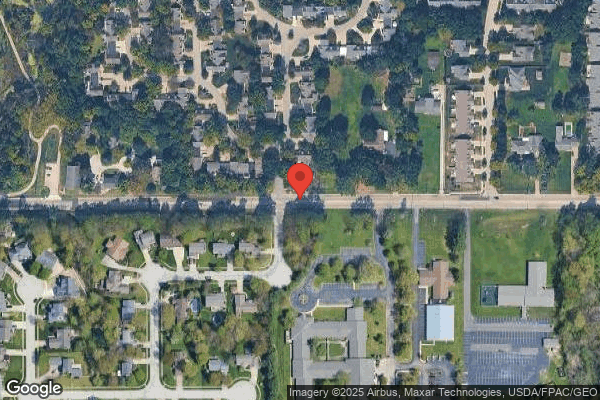
Dec 2022 6 deficiencies
CONCERN (D) 📢 Someone Reported This

A family member, employee, or ombudsman was alarmed enough to file a formal complaint

Potential for Harm - no one hurt, but risky conditions existed

Notification of Changes (Tag F0580)

Could have caused harm · This affected 1 resident

Based on record review, interview, and review of the facility policy the facility failed to notify resident representatives of positive COVID-19 infections. This affected three (Resident #23, #26 and ...

Read full inspector narrative →
Based on record review, interview, and review of the facility policy the facility failed to notify resident representatives of positive COVID-19 infections. This affected three (Resident #23, #26 and #59) of three residents reviewed for COVID-19 notification. The facility census was 87. Findings include: 1. Review of the medical record for the Resident #23 revealed an admission date of 06/18/19. Diagnoses included COVID-19, type II diabetes, dementia, and bipolar disorder. There was no documented evidence of notification to Resident #23's representative of a positive result for a COVID-19 infection. Review of the quarterly Minimum Data Set (MDS) 3.0 assessment, dated 11/04/22, revealed Resident #23 had impaired cognition. Review of the COVID-19 tracking log revealed Resident #23 tested positive for COVID-19 on 11/01/22. Review of the nurses note dated 11/01/22 revealed Resident #23 tested positive for COVID-19 and was placed on isolation precautions. The physician was notified. 2. Review of the medical record for Resident #26 revealed an admission date of 10/20/22. Diagnoses included dementia, chronic pain, and chronic obstructive pulmonary disease (COPD). There was no documented evidence of notification to Resident #26's representative of a positive result for a COVID-19 infection. Review of the quarterly MDS 3.0 assessment, dated 10/28/22, revealed Resident #26 had impaired cognition. Review of the COVID-19 tracking log revealed Resident #26 tested positive for COVID-19 on 10/18/22. Review of the nurses note dated 10/18/22 revealed Resident #26 had COVID-19 testing per policy. 3. Review of the medical record for the Resident #59 revealed an admission date of 10/09/18. Diagnoses included COVID-19, type II diabetes, and COPD. There was no documented evidence of notification to Resident #59's representative of a positive result for COVID-19 infection. Review of the quarterly MDS 3.0 assessment, dated 10/10/22, revealed the resident had impaired cognition. Review of the COVID-19 tracking log revealed Resident #59 tested positive for COVID-19 on 11/01/22. Interview with the Administrator on 12/07/22 at 12:14 A.M. verified the above findings. There was no documented evidence of representative notification for a positive COVID-19 infection for Residents #23, #26 and #59. Review of the facility policy titled Change of Condition, Revised May 2017, revealed the facility shall promptly notify the resident, his or her physician, and representative of changes in the resident's medical/mental status. This deficiency represents non-compliance investigated under Complaint Number OH00137431.
CONCERN (D) 📢 Someone Reported This

A family member, employee, or ombudsman was alarmed enough to file a formal complaint

Potential for Harm - no one hurt, but risky conditions existed

Investigate Abuse (Tag F0610)

Could have caused harm · This affected 1 resident

Based on interview, review of the facility self-reported incident (SRI), and review of the facility policy the facility failed to conduct a thorough investigation of an allegation of misappropriation ...

Read full inspector narrative →
Based on interview, review of the facility self-reported incident (SRI), and review of the facility policy the facility failed to conduct a thorough investigation of an allegation of misappropriation for Resident #17 and failed to conduct a thorough investigation of an allegation of staff to resident sexual abuse for Resident #6. This affected two residents (Residents #6 and #17) of three residents reviewed for abuse. The facility census was 87. Finding Include: 1. Review of the SRI investigation dated 11/08/22 revealed the Administrator was notified that Resident #17's credit card was compromised. Resident #17's bank statement had four unauthorized charges amounting to 400 dollars. The investigation lacked statements from staff who worked on the unit. Interview on 12/07/22 at 3:52 P.M. with the Administrator verified there were no statements taken from staff. The Administrator stated she believed staff was not involved in misappropriation and stated Resident #17 does a lot of internet shopping and her son also has authorization to use the credit card. 2. Review of the SRI investigation dated 12/02/22 revealed Resident #6 reported an allegation of sexual inappropriateness that occurred during a mechanical lift transfer on 11/24/22 at 9:30 P.M. The incident was reported to Therapy Director #235 on 11/25/22 at 2:30 P.M. and then forwarded to the Licensed Social Worker (LSW) #222. The investigation revealed witness statements from State Tested Nurse Aide (STNA) #223 and STNA #202 who interacted with the Resident #6 the night of the incident. The investigation lacked statements from other staff who worked on Resident #6's unit and the adjoining unit, that often-shared staff, the night of the incident and through the reporting time the next day. There was no evidence of a statement from Therapy Director #235 who directly received the allegation from Resident #6. Interview on 12/07/22 at 3:52 P.M. with the Administrator stated only two STNAs were involved in the incident and their statement were obtained. The Administrator verified no other witness statements were taken from staff on the two units. The Administrator stated she believed she did a thorough investigation. Review of the policy titled Abuse, Neglect, Exploitation and Misappropriation of Resident Property, dated 10/27/22, revealed under heading of investigation protocol the person investigating the incident should generally take the following actions: Interview the resident, the accused, and all witnesses. Witnesses generally include anyone who: witnessed or heard the incident, came in close contact with the resident the day of the incident (including other residents, family members) and employees who worked closely with the accused employee or the alleged victim the day of the incident. If there are no direct witnesses, then the interviews may be expanded to cover all employees on the unit, or on the shift.
CONCERN (D) 📢 Someone Reported This

A family member, employee, or ombudsman was alarmed enough to file a formal complaint

Potential for Harm - no one hurt, but risky conditions existed

Deficiency F0691 (Tag F0691)

Could have caused harm · This affected 1 resident

**NOTE- TERMS IN BRACKETS HAVE BEEN EDITED TO PROTECT CONFIDENTIALITY** Based on interview and record review the facility failed to have ostomy supplies available for Resident #67. This affected one (...

Read full inspector narrative →
**NOTE- TERMS IN BRACKETS HAVE BEEN EDITED TO PROTECT CONFIDENTIALITY** Based on interview and record review the facility failed to have ostomy supplies available for Resident #67. This affected one (Resident #67) of three resident who reviewed for ostomies. The facility census was 87. Finding include: Review of the medical record for the Resident #67 revealed an admission date of 09/23/21. Diagnoses included acquired absence of other parts of the urinary tract and malignant neoplasm of the bladder wall. Review of the quarterly Minimum Data Set (MDS) 3.0 assessment dated [DATE] revealed Resident #67 had intact cognition. The resident had an ostomy and was incontinent of bowel. Review of the December 2022 physicians' orders revealed an order to change the ostomy bag every week on Wednesday and to empty the urostomy bag every shift. Review of the care plan dated 10/07/22 revealed Resident #67 had an alteration in elimination secondary to urostomy related to bladder cancer. Interventions included change the urinary collection bag and empty the urostomy bag every shift. Interview on 12/06/22 at 11:15 A.M. with the Resident #67 revealed on the evening of 11/27/22 her urostomy bag began leaking. The nurse on duty could not find the correct O-ring (a ring that attaches the bag) to replace the leaking bag. The nurse put a towel under the bag to absorb the leaking urine. The morning shift nurse found the ring and replaced the bag. Resident #67 stated it was uncomfortable sleeping with the leaking bag. She stated several weeks ago when the facility was out of urostomy bags a colostomy bag was used. Interview on 12/06/22 at 11:23 A.M. with State Tested Nurse Aide (STNA) #227 revealed several weeks ago Resident #67's bag was leaking and there were no supplies to change it out. She placed a towel under the bag to absorb the urine. Interview on 12/07/22 at 9:15 A.M. Licensed Practical Nurse (LPN) #226, the facility wound nurse, stated the Former Director of Nursing (FDON) ordered the ostomy supplies. She stated the facility had sufficient ostomy supplies. The facility used a lot of agency nurses, and they may not have known where to find the supplies. Interview on 12/07/22 at 10:41 A.M. with STNA #225 stated she worked the evening on11/27/22. Resident #67's ostomy bag was leaking, and she reported it to the nurse on duty. STNA #225 stated her assignment was changed to another hall and she did not see Resident #67 for the rest of her shift. Interview on 12/07/22 at 8:47 A.M. with the Ombudsmen revealed she talked to the FDON about lack of ostomy supplies for Resident #67. The FDON verified the facility did not have correct ostomy supplies for Resident #67 and would order more. She stated a colostomy bag was used instead of a urostomy bag due to lack of supplies. Interview on 12/07/22 at 1:52 P.M. with the Director of Nursing (DON) stated was unaware of any issues with ostomy supplies. This deficiency represents non-compliance investigated under Complaint Number OH00137583.
CONCERN (D) 📢 Someone Reported This

A family member, employee, or ombudsman was alarmed enough to file a formal complaint

Potential for Harm - no one hurt, but risky conditions existed

Pharmacy Services (Tag F0755)

Could have caused harm · This affected 1 resident

**NOTE- TERMS IN BRACKETS HAVE BEEN EDITED TO PROTECT CONFIDENTIALITY** Based on record review and interview the facility failed to ensure pharmacy had medications available for administration for Res...

Read full inspector narrative →
**NOTE- TERMS IN BRACKETS HAVE BEEN EDITED TO PROTECT CONFIDENTIALITY** Based on record review and interview the facility failed to ensure pharmacy had medications available for administration for Resident #6. This affected one resident (Resident #6) of four residents reviewed for medications. The facility census was 87. Findings include: Review of the medical record for Resident #6 revealed an admission date of 06/01/22. Diagnoses included COVID-19, type II diabetes, obesity, cardiomyopathy, and depression. Review of the quarterly Minimum Data Set (MDS) 3.0 assessment dated [DATE] revealed Resident #6 had intact cognition. The resident required extensive assistance for bed mobility and hygiene and was totally dependent on staff for transfers. Review of the December 2022 physicians' orders revealed an order for Digox 250 microgram (mcg), a heart medication, an order for Lidocaine patch 4 percent (%) applied to the lower back for pain., and an order for Scopolamine Patch applied for 72 hours for dizziness. Review of the Medication Administration Record (MAR) revealed Digox was unavailable on 11/05/22 and 11/09/22. The Lidocaine patch was unavailable on 11/19/22, 11/20/22, 11/23/22, 11/27/22, 11/29/22 and 11/30/22. The Scopolamine patch was unavailable on 11/5/22, 11/14/22, 11/20/22, and 11/26/22. Interview on 12/05/22 at 8:02 A.M. with Resident #6 revealed the Lidocaine and Scopolamine patches were unavailable from the pharmacy. Interview on 12/07/22 at 1:57 P.M. with the Director of Nursing (DON) revealed in October 2022, the facility changed to a new pharmacy. The DON stated she did not know why the medications were unavailable from the pharmacy. This deficiency represents non-compliance investigated under Master Complaint Number OH00138066 and Complaint Numbers OH00137817 and OH00137772.
CONCERN (E) 📢 Someone Reported This

A family member, employee, or ombudsman was alarmed enough to file a formal complaint

Potential for Harm - no one hurt, but risky conditions existed

Deficiency F0761 (Tag F0761)

Could have caused harm · This affected multiple residents

**NOTE- TERMS IN BRACKETS HAVE BEEN EDITED TO PROTECT CONFIDENTIALITY** Based on interview, observation, and record review the facility failed to ensure treatment supplies were secured. This affected ...

Read full inspector narrative →
**NOTE- TERMS IN BRACKETS HAVE BEEN EDITED TO PROTECT CONFIDENTIALITY** Based on interview, observation, and record review the facility failed to ensure treatment supplies were secured. This affected two residents (Residents #26 and #71) of two residents reviewed for unsecured medications and/ or treatment supplies and had the potential to affect 25 residents (Residents #5, #12, #14, #20, #21, #22, #26, #30, #33, #36, #37, #38, #48, #49, #61, #63, #64, #69, #70, #71, #73, #75, #77 and #82) who resided on the Secure Unit. The facility also failed to secure 2 gallon-sized bottles of hand sanitizer on the Buckeye Trail Unit. This had the potential to affect ten residents (Residents #16, #18, #23, #41, #58, #74, #76, #83, #86 and #87) who were identified of having impaired cognition and ambulatory by either walking or wheelchair on the Buckeye Trail Unit. The facility census was 87. Findings include: 1. Review of the medical record for Resident #26 revealed an admission date of 10/20/22 with diagnoses including Alzheimer's disease, obesity due to excess calories, chronic obstructive pulmonary disease, and anxiety disorder. Review of the Minimum Data Set (MDS) 3.0 assessment dated [DATE] revealed Resident #26 was severely cognitively impaired and required limited assistance of one staff for mobility and transfer. Resident #26 was ambulatory and incontinent. Review of the care plan dated 10/20/20 with a revision date of 05/25/22 revealed Resident #26 was at risk for impaired skin related to occasional bowel and bladder incontinence. Interventions included barrier cream/ointment after each incontinent episode as needed. Observation on 12/01/22 at 8:30 A.M. revealed an open jar of A & D ointment (a topical preparation containing fat-soluble vitamins A and D usually in a lanolin-petrolatum base) on the dresser of Resident #26 with the lid missing for the jar. This was verified by Agency State Tested Nursing Assistant (STNA) #156 at the time of the observation, and the jar was disposed of immediately. Resident #26 was not in the room. 2. Review of the medical record for Resident #71 revealed an admission date of 07/08/22 with diagnoses including dementia, hemoperitoneum, anxiety disorder, and dysphagia. Review of the MDS 3.0 assessment dated [DATE] revealed Resident #71 was severely cognitively impaired and required limited assistance of one staff for mobility and transfer. Resident #71 was ambulatory and incontinent. Review of the care plan dated 07/08/22 with a revision date of 10/07/22 revealed Resident #71 was at risk for impaired skin related to weakness, pain, and anxiety. Interventions included barrier cream/ointment after each incontinent episode as needed. Observation on 12/01/22 at 8:30 A.M. revealed an open jar of A & D ointment on the dresser of her roommate (Resident #26) with the lid missing for the jar. This was verified by STNA #156 at the time of the observation, and the jar was disposed of immediately. Resident #71 was sitting on the side of her bed eating breakfast. Resident #26 was not in the room. Review of the label for the A & D ointment revealed for external use only. Keep out of reach of children. If swallowed get medical help or contact poison control center immediately. Review of the Safety Data Sheet (SDS) for A & D ointment revealed if swallowed, call physician immediately. 3. Observation on 12/01/22 at 8:44 A.M. revealed two gallon-sized containers of hand sanitizer sitting in the hallway of the Buckeye Trail Unit. Each bottle was filled approximately one tenth and the bottlecaps were not screwed on tightly. This was verified by Agency Licensed Practical Nurse (LPN) #157. Review of the label for the hand sanitizer revealed for external use only. Keep out of reach of children. If swallowed get medical help or contact poison control center immediately. Review of the SDS for the hand sanitizer revealed if swallowed, do not induce vomiting, drink copious amounts of water, and seek medical attention immediately. Interview with [NAME] President of Clinical (VP) #153 on 12/01/22 at 3:45 P.M. verified 10 residents (Residents #16, #18, #23, #41, #58, #74, #76, #83, #86 and #87) had impaired cognition and were ambulatory on the Buckeye Trail Unit.
CONCERN (F) 📢 Someone Reported This

A family member, employee, or ombudsman was alarmed enough to file a formal complaint

Potential for Harm - no one hurt, but risky conditions existed

Food Safety (Tag F0812)

Could have caused harm · This affected most or all residents

Based on observations, interview, and facility policy review the facility failed to ensure the kitchen was clean and sanitary. This had the potential to affect 86 of 87 residents residing in the facil...

Read full inspector narrative →
Based on observations, interview, and facility policy review the facility failed to ensure the kitchen was clean and sanitary. This had the potential to affect 86 of 87 residents residing in the facility. Resident #25 was identified as receiving nothing by mouth (NPO). The facility census was 87. Findings include: During the initial tour of the kitchen on 12/01/22 from 7:50 A.M. to 8:05 A.M. with Dietary Manager (DM) #111 revealed in the dry storage unit, the following were opened with no label and date: gravy mix, mashed potatoes, and gelatin. In the walk-in refrigerator the following were opened with no label and date: hash browns and a fresh onion. There was dried food residue on the clean drainboard of the dish machine. This was verified by DM #111 at the time of the observation. Observation on 12/01/22 at 8:18 A.M. of the server on the Brandywine Falls Unit revealed the reach-in refrigerator had two containers of chocolate milk that were expired with the date of 11/28/22 and had dried liquid on the bottom. This was verified by Human Resources/Business Office Manager (HR/BOM) #128 at the time of the observation. Review of the undated facility policy titled Cleaning and Sanitizing Dietary Areas and Equipment revealed all kitchen areas and equipment shall be maintained in a sanitary manner and be free of buildup of food, grease, or other soil. The facility will provide sanitary foodservice that meets state and federal regulations. This deficiency represents non-compliance investigated under Complaint Number, OH00137772, OH00137538 and OH00137511.
Nov 2022 2 deficiencies
CONCERN (D) 📢 Someone Reported This

A family member, employee, or ombudsman was alarmed enough to file a formal complaint

Potential for Harm - no one hurt, but risky conditions existed

ADL Care (Tag F0677)

Could have caused harm · This affected 1 resident

Based on interview and record review, the facility failed to ensure residents received reasonable baths or showers. This affected three of three residents reviewed for baths (Resident #6, #47, and #33...

Read full inspector narrative →
Based on interview and record review, the facility failed to ensure residents received reasonable baths or showers. This affected three of three residents reviewed for baths (Resident #6, #47, and #33). The total census was 92. Findings include: Interview with Resident #33 on 11/02/22 at 3:53 P.M. revealed staff frequently miss her scheduled showers and she either gets a bed bath or no bath at all. When she asked staff they said they don't have time to shower her. Interview with Resident #6 on 11/02/22 at 4:13 P.M. revealed her last bed bath was three weeks ago. The facility got her a shower chair and she would prefer to take showers. Interview with Resident #47 on 11/03/22 at 11:33 A.M. revealed she was supposed to be bathed twice per week, but hadn't had one since the middle of October and that one was very fast and unthorough. Record review of Resident #6 revealed one shower sheet dated 11/06/22 and a note to implement shower beds, and her computer documentation showed two bed baths in the last 30 days on 10/27/22 and 11/07/22. Resident #33 had one Shower Sheet dated 11/05/22, and no baths documented in her computer chart. No Shower Sheets or computer documentation of baths were found for Resident #47. Interview with the Director of Nursing confirmed the above findings on 11/07/22 at 1:54 P.M. She said facility staff were supposed to use shower sheets to document their care. Review of the shower/tub bath policy, dated 10/2010, revealed no specific statement on the timeliness or frequency of baths. Resident baths were to be documented in the resident's medical records, including the date, time, and assessment data. This deficiency substantiated Complaint Number OH00137049.
CONCERN (E) 📢 Someone Reported This

A family member, employee, or ombudsman was alarmed enough to file a formal complaint

Potential for Harm - no one hurt, but risky conditions existed

Infection Control (Tag F0880)

Could have caused harm · This affected multiple residents

Based on observation, interview, and record review, the facility failed to ensure residents who tested positive for COVID-19 had appropriate isolation precautions in place and were separated from thei...

Read full inspector narrative →
Based on observation, interview, and record review, the facility failed to ensure residents who tested positive for COVID-19 had appropriate isolation precautions in place and were separated from their roommates who did not have COVID. This affected thirteen residents (Resident #64, #88, #69, #47, #52, #22, #29, #43, #60, #61, #79, #20, and #82) and had potential to affect all 92 residents in the facility. The facility census was 92. Findings include: 1. Observation of COVID isolation rooms on 11/02/22 at 11:47 A.M. revealed Resident #64 and #88's room had no isolation warning sign posted and the door was open. Record review of Resident #64 revealed she tested negative for COVID and refused to change rooms when her roommate tested positive on 10/24/22. Record review of Resident #88 revealed she tested positive for COVID on 10/24/22. Her progress notes revealed no evidence the facility offered to move her to a private or cohort room. Interview with Resident #88 on 11/03/22 at 12:21 P.M. revealed the facility offered to move her roommate when Resident #88 tested positive for COVID, but did not offer or request to move Resident #88. 2. Observation of COVID isolation rooms on 11/02/22 at 11:47 A.M. revealed Resident #69 and #47's room had no isolation warning sign posted. Record review of Resident #69 revealed she tested positive for COVID on 10/24/22. Her progress notes revealed no evidence the facility offered to move her to a private or cohort room. Record review of Resident #47 revealed no evidence she had COVID and no documentation indicating she was offered to change rooms. Interview with Resident #69 on 11/03/22 at 11:41 A.M. revealed the facility did not offer or ask her to move to a different room when she tested positive for COVID. 3. Observation of COVID isolation rooms on 11/02/22 at 11:47 A.M. revealed Resident #52's room had no isolation warning sign posted. Record review of Resident #52 revealed he tested positive for COVID on 11/01/22. 4. Observation of COVID isolation rooms on 11/02/22 at 11:47 A.M. revealed Resident #22's room had no isolation warning sign posted. Record review of Resident #22 revealed he tested positive for COVID on 10/24/22. 5. Observation of COVID isolation rooms on 11/02/22 at 11:47 A.M. revealed Resident #29's room had no isolation warning sign posted. Record review of Resident #29 revealed she tested positive for COVID on 11/01/22. 6. Observation of COVID isolation rooms on 11/02/22 at 11:47 A.M. revealed Resident #43's room had the door open. Record review of Resident #43 revealed he tested positive for COVID on 11/01/22. 7. Observation of COVID isolation rooms on 11/02/22 at 11:47 A.M. revealed Resident #60's room had the door open. Record review of Resident #60 revealed he tested positive for COVID on 11/01/22. 8. Observation of COVID isolation rooms on 11/02/22 at 11:47 A.M. revealed Resident #61's room had the door open. Record review of Resident #61 revealed he tested positive for COVID on 11/01/22. 9. Observation of COVID isolation rooms on 11/02/22 at 11:47 A.M. revealed room Resident #79's room had the door open. STNA #202 was observed to enter the room at 12:03 P.M. without donning a gown, speak briefly with the resident while standing at the foot of the bed, and depart. Observation of the isolation storage drawers outside of this room revealed no gowns immediately present for use in entering the room. Record review of Resident #43 revealed she tested positive for COVID on 10/25/22. 10. Observation of COVID isolation rooms on 11/02/22 at 11:47 A.M. revealed Resident #20 and #82's room had an open door. Neither resident was interviewable. Record review of Resident #20 revealed she had an active COVID isolation order and diagnosis both dated 10/20/22. There was no evidence she was separated from her roommate to a different room. Record review of Resident #82 revealed she tested positive for COVID on 10/25/22. There was no evidence she was separated from her roommate following Resident #20's COVID diagnosis. Interview with the Director of Nursing and Administrator on 11/02/22 at 2:34 P.M. confirmed the above findings. Following surveyor intervention, the facility offered moves to Resident #47 and #82. Review of the facility COVID-19 Policy and Procedure dated 09/23/22 revealed residents with COVID-19 were to be placed in droplet precautions including N95 face mask, face shield, gown, and gloves. Residents with suspected or confirmed Coronavirus were to be placed in a private room or area when single rooms were available. Review of a list of COVID positive residents furnished by the facility revealed there were nine empty single-person rooms in the facility at the time of the survey. Review of the CDC website page titled Interim Infection Prevention and Control Recommendations for Healthcare Personnel During the Coronavirus Disease 2019 (COVID-19) Pandemic updated 09/23/22 revealed residents with confirmed or suspected COVID were to be placed into single person rooms with the door kept closed. Only residents with the same respiratory pathogen should be housed in the same room if cohorting residents together. Facility staff who entered rooms with COVID positive residents were to adhere to infection control precautions including wearing a gown and gloves. This deficiency substantiates Complaint Number OH00137150.
Understanding Severity Codes (click to expand)
Life-Threatening (Immediate Jeopardy)
J - Isolated K - Pattern L - Widespread
Actual Harm
G - Isolated H - Pattern I - Widespread
Potential for Harm
D - Isolated E - Pattern F - Widespread
No Harm (Minor)
A - Isolated B - Pattern C - Widespread

Questions to Ask on Your Visit

  • "What changes have you made since the serious inspection findings?"
  • "Why is there high staff turnover? How do you retain staff?"
  • "Can I speak with families of current residents?"
  • "What's your RN coverage like on weekends and overnight?"

Our Honest Assessment

Strengths
  • • Licensed and certified facility. Meets minimum state requirements.
Concerns
  • • Multiple safety concerns identified: 3 life-threatening violation(s), Special Focus Facility, 4 harm violation(s), $288,863 in fines, Payment denial on record. Review inspection reports carefully.
  • • 91 deficiencies on record, including 3 critical (life-threatening) violations. These warrant careful review before choosing this facility.
  • • $288,863 in fines. Extremely high, among the most fined facilities in Ohio. Major compliance failures.
  • • Grade F (0/100). Below average facility with significant concerns.
Bottom line: This facility is on CMS's Special Focus list for poor performance. Consider alternatives strongly.

About This Facility

What is Continuing Healthcare Of Cuyahoga Falls's CMS Rating?

CONTINUING HEALTHCARE OF CUYAHOGA FALLS does not currently have a CMS star rating on record.

How is Continuing Healthcare Of Cuyahoga Falls Staffed?

Staff turnover is 72%, which is 26 percentage points above the Ohio average of 46%. High turnover can affect care consistency as new staff learn residents' individual needs. RN turnover specifically is 71%, which is notably high. RNs provide skilled clinical oversight, so turnover in this role can affect medical care quality.

What Have Inspectors Found at Continuing Healthcare Of Cuyahoga Falls?

State health inspectors documented 91 deficiencies at CONTINUING HEALTHCARE OF CUYAHOGA FALLS during 2022 to 2025. These included: 3 Immediate Jeopardy (the most serious level, indicating potential for serious harm or death), 4 that caused actual resident harm, 80 with potential for harm, and 4 minor or isolated issues. Immediate Jeopardy findings are rare and represent the most serious regulatory concerns. They require immediate corrective action.

Who Owns and Operates Continuing Healthcare Of Cuyahoga Falls?

CONTINUING HEALTHCARE OF CUYAHOGA FALLS is owned by a for-profit company. For-profit facilities operate as businesses with obligations to shareholders or private owners. The facility is operated by PARADIGM HEALTHCARE, a chain that manages multiple nursing homes. With 122 certified beds and approximately 51 residents (about 42% occupancy), it is a mid-sized facility located in CUYAHOGA FALLS, Ohio.

How Does Continuing Healthcare Of Cuyahoga Falls Compare to Other Ohio Nursing Homes?

Compared to the 100 nursing homes in Ohio, CONTINUING HEALTHCARE OF CUYAHOGA FALLS's staff turnover (72%) is significantly higher than the state average of 46%.

What Should Families Ask When Visiting Continuing Healthcare Of Cuyahoga Falls?

Based on this facility's data, families visiting should ask: "What changes have been made since the serious inspection findings, and how are you preventing similar issues?" "How do you ensure continuity of care given staff turnover, and what is your staff retention strategy?" "Can I visit during a mealtime to observe dining assistance and food quality?" "How do you handle medical emergencies, and what is your hospital transfer rate?" These questions are particularly relevant given the facility's Immediate Jeopardy citations and the facility's high staff turnover rate.

Is Continuing Healthcare Of Cuyahoga Falls Safe?

Based on CMS inspection data, CONTINUING HEALTHCARE OF CUYAHOGA FALLS has documented safety concerns. Inspectors have issued 3 Immediate Jeopardy citations (the most serious violation level indicating risk of serious injury or death). The facility is currently on the Special Focus Facility watch list (a federal program monitoring the lowest-performing 1% of nursing homes nationwide). The facility has a 0-star overall rating and ranks #100 of 100 nursing homes in Ohio. Families considering this facility should ask detailed questions about what corrective actions have been taken since these incidents.

Do Nurses at Continuing Healthcare Of Cuyahoga Falls Stick Around?

Staff turnover at CONTINUING HEALTHCARE OF CUYAHOGA FALLS is high. At 72%, the facility is 26 percentage points above the Ohio average of 46%. Registered Nurse turnover is particularly concerning at 71%. RNs handle complex medical decisions and coordinate care — frequent RN changes can directly impact care quality. High turnover means new staff may not know residents' individual needs, medications, or preferences. It can also be disorienting for residents, especially those with dementia who rely on familiar faces. Families should ask: What is causing the turnover? What retention programs are in place? How do you ensure care continuity during staff transitions?

Was Continuing Healthcare Of Cuyahoga Falls Ever Fined?

CONTINUING HEALTHCARE OF CUYAHOGA FALLS has been fined $288,863 across 4 penalty actions. This is 8.0x the Ohio average of $35,968. Fines at this level are uncommon and typically indicate a pattern of serious deficiencies, repeated violations, or failure to correct problems promptly. CMS reserves penalties of this magnitude for facilities that pose significant, documented risk to resident health or safety. Families should request specific documentation of what issues led to these fines and what systemic changes have been implemented.

Is Continuing Healthcare Of Cuyahoga Falls on Any Federal Watch List?

CONTINUING HEALTHCARE OF CUYAHOGA FALLS is currently on the Special Focus Facility (SFF) watch list. This federal program identifies the roughly 1% of nursing homes nationally with the most serious and persistent quality problems. SFF facilities receive inspections roughly twice as often as typical nursing homes. Factors in this facility's record include 3 Immediate Jeopardy findings and $288,863 in federal fines. Facilities that fail to improve face escalating consequences, potentially including termination from Medicare and Medicaid. Families considering this facility should ask for documentation of recent improvements and what specific changes have been made since the designation.