FALLS VILLAGE SKILLED NURSING & REHABILITATION
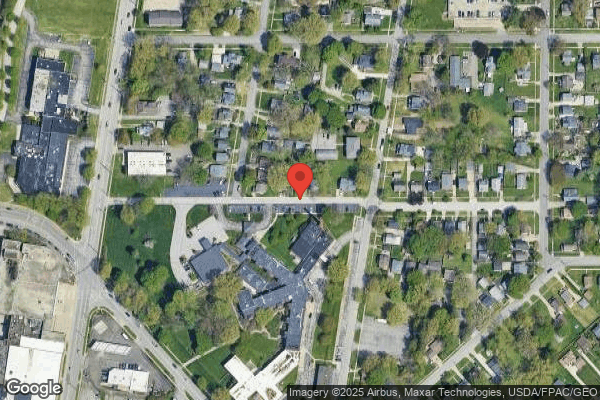
330 BROADWAY EAST, CUYAHOGA FALLS, OH 44221 (330) 945-9797
For profit - Limited Liability company 108 Beds VRC MANAGEMENT Data: November 2025
Trust Grade
70/100
#257 of 913 in OH
Last Inspection: December 2023

Within standard 12-15 month inspection cycle. Federal law requires annual inspections.

Overview

Falls Village Skilled Nursing & Rehabilitation has a Trust Grade of B, which means it's considered a good facility and a solid choice for families. It ranks #257 out of 913 nursing homes in Ohio, placing it in the top half of facilities in the state, and #7 out of 42 in Summit County, indicating that only six local options are better. The facility's performance trend is stable, with one issue reported in both 2024 and 2025. Staffing is rated average with a turnover rate of 49%, which aligns with the state average, suggesting some consistency in care. There have been no fines on record, which is a positive sign. However, there are some concerning issues. A serious incident involved a failure to properly care for residents with pressure ulcers, leading to a lack of necessary repositioning and inadequate documentation of injuries. Additionally, there was a concern about the improper use of a health care isolation area, which affected multiple residents. Lastly, there was a potential risk of infection due to improper cleansing of a glucometer used for blood sugar tests, which could affect several residents. While the facility has strengths, these weaknesses highlight areas where improvements are needed.

Trust Score
B
70/100
In Ohio
#257/913
Top 28%
Safety Record
Moderate
Needs review
Inspections
Holding Steady
1 → 1 violations
Staff Stability
⚠ Watch
49% turnover. Above average. Higher turnover means staff may not know residents' routines.
Penalties
✓ Good
No fines on record. Clean compliance history, better than most Ohio facilities.
Skilled Nurses
✓ Good
Each resident gets 45 minutes of Registered Nurse (RN) attention daily — more than average for Ohio. RNs are trained to catch health problems early.
Violations
⚠ Watch
16 deficiencies on record. Higher than average. Multiple issues found across inspections.
★★★★☆
4.0
Overall Rating
★★★☆☆
3.0
Staff Levels
★★★☆☆
3.0
Care Quality
★★★★☆
4.0
Inspection Score
Stable
2024: 1 issues
2025: 1 issues

The Good

  • Full Sprinkler Coverage · Fire safety systems throughout facility
  • No fines on record

Facility shows strength in fire safety.

The Bad

Staff Turnover: 49%

Near Ohio avg (46%)

Higher turnover may affect care consistency

Chain: VRC MANAGEMENT

Part of a multi-facility chain

Ask about local staffing decisions and management

The Ugly 16 deficiencies on record

1 actual harm
May 2025 1 deficiency
CONCERN (D) 📢 Someone Reported This

A family member, employee, or ombudsman was alarmed enough to file a formal complaint

Potential for Harm - no one hurt, but risky conditions existed

Pharmacy Services (Tag F0755)

Could have caused harm · This affected 1 resident

Based on record review, interview, and policy review the facility failed to ensure pain relieving medications were available to administer as ordered. This affected one (Resident #72) of three residen...

Read full inspector narrative →
Based on record review, interview, and policy review the facility failed to ensure pain relieving medications were available to administer as ordered. This affected one (Resident #72) of three residents reviewed for medications. Findings include:Review of the medical record for Resident #72 revealed an admission date of 01/24/25. Resident #72 had a discharge date of 02/02/25. Diagnoses included primary osteoarthritis, malignant neoplasm of the bladder, cervicalgia, anxiety disorder and pain, unspecified. Review of physician order dated 01/25/25 revealed Resident #72 was to receive belbuca buccal film 150 micrograms, one patch every 12 hours for chronic pain. The order had no stop date. Review of the admission medication list revealed Resident #72 was admitted with a seven-day supply of the belbuca film. Review of the plan of care dated 01/27/25 revealed Resident #72 could experience altered comfort. Interventions included to administer analgesic medications as ordered and encourage the resident to notify staff at the onset of pain. Review of the quarterly Minimum Data Set (MDS) assessment, dated 01/31/25, revealed Resident #72 had intact cognition, required moderate assistance with activities of daily living, and was on a pain management regimen program. Review of the facility Pain Assessment Tool dated 01/31/25 revealed Resident #72 was in constant pain. Review of the medication administration record (MAR) for February 2025 noted Resident #72 did not receive the belbuca buccal medication on 02/01/25 and 02/02/25. The MAR indicated Resident #72 received 1000 milligrams of acetaminophen on 02/01/25 for a pain level of 10 out of 10.Review of the nurse progress note dated 02/01/25 timed 10:18 P.M. revealed the belbuca buccal film was not available. Review of the nurse progress note dated 02/02/25 timed 8:20 A.M. noted the facility was waiting on the pharmacy to deliver the belbuca buccal film. Interview on 05/02/25 at 9:32 A.M. with Resident #72 revealed he was receiving the belbuca buccal medication twice a day from 01/24/25 to 01/31/25. Resident #72 stated he went two days without the belbuca medication because the facility would not refill the order. Resident #72 stated he spoke to a day shift nurse on 02/01/25 regarding the belbuca medication and the nurse told him the belbuca was ordered and awaiting pharmacy delivery. Resident #72 said he told the nurses that he was in pain and spoke with three additional nurses from 02/01/25 through 02/02/25 who stated the belbuca medication was ordered and they were waiting for the delivery. Interview on 05/02/25 at 12:28 P.M. with Nurse Practitioner (NP) #205 revealed staff did not inform her of the need to refill the belbuca pain medication for Resident #72. NP #205 stated the facility was in contact with her and the primary physician frequently due to other medical concerns for Resident #72 so she was not sure why staff did not ask for a refill. Interview on 05/02/25 at 12:33 P.M. with the pharmacist that provided medication for the facility revealed the facility did not contact the pharmacy to refill the order for belbuca pain medication. Review of the facility policy Pain-Clinical Protocol, dated 2022 revealed the physician would order appropriate non-pharmacologic and medication interventions to address an individual's pain. This deficiency represents non-compliance investigated under Complaint Number OH00162692.
Dec 2024 1 deficiency
CONCERN (D) 📢 Someone Reported This

A family member, employee, or ombudsman was alarmed enough to file a formal complaint

Potential for Harm - no one hurt, but risky conditions existed

Resident Rights (Tag F0550)

Could have caused harm · This affected 1 resident

**NOTE- TERMS IN BRACKETS HAVE BEEN EDITED TO PROTECT CONFIDENTIALITY** Based on record review, interview, review of a facility self-reported incident (SRI) and review of the facility policy, the faci...

Read full inspector narrative →
**NOTE- TERMS IN BRACKETS HAVE BEEN EDITED TO PROTECT CONFIDENTIALITY** Based on record review, interview, review of a facility self-reported incident (SRI) and review of the facility policy, the facility failed to ensure staff treated Resident #49 in a respectful and dignified manner during incontinence care. This affected one resident (#49) of three residents reviewed for abuse. The facility census was 71. Findings include: Record review revealed Resident #49 had diagnoses including chronic respiratory failure with hypoxia, emphysema, chronic obstructive pulmonary disease, pleural effusion, obstructive sleep apnea and use of continuous positive airway pressure (CPAP) nasal device, polyosteoarthritis, high blood pressure, buttock open wound, contact dermatitis, fatigue, right shoulder pain, depression, anxiety, diabetes mellitus, chronic kidney disease, bilateral eye disease with blindness in one eye, spondylosis (degeneration of the vertebra due to the general wear and tear caused due to the process of aging) of lumbar region with intervertebral disc degeneration. Resident #49's plan of care initiated on 10/29/23 revealed the resident had impaired self-care for activities of daily living (ADL). Interventions on the plan of care indicated to allow the resident the time needed to complete tasks, assemble all equipment/materials necessary for resident to accomplish ADL task and provide assistance as needed. A plan of care also revealed the resident had bladder incontinence with interventions including to provide assistance with toileting promptly in advance of need to void as much as possible and provide incontinence care with good perineal care and apply moisture barrier cream after each incontinence episode. Resident #49's Minimum Data Set (MDS) Significant Change assessment dated [DATE] revealed the resident required (staff) assistance with toileting, bathing, dressing, mobility including transfer to the toilet, and used a walker for ambulation. The MDS assessment dated [DATE] indicated Resident #49 was always incontinent of bowel and bladder. During an interview with Resident #49 on 12/11/24 at 11:25 A.M. the resident shared a concern she had with a staff member. The resident revealed Certified Nursing Assistant (CNA) #73 had an attitude as soon as she answered her call light. Resident #49 stated she needed assistance with incontinence care. Resident #49 stated she left the bathroom light on for the staff to see and asked that they not turn on her overhead light because it hurt her eyes due to her eye disease. Resident #49 stated she asked CNA #73 to turn off the overhead light which she refused. Resident #49 asked CNA #73 to use a hot soapy washcloth to clean her perineal area after she was incontinent of urine. The resident stated CNA #73 grabbed the cold disposable wipes and started to clean her perineal area with the cold wipes. Resident #49 stated CNA #73 grabbed her headphones out of her hand after she roughly pulled the pillow out from under her head. Resident #49 stated she became angry because of the way CNA #73 was treating her and asked her to leave the room. CNA #73 refused to leave because she told her she was the staff member who was assigned to provide care for her. Resident #49 stated she then pushed her call light two or three times and CNA #73 promptly turned off the call light and informed Resident #49 she would assist her with her care needs. Resident #49 eventually started yelling for help, and CNA #73 finally left the room. An interview with CNA #73 on 12/17/24 at 4:50 P.M. revealed she had entered Resident #49's room to provide incontinence care on 10/20/24 in the evening. CNA #73 stated she encouraged Resident #49 to walk to the bathroom because she believed she was perfectly capable of using the toilet instead of the bedpan. Resident #49 refused, and CNA #73 stated she asked Resident #49 to turn on her side so she could clean her perineal area. CNA #73 tried to reposition Resident #49's pillow for comfort when Resident #49 accused her of being rough during the task and asked her to leave the room. The CNA reported Resident #49 then became verbally abusive calling her derogatory names. CNA #73 stated she noticed Resident #49's headphones were tangled up in her oxygen tubing and was attempting to untangle them while Resident #49 was grabbing her arm. CNA #73 stated during the task after Resident #49 asked her to leave the room, Resident #49 pushed her call light a couple times and CNA #73 stated she turned off the call light because she was the staff member who was supposed to provide care for Resident #49. CNA #73 stated she eventually left the room to allow Resident #49 to use the bedpan after she stated she needed to have a bowel movement. CNA #73 stated she notified the charge nurse of what happened with Resident #49. CNA #73 stated she completed a witness statement and after the charge nurse notified the Director of Nursing (DON) she was sent home pending the outcome of the investigation. CNA #73 stated approximately one week later she was terminated because a customer had made a complaint about her, and she was still in the 90 day probation period. A review of the facility's SRI dated 10/20/24, tracking number 253136, revealed the facility reported this incident involving Resident #49 as an allegation of abuse. The SRI included Resident #49 reported CNA #73 entered her room to assist her to the restroom. Upon entering, Resident #49 insisted that she was not able to get up to use the restroom. CNA #73 encouraged Resident #49 to get up to go to the restroom instead of utilizing the bed pan. Resident #49 became agitated by CNA #73 stating that she can't tell her what she can and can't do. During this time, Resident #49 began turning on her call light multiple times for someone else to assist her. CNA #73 turned off the call light, as she was there to assist the Resident #49. CNA #73 and Resident #49 then noted that the resident's headphones cord was tangled in the resident's continuous positive airway pressure (CPAP) cord. CNA #73 reported attempting to untangle the cords for the resident, but the resident was agitated with the staff member and grabbed CNA #73's arm. Resident #49 also reported grabbing the CNA #73's arm, and CNA #73 then grabbed Resident #49's arm. CNA #73 stated that she told the resident not to grab her, removed her hand and left the room. CNA #73 was issued education and disciplinary action for customer service. Based on facility review of staff statements, like-resident statements and the resident's medical record, the facility unsubstantiated the allegation of physical abuse. An interview with the Administrator on 12/17/24 at 1:38 P.M. revealed the facility had submitted an SRI to the State agency (as noted above) related to Resident #49 and an allegation of physical abuse. The Administrator stated the facility conducted an investigation and felt no abuse had occurred, but CNA #73 failed to meet the facility's expectations for customer service. The Administrator stated CNA #73 had only worked in the facility for a short time, had been trained extensively during her orientation to the facility, but lacked customer service skills. The Administrator stated CNA #73 was unwilling to meet the facility's expectations for customer service. The Administrator indicated CNA #73 had a preference for the way her workday should be organized to complete her job duties. In addition, the Administrator stated CNA #73 was trying to assist Resident #49 to the best of her ability but was not communicating well with Resident #49. During the interview the Administrator verified the above findings. The facility undated policy titled How to Provide Excellent Customer Service Staff and Resident Interactions included: Patients should not know how busy you are! This is very BAD customer service. Do not share with residents' facility business in terms of someone calling off or using terms like short staffed or I'm the only one working. Such phrases are unacceptable. THIS DOES NOT COMFORT A RESIDENT! If anything, it leaves them anxious and lacks confidence in our ability to provide them with quality care. Complaining to a resident adds stress and worry and could be seen as emotional abuse. How would you feel if you dropped your child off at daycare and they told you they were short staffed' today? Staff should always include the residents and interact while providing care and talk directly to the residents. Even if they cannot respond It is absolutely inappropriate behavior to discuss what you are doing tonight or did yesterday, etc. Talk about things that are important and of value to the residents. Talk to the residents and not shout from a distance. Never tell a resident you will help them when you get back from break, etc. Take care of the residents BEFORE your break. RESIDENTS COME FIRST. They are the ONLY reason we are here. The facility Customer Service Promise: We all play a big role in customer service within the facility. This is your opportunity to make a difference. What other reason would you have to be working in this industry? We do not make widgets here. We TAKE CARE OF REAL PEOPLE'S LIVES. Think of how you want your loved one to be cared for . because someone is depending on you to care for them. This deficiency represents non-compliance investigated under Master Complaint Number OH00160364.
Dec 2023 7 deficiencies
CONCERN (D)

Potential for Harm - no one hurt, but risky conditions existed

Deficiency F0558 (Tag F0558)

Could have caused harm · This affected 1 resident

**NOTE- TERMS IN BRACKETS HAVE BEEN EDITED TO PROTECT CONFIDENTIALITY** Based on observation, staff interview, and policy review, the facility failed to ensure call light devices were in reach. This a...

Read full inspector narrative →
**NOTE- TERMS IN BRACKETS HAVE BEEN EDITED TO PROTECT CONFIDENTIALITY** Based on observation, staff interview, and policy review, the facility failed to ensure call light devices were in reach. This affected two residents (#12 and #46) of two residents reviewed for call light devices. The facility census was 75. Findings include: 1. Review of the medical record for Resident #12 revealed an admission date of 06/24/22 with diagnoses that included quadriplegia, vascular dementia, and adjustment disorder. Review of the Minimum Data Set (MDS) assessment dated [DATE], revealed Resident #12 had a Brief Interview for Mental Status (BIMS) score of five indication he had short and long-term memory impairment. Resident #12 required a two-person total dependent assist for activities of daily living (ADLs). Review of the care plan dated 10/30/23 revealed Resident #12 had a self-care deficit as evidenced by altered cardiac status, altered cognition, impaired mobility, impaired balance and dependence on staff for ADLs. Interventions included using blow type call light and ensure call light within reach. Observation on 12/11/23 at 10:47 A.M. revealed Resident #12 was in bed, a blow type call light was above his head and out of reach. Observation and interview on 12/12/23 at 3:40 P.M. with State Tested Nurse Assistant (STNA) #871 revealed Resident #12 was laying in bed with the call light situated above his head and not in reach. STNA #871 revealed Resident #12 required his call light to be situated near his face and within reach of his mouth. Interview on 12/12/23 at 3:44 P.M. with Licensed Practical Nurse (LPN) #852 revealed Resident #12 utilized a blow type call light. LPN #852 revealed Resident #12 alerted staff by blowing into the call light device and it needed to be in reach at all times. 2. Review of the medical record for Resident #46 revealed an admission date of 10/28/22 with diagnoses that included hemiplegia and hemiparesis following cerebral infarction affecting left side, vascular dementia, and COVID-19. Review of the Minimum Data Set (MDS) assessment dated [DATE], revealed Resident #46 had a Brief Interview for Mental Status (BIMS) score of six indicating he had short and long-term memory impairment. Resident #46 required a two-person assist for activities of daily living (ADLs). Review of the care plan dated 10/30/23 revealed Resident #46 was at risk for falls. Interventions included using call light and keep in easy reach at all times. Observation on 12/11/23 at 3:00 P.M. revealed Resident #46 was in bed with the call light hanging to the floor and out of reach. Observation and interview on 12/11/23 at 3:05 P.M. with State Tested Nurse Assistant (STNA) #898 confirmed Resident #46's call light was out of reach and he was unable to retrieve it if he needed assistance. STNA #898 revealed Resident #46 had a history of stroke and required staff assistance. Observation and interview on 12/12/23 at 3:36 P.M. revealed Resident #46 in his room sitting in his wheelchair yelling out for assistance to use the bathroom. Resident #46 revealed he needed to go the bathroom and needed help. Resident #46's call light was not in reach. Observation and interview on 12/12/23 at 3:38 P.M. with State Tested Nurse Assistant (STNA) #872 confirmed Resident #46's call light was not in reach. Review of the facility document titled Answering the Call Light revised September 2022, revealed the policy provided guidance to ensure the call light was accessible to the resident.
CONCERN (D)

Potential for Harm - no one hurt, but risky conditions existed

Deficiency F0561 (Tag F0561)

Could have caused harm · This affected 1 resident

Based on interview and record review, the facility failed to ensure Resident #54 was able to attend a cardiology appointment. This affected one resident (#54) of one reviewed for appointments and tran...

Read full inspector narrative →
Based on interview and record review, the facility failed to ensure Resident #54 was able to attend a cardiology appointment. This affected one resident (#54) of one reviewed for appointments and transportation. The facility census was 75. Findings include: Review of the medical record for Resident #54 revealed an admission date of 04/13/22 and diagnoses including old myocardial infarction, tachycardia, chest pain, hypertension, congestive heart failure, and atherosclerosis. Review of the Resident Appointments and Transportation form dated 09/12/23 revealed Resident #54 had an appointment with cardiology on 01/10/24 at 2:15 P.M. and Resident #54 was to be transported via cot. Transportation had not yet been set up. Review of the Progress Note dated 11/02/23 revealed Resident #54's cardiology appointment on 01/10/24 had been rescheduled for 12/08/23 per his request. Review of Physician's Orders dated 12/08/23 revealed Resident #54 had an order for an appointment with a cardiologist on 12/08/23 at 11:00 A.M. Further review of Resident #54's medical record revealed no evidence of an appointment scheduled for 01/10/24. Interview on 12/11/23 at 10:15 A.M. with Resident #54 revealed he was supposed to have an appointment on 12/08/23 however the facility messed up transportation. Resident #54 indicated he got ready for the appointment, but no transport arrived to take him to the appointment. Interview on 12/13/23 at 11:20 A.M. with Transport Scheduler #880 revealed she was unaware of an appointment on 12/08/23 for Resident #54. Transport Scheduler #880 had not received an appointment scheduling form for Resident #54's appointment on 12/08/23. Transport Scheduler #880 thought Resident #54 had an appointment with cardiology in January 2024. Transport Scheduler #880 indicated Resident #54 had to be transported via cot. Interview on 12/13/23 at 11:53 A.M. with Licensed Practical Nurse (LPN) #826 revealed he had re-scheduled Resident #54's cardiology appointment for 12/08/23. They had gotten Resident #54 ready on 12/08/23 for his appointment however there was no transport arranged. LPN #826 indicated Resident #54 had a cardiology appointment scheduled for 01/10/24. Interview on 12/13/23 at 4:47 P.M. with a representative from Resident #54's cardiology office confirmed Resident #54 was supposed to have an appointment on 12/08/23 however he did not come to the appointment. The representative indicated there was no appointment scheduled for 01/10/24 as it had been canceled. Interview on 12/14/23 at 9:25 A.M. with Transport Scheduler #880 confirmed she did not set up transportation for Resident #54's cardiology appointment on 12/08/23.
CONCERN (D)

Potential for Harm - no one hurt, but risky conditions existed

Comprehensive Care Plan (Tag F0656)

Could have caused harm · This affected 1 resident

Based on medical record review, observation, interview, and review of facility policy, the facility failed to ensure a comprehensive care plan was in place that addressed the urological needs of Resid...

Read full inspector narrative →
Based on medical record review, observation, interview, and review of facility policy, the facility failed to ensure a comprehensive care plan was in place that addressed the urological needs of Resident #19. This affected one (#19) of two residents reviewed for urinary catheters or urinary tract infection (UTI). The facility census was 75. Findings include: Review of the medical record for Resident #19 revealed an admission date of 11/12/23. Diagnoses included acute kidney failure, depression, hydronephrosis, stage three chronic kidney disease, mild protein calorie malnutrition, congenital occlusion of ureteropelvic junction, hyperkalemia, infection or inflammatory reaction due to indwelling urethral catheter, sepsis, bladder neck obstruction, and bacteremia. Review of the admission Minimum Data Set (MDS) assessment, dated 11/19/23, revealed Resident #19 had intact cognition and had the ability to make himself understood and to understand others. The MDS assessment further revealed Resident #19 had an indwelling urinary catheter. Review of the admission assessment progress note dated 11/12/23 revealed Resident #19 was admitted to the facility with bilateral nephrostomy tubes (a tube that lets urine drain from the kidney through an opening in the skin on the back) to straight drain. Review of the comprehensive care plan dated 11/14/23 revealed Resident #19 had no interventions related to nephrostomy tube monitoring or care from 11/14/23 to 12/13/23. Observation on 12/13/23 at 2:40 P.M. revealed the drainage bag from the right nephrostomy was full and bulging. A closer look at the drainage bag revealed it held up to 600 milliliters (ml) of urine and dark amber urine was filled over the line marking the 600 ml volume. Further observation revealed the left nephrostomy drainage bag contained approximately 350 to 400 ml yellow urine. Interview on 12/13/23 at 2:40 P.M. with Resident #19 revealed the nephrostomy drainage tubes and bags had not been monitored and stated, nobody has been in here to look at this all day. Further interview revealed the state tested nurse aides (STNAs) would empty his nephrostomy bags in the evenings at change of shift and the nurses did not clean or provide care to the nephrostomy tube sites. Interview on 12/15/23 at 3:05 P.M. with Licensed Practical Nurse (LPN) #826 confirmed the medical record contained no written instructions on nephrostomy tube care but stated they kept them clean and provide resident education. LPN #826 was unable to elaborate on specific cleaning frequency or method. Interview on 12/14/23 at 9:59 A.M. with Registered Nurse (RN) #874 confirmed Resident #19 had bilateral nephrostomy tubes and there were no orders and no care plan interventions regarding the nephrostomy tubes prior to 12/13/23. She further confirmed there was no place for staff to document nephrostomy output separately from the indwelling urinary catheter urine output prior to 12/13/23 and verbalized uncertainty as to whether the total recorded urine outputs were accurate. Review of facility policy date October 2010, titled Nephrostomy Tube, Care of, revealed the resident's care plan should be reviewed to assess any specific nephrostomy care needs.
CONCERN (D)

Potential for Harm - no one hurt, but risky conditions existed

Deficiency F0657 (Tag F0657)

Could have caused harm · This affected 1 resident

Based on medical record review, interview, and review of facility policy, the facility failed to revise resident care plans when interventions were changed. This affected two residents (#40 and #63) o...

Read full inspector narrative →
Based on medical record review, interview, and review of facility policy, the facility failed to revise resident care plans when interventions were changed. This affected two residents (#40 and #63) of 23 reviewed for care planning. The facility census was 75. Findings include: 1. Review of the medical record for Resident #40 revealed an admission date of 07/28/23. Diagnoses included generalized muscle weakness, malaise, polycythemia vera, fatigue, history of transient ischemic attack, chronic venous hypertension, diabetes mellitus, neuropathy, anxiety, and schizoaffective disorder. Review of the quarterly Minimum Data Set (MDS) assessment, dated 10/17/23, revealed Resident #19 had intact cognition and required moderate assistance for toileting, bathing, bed to chair and shower transfers. Review of the care plan dated 11/22/23 revealed Resident #40 was to be transferred with a one person assist. Interview with Resident #40 on 12/11/23 at 10:20 A.M. revealed he needed a Hoyer (mechanical) lift for transfers out of bed. Interview on 12/14/23 at 11:43 A.M. with State Tested Nurse Aide (STNA) #906 confirmed Resident #19 required a Hoyer lift and two staff for all transfers. Interview on 12/14/23 at 11:49 A.M. with Registered Nurse (RN) #874 confirmed the physician's order and comprehensive care plan indicated Resident #40 was to be transferred with one-assist. RN #874 further confirmed the written care card for STNAs indicated Resident #40 required a mechanical lift for transfers. RN #874 stated she wasn't sure where they got that information, since there was no order or care plan intervention for a mechanical lift. Interview on 12/14/23 at 12:27 P.M. with Therapy Director #940 and Corporate Nurse #944 confirmed Resident #40 required a Hoyer lift. Corporate Nurse #940 confirmed the care plan needed updated to indicate Resident #40's need for a Hoyer lift. 2. Review of the medical record for Resident #63 revealed an admission date of 07/07/23. Diagnoses included pneumonia, COVID-19 (added 11/17/23), neuromuscular dysfunction of the bladder, urinary tract infection, urogenital candidiasis, nontraumatic intracranial brain hemorrhage, gastrostomy status, and other bacterial infections of unspecified site. Review of Resident #63's orders revealed a physician order dated 09/20/23 to maintain contact precautions. The indication for contact precautions was not listed within the order. Review of the care plan dated 11/22/23 revealed Resident #63 required contact isolation precautions due to colonization of candida auris and droplet isolation precautions related to COVID-19. Interventions included contact isolation, droplet precautions and use of the appropriate personal protective equipment (PPE) as indicated by the isolation type listed in the care plan. An interview on 12/12/23 from 3:10 P.M. to 3:20 P.M. with Licensed Practical Nurse (LPN) #816 confirmed Resident #63 was to be under contact precautions and that the care plan stated both contact and droplet precautions. LPN #816 further confirmed she was unaware of the source of infection that triggered contact precautions but was certain Resident #63 was no longer in droplet isolation for COVID-19. Throughout this interview, LPN #816 searched Resident #63's electronic medical record and hard chart at the nurses station to find the reason Resident #63 was in contact isolation. After ten minutes of searching, LPN #816 confirmed she could not determine the source of infection and stated, it looks like they never downgraded him from droplet precautions to just contact precautions. Interview on 12/13/23 at 2:00 P.M. with Registered Nurse (RN) #945 confirmed Resident #63 was on contact precautions for colonization of Carbapenem-resistant Enterobacterale (CRE) in his sputum. RN #945 further confirmed Resident #63 was no longer in droplet isolation. Review of the policy titled Isolation - Categories of Transmission-Based Precautions dated 09/15/22 revealed the facility was to ensure the resident's care plan and specialist communication system indicated the appropriate type of isolation precautions implemented for each resident.
CONCERN (D)

Potential for Harm - no one hurt, but risky conditions existed

Incontinence Care (Tag F0690)

Could have caused harm · This affected 1 resident

Based on medical record review, observation, interview, and review of facility policy, the facility failed to ensure sufficient treatment and services were provided that appropriately addressed the ur...

Read full inspector narrative →
Based on medical record review, observation, interview, and review of facility policy, the facility failed to ensure sufficient treatment and services were provided that appropriately addressed the urological needs of a resident. This affected one (Resident #19) of two residents reviewed for urinary catheters or urinary tract infection (UTI). The facility census was 75. Findings include: Review of the medical record for Resident #19 revealed an admission date of 11/12/23. Diagnoses included acute kidney failure, depression, hydronephrosis, stage three chronic kidney disease, mild protein calorie malnutrition, congenital occlusion of ureteropelvic junction, hyperkalemia, infection or inflammatory reaction due to indwelling urethral catheter, sepsis, bladder neck obstruction, and bacteremia. Review of the admission Minimum Data Set (MDS) assessment, dated 11/19/23, revealed Resident #19 had intact cognition and had the ability to make himself understood and to understand others. The MDS assessment further revealed Resident #19 had an indwelling urinary catheter. Review of the admission assessment progress note dated 11/12/23 revealed Resident #19 was admitted to the facility with bilateral nephrostomy tubes (a tube that lets urine drain from the kidney through an opening in the skin on the back) to straight drain. Review of physician orders revealed Resident #19 had no orders in place that addressed his nephrostomy tubes. Random observation on 12/12/23 at 3:27 P.M. revealed Resident #19's catheter drainage bag laying on the floor next to the resident's bed. Interview on 12/12/23 at 3:27 P.M. with Licensed Practical Nurse (LPN) #816 confirmed the catheter bag was on the floor. After picking up the bag and tubing and hooking the drainage bag to the side of Resident #19's bed, she stated at least it had the right bag; he has a blue bag to maintain privacy. Observation on 12/13/23 at 2:40 P.M. revealed the drainage bag from the right nephrostomy full and bulging. A closer look at the drainage bag revealed it held up to 600 milliliters (ml) of urine and dark amber urine was filled over the line marking the 600 ml volume. Further observation revealed the left nephrostomy drainage bag contained approximately 350 to 400 ml yellow urine. Interview on 12/13/23 at 2:40 P.M. with Resident #19 confirmed the nephrostomy drainage tubes and bags had not been monitored and stated, nobody has been in here to look at this all day. Further interview revealed the state tested nurse aides (STNAs) would empty his nephrostomy bags in the evenings at change of shift, but no facility staff routinely checked or cleaned his tube insertion sites. He added that the nurses never did anything with his nephrostomies. Resident #19 further stated the nephrostomy tube sites only got cleaned when he rinsed them off in the shower. Observation on 12/13/23 at 2:55 P.M. revealed STNA #912 draining the urinary catheter bag and both nephrostomy drainage bags. No glove changes or cleaning of the exit ports of the tubing was performed during the process. STNA #912 stated out loud to Resident #19 at the time she was draining urine from his catheter bag that there were no alcohol swabs in his room for her to swab the end of the tubing from his drainage bag. At the time of the observation, STNA #912 confirmed 600 ml was emptied from the right nephrostomy, 300 ml was emptied from the left nephrostomy, and 600 ml was emptied from the indwelling urinary catheter. Interview on 12/13/23 at 3:01 P.M. with STNA #912 revealed she was taught she was supposed to clean the tubing after she drained the urine, before securing it back on the bag, but did not clean the tubing at any time during the process of draining Resident #19's urinary drainage bags. STNA #912 further stated Resident #19's room never had any alcohol swabs available for her to clean the way she was taught. An interview on 12/13/23 at 3:05 P.M. with Licensed Practical Nurse (LPN) #826 confirmed Resident #19's medical record contained no orders or written instructions on nephrostomy tube care. Interview on 12/13/23 at 4:00 P.M. with STNA #912 revealed Resident #19's urinary output was documented in the chart under the bladder task. STNA #912 confirmed that she combined all the urine output from the catheter and nephrostomy tubes and documented it, then confirmed the amount entered for that date was 600 ml. Interview on 12/14/23 at 9:59 A.M. with Registered Nurse (RN) #874 confirmed Resident #19 had bilateral nephrostomy tubes since admission and there were no orders or care plan interventions regarding the nephrostomy tubes prior to 12/13/23. During the interview, RN #874 confirmed nephrostomy tubes should be cleaned and a dry dressing should be applied daily by the assigned floor nurse. RN #874 further indicated it was her expectation the drainage bags be checked by nurses when they were passing medications and by the STNAs when they responded to call lights or at least approximately every two hours. RN #874 stated nephrostomy output should be recorded by the nurse after the STNA reported the total to the nurse and then the STNA should document the output from the urinary catheter. RN #874 confirmed there was no place for staff to document nephrostomy output separately from the indwelling urinary catheter urine output prior to 12/13/23 and verbalized uncertainty as to whether the total recorded urine outputs were accurate. Review of facility policy dated October 2010, titled Nephrostomy Tube, Care of, revealed physician orders should be verified for residents with nephrostomy tubes. The policy listed the following guidelines: assess the resident for indications of bleeding in the flank area every eight hours, verify tube placement and integrity during assessments, empty bag every shift and as needed, change drainage bag monthly or and as needed, measure output every eight hours, measure output from the right and left kidneys separately and record the output from the kidneys separately from the urine output, change the dressing every one to three days, and use sterile technique during dressing changes. Review of the policy titled Catheter Care, Urinary (last revised August 2022) revealed aseptic technique must be used when handling the drainage system and the catheter tubing and drainage bag were to be kept off the floor.
CONCERN (D)

Potential for Harm - no one hurt, but risky conditions existed

Respiratory Care (Tag F0695)

Could have caused harm · This affected 1 resident

**NOTE- TERMS IN BRACKETS HAVE BEEN EDITED TO PROTECT CONFIDENTIALITY** Based on observation, resident interview, staff interview, and policy review, the facility failed to ensure oxygen tubing was up...

Read full inspector narrative →
**NOTE- TERMS IN BRACKETS HAVE BEEN EDITED TO PROTECT CONFIDENTIALITY** Based on observation, resident interview, staff interview, and policy review, the facility failed to ensure oxygen tubing was up-to-date per physician orders and sterile water containers were changed and dated for use with oxygen concentrator. This affected two residents (#7 and #174) of two residents reviewed for oxygen. The facility census was 75. Findings include: 1. Review of the medical record for Resident #7 revealed an admission date of 12/18/19 with diagnoses that included dementia, epilepsy, and acute respiratory failure with hypoxia. Review of the Minimum Data Set (MDS) assessment dated [DATE], revealed Resident #7 had a Brief Interview for Mental Status (BIMS) score of 15 that indicated he was alert and oriented to person, place, and time. Further review of the MDS assessment revealed Resident #7 required oxygen therapy. Review of the care plan dated 11/01/23 revealed Resident #7 was at risk for respiratory distress and had a history of chronic obstructive pulmonary disease (COPD). Interventions included administer oxygen as ordered, monitor, and report change in condition to physician. Review of the physician orders dated 10/31/23 revealed an order for oxygen via nasal cannula at two liters per minute continuously every shift. Review of the physician orders dated 11/05/23 revealed an order to change and date oxygen mask, tubing and humidifier bottle, every night shift every Sunday. Observation and interview on 12/12/23 at 8:57 A.M. with Resident #7 revealed a blue oxygen concentrator with a plastic bottle with a minimal amount of sterile water located adjacent to the foot of the bed. The bottle of sterile water was dated 11/25/23 in blue writing . There was no date located on the oxygen tubing or oxygen mask. Resident #7 revealed he utilized his oxygen every day, but staff did not change his tubing and mask regularly. Resident #7 revealed he used oxygen via nasal cannula. Observation and interview on 12/12/23 at 9:03 A.M. with State Tested Nursing Assistant (STNA) #918 confirmed Resident #7's oxygen mask and tubing was not dated and the bottle of sterile water was dated 11/25/23. STNA #918 verified the current date of 12/12/23, approximately three weeks after the water bottle was dated. Interview on 12/12/23 at 3:47 P.M. with Licensed Practical Nurse (LPN) #852 revealed Resident #7 utilized oxygen on a continuous basis. LPN #852 revealed Resident #7 received two liters of oxygen per minute to keep oxygen saturation levels up. LPN #852 said she changed his oxygen tubing, mask, and sterile water as needed. Observation and interview on 12/13/23 at 1:56 P.M. with Registered Nurse (RN) #851 confirmed Resident #7's oxygen tubing and mask was undated and the sterile water container was dated 11/25/23. RN #851 revealed the sterile water usually became empty after a week of use and the oxygen tubing, mask, and sterile water would be changed at the same time. 2. Review of the medical record for Resident #174 revealed an admission date of 12/06/23 with diagnoses that included pneumonia, muscle weakness, and chronic respiratory failure with hypoxia. Review of the care plan dated 12/06/23 revealed Resident #174 was at risk for respiratory distress and chronic obstructive pulmonary disease (COPD). Interventions included administering oxygen as ordered, monitoring, and reporting changes in condition to physician. Review of the physician orders dated 12/10/23 revealed an order to change and date oxygen mask, tubing and humidifier bottle, every night shift every Sunday. Review of the physician orders dated 12/11/23 revealed an order for oxygen via nasal cannula at one liter per minute continuously every shift to maintain oxygen saturation levels above 90 percent. Observation on 12/12/23 at 9:00 A.M. of Resident #174's room, revealed a blue oxygen concentrator with a plastic bottle with a minimal amount of sterile water located adjacent to the left side of the bed. The bottle of sterile water and oxygen tubing was undated. Observation and interview on 12/12/23 at 9:03 A.M. with State Tested Nurse Aide (STNA) #918 confirmed Resident #174's oxygen tubing and sterile water was undated. Observation on 12/13/23 at 1:00 P.M. revealed Resident #174's bottle of sterile water was empty and undated. Observation and interview on 12/13/23 at 2:20 P.M. with Registered Nurse (RN) #851 confirmed Resident #174's oxygen tubing was undated and the sterile water was undated and empty. RN #851 revealed the sterile water usually became empty after a week of use and the oxygen tubing, mask, and sterile water would be changed at the same time. Review of the Minimum Data Set (MDS) assessment dated [DATE], revealed it was in progress. Review of the facility document titled Oxygen Administration revised October 2010, revealed guidance to verify physician orders, assemble equipment and supplies as needed and document the date and time of oxygen setup or adjustment.
CONCERN (D)

Potential for Harm - no one hurt, but risky conditions existed

Infection Control (Tag F0880)

Could have caused harm · This affected 1 resident

Based on medical record review, observation, interview, and review of facility policy, the facility failed to ensure proper infection control practices were maintained for Resident #63 related to tran...

Read full inspector narrative →
Based on medical record review, observation, interview, and review of facility policy, the facility failed to ensure proper infection control practices were maintained for Resident #63 related to transmission-based precautions and tube feeding procedures. The facility also failed to ensure infection control procedures were maintained during medication administration. This affected Individual #33, one of five residents observed during medication administration. The facility census was 75. Findings include: 1. Review of the medical record for Resident #63 revealed an admission date of 07/07/23. Diagnoses included pneumonia, COVID-19 (added 11/17/23), neuromuscular dysfunction of the bladder, urinary tract infection, urogenital candidiasis, nontraumatic intracranial brain hemorrhage, gastrostomy status, and other bacterial infections of unspecified site. Review of Resident #63's orders revealed a physician order dated 09/20/23 to maintain contact precautions. Further review of physician orders revealed a tube feeding order dated 12/11/23 for Isosource 1.5 milligrams (mg), 360 milliliters (ml) bolus feed, five times a day, followed by a 210 ml water flush after each bolus through the gastrostomy tube (GT). Review of the admission Minimum Data Set (MDS) assessment, dated 11/17/23, revealed Resident #63 had moderately impaired cognition. Further review of the MDS revealed Resident #63 had an indwelling urinary catheter and received tube feeding. Observation on 12/12/23 at 2:50 P.M. of Resident #63's room revealed an unsealed 1000 ml bag of Isosource 1.5 sitting on the windowsill. The upper corner side of the bag was diagonally cut open. The window blind was pulled down over the top of the open bag. The sun was shining in the room. Further observation on 12/12/23 at 3:24 P.M. of Resident #63's room with Licensed Practical Nurse (LPN) #816 revealed the opened unsealed bag of Isosource was lying flat on the windowsill. Interview at this time with LPN #816 revealed she cut open the 1000 ml bag because there were no small cartons of Isosource 1.5 available for the 8:00 A.M. tube feeding. LPN #816 used the same bag for the 8:00 A.M. and 12:00 P.M. feeding and the bag was left unsealed between the two feedings. During this interview, LPN #816 leaned into the resident's room, grabbed the plastic graduated cylinder sitting at Resident #63's bedside with ungloved hands, and brought the graduated cylinder outside of the room, pushing it in the air toward the surveyors to show the lines she drew with marker indicating how much tube feed and flush she used for Resident #63's bolus feeds. At this time, LPN #816 confirmed she knew she should not have removed the unclean item from the resident's room or touched the container with ungloved hands, acknowledging Resident #63 was in contact isolation. Observation on 12/14/23 at 1:40 P.M. revealed State Tested Nurse Aide (STNA) #915 pulled a pile of gloves out of her pocket and laid them on the bed of Resident #63 who was in contact isolation during a dressing change. Once the dressing change was completed, she picked the pile of gloves up from the bed, placed them in her pocket, and exited the room. Interview on 12/14/23 at 1:50 P.M. with STNA #915 confirmed she put some gloves on the Resident #63's bed, then placed them in her pocket. She further confirmed they were still in her pocket. Review of the policy titled Isolation - Categories of Transmission-Based Precautions dated 09/15/22, revealed staff were supposed to wear gloves when entering a room of a resident in contact precautions and when handling potentially infective equipment. Review of the manufacturer's instructions for Isosource 1.5 revealed SpikeRight bags were to shaken before use, and kept out of excessive heat. Staff were to ensure proper technique was followed, which included accessing the formula by inserting a SpikeRight Plus connector into the port and securing tightly. 2. Observation of medication administration for Resident #33 on 12/12/23 at 8:12 A.M. revealed Registered Nurse (RN) #851 preparing the morning medications. RN #851 opened a bottle of ferrous sulfate, shook out one ferrous sulfate tablet onto the inside of the lid of the ferrous sulfate bottle then dropped the ferrous sulfate in a medication cup along with the other medications. RN #851 screwed the lid back on the ferrous sulfate bottle and when placing the bottle back in the cart the lid came loose and fell to the floor. RN #851 picked up the lid and screwed it back on the bottle and placed it back in the cart without cleaning the lid. Interview on 12/12/23 at 8:50 A.M. with RN #851 confirmed she placed the ferrous sulfate bottle back in the cart without sanitizing/cleaning the lid which had fallen to the floor. RN #851 stated she was unsure of what to do with the lid after it was dropped.
May 2023 1 deficiency
CONCERN (E) 📢 Someone Reported This

A family member, employee, or ombudsman was alarmed enough to file a formal complaint

Potential for Harm - no one hurt, but risky conditions existed

Administration (Tag F0835)

Could have caused harm · This affected multiple residents

Based on observation, record review, review of Centers for Medicare and Medicaid Services (CMS) guidance and interview, the facility failed to ensure it was administered in a manner which enabled it t...

Read full inspector narrative →
Based on observation, record review, review of Centers for Medicare and Medicaid Services (CMS) guidance and interview, the facility failed to ensure it was administered in a manner which enabled it to use its resources effectively and efficiently when they did not terminate the use of a temporarily certified Health Care Isolation Center (HCIC) area per CMS waiver guidelines as required. This affected 11 residents (#13, #52, #54, #55, #56, #57, #58, #59, #60, #61 and #64) of 11 residents residing in HCIC rooms. The facility census was 64. Findings include: Review of a facility application and survey history, revealed on 02/01/21, the facility was approved to operate as a HCIC with an In-House Surge Facility. The location of the HCIC was the first floor, Rooms 111 through 134. The approval allowed a surge in capacity of 24 for the facility to operate 128 certified beds. Review of CMS MEMO, QSO-22-15-NH & NLTC & LSC, dated 04/07/22 and revised 08/29/22, revealed the following Emergency Declaration Blanket Waivers for Various Provider-Types Ending 60 Days from Publication of this Memorandum included: Physical Environment for SNF/NFs - CMS waived requirements to temporarily allow for rooms in a long-term care facility not normally used as a resident's room, to be used to accommodate beds and residents for resident care in emergencies and situations needed to help with surge capacity. Certain conditions of participation and certification requirements for opening a NF if the state determines there is a need to quickly stand up a temporary COVID-19 isolation and treatment location. Requirements to temporarily allow for rooms in long-term care facility not normally used as a resident's room, to be used to accommodate beds and residents for resident care in emergencies and situations needed to help with surge capacity. Review of an Enhanced Information Dissemination Collection (EIDC) electronic reporting system Memo, dated 05/09/22, revealed facilities with Health Care Isolation Centers (HCIC) were further informed of the reference to end COVID-19 Emergency Declaration Blanket Waivers and HCIC Program. CMS waived requirements to allow for a non-SNF building to be temporarily certified and available for use by a SNF in the event there were needs for isolation processes for COVID-19 positive residents. The memo included this may not have been feasible in the existing SNF structure to ensure care and services during treatment for COVID-19, provided that the state approved the location as one that sufficiently addresses the safety and comfort for patients and staff. The waiver also included the requirements to temporarily allow for rooms in a long-term care facility not normally used as a resident's room to be used to accommodate beds and residents for resident care in emergencies and situations needed to help with surge capacity. Per the CMS MEMO, QSO-22-15-NH & NLTC & LSC, dated 04/07/22, the above-mentioned waivers for HCIC and in-house surge facilities were ending 60 days from the date of the CMS memo. Therefore, effective Tuesday, 06/07/22, all SNF that were approved to be a HCIC and utilize certified space outside of the SNF (i.e. in a licensed residential care facility or in a building separate from the SNF), as well as any SNF that surged its certified capacity beyond its existing license and certified capacity, would need to terminate providing care within its HCIC or in-house surge facility effective 06/07/22. Effective 06/07/22, approved HCIC providers must cease billing for enhanced reimbursement for HCIC isolation and quarantine services and would resume billing using usual and customary Medicaid NF service codes. Any claims inappropriately billed for HCIC services after this service date would be denied or payments recouped. Review of the facility census dated 05/10/23 revealed 11 residents, Resident #13, Resident #52, Resident #54, Resident #55, Resident #56, Resident #57, Resident #58, Resident #59, Resident #60, Resident #61 and Resident #64 resided in Rooms 111 through 134. Observation on 05/10/23 at 7:57 A.M. revealed residents were residing on the first floor, including the above residents who were residing in Rooms 111 through 134. Interview on 05/10/23 at 10:25 A.M. with the Administrator confirmed the facility had a HCIC unit located with Rooms 111-134 with 11 residents currently residing in those rooms. The Administrator revealed it was his understanding the facility had until the end of the Public Health Emergency (05/11/23) to terminate the HCIC unit and move residents off out of those rooms. Interview on 05/10/23 at 11:16 A.M. with the Owner revealed the facility believed when the order came through to terminate the HCIC unit in June 2022, it stated no more isolation services, but the order did not indicate decertification of the unit or that the facility could not bill for services within the unit. The Owner indicated the facility was not currently using the HCIC unit as an isolation unit but verified there were 11 residents currently located in those beds. This finding represents non-compliance investigated under Complaint Number OH00142650.
Mar 2023 6 deficiencies 1 Harm
SERIOUS (G) 📢 Someone Reported This

A family member, employee, or ombudsman was alarmed enough to file a formal complaint

Actual Harm - a resident was hurt due to facility failures

Pressure Ulcer Prevention (Tag F0686)

A resident was harmed · This affected 1 resident

**NOTE- TERMS IN BRACKETS HAVE BEEN EDITED TO PROTECT CONFIDENTIALITY** Based on observation, staff and family interview, record review and review of the facility policy Pressure Ulcer Prevention and ...

Read full inspector narrative →
**NOTE- TERMS IN BRACKETS HAVE BEEN EDITED TO PROTECT CONFIDENTIALITY** Based on observation, staff and family interview, record review and review of the facility policy Pressure Ulcer Prevention and Assessment the facility failed to ensure Resident #330 was turned and repositioned at least every two hours to relieve pressure on his buttocks, failed to maintain an intact, ordered dressing in place to his sacrum and failed to ensure the setting on his low air loss (LAL) mattress was adjusted to the proper setting demonstrating a lack of care and services to prevent the development of a deep tissue pressure injury (persistent non-blanchable deep red, maroon or purple discoloration intact skin with localized area of persistent non-blanchable deep red, maroon, purple discoloration due to damage of underlying soft tissue). In addition, the facility failed to ensure Resident #335's pressure ulcers and injuries were accurately and thoroughly evaluated, measured, and documented in the medical record and Resident #52 was adequately repositioned to provide pressure relief to his wound areas. This affected three residents (Resident's #52, #330, #335) out of four residents reviewed for pressure ulcers. The facility census was 80. Actual Harm occurred to Resident #330 on 03/14/23 when Resident #330, who returned to the facility from a hospitalization on 03/07/23 with a documented excoriated buttocks and groin area with barrier cream in place, was assessed and observed by Wound Nurse Practitioner (WNP) #925 and found to be laying on a hard, LAL mattress not properly adjusted to the required settings, and Resident #330 had developed a deep pressure injury on his coccyx radiating to the right buttock. Findings include: 1.Review of Resident #330's medical record revealed an admission date of 01/14/23 and a re-entry date of 03/07/23 after being in the hospital with the diagnoses of urinary tract infection and clostridium difficile (a bacteria that can cause diarrhea and inflammation of the bowel) . Resident #330's additional diagnoses included enterocolitis due to clostridium difficile (C Diff), acute kidney failure and dehydration. Review of Resident #330's Braden Scale for Predicting Pressure Sore Risk, dated 01/14/23, revealed Resident #330 was at low risk for developing a pressure ulcer, injury. Review of Resident #330's hospital Physician Orders and Transfer of Care Form, dated 02/28/23 through 03/07/23, included Resident #330 was incontinent of bladder and bowel. Resident #330 was alert, oriented and cooperative. Resident #330's skin was intact, he had excoriation (an abraded area of the skin) on his bottom and groin, and barrier cream was applied. Review of Resident #330's physician orders, dated 03/07/23, revealed protective barrier cream ointment topically to peri-area (perineal area) after each incontinent episode. This order was discontinued on 03/08/23 and a new order written dated 03/08/23 at 8:15 A.M. for a treatment to buttocks and perineal area, cleanse with wound cleanser, apply Triad (adheres to wet skin, keeping the wound covered and protected from incontinence) and cover buttocks with a large sacral dressing for protection, change three times a week and as needed. Review of Resident #330's Initial Wound Assessment Documentation dated, 03/07/23 at 7:44 P.M., included Resident #330's buttocks and groin were excoriated with no open areas. Review of Resident #330's admission Minimum Data Set (MDS) 3.0 assessment, dated 03/07/23, revealed Resident #330 had moderate cognitive impairment. Resident #330 required extensive assistance of one staff member for bed mobility and toilet use and required extensive assistance of two staff members for transfers. Resident #330 was frequently incontinent of urine and occasionally incontinent of bowel. Resident #330 did not have a pressure ulcer. Review of Resident #330's physician orders, Medication Administration Record (MAR) and Treatment Administration Record (TAR), State Tested Nursing Assistant (STNA) charting, care plan, and progress notes dated 03/07/23 through 03/14/23, did not reveal documentation Resident #330 had physician orders to be turned and repositioned every two hours or evidence Resident #330 was turned and repositioned every two hours. Further review of the progress notes did not reveal documentation Resident #330 refused to be turned and repositioned. Review of Resident #330's TAR, dated 03/08/23, revealed he did not receive the treatment orders dated 03/08/23 at 8:15 A.M. for a treatment to buttocks and perineal area, cleanse with wound cleanser, apply Triad and cover buttocks with a large sacral dressing for protection, change three times a week and as needed. Review of Resident #330's care plan, dated 03/08/23, included Resident #330 had impaired skin integrity with risk of pain and infection related to fragile skin and incontinence MASD (moisture associated skin damage) to buttocks due to loose stools from clostridium difficile. Resident #330 would have pain managed as evidenced by no complaints of pain, Resident #330 would have wound resolved, Resident #330's wound would be without signs and symptoms of infection, Resident #330's wound would decrease in size as noted measurements. Care plan Interventions dated 03/08/23 included to apply barrier cream after each incontinence cleansing, check skin with showers/baths and report abnormalities to the physician as indicated; a low air loss mattress, notify physician and resident, resident representative of change in condition, positioning interventions, appliances, wound treatments per protocol and physician orders. Review of Resident #330's general progress notes and assessments, dated 03/10/23 through 03/13/23, revealed no documentation of characteristics of a wound or reddened area on Resident #330's coccyx, sacral area or buttocks including measurements, color, drainage. Review of Resident #330's skilled progress notes dated, 03/10/23 at 11:09 A.M., revealed Resident #330 had no change to skin or current impairments. Review of Resident #330's STNA charting for skin observation, dated 03/10/23 at 11:38 A.M., revealed Resident #330 had a new skin impairment, red area. The new skin impairment, red area was reported to the nurse. This charting did not indicate what area of the body the STNA noted the red area of skin impairment. Review of Resident #330's skilled progress notes dated, 03/11/23 at 5:47 P.M. revealed Resident #330 had no change to skin or current impairments, dressing on left buttock wound. Review of Resident #330's skilled progress notes dated, 03/12/23 at 5:59 P.M., revealed Resident #330 had no change to skin or current impairments, wound on sacrum, coccyx, dressing present. Review of Resident #330's skilled progress notes dated, 03/13/23 at 6:48 P.M., revealed no change to skin or current impairments. Review of Resident #330's Wound Evaluation, dated 03/14/23, and completed by WNP #925 included findings that Resident #330 had a pressure injury, Deep Tissue Injury, on his coccyx radiating to the right buttock. The measurements were a length of 15 centimeters (cm), width seven cm, and depth at least 0.1 cm. Resident #330 had a red, open area directly over the coccyx with a reddish-purple linear discoloration radiating from the right buttock to the right ischial area, area was all measured as one. Eighty percent of the measured area was intact but discolored. Treatments to consider included to turn and reposition every two hours, pressure reducing mattress, alternating, pressure redistribution cushion to all seated surfaces. Treatment for the pressure ulcer was to cleanse with wound cleanser, apply xeroform to the open area over the coccyx. Then apply a large sacral foam dressing. Change three times a week and as needed. Ensure static mode was turned off and weight was consistent with patient's weight. Further review of the wound evaluation included resident was admitted to the facility to undergo rehab and family was present during the exam. Wife #950 stated resident was having some discomfort and a pillow was placed underneath Resident #330's buttocks. It was explained to Wife #950 the pillow negated the offloading properties of the specialized mattress that Resident #330 was on, and the pillow could be used to help position him so he was offloaded on his buttocks but should not come in contact with the wound itself. Resident #330 had a dark, purplish red linear line along the right buttock consistent with possible pillow coming in contact with this area or folded bedding. There was a small superficial area directly over the coccyx, the entire area was measured as one given the discoloration throughout. The above treatment would be applied using the large sacral foam to incorporate the entire area. Resident #330 was currently treated for clostridium difficile (C Diff) and this placed him at a greater risk of further tissue breakdown and posed a barrier to resolution. The large sacral foam should help protect the area from exposure. The facility would ensure the low air loss mattress was not set on static position and coincided with his current weight which was 204 pounds. Recommend limiting time in chair to less than two-hour intervals and Resident #330 could rotate back and forth between the bed and chair frequently throughout the day. Review of the manufacturer instructions for Resident #330's LAL mattress included the pump and mattress system was indicated for the prevention and treatment of any and all stage pressure ulcers when used in conjunction with a comprehensive pressure ulcer management program. The instructions included to determine the patient's weight and set the control knob to that weight setting on the control unit. Further review included to press the static button to shift between alternating mode and static mode. In alternating mode, the air cells will alternate in ten-minute cycles. When in static mode, the mattress provides a firm surface that makes it easier for the patient to transfer or reposition. The static mode will help ensure the patient does not bottom out when in a sitting position. Observation on 03/13/23 at 8:22 A.M. revealed Resident #330's wife called surveyor to Resident #330's room. Wife #950 stated Resident #330's incontinence brief was not changed and now his rear end was raw. Wife #950 stated she registered a complaint with Resident #330's nurse and aide, but she did not know what their names were. Wife #950 stated this happened on 03/08/23 and 03/10/23, and Wife #950 stated she did not know who the nurse was those days. Wife #950 stated the aide and Licensed Social Worker (LSW) #881 reported it to the nurse. Wife #950 indicated Resident #330 was very restless and his incontinence brief was not changed timely during the night. Observation on 03/13/23 at 8:30 A.M. of Resident #330's buttock and sacral area with Registered Nurse (RN) #910 revealed Resident #330's incontinence brief was wet with urine. Resident #330 did not have a dressing on his sacral or buttock area. Observation of Resident #330 revealed he had an open area with a pink wound bed on his coccyx which was approximately the size of a nickel, and a dark red and purple line extending down his right buttock. Further observation revealed Resident #330's buttocks were excoriated, had open areas, and barrier cream was noted on buttocks. Observation on 03/13/23 at 9:48 am revealed Resident #330 lying on his back in bed. There was no observation of staff turning and repositioning Resident #330 or encouraging Resident #330 to turn and reposition. Interview on 03/13/23 at 9:48 A.M. with Wife #950 revealed on 03/09/23 or 03/10/23 the aides changed Resident #330's incontinence brief and reported the red and raw areas to the nurse. Wife #950 stated when she arrived on 03/10/23 Resident #330's buttocks was very red and sore, and it was reported to the nurse. Wife #950 stated the nurse did not come to the room to evaluate Resident #330's buttocks. Wife #950 indicated Resident #330's incontinence brief was changed, and his red buttocks addressed only after she arrived on 03/10/23. Wife #950 stated today (03/13/23) Resident #330's buttocks was still very red and very sore. Wife #950 indicated Resident #330 did not have a bed sore when he was admitted to the facility. Wife #950 stated cream was put on Resident #330's buttocks when he was changed. Wife #950 stated she was pretty pissed off about the way Resident #330's buttocks looked now. Observation on 03/13/23 at 11:00 A.M., 12:00 P.M., 2:00 P.M. revealed Resident #330 lying on his back in bed. There was no observation of staff turning and repositioning Resident #330 or encouraging Resident #330 to turn and reposition. Observation on 03/14/23 at 10:09 A.M. revealed Resident #330 lying on his back in bed. There was no observation of staff turning and repositioning Resident #330 or encouraging Resident #330 to turn and reposition. Observation on 03/14/23 at 10:09 A.M. of Resident #330 with Wound Nurse Practitioner (WNP) #925 revealed Resident #330's coccyx had an open area with a pink wound bed. Resident #330 had a dark purple line approximately one-half inch wide and one and one-half inch long along his right buttock and ischial area which did not blanche. WNP #925 stated the purple area was due to some kind of pressure injury. Wife #950 was at the bedside and stated the staff did not turn and reposition Resident #330 and he was always lying on his back. Wife #950 stated staff got Resident #330 up for a little bit on 03/13/23, but otherwise he was lying on his back all the time. Observation revealed Resident #330 was lying on his back with a pillow under his buttocks. WNP #925 stated the pillow was causing pressure to the area and should not be under the buttocks. WNP #925 noted the LAL mattress setting was at 350 which was the highest level, and the static button was on which prevented the LAL mattress from redistributing the pressure. WNP #925 stated the LAL mattress setting should be according to weight and should be set at 180 and not 350 and the static button should be off. WNP #925 felt the bed and stated the bed was very hard under Resident #330's buttock and sacral area. The surveyor confirmed the bed was very hard under Resident #30's buttock and sacral area. WNP #925 stated the staff needed to be educated on the proper settings for the LAL mattress. Interview on 03/15/23 at 3:55 P.M. with Registered Nurse (RN) #910 revealed Resident #330 was admitted at the end of her shift and his buttocks and groin were excoriated, a little red, but Resident #330 had no open areas on his bottom. RN #910 stated Resident #330 was admitted with C Diff and his wife was in the room when the admission skin assessment was completed. RN #910 stated Resident #330's wife arrived every day at 8:00 A.M. and stayed until about 6:00 P.M. Interview on 03/16/23 at 4:38 P.M. with Wife #950 revealed she did not know who put the pillow under Resident #330 when WNP #925 visited her husband. Wife #950 stated one of the aides placed the pillow under Resident #330's buttocks. Wife #950 stated she did not place the pillow under Resident #330 to relieve pain he was having on his bottom. Interview on 03/20/23 at 8:07 A.M. of State Tested Nursing Assistant (STNA) #826 revealed she often was assigned to care for Resident #330. STNA #826 stated she was not working when Resident #330 was admitted but following a night shift she changed Resident #330's incontinence brief and his bottom was red and bleeding. STNA #826 stated she did not remember which day this occurred but it happened within the first week Resident #330 was re-admitted to the facility on [DATE]. STNA #826 stated Resident #330's incontinence brief was soaked, the bed was soaked, his bottom was red and bleeding and it was horrible. STNA #826 indicated she reported the situation to the nurse and the Director of Nursing (DON), and the night shift aide was written up. STNA #826 stated she could not remember the aides name but did not think the aide still worked at the facility. STNA #826 stated she put pillows under Resident #330's side and buttocks to keep the pressure off. Interview on 03/20/23 at 8:21 A.M. with LSW #881 confirmed he spoke with Wife #950 and the nurse supervisor (Licensed Practical Nurse (LPN) #884) regarding Resident #330's diarrhea and his bottom being red and raw. LSW #881 confirmed Wife #950 was upset about Resident #330's red and raw bottom. Interview on 03/20/23 at 10:08 A.M. with Licensed Practical Nurse/Unit Manager (LPN/UM) #813 revealed STNA #826 reported Resident #330's incontinence brief and bed were soaked and Resident #330's bottom had an open area. LPN/UM #813 stated she could not remember which day this happened, but it was in the morning. LPN/UM #813 stated she entered Resident #330's room, looked at his bottom, and it was excoriated. LPN/UM #813 stated she looked at the initial wound assessment, and there was nothing else significant. LPN/UM #813 stated Triad cream was applied to Resident #330's buttocks. LPN/UM #813 indicated Resident #330's buttocks were red but not bleeding, and the purple line was not observed on Resident #330's bottom. Interview on 03/20/23 at 1:24 P.M. with LPN/UM #813 and the Director of Nursing (DON) revealed LPN/UM #813 stated she reported the lack of timely incontinence care for Resident #330 to the nurse on the floor but did not remember who she talked to. LPN/UM #813 indicated she told the nurse to pass it on in report to the next shift to make sure the STNAs were providing incontinence care and doing last rounds to check on the residents before going home. LPM/UM #813 stated the aides should be giving report to each other. LPN/UM #813 stated she did not talk to the night shift aide about Resident #330's incontinence care but told the DON about it. The DON stated she did not talk to the aide about Resident #330's incontinence care or write the aide up for customer service because she could not prove Resident #330 was not wet at the beginning of the shift because he was not checked by STNA #826 until 8:30 A.M. 2. Review of Resident #335's medical record revealed an admission date of 03/08/23 and diagnoses including ventricular tachycardia, acute respiratory failure with hypoxia and type two diabetes mellitus. Review of Resident #335's admission Assessment and Baseline Care Plan, dated 03/08/23, revealed Resident #335 arrived via a cot and was alert to self, person, place, and time. Resident #335 required partial or moderate assistance for bed mobility. Resident #335 required assistance of two staff and used a mechanical lift for transfers. Resident #335 was occasionally incontinent of bowel and bladder. Resident #335 had an unstageable pressure ulcer to the sacrum and measurements were length four centimeters (cm) and width of three cm, with slough (necrotic, dead tissue) and MASD (moisture associated skin damage) surrounding. Review of Resident #335's hospital discharge instructions titled Gold Form: Provider Orders, dated 03/08/23, included Resident #335 had an evolving deep tissue pressure injury on his sacrum, buttocks and the wound measured a length of 12 cm, and a width of 10 cm. The form further stated Resident #335 had a wound site of peri wound skin on bilateral ischium and both had intact deep tissue pressure injuries. The right ischium measured length of four centimeters (cm), width of two cm and the left ischium measured a length of two cm and a width of two cm. Review of Resident #335's care plan, dated 03/08/23, included Resident #335 had impaired skin integrity with risk of pain and infection. Resident #335 was admitted to the facility with a pressure ulcer on his sacrum. Resident #335's wound would be without signs and symptoms of infection. Resident #335's wound would decrease in size as noted by measurements. Interventions included apply barrier after each incontinence cleansing and wound treatments per protocol and physician orders. Review of Resident #335's physician orders on 03/09/23 revealed treatment, sacrum, cleanse with wound cleanser, apply Triad and then cover with xeroform, cover with sacral dressing, and change three times a week and as needed. Review of Resident #335's physician orders dated 03/08/23 through 03/13/23 did not reveal orders to turn and reposition Resident #335 every two hours or orders for a LAL mattress. Orders on 03/09/23 revealed orders for a pressure redistributing mattress. Observation on 03/13/23 at 3:09 P.M. of Resident #335 with Registered Nurse (RN) #837 revealed Resident #335 was lying on his back in bed and the head of the bed was elevated approximately 45 degrees. Resident #335 stated he had diarrhea and needed cleaned up. RN #837 stated she would make sure that happened. Observation on 03/13/23 at 3:35 P.M. of Resident #335 revealed he was lying in bed on his back and the head of the bed was elevated 45 degrees. Resident #335 stated his incontinence brief had not been changed. Observation on 03/13/23 at 4:13 P.M. of State Tested Nursing Assistant (STNA) #922 revealed STNA #922 exited another resident room at the end of the nursing unit Resident #335 resided on. After surveyor intervention, STNA #922 entered Resident #335's room to provide incontinence care. STNA #922 stated he arrived for work at 3:00 P.M., had been answering resident call lights and had not provided incontinence care for Resident #335. RN #837 walked in Resident #335's room and stated she did not tell STNA #922 that Resident #335 needed his incontinence brief changed. RN #837 stated she told STNA #820 who left at 3:00 P.M. Resident #335 needed his incontinence brief changed. RN #837 assisted STNA #922 to provide incontinence care for Resident #335. Observation revealed Resident #335's incontinence brief was soaked with urine and a very large diarrhea bowel movement and no dressing was observed when the incontinence brief was removed. Further observation revealed Resident #335's buttocks and sacral area were dark red and purple areas were noted along with a large black area on the left buttock. The large black area measured approximately three inches by one inch. The dark red and purple areas extended across both buttocks and did not blanche in the middle. Large open areas with red wound beds and reddish drainage approximately three inches in diameter were noted across bilateral buttocks, the coccyx area was a dark purple black in color and did not blanche. Further observation revealed a small dark area on right buttock sacral area, the left leg upper thigh had a small open red area with a dark center. These observations were confirmed by RN #837. RN #837 used wound cleanser, applied Triad cream, xeroform, and a foam border dressing to the sacral area. After surveyor intervention RN #837 and STNA #922 cleaned additional diarrhea from the crease of Resident #335's buttocks which was missed when incontinence care was completed. Additional observations revealed Resident #335's upper thigh was red in area of scrotum, scrotum was red and irritated looking, right upper thigh wound revealed a dark wound bed and was approximately a quarter size, red around edges. Resident #335 did not have a LAL mattress on his bed. Additional observations were confirmed by RN #837. Interview on 03/13/23 at 5:13 P.M. with the DON revealed she did Resident #335's initial wound assessment. The DON indicated there was one spot that looked like it had MASD surrounding it, and was not macerated, open and bleeding. The DON stated there was some redness and the wound had a lot of slough, slough was pretty yellow, and a little darkened. The DON stated the wound possibly had a small amount of necrotic (dead) tissue. The DON stated she noted Resident #335 had excoriation on the inside of his thighs and scrotum. The DON indicated Resident #335 was admitted from the hospital on [DATE]. The DON stated she did not measure the wounds and she should have. The DON confirmed Resident #335 was on a pressure reducing mattress and not a LAL mattress. Interview on 03/14/23 at 6:54 A.M. with State Tested Nursing Assistant (STNA) #900 revealed she saw Resident #335's bottom when he was admitted . STNA #900 stated Resident #335 had a sacral dressing and she could not see under the dressing, but the wounds around the dressing were present on admission. Observation on 03/14/23 at 10:50 A.M. of Resident #335 with Wound Nurse Practitioner (WNP) #925 and the Director of Nursing (DON) revealed this was her first visit for Resident #335. Observation revealed Resident #335 was lying on his back in bed and his incontinence brief was soaked with urine and a very large liquid bowel movement which was brownish green in color. Resident #335's urine and bowel movement leaked out of the incontinence brief and was noted on the sheets and blanket. Resident #335 did not have a dressing on his sacral area. Resident #335 had a left ischium wound which was measured at a length of 1.5 cm, width of 1.8 cm and depth was unable to be determined. A sacrum wound measured a length of 11.5 cm and a width of 11.5 cm and depth was unable to be determined due to it was unstageable. The DON stated she did the initial assessment when Resident #335 was admitted to the facility, but Resident #335 had a dressing on and she did not pull the dressing all the way down to do a full assessment. The DON stated she did not know if all the wounds were present when Resident #335 was admitted to the facility. The DON stated she changed Resident #335's dressing this morning and he had a dressing on at that time. Further observation revealed Resident #335 had an unstageable pressure ulcer to the right ischium and measured a length of 3.5 cm, width of 2.5 cm and depth was unable to be determined. The DON stated Resident #335's wound changed since she saw it when he was admitted , and she thinks the top part deteriorated. The DON stated when he was admitted she just pushed the dressing down a little bit but did not see the entire wound. The DON stated another nurse started the assessment and she finished it. The DON indicated she did not measure Resident #335's wounds upon admission, used the hospital paperwork as a guide when she filled out the initial assessment. Interview on 03/14/23 at 2:33 P.M. with Licensed Practical Nurse (LPN) #884 revealed he admitted Resident #335. LPN #884 could not remember details about Resident #335's wounds but remembered the wounds were dark in spots, had some redness, purple areas and the wounds were not bleeding. LPN #884 stated he started, and the DON finished up the admission assessment. LPN #884 stated Resident #335 was weak and sore and needed a lot of help with bed mobility and could not do it on his own. Interview on 03/15/23 at 8:42 A.M. and 11:00 A.M. and 4:48 P.M. revealed Resident #335 was lying on his back in bed. There was no observation of staff turning and repositioning or encouraging Resident #335 to turn and reposition. Observations on 03/16/23 at 9:13 AM and 10:50 A.M. revealed Resident #335 was lying on back. No observations of staff turning and repositioning Resident #335. Interview on 03/16/23 at 10:59 A.M. with STNA #960 revealed she had not provided incontinence care for Resident #335 or turned and repositioned him. STNA #960 stated she started at the back of her nursing unit and worked her way forward and was going in Resident #335's room in the next few minutes. STNA #960 stated another aide told her Resident #335 was changed around 8:00 A.M. 3. Review of Resident #52's medical record revealed he was admitted on [DATE] with diagnoses including hemiplegia, acute respiratory failure and cerebral infarction. Review of Resident #52's Minimum Data Set (MDS) 3.0 assessment dated [DATE] revealed he exhibited a memory problem. Review of Resident #52's Wound Evaluation form dated 03/14/23 indicated he had a sacrum stage three (full thickness skin loss, involving damage or death of subcutaneous tissue that may extend down to, but not through, underlying tissues and muscles) pressure wound measuring 4.5 cm length by 4.0 cm depth by at least 0.5 cm depth with 60% (percent) granulation tissue, 20% necrotic tissue (slough). The treatments included to cleanse the wound with wound cleaner, apply anasept gel (antibiotic) then apply dermablue (antimicrobial) or hydrofera blue (antimicrobial), cover with a large sacral foam dressing and change three times a week and as needed. Position side to side only. Observation on 03/16/23 at 7:00 A.M. revealed Resident #52 was lying on his back with his arms positioned at his sides and he was lying on an air mattress. He was not alert and oriented, had a tracheostomy tube and a feeding tube with feeding solution infusing at 75 ml (milliliters) per hour at the time of the observation. Interview on 03/16/23 at 7:30 A.M. with Licensed Practical Nurse (LPN) #858 confirmed Resident #52 was positioned on his back when he should be positioned side to side only to prevent further deterioration of his pressure ulcer wound. Interview on 03/16/23 at 7:34 A.M. with LPN Minimum Data Set (MDS) Coordinator #907 revealed Resident #52's care plans did not include the intervention to only position the resident from side to side and not on his back. Interview on 03/16/23 at 9:10 A.M. with the Director of Nursing (DON) confirmed Resident #52's wound documentation indicating he should be positioned side to side only and she was unsure why it was not care planned as a wound/skin intervention in his medical record. Review of the facility policy titled Pressure Ulcer Prevention and Assessment dated, 12/17/13, included it was the policy of the facility to prevent the development of pressure ulcers to the greatest extent possible and as allowed by the resident's compliance, cognition and or physical function. For a person in bed change position at least every two hours or more frequently as needed, determine if the resident needed a special mattress, raise the head of the bed as little and for as short a time as possible and only as necessary for meals, treatments and medical necessity. Routinely assess and document the condition of the resident's skin per facility wound and skin care program for any signs and symptoms of skin irritation or breakdown. Immediately report any signs of a developing pressure ulcer to the supervisor and physician. Place resident on a minimum of every two hour check and change. Impaired mobility, decreased functional ability, cognitive impairment, exposure of skin to urinary and fecal incontinence are additional clinical condition that indicate a resident was at risk for pressure ulcers. This deficiency represents noncompliance investigated under Complaint Number OH00140816 and Complaint Number OH00140473.
CONCERN (D) 📢 Someone Reported This

A family member, employee, or ombudsman was alarmed enough to file a formal complaint

Potential for Harm - no one hurt, but risky conditions existed

Deficiency F0578 (Tag F0578)

Could have caused harm · This affected 1 resident

Based on interview, record review and review of the facility policy the facility failed to ensure Resident #335 had a physician order for an advance directive and failed to ensure Resident #335 had a ...

Read full inspector narrative →
Based on interview, record review and review of the facility policy the facility failed to ensure Resident #335 had a physician order for an advance directive and failed to ensure Resident #335 had a signed advance directive in the medical record. This affected one resident (Resident #335) out of three residents reviewed for advance directives. The facility census was 80. Findings include: Review of Resident #335's medical record revealed an admission date of 03/08/23 and diagnoses including ventricular tachycardia, acute respiratory failure with hypoxia and type two diabetes mellitus. Review of Resident #335's admission Assessment and Baseline Care Plan dated, 03/08/23, revealed Resident #335 arrived via a cot and was alert to self, person, place, and time. Resident #335 required partial or moderate assistance for bed mobility. Resident #335 required assistance of two staff and used a mechanical lift for transfers. Resident #335 was occasionally incontinent of bowel and bladder. Review of Resident #335's care plan dated, 03/08/23, revealed Resident #335 had advanced directive care planning. Resident #335 would have desired advanced directive met. Resident #335 had a code status of DNR CCA (Do Not Resuscitate Comfort Care Arrest). Interventions included to adhere to desired code status. Review of Resident #335's physician orders from 03/08/23 through 03/13/23 did not reveal orders for an advanced directive code status. Review of Resident #335's hard chart medical record did not reveal documentation of Resident #335's code status. Interview on 03/16/23 at 10:31 A.M. of Licensed Practical Nurse (LPN) #839 revealed she was assigned to the nursing unit Resident #335 resided on. LPN #839 stated Resident #335 had a code status of DNR (Do Not Resuscitate), but could not specify if it was DNR CC (Do Not Resuscitate Comfort Care) or DNR CCA. LPN #839 stated she was told verbally in report by the night shift nurse Resident #335 was DNR. Review of the hospital discharge instructions Gold Form Provider Orders dated, 03/08/23, with LPN #839 revealed Resident #335 had a code status of DNAR plus additional limitations (Do Not Attempt Cardiopulmonary Resuscitation, a person should not receive cardiopulmonary resuscitation if that person's heart stops beating). There was no instruction in the provider orders for what plus additional limitations entailed. Interview on 03/16/23 at 10:48 A.M. of the DON revealed advance directives needed signed by the physician and until it was signed Resident #335 should be considered full code. The DON confirmed Resident #335 did not have a signed advance directive and did not have an order for a full code in his medical record. Review of the nurse report sheet for the nursing unit Resident #335 resided on revealed Resident #335 was listed as a DNR. Review of the facility policy titled Advanced Directives dated, 05/22/13, included the Social Service Director or Designee would determine on admission of the resident if the resident had an advanced directive and if not determine if the resident wished to formulate an advance directive. Along with the provided education regarding advance directives, the resident's decision regarding formulation of an advance directive would be placed prominently in the resident's medical record by the Social Service Director or Designee.
CONCERN (D) 📢 Someone Reported This

A family member, employee, or ombudsman was alarmed enough to file a formal complaint

Potential for Harm - no one hurt, but risky conditions existed

Incontinence Care (Tag F0690)

Could have caused harm · This affected 1 resident

**NOTE- TERMS IN BRACKETS HAVE BEEN EDITED TO PROTECT CONFIDENTIALITY** Based on observation, interview, record review, and review of the facility policy the facility failed to ensure Resident's #330 ...

Read full inspector narrative →
**NOTE- TERMS IN BRACKETS HAVE BEEN EDITED TO PROTECT CONFIDENTIALITY** Based on observation, interview, record review, and review of the facility policy the facility failed to ensure Resident's #330 and #335 were provided timely incontinence care. This affected two residents (#330 and #335) out of three residents reviewed for incontinence care. The facility census was 80. Findings include: 1. Review of Resident #330's medical record revealed an admission date of 01/14/23 and a re-entry date of 03/07/23. Resident #330's diagnoses included enterocolitis due to clostridium difficile, acute kidney failure, and dehydration. Review of Resident #330's hospital Physician Orders and Transfer of Care Form dated 02/28/23 through 03/07/23 included Resident #330 was incontinent of bladder and bowel. Resident #330 was alert, oriented, and cooperative. Resident #330's skin was intact, he had excoriation on his bottom and groin, and barrier cream was applied. Review of Resident #330's admission Minimum Data Set (MDS) 3.0 assessment dated [DATE] revealed Resident #330 had moderate cognitive impairment. Resident #330 required extensive assistance of one staff member for bed mobility and toilet use and required extensive assistance of two staff members for transfers. Resident #330 was frequently incontinent of urine and occasionally incontinent of bowel. Review of Resident #330's physician orders dated 03/07/23 revealed protective barrier cream and ointment topically to peri-area (perineal area) after each incontinent episode. This order was discontinued on 03/08/23. Review of Resident #330's physician orders dated 03/08/23 at 8:15 A.M. revealed treatment to buttocks, perineal area, cleanse with wound cleanser, apply Triad (adheres to wet skin, keeping the wound covered and protected from incontinence) and cover buttocks with a large sacral dressing for protection, change three times a week and as needed. Review of Resident #330's care plan dated 03/07/23 included Resident #330 bowel and bladder incontinence. Resident #330 would have no skin irritation or redness due to incontinence. Interventions included giving good peri-care after each episode of incontinence, apply protective barrier as needed, toilet resident in advance of need as much as possible, and toilet resident promptly upon request. Review of Resident #330's nurse aide charting dated 03/13/23 revealed Resident #330 was incontinent of bowel at 2:17 A.M. and 9:49 A.M. and was incontinent of urine at 2:17 A.M. and continent of urine at 9:49 A.M. There was no further documentation Resident #330 was checked and/or his incontinence brief was changed. Observation on 03/13/23 at 8:22 A.M. revealed Resident #330's wife called surveyor to Resident #330's room. Wife #950 stated Resident #330's incontinence brief was not changed and now his rear end was raw. Wife #950 stated she registered a complaint with Resident #330's nurse and aide, but she did not know what their names were. Wife #950 stated this happened on 03/08/23 and 03/10/23, and Wife #950 stated she did not know who the nurse was those days. Wife #950 stated the aide and Licensed Social Worker (LSW) #881 reported it to the nurse. Wife #950 indicated Resident #330 was very restless and his incontinence brief was not changed timely during the night. Observation on 03/13/23 at 8:30 A.M. of Resident #330's buttock and sacral area with Registered Nurse (RN) #910 revealed Resident #330's incontinence brief was wet with urine. Resident #330 did not have a dressing on his sacral or buttocks area. Observation of Resident #330 revealed Resident #330's buttocks were excoriated, had open areas, and barrier cream was noted on buttocks. Interview on 03/13/23 at 9:48 A.M. with Wife #950 revealed Resident #330's rear end was red and raw. Wife #950 stated on 03/09/23 or 03/10/23 the aides changed Resident #330's incontinence brief and reported the red and raw areas to the nurse. Wife #950 stated when she arrived on 03/10/23 Resident #330's buttocks were very red and sore, and it was reported to the nurse. Wife #950 stated the nurse did not come to the room to evaluate Resident #330's buttocks. Wife #950 indicated Resident #330's incontinence brief was changed, and his red buttocks addressed only after she arrived on 03/10/23. Wife #950 stated today (03/13/23) Resident #330's butt was still very red and very sore. Wife #950 stated salve was put on Resident #330's buttocks when he was changed. Wife #950 stated she was pretty [expletive] off about the way Resident #330's buttocks looked now. Interview on 03/15/23 at 3:55 P.M. with RN #910 revealed Resident #330 was admitted at the end of her shift and his buttocks and groin were excoriated, a little red, but Resident #330 had no open areas on his buttocks. RN #910 stated Resident #330 was admitted with clostridium difficile (C Diff) and his wife was in the room when the admission skin assessment was completed. RN #910 stated Resident #330's wife arrived every day at 8:00 A.M., and stayed until about 6:00 P.M. Interview on 03/20/23 at 8:07 A.M. of State Tested Nursing Assistant (STNA) #826 revealed she often was assigned to care for Resident #330. STNA #826 stated she was not working when Resident #330 was admitted but following a night shift she changed Resident #330's incontinence brief and his bottom was red and bleeding. STNA #826 stated she did not remember which day this occurred but it happened within the first week Resident #330 was admitted to the facility. STNA #826 stated Resident #330's incontinence brief was soaked, the bed was soaked, his bottom was red and bleeding and it was horrible. STNA #826 indicated she reported the situation to the nurse and the Director of Nursing (DON), and the night shift aide was written up. STNA #826 stated she could not remember the aides name but did not think the aide still worked at the facility. Interview on 03/20/23 at 8:21 A.M. with LSW #881 confirmed he spoke with Wife #950 and the nurse supervisor (Licensed Practical Nurse (LPN) #884) regarding Resident #330's diarrhea and his bottom being red and raw. LSW #881 confirmed Wife #950 was upset about Resident #330's red and raw bottom. Interview on 03/20/23 at 10:08 A.M. with LPN/Unit Manager (UM) #813 revealed STNA #826 reported Resident #330's incontinence brief and bed were soaked, and Resident #330's bottom had an open area. LPN/UM #813 stated she could not remember which day this happened, but it was in the morning. LPN/UM #813 stated she entered Resident #330's room, looked at his bottom, and it was excoriated. LPN/UM #813 stated she looked at the initial wound assessment, and there was nothing else significant. LPN/UM #813 stated Triad cream was applied to Resident #330's buttocks. LPN/UM #813 indicated Resident #330's buttocks were red but not bleeding. Interview on 03/20/23 at 1:24 P.M. with LPN/UM #813 and the Director of Nursing (DON) revealed LPN/UM #813 stated she reported the lack of timely incontinence care for Resident #330 to the nurse on the floor but did not remember who she talked to. LPN/UM #813 indicated she told the nurse to pass it on in report to the next shift to make sure the STNA's were providing incontinence care and doing last rounds to check on the residents before going home. LPM/UM #813 stated the aides should be giving reports to each other. LPN/UM #813 stated she did not talk to the night shift aide about Resident #330's incontinence care but told the DON about it. The DON stated she did not talk to the aide about Resident #330's incontinence care or write the aide up for customer service because she could not prove Resident #330 was not wet at the beginning of the shift because he was not checked by STNA #826 until 8:30 A.M. Review of the facility policy titled Perineal Care, dated 04/18/11, included the purpose of this procedure was to provide cleanliness and comfort to the resident, to prevent infections and skin irritation, and to observe the resident's skin condition. 2. Review of Resident #335's medical record revealed an admission date of 03/08/23 with diagnoses including ventricular tachycardia, acute respiratory failure with hypoxia, and type two diabetes mellitus. Review of Resident #335's admission Assessment and Baseline Care Plan dated 03/08/23 revealed Resident #335 arrived via a cot and was alert to self, person, place, and time. Resident #335 required partial or moderate assistance for bed mobility. Resident #335 required assistance of two staff and used a mechanical lift for transfers. Resident #335 was occasionally incontinent of bowel and bladder. Review of Resident #335's care plan dated 03/08/23 included Resident #335 had bowel and bladder incontinence. Resident #335 would have no skin irritation or redness due to incontinence. Interventions included giving good peri-care after each episode of incontinence, apply protective barrier as needed, toilet resident in advance of need as much as possible, and toilet resident promptly upon request. Observation on 03/13/23 at 3:09 P.M. of Resident #335 with RN #837 revealed Resident #335 was lying on his back in bed, and the head of the bed was elevated approximately 45 degrees. Resident #335 stated he had diarrhea and needed cleaned up. RN #837 stated she would make sure that happened. Observation on 03/13/23 at 3:35 P.M. of Resident #335 revealed he was lying in bed on his back, and the head of the bed was elevated 45 degrees. Resident #335 stated his incontinence brief had not been changed. Observation on 03/13/23 at 4:13 P.M. of STNA #922 revealed he exited a resident room at the end of the nursing unit Resident #335 resided on. After surveyor intervention, STNA #922 entered Resident #335's room to provide incontinence care. STNA #922 stated he arrived for work at 3:00 P.M., had been answering resident call lights, and had not provided incontinence care for Resident #335. RN #837 walked in Resident #335's room and stated she did not tell STNA #922 that Resident #335 needed his incontinence brief changed. RN #837 stated she told STNA #820 who left at 3:00 P.M. that Resident #335 needed his incontinence brief changed. RN #837 assisted STNA #922 to provide incontinence care for Resident #335. Observation revealed Resident #335's incontinence brief was soaked with urine and a very large diarrhea bowel movement. Further observation revealed Resident #335's buttocks and sacral area were dark red and purple areas were noted along with a large black area on the left buttock. Large open areas with red wound beds and reddish drainage approximately three inches in diameter were noted across bilateral buttocks. These observations were confirmed by RN #837. After surveyor intervention, RN #837 and STNA #922 cleaned additional diarrhea from the crease of Resident #335's buttocks which was missed when incontinence care was completed. Additional observations revealed Resident #335's upper thigh was red in area of scrotum, scrotum was red and irritated looking. Additional observations were confirmed by RN #837. Interview on 03/13/23 at 5:13 P.M. with the DON revealed she did Resident #335's initial wound assessment. The DON indicated there was one spot that looked like it had MASD (moisture associated skin damage) surrounding it, and was not macerated, open, or bleeding. The DON stated there was some redness. The DON stated she noted Resident #335 had excoriation on the inside of his thighs and scrotum. The DON indicated Resident #335 was admitted from the hospital on [DATE]. Review of Resident #335's nurse aide charting dated 03/13/23 and 03/14/23 revealed Resident #335's incontinence brief was changed on 03/13/23 at 10:48 P.M. and on 03/14/23 at 1:06 A.M., 1:56 P.M. and 7:42 P.M. There was no further documented evidence in Resident #335's medical record that his incontinence brief was checked and changed. Observation on 03/14/23 at 10:50 A.M. of Resident #335 with WNP #925 and the DON revealed this was her first visit for Resident #335. Observation revealed Resident #335 was lying on his back in bed and his incontinence brief was soaked with urine and a very large liquid bowel movement which was brownish green in color. Resident #335's urine and bowel movement leaked out of the incontinence brief and was noted on the sheets and blanket. The DON stated she did the initial assessment when Resident #335 was admitted to the facility, but Resident #335 had a dressing on and she did not pull the dressing all the way down to do a full assessment. The DON stated when he was admitted she just pushed the dressing down a little bit but did not see the entire buttock area. The DON stated another nurse started the assessment and she finished it. Interview on 03/14/23 at 2:33 P.M. with LPN #884 revealed he admitted Resident #335. LPN #884 could not remember details but remembered the wounds were dark in spots, had some redness, purple areas and the wounds were not bleeding. LPN #884 stated he started, and the DON finished up the admission assessment. LPN #884 stated Resident #335 was weak and sore and needed a lot of help with bed mobility and could not do it on his own. Interview on 03/16/23 at 10:59 A.M. with STNA #960 revealed she had not provided incontinence care for Resident #335. STNA #960 stated she started at the back of her nursing unit and worked her way forward and was going in Resident #335's room in the next few minutes. STNA #960 stated another aide told her Resident #335 was changed around 8:00 A.M. Review of Resident #335's aide charting on 03/16/23 did not reveal evidence Resident #335's incontinence brief was changed at 8:00 A.M. Review of the facility policy titled Perineal Care, dated 04/18/11, included the purpose of this procedure was to provide cleanliness and comfort to the resident, to prevent infections and skin irritation, and to observe the resident's skin condition. This deficiency represents non-compliance investigated under Complaint Number OH00140816 and Complaint Number OH00140473.
CONCERN (D) 📢 Someone Reported This

A family member, employee, or ombudsman was alarmed enough to file a formal complaint

Potential for Harm - no one hurt, but risky conditions existed

Deficiency F0726 (Tag F0726)

Could have caused harm · This affected 1 resident

Based on observation, interview, record review, and review of manufacturer's instructions, the facility failed to ensure Resident #335's ICD (implantable cardioverter defibrillator) discharge instruct...

Read full inspector narrative →
Based on observation, interview, record review, and review of manufacturer's instructions, the facility failed to ensure Resident #335's ICD (implantable cardioverter defibrillator) discharge instructions were documented in the medical record and failed to ensure ICD bedside monitoring device education was provided to the nursing staff. This affected one resident (#335) out of three residents reviewed for quality of care. The facility census was 80. Findings include: Review of Resident #335's cardiology daily progress note dated 03/07/23 included Resident #335 had an ICD placement on 03/06/23. Review of Resident #335's medical record revealed an admission date of 03/08/23 with diagnoses including ventricular tachycardia, acute respiratory failure with hypoxia, and type two diabetes mellitus. Review of Resident #335's hospital discharge Gold Form Provider Orders dated 03/08/23 included to keep appointment in the device clinic (ICD) and keep incision clean and dry for five days after the procedure, do not submerge incision in tub, pool, hot tub, or lake for four weeks; if the incision was bleeding or draining please call the office; if redness, swelling, drainage, have more pain at the site or a fever greater than 100 degrees Fahrenheit (F) call the office immediately. Activity restrictions included do not raise elbow higher than shoulder on the affected side for the first four weeks; however, it was important to move the shoulder joint gently each day to prevent the shoulder from becoming stiff; avoid any activity, exercise which involved rough contact with device site or might cause a heavy blow to the skin over the device; follow up with the physician prior to any activity that might be considered as rough. Review of Resident #335's care plan, physician orders, and progress notes did not reveal documentation of above information. Review of Resident #335's admission Assessment and Baseline Care Plan dated 03/08/23 revealed Resident #335 arrived via a cot and was alert to self, person, place, and time. Resident #335 required partial or moderate assistance for bed mobility. Resident #335 required assistance of two staff and used a mechanical lift for transfers. Resident #335 was occasionally incontinent of bowel and bladder. Resident #335 had an unstageable pressure ulcer (full thickness tissue loss in which the base of the ulcer is covered by slough [yellow, tan, gray, green or brown] and/or eschar [tan, brown or black] in the wound bed) to the sacrum and measurements were length 4.0 centimeters (cm) and width of 3.0 cm, with slough and MASD (moisture associated skin damage) surrounding. Review of Resident #335's care plan dated 03/08/23 included Resident #335 required the use of an antibiotic. Resident #335 took an antibiotic prophylactically for an ICD placement. Resident #335 would exhibit no signs or symptoms of side effects relating to antibiotics. Interventions included administering antibiotics as ordered and monitor and report signs and symptoms of antibiotic side effects. Further review of the care plan revealed no education or instruction for Resident #335's ICD and monitoring system. Observation on 03/13/23 at 3:09 P.M. of Resident #335's room revealed a white device with a button in the center of the device showing the color green. The device was placed on Resident #335's bedside table. When asked what the device was, Resident #335 stated he did not know what it was. Interview on 03/13/23 at 3:09 P.M. of Registered Nurse (RN) #837 revealed she did not know what the white monitor was for that had a green button in the center of it which was placed on Resident #335's bedside table. Interview on 03/13/23 at 3:15 P.M. of the Director of Nursing (DON) revealed she did not know what the white device with the green button was for that was in Resident #335's room on the bedside table. The DON stated she would check in Resident #335 medical record to determine what it was. Interview on 03/13/23 at 3:30 P.M. of the DON revealed Resident #335 had an ICD placed, and the device came with the ICD. The DON stated the facility waited for the physician's office to call and give instructions on what the facility needed to do for the ICD. The DON stated she was not sure what the white device placed at Resident #335's bedside was for and was pretty sure the facility did not need to do anything with it. Interview on 03/16/23 at 11:49 A.M. of Manufacturer Representative (MR) #961 revealed Resident #335's ICD was placed ten days ago. MR #961 stated the white device with the green button was a monitoring device which sent information automatically about how the heart was working to the physician. MR #961 stated Resident #335 did not have to do anything with the monitoring device until instructions were given by the physician for manual transmission of the information. MR #961 stated the monitoring device needed to be within ten feet of Resident #335 when he was sleeping and to always ensure the button in the center of the device showed a green light. The green light was confirmation the device was working properly. MR #961 stated if the button showed a different color, Resident #335 would be contacted to let him know the device was not working correctly. MR #961 stated if a facility staff member or Resident #335 noticed the button light was not green, the manufacturer needed to be contacted immediately. MR #961 stated a smart phone could be used instead of the monitoring device, but it was easier to use the bedside monitoring device. Interview on 03/16/23 at 12:28 P.M. of Interim RN/Interim Minimum Data Set (MDS) Nurse (IRN/IMDS) #962 revealed Resident #335's white bedside monitoring device was a patient optional monitoring device that took information from Resident #335's implanted device and put it in the cloud. IRN/IMDS #962 stated the facility did not need to know anything about the device and it was tied to an app on a personal phone. Review of manufacturer's instructions included the white bedside monitoring device was a MyCareLink Relay Home Communicator and was an alternative monitoring option for patients who prefer not to use a smartphone. The instructions stated the MyCareLinkRelay must be plugged in, and patients must be within communication range for successful transmissions and the monitoring device required a Wi-Fi or cellular connection. Further review revealed increased patient adherence and save lives. Cardiac device patients who were not adherent with remote monitor transmissions would miss out on the following benefits: 50 percent potential increase in survival rate of patients, 35 percent potential reduction in emergency room visits, and 18 percent potential reduction in length of hospital stay.
CONCERN (D)

Potential for Harm - no one hurt, but risky conditions existed

Unnecessary Medications (Tag F0759)

Could have caused harm · This affected 1 resident

**NOTE- TERMS IN BRACKETS HAVE BEEN EDITED TO PROTECT CONFIDENTIALITY** Based on observation, record review, interview, and policy review the facility failed to ensure a medication error rate of 5% (p...

Read full inspector narrative →
**NOTE- TERMS IN BRACKETS HAVE BEEN EDITED TO PROTECT CONFIDENTIALITY** Based on observation, record review, interview, and policy review the facility failed to ensure a medication error rate of 5% (percent) or less. A total of 27 medications were administered with two errors for a medication error rate of 7.41%. This finding affected two residents (#52 and #53) of five residents observed for medication administration. Findings include: 1. Review of Resident #53's medical record revealed he was admitted on [DATE] with diagnoses including type two diabetes, adjustment disorder with anxiety, and unspecified dementia. Review of Resident #53's Minimum Data Set (MDS) 3.0 assessment dated [DATE] revealed he exhibited moderate cognitive impairment. Review of Resident #53's physician orders revealed an order dated 02/27/22 for Humalog (fast acting insulin) inject five units subcutaneously before meals for diabetes mellitus. Observation on 03/13/23 at 9:53 A.M. with Licensed Practical Nurse (LPN) #864 of Resident #53's morning medication administration revealed his medications including five units Humalog insulin was administered at this time. Interview on 03/13/23 at 9:56 A.M. with LPN #864 confirmed Resident #53's fast acting insulin was supposed to be administered prior to his breakfast meal and he had already received and consumed his meal. She stated she did not normally work on that unit and determined he required insulin after the breakfast meal, and she had administered the insulin late. 2. Review of Resident #52's medical record revealed he was admitted on [DATE] with diagnoses including hemiplegia, acute respiratory failure, and cerebral infarction. Review of Resident #52's MDS 3.0 assessment dated [DATE] revealed he exhibited a memory problem. Review of Resident #52's physician orders revealed an order dated 08/17/22 for Keppra 100 mg (milligrams)/ml (milliliters) give 10 ml via PEG (percutaneous gastrostomy tube used for feedings and medications through the stomach wall) two times a day for seizures due at 12:00 P.M. and 12:00 A.M. Observation on 03/13/23 at 11:15 A.M. with LPN #879 of Resident #52's morning medication administration revealed the nurse unhooked the tube feeding solution from the PEG tube, placed a tube syringe in place and then immediately poured the Keppra solution into the syringe. She did not flush prior to administering the Keppra anti-seizure medication per the facility policy and best practice guidelines. Interview on 03/13/23 at 11:20 A.M. with LPN #879 confirmed she did not flush Resident #52's tube feeding syringe prior to administering the Keppra anti-seizure medication and she was not aware that she was required to. Review of the Medication Administration policy, dated 06/21/17, indicated to check the medication administration record for the order, identify the resident, explain the procedure, provide privacy, prepare the medications, place resident in a proper position, wash hands, verify tube placement according to facility policy, flush tube with at least 30 ml of water prior to administering medication, administer each medication separately and flush the tube after the medication pass with at least 30 ml of water.
CONCERN (E)

Potential for Harm - no one hurt, but risky conditions existed

Infection Control (Tag F0880)

Could have caused harm · This affected multiple residents

**NOTE- TERMS IN BRACKETS HAVE BEEN EDITED TO PROTECT CONFIDENTIALITY** Based on observation, interview, record review, and policy review the facility failed to ensure proper cleansing of a multi-res...

Read full inspector narrative →
**NOTE- TERMS IN BRACKETS HAVE BEEN EDITED TO PROTECT CONFIDENTIALITY** Based on observation, interview, record review, and policy review the facility failed to ensure proper cleansing of a multi-resident use glucometer after obtaining blood sugar for Resident #53 and returning it to the medication cart on the Birchwood unit. This affected one resident (#53) of five residents reviewed for medication administration and had the potential to affect nine residents (#5, #16, #21, #25, #27, #37, #39, #46 and #53) who required blood sugar testing on the Birchwood unit. The facility census was 80. Findings include: Review of Resident #53's medical record revealed he was admitted on [DATE] with diagnoses including type two diabetes, adjustment disorder with anxiety, and muscle weakness. Review of Resident #53's MDS 3.0 assessment dated [DATE] revealed he exhibited moderate cognitive impairment. The resident resided on the Birchwood unit. Review of Resident #53's physician orders revealed an order dated 03/03/23 for blood sugar checks every 6:00 A.M. and at bedtime and report results of less than 70 or greater than 300. Observation on 03/13/23 at 9:50 A.M. with LPN #864 of Resident #53's morning medication administration revealed she obtained a blood sugar level of 97 and exited the room and walked to the medication administration cart. She placed the contaminated glucometer on top of the medication administration cart and proceeded to remove Resident #53's medications including insulin to be administered. She left the contaminated glucometer on top of the medication cart and walked down the hall to the resident's room to administer his medications. Upon administration, she left the room and walked back to the medication administration cart, opened the top drawer with the stock medications and placed the contaminated glucometer in the drawer. Interview on 03/13/23 at 10:00 A.M. with LPN #864 indicated she was aware she needed to clean the glucometer to prevent cross-contamination of blood borne pathogens, but she wanted to get her medications done so she put the contaminated glucometer in the drawer with the stock medications. Interview on 03/16/23 at 10:41 A.M. with the Administrator confirmed Residents #5, #16, #21, #25, #27, #37, #39, #46 and #53 required blood sugar testing on the Birchwood unit. Review of the glucometer cleaning policy, revised 02/02/19, indicated the glucometer would be decontaminated after each use.
Understanding Severity Codes (click to expand)
Life-Threatening (Immediate Jeopardy)
J - Isolated K - Pattern L - Widespread
Actual Harm
G - Isolated H - Pattern I - Widespread
Potential for Harm
D - Isolated E - Pattern F - Widespread
No Harm (Minor)
A - Isolated B - Pattern C - Widespread

Questions to Ask on Your Visit

  • "Can I speak with families of current residents?"
  • "What's your RN coverage like on weekends and overnight?"

Our Honest Assessment

Strengths
  • • No fines on record. Clean compliance history, better than most Ohio facilities.
Concerns
  • • 16 deficiencies on record, including 1 serious (caused harm) violation. Ask about corrective actions taken.
Bottom line: Mixed indicators with Trust Score of 70/100. Visit in person and ask pointed questions.

About This Facility

What is Falls Village Skilled Nursing & Rehabilitation's CMS Rating?

CMS assigns FALLS VILLAGE SKILLED NURSING & REHABILITATION an overall rating of 4 out of 5 stars, which is considered above average nationally. Within Ohio, this rating places the facility higher than 99% of the state's 100 nursing homes. This rating reflects solid performance across the metrics CMS uses to evaluate nursing home quality.

How is Falls Village Skilled Nursing & Rehabilitation Staffed?

CMS rates FALLS VILLAGE SKILLED NURSING & REHABILITATION's staffing level at 3 out of 5 stars, which is average compared to other nursing homes. Staff turnover is 49%, compared to the Ohio average of 46%.

What Have Inspectors Found at Falls Village Skilled Nursing & Rehabilitation?

State health inspectors documented 16 deficiencies at FALLS VILLAGE SKILLED NURSING & REHABILITATION during 2023 to 2025. These included: 1 that caused actual resident harm and 15 with potential for harm. Deficiencies causing actual harm indicate documented cases where residents experienced negative health consequences.

Who Owns and Operates Falls Village Skilled Nursing & Rehabilitation?

FALLS VILLAGE SKILLED NURSING & REHABILITATION is owned by a for-profit company. For-profit facilities operate as businesses with obligations to shareholders or private owners. The facility is operated by VRC MANAGEMENT, a chain that manages multiple nursing homes. With 108 certified beds and approximately 72 residents (about 67% occupancy), it is a mid-sized facility located in CUYAHOGA FALLS, Ohio.

How Does Falls Village Skilled Nursing & Rehabilitation Compare to Other Ohio Nursing Homes?

Compared to the 100 nursing homes in Ohio, FALLS VILLAGE SKILLED NURSING & REHABILITATION's overall rating (4 stars) is above the state average of 3.2, staff turnover (49%) is near the state average of 46%, and health inspection rating (4 stars) is above the national benchmark.

What Should Families Ask When Visiting Falls Village Skilled Nursing & Rehabilitation?

Based on this facility's data, families visiting should ask: "Can I visit during a mealtime to observe dining assistance and food quality?" "How do you handle medical emergencies, and what is your hospital transfer rate?" "Can I speak with family members of current residents about their experience?"

Is Falls Village Skilled Nursing & Rehabilitation Safe?

Based on CMS inspection data, FALLS VILLAGE SKILLED NURSING & REHABILITATION has a clean safety record: no substantiated abuse findings (meaning no confirmed cases of resident harm), no Immediate Jeopardy citations (the most serious violation level indicating risk of serious injury or death), and is not on the Special Focus Facility watch list (a federal program monitoring the lowest-performing 1% of nursing homes). The facility has a 4-star overall rating and ranks #1 of 100 nursing homes in Ohio. While no facility is perfect, families should still ask about staff-to-resident ratios and recent inspection results during their visit.

Do Nurses at Falls Village Skilled Nursing & Rehabilitation Stick Around?

FALLS VILLAGE SKILLED NURSING & REHABILITATION has a staff turnover rate of 49%, which is about average for Ohio nursing homes (state average: 46%). Moderate turnover is common in nursing homes, but families should still ask about staff tenure and how the facility maintains care continuity when employees leave.

Was Falls Village Skilled Nursing & Rehabilitation Ever Fined?

FALLS VILLAGE SKILLED NURSING & REHABILITATION has no federal fines on record. CMS issues fines when nursing homes fail to meet care standards or don't correct problems found during inspections. The absence of fines suggests the facility has either maintained compliance or corrected any issues before penalties were assessed. This is a positive indicator, though families should still review recent inspection reports for the full picture.

Is Falls Village Skilled Nursing & Rehabilitation on Any Federal Watch List?

FALLS VILLAGE SKILLED NURSING & REHABILITATION is not on any federal watch list. The most significant is the Special Focus Facility (SFF) program, which identifies the bottom 1% of nursing homes nationally based on persistent, serious quality problems. Not being on this list means the facility has avoided the pattern of deficiencies that triggers enhanced federal oversight. This is a positive indicator, though families should still review the facility's inspection history directly.