BROOKVIEW HEALTHCARE CENTER
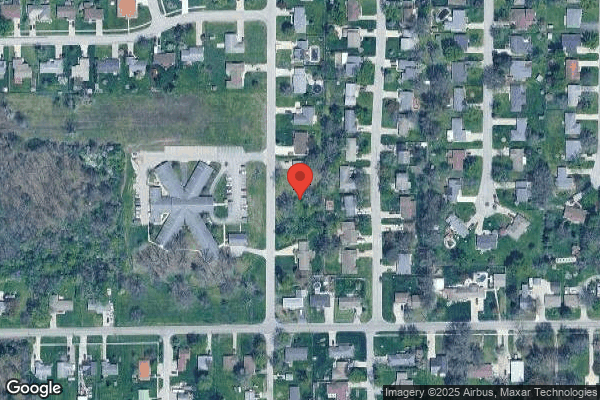

214 HARDING STREET, DEFIANCE, OH 43512 (419) 784-1014
For profit - Limited Liability company 89 Beds LIONSTONE CARE Data: November 2025
Trust Grade
65/100
#231 of 913 in OH
Last Inspection: March 2025

Within standard 12-15 month inspection cycle. Federal law requires annual inspections.

Overview

Brookview Healthcare Center has a Trust Grade of C+, indicating that it is slightly above average but not outstanding. It ranks #231 out of 913 facilities in Ohio, placing it in the top half, and is the best option among the three nursing homes in Defiance County. Unfortunately, the facility's trend is worsening, with the number of issues increasing from 1 in 2024 to 7 in 2025. Staffing is a weak point, with a rating of 2 out of 5 stars and a turnover rate of 51%, which is close to the state average. However, it has no fines on record, which is a positive sign, and it has more RN coverage than 77% of Ohio facilities, allowing for better oversight of resident care. There have been concerning incidents noted during inspections. For example, a resident suffered from constipation for seven days, leading to hospitalization due to a severe blockage. Additionally, the facility failed to maintain proper food sanitation and temperature, potentially risking foodborne illness for all residents. Lastly, staff records revealed a lack of annual tuberculosis testing, which could compromise the health and safety of both residents and staff. Overall, while Brookview has some strengths, such as good RN coverage and no fines, there are significant areas of concern that families should consider.

Trust Score
C+
65/100
In Ohio
#231/913
Top 25%
Safety Record
Moderate
Needs review
Inspections
Getting Worse
1 → 7 violations
Staff Stability
⚠ Watch
51% turnover. Above average. Higher turnover means staff may not know residents' routines.
Penalties
✓ Good
No fines on record. Clean compliance history, better than most Ohio facilities.
Skilled Nurses
⚠ Watch
Each resident gets only 23 minutes of Registered Nurse (RN) attention daily — below average for Ohio. Fewer RN minutes means fewer trained eyes watching for problems.
Violations
⚠ Watch
25 deficiencies on record. Higher than average. Multiple issues found across inspections.
★★★★☆
4.0
Overall Rating
★★☆☆☆
2.0
Staff Levels
★★★★★
5.0
Care Quality
★★★☆☆
3.0
Inspection Score
Stable
2024: 1 issues
2025: 7 issues

The Good

  • 5-Star Quality Measures · Strong clinical quality outcomes
  • Full Sprinkler Coverage · Fire safety systems throughout facility
  • No fines on record

Facility shows strength in quality measures, fire safety.

The Bad

Staff Turnover: 51%

Near Ohio avg (46%)

Higher turnover may affect care consistency

Chain: LIONSTONE CARE

Part of a multi-facility chain

Ask about local staffing decisions and management

The Ugly 25 deficiencies on record

1 actual harm
Mar 2025 7 deficiencies 1 Harm
SERIOUS (G)

Actual Harm - a resident was hurt due to facility failures

Quality of Care (Tag F0684)

A resident was harmed · This affected 1 resident

Based on resident interview, medical record review, hospital record review, staff interview, and policy review, the facility failed to ensure residents received timely treatment for constipation. This...

Read full inspector narrative →
Based on resident interview, medical record review, hospital record review, staff interview, and policy review, the facility failed to ensure residents received timely treatment for constipation. This resulted in actual harm after Resident #14 had no bowel movement (BM) for seven days in the facility and was admitted to the hospital the following day with abdominal pain and was found to be impacted with stool. This affected one (#14) resident reviewed for bowel movements. The facility census was 72. Findings include: Review of the medical record for Resident #14 revealed an admission date of 12/08/24 with diagnoses of constipation, anxiety, and generalized abdominal pain. Review of the comprehensive admission assessment completed 12/14/24 revealed Resident #14 had intact cognition and was occasionally incontinent of bowel. Constipation was not present at the time of the assessment. Resident #14's care plan, reviewed on 03/26/25, revealed a care area initiated 01/17/25 indicating Resident #14 was at risk for alteration in elimination constipation. The goal was for Resident #14 to have a bowel movement every 1-3 days. Interventions included assessing for abdominal distention and noting type, color, and amount of stool. Review of the current care plan, revised 03/27/25, revealed Resident #14 was at risk for constipation. The goal indicated Resident #14 would have a normal, soft formed, bowel movement through the review date. Interventions included following the facility bowel protocol for bowel management. Review of Resident #14's physician orders active on 01/29/25 revealed an order initiated 12/31/24 for sennosides-docusate sodium oral tablet 8.6-50 milligrams (mg) once daily for constipation. Additionally, Resident #14 had a physician order dated 01/14/25 for Dulcolax rectal suppository 10 mg (bisacodyl), insert one suppository rectally every 24 hours as needed for constipation. Additionally, Resident #14 had a physician order initiated 01/14/25 for Milk of Magnesia Oral Suspension, give 30 milliliters (ml) by mouth as needed for constipation. Finally, Resident #14 had a physician order initiated 12/08/24 for polyethylene glycol powder, give 17 grams by mouth every 24 hours as needed for constipation. Review of Resident #14's physician order initiated 02/05/25 and discontinued on 02/06/25 revealed an order for Enema Rectal Enema (Sodium Phosphates), insert one unit rectally one time only for constipation. Review of Resident #14's BMs in January 2025 and February 2025 revealed no BMs were documented from 01/29/25 through 02/04/25 (seven days). A small BM was documented in the evening of 02/05/25. Review of the Medication Administration Record (MAR) for January 2025 revealed Resident #14 received sennosides-docusate sodium once daily as ordered. No as-needed medications for constipation were administered between 01/29/25 and 01/31/25. Review of the MAR for February 2025 revealed Resident #14 received sennosides-docusate sodium once daily as ordered. Further review revealed Resident #14 received a rectal enema on 02/05/25 at 4:31 P.M. Additionally, Resident #14 received an as-needed dose of Milk of Magnesia on 02/06/25 at 12:24 A.M. Review of a nursing progress note dated 02/06/25 at 8:43 A.M. revealed Resident #14 continued to cry out in pain and requested to go to the emergency room (ER) as Resident #14 stated she had not had a BM in 12 days. Further review revealed the night shift nurse stated Resident #14 was given an enema with no results. The physician was contacted and staff were awaiting a response. Review of the hospital emergency room document, dated 02/06/25 at 11:00 A.M., revealed Resident #14 presented with severe abdominal pain and was dry-heaving. A manual disimpaction was completed with a significant amount of stool removed. Review of the hospital document, General History and Physical, dated 02/07/25 at 11:53 A.M., revealed Resident #14 had abdominal pain and was found to be impacted with stool. Resident #14 was disimpacted and was having bowel movements. Interview on 03/24/25 at 10:07 A.M. with Resident #14, who was lying in her recliner, revealed she was hospitalized after having no BM for 12 days in the facility. Interview on 03/25/25 at 3:46 P.M. with the Director of Nursing (DON) confirmed Resident #14's medical record indicated she had no stool beginning on 01/29/25 through 02/04/25 (seven days). Interview on 03/25/25 at 4:59 P.M. with the DON confirmed no as-needed interventions for constipation were provided to Resident #14 until 02/05/25, after Resident #14 had gone seven days without a BM. Review of the undated policy, Bowel Elimination Policy and Procedure, revealed if a resident has been without a BM for 48 hours the facility would provide 120 ml of prune juice or bran mixture. Further, if the resident has been without a noted BM for 72 hours (24 hours after prune juice or prune mixture has been given) the nurse will consider administering an osmotic laxative such as Milk of Magnesia per physician order. Additionally, if the resident has been without a BM 8 hours after Milk of Magnesia, the nurse will obtain an order, or follow established PRN (as needed) order for a stimulant laxative such as Dulcolax suppository and administer. (This should be effective within 15-60 minutes). Finally, if the resident has been without a bowel movement 8 hours after the suppository was given, the nurse will administer a phosphate enema as ordered by the physician (or as ordered by primary care provider if not previously ordered). Should no results occur at this time, resident assessment and interventions will be reported to the primary care provider for further measures to be taken until bowel elimination has occurred and the resident has no acute symptoms of constipation.
CONCERN (D)

Potential for Harm - no one hurt, but risky conditions existed

Deficiency F0692 (Tag F0692)

Could have caused harm · This affected 1 resident

**NOTE- TERMS IN BRACKETS HAVE BEEN EDITED TO PROTECT CONFIDENTIALITY** Based on observation, resident and staff interview, record review, and policy review, the facility failed to ensure residents re...

Read full inspector narrative →
**NOTE- TERMS IN BRACKETS HAVE BEEN EDITED TO PROTECT CONFIDENTIALITY** Based on observation, resident and staff interview, record review, and policy review, the facility failed to ensure residents received interventions to offset significant weight loss. This affected two (#31 and #60) of three residents reviewed for significant weight loss. The facility census was 72. Findings include: 1. Review of the medical record for Resident #31 revealed an admission date of 02/24/25 with diagnoses of dehydration and moderate protein-calorie malnutrition. Review of the initial comprehensive Minimum Data Set (MDS) assessment, dated 03/03/25, revealed Resident #31 had intact cognition and required set-up or clean-up assistance for eating. Further review of the medical record revealed Resident #31 was hospitalized overnight for altered mental status from 03/10/25 through 03/11/25. Review of the weight history for Resident #31 revealed he weighed 157.7 pounds on 03/10/25, and weighed 138.2 pounds on 03/11/25, upon return from the hospital. Review of the hospital discharge records, dated 03/11/25, revealed no hospital weight and revealed no indication any procedures were performed (such as fluid removal) that could have caused notable weight loss. Review of a current physician order dated 03/11/25 revealed Resident #31 received a sugar-free healthshake with meals for supplement. Review of a nutrition progress note dated 03/19/25 revealed Resident #31 had a significant weight loss of 13.5% since 03/01/25. Further review revealed the current nutrition intervention was a sugar-free house shake with meals. The recommendation was to add liquid protein 30 milliliters once daily. Interview and observation on 03/25/25 at 11:50 A.M. revealed Resident #31 lying in bed with his meal tray on his overbed table. Resident #31 had consumed some of his meal but was more interested in receiving personal care than finishing his meal. Resident #31 stated he was aware he had lost weight. No nutrition supplement was observed on the meal tray or overbed table. Observation on 03/26/25 at 5:34 P.M. revealed the dinner trays were delivered to Resident #31's hall on a cart. Interview on 03/26/25 at 05:40 P.M. with Unit Manager (UM) #314 and concurrent observation of Resident #31's meal tray, still on the cart, revealed no nutrition supplement was on the tray. Additionally, concurrent review of Resident #31's electronic medical record (EMR) with UM #314 confirmed the sugar-free healthshake was to be provided with meals. Observation on 03/27/25 at 8:46 A.M. revealed Certified Nursing Assistant (CNA) #312 talking with Resident #31 in his room. Resident #31's breakfast tray remained on his overbed table and Resident #31 had consumed all of his meal. CNA #312 confirmed there was no evidence Resident #31 received a sugar-free healthshake with his meal. Interview on 03/27/25 at approximately 8:50 A.M. with Dietary Manager #333 revealed she coordinated care for residents with the Registered Dietitian (RD). DM #333 stated the facility usually provided nutrition supplements between meals rather than on meal trays. Upon request from the Surveyor, DM #333 provided a sugar-free healthshake to the Surveyor. Interview on 03/27/25 at approximately 9:00 A.M. with Resident #31 revealed he recognized the sugar-free healthshake in the Surveyor's hand. Resident #31 stated the supplements were full of vitamins, he liked them, and he wanted to drink them. The Surveyor returned the sugar-free healthshake to staff to provide to Resident #31 as ordered. 2. Review of the medical record for Resident #60 revealed an admission date of 10/13/23 with diagnoses of dementia and dysphagia (difficulty swallowing). Review of the quarterly MDS assessment dated [DATE] revealed Resident #60 had impaired cognition, was able to feed himself with set-up or clean-up assistance. Review of the weight history for Resident #60 revealed a weight of 162 pounds on 11/01/24, indicating a significant weight loss of 8.1% over 30 days from a weight of 176.2 pounds on 10/04/24. Resident #60's weights remained in the 160-pound range from 11/01/24 through 03/26/25. Review of a dietary progress note dated 11/04/24 revealed a reweigh was requested and pending. Review of a dietary progress note dated 12/02/24, written by RD #405, revealed Resident #60 had a significant weight loss of 9.2% over 90 days. Further review revealed the weight loss was stabilized and Resident #60's current body mass index (BMI) was 26.2 indicating Resident #60 was overweight. RD #405 did not recommend any new interventions for Resident #60 to offset the significant weight loss. Review of a dietary progress note dated 03/10/25, written by RD #405, revealed Resident #60's weight had stabilized in the 160-pound range, though he showed a significant weight loss of 12% over 180 days. RD #405 recommended double portions for added nutrition support. Review of the current physician order, dated 02/03/25 and revised 03/24/25, revealed Resident #60 received a gluten free, mechanical soft texture, nectar thickened liquids diet with food in separate bowls. All bowls to be suction cup bowls. Small red spoon on all meal trays. Resident intolerant of gluten and dairy products. Double portions. Interview on 03/25/25 at 11:24 A.M. with [NAME] #337 and DM #333 revealed they both were aware Resident #60 was recently changed to double portions. Observation on 03/25/25 at 11:26 A.M. during the noon meal service revealed Resident #60 independently consuming his meal. Resident #60 received cauliflower, sweet potatoes, and ground chicken, each in separate bowls. The cauliflower and sweet potatoes did not appear to be a double portion. Review of Resident #60's meal ticket indicated he should receive large portions. Observation on 03/26/25 at 11:01 A.M. revealed [NAME] #337 plating Resident #60's lunch meal. [NAME] #337 served one 4-ounce scoop of vegetable blend, one 4-ounce scoop of mashed potatoes, and one 4-ounce scoop of ground beef brisket. [NAME] #337 covered each bowl with a plastic lid. Concurrent interview with [NAME] #337 confirmed she provided a single scoop of each food item for Resident #60. [NAME] #337 then read Resident #60's meal ticket and determined Resident #60 should receive double portions. [NAME] #337 proceeded to remove the lids from each bowl and add a second scoop. Telephone interview on 03/26/25 at 4:30 P.M. with RD #405 confirmed Resident #60's weight on 11/01/24 revealed a significant weight loss. RD #405 confirmed no re-weight was obtained. RD #405 confirmed she should have written a progress note and assessed Resident #60 after the significant weight change on 11/01/24. RD #405 further confirmed she did not recommend any nutrition intervention to offset the significant weight loss in the progress note dated 12/02/24. Additionally, RD #405 confirmed she recommended double portions for Resident #60 on 03/10/25 and the double portions were not added to Resident #60's orders until 03/24/25. Review of the policy, Weight Management Program and Weight Gain/Loss Policy, revised 08/2024, revealed if there is a weight loss/gain of five percent or more from the previous month, the resident will be reweighed. Additionally, the Director of Nursing (DON) or designee will review the dashboard for high-risk weight change progress notes daily and address accordingly.
CONCERN (D)

Potential for Harm - no one hurt, but risky conditions existed

Deficiency F0698 (Tag F0698)

Could have caused harm · This affected 1 resident

**NOTE- TERMS IN BRACKETS HAVE BEEN EDITED TO PROTECT CONFIDENTIALITY** Based on observation, medical record review, staff and resident interview, and policy review, the facility failed to ensure resi...

Read full inspector narrative →
**NOTE- TERMS IN BRACKETS HAVE BEEN EDITED TO PROTECT CONFIDENTIALITY** Based on observation, medical record review, staff and resident interview, and policy review, the facility failed to ensure resident's dialysis access sites were monitored by the facility. Additionally, the facility failed to ensure pre and post dialysis evaluations were completed. This affected two residents (#21 and #24) of two reviewed for dialysis. This facility census was 72. Findings include: 1. Review of the medical record of Resident #21 revealed an admission date of 02/21/25. Diagnoses included end stage renal disease and dependence on renal dialysis. Review of the admission Minimum Data Set (MDS) assessment dated [DATE] revealed Resident #21 was cognitively intact, and diagnoses were listed. The assessment further indicated Resident #21 was on hemodialysis while a resident. Review of the physician orders revealed an order dated 02/24/25 to monitor the AV fistula for bruit and thrill every shift. A second order was placed on 03/25/25, after surveyor inquired, to monitor the left arm for bruit/thrill every shift. Review of the medical record revealed Resident #21 the following pre/and or post dialysis evaluations absent: 02/24/25 no post; 02/27/25 no post; 03/03/25 pre and post; 03/05/25 pre and post; 03/07/25 pre; 03/10/25 post; 03/12/25 post; 03/14/25; post; 03/17/25 post; 03/19/25 post; 03/21/25 post; and 03/21/25 pre and post. The evaluation consisted of assessing the access site for bruit, thrill, decreased circulation distal to the site, and skin color and turgor. This form was to be sent to the dialysis center with Resident #21. Interview on 03/24/25 at 8:36 A.M. with Resident #21 revealed the facility staff do not monitor his arteriovenous graft. He stated he removes the Band-Aid the day after dialysis himself. Interview on 3/25/25 at 11:22 A.M. with the Director of Nursing (DON) revealed Assistant DON #301 had placed an order on 02/24/25 to monitor the fistula every shift, for bruit and thrill, but had failed to schedule the times, henceforth, it had not appeared on the MAR or TAR. Interview on 03/25/25 at 3:18 P.M. with Registered Nurse #376 revealed the nurse will complete a pre-dialysis assessment in the electronic record, print it off and send it with the resident. The dialysis center will send it back with the weights and any notes. As far as she knows, the facility does not keep these. Interview on 03/25/25 at 3:31 P.M. with Regional Clinical Support Nurse (RSCN) #396 revealed the facility should be sending communication with the resident. A follow-up interview with RCSN #396 revealed the facility practice is to fill out the pre-dialysis assessment, print it out, and send that with the resident to the dialysis center. Interview on 03/26/25 at 1:00 P.M. with RCSN #396 provided verification of the lack of pre and/or post dialysis assessments. Review of the policy titled Dialysis Care revised 08/24, revealed the bruit and thrill of the fistula was to be assessed every shift for patency and recorded on the Medication Administration Record. The facility shall use a form to communicate with the dialysis center with each visit. The nurse will complete an assessment of the resident prior to leaving the facility and upon return from the dialysis center. 2. Review of Resident #24's medical record revealed an admission date of 02/10/25. Diagnoses included end stage renal disease, type II diabetes, dysphagia, muscle weakness and dependence on renal dialysis. Review of Resident #24's Minimum Data Set (MDS) dated [DATE] revealed a Brief Interview for Mental Status (BIMS) score 15 indicating Resident #24 was cognitively intact. Resident #24 was independent with toilet use, bed mobility, and transfer. Resident #24 required moderate assistance with bathing. Resident #24 displayed no behaviors during the review period. Resident #24 was on dialysis at the time of the review. Review of Resident #24's care plan revised 03/24/25 revealed the resident received hemodialysis Monday, Wednesday, and Friday. Dialysis interventions included check for new orders upon return from dialysis, diet as ordered, maintain communication with dialysis staff and physician, monitor dialysis access site, left chest port for signs and symptoms of infection, and weights as ordered. Review of Resident #24's physician orders revealed an order dated 02/11/25 for a dialysis port left chest. There was no order found for the placement of Resident #24's fistula and no order for monitoring Resident #24's fistula for thrill and bruit for her new graph site which began on 03/20/25. Review of Resident #24's Medication Administration Record (MAR) and Treatment Administration Record (TAR) found neither record contained documentation or a location to document monitoring of Resident #24's new graph site, thrill or bruit. Interview on 03/24/25 at 2:39 P.M. with Resident #24 found she had just returned from dialysis. Resident #24 reported she had a port that was currently being used for her dialysis. Resident #24 reported she had previously had a fistula access on her right arm but it repeatedly was clogged so the port was added and the right arm fistula was removed. Resident #24 stated a port was not supposed to be for long term use so last week she had a fistula created on her left upper arm. Interview on 03/26/25 at 1:14 P.M. with Licensed Practical Nurse (LPN) #298 verified Resident #24 had a fistula graph created in her left upper extremity on 03/20/25. LPN #298 also verified the standard of practice was to check the thrill and bruit of a fistula and there was not a place in the system for Resident #24's monitoring to be documented. LPN #298 reported she checked Resident #24's fistula for thrill and bruit but verified there was no direction for others to do the same and no documentation the checks were completed. Review of the facility policy titled, Dialysis Care, revised August 2024 revealed bruit and thrill of the fistula was to be assessed every shift for patency and recorded on the Medication Administration Record. In addition, the facility would complete an assessment of the resident prior to leaving the facility and upon return to the facility for each dialysis visit.
CONCERN (D)

Potential for Harm - no one hurt, but risky conditions existed

Pharmacy Services (Tag F0755)

Could have caused harm · This affected 1 resident

**NOTE- TERMS IN BRACKETS HAVE BEEN EDITED TO PROTECT CONFIDENTIALITY** 2. Review of the medical record of Resident #21 revealed an admission date of 02/21/25. Diagnosis included dysfunctional dyspeps...

Read full inspector narrative →
**NOTE- TERMS IN BRACKETS HAVE BEEN EDITED TO PROTECT CONFIDENTIALITY** 2. Review of the medical record of Resident #21 revealed an admission date of 02/21/25. Diagnosis included dysfunctional dyspepsia. Review of the admission MDS assessment dated [DATE] revealed Resident #21 was cognitively intact. Review of the physician order dated 02/21/25 revealed an order for Tenapanor (for irritable bowel syndrome) 25 milligrams by mouth twice daily. Review of the Medication Administration Records for 02/25 and 03/25 revealed Resident #21 had not received the medication. Review of the progress note dated 02/25/25, written by Director of Nursing (DON), revealed Doctor notified that Tenapanor is not available for pharmacy. No further communications with either the pharmacy nor the doctor was located until this surveyor mentioned it. A second progress note dated 03/26/25 at 1:16 P.M. revealed a discussion with the pharmacy regarding the delay in delivery of Tenapanor. The pharmacy stated the medication had fallen off their medication list and needed to be re-ordered. The lack of medication was also reported to the dialysis center, checking to see if this medication was administered at the dialysis center. The dialysis nurse stated that is not one they administer. The doctor was notified of the restart of this medication. Interview on 03/27/25 at 2:40 P.M. with DON provided verification the Tenapanor had not been administered and the lack of communication with the doctor. Based on resident interview, medical record review, and staff interview, the facility failed to ensure residents received medications as ordered. This affected two (#21 and #123) of eight residents reviewed for medications. The facility census was 72. Findings include: 1. Review of the medical record for Resident #123 revealed an admission date of 03/11/25 with diagnoses of metabolic encephalopathy, and type 2 diabetes mellitus. Review of the comprehensive admission Minimum Data Set (MDS) assessment, dated 03/17/25, revealed Resident #123 had intact cognition. Review of a discontinued physician order, active 03/11/25 through 03/19/25, revealed Resident #123 received Lactulose Oral Solution 10 grams (gm) per 15 milliliters (ml). Give 60 ml by mouth three times daily for hyperammonemia (elevated ammonia in the blood). Review of a discontinued physician order, active 03/19/25 through 03/26/25, revealed Resident #123's Lactulose Oral Solution dose increased to 75 ml three times daily. Review of the current physician order, dated 03/26/25, revealed Resident #123's Lactulose Oral Solution dose increased to 85 ml three times daily. Review of a laboratory test collected 03/18/25 and reported 03/18/25 revealed Resident #123's ammonia level was 159 micromols per liter (umol/L). Further review revealed the normal range was 18-72 umol/L. Review of a laboratory test collected 03/20/25 and reported 03/20/25 revealed Resident #123's ammonia level increased to 186 umol/L. Review of the physician office visit progress note dated 03/19/25 revealed Resident #123's hepatic encephalopathy was stable. The physician documented Resident #123's ammonia level was elevated to 189 on that day, and the plan was to increase the lactulose dose to 75 ml three times daily. Review of the March 2025 Medication Administration Record (MAR) for Resident #123 revealed a 5 in the afternoon and a 9 for the evening dose of lactulose on 03/11/25. Further review revealed a 9 for the afternoon and evening dose on 03/24/25 and a 9 for the morning dose of lactulose on 03/25/25. All other doses of lactulose had a checkmark. Review of the Chart Codes for the MAR revealed a 5 indicated hold/see nurse notes, and a 9 indicated other/see nurse notes. Review of a progress note dated 03/11/25 at 6:08 P.M. revealed Resident #123's lactulose was not given because it was on order. Review of a progress note dated 03/11/25 at 9:49 P.M. revealed Resident #123's lactulose was not given because the facility was awaiting delivery. Review of a progress note dated 03/24/25 at 4:40 P.M. revealed Resident #123's lactulose was not given because it was in transit from the pharmacy. Review of a progress note dated 03/24/25 at 9:50 P.M. revealed Resident #123's lactulose was not given because the facility was awaiting delivery. Review of a progress note dated 03/25/25 at 2:38 A.M. revealed the facility contacted the pharmacy regarding Resident #123's lactulose and the pharmacy indicated the lactulose would be delivered 03/25/25. Review of a progress note dated 03/25/25 at 9:59 A.M. revealed Resident #123's lactulose was not given because the facility was waiting on delivery. Interview on 03/24/25 at 9:59 A.M. with Resident #123 revealed she had cirrhosis of the liver and the ammonia level in her blood built up. Resident #123 stated she received lactulose to keep the ammonia levels down. Resident #123 stated she did not receive her full dose of lactulose with her morning medications and was told the facility was out of lactulose. Interview on 03/25/25 at 9:07 A.M. with Resident #123 revealed she had not received her morning medications. Further interview with Resident #123 revealed she did not receive her afternoon or evening doses of lactulose on 03/24/25. Interview on 03/25/25 at 9:47 A.M. with Licensed Practical Nurse (LPN) #400 revealed she received report from the night shift nurse who stated the facility did not have any lactulose for Resident #123. LPN #400 stated the pharmacy was supposed to deliver it on 03/25/25. Interview on 03/25/25 at 2:33 P.M. with LPN #400 revealed no lactulose had been delivered. Observation and interview on 03/25/25 at 3:15 P.M. with LPN #400 revealed she received the lactulose for Resident #123 and was in the process of pouring the 75 ml dose. Interview on 03/27/25 at 3:12 P.M. with the Assistant Director of Nursing (ADON) #301 and concurrent review of the March 2025 MAR for Resident #123 confirmed Resident #123 did not receive the first two doses of lactulose upon admission on [DATE]. ADON #301 stated sometimes medications were not available the first day of admission.
CONCERN (D)

Potential for Harm - no one hurt, but risky conditions existed

Drug Regimen Review (Tag F0756)

Could have caused harm · This affected 1 resident

**NOTE- TERMS IN BRACKETS HAVE BEEN EDITED TO PROTECT CONFIDENTIALITY** Based on a review of pharmacy recommendations, record review, and staff interview, the facility failed to ensure timely response...

Read full inspector narrative →
**NOTE- TERMS IN BRACKETS HAVE BEEN EDITED TO PROTECT CONFIDENTIALITY** Based on a review of pharmacy recommendations, record review, and staff interview, the facility failed to ensure timely response to pharmacy recommendations for residents on psychotropic medications. This affected three (#11, #60, and #62) of five residents reviewed for pharmacy recommendations. The facility census was 72. Findings include: 1. Review of the medical record of Resident #11 revealed an admission date of 06/14/11. Diagnoses included anxiety disorder, schizoaffective disorder, major depressive disorder, paranoid schizophrenia, long-term use of opiate analgesic, and chronic pain syndrome. Review of the, Physician Recommendation Forms, the facility failed to ensure a physician addressed the recommendations of the pharmacist. On 03/09/24 the pharmacist indicated hydroxyzine 25 milligrams (mg) was ordered twice daily and was due for an evaluation for continued use. On 04/10/24 the pharmacist indicated a quarterly review was due for further use of Trazadone 150 mg at bedtime, per State and Federal regulations. On 06/21/24 per the guidelines for psychotic drug therapy, the antipsychotic Quetiapine 150 mg twice daily was due for evaluation for continued use. On 07/05/24 a quarterly review was due for further use according to State and Federal regulations for Trazadone 150 mg at bedtime. On 08/12/24 per the guidelines for psychotic drug therapy, Buspirone 10 mg three times daily was due for the semi-annual review for continued use. On 10/08/24 a quarterly review was due for the psychoactive medication Trazadone 150 mg at bedtime for continued use as per State and Federal regulations. On 01/13/25 the antipsychotic medication Quetiapine 100 mg at bedtime was due for the semi-annual review for continued use per State and Federal regulations, and a quarterly review of Trazadone 150 mg at bedtime. On 02/18/25 the antidepressant medication Duloxetine 30 mg daily was due for a semi-annual review for continued use. None of the forms had been signed by a physician. Interview on 03/27/25 at 2:40 P.M. with Director of Nursing provided verification none of the forms had been signed/addressed by the physician. 2. Review of the medical record for Resident #60 revealed an admission date of 10/13/23 with diagnoses of dementia and heart disease. Review of the quarterly MDS assessment, dated 01/19/25, revealed Resident #60 had impaired cognition, and received medications for anxiety and depression. Review of a pharmacy recommendation dated 08/12/24 revealed a recommendation for Resident #60 to have laboratory tests drawn every six months. Further review revealed the physician agreed, and the agreement to order laboratory tests was noted 09/20/24. Review of the laboratory test results completed for Resident #60 revealed they were drawn on 09/24/24. 3. Review of the medical record for Resident #62 revealed an admission date of 06/20/24 with diagnoses of Alzheimer's disease, dementia, and psychotic disorder with delusions. Review of the quarterly MDS assessment dated [DATE] revealed Resident #62 had impaired cognition and received antipsychotic medications. Review of a pharmacy recommendation, dated 11/20/24, revealed Resident #62 received olanzapine 5 mg twice daily. Further review revealed a recommendation for a gradual dose reduction. Review of a nursing progress note dated 02/14/25 revealed the Nurse Practitioner ordered olanzapine be decreased from 5 mg twice daily to 5 mg in the morning and 2.5 mg in the evening. Review of the current physician order, dated 02/15/25, revealed Resident #62 received olanzapine (an antipsychotic medication), 5 milligrams (mg) every morning and 2.5 mg every night. Interview on 03/27/25 at 2:40 P.M. with the Director of Nursing confirmed the facility did not respond timely to the pharmacy recommendations for Resident #60 and Resident #62.
CONCERN (D)

Potential for Harm - no one hurt, but risky conditions existed

Deficiency F0760 (Tag F0760)

Could have caused harm · This affected 1 resident

Based on resident interview, record review, staff interview, and policy review, the facility failed to ensure residents received insulin as ordered by the physician. This affected one (#123) of eight ...

Read full inspector narrative →
Based on resident interview, record review, staff interview, and policy review, the facility failed to ensure residents received insulin as ordered by the physician. This affected one (#123) of eight residents reviewed for medications. The facility census was 72. Findings include: 1. Review of the medical record for Resident #123 revealed an admission date of 03/11/25 with diagnoses of metabolic encephalopathy and type 2 diabetes mellitus. Review of the comprehensive admission Minimum Data Set (MDS) assessment, dated 03/17/25, revealed Resident #123 had intact cognition. Review of the baseline care plan dated 03/13/25 revealed Resident #123 had diabetes. Review of the current physician order dated 03/11/25 revealed Resident #123 received Humalog KwikPen Subcutaneous Solution Pen-Injector 100 units per milliliter (ml) (Insulin Lispro), inject 8 units subcutaneously (SQ) three times a day for diabetes mellitus (DM). The scheduled dosing times were 8:00 A.M., 11:00 A.M. and 5:00 P.M. Review of the current physician order dated 03/13/25 revealed Resident #123 received Humalog Injection Solution (Insulin Lispro) per sliding scale for type 2 DM, AC (before meals) and HS (bedtime). The scheduled dosing times were 7:30 A.M., 11:00 A.M., and 4:00 P.M. Interview on 03/25/25 at 9:07 A.M. with Resident #123 revealed she had not received her morning medications. Interview on 03/25/25 at 9:47 A.M. with Licensed Practical Nurse (LPN) #400 revealed she worked for an agency and worked infrequently at the facility. LPN #400 confirmed she had not provided Resident #123's medications yet. Continued interview and concurrent review of the electronic medical record (EMR) for Resident #123 with LPN #400 revealed the orders Resident #123's two Humalog insulin injections were overdue. Interview on 03/25/25 at approximately 5:15 P.M. with Regional Clinical Support Nurse (RCSN) #396, and concurrent review of the EMR for Resident #123, confirmed the morning Humalog doses for Resident #123 were given at 9:55 A.M. and both medications were overdue. 2. Review of the hospital discharge orders for Resident #123, dated 03/11/25, revealed Resident #123 should receive Tresiba FlexTouch (insulin) 200 unit per ml, give 9 units into the skin daily. Review of the physician office visit progress note dated 03/19/25 revealed Resident #123's blood glucose levels had been fluctuating, with several readings in the high 200's and 300's. Further review revealed the physician ordered an increase in Tresiba from 9 units SQ daily to 11 units SQ daily. Review of the current physician orders on 03/25/25 at 3:15 P.M. for Resident #123 revealed no active orders for Tresiba. Interview on 03/25/25 at 3:19 P.M. with the Director of Nursing (DON) and concurrent review of Resident #123's EMR revealed Resident #123 received one dose of Tresiba, 9 units, on 03/11/25 and did not receive any other doses. The DON confirmed the order for Tresiba, 9 units, was initiated 03/11/25 and discontinued on 03/11/25. Further, the DON confirmed the order for Tresiba, 11 units, was initiated 03/21/25 and discontinued on 03/21/25 and Resident #123 received no dose of Tresiba at 11 units. Follow-up interview on 03/25/25 at 4:59 P.M. with the DON revealed the pharmacy who provided the facility's medication canceled the order for Tresiba with the intention of replacing it with a generic version. The DON stated the pending order for the generic version was never confirmed and therefore, Resident #123 did not receive Tresiba as ordered after 03/11/25. Review of the undated policy, Medication Dispensing System, revealed medications are administered in a timely fashion as specified by policy.
CONCERN (D)

Potential for Harm - no one hurt, but risky conditions existed

Infection Control (Tag F0880)

Could have caused harm · This affected 1 resident

Based on observation, staff interview, and policy review, the facility failed to ensure staff wore gloves when administering injections. This affected three residents (#21, #122, and #123) observed fo...

Read full inspector narrative →
Based on observation, staff interview, and policy review, the facility failed to ensure staff wore gloves when administering injections. This affected three residents (#21, #122, and #123) observed for insulin injections. Additionally, the facility staff did not disinfect a glucometer between resident use. This affected two residents (#21 and #122). Further, the facility failed to ensure staff wore proper personal protective equipment and practiced appropriate hand hygiene. This affected two residents (#122 and #123). The facility census was 72. Findings include: 1. Review of the medical record of Resident #21 revealed an admission date of 02/21/25. Diagnoses included type II diabetes mellitus. Review of the medical record of Resident #122 revealed an admission date of 03/19/25. Diagnoses included type II diabetes mellitus. Review of the medical record of Resident #123 revealed an admission date of 03/11/25 Diagnoses included type II diabetes mellitus. Observation on 03/26/25 at 8:05 A.M. revealed Licensed Practical Nurse (LPN) #400 administered seven units of Humalog insulin subcutaneously (sq) to Resident #21 without wearing gloves. At 8:30 A.M. LPN #400 administered 12 units Humalog insulin sq to Resident #123 without wearing gloves. At 8:44 A.M. LPN #400 administered 14 units Lantus insulin sq to Resident #122 without wearing gloves. Interview on 03/26/25 at 9:00 A.M. with LPN #400 provided verification she had not worn gloves while administering insulin injections to Residents #21, #122, and #123. 2. Observation on 03/26/25 at 8:00 A.M. revealed Licensed Practical Nurse (LPN) #400 exit the room of Resident #21 with a glucometer. LPN #400 placed the device into the drawer of the medication cart, without disinfecting, a second device was in the drawer. At 8:40 A.M. LPN #400 obtained a glucometer from the drawer and used it to obtain a blood sugar reading on Resident #122. Interview on 03/26/25 at 9:00 A.M. with LPN #400 provided verification she had not disinfected the glucometer between use on Residents #21 and #122. Review of the policy titled, Cleaning and Disinfection of Resident-Care Items and Equipment, dated 10/18, revealed equipment will be cleaned and disinfected before use by another resident. 3. Review of the medical record for Resident #122 revealed an admission date of 03/19/25 with congestive heart failure, bacteremia, and methicillin susceptible staphylococcus aureus (MSSA) infection. Review of the Nursing admission Evaluation, dated 03/19/25, revealed Resident #122 was alert and oriented to self, time, and place. Review of the physician order dated 03/20/25 revealed Resident #122 received cefazolin sodium injection solution (an antibiotic) for MSSA bacteremia. Review of the physician order dated 03/24/25 revealed Resident #122 was in contact precautions due to an infection of his wound. Observation on 03/24/25 at approximately 2:40 P.M. revealed an orange sign posted on Resident #122's door reading Contact Precautions. Wear gown and gloves upon entering. Further observation revealed a plastic set of drawers in the hallway outside Resident #122's door containing disposable gowns, gloves, and masks. Interview and observation on 03/24/25 at approximately 2:45 P.M. with Resident #122 revealed he had a dark substance under his fingernails. Resident #122 stated he often scratched at his scabs and verified the substance under his nails could be blood. Resident #122 further stated he was able to independently wash and clean his own fingernails. Additional observation revealed Resident #122 holding his cellular phone during the interview. Observation on 03/24/25 at 2:55 P.M. revealed the Director of Nursing (DON) entering Resident #122's room without first putting on a disposable gown or gloves. The DON picked up a tie from the Surveyor's disposable gown from the ground and placed it in the trash. The DON then began to discuss with Resident #122 difficulties regarding arranging transportation to an appointment. Resident #122 handed his phone to the DON to show the DON a text conversation between Resident #122 and the transportation company. The DON held Resident #122's phone, read the information, and handed Resident #122's back to him. Continued observation revealed the DON left Resident #122's room, without performing hand hygiene, walked into the hall, and walked directly into Resident #123's room whose call light was on. The DON walked into the bathroom to assist Resident #123 who was seated on the toilet. Before the DON began to assist Resident #123, Certified Nursing Assistant (CNA) #345 entered the room and offered to assist Resident #123. The DON then left the bathroom and walked out of Resident #123's room. Interview on 03/24/25 at approximately 3:00 P.M. with the DON confirmed she did not put on a gown or gloves before entering Resident #122's room, confirmed she picked up a tie from the ground with her bare hands in Resident #122's room, held Resident #122's cellular phone in her hands, and did not perform hand hygiene before entering Resident #123's bathroom to provide personal care. The DON confirmed she should have put on a gown and gloves before entering Resident #122's room. The DON further stated she planned to wash her hands in Resident #123's bathroom before providing assistance. Review of the undated policy, Hand Hygiene, revealed staff will perform hand hygiene when indicated, using proper technique consistent with accepted standards of pratice.
Jan 2024 1 deficiency
CONCERN (D) 📢 Someone Reported This

A family member, employee, or ombudsman was alarmed enough to file a formal complaint

Potential for Harm - no one hurt, but risky conditions existed

Notification of Changes (Tag F0580)

Could have caused harm · This affected 1 resident

**NOTE- TERMS IN BRACKETS HAVE BEEN EDITED TO PROTECT CONFIDENTIALITY** Based on medical record review, staff interview, and review of facility policy, the facility failed to follow their policy title...

Read full inspector narrative →
**NOTE- TERMS IN BRACKETS HAVE BEEN EDITED TO PROTECT CONFIDENTIALITY** Based on medical record review, staff interview, and review of facility policy, the facility failed to follow their policy titled Weight Management Program and Weight Loss by ensuring the physician was notified of significant weight loss. This affected three (#10, #56 and #78) out of three residents reviewed for weight loss. The facility census was 79. Findings Include: 1. Review of the medical record for Resident #56 revealed an admission date of 07/08/23 with a diagnosis of multi-system degeneration of autonomic nervous system. Review of the physician orders for 01/23 revealed a diet order of regular mechanical soft, chopped meat diet with thin liquids and house supplement two times per day. Review of the quarterly Minimum Data Set (MDS) dated [DATE] revealed Resident #56 required set-up for meals and was identified for weight loss and required a mechanically altered diet. Review of the care plan revised 10/23 for Resident #56 revealed she was care planned for nutritional problems. Review of the dietician note dated 12/06/23 revealed weight loss of 7.6 % in three month, a slow and steady decline, intakes vary widely from over the past 30 days and has decreased to 25%-50%. Resident #56 receiving hospice services, and the Director of Nursing (DON) was notified. There was no documentation regarding physician notification regarding Resident #56's weight loss. 2. Review of the medical record for Resident #10 revealed an admission date of 06/30/23 with a diagnosis of Alzheimer's disease. Review of the physician orders for 01/23 revealed a diet order of regular pureed diet with nectar thickened liquids and house supplement three times per day. Review of the quarterly MDS dated [DATE] revealed the Resident #10 required maximum assist with eating and was identified for weight loss and required a mechanically altered diet. Review of the care plan revised 01/24 for Resident #10 revealed she was care planned for nutritional problems. Review of the dietician note dated 12/06/23 revealed weight loss of 6.9 % in one month, a recent decline, intake regularly 75%-100% and two episodes of decreased intake each episode lasting a few days. Resident #10 receiving hospice services, and the Director of Nursing DON was notified. There was no documentation regarding physician notification regarding Resident #10's weight loss. Review of the quarterly dietary assessment dated [DATE] revealed Resident #10 is consuming approximately 50%-100% of the supplement. 3. Review of the medical record for Resident #78 revealed an admission date of 08/01/23 with a diagnosis of protein-calorie malnutrition. Review of the physician orders for 01/23 revealed a diet order of mechanical soft diet with honey thickened liquids. Review of the quarterly MDS dated [DATE] revealed the Resident #78 required supervision with eating and was identified for weight loss and required a mechanically altered diet. Review of the care plan revised 12/23 for Resident #78 revealed he was care planned for nutritional problems. Review of the dietician note dated 12/06/23 revealed sudden weight loss of 12% in one month, with the last month of weight being stable, intake varying widely from 25%-50% and accepts snacks. Resident #78 receiving hospice services, and the DON was notified. There was no documentation regarding physician notification regarding Resident #78's weight loss. Interview on 01/11/24 at 3:50 P.M. with the DON confirmed there was no documentation in the charts for Resident #56, Resident #78 and Resident #10 regarding notifying the physician of significant weight loss for the past three months identified by the registered dietician. Interview on 01/11/24 at 4:00 P.M. with the Administrator stated, notifications to the physician of weight loss is usually by fax, for December 2023 someone dropped the ball and notifications weren't completed. Review of the facility policy titled Weight Management Program and Weight loss Policy undated revealed the facility will consider five percent weight loss or gain in 30 days, seven and half percent weight loss or gain in 90 days, and 10% weight loss or gain in six months, will be considered a significant change. The Physician and responsible party will be notified of weight loss per above criteria. This deficiency represents non-compliance investigated under Complaint Number OH00149399.
May 2023 3 deficiencies
CONCERN (D) 📢 Someone Reported This

A family member, employee, or ombudsman was alarmed enough to file a formal complaint

Potential for Harm - no one hurt, but risky conditions existed

Deficiency F0561 (Tag F0561)

Could have caused harm · This affected 1 resident

**NOTE- TERMS IN BRACKETS HAVE BEEN EDITED TO PROTECT CONFIDENTIALITY** Based on medical record review, resident interview, staff interview, review of the shower schedule, and review of resident showe...

Read full inspector narrative →
**NOTE- TERMS IN BRACKETS HAVE BEEN EDITED TO PROTECT CONFIDENTIALITY** Based on medical record review, resident interview, staff interview, review of the shower schedule, and review of resident shower sheet documents, the facility failed to provide bathing as desired and as schedule. This affected two (#63 and #92) of three residents reviewed for showers. The facility census was 80. Findings include: 1. Review of the medical record for Resident #63 revealed an admission date of 08/21/19 with diagnoses of hemiplegia and hemiparesis, history of falls, and insomnia. Review of the quarterly Minimum Data Set (MDS) assessment dated [DATE] revealed Resident #63 had intact cognition, required extensive assistance of one person for hygiene, and was totally dependent on one person for bathing. Review of the shower schedule revealed Resident #63 received showers on Wednesdays and Fridays. Review of shower sheet documentation for Resident #63 revealed none were completed after 05/10/23. Interview on 05/22/23 at 3:25 P.M. with Resident #63 stated did not receive a shower the previous Friday as scheduled and wished he had. Resident #63 confirmed he received a shower the previous Wednesday. Interview on 05/24/23 at approximately 10:00 A.M. with the Assistant Director of Nursing (ADON) confirmed there were no additional shower sheets completed for Resident #63. 2. Review of the medical record for Resident #92 revealed an admission date of 05/03/23 with diagnoses of chronic obstructive pulmonary disease and difficulty walking. Resident #92 discharged to another long-term care facility on 05/16/23. Review of the most recently completed MDS assessment, dated 05/10/23, revealed Resident #92 had intact cognition, required extensive assistance of two people for transfers, extensive assistance of one person for bed mobility, dressing, toileting, and hygiene, and supervision with setup for eating. There was no assessment of Resident #92 rejecting care during the review period. Review of the activity assessment dated [DATE] revealed Resident #92 preferred a bed bath in the morning. Review of the shower schedule revealed Resident #92 received showers on Mondays and Thursdays. Review of the shower sheet documentation provided by the facility revealed bathing was not provided on 05/04/23 because Resident #92 had not been evaluated by therapy. Further review revealed Resident #92 received a shower or bath on 05/08/23 and 05/11/23, and there was no documentation of any bathing that occurred on 05/15/23. Interview on 05/24/23 at approximately 10:00 A.M. with the Assistant Director of Nursing (ADON) confirmed no additional shower sheet documentation was completed for Resident #92. Interview on 05/24/23 at approximately 11:00 A.M. with the Director of Nursing (DON) confirmed shower sheets were the only way to track if a resident received showers or baths. Interview on 05/24/23 at 5:44 P.M. with the Regional Nurse stated the facility had no shower policy, and stated showers were expected to be completed as requested and per the shower schedule. This deficiency represents non-compliance investigated under Complaint Number OH00142977.
CONCERN (D) 📢 Someone Reported This

A family member, employee, or ombudsman was alarmed enough to file a formal complaint

Potential for Harm - no one hurt, but risky conditions existed

Safe Environment (Tag F0584)

Could have caused harm · This affected 1 resident

**NOTE- TERMS IN BRACKETS HAVE BEEN EDITED TO PROTECT CONFIDENTIALITY** Based on observation, medical record review, resident interview, and staff interview, the facility failed to ensure a resident's...

Read full inspector narrative →
**NOTE- TERMS IN BRACKETS HAVE BEEN EDITED TO PROTECT CONFIDENTIALITY** Based on observation, medical record review, resident interview, and staff interview, the facility failed to ensure a resident's mattress maintained in a clean and sanitary manner. This affected one (#63) of four residents reviewed for a clean environment. The facility census was 80. Findings include: Review of the medical record for Resident #63 revealed an admission date of 08/21/19 with diagnoses of hemiplegia and hemiparesis, history of falls, and insomnia. Review of the quarterly Minimum Data Set (MDS) assessment dated [DATE] revealed Resident #63 had intact cognition, required extensive assistance of one person for hygiene, and was totally dependent on one person for bathing. Observation on 05/22/23 at 3:25 P.M. revealed Resident #63 lying in bed with a bolstered (high cushioned sides) mattress without bed sheets. There was staining visible on the mattress near the resident's left knee. Interview and observation on 05/22/23 at 3:40 P.M. with State Tested Nurse Aide (STNA) #103 confirmed Resident #63's mattress was stained. Observation and interview on 05/24/23 at 12:00 P.M. with Resident #63 revealed his mattress was without bed sheets and the mattress was stained near his left knee. Interview with Central Supply #100 on 05/24/23 at 12:00 P.M., during the observation and interview with Resident #63, confirmed Resident #63's mattress was stained. Interview on 05/24/23 at 12:16 P.M. with Resident #63 stated it bothered him that his mattress was stained, and stated the facility used to clean it, but they did not seem to clean it anymore. Interview and observation on 05/24/23 at 12:30 P.M. with the Director of Nursing (DON) and Unit Manager #104 confirmed Resident #63's mattress was stained. Interview at that time with Resident #63 revealed he had not been out of bed since his shower on 05/17/23. Unit Manager #104 confirmed Resident #63 needed to be out of the bed to clean the mattress. This deficiency represents non-compliance investigated under Complaint Number OH00143021.
CONCERN (D) 📢 Someone Reported This

A family member, employee, or ombudsman was alarmed enough to file a formal complaint

Potential for Harm - no one hurt, but risky conditions existed

ADL Care (Tag F0677)

Could have caused harm · This affected 1 resident

**NOTE- TERMS IN BRACKETS HAVE BEEN EDITED TO PROTECT CONFIDENTIALITY** Based on observation, medical record review, resident interview, and staff interview, the facility failed to provide timely assi...

Read full inspector narrative →
**NOTE- TERMS IN BRACKETS HAVE BEEN EDITED TO PROTECT CONFIDENTIALITY** Based on observation, medical record review, resident interview, and staff interview, the facility failed to provide timely assistance with shaving. This affected one (#63) of three residents reviewed for activities of daily living. The facility census was 80. Findings include: Review of the medical record for Resident #63 revealed an admission date of 08/21/19 with diagnoses of hemiplegia and hemiparesis, history of falls, and insomnia. Review of the quarterly Minimum Data Set (MDS) assessment dated [DATE] revealed Resident #63 had intact cognition, required extensive assistance of one person for hygiene, and was totally dependent on one person for bathing. Observation on 05/22/23 at 3:25 P.M. revealed Resident #63 lying in bed with an unshaven face. Interview at that time with Resident #63 stated his facial hair was several days growth, and Resident #63 stated he wanted his face to be shaved. Interview on 05/24/23 at 11:41 P.M. with Central Supply #100 stated she spoke with Resident #63's wife the previous day who requested Resident #63 be shaved. Central Supply #100 relayed the request to the two nurse aides working the afternoon of 05/23/23. Observation and interview on 05/24/23 at 12:00 P.M. with Central Supply #100 revealed Resident #63 was still unshaven. Central Supply #100 confirmed Resident #63 remained unshaven. Interview on 05/24/23 at 12:30 P.M. with Unit Manager (UM) #104 stated she was told by both nurse aides working the afternoon of 05/23/23 Resident #63 refused to be shaved by either one of them. UM #104 stated historically Resident #63 only felt comfortable with certain staff shaving him and the two nurse aides working at that time were agency and Resident #63 was unfamiliar with them. Interview on 05/24/23 at 12:35 P.M. with Resident #63 stated he was not offered to be shaved by any staff on 05/23/23, and stated he would have accepted the shave even though he did not know the nurse aides. This deficiency represents non-compliance investigated under Complaint Number OH00142977.
May 2023 1 deficiency
CONCERN (D) 📢 Someone Reported This

A family member, employee, or ombudsman was alarmed enough to file a formal complaint

Potential for Harm - no one hurt, but risky conditions existed

Deficiency F0583 (Tag F0583)

Could have caused harm · This affected 1 resident

**NOTE- TERMS IN BRACKETS HAVE BEEN EDITED TO PROTECT CONFIDENTIALITY** Based on medical record review and staff interview, the facility failed to obtain a release of medical records prior to sending ...

Read full inspector narrative →
**NOTE- TERMS IN BRACKETS HAVE BEEN EDITED TO PROTECT CONFIDENTIALITY** Based on medical record review and staff interview, the facility failed to obtain a release of medical records prior to sending resident medical records to another nursing facility. This affected one (#8) of three residents reviewed for transfers. The facility census was 85. Findings include: Review of the medical record revealed Resident #8 was admitted on [DATE]. Diagnoses included unspecified fracture of shaft of the right fibula and tibia, generalized anxiety disorder, muscle weakness, essential (primary) hypertension, hypothyroidism, Alzheimer's disease with late onset, nonexudative age-related macular degeneration, and mixed hyperlipidemia. Review of Resident #8's Minimum Data Set (MDS) assessment dated [DATE] revealed the resident was moderately cognitively impaired. Review of power of attorney (POA) documentation dated 04/08/22 verified Resident #8 had family named as the power of attorney. Review of a progress note dated 02/28/23 revealed the Administrator and social services met to review an increase in Resident #8's physical aggression, increase in calling, and attention seeking behavior. Facility staff spoke with Resident #8's POA regarding possible placement in a facility with more specialized dementia care. Resident #8's POA voiced agreement and asked for names of possible facilities for alternate placement. Review of a progress note dated 02/28/23 revealed it was expressed to Resident #8's POA of the possibility of the behaviors advancing to where the resident was no longer appropriate for the facility. Resident #8's POA was informed social services would investigate possible options for alternate placement when it was decided that was Resident #8's best option. Review of a progress note dated 03/01/23 revealed Resident#8's POA was in agreement with a transfer to a psychiatric hospital in another facility and provided a list of three facilities in order of preference. Review of a progress note dated 03/01/23 revealed social services called the psychiatric facility Resident #8's POA was in agreement with and nurses notes and a medication list was sent. Further review of the progress note revealed the facility indicated they would call back if they would accept Resident #8. Review of a progress note dated 03/03/23 revealed the psychiatric facility called requesting progress notes from the last couple of days, and Resident #9's family was contacted for verbal approval to send the additional documentation. Review of a progress note dated 03/03/23 revealed Resident #8's family went to the psychiatric facility to take a tour, and the facility received a follow-up call from Resident #8's family reporting they visited the facility and Resident #8 was not accepted at the psychiatric facility until Resident #8 had behaviors. Interview on 05/01/23 at 12:52 P.M. with Admissions Coordinator (AC) #301 stated between the former Director of Nursing (DON) and former Assistant Director of Nursing (ADON) they talked to another nursing facility in a different location which was not communicated to Resident #8's family or POA. AC #301 stated the facility at that location was larger and the facility staff thought it would be a better fit. The facility staff talked to staff members of the other facility, who were previous employees of Resident #8's current facility, and they said to send Resident #8's medical record information to them. AC #301 confirmed she sent Resident #8's medical record information to the other nursing facility, and did not know if Resident #8's POA gave approval to send the medical record information there. AC #3021 stated she was not aware the date the medical information was sent to the other facility, and verified she does not obtain or verify release of information prior to sending information. Review of the medical record for Resident #8 was silent for a release of information or verbal approval to send medical record information to the nursing facility that was not discussed with Resident #8's POA. Interview on 05/01/23 at 1:19 P.M. with Resident #8's POA stated the facility was threatening to discharge Resident #8 due to behaviors, and stated the facility did talk about admitting Resident #8 to a psychiatric facility for short-term care but that facility would not accept Resident #8. Resident #8's POA stated the only nursing facility Resident #8's POA considered was a local facility close to family. Resident #8's POA stated they never contacted any other facilities as a potential option for Resident #8's placement. Resident #8's POA reported the other facility Resident #8's current facility sent medical documents to called her to discuss Resident #8's potential admission to that facility. Resident #8's POA stated she never considered the possibility of transferring Resident #8 to the facility where the medical records were sent, and verified they did not provide approval for release of information to the facility. Interview on 05/01/23 at 2:15 P.M. with the Administrator and Corporate Registered Nurse (RN) #302 verified the facility did not have any documentation of verbal or written approval to send Resident #8's medical information to the nursing facility which received medical records from AC #301. This deficiency represents non-compliance investigated under Complaint Number OH00142213.
Aug 2022 11 deficiencies
CONCERN (D)

Potential for Harm - no one hurt, but risky conditions existed

Deficiency F0578 (Tag F0578)

Could have caused harm · This affected 1 resident

**NOTE- TERMS IN BRACKETS HAVE BEEN EDITED TO PROTECT CONFIDENTIALITY** Based on medical record review, staff interview, and review of policy, the facility failed to ensure a residents code status was...

Read full inspector narrative →
**NOTE- TERMS IN BRACKETS HAVE BEEN EDITED TO PROTECT CONFIDENTIALITY** Based on medical record review, staff interview, and review of policy, the facility failed to ensure a residents code status was identified in the medical record. This affected one (#47) of three residents reviewed for advanced directives. The facility census was 62. Findings include: Review of the medical record for Resident #47 revealed an admission date of 06/12/22. Diagnoses included Alzheimer's disease, hypertension, atrial fibrillation, cerebral infarction, and type II diabetes. Review of the Minimum Data Set (MDS) assessment dated [DATE] revealed Resident #47 was severely cognitively impaired. Additional review of Resident #47's electronic medical record (EMR) and paper chart revealed no information related to the Resident's code status. Interview on 07/26/22 at 2:41 P.M., with Licensed Practical Nurse (LPN) #438 and Registered Nurse (RN) #457 verified Resident #47's code status was not identified in the EMR or paper chart. LPN #438 stated since there was no code status identified, Resident #47 would be treated as a full code. Both LPN #438 and RN #457 confirmed they did not know with certainty Resident #47's code preference. Interview on 07/26/22 at 3:03 P.M., with the Director of Nursing (DON) confirmed Resident #47's code status was not identified. The DON stated typically, upon admission, code status was discussed with the resident and the resident's power of attorney (POA) and an order was obtained from the physician and identified in the EMR. The DON stated she was not sure how Resident #47's code status was missed. Review of the undated policy titled Advance Directives, revealed the resident's right to determine a do not resuscitate (DNR)/Full Code status will be honored.
CONCERN (D)

Potential for Harm - no one hurt, but risky conditions existed

ADL Care (Tag F0677)

Could have caused harm · This affected 1 resident

**NOTE- TERMS IN BRACKETS HAVE BEEN EDITED TO PROTECT CONFIDENTIALITY** Based on observation, resident and staff interview, medical record review, and review of policy, the facility failed to ensure f...

Read full inspector narrative →
**NOTE- TERMS IN BRACKETS HAVE BEEN EDITED TO PROTECT CONFIDENTIALITY** Based on observation, resident and staff interview, medical record review, and review of policy, the facility failed to ensure fingernails were trimmed and maintained in a sanitary manner. This affected one (#13) of three reviewed for activities of daily living. The census was 62. Findings include: Review of Resident #13's medical record revealed an admission date of 10/05/18. Diagnoses included chronic obstructive pulmonary disease, obsessive-compulsive disorder, need for assistance with personal care, hyperlipidemia, adult failure to thrive, dementia with behavioral disturbance, and diabetes mellitus type II. Review of the most recently completed Minimum Data Set (MDS) assessment dated [DATE] revealed Resident #13 had moderately impaired cognition, was assessed to require extensive one person physical assistance with personal hygiene, and assessed with no rejection of care during the assessment time period. Observation on 07/25/22 at 3:50 P.M., revealed Resident #13 sitting in the reclining chair in his bedroom. Observation of Resident #13's hands revealed several of his finger nails were long and extended over the ends of the fingertips on both hands. There was also a build up of a blackish-brown colored substance under at least four of Resident #13's fingernails. An interview was attempted with Resident #13 on 07/25/22 at 3:51 P.M., however, Resident #13 hung his head and put his hands up by his face when questions were asked and did not appropriately respond to the questions. Observation on 07/26/22 at 11:07 A.M., at 2:36 P.M., on 07/27/22 at 11:32 A.M., and at 3:22 P.M. revealed Resident #13's finger nail remained long and the blackish-brown substance remained under the finger nails. Review of nurses aide behavior monitoring dated between 07/15/22 and 07/26/22 revealed Resident #13 displayed no rejection of care during that time frame. Interview on 07/27/22 at 11:54 A.M., with Registered Nurse (RN) #462 stated Resident #13 picked his nose a lot and it caused him to bleed, and the blood would sometimes get on his hands an face. RN #462 stated the staff have wash Resident #13's hands and face when they see he caused his nose to bleed. RN #462 stated the staff have to help Resident #13 wash his hands and trim his finger nails because Resident #13 would not do it on his own. RN #13 stated Resident #13 always allowed her to clean his hands and trim his fingernails and stated the last time she trimmed Resident #13's finger nails was approximately one month ago. Observation on 07/27/22 at 3:35 P.M., revealed Resident #13 was laying in bed. Further observation with RN #462 confirmed Resident #13's finger nails were long and had a blackish-brown substance under many of them. Interview on 07/27/22 at 3:35 P.M., with RN #462 stated it did not appear Resident #13's fingernails had been trimmed since the last time she trimmed them approximately one month ago. RN #462 stated she would clean out the substance under Resident #13's finger nails and trim them. Review of an undated policy titled, Activities of Daily Living (ADLs), revealed a resident who is unable to carry out activities of daily living will receive the necessary services to maintain good nutrition, grooming, and personal and oral hygiene.
CONCERN (D)

Potential for Harm - no one hurt, but risky conditions existed

Pressure Ulcer Prevention (Tag F0686)

Could have caused harm · This affected 1 resident

Based on medical record review, observation, staff interview, and policy review, the facility failed to implement pressure relief interventions to prevent the development of pressure ulcers. This affe...

Read full inspector narrative →
Based on medical record review, observation, staff interview, and policy review, the facility failed to implement pressure relief interventions to prevent the development of pressure ulcers. This affected one (#20) of two residents reviewed for pressure ulcers. The facility identified five residents with pressure ulcers acquired in the facility in a census of 62. Findings include: Review of Resident #20's medical record revealed an admission date of 05/31/21, with diagnoses including hypertensive heart disease with failure, dementia with behavioral disturbances, congestive heart failure , Type II diabetes, anxiety disorder, and seizures. Review of the quarterly Minimum Data Set (MDS) assessment, dated 04/29/22 revealed the resident scored a 9 on the Brief Interview for Mental Status (BIMS) indicating the resident has severe cognitive deficits. She displayed verbal and physical behaviors toward others on 1- 3 days of the assessment period. She requires extensive assistance of two staff members for bed mobility and transfers. She is not ambulatory. She is frequently incontinent of bowel and bladder. She is at risk for the development of pressure ulcers with no current pressure ulcers. Review of the plan of care updated 04/29/22, revealed the resident has potential for pressure ulcer development related to immobility, incontinence, and cognitive deficits. She requires extensive assist for bed mobility. The goal is for the resident to have intact skin, free of redness, blisters or discoloration through next review date. The interventions include pressure relieving/reducing devices on the bed and chair and turning and reposition to ensure the resident's comfort. Review of the physician orders revealed an order initiated on 06/23/21 for a pressure redistribution mattress to be placed on the resident's bed. Review of Wound Evaluation and Management Summary dated 04/04/22 stated resident presents with a wound to her right buttocks. She has a shear wound to the right buttocks measuring 0.2 centimeters (cm) by 0.2 cm by 0.1 cm depth. Review of Wound Evaluation and Management Summary , dated 04/11/22 stated the wound to her right buttocks had healed . The evaluation stated there were preventative recommendations put in place . Further review of the evaluation revealed no preventative recommendations mentioned on evaluation. Review of Wound Evaluation and Management Summary dated 06/20/22 stated the resident has a wound to her right buttocks with multiple open areas measuring 3 cm. by 4.1 cm. by 0.1 cm. Further review of the medical record revealed the wound was measured weekly with increase in the measurements. On 07/18/22, the treatment to the right buttock was changed to calogen powder daily to enhance healing with dietary interventions. Observation on 07/26/22 at 12:20 P.M. and 2:00 P.M., revealed Resident #20 was in bed on her back with her eyes closed. The low air loss mattress was set on the stasis setting. Interview on 07/26/22 at 3:43 P.M., with Agency Registered Nurse (RN) #462 verified the low air loss mattress was set on the stasis mode. She stated she did not know what the mattress was to be set on. She verified Resident #20 was lying on her back. Interview on 07/26/22 at 4:30 P.M., with the Director of Nursing stated she ordered the low loss air mattress with defined perimeters to prevent falls from the bed not for pressure relief. Interview on 07/27/22 at 9:30 A.M., with the Director of Nursing stated she had ordered the low air loss mattress with defined perimeter. She stated she ordered it initially for falls as the resident lays very close to the edge of the bed. However, she thought the resident could benefit from the pressure reduction due to current pressure ulcers and refusing to be turned. She stated she spoke to Wound Physician #500, this morning and she dictated a note approving the low air loss mattress and recommending the facility check with the mattress company for settings. The Director of Nursing stated she had called the company who supplied the bed for the appropriate settings. Review of the Progress Note dated 07/27/22 written by Wound Physician # 500 stated Resident #20 had pressure injuries and she had witnessed the resident's constant refusals for care and repositioning, The progress note stated Wound Physician #500 wanted the resident to be on a low air loss mattress to provide pressure off loading of current wounds and to prevent future pressure injuries. The recommendation was to have the low air lost mattress company set the bed for the resident's weight and needs. Observations on 07/27/22 at 10:00 A.M., 11:30 A.M., 12:20 P.M., and 2:00 P.M., revealed Resident #20 was in bed on her left side with a pillow wedged single thickness under her right side. The low air loss mattress was set on stasis. Observation on 07/27/22 at 3:55 P.M., revealed RN #408 provided wound care for Resident #20. The wounds ere measured by RN #408 and measured 6 cm. in length and 6 cm. in width with a depth of 0.1 on the interior portion of the right buttock. The resident's entire buttocks appeared to be purple in color. The resident cried out during the cleansing of the open areas and when the calogen powder was applied. Interview on 07/27/22 at 5:30 P.M., with Director of Nursing stated she had not heard back on the setting for the alternating air mattress. Interview on 07/27/22 at 5:40 P.M., with Cooperate Nurse #461 stated she had the setting for the mattress from the company and was just waiting for the physician to approve the order. Review of the undated policy Prevention of Pressure Ulcer revealed the resident should be assessed for skin breakdown risks and pressure relieving devices implemented based on the resident's risk.
CONCERN (D)

Potential for Harm - no one hurt, but risky conditions existed

Accident Prevention (Tag F0689)

Could have caused harm · This affected 1 resident

**NOTE- TERMS IN BRACKETS HAVE BEEN EDITED TO PROTECT CONFIDENTIALITY** 2. Review of the medical record for Resident #47 revealed an admission date of 06/12/22. Diagnoses included Alzheimer's disease,...

Read full inspector narrative →
**NOTE- TERMS IN BRACKETS HAVE BEEN EDITED TO PROTECT CONFIDENTIALITY** 2. Review of the medical record for Resident #47 revealed an admission date of 06/12/22. Diagnoses included Alzheimer's disease, hypertension, atrial fibrillation, cerebral infarction, and type II diabetes. Review of the admission Minimum Data Set (MDS) assessment dated [DATE] revealed Resident #47 was severely cognitively impaired, required extensive assistance with transfers, bed mobility, ambulation, dressing, and toilet use. Resident #47 was always continent of bladder and occasionally incontinent of bowel. Additionally, Resident #47 had one fall with injury. Review of the fall risk assessment dated [DATE] revealed Resident #47 was at risk for falls. Review of facility incident reports revealed Resident #47 had falls on 06/15/22, 06/27/22, 06/28/22, 07/01/22, and 07/07/22. Each of these incident reports indicated the fall occurred when Resident #47 was attempting to go to the bathroom unassisted or was found near the bathroom. Review of a facility incident report dated 06/21/22 revealed Resident #47 fell after using the bathroom, Resident #47 did not call for assistance, and the Resident sustained a fractured rib. Review of the plan of care, revised 07/14/22, revealed Resident #47 was at risk for falls and fall related injuries and made attempts to get up unassisted when she experienced bladder and bowel urgency. Interventions included bedside commode in room by bed to assist with unsafe transfers. Observations on 07/25/22 at 4:04 P.M., 07/26/22 at 10:02 A.M., and 07/26/22 at 2:19 P.M. revealed Resident #47 sitting on the side of her bed in her room during each observation. A bedside commode was not observed in the room. Interview on 07/26/22 at 3:00 P.M., with State Tested Nurse Aide (STNA) #447 confirmed Resident #47 required extensive one person assistance with transfers, ambulation, and toilet use. STNA #447 was unable to verbalize Resident #47's fall interventions, stating Resident #47 had never fallen when she was working with her so she did not know what her fall interventions were. STNA #447 verified Resident #47 did not have a bedside commode. Additionally, STNA #447 stated she would ask the nurse what fall interventions were in place if a resident fell. Interview on 07/28/22 at 8:46 A.M., with Licensed Practical Nurse (LPN) #458 verified a bedside commode was located in Resident #47's bathroom. LPN #458 was unaware of the care plan fall intervention for Resident #47 to have a bedside commode near her bed. LPN #458 confirmed most of Resident #47's falls were related to the Resident going to the bathroom unassisted. Interview on 07/28/22 at 9:44 A.M., with the Director of Nursing (DON) verified Resident #47 had a falls care plan intervention to have a bedside commode near the bed due to numerous falls related to the Resident going to the bathroom unassisted. The DON stated the intent was for the bedside commode to be available at all times, but especially at night. The DON confirmed the care plan did not indicate any specific time the bedside commode should be available. Review of the undated policy titled Falls Policy and Procedures, revealed for residents with one or more falls, applicable interventions will be implemented in accordance with the assessment and appropriate interventions will be documented on the plan of care. Based on medical record review, observations, staff interviews, and policy review, the facility failed to implement fall prevention interventions for two residents (#47 and #48) of three residents reviewed for falls. The facility census was 62. Findings include: 1. Review of Resident #48's medical record revealed an admission date of 09/27/21, with diagnoses including Parkinson's Disease, dementia with behaviors, muscle wasting and aphasia. Review of significant change in status Minimum Data Set (MDS) assessment, dated 07/07/22, revealed the resident scored a 12 on the Brief Interview for Mental Status (BIMS) indicating moderate cognitive deficits. He did not exhibit any behaviors and had no falls since the last assessment. Review of the plan of care updated 07/07/22 stated Resident #48 is at risk falls and fall related injuries. He has a history of having recurrent falls, but has not had any serious injury caused by these; has an unsteady gait; has standing balance impairments due to Parkinson's, tremors, polyneuropathy, and decreased safety awareness at times. Resident #48 is noncompliant with waiting for staff assistance and using his call light; makes frequent attempts to get up unassisted; and has been educated on fall precautions and serious adverse affects. Fall interventions include a fall mat to the right side of his bed, maintain bed in a low bed position maintain his bed against the wall to provide him sufficient, space within which to maneuver hid wheelchair,use light clip to secure the call light and make it easily accessible to his hand upon completion of his daily care needs, and non skid socks on when resident is in bed. Review of the nursing progress note dated 06/12/22 at 8:01 A.M., stated Resident #48 was found lying on his left side in bathroom doorway. The resident stated he was trying to get up from the toilet. He had regular socks on at the time. He had no pain at the time. Later he complained of right hip pain. Results of an x-ray revealed no fracture. Review of the Reportable Event/ Root Cause Analysis, dated 07/14/22 for the fall on 06/12/22 stated involving Resident #48, the fall was with negative outcome. The analysis stated the resident had regular socks on slipped and fell in the bathroom . Observation on 07/26/22 at 2:20 P.M., revealed Resident #48 was lying in his bed on his back with left side of his head leaning on the upper side rail. In low bed . A fall mat was folded up by the head of the right side of the bed. Left side of bed against the wall. Observation on 07/27/22 at 10:30 A.M., revealed the resident was up in a recliner in his room. The call light was wrapped around the upper side rail of the bed out of the resident's reach. Interview on 07/26/22 at 11:15 A.M., with Registered Nurse (RN) # 462 verified Resident #48 was capable of using his call light. Interview on 07/27/22 at 11:20 A.M., with State Tested Nursing Assistant (STNA) #451 verified Resident #48 was capable of using the call light. She verified the resident's call light was not within reach of the resident. He was in the recliner and his call light was on his bed. Interview on 07/27/22 at 2:00 P.M., with Resident #48 was observed in bed with his shoes off and regular socks on. He did not have nonskid socks on. The left side of his low bed was against the wall and there was no fall mat by the right side of his bed. Interview on 07/27/22 at 4:00 P.M., with Resident #48 was observed in bed with his shoes off and regular socks on. He did not have non skid socks on. The left side of his low bed was against the wall and there was no fall mat by the right side of his bed. Observation on 07/27/22 at 5:15 P.M., with Resident #48 was observed in bed with his shoes off and regular socks on. He did not have non kid socks on. The left side of his low bed was against the wall and there was no fall mat by the right side of his bed. RN MDS Coordinator #408 verified the resident did not have a fall mat by his bed or nonskid socks on as per fall interventions listed in the plan of care. Review of the undated policy Falls Policy and Procedures stated based on assessment the Interdisciplinary Team will develop interventions based on the resident's risk factors and implement a fall plan of care.
CONCERN (D)

Potential for Harm - no one hurt, but risky conditions existed

Incontinence Care (Tag F0690)

Could have caused harm · This affected 1 resident

**NOTE- TERMS IN BRACKETS HAVE BEEN EDITED TO PROTECT CONFIDENTIALITY** Based on medical record review, staff and resident interview, the facility failed establish the medical necessity for the contin...

Read full inspector narrative →
**NOTE- TERMS IN BRACKETS HAVE BEEN EDITED TO PROTECT CONFIDENTIALITY** Based on medical record review, staff and resident interview, the facility failed establish the medical necessity for the continued use of an indwelling catheter, maintain the catheter for privacy and to prevent potential infections. This affected one (#44) of one resident reviewed for the extended use of a indwelling catheter. The census was 62. Findings include: Review of Resident #44's medical record revealed an admission date of 06/08/, with diagnoses including: morbid obesity, chronic obstructive pulmonary disease, hypertension, sleep apnea, depression, and gout. Review of admission Minimum Data Set (MDS) assessment dated [DATE], revealed the resident scored a 15 on the Brief Interview for Mental Status (BIMS) indicating no cognitive deficits. He had no behaviors. The resident has a indwelling catheter in place and is frequently incontinent of bowel. Review of the MDS Care Area Assessment (CAA) dated 06/15/22 stated the urinary incontinence CAA was triggered secondary to use of an indwelling catheter. The risk factors of an indwelling catheter includes recurrent urinary tract infections. A plan of care will initiated to maintain he catheter per physician's orders and decrease the risk for recurrent urinary tract infections. Review of the plan of care dated 0/15/22 stated Resident# 44 has a catheter due to benign Prostrate Hypertrophy (BPH) and acute kidney failure. Interventions include positioning the catheter tubing below the level of the bladder and away from entrance of the room door. Interview on 07/25/22 at 2:40 P.M., with Resident #44 stated he came to the facility following a hospitalization for an infection. He stated the catheter was placed in the hospital and it was very painful at the time of placement. He stated it is still painful at times and he hopes it will come out soon Observation on 07/26/22 at 12:25 P.M., revealed Resident #44 revealed he was sitting up in bed with his lunch tray in front of him. The catheter bag was hanging from the bed frame facing the door. There catheter bag was half full of yellow urine. The catheter bag had no privacy bag . Observation on 07/27/22 at 9:45 A.M., revealed Resident #44 was in bed. He stated he had just returned from therapy. The catheter bag was on the lower bed frame facing the door to his room without a privacy bag in place. He stated he was going out to the physician office due to knee pain. Observation on 07/27/22 at 12:25 P.M. revealed Resident #44 returned from the physician visit with community transport. The catheter bag was tucked in seat of wheelchair beside the resident without a privacy bag in place. Interview on 07/27/22 at 1:00 P.M., with Resident #44 stated when he gets up in the wheelchair they always place his catheter bag in the seat of his wheelchair. He stated when his catheter bag is in the seat of the wheelchair it is painful. Interview on 07/27/22 at 5:20 P.M., Registered Nurse (RN) MDS Coordinator #408 verified Resident #44 catheter bag was facing the entrance of his room with no privacy bag. She verified the residents plan of care stated the catheter bag was to be on the other side of the bed facing away from the room entrance. She verified the facility's policy was to cover all catheter bags with a privacy bag. Interview on 07/27/22 at 5:45 P.M., with RN MDS Coordinator #408 verified the resident did not have a diagnosis for the continued use of an indwelling catheter. She verified she had put in the plan of care the resident had benign prostate hypertrophy and acute renal failure which she stated was not an expectable diagnoses for continuation of the indwelling catheter. She stated on 07/01/22 the resident's primary physician visited him at the facility but did not address the indwelling catheter. .
CONCERN (D)

Potential for Harm - no one hurt, but risky conditions existed

Deficiency F0757 (Tag F0757)

Could have caused harm · This affected 1 resident

**NOTE- TERMS IN BRACKETS HAVE BEEN EDITED TO PROTECT CONFIDENTIALITY** Based on observation, staff interview, and medical record review, the facility failed to ensure blood glucose monitoring was com...

Read full inspector narrative →
**NOTE- TERMS IN BRACKETS HAVE BEEN EDITED TO PROTECT CONFIDENTIALITY** Based on observation, staff interview, and medical record review, the facility failed to ensure blood glucose monitoring was completed as ordered. This affected one (#56) of five residents observed during medication administration. The facility identified 16 residents with physician orders for blood glucose monitoring. The census was 62. Findings include: Review of Resident #56's medical record revealed an admission date of 03/11/20. Diagnoses included unspecified dementia with behavioral disturbances, diabetes mellitus type II, muscle weakness, chronic obstructive pulmonary disease, aphasia, and essential hypertension. Review of the most recently completed Minimum Data Set (MDS) assessment dated [DATE] revealed Resident #56 was assessed with moderately impaired cognitive skills for daily decision making. Review of a physician order dated 06/21/21 revealed Resident #56 was ordered Humalog insulin injected subcutaneously and to be administered via a sliding scale. The ordered sliding scale was as follows: for blood glucose levels between 151 milligrams per deciliter (mg/dL) and 200 mg/dL, give two units of insulin; between 201 mg/dL and 250 mg/dL, give four units of insulin; between 251 mg/dL and 300 mg/dL, give six units of insulin; between 301 mg/dL and 350 mg/dL, give eight units of insulin; and between 351 mg/dL and 400 mg/dL, give ten units of insulin. Resident #56 was ordered to have her blood glucose levels checked before meals and at bedtime to determine if sliding scale insulin was needed. Review of Resident #56's July 2022 medication administration record (MAR) revealed blood glucose checks were scheduled to be obtained at 6:00 A.M., 11:00 A.M., 4:00 P.M., and 8:00 P.M. daily. Observation on 07/25/22 at 11:50 A.M., revealed the lunch meal trays arrived to the secured unit and staff began passing the meals to residents. All residents, including Resident #56, were observed eating in the common dining space on the unit while a nurse aide remained with the residents to assist and monitor. Resident #56 was observed eating her food and drink items independently and was free from any distress or change in condition. After all residents were finished with their meals the nurse aide cleared the meals trays and placed them back on the serving cart at 12:28 P.M. Observation on 07/25/22 at 12:37 P.M., revealed a nurse entered the secured unit and walked to the medication cart. Interview on 07/25/22 at 12:37 P.M., with Registered Nurse (RN) #462 verified she was the nurse assigned to the secured unit on 07/25/22 and stated this was the first she was able to make it back to the unit. RN #462 stated the wound physician needed her to make rounds so she was at least two hours behind on her medication administration and the secured unit was the last unit she needed to finish. RN #462 stated another nurse usually went with the wound physician on wound rounding days but that nurse was assisting the administrative team at that time. RN #462 confirmed Resident #56 was the only resident on the secured unit with orders for insulin and verified she did not check it before Resident #56's lunch meal on 07/25/22. Observation on 07/25/22 at 12:46 P.M., revealed RN #462 obtained Resident #56's blood glucose level and it was 135 mg/dL and did not require any insulin to be administered. Resident #56's remained free from distress and acute changes in condition. Review of the July 2022 MAR revealed Resident #56's blood glucose level on 07/25/22 at 4:00 P.M. was 133 mg/dL and did not require any insulin to be administered. Interview on 07/28/22 at 2:11 P.M., with Corporate Nurse #461 stated the facility did not have a policy related to blood glucose monitoring and would follow the physician orders for obtaining resident blood glucose levels.
CONCERN (E)

Potential for Harm - no one hurt, but risky conditions existed

Unnecessary Medications (Tag F0759)

Could have caused harm · This affected multiple residents

Based on observation, staff interview, medical record review, and review of a facility policy, the facility failed to ensure medications were administered as ordered. This affected five (#2, #12, #14,...

Read full inspector narrative →
Based on observation, staff interview, medical record review, and review of a facility policy, the facility failed to ensure medications were administered as ordered. This affected five (#2, #12, #14, #56, and #59) of five residents observed during medication administration. A total of 15 medications errors were observed out of 28 medications administered which resulted in a medication error rate of 53.57 percent (%). The census was 62. Findings include: 1. Review of Resident #56's medical record revealed an admission date of 03/11/20. Diagnoses included unspecified dementia with behavioral disturbances, muscle weakness, chronic obstructive pulmonary disease, diabetes mellitus type II, aphasia, and essential hypertension. Review of physician orders dated 06/21/21 revealed Resident #56 was ordered the nerve pain medication Gabapentin 100 milligrams (mg) by mouth three times daily, the acid reducer famotidine 20 mg by mouth twice daily, and the supplement ferrous sulfate 325 mg by mouth three times daily. Review of a physician order dated 11/03/21 revealed Resident #56 was ordered the blood pressure medication metoprolol 25 mg by mouth twice daily. Review of a physician order dated 07/18/22 revealed Resident #56 was ordered the antipsychotic medication Seroquel 25 mg by mouth twice daily. Review of the July 2022 medication administration record (MAR) revealed Resident #56's famotidine, metoprolol, and Seroquel were all scheduled to be administered between 7:00 A.M. and 11:00 A.M. and between 7:00 P.M. and 11:00 P.M. daily. Resident #56's Gabapentin was scheduled to be given at 9:00 A.M., 2:00 A.M., and 8:00 P.M. daily; and Resident #56's ferrous sulfate was scheduled to be given at 8:00 A.M., 2:00 P.M., and 8:00 P.M. Observation on 07/25/22 at 12:46 P.M., revealed Resident #56 was administered her Gabapentin, famotadine, metoprolol, Seroquel, and ferrous sulfate by Registered Nurse (RN) #462. 2. Review of Resident #14's medical record revealed an admission date of 09/20/18. Diagnoses included Alzheimer's disease, chronic obstructive pulmonary disease, major depression, hyperlipiemidia, anxiety disorder, and dementia with behavioral disturbance. Review of physician orders dated 06/21/21 revealed Resident #14 was ordered the supplement potassium chloride 10 milliequivalents (mEq) by mouth twice daily and the antipsychotic Risperdal one mg tablet with a 0.5 mg tablet to equal 1.5 mg total dose by mouth twice daily. Review of the July 2022 MAR revealed Resident #14's potassium chloride and Risperdal were scheduled to be administered between 7:00 A.M. and 11:00 A.M. and between 7:00 P.M. and 11:00 P.M. daily. Observation on 07/25/22 at 12:49 P.M., revealed Resident #14 was administered her potassium chloride and Risperdal by RN #462. 3. Review of Resident #12's medical record revealed an admission date of 09/06/21. Diagnoses included Alzheimer's disease, dysphagia, muscle weakness, dementia with behavioral disturbances, schizoaffective disorder, major depression, and essential hypertension. Review of a physician order dated 06/21/21 revealed Resident #12 was ordered the seizure medication Keppra 500 mg by mouth twice daily. Review of the July 2022 MAR revealed Resident #12's Keppra was scheduled to be administered between 7:00 A.M. and 11:00 A.M. and between 7:00 P.M. and 11:00 P.M. daily. Observation on 07/25/22 at 12:53 P.M., revealed Resident #14 was administered her Keppra by RN #462. 4. Review of Resident #59's medical record revealed an admission date of 01/15/22. Diagnoses included unspecified dementia without behavioral disturbances, secondary Parkinsonism, muscle weakness, schizoaffective disorder, and cardiac murmur. Review of a physician order dated 01/15/22 revealed Resident #59 was ordered the medication for Parkinson's disease Simemet 25-100 mg by mouth three times daily. Review of a physician order dated 07/21/22 revealed Resident #59 was ordered the nasal decongestant Flonase 50 micrograms per inhalation with orders to inhale two sprays in each nostril daily. Review of the July 2022 MAR revealed Resident #59's Sinement was scheduled to be administered at 8:00 A.M., 2:00 P.M., and 8:00 P.M. daily, and Flonase was scheduled to be administered between 7:00 A.M. and 11:00 A.M. daily. Interview on 07/25/22 at 12:56 P.M., with RN #462 stated Resident #59's Flonase was not available in the medication cart and Resident #59 would not receive the medication on 07/25/22 because it needed to be ordered. Observation on 07/25/22 at 12:58 P.M., revealed Resident #59 was administered her Sinemet by RN #462. 5. Review of Resident #2's medical record revealed an admission date of 08/15/17. Diagnoses included unspecified dementia with behavioral disturbances, anxiety, mixed receptive-expressive language disorders, and cognitive communication deficit. Review of a physician order dated 06/22/21 revealed Resident #2 was ordered the pain medication Tylenol 650 mg by mouth three times daily. Review of a physician order dated 04/26/22 revealed Resident #2 was ordered the anti-anxiety medication Buspar five mg by mouth twice daily. Review of a physician order dated 06/30/22 revealed Resident #2 was ordered the mood stabilizer Depakote 125 micrograms two tablets by mouth twice daily. Review of the July 2022 MAR revealed Resident #2's Tylenol was scheduled to be administered at 8:00 A.M., 2:00 P.M., and 8:00 P.M. and Resident #2's Buspar and Depakote were scheduled to be administered between 7:00 A.M. and 11:00 A.M. and between 7:00 P.M. and 11:00 P.M. daily. Observation on 07/25/22 at 1:05 P.M., revealed Resident #2 was administered her Tylenol, Buspar, and Depakote by RN #462. Interview on 07/25/22 at 12:37 P.M., with RN #462 verified she was the nurse assigned to the secured unit on 07/25/22 and stated this was the first she was able to make it back to the unit. RN #462 stated the wound physician needed her to make rounds so she was at least two hours behind on her medication administration and the secured unit was the last unit she needed to finish. RN #462 stated another nurse usually went with the wound physician on wound rounding days but that nurse was assisting the administrative team at that time. RN #462 verified all of Resident #2, #12, #14, #56, and #59's medications were administered late. Review of the policy titled, Medication Administration, dated 2020, revealed nurses should administer medications as ordered in accordance with manufacture specifications. The medication should be administered within 60 minutes prior to or after scheduled time unless otherwise ordered by the physician.
CONCERN (E)

Potential for Harm - no one hurt, but risky conditions existed

Deficiency F0760 (Tag F0760)

Could have caused harm · This affected multiple residents

Based on observation, staff interview, medical record review, and review of a facility policy, the facility failed to ensure medication administration was completed without significant medication erro...

Read full inspector narrative →
Based on observation, staff interview, medical record review, and review of a facility policy, the facility failed to ensure medication administration was completed without significant medication errors. This affected five (#2, #12, #14, #56, and #59) of five residents observed during medication administration. The census was 62. Findings include: 1. Review of Resident #56's medical record revealed an admission date of 03/11/20. Diagnoses included unspecified dementia with behavioral disturbances, muscle weakness, chronic obstructive pulmonary disease, diabetes mellitus type II, aphasia, and essential hypertension. Review of physician orders dated 06/21/21 revealed Resident #56 was ordered the nerve pain medication Gabapentin 100 milligrams (mg) by mouth three times daily. Review of a physician order dated 07/18/22 revealed Resident #56 was ordered the antipsychotic medication Seroquel 25 mg by mouth twice daily. Review of the July 2022 medication administration record (MAR) revealed Resident #56's Seroquel was scheduled to be administered between 7:00 A.M. and 11:00 A.M. and between 7:00 P.M. and 11:00 P.M. daily. Resident #56's Gabapentin was scheduled to be given at 9:00 A.M., 2:00 A.M., and 8:00 P.M. daily. Observation on 07/25/22 at 12:46 P.M., revealed Resident #56 was administered her Gabapentin and Seroquel by Registered Nurse (RN) #462. 2. Review of Resident #14's medical record revealed an admission date of 09/20/18. Diagnoses included Alzheimer's disease, chronic obstructive pulmonary disease, major depression, hyperlipiemidia, anxiety disorder, and dementia with behavioral disturbance. Review of physician orders dated 06/21/21 revealed Resident #14 was ordered the antipsychotic Risperdal one mg tablet with a 0.5 mg tablet to equal 1.5 mg total dose by mouth twice daily and the diuretic Lasix 20 mg by mouth daily. Review of the July 2022 MAR revealed Resident #14's Risperdal was scheduled to be administered between 7:00 A.M. and 11:00 A.M. and between 7:00 P.M. and 11:00 P.M. daily, and Lasix scheduled to be administered between 7:00 A.M. and 11:00 A.M. daily. Observation on 07/25/22 at 12:49 P.M., revealed Resident #14 was administered her Lasix and Risperdal by RN #462. 3. Review of Resident #12's medical record revealed an admission date of 09/06/21. Diagnoses included Alzheimer's disease, dysphagia, muscle weakness, dementia with behavioral disturbances, schizoaffective disorder, major depression, and essential hypertension. Review of a physician order dated 06/21/21 revealed Resident #12 was ordered the seizure medication Keppra 500 mg by mouth twice daily. Review of the July 2022 MAR revealed Resident #12's Keppra was scheduled to be administered between 7:00 A.M. and 11:00 A.M. and between 7:00 P.M. and 11:00 P.M. daily. Observation on 07/25/22 at 12:53 P.M., revealed Resident #14 was administered her Keppra by RN #462. 4. Review of Resident #59's medical record revealed an admission date of 01/15/22. Diagnoses included unspecified dementia without behavioral disturbances, secondary Parkinsonism, muscle weakness, schizoaffective disorder, and cardiac murmur. Review of a physician order dated 01/15/22 revealed Resident #59 was ordered the medication for Parkinson's disease Simemet 25-100 mg by mouth three times daily. Review of the July 2022 MAR revealed Resident #59's Sinement was scheduled to be administered at 8:00 A.M., 2:00 P.M., and 8:00 P.M. daily. Observation on 07/25/22 at 12:58 P.M., revealed Resident #59 was administered her Sinemet by RN #462. 5. Review of Resident #2's medical record revealed an admission date of 08/15/17. Diagnoses included unspecified dementia with behavioral disturbances, anxiety, mixed receptive-expressive language disorders, and cognitive communication deficit. Review of a physician order dated 04/26/22 revealed Resident #2 was ordered the anti-anxiety medication Buspar five mg by mouth twice daily. Review of a physician order dated 06/30/22 revealed Resident #2 was ordered the mood stabilizer Depakote 125 micrograms two tablets by mouth twice daily. Review of the July 2022 MAR revealed Resident #2's Buspar and Depakote were scheduled to be administered between 7:00 A.M. and 11:00 A.M. and between 7:00 P.M. and 11:00 P.M. daily. Observation on 07/25/22 at 1:05 P.M., revealed Resident #2 was administered her Buspar and Depakote by RN #462. Interview on 07/25/22 at 12:37 P.M., with RN #462 verified she was the nurse assigned to the secured unit on 07/25/22 and stated this was the first she was able to make it back to the unit. RN #462 stated the wound physician needed her to make rounds so she was at least two hours behind on her medication administration and the secured unit was the last unit she needed to finish. RN #462 stated another nurse usually went with the wound physician on wound rounding days but that nurse was assisting the administrative team at that time. RN #462 verified all of Resident #2, #12, #14, #56, and #59's medications were administered late. Review of policy the policy titled, Medication Administration, dated 2020, revealed nurses should administer medications as ordered in accordance with manufacture specifications. The medication should be administered within 60 minutes prior to or after scheduled time unless otherwise ordered by the physician.
CONCERN (F)

Potential for Harm - no one hurt, but risky conditions existed

Food Safety (Tag F0812)

Could have caused harm · This affected most or all residents

Based on observation, staff interview, and policy review, the facility failed to ensure appropriate sanitation when serving meals and failed to keep pureed meat at a safe holding temperature to potent...

Read full inspector narrative →
Based on observation, staff interview, and policy review, the facility failed to ensure appropriate sanitation when serving meals and failed to keep pureed meat at a safe holding temperature to potentially prevent foodborne illness. This had the potential to affect 62 of 62 residents. The facility census was 62. Findings include: 1. Observation on 07/25/22 at 11:12 A.M., of Assistant Dietary Supervisor (ADS) #467 checking the holding temperature of pureed fish revealed the temperature of the fish on the holding steam table was 120 degrees Fahrenheit. Interview of ADS #467, at the time of the observation, verified the pureed fish was 120 degrees. ADS #467 stated she set the temperature on the holding table at 175 degrees Fahrenheit but she was unsure of what the hot food holding temperature should be to prevent foodborne illness. ADS #467 stated the pureed fish had set outside of the steam table a little longer while she was getting other food ready. ADS #467 was unsure how long the pureed fish had been left sitting before placing on the holding table. 2. Observation on 07/25/22 at 11:15 A.M., of lunch tray line service revealed ADS #467 don gloves before plating resident's lunches. With her left, gloved hand, ADS #467 picked up a plate and placed it on the serving counter. ADS #467 used the same left, gloved hand to guide peas onto the plate. Without changing her gloves, ADS #467 picked up pieces of fish and placed one piece on each of five plates. Wearing the same gloves, ADS #467 continued to touch serving utensils and use her left hand to guide peas and fried potatoes onto each of the five plates, making contact with the peas and potatoes with her left, gloved hand as she plated each plate. ADS #467 placed each plate onto a cart and pushed the cart toward the exit from the kitchen, grabbed an empty cart and moved it closer to the serving area. Interview of ADS #467, at the time of the observation, verified she touched food and non-food items with the same gloves hands, stating she used to her hands to make sure the foods did not touch each other when she plated the food. ADS #467, without changing her gloves, returned to the holding table and began plating four meals, again using her hands to guide food onto the plates. 3. Observation on 07/25/22 at 11:33 A.M., of lunch tray service on the 300 Hall revealed State Tested Nurse Aide (STNA) #417 enter Resident #4's room with a lunch tray. STNA #417 assisted Resident #4 with meal set up, including uncovering food items and cutting up fish. STNA #417 exited Resident #4's room, without performing hand hygiene, removed a tray from the cart, and entered Resident #42's room and delivered the lunch tray. STNA #417 exited Resident #42's room, without performing hand hygiene, and delivered a lunch tray to Resident #24. STNA #417 did not perform hand hygiene, removed a tray from the cart and delivered the lunch meal to Resident #31, removing the plate cover and plastic wrap from Resident #31's dessert. STNA #417 removed a tray from the cart and entered Resident #47's room. STNA #417 assisted Resident #47 with meal set up, including removing coverings from food items and cutting up the fish. STNA #417 exited the room, without performing hand hygiene, and pushed the meal cart to the end of the hall. STNA #417 delivered a meal tray to Resident #34, picked up the last meal tray from the cart, and entered Resident #1's room. STNA #417 assisted Resident #1 with meal set up, including uncovering food items and cutting up fish. Upon exiting Resident #1's room, STNA #417 performed hand hygiene. Interview on 07/25/22 at 11:40 A.M., of STNA #417 verified she did not perform hand hygiene while delivering meal trays and providing set up assistance, stating she must have missed it a couple of times. Review of the undated policy titled Dietary, revealed the dietary manager will ensure all staff practice proper hand washing techniques and proper glove use. In addition, dietary staff will ensure that all foods are held at appropriate temperatures, greater than 135 degrees for holding hot foods.
CONCERN (F)

Potential for Harm - no one hurt, but risky conditions existed

Infection Control (Tag F0880)

Could have caused harm · This affected most or all residents

3. Review of State Tested Nurse Aide (STNA) #431's personnel record revealed a hire date of 09/09/20. The record contained evidence of a two-step mantoux tuberculin skin test (TST) completed upon hire...

Read full inspector narrative →
3. Review of State Tested Nurse Aide (STNA) #431's personnel record revealed a hire date of 09/09/20. The record contained evidence of a two-step mantoux tuberculin skin test (TST) completed upon hire. The record was silent for annual TST testing. Review of STNA #447's personnel record revealed a hire date of 09/02/20. The record contained evidence of a two-step TST completed upon hire. The record was silent for annual TST. Review of STNA #455's personnel record revealed a hire date of 09/03/20. The record contained evidence of a two-step TST completed upon hire. The record was silent for annual TST. Interview on 07/28/22 at 2:29 P.M., with the Administrator verified there was no evidence STNAs #431, #447, or #455 were tested, or screened, annually for tuberculosis (TB), with the last TST completed upon hire. Review of the facility's TB risk assessment and control plan, dated 03/28/22, revealed healthcare workers would be tested for TB upon hire and annually. Based on observation, staff interview, infection control log review, tuberculosis risk assessment review, review of personnel files, and review of a facility policies, the facility failed to monitor for trends and patterns of infections in the facility based on facility policy, failed to sanitize hands and wear appropriate personal protective equipment (PPE) during resident care interactions, and failed to ensure the facility followed their tuberculosis risk assessment in monitoring staff for potential tuberculosis infections. This deficiency had potential to affect 62 of 62 residents residing in the facility. The census was 62. Findings include: 1. Review of infection control logs from May, June, and July 2022 revealed each resident with an infection was placed on a spreadsheet and the following information documented: the unit the resident resided on the date of the infection, the resident's name, room number, signs and symptoms including the date, the site of the infection, if the infection was a urinary tract infection did the resident have a urinary catheter, culture or organism if applicable, antibiotic use with stop and start date, if placed on isolation, if symptoms were present on admission, if the infection was acquired in the facility, and if the antibiotic usage met McGeer criteria (nationally-recognized infection surveillance criteria). Further review of the infection control log spreadsheets revealed each entry was documented in alphabetical order by the resident's last name with no method to identify trends of infections in the facility by date, infection type, or location. There was no documentation of any tracking or trending of infections in the space designated for such data at the end of each infection control log spreadsheet. There were no identifiable trends of infections identified on the May, June, and July 2022 infection control logs. Interview on 07/27/22 at 12:55 P.M., with Director of Nursing (DON) #1 verified she was in charge of the infection control program, but that duty had been shared many times over the last year. DON #1 stated the facility used to use a map of the facility with color coding of infections to identify potential trends of infections in the facility but had not done that since at least the beginning of 2022. DON #1 verified there was no analysis of infections completed at any time during the month and no tracking or trending data completed as well. DON #1 stated there were no trends or patterns of infections in the facility for at least all of 2022. Observation between 07/25/22 and 07/28/22 between 8:00 A.M. and 4:00 P.M., revealed no residents in the facility on ordered infection control precautions. Review of an undated policy titled, Infection Control Protocol and Tracking, revealed the infection control nurse designee will complete the monthly infection summary to monitor trends. When the resident acquires an infection, the infection control nurse/designee will update the surveillance map by reviewing the location the location the resident resides and type and location of infection. If there is a pattern, this will be discussed in the weekly quality assurance programs meeting 2. Observation of incontinent care on 07/26/22 at 3:45 P.M., revealed State Tested Nursing Assistant (STNA) #455 removed a wet incontinent brief from Resident #20. STNA #455 cleasened the anterior and posterior peri areas with wipes. She disposed of the wipes and the wet brief in the trash can close to the bed. She applied a protective cream to the resident's buttocks. She placed a clean incontinent brief under the resident. She removed her gloves and disposed of them in the trash can by the bed with the wipes and the wet brief. She removed the liner from the trash can and tied the top of the liner placing it on the floor. The resident had an unopened container of jello on the over bed table which the resident stated she wanted. STNA #455 opened the jello set it down on the over bed table and stated she would feed Resident #20 the jello as soon as she got another liner for the trash can. She went into the bathroom obtained a liner for the trash can and placed it in the trash can . She obtained a spoon from the over bed table and began feeding the resident the jello. After she fed the resident the jello see washed her hands in the resident's bathroom. The entire time STNA #455 was in the room providing care and feeding the resident jello her surgical mask did not cover her nose. The top of the mask rested on her upper lip. Interview with STNA #455 on 07/26/22 at 3:55 P.M., she verified she did not wash her hands following incontinent care and before feeding Resident #20 jello. She stated she didn't think about it. Interview with Licensed Practical Nurse (LPN) #435 on 07/26/22 at 4:00 P.M., verified STNA #455 was wearing a surgical mask just covering her mouth and not covering her nose. She stated she is constantly reminding staff to wear their masks properly covering their mouth and nose. Interview with Registered Nurse (RN) #457 on 07/26/22 at 4:05 P.M., verified STNA #455 was wearing a surgical mask just covering her mouth and not covering her nose. She stated she is constantly reminding staff to wear their masks properly covering their mouth and nose and at times just to wear a mask.
MINOR (C)

Minor Issue - procedural, no safety impact

Antibiotic Stewardship (Tag F0881)

Minor procedural issue · This affected most or all residents

Based on infection control log review, staff interview, and review of a facility policy, the facility failed to thoroughly review antibiotic usage prescribed by the physician and monitor for outcomes ...

Read full inspector narrative →
Based on infection control log review, staff interview, and review of a facility policy, the facility failed to thoroughly review antibiotic usage prescribed by the physician and monitor for outcomes of antibiotic usage. This had potential to affect 62 of 62 residents residing in the facility. The census was 62. Findings include: Review of infection control logs June and July 2022 revealed each resident with an infection was placed on a spreadsheet and the following information documented: the unit the resident resided on the date of the infection, the resident's name, room number, signs and symptoms including the date, the site of the infection, if the infection was a urinary tract infection did the resident have a urinary catheter, culture or organism if applicable, antibiotic use with stop and start date, if placed on isolation, if symptoms were present on admission, if the infection was acquired in the facility, and if the antibiotic usage met McGeer criteria (nationally-recognized infection surveillance criteria). Further review of the June and July 2022 infection control log spreadsheets revealed there was no tracking of antibiotic usage outcomes and the facility did not consistently review McGeer criteria to establish if the antibiotic medication was appropriate. In total, four of 42 antibiotics used in the facility during these months were reviewed to determine if McGeer criteria was met. Review of infection control logs from May, June, and July 2022 revealed no identifiable infection patterns or trends in the facility. Interview on 07/27/22 at 12:55 P.M., with Director of Nursing (DON) #1 verified she was in charge of the infection control program, but that duty had been shared many times over the last year. DON #1 stated did not have a method to track antibiotic use outcomes and she was not reviewing McGeer criteria to determine appropriateness of antibiotic usage. DON #1 stated she was not aware what McGeer criteria was and was simply guessing, based on her own knowledge, if antibiotics were appropriate for each resident prescribed them and documenting a decision on the infection control log spreadsheets under the McGeer criteria column. DON #1 stated there were no trends or patterns of infections in the facility for at least all of 2022. Observation between 07/25/22 and 07/28/22 between 8:00 A.M. and 4:00 P.M. revealed no residents in the facility on ordered infection control precautions. Review of an undated facility policy titled, Antibiotic Stewardship Program, revealed the facility will track and monitor antibiotic prescribing and utilization. Tracking will include outcomes of antibiotic use i.e. C-difficile infection, rate of drug resistant organisms, and rate of adverse drug events due to antibiotics.
Aug 2019 2 deficiencies
CONCERN (D)

Potential for Harm - no one hurt, but risky conditions existed

Deficiency F0655 (Tag F0655)

Could have caused harm · This affected 1 resident

Based on interview, record review, and review of the facility's Care Planning Policy, the facility failed to provide one of 36 sampled residents, (Resident (R) 564), and their representative with a ba...

Read full inspector narrative →
Based on interview, record review, and review of the facility's Care Planning Policy, the facility failed to provide one of 36 sampled residents, (Resident (R) 564), and their representative with a baseline care plan, or a written baseline care plan summary. The facility also failed to ensure R564's baseline care plan included a pertinent medical condition, and that it addressed the resident's overall goal and expectation to return to community living. Findings include: Review of R564's electronic and paper medical records documented the facility admitted the resident on 11/23/18 and re-admitted her on 06/27/19 and 07/24/19 with diagnoses that included type II diabetes. Review of the resident's dually-coded 5-day/admission Minimum Data Set (MDS) with an Assessment Reference Date (ARD) of 07/04/19, revealed R564 had a Brief Interview for Mental Status (BIMS) score of 15 out of 15, which indicated her cognitive skills were intact, and that her active diagnoses included diabetes. The Assessment and Goal Setting section of the MDS indicated the resident participated in the assessment; however, it did not specify whether the resident expected to be discharged to the community, remain in the facility, be discharged to another facility, or if the resident was undecided at the time of the assessment. Review of R564's baseline care plan, dated 07/25/19, documented under, Initial Goals, the resident would, Remain LTC [long term care]. However, a review of the Interdisciplinary Team Care Conference Note, dated 07/25/19, documented that R564, Would like to return home. Further review of the baseline care plan revealed it did not address R564's type II diabetes or the diabetic care she would require during her stay at the facility. The section of the baseline care plan titled, Written Summary of Baseline Care Plan was blank, and provided no indication the staff provided R564 and her representative with a written summary her baseline care plan, or discussed the care plan with them. During an interview on 07/31/19 at 11:44 AM, the MDS Coordinator stated, The diabetes section on the baseline care plan was missed. During an interview on 07/31/19 at 11:50 AM, the Social Service Director (SSD) noted that R564's baseline care plan was checked for LTC (long-term care). The SSD stated that she thought the resident wanted to return to the community. The SSD also stated that a copy of the baseline care plan is offered to the resident and their representative, and if neither want the care plan, she does not give them a copy. The SSD stated she does not document offering a resident their baseline care plan, nor a written summary of the baseline care plan. During an interview on 08/01/19 at 11:46 AM, R564 stated she did not receive a copy of her baseline care plan, and added, I am not sure if I would have forgotten or not, but I would like to have a copy. The resident stated, [The] Social Services Director came in and asked if I was going to be here long-term and I told her no. My plan is to go back home in a couple of weeks. During an interview on 08/01/19 at 10:37 AM, the Assistant Director of Nursing verified that R564's baseline care plan did not include information about the resident's preference to return home to the community, nor did it address R564's diabetes. Review of the facility's policy titled, Care Planning Policy, dated 11/2017, indicated, #4. Members of the clinical team will meet during morning clinical meeting or at a separate designated time on the weekend to complete the resident's baseline plan of care within 48 hours of the resident's admission to the facility using the designated form for this (see attached). The resident/resident legal representative - if the resident is unable, unwilling, and/or has a preference - will sign the baseline plan of care after it is reviewed with same by the social service designee. The signature indicates acknowledgement and understanding of the goals and contents of the document. During an interview on 08/01/19 at 3:00 PM, the Director of Nursing (DON) and the SSD verified that the facility's Care Planning Policy did not identify the staff member responsible for providing the residents and their representatives with a copy of the baseline care plan, or a written summary of the plan. The DON and the SSD confirmed that neither the residents, nor their representatives, automatically receive a copy of the resident's baseline care plan, and that the facility had no documentation to indicate that a member of the staff reviewed the baseline care plan with the residents and their family representatives.
CONCERN (D)

Potential for Harm - no one hurt, but risky conditions existed

Deficiency F0679 (Tag F0679)

Could have caused harm · This affected 1 resident

Based on observation, interview, record review, and review of facility policy, it was determined the facility failed to provide resident-centered activities for one of 36 sampled residents, (Resident ...

Read full inspector narrative →
Based on observation, interview, record review, and review of facility policy, it was determined the facility failed to provide resident-centered activities for one of 36 sampled residents, (Resident (R) 25). Findings include: Review of the hard copy medical record admission Record (resident's demographic information) revealed the facility admitted R25 on 07/17/18 and re-admitted the resident on 05/15/19 with diagnoses that included dementia and legal blindness. Review of R25's annual Minimum Data Set (MDS) with an Assessment Reference Date (ARD) of 06/12/19 revealed the resident had severe cognitive impairment, rarely understood others, and could sometimes be understood by others. Further review of the MDS revealed a required section of the assessment titled, Section F: Preferences for Customary Routine and Activities, which documents the resident's daily preferences and activity preferences, had not been completed by the staff. Review of an activity assessment, dated 07/24/18, indicated R25 enjoyed arts and crafts, music, religious activities, and exercise. Further review of R25's activity documentation provided no indication the staff had completed a new activities assessment upon the resident's 05/15/19 re-admission. Review of R25's activities care plan, dated 03/19/19, revealed R25 was, Dependent on staff for activities, cognitive stimulation, and social interaction. The interventions listed on the care plan included the following: Assure that the activities [R25] is attending are compatible with known interests and preferences . compatible with individual needs and abilities . is [sic] of interest and empowers [R25] by encouraging/allowing choice . Turn on the TV or music in R25's room to provide sensory stimulation. Continuous observation of R25 on 07/29/19 from 9:30 AM to 11:30 AM revealed R25 sat in a wheelchair at a table in the dining/activity room fumbling with the pages of a magazine. R25 had her eyes closed. R25 had a diagnosis of legal blindness. The staff did not try to interact with R25, nor did they try to engage her in any other activities, compatible with the resident's abilities, throughout the observation. Continuous observation of R25 on 07/29/19 from 1:00 PM to 3:00 PM revealed the resident sat in a recliner in her room, awake. No music was heard playing in the room, nor was the TV on for her to listen to the programming. Continuous observation of R25 on 07/30/19 from 9:30 AM to 11:30 AM revealed the resident sat in a wheelchair in the activity room. R25 had no interaction with the other residents. The staff did not try to interact with R25, nor did they try to engage her in any activities or provide her with any activity materials throughout the observation. Continuous observation of R25 on 07/30/19 from 2:30 PM to 4:00 PM revealed the resident sat awake in her recliner alone in her room. There was no music or TV on in her room. During an interview on 07/30/19 at 3:00 PM in the activity/dining room, State Tested Nursing Assistant (STNA) 59 stated that R25 loves music. STNA59 verified that she was aware that R25 sat alone in her room at the time with no music or TV playing. After the interview, STNA59 did not check with R25 to see if she would like an activity to occupy her time, or otherwise interact with the resident. Continuous observation of R25 on 07/31/19 from 9:00 AM to 10:30 AM revealed R25 sat in her wheelchair in the activity room. R25 had a flat affect (little or no verbal or nonverbal expression). R25 had no interaction with the other residents, and the staff did not try to interact with the resident. Continuous observation of R25 on 07/31/19 from 1:00 PM to 4:00 PM revealed R25 rested in bed with no music or TV on in her room. During an interview on 07/31/19 at 4:10 PM, the Administrator stated that activities for the facility were currently overseen by the admissions director who acted as the activities designee until the new activities director started on 07/31/19. The Administrator stated that the admissions director was working with the nursing assistants to provide activities. The admissions director is a certified occupational therapist and has years of experience assisting with activities in this facility. During an interview on 07/31/19 at 4:30 PM, the admissions director stated that the nursing assistants were providing most of the activities on the dementia unit. Observation on 08/01/19 at 8:30 AM revealed a staff member fed R25 breakfast in her room. After the staff finished feeding R25, the staff left the resident in her room, but did not turn on R25's radio/disc player for music, or the TV in her room for her to listen to the programming. During an interview on 08/01/19 at 9:30 AM, STNA51 stated R25, She loves music. We sometimes put earphones on her and play soothing music. Her eyesight is not good for magazines, books, etc. STNA51 verified that R25 was in her room with no music or TV playing. Observation on 08/01/19 at 10:30 AM revealed STNA51 wheeled R25 out of her room. R25 had earphones on and was holding a stuffed animal. R25 had her eyes open and looked around the room. R25 mumbled to herself and smiled while she cuddled the stuffed animal. Review of the facility policy titled, Program Variations/Categories Policy, dated June 2015, revealed the purpose of the activity program is to, provide a variety of programming to address the domains of the activity services i.e., physical, cognitive, creative, sensory stimulation, social, spiritual, and empowerment needs/preferences of the resident.
Understanding Severity Codes (click to expand)
Life-Threatening (Immediate Jeopardy)
J - Isolated K - Pattern L - Widespread
Actual Harm
G - Isolated H - Pattern I - Widespread
Potential for Harm
D - Isolated E - Pattern F - Widespread
No Harm (Minor)
A - Isolated B - Pattern C - Widespread

Questions to Ask on Your Visit

  • "Can I speak with families of current residents?"
  • "What's your RN coverage like on weekends and overnight?"

Our Honest Assessment

Strengths
  • • No fines on record. Clean compliance history, better than most Ohio facilities.
Concerns
  • • 25 deficiencies on record, including 1 serious (caused harm) violation. Ask about corrective actions taken.
Bottom line: Mixed indicators with Trust Score of 65/100. Visit in person and ask pointed questions.

About This Facility

What is Brookview Healthcare Center's CMS Rating?

CMS assigns BROOKVIEW HEALTHCARE CENTER an overall rating of 4 out of 5 stars, which is considered above average nationally. Within Ohio, this rating places the facility higher than 99% of the state's 100 nursing homes. This rating reflects solid performance across the metrics CMS uses to evaluate nursing home quality.

How is Brookview Healthcare Center Staffed?

CMS rates BROOKVIEW HEALTHCARE CENTER's staffing level at 2 out of 5 stars, which is below average compared to other nursing homes. Staff turnover is 51%, compared to the Ohio average of 46%. RN turnover specifically is 64%, which is notably high. RNs provide skilled clinical oversight, so turnover in this role can affect medical care quality.

What Have Inspectors Found at Brookview Healthcare Center?

State health inspectors documented 25 deficiencies at BROOKVIEW HEALTHCARE CENTER during 2019 to 2025. These included: 1 that caused actual resident harm, 23 with potential for harm, and 1 minor or isolated issues. Deficiencies causing actual harm indicate documented cases where residents experienced negative health consequences.

Who Owns and Operates Brookview Healthcare Center?

BROOKVIEW HEALTHCARE CENTER is owned by a for-profit company. For-profit facilities operate as businesses with obligations to shareholders or private owners. The facility is operated by LIONSTONE CARE, a chain that manages multiple nursing homes. With 89 certified beds and approximately 71 residents (about 80% occupancy), it is a smaller facility located in DEFIANCE, Ohio.

How Does Brookview Healthcare Center Compare to Other Ohio Nursing Homes?

Compared to the 100 nursing homes in Ohio, BROOKVIEW HEALTHCARE CENTER's overall rating (4 stars) is above the state average of 3.2, staff turnover (51%) is near the state average of 46%, and health inspection rating (3 stars) is at the national benchmark.

What Should Families Ask When Visiting Brookview Healthcare Center?

Based on this facility's data, families visiting should ask: "Can you walk me through typical staffing levels on day, evening, and night shifts?" "Can I visit during a mealtime to observe dining assistance and food quality?" "How do you handle medical emergencies, and what is your hospital transfer rate?" "Can I speak with family members of current residents about their experience?" These questions are particularly relevant given the below-average staffing rating.

Is Brookview Healthcare Center Safe?

Based on CMS inspection data, BROOKVIEW HEALTHCARE CENTER has a clean safety record: no substantiated abuse findings (meaning no confirmed cases of resident harm), no Immediate Jeopardy citations (the most serious violation level indicating risk of serious injury or death), and is not on the Special Focus Facility watch list (a federal program monitoring the lowest-performing 1% of nursing homes). The facility has a 4-star overall rating and ranks #1 of 100 nursing homes in Ohio. While no facility is perfect, families should still ask about staff-to-resident ratios and recent inspection results during their visit.

Do Nurses at Brookview Healthcare Center Stick Around?

BROOKVIEW HEALTHCARE CENTER has a staff turnover rate of 51%, which is 5 percentage points above the Ohio average of 46%. Moderate turnover is common in nursing homes, but families should still ask about staff tenure and how the facility maintains care continuity when employees leave.

Was Brookview Healthcare Center Ever Fined?

BROOKVIEW HEALTHCARE CENTER has no federal fines on record. CMS issues fines when nursing homes fail to meet care standards or don't correct problems found during inspections. The absence of fines suggests the facility has either maintained compliance or corrected any issues before penalties were assessed. This is a positive indicator, though families should still review recent inspection reports for the full picture.

Is Brookview Healthcare Center on Any Federal Watch List?

BROOKVIEW HEALTHCARE CENTER is not on any federal watch list. The most significant is the Special Focus Facility (SFF) program, which identifies the bottom 1% of nursing homes nationally based on persistent, serious quality problems. Not being on this list means the facility has avoided the pattern of deficiencies that triggers enhanced federal oversight. This is a positive indicator, though families should still review the facility's inspection history directly.