VANCREST OF HICKSVILLE
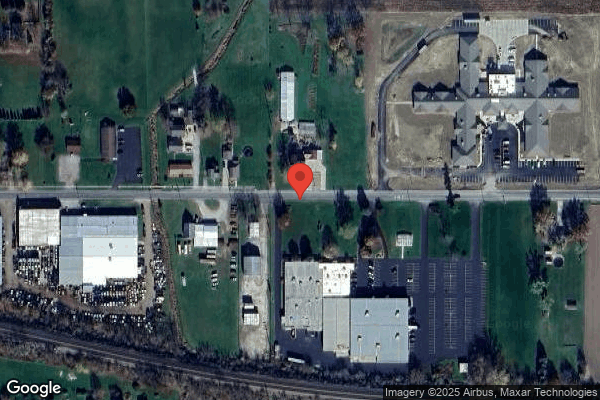
601 DEFIANCE AVENUE, HICKSVILLE, OH 43526 (419) 542-7795
For profit - Limited Liability company 61 Beds VANCREST HEALTH CARE CENTERS Data: November 2025
Trust Grade
80/100
#360 of 913 in OH
Last Inspection: January 2024

Within standard 12-15 month inspection cycle. Federal law requires annual inspections.

Overview

Vancrest of Hicksville has a Trust Grade of B+, indicating it is above average in quality and recommended for families considering care options. It ranks #360 out of 913 facilities in Ohio, placing it in the top half, and #2 out of 3 in Defiance County, meaning only one local option is rated higher. The facility is showing improvement, as it reduced its issues from 2 in 2024 to 1 in 2025. Staffing is a mixed bag; while turnover is relatively low at 37%, the staffing rating is only 2 out of 5 stars, suggesting there may not be enough staff for the residents' needs. Notably, the facility has had no fines, which is a positive sign, and it provides average RN coverage. However, some concerning incidents were reported, such as expired medications in storage and residents not receiving their prescribed meal textures, highlighting areas that need attention. Overall, while there are strengths like its trust score and lack of fines, families should be aware of the facility's staffing challenges and compliance issues.

Trust Score
B+
80/100
In Ohio
#360/913
Top 39%
Safety Record
Low Risk
No red flags
Inspections
Getting Better
2 → 1 violations
Staff Stability
○ Average
37% turnover. Near Ohio's 48% average. Typical for the industry.
Penalties
✓ Good
No fines on record. Clean compliance history, better than most Ohio facilities.
Skilled Nurses
○ Average
Each resident gets 32 minutes of Registered Nurse (RN) attention daily — about average for Ohio. RNs are the most trained staff who monitor for health changes.
Violations
⚠ Watch
11 deficiencies on record. Higher than average. Multiple issues found across inspections.
★★★★☆
4.0
Overall Rating
★★☆☆☆
2.0
Staff Levels
★★★★☆
4.0
Care Quality
★★★★☆
4.0
Inspection Score
Stable
2024: 2 issues
2025: 1 issues

The Good

  • 4-Star Quality Measures · Strong clinical quality outcomes
  • Full Sprinkler Coverage · Fire safety systems throughout facility
  • No fines on record
  • Staff turnover below average (37%)

    11 points below Ohio average of 48%

Facility shows strength in quality measures, fire safety.

The Bad

Staff Turnover: 37%

Near Ohio avg (46%)

Typical for the industry

Chain: VANCREST HEALTH CARE CENTERS

Part of a multi-facility chain

Ask about local staffing decisions and management

The Ugly 11 deficiencies on record

Apr 2025 1 deficiency
CONCERN (D) 📢 Someone Reported This

A family member, employee, or ombudsman was alarmed enough to file a formal complaint

Potential for Harm - no one hurt, but risky conditions existed

Deficiency F0805 (Tag F0805)

Could have caused harm · This affected 1 resident

Based on observation, medical record review and staff interview, the facility failed to ensure residents received meal textures as physician ordered. This affected two (#37 and #38) of three residents...

Read full inspector narrative →
Based on observation, medical record review and staff interview, the facility failed to ensure residents received meal textures as physician ordered. This affected two (#37 and #38) of three residents reviewed for altered food textures. The facility census was 56. Findings include: 1. Review of the medical record for Resident #37 revealed an admission date of 07/11/24 with a diagnosis of dementia. Review of the quarterly Minimum Data Set (MDS) assessment, dated 02/14/25, revealed Resident #37 had impaired cognition and required set-up or clean-up assistance for eating. Review of a physician order, dated 10/31/24, revealed Resident #37 received a regular diet with mechanical soft textures and ground meats, with regular texture liquids. Also noted in the physician's order was Resident #37 should receive gravy or sauce on all foods, and should receive no skins, seeds, or nuts. Observation on 04/02/25 at 12:10 P.M. revealed Resident #37 seated in the dining room during the noon meal. Resident #37 received ground Salisbury steak, mashed potatoes, and whole peas with diced carrots on his plate. Resident #37 ate his meal without assistance. Observation and interview on 04/02/25 at 12:12 P.M. with Certified Nursing Assistant (CNA) #101 confirmed Resident #37 received peas and was eating them. 2. Review of the medical record for Resident #38 revealed an admission date of 9/19/24 with diagnoses of dementia and dysphagia (difficulty swallowing). Review of the quarterly MDS assessment, dated 02/13/25, revealed Resident #38 was rarely/never understood and required set-up or clean-up assistance for eating. Review of a physician order, dated 11/11/24, revealed Resident #38 received a regular diet with mechanical soft textures and ground meats, with regular texture liquids. Also noted in the physician's order was Resident #38 should receive gravy or sauce on all foods, and should receive no skins, seeds, or nuts. Observation on 04/02/25 at 12:18 P.M., in the dining room, revealed Resident #38 was served a plate with ground Salisbury steak, mashed potatoes, and whole peas and carrots. Concurrent interview with Dietary Aide (DA) #301 confirmed Resident #38 received peas on her tray and confirmed Resident #38's diet ticket stated she should not receive skins, seeds, or nuts. DA #301 stated items with skins would include foods such as grapes or other fruit with skins. Interview on 04/02/25 at 12:37 P.M. with Dietary Manager (DM) #300 revealed food items with skins included corn and dried beans. DM #300 further stated she had no defined list of items to be excluded for residents who should not receive skins, seeds, or nuts with their meals. A telephone interview on 04/02/25 at 12:47 P.M. with Speech Therapist (ST) #200 verified peas would be included as a food item with skin. Further, ST #200 confirmed Resident #37 and Resident #38 should not receive peas. This deficiency represents non-compliance investigated under Complaint Number OH00161460.
Jan 2024 2 deficiencies
CONCERN (D)

Potential for Harm - no one hurt, but risky conditions existed

Assessment Accuracy (Tag F0641)

Could have caused harm · This affected 1 resident

**NOTE- TERMS IN BRACKETS HAVE BEEN EDITED TO PROTECT CONFIDENTIALITY** Based on medical record review and staff interview the facility failed to ensure resident assessments were accurately completed....

Read full inspector narrative →
**NOTE- TERMS IN BRACKETS HAVE BEEN EDITED TO PROTECT CONFIDENTIALITY** Based on medical record review and staff interview the facility failed to ensure resident assessments were accurately completed. This affected two (#15 and #31) of two residents reviewed for accurate resident assessments. The facility census was 43. Findings include: 1. Review of the medical record revealed Resident #15 was admitted on [DATE]. Diagnoses included chronic obstructive pulmonary disease, acute and chronic respiratory failure, hemiplegia affecting left nondominant side, essential hypertension, Alzheimer's disease, major depressive disorder, and acute respiratory failure with hypoxia. Review of the Minimum Data Set assessment dated [DATE] revealed Resident #15 was cognitively intact. The assessment documented Resident #15 was taking an anticoagulant. Review of current physician orders revealed an order dated 09/15/22 for aspirin chewable tablet 81 milligram (mg) with directions to give one tablet by mouth one time a day. 2. Review of the medical record revealed Resident #31 was admitted on [DATE]. Diagnoses included poly-osteoarthritis, unspecified dementia, unspecified osteoarthritis, essential hypertension, type two diabetes mellitus without complications, muscle weakness, fibromyalgia, unspecified dementia, hyperlipidemia, anxiety disorder, and depression. Review of the MDS assessment dated [DATE] revealed Resident #31 was severely cognitively impaired. The assessment documented Resident #31 was taking an anticoagulant. Review of physician orders dated 01/26/23 revealed an order for aspirin tablet delayed release 81 milligram (mg) with directions to give one tablet by mouth at bedtime. Review of physician orders from 01/25/23 to 01/18/24 revealed no medications classified as a anticoagulant were prescribed for Resident #31. Interview on 01/18/24 at 8:33 A.M. with MDS Coordinator #150 verified Resident #15 and #31's physician order for aspirin were miscoded as an anticoagulant.
CONCERN (F)

Potential for Harm - no one hurt, but risky conditions existed

Deficiency F0761 (Tag F0761)

Could have caused harm · This affected most or all residents

**NOTE- TERMS IN BRACKETS HAVE BEEN EDITED TO PROTECT CONFIDENTIALITY** Based on observation, interview, and policy review, the facility failed to ensure medications stored in the medication room were...

Read full inspector narrative →
**NOTE- TERMS IN BRACKETS HAVE BEEN EDITED TO PROTECT CONFIDENTIALITY** Based on observation, interview, and policy review, the facility failed to ensure medications stored in the medication room were not expired. This had the potential to affect all residents who resided in facility. The facility census was 43. Findings include: Observation on [DATE] at 11:09 A.M. of medication storage room revealed 17 bottles of Milk of Magnesia with expiration date of 09/2023, and two bottles of polyethylene glycol with expiration date of 06/2023 in a cupboard hanging on the wall. Observation on [DATE] at 11:15 A.M. and 11:38 A.M. of both medication carts revealed no outdated Milk of Magnesia or polyethylene glycol. Medication cart on the C hall had no Milk of Magnesia. Interview on [DATE] at 11:11 A.M. with Licensed Practical Nurse (LPN #167) verified 17 bottles of Milk of Magnesia were expired as of [DATE], and two bottles of polyethylene glycol were expired as of 06/2023. Interview on [DATE] at 11:57 A.M. with Registered Nurse (RN #166) verified if the cart did not have Milk of Magnesia they would get it from the medication storage room if available or call the pharmacy if none available in the medication storage room. Interview on [DATE] at approximately 3:45 P.M. with Director of Nursing (DON) verified that every resident had an order for bowel protocol which included if no bowel movement in three days administer Milk of Magnesia per order. Review of policy titled, Storage of Medications revised [DATE] revealed the facility shall not use outdated, discontinued, or deteriorated drugs or biologicals. All such drugs shall be returned to the dispensing pharmacy or destroyed.
May 2021 6 deficiencies
CONCERN (D)

Potential for Harm - no one hurt, but risky conditions existed

Quality of Care (Tag F0684)

Could have caused harm · This affected 1 resident

**NOTE- TERMS IN BRACKETS HAVE BEEN EDITED TO PROTECT CONFIDENTIALITY** Based on observation, staff interview, medical record review, and review of a facility policy, the facility failed to obtain a r...

Read full inspector narrative →
**NOTE- TERMS IN BRACKETS HAVE BEEN EDITED TO PROTECT CONFIDENTIALITY** Based on observation, staff interview, medical record review, and review of a facility policy, the facility failed to obtain a resident's blood glucose levels as ordered by a physician. This affected one (#18) of five residents reviewed for unnecessary medications. The facility identified four residents with orders for blood glucose monitoring. The census was 37. Findings include: Review of Resident #18's medical record revealed an admission date 03/17/20. Diagnoses included vascular dementia without behavioral disturbances, anxiety disorder, psychotic disorders, diabetes mellitus type I, cardiac arrhythmia, and essential hypertension. Review of an annual Minimum Data Set (MDS) assessment dated [DATE] revealed Resident #18 had severely impaired cognitive skills for daily decision making and received insulin injections seven days during the seven day look back period. Review of a diabetic care plan date 03/17/20 revealed Resident #18 was at risk for hyper/hypoglycemic episodes episodes with and intervention dated 06/29/20 to monitor blood sugars and given insulin per sliding scale as ordered by the physician. Review of a physician order dated 01/10/21 revealed Resident #18 was ordered insulin lispro via sliding scale subcutaneously three times daily scheduled for 8:00 A.M., 12:00 P.M., and 5:00 P.M. Resident #18 sliding scale was ordered for blood glucose levels between zero and 200 milligrams per deciliter (mg/dL) administer four units of insulin; for blood glucose levels between 201 and 300 mg/dL given six units of insulin; and for blood glucose levels 301 and above given eight units of insulin and repeat blood glucose check in two hours and repeat sliding scale if the blood glucose level was above 200 mg/dL. Review of the January 2021 medication administration record (MAR) revealed on 01/16/21 at 12:00 P.M. Resident #18's blood glucose level was 346 mg/dL; on 01/21/21 at 12:00 P.M. Resident #18's blood glucose levels was 308 mg/dL; and on 01/22/21 at 12:00 P.M. Resident #18's blood glucose level was 343 mg/dL. There was no documentation on the MAR of Resident #18's blood glucose level being rechecked two hours after her blood glucose levels were 301 mg/dL or above. Review of the February 2021 MAR revealed on 02/01/21 at 12:00 P.M. Resident #18's blood glucose level was 322 mg/dL; on 02/03/21 at 12:00 P.M. Resident #18's blood glucose level was 339 mg/dL and on 02/13/21 at 12:00 P.M. Resident #18's blood glucose level was 346 mg/dL. There was no documentation on the MAR of Resident #18's blood glucose level being rechecked two hours after her blood glucose levels were 301 mg/dL or above. Review of Resident #18's nursing progress notes and blood glucose levels documented in the electronic health record under vital signs dated between 01/01/21 and 02/28/21 revealed no documentation of Resident #18's blood glucose levels being rechecked as ordered by the physician on 01/16/21, 01/21/21, 01/22/21, on 02/01/21, on 02/03/21, and on 02/13/21 after Resident #18's blood glucose levels were 301 mg/dL or above. Further review of the nursing progress notes revealed Resident #18 did not experience any changes in condition during this time frame and no additional medical interventions were implemented. Observation on 05/04/21 at 10:58 A.M., 1:23 P.M., and 4:17 P.M., and on 05/05/21 at 8:47 A.M., 11:40 A.M., and 2:03 P.M. revealed Resident #18 was free from any distress or discomfort. Resident #18 was not observed experiencing any outward signs or symptoms of hyperglycemia. Interview on 05/05/21 at 2:29 P.M. with Licensed Practical Nurse (LPN) #490 verified Resident #18's insulin lispro sliding scale order contained instructions if Resident #18's blood glucose level was 301 mg/dL or above the nurse was to recheck her blood glucose level two hours later and if the recheck blood glucose level was 200 mg/dL or above to restart the sliding scale. LPN #490 stated nurse usually documented the blood glucose levels on the MAR's but could also document them in a progress note or in the vital signs tab in the electronic health record. LPN #490 verified there was no documentation on the January or February 2021 MAR's or in nursing progress of Resident #18's blood glucose level being rechecked as ordered on 01/16/21, 01/21/21, 01/22/21, on 02/01/21, on 02/03/21, and on 02/13/21 after Resident #18's blood glucose levels were 301 mg/dL or above. Interview on 05/06/21 at 8:14 A.M. with Director of Nursing (DON) #1 verified there was no place for nurses to document on Resident #18's January and February 2021 MAR's when the blood glucose levels were to be rechecked if the level was 301 mg/dl or above. DON #1 verified there was no documentation for blood glucose level rechecks as ordered for Resident #1 on 01/16/21, 01/21/21, 01/22/21, on 02/01/21, on 02/03/21, and on 02/13/21. Review of an undated facility policy titled, Insulin Administration, revealed staff should check blood glucose per physician order or facility policy and document the resident's blood glucose result as ordered.
CONCERN (D)

Potential for Harm - no one hurt, but risky conditions existed

Accident Prevention (Tag F0689)

Could have caused harm · This affected 1 resident

**NOTE- TERMS IN BRACKETS HAVE BEEN EDITED TO PROTECT CONFIDENTIALITY** Based on observation, staff interview, medical record review, and review of a facility policy, the facility failed to ensure fal...

Read full inspector narrative →
**NOTE- TERMS IN BRACKETS HAVE BEEN EDITED TO PROTECT CONFIDENTIALITY** Based on observation, staff interview, medical record review, and review of a facility policy, the facility failed to ensure fall interventions were in place as care planned and as ordered by a physician. This affected one (#234) of three residents reviewed for accidents. The facility identified four residents with orders for personal alarms. The census was 37. Findings include: Review of Resident #234's medical record revealed an admission date of 04/20/21. Diagnoses included unspecified severe protein malnutrition, chronic atrial fibrillation, chronic kidney disease, anxiety, and major depression. Review of an admission Minimum Data Set (MDS) assessment dated [DATE] revealed Resident #234 was cognitively impaired and required an extensive two-plus persons physical assistance for bed mobility and transfers. Review of an admission nursing assessment dated [DATE] revealed Resident #234 had an unsteady gait and poor balance and required staff assistance with bed mobility and transfers. Review of an admission fall risk assessment revealed Resident #234 was assessed at high risk for falls. Review of a fall risk care plan dated 04/30/21 revealed Resident #234 had a potential for falls related to a history of falling and a balance deficit. There was an intervention implemented on 05/04/21 for Resident #234 to have a clip alarm on when up in a chair. Review of a physician order dated 05/04/21 revealed Resident #234 was ordered a clip alarm when in a chair to alert staff of unassisted attempts to transfer. Observation on 05/04/21 at 2:43 P.M. revealed Resident #234 sitting in a wheelchair in the common area near the dining room on the Memory Lane hall. There was no clip alarm noted to Resident #234's body, clothing, or wheelchair. Further observation revealed two staff members sitting at a table in the common area within ten feet of Resident #234. Observation on 05/04/21 at approximately 2:55 P.M. revealed both staff members sitting at the table got up from the area and walked down the Memory Lane hall leaving Resident #234 unattended with no clip alarm on. There were no other staff members in the immediate area and Resident #234 was not visible to other staff members working further down the Memory Lane hall or on other halls of the facility. Observation on 05/04/21 at approximately 3:00 P.M. revealed a stated tested nurses aide (STNA) passing ice and water to residents on the Memory Lane further down the hallway away from Resident #234's location. From where the STNA was located in the hallway Resident #234 could not be seen. Interview on 05/04/21 at 3:02 P.M. with STNA #378 verified Resident #234 should have an alarm on when she was up in her wheelchair, and after walking down the hallway toward Resident #234's location, STNA #378 verified Resident #234 did not have an alarm on her body, clothing, or wheelchair. Review of an undated policy titled, Managing Falls and Fall Risk, revealed based on previous evaluations and current data, the staff will identify interventions related to the resident's specific risks and causes to try to prevent the resident from falling and try to minimize complications from falling. The staff with input of the attending physician will identify appropriate interventions to reduce the risk of falls. The staff will monitor and document each resident's response to interventions intended to reduce falling or the risks of falling.
CONCERN (D)

Potential for Harm - no one hurt, but risky conditions existed

Pharmacy Services (Tag F0755)

Could have caused harm · This affected 1 resident

**NOTE- TERMS IN BRACKETS HAVE BEEN EDITED TO PROTECT CONFIDENTIALITY** Based on observation, staff interview, medical record review, and review of a facility policy, the facility failed to administer...

Read full inspector narrative →
**NOTE- TERMS IN BRACKETS HAVE BEEN EDITED TO PROTECT CONFIDENTIALITY** Based on observation, staff interview, medical record review, and review of a facility policy, the facility failed to administer insulin as ordered by a physician. This affected one (#18) of five residents reviewed for unnecessary medications. The facility identified four residents with orders for insulin. The census was 37. Findings include: Review of Resident #18's medical record revealed an admission date 03/17/20. Diagnoses included vascular dementia without behavioral disturbances, anxiety disorder, psychotic disorders, diabetes mellitus type I, cardiac arrhythmia, and essential hypertension. Review of an annual Minimum Data Set (MDS) assessment dated [DATE] revealed Resident #18 had severely impaired cognitive skills for daily decision making and received insulin injections seven days during the seven day look back period. Review of a diabetic care plan date 03/17/20 revealed Resident #18 was at risk for hyper/hypoglycemic episodes episodes with and intervention dated 06/29/20 to monitor blood sugars and given insulin per sliding scale as ordered by the physician. Review of a physician order dated 01/10/21 revealed Resident #18 was ordered insulin lispro via sliding scale subcutaneously three times daily scheduled for 8:00 A.M., 12:00 P.M., and 5:00 P.M. Resident #18 sliding scale was ordered for blood glucose levels between zero and 200 milligrams per deciliter (mg/dL) administer four units of insulin; for blood glucose levels between 201 and 300 mg/dL given six units of insulin; and for blood glucose levels 301 and above given eight units of insulin and repeat blood glucose check in two hours and repeat sliding scale if the blood glucose level was above 200 mg/dL. Review of the January 2021 medication administration record (MAR) revealed on 01/11/21 at 12:00 P.M. Resident #18's blood glucose level was 395 mg/dL. Review of Resident #18's vital signs in the electronic health record (EHR) revealed Resident #18's blood glucose level was rechecked on 01/11/21 at 2:09 P.M. and was 315 mg/dL. There was no documentation on the MAR of Resident #18 receiving any additional insulin with a rechecked blood glucose level above 200 mg/dL per the physician order. Review of the February 2021 MAR revealed on 02/13/21 at 8:00 A.M. Resident #18's blood glucose level was 307 mg/dL. Review of Resident #18's vital signs in the EHR revealed Resident #18's blood glucose level was rechecked at 10:00 A.M. and was 316 mg/dL. There was no documentation of additional units of insulin given to Resident #18 at this time. Further review of the February 2021 MAR revealed Resident #18's blood glucose level on 02/14/21 at 12:00 P.M. was 357 mg/dL. Review of Resident #18's vital signs in the EHR revealed Resident #18's blood glucose level was recheck at 1:30 P.M. and was 237 mg/dL. There was no documentation of Resident #18 receiving any additional units of insulin at this time as ordered. Review of the March 2021 MAR revealed on 03/04/21 at 12:00 P.M. Resident #18's blood glucose level was 331 mg/dL. Review of Resident #18's vital signs in the EHR revealed Resident #18's blood glucose level was rechecked at 1:45 P.M. and was 239 mg/dL. There was no documentation of additional units of insulin given to Resident #18 at this time. Review of the nursing progress notes dated between 01/01/21 and 03/31/21 revealed no documentation of Resident #18 receiving any additional units of insulin on 01/11/21, 02/13/21, 02/14/21, or 03/04/21 after Resident #18's initial blood glucose levels were 301 mg/dL or above, and after it was rechecked as ordered, Resident #18's blood glucose level was above 200 mg/dL. Resident #18 experienced no acute changes in condition and required no additional medical interventions during this time frame. Observation on 05/04/21 at 10:58 A.M., 1:23 P.M., and 4:17 P.M., and on 05/05/21 at 8:47 A.M., 11:40 A.M., and 2:03 P.M. revealed Resident #18 was free from any distress or discomfort. Resident #18 was not observed experiencing any outward signs or symptoms of hyperglycemia. Interview on 05/05/21 at 2:29 P.M. with Licensed Practical Nurse (LPN) #490 verified Resident #18's insulin lispro sliding scale order contained instructions if Resident #18's blood glucose level was 301 mg/dL or above the nurse was to recheck her blood glucose level two hours later and if the recheck blood glucose level was 200 mg/dL or above to restart the sliding scale. LPN #490 stated nurse usually documented the blood glucose levels on the MAR's but could also document them in a progress note or in the vital signs tab in the electronic health record. LPN #490 verified there was no documentation on the January, February, or March 2021 MAR's or in nursing progress of Resident #18 receiving any additional insulin as ordered on 01/11/21, 02/13/21, 02/14/21, and 03/04/21 when her initial blood glucose levels were at or above 301 mg/dL and recheck blood glucose levels were above 200 mg/dL. Interview on 05/06/21 at 8:14 A.M. with Director of Nursing (DON) #1 verified there was no place for nurses to document on Resident #18's January, February, or March 2021 MAR's when the blood glucose levels were rechecked, and if the level was above 200 mg/dL, there was no place to document additional insulin doses given. DON #1 verified there was no documentation of additional insulin doses given per the physician ordered sliding scale when Resident #18's rechecked blood glucose levels were above 200 mg/dL on 01/11/21, 02/13/21, 02/14/21, and 03/04/21. Review of an undated facility policy titled, Insulin Administration, revealed the type of insulin, dosage requirements, strength, and method of administration must be verified before administration, to assure that it corresponds with the order on the medication sheet and the physician's orders. Staff should check blood glucose per physician order or facility policy and document the resident's blood glucose result as ordered and also document the dose of the insulin injection.
CONCERN (D)

Potential for Harm - no one hurt, but risky conditions existed

Laboratory Services (Tag F0770)

Could have caused harm · This affected 1 resident

**NOTE- TERMS IN BRACKETS HAVE BEEN EDITED TO PROTECT CONFIDENTIALITY** Based on medical record review, staff interview and facility policy review, the facility failed to monitor a residents laborator...

Read full inspector narrative →
**NOTE- TERMS IN BRACKETS HAVE BEEN EDITED TO PROTECT CONFIDENTIALITY** Based on medical record review, staff interview and facility policy review, the facility failed to monitor a residents laboratory levels per the physician orders. This affected one (#20) of five residents reviewed for unnecessary medications. The facility census was 37. Findings include: Review of the medical record for Resident #20 revealed she was admitted to the facility on [DATE] with diagnoses of psychosis, vascular dementia, hypothyroidism and osteoporosis. Review of Resident #20's current physician orders revealed Levothyroxine Sodium Tablet 100 micrograms (mcg) every morning for hypothyroidism ordered 02/09/21. Additionally, there was a physician order for laboratory testing for thyroid stimulating hormone (TSH) levels annually in April ordered 04/25/21. Further review of the medical record revealed the annual TSH levels ordered to be completed in April every year was not completed by the facility. Interview on 05/05/21 at 10:48 A.M. the Director of Nursing (DON) verified there was no TSH level completed as per the physician order for April, 2021. Review of the undated facility policy titled Medication Monitoring and Management revealed in order to optimize the therapeutic benefit of medication therapy and minimize or prevent adverse consequences the facility and the physician will perform ongoing monitoring for appropriate, effective and safe medication use.
CONCERN (E)

Potential for Harm - no one hurt, but risky conditions existed

Deficiency F0570 (Tag F0570)

Could have caused harm · This affected multiple residents

Based on review of the facility trust account statement, review of the facility surety bond and staff interview and record review, the facility failed to have a surety bond sufficient in coverage to p...

Read full inspector narrative →
Based on review of the facility trust account statement, review of the facility surety bond and staff interview and record review, the facility failed to have a surety bond sufficient in coverage to protect resident trust account balances. This had the potential to affect all residents, except Residents #1, #12, #25, #27, #134 and #236. The facility census was 37. Findings include: Review of the resident trust account balance statement, dated 04/30/21, revealed the total amount held in trust accounts by the facility totaled $58,744.61. Review of the facility's surety bond, effective 04/01/21, revealed the value of the bond to be $50,000.00. Interview on 05/05/21 at 3:30 P.M. of the Business Office Manager (BOM) #100 verified the facility's surety bond did not provide sufficient coverage for the total in resident trust accounts. She further stated residents received stimulus checks in April 2021, resulting in resident accounts exceeding the surety bond. BOM #100 confirmed 31 out of the 37 residents residing in the facility had personal funds accounts and that Residents #1, #12, #25, #27, #134 and #236 did not have a personal funds account with the facility.
MINOR (C)

Minor Issue - procedural, no safety impact

Deficiency F0868 (Tag F0868)

Minor procedural issue · This affected most or all residents

Based on document review, staff interview and facility policy review, the facility failed to have a Quality Assessment and Assurance Committee (QAA) meeting at least quarterly in the last 12 months. T...

Read full inspector narrative →
Based on document review, staff interview and facility policy review, the facility failed to have a Quality Assessment and Assurance Committee (QAA) meeting at least quarterly in the last 12 months. This had the potential to affect 37 of 37 facility residents. The facility census was 37. Findings include: Review of the a document titled Class Attendance Record for Quality Assurance and Performance Improvement (QA/QAPI) dated 04/30/21 revealed the facility did hold one QAA meeting in the last 12 months. Interview on 05/05/21 at 11:44 A.M. with Director of Nursing (DON) she stated the facility held QAA meetings over the last year however the the prior Administrator never had anyone sign in. DON verified there were no QAA meeting sign in sheets and no evidence the facility had held the required minimum meetings. Interview on 05/06/21 at 11:54 A.M. with the current Administrator stated she was hired at the facility on 04/15/21. Administrator verified she held a QAA on 04/30/21. Administrator verified she was not able to locate any signature logs for staff who attended QAA/QAPI meetings held in the last year. Review of the facility policy titled Quality Assurance Performance Improvement Plan dated April 2021 revealed the QAA committee meets quarterly.
Sept 2019 2 deficiencies
CONCERN (D)

Potential for Harm - no one hurt, but risky conditions existed

Deficiency F0868 (Tag F0868)

Could have caused harm · This affected 1 resident

Based on review of the Quality Assessment and Assurance meeting sign-in sheets and staff interview, the facility failed to ensure the medical director attended the Quality Assessment and Assurance mee...

Read full inspector narrative →
Based on review of the Quality Assessment and Assurance meeting sign-in sheets and staff interview, the facility failed to ensure the medical director attended the Quality Assessment and Assurance meeting on a quarterly basis. This had the potential to effect all 44 residents residing in the facility. Findings include: Review of the Quality Assessment and Assurance meeting sign-in sheets for July, August, September, November, and December 2019 revealed no medical director signature. The October 2019 meeting was not held due to Administrator illness. Interview on 09/05/19 at 11:00 A.M., the Administrator verified the Medical Director had not attended the required quarterly meetings.
CONCERN (D)

Potential for Harm - no one hurt, but risky conditions existed

Infection Control (Tag F0880)

Could have caused harm · This affected 1 resident

Based on review of a facility policy and staff interview, the facility failed to implement a risk assessment and water management program for the prevention and spread of Legionella. This had the pote...

Read full inspector narrative →
Based on review of a facility policy and staff interview, the facility failed to implement a risk assessment and water management program for the prevention and spread of Legionella. This had the potential to affect all residents. The facility census was 44. Findings include: Review of the facility policy titled Water Management Program, dated 11/17, revealed the facility water management program will include, at a minimum, an initial evaluation of the building water system, and based on that analysis, will complete a water system infection control risk assessment. The program may include disinfectant level controls and specify testing protocols and acceptable ranges for control measures. The facility failed to provide evidence of a risk assessment or water management program. Interview on 09/05/19 at 11:00 A.M. with the Administrator revealed the facility did not have a water management program in place to monitor for Legionella. He further verified the facility did not have a risk assessment completed. He verified the facility did not have a flow sheet to identify potential areas of concern and the facility and was not completing any water testing protocols.
Understanding Severity Codes (click to expand)
Life-Threatening (Immediate Jeopardy)
J - Isolated K - Pattern L - Widespread
Actual Harm
G - Isolated H - Pattern I - Widespread
Potential for Harm
D - Isolated E - Pattern F - Widespread
No Harm (Minor)
A - Isolated B - Pattern C - Widespread

Questions to Ask on Your Visit

  • "Can I speak with families of current residents?"
  • "What's your RN coverage like on weekends and overnight?"

Our Honest Assessment

Strengths
  • • Grade B+ (80/100). Above average facility, better than most options in Ohio.
  • • No major safety red flags. No abuse findings, life-threatening violations, or SFF status.
  • • No fines on record. Clean compliance history, better than most Ohio facilities.
  • • 37% turnover. Below Ohio's 48% average. Good staff retention means consistent care.
Concerns
  • • 11 deficiencies on record. Higher than average. Multiple issues found across inspections.
Bottom line: Generally positive indicators. Standard due diligence and a personal visit recommended.

About This Facility

What is Vancrest Of Hicksville's CMS Rating?

CMS assigns VANCREST OF HICKSVILLE an overall rating of 4 out of 5 stars, which is considered above average nationally. Within Ohio, this rating places the facility higher than 99% of the state's 100 nursing homes. This rating reflects solid performance across the metrics CMS uses to evaluate nursing home quality.

How is Vancrest Of Hicksville Staffed?

CMS rates VANCREST OF HICKSVILLE's staffing level at 2 out of 5 stars, which is below average compared to other nursing homes. Staff turnover is 37%, compared to the Ohio average of 46%. This relatively stable workforce can support continuity of care.

What Have Inspectors Found at Vancrest Of Hicksville?

State health inspectors documented 11 deficiencies at VANCREST OF HICKSVILLE during 2019 to 2025. These included: 10 with potential for harm and 1 minor or isolated issues.

Who Owns and Operates Vancrest Of Hicksville?

VANCREST OF HICKSVILLE is owned by a for-profit company. For-profit facilities operate as businesses with obligations to shareholders or private owners. The facility is operated by VANCREST HEALTH CARE CENTERS, a chain that manages multiple nursing homes. With 61 certified beds and approximately 56 residents (about 92% occupancy), it is a smaller facility located in HICKSVILLE, Ohio.

How Does Vancrest Of Hicksville Compare to Other Ohio Nursing Homes?

Compared to the 100 nursing homes in Ohio, VANCREST OF HICKSVILLE's overall rating (4 stars) is above the state average of 3.2, staff turnover (37%) is near the state average of 46%, and health inspection rating (4 stars) is above the national benchmark.

What Should Families Ask When Visiting Vancrest Of Hicksville?

Based on this facility's data, families visiting should ask: "Can you walk me through typical staffing levels on day, evening, and night shifts?" "Can I visit during a mealtime to observe dining assistance and food quality?" "How do you handle medical emergencies, and what is your hospital transfer rate?" "Can I speak with family members of current residents about their experience?" These questions are particularly relevant given the below-average staffing rating.

Is Vancrest Of Hicksville Safe?

Based on CMS inspection data, VANCREST OF HICKSVILLE has a clean safety record: no substantiated abuse findings (meaning no confirmed cases of resident harm), no Immediate Jeopardy citations (the most serious violation level indicating risk of serious injury or death), and is not on the Special Focus Facility watch list (a federal program monitoring the lowest-performing 1% of nursing homes). The facility has a 4-star overall rating and ranks #1 of 100 nursing homes in Ohio. While no facility is perfect, families should still ask about staff-to-resident ratios and recent inspection results during their visit.

Do Nurses at Vancrest Of Hicksville Stick Around?

VANCREST OF HICKSVILLE has a staff turnover rate of 37%, which is about average for Ohio nursing homes (state average: 46%). Moderate turnover is common in nursing homes, but families should still ask about staff tenure and how the facility maintains care continuity when employees leave.

Was Vancrest Of Hicksville Ever Fined?

VANCREST OF HICKSVILLE has no federal fines on record. CMS issues fines when nursing homes fail to meet care standards or don't correct problems found during inspections. The absence of fines suggests the facility has either maintained compliance or corrected any issues before penalties were assessed. This is a positive indicator, though families should still review recent inspection reports for the full picture.

Is Vancrest Of Hicksville on Any Federal Watch List?

VANCREST OF HICKSVILLE is not on any federal watch list. The most significant is the Special Focus Facility (SFF) program, which identifies the bottom 1% of nursing homes nationally based on persistent, serious quality problems. Not being on this list means the facility has avoided the pattern of deficiencies that triggers enhanced federal oversight. This is a positive indicator, though families should still review the facility's inspection history directly.