LAURELS OF DEFIANCE THE
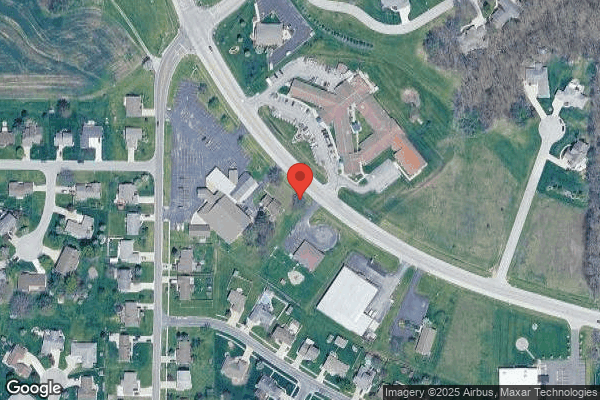

1701 S JEFFERSON AVE, DEFIANCE, OH 43512 (419) 782-7879
For profit - Corporation 107 Beds CIENA HEALTHCARE/LAUREL HEALTH CARE Data: November 2025
Trust Grade
55/100
#489 of 913 in OH
Last Inspection: April 2023

Over 2 years since last inspection. Current conditions may differ from available data.

Overview

The Laurels of Defiance has a Trust Grade of C, which means it is average and positioned in the middle of the pack among nursing homes. It ranks #489 out of 913 facilities in Ohio, placing it in the bottom half of the state, and is #3 out of 3 in Defiance County, indicating only one local option is better. The facility is improving, with issues decreasing from 10 in 2023 to just 2 in 2025. Staffing is rated average with a turnover rate of 38%, which is better than the state average of 49%, suggesting stability among staff. While there have been no fines, a serious past incident involved a resident suffering a fractured leg due to improper transfer by staff, and there was a concern about an employee with a history of abuse not being terminated, which raises potential safety issues for residents. Overall, while there are strengths in staffing stability and no fines, families should be aware of the facility's past compliance issues.

Trust Score
C
55/100
In Ohio
#489/913
Bottom 47%
Safety Record
Moderate
Needs review
Inspections
Getting Better
10 → 2 violations
Staff Stability
○ Average
38% turnover. Near Ohio's 48% average. Typical for the industry.
Penalties
✓ Good
No fines on record. Clean compliance history, better than most Ohio facilities.
Skilled Nurses
⚠ Watch
Each resident gets only 29 minutes of Registered Nurse (RN) attention daily — below average for Ohio. Fewer RN minutes means fewer trained eyes watching for problems.
Violations
⚠ Watch
32 deficiencies on record. Higher than average. Multiple issues found across inspections.
★★★☆☆
3.0
Overall Rating
★★★☆☆
3.0
Staff Levels
★★★★☆
4.0
Care Quality
★★★☆☆
3.0
Inspection Score
Stable
2023: 10 issues
2025: 2 issues

The Good

  • 4-Star Quality Measures · Strong clinical quality outcomes
  • Full Sprinkler Coverage · Fire safety systems throughout facility
  • No fines on record
  • Staff turnover below average (38%)

    10 points below Ohio average of 48%

Facility shows strength in quality measures, fire safety.

The Bad

3-Star Overall Rating

Near Ohio average (3.2)

Meets federal standards, typical of most facilities

Staff Turnover: 38%

Near Ohio avg (46%)

Typical for the industry

Chain: CIENA HEALTHCARE/LAUREL HEALTH CARE

Part of a multi-facility chain

Ask about local staffing decisions and management

The Ugly 32 deficiencies on record

1 actual harm
Jun 2025 2 deficiencies
CONCERN (D) 📢 Someone Reported This

A family member, employee, or ombudsman was alarmed enough to file a formal complaint

Potential for Harm - no one hurt, but risky conditions existed

Incontinence Care (Tag F0690)

Could have caused harm · This affected 1 resident

**NOTE- TERMS IN BRACKETS HAVE BEEN EDITED TO PROTECT CONFIDENTIALITY** Based on observation, medical record review, staff interview, and facility policy, the facility failed to ensure an incontinent ...

Read full inspector narrative →
**NOTE- TERMS IN BRACKETS HAVE BEEN EDITED TO PROTECT CONFIDENTIALITY** Based on observation, medical record review, staff interview, and facility policy, the facility failed to ensure an incontinent resident received timely interventions. This affected one (#191) of two residents reviewed for urinary and bowel incontinence care and services in a facility census of 93. Findings include: Resident #191 admitted to the facility on [DATE] with diagnoses including chronic obstructive pulmonary disease, hypertension, anxiety disorder, atrial fibrillation, myocardial infarction, type 2 diabetes mellitus, bipolar disorder, panic disorder, malnutrition, coronary artery disease, anemia, peripheral vascular disease, tracheostomy, and gastrostomy. According to the nursing admission assessment dated [DATE] Resident #191 was assessed with impaired cognition, was dependent on staff for the provision of activities of daily living, received nutrition via feeding tube, and was incontinent of bowel and bladder. On 06/04/25 a nursing plan of care was revised to address Resident #191's incontinent of bladder and bowel related to mobility impairment. Interventions included; Resident uses disposable briefs. Change as needed (PRN). Check every two (2) hours and PRN for incontinence. Wash, rinse and dry perineum. Change clothing after incontinence care as needed. Observation on 06/09/25 at 8:53 A.M. noted Resident #191 in bed. Interview with Resident #191 at the time revealed he was experiencing loose stools and urinary incontinence. Resident #191 reported he frequently does not receive timely assistance with incontinence care. Review of Plan of Care Task documentation noted Resident #191 provided with incontinence care on 06/09/25 at 2:59 A.M. Resident #191 was documented with bowel and bladder incontinence. No further documentation recorded incontinence checks or associated care. Interview on 06/10/25 at 8:05 A.M. with Certified Nurse Aide (CNA) #438 revealed she assumed care of Resident #191 at 6:00 A.M. and was unaware when Resident #191 was last checked for incontinence. CNA #191 verified she had not checked Resident #191 since assuming care at 6:00 A.M. On 06/10/25 at 8:59 A.M. Resident #191 was noted in bed, awake and alert, and stated he had not been checked for incontinence by current shift and he was currently incontinent. On 06/10/25 at 9:02 A.M. observation with CNA #438 and CNA #482 noted Resident #191 in bed. Resident #191 stated he was incontinent and needed changed. CNA #438 and CNA #482 verified this was the first incontinence check with Resident #191 since assuming care at 6:00 A.M. CNA #482 removed Resident #191's adult incontinence brief and noted he was incontinent of a large amount of urine. CNA #482 provided perineal care and turned the resident to the left side. Resident #191 buttock was noted to be soiled with urine and tissue appeared slightly red. Both CNA's stated Resident #191 was a, heavy wetter and required frequent incontinence checks. On 06/11/25 at 11:04 A.M. interview with the Director of Nursing verified Resident #191 required two hour incontinence checks. Review of facility Nursing Rounds/Licensed Staff policy revised 02/15/24 revealed to check residents at least every two (2) hours. The routine check involves entering the residents room to determine if the residents needs are being met. If there has been a change in the resident's condition; or if the resident has any complaints. This deficiency represents non-compliance investigated under Complaint Number OH00165101.
CONCERN (D) 📢 Someone Reported This

A family member, employee, or ombudsman was alarmed enough to file a formal complaint

Potential for Harm - no one hurt, but risky conditions existed

Infection Control (Tag F0880)

Could have caused harm · This affected 1 resident

Based on observation, medical record review, staff interview, and review of facility policy, the facility failed to ensure adequate infection control practices were carried out. This affected three re...

Read full inspector narrative →
Based on observation, medical record review, staff interview, and review of facility policy, the facility failed to ensure adequate infection control practices were carried out. This affected three residents (#82, #55, and #303) of five residents reviewed for infection control practices. The facility census was 93. Findings Include: 1. Review of Resident #82's medical record reveals an admission date of 05/13/25 Diagnoses included right femur fracture subsequent encounter, type II diabetes, heart disease, chronic obstructive pulmonary disease (COPD) and clostridium difficile (C-Diff). Review of Resident #82's physician orders revealed an order dated 06/04/25 for oxygen at two liters via nasal cannula to maintain greater than 92% and an order for contact isolation for C-Diff all services provided in room and in room by self. Observation on 06/09/25 at 12:20 P.M. of Resident #82 found her in bed in her room. A sign was posted announcing Resident #82 was on contact precautions. Personal protective equipment including gloves, gowns, and facemasks was available in a cart outside her room. Certified Nursing Assistant (CNA) #477 delivered Resident #82 her breakfast tray and set her food items. Resident #82 requested assistance with adjusting her oxygen tubing. CNA #477 was observed adjusting Resident #82's oxygen tubing in her nose and around her ears. CNA #477 did not don gloves when she came in contact with Resident #82. Interview on 06/09/25 at 12:25 P.M. with CNA #477 verified gloves were available and she should have worn them when she came in physical contact with Resident #82. Review of the facility policy titled, Contact Precautions, revised 10/14/22 revealed health care personnel caring for residents on Contact Precautions should wear gloves and a gown for all interactions that may involve contact with the resident. 2. Review of Resident #55's medical record revealed an admission date of 04/11/25. Diagnoses included hemiplegia and hemiparesis, dysphagia, chronic obstructive pulmonary disease, muscle weakness and cerebral infarction. Observation on 06/09/25 at 12:30 P.M. found CNA #482 delivering hall trays to the 400 hall. Observation on 06/09/25 at 12:35 P.M. found CNA #482 lifted her shirt collar with her left hand and coughed into her hand and shirt. CNA #482 did not use hand sanitizer and removed Resident #55's lunch tray from the meal delivery cart. CNA #482 delivered and set up Resident #55's lunch meal. Interview on 06/09/25 at 12:37 P.M. with CNA #482 verified she had not used hand sanitizer before delivering Resident #55's tray but had used the hand sanitizer in the room after setting up the meal. Review of the facility policy titled, Hand Hygiene, revised 05/08/25 revealed hand hygiene should be preformed after contact with body fluids and when contaminated with proteinaceous materials (phlegm or sputum). 3. Review of Resident #303's medical record revealed an admission date of 06/06/25. Diagnoses include nondisplaced fracture of seventh cervical vertebra, type two diabetes mellitus, history of transient ischemic attack (TIA) and cerebral infarction without residual deficits. Review of Resident #303's physician orders dated 06/06/25 revealed an order for an indwelling urinary catheter. Observation on 06/10/25 at 08:50 A.M. of Resident #303's door and wall outside of the room revealed there was no enhanced barrier precaution sign posted. Interview on 06/10/25 at 08:52 A.M. with Licensed Practical Nurse (LPN) #404 verified an enhanced barrier precaution sign was not present on the door or the wall outside of Resident #303's room. Furthermore LPN #404 verified Resident #303 had an indwelling urinary catheter. Review of the policy titled Enhanced Barrier Precautions (EBP) with a revision date of 03/05/25 revealed to post signage for precautions on the door or wall outside of the residents room indicating the type of precautions and required personal protective equipment (PPE). Furthermore EBP were indicated for residents with indwelling medical devices which included central lines, urinary catheters, feeding tubes, and tracheotomies. This deficiency represents non-compliance investigated under Complaint Number OH00166459 and OH00165186.
Nov 2023 1 deficiency
CONCERN (F) 📢 Someone Reported This

A family member, employee, or ombudsman was alarmed enough to file a formal complaint

Potential for Harm - no one hurt, but risky conditions existed

Employment Screening (Tag F0606)

Could have caused harm · This affected most or all residents

Based on record review, interview and policy review, the facility failed to terminate employment for a State Tested Nursing Assistant (STNA) who had a finding entered in the State Nurse Aide Registry ...

Read full inspector narrative →
Based on record review, interview and policy review, the facility failed to terminate employment for a State Tested Nursing Assistant (STNA) who had a finding entered in the State Nurse Aide Registry concerning abuse, neglect, or misappropriation. This resulted in one employee, STNA #101, working at the facility while he was not eligible to work in a long-term care facility. This had the potential to affect all residents in the facility. The facility census was 85. Findings include: Review of the personnel file for STNA #101 revealed a hire date of 12/01/22. Review of the background check log revealed STNA #101's background check was submitted 11/22/22, completed 12/07/22 and received at the facility on 12/14/22. STNA #101 was hired to work. Review of the Ohio Department of Health Nurse Aide Registry form dated 11/23/22 revealed STNA #101 was eligible to work and his registry was in good standing. Review of the Criminal History Record Check dated 12/07/22 and stamped by the facility Received 12/14/22 revealed STNA #101 was arrested for theft and forgery 10/30/22 and the case was pending in the local county common pleas court. Review of a court document dated 11/23/22 revealed the defendant, STNA #101, withdrew his plea of not guilty and would apply for the diversion program. Review of the form Employee Disciplinary Record dated 01/09/23 revealed STNA #101 was suspended due to violating the Employee Handbook, Page 6: Rule 3 - your hiring is subject to receipt of a satisfactory criminal background check. STNA #101 would be allowed to return to work when the disqualifying item was removed from his background check. Review of an email correspondence dated 01/20/23 between the Administrator and the facility's corporate office revealed the Administrator requested guidance regarding STNA #101's background check and involvement in a diversion program. Review of the email correspondence dated 02/21/23 revealed a response from the Legal/HR department stating the use of a diversion program was fairly common and because there was no conviction (pending outcome of diversion program) it was okay for STNA #101 to work at the facility. Review of a letter dated 01/25/23 from the facility to the local county Probation Department revealed STNA #101 was hired on 12/01/22 and worked until 01/09/23. Review of the Ohio Department of Health Nurse Aide Registry form dated 02/21/23 revealed STNA #101 was eligible to work and his registry was in good standing. Review of the form titled Diversion Agreement, signed 03/24/23, revealed STNA #101 was accepted into a one-year Diversion Program and was overseen by a Probation Officer. Review of the personnel file for STNA #101 and the staff schedule revealed STNA #101 was scheduled and worked consistently in the facility from 02/22/23 through 11/03/23. Review of the Ohio Department of Health Nurse Aide Registry form dated 11/06/23 revealed STNA #101 was not eligible to work and his registry was not in good standing because STNA #101 was found to have committed abuse, neglect, or misappropriation and could not be employed by a long term care facility in any capacity. Review of the form Employee Disciplinary Record dated 11/06/23 revealed STNA #101 was suspended because the Nurse Aide Registry determined STNA #101 was not in good standing. STNA #101 would be suspended until his license was in good standing. Interview with Payroll/Accounts Payable (PAP) #501 on 11/06/23 at 12:00 P.M. confirmed STNA #101 worked in the facility between 12/01/22 and 01/09/23. PAP #501 confirmed the background check log identified the background check for STNA #101 was received on 12/14/22. Interview on 11/06/23 at 2:02 P.M. with the Director of Nursing (DON) confirmed the Nurse Aide Registry for STNA #101 revealed he was not eligible to work in the facility. The DON stated she became aware of the information on 11/06/23. Interview on 11/06/23 at 2:08 P.M. with the Administrator revealed STNA #101 explained to the facility during his interview about his situation with the court and his plan to be involved in the Diversion Program. The Administrator further stated STNA #101 was suspended while the facility requested guidance from Corporate regarding the Diversion Program. During interview on 11/06/23 at 2:48 P.M. with STNA #101 revealed he pled guilty to the charges brought against him (forgery and theft) on 11/23/22 in order to be allowed to participate in the Diversion Program. STNA #101 believed when he completed the Diversion Program his record would be clear. STNA #101 stated when he was pled guilty on 11/23/22, the court judge told STNA #101 as of today you were not convicted of anything and you can go back to work in healthcare. STNA #101 revealed he had no knowledge he was not in good standing and was not allowed to work in a long term care facility per the Nurse Aide Registry. STNA #101 stated the first time he was aware of it was when the Administrator called him on 11/06/23. During an interview on 11/06/23 at 2:58 P.M., the Administrator revealed STNA #101 returned to work at the facility on 02/22/23. During an interview on 11/06/23 at 5:00 P.M., the Administrator revealed STNA #101 should have been suspended on 12/14/22 when the results of his background check were received. STNA #101 was assigned to the 100 and 200 halls and did not work on the 300 and 400 halls. Review of an email correspondence from the Administrator on 11/07/23 at 9:05 A.M. revealed she believed the results of the background check dated 12/07/22 and stamped by the facility Received 12/14/22 was date-stamped in error and that was why STNA #101 was not suspended on 12/14/22. Review of the undated Employee Handbook revealed hiring was subject to the facility's receipt of a satisfactory criminal background check. Further, staff were required to report to their supervisor or the Administrator of the facility immediately upon being arrested for or convicted of any crime. Review of the policy Abuse Prohibition Policy, effective 10/14/22, revealed the facility shall not employ individuals who have been convicted of or have a finding entered into the State nurse aide registry concern, or have a disciplinary action in effect against his/her license by a state licensure body as a result of a finding of abuse, neglect, exploitation, misappropriation of property or mistreatment of individuals. Further review of the policy revealed the facility would ensure, without exception, all potential licensed and certified candidates must have their status confirmed with the appropriate boards to verify license/certification and to determine if any action has been taken against the license or certification. This deficiency represents non-compliance investigated under Complaint Number OH00147698.
Apr 2023 9 deficiencies
CONCERN (D)

Potential for Harm - no one hurt, but risky conditions existed

Deficiency F0561 (Tag F0561)

Could have caused harm · This affected 1 resident

**NOTE- TERMS IN BRACKETS HAVE BEEN EDITED TO PROTECT CONFIDENTIALITY** Based on observation, resident interview, staff interview, and review of facility policy, the facility failed to ensure resident...

Read full inspector narrative →
**NOTE- TERMS IN BRACKETS HAVE BEEN EDITED TO PROTECT CONFIDENTIALITY** Based on observation, resident interview, staff interview, and review of facility policy, the facility failed to ensure resident preference and choice for when to get up was honored. This affected two (#37 and #35) of five residents reviewed for choices. The census was 101. Findings include: 1. Review of Resident #37's medical record revealed a re-admission date of 03/25/23 with an initial admission dated of 06/01/22. Diagnoses included Parkinson's disease, heart failure, syncope and collapse, cirrhosis of liver, major depressive disorder, diabetes mellitus type II, anxiety disorder, dysphagia, and personal history of COVID-19. Review of Resident #37's Minimum Data Set (MDS) assessment dated [DATE] revealed a Brief Interview for Mental Status (BIMS) score of 15 indicating Resident #37 was cognitively intact. Resident #37 required extensive assistance with bed mobility, transfers, dressing, toilet use, and personal hygiene. Resident #37 displayed no behaviors during the review period. Review of Resident #37's care plan revised 02/14/23 revealed supports and interventions for the risk for impaired skin integrity, risk for pain, risk for discomfort or adverse side effects of anti-Parkinson therapy, and self-care deficit. Interventions for self-care deficit included assistance of two staff members for transfers and a preference for morning showers. Observation on 04/03/23 at 10:20 A.M. of Resident #37 found him wearing a gown and lying in bed. Interview on 04/03/23 at 10:23 A.M. with Resident #37 found him to be alert and aware. Resident #37 stated he was not happy he was still in bed. Resident #37 stated the staff knew his preference to get up and ready after breakfast, but it was almost time for lunch and he had not gotten up yet. Interview on 04/04/23 at 1:18 P.M. with State Tested Nursing Assistant (STNA) #411 stated Resident #37 was able to make his needs known and was cooperative with care. STNA #411 reported Resident #37 was able to participate in his care but required assistance. STNA #411 reported being aware of Resident #37's preference to be up and ready for the day before or shortly after breakfast. STNA #411 verified she had not gotten Resident #37 up and out of bed yesterday when he wanted. She reported she just did not have the time to get to him. 2. Review of Resident #35's medical record revealed an admission date of 11/09/22. Diagnoses included chronic obstructive pulmonary disease, diabetes mellitus type II, morbid obesity, major depressive disorder, chronic kidney disease, and lymphedema. Review of Resident #35's MDS assessment dated [DATE] revealed a Brief Interview for Mental Status (BIMS) score of 15 indicating Resident #35 was cognitively intact. Resident #35 required extensive assistance with bed mobility, dressing, and toilet use. Resident #35 was totally dependent on staff for transfers, personal hygiene, and bathing. Resident #35 displayed no behaviors during the review period. Review of Resident #35's care plan revised 04/06/23 revealed supports and interventions for risk for decline in cognition, risk for impaired skin integrity, potential for difficulty breathing, chronic pain, self-care deficit, and risk for falls. Observation on 04/03/23 at 10:00 A.M. of Resident #35 found him lying in bed. Interview on 04/03/23 at 10:01 A.M. with Resident #35 found him to be alert and aware. Resident #35 reported he was very unhappy. He stated the staff knew he wanted to get up around 8:00 A.M. and it was now 10:00 A.M. and he was still not gotten up. Resident #35 stated BINGO was supposed to be starting soon in the dining room area, and he was going to miss it because he was still in bed. Resident #35 reported it was his birthday and they were having a party for him in the afternoon. He stated he was really hoping to be up by then. Observation on 04/03/23 at 10:32 A.M. found a group of residents in the dining room area participating in BINGO and Resident #35 was observed to still be in bed. Observation on 04/03/23 at 1:34 P.M. found Resident #35 dressed, up in his wheelchair, and in the common area for his birthday celebration. The residents who were at the party were observed participating again in BINGO. Interview on 04/04/23 at 1:26 P.M. with State Tested Nursing Assistant (STNA) #411 stated Resident #35 was able to make his needs know, was cooperative with care, and required staff assistance for getting up and ready in the morning. STNA #411 reported Resident #35 liked to get up out of bed early in the morning, usually right after breakfast. STNA #411 verified she had not gotten Resident #35 up yesterday until around 11:00 A.M. STNA #411 reported she was just not able to get to him. Review of the facility policy titled, Guest/Resident Rights, revised 04/28/22, revealed the resident had the right to a dignified existence and self-determination.
CONCERN (D)

Potential for Harm - no one hurt, but risky conditions existed

Notification of Changes (Tag F0580)

Could have caused harm · This affected 1 resident

**NOTE- TERMS IN BRACKETS HAVE BEEN EDITED TO PROTECT CONFIDENTIALITY** 2. Review of the medical record for Resident #77 revealed an admission date of 12/25/22 with diagnoses of abnormalities of gait ...

Read full inspector narrative →
**NOTE- TERMS IN BRACKETS HAVE BEEN EDITED TO PROTECT CONFIDENTIALITY** 2. Review of the medical record for Resident #77 revealed an admission date of 12/25/22 with diagnoses of abnormalities of gait and mobility, dementia, and fracture of the neck of the right femur. Review of the comprehensive MDS assessment dated [DATE] revealed Resident #77 had intact cognition and required extensive assistance of one person for transfers and locomotion. Further review revealed Resident #77 had a fracture related to a fall in the last six months. Review of the medical record for Resident #77 revealed a fall risk assessment was completed on admission. Review of the medical record for Resident #77 revealed he fell on [DATE], was assessed for injuries, and sent to the emergency room. Review of the progress notes dated 01/31/23 revealed no documentation Resident #77's family was notified of his transfer to the emergency room. Review of the fall investigation dated 01/31/23 revealed no documentation family was notified of Resident #77's transfer to the emergency room. Interview on 04/06/23 at approximately 4:00 P.M. with the DON #381 confirmed the medical record for Resident #77 did not include documentation his family was notified on 01/31/23 when he was transferred to the emergency room. Review of the facility policy titled Notification of Change, revised 12/19/22, revealed the facility must inform the resident, resident's physician and the resident's representative when there is a change in status. A change in status would include an accident involving the resident. Review of the facility policy titled, Fall Management, revised 08/18/22, revealed residents would be evaluated for their risk for falls and a plan of care would be developed and implemented based on the evaluation with ongoing review. Evaluations would be completed for fall risk upon admission, re-admission, quarterly, annually and with a significant change in condition. The licensed nurse would notify the attending physician and the responsible party of the fall and document the notification in the medical record. Based on medical record review, staff interview, review of an incident and accident log, and review of facility policy, the facility failed to ensure proper notifications were made following resident falls and transfers to the emergency room. This affected two (#16 and #77) of eight residents reviewed for notification. The census was 101. Findings include: 1. Review of Resident #16's medical record revealed an admission date of 03/02/22. Diagnoses included Parkinson's disease, schizoaffective disorder, muscle weakness, diabetes mellitus type II, anxiety disorder, major depressive disorder, hoarding disorder, morbid obesity, and osteoarthritis. Review of Resident #16's Minimum Data Set (MDS) assessment dated [DATE] revealed a Brief Interview for Mental Status (BIMS) score of 15 indicating Resident #16 was cognitively intact. Resident #16 required extensive assistance with bed mobility, transfers, dressing, toilet use, and personal hygiene. Resident #16 was totally dependent on staff for bathing. Resident #16 displayed no behaviors during the review period. Review of Resident #16's care plan revised 02/18/23 revealed supports and interventions for risk for changes in mood, grief, self-care deficit, and risk for falls. Interventions for fall risk included anticipate needs, assess risk level for falls on admission and as needed, bed against the wall to increase functional space, fall risk protocol, encourage the resident to wear appropriate footwear as needed, keep the environment safe, keep the call light in reach, provide adequate lighting, keep commonly used item in reach, lock the wheels on the wheelchair prior to transfers, provide an adaptive wheelchair as needed, utilize a four wheeled walker, provide side rails, provide activities, and maintain non-skid strips to the floor in front of the bed. Review of Resident #16's fall risk assessment completed 02/16/23 revealed Resident #16 was at risk for falls. Review of the incident accident log from 11/04/22 through 04/03/23 revealed Resident #16 fell on [DATE], 12/31/22, 01/19/23, and 02/07/23. Review of Resident #16's fall investigations revealed Resident #16's responsible party was not notified of Resident #16's fall on 12/31/22, and Resident #16's physician was not notified of Resident #16's fall on 02/07/23. Interview on 04/04/23 at 1:09 P.M. with Resident #16 state she fell often, and reported sometimes staff were with her when she fell and sometime she was by herself. Interview on 04/06/23 at 2:29 P.M. with Director of Nursing (DON) #381 verified Resident #16's responsible party was not notified of Resident #16's 12/31/22 fall, and Resident #16's physician was not notified of Resident #16's 02/07/23 fall.
CONCERN (D)

Potential for Harm - no one hurt, but risky conditions existed

ADL Care (Tag F0677)

Could have caused harm · This affected 1 resident

**NOTE- TERMS IN BRACKETS HAVE BEEN EDITED TO PROTECT CONFIDENTIALITY** 3. Review of Resident #71's medical record revealed an admission date of 08/23/22. Diagnoses included Alzheimer's disease with l...

Read full inspector narrative →
**NOTE- TERMS IN BRACKETS HAVE BEEN EDITED TO PROTECT CONFIDENTIALITY** 3. Review of Resident #71's medical record revealed an admission date of 08/23/22. Diagnoses included Alzheimer's disease with late onset, type two diabetes mellitus without complications, obstructive sleep apnea, mixed hyperlipidemia, essential (primary) hypertension, muscle weakness, hypokalemia, hypothyroidism, major depression recurrent mild, dysphagia, and benign prostatic hyperplasia with lower urinary tract symptoms. Review of the MDS assessment dated [DATE] revealed Resident #71 was rarely understood. Resident #71 was assessed to require extensive one person assistance with dressing and eating, extensive two person assistance with bed mobility, one person total dependence with locomotion on and off the unit, and two person total dependence with transferring, toileting, personal hygiene, and bathing. Resident #71 received a mechanically altered diet and was on hospice. Review of the care plan dated 08/24/22, and updated on 02/01/23, revealed Resident #71 was care planned for activities of daily living self care performance deficit and required assistance with activities of daily living and mobility. Interventions included Resident #71 required extensive assistance to eat. Observation on 04/03/23 at 11:22 A.M. revealed the meal cart arrived to Resident #71's hall and meal trays were passed. At 11:48 A.M., Resident #71 was observed laying down flat on his back in bed with his meal tray on the bedside table next to the bed but out of reach. The pureed lunch meal was uncovered. Subsequent interview with Resident #71 revealed he believed he had not received the lunch meal and when he saw the tray began to attempt to pull the meal tray from the bedside table to his lap. Interview on 04/03/23 at 11:51 A.M. with Licensed Practical Nurse (LPN) #383 verified Resident #71 required extensive assistance with eating. LPN #383 verified the meal trays had been passed approximately 30 minutes ago and other residents' trays in the hall were beginning to be picked up from residents finishing their meal. LPN #383 stated she could not verify the temperature because she did not have a thermometer but would guess that Resident #71's meal was no longer warm. Interview on 04/03/23 at 12:01 P.M. with LPN #383 and STNA #505 stated it was STNA #505's second day at the facility and when passing out trays she had just sat Resident #71's tray down not knowing he needed assistance eating. Based on observation, resident interview, staff interview, and review of facility policy, the facility failed to ensure residents who required staff assistance with activities of daily living, received adequate and timely care to maintain good personal hygiene including shaving, nail care, and received timely and adequate assistance with meals. This affected three (#16, #29, and #71) of five residents reviewed for activities of daily living. The census was 101. Findings include: 1. Review of Resident #16's medical record revealed an admission date of 03/02/22. Diagnoses included Parkinson's disease, schizoaffective disorder, muscle weakness, diabetes mellitus type II, anxiety disorder, major depressive disorder, hoarding disorder, morbid obesity, and osteoarthritis. Review of Resident #16's Minimum Data Set (MDS) assessment dated [DATE] revealed a Brief Interview for Mental Status (BIMS) score of 15 indicating Resident #16 was cognitively intact. Resident #16 required extensive assistance with bed mobility, transfers, dressing, toilet use, and personal hygiene. Resident #16 was totally dependent on staff for bathing. Resident #16 displayed no behaviors during the review period. Review of Resident #16's care plan revised 02/18/23 revealed supports and interventions for risk for changes in mood, grief, and self-care deficit. Interventions for bathing included to check nail length and trim and clean on bath days and as necessary with a bathing type listed as a shower. Observation on 04/03/23 at 3:24 P.M. of Resident #16 found her hair appeared unclean and she had facial hair on her chin and upper lip that was approximately one-half inch long. Interview on 04/03/23 at 3:26 P.M. with Resident #16 revealed she was alert and aware. Resident #16 reported she had not been getting bathed or shaven. She was supposed to be shaved when she got showers but she was not being showered and was only getting washed up in bed. Resident #16 reported she was supposed to get showers three times a week. Resident #16 stated she did not like having hair on her face. Review of Resident #16's shower schedule revealed she was supposed to receive a shower on first shift on Mondays, Wednesdays, and Fridays. Observation on 04/04/23 at 7:13 A.M. of Resident #16 found she still had facial hair and her hair appeared unclean. Observation on 04/04/23 at 11:24 A.M. of Resident #16 found her seated in the dining room with 12 other random residents. Resident #16 had observable facial hair on her upper lip and chin. Interview on 04/04/23 at 1:12 P.M. with State Tested Nurse Aide (STNA) #411 verified Resident #16 was supposed to be showered and shaved on 04/03/23 on first shift, and verified she had not showered or shaved her. STNA #411 reported she ran out of time on 04/03/23, and she would make sure Resident #16 got showered and shaved on Wednesday. STNA #411 was not able to say when the last time Resident #16 was provided an actual shower and was shaven. STNA #411 verified Resident #16 had long facial hair. 2. Review of Resident #29's medical record revealed an admission date of 05/10/19. Diagnoses included cerebral infarction, Parkinson's disease, dysphagia, hemiplegia, major depressive disorder, contracture of muscle at multiple sites, muscle weakness, and personal history of COVID-19. Review of Resident #29's MDS assessment dated [DATE] revealed a Brief Interview for Mental Status (BIMS) score of nine indicating Resident #29 was moderately cognitively impaired. Resident #29 was totally dependent on staff for bed mobility, transfers, personal hygiene and bathing. Resident #29 required extensive assistance with dressing, eating, and toilet use. Resident #29 displayed no behaviors during the review period. Resident #29 was not receiving therapy services at the time of the review. Resident #29 had limited range of motion impairment on both sides of his lower extremities and impaired on one side of his upper extremities. Review of Resident #29's care plan revised 03/12/23 revealed supports and interventions for impaired communication, risk for complications of left side hemiplegia and hemiparesis, risk for fluctuation in mood and self-care deficit. Interventions for self-care deficit included oral care after all oral intakes, staff extensive assistance to eat, between extensive assistance to dependent on staff assistance with personal hygiene, when bathed staff were to check his nail length and trim and clean his nails on the bath day and as necessary, and keep fingernails trimmed and clean. Observation on 04/03/23 at 1:30 P.M. found Resident #29 lying in bed. Resident #29's fingernails were long and his face was unshaven with about a quarter of an inch of hair growth. Interview on 04/03/23 at 1:32 P.M. found Resident #29 was alert, aware, and able to answer single word and yes and no questions. Resident #29 reported he was not able to shave himself or cut his fingernails. Resident #29 indicated he wanted his nails and facial hair trimmed, and the staff had not done it like he wanted. Observation on 04/04/23 at 11:32 A.M. of Resident #29 found him up in his wheelchair. Resident #29 continued to be unshaven and his fingernails were long. Interview on 04/04/23 at 1:22 P.M. with STNA #411 stated Resident #29 was totally dependent on staff for all his activities of daily living (ADLs). STNA #411 reported Resident #29 was bathed on third shift on Mondays, Wednesdays, and Fridays. STNA #411 reported when Resident #29 was bathed he was to be shaven and have his nails trimmed if needed. STNA #411 verified Resident #29 had not been shaven and his fingernails were long. Observation on 04/05/23 at 8:38 A.M. of Resident #29 found him up in his wheelchair in the dining room for breakfast. Resident #29 continued to not be shaven. His hands were under a blanket and his fingernails were not able to be observed. Interview on 04/05/23 at 8:39 A.M. with Physical Therapy Staff (PTS) #460 stated she was assisting residents with eating and getting them back to their rooms following breakfast on 04/05/23. PTS #460 uncovered Resident #29's hands and opened them. PTS #460 verified Resident #29 was unshaven and his fingernails were long. Interview on 04/05/23 at 3:05 P.M. with STNA #444 stated Resident #29 was not resistant to care but at times he would pull his face away when she was being shaven. Review of the facility policy titled, Routine Resident Care, revised 03/07/23, revealed residents were to receive the necessary assistance to maintain good grooming and personal hygiene.
CONCERN (D)

Potential for Harm - no one hurt, but risky conditions existed

Accident Prevention (Tag F0689)

Could have caused harm · This affected 1 resident

**NOTE- TERMS IN BRACKETS HAVE BEEN EDITED TO PROTECT CONFIDENTIALITY** Based on medical record review, staff interview, review of an incident and accident log, and review of facility policy, the faci...

Read full inspector narrative →
**NOTE- TERMS IN BRACKETS HAVE BEEN EDITED TO PROTECT CONFIDENTIALITY** Based on medical record review, staff interview, review of an incident and accident log, and review of facility policy, the facility failed to ensure neurological checks were completed following unwitnessed falls. This affected one (#16) of five residents reviewed for falls. The census was 101. Findings include: Review of Resident #16's medical record revealed an admission date of 03/02/22. Diagnoses included Parkinson's disease, schizoaffective disorder, muscle weakness, diabetes mellitus type II, anxiety disorder, major depressive disorder, hoarding disorder, morbid obesity, and osteoarthritis. Review of Resident #16's Minimum Data Set (MDS) dated [DATE] revealed a Brief Interview for Mental Status (BIMS) score of 15 indicating Resident #16 was cognitively intact. Resident #16 required extensive assistance with bed mobility, transfers, dressing, toilet use, and personal hygiene. Resident #16 was totally dependent on staff for bathing. Resident #16 displayed no behaviors during the review period. Review of Resident #16's care plan revised 02/18/23 revealed supports and interventions for risk for changes in mood, grief, self-care deficit, and risk for falls. Interventions for fall risk included anticipate needs, assess risk level for falls on admission and as needed, place the bed against the wall to increase functional space, fall risk protocol, encourage the resident to wear appropriate footwear as needed, keep the environment safe, maintained the call light in reach, provide adequate lighting, place commonly used items in reach, lock the wheels on the wheelchair prior to transfers, provide an adaptive wheelchair as needed, utilize a four wheeled walker, maintain side rails, provide activities, and place non-skid strips to the floor in front of the bed. Review of Resident #16's fall risk assessment completed 02/16/23 revealed Resident #16 was at risk for falls. Review of an incident and accident log from 11/04/22 through 04/03/23 revealed Resident #16 had falls on 11/13/22, 12/31/22, 01/19/23, and 02/07/23. Review of Resident #16's fall investigations revealed on 11/13/22 and 12/31/22 Resident #16 had unwitnessed falls in her room. No neurological checks were found as completed. Interview on 04/04/23 at 1:09 P.M. with Resident #16 stated she fell often, and reported sometimes staff were with her when she fell and sometimes she was by herself. Interview on 04/06/23 at 2:29 P.M. with Director of Nursing (DON) #381 verified Resident #16 did not have neurological checks completed following her unwitnessed falls on 11/13/22 and 12/31/22. Review of the facility policy titled, Fall Management, revised 08/18/22, revealed residents would be evaluated for their risk for falls and a plan of care would be developed and implemented based on the evaluation with ongoing review. Evaluations would be completed for fall risk upon admission, re-admission, quarterly, annually and with a significant change in condition. If a potential head injury was present complete the neurological record.
CONCERN (D)

Potential for Harm - no one hurt, but risky conditions existed

Medication Errors (Tag F0758)

Could have caused harm · This affected 1 resident

Based on medical record review and staff interview, the facility failed to ensure an as-needed anti-anxiety medication order had an end date. This affected one (#50) of five residents reviewed for unn...

Read full inspector narrative →
Based on medical record review and staff interview, the facility failed to ensure an as-needed anti-anxiety medication order had an end date. This affected one (#50) of five residents reviewed for unnecessary medications. The census was 101. Findings include: Review of the medical record for Resident #50 revealed an admission date of 02/16/21 with medical diagnoses of anxiety and depression. Review of the quarterly Minimum Data Set (MDS) assessment revealed Resident #50 had intact cognition and was independent with setup help only for eating. Further review revealed Resident #50 received an anti-anxiety medication daily. Review of the current physician order dated 12/20/22 revealed Resident #50 received Xanax (an anti-anxiety medication) 0.25 milligrams (mg) up to three times daily as needed for 30 days. The end date on the order was marked indefinite. Review of a nursing note dated 12/20/22 revealed the order noted for no stop date on Xanax. Review of the physician progress notes dated 12/20/22 through 04/05/23 revealed no evaluation was completed to justify the continued use of the as-needed anti-anxiety medication. Review of the psychiatric notes completed on 02/01/23 and 03/08/23 revealed no evaluation was completed to justify the continued use of the as-needed anti-anxiety medication. Interview on 04/06/23 at 3:02 P.M., with the Director of Nursing (DON) #381 confirmed the as-needed order for Xanax did not have an end date and the facility could not provide documentation to verify a physician had evaluated Resident #50 for continued use of an as-needed order for an anti-anxiety medication.
CONCERN (D)

Potential for Harm - no one hurt, but risky conditions existed

Deficiency F0761 (Tag F0761)

Could have caused harm · This affected 1 resident

**NOTE- TERMS IN BRACKETS HAVE BEEN EDITED TO PROTECT CONFIDENTIALITY** Based on observation, staff interview, and facility policy review, the facility failed to properly store and secure medications....

Read full inspector narrative →
**NOTE- TERMS IN BRACKETS HAVE BEEN EDITED TO PROTECT CONFIDENTIALITY** Based on observation, staff interview, and facility policy review, the facility failed to properly store and secure medications. This affected one (#97) of one residents reviewed for medication storage. The census was 101. Findings include: Review of the medical record revealed Resident #97 was admitted on [DATE]. Diagnoses included hypo-osmolality and hyponatremia and delirium due to known physiological condition, encephalopathy, end stage renal disease, type two diabetes mellitus without complications, muscle weakness, hyperlipidemia, essential (primary) hypertension, atherosclerotic heart disease of native coronary artery without angina pectoris. Review of the Minimum Data Set (MDS) assessment dated [DATE] revealed Resident #97 was cognitively intact. Review of Resident #97's physician order dated 03/14/23 revealed an order for the anti-nausea medication Zofran oral tablet four (4) milligrams (mg) give one tablet by mouth every eight hours as needed for nausea and vomiting and send to dialysis. Observation on 04/05/23 at 5:04 P.M. of the hemodialysis communication book revealed a hemodialysis communication document, dated 03/31/23, with a packaged Zofran tablet stapled to the top of the page. The hemodialysis book was maintained at the 100 and 200 hall nurse's station and was unsecured. Interview on 04/05/23 at 5:15 P.M. with Director of Nursing (DON) #381 verified the unsecure medication. Review of the medication administration policy, dated 10/14/22, revealed to ensure the medication cart is locked at all times when it is not in use or not within your contact vision. Store the locked medication cart in the appropriate storage area between medication passes.
CONCERN (D)

Potential for Harm - no one hurt, but risky conditions existed

Deficiency F0805 (Tag F0805)

Could have caused harm · This affected 1 resident

**NOTE- TERMS IN BRACKETS HAVE BEEN EDITED TO PROTECT CONFIDENTIALITY** Based on observation, staff interview, and review of the facility policy, the facility failed to ensure residents received appro...

Read full inspector narrative →
**NOTE- TERMS IN BRACKETS HAVE BEEN EDITED TO PROTECT CONFIDENTIALITY** Based on observation, staff interview, and review of the facility policy, the facility failed to ensure residents received appropriately thickened liquids. This affected one (#46) of two residents reviewed for thickened liquids. The census was 101. Findings include: Review of the medical record for Resident #46 revealed an admission date of 10/27/20 with diagnoses of multiple sclerosis, morbid obesity, and dysphagia (difficulty swallowing). Review of the quarterly Minimum Data Set (MDS) assessment dated [DATE] revealed Resident #46 had moderately impaired cognition and was independent with setup help only for eating. Review of the physician order dated 03/10/23 revealed Resident #46 received a mechanical soft diet with nectar thickened liquids. Observation on 04/05/23 at approximately 10:23 A.M. revealed Resident #46 in a wheelchair in her room with an overbed table within reach. Further observation of the overbed table revealed a large plastic cup with clear liquid and ice cubes in it. Interview at that time with Resident #46 verified she was able to reach her drink and could drink independently. Interview and observation on 04/05/23 at 10:39 A.M. with Licensed Practical Nurse (LPN) #395 confirmed Resident #46 had ice cubes in her water. Further interview with LPN #395 confirmed Resident #46 was on thickened liquids and should not have ice in her drinks. LPN #395 could not identify who provided the water to Resident #46. LPN #395 confirmed Resident #46 was on thickened liquids. Interview on 04/05/23 at 10:42 A.M. with LPN #383 stated she did not fill Resident #46's cup, but did ensure it was within reach when she repositioned Resident #46 prior to the observation on 04/05/23 at approximately 10:23 A.M. LPN #383 was unaware Resident #46 had a physician order for thickened liquids. Review of the facility policy titled, Diet Orders, reviewed 11/12/21, revealed the facility would adhere to therapeutic diet parameters.
CONCERN (E)

Potential for Harm - no one hurt, but risky conditions existed

Safe Environment (Tag F0584)

Could have caused harm · This affected multiple residents

**NOTE- TERMS IN BRACKETS HAVE BEEN EDITED TO PROTECT CONFIDENTIALITY** 3. Review of the medical record for Resident #12 revealed a readmission date of 08/25/19 with diagnoses of Alzheimer's disease, ...

Read full inspector narrative →
**NOTE- TERMS IN BRACKETS HAVE BEEN EDITED TO PROTECT CONFIDENTIALITY** 3. Review of the medical record for Resident #12 revealed a readmission date of 08/25/19 with diagnoses of Alzheimer's disease, dementia, and history of falling. Review of the quarterly MDS assessment dated [DATE] revealed Resident #12 had severely impaired cognition and required a wheelchair for mobility. 4. Review of the medical record for Resident #43 revealed an admission date of 04/13/21 with diagnoses of Parkinson's disease and dementia. Review of the comprehensive MDS assessment dated [DATE] revealed Resident #43 was rarely understood and required a wheelchair for mobility. Observation and interview on 04/03/23 at 5:12 P.M. with LPN #396 confirmed Resident #63's wheelchair had clumps of dust hanging from the framework under his wheelchair, Resident #12's wheelchair had thick dust on the frame of her power wheelchair, and Resident #43's wheelchair wheels were splattered with a light brown substance that appeared to be chocolate milk, and the cog at the joint of the wheel and the spokes were coated in dust and debris. Continued interview with LPN #396 stated wheelchairs were expected to be cleaned during third shift. Review of an undated cleaning chore list revealed each hall was listed separately and then each day of the week up to two rooms were listed each day for a hall. Interview on 04/04/23 at approximately 11:30 A.M. with Director of Nursing (DON) #381, upon reviewing the cleaning chore list document, verified resident equipment, including resident wheelchairs, are to be cleaned by third shift staff on the designated days according to the chart. Based on medical record review, observation, staff interview, and facility cleaning schedule, the facility failed to ensure resident wheelchairs were maintained in a clean and sanitary manner. This affected four (#12, #43, #48, #63) of four residents reviewed for clean equipment. The census was 101. Findings include: 1. Review of Resident #48's medical record revealed an admission date of 12/01/20. Diagnoses included benign neoplasm of the left choroid, hyperlipidemia, major depressive disorder recurrent, difficulty in walking, muscle weakness, benign prostatic hyperplasia without lower urinary tract symptoms, and essential primary hypertension. Review of the Minimum Data Set (MDS) assessment dated [DATE] revealed the resident was moderately cognitively impaired. Review of Resident #48's medical record revealed Resident #48 utilized a wheelchair. Observation on 04/03/23 at 5:00 P.M. of Resident #48's wheelchair revealed the wheelchair had a build up of grime and dirt along the metal bars along the side and under the wheelchair. Interview on 04/03/23 at 5:09 P.M. with Licensed Practical Nurse (LPN) #383 verified there was a regular cleaning scheduled for resident equipment and should be cleaned at least monthly. LPN #383 verified Resident #48's wheelchair was dirty and had not been cleaned in an unknown amount of time. 2. Review of Resident #63's medical record revealed was admitted on [DATE]. Diagnoses included cerebrovascular disease, unspecified dementia unspecified severity without behavioral disturbance, benign prostatic hyperplasia with lower urinary tract symptoms, retention of urine, anxiety disorder. Review of the MDS assessment, dated 02/11/23, revealed the resident was severely cognitively impaired. Review of the medical record revealed Resident #63 utilized a wheelchair.
CONCERN (E)

Potential for Harm - no one hurt, but risky conditions existed

Deficiency F0887 (Tag F0887)

Could have caused harm · This affected multiple residents

**NOTE- TERMS IN BRACKETS HAVE BEEN EDITED TO PROTECT CONFIDENTIALITY** Based on medical record review, staff interview, review of facility policy, and review of the Centers for Disease Control and Pr...

Read full inspector narrative →
**NOTE- TERMS IN BRACKETS HAVE BEEN EDITED TO PROTECT CONFIDENTIALITY** Based on medical record review, staff interview, review of facility policy, and review of the Centers for Disease Control and Prevention (CDC) guidance for Coronavirus 2019 (COVID-19) vaccination and boosters, the facility failed to ensure residents were offered the COVID-19 vaccine booster in a timely manner. This affected six (#4, #11, #19, #20, #26, and #43) of nine residents reviewed for the COVID-19 vaccine. The census was 101. Findings include: 1. Review of Resident #4's medical record revealed an admission date of 10/01/17. Diagnoses included cutaneous abscess of the buttock, generalized idiopathic epilepsy and epileptic syndromes intractable, chronic obstructive pulmonary disease, dysphasia, muscle weakness, schizoaffective disorder, bipolar disorder, unspecified dementia, hypothyroidism, anxiety disorder, and insomnia. Review of the Minimum Data Set (MDS) assessment dated [DATE] revealed Resident #4 was moderately cognitively impaired. Review of the immunization record revealed Resident #4 last received a two-dose COVID-19 primary vaccine series on 06/07/22 with no documentation of a booster. Review of a Consent/Declination of COVID-19 Vaccination document dated 10/25/22 revealed Resident #4's guardian provided consent for Resident #4 to receive the vaccine booster. 2. Review of Resident #11's medical record revealed an admission date of 02/04/22. Diagnoses included heart failure, type two diabetes mellitus with diabetic chronic kidney disease, unspecified atrial fibrillation, hyperlipidemia, chronic kidney disease stage four, hypoxemia, and age related osteoporosis. Review of the MDS assessment dated [DATE] revealed Resident #4 was cognitively intact. Review of the immunization record revealed Resident #11 last received a two-dose COVID-19 primary vaccine series on 06/07/22 with no documentation of a booster. Further review of the medical record revealed no additional documentation showing Resident #4 was offered a COVID-19 booster from 06/07/22 to April 2023. 3. Review of Resident #19's medical record revealed an admission date of 06/05/10. Diagnoses included persistent vegetative state, type two diabetes mellitus, chronic conjunctivitis, filamentary keratitis, gastronomy status, and contracture unspecified joint. Review of the immunization record revealed Resident #19 last received a two-dose COVID-19 primary vaccine series on 06/07/22 with no documentation of a booster. Review of a Consent/Declination of COVID-19 Vaccination document dated 10/27/22 revealed Resident #19's guardian provided consent for Resident #19 to receive the vaccine booster. 4. Review of Resident #20's medical record revealed an admission date of 10/05/17. Diagnoses included hemiplegia and hemiparesis following cerebral infarction affecting the right dominate side, type two diabetes mellitus without complications, cerebral palsy, hereditary and idiopathic neuropathy, essential (primary) hypertension, moderate intellectual disabilities, anxiety disorder, and muscle weakness. Review of the MDS assessment dated [DATE] revealed Resident #20 was cognitively intact. Review of the immunization record revealed Resident #20 last received a two-dose COVID-19 primary vaccine series on 06/07/22 with no documentation of a booster. Review of a Consent/Declination of COVID-19 Vaccination document dated 10/25/22 revealed Resident #20 provided consent to receive the vaccine booster. 5. Review of Resident #26's medical record revealed an admission date of 07/31/19. Diagnoses included hemiplegia and hemiparesis following cerebral infarction affecting left non-dominant side, unspecified sequelae of cerebral infarction, anxiety disorder, major depressive disorder recurrent, essential (primary) hypertension, unspecified osteoarthritis, dysphasia oropharyngeal phase, muscle weakness, and hyperlipidemia. Review of the MDS assessment dated [DATE] revealed Resident #20 was moderately cognitively impaired. Review of the immunization record revealed Resident #26 last received a two-dose COVID-19 primary vaccine series on 06/07/22 with no documentation of a booster. Further review of the medical record revealed no additional documentation showing Resident #26 was offered an updated COVID-19 booster from 06/07/22 to April 2023. 6. Review of Resident #43's medical record revealed an admission date of 04/13/21. Diagnoses included Parkinson's disease, other neuromuscular dysfunction of bladder, dementia in other diseases classified elsewhere unspecified severity without behavioral disturbance psychotic disturbance, Alzheimer's disease with late onset, paroxysmal atrial fibrillation, hypertensive chronic kidney disease with stage five chronic kidney disease or end stage renal disease, hypertensive heart disease with heart failure, and essential primary hypertension. Review of the MDS assessment dated [DATE] revealed Resident #43 was rarely understood. Review of the immunization record revealed Resident #43 last received a two-dose COVID-19 primary vaccine series on 05/26/22 with no documentation of a booster. Review of a Consent/Declination of COVID-19 Vaccination document dated 10/25/22 revealed Resident #43 provided consent to receive the vaccine. Interview on 04/04/23 at 11:44 A.M. with the Director of Nursing #380 verified COVID-19 boosters were not offered timely for Resident #4, #11, #19, #20, #26, and #43. Review of facility policy titled, COVID Today Guidelines, effective 03/13/23, verified maintenance vaccine clinics must be scheduled weekly for current and new guests and residents who have not received the vaccine yet and would like to receive it. Facilities should administer the booster doses at the maintenance clinics. Review of the CDC guidance titled, Stay Up to Date with COVID-19 Vaccines Including Boosters, dated 03/02/23, revealed the CDC recommended people stay up to date with the COVID-19 vaccine for their age group. The CDC recommends one updated vaccine for everyone five years and older. Updated boosters are called updated because they protect against both the original virus that causes COVID-19 and the Omicron variant. Two COVID-19 vaccine manufacturers, Pfizer and Moderna, have developed updated COVID-19 boosters. Updated COVID-19 boosters became available on 09/22/22 for people aged 12 years and older.
Dec 2019 6 deficiencies 1 Harm
SERIOUS (G)

Actual Harm - a resident was hurt due to facility failures

Accident Prevention (Tag F0689)

A resident was harmed · This affected 1 resident

THE FOLLOWING DEFICIENCY REPRESENTS AN INCIDENT OF PAST NONCOMPLIANCE THAT WAS SUBSEQUENTLY CORRECTED PRIOR TO THIS SURVEY. Based on medical record review, staff interview, review of the hospital repo...

Read full inspector narrative →
THE FOLLOWING DEFICIENCY REPRESENTS AN INCIDENT OF PAST NONCOMPLIANCE THAT WAS SUBSEQUENTLY CORRECTED PRIOR TO THIS SURVEY. Based on medical record review, staff interview, review of the hospital report, review of the written statements, review of the employee education, review of an employee personnel file, and review of the facility ' s audits, the facility failed to safely transfer a resident as care planned. This resulted in actual harm when Resident #50 suffered a fractured tibia and fibula following an improper transfer by facility staff. This affected one (#50) of one resident reviewed for accidents. The facility census was 96. Findings include: Review of Resident #50's medical record revealed an admission date of 04/09/15. Diagnoses included diffuse traumatic brain injury with loss of consciousness of unspecified duration, other fracture of upper and lower end of unspecified fibula, subsequent encounter for closed fracture with routine healing, post traumatic seizures, anxiety disorder, major depressive disorder, traumatic subarachnoid hemorrhage with loss of consciousness of unspecified duration, muscle weakness, flaccid hemiplegia affecting unspecified side and thrombocytopenia. Review of the quarterly Minimum Data Set (MDS) assessment, dated 10/11/19, revealed Resident #50 had severe cognitive impairment. Resident #50 required an extensive two person assist for bed mobility and was totally dependent with a two person assist for transfers. Review of the care plan, dated 01/21/19, revealed Resident #50 had an Activities of Daily Living (ADL) self-care performance deficit and required assistance with ADLs and mobility related to a traumatic brain injury, aphasia and hemiplegia. Intervention included the resident required dependent assistance with transfers with two staff assistance and a mechanical lift. Review of an undated nursing care card revealed Resident #50 was dependent on staff for transfers and required a two person assist with a mechanical lift. Review of a progress note, dated 05/21/19 at 7:00 A.M., revealed Resident #50 had a change in condition. Further review of the progress notes revealed on 05/21/19 at 8:14 A.M., Resident #50's right leg was edematous with pain noted. Resident #50's right knee to the foot was swollen with bruising noted on the front and back of the calf just below the knee. Resident #50's calf was firm to the touch, with no warmth noted, and Resident #50 complained of discomfort with movement. The progress note dated 05/21/19 at 9:54 A.M., revealed physician orders were received for an x-ray and ultrasound of Resident #50's right leg. Review of the radiology report, dated 05/21/19, revealed a proximal tibia and fibula (bones of the lower leg) fracture with malalignment, mild soft tissue swelling, and joint space narrowing. Review of a progress note, dated 05/21/19 at 2:47 P.M., revealed Resident #50's guardian was notified of the tibia and fibula fractures and informed Resident #50 was sent to the emergency room. Review of an emergency room provider progress note revealed Resident #50 presented with leg swelling and was sent to the emergency room for an evaluation following an x-ray that revealed a fracture of the right tibia and fibula. The progress notes further revealed the emergency room was initially told there was no history of trauma or injury, but later were told there was a possibility of a nurse aide transferring Resident #50 without a mechanical lift, but details were unclear. Interview on 12/04/19 at 9:30 A.M. with Licensed Practical Nurse (LPN) #200 revealed Resident #50 needed a two person assist with a mechanical lift for transfers. LPN #200 verified it was the policy of the facility that two staff members be present when using the mechanical lift. Review of a hand-written note, dated 05/21/19 at approximately 5:00 P.M., revealed a State Tested Nurse Aide (STNA #300) reported to the Director of Nursing (DON) that she heard another STNA (#310) transferred Resident #50 by herself and Resident #50 fell. Review of STNA #310's personnel file revealed an employee disciplinary record document, dated 05/22/19, and indicated STNA #310 transferred a resident (#50) with one assist that was care planned for a two person assist and a mechanical lift. This action resulted in Resident #50 sustaining a fractured leg. STNA #310 was terminated from employment as a result. Interview on 12/04/19 at 11:18 A.M. with the DON stated on 05/21/19, it was reported to her there was a fracture in the facility of unknown origin. The DON stated she came to the facility to initiate an investigation and called all the staff that had any interaction with Resident #50 for the past 24 hours. The DON stated Resident #50 was unable to communicate what happened and said STNA #300 reported to her that STNA #310 was taking care of Resident #50 and transferred him by herself and dropped Resident #50 to the floor. The DON stated she was told STNA #310 got another STNA to help her get Resident #50 up and never told the nurse what happened. The DON stated on 05/22/19, STNA #310 was terminated from employment at the facility. Interview on 12/04/19 at 4:48 P.M. with STNA #300 revealed she reported to the DON on 05/21/19 she heard Resident #50 was dropped the previous evening. STNA #300 stated she saw another aide, who was not working in her area, and the other aide told her she was helping STNA #310 transfer Resident #50. STNA #300 asked the nurse aide if she actually assisted with the transfer, and the nurse aide denied assisting STNA #310 stating Resident #50 was already on the ground because STNA #310 transferred him by herself. As a result of the incident, the facility took the following action to correct the deficient practice by 06/13/19: 1. On 05/21/19, the facility interviewed 19 staff members who provided care for Resident #50, and during the interviews it was discovered Resident #50 was transferred by one staff member (STNA #310). 2. On 05/22/19, STNA #310 was terminated from employment as a result of not following Resident #50 ' s care card intervention to utilize two staff members when performing a mechanical lift transfer which resulted in a fractured leg. 3. On 05/31/19, all staff members were educated on utilizing a two person assist for transfers when there were care plan interventions for a two person assist with transfers. Staff were also instructed that an assessment must be completed for the resident before the resident can be moved after a fall. 4. The facility completed audits of three resident transfers each day on 05/23/19, 05/27/19, 05/29/19, 05/31/19, 06/03/19, 06/05/19, 06/07/19, 06/09/19, 06/13/19, 06/14/19, 06/16/19, 06/19/19, and 06/21/19. All transfers were completed using the appropriate level of assistance with no resident injuries noted.
CONCERN (D)

Potential for Harm - no one hurt, but risky conditions existed

Deficiency F0604 (Tag F0604)

Could have caused harm · This affected 1 resident

Based on observation, medical record review, staff interview and review of the facility policy, the facility failed to ensure a restraint was medically necessary and failed to follow the care plan int...

Read full inspector narrative →
Based on observation, medical record review, staff interview and review of the facility policy, the facility failed to ensure a restraint was medically necessary and failed to follow the care plan interventions for restraint use. This affected one (Resident #27) of one resident reviewed for restraints. Resident #27 was the only resident identified by the facility with a restraint. The facility census was 96. Findings include: Review of Resident #27's medical record revealed an admission date of 11/30/18. Diagnoses included senile degeneration of brain not elsewhere classified, Alzheimer's disease with late onset, vascular dementia with behavioral disturbance, restlessness and agitation, anxiety disorder, major depression, schizoaffective disorder, history of falling, and essential hypertension. Review of a significant change Minimum Data Set (MDS) assessment, dated 09/26/19, revealed Resident #27 was severely cognitively impaired and was assessed with wandering behavior that occurred daily. Resident #27 was assessed to require an extensive two-plus person physical assist with bed mobility, transfers, and locomotion on the unit. Resident #27 was also assessed to be not steady and only able to stabilize with staff assistance when moving from a seated to a standing position. Review of a documented titled, Restraint Consent Statement, dated 11/18/19, revealed a consent was given to utilize a self-releasing seat belt to Resident #27's wheelchair to aid in positioning and safety. Review of a physician order, dated 11/24/19, revealed Resident #27 was ordered a self-releasing Velcro seat belt every shift for a reminder or cue to minimize potential for falling. An additional physician order, dated 12/03/19, revealed Resident #27's seat belt was ordered to be released every two hours every shift. Review of a physical device evaluation, dated 11/25/19, revealed Resident #27 was evaluated for a self-releasing seat belt that was assessed as being attached or adjacent to the resident, could not easily be removed by the resident, and restricted the resident's freedom of movement or normal access to her body. As a result of meeting all three criteria, the seat belt was assessed as a restraint. Review of a care plan, dated 11/25/19, revealed Resident #27 was at risk for complications due to the required use of a self-releasing seat belt in a Broda chair (a high back, tilt-type wheelchair) with interventions including applying and utilizing the device as ordered and to have the seat belt released and Resident #27 repositioned every two hours, with supervised meals, and supervised activities and toileting. Observations on 12/02/19 at 3:42 P.M., on 12/03/19 at 2:27 P.M. and 4:33 P.M., on 12/04/19 at 2:22 P.M., and on 12/05/19 at 11:12 A.M. revealed Resident #27 sitting in her Broda chair with her seat belt securely fastened around her waist in the 300 hallway and in the common area outside the 300, 400, and 500 hall nurses' station. Resident #27 was observed to make several attempted to stand up from the chair with the seat belt restricting her from standing. Observation on 12/04/19 at 11:45 A.M. revealed Resident #27 enter the main dining room propelled by a staff member while sitting in her Broda chair and the seat belt securely fastened. At 11:55 A.M. a stated tested nurses aide (STNA) sat beside Resident #27 and assisted her with feeding and drinking. The STNA continued to offer food and drink, as well as provide verbal cues to Resident #27 all while Resident #27's seat belt remained securely fastened around her waist. Interview on 12/04/19 at 12:16 P.M. with STNA #350 verified she usually assists Resident #27 with feeding in the dining room and the days she worked. STNA #350 verified Resident #27's seat belt remained secured throughout the lunch time meal, and stated she was busy doing other things and forgot to release Resident #27's seat belt. Interview on 12/04/19 at 2:04 P.M. with STNA #360 and on 12/04/19 at 3:22 P.M. with Licensed Practical Nurse (LPN) #290 both stated Resident #27's seat belt had recently been implemented because she was having increased falls. Further interview with LPN #290 verified Resident #27's care plan intervention to have her seat belt released with supervised meals. Interview on 12/04/19 at 4:08 P.M. with Registered Nurse (RN) #500 stated Resident #27 had multiple falls and her family was requesting a form of restraint. Interview on 12/05/19 at approximately 11:10 A.M. with Director of Nursing (DON) stated Resident #27 was standing and falling a lot from her chair so she talked with Resident #27's hospice provider and decided a self-releasing seat belt would help to keep her safe. Further interview with DON stated Resident #27 could self-release her seat belt but stated she had not asked her release it this week. Observation on 12/05/19 at 11:25 A.M. revealed Resident #27 sitting in her Broda chair at the entrance to the 300 Hall with her seat belt securely fastened around her waist. DON attempted to ask Resident #27 what was around her waist and if she could release her seat belt. Resident #27 stared blankly back at DON and did not respond verbally or attempt to release her seat belt. Interview on 12/05/19 at 11:32 A.M. with DON verified Resident #27 could not self-release her seat belt and verified it was was a restraint. DON also verified the indication for use for Resident #27's seat belt was documented on the consent form as used for positioning and safety with no further documentation of a medical symptom unrelated to a fall intervention. Review of a facility policy titled, Restraints: Physical Restraint Evaluation, dated August 2014, revealed restraints shall only be used for the safety and well-being of the resident and only after other alternatives have been tried unsuccessfully. Restraints will be used only if medically necessary, beginning with the least restrictive measures to maintain a resident's well-being. Pertinent charting will include assessment of contributing (risk) factors, and the effects of intervention on the resident. The care plan will also be updated.
CONCERN (D)

Potential for Harm - no one hurt, but risky conditions existed

Abuse Prevention Policies (Tag F0607)

Could have caused harm · This affected 1 resident

Based on medical record review, review of self-reported incidents, staff interview and policy review, the facility failed implement their abuse policy when they did not report to the State Survey Agen...

Read full inspector narrative →
Based on medical record review, review of self-reported incidents, staff interview and policy review, the facility failed implement their abuse policy when they did not report to the State Survey Agency, the Ohio Department of Health (ODH), an allegation of neglect involving Resident #50. This affected one (Resident #50) of one resident reviewed for abuse. The facility census was 96. Findings include: Review of the medical record for Resident #50 revealed an admission date of 04/09/15. Diagnoses included diffuse traumatic brain injury with loss of consciousness of unspecified duration, other fracture of upper and lower end of unspecified fibula, subsequent encounter for closed fracture with routine healing, post traumatic seizures, anxiety disorder, major depressive disorder, traumatic subarachnoid hemorrhage with loss of consciousness of unspecified duration, alcoholic cirrhosis, respiratory failure, muscle weakness, flaccid hemiplegia affecting unspecified side and thrombocytopenia. Review of the quarterly Minimum Data Set (MDS) assessment, dated 10/11/19, revealed Resident #50 had severe cognitive impairment and required extensive assistance with two person assist for bed mobility and was total dependence with two person assist for transfers. Review of the x-ray reports, dated 05/21/19, revealed Resident #50 had proximal tibia/fibula fractures with malalignment. Mild soft tissue swelling and joint space narrowing. Review of the progress notes, dated 05/21/19 at 7:00 A.M., revealed Resident #50 had a change in condition. Edema and pain were noted to the right leg, at 8:14 A.M. Resident #50's right knee to foot was swollen with bruising noted on the front and back of the calf just below his knee, the calf was firm to touch, there was no warmth noted, Resident #50 complained of discomfort with movement, physician was updated and asked for a x-ray order. At 9:54 A.M., orders were received for a x-ray, ultrasound of the right leg, check uric acid level and utilize Tylenol for discomfort. At 2:47 P.M., the guardian was notified via phone of fracture to right tibia and fibula and the new orders received from the physician to send Resident #50 to the emergency room (ER). There was no record of the resident having a fall or incident to explain the fractures. At 5:21 P.M., Resident #50 left the facility to go to the ER at 4:00 P.M. via transport company for assessment of findings per physician orders. At 10:47 P.M. Resident #50 arrived back to the facility this evening. resting in bed at this time, and denied pain. At 11:30 P.M. orders were noted for an immobilizer and ice to the right leg. Immobilizer was intact to the right leg, slight movement of foot was noted, digits were warm and pink, continues with two to three plus edema right foot, pedal pulse noted. Analgesic (pain medication) was offered and refused by Resident #50. On 05/20/19 and 05/21/19, the resident's medical record was silent to the reason for a fracture to the right tibia and fibula. Review of the facility's self-reported incidents (SRI) from 05/20/19 through 12/03/19 revealed the facility did not complete an SRI involving an allegation of neglect involving Resident #50, when the DON was notified that a State Tested Nursing Aide transferred the resident by herself and the STNA did not report the resident fell during the transfer on 05/21/19. Interview on 12/04/19 at 11:18 A.M. with the Director of Nursing (DON) stated that on 05/21/19, it was reported to her that there was a fracture in the facility of unknown origin. The DON stated that she came to the facility to initiate an investigation and called all the staff that had any interaction with Resident #50 for the past 24 hours. The DON stated that Resident #50 was unable to communicate what happened and said she was in the process of reporting it when State Tested Nurse Aide (STNA) #300 reported to the DON that she heard STNA #310 was taking care of Resident #50 and transferred him by herself and ended up dropping him on the floor. The DON stated that she started to call everyone back and got ahold of more people. STNA #310 had went to the back of the building and got another STNA to help her get Resident #50 up and never told the nurse what had happened. On 05/22/19, the DON said she called STNA #310 into the office with union representation and she was terminated. Subsequent interview on 12/04/19 at 2:00 P.M. with the DON verified she did not file a SRI with ODH because she felt she knew what had occurred with the fall, causing a major injury and why the fracture occurred. The DON verified the facility's policy stated they would report to the Survey Agency an injury of unknown origin immediately. Interview on 12/04/19 at 4:48 P.M. with STNA #300 revealed she reported to the DON on 05/21/19 that she heard Resident #50 was dropped the previous evening on 05/20/19, because she saw another aide who was working in her area, was up front and asked the aide what she was doing up there since she was supposed to be working in the back, and the other aide said she was helping STNA #300 transfer a resident and she asked if she actually helped her and she said no, because STNA #300 had already transferred him by herself and he was on the ground. STNA #300 said she saw the other aide at the end of her shift which would of been approximately 10:00 P.M. STNA #300 said she waited until the next day to report it to the DON, because she was thinking STNA #310 would have already reported it that he had fallen. STNA #300 said she overheard one of the unit managers talking to the DON, wondering why Resident #50 was having so much pain in his left leg, and STNA #300 said to the DON and unit manager, it was because he fell yesterday, and they both said what, acting surprised, and they pulled her into the office and questioned her about the incident. Review of the facility's policy titled Abuse Prohibition, Investigation, And Reporting, revised 07/2019, revealed neglect is defined as the failure of the facility, its employees, or service providers to provide goods and services to a resident that are necessary to avoid physical harm, pain, mental anguish, or emotional distress. It is the policy of this facility to prohibit mistreatment, neglect, and abuse of guests/residents and/or misappropriation of guest/resident property or resources. All allegations involving mistreatment, neglect, or abuse, including injuries of unknown origin source and misappropriation of resident property must be reported immediately to the Administrator. The Administrator is responsible for ensuring that all allegations of mistreatment, neglect, or abuse, including injuries of unknown source and misappropriation of resident property are immediately reported to the State Agency and other officials in accordance with federal regulations and state guidelines. If the event that caused the allegation involves an allegation of abuse or serious bodily injury, it should be reported to the State Agency immediately, but no later than two hours after the allegation is made.
CONCERN (D)

Potential for Harm - no one hurt, but risky conditions existed

Report Alleged Abuse (Tag F0609)

Could have caused harm · This affected 1 resident

Based on medical record review, staff interview, review of facility's self-reported incidents and policy review, the facility failed to report to the State Survey Agency, the Ohio Department of Health...

Read full inspector narrative →
Based on medical record review, staff interview, review of facility's self-reported incidents and policy review, the facility failed to report to the State Survey Agency, the Ohio Department of Health (ODH), an allegation on neglect involving Resident #50. This affected one (Resident #50) of one resident reviewed for abuse. The facility census was 96. Findings include: Review of the medical record for Resident #50 revealed an admission date of 04/09/15. Diagnoses included diffuse traumatic brain injury with loss of consciousness of unspecified duration, other fracture of upper and lower end of unspecified fibula, subsequent encounter for closed fracture with routine healing, post traumatic seizures, anxiety disorder, major depressive disorder, traumatic subarachnoid hemorrhage with loss of consciousness of unspecified duration, alcoholic cirrhosis, respiratory failure, muscle weakness, flaccid hemiplegia affecting unspecified side and thrombocytopenia. Review of the quarterly Minimum Data Set (MDS) assessment, dated 10/11/19, revealed Resident #50 had severe cognitive impairment and required extensive assistance with two person assist for bed mobility and was total dependence with two person assist for transfers. Review of the x-ray reports, dated 05/21/19, revealed Resident #50 had proximal tibia/fibula fractures with malalignment. Mild soft tissue swelling and joint space narrowing. Review of the progress notes, dated 05/21/19 at 7:00 A.M., revealed Resident #50 had a change in condition. Edema and pain were noted to the right leg, at 8:14 A.M. Resident #50's right knee to foot was swollen with bruising noted on the front and back of the calf just below his knee, the calf was firm to touch, there was no warmth noted, Resident #50 complained of discomfort with movement, physician was updated and asked for a x-ray order. At 9:54 A.M., orders were received for a x-ray, ultrasound of the right leg, check uric acid level and utilize Tylenol for discomfort. At 2:47 P.M., the guardian was notified via phone of fracture to right tibia and fibula and the new orders received from the physician to send Resident #50 to the emergency room (ER). There was nothing in the medical record explaining a recent fall or incident involving this resident. At 5:21 P.M., Resident #50 left the facility to go to the ER at 4:00 P.M. via transport company for assessment of findings per physician orders. At 10:47 P.M. Resident #50 arrived back to the facility this evening. resting in bed at this time, and denied pain. At 11:30 P.M. orders were noted for an immobilizer and ice to the right leg. Immobilizer was intact to the right leg, slight movement of foot was noted, digits were warm and pink, continues with two to three plus edema right foot, pedal pulse noted. Analgesic (pain medication) was offered and refused by Resident #50. Review of the facility's self-reported incidents (SRI) from 05/20/19 through 12/03/19 revealed the facility did not complete an SRI involving an allegation of neglect involving Resident #50, when the DON was notified that a State Tested Nursing Aide transferred the resident by herself and the STNA did not report the resident fell during the transfer on 05/21/19. Interview on 12/04/19 at 11:18 A.M. with the Director of Nursing (DON) stated that on 05/21/19, it was reported to her that there was a fracture in the facility of unknown origin. The DON stated that she came to the facility to initiate an investigation and called all the staff that had any interaction with Resident #50 for the past 24 hours. The DON stated that Resident #50 was unable to communicate what happened and said she was in the process of reporting it when State Tested Nurse Aide (STNA) #300 reported to the DON that she heard STNA #310 was taking care of Resident #50 and transferred him by herself and ended up dropping him on the floor. The DON stated that she started to call everyone back and got ahold of more people. STNA #310 had went to the back of the building and got another STNA to help her get Resident #50 up and never told the nurse what had happened. On 05/22/19, the DON said she called STNA #310 into the office with union representation and she was terminated. Subsequent interview on 12/04/19 at 2:00 P.M. with the DON verified she did not file a SRI with ODH because she felt she knew what had occurred with the fall, causing a major injury and why the fracture occurred. Interview on 12/04/19 at 4:48 P.M. with STNA #300 revealed she reported to the DON on 05/21/19 that she heard Resident #50 was dropped the previous evening on 05/20/19, because she saw another aide who was working in her area, was up front and asked the aide what she was doing up there since she was supposed to be working in the back, and the other aide said she was helping STNA #300 transfer a resident and she asked if she actually helped her and she said no, because STNA #300 had already transferred him by herself and he was on the ground. STNA #300 said she saw the other aide at the end of her shift which would of been approximately 10:00 P.M. STNA #300 said she waited until the next day to report it to the DON, because she was thinking STNA #310 would have already reported it that he had fallen. STNA #300 said she overheard one of the unit managers talking to the DON, wondering why Resident #50 was having so much pain in his left leg, and STNA #300 said to the DON and unit manager, it was because he fell yesterday, and they both said what, acting surprised, and they pulled her into the office and questioned her about the incident. Review of the facility's policy titled Abuse Prohibition, Investigation, And Reporting, revised 07/2019, revealed neglect is defined as the failure of the facility, its employees, or service providers to provide goods and services to a resident that are necessary to avoid physical harm, pain, mental anguish, or emotional distress. It is the policy of this facility to prohibit mistreatment, neglect, and abuse of guests/residents and/or misappropriation of guest/resident property or resources. All allegations involving mistreatment, neglect, or abuse, including injuries of unknown origin source and misappropriation of resident property must be reported immediately to the Administrator. The Administrator is responsible for ensuring that all allegations of mistreatment, neglect, or abuse, including injuries of unknown source and misappropriation of resident property are immediately reported to the State Agency and other officials in accordance with federal regulations and state guidelines. If the event that caused the allegation involves an allegation of abuse or serious bodily injury, it should be reported to the State Agency immediately, but no later than two hours after the allegation is made.
CONCERN (D)

Potential for Harm - no one hurt, but risky conditions existed

ADL Care (Tag F0677)

Could have caused harm · This affected 1 resident

Based on medical record review, observation, staff interview and policy review, the facility failed to provide personal hygiene for Resident #34. This affected one (Resident #34) of one resident revie...

Read full inspector narrative →
Based on medical record review, observation, staff interview and policy review, the facility failed to provide personal hygiene for Resident #34. This affected one (Resident #34) of one resident reviewed for activities of daily living (ADL) for dependent residents. The facility identified 94 residents that require assistance with ADLs. The facility census was 96. Findings include: Review of the medical record for Resident #34, revealed an admission date of 06/29/19. Diagnoses included muscle weakness, type two diabetes mellitus without complications, dementia without behavioral disturbance, anxiety disorder and altered mental status. Review of the quarterly Minimum Data Set (MDS) assessment, dated 10/03/19, revealed Resident #34 had severe cognitive impairment and required extensive assistance with two person staff assistance for personal hygiene. Observation on 12/02/19 at 10:13 A.M. revealed Resident #34 sitting in her wheelchair in the 100 hall with long chin hair on her chin. Subsequent observations on 12/03/19 at 12:07 P.M. and 2:44 P.M. revealed Resident #34 sitting in the dining room eating lunch, with long hair on her chin. Observation and interview on 12/04/19 at 9:37 A.M. with Licensed Practical Nurse (LPN) #200 verified Resident #34 had long chin hairs present and she would take care of it for her. Review of the facility's policy titled Guest Care General Guidelines, dated 03/2005, revealed nursing policies and procedures address the total nursing needs of the guests and include at least the following, keeping guests clean, comfortable and well-groomed.
CONCERN (D)

Potential for Harm - no one hurt, but risky conditions existed

Antibiotic Stewardship (Tag F0881)

Could have caused harm · This affected 1 resident

Based on medical record review, staff interview and policy review, the facility failed to provide documentation of monitoring and rationale for continued use of a prophylactic antibiotic for a residen...

Read full inspector narrative →
Based on medical record review, staff interview and policy review, the facility failed to provide documentation of monitoring and rationale for continued use of a prophylactic antibiotic for a resident. This affected one (Resident #58) of two residents reviewed for antibiotic stewardship. The facility identified two residents that received prophylactic antibiotics. The facility census was 96. Findings include: Review of the medical record for Resident #58 revealed an admission date of 10/04/15. Diagnoses included chronic kidney disease. Review of the quarterly Minimum Data Set (MDS) assessment, dated 10/15/19, revealed Resident #58 had severe cognitive impairment and received antibiotics during the seven days of the assessment reference date. Review of the current physician orders revealed an order for trimethoprim (antibiotic) 100 milligrams once daily, with no end date. Interview on 12/04/19 at 7:41 A.M. with Registered Nurse (RN) #510 infection control nurse revealed there were two residents on prophylactic antibiotics. RN #510 verified there was no documentation for the rationale of the continued use of antibiotics. Interview on 12/05/19 at 11:54 A.M. with the Director of Nursing (DON) verified that facility did not have documentation for justification of antibiotic long term use for Resident #58 prior to interview with the infection control nurse. Review of the policy titled Antibiotic Stewardship, dated 05/2016, revealed the facility is committed to improving the use of antibiotics to optimize the treatment of infections while reducing the danger of antibiotic resistance. Physician orders for antibiotics must indicate the dose, duration, and indication for use.
Oct 2018 14 deficiencies
CONCERN (D)

Potential for Harm - no one hurt, but risky conditions existed

Resident Rights (Tag F0550)

Could have caused harm · This affected 1 resident

**NOTE- TERMS IN BRACKETS HAVE BEEN EDITED TO PROTECT CONFIDENTIALITY** 3. Review of Resident #26's medical record revealed an admission dated of 06/14/15. Diagnoses included hemiplegia left non-domin...

Read full inspector narrative →
**NOTE- TERMS IN BRACKETS HAVE BEEN EDITED TO PROTECT CONFIDENTIALITY** 3. Review of Resident #26's medical record revealed an admission dated of 06/14/15. Diagnoses included hemiplegia left non-dominate side, hemiplegia and hemiparesis following cerebrovascular disease affecting right dominate side, contracture, dysphagia, type II diabetes, abnormal posture, major depressive disorder, and hyperlipidemia. Review of Resident #26's MDS dated [DATE] revealed a Brief Interview for Mental Status (BIMS) score of 12 indicating Resident #12 had a moderate cognitive impairment. Resident #26 required extensive assistance with bed mobility, transfer, locomotion, dressing, eating, toilet use and personal hygiene. Review of Resident #26's care plan updated 10/15/18 revealed supports and interventions for activity preferences, nutrition and hydration risk, activities of daily living assistance, potential for impaired skin integrity, risk for falls, risk for fluctuation of blood sugars, risk for decreased cardiac output, potential for pain, cognitive impairment, risk for mood issues, and terminally ill on hospice. Review of Resident #26's activities of daily living (ADL) tasks for the last 30 days revealed Resident #26 required extensive assist with dressing 21 times in the last 30 days. In addition, Resident #26 was totally dependent on staff for dressing 30 times in the last 30 days. No refusals were noted. Observation on 10/15/18 at 9:45 A.M. of Resident #26 found Resident #26 reclined back in her geriatric chair in the hallway outside of Resident #26's room. Resident #26's feet were up in foot rests and Resident #26 was wearing white socks with her first and last name printed in black on the side of her socks. Resident #26's name was visible to the visitors walking up and down the hallway. Interview on 10/15/18 at 9:47 A.M. with RN #200 verified Resident #26's first and last name was printed on the outside of Resident #26's socks. RN #200 stated Resident #26 never wears shoes as Resident #26 didn't walk. Interview on 10/15/18 at 1:32 P.M. with Resident #26 revealed she was not aware her name was written on her socks. Resident #26 stated she was not able to move enough in her chair to be able to see her feet. Resident #26 stated people she didn't know didn't need to know her name. Resident #26 said she wanted her name on her clothes so they didn't get lost but she didn't like her name so others could see. Interview on 10/17/18 at 8:56 A.M. with STNA #220 verified Resident #26 was reliant on staff for dressing. Review of a facility policy titled Promoting Dignity revised 04/03 revealed social services will advocate for guests to promote care in a manner and in an environment that maintains and enhances each guest's dignity and respect in full recognition of his/her individuality. Social service, through example, education, and awareness, will promote the following types of staff interactions with guests which maintain their dignity. This included speaking to guests in a friendly and patient manner and assisting the guest with the purchase of an adequate amount of personal clothing, which is appropriately fitted, and according to the guest's preference. Based on observation, resident and staff interview, medical record review, and review of a facility policy, the facility failed to ensure residents were treated in a dignified manner. This affected three (#26, #44, and #200) of six residents reviewed for dignity. The facility census was 100. Findings include: 1. Review of Resident #44's medical record revealed an admission date of 08/23/18. Medical diagnoses included cellulitis of bilateral lower limbs, generalized muscle weakness, difficulty walking, diabetes mellitus, chronic kidney disease, chronic obstructive pulmonary disease, cerebral infarction, hypertension, and morbid obesity. Review of the resident's Minimum Data Set (MDS) dated [DATE] revealed she had clear speech and was understood by others. She had a brief interview for mental status (BIMS) score of 15, indicating no cognitive impairment. She had no behaviors and no rejection of care. She required extensive assistance with two plus staff for bed mobility, transfer, dressing, and toileting. She required extensive assistance with one staff for hygiene. She was frequently incontinent of urine. She received diuretic medication seven of seven days during the assessment period. Review of the resident's physician's orders revealed an order on 08/23/18 for Aldactone (diuretic) 25 milligrams (mg) twice daily by mouth and Bumex (diuretic) two mg by mouth daily. Interview with Resident #44 on 10/15/18 at 3:01 P.M. revealed she was on two different water pills (diuretics) and had to urinate frequently. She stated she also has had a stroke so her bladder function was poor. She stated she turns her call light on when she has to urinate, but often cannot hold her urine as long as it takes to get assistance. She stated she sometimes has to urinate ten minutes after she just urinated. She stated some of the State Tested Nursing Assistants (STNA's) get upset with her for being wet and needing her clothing changed, but most do not say anything to her. She stated STNA #120 scolded her today for not holding her urine, telling her there were other people on water pills who seem to be able to hold their urine. She stated she yanked her pants down and stated I just changed you. Interview with Licensed Practical Nurse (LPN) #110 on 10/16/18 at 5:59 A.M. revealed she has had to pull STNA #120 aside one to two times due to the STNA telling a resident she would have to wait to go to the bathroom since she had just taken her. She stated this occurred a couple weeks ago. She could not remember for sure what resident it was but confirmed it was in the 100 hall. She stated when she talked to STNA #120 about this, the STNA stated she just took her ten minutes ago so why should she take her again. She stated she did not report this to any administrative staff. She stated she had never seen STNA #120 or any staff pull a resident's pants down in a rough manner. Interview with the DON on 10/16/18 at 10:49 A.M. revealed she moved STNA #120 to the back hall the morning of 10/16/18, after LPN #110 telling her about the STNA's behavior. The DON stated she talked to STNA #120 about Resident #44's allegations the morning of 10/16/18. STNA #120 denied the allegations and told the DON she has asked her to move her off the 100 hall. The DON stated she thought she had moved her off the hall after talking to STNA #120 about being burnt out. She stated STNA #120 was scheduled again on the 100 hall due to someone else being on vacation. The DON verified LPN #110 did not tell her about speaking to STNA #120 about her approach with residents prior to 10/16/18. Interview with STNA #120 on 10/16/18 at 12:15 P.M. revealed she told the Director of Nursing (DON) she wanted to move to the back of the building about a month ago due to being burnt out. She stated they moved her for about one and a half weeks, then moved her back up front. She verified she worked on Resident #44's hall on 10/15/18. She stated she took Resident #44 to the bathroom and changed her before lunch on 10/15/18. The resident came back from lunch and needed changed again and the STNA stated Again? She then stated she told the resident to give her a few minutes and she would get her changed. She denied pulling the resident's pants down roughly. She also denied she had been spoken to about her approach with residents by LPN #110. Further interview with Resident #200 on 10/17/18 at 2:55 P.M. verified she did not feel abused by staff. She stated she just feels the facility staff needed training to improve the quality of care and how to treat the residents. 2. Review of Resident #200's medical record revealed an admission date of 09/22/18. Medical diagnoses included delirium due to known physiological condition, anxiety, adrenocortical insufficiency, generalized muscle weakness, anemia, hypokalemia, protein calorie malnutrition, post bariatric surgery status, bipolar disorder, major depressive disorder, diarrhea, left wrist drop, and gastroesophageal reflux disease. Review of the resident's admission MDS dated [DATE] revealed her speech was clear and she was able to be understood. She scored a 15 on the brief interview for mental status (BIMS) assessment, indicating no impairment in cognition. She had no behaviors or rejection of care noted. She required extensive assistance with two plus staff for bed mobility and transfers. Review of the resident's care plan created on 10/03/18, revealed the resident was at nutritional and dehydration risk due to adrenal insufficiency, severe protein calorie malnutrition status post gastric bypass surgery, and severe nutritional deficiencies. She also had a care plan created on 10/08/18 for potential for gastrointestinal distress related to diagnosis of gastroesophageal reflux disease and history of gastric bypass surgery. One of her interventions was to provide frequent small meals as appropriate. Interview with Resident #200 on 10/15/18 at 10:55 A.M. revealed a STNA refused to give her a snack in the middle of the night when she needed it. She stated the kitchen has one prepared for her, the staff just has to get it. Interview with STNA #320 on 10/16/18 at 5:15 A.M. revealed she denied ever treating any resident in a disrespectful manner. She stated she was not aware of Resident #200 getting snacks on third shift. Interview with LPN #110 on 10/16/18 at 5:59 A.M. revealed she has heard STNA #320 getting snappy with the residents. She stated she spoke with STNA #320 about one week ago because she refused to get Resident #200 a snack on third shift. She stated she told her to get the resident the a snack. She stated the STNA did not feel she should have to get it as the resident had a history of not eating it all. LPN #110 stated STNA #320 has a poor attitude. Interview with STNA #290 on 10/16/18 at 6:20 A.M. revealed she works Resident #200's hall. She stated she has heard other STNA staff being rude with residents but would not give names. She said the 100 hall has a lot of needy residents and frustrations run high. Interview with the DON on 10/16/18 at 10:49 A.M. revealed she spoke with Resident #200 regarding STNA #290 and the resident did not feel she was abused by the STNA. The DON stated she spoke with STNA #290 and has suspended her pending further investigation. Continued review of Resident #200's nursing notes revealed an entry on 09/25/18 at 6:51 P.M. from Registered Nurse (RN) #190. The note read, the resident remains very demanding and accused this writer of withholding her medications and not giving them to her on time and requested a mediator when this writer told her it was a bit too soon to give her as needed medications. This writer paged another staff member and she intervened and handed the resident her Medication Administration Summary and this pleased her at that time. The resident claims she cannot see due to not having her eye glasses or contacts here with her. The resident apologizes to a person's face and then speaks badly about that person to other caregivers. Resident is very tiring and time consuming. Further review of the nursing notes revealed an entry on 09/25/18 at 12:59 A.M. that read, resident very demanding, wanting to know why medications are not available and it appears that we are not telling her the truth. Resident acts nice to your face but then treats other staff members like they are here to be at her [NAME] and call. Interview with RN #190 on 10/17/18 at 5:56 P.M. verified the nursing notes she wrote on 09/25/18 were unprofessional. She stated, You had to be here.
CONCERN (D)

Potential for Harm - no one hurt, but risky conditions existed

Deficiency F0558 (Tag F0558)

Could have caused harm · This affected 1 resident

**NOTE- TERMS IN BRACKETS HAVE BEEN EDITED TO PROTECT CONFIDENTIALITY** Based on observation, medical record review, and resident and staff interview, the facility failed to ensure a resident received...

Read full inspector narrative →
**NOTE- TERMS IN BRACKETS HAVE BEEN EDITED TO PROTECT CONFIDENTIALITY** Based on observation, medical record review, and resident and staff interview, the facility failed to ensure a resident received a call light she was able to operate. This affected one (#199) of one residents reviewed for accommodation of needs. The facility census was 100. Findings include: Review of Resident #199's medical record revealed an admission date of 10/11/18. Medical diagnoses included fracture of upper and lower end of left fibula and hemiplegia affecting right dominant side. Review of the resident's brief interview for mental status (BIMS) assessment dated [DATE] revealed the resident scored a 14, indicating minimal impairment in cognition. Review of the MDS interview assessment dated [DATE] revealed the resident was alert and oriented times three. Speech was clear and she was understood. Review of the resident's acute care plan dated 10/11/18 revealed the resident required assistance for bathing, hygiene, dressing, grooming, eating, toileting, and transferring. She was transferred with a Hoyer lift. Under falls/safety/elopement risks/devices, Registered Nurse (RN) Unit Manager #130 wrote an intervention on 10/12/18 of tap call light. Review of the resident's nursing notes revealed an entry on 10/11/18 at 1:36 P.M. The resident arrived on a stretcher and was transferred to bed with three assists. She was alert and oriented and speech was unclear. A nursing note on 10/12/18 at 5:48 A.M. indicated the resident yelled loudly and frequently throughout the shift despite staff checking on her approximately every thirty minutes to assess her needs. She was encouraged not to yell without success. A nursing note on 10/13/18 indicated the resident had contractures to her bilateral arms. She was dependent on two assists for personal care and repositioning. She frequently yelled loudly to voice her needs despite staff checking on her every thirty minutes. A nursing note on 10/14/18 indicated the resident was yelling out for help. A nursing note on 10/15/18 at 1:09 A.M. revealed the resident continued to yell very loudly disturbing other residents despite thirty minute checks by staff. The resident was instructed her behavior was disturbing to other residents and she needed to stop yelling without success. Interview and observation of Resident #199 on 10/15/18 at 10:20 A.M. revealed she had a push button call light. The resident stated she was unable to push the call light button. She stated the staff were getting upset with her for yelling for help, however this was the only way she could obtain assistance. She stated she and her sister had asked the staff for a different type of call light, but she had not yet received one. Interview with Licensed Practical Nurse (LPN) #110 on 10/16/18 at 5:59 A.M. verified Resident #199 did not have a call light she was capable of using until the afternoon of 10/15/18. Interview with State Tested Nursing Assistant (STNA) #120 on 10/16/18 at 12:15 P.M. revealed the resident told her she could not use her call light. The resident told her she would yell for help. She stated the facility did not have pressure pad call lights available. STNA #120 stated they were just checking on the resident more frequently until she received a minimum pressure pad call light on 10/15/18. Interview and observation of Resident #199 on 10/17/18 at 9:46 A.M. revealed the resident was lying in bed and had a minimum pressure call light in reach. She stated she was able to use the call light and was smiling. Interview with RN Unit Manager #130 on 10/17/18 at 11:11 A.M. revealed she ordered a minimum pressure Geri-pad call light for Resident #199 on 10/11/18 as the facility did not have one. She verified she had no documentation indicating the resident was placed on checks or given an alternate method of calling for staff prior to receiving the minimum pressure Geri-pad call light on 10/15/18. Interview with Director of Maintenance #150 on 10/17/18 at 11:43 A.M. revealed he ordered a minimum pressure Geri-pad call light for Resident #199 on 10/11/18. The call light was received on 10/12/18, when he was not working. He did not return to work until 10/15/18. He installed the call light on 10/15/18.
CONCERN (D)

Potential for Harm - no one hurt, but risky conditions existed

Notification of Changes (Tag F0580)

Could have caused harm · This affected 1 resident

**NOTE- TERMS IN BRACKETS HAVE BEEN EDITED TO PROTECT CONFIDENTIALITY** Based on observation, medical record review, staff and resident interview, and review of a facility policy, the facility failed ...

Read full inspector narrative →
**NOTE- TERMS IN BRACKETS HAVE BEEN EDITED TO PROTECT CONFIDENTIALITY** Based on observation, medical record review, staff and resident interview, and review of a facility policy, the facility failed to notify the physician and dietitian when a resident was non-compliant with a renal, mechanical soft diet affecting one (#97) of four residents reviewed for nutrition. The facility identified four additional residents on a renal diet and eight additional residents on a mechanical soft diet. In addition, the facility failed to notify the physician when a resident experienced a change in condition affecting one (#97) of two residents reviewed for urinary tract infections. The facility census was 100. Findings include: 1. Review of Resident #97's medical record revealed an original admission date of 11/21/17. The resident was discharged on 10/09/18 and returned to the facility on [DATE]. Medical diagnoses included chronic obstructive pulmonary disease, acquired absence of leg below knee, diabetes mellitus with diabetic neuropathy, end stage renal disease with dependence on hemodialysis, congestive heart failure, major depressive disorder, and cirrhosis of liver. Review of the resident's Minimum Data Set (MDS) assessment dated [DATE] revealed the resident had clear speech and was understood by others. He had a brief interview for mental status (BIMS)score of 15, indicating he had no impairment in cognition. He had no rejection of care. He was independent with setup only for eating. He was on a mechanically altered and therapeutic diet. Review of the resident's physician's orders revealed he was ordered a renal, mechanical soft texture diet on 09/25/18. Review of the resident's most recent nutrition assessment dated [DATE], completed by Registered Dietitian (RD) #180, revealed the resident was on a renal, mechanical soft diet. there was no documentation indicating RD #180 was aware of the resident's non-compliance with his diet. Further review of the resident's medical record revealed no evidence of education regarding non-compliance with renal, mechanical soft diet. There was no documentation indicating the physician or dietitian were notified of the non-compliance. Observation of the resident on 10/15/18 at 12:17 P.M. revealed the resident was eating lunch in his room. He had a regular consistency hot dog on a bun, potato chips, and a banana on his tray. He had a glass of honey-thickened orange juice which he stated he would not drink as he did not like the texture. The resident's meal ticket indicated he was on a mechanical soft, renal diet with honey thickened liquids. Observation of the resident on 10/16/18 at 8:29 A.M. revealed he was eating breakfast in his room. He was eating scrambled eggs, toast, oatmeal, a banana, and honey thickened orange juice. Observation of the resident on 10/16/18 at 10:42 A.M. revealed he was eating lunch in his room prior to dialysis appointment. He was eating cottage cheese, jello, a regular consistency hot dog with a bun, mashed potatoes, and regular consistency beets. His liquids were honey thickened. Interview with Licensed Practical Nurse (LPN) #280 on 10/16/18 at time of observation verified the resident's meal did not comply with his mechanical soft, renal diet. Interview with RD #180 on 10/17/18 at 1:39 P.M. verified she was not notified of Resident #97's non-compliance with his renal, mechanical soft diet. She was aware he was not complying with the honey thickened liquids only. She stated the dietary department was not able to tell her why they were providing the resident with meals that were not renal, mechanical soft, other than he was requesting them. She verified mashed potatoes, orange juice, and bananas were not included in a renal diet. Interview with the Director of Nursing (DON) on 10/17/18 at 3:26 P.M. verified the facility did not have education and notifications in place for Resident #97 not complying with his renal, mechanical soft diet. She verified the physician was not notified. 2. Further review of Resident #97's nursing notes revealed an entry on 10/14/18 at 12:35 P.M. by Licensed Practical Nurse (LPN) #280 indicating the resident had a moderate amount of bright red blood in his urine on 10/14/18. Continued review of the resident's medical record revealed no urinalysis had been ordered or completed. There were no other entries regarding blood in the resident's urine after 10/14/18. Interview with Resident #97 on 10/15/18 at 12:26 P.M. revealed the resident had blood in his urine and stated he had some pain with urination. He stated he told staff, but they had not done anything. He could not remember who he told. Interview with LPN #280 on 10/18/18 at 11:22 A.M. verified she documented the resident had blood in his urine on 10/14/18. She stated the resident has been to the urologist for this previously. She verified she did not call the physician as she knew he had been seen at the urologist previously. Interview with Registered Nurse (RN) Unit Manager #130 on 10/18/18 at 12:11 P.M. verified there was no follow up to the nursing note on 10/14/18 of moderate blood in Resident #97's urine. She stated the resident had attended a urologist appointment on 08/20/18 for gross hematuria. The urologist ordered a computerized tomography scan (CT) which was completed on 08/24/18. Results of pelvis and urinary bladder were grossly unremarkable. Attention on follow-up was suggested with a follow up CT scan in six months. RN Unit Manager #130 found a fax to the physician dated 10/14/18 indicating Resident #97 had bright red blood in his urine. The fax did not include what nurse had sent it. There has been no response from the physician. She verified there was no follow-up when the physician did not respond. Review of a facility policy titled Change in Status, Identifying and Communicating, Long Term Care, revised on 05/18/18, revealed changes in a resident's condition should be communicated to the appropriate practitioner.
CONCERN (D)

Potential for Harm - no one hurt, but risky conditions existed

Transfer Notice (Tag F0623)

Could have caused harm · This affected 1 resident

**NOTE- TERMS IN BRACKETS HAVE BEEN EDITED TO PROTECT CONFIDENTIALITY** Based on medical record review and staff interview, the facility failed to provide a written notice of transfer/discharge for tw...

Read full inspector narrative →
**NOTE- TERMS IN BRACKETS HAVE BEEN EDITED TO PROTECT CONFIDENTIALITY** Based on medical record review and staff interview, the facility failed to provide a written notice of transfer/discharge for two (#33 and #66) of two sampled residents for discharge notices. The facility census was 100. Findings include: 1. Review of the medical record revealed Resident #33 was admitted on [DATE]. Diagnoses include hypomagnesemia, muscle weakness, peripheral vascular disease, unspecified, type 2 diabetes mellitus with diabetic polyneuropathy, chronic pain syndrome, essential hypertension, difficulty in walking, not elsewhere classified, mixed hyperlipidemia, major depressive disorder, single episode, lymphedema, not elsewhere classified, unspecified osteoarthritis, cellulitis of left lower limb, and pain in left and right leg. Review of the minimum data set (MDS) dated [DATE] revealed Resident #33 had no cognitive impairment and was responsible for herself. Review of the MDS revealed Resident #33 was discharged on 4/08/18 and 05/15/18. Review of the records revealed no discharge notice was provided to Resident #33 or her family with either of the discharges. Interview on 10/17/18 at 03:37 P.M. with Business Office Manager #210 verified they have not been giving bed hold notice and notification to the family of transfer or discharge to the hospital and there is no policy for discharges notices. 2. Review of the medical record of Resident #66 revealed an admission date of 08/22/18 and discharged to the hospital on [DATE] related to rectal bleed and returned on 09/12/18 and discharged to the hospital on [DATE]. Diagnoses included acute on chronic systolic (congestive) heart failure, generalized muscle weakness, type two diabetes mellitus, obesity, hyperlipidemia, anemia in chronic kidney disease, chronic atrial fibrillation, chronic kidney disease stage four, acute ischemic heart disease, hypertension, gastro-esophageal reflux disease, major depressive disorder, ST elevated myocardial infarction. The record indicated she was her own responsible party. Review of the 14-day MDS dated [DATE] revealed Resident #66 had no cognition deficit. Review of the records revealed no written discharge notice was given to either Resident #66 or her family with either of the discharges. Interview on 10/17/18 at 3:31 P.M. with Business Office Manager #210 revealed no discharge notice had been given, in writing, to Resident #66 or the family.
CONCERN (D)

Potential for Harm - no one hurt, but risky conditions existed

Deficiency F0625 (Tag F0625)

Could have caused harm · This affected 1 resident

**NOTE- TERMS IN BRACKETS HAVE BEEN EDITED TO PROTECT CONFIDENTIALITY** Based on medical record review, staff interview, and policy review, the facility failed to provide bed hold notices to two (#33 ...

Read full inspector narrative →
**NOTE- TERMS IN BRACKETS HAVE BEEN EDITED TO PROTECT CONFIDENTIALITY** Based on medical record review, staff interview, and policy review, the facility failed to provide bed hold notices to two (#33 and #66) of two sampled residents for bed hold notices. The facility census was 100. Findings include: 1. Review of the medical record revealed Resident #33 was admitted on [DATE]. Diagnoses include hypomagnesemia, muscle weakness, peripheral vascular disease, unspecified, type 2 diabetes mellitus with diabetic polyneuropathy, chronic pain syndrome, essential hypertension, difficulty in walking, not elsewhere classified, mixed hyperlipidemia, major depressive disorder, single episode, lymphedema, not elsewhere classified, unspecified osteoarthritis, cellulitis of left lower limb, and pain in left and right leg. Review of the minimum data set (MDS) dated [DATE] revealed Resident #33 had no cognitive impairment and was responsible for herself. Review of the MDS revealed resident #33 was discharged to the hospital on 4/08/18 and 05/15/18. Review of the records revealed no bed hold notice was given to either Resident #33 or her family with either of the discharges to the hospital. Interview on 10/17/18 at 03:37 P.M. with Business Office Manager #210 verified they have not been giving bed hold notices to the residents or family. 2. Review of the medical record of Resident #66 revealed an admission date of 08/22/18 and discharged to the hospital on [DATE] related to rectal bleed and returned on 09/12/18 and discharged to the hospital on [DATE]. Diagnoses included acute on chronic systolic (congestive) heart failure, generalized muscle weakness, type two diabetes mellitus, obesity, hyperlipidemia, anemia in chronic kidney disease, chronic atrial fibrillation, chronic kidney disease stage four, acute ischemic heart disease, hypertension, gastro-esophageal reflux disease, major depressive disorder, myocardial infarction. The record indicated she was her own responsible party. Review of the 14-day Minimum Data Set, dated [DATE] revealed Resident #66 had no cognition deficit. Review of the records revealed no written bed hold notice was given to either Resident #66 or her family with either of the discharges. Interview on 10/17/18 at 3:31 P.M. with the Business Office Manager #210 revealed no bed hold notice had been given, in writing, to Resident #66 or the family. Review of the facility policy titled Bed Hold and Return to Facility dated 12/16 revealed residents or their representative will be given the bed hold notice upon leaving for the hospital or a therapeutic leave.
CONCERN (D)

Potential for Harm - no one hurt, but risky conditions existed

Deficiency F0657 (Tag F0657)

Could have caused harm · This affected 1 resident

**NOTE- TERMS IN BRACKETS HAVE BEEN EDITED TO PROTECT CONFIDENTIALITY** Based on medical record review, and resident and staff interview, the facility failed to ensure a resident's care plan was updat...

Read full inspector narrative →
**NOTE- TERMS IN BRACKETS HAVE BEEN EDITED TO PROTECT CONFIDENTIALITY** Based on medical record review, and resident and staff interview, the facility failed to ensure a resident's care plan was updated with relevant interventions. This affected one (#200) of 20 residents reviewed for care plan revision. The facility census was 100. Findings include: Review of Resident #200's medical record revealed an admission date of 09/22/18. Medical diagnoses included delirium due to known physiological condition, anxiety, adrenocortical insufficiency, generalized muscle weakness, anemia, hypokalemia, protein calorie malnutrition, post bariatric surgery status, bipolar disorder, major depressive disorder, diarrhea, left wrist drop, and gastroesophageal reflux disease. Review of the resident's admission minimum data set (MDS) dated [DATE] revealed her speech was clear and she was able to be understood. She scored a 15 on the brief interview for mental status (BIMS) assessment, indicating no impairment in cognition. She had no behaviors or rejection of care noted. She required extensive assistance with two plus staff for bed mobility and transfers. She had an unstageable pressure ulcer. Interview with Resident #200 on 10/15/18 at 10:59 A.M. revealed she had a pressure ulcer with a wound vacuum to her coccyx area. She stated the staff have not been turning her every two hours as ordered by the wound care clinic. She stated she had to remind them frequently. Review of the resident's physician's orders dated 10/01/18 revealed an order dated 10/01/18 to turn the resident every two hours and not to lay on her back. Review of the resident's care plan revealed a care plan dated 09/22/18 and updated on 10/08/18 for actual impaired skin integrity related to a pressure ulcer of the coccyx. Interventions did not include turning and repositioning every two hours and not to lay on her back. Review of the resident's STNA care card revealed it was last updated on 09/22/18 and did not include information about when to turn and reposition the resident. Interview with State Tested Nursing Assistant (STNA) #290 on 10/16/18 at 8:35 A.M. verified the resident had not been turned yet since she came in at 6:00 A.M. She stated they turn the resident when she requested it. She stated it was not a set every two hours. Interview with the Director of Nursing (DON) on 10/18/18 at 10:05 A.M. verified the STNA care card was not updated to indicate the resident required turning and repositioning every two hours. She verified the space for turning and repositioning was blank and should have been updated. Interview with MDS Coordinator #300 on 10/18/18 at 11:23 A.M. verified the resident's pressure ulcer care plan had not been updated with turn and reposition every two hours per the wound care clinic orders dated 10/01/18.
CONCERN (D)

Potential for Harm - no one hurt, but risky conditions existed

Quality of Care (Tag F0684)

Could have caused harm · This affected 1 resident

**NOTE- TERMS IN BRACKETS HAVE BEEN EDITED TO PROTECT CONFIDENTIALITY** Based on resident and staff interview, medical record review and review of facility policy, the facility failed to monitor Resid...

Read full inspector narrative →
**NOTE- TERMS IN BRACKETS HAVE BEEN EDITED TO PROTECT CONFIDENTIALITY** Based on resident and staff interview, medical record review and review of facility policy, the facility failed to monitor Resident #88's bowel status and implement the facility bowel protocol for a resident who did not have a bowel movement for multiple days affecting one (#88) out of one resident reviewed for constipation. The facility identified 34 residents at risk for constipation. In addition, the facility failed to monitor a resident's change in condition affecting one (#97) out of two residents reviewed for urinary tract infections. Facility census was 100. Findings include: 1. Review of Resident #88's medical record revealed an admission date of 09/11/18. Diagnoses included rhabdomyolysis (muscle tissue breakdown), abnormalities of gait, encephalopathy (brain disease), hypertension, anemia, constipation, acute kidney failure, alcohol abuse, repeated falls major depressive disorder, viral hepatitis C, hyperlipidemia and history of bowel obstruction. Review of Resident #88's Minimum Data Set (MDS) dated [DATE] revealed a Brief Interview for Mental Status (BIMS) score of 14 indicating Resident #88 was cognitively intact. Resident #88 required supervision with toilet use, dressing, transfer, and bed mobility. Resident #88 was independent with eating, locomotion, and personal hygiene. Review of Resident #88's care plan updated 09/24/18 revealed supports and interventions for nutrition and hydration risk, activities, mood issues, actual pain, risk for falls, substance abuse, risk for gastrointestinal bleeding, potential for gastrointestinal distress, and potential for constipation. Supports and interventions specific to constipation included: Resident #88 would have bowel movements at least every three days. Resident #88's medications would be administer as ordered. Resident #88 would be encouraged to participate in exercise as able. Resident #88 would be encourage to report any feelings of constipation or abdominal pressure. Resident #88 was instructed to notify staff of each bowel movement when self toileting. Staff would observe and record Resident #88's frequency and characteristics of bowel movements. Staff were also to observe for signs of constipation such as changed in color consistency, confusion, abnormal distension, and pain and report observations to the physician. Review of Resident #88's bowel movement tracking tasks revealed Resident #88 had no bowel movement from his admission on [DATE] until 09/21/18. Resident #88 was out of the facility from the afternoon on 09/21/18 and returned 09/23/18. Bowel movement records were not available during this time. Resident #88's first bowel movement in the facility was noted on 09/26/18. In addition, Resident #88 had bowel movements on 09/29/18, twice on 09/30/18, but not again until 10/06/18. Resident #88 then had bowel movements on 10/10/18, 10/11/18, and 10/16/18. Review of Resident #88's progress notes and hospital documentation revealed on 09/11/18 Resident #88 was admitted to the facility. Resident #88 was provided scheduled Miralax, 17 grams two times a day, as ordered. Resident #88 didn't have a bowel movement from 09/11/18 through 09/21/18. As needed (PRN) medications were not provided for constipation during this time frame. On 09/21/18 Resident #88 was vomiting and the vomit was noted as black and stringy. Resident #88's abdomen was soft and bowel sounds were active. On 09/21/18 Resident #88 was sent to the emergency room (ER) and was admitted for an upper gastrointestinal bleed. Resident #88 was found to have a moderate large volume of stool throughout the colon. No findings were noted that suggested an obstruction. Resident #88 returned to the facility on [DATE]. On 09/26/18 Resident #88 complained of abdominal bloating. Resident #88 was assessed and Resident #88's abdomen was noted as firm and distended. Resident #88 was provided routine Miralax and lactulose (new order as of 09/23/18 for 30 milliliters three times a day). No PRN medications for constipation were provided. Resident #88 had a large string like, brown bowel movement on 09/26/18 at 9:30 P.M. Resident #88's abdomen was noted as still distended. Resident #88's bowel sounds were hypoactive (not active). The on call physician was notified and an x-ray was ordered 09/26/18 at 10:26 P.M. X-rays were completed on 09/27/18 at 5:03 A.M. and repeated in the morning on 09/28/18. On 09/28/18 at 1:14 P.M. the physician was made aware Resident #88 had an intestinal blockage (colonic ileus). The facility received an order on 09/28/18 at 6:15 P.M. to send Resident #88 to the hospital for evaluation and treatment. On 09/29/18 Resident #88 returned from the hospital and the emergency room (ER) nurse had reported Resident #88 had an extra large bowel movement while at the ER. On 10/06/18 Resident #88 had two bowel movements; one large at 9:36 A.M. and a medium bowel movement at 9:59 P.M. No bowel movements were noted from 10/01/18 through 10/05/18. Resident #88 was provided scheduled medications as ordered for constipation. Resident #88 was not provided PRN medications for constipation during this time frame. On 10/06/18 PRN Dulcolax, 5 milligrams (mg), was provided and Resident #88 had two bowel movements, one large and one medium. On 10/08/18 Resident #88 reported feeling full. Resident #88's abdomen was round and firm. Resident #88's bowel sounds were hypoactive. Medications were provided for discomfort per Resident #88's orders. Dulcolax, 5 mg was provided twice, once at 12:17 A.M. and again on 3:40 P.M. Resident #88's PRN medication were noted as effectiveness unknown. Resident #88 did not have a bowel movement on 10/08/18. Resident #88's physician was made aware of Resident #88's vitals, and bowel sounds. Resident #88 was sent back to the ER for evaluation of his abdomen. Resident #88 was found to have a large amount of stool throughout the colon. Colonic distention (enlargement of large bowel) was noted. No small bowel loops were noted. No evidence of bowel obstruction was noted. Bentyl 20 milligrams (mg) injection and magnesium citrate solutions 296 milliliters (ML) was administered. Resident #88 was discharged with a diagnosis of constipation. Resident #88 returned to the facility on [DATE]. On 10/09/18 at 10:04 A.M. Resident #88 reported to the staff they got all the shit out of me. Resident #88's bowel sounds were heard in all four quadrants. Resident #88's abdomen was soft and not tender. Interview on 10/15/18 at 10:01 A.M. with Resident #88 revealed he had a history of bowel obstructions. Resident #88 reported constipation continued to be an issue for him. Resident #88 reported he went close to three weeks without a bowel movement when he first got to the facility. Resident #88 reported he was on laxatives but they didn't always work. Resident #88 stated he didn't think the facility did anything to address his prolonged constipation. Resident #88 reported he went to the hospital and got things taken care of. Resident #88 reported no current issues with constipation. Interview on 10/17/18 at 9:04 A.M. with State Tested Nursing Assistant (STNA) #220 reported Resident #88 required supervision with toileting and they documented when Resident #88 had a bowel movement. STNA #220 stated they monitor Resident #88's bowel movements and if he or any resident would go more than three days the nurses are alerted. STNA #220 reported she was aware of Resident #88 went to the hospital for being backed up. STNA #220 was not aware of how long Resident #88 went without a bowel movement. STNA #220 stated Resident #88's bowel movements were all documented in the electronic medical record. Interview on 10/17/18 at 1:37 P.M. with Registered Nurse (RN) #230 verified Resident #88 was admitted with chronic constipation issues and ileus (slow intestinal movement). RN #230 reviewed Resident #88's bowel tracking log along with Resident #88's medication administration record and verified Resident #88 didn't have a bowel movement from 09/11/18 through 09/21/18. RN #230 also verified Resident #88 was provided scheduled constipation medications, but PRN interventions were available and not provided during this time period. RN #230 reported Resident #88 went out on 09/21/18 with a gastrointestinal bleed. RN #230 reported the hospitalization was not related to constipation. RN #230 reported Resident #88 was checked today, 10/17/18, and had active bowel sounds in all four quadrant. RN #230 reported Resident #88 informed her he had a bowel movement on 10/16/18. Interview on 10/17/18 at 5:30 P.M. with RN Unit Manager #240 revealed knowledge of Resident #88's constipation and history of bowel issues. RN Unit Manager #240 reported Resident #88's Percocet was reduced to assist with bowel movement. Review of Resident #88's physicians orders revealed a PRN Percocet order on 09/11/18 for 5-325 mg every six hours as needed for pain and a discontinued on 09/23/18. Review of Resident #88's medication administration record (MAR) revealed Resident #88 received no PRN Percocet during the month of September 2018. Review of the undated facility policy titled, Guidelines for Bowel Protocol, revealed if no bowel movement (BM) in two calendar days administer Milk of Magnesia (MOM) 30 ml on the third calendar day of no BM. If no results from MOM, administer Dulcolax Suppository on the fourth calendar day of no BM. If no results from suppository, administer Fleets Enema on the fifth calendar day of no BM. If no results from Fleets, notify physician. 2. Review of Resident #97's medical record revealed an original admission date of 11/21/17. The resident was discharged on 10/09/18 and returned to the facility on [DATE]. Medical diagnoses included chronic obstructive pulmonary disease, acquired absence of leg below knee, diabetes mellitus with diabetic neuropathy, end stage renal disease with dependence on hemodialysis, congestive heart failure, major depressive disorder, and cirrhosis of liver. Review of the resident's Minimum Data Set (MDS) assessment dated [DATE] revealed the resident had clear speech and was understood by others. He had a brief interview for mental status (BIMS)score of 15, indicating he had no impairment in cognition. He had no rejection of care. The resident required extensive assistance of two plus staff for toileting. Interview with Resident #97 on 10/15/18 at 12:26 P.M. revealed the resident had blood in his urine and stated he had some pain with urination. He stated he told staff, but they had not done anything. He could not remember who he told. Review of the resident's nursing notes revealed an entry on 10/14/18 at 12:35 P.M. by Licensed Practical Nurse (LPN) #280 indicating the resident had a moderate amount of bright red blood in his urine on 10/14/18. Continued review of the resident's medical record revealed no urinalysis had been ordered or completed. There were no other entries regarding blood in the resident's urine after 10/14/18. Interview with Licensed Practical Nurse (LPN) #280 on 10/18/18 at 11:22 A.M. verified she documented the resident had blood in his urine on 10/14/18. She stated the resident has been to the urologist for this previously. She verified she did not call the physician as she knew he had been seen at the urologist previously. Interview with Registered Nurse (RN) Unit Manager #130 on 10/18/18 at 12:11 P.M. verified there was no follow up to the nursing note on 10/14/18 of moderate blood in Resident #97's urine. She stated the resident had attended a urologist appointment on 08/20/18 for gross hematuria. The urologist ordered a computerized tomography scan (CT) which was completed on 08/24/18. Results of pelvis and urinary bladder were grossly unremarkable. Attention on follow-up was suggested with a follow up CT scan in six months. RN Unit Manager #130 found a fax to the physician dated 10/14/18 indicating Resident #97 had bright red blood in his urine. The fax did not include what nurse had sent it. There has been no response from the physician. She verified there was no follow-up when the physician did not respond. Review of a facility policy titled Change in Status, Identifying and Communicating, Long Term Care, revised on 05/18/18, revealed changes in a resident's condition should be communicated to the appropriate practitioner.
CONCERN (D)

Potential for Harm - no one hurt, but risky conditions existed

Pressure Ulcer Prevention (Tag F0686)

Could have caused harm · This affected 1 resident

**NOTE- TERMS IN BRACKETS HAVE BEEN EDITED TO PROTECT CONFIDENTIALITY** Based on observation, medical record review, resident and staff interview, and review of a facility policy, the facility failed ...

Read full inspector narrative →
**NOTE- TERMS IN BRACKETS HAVE BEEN EDITED TO PROTECT CONFIDENTIALITY** Based on observation, medical record review, resident and staff interview, and review of a facility policy, the facility failed to ensure a resident's pressure ulcer dressing was changed according to the physician's order. This affected one (Resident #97) of four residents reviewed for pressure ulcers. In addition, the facility failed to ensure a resident with a pressure ulcer was turned and repositioned according to the physician's orders. This affected one (Resident #200) of four residents reviewed for pressure ulcers. The facility identified six residents with pressure ulcers. The facility census was 100. Findings include: 1. Review of Resident #97's medical record revealed an original admission date of 11/21/17. The resident was discharged on 10/09/18 and returned to the facility on [DATE]. Medical diagnoses included chronic obstructive pulmonary disease, acquired absence of leg below knee, diabetes mellitus with diabetic neuropathy, end stage renal disease with dependence on hemodialysis, congestive heart failure, major depressive disorder, and cirrhosis of liver. Review of the resident's Minimum Data Set (MDS) assessment dated [DATE] revealed the resident had clear speech and was understood by others. He had a brief interview for mental status (BIMS)score of 15, indicating he had no impairment in cognition. He had no rejection of care. The resident had a stage two pressure ulcer to the right heel. Review of the resident's physician's orders revealed an order dated 08/20/18 to wash the resident's right heel pressure ulcer with soap and water, rinse well and pat dry, apply Medihoney to wound bed. Cover with adaptic dressing and secure with gauze and roll gauze. Change daily. Interview with Resident #97 on 10/15/18 at 12:03 P.M. revealed he had a wound to his right heel. He stated the dressing was supposed to be changed daily, but the staff only change it every other day and sometimes every three days. Review of the resident's Treatment Administration Record (TAR) for October 2018 revealed the dressing was not signed off on 10/13/18 or 10/14/18 by Licensed Practical Nurse (LPN) #140. Observation of the resident's right heel dressing on 10/15/18 at 1:59 P.M. with LPN #280 revealed the old dressing was undated and had a moderate amount of yellow drainage on it. LPN #280 verified the resident's dressing was undated. Review of the resident's most recent wound documentation dated 10/16/18 revealed the resident's right heel pressure wound had improved. Interview with the Director of Nursing (DON) on 10/17/18 at 11:22 A.M. verified she was able to reach LPN #140 via telephone and she stated she did not see Resident #97's dressing change order to the right heel. She verified the dressing was not completed on 10/13/18 and 10/14/18. 2. Review of Resident #200's medical record revealed an admission date of 09/22/18. Medical diagnoses included delirium due to known physiological condition, anxiety, adrenocortical insufficiency, generalized muscle weakness, anemia, hypokalemia, protein calorie malnutrition, post bariatric surgery status, bipolar disorder, major depressive disorder, diarrhea, left wrist drop, and gastroesophageal reflux disease. Review of the resident's admission MDS dated [DATE] revealed her speech was clear and she was able to be understood. She scored a 15 on the brief interview for mental status (BIMS) assessment, indicating no impairment in cognition. She had no behaviors or rejection of care noted. She required extensive assistance with two plus staff for bed mobility and transfers. She had an unstageable pressure ulcer. Interview with Resident #200 on 10/15/18 at 10:59 A.M. revealed she had a pressure ulcer with a wound vacuum to her coccyx area. She stated the staff have not been turning her every two hours as ordered by the wound care clinic. She stated she had to remind them frequently. Review of the resident's physician's orders dated 10/01/18 revealed an order dated 10/01/18 to turn the resident every two hours and not to lay on her back. Review of the resident's care plan revealed a care plan dated 09/22/18 and updated on 10/08/18 for actual impaired skin integrity related to a pressure ulcer of the coccyx. Interventions did not include turning and repositioning every two hours and not to lay on her back. Review of the resident's STNA care card revealed it was last updated on 09/22/18 and did not include information about when to turn and reposition the resident. Review of the resident's most recent wound care documentation dated 10/17/18 revealed the measurements of the wound were decreasing. Observation of the resident on 10/16/18 at 5:10 A.M. revealed the resident was asleep on her right side. Observation and interview with Resident #200 on 10/16/18 at 6:26 A.M. revealed she remained on her right side. She stated she had her light on three times for staff to turn her, but they still had not. She stated they kept turning her light off. Observation of the resident on 10/16/18 at 7:34 A.M. revealed the resident remained on her right side. Observation and interview of the resident on 10/16/18 at 8:31 A.M. revealed the resident remained on her right side. The resident was not happy she had not been turned. Interview with State Tested Nursing Assistant (STNA) #290 on 10/16/18 at 8:35 A.M. verified the resident had not been turned yet since she came in at 6:00 A.M. She stated they turn the resident when she requested it. She stated it was not a set every two hours. Interview with the Director of Nursing (DON) on 10/18/18 at 10:05 A.M. verified the STNA care card was not updated to indicate the resident required turning and repositioning every two hours. She verified the space for turning and repositioning was blank and should have been updated. Interview with MDS Coordinator #300 on 10/18/18 at 11:23 A.M. verified the resident's pressure ulcer care plan had not been updated with turn and reposition every two hours per the wound care clinic orders dated 10/01/18. Review of a facility policy titled Pressure Injury Management, Long Term Care revised on 08/17/18 revealed the facility staff were to verify the practitioner's order for wound care.
CONCERN (D)

Potential for Harm - no one hurt, but risky conditions existed

Deficiency F0692 (Tag F0692)

Could have caused harm · This affected 1 resident

**NOTE- TERMS IN BRACKETS HAVE BEEN EDITED TO PROTECT CONFIDENTIALITY** Based on observation, medical record review, staff and resident interview, and review of a facility policy, the facility failed ...

Read full inspector narrative →
**NOTE- TERMS IN BRACKETS HAVE BEEN EDITED TO PROTECT CONFIDENTIALITY** Based on observation, medical record review, staff and resident interview, and review of a facility policy, the facility failed to provide a mechanically altered, renal diet as ordered. This affected one (Resident #97) of four residents reviewed for nutrition. The facility identified four additional residents on a renal diet and eight additional residents on a mechanical soft diet. The facility census was 100. Findings include: Review of Resident #97's medical record revealed an original admission date of 11/21/17. The resident was discharged on 10/09/18 and returned to the facility on [DATE]. Medical diagnoses included chronic obstructive pulmonary disease, acquired absence of leg below knee, diabetes mellitus with diabetic neuropathy, end stage renal disease with dependence on hemodialysis, congestive heart failure, major depressive disorder, and cirrhosis of liver. Review of the resident's Minimum Data Set (MDS) assessment dated [DATE] revealed the resident had clear speech and was understood by others. He had a brief interview for mental status (BIMS)score of 15, indicating he had no impairment in cognition. He had no rejection of care. He was independent with setup only for eating. He was on a mechanically altered and therapeutic diet. Review of the resident's physician's orders revealed he was ordered a renal, mechanical soft texture diet on 09/25/18. Review of the resident's most recent nutrition assessment dated [DATE], completed by Registered Dietitian (RD) #180, revealed the resident was on a renal, mechanical soft diet. There was no documentation indicating RD #180 was aware of the resident's non-compliance with his diet. Further review of the resident's medical record revealed no evidence of education regarding non-compliance with renal, mechanical soft diet. There was no documentation indicating the physician or dietitian were notified of the non-compliance. Observation of the resident on 10/15/18 at 12:17 P.M. revealed the resident was eating lunch in his room. He had a regular consistency hot dog on a bun, potato chips, and a banana on his tray. He had a glass of honey-thickened orange juice which he stated he would not drink as he did not like the texture. The resident's meal ticket indicated he was on a mechanical soft, renal diet with honey thickened liquids. Observation of the resident on 10/16/18 at 8:29 A.M. revealed he was eating breakfast in his room. He was eating scrambled eggs, toast, oatmeal, a banana, and honey thickened orange juice. Observation of the resident on 10/16/18 at 10:42 A.M. revealed he was eating lunch in his room prior to dialysis appointment. He was eating cottage cheese, jello, a regular consistency hot dog with a bun, mashed potatoes, and regular consistency beets. His liquids were honey thickened. Interview with Licensed Practical Nurse (LPN) #280 on 10/16/18 at time of observation verified the resident's meal did not comply with his mechanical soft, renal diet. Interview with RD #180 on 10/17/18 at 1:39 P.M. verified she was not notified of Resident #97's non-compliance with his renal, mechanical soft diet. She was aware he was not complying with the honey thickened liquids only. She stated the dietary department was not able to tell her why they were providing the resident with meals that were not were not renal, mechanical soft, other than he was requesting them. She verified mashed potatoes, orange juice, and bananas were not included in a renal diet. Interview with the Director of Nursing (DON) on 10/17/18 at 3:26 P.M. verified the facility did not have education and notifications in place for Resident #97 not complying with his renal, mechanical soft diet. She verified the physician was not notified. Review of a facility policy titled, Therapeutic Diet Spreadsheet dated April 2010 revealed the dietary spreadsheet shall be used as a guideline for accurately serving all therapeutic and texture modified diets that have physician orders. Review of the facility policy titled, Mechanically Altered Diets revised April 2010 revealed mechanically altered diets shall be prepared and served as prescribed by the physician. Mechanical soft diet shall be nearly regular textures with the exception of very hard, sticky, or crunchy foods. Foods still need to be moist and should be in bite-size pieces at the oral phase of the swallow. In the event a resident is dissatisfied or non-compliant with the prescribed nutrition prescription, the Dietary Professional, in coordination with the interdisciplinary team, shall provide diet education and relevant, alternative treatment options to the resident/responsible party. Documentation of review of the treatment options shall be noted in the guest's medical record by the interdisciplinary team.
CONCERN (D)

Potential for Harm - no one hurt, but risky conditions existed

Respiratory Care (Tag F0695)

Could have caused harm · This affected 1 resident

Based on medical review, staff interview, observation, and policy review, the facility failed to provide tracheostomy care and suctioning as per the facility policy. This affected one (Resident #301) ...

Read full inspector narrative →
Based on medical review, staff interview, observation, and policy review, the facility failed to provide tracheostomy care and suctioning as per the facility policy. This affected one (Resident #301) of one sampled resident with a tracheostomy. The facility census was 100. Findings include: Review of the medical record for Resident #301 revealed an admission date of 10/03/18. Diagnoses include acute respiratory failure, unspecified whether with hypoxia or hypercapnia, chronic obstructive pulmonary disease, muscle weakness, chronic respiratory failure, unspecified whether with hypoxia or hypercapnia, shortness of breath, heart failure, altered mental status, essential hypertension, major depressive disorder, single episode, peripheral vascular disease, unspecified dementia without behavioral disturbance, chronic kidney disease, stage three. Review of the Minimum Data Set (MDS) revealed Resident # has mild cognitive impairment with a Brief Interview Mental Score of 14. Observation on 10/18/18 at 1:12 P.M., of Licensed Practical Nurse (LPN) #520 performing tracheostomy care and tracheostomy suctioning for Resident #301 revealed LPN #520 put on one glove and wiped the bedside tray table with a disinfectant wipe and let the table dry, LPN #520 removed the glove and washed her hands with soap and water. LPN #520 then opened the tracheostomy care kit, put on the gloves from the kit, removed the supplies from the tray and laid them on the tray table. LPN #520 then poured peroxide into the tray and removed her gloves, and went to get a suction kit without washing her hands. LPN #520 attached the suction catheter to the suction tubing and put a glove on her left hand. LPN #520 poured normal saline into the box supplied in the suction kit. LPN #520 put the suction catheter into the normal saline and rinsed the tubing using suction. LPN #520 performed tracheostomy suctioning by inserting the suction catheter into the tracheostomy and pulled it out in a circular motion. She then repeated the same suction technique an additional three times waiting ten seconds between suctioning, without giving Resident #301 a rest period between suctioning, and she also did not put the oxygen mask back on in between suctioning. LPN #520 then placed the oxygen mask back on Resident #301 and then removed her glove, washed her hands and put on one glove on her left hand. LPN #520 picked up a piece of clean gauze with her non gloved right hand and removed the dirty gauze from around the tracheostomy with her right hand. LPN #520 then removed the oxygen mask and cleaned around the tracheostomy site with a q-tip with the peroxide and normal saline solution. LPN #520 cleaned over and over with the same q-tip going back and forth over the area she had cleaned. LPN #520 removed her glove and put on a new glove and did not wash her hands in between. LPN #520 verified she did not wash her hands between changing her glove. At this point LPN #520 was asked by the surveyor to put on Resident #301's oxygen mask, as Resident #301 looked to be in distress and had labored breathing. LPN #520 put the oxygen mask back on and LPN #520 then removed the glove and washed her hands with soap and water and put on a new glove on her left hand. LPN #520 then took a new piece of gauze and placed it under and around the tracheostomy using both hands. LPN #520's right hand was ungloved. Interview with LPN #520 verified she did not wash her hands following glove removal when she went to retrieve the suction kit. LPN #520 verified she removed the dirty gauze from around the tracheostomy without a gloved hand. LPN #520 verified she should have cleaned around in a circular motion and not gone back over the site she had already cleaned with the same q-tip. LPN #520 also verified she handled the new gauze with an ungloved hand and stated she sometimes pinches the residents skin when she pull the gauze up through the tracheostomy mask ties and she would usually wear two gloves. Verified with LPN #520 she should give Resident #301 rest time between suctioning and hyperoxygenate the resident prior to suctioning. Review of the policy titled Hand Hygiene dated 11/16, revealed the employee will perform hand hygiene as a primary means of preventing the spread of infection, and will wash their hands before and after changing a dressing and after removing gloves. Review of the policy titled Tracheostomy Suctioning dated 12/02 revealed the procedure as follows: Hyper-oxygenate the guest. Assemble the equipment. Turn the vacuum source on and make sure it is in good working order. Position the guest properly. Wash hands thoroughly. Open suction kit. Do Not Touch Contents. Put gloves on. Grasp suction tubing from the machine with clean hand, pick up suction catheter with sterile hand and attach it to the suction tubing. With suction on and finger control port open, gently insert catheter through the tube until the cough reflex has been stimulated or resistance is met. Do not force catheter. Slowly withdraw while rotating the catheter and applying intermittent suction, to suction intermittently, repeatedly open and close control port with finger of thumb. If secretions are very thick, three milliliters of normal saline may be instilled into the tracheostomy tube to make the secretions thinner. The same catheter may be readmitted to the trachea if it has not touched anything, repeat as necessary until the airway is cleared. The catheter must be discarded after each suctioning period, discard catheter by wrapping it around the fingers of the gloved hand, take the glove by the cuff and remove it inside out, keeping the catheter inside the glove, to minimize contamination, dispose of the contaminated waste in the appropriate container. Wash hands. Clinical considerations included potential complications. Keep in mind while removing secretions, air and oxygen are also being removed: therefore, from the insertion of the catheter to the complete removal of the catheter, the suction procedure should be limited to no more than 15 seconds. Observe the nature of the secretions removed as to whether they are thin, tenacious, copious, bloody, foul odored, or colored, also note the amount of secretions. Hyperventilate the guest either manually or mechanically for a few breaths.
CONCERN (D)

Potential for Harm - no one hurt, but risky conditions existed

Pharmacy Services (Tag F0755)

Could have caused harm · This affected 1 resident

**NOTE- TERMS IN BRACKETS HAVE BEEN EDITED TO PROTECT CONFIDENTIALITY** Based on observation, medical record review, and resident and staff interview, the facility failed to ensure a resident received...

Read full inspector narrative →
**NOTE- TERMS IN BRACKETS HAVE BEEN EDITED TO PROTECT CONFIDENTIALITY** Based on observation, medical record review, and resident and staff interview, the facility failed to ensure a resident received ordered narcotic pain medication from pharmacy in a timely manner. This affected one (Resident #30) of two residents reviewed for pain management. The facility identified 43 residents receiving narcotic pain medications. The facility census was 100. Findings include: Review of Resident #30's medical record revealed an admission date of 05/24/18. Medical diagnoses included dehydration, difficulty walking, cognitive communication deficit, peripheral vascular disease, malignant neoplasm of sigmoid colon, chronic kidney disease, major depressive disorder, hypothyroidism, restless leg syndromes, urinary retention, and colostomy status. Review of the resident's Minimum Data Set (MDS) assessment dated [DATE] revealed a brief interview for mental status (BIMS) score of 15, indicating no cognitive impairment. He was on no scheduled or as needed pain medications. Review of the resident's physician's orders revealed an order dated 10/15/18 for Percocet 5-325 mg two tablets every four hours as needed for pain and Acetaminophen 325 mg two tablets every six hours as needed for pain. Review of the resident's October Medication Administration Record (MAR) revealed the resident received Acetaminophen on 10/15/18 at 8:20 P.M. for a pain level of nine. The medication was documented as being effective. Observation on 10/16/18 at 7:21 A.M., revealed Licensed Practical Nurse (LPN) #280 administered Resident #30 Acetaminophen 325 milligrams (mg) two tablets for a pain level of five. Further review of the resident's October Medication Administration Record (MAR) revealed the resident received Acetaminophen on 10/16/18 at 7:21 A.M. for a pain level of five, and on 10/16/18 at 4:26 P.M. for a pain level of five. The resident received Percocet 5-325 mg two tablets on 10/16/18 at 8:37 P.M. for a pain level of seven. Interview with LPN #280 on 10/16/18 at 7:26 A.M. revealed the resident came from the hospital on [DATE] status post surgical hip repair. She stated the resident returned from the hospital with an order for Percocet (an opioid pain reliever to treat moderated to severe pain) but did not have the actual prescription needed by the pharmacy. She stated the facility had faxed the resident's physician for a prescription but she was not sure if they had heard back yet. Further interview with LPN #280 on 10/16/18 at 7:38 A.M. revealed she spoke with Registered Nurse (RN) Unit Manager #130 who stated they found the resident's Percocet prescription and she did not know how it was missed. LPN #280 stated the resident returned at change of shift on 10/15/18. Interview with RN #190 on 10/16/18 at 1:55 P.M. verified she was the nurse working when Resident #30 returned from the hospital on [DATE] around shift change. She stated she did not see the resident's prescription on 10/15/18. She faxed the resident's physician for a prescription but did not hear back from him on 10/15/18. She stated the resident did have pain when the State Tested Nursing Assistants were moving him around on 10/15/18. She stated she did not give him pain medication until 8:20 P.M. on 10/15/18 and she gave him Acetaminophen.
CONCERN (D)

Potential for Harm - no one hurt, but risky conditions existed

Unnecessary Medications (Tag F0759)

Could have caused harm · This affected 1 resident

Based on medical record review, observation, staff interview and policy review, the facility failed to administer medications with less than five percent error rate. There were three errors out of 31 ...

Read full inspector narrative →
Based on medical record review, observation, staff interview and policy review, the facility failed to administer medications with less than five percent error rate. There were three errors out of 31 opportunities for a medication error rate of 9.68%. This affected two (Resident #61 and Resident #73) of four residents reviewed for medication administration. The facility census was 100. Findings include: 1. Medical record review for Resident #73 revealed an admission date of 12/23/16. Diagnoses include paroxysmal atrial fibrillation, hypothyroidism, gastro-esophageal reflux disease without esophagitis, essential hypertension, schizoaffective disorder, anemia, unspecified, major depressive disorder, single episode, and anxiety disorder due to known physiological condition. Review of the current physician orders for Resident #73, revealed levothyroxine was to administered 30-60 minutes prior to breakfast and was scheduled to be administered at 7:00 A.M. Observation on 10/17/18 at 7:57 A.M. of Registered Nurse (RN) #500 revealed the RN administered medications to Resident #73 consisting of allopurinol 300 milligrams (mg) one tablet, bethanechol 25 mg one tablet, levothyroixine 88 microgram (mcg) one tablet, metoprolol extended release 50 mg one tablet, omeprazole 20 mg one tablet, buspirone 15 mg one tablet, ferrous sulfate 325 mg one tablet, hydrochlorothiazide 25 mg one tablet, miralax 17 grams mixed with eight ounces of water, mucinex 600 mg one tablet, vitamin D3 5000 units one tablet, lexapro five mg one tablet, and urinary tract infection stat suspension 30 milliliters (ml). Upon entering Resident #61's room, Resident #61 had a breakfast tray on her bedside table. RN #500 asked Resident #73 if she was done with breakfast, and Resident #73 said yes she was. Interview on 10/18/18 at 12:17 P.M. with Registered Nurse (RN) #500 verified that Resident #73 had already finished her breakfast when she administered her morning medications including levothyroxine 88 micrograms which was to be administered 30 to 60 minutes prior to eating. 2. Medical record review for Resident #61 revealed an admission date of 03/03/18. Diagnoses include essential hypertension, diplopia, low tension glaucoma, bilateral, severe stage, heart failure, paroxysmal atrial fibrillation, nonexudative age-related macular degeneration, bilateral intermediate dry stage, and pain in left thigh. Review of the current physician orders for Resident #61, revealed an order for culturelle one capsule to administered in the morning and Omega-3 fatty acid one capsule to be administered at bedtime. Observation on 10/18/18 at 7:16 A.M. of LPN #510 administer medications to Resident #61 revealed the LPN administered eliquis 2.5 mg one tablet, multi-vitamin one tablet, preservision one tablet, tylenol 500 mg one tablet, bumex two mg one tablet, hydralazine 50 mg one tablet, potassium chloride extended release 20 milliequivalents (meq) one tablet, omega-3 fatty acids two tablets, diclofenas sodium topical gel one percent to hands, dorzolamide hcl timolol maleate opthamalmic solution one drop to both eyes. Interview on 10/18/18 at 10:30 A.M. with Licensed Practical Nurse (LPN) #510 verified she did not give Resident #61 a culturelle capsule with his morning medications and she administered Omega-3 Fatty Acids two tablets with his morning medications that were scheduled to be given at bedtime. Review of the policy titled Medication Administration dated 03/05 revealed all medications and treatments shall be initiated, administered, and/or discontinued in accordance with written physician orders. Medications shall be administered within 30 minutes prior or 30 minutes after the prescribed time for administration.
CONCERN (D)

Potential for Harm - no one hurt, but risky conditions existed

Deficiency F0761 (Tag F0761)

Could have caused harm · This affected 1 resident

**NOTE- TERMS IN BRACKETS HAVE BEEN EDITED TO PROTECT CONFIDENTIALITY** Based on observation, staff interview, and policy review, the facility failed to store and label medications according to the fa...

Read full inspector narrative →
**NOTE- TERMS IN BRACKETS HAVE BEEN EDITED TO PROTECT CONFIDENTIALITY** Based on observation, staff interview, and policy review, the facility failed to store and label medications according to the facility policy. This affected one (Back Storage Room) of two medication storage rooms observed in the facility. The facility census was 100. Findings include: Observation on [DATE] at 7:49 A.M., of the back storage room revealed there was a vial of humalog (insulin) opened and not dated or initialed in the medication storeroom refrigerator and there was one vial of engerix (hepatitis B vaccine) with an expiration date of [DATE], two pneumovax 23 single dose syringes (pneumonia vaccine) with an expiration date of [DATE], and one single dose syringe of prevnar 13 (pneumonia vaccine) with an expiration date of 05/18. All five medications were not kept separately, away from use, until they sent to the provider to be destroyed. Interview on [DATE] at 7:49 A.M. with the Director of Nursing (DON) verified there was a vial of humalog (insulin) opened and not dated or initialed in the medication storeroom refrigerator and there was one vial of engerix (hepatitis B vaccine) with an expiration date of [DATE], two pneumovax 23 single dose syringes (pneumonia vaccine with an expiration date of [DATE], and one single dose syringe of prevnar 13 (pneumonia vaccine) with an expiration date of 05/18. Review of the policy titled Storage and Expiration of Medications, Biologicals, Syringes, and Needles revised [DATE] revealed once any medication or biological package was/. opened, the facility should follow manufacturer/supplier guidelines with respect to expiration dates for opened medications. Facility staff should record the date opened on the medication container when the medication has a shortened expiration date. The facility should ensure that medications and biologicals for expired or discharged or hospitalized residents are stored separately, away from use, until destroyed or returned to the provider.
CONCERN (D)

Potential for Harm - no one hurt, but risky conditions existed

Deficiency F0808 (Tag F0808)

Could have caused harm · This affected 1 resident

**NOTE- TERMS IN BRACKETS HAVE BEEN EDITED TO PROTECT CONFIDENTIALITY** Based on observation, medical record review, staff interview and review of facility policy, the facility failed to provide mecha...

Read full inspector narrative →
**NOTE- TERMS IN BRACKETS HAVE BEEN EDITED TO PROTECT CONFIDENTIALITY** Based on observation, medical record review, staff interview and review of facility policy, the facility failed to provide mechanically altered therapeutic diets as ordered. This affected one (Resident #56) of four residents reviewed for dietary needs. The facility identified 14 residents receiving mechanically altered therapeutic diets. The facility census was 100. Findings include: Review of Resident #56's medical record revealed an admission date of 11/03/13 and a reentry dated of 11/09/16. Diagnoses included dysphagia, schizoaffective disorder, type II diabetes, heart failure, major depressive disorder, heart disease, hypertension, anxiety disorder, hyperlipidemia, Wernicke's encephalopathy (neurological disorder), dementia, anemia, and cellulitis. Review of Resident #56's physicians orders revealed an order dated 05/22/18 for a mechanical soft diet, mechanical soft texture, thin consistency. Review of Resident #56's Minimum Data Set (MDS) assessment dated [DATE] revealed a Brief Interview for Mental Status (BIMS) score of nine indicating Resident #56 was moderately cognitively impaired. Resident #56 required extensive assistance with bed mobility, dressing, eating, toilet use, and personal hygiene. Resident #56 required an abdominal feeding tube and a mechanically altered diet. Review of Resident #56's care plan updated 09/13/18 revealed supports and interventions for nutritional and dehydration risk. Resident #56 voiced vegetarian food preferences but would eat meat at times. Resident #56 required a mechanically altered diet. Additional supports and interventions were noted for pain, assistance with activities of daily living, risk for falls, tube feeding, dysphagia, inadequate oral intakes, risk for increased anxiety, indwelling catheter, risk for mood issues, and behavior concerns. Review of Resident #56's meal ticket revealed a diet order listed in bold at the top indicating Resident #56 received a mechanical soft vegetarian diet. Interview on 10/16/18 at 11:46 A.M. with Resident #56 revealed the resident did not eat meat. Resident #56 stated if the staff brought her meat she would not eat any of her meal. Observation on 10/16/18 at 12:06 P.M., found Resident #56 refused her room tray due to a country fried steak being on her plate. Review of Resident #56's meal tray found Resident #56 was provided a whole piece of country fried steak with mashed potatoes and gravy. The country fried steak was not modified and not mechanically soft. Interview on 10/16/18 at 12:08 P.M. with Registered Nurse (RN) #160 verified Resident #56 was provided the wrong diet. RN #160 stated Resident #56 was supposed to have a mechanically soft diet with no meat. RN #160 offered Resident #56 a grilled cheese sandwich as an alternative but Resident #56 declined. Interview on 10/17/18 at 12:08 P.M. with State Tested Nursing Assistant (STNA) #170 found STNA #170 was aware Resident #56 was to receive mechanical soft food and no meat. STNA #170 reported Resident #56 was a vegetarian and was on a tube feeding at night because she would often refuse to eat. Interview on 10/17/18 at 1:26 P.M. with Dietician #180 verified Resident #56 was to receive a mechanical soft, diabetic liberalized diet. Dietician #180 reported Resident #56 voiced preferences for vegetarian meals, but was known to eat pepperoni pizza. Dietician #180 stated they noted Resident #56's voiced preference on her meal ticket but would provide her the food she requested. They continued to encourage her to eat orally. Review of the facility policy titled, Mechanically Altered Diets revised April 2010 revealed mechanically altered diets shall be prepared and served as prescribed by the physician.
Understanding Severity Codes (click to expand)
Life-Threatening (Immediate Jeopardy)
J - Isolated K - Pattern L - Widespread
Actual Harm
G - Isolated H - Pattern I - Widespread
Potential for Harm
D - Isolated E - Pattern F - Widespread
No Harm (Minor)
A - Isolated B - Pattern C - Widespread

Questions to Ask on Your Visit

  • "Can I speak with families of current residents?"
  • "What's your RN coverage like on weekends and overnight?"

Our Honest Assessment

Strengths
  • • No fines on record. Clean compliance history, better than most Ohio facilities.
  • • 38% turnover. Below Ohio's 48% average. Good staff retention means consistent care.
Concerns
  • • 32 deficiencies on record, including 1 serious (caused harm) violation. Ask about corrective actions taken.
  • • Grade C (55/100). Below average facility with significant concerns.
Bottom line: Mixed indicators with Trust Score of 55/100. Visit in person and ask pointed questions.

About This Facility

What is Laurels Of Defiance The's CMS Rating?

CMS assigns LAURELS OF DEFIANCE THE an overall rating of 3 out of 5 stars, which is considered average nationally. Within Ohio, this rating places the facility higher than 0% of the state's 100 nursing homes. This mid-range rating indicates the facility meets federal standards but may have areas for improvement.
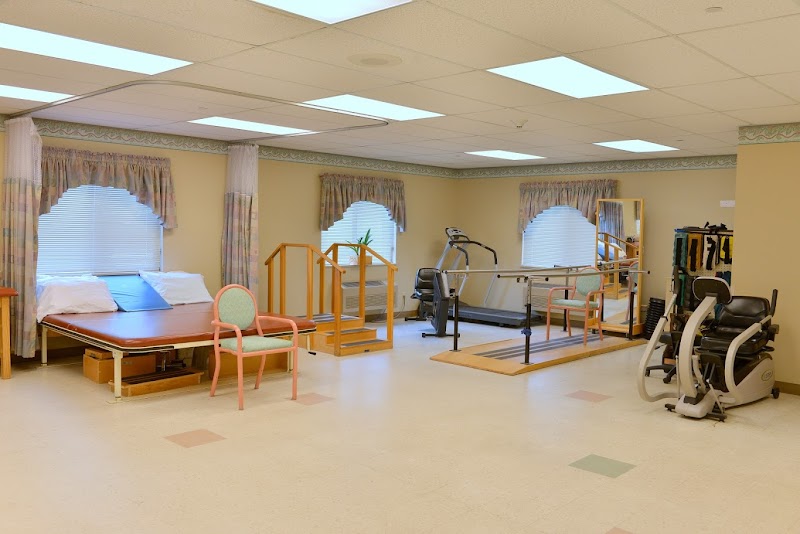
How is Laurels Of Defiance The Staffed?

CMS rates LAURELS OF DEFIANCE THE's staffing level at 3 out of 5 stars, which is average compared to other nursing homes. Staff turnover is 38%, compared to the Ohio average of 46%. This relatively stable workforce can support continuity of care.

What Have Inspectors Found at Laurels Of Defiance The?

State health inspectors documented 32 deficiencies at LAURELS OF DEFIANCE THE during 2018 to 2025. These included: 1 that caused actual resident harm and 31 with potential for harm. Deficiencies causing actual harm indicate documented cases where residents experienced negative health consequences.

Who Owns and Operates Laurels Of Defiance The?

LAURELS OF DEFIANCE THE is owned by a for-profit company. For-profit facilities operate as businesses with obligations to shareholders or private owners. The facility is operated by CIENA HEALTHCARE/LAUREL HEALTH CARE, a chain that manages multiple nursing homes. With 107 certified beds and approximately 91 residents (about 85% occupancy), it is a mid-sized facility located in DEFIANCE, Ohio.
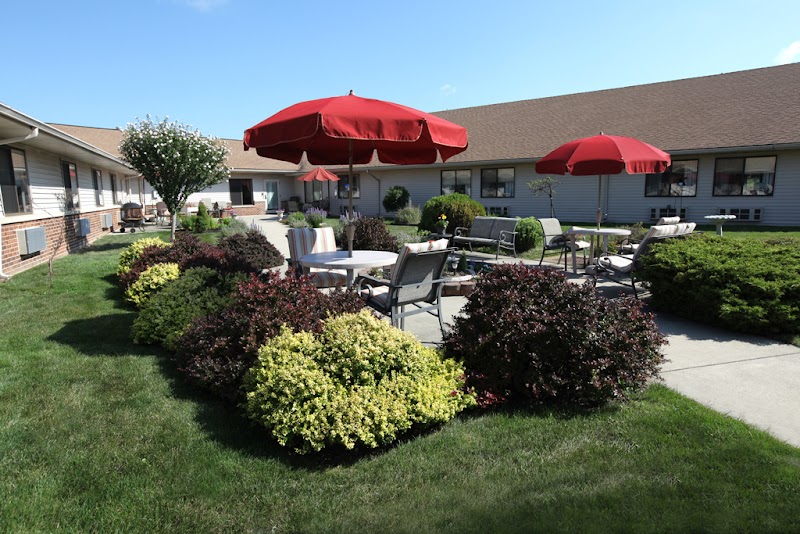
How Does Laurels Of Defiance The Compare to Other Ohio Nursing Homes?

Compared to the 100 nursing homes in Ohio, LAURELS OF DEFIANCE THE's overall rating (3 stars) is below the state average of 3.2, staff turnover (38%) is near the state average of 46%, and health inspection rating (3 stars) is at the national benchmark.

What Should Families Ask When Visiting Laurels Of Defiance The?

Based on this facility's data, families visiting should ask: "Can I visit during a mealtime to observe dining assistance and food quality?" "How do you handle medical emergencies, and what is your hospital transfer rate?" "Can I speak with family members of current residents about their experience?"

Is Laurels Of Defiance The Safe?

Based on CMS inspection data, LAURELS OF DEFIANCE THE has a clean safety record: no substantiated abuse findings (meaning no confirmed cases of resident harm), no Immediate Jeopardy citations (the most serious violation level indicating risk of serious injury or death), and is not on the Special Focus Facility watch list (a federal program monitoring the lowest-performing 1% of nursing homes). The facility has a 3-star overall rating and ranks #100 of 100 nursing homes in Ohio. While no facility is perfect, families should still ask about staff-to-resident ratios and recent inspection results during their visit.

Do Nurses at Laurels Of Defiance The Stick Around?

LAURELS OF DEFIANCE THE has a staff turnover rate of 38%, which is about average for Ohio nursing homes (state average: 46%). Moderate turnover is common in nursing homes, but families should still ask about staff tenure and how the facility maintains care continuity when employees leave.

Was Laurels Of Defiance The Ever Fined?

LAURELS OF DEFIANCE THE has no federal fines on record. CMS issues fines when nursing homes fail to meet care standards or don't correct problems found during inspections. The absence of fines suggests the facility has either maintained compliance or corrected any issues before penalties were assessed. This is a positive indicator, though families should still review recent inspection reports for the full picture.

Is Laurels Of Defiance The on Any Federal Watch List?

LAURELS OF DEFIANCE THE is not on any federal watch list. The most significant is the Special Focus Facility (SFF) program, which identifies the bottom 1% of nursing homes nationally based on persistent, serious quality problems. Not being on this list means the facility has avoided the pattern of deficiencies that triggers enhanced federal oversight. This is a positive indicator, though families should still review the facility's inspection history directly.