TIMBERLAND RIDGE NURSING & REHABILITATION
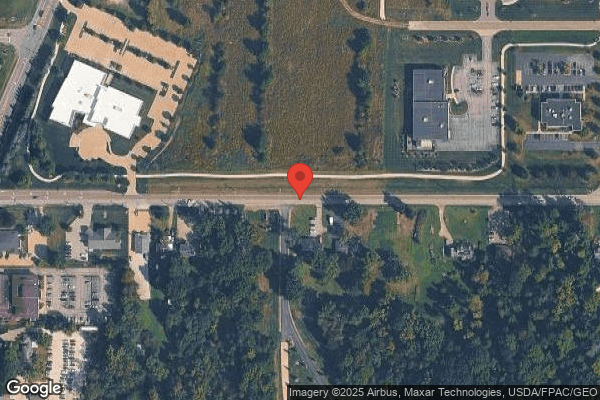
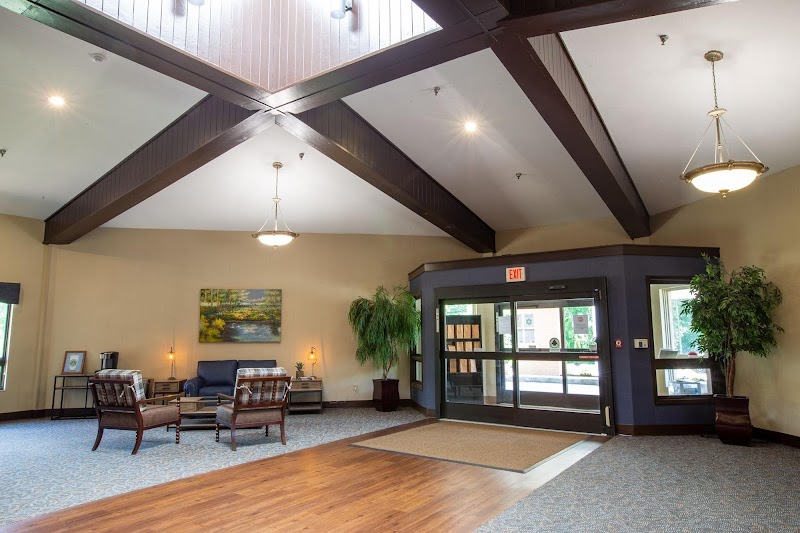
3558 RIDGEWOOD ROAD, FAIRLAWN, OH 44333 (243) 466-8689
For profit - Corporation 75 Beds FOUNDATIONS HEALTH SOLUTIONS Data: November 2025
Trust Grade
75/100
#353 of 913 in OH
Last Inspection: May 2023

Over 2 years since last inspection. Current conditions may differ from available data.

Overview

Timberland Ridge Nursing & Rehabilitation in Fairlawn, Ohio has a Trust Grade of B, indicating it is a good facility and a solid choice among nursing homes. It ranks #353 out of 913 facilities in Ohio, placing it in the top half, and #18 out of 42 in Summit County, suggesting only 17 local options are better. The facility shows an improving trend, with issues decreasing from 2 in 2024 to 1 in 2025, although staffing is a concern with a low rating of 1 out of 5 stars and a turnover rate of 62%, higher than the state average. Despite having no fines on record, which is a positive sign, there were critical concerns during inspections, including a failure to implement infection control protocols affecting multiple residents and not providing timely care after a fall that resulted in a fracture; these issues indicate areas that need attention. On a positive note, the facility provides average RN coverage, which is essential for monitoring residents' health.

Trust Score
B
75/100
In Ohio
#353/913
Top 38%
Safety Record
Low Risk
No red flags
Inspections
Getting Better
2 → 1 violations
Staff Stability
⚠ Watch
62% turnover. Above average. Higher turnover means staff may not know residents' routines.
Penalties
✓ Good
No fines on record. Clean compliance history, better than most Ohio facilities.
Skilled Nurses
⚠ Watch
Each resident gets only 29 minutes of Registered Nurse (RN) attention daily — below average for Ohio. Fewer RN minutes means fewer trained eyes watching for problems.
Violations
✓ Good
Only 4 deficiencies on record. Cleaner than most facilities. Minor issues only.
★★★★☆
4.0
Overall Rating
★☆☆☆☆
1.0
Staff Levels
★★★☆☆
3.0
Care Quality
★★★★★
5.0
Inspection Score
Stable
2024: 2 issues
2025: 1 issues

The Good

  • Full Sprinkler Coverage · Fire safety systems throughout facility
  • No fines on record

Facility shows strength in fire safety.

The Bad

Staff Turnover: 62%

16pts above Ohio avg (46%)

Frequent staff changes - ask about care continuity

Chain: FOUNDATIONS HEALTH SOLUTIONS

Part of a multi-facility chain

Ask about local staffing decisions and management

Staff turnover is elevated (62%)

14 points above Ohio average of 48%

The Ugly 4 deficiencies on record

Jan 2025 1 deficiency
CONCERN (D) 📢 Someone Reported This

A family member, employee, or ombudsman was alarmed enough to file a formal complaint

Potential for Harm - no one hurt, but risky conditions existed

Quality of Care (Tag F0684)

Could have caused harm · This affected 1 resident

**NOTE- TERMS IN BRACKETS HAVE BEEN EDITED TO PROTECT CONFIDENTIALITY** Based on interview, record review, and policy review, the facility failed to ensure residents received appropriate and timely ca...

Read full inspector narrative →
**NOTE- TERMS IN BRACKETS HAVE BEEN EDITED TO PROTECT CONFIDENTIALITY** Based on interview, record review, and policy review, the facility failed to ensure residents received appropriate and timely care after a fall resulting in a fracture. This affected one resident (Resident #19) of three residents reviewed for care. The facility census was 65. Findings Include: Medical record review revealed Resident #19 was admitted to the facility on [DATE] with diagnoses including dementia without behavioral disturbance, repeated falls, urinary retention, bradycardia, arthritis, and high blood pressure. Review of Resident #19's physician's orders revealed an order dated 05/08/23 for hydrocodone - acetaminophen 5-325 milligrams (mg) (an opioid pain medication) three times daily. Review of the Medicare quarterly Minimum Data Set 3.0 assessment, dated 11/21/24, revealed Resident #19 was severely cognitively impaired, needed moderate assistance from staff for toileting and maximum assistance for showering. Review of the nurses' notes revealed on 12/25/24 at 8:01 P.M. Registered Nurse (RN) #219 found Resident #19 on the floor. RN #219 assessed Resident #19 and the resident complained of pain to her right hip with movement and was unable to move her right leg from front to back or up and down. Resident #19 was able to move all her other extremities. RN #219 assisted Resident #19 to her recliner and then notified Nurse Practitioner (NP) #400 who ordered a right hip x-ray. Further review of the nurses' notes revealed on 12/26/24 at 7:50 A.M. RN #224 administered Resident #19's scheduled pain medication. RN #224 along with two other aides transferred Resident #19 to her bed. At 12:00 P.M. radiology arrived to take the x-ray. At 12:16 P.M. RN #224 notified NP #400 Resident #19 had a fractured femur and NP #400 gave an order to transfer Resident #19 to the hospital. At 12:53 P.M. Resident #19 left for the hospital and were she was admitted to the hospital for hip surgery. Review of the fall investigation dated 12/25/24 revealed on 12/25/24 at 7:20 P.M. Registered Nurse #219 was administering evening medications when she entered Resident #19's room and found the resident on the floor. RN #219 asked Resident #19 what happened, and the resident said she was trying to get to her bed. Resident #19 was lying on the floor between her recliner and wheelchair. Resident #19 complained of pain to her right hip area. RN #219 notified NP #400 regarding the fall. NP #400 ordered a right hip x-ray. Radiology was notified at 8:09 P.M. Telephone interview with NP #400 on 01/21/25 at 9:45 A.M. revealed the nurse (RN #219) had called her to notify her of Resident #19's fall and that she was having hip pain. NP #400 said she ordered a STAT (immediate) hip x-ray. NP #400 was not aware that the x-ray had not been taken until 12/26/24 at 12:00 P.M., approximately 17 hours after the injury was noted. Telephone interview with RN #224 on 01/21/25 at 3:04 P.M. revealed on 12/26/24 after receiving morning shift report she went straight to Resident #19's room. RN #224 noticed Resident #19 was in more pain than she usually was. Resident #19 was also very soiled due to being incontinent. RN #224 and two aides transferred Resident #19 to bed utilizing a tarp. Once Resident #19 was in bed they provided incontinence care and put her in clean and dry clothing. Resident #19 was due for her scheduled pain medication which RN #224 administered. RN #224 was surprised Resident #19 had not been transferred to the hospital prior to this time because RN #224 observed the right leg was externally rotated and she had a fractured hip. Once the x-ray results were faxed to the facility Resident #19 was transferred to the hospital around 1:00 P.M. Interview with the Regional Nurse on 01/21/25 at 5:45 P.M. confirmed Resident #19 fell on [DATE] at 7:20 P.M. and did not receive the STAT hip x-ray until 12/26/24 between 11:00 A.M. and 12:00 P.M. Review of the facility's Change of Condition policy, revised April 2013, revealed a change of condition was defined as a deterioration in the health, mental, or psychosocial status of a resident related to a life-threatening condition, a significant alteration in treatment, or a significant change in the resident's clinical condition or status. Life threatening conditions include broken bones. This deficiency represents noncompliance investigated under Complaint Number OH00160893.
Oct 2024 1 deficiency
CONCERN (D) 📢 Someone Reported This

A family member, employee, or ombudsman was alarmed enough to file a formal complaint

Potential for Harm - no one hurt, but risky conditions existed

Quality of Care (Tag F0684)

Could have caused harm · This affected 1 resident

**NOTE- TERMS IN BRACKETS HAVE BEEN EDITED TO PROTECT CONFIDENTIALITY** Based on review of the medical record, review of medical literature, policy review, and interview with the staff the facility fa...

Read full inspector narrative →
**NOTE- TERMS IN BRACKETS HAVE BEEN EDITED TO PROTECT CONFIDENTIALITY** Based on review of the medical record, review of medical literature, policy review, and interview with the staff the facility failed to provide a physician ordered treatment for a resident's hormone condition. This affected one resident (#66) of three reviewed for care and treatment. Findings included: Review of the closed medical record revealed Resident #66 was admitted to the facility on [DATE]. Diagnoses included normal pressure hydrocephalus, chronic obstructive pulmonary disease, adult failure to thrive, depression, hypertension, anxiety disorder, overactive bladder, and syndrome of inappropriate secretion of the antidiuretic hormone (SIADH). Review of medical literature from the Cleveland Clinic revealed SIADH happens when a person's body makes excess amounts of antidiuretic hormone (ADH) causing a person's body to retain too much water and can lead to hyponatremia (low levels of sodium in the blood). The condition is treatable. The resident was discharged to the hospital on [DATE] per the family request. Review of the plan of care dated 05/29/24 revealed Resident #66 had altered health maintenance related to progressive physical and mental status, congestive heart failure, failure to thrive, SIADH, anxiety, depression, hypertension, normal pressure hydrocephalus, overactive bladder, and cognitive decline. Interventions included to administer medications as ordered Review of the physician's orders revealed Resident #66 had an order for urea sodium oral packet (for SIADH) once daily for low sodium dated 05/26/24. The order was discontinued on 07/08/24. Review of the medication administration note dated 05/26/24 at 6:30 A.M. revealed the urea sodium oral packet was on order from the pharmacy. Review of the May 2024 medication administration record revealed the urea sodium oral packet was never obtained from the pharmacy to be administered. Review of the medication administration note dated 06/08/24 at 9:33 A.M. revealed the urea sodium oral packet was not available. Review of the medication administration note dated 06/09/24 at 9:19 A.M. revealed the urea sodium oral packet was on order from the pharmacy. Review of the medication administration note dated 06/10/24 at 12:04 P.M. revealed the urea sodium oral packet was on order from the pharmacy. Review of the medication administration note dated 06/17/24 at 9:33 A.M. revealed the urea sodium oral packet was on order from the pharmacy. Review of the medication administration note dated 06/18/24 at 8:20 A.M. revealed the urea sodium oral packet was on order from the pharmacy. Review of the medication administration note dated 06/21/24 at 10:31 A.M. revealed the urea sodium oral packet was on order from the pharmacy. Review of the medication administration note dated 06/22/24 at 6:50 A.M. revealed the urea sodium oral packet was on order from the pharmacy. Review of the medication administration note dated 06/23/24 at 9:18 A.M. revealed the urea sodium oral packet was not available. Review of the Health Status note dated 06/28/24 at 10:02 A.M. revealed the nurse spoke to the pharmacist and the urea sodium oral packet was currently out of stock and they would need to call the physician for additional orders. However, there was no documentation the physician was ever notified. Review of the June 2024 medication administration record revealed the urea sodium oral packet was never obtained from the pharmacy to be administered. Review of the medication administration note dated 07/03/24 at 8:43 A.M. revealed the urea sodium oral packet was out of stock. Review of the medication administration note dated 07/08/24 at 9:33 A.M. revealed the urea sodium oral packet was on order from the pharmacy. Review of the July 2024 medication administration record revealed the urea sodium oral packet was never obtained from the pharmacy to be administered. Review of the pharmacy delivery sheets from 05/25/24 to 08/08/24 revealed Resident #66 did not receive urea sodium oral packet from the pharmacy. On 10/10/24 at 4:00 P.M. an interview with the Director of Nursing confirmed Resident #66 never received her urea sodium oral packet and she verified there was no documentation the physician was notified. On 10/10/24 at 4:15 P.M. an interview with Physician #600 revealed he did not remember if the facility let him know Resident #66 was not receiving her urea sodium oral packet. On 10/10/24 at 5:00 P.M. an interview with Nurse Practitioner # 500 revealed she did not remember any calls about Resident #66 not receiving her urea sodium oral packet but they might have called Physician #600. Review of the facility policy titled, Medication Administration, (dated 06/21/17) revealed medication would be administered by legal-authorizers and trained persona in accordance to applicable State, Local and Federal laws and consistent with acceptable standards of practice. This deficiency represents non-compliance investigated under Complaint Number OH00158022.
Feb 2024 1 deficiency
CONCERN (E) 📢 Someone Reported This

A family member, employee, or ombudsman was alarmed enough to file a formal complaint

Potential for Harm - no one hurt, but risky conditions existed

Infection Control (Tag F0880)

Could have caused harm · This affected multiple residents

**NOTE- TERMS IN BRACKETS HAVE BEEN EDITED TO PROTECT CONFIDENTIALITY** Based on record review and interview with facility staff and staff from the local Summit County Health Department, the facility ...

Read full inspector narrative →
**NOTE- TERMS IN BRACKETS HAVE BEEN EDITED TO PROTECT CONFIDENTIALITY** Based on record review and interview with facility staff and staff from the local Summit County Health Department, the facility failed to maintain an effective infection control program to ensure recommendations by the local health department were implemented/completed to identify and prevent the spread of infection. This affected two residents (#9 and #75) and had the potential to affect 18 additional residents (#8, #12, #19, #21, #22, #25, #27, #28, #37, #39, #51, #54, #55, #56, #58, #59, #65, and #67) who resided on the facility [NAME] Wing. Findings Include: Review of Resident #9's medical record revealed an admission date of 08/19/22 with admitting diagnoses including paraplegia, chronic respiratory failure, resistance to antibiotics, lupus and chronic kidney disease. Record review revealed the resident was discharged on 11/01/23 and re-admitted to the facility on [DATE]. Review of Resident #9's medical record revealed a progress note dated 09/29/23 at 10:26 A.M. which reflected the resident had tested positive for a carbapenem producing organism (CPO) Acinetobacter Baumannii A. The resident's physician was advised and had no new orders. On 01/31/24 at 12:03 P.M. an interview with the Summit County Health Department Infectious Disease Nurse (IDN) revealed the facility had notified them of a positive case of a carbapenem producing organism (CPO) Acinetobacter Baumannii A. The resident who was affected, had not been in contact precautions at the time of or prior to the diagnosis. The IDN revealed according to the guidelines and recommendations, if a patient had a confirmed case of CPO, a facility should do a contact screening on the unit in which the index case was on. The facility completed an initial round of screening on 9/25/23 to test for CPOs and had two residents (Resident #9 and Resident #75) come back positive during the colonization screening. According to the IDN and guidelines, if there were positive cases on the initial screening, the facility would then need to have two consecutive negative colonization screenings to assure there was no further transmission on the unit. According to the IDN, the facility did not complete these steps in the screening process and was sporadic in communication, despite multiple attempts over the past few months by the Communicable Disease Unit to follow-up with the facility. The IDN revealed the following communication between the facility and local health department: a. On 10/02/23 after receiving the positive screening notification the local health department contacted the facility to follow up with the facility with education to the facility about the program expectations. b. On 10/03/23 the IDN stated the Administrator called back and stated she had received the email and would follow up. c. From 10/10/23 to 11/08/23 the IDN contacted the Administrator multiple times to follow up on CPO follow up screenings without getting screening results. d. On 11/08/23 the IDN stated the facility attempted to submit swabs for the CPO screening. e. On 11/14/23 the IDN received notice that the collection was not accepted because the facility did not include needed information with the sample such as birth dates. f. On 11/15/23 the IDN forwarded a request to the facility to re-screen residents. g. On 12/04/23 the IDN contacted the facility with attempt to follow up to see if re-screens had been done. The facility stated they needed to re-swab and stated the re-swabbing would be done 12/11/23. h. On 12/19/23 the IDN stated they called the facility to see if screening had been done with no response back. i. On 12/20/23 the IDN contacted the Ohio Department of Health (laboratory) to see if any specimens had been sent in. An ODH representative reported there had no specimens that had been sent. j. On 12/21/23 the IDN called the facility Administrator to remind her to send the screenings. k. On 12/28/23 the Administrator was contacted and she reported the lab was unable to accept the screening due to the holiday and there had been too much time that had lapsed between the collection and submission of the samples. l. On 01/05/24 the IDN reported he tried to see again if screening had been done/retried. m. On 01/10/24 the IDN contacted the Administrator to see why the screenings had not been sent in. The Administrator said they had not sent in the screenings, but would do so immediately. n. As of 01/18/24 the IDN revealed there had been no response from the Administrator or facility. Review of the Testing Logs for CPO/CRAB revealed the facility tested all residents on the facility [NAME] Wing on 09/25/23; testing revealed two residents on the [NAME] Wing were positive for CPO organism, Resident #9 and Resident #75. Nursing progress notes revealed both resident's physicians were advised, and the hospice provider was also notified for Resident #75. There were no new orders from the physicians as they felt the infections were considered colonized. Review of a testing log revealed testing was attempted again on 11/08/23 by the facility but the lab refused specimens due to to incomplete/wrong requisitions being sent. Review of a testing log revealed testing was attempted again on 12/21/23 but rejected by the lab due to time elapsed between collection and receipt by lab. Interview on 01/31/24 at 2:40 P.M. with the Director of Nursing who was also the facility Infection Control Preventionist revealed on 08/18/23 the facility was notified that a former resident, who the Administrator said was unidentified, had tested positive for CPO after they had left the facility and recommended testing all the residents on the former residents unit, which was the west wing unit. The DON revealed the facility tested the residents on the former residents unit on 09/25/23 and sent in the results. Two residents, Resident #9 and #75 tested positive. Both resident's physicians and nurse practitioners were contacted and they agreed the infections had been colonized and felt there was no danger to the residents or of infecting others. The facility identified 18 additional residents, Resident #8, #12, #19, #21, #22, #25, #27, #28, #37, #39, #51, #54, #55, #56, #58, #59, #65, and #67 who resided on the [NAME] Wing who would be at risk for contracting a CPO infection based on the facility not following the local health department recommendations for screening/testing. Interview on 01/31/24 at 12:50 P.M. with the Administrator revealed the facility had tried to do the follow-up screenings per the local health department recommendations/guidelines for CPO twice; once on 11/11/23 but the requisition forms were not properly labels and the tests were refused by the lab and once on 12/21/23 which again were refused because the samples were sent during the holiday at the lab and the lab refused the sample swabs submitted because too much time had elapsed between the collection and receipt to make the sample swabs viable for testing. As of 01/31/24 there were no other attempts to test the residents on the facility [NAME] Wing and verified no successful testing had been done as since the testing competed on 09/25/23 as recommended by the local health department. This deficiency represents non-compliance investigated under Complaint Number OH00150211.
Dec 2023 1 deficiency
CONCERN (D) 📢 Someone Reported This

A family member, employee, or ombudsman was alarmed enough to file a formal complaint

Potential for Harm - no one hurt, but risky conditions existed

Free from Abuse/Neglect (Tag F0600)

Could have caused harm · This affected 1 resident

THE FOLLOWING DEFICIENCY REPRESENTS AN INCIDENT OF PAST NON-COMPLIANCE THAT WAS SUBSEQUENTLY CORRECTED PRIOR TO THIS SURVEY. Based on record review, review of a self-reported incident and facility inv...

Read full inspector narrative →
THE FOLLOWING DEFICIENCY REPRESENTS AN INCIDENT OF PAST NON-COMPLIANCE THAT WAS SUBSEQUENTLY CORRECTED PRIOR TO THIS SURVEY. Based on record review, review of a self-reported incident and facility investigation and interviews, the facility failed to ensure residents were free from misappropriation. This affected two residents (Residents #25, and #38) of three residents reviewed for misappropriation. The facility census was 69. Findings include: 1. Review of Resident #25's medical record revealed an admission date of 06/16/23. Diagnoses included acute chronic respiratory failure, chronic viral hepatitis C, hypertension, atherosclerotic heart disease, and chronic kidney disease stage three. Review of Resident #25's quarterly Minimum Data Set (MDS) 3.0 assessment, dated 09/21/23, revealed he had slightly impaired cognition. Resident #25 required extensive assistance by one staff member for bed mobility, and dressing. Resident #25 was set up and supervision only for transfers, wheelchair mobility, toileting, and bathing. Resident #25 was independent with walking and personal hygiene. Review of Resident #25's physician orders dated December 2023 revealed the resident was prescribed oxycodone (narcotic pain medication) five milligrams (mg) every four hours as needed for pain. Review of Resident #25's Medication Administration Record (MAR) dated December 2023 revealed the resident received oxycodone five mg every four hours as needed when requested. 2. Review of Resident #38's medical record revealed an admission date of 04/30/23. Diagnoses included chronic respiratory failure, congestive heart failure, diabetes mellitus type two, hypertension, end stage renal disease, and chronic pain syndrome. Review of Resident #38's quarterly Minimum Data Set (MDS) 3.0 assessment, dated 11/07/23, revealed the resident was independent with eating, required substantial to maximal assistance for toileting and bed mobility, and was totally dependent on staff for toileting and showering. Review of Resident #38's physician orders dated December 2023 revealed the resident was prescribed oxycodone five mg every six hours as needed for pain. Review of Resident #38's MAR dated December 2023 revealed the resident received oxycodone five mg every six hours as needed when requested. Review of the Self-Reported Incident and facility investigation dated 12/09/23 revealed the facility substantiated an allegation of misappropriation of narcotics by Licensed Practical Nurse (LPN) #710 affecting Resident #25 and Resident #38. LPN #710 was indefinitely suspended on 12/09/23 pending results of the investigation and the local police were notified. The incident was reported to the Ohio Board of Nursing on 12/11/23. The local police department determined there was sufficient information to issue a warrant for LPN #710. LPN #710's employment was terminated on 12/11/23. The DON determined 85 doses of oxycodone were taken by LPN #710 from Resident #25 and #38 who were interviewed by the DON and stated they did not miss any doses of their oxycodone and were medicated for pain upon request. Review of the Ohio Department of Health Bureau of Regulatory Operations Misappropriation Final Investigation, dated 12/21/23, revealed LPN #210 confessed to misappropriation of the oxycodone belonging to Resident #25 and #38. Interviews conducted on 12/20/23 at 12:57 P.M. and 1:00 P.M. with Residents #25 and #38 revealed they did not miss any doses of their pain medications and the facility replaced stolen medications at no cost to them. They stated they had no adverse effects related to the incident. Interview on 12/20/23 at 1:25 P.M. with the Director of Nursing (DON) revealed she was notified by the oncoming day shift nurse the narcotic count was wrong on 12/09/23 with multiple narcotic count sheets missing and the associated cards for Residents #25 and #38. The DON stated LPN #710 was identified by nursing staff as the nurse on duty the night of 12/08/23. When the DON questioned LPN #710 about the missing narcotics, she stated she accidentally threw them away. LPN #710 was immediately suspended, and an investigation was started. A drug test was completed on LPN #710 and the two other nurses in the building and all tests came back negative. All three nurses were asked to write statements as to what happened and how many narcotic sheets and cards were there on 12/08/23 and 12/09/23. LPN #710 was asked to not leave the facility due to additional questions needed to be answered and the police were involved and would need to speak with her. LPN #710 left the facility. The DON stated the police were able to contact LPN #710 and she stated she threw them away by accident. The DON and other administrative staff searched all trash cans and dumpsters and there were no medications found. The DON stated when the Ohio Department of Health Abuse, Neglect and Misappropriation investigator arrived on Monday 12/18/23 they reviewed text messages sent to the DON and LPN #710 stated she realized she had taken the narcotic card count sheets home when she found them in her bag. She also texted she was an addict and taking Suboxone. She had run out of the Suboxone and started to get sick. She panicked and should have been honest about everything, but she was scared and didn't want to get arrested. The DON and the Administrator substantiated the Self-Reported Incident (SRI) for misappropriation. The deficient practice was corrected on 12/09/23 when the facility implemented the following corrective actions: • On 12/09/23 LPN #710 was indefinitely suspended pending results of the investigation, and the local police were notified of the alleged misappropriation. • On 12/09/23 the facility DON reviewed the narcotic shift-to-shift count process with no changes made. The DON also made observations of shift-to-shift narcotic counts with no concerns identified. • On 12/09/23 all medication carts and medication rooms, including contingency controlled substance supply, were audited by the DON to ensure all controlled substances were accounted for. All residents on the [NAME] Hall were interviewed and/or assessed to see if there were any concerns with the medication administration, and there were no concerns identified. All other residents in the facility who received controlled substances were interviewed and assessed with no concerns identified. All nurses were interviewed by the DON to see if they had any concerns with controlled substances, and there were no concerns reported. • On 12/09/2023 all 112 facility staff members were educated by the Administrator and designee on the facility abuse policy. All facility nurses were educated on the narcotic shift-to-shift count process by the DON and designee. • On 12/11/23 LPN #710 was reported to the Ohio Board of Nursing and her employment at the facility was terminated. • On 12/11/23 an ad hoc quality assurance committee meeting was held with the medical director to discuss the SRI and the controlled substance action plan. Those attending included the DON, assistant DON, the Administrator, pharmacy and the Medical Director. • On 12/13/2023 the DON and designee began conducting audits/observations three times per week for two weeks randomly of two shift-to-shift count process to ensure there were no concerns with the process. • On 12/13/2023 the DON and designee began random audits three times per week for two weeks on two random medication storage areas to ensure all controlled substances were accounted for. • On 12/13/2023 the DON and designee began audits three times per week for two weeks of three random residents who receive controlled substances for interviews and assessments to see if they had any concerns with administration of their controlled substances. • Any identified concerns will be reviewed by the interdisciplinary team (IDT) and reeducation will be completed. The DON will be responsible for ongoing compliance. There were no further incidents of residents experiencing misappropriation from 12/09/23 through the date of this survey on 12/20/23. This deficiency was an incidental finding during the investigation of Complaint Number OH00149191.
Understanding Severity Codes (click to expand)
Life-Threatening (Immediate Jeopardy)
J - Isolated K - Pattern L - Widespread
Actual Harm
G - Isolated H - Pattern I - Widespread
Potential for Harm
D - Isolated E - Pattern F - Widespread
No Harm (Minor)
A - Isolated B - Pattern C - Widespread

Questions to Ask on Your Visit

  • "Why is there high staff turnover? How do you retain staff?"
  • "Can I speak with families of current residents?"
  • "What's your RN coverage like on weekends and overnight?"

Our Honest Assessment

Strengths
  • • No major safety red flags. No abuse findings, life-threatening violations, or SFF status.
  • • No fines on record. Clean compliance history, better than most Ohio facilities.
  • • Only 4 deficiencies on record. Cleaner than most facilities. Minor issues only.
Concerns
  • • 62% turnover. Above average. Higher turnover means staff may not know residents' routines.
Bottom line: Generally positive indicators. Standard due diligence and a personal visit recommended.

About This Facility

What is Timberland Ridge Nursing & Rehabilitation's CMS Rating?

CMS assigns TIMBERLAND RIDGE NURSING & REHABILITATION an overall rating of 4 out of 5 stars, which is considered above average nationally. Within Ohio, this rating places the facility higher than 99% of the state's 100 nursing homes. This rating reflects solid performance across the metrics CMS uses to evaluate nursing home quality.
How is Timberland Ridge Nursing & Rehabilitation Staffed?

CMS rates TIMBERLAND RIDGE NURSING & REHABILITATION's staffing level at 1 out of 5 stars, which is much below average compared to other nursing homes. Staff turnover is 62%, which is 16 percentage points above the Ohio average of 46%. High turnover can affect care consistency as new staff learn residents' individual needs. RN turnover specifically is 80%, which is notably high. RNs provide skilled clinical oversight, so turnover in this role can affect medical care quality.

What Have Inspectors Found at Timberland Ridge Nursing & Rehabilitation?

State health inspectors documented 4 deficiencies at TIMBERLAND RIDGE NURSING & REHABILITATION during 2023 to 2025. These included: 4 with potential for harm.
Who Owns and Operates Timberland Ridge Nursing & Rehabilitation?

TIMBERLAND RIDGE NURSING & REHABILITATION is owned by a for-profit company. For-profit facilities operate as businesses with obligations to shareholders or private owners. The facility is operated by FOUNDATIONS HEALTH SOLUTIONS, a chain that manages multiple nursing homes. With 75 certified beds and approximately 64 residents (about 85% occupancy), it is a smaller facility located in FAIRLAWN, Ohio.

How Does Timberland Ridge Nursing & Rehabilitation Compare to Other Ohio Nursing Homes?

Compared to the 100 nursing homes in Ohio, TIMBERLAND RIDGE NURSING & REHABILITATION's overall rating (4 stars) is above the state average of 3.2, staff turnover (62%) is significantly higher than the state average of 46%, and health inspection rating (5 stars) is much above the national benchmark.

What Should Families Ask When Visiting Timberland Ridge Nursing & Rehabilitation?

Based on this facility's data, families visiting should ask: "How do you ensure continuity of care given staff turnover, and what is your staff retention strategy?" "Can you walk me through typical staffing levels on day, evening, and night shifts?" "Can I visit during a mealtime to observe dining assistance and food quality?" "How do you handle medical emergencies, and what is your hospital transfer rate?" These questions are particularly relevant given the facility's high staff turnover rate and the below-average staffing rating.

Is Timberland Ridge Nursing & Rehabilitation Safe?

Based on CMS inspection data, TIMBERLAND RIDGE NURSING & REHABILITATION has a clean safety record: no substantiated abuse findings (meaning no confirmed cases of resident harm), no Immediate Jeopardy citations (the most serious violation level indicating risk of serious injury or death), and is not on the Special Focus Facility watch list (a federal program monitoring the lowest-performing 1% of nursing homes). The facility has a 4-star overall rating and ranks #1 of 100 nursing homes in Ohio. While no facility is perfect, families should still ask about staff-to-resident ratios and recent inspection results during their visit.

Do Nurses at Timberland Ridge Nursing & Rehabilitation Stick Around?

Staff turnover at TIMBERLAND RIDGE NURSING & REHABILITATION is high. At 62%, the facility is 16 percentage points above the Ohio average of 46%. Registered Nurse turnover is particularly concerning at 80%. RNs handle complex medical decisions and coordinate care — frequent RN changes can directly impact care quality. High turnover means new staff may not know residents' individual needs, medications, or preferences. It can also be disorienting for residents, especially those with dementia who rely on familiar faces. Families should ask: What is causing the turnover? What retention programs are in place? How do you ensure care continuity during staff transitions?

Was Timberland Ridge Nursing & Rehabilitation Ever Fined?

TIMBERLAND RIDGE NURSING & REHABILITATION has no federal fines on record. CMS issues fines when nursing homes fail to meet care standards or don't correct problems found during inspections. The absence of fines suggests the facility has either maintained compliance or corrected any issues before penalties were assessed. This is a positive indicator, though families should still review recent inspection reports for the full picture.

Is Timberland Ridge Nursing & Rehabilitation on Any Federal Watch List?

TIMBERLAND RIDGE NURSING & REHABILITATION is not on any federal watch list. The most significant is the Special Focus Facility (SFF) program, which identifies the bottom 1% of nursing homes nationally based on persistent, serious quality problems. Not being on this list means the facility has avoided the pattern of deficiencies that triggers enhanced federal oversight. This is a positive indicator, though families should still review the facility's inspection history directly.