VILLAGE AT ST EDWARD NRSG CARE
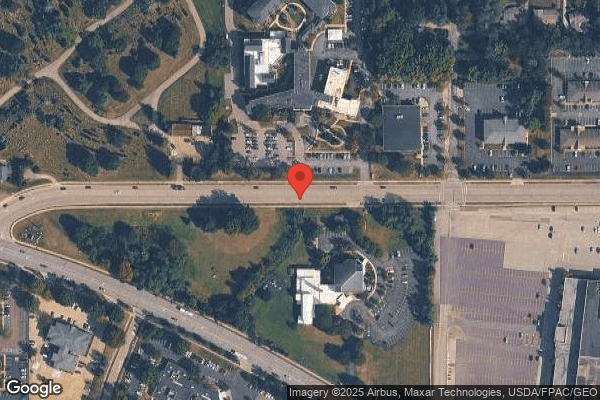
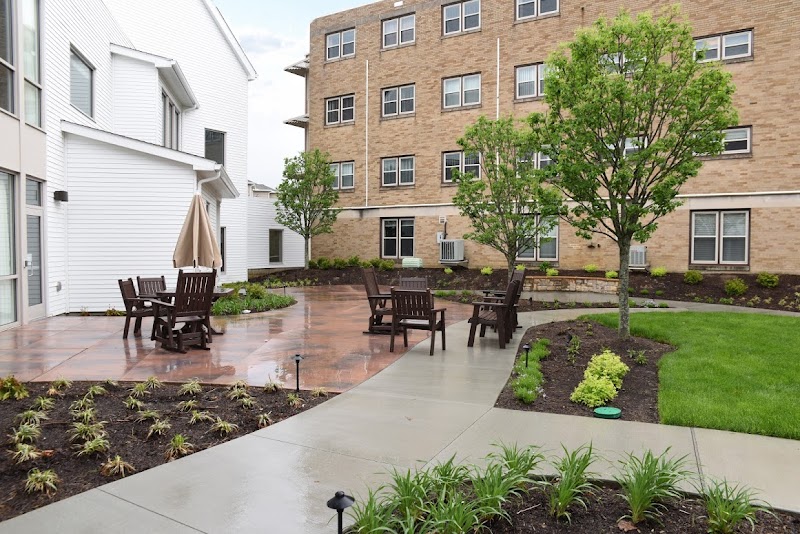
3131 SMITH RD, FAIRLAWN, OH 44333 (330) 666-1183
Non profit - Corporation 81 Beds Independent Data: November 2025
Trust Grade
80/100
#366 of 913 in OH
Last Inspection: December 2024

Within standard 12-15 month inspection cycle. Federal law requires annual inspections.

Overview

The Village at St. Edward Nursing Care has received a Trust Grade of B+, indicating it is above average and recommended for families seeking care options. In Ohio, it ranks #366 out of 913 facilities, placing it in the top half, and #19 out of 42 in Summit County, suggesting only one local option is better. The facility is improving, with a decrease in issues reported from three in 2024 to two in 2025, and it enjoys a low staff turnover rate of 30%, which is better than the state average. Notably, there have been no fines, indicating compliance with regulations, and staffing is rated at 4 out of 5 stars. However, there were concerning incidents reported, including a failure to notify residents about their Medicaid resource limits when nearing the threshold and a serious situation involving a resident who was unresponsive and required hospitalization. Overall, while the facility has strengths in staffing and compliance, families should be aware of the recent concerns regarding resident monitoring and communication.

Trust Score
B+
80/100
In Ohio
#366/913
Top 40%
Safety Record
Low Risk
No red flags
Inspections
Getting Better
3 → 2 violations
Staff Stability
○ Average
30% turnover. Near Ohio's 48% average. Typical for the industry.
Penalties
✓ Good
No fines on record. Clean compliance history, better than most Ohio facilities.
Skilled Nurses
✓ Good
Each resident gets 46 minutes of Registered Nurse (RN) attention daily — more than average for Ohio. RNs are trained to catch health problems early.
Violations
⚠ Watch
12 deficiencies on record. Higher than average. Multiple issues found across inspections.
★★★★☆
4.0
Overall Rating
★★★★☆
4.0
Staff Levels
★★★☆☆
3.0
Care Quality
★★★★☆
4.0
Inspection Score
Stable
2024: 3 issues
2025: 2 issues

The Good

  • 4-Star Staffing Rating · Above-average nurse staffing levels
  • Full Sprinkler Coverage · Fire safety systems throughout facility
  • No fines on record
  • Staff turnover below average (30%)

    18 points below Ohio average of 48%

Facility shows strength in staffing levels, fire safety.

The Bad

Staff Turnover: 30%

16pts below Ohio avg (46%)

Typical for the industry

The Ugly 12 deficiencies on record

Apr 2025 2 deficiencies
CONCERN (D) 📢 Someone Reported This

A family member, employee, or ombudsman was alarmed enough to file a formal complaint

Potential for Harm - no one hurt, but risky conditions existed

Deficiency F0583 (Tag F0583)

Could have caused harm · This affected 1 resident

**NOTE- TERMS IN BRACKETS HAVE BEEN EDITED TO PROTECT CONFIDENTIALITY** Based on observation, review of the medical record, review of facility policy, and interview with staff, the facility failed to ...

Read full inspector narrative →
**NOTE- TERMS IN BRACKETS HAVE BEEN EDITED TO PROTECT CONFIDENTIALITY** Based on observation, review of the medical record, review of facility policy, and interview with staff, the facility failed to provide privacy during wound care to Resident #1. This affected one resident (Resident #1) of one observed for wound care. Findings included: Review of the medical record revealed Resident #1 was admitted to the facility on [DATE]. Diagnoses included respiratory failure, diabetes, pulmonary hypertension, atrial fibrillation, coronary atherosclerosis, flaccid neuropathic bladder, insomnia, dementia, depression, and congestive heart failure. Review of the quarterly Minimum Data Set (MDS) assessment dated [DATE] revealed Resident #1 had moderately impaired cognition. Review of Resident #1's physician orders revealed the resident had treatment orders for a right heel wound dated 03/13/25 to cleanse the wound with normal saline, apply Santyl ointment to the wound, and cover it with a foam dressing daily and as needed. Observation of wound care on 04/09/25 at 10:00 A.M. revealed Licensed Practical Nurse (LPN) #100 provided wound care to Resident #1 with the assistance of Registered Nurse #102. During the observation, the staff failed to close the door to the residents room or pull the privacy curtain. The resident was able to be observed receiving wound care by anyone in the hallway. On 04/09/25 at 10:30 A.M. an interview with LPN #100 confirmed she did not close the door or the privacy curtain to provide privacy during wound care to Resident #1. Review of the undated facility policy titled, Privacy, revealed before performing assessments or procedures, the staff should close the doors or pull the privacy curtains to prevent others from seeing or overhearing, thereby respecting the residents privacy and dignity.
CONCERN (D) 📢 Someone Reported This

A family member, employee, or ombudsman was alarmed enough to file a formal complaint

Potential for Harm - no one hurt, but risky conditions existed

Pressure Ulcer Prevention (Tag F0686)

Could have caused harm · This affected 1 resident

**NOTE- TERMS IN BRACKETS HAVE BEEN EDITED TO PROTECT CONFIDENTIALITY** Based on observations, review of the medical record, interview with staff, and review of policy and procedure, the facility fail...

Read full inspector narrative →
**NOTE- TERMS IN BRACKETS HAVE BEEN EDITED TO PROTECT CONFIDENTIALITY** Based on observations, review of the medical record, interview with staff, and review of policy and procedure, the facility failed to maintain infection control during wound care for Resident #1's pressure ulcer. This affected one resident (Resident #1) of three reviewed for pressure ulcers. Findings included: Review of the medical record revealed Resident #1 was admitted to the facility on [DATE]. Diagnoses included respiratory failure, diabetes, pulmonary hypertension, atrial fibrillation, coronary atherosclerosis, flaccid neuropathic bladder, insomnia, dementia, depression, and congestive heart failure. Review of the physician's order revealed Resident #1 had an order to cleanse the right heel with normal saline, apply Santyl ointment to the wound, cover with a foam dressing daily and as needed dated 03/13/25. Review of the quarterly Minimum Data Set assessment dated [DATE] revealed Resident #1 had moderately impaired cognition and had a one unstageable pressure ulcer not present on admission. Observation of wound care on 04/09/25 at 10:00 A.M. revealed Licensed Practical Nurse (LPN) #100 provided wound care to Resident #1 with the assistance of Registered Nurse #102. LPN #100 did not sanitize the over-the-bed table prior to placing a paper towel (obtained from the paper towel dispenser in the room) onto the table, then she placed the dressing supplies on the paper towel. LPN #100 then soaked the four-by-four gauze in normal saline and laid it on the paper towel. The gauze soaked through the paper towel onto the unsanitized over-the-bed table below. She removed the old dressing from Resident #1's right heel. LPN #100 proceeded to pick up the normal saline soaked four-by-four gauze to clean the right heel wound, when the surveyor intervened. LPN #100 verified at this time the gauze had soaked through, onto the unsanitized table below, and the four-by-fours were now contaminated. On 04/09/25 at 10:30 A.M. an interview with LPN #100 confirmed she did not sanitize the over-the-bed table prior to placing her clean dressing supplies on the table. She further confirmed she placed the normal saline soaked four-by-four gauze on the paper towel and it soaked through the thin paper towel onto the unsanitized over-the-bed table below, contaminating the gauze that she had attempted to use for Resident #1's wound care. Review of the undated facility policy titled, Dressing Change, revealed the policy was to provide a clean wound covering to promote healing. All dressings, unless otherwise specified by a physician, were performed using clean rather than sterile technique. This deficiency represents non-compliance investigated under Master Complaint Number OH00161663 and Complaint Number OH00161643.
Dec 2024 1 deficiency
MINOR (B)

Minor Issue - procedural, no safety impact

Transfer Notice (Tag F0623)

Minor procedural issue · This affected multiple residents

**NOTE- TERMS IN BRACKETS HAVE BEEN EDITED TO PROTECT CONFIDENTIALITY** Based on record review and staff interview, the facility failed to ensure the State Ombudsman was notified of resident discharge...

Read full inspector narrative →
**NOTE- TERMS IN BRACKETS HAVE BEEN EDITED TO PROTECT CONFIDENTIALITY** Based on record review and staff interview, the facility failed to ensure the State Ombudsman was notified of resident discharges. This affected one resident (Resident #4) of two residents reviewed for discharge and had the potential to affect all 76 residents in the facility. Findings revealed: Resident #4's medical record revealed the resident was admitted to the facility on [DATE]. Diagnoses included hereditary spastic paraplegia (inherited leg weakness), osteoporosis, joint derangements, major depressive disorder, mild cognitive impairment, dysphagia, abnormal involuntary movements, secondary scoliosis, malnutrition, cerebral infarction, chronic osteomyelitis, and multiple sclerosis. Review of progress notes revealed Resident #4's cognition was impaired. Further review found the Resident had been discharged to the hospital on [DATE] for sepsis and urinary tract infection (UTI), 06/17/24 for UTI, 07/08/24 for UTI, and 10/22/24 for aspiration pneumonia. Review of discharge notifications to the Ombudsman revealed the facility did not send notifications for January, February, May, June, August, September, October, and November of 2024. Resident #4 was not on the list of discharge notifications sent to the Ombudsman for July 2024. Interview on 12/10/24 at 1:20 P.M. with Licensed Social Worker (LSW) #348 confirmed Resident #4 was not on the discharge list for July 2024. Interview on 12/10/24 at 1:47 P.M. with the Administrator confirmed Resident #4 was not on the discharge lists for her 6/8/24, 6/27/24, 7/8/24 and 12/22/24 discharges to the hospital. Interview on 12/10/24 at 3:04 PM with LSW #348 confirmed she only sent discharge lists to the Ombudsman for the months of March, April, and July 2024. Stated she had been with the facility since May 2023 and started doing the discharge lists in March 2024. Stated she just missed the other months. Review of facility policy titled Transfer/Discharge Notification, undated, asserted a copy of all resident discharge notices will be sent to the Office of the State Long Term Care Ombudsman that includes the reason for the transfer/discharge.
Nov 2024 2 deficiencies
CONCERN (D) 📢 Someone Reported This

A family member, employee, or ombudsman was alarmed enough to file a formal complaint

Potential for Harm - no one hurt, but risky conditions existed

Notification of Changes (Tag F0580)

Could have caused harm · This affected 1 resident

Based on medical record review, staff interview, and review of the facility policy, the facility failed to timely notify resident representatives of significant changes in health status. This affected...

Read full inspector narrative →
Based on medical record review, staff interview, and review of the facility policy, the facility failed to timely notify resident representatives of significant changes in health status. This affected one (Resident #79) of three residents reviewed for falls. The facility census was 77 residents. Findings include: Review of the medical record for Resident #79 revealed an admission date of 08/29/24 with diagnoses of vascular dementia with other behavioral disturbances, diabetes, expressive language disorder, adjustment disorder, rheumatoid arthritis and fracture of the first lumbar vertebrae with a discharge date of 10/22/24. Review of the Minimum Data Set (MDS) assessment for Resident #79 dated 09/05/24 revealed the resident was severely cognitively impaired required staff assistance with activities of daily living (ADLs.). Review of the nurse progress note for Resident #79 dated 09/08/24 timed at 10:45 P.M. revealed the resident had a fall without injury and the resident's representative was notified. Review of the nurse progress note for Resident #79 dated 09/09/24 timed 1:35 P.M. revealed the resident had an unwitnessed fall in the hallway without injuries and the resident's representative was notified. Review of the communication with physician note for Resident #79 dated 09/09/24 timed 5:14 P.M. revealed the resident's representative was visiting and noticed the resident had complaints of pain to the left hand and the fifth digit appeared swollen and bruised. The nurse assessed the resident and notified the nurse practitioner who ordered an x-ray to the left hand. Review of the left-hand x-ray results for Resident #79 dated 09/09/24 timed 10:08 P.M. revealed the resident had an acute displaced fracture of the 5th digit (pinky finger) middle phalanx. Review of the nursing notes for Resident #79 dated 09/09/24 to 09/15/24 revealed the notes did not include notification to Resident #79's representative of the fracture. Interview on 11/04/24 at 12:30 P.M. with Resident #79's representative confirmed Resident #79's left finger did not look right on 09/09/24 so an x-ray was ordered. Resident #79's representative confirmed she was not notified until 09/16/24 that the resident had a fractured finger. Inteview on 11/04/24 at 12:45 P.M. with Director of Nursing (DON) confirmed the facility learned on 09/09/24 that Resident #79 had sustained a fracture to her finger. The DON confirmed the staff did not notify Resident #79's representative of the resident's fractured finger until 09/16/24. Review of the facility policy titled Notification of Condition of Change undated in the event of a clinical complication, the resident was informed of immediately and the physician thereafter. The resident's responsible party would be notified at the earliest convenience of the nurse, but within 24 hours of discovery.
CONCERN (D) 📢 Someone Reported This

A family member, employee, or ombudsman was alarmed enough to file a formal complaint

Potential for Harm - no one hurt, but risky conditions existed

Accident Prevention (Tag F0689)

Could have caused harm · This affected 1 resident

Based on medical record review, staff interview, resident representative interview, and review of the facility policy, the facility failed to implement interventions to prevent falls. This affected on...

Read full inspector narrative →
Based on medical record review, staff interview, resident representative interview, and review of the facility policy, the facility failed to implement interventions to prevent falls. This affected one (Resident #79) of three residents reviewed for falls. The facility census was 77 residents. Findings include: 1. Review of the medical record for Resident #79 revealed an admission date of 08/29/24 with diagnoses of vascular dementia with other behavioral disturbances, diabetes, expressive language disorder, adjustment disorder, rheumatoid arthritis and fracture of the first lumbar vertebrae with a discharge date of 10/22/24. Review of the Minimum Data Set (MDS) assessment for Resident #79 dated 09/05/24 revealed the resident was severely cognitively impaired, required staff assistance with bed mobility and transfers and used a walker and a wheelchair for mobility. Review of the nurse progress note for Resident #79 dated 09/08/24 timed at 10:45 P.M. revealed the resident had unwitnessed fall from her wheelchair by the nurses' station Review of the physician's orders for Resident #79 revealed an order dated 09/09/24 for the resident to have every 15-minute checks starting on 09/09/24 at 7:00 A.M for three days until 09/11/23 at 11:59 P.M. Review of the safety checks form for Resident #79 dated 09/09/24 revealed the resident's every 15-minute safety checks did not begin until 09/09/24 at 1:45 P.M. Review of the fall care plan for Resident #79 updated 09/09/24 revealed the resident was at risk for falls related to gait/balance problems, impaired cognition, impaired mobility, incontinence, pain, poor communication/comprehension, poor safety awareness, psychoactive drug use, history of falls, gout, and attempts to self-transfer. Interventions included staff should anticipate and meet the resident's needs. Interview on 11/04/24 at 12:45 P.M. with the Administrator and Director of Nursing (DON) confirmed Resident #79's every 15-minutes safety checks were supposed to begin on 09/09/24 at 7:00 A.M., but the staff did not start them until 09/09/24 at 1:45 P.M. 2. Review of the nurse progress note for Resident #79 dated 09/09/24 timed 1:35 P.M. revealed the resident had an unwitnessed fall in the hallway. Resident stated that she was trying to get into bed. Staff initiated neurological checks. Review of the neurological check records for Resident #79 revealed the resident's neurological checks were only completed until 09/10/24 at 2:20 A.M. Interview on at 2:10 P.M. and 3:05 P.M. with the Administrator and DON confirmed Resident #79 should have had a full 24-hours of neurological checks following the fall which occurred on 09/09/24 around lunchtime, and the facility failed to complete neurological checks for a full 24 hours following the fall. Review of the facility policy titled Neurological Assessment policy revealed neurological assessment would be initiated per facility protocol in events of falls with known head injury and/or unwitnessed falls. Neurological assessments would be done each shift for 24 hours, or longer as indicated, in the following instances: after a fall with actual or suspected head injury. 3. Review of the nurse progress note for Resident #79 dated 10/20/24 timed 12:10 P.M. revealed the resident had an unwitnessed fall without injury in her room while self-ambulating with her walker. Further review of the note revealed every 15-minute safety checks were initiated. Review of the nurse progress note for Resident #79 dated 10/20/24 timed at 6:27 P.M. revealed resident had an unwitnessed fall in her room and sustained a small bruise below the left knee. Review of the Interdisciplinary Team (IDT) review form for Resident #79 dated 10/21/24 revealed the resident had an unwitnessed fall in her room on 10/20/24. The IDT determined the resident should be referred to therapy for evaluation and should have every 15-minute safety checks for 24 hours. Review of electronic medical record and hard chart for Resident #79 revealed they did not include every 15-minute safety checks for 10/20/24 and 10/21/24. Interview on 11/04/24 at 12:30 P.M. with Resident #79's representative confirmed the staff said the resident was on every 15-minute safety checks following the fall on 10/20/24 around lunchtime but she felt the resident wouldn't have fallen again on 10/20/24 if the staff truly completed the 15-minute safety checks. Interview on 11/04/24 at 3:05 P.M. with the Administrator and DON confirmed the facility did not complete every 15-minute safety checks for Resident #79 on 10/20/24 or 10/21/24. Review of the facility policy titled Falls/Found on Floor Protocol undated revealed with each resident fall the facility would review and revise the resident's care plan if needed and the facility would implement new interventions to prevent further falls. This deficiency represents noncompliance investigated under Complaint Number OH00159164.
Sept 2022 7 deficiencies
CONCERN (D)

Potential for Harm - no one hurt, but risky conditions existed

Deficiency F0582 (Tag F0582)

Could have caused harm · This affected 1 resident

**NOTE- TERMS IN BRACKETS HAVE BEEN EDITED TO PROTECT CONFIDENTIALITY** Based on record review and interview the facility failed to ensure Resident #36 received the appropriate beneficiary notice when...

Read full inspector narrative →
**NOTE- TERMS IN BRACKETS HAVE BEEN EDITED TO PROTECT CONFIDENTIALITY** Based on record review and interview the facility failed to ensure Resident #36 received the appropriate beneficiary notice when skilled services were discontinued. This affected one resident (#36) of three residents reviewed for beneficiary notices. Findings include: Review of Resident #36's medical record revealed the resident was admitted to the facility on [DATE] with diagnoses including schizoaffective disorder, major depressive disorder and Alzheimer's disease. Review of Resident #36's Skilled Nursing Facility (SNF) Beneficiary Protection Notification Review form revealed the resident's Medicare Part A skilled services started on 06/16/22 and her last covered day was 07/07/22. Review of Resident #36's Notice of Medicare Non-Coverage (NOMNC) form indicated skilled services would end 07/07/22. The form was verbally signed 07/05/22. The resident remained in the facility after the services ended. On 09/14/22 at 10:46 A.M. interview with Licensed Social Worker (LSW) #808 confirmed Resident #36 and/or her family did not receive the Advance Beneficiary Notice of Non-Coverage (SNFABN) form as required.
CONCERN (D)

Potential for Harm - no one hurt, but risky conditions existed

PASARR Coordination (Tag F0644)

Could have caused harm · This affected 1 resident

**NOTE- TERMS IN BRACKETS HAVE BEEN EDITED TO PROTECT CONFIDENTIALITY** Based on medical record review and interview the facility failed to refer a resident with newly evident or possible serious ment...

Read full inspector narrative →
**NOTE- TERMS IN BRACKETS HAVE BEEN EDITED TO PROTECT CONFIDENTIALITY** Based on medical record review and interview the facility failed to refer a resident with newly evident or possible serious mental disorder for a pre-admission screening and resident review (PASARR) Level II review. This affected one resident (#65) of two residents reviewed for PASARR. Findings include: Review of Resident #65's medical record revealed an original admission date of 04/20/22 with no psychiatric/mood diagnoses identified. A Hospital Exemption from Preadmission Screening Notification, dated 04/20/22 indicated prior to hospital admission Resident #65 resided at a residential care facility. There had been no adverse preadmission screen and record review (PASARR) determination within the past 60 days. Resident #65 had a diagnosis of depression. Resident #65 had no physical or mental disability, or related condition, that was not solely caused by mental illness and was manifested prior to the age of 22. The certification for hospital exemption indicated as the individual's attending physician, he certified the individual was being discharged to a nursing facility directly from a hospital after receiving acute patient care at the hospital, required nursing facility services for the condition for which she received care in the hospital and required fewer than 30 days of nursing facility services, no later than the date of discharge. The form indicated the nursing facility accepted responsibility for electronically initiating a resident review (if required) prior to the 30th day following admission from the hospital. On 04/21/22 an order was written for the antipsychotic medication, Seroquel 25 milligrams (mg) every 12 hours as needed for agitation for 14 days. Resident #65 was discharged [DATE] and returned 04/28/22. A diagnosis of anxiety disorder was added. Seroquel 25 mg every 12 hours as needed for 14 days for agitation was ordered. On 04/30/22 the resident's diagnosis list included a diagnosis of affective mood disorder and major depressive disorder. A PASARR dated 05/05/22 indicated Resident #65 had no diagnosis of dementia, no diagnosis of any of the mental disorders listed, no diagnosis of substance use related to a disorder, no psychiatric services used in last two years, no disruption of her usual living arrangement due to mental disorder, and in the past six months no functional limitations on continuing or intermittent basis due to mental disorder and no prescribed psychotropic medications. Review results indicated there were no indications of serious mental illness and/or developmental disability. The resident's diagnosis list was updated on 06/13/22 to include a diagnosis of bipolar disorder and psychosis. Between 06/28/22 and 07/13/22 orders were obtained for use of the use of the antipsychotic medication, Haldol on an as needed basis due to psychosis/agitation. A nursing note dated 07/14/22 at 12:49 P.M. indicated Resident #65 was in the hallway after breakfast and started yelling at other residents, telling them to get out of there and leaning forward in her chair to intimidate them. Resident #65 started screaming over and over stating her dog was dead and she needed a cab. Attempts to redirect and provided one on one care were unsuccessful. Resident #65 kept yelling at any one that walked by. Several staff members tried to sit with her and redirect Resident #65 who was having random thoughts one after the other, going from angry to happy. The Assistant Director of Nursing was notified and reached out to the psychiatrist services. A social worker note, dated 07/14/22 at 2:15 P.M. indicated Resident #65 was discharged to a psychiatric hospital. Resident #65 returned to the facility on [DATE]. On 08/02/22 the resident's diagnosis list was updated to reflect diagnoses of dementia with behavioral disturbance and delusional disorders. Between 08/02/22 and 08/17/22 Resident #65 had orders for the antipsychotic medication, Zyprexa. A diagnosis of senile degeneration of the brain was added 08/31/22. On 09/13/22 at 3:04 P.M. interview with Assistant Administrator #863 verified a new PASARR was not completed after Resident #65 had a psychiatric hospitalization and new psychiatric diagnoses/psychiatric medications ordered. On 09/15/22 at 10:45 A.M. interview with Assistant Administrator #863 provided a PASARR dated 09/14/22 and indicated a new screen was completed. The new screen indicated Resident #65 was re-admitted from a psychiatric facility/unit with admission on [DATE]. It indicated although Resident #65 had no diagnosis of dementia she had a diagnosis of senile degeneration of the brain. Resident #65 also had mood disorder and panic or other severe anxiety. The screen indicated Resident #65 did not utilize psychiatric services more than once due to the mental disorder. It indicated the resident used ongoing case management from a mental health agency once in the past two years. The inpatient psychiatric hospitalization was not recorded in determining if Resident #65 had a serious mental illness. The screen indicated in the past six months Resident #65 experienced one or more of the following functional limitations on a continuing or intermittent basis due to the mental disorder: maintaining personal hygiene, dressing herself and verbalizing needs were checked. In the past six months Resident #65 was prescribed antipsychotics and anti-anxiety medications. The screen indicated Resident #65 had indications of serious mental illness. A referral was made for a Level II evaluation.
CONCERN (D)

Potential for Harm - no one hurt, but risky conditions existed

ADL Care (Tag F0677)

Could have caused harm · This affected 1 resident

**NOTE- TERMS IN BRACKETS HAVE BEEN EDITED TO PROTECT CONFIDENTIALITY** Based on observation, record review and interview the facility failed to ensure Resident #59 was assisted with her breakfast mea...

Read full inspector narrative →
**NOTE- TERMS IN BRACKETS HAVE BEEN EDITED TO PROTECT CONFIDENTIALITY** Based on observation, record review and interview the facility failed to ensure Resident #59 was assisted with her breakfast meal in a timely manner. This affected one resident (#59) and had the potential to affect seven additional residents (#16, #26, #27, #29, #31, #47 and #53) who resided on the third floor and required staff assistance with meals. Findings include: Review of Resident #59's medical record revealed the resident was admitted to the facility on [DATE] with diagnoses including unspecified dementia with behavioral disturbance, muscle weakness and expressive language disorder. Review of Resident #59's activities of daily living (ADL) care plan revealed an intervention dated 07/11/22 which reflected the resident was able to feed herself after set-up and needed maximum verbal cues at times to initiate and/or complete meals. Review of Resident #59's Minimum Data Set (MDS) 3.0 assessment, dated 08/11/22 revealed the resident exhibited a memory problem, required limited one person assist for meals and did not have significant weight loss. Review of Resident #59's physician's orders revealed an order, dated 09/02/22 for Hospice services and a regular diet, pureed texture with a thin liquid consistency. On 09/12/22 at 9:20 A.M. Resident #59's breakfast meal tray was observed sitting on her over bed tray table, pushed against the wall and away from the bed. The utensils were still wrapped and the food and fluids still had the lids on them. Resident #59 was not interviewable. On 09/12/22 at 9:41 A.M. State Tested Nursing Assistant (STNA) #900 was observed to enter Resident #59's room and picked up the breakfast meal tray located on the over bed table. A subsequent interview on 09/12/22 at 9:42 A.M. with STNA #900 revealed residents who required assistance with meals would normally not receive a tray until the staff were ready to assist them with the meal. The STNA revealed she would heat up Resident #59's breakfast tray because she had not had time previously to this to assist the resident with her breakfast. The STNA was unaware of how long the tray had been sitting on the over bed table and indicated she was not aware of any other staff assisting Resident #59 with the breakfast meal until this point. STNA #900 revealed Resident #59 had a decline in condition and currently required more assistance with meals. On 09/12/22 at 9:50 A.M. interview with STNA #942 revealed he had delivered Resident #59's breakfast meal tray at approximately 8:30 A.M. and set it on the over bed table for another staff member to assist the resident with the breakfast meal. STNA #942 revealed he was usually the only staff member who delivered the meal trays and he had to deliver them all. On 09/12/22 at 9:57 A.M. interview with Dining Services Supervisor #905 revealed the meal trays left the third floor servery (the floor where Resident #59 resided) at approximately 8:20 A.M. and once they were placed in the hall, the STNA staff were required to deliver the meal trays. On 09/12/22 at 11:15 A.M. during an interview with Assistant Administrator (AA) #863, the AA was made aware Resident #59's breakfast meal tray was delivered and remained on her over bed table from the time it was delivered at approximately 8:30 A.M. until 9:41 A.M. when STNA #900 entered the room. During the interview, Assistant Administrator #863 confirmed there were eight residents, Resident #16, #26, #27, #29, #31, #47, #53 and #59 who resided on the third floor who required assistance with meals. This deficiency substantiates Complaint Number OH00135272.
CONCERN (D)

Potential for Harm - no one hurt, but risky conditions existed

Accident Prevention (Tag F0689)

Could have caused harm · This affected 1 resident

Based on observation, medical record review and interview the facility failed to ensure fall interventions were implemented as plan to decrease the risk of falls/injury for Resident #20 and Resident #...

Read full inspector narrative →
Based on observation, medical record review and interview the facility failed to ensure fall interventions were implemented as plan to decrease the risk of falls/injury for Resident #20 and Resident #274. This affected two residents (#20 and #274) of three residents reviewed for accidents. Findings include: 1. Review of Resident #20's medical record revealed diagnoses including dementia, chronic pain, epilepsy and chronic pain. The resident's current plan of care revealed Resident #20 was at risk for falls related to gait and balance problems, impaired mobility, potential chronic pain, impaired cognition, poor to no safety awareness, impulsiveness, believing she could walk by herself at times, self-transfer attempts, removing non-skid footwear/shoes at times and history of falls. An intervention noted was to place a Dycem (non-skid surface) above and below the pressure reducing cushion in the resident's wheelchair. A fall risk assessment, dated 08/18/22 revealed Resident #20 was at high risk for falls with risk factors including history of falls, co-morbidities, impaired gait and over-estimating or forgetting limits. A significant change Minimum Data Set (MDS) 3.0 assessment, dated 08/31/22 indicated Resident #20 was able to make herself understood and was able to understand others. The assessment revealed Resident #20 had short and long term memory problems, was dependent on staff for transfers and did not walk. On 09/13/22 at 2:49 P.M. Resident #20's wheelchair was observed with no Dycem on top of the cushion. On 09/13/22 at 2:56 P.M. interview with State Tested Nursing Assistant (STNA) #826 verified there was no Dycem in the wheelchair, stating the cushion in the chair was velcroed on the bottom so it did not slide. STNA #826 revealed she believed the Dycem was not needed on top of the cushion because Resident #20 no longer slid in the chair. On 09/13/22 at 3:26 P.M. interview with Licensed Practical Nurse (LPN) #937 revealed the Dycem was supposed to be placed on top of the resident's wheelchair cushion. On 09/13/22 at 4:00 P.M. interview with LPN #937 revealed she placed a Dycem on top of Resident #20's wheelchair cushion because there had been none there. 2. Review of Resident #274's medical record revealed diagnoses including Alzheimer's disease, anxiety disorder, presence of left artificial hip joint and peri-prosthetic fracture around the internal prosthetic left hip joint. A care plan initiated 07/14/22 revealed Resident #274 was at risk for falls related to deconditioning, impaired cognition, impaired mobility, incontinence, poor to no safety awareness, and attempts to transfer/ambulate unassisted at times. An intervention included to place Dycem above and below the pressure reducing cushion in the wheelchair. A fall risk assessment, dated 08/29/22 revealed Resident #274 was at high risk for falling. Risk factors included history of falls, co-morbidities, impaired gait and overestimating or forgetting limits. A Medicare five day MDS 3.0 assessment, dated 09/02/22 revealed Resident #274 rarely/never understood others, had hallucinations, required extensive (staff) assistance for transfers and did not walk. On 09/13/22 at 11:29 A.M. Resident #274 was observed in the hallway attempting to raise herself out of a specialized (Broda) chair. At 2:44 P.M. Resident #274 was observed sitting in the television lounge area occasionally leaning forward in the Broda chair. On 09/14/22 9:58 A.M. Resident #274 was observed sitting in a Broda chair in the hall by the nurse's station occasionally leaning forward then sitting back. At 11:43 A.M. STNA #826 and STNA #920 were observed transferring Resident #274 from the Broda chair to bed with a mechanical lift. There was no Dycem observed between Resident #274 and the cushion or between the cushion and the chair. At 11:57 A.M. interview with STNA #826 verified there was no Dycem on top of or below the cushion in the Broda chair. On 09/14/22 at 12:49 P.M. interview with LPN #937 revealed although Resident #274 now used a Broda chair instead of a wheelchair there should still be a Dycem above and below the cushion. LPN #937 revealed she had just reviewed that information (use of Dycem) with staff the afternoon of 09/13/22 and morning of 09/14/22.
CONCERN (E)

Potential for Harm - no one hurt, but risky conditions existed

Deficiency F0569 (Tag F0569)

Could have caused harm · This affected multiple residents

Based on record review and interview the facility failed to ensure residents and/or their representatives were notified in writing when their personal fund account (PNA) reached $200.00 less than the ...

Read full inspector narrative →
Based on record review and interview the facility failed to ensure residents and/or their representatives were notified in writing when their personal fund account (PNA) reached $200.00 less than the Medicaid resource limit (of $2000.00). This affected four residents (#9, #49, #53 and #67) of six resident records reviewed for PNA accounts. Findings include: Review of the Trust Fund Balance Report dated 09/30/22 revealed the following: Resident #9, who received Medicaid benefit had a PNA balance of $3,551.33. Resident #49, who received Medicaid benefit had a PNA balance of $2,412.49. Resident #53, who received Medicaid benefit had a PNA balance of $3,415.85. Resident #67, who received Medicaid benefit had a PNA balance of $3,206.76. Record review revealed no evidence a spend down notice had been provided to any of the residents and/or the residents' representative when the resident reached $200.00 of the Medicaid resource limit of $2000.00. On 09/14/22 at 9:26 A.M. interview with Bookkeeper #893 confirmed Resident #9, #49, #53 and #67 and/or their representative had not been notified in writing when their PNA balance was within the $200.00 Medicaid resource limit.
CONCERN (E)

Potential for Harm - no one hurt, but risky conditions existed

Transfer Notice (Tag F0623)

Could have caused harm · This affected multiple residents

**NOTE- TERMS IN BRACKETS HAVE BEEN EDITED TO PROTECT CONFIDENTIALITY** Based on medical record review and interview the facility failed to provide written notifications to residents and residents' re...

Read full inspector narrative →
**NOTE- TERMS IN BRACKETS HAVE BEEN EDITED TO PROTECT CONFIDENTIALITY** Based on medical record review and interview the facility failed to provide written notifications to residents and residents' representatives before transfer to a hospital. This affected four residents (#20, #63, #65 and #274) of five residents reviewed for hospitalization. Findings include: 1. Review of Resident #20's medical record revealed diagnoses including dementia, hypertension, depression, anxiety disorder, seizures, chronic pain, and epilepsy. A nursing note, dated 08/13/22 at 10:15 A.M. revealed Resident #20 was unresponsive and her head and extremities were flaccid. The note indicated Resident #20's color was gray and her skin was diaphoretic (sweating profusely). Resident #20 was drooling and a blood pressure was unable to be obtained. After being assisted to bed, Resident #20 opened her eyes and was able to respond verbally. The physician was notified and Resident #20 was sent to the hospital. The note indicated Resident #20's daughter was updated. A nursing note, dated 08/13/22 at 5:25 P.M. indicated Resident #20 was admitted to the hospital with altered mental status. A nursing note dated 08/14/22 at 4:09 P.M. indicated the hospital reported Resident #20 was evaluated for seizures and would be started on the medication, Depakote (anti-convulsant). A nursing note dated 08/15/22 at 4:15 P.M. indicated Resident #20 returned to the facility. A nursing note, dated 08/16/22 at 4:55 A.M. indicated Resident #20 was observed lying on the floor with blood smeared from the bed to the back of the resident's head. Resident #20 stated she fell off the bed. Resident #20 had a large abrasion on the back of her head that was bleeding. Resident #20 reported she was having back pain. Emergency services was contacted to transport Resident #20 to the hospital. The physician and daughter were notified of the incident. A nursing note, dated 08/16/22 at 6:25 P.M. indicated Resident #20 was admitted to the hospital with a subdural hematoma ( condition due to bleeding under the membrane covering the brain). Resident #20 returned to the facility on [DATE]. Record review revealed no evidence of a written transfer notice being issued to the resident and/or resident's responsible party related to the hospital transfers. On 09/13/22 at 3:04 P.M. interview with Assistant Administrator #863 verified the facility did not provide written transfer notices when the resident was discharged to the hospital. 2. Review of Resident #63's medical record revealed diagnoses including cognitive communication deficit, convulsions, anemia, paroxysmal atrial fibrillation, hypertension, dementia, and history of transient ischemic attacks ( brief stroke-like attack wherein symptoms resolve within 24 hours) and strokes. A nursing note, dated 09/04/22 at 1:34 P.M. revealed Resident #63 would not eat lunch, was diaphoretic, and had a low blood pressure of 79/44. Resident #63's pulse was 130 and oxygen saturation was 87% on room air. The power of attorney was notified and agreed he wanted Resident #63 sent to the hospital. A nursing note, dated 09/04/22 at 10:53 P.M. indicated Resident #63 was admitted to the hospital with a diagnosis of sepsis (the body's overwhelming and life-threatening response to infection). Resident #63 returned to the facility on [DATE]. Record review revealed no evidence of a written transfer notice being issued to the resident and/or resident's responsible party related to the hospital transfer. On 09/13/22 at 3:04 P.M. interview with Assistant Administrator #863 verified the facility did not provide written transfer notices when the resident was discharged to the hospital. 3. Review of Resident #65's medical record revealed diagnoses including bipolar disorder, psychosis, affective mood disorder, anxiety disorder, and depression. A nursing note, dated 07/14/22 at 12:49 P.M. indicated Resident #65 was in the hallway after breakfast and started yelling at other residents, telling them to get out of there and leaning forward in her chair to intimidate them. Resident #65 started screaming over and over stating her dog was dead and she needed a cab. Attempts to redirect and provided one on one care were unsuccessful. Resident #65 kept yelling at any one that walked by. Several staff members tried to sit with her and redirect Resident #65 who was having random thoughts one after the other, going from angry to happy. The Assistant Director of Nursing was notified and reached out to the psychiatrist services. A social worker note, dated 07/14/22 at 2:15 P.M. indicated Resident #65 was discharged to a psychiatric hospital. Resident #65 returned to the facility on [DATE]. Record review revealed no evidence of a written transfer notice being issued to the resident and/or resident's responsible party related to the hospital transfers. On 09/13/22 at 3:04 P.M. interview with Assistant Administrator #863 verified the facility did not provide written transfer notices when the resident was discharged to the hospital. 4. Review of Resident #274's medical record revealed diagnoses including Alzheimer's disease, anxiety disorder, depression, left hip fracture and presence of left artificial hip joint. A nursing note, dated 08/24/22 at 10:45 A.M. indicated Resident #274 was found on the floor in the hallway on the left side. When Resident #274 was assisted back to the wheelchair she was moaning of pain to the left hip/femur region. The Certified Nurse Practitioner ordered a stat x-ray. A social service note dated 08/24/22 at 4:51 P.M. indicated Resident #274 was discharged to the hospital. Resident #274 returned to the facility on [DATE]. Record review revealed no evidence of a written transfer notice being issued to the resident and/or resident's responsible party related to the hospital transfers. On 09/13/22 at 3:04 P.M. interview with Assistant Administrator #863 verified the facility did not provide written transfer notices when the resident was discharged to the hospital.
CONCERN (E)

Potential for Harm - no one hurt, but risky conditions existed

Deficiency F0625 (Tag F0625)

Could have caused harm · This affected multiple residents

**NOTE- TERMS IN BRACKETS HAVE BEEN EDITED TO PROTECT CONFIDENTIALITY** Based on medical record review and interview the facility failed to provide timely written notifications to residents or residen...

Read full inspector narrative →
**NOTE- TERMS IN BRACKETS HAVE BEEN EDITED TO PROTECT CONFIDENTIALITY** Based on medical record review and interview the facility failed to provide timely written notifications to residents or residents' representatives related to the bed hold policy when residents were transferred to a hospital. This affected four residents (#20, #63, #65 and #274) of five residents reviewed for hospitalization. Findings include: 1. Review of Resident #20's medical record revealed diagnoses included dementia, hypertension, depression, anxiety disorder, seizures, chronic pain, and epilepsy. A nursing note dated 08/13/22 at 10:15 A.M. revealed Resident #20 was unresponsive and her head and extremities were flaccid. The note indicated Resident #20's color was gray and her skin was diaphoretic (sweating profusely). Resident #20 was drooling and a blood pressure was unable to be obtained. After being assisted to bed, Resident #20 opened her eyes and was able to respond verbally. The physician was notified and Resident #20 was sent to the hospital. The note indicated Resident #20's daughter was updated. A nursing note, dated 08/13/22 at 5:25 P.M. indicated Resident #20 was admitted to the hospital with altered mental status. A nursing note, dated 08/14/22 at 4:09 P.M. indicated the hospital reported Resident #20 was evaluated for seizures and would be started on the medication, Depakote (anti-convulsant). A nursing note, dated 08/15/22 at 4:15 P.M. indicated Resident #20 returned to the facility. A nursing note, dated 08/16/22 at 4:55 A.M. indicated Resident #20 was observed lying on the floor with blood smeared from the bed to the back of the resident's head. Resident #20 stated she fell off the bed. Resident #20 had a large abrasion on the back of her head that was bleeding. Resident #20 reported she was having back pain. Emergency services was contacted to transport Resident #20 to the hospital. The physician and daughter were notified of the incident. A nursing note dated 08/16/22 at 6:25 P.M. indicated Resident #20 was admitted to the hospital with a subdural hematoma (condition due to bleeding under the membrane covering the brain). Resident #20 returned to the facility on [DATE]. Review of the payor information revealed Resident #20 was paying privately for her stay prior to both hospitalizations. Review of bed hold notices, dated 08/16/22 and 08/18/22 revealed the notices were sent because Resident #20 was being admitted or was recently admitted to the hospital or would be out of the facility temporarily on therapeutic leave or vacation. The notice indicated private pay residents could choose to pay privately to hold a bed at the current room and board rates until the resident returned to the facility. The resident or responsible party was required to verify they wished to have the bed held within 24 hours of being admitted to the hospital or the bed would be relinquished. Verification of bed hold was required to be made prior to the start of vacation or therapeutic leave from the facility. Bed hold fees were payable prior to return to the facility. The notices indicated notification was made/verbal consent received from Resident #20's son on the days Resident #20 returned to the facility. On 09/14/22 at 9:25 A.M. interview with Assistant Administrator #863 verified the bed hold notice on 8/16/22 was dated after the resident returned from the hospital and the one dated 8/18/22 was on the day of return from the hospital. Assistant Administrator #863 verified it would be important for the resident/responsible party to know of the bed hold policy and cost to hold the bed in a more timely manner. 2. Review of Resident #63's medical record revealed diagnoses including cognitive communication deficit, convulsions, anemia, paroxysmal atrial fibrillation, hypertension, dementia, and history of transient ischemic attacks ( brief stroke-like attack wherein symptoms resolve within 24 hours) and strokes. A nursing note, dated 09/04/22 at 1:34 P.M. indicated Resident #63 would not eat lunch, was diaphoretic and had a low blood pressure of 79/44. Resident #63's pulse was 130 and oxygen saturation was 87% on room air. The power of attorney was notified and agreed he wanted Resident #63 sent to the hospital. A nursing note, dated 09/04/22 at 10:53 P.M. indicated Resident #63 was admitted to the hospital with a diagnosis of sepsis ( the body's overwhelming and life-threatening response to infection). Resident #63 returned to the facility on [DATE]. Review of the payor source information indicated Resident #63 was receiving Medicaid at the time of discharge to the hospital. Review of the bed hold notice revealed if a resident's stay was paid by Medicaid, the bed would be held at not cost for a maximum of 30 days in a calendar year (January - December). The notice informing Resident #63's representative of the number of days used during the year and of the bed hold policy revealed the notification was made with verbal consent to hold the bed the day (09/08/22) Resident #63 returned to the facility. On 09/14/22 at 9:25 A.M. interview with Assistant Administrator #863 verified the bed hold notice was dated the day the resident returned from the hospital and verified it would be important for the resident/responsible party to know of the bed hold policy in a more timely manner. 3. Review of Resident #65's medical record revealed diagnoses including bipolar disorder, psychosis, affective mood disorder, anxiety disorder, and depression. A nursing note, dated 07/14/22 at 12:49 P.M. indicated Resident #65 was in the hallway after breakfast and started yelling at other residents, telling them to get out of there and leaning forward in her chair to intimidate them. Resident #65 started screaming over and over stating her dog was dead and she needed a cab. Attempts to redirect and provided one on one care were unsuccessful. Resident #65 kept yelling at any one that walked by. Several staff members tried to sit with her and redirect Resident #65 who was having random thoughts one after the other, going from angry to happy. The Assistant Director of Nursing was notified and reached out to the psychiatrist services. A social worker note dated 07/14/22 at 2:15 P.M. indicated Resident #65 was discharged to a psychiatric hospital. Resident #65 returned to the facility on [DATE]. Review of payor source information revealed Resident #65's stay was paid for by Medicaid. Review of the bed hold notice revealed if a resident's stay was paid by Medicaid, the bed would be held at not cost for a maximum of 30 days in a calendar year (January - December). The notice informing Resident #65's representative of the number of days used during the year and of the bed hold policy revealed the notification was made with verbal consent to hold the bed 11 days after Resident #65 was discharged to the hospital. On 09/14/22 at 9:25 A.M. interview with Assistant Administrator #863 verified the bed hold notice was provided 11 days after discharge and that it was important to provide timely notices. 4. Review of Resident #274's medical record revealed diagnoses including Alzheimer's disease, anxiety disorder, depression, left hip fracture and presence of left artificial hip joint. A nursing note, dated 08/24/22 at 10:45 A.M. indicated Resident #274 was found on the floor in the hallway on the left side. When Resident #274 was assisted back to the wheelchair she was moaning of pain to the left hip/femur region. The Certified Nurse Practitioner ordered a stat x-ray. A social service note dated 08/24/22 at 4:51 P.M. indicated Resident #274 was discharged to the hospital. Resident #274 returned to the facility on [DATE]. Review of payor source information revealed Resident #274 paid privately. Review of the bed hold notice information Resident #274's responsible party revealed verbal consent was provided to hold the bed the day (08/29/22) Resident #274 returned to the facility (five days after discharge to the hospital). The notice indicated the responsible party or resident were required to verify if they wished to have the bed held within 24 hours of being admitted to the hospital or the bed would be relinquished. There was no evidence Resident #274's responsible party was notified of the bed hold rate at the time of discharge. On 09/14/22 at 9:25 A.M. interview with Assistant Administrator #863 verified the bed hold notice was dated the day Resident #274 returned from the hospital. Assistant Administrator #863 verified it would be important for a resident/responsible party to know of the bed hold policy and cost to hold the bed in a more timely manner.
Understanding Severity Codes (click to expand)
Life-Threatening (Immediate Jeopardy)
J - Isolated K - Pattern L - Widespread
Actual Harm
G - Isolated H - Pattern I - Widespread
Potential for Harm
D - Isolated E - Pattern F - Widespread
No Harm (Minor)
A - Isolated B - Pattern C - Widespread

Questions to Ask on Your Visit

  • "Can I speak with families of current residents?"
  • "What's your RN coverage like on weekends and overnight?"

Our Honest Assessment

Strengths
  • • Grade B+ (80/100). Above average facility, better than most options in Ohio.
  • • No major safety red flags. No abuse findings, life-threatening violations, or SFF status.
  • • No fines on record. Clean compliance history, better than most Ohio facilities.
  • • 30% turnover. Below Ohio's 48% average. Good staff retention means consistent care.
Concerns
  • • 12 deficiencies on record. Higher than average. Multiple issues found across inspections.
Bottom line: Generally positive indicators. Standard due diligence and a personal visit recommended.

About This Facility

What is Village At St Edward Nrsg Care's CMS Rating?

CMS assigns VILLAGE AT ST EDWARD NRSG CARE an overall rating of 4 out of 5 stars, which is considered above average nationally. Within Ohio, this rating places the facility higher than 99% of the state's 100 nursing homes. This rating reflects solid performance across the metrics CMS uses to evaluate nursing home quality.
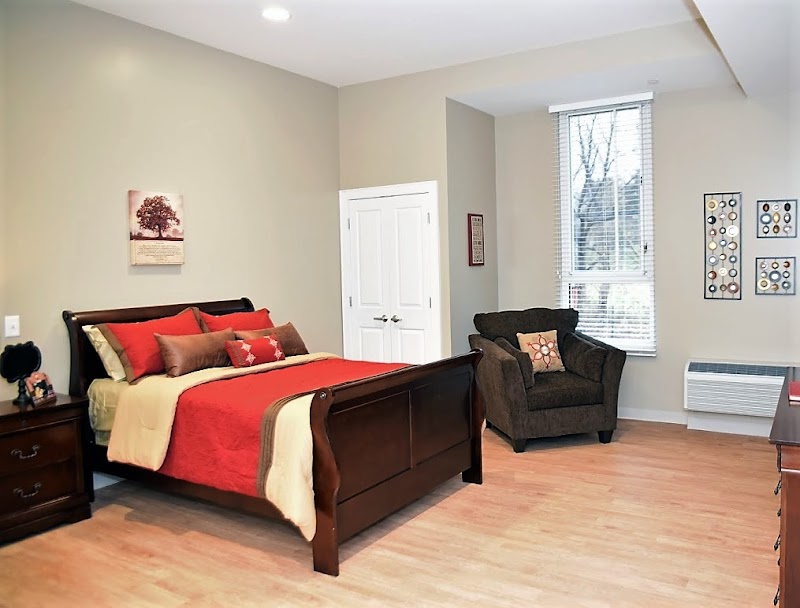
How is Village At St Edward Nrsg Care Staffed?

CMS rates VILLAGE AT ST EDWARD NRSG CARE's staffing level at 4 out of 5 stars, which is above average compared to other nursing homes. Staff turnover is 30%, compared to the Ohio average of 46%. This relatively stable workforce can support continuity of care.

What Have Inspectors Found at Village At St Edward Nrsg Care?

State health inspectors documented 12 deficiencies at VILLAGE AT ST EDWARD NRSG CARE during 2022 to 2025. These included: 11 with potential for harm and 1 minor or isolated issues.
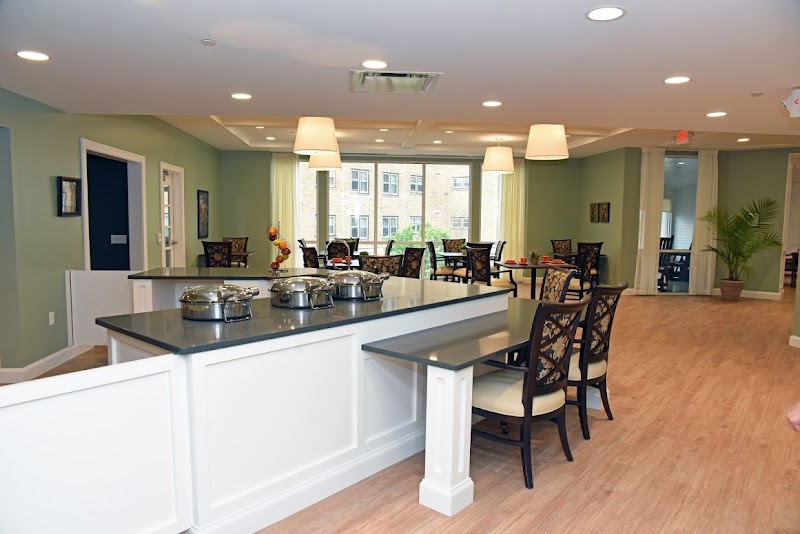
Who Owns and Operates Village At St Edward Nrsg Care?

VILLAGE AT ST EDWARD NRSG CARE is owned by a non-profit organization. Non-profit facilities reinvest revenue into operations rather than distributing to shareholders. The facility operates independently rather than as part of a larger chain. With 81 certified beds and approximately 72 residents (about 89% occupancy), it is a smaller facility located in FAIRLAWN, Ohio.
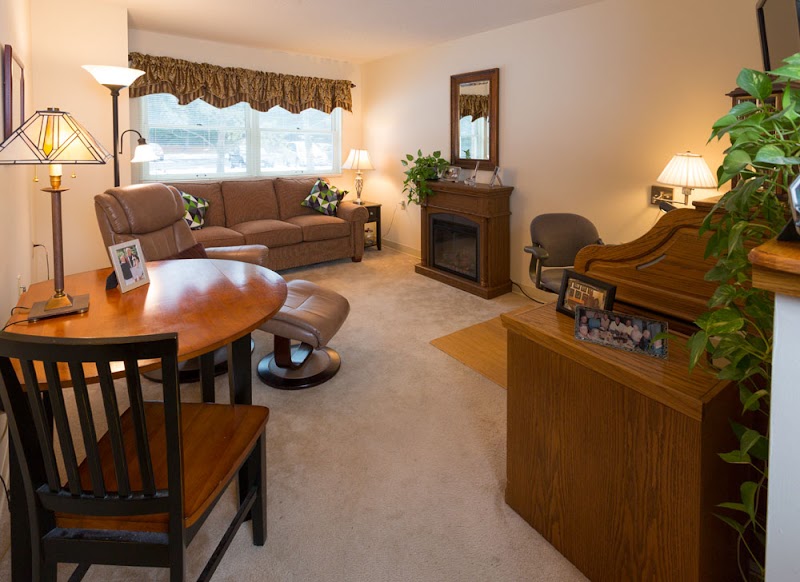
How Does Village At St Edward Nrsg Care Compare to Other Ohio Nursing Homes?

Compared to the 100 nursing homes in Ohio, VILLAGE AT ST EDWARD NRSG CARE's overall rating (4 stars) is above the state average of 3.2, staff turnover (30%) is significantly lower than the state average of 46%, and health inspection rating (4 stars) is above the national benchmark.

What Should Families Ask When Visiting Village At St Edward Nrsg Care?

Based on this facility's data, families visiting should ask: "Can I visit during a mealtime to observe dining assistance and food quality?" "How do you handle medical emergencies, and what is your hospital transfer rate?" "Can I speak with family members of current residents about their experience?"

Is Village At St Edward Nrsg Care Safe?

Based on CMS inspection data, VILLAGE AT ST EDWARD NRSG CARE has a clean safety record: no substantiated abuse findings (meaning no confirmed cases of resident harm), no Immediate Jeopardy citations (the most serious violation level indicating risk of serious injury or death), and is not on the Special Focus Facility watch list (a federal program monitoring the lowest-performing 1% of nursing homes). The facility has a 4-star overall rating and ranks #1 of 100 nursing homes in Ohio. While no facility is perfect, families should still ask about staff-to-resident ratios and recent inspection results during their visit.

Do Nurses at Village At St Edward Nrsg Care Stick Around?

VILLAGE AT ST EDWARD NRSG CARE has a staff turnover rate of 30%, which is about average for Ohio nursing homes (state average: 46%). Moderate turnover is common in nursing homes, but families should still ask about staff tenure and how the facility maintains care continuity when employees leave.

Was Village At St Edward Nrsg Care Ever Fined?

VILLAGE AT ST EDWARD NRSG CARE has no federal fines on record. CMS issues fines when nursing homes fail to meet care standards or don't correct problems found during inspections. The absence of fines suggests the facility has either maintained compliance or corrected any issues before penalties were assessed. This is a positive indicator, though families should still review recent inspection reports for the full picture.

Is Village At St Edward Nrsg Care on Any Federal Watch List?

VILLAGE AT ST EDWARD NRSG CARE is not on any federal watch list. The most significant is the Special Focus Facility (SFF) program, which identifies the bottom 1% of nursing homes nationally based on persistent, serious quality problems. Not being on this list means the facility has avoided the pattern of deficiencies that triggers enhanced federal oversight. This is a positive indicator, though families should still review the facility's inspection history directly.