ST CATHERINE'S C C OF FOSTORIA
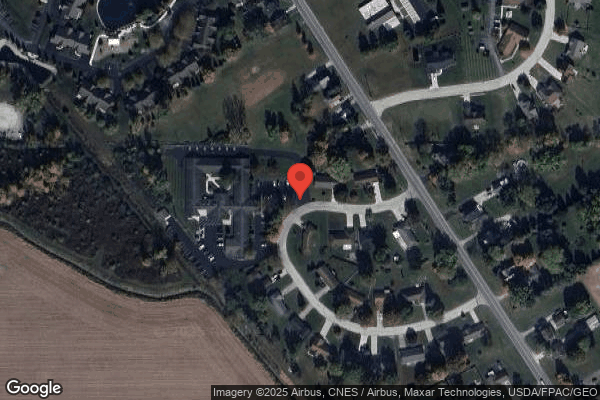
25 CHRISTOPHER DR, FOSTORIA, OH 44830 (419) 435-8112
For profit - Corporation 56 Beds HCF MANAGEMENT Data: November 2025 1 Immediate Jeopardy citation
Trust Grade
61/100
#342 of 913 in OH
Last Inspection: April 2024

Within standard 12-15 month inspection cycle. Federal law requires annual inspections.

Overview

St. Catherine's C C of Fostoria has a Trust Grade of C+, which indicates it is slightly above average but not exceptional. It ranks #342 out of 913 facilities in Ohio, placing it in the top half, and #3 out of 5 in Seneca County, meaning only one local option is better. The facility is improving, having reduced its issues from 7 in 2024 to 3 in 2025, though it still reported $14,433 in fines, which is concerning as it is higher than 76% of Ohio facilities. Staffing is rated average with a turnover rate of 46%, slightly below the state average, and there is good RN coverage, surpassing 87% of state facilities. However, there are significant weaknesses, including a critical incident where a resident with cognitive impairment eloped from the facility unsupervised, highlighting concerns about supervision. Additionally, issues were found regarding food sanitation and the cleanliness of the environment, which affected several residents. Overall, while there are strengths in staffing and improvement trends, families should be aware of the concerning incidents and ongoing issues.

Trust Score
C+
61/100
In Ohio
#342/913
Top 37%
Safety Record
High Risk
Review needed
Inspections
Getting Better
7 → 3 violations
Staff Stability
⚠ Watch
46% turnover. Above average. Higher turnover means staff may not know residents' routines.
Penalties
✓ Good
$14,433 in fines. Lower than most Ohio facilities. Relatively clean record.
Skilled Nurses
✓ Good
Each resident gets 49 minutes of Registered Nurse (RN) attention daily — more than average for Ohio. RNs are trained to catch health problems early.
Violations
⚠ Watch
17 deficiencies on record. Higher than average. Multiple issues found across inspections.
★★★★☆
4.0
Overall Rating
★★★☆☆
3.0
Staff Levels
★★★★★
5.0
Care Quality
★★★☆☆
3.0
Inspection Score
Stable
2024: 7 issues
2025: 3 issues

The Good

  • 5-Star Quality Measures · Strong clinical quality outcomes
  • Full Sprinkler Coverage · Fire safety systems throughout facility
  • No fines on record

Facility shows strength in quality measures, fire safety.

The Bad

Staff Turnover: 46%

Near Ohio avg (46%)

Higher turnover may affect care consistency

Federal Fines: $14,433

Below median ($33,413)

Minor penalties assessed

Chain: HCF MANAGEMENT

Part of a multi-facility chain

Ask about local staffing decisions and management

The Ugly 17 deficiencies on record

1 life-threatening
May 2025 3 deficiencies
CONCERN (D) 📢 Someone Reported This

A family member, employee, or ombudsman was alarmed enough to file a formal complaint

Potential for Harm - no one hurt, but risky conditions existed

Deficiency F0628 (Tag F0628)

Could have caused harm · This affected 1 resident

**NOTE- TERMS IN BRACKETS HAVE BEEN EDITED TO PROTECT CONFIDENTIALITY** Based on record review, staff interview, and facility policy review the facility failed to ensure prescribed medications were wi...

Read full inspector narrative →
**NOTE- TERMS IN BRACKETS HAVE BEEN EDITED TO PROTECT CONFIDENTIALITY** Based on record review, staff interview, and facility policy review the facility failed to ensure prescribed medications were with the resident on discharge. This affected one Former Resident ( #52) of three former residents (#52, #53, #54) reviewed for discharge. The facility census was 42. Summary of findings: Review of Former Resident (FR) #52's medical record revealed an admission date of 02/24/25 and discharged on 03/03/25. Diagnosis included acute kidney failure, acute respiratory distress syndrome, bacteremia, sacral pressure ulcer, congestive heart failure, and atrial fibrillation. Review of FR #52's discharge Minimum Data Set (MDS) dated [DATE] revealed the resident had an intact cognition. She was dependent for all activities of daily living. Review of FR #52's care plan revealed she wished to return home with family after respite stay. Review of FR #52's medical record revealed she required Acetaminophen (pain), Albuterol nebulizer solution (shortness of breath), Colace (constipation), Eliquis (blood thinner), Famotidine (indigestion), Gabapentin (nerve pain), Guaifenesin (chest congestion), Lactobacillus (probiotic), Levothyroxine (hypothyroidism), Losartan (hypertension), Magnesium Oxide (supplement), Methocarbamol (muscle relaxant), Midodrine (hypotension), Occuvite vitamins, Potassium Chloride (supplement), Pulmicort inhaler (shortness of breath), Sennosides (laxative), Sertraline (antidepressant), and a Ventolin inhaler (bronchospasms) as prescribed by the physician. Review of the Interdisciplinary Discharge Summary and Plan of Care revealed the FR #52 was admitted [DATE] and discharged [DATE]. The reason for admission was respite care. There was a hand written list of medications and the area titled Sent With Resident and Prescriptions Called To Pick Up were left blank. The form failed to be signed or dated. Interview with the Director of Nursing on 05/19/25 at 1:10 P.M. verified that the nursing staff failed to complete a complete discharge assessment and verified medications were not sent home with the resident. Review of the facility policy titled Discharge Summary revised 11/2016 revealed when the manor anticipates discharge a resident must have a discharge summary that included a recapitulation of the resident's stay, a final summary of the resident's status at the time of the discharge that is available for release to authorized persons, agencies, with the consent of the resident representative, reconciliation of all pre-discharged medications with the resident's post-discharge medications, and a post-discharge plan of care that is developed with the participation of the resident and his or her family, which will assist the resident to adjust to his or her new living environment. This deficiency represents non-compliance investigated under Complaint Number OH00165070.
CONCERN (D) 📢 Someone Reported This

A family member, employee, or ombudsman was alarmed enough to file a formal complaint

Potential for Harm - no one hurt, but risky conditions existed

Pressure Ulcer Prevention (Tag F0686)

Could have caused harm · This affected 1 resident

**NOTE- TERMS IN BRACKETS HAVE BEEN EDITED TO PROTECT CONFIDENTIALITY** THE FOLLOWING DEFICIENCY REPRESENTS AN INCIDENT OF PAST NONCOMPLIANCE THAT WAS SUBSEQUENTLY CORRECTED PRIOR TO THIS SURVEY. Base...

Read full inspector narrative →
**NOTE- TERMS IN BRACKETS HAVE BEEN EDITED TO PROTECT CONFIDENTIALITY** THE FOLLOWING DEFICIENCY REPRESENTS AN INCIDENT OF PAST NONCOMPLIANCE THAT WAS SUBSEQUENTLY CORRECTED PRIOR TO THIS SURVEY. Based on record review, staff interview, and facility policy review, the facility failed to adequately monitor a resident's (Former Resident #52) wound on admission the throughout her stay. The facility census was 42. Findings included: Review of Former Resident (FR) #52's medical record revealed an admission date of 02/24/25 and discharged on 03/03/25. Diagnosis included Stage IV sacral pressure ulcer (Full thickness tissue loss with exposed bone, tendon, or muscle. Slough or eschar may be present on some parts of the wound bed. Often includes undermining and tunneling.), acute kidney failure, acute respiratory distress syndrome, bacteremia, congestive heart failure, and atrial fibrillation. Review of FR #52's discharge Minimum Data Set (MDS) dated [DATE] revealed the resident had an intact cognition. She was dependent for all activities of daily living. Review of FR #52's medical record revealed the record was absent of wound evaluations or measurements. Interview with Corporate Nurse #170 on 05/19/25 at 2:43 P.M. verified the facility failed to measure or assess FR #52's Stage IV sacral pressure ulcer during her respite stay. Interview with FR #52's home health nurse on 05/15/25 revealed the wound worsened during the resident's stay and required a wound vac. The nurse stated the wound was within one month of healing, but the condition of the wound declined during her admission to the facility. The nurse failed to provide the requested documentation for surveyor review. Review of the facility policy titled Pressure Ulcer Policy revised 04/16 revealed should a pressure area present either upon admission or in house, the wound will be monitored at least weekly and should have documentation including location and staging, size (perpendicular measurements of the greatest extend of length and width of the ulceration), depth; and the presence, location and extent of any undermining or tunneling/sinus tract, drainage; the amount and characteristics, pain if present and characteristics, and wound bed and surrounding tissue. As a result of the incident, the facility took the following actions to correct the deficient practice by 05/16/25: • On 04/24/25 the DON/Designee completed skin sweeps of all residents. • On 04/24/25 education was provided to nurse leadership team to ensure that a skin check was completed for all new admission within 72 hours of admission by the DON/Designee. • By 04/25/25 all nurses were educated by the DON/Designee on the pressure ulcer policy. • On 04/25/25 all nurse aides were educated by the DON/Designee on how frequently skin checks were to be completed. They were also educated on notifying the nurse if/when a dressing comes off of the wound. • By 04/25/25 all nurses were educated on following physician orders and policy by DON/Designee. They were educated on not signing an order of application or administration until after completion. • Audits will be completed five times per week for four weeks by the DON/Designee on all new admission to have a thorough skin evaluation and that documentation supported the evaluation including identifying any skin issues, type, description and measurements if applicable through 05/24/25. • Audits were completed three times a week by interviewing nurse aides on knowledge of the frequency of skin checks and what to do if a dressing is off or comes off a wound by the DON/Designee through 05/19/25. • On 05/12/25 three aseptic dressing technique competencies per week were completed with all nurses by the DON/Designee. • On 05/12/25 three catheter irrigation competencies per week were completed with all nurses by the DON/Designee. • On 05/16/25 special QAPI meeting was held and on 05/28/25 a regular QAPI meeting is scheduled. This deficiency represents non-compliance investigated under Complaint Number OH00165070.
CONCERN (D) 📢 Someone Reported This

A family member, employee, or ombudsman was alarmed enough to file a formal complaint

Potential for Harm - no one hurt, but risky conditions existed

Accident Prevention (Tag F0689)

Could have caused harm · This affected 1 resident

**NOTE- TERMS IN BRACKETS HAVE BEEN EDITED TO PROTECT CONFIDENTIALITY** Based on medical record review, staff interview, and policy review, the facility failed to ensure a resident was supervised for ...

Read full inspector narrative →
**NOTE- TERMS IN BRACKETS HAVE BEEN EDITED TO PROTECT CONFIDENTIALITY** Based on medical record review, staff interview, and policy review, the facility failed to ensure a resident was supervised for eating. Resident #19 obtained and ate whole food when ordered a pureed diet, choked, received the Heimlich maneuver, and was admitted to the hospital. This deficient practice affected one resident (#19) of three reviewed (#11 and #24) for choking. In addition, two residents (#19, #53) of four reviewed (#11 and #24) failed to have fall precautions in place which resulted in falls. The facility census was 42. Findings included: 1 - Review of Resident #19's medical record revealed an admission date of 01/18/15. Diagnosis included cerebral vascular accident, schizoaffective disorder, epilepsy, mild intellectual disabilities, and congestive heart failure. Review of Resident #19's quarterly Minimum Data Set (MDS) dated [DATE] revealed the resident had a moderately intact cognition. The resident had coughing or choking during meals or when swallowing medications along with complaints of difficulty or pain with swallowing. Review of Resident #19's care plan revealed the resident had a history of cerebral vascular accident, dysphasia, and teeth in disrepair when affected his chewing ability. Notify the physician for signs of dysphasia, pocketing, choking, coughing, drooling, holding food in mouth, several attempts at swallowing, refusing to eat, or concerns noted during meals. Review of Resident #19's medical record revealed a physician's order dated 04/08/25 through 05/10/25 for a consistent carbohydrate diet, pureed texture, and regular consistency. Review of Resident #19's medical record revealed on 04/08/25 the resident had a choking episode in the dining room during lunch. The resident choked on hamburger. The Heimlich maneuver was performed without success. The resident was lowered to the floor and placed on his side and the airway was able to be cleared. The physician and family were notified. Further orders were received for a chest x-ray due to shortness of breath and to rule out aspiration. Review of Resident #19's speech therapy note dated 04/10/25 revealed the patient was educated on compensatory strategies to use during meals to increase safety. The therapist trained the Certified Nursing Assistants (CNA) to use compensatory strategies with the resident during meals to decrease the risk of aspiration. The diet assessment was completed in order to determine the resident's ability to tolerate diet textures and liquid viscosity at meals. Review of Resident #19's speech therapy note dated 04/23/25 revealed the speech therapist implemented a plan for necessary environmental modifications and cueing to maintain attention to meal task for intake. Speech therapy educated the resident on compensatory strategies to use during meals to increase safety. Speech therapy instructed the resident to utilize lingual sweep and/or alternate bite/sip to clear residue from the oral cavity. Review of Resident #19's progress note dated 05/08/25 revealed the nurse was called to the dining room by a CNA and found the resident having respiratory difficulty with cyanosis. A faint cough was noted. The resident had a history of seizures and dysphasia, and his airway was found to be occluded. Upon reaching Resident #19 the nurse performed the Heimlich maneuver which was unsuccessful. Emergency Medical Services (EMS) had been called. The resident was lowered to the ground and abdominal thrust was initiated. The resident coughed with copious amounts of sputum released. Cyanosis persisted after respirations became regular. Pulses were strong to the extremities. Oxygen was placed on the resident at 8 liters per minute via a nonrebreather mask. The resident was placed on his side to maximize breathing. Resident #19 was transported to the hospital. Review of the hospital emergency room note dated 05/08/25 revealed according to the bedside report taken for EMS upon arrival Resident #19 was eating in the common area non-solid foods, when he was thought to have been choking. There was also a description that he might have had a seizure although staff members are not certain what his seizures look like. EMS reported that when they arrived on scene the patient had spontaneous pulses and respiration. He was not following commands. They checked a blood sugar in route that was greater than 100. They attempted IV access in transport. Upon arrival to the emergency department setting the patient would acknowledge his name. His eyes opened spontaneously. He was not speaking or answering questions. He would follow simple commands such as holding his right or left arm up. Based upon this evaluation he had a Glasgow Coma Score (GCS) score of 11. The physician did not hear any course breath sounds bilaterally. The physician proceeded with an altered mental status workup also evaluated for the possibility of aspiration. Diagnosis included alerted mental status, aspiration, seizure, postictal state, arrhythmia, electrolyte abnormality, liver failure, urinary tract infection, and encephalopathy. Interview with the Administrator on 05/15/25 at 12:10 P.M. revealed Resident #19 choked on fruit during dinner on 05/08/25. The resident had been served the proper pureed meal and CNA's were at the table observed the resident eating. The aides left the table to assist with cleaning the dining room when another resident placed his regular texture fruit cup in front of Resident #19. This resulted in Resident #19 eating the fruit and choking. Telephone interview with Speech Therapist #175 on 05/20/25 at 11:02 A.M. revealed Resident #19 should not eat in his room alone. He should eat in the dining room with staff present due to his high risk of choking. The resident should be in an upright position and eating utensils should be within reach. Review of the facility policy titled Regular Pureed Diet revised 05/2020 revealed the diet is designed for the resident who has some difficulty in chewing or swallowing or who has poor coordination of the lips or tongue. Foods should be of little or no chewing and be easy to swallow. 2. Review of Resident #19's medical record revealed an admission date of 01/18/15. Diagnosis included cerebral vascular accident, schizoaffective disorder, epilepsy, mild intellectual disabilities, and congestive heart failure. Review of Resident #19's quarterly Minimum Data Set (MDS) dated [DATE] revealed the resident had a moderately intact cognition. The resident was independent with ambulation and used a walker. Review of Resident #19's care plan revealed the resident was at risk for falls related to seizure disorder, history of a cerebral vascular accident with a mild right foot drop, mild developmental disability and history of falls. Interventions included Dycem to the recliner. Review of the post fall evaluation dated 04/21/25 revealed on 04/20/25 Resident #19 suffered an unwitnessed fall which occurred in the resident's room. The resident was getting out of bed and into his recliner. The root cause was determined to be that Dycem was not in his recliner per his care plan. No injuries were noted. Interview with the Director of Nursing (DON) on 05/19/25 at 9:10 A.M. verified Resident #19's Dycem pad failed to placed in his recliner causing him to slide out of the recliner. Review of the facility policy titled Fall Reduction Policy revised 04/29/16 revealed it was the policy of the Manor to identify residents at risk for falls and to implement a fall reduction program to reduce the risk of falls and possible injury. 3. Review of Former Resident (FR) #53's medical record revealed an admission date of 02/26/25 with a discharge date of 03/05/25. Diagnosis included rhabdomyolysis, acute kidney failure, dementia, epilepsy, and femur fracture. Review of FR #53's discharge Minimum Data Set (MDS) dated [DATE] revealed the resident had a moderately intact cognition. Bed to chair transfer required supervision or touching assistance. Review of FR #53's care plan revealed he was at risk for falls related to his current diagnosis, recent change in environment, and admission to a care community. Interventions included a safe environment and staff to anticipate his needs and keeping items within reach, and assisting with toileting. Review of FR #53's Fall Risk Evaluation dated 02/26/25 revealed he was a high risk for falls. Review of FR #53's progress note dated 03/04/25 revealed a CNA was walking down the hall when she noticed the resident was sitting on the floor with his back up against the lower end of the bed. His legs were stretched out in front of him. The resident was wearing grippy socks but the bed was not in a locked position and was moving about freely. FR #53 was unable to fully explain what happened. No injuries were noted. Staff were educated regarding the fact the need for the bed to be in the lowest locked position. Interview with the Director of Nursing (DON) on 05/19/25 at 9:10 A.M. verified FR #53's bed failed to be locked causing the bed to move while the resident was attempting to get out of bed. Review of the interdisciplinary team progress note dated 03/04/25 revealed the cause of the fall was that the bed was in the lowest position causing wheels to unlock. The new intervention was to put bed in lowest position that can be with wheels locked. The care plan was updated, and the family, physician and Director of Nursing were updated. Review of the facility policy titled Fall Reduction Policy revised 04/29/16 revealed it was the policy of the Manor to identify residents at risk for falls and to implement a fall reduction program to reduce the risk of falls and possible injury. This deficiency represents non-compliance investigated under Complaint Number OH00165646.
Apr 2024 6 deficiencies
CONCERN (D)

Potential for Harm - no one hurt, but risky conditions existed

Resident Rights (Tag F0550)

Could have caused harm · This affected 1 resident

**NOTE- TERMS IN BRACKETS HAVE BEEN EDITED TO PROTECT CONFIDENTIALITY** Based on observation, resident and staff interview, and medical record review, the facility failed to maintain resident dignity ...

Read full inspector narrative →
**NOTE- TERMS IN BRACKETS HAVE BEEN EDITED TO PROTECT CONFIDENTIALITY** Based on observation, resident and staff interview, and medical record review, the facility failed to maintain resident dignity of by not covering a urinary catheter collection bag. This affected one (#8) of one residents reviewed for dignity. The facility census was 36. Findings include: Review of the medical record for Resident #8 revealed an admission date of 04/17/20 with diagnoses of obstructive uropathy and reflux uropathy, hematuria (blood in the urine), and urinary retention. Review of the quarterly Minimum Data Set (MDS) assessment dated [DATE] for Resident #8 revealed the resident required an indwelling catheter. Review of the physician orders for April 2024 for Resident #8 revealed the resident was ordered an indwelling urinary (Foley) catheter with instructions to change as needed to maintain patency and catheter care every shift and as needed. Review of the care plan revised January 2024 for Resident #8 revealed the resident was care planned for an indwelling urinary catheter with an intervention to position the catheter bag and tubing below the level of the bladder and away from entrance room door. Observation on 04/01/24 at 11:41 A.M. and 2:36 P.M. of Resident #8 revealed her Foley catheter was not covered and was visible from the hallway. Interview on 04/02/24 at 9:23 A.M. with Resident #8 stated it bothered her if someone saw the urinary catheter bag. Interview on 04/02/24 at 9:53 A.M. with State Tested Nurse Aide (STNA) #236 stated the policy for residents with urinary catheters was to turn the collection bag backwards toward the door. Observation on 04/03/24 at 7:38 A.M. of Resident #8 revealed her Foley catheter was not covered and visible from the hallway. Interview on 04/03/24 at 7:40 A.M. with Registered Nurse (RN) #260 verified the Foley catheter for Resident #8 was visible from the hallway and the facility's policy was to cover Foley catheters.
CONCERN (D)

Potential for Harm - no one hurt, but risky conditions existed

Deficiency F0561 (Tag F0561)

Could have caused harm · This affected 1 resident

**NOTE- TERMS IN BRACKETS HAVE BEEN EDITED TO PROTECT CONFIDENTIALITY** Based on medical record review, resident and staff interview, review of shower schedules, and policy review, the facility failed...

Read full inspector narrative →
**NOTE- TERMS IN BRACKETS HAVE BEEN EDITED TO PROTECT CONFIDENTIALITY** Based on medical record review, resident and staff interview, review of shower schedules, and policy review, the facility failed to honor a resident's preference for bathing on scheduled days. This affected one (#26) of one resident reviewed for choices. The facility census was 36. Findings include: Review of Resident #26's medical record revealed the resident was admitted to the facility on [DATE]. Diagnoses included chronic kidney disease, hyperlipidemia, hypertension, and morbid obesity. Review of Resident #26's quarterly Minimum Data Set assessment, dated 02/21/24, revealed the resident was assessed as cognitively intact and with no exhibited behaviors such as rejection of care. The resident was dependent on staff for bathing and personal hygiene. Review of the facility's shower schedule revealed Resident #26 was scheduled to be showered on the evening shift every Tuesday and Saturday. Review of Resident #26's electronic medical record and shower sheets revealed the resident did not receive showers on 03/12/24, 03/31/24, and 04/02/24. Review of Resident #26's nursing progress notes did not reveal any evidence of the resident refusing to be showered on their scheduled shower days on 03/12/24, 03/31/24, and 04/02/24 to explain why a shower had not been provided. During an interview on 04/01/24 at 11:12 A.M., Resident #26 reported showers were supposed to be completed on Sunday and Tuesday evenings and often the resident did not receive them. Resident #26 reported being scheduled for a shower on 04/02/24 and would likely not receive one. During a follow up interview on 04/03/24 at 7:35 A.M., Resident #26 reported a shower was not received on 04/02/24 as scheduled. Resident #26 reported she preferred to shower in her regular wheelchair rather than in a shower chair, and staff normally honored that preference when offering the resident a shower. Resident #26 reported on 04/02/24, staff stated they could not shower Resident #26 in her wheelchair because the Ohio Department of Health (ODH) was in the building and staff would get in trouble for showering the resident in a wheelchair. During an interview on 04/04/24 at 2:15 P.M., Regional Nurse #280 verified there was no additional evidence to support Resident #26 was provided showers per their preference on the aforementioned dates. Review of the facility policy titled, Quality of Care Policy/Activities of Daily Living, revised April 2016, each resident will receive and the manor will provide the necessary care and services to attain or maintain the highest practicable physical, mental, and psychosocial well-being.
CONCERN (D)

Potential for Harm - no one hurt, but risky conditions existed

Deficiency F0685 (Tag F0685)

Could have caused harm · This affected 1 resident

**NOTE- TERMS IN BRACKETS HAVE BEEN EDITED TO PROTECT CONFIDENTIALITY** Based on observation, medical record review, and resident and staff interview, the facility failed to ensure hearing aids were o...

Read full inspector narrative →
**NOTE- TERMS IN BRACKETS HAVE BEEN EDITED TO PROTECT CONFIDENTIALITY** Based on observation, medical record review, and resident and staff interview, the facility failed to ensure hearing aids were offered to maintain adequate hearing. This affected one (#16) of one residents reviewed for hearing. The facility census was 36. Findings include: Review of the medical record revealed Resident #16 had an admission dated of 05/06/20. Diagnoses included type two diabetes mellitus, hemiplegia and hemiparesis following cerebral infarction, chronic kidney disease, and atrial fibrillation. Review of the quarterly Minimum Data Set (MDS) assessment dated [DATE] revealed Resident #16 had impaired cognition and the resident was assessed as not having hearing aids. Review of an audiology consultation report dated 08/22/22 revealed Resident #16 had bilateral moderate to moderately severe sensorineural hearing loss. Review of the care plan dated 09/01/22 revealed to encourage Resident #16 to wear hearing aids, although she refused to wear bilateral hearing aids. Review of Resident #16's current monthly physician orders revealed no orders for bilateral hearing aids. Review of the nursing progress notes dated 01/01/24 through 04/02/24 revealed no documentation Resident #16 was offered or refused her hearing aids. Observations on 04/01/24 from 1:00 P.M. through 5:30 P.M. revealed Resident #16 was not wearing hearing aids. Interview on 04/01/24 at 2:00 P.M., with Resident #16's family member stated the facility could not find the resident's hearing aids and the resident had not been wearing the hearing aids. Interview on 04/02/24 at 9:41 A.M., with Licensed Practical Nurse (LPN) #230 stated she was not aware of Resident #16 having hearing aids in the past year. Interview on 04/02/24 at 9:46 A.M., with LPN #231 revealed Resident #16 had not wanted her hearing aids and threw them away about a year and a half ago. Interview on 04/02/24 at 2:08 P.M. with Social Service Designee (SSD) #242 revealed Resident #16 had hearing aids. SSD #242 revealed no one informed her the resident's hearing aids were missing. Further interview with SSD #242 revealed the resident's hearing aids had been found. Interview on 04/02/24 at 2:44 P.M., LPN #230 stated she was not aware Resident #16 had hearing aids and stated the resident's hearing aids were found in the bottom of the medication cart. LPN #230 stated now that the resident had hearing aids she would offer to put the resident's hearing aids in. Observation on 04/02/24 at 2:52 P.M. revealed Resident #16 was not wearing hearing aids. Observation and interview on 04/03/24 at 2:02 P.M. revealed Resident #16 was not wearing hearing aids. Resident #16 stated she could use her hearing aids. Interview on 04/03/24 at 2:27 P.M., the Director of Nursing (DON) revealed Resident #16 had no physician order for hearing aids. The DON revealed the resident used to refuse the hearing aids. The DON revealed she would go ask the resident if she wanted her hearing aids. The DON had no information on how the staff would know the resident had hearing aids or to offer to put the hearing aids in for the resident. Further interview on 04/03/24 at 3:17 P.M., the DON revealed she administered the resident's hearing aids and she wore them for approximately 40 minutes before removing them.
CONCERN (D)

Potential for Harm - no one hurt, but risky conditions existed

Deficiency F0688 (Tag F0688)

Could have caused harm · This affected 1 resident

**NOTE- TERMS IN BRACKETS HAVE BEEN EDITED TO PROTECT CONFIDENTIALITY** Based on observation, resident and staff interview, and medical record review, the facility failed to ensure range of motion (RO...

Read full inspector narrative →
**NOTE- TERMS IN BRACKETS HAVE BEEN EDITED TO PROTECT CONFIDENTIALITY** Based on observation, resident and staff interview, and medical record review, the facility failed to ensure range of motion (ROM) devices were in place as ordered. This affected one (#8) of one residents reviewed for range of motion. The facility census was 36. Findings include: Review of the medical record for Resident #8 revealed an admission date of 04/17/20 with diagnoses of hemiplegia and hemiparesis (partial and full weakness) following a cerebral infarct (stroke) affecting the left side. Review of the quarterly Minimum Data Set (MDS) assessment dated [DATE] for Resident #8 revealed she was cognitively intact and was dependent on staff for dressing, toileting, bed mobility, and personal hygiene. Review of Resident #8's physician orders for April 2024 revealed an order for an elbow extension brace to the left elbow on at all times when the resident was in bed. Review of the care plan revised January 2024 for Resident #8 revealed the resident was care planned for an elbow extension brace to the left elbow on at all times when the resident was in bed. Observation on 04/01/24 at 11:38 A.M. of Resident #8 revealed the resident was in bed and had a contracture to the left hand and elbow. There were not any braces or splints in place. Interview with Resident #8 during the time of the observation stated she had contractures since her stroke, and stated she had a splint but the staff do not usually put it on and was not sure where the splint was. Further observation during the interview with Resident #8 revealed the elbow splint was not readily visible in the resident's room. Observation on 04/01/24 at 2:22 P.M. of Resident #8 revealed the left elbow splint was not in place. Interview on 04/02/24 at 9:53 A.M. with State Tested Nurse Aide (STNA) #236 stated she did not apply Resident #8's splint and did not know where the elbow splint was located. Interview on 04/02/24 at 10:24 A.M. with Licensed Practical Nurse (LPN) #231 verified the splint was not in place on Resident #8 on 04/01/24.
CONCERN (E)

Potential for Harm - no one hurt, but risky conditions existed

Safe Environment (Tag F0921)

Could have caused harm · This affected multiple residents

**NOTE- TERMS IN BRACKETS HAVE BEEN EDITED TO PROTECT CONFIDENTIALITY** Based on medical record review, observation, resident and staff interview, and policy review, the facility failed to maintain th...

Read full inspector narrative →
**NOTE- TERMS IN BRACKETS HAVE BEEN EDITED TO PROTECT CONFIDENTIALITY** Based on medical record review, observation, resident and staff interview, and policy review, the facility failed to maintain the facility environment in a clean, safe, and functional manner. This affected five (#4, #17, #22, #32, and #86) of six residents reviewed for environment. The facility census was 36. Findings include 1. Review of the medical record revealed Resident #86 had an admission date of 08/09/23. Diagnoses included dementia, chronic obstructive pulmonary disease, and hypertension. Review of an admission Minimum Data Set (MDS) assessment dated [DATE] revealed Resident #86 had impaired cognition. Observation on 04/01/24 at 9:37 A.M. revealed there were four red circular stains on Resident #86's ceiling, multiple stains on the privacy curtain, and the window ledge was loose. Interview on 04/03/24 at 10:30 A.M., with Environmental Services Supervisor (ESS) #222 verified the stains on the resident's ceiling and privacy curtain. ESS #222 also verified the loose window ledge in the resident's room. 2. Review of the medical record for Resident #4 revealed an admission date of 03/10/20 and a readmission date of 01/19/23. Diagnoses included schizophrenia and heart failure. Review of a significant change MDS assessment dated [DATE] revealed Resident #4 had impaired cognition. Observation on 04/01/24 at 11:18 A.M. revealed there were multiple stains on Resident #4's privacy curtain. Interview on 04/03/24 at 10:31 A.M., with ESS #222 verified the stains on the Resident #4's privacy curtain. 3. Review of the medical record for Resident #17 revealed an admission date of 11/20/20 and a readmission date of 01/31/24. Diagnoses included atrial fibrillation and chronic obstructive pulmonary disease. Review of the quarterly MDS assessment dated [DATE] revealed Resident #17 had intact cognition. Observation on 04/01/24 at 11:18 A.M. revealed there were several stains on Resident #17's privacy curtain. Interview on 04/03/24 at 10:31 A.M., with ESS #222 verified the stains on Resident #17's privacy curtain. Interview on 04/03/24 at 2:04 P.M., Resident #17 was not aware of staff ever cleaning or replacing her privacy curtain. 4. Review of the medical record revealed Resident #32 had an admission date 11/01/23. Diagnoses included chronic obstructive pulmonary disease and hypertension. Review of the quarterly MDS assessment dated [DATE] revealed Resident #32 had intact cognition. Observation on 04/01/24 at 10:24 A.M. revealed Resident #32's privacy curtain was covered with several large stained areas. Interview on 04/01/24 at 10:24 A.M., with Resident #32 revealed the curtain was never cleaned. Interview on 04/03/24 at 10:40 A.M., with ESS #222 verified the stained areas on Resident #32's privacy curtain. 5. Review of the medical record revealed Resident #22 had an admission date of 11/01/23. Diagnoses included type two diabetes mellitus, atrial fibrillation, and congestive heart failure. Review of the quarterly MDS assessment dated [DATE] revealed Resident #32 had intact cognition. Observation on 04/01/24 from 9:54 A.M. to 10:00 A.M. revealed the water in Resident #32's bathroom sink was still cold after running the water for six minutes. Further observation revealed the resident had multiple stains on the privacy curtain. Interview on 04/01/24 at 10:00 A.M., with Resident #22 revealed the water was too slow to warm up and staff were aware. Resident #22 also revealed the facility never washed the privacy curtain. Observation on 04/03/24 at 10:43 A.M. with ESS #222 revealed the water temperature in Resident #22's bathroom sink was 59 degrees Fahrenheit. Interview with ESS #222 revealed she was unsure why the temperature was so cold as the water in the rooms on each side of the resident's room had warm water. ESS #222 also verified the stains in the resident's privacy curtain. ESS #222 revealed she was not aware when the five (#4, #17, #22, #32, and #86) resident's privacy curtains were last cleaned. Review of the policy titled, Hot/Cold Water Temperatures, dated 06/2017, revealed the facility's standard for water temperature in resident areas would be 110 to 117 degrees Fahrenheit. Review of the undated policy titled, How to Routine Clean Resident Rooms, revealed privacy curtains would be laundered monthly.
CONCERN (F)

Potential for Harm - no one hurt, but risky conditions existed

Food Safety (Tag F0812)

Could have caused harm · This affected most or all residents

Based on observation, staff interview, and facility policy review, the facility failed to ensure foods and cooking equipment were maintained in a clean and sanitary manner. This had the potential to a...

Read full inspector narrative →
Based on observation, staff interview, and facility policy review, the facility failed to ensure foods and cooking equipment were maintained in a clean and sanitary manner. This had the potential to affect all 36 residents receiving food from the kitchen as the the facility identified no residents who received nothing by mouth. The facility census was 36. Findings include: Observation on 04/01/24 between 8:15 A.M. and 8:30 A.M. during the initial tour of the kitchen revealed the walk-in freezer contained greater than 10 boxes of frozen food sitting on the floor of the freezer. Further review revealed a food cart with two trays of left over, uncovered, undated cherry pies. Interview on 04/01/24 at 8:25 A.M. with Dietary Manager (DM) #277 verified the greater than 10 boxes of frozen food on the floor in the walk-in freezer and the left over pies on the cart that were left unattended. Further interview with DM #277 stated the items on the floor of the walk-in freezer were from the product delivery on Friday, 03/29/24. Follow-up observation on 04/03/24 at 10:15 A.M. in the kitchen revealed the bottom plates on the front of oven were caked with a dark brown substance, the handles and front of the oven doors had a light brown substance that was sticky to touch, and the top of the stove was caked with dried food. Interview on 04/03/24 at 10:15 A.M. with [NAME] #246 verified the findings of the kitchen stove. Review of the facility policy titled, Inventory-Storage, revised 07/03, revealed dry or stapled food items shall be stored off the floor and shelving height should be six to twelve inches off the floor. Review of the facility policy titled, Sanitation, revised 11/03, revealed all equipment will be kept clean and maintained in good repair.
Feb 2024 1 deficiency 1 IJ
CRITICAL (J) 📢 Someone Reported This

A family member, employee, or ombudsman was alarmed enough to file a formal complaint

Immediate Jeopardy (IJ) - the most serious Medicare violation

Accident Prevention (Tag F0689)

Someone could have died · This affected 1 resident

**NOTE- TERMS IN BRACKETS HAVE BEEN EDITED TO PROTECT CONFIDENTIALITY** Based on medical record review, review of a facility incident report, review of a staff statement, review of hospital reports, r...

Read full inspector narrative →
**NOTE- TERMS IN BRACKETS HAVE BEEN EDITED TO PROTECT CONFIDENTIALITY** Based on medical record review, review of a facility incident report, review of a staff statement, review of hospital reports, review of a weather report, interviews with staff and Family Member #240, and review of the policy on elopement, the facility failed to provide adequate supervision to prevent Resident #01, who had mild cognitive impairment with recent increased confusion due to a urinary tract infection, from leaving the facility unsupervised and unknown to staff. Additionally, the facility failed to complete a thorough investigation into the elopement incident. This resulted in Immediate Jeopardy and the potential for serious life-threatening harm and/or negative health outcomes when on 01/17/24, sometime after 10:45 P.M., Resident #01 eloped from the facility unsupervised and unknown to staff and was discovered by chance when a pharmacy delivery driver who arrived at the facility around 10:55 P.M. found the resident locked outside the facility and bleeding from the hand while standing on the porch. The resident had been locked outside the facility for approximately ten minutes exposed to temperatures below 22 degrees Fahrenheit (F) without a winter coat. Resident #01 was assessed and treated by Licensed Practical Nurse (LPN) #100 then taken to the emergency room by family the following day and diagnosed with a urinary tract infection and pneumonia. This affected one resident (#01) of four residents (#01, #17, #18, #30) reviewed for accident hazards/elopement. The facility identified 11 current residents (#01, #04, #06, #07, #12, #17, #18, #19, #23, #24, #27) at moderate or high risk for elopement. The facility census was 36. On 01/30/24 at 9:43 A.M., the Administrator, Director of Nursing (DON), Regional Director of Operations (RDO) #305, and Registered Nurse Clinical Education Specialist (RNCES) #180 were notified Immediate Jeopardy began on 01/17/24, sometime after 10:45 P.M., when Resident #01 eloped from the facility and was not noticed missing by facility staff until Pharmacy Delivery Driver (PDD) #50 arrived at the facility at 10:55 P.M. and discovered Resident #01 locked outside the facility in temperatures below 22 degrees F without a winter coat. PDD #50 revealed the resident told him she was waiting by the pillar on the porch for someone. PDD #50 revealed the facility doors were locked. PDD #50 called the facility nurse at 10:55 P.M. and she came to the door. PDD #50 revealed he pointed at the resident so the nurse would know the resident was outside. PDD #50 revealed he held the door while the nurse got the resident back in the building. The resident was assessed and treated by LPN #100 then later taken to the emergency room by family and diagnosed with a urinary tract infection and pneumonia. The Immediate Jeopardy was removed on 01/31/24 when the facility implemented the following corrective actions: · On 01/17/24 at approximately 11:00 P.M., Resident #01 was found to be standing outside the door on the patio by the pharmacy delivery driver. The resident was immediately assessed by LPN #100 and was noted to have a small skin tear to her right fifth digit at the knuckle. It appeared the skin tear was from the wheelchair. LPN #100 applied a secure care ankle bracelet (monitoring device), treated the skin tear, redirected resident to her room and initiated 15-minute checks. · On 01/18/24, Resident #01 ' s care plan was reviewed by Registered Nurse (RN) #200 and was revised to include the resident was at risk for elopement as a result of the incident and interventions for the secure care ankle bracelet. · On 01/29/24 at approximately 3:30 P.M., a thorough investigation was completed by the DON. The investigation included interviews with staff working 01/17/24 during the time frame, review of the medical record, and verification the doors were working properly. · On 01/29/24, 35 residents had a wandering evaluation completed by RN #200 and RN #201. Eleven residents were identified at risk for wandering/elopement (#01, #04, #06, #07, #12, #17, #18, #19, #23, #24, #27). · On 01/29/24, 62 staff were educated on elopement and the missing persons policy and identifying hazards and risk and modifying interventions as appropriate by the DON, Activity Director (AD) #202, Environmental Services Supervisor (ESS) #203, and the Administrator. Any staff member not educated by 01/29/24 would not be permitted to work until education was completed. · On 01/29/24 at approximately 2:30 P.M., the DON and the Administrator were educated on elopement, missing persons policy and on completing a thorough investigation by the RNCES #180. · On 01/30/24, an ad hoc Quality Assurance and Performance Improvement (QAPI) meeting was held which included Medical Director (MD) #210 (via phone), the Administrator, DON, Minimum Data Set (MDS) Coordinator RN #200, Infection Prevention Licensed Practical Nurse (IPLPN) #205, Case Manager RN #201, ESS #203, Resident Services Coordinator (RCS) #202, and Business Office Manager (BOM) #206 to discuss elopement procedures and the incident. · Interviews on 01/30/24 from 7:57 A.M. through 8:49 A.M. revealed LPN #120, RN #121, and State Tested Nursing Assistant (STNA) #123 had been educated on the elopement policy, hazards and risks, and identifying resident interventions as appropriate. · On 01/30/24 at 10:40 A.M., an Elopement Drill was completed and there were no concerns were identified with the drill. Staff followed the elopement policies and procedures as directed. · Interviews on 01/30/24 from 4:18 P.M. to 4:21 P.M. revealed LPN #112 and RN #113 had been educated on the elopement policy, hazards and risks, and identifying resident interventions as appropriate. · Beginning on 01/31/24, the DON or designee will randomly audit/observe five residents who exhibit wandering behavior three times a week for four weeks to ensure the behavior is care planned, the care plan includes appropriate interventions to address elopement risk, and staff are implementing the interventions in accordance with the plan of care. · Review of the medical records on 01/31/24 for Resident #6, Resident #12, and Resident #18 identified as an elopement risk revealed their care plans and elopement risk assessments were updated. Although the Immediate Jeopardy was removed on 01/31/24, the facility remained out of compliance at a Severity Level 2 (no actual harm with potential for more than minimal harm that is not Immediate Jeopardy) as the facility was in the process of implementing their corrective action plan and monitoring to ensure on-going compliance. Findings include: Review of the medical record revealed Resident #01 had an admission date of 10/13/23. Diagnoses included urinary tract infection, chronic kidney disease, insomnia, chronic pain, spinal stenosis, and radiculopathy of the lumbar region. Review of the quarterly MDS assessment dated [DATE] revealed Resident #01 had mild cognitive impairment. The resident required the supervision/touching assistance of one staff for bed mobility, transfers, and ambulation. The resident used a walker and a wheelchair. The resident exhibited no wandering behavior. Review of a wandering risk assessment dated [DATE] revealed the resident was at low risk for wandering. Review of the plan of care initiated 10/14/23 revealed no interventions for wandering or elopement risk until the care plan was revised on 01/18/24 after the resident eloped from the facility. Interventions included an elopement prevention device per physician ' s orders, check function of elopement device every shift and as needed, check placement of elopement prevention device every shift, redirect exit seeking behaviors as needed, and staff to be aware of resident ' s location at all times. Review of a nurse ' s note dated 1/15/24 at 2:37 P.M. revealed the resident returned from the hospital and continued to appear confused. The resident stated people were trying to kill her, take her to the basement, and throw her in the furnace. The nurse and the resident ' s family were unable to redirect the resident ' s behavior. The resident was noted to have a urinary tract infection and had a prescribed antibiotic. Review of a wandering risk assessment dated [DATE] revealed the resident was at moderate risk for wandering and identified a recent change in condition due to a urinary tract infection. There were no interventions added for the increased wandering risk. Review of a nurse ' s note dated 01/17/24 at 2:36 P.M. revealed the resident ' s confusion getting better and the nurse would continue to monitor. Review of an incident report dated 01/17/24 at 11:00 P.M. revealed Resident #01 was confused and wandered to the porch of the facility. Resident #01 stood up from her wheelchair attempting to open the door and cut her right pinky finger at the knuckle from the wheelchair lock. The laceration was bleeding and left a trail. When redirected and asked what she was doing the resident stated, I am waiting on my folks to get here. Resident #01 repeated the statement three times. The resident was redirected in the facility to her room. Vitals were taken as a precaution, which were within normal limits. The laceration was washed with soap and water, and a bandage gauze was placed on it. A wanderguard (monitoring device) was placed on the resident as intervention for her confusion. Resident #01 was also placed on 15-minute checks. Further review of the incident report revealed no witnesses were identified. Review of a change in condition progress note dated 01/18/24 at 2:05 A.M. revealed the resident was confused and had wandered to the porch of the facility. While attempting to stand and open the door, the resident cut her right fifth finger on the wheelchair creating a laceration. The resident recently returned from the hospital with diagnosis of urinary tract infection and remained confused upon her return to the facility. The resident stated she was waiting on her folks to get her. The resident ' s vital signs were within normal limits and the resident was treated for bleeding from the finger laceration. The resident ' s family and facility administrator were notified. An SBAR (situation, background, assessment, recommendation) form was completed for the physician. The resident was redirected to her room and a wanderguard was placed on the resident ' s ankle. Review of a nurse ' s note dated 01/18/24 at 9:30 A.M. revealed Nurse Practitioner #400 was notified of Resident #01 ' s wandering and skin tear. Review of a nurse ' s note dated 01/18/24 at 11:39 A.M. revealed the family was going to transport the resident to the emergency room due to increased paranoia and refusal to eat and drink. Review of hospital documentation dated 01/18/24 at 2:09 P.M. revealed the resident was treated for a urinary tract infection and pneumonia. Review of the weather report from wunderground.com revealed on 01/17/24 at 10:52 P.M. the air temperature was 22 degrees Fahrenheit. Review of a statement dated 01/18/24 from the Administrator revealed she had received a call from LPN #100 stating Resident #01 had wandered onto the porch with the pharmacy delivery man. The pharmacy delivery driver (#50) called the facility to let the nurse know he was here and when LPN #100 went to the front door, Resident #01 was standing outside with him next to the first pillar. LPN #100 noted the resident ' s fifth finger was bleeding from a skin tear. The resident told LPN #100 she was waiting for her folks to come get her. The resident was easily redirected and returned inside with the nurse and PPD #50. Resident #01 had parked her wheelchair between the set of doors. LPN #100 stated she felt the resident had just gone outside because she was not cold, specifically stating her ears and neck were warm. LPN #100 applied a wanderguard to the resident and was completing notifications. Interview on 01/29/24 at 8:57 A.M., Resident #01 revealed she went outside to the parking lot a couple of weeks ago. Resident #01 stated she was outside for around seven or more minutes. Resident #01 revealed she was not wearing a winter coat and was cold. Resident #01 thought it was daylight outside. Resident #01 revealed she was not walking well so she stayed in the parking lot. Resident #01 stated she just wanted to go outside. Resident #01 revealed a guy was delivering stuff to the building and asked if I needed help to open the door and I did. Interview on 01/29/24 at 9:05 A.M., RN #102 revealed Resident #01 was treated for a urinary tract infection at the hospital and came back confused. RN #102 revealed the resident went outside and was locked out until the pharmacy driver found her. RN #102 revealed the resident was evaluated the following day in the emergency room and treated for a urinary tract infection and pneumonia. Interview on 01/29/24 at 9:11 A.M., the Administrator revealed LPN #100 notified her around 11:40 P.M. on 01/17/24 that Resident #01 had walked outside, and the pharmacy delivery driver was outside. The Administrator was unaware how long the resident was outside. The Administrator revealed the doors were not locked to go outside but the doors were locked to get back into building. The Administrator revealed the doors were locked around 9:00 P.M. until around 7:00 A.M. The Administrator revealed Resident #01 had never tried to leave the facility before. The Administrator stated the immediate intervention was to place a wanderguard on the resident. Interview on 01/29/24 at 12:00 P.M., the DON revealed she had not completed an investigation of Resident #01 ' s elopement. The DON revealed she had not considered the incident an elopement because the resident had not left the property, was not outside long and was attended to by the pharmacy delivery driver (#50). The DON also verified there was no documentation staff had completed the nurse ' s intervention for 15-minute checks on the resident after she was back inside the facility. Interview on 01/29/24 at 1:39 P.M. with Resident #01 ' s Family Member #240 revealed someone from the facility called and notified her Resident #01 got out, cut her finger, was found by a driver outside, and was brought back into the building. Family Member #240 revealed she thought she was notified around 11:30 P.M. Interview on 01/29/24 at 2:05 P.M., PDD #50 revealed on 01/17/24 as he was pulling up to the facility, he saw an older lady outside the facility. PDD #50 revealed the resident was not wearing a winter coat. PDD #50 revealed the temperature was in the teens that night. PDD #50 revealed the resident was bleeding from her hand and everything she touched had blood on it. PDD #50 revealed he asked the resident if she needed assistance, and she denied needing assistance. PDD #50 revealed he touched the resident ' s arm to make sure she knew he was talking to her because she was acting confused. PDD #50 revealed the resident ' s arm was still warm. PDD #50 revealed the resident told him she was waiting by the pillar on the porch for someone. PDD #50 revealed the facility doors were locked. PDD #50 checked his call log and revealed he called the facility nurse at 10:55 P.M. and she came to the door less than a minute later. PDD #50 revealed he pointed at the resident so the nurse would know the resident was outside. PDD #50 revealed he held the door while the nurse got the resident back in the building. Interview on 01/29/24 at 2:26 P.M., LPN #100 revealed on 01/17/24 she received during report that Resident #01 had recently returned from the hospital with a urinary tract infection and was still confused. LPN #100 revealed she began her medication pass and Resident #01 had refused her medications including antibiotics at approximately 9:30 P.M. and again at 10:15 P.M. LPN #100 revealed she completed her medication pass around 10:45 P.M., later than normal. LPN #100 revealed it was a busy night with a heavy medication pass. LPN #100 revealed the smokers were upset they could not go outside because it was less than 10 degrees Fahrenheit outside. LPN #100 revealed she took a break after her medication pass was completed. LPN #100 revealed the phone rang just before 11:00 P.M. and it was the pharmacy driver saying he was here. LPN #100 revealed she rounded the corner on her way to let the driver in and noticed a phone on the floor. LPN #100 revealed she next noticed a wheelchair inside the front entrance double doors. LPN #100 revealed she went to move the wheelchair to open the door and noticed blood where you would lock the wheelchair and more blood on the door where you would push it open. LPN #100 revealed she then saw Resident #01 outside by the pillar holding onto the pillar. LPN #100 revealed the resident was wearing light colored sweatpants, a shirt, grippy slipper socks, and a pink fleece jacket. LPN #100 revealed the resident was also wearing a gait belt. LPN #100 revealed the aides said they were just in her room and were going to get her ready for bed, but the resident had not wanted to go to bed. LPN #100 revealed she assessed the resident and found the location of the bleeding on her fifth finger. LPN #100 revealed the resident ' s fingertips were cold but everything else was warm. LPN #100 revealed she took the resident to her room and wrapped up her finger, placed a wanderguard on the resident, then told the aides to begin 15-minute checks on the resident. LPN #100 revealed she then called the Administrator and resident ' s family. Interview on 01/29/24 at 3:03 P.M., STNA #120 revealed on 01/17/24 she was assigned to care for Resident #01. STNA #120 revealed the resident was confused and she had checked on the resident multiple times that evening. STNA #120 revealed she assisted the resident to the bathroom and was going to put her in bed, but the resident stated she was not ready for bed. STNA #120 revealed she left the resident around 10:45 P.M., took the trash outside and went to assist another resident. STNA #120 revealed she had left the resident ' s gait belt on her so she could assist the resident to bed later. STNA #120 revealed when she exited another resident ' s room around 11:00 P.M., Resident #01 was with LPN #100 who was applying pressure to the resident ' s finger. STNA #120 revealed it was cold outside but could not recall how cold it was. STNA #120 revealed the resident had blue and pink on and thought she might have had a pink fleece jacket on and may have had shoes on. STNA #120 revealed she heard LPN #100 tell the oncoming third shift staff to complete 15-minute checks on Resident #01. Interview on 01/30/24 at 8:42 A.M., Registered Nurse Clinical Education Specialist (RNCES) #180 revealed elopement assessments were completed on residents upon admission and quarterly. RNCES #180 revealed the facility had no policy on elopement assessments. RNCES #180 revealed there were no new interventions put in place for Resident #01 due to her increased confusion. RNCES #180 revealed if the resident had a change in condition, the clinical team would review the individual resident, determine why there was a change, and the expectation would be to put something different in place if warranted. RNCES #180 revealed she believed the clinical team had not had a chance to review the resident. RNCES #180 revealed she educated the Administrator and DON regarding the definition of an elopement and completing an investigation. RNCES #180 revealed anytime there was an incident, an investigation should be completed. In a follow-up interview, RNCES #180 revealed Resident #01 ' s Physician #210 and Nurse Practitioner #400 were not notified of the incident until the following day. Review of the policy, Missing Resident Policy, approved 05/09/17, revealed no guidelines for preventing or investigating a resident elopement. This deficiency represents non-compliance investigated under Complaint Number OH00150439.
May 2023 6 deficiencies
CONCERN (D)

Potential for Harm - no one hurt, but risky conditions existed

Deficiency F0561 (Tag F0561)

Could have caused harm · This affected 1 resident

**NOTE- TERMS IN BRACKETS HAVE BEEN EDITED TO PROTECT CONFIDENTIALITY** Based on observation, medical record review, resident and staff interviews, and review of shower schedules, the facility failed ...

Read full inspector narrative →
**NOTE- TERMS IN BRACKETS HAVE BEEN EDITED TO PROTECT CONFIDENTIALITY** Based on observation, medical record review, resident and staff interviews, and review of shower schedules, the facility failed to ensure resident choice for activities of daily living (ADLs) was honored. This affected two (#35 and #197) of five residents reviewed for ADLs. The facility census was 38. Findings included: 1. Review of Resident #35's medical record revealed admission to the facility occurred on 04/28/23. Resident #35 was in the facility from 02/24/23 through 03/23/23 and 03/26/23 through 04/25/23. Resident #35 had medical diagnoses including pulmonary high blood pressure, anxiety, and obstructive sleep apnea. Review of Resident #35's admission assessment dated [DATE] revealed he was cognitively intact and he required extensive assistance of one person with physical help needed for bathing. The assessment preference section identified Resident #35 indicated it was very important for him to choose between a tub bath, shower, or bed/sponge bath. Review of the facility's shower schedule, provided by the Director of Nursing revealed Resident #35's showers were scheduled on Tuesday and Fridays on the 7:00 A.M. to 3:00 P.M. shift. Interview with Resident #35 on 05/01/23 at 10:31 A.M. stated it was very difficult to get a shower and he only had a few showers since admission. Resident #35 stated the staff gave him bed baths at times, however he preferred showers. Observation and interview with State Tested Nurse Aide (STNA) #232 on 05/02/23 at 10:58 A.M. revealed STNA #232 was providing Resident #35 a bed bath and it was noted to be a Tuesday. STNA #232 was interviewed regarding the bed bath and stated the shower schedule she was following was posted at the nursing station. Review of the shower schedule posted at the nursing station with STNA #232 revealed Resident #35 was not on the schedule to receive a shower at all. STNA #232 stated the facility was frequently changing the shower schedules and there were no dates on them to know what day was correct. Observation and interview with the Director of Nursing on 05/02/23 at 11:03 A.M. confirmed she provided a different shower schedule than what STNA #232 identified she used when providing Resident #35's bed bath. Further interview with the Director of Nursing confirmed none of the shower schedules were dated, and she confirmed Resident #35 received a bed bath on 05/02/23 instead of a shower because the shower schedules did not match. 2. Review of Resident #197's medical record revealed admission occurred on 04/17/23 with medical diagnoses including small bowel obstruction, high blood pressure, anemia, malnutrition, and a colostomy. Review of the admission activities assessment dated [DATE] revealed Resident #197's preferred grooming time was listed as 2:00 P.M. Review of the admission assessment dated [DATE] revealed Resident #197 was cognitively intact and required extensive assistance with personal hygiene and bathing. Interview with Resident #197 on 05/01/23 at 8:34 A.M. stated she was woken up throughout the night around 3:00 A.M. and 5:30 A.M. and did not like it. Resident #197 stated she has told the facility and they have not changed anything. Interview with Resident #197 on 05/02/23 at 10:02 A.M. stated she was awoken at 5:30 A.M. that morning and received a sponge bath. Resident #197 stated she thought that was ridiculous and she did not want to be awoken for any care. Review of the facility's shower schedule for the hallway where Resident #197 resided revealed she was scheduled for showers on Wednesdays and Saturdays on the 7:00 A.M. shift to 3:00 P.M. shift with no listed preference times. Interview with Resident #197 and the Director of Nursing on 05/03/23 at 8:46 A.M. confirmed Resident #197 received a bed bath at 5:30 A.M. and was woken up from a dead sleep. The interview confirmed Resident #197 did not want woken in the middle of the night for her bed baths.
CONCERN (D)

Potential for Harm - no one hurt, but risky conditions existed

Free from Abuse/Neglect (Tag F0600)

Could have caused harm · This affected 1 resident

**NOTE- TERMS IN BRACKETS HAVE BEEN EDITED TO PROTECT CONFIDENTIALITY** Based on medical record review, review of a self-reported incident, resident and staff interviews, and review of an abuse policy...

Read full inspector narrative →
**NOTE- TERMS IN BRACKETS HAVE BEEN EDITED TO PROTECT CONFIDENTIALITY** Based on medical record review, review of a self-reported incident, resident and staff interviews, and review of an abuse policy, the facility failed to prevent resident to resident abuse. This affected two (#18 and #29) of two residents reviewed for abuse. The census was 38. Findings include: 1. Review of Resident #18's medical record revealed an admission date of 09/26/12. Diagnoses included major depressive disorder, hemiplegia and hemiparesis affecting the left non-dominant side, hypertension, and anxiety. Review of the Minimum Data Set (MDS) quarterly assessment dated [DATE] revealed Resident #18 had intact cognition. Resident #18 required the extensive assistance of two staff for bed mobility and the extensive assistance of one staff for transfers. The resident was independent with moving around the facility in a wheelchair. Review of the plan of care for Resident #18, revised on 07/20/22, revealed Resident #18 had the potential to demonstrate verbally and physically abusive behaviors related to poor impulse control. 2. Review of Resident #29's medical record revealed admission to the facility occurred on 03/06/23. Resident #29 had medical diagnoses including alcoholic cirrhosis, depression, and high blood pressure. Review of Resident #29's quarterly assessment dated [DATE] revealed he was cognitively intact, independent with bed mobility, transfers, eating, toileting, dressing, and moving around the facility in a wheelchair. Review of a nursing progress note dated 04/17/23 at 1:37 A.M. revealed Resident #18 was getting upset with his roommate (Resident #29) and Resident #29 was advised to stay on his own side of the room. Resident #18 and Resident #29 were going to bed at this time. Review of a nursing progress note dated 04/20/23 at 8:55 P.M. revealed Resident #18 was sitting with two other residents waiting to go out to smoke. Resident #18 became agitated when Resident #29 would not get out of his face and continued to taunt him. Resident #18 punched Resident #29 in the face. The residents were separated. Resident #18 was noted later with a small amount of blood on his index finger which was cleansed. Review of self-reported incident (SRI), with Tracking #234245, revealed on 04/20/23 at 8:55 P.M., there was a resident-to-resident altercation that identified Resident #29 was verbally agitating Resident #18, and Resident #18 got frustrated and struck Resident #29. Further review of the SRI revealed Resident #29 was intoxicated at the time of the incident. Review of Resident #29's progress notes dated 04/21/23 at 12:34 A.M., written by Registered Nurse (RN) #210, revealed Resident #29 was sitting with two other residents (#18 and #22) and refused to leave when asked to do so by the other residents. One of the other residents (#18) punched Resident #29 in the face. The residents were separated and educated and Resident #29 was educated that if the other residents did not want his company, then he should respect that and leave them alone. Resident #29 kept approaching them after separation and continued to talk to them and it was necessary to separate them several times. State Tested Nurse Aide (STNA) #258 came and took them all out for their cigarette break, and asked Resident #29 if he felt safe in room for the night. Resident #29 indicated he did not feel safe so he was placed in another room. Resident #29 was observed with a small scratch to the right eyebrow. Review of the social services notes dated 04/21/23 at 10:15 A.M. revealed Resident #29 was checked on and he confirmed he wanted to stay in the room he was moved to. Interview with Resident #18 on 05/01/23 at 9:48 A.M. stated Resident #29 was his former roommate and was drunk so Resident #18 hit him. Resident #18 confirmed Resident #29 was moved out of the room the evening the incident occurred. Resident #18 stated he asked about a week before the incident to be allowed to change rooms and nothing occurred. Resident #18 stated he told Social Services Designee (SSD) #231 he wanted a roommate change because his roommate was a drunk and he had been in sobriety for the past 12 years. Resident #18 stated SSD #231 told him she would get back to him about it. Interview with Resident #29 on 05/01/23 at 9:28 A.M. stated Resident #18 threatened to kill him, and punched him in the face. Resident #29 stated he was startled by the punch and told staff he could not be roommates with Resident #18 any longer. Resident #29 confirmed the staff moved his room immediately, so he did not have to be around Resident #18. Resident #29 confirmed he and Resident #18 now smoke in different locations. Interview with Resident #22 on 05/02/23 at 8:33 A.M. stated she had not seen anything and could not remember what occurred on 04/20/23 between Resident #18 and Resident #29 other than yelling for the nurse. Interview with Social Service Designee (SSD) #231 on 05/02/23 09:24 A.M. stated Resident #18 did not like having roommates and previously ran other residents out of the room. SSD #231 stated Resident #18 told her in the past that Resident #29 came on his side of the room and he did not liked it. SSD #231 denied Resident #18 asked for a room change a week prior to the resident-to-resident altercation on 04/20/23. Additional interview completed with Resident #29 on 05/02/23 at 2:14 P.M. stated he was drinking on 04/20/23 when the incident with Resident #18 occurred. Resident #29 stated he was drinking a bottle of vodka in his room and dropped his cup onto the floor. Resident #29 stated the spilled vodka got on Resident #18 and he was extremely mad. Resident #29 stated after he was punched by Resident #18 he told State Tested Nurse Aide (STNA) #258 he was in fear for his life. Resident #29 stated STNA #258 immediately took care of him and moved him to another room. Resident #29 confirmed he felt safe following the incident. A phone interview was completed with Registered Nurse (RN) #210 on 05/02/23 at 9:33 A.M. and stated she was passing medications on 04/20/23 around 8:50 P.M. RN #210 stated Resident #18, #22, and #29 were sitting in a circle near the side door getting ready to smoke. RN #210 confirmed she could see them from her location and she went into a room to give medications and heard Resident #22 yell for a nurse. RN #210 stated Resident #29 told her he was punched in the face. RN #210 stated she separated Resident #18 and Resident #29 and she summoned STNA #258 to assist her and take the residents out to smoke. RN #210 stated Resident #29 told her he was in fear for his life. RN #210 confirmed when they came back in from smoking, STNA #258 moved Resident #29 to another room away from Resident #18 and RN #210 confirmed she never had known the residents to argue before. Interview with STNA #258 on 05/02/23 at 3:44 P.M. stated he was working with two other nurse aides and two nurses on the hallway where Resident #18 and Resident #29 both resided. STNA #258 stated he was aware Resident #29 was a drinker and Resident #18 was a 12-year recovering alcoholic and they were in the same room together. STNA #258 stated Resident #29's drinking was a trigger for Resident #18 because he was a recovering alcoholic. STNA #258 stated RN #210 asked him to take the residents outside following the incident and STNA #258 identified Resident #29 told him he was hit by Resident #18 in the face. STNA #258 stated Resident #18 was aggravated at that time and they were jawing back and forth at each other and calling each other names. STNA #258 stated he kept them separated and moved Resident #29 to a new room when they went back inside. STNA #258 confirmed Resident #18 and Resident #29 had been avoiding each other since that time. STNA #258 identified Resident #18 expressed his dislike for Resident #29 many times before the 04/20/23 incident occurred. STNA #258 stated the whole situation could have been avoided if they would have listened to Resident #18 sooner. STNA #258 stated he saw a difference in Resident #18's demeanor since Resident #22 moved into his room. Interview on 05/04/23 at 7:56 A.M. with the Administrator stated Resident #29 and Resident #18 used to get along great. The Administrator stated Resident #29 had not started drinking alcohol in the facility until Easter weekend when he finally got access to all his funds and began using a delivery service for alcohol. The Administrator stated Resident #18 told a nurse he was not bothered by Resident #18's drinking, and stated the resident had not asked for a room change prior to the incident on 04/20/23. Review of the facility's abuse policy, dated October 2003, revealed the facility will not tolerate abuse, neglect, exploitation of it residents, or the misappropriation of resident property. It is the facility's policy to investigate all alleged violations involving abuse, neglect, and misappropriation of resident property. The staff should immediately report all such allegation to the Administrator and to Ohio Department of Health. The policy identified abuse is defined in the policy as willful infliction of injury, unreasonable confinement, intimidation or punishment with resulting physical harm, pain or mental anguish. Willful means the individual must have acted deliberately, not that the individual must have intended to inflict injury or harm.
CONCERN (D)

Potential for Harm - no one hurt, but risky conditions existed

Investigate Abuse (Tag F0610)

Could have caused harm · This affected 1 resident

Based on review of a self-reported incident (SRI), staff interview, and review of an abuse policy, the failed to thoroughly investigate an allegation of abuse. This affected two (#18 and #29) of two r...

Read full inspector narrative →
Based on review of a self-reported incident (SRI), staff interview, and review of an abuse policy, the failed to thoroughly investigate an allegation of abuse. This affected two (#18 and #29) of two residents reviewed for abuse. The facility census was 38. Findings include: Review of a self-reported incident (SRI), with Tracking #234245, revealed on 04/20/23 at 8:55 P.M., Resident #18 struck Resident #29 in the face. The SRI identified there were three residents (#18, #22, and #29) sitting in a circle when this occurred. The SRI included no statements or interviews with other residents who resided in the area or all the staff working at that time. The SRI included interviews with Resident #18, Resident #22, and Resident #29 and a statement Registered Nurse (RN) #231 who was working at the time of the incident. The facility concluded abuse occurred following their investigation. Interview with the Administrator on 05/03/23 at 8:26 A.M. confirmed the facility did not interview any other residents following the 04/20/23 incident between Resident #18 and Resident #29 to ensure no other issues occurred. The interview confirmed there were no other staff interviews completed to determine if there were issues occurring between Resident #18 and Resident #29 prior to the 04/20/23 incident, except for an interview with RN #210. Further interview with the Administrator confirmed the lack of a thorough investigation into the physical abuse allegation, and confirmed all residents in that area should have been questioned to ensure Resident #18 had not physically abused anyone else. The interview confirmed all staff present and those recently caring for Resident #18 and Resident #29 should have been questioned. Review of the facility's abuse policy, dated October 2003, revealed all alleged violations involving abuse, neglect, and misappropriation of resident property should be thoroughly investigated. The policy revealed to investigate allegations the following would occur; interview the resident, the accused, and all witnesses. Witnesses include anyone who witnessed or heard the incident, came in close contact with the resident the day of the incident, and/or alleged victims the day of the incident. The policy identified if the allegation involved abuse or neglect, interview other residents as appropriate to determine if they were affected by the accused staff member or resident.
CONCERN (D)

Potential for Harm - no one hurt, but risky conditions existed

Respiratory Care (Tag F0695)

Could have caused harm · This affected 1 resident

**NOTE- TERMS IN BRACKETS HAVE BEEN EDITED TO PROTECT CONFIDENTIALITY** Based on observation, medical record review, resident and staff interviews, and policy review, the facility failed to have a phy...

Read full inspector narrative →
**NOTE- TERMS IN BRACKETS HAVE BEEN EDITED TO PROTECT CONFIDENTIALITY** Based on observation, medical record review, resident and staff interviews, and policy review, the facility failed to have a physician order for respiratory services and equipment. This affected one (#35) of one resident review for respiratory services. The facility census was 38. Findings include: Review of Resident #35's medical record revealed admission to the facility occurred on 04/28/23. Resident #35 was in the facility from 02/24/23 through 03/23/23 and 03/26/23 through 04/25/23. Resident #35 had medical diagnoses including pulmonary high blood pressure, anxiety, and obstructive sleep apnea. Review of Resident #35 hospital records dated 02/16/23 revealed he used a bilevel positive airway pressure (BiPap) device for obstructive sleep apnea, interstitial lung disease, severe pulmonary hypertension, and oxygen on exertion. Review of Resident #35's admission assessment dated [DATE] identified he was cognitively intact. Observation and interview with Resident #35 on 05/01/23 at 10:10 A.M. revealed Resident #35 had an oxygen concentrator in the room that was observed to be on; however, Resident #35 was not using the oxygen at this time. Interview with Resident #35 at that time stated he used a BiPap device with oxygen at night time. Review of Resident #35's physician orders identified nothing in regards to use of a BiPap device and oxygen. The record identified no orders related to liter flow of the oxygen and or settings for the BiPap device. Interview with the Director of Nursing (DON) on 05/02/23 at 10:15 A.M. confirmed there were no physician orders in Resident #35's medical record for use of oxygen and a BiPap device. Review of the facility's respiratory services policy, dated 04/01/23, revealed staff should verify physician orders specifying liter flow for oxygen. Review of the facility's BiPap therapy policy, dated 04/01/23, revealed the devices require a physician order.
CONCERN (D)

Potential for Harm - no one hurt, but risky conditions existed

Deficiency F0760 (Tag F0760)

Could have caused harm · This affected 1 resident

**NOTE- TERMS IN BRACKETS HAVE BEEN EDITED TO PROTECT CONFIDENTIALITY** Based on observation, medical record review, staff interview, and policy review, the facility failed to ensure a blood pressure ...

Read full inspector narrative →
**NOTE- TERMS IN BRACKETS HAVE BEEN EDITED TO PROTECT CONFIDENTIALITY** Based on observation, medical record review, staff interview, and policy review, the facility failed to ensure a blood pressure medication was administered per physician orders. This affected one (Resident #27) of three residents observed for medication administration. The facility census was 38. Findings include Review of the medical record revealed Resident #27 had an admission date of 11/03/21. Diagnoses included atrial fibrillation, congestive heart failure, hypertension, type two diabetes mellitus and cardiomyopathy. Review of the quarterly Minimum Data Set (MDS) assessment dated [DATE] revealed Resident #27 had intact cognition. Review of Resident #27's physician orders revealed a physician order dated 04/21/23 revealed to decrease the blood pressure medication metoprolol to 25 milligrams (mg) daily and hold if the systolic blood pressure was less than 100 millimeters of mercury (mmHg) or heart rate was less than 60 beats per minute. Observation on 05/02/23 at 8:38 A.M. revealed Resident #27's blood pressure was 99/61 mmHg. The resident's heart rate was 66 beats per minute. Interview on 05/02/23 at 8:38 A.M. with Licensed Practical Nurse (LPN) #221 stated Resident #27 had no parameters for administering blood pressure medications. Observation on 05/02/23 at 8:42 A.M. revealed Licensed Practical Nurse (LPN) #221 administered one tablet of metoprolol 25 mg to Resident #27. Interview on 05/02/23 at 1:13 P.M. with LPN #221 verified the physician ordered to hold Resident #27's metoprolol for a systolic blood pressure less than 100. LPN #221 verified the resident's metoprolol should have been held that morning. LPN #221 stated the nurse who entered the physician order had not entered the parameters into the electronic medication administration record. Review of the facility policy, Medication Administration-General Guidelines, last reviewed 03/30/22, revealed medications were administered in accordance with written orders of the attending physician.
CONCERN (D)

Potential for Harm - no one hurt, but risky conditions existed

Deficiency F0806 (Tag F0806)

Could have caused harm · This affected 1 resident

**NOTE- TERMS IN BRACKETS HAVE BEEN EDITED TO PROTECT CONFIDENTIALITY** Based on interview with staff and residents, review of resident medical records, review of meal tickets, and review of the menu,...

Read full inspector narrative →
**NOTE- TERMS IN BRACKETS HAVE BEEN EDITED TO PROTECT CONFIDENTIALITY** Based on interview with staff and residents, review of resident medical records, review of meal tickets, and review of the menu, the facility failed to accommodate food-related allergies. This affected two (#8 and #40) of four residents reviewed for food allergies. The census was 38. Findings include: 1. Review of the medical record for Resident #8 revealed the resident was admitted on [DATE] and had diagnoses that included Parkinson's disease, schizophrenia, major depressive disorder, and anxiety. The medical record identified an allergy to alcohol on the home page screen and the allergy page. The record included a physician order for a calorie-restricted, mechanical soft diet. Review of the Minimum Data Set (MDS) 3.0 assessment for Resident #8, dated 04/12/23, revealed the resident had a moderate degree of cognitive impairment. 2. Review of Resident #40's medical record revealed admission to the facility occurred on 04/29/23 with medical diagnoses including Alzheimer's disease, urine retention, and a dehisced surgical wound. The medical record identified Resident #40 was allergic to bananas. Review of Resident #40's meal tray and meal ticket on 05/01/23 at 11:36 A.M. revealed no evidence of any food allergies. Review of Resident #40's meal ticket from the breakfast tray on 05/02/23 at 8:36 A.M. did not include any food allergies listed. Interview with Resident #40 on 05/04/23 at 10:33 A.M. confirmed he was allergic to bananas: however, did not think he was served bananas since being here. The resident identified his throat would swell if he ate one. Interview on 05/04/23 at 10:25 A.M. with [NAME] #227 stated food allergies were listed on each resident's diet card, as applicable, and the kitchen did not maintain any other list of allergies. A follow-up interview on 05/04/23 at 10:40 A.M. with [NAME] #227 confirmed the diet card for Resident #40 did not identify an allergy to bananas, and the diet card for Resident #8 did not identify an allergy to alcohol. Review of the four-week rotating menu and available choices menu (of alternate options) revealed the kitchen provided for either a banana or form of fruit salad for 24 of the 84 meals (across the 28 days). The alternate menu did not include bananas.
Dec 2019 1 deficiency
CONCERN (D)

Potential for Harm - no one hurt, but risky conditions existed

Antibiotic Stewardship (Tag F0881)

Could have caused harm · This affected 1 resident

Based on medical record review, staff interviews, policy review and review of McGeer's criteria, the facility failed to ensure their antibiotic protocols were implemented when a resident was treated w...

Read full inspector narrative →
Based on medical record review, staff interviews, policy review and review of McGeer's criteria, the facility failed to ensure their antibiotic protocols were implemented when a resident was treated with an oral antibiotic. This affected one (#42) out of five residents sampled for unnecessary medications. Facility census was 52. Findings include: Review of Resident #42's medical record identified admission to the facility occurred on 06/21/19. Diagnoses include cerebral vascular accident, major depression, muscle weakness, dysphasia, dementia, chronic kidney disease, diabetes mellitus and protein calorie malnutrition. Review of the progress notes dated 10/21/19, identified Resident #42 was noted with a change in mood past couple of days, combative at times, sleeping a lot, urine with odors. Progress notes dated 10/23/19 identified Resident #42 had foul smelling urine and a urine sample was obtained. The records identified no fevers, complaints of pain or other symptoms of an infection. The notes identified a urine sample was obtained and sent to the laboratory for testing. Review of the urinalysis test results dated 10/25/19 identified Resident #42 had two bacteria growing but was identified with less than 70,000 colony forming units (cfu's). The record identified Resident #42 received Augmentin (antibiotic) 875-125 milligrams (mg) from 10/26/19 through 11/02/19. Review of the facilities policy titled review for UTI without indwelling catheter, undated identified for a resident to be treated for infections criteria should be met and or the physician must identify why there is an exception. The listed criteria included fever of 100 degrees Fahrenheit (F) or two repeated temperatures of 99 degrees F and at least an additional symptom. The policy identified if criteria is met an antibiotic is recommended. The policy identified if the minimum criteria was not met than increase in fluids, monitor vital signs and monitor for increased symptoms would occur. The record identified Resident #42 was evaluated on 10/30/19 and identified she did not met the criteria to initiate an antibiotic. The record additionally did not identify the physician was notified the resident did not meet the criteria at the time of the antibiotic initiation. Interview with the Director of Nursing (DON) occurred on 12/17/19 at 9:10 A.M. confirmed Resident #42 did not meet the criteria to initiate an antibiotic and the physician was not notified of this and therefore Resident #42 received and completed an antibiotic. Review of an online resource titled Surveillance Definitions of Infections in Long-Term Care Facilities: Revisiting the McGeer Criteria revealed for residents without an indwelling catheter (both criteria 1 and 2 must be present). UTI should be diagnosed when there are localizing genitourinary signs and symptoms and a positive urine culture result. A diagnosis of UTI can be made without localizing symptoms if a blood culture isolate is the same as the organism isolated from the urine and there is no alternate site of infection. In the absence of a clear alternate source of infection, fever or rigors with a positive urine culture result in the noncatheterized resident or acute confusion in the catheterized resident will often be treated as UTI. However, evidence suggests that most of these episodes are likely not due to infection of a urinary source. 1. At least 1 of the following sign or symptom subcriteria: a. Acute dysuria or acute pain, swelling, or tenderness of the testes, epididymis, or prostate; b. Fever or leukocytosis (see Table 2) and at least 1 of the following localizing urinary tract subcriteria: i. Acute costovertebral angle pain or tenderness, ii. Suprapubic pain, iii. Gross hematuria, iv. New or marked increase in incontinence, v. New or marked increase in urgency, vi. New or marked increase in frequency; c. In the absence of fever or leukocytosis, then 2 or more of the following localizing urinary tract subcriteria: i. Suprapubic pain, ii. Gross hematuria, iii. New or marked increase in incontinence, iv. New or marked increase in urgency, v. New or marked increase in frequency. 2. One of the following microbiologic subcriteria: a. At least 100,000 cfu/mL of no more than two species of microorganisms in a voided urine sample; b. At least 10-2 cfu/mL of any number of organisms in a specimen collected by in-and-out catheter (straight catheter). Further review of McGeer's criteria for determining a UTI revealed for residents with an indwelling catheter (both criteria 1 and 2 must be present). Recent catheter trauma, catheter obstruction, or new-onset hematuria are useful localizing signs that are consistent with UTI but are not necessary for diagnosis. 1. At least 1 of the following sign or symptom subcriteria: a. Fever, rigors, or new-onset hypotension, with no alternate site of infection; b. Either acute change in mental status or acute functional decline, with no alternate diagnosis and leukocytosis; c. New-onset suprapubic pain or costovertebral angle pain or tenderness; d. Purulent discharge from around the catheter or acute pain, swelling, or tenderness of the testes, epididymis, or prostate. 2. Urinary catheter specimen culture with at least 100,000 cfu/mL of any organism(s)
Understanding Severity Codes (click to expand)
Life-Threatening (Immediate Jeopardy)
J - Isolated K - Pattern L - Widespread
Actual Harm
G - Isolated H - Pattern I - Widespread
Potential for Harm
D - Isolated E - Pattern F - Widespread
No Harm (Minor)
A - Isolated B - Pattern C - Widespread

Questions to Ask on Your Visit

  • "What changes have you made since the serious inspection findings?"
  • "Can I speak with families of current residents?"
  • "What's your RN coverage like on weekends and overnight?"

Our Honest Assessment

Strengths
  • • Licensed and certified facility. Meets minimum state requirements.
Concerns
  • • Multiple safety concerns identified: 1 life-threatening violation(s). Review inspection reports carefully.
  • • 17 deficiencies on record, including 1 critical (life-threatening) violation. These warrant careful review before choosing this facility.
  • • $14,433 in fines. Above average for Ohio. Some compliance problems on record.
Bottom line: Mixed indicators with Trust Score of 61/100. Visit in person and ask pointed questions.

About This Facility

What is St Catherine'S C C Of Fostoria's CMS Rating?

CMS assigns ST CATHERINE'S C C OF FOSTORIA an overall rating of 4 out of 5 stars, which is considered above average nationally. Within Ohio, this rating places the facility higher than 99% of the state's 100 nursing homes. This rating reflects solid performance across the metrics CMS uses to evaluate nursing home quality.

How is St Catherine'S C C Of Fostoria Staffed?

CMS rates ST CATHERINE'S C C OF FOSTORIA's staffing level at 3 out of 5 stars, which is average compared to other nursing homes. Staff turnover is 46%, compared to the Ohio average of 46%.

What Have Inspectors Found at St Catherine'S C C Of Fostoria?

State health inspectors documented 17 deficiencies at ST CATHERINE'S C C OF FOSTORIA during 2019 to 2025. These included: 1 Immediate Jeopardy (the most serious level, indicating potential for serious harm or death) and 16 with potential for harm. Immediate Jeopardy findings are rare and represent the most serious regulatory concerns. They require immediate corrective action.

Who Owns and Operates St Catherine'S C C Of Fostoria?

ST CATHERINE'S C C OF FOSTORIA is owned by a for-profit company. For-profit facilities operate as businesses with obligations to shareholders or private owners. The facility is operated by HCF MANAGEMENT, a chain that manages multiple nursing homes. With 56 certified beds and approximately 41 residents (about 73% occupancy), it is a smaller facility located in FOSTORIA, Ohio.

How Does St Catherine'S C C Of Fostoria Compare to Other Ohio Nursing Homes?

Compared to the 100 nursing homes in Ohio, ST CATHERINE'S C C OF FOSTORIA's overall rating (4 stars) is above the state average of 3.2, staff turnover (46%) is near the state average of 46%, and health inspection rating (3 stars) is at the national benchmark.

What Should Families Ask When Visiting St Catherine'S C C Of Fostoria?

Based on this facility's data, families visiting should ask: "What changes have been made since the serious inspection findings, and how are you preventing similar issues?" "Can I visit during a mealtime to observe dining assistance and food quality?" "How do you handle medical emergencies, and what is your hospital transfer rate?" "Can I speak with family members of current residents about their experience?" These questions are particularly relevant given the facility's Immediate Jeopardy citations.

Is St Catherine'S C C Of Fostoria Safe?

Based on CMS inspection data, ST CATHERINE'S C C OF FOSTORIA has documented safety concerns. Inspectors have issued 1 Immediate Jeopardy citation (the most serious violation level indicating risk of serious injury or death). The facility has a 4-star overall rating and ranks #1 of 100 nursing homes in Ohio. Families considering this facility should ask detailed questions about what corrective actions have been taken since these incidents.

Do Nurses at St Catherine'S C C Of Fostoria Stick Around?

ST CATHERINE'S C C OF FOSTORIA has a staff turnover rate of 46%, which is about average for Ohio nursing homes (state average: 46%). Moderate turnover is common in nursing homes, but families should still ask about staff tenure and how the facility maintains care continuity when employees leave.

Was St Catherine'S C C Of Fostoria Ever Fined?

ST CATHERINE'S C C OF FOSTORIA has been fined $14,433 across 1 penalty action. This is below the Ohio average of $33,223. While any fine indicates a compliance issue, fines under $50,000 are relatively common and typically reflect isolated problems that were subsequently corrected. Families should ask what specific issues led to these fines and confirm they've been resolved.

Is St Catherine'S C C Of Fostoria on Any Federal Watch List?

ST CATHERINE'S C C OF FOSTORIA is not on any federal watch list. The most significant is the Special Focus Facility (SFF) program, which identifies the bottom 1% of nursing homes nationally based on persistent, serious quality problems. Not being on this list means the facility has avoided the pattern of deficiencies that triggers enhanced federal oversight. This is a positive indicator, though families should still review the facility's inspection history directly.