THE WILLOWS AT TIFFIN
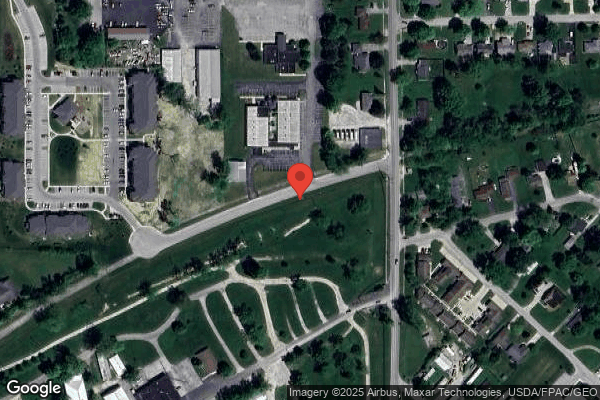
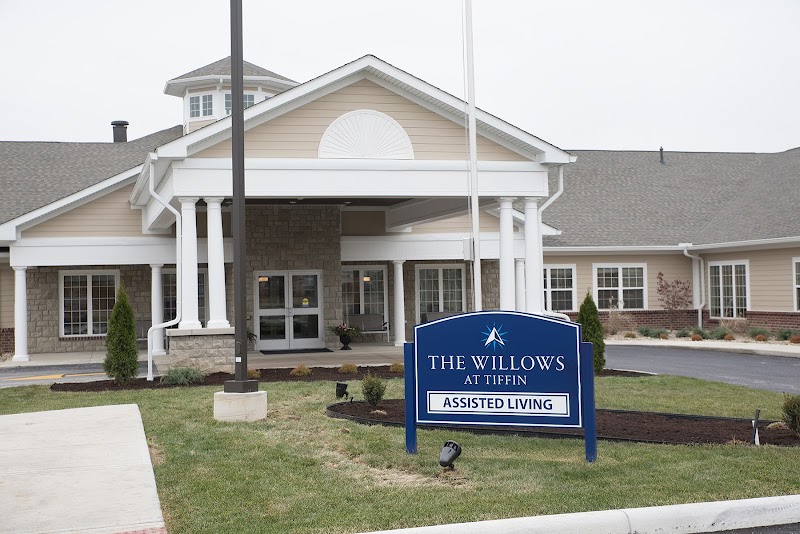
410 FAIR LANE, TIFFIN, OH 44883 (419) 443-0059
For profit - Corporation 67 Beds TRILOGY HEALTH SERVICES Data: November 2025
Trust Grade
90/100
#177 of 913 in OH
Last Inspection: March 2025

Within standard 12-15 month inspection cycle. Federal law requires annual inspections.

Overview

The Willows at Tiffin has received an A Trust Grade, indicating it is an excellent facility that is highly recommended. It ranks #177 out of 913 nursing homes in Ohio, placing it in the top half of state facilities, and #2 out of 5 in Seneca County, meaning only one local option is better. However, the facility’s trend is worsening, with issues increasing from 2 in 2023 to 4 in 2025. Staffing is a strength here, rated at 4 out of 5 stars with a turnover rate of 36%, which is below the state average, ensuring continuity of care for residents. Although there have been no fines, which is positive, recent inspections revealed concerns such as unclean kitchen conditions and medication storage issues, highlighting areas needing improvement while also showcasing the facility's overall solid performance.

Trust Score
A
90/100
In Ohio
#177/913
Top 19%
Safety Record
Low Risk
No red flags
Inspections
Getting Worse
2 → 4 violations
Staff Stability
○ Average
36% turnover. Near Ohio's 48% average. Typical for the industry.
Penalties
✓ Good
No fines on record. Clean compliance history, better than most Ohio facilities.
Skilled Nurses
✓ Good
Each resident gets 56 minutes of Registered Nurse (RN) attention daily — more than average for Ohio. RNs are trained to catch health problems early.
Violations
○ Average
6 deficiencies on record. Average for a facility this size. Mostly minor or procedural issues.
★★★★★
5.0
Overall Rating
★★★★☆
4.0
Staff Levels
★★★★★
5.0
Care Quality
★★★★☆
4.0
Inspection Score
Stable
2023: 2 issues
2025: 4 issues

The Good

  • 4-Star Staffing Rating · Above-average nurse staffing levels
  • 5-Star Quality Measures · Strong clinical quality outcomes
  • Full Sprinkler Coverage · Fire safety systems throughout facility
  • No fines on record
  • Staff turnover below average (36%)

    12 points below Ohio average of 48%

Facility shows strength in staffing levels, quality measures, fire safety.

The Bad

Staff Turnover: 36%

Near Ohio avg (46%)

Typical for the industry

Chain: TRILOGY HEALTH SERVICES

Part of a multi-facility chain

Ask about local staffing decisions and management

The Ugly 6 deficiencies on record

Mar 2025 4 deficiencies
CONCERN (D)

Potential for Harm - no one hurt, but risky conditions existed

Tube Feeding (Tag F0693)

Could have caused harm · This affected 1 resident

Based on observation, staff interview, medical record review, and review of facility, the facility failed to ensure staff followed physician orders while administering bolus enteral feedings to the re...

Read full inspector narrative →
Based on observation, staff interview, medical record review, and review of facility, the facility failed to ensure staff followed physician orders while administering bolus enteral feedings to the residents. This affected one (#32) of one resident reviewed for enteral feedings. The facility identified three residents who receive enteral feedings. The facility census was 57. Findings include: Medical record review for Resident #32 revealed an admission date of 05/07/23 with diagnoses including acute respiratory failure with hypoxia, pneumonia, chronic obstructive pulmonary disease (COPD), moderate protein-calorie malnutrition, and dysphagia. Review of the annual Minimum Data Set (MDS) assessment, dated 12/27/24, revealed Resident #32 was cognitively intact. Review of Resident #32's physician order, dated 05/07/23, revealed an order to check tube placement by air bolus and aspirating stomach contents before medication delivery. The physician order, dated 07/26/24, revealed an order for a residual check every shift, and document amount of residual. Return aspirated contents. Observation on 03/18/25 at 12:47 P.M. revealed Registered Nurse (RN) #358 did not verify tube placement by air bolus and aspirating of stomach contents before medication delivery. Interview on 03/18/25 at 1:13 P.M. with RN #358 verified she did not verify tube placement by air bolus or aspirate stomach contents before medication delivery for Resident #32. RN #358 stated when administering enteral feedings to Resident #32, she visualizes the contents of the tube when attached to the syringe and does not aspirate stomach contents. RN #358 stated she verifies placement with water when she provides the free water flush prior to administering medication and does not verify tube placement by air bolus. Review of the facility policy titled Enteral Tube Medication Administration, with a revision date of November 2018, revealed the facility assures the safe and effective administration of enteral formulas via enteral tubes. With gloves on, check for proper tube placement using air and auscultation only. Never check placement with water. Check gastric content for residual feeding. Return residual volumes to the stomach. Report any residual above 100 milliliters.
CONCERN (D)

Potential for Harm - no one hurt, but risky conditions existed

Deficiency F0761 (Tag F0761)

Could have caused harm · This affected 1 resident

Based on observation, resident and staff interview, review of facility policy, and medical record review, the facility failed to ensure medications were not left at the resident's bedside when the res...

Read full inspector narrative →
Based on observation, resident and staff interview, review of facility policy, and medical record review, the facility failed to ensure medications were not left at the resident's bedside when the resident does not have a self-administration order. This affected one (#17) of one resident reviewed for medication storage. The facility census was 57. Findings Include: Medical record review for Resident #17 revealed an admission date of 06/12/22. Diagnoses included chronic kidney disease, congestive heart failure (CHF), atrial fibrillation, hypothyroidism, hyperlipidemia, and cervical disc degeneration. Review of the quarterly Minimum Data Set (MDS) assessment, dated 01/09/25, revealed Resident #17 was cognitively intact. Review of Resident #17's self-administration order, dated 03/22/23, revealed Resident #17 was allowed to self-administer Refresh Eyedrops, Pataday Eyedrops, and Flonase Nasal Spray (treats allergies). This self-administration order was silent regarding Resident #17's ability to self-administer any other medications. Review of Resident #17's physician orders revealed the morning medication administration between 6:00 A.M. and 10:00 A.M. on 03/20/25, Resident #17 received the following medications: amiodarone tablet 200 milligrams (mg) administer 100 mg for atrial fibrillation, aspirin 81 mg for atrial fibrillation, lipitor 10 mg for hyperlipidemia, synthroid table 100 micrograms (mcg) for hypothyroidism, and triameterene-hydrochlorothiazid capsule 37.5-25 mg for diuretic. Observation on 03/20/25 at 8:40 A.M. of Resident #17's room revealed on her bedside table, there was a medication cup containing five pills. The pills were observed to be one-half of a round white tablet, a small round yellow tablet, a medium round yellow tablet, a white oval tablet, and a yellow and white capsule. There was no licensed nurse observed in the room or within eyesight of the medications. Interview on 03/20/25 at 8:40 A.M. with Resident #17 stated the nurses often brings her medication and leaves them on her bedside table for her to take independently. Interview on 03/20/25 at 8:44 A.M. with Licensed Practical Nurse (LPN) #475 verified the medication cup containing five pills was left on Resident #17's bedside table. Interview on 03/20/25 at 9:54 A.M. with Registered Nurse (RN) #613, RN #617, and the Director of Nursing (DON) verified the self-administration order, dated 03/22/23, only allows Resident #17 to self-administer Refresh Eyedrops, Pataday Eyedrops, and Flonase Nasal Spray. RN #613, RN #617, and the DON verified Resident #17 does not have an order to self-administer any oral medications. Review of the facility policy titled Medication Administration General Guidelines, with a revision date of November 2018, revealed medications are administered as prescribed in accordance with good nursing principles and practices and only by persons legally authorized to do so.
CONCERN (D)

Potential for Harm - no one hurt, but risky conditions existed

Infection Control (Tag F0880)

Could have caused harm · This affected 1 resident

**NOTE- TERMS IN BRACKETS HAVE BEEN EDITED TO PROTECT CONFIDENTIALITY** Based on medical record review, observation, staff interview, review of Centers for Disease Control and Prevention (CDC) guidanc...

Read full inspector narrative →
**NOTE- TERMS IN BRACKETS HAVE BEEN EDITED TO PROTECT CONFIDENTIALITY** Based on medical record review, observation, staff interview, review of Centers for Disease Control and Prevention (CDC) guidance, and policy review, the facility failed to follow infection control practices during medication pass and failed to don the appropriate personnel protective equipment (PPE) for a resident on Enhanced Barrier Precautions (EBP). This affected one (Resident #40) of 11 residents observed during medication administration and one (Resident #32) of two residents observed for tube feed administration. The facility census was 57. Findings include: 1. Medical record review for Resident #40 revealed an admission date of 02/07/25 with diagnoses including atrial fibrillation, cardiac arrhythmia, hypertension, arthritis, and tachycardia. Review of the significant change in status Minimum Data Set (MDS) assessment dated [DATE] revealed Resident #40 had moderately impaired cognition. Review of current physician orders for 03/18/25 revealed Resident #40 had the following orders: acetaminophen (Tylenol) (treats mild pain) 500 milligrams (mg) two tablets three times daily, brimonidine drops (treats glaucoma and high eye pressure) 0.2 percent (%) eye drop twice daily, dorzolamide-timolol drops (treats glaucoma and high eye pressure) 22.3-6.8 mg/milliliter (ml) twice daily, Eliquis (blood thinner) 2.5 mg twice daily, and furosemide (Lasix) (diuretic) 20 mg daily, Observation on 03/18/25 at 8:40 A.M. of medication administration for Resident #40 revealed Registered Nurse (RN) #358 donned gloves, touched the arm of Resident #40's wheelchair to assist in transferring the resident to her recliner. RN #358 then touched the bed and removed two blankets with the same gloves on to cover up the resident. RN #358 then proceeded to administer the eye drops to the resident with the same potentially contaminated gloves. RN #358 then removed gloves and washed hands. RN #358 went to medication cart to pull the resident's Tylenol and other eye drop that the resident had stated she would take. Resident #40 stated she would only take the Tylenol and eye drops at this time. RN #358 donned gloves, touched the spoon, apple sauce, computer mouse, medication cart, keys, and over the bed table in the resident's room. RN #358 asked the resident if she would take her Lasix and Eliquis and the resident stated she would. RN #358 then removed her gloves. RN #358 took the crushed Tylenol and the eye drops out of the room to the medication cart to get the Lasix and Eliquis to add to the Tylenol. RN #358 donned gloves at the cart, removed her keys for the cart from her pants pocket with the gloves on. RN #358 then touched the med cart drawers, drug buster, and the pills in the packet to pick out the Lasix and Eliquis and placed those two pills in the medication cup with the same gloves on. RN #358 then removed gloves, donned new gloves and touched the computer mouse, pill crusher packets, pill crusher, medication cart and handles of the medication cart, and added the Lasix and Eliquis to the crushed Tylenol. RN #358 then removed gloves, donned new gloves and touched the computer mouse and locked the screen and walked down to the resident's room. RN #358 then touched the over the bed table, administered the crushed medications, and wiped off the resident's face with a tissue. RN #358 then assessed and touched the resident's lips with the same gloves on. RN #358 then removed gloves, donned new gloves and administered the second eye drop to the resident. RN #358 was not observed washing or sanitizing hands between the glove changes. Interview on 03/18/25 at 9:12 A.M. with RN #358 verified she not wash or sanitize hands after any of the glove changes. RN #358 verified she touched potentially contaminated surfaces with the same gloves prior to touching medications and giving the eye drops to Resident #40. Review of the policy titled Medication Administration-General Guidelines revised 11/2018 revealed handwashing and hand sanitation: the person administering medications adheres to good hand hygiene before beginning medication pass, prior to handling any medication, after coming into direct contact with a resident, before and after administration of ophthalmic, topical, vaginal, rectal, and parenteral preparations, and before and after administration of medications via enteral tubes. Hand hygiene is performed before putting on examination gloves and upon removal for administration of topical, ophthalmic, injectable, enteral, rectal, and vaginal medications. 2. Medical record review for Resident #32 revealed an admission date of 05/07/23 with diagnoses including acute respiratory failure with hypoxia, pneumonia, moderate protein-calorie malnutrition, and dysphagia. Review of the annual Minimum Data Set (MDS) assessment, dated 12/27/24, revealed Resident #32 was cognitively intact. Review of Resident #32's physician order dated 04/05/24 revealed an order for enhanced barrier precautions (EBP), wearing a gown and gloves at minimum, during high-contact care activities three times a day from 6:00 A.M. to 2:00 P.M., 2:00 P.M. to 10:00 P.M., and 10:00 P.M. to 6:00 A.M. Observation on 03/18/25 at 12:58 P.M. revealed Registered Nurse (RN) #358 prepared Resident #32's medication and bolus enteral feed at the medication cart. After medications were prepared, RN #358 entered Resident #32's bedroom wearing gloves. RN #3358 did not don a gown. RN #358 then administered Resident #32's medication and bolus feed via tube feed wearing gloves only. No other personal protective equipment (PPE) was seen outside or inside of Resident #32's room, nor was there a receptacle to dispose of worn PPE observed in the room. Interview on 03/18/25 at 1:50 P.M. with RN #358 verified she did not don the proper PPE which included a gown and gloves while administering Resident #32's medication and bolus feed via tube feed. RN #358 verified there was no receptacle in Resident #32's room, and there was no PPE available inside or outside of Resident #32's room. Review of the facility policy titled Enhanced Barrier Precautions dated 04/01/24 revealed enhanced barrier precautions will be in place during high-contact care activities for residents with indwelling medical devices including feeding tubes. Review of CDC guidance titled Implementation of PPE Use in Nursing Homes to Prevent Spread of Multidrug-resistant Organisms (MDROs) found at https://www.cdc.gov/long-term-care-facilities/hcp/prevent-mdro/PPE.html and dated 04/02/24 revealed MDRO transmission is common in skilled nursing facilities, contributing to substantial resident morbidity and mortality and increased healthcare costs. EBP are an infection control intervention designed to reduce transmission of resistant organisms that employs targeted gown and glove use during high contact resident care activities. EBP may be indicated for residents with any of the following: wounds or indwelling medical devices, regardless of MDRO colonization status.
CONCERN (F)

Potential for Harm - no one hurt, but risky conditions existed

Food Safety (Tag F0812)

Could have caused harm · This affected most or all residents

Based on observation, staff interview, and review of facility policy, the facility failed to ensure the kitchen area was maintained in a clean and sanitary manner and refrigerator temperatures were mo...

Read full inspector narrative →
Based on observation, staff interview, and review of facility policy, the facility failed to ensure the kitchen area was maintained in a clean and sanitary manner and refrigerator temperatures were monitored daily in the kitchen. This had the potential to affect all residents who eat food from the kitchen. The facility identified one resident (#157) who does not eat food from the kitchen. The facility census was 57. Findings include: 1. Observations on 03/17/25 from 8:02 A.M. to 8:20 A.M. of the kitchen revealed a buildup of food particles in the microwave closest to the hallway door. Observation of the walk-in refrigerator revealed an unidentified dried brown colored fluid on the floor underneath a pan which contained three approximately five-pound bags of thawed boneless skinless chicken breasts. Observation of the walk-in freezer revealed dirt and generalized debris throughout the floor. Observation of the microwave by the door leading to the residential care center revealed a buildup of food particles inside of and on the door of the microwave. Interview on 03/17/25 at 8:22 A.M. with the Director of Food Services (DFS) #434 verified the findings in the microwaves, walk-in refrigerator, and walk-in freezer. Review of the facility policy titled Storage Procedures dated January 2025 revealed all shelves and storage racks or platforms are at least six inches above the floor or on dollies to allow cleaning underneath. Areas are free from garbage and waste. Refrigeration equipment is routinely cleaned and defrosted and free from garbage and other waste. 2. Review of the facility provided Daily Temperature Logs for January 2025 revealed the daily refrigerator temperature recordings were not completed on 29 days and only recorded the refrigerator temperatures on 01/01/25 and 01/03/25. The Daily Temperature Logs for February 2025 revealed the daily refrigerator temperature recordings were not completed on 26 days and only recorded the refrigerator temperatures on 02/22/25 and 02/23/25. There was no Daily Temperature Log for March 2025 to review. Interview on 03/18/25 at 8:54 A.M. with the Administrator verified the facility did not maintain a Daily Temperature Log for the month of March 2025. The Administrator verified there were only two days of refrigerator temperatures documented in the January 2025 Daily Temperature Logs and only two days recorded in the February 2025 Daily Temperature Logs. Review of the facility policy titled Refrigerator, dated January 2025, revealed temperature checks will be documented on the refrigerator monitoring log daily, and it is the responsibility of each department to maintain appropriate temperatures and logs.
Mar 2023 2 deficiencies
CONCERN (D)

Potential for Harm - no one hurt, but risky conditions existed

Deficiency F0554 (Tag F0554)

Could have caused harm · This affected 1 resident

**NOTE- TERMS IN BRACKETS HAVE BEEN EDITED TO PROTECT CONFIDENTIALITY** Based on observations, medical record review, staff and resident interview, and review of policy, the facility failed to assess ...

Read full inspector narrative →
**NOTE- TERMS IN BRACKETS HAVE BEEN EDITED TO PROTECT CONFIDENTIALITY** Based on observations, medical record review, staff and resident interview, and review of policy, the facility failed to assess a resident for self-medication administration. This affected one (#12) of three residents reviewed for self-administration of medication. The facility census is 65. Findings include: Review of the medical record for Resident #12 revealed an admission date of 08/11/22. Diagnoses included chronic obstructive pulmonary disease, pleural effusion, idiopathic hypotension, atrial fibrillation, dementia, polyneuropathy, anxiety disorder, allergic rhinitis, hypertension, chronic pain, cardiomegaly, osteoarthritis, depression, protein calorie malnutrition and on 03/21/23 dry eyes. Review of the Minimum Data Set (MDS) assessment dated [DATE] revealed Resident #12 was cognitively intact. Resident #12 is independent with locomotion and required supervision for bed mobility, toilet use and activities of daily living. Observation on 03/20/23 at 10:24 A.M., revealed a bottle of over the counter natural tears and an over the counter bottle of lubricating eye drops sitting on the overbed table in Resident #12's room. Additional observation made on 03/21/23 at 11:48 A.M., revealed the the two bottles of lubricating eye drops remained at the bedside. Interview on 03/21/23 at 11:50 A.M., with Resident #12 indicated the resident's eyes become dry and itchy when reading and the resident prefers to have the eye drops readily available. Interview on 03/21/23 at 3:30 P.M., with Registered Nurse (RN) #409 verified the bottle of over the counter natural tears and an over the counter bottle of lubricating eye drops sitting on the overbed table in Resident #12's room. RN #409 verified Resident #12 did not have a self-medication assessment completed and further verified no orders existed for either of the eye drops. Review of policy titled Guidelines for Self-Administration of Medications, dated 12/31/22, revealed residents requesting to self-medicate shall be assessed and the results of the assessment would be presented to the physician for evaluation and an order for self-administration of medication.
CONCERN (D)

Potential for Harm - no one hurt, but risky conditions existed

Incontinence Care (Tag F0690)

Could have caused harm · This affected 1 resident

**NOTE- TERMS IN BRACKETS HAVE BEEN EDITED TO PROTECT CONFIDENTIALITY** Based on observation, medical record review, staff interview, and review of policy, the facility failed to ensure a resident's c...

Read full inspector narrative →
**NOTE- TERMS IN BRACKETS HAVE BEEN EDITED TO PROTECT CONFIDENTIALITY** Based on observation, medical record review, staff interview, and review of policy, the facility failed to ensure a resident's catheter tubing and collection bag were secured off of the floor to potentially prevent infections. This affected one (#22) of one residents reviewed for catheter care. The facility identified one resident with an indwelling catheter. The facility census was 65. Findings include: Review of Resident #22's medical record revealed an admission date of 11/11/22 and a readmission date of 12/15/22. Diagnoses included hypotension, hypertensive heart disease with heart failure, congestive heart failure (CHF), atherosclerotic heart disease, atrial fibrillation, chronic obstructive pulmonary disease (COPD), benign prostatic hyperplasia (BPH) with lower urinary tract symptoms, and osteoporosis. Review of the quarterly Minimum Data Set (MDS) assessment dated [DATE] revealed Resident #22 was cognitively intact and required extensive assistance with bed mobility, transfers, toilet use, and personal hygiene. In addition, Resident #22 had an indwelling catheter. Review of the plan of care initiated 11/14/22 revealed Resident #22 used a Foley catheter for diagnoses of obstructive uropathy and BPH. Interventions included maintain a closed system with urinary bag below the resident's bladder and cover, observe for any signs of complications, observe tubing and avoid any obstructions, record urinary output, provide assistance with catheter care and change Foley catheter per physician orders. Review of current physician orders revealed catheter care each shift, three times daily. Observation on 03/20/23 at 12:07 P.M., of Resident #22 revealed Resident #22's catheter collection bag was hanging from the underside of the wheelchair, with approximately one to one and one half inch of the collection bag touching the floor. Observation on 03/21/23 at 2:00 P.M., revealed Resident #22 in the recliner in his room. Resident #22's catheter tubing was observed to be running down the Resident's left leg and onto the floor, with the catheter collection bag laying flat on the floor. Continued observation on 03/21/23 at 2:12 P.M., revealed two staff walked down the hall, stopped in front of Resident #22's room, looked inside the room, and continued down the hall. Resident #22's catheter tubing and collection bag remained on the floor. Additional observations on 03/21/23 at 2:20 P.M. and 2:33 P.M., revealed Resident #22's catheter tubing and collection bag remained on the floor. Interview on 03/21/23 at 2:33 P.M., of Licensed Practical Nurse (LPN) #490 verified Resident #22's catheter tubing and collection bag were laying on the floor. LPN #490 entered the room and secured the catheter collection bag to the recliner and adjusted the tubing. LPN #490 confirmed catheter tubing and collection bags should be secured off of the floor to assist in preventing infections. Review of the policy titled Urinary Catheter Care, reviewed 12/31/22, revealed steps to prevent infection of a resident's urinary tract, including to be sure the catheter bag and tubing were kept off the floor.
Understanding Severity Codes (click to expand)
Life-Threatening (Immediate Jeopardy)
J - Isolated K - Pattern L - Widespread
Actual Harm
G - Isolated H - Pattern I - Widespread
Potential for Harm
D - Isolated E - Pattern F - Widespread
No Harm (Minor)
A - Isolated B - Pattern C - Widespread

Questions to Ask on Your Visit

  • "Can I speak with families of current residents?"
  • "What's your RN coverage like on weekends and overnight?"

Our Honest Assessment

Strengths
  • • Grade A (90/100). Above average facility, better than most options in Ohio.
  • • No major safety red flags. No abuse findings, life-threatening violations, or SFF status.
  • • No fines on record. Clean compliance history, better than most Ohio facilities.
  • • 36% turnover. Below Ohio's 48% average. Good staff retention means consistent care.
Concerns
  • • No significant concerns identified. This facility shows no red flags across CMS ratings, staff turnover, or federal penalties.
Bottom line: Generally positive indicators. Standard due diligence and a personal visit recommended.

About This Facility

What is The Willows At Tiffin's CMS Rating?

CMS assigns THE WILLOWS AT TIFFIN an overall rating of 5 out of 5 stars, which is considered much above average nationally. Within Ohio, this rating places the facility higher than 99% of the state's 100 nursing homes. This rating reflects solid performance across the metrics CMS uses to evaluate nursing home quality.
How is The Willows At Tiffin Staffed?

CMS rates THE WILLOWS AT TIFFIN's staffing level at 4 out of 5 stars, which is above average compared to other nursing homes. Staff turnover is 36%, compared to the Ohio average of 46%. This relatively stable workforce can support continuity of care.

What Have Inspectors Found at The Willows At Tiffin?

State health inspectors documented 6 deficiencies at THE WILLOWS AT TIFFIN during 2023 to 2025. These included: 6 with potential for harm.

Who Owns and Operates The Willows At Tiffin?

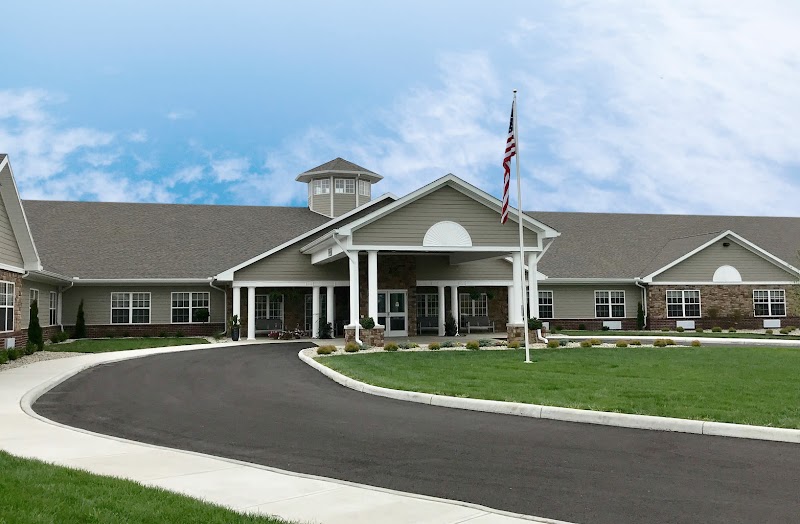
THE WILLOWS AT TIFFIN is owned by a for-profit company. For-profit facilities operate as businesses with obligations to shareholders or private owners. The facility is operated by TRILOGY HEALTH SERVICES, a chain that manages multiple nursing homes. With 67 certified beds and approximately 61 residents (about 91% occupancy), it is a smaller facility located in TIFFIN, Ohio.
How Does The Willows At Tiffin Compare to Other Ohio Nursing Homes?

Compared to the 100 nursing homes in Ohio, THE WILLOWS AT TIFFIN's overall rating (5 stars) is above the state average of 3.2, staff turnover (36%) is near the state average of 46%, and health inspection rating (4 stars) is above the national benchmark.

What Should Families Ask When Visiting The Willows At Tiffin?

Based on this facility's data, families visiting should ask: "Can I visit during a mealtime to observe dining assistance and food quality?" "How do you handle medical emergencies, and what is your hospital transfer rate?" "Can I speak with family members of current residents about their experience?"

Is The Willows At Tiffin Safe?

Based on CMS inspection data, THE WILLOWS AT TIFFIN has a clean safety record: no substantiated abuse findings (meaning no confirmed cases of resident harm), no Immediate Jeopardy citations (the most serious violation level indicating risk of serious injury or death), and is not on the Special Focus Facility watch list (a federal program monitoring the lowest-performing 1% of nursing homes). The facility has a 5-star overall rating and ranks #1 of 100 nursing homes in Ohio. While no facility is perfect, families should still ask about staff-to-resident ratios and recent inspection results during their visit.

Do Nurses at The Willows At Tiffin Stick Around?

THE WILLOWS AT TIFFIN has a staff turnover rate of 36%, which is about average for Ohio nursing homes (state average: 46%). Moderate turnover is common in nursing homes, but families should still ask about staff tenure and how the facility maintains care continuity when employees leave.

Was The Willows At Tiffin Ever Fined?

THE WILLOWS AT TIFFIN has no federal fines on record. CMS issues fines when nursing homes fail to meet care standards or don't correct problems found during inspections. The absence of fines suggests the facility has either maintained compliance or corrected any issues before penalties were assessed. This is a positive indicator, though families should still review recent inspection reports for the full picture.

Is The Willows At Tiffin on Any Federal Watch List?

THE WILLOWS AT TIFFIN is not on any federal watch list. The most significant is the Special Focus Facility (SFF) program, which identifies the bottom 1% of nursing homes nationally based on persistent, serious quality problems. Not being on this list means the facility has avoided the pattern of deficiencies that triggers enhanced federal oversight. This is a positive indicator, though families should still review the facility's inspection history directly.