ST FRANCIS SENIOR MINISTRIES
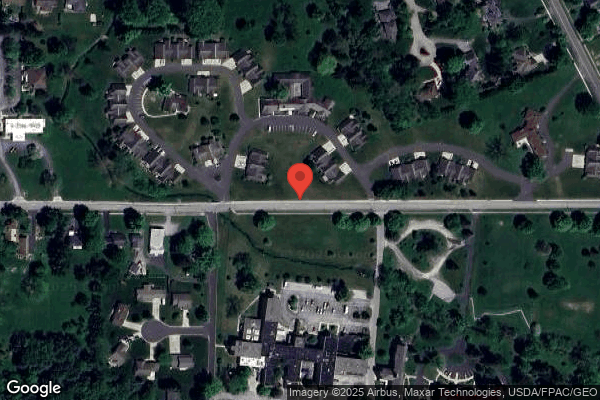
182 ST FRANCIS AVE, TIFFIN, OH 44883 (419) 447-2723
Non profit - Church related 54 Beds Independent Data: November 2025
Trust Grade
80/100
#170 of 913 in OH
Last Inspection: April 2025

Within standard 12-15 month inspection cycle. Federal law requires annual inspections.

Overview

St. Francis Senior Ministries has a Trust Grade of B+, which means it is above average and recommended for families seeking care. It ranks #170 out of 913 nursing homes in Ohio, placing it in the top half of facilities statewide, and is the top option among 5 homes in Seneca County. The facility is improving, with issues decreasing from 10 in 2023 to only 2 in 2025. Staffing is rated average with a 3/5 star rating and a turnover rate of 32%, which is significantly lower than the Ohio average of 49%. While there have been no fines, the facility has less RN coverage than 82% of Ohio facilities, which is a concern given that RN oversight can catch issues early. Some areas for improvement include maintenance problems, such as damaged ceiling tiles and cleanliness issues in common areas. Additionally, there was a concerning incident where medications were left unsecured, posing a risk to cognitively impaired residents. Finally, a lack of RN coverage for an entire day in March 2023 indicates a potential gap in nursing oversight. Overall, while St. Francis has some strengths, families should consider these weaknesses when making their decision.

Trust Score
B+
80/100
In Ohio
#170/913
Top 18%
Safety Record
Low Risk
No red flags
Inspections
Getting Better
10 → 2 violations
Staff Stability
○ Average
32% turnover. Near Ohio's 48% average. Typical for the industry.
Penalties
✓ Good
No fines on record. Clean compliance history, better than most Ohio facilities.
Skilled Nurses
⚠ Watch
Each resident gets only 24 minutes of Registered Nurse (RN) attention daily — below average for Ohio. Fewer RN minutes means fewer trained eyes watching for problems.
Violations
⚠ Watch
22 deficiencies on record. Higher than average. Multiple issues found across inspections.
★★★★★
5.0
Overall Rating
★★★☆☆
3.0
Staff Levels
★★★★★
5.0
Care Quality
★★★★☆
4.0
Inspection Score
Stable
2023: 10 issues
2025: 2 issues

The Good

  • 5-Star Quality Measures · Strong clinical quality outcomes
  • Full Sprinkler Coverage · Fire safety systems throughout facility
  • No fines on record
  • Staff turnover below average (32%)

    16 points below Ohio average of 48%

Facility shows strength in quality measures, fire safety.

The Bad

Staff Turnover: 32%

14pts below Ohio avg (46%)

Typical for the industry

The Ugly 22 deficiencies on record

Apr 2025 2 deficiencies
CONCERN (D)

Potential for Harm - no one hurt, but risky conditions existed

Abuse Prevention Policies (Tag F0607)

Could have caused harm · This affected 1 resident

Based on medical record review, review of the facility Self-Reported Incidents (SRIs), staff interview and review of facility policy, the facility failed to ensure staff implemented the facility's abu...

Read full inspector narrative →
Based on medical record review, review of the facility Self-Reported Incidents (SRIs), staff interview and review of facility policy, the facility failed to ensure staff implemented the facility's abuse policy related to immediate reporting of allegations of abuse to the Administrator. This affected one (#32) of one resident reviewed for abuse. The facility census was 52. Findings include: Review of Resident #32's medical record revealed an admission date of 07/28/23. Diagnoses including phantom limb syndrome with pain, chronic respiratory failure, and acquired absence of left leg above the knee. Review of the quarterly Minimum Data Set (MDS) assessment, dated 03/21/25, revealed a Brief Interview of Mental Status (BIMS) score of 14, indicating Resident #32 was cognitively intact. Review of the facility submitted SRI, created 01/26/25, revealed on 01/25/25, Resident #32 reported to Certified Nursing Assistant (CNA) #310 and Licensed Practical Nurse (LPN) #315 that at approximately 1:30 A.M., an unidentified staff member used force while applying cream to his left lower extremity (LLE) stump and, while providing incontinence care, it felt like the staff inserted a digit into his rectum. Further review of the SRI revealed LPN #315 did not report the alleged abuse to the facility administration until 01/26/25. At the time LPN #315 reported the alleged abuse, the facility immediately began an investigation, made appropriate notifications, and suspended the possible staff members pending the results of the facility investigation. Interview on 04/10/25 at 2:02 P.M. with the Director of Nursing (DON) confirmed Resident #32 initially reported an allegation of abuse to LPN #315 on 01/25/25, but LPN #315 did not report it to administration until the resident made the allegation a second time on 01/26/24. Review of the facility policy titled, Abuse, Neglect, and Exploitation, dated 11/21/24, revealed all alleged violations would be reported to the Administrator immediately, but not later than two hours after the allegation was made.
CONCERN (F)

Potential for Harm - no one hurt, but risky conditions existed

Safe Environment (Tag F0921)

Could have caused harm · This affected most or all residents

Based observation and staff interview the facility failed to ensure the facility was adequately maintained. This had the potential to affect all 52 residents residing in the facility. The facility cen...

Read full inspector narrative →
Based observation and staff interview the facility failed to ensure the facility was adequately maintained. This had the potential to affect all 52 residents residing in the facility. The facility census was 52. Findings include: • Observation on 04/10/25 from 8:09 A.M. through 9:05 A.M., during an environmental tour with the Administrator, revealed the following: • Outside the main elevator on the first floor, and continued down the hallway and into the dining room, were damaged and improperly fitted ceiling tiles. • Multiple ceiling tiles in the first floor dining hall, near the solarium opening, had dried water stains. • On the second floor, outside the main elevator and down the south hall (200-220 unit), and continued down the west hall (221-239 unit), were multiple water stained, damaged, and improperly fitted ceiling tiles. • On the first-floor memory care unit, fluorescent light ballast covers contained dirt and debris, including perished bugs and flies, and several covers were cracked with partially broken covers throughout both south and east halls. Concurrent interview with the Administrator verified the above findings.
Mar 2023 10 deficiencies
CONCERN (D)

Potential for Harm - no one hurt, but risky conditions existed

Notification of Changes (Tag F0580)

Could have caused harm · This affected 1 resident

**NOTE- TERMS IN BRACKETS HAVE BEEN EDITED TO PROTECT CONFIDENTIALITY** Based on medical record review, staff interview, and review of the facility guideline, the facility failed to notify the physici...

Read full inspector narrative →
**NOTE- TERMS IN BRACKETS HAVE BEEN EDITED TO PROTECT CONFIDENTIALITY** Based on medical record review, staff interview, and review of the facility guideline, the facility failed to notify the physician when a resident tested positive for COVID-19 and when a resident sustained an abrasion. This affected two residents (#6 and #7) of two residents reviewed for notification of change. The facility census was 79. Findings include: 1. Review of Resident #6's medical record revealed an admission date of 08/04/21. Diagnoses included chronic obstructive pulmonary disease (COPD), atherosclerotic heart disease, and congestive heart failure. Review of the quarterly Minimum Data Set (MDS) assessment dated [DATE] revealed Resident #6 was cognitively intact. Review of a nursing progress note dated 02/04/23 revealed Resident #6 requested a COVID-19 test due to symptoms of cough, dry eyes, and congestion. The COVID-19 swab was positive. Further review Resident #6's progress notes and medical record from 02/04/23 through 02/06/23 revealed no documentation of physician notification of Resident #6's positive COVID-19 positive test result. Interview on 03/15/23 at 10:00 A.M. with Assistant Director of Nursing (ADON) #377 revealed the facility typically sent a fax to the physician notifying of any change in condition and the fax confirmation was kept in the resident's medical record. ADON #377 verified Resident #6's medical record contained no evidence the physician was notified of Resident #6's positive COVID-19 test result but stated Nurse Practitioner (NP) #418 was aware Resident #6 had COVID-19. Interview on 03/15/23 at 11:43 A.M. with NP #418 verified the facility did not notify her Resident #6 tested positive for COVID-19 on 02/04/23. NP #418 stated she became aware Resident #6 had COVID-19 when was at the facility on 02/10/23 for scheduled rounds. NP #418 stated Resident #6 was still on isolation on 02/10/23. NP #418 stated faxed notifications from the facility were scanned into their records at the physician office. NP #418 verified she reviewed faxes that had been received from the facility and the physician's office did not receive faxed notification of Resident #6's positive COVID-19 test result. Review of the facility policy titled Notification of Changes, dated 11/29/22, revealed the facility must inform the resident, consult with the resident's physician, and notify the resident's family member or legal representative when there is a change requiring such notification. 2. Review of Resident #7's medical record revealed the resident was admitted to the facility on [DATE]. Diagnoses included chronic kidney disease stage, lymphedema, peripheral vascular disease (PVD), non-pressure chronic ulcer lower extremities, edema, morbid obesity, neuropathy, chronic embolism and thrombosis right popliteal vein. Review of the Minimum Data Set (MDS) assessment dated [DATE] revealed Resident #7 had intact cognition. Review of the nursing plan of care dated 09/17/19 and revised 02/09/22, revealed a plan of care was developed to address Resident #7's diagnoses of PVD related to edema, diabetes mellitus with neuropathy, and history of arterial ulcers. Interventions included to monitor/document/report as needed any signs or symptoms of skin problems related to PVD (redness, edema, blistering, itching, burning, bruises, cuts, other skin lesions). On 03/01/21, another nursing plan of care was developed to address the resident's history of ulcers to bilateral lower extremities, PVD, diabetes mellitus neuropathy related to the presence of inflammation and weeping edema to the bilateral lower extremities. Interventions included notify the physician as indicated. Review of the skin and wound evaluation documentation dated 02/21/23 at 9:12 A.M. noted Registered Nurse (RN) #393 had an abrasion to Resident #7's left lateral hip. The abrasion was recorded as in-house acquired on the exact date of 02/16/23 and measurements were as follows: 3.8 centimeters (cm) long by (x) 0.8 cm wide x 0.2 cm deep. The wound characteristics noted 100% granulation tissue to the wound, bleeding, with a light amount of serosanguineous exudate, wound edges were non-attached: edge appeared as a cliff, surrounding tissue had erythema and was fragile. The wound was cleansed and a hydrocolloid dressing was applied. RN #393 stated the date of 02/16/23 was a typing error and the wound was found on 02/21/23 on 03/14/23 at 10:10 A.M. Review of the skin and wound evaluation documentation dated 03/14/23 at 10:35 A.M. revealed the wound was described as in-house acquired abrasion and noted measurements as follows: 3.0 cm long x 1.2 cm wide x 0.3 cm deep. The wound characteristics noted 100% granulation tissue to the wound with a light amount of serosanguineous exudate, wound edges were non-attached: edge appeared as a cliff, discoloration black and blue surrounding tissue and intact unbroken skin. Progress was recorded as deteriorating. Further review of the medical record from 02/21/23 to 03/14/23 revealed there was no documentation the physician was notified of the wound to the left hip area and there was no physician order for treatment of the left hip. Interview on 03/15/23 at 11:58 A.M. with Wound Nurse RN #393 revealed she was first made aware of the resident's abrasion to the left lateral hip on 02/21/23 and assessed as a new wound. Review of the medical at the time of interview verified the record lacked documentation regarding the physician being notified of the skin injury and a physician ordered treatment to the wound. Interview on 03/16/23 at 8:10 A.M. with the Administrator and Director of Nursing (DON) verified no additional information was available indicating Resident #7's left hip wound (abrasion) was reported to the physician. Review of the facility's wound treatment guidelines last revised 06/01/21 revealed wound treatments will be provided in accordance with physician orders, including the cleansing method, dressing type, and frequency of dressing change. In the absence of treatment orders, the licensed nurse will notify the physician to obtain treatment orders.
CONCERN (D)

Potential for Harm - no one hurt, but risky conditions existed

Deficiency F0657 (Tag F0657)

Could have caused harm · This affected 1 resident

**NOTE- TERMS IN BRACKETS HAVE BEEN EDITED TO PROTECT CONFIDENTIALITY** 2. Review of Resident #35's medical record revealed Resident #35 was admitted on [DATE] with diagnoses including dementia and at...

Read full inspector narrative →
**NOTE- TERMS IN BRACKETS HAVE BEEN EDITED TO PROTECT CONFIDENTIALITY** 2. Review of Resident #35's medical record revealed Resident #35 was admitted on [DATE] with diagnoses including dementia and atrial fibrillation (a heart condition where the heart beats abnormally). Review of the Minimum Data Set (MDS) assessment dated [DATE] revealed Resident #35 had severe cognitive impairment. Review of Resident #35's Order Summary Report (a list of the medications ordered by the physician) dated March 2023 revealed Resident #35 was prescribed anticoagulation therapy, apixaban 2.5 milligrams twice daily for atrial fibrillation Review of Resident #35's care plan dated 12/13/22 revealed Resident #35 was not care planned for anticoagulant therapy. Interview on 03/14/23 at 3:27 P.M. with Corporate Registered Nurse (CRN) #419 and the Director of Nursing (DON) verified the care plan for Resident #35 did not address anticoagulation therapy. Based on observations, medical record review, and staff interview, the facility failed to ensure the resident's care plans were revised and updated with current interventions to address their care needs. This affected two (Residents #35 and #71) of 19 residents reviewed for care plan revisions. The facility census was 79. Findings include: 1. Review of Resident #71's medical record revealed an admission date of 10/17/22. Diagnoses included Alzheimer's disease. Review of Resident #71's physician orders revealed an order dated 12/06/22 for a silent alarm to be in place at all times on day and night shift. Review of the Minimum Data Set (MDS) assessment dated [DATE] revealed Resident #71 was rarely or never understood. Resident #71 had a bed alarm and chair alarm that were used daily. Review of Resident #71's care plan revised 02/15/23 revealed supports and interventions for self-care deficit, impaired cognitive function, and risk for falls. Fall interventions included anticipate needs and call light in reach. The care plan did not reflect the fall intervention of using a cushion alarm or checking placement or functionality. Review of Resident #71's progress notes revealed on 03/11/23, Resident #71 had a witnessed fall in the dining room. It was noted Resident #71 got up from his seat and his pad alarm did not sound. Resident #71 lost his balance before staff could reach him and he fell backward, bonked his head on the table, and landed on his bottom. Observation on 03/13/23 at 11:06 A.M. and at 12:01 P.M. revealed Resident #71 was seated in a chair in the common area of the secured unit. A white pad was observed to be in place under him. Interview on 03/14/23 at 10:18 A.M. with Licensed Practical Nurse (LPN) #372 verified Resident #71 had a current order for a silent alarm at all times and there was no current tracking in place in the treatment administration record (TAR) for monitoring placement or functionality. Further review of Resident #71's care plan on 03/14/23 at 2:18 P.M. a care plan support was added to check the function and placement of silent alarm every shift. Prior to 03/14/23 there was not a care plan support or intervention to check placement and function of Resident #71's silent alarm. Interview on 03/15/23 at 8:49 A.M. with the Director of Nursing (DON) verified Resident #71's care plan did not have the fall intervention to check the placement and function of Resident #71's silent alarm prior to 03/14/23.
CONCERN (D)

Potential for Harm - no one hurt, but risky conditions existed

ADL Care (Tag F0677)

Could have caused harm · This affected 1 resident

**NOTE- TERMS IN BRACKETS HAVE BEEN EDITED TO PROTECT CONFIDENTIALITY** Based on observation, medical record review, resident and staff interview, and review of the facility policy, the facility faile...

Read full inspector narrative →
**NOTE- TERMS IN BRACKETS HAVE BEEN EDITED TO PROTECT CONFIDENTIALITY** Based on observation, medical record review, resident and staff interview, and review of the facility policy, the facility failed to ensure residents who were dependent on staff for assistance received assistance with shaving and nail care. This affected one (#60) of one residents reviewed for activities of daily living (ADLs). The facility identified 73 residents who required assistance from staff with bathing and 70 residents who required assistance with dressing. The facility census was 79. Findings include: Review of Resident #60's medical record revealed a re-admission date of 02/23/22. Diagnoses included congestive heart failure (CHF), acquired absence of left leg above the knee, morbid obesity, and chronic obstructive pulmonary disease (COPD). Review of the quarterly Minimum Data Set (MDS) assessment dated [DATE] revealed Resident #60 was cognitively intact and required extensive assistance from staff with dressing, and personal hygiene. Resident #60 had no refusals of care during the review period. Review of the plan of care initiated 05/09/22 revealed Resident #60 had an ADLs self-care performance deficit. Interventions included to provide extensive one person assistance with personal hygiene and dressing. Review of the State Tested Nurse Aide (STNA) documentation for showers and personal hygiene from 02/13/23 through 03/14/23 revealed no documentation Resident #60 refused care. Observation and interview on 03/13/23 at 11:14 A.M. of Resident #60 revealed the resident was sitting up in his wheelchair. Resident #60 was observed to have full beard and long, jagged fingernails with debris under the nails. Resident #60 stated he preferred to be clean shaven and have his nails clipped short. Resident #60 stated he was typically shaved and had his fingernails clipped on shower days but the staff had not assisted with those tasks the past couple of showers. Resident #60 stated he looked like expletive. Resident #60 stated he did not know why staff had not been providing assistance with shaving and nail care. Subsequent observations on 03/14/23 at 9:51 A.M. revealed Resident #60 sitting in his wheelchair in his room. Resident #60 had a full beard and the resident's fingernails were long and jagged with a brown substance noted under the fingernails. Interview on 03/14/23 at 9:57 A.M. with STNA #405 revealed Resident #60 required extensive one person assistance with all ADLs, including shaving and nail care. STNA #405 stated Resident #405 tried to toilet himself, but frequently needed assistance with cleaning up spills from the urinal. STNA #405 explained shaving and showers were typically done on shower days, but it could be done anytime it was needed. Observation and interview on 03/14/23 at 10:05 A.M. with STNA #405 verified Resident #60's beard and fingernails were jagged with a brown substance under the fingernails. STNA #405 stated today was Resident #60's shower day. Interview on 03/14/23 at 1:48 P.M. with the Administrator confirmed Resident #60's medical record from 02/13/23 through 03/14/23 revealed no documentation the resident refused care related to showers or personal hygiene. Observation on 03/15/23 at 9:03 A.M. of Resident #60 revealed the resident had been shaved and fingernails were clipped and clean. Interview of Resident #60 at the time of the observation confirmed he received assistance yesterday with a shower, shaving, and nail care. Resident #60 stated he felt better and did not know why his beard had been let go for so long and was uncertain if staff just did not want to mess with it or what. Review of the facility policy titled Activities of Daily Living, dated 03/01/18, revealed a resident who was unable to carry out ADLs would receive the necessary services to maintain incontinence, good nutrition, grooming, and personal and oral hygiene.
CONCERN (D)

Potential for Harm - no one hurt, but risky conditions existed

Quality of Care (Tag F0684)

Could have caused harm · This affected 1 resident

**NOTE- TERMS IN BRACKETS HAVE BEEN EDITED TO PROTECT CONFIDENTIALITY** Based on observation, medical record review, staff interview, and review of the facility's guideline and policy, the facility fa...

Read full inspector narrative →
**NOTE- TERMS IN BRACKETS HAVE BEEN EDITED TO PROTECT CONFIDENTIALITY** Based on observation, medical record review, staff interview, and review of the facility's guideline and policy, the facility failed to ensure interventions were implemented timely to promote wound healing and prevent further skin injury. This affected one (Resident #7) of one resident for non-pressure related skin issues. The facility census was 79. Findings include: Review of Resident #7's medical record revealed the resident was admitted to the facility on [DATE]. Diagnoses included chronic kidney disease stage, lymphedema, type II diabetes mellitus, peripheral vascular disease (PVD), non-pressure chronic ulcer lower extremities, edema, morbid obesity, neuropathy, chronic embolism and thrombosis right popliteal vein. Review of the Minimum Data Set (MDS) assessment dated [DATE] revealed Resident #7 had intact cognition, independent with activities of daily living, utilized a walker and wheelchair for locomotion, was at risk for pressure ulcer development, and had four venous and arterial ulcers involving infection of the foot. Review of the skin breakdown risk assessment dated [DATE] revealed Resident #7 was at minimal risk for the development of skin breakdown. Review of the nursing plan of care dated 09/17/19 and revised 02/09/22, revealed a plan of care was developed to address Resident #7's diagnoses of PVD related to edema, diabetes mellitus with neuropathy, and history of arterial ulcers. Interventions included to monitor/document/report as needed any signs or symptoms of skin problems related to PVD (redness, edema, blistering, itching, burning, bruises, cuts, other skin lesions). On 03/01/21, another nursing plan of care was developed to address the resident's history of ulcers to bilateral lower extremities, PVD, diabetes mellitus neuropathy related to the presence of inflammation and weeping edema to the bilateral lower extremities. Interventions included to avoid mechanical trauma, notify the physician as indicated, and refer to the treatment administration record (TAR) for physician wound dressing orders. Weekly treatment documentation to include measurement of each area of skin breakdown's width, length, depth, type of tissue and exudate and any other notable changes or observations. Further review of the medical record revealed there was no wound noted to Resident #7's left lateral hip on 02/16/23 to 02/20/23. There was no treatment order in place during this time of 02/16/23 to 02/20/23. Review of the skin and wound evaluation documentation dated 02/21/23 at 9:12 A.M. noted Registered Nurse (RN) #393 had an abrasion to Resident #7's left lateral hip. The abrasion was recorded as in-house acquired on the exact date of 02/16/23 and measurements were as follows: 3.8 centimeters (cm) long by (x) 0.8 cm wide x 0.2 cm deep. The wound characteristics noted 100% granulation tissue to the wound, bleeding, with a light amount of serosanguineous exudate, wound edges were non-attached: edge appeared as a cliff, surrounding tissue had erythema and was fragile. The wound was cleansed and a hydrocolloid dressing was applied. RN #393 stated the date of 02/16/23 was a typing error and the wound was found on 02/21/23 on 03/14/23 at 10:10 A.M. Review of the skin and wound evaluation documentation dated 03/14/23 at 10:35 A.M. revealed the wound was described as in-house acquired abrasion and noted measurements as follows: 3.0 cm long x 1.2 cm wide x 0.3 cm deep. The wound characteristics noted 100% granulation tissue to the wound with a light amount of serosanguineous exudate, wound edges were non-attached: edge appeared as a cliff, discoloration black and blue surrounding tissue and intact unbroken skin. Progress was recorded as deteriorating. Further review of the medical record from 02/21/23 to 03/14/23 revealed there was no documentation the physician was notified of the wound to the left hip area and there was no physician order for treatment of the left hip. There was no documentation indicating the origin of the wound had been determined with preventative interventions. Observation and interview on 03/14/23 at 10:10 A.M. with Wound Nurse RN #393 revealed there were treatments applied to Resident #7's bilateral legs. RN #393 verbally prompted Resident #7 to reposition to expose a left hip wound. Resident #7 stated the left hip wound was an abrasion caused by his wheelchair. RN #393 cleansed the wound and applied a moisture barrier cream. Interview with RN #393 immediately following the treatment observation stated the left hip wound (abrasion) was caused by the resident's wheelchair and documented as occurring on 02/21/23. Interview on 03/15/23 at 11:58 A.M. with Wound Nurse RN #393 revealed she was first made aware of the resident's abrasion to the left lateral hip on 02/21/23 and assessed as a new wound. RN #393 stated Resident #7 had sustained an abrasion approximately a year ago which healed. Review of the medical at the time of interview verified the record lacked documentation regarding the physician being notified of the skin injury, a physician ordered treatment to the wound, documentation of the wound upon discovery of 02/21/23, or investigation into the origin of the wound. RN #393 confirmed when the wound was assessed on 03/14/23 and the wound had deteriorated. RN #393 stated multiple non-physician ordered treatments were attempted and not documented. However, the dressing treatments would consistently fall off and not adhere. No order for those treatments were obtained due to not being able to establish a treatment that would stay in place. Interview on 03/16/23 at 8:10 A.M. with the Administrator and Director of Nursing (DON) verified no additional information was available indicating Resident #7's left hip wound (abrasion) was reported to the physician, consistently treated with a wound application, or the origin of the injury from the residents wheelchair evaluated in an attempt to prevent further tissue injury. Review of the facility's wound treatment guidelines last revised 06/01/21 revealed wound treatments will be provided in accordance with physician orders, including the cleansing method, dressing type, and frequency of dressing change. In the absence of treatment orders, the licensed nurse will notify the physician to obtain treatment orders. Dressings will be applied in accordance with manufacturer recommendations. Treatments will be documented in the TAR. Review of the facility's skin integrity-skin impairments policy dated 11/23/22 revealed the facility will utilize a systematic approach for the prevention and management of skin impairments, including impairments, assessment, care planning, monitoring, and modification of interventions as appropriate. When a skin impairment is discovered, the nurse shall complete and incident report and interventions will be implemented for prevention and to promote healing.
CONCERN (D) 📢 Someone Reported This

A family member, employee, or ombudsman was alarmed enough to file a formal complaint

Potential for Harm - no one hurt, but risky conditions existed

Pressure Ulcer Prevention (Tag F0686)

Could have caused harm · This affected 1 resident

**NOTE- TERMS IN BRACKETS HAVE BEEN EDITED TO PROTECT CONFIDENTIALITY** Based on observation, medical record review, staff interview, review of the facility policy, and review of the manufacturer user...

Read full inspector narrative →
**NOTE- TERMS IN BRACKETS HAVE BEEN EDITED TO PROTECT CONFIDENTIALITY** Based on observation, medical record review, staff interview, review of the facility policy, and review of the manufacturer user manual, the facility failed to ensure skin pressure relieving interventions were implemented timely and in accordance with device instructions for use. This affected one (Resident #24) of three residents reviewed for the prevention and healing of skin breakdown. The facility identified two residents with pressure ulcers and 74 residents receiving preventative skin care. The facility census was 79. Findings include: Review of Resident #24's medical record revealed the resident was admitted to the facility on [DATE]. Diagnoses included chronic obstructive pulmonary disease, anxiety disorder, congestive heart failure, and bone density disorder. Review of the significant change Minimum Data Set (MDS) assessment dated [DATE] revealed Resident #24 had intact cognition, required the extensive assistance of one staff for activities of daily living, incontinent of bladder, and was at risk for pressure ulcer development with no skin breakdown. Resident #24 was receiving hospice services. Review of the nursing plan of care, dated 01/11/23, revealed it was implemented to address the resident's activities of daily living self-care performance deficit related to fatigue and recent COVID-19 infection. Interventions included the following; Resident #24 required extensive assist by one staff to turn and reposition in bed and for toileting. Resident #24 also had potential for pressure ulcer development related to recent COVID-19 infection with deconditioning. Interventions included the following: Educate the resident/family/caregivers as to causes of skin breakdown; including: transfer/positioning requirements; importance of taking care during ambulating/mobility, good nutrition and frequent repositioning. Follow facility policies/protocols for the prevention/treatment of skin breakdown. Teach the resident/family the importance of changing positions for prevention of pressure ulcers. Encourage small frequent position changes. There was no documentation was contained in the care plan and associated medical record indicating the frequency for position changes or monitoring of pressure relief interventions for proper function. Review of the pressure sore development risk assessment dated [DATE] revealed Resident #24 was at risk for skin breakdown. The resident's skin was exposed to moisture and was very moist and the skin was often, but not always moist. The resident's bed linen must be changed at least once a shift. Review of Resident #24's weight history revealed the following weights were recorded: 134.2 pounds (lbs) on 02/03/23, 148.0 lbs on 01/04/23, 150.8 lbs on 01/01/23, and 154.7 lbs on 12/20/22. Review of the skin and wound evaluation documentation dated 02/21/23 revealed Resident #24 was discovered with a stage II pressure wound (Partial thickness loss of dermis presenting as a shallow open ulcer with a red-pink wound bed, without slough) to the coccyx. Interventions at the time of discovery included incontinence management, mattress with pump, moisture control, and turning/repositioning program. An additional intervention was to contact hospice to obtain a low air loss mattress. On 03/14/23 at 9:23 A.M., the skin and wound evaluation documentation recorded the pressure wound to be a deteriorating unstageable pressure ulcer (Slough and/or eschar: Known but not stageable due to coverage of wound bed by slough and/or eschar) measuring 2.4 centimeters (cm) long by 2.1 cm wide by 0.3 cm deep. Observation on 03/14/23 at 9:10 A.M. with Registered (RN) #393 and State Tested Nurse Aide (STNA) #405 noted Resident #24 positioned to the right in bed. An air alternating air mattress was in place and adjusted to 230 pounds. Resident #24 appeared to be totally dependent on staff for positioning and required RN #393 and STNA #405 to position for the administration of a wound treatment to the coccyx. The staff removed the front of the resident's adult brief and noted Resident #24 was incontinent of urine and bowel. The adult brief was removed and the adult brief was noted with a heavy amount of urine contained in the brief with an existing dressing to the coccyx soiled with fecal matter. Interview with RN #393 and STNA #405 stated Resident #24 was to be repositioned every two hours. STNA #405 stated the last shift staff that left at 6:00 A.M. were the last staff to provide Resident #24 with a change in position which included checking for incontinence. STNA #405 confirmed being assigned to the resident's care and was not aware of the time the last shift staff repositioned or checked the resident for incontinence. RN #393 proceeded to remove and replace the dressing to the coccyx. Immediately following the dressing change, Resident #24 was repositioned in the bed. STNA #405 stated to Resident #24 she would be back in two hours to reposition him. Resident #24 verbalized two hours was too long and expressed this would result in the resident being uncomfortable. Interview and observation on 03/16/23 at 9:36 A.M. with RN #393 confirmed the low air loss mattress settings was set for 230 pounds. RN #393 stated hospice set up the mattress. RN #393 immediately obtained the resident's weight from the medical record and adjusted the mattress to 134 pounds. RN #393 verified the facility did not obtain a resident weight at the time the air mattress was put into use and no weights had been obtained since it was implemented. Additionally, no personalized repositioning schedule had been established for the resident other than facility repositioning guidelines of every two hours and indicated no mechanism was instituted to monitor the operation of the alternating air mattress for appropriate use. Interview on 03/14/23 at 10:09 A.M. with the Director of Nursing (DON) and Administrator confirmed Resident #24 was to be checked for incontinence and repositioned every two hours. Additional observation on 03/15/23 at 7:56 A.M. revealed STNA #405 was seated next to Resident #24's bed assisting the resident with the breakfast meal while in bed. Resident #24's alternating air mattress was deflated. STNA #344 entered the room and was aware the mattress was not inflated. STNA #244 proceeded to re-energize the air mattress by plugging the compressor into the electrical outlet. Both STNAs verified they started the shift at 6:00 A.M. and were unaware the alternating air mattress was unplugged. Interview on 03/16/23 at 8:10 A.M. with the DON revealed the air mattress was delivered to the facility on [DATE] and placed in use the same day. No further information was contained in the medical record indicating the operation of the air mattress was monitored and maintained in accordance with manufacturer user manual instructions. Review of the facility's skin integrity-skin impairments policy dated 11/23/22 revealed the facility will utilize a systematic approach for the prevention and management of skin impairments, including impairments, assessment, care planning, monitoring, and modification of interventions as appropriate. When a skin impairment is discovered, the nurse shall complete and incident report and interventions will be implemented for prevention and to promote healing. Review of the alternating pressure mattress replacement system with low air loss user manual instructions, last revised 11/2017, revealed the product is not a substitute for a turning schedule and procedures for turning should be adhered to at all times. Adjust the pressure level of the air mattress to the desired firmness based on personal comfort or weight setting. Maintenance includes; checking the power cord and plug to see if there are abrasions or excessive wear. Check mattress cover for signs of wear or damage. Endure the mattress cover and tubes are connected correctly. Plug the control unit and check air flow from the hose connection port. The air flow should alternate between ports every half-cycle time. Check air hoses for kinks or breaks. Make sure mattress tube is well connected. Check the control unit and make sure both power indicators are off when the switch is turned off. This deficiency represents non-compliance investigated under Complaint Number OH00140552.
CONCERN (D)

Potential for Harm - no one hurt, but risky conditions existed

Incontinence Care (Tag F0690)

Could have caused harm · This affected 1 resident

**NOTE- TERMS IN BRACKETS HAVE BEEN EDITED TO PROTECT CONFIDENTIALITY** Based on observations, medical record review, and staff interview, the facility failed to ensure residents were assessed and pro...

Read full inspector narrative →
**NOTE- TERMS IN BRACKETS HAVE BEEN EDITED TO PROTECT CONFIDENTIALITY** Based on observations, medical record review, and staff interview, the facility failed to ensure residents were assessed and provided care and treatment to maintain normal bladder function, including timely incontinence care. This affected two (Residents #24 and #38) of two residents reviewed for bowel and bladder continence. The facility census was 79. Findings include: 1. Review of Resident #38's medical record revealed the resident was admitted to the facility on [DATE]. Diagnoses included cerebral infarction, left side hemiplegia, paranoid schizophrenia, and anxiety disorder. Review of the Minimum Data Set (MDS) assessment dated [DATE] revealed Resident #38 had moderately impaired cognition, dependent on staff for the completion of activities of daily living including toileting, incontinent of bladder, continent of bowel, and was at risk for pressure ulcer development with no skin breakdown. Review of the nursing plan of care dated 08/29/19 revealed it was initiated to address Resident #38's incontinence of bowel and bladder with staff providing peri-care as needed putting her at risk for skin breakdown. Interventions included to monitor skin for breakdown with each incontinent episode and staff to provide peri care as needed. On 04/16/20, an additional plan of care was implemented to address the resident having occasional bladder incontinence related to impaired mobility, extensive assistance with toileting, and multi-medication use. Interventions included to clean the peri-area with each incontinence episode. Monitor/document/report as needed (PRN) any possible causes of incontinence: bladder infection, constipation, loss of bladder tone, weakening of control muscles, decreased bladder capacity, diabetes, stroke, and medication side effects. Review of the physician order dated 02/22/23 revealed an order to apply barrier cream after each incontinence episode and as needed. Review of the medical record lacked documentation indicating the type of urinary incontinence, interventions to promote urinary continence including a plan of care or assessment of the resident's urinary habits. Review of the state tested nurse aide (STNA) task documentation between 11/14/22 and 03/14/23 revealed Resident #38 was continent of bowel. Between 02/13/23 and 03/14/23, Resident #38 was documented as continent of bladder fourteen time and had 20 bladder incontinent episodes. Observation on 03/13/23 at 9:38 A.M. revealed there was a bedside commode inside Resident #38's bathroom. Interview on 03/15/23 at 10:19 A.M. with STNA #311 confirmed caring for Resident #38 frequently. STNA #311 stated Resident #38 calls out to use commode and verified no specific bladder schedule or continence maintenance plan was in place. STNA #311 indicated Resident #38 has incidents of bladder incontinence. Interview on 03/15/23 at 11:30 A.M. with the Director of Nursing (DON) verified Resident #38's medical record did not contain information of the type of the residents incontinence or the promotion of urinary continence interventions. Subsequent interview on 03/16/23 at 8:10 A.M. with the DON confirmed no interventions were listed on the plan of care to address promoting Resident #38's bladder continence. 2. Review of Resident #24's medical record revealed the resident was admitted to the facility on [DATE]. Diagnoses included chronic obstructive pulmonary disease and anxiety disorder. Review of the significant change Minimum Data Set (MDS) assessment dated [DATE] revealed Resident #24 had intact cognition, required the extensive assistance of one staff for toileting and was incontinent of bladder. Review of the nursing plan of care, dated 01/11/23, revealed it was implemented to address the resident's activities of daily living self-care performance deficit related to fatigue and recent COVID-19 infection. Interventions included the following; Resident #24 required extensive assist by one staff for toileting. Review of the pressure sore development risk assessment dated [DATE] revealed Resident #24 was at risk for skin breakdown. The resident's skin was exposed to moisture and was very moist and the skin was often, but not always moist. The resident's bed linen must be changed at least once a shift. Review of the state tested nursing assistant (STNA) task documentation between 02/03/23 to 03/15/23 revealed Resident #24's bladder status was recorded as incontinent between 02/03/23 and 03/15/23. No interventions contained in the medical record indicated the frequency for the resident to be provided incontinence care or related interventions. Observation on 03/14/23 at 9:10 A.M. with Registered (RN) #393 and State Tested Nurse Aide (STNA) #405 noted Resident #24 positioned to the right in bed. An air alternating air mattress was in place and adjusted to 230 pounds. Resident #24 appeared to be totally dependent on staff for positioning and required RN #393 and STNA #405 to position for the administration of a wound treatment to the coccyx. The staff removed the front of the resident's adult brief and noted Resident #24 was incontinent of urine and bowel. The adult brief was removed and the adult brief was noted with a heavy amount of urine contained in the brief with an existing dressing to the coccyx soiled with fecal matter. Interview with RN #393 and STNA #405 stated Resident #24 was to be repositioned every two hours. STNA #405 stated the last shift staff that left at 6:00 A.M. were the last staff to provide Resident #24 with a change in position which included checking for incontinence. STNA #405 confirmed being assigned to the resident's care and was not aware of the time the last shift staff repositioned or checked the resident for incontinence. RN #393 proceeded to remove and replace the dressing to the coccyx. Immediately following the dressing change, Resident #24 was repositioned in the bed. STNA #405 stated to Resident #24 she would be back in two hours to reposition him. Resident #24 verbalized two hours was too long and expressed this would result in the resident being uncomfortable. Interview on 03/16/23 at 9:36 A.M. with RN #393 confirmed no personalized incontinence schedule had been established for Resident #24. Interview on 03/14/23 at 10:09 A.M. with the Director of Nursing (DON) and Administrator confirmed Resident #24 was to be checked for incontinence every two hours.
CONCERN (E)

Potential for Harm - no one hurt, but risky conditions existed

Deficiency F0761 (Tag F0761)

Could have caused harm · This affected multiple residents

Based on observation, staff interview, and review of the facility policy, the facility failed to ensure resident medications were kept secured and out of reach of cognitively impaired and independentl...

Read full inspector narrative →
Based on observation, staff interview, and review of the facility policy, the facility failed to ensure resident medications were kept secured and out of reach of cognitively impaired and independently mobile residents. This affected one resident (#327) and had the potential to affect four additional residents who were cognitively impaired and independently mobile (#29, #49, #68, and #177) on the two-east hall. The facility census was 79. Findings Include: Observation on 03/15/23 at 4:07 P.M. revealed a medication cart located on two east was unlocked and unattended with loose pills in a clear plastic medication cup on top of the medication cart. Licensed Practical Nurse (LPN) #373 was approximately eight feet from the medication cart with his back turned toward the medication cart talking and joking with a resident and their family. Observation at this time, also revealed a cognitively impaired, independently mobile resident, Resident #177, seated in a recliner approximately four feet from the unlocked, unattended medication cart with loose pills in a medication cup on the top of the medication cart. Interview on 03/15/23 4:11 P.M. with LPN #373 revealed LPN #373 verified his back was turned away from the medication cart and he was talking to a resident and family members, approximately eight feet away. LPN #373 verified the unlocked medication cart and the loose pills in the clear plastic medication cup on top of medication cart were medications for Resident #327. Review of the facility policy titled Medication Storage, dated 05/2022, revealed the facility was to ensure all medications housed on their premises would be stored in pharmacy and/or medication rooms according to the manufacturers recommendation and sufficient to ensure proper sanitation, temperature, light, moisture control, segregation, and security. The guidelines revealed during medication pass, medications must be under the direct observation of the person administering medications or locked in the mediation storage area/cart.
CONCERN (E)

Potential for Harm - no one hurt, but risky conditions existed

Menu Adequacy (Tag F0803)

Could have caused harm · This affected multiple residents

Based on resident and staff interview, record review, observation of meal service, review of the facility menu, recipe review, and review of facility policy, the facility failed to ensure residents wh...

Read full inspector narrative →
Based on resident and staff interview, record review, observation of meal service, review of the facility menu, recipe review, and review of facility policy, the facility failed to ensure residents who received pureed meals from the second floor kitchen received the correct serving sizes. This affected five (#20, #24, #33, #36, and #177) of five residents who received pureed meals on the second floor. In addition, the facility failed to follow the approved menu and recipe during meal service. This affected all residents except 14 (#5, #12, #15, #20, #24, #33, #36, #59, #60, #64, #68, #177, #179, and #180) identified by the facility as not having the food items for which the recipe was not followed. The facility census was 79. Findings include: 1. Review of a facility document titled 2022 Fall/Winter Menus, undated, revealed the pureed lunch meal consisted of a number eight scoop of beef burgundy, a number eight scoop of egg noodles, and a number twelve scoop of key west vegetable blend for 03/13/23. Observation on 03/13/23 at 11:30 A.M. of meal service in the second floor dining room revealed Dietary Aide (DA) #351 plated the lunch meal, consisting of beef burgundy, egg noodles, and key west vegetable blend. DA #351 provided two number eight scoops of food into divided dishes for residents on a pureed diet. Three residents (#20, #33, and #36) were served a pureed meal in the dining room, while two (#24 and #177) residents received pureed meal trays delivered to their rooms on the second floor. Interview on 03/13/23 at 11:56 A.M. with DA #351 confirmed residents who received pureed meals were served two items during the lunch meal. DA #351 stated the beef burgundy and egg noodles were pureed together and the vegetables were a separate item. DA #351 confirmed she plated a number eight scoop of the pureed beef and noodles and a number eight scoop of the key west vegetable blend for each of the pureed meals. DA #351 verified she did not provide two number eight scoops of the beef and egg noodle puree to accommodate the serving size of a number eight scoop of each food item. DA #351 confirmed Residents #20, #24, #33, #36, and #177 received pureed meals from the second floor dining room. Interview on 03/13/23 at 12:20 P.M. with Registered Dietitian (RD) #417 confirmed the lunch menu for pureed meals consisted of a number eight scoop of beef burgundy, a number eight scoop of egg noodles, and a number twelve scoop of the key west vegetable blend. RD #417 verified residents on pureed diets should have been served two number eight scoops of the beef and noodle puree since the food items were pureed together. RD #417 stated the facility did not typically puree foods together and it probably confused DA #351. RD #417 verified the number eight scoop equaled approximately a one-half cup, or about four to five ounces, of food. In addition, RD #417 also confirmed the serving size of a number eight scoop was not accurate based on the menu and should have been a number twelve scoop for the key west vegetable blend, which equaled approximately a one-third cup, or two and one-half to three ounces. Lastly, RD #417 stated the facility had a new cook and Food Service Director (FSD) #319 was off on leave. RD #417 stated she would mention to the kitchen staff serving sizes needed to be adjusted if foods were pureed together. Review of the facility policy titled Puree Food Preparation, dated 04/27/22, revealed residents receiving puree diets should always receive portions equivalent to those serviced on the regular or therapeutic diet ordered. 2. Review of the menu for 03/13/23 revealed dinner included pepperoni pizza, tossed salad with choice of dressing, cheese garlic bread, cottage cheese and peaches. Review of the recipe for the tossed salad revealed ingredients included fresh whole iceberg lettuce, fresh tomato diced, cucumber peeled and sliced, and fresh mushrooms sliced. Interview on 03/13/23 at 9:59 A.M. with Resident #54 revealed the residents don't always get what's on the menu. Observation of meal plating on 03/13/23 at 4:40 P.M., revealed the residents were served regular garlic bread and not cheese garlic bread. Further observation revealed the tossed salad contained lettuce and shredded cheese and contained no tomato, no cucumber and no mushrooms. Interview on 03/13/23 at 4:40 P. M. with [NAME] #349 revealed the resident were supposed to receive cheesy garlic bread but she could not find it anywhere. Further interview with [NAME] #349 revealed there were no cucumbers or mushrooms for the tossed salad. [NAME] #349 also revealed the facility does not put tomatoes in salads because not everyone likes tomatoes. [NAME] #349 revealed she was trained to serve a tossed salad with lettuce and cheese. Review of the facility's list of resident's food preferences for the dinner meal on 03/13/23 revealed Resident #5, #12, #15, #20, #24, #33, #36, #59, #60, #64, #68, #177, #179, and #18 did not order the salad or the garlic cheese bread. Review of the facility policy titled Menus and Adequate Nutrition, dated 04/27/22, revealed menus will be followed as posted. Notification of any deviations from the menu shall be made as soon as practicable. Substitution shall comprise of foods with comparable nutritive value.
CONCERN (E)

Potential for Harm - no one hurt, but risky conditions existed

Deficiency F0804 (Tag F0804)

Could have caused harm · This affected multiple residents

Based on observation, resident and staff interview, and policy review, the facility failed to ensure residents were served meals palatable to taste and temperature. This had the potential to affect al...

Read full inspector narrative →
Based on observation, resident and staff interview, and policy review, the facility failed to ensure residents were served meals palatable to taste and temperature. This had the potential to affect all residents except nine residents (#20, #24, #33, #36, #59, #60, #64, #68, and #177) who received alternative meals or were on a pureed diet. The facility census was 79. Findings include Interview on 03/13/23 at 9:59 A.M. with Resident #54 revealed the facility food was served cold. Interview on 03/13/23 at 12:36 P.M. with Resident #1 stated the food was cold sometimes. Resident #1 further stated staff would put hot food on cold plates. Observation on 03/13/23 at 4:25 P.M. revealed [NAME] #349 took the temperature of the pizza and the garlic bread. The pizza was 167 degrees Fahrenheit (F) and the garlic bread was 187 degrees F. Observation and interview on 03/13/23 at 4:40 P.M. of dinner service revealed [NAME] #349 was plating meals. Further observation revealed the plate warmer was not on. [NAME] #349 verified the plate warmer was not on. [NAME] #349 then flipped the plate warmer switch to on. Further observation on 03/13/23 at 5:20 P.M. of a test tray with [NAME] #349 revealed the pizza was barely warm at 98 degrees F and the garlic bread was barely warm at 89 degrees F. The salad was bland containing just lettuce and shredded cheese. Interview on 03/13/23 at 5:20 P.M. with [NAME] #349 verified the pizza and garlic bread were not warm enough and not palatable to temperature. [NAME] #349 verified the salad was bland to taste. Review of the facility's list of residents food preferences and diets revealed Residents 20, #24, #33, #36, #59, #60, #64, #68, and #177 either requested an alternate meal or was on a pureed diet for the dinner meal on 03/13/23. Review of the facility policy titled Record of Food Temperatures, dated 04/27/22, revealed hot foods would be held at 135 degrees F or greater.
CONCERN (F) 📢 Someone Reported This

A family member, employee, or ombudsman was alarmed enough to file a formal complaint

Potential for Harm - no one hurt, but risky conditions existed

Deficiency F0727 (Tag F0727)

Could have caused harm · This affected most or all residents

Based on staff interview and review of facility documentation, the facility failed to ensure facility daily staffing included a Registered Nurse (RN) for eight hours during a 24-hour period. This had ...

Read full inspector narrative →
Based on staff interview and review of facility documentation, the facility failed to ensure facility daily staffing included a Registered Nurse (RN) for eight hours during a 24-hour period. This had the potential to affect all 79 residents residing in the facility. Findings include: Review of the facility's staffing schedules between 03/06/23 and 03/12/23 revealed the facility did not have a RN for eight hours in the 24-hour period on Sunday 03/12/23. Interview on 03/13/23 at 2:56 P.M. with the Administrator revealed the facility's staffing schedules were reviewed and the Administrator confirmed the facility lacked RN coverage for the entire day on 03/12/23 during a 24-hour period. This deficiency represents non-compliance investigated under Complaint Number OH00140552.
Sept 2019 10 deficiencies
CONCERN (D)

Potential for Harm - no one hurt, but risky conditions existed

Deficiency F0578 (Tag F0578)

Could have caused harm · This affected 1 resident

Based on electronic medical record review, paper medical record review, staff interview, and the facility policy, the facility failed to ensure advanced directive status was documented accurately in t...

Read full inspector narrative →
Based on electronic medical record review, paper medical record review, staff interview, and the facility policy, the facility failed to ensure advanced directive status was documented accurately in the electronic medical record. This affected one (#100) of 32 residents reviewed for advanced directives. The facility census was 115. Findings include: Review of Resident #100's medical record revealed an admission date of 01/28/19. Diagnoses included diabetes, pressure ulcer right heel, muscle weakness, chronic kidney disease, and hypertension. Review of Resident #100's physician orders dated September 2019, revealed the orders did not list a code status for the resident. Further review of the electronic face sheet revealed no code status had been listed. Review of Resident #100's an undated Do Not Resuscitate Comfort Care Arrest (DNRCC-A) paper form revealed the form was signed by a physician indicating Resident #100 was a DNRCC-A status. Review of Resident #100's Medication Administration Record (MAR) dated September 2019 revealed under the section titled advanced directives that Resident #100 was a full code (discontinued as of 09/13/19). Interview on 09/17/19 at 2:52 P.M. with Licensed Practical Nurse (LPN) #502 verified Resident #100's code status had not been entered into the electronic medical record. Review of facility policy titled Residents' Rights Regarding Treatment and Advanced Directives, dated 02/01/18, revealed any decision making will be documented in the resident's medical record and communicated to the interdisciplinary team.
CONCERN (D)

Potential for Harm - no one hurt, but risky conditions existed

Abuse Prevention Policies (Tag F0607)

Could have caused harm · This affected 1 resident

**NOTE- TERMS IN BRACKETS HAVE BEEN EDITED TO PROTECT CONFIDENTIALITY** Based on medical record review, review of facility Self-Reported Incident (SRI), staff and resident interviews, and facility pol...

Read full inspector narrative →
**NOTE- TERMS IN BRACKETS HAVE BEEN EDITED TO PROTECT CONFIDENTIALITY** Based on medical record review, review of facility Self-Reported Incident (SRI), staff and resident interviews, and facility policy review, the facility failed to follow their abuse policy to immediately report to the Administrator and investigate an incident of unknown origin for one resident (#97) identified in 12 SRI's reviewed. The facility census was 115. Findings include: Review of the medical record revealed Resident #97 was admitted to the facility on [DATE]. Diagnoses included chronic partial fibrillation, chronic obstructive pulmonary disease, and major depressive disorder Review of the quarterly Minimum Data Set (MDS) assessment, dated 08/28/19, revealed the resident had no cognitive deficits. His vision was adequate with the use of corrective lens. He required extensive assistance with bed mobility and transfers. He was unable to ambulate. The assessment revealed he had no current skin conditions. Review of plan of care updated 08/28/19 noted the resident had an activity of daily living self care deficit . Review of the medical record revealed no mention of Resident # 97 ever having a black eye. Review of a facility SRI, dated 08/21/19, revealed Resident #97 was noted to have a black and blue eye on the left side. The the facility was unable to determine the cause of the black and blue eye. The SRI was submitted as an injury of unknown origin. Interview on 09/16/19 at 3:14 P.M. with Resident #97 revealed he had never been abused by anyone at the facility. Interview on 09/18/19 at 9:30 A.M., the Director of Nursing (DON) stated on 08/21/19 Ombudsman #500 reported to her and the Administrator she had received a concern from Resident #97's family. Ombudsman #500 had reported the family had stated the resident had a black eye and the facility's staff did not know how it occurred. Review of SRI investigation revealed a written statement from State Tested Nursing Assistant (STNA) #300, dated 08/22/19, noted on 08/16/19 when he returned to work after some time off, he was getting Resident #97 up for the day when he noticed the resident had a black and blue left eye. When he asked the resident how it had happened, the resident replied he did not know. His eye was swollen and bruised as well. Review of a written statement by STNA #310, dated 08/22/19, documented she noticed a discolored area on Resident #97's face midway through the prior week. Resident #97 had been unsure of what happened. Review of an undated written statement by STNA #305 documented she noticed Resident #97 had a bruise to the right side of his face at 9:30 A.M. The statement noted Resident #97 didn't know how it happened. Interview with the DON on 09/18/19 at 10:00 A.M. verified there was no date as to when STNA #305 saw the bruise to the resident's face and STNA #305 had identified the bruise to be on the right side instead of the reported left side. She verified she did not interview the STNA as to the date or the location of the bruise. The DON revealed she had not assessed Resident #97 on 08/21/19 upon receiving the report of the black eye. Resident #97 wasn't assessed until 08/26/19 and there was no bruising to his eyes. The DON indicated she did not assess or interview any other residents in the area concerning staff treatment. She verified she did not interview all staff members having contact with Resident #97 prior to the initial discovery of the injury. Interview with the Administrator on 09/18/19 at 10:30 A.M. verified he was made aware of the the incident on 08/21/19 when the Ombudsman notified the facility of the concern by Resident #97's family of the resident having a black eye. Interview on 09/19/19 at 10:00 P.M., Ombudsman #500 verified on 08/21/19 she received a call from Resident #97's family stating the resident had a black and blue eye for a week and the facility staff could not tell them what happened. Ombudsman #500 stated she observed Resident #97 on 08/21/19 and there was a faint black and blue mark under the resident's left eye. She stated she reported the concern and the black and blue mark to the DON and Administrator. She stated she was told the resident sleeps with his glasses on and leans to one side while he is sleeping. She stated during her interview with Resident #97 on 08/21/19 the resident denied sleeping with his glasses on. Review of the facility policy titled Abuse, Neglect and Exploitation, dated 02/01/18, revealed the facility will consider factors including bruises as potential abuse. The policy noted if abuse is suspected all allegations will be immediately reported to the Administrator. The investigation shall include interviewing all persons involved, including any alleged perpetrator, witnesses, and others who might have knowledge of the allegations, and provide complete and through documentation of the investigation.
CONCERN (D)

Potential for Harm - no one hurt, but risky conditions existed

Report Alleged Abuse (Tag F0609)

Could have caused harm · This affected 1 resident

**NOTE- TERMS IN BRACKETS HAVE BEEN EDITED TO PROTECT CONFIDENTIALITY** Based on medical record review, review of facility Self-Reported Incident (SRI), staff and resident interviews, and facility pol...

Read full inspector narrative →
**NOTE- TERMS IN BRACKETS HAVE BEEN EDITED TO PROTECT CONFIDENTIALITY** Based on medical record review, review of facility Self-Reported Incident (SRI), staff and resident interviews, and facility policy review, the facility failed to report an injury of unknown origin for one resident (#97) identified in 12 SRI's reviewed. The facility census was 115. Findings include: Review of the medical record revealed Resident #97 was admitted to the facility on [DATE]. Diagnoses included chronic partial fibrillation, chronic obstructive pulmonary disease, and major depressive disorder Review of the quarterly Minimum Data Set (MDS) assessment, dated 08/28/19, revealed the resident had no cognitive deficits. His vision was adequate with the use of corrective lens. He required extensive assistance with bed mobility and transfers. He was unable to ambulate. The assessment revealed he had no current skin conditions. Review of a facility SRI, dated 08/21/19, revealed Resident #97 was noted to have a black and blue eye on the left side. The the facility was unable to determine the cause of the black and blue eye. The SRI was submitted as an injury of unknown origin. Interview on 09/18/19 at 9:30 A.M., the Director of Nursing (DON) stated on 08/21/19 Ombudsman #500 reported to her and the Administrator she had received a concern from Resident #97's family. Ombudsman #500 had reported the family had stated the resident had a black eye and the facility's staff did not know how it occurred. Review of SRI investigation revealed a written statement from State Tested Nursing Assistant (STNA) #300, dated 08/22/19, noted on 08/16/19 when he returned to work after some time off, he was getting Resident #97 up for the day when he noticed the resident had a black and blue left eye. When he asked the resident how it had happened, the resident replied he did not know. His eye was swollen and bruised as well. Review of a written statement by STNA #310, dated 08/22/19, documented she noticed a discolored area on Resident #97's face midway through the prior week. Resident #97 had been unsure of what happened. Review of an undated written statement by STNA #305 documented she noticed Resident #97 had a bruise to the right side of his face at 9:30 A.M. The statement noted Resident #97 didn't know how it happened. Interview with the Administrator on 09/18/19 at 10:30 A.M. verified he was made aware of the the incident on 08/21/19 when the Ombudsman notified the facility of the concern by Resident #97's family of the resident having a black eye. Interview on 09/19/19 at 10:00 P.M., Ombudsman #500 verified on 08/21/19 she received a call from Resident #97's family stating the resident had a black and blue eye for a week and the facility staff could not tell them what happened. Ombudsman #500 stated she observed Resident #97 on 08/21/19 and there was a faint black and blue mark under the resident's left eye. She stated she reported the concern and the black and blue mark to the DON and Administrator. She stated she was told the resident sleeps with his glasses on and leans to one side while he is sleeping. She stated during her interview with Resident #97 on 08/21/19 the resident denied sleeping with his glasses on. Review of the facility policy titled Abuse, Neglect and Exploitation, dated 02/01/18, revealed the facility will consider factors including bruises as potential abuse. The policy noted if abuse is suspected all allegations will be immediately reported to the Administrator.
CONCERN (D)

Potential for Harm - no one hurt, but risky conditions existed

Investigate Abuse (Tag F0610)

Could have caused harm · This affected 1 resident

**NOTE- TERMS IN BRACKETS HAVE BEEN EDITED TO PROTECT CONFIDENTIALITY** Based on medical record review, review of facility Self-Reported Incident (SRI), staff and resident interviews, and facility pol...

Read full inspector narrative →
**NOTE- TERMS IN BRACKETS HAVE BEEN EDITED TO PROTECT CONFIDENTIALITY** Based on medical record review, review of facility Self-Reported Incident (SRI), staff and resident interviews, and facility policy review, the facility failed to investigate an incident of unknown origin for one resident (#97) identified in 12 SRI's reviewed. The facility census was 115. Findings include: Review of the medical record revealed Resident #97 was admitted to the facility on [DATE]. Diagnoses included chronic partial fibrillation, chronic obstructive pulmonary disease, and major depressive disorder Review of the quarterly Minimum Data Set (MDS) assessment, dated 08/28/19, revealed the resident had no cognitive deficits. His vision was adequate with the use of corrective lens. He required extensive assistance with bed mobility and transfers. He was unable to ambulate. The assessment revealed he had no current skin conditions. Review of the medical record revealed no mention of Resident # 97 ever having a black eye. Review of a facility SRI, dated 08/21/19, revealed Resident #97 was noted to have a black and blue eye on the left side. The the facility was unable to determine the cause of the black and blue eye. The SRI was submitted as an injury of unknown origin. Interview on 09/16/19 at 3:14 P.M. with Resident #97 revealed he had never been abused by anyone at the facility. Interview on 09/18/19 at 9:30 A.M., the Director of Nursing (DON) stated on 08/21/19 Ombudsman #500 reported to her and the Administrator she had received a concern from Resident #97's family. Ombudsman #500 had reported the family had stated the resident had a black eye and the facility's staff did not know how it occurred. Review of SRI investigation revealed a written statement from State Tested Nursing Assistant (STNA) #300, dated 08/22/19, noted on 08/16/19 when he returned to work after some time off, he was getting Resident #97 up for the day when he noticed the resident had a black and blue left eye. When he asked the resident how it had happened, the resident replied he did not know. His eye was swollen and bruised as well. Review of a written statement by STNA #310, dated 08/22/19, documented she noticed a discolored area on Resident #97's face midway through the prior week. Resident #97 had been unsure of what happened. Review of an undated written statement by STNA #305 documented she noticed Resident #97 had a bruise to the right side of his face at 9:30 A.M. The statement noted Resident #97 didn't know how it happened. Interview with the DON on 09/18/19 at 10:00 A.M. verified there was no date as to when STNA #305 saw the bruise to the resident's face and STNA #305 had identified the bruise to be on the right side instead of the reported left side. She verified she did not interview the STNA as to the date or the location of the bruise. The DON revealed she had not assessed Resident #97 on 08/21/19 upon receiving the report of the black eye. Resident #97 wasn't assessed until 08/26/19 and there was no bruising to his eyes. The DON indicated she did not assess or interview any other residents in the area concerning staff treatment. She verified she did not interview all staff members having contact with Resident #97 prior to the initial discovery of the injury. Review of the facility policy titled Abuse, Neglect and Exploitation, dated 02/01/18, revealed the facility will consider factors including bruises as potential abuse. The policy noted if abuse is suspected all allegations will be immediately reported to the Administrator. The investigation shall include interviewing all persons involved, including any alleged perpetrator, witnesses, and others who might have knowledge of the allegations, and provide complete and through documentation of the investigation.
CONCERN (D)

Potential for Harm - no one hurt, but risky conditions existed

Deficiency F0661 (Tag F0661)

Could have caused harm · This affected 1 resident

**NOTE- TERMS IN BRACKETS HAVE BEEN EDITED TO PROTECT CONFIDENTIALITY** Based on medical record review, interview and facility policy review the facility failed to complete a discharge summary for one...

Read full inspector narrative →
**NOTE- TERMS IN BRACKETS HAVE BEEN EDITED TO PROTECT CONFIDENTIALITY** Based on medical record review, interview and facility policy review the facility failed to complete a discharge summary for one (#121) of one resident reviewed for discharge summary. The facility census was 115. Findings include: Review of the medical record revealed Resident #121 was admitted to the facility on [DATE]. Diagnoses included of aftercare following surgery for neoplasm, hypertension, hemiplegia and anemia. Resident #121 was discharged from the facility on 08/10/19. Review of the physician order dated 08/10/19 revealed to discharge the resident to home per hospice. Review of the nurse progress notes revealed on 08/14/19 at 11:19 A.M. social worker was not able to assess resident. He was admitted on hospice and discharged home over the weekend with family. A note dated 08/12/19 at 9:49 A.M. and titled Discharge Summary included that Resident #121 was admitted to the facility on [DATE]. He was discharged on 08/10/19 prior to the activity assessment being completed. Further review of the nurse progress notes revealed no other information or discharge summary was present. Review of the medical record contained no discharge summary for Resident #121's care at the time of discharge. Interview with Director of Nursing (DON) on 09/19/19 at 11:18 A.M. verified there was no discharge summary for Resident #121. DON stated Resident #121's family wished for him to be discharged quickly and the discharge paper work was not completed. The only discharge papers provided upon his discharge were the medications and physician orders. DON verified Resident #121 and his family were not provided with a summary which included a recapitulation of his stay, a final summary of his status, a post discharge plan of care or discharge services. Review of the facility policy titled Discharge Summary and Plan of Care, dated 03/01/18, revealed when the facility anticipated the discharge of a resident, a discharge plan summary should be developed. Anticipate means that the discharge was not an emergency discharge(an acute condition)or due to the resident's death. Upon discharge of a resident other than in emergency or death a discharge summary is provided to the receiving care provider. The discharge summary should include: 1) A recapitulation of the resident's stay that includes but not limited to diagnoses, course of illness/treatment or therapy and pertinent lab, radiology and consultation results. 2) A final summary of the resident's status at the time of discharge that is available for release to authorized persons and agencies, with the consent of the resident/resident's representative. 3) Reconciliation of all pre-discharge medications with the resident's post discharge medications with the resident's post discharge medications to include prescription and over the counter medications. 4) a post discharge plan of care developed with the resident/resident representative. The plan must indicate where the individual plans to reside and any follow up care and post discharge medical and non-medical services.
CONCERN (D)

Potential for Harm - no one hurt, but risky conditions existed

Quality of Care (Tag F0684)

Could have caused harm · This affected 1 resident

**NOTE- TERMS IN BRACKETS HAVE BEEN EDITED TO PROTECT CONFIDENTIALITY** Based on medical record review, observation and staff interview, the facility failed to provide ongoing assessment and monitorin...

Read full inspector narrative →
**NOTE- TERMS IN BRACKETS HAVE BEEN EDITED TO PROTECT CONFIDENTIALITY** Based on medical record review, observation and staff interview, the facility failed to provide ongoing assessment and monitoring of non-pressure wounds and failed to complete physician ordered treatments to the wounds. This affected one (#320) of nine residents identified by the facility with non-pressure wounds. The facility census was 115. Findings include: Review of the medical record revealed Resident #320 was admitted to the facility on [DATE]. Diagnoses included non-pressure chronic ulcer of the left lower leg with fat layer exposed to the left calf, left foot and right leg, morbid (severe) obesity, diabetes, cellulitis of the left lower limb, chronic embolism and thrombosis of the right popliteal vein, peripheral vascular disease (PVD), and methicillin-resistant staphylococcus aureus (MRSA). Review of the admission Minimum Data Set (MDS) assessment, completed 09/12/19, revealed Resident #320 was cognitively intact. Resident #320 had no pressure wounds. Resident #320 had four venous ulcers and a diabetic foot wound on the assessment. Review of the Skin Observation Tool dated 09/01/19 with a description of Admission identified wounds present at the time of admission included nine identified skin conditions: Area #1 was right outer ankle cellulitis measuring length of 9 centimeters (cm), width of 9 cm, and no depth. Area #2 was the front of the left lower leg cellulitis measuring 9 cm long, 9 cm wide, and no depth. Area #3 was the front of the left lower leg of a vascular source measuring 8 cm long by 4 cm wide by 1 cm deep. Area #4 as the rear left lower leg cellulitus measuring 28 cm long by 28 cm wide with no depth. Area #5 was the left lower rear leg of vascular source measuring 10 cm long by 7 cm wide, by no depth. Area #6 included the left toes identified as vascular in source measuring 9 cm long by 9 cm wide by 1 cm deep. Area #7 was a vascular ulcer to the right lower leg front measuring 5 cm long by 4.5 cm wide by 1 cm deep. There was no assessment of the area which included drainage, odor, infection, wound bed appearance, or periwound condition. The record contained no further specific assessments of these identified areas. Review of the physician order dated 09/06/19, discontinued 09/10/19, was wash both bilateral lower legs with soap (Baby Shampoo) and water. Irrigate ulcers with Dakin's 0.25% solution. Then apply Medi Honey to leg wounds, cover with gauze wrap, kerlix and cover with ace bandages every day shift. Review of the Treatment Administration Record (TAR) revealed the ordered treatment was not completed on 09/07/19 and 09/10/19. Review of the Skin Observation Tool dated 09/08/19 with a description of Other revealed the assessment included four identified skin conditions: Area #1 was identified as a vascular area to the right front lower leg measuring 0.8 cm in length by 4 cm wide and 0.1 cm deep. Area #2 was a vascular are to the left heel measuring 2.5 cm deep by 3 cm wide by 0.1 cm deep. Area #3 was a vascular are to the left lower rear leg measuring 10 cm long by 7.5 cm wide by 0.2 cm deep. Area #4 was a vascular are to the left lower rear leg measuring 11.5 cm long by 9 cm wide by 0.2 cm deep. There was no assessment of the area which included drainage, odor, infection, wound bed appearance, or periwound condition. There is no indication as to wether these were the same areas as those identified on 09/08/19. Review of the wound clinic notes dated 09/10/19 revealed Resident #320 wounds were assessed and included: Area #1 to the pretibial, right; lower anterior leg measuring 0.8 cm in length by 4 cm wide and 0.1 cm deep. Area #2 was the left anterior dorsal foot measuring 10 cm long by 7.5 cm wide by 0.2 cm deep. Area #3 was the pretibial, anterior, left lower leg measuring 2.5 cm long by 3 cm wide by 0.1 cm deep. Area #4 was the left tibial, posterior, lower leg measuring 11.5 cm long by 9 cm wide by 0.2 cm deep. The wound clinic assessments included full assessments of the leg wounds with measurements, identification of the wound type, wound appearance, amount of drainage and description of the drainage, odor and peri-wound assessment. There were no further assessments of the areas in the medical record. Review of Resident #320's physician orders dated 09/10/19 was wash both bilateral lower legs with soap (Baby Shampoo) and water. Irrigate ulcers with Dakin's full-strength solution then cover with kerlix wrap, and then with ace bandages every day and night shift. Review of Resident #320's TAR revealed the treatment was not completed on 09/13/19 or 09/14/19 at night or on 09/15/19 in the morning. Observation of Resident #320's dressing change with Licensed Practical Nurse (LPN) #501 on 09/19/19 at 12:45 P.M. revealed one open area at the left anterior lower leg approximately 0.8 cm by 1 cm with no depth, three open areas on the left lower posterior leg measuring 3.5 cm by 1 cm with no depth; 1.5 cm by 1 cm with no depth and 3.5 cm by 5 cm with no depth; one open area at the left anterior foot measuring 5 cm by 2.5 cm and no depth; one open area at the right anterior lower leg 1 cm by 1.5 cm and no depth with a cluster of small open areas around the anterior wound. LPN #501 did not measure the wounds but estimated the measurements and verified Resident #320 had five wounds on his leg and foot and one wound on his right leg. However, LPN #501 stated she believed the three areas on Resident #320's left posterior leg had originally been one wound and was improved. Interview with Director of Nursing (DON) on 09/18/19 at 4:12 P.M. she verified Resident #320's were not assessed completely until the wound clinic on 09/10/19 and there were no assessments after. The DON verified the facility assessments did not match each other. The DON verified the treatment had not been completed as ordered.
CONCERN (D)

Potential for Harm - no one hurt, but risky conditions existed

Deficiency F0757 (Tag F0757)

Could have caused harm · This affected 1 resident

**NOTE- TERMS IN BRACKETS HAVE BEEN EDITED TO PROTECT CONFIDENTIALITY** Based on medical record review and staff interview, the facility failed to provide ongoing monitoring to validate the continued ...

Read full inspector narrative →
**NOTE- TERMS IN BRACKETS HAVE BEEN EDITED TO PROTECT CONFIDENTIALITY** Based on medical record review and staff interview, the facility failed to provide ongoing monitoring to validate the continued use of a statin medication for one (#63) of five residents reviewed for unnecessary medications. The facility census was 115. Findings include: Review of the medical record revealed Resident #63 was admitted to the facility on [DATE]. Diagnoses included Parkinson's disease, depression, diabetes, dementia, hypertension, anxiety and hyperlipidemia. Review of the physician orders revealed Atorvastatin Calcium Tablet 40 milligrams (mg) give one tablet by mouth at bedtime related to hyperlipidemia dated 06/25/19. Review of the laboratory (lab) results from 09/01/18 to 09/19/19 revealed Resident #63 had no lab test completed for cholesterol. Interview with Director of Nursing (DON) on 09/19/19 at 10:15 A.M. verified Resident #63 was prescribed Atorvastatin (a statin medication for high cholesterol levels). The DON verified Resident #63 did not have any lab testing for the continued use or need for the statin. DON stated Resident #63 had not been lab tested for cholesterol levels since 2017.
CONCERN (E)

Potential for Harm - no one hurt, but risky conditions existed

Transfer Notice (Tag F0623)

Could have caused harm · This affected multiple residents

**NOTE- TERMS IN BRACKETS HAVE BEEN EDITED TO PROTECT CONFIDENTIALITY** Based on medical record review and staff interview, the facility failed to issue written notice of the reasoning for transfer to...

Read full inspector narrative →
**NOTE- TERMS IN BRACKETS HAVE BEEN EDITED TO PROTECT CONFIDENTIALITY** Based on medical record review and staff interview, the facility failed to issue written notice of the reasoning for transfer to the hospital to the resident and/or resident representative. This affected five (#9, #36, #49, #100 and #112) of five residents reviewed for hospitalizations. The facility census was 115. Findings include: 1. Review of Resident #9's medical record revealed the resident was admitted to the facility on [DATE]. Diagnoses included unspecified sepsis, difficulty walking, unspecified ileus, pressure ulcer - sacral stage four, acute kidney failure, diabetes mellitus, non-inflammatory vaginal disorder, gastrostomy, dysphagia, moderate protein calorie malnutrition, gait and mobility abnormalities, hyperlipidemia, hyperosmolality, hypernatremia, hypokalemia, affective mood disorder and unspecified intellectual disabilities. Review of the medical record for Resident #9 revealed the resident was transferred to the hospital on [DATE] at 3:51 P.M. Resident #9 returned to the facility on [DATE] at 3:30 P.M. Resident #9's medical record revealed it to be silent for the resident representative being notified in writing of the residents transfer to the hospital. .2. Review of Resident #49's medical record revealed the resident was admitted to the facility on [DATE]. Diagnoses included liver contusion, anemia, obstructive and reflux uropathy, cystic liver disease, benign prostatic hyperplasia, acute cystitis with hematuria, sepsis, dysphagia, chronic embolism and thrombosis of deep vein of lower extremity, left shoulder pain, left hip pain, difficulty walking, pulmonary embolism, cerebral infarction, diverticulum of esophagus, protein calorie malnutrition, hereditary motor and sensory neuropathy, hypertension, muscle weakness, gait and mobility abnormalities, dysphagia and a gastrostomy. Review of the medical record for Resident #49 revealed the resident was transferred to the hospital on [DATE] at 8:30 P.M. and again on 07/07/19 at 11:15 P.M. Resident #49 returned to the facility on [DATE] at 7:15 P.M. and returned from the second hospitalization on 07/12/19 at 6:58 P.M. Resident #49's medical record revealed it to be silent for the resident representative being notified in writing of the residents transfers to the hospital. 3. Review of the medical record for Resident #112 revealed an admission date of 04/06/19. Diagnoses included acute kidney failure, epididymitis, methicillin resistant staphylococcus aureus, gait and mobility abnormalities, obstructive and reflux uropathy, difficulty walking, acute respiratory failure with hypoxia, hypertensive heart disease, pneumonia, urinary tract infection, shortness of breath, type two diabetes mellitus, morbid obesity due to excess calories, hypertension, hyperlipidemia, acute ischemic heart disease, peripheral vascular disease, muscle weakness, urinary retention, generalized edema and congestive heart failure. Review of the medical record revealed Resident #112 was transferred to the hospital on [DATE] at 5:04 P.M., on 06/16/19 at 10:48 A.M. and on 08/16/19 at 3:28 P.M. Resident #112's medical record revealed it to be silent for the resident representative being notified in writing of the residents transfers to the hospital. Further review of Resident #112's medical record revealed the resident returned to the facility on [DATE] at 2:28 P.M., on 06/24/19 at 8:20 P.M. and on 08/23/19 at 12:30 A.M. 4. Review of Resident #100's medical record revealed an admission date of of 01/28/19. Diagnoses included diabetes, pressure ulcer right heel, muscle weakness, chronic kidney disease, and hypertension. Further review revealed the resident had a hospitalization from 09/12/19 through 09/15/19. Review of Resident #100's Minimum Data Set (MD) dated 09/12/19 revealed a discharge assessment was completed. Review of Resident #100's nurse's notes revealed the resident was sent to the hospital on [DATE]. Resident #100's medical record revealed it to be silent for the resident representative being notified in writing of the residents transfers to the hospital. 5. Review of the medical record revealed Resident #36 was admitted to the facility on [DATE]. Diagnoses included heart failure, diabetes, severe protein calorie malnutrition, psychotic disorder with hallucinations, Alzheimer's disease, major depression. Review of the medical record reveled Resident #36 was admitted to the hospital on [DATE] for congestive heart failure and acute kidney injury and was readmitted to the facility on [DATE]. Resident #36 medical record revealed it to be silent for the resident representative being notified in writing of the residents transfer to the hospital. Interview on 09/18/19 at 1:50 P.M. with the Director of Nursing confirmed the facility was not providing written documentation to the resident representative in a language they understand for each hospital transfer. This included Residents #9, #36, #49, #100 and #112. .
CONCERN (E)

Potential for Harm - no one hurt, but risky conditions existed

Deficiency F0625 (Tag F0625)

Could have caused harm · This affected multiple residents

**NOTE- TERMS IN BRACKETS HAVE BEEN EDITED TO PROTECT CONFIDENTIALITY** Based on medical record review and staff interview, the facility failed to issue written notice of the reasoning for transfer to...

Read full inspector narrative →
**NOTE- TERMS IN BRACKETS HAVE BEEN EDITED TO PROTECT CONFIDENTIALITY** Based on medical record review and staff interview, the facility failed to issue written notice of the reasoning for transfer to the hospital to the resident and/or resident representative. This affected five (#9, #36, #49, #100 and #112) of five residents reviewed for hospitalizations. The facility census was 115. Findings include: 1. Review of Resident #9's medical record revealed the resident was admitted to the facility on [DATE]. Diagnoses included unspecified sepsis, difficulty walking, unspecified ileus, pressure ulcer - sacral stage four, acute kidney failure, diabetes mellitus, non-inflammatory vaginal disorder, gastrostomy, dysphagia, moderate protein calorie malnutrition, gait and mobility abnormalities, hyperlipidemia, hyperosmolality, hypernatremia, hypokalemia, affective mood disorder and unspecified intellectual disabilities. Review of the medical record for Resident #9 revealed the resident was transferred to the hospital on [DATE] at 3:51 P.M. Resident #9 returned to the facility on [DATE] at 3:30 P.M. Resident #9's medical record revealed it to be silent for the resident representative being notified in writing of the facility's bed hold policy. 2. Review of Resident #49's medical record revealed the resident was admitted to the facility on [DATE]. Diagnoses included liver contusion, anemia, obstructive and reflux uropathy, cystic liver disease, benign prostatic hyperplasia, acute cystitis with hematuria, sepsis, dysphagia, chronic embolism and thrombosis of deep vein of lower extremity, left shoulder pain, left hip pain, difficulty walking, pulmonary embolism, cerebral infarction, diverticulum of esophagus, protein calorie malnutrition, hereditary motor and sensory neuropathy, hypertension, muscle weakness, gait and mobility abnormalities, dysphagia and a gastrostomy. Review of the medical record for Resident #49 revealed the resident was transferred to the hospital on [DATE] at 8:30 P.M. and again on 07/07/19 at 11:15 P.M. Resident #49 returned to the facility on [DATE] at 7:15 P.M. and returned from the second hospitalization on 07/12/19 at 6:58 P.M. Resident #49's medical record revealed it to be silent for the resident representative being notified in writing of the facility's bed hold policy. 3. Review of the medical record for Resident #112 revealed an admission date of 04/06/19. Diagnoses included acute kidney failure, epididymitis, methicillin resistant staphylococcus aureus, gait and mobility abnormalities, obstructive and reflux uropathy, difficulty walking, acute respiratory failure with hypoxia, hypertensive heart disease, pneumonia, urinary tract infection, shortness of breath, type two diabetes mellitus, morbid obesity due to excess calories, hypertension, hyperlipidemia, acute ischemic heart disease, peripheral vascular disease, muscle weakness, urinary retention, generalized edema and congestive heart failure. Review of the medical record revealed Resident #112 had three admissions to the hospital. The record indicated Resident #112 was transferred to the hospital on [DATE] at 5:04 P.M., on 06/16/19 at 10:48 A.M. and on 08/16/19 at 3:28 P.M. Resident #12's medical record revealed it to be silent for the resident representative being notified in writing of the facility's bed hold policy. Resident #112's medical record revealed the resident returned to the facility on [DATE] at 2:28 P.M., on 06/24/19 at 8:20 P.M. and on 08/23/19 at 12:30 A.M. 4. Review of Resident #100's medical record revealed an admission date of of 01/28/19. Diagnoses included diabetes, pressure ulcer right heel, muscle weakness, chronic kidney disease, and hypertension. Further review revealed the resident had a hospitalization from 09/12/19 through 09/15/19. Review of Resident #100's Minimum Data Set (MD) assessment, dated 09/12/19, revealed a discharge assessment was completed. Review of Resident #100's nurse's notes revealed the resident was sent to the hospital on [DATE]. Continued review of Resident #100's medical record revealed it to be silent for the resident representative being notified in writing of the facility's bed hold policy. 5. Review of Resident #36's medical record revealed the resident was admitted to the facility on [DATE]. Diagnoses included heart failure, diabetes, severe protein calorie malnutrition, psychotic disorder with hallucinations, Alzheimer's disease, major depression. Review of the medical record reveled Resident #36 was admitted to the hospital on [DATE] for congestive heart failure and acute kidney injury and was readmitted to the facility on [DATE]. Continued review of Resident #36's medical record revealed it to be silent for the resident representative being notified in writing of the facility's bed hold policy. Interview on 09/18/19 at 1:50 P.M. with the Director of Nursing confirmed the facility was not notifying the resident representative of the bed hold policy when residents were transferred to the hospital. The Director of Nursing indicated this is only done upon admission to the facility. She verified Residents #9, #36, #49, #100 and #112 had not been given the bed hold policy when they were transferred to the hospital. Review of a facility policy titled Bed Hold Notice Upon Transfer, dated 02/01/18, revealed at the time of transfer for hospitalization or therapeutic leave, the Center will provide to the resident and/or resident representative written notice which specifies the duration of the bed hold policy. The policy further stipulates that in the event of an emergency transfer of a resident, the Center will provide within 24 hours, a written notice of the Center's bed hold policies as stipulated in each states plan.
MINOR (C)

Minor Issue - procedural, no safety impact

Deficiency F0868 (Tag F0868)

Minor procedural issue · This affected most or all residents

Based on review of the facility's Quality Assessment and Assurance (QAA) meeting sign in documents and staff interview, the facility failed to ensure the medical director attended the QAA meetings on ...

Read full inspector narrative →
Based on review of the facility's Quality Assessment and Assurance (QAA) meeting sign in documents and staff interview, the facility failed to ensure the medical director attended the QAA meetings on a quarterly basis. This had the potential to affect all 115 residents in the facility. Finding include : Review of the QAA quarterly sign in sheets dated 10/18/18, 01/24/19, and 07/17/19 revealed the Medical Director did not attend. Interview on 09/19/19 at 2:30 P.M. the Director of Nursing verified the Medical Director did no sign in as attending the quarterly QAA meeting on 10/18/18, 01/24/19, and 07/17/19 .
Understanding Severity Codes (click to expand)
Life-Threatening (Immediate Jeopardy)
J - Isolated K - Pattern L - Widespread
Actual Harm
G - Isolated H - Pattern I - Widespread
Potential for Harm
D - Isolated E - Pattern F - Widespread
No Harm (Minor)
A - Isolated B - Pattern C - Widespread

Questions to Ask on Your Visit

  • "Can I speak with families of current residents?"
  • "What's your RN coverage like on weekends and overnight?"

Our Honest Assessment

Strengths
  • • Grade B+ (80/100). Above average facility, better than most options in Ohio.
  • • No major safety red flags. No abuse findings, life-threatening violations, or SFF status.
  • • No fines on record. Clean compliance history, better than most Ohio facilities.
  • • 32% turnover. Below Ohio's 48% average. Good staff retention means consistent care.
Concerns
  • • 22 deficiencies on record. Higher than average. Multiple issues found across inspections.
Bottom line: Generally positive indicators. Standard due diligence and a personal visit recommended.

About This Facility

What is St Francis Senior Ministries's CMS Rating?

CMS assigns ST FRANCIS SENIOR MINISTRIES an overall rating of 5 out of 5 stars, which is considered much above average nationally. Within Ohio, this rating places the facility higher than 99% of the state's 100 nursing homes. This rating reflects solid performance across the metrics CMS uses to evaluate nursing home quality.

How is St Francis Senior Ministries Staffed?

CMS rates ST FRANCIS SENIOR MINISTRIES's staffing level at 3 out of 5 stars, which is average compared to other nursing homes. Staff turnover is 32%, compared to the Ohio average of 46%. This relatively stable workforce can support continuity of care.

What Have Inspectors Found at St Francis Senior Ministries?

State health inspectors documented 22 deficiencies at ST FRANCIS SENIOR MINISTRIES during 2019 to 2025. These included: 21 with potential for harm and 1 minor or isolated issues.

Who Owns and Operates St Francis Senior Ministries?

ST FRANCIS SENIOR MINISTRIES is owned by a non-profit organization. Non-profit facilities reinvest revenue into operations rather than distributing to shareholders. The facility operates independently rather than as part of a larger chain. With 54 certified beds and approximately 50 residents (about 93% occupancy), it is a smaller facility located in TIFFIN, Ohio.

How Does St Francis Senior Ministries Compare to Other Ohio Nursing Homes?

Compared to the 100 nursing homes in Ohio, ST FRANCIS SENIOR MINISTRIES's overall rating (5 stars) is above the state average of 3.2, staff turnover (32%) is significantly lower than the state average of 46%, and health inspection rating (4 stars) is above the national benchmark.

What Should Families Ask When Visiting St Francis Senior Ministries?

Based on this facility's data, families visiting should ask: "Can I visit during a mealtime to observe dining assistance and food quality?" "How do you handle medical emergencies, and what is your hospital transfer rate?" "Can I speak with family members of current residents about their experience?"

Is St Francis Senior Ministries Safe?

Based on CMS inspection data, ST FRANCIS SENIOR MINISTRIES has a clean safety record: no substantiated abuse findings (meaning no confirmed cases of resident harm), no Immediate Jeopardy citations (the most serious violation level indicating risk of serious injury or death), and is not on the Special Focus Facility watch list (a federal program monitoring the lowest-performing 1% of nursing homes). The facility has a 5-star overall rating and ranks #1 of 100 nursing homes in Ohio. While no facility is perfect, families should still ask about staff-to-resident ratios and recent inspection results during their visit.

Do Nurses at St Francis Senior Ministries Stick Around?

ST FRANCIS SENIOR MINISTRIES has a staff turnover rate of 32%, which is about average for Ohio nursing homes (state average: 46%). Moderate turnover is common in nursing homes, but families should still ask about staff tenure and how the facility maintains care continuity when employees leave.

Was St Francis Senior Ministries Ever Fined?

ST FRANCIS SENIOR MINISTRIES has no federal fines on record. CMS issues fines when nursing homes fail to meet care standards or don't correct problems found during inspections. The absence of fines suggests the facility has either maintained compliance or corrected any issues before penalties were assessed. This is a positive indicator, though families should still review recent inspection reports for the full picture.

Is St Francis Senior Ministries on Any Federal Watch List?

ST FRANCIS SENIOR MINISTRIES is not on any federal watch list. The most significant is the Special Focus Facility (SFF) program, which identifies the bottom 1% of nursing homes nationally based on persistent, serious quality problems. Not being on this list means the facility has avoided the pattern of deficiencies that triggers enhanced federal oversight. This is a positive indicator, though families should still review the facility's inspection history directly.