MOMENTOUS HEALTH AT FRANKLIN

421 MISSION LANE, FRANKLIN, OH 45005 (937) 746-3943
For profit - Individual 79 Beds Independent Data: November 2025
Trust Grade
33/100
#736 of 913 in OH
Last Inspection: February 2023

Over 2 years since last inspection. Current conditions may differ from available data.

Overview

Momentous Health at Franklin has received a Trust Grade of F, indicating significant concerns about the quality of care provided. With a state rank of #736 out of 913 facilities in Ohio, they are in the bottom half, and locally, they rank #15 out of 16 in Warren County, meaning only one facility nearby is rated lower. The facility is showing an improving trend, having reduced issues from six in 2024 to three in 2025, but it still faces serious concerns. Staffing is a weak point, with a turnover rate of 64%, which is above the state average, and they have less RN coverage than 93% of Ohio facilities, potentially limiting the quality of care. Specific incidents include a failure to manage a resident's elevated temperature, leading to hospitalization for pneumonia, and a serious lapse in pain management for another resident, both of which resulted in actual harm. Additionally, complaints about cleanliness suggest that the facility may not be maintaining an adequate environment for residents.

Trust Score
F
33/100
In Ohio
#736/913
Bottom 20%
Safety Record
Moderate
Needs review
Inspections
Getting Better
6 → 3 violations
Staff Stability
⚠ Watch
64% turnover. Above average. Higher turnover means staff may not know residents' routines.
Penalties
✓ Good
$9,750 in fines. Lower than most Ohio facilities. Relatively clean record.
Skilled Nurses
⚠ Watch
Each resident gets only 23 minutes of Registered Nurse (RN) attention daily — below average for Ohio. Fewer RN minutes means fewer trained eyes watching for problems.
Violations
⚠ Watch
36 deficiencies on record. Higher than average. Multiple issues found across inspections.
★★☆☆☆
2.0
Overall Rating
★★☆☆☆
2.0
Staff Levels
★★★☆☆
3.0
Care Quality
★★☆☆☆
2.0
Inspection Score
Stable
2024: 6 issues
2025: 3 issues

The Good

  • Full Sprinkler Coverage · Fire safety systems throughout facility
  • No fines on record

Facility shows strength in fire safety.

The Bad

2-Star Overall Rating

Below Ohio average (3.2)

Below average - review inspection findings carefully

Staff Turnover: 64%

18pts above Ohio avg (46%)

Frequent staff changes - ask about care continuity

Federal Fines: $9,750

Below median ($33,413)

Minor penalties assessed

Staff turnover is elevated (64%)

16 points above Ohio average of 48%

The Ugly 36 deficiencies on record

2 actual harm
Sept 2025 3 deficiencies
CONCERN (D) 📢 Someone Reported This

A family member, employee, or ombudsman was alarmed enough to file a formal complaint

Potential for Harm - no one hurt, but risky conditions existed

Safe Environment (Tag F0584)

Could have caused harm · This affected 1 resident

**NOTE- TERMS IN BRACKETS HAVE BEEN EDITED TO PROTECT CONFIDENTIALITY** Based on record review, policy review, observations, and resident and staff interviews, the facility failed to ensure all reside...

Read full inspector narrative →
**NOTE- TERMS IN BRACKETS HAVE BEEN EDITED TO PROTECT CONFIDENTIALITY** Based on record review, policy review, observations, and resident and staff interviews, the facility failed to ensure all residents were provided with a safe, clean and homelike environment. This affected two (#13 and #25) of two residents reviewed for homelike environment. The facility census was 66.Findings included: 1. Observation on 09/08/25 at 8:47 A.M. revealed Resident #25's bathroom smelled of urine. There was a yellow substance surrounding the base of the toilet, and an area measuring approximately eight inches (in) by 8 in of a similarly appearing yellow substance. There were several brown marks throughout the floor of the bathroom. Interview on 09/08/25 at 8:47 A.M., Resident #25 stated his bathroom floor was dirty, and the bathroom smelled like urine. Resident #25 stated his bathroom did not get cleaned very often. Interview on 09/08/25 at 9:00 A.M., Certified Nursing Assistant (CNA) #129 verified Resident #25's bathroom had yellow stains around the base of the toilet, brown marks throughout the floor, and a strong urine odor. CNA #129 stated there hadn't been a housekeeper assigned to the 100 hall in over a month. 2. Review of the medical record of Resident #13 revealed an admission dated of 12/14/11. Diagnoses included cerebrovascular disease and obsessive-compulsive disorder. Review of the annual Minimum Data Set (MDS) assessment dated [DATE] revealed Resident #13 was cognitively intact and dependent on staff with ambulating. Observation on 09/08/25 at 8:54 A.M. revealed the floor tile, in Resident #13's room, had multiple pieces of tile missing. The floor tile with missing pieces was in front of Resident #13's table and was located in middle of the floor. Interview on 09/08/25 at 10:22 A.M. with Licensed Practical Nurse (LPN) #114 confirmed Resident #13's room had one floor tile in his room that has multiple pieces of tile missing. LPN #114 confirmed the floor tile was located in the walkway to the door. LPN #114 confirmed Resident #13 has two other floor tiles in his room that has one small piece missing. LPN #114 stated Resident #13 utilized a walker at times to ambulate. Review of the facilities Homelike Environment policy dated 10/27/21 revealed residents are provided with a safe, clean, comfortable and homelike environment. This deficiency represents non-compliance investigated under Complaint Number 2605044, Complaint Number 1260835, Complaint Number OH00164419 (1260832), Complaint Number OH00164929 (1260832), and Complaint Number OH00166722 (1260778).
CONCERN (D) 📢 Someone Reported This

A family member, employee, or ombudsman was alarmed enough to file a formal complaint

Potential for Harm - no one hurt, but risky conditions existed

ADL Care (Tag F0677)

Could have caused harm · This affected 1 resident

**NOTE- TERMS IN BRACKETS HAVE BEEN EDITED TO PROTECT CONFIDENTIALITY** Based on record review, observation, resident interview, staff interview, and policy review, the facility failed to ensure resid...

Read full inspector narrative →
**NOTE- TERMS IN BRACKETS HAVE BEEN EDITED TO PROTECT CONFIDENTIALITY** Based on record review, observation, resident interview, staff interview, and policy review, the facility failed to ensure residents who required assistance with activities of daily living received adequate assistance with nail care. This affected one (#22) of two residents reviewed for ADLs. The facility census was 66. Findings include: Review of the medical record for Resident #22 revealed an admission date of 01/25/24. Diagnoses included acute respiratory failure with hypoxia, chronic obstructive pulmonary disease, major depressive disorder, dementia, muscle weakness, and need for assistance with personal care. Review of the quarterly Minimum Data Set (MDS) assessment dated [DATE] revealed Resident #22 had intact cognition. The resident was independent with personal hygiene, required setup/cleanup assistance with dressing, and required supervision or touching assistance with bathing. Review of the plan of care dated 08/06/24 revealed Resident #22 was independent/supervision for ADLs except for bathing. Interventions included to monitor for any decline and report immediately, and to setup supplies for the resident as needed. Review of task documentation dated 08/12/25 through 09/10/25 revealed Resident #22 required setup, supervision or limited assistance of one person with personal hygiene tasks and supervision and setup for bathing. Review of shower sheets dated 07/02/25 through 09/10/25 revealed Resident #22's nails were last cleaned and clipped on 08/16/25. Observation and interview on 09/08/25 at 9:51 A.M. revealed Resident #22 had several fingernails which were long, extending approximately one inch or more beyond the finger tip. Resident #22's fingernails had chipped fingernail polish and were curling and jagged around the edges. Resident #22 stated, despite her requests, staff had not assisted her with cutting her fingernails in a long time. Resident #22 stated she had carpal tunnel syndrome and was unable to cut her fingernails on her own. Resident #22 stated her fingernails were splitting and getting caught on clothing and bedding and stated she wished staff would help her cut them. Interview on 09/08/25 at 10:00 A.M., Admissions #162 verified Resident #22's fingernails were long, jagged, and curling around the edges and the resident was in need of nail care. Review of the facility policy titled Resident ADL Care, dated 07/01/23, revealed when autonomy and independence are no longer possible or feasible, facility staff will provide the necessary support in all ADL functioning. Resident nails are expected to be trimmed and kept neat to prevent skin tears, scratches, or injuries. Nail care will be provided as needed to the resident. This deficiency represents non-compliance investigated under Complaint Number 2605044, Complaint Number 2574888, Complaint Number OH00166722 (1260778), Complaint Number OH00165869 (126837), Complaint Number OH00164929 (1260835), Complaint Number OH00164419 (1260832), and Complaint Number OH00163480 (1260830).
CONCERN (F) 📢 Someone Reported This

A family member, employee, or ombudsman was alarmed enough to file a formal complaint

Potential for Harm - no one hurt, but risky conditions existed

Safe Environment (Tag F0921)

Could have caused harm · This affected most or all residents

Based on observation, policy review, resident interview, and staff interview, the facility failed to maintain a clean, sanitary, and safe environment for all residents. This affected Residents #4 and ...

Read full inspector narrative →
Based on observation, policy review, resident interview, and staff interview, the facility failed to maintain a clean, sanitary, and safe environment for all residents. This affected Residents #4 and #31 and had the potential to affect all 66 residents residing in the facility.Findings include: 1. Observations on 09/08/25 between 9:00 A.M. and 10:00 A.M. revealed the floors of the 200 and 300 halls contained numerous areas of dark grey and black shoe (foot) prints, dark grey and black wheelchair trail marks, and dark grey and black marks suggestive of dried liquid drips. There was dirt, grime, and dust throughout both halls. Interview on 09/08/25 at 10:02 A.M., Resident #31 described the facility cleanliness as “nasty” and stated all of the housekeepers but one were recently fired. Interview on 09/08/25 at 11:21 A.M., Resident #4 complained the floors in the common area were not very clean and further stated he thought the floors were dirty because there was only one person in housekeeping for the entire building. Interview on 09/08/25 at 10:12 A.M., Housekeeper #109 verified the 200 and 300 halls contained numerous areas of foot prints, wheelchair marks, dried liquid, dirt, grime, and dust. Housekeeper #109 stated she was upset at the condition of the hallways when she arrived to begin her shift that morning and further stated the halls had not been cleaned over the weekend because the majority of the housekeeping staff had recently been fired. 2. Observations on 09/11/25 at 1:22 P.M. revealed a build up in the lint trap of all three dryers in the laundry room. Interview on 09/11/25 at 1:25 P.M. with Housekeeper #126 verified that the amount of lint in the trap would be from a couple loads. Housekeeper #126 stated she arrived to work at 1:00 P.M. and was doing her first load of laundry for the day. Housekeeper #126 verified the lint traps should be cleaned regularly to prevent a build up of lint. Review of the facility policy titled “Infection Control – Housekeeping”, dated 10/27/21 revealed the facility procedure is to provide a safe and septic handling, washing, and storage of linens. This deficiency represents non-compliance investigated under Complaint Number 2605044, Complaint Number 2574888, Complaint Number OH00164929 (1260835), Complaint Number OH00164419 (1260832), and Complaint Number OH00166722 (1260778).
Jul 2024 5 deficiencies
CONCERN (D) 📢 Someone Reported This

A family member, employee, or ombudsman was alarmed enough to file a formal complaint

Potential for Harm - no one hurt, but risky conditions existed

Medical Records (Tag F0842)

Could have caused harm · This affected 1 resident

**NOTE- TERMS IN BRACKETS HAVE BEEN EDITED TO PROTECT CONFIDENTIALITY** Based on medical record review and staff interviews, the facility failed to ensure a resident's admission assessments were timel...

Read full inspector narrative →
**NOTE- TERMS IN BRACKETS HAVE BEEN EDITED TO PROTECT CONFIDENTIALITY** Based on medical record review and staff interviews, the facility failed to ensure a resident's admission assessments were timely completed in the electronic health record. This affected one (#300) out of three residents reviewed for medical record accuracy and completeness. The facility census was 61. Findings include: Medical record review for Resident #300's chart revealed resident admitted to the facility on [DATE] with diagnoses including chronic respiratory failure with hypoxia, chronic obstructive pulmonary disease, emphysema, congestive heart failure, chronic kidney disease and hypertension. Resident #300 discharged from the facility on 05/23/24 at approximately 9:49 A.M. Review of Resident #300's discharge Minimum Data Set (MDS) assessment dated [DATE] revealed the resident was cognitively intact. Resident #300 was independent with eating. Resident #300 required maximal assistance with toileting, showering, lower body dressing, sitting to lying, lying to sitting, sitting to standing, chair transfers, toilet transfers, tub transfers, and walking ten feet. Resident #300 required moderate assistance with upper body dressing, personal hygiene, rolling left and right. Resident #300 was coded as always incontinent of bladder and occasionally incontinent of bowel. Resident #300 had two stage two pressure ulcers that were present on admission. Review of the plan of care for Resident #300 revealed the document was not completed. Review of the Nursing admission Assessment with Care Plan for Resident #300 revealed the assessment was opened in the electronic health record on 05/16/24 but wasn't marked as completed until 05/23/24 at 11:59 A.M. which was after the resident was discharged . The assessment was completed by the Administrator/Licensed Practical Nurse (LPN) #100. Further review of the assessment revealed the two pressure ulcers were not documented on the skin assessment only bruising on both right and left hands. Review of the Bowel and Bladder Assessment for Resident #300 revealed the assessment was opened on 05/17/24 and completed on 05/23/24 at 10:55 A.M. after the resident was discharged by Registered Nurse (RN) #804. Review of the Braden scale for Resident #300 revealed the assessment was opened on 05/17/24 at 10:56 A.M. and completed on 05/23/24 at 10:57 A.M. after the resident was discharged by RN #804. Review of the dental oral evaluation for Resident #300 revealed the assessment was opened on 05/17/24 at 10:58 P.M. and completed on 05/23/24 at 10:59 A.M. after the resident was discharged by RN #804. Review of the pain tool for Resident #300 revealed the assessment was opened on 05/17/24 at 11:02 A.M. and closed on 05/23/24 at 11:09 A.M. after the resident was discharged by RN #804. Review of the weekly Head to Toe assessment for Resident #300 revealed the assessment was opened on 05/16/24 at 12:00 P.M. and completed on 05/23/24 at 11:25 A.M. after the resident was discharged . Review of the falls assessment for Resident #300 revealed the assessment was opened on 05/17/24 and completed on 05/23/24 by RN #804. Interview on 07/10/24 at 12:59 P.M. with RN #804 verified she was the Director of Nursing (DON) for a sister facility and helping at this facility due to having an Intern DON at the facility. RN #804 verified the assessments were not documented as completed until after Resident #300 had left the facility. Interview on 07/10/24 at 3:05 P.M. with the Corporate RN #800 stated the facility did not have a policy regarding the documentation or completion of the admission assessments. Interview on 07/11/24 at 11:37 P.M. with the Administrator verified the admission assessments were completed/locked after Resident #300 was discharge and further verified that it was the expectation of the facility to have the admission assessments (bowel and bladder assessment, Braden assessment, fall assessment, pain assessment, dental assessment and elopement assessment) completed on the day of admission. This deficiency is based on incidental findings discovered during the course of this complaint investigation.
CONCERN (D) 📢 Someone Reported This

A family member, employee, or ombudsman was alarmed enough to file a formal complaint

Potential for Harm - no one hurt, but risky conditions existed

Infection Control (Tag F0880)

Could have caused harm · This affected 1 resident

**NOTE- TERMS IN BRACKETS HAVE BEEN EDITED TO PROTECT CONFIDENTIALITY** Based on medical record review, observations, staff interviews and policy review, the facility failed to ensure staff completed ...

Read full inspector narrative →
**NOTE- TERMS IN BRACKETS HAVE BEEN EDITED TO PROTECT CONFIDENTIALITY** Based on medical record review, observations, staff interviews and policy review, the facility failed to ensure staff completed hand hygiene during during incontinence care. This affected one (#06) out of three residents reviewed for incontinent care. The facility census was 61. Findings include Medical record review for Resident #06's revealed resident was admitted to the facility on [DATE] with diagnoses including unspecified dementia unspecified severity without behavioral disturbance, psychotic disturbance, mood disturbance and anxiety, hyperlipidemia, retention of urine, hypertension, anxiety disorder, peripheral vascular disease, muscle weakness and dysphagia. Review of the quarterly Minimum Data Set (MDS) assessment dated [DATE] for Resident #06 revealed the resident had severe cognitive impairment. Resident #06 required supervision with eating and rolling left and right. Resident #06 required moderate assistance with toileting, personal hygiene, and maximal assistance with toileting. Resident #06 was coded as being incontinent of bladder and bowel. Observation on 07/09/24 at 3:34 P.M. with State Tested Nursing Assistant (STNA) #40 and #87 providing incontinent care for Resident #06. Resident #06 was assisted into the shower room. STNA #40 applied gloves to both hands and assisted the resident to pull down his sweatpants. Resident #06 was sitting on the commode when STNA #40 removed his incontinent brief that was saturated with urine. STNA #40 folded the brief up and placed it into the trash container. STNA #40 then removed his sweatpants and pulled up his gripper socks up. STNA #40 placed each leg into the new sweatpants and the applied the tabbed brief to Resident #06 around his upper thighs. Resident #06 stated he was done with the toileting and STNA #40 pulled an incontinent wipe from a package. Resident #06 was assisted to a standing position utilizing the garb bar. STNA #40 used one wipe to complete four passes to the perineal area without using a separate area for each stroke from front of the perineal to the back of the perineal area and then discarded the wipe into the trach container. STNA #40 then pulled up the incontinent brief and then the sweatpants. Resident #06 was assisted back into the wheelchair. STNA #40 then moved the wheelchair out of the bathroom using the handle grips with gloved hands and positioned him into the shower area. STNA #40 removed the package of wipes from the bathroom and placed them on a cabinet in the shower area. STNA #40 then went into the bathroom, removed her gloves and placed them in the trash container. STNA #40 then exited the bathroom, placed her hands on the wheelchair handles and pushed the resident out into the hallway. Interview on 07/10/24 at 3:45 P.M. STNA #40 verified she did not wash her hands after removing the urine-soaked brief and should have. STNA #40 verified she used the contaminated gloves to push the resident into the shower area. Additionally, STNA #40 verified when she did remove the gloves she did not complete hand hygiene, handling the wheelchair handle grips, the package of wipes and the doorknob to get out of the shower room. Interview on 07/11/24 at 4:15 P.M. with the Corporate Registered Nurse (RN) #800 verified the staff should be washing her hands when she removes her gloves each time during incontinent care. Review of the facility's policy titled Peri Care, dated 05/01/22, states under #11 to use a clean area of cloth for each area cleaned, Number 13 states remove gloves and perform hand hygiene and apply clean gloves to apply clean brief and reapply clothing. This deficiency is based on incidental findings discovered during the course of this complaint investigation.
CONCERN (E) 📢 Someone Reported This

A family member, employee, or ombudsman was alarmed enough to file a formal complaint

Potential for Harm - no one hurt, but risky conditions existed

Deficiency F0761 (Tag F0761)

Could have caused harm · This affected multiple residents

**NOTE- TERMS IN BRACKETS HAVE BEEN EDITED TO PROTECT CONFIDENTIALITY** Based on medical record review, observations, staff and resident interviews and policy review, the facility failed to ensure med...

Read full inspector narrative →
**NOTE- TERMS IN BRACKETS HAVE BEEN EDITED TO PROTECT CONFIDENTIALITY** Based on medical record review, observations, staff and resident interviews and policy review, the facility failed to ensure medications were stored securely. This affected five (#18, #29, #32, #55 and #56) out of five residents reviewed for medication storage. This had the potential to affect four (#29, #48, #10 and #57) residents that the facility identified as cognitively impaired and independently mobile. The facility census was 61. Findings include: 1. Medical record review for Resident #18 revealed an admission on [DATE] with diagnoses including but not limited to schizophrenia, left female breast cancer, anxiety disorder, impaired cognition and bipolar disorder. Review of the significant change Minimum Data Set (MDS) assessment dated [DATE] for Resident #18 revealed an intact cognition. Resident #18 was independent for eating and supervised toileting, bed mobility, and transfers. Resident #18 was incontinent of bowel and bladder. Resident #18 was receiving hospice services. Review of the plan of care for Resident #18 revealed resident remains at risk for skin breakdown due to medical conditions. Previously closed area on coccyx has reopened and nurse practitioner will follow and as needed. Interventions include body audits as scheduled, monitor labs, monitor pain symptoms, reposition every two hours, and wound nurse weekly. Review of the active physician orders for [DATE] for Resident #18 revealed an order dated [DATE] for a low air loss mattress to bed, an order dated [DATE] to cleanse coccyx with normal saline. Pat dry. Apply triad cream three times a week and as needed. Hospice to perform two times a week and facility staff to perform one time a week and as needed. Hospice to perform care on Monday and Wednesday. Review of the discontinued physician orders for Resident #18 revealed an order dated [DATE] and discontinued on [DATE] for cleanse open area to coccyx with normal saline, pat day, pack with calcium alginate and cover with silicone sterile adhesive dressing. Observation on [DATE] at 4:13 P.M. of Resident #18 bedside stand revealed one spray bottle of Integrity wound cleaner with a warning on the label if swallowed seek medical attention, a second wound cleanser bottle, a box of comfort foam dressings, an open package of calcium alginate wound dressing and a hydrophilic wound dressing unsupervised. Interview on [DATE] at 4:19 P.M. with Assistant Director of Nursing (ADON) #69 verified the observation and stated the wound cleansing products should not be in the room. 2. Medical record review for Resident #29 revealed an admission on [DATE] with diagnoses including but not limited to hemiplegia and hemiparesis following a stroke, peripheral vascular disease, dementia, convulsions, major depression disorder, hypothyroidism, vascular dementia, and hypertension. Review of the quarterly MDS assessment dated [DATE] for Resident #29 revealed was unable to complete the brief interview for mental status with staff interview revealing modified independence. Resident #29 was coded as independent with eating. Resident #29 required maximum assistance for toileting, bed mobility and transfers. Review of the active physician orders for Resident #29 revealed an order dated [DATE] for Norco oral tablet 5-325 mg one tablet every 12 hours for pain related to headache and an order dated [DATE] for Senna 8.8 mg two tablets every 12 hours for constipation. Observation on [DATE] at 8:42 A.M. of Resident #29 revealed a bottle of nystatin powder on bedside in resident's room. Further observation of the pharmacy label revealed it was ordered for Resident #30. Interview on [DATE] at the time of observation with LPN #36 verified that the bottle of nystatin powder was for Resident #30 and should not be in the room. 3. Medical record review for Resident #32 revealed an admission dated on [DATE] with diagnoses including but not limited to encephalopathy, epilepsy atherosclerotic heart disease of native coronary artery, hemiplegia and hemiparesis following a stroke affecting the left non dominant side, major depressive disorder, retention, hypertension and pain. Review of the admission MDS assessment dated [DATE] revealed resident #32 had intact cognition. Resident #32 was coded as independent with eating, maximal assistance with toileting, supervision for bed mobility and moderate assistance with transfers. Observation on [DATE] at 9:06 A.M. revealed LPN #36 prepared the oral medication for Resident #32. Medication including Baclofen 20 mg one tablet, Eliquis tab 5 mg one tablet, Aspirin 81 chewable one tablet, Atenolol 25 mg one tablet, Famotidine 20 mg one tablet, Folic acid 1 mg one tablet, Gabapentin 300 mg one tablet, Levetiracetam 1000 mg one tablet, Omeprazole 40 mg tab one tablet and Vitamin B12 100 mg one tablet. LPN #36 carried the medication into the room and set it on the bedside table in front of Resident #32. LPN #36 then left the room to ensure there was not any blood pressure parameters related to scheduled medication. Additional observation on [DATE] at 9:16 A.M. of Resident #32's bedside table revealed two large tubes of Voltaren topical ointment. Further observation revealed one tube did not have a label and the other tube had a label from the hospital prior to admission. Interview on [DATE] at 9:16 A.M. with Resident #32 stated the hospital gave one tube to him and he brought it with him when he transferred and has been on that table since arrival. Interview on [DATE] at 9:25 A.M. with LPN #36 verified she left the prepared medication in the residents 'room unsupervised and should not have. LPN #36 verified that Resident #32 did not have orders for the Voltaren topical ointment and stated it should not have been in his room. 4. Medical record review for Resident #55 revealed an admission on [DATE] with diagnoses including but not limited to heart disease, ventricular tachycardia, extended spectrum Beta Lactamase resistance, chronic kidney disease stage three, hypertension, chest pain, chronic embolism and thrombosis, spinal stenosis. Review of the quarterly MDS assessment dated [DATE] for Resident #55 revealed an intact cognition. Resident #55 is independent for eating and bed mobility. Resident #55 requires supervision for transfers and toileting. Observation on [DATE] at 9:40 A.M. of Resident #55 bedside table revealed two bottles of Nasal spray oxymetazoline hydrochloride 0.05% with expired dates of 04/2022 and 07/2023. Interview on [DATE] at 9:48 A.M. with LPN #55 verified Resident #55 did not have orders for the medications and stated they should not be in his room unsupervised. 5. Medical record review for Resident #56 revealed an admission on [DATE] with diagnoses including but not limited to heart disease, chronic kidney disease, hypertension and major depressive disorder. Review of the comprehensive MDS assessment dated [DATE] for Resident #56 revealed an intact cognition. Resident #56 was coded as independent for eating, bed mobility, transfers. Resident #56 required moderate assistance with toileting. Observation on [DATE] at 10:00 A.M. from the hallway into Resident #56's room revealed a bookshelf with three bottles on it. Further observation with LPN #55 revealed one opened bottle of hydrogen peroxide, a nasal spray bottle (oxymetazoline hydrochloride 0.05%) and an opened bottle of acetone fingernail polish removed. The bottles of hydrogen peroxide and the acetone both had warning labels to contact medical services if ingested. Interview on [DATE] at the time of the observation with LPN #55 verified the items noted should not be in the residents' room and removed them. 6. Observation on [DATE] at 10:35 A.M. of the four-drawer treatment cart located on the 300 hundred hall was unlocked and unsupervised. Observation on [DATE] at 10:35 A.M. with LPN #55 and the Administrator verified the cart contained treatment supplies, topical creams and ointments and bottles of hydrogen peroxide and dyna hex with label to contact poison control if ingested. Interview on [DATE] at 10:35 A.M. with LPN #55 and the Administrator verified the treatment cart contained medical supplies with warning labels to contact the poison control center if ingested and should have not been unlocked and unsupervised. The facility confirmed there were four (#29, #48, #10 and #57) residents that are cognitive impaired and independently mobile that could access unsecured medications. Review of the facility policy titled Medication Storage dated [DATE] states the facility shall store all drugs and biological's in a safe, secure and orderly manner. Number 7 states compartments including but not limited to drawers, cabinets, room, carts containing drugs ad biological shall be locked when not in use and shall not be left unattended. This deficiency is based on incidental findings discovered during the course of this complaint investigation.
CONCERN (F) 📢 Someone Reported This

A family member, employee, or ombudsman was alarmed enough to file a formal complaint

Potential for Harm - no one hurt, but risky conditions existed

Menu Adequacy (Tag F0803)

Could have caused harm · This affected most or all residents

Based on observation, staff interview, review of the facility menu and spreadsheet and policy review, the facility failed to ensure menus were followed. This had the potential to affect 59 of 59 resid...

Read full inspector narrative →
Based on observation, staff interview, review of the facility menu and spreadsheet and policy review, the facility failed to ensure menus were followed. This had the potential to affect 59 of 59 residents who receive their meals from the kitchen, the facility identified two residents (#25 and #31) that received no food by mouth. The facility census was 61. Findings include: Review of the menu dated 07/03/24 revealed oatmeal or cold cereal, cheesy scrambled eggs, a sausage patty, assorted toast, whole milk or two percent milk and coffee or tea were to be served for breakfast. Review of the undated menu spreadsheet revealed regular diets were to receive six ounces of oatmeal, two ounces of cheesy scrambled eggs, and one slice of toast for breakfast, mechanical soft diets were to receive six ounces of oatmeal, two ounces of cheesy scrambled eggs, and one slice of toast for breakfast and pureed diets were to receive six ounces of pureed oatmeal, two ounces of pureed cheesy scrambled eggs, and two ounces of pureed toast for breakfast. Observation of the kitchen on 07/03/24 at 7:38 A.M. revealed [NAME] #65 took the temperature of the food on the tray line. The oatmeal was 160 degrees Fahrenheit, the ham was 145 degrees Fahrenheit, the mechanical ham was 180 degrees Fahrenheit, the pureed sausage was 160 degrees Fahrenheit, and the scrambled eggs were 140 degrees Fahrenheit. [NAME] #65 was observed to serve regular diets six ounces of oatmeal, one slice of ham and one slice of toast, mechanical soft diets six ounces of oatmeal, two ounces of mechanical ham and one slice of toast and pureed diets six ounces of oatmeal, four ounces of pureed scrambled eggs and four ounces of pureed sausage. Interview with [NAME] #65 on 07/03/24 at 7:38 A.M. verified regular diets were served six ounces of oatmeal, one slice of ham and one slice of toast, and mechanical soft diets were served six ounces of oatmeal, two ounces of mechanical ham and one slice of toast. [NAME] #65 verified regular and mechanical soft diets did not receive cheesy scrambled eggs per the menu spreadsheet and the facility did not provide regular or mechanical soft diets a substitution for the cheesy scrambled eggs. [NAME] #65 also verified pureed diets received six ounces of oatmeal, four ounces of pureed scrambled eggs and four ounces of pureed sausage and pureed diets did not receive pureed bread per the menu spreadsheet. [NAME] #65 stated that ham was provided to residents that received regular and mechanical soft diets as a substitution for sausage because the facility was out of sausage. Review of the nutritional services policy dated 05/01/22 revealed food portion sizes will be reviewed by the dietician on an as needed basis to ensure nutritional needs are met. This deficiency represents non-compliance investigated under Complaint Number OH00155177.
CONCERN (F) 📢 Someone Reported This

A family member, employee, or ombudsman was alarmed enough to file a formal complaint

Potential for Harm - no one hurt, but risky conditions existed

Food Safety (Tag F0812)

Could have caused harm · This affected most or all residents

Based on observation, staff interview, record review, the facility failed to ensure food items were stored in a sanitary manner. This had the potential to affect 59 of 59 residents who receive their m...

Read full inspector narrative →
Based on observation, staff interview, record review, the facility failed to ensure food items were stored in a sanitary manner. This had the potential to affect 59 of 59 residents who receive their meals from the kitchen, the facility identified two residents (#25 and #31) that received no food by mouth. The facility census was 61. Findings include: Observation of the kitchen on 07/03/24 at 7:45 A.M. revealed the reach in refrigerator in the kitchen was 60 degrees Fahrenheit. A package of ham, a package of hamburgers and a package of hotdog's were located in the refrigerator. There was also a gray fuzzy substance on the line that went from the ceiling to the steam table and there was a gray fuzzy on the ceiling vent located directly above the onions in the dry storage room. There were also three flies sitting on the line that went from the ceiling to the steam table in the kitchen. Interview with Dietary Supervisor (DS) #110 on 07/03/24 at 7:45 A.M. verified the reach in refrigerator was 60 degrees Fahrenheit and there was a package of ham, a package of hamburgers and a package of hotdog's located in the refrigerator. DS #110 stated the refrigerator had been broken approximately one week. DS #110 also verified there was a gray fuzzy substance on the line that went from the ceiling to the steam table and there was a gray fuzzy on the ceiling vent located directly above the onions in the dry storage room. DS #110 confirmed there were three flies sitting on the line that went from the ceiling to the steam table in the kitchen. Review of the facility's preventing foodborne illness policy dated 05/01/22 revealed food will be stored, prepared, handled and served so that the risk of foodborne illness is minimized. The policy stated federal standards require that refrigerated food be stored below 41 degrees Fahrenheit. This deficiency represents non-compliance investigated under Complaint Number OH00155177.
Feb 2024 1 deficiency
CONCERN (D) 📢 Someone Reported This

A family member, employee, or ombudsman was alarmed enough to file a formal complaint

Potential for Harm - no one hurt, but risky conditions existed

Report Alleged Abuse (Tag F0609)

Could have caused harm · This affected 1 resident

**NOTE- TERMS IN BRACKETS HAVE BEEN EDITED TO PROTECT CONFIDENTIALITY** Based on record review, review of the facility's Self-Reported Incident (SRI), review of the facility policy, and staff intervie...

Read full inspector narrative →
**NOTE- TERMS IN BRACKETS HAVE BEEN EDITED TO PROTECT CONFIDENTIALITY** Based on record review, review of the facility's Self-Reported Incident (SRI), review of the facility policy, and staff interview, the facility failed to report resident-to-resident physical abuse to the State Survey Agency, the Ohio Department of Health. This affected two (Residents #1 and #2) of four residents reviewed for abuse. The facility census was 55. Findings include: Record review for Resident #1 revealed the resident was admitted to the facility on [DATE]. Diagnoses included chronic kidney disease, dementia, depression, anxiety, and psychotic disorder. Review of the Minimum Data Set (MDS) assessment dated [DATE] revealed Resident #1 had impaired cognition. Review of Resident #1's progress notes dated 01/27/24 at 7:42 P.M. revealed Resident #1 walked past Resident #3's room and while standing in the hallway, Resident #3 struck Resident #1 in the mouth causing an abrasion to her lip. Resident #1 was assessed by the nurse and the resident's family representative was notified. Record review for Resident #3 revealed the resident was admitted to the facility on [DATE]. Diagnoses included dementia, altered mental status, and schizoaffective disorder. Review of the MDS assessment dated [DATE] revealed Resident #3 had impaired cognition. Review of Resident #3's progress notes dated 01/27/24 at 5:50 P.M. revealed Resident #3 was observed striking another resident, Resident #1, when the other resident walked by the room. Resident #3 was placed into one-to-one monitoring. On 01/27/24 at 8:25 P.M., Resident #3 was transferred to the hospital for a geriatric psychiatric evaluation. Review of the facility's Self-Reported Incident (SRI) from 01/27/24 to 01/28/24 revealed there was no SRI initiated for the resident-to-resident physical abuse between Residents #1 and #3 on 01/27/24. Interview on 02/29/23 at 2:22 P.M. with the Administrator, Director of Nursing (DON), and Corporate Administrator #500 revealed on 01/27/24, it was reported by the nurse on duty Resident #3 had struck Resident #1 in the face when she approached his door. Per the Administrator, a full investigation into the incident was completed, the residents were separated immediately, assessed for injuries, the families were notified, the physicians were notified, and the police came and made a report. The Administrator stated she could not substantiate abuse due to the cognition of both residents. The Administrator verified the facility did not submit an SRI to the State Survey Agency, Ohio Department of Health per policy and regulation. The Administrator verified the incident between Resident #3 and Resident #1 was a resident-to-resident allegation of abuse that was not reported to the State Survey Agency. Review of the facility policy titled 'Abuse Prevention,' dated 08/20/21, revealed all incidents of abuse will be reported to the State agencies in a timely manner. This deficiency represents non-compliance investigated under Complaint Number OH00151084.
Dec 2023 2 deficiencies
CONCERN (D) 📢 Someone Reported This

A family member, employee, or ombudsman was alarmed enough to file a formal complaint

Potential for Harm - no one hurt, but risky conditions existed

Notification of Changes (Tag F0580)

Could have caused harm · This affected 1 resident

**NOTE- TERMS IN BRACKETS HAVE BEEN EDITED TO PROTECT CONFIDENTIALITY** Based on record review, staff interview, and review of the facility policy, the facility failed to notify the physician and resi...

Read full inspector narrative →
**NOTE- TERMS IN BRACKETS HAVE BEEN EDITED TO PROTECT CONFIDENTIALITY** Based on record review, staff interview, and review of the facility policy, the facility failed to notify the physician and resident representative of the resident's severe weight losses. This affected two (Residents #200 and #500) of six residents reviewed for weight loss. The facility census was 54. Finding: 1. Closed record review for Resident #200 revealed an admission date of 12/09/22. Diagnoses included diabetes mellitus type two, tracheostomy, stage four decubitus ulcer (Full thickness tissue loss with exposed bone, tendon or muscle), systemic cerebral vascular accident, dysphagia, quadriplegia, and gastrostomy tube. Review of the quarterly Minimum Data Set (MDS) assessment dated [DATE] revealed Resident #200 was cognitively impaired and no behaviors or rejection of care. Resident #200 received 51% or more total calories though tube feeding, had a five percent weight loss, and was not on a physician prescribed weight-loss regimen. Resident #200 was at a high risk for pressure ulcers with one stage four pressure ulcer upon admission. Review of Resident #200's weights revealed a monthly mechanical lift weight on 08/04/23 of 143.6 pounds (lbs.) and 10/05/23 a mechanical lift weight of 134.2 lbs. (A 9.4 weight loss in two months; 7% weight loss) There was no weight recorded for the month of September 2023. The medical record was silent for notification to the physician and resident representative regarding Resident #200's severe weight loss on 10/05/23. Interview on 12/11/23 at 10:30 A.M. with Dietitian #619 verified the facility did not obtain Resident #200's weight for September 2023. Dietitian #619 verified Resident #200 had a seven percent weight loss from August to October 2023. Dietitian #619 stated Resident #200 should have been placed on weekly weights and was unable to locate any weekly weights for October and November 2023. Interview on 12/11/23 at 11:00 A.M. with the Administrator verified the physician and resident representative were not notified of Resident #200's weight loss on 10/05/23. 2. Closed record review for Resident #500 revealed an admission date of 07/26/23. Diagnoses included restlessness leg syndrome, anxiety, depression, osteoarthritis, diabetes, chronic lower leg wound, sepsis, urinary tract infection, and acute metabolic encephalopathy. Review of the quarterly Minimum Data Set (MDS) assessment dated [DATE] revealed Resident #500 impaired cognition, had no behaviors, and had no rejection of care. Review of the Resident #500's monthly weight record revealed Resident #500 was weighed on 08/10/23 of 166.4 pounds (lbs.) and 09/08/23 of 150.8 lbs., indicating a nine percent severe weight loss in thirty days. There were no weights recorded for the months of October and November 2023. The medical record was silent for notification to the physician and resident representative for Resident #500's significant weight loss for the month of September 2023 and the facility's inability to obtain Resident #500's weight for October and November 2023. Interview on 12/11/23 at 11:00 A.M. with the Administrator verified verified the physician and resident representative were not notified of Resident #500's weight loss on 09/08/23. Review of the facility policy titled Weight Management dated 05/01/22, revealed the nursing assistants weighs residents within 24 hours of admission to the facility then weekly for four weeks and monthly thereafter. A significant weight changes are indicated by any of the following: three percent in fourteen days, five percent in thirty days and seven in a half percent in ninety days. Review of the facility policy titled Change in Condition Monitoring, dated 05/01/22, revealed the facility shall promptly notify the resident, attending physician and representative of changes in the resident's medical condition and or status. This was an incidental finding during the course of the complaint investigation.
CONCERN (D) 📢 Someone Reported This

A family member, employee, or ombudsman was alarmed enough to file a formal complaint

Potential for Harm - no one hurt, but risky conditions existed

Deficiency F0694 (Tag F0694)

Could have caused harm · This affected 1 resident

**NOTE- TERMS IN BRACKETS HAVE BEEN EDITED TO PROTECT CONFIDENTIALITY** Based on record review, staff interview, and review of the Medline guidance, the facility failed to provide the care and service...

Read full inspector narrative →
**NOTE- TERMS IN BRACKETS HAVE BEEN EDITED TO PROTECT CONFIDENTIALITY** Based on record review, staff interview, and review of the Medline guidance, the facility failed to provide the care and services for a resident's peripherally inserted central catheter (PICC). This affected one (Resident #200) of three residents reviewed for intravenous (IV) therapy. The facility census was 54. Findings include: Closed record review of Resident #200 revealed an admission date of 12/09/22. Diagnoses included moyamoya, tracheostomy, systemic inflammatory response syndrome, cerebral vascular accident, neurogenic bladder, and quadriplegia. Review of the quarterly Minimum Data Set (MDS) assessment dated [DATE] revealed Resident #200 had impaired cognition, had no behaviors, or no rejection of care. Review of the physician orders dated 11/14/23 revealed Resident #200 received a new order for an intravenous antibiotic Meropenem one gram three times a day for urinary tract infection. The antibiotic was to be administered through a Peripherally Inserted Central Catheter (PICC) which was placed on 11/14/23. The physician orders were silent for orders for care of the PICC line dressing or maintain patency of the line before medication or after medication administered from 11/14/23 to 11/27/23. On 11/27/23, an order for intravenous Meropenem one gram every eight hours for infection was to be administered until 12/31/23. On 11/28/23, there was a physician's order for saline flush intravenous solution use 10 milliliter (ml) intravenously as needed for flush. Review of Resident #200's plan of care was silent for the PICC line that was placed on 11/14/23 and the treatment for a urinary tract infection. Review of the November and December 2023 medication administered record revealed no documented utilization of the as needed saline flush for the PICC line. Interview on 12/12/23 at 9:30 A.M. with Registered Nurse (RN) #622 verified no documented utilization of the saline flush or PICC line care performed, or there was no order for PICC line dressing change in the November or December 2023 medication administration record. RN #622 stated the PICC line dressing change should be performed, flushing of PICC line before and after medication and caps or care of the line should be evaluated or performed as standard practice. RN #622 verified Resident #200's plan of care was not updated when the PICC line was inserted for the treatment of an infection on 11/14/23) and a plan of care should have been in place for the care of the intravenous line and urinary tract infection. Interview on 12/12/23 at 9:40 A.M with the Administrator stated the facility did not have specific policy for plan of care or PICC lines. Review of Medline medical encyclopedia guidance for PICC line catheter revealed you need to rinse out the catheter after every use. This was called flushing. Flushing helps keep the catheter clean from intermixing medications and prevents blood clots from blocking the catheter. Care of the PICC line includes changing the caps at the end of your catheter (called the claves) when you change your dressing and after blood is drawn. This deficiency represents non-compliance investigated under Complaint Number OH00148901.
Feb 2023 8 deficiencies 1 Harm
SERIOUS (G)

Actual Harm - a resident was hurt due to facility failures

Quality of Care (Tag F0684)

A resident was harmed · This affected 1 resident

**NOTE- TERMS IN BRACKETS HAVE BEEN EDITED TO PROTECT CONFIDENTIALITY** Based on medical record review, staff interview, and review of facility policy, the facility failed to respond to an acute chang...

Read full inspector narrative →
**NOTE- TERMS IN BRACKETS HAVE BEEN EDITED TO PROTECT CONFIDENTIALITY** Based on medical record review, staff interview, and review of facility policy, the facility failed to respond to an acute change in condition, including an elevated temperature for Resident #49 in a timely manner. Actual harm occurred on 01/27/23 when Resident #49, who was in a persistent vegetative state and dependent on staff for all activity of daily living care, was transferred to hospital and admitted for treatment of pneumonia requiring intravenous (IV) antibiotics. The resident had been initially assessed to have an elevated temperature on 01/25/23 of 101.3 with no evidence of physician notification, comprehensive assessment or treatment. The resident was hospitalized until 02/02/23. The facility's census was 51. Findings include: Review of Resident #49's medical record revealed the resident was readmitted to the facility on [DATE]. Diagnoses included, diffuse traumatic brain injury, anoxic brain damage, fracture of the thoracic vertebra, traumatic subdural hemorrhage, quadriplegia, tracheostomy, gastrostomy, and persistent vegetive state. Review of Resident #49's Minimum Data Set (MDS) 3.0 assessment dated [DATE] revealed the resident had impaired cognition related to his persistent vegetive state. Further review revealed Resident #49 was totally dependent on staff with all areas of activities of daily living (ADLs). Review of Resident #49's progress note dated 01/14/23 revealed the resident was discharged to the hospital from the nursing facility related to a fever. On 01/14/23 the progress notes confirmed Resident #49 was admitted to the hospital with the diagnosis of systemic inflammatory response syndrome (SIMS). Resident #49 returned to the facility on [DATE]. Review of Resident #49's vital signs history revealed on 01/25/23 at 5:38 P.M., Resident #49's body temperature was elevated at 101.3 degrees Fahrenheit (F). On 01/26/23 at 2:37 P.M., Resident #49's body temperature was elevated at 101.9 F. On 01/27/23 at 7:45 A.M., Resident #49's body temperature was elevated at 101.3 F. On 01/27/23 at 9:54 A.M. Resident #49's body temperature was elevated at 99.8 F. On 01/27/23 at 2:45 P.M., Resident #49's body temperature was elevated at 104.0 degrees F. (Normal body temperature 97 to 99 degrees F) Further review of the nursing progress notes from 01/25/23 to 01/27/23 revealed no documentation the physician was notified of elevated temperatures on 01/25/23 or 01/26/23. The physician was not notified until 01/27/23 when abnormal labs were received. Further review of Resident #49's progress notes revealed on 01/27/23 at 2:45 P.M. the facility obtained an order for 325 milligrams (mg) of Acetaminophen, give two tablets via percutaneous endoscopic gastrostomy (PEG) tube every six hours as needed for temperature. At 3:18 P.M., the physician was notified of lab work indicating Resident #49 had an elevated white blood cell (WBC) count and Resident #49 also had a temperature of 104 degrees. On 01/27/23 at 11:11 P.M. the hospital was contacted and notified the facility Resident #49 was admitted to the hospital with a diagnosis of pneumonia. Review of the Medication Administration Record (MAR) for Resident #49 revealed on 01/27/23 at 2:45 P.M. the resident was administered Acetaminophen via PEG tube for a body temperature of 104. Review of the hospital documentation revealed Resident #49 was admitted to the hospital on [DATE] with health-care associated pneumonia. Resident #49 required intravenous (IV) antibiotics. Review of Resident #49's progress notes revealed the resident returned to the facility from the hospital on [DATE]. Interview on 02/07/23 at 3:03 P.M. with the Director of Nursing (DON) confirmed Resident #49 experienced a change of condition of an elevated temperature on 01/25/23 and 01/26/23. The DON verified the facility failed to notify the physician of this change of condition and fever on 01/25/23 and 01/26/23. The physician was not notified until later in the day on 01/27/23 after Resident #49's temperature reached 104.0. The DON further verified Resident #49 required hospitalization. Review of the facility policy titled, Change in Condition, dated 05/30/22 revealed the Charge Nurse will notify the resident's Attending Physician or On-Call Physician where there has been a significant change in the resident's physical/mental/or emotional condition.
CONCERN (D)

Potential for Harm - no one hurt, but risky conditions existed

Notification of Changes (Tag F0580)

Could have caused harm · This affected 1 resident

**NOTE- TERMS IN BRACKETS HAVE BEEN EDITED TO PROTECT CONFIDENTIALITY** Based on medical record review, staff interview, and review of facility policy, the facility failed to notify the physician of R...

Read full inspector narrative →
**NOTE- TERMS IN BRACKETS HAVE BEEN EDITED TO PROTECT CONFIDENTIALITY** Based on medical record review, staff interview, and review of facility policy, the facility failed to notify the physician of Resident #49's elevated temperature for two days. This affected one (Resident #49) of three residents reviewed for physician notification. The facility's census was 51. Findings include: Review of Resident #49's medical record revealed he was re-admitted to the facility on [DATE]. Diagnoses included, diffuse traumatic brain injury, anoxic brain damage, fracture of the thoracic vertebra, traumatic subdural hemorrhage, quadriplegia, tracheostomy, gastrostomy, and persistent vegetive state. Review of Resident #49's the Minimum Data Set (MDS) 3.0 assessment dated [DATE] revealed he had impaired cognition related to his persistent vegetive state. Further review revealed Resident #49 was totally dependent on staff with all areas of activities of daily living (ADLs). Review of Resident #49's vital signs history revealed on 01/25/23 at 5:38 P.M., Resident #49's body temperature was 101.3. On 01/26/23 at 2:37 P.M., Resident #49's body temperature was 101.9. On 01/27/23 at 7:45 A.M., Resident #49's body temperature was 101.3. On 01/27/23 at 9:54 A.M. Resident #49's body temperature was 99.8. On 01/27/23 at 2:45 P.M., Resident #49's body temperature was 104.0 degrees. Review of Resident #49's nursing progress notes from 01/25/23 to 01/27/23 revealed no documentation the physician was notified of elevated temperatures on 01/25/23 and 01/26/23. The physician was not notified until 01/27/23 when abnormal labs were received. Resident #49 was hospitalized on [DATE] and diagnosed with pneumonia. Review of the progress note dated 01/27/23 at 2:45 P.M. the facility obtained an order for 325 milligrams (mg) of Acetaminophen, give two tablets via percutaneous endoscopic gastrostomy (PEG) tube every six hours as needed for temperature. Further review revealed on 01/27/23 at 3:16 P.M. the physician was made aware of lab work indicating Resident #49 had an elevated white blood cell (WBC) count and Resident #49 had a temperature of 104 degrees. Interview on 02/07/23 at 3:03 P.M. with the Director of Nursing (DON) confirmed Resident #49 experienced a change of condition on 01/25/23. The DON verified the facility failed to notify the physician of this change of condition and fever on 01/25/23 or 01/26/23. The physician was not notified until later in the day on 01/27/23 after Resident #49's temperature reached 104 degrees. Review of the facility policy titled, Change in Condition, dated 05/30/22 revealed the Charge Nurse will notify the resident's Attending Physician or On-Call Physician when there has been a significant change in the resident's physical/mental/or emotional condition.
CONCERN (D)

Potential for Harm - no one hurt, but risky conditions existed

Deficiency F0679 (Tag F0679)

Could have caused harm · This affected 1 resident

**NOTE- TERMS IN BRACKETS HAVE BEEN EDITED TO PROTECT CONFIDENTIALITY** Based on medical record review, observations, staff interviews, and review of facility policy, the facility failed to provide ac...

Read full inspector narrative →
**NOTE- TERMS IN BRACKETS HAVE BEEN EDITED TO PROTECT CONFIDENTIALITY** Based on medical record review, observations, staff interviews, and review of facility policy, the facility failed to provide activities to residents residing in the facility's Memory Care Unit (MCU). This affected three (Residents #25, #35, and #41) of three residents reviewed for activities. The facility's census was 51. Findings included: 1. Review of Resident #25's medical records, revealed resident was admitted to the facility on [DATE] with a diagnosis of dementia without behavioral disturbances, cerebrovascular disease, psychotic disorder with delusions due to known physiological condition, diabetes, hypertension, and diverticulosis of intestine. Review of the Minimum Data Set (MDS) assessment dated [DATE] revealed Resident #25 had extensive cognitive impairment. His functional status is listed as extensive one to two person assist to totally dependent on staff for activities of daily living. Review of the care plan dated 07/30/21 revealed Resident #25's daily activity could be affected by admission, auditory deficits, cognitive deficit, decreased vision and general physical decline. Interventions included one on one (1:1) to be done three times a week by activity staff. Schedule activities to allow for limited energy, offer structured activity for intellectual stimulation, modify programs/goals as needed, encourage socialization with others with common interests, and assist resident to and from activities. 2. Review of Resident #35's medical record revealed resident was admitted to the facility on [DATE] with a diagnosis of dementia, psychotic disorder with delusions, depressive and anxiety disorders, Alzheimer's Disease, chronic kidney disease, and diverticulosis of the intestine. Review of the quarterly MDS dated [DATE] revealed Resident #35 had severe cognitive impairment. Her functional status is listed as extensive one person assists for all activities of daily living. Review of the care plan dated 08/29/22 revealed Resident #35's daily activity could be affected by admission, auditory deficits, and cognitive deficit. Interventions included assist to and from activities, offer structured activity for intellectual stimulation, provide calendar of events, and divide tasks into segments allowing resident to work at own pace. 3. Review of Resident #41's medical record revealed resident was admitted to the facility on [DATE] with a diagnosis of dementia with behaviors, diabetes, cerebral infarction, hyperlipidemia, hypothyroidism, hypertension, repeated falls, and depression. Review of the MDS dated [DATE] revealed Resident #41 had extensive cognitive impairment. His functional status is listed as extensive one to two person assist for all activities of daily living except eating and he is a supervise set up only. Review of the care plan dated 12/13/22 revealed a plan in place for Resident's #41's daily activity could be affected by admission, cognitive deficit. Resident enjoyed the outdoors and talking to people. Interventions included assist to and from activities, assist with radio/television programs as needed, divide tasks into segments allowing resident to work at own pace, encourage feedback regarding activity schedule/calendar, encourage participation, and encourage socialization with others with common interests. Numerous observations on 02/06/23 and 02/07/23 at various times throughout the annual survey revealed MCU residents were sitting in front of a television with no activities and/or treatment and services for dementia being completed. Residents #25, #35, and #41 were not observed participating in any activities throughout the survey. Interview with the Activities Director #195 on 02/07/23 at 2:00 P.M. confirmed she was short an activity aide, therefore, activities for the MCU were not being completed. Activities Director #195 indicated the higher functioning residents on the MCU would attend the general activities in the common area. Review of the February 2023 activities calendar revealed no activities scheduled for the MCU. Review of the facility policy titled, Resident Rights, undated revealed residents have the right to maintain their highest practicable well-being.
CONCERN (D)

Potential for Harm - no one hurt, but risky conditions existed

Pressure Ulcer Prevention (Tag F0686)

Could have caused harm · This affected 1 resident

**NOTE- TERMS IN BRACKETS HAVE BEEN EDITED TO PROTECT CONFIDENTIALITY** Based on medical record review, staff interview, and review of facility policy, the faciltiy failed to assess pressure ulcers on...

Read full inspector narrative →
**NOTE- TERMS IN BRACKETS HAVE BEEN EDITED TO PROTECT CONFIDENTIALITY** Based on medical record review, staff interview, and review of facility policy, the faciltiy failed to assess pressure ulcers on a weekly basis to include wound measurments and description of the wounds. This affected two (Residents #30 and #37) of four residents reviewed for pressure ulcers. The facility identified four (Residents #29, #30, #37, and #39) with pressure ulcers. The facility's census was 51. Findings include: 1. Review of the medical record for Resident #30 revealed an admission date of 12/09/22. Diagnoses included neuromuscular dysfunction of bladder, gastroesophageal reflux disease, type II diabetes mellitus, seizures, major depressive disorder, and pressure ulcer of the sacral region (stage IV). Review of the admission Minimum Data Set (MDS) assessment dated [DATE], revealed Resident #30 had impaired cognition. The resident required total assistance for all activities of daily living (ADLs), except bed mobility in which the resident required extensive assistance. The assessment indicated Resident #30 had a Stage IV pressure ulcer upon admission. Review of the admission assessment dated [DATE] for revealed Resident #30 had an area to the sacrum measuring 2 by 2 (measurement unit not identified on the assessment), with tunneling (wound has progressed to form pathways underneath the surface of the skin). Review of the pressure ulcer risk assessment dated [DATE] revealed Resident #30 was at high risk for the development of pressure ulcers. Review of the plan of care dated 12/29/22 revealed Resident #30 was at risk for skin breakdown related to medical condition. Interventions included body audits as scheduled and as needed, low air loss mattress, and turning and repositioning every two hours. Review of the weekly skin assessments from 12/09/22 through 02/03/23 revealed the facility identified Resident #30 had a pressure ulcer to the scarum area, however the assessments did not include wound measurements or descriptions of the pressure ulcer. Further review of the medical record revealed Resident #30 went to a wound clinic once a month for review of the pressure ulcer. The facility provided wound clinic documentation from Resident #30's visits on 11/16/22, 12/14/22, and 01/11/23. The wound clinic documentation included extensive notes and measurements regarding the wound to the sacrum. With each visit, the wound to the sacrum appeared to stay stable related to measurements and descriptions provided. Interview on 02/08/23 at 2:18 P.M. with the Director of Nursing (DON) confirmed Resident #30 went to the wound clinic once monthly for treatment and assessment of the wound to her sacrum. The DON verified the facility staff was completing treatments to the wound as ordered by the clinic but was not assessing the wound regularly to include measurements or any changes in condition. The DON verified lack of documentation of wound measurements and wound descriptions in the residents medical record. 2. Review of the medical record for Resident #37 revealed an admission date of 01/18/22 with a hospitalization from 12/03/22 through 12/10/22. Diagnoses included vitamin D deficiency, major depressive disorder, vascular dementia, type 2 diabetes mellitus, and peripheral vascular disease. Review of the quarterly Minimum Data Set (MDS) assessment dated [DATE] revealed Resident #37 had intact cognition. The resident required total assistance from staff for toileting, locomotion on/off unit, and transfers. Resident #37 required extensive assistance from staff for bed mobility, dressing, eating, and personal hygiene. The assessment indicated the resident had one unstageable pressure ulcer upon admission. Review of the admission assessment dated [DATE] for Resident #37 revealed the resident had many skin issues but had one pressure area to the left buttocks. No measurements were noted in the assessment. Review of the pressure ulcer risk assessment for Resident #37 dated 01/19/22 revealed the resident was at a very high risk for the development of pressure ulcers. Further review of the medical record revealed Resident #37 had a pressure ulcer to the coccyx being noted on 03/30/22. The facility would send the resident to the wound clinic monthly to review the pressure ulcer to the coccyx and other skin concerns. Review of the plan of care dated 09/26/22 revealed Resident #37 had a longstanding pressure ulcer to the coccyx. Interventions included body audits as scheduled and as needed, low air loss mattress with bolsters, and maintaining wound vac to pressure ulcer as ordered. Review of the weekly skin assessments from 03/30/22 through 02/03/23 revealed the facility identified Resident #37 had a pressure ulcer to the coccyx area, however the assessments did not include wound measurements or descriptions of the pressure ulcer. Further review of the medical record revealed Resident #37 went to a wound clinic once a month for review of the pressure ulcer. The facility provided documentation from the wound clinic visits from March 2022 through February 2023. The wound clinic had extensive notes and measurements regarding the wound to the coccyx. With each visit, the wound to the coccyx appeared to stay stable but required a wound vac as a treatment in December 2022. Review of the physician orders for Resident #37 from March 2022 through February 2023 revealed orders for the treatment to the wound on the coccyx. Orders matched recommendations given by the wound clinic. Review of the Treatment Administration Record (TAR) from March 2022 through February 2023 for Resident #37 revealed facility staff documented treatments as completed. Interview on 02/08/23 at 2:20 P.M. with the Director of Nursing (DON) confirmed Resident #37 went to the wound clinic once monthly for treatment and assessment of the wound to his coccyx. The DON verified facility staff was completing treatments to the wound as ordered by the clinic but was not assessing the wound regularly to include measurements or any changes in condition. Review of the facility policy titled, Skin and Wound Care Program, dated 05/30/22 revealed the facility failed to follow their policy of monitoring the incidence and severity of pressure ulcers.
CONCERN (D)

Potential for Harm - no one hurt, but risky conditions existed

Deficiency F0688 (Tag F0688)

Could have caused harm · This affected 1 resident

**NOTE- TERMS IN BRACKETS HAVE BEEN EDITED TO PROTECT CONFIDENTIALITY** Based on medical record review, observation, and staff interview, the facility failed to ensure an ordered orthotic therapeutic ...

Read full inspector narrative →
**NOTE- TERMS IN BRACKETS HAVE BEEN EDITED TO PROTECT CONFIDENTIALITY** Based on medical record review, observation, and staff interview, the facility failed to ensure an ordered orthotic therapeutic device was applied to assist with a resident's contracture. This affected one (Resident #49) observed for application of therapeutic devices. The facility identified 25 residents with contractures. The facility's census was 51. Findings include: Review of Resident #49's medical record revealed the resident was re-admitted to the facility on [DATE]. Diagnoses included traumatic brain injury, anoxic brain damage, fracture of the thoracic vertebra, traumatic subdural hemorrhage, quadriplegia, tracheostomy, gastrostomy, and persistent vegetive state. Review of Resident #49's Minimum Data Set (MDS) 3.0 assessment dated [DATE] revealed the resident had impaired cognition related to his persistent vegetive state. Resident #49 was totally dependent on staff with all areas of activities of daily living (ADLs). Review of Resident #49's physician orders revealed an order dated 11/09/22 for staff to place right hand roll orthotic during the daytime shift, times six hours as tolerated for contraction management. Review of the Treatment Administration Record (TAR) for Resident #49 revealed the facility failed to apply the orthotic device to the right hand on 02/01/22 and 02/02/22. Observation on 02/06/23 at 10:40 A.M. revealed Resident #49 did not have the orthotic device in his right hand. Observations on 02/07/23 at 9:53 A.M. and 2:07 P.M. revealed Resident #49 did not have the orthotic device in his right hand. Interview on 02/07/23 at 2:07 P.M. with Registered Nurse (RN) #192 verified Resident #49 did not have his orthotic device in his contracted right hand as ordered. RN #49 stated she cannot say why the orthotic device was not placed and stated, We can put the orthotic device on him if you want? Additionally, RN #192 confirmed Resident #49's TAR was not signed off as providing the orthotic device on 02/01/23 and 02/02/23.
CONCERN (D)

Potential for Harm - no one hurt, but risky conditions existed

Accident Prevention (Tag F0689)

Could have caused harm · This affected 1 resident

**NOTE- TERMS IN BRACKETS HAVE BEEN EDITED TO PROTECT CONFIDENTIALITY** Based on medical record review, observation, staff interview, and review of facility policy, the facility failed to provide supe...

Read full inspector narrative →
**NOTE- TERMS IN BRACKETS HAVE BEEN EDITED TO PROTECT CONFIDENTIALITY** Based on medical record review, observation, staff interview, and review of facility policy, the facility failed to provide supervision and failed to implement interventions for a resident who smoked. This affected one (Resident #45) of five residents identified to smoke. The facility's census was 51. Findings include Medical record review for Resident #45 revealed an admission date of 06/11/21. Diagnoses included encephalopathy, seizures, polyarthritis, alcohol abuse, anxiety disorder, essential primary hypertension, pseudobulbar affect, major depressive disorder, alcohol abuse with alcohol induced psychotic disorder, and dementia. Review of the quarterly Minimum Data Set (MDS) assessment dated [DATE] revealed Resident #45 had severely impaired cognition. Resident #45 required extensive assistance from staff with bed mobility, transfers, dressing, locomotion on the unit, and toilet use. Resident #45 required limited assistance from staff with personal hygiene and eating. Review of Resident #45's most recent care plan revealed interventions and goals in place for smoking, with a target date of 03/22/23. Interventions included immediately notify nurse/administrator if resident was observed smoking unsupervised while in facility, remind visitors/resident to return cigarettes/lighters when returning from being out of the facility, staff to light cigarettes for resident during supervised smoking, provide and review a copy of the smoking policy and smoking schedule, and resident to smoke while supervised in the designated area. Review of Resident #45's smoking assessment dated [DATE] revealed Resident #45 required supervision during smoke breaks, was not able to light his own cigarette, and required the use of a smoking apron. Observation on 02/07/23 at 10:30 A.M. revealed Resident #45 was seated in the smoking room, alone, smoking a lit cigarette. Resident #45 was not wearing an apron, and no staff was present in the room or in the near vicinity to provide supervision. Subsequent interview with State Tested Nurse Aide (STNA) #168 verified Resident #45 required assistance with smoking and required a smoking apron. STNA #168 verified Resident #45 was seated in the designated smoking room, alone, with no supervision and no smoking apron applied. Resident #45 was smoking a lit cigarette. STNA #168 reported a staff member would have had to provide Resident #45 with the lit cigarette and left him alone because residents do not have access to smoking materials. Interview on 02/07/23 at 10:53 A.M. with the Administrator confirmed Resident #45 required supervision while smoking. The Administrator was unaware how Resident #45 ended up in the smoking room, smoking with no supervision or no smoking apron applied. The Administrator further reported she was unaware how Resident #45 could have gotten his cigarette lit. Interview on 02/07/23 at 11:30 A.M. with the Director of Nursing (DON) confirmed the facility identified STNA #169 as the aide who gave Resident #45 his cigarette, lit the cigarette, and left Resident #45 unsupervised to smoke on 02/07/23 at 10:30 A.M. The DON further confirmed STNA #169 did not utilize a smoking apron for Resident #45. Review of the facility policy titled, Resident Smoking Policy, dated 01/20/23 revealed all tobacco products, matches, and lighters will be locked and stored at the nurse's stations and will be provided as needed. No resident shall be permitted to smoke unsupervised unless assessed as being independent.
CONCERN (D)

Potential for Harm - no one hurt, but risky conditions existed

Infection Control (Tag F0880)

Could have caused harm · This affected 1 resident

**NOTE- TERMS IN BRACKETS HAVE BEEN EDITED TO PROTECT CONFIDENTIALITY** Based on record review, staff interviews, and review of facility policies, the facility failed to maintain appropriate infection...

Read full inspector narrative →
**NOTE- TERMS IN BRACKETS HAVE BEEN EDITED TO PROTECT CONFIDENTIALITY** Based on record review, staff interviews, and review of facility policies, the facility failed to maintain appropriate infection control techniques during tracheostomy (trach) care. This affected one resident (#49) of the two residents identified by the facility as requiring tracheostomy care. The facility also failed to utilize proper hand hygiene during wound care. This affected one Resident (#49) of the four residents identified with wounds and requiring dressing changes. The facility census was 51. Findings include: 1. Review of Resident #49's medical record revealed resident was readmitted to the facility on [DATE]. His diagnoses included, but not limited to, diffuse traumatic brain injury (TBI), anoxic brain damage, fracture of the thoracic vertebra, traumatic subdural hemorrhage, quadriplegia, trach dependent, and gastrostomy. Review of Resident #49's most recent Minimum Data Set (MDS) 3.0 assessment dated [DATE], revealed resident had impaired cognition. Further review of the MDS assessment revealed Resident #49 was totally dependent on staff with all areas of activities of daily living (ADLs). Review of the physician's orders dated 02/02/23 for Resident #49, revealed resident was ordered to be suctioned as needed (PRN) via Yankuer (tool used to suction oropharyngeal secretions in order to prevent aspiration) or a 14 French suction catheter, trach care to be completed every night shift every three days and a trach tie holder changed every seven days. Review of the nurse's progress notes dated 02/03/23 for Resident #49, revealed trach care was given and residents inner cannula was changed without issues. Observation of trach care on 02/08/23 at 10:55 A.M. for Resident #49 revealed Licensed Practical Nurse (LPN) #179 removed the old stoma dressing on Resident #49's tracheostomy. Continued observations revealed LPN #179 washed his hands as resident appeared to be comfortable with his oxygen saturation being above 95 percent (%) (normal 96-100 %) and the resident had no signs of respiratory distress noted. Observations revealed LPN #179 opened the sterile trach kit and donned the sterile gloves from the kit. LPN #179 used his right hand (dominant hand) to grab sterile supplies from the trach kit and cleansed around resident's tracheostomy. Continued observations revealed LPN #179 used his contaminated gloved right hand to retrieve the new inner cannula from the kit and placed the new inner cannula into Resident #49's tracheostomy. Interview on 02/08/23 at 11:15 A.M. with LPN #179 confirmed he donned the sterile gloves, cleaned around Resident #49's stoma opening with his right hand then picked up the new sterile inner cannula and placed it in Resident #49's tracheostomy. Review of the facility document titled Competency Check Off for Tracheostomy Care, dated 01/24/21, revealed staff were to follow infection control procedures, as appropriate and tracheostomy care was a sterile procedure not a clean procedure, and follow sterile procedure when placing gloves on. 2. Review of Resident #49's medical record revealed resident was readmitted to the facility on [DATE]. His diagnoses included, but not limited to, diffuse TBI, anoxic brain damage, fracture of the thoracic vertebra, traumatic subdural hemorrhage, quadriplegia, trach dependent, and gastrostomy. Review of Resident #49's most recent MDS 3.0 assessment dated [DATE], revealed resident had impaired cognition. Further review of the MDS assessment revealed Resident #49 was totally dependent on staff with all areas of ADLs. Review of the physician's orders dated 12/08/22 for Resident #49's revealed resident was ordered to have the open area on his right outer ankle cleansed with non-sterile saline, Mesalt (impregnated gauze for heavy wound drainage) applied, two by two (2 x 2) gauze applied, and island dressing (bordered gauze dressing for wounds with light to moderate drainage) applied every day on night shift. Review of the nurse's progress notes dated 02/08/23 for Resident #49, revealed resident had a treatment to his right outer right ankle. Notes indicated resident had a superficial, open area and no drainage or signs or symptoms of infection were noted. Observation on 02/08/23 at 11:10 A.M. of wound care for Resident #49, revealed LPN #179 washed his hands, applied gloves, and provided privacy for the treatment. Continued observations revealed LPN #179 removed the soiled dressing from the right outer ankle of the resident and changed gloves without cleansing his hands with hand sanitizer or soap and water. Continued observations revealed LPN #179 cleansed the wound with normal saline and applied the new dressing as ordered. Interview on 02/08/23 at 11:15 A.M. with LPN #179 confirmed he removed the soiled dressing, changed his gloves without cleansing his hands and completed the wound care to resident #49's outer ankle. Review of the facility policy titled, Infection Prevention Policy and Procedure, dated 10/2019, revealed hand hygiene prevents spread of pathogens such as bacteria and viruses which causes infections. Pathogens can contaminate hands of staff during direct contact with residents or contact with contaminated equipment and environmental surfaces. Failure to clean contaminated hands can result in spread of pathogens to residents, staff, and environmental surfaces. Employee must wash their hands 10 to 15 seconds using antimicrobial or non- antimicrobial soap. Before and after direct contact with residents, when hands are visibly dirty or soiled with blood or other body fluids, after contact with blood, body fluids, secretions, mucous materials or non- intact ski, after removing gloves, before eating and after using restroom, before donning sterile gloves, before preparing and handling medications, before handling clean or soiled dressings, and after contact with resident intact skin.
CONCERN (E)

Potential for Harm - no one hurt, but risky conditions existed

Deficiency F0761 (Tag F0761)

Could have caused harm · This affected multiple residents

Based on observations, staff interviews, and review of the facility policy, the facility failed to ensure proper storage of medications by ensuring expired medications were not being used. This affect...

Read full inspector narrative →
Based on observations, staff interviews, and review of the facility policy, the facility failed to ensure proper storage of medications by ensuring expired medications were not being used. This affected six residents (#2, #4, #7, #15, #34, #155) who facility identified as receiving the expired medications from two medication carts and a medication storage room in the facility. The facility census was 51. Findings include: Observations and interviews on 01/07/23 from 10:20 A.M. to 11:00 A.M. of two facility medication carts (200 and 300 halls) and one medication storage room (200/300 halls) with Licensed Practical Nurse (LPN) #140 and Registered Nurse (RN) #192 revealed the following over the counter (OTC) expired medications: Certavite multivitamins expired 01/2023, Gerilanta expired 12/2022, and Claritin 10 milligrams (mg) expired 09/2022. LPN #140 and RN #192 confirmed the outdated medications were in the medication carts and the medication storage room. Review of the facility policy titled, Medication Storage, undated, revealed the facility failed to implement the policy. Medication with a preservative expires on the manufacture's expiration date unless otherwise indicated on the manufacturer's package insert.
Dec 2019 4 deficiencies
CONCERN (D)

Potential for Harm - no one hurt, but risky conditions existed

Quality of Care (Tag F0684)

Could have caused harm · This affected 1 resident

**NOTE- TERMS IN BRACKETS HAVE BEEN EDITED TO PROTECT CONFIDENTIALITY** Based on medical record review, observation, and representative/family interview and staff interview, the facility failed to ens...

Read full inspector narrative →
**NOTE- TERMS IN BRACKETS HAVE BEEN EDITED TO PROTECT CONFIDENTIALITY** Based on medical record review, observation, and representative/family interview and staff interview, the facility failed to ensure that one resident received treatment and care to maintain proper and comfortable positioning while in a wheel chair. This affected one (Resident #16) of three residents reviewed for positioning/mobility. Findings include: Review of the medical record revealed Resident #16 was admitted to the facility on [DATE] with diagnoses including Alzheimer's disease, moderate protein calorie malnutrition (PCM), dementia with behavioral disturbance, anxiety disorder, repeated falls, dysphagia, and bilateral hearing loss. The resident was admitted to in-facility hospice services on 11/15/19 with an admitting diagnoses of PCM. The facility completed an admission minimum data set (MDS) assessment of the resident's cognitive and physical functional status on 09/18/19. The 09/18/19 assessment identified the resident as having short and long term memory problems with severely impaired cognitive skills, and requiring limited to extensive assistance by one to two staff persons to completed all activities of daily living. The resident utilized a wheel chair propelled by others for mobility. Review of Resident #16's physician's orders revealed an order date 11/12/19 for the resident to utilize a high back tilt-in-space wheel chair with a lap tray at all times. The order specified for the lap tray to be removed for 10-15 minutes ever two hours, and the resident must be supervised during that time. While there was an assessment evident for Resident #16's use of the lap tray in an existing wheel chair on 10/18/19. There was no re-assessment evident in the medical record prior regarding the use of the new high back tilt-in-space wheel chair with lap tray ordered on 11/12/19 related to the resident's positioning and comfort in the new wheel chair. Resident #16 was observed passively attending an activity in the large activity room on 12/09/19 at 9:47 A.M. The resident was seated in a high back wheel chair with a padded lap tray and foot rests. The resident did not keep her feet in the foot rests, and her feet were dangling underneath the chair and her toes barely touched the floor. Resident #16 was wearing non-skid socks. On 12/09/19 at 1:47 P.M. an interview was conducted with Resident #16's representative/family member. The family member was questioned about the high back wheel chair and lap tray, and was asked if the resident was comfortable in the chair. The family member shared that the resident's feet dangle somewhat in the chair, and that they barely touched the floor, and to him that would probably be uncomfortable. ON 12/10/19 at 4:34 P.M. Resident #16 was observed up in the common area near the 200/300 nursing station in the high back wheel chair with the lap tray in place. The residents knees hung down from the wheel chair seat which had pads, and her ankle extended, with only her toes touching the floor. The resident was not able to propel the chair on her own, and was not able to answer questions regarding her comfort at that time due to her advanced dementia. Resident #16 remained up in the wheel chair near the nursing station until at least 6:09 P.M. with her feet dangling under the chair and toes pointed downward. On 12/11/9 at 11:30 A.M. Certified Occupational Therapy Assistant (COTA) #89 was asked to check to see if Resident #16 had received any OT evaluation or treatment for wheel chair management/positioning. She reported that she had not, and potentially was not referred to OT as she was receiving hospice care, and the chair was most likely ordered by nursing or hospice. COTA #89 was then asked to observe the resident with this surveyor, and asked about the fit of the wheel chair related to the resident's comfort and positioning. She affirmed the residents feet dangled while in the chair, and did not fully touch the floor, and that the resident did not keep her feet in the foot rests. COTA #89 was questioned regarding potential negative consequences from the poor positioning, and affirmed it could potentially result in flexion contractures of the knee, and lead to foot drop. An interview was conducted with the Director of Nursing (DON) on 12/11/19 at 5:45 P.M. regarding Resident #16's positioning, and the resident was observed with the DON. The DON affirmed the resident's feet did not touch the floor and that she would not use the foot rests. She also affirmed there was no assessment evident in the medical record of the resident's positioning/comfort in the high back wheel chair. On 12/11/19 at 5:59 P.M. a nurse documented in Resident #16's nursing progress noted that there was a new order received from the hospice provider for the resident to have a foot cradle to the wheel chair for leg/foot positioning.
CONCERN (D)

Potential for Harm - no one hurt, but risky conditions existed

Deficiency F0688 (Tag F0688)

Could have caused harm · This affected 1 resident

**NOTE- TERMS IN BRACKETS HAVE BEEN EDITED TO PROTECT CONFIDENTIALITY** Based on medical record review, observation, and staff interview, the facility failed to ensure that a resident with a limited r...

Read full inspector narrative →
**NOTE- TERMS IN BRACKETS HAVE BEEN EDITED TO PROTECT CONFIDENTIALITY** Based on medical record review, observation, and staff interview, the facility failed to ensure that a resident with a limited range of motion received appropriate treatment to prevent further decreases in range of motion and to improve comfort. This involved one (Resident #04) of three residents reviewed for positioning/mobility. Findings include: Review of the medical record revealed Resident #04 was admitted to the facility on [DATE] with diagnoses including multiple sclerosis, anxiety disorder, major depressive disorder, hypertension, and dysphagia. The facility completed a quarterly minimum data set (MDS) assessment of Resident #04's cognitive and physical functional status dated 09/02/19. The resident was identified as having moderate cognitive deficits, and being dependent on one to two staff person for all of her activities of daily living. The resident was assessed as having functional limitations in her range of motion to both of her upper and lower extremities. Review of Resident #04's current physician's orders revealed an order on 12/03/19 as follows: may use bilateral palm pillow orthotic twice a day for up to four hours (personal caregiver may do) as tolerated Review of nursing progress notes revealed an entry by Licensed Practical Nurse (LPN) #15 on 12/03/19. LPN #15 documented that Occupational Therapy (OT) clarified to staff to don the resident with the bilateral palm pillows from 9:00 A.M. through 1:00 P.M., and 3:00 P.M. through 7:00 P.M. Daily skin checked and range of motion to be completed. Review of Resident #04's current plan of care through 12/12/19 revealed a plan to address the resident's problem/need related to bilateral contractures of her hand and feet. The goal was for the resident to be comfortable and have relief through the next review 12/12/19. The new interventions related to the application of the palm pillows daily had not been added as of 12/09/19. On 12/10/19 at 10:16 A.M. LPN #11 was asked to view Resident #04's hands, with the resident's permission. Resident #04 smiled and stated yes. The resident was observed with severe contractures of the wrist and hands, with her fingers directed downward, and her fingernails were very long. There were no palm pillows/protectors evident. LPN #11 did not voice awareness that the palm pillows were supposed to be in place at that time, but did note the resident's fingernails were long. On 12/10/19 at 12:51 P.M. State Tested Nurse Aide (STNA) #36 who was caring for Resident #04 at that time was asked if the resident every wore any protective devices to her hands, like palm protectors or palm pillows. STNA #36 stated that the resident did not wear any devices in her hands, that she was never told anything about any devices for the resident. She shared that she had taken care of the resident at a previous facility where the resident did have something for her hands/palms. STNA #36 was then asked to view the resident's hands with permission from the resident. Resident #04 gave permission, and STNA #36 gloved and showed this surveyor the residents hands. The nurse aide affirmed the resident did not have any palm pillows present, and there was white matter in her palms and at the base of her thumb. Resident #04 was asked at that time if she had been wearing any thing in her hands that morning, and the resident stated no. Review of the care card ([NAME]) sheet for Resident #04 revealed an entry at the bottom written in pencil regarding the palm pillows. The penciled in entry was not dated, and did not specify a wearing schedule. The entry only specified that the resident may use bilateral palm pillow orthotic twice daily up to four hours, and personal caregiver may apply. The [NAME] entry did not specify if it was four hours total daily, or four hours at wearing interval, or the specified hours to be worn. An interview was conducted with Resident #04's personal caregiver on 1210/19 at 6:06 P.M. The personal caregiver explained she or another caregiver was with the resident about eight hours a day, seven days a week. She stated the resident did have palm pillows but they were too large, and they slide off. The caregiver shared that the resident either needed a smaller version, or Velcro needed to be added to make the palm pillows smaller. She then pointed to instructions regarding the palm pillows taped to the wall in the resident room, stating that it was just posted this past week. The posted scheduled specified the resident was to wear the palm pillows from 9:00 A.M. through 1:00 P.M., and 3:00 P.M. through 7:00 P.M. An interview was conducted with Certified Occupational Therapy Aide (COTA) #89 on 12/11/19 at 11:42 A.M. regarding Resident #04's palm pillows. She affirmed the resident was discharged from OT on 12/02/19, and was supposed to be wearing the palm pillows twice a day for up to four hours each time.
CONCERN (D)

Potential for Harm - no one hurt, but risky conditions existed

Deficiency F0757 (Tag F0757)

Could have caused harm · This affected 1 resident

**NOTE- TERMS IN BRACKETS HAVE BEEN EDITED TO PROTECT CONFIDENTIALITY** Based on medical record review and staff interview the facility failed to ensure a resident was monitored for sexual behaviors r...

Read full inspector narrative →
**NOTE- TERMS IN BRACKETS HAVE BEEN EDITED TO PROTECT CONFIDENTIALITY** Based on medical record review and staff interview the facility failed to ensure a resident was monitored for sexual behaviors related to the use of medication. This affected one (Resident #07) of six residents reviewed for unnecessary medications. The facility census was 66. Findings include: Review of Resident #07's medical record revealed an admission date of 09/17/15 with diagnoses including dementia with behavioral disturbance, major depressive disorder and anxiety disorder. Review of Resident #07's Minimum Data Set (MDS) dated [DATE] revealed the resident required supervision for bed mobility and transfer. The resident required extensive one-person assistance for dressing, personal hygiene and toileting. The resident was independent with eating. Resident #07's had no identified behaviors. Review of Resident #07's plan of care dated 09/05/19 revealed no focus or interventions related to inappropriate sexual behaviors or the medication Medroxyprogesterone (Provera). Review of Resident #07's physician order dated 09/17/15 revealed Medroxyprogesterone Acetate 10 milligram (mg) tablet. Give one tablet by mouth one time a day for sexually inappropriate behavior. Review of the Resident #07's Physician progress note dated 11/14/19 identified the resident remained on Provera 10 mg for sexually inappropriate behaviors. Physician's progress note was silent for any recent reported sexual behavior. Interview on 12/12/19 at 1:22 P.M. with MDS Registered Nurse (RN) #05 confirmed she had not included interventions for the Provera or for the sexually inappropriate behavior. RN #05 confirmed she was not aware of any sexual behaviors in the past year. Interview on 12/12/19 at 1:33 P.M. with Licensed Practical Nurse (LPN) # 01 revealed having knowledge of the resident. LPN #01 denied Resident #7 had any sexually inappropriate behaviors in the past year. Interview on 12/12/19 at 3:40 P.M. with the Director of Nursing (DON) denied the facility was monitoring Resident #07 for the sexual behaviors.
CONCERN (E)

Potential for Harm - no one hurt, but risky conditions existed

Comprehensive Care Plan (Tag F0656)

Could have caused harm · This affected multiple residents

**NOTE- TERMS IN BRACKETS HAVE BEEN EDITED TO PROTECT CONFIDENTIALITY** 4. Review of Resident #07's medical record revealed an admission date of 09/17/15 with diagnoses including dementia with behavio...

Read full inspector narrative →
**NOTE- TERMS IN BRACKETS HAVE BEEN EDITED TO PROTECT CONFIDENTIALITY** 4. Review of Resident #07's medical record revealed an admission date of 09/17/15 with diagnoses including dementia with behavioral disturbance, major depressive disorder and anxiety disorder. Review of Resident #07's MDS dated [DATE] revealed the resident required supervision for bed mobility and transfer. The resident required extensive one-person assistance for dressing, personal hygiene and toileting. The resident was independent with eating. The resident had no identified behaviors. Review of Resident #07's plan of care dated 09/05/19 revealed no focus or interventions related to inappropriate sexual behaviors or for the use of the medication Medroxyprogesterone (Provera). Review of Resident #07's physician order dated 09/17/15 revealed Medroxyprogesterone Acetate 10 milligram (mg)tablet. Give one tablet by mouth one time a day for sexually inappropriate behavior. Review of the Resident #07's physician progress note dated 11/14/19 identified the resident remained on Provera 10 mg for sexually inappropriate behaviors. Physician's progress note was silent for any recent reported sexual behavior. Interview on 12/12/19 at 1:22 P.M. with MDS RN #05 confirmed she had not included interventions for the Provera or for the sexually inappropriate behavior. RN #05 confirmed she was not aware of any sexual behaviors in the past year. Interview on 12/12/19 at 1:33 P.M. with LPN #01 revealed having knowledge of the resident. LPN #01 denied Resident #07 had any sexually inappropriate behaviors in the past year. Interview on 12/12/19 at 3:40 P.M. with the Director of Nursing (DON) denied the facility was monitoring Resident #07 for sexual behaviors. Based on medical record review, observation, and staff interview, the facility failed to develop and/or implement each resident's plan of care related to contracture management, diabetes management and insulin use, use of an anti-platelet medication, and for medications used to managed inappropriate behaviors. This affected four (#04, #07, #52, and #63) of 20 residents' whose care plans were reviewed. The census was 66 residents. Findings include: 1. Review of the medical record revealed Resident #04 was admitted to the facility on [DATE]. Diagnoses included multiple sclerosis, anxiety disorder, major depressive disorder, hypertension, and dysphagia. The facility completed a quarterly minimum data set (MDS) assessment of Resident #04's cognitive and physical functional status dated 09/02/19. The resident was identified as having moderate cognitive deficits, and being dependent on one to two staff person for all of her activities of daily living. The resident was assessed as having functional limitations in her range of motion to both of her upper and lower extremities. Review of Resident #04's current physician's orders revealed an order on 12/03/19 as follows: may use bilateral palm pillow orthotic twice a day for up to four hours (personal caregiver may do) as tolerated Review of nursing progress notes revealed an entry by Licensed Practical Nurse (LPN) #15 on 12/03/19. LPN #15 documented Occupational Therapy (OT) clarified to staff to don the resident with the bilateral palm pillows from 9:00 A.M. through 1:00 P.M., and 3:00 P.M. through 7:00 P.M. Daily skin check and range of motion to be completed. Review of Resident #04's current plan of care through 12/12/19 revealed a plan of to address the resident's problem/need related to bilateral contractures of her hand and feet. The goal was for the resident to be comfortable and have relief through the next review. The new interventions relating to the application of the palm pillows daily had not been added as of 12/09/19. On 12/10/19 at 10:16 A.M., LPN #11 was asked to view Resident #04's hands, with the resident's permission. Resident #4 smiled and stated yes. The resident was observed with severe contractures of the wrist and hands, with her fingers directed downward, and her fingernails were very long. There were no palm pillows/protectors evident. LPN #11 did not voice awareness that the palm pillows were supposed to be in place at that time, but did note the resident's fingernails were long. On 12/10/19 at 12:51 P.M., State Tested Nurse Aide (STNA) #36 who was caring for Resident #04 at that time was asked if the resident every wore any protective devices to her hands, like palm protectors or palm pillows. STNA #36 stated that the resident did not wear any devices in her hands, that she was never told anything about any devices for the resident. She shared that she had taken care of the resident at a previous facility where the resident did have something for her hands/palms. STNA #36 was then asked to view the resident's hands with permission from the resident. Resident #4 gave permission, and STNA #36 gloved and showed this surveyor the resident's hands. The nurse aide affirmed the resident did not have any palm pillows present, and there was white matter in her palms and at the base of her thumb. Resident #04 was asked at that time if she had been wearing any thing in her hands that morning, and the resident stated no. Review of the care card ([NAME]) sheet for Resident #04 revealed an entry at the bottom written in pencil regarding the palm pillows. The penciled in entry was not dated, and did not specify a wearing schedule. The entry only specified that the resident may use bilateral palm pillow orthotic twice daily up to four hours, and personal caregiver may apply. The [NAME] entry did not specify if it was four hours total daily, or four hours at wearing interval, or the specified hours to be worn. An interview was conducted with Resident #04's personal caregiver on 12/10/19 at 6:06 P.M. The personal caregiver explained she or another caregiver was with the resident about 8 hours a day, seven days a week. She stated the resident did have palm pillows but they were too large, they slide off. The caregiver shared that the resident either needed a smaller version, or Velcro needed to be added to make the palm pillows smaller. She then pointed to instructions regarding the palm pillows taped to the wall in the resident room, stating that it was just posted this past week. The posted scheduled specified the resident was to wear the palm pillows from 9:00 A.M. through 1:00 P.M., and 3:00 P.M. through 7:00 P.M. An interview was conducted with Certified Occupational Therapy Aide (COTA) # 89 on 12/11/19 at 11:42 A.M. regarding Resident #04's palm pillows. She affirmed the resident was discharged from OT on 12/02/19, and was supposed to be wearing the palm pillows twice a day for up to four hours each time. 2. Resident #52 was admitted to the facility on [DATE] with diagnoses including heart failure, dysphagia, protein calorie malnutrition, coronary atherosclerosis due to calcified coronary lesion, hyperglycermia, and hypertension. The facility completed a quarterly MDS assessment of the resident's cognitive status dated 11/04/19. The resident was assessed as having moderate cognitive impairment, but was alert to himself, place, time, and situation on interview on 12/09/19. Review of Resident #52's current physician's order revealed the resident had an order to receive 75 milligrams (mg)of Clopidagrel daily, a medication to inhibit platelet aggregation. Review of Resident #52's comprehensive plan of care failed to reveal a plan of care to address the resident's potential or current problems/needs related to the use of the anti-platelet medication. During interview with Resident #52 on 12/09/19 at 1:15 P.M. the resident expressed concerns regarding a few red circular bruised areas on both arms. The resident indicated he noticed it a few weeks ago and also shared that he had fallen recently. An interview was conducted with LPN #15 on 12/11/19 at 10:23 A.M. regarding Resident #52's concerns about the red areas/bruising on his arms. She reported the resident had a fall, and also had blood work recently. LPN #15 stated the resident was on a medication, and named an anticoagulant medication not an anti-platelet medication, and that it took a long time for his bruises to resolve. An interview was conducted with MDS nurse, Registered Nurse (RN) #05 on 12/11/19 at 4:34 P.M. regarding the lack of a plan of care for Resident #52's use of an anti-platelet medication. RN #05 reviewed the resident's care plan and affirmed there was no care plan to address the potential problems/needs related to the resident's use of the anti-platelet medication and it should have been care planned. 3. Resident #63 was admitted to the facility on [DATE] with diagnoses including diabetes mellitus type 2, psychotic disorder with delusions, mood disorder, hypertension, major depressive disorder, and age related osteoporosis. The facility completed a comprehensive assessment of Resident #63's cognitive and physical functional status on 11/15/19. The 11/15/19 assessment identified the resident as having short and long term memory problems, inattention, disorganized thinking, and requiring the physical assistance of at least one staff person to complete all activities of daily living. Review of Resident #63's current physician's orders, and November and December 2019, medication administration record revealed the resident was receiving short acting Novolog insulin four times daily as needed per sliding scale, and long acting Levimir insulin each morning. Review of Resident #63's comprehensive plan of care failed to reveal any care plan regarding the resident's problems/needs related to use of insulin subsequent to her diagnoses of diabetes mellitus. On 12/02/19 RN #125 made an entry into Resident #63's progress notes. RN #125 noted a new physician order to change the Levemir to morning dosing to 100 units a day, and to add a sliding scale at bedtime of Novolog related to type 2 diabetes mellitus, and to fax the blood sugars next Monday. An interview was conducted with LPN #15 on 12/12/19 at 12:47 P.M. regarding Resident #63's new insulin orders. She reported the resident did received short acting insulin as needed per sliding scale with meals and at bedtime, and long acting insulin also. She shared the resident's physician recently changed the long acting insulin Levemir from evening to morning as the resident's morning blood sugar was running low. On 12/11/19 at 2:10 P.M. MDS nurse, RN #05 was asked to review Resident #63's plan of care for any care plan which addressed the resident's use of insulin and diabetes management. RN #05 reviewed the care plan and affirmed no care plan had been developed related to the resident's need for insulin and management of her diabetes.
Oct 2018 13 deficiencies 1 Harm
SERIOUS (G)

Actual Harm - a resident was hurt due to facility failures

Deficiency F0697 (Tag F0697)

A resident was harmed · This affected 1 resident

Based on medical record review, interviews with the resident, facility staff, pharmacy staff and physician office staff, and review of information from Medscape, the facility failed to ensure a reside...

Read full inspector narrative →
Based on medical record review, interviews with the resident, facility staff, pharmacy staff and physician office staff, and review of information from Medscape, the facility failed to ensure a resident's pain was adequately managed. This resulted in Actual Harm when the facility failed to administer an as needed (prn) pain medication and/or adequately manage Resident #315's pain resulting in the resident reporting unrelieved severe pain. This affected one (#315) out of three residents reviewed for pain management. The facility identified 38 residents on pain management programs. The facility census was 65. Findings include: Review of Resident #315's medical record revealed an admission date of 10/12/18 with diagnoses including respiratory bronchiolitis interstitial lung disease, pneumonia, chronic obstructive pulmonary disease, congestive heart failure, hypertension, diabetes, chronic kidney disease, major depressive disorder, anxiety, and sleep apnea. An initial Minimum Data Set (MDS) assessment was not yet available but review of the Initial Care Plan revealed Resident #315 was alert, oriented, without cognitive deficit and required minimal assist of one staff for activities of daily living. Review of Resident #315's physician orders revealed an order upon admission for Tylenol #3, 300/30 milligrams (mg), one orally every four hours as needed for moderate pain. Interview on 10/15/18 at 10:48 A.M. with Resident #315 revealed he suffered generalized arthritis and neuropathy pain of all extremities that never got below a pain level of three. He stated the pain gets to a level of eight or nine on a severity of zero to 10 scale with 10 being the worse pain ever experienced. He stated the facility nurse had his family retrieve his pain medication from home on admission since they did not have it from the pharmacy. Resident #315 reported his medication is Tylenol #3, one tablet every four hours as needed. Interview on 10/16/18 at 11:10 A.M. with Resident #315 revealed his day was horrible. He stated he had asked for a pain pill on awakening at approximately 6:00 A.M. and was told the medication had not been delivered from the pharmacy and he had taken the last one at the prior bedtime. Interview on 10/16/18 at 11:16 A.M. with Licensed Practical Nurse (LPN) #14 revealed Resident #315 had an order for one Tylenol #3 tablet every four hours as needed but the medication had not been delivered from the pharmacy. She stated Resident #315 received his last pain medication on 10/15/18 at 9:00 P.M. and she would like to take the medication from the in-facility emergency stock but could not since she could not fax the pharmacy for permission. LPN #14 reported the fax machine was inoperable due to current electricity outage. Observation of Resident # 315 on 10/16/18 at 11:58 A.M. revealed him in the therapy room sitting in a wheelchair, moving feet with poor effort and facial grimacing present. A telephone interview on 10/16/18 at 12:25 P.M. with pharmacy staff #90 revealed no request had been made for Resident #315's Tylenol #3 and his profile did not contain an order for the medication. She stated she checked several queues and found no communication regarding the Tylenol #3. Pharmacy staff #90 reported facility staff key in medication orders through a computer program and if the medication was a controlled substance then a second step was to fax the order to the pharmacy. Interview on 10/16/18 at 1:32 P.M. with Physical Therapy Assistant (PTA) #91 reported Resident #315 did his exercises that day and a couple of steps but did not walk as far due to pain. PTA #91 reported Resident #315 had complained he did not receive any pain medications that day. Interview with Resident #315 on 10/16/18 at 1:37 P.M. reported his had increased to a nine and he wasn't able to do as much therapy earlier due to pain. Resident #315 stated he hurt head to toe and his ankles had never hurt so bad. Interview on 10/16/18 at 1:47 P.M. with the Director of Nursing (DON) denied knowing of Resident #315 not receiving pain medication. The DON states the pharmacy is unpleasant to get new resident medications from, but the floor nurse should have called the pharmacy the day after admission to question why the medication had not been received on the next delivery. Interview on 10/16/18 at 4:02 P.M. with LPN #24 reported at shift change on 10/15/18 she received report that Resident #315's physician had sent prescriptions for pain and antianxiety medications to the pharmacy and to expect a delivery that night. LPN #24 reported she administered the last pain medication to Resident #315 at 9:00 P.M. on 10/15/18 and he requested pain medication at 6:20 A.M. on 10/16/18 with a reported pain level of eight. LPN #24 states she asked Resident #315 if he wanted anything else and then reported to the dayshift nurse at 7:00 A.M. that Resident #315 was already requesting pain medication. Interview on 10/16/18 at 5:20 P.M. with LPN #14 reported she had not received any return from the fax to pharmacy and has not spoken to physician. Interview on 10/16/18 at 5:44 P.M., the DON reported she had called the physician's office to obtain pain medications for Resident #315. A telephone interview on 10/16/18 at 6:04 P.M. with Resident #315's physicians office staff #92 reported the answering service has no record of facility calls regarding pain medication prescription needed for Resident #315. She stated a fax was received on 10/13/18 for insulin and a fax on 10/16/18 at 2:32 P.M. requesting a prescription for pain and antianxiety medications. Further review of the controlled substances record for Resident #315 revealed a last dose of Tylenol #3 was given on 10/15/18 at 9:00 P.M. Review of Resident #315's medical record revealed a progress note dated 10/16/18 at 6:21 A.M. indicated the resident reported he was experiencing pain level of eight and an entry at 6:22 A.M. indicated a pain level of two. Further review of Resident #315's progress note for 10/16/18 at 6:34 P.M. documented nonpharmacological interventions were ineffective for residents' pain at a level 10 for back, bilateral hip, and lower extremity pain. A subsequent note at 7:17 P.M. indicated Resident #315 finally received an Acetaminophen-codeine 300-30 mg tablet. Review of information from Medscape revealed Tylenol #3 is an opioid analgesic that is indicated to treat pain. Further review revealed precise and systematic pain assessment is required to make the correct diagnosis and determine the most efficacious treatment plan for patients presenting with pain. During a Pain Assessment the residents pain is assessed on a zero to 10 scale with zero being no pain and 10 being the most severe pain. It was also indicated that pain medications work best if used at first signs of pain, if delay the medication may not work as well.
CONCERN (D)

Potential for Harm - no one hurt, but risky conditions existed

Transfer Notice (Tag F0623)

Could have caused harm · This affected 1 resident

**NOTE- TERMS IN BRACKETS HAVE BEEN EDITED TO PROTECT CONFIDENTIALITY** Based on record review and staff interviews, the facility failed to provide transfer/discharge notices to the residents or their...

Read full inspector narrative →
**NOTE- TERMS IN BRACKETS HAVE BEEN EDITED TO PROTECT CONFIDENTIALITY** Based on record review and staff interviews, the facility failed to provide transfer/discharge notices to the residents or their responsible parties when residents were transferred/admitted to a hospital. Additionally, the facility failed to notify the Ombudsman of a residents transfer/admission to the hospital. This affected two residents (#24 and #266) of three residents reviewed for hospitalization. The facility census was 65. Findings include: 1. Review of Resident #24's medical record revealed the resident was admitted to the facility on [DATE]. Diagnoses included aphasia, non-Alzheimer's dementia, hemiplegia, paraplegia, seizure disorder, depression, hypoglycemia, hypothyroidism, other encephalopathy, other specified disorders of the brain, encounter for attention to gastrostomy and radiculopathy. Review of his quarterly Minimum Data Set (MDS) assessment dated [DATE] revealed he had a severe cognitive impairment and required extensive assistance to dependence for his activities of daily living. Review of Resident #24's face sheet revealed he had family who was listed as the number one emergency contact. Review of Resident #24's progress notes dated 10/02/18 at 12:25 P.M. documented the resident had emesis twice, the physician was aware and the resident was sent to the hospital where he was admitted . 2. Review of Resident #266's medical record revealed the resident was admitted to the facility on [DATE]. Diagnoses included urinary tract infection, anxiety, acute kidney infection, calculus of kidney, major depressive disorder, spastic quadriplegic cerebral palsy and chronic pain syndrome. Review of his discharge MDS dated [DATE] revealed he was independent in cognitive skills for decision making. He was totally dependent on staff for his activities of daily living. Review of Resident #266's face sheet revealed he had family who was listed as the number one contact and was his Power of Attorney for care. Review of nursing notes dated 09/30/18 at 10:00 P.M. documented the resident requested to be sent to the emergency room at this hour. The physician was contacted and new orders were received to send the resident to the emergency room for increased pain and emesis. Transportation was contacted and the pick up time was approximately 11:15 P.M. Report was called to the hospital and the resident was resting in bed this hour awaiting transport. Family was made aware of the resident being sent to the hospital. Review of a nursing note dated 10/01/18 at 3:41 A.M. documented the resident was being admitted with a urinary tract infection and small bowel obstruction. On 10/16/18 at 2:37 P.M., an interview with Registered Nurse (RN) #5 was conducted. RN #5 confirmed Resident #24 and #266 and their representatives were not notified in writing of the hospital transfer. RN #5 further confirmed there was no evidence the Ombudsman was notified of the discharge for these two residents.
CONCERN (D)

Potential for Harm - no one hurt, but risky conditions existed

Deficiency F0625 (Tag F0625)

Could have caused harm · This affected 1 resident

**NOTE- TERMS IN BRACKETS HAVE BEEN EDITED TO PROTECT CONFIDENTIALITY** Based on medical record review, staff interview and facility policy review, the facility failed to provide bed hold notices to r...

Read full inspector narrative →
**NOTE- TERMS IN BRACKETS HAVE BEEN EDITED TO PROTECT CONFIDENTIALITY** Based on medical record review, staff interview and facility policy review, the facility failed to provide bed hold notices to residents who were transferred to acute care hospitals. This affected three (#24, #48, and #266) of three residents reviewed for hospitalization and had the potential to affect any facility transferred residents. The facility census was 54. Findings include: 1. Review of Resident #48's medical record revealed an admission date of 05/28/16 with diagnoses including cerebral infarction, esophagitis, contractures, hypothyroidism, chronic respiratory failure, gastroesophageal reflux disease, and endocarditis. A quarterly Minimum Data Set (MDS) assessment dated [DATE] indicated the resident was in a persistive vegetative state and was totally dependent on two staff members for care. Review of progress notes dated 10/14/18 at 7:38 A.M. revealed Resident #48 was transported to an acute care hospital and a subsequent progress note at 11:39 A.M. revealed Resident #48 was being admitted to the hospital. An interview on 10/16/18 at 3:17 P.M. with the Licensed Nursing Home Administrator revealed Resident #48 nor his representative received a bed hold notice when admitted to the hospital because his payor was managed care. 2. Review of Resident #24's medical record revealed the resident was admitted to the facility on [DATE]. Diagnoses included aphasia, non-Alzheimer's dementia, hemiplegia, paraplegia, seizure disorder, depression, hypoglycemia, hypothyroidism, other encephalopathy, other specified disorders of the brain, encounter for attention to gastrostomy and radiculopathy. Review of the quarterly MDS assessment dated [DATE] revealed he had a severe cognitive impairment and required extensive assistance to dependence for his activities of daily living. Review of Resident #24's face sheet revealed he had family who was listed as the number one emergency contact. A review of Resident #24's progress notes dated 10/02/18 at 12:25 P.M. documented the resident had emesis twice, the physician was aware and the resident was sent to the hospital where he was admitted . 3. A review of Resident #266's medical record revealed the resident was admitted to the facility on [DATE]. Diagnoses included urinary tract infection, anxiety, acute kidney infection, calculus of kidney, major depressive disorder, spastic quadriplegic cerebral palsy and chronic pain syndrome. A review of his discharge MDS dated [DATE] revealed he was independent in cognitive skills for decision making. He was totally dependent on staff for his activities of daily living. A review of Resident #266's face sheet revealed he had family who was the number one contact and his Power of Attorney for care. Review of nursing notes dated 09/30/18 at 10:00 P.M. documented the resident requested to be sent to the emergency room at this hour. The physician was contacted and new orders were received to send the resident to the emergency room for increased pain and emesis. Transportation was contacted and the pick up time was approximately 11:15 P.M. Report was called to the hospital and the resident was resting in bed this hour awaiting transport. Family was made aware of the resident being sent to the hospital. A nursing note dated 10/01/18 at 3:41 A.M. documented the resident was being admitted with a urinary tract infection and small bowel obstruction. On 10/16/18 at 2:37 P.M., an interview with Registered Nurse (RN) #5 was conducted. RN #5 stated stated Resident #24 and #266 were receiving Medicaid benefits and she had not provided the residents with a bed hold notice. Review of an undated facility policy titled Bed Holds and Leaves of Absence from the Heath Care Center indicated a check list that could be used to indicate wishes for bed holds.
CONCERN (D)

Potential for Harm - no one hurt, but risky conditions existed

Assessment Accuracy (Tag F0641)

Could have caused harm · This affected 1 resident

**NOTE- TERMS IN BRACKETS HAVE BEEN EDITED TO PROTECT CONFIDENTIALITY** 2. Medical record review revealed Resident #19 was admitted to the facility on [DATE] with the following diagnoses: schizoaffect...

Read full inspector narrative →
**NOTE- TERMS IN BRACKETS HAVE BEEN EDITED TO PROTECT CONFIDENTIALITY** 2. Medical record review revealed Resident #19 was admitted to the facility on [DATE] with the following diagnoses: schizoaffective disorder bipolar type, functional urinary incontinence, Type 2 diabetes mellitus, major depressive disorder, dementia without behavioral disturbance and hyperlipidemia. Review of Resident #19's quarterly MDS dated [DATE], revealed the resident has moderate cognitive impairment and requires supervision with bed mobility and transfers, extensive assistance with dressing and toileting and limited assistance with personal hygiene. Resident #19's MDS dated [DATE] also revealed the resident to use a bed rail as a physical restraint daily. Further review of Resident #19's MDS's revealed the resident had a quarterly assessment dated [DATE]. Resident #19's MDS dated [DATE] indicated the resident had severe cognitive impairment and required supervision with bed mobility and transfers, extensive assistance with dressing and limited assistance with personal hygiene. Resident #19's MDS dated [DATE] also revealed the resident was independent with toileting and use of bed rails as a physical restraint daily. Review of Resident #19's care plan dated 10/17/18 revealed the resident to have a bed rail to aide her with mobility. The care plan revealed Resident #19's bed rails did not restrict her movement. Review of Resident #19's Informed Consent for Use of Restraint signed and dated 06/20/18 revealed the restraint is used for self-mobility while in bed. Interview with the DON on 10/17/18 at 9:02 A.M. verified Resident #19's bed rail was inaccurately coded as a restraint on the 07/08/18 and 10/08/18 MDS. The DON stated Resident #19 used her bed rail for mobility and the bed rail was not a physical restraint. Interview with the DON on 10/17/18 at 4:28 P.M. revealed the facility did not have a policy on bed rails, but the facility does have a policy on the use of restraints. Review of the facility's policy titled Use of Restraints dated 12/2008 revealed a restraint to be any manual, physical or mechanical device attached to or adjacent to the resident's body that the individual cannot remove easily which restricts freedom of movement. Based on observation, staff interviews, medical record review and policy review, the facility failed to accurately complete the Minimum Data Set (MDS) assessment regarding the use of bed rails. This affected two (#19 and #47) of two residents reviewed for restraints. The facility census was 65. Findings include: 1. Review of Resident #47's medical record revealed and admisson date of 06/30/17 with diagnoses including multiple sclerosis, asthma, hypertension, dysphagia, anxiety, major depressive disorder, bladder dysfunction, and constipation. A quarterly MDS dated [DATE] indicated Resident #47 had moderate cognitive impairment and was totally dependant on two staff for all activities of daily living except one staff for eating and locomotion. The MDS also indicated resident to use a bed rail as a physical restraint daily. A care plan dated 07/20/17 indicated resident was at risk for falls/injury related to uncontrollable movements from multiple sclerosis and resident had a fear of falling during coughing. The care plan indicated side rails do not impede residents' physical movements, resident is total care. Review of October 2018 physician orders revealed an order dated 09/29/17 indicating bilateral side rails to bed per resident request. Observation on 10/15/18 at 2:27 P.M. revealed half upper side rails on both sides of Resident #47's bed. During an interview with Assistant Director of Nursing/Licensed Practical Nurse (LPN) #04 on 10/15/18 at 3:00 P.M. a side rail assessment was requested. LPN #04 provided a signed form titled Informed Consent for Use of Restraints dated 06/07/18 indicating it was the assessment for the use of Resident #47's side rails. Interview with the Director of Nursing (DON) on 10/17/18 at 9:02 A.M. verified Resident #47's bed rail was inaccurately coded as a restraint on the 07/08/18 and 10/08/18 MDS. The DON stated Resident #47's bed rail was used for mobility and was not a physical restraint. Interview on 10/18/18 at 1:35 P.M. with MDS Registered Nurse #06 revealed the restraint coded on the MDS for Resident #47 was inaccurate and she did not know why she had coded it as such. Observation on 10/15/18 at 2:27 P.M. revealed half upper side rails on both sides of Resident #47's bed.
CONCERN (D)

Potential for Harm - no one hurt, but risky conditions existed

Deficiency F0645 (Tag F0645)

Could have caused harm · This affected 1 resident

**NOTE- TERMS IN BRACKETS HAVE BEEN EDITED TO PROTECT CONFIDENTIALITY** Based on medical record review and resident and staff interview, the facility failed to accurately complete a Preadmission Scree...

Read full inspector narrative →
**NOTE- TERMS IN BRACKETS HAVE BEEN EDITED TO PROTECT CONFIDENTIALITY** Based on medical record review and resident and staff interview, the facility failed to accurately complete a Preadmission Screening and Resident Review (PASARR). This affected one (#22) of two residents reviewed for PASARR. Facility census was 65. Findings include: Review of Resident #22's medical record revealed an admission date of 09/06/12 with diagnoses including unspecified psychosis dated 09/24/12 and depressive disorder dated 09/06/12. Additional diagnoses included nuclear sclerosis, diabetes, dementia with behavioral disturbance, chronic obstructive pulmonary disease, esophageal reflux, hypertrophy of prostate, hemiplegia, and traumatic brain injury. A Minimum Data Set (MDS) assessment dated [DATE] indicated Resident #22 was severely cognitively impaired and required extensive assist of one to two staff was required for activities of daily living. Review of physician orders indicated admittance to Hospice on 12/05/17. A PASARR dated 12/15/18 Section D was blank for any diagnosis of mental illness and revealed a no for the question of any psychiatric treatment. Review of psychiatric notes revealed a psychiatrist had been providing care since facility admission for Resident #22. A social service progress note dated 03/27/18 documented the resident was oriented, had severe cognitive impairment, memory problems, was not emotionally stable due to behaviors fluctuation, psychosis, refused any group activities or one to one. Interview with Resident #22 on 10/16/18 at 10:39 A.M. revealed he did not want to get out of bed, preferred to lie in bed and watch television. Resident #22 was unable to identify date, time or place. Interview on 10/16/18 at 5:25 P.M. with Community Relations Director #07 who stated she was responsible to complete the PASARR for Resident #22, verified Resident #22 had psychiatric diagnosis and services since admission. She further verified the PASARR submitted for significant change (Hospice) on 12/15/17 was completed inaccurately, lacking diagnosis and treatment.
CONCERN (D)

Potential for Harm - no one hurt, but risky conditions existed

Deficiency F0660 (Tag F0660)

Could have caused harm · This affected 1 resident

**NOTE- TERMS IN BRACKETS HAVE BEEN EDITED TO PROTECT CONFIDENTIALITY** Based on record review and staff interview, the facility failed to provide discharge planning for a resident discharged to the c...

Read full inspector narrative →
**NOTE- TERMS IN BRACKETS HAVE BEEN EDITED TO PROTECT CONFIDENTIALITY** Based on record review and staff interview, the facility failed to provide discharge planning for a resident discharged to the community. This affected one resident (#55) of one resident reviewed for community discharge. The facility census was 65. Findings include: A review of the medical record revealed Resident #55 was admitted to the facility on [DATE] with diagnoses of hypertension, thyroid disorder, other fracture, Alzheimer's disease, seizure disorder, other disorders of peripheral nervous system, subdural hematoma, need assistance for personal care and other symbolic dysfunctions. A review of the admission assessment dated [DATE] revealed she had a severe cognitive impairment and required extensive assistance with her activities of daily living. A review of an Activity Late Entry dated 09/01/18 documented the resident was admitted to the facility for short term rehabilitation from the hospital. Review of a Nursing Note dated 09/24/18 at 8:54 A.M. revealed new orders to: 1) Discharge home on [DATE]; 2) May discharge home on [DATE] with home health services and to send three days of medications with the resident. Resident aware. Review of the medical record revealed lack of documented evidence of a discharge plan from the interdisciplinary team which addressed the resident's discharge goals and needs. On 10/18/18 at 9:00 A.M., the Administrator verified there was not a discharge plan which involved the interdisciplinary team. The Administrator confirmed Resident #55's discharged occurred on 09/24/18 and the date 09/22/18 was inaccurately documented as above.
CONCERN (D)

Potential for Harm - no one hurt, but risky conditions existed

Deficiency F0661 (Tag F0661)

Could have caused harm · This affected 1 resident

**NOTE- TERMS IN BRACKETS HAVE BEEN EDITED TO PROTECT CONFIDENTIALITY** Based on record review and staff interview, the facility failed to document a discharge summary for a resident discharged to the...

Read full inspector narrative →
**NOTE- TERMS IN BRACKETS HAVE BEEN EDITED TO PROTECT CONFIDENTIALITY** Based on record review and staff interview, the facility failed to document a discharge summary for a resident discharged to the community. This affected one resident (#55) of one resident reviewed for community discharge. The resident census was 65. Findings include: A review of the medical record revealed Resident #55 was admitted to the facility on [DATE] with diagnoses of hypertension, thyroid disorder, other fracture, Alzheimer's disease, seizure disorder, other disorders of peripheral nervous system, subdural hematoma, need assistance for personal care and other symbolic dysfunctions. A review of the admission assessment dated [DATE] revealed she had a severe cognitive impairment and required extensive assistance with her activities of daily living. A review of an Activity Late Entry dated 09/01/18 documented the resident was admitted to the facility for short term rehab from the hospital. A review of a Nursing Note dated 09/24/18 at 8:54 A.M. revealed new orders to: 1) Discharge home on [DATE]; 2) May discharge home on [DATE] with home health services and to send three days of medications with the resident. Resident aware. A review of the medical record revealed it was silent for a discharge summary from the interdisciplinary team which addressed the residents' status in a recapitulation of stay. On 10/18/18 at 11:00 A.M. the Administrator verified the facility did not document a recapitulation of stay. She said usually each department documented in the progress notes. However, related to the quick discharge this had not occurred. She affirmed there was no evidence of resident teaching of her discharge medications. The Administrator confirmed Resident #55's discharged occurred on 09/24/18 and the date 09/22/18 was inaccurately documented as above.
CONCERN (D)

Potential for Harm - no one hurt, but risky conditions existed

Quality of Care (Tag F0684)

Could have caused harm · This affected 1 resident

**NOTE- TERMS IN BRACKETS HAVE BEEN EDITED TO PROTECT CONFIDENTIALITY** Based on observation, medical record review, facility staff and Hospice staff interview and review of the Hospice Contract, the ...

Read full inspector narrative →
**NOTE- TERMS IN BRACKETS HAVE BEEN EDITED TO PROTECT CONFIDENTIALITY** Based on observation, medical record review, facility staff and Hospice staff interview and review of the Hospice Contract, the facility failed to coordinate care among a Hospice provider and the physician regarding medication needs related to behaviors. This affected one (#22) of one residents reviewed for Hospice care. The facility identified five residents receiving Hospice services. Facility census was 65. Findings include: Review of Resident #22's medical record revealed an admission date of 09/06/12 with diagnoses including unspecified psychosis, depressive disorder, nuclear sclerosis, diabetes, dementia with behavioral disturbance, chronic obstructive pulmonary disease, esophageal reflux, hypertrophy of prostate, hemiplegia, and traumatic brain injury. A Minimum Data Set assessment dated [DATE] indicated severe cognitive impairment for Resident #22 and extensive assist of one to two staff was required for activities of daily living. Review of physician orders for Resident #22 indicated admission to Hospice on 12/05/17 with a diagnosis of protein caloric malnutrition. A social service progress note dated 03/27/18 documented the resident was oriented, had severe cognitive impairment, memory problems, was not emotionally stable due to behaviors fluctuation, psychosis, refused any group activities or one to one. Review of a Hospice visit note dated 10/04/18 revealed Hospice had discussed with the facility nurse the need to increase the resident's Remeron medication to 15 milligrams (mg) daily from the current 7.5 mg daily. Observation on 10/16/18 at 10:10 A.M. revealed Resident #22 lying in bed watching television, dressed in pajamas. Interview on 10/16/18 at 10:17 A.M. with State Tested Nurse Assistant (STNA) #44 reported Resident #22 prefers to lie in bed with the door shut. She stated Resident #22 is bathed twice per week by Hospice staff, feeds self, and does not appear to be in any pain. Interview on 10/16/18 at 10:25 A.M. with Licensed Practical Nurse (LPN) #16 revealed he was regularly assigned to Resident #22 and speaks with Hospice staff when they visit. LPN #16 denied having a Hospice care plan available and denied ever reading Hospice visit notes, stating he and the facility Case Manager had discussed the need to have notes available. On 10/16/18 at 3:30 P.M., Clinical Nurse Manager (CNM) #5 provided a binder labeled as Hospice provider stating it was kept in the nurses' station. Phone interview on 10/17/18 at 10:20 A.M. with Hospice Team Manager (HTM) #86 revealed at the facility's request, Hospice staff gives verbal requests to the nurse assigned to the resident and the facility obtains orders. HTM #86 stated the facility has a binder kept that Hospice staff place care plans and visit notes in. Interview on 10/17/18 at 11:11 A.M. with the Director of Nursing (DON) provided a binder of Hospice care plans and visit notes for Resident #22. The DON reported Hospice clinical notes were read by the unit manager, but the unit manager position had been vacant since August 2018 and she now reviewed the documentation. She denied knowledge of the request to increase Remeron, stating she had no routine for reviewing Hospice notes and was unable to identify when last done. The DON reported the floor nurse should have noted any Hospice request and share with the physician the same day or on next facility visit. The DON verified facility progress notes did not address the Remeron. The DON stated CNM #5 makes rounds with the psychiatrist. Interview on 10/17/18 at 11:17 A.M. with CNM #5 denied making rounds with psychiatrists due to his rounds were too early in the day. She states the psychiatrist leaves written orders and she gives them to the DON or Assistant Director of Nursing. A telephone interview on 10/17/18 at 11:20 A.M. with Hospice Registered Nurse (RN) #89 revealed the increase of Remeron was needed for Resident #22 related to agitation with care. Hospice RN #89 stated Resident #22 yells, flings his arms, and has had razor nicks due to agitated movements. Hospice RN #89 stated she had made the request to LPN #16 verbally and expected the facility to talk with the physician. Interview on 10/17/18 at 11:26 A.M. with LPN #16 verified he spoke with the Hospice nurse regarding the Remeron for Resident #22. LPN #16 reported he did not take the Remeron discussion as a request and had not shared it with any staff or physician. He again admitted to not reviewing visit notes, stating he was not aware of the Hospice book until 10/16/18. Review of the Hospice Agreement failed to reveal a physician communication procedure.
CONCERN (D)

Potential for Harm - no one hurt, but risky conditions existed

Respiratory Care (Tag F0695)

Could have caused harm · This affected 1 resident

**NOTE- TERMS IN BRACKETS HAVE BEEN EDITED TO PROTECT CONFIDENTIALITY** Based on observation, medical record review and staff interviews, the facility failed to ensure oxygen was administered as order...

Read full inspector narrative →
**NOTE- TERMS IN BRACKETS HAVE BEEN EDITED TO PROTECT CONFIDENTIALITY** Based on observation, medical record review and staff interviews, the facility failed to ensure oxygen was administered as ordered by the physician and failed to ensure the oxygen tubing was dated. This affected one (#39) of one residents reviewed for respiratory care. The facility identified 15 residents receiving oxygen therapy. The facility census was 65. Findings include: Record review revealed Resident #39 was admitted to the facility on [DATE] with the following diagnoses; secondary hypertension, diabetes mellitus, gastro-esophageal reflux disease, hemiplegia and hemiparesis following cerebral infarction affecting right non-dominant side and heart failure. Review of Resident #39's admission Minimum Data Sets (MDSs) assessment dated [DATE]. revealed the resident to be cognitively intact and require extensive assistance with bed mobility, dressing, toileting and personal hygiene and total dependence with transfers. Resident was reported to be independent with eating and use oxygen on the 08/23/18 MDS. Review of Resident #39's care plan on 10/16/18 revealed the resident lacked a care plan for resisting care or the refusal of oxygen. Review of Resident #39's physician orders revealed an order for oxygen at three liters per minute per nasal cannula continuously. Observation of Resident #39 on 10/16/18 at 1:29 P.M. revealed the resident to be lying in bed with his oxygen tubing and nasal cannula on the floor. Resident #39's oxygen tubing did not appear dated. Observation of Resident #39 on 10/16/18 at 2:06 P.M. revealed the resident to be lying in bed with his oxygen tubing and nasal cannula on the floor. Resident #39's oxygen tubing did not appear dated. Observation of Resident #39 on 10/16/18 at 4:22 P.M. revealed the resident to be lying in bed with his oxygen tubing and nasal cannula on the floor. Resident #39's oxygen tubing did not appear dated. Observation of Resident #39 on 10/17/18 at 8:15 A.M. revealed the resident to be lying in bed with his oxygen tubing and nasal cannula on the floor. Resident #39's oxygen tubing did not appear dated. Observation of Resident #39 on 10/17/18 at 9:58 A.M. revealed the resident to be lying in bed with his oxygen tubing and nasal cannula on the floor. Resident #39's oxygen tubing did not appear dated. Observation on Resident #39 on 10/17/18 at 11:24 A.M. revealed the resident to be lying in bed with his oxygen tubing and nasal cannula in a bag attached to his oxygen concentrator. Resident #39's oxygen concentrator was actively running at the time of the observation. Resident #39's oxygen tubing did not appear dated. Observation of Resident #39 on 10/17/18 at 1:46 P.M. revealed the resident to be lying in bed with his oxygen tubing and nasal cannula in a bag attached to his oxygen concentrator. Resident #39's oxygen concentrator was actively running at the time of the observation. Resident #39's oxygen tubing did not appear dated. Observation of Resident #39 on 10/17/18 at 3:53 P.M. revealed the resident to be lying in bed with his oxygen tubing and nasal cannula in a bag attached to his oxygen concentrator. Resident #39's oxygen concentrator was actively running at the time of the observation. Resident #39's oxygen tubing did not appear dated. Observation of the Director of Nursing (DON) obtaining Resident #39's pulse oxygen saturation level on 10/17/18 at 4:03 P.M. revealed resident's oxygen saturation level to be 93 percent (%) on room air. Resident #93 was observed lying in bed with his oxygen tubing and nasal cannula in a bag attached to his oxygen concentrator. Resident #39's oxygen concentrator was actively running at the time of the observation. During the observation, the DON offered Resident #39's oxygen, but resident refused. Observation of the DON finding the date on resident's oxygen tubing revealed her to be able to identify and read 10/1 written on the tubing with the writing being faded and hard to read. Interview with the DON on 10/17/18 at 4:03 P.M. reported the facility labeled their oxygen tubing with permanent marker and it rubs off at times. DON verified the oxygen tubing to read 10/1 written on the tubing with faded permanent marker. DON reported the oxygen tubing is changed on Saturdays and the other letter probably rubbed off the tubing. DON also stated resident was non-complaint with wearing oxygen. Interview with DON on 10/17/18 at 4:21 P.M. revealed the facility did not have a policy on dating oxygen tubing. DON reported she would have the floor nurse change out all the tubing on Resident #39's unit. Interview with Administrator on 10/18/18 at 9:30 A.M. verified Resident #39's care plan did not include the refusal of care or oxygen prior to being brought to the attention of facility staff on 10/17/18. Further review of Resident #39's progress notes from 08/16/18 to 10/16/18 revealed no information regarding the resident refusing oxygen. Review of Resident #39's progress notes after the issue was brought to the facility's attention revealed a progress note written by the DON dated 10/17/18 entered on 10/18/18 documenting the resident did not have oxygen in place and the resident refused oxygen. Interview with the Administrator on 10/18/18 at 10:32 A.M. verified Resident #39's refusal of oxygen was not documented in the progress notes prior to 10/17/18.
CONCERN (D)

Potential for Harm - no one hurt, but risky conditions existed

Deficiency F0700 (Tag F0700)

Could have caused harm · This affected 1 resident

**NOTE- TERMS IN BRACKETS HAVE BEEN EDITED TO PROTECT CONFIDENTIALITY** 2. Medical record review revealed Resident #19 was admitted to the facility on [DATE] with the following diagnoses: schizoaffect...

Read full inspector narrative →
**NOTE- TERMS IN BRACKETS HAVE BEEN EDITED TO PROTECT CONFIDENTIALITY** 2. Medical record review revealed Resident #19 was admitted to the facility on [DATE] with the following diagnoses: schizoaffective disorder bipolar type, functional urinary incontinence, Type 2 diabetes mellitus, major depressive disorder, dementia without behavioral disturbance and hyperlipidemia. Review of Resident #19's quarterly MDS assessment dated [DATE], revealed the resident had moderate cognitive impairment and required supervision with bed mobility and transfers, extensive assistance with dressing and toileting and limited assistance with personal hygiene. Resident #19's MDS dated [DATE] also revealed resident to use a bed rail as a physical restraint daily. Further review of Resident #19's MDS's revealed resident had a quarterly assessment dated [DATE]. Resident #19's MDS dated [DATE] indicated resident to have severe cognitive impairment and require supervision with bed mobility and transfers, extensive assistance with dressing and limited assistance with personal hygiene. Resident #19's MDS dated [DATE] also revealed resident to be independent with toileting and used bed rails as a physical restraint daily. Review of Resident #19's care plan dated 10/17/18 revealed the resident to have a bed rail to aide her with mobility. The care plan indicated Resident #19's bed rails did not restrict her movement. Review of Resident #19's informed consent for use of restraint signed and dated 06/20/18 revealed the restraint is used for self-mobility while in bed. Resident #19's entrapment assessment for bed rails was requested from the Administrator on 10/16/18 at 2:53 P.M. Resident #19's entrapment assessment for bed rails was requested from Assistant Director of Nursing/LPN #04 on 10/16/18 at 5:03 P.M. Resident #19's entrapment assessment for bed rails was requested from the Administrator on 10/16/18 at 5:21 P.M. Resident #19's entrapment assessment for bed rails was requested from the DON on 10/17/18 at 9:02 A.M. Interview with DON on 10/17/18 at 4:28 P.M. revealed the facility does not have a policy on bed rails but the facility does have a policy on the use of restraints. Resident #19's entrapment assessment for bed rails was requested from DON at the time of the interview. Resident #19's entrapment assessment for bed rails was requested from Administrator on 10/17/18 at 8:12 A.M. Interview with the Administrator on 10/18/18 at 9:30 A.M. verified Resident #19 did not have an entrapment risk assessment for bed rails. Review of the facility's Use of Restraints dated 12/2008 revealed a restraint to be any manual, physical or mechanical device attached to or adjacent to the resident's body that the individual cannot remove easily which restricts freedom of movement. The policy did not reveal any information regarding assessment for entrapment being completed prior to the installation of bed rails. Based on observation, medical record review, staff interview and policy review, the facility failed to ensure residents were assessed for the safety of bed rails prior to the installation of bed rails. This affected two (#19 and #47) of 16 residents reviewed for the use of bed rails. The facility census was 65. Findings include: 1. Review of Resident #47's medical record revealed an admission date of 06/30/17 with diagnoses including multiple sclerosis, asthma, hypertension, dysphagia, anxiety, major depressive disorder, bladder dysfunction, and constipation. A quarterly Minimum Data Set (MDS) assessment dated [DATE] indicated Resident #47 had moderate cognitive impairment and was totally dependent on two staff for all activities of daily living except one staff for eating and locomotion. The MDS also indicated resident to use a bed rail as a physical restraint daily. A care plan dated 07/20/17 indicated the resident was at risk for falls/injury related to uncontrollable movements from multiple sclerosis and the resident had a fear of falling during coughing. The care plan indicated side rails do not impede residents' physical movements, and resident is total care. Review of October 2018 physician orders revealed an order dated 09/29/17 indicated bilateral side rails to bed per resident request. Observation on 10/15/18 at 2:20 P.M. revealed half upper side rails on both sides of Resident #47's bed with a large gap between side rail and mattress. Interview on 10/15/18 at 2:27 P.M. with Maintenance Director #1 reported the mattress to side rail gap was less than four inches (zone three). He stated he had not been aware of Resident #47 having side rails and offered to place a gap filler form in the gap area to which Resident #47 agreed. Interview with Assistant Director of Nursing/Licensed Practical Nurse (LPN) #04 on 10/15/18 at 3:00 P.M. requested side rail assessment. LPN #04 provided a signed form titled Informed Consent for Use of Restraints dated 06/07/18 stating it was the assessment for Resident #47's side rails use. Interview with the Director of Nursing (DON) on 10/17/18 at 9:02 A.M. verified Resident #47's bed rail was inaccurately coded as a restraint on the 07/08/18 and 10/08/18 MDS. The DON stated Resident #47's bed rail was used for mobility and was not a physical restraint. An entrapment assessment was requested which the DON stated they did not have. Interview on 10/18/18 at 1:35 P.M. with MDS Registered Nurse #06 reported the restraint coded on the MDS for Resident #47 was inaccurate and she was unaware of any side rail entrapment assessments done.
CONCERN (D)

Potential for Harm - no one hurt, but risky conditions existed

Medication Errors (Tag F0758)

Could have caused harm · This affected 1 resident

**NOTE- TERMS IN BRACKETS HAVE BEEN EDITED TO PROTECT CONFIDENTIALITY** 2. Medical record review revealed Resident #28 was admitted to the facility on [DATE] with diagnoses of Huntington's disease, at...

Read full inspector narrative →
**NOTE- TERMS IN BRACKETS HAVE BEEN EDITED TO PROTECT CONFIDENTIALITY** 2. Medical record review revealed Resident #28 was admitted to the facility on [DATE] with diagnoses of Huntington's disease, ataxic gait, anxiety disorder, insomnia, hypertension, major depressive disorder, obsessive compulsive disorder and dementia with behavioral disturbance. Review of Resident #28's annual Minimum Data Sets (MDS) assessment dated [DATE], revealed the resident to be severely cognitively impaired and required extensive assistance for bed mobility, transfers, dressing, personal hygiene, eating and toileting. Review of Resident #28's physician orders revealed the resident was ordered Risperdal 0.5 milligrams (mg) one time a day for unspecified dementia with behavioral disturbance on 12/08/17. Resident #28 was also ordered Risperdal 2.0 mg at bedtime for dementia on 11/20/15. Interview with Assistant Director of Nursing (ADON) #04 on 10/16/18 at 5:03 P.M. verified Resident #28 was ordered Risperdal for dementia. Review of a fax dated 10/17/18 revealed Resident #28's diagnosis for the Risperdal was changed to Huntington's disease. Interview with the Director of Nursing (DON) on 10/17/18 at 9:02 A.M. revealed the physician did not have a diagnosis on his original telephone orders for the Risperdal. Based on medical record review, staff interviews and review of facility policy, the facility failed to ensure residents were free from unnecessary medications by having an adequate indication for use for psychotropic medications and by failing to ensure as needed psychotropic medications were not administered longer than 14 days. This affected two (#17 and #28) of five residents reviewed for unnecessary medications. The facility identified 51 residents receiving psychoactive medications. The facility census was 65. Findings include: 1. Review of Resident #17's medical record revealed an admission date of 09/02/14 with diagnoses including chronic obstructive pulmonary disease, hyperlipidemia, heart failure, gout, chronic pyelonephritis, hypertensive retinopathy, insomnia, neuropathy and diabetes. A quarterly Minimum Data Set assessment dated [DATE] indicated Resident #17 was cognitively intact and required assist of one for activities of daily living except independent for eating and personal hygiene. Review of physician orders for October 2018 revealed Xanax (antianxiety medication) 0.25 milligrams (mg) was ordered every bedtime for insomnia on 07/03/18 and Xanax 0.25 mg was ordered 07/17/18 once daily as needed for anxiety. Review of Medication Administration Records revealed the as needed was last administered on 10/09/18. Interview with Resident #17 on 10/15/18 at 5:50 P.M. reported she choose to not get out of bed on that day. She reports using her as needed Xanax infrequently but required the Xanax every night or she did not sleep. Interview on 10/18/18 at 10:32 A.M. with the Director of Nursing and the Assistant Director of Nursing verified the physician had not reevaluated the as needed Xanax order every 14 days for need and effectiveness. Review of the facility policy Administering Medications dated April 2006 did not address the need for appropriate diagnosis nor the reassessments for as needed psychotropic medications.
CONCERN (E)

Potential for Harm - no one hurt, but risky conditions existed

Safe Environment (Tag F0584)

Could have caused harm · This affected multiple residents

**NOTE- TERMS IN BRACKETS HAVE BEEN EDITED TO PROTECT CONFIDENTIALITY** Based on medical record review observation and resident and staff interviews, the facility failed to maintain a comfortable, odo...

Read full inspector narrative →
**NOTE- TERMS IN BRACKETS HAVE BEEN EDITED TO PROTECT CONFIDENTIALITY** Based on medical record review observation and resident and staff interviews, the facility failed to maintain a comfortable, odor free environment. This affected one (#22) out of 24 residents reviewed in the initial sample and had the potential to affect all 17 (#6, #11, #15, #19, #20, #22, #23, #28, #29, #30, #39, #52, #53, #57, #58, 359, #316) residents of the 100 hall. Facility census was 65. Findings include: Review of Resident #22's medical record revealed an admit date of 09/06/12 with diagnoses including unspecified psychosis, depressive disorder, nuclear sclerosis, diabetes, dementia with behavioral disturbance, chronic obstructive pulmonary disease, esophageal reflux, hypertrophy of prostate, hemiplegia, and traumatic brain injury. A Minimum Data Set assessment dated [DATE] indicated severe cognitive impairment for Resident #22 and extensive assist of one to two staff was required for activities of daily living. Review of the Hospice visit notes for Resident #22 revealed a note dated 10/04/18, signed by Hospice Registered Nurse (RN) #89, that documented the resident's room smells like urine. Another note dated 10/09/18 documented the resident's room was filthy with a strong ammonia smell present. Observation of the 100 Hallway on 10/16/18 at 1:29 P.M., 2:06 P.M., and 4:22 P.M. revealed a pervasive bowel movement odor in the hallway. Interview on 10/16/18 at 2:45 P.M. with Housekeeping Staff #72 verified a bad smell in the 100 Hallway, stating she had not cleaned the area yet. Observation of the 100 Hallway on 10/17/18 at 8:15 A.M., 9:58 A.M., 11:24 A.M., and 1:46 P.M. revealed a pervasive bowel movement odor in the hallway. Observation of the 100 Hallway on 10/18/18 at 9:05 A.M. revealed a pervasive bowel movement odor worsening in the area of Resident #59's room. Upon opening Resident #59's bathroom door, the odor was overwhelmingly offensive. The bathroom was clean with no trash or evidence of where the odor emanated from. During a telephone interview on 10/17/18 at 11:20 A.M. with Hospice RN #89 she reported the facility's 100 Hallway had smelled and she had reported it to staff for clean up action. Interview on 10/18/18 at 9:20 A.M. with State Tested Nursing Assistant (STNA) #42 reported the odor from Resident #59's bathroom was sewer gas. She reported maintenance staff had replaced the toilet two or three times, replaced the floor, and caulked the bathroom. STNA #42 stated the staff and residents have complained about the odor but there's nothing they can do. Futhermore, she stated maintenance pours enzymes in the shower drain to help the smell. Interviews on 10/18/18 from 9:20 A.M. to 9:25 A.M. with Residents #06, #22, and #59, all reported there was usually a bad odor on the 100 Hallway but some days it was much worse. Resident #06 was observed spraying perfume in the air prior to the interview. Interview with the Maintenance Director #01 on 10/18/18 at 09:25 A.M. revealed the odor in Resident #59's bathroom was recurrent and was from the sewer drain. He reported he poured enzymes down the drain every other week in a seldom used shower on the 100 Hallway for odor control. He stated that the shower room was up drain from Resident #59's room and then flowed out toward the road. He stated he would begin pouring enzymes in Resident #59's bathroom every time he did the shower room. He denied having any professionals evaluate the pervasive odor. The facility confirmed there are 17 (#6, #11, #15, #19, #20, #22, #23, #28, #29, #30, #39, #52, #53, #57, #58, 359, #316) residents on the 100 Hallway that could potentially be affected by the odor.
CONCERN (F)

Potential for Harm - no one hurt, but risky conditions existed

Food Safety (Tag F0812)

Could have caused harm · This affected most or all residents

Based on observation, staff interview, review of a dietary listing and facility policy review, the facility failed to ensure light fixtures and food items were maintained and stored in a manner to pre...

Read full inspector narrative →
Based on observation, staff interview, review of a dietary listing and facility policy review, the facility failed to ensure light fixtures and food items were maintained and stored in a manner to prevent and protect food against contamination and spoilage. This had the potential to affect 64 of 65 residents residing in the facility as one (#38) resident was ordered to receive nothing by mouth (NPO). The facility census was 65. Findings include: 1. Observation of the reach in refrigerator on 10/15/18 at 9:14 A.M. revealed an insulin pen to be laying on the shelf with food items. Interview with Dietary Manager #09 on 10/15/18 at 9:14 A.M. verified the insulin pen to be laying on the shelf of the reach in refrigerator with food items. Interview with Dietary Worker #65 on 10/15/18 at 9:14 A.M. revealed the insulin pen that was in the refrigerator with food items belonged to her. Dietary Worker #65 reported she needed to keep the insulin pen cold. 2. Observation of the dry storage area on 10/16/18 at 10:49 A.M. revealed a box of bananas, a bag of potatoes, two open cans of pop, a coffee cup and tools to be sitting on top of the milk cooler. A box of bananas was also located on the top of the milk cooler with a hammer and a piece of wood laying in the box in direct contact with the bananas. A bag of potatoes was also located on the top of the milk cooler with a putty knife laying on the bag of potatoes and a screw driver lying next to the bag of potatoes. Interview with Dietary Manager #09 on 10/16/18 at 10:49 A.M. verified a box of bananas, a bag of potatoes, two open cans of pop, a coffee cup and tools to be sitting on top of the milk cooler. Dietary Manager #09 also verified the tool items to be in direct contact and laying on the food items. Dietary Manager #09 reported maintenance was in fixing the door in the dry storage area and they left the open containers and tools next to the food items. 3. Observation of the light on the ceiling above the tray line and steam table on 10/16/18 at 11:00 A.M. revealed two light fixtures on the ceiling with four light bulbs in each light fixture. A brown fuzzy substance was observed on both light fixtures on the ceiling. Interview with Dietary Manager #09 verified there to be a brown fuzzy substance located on two light fixtures above the tray line and steam table. Review of the facility's list of residents and diet type revealed Resident #38 received nothing by mouth (NPO). Review of the facility's undated Food Storage policy revealed food should be stored in areas that are clean and free of contaminants.
Understanding Severity Codes (click to expand)
Life-Threatening (Immediate Jeopardy)
J - Isolated K - Pattern L - Widespread
Actual Harm
G - Isolated H - Pattern I - Widespread
Potential for Harm
D - Isolated E - Pattern F - Widespread
No Harm (Minor)
A - Isolated B - Pattern C - Widespread

Questions to Ask on Your Visit

  • "Why is there high staff turnover? How do you retain staff?"
  • "Can I speak with families of current residents?"
  • "What's your RN coverage like on weekends and overnight?"

Our Honest Assessment

Strengths
  • • Licensed and certified facility. Meets minimum state requirements.
Concerns
  • • 36 deficiencies on record, including 2 serious (caused harm) violations. Ask about corrective actions taken.
  • • Grade F (33/100). Below average facility with significant concerns.
  • • 64% turnover. Above average. Higher turnover means staff may not know residents' routines.
Bottom line: Trust Score of 33/100 indicates significant concerns. Thoroughly evaluate alternatives.

About This Facility

What is Momentous Health At Franklin's CMS Rating?

CMS assigns MOMENTOUS HEALTH AT FRANKLIN an overall rating of 2 out of 5 stars, which is considered below average nationally. Within Ohio, this rating places the facility higher than 0% of the state's 100 nursing homes. A rating at this level reflects concerns identified through health inspections, staffing assessments, or quality measures that families should carefully consider.
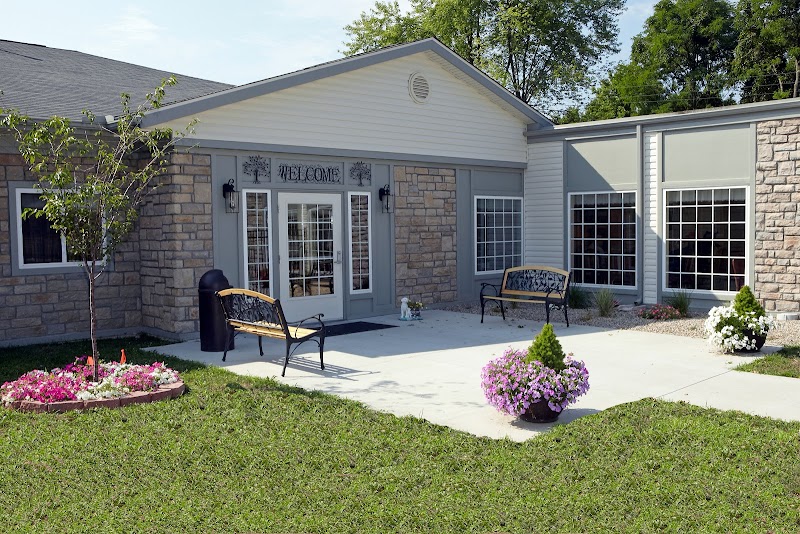
How is Momentous Health At Franklin Staffed?

CMS rates MOMENTOUS HEALTH AT FRANKLIN's staffing level at 2 out of 5 stars, which is below average compared to other nursing homes. Staff turnover is 64%, which is 18 percentage points above the Ohio average of 46%. High turnover can affect care consistency as new staff learn residents' individual needs. RN turnover specifically is 86%, which is notably high. RNs provide skilled clinical oversight, so turnover in this role can affect medical care quality.

What Have Inspectors Found at Momentous Health At Franklin?

State health inspectors documented 36 deficiencies at MOMENTOUS HEALTH AT FRANKLIN during 2018 to 2025. These included: 2 that caused actual resident harm and 34 with potential for harm. Deficiencies causing actual harm indicate documented cases where residents experienced negative health consequences.
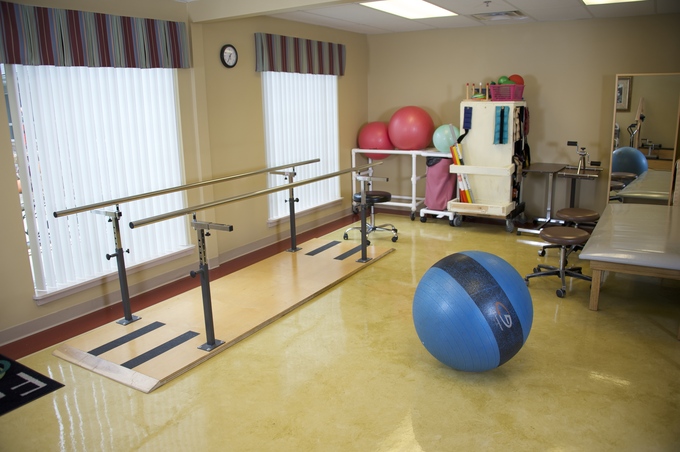
Who Owns and Operates Momentous Health At Franklin?

MOMENTOUS HEALTH AT FRANKLIN is owned by a for-profit company. For-profit facilities operate as businesses with obligations to shareholders or private owners. The facility operates independently rather than as part of a larger chain. With 79 certified beds and approximately 65 residents (about 82% occupancy), it is a smaller facility located in FRANKLIN, Ohio.
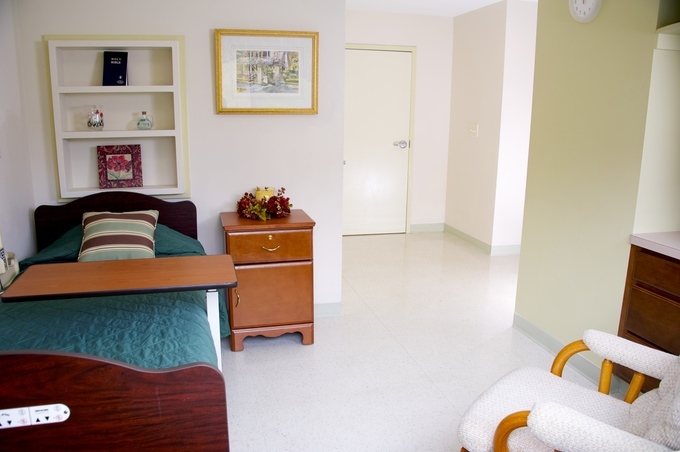
How Does Momentous Health At Franklin Compare to Other Ohio Nursing Homes?

Compared to the 100 nursing homes in Ohio, MOMENTOUS HEALTH AT FRANKLIN's overall rating (2 stars) is below the state average of 3.2, staff turnover (64%) is significantly higher than the state average of 46%, and health inspection rating (2 stars) is below the national benchmark.

What Should Families Ask When Visiting Momentous Health At Franklin?

Based on this facility's data, families visiting should ask: "How do you ensure continuity of care given staff turnover, and what is your staff retention strategy?" "Can you walk me through typical staffing levels on day, evening, and night shifts?" "Can I visit during a mealtime to observe dining assistance and food quality?" "How do you handle medical emergencies, and what is your hospital transfer rate?" These questions are particularly relevant given the facility's high staff turnover rate and the below-average staffing rating.

Is Momentous Health At Franklin Safe?

Based on CMS inspection data, MOMENTOUS HEALTH AT FRANKLIN has a clean safety record: no substantiated abuse findings (meaning no confirmed cases of resident harm), no Immediate Jeopardy citations (the most serious violation level indicating risk of serious injury or death), and is not on the Special Focus Facility watch list (a federal program monitoring the lowest-performing 1% of nursing homes). The facility has a 2-star overall rating and ranks #100 of 100 nursing homes in Ohio. While no facility is perfect, families should still ask about staff-to-resident ratios and recent inspection results during their visit.

Do Nurses at Momentous Health At Franklin Stick Around?

Staff turnover at MOMENTOUS HEALTH AT FRANKLIN is high. At 64%, the facility is 18 percentage points above the Ohio average of 46%. Registered Nurse turnover is particularly concerning at 86%. RNs handle complex medical decisions and coordinate care — frequent RN changes can directly impact care quality. High turnover means new staff may not know residents' individual needs, medications, or preferences. It can also be disorienting for residents, especially those with dementia who rely on familiar faces. Families should ask: What is causing the turnover? What retention programs are in place? How do you ensure care continuity during staff transitions?

Was Momentous Health At Franklin Ever Fined?

MOMENTOUS HEALTH AT FRANKLIN has been fined $9,750 across 1 penalty action. This is below the Ohio average of $33,176. While any fine indicates a compliance issue, fines under $50,000 are relatively common and typically reflect isolated problems that were subsequently corrected. Families should ask what specific issues led to these fines and confirm they've been resolved.

Is Momentous Health At Franklin on Any Federal Watch List?

MOMENTOUS HEALTH AT FRANKLIN is not on any federal watch list. The most significant is the Special Focus Facility (SFF) program, which identifies the bottom 1% of nursing homes nationally based on persistent, serious quality problems. Not being on this list means the facility has avoided the pattern of deficiencies that triggers enhanced federal oversight. This is a positive indicator, though families should still review the facility's inspection history directly.