GENOA RETIREMENT VILLAGE
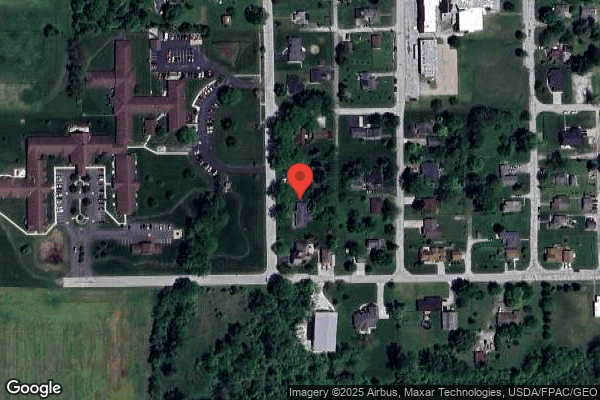
300 CHERRY ST, GENOA, OH 43430 (419) 855-7755
For profit - Limited Liability company 68 Beds TRILOGY HEALTH SERVICES Data: November 2025
Trust Grade
85/100
#68 of 913 in OH
Last Inspection: January 2024

Within standard 12-15 month inspection cycle. Federal law requires annual inspections.

Overview

Genoa Retirement Village has received a Trust Grade of B+, indicating it is above average and recommended for families considering care options. It ranks #68 out of 913 facilities in Ohio, placing it in the top half, and is #1 of 4 in Ottawa County, meaning it is the best choice locally. The facility is improving, with the number of reported issues decreasing from 6 in 2024 to just 1 in 2025. Staffing is relatively strong with a 3/5 rating and a turnover rate of 31%, which is better than the state average of 49%. Notably, there have been no fines, and the facility offers more RN coverage than 99% of other Ohio facilities, ensuring better oversight of resident care. However, there are some concerns reflected in recent inspections. For example, staff did not consistently practice proper hand hygiene during food service, which could potentially affect residents. Additionally, there were issues with staff failing to wash hands before administering medication and properly handling soiled linens, which raises infection control concerns. It's important for families to weigh these strengths and weaknesses when considering Genoa Retirement Village for their loved ones.

Trust Score
B+
85/100
In Ohio
#68/913
Top 7%
Safety Record
Low Risk
No red flags
Inspections
Getting Better
6 → 1 violations
Staff Stability
○ Average
31% turnover. Near Ohio's 48% average. Typical for the industry.
Penalties
✓ Good
No fines on record. Clean compliance history, better than most Ohio facilities.
Skilled Nurses
✓ Good
Each resident gets 72 minutes of Registered Nurse (RN) attention daily — more than 97% of Ohio nursing homes. RNs are the most trained staff who catch health problems before they become serious.
Violations
⚠ Watch
13 deficiencies on record. Higher than average. Multiple issues found across inspections.
★★★★★
5.0
Overall Rating
★★★☆☆
3.0
Staff Levels
★★★★★
5.0
Care Quality
★★★★☆
4.0
Inspection Score
Stable
2024: 6 issues
2025: 1 issues

The Good

  • 5-Star Quality Measures · Strong clinical quality outcomes
  • Full Sprinkler Coverage · Fire safety systems throughout facility
  • No fines on record
  • Staff turnover below average (31%)

    17 points below Ohio average of 48%

Facility shows strength in quality measures, fire safety.

The Bad

Staff Turnover: 31%

15pts below Ohio avg (46%)

Typical for the industry

Chain: TRILOGY HEALTH SERVICES

Part of a multi-facility chain

Ask about local staffing decisions and management

The Ugly 13 deficiencies on record

Aug 2025 1 deficiency
CONCERN (D) 📢 Someone Reported This

A family member, employee, or ombudsman was alarmed enough to file a formal complaint

Potential for Harm - no one hurt, but risky conditions existed

Incontinence Care (Tag F0690)

Could have caused harm · This affected 1 resident

Based on observation, medical record review, staff interview, and review of facility policy, the facility failed to ensure resident incontinence care was provided timely. This affected one (#1) of thr...

Read full inspector narrative →
Based on observation, medical record review, staff interview, and review of facility policy, the facility failed to ensure resident incontinence care was provided timely. This affected one (#1) of three residents reviewed for incontinence care. The facility census was 64.Findings include:Review of Resident #1's medical record revealed an admission date of 05/21/22. Diagnoses included Parkinson's disease, dementia, anxiety disorder, seizure disorder, major depression, benign prostatic hyperplasia (BPH) with lower urinary tract symptoms, and Type II diabetes mellitus. Review of the Minimum Data Set (MDS) assessment, dated 07/11/25, revealed Resident #1 was severely cognitively impaired, was dependent on staff for the completion of activities of daily living (ADLs), was incontinent of bowel and bladder, utilized a wheelchair propelled by staff, and was at risk for pressure ulcer development with no current skin breakdown. Review of the plan of care, dated 06/15/22, revealed Resident #1 had episodes of incontinence related to impaired mobility, Parkinson's disease, and BPH. Interventions included to provide incontinence care and incontinence products as needed. Observation on 08/06/25 at 8:13 A.M. revealed Resident #1 was seated in a reclined wheelchair in the common area. Further observation at 10:12 A.M. revealed Resident #1 remained seated in the reclined wheelchair in the common area. Interview on 08/06/25 at 11:09 A.M. with Certified Nursing Assistant (CNA) #200 and Registered Nurse (RN) #300 revealed Resident #1 was provided with morning care, including incontinence care, at approximately 8:00 A.M. CNA #200 and RN #300 stated Resident #1 required incontinence checks every two hours and confirmed the resident had not been checked since rising at approximately 8:00 A.M. Observation on 08/06/25 at 11:19 A.M. revealed CNA #200 transported Resident #1 to his room. Continued observation revealed CNA #200 and RN #300 transferred Resident #1 to his bed, utilizing a mechanical lift. CNA #200 discovered Resident #1's pants were soiled through with a heavy amount of urine that had penetrated through an adult incontinence brief, through his pants, and onto a folded bath blanket on the seat of the wheelchair. Resident #1's shirt was also soiled with urine. Interview on 08/06/25 at 11:43 A.M. with CNA # 200, following the observation of incontinence care for Resident #1, verified the resident was to be checked every two hours to monitor his need for incontinence care and it had been approximately 3.5 hours since the resident was last checked and provided care. CNA #200 confirmed Resident #1 was heavily soiled with urine. Interview on 08/06/25 at 2:45 P.M. with the Director of Nursing (DON) revealed CNAs and nurses utilized the Resident Profile to determine the frequency of a resident's incontinence care needs. Review of the Resident Profile revealed an approach description, dated dated 07/19/22, for continence. Further review revealed to check and change Resident #1 due to incontinence of bowel and bladder. Additional review revealed frequent rounding to check on the resident's needs. No interval or time frequency of the resident's incontinence checks or patterns were indicated. Review of the facility policy titled, Bladder Continence, dated 05/10/16, revealed the purpose was to provide measures for a resident who was incontinent to receive appropriate treatment and services to prevent urinary tract infections and to restore as much normal bladder function as possible. Clinical staff must utilize care assist entries to assist in establishing bowel and bladder patterns. Residents that were not eligible for a continence program should be assessed regularly to maintain dignity, skin integrity, and a clean and dry condition. The elimination care plan should include individualized interventions to maintain a dry condition for those unable to re-establish continence. Toileting and continence interventions shall be communicated to caregivers via the resident profile. Review of the facility policy titled, Resident Profile-Caregiver Communication Tool, dated 06/01/21, revealed the purpose was to provide a consistent communication tool for caregivers to receive pertinent and timely information regarding the residents that they (caregiver) were assigned to care for. This deficiency represents non-compliance investigated under Complaint Number 1359849.
Jan 2024 6 deficiencies
CONCERN (D)

Potential for Harm - no one hurt, but risky conditions existed

Deficiency F0558 (Tag F0558)

Could have caused harm · This affected 1 resident

**NOTE- TERMS IN BRACKETS HAVE BEEN EDITED TO PROTECT CONFIDENTIALITY** Based on observation, staff interview, medical record review, and policy review, the facility failed to ensure a resident had ac...

Read full inspector narrative →
**NOTE- TERMS IN BRACKETS HAVE BEEN EDITED TO PROTECT CONFIDENTIALITY** Based on observation, staff interview, medical record review, and policy review, the facility failed to ensure a resident had access to a call light. This affected one (#7) of one residents reviewed for call lights being within reach. The facility census was 56. Findings include: Medical record review for Resident #7 revealed he was admitted on [DATE], with diagnoses of cognitive impairment and arthritis. Review of the quarterly Minimum Data Set (MDS) assessment dated [DATE] for Resident #7 revealed the resident is cognitively impaired. Observation on 01/03/24 at 4:19 P.M., revealed the call light for Resident #7 was laying on the floor under the bed and not within his reach. Interview on 01/03/24 at 4:19 P.M., with Registered Nurse (RN) #549 confirmed the call light for Resident #7 was not within his reach and was laying on the floor under the bed. Review of the policy titled Guidelines for Answering Call Lights revised May 2016 revealed the purpose is to respond to resident's requests and needs.
CONCERN (D)

Potential for Harm - no one hurt, but risky conditions existed

Grievances (Tag F0585)

Could have caused harm · This affected 1 resident

**NOTE- TERMS IN BRACKETS HAVE BEEN EDITED TO PROTECT CONFIDENTIALITY** Based on medical record review, resident interview, staff interview, and policy review, the facility failed to timely address re...

Read full inspector narrative →
**NOTE- TERMS IN BRACKETS HAVE BEEN EDITED TO PROTECT CONFIDENTIALITY** Based on medical record review, resident interview, staff interview, and policy review, the facility failed to timely address resident concerns. This affected one (#18) of one resident reviewed for concerns. The facility census was 56. Findings include: Review of the medical record for Resident #18 revealed an admission date of 03/01/23, with diagnoses of depression and morbid obesity. Review of the quarterly minimum data set (MDS) assessment dated [DATE] revealed Resident #18 had intact cognition. Review of the diet order dated 04/08/23 revealed Resident #18 received a regular diet with regular textures and thin liquids. Review of the current nutrition care plan revealed Resident #18 would benefit from weight loss. Review of the current care plan revealed Resident #18 planned to remain in long term care. Review of a nursing progress note dated 10/04/23 revealed Resident #18 expressed wanting to go on a diet to lose weight. Review of a nursing progress note dated 10/28/23 revealed Resident #18 stated he does not like this place and social services was notified. Review of the Nutrition Quarterly assessment dated [DATE] revealed Resident #18 would likely benefit from gradual weight loss. Review of a physician progress note dated 12/08/23 revealed Resident #18 complained about his weight and diet at the facility and thought the facility meals were the reason he was not losing weight. Interview on 01/02/24 at 10:03 A.M., with Resident #18 revealed he was unhappy at the facility. Resident #18 also stated he wanted to lose weight. Resident #18 stated he had talked to the Director of Social Services and the Registered Dietitian but neither provided any assistance or guidance. Interview on 01/03/24 at 10:12 A.M., with Director of Social Services (DSS) #513 revealed he felt Resident #18 was well adjusted in the facility. DSS #513 stated he was unaware of the progress note dated 10/28/23 wherein Resident #18 stated he did not like this place and did not address this concern with Resident #18. Telephone interview on 01/03/24 at 2:00 P.M., with Registered Dietitian #623 stated he visited the facility approximately one day per week and received consults from facility staff. RD #623 stated he did not receive any consults for weight loss diet education for Resident #18. RD #623 further stated he had not provided any weight loss diet education to Resident #18. Review of the policy titled Resident Concern Process, reviewed 12/31/22, revealed the facility would review concerns and assign them for follow up and resolution.
CONCERN (D)

Potential for Harm - no one hurt, but risky conditions existed

Accident Prevention (Tag F0689)

Could have caused harm · This affected 1 resident

**NOTE- TERMS IN BRACKETS HAVE BEEN EDITED TO PROTECT CONFIDENTIALITY** Based on observation, staff interview, record review, and policy review, the facility failed to have fall mats in place to reduc...

Read full inspector narrative →
**NOTE- TERMS IN BRACKETS HAVE BEEN EDITED TO PROTECT CONFIDENTIALITY** Based on observation, staff interview, record review, and policy review, the facility failed to have fall mats in place to reduce risk of injury if the resident falls out of bed. This affected one (#7) of one resident reviewed for falls. The facility census was 56. Findings include: Medical record review for Resident #7 revealed he was admitted on [DATE], with diagnoses of cognitive impairment and arthritis. Review of the quarterly Minimum Data Set (MDS) assessments dated 10/16/23 for Resident #7 revealed the resident is cognitively impaired. Review of the care plan dated December 2022 for Resident #7 revealed he was care planned for falls with the following interventions bilateral floor mates to each side of the bed and call light in reach. Observation on 01/03/24 at 8:31 A.M., of Resident #7 revealed the resident was lying in bed and fall mats were not in place to both sides of the bed. Observation on 01/03/24 at 4:19 P.M., of Resident #7 revealed the resident was lying in bed and the fall mats were not in place to both sides of the bed. Interview on 01/03/24 at 4:19 P.M., with Registered Nurse (RN) #549 confirmed the fall mats for Resident #7 were not in place to both sides of the bed. Review of the policy titled Fall Management Program Guidelines, dated May 2017 revealed the facility strives to maintain a hazard free environment and prevent implement preventative measures.
CONCERN (D)

Potential for Harm - no one hurt, but risky conditions existed

Drug Regimen Review (Tag F0756)

Could have caused harm · This affected 1 resident

**NOTE- TERMS IN BRACKETS HAVE BEEN EDITED TO PROTECT CONFIDENTIALITY** Based on medical record review, staff interview, and review of the policy, the facility failed to ensure the provider addressed ...

Read full inspector narrative →
**NOTE- TERMS IN BRACKETS HAVE BEEN EDITED TO PROTECT CONFIDENTIALITY** Based on medical record review, staff interview, and review of the policy, the facility failed to ensure the provider addressed pharmacist recommendations. This affected one (#3) of five residents reviewed for unnecessary medications. The facility census was 56. Findings include: Review of the medical record for Resident #3 revealed an admission date of 03/22/21, with diagnoses of atrial fibrillation (an irregular heart rhythm), and hypertension. Review of the quarterly minimum data set (MDS) assessment dated [DATE] revealed Resident #3 had severely impaired cognition. Review of a current physician order dated 01/31/23 revealed Resident #3 received metoprolol tartrate 12.5 milligrams (mg) twice daily for atrial fibrillation. Review of a current physician order dated 01/31/23 revealed Resident #3 received sotalol tablet, 120 mg twice daily for atrial fibrillation. Review of the document Pharmacy Recommendations dated 07/24/23 revealed a recommendation to review a potential duplication in therapy with metoprolol and sotalol because both medications had similar actions. Interview on 01/04/24 at approximately 3:00 P.M., with the Director of Nursing (DON) confirmed the facility could not provide evidence the provider addressed the pharmacist's recommendation for Resident #3. Review of the policy titled, Pharmacy Services, revised Nonmember 2018, revealed pharmacist recommendations should be acted upon and documented by the facility personnel and/or the prescriber.
CONCERN (E)

Potential for Harm - no one hurt, but risky conditions existed

Infection Control (Tag F0880)

Could have caused harm · This affected multiple residents

**NOTE- TERMS IN BRACKETS HAVE BEEN EDITED TO PROTECT CONFIDENTIALITY** Based on medical record review, observation, staff interview and policy review, the facility failed to ensure hand hygiene was c...

Read full inspector narrative →
**NOTE- TERMS IN BRACKETS HAVE BEEN EDITED TO PROTECT CONFIDENTIALITY** Based on medical record review, observation, staff interview and policy review, the facility failed to ensure hand hygiene was completed prior to the administration of eye medication. Additionally the facility failed to ensure staff properly transported soiled linen. This affected one (#50) of three residents reviewed for medication administration. This had the potential to affect 19 additional residents (#24, #25, #21, #44, #10, #22, #4, #2, #40, #48, #36, #39, #32, #8, #30, #6, #57, #28, #53) residing on the 100-hall. Findings include Review of the medical record revealed Resident #50 had an admission date of 05/21/22. Diagnoses included Parkinson's disease, dementia, atrial fibrillation, and hypertension. Review of the quarterly Minimum Data Set (MDS) assessment dated [DATE] revealed the resident had impaired cognition. Observation on 01/03/24 at 8:50 A.M., revealed Licensed Practical Nurse (LPN) #543 administered oral medications to Resident #50. LPN #543 had not sanitized or washed her hands after administering the resident medications and touching the residents medication cup, bedside table and beverage cup with ungloved hands. LPN #543 then donned gloves and administered the resident Lotemax drops 0.5%, one drop in each eye. LPN #543 failed to wash or sanitize hands prior to donning gloves to administer the eye drop. Observation on 01/03/24 at 8:53 A.M., revealed LPN #543 picked up a soiled wet washcloth off of Resident #50's bedside table. LPN #543 carried the washcloth out of the room without first placing the washcloth in a bag. LPN #543 carried the washcloth down the 100-hall to the soiled utility room. Interview on 01/03/24 at 8:53 A.M., LPN #543 revealed she had not completed hand hygiene prior to the administration of the resident's eye drops. LPN #543 revealed she had not placed the soiled linen in a bag before transporting it through the hall. Interview on 01/03/24 at 10:17 A.M., the Director of Nursing (DON) revealed staff should bag soiled linens. The DON also verified staff should wash their hands or use hand sanitizer before putting on gloves. Review of policy titled Guidelines for Handling Linen, dated 05/11/16 revealed to place soiled linens in a plastic bag if wet or soiled with feces then discard soiled linen in soiled linen containers. Review of the policy titled Hand Hygiene, dated 01/18/23 revealed handwashing may also be used for routinely decontaminating hands before having direct contact with patients, before and after preparing medication, and after contact with inanimate objects (including medical equipment) in the immediate vicinity of the patient. Review of the policy titled Medication Administration: General Guidelines, last revised Nonmember 2018, revealed handwashing or hand sanitization would be completed before and after administration of ophthalmic medications.
CONCERN (F)

Potential for Harm - no one hurt, but risky conditions existed

Food Safety (Tag F0812)

Could have caused harm · This affected most or all residents

**NOTE- TERMS IN BRACKETS HAVE BEEN EDITED TO PROTECT CONFIDENTIALITY** Based on observation, staff interview, record review, and review of the policy, the facility failed to ensure dietary staff used...

Read full inspector narrative →
**NOTE- TERMS IN BRACKETS HAVE BEEN EDITED TO PROTECT CONFIDENTIALITY** Based on observation, staff interview, record review, and review of the policy, the facility failed to ensure dietary staff used appropriate hand hygiene during food service. This affected three (#16, #46, and #48) residents and had the potential to affect all residents in the facility. The facility confirmed all residents received food from the kitchen. The facility census was 56. Findings include: Observation during meal service on 01/03/24 beginning at 11:56 A.M., revealed Dining Services Assistant Director (DSAD) #589 serving the noon meal. DSAD #589 prepared alternative menu items, including a [NAME] sandwich with fries, a cheeseburger with fries, and over-easy eggs with buttered bread. DSAD #589 was observed to wear plastic gloves on both hands while using the spatula to flip the burger and eggs, touching the fryer basket handle to pour out fries, and opening a plastic loaf of bread, pull out a slice of bread, hold the bread in his hand and butter the bread with his other hand, and place the bread on the plate with the over-easy eggs. DSAD #589 continued to wear the same pair of gloves to place an untoasted hamburger bun on a plate and use the spatula to put the burger on the bun, then use his gloved had to put the top bun on top of the burger. DSAD #589 was further observed to use the spatula to move the [NAME] sandwich from the grill, place it on a cutting board, and hold the sandwich with his left hand while cutting it in half with a knife. DSAD #589 then picked up the sandwich with both hands and placed half on a plate. Interview on 01/03/24 at approximately 12:11 P.M., with DSAD #589 confirmed he did not change his gloves between touching serving utensils and ready-to-eat food. The facility identified Resident #16 received the eggs with buttered bread, Resident #46 received the cheeseburger, and Resident #48 received the [NAME] sandwich. Review of the policy titled Food Production Guidelines, dated 05/13/16, revealed suitable utensils, such as forks, knives, tongs, or scoops shall be provided to minimize handling of food. The policy provided no guidance regarding the handling of ready-to-eat foods.
Apr 2021 3 deficiencies
CONCERN (D)

Potential for Harm - no one hurt, but risky conditions existed

Resident Rights (Tag F0550)

Could have caused harm · This affected 1 resident

**NOTE- TERMS IN BRACKETS HAVE BEEN EDITED TO PROTECT CONFIDENTIALITY** Based on medical record review, observation, staff interview, and facility policy review, the facility failed to ensure a reside...

Read full inspector narrative →
**NOTE- TERMS IN BRACKETS HAVE BEEN EDITED TO PROTECT CONFIDENTIALITY** Based on medical record review, observation, staff interview, and facility policy review, the facility failed to ensure a resident's privacy was not compromised during personal care. This affected one Resident (#82) of 16 reviewed for privacy and dignity. The facility census was 39. Findings include: Medical record review revealed Resident #82 was admitted to the facility on [DATE] with diagnoses including, anemia, benign prostatic hyperplasia (BPH), retention of urine, and left artificial hip joint. Review of the Minimum Data Set (MDS) assessment dated [DATE] revealed Resident #82 had moderate cognitive impairment and had a urinary indwelling catheter in place. Observation and interview on 04/21/21 at 2:00 P.M. with State Tested Nurse Aide (STNA) #101 revealed the STNA obtained supplies, entered Resident #82's room, closed the door, and proceeded to the bedside. The STNA then exposed the resident completely from the waist down. It was noted the resident's blinds were open to the outside. During the procedure STNA#101 fully opened the resident's door to request assistance for additional wash cloths. Resident #82 remained uncovered and exposed to the hallway while the door was open. At no time during the catheter care procedure did STNA#101 close the window blinds to the outside. Interview with STNA #101 at the time of the observation revealed she was unaware of exposing the resident during procedure by opening door and not closing the blinds. Review of the facility policy titled, Catheter Care Policy, dated 05/23/18, revealed the room door and blinds were to remain closed during the procedure. Additionally, provide privacy and cover the resident with a sheet, exposing only the perineal area.
CONCERN (D)

Potential for Harm - no one hurt, but risky conditions existed

Incontinence Care (Tag F0690)

Could have caused harm · This affected 1 resident

**NOTE- TERMS IN BRACKETS HAVE BEEN EDITED TO PROTECT CONFIDENTIALITY** Based on medical record review, observation, resident and staff interview, the facility failed to ensure interventions to preven...

Read full inspector narrative →
**NOTE- TERMS IN BRACKETS HAVE BEEN EDITED TO PROTECT CONFIDENTIALITY** Based on medical record review, observation, resident and staff interview, the facility failed to ensure interventions to prevent incontinence and potential associated urinary tract infections (UTIs) were implemented timely. This affected one Resident (#8) of 16 reviewed for incontinence care. The facility census was 39. Findings include: Medical record review revealed Resident #8 was admitted to the facility on [DATE] with diagnoses including, chronic obstructive pulmonary disease (COPD), type 2 diabetes mellitus, and chronic kidney disease. Review of Resident #8's physician orders dated 07/09/20 revealed an order for a diuretic medication, Furosemide 20 milligrams (mg) twice daily with the first dose between 4:30 A.M. to 6:00 A.M., and the second daily dose between 11:00 A.M. and 1:00 P.M. No documentation was noted in the record to address the increased frequency of urination experienced as a result of the diuretic medication administration. Review of Resident #8's most recent Minimum Data Set (MDS) assessment dated [DATE] revealed the resident was cognitively intact, and dependent on staff for the completion of activities of daily living (ADLs) including bed mobility, transfer, the use of a wheelchair for mobility, and frequently incontinent of bladder. Further review recorded the daily administration of an anti-depressant medication and diuretic medication. Review of Resident #8's plan of care dated 03/01/19, and revised on 03/24/21 revealed a plan of care was developed to address the resident experiencing episodes of incontinence related to immobility, medication use, and needs assistance with toileting and transfers. Interventions included encourage fluids unless contraindicated, observe for signs and symptoms of UTI, notify physician as needed, observe skin and report any signs of breakdown as needed, offer and assist with toileting as needed and/or per request, provide incontinence care as needed, provide incontinence products as needed. There was no evidence in the medical record identified or implemented specific to toileting or incontinence monitoring schedules for Resident #8. Review of Resident #8's laboratory urinalysis (U/A) and culture sensitivity (C&S) testing completed on 03/08/21 revealed the resident tested positive for UTI. The physician was contacted and an antibiotic Bactrim DS was ordered twice daily for seven days. On 04/15/21 a U/A and C&S revealed the resident tested positive for UTI. The physician was contacted and the antibiotic Bactrim DS was ordered twice daily for seven days. There was no evidence of any additional interventions put in place to address the prevention of further UTIs or to address incontinence. Review of the bladder activity report between 04/16/21 and 04/21/21 revealed Resident #8 was noted to be incontinent 15 of 22 times. The report also listed the resident as frequently incontinent of bladder. Observation and interview on 04/19/21 at 1:16 P.M. with Resident #8 revealed the resident was concerned due to her frequent UTIs. The resident revealed she was dependent on staff for ADLs and slept in her recliner. Observation and interview with Resident #8 on 04/21/21 at 10:20 A.M. revealed the resident was incontinent of urine frequently and staff had to place her on the toilet to clean her. She revealed there was no specific schedule for toileting and has had to wait at times, causing incontinence. On 04/21/21 at 10:24 A.M. interview with State Tested Nurse Aide (STNA) #100 verified Resident #8 was incontinent of urine and confirmed no specific schedule is set for the resident to be assisted with toileting, and the resident would call out if care was needed. The STNA revealed they would place the resident on the toilet to conduct incontinence care. At 11:58 A.M. interview with STNA #100 revealed Resident #8 was just asked if she needed to use the restroom and she stated no, the STNA verified the resident was incontinent. The STNA revealed they would ask again around 1:00 P.M. or 2:00 P.M. Additional interview at 1:45 P.M. with the STNA revealed she had went in to ask the resident if she needed to use the bathroom and the resident said she was fine. The STNA verified she did not check for incontinence and last toileted the resident at 10:15 A.M. STNA #100 revealed her shift was complete at 2:00 P.M., and verified the resident was frequently incontinent and not on a toileting schedule or check/change schedule. On 04/22/21 at 2:30 P.M. interview with Corporate Nurse (CN) #1 and Assessment Nurse (AN) #2 verified the nurse aide care delivery data base indicates Resident #8 was to be checked every two hours. However, the two hour checks were not specific to Resident #8's continence/incontinence needs and verified no individualized interventions were established to address the residents incontinence or toileting needs for direct care staff to utilize.
CONCERN (F)

Potential for Harm - no one hurt, but risky conditions existed

Infection Control (Tag F0880)

Could have caused harm · This affected most or all residents

Based on observation, staff interview, review of facility's guidelines, review of facility policy, and review of the Centers for Disease Control and Prevention (CDC) Coronavirus Disease 2019 (COVID-19...

Read full inspector narrative →
Based on observation, staff interview, review of facility's guidelines, review of facility policy, and review of the Centers for Disease Control and Prevention (CDC) Coronavirus Disease 2019 (COVID-19) Pandemic guidance, the facility failed to ensure healthcare personnel applied appropriate transmission based infection control precautions and personal protective equipment (PPE) to potentially prevent the spread of COVID-19. Additionally, the facility failed to ensure medications were administered to prevent cross contamination. This had the potential to affect all 39 residents residing in the facility. The facility census was 39. Findings include: Observation on 04/20/21 at 12:45 P.M. revealed Physical Therapy Director(PTD) #1 exited Resident #141's room. PTD #1 removed an isolation gown, and disposable gloves, and walked into the corridor. PTD #1 was noted to keep a disposable surgical mask applied. Interview with PTD #1 at the time of the observation revealed Resident #141 was in quarantine for Covid-19 precautions due to being a new admission. PTD #1 revealed facility policy required disposable masks, goggles/face shield, gown, and gloves. The disposable surgical mask could be worn from room to room and did not need to be changed unless soiled. PTD #1 further revealed therapy staff provided care to residents through out the facility and wore the same mask in and out of those non-quarantine or isolation rooms also. On 04/20/21 at 1:15 P.M. interview with Registered Nurse (RN) #501 who was identified as the facility's Infection Control Preventionist, revealed she was assigned to the quarantine unit and also worked with non-quarantine residents. RN #501 identified four residents (#24, #141, #142, #143) residing on the hall who were currently in quarantine for Covid-19 precautions. RN #501 revealed the facility infection control policy allowed staff to wear a disposable surgical mask from room to room and not wear a N95 mask when providing care to quarantine residents. Review of facility Covid-19 guidelines for PPE revised 03/23/21, revealed staff working with quarantine residents are recommended to wear a N95 mask or loop mask. The mask should be removed and discarded at the end of the shift or if the mask becomes soiled, damaged or hard to breathe through. According to CDC Strategies for Optimizing the Supply of N95 FFRs updated October 19, 2020 follow a continuum using the surge capacity approach in the order of conventional (everyday practice), contingency (expected shortages), and crisis (known shortages) capacities. N95 FFRs are meant to be disposed after each use. CDC developed contingency and crisis strategies to help healthcare facilities conserve their supplies in the face of shortages. When the availability of N95 FFRs become limited due to an expected shortage, supplies first should be conserved using contingency strategies. Contingency Strategies include with extended use, N95 FFRs are worn for a prolonged period, for multiple patient contacts, before being removed and discarded (unlike conventional strategies in which an N95 FFR is used for one patient contact then discarded). This will slow the N95 FFR burn rate to help alleviate supply concerns. N95 FFRs are used beyond the manufacturer designated shelf-life for fit testing and training. After attempting the above contingency strategies and there is still a known shortage of N95 FFRs and available supplies cannot meet needs based on the current burn rate, crisis capacity strategies can be used. Crisis Capacity Strategies: Respirators (including N95 FFRs and other types of respirators) are used beyond the manufacturer-designated shelf life for health care delivery. Respirators are used that are similar to NIOSH-approved respirators but are not NIOSH approved and are approved according to standards used in other countries. The performance of some internationally approved respirators was evaluated by NIOSH and the results can be found on the CDC website. Respirators are used that have reached the manufacturer-designated shelf life but have not been evaluated by NIOSH. With limited reuse, an N95 FFRs is donned for one patient contact, then doffed and stored before being used for another patient contact for a limited number of donning's. The use of N95 FFRs and facemask's is prioritized by healthcare activity type. This guidance provides information on how to determine if, and when, a healthcare facility should be operating under N95 FFR crisis capacity situations during the COVID-19 pandemic and how to appropriately implement limited reuse of N95 FFRs, including their reuse after decontamination. How to determine if an N95 FFR crisis capacity strategy is needed because crisis capacity strategies are not compatible with US standards of care, crisis capacity strategies should only be implemented when there are known shortages of N95 FFRs and only after conventional and contingency strategies have been implemented. The ability to implement specific crisis capacity strategies will depend on the on-hand inventory. The flow chart provided on the CDC website can assist healthcare facility respiratory program managers in determining if their healthcare facility should operate under a crisis capacity situation. Use the PPE Burn Rate Calculator to help you plan and optimize the use of PPE. On 04/21/21 at 10:15 A.M. observation with Regional Registered Nurse (RRN) #1 noted a significant amount of N95 mask, gowns, gloves, face shields, and goggles in storage. RRN #1 stated the facility was not experiencing a shortage of N95 mask or PPE. 2. Observation of medication administration on 04/21/21 at 8:07 A.M. with RN #500 revealed the nurse was dispensing medication for Resident #27. The RN was observed pushing the tablet medication directly from the blister packet into her bare hand. After putting the medication into her hand, RN #500 placed the tablets in a medication cup. Interview with RN #500 at the time of the observation confirmed she failed to use infection control protocol for medication administration. Review of the facility policy titled Equipment and Supplies for Administering Medications, dated 11/2018, revealed to provide proper hand hygiene prior to handling tablets and examination gloves must be worn to prevent the touching of tablets.
Mar 2019 3 deficiencies
CONCERN (D)

Potential for Harm - no one hurt, but risky conditions existed

Quality of Care (Tag F0684)

Could have caused harm · This affected 1 resident

**NOTE- TERMS IN BRACKETS HAVE BEEN EDITED TO PROTECT CONFIDENTIALITY** Based on medical record review, observation and staff interview, the facility failed to ensure continued assessment and circulat...

Read full inspector narrative →
**NOTE- TERMS IN BRACKETS HAVE BEEN EDITED TO PROTECT CONFIDENTIALITY** Based on medical record review, observation and staff interview, the facility failed to ensure continued assessment and circulation monitoring was provided to one resident during the application of casting. This affected one (Resident #14) of one resident reviewed for the application of a fiberglass cast for the treatment of a bone fracture to the foot. The facility census was 67 residents. Findings include: Review of Resident #14's medical record revealed the resident was admitted to the facility on [DATE] with diagnoses including, history myocardial infarction, unstable angina, hypertension, gastro-esophageal reflux disease without esophagitis, anemia, malignant neoplasm of prostate, secondary malignant neoplasm of bone, major depressive disorder, plantar fascial fibromatosis, dysphagia, oropharyngeal phase, unsteadiness on feet, weakness, muscle wasting and atrophy, and anxiety disorder. According to the minimum data set assessment (MDS) dated [DATE] identified the resident with moderate cognitive impairment, and required supervision for the completion of activities of daily living. On 02/06/19, a Magnetic-Resonance Imaging (MRI) was obtained of the left foot and ankle due to reports of pain. The MRI results identified a comminuted fracture of the calcaneus and distal tibia and talus fracture. On 02/15/19, the resident had a fiberglass cast applied to the left foot for the treatment of the fractures. The medical record lacked documentation regarding the on going monitoring of the residents casted foot and circulation. Nurses notes on 02/24/19 at 4:40 A.M., discovered the resident voicing extreme pain and wanted the cast off of the left foot. The resident was medicated for pain and encouraged to ask for pain medication before the pain became so severe. The nurse noted the top of the cast with chisel marks in it as if the resident was taking his tools to try and remove cast. The medical record was silent to ongoing assessments of the casted extremity. Surveyor observation on 03/12/19 at 7:40 A.M., identified the resident propelling them self in a wheel chair. The resident had a left foot/ankle cast applied and up on the foot pedal. On 03/13/19 at 07:13 A.M. interview with Registered Nurse (RN) #200 revealed no specific observations or circulation assessments had been conducted regarding Resident #14's casted extremity. Interview with Corporate Registered Nurse (RN) #1 on 03/13/19 at 9:30 A.M., verified no specific observations or circulation assessments had been documented in the medical record. Corporate RN#1 stated ongoing assessments including circulation checks of the casted extremity should have been recorded.
CONCERN (D)

Potential for Harm - no one hurt, but risky conditions existed

Drug Regimen Review (Tag F0756)

Could have caused harm · This affected 1 resident

**NOTE- TERMS IN BRACKETS HAVE BEEN EDITED TO PROTECT CONFIDENTIALITY** Based on medical record review, pharmacy recommendations, interview and facility policy review, the facility physician failed to...

Read full inspector narrative →
**NOTE- TERMS IN BRACKETS HAVE BEEN EDITED TO PROTECT CONFIDENTIALITY** Based on medical record review, pharmacy recommendations, interview and facility policy review, the facility physician failed to timely address the gradual dose reduction (GDR) recommendations for one (Resident #12) of five residents reviewed for unnecessary medications. The facility census 67. Findings included: Review of the medical record for Resident #12 revealed she was admitted to the facility on [DATE]. Diagnoses included weakness, bipolar disorder, anxiety disorder, atherosclerotic heart disease of native coronary artery without angina pectoris, essential tremor, hypothyroidism, seizures, depression and unspecified dementia without behavioral disturbance. Review of the quarterly Minimum Data Set (MDS) dated [DATE] revealed Resident #12 was receiving antipsychotic, antianxiety and antidepressant medications. Review of the Plan of Care revised 01/23/19 revealed Resident #12 was at risk for adverse consequences related to receiving antipsychotic medications. Interventions included to attempt GDR in two separate quarters (with at least one month between the attempts) during the first year the resident received an antipsychotic medication, unless clinically contraindicated. Attempt to give the lowest dose possible. Review of the current physician orders revealed Resident #12 had Ativan 0.5 milligrams (mg) twice daily, mirtazapine 15 mg daily at bedtime, Sertraline 100 mg daily, Trazodone 50 mg daily at bedtime and Zyprexa 7.5 mg daily at bedtime. These medications were all originally ordered on 04/02/18, then reordered on 04/23/18 and reordered again on 11/21/18 with no changes to the medication doses or administration times. Review of the facility pharmacist GDR recommendation dated 04/04/18 revealed When a resident is admitted on an antipsychotic a gradual dose reduction must be attempted within the first two weeks of admission (with an exception if treating Schizophrenia, Huntington's, or Tourette's). Resident #12 was admitted on Zyprexa 7.5 mg daily at bedtime. Do you feel a gradual dose reduction is appropriate? If not, please provide an explanatory note. Thank you. The physician was notified on 04/04/18. The physician never responded to the pharmacy recommendation. The physician did not agree or disagree, did not provided a justification for Resident #12 to remain on the Zyprexa. The pharmacy recommendation was noted as closed on 04/24/18. Review of the MDS dated [DATE] revealed Resident #12 was discharged to the hospital. The MDS dated [DATE] revealed Resident #12 returned to the facility on [DATE]. Review of the facility pharmacist GDR recommendation dated 04/24/18 revealed Resident #12 was re-admitted on Zyprexa 7.5 mg daily at bedtime on 04/23/18, do you feel a gradual dose reduction is appropriate? If not, please provide an explanatory note. In the evaluation notes section of the recommendation the pharmacist noted the Physician has not responded to recommendations after contact on 04/24/18, 05/01/18 and again on 05/04/18. There was no response from the physician. The physician did not agree or disagree. The recommendation was documented as closed on 05/09/18. Review of the scanned pharmacy recommendation document dated 04/24/18 revealed the recommend was address by the physician and declined. The physician did not date the note. The date of the physician's response was unknown. Review of the facility pharmacist recommendation dated 06/05/18 revealed a request to please clarify diagnosis for the use of Trazodone (insomnia or depression), Remeron (appetite, depression, or insomnia) and Carbamazepine. The response to the recommendation was a diagnoses of depression and Bipolar are on resident chart for use with these medications. The recommendation was closed on 08/20/18 by a facility Registered Nurse (RN). The was no documentation by the physician regarding the recommendation. Review of the facility pharmacist recommendation dated 07/05/18 revealed a note to the nurses indicating a physician recommendation was made on 04/04/18, 04/24/18, and 06/05/18. The 06/05/18 recommendation was still open and needed to be addressed. The other recommendations made on 04/04/18 and 04/24/18 were closed with the statement that physician has not responded after three attempts. This is not acceptable. If recommendations are not responded to, they must be followed up with a phone call to physician to be compliant with state regulations. The only response was this was noted. The recommendation was closed 07/16/18. Review of the facility pharmacist GDR recommendation dated 08/06/18 revealed when a psychopharmacological medication was being used to manage behavior, stabilize mood, or treat a psychiatric disorder, gradual dose reductions should be attempted twice within the first year (in two separate quarters with at least one month between attempts), and then yearly thereafter. This resident was due for an attempted GDR. If the resident was deemed unsuitable for GDR, the following conditions must be met in order for GDR to be clinically contraindicated: the continued use was in accordance with current standards of practice, AND the physician had documented clinical rationale or the resident's target symptoms returned or worsened after the most recent tapering attempt within the facility, and the physician had documented clinical rationale. This resident's medication that was due for evaluation was Zyprexa 7.5 mg daily at bedtime, Remeron 15 mg daily at bedtime, Trazodone 50 mg daily at bedtime, Zoloft 100 mg daily, and Ativan 0.5 mg twice daily. The physician was notified on 08/07/18 with a note stating, Awaiting a response. The physician did not agree or disagree. The recommendation was closed on 08/07/18. Review of the facility pharmacist GDR recommendation dated 09/05/18 the exact same recommendation from 08/06/18 was submitted to the facility again for a GDR of Zyprexa, Remeron, Trazodone, Zoloft and Ativan. This GDR was declined by the physician with justification on 09/06/18. Interview with Corporate RN #1 on 03/13/19 at 4:23 P.M., verified the physician never responded to the pharmacy recommendation dated 04/04/18. She verified the recommendation was issued again by the pharmacist on 04/24/18. RN #1 verified the pharmacist added additional information to the 04/24/18 recommendation which stated the Physician has not responded to recommendations after contact on 04/24/18, 05/01/18 and again on 05/04/18. The recommendation was documented as closed on 05/09/18. RN #1 verified the recommendation was addressed by the physician, however, the physician did not date the response. RN #1 verified it was unknown when the physician actually completed her response. RN #1 verified the recommendation dated 04/24/18 was not addressed timely by the physician. RN #1 verified the recommendation dated 06/05/18 was never addressed by the physician and it was not closed until 08/20/19. RN #1 verified on 07/05/18 the pharmacy notified the facility regarding the 06/05/18 recommendation was still open and needed to be addressed and the physician had not responded after three attempts to the recommendations made on 04/4/18 and 04/24/18. RN #1 verified on 08/06/18 the pharmacist submitted another GDR recommendation to which the physician never responded until after it was resubmitted on 09/05/18. Review of the facility policy titled Guidelines for Physician Services revised 05/11/16 revealed the resident's attending physician shall participate in the resident's assessment and care planning, monitor changes in the resident's medical status and provide consultation or treatment as required by resident condition, regulations and or when consulted/called by the facility. The physician is responsible to ensure that the resident receives quality care and medical treatments.
CONCERN (D)

Potential for Harm - no one hurt, but risky conditions existed

Infection Control (Tag F0880)

Could have caused harm · This affected 1 resident

**NOTE- TERMS IN BRACKETS HAVE BEEN EDITED TO PROTECT CONFIDENTIALITY** Based on medical record review, observation, staff interview and review of a facility policy, the facility failed to ensure appr...

Read full inspector narrative →
**NOTE- TERMS IN BRACKETS HAVE BEEN EDITED TO PROTECT CONFIDENTIALITY** Based on medical record review, observation, staff interview and review of a facility policy, the facility failed to ensure appropriate infection control techniques and procedures were followed while provided incontinence and urinary catheter care. The facility further failed to provide proper storage of urinary catheters and promote the isolation of infectious diseases. This affected three residents (#34, #30, and #8) of 17 residents reviewed for infection control practices during the annual survey. The facility census was 67. Findings include: 1. Medical record review revealed Resident #34 admitted to the facility on [DATE]. Diagnoses included a stage four sacral pressure ulcer, severe protein calorie malnutrition, urine retention, obstructive uropathy, and dementia. Review of the quarterly Minimum Data Set assessment, dated 01/09/19, revealed the resident had impaired cognition. Further review of the medical record revealed the resident was diagnosed with a urinary tract infection on 10/01/18, 10/23/18, 12/22/18, 01/15/19, and 02/19/19. Review of Resident #34's physician orders revealed the resident had a Foley catheter (urinary catheter) and an order dated 10/06/17 revealed the facility was to provide Foley catheter care every shift. Observation on 03/13/19 at 11:25 A.M., revealed State Tested Nursing Assistant (STNA) #401 and STNA #402 provided incontinence care and urinary catheter care for Resident #34. Both STNA's washed their hands and put on clean gloves prior to providing care. STNA #401 provided peri-care for Resident #34 while STNA #402 assisted to position the resident. After providing per-care, STNA #401 proceeded to provide catheter care. STNA #401 was observed holding onto the tubing of Resident #34's catheter with her left gloved hand while cleansing the tube with her right gloved hand. After providing the care, STNA #401 entered the bathroom to obtain a graduate (container to collect and measure urine drained from the catheter collection bag), placed a paper towel barrier onto the floor under the urinary catheter collection bag and placed the graduate onto the paper towel . She then opened the drain spout and drained the urine into the graduate. [NAME] #401 then used alcohol wipes to clean the drainage bag spout. STNA #401 emptied the graduate, used wipes to clean the graduate after use, removed her gloves, and washed her hands. At no time during the provided care was STNA #401 observed washing her hands or changing her gloves. Interview on 03/13/19 at 11:39 A.M., STNA #401 verified she did not remove her gloves and wash her hands after providing incontinence and and/or prior to providing urinary catheter care. STNA #401 revealed it was the facility's policy to remove her gloves and wash her hands after providing incontinence care and before providing urinary catheter care. STNA #401 stated she should have removed her gloves and washed her hands prior to providing catheter care. Review of a facility policy titled, Urinary Catheter Care, dated 05/11/2016, revealed to perform urinary catheter care staff were to wash and dry their hands thoroughly and put on gloves. Staff were to then wash the resident's genitalia and perineum thoroughly, place the soiled linens into a designated container, remove their gloves and discard them into the designated container. Further review revealed staff were to again wash their hands thoroughly and put on clean gloves and then proceed with providing the resident with catheter care. After the procedure staff were to again wash their hands thoroughly. 2. Review of Resident #8's medical record re admitted to the facility on [DATE] following hospitalization with the diagnoses including, acute kidney failure, iron deficiency anemia, unspecified dementia without behavioral disturbance, colostomy, heart failure, essential hypertension, nephrotic syndrome with unspecified morphologic changes, chronic kidney disease stage 4, acute tubular necrosis, hypothyroidism, nonrheumatic aortic stenosis, diverticulitis of large intestine without perforation or abscess without bleeding, osteoarthritis, arteriosclerotic heart disease of native coronary artery without angina pectoris, thrombocytopenia, muscle weakness, diarrhea, and enterocolitis due to Clostridium difficile(C-Diff). According to the most current minimum data set assessment (MDS) dated [DATE] identified the resident with moderate cognitive impairment, and dependent on staff for the completion of activities of daily living. On 02/28/19, the physician ordered the resident to be on contact precautions until C-Diff was resolved. Observation on 03/11/19 at 7:40 P.M. isolation cabinets containing isolation gowns, gloves and mask were located outside Resident #8's entry door. On 03/12/19 at 2:33 P.M. no isolation equipment was located outside the residents room. On 03/12/19, a laboratory test was received indicating a positive C-Difficile result. Interview with Licensed Practical Nurse (LPN) #300 on 02/12/19 at 2:35 P.M. verified the isolation equipment had been removed. LPN#300 stated no negative C-Dff stool specimen had been received for Resident #8 and was unaware why the equipment had been removed. Additional observation on 03/13/19 at 07:11 A.M., with Registered Nurse(RN) #200 revealed Resident #8 was still in C-Diff isolation and a isolation cart(cabinet) was maintained outside room. RN#200 looked in the direction of the residents room and verified no cart(cabinet) was present. On 03/13/19 at 8:03 A.M., State Tested Nurse Aide ((STNA) #400 was observed providing Resident #8 with a bed bath which included incontinence care of liquid stool. STNA #400 had gloves donned. However, no further isolation equipment was applied. At 8:13 A.M., STNA#400 requested Physical Therapy Assistant (PTA) #500 to assist in pulling the resident up in bed. PTA #500 was observed to handle the resident and associated linens without donning isolation equipment. At the conclusion of the observations, interview with STNA#500 stated the resident was no longer on isolation and isolation equipment was no longer required during the provision of care. On 03/13/19 at 9:10 A.M., interview with Corporate RN #1 verified no negative C-Diff test result had been obtained and isolation equipment had been removed from Resident #8's room. Corporate RN #1 indicated isolations remained in place. Review of facility guidelines for management of residents with Clostridium Difficile revised 05/11/16 revealed staff are to wear gown and gloves for all interactions that may involve contact with the resident or potentially contaminated areas in the residents environment. Donning a gown and gloves upon room entry and discarding before exiting the patient room was done to contain pathogens. 3. Resident #30 admitted to the facility on [DATE] with the diagnoses including, sepsis, chronic systolic congestive heart failure, type 2 diabetes mellitus, dementia, benign prostatic hyperplasia, severe protein-calorie malnutrition, hypertension, arteriosclerosis of coronary artery bypass graft, cardiac pacemaker, rhabdomyolysis, history of urinary tract infection, and acute myocardial infarction. According to the most current minimum data set assessment (MDS) dated [DATE] identified the resident as cognitively impaired, dependent on staff for the completion of activities of daily living, and requires the use of an indwelling urinary catheter. On 03/02/19 a physician order for a Indwelling Urinary Catheter for the treatment of Obstructive Uropathy was implemented. Surveyor observation on 03/12/19 at 2:17 P.M., 03/13/19 at 6:25 A.M., 7:56 A.M., 9:00 A.M., 1:21 P.M. Resident #30 was in bed with the excess urinary catheter tubing resting on the floor. On 03/13/19 at 1:50 P.M., interview with Licensed Practical Nurse (LPN) #300 during observation verified resident with the catheter tubing on floor. LPN#300 proceeded to contain the tubing off the floor and verified catheter tubing was to be off the floor to prevent urinary tract infection. Additional observation on 03/14/19 at 7:43 A.M. noted Resident #30 in bed with the catheter tubing resting on the floor. Review of urinary catheter care policy revised 05/11/16 ensure the catheter tubing and drainage bag are kept off the floor.
Understanding Severity Codes (click to expand)
Life-Threatening (Immediate Jeopardy)
J - Isolated K - Pattern L - Widespread
Actual Harm
G - Isolated H - Pattern I - Widespread
Potential for Harm
D - Isolated E - Pattern F - Widespread
No Harm (Minor)
A - Isolated B - Pattern C - Widespread

Questions to Ask on Your Visit

  • "Can I speak with families of current residents?"
  • "What's your RN coverage like on weekends and overnight?"

Our Honest Assessment

Strengths
  • • Grade B+ (85/100). Above average facility, better than most options in Ohio.
  • • No major safety red flags. No abuse findings, life-threatening violations, or SFF status.
  • • No fines on record. Clean compliance history, better than most Ohio facilities.
  • • 31% turnover. Below Ohio's 48% average. Good staff retention means consistent care.
Concerns
  • • 13 deficiencies on record. Higher than average. Multiple issues found across inspections.
Bottom line: Generally positive indicators. Standard due diligence and a personal visit recommended.

About This Facility

What is Genoa Retirement Village's CMS Rating?

CMS assigns GENOA RETIREMENT VILLAGE an overall rating of 5 out of 5 stars, which is considered much above average nationally. Within Ohio, this rating places the facility higher than 99% of the state's 100 nursing homes. This rating reflects solid performance across the metrics CMS uses to evaluate nursing home quality.

How is Genoa Retirement Village Staffed?

CMS rates GENOA RETIREMENT VILLAGE's staffing level at 3 out of 5 stars, which is average compared to other nursing homes. Staff turnover is 31%, compared to the Ohio average of 46%. This relatively stable workforce can support continuity of care.

What Have Inspectors Found at Genoa Retirement Village?

State health inspectors documented 13 deficiencies at GENOA RETIREMENT VILLAGE during 2019 to 2025. These included: 13 with potential for harm.

Who Owns and Operates Genoa Retirement Village?

GENOA RETIREMENT VILLAGE is owned by a for-profit company. For-profit facilities operate as businesses with obligations to shareholders or private owners. The facility is operated by TRILOGY HEALTH SERVICES, a chain that manages multiple nursing homes. With 68 certified beds and approximately 62 residents (about 91% occupancy), it is a smaller facility located in GENOA, Ohio.

How Does Genoa Retirement Village Compare to Other Ohio Nursing Homes?

Compared to the 100 nursing homes in Ohio, GENOA RETIREMENT VILLAGE's overall rating (5 stars) is above the state average of 3.2, staff turnover (31%) is significantly lower than the state average of 46%, and health inspection rating (4 stars) is above the national benchmark.

What Should Families Ask When Visiting Genoa Retirement Village?

Based on this facility's data, families visiting should ask: "Can I visit during a mealtime to observe dining assistance and food quality?" "How do you handle medical emergencies, and what is your hospital transfer rate?" "Can I speak with family members of current residents about their experience?"

Is Genoa Retirement Village Safe?

Based on CMS inspection data, GENOA RETIREMENT VILLAGE has a clean safety record: no substantiated abuse findings (meaning no confirmed cases of resident harm), no Immediate Jeopardy citations (the most serious violation level indicating risk of serious injury or death), and is not on the Special Focus Facility watch list (a federal program monitoring the lowest-performing 1% of nursing homes). The facility has a 5-star overall rating and ranks #1 of 100 nursing homes in Ohio. While no facility is perfect, families should still ask about staff-to-resident ratios and recent inspection results during their visit.

Do Nurses at Genoa Retirement Village Stick Around?

GENOA RETIREMENT VILLAGE has a staff turnover rate of 31%, which is about average for Ohio nursing homes (state average: 46%). Moderate turnover is common in nursing homes, but families should still ask about staff tenure and how the facility maintains care continuity when employees leave.

Was Genoa Retirement Village Ever Fined?

GENOA RETIREMENT VILLAGE has no federal fines on record. CMS issues fines when nursing homes fail to meet care standards or don't correct problems found during inspections. The absence of fines suggests the facility has either maintained compliance or corrected any issues before penalties were assessed. This is a positive indicator, though families should still review recent inspection reports for the full picture.

Is Genoa Retirement Village on Any Federal Watch List?

GENOA RETIREMENT VILLAGE is not on any federal watch list. The most significant is the Special Focus Facility (SFF) program, which identifies the bottom 1% of nursing homes nationally based on persistent, serious quality problems. Not being on this list means the facility has avoided the pattern of deficiencies that triggers enhanced federal oversight. This is a positive indicator, though families should still review the facility's inspection history directly.