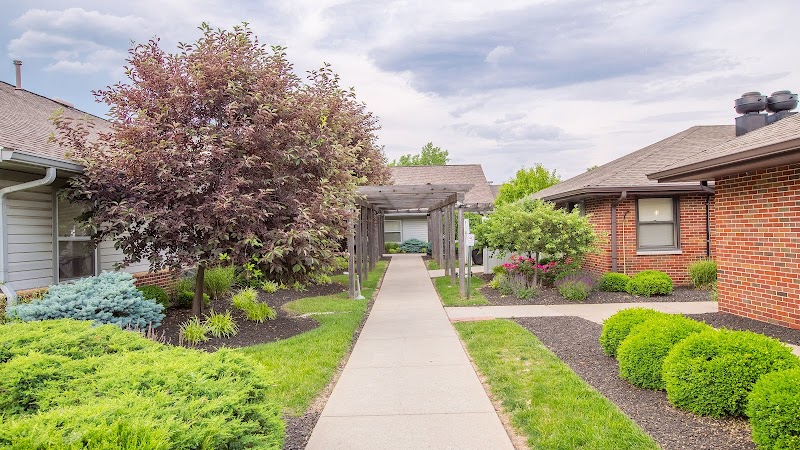
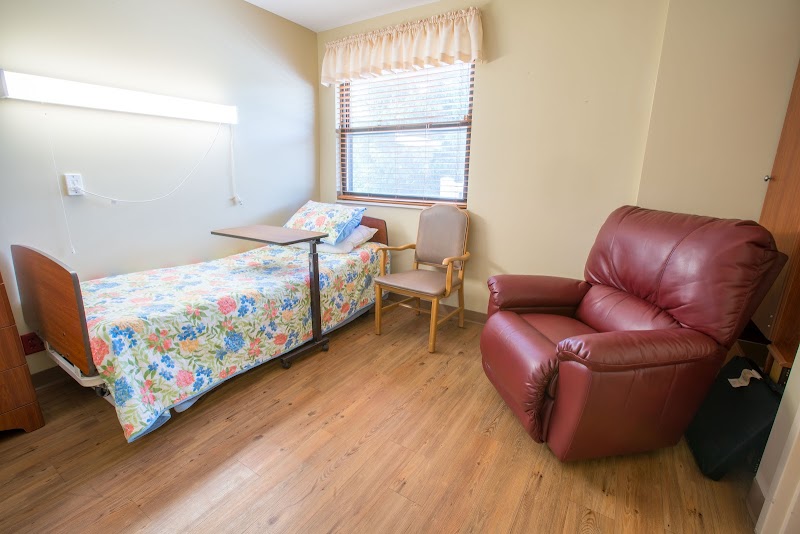
GLEN MEADOWS

3472 HAMILTON MASON ROAD, HAMILTON, OH 45011 (513) 863-3100
For profit - Individual 85 Beds FOUNDATIONS HEALTH SOLUTIONS Data: November 2025
Trust Grade
85/100
#69 of 913 in OH
Last Inspection: September 2024

Within standard 12-15 month inspection cycle. Federal law requires annual inspections.

Overview

Glen Meadows in Hamilton, Ohio has a Trust Grade of B+, which means it is above average and recommended for families considering care options. It ranks #69 out of 913 facilities in Ohio, placing it in the top half, and #3 of 24 in Butler County, indicating only two other local options are better. Unfortunately, the facility's trend is worsening, with the number of reported issues increasing from 1 in 2023 to 6 in 2024. Staffing is a relative strength with a 3/5 rating and a turnover rate of 31%, which is significantly lower than the Ohio average of 49%, suggesting that staff typically stay longer and build relationships with residents. Notably, there have been some concerning incidents, such as staff not demonstrating necessary competencies before providing care and failing to ensure proper visitor protocols to prevent the spread of COVID-19, which could risk the health of residents. Overall, while Glen Meadows has some strengths, families should consider these weaknesses carefully.

Trust Score
B+
85/100
In Ohio
#69/913
Top 7%
Safety Record
Low Risk
No red flags
Inspections
Getting Worse
1 → 6 violations
Staff Stability
○ Average
31% turnover. Near Ohio's 48% average. Typical for the industry.
Penalties
✓ Good
No fines on record. Clean compliance history, better than most Ohio facilities.
Skilled Nurses
○ Average
Each resident gets 32 minutes of Registered Nurse (RN) attention daily — about average for Ohio. RNs are the most trained staff who monitor for health changes.
Violations
⚠ Watch
20 deficiencies on record. Higher than average. Multiple issues found across inspections.
★★★★★
5.0
Overall Rating
★★★☆☆
3.0
Staff Levels
★★★★★
5.0
Care Quality
★★★★☆
4.0
Inspection Score
Stable
2023: 1 issues
2024: 6 issues

The Good

  • 5-Star Quality Measures · Strong clinical quality outcomes
  • Full Sprinkler Coverage · Fire safety systems throughout facility
  • No fines on record
  • Staff turnover below average (31%)

    17 points below Ohio average of 48%

Facility shows strength in quality measures, fire safety.

The Bad

Staff Turnover: 31%

15pts below Ohio avg (46%)

Typical for the industry

Chain: FOUNDATIONS HEALTH SOLUTIONS

Part of a multi-facility chain

Ask about local staffing decisions and management

The Ugly 20 deficiencies on record

Sept 2024 6 deficiencies
CONCERN (D)

Potential for Harm - no one hurt, but risky conditions existed

Resident Rights (Tag F0550)

Could have caused harm · This affected 1 resident

Based on observation, medical record review, staff interview and review of an orientation checklist, the facility failed to ensure residents were treated with dignity during meals. This affected two r...

Read full inspector narrative →
Based on observation, medical record review, staff interview and review of an orientation checklist, the facility failed to ensure residents were treated with dignity during meals. This affected two residents (#22 and #37) of two residents reviewed for dignity. The facility census was 81. Findings included: 1. Review of Resident #22's medical record revealed an admission date of 07/26/18. Diagnoses included gastroesophageal reflux disease (GERD), dysphagia and vascular dementia. Review of the quarterly Minimum Data Set (MDS) assessment, dated 07/02/24, revealed Resident #22 had a Brief Interview for Mental Status (BIMS) score of 3, which indicated the resident had severe cognitive impairment. The MDS indicated the resident required substantial/maximal assistance from staff for eating. 2. Review of Resident #37's medical record revealed an admission date of 03/03/22. Diagnoses included cerebral infarction and dysphagia. Review of the quarterly MDS assessment, dated 08/01/24, revealed Resident #37 had a Brief Interview for Mental Status (BIMS) score of 8, which indicated the resident had moderate cognitive impairment. The MDS indicated the resident required substantial/maximal assistance from staff for eating. Observation on 09/24/24 at 11:20 A.M. revealed Licensed Practical Nurse (LPN) #5 stood beside Resident #37 while assisting the resident with their meal. Resident #37's eye level was between LPN #5's chin and shoulder area. Continuous observation revealed State Tested Nursing Assistant (STNA) #14 was standing over Resident #22 while assisting the resident with their meal. Concurrent interview with LPN #5 verified she stood while providing feeding assistance and stated she stood because she was short. Coinciding interview with STNA #14 verified she stood while providing a resident with feeding assistance because she did not like to sit and had never received education that it was a dignity issue to stand while feeding a resident. Review of STNA #14's orientation checklist, dated 06/20/24, revealed she was educated to position self at eye level, sitting down and facing the resident, while feeding. Interview on 09/24/2024 at 3:23 P.M. with the Director of Nursing (DON) confirmed staff should be at the resident's eye level, and not standing, while providing eating assistance. Interview on 09/26/2024 at 10:49 A.M. with the Administrator revealed the expectation was for staff to be seated at the resident's eye level when providing assistance with meals.
CONCERN (D)

Potential for Harm - no one hurt, but risky conditions existed

Investigate Abuse (Tag F0610)

Could have caused harm · This affected 1 resident

**NOTE- TERMS IN BRACKETS HAVE BEEN EDITED TO PROTECT CONFIDENTIALITY** Based on resident interview, staff interview, medical record review, review of facility investigations, review of a Self-Reporte...

Read full inspector narrative →
**NOTE- TERMS IN BRACKETS HAVE BEEN EDITED TO PROTECT CONFIDENTIALITY** Based on resident interview, staff interview, medical record review, review of facility investigations, review of a Self-Reported Incident (SRI) and review of the facility policy, the facility failed to thoroughly investigate an allegation of resident-to-resident abuse for Resident #12 and Resident #55 and further failed to thoroughly investigate an allegation of staff distributing an illegal substance to Resident #40. This affected three residents (#12, #55 and #40) of five residents reviewed for abuse. The facility census was 81. Findings included: 1. Review of Resident #55's medical record revealed an admission date of 06/14/23. Diagnoses included alcohol dependence with alcohol-induced persisting dementia, seizures, psychotic disorder with delusions and hallucinations due to known physiological condition. Review of the annual Minimum Data Set (MD'S) assessment, dated 06/19/24, revealed Resident #55 had a Brief Interview for Mental Status (BINS) score of 9, indicating the resident had moderate cognitive impairment. Review of the care plan, initiated 06/28/23, revealed Resident #55 showed signs of physical aggression and verbal aggression towards other residents and staff. Interventions directed staff to allow the resident to vent, validate feelings as needed, attempt to determine what triggered the behaviors and decrease stimulation as needed. Review of Resident #12's medical record revealed an admission date of 04/29/22. Diagnoses included paranoid schizophrenia, other frontotemporal neurocognitive disorder and vascular dementia with other behavioral disturbances. Review of the annual MDS, dated [DATE], revealed Resident #12 had a BIMS score of 12, indicating the resident had moderate cognitive impairment. Review of the care plan, initiated 05/11/22, revealed Resident #12 had an alteration in mood and/or behavior that included behaviors of being intrusive of others/staff and verbal and physical aggression toward others. Interventions directed staff to allow resident to vent, validate feelings as needed, attempt to identify what triggered behaviors and decrease stimulation as needed. Review of an SRI, dated 07/15/2024 at 7:20 P.M., revealed an allegation of physical abuse involving Resident #12 and Resident #55 occurred on 07/15/2024 at 6:10 P.M. The SRI indicated staff heard a noise in a common area and LPN #8 saw Resident #12 make physical contact with Resident #55's facial area, which resulted in swelling of the resident's nose and discoloration to the eye. Further review revealed the residents were immediately separated, assessed for injuries, and Resident #55 was transferred to the local emergency department (ED) for evaluation and treatment. The document indicated there were no resident witnesses. Interview on 09/26/24 at 1:09 P.M. with LPN #8 revealed she was assigned to care for Resident #55 and Resident #12 on 07/15/24 from 7:00 A.M. to 7:00 P.M. LPN #8 stated shortly after the residents on the unit were served their evening meal, she was at the nurses' station when she heard a commotion coming from nearby and rushed to the community dining area on the unit to find Resident #55 holding his face. LPN #8 stated there were multiple residents in the dining room. LPN #8 said she asked both residents what occurred, but Resident #55 was unable to vocalize what occurred. LPN #8 stated Resident #12 explained that Resident #55 had been yelling to either shut the bathroom door or turn off the light, although she could not recall which one was said at the time. Interview on 09/26/24 at 11:47 P.M. with STNA #12 revealed she was assigned to the unit where the incident occurred on 07/15/24. STNA #12 stated Resident #55 was sitting in a chair at a table directly next to the bathroom in the community dining area after they finished the evening meal. STNA #12 said she was in the hallway nearby when she overheard Resident #55 speaking to Resident #12. STNA #12 recalled Resident #55 said either shut the door or shut off the light, although she could not recall which statement Resident #12 made at the time. STNA #12 stated she witnessed Resident #12 hit Resident #55 in the face a couple times before she could separate the residents. STNA #12 stated there were other residents in the dining room at the time of the incident. Interview on 09/26/2024 at 4:50 P.M. with the DON revealed she expected all staff to ensure residents were safe in the event abuse occurred. The DON stated when an allegation of abuse was made, the hall nurse should collect witness statements from all staff on duty at the time of the incident and notify the Administrator, DON, physician and responsible parties for each resident involved. The nurse should then complete an aggression risk assessment, a progress note and begin the increased monitoring sheets. The DON confirmed investigations should include interviews with staff and resident witnesses. Interview on 09/26/2024 at 4:30 P.M. with the Administrator revealed in the event of resident-to-resident abuse, he expected staff to intervene and separate the residents involved for immediate safety. The Administrator stated he should be notified within one hour of the incident and an investigation should begin immediately, to include interviews with everyone on the unit to determine if there were any witnesses. 2. Review of Resident #40's medical record revealed an admission date of 05/06/22. Diagnoses included anoxic brain damage, seizures and psychoactive substance abuse with intoxication. Review of the care plan, initiated 05/16/22, revealed Resident #40 had a focus area indicating the resident had an alteration in mood and/or behavior and had tested positive for tetrahydrocannabinol (THC - the active ingredient in marijuana). Review of a typed document, dated 09/05/24 and located in the facility investigation, revealed Resident #40 alleged that a nurse on the day shift provided edibles and, in the past, purchased THC vapes that had been found by staff. The typed document indicated Resident #40 identified Licensed Practical Nurse (LPN) #24 as the staff member who provided the paraphernalia. The Director of Nursing (DON) interviewed LPN #24, who denied the allegation. The typed document indicated LPN #24 was placed on a separate unit. Further review revealed, Reported to this writer that State Tested Nursing Assistant (STNA) had been told by resident [Resident #40] that [their] [ex-spouse] had been providing [the resident] THC products several weeks ago. There was no clarifying information on this statement. Additionally, there were no other witness statements and/or staff or resident interviews included in the investigation documents provided by the facility. Interview on 09/23/2024 at 10:53 A.M. with Resident #40 revealed he tested positive for marijuana and a nurse at the facility had given him gummies that contained THC. Interview on 09/24/2024 at 1:50 P.M. with Registered Nurse (RN) #26 revealed she was teaching an STNA class and STNA #25 stated a resident told her their ex-spouse brought the resident THC pens and gummies (edibles). RN #26 said she felt like the resident was retaliating against the nurse who reported the resident's behaviors to the nurse practitioner. Interview on 09/24/2024 at 1:18 P.M. with STNA #25 revealed Resident #40 told her they were getting discharged because they had THC pens. STNA #25 stated she was not interviewed related to the allegation. Interview on 09/24/2024 at 4:06 P.M. with LPN #24 revealed she denied supplying Resident #40 with any drug paraphernalia. Interview on 09/25/2024 at 11:49 A.M. with the DON revealed a complete facility investigation of abuse would include suspending the accused staff and interviewing and assessing the resident. The DON stated for the incident involving Resident #40, she interviewed the resident and the alleged perpetrator, LPN #24. The DON verified she did not interview any other staff or residents because Resident #40 stated no one else was involved and did not know anything about the paraphernalia. Interview on 09/25/2024 at 2:22 P.M. with the Administrator revealed a facility investigation related to abuse should include interviews with the resident/s involved, staff involved, and other residents and staff to gather additional information. Review of a facility policy titled Investigation of Incidents and Unusual Occurrences, revised June 2017, revealed all significant incidences and unusual occurrences will be thoroughly investigated so that measures are put in place to both address the current situation and to limit future occurrences. The policy indicated all allegations of abuse would be investigated. Review of a facility policy titled Abuse, Neglect, Exploitation & Misappropriation of Resident Property, dated 11/21/16, revealed if a staff member was accused or suspected of abuse, neglect, exploitation, mistreatment of a resident, or misappropriation of resident property, the facility should remove that staff member from the facility and the schedule pending the outcome of the investigation.
CONCERN (D)

Potential for Harm - no one hurt, but risky conditions existed

ADL Care (Tag F0677)

Could have caused harm · This affected 1 resident

Based on observation, medical record review, staff interview and review of facility policy, the facility failed to ensure fingernail care for a dependent resident. This affected one resident (#37) of ...

Read full inspector narrative →
Based on observation, medical record review, staff interview and review of facility policy, the facility failed to ensure fingernail care for a dependent resident. This affected one resident (#37) of two residents reviewed for activities of daily living (ADLs). The facility census was 81. Findings included: Review of Resident #37's medical record revealed an admission date of 03/03/22. Diagnoses included cerebral infarction, abnormal posture, contracture of the left knee, left hip, and left elbow and vascular dementia. Review of the quarterly Minimum Data Set (MDS) assessment, dated 08/01/24, revealed Resident #37 had a Brief Interview for Mental Status (BIMS) score of 8, indicating the resident had moderate cognitive impairment. The MDS indicated the resident was dependent on staff for personal hygiene. Review of the care plan, initiated 03/22/22, revealed Resident #37 required assistance with ADLs. Interventions included total care for grooming (nails/shave/hair). Observation on 09/23/24 at 2:49 P.M. of Resident #37 revealed the resident's fingernails were cracked, had sharp edges and were approximately three-fourths of an inch past the tip of the finger. Interview on 09/25/24 at 3:22 P.M. with State Tested Nursing Assistant (STNA) #14 revealed nail care was done during showers. STNA #14 stated if a resident's nails were too thick or she was unable to provide nail care, the nurse would be notified. STNA #14 stated she informed the nurse she was unable to provide nail care for Resident #37 because the resident stated it was painful. Interview on 09/25/24 at 3:38 P.M. with Licensed Practical Nurse (LPN) #6 revealed resident nail care was performed on their shower days by an STNA. LPN #6 stated she would assist with nail care if an STNA was unable to, or if a resident declined. LPN #6 denied any knowledge of Resident #37's nail condition and stated she had not been notified of any issues. Concurrent observation of Resident #37's fingernails, with LPN #6 revealed the resident's nails were long, with jagged edges. LPN #6 verified the condition of Resident #37's fingernails. Interview on 09/26/24 at 10:12 A.M. with LPN/ Unit Manager (UM) #7 confirmed Resident #37's fingernails were a little long and had not been done. Interview on 09/26/24 at 10:31 A.M. with the Director of Nursing (DON) revealed resident nail care should be done on the resident's shower days. Interview on 09/26/24 at 10:52 A.M. with the Administrator confirmed a resident's nails should be clean and neat. Review of a facility policy titled Care of Fingernails/Toenails, dated July 2006, revealed nail care included daily cleaning and regular trimming. Additionally, proper nail care can aid in the prevention of skin problems around the nail bed and trimmed and smooth nails prevent the resident from accidentally scratching and injuring his or her skin.
CONCERN (D)

Potential for Harm - no one hurt, but risky conditions existed

Accident Prevention (Tag F0689)

Could have caused harm · This affected 1 resident

Based on medical record review, review of a fall investigation, staff interview and review of facility policy, the facility failed to ensure a thorough investigation, to include staff interviews, was ...

Read full inspector narrative →
Based on medical record review, review of a fall investigation, staff interview and review of facility policy, the facility failed to ensure a thorough investigation, to include staff interviews, was completed related to an unwitnessed fall. This affected one resident (#18) of two residents reviewed for falls. The facility census was 81. Findings included: Review of Resident #18's medical record revealed an admission date of 09/04/19. Diagnoses included Alzheimer's disease and sleep disorder. Review of the quarterly Minimum Data Set (MDS) assessment, dated 09/18/24, revealed Resident #18 was severely cognitively impaired for daily decision making. The MDS indicated the resident required supervision or touching assistance for the ability to roll left to right, to move from a sitting to a lying position and from sit to stand. Additionally, Resident #18 experienced one fall with injury during the assessment period. Review of the care plan, initiated 09/06/19, revealed Resident #18 was at risk for falls related to poor judgment and safety awareness and impaired balance and gait. Interventions directed staff to encourage and remind to ask for assistance, encourage to wear non-skid footwear, have commonly used articles within easy reach, and maintain a clear pathway. Further review revealed the following revisions to fall interventions: on 10/13/22, obtain laboratory tests and urinalysis as needed; on 12/05/22, declutter bed; on 02/20/23, encourage compliance with the walker; 03/13/23 placement of a bed alarm' 12/13/23 provide therapy per physician orders; and on 09/06/24, offer the resident assistance to bed prior to 10:00 P.M. Review of a fall investigation, dated 09/05/24 and completed by Licensed Practical Nurse (LPN) #18, revealed on 09/05/2024 at 10:45 P.M., Resident #18 was found face down on the floor in front of a chair in the common area with their walker in front of them and had non-skid socks on. The fall investigation form indicated the resident stated they did not know what happened or what they were trying to do. Further review revealed the resident fell asleep and fell forward out of the chair. A new fall intervention was implemented to offer the resident assistance to bed prior to 10:00 P.M. A telephone interview on 09/25/24 at 2:46 P.M. with LPN #18 revealed part of the fall investigation process was for the nurse on duty to figure out the why and what of a fall, come up with interventions and to complete an incident report. LPN #18 stated Resident #18 had been sitting in a chair in the lobby. LPN #18 stated the resident was awake when she walked by, as she stepped off the unit for a minute. LPN #18 stated Registered Nurse (RN) #10 called her about the fall and she came back to the unit and saw Resident #18 on the floor. LPN #18 stated she put ice on the resident's forehead, completed an assessment and called emergency medical services (EMS). LPN #18 stated the resident had a knot on her head. LPN #18 stated the staff tried multiple times to assist Resident #18 to bed but the resident refused. LPN #18 stated the management team completed fall investigations and helped identify interventions. LPN #18 stated she thought the resident probably fell asleep and slid out of the chair. LPN #18 stated the resident was known for bending over and picking things up off the floor. A telephone interview on 09/26/24 at 10:43 A.M. with State Tested Nursing Assistant (STNA) #20 revealed she was at the nurses' station with STNA #17 when she heard a noise and saw Resident #18 on the floor. STNA #20 stated the resident was lying on the floor on her belly, with her hand under her head. STNA #20 stated RN #19 talked with her about what happened, but LPN #18 did not. A telephone interview on 09/26/24 at 11:22 A.M. with RN #19 revealed she was the shift supervisor the night Resident #18 fell and responded to a call from an STNA about the fall. RN #19 stated Resident #18 was sitting on her bottom in front of a chair, with the resident's walker to the left. Resident #18 had a bump on her head. RN #19 stated she assessed Resident #18 and called 911. RN #19 stated she was never interviewed about the resident's fall. Interview on 09/26/24 at 1:33 P.M. with LPN/Unit Manager (UM) #7 revealed she tracked all falls. LPN/UM #7 stated Resident #18 had a fall in the common area, adding it was sort of late and the resident went to sleep and fell forward out of the chair. LPN/UM #7 was asked how she knew the resident went to sleep and fell out of the chair and she replied that was what was written by LPN #18 in the investigation report. LPN/UM #7 was asked how she ensured the details in the investigation report were accurate and she stated if she could not understand what was on the report, she would interview to get more information. LPN/UM #7 stated she was not aware no one saw the resident asleep in the chair and was unaware LPN #18, who completed the investigation report, was not on the unit at the time of the fall. LPN/UM #7 stated she spoke with LPN #18 regarding the fall, but had not interviewed anyone else. LPN/UM #7 further stated she now understood she should have interviewed other staff regarding the fall. Interview on 09/26/24 at 3:52 P.M. with the Director of Nursing (DON) revealed after a resident fall, the nurse on duty completed a fall investigation form and a progress note to include notifications, what happened, and interventions. The DON stated all fall investigation forms went to LPN/UM #7, who tracked all falls. The DON stated UM/LPN #7 then reviewed the fall investigation form to ensure it was completed and interventions were appropriate. The DON stated UM/LPN #7 made sure all questions about the falls were answered, interventions were in place and care plans updated with interventions. The DON stated her expectation was for fall investigations to be thorough and the interdisciplinary team (IDT) should work on the investigation. Interview on 09/26/24 at 4:17 P.M. with the Administrator revealed his expectation was for a thorough fall investigation to be conducted. Review of a facility policy titled Investigation of Incidents and Unusual Occurrences, revised June 2017, revealed all falls will be investigated and documented in the progress notes.
CONCERN (D)

Potential for Harm - no one hurt, but risky conditions existed

Respiratory Care (Tag F0695)

Could have caused harm · This affected 1 resident

Based on observation, medical record review, staff interview and review of facility policy, the facility failed to ensure oxygen concentrator filters were adequately maintained. This affected one resi...

Read full inspector narrative →
Based on observation, medical record review, staff interview and review of facility policy, the facility failed to ensure oxygen concentrator filters were adequately maintained. This affected one resident (#25) of one resident reviewed for oxygen use. The facility census was 81. Findings included: Review of Resident #25's medical record revealed an admission date of 04/10/20. Diagnoses included chronic obstructive pulmonary disease (COPD). Review of the Minimum Data Set (MDS) assessment, dated 07/01/24, revealed Resident #25 had a Brief Interview for Mental Status (BIMS) score of 9, which indicated the resident had moderate cognitive impairment. The MDS revealed the resident required oxygen therapy. Review of the care plan, initiated 04/14/20, revealed Resident #25 required supplemental oxygen due to a diagnosis of COPD. Interventions directed the staff to administer supplemental oxygen as ordered. Observation on 09/23/24 at 9:27 A.M. of Resident #25's oxygen concentrator revealed a thick, white fuzz covered the filter. Observation on 09/24/24 at 7:49 A.M. of Resident #25's oxygen concentrator revealed a thick, whitish/gray fuzz covered the filter. Interview on 09/24/24 at 9:20 A.M. with State Tested Nursing Assistant (STNA) #1 verified the filter on the rear of Resident #25's oxygen concentrator was covered with a white/grayish, dust/fuzzy matter. STNA #1 stated she did not know who was assigned to clean the filter. Observation on 09/24/24 at 9:26 A.M. of Resident #25's oxygen concentrator, with Registered Nurse (RN) #2, revealed a white/grayish, dust/fuzzy matter that covered the filter. Concurrent interview with RN #2 verified the observation and stated she was not assigned to clean the filter as it was cleaned on the night shift. Interview on 09/24/24 at 9:35 A.M. with Licensed Practical Nurse/Unit Manager (LPN/UM) #3 revealed she was uncertain of the frequency in which the concentrator should be cleaned, but thought the filter should be cleaned when the supplemental oxygen tubing was changed every other day on the night shift. Interview on 09/25/24 at 2:16 P.M. with the Director of Nursing (DON) revealed the oxygen filter should be cleaned by staff any time it was dirty. Review of a facility policy titled Respiratory Equipment Cleaning/Disinfecting, revised 07/30/24, revealed the external surface of an oxygen concentrator should be cleaned as needed and filters cleaned weekly or as needed.
CONCERN (D)

Potential for Harm - no one hurt, but risky conditions existed

Infection Control (Tag F0880)

Could have caused harm · This affected 1 resident

Based on observation, staff interview, medical record review and review of facility policy, the facility failed to ensure appropriate hand hygiene was performed during wound care. This affected one re...

Read full inspector narrative →
Based on observation, staff interview, medical record review and review of facility policy, the facility failed to ensure appropriate hand hygiene was performed during wound care. This affected one resident (#14) of one resident reviewed for wound care. Additionally, the facility failed to ensure appropriate placement of biohazardous receptacles for a resident on contact and droplet precautions. This affected one resident (#18) of one resident reviewed for infection control. The facility census was 81. Findings included: 1. Review of Resident #14's medical record revealed an admission date of 06/07/22. Diagnoses included pressure ulcer of the sacral region, type II diabetes mellitus, moderate protein-calorie malnutrition and chronic multifocal osteomyelitis (infection of the bone) of multiple sites. Review of the Minimum Data Set (MDS) assessment, dated 08/15/24, revealed Resident #14 had a Brief Interview for Mental Status (BIMS) score of 3, which indicated the resident had severe cognitive impairment. The MDS indicated Resident #14 required substantial/maximum assistance from staff for rolling from lying to left and right side and had two unhealed pressure ulcers. Review of Resident #14's physician orders revealed an order dated 07/19/24 to cleanse left ischiam (lower part of the hip bone) with normal saline, apply collagen, cover with silver alginate, and cover with a bordered foam dressing every night and as needed. Further review revealed an additional order, dated 09/10/24, to cleanse the right ischium with wound cleanser, pat dry, apply collagen to the wound bed, then silver calcium alginate, and cover with a foam dressing every night and as needed. Observation on 09/25/24 at 3:00 P.M. of Resident #14's wound care, with Licensed Practical Nurse/Unit Manager (LPN/UM) #3, revealed the resident was lying in bed on their left side. LPN/UM #3 cleansed the right ischium wound with saline and patted the wound dry with gauze. Without changing gloves or sanitizing her hands, LPN/UM #3 then cleansed the left ischium wound with saline and patted the wound dry with gauze. Interview on 09/25/24 at 3:30 P.M. with LPN/UM #3 verified she did not change her gloves or perform hand hygiene between cleaning Resident #14's two separate wounds, further stating she should have changed gloves and performed hand hygiene between cleaning each wound. Interview on 09/26/24 at 4:50 P.M. with the Director of Nursing (DON) confirmed pressure ulcer care should be performed as ordered and the care of each pressure ulcer should be performed separately. Review of a facility policy titled Wound Assessment, dated 09/29/17, revealed to use proper hand hygiene and glove changes when performing a wound assessment. 2. Review of Resident #18's medical record revealed an admission date of 09/04/19. Diagnoses included dementia with psychotic disturbance, psychotic disorder with delusions, Alzheimer's disease and anxiety disorder. Review of the quarterly Minimum Data Set (MDS) assessment, dated 09/18/24, revealed Resident #18 had severe impairment in cognitive skills for daily decision-making and had short-term and long-term memory problems. The MDS indicated the resident required substantial assistance with most activities of daily living (ADLs), supervision with bed/chair/toilet transfers, supervision with walking and used a walker. Review of a nursing progress note dated 09/17/24 at 10:48 A.M. revealed Resident #18 tested positive for COVID-19. Review of physician orders revealed and order dated 09/17/24, with an end date of 09/27/24, to maintain contact and droplet precautions every shift. Observation on 09/23/24 at 10:18 A.M. of the memory care unit revealed Resident #18's room door had signage indicating the resident was on contact and droplet precautions. The signage identified what personal protective equipment (PPE) was needed when entering the room. An isolation cart, containing N95 masks, gowns and eye protection, was located outside the door. Observation on 09/23/24 at 10:24 A.M. two covered plastic trash cans with red biohazard bags lining them outside Resident #18's door. One was marked linen and the other marked trash. Interview on 09/23/24 at 10:25 A.M. with State Tested Nursing Assistant (STNA) #22 confirmed the biohazard trash cans were for the linen and trash removed from Resident #18's room. STNA #22 further confirmed Resident #18 was on contact and droplet precautions for COVID-19. STNA #22 stated the cans were always kept outside of the door. Interview on 09/23/24 at 10:26 A.M. with Licensed Practical Nurse (LPN) #23 revealed the cans for biohazardous materials were always kept in the hall, outside of the resident's room. Observation on 09/24/24 at 11:30 A.M. revealed the biohazard trash cans with closed lids were in the hallway outside Resident #18's room. Observation on 09/25/24 at 8:29 A.M. revealed the biohazard trash cans were observed outside of Resident #18's room. Interview on 09/23/24 at 10:30 A.M. with Infection Preventionist (IP) #21 verified biohazard waste for Resident #18 was in the hall, outside of the room. IP #21 stated there was not enough space inside the room for the containers. Additionally, IP #21 stated the containers had lids. Interview on 09/26/24 at 4:28 P.M. with the Director of Nursing (DON) revealed the facility usually kept the biohazardous waste inside resident rooms, but Resident #18 would get into the trash so the containers were placed in the hallway. Interview on 09/26/24 at 4:35 P.M. with the Administrator revealed he expected the staff to follow the infection control policies. Review of a facility policy titled COVID-19 Prevention, Response, and Reporting, dated 05/11/23, revealed the facility would ensure that appropriate interventions were implemented to prevent the spread of COVID-19 and promptly respond to any suspected or confirmed COVID-19 infections.
Nov 2023 1 deficiency
CONCERN (D) 📢 Someone Reported This

A family member, employee, or ombudsman was alarmed enough to file a formal complaint

Potential for Harm - no one hurt, but risky conditions existed

Incontinence Care (Tag F0690)

Could have caused harm · This affected 1 resident

**NOTE- TERMS IN BRACKETS HAVE BEEN EDITED TO PROTECT CONFIDENTIALITY** Based on medical record review, observation, staff interview, and review of the facility competency form, the facility failed to...

Read full inspector narrative →
**NOTE- TERMS IN BRACKETS HAVE BEEN EDITED TO PROTECT CONFIDENTIALITY** Based on medical record review, observation, staff interview, and review of the facility competency form, the facility failed to ensure a resident received appropriate incontinence care. This affected one (Resident #46) of three residents reviewed for incontinence care. The facility identified there were 47 residents who were incontinent. The facility census was 78. Findings include: Medical record review for Resident #46 revealed an admission date of 10/29/21. Diagnoses included Alzheimer's disease, depression, and psychotic disorder. Review of the quarterly Minimum Data Set (MDS) assessment dated [DATE] revealed Resident #46 was severely cognitively impaired. Resident #46 required extensive assistance from staff with toileting and was always incontinent of bowel and bladder. Observation of incontinence care for Resident #46 on 11/06/23 at 9:40 A.M. revealed State Tested Nursing Aide (STNA) #93 took a soapy washcloth and wiped in a downward motion on the sides of the legs, but didn't wipe the labia area and turned the resident over and provided care to the bottom by wiping in a upward motion of the fold of the buttocks. Interview with STNA #93 on 11/06/23 at 9:56 A.M. confirmed she didn't wipe down the labia of Resident #46, but said when she turned the resident over, she wiped the labia. STNA #93 stated this was not her usual practice to not perform the care down the labia of a resident. Review of the perineal care competency for a female resident (undated) revealed to expose perineum only and verbalize separating the labia to the resident. Using water and a soapy washcloth clean both sides and the middle of the labia from top to bottom using a clean portion of the washcloth with each stroke. Rinse and pat dry both sides and middle of the labia from top to bottom with a clean portion of the washcloth with each stroke. This deficiency represents non-compliance investigated under Complaint Number OH00146593.
Sept 2021 6 deficiencies
CONCERN (D)

Potential for Harm - no one hurt, but risky conditions existed

Notification of Changes (Tag F0580)

Could have caused harm · This affected 1 resident

**NOTE- TERMS IN BRACKETS HAVE BEEN EDITED TO PROTECT CONFIDENTIALITY** Based on record review, interview and policy review, the facility failed to notify the physician for a significant change in con...

Read full inspector narrative →
**NOTE- TERMS IN BRACKETS HAVE BEEN EDITED TO PROTECT CONFIDENTIALITY** Based on record review, interview and policy review, the facility failed to notify the physician for a significant change in condition. This affected one (Resident #69) of one resident reviewed for change of condition. The census was 68. Findings include: Medical record review revealed Resident #69 was admitted on [DATE]. Medical diagnoses included heart failure, atrial fibrillation, coronary artery disease, psychotic disorder and dementia. Review of annual Minimum Data Set (MDS) assessment, dated 06/02/21, revealed he was moderately cognitively impaired. His functional status was supervision for bed mobility, transfers, eating and toileting. Review of progress note dated 07/06/21 at 5:21 P.M. revealed Resident #69 had been sleeping all shift and was hard to arouse. He was unable to be given medications and breathing treatments. He did not eat or drink anything during the shift. There was no documentation the physician was notified. Review of progress note dated 07/07/21 at 1:05 A.M. Resident #69 had been sleeping all shift and hard to arouse. Unable to be given medications. There was no documentation the physician was notified. Review of progress note dated 07/07/21 at 6:39 A.M. revealed the resident slept through the entire shift. Incontinence care was provided and with no response to the care. Respirations were labored, oxygen was at 5 liters per minute with oxygen saturations at 77 percent. The physician was called and an order was placed for resident to wear bi-pap at night time. Review of progress note dated 07/07/21 at 11:40 A.M. revealed Resident #69 remained lethargic, unable to take medications. His skin was diaphoretic and pale, lung sounds were diminished and resident noted with heavy breathing. Respirations were uneasy, and shallow. Oxygen saturations were 86 to 90 percent on five liters of oxygen per nasal cannula. Blood pressure was 120/76 and temperature was 97.9 degrees Fahrenheit. The physician was notified again and ordered to send the resident to the hospital. Review of the transfer form dated 07/07/21 revealed Resident #69 was sent out to the hospital and did not return. Interview with the Director of Nursing (DON) on 09/16/21 at 2:13 P.M. confirmed the resident had a change of condition and the physician should have been notified on 07/06/21. Review of policy titled Change of Condition, revised 04/13/13, revealed a change of condition was defined as deterioration in the health, mental or psychosocial status of the resident related to life threatening condition, a significant alteration in treatment or a significant change in the residents clinical condition or status. Life threatening conditions may include respiratory changes. The unit charge nurse or unit supervisor will notify the physician of all changes.
CONCERN (D)

Potential for Harm - no one hurt, but risky conditions existed

Deficiency F0697 (Tag F0697)

Could have caused harm · This affected 1 resident

**NOTE- TERMS IN BRACKETS HAVE BEEN EDITED TO PROTECT CONFIDENTIALITY** Based on observation, record review and interview, the facility failed to manage a resident's pain. This affected one (Resident ...

Read full inspector narrative →
**NOTE- TERMS IN BRACKETS HAVE BEEN EDITED TO PROTECT CONFIDENTIALITY** Based on observation, record review and interview, the facility failed to manage a resident's pain. This affected one (Resident #41) of two residents reviewed for pain management. The census was 68. Findings include: Medical record review revealed Resident #41 was admitted on [DATE]. Medical diagnoses included congestive heart failure, diabetes, fibromyalgia, cancer of the female breast, emphysema, cellulitis bilateral lower extremities and osteoarthritis. Review of quarterly Minimum Data Set (MDS) assessment, dated 07/26/21, revealed Resident #41 was cognitively intact. Her functional status was extensive assistance for bed mobility, transfers, and toilet use. She received scheduled and as needed pain medication. Review of the physician orders dated 05/15/20 revealed Motrin, 800 milligram (mg) by mouth every eight hours. On 06/06/21, Lyrica 100 mg, one capsule three times a day for neuropathy was added. On 06/16/21, the physician added Norco 7.5-325 mg, one tablet every six hours as needed for pain. Review of Medications Administration Record (MAR) from 07/01/21 through 07/31/21 revealed out of 59 administrations of the as needed Norco, 19 of the administrations the resident rated her pain a ten on a one to ten scale; there were 18 times the resident rated her pain a nine; and 15 times, she rated her pain an eight. Review of care plan dated 08/02/21 for Resident #41 revealed she was at risk for alteration in comfort related to osteoarthritis, neuropathy, fibromyalgia and complaints of generalized pain. Interventions were to administer medications as ordered. Notify physician for review of or change in pain medications as needed. Pain assessment per facility policy, offer non-pharmacological interventions and encourage with proper body alignments. Review of the MAR from 08/01/21 through 08/31/21 revealed out of 38 administrations of Norco, 13 times the resident rated her pain a ten; 29 times, she rated the pain a nine; and 23 times, she rated the pain an eight on a one to ten scale, with one being very little pain and a ten, severe pain. Review of the MAR from 09/01/21 through 09/15/21 revealed out of 32 administrations of Norco, the resident rated her pain a ten seven times; 12 times, she rated it a nine; and eight times, she rated her pain an eight on a one to ten scale. Review of the pain assessment dated [DATE] revealed Resident #41 has generalized pain that was dull or throbbing. She experienced pain frequently during the past five days, the fall made the pain worse and medication helped alleviate the pain. The resident rated her pain for the past five days as a nine on a one to ten scale. During interview and observation on 09/13/21 at 1:07 P.M., the resident was in her wheelchair. When she repositioned herself, she winced and said she had back pain on her lower back on the right side. She rated the pain a ten on a one to ten scale. She stated her pain was not controlled and she had asked for an increase in her pain medications, but the nurses say they can only provide what the physician had ordered. She stated her pain was in her knees also and it keeps her awake at night and at times the pain made her cry. During interview on 09/16/21 at 1:24 P.M., Unit Manager (UM) #31 stated the resident's pain ratings were high. She stated if had known the pain levels were that high, she would have called the physician and let them know and see if they wanted to increase the pain medication dose for the resident. Review of policy titled Pain Assessment and Management dated 03/31/16 revealed assessment and adequate treatment of pain is central to the management of the physical and psychological well-being of the residents. The alert and oriented resident may be asked to describe his/her pain status. Pertinent information may include: Numerical rating scale of 0-10 with zero being no pain and ten being the most severe pain the resident can imagine. Verbal descriptor scale; mild, moderate, severe, very severe/horrible. The resident's expectation for pain relief; can he or she live with the pain at the current level, and if not, how much relief is needed to live comfortably. Evaluate the residents response to interventions and notify the physician as needed.
CONCERN (E)

Potential for Harm - no one hurt, but risky conditions existed

Investigate Abuse (Tag F0610)

Could have caused harm · This affected multiple residents

**NOTE- TERMS IN BRACKETS HAVE BEEN EDITED TO PROTECT CONFIDENTIALITY** Based on record review, interview, policy review and self reported incident (SRI) review, the facility failed to maintain invest...

Read full inspector narrative →
**NOTE- TERMS IN BRACKETS HAVE BEEN EDITED TO PROTECT CONFIDENTIALITY** Based on record review, interview, policy review and self reported incident (SRI) review, the facility failed to maintain investigation documentation of abuse and neglect allegations to ensure a thorough investigation was completed. This affected seven (Residents #15, #32, #38, #54, #64, #268, # 271) of seven residents reviewed for SRI reporting during the survey. The facility census was 68. Findings include: 1. Review of the medical record for Resident #268 revealed he was admitted to the facility on [DATE]. Review of the medical record for Resident #271 revealed he was admitted to the facility on [DATE]. Review of the facility SRI, dated 11/23/20, revealed the facility reported physical abuse for a resident to resident altercation. Review of the facility's investigation revealed no documented statements from any staff members or residents from the date of the event. 2. Review of medical record review for Resident #32 revealed resident was admitted to the facility on [DATE]. Review of the medical record review for Resident #38 revealed an admission date of 04/18/19. Review of the SRI dated 01/23/21, revealed the facility reported a resident-to-resident altercation resulting in emotional abuse. physical abuse for a resident to resident altercation. Review of the facility's investigation revealed no documented statements from any staff members or residents from the date of the event. 3. Review of the medical record review for Resident #38 revealed an admission date of 04/18/19. Review of medical record review for Resident #64 revealed an admission date of 08/20/20. Review of the SRI, dated 08/12/21, revealed the facility reported a resident-to-resident altercation resulting in emotional abuse. Review of the facility's investigation revealed no documented statements from any staff members or residents from the date of the event. 4. Review of the medical record review for Resident #54 revealed an admission date of 02/22/21. Review of the SRI, dated 09/13/21, revealed the facility reported an allegation of abuse regarding Resident #54 and an employee at the facility. Review of the facility's investigation revealed no documented statements from any staff members or residents from the date of the event. 5. Review of the medical record review for Resident #25 revealed an admission date of 08/24/21. Review of the SRI, dated 09/09/21, revealed the facility reported an allegation of neglect regarding Resident #25 and an employee. Review of the facility's investigation revealed no documented statements from any staff members or residents from the date of the event. 6. Review of the medical record review for Resident #32 revealed resident was admitted to the facility on [DATE]. Review of the medical record review for Resident #15 revealed resident was admitted to the facility on [DATE]. Review of the SRI, dated 09/07/21, revealed the facility completed an investigation regarding sexual abuse allegation. Review of the facility's investigation revealed no documented statements from any staff members or residents from the date of the event. Interview with the Director of Nursing (DON) on 09/16/21 at 2:42 P.M. confirmed the facility does not have statements from the employee witnesses or resident statements of events. The DON stated she completes the SRI investigations. The DON stated she will interview the staff and residents and summarize their statements. Review of the facility policy titled, Abuse, Neglect, Misappropriation of Resident Property, dated 11/21/16, stated the facility will have evidence that all alleged violations will be thoroughly investigated.
CONCERN (E)

Potential for Harm - no one hurt, but risky conditions existed

Deficiency F0679 (Tag F0679)

Could have caused harm · This affected multiple residents

**NOTE- TERMS IN BRACKETS HAVE BEEN EDITED TO PROTECT CONFIDENTIALITY** 5. Record review revealed Resident #24 was admitted on [DATE]. His diagnoses included schizoaffective disorder, bipolar type, hy...

Read full inspector narrative →
**NOTE- TERMS IN BRACKETS HAVE BEEN EDITED TO PROTECT CONFIDENTIALITY** 5. Record review revealed Resident #24 was admitted on [DATE]. His diagnoses included schizoaffective disorder, bipolar type, hyperlipidemia, anemia, ataxia, major depressive disorder, paraplegia, cellulitis of right lower limb. The Minimum Data Set (MDS) assessment dated [DATE] revealed the resident was cognitively intact. Review of the Annual Activity assessment dated [DATE] revealed the resident enjoys smaller group activities. Resident #24 enjoys playing cards, bingo, sports, and reading the newspaper. His hobbies included fishing and hiking. Observation on 09/13/21 at 10:39 A.M. revealed a large activity calendar posted on the wall in the dining room area for the 400 and 500 hallways. The large calendar was completely blank. During interview on 09/13/21 at 10:39 A.M., State Tested Nursing Assistant (STNA) #28 confirmed the large activity calendar on the wall was blank. During interview 09/13/21 at 10:50 A.M., AD #14 stated she had not posted the calendar. During interview on 09/14/21 09:46 A.M., Resident #24 stated he does not attend activities currently because the facility does not have them scheduled due to COVID. During observation on 09/14/21 at 12:33 P.M. and 12:45 P.M., residents were finishing the lunch meal on the 300 hall dining room and the 400/500 hall dining room. The activity calendar listed trivia at 12:30 P.M., but no activity was being held. On 09/14/21 at 12:40 P.M., AD#14 was observed at the front desk of the facility. At 12:46 P.M., AD#14 was observed standing in a room and talking with another employee. During observation on 09/14/21 at 03:01 P.M., no activities were being held on the Memory Care Unit, 300 and 400/500 hall. The activity scheduled at 3:00 P.M. was Board Games. At 3:16 P.M., AA $#69 was pushing a flatbed cart with trash on it throughout the facility. During observation on 09/15/21 at 09:35 A.M., the activity calendar listed coffee as the activity at 9:30 A.M. on all units. No activity was being held on the Memory Care Unit, 300 Hall, 400/500 hall at this time. During interview on 09/15/21 at 10:44 A.M., AD #14 stated the activities were not happening at the times posted on the calendar. AD #14 stated this was due to the department being stretched thin with many tasks. During interview on 09/15/21 at 11:24 A.M., AA #69 stated she does not always follow the activity calendar. AA#69 stated the times are not accurate on the calendar because activities are scheduled at 12:30 P.M. and she will assist residents in the dining room during that time. Review of the policy titled Activity Department Policy, revised on 03/01/07, revealed the Activity Department was responsible for planning and scheduling an Activity Program, consisting of stimulating and therapeutic activities, diverse focus, and consistent with resident's wishes and needs. the AD will develop a monthly calendar. Large calendars will be posted on each unit by the first of the month. The calendar will implemented as written. When cancellations and changes are unavoidable they will be announced in the morning and afternoon. Changes and substitutions will be noted on the daily participation log. Based on record review, observation, interview and policy review, the facility failed to ensure activities were provided to residents. This affected five (Residents #13, #66, #24, #6 and #50) of 24 residents reviewed for activities. The census was 68. Findings include: 1. Medical record review for Resident #66 revealed an admission date of 09/04/19. Diagnoses included psychosis, and non-Alzheimer's dementia. She was moderately cognitively impaired. Review of the care plan for Resident #66, dated 09/12/21, revealed she was a sociable person and liked to participate in various activities. The following activities were important to the resident: arts and crafts, cards, gardening, music, reading, religious activities, spending time outside, and watching television, and movies. Review of activity calendar dated 09/13/21 revealed crafts at 10:15 A.M., trivia at 12:30 P.M. and music at 4:30 P.M. music. During interview with Resident #66 on 09/13/21 at 10:38 A.M. she stated there weren't many activities. 2. Medical record review for Resident #13 revealed an admission date of 06/01/18. Medical diagnoses included Parkinson's disease, cerebrovascular accident and non-Alzheimer's disease. She was cognitively intact. Review of the care plan for Resident #13, dated 09/15/21, revealed she had potential for alteration in activities anxiety, cognitive impairment, and impaired decision making. The resident was interested in: arts and crafts, being outside, bingo, cards, church, pet visits, socializing, trips, and television, movies, and music. Interventions were to engage resident in group activities and give resident verbal reminders of activities before commencement. During interview on 09/13/21 at 10:32 A.M., the resident stated the facility didn't really have activities. 3. Medical record review for Resident #6 revealed an admission date of 02/26/21. Medical diagnoses included coronary artery disease, heart failure, and diabetes. She was cognitively intact. Review of the care plan for Resident #6, dated 03/04/21, revealed she was a sociable person and liked to participate in various activities. The following activities are important to the resident: bingo, cards, computer activities, gardening, music, reading, religious cavities, spending time outside, watching television, and movies. Give resident verbal reminders of activity before commencement of activity. During interview on 09/13/21 at 10:30 A.M., the resident stated there hasn't been any activities since the building had COVID-19. She stated she had not been invited to attend activities either. 4. Medical record review for Resident #50 revealed an admission date of 10/01/15. Medical diagnoses included unspecified dementia with behavioral disturbances. she was severely cognitively impaired and was rarely or never understood. Review of the care plan dated 08/03/21 revealed Resident #50 had a potential for alteration in activities. She was interested in: puzzles, bingo, cards, arts and crafts, music, reading, church, pet visits, television, movies, family visits, and being outside. Due to resident cognitive level she is unable to participate in most of her interest, however she does enjoy singing, one on ones, and any social stimulations. Little interest or pleasure in doing things per interview. Interventions was to arrange one on one contacts with the resident. Staff to escort resident to and from activities. Review of activity calendar dated 09/13/21 revealed crafts at 10:15 A.M., trivia at 12:30 P.M. and music at 4:30 P.M. music. Review of activity calendar dated 09/14/21 revealed crafts at 10:15 A.M., exercise at 11:30 A.M. trivia at 12:30 P.M., bingo at 2:00 P.M. and board games at 3:00 P.M. board games. Observations on 09/13/21 and 09/14/21 of the scheduled activity times revealed no activities taking place on the memory care unit. Residents #66, #13, #6 and #50 were not observed participating in any of the scheduled activities. During observation on 09/14/21 at 10:20 A.M. to 10:30 A.M., when the craft activity was supposed to be held, Activity Director (AD) #14 and Activity Aide (AA) #69 were outside at the table smoking cigarettes. During interview on 09/15/21 at 10:45 A.M., AD #14 stated the activity calendar was not being followed on 09/13/21 and 09/14/21 and stated the scheduled activities did not take place. She confirmed she was outside smoking when there should have been an activity on the memory care unit on 09/14/21 at 10:15 A.M. for crafts. During interview on 09/15/21 at 11:15 A.M., AA #69 stated there were only two activities held on the memory care unit on 09/13/21 and 09/14/21. She confirmed on 09/14/21 at 10:20 A.M. she was outside smoking when there was supposed to be an activity of crafts being conducted at 10:15 A.M. on the memory care unit.
CONCERN (F)

Potential for Harm - no one hurt, but risky conditions existed

Deficiency F0726 (Tag F0726)

Could have caused harm · This affected most or all residents

Based on interview, record review and review of Centers for Medicare and Medicaid Services (CMS) memorandums, the facility failed to ensure non-licensed nursing staff demonstrated competencies in skil...

Read full inspector narrative →
Based on interview, record review and review of Centers for Medicare and Medicaid Services (CMS) memorandums, the facility failed to ensure non-licensed nursing staff demonstrated competencies in skills and techniques necessary to care for residents needs prior to providing care and services to residents. This affected two Staff #38 and #250 of five personnel files reviewed. This had the potential to affect all 67 residents who resident in the facility. Findings included: 1. Review of the personnel file for Staff #38 revealed a hire date of 04/06/21. Staff #38 was hired as Non-Certified Nurse Aide under the staffing waiver program for COVID-19. Staff #38 was not a State Tested Nursing Assistant (STNA). The personnel file contained a certificate which indicated Staff #38 completed an eight-hour online training for Temporary Nurse Aide. There was no documentation of competencies being evaluated prior to Staff #38 providing care and services to residents. The file contained the following competency documents: a. Competency documented titled Staff member will demonstrate proper use of the EZ stand equipment for transfers and weights dated 04/16/21 revealed Staff #38 signed the preceptor line and no additional preceptor signed off on the competency demonstration. b. Competency documented titled Staff member will demonstrator proper use of the EZ lift equipment dated 04/16/21 revealed Staff #38 signed the preceptor line with no additional preceptor for competency demonstration. c. Competency documented titled Staff member will demonstrate proper procedures for transferring client from bed to wheelchair dated 04/16/21 revealed Staff #38 signed the preceptor line with no additional preceptor for competency demonstration. d. Competency documented titled Staff member will demonstrator proper use of the EZ lift equipment dated 04/23/21 revealed the preceptor signature line was blank. e. Competency documented titled Staff member will demonstrate proper procedures for transferring client from bed to wheelchair dated 04/23/21, revealed the preceptor signature was blank. f. Competency documented titled Staff member will demonstrate proper use of the EZ stand equipment for transfers and weights dated 04/23/21 revealed preceptor signature line was blank. 2. Review of the personnel file for Staff #25 revealed a hire date of 09/01/21 as a Non-Certified Nurse's Aide due to staffing waiver program for COVID-19. Staff #25 was not a STNA. There was no documentation of competencies being evaluated prior to Staff #25 providing care and services to residents. Interview with Human Resources Staff (HR) #2 on 09/16/21 at 12:00 P.M. verified Staff #25 and 38 were actively working in the facility as Non-Certified Nurse's Aide under the COVID-19 staffing waiver. HR #2 verified Staff #25 and #38 were not STNA's and there was no documented evidence of Staff #25 and #38 having demonstrated competencies in skills and techniques to care for residents. Review CMS memorandum titled Updates to Long-Term Care (LTC) Emergency Regulatory Waivers issued in response to COVID-19 dated 04/08/21 and reference number QSO-21-17-NH revealed in order to help with nursing homes staffing shortage, CMS provided a blanket waiver for the nurse aide training and certification requirements, except for requirements that the individual employed as a nurse aide be competent to provide nursing and nursing related services. Documented indicated the individual could continue to work beyond the four months as long as the nursing home ensured that the nurse aide could demonstrate competency skills and techniques need to care for residents.
CONCERN (F)

Potential for Harm - no one hurt, but risky conditions existed

Infection Control (Tag F0880)

Could have caused harm · This affected most or all residents

Based on record review, observation, interview, review of online resources from Centers for Disease Control (CDC) guidance, and review of the Centers for Medicare and Medicaid Services (CMS) memorandu...

Read full inspector narrative →
Based on record review, observation, interview, review of online resources from Centers for Disease Control (CDC) guidance, and review of the Centers for Medicare and Medicaid Services (CMS) memorandums, the facility failed to ensure visitors wore personal protective equipment (PPE) in the facility to prevent the spread of Coronavirus (COVID-19), failed to screen visitors upon entry to the facility, failed to ensure staff wore PPE in a manner to prevent the spread of infectious diseases which included COVID-19, failed to ensure visitation was suspended when an employee tested positive for COVID-19 and failed to ensure an employee who exhibited potential signs and symptoms related to COVID-19 and was not allowed to work. This had the potential to affect all 68 residents residing in the facility. Findings include: 1. Observation on 09/13/21 at 3:28 P.M. on the facility's Tri-state Unit revealed two visitors in the room of Resident #54. During observation of dining room of the secured Carolina Unit on 09/13/21 at 4:50 P.M., two visitors were sitting at the dining table with Resident #4. One visitor had no face covering and the second visitor had her mask looped around her ears and down below her chin. During interview at the time of the observation, Registered Nurse (RN) #3 stated the two visitors were not wearing the proper PPE or wearing it correctly. During Observation the Virginia Unit on 09/14/21 at 2:05 P.M. revealed a visitor in Residents #51's room. Review of the facility's visitor log dated 09/13/21 through 09/16/21 revealed 23 visitors were screened upon entering the facility. Interview with LPN #77 on 09/16/21 at 4:00 P.M. stated facility visitation was stopped during the first round of testing on 09/10/21, however resumed once it was determined there were no additional staff or resident positive COVID-19 cases on 09/10/21. During interview on 09/13/21 at 4:55 P.M., Human Resources Staff (HR) #2 indicated Resident #4's visitors signed in on one line of the visitors log but stated there was no documented evidence the visitors were screened and a body temperature was recorded. HR #2 stated she was not aware visitors entered the facility without masks in place or being screened for COVID-19. HR #2 stated Resident #4's visitors come daily and must have let themselves in. Review of CMS memo titled QSO-20-39-Nursing Home (NH) titled Nursing Home Visitation - COVID-19 revised on 04/27/21, revealed all visitors should be screened for signs and symptoms of COVID-19 when entering facility, should follow all CDC guidance and wear a face mask/ covering while in the facilities. 2. Review of the medical record of Resident #01 revealed an admission date of 05/27/21. Review of the physician's orders for Resident #1 revealed an order dated 09/13/21 at 7:00 A.M. to maintain droplet/contact precautions related to shortness of breath. During observation on 09/13/21 at 11:43 A.M., the door to Resident #1 room contained notification of droplet and contact precautions, indicating the need to wear a gown. Licensed Practical Nurse (LPN) #87 was at the resident's bedside administering medication and not wearing a protective gown. During interview on 09/13/21 at 11:44 A.M., LPN #87 stated she did wear a gown when entering Resident #1's room and verified the resident was on droplet and contact precautions. During observation on 09/16/21 at 8:00 A.M., State Tested Nurse Aide (STNA) #41 provided care to residents on the Tristate Unit with no eye protection. During interview on 09/16/21 at 8:05 A.M., STNA #41 stated she forgot to put on the eye protection at the beginning of her shift. During observation on 09/16/21 at 1:00 P.M., STNA #63 provided direct care to Resident #47 in the common dining area of the Virginia Unit with no eye protection. STNA #47 pushed resident in her wheelchair down the common hallway, entered and exited the resident's room. During interview on 09/16/21 at 1:10 P.M., STNA #63 stated she forgot to put on the eye protection. Review of the CDC's article Transmission-Based Precautions (https://www.cdc.gov/infectioncontrol/basics/transmission-based-precautions.html) revealed contact precautions include the need to wear a gown for all interactions that may involve contact with the patient or the patient's environment and to don PPE upon room entry and properly discard before exiting the patient room. Review of the CDC guidelines at https://www.cdc.gov/coronavirus/2019-ncov/hcp/infection-control-recommendations.html., revealed Health Care Professionals (HCP) working in facilities located in areas with moderate to substantial community transmission are more likely to encounter asymptomatic or pre-symptomatic patients with SARS-CoV-2 infection. Staff should also wear eye protection in addition to their facemask to ensure the eyes, nose, and mouth are all protected from exposure to respiratory secretions during patient care encounters. Guidelines revealed PPE for health care personnel (HCP) who enter the room of a patient with suspected or confirmed SARS-CoV-2 infection should adhere to standard precautions using a gown, gloves, and eye protection. Review of the CDC guidelines at https://www.cdc.gov/coronavirus/2019-ncov/hcp/infection-control-recommendations.html updated 10/10/21 titled Interim Infection Prevention and Control Recommendations for Healthcare Personnel During the Coronavirus Disease 2019 (COVID-19) Pandemic revealed facility should Implement Universal use of PPE for HCP which included Eye protection (i.e., goggles or a face shield that covers the front and sides of the face) and should be worn during all patient care encounters. 3. Review of facility COVID-19 testing log revealed Housekeeper (HK) #61 tested positive for COVID-19 on 09/10/21. Review of the facility schedule revealed HK #61 worked in the facilities Tri-State Unit on 09/07/21. HK #61 called off sick on 09/08/21. He returned to work on 09/09/21 and worked on the facility's Virginia and Carolina units. On 09/10/21, the schedule documented HK #61 off and a plus sign next to his name. Review of a call off/absenteeism report revealed on 09/08/21 at 6:00 A.M., HK #61 called off for his shift due to a migraine with muscle and body aches. During interview on 09/16/21 at 4:00 P.M., LPN #77 stated on 09/07/21, HK #61 tested negative for COVID-19. On 09/08/21, HK #61 called off work because of a headache. On 09/09/21, HK #61 worked in the building. On 09/10/21, HK #61 tested positive for COVID-19. LPN #77 further affirmed HK #61 was undergoing routine COVID-19 testing prior to testing positive because he was not vaccinated. During interview on 09/16/21 at 5:55 P.M., the Director of Nursing (DON) verified visitation was not suspended for a full 14 days when HK #61 tested positive for COVID. Review of the CMS QSO-20-39-NH-revised, dated 04/27/21, revealed, when a new case of COVID-19 among residents or staff is identified, a facility should immediately begin outbreak testing and suspend all visitation on the affected unit until at least one round of facility-wide testing was completed and no new cases were discovered. Additionally, the facility should suspend visitation on the affected units until the facility meets the criteria to discontinue outbreak testing which included 14 days of negative testing for HCP and residents. Review of the employee screening checklist revealed, anyone experiencing symptoms, including headache and muscle or body aches in the last 48 hours was not permitted to enter the facility until symptoms had subsided for more than 48 hours. Review of the facility policy titled, Coronavirus Testing, last updated 05/10/21, revealed staff with signs or symptoms of COVID-19, vaccinated or not vaccinated, will be tested, and are expected to be restricted from the facility pending the results of COVID-19 testing. Review of CDC guidelines titled Interim Infection Prevention and Control Recommendations to Prevent SARS-CoV-2 Spread in Nursing Homes (https://www.cdc.gov/coronavirus/2019-ncov/hcp/long-term-care.html#anchor_1631030205033) updated 09/10/21 revealed HCP who are symptomatic, regardless of vaccination status, should be restricted from work pending evaluation for SARS-CoV-2 infection.
Jun 2019 7 deficiencies
CONCERN (D)

Potential for Harm - no one hurt, but risky conditions existed

Resident Rights (Tag F0550)

Could have caused harm · This affected 1 resident

**NOTE- TERMS IN BRACKETS HAVE BEEN EDITED TO PROTECT CONFIDENTIALITY** Based on medical record review, observation and staff interview, the facility failed to ensure respect and dignity was given to ...

Read full inspector narrative →
**NOTE- TERMS IN BRACKETS HAVE BEEN EDITED TO PROTECT CONFIDENTIALITY** Based on medical record review, observation and staff interview, the facility failed to ensure respect and dignity was given to cognitively impaired residents during dining. This affected three residents (#9, #10 and #46) during lunch on the 300 memory care unit. The facility identified 24 residents who ate in the dining room. The census was 80. Findings include: 1. Review of the medical record reviealed Resident #9 was admitted on [DATE]. Further review of the medical record revelaed the resident had severley impaired cognition. 2. Review of the medical record reviealed Resident #10 was admitted on [DATE]. Further review of the medical record revelaed the resident had severley impaired cognition. 3. Review of the medical record reviealed Resident #46 was admitted on [DATE]. Further review of the medical record revelaed the resident had severley impaired cognition. Observation on 06/10/19 between 12:35 P.M. to 12:44 P.M. revealed State Tested Nursing Aide (STNA) #85 placed a twin size sheet around Resident #9, #10 and #46's necks as clothing protectors. The sheet extended from the residents neck to their knee area. Interview with STNA #85 on 06/10/19 at 12:50 P.M. revealed she placed the sheets on the residents because when they eat, the food is spilled all over their clothes. Interview with STNA #72 on 06/10/19 at 12:56 P.M. revealed she also preferred using the sheets as clothing protectors, because it protected the clothes better. She stated when she placed the sheets, they were folded so it looked like a clothing protector. She did indicate she didn't think the sheets should be used.
CONCERN (D)

Potential for Harm - no one hurt, but risky conditions existed

Transfer Notice (Tag F0623)

Could have caused harm · This affected 1 resident

**NOTE- TERMS IN BRACKETS HAVE BEEN EDITED TO PROTECT CONFIDENTIALITY** Based on closed medical record review and staff interview the facility failed to ensure the ombudsman was notified of a resident...

Read full inspector narrative →
**NOTE- TERMS IN BRACKETS HAVE BEEN EDITED TO PROTECT CONFIDENTIALITY** Based on closed medical record review and staff interview the facility failed to ensure the ombudsman was notified of a resident's transfer/discharge to the hospital. This affected one (#80) of two residents reviewed for hospitalization. The census was 80. Findings include: Review of the closed medical record revealed Resident #80 was admitted on [DATE] and sent out to the hospital on [DATE]. Review of progress note dated 04/12/19 revealed Resident #80 was checked on at 1:45 P.M. and discovered his respirations were 22, oxygen saturations were 79-80% on 3 liters of oxygen and pulse was reading 130 beats per minute. the resident was transferred to the hospital, but the note was silent for contacting the ombudsman of the transfer/discharge. Interview with Social Worker (SW) #44 on 06/13/19 at 11:37 A.M. verified she couldn't find the information the ombudsman had been notified regarding Resident #80. She stated if the discharge to the hospital happened on the weekend, it would be the responsibility of the nursing staff to send a fax to the ombudsman office and it was hard to keep track of the receipt for the notification. Interview with Director of Nursing (DON) on 06/13/19 at 1:57 P.M. revealed the facility didn't have a policy related to notification of the ombudsman, the regulation would be followed.
CONCERN (D)

Potential for Harm - no one hurt, but risky conditions existed

Accident Prevention (Tag F0689)

Could have caused harm · This affected 1 resident

**NOTE- TERMS IN BRACKETS HAVE BEEN EDITED TO PROTECT CONFIDENTIALITY** Based on medical record review, observation, staff interview and review of facility policy the facility failed to post no smokin...

Read full inspector narrative →
**NOTE- TERMS IN BRACKETS HAVE BEEN EDITED TO PROTECT CONFIDENTIALITY** Based on medical record review, observation, staff interview and review of facility policy the facility failed to post no smoking signs were oxygen was in use. This affected two (#42, #70) of four residents with oxygen in use on the facility's Tristate unit. The facility census was 80. Findings include: 1. Review of Resident #42's medical record revealed an admission dated of 03/10/11. Diagnoses included chronic obstructive pulmonary failure, heart failure, chronic kidney disease, and anxiety. Review of Physician orders for June 2018 revealed an order for oxygen per nasal cannula at two liters per minute to maintain a oxygen saturation of 90 percent or greater. A annual Minimum Data Set (MDS) dated [DATE] indicated cognitive impairment and extensive assist of two required for activities of daily living. 2. Review of Resident #70's medical record revealed an admit date of 05/04/17. Diagnoses included chronic obstructive pulmonary disease, hypertension, chronic pain, bipolar disorder, and Parkinson disease. A quarterly MDS assessment dated [DATE] revealed intact cognition and supervision only required for activities of daily living. Review of physician orders for June 2019 revealed an order for oxygen per nasal cannula at two liters per minute dated 01/09/18, Periodic observations on 06/10/19 from 10:00 A.M. through 6:30 P.M. revealed Residents # 42 and #70 using oxygen in their rooms. Further observations revealed the lack of no smoking signs anywhere near their rooms. interview on 06/12/19 at 12:11 P.M. with Unit Manager (UM) #54 verified Residents #42 and #70 did not have no smoking signs posted at their rooms and both residents were using oxygen. Review of facility policy titled Respiratory: Oxygen Administration Equipment/Administration, dated 05/23/02 revealed Oxygen in use signs must be posted.
CONCERN (D)

Potential for Harm - no one hurt, but risky conditions existed

Medication Errors (Tag F0758)

Could have caused harm · This affected 1 resident

**NOTE- TERMS IN BRACKETS HAVE BEEN EDITED TO PROTECT CONFIDENTIALITY** Based on record review, observation, and staff interview, the facility failed to ensure that each resident who received psychotr...

Read full inspector narrative →
**NOTE- TERMS IN BRACKETS HAVE BEEN EDITED TO PROTECT CONFIDENTIALITY** Based on record review, observation, and staff interview, the facility failed to ensure that each resident who received psychotropic medications for behavior did not have increases in the amount of the medication without adequate indications for increasing the medications. This involved one resident (#48) of five reviewed for Unnecessary Medications. The facility census was 80. Findings include: Resident #48 was admitted to the facility on [DATE] with diagnoses as listed in her medical record including major depressive disorder, recurrent severe psychotic symptoms, hypertension, atrial fibrillation, Alzheimer's disease, dementia with behavioral disturbance, and vertigo. The facility completed a minimum data set (MDS) assessment of Resident #48's cognitive and physical functional status dated 04/22/19. The assessment identified the resident as having moderate cognitive impairment, having clear speech and comprehension, requiring only supervision for bed mobility and transfer, and able to walk in her room with her walker. The resident was assessed as receiving an anti-psychotic medication daily on a routine basis. A gero-psychiatry consultation dated 04/26/19 for Resident #48 was reviewed. Review of the 04/26/19 consult revealed the psychiatrist documented the following: This resident shows generally stable behaviors but certainly with ongoing symptoms of depression. She is on multiple medications. In terms of addressing the most problematic symptom for her I think that would be adjustment on medication. Therefore her Wellbutrin (anti-depressant) will be increased to a full dosage. Follow up again in the future to see if this is helpful for her. If not we would need to consider changes on the primary antidepressant. Based on the chronic nature of her mood disturbance it may be difficult to alleviate all of her symptoms especially with ongoing progression of organic brain disease with dementia. In the long run, will consider tapering the Seroquel and possibly the addition of Namenda ( a medication for Alzheimer's disease) but in order to keep things simple at this point, only one change at a time. The psychiatrist noted the resident's diagnoses as major depression with psychosis and dementia with behavioral disturbance. Review of Resident #48's current physician orders and medication regimen revealed the resident was receiving 75 milligrams (mg) of an anti-psychotic medication (Seroquel) daily at bedtime. The diagnoses for the use of the medication listed on the physician's order was for dementia and other diseases classified elsewhere with behavioral disturbance. Further review revealed the resident's dose of Seroquel was increased from 50 mg to 75 mg daily on 06/06/19. Review of the resident's nursing progress notes dated 06/03/19 revealed an entry by Registered Nurse (RN) #2. RN #2 documented that Resident #48 was tearful and stating that I'm just depressed, I want to go home and I know that's not going to happen, how would you feel. RN #2 noted that one on one attention and redirection was provided with some effect. She documented that she and the resident began looking at resident's pictures with the resident explaining the picture, and the resident was noted to be less tearful afterwards. RN #2 documented the resident was resting quietly in her room in bed looking at pictures with no signs or symptoms of distress noted. She notified the resident's physician of the increased tearfulness, and no new orders were received. An interview was conducted with Resident #48 on 06/10/19 at 3:43 P.M., and the resident was observed. The resident was alert to herself, and her situation. She reported she did like to stay in her room, but there were activities she could go to but she wasn't' a big activity person. She stated she liked to read books, watch television in her room, and talk on the telephone with her family. The resident was talkative and pleasant at the time of the interview, and talked about a business she and her husband used to run. An interview was conducted with RN #2 on 06/12/19 at 3:38 P.M. regarding Resident #48 and her behaviors and depression. She reported the resident gets severely depressed at times, and will also verbalize she is depressed. RN #2 reported that when this happens the resident will get out her family pictures and she will look through them with her and it makes her feel a little better. She stated the resident was on an anti-psychotic (Seroquel) and had a history of suicidal ideation's but nothing recent. RN #2 reported that the resident's family does visit frequently and take her out. On 06/13/19 at 10:00 A.M. Resident #48's behavior flow record for May and June of 2019 was reviewed with RN #2. RN #2 affirmed there were no documented incidents of the resident having tearfulness on the the May 2019 or June 2019 behavior flow record, but did have some incidents of being withdrawn. She also affirmed there was no documentation of the resident having episodes of tearfulness in the nursing progress notes other than the note she made on 06/03/19. An interview was conducted with nurse manager, RN #63 on 06/13/19 at 9:07 A.M. regarding how and why Resident #48's Seroquel was increased on 06/05/19. She stated she herself faxed Resident #48's psychiatrist regarding an increase in the resident's behaviors and symptoms of depression. The resident's nursing progress notes were reviewed for the past 30 days with RN #63 and she affirmed there was no documentation of the resident having increased tearfulness except for the 06/03/19 entry by RN #2. On 06/13/19 at 9:07 .A.M RN #63 provided documentation of notification of Resident #48's psychiatrist on 06/05/19 of the resident having increased symptoms of depression. She documented on the facsimile that Resident #48 has been complaining of feeling depressed, wanting to go home, and increased tearfulness. The psychiatrist ordered to increase the resident's Seroquel to 75 mg at bedtime. There was no documented evidence to support the resident had any increase in depressed behaviors when the the resident's Seroquel was increased. However, there was documentation to support that non-pharmacological interventions were effective in addressing the resident's symptoms.
CONCERN (D)

Potential for Harm - no one hurt, but risky conditions existed

Medical Records (Tag F0842)

Could have caused harm · This affected 1 resident

**NOTE- TERMS IN BRACKETS HAVE BEEN EDITED TO PROTECT CONFIDENTIALITY** 2. Review of Resident #18's medical record revealed an admission date of 02/22/18. Diagnoses included chronic obstructive pulmon...

Read full inspector narrative →
**NOTE- TERMS IN BRACKETS HAVE BEEN EDITED TO PROTECT CONFIDENTIALITY** 2. Review of Resident #18's medical record revealed an admission date of 02/22/18. Diagnoses included chronic obstructive pulmonary disease (COPD), diabetes, anemia, heart failure, kidney disease, major depressive disorder and anxiety. Review of a quarterly MDS assessment dated [DATE] revealed intact cognition, limited assist of one needed for activities of daily living, verbal and physical behaviors toward others, and no rejections of care. Review of the care plan dated 02/22/18 revealed a problem of COPD with interventions that included continuous positive airway pressure (CPAP) at hours of sleep, oxygen continuous per mask, allow rest periods with care, and access oxygen saturations every shift. Review of physician orders for June 2019 revealed orders for continuous oxygen per mask every shift and a CPAP device at hours of sleep. Attempt on 06/10/19 at 10:20 A.M. to interview Resident #18 was unsuccessful due to the resident was having nausea and vomiting Observation on 06/10/19 at 3:41 P.M. revealed Resident #18 lying in bed with oxygen on at two liters per nasal cannula. Interview on 06/12/19 at 12:00 P.M. with MDS nurse #55 reported Resident #18's care plan indicated she was to wear the oxygen mask but the resident had refused to. MDS nurse #55 indicated this was addressed in a separate part of the care plan. MDS nurse #55 also stated the care plan was correct, that Resident #18 had a bilevel positive airway pressure (BIPAP) device (resident actually had a CPAP for hours of sleep. She denied knowledge of oxygen flow. Interview on 06/12/19 at 12:11 P.M. with LPN #54 reported Resident #18 had not worn an oxygen mask in greater than one year. LPN #54 verified Resident #18's oxygen order was incorrect in mechanism of delivery and did not indicate the liter flow, but the CPAP order was correct. Observation on 06/12/19 at 12:19 P.M. revealed Resident #18 sitting in her room in a recliner with oxygen on two liters per nasal cannula. Review of facility policy titled Respiratory: Oxygen Equipment/Administration, dated 05/23/02, indicated an order must detail liter flow. Based on medical record review, observation, staff interview and review of facility policy the facility failed to ensure there was identifiable information in the medical record. This affected one (#71) of three residents reviewed for accidents and one (#18) of four residents reviewed for oxygen use. The census was 80. Findings include: 1. Medical record review revealed Resident #71 was admitted on [DATE]. Medical diagnoses included Non-Alzheimer's dementia. Review of the annual Minimum Data Set (MDS) dated [DATE] revealed Resident #71 was severely cognitively impaired. Functional status was extensive assistance for bed mobility, transfers, toilet use and was supervision for eating. Review of the nurses notes from 04/01/19 through 05/14/19 revealed they were silent to an to the resident's left hand/fingers. Further review of the nurses notes revealed on 05/15/19, Licensed Practical Nurse (LPN) #68 documented discoloration with slight edema continued on the left hand/fingers. An observation on 06/12/19 at 3:00 P.M. revealed Resident #71 was sitting in the dining room and the residents left third finger and pinky had some swelling and slight discoloration. Interview on 06/12/19 at 3:23 P.M. with Licensed Practical Nurse (LPN) #68 revealed he was the nurse who wrote the note on 05/15/19. LPN #68 indicated during report he received information the resident had discoloration and slight edema to the left hand/fingers. He said he didn't think the facility knew where the injury came from. Interview with the Director of Nursing (DON) on 06/12/19 at 3:29 P.M. revealed prior to the note written by LPN #68, LPN #17 had done an incident report for the discoloration of the left hand and fingers. The DON stated when the nurse typed in the top section of the incident report the note would carry over into the progress notes, but since there were updates to the electronic record, it didn't carry over to the progress notes anymore. She said she could read the incident report to the surveyor, but couldn't let the surveyor see it. She said the incident report was done on 05/15/19 at 11:29 A.M. and revealed the physician and the family were notified. She said the resident was noted to have swelling to her third and pinky finger, but was still able to move it without pain. She stated the report said there were no witnesses found and it was determined the resident walked up and down the halls with unsteady gait. The resident bumped into things and was combative with care. There was no intervention put into place. She said there was no noted facial grimacing or complaint of pain when using the hand. When asked if there any interviews attached to the incident report she said no but the report indicated no witnesses found so she thought the nurse interviewed the staff and residents to see what happened. Interview with the Corporate Nurse (CN) #107 on 06/12/19 at 4:30 P.M. revealed the incident report would carry over to the progress notes and there hadn't been any updates to change it. She said it was still functioning that way.
CONCERN (E)

Potential for Harm - no one hurt, but risky conditions existed

Deficiency F0679 (Tag F0679)

Could have caused harm · This affected multiple residents

**NOTE- TERMS IN BRACKETS HAVE BEEN EDITED TO PROTECT CONFIDENTIALITY** 5. Review Resident #30's medical record revealed an admission date of 03/19/09. Diagnoses included persistent vegetative state, ...

Read full inspector narrative →
**NOTE- TERMS IN BRACKETS HAVE BEEN EDITED TO PROTECT CONFIDENTIALITY** 5. Review Resident #30's medical record revealed an admission date of 03/19/09. Diagnoses included persistent vegetative state, cerebral infarction, hypertension, quadriplegia, bipolar disorder, and post-traumatic stress disorder. Review of a quarterly MDS dated [DATE] indicated cognitive impairment and total dependence on one to two staff for activities of daily living. Review of the care plan dated 01/06/12 revealed activity focus with interventions to engage resident in activities, invite and encourage to attend daily, and transport resident to activities. The care plan documentation indicated Resident #30 could exhibit eye tracking, appropriate facial responses, and positive facial expressions during activities. She would blink once for yes and twice for no. Review of the May and June 2019 activity participation logs for Resident #30 failed to reveal any bingo or food activities. The log contained music, reminiscing, public interaction, socialization, two religious activities and some observations. Attempt to interview Resident #30 on 06/10/19 at 9:52 A.M. revealed the resident made direct eye contact and blinked eyes in a slow deliberate manner with facial expressions. Observation of bingo activity at 2-2:10 P.M. on 6/10/19, 6/11/19, 6/12/19 and 6/13/19 failed to reveal Resident #30 in attendance. Phone interview with Resident #30's family member on 06/10/19 at 2:56 P.M. reported she had never seen Resident #30 in an activity, nor had staff questioned her about the resident's preferences. Interview on 06/11/19 at 1:23 P.M. with STNA #86 reported Resident #30 never went to activities since she was physically unable to participate. Observation of Resident #30 on 06/11/19 at 2:09 P.M. revealed the resident was Hoyer lifted to bed by STNAs, on 06/12/19 at 10:10 A.M. the resident was lying in a gerichair (wheeled recliner) in the common area without any interaction from staff, on 06/13/19 the resident was lying in gerichair in the common area from 9:11 A.M. to 10:40 A.M. without any staff interaction. Interview on 06/12/19 at 2:54 P.M. with AD #33 reported Resident #30 attended bingo and food activities. Interview on 06/12/19 at 3:12 P.M. with AA #70 reported she runs the bingo activity and Resident #30 never attends bingo. AA #70 further reported if an activity is on the unit where the resident resides, staff will pull her chair closer so Resident #30 can observe the activity. Review of June 2019 calendar for activities revealed activities were scheduled on 06/10/19 activities at 9:30 A.M. news, 10:30 A.M. crafts, 2:00 P.M. bingo. On 06/11/19 the calendar revealed activities scheduled on 9:30 A.M. news. On 06/12/19 the calendar revealed 9:30 A.M. coffee, 10:30 A.M. crafts, 10:30 A.M. bible study, 2 P.M. bingo, 3:30 P.M. trivia. On 06/13/19 the calendar revealed activities scheduled on 9:30 A.M. coffee, 10:30 A.M. crafts, 2 P.M. bingo, 3:30 P.M. Uno, 6 P.M. movie. 6. Review of Resident #43's medical record reveled an admission date of 10/10/18. Diagnosis included pneumonia, dementia, hypertension, and bradycardia. Review of quarterly MDS dated [DATE] indicated cognitive impairment and extensive assist of one for transfers/toileting/dressing/hygiene, with supervision only for ambulation and eating. Further review of the MDS included a screening for depression with a score of 10 which had increased from a score of five on admission. Review of the care plan dated 10/22/18 revealed activity focus with potential alteration due to anxiety and impaired communication. The care plan documentation indicated interest in being outside, cards, church, pet visits, socializing, trips, television, movies, and music with interventions of - invite and encourage to attend daily. The care plan included a focus of communication with interventions of a communication board, non-verbal gestures, and anticipation of needs. Review of the activity participation logs for May and June 2019 for Resident #43 failed to reveal any outside activities, church, cards, pet visits, food activities or movies. Observation of Resident #43 on 06/10/19 at 10:15 A.M., and at 12:15 P.M. revealed he was sleeping in a recliner in his room. An attempt to interview Resident #43 on 06/10/19 at 12:50 P.M. revealed resident made eye contact, smiled, nodded head, but did not respond to any questions. Observation of Resident #43 on 06/11/19 at 1:56 P.M. he was sitting in common area in a wheelchair alone, and on 06/12/19 at 10:00 A.M. he was sitting in common area in dining room without any activity. Interview on 06/12/19 at 2:54 P.M. with AD #33 reported Resident #43 comes to bingo and food activities. She was unable to identify Resident #43's activities of interest as listed on the care plan. AD #33 denied any knowledge of Resident #43's depression, nor the intervention of attending activities to aid in depression treatment. Interview on 06/12/19 at 3:12 P.M. with AA #70 reported she runs the bingo activity and Resident #43 never attended bingo but occasional attended coffee. Observation on 06/13/19 form 9:11 A.M. until 10:40 A.M., Resident #43 was siting in a wheelchair in the common area without any staff interaction Interview with Social Service Designee (SSD) #44 on 06/13/19 at 1:08 P.M. verified the increased depression screening score and stated a score of 10 was significant for presence of depression. SSD #44 reported Resident #43 nor his representative could understand or speak English. She stated the intervention for depression was not care planned except for activity participation. She reported the resident sits with a female resident in the common area that looks like his wife, but they do not interact and do not speak the same language. She also reported a female resident on the secured dementia unit speaks the same language as Resident #43 and sometimes staff brings her to him for interaction. SSD #44 acknowledged that interaction was not care planned, nor documented. Review of the policy entitled Activity Program Planning/Scheduling dated 10/18/01 revealed the Activity Department was responsible for planning and scheduling and Activity Program, consisting of stimulating and therapeutic activities, diverse in focus and consistent with resident's wishes and needs. The calendar will be implemented as written. Based on medical record review, observation, staff and resident interviews, and facility policy review, the facility failed to ensure scheduled activities were provided. This affected six (#30, #43, #58, #66, #71 and #72) of 24 residents reviewed for activities. The facility census was 80. Findings include: 1. Medical record review revealed Resident #58 was admitted on [DATE]. Medical diagnoses included Non-Alzheimer's dementia and anxiety disorder. Review of the quarterly Minimum Data Set (MDS) dated [DATE] revealed Resident #58 was cognitively impaired. Her functional status was limited assistance for bed mobility, transfers, toilet use and was a supervision for eating. Review of Activity Preferences revealed it was very important for the resident to do things with groups of people, keep up with the news, do favorite activities, go outside for fresh air, participate in religious services, listen to music, have books newspapers and magazines to read. Review of care plan dated 03/15/19 revealed Resident #58 was a potential for alteration in activities due to anxiety. She was interested in arts, crafts, being outside, bingo, cards, church, pet visits, socializing, trips, television and movies. Interventions were to invite and encourage family to attend activities, offer schedule of activities for resident to select choices, provide a monthly calendar, and encourage to attend activities, provide assistance with set up as requested and transportation to the activities. An interview with Resident #58 was conducted on 06/10/19 at 10:27 A.M. and even though she was cognitively impaired she stated there wasn't much activities to do in the facility. Observations of Resident #58 on 06/10/19 at 10:30 A.M. she was sitting in the dining room. At 11:08 A.M. she was smoking. At 3:20 P.M. she was in the dining room walking around aimlessly. Subsequent observations on 06/11/19 at 8:21 A.M. she was lying in bed, at 9:31 A.M. she was walking around aimlessly in the dining room, at 4:00 P.M. she was sitting at the dining room table. Observations made on 06/12/19 revealed at 10:23 A.M. she was walking around the dining room without any purpose. There wasn't any observations of staff encouraging residents at the above mentioned times. A family interview conducted on 06/10/19 at 11:29 A.M. revealed when they were in visiting the resident they didn't observe the staff encouraging the resident to activities. 2. Medical record review revealed Resident #66 was admitted on [DATE]. Medical diagnoses included Non-Alzheimer's dementia. Review of admission MDS dated [DATE] revealed he was severely cognitively impaired. Functional status was extensive assistance for bed mobility, transfer, eating and toilet use. Review of the Activity Preferences revealed the resident indicated it was very important to do things with groups of people, keep up with the news, do favorite activities, go outside for fresh air, participate in religious services, listen to music, have books newspapers and magazines to read. Review of care plan dated 04/17/19 revealed Resident #66 was a potential for alteration in activities due to anxiety. She was interested in arts, crafts, being outside, bingo, cards, church, pet visits, socializing, trips, television and movies. Interventions were to invite and encourage family to attend activities, offer schedule of activities for resident to select choices, provide a monthly calendar, and encourage to attend activities, provide assistance with set up as requested and transportation to the activities. Observation on 06/10/19 at 10:31 A.M. revealed the resident was lying in bed with covers over his head, at 12:28 P.M. the resident was sitting in his wheelchair in the dining room with his head resting in his hand, at 1:50 P.M. he was sitting in the dining room looking at the wall. Subsequent observations conducted on 06/11/19 at 8:25 A.M. revealed he was lying in bed with blanket over his head, at 9:43 A.M. he was getting up out of bed to get a shower, at 4:16 P.M. he was lying in bed and on 06/12/19 at 10:24 A.M. he was lying in bed. At no time during the observations were there activities provided or encouraged for this resident. 3. Medical record review revealed Resident #71 was admitted on [DATE]. Medical diagnoses included Non-Alzheimer's dementia. Review of annual MDS dated [DATE] revealed Resident #71 was severely cognitively impaired. Functional status was extensive assistance for bed mobility, transfers, toilet use and was supervision for eating. Review of the Activity Preferences revealed Resident #71 reported it was very important to do things with groups of people, keep up with the news, do favorite activities, go outside for fresh air, participate in religious services, listen to music, have books newspapers and magazines to read. Review of care plan dated 05/11/19 revealed Resident #71 had a potential for alteration in activities due to anxiety. She was interested in arts and crafts, being outside, bingo, cards, church, pet visits, puzzles, socializing trips, and television. Interventions were to arrange one to one (1:1) contacts with the resident, arrange for the activity aide to visit and encourage the resident to observe the activity. Observations conducted on 06/10/19 at 10:38 A.M. revealed the resident was wandering up and down the hallway, at 12:05 P.M. she was standing at the exit door, at 12:19 P.M. she was sitting in the dining area. On 06/11/19 at 8:31 A.M. she was lying in bed, at 9:44 A.M. she was receiving care from the staff and at 4:17 P.M. she was sitting on the couch in the dining area. At no time, during these observations, were there activities provided or encouraged for this resident nor were 1:1's provided for the resident. 4. Medical record review revealed Resident #72 was 05/13/19. Medical diagnoses included encephalopathy, cerebrovascular attack, anxiety and depression. Review of admission MDS dated [DATE] revealed Resident #72 was cognitively impaired. Functional status was supervision for bed mobility, limited assistance for transfers and toilet use and supervision for eating. Review of the Activity Preferences revealed it was very important to Resident #72 to do things with groups of people, keep up with the news, do favorite activities, go outside for fresh air, participate in religious services, listen to music, have books newspapers and magazines to read. Review of care plan dated 05/22/19 for Resident #72 revealed she had a potential for alteration in activities due to anxiety, cognitive impairment and impaired decision making. She was interested in bingo, cards, church, computers, pet visits, puzzles, socializing, trips, television/movies and music. Interventions were to give verbal reminders of activity before commencement of the activity, invite and encourage family to attend, offer schedule of activities for resident to select choices, and invite and encourage to attend daily activity group of interests. Observations conducted of Resident #72 on 06/10/19 at 10:00 A.M. revealed she was in her room, at 2:44 P.M. she was sitting in the dining room. On 06/11/19 she was observed at 8:30 A.M. in the dining room eating breakfast, at 9:40 A.M. she was in and out of her room, at 4:16 P.M. she was in her room, and on 06/12/19 at 10:27 A.M. she was observed sitting at the table in the dining room. At no time during these observations were there activities provided or encouraged for this resident. An interview conducted with Resident #72 on 06/10/19 at 2:44 P.M. revealed even though she was cognitively impaired, she was able to answer questions appropriately. She stated she did not get invited to activities and if she wanted to go, she had to watch the clock and let the staff know she wanted to go. Review of June 2019 calendar for activities revealed on 06/10/19 activities were scheduled at 9:30 A.M. news, 10:30 A.M. crafts, 2:00 P.M. bingo. On 06/11/19 the calendar revealed activities were scheduled at 9:30 A.M. news. None of these activities was observed taking place on the unit on 06/10/19 or 06/11/19 An interview with Activity Director (AD) #33 on 06/11/19 at 11:08 A.M. revealed the activity calendar was the correct one for the memory care unit. She stated if a resident from the memory care unit wanted to go to activities, then they would be taken off the unit to another unit. She revealed she wasn't aware if activities were being provided for the memory care unit on the 300 hall on 06/10/19 or 06/11/19 because it was the responsibility of the activity aide to make sure they were being done. An interview with the Activity Aide (AA) #70 on 06/11/19 at 11:15 A.M. verified there wasn't any activities provided on the memory care unit on 06/10/19 at 9:30 A.M. 10:30 A.M. and 2:00 P.M. and on 06/11/19 at 9:00 A.M. AA #70 also revealed she said she did not encourage the residents to attend the activities on the above dates and times. An interview conducted on 06/11/19 at 3:00 P.M. with State Tested Nursing Aide (STNA) #72 verified there wasn't any activities being provided on 06/10/19 at the above mentioned times.
CONCERN (F)

Potential for Harm - no one hurt, but risky conditions existed

Infection Control (Tag F0880)

Could have caused harm · This affected most or all residents

**NOTE- TERMS IN BRACKETS HAVE BEEN EDITED TO PROTECT CONFIDENTIALITY** Based on medical record review, observation, staff interview and facility policy the facility failed to ensure staff followed a ...

Read full inspector narrative →
**NOTE- TERMS IN BRACKETS HAVE BEEN EDITED TO PROTECT CONFIDENTIALITY** Based on medical record review, observation, staff interview and facility policy the facility failed to ensure staff followed a care plan for residents who were in contact isolation. This affected one resident (#72) of one reviewed for isolation. The facility identified only one resident currently on isolation. The facility also failed to ensure the temperature of the water in the washer reached 160 degrees when washing clothes. This had the potential to affect all 80 residents. The census was 80. Findings include: 1. Medical record review for Resident #72 revealed an admission date of 05/13/19. Medical diagnoses included encephalopathy, cerebrovascular attack, anxiety and depression. Review of the admission Minimum Data Set (MDS) dated [DATE] revealed Resident #72 was cognitively impaired. functional status was supervision for bed mobility, limited assistance for transfers and toilet use and supervision for eating. Review of physician orders dated 06/07/19 revealed contact precautions for Clostridium Difficile (C-diff) infection. Review of the acute care plan for Resident #72 dated 06/07/19 revealed Resident #72 was in contact isolation for the infection C-diff. Interventions included she may come to the dining area, but chair needed to be washed after the resident got up from it. Observation of Resident #72 on 06/10/19 at 12:43 P.M. revealed she got up from the table in the dining room and went to her room. Further observation of the dining room chair revealed staff did not wash the chair after the resident got up from the chair and left the dining room. Interview with State Tested Nursing Aide (STNA) #85 on 06/10/19 at 2:34 P.M. verified she didn't wash the seat Resident #72 was sitting in for lunch. Review of facility policy entitled Clostridium Difficile dated 10/18/01 revealed residents with diarrhea associated C-diff will be placed in contact isolation. Procedures would be to observe proper hand hygiene procedures by washing hands with soap and water, assist or encourage resident to wash their hands as needed, and disinfect shared items which may be fecally contaminated between resident use. 2. Observations of the washing machine in the laundry room on 06/13/19 at 9:00 A.M. revealed no identification on the washing machine to indicate if it was a hot or cold temperature machine. Observations of the temperature of the washing machine with Maintenance Staff (MS) #106 revealed the temperature was 150 degrees. Interview with the HS #60 on 06/13/19 at 9:13 A.M. revealed she didn't know if the washer was a hot or cold temperature machine. Interview with the MS #106 on 06/13/19 at 10:00 A.M. verified the temperature of the washing machine was 150 degrees and he was not aware the temperature should be 160 degrees. Review of policy entitled Infection Control--Laundry/Linen dated 05/01/15 revealed linen should either be washed at 160 degrees for a minimum of 25 minutes or 71-77 degrees plus a 125 part-per-million (ppm) chlorine bleach rinse will be used to destroy microorganisms.
Understanding Severity Codes (click to expand)
Life-Threatening (Immediate Jeopardy)
J - Isolated K - Pattern L - Widespread
Actual Harm
G - Isolated H - Pattern I - Widespread
Potential for Harm
D - Isolated E - Pattern F - Widespread
No Harm (Minor)
A - Isolated B - Pattern C - Widespread

Questions to Ask on Your Visit

  • "Can I speak with families of current residents?"
  • "What's your RN coverage like on weekends and overnight?"

Our Honest Assessment

Strengths
  • • Grade B+ (85/100). Above average facility, better than most options in Ohio.
  • • No major safety red flags. No abuse findings, life-threatening violations, or SFF status.
  • • No fines on record. Clean compliance history, better than most Ohio facilities.
  • • 31% turnover. Below Ohio's 48% average. Good staff retention means consistent care.
Concerns
  • • 20 deficiencies on record. Higher than average. Multiple issues found across inspections.
Bottom line: Generally positive indicators. Standard due diligence and a personal visit recommended.

About This Facility

What is Glen Meadows's CMS Rating?

CMS assigns GLEN MEADOWS an overall rating of 5 out of 5 stars, which is considered much above average nationally. Within Ohio, this rating places the facility higher than 99% of the state's 100 nursing homes. This rating reflects solid performance across the metrics CMS uses to evaluate nursing home quality.

How is Glen Meadows Staffed?

CMS rates GLEN MEADOWS's staffing level at 3 out of 5 stars, which is average compared to other nursing homes. Staff turnover is 31%, compared to the Ohio average of 46%. This relatively stable workforce can support continuity of care.

What Have Inspectors Found at Glen Meadows?

State health inspectors documented 20 deficiencies at GLEN MEADOWS during 2019 to 2024. These included: 20 with potential for harm.

Who Owns and Operates Glen Meadows?

GLEN MEADOWS is owned by a for-profit company. For-profit facilities operate as businesses with obligations to shareholders or private owners. The facility is operated by FOUNDATIONS HEALTH SOLUTIONS, a chain that manages multiple nursing homes. With 85 certified beds and approximately 75 residents (about 88% occupancy), it is a smaller facility located in HAMILTON, Ohio.

How Does Glen Meadows Compare to Other Ohio Nursing Homes?

Compared to the 100 nursing homes in Ohio, GLEN MEADOWS's overall rating (5 stars) is above the state average of 3.2, staff turnover (31%) is significantly lower than the state average of 46%, and health inspection rating (4 stars) is above the national benchmark.

What Should Families Ask When Visiting Glen Meadows?

Based on this facility's data, families visiting should ask: "Can I visit during a mealtime to observe dining assistance and food quality?" "How do you handle medical emergencies, and what is your hospital transfer rate?" "Can I speak with family members of current residents about their experience?"

Is Glen Meadows Safe?

Based on CMS inspection data, GLEN MEADOWS has a clean safety record: no substantiated abuse findings (meaning no confirmed cases of resident harm), no Immediate Jeopardy citations (the most serious violation level indicating risk of serious injury or death), and is not on the Special Focus Facility watch list (a federal program monitoring the lowest-performing 1% of nursing homes). The facility has a 5-star overall rating and ranks #1 of 100 nursing homes in Ohio. While no facility is perfect, families should still ask about staff-to-resident ratios and recent inspection results during their visit.

Do Nurses at Glen Meadows Stick Around?

GLEN MEADOWS has a staff turnover rate of 31%, which is about average for Ohio nursing homes (state average: 46%). Moderate turnover is common in nursing homes, but families should still ask about staff tenure and how the facility maintains care continuity when employees leave.

Was Glen Meadows Ever Fined?

GLEN MEADOWS has no federal fines on record. CMS issues fines when nursing homes fail to meet care standards or don't correct problems found during inspections. The absence of fines suggests the facility has either maintained compliance or corrected any issues before penalties were assessed. This is a positive indicator, though families should still review recent inspection reports for the full picture.

Is Glen Meadows on Any Federal Watch List?

GLEN MEADOWS is not on any federal watch list. The most significant is the Special Focus Facility (SFF) program, which identifies the bottom 1% of nursing homes nationally based on persistent, serious quality problems. Not being on this list means the facility has avoided the pattern of deficiencies that triggers enhanced federal oversight. This is a positive indicator, though families should still review the facility's inspection history directly.