CROWN CENTER AT LAUREL LAKE
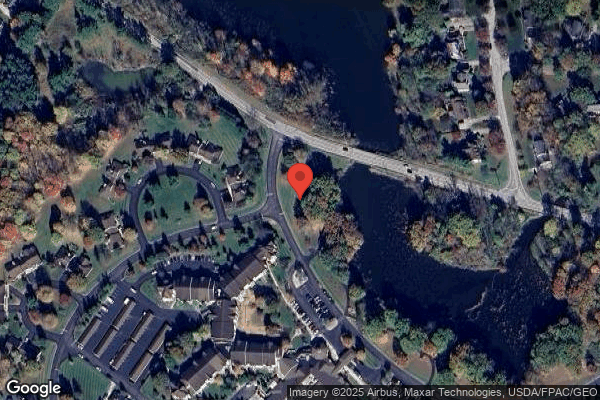
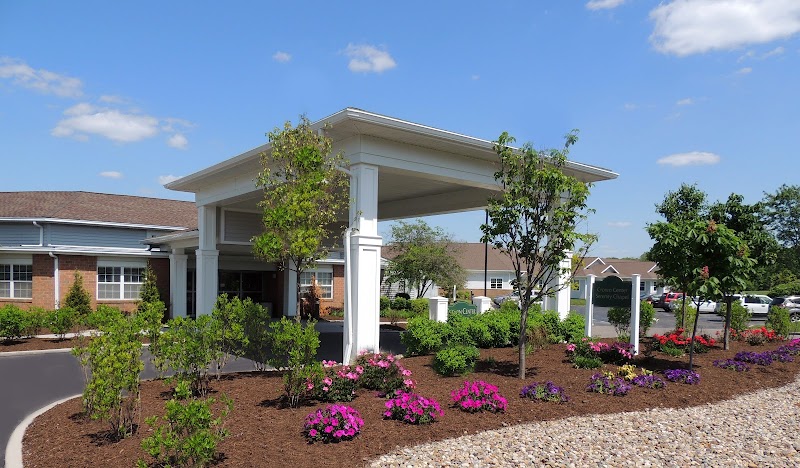
200 LAUREL LAKE DR, HUDSON, OH 44236 (330) 650-0681
Non profit - Other 75 Beds Independent Data: November 2025
Trust Grade
35/100
#652 of 913 in OH
Last Inspection: August 2023

Over 2 years since last inspection. Current conditions may differ from available data.

Overview

Crown Center at Laurel Lake has received a Trust Grade of F, indicating significant concerns about the facility's quality and care. It ranks #652 out of 913 nursing homes in Ohio, placing it in the bottom half, and #31 out of 42 in Summit County, meaning there are many better options nearby. While the facility's trend is improving, with issues decreasing from three to two in the past year, there are still serious problems. Staffing is a major weakness, receiving a rating of 1 out of 5, although it has an impressively low turnover rate of 0%, which is much better than the state average. The facility has incurred $138,787 in fines, which is concerning and suggests ongoing compliance issues. Additionally, there have been serious incidents, including a resident suffering a fall and fracture due to improper transfer practices and failures in infection control and kitchen sanitation that could affect multiple residents. Overall, while there are some strengths, the significant concerns warrant careful consideration.

Trust Score
F
35/100
In Ohio
#652/913
Bottom 29%
Safety Record
High Risk
Review needed
Inspections
Getting Better
3 → 2 violations
Staff Stability
○ Average
Turnover data not reported for this facility.
Penalties
✓ Good
$138,787 in fines. Lower than most Ohio facilities. Relatively clean record.
Skilled Nurses
○ Average
RN staffing data not reported for this facility.
Violations
⚠ Watch
17 deficiencies on record. Higher than average. Multiple issues found across inspections.
★★☆☆☆
2.0
Overall Rating
★☆☆☆☆
1.0
Staff Levels
★★★☆☆
3.0
Care Quality
★★★☆☆
3.0
Inspection Score
Stable
2024: 3 issues
2025: 2 issues

The Good

  • Full Sprinkler Coverage · Fire safety systems throughout facility
  • No fines on record

Facility shows strength in fire safety.

The Bad

2-Star Overall Rating

Below Ohio average (3.2)

Below average - review inspection findings carefully

Federal Fines: $138,787

Well above median ($33,413)

Significant penalties indicating serious issues

The Ugly 17 deficiencies on record

1 actual harm
Aug 2025 2 deficiencies
CONCERN (D) 📢 Someone Reported This

A family member, employee, or ombudsman was alarmed enough to file a formal complaint

Potential for Harm - no one hurt, but risky conditions existed

Report Alleged Abuse (Tag F0609)

Could have caused harm · This affected 1 resident

**NOTE- TERMS IN BRACKETS HAVE BEEN EDITED TO PROTECT CONFIDENTIALITY** Based on record review, staff interview, review of facility self-reported incidents (SRIs), and review of the facility policy, t...

Read full inspector narrative →
**NOTE- TERMS IN BRACKETS HAVE BEEN EDITED TO PROTECT CONFIDENTIALITY** Based on record review, staff interview, review of facility self-reported incidents (SRIs), and review of the facility policy, the facility failed to ensure allegations of potential abuse and neglect were reported to the State Agency as required. This affected three residents (#57, #58, and #67) of five residents reviewed for abuse and neglect. The facility census was 70.Findings include:1.Review of the medical record for Resident #57 revealed an admission date of 07/19/25 and diagnoses including delirium due to known physiological condition, vascular dementia, anxiety disorder, aphasia, cognitive communication deficit, cerebral infarction, and persistent atrial fibrillation. Review of the 07/19/25 care plan for Resident #57 revealed potential for physically aggressive behavior related to dementia. Interventions included monitoring and documenting any signs and symptoms of the resident posing danger to self and others. Review of behavior note dated 07/21/25 revealed Resident #57 had grabbed the nurse's arm and started yelling. Resident #57 was also noted to make several attempts to get out of bed on his own and when staff intervened, he would become aggressive. Resident #57 was noted to become aggressive towards his wife as well. Review of Psychiatric Evaluation dated 07/23/25 revealed Resident #57 had history of insomnia, anxiety, depression, and vascular dementia. Resident #57 admitted to the facility following hospitalization for [NAME] procedure. Resident #57 was noted to be combative coming out of anesthesia and has been experiencing delirium related to anesthesia. Resident #57 was noted to have intermittent agitation and aggression since admission and was not getting along with his roommate. Resident #57's wife did not wish for medication changes at this time. Review of physician progress note dated 07/23/25 revealed Resident #57 was status post [NAME] procedure. The procedure was noted to be uncomplicated, however Resident #57 had noted delirium following the procedure with waxing and waning of mental status and confusion. Review of nursing note dated 07/23/25 revealed Resident #57 was combative with staff during care. It was also noted Resident #57's wife appeared to be the only consoling factor and only person able to re-direct. Resident #57 required one on one care while wife was away. Review of nursing note dated 07/24/25 revealed Resident #57 was being aggressive with his wife during toileting, and it was observed by staff that wife became aggressive back. Social services and the administrator were made aware. There were no noted injuries or effects. Review of Brief Interview for Mental Status (BIMS) evaluation dated 07/25/25 revealed Resident #57 scored 4.0 indicating severe cognitive impairment. Interview on 07/31/25 at 1:37 P.M. with Licensed Nursing Home Administrator (LNHA) revealed Resident #57 and his wife normally resided in the independent living (IL) together. LNHA indicated Resident #57 had come for a rehabilitation stay following hospitalization. LNHA indicated Resident #57 needed psych services while admitted for behaviors. LNHA indicated on 07/24/25 staff found Resident #57's wife attempting to toilet him. Resident #57 was being resistive, and his wife was getting angry/frustrated. LNHA indicated her staff reported their concerns with the situation to her and she brought his wife into her office to talk about it. LNHA indicated his wife reported tapping him on the bottom to get him to comply. LNHA indicated she did not feel the situation was abusive and his wife was just frustrated. LNHA indicated Resident #57's wife had cared for him for a long time but had a decline and she was experiencing caregiver burn out. LNHA indicated they had offered Resident #57's wife counseling services with their Chaplin and resources for caregiver burnout. Interview on 07/31/25 at 2:28 P.M. with Licensed Practical Nurse (LPN) #242 revealed one of her aides told her Resident #57's wife was toileting Resident #57 on her own and Resident #57 was becoming aggressive with her. LPN #242 indicated his wife also was becoming aggressive. LPN #242 was asked to describe aggressive, and she indicated it was not abuse but she was not there so she could not describe it. LPN #242 stated she inspected Resident#57's skin and there were no red areas on his bottom or injuries. Interview on 08/04/25 at 9:21 A.M. with CNA #221 revealed on 07/24/25 she was assisting Resident #57's wife to get Resident #57 up out of bed to go to the bathroom and Resident #57 punched his wife on the left side of her abdomen. Resident #57's wife reacted and slapped Resident #57 with force on his right facial cheek with her right hand. CNA #221 stated Resident #57's wife instructed her to leave the room and CNA #221 proceeded to leave Resident #57 and his wife alone in the room and went to report the incident to Licensed Practical Nurse (LPN) #242. LPN #242 instructed CNA #221 to fill out an incident report and CNA #221 proceeded to fill out a witness statement and give it to LPN #242. Interview on 08/04/25 at 9:53 A.M. with LPN #242 revealed CNA #221 reported to her that Resident #57 hit his wife while trying to get him up to the bathroom and Resident #57's wife proceeded to slap him in the face. LPN #242 stated she went back in Resident #57's room to see if he and his wife were okay. LPN #242 stated when she entered Resident #57 was sitting on the toilet and his wife was standing next to him, and they were both giggling. LPN #242 confirmed she did not complete an incident report and did not write a statement but did report what was reported by CNA #221 to the Administrator. Interview on 08/04/25 at 9:31 A.M. with the Administrator revealed she talked with Resident #57's wife immediately following the incident being reported by LPN #242. Administrator stated Resident #57's wife stated she tapped him on the bottom and did not hit Resident #57 with force. Administrator confirmed they did not do an investigation, was unable to provide proof of witness statements and did not open a self-reported incident as required. Interview on 08/04/25 at 11:02 A.M. with Resident #57's wife revealed while assisting CNA #221 to get Resident #57 up to the bathroom, Resident #57 hit his wife, and she patted him on the butt to get him to listen. Resident #57's wife stated she did not slap Resident #57 and did not ask CNA #221 to leave the room. Review of the facility incident logs from 04/25 to 07/25 revealed the allegation of abuse was not listed. Review of the Ohio Department of Health's Gateway system revealed no facility SRI related to the allegation of abuse reported by Certified Nurse Aide (CNA) #221 on 07/24/25 related to Resident #57.2. Review of the medical record for Resident #58 revealed an admission date of 01/25/23. Diagnoses included but were not limited to displaced intertrochanteric fracture of right femur, urinary tract infection, anxiety disorder, dementia, Alzheimer's dementia, and macular degeneration. Review of the 07/24/25 discharge Minimum Data Set (MDS) 3.0 for Resident #58 revealed severe cognitive impairment, resident was rarely understood and had noted wandering behavior almost daily. Review of the 07/14/25 quarterly Minimum Data Set (MDS) 3.0 for Resident #58 revealed severe cognitive impairment, wandering was indicated four to six days of seven assessed, and was independent to walk 150 feet. Resident #58 was noted to have a wander guard. Review of Resident #58's care plan revealed risk for wandering/elopement related to disorientation to place, history of attempts to leave facility unattended while previously living in the assisted living facility. Resident #58 was noted to have almost daily attempts to push or slam her walker through doors to get to assisted living. Interventions were to encourage activity when resident was observed in the front areas by the exit doors. Review of the 04/06/25 nursing progress note for Resident #58 revealed the nurse was notified by activity staff resident had got out of the exit doors toward the Al and was brought back by activity staff. Review of the 04/06/25 nursing progress note for Resident #58 revealed resident was seen walking towards the AL entrance door and used her hands to pry open the door and was redirected by staff. Review of the 04/07/25 nursing note revealed the interdisciplinary team discussed the 04/06/25 incident for Resident #58 and decided it was not an elopement since it was still inside the facility. Review of the 04/30/25 nursing progress note for Resident #58 revealed the nurse heard the alarm and started searching for Resident #58. Nurse found Resident #58 outside the facility entrance lobby and brought her back into the facility without injury. Review of the 05/07/25 nursing progress note for Resident #58 revealed she was found outside of the facility under the pavilion front entrance. Nurse was able to bring her back without injury. Resident #58 was noted to pry open door with hands to exit. Review of the 05/17/25 nursing progress note for Resident #58 revealed the nurse heard the front door alarm around 4:15 P.M. with a quiet beeping noise. Nurse went to investigate and found Resident #58 standing outside the facility entrance under the pavilion in front of the facility. Resident #58 brought back into facility by staff. Review of the 05/17/25 nursing progress note for Resident #58 revealed Resident #58 continued to have exit seeking behaviors and became agitated and attempted to hit staff when they attempted to redirect her away from the facility front door. Review of the 06/06/25 quarterly elopement assessment for Resident #58 revealed a score of 5 which indicated high risk for elopement. Review of the facility incident log from 04/25 through 07/25 revealed three elopements listed for Resident #58 on 04/06/25, 05/07/25, and 05/17/25. The elopement listed in the nursing progress note dated 04/30/25 was not listed on the incident log. Interview on 07/31/25 with Administrative Assistant (AA) #215 revealed on 05/07/25 she was walking back towards her desk and heard the front door alarm going off. AA #215 went outside and found Resident #58 standing outside the facility under the pavilion and brought her back into the facility. Interview on 07/31/25 at 9:29 A.M. with the Director of Nursing (DON) revealed she would not consider a resident outside of the facility an elopement unless a resident made it to the road. DON stated she would report abuse, neglect, or injury of unknown origin, but has never reported an elopement. DON confirmed they had four elopement incidents listed on the incident log from 04/25 through 07/25 but had not reported them to the state. Interview on 07/31/25 at 11:52 A.M. with the Assistant Director of Nursing (ADON) revealed she would consider a resident outside of the external doors of the facility to be an elopement. Interview on 07/31/25 at 12:41 P.M. with the Administrator revealed an elopement is a resident going to an unsafe area without authorization, unsafe area would be resident getting out of the facility close to the road. If a resident elopes, staff are to notify the DON and Administrator and start searching the premise. Administrator confirmed she would report abuse or neglect but had never reported elopement to the stated agency. Interview on 07/31/25 at 4:06 P.M. with Licensed Practical Nurse (LPN) #241 revealed when she came on shift on 05/17/25 she was told by staff that Resident #58 had already been outside the facility once earlier in the day and to be on high alert due to her being exit seeking. LPN #241 was walking from the nurse station towards the front entrance and heard a faint beeping and began to check rooms for alarms. When LPN #241 got to the front door she heard the alarm beeping and looked outside to see Resident #58 outside on the sidewalk at the edge of the walkway under the portico. Resident #58 was confused, unsure of why she was out there. LPN #241 brought Resident #58 back into the facility. LPN #241 reported the incident to Registered Nurse (RN) #279. Interview on 07/31/25 at 4:25 P.M. with RN #279 revealed on 05/17/25 Resident #58 had a wander guard on, but was able to pull the front door open and got outside onto the sidewalk in front of the facility. LPN #241 found Resident #58, brought her back inside and reported it to RN #279 and she reported it to the Administrator and DON. Interview on 07/31/25 at 4:36 P.M. with the DON confirmed Resident #58 had been outside of the facility on 05/17/25 without staff supervision and staff were not aware she had left the facility. DON stated she was unable to recall if Resident #58 had gotten outside of the facility earlier in the day. DON confirmed she did not do an SRI and did not complete an investigation. 3. Review of the medical record for Resident #67 revealed an admission date of 07/03/24. Diagnoses included but were not limited to fracture of left pubis, dementia with psychotic disturbance, and cognitive communication deficit. Review of 06/26/25 quarterly Minimum Data Set (MDS) 3.0 for Resident #67 revealed a Brief Interview of Mental Status (BIMS) score of 06 which indicated severe cognitive impairment. Resident #67 was noted to have behaviors of wandering one to three days of the review period. Resident #67 was noted to be independent to walk 150 feet. Review of the 06/06/25 elopement evaluation revealed score of six which indicated high risk of elopement. Resident #67 was noted to have a history of elopement or attempts to the leave the facility without informing staff, had verbally expressed a desire to go home, stayed near the exit doors, and frequently wandered without a purpose. Review of the Resident #67's care plan revealed she was an elopement risk related to impaired safety awareness related to her dementia. Review of the 07/05/25 nursing progress note timed at 4:29 P.M. revealed Certified Nursing Assistant (CNA) had last checked on resident at 11:48 A.M. who was getting out of bed for lunch. When CNA went back to check on Resident #67 at 12:03 P.M. she found Resident #67 on the floor on her back with her walker in front of her. Resident #67's left leg had external rotation and was unable to straighten her leg without pain. Resident #67 was sent out for evaluation. Review of the 07/05/25 nursing progress note timed at 5:38 P.M. revealed Resident #67 had a pelvic fracture and was admitted to the hospital. Review of the 07/09/25 nursing progress note timed at 6:37 P.M. for Resident #67 revealed she was readmitted without surgery and was weight bearing as tolerated. Review of the 07/09/25 elopement evaluation revealed a score of five which indicated a high risk for elopement. Review of the 07/17/25 elopement evaluation revealed a score of one due to Resident #67 being non-ambulatory and unable to self-propel in wheelchair. Review of nursing progress notes revealed no note related to Resident #67 being found outside of the facility by a resident family member on 07/23/25. Review of the 07/23/25 elopement evaluation revealed a score of 8 which indicated a high risk of elopement. Review of the physician orders dated 07/23/25 for Resident #67 revealed an order for a wander tag to left ankle to alert staff to unassisted exit from facility. Review of the facility incident log from 04/25 through 07/25 revealed no entry related to Resident #67 getting outside of the facility unattended. Interview on 07/30/25 at 1:05 P.M. with LPN #254 revealed Resident #67 got outside of the facility on 07/23/25 and was found in the parking lot by another resident's wife who brought her back into the facility. LPN #254 stated she had entered a progress note that a wander guard was added following the elopement incident but did not enter a progress note or complete a skin assessment as it was at shift change. Interview on 07/30/25 at 2:47 P.M. with Resident #57's wife revealed she was walking into the facility from her car and found Resident #67 out in the parking lot on the side walk between the front entrance and blueberry unit entrance door and brought her back into the facility to staff. Interview on 07/30/25 at 3:46 P.M. with LPN #217 revealed she was coming into work around 2:20 P.M. on 07/23/25 and saw Resident #67 sitting in her wheelchair in the parking lot outside of the facility. LPN #217 went inside and told LPN #254. LPN #217 stated she did not enter a progress note or complete a skin assessment as she figured LPN #254 would complete it. Interview on 07/31/25 at 12:41 P.M. with the Administrator confirmed following Resident #67 getting outside of the facility without staff supervision, the facility did not do an incident report, complete an investigation or report it to the state agency. Review of the 06/01/25 revised facility policy called Abuse, Neglect, Exploitation and Misappropriation of Resident Property revealed abuse means the willful infliction of injury, harm, pain or mental anguish. Physical abuse includes but is not limited to slapping, punching, biting and kicking. Under the section titled response to allegations or suspicions of abuse, mistreatment, neglect, exploitation, and/or misappropriation of resident property, staff shall report all incident immediately to their direct supervisors, the director of nursing, and the administrator. Staff are not to leave the resident unattended unless it is absolutely necessary to summon assistance. A nurse supervisor should perform an initial assessment of the resident which should include range of motion, full body assessment for signs of injury and vital signs. If a third party is accused or suspected of abuse, the facility will take immediate action to protect the resident including but not limited to contacting the third party and addressing the issue directly with him/her, preventing access to the resident during the investigation and/or refer the matter to the appropriate authorities. The incident will be documented in the nurses' notes and should include an accurate description of the incident, the results of the range of motion (ROM), body assessment, vital signs, the notification of the physician and the responsible party, and treatment provided. Appropriate quality assurance documentation should also be completed as well. All allegations of abuse or neglect that do not result in bodily injury must be reported to the Administrator immediately and the State Survey and Certification Agency within 24 hours. Once notifications are made, an investigation will be conducted using the quality assurance form used by the facility. The investigation shall begin upon learning of the incident and final disposition of the incident shall be made to the Ohio Department of Health (ODH) within five working days. Investigation shall include the following; interview the resident, the accused, and all witnesses who work closely with the resident the day of the incident. Obtain written statement from the resident, if possible, the accused, and each witness. This deficiency represents non-compliance investigated under Complaint Number OH002574199 and Complaint Number OH002572009.
CONCERN (D) 📢 Someone Reported This

A family member, employee, or ombudsman was alarmed enough to file a formal complaint

Potential for Harm - no one hurt, but risky conditions existed

Investigate Abuse (Tag F0610)

Could have caused harm · This affected 1 resident

**NOTE- TERMS IN BRACKETS HAVE BEEN EDITED TO PROTECT CONFIDENTIALITY** Based on record review, staff interview, and review of the facility policy, the facility failed to complete an investigation int...

Read full inspector narrative →
**NOTE- TERMS IN BRACKETS HAVE BEEN EDITED TO PROTECT CONFIDENTIALITY** Based on record review, staff interview, and review of the facility policy, the facility failed to complete an investigation into allegations of physical abuse for Resident #57 and failed to complete an investigation into potential neglect for Residents #58 and #67. This affected three residents (#57, #58, and #67) of four reviewed for abuse and neglect. The facility census was 70.Findings include:1. Review of the medical record for Resident #57 revealed an admission date of 07/19/25 and diagnoses including delirium due to known physiological condition, vascular dementia, anxiety disorder, aphasia, cognitive communication deficit, cerebral infarction, and persistent atrial fibrillation.Review of the 07/19/25 care plan for Resident #57 revealed the resident had the potential for physically aggressive behavior related to dementia. Interventions included monitoring and documenting any signs and symptoms of the resident posing danger to self and others.Review of a behavior note dated 07/21/25 revealed Resident #57 had grabbed the nurse's arm and started yelling. Resident #57 was also noted to make several attempts to get out of bed on his own and when staff intervened, he would become aggressive. Resident #57 was noted to become aggressive towards his wife as well.Review of a Psychiatric Evaluation dated 07/23/25 revealed Resident #57 had history of insomnia, anxiety, depression, and vascular dementia. Resident #57 admitted to the facility following hospitalization for a cardiac procedure. Resident #57 was noted to be combative coming out of anesthesia and had been experiencing delirium related to anesthesia. Resident #57 was noted to have intermittent agitation and aggression since admission and was not getting along with his roommate. Resident #57's wife did not wish for medication changes at this time. Review of physician progress note dated 07/23/25 revealed Resident #57 was status post-procedure. The procedure was noted to be uncomplicated, however, Resident #57 had noted delirium following the procedure with waxing and waning of mental status and confusion.Review of a nursing note dated 07/23/25 revealed Resident #57 was combative with staff during care. It was also noted Resident #57's wife appeared to be the only consoling factor and only person able to re-direct him. Resident #57 required one-on-one care while his wife was away.Review of nursing note dated 07/24/25 revealed Resident #57 was being aggressive with his wife during toileting, and it was observed by staff that the wife became aggressive back. Social services and the Administrator were made aware. There were no noted injuries or effects to Resident #57.Review of Brief Interview for Mental Status (BIMS) evaluation dated 07/25/25 revealed Resident #57 scored 4.0 indicating severe cognitive impairment.Interview on 07/31/25 at 1:37 P.M. with the Administrator revealed Resident #57 and his wife normally resided in the independent living (IL) together. The Administrator indicated Resident #57 had come to the facility for a rehabilitation stay following a hospitalization. The Administrator indicated Resident #57 needed psychiatric services while admitted for behaviors. The Administrator indicated on 07/24/25, staff found Resident #57's wife attempting to toilet him. Resident #57 was being resistive, and his wife was getting angry and frustrated with him. The Administrator indicated her staff reported their concerns with the situation to her and she brought his wife into her office to talk about it. The Administrator indicated his wife reported tapping Resident #57 on the bottom to get him to comply. The Administrator stated she did not feel the situation was abusive and his wife was just frustrated. The Administrator indicated Resident #57's wife had cared for him for a long time but had a decline and she was experiencing caregiver burn out. The Administrator reported they had offered Resident #57's wife counseling services with their Chaplain and resources for caregiver burnout.Interview on 07/31/25 at 2:28 P.M. with Licensed Practical Nurse (LPN) #242 revealed one of her aides told her Resident #57's wife was toileting Resident #57 on her own and Resident #57 was becoming aggressive with her. LPN #242 indicated the resident's wife also was becoming aggressive. LPN #242 was asked to describe aggressive, and she indicated it was not abuse but she was not there, so she could not describe it. LPN #242 stated she inspectedInterview on 08/04/25 at 9:21 A.M. with Certified Nursing Assistant (CNA) #221 revealed on 07/24/25 she was assisting Resident #57's wife to get Resident #57 up out of bed to go to the bathroom and Resident #57 punched his wife on the left side of her abdomen. Resident #57's wife reacted and slapped Resident #57 with force on his right facial cheek with her right hand. CNA #221 stated Resident #57's wife instructed her to leave the room and CNA #221 proceeded to leave Resident #57 and his wife alone in the room and went to report the incident to Licensed Practical Nurse (LPN) #242. LPN #242 instructed CNA #221 to fill out an incident report and CNA #221 proceeded to fill out a witness statement and gave it to LPN #242.A follow up interview on 08/04/25 at 9:53 A.M. with LPN #242 revealed CNA #221 reported to her that Resident #57 hit his wife while trying to get him up to the bathroom and Resident #57's wife proceeded to slap him in the face. LPN #242 stated she went back in Resident #57's room to see if he and his wife were okay. LPN #242 stated when she entered Resident #57 was sitting on the toilet and his wife was standing next to him, and they were both giggling. LPN #242 confirmed she did not complete an incident report and did not write a statement but did report what was reported by CNA #221 to the Administrator.Interview on 08/04/25 at 9:31 A.M. with the Administrator revealed she talked with Resident #57's wife immediately following the incident being reported by LPN #242. Administrator stated Resident #57's wife stated she tapped him on the bottom and did not hit Resident #57 with force. Administrator confirmed they did not do an investigation, was unable to provide proof of witness statements and did not open a self-reported incident as required.Interview on 08/04/25 at 11:02 A.M. with Resident #57's wife revealed while assisting CNA #221 to get Resident #57 up to the bathroom, Resident #57 hit his wife, and she patted him on the butt to get him to listen. Resident #57's wife stated she did not slap Resident #57 and denied asking CNA #221 to leave the room. Review of the facility incident logs from 04/25 to 07/25 revealed the allegation of abuse was not listed.Review of the Ohio Department of Health's (ODH) Certification and Licensure System (CALS) revealed no facility self-reported incident (SRI) had been reported related to the allegation of abuse reported by Certified Nurse Aide (CNA) #221 on 07/24/25 regarding Resident #57.2. Review of the medical record for Resident #58 revealed an admission date of 01/25/23. Diagnoses included but were not limited to displaced intertrochanteric fracture of right femur, urinary tract infection, anxiety disorder, dementia, Alzheimer's dementia, and macular degeneration.Review of Resident #58's care plan revealed risk for wandering/elopement related to disorientation to place, history of attempts to leave facility unattended while previously living in the assisted living facility. Resident #58 was noted to have almost daily attempts to push or slam her walker through doors to get to assisted living. Interventions were to encourage activity when the resident was observed in the front areas by the exit doors.Review of the 04/06/25 nursing progress note for Resident #58 revealed the nurse was notified by activity staff that Resident #58 had gotten out of the exit doors toward the assisted living (AL) and was brought back by activity staff.Review of the 04/06/25 nursing progress note for Resident #58 revealed resident was seen walking towards the AL entrance door and used her hands to pry open the door and was redirected by staff.Review of the 04/07/25 nursing note revealed the interdisciplinary team discussed the 04/06/25 incident for Resident #58 and decided it was not an elopement since the resident was still inside the facility.Review of the 04/30/25 nursing progress note for Resident #58 revealed the nurse heard the alarm and started searching for Resident #58. Nurse found Resident #58 outside the facility entrance lobby and brought her back into the facility without injury.Review of the 05/07/25 nursing progress note for Resident #58 revealed she was found outside of the facility under the pavilion front entrance. Nurse was able to bring her back without injury. Resident #58 was noted to pry open door with hands to exit.Review of the 05/17/25 nursing progress note for Resident #58 revealed the nurse heard the front door alarm around 4:15 P.M. with a quiet beeping noise. The nurse went to investigate and found Resident #58 standing outside the facility entrance under the pavilion in front of the facility. Resident #58 was brought back into the facility by staff.Review of the 05/17/25 nursing progress note for Resident #58 revealed Resident #58 continued to have exit seeking behaviors and became agitated and attempted to hit staff when they attempted to redirect her away from the facility front door.Review of the 06/06/25 quarterly elopement assessment for Resident #58 revealed a score of 5 which indicated high risk for elopement. Review of the facility incident log from 04/25 through 07/25 revealed three elopements listed for Resident #58 on 04/06/25, 05/07/25, and 05/17/25. The elopement listed in the nursing progress note dated 04/30/25 was not listed on the incident log.Review of the Minimum Data Set (MDS) 3.0 assessment dated [DATE] for Resident #58 revealed severe cognitive impairment, wandering was indicated four to six out of seven days assessed, and was independent to walk 150 feet. Resident #58 was noted to have a wander guard.Interview on 07/31/25 with Administrative Assistant (AA) #215 revealed on 05/07/25 she was walking back towards her desk and heard the front door alarm going off. AA #215 went outside and found Resident #58 standing outside the facility under the pavilion and brought her back into the facility.Interview on 07/31/25 at 9:29 A.M. with the Director of Nursing (DON) revealed she would not consider a resident outside of the facility an elopement unless a resident made it to the road. The DON stated she would report abuse, neglect, or injury of unknown origin, but has never reported an elopement. The DON confirmed they had four elopement incidents listed on the incident log from 04/25 through 07/25 but had not reported them to the state. Interview on 07/31/25 at 11:52 A.M. with the Assistant Director of Nursing (ADON) revealed she would consider a resident outside of the external doors of the facility to be an elopement.Interview on 07/31/25 at 12:41 P.M. with the Administrator revealed an elopement is a resident going to an unsafe area without authorization and further explained an unsafe area would be resident getting out of the facility close to the road. If a resident elopes, staff are to notify the DON and Administrator and start searching the premises. The Administrator confirmed she would report abuse or neglect but had never reported elopement to the State Agency. Interview on 07/31/25 at 4:06 P.M. with Licensed Practical Nurse (LPN) #241 revealed when she came on shift on 05/17/25 she was told by staff that Resident #58 had already been outside the facility once earlier in the day and to be on high alert due to her being exit seeking. LPN #241 was walking from the nurse's station towards the front entrance and heard a faint beeping and began to check rooms for alarms. When LPN #241 got to the front door she heard the alarm beeping and looked outside to see Resident #58 outside on the sidewalk at the edge of the walkway under the portico. Resident #58 was confused and unsure of why she was out there. LPN #241 brought Resident #58 back into the facility. LPN #241 reported the incident to Registered Nurse (RN) #279.Interview on 07/31/25 at 4:25 P.M. with RN #279 revealed on 05/17/25 Resident #58 had a wander guard on but was able to pull the front door open and got outside onto the sidewalk in front of the facility. LPN #241 found Resident #58, brought her back inside and reported it to RN #279 and she reported it to the Administrator and DON.Interview on 07/31/25 at 4:36 P.M. with the DON confirmed Resident #58 had been outside of the facility on 05/17/25 without staff supervision and staff were not aware she had left the facility. DON stated she was unable to recall if Resident #58 had gotten outside of the facility earlier in the day. DON confirmed she did not do an SRI and did not complete an investigation. 3. Review of the medical record for Resident #67 revealed an admission date of 07/03/24. Diagnoses included but were not limited to fracture of left pubis, dementia with psychotic disturbance, and cognitive communication deficit.Review of the Resident #67's care plan revealed she was an elopement risk related to impaired safety awareness related to her dementia.Review of the elopement evaluation dated 06/06/25 revealed score of six which indicated high risk of elopement. Resident #67 was noted to have a history of elopement or attempts to the leave the facility without informing staff, had verbally expressed a desire to go home, stayed near the exit doors, and frequently wandered without a purpose.Review of 06/26/25 quarterly Minimum Data Set (MDS) 3.0 for Resident #67 revealed a Brief Interview of Mental Status (BIMS) score of 06 which indicated severe cognitive impairment. Resident #67 was noted to have behaviors of wandering one to three days of the review period. Resident #67 was noted to be independent to walk 150 feet.Review of the nursing progress note dated 07/05/25 and timed at 4:29 P.M. revealed an unnamed CNA had last checked on Resident #67 at 11:48 A.M. The resident was getting out of bed for lunch. When CNA went back to check on Resident #67 at 12:03 P.M., she found Resident #67 on the floor on her back with her walker in front of her. Resident #67's left leg had external rotation and was unable to straighten her leg without pain. Resident #67 was sent out for evaluation.Review of the nursing progress note dated 07/05/25 and timed at 5:38 P.M. revealed Resident #67 had a pelvic fracture and was admitted to the hospital.Review of the nursing progress note dated 07/09/25 and timed at 6:37 P.M. for Resident #67 revealed she was readmitted without surgery and was weight bearing as tolerated.Review of the elopement evaluation dated 07/09/25 revealed a score of five which indicated a high risk for elopement.Review of the 07/17/25 elopement evaluation revealed a score of one due to Resident #67 being non-ambulatory and unable to self-propel in wheelchair.Review of nursing progress notes revealed no note related to Resident #67 being found outside of the facility by a resident family member on 07/23/25.Review of the 07/23/25 elopement evaluation revealed a score of 8 which indicated a high risk of elopement.Review of the physician orders dated 07/23/25 for Resident #67 revealed an order for a wander tag to left ankle to alert staff to unassisted exit from facility. Review of the facility incident log from 04/25 through 07/25 revealed no entry related to Resident #67 getting outside of the facility unattended. Interview on 07/30/25 at 1:05 P.M. with LPN #254 revealed Resident #67 got outside of the facility on 07/23/25 and was found in the parking lot by another resident's wife who brought her back into the facility. LPN #254 stated she had entered a progress note that a wander guard was added following the elopement incident but did not enter a progress note or complete a skin assessment as it was at shift change.Interview on 07/30/25 at 2:47 P.M. with Resident #57's wife revealed she was walking into the facility from her car and found Resident #67 out in the parking lot on the side walk between the front entrance and blueberry unit entrance door and brought her back into the facility to staff.Interview on 07/30/25 at 3:46 P.M. with LPN #217 revealed she was coming into work around 2:20 P.M. on 07/23/25 and saw Resident #67 sitting in her wheelchair in the parking lot outside of the facility. LPN #217 went inside and told LPN #254. LPN #217 stated she did not enter a progress note or complete a skin assessment as she figured LPN #254 would complete it.Interview on 07/31/25 at 12:41 P.M. with the Administrator confirmed following Resident #67 getting outside of the facility without staff supervision or knowledge, the facility did not complete an incident report, an investigation, and the incident was not reported to the State Agency.Review of the 06/01/25 revised facility policy called Abuse, Neglect, Exploitation and Misappropriation of Resident Property revealed abuse means the willful infliction of injury, harm, pain or mental anguish. Physical abuse includes but is not limited to slapping, punching, biting and kicking. Under the section titled response to allegations or suspicions of abuse, mistreatment, neglect, exploitation, and/or misappropriation of resident property, staff shall report all incident immediately to their direct supervisors, the director of nursing, and the administrator. Staff are not to leave the resident unattended unless it is absolutely necessary to summon assistance. A nurse supervisor should perform an initial assessment of the resident which should include range of motion, full body assessment for signs of injury and vital signs. If a third party is accused or suspected of abuse, the facility will take immediate action to protect the resident including but not limited to contacting the third party and addressing the issue directly with him/her, preventing access to the resident during the investigation and/or refer the matter to the appropriate authorities. The incident will be documented in the nurses' notes and should include an accurate description of the incident, the results of the range of motion (ROM), body assessment, vital signs, the notification of the physician and the responsible party, and treatment provided. Appropriate quality assurance documentation should also be completed as well. All allegations of abuse or neglect that do not result in bodily injury must be reported to the Administrator immediately and the State Survey and Certification Agency within 24 hours. Once notifications are made, an investigation will be conducted using the quality assurance form used by the facility. The investigation shall begin upon learning of the incident and final disposition of the incident shall be made to the Ohio Department of Health (ODH) within five working days. Investigation shall include the following: interview the resident, the accused, and all witnesses who work closely with the resident the day of the incident. Obtain written statements from the resident, if possible, the accused, and each witness. This deficiency represents non-compliance investigated under Complaint Numbers 2574199 and 2572009.
Oct 2024 1 deficiency
CONCERN (D) 📢 Someone Reported This

A family member, employee, or ombudsman was alarmed enough to file a formal complaint

Potential for Harm - no one hurt, but risky conditions existed

Accident Prevention (Tag F0689)

Could have caused harm · This affected 1 resident

**NOTE- TERMS IN BRACKETS HAVE BEEN EDITED TO PROTECT CONFIDENTIALITY** Based on observation, interview, record review and facility policy review, the facility failed to ensure fall interventions were...

Read full inspector narrative →
**NOTE- TERMS IN BRACKETS HAVE BEEN EDITED TO PROTECT CONFIDENTIALITY** Based on observation, interview, record review and facility policy review, the facility failed to ensure fall interventions were in place to prevent Resident #32 from falling. This affected one resident (#32) out of three residents reviewed for falls. The facility census was 62. Findings include: Review of Resident #32's medical record revealed an admission date of 06/05/23 and diagnoses including Alzheimer's disease, dementia with anxiety, depression, anxiety, glaucoma, chronic kidney disease stage 3A and dysphagia. Review of Resident #32's quarterly minimum data set (MDS) 3.0 assessment dated [DATE] revealed Resident #32 was cognitively impaired, rejected care one to three days in the seven day look-back period, was dependent on staff for toileting, lying to sitting on the side of the bed, sitting to standing, toilet transfers and chair to bed transfers. Resident #32 did not have any falls since the previous assessment. Review of Resident #32's physician's orders revealed an order dated 07/19/24 for transfers: mechanical sit-to-stand lift with two-person assist. Review of Resident #32's care plan for activities of daily living (ADL) self-care performance deficit related to impaired physical mobility and weakness dated 06/05/23 and revised 09/05/24 revealed Resident #32's ADL's fluctuate due to cognitive impairment and combativeness during care. A listed intervention included transfer (07/19/24) mechanical sit to stand lift with two person assist. Review of Resident #32's care plan for fall risk related to gait/balance problems related to impaired mobility and dementia diagnosis dated 06/05/23 and revised 06/04/24 listed an intervention including dycem to recliner every shift initiated on 03/28/24 and revised on 05/01/24. Review of Resident #32's [NAME] (care card) as of 10/28/24 revealed dycem (sticky surface used to prevent slipping and falls) was to be on all seated surfaces every shift and as of 07/19/24, Resident #32 transferred via mechanical sit to stand lift with two person assist. Review of the facility's Resident Information Sheet (RIS) as of 10/22/24 revealed Resident #32 required a mechanical sit to stand lift and two person assist for transfers. Review of an incident report for Resident #32 dated 09/19/24 at 10:00 P.M. and completed by Licensed Practical Nurse (LPN) #142 and LPN #145 included a statement from State Tested Nursing Assistant (STNA) #191 which indicated he was taking care of (wrong resident name) and used a gait belt to help with transfer. As I was help[ing] transfer him he became resistant and was grabbing and as I had him on the side of the bed he was resisting and became combative so he was lowered to the floor. I came and asked the nurse for assistance. Review of a nurses' note dated 09/20/24 at 12:47 A.M. and authored by LPN #142 revealed at 10:00 P.M. the STNA notified staff that Resident #32 was combative and resistant with care, unable to complete transfer from wheelchair to bed and was lowered to the floor. Vitals were obtained. No injury was noted and able to complete full range of motion (ROM) without difficulty or pain. Staff assisted Resident #32 off of floor and into bed. When asked what happened prior to fall, Resident #32 stated I don't know. Review of Resident #32's nurses' note dated 09/20/24 at 1:08 P.M. and authored by Assistant Director of Nursing (ADON)/Registered Nurse (RN) #157 revealed incident occurred secondary to agency STNA not transferring resident according to the Resident Information Sheet he was given at the start of his shift. Interdisciplinary Team (IDT) discussed the incident and agreed the STNA was listed as do-not-return (DNR) to the facility and staff were educated to review the RIS at the beginning of their shift. Interview on 10/24/24 at 1:15 P.M. with Resident #32 revealed he had a past fall but could not indicate when he had fallen. Observation on 10/24/24 at 2:43 P.M. revealed Resident #32 was seated in a recliner in his room with his wife, Resident #61, also present. No dycem was noted on the recliner and Resident #32 was trying to get out of the recliner and did not appear to be steady during the observation. Interview on 10/24/24 at 2:47 P.M. with LPN #145 verified Resident #32 did not have dycem on the recliner he was currently sitting in. Interview on 10/24/24 at 2:51 P.M. with the Director of Nursing (DON) verified Resident #32 was to have dycem under him if he was seated in his recliner and confirmed this intervention had been in place since 05/01/24. Interview on 10/24/24 at 3:58 P.M. with STNA #191 revealed over a month ago, he was working at the facility as an agency STNA and used a gait belt on Resident #32 to transfer him to bed. Resident #32 was resistive and STNA #191 stated he was losing his own balance so he slid Resident #32 to the floor. STNA #191 stated this was not a fall and shared he was handed a paper on the residents' care needs while working at the facility which indicated Resident #32 was to be a sit to stand lift for transfers per the paper. When asked why he transferred Resident #32 alone and with a gait belt, STNA #191 stated the sit to stand lift was not around. STNA #191 denied Resident #32 having any injuries as a result of the fall. Interview on 10/24/24 at 4:18 P.M. with LPN #142 revealed LPN #145 had let her know as the supervisor Resident #32 had a fall during transfer without injury. LPN #142 confirmed Resident #32 required a sit to stand lift with one or two people to transfer but she would need to see his care plan to further state how many people were required to complete the transfer as ordered. LPN #142 verified Resident #145 was not to be transferred manually with a gait belt. Interview on 10/28/24 at 8:17 A.M. with Director of Therapy (DOT) #193 confirmed Resident #32 was a sit to stand lift with two people for transfers and had maintained this status since July 2024. Follow-up interview on 10/8/24 at 9:59 A.M. with the DON verified on 09/19/24, STNA #191 did not transfer Resident #32 per physician's orders, which resulted in a fall without injury. The DON verified Resident #32 had been a mechanical sit to stand lift with two person assist for transfers since 07/19/24 and confirmed STNA #191 did not use the assistance of another staff member and did not utilize the sit to stand lift as ordered while transferring Resident #32. The DON shared STNA #191 had been provided accurate information about Resident #32's status including his transfer needs upon coming onto his shift via the Resident Information Sheets also provided during the survey. Review of the facility policy, No-Lift, revised July 2024 revealed residents that are unable to move independently or require increased assistance of one staff member a mechanical lift will be used to transport the resident from one point to another. Refer to therapy for situations best suited for the full mechanical lift (Hoyer), sit-to-stand and Sara Steady. Upon admission of a resident who is not mobile, the admitting licensed nurse will write an order to have rehabilitation evaluate the resident. Therapy will come to the resident's room to complete an evaluation on the resident's mobility to include what type of transfer should be used with the resident and if necessary therapy will identify which lift is appropriate to use when transferring the resident. The therapist will the notify the admitting licensed nurse/MDS coordinator which transport modality is appropriate and this information will be placed on the care plan and the RIS sheet for the STNA. When any staff member is working with a resident who requires a lift they must use the lift recommended by the therapy department and may not transfer the resident without the use of the lift. At quarterly and change of condition therapy will evaluate for the continued need for the lift. It is the responsibility of the charge nurse/RN supervisor to hold all staff accountable for the use of the lift. If any staff member is observed transferring a resident without the use of a lift when it has been recommended they do so then the progressive discipline process will commence. Review of the undated document, Agency Education, no date, revealed please utilize your Resident Information Sheets that have been provided for you. Turn them into your charge nurse at the end of your shift. Be alert to resident-specific needs, several are fall risks, several residents will not call for assistance. Patience is needed as several residents may be resistive to care. Review of the undated document, Resident Information Sheets, revealed please note the Resident Information Sheets are to be utilized by all staff and are designed to follow the physician order as well as the plan of care. It is vital that the transfer orders for the resident are followed. For residents that are assist times one or assist times two and do not require the use of Hoyer, Sara Steady to sit-to-stand, a gait belt is necessary for the completion of the transfer. This deficiency represents noncompliance investigated under Master Complaint Number OH00158661 and Complaint Number OH00158355.
Jun 2024 1 deficiency 1 Harm
SERIOUS (G) 📢 Someone Reported This

A family member, employee, or ombudsman was alarmed enough to file a formal complaint

Actual Harm - a resident was hurt due to facility failures

Accident Prevention (Tag F0689)

A resident was harmed · This affected 1 resident

**NOTE- TERMS IN BRACKETS HAVE BEEN EDITED TO PROTECT CONFIDENTIALITY** Based on record review, interview, and review of facility policy, the facility failed to ensure Resident #33 was transferred in ...

Read full inspector narrative →
**NOTE- TERMS IN BRACKETS HAVE BEEN EDITED TO PROTECT CONFIDENTIALITY** Based on record review, interview, and review of facility policy, the facility failed to ensure Resident #33 was transferred in a manner that would prevent a fall with major injury. This affected one resident (Resident #33) of three residents reviewed for safe transfers. The facility census was 61. Actual harm occurred on 06/23/24 when Resident #33, who required staff assistance and use of a transfer device due to repeated falls and poor safety awareness, was transferred without the device and sustained a fall and fracture of the right femur. State Tested Nurse Aid (STNA) #384 ignored guidance from other staff and Resident's #33's spouse indicating the need to use a transfer device and attempted to transfer Resident #33 independently which resulted in Resident #33 falling. When observed by the nurse, Resident #33 was on the floor screaming in pain with her right leg externally rotated. Resident #33 required emergent transfer to the hospital and subsequent surgical repair of a fractured right femur. Findings include: Review of Resident #33's medical record revealed an admission date of 11/23/21 and a re-entry date of 04/10/24 with diagnoses including late onset Alzheimer's disease, anxiety disorder, vascular dementia, repeated falls, muscle weakness, stage three chronic kidney disease, generalized osteoarthritis, atrial fibrillation, long-term use of anticoagulants, and unsteadiness on feet. Review of Resident #33's diagnoses list revealed the resident did not have a diagnosis of osteoporosis. Review of the physician orders revealed an order dated 12/15/23 for a Sara Steady device (a standing and/or transfer aid designed for residents with balance, lower extremity, mobility or walking disabilities) to be used for transfers. The order further revealed staff could use a Sit to Stand device (mechanical transfer device that assists residents from one seated surface to another) as needed for transfers. Review of the annual Minimum Data Set (MDS) 3.0 assessment dated [DATE] revealed Resident #33 had severely impaired cognition and was dependent for all transfers. Review of the care plan dated 04/10/24 revealed Resident #33 was at risk for falls secondary to a decline in cognition and mobility, poor safety awareness, and incontinence. Interventions included keeping the call light within reach, offering and assisting Resident #33 to bed after dinner, offering and assisting Resident #33 to the dining room for meals, and offering to assist toileting Resident #33 with toileting before and after meals and at bedtime. Further review of the care plan for falls revealed there were no interventions or instructions on how staff were to assist with the transfers for meals, bedtime, and toileting. Review of the progress notes revealed an incident note dated 05/15/24 detailing that blood was noted on the paddle of the Sara Steady device and Resident #33 sustained a V-shaped skin tear to her right elbow measuring three centimeters (cm) by 1.2 cm while being transferred. The note further revealed the STNA was educated to be more careful when transferring Resident #33 with the device. Review of the progress note dated 06/03/24 revealed the interdisciplinary team (IDT) reviewed bruising to Resident #33's right inner forearm, measuring 10.3 cm by 4.4 cm, which was determined to be the result of the resident being transferred incorrectly and the staff member's elbow contacting Resident #33's right forearm. Review of the progress note dated 06/23/24 revealed the nurse was called to Resident #33's room and found her on the floor with her left leg against the bed frame and her right leg externally rotated as Resident #33 was noted to be screaming in pain. Further review of the progress note revealed the fall occurred as the STNA was transferring Resident #33 into her wheelchair. Resident #33 was transported via ambulance to local hospital for evaluation and treatment after a call was placed to emergency medical services (911). Review of the nursing nursing progress note dated 06/25/24 at 6:18 A.M. revealed an update was received from the resident's son who reported his mother was doing well after her surgery related to a fractured femur. Interview on 06/25/24 at 2:08 P.M. with Resident #34, who was the spouse and roommate of Resident #33 revealed Resident #33 was in the hospital because the aide dropped her and she had to have surgery. During the interview, Resident #34 revealed he informed the STNA Resident #33 required a device to move her, but the STNA (STNA #384) disregarded his suggestion and proceeded to try to pick-up Resident #33 without a device and dropped her before she could place her into her wheelchair. Interview on 06/25/24 at 3:20 P.M. with Therapy Department Manager #383 confirmed Resident #33's transfer status was evaluated by the Therapy Department in December 2023, and it was determined she required a Sara Steady lift for all transfers and a Sit to Stand mechanical lift for transfers as needed, depending on decline in cognitive status or increase in weakness. During the interview, Therapy Department Manager #383 confirmed Resident #33 should not have been transferred without the use of a transfer device and one-to-two-person assistance was to be used with the Sara Steady lift and two-person assistance was required with any type of mechanical lift, such as the Sit to stand or Hoyer lift. Interview on 06/25/24 with the Director of Nursing (DON) at 3:50 P.M. confirmed Resident #33 had an order to use the Sara Steady for all transfers and a sit to stand lift if needed. The DON further confirmed no device was used during the transfer of Resident #33 which led to her fall on 06/23/24, despite evidence of other staff informing STNA #384 a transfer device was required. The DON confirmed Resident #33 sustained a fracture of the right femur as a result of the fall on 06/23/24. Interview on 06/25/24 with the Assistant Director of Nursing (ADON) at 4:00 P.M. confirmed bruising sustained to Resident #33's forearm on 05/31/24 was determined by the IDT on 06/03/24 to be the result of an improper transfer and the fall sustained by Resident #33 on 06/23/24 was the result of STNA #384 not providing a safe transfer by using one of the ordered transfer devices. Further interview with the ADON confirmed STNA #384 was provided an assignment that specified Resident #33 required a Sara Steady for transfers and a sit to stand as needed for transfers. Review of the Resident assignment sheet for the Appleblossom unit, last updated on 06/20/24, revealed there was written instruction for on-duty staff that Resident #33 required a Sara Steady for transfers or a sit to stand as needed. Review of the facility fall investigation completed 06/25/24 revealed witness statements from three other staff on duty indicating STNA #383 was reminded by staff and by Resident #34, Resident #33's spouse and roommate, that Resident #33 required a lift for transfers. Review of the facility policy titled No Lift last reviewed in September 2023 revealed residents who required increased assistance of one staff member were to be evaluated by the therapy department for the most appropriate type of mechanical lift device. Further review of the policy revealed staff were not to transfer the resident without using the lift recommended by the Therapy Department. This deficiency represents non-compliance investigated under Complaint Number OH00154309.
May 2024 1 deficiency
CONCERN (D) 📢 Someone Reported This

A family member, employee, or ombudsman was alarmed enough to file a formal complaint

Potential for Harm - no one hurt, but risky conditions existed

Report Alleged Abuse (Tag F0609)

Could have caused harm · This affected 1 resident

**NOTE- TERMS IN BRACKETS HAVE BEEN EDITED TO PROTECT CONFIDENTIALITY** Based on medical record review, interview and facility policy review, the facility failed to report an injury of unknown origin ...

Read full inspector narrative →
**NOTE- TERMS IN BRACKETS HAVE BEEN EDITED TO PROTECT CONFIDENTIALITY** Based on medical record review, interview and facility policy review, the facility failed to report an injury of unknown origin to the state agency as required. This affected one resident (#2) of three residents reviewed for injury of unknown origin. This had the potential to affect all residents residing at the facility. The facility census was 73. Findings include: Review of the medical record for Resident #2 revealed an admission date of 06/05/23. Diagnoses included but were not limited to Alzheimer's dementia, stage III chronic kidney disease, anxiety disorder, and dementia with behaviors. Review of the quarterly Minimum Data Set (MDS) assessment dated [DATE] for Resident #2 revealed a Brief Interview of Mental Status (BIMS) score of 03 which indicated severe cognitive impairment. Review of activities of daily living (ADL) revealed Resident #2 required maximum assist for toileting, dressing, personal hygiene, chair transfer, toilet transfer, and was dependent for bathing, sit to stand, tub transfer and wheeling 50 feet. Review of nursing progress note dated 03/28/24 timed at 12:08 P.M. revealed the State Tested Nurse Aide (STNA) found Resident #2 sitting on the floor in front of his recliner with his back against the recliner and his feet still on the leg rest. Resident #2 denied hitting his head or pain. Review of nursing progress noted dated 04/09/24 timed at 8:47 A.M. for Resident #2 revealed the STNA notified the nurse Resident #2 had bruising on his right hand and forearm and had swelling in his bilateral arms. Resident #2 denied falling or injury. Resident #2 was noted to have edema in the arms from the fingers to the elbows, bruising on the right arm from his thumb to mid forearm and one plus pitting edema to his bilateral legs from the toes to the groin. Review of nursing progress note dated 04/10/24 timed at 10:22 A.M. revealed Resident #2 was assessed by the Director of Nursing (DON) and stated the bruising was latent bruising secondary to the fall on 03/28/24. Review of nursing progress notes dated 04/25/24 timed at 2:20P.M. revealed an interdisciplinary note stating Resident #2 had an injury of unknown origin with bruising to right hand and forearm. Interview on 05/01/24 at 10:13 A.M. with the Medical Director confirmed Resident #2 had a fall on 03/28/24 but did not feel the bruising identified on 04/09/24 was related to the 03/28/24 incident and thought the bruising would have presented prior to 04/09/24 and thought another incident occurred later to cause the bruising. Interview on 05/01/24 at 1:46 P.M. with the DON confirmed a complete fall investigation had not been completed on 03/28/24 following Resident #2's unwitnessed fall. The DON stated she only got a witness statement from the STNA who found Resident #2 but did not get statements from any other employees working that day. The DON confirmed when the bruising was identified on 04/10/24 for Resident #2 she attributed the injury of unknown origin to the 03/28/24 fall, did not gather witness statements, do an investigation, or submit a self-reported incident (SRI) to the state agency. Review of the 01/16/20 revised facility policy Abuse, Mistreatment, Neglect and Misappropriation of Resident Property revealed an injury of unknown origin is when the source of the injury was not observed by any person, or the source of the injury could not be explained by the resident and the injury is suspicious because of the extent of the injury, the location of the injury or the incidence of injuries over time. This deficiency represents non-compliance investigated under Complaint Number OH00152967.
Aug 2023 5 deficiencies
CONCERN (D)

Potential for Harm - no one hurt, but risky conditions existed

Deficiency F0558 (Tag F0558)

Could have caused harm · This affected 1 resident

**NOTE- TERMS IN BRACKETS HAVE BEEN EDITED TO PROTECT CONFIDENTIALITY** Based on observation, medical record review, and staff interview the facility failed to ensure Resident #12's call light was acc...

Read full inspector narrative →
**NOTE- TERMS IN BRACKETS HAVE BEEN EDITED TO PROTECT CONFIDENTIALITY** Based on observation, medical record review, and staff interview the facility failed to ensure Resident #12's call light was accessible. This affected one resident (#12) of two residents reviewed for accommodation of needs. The facility census was 57. Findings include: Review of Resident #12's medical record revealed an initial admission date of 02/10/18 with admitting diagnoses including congestive heart failure, wedge compression fracture of first lumbar vertebra, pain in left leg, osteoporosis, primary generalized osteoarthritis, macular degeneration, unspecified dementia without behavioral disturbance, psychotic disturbance, mood disturbance, anxiety, and other recurrent depressive disorder. Review of Resident #12's comprehensive Minimum Data Set (MDS) 3.0 assessment dated [DATE] revealed the resident was able to verbalize her needs, understood others, made herself understood, and had no apparent cognitive deficit. A BIMS (Brief Interview of Mental Status) was not assessed. The assessment indicated the resident required extensive assistance of one staff for most activities of daily living (ADL) including bed mobility, transfers, dressing, toilet use, and personal hygiene. Review of the plan of care revealed Resident #12 was at risk for falls related to weakness, activity intolerance and poor safety awareness. Interventions included ensure the call light was within reach and encourage her to use it for assistance as needed. On 08/14/23 at 10:54 A.M., observation of Resident #12 revealed her call light was lying on her bed across the room and out of reach. This was confirmed by Resident #12's family member at that time. On 8/16/23 at 9:39 AM., observation of Resident #12 revealed her seated in wheelchair alone in her room. Resident #12's call light was lying across her bed out of reach approximately three feet away. During interview with Resident #12, she confirmed she could not reach her call light and had no way of calling for assistance. Administrator #309 confirmed the call light was not within reach, and the resident's call pendant was not on. On 08/16/23 09:39 A.M., interview with Administrator #309 verified the call light was out of Resident #12's reach, and she did not have her call pendant in place. He stated the call light should be accessible and/or the resident should have her call pendant on to enable her to call for assistance when needed.
CONCERN (D)

Potential for Harm - no one hurt, but risky conditions existed

Deficiency F0604 (Tag F0604)

Could have caused harm · This affected 1 resident

**NOTE- TERMS IN BRACKETS HAVE BEEN EDITED TO PROTECT CONFIDENTIALITY** Based on observation, staff interview, family interview, review of the medical record, and review of the facility policy for res...

Read full inspector narrative →
**NOTE- TERMS IN BRACKETS HAVE BEEN EDITED TO PROTECT CONFIDENTIALITY** Based on observation, staff interview, family interview, review of the medical record, and review of the facility policy for restraints, the facility failed to assess the use of a body pillow which was tucked underneath of Resident #42's fitted sheet to prevent the resident getting out of bed without staff assistance. This affected one resident (#42) of one resident reviewed for physical restraints. The facility census was 57. Findings include: Review of Resident #42's medical record revealed an admission date of 10/19/20. Diagnoses included Parkinson's disease, dementia, anxiety, history of falling, hypertension, overactive bladder, and hallucinations. Review of Resident #42's quarterly Minimum Data Set (MDS) 3.0 assessment dated [DATE] revealed the resident was severely cognitively impaired and required extensive assistance of two staff for bed mobility and transfers. The resident was documented as having no physical restraints. Review of the fall risk assessment dated [DATE] revealed Resident #42 was at risk for falls. Review of Resident #42's current plan of care, initiated 08/13/20, revealed the resident was at risk for falls related to confusion, deconditioning, gait/balance problems, history of falls, Parkinson's disease, dementia, and poor safety awareness. An intervention initiated on 12/21/20 included a body pillow while in bed to help establish boundaries. Review of Resident #42's current physician orders identified an order for a body pillow while in bed to help establish boundaries. Review of Resident #42's medical record revealed no assessment had been completed to support the use of the body pillow. Observation on 08/14/23 at 3:36 P.M. revealed Resident #42 was lying in bed. Directly to the resident's left, the bed was against a wall. Directly to the resident's right, a body pillow covering most of the length of the bed was tucked underneath of the fitted sheet located on the resident's bed. The resident was struggling to sit up and was unable to do so due to the wall on one side and the body pillow on the other. Observation on 08/15/23 at 3:24 P.M., revealed Resident #42 was sleeping in her bed in a supine position. The left side of the resident's bed remained against the wall. Directly to the right of the resident and in alignment with her body, the body pillow was tucked underneath of the fitted sheet. Interview on 08/15/23 at 3:27 P.M. with Licensed Practical Nurse (LPN) #324, confirmed the body pillow was in place whenever the resident was in bed. LPN #324 reported the body pillow was in place to prevent the resident from falling. Observation on 08/16/23 at 2:32 P.M., revealed Resident #42 was lying in bed and was awake. The resident was lying on her back, with her right leg over the body pillow, which was tucked underneath of the fitted sheet and to the right of the resident. Resident #42 would place her leg back inside of the perimeter created by the body pillow and would then attempt to put her leg over it. Interview on 08/16/23 at 4:19 P.M. with Resident #42's daughter, revealed the resident had the body pillow in place to help prevent falls. Resident #42's daughter reported the body pillow was not supposed to be underneath of the fitted sheet, but staff had probably tucked it in so the resident couldn't move it or get out of the bed. Resident #42's daughter further stated the facility did not allow bolsters, so the body pillow was the best they could do. Interview on 08/16/23 at 4:26 P.M. with Agency State Tested Nursing Assistant (STNA) #377, revealed the body pillow was tucked under the fitted sheet so it would stay in place and so the resident could not push it off or get out of the bed. Review of the facility policy titled Restraints, revised January 2016, revealed the facility supported the belief that all residents had the right to be free from chemical and physical restraints.
CONCERN (D)

Potential for Harm - no one hurt, but risky conditions existed

Accident Prevention (Tag F0689)

Could have caused harm · This affected 1 resident

**NOTE- TERMS IN BRACKETS HAVE BEEN EDITED TO PROTECT CONFIDENTIALITY** Based on observation, medical record review, and staff interview the facility failed to monitor the placement and function of an...

Read full inspector narrative →
**NOTE- TERMS IN BRACKETS HAVE BEEN EDITED TO PROTECT CONFIDENTIALITY** Based on observation, medical record review, and staff interview the facility failed to monitor the placement and function of an assistive device (Wanderguard) to ensure Resident #32 did not elope from the facility. This affected one resident (#32) of three residents reviewed for elopement. The facility census was 57. Findings include: Review of Resident #32's medical record revealed an initial admission date of 03/02/23 with admitting diagnoses including nondisplaced intertrochanteric fracture of right femur, dementia, iron deficiency anemia, depression, paroxysmal atrial fibrillation, malignant of esophagus, cardiac pacemaker, chronic kidney disease, hypertension, hypothyroidism, and gastroesophageal reflux. Review of the resident's quarterly Minimum Data Set (MDS) 3.0 assessment dated [DATE] revealed Resident #32 had a BIMS (Brief Interview of Mental Status) score of 3 out of 15 and was not always able to verbalize his needs or understand others. Resident #32 exhibited behaviors including verbal behavioral symptoms directed as others, rejection of care, and wandering. The assessment indicated the resident required extensive assistance of one staff for most activities of daily living (ADL) including bed mobility, transfers, locomotion on and off the unit, dressing, toilet use, and personal hygiene. Resident #32 had experienced a decline in mobility since his initial admission MDS performed 03/08/23. Review of Elopement Risk Assessments dated 03/02/23 and 06/06/23 indicated Resident #32 was at no risk for elopement. Elopement Risk assessment dated [DATE] revealed Resident #32 was at risk for elopement. Clinical suggestions included to apply personal safety alarm device, monitor location frequently, utilize exit alarms, utilize check in/check out log, personalize room with familiar objects and/or photographs, and to notify staff of elopement risk. Review of the revised plan of care dated 08/04/23 revealed Resident #32 was a wanderer and at risk for elopement related to disorientation to time/place and impaired cognition related to safety awareness. Interventions included frequent cues and redirection from staff, distract resident from wandering with pleasant diversions, structured activities, food, conversation, television, or book. Additionally, an assistive device - Wanderguard was ordered and placed on Resident #32 on 08/01/23 for safety. The plan of care indicated to maintain and check function of the Wanderguard per facility protocol. On 08/15/23 at 4:43 P.M., observation of Resident #32 revealed the Wanderguard in place securely on his left ankle. This was confirmed at that time by both the Director of Nursing (DON) #304 and the resident's wife. Review of the physician's orders and the Treatment Administration Record (TAR) for August 2023 did not reveal documentation to confirm that staff maintained and checked the function of the Wanderguard device since implementation. On 08/15/23 05:05 P.M., interview with DON #304 verified there was no order for staff to check placement and function of the Wanderguard device every shift and there was no documentation on the August 2023 TAR that indicated the device had been maintained and checked every shift per facility protocol.
CONCERN (E)

Potential for Harm - no one hurt, but risky conditions existed

Assessment Accuracy (Tag F0641)

Could have caused harm · This affected multiple residents

**NOTE- TERMS IN BRACKETS HAVE BEEN EDITED TO PROTECT CONFIDENTIALITY** 4.Review of medical record for Resident #34 revealed an admission date of 05/23/23. Diagnoses included acute respiratory failure...

Read full inspector narrative →
**NOTE- TERMS IN BRACKETS HAVE BEEN EDITED TO PROTECT CONFIDENTIALITY** 4.Review of medical record for Resident #34 revealed an admission date of 05/23/23. Diagnoses included acute respiratory failure with hypoxia, pneumonitis due to inhalation of food and vomit, dysphagia (difficulty swallowing), collagenous colitis (inflammatory bowel disease affecting the colon), and bowel syndrome with diarrhea. Review of quarterly 06/02/23 MDS assessment revealed Resident #34 had no significant weight changes, was not on a mechanical or therapeutic diet, received 51 percent or more of her calories from a tube feeding product, and average fluid intake per day was 501 cubic centimeter (CC) or more from intravenous or tube feeding. Review of the physician orders reveled during the reference range for the 06/02/23 MDS assessment, Resident #34 had an order dated 05/25/23 for Vital 1.5 one can (250 milliliters) via peg (percutaneous endoscopic gastrostomy) four times a day. Review of abbottnutrition.com revealed Vital 1.5 was a peptide based therapeutic nutrition product for patients who required a tube feeding and were experiencing malabsorption, maldigestion, or impaired gastrointestinal function and/or gastrointestinal intolerance. Interview on 08/17/23 at 9:01 A.M. with Registered Dietitian (RD) #369 stated Resident #34 had a history of loose stool and required a special tube feeding product, which was why Resident #34 had been on Vital 1.5. RD #369 confirmed therapeutic diet was not identified, and should have been, for the quarterly 06/02/23 MDS assessment. Based on observation, interview, and record review the facility failed to ensure Resident's #34, #36, #50 and #61 had accurate Minimum Data Set (MDS) assessments recorded in their medical records. This affected four residents (#34, #36, #50 and #61) out of five residents reviewed for accurate MDS assessments. The facility census was 57. Findings include: 1. Review of Resident #36's medical record revealed an admission date of 10/12/22 and diagnoses including Sjogren's syndrome with inflammatory arthritis, cerebral infarction, and rheumatoid arthritis. Review of Resident #36's quarterly Minimum Data Set (MDS) 3.0 assessment dated [DATE] revealed Resident #36 was cognitively intact. Resident #36 required supervision and set-up help only for eating. Review of Resident #36's quarterly MDS 3.0 assessment dated [DATE] revealed Resident #36's Brief Interview for Mental Status (BIMS) was not assessed. Resident #36 required extensive assistance of one staff member for bed mobility, transfers, eating, and toilet use. Resident #36 was frequently incontinent of urine and bowel. Review of Resident #36's care plan revised 01/18/23 included Resident #36 required extensive assistance with activity of daily living (ADL) due to difficulty walking, muscle weakness associated with a recent fall sustaining a laceration to the head requiring stitches. Resident #36 would improve current level of function and have all care needs met through the review date. Interventions included Resident #36 required set-up help with supervision for meals, snacks, and allow Resident #36 to perform any aspect of the meal she was able. Observation on 08/15/23 at 12:21 P.M. of Resident #36 revealed she was sitting in an upholstered chair in her room and State Tested Nursing Assistant (STNA) #372 walked in the room carrying Resident #36's lunch tray. STNA #372 prepared the meal tray for Resident #36 to eat, then walked out of the room and did not assist Resident #36 to eat the lunch meal. Resident #36 proceeded to eat her meal without assistance. Interview on 08/16/23 at 12:06 P.M. of Director of Rehab (DOR) #378 revealed she was not aware Resident #36 had a decline in eating from 04/2023 through 07/2023. Interview on 08/16/23 at 12:22 P.M. of STNA #372 revealed Resident #36 required set-up for her meals. STNA #372 stated Resident #36 did not need assistance with eating. Observation on 08/16/23 at 12:22 P.M. of Resident #36 revealed she was sitting in a chair in her room eating lunch and had no difficulty feeding herself. Interview on 08/16/23 at 12:41 P.M. of DOR #378 and MDS/Registered Nurse (MDS/RN) #303 revealed MDS/RN #303 stated Resident #36's information pulled over wrong from the aide charting in the electronic record when she was completing Resident #36's quarterly MDS assessment dated , 07/11/23. MDS/RN #303 indicated as a result of the aide charting not pulling over correctly, Resident #36's MDS was not accurately documented for eating. MDS/RN #303 stated Resident #36's assessment should be documented as supervision of one staff member for eating and she would need to complete a modification for the quarterly MDS completed on 07/11/23. 2. Review of Resident #50's medical record revealed an admission date of 04/27/22 with diagnoses including pulmonary fibrosis, depression, anxiety disorder, and cerebral infarction. Review of Resident #50's quarterly MDS 3.0 assessment dated [DATE] revealed Resident #50 had moderate cognitive impairment. Resident #50 required limited assistance of one staff member for bed mobility and transfers and required extensive assistance of one staff member for eating. Resident #50 did not have pain or difficulty when swallowing. Review of Resident #50's care plan revised 04/13/23 included Resident #50 had deficits related to decreased mobility secondary to recent hip fracture with surgical repair. Resident #50 would improve current level of function and have all her care needs met through the review date. Interventions included Resident #50 required set-up assistance of one staff member for eating. Observation on 08/15/23 at 12:13 P.M. of Resident #50 revealed she was sitting in an upholstered chair in her room watching television, dressed in clean clothes, groomed appropriately, and said she was waiting for her lunch tray to be delivered. Observation on 08/15/23 12:24 P.M. of Resident #50 revealed STNA #370 walked into Resident #50's room carrying her lunch tray, prepared the tray for Resident #50 to eat, then walked out of the room. STNA #370 did not stay in the room and assist Resident #50 to eat. Observation on 08/15/23 from 12:24 P.M. through 12:52 P.M. did not reveal Resident #50 received staff assistance with eating her lunch. Interview on 08/15/23 at 12:57 P.M. of STNA's #370, #372, and #395 revealed Resident #50 did not require assistance eating. STNA #395 stated she needed her meal prepared, then she was able to feed herself without help. Interview on 08/16/23 at 12:45 P.M. of MDS/RN #303 confirmed Resident #50's quarterly MDS assessment dated [DATE] included Resident #50 required extensive assistance of one staff member for feeding. MDS/RN #303 stated Resident #50's aide charting in the electronic record pulled over wrong when she was completing Resident #50's quarterly MDS assessment dated [DATE] and the assessment would need to be modified. MDS/RN #303 stated Resident #50's MDS assessment dated [DATE] needed modified to read Resident #50 required supervision of one staff member for eating. 3. Review of Resident #61's medical record revealed an initial admission date of 06/30/23 from an acute care hospital following diagnosis and treatment of UTI (urinary tract infection). Diagnoses included acute cystitis without hematuria, benign prostatic hyperplasia, atherosclerotic heart disease, paroxysmal atrial fibrillation, hypertension, and malignant neoplasm of hepatic flexure. Resident #61 was a short-term resident in the facility and was discharged back to his Independent Living apartment on 07/12/23. There was no hospitalization during his brief stay. Review of the Resident #61's discharge MDS 3.0 assessment dated [DATE] revealed Resident #61 was able to verbalize his needs, understood others, made himself understood and had no apparent cognitive deficit. The assessment indicated a BIMS score of 15 out of 15. Review of the plan of care revealed Resident #61 was to be discharged to home setting upon completion of therapies. Interventions included to allow choices related to daily care, encourage involvement in activities, involve family in discharge planning as needed, offer opportunity to verbalize feelings related to placement, and to provide information regarding community resources available, and have support needed in place for discharge. Further review of A2100 Discharge Status under Section A of the discharge MDS dated [DATE] indicated Resident #61 was discharged to an acute hospital. Review of the nurse progress note dated from 06/30/23 through 07/08/23 revealed no transfers, admissions, or discharge to an acute care hospital. Nurse progress note dated 07/08/23 indicated Resident #61 was discharged with home going instruction, personal belongings, and medications to his Independent Living Apartment at approximately 4:00 P.M., accompanied by his daughter. During interview on 08/17/23 at 10:02 A.M., MDS Nurse #303 confirmed Resident #61 was discharged back to his apartment and was not discharged to an acute hospital. MDS Nurse #303 confirmed the discharge MDS was coded incorrectly.
CONCERN (F)

Potential for Harm - no one hurt, but risky conditions existed

Food Safety (Tag F0812)

Could have caused harm · This affected most or all residents

Based on observation, staff interview, and facility policy, the facility failed to ensure food was labeled and dated appropriately, and failed to ensure the kitchen was clean and sanitary. This had th...

Read full inspector narrative →
Based on observation, staff interview, and facility policy, the facility failed to ensure food was labeled and dated appropriately, and failed to ensure the kitchen was clean and sanitary. This had the potential to affect 56 of 57 residents who received meals from the facility kitchen. The facility identified one resident (#34) who received no food by mouth. The facility census was 57. Findings include: The following concerns were observed during the main initial kitchen tour conducted on 08/12/23 between 8:22 A.M. and 8:50 A.M with Kitchen Coordinator #374: • The service cooler had one opened and resealed one-fourth full bag parmesan cheese undated, one open and resealed full bag of whipping cream undated, one opened one-half full quart of curdled heavy whipping cream with a sell by dated of 08/02/23, seven small disposable clear plastic containers with lids of dill sauce undated and unlabeled. At the time of observation, Kitchen Coordinator #374 confirmed the parmesan cheese and whipping cream should have been dated when opened, the dill sauce should have been labeled and dated, and the quart of whipping cream should have been thrown out. • The one door freezer had one open and resealed half full bag of hash browns undated, one open to air and undated one fourth full bag of egg rolls, one open to air and undated half full bag of chicken wings, one open to air and undated one fourth full bag of gyro meat undated, and one open and resealed one fourth full bag of fish patties undated. At the time of observation, Kitchen Coordinator #374 confirmed opened items need to be resealed and dated. • Observation of the griddle top on the stove top revealed a buildup of debris in the corners of the griddle, and the floor mixer had an accumulation of splash marks on the base of the unit. Observation of the bulk storage containers for flour, gluten free flour, white sugar, and breadcrumbs revealed a buildup of debris on the outside and base of the containers. At the time of observation, Kitchen Coordinator #374 confirmed the griddle needed cleaned, and the floor mixer was dirty from the mashed potatoes from the previous night, and the bulk containers were dirty and needed cleaned. • Observation of the walk-in cooler revealed a buildup of debris on the floor under the shelves around the perimeter of the unit. There were four cooked pork loins in a rectangular metal pan covered with film wrap which was undated and unlabeled and one quarter of a ham log wrapped in film wrap, undated. At the time of observation, Kitchen Coordinator #374 confirmed the pork loins should have been labeled and dated and the ham should have been dated. • Observation of the milk/produce walk in cooler revealed a dirty floor with bits of watermelon and lettuce on the floor in the middle of the unit and a buildup of dirt and debris under the shelving located around the perimeter of the unit. Two large puddles of dried milk were observed under the shelves where the milk was stored. Kitchen Coordinator #374 at the time of observation confirmed the floor was dirty and needed cleaned. • Observation of the dried storage area revealed one fifty-pound cardboard box parboil white rice open to air with a clear plastic cup stored in the bulk rice. At the time of observation, Kitchen Coordinator #374 confirmed the rice should have been resealed, and no scoop should have been stored it the box. Review of the facility policy Floor Sanitation, dated 07/01/96, revealed floors would be kept clean and sanitary. Review of the facility policy Food Storage, revised 04/13/12, revealed scoops were not to be stored in the food containers; prepared and leftover food items would be labeled and dated; and all food items would be stored in original packages, covered containers, or wrapping. Review of the facility policy Infection Control: Equipment, revised 10/22/20, revealed equipment would be thoroughly sanitized between use.
Aug 2021 1 deficiency
CONCERN (F)

Potential for Harm - no one hurt, but risky conditions existed

Infection Control (Tag F0880)

Could have caused harm · This affected most or all residents

Based on observation, record review, facility policy and procedure review, review of Centers for Disease Control (CDC) guidance and interview the facility failed to maintain acceptable infection contr...

Read full inspector narrative →
Based on observation, record review, facility policy and procedure review, review of Centers for Disease Control (CDC) guidance and interview the facility failed to maintain acceptable infection control practices including following contact isolation precautions (wearing a gown and gloves) and using proper hand washing for Resident #30 and utilizing proper infection control practices during a dressing change for Resident #310 to prevent the spread of infection. This affected two residents (#30 and #310) and had the potential to affect all 58 residents residing in the facility. Findings include: 1. Record review for Resident #30 revealed an admission date of 06/15/21 with diagnoses including Clostridium difficile (infection of the large intestine causing diarrhea), urinary tract infection, hypertension (high blood pressure) and congestive heart failure. Review of the physician's order dated 08/10/21 revealed Resident #30 had an order for Vancomycin 125 milligrams, one capsule by mouth one time a day for Clostridium difficile with a stop date of 09/24/21. On 08/16/21 at 8:35 A.M. State Tested Nursing Assistant (STNA) #141 was observed to enter Resident #30's room to deliver his meal tray. Resident #30 had an over the door yellow pocketed divider with personal protective equipment (PPE) including gowns, gloves and masks. There was a bright pink sign on the door stating to report to the nurse before entering, contact precautions, PPE required, gown and gloves. STNA #141 went into the room, did not put on PPE, went to Resident #30's tray table, placed the tray on the table, moved the tray closer to the resident and then opened the items on the resident's tray. STNA #141 then left the room without washing her hands. On 08/16/21 at 8:36 A.M. interview with Licensed Practical Nurse (LPN) #122 verified Resident #30 was on contact isolation for Clostridium difficile and staff should be wearing gowns and gloves in the room as resident was on contact isolation. On 08/16/21 at 8:37 A.M. interview with STNA #141 verified she did not wear PPE in the resident's room. STNA #141 was asked if she washed her hands when she exited and she stated she used hand sanitizer frequently. On 08/17/21 at 1:28 P.M. interview with Physician #140 verified staff should wear PPE while performing personal care for the resident. Physician #140 revealed if you did not touch anything in the room or provide personal care to the resident, staff did not need PPE but had to wash their hands prior to leaving the room. Physician #140 did verify if a staff member touched any item in the room, the staff member should be wearing PPE and washing hands. Review of the facility policy titled Handwashing, revised December 2020 revealed the objective of handwashing was to prevent the spread of infection and disease to residents, staff and visitors. Guidance from The Centers for Disease Control, updated on 07/15/21 titled Information for Healthcare Professionals about C. Diff revealed important interventions included contact isolation precautions with wearing gloves and gown and following hand hygiene practices before seeing a patient and after removal of gloves. This information is located at https://www.cdc.gov/cdiff/clinicians/index.html. 2. Record review for Resident #310 revealed an admission date of 07/28/21 with diagnoses including heart failure and Stage I pressure ulcer (reddened skin over boney prominences that is non-blanchable). Review of the physician's order, dated 08/11/21 revealed a treatment order for the right buttock wound, cleanse with wound cleanser, apply barrier cream and cover with bordered foam dressing, change three times per week and as needed. On 08/18/21 at 9:47 A.M. Registered Nurse (RN) #104 was observed completing wound care for Resident #310's right buttock Stage I pressure area. RN #104 washed her hands, applied (donned) clean gloves, removed the dressing, placed a new dressing on the wound and then removed her gloves. RN #104 did not remove her gloves after removing the soiled dressing or perform hand hygiene and place new gloves prior to placing a clean dressing. On 08/18/21 at 9:51 A.M. interview with RN #104 verified she did not remove her gloves after removing the soiled dressing or perform hand hygiene and donned new gloves prior to placing a clean dressing. Review of the facility policy titled Clean Dressing Change, revised December 2020 revealed after removing soiled dressing to wash hands and don gloves. Review of the policy titled Handwashing, revised December 2020 revealed the objective handwashing was to prevent the spread of infection and disease to residents, staff and visitors.
May 2019 6 deficiencies
CONCERN (D)

Potential for Harm - no one hurt, but risky conditions existed

ADL Care (Tag F0677)

Could have caused harm · This affected 1 resident

**NOTE- TERMS IN BRACKETS HAVE BEEN EDITED TO PROTECT CONFIDENTIALITY** Based on record review, observation and interview the facility failed to assist Resident #37 with routine showering/personal car...

Read full inspector narrative →
**NOTE- TERMS IN BRACKETS HAVE BEEN EDITED TO PROTECT CONFIDENTIALITY** Based on record review, observation and interview the facility failed to assist Resident #37 with routine showering/personal care. This affected one of two residents reviewed for choices. The facility census was 72. Findings included: Record review was conducted for Resident #37 who was admitted on [DATE] with diagnoses including type two diabetes mellitus, generalized muscle weakness and depression. The Minimum Data Set assessment dated [DATE] revealed she had no cognitive impairment and needed extensive assistance from staff for bed mobility, transfers, toileting and hygiene. Review of the facility document titled, Shower task for the month of April 2019, revealed Resident #37 last had a shower on 04/16/19. Review of progress notes from 04/10/19 to 04/27/19 revealed no documented shower refusals by Resident #37. Observation and interview was conducted on 04/29/19 from 10:05 A.M. to 10:40 A.M. of Resident #37 lying in her bed. She was dressed in a hospital gown, had silver hair that looked unwashed and had a foul body odor that was evident from a three foot distance. She explained that she preferred showers on Tuesday and Friday but had not received her shower in over a week. She explained the staff had not offered her a bed bath either in the last two weeks. Interview conducted on 05/02/19 at 1:26 P.M. with Stated Tested Nursing Assistant (STNA) #804 verified Resident #37 last had a shower on 04/16/19 and had missed showers on 04/19/19, 04/23/19 and 04/26/19. Interview was conducted on 05/02/19 at 3:59 P.M. with the Director of Nursing (DON) who revealed she did keep some documents titled, Bathing Monitoring tool, for Resident #37. The DON verified Resident #37 had been showered on 04/09/19, 04/16/19 and 04/30/19 however she had indeed gone without receiving a shower from 04/17/19 to 04/29/19, 13 days.
CONCERN (D)

Potential for Harm - no one hurt, but risky conditions existed

Incontinence Care (Tag F0690)

Could have caused harm · This affected 1 resident

**NOTE- TERMS IN BRACKETS HAVE BEEN EDITED TO PROTECT CONFIDENTIALITY** Based on observation, interview and record review the facility failed to maintain Resident #65's urinary catheter in a manner to...

Read full inspector narrative →
**NOTE- TERMS IN BRACKETS HAVE BEEN EDITED TO PROTECT CONFIDENTIALITY** Based on observation, interview and record review the facility failed to maintain Resident #65's urinary catheter in a manner to prevent contamination. This affected one of three residents reviewed for catheters and urinary tract infections. The facility census was 72. Findings include: Review of Resident #65's medical record revealed the resident was admitted to the facility on [DATE] with diagnoses including gastrostomy status, irritable bowel syndrome with diarrhea and dysphagia (trouble swallowing). Review of Resident #65's urinary catheter care plan dated 03/28/19 indicated the resident had a sixteen French catheter with a 10 cubic centimeters (cc's) balloon and to position the catheter bag and tubing below the level of the bladder and away from the entrance of the room door. Review of Resident #65's Minimum Data Set (MDS) 3.0 assessment dated [DATE] revealed the resident exhibited moderate cognitive impairment. Review of Resident #65's physician orders revealed an order dated 04/17/19 to change the catheter drainage bag on night shift on the seventeenth of the month and as needed. Observation on 04/30/19 at 3:17 P.M. revealed Resident #65's urinary catheter drainage bag was hanging on the resident's left side of the bed and the catheter bag was observed in direct contact with the floor. Interview on 04/30/19 at 3:19 P.M. with Licensed Practical Nurse (LPN) #803 confirmed Resident #65's urinary catheter drainage bag was on the floor and appropriate infection control measures were not maintained. Observation on 05/01/19 at 10:13 A.M. revealed Resident #65's urinary catheter drainage bag was on the right side of the bed and the catheter bag was observed directly in contact with the fall prevention safety mat on the floor. Interview on 05/01/19 at 10:15 A.M. with Registered Nurse (RN) #807 confirmed Resident #65's urinary catheter drainage bag was on the floor mat on the floor and appropriate infection control measures were not maintained. Observation on 05/01/19 at 2:01 P.M. revealed Resident #65's urinary catheter drainage bag was hanging on the resident's right side rail and the catheter bag was observed in direct contact with the floor. Interview on 05/01/19 at 2:05 P.M. with Social Services Designee (SSD) #808 confirmed Resident #65's urinary catheter drainage bag was on the floor and appropriate infection control measures were not maintained.
CONCERN (D)

Potential for Harm - no one hurt, but risky conditions existed

Unnecessary Medications (Tag F0759)

Could have caused harm · This affected 1 resident

**NOTE- TERMS IN BRACKETS HAVE BEEN EDITED TO PROTECT CONFIDENTIALITY** Based on observation, record review and interview, the facility failed to administer medications as ordered by the physician and...

Read full inspector narrative →
**NOTE- TERMS IN BRACKETS HAVE BEEN EDITED TO PROTECT CONFIDENTIALITY** Based on observation, record review and interview, the facility failed to administer medications as ordered by the physician and with an error rate of less than 5 percent (%). This affected Resident #1, one of six residents observed for medication administration. There were two errors in 28 medication opportunities observed resulting in a medication error rate of 7.14%. Findings include: Review of Resident #1's medical record revealed the resident was admitted to the facility on [DATE] with diagnoses including heart failure, essential hypertension, pain in the right shoulder and atrial fibrillation (irregular heart beat). Review of Resident #1's Minimum Data Set (MDS) 3.0 assessment dated [DATE] revealed the resident exhibited a memory problem. Observation of medication pass for Resident #1 was completed with Registered Nurse (RN) #807 on 04/29/19 at 9:34 A.M. Resident #1 received eight medications including an Eliquis tablet (an anticoagulant to prevent blood clots) and a Salonpas Lidoderm (lidocaine), a topical pain patch, which was to be applied on the day shift and and removed at bedtime. When applying the Lidoderm pain patch, RN #807 was observed removing a another, undated Lidoderm patch from the resident's right shoulder. Review of Resident #1's physician orders revealed an order dated 04/27/19 for Eliquis 2.5 mg (milligrams) give one tablet by mouth two times a day for atrial fibrillation (irregular heart beat) and lidocaine patch 4% (percent) to the right shoulder topically two times a day for pain, to be applied in the morning and removed at bedtime. Review of Resident #1's medication administration records from 04/01/19 to 04/29/19 revealed the Eliquis anticoagulant tablet was due at 8:00 A.M. and 9:00 P.M. and the lidocaine patch was to be applied at 8:00 A.M. and was to be removed at 8:00 P.M. Interview on 04/29/19 at 11:45 A.M. with RN #807 confirmed the Eliquis was not administered timely and the previous lidocaine patch was not dated and had not been removed by the nurse at bedtime the night before as ordered by the physician. These two medication errors were identified out of 28 medications observed, resulting in a 7.14 % medication error rate.
CONCERN (E)

Potential for Harm - no one hurt, but risky conditions existed

Abuse Prevention Policies (Tag F0607)

Could have caused harm · This affected multiple residents

Based on record review and interview, the facility failed to ensure reference checks were completed as required and per the facility policy for potential new employees. This affected four of six emplo...

Read full inspector narrative →
Based on record review and interview, the facility failed to ensure reference checks were completed as required and per the facility policy for potential new employees. This affected four of six employee records reviewed and had the potential to affect all 72 residents residing in the facility. Findings include: Review of employee records revealed State Tested Nursing Assistant (STNA) #801 hired 03/19/19, STNA #802 hired 12/28/18, Licensed Practical Nurse (LPN) #803 hired 02/26/19 and Housekeeper #805 hired 01/21/19 did not have reference checks completed during the hiring process. Interview on 05/02/19 at 1:41 P.M. with Director of Human Resources #806 confirmed the facility did not complete reference checks for new employees unless the employee was in an exempt position or management role. Review of the Abuse, Mistreatment, Neglect and Misappropriation of Resident Property facility policy, revised 11/17, indicated prior to hiring a new employee, the facility would initiate a reference check from previous employer(s).
CONCERN (F)

Potential for Harm - no one hurt, but risky conditions existed

Infection Control (Tag F0880)

Could have caused harm · This affected most or all residents

**NOTE- TERMS IN BRACKETS HAVE BEEN EDITED TO PROTECT CONFIDENTIALITY** Based on record review, observation and interview the facility did not ensure facility staff followed appropriate transmission b...

Read full inspector narrative →
**NOTE- TERMS IN BRACKETS HAVE BEEN EDITED TO PROTECT CONFIDENTIALITY** Based on record review, observation and interview the facility did not ensure facility staff followed appropriate transmission based precautions to prevent the spread of infection while cleaning Resident #62's room. This affected one of one residents reviewed for respiratory care and had the potential to affect all of the other 71 residents residing in the facility. Findings included: Record review was conducted for Resident #62 who was admitted to the facility on [DATE] with diagnoses that included vascular dementia. The Minimum Data Set assessment dated [DATE] revealed he was severely cognitively impaired and needed extensive assistance of one staff person for dressing, toileting and hygiene. The plan of care dated 04/26/19 indicated he had a respiratory infection and interventions included him being placed on droplet precautions and for staff to maintain universal precautions when providing care. An observation was conducted on 04/30/19 at 4:19 P.M. of Resident #62 resting in his bed with his eyes closed. On the entrance door to the room hung a bag of blue masks, yellow gowns and disposable gloves. An interview was conducted on 04/30/19 at 4:38 P.M. with Registered Nurse (RN) #905 who explained that Resident #62 had an upper respiratory infection and anyone entering the room needed to wear a gown, gloves and mask and follow universal precautions with hand washing. An observation was conducted on 05/01/19 at 9:59 A.M. of Resident #62 sitting in his room talking to Housekeeper #810 who was in his room wiping off his bed side table. Housekeeper #810 was wearing only gloves and a mask, but no gown. Interview was conducted on 05/01/19 at 10:01 A.M. with Licensed Practical Nurse (LPN) #809 who verified Housekeeper #810 had not worn a gown while in Resident #62's room. Interview conducted on 05/01/19 at 10:05 A.M. with Housekeeper #810 verified she was responsible for cleaning all the resident rooms on Resident #62's unit and she had not worn a gown while cleaning his room. Housekeeper #810 stated she did not think a gown was necessary since she was not touching the resident. Interview was conducted on 05/02/19 at 3:25 P.M. with LPN #951 who revealed on 04/26/19 Resident #62 was started on droplet precautions since he tested positive for a respiratory infection which was contagious. LPN #951 explained that although a physician order had not been written for the resident to be on droplet precautions, they place him on droplet precautions. LPN #951 said anyone entering the room needed to wear a gown, mask and gloves to avoid potentially spreading the infection.
MINOR (B)

Minor Issue - procedural, no safety impact

Transfer Notice (Tag F0623)

Minor procedural issue · This affected multiple residents

**NOTE- TERMS IN BRACKETS HAVE BEEN EDITED TO PROTECT CONFIDENTIALITY** 2. Record review was conducted for Resident #20 who was admitted to the facility on [DATE] with diagnoses that included leg ampu...

Read full inspector narrative →
**NOTE- TERMS IN BRACKETS HAVE BEEN EDITED TO PROTECT CONFIDENTIALITY** 2. Record review was conducted for Resident #20 who was admitted to the facility on [DATE] with diagnoses that included leg amputation, prostate cancer and chronic blood clots. The Minimum Data Set assessment dated [DATE] revealed he had intact cognition, needed the assistance of staff for mobility, transfers, toileting and hygiene. Review of a Progress Note dated 01/13/19 at 10:59 A.M. revealed Resident #20 was admitted to the hospital and the admitting diagnosis was unknown at that time. A progress note dated 01/21/19 at 10:40 P.M. revealed he was readmitted to the facility. Interview on 04/30/19 at 3:07 P.M. with Social Services #808 confirmed the resident and the resident and resident's representative were not notified in writing the reason for the discharge to the hospital in a language the resident and the resident's representative could understand. 3. Record review was conducted for Resident #55 who was admitted to the facility on [DATE] with diagnoses that included right femur fracture and dementia. The Minimum Data Set assessment dated [DATE] revealed she had severe cognitive impairment and needed staff assistance for her activities of daily living. Review of a Progress Note dated 03/01/19 revealed Resident #55 was being sent to the hospital to be evaluated for a right femur fracture. A Progress Note dated 03/04/19 revealed she was readmitted to the facility following the surgical repair of the fracture. Interview on 04/30/19 at 3:07 P.M. with Social Services #808 confirmed the resident and the resident and resident's representative were not notified in writing the reason for the discharge to the hospital in a language the resident and the resident's representative could understand. Based on record review and interview, the facility failed to ensure Residents #1, #20 and #55 and the representatives for these residents were notified in writing of the reason for the discharge to the hospital in an easily understood language. This finding affected three (Residents #1, #20 and #55) of four residents reviewed for hospitalization. Findings include: 1. Review of Resident #1's medical record revealed the resident was admitted to the facility on [DATE] with diagnoses including anemia, difficulty in walking, muscle weakness and heart failure. Review of Resident #1's Minimum Data Set (MDS) 3.0 assessment dated [DATE] revealed the resident exhibited a memory problem. Review of Resident #1's progress note dated 04/22/19 at 3:53 P.M. indicated the resident's silent alarm was going off and the nurse entered the room. The resident was observed on his knees in front of the toilet in the bathroom and the resident was yelling. The staff observed a moderate amount of bright red blood in the shower stall, on the resident's head, left arm and left knee. The resident was covered in stool and stated he had tried to wipe himself, fell forward and into the wheelchair that was in the shower stall. The resident was observed with a gash on his forehead, a gash on his left elbow and left knee. Resident #1 was transported to the hospital. Review of Resident #1's progress note dated 04/27/19 at 2:48 P.M. indicated report was obtained from the hospital, the resident returned to facility and the resident was in a recliner chair with dinner provided. Interview on 04/30/19 at 3:07 P.M. with Social Services #808 confirmed Resident #1 and the resident's representative were not notified in writing of the reason for the discharge to the hospital in an easily understood language as required.
Understanding Severity Codes (click to expand)
Life-Threatening (Immediate Jeopardy)
J - Isolated K - Pattern L - Widespread
Actual Harm
G - Isolated H - Pattern I - Widespread
Potential for Harm
D - Isolated E - Pattern F - Widespread
No Harm (Minor)
A - Isolated B - Pattern C - Widespread

Questions to Ask on Your Visit

  • "Can I speak with families of current residents?"
  • "What's your RN coverage like on weekends and overnight?"

Our Honest Assessment

Strengths
  • • Licensed and certified facility. Meets minimum state requirements.
Concerns
  • • Multiple safety concerns identified: 1 harm violation(s), $138,787 in fines. Review inspection reports carefully.
  • • 17 deficiencies on record, including 1 serious (caused harm) violation. Ask about corrective actions taken.
  • • $138,787 in fines. Extremely high, among the most fined facilities in Ohio. Major compliance failures.
  • • Grade F (35/100). Below average facility with significant concerns.
Bottom line: Trust Score of 35/100 indicates significant concerns. Thoroughly evaluate alternatives.

About This Facility

What is Crown Center At Laurel Lake's CMS Rating?

CMS assigns CROWN CENTER AT LAUREL LAKE an overall rating of 2 out of 5 stars, which is considered below average nationally. Within Ohio, this rating places the facility higher than 0% of the state's 100 nursing homes. A rating at this level reflects concerns identified through health inspections, staffing assessments, or quality measures that families should carefully consider.

How is Crown Center At Laurel Lake Staffed?

CMS rates CROWN CENTER AT LAUREL LAKE's staffing level at 1 out of 5 stars, which is much below average compared to other nursing homes.

What Have Inspectors Found at Crown Center At Laurel Lake?

State health inspectors documented 17 deficiencies at CROWN CENTER AT LAUREL LAKE during 2019 to 2025. These included: 1 that caused actual resident harm, 15 with potential for harm, and 1 minor or isolated issues. Deficiencies causing actual harm indicate documented cases where residents experienced negative health consequences.

Who Owns and Operates Crown Center At Laurel Lake?

CROWN CENTER AT LAUREL LAKE is owned by a non-profit organization. Non-profit facilities reinvest revenue into operations rather than distributing to shareholders. The facility operates independently rather than as part of a larger chain. With 75 certified beds and approximately 66 residents (about 88% occupancy), it is a smaller facility located in HUDSON, Ohio.

How Does Crown Center At Laurel Lake Compare to Other Ohio Nursing Homes?

Compared to the 100 nursing homes in Ohio, CROWN CENTER AT LAUREL LAKE's overall rating (2 stars) is below the state average of 3.2 and health inspection rating (3 stars) is at the national benchmark.

What Should Families Ask When Visiting Crown Center At Laurel Lake?

Based on this facility's data, families visiting should ask: "Can you walk me through typical staffing levels on day, evening, and night shifts?" "Can I visit during a mealtime to observe dining assistance and food quality?" "How do you handle medical emergencies, and what is your hospital transfer rate?" "Can I speak with family members of current residents about their experience?" These questions are particularly relevant given the below-average staffing rating.

Is Crown Center At Laurel Lake Safe?

Based on CMS inspection data, CROWN CENTER AT LAUREL LAKE has a clean safety record: no substantiated abuse findings (meaning no confirmed cases of resident harm), no Immediate Jeopardy citations (the most serious violation level indicating risk of serious injury or death), and is not on the Special Focus Facility watch list (a federal program monitoring the lowest-performing 1% of nursing homes). The facility has a 2-star overall rating and ranks #100 of 100 nursing homes in Ohio. While no facility is perfect, families should still ask about staff-to-resident ratios and recent inspection results during their visit.

Do Nurses at Crown Center At Laurel Lake Stick Around?

CROWN CENTER AT LAUREL LAKE has not reported staff turnover data to CMS. Staff turnover matters because consistent caregivers learn residents' individual needs, medications, and preferences. When staff frequently change, this institutional knowledge is lost. Families should ask the facility directly about their staff retention rates and average employee tenure.

Was Crown Center At Laurel Lake Ever Fined?

CROWN CENTER AT LAUREL LAKE has been fined $138,787 across 24 penalty actions. This is 4.0x the Ohio average of $34,467. Fines at this level are uncommon and typically indicate a pattern of serious deficiencies, repeated violations, or failure to correct problems promptly. CMS reserves penalties of this magnitude for facilities that pose significant, documented risk to resident health or safety. Families should request specific documentation of what issues led to these fines and what systemic changes have been implemented.

Is Crown Center At Laurel Lake on Any Federal Watch List?

CROWN CENTER AT LAUREL LAKE is not on any federal watch list. The most significant is the Special Focus Facility (SFF) program, which identifies the bottom 1% of nursing homes nationally based on persistent, serious quality problems. Not being on this list means the facility has avoided the pattern of deficiencies that triggers enhanced federal oversight. This is a positive indicator, though families should still review the facility's inspection history directly.