HUDSON ELMS NURSING CENTER
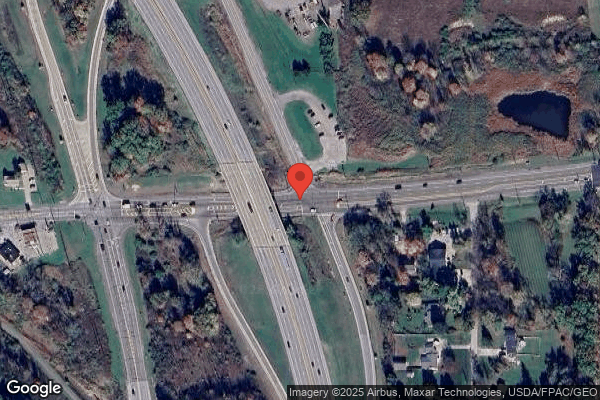

563 W STREETSBORO ROAD, HUDSON, OH 44236 (330) 650-0436
For profit - Corporation 50 Beds AOM HEALTHCARE Data: November 2025 1 Immediate Jeopardy citation
Trust Grade
28/100
#481 of 913 in OH
Last Inspection: June 2023

Over 2 years since last inspection. Current conditions may differ from available data.

Overview

Hudson Elms Nursing Center has a Trust Grade of F, which indicates significant concerns and poor overall performance. It ranks #481 out of 913 facilities in Ohio, placing it in the bottom half, and #22 out of 42 in Summit County, meaning there are many better options nearby. The trend is improving, as the number of issues decreased from four in 2024 to three in 2025. Staffing is a weakness, with a rating of 2 out of 5 stars and a concerning turnover rate of 69%, significantly higher than the state average of 49%. Additionally, the facility has incurred $37,993 in fines, which is higher than 87% of Ohio facilities, indicating repeated compliance problems. There are serious safety concerns, including a tragic incident where a resident died after ingesting a hazardous chemical that was improperly stored, and another case where a resident sustained significant injuries from an altercation due to inadequate care plans for behavioral health. However, the facility does have a strong quality measure rating of 5 out of 5 stars, showing that when care is delivered, it is of high quality.

Trust Score
F
28/100
In Ohio
#481/913
Bottom 48%
Safety Record
High Risk
Review needed
Inspections
Getting Better
4 → 3 violations
Staff Stability
⚠ Watch
69% turnover. Above average. Higher turnover means staff may not know residents' routines.
Penalties
✓ Good
$37,993 in fines. Lower than most Ohio facilities. Relatively clean record.
Skilled Nurses
○ Average
Each resident gets 33 minutes of Registered Nurse (RN) attention daily — about average for Ohio. RNs are the most trained staff who monitor for health changes.
Violations
⚠ Watch
39 deficiencies on record. Higher than average. Multiple issues found across inspections.
★★★☆☆
3.0
Overall Rating
★★☆☆☆
2.0
Staff Levels
★★★★★
5.0
Care Quality
★★☆☆☆
2.0
Inspection Score
Stable
2024: 4 issues
2025: 3 issues

The Good

  • 5-Star Quality Measures · Strong clinical quality outcomes
  • Full Sprinkler Coverage · Fire safety systems throughout facility
  • No fines on record

Facility shows strength in quality measures, fire safety.

The Bad

3-Star Overall Rating

Near Ohio average (3.2)

Meets federal standards, typical of most facilities

Staff Turnover: 69%

23pts above Ohio avg (46%)

Frequent staff changes - ask about care continuity

Federal Fines: $37,993

Above median ($33,413)

Moderate penalties - review what triggered them

Chain: AOM HEALTHCARE

Part of a multi-facility chain

Ask about local staffing decisions and management

Staff turnover is elevated (69%)

21 points above Ohio average of 48%

The Ugly 39 deficiencies on record

1 life-threatening 2 actual harm
Sept 2025 1 deficiency
CONCERN (E) 📢 Someone Reported This

A family member, employee, or ombudsman was alarmed enough to file a formal complaint

Potential for Harm - no one hurt, but risky conditions existed

Deficiency F0688 (Tag F0688)

Could have caused harm · This affected multiple residents

**NOTE- TERMS IN BRACKETS HAVE BEEN EDITED TO PROTECT CONFIDENTIALITY** Based on record review and interview, the facility failed to provide restorative nursing services per the plan of care. This aff...

Read full inspector narrative →
**NOTE- TERMS IN BRACKETS HAVE BEEN EDITED TO PROTECT CONFIDENTIALITY** Based on record review and interview, the facility failed to provide restorative nursing services per the plan of care. This affected four residents (#3, #10, #17, and #37) of four reviewed for restorative nursing services. The facility census was 36.Findings include:1. Review of the medical record for Resident #3 revealed an admission date of 05/02/24 with diagnoses including Parkinson's disease, major depressive disorder, hypertension, need for assistance with personal care, spinal stenosis in the lumbar region, spinal enthesopathy in the cervical region, and intervertebral disc disorders.Review of the activities of daily living (ADL) plan of care, dated 10/02/24, revealed Resident #3 had impaired functional abilities, mobility deficit, required staff intervention to complete self-care and mobility activities, and was at risk for decline in functional ability and usual performance associated complications. Interventions included, but were not limited to: restorative nursing to ambulate or walk resident with front wheeled walker with one person assist and wheelchair follow (initiated 08/01/25 and revised 09/18/25); restorative nursing to do active range of motion (AROM) exercises to bilateral upper extremities (BUE) and cervical [spine] stretches (initiated 05/28/25 and revised 09/18/25).Review of the therapy discharge notification form, dated 05/09/25, revealed Resident #3's physical therapy would end on 05/12/25 and occupational therapy would end on 05/13/25. A recommendation was made for restorative nursing for ambulation to and from the dining room with standby assist using wheeled walker with wheelchair to follow, and BUE exercises and cervical stretches to maintain strength and flexibility for increased ADL performance.Review of the range of motion (ROM) plan of care, dated 05/28/25, revealed Resident #3 was at risk for a decline in ROM. Interventions included, but were not limited to: BUE exercises and cervical stretches to maintain strength and flexibility for increased ADL performance (initiated 05/28/25); encourage resident participation (initiated 05/28/25); explain the program to the resident (initiated 05/28/25); monitor and document tolerance (initiated 05/28/25); monitor for signs and symptoms of discomfort and notify charge nurse (initiated 05/28/25); move joints slowly and smoothly (initiated 05/28/25); restorative to assess quarterly and as needed (PRN) (initiated 05/28/25).Review of the quarterly Minimum Data Set (MDS) assessment dated [DATE] revealed Resident #3 had no cognitive impairment.Review of the facility's staff credentialing on restorative nursing services, dated 08/28/25, revealed Certified Nursing Assistants (CNAs) #101, #107, #108, #109, and #110 had been credentialed by Corporate Mobile Director of Nursing (DON).Review of the point of care tasks for Resident #3 revealed the following restorative services were to be provided every day on every shift: BUE exercises and cervical stretches to maintain strength and flexibility for increased ADL performance (initiated 05/28/25) and ambulate or walk resident with front wheeled walker with one person assist and wheelchair follow (initiated 08/01/25).Review of the point of care documentation for August 2025 and September 2025 revealed the restorative services for ambulating or walking Resident #3 were marked as not applicable (N/A) on 08/29/25, left blank on 08/30/25, marked N/A on 09/01/25 and 09/03/25, left blank on 09/06/25 and 09/07/25, marked N/A on 09/08/25, left blank on 09/09/25 and 09/10/25, marked N/A on 09/11/25, left blank on 09/13/25, 09/14/25, and 09/15/25, marked N/A on 09/17/25, and left blank on 09/20/25 and 09/21/25. The restorative services for BUE exercises and cervical stretches were marked as not applicable (N/A) on 08/29/25, left blank on 08/30/25, marked N/A on 09/01/25, left blank on 09/06/25 and 09/07/25, marked N/A on 09/08/25, left blank on 09/09/25, 09/10/25, 09/13/25, 09/14/25, 09/15/25, and 09/16/25, marked N/A on 09/17/25, and left blank on 09/18/25, 09/19/25, 09/20/25, and 09/21/25. On 09/22/25 at 10:40 A.M., an interview with CNA #101 stated the facility did not have a restorative aide and she did not provide restorative services to residents due to not knowing what to do. CNA #101 further stated she was written up for marking N/A on the restorative documentation.On 09/22/25 at 11:27 A.M., an interview with Resident #3 stated staff did not perform any stretching exercises with her and she wished they would.On 09/22/25 at 11:32 A.M., an interview with Corporate Mobile DON stated the facility did have a restorative nursing program and that facility staff were inconsistent with providing restorative nursing. On 09/22/25 at 2:31 P.M., an interview with Regional Director of Clinical Services #104 verified CNA #101 was marking N/A on all restorative tasks for multiple residents and had been written up as a result. On 09/22/25 at 2:58 P.M., an interview with the Administrator verified the documentation for Resident #3's restorative services had multiple blanks and N/As, even after staff training on providing restorative services.On 09/22/25 at 4:10 P.M., an interview with Corporate Mobile DON verified restorative services continued to be marked N/A or left blank. Corporate Mobile DON claimed the majority of the staff documenting N/A in September 2025 were agency staff and further clarified that agency staff were still expected to provide restorative services as indicated in each resident's record.Review of the facility's job description for CNAs indicated resident care responsibilities included moving or assisting residents with moving to and from bed as necessary, transporting residents using wheelchairs, or assisting residents with walking as per the plan of care.2. Review of the medical record for Resident #10 revealed a re-admission date of 06/07/25 with diagnoses including chronic obstructive pulmonary disease, major depressive disorder, weakness, and unsteadiness on feet.Review of the plan of care dated 08/13/25 revealed Resident #10 was at-risk for a decline in range of motion. Interventions included, but were not limited to: encourage resident participation (initiated 08/13/25); explain the program to the resident (initiated 08/13/25); monitor and document tolerance (initiated 08/13/25); monitor for signs and symptoms of discomfort and notify charge nurse (initiated 08/13/25); provide privacy and perform while resident was in bed or in chair (initiated 08/13/25); restorative to assess quarterly and as needed (PRN) (initiated 08/13/25). Further review revealed Resident #10 had impaired mobility skills related to ambulating. Interventions included, but were not limited to: apply good fitting non-skid footwear before ambulating (initiated 08/13/25); complete restorative assessments on admission, quarterly, and as needed (PRN) (initiated 08/13/25); document resident participation and progress PRN (initiated 08/13/25); encourage resident participation (initiated 08/13/25); encourage resident to stand up straight and maintain good body alignment and posture during ambulation (initiated 08/13/25); monitor resident for fatigue during ambulation (initiated 08/13/25); notify physician PRN (initiated 08/13/25); and praise all efforts and accomplishments (initiated 08/13/25).Review of the point of care tasks for Resident #10 revealed the following restorative services were to be provided every day on every shift: upper extremity and lower extremity dressing and grooming (initiated 08/13/25) and ambulate 100 feet with contact guard assist using wheeled walker with staff following with wheelchair (initiated 08/13/25).Review of the quarterly Minimum Data Set (MDS) assessment dated [DATE] revealed Resident #10 had moderate cognitive impairment.Review of the facility's staff credentialing on restorative nursing services, dated 08/28/25, revealed Certified Nursing Assistants (CNAs) #101, #107, #108, #109, and #110 had been credentialed by Corporate Mobile Director of Nursing (DON).Review of the point of care documentation for August 2025 and September 2025 revealed the restorative services for ambulating Resident #10 were marked as not applicable (N/A) on 08/29/25, left blank on 08/30/25, marked N/A on 08/30/25, 09/01/25, 09/02/25, and 09/03/25, left blank on 09/05/25, 09/06/25, and 09/07/25, marked N/A on 09/08/25, left blank on 09/09/25 and 09/10/25, marked N/A on 09/11/25, and left blank 09/13/25, 09/14/25, 09/15/25, 09/20/25, and 09/21/25. The restorative services for dressing and grooming were marked N/A on 08/29/25, left blank on 08/30/25, marked N/A on 09/01/25 and 09/02/25, left blank on 09/05/25, 09/06/25, and 09/07/25, marked N/A on 09/08/25, and left blank on 09/09/25, 09/10/25, 09/13/25, 09/14/25, 09/15/25, 09/20/25, and 09/21/25.On 09/22/25 at 10:40 A.M., an interview with CNA #101 stated the facility did not have a restorative aide and she did not provide restorative services to residents due to not knowing what to do. CNA #101 further stated she was written up for marking N/A on the restorative documentation.On 09/22/25 at 11:32 A.M., an interview with Corporate Mobile DON stated the facility did have a restorative nursing program and that facility staff were inconsistent with providing restorative nursing. On 09/22/25 at 2:31 P.M., an interview with Regional Director of Clinical Services #104 verified CNA #101 was marking N/A on all restorative tasks for multiple residents and had been written up as a result. On 09/22/25 at 4:10 P.M., an interview with Corporate Mobile DON verified restorative services continued to be marked N/A or left blank. Corporate Mobile DON claimed the majority of the staff documenting N/A in September 2025 were agency staff and further clarified that agency staff were still expected to provide restorative services as indicated in each resident's record.On 09/22/25 at 4:54 P.M., an interview with Corporate Mobile DON verified the documentation for Resident #10's restorative services had multiple blanks and N/As, even after staff training on providing restorative services.Review of the facility's job description for CNAs indicated resident care responsibilities included moving or assisting residents with moving to and from bed as necessary, transporting residents using wheelchairs, or assisting residents with walking as per the plan of care.3. Review of the medical record for Resident #17 revealed an admission date of 11/08/23 with diagnoses including chronic obstructive pulmonary disease, muscle wasting and atrophy, hypertension, and Alzheimer's disease.Review of the point of care tasks for Resident #17 revealed the following restorative services were to be provided: assist with active range of motion (AROM) during activities of daily living (ADL) care, dressing and removing clothing to be completed every day on every shift (initiated 03/26/25), and assist with walking to and from dining using his walker or cane at breakfast, lunch, and dinner (initiated 03/26/25).Review of the therapy discharge notification form, dated 04/18/25, revealed Resident #17's occupational therapy would end on 04/22/25. A recommendation was made for restorative nursing for bilateral upper extremity (BUE) AROM exercises and wheeled walker mobility with contact guard assist.Review of the plan of care, initiated 04/14/25 and revised 05/28/25, revealed Resident #17 required a restorative dining program to maintain current function, walk to dining, and BUE AROM exercises. Interventions included, but were not limited to: encourage resident to do as much as possible (initiated 04/14/25); praise for all success (initiated 04/14/25); quarterly review of program via progress notes (initiated 04/14/25); restorative maintenance dining program six to seven times weekly (initiated 04/14/25); and assist with walking to and from dining using a cane or walker (initiated 03/26/25, revised 09/04/25).Review of the quarterly Minimum Data Set (MDS) assessment dated [DATE] revealed Resident #17 had severe cognitive impairment.Review of the facility's staff credentialing on restorative nursing services, dated 08/28/25, revealed Certified Nursing Assistants (CNAs) #101, #107, #108, #109, and #110 had been credentialed by Corporate Mobile Director of Nursing (DON).Review of the point of care documentation for August 2025 and September 2025 revealed the restorative services for AROM during ADL care for Resident #17 were marked as not applicable (N/A) on 08/29/25, left blank on 08/30/25, marked as N/A on 08/31/25 and 09/01/25, left blank on 09/02/25 and 09/05/25, marked N/A on 09/07/25, and left blank on 09/08/25, 09/13/25, 09/20/25, and 09/21/25. The restorative services for walking to dining were marked as N/A for all three meals on 08/29/25, left blank for all three shifts on 08/30/25, marked as N/A for breakfast and dinner on 08/31/25, marked as N/A for all three meals on 09/01/25, left blank for all three meals on 09/02/25, left blank for lunch and dinner on 09/03/25, left blank for all three meals on 09/05/25, left blank for dinner on 09/06/25, marked as N/A for all three meals on 09/07/25, left blank for all three meals on 09/08/25, marked as N/A for dinner on 09/11/25, left blank for dinner on 09/12/25, and left blank for all three meals on 09/13/25.On 09/22/25 at 10:40 A.M., an interview with CNA #101 stated the facility did not have a restorative aide and she did not provide restorative services to residents due to not knowing what to do. CNA #101 further stated she was written up for marking N/A on the restorative documentation.On 09/22/25 at 11:32 A.M., an interview with Corporate Mobile DON stated the facility did have a restorative nursing program and that facility staff were inconsistent with providing restorative nursing. On 09/22/25 at 2:31 P.M., an interview with Regional Director of Clinical Services #104 verified CNA #101 was marking N/A on all restorative tasks for multiple residents and had been written up as a result. On 09/22/25 at 4:10 P.M., an interview with Corporate Mobile DON verified restorative services continued to be marked N/A or left blank. Corporate Mobile DON claimed the majority of the staff documenting N/A in September 2025 were agency staff and further clarified that agency staff were still expected to provide restorative services as indicated in each resident's record.On 09/22/25 at 4:54 P.M., an interview with Corporate Mobile DON verified the documentation for Resident #17's restorative services had multiple blanks and N/As, even after staff training on providing restorative services.Review of the facility's job description for CNAs indicated resident care responsibilities included moving or assisting residents with moving to and from bed as necessary, transporting residents using wheelchairs, or assisting residents with walking as per the plan of care.4. Review of the medical record for Resident #37 revealed a re-admission date of 07/30/24 with diagnoses including unsteadiness on feet, weakness, dementia, hypertension, and muscle weakness.Review of the plan of care revised 05/31/25 revealed Resident #37 had an alteration in activities of daily living (ADL) performance and participation. Interventions included, but were not limited to: encourage resident participation while performing ADLs (initiated 05/31/25); notify nursing of complaints of pain or discomfort (initiated 05/31/25); provide necessary adaptive equipment to meet daily needs (initiated 05/31/25); and staff to anticipate needs and assist as needed (PRN) (initiated 05/31/25).Review of the point of care tasks for Resident #10 revealed the following restorative services were to be provided every day on every shift: active range of motion (AROM) to bilateral upper extremities (BUE) in order to maintain ROM and increase ADL performance (initiated 06/09/25), standby assist at meals with setup using divided plate and two handled cup for all liquids (initiated 06/09/25), and passive range of motion (PROM) exercises to bilateral hands to maintain ROM and increased ADL performance (initiated 06/09/25).Review of the quarterly Minimum Data Set (MDS) assessment dated [DATE] revealed Resident #37 had severe cognitive impairment.Review of the facility's staff credentialing on restorative nursing services, dated 08/28/25, revealed Certified Nursing Assistants (CNAs) #101, #107, #108, #109, and #110 had been credentialed by Corporate Mobile Director of Nursing (DON).Review of the point of care documentation for August 2025 and September 2025 revealed the restorative services for AROM to BUE for Resident #37 were left blank on 08/29/25, marked as not applicable (N/A) on 08/31/25, left blank on 09/02/25, 09/03/25, 09/06/25, 09/07/25, 09/09/25, and 09/10/25, marked N/A on 09/11/25 and 09/12/25, and left blank on 09/13/25, 09/14/25, and 09/18/25. The restorative services for dining were left blank on 08/29/25, marked N/A on 08/31/25, left blank 09/02/25, 09/03/25, 09/06/25, 09/07/25, 09/09/25, and 09/10/25, marked as N/A on 09/11/25 and 09/12/25, and left blank on 09/13/25 and 09/14/25. The restorative services for PROM to bilateral hands were left blank on 08/29/25, marked N/A on 08/31/25, left blank on 09/02/25, 09/03/25, 09/06/25, 09/07/25, 09/09/25, and 09/10/25, marked N/A on 09/11/25 and 09/12/25, and left blank on 09/13/25, 09/14/25, and 09/18/25.On 09/22/25 at 10:40 A.M., an interview with CNA #101 stated the facility did not have a restorative aide and she did not provide restorative services to residents due to not knowing what to do. CNA #101 further stated she was written up for marking N/A on the restorative documentation.On 09/22/25 at 11:32 A.M., an interview with Corporate Mobile DON stated the facility did have a restorative nursing program and that facility staff were inconsistent with providing restorative nursing. On 09/22/25 at 2:31 P.M., an interview with Regional Director of Clinical Services #104 verified CNA #101 was marking N/A on all restorative tasks for multiple residents and had been written up as a result. On 09/22/25 at 4:10 P.M., an interview with Corporate Mobile DON verified restorative services continued to be marked N/A or left blank. Corporate Mobile DON claimed the majority of the staff documenting N/A in September 2025 were agency staff and further clarified that agency staff were still expected to provide restorative services as indicated in each resident's record.On 09/22/25 at 4:54 P.M., an interview with Corporate Mobile DON verified the documentation for Resident #37's restorative services had multiple blanks and N/As, even after staff training on providing restorative services.Review of the facility's job description for CNAs indicated resident care responsibilities included moving or assisting residents with moving to and from bed as necessary, transporting residents using wheelchairs, or assisting residents with walking as per the plan of care.This deficiency represents non-compliance investigated under Complaint Number 2610571.
Jul 2025 2 deficiencies 1 IJ
CRITICAL (J) 📢 Someone Reported This

A family member, employee, or ombudsman was alarmed enough to file a formal complaint

Immediate Jeopardy (IJ) - the most serious Medicare violation

Accident Prevention (Tag F0689)

Someone could have died · This affected 1 resident

**NOTE- TERMS IN BRACKETS HAVE BEEN EDITED TO PROTECT CONFIDENTIALITY** Based on review of open and closed medical records, review of hospital records, review of the facility investigation, review of ...

Read full inspector narrative →
**NOTE- TERMS IN BRACKETS HAVE BEEN EDITED TO PROTECT CONFIDENTIALITY** Based on review of open and closed medical records, review of hospital records, review of the facility investigation, review of the hazardous chemical policy, review of in-service education, review of Material Safety Data Sheets (MSDS), review of facility self-reported incidents, observations of the housekeeping cart, interviews with staff, interviews with residents, and review of an emergency medical services report, the facility failed to properly store hazardous chemicals when a reasonable risk to resident safety was present. This resulted in Immediate Jeopardy and Actual Harm with subsequent death on 06/12/25 when Resident #55, who was known to have a history of depression and prior suicide attempts, consumed liquid from a bottle of mild acid disinfectant (Drano) bowl cleaner that had been left in the resident's bathroom unsecured by Housekeeper #800. Resident #55 was identified to have intentionally ingested an unknown quantity of the chemical, resulting in the resident's hospitalization and subsequent death due to complications from the ingestion of the chemical/liquid. Additionally, a concern that did not rise to Immediate Jeopardy occurred on 07/10/25 at 9:02 A.M. when observation of the housekeeping cart revealed only one-half of the housekeeping cart was locked where cleaning supplies were stored. The cleaning supplies were accessible from the opposite side of the cart, which had a keyhole but no key to secure it. Contained in the cart were two marked bottles of mild acid disinfectant bowl cleaner and a marked bottle of window cleaner. This affected one resident (#55) reviewed for potential self-harm and had the potential to affect all 41 residents residing in the facility. The facility census was 41.On 07/09/25 at 1:18 P.M., Corporate Nurse #560, Regional Nurse #570, the Administrator, and the Director of Nursing (DON) were notified Immediate Jeopardy began on 06/12/25 at approximately 11:30 P.M. when Resident #55 was found by Certified Nursing Assistant (CNA) #251 to have had an emesis. CNA #251 reported the resident's emesis to Licensed Practical Nurse (LPN) #265 who immediately assessed Resident #55. LPN #265 noted the emesis appeared blue in color and a smell of mint. LPN# 265 asked the resident if she consumed mouthwash. Resident #55 stated she had ingested Drano. LPN #265 asked her where she got it from, and the resident pointed to a bottle of cleaning solution in a white drawstring bag on her bedside table. LPN #265 contacted the physician, called nine-one-one (911), and stayed with Resident #55 until Emergency Medical Services (EMS) arrived at 11:40 P.M. Resident #55 was hospitalized and passed away at the hospital on [DATE] due to complications as a result of the ingestion of the chemical liquid. The Immediate Jeopardy was removed on 07/11/25 when the facility implemented the following corrective actions: On 06/12/25 at 11:30 P.M., CNA #251 informed LPN #265 Resident #55 had an emesis. LPN #265 went to Resident #55's room and observed blue-colored emesis on the bed and around Resident #55's mouth. Resident #55 told LPN #265 she drank Drano and showed the bottle to her. LPN #265 asked the resident where she got the bottle of cleaning solution from, and the resident pointed to her bedside table where the bottle was in a white drawstring bag. On 06/12/25 at 11:40 P.M., EMS arrived at the facility to transport Resident #55 to a local hospital. On 06/13/25 at 8:30 A.M., Social Service Director (SSD) #209, Housekeeping Director #207, Activity Director #246, Minimum Data Set (MDS) Nurse #206, Staffing Coordinator (SC) #237 and admission Director (AD) #227 began performing room searches looking for any chemicals or other poisonous substances in residents' rooms using the facility's floor plan as guide. On 06/13/25 at approximately 9:00 A.M., the Administrator interviewed the resident's roommate, Resident #59, regarding the incident. Resident #59 stated I heard her talking about wanting to die. The resident denied reporting this to anyone and did not observe the resident drink the toilet bowl cleaner.On 06/13/25 at approximately 9:00 A.M., a statement was taken from Housekeeper #800, who had been assigned to clean Resident #55's room. Housekeeper #800 admitted to leaving the chemical in an unsecured area in the resident's room and was terminated effective 06/13/25. On 06/13/25 beginning at 9:00 A.M., MDS Nurse #206 and Assistant Director of Nursing (ADON) #203 began reviewing progress notes for all residents, specifically looking for anything out of the ordinary or related to suicidal ideations or behaviors, between the dates of 05/13/25 and ending on 06/13/25.On 06/13/25 at approximately 9:30 A.M., SSD #209 identified three like residents (#10, #17, and #39) based on their diagnoses and history of suicidal ideations. SSD #209 completed face-to-face interviews with Residents #10, #17, and #39 on their psycho-social well-being and history of trauma, with no concerns identified. Beginning on 06/13/25 at 9:30 A.M., SSD #209 completed psycho-social and trauma assessments on all residents. On 06/13/25 at 9:57 A.M., upon facility room searches, the following were found in the resident's rooms: Resident #2 had Snuggle Fabric Softener, Resident #3 had Dawn Power Wash, Resident #17 had Lysol Spray, Resident #29 had Febreze, and Resident #22 had Lysol Spray. MD #525 and MD #515 were notified and placed orders for the five residents to have laboratory testing completed. The residents were educated, and the items were immediately removed from resident rooms. This process was overseen by the Administrator. On 06/13/25 at or around 1:18 P.M., the Administrator educated all facility staff, both in person and via phone, of the facility policy regarding chemical ingestion and safe storage of chemicals. The DON educated facility staff on recognizing and reporting suicidal behavior. On 06/13/25 at approximately 2:00 P.M., all facility residents had a head-to-toe assessment completed, including vital signs and pain assessments. These assessments were completed by MDS Nurse #206. On 06/13/25 at approximately 3:00 P.M., resident room rounds were completed by the Housekeeping Director #207, SC #237, AD #227, MDS Nurse #206, SSD #209 and Activity Director #246 to ensure no chemicals were left out throughout the day. On 06/13/25 at approximately 4:00 P.M., the facility's floor map and census report were compared to ensure both morning and afternoon room searches had occurred for all residents. All room searches were noted as completed once in the morning and once in the afternoon. This process was overseen by the Administrator. On 06/13/25 at 5:00 P.M., an Ad-Hoc Quality Assurance Performance Improvement (QAPI) meeting was held with MD #525 and the Interdisciplinary Team (IDT) to discuss the incident. The safety committee would continue to monitor the safety plan and would evaluate the plan at each QAPI meeting monthly and as necessary. Beginning on 06/13/25, ongoing facility round audits specific to chemical storage were implemented three times a week for three weeks, then once five times weekly indefinitely. Each department head is assigned rooms to check off to ensure compliance. If any concerns were to be identified, they would be immediately reported to the DON or Administrator and would be addressed immediately. On 06/13/25, a sign was posted by the visitor sign-in sheet and at the nurse's station by the leave of absence book notifying visitors to check with the Administrator before bringing in any items. These signs were placed by the Administrator. On 06/13/25, the facility implemented a plan for the DON or designee to identify residents with a diagnosis of suicidal ideation (SI) on an ongoing basis. These residents would be reviewed monthly at the facility QAPI meetings. On 06/13/25, the facility implemented a plan that on admission, any new admission identified to have a history of suicidal ideations would be identified by noting the history of suicidal ideations under the special instructions tab in the electronic medical record. These residents would have every one-hour safety checks completed for 72-hours post-admission which would be completed by the assigned nurse. An order would be placed to assess the resident for suicidal ideations on an ongoing basis and care plans would be updated to reflect the history of suicidal ideations. This would be completed by the DON or designee. On 07/10/25 at 9:02 A.M., the housekeeping cart that only locked on one side was removed from use and placed into a service hallway. An additional lock was placed on the cart on 07/10/25 at 11:18 A.M. by Housekeeping Director #207 which prevented access without a key or code. The housekeeping cart was then returned to service. On 07/10/25 at approximately 5:00 P.M., education was provided to all facility staff on suicide prevention precautions. Training included education for three specific residents (#10, #17 and #39) noted by the facility as in house residents who had a history of suicidal ideations. This training was provided by the DON or designee and was completed on 07/11/25. Although the Immediate Jeopardy was removed on 07/11/25, the facility remained out of compliance at Severity Level 2 (no actual harm with potential for more than minimal harm that is not Immediate Jeopardy) as the facility was still in the process of implementing their corrective actions and monitoring to ensure on-going compliance. Findings include:Review of the closed medical record for Resident #55 revealed the resident was admitted to the facility on [DATE] with diagnoses including major depressive disorder, paranoid personality disorder , mild cognitive impairment, insomnia and schizoid personality disorder. A diagnosis of delusion disorder was added 05/15/25 and diagnoses of suicidal ideations and post-traumatic stress disorder (PTSD) were added on 06/13/25. Review of the prior-to-admission hospital record for Resident #55 revealed an emergency room Provider Note dated 12/19/24 and timed at 12:10 P.M. which revealed Resident #55 was admitted from an assisted living facility with complaints of a fall and facial injuries. Resident #55 stated she was trying to reach her rollator walker (an assistive device with a seat) when she fell forward hitting her face. Resident #55 stated she did not feel safe going back to the assisted living facility. Resident #55 had stopped taking her medication for a month because she was concerned the facility was poisoning her. The note referenced, per Resident #55's son, that the resident had a history of suicide attempts in the past including a gunshot wound to the face. The hospital records included additional psychiatric history which revealed the resident had additional prior suicide attempts including in the 1980's when she attempted to overdose on pills, and in the 1990's when she attempted to kill herself by drinking anti-freeze. Resident #55 sustained a self-inflicted gunshot wound (GSW) to the face in 2011 and attempted to overdose on Tylenol (an over-the-counter mild pain reliever) in 2013. Review of a Suicide Risk flowsheet dated 12/23/24, contained in outside hospital records, noted Resident #55 was high risk for suicide. Review of a hospitalist progress note dated 12/24/24 revealed Resident #55's current diagnoses included right eye blindness, permanent facial deformity from self-inflicted GSW, depression, suicidal ideations and attempts, and paranoid personality disorder. Review of the hospital After Visit Summary (AVS) dated 12/26/24 revealed the reason for the visit was listed as dizziness and fall and referenced a diagnosis of a stroke. The AVS included Suicidal Thoughts Instructions which included the National Suicide Hotline number. The summary also revealed a 1:1 sitter was removed on 12/21/24 and Resident #55 was not suicidal at that time. The resident was discharged from the local hospital to the nursing facility on 12/26/24.Review of the care plan dated 12/27/24 for Resident #55 revealed multiple goals related to suicidal ideations which included the resident would be kept safe until transfer to a psychiatric facility, the resident would no longer have suicidal ideations, and the resident would remain free from self-inflicted injury. Interventions included but were not limited to, removing all items which resident could harm self with and explain to the resident and family that frequent monitoring would be done and why. This care plan was not visible in Resident #55's electronic medical record at the time of the record review on 07/08/25 at 2:32 P.M.; but was provided to the surveyor on 07/09/25 at 1:12 P.M. Review of Resident #55's Baseline Care Plan screen in the electronic medical record revealed three baseline care plan assessments. The assessments dated 01/13/25 and 01/16/25 were listed as in progress and an additional assessment dated [DATE] was listed as incomplete. There was no evidence a baseline care plan for Resident #55 had been completed after her admission to the facility on [DATE]. Review of the progress notes revealed results of the Patient Health Questionnaire 2-9 (PHQ-2-9) (a more detailed screening to identify individuals who may be at risk for depression) dated 03/26/25 and timed at 8:39 A.M. which indicated Resident #55 answered yes to the statement Thoughts that you would be better off dead, or of hurting yourself in some way with a frequency of 7-11 days. The overall score was 18. A score of 15-19 indicated moderately severe depression. Review of the Minimum Data Set (MDS) 3.0 quarterly assessment dated [DATE] revealed Resident #55 was cognitively impaired. The assessment noted the resident had inattention and disorganized thinking. In additional, the assessment included Resident #55 required substantial (staff) assistance for toileting. Review of Resident #55's Treatment Administration Record (TAR) dated May 2025 revealed behavior monitoring was in place for behaviors including calling 911 and accusations for poisoning. The TAR was marked 16 times for affirming behaviors occurring. There was no evidence facility staff had assessed or tracked Resident #55's mood, checked her room, or completed more frequent monitoring related to the identification of self-harm or suicidal ideation. Review of Resident #55's TAR dated June 2025 revealed behavior monitoring was in place for behaviors including calling 911 and accusations for poisoning. The TAR was marked eight times for affirming behaviors occurring. There was no evidence facility staff had assessed or tracked Resident #55's mood, checked her room, or completed more frequent monitoring related to the identification of self-harm or suicidal ideation. Review of a progress note dated 06/10/25 at 2:07 P.M. revealed Resident #55's son had reported that Resident #55's sister passed away and he was going to inform her later that day.Review of an incident report dated 06/12/25 and timed at 11:34 P.M. revealed LPN #265 stated a staff member notified her Resident #55 was vomiting. Upon entering the room, a blue liquid substance was noted on resident's bed, pillow and mouth. The note included Resident #55 admitted to drinking Drano. LPN #265 asked where the bottle was and she pointed to the bedside table. The nurse grabbed the black bottle and called the physician and 911. The incident report noted the resident's son and the DON were both notified of the resident's change in condition.Review of Emergency Medical Services (EMS) run report dated 06/12/25 and timed 11:40 P.M. revealed EMS were dispatched by 911 for a resident who ingested a cleaning product. Resident #55 was lying in bed with blue colored vomit surrounding her. Staff reported she was acting appropriately one hour prior. Staff found a bottle of cleaning product next to the resident, half full. The cleaning product was secured and taken with crew. The report noted Resident #55 was confused and unable to answer questions. Staff reported her baseline was alert and oriented with erratic behavior. Resident #55 was loaded into ambulance and vitals signs were taken. Resident #55 was noted to be tachycardic (elevated heart rate) and hypertensive (elevated blood pressure). Poison control was contacted and advised they should protect her airway and check for burns. No airway burns were noted. Resident #55 vomited copious amounts and was suctioned. A nasopharyngeal airway (a flexible tube inserted into the nasal passage to maintain an open airway) was placed in right nostril. Oxygen was administered at six liters per minute. Intravenous (IV) access was established and Narcan was administered via IV. Resident #55's airway was suctioned frequently due to her being unable to expel the vomit adequately. Resident #55's lung sounds were reassessed with slight crackles (popping or crackling sounds heard during breathing, usually upon inhalation, caused by the opening of small airways and alveoli that have been collapsed by fluid, exudate, or lack of aeration) heard in the lower lobes bilaterally. The report noted that a handoff report was given to the emergency room doctor and transfer of care was made. Arrival to hospital was on 06/13/25 at 12:17 A.M. Review of the hospital records for Resident #55 revealed an admitting history and physical dated 06/13/25at 4:40 A.M., listed the chief complaint as intentional ingestion of acid and attempt to self-harm. Past medical history included paranoid psychosis, schizoaffective disorder and bipolar (disorder). The record indicated Resident #55 had a history of self-harm including medication ingestion as well as an attempt with a firearm. The hospital record indicated Resident #55 reported she felt like she was being abused at the nursing facility and became overwhelmed and reportedly intentionally ingested half a bottle of drain cleaner. The records noted Resident #55 had a hoarse, gurgling voice with significant secretions, but was able to nod yes to pain. The records noted Resident #55 was yellow slipped (used for mentally ill patients subject to involuntary hospitalization who are not medically cleared for psychiatric care) in the emergency department and not allowed to leave against medical advice (AMA). Review of the facility's investigation revealed the facility began to investigate the incident on 06/13/25. As part of the investigation, all resident progress notes were audited and reviewed for the past 30 days. As a result of this audit, the facility discovered a progress note dated 06/07/25 in Resident #55's record accusing a nurse of being a murderer and abuser. The facility initiated a Self-Reported Incident (SRI) on 06/13/25 upon learning of the note. Review of a facility SRI tracking number 261593 revealed it was initiated on 06/13/25 but listed a discovery date of 06/07/25. The SRI indicated Resident #55 had accused Registered Nurse (RN) #217 as being a murderer and an abuser. The SRI listed Resident #55 was unable to be interviewed as she was at the hospital at the time the allegation was identified. The facility investigation included a witness statement from Housekeeper #800. The statement dated 06/13/25 and authored by Housekeeper #800 revealed he went into Resident #55's room and started cleaning. The resident came in the room to use the bathroom at approximately 10:30 A.M. The statement included, he thought he got everything out of the room, but forgot a cleaning product in Resident #55's bathroom. Housekeeper #800 noted he got sidetracked by his manager to get his physical done. Housekeeper #800 reiterated he got sidetracked and stated he was sorry and was new to the facility. Review of a witness statement dated 06/13/25 taken by the Administrator from Resident #39 revealed she heard Resident #55 talking about wanting to die. Resident #39 stated she did not report it and she did not see Resident #55 with the toilet bowl cleaner.Review of a witness statement dated 06/13/25 taken by the DON from CNA #251 revealed she entered Resident #55's room and noticed Resident #55 had an episode of emesis. She stated she went to get the nurse right away and the nurse began assessing the resident. Review of a witness statement dated 06/13/25 taken by the DON from LPN #265 revealed a CNA made her aware Resident #55 had an episode of emesis. LPN #265 observed emesis on bed and pillow. The emesis appeared blue in color. She stated it smelled like mint. She asked Resident #55 if she drank mouthwash and asked what happened. Resident #55 stated she drank Drano. LPN #265 asked here where she got it from and the resident pointed to her bedside table which had a bottle cleaning solution in a white draw string bag. The statement referenced that Resident #55 denied pain, was alert and oriented to person, place and time and able to answer questions. LPN #265 called the physician and 911. She stayed with the resident until EMS arrived. Review of a hospitalist progress note dated 06/29/25 at 11:49 A.M. revealed Resident #55 received a gastrointestinal (GI) consultation and had an urgent esophagogastroduodenoscopy (EGD) [a a procedure used to examine the lining of the esophagus, stomach, and duodenum]. Resident #55 was identified to have grade 2a (indicating superficial ulcerations, erosions, friability, blisters, exudates, hemorrhages, or whitish membranes) esophagitis (inflammation or irritation of the esophagus, the tube that carries food from your throat to your stomach) with no bleeding. The consultation note referenced the resident had significant gastritis with possible necrosis (dead tissue) versus retained dark gastric contents. The report ordered to continue nothing by mouth and advised against placement of a gastrostomy tube (a feeding tube placed directly into the stomach) or a jejunostomy tube (a feeding tube placed directly into the jejunum part of the small intestine) given the resident's high risk for perforation. Total Parenteral Nutrition (TPN) [a method of feeding that delivers essential nutrients directly into a patient's bloodstream via a catheter inserted into a vein, bypassing the digestive system] was started. The note indicated the anticipated healing time after a caustic ingestion injury was between six to eight weeks and the resident would then need to be re-evaluated by the GI provider. Interview on 07/07/25 at 12:24 P.M. with LPN #203 revealed Resident #55 was currently in the hospital after ingesting toilet bowl cleaner which was left in the bathroom by a housekeeper. The LPN revealed Resident #55 had been placed on hospice as she was not able to have surgery for placement of a feeding tube. LPN #203 stated Resident #55 had a history of suicide attempts and mentioned she had shot herself in the face around ten to 15 years ago.Interview on 07/07/25 at 4:00 P.M. with LPN #217 revealed Resident #55 would make accusations the doctor was poisoning her. LPN #217 denied knowledge of Resident #55 making any suicidal statements. Interview on 07/07/25 at 4:10 P.M. with the Administrator and Regional Nurse #570 revealed it was Housekeeper #800's first day working on his own (without a trainer) when he left the cleaning solution in Resident #55's bathroom when the resident had come in to use the bathroom. They stated the housekeeper forgot to return to Resident #55's room to retrieve it. The Administrator denied knowledge of Resident #55 expressing suicidal ideations to her since she met her a few months ago. Interview on 07/08/25 at 2:32 P.M. with SSD #209 revealed she was aware of Resident #55's past suicide attempts and suicidal ideations prior to 06/12/25. She stated the resident believed things such as that she was going to be poisoned or that she did not have a bowel movement in 12 weeks. Resident #55 did not like to be challenged with her thoughts. SSD #209 stated Resident #55 would always say, I'm going to die soon. Continued interview and record review with SSD #209 revealed she started at the facility in October 2024 and Resident #55 was admitted in December 2024. SSD #209 revealed there was no social service assessment or what she referred to as her 72-hour note upon admission. She stated the son wanted Resident #55 to be followed by psychiatric services; however, the resident would refuse to sign even after she promised she would sign consent if the son visited. At the time of review of the care plan with SSD #209 revealed no evidence of a care plan regarding mood or behaviors specifically history of suicide attempts. A care plan was provided on 07/09/25.Interview on 07/08/25 at 3:30 P.M. with MDS Nurse #206 revealed she started at the facility at the end of February 2025. She stated she did most of the care plans though other departments may do some. MDS Nurse #206 stated she was not aware of Resident #55's history of suicide attempts prior to the 06/12/25 incident. A subsequent interview on 07/09/25 at 11:34 A.M. with LPN #217 revealed Resident #55 used a rollator walker, but could have walked without it. She often toileted herself. LPN #217 revealed she was aware of Resident #55's history of suicidal ideations. Interview on 07/09/25 at 11:43 A.M. with CNA #263 revealed Housekeeper #800 was still in training on 06/12/25. Telephone interview on 07/09/25 at 12:52 P.M. with MD #525 revealed he was unaware of any issues with Resident #55 except for her accusing others of poisoning her. She consistently refused certain medications and psychiatric services. MD #525 stated she did not have any specific recommendations for the facility in managing suicidal ideation behaviors as it had never come to that point until the incident.During an interview on 07/09/25 at 1:12 P.M. with Corporate Nurse #560, Regional Nurse #570, the Administrator, and the DON the Corporate Nurse presented a care plan dated 12/27/24 which included notations about Resident #55's suicidal ideations and interventions. The care plan was not visible to the surveyor during review or to SSD #209 when attempting to review it earlier in the investigation. Regional Nurse #570 stated sometimes you can't see everything. The surveyor questioned how the staff could care for residents (including Resident #55) if they did not have access to necessary information. Regional Nurse #570 stated it may be an information technology (IT) issue. Regional Nurse #570 then stated Resident #55 did not voice suicidal ideation but also stated the son told the facility it was inevitable. The surveyor questioned whether or not Resident #55 needed more care, such as one-on-one care or more frequent checks, if suicide/attempts were considered inevitable, despite Resident #55 not voicing suicidal ideations. There was no response. It was also acknowledged in this interview there was no evidence in the corrective action file provided as of this time of like-residents being identified as part of any abatement plan.Interview and review of records on 07/09/25 at 2:45 P.M. with CNA #219 revealed Resident #55 did not need a lot of care as she would come out of her room when she wanted to. CNA #219 was not aware of Resident #55's history of suicidal ideations/attempts. She was not aware of any current residents with suicidal ideations. She reviewed Resident #55's tasks in the electronic medical record (EMR). It was blank under the section special instructions. CNA #219 showed the surveyor two other residents who had special instructions which included visitors needing a password to speak to resident and that resident was not allowed to receive calls from certain people. CNA #219 stated this was where she would look for anything out of the norm. CNA #219 stated they mainly learned (of resident needs) through word of mouth. Interview on 07/09/25 at 3:50 P.M. with LPN #217 stated she did not know about the care plan interventions for Resident #55. She stated the facility was a behavioral place, not a nursing home, and needed to be treated like that. Interview on 07/09/25 at 3:57 P.M. with Resident #39 revealed she did not recall anything about Resident #55 making comments about wanting to die. Review of Resident #39's medical record revealed she was cognitively impaired. Interview on 07/09/25 at 4:01 P.M. with LPN #241 revealed anything special about a resident would be on the TAR or given through verbal report. She stated she did not routinely care for Resident #55 but knew Resident #55 refused medications regularly. Interview on 07/09/25 at 4:10 P.M. with LPN #265 revealed she was aware of Resident #55's history of suicidal ideations and attempts. She stated she knew Resident #55 from when she resided in the facility Assisted Living. LPN #265 stated she was the nurse assigned to care for Resident #55 on 06/12/25 and denied the resident making any comments about suicidal ideations. She described it as a normal day of activities for Resident #55. She stated she did not check on Resident #55 any more or less than other residents, but stated she did scan rooms as she was up and down the hallways throughout her shift. The LPN stated there was nothing unusual in the resident's room. LPN #265 stated the CNA came to get her after Resident #55 had an emesis. When she walked into the room she noticed it smelled like mouthwash. The emesis was a blue color which was on the bed. She asked the resident if she drank mouthwash with the resident responding she drank drano. There was a bag in her bottom drawer of the nightstand with a black bottle in it. She was uncertain how much Resident #55 drank but stated there was at least half of the cleaning solution left in the container. She stated she called 911 and the the physician. She stayed with the resident until EMS transported her to the hospital. LPN #265 was not aware of other residents with history of suicidal ideations.Observation on 07/09/25 at 4:35 P.M. with Housekeeping Director #207 revealed a bottle of the cleaner Resident #55 drank. It was labeled mild acid disinfectant bowl cleaner and was in a one-quart bottle. The precautionary statement included it was hazardous to humans and domestic animals . It had instructions on it if swallowed which included calling poison control, sipping water if able, to not induce vomiting unless instructed by poison control, and to not give anything by mouth to an unconscious individual. Housekeeping Director #207 stated she believed at the time of the incident with Resident #55 on 06/12/25, the bottle was less than half full. She stated the housekeeper was terminated. Housekeepers were to have two bottles on their cart of the toilet bowl cleaner and one bottle of window cleaner. She stated the housekeeping carts were to be locked. Housekeeping Director #207 revealed she was not aware of Resident #55's history of suicidal ideations but stated she wished she had known. She stated they did rounds after the incident to look for chemicals, saying the checklist form already listed to check for chemicals on the front side. She stated she had a meeting with her team and reviewed the checklist again with them having them sign a new one.Interview on 07/09/25 at 4:50 P.M. with the Administrator revealed she agreed the correct or full care plan not being visible for staff reference was a concern. When asked about Resident #55's interventions on the care plan regarding more frequent checks and removing items from her room revealed she could not provide evidence of these interventions being completed. Interview on 07/09/25 at 5:45 P.M. with Regional Nurse #570 revealed the facility's initial abatement plan provided to the surveyor indicated there were no like residents with a history of suicidal ideations who were reviewed and assessed on 06/13/25. However, Regional Nurse #570 provided the names of three residents (#10, #17 and #39) who were identified as like residents based on their diagnosis of suicidal ideations. The facility provided evidence that these three residents had psychosocial assessments and post-traumatic stress assessment, and care plan reviews following surveyor request. Regional Nurse #570 stated these three residents' assessments were contained in a separate file and she stated she thought she had previously provided these to the surveyor. Interview on 07/10/25 at 8:15 A.M. with CNA #205 revealed she was not aware of any residents with history of suicidal ideations, nor was she familiar enough with Resident #55's history. She stated she received education on chemical storage on 06/13/25 but not other like residents. A subsequent interview and observation on 07/10/25 at 8:49 A.M. with CNA #219 revealed she did [TRUNCATED]
CONCERN (D) 📢 Someone Reported This

A family member, employee, or ombudsman was alarmed enough to file a formal complaint

Potential for Harm - no one hurt, but risky conditions existed

Report Alleged Abuse (Tag F0609)

Could have caused harm · This affected 1 resident

Based on record review, review of self-reported incident (SRI) and interviews with staff the facility failed to report an allegation of abuse in a timely manner. This affected one resident (#55) of fo...

Read full inspector narrative →
Based on record review, review of self-reported incident (SRI) and interviews with staff the facility failed to report an allegation of abuse in a timely manner. This affected one resident (#55) of four residents reviewed for abuse. The census was 41.Finding include:Review of the closed medical record for Resident #55 revealed an admission date of 12/26/24. Diagnoses included major depressive disorder, paranoid personality disorder, mild cognitive impairment, insomnia, and schizoid personality disorder. A diagnosis of delusion disorder was added on 05/15/25 and diagnoses of suicidal ideations (SI) and post-traumatic stress disorder (PTSD) were added on 06/13/25. Review of the progress noted dated 06/07/25 and timed 1:57 P.M. revealed Resident #55 accused the nurse of being a murderer and an abuser. Review of the hospital records for Resident #55 revealed an admitting history and physical dated 06/13/25 at 4:40 A.M., listed the chief complaint as intentional ingestion of acid and attempt to self-harm. Past medical history included paranoid psychosis, schizoaffective disorder and bipolar (disorder). The record indicated Resident #55 had a history of self-harm including medication ingestion as well as an attempt with a firearm. The hospital record indicated Resident #55 reported she felt like she was being abused at the nursing facility and became overwhelmed and reportedly intentionally ingested half a bottle of drain cleaner. The records noted Resident #55 had a hoarse, gurgling voice with significant secretions, but was able to nod yes to pain. The records noted Resident #55 was yellow slipped (used for mentally ill patients subject to involuntary hospitalization who are not medically cleared for psychiatric care) in the emergency department and not allowed to leave against medical advice (AMA). Review of a facility SRI tracking number 261593 revealed it was initiated on 06/13/25 but listed a discovery date of 06/07/25. The SRI indicated Resident #55 had accused Registered Nurse (RN) #217 as being a murderer and an abuser. The SRI listed Resident #55 was unable to be interviewed as she was at the hospital at the time the allegation was identified. Interview on 07/07/25 at 4:10 P.M. with Administrator revealed the facility discovered a note on 06/13/25 in Resident #55's medical record dated 06/07/25 with an allegation of abuse. An SRI was started on 06/13/25 at the time of discovery. A follow-up interview on 07/14/25 at 8:40 A.M. with Administrator revealed Registered Nurse (RN) #217 was disciplined on 06/13/25 for not reporting an allegation of abuse. Interview on 07/14/25 at 9:42 A.M. with RN #217 revealed she did not report the comment Resident #55 made and stated the resident made those types of comments all of the time. RN #217 confirmed she was disciplined for not reporting an allegation of abuse. Review of the facility policy titled, Resident Rights to Freedom from Abuse, Neglect, and Exploitation Policy and Procedure, dated 2025, revealed the facility should ensure all alleged violations are reported in the proper timeframe pursuant to this policy.
Jun 2024 1 deficiency
CONCERN (D) 📢 Someone Reported This

A family member, employee, or ombudsman was alarmed enough to file a formal complaint

Potential for Harm - no one hurt, but risky conditions existed

Pharmacy Services (Tag F0755)

Could have caused harm · This affected 1 resident

**NOTE- TERMS IN BRACKETS HAVE BEEN EDITED TO PROTECT CONFIDENTIALITY** Based on medical record review, resident interview, and staff interview the facility failed to ensure resident pain medication w...

Read full inspector narrative →
**NOTE- TERMS IN BRACKETS HAVE BEEN EDITED TO PROTECT CONFIDENTIALITY** Based on medical record review, resident interview, and staff interview the facility failed to ensure resident pain medication was available for administration. This affected one (Resident #39) of three residents reviewed for pain management. The facility census was 38. Findings include: Review of the medical record for Resident #39 revealed an admission date of 05/17/24 at 11:00 A.M. with diagnoses including diabetes mellitus, anxiety disorder, insomnia, hypertensive kidney disease with stage three kidney failure, heart arrhythmia, pneumonia, adult failure to thrive, prostatic hypertrophy, and a history of transient ischemic attack and cerebral infarction (stroke). Review of the physician's orders for Resident #39 revealed an order dated 05/17/24 to administer Lyrica 25 milligrams (mg) in the morning and Lyrica 50 mg orally at bedtime for pain. Review of the Medication Administration Record (MAR) for Resident #39 dated May 2024 revealed the resident missed the following doses of Lyrica due to the medication was not available to be administered: 05/17/24 at 7:00 P.M., 05/18/24 at 7:00 A.M., 05/18/24 at 7:00 P.M. Further review of the MAR revealed Resident #39 did not receive his first dose of Lyrica until 05/19/24 at 7:00 A.M. Interview on 06/13/24 at 7:51 A.M. with Licensed Practical Nurse (LPN) #40 confirmed Resident #39 did not receive the first three scheduled doses of Lyrica upon his admission because the medication wasn't available. LPN #40 confirmed Resident #39 was very upset that he missed doses of Lyrica on the following dates: 05/17/24 at 7:00 P.M., 05/18/24 at 7:00 A.M., 05/18/24 at 7:00 P.M. LPN #40 confirmed the physician needed to transmit a prescription to the pharmacy before they would deliver the medication. She had notified the physician, but the medication wasn't available for administration. Interview on 06/13/24 at 8:06 A.M. with Resident #39 confirmed when he was first admitted the facility was unable to obtain his Lyrica to treat his leg pain and he had been very upset with the situation. Resident #39 stated the facility did administer Tylenol, but it wasn't as effective as the Lyrica medication. Interview on 06/17/24 at 3:10 P.M. with the Administrator confirmed she had received a message from LPN #40 on 05/18/24 that Resident #39 was threatening to leave against medical advice because he had not received his Lyrica. The Administrator confirmed she sent a text message to the physician and the physician responded immediately and sent a text message that she would send an order for the Lyrica via facsimile to the pharmacy. Interview on 06/17/24 at 3:21 P.M. with Pharmacist #41 confirmed the pharmacy received an order for Lyrica from the physician on 05/18/24 at 2:59 P.M. and the pharmacy delivered Resident #39's Lyrica to the facility on [DATE] at 7:54 P.M. This deficiency represents noncompliance investigated under Complaint Number OH00154482.
May 2024 1 deficiency
CONCERN (D) 📢 Someone Reported This

A family member, employee, or ombudsman was alarmed enough to file a formal complaint

Potential for Harm - no one hurt, but risky conditions existed

Respiratory Care (Tag F0695)

Could have caused harm · This affected 1 resident

**NOTE- TERMS IN BRACKETS HAVE BEEN EDITED TO PROTECT CONFIDENTIALITY** Based on observation, interview, record review and review of facility policy the facility failed to ensure Resident #9 had physi...

Read full inspector narrative →
**NOTE- TERMS IN BRACKETS HAVE BEEN EDITED TO PROTECT CONFIDENTIALITY** Based on observation, interview, record review and review of facility policy the facility failed to ensure Resident #9 had physician orders for BiPAP (breathing support administered through a face mask, nasal mask or helmet), and failed to ensure Resident #9's diagnostic test for obstructive sleep apnea was scheduled. This affected one resident (Resident #9) out of three reviewed for oxygen therapy. The facility census was 36. Findings include: Review of Resident #9's medical record revealed an admission date of 02/24/22, a re-entry date of 12/28/23 and diagnoses included obstructive sleep apnea, bipolar disorder, and major depressive disorder. Review of Resident #9's medical record including progress notes and the vital sign tab which included oxygen saturations from 02/20/24 through 05/01/24 did not reveal evidence oxygen saturations were checked. Review of Resident #9's progress notes dated 02/22/24 at 2:00 P.M. included Resident #9's care conference was held on 02/22/24 at 2:00 P.M. Resident #23's power of attorney (POA's) (POA #140 and #141) attended the conference. Discussion of Resident #23's progress, health and medications took place. Medical Director #139 attended via phone. Medical Director #139 okayed Resident #23 using her CPAP (continuous positive airway pressure) at night to help her tiredness during the day. Review of Resident #9's physician orders dated 03/06/24 revealed orders to schedule overnight polysonogram per Medical Director #139. Discontinue when order was complete. Review of Resident #9's progress notes dated 03/06/24 at 2:08 P.M. included new order for overnight polysonogram to be scheduled per Medical Director #139 and POA aware. Review of Resident #9's progress notes from 03/06/24 through 05/01/24 did not reveal further documentation regarding Resident #9's polysonogram ordered on 03/06/24. Review of Resident #9's care plan revised on 03/26/24 did not include a care plan for CPAP, BiPAP or obstructive sleep apnea. Review of Resident #9's Quarterly Minimum Data Set (MDS) 3.0 assessment dated [DATE] revealed Resident #9 had moderate cognitive impairment. Resident #9 did not use oxygen. Observation on 05/02/24 at 2:01 P.M. revealed Resident #9 was lying on her bed in her room. Resident #9 stated she had oxygen and CPAP but she did not know where it was. Resident #9 indicated she should have respiratory therapy coming to the facility to assist with her CPAP, BiPAP. Observation on 05/02/24 at 2:31 P.M. with Assistant Director of Nursing (ADON) #137 of Resident #9's room revealed her bedside table had CPAP, BiPAP supplies inside a zipped bag. ADON #137 stated she did not know Resident #9 had a CPAP or if she needed oxygen and she would look into it. Review of Resident #23's verbal physician orders dated 05/06/24 at 9:18 A.M. revealed to discontinue overnight polysonogram ordered on 03/06/24 due to it was an unnecessary test. Interview on 05/06/24 at 10:02 A.M. with Medical Director #139 revealed Medical Director #139 stated she knew Resident #9 was on BiPAP, but she did not think she wrote orders for her BiPAP. Medical Director #139 stated orders should be written for BiPAP if Resident #9 was using it. Medical Director #139 stated Resident #9 was readmitted to the facility from the hospital and there were no orders for CPAP or BiPAP. Medical Director #139 stated she was asked about Resident #9 having a sleep study during the care conference on 02/22/22 and she ordered it, but Resident #9 did not have signs and symptoms of issues relating to no BiPAP. Medical Director #139 stated she would be happy to reorder the sleep study, and she only discontinued it because it was never scheduled by the facility. Medical Director #139 indicated she did not think the order for the sleep study was put in the system. Medical Director #139 stated she would think it should have been scheduled if it was ordered. Medical Director #139 stated she said the sleep study was an unnecessary appointment only because she thought it was not ordered. Interview on 05/06/24 at 10:35 A.M. with POA #141 revealed she had Resident #9's BiPAP in her care because it was sitting on the floor in Resident #9's Assisted Living room, and she picked it up and brought it home with her. POA #141 stated Resident #9 had been using BiPaP for about 15 to 20 years and used oxygen with her BiPAP. POA #141 stated Resident #9 had not used BiPAP since she was admitted to the skilled nursing facility. POA #141 indicated Resident #9 slept really well at night if she used her BiPAP, and she noticed she was sleeping a lot during the day now. POA #141 stated not using the BiPAP might be a problem because Resident #9 started smoking again. POA #141 stated Medical Director #139 was asked about Resident #9's BiPAP and a sleep study during Resident #9's care conference on 02/22/24. Interview on 05/06/24 at 12:49 P.M. with Social Services Designee (SSD) #108 revealed Resident #9's care conference was on 02/22/24 and staff present were herself, Clinical Manager (CM) #142, the Administrator, Medical Director #139 attended via phone, and POA's #140 and #141. SSD #108 revealed Resident #9's sleep study was discussed and POA's #140 and #141 brought Resident #9's BiPAP from her Assisted Living room. SSD #108 stated Resident #9's sleep study was not discontinued and she was trying to arrange it so Resident #9 could have it at the facility and would not have to leave to have it completed. SSD #108 stated there was a physician order for Resident #9's sleep study, she scheduled resident appointments, but she was not informed by the nurses that Resident #9's sleep study needed scheduled. Interview on 05/06/24 at 3:19 P.M. with ADON #137 revealed she was trying to find sleep study center for Resident #9's sleep study. ADON #137 stated Medical Director #139 said the sleep study was an unnecessary test because Resident #9 did not have issues or respiratory distress. ADON #137 stated she recently started working at the facility and was not present for Resident #9's 02/22/24 care conference. Review of the facility policy titled CPAP, BiPAP Support revised 03/2015 included the purpose was to provide the spontaneously breathing resident with continuous positive airway pressure with or without supplemental oxygen. Only a qualified and properly trained nurse or respiratory therapist should administer oxygen through a CPAP mask. Review the resident's medical record to determine his or her baseline oxygen saturation or arterial blood gasses, respiratory, circulatory and gastrointestinal status. Review the physician's order to determine the oxygen concentration and flow, and the PEEP pressure (CPAP, IPAP and EPAP) for the machine. Review and follow manufacturer's instructions for CPAP machine setup and oxygen delivery. BiPAP delivered CPAP but allowed separate pressure settings for expiration (EPAP) and inspiration (IPAP). Attach pulse oximeter to the resident. This deficiency represents non-compliance investigated under Complaint Number OH00152906.
Apr 2024 1 deficiency
CONCERN (D) 📢 Someone Reported This

A family member, employee, or ombudsman was alarmed enough to file a formal complaint

Potential for Harm - no one hurt, but risky conditions existed

Investigate Abuse (Tag F0610)

Could have caused harm · This affected 1 resident

Based on record review and staff interview the facility failed to ensure a complete and thorough investigation was completed for an allegation of neglect/mistreatment/abuse of Resident #21 by a staff ...

Read full inspector narrative →
Based on record review and staff interview the facility failed to ensure a complete and thorough investigation was completed for an allegation of neglect/mistreatment/abuse of Resident #21 by a staff member. This affected one resident (#21) of three residents revealed for abuse. The facility census was 36. Findings include: Review of the medical record for Resident #21 revealed an admission date of 11/12/23 with diagnoses including chronic obstructive pulmonary disease (COPD), atherosclerotic heart disease, chronic atrial fibrillation (abnormal heart rhythm), hypertension (high blood pressure) , and hyperlipidemia (high levels of fats in the blood). Review of the quarterly Minimum Data Set (MDS) 3.0 assessment, dated 02/20/24, revealed Resident #21 was cognitively intact, was independent for oral and toileting hygiene, required set up or clean up assistance for personal hygiene and eating, and supervision for showering/bathing self. Resident #21 was able to walk independently 150 feet. Review of the facility self-reported incident (SRI) dated 02/21/24 revealed Resident #21 alleged State Tested Nursing Assistant (STNA) #377 had hit him in the left shoulder. Resident #21 stated he did not think STNA #377 was intentionally trying to harm him, but instead felt she was just joking with him. The facility unsubstantiated the allegation of neglect/mistreatment/abuse. Review of the facility investigation revealed interview of like resident conducted who state that they feel safe in facility and free from abuse. There was no documentation noted to indicate which residents were interviewed and when they were interviewed. Further review of the facility investigation revealed interview of staff conducted with no knowledge of incident and no concerns. Other than a 02/20/24 witness statement from Social Services Director #324, there was no documentation noted to indicate what other staff members were interviewed and when they were interviewed. Interview on 04/05/24 at 11:39 A.M. with the Director of Nursing (DON) verified the lack of documentation regarding resident interviews and lack of staff interviews. Review of the facility's undated policy Abuse Prohibition Policy and Procedure revealed suspected or substantial cases of resident abuse, neglect, misappropriation of property, or mistreatment shall be thoroughly investigated, documented, and reported. This deficiency represents noncompliance as an incidental finding during the investigation of Master Complaint Number OH00151845 and Complaint Number OH00151430.
Feb 2024 1 deficiency 1 Harm
SERIOUS (G) 📢 Someone Reported This

A family member, employee, or ombudsman was alarmed enough to file a formal complaint

Actual Harm - a resident was hurt due to facility failures

Deficiency F0744 (Tag F0744)

A resident was harmed · This affected 1 resident

**NOTE- TERMS IN BRACKETS HAVE BEEN EDITED TO PROTECT CONFIDENTIALITY** Based on record review, interview, and facility self-reported incident (SRI) review, the facility failed to develop and implemen...

Read full inspector narrative →
**NOTE- TERMS IN BRACKETS HAVE BEEN EDITED TO PROTECT CONFIDENTIALITY** Based on record review, interview, and facility self-reported incident (SRI) review, the facility failed to develop and implement effective, comprehensive, and individualized dementia/behavioral health care plans to address the total care needs of all residents and to prevent a resident-to-resident altercation resulting in resident injury. This affected two residents (#31 and #35) of three residents reviewed for abuse. The facility census was 34. Actual harm occurred on 02/13/24 when Resident #35 sustained a head injury, which included bleeding from the head with two bumps (one to the forehead and one behind the ear) as a result of a resident-to-resident altercation that occurred after he wandered into Resident #31's room. Resident #35 was subsequently transferred to the emergency room where he required staples to the area. Findings Include: Record review revealed Resident #35 was admitted to the facility on [DATE] and discharged on 02/19/24. Medical diagnoses included unspecified dementia severe with agitation, restlessness and agitation, dysphagia, insomnia, and depression. Review of a nursing note dated 02/07/24 4:00 P.M. revealed resident was alert to self only. Review of a nursing note dated 02/08/24 at 7:23 A.M. revealed Resident #35 had been up walking the unit all night and required multiple redirection attempts. The note indicated Resident #35 attempted to go into other resident rooms without permission. Record review revealed no additional interventions were implemented at this time to address the resident's wandering behaviors. Review of Resident #35's care plan initiated 02/09/24 revealed no comprehensive or individualized interventions were in place to address Resident #35's wandering or behavioral health needs related to wandering, safety and/or dementia. Review of a nursing note dated 02/13/24 at 1:56 A.M. revealed Resident #35 continued to enter other resident rooms and was unable to be redirected. Record review revealed no additional interventions were implemented at this time to address the resident's wandering behaviors. Review of a nursing note dated 02/13/24 at 8:09 A.M. revealed Resident #35 was bleeding from the head with two bumps, one on the forehead and the other behind the head. Resident #35 was sent to the Emergency Department at 7:00 A.M. via Emergency Medical Services (EMS). Review of hospital discharge paperwork for Resident #35 dated 02/13/24 revealed the resident had a laceration to his head that required repair with staples. Review of the nursing note dated 02/14/24 at 2:25 P.M. revealed Resident #35 continued to pace into other resident rooms. Staple to head was intact, no swelling or redness noted to area was noted at that time. Review of admission Minimum Data Set (MDS) assessment dated [DATE] revealed assessment was in progress. Review of the medical record revealed Resident #35 was discharged to another long-term care facility with a locked dementia unit on 02/19/24. Review of medical record for Resident #31 revealed an admission date of 12/22/23, medical diagnoses included cerebral infarction due to thrombosis of right posterior cerebral artery, schizoaffective disorder, depression, and lack of coordination. Review of care plan dated 12/31/23 for Resident #31 revealed the resident required psychotropic medications related to behavior management. The care plan for Resident #31 did not indicate the resident had a history of physical aggression that required interventions. Review of progress note dated 02/13/24 9:06 A.M. revealed Resident #31 was involved in an incident involving another resident and was placed on one on one (staff supervision) for safety. Review of progress note dated 02/13/24 11:41 A.M. revealed Resident #31 was assessed for psychosocial needs due to resident-to-resident altercation. All needs had been assessed and met, no physical, mental, or emotional concerns at this time. Resident continued to be monitored at time of progress note. Review of admission Minimum Data Set (MDS) 3.0 assessment for Resident #31 revealed the resident was cognitively intact. Interview on 02/20/24 at 12:30 P.M. with Licensed Practical Nurse (LPN) #316 revealed Resident #35 had wandered the unit since he was admitted to the facility. Interview on 02/20/24 at 4:15 P.M. with State Tested Nursing Assistant (STNA) #308 revealed Resident #35 wandered on the unit and in and out of other resident rooms. Resident #35 would take things that were not his. STNA #308 stated staff tried to keep eyes on him and redirect if possible but most times he was not able to be redirected. STNA #308 stated Resident #35 needed to be at a facility that was designed for residents who wander and voiced frustration over the resident's placement at the facility. Review of a facility Self-Reported Incident (SRI), tracking number 244129 dated 02/13/24 revealed the facility reported an incident of physical abuse involving Resident #35 and Resident #31. The facility investigation was still in progress as of 02/20/24. Review of a facility witness statement dated 02/13/24 from Registered Nurse (RN) #338 revealed the RN was in another resident room around 6:25 A.M. RN #338 heard someone ask Resident #35 what was wrong. When RN #338 exited the resident room that he was in he saw blood drops on the floor. RN #338 met up with Resident #35 at the nurse's station where he saw Resident #35 bleeding. RN #338 followed the blood drops that were on the floor which led to Resident #31's room. RN #338 interviewed Resident #31 and asked why Resident #35 was bleeding and Resident #31 showed no concerns and said he did not know. Review of a facility witness statement dated 02/13/24 from STNA #315 revealed she was at the nurse's station charting and at 6:28 A.M. she heard someone state that Resident #35 was bleeding. STNA #315 saw Resident #35 walking towards the nurse's station with blood dripping from his head. Review of a facility witness statement from STNA #300 dated 02/13/24 revealed she had last seen Resident #35 around 6:20 A.M. as he was walking and wandering the halls continuously as he did not sleep. Review of witness statement from Resident #31 revealed that after 3:00 A.M. Resident #35 came into Resident #31's room and started taking his reacher and hit Resident #31 on the left side of the head and neck. Resident #31 then took the reacher from him and hit him (Resident #35) on top of his head. Interview on 02/20/24 at 3:08 P.M. with the Director of Nursing (DON) confirmed Resident #35 showed behavioral signs of wandering following admission. The DON revealed she felt Resident #35's plan of care did address the resident's wandering/behavioral health needs by staff keeping a close eye on him. However, based on the investigation completed, the facility failed to develop and implement a comprehensive, individualized and effective plan of care for all residents (including Resident #35 and #31) to address behaviors including wandering and to prevent resident-to-resident altercations. There was no evidence the facility had measures in place to proactively prevent the situations identified affecting the resident's total care needs; the facility plan was simply reactive to Resident #35's wandering behaviors and not preventative. This deficiency represents non-compliance investigated under Master Complaint Number OH00151262 and Self-Reported Incident Control Number OH00151103.
Oct 2023 1 deficiency
CONCERN (F) 📢 Someone Reported This

A family member, employee, or ombudsman was alarmed enough to file a formal complaint

Potential for Harm - no one hurt, but risky conditions existed

Free from Abuse/Neglect (Tag F0600)

Could have caused harm · This affected most or all residents

Based on review of facility billing records, invoices and past due notices, and interviews with facility staff and contracted company personnel, the facility neglected to meet financial obligations fo...

Read full inspector narrative →
Based on review of facility billing records, invoices and past due notices, and interviews with facility staff and contracted company personnel, the facility neglected to meet financial obligations for the delivery of care and maintenance to all the residents and to operate in a manner to ensure all bills were being paid in a timely manner to prevent potential interruption in services and to meet the needs of all residents in the facility. The facility census was 31. Findings included: Review of the facility utility companies and vendor bills/invoices revealed the following bills were not paid timely: a. Review of the City electric/water/sewage statement dated June 2023 revealed the facility had a previous balance of $5291.45 and a current billing of $3076.52. The facility made a payment on 05/16/23 for $5291.45. The balance due was $3076.52. Review of the City electric/water/sewage statement dated July 2023 revealed the facility had a previous balance of $3076.52 and a current billing of $2695.27. The facility did not make a payment. The balance due was $5771.79. Review of the City electric/water/sewage statement dated August 2023 revealed the facility had a previous balance of $5771.79. They were charged a late charge of $46.15 and a current billing of $2081.64. The facility did not make a payment. The balance due was $7899.58. Review of the City electric/water/sewage statement dated September 2023 revealed the facility had a previous balance of $7899.58. They were charged a late charge of $46.83 and a current billing of $2671.48. The facility made a payment on 08/02/23 of $695.27. The balance due was $7922.62. Review of the City electric/water/sewage statement dated October 2023 revealed the facility had a previous balance of $7922.62. They were charged a late charge of $78.75 and a current billing of $2692.13. The facility made a payment on 09/19/23 of $4753.12. The balance due was $5940.38. Review of the undated City electric/water/sewage delinquent account letter revealed services would be discontinued if not paid by the due date of 10/10/23. The amount due was $5940.38. b. Review of the sanitation company statement for June 2023 revealed the facility owed the company $488.80 with a past due balance of $47.21. The due date was 06/21/23. Review of the sanitation company statement for July 2023 revealed the facility owed the company $488.80 with a past due balance of $488.80 and a 60-day balance due of $47.21. The due date was 07/21/23. Review of the sanitation company statement for August 2023 revealed the facility owed the company $489.59 with a past due balance of $488.80. The due date was 08/18/23. c. Review of the gas company statement dated 06/27/23 revealed the current billing was for $409.77 with a total due of $808.48. There was a shut off notice attached indicating the disconnect amount due by 08/14/23 was $398.71. Review of the gas company statement dated 07/27/23 revealed the current billing was for $388.61 with a total due of $1197.09. There was a shut off notice attached indicating the disconnect amount due immediately was $398.71 and a disconnect amount due by 08/14/23 was $409.77. Review of the gas company statement dated 08/25/23 revealed the current billing was for $468.56 with a total due of $1665.65. There was a shut off notice attached indicating the disconnect amount due immediately was $808.48 and a disconnect amount due by 09/13/23 was $388.61. On 10/03/23 at 12:00 P.M. an interview with Maintenance Director #105 revealed the facility had issues two times where the trash bill had not been paid. He stated in the last week of August the trash company had not picked up the trash all week (they picked up on Mondays and Thursdays) so he called them and he was told their service was on hold for nonpayment due to unpaid invoices for June and July. He stated he emailed the corporation to find out what was going on. He stated they paid June's invoice but not July invoice. He stated then the next week, which was the first week of September, the trash was not picked up again so he called the trash company and he was told again they were put on hold because they owed for July and August. He stated he called the corporation and told them they had two full dumpsters and piles of trash on the ground and they needed to pay the bills so the trash would be picked up. He stated he received an email that the invoices were paid in full and the trash resumed pick up. He stated they have not had any issues since then. On 10/03/23 at 2:38 P.M. an interview with the Administrator revealed the housekeeping company's contract was ending at the end of July 2023 and the facility did not continue their services. She stated they hired their own housekeepers. She verified there had been no payment to the Electric/water/sewage company for June, July, and August 2023. She verified they had made one payment of $47.21 on 07/13/23 to the sanitation company however there was no documentation of a payments in May, June, or August. She stated they made three payments on 09/12/23 of $491.17, $492.54, and $491.75 leaving a $0 balance so trash service could resume. On 10/04/23 at 11:20 A.M. an interview with Company Controller #100 revealed the facility did not have a third-party payer source for facility. Their procedure was for the facility's Business Office Manager (BOM) or Administrator to send the bills to cooperate and then corporate would pay them. He stated a delay in payment was usually due to new staff being hired or not being trained properly. He stated they have a list of vendors the facility used and every month they would make sure they received those bills, if they did not, they would reach out to the facility and tell them they did not receive a certain bill and have them send it over. He stated the corporate office realized there was an issue when they had not received any bills from the facility. He stated he believed it was due to the facility having a new BOM and he had also had a new employee at the corporate level covering the facility. He stated they never let anything get to the point of being shut off. He stated when they found out about the trash bills, they paid all three months. He stated regarding the past-due amount of $426.80 and shut of notice from the gas company, he was going to have his corporate bookkeeper contact the gas company concerning the past due amount because he believed there was a check they had not received. He stated they paid the most recent bill and they do not immediately reach out to the company if there was an outstanding balance because there may be a lag time between when they get the statement and payment was sent. He stated he told the person taking care of the facility to reach out to the gas company prior to him going on vacation to find out what was going on but he was not sure what was said and he was on vacation so he could not ask him. He stated he does not know what happened or why the sanitation company was not paid. He stated the bills for the city electric/water/sewage were missing and that was why they stopped payment on the one check they sent out because the city stated they never received that check so the canceled and they just did a payment over the phone with them. He stated they never let it reach the point of being shut off. He verified he had not been receiving statement from the facility for June, July, and August. He stated they just went out payment for June, July, and August statements in September when they realized they all had outstanding balances. On 10/04/23 at 12:19 P.M. an interview with the Administrator revealed she followed the same process for sending bills to the main office since she has been here. She would get the statement/bills, sign them off and give them to the facility BOM and they would send them to the main office to be paid. She stated both the old BOM prior to July and the new BOM add her to all the emails so she was aware of when the bills were sent . She stated there has never been a lapse in them sending bills to the main office. Review of an email from Housekeeping Company Owner #101 dated 10/04/23 at 9:13 P.M. revealed the facility had finally paid them but it was a battle to get paid. She indicated they constantly were paid late and they would have to practically beg for their money and multiply time they had to stop services until payments were caught up. She stated on 07/12/23 her staff went to the facility and worked that day and then sent them an email as soon as they left, they would not be coming back until they were paid. She stated they were paid the next day, however the Administrator stated she no longer wanted their serviced because she was hiring her own housekeeping staff. On 10/05/23 at 2:25 P.M. a telephone call conducted by the Administrator to the City electric/water/sewage company with the State Surveyor #102 , Field Manager #103 , and Corporate [NAME] President of Operations #104 present revealed the electronic system stated the facility owed $5940.38. The Administrator verified at this time the amount as the same amount as the shutoff notice they had received. On 10/05/23 at 2:30 P.M. a telephone call conducted by the Administrator to the gas company with the State Surveyor #102, Field Manager #103, and Corporate [NAME] President of Operations #104 revealed the customer service representative stated the facility owed $501.01. She stated the last payments were on 05/19/23, 09/07/23 and 09/14/23 to bring their account current. The Corporate [NAME] President of operations #104 stated she was not sure why there was no payment in June July and August. On 10/05/23 at 3:40 P.M. an interview with Corporate [NAME] President of Operations #104 revealed the corporate controller started am Excel spreadsheet to track when all the bills were due for each facility they owned as soon as the corporate controller realized there was an issue at the facility. She stated the corporate controlled stated he could not remember if it was started in July or August. On 10/05/23 at 4:21 P.M. an interview with the Administrator revealed the facility's old BOM last day was 06/02/3 and the new BOM was hired on 06/16/23 but did not start until 06/26/23. She stated at the corporate office the former BOM last day was 06/05/23 and the new one was hired on 06/06/23 but needed software training so he did not technically start in his position until the first week of July. This deficiency represents non-compliance investigated under Complaint Number OH00146514.
Jul 2023 2 deficiencies
CONCERN (D) 📢 Someone Reported This

A family member, employee, or ombudsman was alarmed enough to file a formal complaint

Potential for Harm - no one hurt, but risky conditions existed

Deficiency F0761 (Tag F0761)

Could have caused harm · This affected 1 resident

**NOTE- TERMS IN BRACKETS HAVE BEEN EDITED TO PROTECT CONFIDENTIALITY** Based on observation, medical record review, policy review and interview, the facility failed to provide a secured and locked lo...

Read full inspector narrative →
**NOTE- TERMS IN BRACKETS HAVE BEEN EDITED TO PROTECT CONFIDENTIALITY** Based on observation, medical record review, policy review and interview, the facility failed to provide a secured and locked location for Resident #9 to store medications for self-administration. This affected one of one resident who self administered medications. The census was 28. Findings include: Review of the medical record for Resident #9 revealed an admission date of 11/28/22 with diagnoses of depression, generalized anxiety disorder, alcohol induced pancreatitis, alcohol abuse and limitation of activities due to disability. Review of the Self-Administration Skills assessment dated [DATE] revealed Resident #9 could correctly secure medications. Review of the nursing note dated 06/23/23 revealed the Director of Nursing (DON) and Assistant Director of Nursing (ADON) spoke with Physician #10 and agreed that Resident #9 was able to self-administer his own medications and that his orders in the electronic medical record would now reflect self-administering of his medications. The nurse was aware of this, and he had been given all his medications. Review of the Minimum Data Set (MDS) 3.0 quarterly assessment dated [DATE] revealed Resident #9 was cognitively intact, independent with transfers, dressing, toilet use and personal hygiene. Review of the physician orders from July 2023 revealed Resident #9 was ordered the following medication for self-administration: Folic Acid (a vitamin) 1 milligram (mg) by mouth one time a day, Magnesium Oxide (a nutritional supplement) 400 mg by mouth one time a day, multivitamin tablet by mouth once a day, Methocarbamol 500 mg tablet (a muscle relaxant) give 1000 mg by mouth three times a day, Oxybutynin Chloride 5 mg tablet (a bladder relaxant) by mouth one time a day, Carvedilol 12.5 mg tablet (used to treat high blood pressure and heart failure) by mouth every morning and at bedtime, Finasteride 5 mg tablet (used to treat urinary retention) by mouth one time a day, Meloxicam 15 mg tablet (an anti-inflammatory medication) by mouth in the morning, Paroxetine 40 mg tablet (an antidepressant medication) by mouth in the morning, Tamsulosin HCl 0.4 mg tablet (used to treat urinary retention) by mouth two times a day, Trazadone HCl 100 mg tablet (an antidepressant medication) by mouth at bedtime, Buspirone HCl 30 mg tablet (used to treat anxiety) by mouth two times a day, and Omeprazole 40 mg one capsule (treats stomach problems) by mouth one time a day. Observation on 07/24/23 at 10:33 A.M. revealed Resident #9 had a bottle of Magnesium Oxide 400 milligrams (mg), a bottle of folic acid 800 mg, and a bottle of multivitamin on his overbed table in his room. Further observation with Resident #9 revealed a medication bubble pack of 30-tablets of Finasteride 5 mg and another medication bubble pack of 30-tablets of Buspirone HCl 30 mg that were stored in a green plastic bag on the floor of Resident #9's room. Interview, during the observation, with Resident #9 revealed he self-administered his own medication except for Norco (a narcotic pain reliever). Interview on 07/24/23 at 1:25 P.M. with the DON revealed Resident #9 began self-administering medications on 06/23/23. The DON believed his medications were kept in his backpack in his room. The DON verified Resident #9's medications were not stored in a locked and secured location. The DON also verified Resident #9 was not provided a locked box to store his medications. Another observation on 07/24/23 at 1:45 P.M. with Resident #9 revealed all his medications that were stored in 30-tablet medication bubble packs were stored in three green plastic bags by his bed on the floor of his room. The three green plastic bags contained the following 30-tablet medication bubble packs: 11 bubble packets of Methocarbamol tablets, five bubble packs of Tamsulosin HCl tablets, one bubble pack of Oxybutynin tablets, two bubble packs of Meloxicam tablets, two bubble packs of Trazadone tablets, two bubble packs of Omeprazole tablets, two bubble packets of Paroxetine tablets and four bubble packs of Carvedilol tablets. Review of the facility's Self-Administration of Medications policy dated February 2021 revealed the interdisciplinary team considered the following when determining whether self-administration of medications was safe and appropriate for the resident. The resident was able to safely and securely store the medication. Self-administered medications were stored in a safe and secure place, which was not accessible by other residents. If safe storage was not possible in the resident's room, the medications of residents permitted to self-administer were stored on a central medication cart or in the medication room. Review of the facility's Storage of Medications policy dated November 2020 revealed drugs and biologicals used in the facility were to be stored in locked compartments under proper temperature, light and humidity controls. Only persons authorized to prepare and administer medications were to have access to locked medications. This deficiency represents non-compliance investigated under Complaint Number OH00144188.
CONCERN (E) 📢 Someone Reported This

A family member, employee, or ombudsman was alarmed enough to file a formal complaint

Potential for Harm - no one hurt, but risky conditions existed

Deficiency F0804 (Tag F0804)

Could have caused harm · This affected multiple residents

Based on observation, policy review, and interview, the facility failed to serve palatable food at a preferred temperature. This affected three residents (Residents #9, #6 and #29) and had the potenti...

Read full inspector narrative →
Based on observation, policy review, and interview, the facility failed to serve palatable food at a preferred temperature. This affected three residents (Residents #9, #6 and #29) and had the potential to affect 21 additional residents (Residents #3, #5, #7, #8, #11, #12, #13, #14, #15, #16, #17, #19, #20, #21, #22, #23, #24, #25, #26, #27 and #28) who were ordered a regular or mechanical soft diet. The census was 28. Findings include: Observation on 07/24/23 at 8:34 A.M. revealed [NAME] #1 serving breakfast for the residents who ate in their rooms. At 8:42 A.M., [NAME] #1 plated a test tray. The test plate was enclosed by an insulated plate cover and base and placed in a covered uninsulated meal cart. At 8:44 A.M., the meal cart was delivered to the 200-unit and the Director of Nursing began serving the meal trays to residents residing on the 200-unit. At 8:51 A.M., the same meal cart was transported to the 100-unit and staff began serving the meal trays to residents residing on the 100-unit. At 8:54 A.M., all the residents had received their meal tray on both units. The test tray included sausage gravy over biscuits. Dietary Manager (DM) #3 used a thermometer to take the temperature of the food. The temperature of the sausage gravy over biscuit was 100 degrees Fahrenheit (F). The sausage gravy was runny/watery and tasted room-temperature. Interview, during completion of the test tray, with DM #3 verified the temperature of the sausage gravy over biscuit. Interview on 07/24/23 at 10:33 A.M. with Resident #9 revealed the food was not good. Interview on 07/24/23 at 12:01 P.M. with Resident #6 revealed the food was terrible and hot food was served cold. Interview on 07/24/23 at 3:00 P.M. with DM #3 verified the sausage gravy was too runny/watery and [NAME] #1 added too much water to the gravy mix. Interview on 07/25/23 at 7:50 A.M. with Resident #29 revealed the food was not good; the taste of the food was poor. Interview on 07/25/23 at 8:55 A.M. with Regional Dietary Manager (RDM) #11 verified the 100 degree F temperature of the sausage gravy at the point of service was unsatisfactory. RDM #11 revealed it was his expectation for food to be 135 degrees F or above when served. Review of the undated facility Food Temperature policy revealed foods sent to the units for distribution (such as meals, snacks, nourishments, oral supplements) would be transported and delivered to unit storage areas to maintain temperatures at or above 135 degrees F for hot foods. This deficiency represents non-compliance investigated under Complaint Number OH00144188.
Jun 2023 1 deficiency
CONCERN (F)

Potential for Harm - no one hurt, but risky conditions existed

Deficiency F0726 (Tag F0726)

Could have caused harm · This affected most or all residents

Based on record review, observation, and interview the facility failed to ensure nurse aides were able to demonstrate competency in skills and techniques necessary to care for residents. This had the ...

Read full inspector narrative →
Based on record review, observation, and interview the facility failed to ensure nurse aides were able to demonstrate competency in skills and techniques necessary to care for residents. This had the potential to affect all residents. The facility census was 27. Findings include: Review of annual Certified Nursing Assistant (CNA) training revealed no evidence of demonstrated competency of required skills and techniques. Interview on 06/22/23 11:33 A.M. with Regional Registered Nurse (RN) #533 revealed after several attempts to provide evidence of CNA competencies, he unable to provide evidence of the training. Interview on 06/22/23 at 1:04 P.M. with Regional RN #534 stated the CNA competencies had never been completed but would be reinstated immediately.
May 2023 3 deficiencies 1 Harm
SERIOUS (G) 📢 Someone Reported This

A family member, employee, or ombudsman was alarmed enough to file a formal complaint

Actual Harm - a resident was hurt due to facility failures

Deficiency F0697 (Tag F0697)

A resident was harmed · This affected 1 resident

**NOTE- TERMS IN BRACKETS HAVE BEEN EDITED TO PROTECT CONFIDENTIALITY** Based on record review, review of pharmacy delivery sheets, review of facility policy and interviews with family and staff, the ...

Read full inspector narrative →
**NOTE- TERMS IN BRACKETS HAVE BEEN EDITED TO PROTECT CONFIDENTIALITY** Based on record review, review of pharmacy delivery sheets, review of facility policy and interviews with family and staff, the facility failed to provide Resident #3 effective pain management, including the administration of narcotic analgesic medication as ordered to prevent unrelieved pain. Actual harm occurred on 05/05/23 when physician ordered narcotic medications for pain including Oxycodone tablets and Fentanyl patches were not available to administer to Resident #3, and Resident #3 rated his pain level a nine on a scale of one to 10 with 10 being the most severe pain. On 05/07/23 at 8:46 P.M. Resident #3 stated he was ready to flip out and complained of pain, anxiety, and restlessness. These pain medications were not available from 05/05/23 through 05/08/23. This affected one resident (#3) of three residents reviewed for pain. The facility census was 27. Findings included: Review of the medical record for Resident #3 revealed an admission date of 08/05/22 with diagnoses including progressive multifocal leukoencephalopathy, human immunodeficiency virus, ulcerative colitis, psychosis, and infectious gastroenteritis. Review of the plan of care dated 09/27/22 revealed Resident #3 was on pain medication therapy related to ulcerative colitis. Interventions included administering pain medications as ordered by physician, monitor/document side effects and effectiveness every shift, ask physician to review medication if side effects persist, and monitor risks of falls. Review of the modification to the quarterly Minimum Data Set (MDS) 3.0 assessment, dated 04/26/23, revealed Resident #3 had impaired cognition, required total assistance from one staff member for toilet use and personal hygiene, total assist from two staff members for transfers, extensive assistance from two staff members for bed mobility and extensive assistance from one staff member for dressing and eating. The MDS assessment revealed the resident received scheduled and as needed pain medication. Review of the May 2023 physician's orders revealed Resident #3 had an order (dated 11/30/22) for Oxycodone 10 milligrams (mg) three times a day for pain, an order (dated 02/09/23) for Fentanyl patch 12 micrograms an hour transdermal patch every 72 hours and an order (dated 10/12/22) for Morphine Sulfate 10 mg/ml every two hours as needed. Review of a pain assessment dated [DATE] revealed Resident #3 had vocal complaints of pain, facial expressions, and protective body movements or postures. Review of medication delivery sheets dated 04/25/23 revealed Resident #3 received a narcotic count card of 30 tablets of Oxycodone 10 mg and a narcotic count card of 21 tablets of Oxycodone 10 mg. Review of the facility shift-to-shift added and removed count sheets revealed Resident #3 received two cards/51 tablets of Oxycodone on 04/25/23. Review of the Controlled Drug Receipt record dated 04/25/23 revealed Resident #3 had 30 tablets of Oxycodone 10 mg. Further review revealed the last 10 mg tablet dose of this medication was administered to Resident #3 on 05/05/23 at 3:20 P.M. by Licensed Practical Nurse (LPN)# 503. Review of the May 2023 Medication Administration Record (MAR) indicated on 05/05/23 at 7:00 P.M. LPN #501 had administered a dose of Oxycodone 10 mg to Resident #3, however, there was no Oxycodone left in his narcotic count card to give him at that time and no record of a dose of Oxycodone being signed out by LPN #501. Further review of the MAR revealed the resident had not received any Oxycodone from 05/05/23 at 7:00 P.M. until 05/08/23 at 7:00 P.M. Record review revealed the Oxycodone medication was scheduled to be administered at 7:00 A.M., 2:00 P.M. and 7:00 P.M. everyday. Resident #3 was to receive a Fentanyl 12 micrograms patch on 05/07/23 at 8:09 A.M., however it was not available to be administered. The resident was administered a dose of as needed (PRN) Morphine 10 mg on 05/08/23 at 12:58 P.M. Review of the May 2023 MAR revealed on 05/06/23 at 7:00 A.M. the resident's Oxycodone was not available. The resident rated his pain a five out of 10. Record review revealed no new interventions or pain management interventions were implemented at this time. Review of the May 2023 MAR revealed on 05/06/23 at 2:00 P.M. the resident's Oxycodone was not available and there was no pain level documented. Review of the May 2023 MAR revealed on 05/06/23 at 7:00 P.M. the resident's Oxycodone was not available, and no pain level was documented. Review of the May 2023 MAR revealed on 05/07/23 at 7:00 A.M. the resident's Oxycodone was not available and there was no pain level documented. Review of the May 2023 MAR revealed on 05/07/23 at 8:09 A.M. the resident's Fentanyl patch was not available and there was no pain level documented. Review of the nursing note dated 05/07/23 at 8:18 A.M. revealed the nurse spoke with the pharmacy technician to follow up on Resident #3 Oxycodone order delivery and to request an authorization to pull (the medications). The pharmacy technician stated he would have a pharmacist return the call with an update. Review of the May 2023 MAR revealed on 05/07/23 at 2:00 P.M. the resident's Oxycodone was not available and there was no pain level documented. Review of the May 2023 MAR revealed on 05/07/23 at 7:00 P.M. the resident's Oxycodone was not available. Review of the medication administration note dated 05/07/23 at 8:50 P.M. revealed Resident #3's Oxycodone was not available. Review of the Narc EDK Pull Sheet revealed on 05/07/23 at 10:00 P.M. two Oxycodone 5 mg and one 12 microgram Fentanyl patch were pulled for Resident #3. However, there was no documentation on the MAR, no narcotic count sheet or nurse's note indicating these medications were actually administered to Resident #3. A call was placed to the nurse who signed the medication out however no contact was made with her. Review of the nurse's notes dated 05/08/23 at 4:10 A.M. revealed the nurse called the pharmacy at 8:46 P.M. on 05/07/23 due to Resident #3 not having Oxycodone or Fentanyl patches available. Resident #3 stated he felt like he was ready to flip out and he complained of pain, anxiety, and restlessness. The nurse attempted to administer Morphine for which he had an order for, but the medication was also unavailable. The note indicated the nurse left a message on the pharmacy's after-hours phone number. The pharmacy called back at 9:25 P.M. and stated they would need another prescription because the resident should not have been out of the medication. The nurse called the physician who instructed the nurse to have the pharmacy call him for a verbal order. The pharmacy called back at 12:52 A.M. with authorization to pull a Fentanyl 12 mcg patch and two Oxycodone 5 mg to make a 10 mg dose. Review of the May 2023 MAR revealed on 05/08/23 at 7:00 A.M. the resident's Oxycodone was not available and there was not a pain level documented. Review of the May 2023 MAR revealed on 05/08/23 at 12:58 P.M. Resident #3 was administered Morphine 20 mg for a pain level rated a nine out of 10. Morphine was documented as effective. Review of the May 2023 MAR revealed on 05/08/23 at 2:00 P.M. Resident #3's Oxycodone was not available, and he had a pain level rated a nine out of 10. There was no documentation of any other pain management interventions considered or implemented at that time. Review of a pain assessment dated [DATE] at 4:04 P.M. revealed Resident #3 had vocal complaints of pain, facial expressions, and protective body movements or postures. However, there was no documentation that any pain interventions were implemented. Review of the pharmacy-controlled medication packing slip dated 05/08/23 revealed Resident #3 received seven tablets of Oxycodone 10 mg. Review of the pharmacy-controlled medication packing slip dated 05/09/32 revealed Resident #3 received two Fentanyl 12 mcg patches. On 05/15/23 at 1:10 P.M. during an interview with Regional Director of Clinical Services (DCS) #600, the DCS revealed because of this incident, the facility completed and submitted a self-reported incident (SRI) to the State agency related to misappropriation. The DCS revealed the SRI was a collaborative effort between the Director of Nursing, the Administrator, and himself. He indicated the facility did not know when a card of Oxycodone for Resident #3 went missing, however it was brought to their attention when the nurse called pharmacy indicating they were out of his Oxycodone and the pharmacy indicated that was impossible because they had just sent two cards on 04/25/23. The DCS verified the cards were missing but stated they were unable to identify what had happened to them. On 05/15/23 at 1:12 P.M. an interview with the Director of Nursing (DON) revealed the pharmacy delivery sheet was electronically signed by LPN #500 was when the medication was received from the driver and the other handwritten one from LPN #501 was when she put them away. She stated LPN #500 who worked 7:00 A.M. to 7:00 P.M. on 04/25/23 received the narcotic medication from the pharmacy and placed them in the medication room without reconciling them and placing them in the narcotic drawer in the medication cart then LPN #501 worked from 7:00 P.M. on 04/05/23 to 7:00 A.M. on 04/26/23 and did not reconcile the narcotic until sometime on 04/26/23. She verified this medication where not properly managed and reconciled per facility procedure. The DON revealed a card of 21 Oxycodone tablets was the card they could not find for Resident #3. On 05/15/23 at 1:15 PM an interview with the Administrator revealed the facility believed LPN #501 was responsible for the missing medications. A police report was filed, and they had the pharmacy do an in-house audit of all narcotics. On 05/15/23 at 2:30 P.M. an interview with Family Member #700 revealed Resident #3 was out of his pain medication from 05/06/23 to 05/08/23 then again on 05/11/23. She stated she was not told about it at first. She stated she felt like they were trying to hide it from her. She stated her husband came and sat with Resident #3 on 05/06/23 and he called her and told her Resident #3's pain medication was not available. So, when she came in later that night, she asked about it, she found out they were missing and that was why they could not give the medication to him. She stated she asked the nurses several times why they had not gotten a prescription or at least pulled from the house medication kit but was never given an answer. She stated they were not telling her anything as to why he did not have his Fentanyl. She stated the Morphine did not help with the resident's pain because it wore off too quick and he got no relief with it. She stated it was now going to take days to get his pain back under control. She stated they run out of his medication all the time and she does not understand how or why it keeps happening. On 05/15/23 at 4:15 P.M. an interview with Regional Director of Clinical Services #600 verified they did not have a count sheet and there was no documentation on the medication administration record for the medication pulled from the facility's emergency kit on 05/07/23. On 05/16/23 at 9:20 A.M. an interview with LPN #503 revealed she had worked on 05/05/23 and had given Resident #3 a dose of Oxycodone at around 3:00 P.M. and she realized he did not have another card, so she called the pharmacy. The pharmacy indicated to her his medication was ordered too soon and he should still have another card. She stated she could not find the card. She stated the count had been correct that morning. On 05/16/23 at 10:28 A.M. an interview with Physician #703 revealed nursing staff had called him during the evening, but he was not sure of the day to inform him Resident #3 was out of his Oxycodone and Fentanyl patches. He stated he had only been called once about the resident being out of his medication and he addressed it as soon as he was made aware. He stated the facility had a lot of agency nurses on the weekends and they were not as thorough as the facility staff. He stated Resident #3's pain was all over his body due to his HIV and leukoencephalopathy diagnoses. He stated he had been made aware of an incident of misappropriation that had happened at the facility. On 05/16/23 at 11:05 A.M. an interview with Agency LPN # 507 revealed she only worked at the facility occasionally. She stated she worked from 7:00 P.M. to 7:00 A.M. on 05/06/23. She stated she was told in the report that the pharmacy had been notified that Resident #3's pain medications were out, and they were going to drop ship them. She stated she called the pharmacy in the early A.M. on 05/07/23 to find out why they had not been delivered and the pharmacy technician stated they would have someone call her back, but no one ever called her back before she left. She stated she never called the doctor regarding this. On 05/16/23 at 12:40 P.M. during an interview with LPN #505, the LPN stated you could just tell Resident #3 was in pain, he stated to her he hurt all over and just wanted to be laid down. She stated she gave him the Morphine at his mother's request (at 12:58 P.M.) because she stated he needed to have something for his pain. She stated they needed a new prescription, or they were out of it in the emergency kit. She could not remember but there was a reason they had not received his medication from the pharmacy. She stated the Morphine did help a little bit but only for a brief period of time. She stated on 05/08/23 she did not try to give him anything at 2:00 P.M. because she was told by the DON his medication was on order and should be delivered soon. She stated he did have a pain level of nine at 2:00 P.M. but she had not given him anything else for pain nor did she call the physician. She stated they got seven tablets that evening, so he had some available for his 7:00 P.M. dose. She also verified they had run out of his medication again on 05/11/23 at 7:00 A.M. because they only sent seven tables on 05/08/23. On 05/16/23 at 1:26 P.M. an interview with Agency LPN #508 revealed she had gotten report from the midnight nurse on 05/06/23 and was told Resident #3 did not have any Oxycodone left but pharmacy had been notified and would drop ship She stated they never delivered on her shift, she ever called them or notified the physician. On 05/16/23 at 2:10 P.M. an interview with Regional Director of Clinical Services #600 verified there were no pain assessments documented on 05/06/23 at 2:00 P.M., on 05/07/23 at 2:00 P.M. or on 05/08/23 at 2:00 P.M. for a pain level of nine out of 10, there were no pain interventions documented as being completed and the physician was not notified Resident #3 was having pain and his medication had not been delivered. Review of the facility policy titled, Administering Medications, dated 04/19 revealed medication were to be administered in a safe and timely manner and as prescribed. This deficiency represents non-compliance investigated under Complaint Number OH00142545.
CONCERN (D) 📢 Someone Reported This

A family member, employee, or ombudsman was alarmed enough to file a formal complaint

Potential for Harm - no one hurt, but risky conditions existed

Deficiency F0569 (Tag F0569)

Could have caused harm · This affected 1 resident

**NOTE- TERMS IN BRACKETS HAVE BEEN EDITED TO PROTECT CONFIDENTIALITY** Based on review of the medical record, review of the quarterly statement, and interview with the staff the facility failed to en...

Read full inspector narrative →
**NOTE- TERMS IN BRACKETS HAVE BEEN EDITED TO PROTECT CONFIDENTIALITY** Based on review of the medical record, review of the quarterly statement, and interview with the staff the facility failed to ensure Resident #24 and his responsible party were given a written spend down notice when his account was within $200 of the Social Security resource limit. This affected one resident (Resident #24) of three reviewed for funds. The facility census was 27. Finding Included: Review of the medical record revealed Resident #24 was admitted to the facility on [DATE]. Diagnoses included neuromuscular dysfunction of the bladder, chronic pancreatitis, sepsis, congestive heart failure, osteoarthritis, diabetes, chronic pain, mood disorder, migraines, cerebral infarction, transient ischemic attack, acute kidney failure, anemia, major depressive disorder, alcohol abuse, hypertension, paraplegia, and insomnia. Review of the significant change Minimum Data Set 3.0 assessment, dated 05/03/23, revealed Resident #24 had intact cognition. Review of the Authorization and Written Agreement to Handle Resident Funds document signed and dated by Resident #24 on 11/09/21 revealed the facility was given consent to manage his SS payments, and Resident #24 would receive a $50.00 a month allowance. Review of the facility document titled Patient Trust Clearing PNA Quarterly Statement, dated 01/01/23 to 04/30/23, revealed Resident #24 received monthly deposits from Social Security (SS) on 01/01/23, 02/01/23, 03/01/23 and 04/01/23 each in the amount of $963.00. On the dates of deposit each month, the facility deducted $913.00 to a holding account. On the posting date of 04/19/23 the ending balance for the account was $53.43. Review of the second statement titled PNA Ledger provided by the facility for the holding account for Resident #24 dated 07/01/22 to 05/31/23 revealed Resident #24 had $8795.00 in this holding account. On 05/15/23 at 11:40 A.M. an interview with Resident #24 revealed he was told in February by the Business Office Manager (BOM) he could only get $30.00 of his money because he had a negative account with the facility. He stated he did receive the full $50.00 for March and April. On 05/16/23 at 12:50 P.M. an interview with BOM #400 revealed Resident #24 did not have a patient liability to the facility and only received a monthly allowance of $30.00 in February due to a negative balance of $13.58. BOM #400 stated he could not explain why the facility was holding his $913.00 a month in a separate holding account. On 05/16/23 at 4:15 P.M. an interview with the Administrator revealed Resident #24 was not given a spend down letter because they had not realized he had that much money in his holding account. She stated the corporate BOM was unaware she could not just hold his money in a separate account until it had to be returned to the state. The Administrator verified Resident #24 had $8795.00 in his holding account. This deficiency represents non-compliance investigated under Complaint Number OH00142545.
CONCERN (D) 📢 Someone Reported This

A family member, employee, or ombudsman was alarmed enough to file a formal complaint

Potential for Harm - no one hurt, but risky conditions existed

Notification of Changes (Tag F0580)

Could have caused harm · This affected 1 resident

**NOTE- TERMS IN BRACKETS HAVE BEEN EDITED TO PROTECT CONFIDENTIALITY** Based on review of the medical record and staff interview, the facility failed to timely notify the physician Resident #3 had be...

Read full inspector narrative →
**NOTE- TERMS IN BRACKETS HAVE BEEN EDITED TO PROTECT CONFIDENTIALITY** Based on review of the medical record and staff interview, the facility failed to timely notify the physician Resident #3 had been out of his pain medication. This affected one resident ( Resident #3) of three reviewed for pain. The facility census was 27. Findings included: Review of the medical record revealed Resident #3 was admitted to the facility on [DATE]. Diagnoses included progressive multifocal leukoencephalopathy, human immunodeficiency virus (HIV), ulcerative colitis, psychosis, and infectious gastroenteritis. Review of the plan of care dated 09/27/22 revealed Resident #3 was on pain medication therapy related to ulcerative colitis. Interventions included administer analgesic medications s ordered by physician, monitor/document side effects and effectiveness every shift, ask physician to review medication if side effects persist, and monitor risks of falls. Review of the modification to the quarterly Minimum Data Set 3.0 assessment dated [DATE] revealed Resident #3 had impaired cognition, required total assistant of one staff member for toilet use and personal hygiene, total assist of two staff members for transfer, extensive assistant of two staff members for bed mobility and extensive assistant of one staff member for dressing and eating. He received scheduled and as needed pain medication. Review of the May 2023 physician's orders revealed Resident #24 had an order for oxycodone 10 milligrams (mg) three times a day for pain dated 11/30/22, fentanyl 12 micrograms an hour transdermal patch every 72 hours dated 02/09/23 and Morphine sulfate 10 mg per milliliter (ml) every two hours as needed dated 10/12/22. Review of the May 2023 Medication Administration Record (MAR)revealed Resident #3 had not received any oxycodone 10 mg from 05/05/23 at 7:00 P.M. until 05/08/23 at 7:00 P.M. He was to be administered oxycodone 10 mg at 7:00 A.M., 2:00 P.M. and 7:00 P.M. everyday. He was to receive a Fentanyl 12 micrograms patch on 05/07/23 at 8:09 A.M., however it was not available. Review of the nurse's notes dated for May 2023 revealed no documentation of the physician being notified Resident #3 was not receiving his pain medication as ordered until 05/08/23 at 4:10 A.M. when the nurse called the pharmacy at 8:46 P.M. on 05/07/23 due to Resident #3 not having oxycodone or fentanyl patches available. The nurse attempted to administer morphine for which he had an order for but the medication was also unavailable. The nurse left a message on the pharmacy's after-hours phone number. The pharmacy called back at 9:25 P.M. and stated they would need another prescription because he should not be out. The nurse called the physician who instructed the nurse to have the pharmacy call him for a verbal order. The pharmacy called back at 12:52 A.M. with authorization to pull a fentanyl 12 mcg patch and two oxycodone 5 mg to make a 10 mg dose. On 05/16/23 at 10:28 A.M. an interview with Physician #703 revealed he stated the nursing staff had called him during the evening, but he was not sure of the day to inform him Resident #3 was out of his oxycodone and fentanyl patches. He stated he had only been called once about him being out of his medication and he addressed it as soon as he was made aware. He stated the facility had a lot of agency nurses on the weekends and they are not as through as the facility staff. He stated Resident #3 pain was all over due to his HIV and leukoencephalopathy diagnoses. On 05/16/23 at 2:10 P.M. an interview with Regional Director of Clinical Services #600 revealed he verified there was no documentation in the chart concerning physician notification however he would have the Director of Nursing address the concern. Review of an email from the Director of Nursing dated 05/16/23 at 3:01 P.M. stated on 05/05/23 she had reached out to Physician #703 to let him know there was a concern regarding possible misappropriation of pain medication for Resident #3 and that his narcotics were missing. She indicated he stated he understood and she told him they would need new prescriptions for him and the facility would be covering the cost. However, she indicated in the email that she had not reach out to him again until 05/08/23 and he had stated to her he misunderstood what she had meant. This deficiency resulted from incidental findings during the investigation of Complaint Number OH00142545.
Feb 2023 1 deficiency
CONCERN (D) 📢 Someone Reported This

A family member, employee, or ombudsman was alarmed enough to file a formal complaint

Potential for Harm - no one hurt, but risky conditions existed

Quality of Care (Tag F0684)

Could have caused harm · This affected 1 resident

Based on observation, record review, and interview, the facility failed to ensure diabetic medication was administered in a safe and timely manner, as prescribed by the physician. This affected one re...

Read full inspector narrative →
Based on observation, record review, and interview, the facility failed to ensure diabetic medication was administered in a safe and timely manner, as prescribed by the physician. This affected one resident (Resident #25) of six residents who required diabetic monitoring and medication management. The facility census was 29. Findings include: Review of the medical record for the Resident (#25) revealed a readmission date of 01/21/23. Diagnoses included stroke, heart failure, diabetes mellitus, osteoarthritis, pancreatitis, alcohol dependence, and communication deficit. Review of the active physician orders dated 01/20/23 revealed Resident #25 was ordered Humalog Kwikpen Solution Pen-injector 100 UNIT/ML (milliliter) per sliding scale: if blood sugar is 150 - 200 = 10 unit; 201 - 250 = 12 units; 251 - 300 = 14 units; 301 - 350 = 16 units; 351 - 400 = 18 units; 401 - 450 = 20 unit, subcutaneously before meals for diabetes. Review of medication administration records (MAR) for 02/2023 revealed Resident #25 had not been administered prescribed diabetic medication as ordered prior to meals. Observation on 02/09/23 at 8:30 A.M. revealed Resident #25 consumed breakfast between 8:40 A.M. and 9:15 A.M. Review of the MAR immediately following observation, revealed medication insulin had not been administered prior to meals as ordered. Interview on 02/09/23 at 9:40 A.M., the Resident #25 verified he had not yet received his prescribed medications. Interview on 02/09/23 at 12:31 P.M., the Director of Nursing (DON) confirmed Resident #25 did not receive prescribed insulin prior to breakfast on 02/03/23, 02/04/23, 02/05/23, 02/06/23, 02/07/23, 02/08/23, and 02/09/23 per the physician order. This deficiency represents non-compliance investigated under complaint number OH00139627.
Jan 2020 9 deficiencies
CONCERN (D)

Potential for Harm - no one hurt, but risky conditions existed

Assessment Accuracy (Tag F0641)

Could have caused harm · This affected 1 resident

**NOTE- TERMS IN BRACKETS HAVE BEEN EDITED TO PROTECT CONFIDENTIALITY** Based on observation, record review and interview, the facility failed to ensure Resident #10 was assessed accurately for her in...

Read full inspector narrative →
**NOTE- TERMS IN BRACKETS HAVE BEEN EDITED TO PROTECT CONFIDENTIALITY** Based on observation, record review and interview, the facility failed to ensure Resident #10 was assessed accurately for her involuntary movements. This affected one of five residents reviewed for antipsychotic medications. The facility census was 34. Findings include: Review of the medical record revealed Resident #10 was readmitted on [DATE] with diagnoses including Parkinson's disease, Huntington's disease, psychosis, depression, mild cognitive impairment, anxiety and schizoeffective disorder. An interview with Resident #10 on 01/21/20 at 3:33 P.M. revealed Resident #10 was unable to sit still and had continuous leg and tongue movements. During the interview, Resident #10 indicated she was unable to control her tongue thrusting and leg movements. A review of Resident #10's clinical assessments indicated an abnormal involuntary movement scale (AIMS) assessment dated [DATE]. The AIMS assessment indicated when a resident received antipsychotic medication an AIMS assessment would be performed. The AIMS assessment indicated Resident #10 had no involuntary movements. Resident #10's AIMS assessment dated [DATE] indicated Resident #10 had moderate tongue movements both in and out of the mouth with no ability to control the movements. An interview with State Tested Nursing Assistant (STNA) #17 and Registered Nurse (RN) #11 on 01/23/20 from 10:00 A.M. to 10:15 A.M. indicated they were routinely assigned to care for Resident #10. Both staff indicated they had cared for Resident #10 routinely since 09/2019. Both staff indicated they had observed Resident #10's involuntary tongue and leg movements. Both staff indicated there had been no improvement or change in the involuntary movements since 09/2019. An interview with Director of Nursing (DON) on 01/23/20 at 11:00 A.M. verified the above findings.
CONCERN (D)

Potential for Harm - no one hurt, but risky conditions existed

Pressure Ulcer Prevention (Tag F0686)

Could have caused harm · This affected 1 resident

**NOTE- TERMS IN BRACKETS HAVE BEEN EDITED TO PROTECT CONFIDENTIALITY** Based on observation, record review and interview, the facility failed to ensure the physician ordered wound treatment was appli...

Read full inspector narrative →
**NOTE- TERMS IN BRACKETS HAVE BEEN EDITED TO PROTECT CONFIDENTIALITY** Based on observation, record review and interview, the facility failed to ensure the physician ordered wound treatment was applied to Resident #24's coccyx/right buttock pressure ulcer. This affected one of two residents reviewed for pressure ulcers. The facility census was 34. Findings include: Review of the medical record revealed Resident #24 was admitted on [DATE] with diagnoses including kidney, heart and lung disease, diabetes mellitus type II, depression and chronic pain. A review of Resident #24's plan of care indicated a risk for actual impaired skin integrity related to fragile skin, impaired mobility and diabetes mellitus initiated on 09/03/19. Interventions on the plan of care indicated provide wound treatments as ordered by the physician. A review of Resident #24's wound assessment dated [DATE] indicated a stage III pressure ulcer (involves the full thickness of the skin and may extend into the subcutaneous tissue layer) was present on the right buttock/coccyx area measuring 3.5 centimeters (cm) long by 3.0 cm wide by 0.01 cm deep. The stage III pressure ulcer was acquired in the facility on 07/31/19. A review of Resident #24's physician orders dated 01/21/20 indicated to cleanse the right buttock/coccyx wound with normal saline and pat dry. Apply alginate (absorbent) and honey. Apply skin preparation and cover with a foam dressing daily and as needed. An observation of Resident #24's wound treatment performed by Registered Nurse (RN) #8 on 01/22/20 at 12:10 P.M. revealed a pressure ulcer was present on Resident #24's right buttock/coccyx area. RN #8 turned Resident #24 on the left side and inspected the dressing present on Resident #24's right buttock/coccyx. The dressing was not dated, and when RN #8 removed the soiled dressing there was no alginate ribbon under the foam dressing against Resident #24's skin. An interview with the Administrator on 01/22/19 at 2:30 P.M. verified the above findings. A review of the facility policy and procedure for wound care, revised 11/2018, indicated it was the policy of the facility to provide therapeutic treatment to heal wounds. Treatments implemented by a nurse require a physician's order. The procedure included to obtain an order from the physician for the wound treatment upon discovery of the wound.
CONCERN (D)

Potential for Harm - no one hurt, but risky conditions existed

Incontinence Care (Tag F0690)

Could have caused harm · This affected 1 resident

**NOTE- TERMS IN BRACKETS HAVE BEEN EDITED TO PROTECT CONFIDENTIALITY** Based on medical record review and staff interview, the facility failed to ensure laboratory tests were completed in a timely ma...

Read full inspector narrative →
**NOTE- TERMS IN BRACKETS HAVE BEEN EDITED TO PROTECT CONFIDENTIALITY** Based on medical record review and staff interview, the facility failed to ensure laboratory tests were completed in a timely manner for Resident #8. This affected one (Resident #8) of six residents reviewed for unnecessary medications. The facility census was 34. Findings include. Review of the medical record revealed Resident #8 was admitted to the facility on [DATE] with the diagnoses of acute Hepatitis C, endocarditis and post-procedural hematoma of a nervous system organ. Review of the quarterly Minimum Data Set (MDS) 3.0 assessment dated [DATE] revealed Resident #8 had severely impaired cognition and required total assistance with activities of daily living. Review of the physician's orders dated 01/14/20 revealed orders for urinalysis and culture and sensitivity on 01/15/20. Review of the progress note dated 01/19/20 revealed the facility was unable to obtain the urine due to Resident #8 was having her menstrual cycle. The physician was notified. Interview on 01/22/20 Registered Nurse (RN) #4 indicated Resident #8 was on her menstrual cycle, and they were unable to obtain the urinalysis and culture. She verified the staff had waited five days before notifying the physician, and he should have been notified sooner.
CONCERN (D)

Potential for Harm - no one hurt, but risky conditions existed

Drug Regimen Review (Tag F0756)

Could have caused harm · This affected 1 resident

**NOTE- TERMS IN BRACKETS HAVE BEEN EDITED TO PROTECT CONFIDENTIALITY** Based on medical record review and staff interview, the facility failed to address pharmacy recommendations. This affected three...

Read full inspector narrative →
**NOTE- TERMS IN BRACKETS HAVE BEEN EDITED TO PROTECT CONFIDENTIALITY** Based on medical record review and staff interview, the facility failed to address pharmacy recommendations. This affected three residents (Resident #3, #10 and #17) of six residents reviewed for unnecessary medications. The facility census was 34. Findings include: 1. Review of a medical record revealed Resident #3 was admitted to the facility on [DATE] with the diagnoses of urinary tract infection, cerebrovascular disease, atherosclerotic heart disease, macular degeneration, diabetes, pseudobulbar affect, major depressive disorder, delirium, dementia, hypertension, chronic pain, obesity and benign prostatic hyperplasia. Review of the pharmacy recommendation dated 12/17/18 revealed Resident #3 had received 500 milligrams (mg) of Depakote (mood stabilizer and antiseizure medication) three times a day since 12/2017. Please consider a gradual dose reduction. The pharmacy recommendation was never addressed by the physician. Review of the pharmacy recommendation dated 09/25/19 revealed Resident #3 had orders for laboratory work with no results on the chart since 03/2018. Resident #3 takes several medications that were metabolized renally. The pharmacy recommendation was never addressed by the physician. Interview on 01/23/20 at 9:10 A.M. the Director of Nursing (DON) indicated she had started on 11/01/19 and could not comment on why the pharmacy recommendations were not addressed prior to her employment. Interview on 01/23/20 at 2:30 P.M. Pharmacist #49 indicated the facility has had seven DON's since 2018. She knew there were books with the pharmacy recommendation in them, but she did not know where they were kept at the facility. 2. Review of the medical record revealed Resident #17 was admitted to the facility on [DATE] with the diagnoses of intraspinal abscess and granuloma, cerebral infarction affecting the left non-dominant side, fracture of left femur, major depressive disorder, chronic pain, anemia, anxiety disorder, acute respiratory failure and chronic viral hepatitis C. Review of the pharmacy recommendation dated 03/19/19 revealed the pharmacist indicated Resident #17 takes 0.4 mg tamsulosin (medication to treat urinary retention) daily at 9:00 A.M. Tamsulosin can cause significant hypotension (low blood pressure) and syncope (loss of consciousness). Therefore, it was recommended to administer these medications later in the evening after dinner or bedtime. Please consider changing the current dose to be given at bedtime. The recommendation was never addressed. Review of the pharmacy recommendation dated 03/19/19 revealed Resident #17 received Cymbalta (antidepressant) 60 mg daily for management of depressive symptoms since 03/2018. Please consider a gradual dose reduction (GDR), decreasing to 30 mg while concurrently monitoring for re-emergence of depressive and/or withdrawal symptoms. If the therapy was to continue at the current dose, please provide rationale describing a dose reduction as clinically contraindicated. The pharmacy recommendation was not addressed until 08/07/19. Review of the pharmacy recommendation dated 03/19/19 and 09/03/19 revealed Resident #17 received a 21 mg nicotine patch daily as needed since 01/31/19. Typically nicotine transdermal was not used as needed and was tapered. Please consider the following taper schedule: begin with Step 1(21 mg/day) for six weeks followed by Step 2 (14 mg/day) for two weeks, then finish with Step 3 (7 mg/day) for two weeks. The pharmacy recommendation was never addressed. Interview on 01/23/20 at 9:10 A.M. the DON indicated she had started on 11/01/19 and could not comment on why the pharmacy recommendations were not addressed prior to her employment. Interview on 01/23/20 at 2:30 P.M. Pharmacist #49 indicated the facility has had seven DON's since 2018. She knew there were books with the pharmacy recommendation in them, but she did not know where they were kept at the facility. 3. Review of the medical record revealed Resident #10 was readmitted on [DATE] with diagnoses including Parkinson's disease, Huntington's disease, psychosis, depression, mild cognitive impairment, anxiety and schizoeffective disorder. A review of the pharmacist's recommendation dated 03/18/2019 and 08/26/19 indicated Resident #10 had a physician order for a nicotine patch daily and as needed since 01/31/2019. Typically nicotine was not used as needed and is tapered on a schedule. Consider tapering the nicotine patch by decreasing the dose from 21 mg to 14 mg per day for two weeks and then decrease the dosage to 7 mg a day for two weeks and then discontinue. On 03/18/19, the pharmacist indicated the incorrect dosing for Memantine (cognition-enhancing medication) 10 mg orally twice a day. The electronic record indicated the Memantine 5 mg to administer two 5 mg tablets two times a day. The pharmacy delivered 10 mg tablets which could lead to a medication error. Please correct the electronic system to ensure the dispensed medication matches the physician order. A recommendation by the pharmacist dated 07/25/19 indicated Resident #10 was administered a nonsteroidal anti inflammatory drug (NSAID) agent Ibuprofen 800 mg three times a day for pain control since 08/2018. Due to the potential for gastrointestinal bleeding, renal and blood pressure effects an alternate pain reliever medication is recommended unless pain was not controlled with the alternatives. Please consider Acetaminophen (analgesic) 500 mg orally four times a day or Meloxicam (NSAID) 15 mg orally once a day. The pharmacy recommendations were not addressed. An interview with the DON on 01/23/20 at 3:30 P.M. verified the above findings.
CONCERN (D)

Potential for Harm - no one hurt, but risky conditions existed

Deficiency F0757 (Tag F0757)

Could have caused harm · This affected 1 resident

**NOTE- TERMS IN BRACKETS HAVE BEEN EDITED TO PROTECT CONFIDENTIALITY** Based on medical record review and staff interview, the facility failed to follow physician's orders for Resident #17. This affe...

Read full inspector narrative →
**NOTE- TERMS IN BRACKETS HAVE BEEN EDITED TO PROTECT CONFIDENTIALITY** Based on medical record review and staff interview, the facility failed to follow physician's orders for Resident #17. This affected one resident (Resident #17) of six reviewed for unnecessary medications. The facility census was 34. Findings include: Review of the medical record revealed Resident #17 was admitted to the facility on [DATE] with the diagnoses of intraspinal abscess and granuloma, cerebral infarction affecting the left non-dominant side, fracture of left femur, major depressive disorder, chronic pain, anemia, anxiety disorder, acute respiratory failure and chronic viral hepatitis C. Review of January 2020 physician's orders revealed Resident #17 had an order dated 12/17/19 for five milligrams of Midodrine HCL (blood pressure support) every 12 hours as needed for systolic blood pressure less than 100. Review of the January 2020 medication administration records revealed Resident #17's systolic blood pressure was less than 100 on: 01/01/20, 01/03/20, 01/04/20, 01/05/20, 01/08/20, 01/09/20, 01/10/20, 01/11/20, 01/12/20, 01/13/20, 01/14/20, 01/18/20, 01/19/20, 01/20/20, and 01/22/20. The Midodrine was given one time on 01/11/20. Review of the December 2019 medication administration records revealed Resident #17's systolic blood pressure was less than 100 on: 12/01/19, 12/02/19, 12/03/19, 12/04/19, 12/06/19, 12/07/19, 12/08/19, 12/11/19, 12/12/19, 12/14/19, 12/15/19, 12/16/19, 12/20/19, 12/21/19, 12/25/19, 1 2/26/19, 12/29/19, and 12/30/19. The Midodrine never given. Interview on 01/23/20 1:43 P.M. Director of Nursing verified the the Midodrine was not given as ordered.
CONCERN (D)

Potential for Harm - no one hurt, but risky conditions existed

Dental Services (Tag F0791)

Could have caused harm · This affected 1 resident

**NOTE- TERMS IN BRACKETS HAVE BEEN EDITED TO PROTECT CONFIDENTIALITY** Based on medical record and staff interview, the facility failed to provide dental services to Resident #21. This affected one r...

Read full inspector narrative →
**NOTE- TERMS IN BRACKETS HAVE BEEN EDITED TO PROTECT CONFIDENTIALITY** Based on medical record and staff interview, the facility failed to provide dental services to Resident #21. This affected one resident (Resident #21) of six resident's reviewed for dental services. The facility census 34. Findings include: Review of the medical record revealed Resident #21 was admitted to the facility on [DATE] with the diagnoses of respiratory failure, hypertension, diabetes, major depressive disorder, seizures and traumatic subarachnoid hemorrhage. Review of the dental assessment dated [DATE] revealed Resident #21 had four or more decayed or broken teeth. Review of the 360 care of Ohio Dental summary report for visit dated 07/30/19 revealed Resident #21 needed tooth #31 extracted. Interview on 01/21/20 at 11:10 A.M. Resident #21 indicated he had a tooth that needed to be pulled, it hurt when he ate, and he had told the staff it had been bothering him too long. Interview on 01/22/20 at 12:40 P.M., the Administrator indicated it was the social workers responsibility to follow up with the dental visits and the nurse to schedule any appointments that were needed. The Administrator verified she had to have 360 care of Ohio Dental fax over the summary report from his visit because they did not have it in his medical record. Interview on 01/22/20 at 12:42 P.M. Licensed Practical Nurse (LPN) #11 indicated Resident #21 had not been to the dentist and did not have a dental appointment scheduled.
CONCERN (D)

Potential for Harm - no one hurt, but risky conditions existed

Deficiency F0806 (Tag F0806)

Could have caused harm · This affected 1 resident

**NOTE- TERMS IN BRACKETS HAVE BEEN EDITED TO PROTECT CONFIDENTIALITY** Based on observation, medical record review and staff interview, the facility failed to honor the food preferences of Resident #...

Read full inspector narrative →
**NOTE- TERMS IN BRACKETS HAVE BEEN EDITED TO PROTECT CONFIDENTIALITY** Based on observation, medical record review and staff interview, the facility failed to honor the food preferences of Resident #20. This affected one resident (Resident #20) of six residents reviewed for food and nutrition. The facility census was 34. Findings include: Review of the medical record revealed Resident # 20 was admitted to the facility on [DATE] with the diagnoses of chronic obstructive pulmonary disease, schizophrenias, insomnia, gastroesophageal reflux disease, convulsions, peripheral vascular disease, psychotic disorder, pain, nicotine dependence, benign prostatic hyperplasia, diabetes, dementia and major depressive disorder. Review of the quarterly Minimum Data Set (MDS) 3.0 assessment dated [DATE] revealed Resident #20 had severely impaired cognition, required supervision with eating and was on a therapeutic diet. Review of the meal tickets for breakfast and lunch revealed Resident #20 was to have a two handled cup, four ounces of tomato juice, eight ounces of milk, and disliked chicken. Observation on 01/21/20 at 12:48 P.M. Resident #20 ate in his room and received a chicken pot pie, collard greens, cookie, magic cup (nutritional ice cream supplement), a regular mug cup of coffee, four ounces of water, mashed potatoes and a peanut butter and jelly sandwich. Interview at this time with State Tested Nursing Assistant (STNA) #18 indicated Resident #20 ate the magic cup and drank his coffee. She verified he did not have a two handled cup, tomato juice, eight ounces of milk, and he was served chicken. Interview on 01/23/20 at 8:28 A.M. Dietitian #50 indicated Resident #20 was a picky eater, and she had spoken to the resident and staff to decide what he would like to eat. She came up with additional items to add to his meals to increase his calories. Interview on 01/23/20 at 9:50 A.M. Dietary #34 indicated the Dietary Manager just ordered more tomato juice the day before.
CONCERN (D)

Potential for Harm - no one hurt, but risky conditions existed

Deficiency F0810 (Tag F0810)

Could have caused harm · This affected 1 resident

**NOTE- TERMS IN BRACKETS HAVE BEEN EDITED TO PROTECT CONFIDENTIALITY** Based on observation, medical record review and staff interview, the facility failed to provide ordered adaptive eating equipmen...

Read full inspector narrative →
**NOTE- TERMS IN BRACKETS HAVE BEEN EDITED TO PROTECT CONFIDENTIALITY** Based on observation, medical record review and staff interview, the facility failed to provide ordered adaptive eating equipment for Resident #20. This affected one resident (Resident #20) of six residents reviewed for food and nutrition. Findings include: Review of the medical record revealed Resident #20 was admitted to the facility on [DATE] with the diagnoses of chronic obstructive pulmonary disease, schizophrenias, insomnia, gastroesophageal reflux disease, convulsions, peripheral vascular disease, psychotic disorder, pain and nicotine dependence, benign prostatic hyperplasia, diabetes, dementia and major depressive disorder. Review of the quarterly Minimum Data Set (MDS) 3.0 assessment dated [DATE] revealed Resident #20 had severely impaired cognition, required supervision with eating and was on a therapeutic diet. Review of the January 2020 physician's orders revealed Resident #20 had an order dated 10/15/19 for the use of two handled cups during meal times. Review of the meal tickets for breakfast and lunch revealed Resident #20 was to have a two handled cup. Observation on 01/21/20 at 12:48 P.M. and on 01/22/20 at 12:45 P.M. Resident #20 did not have a two handled cup on his meal trays. Interview on 01/21/20 at 12:48 P.M. State Tested Nursing Assistant (STNA) #18 verified he did not have a two handled cup. Interview on 01/23/20 at 9:50 A.M. Dietary #34 indicated they only had one two handled cup, and it did not have a lid. She indicated the Dietary Manager just ordered more on Tuesday.
CONCERN (D)

Potential for Harm - no one hurt, but risky conditions existed

Infection Control (Tag F0880)

Could have caused harm · This affected 1 resident

**NOTE- TERMS IN BRACKETS HAVE BEEN EDITED TO PROTECT CONFIDENTIALITY** Based on observation, record review, interview and policy review, the facility failed to ensure Registered Nurse (RN) #8 washed ...

Read full inspector narrative →
**NOTE- TERMS IN BRACKETS HAVE BEEN EDITED TO PROTECT CONFIDENTIALITY** Based on observation, record review, interview and policy review, the facility failed to ensure Registered Nurse (RN) #8 washed her hands appropriately while performing the wound treatment for Resident #24. This affected one of two residents reviewed for pressure ulcers. The facility census was 34. Findings include: Review of the medical record revealed Resident #24 was admitted on [DATE] with diagnoses including kidney, heart and lung disease, diabetes mellitus type II, depression and chronic pain. A review of Resident #24's plan of care initiated on 09/03/19 indicated a risk for actual impaired skin integrity related to fragile skin, impaired mobility and diabetes mellitus. An intervention on the plan of care indicated to provide wound treatments as ordered by the physician. A review of Resident #24's wound assessment dated [DATE] indicated a stage II pressure ulcer (partial-thickness skin loss into but no deeper than the dermis) was present on the coccyx/right buttock area measuring 3.5 centimeters (cm) long by 3.0 cm wide by 0.01 cm deep. The stage II pressure ulcer was acquired in the facility on 07/31/20. On 12/02/19, the wound grid assessment indicated Resident #24's wound was a stage III (involves the full thickness of the skin and may extend into the subcutaneous tissue) pressure ulcer measuring 2.5 cm long by 2.0 cm wide and 0.1 cm deep. A review of Resident #24's physician's orders dated 01/21/20 indicated to cleanse the coccyx/right buttock wound with normal saline and pat dry. Apply alginate (absorbent) and honey. Apply skin preparation and cover with a foam dressing daily and as needed. An observation of Resident #24's wound treatment performed by RN #8 on 01/22/20 at 12:10 P.M. revealed a pressure ulcer present on Resident #24's right buttock area. RN #8 turned Resident #24 on the left side and removed the soiled wound treatment. RN #8 proceeded to cleanse the wound with normal saline and then removed her gloves and donned another pair of gloves without washing her hands. During the wound treatment procedure, RN #8 removed her gloves two more times and failed to wash her hands before donning a clean pair of gloves. Upon completion of the wound treatment procedure, RN #8 verified the above finding. The facility policy and procedure for hand washing guidelines, revised 08/2019, indicated staff should wash their hands before and after providing routine care, after contact with a resident's skin, when moving from a contaminated body site to a clean body site during resident care, before donning gloves and after removing gloves. When a procedure calls for changing gloves (such as during wound care) hands should be washed after removing the dirty gloves and before donning clean gloves.
Nov 2018 15 deficiencies
CONCERN (D)

Potential for Harm - no one hurt, but risky conditions existed

Deficiency F0582 (Tag F0582)

Could have caused harm · This affected 1 resident

**NOTE- TERMS IN BRACKETS HAVE BEEN EDITED TO PROTECT CONFIDENTIALITY** Based on record review and interview the facility failed to provide Skilled Nursing Facility Advanced Beneficiary Notice Forms (...

Read full inspector narrative →
**NOTE- TERMS IN BRACKETS HAVE BEEN EDITED TO PROTECT CONFIDENTIALITY** Based on record review and interview the facility failed to provide Skilled Nursing Facility Advanced Beneficiary Notice Forms (SNFABN) to Resident #20 and Resident #37 as required. This affected two residents (Resident #20 and #37) of two residents reviewed for liability notices. Findings include: Resident #20 was initially admitted to the facility on [DATE], with a hospitalization from 07/10/18 through 08/02/18. The facility initiated a last covered Medicare day of 10/17/18 and issued a Notice of Medicare Non-Coverage (NOMNC) form on 10/15/18. Resident #20's medical record was silent as to being issued a SNFABN. Resident #37 was admitted to the facility on [DATE]. The facility initiated a last covered Medicare day of 06/29/18 and issued a NOMNC form on 06/27/18. Resident #37's medical record was silent as to being issued a SNFABN. Interview with the Social Service Designee (SSD) #500 and the Administrator on 11/13/18 at 2:55 P.M., revealed the facility was not aware of the need to issue SNFABN forms to residents who remained in the facility and verified the absence of SNFABN forms for both Resident #20 and Resident #37.
CONCERN (D)

Potential for Harm - no one hurt, but risky conditions existed

Investigate Abuse (Tag F0610)

Could have caused harm · This affected 1 resident

**NOTE- TERMS IN BRACKETS HAVE BEEN EDITED TO PROTECT CONFIDENTIALITY** Based on record review and interview the facility failed to completed a thorough investigation involving an incident of resident...

Read full inspector narrative →
**NOTE- TERMS IN BRACKETS HAVE BEEN EDITED TO PROTECT CONFIDENTIALITY** Based on record review and interview the facility failed to completed a thorough investigation involving an incident of resident to resident abuse involving Resident #6 and #87. This affected two residents (Resident #6 and #87) involved in one facility self reported incident submission. The facility census was 37. Findings Include: Record review revealed Resident #6 was admitted to the facility on [DATE] with diagnoses including dementia without behavioral disturbance, delusional disorder, psychosis, depression, anxiety, and impulse behavior. Review of the Minimum Data Set (MDS) 3.0 comprehensive quarterly assessment dated [DATE] revealed the resident was cognitively intact, exhibited no disruptive behaviors and was independent for personal care. Review of the nursing notes from August 2018 through the present revealed on 10/23/18 at 4:20 P.M. Resident #6 threatened to strike a female resident. The facility notified the physician who ordered the resident to be sent to a local emergency room (ER) for evaluation. Resident #6 refused to go. Registered Nurse (RN) # 504 notified the Director of Nursing (DON) who instructed the staff to take the resident out for smoke breaks by himself. No other nursing documentation had been entered in the medical record since 10/23/18. Review of facility self reported incident, tracking number 162744 dated 10/22/18 revealed Resident #6 was involved in a resident to resident altercation on 10/21/18 at 11:00 P.M. with Resident #87 while they were preparing to go outside for the last smoke break. Resident #6 came out of his room but was not able to get around Resident #87. Resident #6 told Resident #87 using expletive wording to get out of his way. Resident #6 then swung his arm and made contact with Resident #87's chest, grabbed her jacket, picked her up out of her chair and slammed her back down into the chair. The State Tested Nursing Assistants (STNA) made sure the other residents were safe and notified the nurse who in turn notified the DON and an investigation was started. Both Resident #6 and Resident #87 had a head to toe assessment completed. Resident #6 had no injuries but Resident #87 was noted to have a small skin tear on her right great toe. According to the SRI Resident #6 said he came out of his room and Resident #87 was blocking his way. He told to her to move and she told him she did not have to so he moved her wheelchair out of his way and went outside to smoke. The two STNAs who were working said they did not see anything but did hear the residents shouting at each other. The facility unsubstantiated the physical abuse allegation due to Resident #6 not having the physical strength to have picked up Resident #87, especially since he was sitting in his wheelchair. The SRI indicated both residents were placed on 15 minute checks and would be seen by the psychologist during his next visit. Resident #87 was also taken out for smoke breaks separately. Review of the facility's investigation into the incident revealed a typed statement dated 10/21/18 regarding Resident #87's account of the incident. The statement did not indicate who obtained the information or what time the interview was completed. Resident #87 said she was sitting in front of the medication cart when Resident #6 came out of his room and started cursing at her because he was not able to get around her. Resident #87 told him not to talk to her that way and they continued to argue and their wheelchairs hit each other. The STNAs separated them. Resident #87 said she was really mad and she just wanted to go outside and smoke. Resident #87 said while she was out smoking Resident #6 came outside to join them and they continued to argue. Another written statement obtained from an unidentified staff member said Resident #6 came out into the hallway and asked Resident #87 to move out of his way. Resident #87 would not move so he pushed her chair out of the way and went outside to smoke. An undated handwritten statement from STNA #536 indicated she was sitting at the nurses' station and Resident #87 was sitting next to the desk while waiting for the smoke break. STNA #536 said Resident #6 came by and tried to get by Resident #87. He then began cursing at her and told her to move. Resident #87 told Resident #6 he could not talk to her like that. STNA #536 said she then heard a boom and Resident #6 ran his wheelchair into Resident #87's wheelchair. STNA #536 said she jumped up and grabbed Resident #6's wheelchair while another STNA grabbed Resident #87's chair. STNA #536 said she told the nurse what had happened then went outside for the smoke break where Resident #6 and Resident #87 continued to argue. Social Services Designee (SSD) #500 provided a written statement dated 10/26/18 which indicated she was in her office when she heard Resident #87 telling another resident about the incident and that she did not think anyone saw what happened. On 11/14/18 at 7:10 P.M. the DON confirmed the nurses' statement as well as another statement from an unidentified employee did not indicate who wrote the statements, the typed statement regarding Resident #87 did not indicate who interviewed the resident, and an interview was not obtained from Resident #6 regarding the incident. The DON confirmed the investigation into the 10/21/18 incident between Resident #6 and Resident #87 had not been thorough.
CONCERN (D)

Potential for Harm - no one hurt, but risky conditions existed

Accident Prevention (Tag F0689)

Could have caused harm · This affected 1 resident

**NOTE- TERMS IN BRACKETS HAVE BEEN EDITED TO PROTECT CONFIDENTIALITY** Based on record review and interview the facility failed to ensure completion of an incident report and fall investigation for R...

Read full inspector narrative →
**NOTE- TERMS IN BRACKETS HAVE BEEN EDITED TO PROTECT CONFIDENTIALITY** Based on record review and interview the facility failed to ensure completion of an incident report and fall investigation for Resident #36. This affected one resident (Resident #36) of two residents reviewed for accidents. Findings include: Resident #36 was admitted to the facility on [DATE] with diagnoses including subdural hemorrhage traumatic brain injury, vascular dementia, repeated falls and schizoaffective disorder. Review of the Minimum Data Set (MDS) 3.0 assessment, dated 08/29/18 revealed Resident #36 had falls prior to admission. Review of a Brief Interview for Mental Status revealed Resident #36 had severe cognitive impairment. Review of a Fall Risk assessment dated [DATE] revealed Resident #36 was at a high risk for falls. Review of a nursing progress note, dated 09/06/18 revealed Resident #36 fell to floor while attempting to use a bathroom in another resident's room. The same nurses's note did not reveal if the fall was witnessed, the resident's position before or after the fall, if interventions were in place, or any intervention to prevent another fall. An incident report and fall investigation was requested. An interview was completed with the Director of Nursing on (DON) 11/15/18 at 5:57 P.M. The DON verified there was no evidence an incident report or investigation of the fall had been completed. Review of the facility Fall Response Policy and Procedure dated 01/01/2016 revealed: It is the policy of this facility to ensure to the best of its ability the safety and well-being of residents who are at risk for falls. The steps to implement after a resident fall included an incident report and falls investigation.
CONCERN (D)

Potential for Harm - no one hurt, but risky conditions existed

Pharmacy Services (Tag F0755)

Could have caused harm · This affected 1 resident

Based on record review and interview the facility failed to maintain adequate pharmaceutical services to ensure medications were administered timely and as ordered. This affected two residents (Reside...

Read full inspector narrative →
Based on record review and interview the facility failed to maintain adequate pharmaceutical services to ensure medications were administered timely and as ordered. This affected two residents (Resident #4 and #34) of 16 residents interviewed regarding staffing. Findings include: 1. Record review for Resident #4 revealed current medication orders for eleven medications scheduled for administration at 8:00 P.M. that included oral medications, insulin injection, nasal spray, eye drops and respiratory inhaler, pain medication ordered for 9:00 P.M. and oral and topical medications ordered for 10:00 P.M. Review of the medication administration times revealed the 11/13/18 8:00 P.M., 9:00 P.M. and 10:00 P.M. medications were administered to Resident #4 after midnight at 12:27 A.M. on 11/14/18. During an interview with Resident #4 on 11/14/18 at 9:20 A.M. in the resident's room the resident stated the facility is often short staffed of nurses and aides and the resident and her husband do not always get their medications on time. Resident #4 stated she and her husband did not get their 8:00 P.M. medicine until midnight last night and they had to wake him up to get his medicines. During an interview with the Director of Nursing on 11/14/18 at 3:30 P.M. the Director of Nursing confirmed Resident #4 did not receive her medications in the appropriate time frame as ordered by the physician. 2. Record review for Resident #34 revealed current medication orders for five oral medications including a sleep agent and one topical medication scheduled for 8:00 P.M. each evening. Review of the medication administration times revealed the 11/13/18 8:00 P.M. medications were administered to the resident after midnight at 12:24 A.M. on 11/14/18. During an interview with Resident #34 on 11/14/18 at 9:22 A.M. in the resident's room the resident stated the staff woke him up for his bedtime medications sometime around midnight the previous night. During an interview with the facility Director of Nursing on 11/14/18 at 3:30 P.M. the Director of Nursing confirmed Resident #34 did not receive his medications in the appropriate time frame as ordered by the physician.
CONCERN (D)

Potential for Harm - no one hurt, but risky conditions existed

Deficiency F0757 (Tag F0757)

Could have caused harm · This affected 1 resident

**NOTE- TERMS IN BRACKETS HAVE BEEN EDITED TO PROTECT CONFIDENTIALITY** Based on record review and interview the facility failed to ensure pain medications were administered only when necessary and as...

Read full inspector narrative →
**NOTE- TERMS IN BRACKETS HAVE BEEN EDITED TO PROTECT CONFIDENTIALITY** Based on record review and interview the facility failed to ensure pain medications were administered only when necessary and as ordered for Resident #9. This affected one resident (Resident #9) of five residents reviewed for unnecessary medication use. Findings include: Resident #9 was admitted to the facility on [DATE] with diagnoses including alcohol dependence with alcohol induced dementia, depression, psychosis, anxiety, and chronic pain disorder. Review of the Minimum Data Set (MDS) 3.0 comprehensive quarterly assessment dated [DATE] revealed the resident was cognitively intact, had delusions, required only supervision for all personal care and received an opioid medication daily. Review of the physician's orders revealed on 09/10/18 one tablet of Percocet (a narcotic medication to treat pain) every 12 hours as needed for pain could be given but Tylenol was to be given prior to administering Percocet. Review of the Medication Administration Record (MAR) for October and November 2018 revealed Tylenol was administered twice in October and none in November. An interview was conducted with the DON on 11/14/18 at 5:45 P.M. confirmed the nursing staff was not attempting non-medication interventions prior to administering pain medication. The DON also confirmed Tylenol was not being administered prior to giving the resident Percocet and the interventions listed in Resident #9's care plans should have included administering Tylenol prior to administering Percocet.
CONCERN (D)

Potential for Harm - no one hurt, but risky conditions existed

Deficiency F0883 (Tag F0883)

Could have caused harm · This affected 1 resident

**NOTE- TERMS IN BRACKETS HAVE BEEN EDITED TO PROTECT CONFIDENTIALITY** Based on record review and interview the facility failed to monitor which pneumococcal vaccination was administered or offered t...

Read full inspector narrative →
**NOTE- TERMS IN BRACKETS HAVE BEEN EDITED TO PROTECT CONFIDENTIALITY** Based on record review and interview the facility failed to monitor which pneumococcal vaccination was administered or offered to Resident #7. This affected one resident (Resident #7) of five residents reviewed for immunizations. Findings include: Resident #7 was admitted on [DATE] with diagnoses including schizophrenia, bipolar disorder, history of traumatic brain injury, and mild cognitive impairment. At the time of admission, Resident #7 did not want the influenza or pneumococcal vaccinations. On 08/09/18, Resident #7's family member gave written consent for both the influenza and pneumococcal vaccination. Resident #7's pneumococcal consent form did not specify or attempt to delineate what version of the pneumococcal vaccine Resident #7 had received in the past, if any. Review of Resident #7's medical record was silent as to the administration of both the influenza and pneumococcal vaccination. The Centers for Disease Control (CDC) directive states there are two pneumococcal vaccines recommended for adults. The first vaccine is the 13-valent pneumococcal conjugate vaccine (PCV13) and the second vaccine is the 23-valent pneumococcal polysaccharide vaccine (PPSV23). The CDC gives specific time frames for the administration of each vaccine secondary to age, diagnoses, and previous vaccination history. Review of the facility policy titled, Pneumococcal Vaccine Policy and Procedure, dated 05/21/18, did not specifically state or differentiate between the PCV13 or PPSV23. The Pneumococcal Vaccine policy did state vaccination or revaccinations would be made in accordance with the CDC. Interview with the Director of Nursing (DON) on 11/13/18 at 2:30 P.M. revealed the facility had started obtaining new influenza and pneumococcal vaccination consent forms in August 2018 after the facility changed pharmacies, however the vaccinations were not administered yet. A second interview with the DON on 11/13/18 at 3:34 P.M. revealed facility staff had recently been trained on the two pneumococcal vaccinations and the need to differentiate between the PCV13 and PPSV23 vaccines. The DON also confirmed the facility was not presently following required CDC guidelines.
CONCERN (E)

Potential for Harm - no one hurt, but risky conditions existed

Assessment Accuracy (Tag F0641)

Could have caused harm · This affected multiple residents

**NOTE- TERMS IN BRACKETS HAVE BEEN EDITED TO PROTECT CONFIDENTIALITY** Based on record review and interview the facility failed to ensure accurate Minimum Data Set (MDS) assessments were completed fo...

Read full inspector narrative →
**NOTE- TERMS IN BRACKETS HAVE BEEN EDITED TO PROTECT CONFIDENTIALITY** Based on record review and interview the facility failed to ensure accurate Minimum Data Set (MDS) assessments were completed for Resident #6, #29, #35 and #9. This affected four residents (Resident #6, #29, #35 and #9) of fifteen residents reviewed for assessments. Findings include: 1. Resident #35 was admitted to the facility on [DATE] with diagnoses including major depressive disorder, generalized anxiety disorder, schizoaffective disorder, and hypertension. Resident #35's daily medications included Cymbalta (antidepressant), Hydrochlorothiazide (diuretic), Xanax (antianxiety), and Hydrocodone (opioid). Resident #35's quarterly Minimum Data Set (MDS) 3.0 assessment, with an assessment reference date (ARD) of 10/18/18, revealed Resident #35 received seven days of antianxiety, antidepressant, diuretic, and opioid medications. Review of Resident #35's October Medication Administration Record (MAR) indicated Resident #35 had only received four days of the antianxiety, five days of the antidepressant, four days of the diuretic, and five days of the opioid medications. Staff interviews on 11/15/18 at 5:15 P.M. with the Director of Nursing (DON) and Corporate MDS Licensed Vocational Nurse (LVN) #548 verified Resident #35's October MAR did not match the 10/18/18 quarterly MDS and the MDS was coded incorrectly. 2. Record review revealed Resident #6 was admitted to the facility on [DATE] with diagnoses including dementia without behavioral disturbance, delusional disorder, psychosis, depression, anxiety, and impulse behavior. Review of the Minimum Data Set (MDS) 3.0 comprehensive quarterly assessment dated [DATE] revealed the resident was cognitively intact, exhibited no disruptive behaviors, was independent for personal care, and takes a diuretic (water pill) daily. Review of Resident #6's Health Conditions Section J of the quarterly assessment revealed the pain assessment interview was not completed. The section regarding current tobacco usage was not assessed. The resident does smoke every two hours during the scheduled smoke breaks. Section L Oral/Dental Assessment was not completed. Section O Special Treatment programs was not assessed, physician examination for the previous 14 days was not assessed, and physician orders issued for the previous 14 days was not assessed. Interview with the Director of Nursing (DON) on 11/14/18 at 5:45 P.M. revealed the facility does not currently have an MDS nurse. The corporate MDS specialist had been completing the assessments off site which was why so many of the assessment questions were marked not assessed. 3. Record review revealed Resident #9 was admitted to the facility on [DATE] with diagnoses including alcohol dependence with alcohol induced dementia, depression, psychosis, anxiety, and chronic pain disorder. Review of the Minimum Data Set (MDS) 3.0 comprehensive quarterly assessment dated [DATE] revealed the resident was cognitively intact, had delusions, required only supervision for all personal care and received an opioid medication daily. Review of Section J Health Conditions revealed Resident #9 received pain medication on an as needed basis. The section regarding if pain limits his daily activities or makes it difficult to sleep were not assessed. Review of Section O Special Treatments revealed the influenza and pneumonia vaccinations was not assessed. Interview with the Director of Nursing (DON) on 11/14/18 at 5:45 P.M. revealed the facility does not currently have an MDS nurse. The corporate MDS specialist had been completing the assessments off site which was why so many of the assessment questions were marked not assessed. 4. Record review for Resident #29 revealed he was admitted to the facility 07/19/13 with diagnoses that included schizophrenia, chronic obstructive pulmonary disease and type II diabetes. Review of the resident's current medication orders revealed the resident received an oral diabetic agent daily and there were no orders for any insulin. Review of the most recent quarterly MDS 3.0 assessment for the resident dated 10/10/18 revealed the resident had diabetes and received insulin injected all seven days of the one week look behind period. Review of the October medication administration record for Resident #29 revealed the resident did not receive any insulin in the month of October. On 11/13/18 at 4:54 P.M. interview with Resident #29 revealed he had diabetes and took oral medications to control it. Resident #29 proudly stated a few months ago his physician stopped his orders for insulin due to the resident successfully increasing his exercise and losing weight. The above concerns regarding MDS accuracy was shared with the facility Administrator on 11/13/18 at 3:30 P.M. On 11/14/18 the facility Director of Nursing confirmed Resident #29 did not receive any insulin in October 2018, confirmed the MDS was inaccurate related to injections and insulin and stated the MDS would be corrected. During a follow up interview with Corporate MDS Licensed Vocational Nurse #548, the nurse confirmed the MDS was inaccurate and upon query stated the facility did not receive any additional reimbursement due to inaccurate coding of injections and insulin.
CONCERN (E)

Potential for Harm - no one hurt, but risky conditions existed

Medical Records (Tag F0842)

Could have caused harm · This affected multiple residents

**NOTE- TERMS IN BRACKETS HAVE BEEN EDITED TO PROTECT CONFIDENTIALITY** Based on record review and interview the facility failed to maintain complete and accurate medical records for Resident #10, Res...

Read full inspector narrative →
**NOTE- TERMS IN BRACKETS HAVE BEEN EDITED TO PROTECT CONFIDENTIALITY** Based on record review and interview the facility failed to maintain complete and accurate medical records for Resident #10, Resident #32, Resident #17, Resident #33, Resident #6, and Resident #9. This affected six residents (Resident #6, #9, #10, #17, #32 and #33) of 15 residents whose medical records were reviewed. Findings include: 1. Resident #10 was initially admitted to the nursing facility on 06/23/18 with diagnoses including heart failure, repeated falls, syncope, and hypertension. Resident #10 had two hospitalizations from 08/29/18 to 09/03/18 and 10/03/18 to 10/09/18. Review of Resident #10's fourteen day Minimum Data Set (MDS) assessment, dated 10/23/18, revealed Resident #10 to have mild cognitive impairment having scored a twelve out of fifteen on the Brief Interview for Mental Status (BIMS). Resident #32, spouse of Resident #10, was initially admitted to the nursing facility on 07/11/18 with diagnoses including glaucoma, syncope, vertigo, major depressive disorder, and type one diabetes mellitus. Review of Resident #32's quarterly MDS assessment, dated 10/13/18, revealed Resident #32 to be cognitively intact having scored a fifteen out of fifteen on the BIMS. Interviews with Resident #10 and Resident #32 on 11/13/18 at 9:30 A.M. revealed the two residents had been moved to another room as bed bugs had recently been found in their original room. Resident #32 reported the facility staff had informed the couple the bed bugs must have come from the hospital when Resident #10 was admitted on [DATE]. Review of the medical record for both Resident #10 and Resident #32 were silent as to any documentation regarding the discovery of the bed bugs, need for treatment including having moved rooms, or the treatment provided. Interview with the Social Service Designee (SSD) #500 on 11/15/18 at 9:31 A.M. verified no social service documentation regarding the circumstances regarding the bed bugs. Interview with the Director of Nursing (DON) on 11/15/18 at 9:53 A.M. verified no nursing documentation regarding the circumstances regarding the bed bugs, including skin assessments. Review of the facility policy titled, Charting Requirements, dated 01/01/16, revealed charting notes were to be made for any change in resident's condition, any problems not routinely dealt with, any acute incident, any procedure performed, together with results of the procedure, and any time a resident leaves the facility and upon their return. 2. Resident #17 was admitted to the facility on [DATE] with diagnoses including bilateral above knee amputations, hypertension, aphasia, and muscle weakness. Review of Resident #17's medical record revealed an activity participation review, dated 09/25/18, which was labeled as in progress, however review of the form revealed the form to be blank. Resident #17's medical record was silent as to any other activity progress notes or documentation. Interview with Social Services Designee (SSD) #500, who also was the Activities Director, on 11/15/18 at 9:31 A.M. verified Resident #17's activity participation review was blank and also verified Resident #17 had no additional activity progress notes or documentation. Review of the facility policy titled, Charting Requirements, dated 01/01/16, revealed charting notes were to be made for any change in resident's condition, any problems not routinely dealt with, any acute incident, any procedure performed, together with results of the procedure, and any time a resident leaves the facility and upon their return. 3. Resident #33 was admitted to the facility on [DATE] with diagnoses including type one diabetes mellitus, urinary tract infection, and depression. Review of Resident #33's progress notes revealed the following time line: On 09/13/18: nurse's note which stated Resident #33 returned from an appointment with a scheduled surgery on 09/20/18. On 9/19/18: nurse's note which documented a phone call from Resident #33's urologist with a new order for antibiotic therapy and for three doses to be given prior to the procedure on 09/20/18. On 09/20/18: nurse's note timed 12:15 P.M. which documented Resident #33 had been transported to the hospital for outpatient surgery/ procedure. On 09/21/18: nurse's note timed 3:27 P.M. which documented Resident #33 was scheduled to return to the facility at approximately 6:00 P.M. On 09/25/18: nurse's note which documented Resident #33's blood sugar test results. On 10/12/18: a dietary note was completed. Review of Resident #33's medical record was silent as to what procedure Resident #33 had completed, any assessments or documentation completed upon return from the procedure, or follow up on medical status post procedure. Interview with the DON on 11/15/18 at 9:53 A.M. verified the lack of documentation and assessments regarding Resident #33's procedure. Interview with Corporate Minimum Data Set (MDS) Licensed Vocational Nurse (LVN) #548 on 11/15/18 at 11:00 A.M. provided information from the hospital which stated Resident #33 was in an observation bed only from 09/20/18 to 09/21/18, however again verified the lack of documentation in the medical record. Review of the facility policy titled, Charting Requirements, dated 01/01/16, revealed charting notes were to be made for any change in resident's condition, any problems not routinely dealt with, any acute incident, any procedure performed, together with results of the procedure, and any time a resident leaves the facility and upon their return. 4. Resident #6 was admitted to the facility on [DATE] with diagnoses including dementia without behavioral disturbance, delusional disorder, psychosis, depression, anxiety, and impulse behavior. Review of the Minimum Data Set (MDS) 3.0 comprehensive quarterly assessment dated [DATE] revealed the resident was cognitively impaired, exhibited no disruptive behaviors, was independent for personal care, and takes a diuretic (water pill) daily. Review of the nursing notes from August 2018 through the present revealed on 10/23/18 at 4:20 P.M. Resident #6 threatened to strike a female resident. The facility notified the physician who ordered the resident to be sent to a local emergency room (ER) for evaluation. Resident #6 refused to go. Registered Nurse (RN) # 504 notified the Director of Nursing (DON) who instructed the staff to take the resident out for smoke breaks by himself. No other nursing documentation had been entered in the medical record since 10/23/18. Record review revealed the facility submitted a self reported incident to the State agency, tracking number 162744 dated 10/22/18 which detailed an incident involving Resident #6 and Resident #87. The incident occurred on 10/21/18 at 11:00 P.M. while they were preparing to go outside for the last smoke break. Resident #6 came out of his room but was not able to get around Resident #87. Resident #6 told Resident #87 using expletive wording to get out of his way. Resident #6 then swung his arm and made contact with Resident #87's chest, grabbed her jacket, picked her up out of her chair and slammed her back down into the chair. The State Tested Nursing Assistants (STNA) made sure the other residents were safe and notified the nurse who in turn notified the DON and an investigation was started. Both Resident #6 and Resident #87 had a head to toe assessment completed. Resident #6 had no injuries but Resident #87 was noted to have a small skin tear on her right great toe. According to the SRI Resident #6 said he came out of his room and Resident #87 was blocking his way. He told to her to move and she told him she did not have to so he moved her wheelchair out of his way and went outside to smoke. The two STNAs who were working said they did not see anything but did hear the residents shouting at each other. The SRI indicated both residents were placed on 15 minute checks and would be seen by the psychologist during his next visit. Resident #87 was also taken out for smoke breaks separately. However, no documentation was found in the medical record regarding this incident. The lack of documentation contained in the resident's medical records was verified with the Director of Nursing during an interview during the annual survey. 5. Resident #9 was admitted to the facility on [DATE] with diagnoses including alcohol dependence with alcohol induced dementia, depression, psychosis, anxiety, and chronic pain disorder. Review of the Minimum Data Set (MDS) 3.0 comprehensive quarterly assessment dated [DATE] revealed the resident was cognitively intact, had delusions, required only supervision for all personal care and received an opioid medication daily. Review of the physician's orders revealed on 09/10/18 one tablet of Percocet (a narcotic medication to treat pain) every 12 hours as needed for pain could be given but Tylenol was to be given prior to administering Percocet. Review of the Medication Administration Record (MAR) for October and November 2018 revealed Tylenol was administered twice in October and none in November. Review of the nurses' notes from August 2018 through the present revealed the only documentation for Resident #9 was when medications were administered. The first non-medication documentation was on 09/02/18 when Licensed Practical Nurse (LPN) #507 documented Resident #9's allegation of being picked up by his hair and shoved to the ground when he could not understand what another resident was trying to tell him. LPN #507 educated Resident #9 on the facility's conduct policy and placed him on 15 minute checks. No other documentation was noted. An interview was conducted with the DON on 11/14/18 at 5:45 P.M. who confirmed the nursing staff's documentation was inadequate. The DON stated a meeting had been scheduled for this week regarding her observations of areas needing improvement and documentation was one of the concerns on the agenda.
CONCERN (F)

Potential for Harm - no one hurt, but risky conditions existed

Comprehensive Care Plan (Tag F0656)

Could have caused harm · This affected most or all residents

**NOTE- TERMS IN BRACKETS HAVE BEEN EDITED TO PROTECT CONFIDENTIALITY** Based on record review and interview the facility failed to ensure comprehensive and individualized care plans were developed fo...

Read full inspector narrative →
**NOTE- TERMS IN BRACKETS HAVE BEEN EDITED TO PROTECT CONFIDENTIALITY** Based on record review and interview the facility failed to ensure comprehensive and individualized care plans were developed for Resident #4, Resident #33, Resident #32, Resident #17, Resident #6, and Resident #9 and failed to implement advanced care planning for the facility. This affected six residents (Resident #4, #6, #9, #17, #32 and #33) and had the potential to affect all 37 residents residing in the facility. Findings include: 1. Resident #17 was admitted to the facility on [DATE] with diagnoses including bilateral above knee amputations, hypertension, aphasia, and muscle weakness. Review of Resident #17's care plans revealed there was no plan of care developed related to activities. Interview with Social Services Designee (SSD) #500 on 11/15/18 at 9:31 A.M. verified Resident #17 did not have an activities care plan. 2. Resident #32 was admitted to the facility on [DATE] with diagnoses including glaucoma, major depressive disorder, vertigo, and type one diabetes mellitus. Resident #32's medications included Eliquis (anticoagulant), Januvia and Metformin (diabetes), and Zoloft (antidepressant). Review of Resident #32's care plans only revealed a care plan regarding the use of the anticoagulant and was silent as to Resident #32's other medications and diagnoses including major depression. Interview with the Director of Nursing (DON) on 11/15/18 at 9:53 A.M. verified the care plans for Resident #32 were not thorough. Additional staff interview with the Corporate MDS Licensed Vocational Nurse (LVN) #548 on 11/15/18 at 11:00 A.M. also verified Resident #32's care plans were not complete or thorough. 3. Resident #33 was admitted to the facility on [DATE] with diagnoses including type one diabetes mellitus, urinary tract infection, and depression. Resident #33's orders included an order for daily Latuda, an antipsychotic medication. Record review revealed no plan of care had been developed for the use of the antipsychotic medication. Interview with the Director of Nursing (DON) on 11/15/18 at 9:53 A.M. verified the care plans for Resident #33 did not address the use of an antipsychotic. Additional staff interview with the Corporate MDS Licensed Vocational Nurse (LVN) #548 on 11/15/18 at 11:00 A.M. also verified Resident #33's care plans were not complete. 4. Resident #6 was admitted to the facility on [DATE] with diagnoses including dementia without behavioral disturbance, delusional disorder, psychosis, depression, anxiety, and impulse behavior. Review of the Minimum Data Set (MDS) 3.0 comprehensive quarterly assessment dated [DATE] revealed the resident was cognitively intact, exhibited no disruptive behaviors, was independent for personal care, and takes a diuretic (water pill) daily. Review of Resident #6's care plans revealed on 01/18/17 a care plan was initiated for an alteration in mood and behavior related to anxiety, depression, dementia, impulse disorder, psychosis, and delusional disorder. The interventions initiated for dealing with these behaviors were to acknowledge the resident's moods, show acceptance of the resident, talk with him about how he feels to be living in the facility, to discuss what is occurring if angry and how to best deal with the anger, and to monitor his mental status and mood if new medications are prescribed. The interventions did not include how to deal with Resident #6 when he becomes aggressive. The interventions had not been revised since the care plan was initiated. Review of all the resident's care plans revealed no care plan addressing the resident's aggressive behaviors and how to intervene when they occur. Review of the medical record revealed Resident #6 does not see either a psychologist or psychiatrist. Review of the nursing notes from August 2018 through the present revealed on 10/23/18 at 4:20 P.M. Resident #6 threatened to strike a female resident. The facility notified the physician who ordered the resident to be sent to a local emergency room (ER) for evaluation. Resident #6 refused to go. Registered Nurse (RN) # 504 notified the Director of Nursing (DON) who instructed the staff to take the resident out for smoke breaks by himself. No other nursing documentation had been entered in the medical record since 10/23/18. Interview with the Director of Nursing (DON) on 11/14/18 at 5:45 P.M. revealed the facility does not currently have an MDS nurse who would also complete care plans. The DON confirmed the care plans for Resident #6 were not person centered or revised to reflect the resident's current needs. 5. Resident #9 was admitted to the facility on [DATE] with diagnoses including alcohol dependence with alcohol induced dementia, depression, psychosis, anxiety, and chronic pain disorder. Review of the Minimum Data Set (MDS) 3.0 comprehensive quarterly assessment dated [DATE] revealed the resident was cognitively intact, had delusions, required only supervision for all personal care and received an opioid medication daily. Review of the physician's orders revealed on 09/10/18 one tablet of Percocet (a narcotic medication to treat pain) every 12 hours as needed for pain could be given but Tylenol was to be given prior to administering Percocet. Review of the Medication Administration Record (MAR) for October and November 2018 revealed Tylenol was administered twice in October and none in November. Review of Resident #9's care plan for pain management, initiated on 03/07/18, revealed interventions to be implemented to assist in controlling the resident's pain were to provide the lowest possible dose of pain medication and if it was ineffective then the physician was to be notified; provide one on one visits to allow resident to share his feelings; and to monitor for side effects of pain and anxiety medications. These interventions were implemented on 11/14/18 during the survey process. No intervention was found regarding administering Tylenol prior to administering Percocet. An interview was conducted with the DON on 11/14/18 at 5:45 P.M. The DON confirmed the nursing staff was not attempting non-medication interventions prior to administering pain medication. The DON also confirmed Tylenol was not being administered prior to giving the resident Percocet and the interventions listed in Resident #9's care plans should have included administering Tylenol prior to administering Percocet. 6. Record review revealed Resident #4 was admitted to the facility 02/09/18 with diagnoses that included generalized anxiety disorder, bipolar disorder, insomnia, major depressive disorder, dementia and diabetes. Review of current physician orders revealed the resident received an antipsychotic medication Abilify 10 milligrams(mg) daily, antidepressant medication Effexor ER 225 mg daily, antianxiety medications Buspar 10 mg three times a day and Ativan 0.5 mg two times a day, and a hypnotic medication Ambien 5 mg daily at bedtime. Review of the most recent quarterly MDS 3.0 assessment, dated 10/25/18 revealed the resident was cognitively intact and felt depressed 12-14 days of the two week look behind period. The MDS documented the resident received antipsychotic, antidepressant, antianxiety and hypnotic medications daily. Review of the facility plan of care (POC) for Resident #4 included a mood and behavior care plan that revealed the resident had anxiety, anger toward others, and expressed negative/self deprecating statements. There was no evidence of any care plan for risks related to the use of psychotropic medications. This concern was shared with the facility Director of Nursing on 11/14/18 at 12:30 P.M. During the interview the Director of Nursing revealed she had been employed by the facility about one month and had discovered staff had not been developing or updating care plans. The DON confirmed Resident #4 received daily psychotropic medications since the resident's admission eight months ago and the facility did not develop a POC related to the use of the psychotropic medications. 7. Review of the undated facility policy titled Advance Care Planning/ Care Plan Team, revealed residents and responsible parties would be continuously involved in care plan reviews and updates and this would be documented in the resident's progress notes. Interview with SSD #500 on 11/15/18 at 9:31 A.M. confirmed the social service department was supposed to be completing advanced care planning, however at this time, it had not yet been started. SSD #500 further stated training on advanced care planning was completed the previous week, however had not yet been implemented.
CONCERN (F)

Potential for Harm - no one hurt, but risky conditions existed

Deficiency F0730 (Tag F0730)

Could have caused harm · This affected most or all residents

Based on employee file review and interview, the facility failed to ensure evaluations were completed for State Tested Nursing Assistants (STNA) as required. This had the potential to affect all 37 re...

Read full inspector narrative →
Based on employee file review and interview, the facility failed to ensure evaluations were completed for State Tested Nursing Assistants (STNA) as required. This had the potential to affect all 37 residents residing in the facility. Findings include: During review of employee files on 11/14/18 at 8:30 A.M. with Administrator Support (AS) #545, who also manages Human Resources, employee evaluations were not found in STNA employee files. AS #545 stated during interview on 11/14/18 at 8:54 A.M., the facility had been through two different Director of Nursing staff since the previous annual, with the last individual leaving on 11/01/18 and neither individual had completed any evaluations for the STNA staff.
CONCERN (F)

Potential for Harm - no one hurt, but risky conditions existed

Deficiency F0802 (Tag F0802)

Could have caused harm · This affected most or all residents

Based on observation and interview the facility failed to ensure sufficient dietary staff to provide meals at the posted meal times and to provide planned alternate meals and on demand/always availabl...

Read full inspector narrative →
Based on observation and interview the facility failed to ensure sufficient dietary staff to provide meals at the posted meal times and to provide planned alternate meals and on demand/always available choices for residents. This affected 33 facility residents who received meals from the kitchen. Four residents (Residents #7, #20, #29 and #31) did not receive any meals from the kitchen. Findings included: Observations of the kitchen meal tray line service were conducted 11/13/18 starting at 11:15 A.M. for the lunch meal. Observations revealed the lunch meal consisted of a barbecue pork riblet, baked beans, corn and a cookie and various personalized beverages for residents. Observations at 11:30 A.M. revealed tray line had not yet started for the scheduled 11:30 A.M. meal time, [NAME] #520 removed items from the oven to place on the steam table and checked temperatures of the foods and the dietary aide prepared individual beverages in glasses, made coffee and prepared carafes of juices and coffee for the dining room. Continued observations revealed the staff did not start to plate foods for the first trays until 11:55 A.M., twenty- five minutes past the first meal delivery time. Interview with facility [NAME] #520 at 11:35 A.M. during the observation revealed the staff were not ready to start serving meals as preparations were not completed. [NAME] #520 stated they started late sometimes depending on what was being served and the length of cook/prep time for that meal because there were only two staff in the kitchen. [NAME] #520 stated staffing had been decreased from three staff to two staff each shift and the decreased staff worked every minute between and during the meal time periods to get meals out to the residents. [NAME] #520 stated the staff rarely provided changes per resident request, such as a grilled cheese upon request, because of the time crunch during tray line. [NAME] #520 stated decreased staff also did not allow an always available menu for last minute meal change requests because there was no staff to attend to those requests. Upon query, [NAME] #520 stated the facility did not have planned alternate meals each day. The cook added it would be difficult to cook an additional meal while completing the other kitchen tasks of prep and cleaning, etc. The cook stated she tried to have an alternate protein and starch available to accommodate resident dislikes but the alternates were usually leftovers from the day before. [NAME] #520 confirmed the alternate protein for the current lunch meal was leftover hamburgers from the evening meal the previous day and she added that item and mixed vegetables to the tray line. During a follow up interview 11/13/15 at 12:35 P.M. [NAME] #520 confirmed the meal service started almost a half hour late.
CONCERN (F)

Potential for Harm - no one hurt, but risky conditions existed

Menu Adequacy (Tag F0803)

Could have caused harm · This affected most or all residents

Based on observation, record review and interview the facility failed to provide meals as per the planned menu. This had the potential to affect 33 facility residents who received the lunch meal on 11...

Read full inspector narrative →
Based on observation, record review and interview the facility failed to provide meals as per the planned menu. This had the potential to affect 33 facility residents who received the lunch meal on 11/13/18. Four residents (Residents #7, #20, #29 and #31) did not receive any meals from the kitchen. Findings included: Observations of the kitchen meal tray line service was conducted 11/13/18 from 11:15 A.M. to 12:30 P.M. for the lunch meal. Review of the weekly menu provided by the staff during the observation revealed the planned lunch meal consisted of a barbecue pork riblet on a bun, baked beans, corn and a cookie. Observations at 11:55 A.M. revealed staff prepared plates with the food items and placed them on carts for delivery to resident halls. The observations revealed the riblet was served alone without a bun on the first six trays prepared. Interview at 11:59 A.M. with facility [NAME] #520 during the observation revealed the facility did not have buns for the meal and so the riblet was served as a meat entrée not as a sandwich. [NAME] #520 stated the facility often did not receive the correct food items needed for the week as ordered by the facility and had to be creative sometimes to provide a replacement food item. During a follow up interview at 12:30 P.M. during the observation [NAME] #520 confirmed the facility did not serve the meal as planned and did not provide an equivalent nutritional replacement for the buns such as bread which also affected the nutritional value of the meal.
CONCERN (F)

Potential for Harm - no one hurt, but risky conditions existed

Deficiency F0804 (Tag F0804)

Could have caused harm · This affected most or all residents

Based on observation and interview the facility failed to ensure meals were served at palatable temperatures. This affected four residents (Resident #28, #27, #34 and #4) and had the potential to affe...

Read full inspector narrative →
Based on observation and interview the facility failed to ensure meals were served at palatable temperatures. This affected four residents (Resident #28, #27, #34 and #4) and had the potential to affect all 33 residents who received meals from the kitchen. Four facility residents (Residents #7, #20, #29 and #31) did not receive meals from the kitchen. The facility census was 37. Findings include: Observations of the kitchen meal tray line service was conducted 11/13/18 from 11:15 A.M. to 12:30 P.M. for the lunch meal. Observations revealed the kitchen tested the food temperatures prior to serving and all hot food temperatures exceeded 170 degrees Fahrenheit. Facility staff plated the hot meal of barbecue riblets, baked beans and corn, placed the plates on cranberry colored plastic bases with dome covers and then on meal trays for delivery to resident rooms. The room trays were placed on open shelved carts for delivery to resident care units. Completion of each cart required from 12 to 18 minutes from the first to last tray placed on the cart and the carts were picked up by staff within one minute of completion in the kitchen. Interviews conducted with residents during the annual survey process revealed the following: Resident #28 who was interviewed 11/13/18 at 1:55 P.M., Resident #27 who was interviewed 11/13/18 at 2:10 P.M., and Resident #4 and #34 who were interviewed 11/14/18 at 9:20 A.M. The residents revealed they ate their meals in their rooms and the meals were often cold when delivered. Resident #27 stated he had not mentioned his cold meals to staff. Residents #4, #34 and #27 stated they had complained about cold food to the staff on several occasions and often did not eat their meals. Follow up interview with Resident #28 on 11/13/18 at 5:10 PM revealed his turkey dinner was barely warm when he received it. Follow up interviews with Residents #4 and #34 on 11/14/18 at 12:05 P.M. revealed their ranch chicken lunch meal was barely warm when received in their room. During an interview on 11/15/18 at 7:25 A.M. facility [NAME] #520 confirmed all hot foods were plated in the kitchen at temperatures of 160 degrees or higher and hot foods plates were placed on insulated plastic bases with dome covers for all plates of food going to resident rooms. [NAME] #520 confirmed there were hot pallets that could be placed in the bases to keep foods hot longer but the facility did not have the hot pallet system. [NAME] #520 stated she was unaware how long the plastic covers would keep food warm. [NAME] #520 confirmed the carts used to deliver trays to the floor were open sided carts that did not help to maintain food temperatures and foods would probably cool off fairly quickly if the trays were not served immediately to residents. A test meal tray for the breakfast meal was requested and was completed and placed on the 100 hall cart at 7:52 A.M. Observations revealed the tray cart on 11/15/18 revealed the cart arrived at the 100 hall at 7:55 A.M. and the last resident meal was served on the 100 hall at 8:10 A.M. Temperature testing of the breakfast test tray was conducted at 8:11 A.M. observed by the facility Director of Nursing. Fahrenheit food temperatures were found to be: meat 109.8 degrees, potato 93.5 degrees, hot cereal 145.7 degrees, milk 58.3 degrees, and juice 50.8 degrees. The Director of Nursing confirmed the food temperatures were unacceptable.
CONCERN (F)

Potential for Harm - no one hurt, but risky conditions existed

Infection Control (Tag F0880)

Could have caused harm · This affected most or all residents

Based on record review and interview the facility failed to follow their established tuberculosis (TB) control plan for employees to prevent the spread of infection. This had the potential to affect a...

Read full inspector narrative →
Based on record review and interview the facility failed to follow their established tuberculosis (TB) control plan for employees to prevent the spread of infection. This had the potential to affect all 37 residents who resided in the facility. Findings include: During review of employee files on 11/15/18 at 8:30 A.M. with Administrator Support (AS) #545, who also managed Human Resources, revealed the employee files did not contain evidence of yearly TB skin tests. Interview with AS #545 on 11/15/18 at 8:54 A.M. revealed the facility did not have proof of yearly TB tests being conducted for employees. AS #545 also denied knowledge of the requirement for employee TB tests to be read before contact with residents and verified new employees have had resident contact before TB results were read. Review of the facility policy titled Tuberculosis Testing and Screening, revised January of 2016, revealed new employees shall not have any resident contact until after the results of the one step TB test were read. Review of the facility TB Risk Assessment, for the year 2018, revealed the facility healthcare workers received TB skin tests upon hire, as needed, and yearly.
MINOR (C)

Minor Issue - procedural, no safety impact

Abuse Prevention Policies (Tag F0607)

Minor procedural issue · This affected most or all residents

Based on record review and interview the facility failed to effectively implement their abuse policy and procedure by failing to ensure employee reference checks were completed. This had the potential...

Read full inspector narrative →
Based on record review and interview the facility failed to effectively implement their abuse policy and procedure by failing to ensure employee reference checks were completed. This had the potential to affect all 37 residents residing in the facility. Findings include: Review of employee files for Registered Nurse (RN) #504 hired 09/04/18, State Tested Nursing Assistant (STNA) #534 hired 09/20/18, [NAME] #516 hired 08/15/18, Activities Assistant (AA) #501 hired 11/05/18, STNA #533 hired 08/31/18, and Dietary Aide (DA) #518 hired 10/19/17 revealed no evidence of the completion or attempts to complete reference checks prior to employment. Interview with Administrator Support (AS) #545, who also manages Human Resources, on 11/14/18 at 8:54 A.M. confirmed reference checks were not completed and also denied knowledge of the requirement to obtain or make attempts to obtain reference checks prior to employment. Review of the facility policy titled Abuse: Abuse Prevention Policy and Procedure, dated 01/01/16, revealed the facility would screen all potential employees which would include requesting information from previous and/or current employers. The policy revealed all new employees were to be screened prior to hire to determine if the potential employee had a history of abuse, neglect, or misappropriation. The former employers of the potential new employee were to be contacted through reference checks and the nursing licensure board and certification registries were to be checked to verify their licenses.
Understanding Severity Codes (click to expand)
Life-Threatening (Immediate Jeopardy)
J - Isolated K - Pattern L - Widespread
Actual Harm
G - Isolated H - Pattern I - Widespread
Potential for Harm
D - Isolated E - Pattern F - Widespread
No Harm (Minor)
A - Isolated B - Pattern C - Widespread

Questions to Ask on Your Visit

  • "What changes have you made since the serious inspection findings?"
  • "Why is there high staff turnover? How do you retain staff?"
  • "Can I speak with families of current residents?"
  • "What's your RN coverage like on weekends and overnight?"

Our Honest Assessment

Strengths
  • • Licensed and certified facility. Meets minimum state requirements.
Concerns
  • • Multiple safety concerns identified: 1 life-threatening violation(s), 2 harm violation(s), $37,993 in fines, Payment denial on record. Review inspection reports carefully.
  • • 39 deficiencies on record, including 1 critical (life-threatening) violation. These warrant careful review before choosing this facility.
  • • $37,993 in fines. Higher than 94% of Ohio facilities, suggesting repeated compliance issues.
  • • Grade F (28/100). Below average facility with significant concerns.
Bottom line: Trust Score of 28/100 indicates significant concerns. Thoroughly evaluate alternatives.

About This Facility

What is Hudson Elms Nursing Center's CMS Rating?

CMS assigns HUDSON ELMS NURSING CENTER an overall rating of 3 out of 5 stars, which is considered average nationally. Within Ohio, this rating places the facility higher than 0% of the state's 100 nursing homes. This mid-range rating indicates the facility meets federal standards but may have areas for improvement.
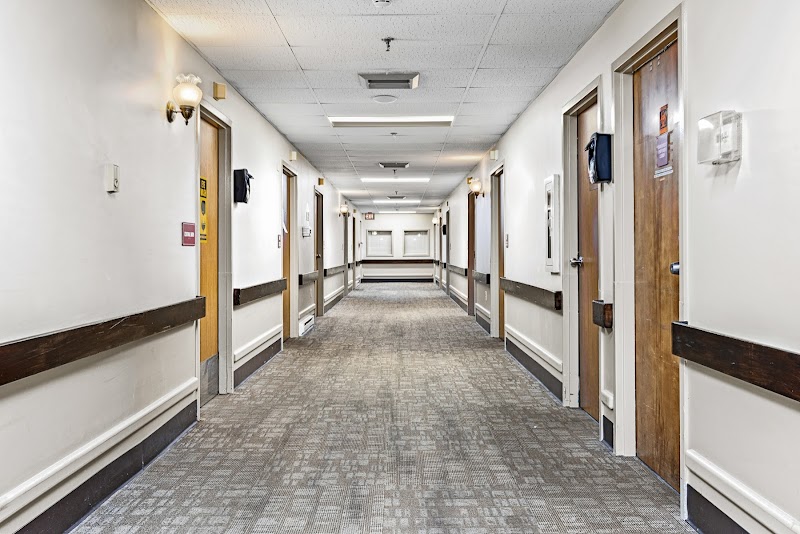
How is Hudson Elms Nursing Center Staffed?

CMS rates HUDSON ELMS NURSING CENTER's staffing level at 2 out of 5 stars, which is below average compared to other nursing homes. Staff turnover is 69%, which is 23 percentage points above the Ohio average of 46%. High turnover can affect care consistency as new staff learn residents' individual needs. RN turnover specifically is 71%, which is notably high. RNs provide skilled clinical oversight, so turnover in this role can affect medical care quality.

What Have Inspectors Found at Hudson Elms Nursing Center?

State health inspectors documented 39 deficiencies at HUDSON ELMS NURSING CENTER during 2018 to 2025. These included: 1 Immediate Jeopardy (the most serious level, indicating potential for serious harm or death), 2 that caused actual resident harm, 35 with potential for harm, and 1 minor or isolated issues. Immediate Jeopardy findings are rare and represent the most serious regulatory concerns. They require immediate corrective action.
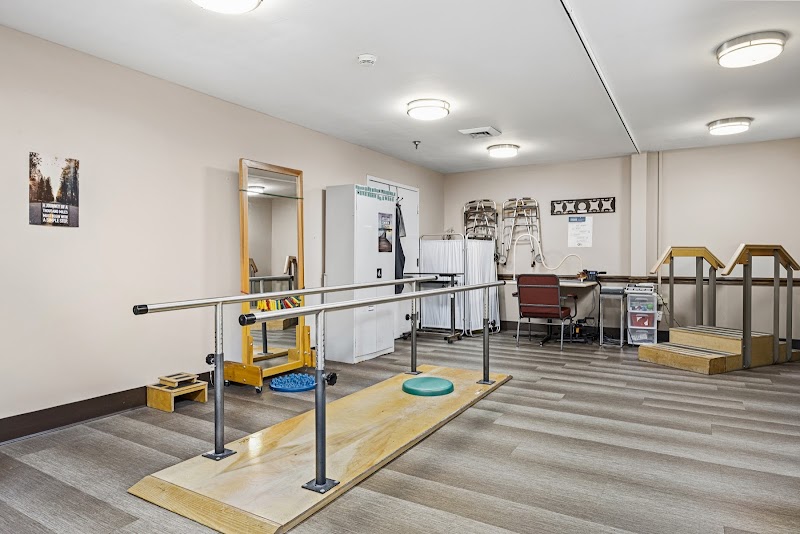
Who Owns and Operates Hudson Elms Nursing Center?

HUDSON ELMS NURSING CENTER is owned by a for-profit company. For-profit facilities operate as businesses with obligations to shareholders or private owners. The facility is operated by AOM HEALTHCARE, a chain that manages multiple nursing homes. With 50 certified beds and approximately 39 residents (about 78% occupancy), it is a smaller facility located in HUDSON, Ohio.
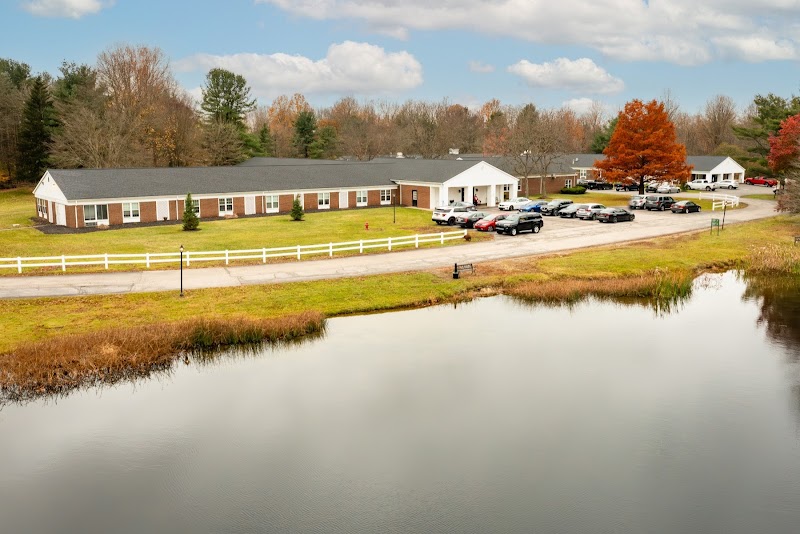
How Does Hudson Elms Nursing Center Compare to Other Ohio Nursing Homes?

Compared to the 100 nursing homes in Ohio, HUDSON ELMS NURSING CENTER's overall rating (3 stars) is below the state average of 3.2, staff turnover (69%) is significantly higher than the state average of 46%, and health inspection rating (2 stars) is below the national benchmark.

What Should Families Ask When Visiting Hudson Elms Nursing Center?

Based on this facility's data, families visiting should ask: "What changes have been made since the serious inspection findings, and how are you preventing similar issues?" "How do you ensure continuity of care given staff turnover, and what is your staff retention strategy?" "Can you walk me through typical staffing levels on day, evening, and night shifts?" "Can I visit during a mealtime to observe dining assistance and food quality?" These questions are particularly relevant given the facility's Immediate Jeopardy citations, the facility's high staff turnover rate, and the below-average staffing rating.

Is Hudson Elms Nursing Center Safe?

Based on CMS inspection data, HUDSON ELMS NURSING CENTER has documented safety concerns. Inspectors have issued 1 Immediate Jeopardy citation (the most serious violation level indicating risk of serious injury or death). The facility has a 3-star overall rating and ranks #100 of 100 nursing homes in Ohio. Families considering this facility should ask detailed questions about what corrective actions have been taken since these incidents.

Do Nurses at Hudson Elms Nursing Center Stick Around?

Staff turnover at HUDSON ELMS NURSING CENTER is high. At 69%, the facility is 23 percentage points above the Ohio average of 46%. Registered Nurse turnover is particularly concerning at 71%. RNs handle complex medical decisions and coordinate care — frequent RN changes can directly impact care quality. High turnover means new staff may not know residents' individual needs, medications, or preferences. It can also be disorienting for residents, especially those with dementia who rely on familiar faces. Families should ask: What is causing the turnover? What retention programs are in place? How do you ensure care continuity during staff transitions?

Was Hudson Elms Nursing Center Ever Fined?

HUDSON ELMS NURSING CENTER has been fined $37,993 across 1 penalty action. The Ohio average is $33,459. While any fine indicates a compliance issue, fines under $50,000 are relatively common and typically reflect isolated problems that were subsequently corrected. Families should ask what specific issues led to these fines and confirm they've been resolved.

Is Hudson Elms Nursing Center on Any Federal Watch List?

HUDSON ELMS NURSING CENTER is not on any federal watch list. The most significant is the Special Focus Facility (SFF) program, which identifies the bottom 1% of nursing homes nationally based on persistent, serious quality problems. Not being on this list means the facility has avoided the pattern of deficiencies that triggers enhanced federal oversight. This is a positive indicator, though families should still review the facility's inspection history directly.