AYDEN HEALTHCARE OF JACKSON
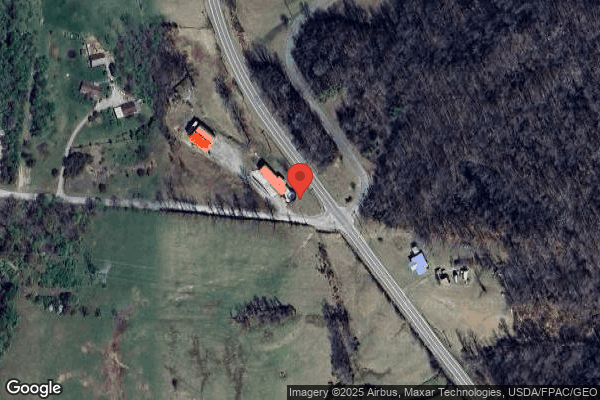
8668 STATE ROUTE 93, JACKSON, OH 45640 (740) 286-5026
For profit - Corporation 82 Beds AYDEN HEALTHCARE Data: November 2025
Trust Grade
65/100
#221 of 913 in OH
Last Inspection: May 2025

Inspected within the last 6 months. Data reflects current conditions.

Overview

Ayden Healthcare of Jackson has received a Trust Grade of C+, indicating it is slightly above average but not exceptional. In Ohio, it ranks #221 out of 913 facilities, placing it in the top half, and it is the top facility in Jackson County, where there are four options. However, the facility's trend is worsening, with issues increasing from 3 in 2024 to 7 in 2025. Staffing is a significant concern, rated only 1 out of 5 stars, but the turnover rate of 34% is below the state average, which is a positive sign. On the upside, the facility has no fines and generally good health inspection ratings, but there have been serious incidents, including a resident developing a pressure ulcer due to a lack of prescribed care and failures in conducting required care conferences for multiple residents. Additionally, there were concerns about proper sanitary practices for residents with medical devices. Overall, while there are strengths in some areas, families should weigh these issues carefully.

Trust Score
C+
65/100
In Ohio
#221/913
Top 24%
Safety Record
Moderate
Needs review
Inspections
Getting Worse
3 → 7 violations
Staff Stability
○ Average
34% turnover. Near Ohio's 48% average. Typical for the industry.
Penalties
✓ Good
No fines on record. Clean compliance history, better than most Ohio facilities.
Skilled Nurses
⚠ Watch
Each resident gets only 22 minutes of Registered Nurse (RN) attention daily — below average for Ohio. Fewer RN minutes means fewer trained eyes watching for problems.
Violations
⚠ Watch
28 deficiencies on record. Higher than average. Multiple issues found across inspections.
★★★★☆
4.0
Overall Rating
★☆☆☆☆
1.0
Staff Levels
★★★★★
5.0
Care Quality
★★★★☆
4.0
Inspection Score
Stable
2024: 3 issues
2025: 7 issues

The Good

  • 5-Star Quality Measures · Strong clinical quality outcomes
  • Full Sprinkler Coverage · Fire safety systems throughout facility
  • No fines on record
  • Staff turnover below average (34%)

    14 points below Ohio average of 48%

Facility shows strength in quality measures, fire safety.

The Bad

Staff Turnover: 34%

12pts below Ohio avg (46%)

Typical for the industry

Chain: AYDEN HEALTHCARE

Part of a multi-facility chain

Ask about local staffing decisions and management

The Ugly 28 deficiencies on record

1 actual harm
May 2025 7 deficiencies
CONCERN (D)

Potential for Harm - no one hurt, but risky conditions existed

Notification of Changes (Tag F0580)

Could have caused harm · This affected 1 resident

Based on medical record review, interview and facility policy review, the facility failed to ensure one resident's (#35) primary care physician was notified of blood glucose levels above physician ord...

Read full inspector narrative →
Based on medical record review, interview and facility policy review, the facility failed to ensure one resident's (#35) primary care physician was notified of blood glucose levels above physician ordered parameters. This affected one resident (#35) of five residents reviewed for unnecessary medications. The facility census was 71. Findings Include: Review of the medical record for Resident #35 revealed an initial admission date of 03/15/19 with the latest readmission of 02/23/24 with the diagnoses including but not limited to diabetes mellitus with diabetic neuropathy, obstructive sleep apnea, chronic obstructive pulmonary disease, protein calorie malnutrition, vitamin D deficiency, hyperlipidemia, schizoaffective disorder bipolar type, congestive heart failure, hypertension, anxiety disorder, major depressive disorder, chronic kidney disease, insomnia due to mental disorder, post traumatic stress disorder, mood disorder and acquired absence of left leg below knee. Review of the plan of care dated 03/25/19 revealed the resident had diabetes mellitus and neuropathy. Interventions included but not limited to medication as ordered, monitor/document for side effects and effectiveness, educate resident/family/caregivers as to the correct protocol for glucose monitoring. Review of the plan of care dated 04/22/25 revealed the resident had no cognitive deficit. The assessment indicated the resident received hypoglycemic medications. Review of the resident's monthly physician orders for May 2025 identified orders dated 04/10/25 Insulin Aspart FlexPen 100 units/milliliter (ml) subcutaneously per sliding scale before meals and at bedtime as follows, 151 to 200 two units, 201 to 250 give four units, 251 to 300 give six units, 301 to 350 give eight units 351 to 400 give 10 units, 401 to 500 give 12 units, blood sugar greater than 400 give 12 units and notify physician and blood sugars less than 60 notify the physician. Review of the resident's April 2025 Medication Administration Record (MAR) revealed on 04/13/25 at 6:30 A.M. the resident's blood glucose level was 413, on 04/20/25 at 4:00 P.M. the resident's blood glucose level was 435, on 04/22/25 at 7:00 P.M. the resident's blood glucose level was 425 and on 04/28/25 at 7:00 P.M. the resident's blood glucose level was 459. Review of the resident's May 2025 MAR revealed on 05/01/25 at 7:00 P.M. the resident's blood glucose level was 483, on 05/03/25 at 11:00 A.M. the resident's blood glucose level was 416, on 05/09/25 at 11:00 A.M. the resident's blood glucose level was 400 and on 05/12/25 at 6:30 A.M. the resident's blood glucose level was 481. Review of the resident's medical record revealed no documented evidence the physician was notified of the blood glucose levels above 400 in April 2025 and May 2025. 05/28/25 01:31 PM interview with the Director of Nursing (DON) #324 verified the physician was not notified of the blood glucose levels above 400 as physician ordered in April 2025 and May 2025. Review of the facility policy titled, Notification of Change, not dated revealed the facility must immediately inform the resident, consult with the resident's physician and if known, notify the resident's legal representative or an interested family member when there is a need to alter treatment. All change in conditions and physician and family notifications need to be placed in the medical record.
CONCERN (D)

Potential for Harm - no one hurt, but risky conditions existed

Assessment Accuracy (Tag F0641)

Could have caused harm · This affected 1 resident

Based on interview and record review the facility failed to accurately code antipsychotic medication on the Minimum Data Set (MDS) for Resident #7. This affected one resident (Resident #7) of 22 whose...

Read full inspector narrative →
Based on interview and record review the facility failed to accurately code antipsychotic medication on the Minimum Data Set (MDS) for Resident #7. This affected one resident (Resident #7) of 22 whose MDS was reviewed. The facility census was 71. Findings include: Review of the medical record review for Resident #7 revealed an admission date of 10/30/06 with diagnoses including schizophrenia, dementia, anxiety, moderate intellectual disability, major depressive disorder, bipolar disorder type two, and delusional disorder. Review of the physicians orders dated 05/25 revealed Resident #7 was prescribed and received zyprexa (antipsychotic medication) 2.5 milligrams by mouth daily related to schizophrenia. Review of the most recent MDS, a quarterly, dated 04/03/25 revealed Resident #7 had moderate cognitive impairment with physical and verbal behaviors. Resident #7 diagnoses included schizophrenia, dementia, anxiety, depression, bipolar disorder, and psychotic disorder. Resident #7 received antianxiety medication and antidepressant medication. The MDS did not include the antipsychotic medication zyprexa. Interview on 05/29/25 at 2:25 P.M. with the Director of Nursing confirmed the MDS was not coded accurately to include the antipsychotic medication. The facility did not have a policy regarding completion of the MDS. However, followed the Resident Assessment Instrument (RAI) manual.
CONCERN (D)

Potential for Harm - no one hurt, but risky conditions existed

Deficiency F0655 (Tag F0655)

Could have caused harm · This affected 1 resident

**NOTE- TERMS IN BRACKETS HAVE BEEN EDITED TO PROTECT CONFIDENTIALITY** Based on interview and record review the facility failed to complete the 48 hour baseline care plan to reflect the trauma Reside...

Read full inspector narrative →
**NOTE- TERMS IN BRACKETS HAVE BEEN EDITED TO PROTECT CONFIDENTIALITY** Based on interview and record review the facility failed to complete the 48 hour baseline care plan to reflect the trauma Resident #72 received from a recent motor vehicle accident. This affected one resident (Resident #72) of nine reviewed for 48 hour baseline care plan. The facility census was 71. Finding include: Review of the medical record for Resident #72 revealed an admission date of 04/23/25 with diagnoses including unspecified fracture of lower end of right radius (long bone of the forearm that runs along the side of thumb and wrist), displaced trimalleolar fracture of right lower leg (ankle), unspecified fracture of right patella (knee), depression, mood disorder, and anxiety. Review of the physician orders dated 05/25 revealed Resident #72 was ordered and received ativan (antianxiety medication) 0.5 milligrams (mg) by mouth every eight hours for anxiety, duloxetine hydrochloride (antidepressant medication) 30 mg by mouth two times daily for depression and Amitriptyline hydrochloride 25 mg by mouth at bedtime for depression. Review of the most recent Minimum Data Set (MDS) Medicare five day admission revealed Resident #72 was cognitively intact with social isolation, verbal and physical behaviors. The diagnoses included on the MDS included other fractures, depression and bipolar disorder. The assessment did not include post traumatic stress disorder or trauma. Review of the admission nursing assessment dated [DATE] revealed the trauma informed care section was blank and not completed. Review of the 48 hour baseline care plan dated 04/24/25 for Resident #72 revealed no plan of care addressing trauma, triggers or interventions. An interview on 05/29/25 at 11:00 A.M. revealed Resident #72 stated she was in a motor vehicle accident and shattered her right leg, foot, hip and wrist. Resident #72 stated she had multiple screws and plates in her leg and arm. Resident #72 stated she had residual emotions related to the accident. Resident #72 stated she was depressed, anxious and felt scared or fear inside of herself all the time. Resident #72 stated loud noise would make it worse because she would think of the the other motor vehicle slamming in to hers. An interview on 05/29/25 at 1:35 P.M. with Social Services Assistant (SSA) #465 confirmed she would not complete a thorough trauma informed care assessment unless it was triggered by the nursing admission assessment. SSA #465 also confirmed that a resident involved in a motor vehicle accident with serious injuries, and resulting in nursing home placement, would need a trauma informed care assessment and plan of care. An interview on 05/29/25 at 1:44 P.M. with the Assistant Director of Nursing (ADON) #301 confirmed the trauma informed care assessment was not completed on admission and did not trigger a plan of care. The facility did not have a policy related to trauma informed care.
CONCERN (D)

Potential for Harm - no one hurt, but risky conditions existed

Comprehensive Care Plan (Tag F0656)

Could have caused harm · This affected 1 resident

**NOTE- TERMS IN BRACKETS HAVE BEEN EDITED TO PROTECT CONFIDENTIALITY** Based on interview and record review the facility failed to complete a comprehensive plan of care to reflect the trauma Resident...

Read full inspector narrative →
**NOTE- TERMS IN BRACKETS HAVE BEEN EDITED TO PROTECT CONFIDENTIALITY** Based on interview and record review the facility failed to complete a comprehensive plan of care to reflect the trauma Resident #72 received from a recent motor vehicle accident or identify the triggers. This affected one (Resident #72) of 22 reviewed for plan of care. The facility census was 71. Review of the medical record for Resident #72 revealed an admission date of 04/23/25 with diagnoses including unspecified fracture of lower end of right radius (long bone of the forearm that runs along the side of thumb and wrist), displaced trimalleolar fracture of right lower leg (ankle), unspecified fracture of right patella (knee), depression, mood disorder and anxiety. Review of the physician orders dated 05/25 revealed Resident #72 was ordered and received ativan (antianxiety medication) 0.5 milligrams (mg) by mouth every eight hours for anxiety, duloxetine hydrochloride (antidepressant medication) 30 mg by mouth two times daily for depression and Amitriptyline hydrochloride 25 mg by mouth at bedtime for depression. Review of the most recent Minimum Data Set (MDS) Medicare five day admission revealed Resident #72 was cognitively intact with social isolation, verbal and physical behaviors. The diagnoses included on the MDS included other fractures, depression and bipolar disorder. The assessment did not include post traumatic stress disorder or trauma. Review of the admission nursing assessment dated [DATE] revealed the trauma informed care section was blank and not completed. Review of the plan of care for Resident #72 revealed no plan of care with causes of trauma, triggers or interventions for treatment of trauma informed care related to motor vehicle accident causing Resident #72 admission to the nursing facility. An interview on 05/29/25 at 11:00 A.M. revealed Resident #72 stated she was in a motor vehicle accident and shattered her right leg, foot, hip and wrist. Resident #72 stated she had multiple screws and plates in her leg and arm. Resident #72 stated she had residual emotions related to the accident. Resident #72 stated she was depressed, anxious and felt scared or fear inside of herself all the time. Resident #72 stated loud noise would make it worse because she would think of the the other motor vehicle slamming in to hers. An interview on 05/29/25 at 1:35 P.M. with Social Services Assistant (SSA) #465 confirmed that a resident involved in a motor vehicle accident with serious injuries, and resulting in nursing home placement, would need a trauma informed care assessment and plan of care. An interview on 05/29/25 at 1:44 P.M. with the Assistant Director of Nursing (ADON) #301 confirmed the trauma informed care plan of care was not completed for Resident #72. The facility did not have a policy related to the development of the plan of care.
CONCERN (D)

Potential for Harm - no one hurt, but risky conditions existed

Quality of Care (Tag F0684)

Could have caused harm · This affected 1 resident

Based on observation, medical record review and interviews, the facility failed to ensure one resident (#62) skin interventions were in place as physician ordered. This affected one (Resident #62) of ...

Read full inspector narrative →
Based on observation, medical record review and interviews, the facility failed to ensure one resident (#62) skin interventions were in place as physician ordered. This affected one (Resident #62) of one resident reviewed for skin conditions. The facility census was 71. Findings Include: Review of the medical record for Resident #62 revealed an initial admission date of 04/27/24 with the diagnoses including but not limited to nontraumatic intracranial hemorrhage, Parkinsonism, protein calorie malnutrition, vitamin D deficiency, insomnia, depression, constipation, hyperlipidemia, cerebral infarction, hypertension, malaise, chronic obstructive pulmonary disease (COPD), anemia and asthma. Review of the plan of care dated 04/26/24 revealed the resident had the potential impairment to skin integrity related to debility, anemia,intracranial hemorrhage, impaired mobility and COPD. Interventions included avoid scratching and keep hands and body parts from excessive moisture, keep fingernails short, monitor for side effects of the antibiotics and over-the-counter pain medications: gastric distress, rash, or allergic reactions which could exacerbate skin injury, monitor/document location, size and treatment of skin injury, report abnormalities, failure to heal, signs/symptoms of infection, maceration to physician and weekly treatment documentation to include measurement of each area of skin breakdown's width, length, depth, type of tissue and exudate and any other notable changes or observations. Review of the resident's monthly physician orders for May 2025 identified an order dated 10/03/24 tubigrip (provides continuous support for the management of strains, sprains, and swelling) to right hand/arm daily for comfort on in am and off in pm. Review of the resident's May 2025 Treatment Administration Record (TAR) revealed on 05/28/25 the TAR was initialed by Licensed Practical Nurse (LPN) #344 the tubigrip was in place. On 05/27/25 at 3:18 P.M., observation of Resident #62 revealed the resident did not have the physician ordered tubigrip in place to his right arm. On 05/28/25 at 12:36 P.M., interview and observation of the resident revealed he did not have the tubigrip to his right arm in place and the facility had not provided the tubigrib for him to utilize. On 05/28/25 at 12:39 P.M., interview with Certified Nursing Assistant (CNA) #501 and #545 revealed the CNA had never seen the resident with a tubigrip to his right arm and was unsure when it was supposed to be in place. On 05/28/25 at 12:46 P.M., interview and observation with Licensed Practical Nurse (LPN) #344 verified the tubigrip was not in place to the resident's right arm and the tubigrip could not be located in his room to be placed on.
CONCERN (D)

Potential for Harm - no one hurt, but risky conditions existed

Deficiency F0699 (Tag F0699)

Could have caused harm · This affected 1 resident

**NOTE- TERMS IN BRACKETS HAVE BEEN EDITED TO PROTECT CONFIDENTIALITY** Based on interview and record review revealed the facility failed to ensure trauma was identified and assessed for causes and po...

Read full inspector narrative →
**NOTE- TERMS IN BRACKETS HAVE BEEN EDITED TO PROTECT CONFIDENTIALITY** Based on interview and record review revealed the facility failed to ensure trauma was identified and assessed for causes and potential triggers. This affected one (Resident #72) of two residents reviewed for trauma informed care. The facility census was 71. Findings include: Review of the medical record for Resident #72 revealed an admission date of 04/23/25 with diagnoses including unspecified fracture of lower end of right radius (long bone of the forearm that runs along the side of thumb and wrist), displaced trimalleolar fracture of right lower leg (ankle), unspecified fracture of right patella (knee), depression, mood disorder and anxiety. Review of the physician orders dated 05/25 revealed Resident #72 was ordered and received ativan (antianxiety medication) 0.5 milligrams (mg) by mouth every eight hours for anxiety, duloxetine hydrochloride (antidepressant medication) 30 mg by mouth two times daily for depression and Amitriptyline hydrochloride 25 mg by mouth at bedtime for depression. Review of the most recent Minimum Data Set (MDS) Medicare five day admission revealed Resident #72 was cognitively intact with social isolation, verbal and physical behaviors. Resident #72 required assistance to complete activities of daily living. The diagnoses included on the MDS included other fractures, depression and bipolar disorder. The assessment did not include post traumatic stress disorder or trauma. Review of the admission nursing assessment dated [DATE] revealed the trauma informed care section was blank and not completed. Review of the plan of care for Resident #72 revealed no plan of care with causes of trauma, triggers or interventions for treatment of trauma informed care related to motor vehicle accident causing Resident #72 admission to the nursing facility. An interview on 05/29/25 at 11:00 A.M. revealed Resident #72 stated she was in a motor vehicle accident and shattered her right leg, foot, hip and wrist. Resident #72 stated she had multiple screws and plates in her leg and arm. Resident #72 stated she had residual emotions related to the accident. Resident #72 stated she was depressed, anxious and felt scared or fear inside of herself all the time. Resident #72 stated loud noise would make it worse because she would think of the the other motor vehicle slamming in to hers. An interview on 05/29/25 at 1:35 P.M. with Social Services Assistant (SSA) #465 confirmed that a resident involved in a motor vehicle accident with serious injuries, and resulting in nursing home placement, would need a trauma informed care assessment and plan of care. SSA #465 also confirmed Resident #72 was not assessed for trauma informed care. An interview on 05/29/25 at 1:44 P.M. with the Assistant Director of Nursing (ADON) #301 confirmed the trauma informed care plan of care was not completed for Resident #72. The facility did not have a policy related to trauma informed care.
CONCERN (E)

Potential for Harm - no one hurt, but risky conditions existed

Deficiency F0657 (Tag F0657)

Could have caused harm · This affected multiple residents

**NOTE- TERMS IN BRACKETS HAVE BEEN EDITED TO PROTECT CONFIDENTIALITY** Based on medical record review, interview, and facility policy review, the facility failed to ensure quarterly care conferences ...

Read full inspector narrative →
**NOTE- TERMS IN BRACKETS HAVE BEEN EDITED TO PROTECT CONFIDENTIALITY** Based on medical record review, interview, and facility policy review, the facility failed to ensure quarterly care conferences were conducted and the required departments were present at care conferences. This affected six residents (#12, #14, #27, #31,#37 and #64) of eight residents reviewed for care planning. The facility census was 71. Findings Include: 1. Review of the medical record for Resident #12 revealed an initial admission date of 04/16/18 with the latest readmission date of 12/10/24 with the diagnoses including but not limited to COPD, vitamin deficiency, allergic rhinitis, protein calorie malnutrition, squamous cell carcinoma of skin of right upper limb including shoulder, neoplasm of unspecified behavior of bone, soft tissue and skin, congestive heart failure, peripheral vascular disease, diabetes mellitus, hypothyroidism, hyperlipidemia, dementia, hypertension, chronic kidney disease and arthritis. Review of the resident's quarterly Minimum Data Set (MDS) assessment dated [DATE] revealed the resident had a severe cognitive deficit. Review of the medical record revealed the last care conference held was on 12/11/24. Further review of the care conference revealed the only staff member who attended was the Assistant Director of Nursing (ADON) #301. On 05/27/25 at 4:27 P.M., interview with the resident's family member revealed the facility does not hold quarterly care conferences. 2. Review of the medical record for Resident #14 revealed an initial admission date of 12/29/23 with the latest readmission of 11/21/24 with the diagnoses including but not limited to chronic obstructive pulmonary disease (COPD), insomnia, peripheral vertigo, constipation, major depressive disorder, diabetes mellitus with diabetic neuropathy, hypertension, chronic pain, retention of urine, anxiety disorder, hyperlipidemia, peripheral vascular disease, severe morbid obesity, asthma, lymphedema, dysphagia, sleep apnea, atrial fibrillation and arthritis. Review of the resident's quarterly MDS assessment dated [DATE] revealed the resident had no cognitive deficit. Review of the medical record revealed the last documented care conference was held on 01/24/24. On 05/27/25 at 11:08 A.M., interview with the resident revealed he had not had a care conference in quite some time. 3. Review of the medical record for Resident #64 revealed an initial admission date of 02/22/24 with the latest readmission of 12/01/24 with the diagnoses including but not limited to metabolic encephalopathy, dementia with agitation, Parkinsonism, chronic respirator failure, COPD, diabetes mellitus, obesity, osteoarthritis, anxiety disorder, atypical atrial flutter, anemia, atrial fibrillation, fatty liver, degenerative disorders of nervous system, depression, sleep apnea, hypertension, chronic kidney disease, congestive heart failure and Parkinson's disease. Review of the resident's significant change MDS assessment dated [DATE] revealed the resident had no cognitive deficit. Review of the medical record revealed the last care conference the facility held was on 07/01/24 and all required disciplines were not present during the care conference. 4. Review of the medical record for Resident #31 revealed an admission date of 02/23/23 and readmission date of 06/23/23 with diagnoses including vascular dementia, peripheral vascular disease, chronic kidney disease stage three, depression, diabetes mellitus type two, hypertension and anxiety. Review of the most recent annual Minimum Data Set (MDS) dated [DATE] revealed Resident #31 had moderate cognitive impairment with no behaviors. The nursing progress notes were silent related to care conference meetings with resident, staff and or representative on a quarterly basis. An interview on 05/27/25 at 3:11 P.M. with Resident #31 revealed she did not recall any discussion about her care or a care conference meeting with the staff and herself. 5. Review of the medical record for Resident #37 revealed an admission date of 07/29/19 with diagnoses including paraplegia, sleep apneas, Parkinson's disease, hypothyroidism, morbid obesity and diabetes mellitus type two. Review of the most recent annual MDS dated [DATE] revealed Resident #37 was cognitively intact with rejection of care behaviors. The nursing progress notes were silent related to care conference meetings with resident, staff and or representative on a quarterly basis. An interview on 05/27/25 at 3:11 P.M. with Resident #37 revealed she did not recall any discussion about her care or a care conference meeting with the staff and herself. 6. Review of the medical record for Resident #27 reveals an admission date of 01/31/25 with diagnoses including severe protein-calorie malnutrition and adult failure to thrive. Review of the quarterly MDS assessment for Resident #27 dated 04/25/25 revealed the resident had intact cognition. Review of the electronic medical record for Resident #27 revealed no documentation of care conferences. Interview on 05/27/25 at 2:00 P.M. reveals Resident #27 does not recall ever having a meeting with social services and care providers about care plan. Interview with Social Services Director #465 on 05/29/25 at 08:36 AM revealed she does an annual care conference and then documents in the progress notes if she had spoke to the family or residents about anything. She said she was not aware they needed to be completed quarterly. She verified all required disciplines were not present during the care conference. Review of the facility policy titled, Care Conferences, last revised 01/2020 revealed care conferences will be scheduled to include the resident, resident representative, and interdisciplinary team (IDT) as soon as possible after admission, routinely and with a change in condition.
May 2024 3 deficiencies
CONCERN (D) 📢 Someone Reported This

A family member, employee, or ombudsman was alarmed enough to file a formal complaint

Potential for Harm - no one hurt, but risky conditions existed

Resident Rights (Tag F0550)

Could have caused harm · This affected 1 resident

**NOTE- TERMS IN BRACKETS HAVE BEEN EDITED TO PROTECT CONFIDENTIALITY** Based on record review, observation, resident interview, and staff interview, the facility failed to ensure residents were treat...

Read full inspector narrative →
**NOTE- TERMS IN BRACKETS HAVE BEEN EDITED TO PROTECT CONFIDENTIALITY** Based on record review, observation, resident interview, and staff interview, the facility failed to ensure residents were treated with dignity when indwelling urinary catheter collection bags were not covered when the residents were in bed and left visible from the hallway. This affected two (Resident #40 and #66) of three residents reviewed for indwelling urinary catheters. The census was 68. Findings include: 1. Review of Resident #40's medical record revealed the resident was admitted to the facility on [DATE]. Her diagnoses included neuromuscular dysfunction of the bladder. Review of Resident #40's quarterly Minimum Data Set (MDS) assessment revealed the resident did not have any communication issues and was cognitively intact. The resident was identified as having the use of an indwelling urinary catheter. Review of Resident #40's care plans revealed she had a care plan in place for the use of an indwelling urinary catheter due to a neurogenic bladder. The interventions included the need to provide a dignity cover over the drainage bag when out of the room. Review of Resident #40's physician's orders revealed she had the use of an indwelling urinary catheter due to urinary retention related to neurogenic bladder. The order had been in place since 02/22/24. On 05/06/24 at 10:07 A.M., an observation of Resident #40 noted her to be lying in bed. She was noted to have an indwelling urinary catheter with the collection bag secured to the left side of the bed that was facing the door. Her catheter bag was visible from the hall, as it was not concealed in a cover bag, and was noted to have amber colored urine in it. On 05/06/24 at 10:22 A.M., an interview with State Tested Nursing Assistant #9 revealed she had worked at the facility for about a month now. She was assigned as an aide for Resident #40's hall. She was asked what responsibilities the aides had in regards to the care of a resident's catheter. She stated the aides were responsible for doing catheter care and emptying of the catheter at the end of every shift. She was asked about any specific requirements in regards to the catheter bag/ tubing. She then reported catheter bags should be kept inside a cover bag. She was asked to go to the resident's room to see if her catheter's collection bag was concealed in a cover bag. She confirmed the catheter's collection bag was not in a cover bag and was visible from the hall. She found a cover bag in the room near the sink, but stated the strap had broke off and it could not be secured to the bed. She stated she would have to get the resident a new one. On 05/07/24 at 10:26 A.M., an interview with Resident #40 revealed she did have concerns with the care of her indwelling urinary catheter. She indicated yesterday the staff were running around saying they had to get a cover bag for her catheter due to State being there. They usually did not have a cover bag on her catheter's collection bag and she had even went out of the facility for appointments without a cover bag in place. She felt it was embarrassing to not have it covered when in public. 2. Review of Resident #66's medical record revealed he was admitted to the facility on [DATE]. His diagnoses included adult onset diabetes mellitus and urinary retention. Review of Resident #66's physician's orders revealed he had an order for the use of an indwelling urinary catheter due to urinary retention secondary to diabetes mellitus and hospice care. The order had been in place since 03/15/24. Review of Resident #66's care plans revealed he had a care plan in place for the use of an indwelling urinary catheter. The care plan was initiated on 03/15/24. The interventions included the need to ensure the resident's indwelling urinary catheter's collection bag was placed on the side of the bed that was not visible from the hall. On 05/06/24 at 10:05 A.M., an observation of Resident #66 noted the resident to be lying in bed receiving a breathing treatment. He was noted to have an indwelling urinary catheter that was on the right side of the bed between the bed and the window, but was still visible from the hall due to its placement at the foot of the bed and resting directly on the floor. The collection bag was not in a cover bag and had amber colored urine in it that was visible from the hall. On 05/06/24 at 10:25 A.M., a follow up observation of Resident #66 noted him to remain in bed. His indwelling urinary catheter's collection bag had been moved and secured to the left side of the bed instead of being on the floor on the right side of the bed as was previously noted. It was then properly concealed in a cover bag and secured off the floor. On 05/06/24 at 10:35 A.M., an interview with Licensed Practical Nurse (LPN) #21 revealed she was Resident #66's nurse that day. She confirmed the resident's indwelling urinary catheter bag had been resting on the floor and not placed in a cover bag, while being visible from the hall. She stated she had been in the resident's room, after the initial observation had been made, and moved the indwelling urinary catheter's collection bag to the other side of his bed. She had noted it was resting on the floor as the hook was broke. She got a cover bag and placed the collection bag inside of it so she could secure it to the bed. She confirmed urinary collection bags should be stored in a cover bag for privacy/ dignity reasons and should not be visible from the hall. This deficiency represents non-compliance investigated under Complaint Number OH00153058.
CONCERN (D) 📢 Someone Reported This

A family member, employee, or ombudsman was alarmed enough to file a formal complaint

Potential for Harm - no one hurt, but risky conditions existed

Antibiotic Stewardship (Tag F0881)

Could have caused harm · This affected 1 resident

**NOTE- TERMS IN BRACKETS HAVE BEEN EDITED TO PROTECT CONFIDENTIALITY** Based on record review, review of the facility's infection control logs, review of McGeer's criteria for infection surveillance ...

Read full inspector narrative →
**NOTE- TERMS IN BRACKETS HAVE BEEN EDITED TO PROTECT CONFIDENTIALITY** Based on record review, review of the facility's infection control logs, review of McGeer's criteria for infection surveillance checklist, staff interview, and policy review, the facility failed to ensure a resident was not given antibiotics unless they met criteria for the treatment of a urinary tract infection (UTI). This affected one (Resident #40) of three residents reviewed for indwelling urinary catheter's/ UTI's. The census was 68. Findings include: Review of Resident #40's medical record revealed she was admitted to the facility on [DATE]. Her diagnoses included neuromuscular dysfunction of the bladder and flaccid neuropathic bladder not elsewhere classified. Review of Resident #40's physician's orders revealed she had the use of an indwelling urinary catheter due to urinary retention related to neurogenic bladder. The order had been in place since 02/22/24. Review of Resident #40's progress notes revealed she had been sent out to the hospital several times for concerns of a UTI. Most of her visits was to the emergency room with one of her transfers to the hospital resulting in an admission for the treatment of a UTI. She had been ordered multiple antibiotics in the past six months for the treatment of a UTI. On 05/07/24 at 11:23 A.M., an interview with Infection Preventionist #38 confirmed Resident #40 had been treated multiple times for a UTI while in the facility since August 2023. She reported the facility used McGeer's criteria to determine if a resident met criteria for the treatment of a UTI. The facility's infection control log for the past six months was reviewed with the IP to review the multiple UTI's the resident had been treated for during that time. Review of the facility's infection control log for January 2024 revealed Resident #40 was identified as having had a UTI on 01/18/24. A urine culture was indicated to have been obtained and showed a colony count of 30,000 of Enterococcus species. The infection control log indicated the resident was given Ciprofloxacin (an antibiotic) between 01/18/24 and 01/25/24. Additional comments on the log revealed the emergency room (ER) had started the antibiotic. A review of the urinalysis that had been collected on 01/16/24 revealed Resident #40's urine was tested and showed between 26,000 and 30,000 CFU/ml of Enterococcus species. A review of the McGeer's criteria sheet for a date of infection of 01/21/24 revealed Resident #40 was only indicated to have had a acute change in mental status or acute functional decline with no alternate diagnosis and leukocytosis. She was not identified as having had a urinary catheter specimen culture with >100,000 CFU/Ml of any organism. Based on that, she did not meet criteria for treatment as the McGeer's criteria sheet indicated the resident must have fulfilled both of the above criteria when having an indwelling urinary catheter to meet criteria for treatment. IP #38 was asked about Resident #40's treatment of a UTI on 01/18/24 and indicated the resident came back from the ER with the antibiotic ordered and believed the hospital did their own U/A. She stated the urinalysis (U/A) that was dated 01/16/24 was one that they collected at the facility, prior to the resident going to the ER. She denied that she received a copy of any U/A done at the hospital to ensure the resident met criteria for treatment. She stated the doctor they had at the time just went along with whatever the ER physician's wanted to do and would not discontinue an antibiotic, even if the resident did not meet criteria. The infection control log for January 2024 also showed Resident #40 was identified as having a UTI again on 01/23/24. As with the 01/18/24 infection, the resident was indicated to have Enterococcus species at a colony count as 30,000. The antibiotic ordered was Nitrofurantoin and it was given between 01/23/24 and 01/31/24. IP #38 was asked about Resident #40's antibiotic treatment for her reported UTI on 01/23/24 and indicated the antibiotic was ordered as a result of a ER visit. She denied that they did a U/A at the facility. She was told a U/A had been done at the hospital, but did not obtain those results. She denied that she contacted the hospital in an effort to obtain those results. She claimed the nurse that had gotten report asked for the lab to be sent but they did not get it. Review of the facility's infection control log for February 2024 revealed Resident #40 was treated twice for UTI's during that month. On 02/10/24 and again on 02/22/24, she was indicated to have been put on Nitrofurantoin (an antibiotic) for the treatment of a UTI. The first round of the antibiotic was given between 02/10/24 and 02/15/24 and the second round was given between 02/22/24 and 02/29/24. There was no evidence on the infection control log of a U/A being obtained to verify whether the SR had a UTI or not. IP #38 was asked about Resident #40 being treated with antibiotics for a UTI on 02/10/24 and again on 02/22/24. She reported those antibiotics were ordered as a result of a ER visit. She indicated the ER diagnosed her with a UTI, but she did not have any labs to support it. Review of the McGeer's criteria sheet for her UTI surveillance dated 02/10/24 revealed it did not indicate Resident #40 met criteria for treatment for a UTI, as the only criteria marked was a change in mental status or acute functional decline with no alternate diagnosis and leukocytosis. She was not indicated to have a colony count of >100,000 that would have been needed for her to meet criteria for treatment, Review of the McGeer's criteria sheet for her UTI surveillance dated 02/22/24 revealed Resident #40 was indicated to have met criteria despite her not meeting both areas needed for criteria to be met. The IP documented on the forms the ER diagnosis of a UTI on both forms. Review of the facility's infection control log for March 2024 revealed Resident #40 was treated for a UTI on 03/30/24. She was indicated to have been placed on Nitrofurantoin starting on 03/31/24 and continued it through 04/05/24 despite no U/A and culture being done. IP #38 reported Resident #40 came back from the hospital (after an inpatient stay) on that antibiotic and she did not have the labs from the hospital to support treating that infection. She indicated she looked for the lab but it had not been uploaded. She called the lab and was told they would send it, but they did not. She got busy with something else and did not follow up on that any further. Review of the facility's infection control log for April 2024 revealed Resident #40 was treated for a UTI once that month on 04/09/24. A urine sample was indicated to have been collected, but did not identify what the culture results showed. Resident #40 was given Rocephin (an antibiotic given intramuscularly) on 04/09/24. The additional comments on the log revealed a one time IM dose of Rocephin was given while waiting on culture results. IP #38 reported Resident #40 was given IM Rocephin to treat symptoms. The resident insisted she was given an antibiotic, so that was what they gave her. She further claimed they must have received the culture as the resident was not put on any other antibiotics. She provided a copy of the U/A results that indicated microbiology testing was to follow. She denied the facility received those results and she did not call to follow up to get them. On 05/07/24 at 12:25 P.M., an interview with the Director of Nursing (DON) revealed the facility's physician's were fairly cooperative with following the antibiotic stewardship program. She reported Resident #40 was always complaining about symptoms and felt she had a UTI. She would often request to go to the ER and they did not know what to do with her, so they would just put her on an antibiotic and send her back. She acknowledged the facility's IP should be monitoring antibiotic use and ensure they were only being used when appropriate. She further acknowledged when an antibiotic was ordered (as a result of an ER visit or a hospital stay) the IP should review and obtain any labs completed at the hospital to verify the resident met criteria for the treatment of a UTI. If those labs were not supportive, then the IP should follow up with the physician to see if the antibiotic was to be continued. Review of the facility's Antibiotic Stewardship policy revised August 2023 revealed antibiotics would be prescribed and administered to residents under the guidance of the facility's antibiotic stewardship program. The purpose of the program was to monitor the use of antibiotics in their residents. When a resident was admitted from an emergency department, acute care facility, or other care facility, the admitting nurse would review discharge and transfer paperwork for current antibiotic orders. When a culture and sensitivity was ordered lab results and the current clinical situation would be communicated to the prescriber as soon as available to determine if antibiotic therapy should be started, continued, modified, or discontinued.
CONCERN (E) 📢 Someone Reported This

A family member, employee, or ombudsman was alarmed enough to file a formal complaint

Potential for Harm - no one hurt, but risky conditions existed

Infection Control (Tag F0880)

Could have caused harm · This affected multiple residents

**NOTE- TERMS IN BRACKETS HAVE BEEN EDITED TO PROTECT CONFIDENTIALITY** Based on record review, observation, review of Centers for Medicare and Medicaid (CMS) Quality, Safety, and Oversight (QSO) Memo...

Read full inspector narrative →
**NOTE- TERMS IN BRACKETS HAVE BEEN EDITED TO PROTECT CONFIDENTIALITY** Based on record review, observation, review of Centers for Medicare and Medicaid (CMS) Quality, Safety, and Oversight (QSO) Memo 24-08-NH, staff interview, and policy review, the facility failed to ensure a resident's indwelling urinary catheter's collection bag was properly secured so it was not in direct contact with the floor. They also failed to ensure residents with chronic wounds and those with indwelling medical devices were placed in enhanced barrier precautions as required. This affected one (Resident #66) of three residents reviewed for indwelling urinary catheters and affected nine residents (5, #10, #32, #36, #40, #50, #63, #66, and #67) who the facility identified as having chronic wounds or indwelling medical devices. The facility census was 68. Findings include: 1. Review of Resident #66's medical record revealed he was admitted to the facility on [DATE]. His diagnoses included adult onset diabetes mellitus and urinary retention. Review of Resident #66's physician's orders revealed he had an order for the use of an indwelling urinary catheter due to urinary retention secondary to diabetes mellitus and hospice care. The order had been in place since 03/15/24. Review of Resident #66's care plans revealed he had a care plan in place for the use of an indwelling urinary catheter. The care plan was initiated on 03/15/24. The interventions included maintaining the indwelling urinary catheter. The interventions also included the need to check the tubing for kinks as needed. There was nothing in the care plan specific to how to secure the indwelling urinary catheter's collection bag while in bed. On 05/06/24 at 10:05 A.M., an observation of Resident #66 noted the resident was lying in bed, He was noted to have an indwelling urinary catheter that was on the right side of the bed between the bed and the window. The indwelling urinary catheter's bag was noted to not be properly secured to the bed and was resting directly on the floor. On 05/06/24 at 10:25 A.M., a follow up observation of Resident #66 noted him to remain in bed. His indwelling urinary catheter's collection bag had been moved and secured to the left side of the bed, instead of resting on the floor as was previously noted. On 05/06/24 at 10:35 A.M., an interview with Licensed Practical Nurse (LPN) #21 revealed she was Resident #66's nurse that day. She confirmed his indwelling urinary catheter bag had been found resting on the floor at the end of his bed. She went in his room to take him off his breathing treatment and noted it was on the floor. She stated she had noted the clip on the bag had broke off and that was why it was on the floor. She obtained a cover bag and placed the collection bag inside of that and secured it to the left side of his bed. She confirmed indwelling urinary catheter bags were to be maintained off the floor for infection control purposes. 2. On 05/06/24 from 9:57 A.M. to 10:09 A.M., observations during tour of the facility revealed there were no residents in enhanced barrier precautions. There were several residents throughout the facility that had indwelling urinary catheters that were not in enhanced barrier precautions as required. Ongoing observations throughout the course of the complaint investigation completed on 05/07/24 at 12:42 P.M. revealed no evidence of enhanced barrier precautions being used for any residents. They had one resident that was in contact isolation precautions for a reported Clostridium Difficile infection. Findings were verified by Infection Preventionist (IP) #38. On 05/07/24 at 11:23 A.M., an interview with IP #38 revealed they did not have any residents in enhanced barrier precautions. She stated they did not have anyone that required that then. She confirmed they had residents with indwelling urinary catheters, enteral feeding tubes, and chronic wounds. She stated the staff just followed standard precautions for those. She stated she thought that they needed to have more than just one to require enhanced barrier precautions. On 05/07/24 at 12:11 P.M., a follow up interview with IP #38 revealed she was wrong with her previous information she provided regarding the enhanced barrier precautions. She reviewed QSO-24-08-NH and confirmed all residents with chronic wounds or indwelling medical devices should be placed in enhanced barrier precautions. She acknowledged that requirement was effective 04/01/24. She stated they would place them under enhanced barrier precautions immediately. Review of CMS's QSO-24-08-NH dated 03/20/24 pertaining to Enhanced Barrier Precautions in Nursing Homes revealed CMS was issuing new guidance for State survey agencies and long term care facilities on the use of enhanced barrier precautions (EBP) to align with nationally accepted standards. EBP recommendations now included use of EBP's for residents with chronic wounds or indwelling medical devices during high-contact resident care activities regardless of their multi-drug resistant organism status. The new guidance related to EBP's was being incorporated into F880 Infection Prevention and Control. Guidance under F880 indicated EBP's referred to an infection control intervention designed to reduce transmission of multi-drug resistant organisms (MDRO) that employs targeted gown and glove use during high contact resident care activities. EBP's were to be used in conjunction with standard precautions and expand the use of personal protective equipment (PPE) to donning of gown and gloves during high-contact resident care activities that provide opportunities for transfer of MDRO's to staff hands and clothing. Review of the facility's policy on Enhanced Barrier Precautions (EBP) dated 04/01/24 revealed it included the same information provided in CMS QSO-24-08-NH. The procedures included placing EBP signage on the resident's room door and to have PPE (gowns and gloves) available. Gown and gloves would be required for high-contact resident care activities. EBP was indicated for residents with MDRO infections or colonizations when contact precautions did not apply. They were also to be used with wounds, indwelling medical devices such as central lines, urinary catheters, feeding tubes etc. They were to be employed when performing the following high-contact resident care activities: dressing, bathing/ showering, transferring, personal hygiene, changing linens, housekeeping services, changing briefs or assisting with toileting, wound care, and device use/ care. This deficiency represents non-compliance investigated under Complaint Number OH00153058.
Aug 2023 8 deficiencies
CONCERN (D)

Potential for Harm - no one hurt, but risky conditions existed

Resident Rights (Tag F0550)

Could have caused harm · This affected 1 resident

Based on observation, record review, and staff interview the facility failed to treat residents with dignity when a resident's urinary catheter collection bag was exposed with visible urine in the bag...

Read full inspector narrative →
Based on observation, record review, and staff interview the facility failed to treat residents with dignity when a resident's urinary catheter collection bag was exposed with visible urine in the bag. This affected one resident (#50) of three residents reviewed for urinary catheters. The facility census was 67. Findings include: Record review of Resident #50 revealed an admission date of 06/15/23 with pertinent diagnoses of neuromuscular dysfunction of bladder, chronic obstructive pulmonary disease, acute cystitis, malignant neoplasm right bronchus or lung, disorder of adrenal gland, specified disorders of kidney ureter, acute kidney failure, chronic kidney disease stage three, hypertension, type two diabetes mellitus, anxiety disorder, and depression. Record review of the 07/26/23 modification of quarterly Minimum Data Set (MDS) assessment revealed the resident was cognitively intact and required extensive assistance for bed mobility, transfers, walk in room, dressing, toilet use, personal hygiene. The resident used a walker and wheelchair to aid in mobility and had an indwelling catheter and was frequently incontinent of bowel. Observation on 08/28/23 at 11:26 A.M. revealed Resident #50's urinary catheter collection bag was hooked on the side of his wheelchair with urine showing as he was going down the hallway. Interview with Licensed Practical Nurse (LPN) # 167 on 08/28/23 at 11:26 A.M. verified the catheter bag was not covered. Interview with the Director of Nursing (DON) on 08/31/23 at 10:55 A.M. revealed the facility did not have a policy on covering the urinary catheter collection bag but her expectation would be for it to be covered.
CONCERN (D)

Potential for Harm - no one hurt, but risky conditions existed

Deficiency F0561 (Tag F0561)

Could have caused harm · This affected 1 resident

Based on observation, record review, and interviews, the facility failed to honor one residents (#72) preference for rising hour. This affected one of one resident reviewed for choices. The facility c...

Read full inspector narrative →
Based on observation, record review, and interviews, the facility failed to honor one residents (#72) preference for rising hour. This affected one of one resident reviewed for choices. The facility census was 67. Findings Include: Review of the medical record for Resident #72 revealed an initial admission date of 05/18/23 with diagnoses including Guillain-Barre syndrome, adult failure to thrive, congestive heart failure, hypertension, gastro-esophageal reflux disease, atrial fibrillation, obesity, urine retention, sleep apnea, quadriplegia, dysphagia, unstageable pressure ulcer to right heel. Review of the plan of care dated 05/18/23 revealed the resident was at risk for decline in activities of daily living (ADL) participation as evidenced by need for assistance with ADL, transfers, ambulation and toileting related to impaired mobility related to quadriplegia, Guillain barre, failure to thrive, congestive heart failure, depression and atrial fibrillation. Interventions included one half laptray to left side while in tilt and space wheelchair, offer resident to be up in chair daily in A.M./lunch meal. Review of the resident's task list for the State Tested Nursing Assistants (STNA) identified an entry to offer the resident to be up in chair daily for A.M./lunch meal. On 08/28/23 at 10:40 A.M. interview with Resident #72 revealed she preferred time to be assisted up for the day was at 11:00 AM., however, many days she is not assisted out of bed and into her wheelchair. On 08/29/23 at 10:59 A.M., observation of Resident #72 revealed she was quiet at bedrest. On 08/29/23 at 1:00 P.M., Resident #72 was at bedrest visiting with her husband. She revealed the staff had not gotten her up as desired. On 08/29/23 at 1:03 P.M., interview with STNA #160 and STNA #120, who were assigned to the resident for care revealed the resident's preferred rising time was 11:00 A.M. STNA #120 verified the resident was not assisted up in her wheelchair at her preferred time. STNA #120 revealed the resident would remain in bed for the day.
CONCERN (D)

Potential for Harm - no one hurt, but risky conditions existed

Deficiency F0578 (Tag F0578)

Could have caused harm · This affected 1 resident

Based on record review, and staff interview the facility failed to have accurate advance directives in the electronic and medical record. This affected one resident (#5) of one resident reviewed for a...

Read full inspector narrative →
Based on record review, and staff interview the facility failed to have accurate advance directives in the electronic and medical record. This affected one resident (#5) of one resident reviewed for advanced directives. The facility census was 67. Findings include: Record review of Resident #5 revealed an admission date of 02/17/23 with pertinent diagnoses of: benign neoplasm of adrenal gland, chronic obstructive pulmonary disease, morbid obesity, vitamin D deficiency, hyperlipidemia, and obesity. Review of the 07/15/23 significant change Minimum Data Set (MDS) assessment revealed the resident was cognitively intact and required extensive assistance for bed mobility, transfer, locomotion on unit, and toilet use. The resident used a walker to aid in mobility and was occasionally incontinent of bladder and always continent of bowel. Review of the electronic medical record on 08/29/23 at 9:35 A.M. revealed the resident had a Physician's Order dated 02/18/23 for an advanced directive to be a do not resuscitate comfort care arrest (DNRCC-A) code status. Review of the paper medical record on 08/29/23 at 9:40 A.M. revealed a DNR Comfort Care Form dated 02/24/23 for the resident to be a do not resuscitate comfort care (DNRCC). Interview with the Director of Nursing (DON) on 08/29/23 at 2:09 P.M. verified Resident #5's electronic medical record and paper DNR code status did not match.
CONCERN (D)

Potential for Harm - no one hurt, but risky conditions existed

Deficiency F0602 (Tag F0602)

Could have caused harm · This affected 1 resident

**NOTE- TERMS IN BRACKETS HAVE BEEN EDITED TO PROTECT CONFIDENTIALITY** Based on record review and interviews, and facility policy review, the facility failed to ensure one resident's (#72) tilt and s...

Read full inspector narrative →
**NOTE- TERMS IN BRACKETS HAVE BEEN EDITED TO PROTECT CONFIDENTIALITY** Based on record review and interviews, and facility policy review, the facility failed to ensure one resident's (#72) tilt and space wheelchair was not misappropriated. This affected one of two residents reviewed for abuse. The facility census was 67. Findings include: Review of the medical record for Resident #72 revealed an initial admission date of 05/18/23 with diagnoses including Guillain-Barre syndrome, adult failure to thrive, congestive heart failure, hypertension, gastro-esophageal reflux disease, atrial fibrillation, obesity, urine retention, sleep apnea, quadriplegia, dysphagia, unstageable pressure ulcer to right heel. Review of the plan of care dated 05/18/23 revealed the resident was at risk for decline in activities of daily living (ADL) participation as evidenced by need for assistance with ADL, transfers, ambulation and toileting related to impaired mobility related to quadriplegia, Guillain Barre, failure to thrive, congestive heart failure, depression and atrial fibrillation. Interventions included one half laptray to left side while in tilt and space wheelchair, offer resident to be up on chair daily in A.M./lunch meal. Review of the resident's quarterly Minimum Data Set (MDS) assessment dated [DATE] revealed the resident had no cognitive deficit. The resident required extensive assistance of two with ADL. Review of the resident's task list for the State Tested Nursing Assistants (STNA) identified an entry to offer the resident to be up in chair daily for A.M./lunch meal. Review of the August 2023 facility activity calendar revealed the happy hour/monthly birthday party was scheduled on 08/24/23 at 2:00 P.M. Review of the resident's August 2023 activity participation record revealed the resident had not attended the scheduled happy hour/monthly birthday party. On 08/28/23 at 10:42 A.M., interview with Resident #72 revealed the facility took her wheelchair to transport another resident to an appointment outside of the facility. She revealed she wanted to attend the scheduled birthday party for the August birthdays and was unable to attend due to the facility taking her wheelchair. She revealed she remained in bed that day. 08/29/23 1:03 P.M. interview with State Tested Nurse Aide (STNA) #120 verified the facility had taken Resident #72's wheelchair to transport Resident #46 to an appointment outside of the facility. STNA #120 revealed she was unsure if the resident was assisted into the her wheelchair that day. Review of the facility policy titled, Abuse, Mistreatment, Neglect, Exploitation and Misappropriation of Resident Property, dated 10/06/22 revealed residents had the right to be free from abuse, neglect, exploitation and misappropriation of resident property. The facility defined misappropriation of resident property as the deliberate misplacement, exploitation or wrongful temporary or permanent use of a resident's belongings or money without the resident's consent.
CONCERN (D)

Potential for Harm - no one hurt, but risky conditions existed

Comprehensive Care Plan (Tag F0656)

Could have caused harm · This affected 1 resident

**NOTE- TERMS IN BRACKETS HAVE BEEN EDITED TO PROTECT CONFIDENTIALITY** 2. Record review revealed Resident #63 was admitted to the facility on [DATE] and has diagnoses including lower back pain, chest...

Read full inspector narrative →
**NOTE- TERMS IN BRACKETS HAVE BEEN EDITED TO PROTECT CONFIDENTIALITY** 2. Record review revealed Resident #63 was admitted to the facility on [DATE] and has diagnoses including lower back pain, chest pain, spinal stenosis, spondylosis with myelopathy in the cervical region, neuropathy, intervertebral disc in the lumbar region, bilateral sciatica, and anemia. Review of a MDS completed on 07/09/23 revealed Resident #63 has a BIMS of 15 indicating intact cognition and a depression scale of 5 indicating minimal depression. Review of a care plan updated on 07/22/23 revealed a pain care plan which stated Resident #63 may experience discomfort related to low back pain, chest pain, and lumbar fusion, but did not list resident specific pain goals. Care plan did not indicate the potential for pain affecting his activities of daily living and psychosocial well-being. Interview on 08/31/23 at 11:09 A.M. with Director of Nursing confirmed the pain care plan for Resident #63 was not comprehensive or resident specific. Review of a policy titled Care Plans, Comprehensive Person-Centered revealed comprehensive care plans should be completed within 21 days of admission to the facility or within seven days of the completion of an MDS. The comprehensive, person-centered care plan should measurable objectives and timeframes, describe services attained to maintain residents highest practicable physical, mental, and psychosocial well-being, include resident stated goals, build on the resident's strengths, and recognizes current standards of practice for problem areas. Based on observation, record review, interview, and facility policy review, the facility failed to develop a comprehensive plan of care in the area of indwelling urinary catheter and pain for two residents (#63 and #64). This affected two of 22 sampled residents. The facility census was 67. Findings Include: 1. Review of the medical record for Resident #64 revealed an initial admission date of 05/08/23 with diagnoses including diabetes mellitus, pressure ulcer sacral region, personal history of malignant neoplasm, malaise, non-Hodgkin lymphoma, lymph nodes of inguinal region and lower limb, carcinoma in bladder, lymphedema, generalized muscle weakness, hypertension, histoplasmosis, hyperlipidemia, morbid obesity, benign prostatic hyperplasia, gastro-esophageal reflux disease and neuromuscular dysfunction of bladder. Review of the admission nursing observation dated 05/08/23 revealed the resident was admitted to the facility with an indwelling urinary catheter. Review of the bowel and bladder assessment dated [DATE] revealed the resident had a size 16 FR indwelling urinary catheter for neurogenic bladder. Review of the plan of care dated 05/08/23 revealed the resident had an indwelling urinary catheter related to neurogenic bladder, history of bladder cancer and 16 FR Foley with 20 ml balloon. Interventions included monitor for pain/discomfort due to catheter and monitor/record/report to physician signs/symptoms of urinary tract infection. Review of the resident's quarterly Minimum Data Set (MDS) assessment dated [DATE] revealed the resident had no cognitive deficit. Review of the mood and behavior revealed the resident displayed verbal behaviors towards others. The resident required extensive assistance of one with bed mobility, transfers, toilet use and supervision with ambulation. The assessment indicated the resident has an indwelling urinary catheter and was always continent of bowel. Review of the monthly physician orders for August 2023 identified orders dated 05/08/23 to change Foley catheter bag weekly, maintain dignity cover over indwelling urinary catheter collection bag, and 08/24/23 Foley #16 FR with 20 ml balloon due to bladder cancer, change every month, Foley catheter every shift. On 08/28/23 at 3:30 P.M., observation of Resident #64 revealed had an indwelling urinary catheter to a straight drain collection bag. On 08/31/23 at 9:44 A.M., interview with the Director of Nursing (DON) verified the resident's indwelling urinary catheter plan of care was not comprehensive.
CONCERN (D)

Potential for Harm - no one hurt, but risky conditions existed

Pressure Ulcer Prevention (Tag F0686)

Could have caused harm · This affected 1 resident

**NOTE- TERMS IN BRACKETS HAVE BEEN EDITED TO PROTECT CONFIDENTIALITY** Based on record review, observation, staff interview, and policy review, the facility failed to ensure a resident's pressure ulc...

Read full inspector narrative →
**NOTE- TERMS IN BRACKETS HAVE BEEN EDITED TO PROTECT CONFIDENTIALITY** Based on record review, observation, staff interview, and policy review, the facility failed to ensure a resident's pressure ulcer was accurately assessed to identify the proper staging of the pressure ulcer. This affected one resident (#39) of four residents reviewed for pressure ulcers. Findings include: A review of Resident #39's medical record revealed she was admitted to the facility on [DATE]. Her diagnoses included vascular dementia, age-related physical debility, peripheral vascular disease, chronic kidney disease, diabetes mellitus, congestive heart failure, difficulty walking, and muscle weakness. A review of Resident #39's admission nursing assessment dated [DATE] revealed the resident was admitted to the facility with an unstageable pressure ulcer (full thickness tissue loss in which the base of the ulcer was covered by slough and/ or eschar in the wound bed) to her coccyx that measured 9 centimeters (cm) by 7 cm. A review of Resident #39's quarterly Minimum Data Set (MDS) assessment dated [DATE] revealed the resident was identified as being at risk for pressure ulcers and had an unhealed pressure ulcer at the time the assessment was completed. The MDS indicated the resident had an unstageable pressure ulcer that was present upon admission. A review of Resident #39's care plans revealed the resident had a pressure ulcer to her coccyx related to pressure points, debility, moisture, friction, impaired mobility, dementia, diabetes mellitus, a history of skin breakdown, and being non-compliant with preventative measures. The interventions indicated the staff would monitor for changes and would notify the physician as needed. A review of Resident #39's physician's orders revealed she had a treatment in place for the pressure ulcer to her coccyx. The treatment ordered was to cleanse the pressure ulcer with Dakin's solution, apply Medi-honey and a foam dressing daily until resolved. That order had been in place since 07/11/23. A review of Resident #39's pressure ulcer assessments for the pressure ulcer to her coccyx revealed the area was determined to be an unstageable pressure ulcer on 06/23/23, when the resident was admitted to the facility. Pressure ulcer assessments had been completed weekly. The weekly wound assessment dated [DATE] indicated the resident's pressure ulcer continued to be classified as an unstageable pressure ulcer. The assessment indicated the pressure ulcer had a depth of 1.2 cm and the wound bed was described as being moist, red with 100% granulation tissue. The weekly wound assessment dated [DATE] revealed the nurse assessing the pressure ulcer continued to classify it as an unstageable pressure ulcer with a depth recorded as 1 cm. The description of the wound continued to indicate the wound bed was moist, red, and presented as a healing stage II pressure ulcer. The last wound assessment completed on 08/23/23 revealed the pressure ulcer continued to be classified as an unstageable pressure ulcer with a depth recorded as 0.5 cm. The wound bed was moist, red, and presented as a healing stage II pressure ulcer. On 08/30/23 at 1:21 P.M., an observation of Resident #39's dressing change to the pressure ulcer she had to her coccyx revealed she had a small open area to her coccyx that was approximately the size of a BB. The treatment was performed by Licensed Practical Nurse (LPN) #167 and she was assisted by LPN #191. LPN #191 assessed and measured the wound, after LPN #167 had removed the old dressing and cleansed the wound. LPN #191 indicated the pressure ulcer to the resident's coccyx measured 0.6 cm x 0.4 cm x 0.4 cm. She described the wound as being open with the wound bed having pink granulated tissue. The peri-wound area was indicated to be macerated with some white tissue surrounding the wound. On 08/30/23 at 3:20 P.M., an interview with LPN #191 revealed LPN #167 was the facility's treatment nurse, but she was the one who usually assessed and measured the facility's pressure ulcers weekly. She denied she was wound certified, nor was the facility's treatment nurse. They had a nurse practitioner that frequently visited the facility, who was wound certified, and oversaw their wound treatments. She was asked what she was using to help her stage pressure ulcers and reported they had a guide they followed on staging pressure ulcers. She was asked to review the weekly pressure ulcer assessments for 08/09/23, 08/16/23, and 08/23/23 that had documentation that did not support the staging of the resident's pressure ulcer on her coccyx. She confirmed the pressure ulcer assessment completed on 08/09/23 did classify the pressure ulcer as an unstageable pressure ulcer, despite the wound bed having moist, red tissue present and a depth of 1.2 cm. She also confirmed the wound bed had 100% granulated tissue, which would not make it an unstageable pressure ulcer by definition. She agreed the pressure ulcer should have been classified as a stage III pressure ulcer (full thickness tissue loss, subcutaneous fat may be visible but bone, tendon, or muscle were not exposed and slough may be present but did not obscure the depth of tissue loss). She did not know that she could reclassify an unstageable pressure ulcer as a stage III or stage IV pressure ulcer, whenever the slough or the eschar was removed exposing the wound bed and amount of tissue loss that was present. She also confirmed the pressure ulcer assessments completed on 08/16/23 and 08/23/23, which had the pressure ulcer classified as an unstageable pressure ulcer that presented as a healing stage II pressure ulcer (partial thickness loss of dermis presenting as a shallow open ulcer with a red, pink wound bed), were not accurate assessments either. Based on the wound characteristics and the depth of the wound recorded on the assessments as being 0.5 cm to 1 cm, it could not be a stage II pressure ulcer as it was not a shallow crater or had just the top layer of the dermis removed. She acknowledged the pressure ulcer remained a healing stage III pressure ulcer at that time and should have been assessed as such. A review of the facility's Pressure Injury Management Guidelines (copyrighted in 2019) revealed the definition of an unstageable pressure ulcer was a full-thickness skin and tissue loss, in which the extent of tissue damage within the ulcer could not be confirmed because it was obscured by slough or eschar. A stage III pressure ulcer was defined as a full-thickness loss of skin, in which adipose (fat) was visible in the ulcer and granulation tissue and rolled wound edges were often present. Slough and/ or eschar may be visible. A stage II pressure ulcer was defined as partial-thickness loss of skin with exposed dermis. The wound bed was viable, pink or red, moist and may also present as an intact or ruptured serum-filled blister. Adipose and deeper tissues were not visible. Granulation tissue, slough, and eschar were not present.
CONCERN (D)

Potential for Harm - no one hurt, but risky conditions existed

Respiratory Care (Tag F0695)

Could have caused harm · This affected 1 resident

Based on observation, record review, interview and facility policy review, the facility failed to ensure nebulizer medication delivery system was stored properly. This affected one of one resident (#5...

Read full inspector narrative →
Based on observation, record review, interview and facility policy review, the facility failed to ensure nebulizer medication delivery system was stored properly. This affected one of one resident (#58) reviewed for respiratory. The facility census was 67. Findings Include: Review of the medical record for Resident #58 revealed an initial admission date of 05/27/22 with the latest readmission of 07/15/23 with diagnoses including noninfective gastroenteritis and colitis, disorder of bone density, bacteremia, vascular dementia, chronic obstructive pulmonary disease (COPD), gastro-esophageal reflux disease, obstructive and uropathy, depression, anxiety disorder, epilepsy, osteoarthritis, spinal stenosis lumbar region, alcohol abuse, hypertension, neoplasm of unspecified behavior of endocrine glands and parts of nervous system, hyperlipidemia, bipolar disorder and hypothyroidism. Review of the plan of care dated 06/02/23 revealed the resident had an altered respiratory status/difficulty breathing related to COPD. Interventions included administer medications/puffers as ordered, monitor for effectiveness and side effects, encourage resident to elevate head of bed to help reduce shortness of breath, encourage sustained deep breaths, monitor for signs/symptoms of respiratory distress, monitor/document/report abnormal breathing patterns to physician, provide oxygen as ordered and provide relation training as appropriate to help normalize breathing patterns. Review of the monthly physician orders for August 2023 identified orders dated 08/24/23 for oxygen at two liters/minute via nasal cannula as needed for dyspnea, oxygen pulse oximetry every shift, change tubing every week and Ipratropium-Albuterol Inhalation Solution 0.5-2.5 milligrams (mg)/3 milliliter (ml) with the special instructions to inhale orally every six hours as needed for shortness of breath or dyspnea. On 08/28/23 at 3:15 P.M., observation of the resident's nebulizer medication dispenser revealed the tubing was wrapped around the acorn and laying on top of the machine without any bag. On 08/29/23 at 1:12 P.M., observation of the nebulizer medication dispenser revealed the tubing remained wrapped around the acorn and laying on top of the machine without any bag. Interview with Licensed Practical Nurse (LPN) #167 verified at the time of the observation the nebulizer medication dispenser was not stored properly. Review of the facility policy titled, Nebulizer Mist Therapy, (not dated) revealed the dried nebulizer, t-piece, mouth piece or mask in separate labeled plastic bag.
CONCERN (E)

Potential for Harm - no one hurt, but risky conditions existed

PASARR Coordination (Tag F0644)

Could have caused harm · This affected multiple residents

**NOTE- TERMS IN BRACKETS HAVE BEEN EDITED TO PROTECT CONFIDENTIALITY** Based on record review and interview, the facility failed to ensure Level I PASSARs (Preadmission Assessment and Resident Review...

Read full inspector narrative →
**NOTE- TERMS IN BRACKETS HAVE BEEN EDITED TO PROTECT CONFIDENTIALITY** Based on record review and interview, the facility failed to ensure Level I PASSARs (Preadmission Assessment and Resident Review) were correct and reflected the need for a Level II review for mental health diagnoses for Residents #15, #16, #43,and #44. This affected four (Residents #15, #16, #43, and #44) of four residents reviewed for PASSARs. The facility census was 67. Findings included: 1. Record review revealed Resident #16 was admitted to the facility on [DATE] with diagnoses including chronic obstructive pulmonary disease, aphasia following cerebrovascular disease, peripheral vascular disease, major depressive disorder with psychotic features, anxiety disorder, hypertension, and dysphagia. Review of a minimum data set (MDS) completed on 07/19/23 revealed Resident #16 has a brief status for mental status (BIMS) of 14 indicating intact cognition and a depression scale of 17 indicating moderately severe depression. Record review revealed Resident #16 received a diagnosis of psychosis on 03/03/21 and schizophrenia on 10/15/21. Review of Resident #16's PASSAR revealed the diagnoses of depression, anxiety, schizophrenia, and psychosis had not been added to a resident review for a level II mental health screening. Interview on 08/29/23 at 2:31 P.M. with Social Worker (SW) #118 revealed an updated PASSAR had not been completed for Resident #16 because she was unaware mental health diagnoses had to be added for a Level II screening. SW #118 stated she reviews PASSARs when a resident admits to the facility to see if they need updated. 2. Record review revealed Resident #43 was admitted to the facility on [DATE] with diagnoses including paranoid schizophrenia, COPD, anxiety disorder, major depressive disorder, chronic kidney disease, and insomnia. Review of a MDS completed on 07/01/23 revealed Resident #43 had a BIMS of 11 indicating mildly impaired cognition and a depression score of 8 indicating mild depression. Review of a PASSAR completed on 11/18/18 revealed Resident #43 had a diagnosis of schizophrenia but did not list anxiety disorder or major depressive disorder, and a resident review had not been completed to add the diagnoses for a Level II review for mental health. Interview on 08/29/23 at 2:31 P.M. with Social Worker (SW) #118 revealed an updated PASSAR had not been completed for Resident #43 because she was unaware mental health diagnoses had to be added for a Level II screening. SW #118 stated she reviews PASSARs when a resident admits to the facility to see if they need updated. 4. Review of the medical record for Resident #44 revealed an initial admission date of 03/15/19 with the latest readmission of 10/06/20 with diagnoses including diabetes mellitus, insomnia, urinary incontinence, peripheral vascular disease, congestive heart failure, angina pectoris, mood disorder, post-traumatic stress disorder, hyperlipidemia, hypertension, dermatitis, dysphagia, gastro-esophageal reflux disease, hallucinations and left below the knee amputation. Review of the plan of care dated 08/11/23 revealed the resident had bipolar disorder and schizoaffective disorder. Interventions included administer medications as ordered, monitor closely during acute episodes of behaviors and psych consult as needed. Review of the medical record revealed on 04/18/23 the resident was given the diagnoses of schizoaffective disorder, bipolar type. Review of the medical record failed to identify a change in condition PASARR when the diagnoses of schizoaffective disorder, bipolar was added. On 08/29/23 at 2:39 P.M., interview with the Director of Nursing (DON) verified the facility had not completed a change in condition PASARR when the diagnoses of schizoaffective disorder, bipolar type was added. 3. A review of Resident #15's medical record revealed she was admitted to the facility on [DATE]. Her admitting diagnoses included the diagnosis of major depressive disorder and hallucinations. A review of Resident #15's preadmission screening/ resident review (PASARR) identification screen dated 06/12/20 revealed the screen was completed for an Ohio resident seeking nursing facility admission. Section (D.) of the screen documented indications of serious mental illness. There were seven diagnoses listed that the assessor was to mark the box by the diagnosis to indicate if the resident had that particular diagnosis. There was another box for the assessor to mark the presence of another mental disorder other than mental retardation that may lead to a chronic disability. The resident's screen was not marked to reflect her having any of those mental illness diagnoses, despite her being known to have major depressive disorder at the time of the screen was completed. A review of Resident #15's diagnoses list revealed the resident was given additional mental illness diagnoses, after her admission to the facility. A diagnosis of schizo-affective disorder was added to her diagnoses on 10/23/20. The diagnoses of anxiety disorder and dementia with a psychotic disturbance were added to her diagnoses on 02/28/23. Further review of Resident #15's medical record revealed it was absent for evidence of a new PASARR screen being completed, after the resident had additional diagnoses of a mental illness added to her diagnoses list. Findings were verified by Social Service Assistant #118. On 08/30/23 at 2:55 P.M., an interview with Social Service Assistant #118 revealed she was not the facility's social worker when Resident #15 was admitted to the facility on [DATE]. She confirmed the resident's initial PASARR screen was not completed accurately as her diagnosis of major depressive disorder was not included with the initial PASARR screen. She indicated the resident's diagnosis of major depressive disorder should have been marked under mood disorder, which was included as one of the diagnoses on the screen. She also confirmed the resident should have had a new PASARR screen completed, after she had a diagnosis of schizo-affective disorder added on 10/23/20. She verified she was working as the facility's social worker in September 2022, when the resident had the diagnosis of schizo-affective disorder of the depressive type added on 09/29/22. She was also working at the facility on 02/28/23 when dementia with psychotic features and anxiety disorder was added to her diagnoses. She stated she did not know she was required to submit a new PASARR, when a resident had a new mental illness diagnosis added, after their initial PASARR screen was completed upon admission.
Oct 2021 10 deficiencies 1 Harm
SERIOUS (G)

Actual Harm - a resident was hurt due to facility failures

Pressure Ulcer Prevention (Tag F0686)

A resident was harmed · This affected 1 resident

**NOTE- TERMS IN BRACKETS HAVE BEEN EDITED TO PROTECT CONFIDENTIALITY** Based on observations, interviews, and record reviews, the facility failed to implement physician ordered pressure ulcer interve...

Read full inspector narrative →
**NOTE- TERMS IN BRACKETS HAVE BEEN EDITED TO PROTECT CONFIDENTIALITY** Based on observations, interviews, and record reviews, the facility failed to implement physician ordered pressure ulcer interventions. Actual harm occurred to Resident #7 when the facility failed to place pressure reducing heel boots on the resident as ordered by the physician and the resident subsequently developed a pressure ulcer to his right heel. This affected one resident (#7) of the three residents reviewed for pressure ulcers and injuries. Findings include: Record review for Resident #7 revealed the resident was admitted to the facility on [DATE] with diagnoses including type two diabetes mellitus, abnormal weight loss, unspecified dementia with behavioral disturbance, restlessness, and agitation. The resident had no known allergies. Review of the significant change assessment, dated 9/20/21, revealed Resident #7 did not have any pressure ulcers and was at risk for pressure ulcer development. The resident required extensive assistance from two staff members with bed mobility, transfers, and toileting. Review of the care plan with a revision date of 09/30/21 revealed Resident #7 had potential/actual impairment to skin integrity related to fragile skin and history of skin ulcers. Interventions included air relieving mattress to bed, heel boots as resident would tolerate, and follow facility protocols for treatment of injury. Review of the physicians' order, dated 09/30/21, revealed Resident #7 an order for pressure relieving heel boots to feet as resident would tolerate. Review of facility progress notes, dated 09/30/21 through 10/05/21, revealed no documentation that Resident #7 refused or removed the heel boots. Observation of Resident #7 on 10/04/21 at 11:30 A.M. and 3:30 P.M. revealed he was lying in bed on his back. The resident was not wearing heel boots and his heels were lying directly on the surface of the bed. Observation of Resident #7 on 10/05/21 at 9:35 A.M. revealed he was lying in bed on his back. Resident #7 was not wearing heel boots and his heels were lying directly on the surface of the bed. Observation with Licensed Practical Nurse (LPN) #132 on 10/05/21 at 1:52 P.M. verified Resident #7 was lying on his back, he was not wearing the pressure relieving heel boots and his heels were lying directly on the surface of the bed. There was a bandage in place to the back of the resident's right heel. When the bandage was removed a round area of purple discoloration surrounded by reddened skin was observed. Further observation revealed there were no heel boots Resident #7's room. Interview with LPN #132 on 10/05/21 at 1:55 P.M. verified Resident #7 was not wearing heel boots and heel boots could not be located in his room. LPN #132 verified the area to the back of the resident's heel appeared to be a pressure ulcer and indicated the bandage had been applied to the area by the wound care nurse. Interview with LPN #189 on 10/05/21 at 2:32 P.M. revealed the area to the right heel of Resident #7 had been discovered the morning of 10/05/21 and the Nurse Practitioner (NP) was going to assess the area. Observation of Resident #7's right heel with NP #199 on 10/05/21 at 2:34 P.M. revealed a round, purple area consistent with a deep tissue injury (DTI). A DTI is a persistent, non-blanchable deep red, purple or maroon area of intact skin or blood-filled blister caused by damage to the underlying soft tissue due to prolonged pressure over a period of time. Interview with NP #199 on 10/05/21 at 2:37 P.M. revealed she was notified of the area to the heel of Resident #7 a couple of days ago and had planned to assess the area on 10/05/21 while making rounds at the facility. NP #199 stated she could not recall what, if any, wound care orders she had provided for the area when notified. NP #199 verified the area to the back of the right heel of Resident #7 was a DTI. Interview with State Tested Nursing Assistant (STNA) #161 on 10/06/21 at 10:00 A.M. revealed she had provided care for Resident #7 and could not recall the resident wearing pressure relieving heel boots.
CONCERN (D)

Potential for Harm - no one hurt, but risky conditions existed

ADL Care (Tag F0677)

Could have caused harm · This affected 1 resident

**NOTE- TERMS IN BRACKETS HAVE BEEN EDITED TO PROTECT CONFIDENTIALITY** Based on observation, medical record review and staff interview the facility failed to provide one resident (#52), who was depen...

Read full inspector narrative →
**NOTE- TERMS IN BRACKETS HAVE BEEN EDITED TO PROTECT CONFIDENTIALITY** Based on observation, medical record review and staff interview the facility failed to provide one resident (#52), who was dependent for activities of daily living (ADL) nail care. This affected one of three residents reviewed for ADL. Findings include: Review of Resident #52's medical record revealed an original admission date 12/22/16 with the latest readmission of 12/29/18. Diagnoses included dementia with behavioral disturbances, major depressive disorder, history of falling, hypertension, psychotic disorder with delusions, contracture of unspecified joint and allergic rhinitis. Review of the resident's quarterly Minimum Data Set (MDS) 3.0 assessment dated [DATE] revealed the resident had clear speech, rarely/never understood others, sometimes made herself understood, and had a severe cognitive deficit as indicated by a Brief Interview for Mental Status (BIMS) score of zero. The resident required extensive assist of two staff for personal hygiene, including nail care. Review of the plan of care dated 12/23/16 revealed the resident had a self-care deficit as evidence by need for assistance with activities of daily living, transfers, ambulation, and toileting as related to debility, dementia and contractures. Interventions included to assist to bathe/shower as needed, assist with daily hygiene, grooming, dressing, oral care and eating as needed, break ADL tasks into sub-task for easier patient performance, gentle range of motion (ROM) to all extremities daily during care as tolerated and provide oral care daily and as needed. On 10/04/21 at 10:51 A.M. observation of Resident #52 revealed her nails were long and jagged with chipped nail polish. Further observation revealed the resident had a brown substance under her nails. On 10/05/21 at 3:55 P.M. observation of Resident #52 revealed her nails remained long and jagged with chipped nail polish and a brown substance under the nails. On 10/06/21 at 12:36 P.M. interview with State Tested Nursing Assistant (STNA) #179 verified Resident #52's nails were long, jagged and dirty with pealing nail polish. The STNA said nail care was to be provided every Sunday and she would get the residents nails cleaned after she ate. She said the resident used her fingers to eat.
CONCERN (D)

Potential for Harm - no one hurt, but risky conditions existed

Quality of Care (Tag F0684)

Could have caused harm · This affected 1 resident

**NOTE- TERMS IN BRACKETS HAVE BEEN EDITED TO PROTECT CONFIDENTIALITY** Based on observation, interview, record review and review of the facility policy related to falls, the facility failed to provid...

Read full inspector narrative →
**NOTE- TERMS IN BRACKETS HAVE BEEN EDITED TO PROTECT CONFIDENTIALITY** Based on observation, interview, record review and review of the facility policy related to falls, the facility failed to provide monitoring and care related to a hematoma and skin tears for Resident #39. This affected one of 16 residents reviewed. The facility census was 63. Findings inlcude: An observation on 10/04/21 at 3:26 P.M. of Resident #39 found a purple and green bruise above left eyebrow with a small skin tear in the center and a skin tear to left elbow. Resident #39 was unaware how she obtained the bruise and the skin tears. Review of the medical record for Resident #39 revealed an admission date of 08/17/21 with diagnoses including fracture of left femur and sacrum, Parkinson's disease and dementia. Review of the five day admission Minimum Data Set (MDS) assessment dated [DATE] indicated the resident was cognitively impaired, and required two person extensive physical assistance with transfers and mobility. The resident had a history of falls. Review of the fall investigation dated 10/01/21 revealed the resident ambulated without assistance and fell. The skin tear to left eyebrow measured 2 centimeters (cm) by 0.1 cm by 0.1 cm, skin tear to left elbow measured 0.5 cm by 0.5 cm by 0.1 cm. Review of the care plan progress note dated 10/04/21 at 1:17 P.M. revealed the Interdisciplinary team (IDT) was aware of the residents fall on 10/01/21. The resident was seated in the wheelchair in the hallway when last seen and was then found on the floor with a hematoma noted to left eyebrow and a skin tear noted to the center of the hematoma and left elbow. Resident #39 was sent to the emergency department for evaluation and treatment. The resident returned to the facility on [DATE] with no acute findings noted on Cat Scan of head. Review of the nursing progress notes dated 10/01/21 through 10/06/21 revealed no monitoring of the hematoma or the skin tears. Review of the Treatment Administration Record (TAR) revealed no documentation of monitoring or treatment of the skin tears. Review of the 10/21 physician orders did not reveal an order to monitor the bruise and skin tear above the left eye or the left elbow. Review of the facility policy titled Falls-clinical protocol dated 03/18 indicated the staff, with the physician's guidance, would follow up on any fall with associated injury until the resident was stable and delayed complications such as late fracture or subdural hematoma had been ruled out or resolved. Delayed complications such as late fractures or major bruising could occur hours or days after a fall. An interview with Licensed Practical Nurse (LPN) #162 on 10/07/21 at 8:15 A.M. revealed if a resident had a bruise or skin tear, the nurse would monitor, provide treatment and document findings in progress notes and on the TAR until area was resolved. An interview with the Director of Nursing (DON) on 10/07/21 at 10:15 A.M. revealed the Assistant Director of Nursing (ADON) provided care and monitored pressure and non pressure wounds. The ADON had a form she documented the information which was kept in the skin book. The ADON provided wound notes for Resident #39's skin tear to left eye brow and left elbow dated 10/01/21 and 10/06/21. The ADON provided weekly care and documentation of all wounds. The DON confirmed this was the only documentation of care of the hematoma and two skin tears.
CONCERN (D)

Potential for Harm - no one hurt, but risky conditions existed

Accident Prevention (Tag F0689)

Could have caused harm · This affected 1 resident

**NOTE- TERMS IN BRACKETS HAVE BEEN EDITED TO PROTECT CONFIDENTIALITY** Based on observation, interview, and record review, the facility failed to maintain fall interventions for Resident #4. This aff...

Read full inspector narrative →
**NOTE- TERMS IN BRACKETS HAVE BEEN EDITED TO PROTECT CONFIDENTIALITY** Based on observation, interview, and record review, the facility failed to maintain fall interventions for Resident #4. This affected one (#4) of four residents reviewed for falls. Findings include: Review of the medical record for Resident #4 revealed the resident was admitted on [DATE] with diagnoses including anxiety disorder, cerebral palsy, major depressive disorder, foot drop, chronic pain syndrome, dysphagia, and gastro-esophageal reflux disease. Review of the Minimum Data Set (MDS) 3.0 assessment dated [DATE] revealed the resident had moderately impaired cognition and limited range of motion in the upper extremities on both sides. Review of the plan of care dated 11/14/20 revealed the resident was at risk for falls and potential injury related to poor decision making skills, unsteady gait, foot drop, muscle weakness, lack of coordination, weakness, and impaired balance. Interventions included assisting with transfers as needed, leaving urinal at bedside, educating and reminding the resident to move his bedside table out of the way, encouraging him to allow staff to assist the resident when ambulating, non-slip strips to the floor in his room in area of high traffic, and therapy to screen and evaluate as needed. Review of the fall investigation dated 08/28/21, revealed the resident had a fall and the intervention to prevent further falls was non-slip strips to high traffic area of room on floor. Written on the fall investigation provided by the Director of Nursing (DON) was 10/02/21 floor stripped and waxed and 10/05/21 non skid strips replaced. On 10/04/21 from 10:25 A.M. to 5:40 P.M. and on 10/05/21 from 7:15 A.M. to 12:55 P.M. observation revealed no non-skid strips in Resident #4's room. This was confirmed by Licensed Practical Nurse (LPN) #132 on 10/05/21 at 12:55 P.M. She additionally confirmed non-skid strips were an intervention in the plan of care. On 10/05/21 at 2:39 P.M. interview with the Director of Nursing (DON) revealed the resident's floor had been stripped and waxed recently. She stated maintenance planned on putting the strips back down on the morning of 10/04/21 but this was delayed because surveyors from the Ohio Department of Health entered the building. On 10/05/21 at 4:25 P.M. interview with Maintenance Director #200 revealed he had learned the skid strips needed replaced that morning. He said the facility had an employee who came in to strip and wax the floors and he had recently done Resident #4's room. He reported this employee was fairly new and must not have known to reapply the strips afterwards. Further interview with the DON on 10/06/21 at 8:45 A.M. revealed the DON had made an error on the fall investigation when she reported the floor was stripped on 10/02/21 as it had been stripped on 10/01/21. Review of the monthly floor chart for October 2021 revealed Resident #4's floor was stripped and waxed on 10/01/21. Review of the policy titled Managing Falls and Fall Risk dated March 2018, revealed the staff were to implement a resident-centered fall prevention plan to reduce the risk for falls.
CONCERN (D)

Potential for Harm - no one hurt, but risky conditions existed

Tube Feeding (Tag F0693)

Could have caused harm · This affected 1 resident

Based on observation, interview and facility policy review, the facility failed to ensure the enteral feeding bottle and tubing for Resident #36 was labeled with nurse initials, date and time initiate...

Read full inspector narrative →
Based on observation, interview and facility policy review, the facility failed to ensure the enteral feeding bottle and tubing for Resident #36 was labeled with nurse initials, date and time initiated. This affected one resident receiving tube feeding. The facility census was 63. Findings include: An observation on 10/04/21 at 10:03 A.M. of Resident #36's enteral feeding bottle and tubing hanging from the administration pole and threaded through the pump, revealed no date and time the formula was initiated and the nurse did not initial. An interview on 10/04/21 at 10:15 A.M. with Licensed Practical Nurse (LPN) #13 confirmed the bottle of enteral feeding was not dated or initialed by the nurse along with the tubing. Review of the facility policy titled Enteral Tube feeding via Continuous Pump dated 11/18 revealed the facility did not follow the policy regarding labeling.
CONCERN (D)

Potential for Harm - no one hurt, but risky conditions existed

Respiratory Care (Tag F0695)

Could have caused harm · This affected 1 resident

**NOTE- TERMS IN BRACKETS HAVE BEEN EDITED TO PROTECT CONFIDENTIALITY** Based on observation, interview, and record review the facility failed to date and change oxygen tubing at appropriate intervals...

Read full inspector narrative →
**NOTE- TERMS IN BRACKETS HAVE BEEN EDITED TO PROTECT CONFIDENTIALITY** Based on observation, interview, and record review the facility failed to date and change oxygen tubing at appropriate intervals and document when 'as needed' oxygen was being used for Resident #21. This affected one resident (#21) of one reviewed for oxygen use. The facility identified 15 residents receiving oxygen. Findings include: Review of the medical record revealed Resident #21 had an admission date of 10/05/18 with diagnoses including chronic obstructive pulmonary disease, hemiplegia and hemiparesis following nontraumatic intracerebral hemorrhage affecting left non-dominant side, malignant neoplasm of ascending colon, chronic kidney disease stage three, major depressive disorder, dysphagia, chronic respiratory failure with hypoxia. Review of the quarterly Minimum Data Set (MDS) 3.0 assessment dated [DATE], revealed the resident had intact cognition. Review of the physician's orders for September and October 2021 revealed an order for oxygen four liters per minute as needed for shortness of breath. There were no orders to change oxygen tubing. Review of the Treatment Administration Record (TAR) for September and October 2021 revealed oxygen was documented as having been used on 09/08/21. On 10/04/21 at 12:25 P.M. observation revealed Resident #21 had oxygen in place. The oxygen tubing was undated. On 10/04/21 at 12:31 P.M. interview with Licensed Practical Nurse (LPN) #155 confirmed Resident #21's oxygen was in place and the tubing was undated. LPN #155 revealed she thought the respiratory therapist was responsible for changing the oxygen tubing. At 12:33 P.M., LPN #155 revealed their process had recently changed and it was nursing's responsibility to change the oxygen tubing. On 10/05/21 at 12:50 A.M. and 1:38 P.M. observation revealed Resident #21 was receiving oxygen. On 10/05/21 at 1:46 P.M. interview with LPN #132 confirmed Resident #21 was receiving oxygen. When reviewing the TAR's LPN #132 confirmed it was only documented the resident had used oxygen once since the beginning of September. LPN #132 confirmed the resident used oxygen more frequently than that, she said he used it most nights and on and off throughout the day. She was unsure why it was not documented in the TARs. Review of the policy titled Oxygen Administration dated October 2010, revealed before administering oxygen the resident's care plan should be assessed for any special needs. Oxygen tubing was to be changed at a minimum monthly and as needed. Following oxygen administration the nurse should document the reason for as needed oxygen administration.
CONCERN (D)

Potential for Harm - no one hurt, but risky conditions existed

Drug Regimen Review (Tag F0756)

Could have caused harm · This affected 1 resident

**NOTE- TERMS IN BRACKETS HAVE BEEN EDITED TO PROTECT CONFIDENTIALITY** Based on medical record review and staff interview, the facility failed to address one resident's (#24) pharmacy recommendation ...

Read full inspector narrative →
**NOTE- TERMS IN BRACKETS HAVE BEEN EDITED TO PROTECT CONFIDENTIALITY** Based on medical record review and staff interview, the facility failed to address one resident's (#24) pharmacy recommendation in a timely manner. Additionally the facility also failed to carry out one resident's (#52) pharmacy recommendation when addressed by the physician. This affected two of five residents reviewed for unnecessary medications. Findings Include: 1. Review of Resident #24's medical record revealed an original admission date of 04/03/17 with the latest readmission of 03/20/20. Diagnoses included chronic obstructive pulmonary disease (COPD), acute and chronic respiratory failure, chronic bronchitis, emphysema, bipolar disorder, paranoid personality disorder, dysphagia, low back pain, anxiety disorder, gastroesophageal reflux disease (GERD), chronic pain syndrome, insomnia, vitamin D deficiency, benign prostatic hyperplasia, constipation, hypertension, osteoarthritis, major depressive disorder and nontoxic goiter. Review of the plan of care dated 02/04/20 revealed the resident used anti-anxiety medications related to anxiety disorder. Interventions included to administer anti-anxiety medications as ordered by the physician and monitor/document/report as needed any adverse reactions to anti-anxiety medication. Review of the resident's comprehensive Minimum Data Set (MDS) assessment dated [DATE] revealed the resident had clear speech, understood others, made himself understood and had a moderate cognitive deficit as indicated by a Brief Interview for Mental Status (BIMS) score of 12. Review of the mood and behavior indicated the resident had indicators of depression, but displayed no behaviors. The resident required extensive assistance of two staff for bed mobility, transfers and was non-ambulatory during the assessment period. The resident received antidepressant, antianxiety, diuretic and opioid. Review of the resident's monthly physician's orders for September 2021 identified orders dated 09/22/21 for Clonazepam 2 milligrams (mg) by mouth three times daily for bipolar disorder, major depressive disorder and anxiety disorder. Review of the pharmacy recommendation dated 10/28/20 revealed the pharmacist recommended a gradual dose reduction for the medication Buspar 5 mg by mouth three times a day. The physician addressed the recommendation on 12/02/21. On 10/06/21 at 3:45 P.M. interview with the Director of Nursing (DON) verified the pharmacy recommendation was not addressed in a timely manner. 2. Review of Resident #52's medical record revealed an original admission date 12/22/16 with the latest readmission of 12/29/18. Diagnoses included dementia with behavioral disturbances, major depressive disorder, history of falling, hypertension, psychotic disorder with delusions, contracture of unspecified joint and allergic rhinitis. Review of the resident's quarterly Minimum Data Set (MDS) 3.0 assessment dated [DATE] revealed the resident had clear speech, rarely/never understood others, sometimes made herself understood and had a severe cognitive deficit as indicated by a Brief Interview for Mental Status (BIMS) score of zero. Review of the pharmacy recommendation dated 06/26/20 revealed the pharmacist recommended the medication Claritin be changed from daily to as needed. The physician addressed the recommendation on 07/05/20 and ordered the medication to be on an as needed basis and if no use in 30 days to discontinue the medication. Review of the pharmacy recommendation dated 12/29/20 revealed the pharmacist recommended the medication Claritin be changed to an as needed basis. The physician addressed the recommendation on 01/28/21 and ordered to discontinue the medication. Review of the resident's physician's telephone orders revealed a telephone order dated 02/09/21 to discontinue the medication Claritin. On 10/07/21 at 11:30 A.M. interview with the Director of Nursing (DON) verified the resident's Claritin was not discontinued as ordered on 07/05/21 and she received the medication until 02/09/21 when the physician wrote an additional order to discontinue the medication.
CONCERN (D)

Potential for Harm - no one hurt, but risky conditions existed

Deficiency F0757 (Tag F0757)

Could have caused harm · This affected 1 resident

**NOTE- TERMS IN BRACKETS HAVE BEEN EDITED TO PROTECT CONFIDENTIALITY** Based on medical record review and staff interview, the facility failed to ensure one resident's (#52) Claritin (an antihistamin...

Read full inspector narrative →
**NOTE- TERMS IN BRACKETS HAVE BEEN EDITED TO PROTECT CONFIDENTIALITY** Based on medical record review and staff interview, the facility failed to ensure one resident's (#52) Claritin (an antihistamine medication) was discontinued as physician ordered. This affected one of five residents reviewed for unnecessary medications. Findings include: Review of Resident #52's medical record revealed an original admission date 12/22/16 with the latest readmission of 12/29/18. Diagnoses included dementia with behavioral disturbances, major depressive disorder, history of falling, hypertension, psychotic disorder with delusions, contracture of unspecified joint and allergic rhinitis. Review of the resident's quarterly Minimum Data Set (MDS) 3.0 assessment dated [DATE] revealed the resident had clear speech, rarely/never understood others, sometimes made herself understood and had a severe cognitive deficit as indicated by a Brief Interview for Mental Status (BIMS) score of zero. Review of the pharmacy recommendation dated 06/26/20 revealed the pharmacist recommended the medication Claritin be changed from daily to as needed. The physician addressed the recommendation on 07/05/20 and ordered the medication to be on an as needed basis and if no use in 30 days to discontinue the medication. Review of the pharmacy recommendation dated 12/29/20 revealed the pharmacist recommended the medication Claritin be changed to an as needed basis. The physician addressed the recommendation on 01/28/21 and ordered to discontinue the medication. Review of the medical record revealed no evidence the facility changed the medication to as needed or discontinued the medication as ordered until 02/09/21. On 10/07/21 11:30 A.M. interview with the Director of Nursing (DON) verified the resident's Claritin was not changed to as needed or discontinued as ordered on 07/05/21 and she received the medication until 02/09/21 when the physician wrote an additional order to discontinue the medication.
CONCERN (D)

Potential for Harm - no one hurt, but risky conditions existed

Food Safety (Tag F0812)

Could have caused harm · This affected 1 resident

Based on observation and interview the facility failed to serve food in a sanitary manner, when touching ready to eat food with soiled gloves for two residents (#13 and #43). The facility identified 6...

Read full inspector narrative →
Based on observation and interview the facility failed to serve food in a sanitary manner, when touching ready to eat food with soiled gloves for two residents (#13 and #43). The facility identified 62 residents who consumed food from the kitchen. The facility census was 63. Findings include: On 10/06/21 at 11:30 A.M. observation of the lunch service revealed Dietary Aide #121 was serving the meal. She was observed at 11:30 A.M. washing her hands and putting on a pair of gloves. At 11:43 A.M., 11:44, A.M., and 12:10 P.M. she was observed touching and adjusting her face mask and at 12:05 P.M. she was observed putting her right hand on her scrubs while wearing the same pair of gloves. Observation at 11:54 A.M. revealed Dietary Aide #121 grabbing a hot dog bun out of a bag for Resident #43 and at 12:30 P.M. she grabbed two hot dog buns for Resident #13. She did not change gloves or wash hands before touching the food. Interview at 12:40 A.M. with Dietary Aide #121 confirmed she had touched her face mask and touched food without removing her gloves and washing her hands. It was confirmed two residents received the hot dog buns she touched.
CONCERN (E)

Potential for Harm - no one hurt, but risky conditions existed

Comprehensive Care Plan (Tag F0656)

Could have caused harm · This affected multiple residents

**NOTE- TERMS IN BRACKETS HAVE BEEN EDITED TO PROTECT CONFIDENTIALITY** 4. Review of the medical record revealed Resident #21 had an admission date of 10/05/18 with diagnoses including chronic obstruc...

Read full inspector narrative →
**NOTE- TERMS IN BRACKETS HAVE BEEN EDITED TO PROTECT CONFIDENTIALITY** 4. Review of the medical record revealed Resident #21 had an admission date of 10/05/18 with diagnoses including chronic obstructive pulmonary disease, hemiplegia and hemiparesis following nontraumatic intracerebral hemorrhage affecting left non-dominant side, malignant neoplasm of ascending colon, chronic kidney disease stage three, major depressive disorder, dysphagia, chronic respiratory failure with hypoxia. Review of the physician's orders for Resident #21 revealed an order for oxygen four liters per minute as needed for shortness of breath starting 01/29/21. Review of the plan of care dated 04/22/21 revealed Resident #21 had chronic obstructive pulmonary disease with a history of chronic respiratory failure. Interventions included offering support and encouragement, provide as needed medications for anxiety medications, monitor for any signs and symptoms of respiratory infection. A revision to the care plan dated 06/05/21 included the intervention of monitoring for signs and symptoms of acute respiratory failure included providing oxygen as ordered, additional revision on 10/06/21 included administering oxygen according to the physician's order. Review of the quarterly Minimum Data Set (MDS) 3.0 assessment dated [DATE], revealed the resident had intact cognition. On 10/05/21 at 3:00 P.M. and on 10/06/21 at 10:05 A.M. interview with the Director of Nursing (DON) revealed the care plan had not included oxygen use until it had been revised on 10/05/21 and 10/06/21. It was additionally confirmed the care plan did not include care related to oxygen use including changing the tubing. Review of the policy titled Oxygen Administration dated October 2010, revealed before administering oxygen the resident's care plan should be assessed for any special needs. 3. Record review for Resident #66 revealed the resident was admitted to the facility on [DATE] with diagnoses including malignant neoplasm of the bladder, bacteremia, acute kidney failure, anemia, abnormal serum enzyme level, hematuria, muscle weakness, and encounter for palliative care. The resident had allergies to Ketamine. Review of the admission Minimum Data Set (MDS) assessment, dated 09/15/21, revealed Resident #66 had slightly impaired cognition evidenced by a Brief Interview Mental Status (BIMS) score of 13. The resident was assessed to require limited assistance from one staff member for bed mobility, extensive assistance from two staff members for transfers, and extensive assistance from two staff members for toileting. Review of the physicians orders, dated 09/11/21, revealed Resident #66 had orders to admit to Hospice. Review of the active care plans for Resident #66 on 10/05/21 revealed the care plans did not include a hospice care plan. Interview with Registered Nurse (RN) #138 on 10/06/21 at 11:55 A.M. verified a hospice care plan had not been put into place for Resident #66 until 10/05/21 and stated the care plan should have been initiated immediately upon the resident's admission to the facility as he was admitted to the facility receiving hospice services. Based on observation, interview and record review the facility failed to develop and implement a comprehensive care plan to address the medical and physical needs of Residents #36, #39, #66 and #21. This affected four residents reviewed for care plans. The facility census was 63. Findings include: 1. Observation on 10/06/21 at 10:05 A.M. found Resident #36 participating in a group activity of devotions. Review of the medical record for Resident #36 revealed an admission date of 12/11/20. Diagnoses included Parkinson's disease, unspecified dementia,dysphagia and history of Covid 19. There was not an activity assessment completed on admission. Review of the activity participation documentation for 07/21, 08/21 and 09/21 revealed the resident participated in group activities when permitted due to pandemic guidelines and was provided one on one activities in her room. Review of the plan of care last updated 08/13/21 revealed no care plan for activities for Resident #36. The facility provided an activity assessment completed on 10/06/21. An interview on 10/07/21 at 11:35 A.M. with Licensed Practical Nurse (LPN)/Care Plan Nurse confirmed Resident #36 did not have a care plan addressing her activity needs. 2. An observation on 10/04/21 at 3:26 P.M. of Resident #39 found a purple and green bruise above left eyebrow and a small skin tear. Resident #39 was unaware how she obtained the bruise and skin tear. Review of the medical record for Resident #39 revealed an admission date of 08/17/21 with diagnoses including fracture of left femur and sacrum, Parkinson's disease and dementia. The five day admission Minimum Data Set (MDS) dated [DATE] indicated the resident was cognitively impaired, and required two person extensive physical assistance with transfers and mobility. The resident had a history of falls. Review of the fall investigation dated 10/01/21 revealed the resident ambulated without assistance and fell. A skin tear to left eyebrow measured 2 centimeters (cm) by 0.1 cm by 0.1 cm, skin tear to left elbow measured 0.5 cm by 0.5 cm by 0.1 cm. Review of the nursing progress notes dated 10/01/21 through 10/06/21 revealed no monitoring of the hematoma or the skin tears. Review of the Treatment Administration Record (TAR) revealed no documentation of monitoring the skin issues Review of the plan of care for falls dated 10/04/21 revealed a new intervention of Dycem (non skid mat) to wheelchair seat at all times. There was no care plan addressing the new skin issues from the fall. Review of the 10/21 physician orders did not reveal an order to monitor the bruise and skin tear above the left eye. Review of the care plan progress note dated 10/04/21 at 1:17 P.M. revealed the Interdisciplinary team (IDT) was aware of the resident's fall on 10/01/21. The resident was seated in the wheelchair in the hallway when last seen and was then found on the floor with a hematoma noted to left eyebrow and a skin tear noted to the center of the hematoma and left elbow. Resident #39 was sent to the emergency department for evaluation and treatment. Returned to the facility on [DATE] with no acute findings noted on Cat Scan of head. An interview with Licensed Practical Nurse (LPN) #162 on 10/07/21 at 8:15 A.M. revealed if a resident had a bruise or skin tear, the nurse would monitor and document findings in progress notes and TAR until area resolved. An interview with the Director of Nursing (DON) on 10/07/21 at 10:15 A.M. revealed the Assistant Director of Nursing (ADON) provided care and monitored pressure and non pressure wounds. The ADON had a form she documented the information on which was kept in the skin book. The ADON provided wound notes for Resident #39's skin tear to left eye brow and left elbow dated 10/01/21 and 10/06/21. The DON confirmed this was the only documentation. The DON confirmed there was no care plan addressing the hematoma, or skin tears to left eye or left elbow.
Understanding Severity Codes (click to expand)
Life-Threatening (Immediate Jeopardy)
J - Isolated K - Pattern L - Widespread
Actual Harm
G - Isolated H - Pattern I - Widespread
Potential for Harm
D - Isolated E - Pattern F - Widespread
No Harm (Minor)
A - Isolated B - Pattern C - Widespread

Questions to Ask on Your Visit

  • "Can I speak with families of current residents?"
  • "What's your RN coverage like on weekends and overnight?"

Our Honest Assessment

Strengths
  • • No fines on record. Clean compliance history, better than most Ohio facilities.
  • • 34% turnover. Below Ohio's 48% average. Good staff retention means consistent care.
Concerns
  • • 28 deficiencies on record, including 1 serious (caused harm) violation. Ask about corrective actions taken.
Bottom line: Mixed indicators with Trust Score of 65/100. Visit in person and ask pointed questions.

About This Facility

What is Ayden Healthcare Of Jackson's CMS Rating?

CMS assigns AYDEN HEALTHCARE OF JACKSON an overall rating of 4 out of 5 stars, which is considered above average nationally. Within Ohio, this rating places the facility higher than 99% of the state's 100 nursing homes. This rating reflects solid performance across the metrics CMS uses to evaluate nursing home quality.

How is Ayden Healthcare Of Jackson Staffed?

CMS rates AYDEN HEALTHCARE OF JACKSON's staffing level at 1 out of 5 stars, which is much below average compared to other nursing homes. Staff turnover is 34%, compared to the Ohio average of 46%. This relatively stable workforce can support continuity of care.

What Have Inspectors Found at Ayden Healthcare Of Jackson?

State health inspectors documented 28 deficiencies at AYDEN HEALTHCARE OF JACKSON during 2021 to 2025. These included: 1 that caused actual resident harm and 27 with potential for harm. Deficiencies causing actual harm indicate documented cases where residents experienced negative health consequences.

Who Owns and Operates Ayden Healthcare Of Jackson?

AYDEN HEALTHCARE OF JACKSON is owned by a for-profit company. For-profit facilities operate as businesses with obligations to shareholders or private owners. The facility is operated by AYDEN HEALTHCARE, a chain that manages multiple nursing homes. With 82 certified beds and approximately 69 residents (about 84% occupancy), it is a smaller facility located in JACKSON, Ohio.

How Does Ayden Healthcare Of Jackson Compare to Other Ohio Nursing Homes?

Compared to the 100 nursing homes in Ohio, AYDEN HEALTHCARE OF JACKSON's overall rating (4 stars) is above the state average of 3.2, staff turnover (34%) is significantly lower than the state average of 46%, and health inspection rating (4 stars) is above the national benchmark.

What Should Families Ask When Visiting Ayden Healthcare Of Jackson?

Based on this facility's data, families visiting should ask: "Can you walk me through typical staffing levels on day, evening, and night shifts?" "Can I visit during a mealtime to observe dining assistance and food quality?" "How do you handle medical emergencies, and what is your hospital transfer rate?" "Can I speak with family members of current residents about their experience?" These questions are particularly relevant given the below-average staffing rating.

Is Ayden Healthcare Of Jackson Safe?

Based on CMS inspection data, AYDEN HEALTHCARE OF JACKSON has a clean safety record: no substantiated abuse findings (meaning no confirmed cases of resident harm), no Immediate Jeopardy citations (the most serious violation level indicating risk of serious injury or death), and is not on the Special Focus Facility watch list (a federal program monitoring the lowest-performing 1% of nursing homes). The facility has a 4-star overall rating and ranks #1 of 100 nursing homes in Ohio. While no facility is perfect, families should still ask about staff-to-resident ratios and recent inspection results during their visit.

Do Nurses at Ayden Healthcare Of Jackson Stick Around?

AYDEN HEALTHCARE OF JACKSON has a staff turnover rate of 34%, which is about average for Ohio nursing homes (state average: 46%). Moderate turnover is common in nursing homes, but families should still ask about staff tenure and how the facility maintains care continuity when employees leave.

Was Ayden Healthcare Of Jackson Ever Fined?

AYDEN HEALTHCARE OF JACKSON has no federal fines on record. CMS issues fines when nursing homes fail to meet care standards or don't correct problems found during inspections. The absence of fines suggests the facility has either maintained compliance or corrected any issues before penalties were assessed. This is a positive indicator, though families should still review recent inspection reports for the full picture.

Is Ayden Healthcare Of Jackson on Any Federal Watch List?

AYDEN HEALTHCARE OF JACKSON is not on any federal watch list. The most significant is the Special Focus Facility (SFF) program, which identifies the bottom 1% of nursing homes nationally based on persistent, serious quality problems. Not being on this list means the facility has avoided the pattern of deficiencies that triggers enhanced federal oversight. This is a positive indicator, though families should still review the facility's inspection history directly.