EDGEWOOD MANOR OF WELLSTON
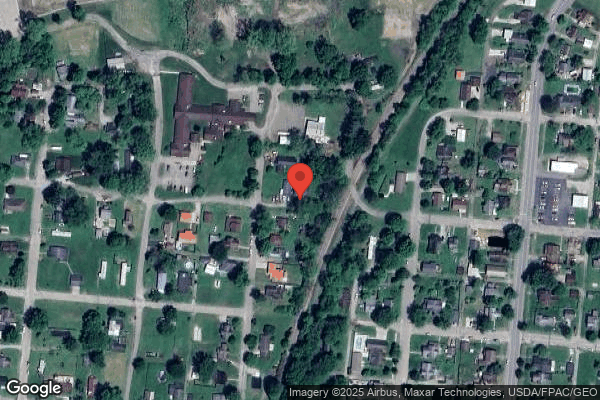
405 NORTH PARK AVENUE, WELLSTON, OH 45692 (740) 384-5611
For profit - Limited Liability company 50 Beds AOM HEALTHCARE Data: November 2025
Trust Grade
58/100
#251 of 913 in OH
Last Inspection: July 2024

Within standard 12-15 month inspection cycle. Federal law requires annual inspections.

Overview

Edgewood Manor of Wellston has a Trust Grade of C, which means it is average and falls in the middle of the pack in terms of quality. The facility ranks #251 out of 913 in Ohio, placing it in the top half of nursing homes statewide, and #2 out of 4 in Jackson County, indicating only one local option is better. Importantly, the facility is improving, having reduced its issues from 11 in 2024 to just 1 in 2025. Staffing is a concern here, with a rating of 3/5 stars and a turnover rate of 62%, significantly higher than the state average. Additionally, the facility has incurred fines totaling $18,655, which is higher than 80% of Ohio facilities, suggesting compliance issues. Although there is good RN coverage, with more registered nurses than 77% of Ohio facilities, there have been serious incidents, such as a resident suffering unrelieved pain for hours before receiving medication and another resident experiencing medication errors that led to significant health issues. Overall, while there are strengths in RN coverage and a positive trend, the facility has concerning staffing and compliance issues that families should consider.

Trust Score
C
58/100
In Ohio
#251/913
Top 27%
Safety Record
Moderate
Needs review
Inspections
Getting Better
11 → 1 violations
Staff Stability
⚠ Watch
62% turnover. Above average. Higher turnover means staff may not know residents' routines.
Penalties
○ Average
$18,655 in fines. Higher than 54% of Ohio facilities. Some compliance issues.
Skilled Nurses
✓ Good
Each resident gets 42 minutes of Registered Nurse (RN) attention daily — more than average for Ohio. RNs are trained to catch health problems early.
Violations
⚠ Watch
17 deficiencies on record. Higher than average. Multiple issues found across inspections.
★★★★☆
4.0
Overall Rating
★★★☆☆
3.0
Staff Levels
★★★★★
5.0
Care Quality
★★★☆☆
3.0
Inspection Score
Stable
2024: 11 issues
2025: 1 issues

The Good

  • 5-Star Quality Measures · Strong clinical quality outcomes
  • Full Sprinkler Coverage · Fire safety systems throughout facility
  • No fines on record

Facility shows strength in quality measures, fire safety.

The Bad

Staff Turnover: 62%

16pts above Ohio avg (46%)

Frequent staff changes - ask about care continuity

Federal Fines: $18,655

Below median ($33,413)

Minor penalties assessed

Chain: AOM HEALTHCARE

Part of a multi-facility chain

Ask about local staffing decisions and management

Staff turnover is elevated (62%)

14 points above Ohio average of 48%

The Ugly 17 deficiencies on record

2 actual harm
Sept 2025 1 deficiency
CONCERN (D) 📢 Someone Reported This

A family member, employee, or ombudsman was alarmed enough to file a formal complaint

Potential for Harm - no one hurt, but risky conditions existed

Pharmacy Services (Tag F0755)

Could have caused harm · This affected 1 resident

**NOTE- TERMS IN BRACKETS HAVE BEEN EDITED TO PROTECT CONFIDENTIALITY** Based on resident record review, staff interview, and review of hospital discharge instructions, the facility failed to ensure d...

Read full inspector narrative →
**NOTE- TERMS IN BRACKETS HAVE BEEN EDITED TO PROTECT CONFIDENTIALITY** Based on resident record review, staff interview, and review of hospital discharge instructions, the facility failed to ensure discharge orders for medications were accurately implemented. This affected one resident (#39) out of the 16 residents whose medications were reviewed. The facility census was 40. Findings include: Record review for Resident #39 revealed the resident was admitted to the facility on [DATE] and had diagnoses which included hypertension, diabetes mellitus, and adult failure to thrive.Review of the admission Minimum Data Set (MDS) assessment, dated 08/07/25, revealed the resident was assessed to have impaired cognition.Review of the hospital discharge medication instructions, dated 07/30/25, revealed Resident #39 was to continue taking one half of a tablet of 25 milligram (mg) metoprolol (an anti-hypertensive medication) twice a day after discharge from the hospital.Review of the physicians order, dated 07/31/25, revealed Resident #39 was ordered one whole tablet of 25 mg metoprolol to be administered twice a day while residing in the facility.Further record review for Resident #39 revealed the resident was not documented to suffer any adverse effects as a result of being administered 25 mg of metoprolol twice a day while residing in the facility.Interview with the Director of Nursing (DON) on 09/04/25 at 10:05 A.M. confirmed the hospital discharge instructions for Resident #39 were for the resident to continue taking one half of a tablet of 25 mg metoprolol (to equal 12.5 mg) twice a day but order was transcribed at the facility for one whole tablet (to equal 25 mg) twice a day. This citation represents non-compliance identified during the investigation of Complaint #2601352 and Complaint #2596195.
Jul 2024 9 deficiencies 1 Harm
SERIOUS (G)

Actual Harm - a resident was hurt due to facility failures

Deficiency F0697 (Tag F0697)

A resident was harmed · This affected 1 resident

**NOTE- TERMS IN BRACKETS HAVE BEEN EDITED TO PROTECT CONFIDENTIALITY** Based on record review, review of a facility fall report, policy review and interview, the facility failed to provide timely and...

Read full inspector narrative →
**NOTE- TERMS IN BRACKETS HAVE BEEN EDITED TO PROTECT CONFIDENTIALITY** Based on record review, review of a facility fall report, policy review and interview, the facility failed to provide timely and necessary pain management (including the administration of effective pain medication) for Resident #23 following the identification of an injury to the resident's hip/leg. Actual Harm occurred on 05/19/24 when direct care staff identified Resident #23, who was severely cognitively impaired had increased incontinence (not his baseline) and verbal and non-verbal signs of pain including facial grimacing and grabbing his right leg during care resulting in unrelieved pain. On 05/19/24 at 11:16 A.M. nursing staff received an order for Ultram for pain. However, the medication was not administered on this date until 4:05 P.M. (almost five hours after the order was received). The resident was subsequently transferred to the emergency room on 0519/24 at 8:32 P.M. for treatment of a fractured right hip. This affected one resident (#23) of one resident reviewed for pain. The facility census was 44. Findings include: Review of the medical record for Resident #23 revealed an admission date of 08/19/23 with diagnoses including repeated falls, cerebral infarction due to unspecified occlusion or stenosis of unspecified cerebral artery, vascular dementia with a new diagnosis of fracture of unspecified part of neck of right femur, initial encounter for closed fracture dated 05/29/24 during stay. Review of physician's order dated 08/19/23 at 12:45 P.M. Resident #23 revealed an order for Acetaminophen (Tylenol) 500 milligrams (mg) enterally every six hours as needed for pain. Review of quarterly Minimum Data Set (MDS) 3.0 assessment dated [DATE] revealed Resident #23 had severely impaired cognition and was rarely/never understood. The resident was assessed to require (staff) supervision or touching assistance with bed mobility, partial/moderate (staff) assistance with all transfers and substantial/maximal (staff) assistance with toilet hygiene. The assessment reflected Resident #23 had no falls during the look back period, was occasionally incontinent of urine and was continent of bowels. Review of the progress note dated 05/19/24 at 11:23 A.M. revealed Resident #23 was noted to be incontinent of urine which he was usually continent. The resident was holding his right leg up to his chest, and had bruises noted on right leg and right inner leg. The progress note revealed the resident was questioned if he fell and he shook his head yes. When asked when, the resident put his two fingers up. When asked two days ago, the resident shook his head yes. When asked if he got himself up, he shook his head yes. The progress note revealed the certified nurse practitioner (CNP) was notified, and an order was received for an x-ray of the hips, labs and for pain medication. Review of the progress note revealed no evidence a comprehensive pain assessment was completed at this time or evidence the facility attempted any type of non-pharmacological pain interventions for the resident. Review of the resident's nursing progress notes revealed no documentation of any type of fall sustained by the resident two days prior. There was no documentation of any type of injury or bruising to the resident's leg prior to this note on 05/19/24 . Further review of Resident #23's progress notes revealed no documentation of a pain assessment, no evidence Tylenol (for pain) was administered, and no evidence non-pharmacological pain interventions were completed. Review of Resident #23's medication administration record (MAR) for 05/19/24 revealed no documentation Tylenol was administered during the entire 24-hour period on this date. Review of a physician's order dated 05/19/24 at 11:43 A.M. revealed an order for Ultram (a narcotic-like pain reliever) 50 mg one tablet every eight hours as needed for pain. Orders were also written (at 11:45 A.M.) for an x-ray two view bilateral hips for pain related to hip and questionable fall. There was no indication the resident was provided any pharmacological or non-pharmacological pain interventions at this time. Record review revealed between 11:23 A.M. and 4:05 P.M. the facility failed to monitor the resident's pain or provide pain management. Record review revealed on 05/19/24 at 4:05 P.M. (almost five hours after the order was received) Resident #23 was administered Ultram 50 mg for what staff documented was pain rated a four on a scale of 0 to 10 with 10 being the most severe pain. Review of the progress note dated 05/19/24 at 6:57 P.M. revealed the two-view x-ray of the right hip was completed. Left hip x-ray not done due to the resident not being able to tolerate laying on his left side. CNP notified. Review of Resident #23's x-ray results dated 05/19/24 revealed the right hip demonstrated a slightly displaced fracture of the right femur in the sub capital portion. Review of the progress note dated 05/19/24 at 8:32 P.M. revealed facility staff called 911 to get Resident #23 transferred to nearest available emergency room. Resident #23 had confirmed results of fractured/broken right hip. Review of the discharge return anticipated Minimum Data Set (MDS) assessment dated [DATE] revealed Resident #23 had severely impaired cognition. The assessment noted Resident #23 received as needed pain medication. The assessment revealed the resident was unable to be understood, pain was determined by grimacing, groaning and guarding body part. Resident had one fall with major injury. Review of a progress note dated 05/23/24 at 10:39 A.M. written by Licensed Practical Nurse (LPN) #45 revealed Resident #23 was readmitted to the facility from a local hospital with a diagnosis of femur head fracture. The family refused to allow any surgical intervention. Review of the most recent MDS 3.0 assessment dated [DATE] revealed the resident remained rarely/never understood. The resident was assessed to require (staff) supervision or touching assistance with bed mobility, substantial/maximal (staff) assistance with toilet hygiene and staff dependence on shower/bathe. This resident was noted to take an opioid for seven out of seven of the assessment days. This resident also had a fracture related to a fall in the six months prior to reentry. Interview on 07/24/24 at 9:57 A.M. with Registered Nurse (RN) #512 revealed he was the nurse assigned to Resident #23 and working on 05/19/24. The RN revealed he was assisting another resident, so LPN #442 addressed the concerns with Resident #23 as well as calling the CNP to get orders. The RN revealed throughout his shift, Resident #23 had a flat effect but did not think the resident had verbal indicators of pain directly to him; however, the State Tested Nursing Assistant (STNA) staff working with the resident did come to him to inform him of the resident's pain during incontinence care. The RN was unable to recall the times staff reported the resident's pain to him and verified he did not implement any non-pharmacological interventions during the day. The resident was transferred to the emergency room that evening and was treated for a hip fracture. The RN was unable to recall what pain medication was provided to the resident and was also unable to recall most events for this shift. Interview on 07/24/24 at 10:33 A.M. with STNA #332 revealed she was assigned to work the hall Resident #23 was on and was working the day of 05/19/24. The STNA stated, I had to assist STNA #537 several times to clean up Resident #23 as he was incontinent and in bed and you could see on his face, he was not comfortable. We cleaned him up every two hours and for the first couple of changes, he would shake his head yes to being in pain and would resist rolling and being cleaned up. I told RN #512 as did STNA #537 and it wasn't until the early evening he wasn't as resistive to care but was still in pain. The STNA revealed no non-pharmacological pain interventions were attempted for the resident when staff were providing incontinence care. Interview on 07/24/24 at 10:50 A.M. with STNA #537 revealed she was assigned to work the hall Resident #23 was on and was working the day of 05/19/24. The STNA stated, I had to get STNA #332 to assist me to do incontinence care on him as he would make faces and hold his right leg and make sounds. He is usually continent, and I never need anyone to help me with him, so I knew something was wrong with him when we would do our changes every two hours. I reported this to RN #512 several times that he was in pain because I would ask him as well and he would shake his head yes to being in pain. The STNA verified no non-pharmacological pain interventions were attempted by staff when they were providing incontinence care. Interview on 07/24/24 at 11:25 A.M. with LPN #442 revealed on 05/19/24 she was not the nurse on Resident #23's hall, but stated she had responded after being told the resident was on his floor mat . The LPN revealed she assessed the resident and stated he was definitely in pain at the time, I didn't ask him what his pain was, but he was grimacing and holding his right leg to his chest and would not let us touch him, it was hard to get him back into bed. The LPN revealed no immediate non-pharmacological interventions were attempted at this time, other than placing the resident back in bed and calling the doctor. The LPN revealed she also told RN #512 the resident was in pain as the resident resided on the hall the RN was assigned for the shift. Interview on 07/24/24 at 2:59 P.M. with the Director of Nursing (DON) revealed on 05/19/24, a pain assessment should have been completed with the incident report completed for Resident #23 at the time of the incident. The DON verified the resident was not provided any of the ordered Tylenol as noted on the administration record. The DON also verified the lack of timely and effective pain management (pharmacological and non-pharmacological) during the shift as noted above. The DON verified the resident was transferred to the emergency room after x-ray results showed the hip fracture. The DON revealed the expectation of the nursing staff was to implement both pharmacological and non-pharmacological pain interventions when pain was indicated. Attempts to interview Resident #23 related to the incident and/or pain during the investigation were unsuccessful due to the resident's cognitive status. Attempts to reach the resident's wife were also unsuccessful. Review of the facility policy titled Pain Assessment and Management revealed acute pain should be assessed every 30 to 60 minutes after the onset and reassessed as indicated until relief was obtained. The pain management interventions shall be consistent with the resident's goal for treatment. Such goals would be specifically defined and documented. Non-pharmacological interventions may be appropriate alone or in conjunction with medications.
CONCERN (D)

Potential for Harm - no one hurt, but risky conditions existed

Comprehensive Assessments (Tag F0636)

Could have caused harm · This affected 1 resident

**NOTE- TERMS IN BRACKETS HAVE BEEN EDITED TO PROTECT CONFIDENTIALITY** Based on interviews and record reviews the facility failed to include pertinent information on the minimum data set (MDS) assess...

Read full inspector narrative →
**NOTE- TERMS IN BRACKETS HAVE BEEN EDITED TO PROTECT CONFIDENTIALITY** Based on interviews and record reviews the facility failed to include pertinent information on the minimum data set (MDS) assessment for two residents (#15 and #26) out of 13 residents reviewed for assessment accuracy. The facility census was 44. Findings include: 1. Review of the medical record for Resident #26, revealed an admission date of 01/15/21. Diagnoses included but were not limited to muscle weakness, cognitive communication deficit, acute on chronic combined systolic and diastolic heart failure, major depressive disorder, end stage renal disease and chronic kidney disease, stage 4. Review of the most recent Minimum Data Set (MDS) 3.0 assessment dated [DATE] revealed a Brief Interview for Mental Status (BIMS) of 13 out of 15 indicated cognitive intactness. The resident was assessed to require supervision or touching assistance with shower/bathe self and independent with bed mobility and transfers. The assessment did not include hemodialysis. Review of Resident #26's active orders revealed dialysis was started on 08/01/23. Interview on 07/24/24 at 1:39 P.M. with the Director of Nursing and MDS Coordinator #411 verified Resident #26 received hemodialysis at the time of the 06/20/24 assessment and it was not indicated on the assessment. 2. Review of the medical record for Resident #15 revealed an admission date of 01/07/24 with diagnoses including schizoaffective disorder, bipolar disorder, chronic obstructive pulmonary disorder, anxiety, PTSD, borderline personality disorder, panic disorder and obesity. Review of the quarterly MDS dated [DATE] indicated Resident #15 was cognitively intact with inattention and disorganized thinking. Resident #15 was independent with activities of daily living. Active diagnoses list included anxiety disorder, bipolar disorder, schizophrenia, PTSD and borderline personality disorder. The MDS did not list antianxiety or antidepressant medications. Review of the physician orders dated 06/24 indicated Resident #15 received the following psychotropic medications: Venlafaxine 225 milligrams (mg) by mouth daily for depression, Fluoxetine 40 mg by mouth daily for depression related to Bipolar disorder, Lumateperone Tosylate 42 mg by mouth daily for Schizoaffective disorder,Galantamine Hydrobromide 8 mg by mouth two times daily for Schizoaffecive disorder, Carbamazepine 200 mg by mouth every 12 hours for Bipolar disorder, Brexpiprazole 1 mg by mouth daily for Schizoaffective disorder, Quetiapine Furmarate 400 mg by mouth two times daily for Schizoaffective disorder, Hydroxyzine Pamoate 50 mg by mouth three times daily for anxiety disorder and Clonazepam 1 mg by mouth three times daily for anxiety. An interview on 07/24/24 at 10:30 A.M. with the Director of Nursing (DON) #361 confirmed Resident #15 MDS was incomplete and did not include all psychotropic medications.
CONCERN (D)

Potential for Harm - no one hurt, but risky conditions existed

PASARR Coordination (Tag F0644)

Could have caused harm · This affected 1 resident

**NOTE- TERMS IN BRACKETS HAVE BEEN EDITED TO PROTECT CONFIDENTIALITY** Based on record review and interview, the facility failed to submit a resident review (RR) when Resident #17 received a new diag...

Read full inspector narrative →
**NOTE- TERMS IN BRACKETS HAVE BEEN EDITED TO PROTECT CONFIDENTIALITY** Based on record review and interview, the facility failed to submit a resident review (RR) when Resident #17 received a new diagnosis. This affected one (Resident #17) of two residents reviewed for PASARRs (pre-assessment screens and resident reviews). The facility census was 44. Findings included: Record review revealed Resident #17 admitted to the facility on [DATE] with diagnoses including acute myocardial infarction, urinary tract infection, metabolic encepalopathy, type II diabetes, anemia, cognitive communication disorder, anxiety disorder, and major depressive disorder. An additional diagnosis of schizophrenia was added on 06/11/24. Review of a PASARR dated 06/06/24 revealed section E (a screen for serious mental illness) indicated Resident #17 had a mood disorder (depression) and a panic/severe anxiety disorder. The PASARR did not indicate Resident #17 had a diagnosis of schizophrenia. Interview on 07/24/24 at 8:44 A.M. with Social Worker (SW) #445 revealed she does complete PASARRs for the facility, but she just started and had not completed any yet. SW #445 stated when residents admit to the facility, the admission director reviews the PASARR to ensure accuracy but a RR should be completed when a resident has a change in mental health diagnosis or payer source. SW #445 confirmed Resident #17's PASARR did not contain a diagnosis of schizophrenia and a RR was not completed because she did not know a diagnosis of schizophrenia had been added. A request for a PASARR policy was made, but the facility did not have one.
CONCERN (D)

Potential for Harm - no one hurt, but risky conditions existed

Deficiency F0645 (Tag F0645)

Could have caused harm · This affected 1 resident

**NOTE- TERMS IN BRACKETS HAVE BEEN EDITED TO PROTECT CONFIDENTIALITY** Based on interview and record review the facility failed to ensure the Pre admission Screening and Resident Review (PASARR) was ...

Read full inspector narrative →
**NOTE- TERMS IN BRACKETS HAVE BEEN EDITED TO PROTECT CONFIDENTIALITY** Based on interview and record review the facility failed to ensure the Pre admission Screening and Resident Review (PASARR) was accurate upon admission for Resident #15. This affected one of two residents reviewed for PASARR. The facility census was 44. Findings include: Review of the medical record for Resident #15 revealed an admission date of 01/07/24 with diagnoses including schizoaffective disorder, bipolar disorder, chronic obstructive pulmonary disorder, anxiety, PTSD, borderline personality disorder, panic disorder and obesity. Review of the quarterly Minimum Data Set (MDS) dated [DATE] indicated Resident #15 was cognitively intact with inattention and disorganized thinking. Resident #15 was independent with activities of daily living. Active diagnoses list included anxiety disorder, bipolar disorder, schizophrenia, PTSD and borderline personality disorder. The MDS did not list antianxiety or antidepressant medications. Review of the physician orders dated 06/24 indicated Resident #15 received the following psychotropic medications: Venlafaxine 225 milligrams (mg) by mouth daily for depression, Fluoxetine 40 mg by mouth daily for depression related to Bipolar disorder, Lumateperone Tosylate 42 mg by mouth daily for Schizoaffective disorder,Galantamine Hydrobromide 8 mg by mouth two times daily for Schizoaffecive disorder, Carbamazepine 200 mg by mouth every 12 hours for Bipolar disorder, Brexpiprazole 1 mg by mouth daily for Schizoaffective disorder, Quetiapine Furmarate 400 mg by mouth two times daily for Schizoaffective disorder, Hydroxyzine Pamoate 50 mg by mouth three times daily for anxiety disorder and Clonazepam 1 mg by mouth three times daily for anxiety. Review of the PASARR dated 01/05/24 indicated Resident #15 had one mental health diagnosis of Mood disorder and did not receive psychotropic medications. An interview on 07/24/24 at 10:30 A.M. with the Director of Nursing (DON) #361 confirmed the PASARR for Resident #15 was not complete and did not include all of the mental health diagnoses or psychotropic medications listed in the medical chart.
CONCERN (D)

Potential for Harm - no one hurt, but risky conditions existed

Comprehensive Care Plan (Tag F0656)

Could have caused harm · This affected 1 resident

**NOTE- TERMS IN BRACKETS HAVE BEEN EDITED TO PROTECT CONFIDENTIALITY** Based on record review and interview, the facility failed develop a care plan addressing schizophrenia for Resident #17 and Post...

Read full inspector narrative →
**NOTE- TERMS IN BRACKETS HAVE BEEN EDITED TO PROTECT CONFIDENTIALITY** Based on record review and interview, the facility failed develop a care plan addressing schizophrenia for Resident #17 and Post Traumatic Stress Disorder (PTSD) for Resident #15. This affected two (Resident #15 and #17) of two residents reviewed for comprehensive care plans. Findings included: 1. Record review revealed Resident #17 admitted to the facility on [DATE] with diagnoses including acute myocardial infarction, urinary tract infection, metabolic ecepalopathy, type II diabetes, anemia, cognitive communication disorder, anxiety disorder, and major depressive disorder. An additional diagnosis of schizophrenia was added on 06/11/24. Review of a care plan dated 06/27/24 revealed no evidence of a plan of care, goals, or interventions had been implemented related to the new diagnosis of schizophrenia. Interview on 07/24/24 at 10:42 A.M. with Director of Nursing (DON) confirmed there was not a care plan in place for Resident #17 related to schizophrenia. 2. Review of the medical record for Resident #15 revealed an admission date of 01/07/24 with diagnoses including schizoaffective disorder, bipolar disorder, chronic obstructive pulmonary disorder, anxiety, PTSD, borderline personality disorder, panic disorder and obesity. Review of the quarterly Minimum Data Set (MDS) dated [DATE] indicated Resident #15 was cognitively intact with inattention and disorganized thinking. Resident #15 was independent with activities of daily living. Active diagnoses list included anxiety disorder, bipolar disorder, schizophrenia, PTSD and borderline personality disorder. Review of the Trauma Informed Care assessment dated [DATE] indicated Resident #15 had experienced an event and had nightmares. Resident #15 tried hard not to think about the event, was constantly on guard and felt detached from people. Review of the nursing progress notes dated 01/07/24 through 07/24/24 were several scattered entries of verbal behaviors. There was not documentation related to PTSD. Review of the plan of care dated 01/20/24 and updated on 06/12/24 revealed no plan for PTSD indicating triggers or interventions. An interview on 07/22/24 at 2:00 P.M. revealed Resident #15 had been abused by her mother during her life at home. An interview on 07/23/24 at 1:20 P.M. with Social Services #445 confirmed she managed the psychiatric needs of the residents. Social Services #445 had no knowledge of Resident #15 PTSD plan of care. An interview on 07/23/24 at 2:04 P.M. with Stated Tested Nursing Assistant (STNA) #544 confirmed she was not aware Resident #15 had PTSD, what her triggers were or any interventions. STNA #544 confirmed this information would be on Resident #15 [NAME] (plan of care). An interview on 07/23/24 at 2:09 P.M. with STNA #448 confirmed she was not aware Resident #15 had PTSD, what her triggers were or any interventions. STNA #448 confirmed behaviors and interventions were listed on the [NAME]. An interview on 07/24/24 at 10:30 A.M. with the Director of Nursing (DON) confirmed Resident #15 did not have a plan of care addressing PTSD. Review of the facility policy titled Trauma Informed Care dated 03/19 indicated all staff were provided in-service training about trauma, its impact on health and PTSD in the context of the healthcare setting. The nursing staff were trained on screening tools, trauma assessment and how to identify triggers associated with re-traumatization. Caregivers were taught strategies to help eliminate, mitigate or sensitively address the resident's triggers. Review of a policy titled Care Plans, Comprehensive Person-Centered dated 12/2016 revealed a comprehensive, person-centered care plan tht includes measurable objectives and timetables to meet the resident's physical, psychosociall an functional needs is developed and implemented for each resident. The care plan will describe the services which are to be furnished to attain or maintain the resident's highest practicable physical, mental, and psychosocial well-being. Care plan interventions are chosen only after careful data gathering, proper sequencing of events, careful consideration of the relationship between the resident's problem areas and their causes, and relevant clinical decision making. When possible, the interventions address the underlying source of the problem area, not just addressing symptoms and triggers.
CONCERN (D)

Potential for Harm - no one hurt, but risky conditions existed

Deficiency F0688 (Tag F0688)

Could have caused harm · This affected 1 resident

**NOTE- TERMS IN BRACKETS HAVE BEEN EDITED TO PROTECT CONFIDENTIALITY** Based on interviews, observations, record review and policy review, the facility failed to have bilateral palm protectors in pla...

Read full inspector narrative →
**NOTE- TERMS IN BRACKETS HAVE BEEN EDITED TO PROTECT CONFIDENTIALITY** Based on interviews, observations, record review and policy review, the facility failed to have bilateral palm protectors in place for one (Resident #10) reviewed for prevention of decrease of limited range of motion. The facility census was 44. Findings include: Review of the medical record for Resident #10, revealed an admission date of 01/08/24. Diagnoses included but were not limited to cerebral infarction due to unspecified occlusion or stenosis of left middle cerebral artery, major depressive disorder, unspecified dementia, contracture of muscle, unspecified upper arm, neuromuscular dysfunction of bladder, gastrostomy status and aphasia. Review of the most recent Minimum Data Set (MDS) 3.0 assessment dated [DATE] revealed the resident is rarely/never understood. The resident was assessed to be dependent on all aspects of care. Review of Resident #10's active care plans revealed the resident is to wear bilateral palm protectors at all times except during hygiene and range of motion for contractual management. Review of Resident #10's physician order dated 02/07/24 3:32 P.M. revealed the resident is to wear bilateral palm protectors at all times except during hygiene and range of motion for contractual management. Observation of Resident #10 on 07/22/24 at 9:47 A.M. and 1:12 P.M. revealed the resident was not wearing bilateral palm protectors, nothing was in place and the resident was not receiving hygiene and range of motion exercises. Observation of Resident #10 on 07/23/24 at 7:30 A.M., 10:06 A.M. and 3:06 P.M. revealed the resident was not wearing bilateral palm protectors, nothing was in place and the resident was not receiving hygiene and range of motion exercises. Observation of Resident #10 on 07/24/24 at 7:50 A.M. and 11:01 A.M. revealed the resident was not wearing bilateral palm protectors, nothing was in place and the resident was not receiving hygiene and range of motion exercises. Interview and Observation on 07/24/24 at 11:02 A.M. with LPN #540 verified Resident #10 was not wearing bilateral palm protectors, nothing was in place and the resident was not receiving hygiene and range of motion exercises and stated they might be in the laundry. I will get some washcloths until we can find them. Review of the facility policy titled Assistive Devices and Equipment revised January 2020 stated recommendations for the use of devised and equipment are documented in the residents care plan and staff are required to be available to assist and supervise residents as needed.
CONCERN (D)

Potential for Harm - no one hurt, but risky conditions existed

Deficiency F0698 (Tag F0698)

Could have caused harm · This affected 1 resident

**NOTE- TERMS IN BRACKETS HAVE BEEN EDITED TO PROTECT CONFIDENTIALITY** Based on interviews, record reviews, and facility policy review, the facility failed to ensure an order and care plan interventi...

Read full inspector narrative →
**NOTE- TERMS IN BRACKETS HAVE BEEN EDITED TO PROTECT CONFIDENTIALITY** Based on interviews, record reviews, and facility policy review, the facility failed to ensure an order and care plan interventions were in place for a dialysis site for one resident (#26) of one reviewed for dialysis. The facility census was 44. Findings include: Review of the medical record for Resident #26, revealed an admission date of 01/15/21. Diagnoses included but were not limited to muscle weakness, cognitive communication deficit, acute on chronic combined systolic and diastolic heart failure, major depressive disorder, end stage renal disease and chronic kidney disease, stage 4. Review of the most recent Minimum Data Set (MDS) 3.0 assessment dated [DATE] revealed a Brief Interview for Mental Status (BIMS) of 13 out of 15 indicating cognitive intactness. The resident was assessed to require supervision or touching assistance with shower/bathe self and independent with bed mobility and transfers. Review of Resident #26's active care plans revealed a care plan for hemodialysis related to chronic kidney disease stage 4 with the resident having a left arm arteriovenous (AV) fistula with no intervention for the care and condition of the dressing. Review of the physician order dated 04/12/24 at 2:55 P.M. for Resident #26 for the left AV fistula revealed no intervention for the care and condition of the dressing, only to remove the bandage at night after dialysis on Monday, Wednesdays and Fridays. Interview on 07/23/24 at 10:15 A.M. with Licensed Practical Nurse (LPN) #540 revealed if Resident #26's fistula site starts to bleed or gets contaminated she would reapply the dressing, but there was no order to do that, so she would call the doctor and verify. Interview on 07/23/24 at 1:32 P.M. with Assistant Director of Nursing (ADON) #339 revealed for Resident #26's left AV fistula there are no physician orders and care plan interventions for the dressing care to left AV fistula site prior to removing it in the evening after dialysis and stated well they would put another on, but I will call and clarify what to do if it comes off or gets soiled before it is to be removed in the evening. Interview on 07/23/24 at 2:07 P.M. with ADON #339 verified and stated, the order for the left AV fistula is clarified and fixed to include dressing care. Review of the facility policy titled Hemodialysis Access Care revised September 2010 stated, the general medical nurse should document in the residents' medical record every shift as follows: the condition of dressing (interventions if needed) and if the dressing becomes wet, dirty, or not intact, the dressing shall be changed by a licensed nurse trained in this procedure.
CONCERN (D)

Potential for Harm - no one hurt, but risky conditions existed

Deficiency F0699 (Tag F0699)

Could have caused harm · This affected 1 resident

**NOTE- TERMS IN BRACKETS HAVE BEEN EDITED TO PROTECT CONFIDENTIALITY** Based on interview, medical record review and policy review the facility failed to ensure Resident #15 was not appropriately ass...

Read full inspector narrative →
**NOTE- TERMS IN BRACKETS HAVE BEEN EDITED TO PROTECT CONFIDENTIALITY** Based on interview, medical record review and policy review the facility failed to ensure Resident #15 was not appropriately assessed to identify the cause of the residents' Post Traumatic Stress Disorder (PTSD), how to minimize triggers and or re-traumatization. This affected one of two residents identified as having PTSD. The facility census was 44. Findings include: Review of the medical record for Resident #15 revealed an admission date of 01/07/24 with diagnoses including schizoaffective disorder, bipolar disorder, chronic obstructive pulmonary disorder, anxiety, PTSD, borderline personality disorder, panic disorder and obesity. Review of the quarterly Minimum Data Set (MDS) dated [DATE] indicated Resident #15 was cognitively intact with inattention and disorganized thinking. Resident #15 was independent with activities of daily living. Active diagnoses list included anxiety disorder, bipolar disorder, schizophrenia, PTSD and borderline personality disorder. Review of the Trauma Informed Care assessment dated [DATE] indicated Resident #15 had experienced an event and had nightmares. Resident #15 tried hard not to think about the event, was constantly on guard and felt detached from people. Review of the admission Psychosocial assessment dated [DATE] indicated Resident #15 was feeling down, depressed and hopeless. Review of the nursing progress notes dated 01/07/24 through 07/24/24 were several scattered entries of verbal behaviors. There was not documentation related to PTSD. Review of the plan of care dated 01/20/24 and updated on 06/12/24 revealed no plan for PTSD. An interview on 07/22/24 at 2:00 P.M. revealed Resident #15 had been abused by her mother during her life at home. An interview on 07/23/24 at 1:12 P.M. with Licensed Practical Nurse (LPN) # 540 confirmed the LPN had no knowledge of Resident #15 PTSD, triggers, or interventions. LPN #540 denied she received any education related to Resident #15 PTSD. An interview on 07/23/24 at 1:20 P.M. with Social Services #445 confirmed she managed the psychiatric needs of the residents. Social Services #445 had no knowledge of Resident #15 PTSD. An interview on 07/23/24 at 2:04 P.M. with Stated Tested Nursing Assistant (STNA) #544 confirmed she was not aware Resident #15 had PTSD, what her triggers were or any interventions. STNA #544 confirmed this information would be on Resident #15 [NAME] (plan of care). An interview on 07/23/24 at 2:09 P.M. with STNA #448 confirmed she was not aware Resident #15 had PTSD, what her triggers were or any interventions. STNA #448 confirmed behaviors and interventions were listed on the [NAME]. An interview on 07/24/24 at 10:30 A.M. with the Director of Nursing (DON) confirmed Resident #15 had diagnosis of PTSD with no triggers identified or interventions in place. Review of the facility policy titled Trauma Informed Care dated 03/19 indicated all staff were provided in-service training about trauma, its impact on health and PTSD in the context of the healthcare setting. The nursing staff were trained on screening tools, trauma assessment and how to identify triggers associated with re-traumatization. Caregivers were taught strategies to help eliminate, mitigate or sensitively address the resident's triggers.
CONCERN (D)

Potential for Harm - no one hurt, but risky conditions existed

Deficiency F0740 (Tag F0740)

Could have caused harm · This affected 1 resident

**NOTE- TERMS IN BRACKETS HAVE BEEN EDITED TO PROTECT CONFIDENTIALITY** Based on interviews and record reviews, the facility failed to identify specific target behaviors related to major depressive di...

Read full inspector narrative →
**NOTE- TERMS IN BRACKETS HAVE BEEN EDITED TO PROTECT CONFIDENTIALITY** Based on interviews and record reviews, the facility failed to identify specific target behaviors related to major depressive disorder with implementation of a care plan for one resident (#26) of seven residents reviewed. The facility census was 44. Findings include: Review of the medical record for Resident #26, revealed an admission date of 01/15/21. Diagnoses included but were not limited to muscle weakness, cognitive communication deficit, acute on chronic combined systolic and diastolic heart failure, major depressive disorder, end stage renal disease and chronic kidney disease, stage 4. Review of the most recent Minimum Data Set (MDS) 3.0 assessment dated [DATE] revealed a Brief Interview for Mental Status (BIMS) of 13 out of 15 indicating cognitive intactness. The resident was assessed to require supervision or touching assistance with shower/bathe self and independent with bed mobility and transfers. This resident was assessed to also have little interest or pleasure in doing things, feeling down, depressed, or hopeless and trouble falling asleep 12-14 days with no physical and verbal behavioral symptoms during the assessment. Review of Resident #26's active care plans revealed none for major depressive disorder that would include target behaviors with interventions. Review of Resident #26's medical record revealed no documented assessment or questionnaire as to what the target behaviors are with the diagnosis of major depressive disorder. Further review of this residents medical record revealed no documentation of identifying behaviors exhibited by the resident per the MDS assessment of mood. Interview on 07/24/24 at 11:09 A.M. with Licensed Practical Nurse (LPN) #540 verified Resident #26 had moments of moods that were indicated on the MDS assessment, but were not documented in the chart and was unsure if that was a specific target behavior related to his depression diagnosis. Interview on 07/24/24 at 1:19 P.M. with the Director of Nursing verified no assessment was completed to identify specific behaviors as well as no care plan was initiated for the diagnosis of major depressive disorder for Resident #26.
May 2024 2 deficiencies 1 Harm
SERIOUS (G) 📢 Someone Reported This

A family member, employee, or ombudsman was alarmed enough to file a formal complaint

Actual Harm - a resident was hurt due to facility failures

Deficiency F0760 (Tag F0760)

A resident was harmed · This affected 1 resident

**NOTE- TERMS IN BRACKETS HAVE BEEN EDITED TO PROTECT CONFIDENTIALITY** Based on closed record review, policy review, and interview, the facility failed to ensure Resident #22 was free from significan...

Read full inspector narrative →
**NOTE- TERMS IN BRACKETS HAVE BEEN EDITED TO PROTECT CONFIDENTIALITY** Based on closed record review, policy review, and interview, the facility failed to ensure Resident #22 was free from significant medication errors. This affected one resident (#22) of four residents reviewed for unnecessary medications. The facility census was 44. Actual Harm occurred on 11/27/23 and continued through 01/29/24 when the facility failed to clarify medication orders with Resident #22's referring hospital and include the resident in an admission care plan meeting, resulting in chemotherapy medication being administered in error to Resident #22. As a result of the medication errors, Resident #22 reported and suffered increased weakness, pain, nausea, constipation, and weight loss. Findings included: Closed record review revealed Resident #22 was admitted to the facility on [DATE] with diagnoses including paroxysmal atrial fibrillation, syncope and collapse, chronic systolic congestive heart failure, abdominal aortic aneurysm without rupture, malignant neoplasm of larynx, malignant neoplasm of liver, and malignant neoplasm of esophagus. Review of a paper copy of hospital notes dated 12/02/22 through 11/27/23 revealed the hospital's medication administration record (MAR) for Resident #22's stay from 11/24/23 through 11/27/23 did not indicate Capecitabine was an active medication. An additional medication list was provided with the dates 12/02/22 through 11/27/23 with Capecitabine listed but did not specify if it was a current order. Review of referral paperwork from the hospital dated 11/27/23 and scanned into the electronic medical record revealed an active medication list which did not include any chemotherapy medication. Additionally, a physician progress note was included dated 11/16/23 stating Resident #22 had a history of liver cancer and a history of esophageal cancer which had been treated and was in remission. Review of a fax from the Veterans Affairs on 11/29/23 revealed an updated medication list was sent to the facility for Resident #22 and had no indication Resident #22 was supposed to received any chemotherapy medication. Review of an admission history and physical completed by Physician #141 revealed hospital admission and discharge paperwork was reviewed and indicated Resident #22 had a history of liver and esophagus cancer. Review of a care plan dated 11/28/23 revealed no indication Resident #22 had a diagnosis of cancer or was receiving chemotherapy. Review of a Baseline Care Plan Review assessment dated [DATE] revealed no indication Resident #22 or a representative was invited to or participated in care planning meeting. Review of an admission Minimum Data Set (MDS) assessment dated [DATE] revealed Resident #22's cognition was intact, he had no behaviors, had an active diagnosis of cancer and had received chemotherapy. Resident #22 discharged from the facility on 01/29/24. Review of a medication order summary revealed Resident #22 had an order dated 11/27/23 for Capecitabine (a chemotherapy medication) oral tablet 500 milligrams (mg) to give 1000 mg by mouth two times a day for 14 days on and seven days off for cancer treatment. The resident had an order dated 12/18/23 for Capecitabine oral tablet 500 mg give 1000 mg by mouth two times a day 14 days on and 7 days off for cancer treatment dated 12/18/23 (started on 12/26/23). Review of a medication administration record (MAR) for November 2023 revealed Capecitabine was administered 11/28/23 through 11/30/23. Review of the December 2023 MAR revealed Capecitabine was administered 12/01/23 through 12/18/23, stopped from 12/18/23 through 12/15/23, and administered from 12/26/23 through 12/31/23. Review of the January 2024 MAR revealed Capecitabine was administered from 01/01/24 through 01/08/24, stopped from 01/09/24 through 01/15/24, and started from 01/16/24 through 01/29/24. Review of November 2023 MAR revealed Resident #22 had an as needed (PRN) order started on 11/27/23 for acetaminophen oral tablet 500 mg give one tablet by mouth every 24 hours as needed for pain which was not administered. Review of December 2023 MAR revealed Resident #22 received a dose of acetaminophen on 12/10/23 with a pain level of 4, a dose on 12/11/23 with a pain level of 5 and then acetaminophen was discontinued on 12/13/24. A new order was given on 12/13/23 for Oxycodone HCI oral tablet 5 mg give one tablet by mouth for pain every 8 hours as needed for pain which was administered on 12/13/23 with a pain level of 6 at 4:05 P.M., 12/14/23 for pain level of 7 at 7:58 P.M.; 12/15/23 for a pain level of 5 at 11:47 P.M.; twice on 12/16/23 for pain levels of 5 at 11:26 A.M. and 2 at 9:11 P.M.; 12/17/23 for a pain level of 2 at 8:38 P.M.; on 12/18/23 three times with a pain level of 5 for each administration at 3:05 A.M., 9 A.M., and 9:04 P.M.; 12/20/23 with a pain level of 5 at 8:38 P.M.; 12/21/23 with a pain level of 6 at 8:04 P.M.; 12/23/23 with a pain level of 4 at 2:41 A.M.; 12/24/23 with pain levels of 5 at 11:33 A.M. and 8 at 7:33 P.M.; 12/25/23 with a pain level of 2 at 8:27 P.M.; 12/26/23 with a pain level of 2 at 11:45 P.M.; 12/27/23 with a pain level of 5 at 8:54 P.M.; and on 12/31/23 with a pain level of 2 at 6:58 P.M. Review of January 2024 MAR revealed Oxycodone was administered on 01/01/24 with a pain level of 3 at 7:45 P.M.; on 01/02/24 with a pain level of 5 at 2:19 P.M.; on 01/04/24 with a pain level of 4 at 8:01 P.M.; on 01/05/24 with a pain level of 5 at 7:50 P.M.; on 01/06/24 with a pain level of 5 at 7:14 P.M.; on 01/09/24 with a pain level of 7 at 7:52 P.M.; on 01/11/24 with a pain level of 2 at 9:29 P.M.; on 01/12/24 with a pain level of 0 at 7:46 P.M.; on 01/13/24 with a pain level of 5 at 8:13 A.M.; on 01/14/24 with a pain level of 4 at 7:28 P.M.; on 01/15/24 with a pain level of 6 at 8 P.M.; on 01/17/24 with a pain level of 7 at 8:16 P.M.; on 01/18/24 with a pain level of 0 at 11:32 P.M.; on 01/19/24 with a pain level of 6 at 8:15 P.M.; on 01/20/24 with a pain level of 4 at 8 P.M.; on 01/22/24 with a pain level of 2 at 9:39 P.M.; on 01/23/24 with a pain level of 5 at 8:34 P.M.; on 01/24/24 with a pain level of 6 at 7:50 P.M.; on 01/25/24 with a pain level of 5 at 8:15 P.M.; on 01/26/24 with a pain level of 4 at 9:14 P.M.; on 01/27/24 with a pain level of 6 at 9:02 A.M. and 4 at 8:17 P.M.; and on 01/28/24 with a pain level of 4 at 7:53 P.M. Interview on 05/03/24 at 1:49 P.M. with Licensed Practical Nurse (LPN) #137 revealed she was not aware of any medication administration errors in the last six months. LPN #137 stated the floor nurse who was receiving the resident from the hospital would be responsible for entering orders upon admission. LPN #137 stated if an order was not clear, it should be clarified with the hospital, facility they came from, or the in-house physician who would be taking of the care of the resident. LPN #137 stated if a resident made her aware they were receiving a medication they were not supposed to receive, she would call the hospital to get the order clarified. Interview on 05/03/24 at 2:06 P.M. with LPN #156 revealed the nurse who received a resident would be responsible for entering medication orders into their chart. LPN #156 stated if an order received from the hospital was not clear, she would call the hospital to get the order clarified. LPN #156 revealed she became aware of Resident #22's medication errors after he was already discharged (from the facility in January 2024) when the facility was notified by the Veterans Affairs (VA) called after reviewing Resident #22's discharge information from the facility. Interview on 05/03/24 at 2:32 P.M. with Resident #22 revealed his chemotherapy medication had been discontinued approximately seven years ago after his cancer was in remission. Resident #22 stated he was not aware of what medications he was receiving in the facility and he had not been invited to participate in an admission care plan meeting to review the baseline care plan, medication list, or set goals for his stay at the facility. Resident #22 stated when he returned to his home, he received a call from the VA to inform him he had been taking chemotherapy medication after they reviewed the paperwork the facility sent them regarding Resident #22's stay. Resident #22 stated he had to start taking pain medications while he was at the facility due to increased pain, which he suspected was related to taking the chemotherapy medication. Resident #22 stated other side effects from the chemotherapy included nausea, constipation, weakness, loss of appetite and taste, and weight loss. Resident #22 stated he had a hard time getting up, he was staggering and required the use of a walker and would now have to start physical therapy again to regain some strength. Interview on 05/03/24 at 2:46 P.M. with Home Health Aide (HHA) #145 revealed while Resident #22 was at the facility, she had come to visit and the facility informed her Resident #22 had cancer and would not likely be leaving the facility. HHA #145 stated since leaving the facility, Resident #22 was more short-tempered, nauseated, sick to his stomach, weak and didn't eat like he used to. HHA #145 stated when Resident #22 admitted to the facility, he weight 230 pounds and was now down to 202 pounds, which was a 12.93% weight loss in two months. Interview on 05/03/24 at 3:33 P.M. with the Director of Nursing (DON) revealed she was unable to confirm if the chemotherapy medication listed on the hospital referral dated 12/02/22 through 11/27/23 was an old order but stated it was reasonable to assume it was a current order. The DON stated the referral information faxed from the hospital on [DATE] with a medication list dated 11/27/23 that did not contain chemotherapy would not be a reliable source for medication orders because often times, those orders were outdated. The DON confirmed the history and physical in the hospital paperwork specified Resident #22 had a history of liver and esophageal cancer which had both been treated and were currently in remission. The DON stated since the facility received the order for chemotherapy, it was not her place to determine if Resident #22 should have received the medication. The DON confirmed none of the nurse practitioners or physicians who treated Resident #22 while at the facility were cancer specialists. The DON confirmed the baseline care plan meeting did not indicate Resident #22 or family were invited or in attendance. DON confirmed medications, care plan and goals would be reviewed at baseline care plan meetings. DON confirmed Resident #22 was alert and oriented, and would have been able to tell staff he should not have been taking chemotherapy if he had been given the chance to participate in a care plan meeting. DON also confirmed if the order for chemotherapy had been accurate, the order stated medication should be given twice daily for 14 days, then held for 7 days, and medication had been administered from 11/27/23 through 12/18/23 which added up to 22 days the medication was administered without a seven-day break. Interview on 05/03/24 at 4:46 P.M. with the Administrator confirmed Resident #22 was admitted to the facility with orders for PRN acetaminophen 500 mg which were not administered until 12/10/23 and 12/11/23, then was discontinued and a new order for PRN Oxycodone 5 mg was given for increased pain. The Administrator confirmed there was no evidence Resident #22 was invited to, attended the admission care plan meeting, or provided with a baseline care plan. Interview on 05/03/24 at 5:09 P.M. with Administrator confirmed the VA sent an updated medication list to the facility on [DATE], two days after Resident #22 admitted to the facility, and did not include chemotherapy. Interview on 05/09/24 at 9:23 A.M. with VA Privacy Officer #202 revealed Nurse Practitioner (NP) #201 was interviewed on 05/09/24 at 8:33 A.M. regarding Resident #22's symptoms being related to the chemotherapy medication. NP #201 stated Resident #22 was admitted to rehab and during the time he was receiving chemotherapy medications. Resident #22 was at the end of the 14 days off cycle for the chemotherapy pill when he came back to us at Homebase Primary Care through the VA Medical Center. He was taken off the chemotherapy drug approximately four years ago, and we realized he received the medication during his stay at the facility after reviewing his discharge records. Other medication Resident #22 had received during his stay at the facility included Percocet for hip and bone pain, Pepcid and Prilosec for acid reflux. Resident #22 reported poor taste, bitterness of food and increased heart burn. In reviewing the side effects of the drug, all his side effects including pain, heart burn, poor taste, poor appetite, and weight loss were distinct possibilities as side effects from receiving the chemotherapy drug. Review of a policy titled Administering Medications dated April 2019 revealed medications are to be administered in accordance with prescriber's orders, if a dosage is believed to be inappropriate or excessive for a residents or a medication has been identified as having potential adverse consequences for the resident or is suspected of being associated with adverse effects the person preparing or administering the medical will contact the prescriber to discuss concerns. Review of a policy titled Care Plans- Baseline dated December 2016 revealed a baseline plan of care to meet the resident's immediate needs shall be developed for each resident within 48 hours of admission, the interdisciplinary team will review the healthcare practitioner's orders, and implement a baseline care plan to meet the resident's need including but not limited to initial foals based on admission orders, physician orders, dietary orders, therapy services, social services. The baseline care plan will be used until the staff can conduct the comprehensive assessment and develop an interdisciplinary person-centered care plan. The resident and their representative will be provided with a summary of the baseline care plan that includes the initial goals of the resident, a summary of the resident's medications and dietary instructions, any services and treatments to be administered by the facility and personnel acting on behalf of the facility, and any updated information based on the details of the comprehensive care plan as necessary. Review of a policy titled Reconciliation of Medications on Admission dated July 2017 revealed To prepare for medication reconciliation, gather the information needed to reconcile the medication list including the approved medication reconciliation form, discharge summary from the referring facility, admission order sheet, all prescription and supplement information obtained from the resident or family during the medication history, and the most recent medication administration record for readmissions. Reconciliation of medications is completed to ensure an accurate medication list and includes the drug name, dosage, frequency, route of administration, and the purpose of the medication. This helped to reduce medication errors and enhances resident safety. Medication reconciliation helps to ensure all medications, routes, and dosages on the list are appropriate for the resident and their condition, and do not interact in a negative wat with other medications or supplements on the list. Medication reconciliation also ensures correct medication information is communicated to the attending physician and care team. If medication information is not collected from the resident or family, ask the resident to list all physicians and pharmacies from which they obtained medications. The list should be reviewed carefully to determine any discrepancies or conflicts. If the dose on the discharge medication list does not match the resident's previous MAR or there is a potential medication interaction this could be a discrepancy. If there is a discrepancy, contact the nurse from the referring facility, contact the physician from the referring facility, discuss with the resident or family, contact the resident's primary care physician, contact resident's pharmacy or contact the admitting physician. Document any discrepancies on the medication reconciliation form, the actions taken to resolve the discrepancy, if left unresolved how the information was communicated to the next nurse, and if resolved document how it was resolved. This deficiency represents non-compliance investigated under Complaint Number OH00153086.
CONCERN (D) 📢 Someone Reported This

A family member, employee, or ombudsman was alarmed enough to file a formal complaint

Potential for Harm - no one hurt, but risky conditions existed

Deficiency F0757 (Tag F0757)

Could have caused harm · This affected 1 resident

**NOTE- TERMS IN BRACKETS HAVE BEEN EDITED TO PROTECT CONFIDENTIALITY** Based on record review and interview, the facility failed to ensure residents were free of unnecessary medications. This affecte...

Read full inspector narrative →
**NOTE- TERMS IN BRACKETS HAVE BEEN EDITED TO PROTECT CONFIDENTIALITY** Based on record review and interview, the facility failed to ensure residents were free of unnecessary medications. This affected two residents (#33, #44) of four residents reviewed for unnecessary medications. The facility census was 44. Findings included: 1. Record review revealed Resident #33 admitted to the facility on [DATE] with diagnoses including atrial fibrillation, idiopathic gout, gastro-esophageal reflux disease, anemia, and acute kidney failure. Review of orders revealed Resident #33 had an order in place for tramadol oral tablet 50 mg give one tablet by mouth every 6 hours as needed for pain with a start date of 10/10/22 and an order for Tylenol tablet give 650 mg by mouth every four hours as needed for pain with a start date of 04/25/24. Review of the medication administration record (MAR) for April and May 2024 revealed there were no parameters in place to determine which PRN pain medication should be administered based on the numerical level of pain Resident #33 stated he was in. 2. Record review revealed Resident #44 admitted to the facility on [DATE] with diagnoses including ataxic cerebral palsy, hypertension, schizophrenia, paranoid personality disorder, muscle weakness, and personal history of traumatic brain injury. Review of MAR for April and May 2024 revealed Resident #44 had orders in place for acetaminophen oral tablet 325 mg give 650 mg by mouth every six hours as needed for pain dated 12/28/22 and an order for hydro-codone acetaminophen oral tablet 5-325 mg give one tablet by mouth every ix hours as needed for pain dated 12/28/22. Further review of MAR reviewed no parameters were in place to determine which PRN pain medication should be administered based on the numerical level of pain Resident #44 stated she was in. Interview on 05/03/24 at 1:49 P.M. with Licensed Practical Nurse (LPN) #137 revealed if a resident has a PRN pain medication in place such as a Tylenol and a narcotic, she would determine which one to administer based on what the resident tells her they need. LPN #137 stated they do ask for a numerical pain rating, but if they aren't alert and oriented they use a pain monitoring scale based on body language, facial grimacing and other signs of pain to determine the level of pain, then go from there. Interview on 05/03/24 at 2:06 P.M. with LPN #156 revealed if a resident has a PRN pain medication in place, such as Tylenol and a narcotic, she determined which pain medication to administer based on the level of pain. LPN #156 stated if a resident told her the pain was mild, one through four, she would administer Tylenol then if it was a five to ten, she would give something stronger. LPN #156 stated you always start low, then go higher if needed. Interview on 05/03/24 at 3:14 P.M. with LPN #129 revealed if a resident has PRN pain medications and they state their pain is a three or four, she will ask if they think Tylenol would be effective or not, but if they stated their pain was a six to seven should would administer the stronger medication. Interview on 05/03/24 at 3:33 P.M. with the director of nursing (DON) revealed Residents #33 and #44 did not have parameters in place to determine which pain medication should be administered. DON stated pain medication should be given based on what the resident states their pain level is and as ordered by the physician. Review of a policy titled Administering Medications dated April 2019 revealed medications are to be administered in accordance with prescriber's orders, if a dosage is believed to be inappropriate or excessive for a residents or a medication has been identified as having potential adverse consequences for the resident or is suspected of being associated with adverse effects the person preparing or administering the medical will contact the prescriber to discuss concerns. This deficiency represents non-compliance investigated under Complaint Number OH00153086.
Jan 2023 1 deficiency
CONCERN (D) 📢 Someone Reported This

A family member, employee, or ombudsman was alarmed enough to file a formal complaint

Potential for Harm - no one hurt, but risky conditions existed

Notification of Changes (Tag F0580)

Could have caused harm · This affected 1 resident

**NOTE- TERMS IN BRACKETS HAVE BEEN EDITED TO PROTECT CONFIDENTIALITY** Based on record review, family interview, staff interview, and policy review, the facility failed to ensure a resident's represe...

Read full inspector narrative →
**NOTE- TERMS IN BRACKETS HAVE BEEN EDITED TO PROTECT CONFIDENTIALITY** Based on record review, family interview, staff interview, and policy review, the facility failed to ensure a resident's representative was notified when the resident sustained a fall. This affected one (Resident #42) of three residents reviewed for falls. Findings include: A review of Resident #42's electronic medical record revealed the resident was admitted to the facility on [DATE]. Her diagnoses included a malignant neoplasm of the colon, encounter for palliative care, major depressive disorder, and anxiety disorder. A review of Resident #42's profile revealed there were three emergency contacts listed for the resident. A daughter was identified as her emergency contact #1 with the daughter's spouse listed as emergency contact #2. The resident's granddaughter was listed as emergency contact #3. All three had different cell phone numbers in which they could be reached. A review of Resident #42's incident report/ fall investigation for a fall occurring on 11/22/22 at 10:48 P.M. revealed the resident was found face down on the floor. Her ear was cut open from the leg of a side table. The resident reported she was trying to go to the bathroom when the fall occurred. The incident report/ fall investigation indicated the resident's family member (Emergency Contact #1) was notified of the fall on 11/22/22 at 10:52 P.M. A review of Resident #42's nurses' progress notes revealed a nurse's note dated 11/22/22 at 10:57 P.M. by Licensed Practical Nurse (LPN) #20 that indicated she had called Resident #42's family (daughter), who was listed as emergency contact #1. The nurse's note indicated the family member was not able to be reached as there was no answer. On 01/09/23 at 1:37 P.M., a phone interview with Resident #42's daughter revealed she was not notified of the fall the resident had on 11/22/22 despite the incident report/ fall investigation indicating that she was. She was informed the resident's medical record indicated she had four falls since 11/01/22 and the daughter stated she was only aware of two of those four falls. LPN #20 no longer worked at the facility and was unable to be reached at the number provided by the facility. A message was left on voicemail, but no return call was received. A review of the facility's Resident Rights Policy and Procedures revealed the facility would immediately inform each resident and their representative when there was an accident involving the resident which resulted in injury and had the potential for requiring physician intervention. This deficiency represents non-compliance investigated under Master Complaint Number OH00138871.
Oct 2022 1 deficiency
CONCERN (D)

Potential for Harm - no one hurt, but risky conditions existed

Medication Errors (Tag F0758)

Could have caused harm · This affected 1 resident

**NOTE- TERMS IN BRACKETS HAVE BEEN EDITED TO PROTECT CONFIDENTIALITY** Based on record review and interviews the facility failed to provide an appropriate diagnosis for the use of an antipsychotic. T...

Read full inspector narrative →
**NOTE- TERMS IN BRACKETS HAVE BEEN EDITED TO PROTECT CONFIDENTIALITY** Based on record review and interviews the facility failed to provide an appropriate diagnosis for the use of an antipsychotic. This affected one resident (Resident #40) of five residents reviewed for unnecessary medications. The facility census was 45. Findings include: Record review of Resident #40 revealed this resident was admitted to the facility on [DATE] with the following medical diagnoses: unspecified dementia, muscle weakness, difficult ambulation, left shoulder pain, cognitive communication deficit, insomnia, anemia, osteoporosis, adult failure to thrive, acute kidney failure, falls, aortic stenosis, arthritis, head injuries, malignant neoplasm of the colon, and irritable bowel syndrome. Review of the Minimum Data Set (MDS) assessment completed on 09/30/22 revealed this resident had no cognitive impairments. Review of Physician Orders revealed this resident is receiving the following medications: Seroquel 12.5 mg 1 tablet by mouth daily in the morning for dementia without behavioral disturbance and Seroquel 25mg 1 tablet by mouth daily in the evening for dementia without behavioral disturbance. Review of current resident diagnoses revealed this resident does not have an active diagnosis of psychosis in the medical record. Interview with the Director of Nursing on 10/18/22 at 2:03 P.M. verified Resident #40 is receiving an antipsychotic for a diagnosis of unspecified dementia without behavioral disturbances as written on Physician Orders. She stated this is not an acceptable diagnosis for the use of Seroquel.
Feb 2020 3 deficiencies
CONCERN (D)

Potential for Harm - no one hurt, but risky conditions existed

Deficiency F0582 (Tag F0582)

Could have caused harm · This affected 1 resident

Based on review of notice of Medicare non-coverage forms and staff interview, the facility failed provide an Advanced Beneficiary Notice to residents who were cut from Medicare services. This affected...

Read full inspector narrative →
Based on review of notice of Medicare non-coverage forms and staff interview, the facility failed provide an Advanced Beneficiary Notice to residents who were cut from Medicare services. This affected two of three residents reviewed who were cut from Medicare services (Residents #10 and #29). The facility census was 46. Findings include: 1. Review of a Notice of Medicare Non-Coverage Form CMS 10123 (NOMNC) provided to Resident #10 revealed the resident was no longer covered by Medicare Part A services on 12/07/19. The resident remained in the facility after services ended. There was no evidence the facility provided the resident with an Advanced Beneficiary Notice, Form CMS-10055 as required. Interview with Business Office Manager #36 on 02/19/20 at 2:11 P.M. confirmed Resident #10 was not provided with an Advanced Beneficiary Notice, Form CMS-10055 when cut from Medicare as required. 2. Review of a Notice of Medicare Non-Coverage Form CMS 10123 (NOMNC) provided to Resident #29 revealed the resident was no longer covered by Medicare Part A services on 01/15/20. The resident remained in the facility after services ended. There was no evidence the facility provided the resident with an Advanced Beneficiary Notice, Form CMS-10055 as required. Interview with Business Office Manager #36 on 02/19/20 at 2:11 P.M. confirmed Resident #29 was not provided with an Advanced Beneficiary Notice, Form CMS-10055 when cut from Medicare as required.
CONCERN (D)

Potential for Harm - no one hurt, but risky conditions existed

Deficiency F0698 (Tag F0698)

Could have caused harm · This affected 1 resident

**NOTE- TERMS IN BRACKETS HAVE BEEN EDITED TO PROTECT CONFIDENTIALITY** Based on medical record review, staff interview, and resident interview, the facility failed to ensure transportation was arrang...

Read full inspector narrative →
**NOTE- TERMS IN BRACKETS HAVE BEEN EDITED TO PROTECT CONFIDENTIALITY** Based on medical record review, staff interview, and resident interview, the facility failed to ensure transportation was arranged for a resident requiring outside dialysis services and failed to document why the resident did not attend dialysis. This affected one of one residents reviewed for dialysis (Resident #23). The facility identified three residents as receiving dialysis services. The facility census was 46. Findings include: Review of the medical record for Resident #23 revealed an admission date of 08/04/19 and a diagnosis of end stage renal disease. A Minimum Data Set assessment completed 01/10/20 revealed a Brief Interview for Mental Status (BIMS) score of 13, indicating intact cognition. The resident had a physician's order for hemo-dialysis outside of the facility on Monday, Wednesday, and Friday. Interview with Resident #23 on 02/18/20 at 11:33 A.M. revealed she was unable to attend dialysis on 02/14/20 or 02/17/20 due to no transportation to the dialysis center. She stated she normally leaves the facility around 9:00 A.M. and returns around 4:00 P.M. Review of the treatment record for February 2020 revealed documentation to indicate Resident #23 did not go for dialysis on 02/14/20 or 02/17/20. On 02/14/20 the word transp was circled in the block for 02/14/20 and on 02/17/20 the nurses' initials were circled. Interview with Registered Nurse #37 on 02/20/20 at 7:50 A.M. revealed she was Resident #23's nurse on 02/14/20. She stated she did not write transp with a circle around in on the treatment record. She stated she did not know why Resident #23 did not attend dialysis on 02/14/20. Interview with Registered Nurse #14 on 02/19/20 at 2:37 P.M. revealed Resident #23 is scheduled to go out for dialysis on Monday, Wednesday, and Friday. She stated Resident #23 did not go to dialysis on 02/14/20. She stated she thought it was a transportation issue but did not know the details. She stated Resident #23 did not go out for dialysis on 02/17/20 because the resident's insurance required prior approval for transportation every so often and it did not get approved. She stated the facility social service person was responsible for getting it approved. Interview with Business Office Manager (BOM) #36 on 02/20/20 at 8:00 A.M. revealed the facility social worker had recently left her position. She stated the social worker had told her before she left that BOM #36 needed to call Resident #23's case manager to get transportation to dialysis pre-approved. BOM #36 stated she called Resident #23's case manager on 02/11/20 or 02/12/20 but was unable to speak to her and left a message. She stated the case manager did not return her call. She stated she had never had to call and get the transportation pre-approved before and did not know how far in advance was necessary to get it approved. She stated a new case manager then came to the facility on [DATE] (after the resident missed two dialysis treatments) and stated the previous case manager had left her position. She stated she was unaware that the case manager she was trying to call was no longer the resident's case manager. Therefore, pre-approval for transportation did not get done until 02/17/20. Interview with the Director of Nursing on 02/20/20 at 7:45 A.M. revealed the facility social service person had left her position last week. She confirmed social services was the one who got transportation to dialysis approved for Resident #23. She confirmed there was no documentation to indicate why Resident #23 did not attend dialysis on 02/14/20 or 02/17/20. Review of the treatment record for December 2019 revealed it was documented Resident #23 did not attend dialysis on 12/06/19 or 12/09/19. No reason was documented. Review of the treatment record for November 2019 revealed on 11/22/19 the word moved was documented in the space for dialysis treatment. There was no evidence when the treatment was moved to and no evidence the resident received dialysis from 11/20/19 to 11/25/19. Review of the treatment record for September 2019 revealed it was documented Resident #23 did not attend dialysis on 09/11/19 or 09/16/19. No reason was documented. Interview with the Director of Nursing on 02/20/20 at 10:25 A.M. confirmed there was no documentation to indicate why Resident #23 did not go to dialysis on 12/06/19, 12/09/19, 09/11/19, or 09/16/19. She stated she did not know when the dialysis treatment on 11/22/19 was moved to.
CONCERN (D)

Potential for Harm - no one hurt, but risky conditions existed

Infection Control (Tag F0880)

Could have caused harm · This affected 1 resident

Based on observations, resident interview, staff interview, and record review, the facility failed to follow infection prevention and control program policies when a resident (Resident #31), who had a...

Read full inspector narrative →
Based on observations, resident interview, staff interview, and record review, the facility failed to follow infection prevention and control program policies when a resident (Resident #31), who had a diagnosis of clostridium difficile colitis (C. Diff), was sharing a bathroom with her room mate (Resident #18) who did not have a C. Diff infection. The deficient practice had the potential to affect the two residents (Resident #18 and Resident #31) who were sharing a bathroom. The facility census was 46. Findings Include: Review of Resident #31 medical record on 02/19/20 at 1:44 P.M. showed an admission date on 08/12/18 with the following medical diagnoses: end stage renal disease, anemia in chronic kidney disease, chronic pain, dependence on supplemental oxygen, constipation, congestive heart failure, colostomy status, anxiety disorder, dependence on renal dialysis, major depressive disorder, chronic obstructive pulmonary disorder (COPD), psychotic disorder with delusions due to a known physiological condition, personal history of other infectious and parasitic diseases, unsteadiness on feet, cognitive communication deficit, and atherosclerotic heart disease of native coronary artery without angina pectoris. Review of the Discharge Summary from a local hospital dated 02/12/20 showed Resident #31 was admitted to the hospital for low blood pressure and had a foul-smelling odorous liquid output in colostomy. The resident was checked for C. Diff. and was positive with toxin present on 02/12/20. Review of the physician order's for Resident #31 on 02/19/20 at 1:30 P.M. showed the resident had an order for Vancomycin, an antibiotic, 125 milligrams (mg)/5 milliliters (mL) four times daily with a stop date of 02/23/20 for C. Diff infection. The resident also had an order to be on contact precautions due to C. Diff. infection. Review of the Minimum Data Set (MDS) 3.0 assessment for Resident #31 dated 01/06/20 revealed the resident had mild cognitive impairment and scored a 13 out of 15 on the Brief Interview for Mental Status (BIMS) assessment. The resident was independent with all activities of daily living and had a colostomy in place. Observations of Resident #18 on 02/18/20 at 10:34 A.M., 02/19/20 at 2:36 P.M., and 02/19/20 at 4:00 P.M., showed Resident #18 was using the main bathroom in the room that she shared with Resident #31. Interview with Resident #31 on 02/18/20 at 5:42 P.M. revealed the resident was on contact precautions for a C. Diff. infection. The resident stated she has had a colostomy for approximately two years and completed her own colostomy care. Resident #31 states she used the main bathroom in the room that was shared with Resident #18. Interview with Licensed Practical Nurse (LPN) #33 on 02/19/20 at 4:23 P.M. revealed Resident #31 had been assessed and was independent with colostomy care. The resident was educated to use gloves and proper hand hygiene. LPN #33 stated staff did not watch the resident complete her colostomy care to ensure the resident was following infection control policies. LPN #33 stated gloves were provided in the bathroom for the resident and if the resident was not wearing gloves, I know she is really good about washing her hands. Interview with LPN #33 and Resident #18 on 02/19/20 at 5:14 P.M. in Residents #18 and #31's room. LPN #33 asked Resident #18 whether the resident was using the bed side commode that had been provided to her or if she was using the shared bathroom. Resident #18 confirmed she was using the shared bathroom even though she knew she was not supposed to. Resident #18 stated, I can't bring myself to pee and poop out here. LPN #33 educated Resident #18 on the importance of using the bed side commode for infection control. Resident #18 was reluctant but agreed to start using the bed side commode. Interview with the Director of Nursing (DON) on 02/20/20 at 11:57 A.M. revealed the facility did not have any available rooms to move Resident #31 to when she returned from the hospital. The staff provided both residents with education regarding contact precautions and why they were needed. Resident #18 was provided with a bed side commode and instructed to use it until Resident #31 was taken off contact precautions. Resident #31 had C. Diff in her colostomy but contact precautions were still necessary. The DON stated she was not aware Resident #18 and Resident #31 were both still using the shared bathroom. The DON stated, that needs to be addressed. Review of policy, Infection Prevention and Control Program, revised 08/2016, showed step seven of the policy was prevention of infection and important facets of infection prevention included; instituting measures to avoid complications or dissemination and implementing appropriate isolation precautions when necessary and following established general and disease-specific guidelines such as those of the Centers for Disease Control (CDC).
Understanding Severity Codes (click to expand)
Life-Threatening (Immediate Jeopardy)
J - Isolated K - Pattern L - Widespread
Actual Harm
G - Isolated H - Pattern I - Widespread
Potential for Harm
D - Isolated E - Pattern F - Widespread
No Harm (Minor)
A - Isolated B - Pattern C - Widespread

Questions to Ask on Your Visit

  • "Why is there high staff turnover? How do you retain staff?"
  • "Can I speak with families of current residents?"
  • "What's your RN coverage like on weekends and overnight?"

Our Honest Assessment

Strengths
  • • Licensed and certified facility. Meets minimum state requirements.
Concerns
  • • 17 deficiencies on record, including 2 serious (caused harm) violations. Ask about corrective actions taken.
  • • $18,655 in fines. Above average for Ohio. Some compliance problems on record.
  • • Grade C (58/100). Below average facility with significant concerns.
  • • 62% turnover. Above average. Higher turnover means staff may not know residents' routines.
Bottom line: Mixed indicators with Trust Score of 58/100. Visit in person and ask pointed questions.

About This Facility

What is Edgewood Manor Of Wellston's CMS Rating?

CMS assigns EDGEWOOD MANOR OF WELLSTON an overall rating of 4 out of 5 stars, which is considered above average nationally. Within Ohio, this rating places the facility higher than 99% of the state's 100 nursing homes. This rating reflects solid performance across the metrics CMS uses to evaluate nursing home quality.

How is Edgewood Manor Of Wellston Staffed?

CMS rates EDGEWOOD MANOR OF WELLSTON's staffing level at 3 out of 5 stars, which is average compared to other nursing homes. Staff turnover is 62%, which is 16 percentage points above the Ohio average of 46%. High turnover can affect care consistency as new staff learn residents' individual needs.

What Have Inspectors Found at Edgewood Manor Of Wellston?

State health inspectors documented 17 deficiencies at EDGEWOOD MANOR OF WELLSTON during 2020 to 2025. These included: 2 that caused actual resident harm and 15 with potential for harm. Deficiencies causing actual harm indicate documented cases where residents experienced negative health consequences.

Who Owns and Operates Edgewood Manor Of Wellston?

EDGEWOOD MANOR OF WELLSTON is owned by a for-profit company. For-profit facilities operate as businesses with obligations to shareholders or private owners. The facility is operated by AOM HEALTHCARE, a chain that manages multiple nursing homes. With 50 certified beds and approximately 43 residents (about 86% occupancy), it is a smaller facility located in WELLSTON, Ohio.

How Does Edgewood Manor Of Wellston Compare to Other Ohio Nursing Homes?

Compared to the 100 nursing homes in Ohio, EDGEWOOD MANOR OF WELLSTON's overall rating (4 stars) is above the state average of 3.2, staff turnover (62%) is significantly higher than the state average of 46%, and health inspection rating (3 stars) is at the national benchmark.

What Should Families Ask When Visiting Edgewood Manor Of Wellston?

Based on this facility's data, families visiting should ask: "How do you ensure continuity of care given staff turnover, and what is your staff retention strategy?" "Can I visit during a mealtime to observe dining assistance and food quality?" "How do you handle medical emergencies, and what is your hospital transfer rate?" "Can I speak with family members of current residents about their experience?" These questions are particularly relevant given the facility's high staff turnover rate.

Is Edgewood Manor Of Wellston Safe?

Based on CMS inspection data, EDGEWOOD MANOR OF WELLSTON has a clean safety record: no substantiated abuse findings (meaning no confirmed cases of resident harm), no Immediate Jeopardy citations (the most serious violation level indicating risk of serious injury or death), and is not on the Special Focus Facility watch list (a federal program monitoring the lowest-performing 1% of nursing homes). The facility has a 4-star overall rating and ranks #1 of 100 nursing homes in Ohio. While no facility is perfect, families should still ask about staff-to-resident ratios and recent inspection results during their visit.

Do Nurses at Edgewood Manor Of Wellston Stick Around?

Staff turnover at EDGEWOOD MANOR OF WELLSTON is high. At 62%, the facility is 16 percentage points above the Ohio average of 46%. High turnover means new staff may not know residents' individual needs, medications, or preferences. It can also be disorienting for residents, especially those with dementia who rely on familiar faces. Families should ask: What is causing the turnover? What retention programs are in place? How do you ensure care continuity during staff transitions?

Was Edgewood Manor Of Wellston Ever Fined?

EDGEWOOD MANOR OF WELLSTON has been fined $18,655 across 1 penalty action. This is below the Ohio average of $33,265. While any fine indicates a compliance issue, fines under $50,000 are relatively common and typically reflect isolated problems that were subsequently corrected. Families should ask what specific issues led to these fines and confirm they've been resolved.

Is Edgewood Manor Of Wellston on Any Federal Watch List?

EDGEWOOD MANOR OF WELLSTON is not on any federal watch list. The most significant is the Special Focus Facility (SFF) program, which identifies the bottom 1% of nursing homes nationally based on persistent, serious quality problems. Not being on this list means the facility has avoided the pattern of deficiencies that triggers enhanced federal oversight. This is a positive indicator, though families should still review the facility's inspection history directly.