FOUR WINDS NURSING FACILITY
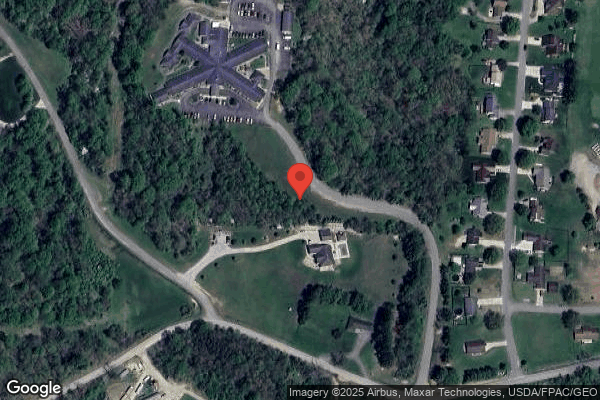

215 SETH AVENUE, JACKSON, OH 45640 (740) 286-7551
Non profit - Corporation 96 Beds UNITED CHURCH HOMES Data: November 2025
Trust Grade
70/100
#259 of 913 in OH
Last Inspection: March 2025

Within standard 12-15 month inspection cycle. Federal law requires annual inspections.

Overview

Four Winds Nursing Facility in Jackson, Ohio, has a Trust Grade of B, which means it is a good choice overall, although not the top tier. It ranks #259 out of 913 nursing homes in Ohio, placing it in the top half of facilities statewide, but #3 out of 4 in Jackson County suggests there is one local option that is better. Unfortunately, the facility is worsening, with issues rising from 5 in 2023 to 10 in 2025. Staffing is a weakness, rated 2 out of 5 stars, with a turnover rate of 57%, which is above the average for the state. On the positive side, there have been no fines reported, indicating compliance with regulations. However, there have been concerns noted in the inspector findings. For example, the facility failed to follow its antibiotic stewardship program, resulting in inappropriate antibiotic administration for at least four residents. Additionally, one resident did not receive necessary laboratory tests as ordered, which could delay important medical care. Lastly, a resident's account balance was not properly monitored, potentially jeopardizing their Medicaid eligibility. While the facility has some strengths, such as a good overall rating, families should consider these concerning issues when making their decision.

Trust Score
B
70/100
In Ohio
#259/913
Top 28%
Safety Record
Low Risk
No red flags
Inspections
Getting Worse
5 → 10 violations
Staff Stability
⚠ Watch
57% turnover. Above average. Higher turnover means staff may not know residents' routines.
Penalties
✓ Good
No fines on record. Clean compliance history, better than most Ohio facilities.
Skilled Nurses
⚠ Watch
Each resident gets only 26 minutes of Registered Nurse (RN) attention daily — below average for Ohio. Fewer RN minutes means fewer trained eyes watching for problems.
Violations
⚠ Watch
19 deficiencies on record. Higher than average. Multiple issues found across inspections.
★★★★☆
4.0
Overall Rating
★★☆☆☆
2.0
Staff Levels
★★★★☆
4.0
Care Quality
★★★★☆
4.0
Inspection Score
Stable
2023: 5 issues
2025: 10 issues

The Good

  • 4-Star Quality Measures · Strong clinical quality outcomes
  • Full Sprinkler Coverage · Fire safety systems throughout facility
  • No fines on record

Facility shows strength in quality measures, fire safety.

The Bad

Staff Turnover: 57%

11pts above Ohio avg (46%)

Frequent staff changes - ask about care continuity

Chain: UNITED CHURCH HOMES

Part of a multi-facility chain

Ask about local staffing decisions and management

Staff turnover is elevated (57%)

9 points above Ohio average of 48%

The Ugly 19 deficiencies on record

Jul 2025 1 deficiency
CONCERN (D) 📢 Someone Reported This

A family member, employee, or ombudsman was alarmed enough to file a formal complaint

Potential for Harm - no one hurt, but risky conditions existed

Deficiency F0773 (Tag F0773)

Could have caused harm · This affected 1 resident

**NOTE- TERMS IN BRACKETS HAVE BEEN EDITED TO PROTECT CONFIDENTIALITY** Based on record review, review of physician notes, policy review, and interview, the facility failed to ensure laboratory servic...

Read full inspector narrative →
**NOTE- TERMS IN BRACKETS HAVE BEEN EDITED TO PROTECT CONFIDENTIALITY** Based on record review, review of physician notes, policy review, and interview, the facility failed to ensure laboratory services were completed as ordered. This affected one (#22) resident of three residents reviewed for change in condition. The facility census was 70. Findings include:Record review revealed Resident #22 was admitted to the facility on [DATE] with diagnoses including type II diabetes, hypertension, and hyperlipidemia. Review of a minimum data set (MDS) completed on 04/16/25 revealed Resident #22 had mildly impaired cognition and no behaviors. Review of a physician note dated 06/23/25 at 1:00 A.M. by Physician #125 revealed Resident #22 was seen due to reports of nausea with some meals and diarrhea. The treatment plan would include drawing labs including a complete blood count (CBC), comprehensive metabolic panel (CMP), thyroid stimulating hormone (TSH), A1C, and a hepatic panel. Review of a nursing note dated 06/23/25 at 2:16 P.M. by Licensed Practical Nurse (LPN) #101 revealed Resident #22 was seen by her primary care physician (PCP) and new orders were received including labs to be drawn the next lab day. Resident #22 and her family were aware of orders. Review of orders revealed an order dated 06/23/25 for a CBC, CMP, TSH, A1c, and hepatic panel one time for Resident #22. The order was discontinued on 06/24/25. Additionally, an order dated 06/23/25 for CBC, CMP, TSH, A1C, and hepatic panel one time for Resident #22 to start on 06/24/25 and an end date of 06/25/25. Interview on 07/23/25 at 3:52 P.M. with the Administrator revealed there was an order for labs to be drawn on 06/23/25 but they were not completed. The Administrator did not have any additional information as to why labs were not drawn as ordered. Review of an undated policy titled Laboratory Orders revealed nursing staff should confirm all needed labs are on the draw sheet and will put the lab draw list in the lab logbook behind the date tab. Review of a policy titled Physician Orders revealed the attending physician prescribes the medical requirements of care for the residents he or she admits. Orders are obtained from the physician before providing care, treatment and services. The order is tailored to the residents' needs. The facility will provide care, treatment and services according to the most recent order. Each attending physician will designate an alternate physician to cover for him or her in order to provide regular or emergency care when the attending is not available. This deficiency represents non-compliance investigated under Complaint Number OH00166775.
Mar 2025 9 deficiencies
CONCERN (D)

Potential for Harm - no one hurt, but risky conditions existed

Deficiency F0569 (Tag F0569)

Could have caused harm · This affected 1 resident

Based on review of resident personal fund records and staff interview, the facility failed to ensure that a resident/responsible party was notified when the amount in their account reached $200 less t...

Read full inspector narrative →
Based on review of resident personal fund records and staff interview, the facility failed to ensure that a resident/responsible party was notified when the amount in their account reached $200 less than the resource limit for one person and that, if the amount in the account reaches the resource limit ($2000) the resident may lose eligibility for Medicaid. This affected one (Resident #23) of 45 residents whose funds were handled by the facility. The facility census was 75. Findings include: Resident #23's personal funds were handled by the facility. Review of a transaction history for Resident #23 revealed on 06/18/24 the balance went to $1904.15. ($200 less than the resource limit). The amount in the account remained above $1800.00 through 03/20/25. The current balance was $2076.79. The resident was on Medicaid. Interview with Corporate Administrator #100 on 3/20/25 at 2:20 P.M. confirmed Resident #23's balance had been above $1800.00 since 06/18/24. She confirmed the resident/representative had not been notified of the balance being $200 less that the resource limit until 03/18/25. She stated the notification should have occurred within the month of June 2024. She confirmed the notification was not timely.
CONCERN (D)

Potential for Harm - no one hurt, but risky conditions existed

Investigate Abuse (Tag F0610)

Could have caused harm · This affected 1 resident

Based on review of a facility investigation report, policy review, and staff interview, the facility failed to have evidence that an allegation of emotional/verbal abuse was thoroughly investigated. T...

Read full inspector narrative →
Based on review of a facility investigation report, policy review, and staff interview, the facility failed to have evidence that an allegation of emotional/verbal abuse was thoroughly investigated. This affected one ( Resident #32) of 75 residents residing in the facility. Findings include: Review of a facility Self Reported Incident Form revealed on 01/14/25 Resident #32 reported to a nurse that she was afraid of Nursing Assistant #138 giving her a shower the next day due to a previous incident when that nursing assistant helped her in the shower and an incident in her room. Resident #32 stated that Nursing Assistant #138 wanted her to reach for something in the shower and Resident #32 stated she was too weak. Resident #32 stated that Nursing Assistant #138 told her she was not that weak and that she couldn't stand her. Resident #32 also said Nursing Assistant #138 called her a name but she can't remember what it was. Resident #32 stated Nursing Assistant #138 was also rude to her one time in her room when she reported to her nurse that her room mate needed help. The facility categorized the allegation as an allegation of emotional/verbal abuse. Nursing Assistant #138 was suspended during the investigation. A statement was taken from Nursing Assistant #138 and she stated she had never been rude to this resident or any other resident. Multiple additional resident interviews were conducted and no resident reported any sort of verbal/physical abuse, neglect, or mistreatment by staff. It was noted in the investigation that Resident #32 had a diagnosis of Paranoid Schizophrenia and had made accusations that people were out to get her on a previous stay at the facility. She had a history of delusions, hallucinations, and paranoia. The facility documented that the allegation was unsubstantiated. However, there was no evidence the facility interviewed any other facility staff who had worked that day or who had worked with Nursing Assistant #138. Nursing Assistant #138 was removed from providing care to Resident #32 at any other time. Review of the facility policy titled Abuse, Mistreatment, Neglect, Exploitation and Misappropriation of Resident Property dated 03/30/12 and last revised 01/25/25 revealed all incidents and allegations of abuse must be reported immediately to the administrator. Once the Administrator is notified, an investigation of the allegation will be conducted. Investigation protocol included interviewing all witnesses. Witnesses generally include anyone who witnessed or heard the incident, came in close contact with the resident the day of the incident, and employees who worked closely with the accused employee and/or alleged victim the day of the incident. If there are no direct witnesses, then the interviews may be expanded. For example, consider interviews with all employees on the shift or the unit. Interview with Corporate Administrator #100 on 03/19/25 at 10:55 A.M. confirmed there was no evidence of any other staff interviews conducted during the investigation for Resident #32. She confirmed other staff interviews should have been conducted.
CONCERN (D)

Potential for Harm - no one hurt, but risky conditions existed

Deficiency F0625 (Tag F0625)

Could have caused harm · This affected 1 resident

3. Review of the closed medical record for Resident #71 revealed an admission date of 01/08/25 and diagnoses including metabolic encephalopathy, diabetes, dementia, and cellulitis of the left leg. Re...

Read full inspector narrative →
3. Review of the closed medical record for Resident #71 revealed an admission date of 01/08/25 and diagnoses including metabolic encephalopathy, diabetes, dementia, and cellulitis of the left leg. Review of nurses notes on 02/15/25 at 5:17 P.M. revealed the resident was noted to be gurgling and wheezing bilaterally. Vital signs were blood pressure 90/48, pulse 128, respirations 24, temperature 99.2 and oxygen saturation 94%. The resident's daughter was visiting and wanted the resident sent to the hospital. The physician was notified and the resident was sent to the hospital. The resident was admitted with pneumonia and Flu A. At the time of the transfer, there was no evidence the facility provided the resident or resident representative a written notice which specified the duration of the bed-hold policy. This was confirmed by Corporate Administrator #100 on 03/19/25 at 9:00 A.M. Based on staff interview, and record review the facility failed to provide bed-hold notifications when residents were transferred out of the facility. This affected three (Resident #24, #50, and #71) of three residents reviewed for bed-hold notices. The facility census was 75. 1. Record review of Resident #24 revealed an admission date of 11/08/22 with pertinent diagnoses of: influenza, pneumonia, contusion of the abdominal wall, acute respiratory failure with hypoxia, atrial fibrillation, cerebral infarction due to thrombosis, difficulty in walking, muscle weakness, type two diabetes mellitus, pancytopenia, dysarthria following cerebral infarction, and hemiplegia and hemiparesis following unspecified cerebral infarction. Review of the 02/26/25 five day Minimum Data Set (MDS) assessment revealed the resident was cognitively intact and did not use any mobility devices. The resident was occasionally incontinent of bladder and was not rated for bowel use. Review of progress notes dated 02/08/25 at 6:29 P.M. revealed resident not feeling well. Blood pressure 177/129, temperature 100.7 Fahrenheit, Respirations 19. Tylenol given as needed order Doctor notified. Order to send to emergency room received. Review of the medical record on 03/19/25 revealed no evidence a bed hold notice was given for the transfer on 02/08/25. Interview with Corporate Administrator #100 on 03/20/25 at 10:01 A.M. verified there was not a bed hold notice given to Resident #24 for his transfer on 02/08/25. 2. Record review of Resident #50 revealed an admission date of 02/17/25 with pertinent diagnoses of: chronic obstructive pulmonary disease, acute post-hemorrhagic anemia, lobar anemia, myocardial infarction, acute respiratory failure with hypoxia, cardiomyopathy, hypertension, congestive heart failure,chronic kidney disease, and depression. Review of the 02/24/25 admission Minimum Data Set (MDS) assessment revealed the resident was moderately cognitively impaired and used a walker to aid in mobility. The resident had an indwelling urinary catheter and was frequently incontinent of bowel. Review of the progress notes dated 03/12/25 at 9:37 P.M. revealed Resident #50 went to hospital per family request, family took resident due to hemoglobin level. Review of the progress notes dated 03/13/25 at 4:39 A.M. revealed Resident #50 returned back to facility, family brought back stated resident got one unit of blood. Review of the medical record on 03/19/25 revealed no evidence a bed hold notice was given for the transfer on 03/12/25. Interview with Corporate Administrator #100 on 03/20/25 at 10:01 A.M. verified there was not a bed hold notice given to Resident #50 for his transfer on 03/12 /25.
CONCERN (D)

Potential for Harm - no one hurt, but risky conditions existed

PASARR Coordination (Tag F0644)

Could have caused harm · This affected 1 resident

**NOTE- TERMS IN BRACKETS HAVE BEEN EDITED TO PROTECT CONFIDENTIALITY** Based on record review and interview the facility failed to complete an updated Pre admission Screening and Resident Review (PAS...

Read full inspector narrative →
**NOTE- TERMS IN BRACKETS HAVE BEEN EDITED TO PROTECT CONFIDENTIALITY** Based on record review and interview the facility failed to complete an updated Pre admission Screening and Resident Review (PASARR) for Resident #14 when a new antidepressant medication was added and failed to complete an updated PASARR for Resident #23 with a new diagnosis of anxiety. This affected two ( Resident #14 and #23) of four residents reviewed for PASARR. The facility census was 75. Findings include: 1. Review of the medical record of Resident #14 revealed an admission date of 12/27/22 with diagnoses including dementia (04/12/23), delusional disorder (02/27/24), unspecified psychosis (12/21/23), unspecified mood disorder (04/12/23) and depression (12/27/22). Review of the physician orders dated 03/24 revealed Resident #14 was ordered on 02/21/25 depakote sprinkles delayed release (anticonvulsant used for mood disorders) 125 milligrams (mg) by mouth one time daily for unspecified mood disorder, on 01/12/25 mirtazapine (antidepressant) 15 mg by mouth at bedtime for weight loss and on 01/24/25 zoloft (antidepressant) 25 mg by mouth daily for depression. Review of the annual Minimum Data Set (MDS) dated [DATE] revealed Resident #14 was cognitively intact with no behaviors. Resident #14 required minimal assistance from staff to complete activities of daily living. The diagnoses listed included dementia, depression and psychotic disorder other than schizophrenia. Resident #14 received the following medications: antidepressant and anticonvulsant. Review of the PASARR dated 04/13/23 revealed Resident #14 had diagnoses of dementia, mood disorder, delusions and depression. Resident #14 received a mood stabilizer medication such as depakote. Interview on 03/20/25 at 8:31 A.M. with Regional Director #100 confirmed a new PASARR was not completed for Resident #14 with additional diagnosis of unspecified psychosis on 12/21/23 and additional medication for depression on 01/24/25. 2. Review of the medical record of Resident #23 revealed an admission date of 10/13/21 with diagnoses including dementia (10/13/21), unspecified psychosis (10/13/21), anxiety (12/04/24), depression (01/17/23) and paranoid personality disorder (10/13/21). Review of the physician orders dated 03/25 revealed Resident #23 was ordered buspirone hydrochloride (antidepressant) 5 mg by mouth two times daily for anxiety. Review of the quarterly Minimum Data Set (MDS) dated [DATE] revealed Resident #23 had severe cognitive impairment with inattention and disorganized thinking. Resident #23 had behaviors of wandering, and physical symptoms directed towards others. Resident #23 required moderate assistance from staff to complete activities of daily living. The diagnosis listed included dementia, anxiety, depression and psychotic disorder. Resident #23 received the following medications: antianxiety and antidepressant. Review of the PASARR completed on 08/22/24 revealed Resident #23 had diagnoses of dementia, mood disorder, personality disorder and other psychotic disorders. Resident #23 received antianxiety medication only. Interview on 03/20/25 at 8:31 A.M. with Regional Director #100 confirmed a new PASARR was not completed for Resident #23 with additional diagnosis of anxiety on 12/04/24.
CONCERN (D)

Potential for Harm - no one hurt, but risky conditions existed

Deficiency F0657 (Tag F0657)

Could have caused harm · This affected 1 resident

**NOTE- TERMS IN BRACKETS HAVE BEEN EDITED TO PROTECT CONFIDENTIALITY** Based on interview, record review and facility policy, the facility failed to provide evidence of care conference meetings with ...

Read full inspector narrative →
**NOTE- TERMS IN BRACKETS HAVE BEEN EDITED TO PROTECT CONFIDENTIALITY** Based on interview, record review and facility policy, the facility failed to provide evidence of care conference meetings with Resident #14 and or the resident's representative. This affected one resident (Resident #14) of two reviewed for care planning. The facility census was 75. Findings include: Review of the medical record for Resident #14 revealed an admission date of 12/27/22 with diagnoses including dementia, atrial fibrillation, delusional disorder, unspecified psychosis, unspecified mood disorder and depression. Review of the annual Minimum Data Set (MDS) dated [DATE] revealed Resident #14 was cognitively intact with no behaviors. Resident #14 required assistance from staff to complete activities of daily living. Resident #14 was continent of bowel and bladder. Resident #14 had no pain, and had two or more falls with no injury since admission. Resident #14 had no skin impairment. Review of the progress notes from 07/01/24 through 03/18/25 revealed Resident #14 had documentation of medication changes, physician visits and incidents. On 07/10/24 Social Services documented a care conference was held with Resident #14 and her family. An interview on 03/17/25 at 1:33 P.M. with Resident #14 revealed she was not sure she had been to any meetings with facility staff such as nurse, social worker and dietary to discuss her medical care and needs and or plan for discharge. An interview on 03/19/25 at 9:08 A.M. with Social Services #178 stated she documented care conferences in the resident progress notes however she did keep a calendar every month of whose care conference was on what date. Social Services #178 confirmed Resident #14 had documentation of care conference on 07/10/24 and no other documentation throughout the past year. Review of the facility policy title Person-Centered Care Planning Policy and Procedure revised on 11/27/17 revealed the Interdisciplinary Team (IDT) shall develop and implement a care plan for each resident that included the instructions needed to provide effective and person-centered care of the resident that meets the professional standards of quality care. To the extent practicable, the participation of the resident and the resident's representative should be in attendance. An explanation must be included in the residents medical record if participation of the resident and or the resident's representative was determined not practicable.
CONCERN (D)

Potential for Harm - no one hurt, but risky conditions existed

Quality of Care (Tag F0684)

Could have caused harm · This affected 1 resident

**NOTE- TERMS IN BRACKETS HAVE BEEN EDITED TO PROTECT CONFIDENTIALITY** Based on observation, interview, record review and facility policy the facility failed to ensure Resident #26 fluid restriction ...

Read full inspector narrative →
**NOTE- TERMS IN BRACKETS HAVE BEEN EDITED TO PROTECT CONFIDENTIALITY** Based on observation, interview, record review and facility policy the facility failed to ensure Resident #26 fluid restriction had breakdown of the amount of fluids for each department daily. This affected one resident (Resident #26) of one reviewed for hydration. The facility census was 75. Findings include: Review of the medical record of Resident #26 revealed an admission date of 07/16/24 with diagnoses including dementia, depression, hypothyroidism, anxiety, psychosis, chronic pain syndrome, and iron deficient anemia. Review of the physician orders dated 03/25 revealed Resident #26 was on a regular diet, regular texture with thin liquids. Resident #26 had an order for fluid restriction of 3500 milliliters (ml) per day and monitor intake and output due to excessive fluid intake. Review of the Medication Administration Record (MAR) and Treatment Administration Record (TAR) dated 01/25, 02/25 and 03/25 revealed no breakdown of the amount of fluids to be provided by each department. Review of the quarterly Minimum Data Set (MDS) dated [DATE] revealed Resident #26 was cognitively intact with no behaviors. Resident #14 required minimum assistance from the staff to complete activities of daily living. Resident #14 required a set up for all meals. Resident #14 was on a therapeutic diet with no weight loss noted. Review of the plan of care revised on 12/20/24 revealed Resident #26 had a nutritional problem or potential problem related to advanced age, chronic disease, variable meal acceptance, and fluid restriction of 3500 ml due to excessive fluid intake. The goal was to maintain adequate nutritional status as evidenced by consuming at lest 75% of atleast two meals daily through review date. The interventions included limit fluids to 3500 ml per day, monitor intake and output, monitor for signs and symptoms of dehydration, obtain and monitor labs as ordered, provide diet as ordered and dietitian to make recommendations as needed. Review of the quarterly nutritional review dated 01/20/25 revealed Resident #26 received a regular diet, regular texture, thin liquids with a 3500 ml fluid restriction per day. Resident #26 meal intakes varied with 50-100% of meals consumed. Recommendations included to provide fluid breakdown per meal/medication pass. Review of the Certified Nursing Assistant (CNA) documentation for the past 30 days revealed the CNA's documented meal fluid intake daily. Observations of Resident #26 during the annual survey of four day revealed resident did not have a water pitcher at bedside. Interview on 03/17/25 at 3:40 P.M. Resident #26 stated she had to ask someone for something to drink when she wanted something. Interview on 03/19/25 at 10:07 A.M. with CNA #105 revealed Resident #26 was on a fluid restriction and was not able to have a water pitcher at bedside. CNA #105 stated Resident #26 asks for a drink every few minutes and the aids had to monitor how much the resident drank. CNA # 105 confirmed the CNA's document the fluid amount with meals only. Interview on 03/19/25 at 10:11 A.M. with Registered Nurse (RN) #150 confirmed Resident #26 was on a fluid restriction of 3500 ml per day and the nurses did not document how much fluids were administered during medication administration. RN #150 also confirmed there was not a breakdown of fluid administration for nursing and dietary in the medical record. Review of the facility policy titled Fluid Restriction revised on 12/17/18 revealed resident's with physician orders for fluid restrictions will receive the prescribed amount of fluids within a 24-hour timeframe. The nursing and dining services department will determine how much fluid each department will provide and at what times.
CONCERN (D)

Potential for Harm - no one hurt, but risky conditions existed

Deficiency F0757 (Tag F0757)

Could have caused harm · This affected 1 resident

**NOTE- TERMS IN BRACKETS HAVE BEEN EDITED TO PROTECT CONFIDENTIALITY** Based on interview, record review and facility policy the facility failed to ensure Resident #14 had an appropriate diagnosis fo...

Read full inspector narrative →
**NOTE- TERMS IN BRACKETS HAVE BEEN EDITED TO PROTECT CONFIDENTIALITY** Based on interview, record review and facility policy the facility failed to ensure Resident #14 had an appropriate diagnosis for the use of long term antibiotic. This affected one (Resident #14) of one resident reviewed for antibiotic use. The facility census was 75. Findings include: Review of the medical record for Resident #14 revealed an admission date of 12/27/22 with diagnoses including dementia, atrial fibrillation, delusional disorder, unspecified psychosis, unspecified mood disorder and depression. Review of the annual Minimum Data Set (MDS) dated [DATE] revealed Resident #14 was cognitively intact with no behaviors. Resident #14 required assistance from staff to complete activities of daily living. Resident #14 was continent of bowel and bladder. Resident #14 had no pain, and had two or more falls with no injury since admission. Resident #14 had no skin impairment. Resident #14 received an antibiotic medication. Review of the physician orders dated 03/25 revealed Resident #14 had an order for cefdinir (antibiotic) 300 milligrams (mg) by mouth daily for prophylaxis. Review of the facility provided nursing note dated 04/23/23 at 1:30 P.M. the nurse noted Resident #14 son requested the antibiotic medication cefdinir be reordered due to the resident urologist ordered the medication for colonized bladder/chronic urinary tract infections. The nurse spoke with physician and the medication was reordered. There were no indications in the past year, per nursing progress notes, the resident had signs and symptoms of urinary tract infection. The plan of care did not address the antibiotic medication or long term use of the medication. There were no physician notes from specialist or urologist noted in Resident #14 medical record. Review of the monthly medication pharmacy review revealed no recommendations for Resident #14 related to the use of the antibiotic The attending physician was not available to speak to surveyor as he was on vacation. However the facility provided the following dictated note. Review of physician note dated 03/19/25 revealed Resident #14 had recurrent urinary tract infections and was on long term antibiotic therapy for prophylaxis. Resident #14 had history of repeat admissions to the hospital before being admitted to the facility with sepsis related to urinary tract infections. The residents family stated that the specialist told them the resident needed to be on prophylactic antibiotics the rest of her life. Interview on 03/19/25 at 3:46 P.M. with Director of Nursing (DON) # 5 confirmed Resident #14 was on an antibiotic with no diagnosis other than prophylaxis. DON #5 also confirmed Resident #14 did not see a urologist and the facility had no documentation from a urologist related to the antibiotic. Review of the facility policy titled Antibiotic Stewardship revised on 02/17/22 revealed all antibiotic orders will include the following information. A specific prescribing order with dose and duration, a progress note explaining the reason for the antibiotic, if a culture and sensitivity was performed and results were obtained re-evaluate to ensure proper spectrum coverage and orders that may not follow the standards of practice for prescribing antibiotics would be referred to the Chief Clinical Advisor for review and recommendations.
CONCERN (D)

Potential for Harm - no one hurt, but risky conditions existed

Infection Control (Tag F0880)

Could have caused harm · This affected 1 resident

Based on observation, record review, staff interview, and policy review, the facility failed to follow an infection control program to help prevent the development and transmission of communicable dis...

Read full inspector narrative →
Based on observation, record review, staff interview, and policy review, the facility failed to follow an infection control program to help prevent the development and transmission of communicable diseases and infections when staff did not change gloves after handling soiled wound packing for Resident #45. This affected one (Resident #45) of one resident reviewed for pressure ulcers. The facility census was 75. Findings include: Record review of Resident #45 revealed an admission date of 03/20/24 with pertinent diagnoses of: chronic obstructive pulmonary disease, type two diabetes mellitus, chronic respiratory failure, chronic kidney disease stage 4, dependence on renal dialysis, pressure ulcer of sacral region stage 4, atherosclerotic heart disease, atrial fibrillation, osteomyelitis, pleural effusion, acquired absence of right great toe, GI hemorrhage, resistance to vancomycin, anemia, viral hepatitis, hypothyroidism, hyperlipidemia, major depressive disorder, anxiety disorder, polyneuropathy, acute MI, gout, Charcot's joint, dysphagia, retention of urine, thrombocytopenia, colostomy status, retention of urine, and chronic pain. Review of the 12/18/24 quarterly Minimum Data Set (MDS) revealed the Resident #45 was cognitively intact and used a wheelchair to aid in mobility. The Resident required substantial maximal assistance. Review of a Physician Order dated 02/21/25 revealed Wound #6: Cleanse wound to sacrum with soap and water, pat dry, pack cavity at inferior part of wound with iodoform 1/4 inch, apply calcium alginate, and cover with a border gauze every day shift for wound care. Observation of pressure ulcer dressing change on 03/19/25 at 10:04 A.M. revealed Registered Nurse (RN) #116 gathered supplies including iodoform packing, calcium alginate, border gauze, soap and water, scissors, and tape. RN #116 washed her hands, put on gloves and put on a gown. There was no dressing in place on the coccyx wound so she removed the soiled iodoform packing from inside the wound, and did not remove her gloves after touching the soiled packing. RN #116 washed the wound with soap and water with the gauze, RN #116 stuck her fingers in the bottle of iodoform and cut a strip with the same dirty gloves. The nurse then removed her soiled gloves and used hand sanitizer and put on clean gloves. RN #116 got a new iodoform strip out of the bottle and cut it with scissors and packed the coccyx wound with iodoform. The nurse used a cotton swab and applied calcium alginate to the wound then put on a dressing. Interview with RN #116 on 03/19/25 at 10:20 A.M. verified she did not change gloves after removing soiled packing and then cleaned wound with soap and water and then reached soiled gloved fingers into iodoform packing container. Review of the facility Dressing Change policy revised 02/01/25 revealed Put on clean gloves. Remove old dressings carefully, touching only the edges and discard. Disinfect hands and change gloves. Provide wound care cleaning and treatment applications per physician's orders. Apply dressing, not touching wound or resident surface of dressing.
CONCERN (E)

Potential for Harm - no one hurt, but risky conditions existed

Antibiotic Stewardship (Tag F0881)

Could have caused harm · This affected multiple residents

**NOTE- TERMS IN BRACKETS HAVE BEEN EDITED TO PROTECT CONFIDENTIALITY** Based on medical record review, policy review, and staff interview, the facility failed to implement their antibiotic stewardshi...

Read full inspector narrative →
**NOTE- TERMS IN BRACKETS HAVE BEEN EDITED TO PROTECT CONFIDENTIALITY** Based on medical record review, policy review, and staff interview, the facility failed to implement their antibiotic stewardship program that included antibiotic use protocols to ensure residents did not receive antibiotics when they were not warranted. This affected four (Residents #27, #45, #65, and #126) of six residents reviewed for antibiotic use. The facility census was 75. Findings include: 1. Review of the medical record for Resident #126 revealed an admission date of 06/04/24. The plan of care stated the resident was receiving hospice services for end stage congestive heart failure. Review of nurses notes revealed on 01/13/25 at 6:57 P.M. a new order was received for an antibiotic (Macrobid) due to a urinary tract infection (UTI). There were no symptoms of a UTI documented in the record. A physician's order stated to start Macrobid 100 milligrams twice daily for seven days on 01/14/25 for a UTI. Review of the medication administration record revealed the resident received the Macrobid from 01/14/25 to 01/21/25 for a total of 15 doses. Review of a McGeer Criteria for Infection Surveillance Checklist for Resident #126 dated 01/13/25 revealed the criteria for a UTI was not met. Interview with the Director of Nursing on 03/19/25 at 3:30 P.M. revealed that hospice ordered the antibiotic. She confirmed there was no documentation of any symptoms of a UTI. She confirmed a urinalysis and urine culture were not completed. She confirmed the UTI criteria was not met to justify the use of an antibiotic for this resident. 2. Review of the medical record for Resident #65 revealed an admission date of 12/6/24 and diagnoses including diabetes, congestive heart failure, and post hemorrhagic anemia. Review of nurses notes revealed on 01/16/25 at 9:54 A.M. the resident went on a leave of absence with her family. On 01/16/25 at 1:48 P.M. the note stated the resident returned and had been seen by another physician. A new order was received for an antibiotic (Doxycycline) 100 milligrams twice daily for seven days for a UTI. There were no symptoms of a UTI documented in the medical record. On 01/17/25 at 10:01 A.M. it was documented that the resident denied pain or burning with urination. There was no foul odor noted and the resident was afebrile. Review of the medication administration record revealed the resident received the antibiotic from 01/16/25 to 01/23/25 for a total of 14 doses. Review of the McGeer Criteria for Infection Surveillance Checklist revealed it stated Resident #65 did not meet the criteria for a UTI. Interview with the Director of Nursing on 03/19/25 at 3:30 P.M. revealed Resident #65's family took her out of the facility to another physician who ordered an antibiotic. She confirmed there were no symptoms of a UTI documented and there was no evidence the resident had a urinalysis or urine culture completed. She confirmed the resident did not meet the criteria for treatment of a UTI. 3. Review of the medical record for Resident #27 revealed an admission date of 06/19/19 and diagnoses including dementia, hypertension, and diabetes. Review of nurses notes revealed a late entry for 11/30/24 at 11:20 A.M. indicating the resident was very confused, staring off and hard to orient. The resident was sent to the hospital for evaluation. Review of a hospital note 11/30/24 revealed lab results were unremarkable besides a urinalysis that was positive for a UTI. She will be given an injection of Rocephin (antibiotic) for the UTI and give a prescription for Keflex (another antibiotic) for outpatient treatment. The resident returned from the hospital on [DATE] at 3:27 P.M. There were no urinary symptoms of a UTI documented in the medical record. The resident was seen by the physician on 12/05/24 who stated the resident denied any current urinary symptoms. There was no evidence the facility received the results of the urine culture obtained on 11/30/24 and completed on 12/02/24 until 12/11/24. A nurses note on 12/11/24 at 10:54 A.M. stated the hospital was called to obtain the results of the urine culture from the emergency room visit. The urine culture results were sent to the physician on 12/11/24 and an order was obtained for another antibiotic (Levaquin 500 milligrams daily for seven days). Review of the urine culture results of 12/02/24 revealed Keflex was not listed on the results as an antibiotic that would be effective against the UTI of >100,000 Escherichia Coli bacteria. However, the Escherichia Coli was noted to be sensitive to Levaquin. Review of the medication administration record revealed the resident received Keflex 500 milligrams from 12/01/24 to 12/06/24 for a total of 10 doses. She also received Levaquin from 12/12/24 to 12/17/24 for a total of six doses. There was no documentation in the medical record to indicate why the resident was treated with two different antibiotics. Interview with the Director of Nursing on 03/20/25 at 8:10 A.M. confirmed the resident was treated with Keflex before the urine culture results were obtained. She confirmed the facility did not attempt to obtain the urine culture results (completed 12/02/24) until 12/11/24. She stated the facility should have obtained them sooner. She confirmed there was no documentation as to why the resident was started on another antibiotic on 12/11/24. She confirmed the resident had no urinary symptoms of a UTI documented in the medical record. The McGeer Criteria for Infection Surveillance Checklist for Resident #27 stated the date of infection was 12/12/24. However, the form was not completed and did not indicate if the criteria was met for a UTI or not. Interview with the Director of Nursing on 03/19/25 at 3:30 P.M. confirmed the facility was not properly completing the McGeer's criteria forms to ensure that antibiotics were being prescribed appropriately. 4. Record review of Resident #45 revealed an admission date of 03/20/24 with pertinent diagnoses of: COPD, type two diabetes mellitus, chronic respiratory failure, chronic kidney disease stage four, dependence on renal dialysis, pressure ulcer of sacral region stage 4, atherosclerotic heart disease, atrial fibrillation, osteomyelitis, pleural effusion, acquired absence of right great toe, GI hemorrhage, resistance to vancomycin, anemia, viral hepatitis, hypothyroidism, hyperlipidemia, major depressive disorder, anxiety disorder, polyneuropathy, gout, Charcot's joint, dysphagia, retention of urine, thrombocytopenia, colostomy status, retention of urine, and chronic pain. Review of the 12/18/24 quarterly Minimum Data Set (MDS) revealed the resident was cognitively intact and used a wheelchair to aid in mobility. Review of a Physician Order dated 03/17/25 revealed Ciprofloxacin oral tablet 500 milligrams give one tablet by mouth two times a day for urinary tract infection for 10 Days until finished. Interview with Resident #35 on 03/17/25 at 1:42 P.M. revealed she went to the hospital last night for a urinary tract infection and and was prescribed antibiotics. Review of the 03/18/25 hospital lab culture and sensitivity on 03/20/25 revealed the Escherichia Coli organism was resistant to the ciprofloxacin prescribed for Resident #45 urinary tract infection. Interview with Corporate Administrator #100 on 03/20/25 at 9:55 A.M. verified the antibiotic ciprofloxacin was not an appropriate treatment for Resident #45 urinary tract infection organism. Review of the facility policy titled Infection Surveillance Policy dated 07/02/20 and last updated 01/13/23 revealed the McGeer Criteria will be used to define infections. Review of the facility policy titled Antibiotic Stewardship Policy and Procedure dated 09/08/17 and last updated 02/17/22 revealed the Centers for Disease Control and Prevention have identified antimicrobial resistance as a worldwide health threat and, in response, has released an antibiotic resistance solutions initiative as part of the [NAME] House's National Strategy for Combating Antibiotic Resistance. The facility is to use an interdisciplinary antibiotic stewardship team to be responsible for promoting the optimal use of antibiotics through the antibiotic stewardship program. The infection preventionist is to review all new antibiotic orders in morning meeting to discuss appropriateness of need and symptoms and report to the Director of Nursing any irregularities.
Apr 2023 5 deficiencies
CONCERN (D)

Potential for Harm - no one hurt, but risky conditions existed

Deficiency F0582 (Tag F0582)

Could have caused harm · This affected 1 resident

**NOTE- TERMS IN BRACKETS HAVE BEEN EDITED TO PROTECT CONFIDENTIALITY** Based on record review and interview the facility failed to provide appropriate notification when Medicare Part A services were ...

Read full inspector narrative →
**NOTE- TERMS IN BRACKETS HAVE BEEN EDITED TO PROTECT CONFIDENTIALITY** Based on record review and interview the facility failed to provide appropriate notification when Medicare Part A services were discontinued. This affected one resident (Resident #177) of three residents reviewed for beneficiary notifications. The facility census was 73. Findings Include: Closed Record Review for Resident #177 on 04/13/23 revealed an admission date of 01/15/23 with diagnoses including right femur fracture, osteoarthritis, morbid obesity, muscle weakness, difficulty with ambulation, bariatric surgery, and malignant neoplasm of the prostate. The resident was discharged home on [DATE]. Review of his Minimum Data Set (MDS) five-day assessment, dated 01/22/23, revealed the resident had mild cognitive impairment. Review of the Beneficiary Protection Notification Review revealed this resident began skilled services (Medicare Part A) for physical therapy on 01/15/23 with the last covered date being 02/23/23. The resident was provided with the notification for the stoppage in services with a signed acknowledgement being completed on 02/22/23. This resident then chose to discharge to home following the discontinuation of services on 02/24/23. Interview with Social Service Designee (SSD) #960 on 04/12/23 at 3:20 P.M. verified the resident signed the notification of services being discontinued on 02/22/23, only one day before the services were discontinued. The resident was unsure whether he wanted to stay and appeal the decision to discontinue skilled services or go home. The resident ultimately decided to discharge home. The SSD verified the resident should have been provided at least two days advanced notice with the notification being issued on 02/21/23.
CONCERN (D)

Potential for Harm - no one hurt, but risky conditions existed

Assessment Accuracy (Tag F0641)

Could have caused harm · This affected 1 resident

**NOTE- TERMS IN BRACKETS HAVE BEEN EDITED TO PROTECT CONFIDENTIALITY** Based on interviews and record reviews, the facility failed to ensure Minimum Data Set (MDS) assessments were completed accurate...

Read full inspector narrative →
**NOTE- TERMS IN BRACKETS HAVE BEEN EDITED TO PROTECT CONFIDENTIALITY** Based on interviews and record reviews, the facility failed to ensure Minimum Data Set (MDS) assessments were completed accurately. This affected two residents (#10 and #60) of five residents reviewed for unnecessary medications. The facility census was 73. Findings include: 1. Record review for Resident #60 revealed this resident was admitted to the facility on [DATE] and had diagnoses including type two diabetes mellitus, syncope and collapse, generalized anxiety disorder, and osteoarthritis. Review of the quarterly MDS assessment, dated 10/11/22, revealed this resident had intact cognition evidenced by a Brief Interview for Mental Status (BIMS) assessment score of 15. This resident was assessed to be independent with setup help only for bed mobility, transfers, toileting, and eating. This resident was assessed to have had a fall since admission, readmission, or the prior assessment. Review of the MDS assessment, dated 12/05/22, revealed this resident was assessed to have had a fall since admission, readmission, or the prior assessment. Review of the quarterly MDS assessment, dated 02/20/23, revealed this resident had intact cognition evidenced by a BIMS assessment score of 15. This resident was assessed to be independent with setup help only for bed mobility, transfers, toileting, and eating. This resident was assessed to have received antibiotic medication for four out of the seven days of the review period. Further record review for this resident revealed no documentation of antibiotic medication being received by Resident #60 during the MDS review period and revealed no documentation of the resident experiencing a fall between 10/05/22 and 12/05/22. Interview with MDS Nurse #480 on 04/11/23 at 4:17 P.M. verified the 02/20/23 MDS assessment had been coded inaccurately as Resident #60 did not receive an antibiotic medication during the review period. MDS Nurse #480 also verified the 12/05/22 MDS assessment had been coded inaccurately as Resident #60 had not suffered a fall between the 10/11/22 and the 12/05/22 MDS assessments. 2. Record review for Resident #10 revealed this resident was admitted to the facility on [DATE] and had diagnoses including cerebral infarction, dysphagia, obstructive and reflux uropathy, dementia, and peripheral vascular disease. Review of the significant change MDS assessment, dated 09/15/22, revealed this resident had mildly impaired cognition evidenced by a BIMS assessment score of 12. This resident was assessed to require extensive assistance from two staff members for transfers and toileting, to require extensive assistance from one staff member for bed mobility, and to be independent with setup help only for eating. This resident was assessed to have received an anticoagulant medication for seven days during the review period. Review of the quarterly MDS assessment, dated 12/12/22, revealed this resident was assessed to have received an anticoagulant medication for seven days during the review period. Review of the quarterly MDS assessment, dated 03/06/23, revealed this resident was assessed to have received an anticoagulant medication for seven days during the review period. Further record review for this resident revealed no documentation of the resident receiving anticoagulant medications from 09/01/22 through 04/11/23. Interview with MDS Nurse #480 on 04/11/23 at 4:17 P.M. verified the 09/15/22, 12/12/22, and 03/06/23 had been coded inaccurately as Resident #10 had not received anticoagulant medication during the review periods.
CONCERN (D)

Potential for Harm - no one hurt, but risky conditions existed

ADL Care (Tag F0677)

Could have caused harm · This affected 1 resident

**NOTE- TERMS IN BRACKETS HAVE BEEN EDITED TO PROTECT CONFIDENTIALITY** Based on observation, record review, interview, and facility policy review, the facility failed to ensure residents were assiste...

Read full inspector narrative →
**NOTE- TERMS IN BRACKETS HAVE BEEN EDITED TO PROTECT CONFIDENTIALITY** Based on observation, record review, interview, and facility policy review, the facility failed to ensure residents were assisted with oral care. This affected one resident (Resident #22) of two residents reviewed for activities of daily living (ADL). The facility census was 73. Findings Include: Review of the medical record for Resident #22 revealed an initial admission date of 06/11/21 with the latest readmission date of 11/03/21 with diagnoses including COVID-19, cerebral infarction (stroke), dementia with behavioral disturbances, dysphagia (difficulty swallowing), cerebrovascular accident (CVA) with left sided hemiplegia (paralysis). Review of the plan of care dated 06/14/21 revealed the resident had a self-care deficit/altered ability to perform activities of daily living (ADL) due to acute illness, decreased mobility related to history of CVA with left sided hemiplegia, impaired cognition with impaired decision making and chooses not to have nails trimmed. Interventions included assist with dressing and grooming as needed, provide all needed assistance with self-care, ADLs and mobility to ensure safe proper completion of task with one to two staff members as needed and staff to anticipate and meet all needs every shift, daily as needed. Review of the quarterly Minimum Data Set (MDS) assessment dated [DATE] revealed the resident had clear speech, sometimes understood others, sometimes made herself understood and had severe cognitive deficit. The resident was dependent on two staff for personal hygiene. On 04/10/23 at 9:52 A M., observation of Resident #22 revealed her lips and tongue were covered with a thick white, stringy film. On 04/11/23 at 8:05 A.M., observation of the resident revealed the resident's lips and tongue remained with a moist, thick white stringy film. On 04/11/23 at 2:35 P.M., observation of the resident's mouth revealed the resident's lips and tongue continues to have a thick white stingy film. On 04/12/23 at 7:58 A.M., observation of the resident revealed her lips continued with the thick white coating. On 04/12/23 at 8:00 A.M., interview with Licensed Practical Nurse (LPN) #760 verified the resident's mouth had a thick white stingy coating to her lips and tongue and was in need of oral care. Review of the facility's policy titled, Oral Care Policy, last revised 12/10 revealed oral care will be available to all residents to assist with the maintenance functional ability, proper dental hygiene and prevent illness and/or infection. Residents will be given oral care including assistance with oral prostheses routinely, in the morning, at bedtime and as needed in between those times.
CONCERN (D)

Potential for Harm - no one hurt, but risky conditions existed

Deficiency F0679 (Tag F0679)

Could have caused harm · This affected 1 resident

**NOTE- TERMS IN BRACKETS HAVE BEEN EDITED TO PROTECT CONFIDENTIALITY** Based on observation, record review and interview, the facility failed to provide residents with a resident centered activity pr...

Read full inspector narrative →
**NOTE- TERMS IN BRACKETS HAVE BEEN EDITED TO PROTECT CONFIDENTIALITY** Based on observation, record review and interview, the facility failed to provide residents with a resident centered activity program. This affected one resident (Residents #22) of two residents reviewed for activities. The facility census was 73. Findings Include: Review of the medical record for Resident #22 revealed an initial admission date of 06/11/21 with the latest readmission of 11/03/21 with diagnoses including COVID-19, cerebral infarction (stroke), dementia with behavioral disturbances, dysphagia (difficulty swallowing), adjustment disorder, and cerebrovascular accident (CVA) with left sided hemiplegia. Review of the plan of care dated 12/30/21 revealed the resident was completely dependent on staff for activities and will take part in appropriate one on one activities. Interventions included staff will converse with the resident during care, appropriate one on one activities such as music and memory, aromatherapy and reading. Review of the plan of care dated 08/11/22 revealed the resident was dependent on staff to provide one on one activities due to health issues. Interventions included provide sensory stimulation, treat with respect, the resident enjoyed listening to music and watching the television, going outside when the weather permits, having nails painted, enjoyed when staff read cards and mail, lotion rubs, music and religious readings during one on one visits, talks about current events and the weather, praise efforts and be positive with the resident. Review of the quarterly Minimum Data Set (MDS) assessment dated [DATE] revealed the resident had clear speech, sometimes understood others, sometimes made herself understood and had severe cognitive deficit. Review of the medical record revealed the latest activity participation review was completed on 03/21/23. The review indicated the resident was dependent on staff for activities and enjoyed one on one activities. The resident's showed enjoyment with memory and music program, receiving massages, being taken for walks around the community and listening to staff converse. The plan was to continue appropriate one on one activities. Review of the resident's activity participation log from 01/12/23 to 01/31/23 revealed one visit of one on one activities. Review of the resident's activity participation log from 02/01/23 to 02/28/23 revealed the resident was provided four visits one on one activities for the month of February 2023. Review of the resident's activity participation log from 03/01/23 to 03/31/23 revealed the resident was provided eight visits of one on one activities for the month of March 2023. Review of the resident's activity participation log from 04/01/23 to 04/12/23 revealed the resident was provided one visit of one on one activities for the month of April 2023. On 04/10/23 at 9:52 A.M., observation of the resident revealed she was quiet and the resident was resting in bed. The roommate's privacy curtain was pulled to the bottom of the resident's bed blocking any view through the window. The resident's privacy curtain was pulled to the bottom of the resident's bed blocking any view into the hallway. The resident's side of the room was dark with no stimulation. On 04/10/23 at 3:50 P.M., observation of the resident revealed the resident remained in bed with the curtains pulled with no stimulation. On 04/11/23 at 8:05 A.M., observation of the resident revealed the resident was quiet and resting in bed with her eyes closed. The curtains remained pulled, the room was dim, with no stimulation. On 04/11/23 at 2:35 P.M., observation of the resident revealed the resident was quiet and resting in bed with her eyes closed. The curtains remained pulled, the room was dim, with no stimulation. On 04/12/23 at 7:58 A.M., observation of the resident revealed the resident was quiet and resting in bed with her eyes closed. The curtains remained pulled, the room was dim, with no stimulation. On 04/12/23 at 10:15 A.M., interview with Activity Director (AD) #190 verified the resident had no individualized activity program. She verified the resident was unable to complete independent activities however the resident was not provided preferred activities per her care plan or activity review.
CONCERN (D)

Potential for Harm - no one hurt, but risky conditions existed

Unnecessary Medications (Tag F0759)

Could have caused harm · This affected 1 resident

**NOTE- TERMS IN BRACKETS HAVE BEEN EDITED TO PROTECT CONFIDENTIALITY** Based on observation, medical record review, review of patient leaflet and staff interview, the facility failed to ensure a medi...

Read full inspector narrative →
**NOTE- TERMS IN BRACKETS HAVE BEEN EDITED TO PROTECT CONFIDENTIALITY** Based on observation, medical record review, review of patient leaflet and staff interview, the facility failed to ensure a medication error rate of less than five percent. Twenty-five opportunities for error were observed with two medication errors resulting in an eight percent (8%) medication error rate. This affected two (Resident #25 and Resident #26) of four residents observed during medication administration. The facility census was 73. Findings Include: 1. Review of the medical record for Resident #26 revealed an initial admission date of 10/13/21 with the admitting diagnoses including dementia, diabetes mellitus, congestive heart failure, chronic kidney disease and major depressive disease. Review of the resident's quarterly Minimum Data Set (MDS) assessment dated [DATE] revealed the resident had clear speech, understood others, made herself understood and had severe cognitive deficit. Review of the monthly physician orders identified an order dated 12/16/22 for Flonase (inhaled steroid medication) Suspension one spray in both nostrils twice daily for allergies. On 04/11/23 at 8:22 A.M., LPN #760 was observed to prepare and administer Resident #26's medication. LPN #760 administered two sprays of Flobase in each of the resident's nostrils. On 04/11/23 at 8:24 A.M., interview with LPN #760 confirmed two sprays of Flonase Suspension was administered in each of the resident's nostrils and the order was one spray in each nostril, resulting in a medication error. 2. Review of the medical record for Resident #25 revealed an initial admission date of 03/08/22 with the admitting diagnoses including diabetes mellitus, hypothyroidism, hypertension, anemia, restless leg syndrome and osteoporosis. Review of the comprehensive Minimum Data Set (MDS) assessment dated [DATE] revealed the resident had clear speech, understood others, made herself understood and had no cognitive deficit. Review of the plan of care revealed the resident had no plan of care addressing the diagnoses of hypothyroidism and use of the medication levothyroxine (thyroid medication). Review of the monthly physician orders for April 2023 identified orders revealed levothyroxine 75 micrograms (mcg) by mouth daily for hypothyroidism. On 04/11/23 at 8:35 A.M., observation of LPN #760 revealed the LPN prepared medications for Resident #25 which included levothyroxine 75 mcg. The resident was drinking milk and a nutritional supplement for her breakfast meal. LPN #760 administered Resident #25 her medications, including levothyroxine. On 04/11/23 at 8:40 A.M., interview with LPN #760 confirmed the levothyroxine was not administered on an empty stomach. Review of the un-dated patient information leaflet for levothyroxine, revealed the medication should be taken 30 to 60 minutes prior to breakfast, on an empty stomach.
Feb 2020 4 deficiencies
CONCERN (D)

Potential for Harm - no one hurt, but risky conditions existed

Deficiency F0561 (Tag F0561)

Could have caused harm · This affected 1 resident

**NOTE- TERMS IN BRACKETS HAVE BEEN EDITED TO PROTECT CONFIDENTIALITY** Based on observations, review of the activity calendar, resident interview, and staff interview, the facility failed to ensure a...

Read full inspector narrative →
**NOTE- TERMS IN BRACKETS HAVE BEEN EDITED TO PROTECT CONFIDENTIALITY** Based on observations, review of the activity calendar, resident interview, and staff interview, the facility failed to ensure a resident was able to participate in activities of his/her choice. This affected one of one residents reviewed for choices (Resident #53) in a sample of 18. The facility census was 89. Findings include: Review of the medical record for Resident #53 revealed an admission date of 01/04/20. Review of the Minimum Data Set (MDS) Assessment completed 01/11/20 revealed the resident had a brief interview for mental status (BIMS) score of 15, indicating intact cognition. The MDS indicated the resident was totally dependent upon two staff for transfers. The MDS further stated the resident had indicated it was very important to him/her to do things with groups of people and to do his/her favorite activities. A physician's order on 01/04/20 revealed the resident required a hoyer lift for transfers. Review of the plan of care revealed an intervention was added on 02/10/20 to modify the resident's daily schedule, treatment plan as needed to accommodate activity participation. Observations on 02/10/20 at 12:31 P.M., 12:58 P.M., 3:36 P.M., and 6:30 P.M. revealed Resident #53 to be in bed in her room. Interview with Resident #53 on 02/10/20 at 3:25 P.M. revealed she had told both aides on her hallway today that she wanted to get up before 1:30 P.M. so she could attend bingo. She stated staff did not get her up, so she was unable to attend bingo. She stated there was a manicure activity at 3:00 P.M. that she would also have attended if staff had gotten her up. Interview with Activity Director #43 on 02/11/20 at 3:00 P.M. revealed Resident #53 likes to attend bingo, [NAME], and groups that increase cognition. She stated she also likes book club on Monday nights. She stated Resident #53 did not attend bingo on 02/10/20 and she was surprised she was not there. She further confirmed the resident did not attend book club on 02/10/20 (Monday). Review of the activity calendar revealed on 02/10/20 bingo was scheduled at 1:30 P.M., manicures at 3:00 P.M. and book club at 6:30 P.M. Interview with Licensed Practical Nurse #3 on 02/12/20 at 10:00 A.M. revealed if Resident #53 wants to get up, the staff try their best and will try to find help to get her up as it takes four staff to get her up. She stated she did not know if the resident wanted up on 02/11/20. Interview with State Tested Nursing Assistant #66 on 02/12/20 at 9:56 A.M. confirmed she provided care for Resident #53 on 02/10/20. She stated she worked day shift and left at 2:00 P.M. on 02/10/20. She confirmed Resident #53 was not up before she left at 2:00 P.M. She stated she was not able to get the resident up before she left because it takes two people and another staff was not available.
CONCERN (D)

Potential for Harm - no one hurt, but risky conditions existed

Deficiency F0569 (Tag F0569)

Could have caused harm · This affected 1 resident

Based on review of resident fund accounts and staff interview, the facility failed to notify each resident that receives Medicaid benefits when the amount in the resident's account reaches $200 less t...

Read full inspector narrative →
Based on review of resident fund accounts and staff interview, the facility failed to notify each resident that receives Medicaid benefits when the amount in the resident's account reaches $200 less than the SSI resource limit and that, if the amount in the account, in addition to the value of the resident's other nonexempt resources, reaches the SSI resource limit for one person, the resident may lose eligibility for Medicaid or SSI. This affected three of five residents personal fund accounts were reviewed (Residents #8, #49, and #77). The facility handles the funds for 58 residents. The facility census was 89. Findings include: 1. Review of the personal funds account for Resident #8 revealed on 12/19/19 the resident's balance went from $507.77 to $2199.77. The balance remained above $1800.00, ($200 less than the resource limit of $2000) through 02/11/20. On 02/11/20 the balance was $1902.58. There was no evidence the resident or responsible party were notified when the amount in the account reached $200 less that the resource limit and that, if the amount in the account, in addition to the value of the resident's other nonexempt resources, reaches the SSI resource limit for one person, the resident may lose eligibility for Medicaid or SSI. Interview with Business Office Manager #38 on 02/11/20 at 10:15 A.M. confirmed there was no evidence the resident or their responsible party were notified of the balance once it reached $200 less than the resource limit. 2. Review of the personal funds account for Resident #49 revealed on 12/23/19 the resident's balance went from $1272.79 to $2071.03. The balance remained above $1800.00, ($200 less than the resource limit of $2000) through 02/01/20. On 02/01/20 the balance went from $2991.36 to $931.36. There was no evidence the resident or responsible party were notified when the amount in the account reached $200 less that the resource limit and that, if the amount in the account, in addition to the value of the resident's other nonexempt resources, reaches the SSI resource limit for one person, the resident may lose eligibility for Medicaid or SSI. Interview with Business Office Manager #38 on 02/11/20 at 10:15 A.M. confirmed there was no evidence the resident or their responsible party were notified of the balance once it reached $200 less than the resource limit. 3. Review of the personal funds account for Resident #77 revealed on 12/06/19 the resident's balance went from $1777.75 to $1827.81. The balance remained above $1800.00, , ($200 less than the resource limit of $2000) through 02/11/20. On 02/11/20 the balance was $1955.93. There was no evidence the resident or responsible party were notified when the amount in the account reached $200 less that the resource limit and that, if the amount in the account, in addition to the value of the resident's other nonexempt resources, reaches the SSI resource limit for one person, the resident may lose eligibility for Medicaid or SSI. Interview with Business Office Manager #38 on 02/11/20 at 10:15 A.M. confirmed there was no evidence the resident or their responsible party were notified of the balance once it reached $200 less than the resource limit.
CONCERN (D)

Potential for Harm - no one hurt, but risky conditions existed

Deficiency F0582 (Tag F0582)

Could have caused harm · This affected 1 resident

Based on record review and staff interview, the facility failed to notify two residents who were discharged from Medicare part A services and remained in the facility with an estimated cost of service...

Read full inspector narrative →
Based on record review and staff interview, the facility failed to notify two residents who were discharged from Medicare part A services and remained in the facility with an estimated cost of services by providing an Advanced Beneficiary Notice. The deficient practice affected two (Resident #71 and Resident #385) of three residents reviewed for beneficiary notices. The facility census was 89. Findings Include: Review of the beneficiary notices for Resident #71 on 02/11/20 at 5:00 P.M. showed the resident was discharged from Medicare part A services on 11/01/19 and remained in the facility. The resident was provided with a completed Notice of Medicare Non-Coverage (NOMNC) form on 10/30/19. The facility did not provide the resident with an Advanced Beneficiary Notice (ABN), a form that notified the resident of the estimated cost of services should the resident choose to continue the services. Review of the beneficiary notices for Resident #385 on 02/11/20 on 5:10 P.M. showed the resident was discharged from Medicare part A services o 10/28/19 and remained in the facility. The resident was provided with a completed NOMNC form on 10/25/19. The facility did not provide the resident with an ABN, a form that notified the resident of the estimated cost of services should the resident choose to continue the services. Interview with Social Services Designee #64 on 02/11/20 on 5:18 P.M. confirmed Resident #71 and Resident #385 were not provided with an ABN prior to being discharged from Medicare part A services and remained in the facility.
CONCERN (D)

Potential for Harm - no one hurt, but risky conditions existed

Accident Prevention (Tag F0689)

Could have caused harm · This affected 1 resident

Based on observations, medical record review, and staff interview, the facility failed to ensure each resident received adequate supervision to prevent accidents. This affected one of one residents re...

Read full inspector narrative →
Based on observations, medical record review, and staff interview, the facility failed to ensure each resident received adequate supervision to prevent accidents. This affected one of one residents reviewed for accidents (Resident #53) in a sample of 18. The facility census was 89. Findings include: Review of the medical record for Resident #53 revealed an admission date of 01/04/20. The resident had diagnoses including acute and chronic respiratory failure, diabetes, and morbid obesity. Review of the Minimum Data Set (MDS) Assessment completed 01/11/20 revealed the resident had a brief interview for mental status (BIMS) score of 15, indicating intact cognition. The MDS indicated the resident required extensive assistance from two staff for bed mobility, toileting, and personal hygiene and was totally dependent upon two staff for transfers. A physician's order on 01/04/20 revealed the resident required a hoyer lift for transfers. The resident's weight on 02/03/20 was 431 pounds. Review of the plan of care revealed the resident has a self care deficit/altered ability to perform activities of daily living due to recent hospital stay related to acute/chronic respiratory failure, exacerbation of chronic obstructive pulmonary disease, and pneumonia, resulting in decreased mobility/endurance, increased pain, weakness, and need for assistance with activities of daily living. Interventions included assist with bed mobility as needed, assist to toilet as needed. The plan of care did not specify the number of staff needed to provide bed mobility or toileting care. Observations on 02/10/20 at 12:31 P.M. revealed Resident #53 to be in bed in her room. At 12:45 P.M. State Tested Nursing Assistant (STNA) #66 answered the resident's call light. The resident stated she needed to use the bed pan. STNA #66 said to the resident, we are still feeding, do you think we can do it, you try it with me. STNA #66 entered Resident #53's room alone and shut the door. After STNA #66 left the room, Resident #53 stated that STNA #66 assisted her on the bed pan alone. She stated they usually use two staff as she can not roll herself very well. Interview with STNA #66 on 02/10/20 at 1:01 P.M. revealed Resident #53 is normally a two person assist for the bed pan but she assisted the resident on and off the bed pan by herself on 02/10/20 because she was the only staff person on the hall besides the nurse. Interview with Licensed Practical Nurse #75 on 02/11/20 at 2:35 P.M. revealed Resident #53 required two to three staff to turn and toilet on the bed pan. She stated staff had received training recently on using two staff for bed mobility for Resident #53. Interview with Registered Nurse #25 on 02/12/20 at 10:07 A.M. confirmed Resident #53 had been assessed as needing two staff assist with bed mobility and toileting. Interview with Licensed Practical Nurse #40 on 02/12/20 at 10:45 A.M. confirmed the plan of care for Resident #53 did not specify the number of staff assist necessary to provide bed mobility and toileting care.
Understanding Severity Codes (click to expand)
Life-Threatening (Immediate Jeopardy)
J - Isolated K - Pattern L - Widespread
Actual Harm
G - Isolated H - Pattern I - Widespread
Potential for Harm
D - Isolated E - Pattern F - Widespread
No Harm (Minor)
A - Isolated B - Pattern C - Widespread

Questions to Ask on Your Visit

  • "Why is there high staff turnover? How do you retain staff?"
  • "Can I speak with families of current residents?"
  • "What's your RN coverage like on weekends and overnight?"

Our Honest Assessment

Strengths
  • • No fines on record. Clean compliance history, better than most Ohio facilities.
Concerns
  • • 19 deficiencies on record. Higher than average. Multiple issues found across inspections.
  • • 57% turnover. Above average. Higher turnover means staff may not know residents' routines.
Bottom line: Mixed indicators with Trust Score of 70/100. Visit in person and ask pointed questions.

About This Facility

What is Four Winds Nursing Facility's CMS Rating?

CMS assigns FOUR WINDS NURSING FACILITY an overall rating of 4 out of 5 stars, which is considered above average nationally. Within Ohio, this rating places the facility higher than 99% of the state's 100 nursing homes. This rating reflects solid performance across the metrics CMS uses to evaluate nursing home quality.
How is Four Winds Nursing Facility Staffed?

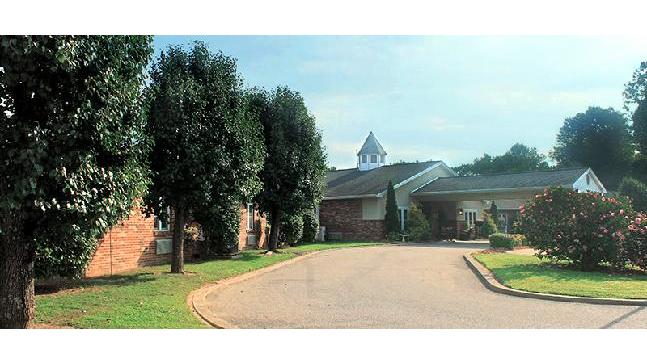
CMS rates FOUR WINDS NURSING FACILITY's staffing level at 2 out of 5 stars, which is below average compared to other nursing homes. Staff turnover is 57%, which is 11 percentage points above the Ohio average of 46%. High turnover can affect care consistency as new staff learn residents' individual needs. RN turnover specifically is 80%, which is notably high. RNs provide skilled clinical oversight, so turnover in this role can affect medical care quality.

What Have Inspectors Found at Four Winds Nursing Facility?

State health inspectors documented 19 deficiencies at FOUR WINDS NURSING FACILITY during 2020 to 2025. These included: 19 with potential for harm.
Who Owns and Operates Four Winds Nursing Facility?

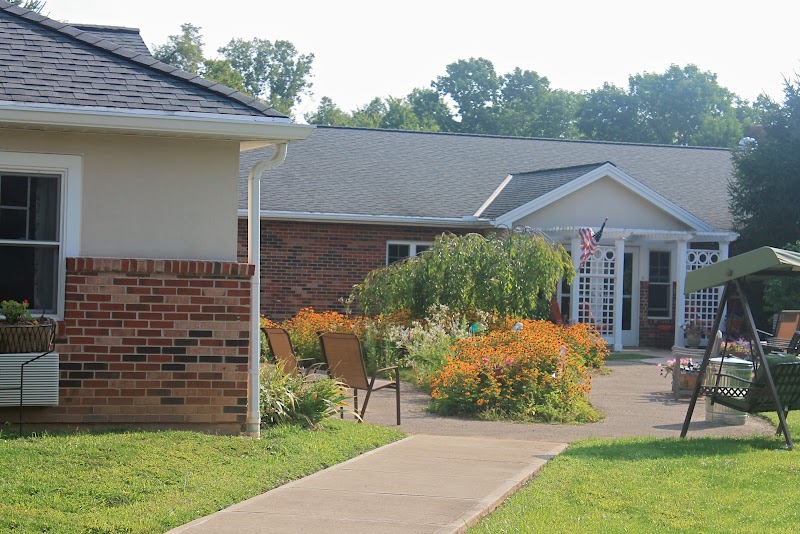
FOUR WINDS NURSING FACILITY is owned by a non-profit organization. Non-profit facilities reinvest revenue into operations rather than distributing to shareholders. The facility is operated by UNITED CHURCH HOMES, a chain that manages multiple nursing homes. With 96 certified beds and approximately 74 residents (about 77% occupancy), it is a smaller facility located in JACKSON, Ohio.
How Does Four Winds Nursing Facility Compare to Other Ohio Nursing Homes?

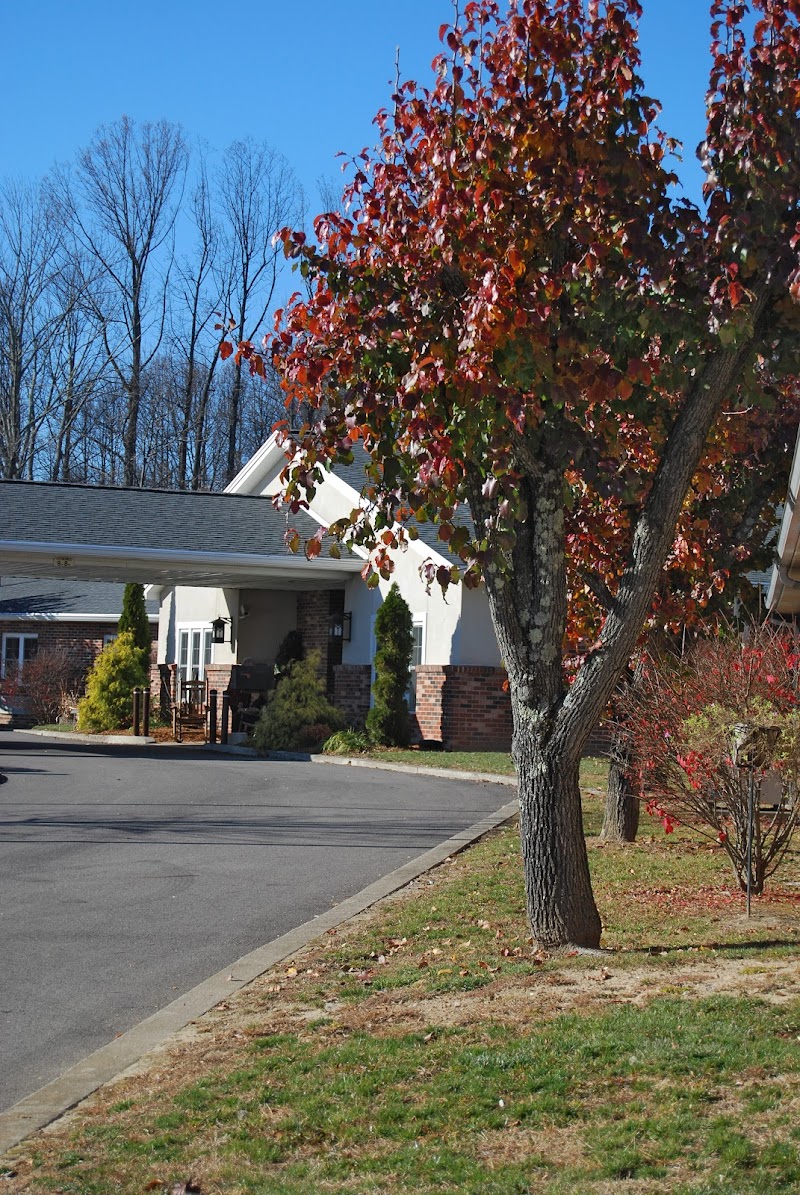
Compared to the 100 nursing homes in Ohio, FOUR WINDS NURSING FACILITY's overall rating (4 stars) is above the state average of 3.2, staff turnover (57%) is significantly higher than the state average of 46%, and health inspection rating (4 stars) is above the national benchmark.

What Should Families Ask When Visiting Four Winds Nursing Facility?

Based on this facility's data, families visiting should ask: "How do you ensure continuity of care given staff turnover, and what is your staff retention strategy?" "Can you walk me through typical staffing levels on day, evening, and night shifts?" "Can I visit during a mealtime to observe dining assistance and food quality?" "How do you handle medical emergencies, and what is your hospital transfer rate?" These questions are particularly relevant given the facility's high staff turnover rate and the below-average staffing rating.

Is Four Winds Nursing Facility Safe?

Based on CMS inspection data, FOUR WINDS NURSING FACILITY has a clean safety record: no substantiated abuse findings (meaning no confirmed cases of resident harm), no Immediate Jeopardy citations (the most serious violation level indicating risk of serious injury or death), and is not on the Special Focus Facility watch list (a federal program monitoring the lowest-performing 1% of nursing homes). The facility has a 4-star overall rating and ranks #1 of 100 nursing homes in Ohio. While no facility is perfect, families should still ask about staff-to-resident ratios and recent inspection results during their visit.

Do Nurses at Four Winds Nursing Facility Stick Around?

Staff turnover at FOUR WINDS NURSING FACILITY is high. At 57%, the facility is 11 percentage points above the Ohio average of 46%. Registered Nurse turnover is particularly concerning at 80%. RNs handle complex medical decisions and coordinate care — frequent RN changes can directly impact care quality. High turnover means new staff may not know residents' individual needs, medications, or preferences. It can also be disorienting for residents, especially those with dementia who rely on familiar faces. Families should ask: What is causing the turnover? What retention programs are in place? How do you ensure care continuity during staff transitions?

Was Four Winds Nursing Facility Ever Fined?

FOUR WINDS NURSING FACILITY has no federal fines on record. CMS issues fines when nursing homes fail to meet care standards or don't correct problems found during inspections. The absence of fines suggests the facility has either maintained compliance or corrected any issues before penalties were assessed. This is a positive indicator, though families should still review recent inspection reports for the full picture.

Is Four Winds Nursing Facility on Any Federal Watch List?

FOUR WINDS NURSING FACILITY is not on any federal watch list. The most significant is the Special Focus Facility (SFF) program, which identifies the bottom 1% of nursing homes nationally based on persistent, serious quality problems. Not being on this list means the facility has avoided the pattern of deficiencies that triggers enhanced federal oversight. This is a positive indicator, though families should still review the facility's inspection history directly.