JOHNSTOWN POINTE NURSING & REHABILITATION CENTER
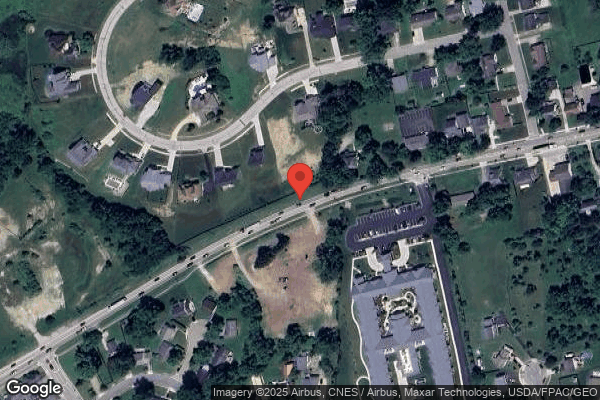
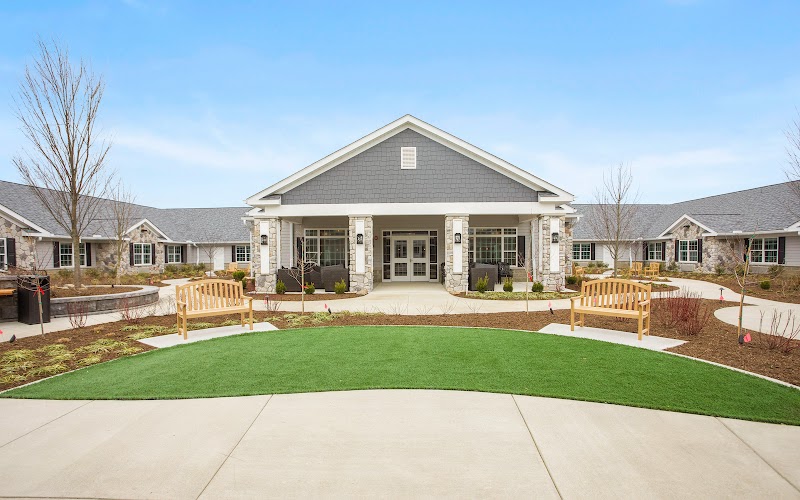
383 WEST COSHOCTON STREET, JOHNSTOWN, OH 43031 (740) 809-1700
For profit - Corporation 80 Beds FOUNDATIONS HEALTH SOLUTIONS Data: November 2025
Trust Grade
90/100
#88 of 913 in OH
Last Inspection: January 2025

Within standard 12-15 month inspection cycle. Federal law requires annual inspections.

Overview

Johnstown Pointe Nursing & Rehabilitation Center has received a Trust Grade of A, indicating excellent quality and a strong recommendation for families considering this facility. It ranks #88 out of 913 nursing homes in Ohio, placing it in the top half of all facilities statewide, and it is the best option among 10 facilities in Licking County. The facility is improving, with the number of issues noted decreasing from four in 2023 to three in 2025. While staffing received a 2-star rating, which is below average, the turnover rate is 45%, slightly better than the state average, suggesting some staff stability. There were no fines on record, which is a positive sign, and the facility offers average RN coverage, meaning they have enough registered nurses to monitor residents’ needs effectively. However, there were some concerning findings during inspections. For instance, one resident was not provided the necessary assistance during meals, which is critical given their risk of malnutrition. Additionally, another resident's significant weight loss was not monitored promptly, which could indicate a potential risk to their health. These issues highlight the need for improvement in certain areas, despite the overall positive aspects of the facility.

Trust Score
A
90/100
In Ohio
#88/913
Top 9%
Safety Record
Low Risk
No red flags
Inspections
Getting Better
4 → 3 violations
Staff Stability
○ Average
45% turnover. Near Ohio's 48% average. Typical for the industry.
Penalties
✓ Good
No fines on record. Clean compliance history, better than most Ohio facilities.
Skilled Nurses
○ Average
Each resident gets 38 minutes of Registered Nurse (RN) attention daily — about average for Ohio. RNs are the most trained staff who monitor for health changes.
Violations
○ Average
7 deficiencies on record. Average for a facility this size. Mostly minor or procedural issues.
★★★★★
5.0
Overall Rating
★★☆☆☆
2.0
Staff Levels
★★★★☆
4.0
Care Quality
★★★★★
5.0
Inspection Score
Stable
2023: 4 issues
2025: 3 issues

The Good

  • 4-Star Quality Measures · Strong clinical quality outcomes
  • Full Sprinkler Coverage · Fire safety systems throughout facility
  • No fines on record
  • Staff turnover below average (45%)

    3 points below Ohio average of 48%

Facility shows strength in quality measures, fire safety.

The Bad

Staff Turnover: 45%

Near Ohio avg (46%)

Typical for the industry

Chain: FOUNDATIONS HEALTH SOLUTIONS

Part of a multi-facility chain

Ask about local staffing decisions and management

The Ugly 7 deficiencies on record

Jan 2025 3 deficiencies
CONCERN (D)

Potential for Harm - no one hurt, but risky conditions existed

Resident Rights (Tag F0550)

Could have caused harm · This affected 1 resident

**NOTE- TERMS IN BRACKETS HAVE BEEN EDITED TO PROTECT CONFIDENTIALITY** Based on medical record review, observation, and staff interview, the facility failed to provide dignity in dining for one resid...

Read full inspector narrative →
**NOTE- TERMS IN BRACKETS HAVE BEEN EDITED TO PROTECT CONFIDENTIALITY** Based on medical record review, observation, and staff interview, the facility failed to provide dignity in dining for one resident (Resident #60) of nine residents reviewed for dining observations. The facility census was 75. Review of the medical record for Resident #60 revealed an admission date of 11/26/24. Diagnoses included encounter for other orthopedic aftercare, anemia, difficulty in walking and need for assistance with personal care. Review of Resident #60's Minimum Data Set (MDS) 3.0 assessment dated [DATE] revealed a Brief Interview for Mental Status (BIMS) score of 11, indicating moderately impaired cognition. Review of Resident #60's nutrition care plan dated 11/27/24 revealed the resident was at risk of malnutrition related to his diagnoses, skin impairments, impaired vision, and a history of weight loss. A care plan intervention included to assist Resident #60 with his meals, including feeding him when needed. Observations on 12/31/24 from 8:27 A.M. to 8:30 A.M. revealed Certified Nursing Assistant (CNA) #157 was standing while feeding Resident #60 his lunch meal. CNA #157 was not observed to converse with the resident, rather was silently standing while simultaneously feeding Resident #60. Interview and observation with the Administrator on 12/31/24 at 8:30 A.M. confirmed that CNA #157 was standing while feeding Resident #60 his lunch meal. The Administrator confirmed CNA #157 was feeding Resident #60 in an undignified manner. The Administrator then approached CNA #157 and asked her to please sit as she continued to feed the resident, and CNA #157 obliged. Interview with Corporate Nurse #300 on 01/02/25 at 11:24 A.M. revealed the facility did not have a policy that addressed providing dignity while dining for residents.
CONCERN (D)

Potential for Harm - no one hurt, but risky conditions existed

Deficiency F0692 (Tag F0692)

Could have caused harm · This affected 1 resident

**NOTE- TERMS IN BRACKETS HAVE BEEN EDITED TO PROTECT CONFIDENTIALITY** Based on medical record review, staff interview, and facility policy review, the facility failed to ensure resident weights were...

Read full inspector narrative →
**NOTE- TERMS IN BRACKETS HAVE BEEN EDITED TO PROTECT CONFIDENTIALITY** Based on medical record review, staff interview, and facility policy review, the facility failed to ensure resident weights were timely obtained to confirm and address significant weight loss. This affected one (Resident #120) of three residents reviewed for nutrition. The facility census was 75. Findings include: Review of the medical record for Resident #120 revealed the resident was admitted to the facility on [DATE]. Medical diagnoses included anemia, myocardial infarction, difficulty walking, chronic obstructive pulmonary disease, moderate protein calorie malnutrition, insomnia, chronic kidney disease (stage III), major depressive disorder, hyperlipidemia, and alcohol abuse. Review of Resident #120 weights revealed he was allegedly weighed on 12/13/24, where it was reported he weighed 188.2 pounds. Review of Resident #120 hospital discharge records, dated 12/13/24, revealed his weight being 188 pounds and 15 ounces. Review of Resident #120 progress notes, dated 12/13/24 to 12/20/24, revealed he was discharged from the facility on 12/14/24 for a complication with his shoulder wound. He was re-admitted back to the facility on [DATE]. Review of Resident #120 weights revealed he was not weighed after his readmission to the facility until 12/23/24, which was over seven days from his last weight, and four days after being readmitted to the facility from the hospital. His weight was documented as 169.2 pounds, which was a 10.1% decline from his initial admission weight on 12/13/24. Review of Resident #120 weights revealed a re-weight was taken on 12/27/24, which revealed his weight being 158.4 pounds. This reflected another 6.4% decline from his weight on 12/23/24, and a total decline since 12/13/24 of 15.8%. Review of Resident #120 nutritional assessment, dated 12/20/24, revealed the full assessment using his weight of 188.2 pounds as the basis of the assessment. He was already on a nutritional supplement, but there was no documentation of a weight loss or concern or weight loss during this assessment. Review of Resident #120 physician/nutritional orders revealed an order dated 12/26/24 for House Supplement (nutritional drink) 120 cubic centimeter (cc) twice daily and an order dated 12/28/24 for mirtazapine (an antidepressant that can have appetite-stimulating effects) 7.5 milligrams (mg) at bed time for weight loss. Review of Resident #120 progress notes, dated 12/30/24, confirmed both weight entries on 12/23/24 and 12/27/24 identified a significant weight loss. Resident #120's record indicated nursing staff reported the significant weight loss to the physician, but not until 12/27/24. Interview with Dietitian #301 on 12/31/24 at 10:54 A.M. confirmed there was a significant amount of weight loss since admission for Resident #120. She confirmed his hospital documentation found he weighed 188 pounds; she did not obtain the admission weight so she is not sure if it was completed in the facility or if staff recorded the resident's weight from his hospital records. When asked if that was a question she asked while investigating the weight loss, Dietician #301 did not answer the question. When asked if she had concerns that the weights were not taken every seven days when first admitted , Dietician #301 stated again that she wasn't in the facility, so she didn't take the weights and declined to answer the question. Interview with Director of Nursing (DON) on 1231/24 at 12:11 P.M. and 1:30 P.M. confirmed they do weekly weights for four weeks, and then the physician/dietitian decide how often weights will be taken after that. She initially stated she was not confident Resident #120 weight was taken in the facility on 12/13/24, but taken from the hospital discharge records. The DON later confirmed she spoke with the admitting nurse and they did take Resident #120's admission weight from the hospital discharge records. The DON confirmed they could not confirm what the resident's actual admitting weight was on 12/13/24, and if there was an actual significant weight decline. The DON additionally confirmed the facility should have re-weighed Resident #120 when he returned back to the facility from the hospital on [DATE], but the weight was not obtained until 12/23/24. Review of the policy Weight Monitoring, dated 02/15/24, revealed based on the resident's comprehensive assessment, the facility will ensure that all residents maintain acceptable parameters of nutritional status, such as usual body weight or desirable body weight range and electrolyte balance, unless the resident's clinical condition demonstrates that this is not possible or resident preference indicate otherwise. Newly admitted residents weight will be monitored as close to weekly as possible for the initial four weeks, and at least monthly thereafter. Significant changes in weight are reported to the practitioner.
CONCERN (D)

Potential for Harm - no one hurt, but risky conditions existed

Infection Control (Tag F0880)

Could have caused harm · This affected 1 resident

2. Review of the medical record for Resident #269 revealed an admission date of 12/26/24. Diagnoses included but were not limited to displaced intertrochanteric fracture of left femur, subsequent enco...

Read full inspector narrative →
2. Review of the medical record for Resident #269 revealed an admission date of 12/26/24. Diagnoses included but were not limited to displaced intertrochanteric fracture of left femur, subsequent encounter for closed fracture with routine healing, repeated falls, encounter for other orthopedic aftercare, and need for assistance with personal care. Review of Resident #269's care plan, initiated on 12/27/24, revealed alteration in skin integrity as evidence by surgical areas (wounds) present to the resident's left him and left thigh. The care plan made no mention of EBP being utilized or required. Review of Resident #269's active physician's orders revealed an order dated 12/31/24 for surgical wound care. The order called for staff to cleanse with normal saline and cover with bordered gauze dressing daily and as needed until resolved. Subsequent review of Resident #269's physician's orders revealed no order for enhanced barrier precautions. Observation on 01/02/24 at 10:07 A.M. with Unit Manager Registered Nurse (UM RN) #136 revealed Resident #269's dressings to the left superior and left inferior thigh surgical sites were completed per orders. During the observation, UM RN #136 wore gloves but did not wear a gown during the dressing change. Interview on 01/02/24 at 10:17 A.M. with UM RN #136 confirmed she did not wear a gown for enhanced barrier precautions as Resident #269 was not identified to require enhanced barrier precautions. UM RN #136 believed the only complicated surgical wounds required the use of enhanced barrier precautions and stated Resident #269's surgical wounds were not complicated. Interview on 01/02/24 at 10:33 A.M. with Registered Nurse (RN) #166 verified Resident #269 was not identified to require enhanced barrier precautions. Review of the Center for Medicare & Medicaid Services Enhanced Barrier Precautions in Nursing Homes memorandum dated 03/20/24 revealed enhanced barrier precautions are to be implemented for unhealed surgical wounds. EBP are used in conjunction with standard precautions and calls for gloves and gown to be worn during high-contact resident care activities. Wound care for any skin opening requiring a dressing is considered a high-contact resident care activity. Based on observations, medical record reviews, staff interviews, and facility policy review the facility failed to implement Enhanced Barrier Precautions (EBP) for one resident with an indwelling urinary catheter, and one resident with an unhealed surgical wound related to a fractured hip. This deficient practice affected two residents (Resident #220 and #269) out of four residents reviewed for Enhanced Barrier Precautions. The facility census was 75. Findings include: 1. A review of Resident #220's medical record revealed an admission date 12/17/24 with diagnoses including but not limited to dementia, high blood pressure, neuromuscular dysfunction of bladder, and chronic pain syndrome. Resident #220 had impaired cognition with a Brief Interview Mental Status (BIMS) score dated 12/24/24 of two out 15 total score and required assistance from staff to complete Activities of Daily Living (ADL) task completion. A review of Resident #220's signed physician orders revealed an order dated 12/17/24 for use of a 16 French Indwelling Foley Catheter with 30 milliliters (ML) balloon to straight drain related to neuromuscular dysfunction of bladder every shift, and an order dated 12/18/24 for Enhanced Barrier Precautions (EBP) related to Foley Catheter every shift. Further review of Resident #220 Treatment Administration Record (TAR) dated 12/17/24 to 12/31/24 revealed order for EBP related to Foley Catheter every shift was marked as completed per shift twice daily. A review of Resident #220's risk for infection care plan dated 12/19/24 revealed Resident #220 was at risk for infection related to the indwelling urinary catheter with interventions including Enhanced Barrier Precautions (EBP). An observation on 12/30/24 at 10:45 A.M. revealed Resident #220 with an indwelling urinary catheter in place. Resident #220 resided in a dual-occupancy room. There were no personal protective equipment (PPE), including gowns, available. Additionally, there was no sign visible for staff and visitors to wear PPE during direct care and or assistance for Resident #220. An interview on 12/30/24 at 10:46 A.M. with Licensed Practical Nurse (LPN) #190 confirmed Resident #220 did not have any PPE available for use and there was no visual reminder of EBP to alert staff or visitors to use PPE during direct care activities. An interview on 12/31/24 at 8:18 A.M. with the Director of Nursing (DON) confirmed when a resident has an indwelling urinary catheter EBP should be implemented, PPE should be available for use by staff and visitors, and there should be a visual reminder for PPE use in place.
Feb 2023 3 deficiencies
CONCERN (D)

Potential for Harm - no one hurt, but risky conditions existed

Deficiency F0645 (Tag F0645)

Could have caused harm · This affected 1 resident

**NOTE- TERMS IN BRACKETS HAVE BEEN EDITED TO PROTECT CONFIDENTIALITY** Based on interview and record review the facility failed to ensure Preadmission Screening and Resident Review (PASARR) was done ...

Read full inspector narrative →
**NOTE- TERMS IN BRACKETS HAVE BEEN EDITED TO PROTECT CONFIDENTIALITY** Based on interview and record review the facility failed to ensure Preadmission Screening and Resident Review (PASARR) was done upon admission and updated with current diagnoses. This affected one resident (#41) of two residents reviewed for PASARRs. The facility census was 73. Findings include: Review of the medical record revealed Resident #41 was admitted on [DATE] with diagnoses including malignant neoplasm of pancreas and bone, anxiety disorder, major depressive disorder, unspecified, intellectual disabilities, down syndrome, schizophrenia, and agoraphobia with panic disorder. Review of the PASARR provided on 02/14/23 revealed it was completed on 12/10/20 by another facility. The only mental diagnosis listed was schizophrenia. Interview on 02/14/23 at 1:58 P.M. and 2:50 P.M. with the Administrator confirmed Resident #41's PASARR was completed prior to admission and did not include all her mental diagnoses.
CONCERN (D)

Potential for Harm - no one hurt, but risky conditions existed

ADL Care (Tag F0677)

Could have caused harm · This affected 1 resident

**NOTE- TERMS IN BRACKETS HAVE BEEN EDITED TO PROTECT CONFIDENTIALITY** Based on record review and interview, the facility failed to ensure showers/bed baths were provided to residents requiring assis...

Read full inspector narrative →
**NOTE- TERMS IN BRACKETS HAVE BEEN EDITED TO PROTECT CONFIDENTIALITY** Based on record review and interview, the facility failed to ensure showers/bed baths were provided to residents requiring assistance with activities of daily living. This affected two residents (#325 and #326) of two residents reviewed for showers. The facility census was 73. Findings include: 1. Resident #325 was admitted to the facility on [DATE] with diagnoses including metabolic encephalopathy, extended spectrum beta lactamase (ESBL) resistance, and diabetes mellitus. Review of Resident #325's Minimum Data Set (MDS) 3.0 assessment revealed it was still in progress. Review of the resident level of function section in Resident #325's baseline care plan dated 02/09/23 revealed the resident preferred a shower and required total care when bathed. The baseline care plan had no documented evidence of behaviors or refusals. Review of the State Tested Nursing Assistance Book revealed Resident #325 was to receive a shower on Wednesdays and Sundays. Review of Resident #325's shower documentation revealed Resident #325 did not receive a shower or bed bath from 02/09/23 to 02/15/23. Interview with Resident #325 on 02/13/22 at 10:31 A.M. revealed he had not received a shower since he was admitted to the facility. 2. Resident #326 was admitted to the facility on [DATE] with diagnoses including enterocolitis due to clostridium difficile (C-Diff), heart failure, and gout. Review of Resident #326's MDS 3.0 assessment revealed it was still in progress. Review of the resident level of function section in Resident #325's baseline care plan dated 02/08/23 revealed the resident preferred a shower and required assistance when bathed. The baseline care plan had no documented evidence of behaviors or refusals. Review of the State Tested Nursing Assistance Book revealed that Resident #326 was to receive a shower on Mondays and Fridays. Review of the resident shower documentation revealed Resident #326 had not received a shower or bed bath from 02/08/23 to 02/14/23. Interview with Resident #326 on 02/13/22 at 10:25 A.M. revealed he had not received a shower since he was admitted to the facility. Interview on 02/15/23 at 10:12 A.M. with Licensed Practical Nurse (LPN) #108 verified that Resident #325 did not receive a shower or bed bath from 02/09/23 to 02/15/23 and Resident #326 did not receive a shower or bed bath from 02/09/23 to 02/14/23. LPN #108 verified that no behaviors or refusal of care were documented for Residents #325 and #326. Review of the undated State Tested Nursing Assistant (STNA) job description revealed STNA's are responsible to successfully assist all residents with activities of daily living including bathing.
CONCERN (D)

Potential for Harm - no one hurt, but risky conditions existed

Medication Errors (Tag F0758)

Could have caused harm · This affected 1 resident

**NOTE- TERMS IN BRACKETS HAVE BEEN EDITED TO PROTECT CONFIDENTIALITY** Based on interview and record review the facility failed to ensure behaviors for Resident #55 were monitored before and while ad...

Read full inspector narrative →
**NOTE- TERMS IN BRACKETS HAVE BEEN EDITED TO PROTECT CONFIDENTIALITY** Based on interview and record review the facility failed to ensure behaviors for Resident #55 were monitored before and while adjusting psychotropic medications. This affected one resident (#55) of five residents reviewed for unnecessary medications. The facility census was 73. Findings include: Review of the medical record for Resident #55 revealed an admission date of 05/13/21 with diagnoses including depression, Wernicke's encephalopathy, anxiety disorder, anxiety disorder, dementia, and other schizoaffective disorders. Review of the quarterly Minimum Data Set (MDS) 3.0 assessment dated [DATE] revealed Resident #55 had moderately impaired cognition. During the seven-day assessment reference period, the resident received antipsychotics, antianxiety, and antidepressants. Review of Resident #55's plan of care dated 02/14/23 revealed the resident was at risk for adverse effects related to psychoactive medication use. Resident #55 took antianxiety and antidepressant medication related to anxiety and depression and antipsychotic medication related to a schizoaffective disorder. Interventions included assessing behaviors for which drugs are being given, monitoring, and recording frequency, assessing for adverse effects, giving medications as ordered, monitoring medications for effectiveness, and treating and relieving adverse effects as ordered. Review of the physician order for Resident #55 dated 01/06/22 to 01/03/23 revealed an order for Seroquel tablet (antipsychotic) 75 milligrams (mg) by mouth two times a day related to schizoaffective disorders. Review of the physician note dated 01/03/23 revealed Resident #55 was seen for medication review. The facility staff and family reported worsening hallucinations and agitation. According to the staff, the resident was calling her sister several times during the day and night and yelling people are in her room when she was by herself. The physician recommended increasing Seroquel to 100 mg twice a day and Xanax three times a day. Review of the physician order for Resident #55 dated 01/14/22 to 01/04/23 revealed an order for Xanax Tablet (antianxiety) 0.5 mg one tablet by mouth two times a day for anxiety. Review of the physician order for Resident #55 dated 01/04/23 revealed an order for Xanax tablet 0.5 mg one tablet was to be given by mouth three times a day for anxiety. Review of the physician orders for Resident #55 dated 01/04/23 revealed orders for Seroquel tablet 100 mg one time a day for behavior, and Seroquel tablet 100 mg one time a day for schizoaffective disorder. Review of the physician notes and progress notes from 12/21/23 to 01/03/23 revealed no evidence of behavior monitoring. Review of the medical record from 12/21/23 to 01/03/23 revealed no evidence of behavior monitoring. Interview on 02/15/23 at 12:04 P.M. with the Director of Nursing (DON) confirmed the progress and physician's progress notes provided were the only behavior monitoring they had. She confirmed Resident #55 had increased behaviors requiring the increase in her medication; however, these behaviors were not monitored or documented. When asked how they track any outside factors influencing behaviors, she did not know.
Jan 2023 1 deficiency
CONCERN (D) 📢 Someone Reported This

A family member, employee, or ombudsman was alarmed enough to file a formal complaint

Potential for Harm - no one hurt, but risky conditions existed

Deficiency F0553 (Tag F0553)

Could have caused harm · This affected 1 resident

**NOTE- TERMS IN BRACKETS HAVE BEEN EDITED TO PROTECT CONFIDENTIALITY** Based on interview and record review, the facility failed to complete quarterly care plan meetings for one resident, (Resident #...

Read full inspector narrative →
**NOTE- TERMS IN BRACKETS HAVE BEEN EDITED TO PROTECT CONFIDENTIALITY** Based on interview and record review, the facility failed to complete quarterly care plan meetings for one resident, (Resident #121) of three residents reviewed. The facility census was 76. Findings include: Record review for Resident #121 revealed an admission date of 07/07/21. Diagnoses included hemiplegia and hemiparesis following cerebrovascular disease, major depressive disorder, high risk heterosexual behavior (07/21/21), pseudobulbar affect, and vascular dementia. Record review of the quarterly Minimum Data Set (MDS) dated [DATE] revealed Resident #121 was mildly cognitively impaired. Resident #121 required extensive assistants of two for bed mobility, transfers, dressing, and toilet use. Resident #121 was always incontinent of bowel and bladder. Record review of the care plan dated 11/29/22 revealed Resident #121 required assistance with activities of daily living (ADL) and may be at risk for developing complications associated with decreased ADL self-performance. Resident #121 was impulsive with sexual gestures that required two staff to deliver care needs. Resident #121 was also non-compliant with letting staff cut his nails. Interventions included to encourage Resident #121 to participate while performing ADL's. Provide extensive assistance of two for transfers and toileting. Record review of the care plan meeting progress notes for Resident #121 revealed the resident had an admission care plan meeting held on 07/12/21, a quarterly care plan meeting was refused by the family on 01/16/22. The next care plan meeting was held 04/22/22. An additional care plan meeting was refused by the family on 10/01/22. On 12/05/22 a care plan meeting was held by phone with the family. Interview on 01/03/22 at 3:00 P.M. with the Administrator confirmed quarterly care plan meetings were not completed for Resident #121 as required. The deficiency represents non-compliance investigated under Complaint Number OH00138211.
Understanding Severity Codes (click to expand)
Life-Threatening (Immediate Jeopardy)
J - Isolated K - Pattern L - Widespread
Actual Harm
G - Isolated H - Pattern I - Widespread
Potential for Harm
D - Isolated E - Pattern F - Widespread
No Harm (Minor)
A - Isolated B - Pattern C - Widespread

Questions to Ask on Your Visit

  • "Can I speak with families of current residents?"
  • "What's your RN coverage like on weekends and overnight?"

Our Honest Assessment

Strengths
  • • Grade A (90/100). Above average facility, better than most options in Ohio.
  • • No major safety red flags. No abuse findings, life-threatening violations, or SFF status.
  • • No fines on record. Clean compliance history, better than most Ohio facilities.
  • • 45% turnover. Below Ohio's 48% average. Good staff retention means consistent care.
Concerns
  • • No significant concerns identified. This facility shows no red flags across CMS ratings, staff turnover, or federal penalties.
Bottom line: Generally positive indicators. Standard due diligence and a personal visit recommended.

About This Facility

What is Johnstown Pointe Nursing & Rehabilitation Center's CMS Rating?

CMS assigns JOHNSTOWN POINTE NURSING & REHABILITATION CENTER an overall rating of 5 out of 5 stars, which is considered much above average nationally. Within Ohio, this rating places the facility higher than 99% of the state's 100 nursing homes. This rating reflects solid performance across the metrics CMS uses to evaluate nursing home quality.
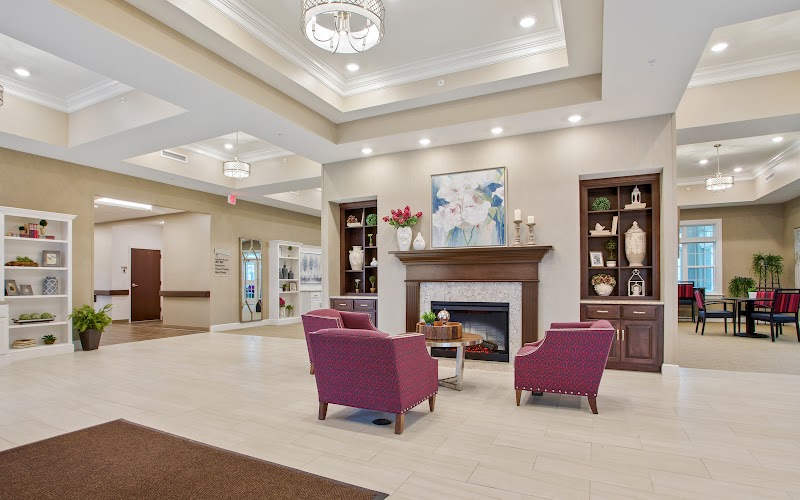
How is Johnstown Pointe Nursing & Rehabilitation Center Staffed?

CMS rates JOHNSTOWN POINTE NURSING & REHABILITATION CENTER's staffing level at 2 out of 5 stars, which is below average compared to other nursing homes. Staff turnover is 45%, compared to the Ohio average of 46%. This relatively stable workforce can support continuity of care.

What Have Inspectors Found at Johnstown Pointe Nursing & Rehabilitation Center?

State health inspectors documented 7 deficiencies at JOHNSTOWN POINTE NURSING & REHABILITATION CENTER during 2023 to 2025. These included: 7 with potential for harm.

Who Owns and Operates Johnstown Pointe Nursing & Rehabilitation Center?

JOHNSTOWN POINTE NURSING & REHABILITATION CENTER is owned by a for-profit company. For-profit facilities operate as businesses with obligations to shareholders or private owners. The facility is operated by FOUNDATIONS HEALTH SOLUTIONS, a chain that manages multiple nursing homes. With 80 certified beds and approximately 75 residents (about 94% occupancy), it is a smaller facility located in JOHNSTOWN, Ohio.

How Does Johnstown Pointe Nursing & Rehabilitation Center Compare to Other Ohio Nursing Homes?

Compared to the 100 nursing homes in Ohio, JOHNSTOWN POINTE NURSING & REHABILITATION CENTER's overall rating (5 stars) is above the state average of 3.2, staff turnover (45%) is near the state average of 46%, and health inspection rating (5 stars) is much above the national benchmark.

What Should Families Ask When Visiting Johnstown Pointe Nursing & Rehabilitation Center?

Based on this facility's data, families visiting should ask: "Can you walk me through typical staffing levels on day, evening, and night shifts?" "Can I visit during a mealtime to observe dining assistance and food quality?" "How do you handle medical emergencies, and what is your hospital transfer rate?" "Can I speak with family members of current residents about their experience?" These questions are particularly relevant given the below-average staffing rating.

Is Johnstown Pointe Nursing & Rehabilitation Center Safe?

Based on CMS inspection data, JOHNSTOWN POINTE NURSING & REHABILITATION CENTER has a clean safety record: no substantiated abuse findings (meaning no confirmed cases of resident harm), no Immediate Jeopardy citations (the most serious violation level indicating risk of serious injury or death), and is not on the Special Focus Facility watch list (a federal program monitoring the lowest-performing 1% of nursing homes). The facility has a 5-star overall rating and ranks #1 of 100 nursing homes in Ohio. While no facility is perfect, families should still ask about staff-to-resident ratios and recent inspection results during their visit.

Do Nurses at Johnstown Pointe Nursing & Rehabilitation Center Stick Around?

JOHNSTOWN POINTE NURSING & REHABILITATION CENTER has a staff turnover rate of 45%, which is about average for Ohio nursing homes (state average: 46%). Moderate turnover is common in nursing homes, but families should still ask about staff tenure and how the facility maintains care continuity when employees leave.

Was Johnstown Pointe Nursing & Rehabilitation Center Ever Fined?

JOHNSTOWN POINTE NURSING & REHABILITATION CENTER has no federal fines on record. CMS issues fines when nursing homes fail to meet care standards or don't correct problems found during inspections. The absence of fines suggests the facility has either maintained compliance or corrected any issues before penalties were assessed. This is a positive indicator, though families should still review recent inspection reports for the full picture.

Is Johnstown Pointe Nursing & Rehabilitation Center on Any Federal Watch List?

JOHNSTOWN POINTE NURSING & REHABILITATION CENTER is not on any federal watch list. The most significant is the Special Focus Facility (SFF) program, which identifies the bottom 1% of nursing homes nationally based on persistent, serious quality problems. Not being on this list means the facility has avoided the pattern of deficiencies that triggers enhanced federal oversight. This is a positive indicator, though families should still review the facility's inspection history directly.