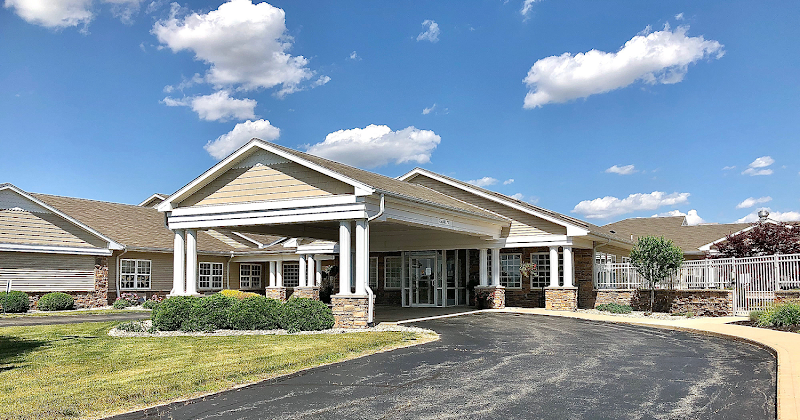
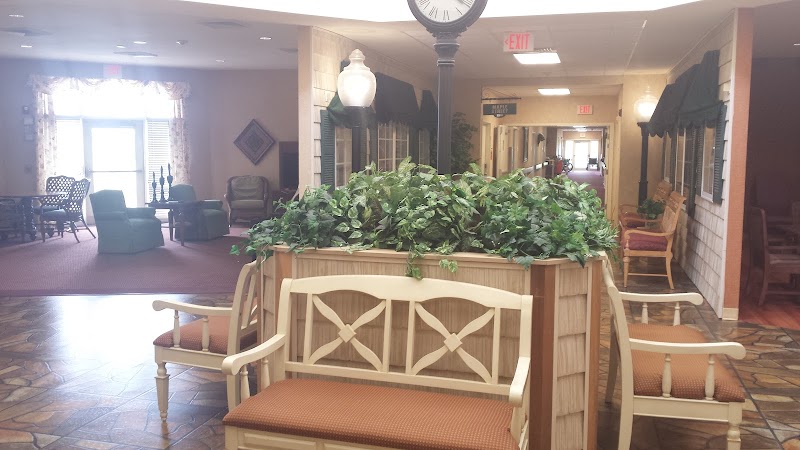
MEADOWS OF KALIDA

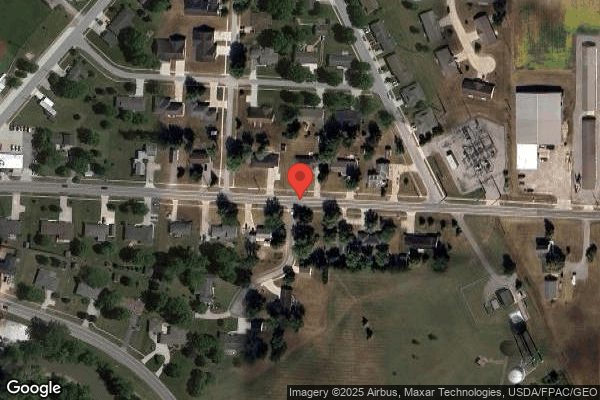
755 OTTAWA STREET, KALIDA, OH 45853 (419) 532-2961
For profit - Corporation 62 Beds TRILOGY HEALTH SERVICES Data: November 2025
Trust Grade
80/100
#296 of 913 in OH
Last Inspection: May 2025

Inspected within the last 6 months. Data reflects current conditions.

Overview

Meadows of Kalida has a Trust Grade of B+, indicating it is above average and recommended for families seeking care. It ranks #296 out of 913 facilities in Ohio, placing it in the top half, while being #3 out of 4 in Putnam County, suggesting limited local options. The facility shows an improving trend, having reduced its issues from 4 in 2022 to 2 in 2025, which is a positive sign. However, staffing is a concern, rated only 1 out of 5 stars with a 46% turnover rate, slightly below the state average. On the strengths side, there have been no fines reported, and the health inspection score is excellent at 5 out of 5. Specific incidents noted include expired insulin vials found in the medication room and failures to serve appropriate food portions to residents on pureed diets, which could potentially affect their health. This highlights a need for improvement in medication management and dietary services despite the facility's overall positive attributes.

Trust Score
B+
80/100
In Ohio
#296/913
Top 32%
Safety Record
Low Risk
No red flags
Inspections
Getting Better
4 → 2 violations
Staff Stability
⚠ Watch
46% turnover. Above average. Higher turnover means staff may not know residents' routines.
Penalties
✓ Good
No fines on record. Clean compliance history, better than most Ohio facilities.
Skilled Nurses
○ Average
Each resident gets 31 minutes of Registered Nurse (RN) attention daily — about average for Ohio. RNs are the most trained staff who monitor for health changes.
Violations
⚠ Watch
11 deficiencies on record. Higher than average. Multiple issues found across inspections.
★★★★☆
4.0
Overall Rating
★☆☆☆☆
1.0
Staff Levels
★★★☆☆
3.0
Care Quality
★★★★★
5.0
Inspection Score
Stable
2022: 4 issues
2025: 2 issues

The Good

  • Full Sprinkler Coverage · Fire safety systems throughout facility
  • No fines on record

Facility shows strength in fire safety.

The Bad

Staff Turnover: 46%

Near Ohio avg (46%)

Higher turnover may affect care consistency

Chain: TRILOGY HEALTH SERVICES

Part of a multi-facility chain

Ask about local staffing decisions and management

The Ugly 11 deficiencies on record

May 2025 2 deficiencies
CONCERN (D)

Potential for Harm - no one hurt, but risky conditions existed

PASARR Coordination (Tag F0644)

Could have caused harm · This affected 1 resident

Based on medical record review, review of the Pre-admission Screening and Resident Review (PASRR - screening to determine if specialized services are needed) and staff interview, the facility failed e...

Read full inspector narrative →
Based on medical record review, review of the Pre-admission Screening and Resident Review (PASRR - screening to determine if specialized services are needed) and staff interview, the facility failed ensure PASRR screenings were accurately completed. This affected one (#19) of three residents reviewed for PASRR screenings. The facility census was 58. Findings include: Review of the medical record for Resident #19 revealed an admission date of 03/13/25. Diagnoses included unspecified psychosis not due to a substance or known physiological condition, unspecified dementia, unspecified hearing loss, and muscle weakness. Review of the Minimum Data Set (MDS) assessment, dated 03/31/25, revealed Resident #19 had a Brief Interview Mental Status (BIMS) score of 15, indicating intact cognition. The resident was dependent upon staff for activities of daily living (ADLs). Review of the PASRR, completed on 03/11/25, revealed Resident #19's diagnosis of unspecified psychosis not due to a substance or known physiological condition was not documented on the screening. Interview with Social Services Director (SSD) #272 verified Resident #19's PASRR did not accurately reflect the resident's mental health diagnosis and further confirmed a diagnosis of unspecified psychosis not due to a substance or know physiological condition should have been included on the PASRR screening.
CONCERN (E)

Potential for Harm - no one hurt, but risky conditions existed

Deficiency F0761 (Tag F0761)

Could have caused harm · This affected multiple residents

**NOTE- TERMS IN BRACKETS HAVE BEEN EDITED TO PROTECT CONFIDENTIALITY** 2. Observation on 05/21/25 at 12:49 P.M. of the 200-hall main medication room refrigerator, with the Director of Nursing (DON), ...

Read full inspector narrative →
**NOTE- TERMS IN BRACKETS HAVE BEEN EDITED TO PROTECT CONFIDENTIALITY** 2. Observation on 05/21/25 at 12:49 P.M. of the 200-hall main medication room refrigerator, with the Director of Nursing (DON), revealed a plastic container which held eight vials of insulin. There were two vials of Novolog N 100 units per 10 milliliters (U/ml) with expiration dates of 12/31/24 and 01/31/25, a vial of Novolog R 100 U/10 ml with an expiration date of 03/31/25, two vials of Novolog 70/30 with an expiration date of 01/31/25 and one vial of Novolin R 100 U/10 ml with an expiration date of 03/31/25. Interview on 05/21/25 at 1:05 P.M. with the DON revealed the vials of insulin in the mail medication room refrigerator were used by all three halls of the facility for emergency situations, such as residents out of insulin or with new admissions. The DON verified the eight vials of insulin in the main medication room refrigerator were expired. Review of the facility policy titled, Medication Storage in the Facility, dated November 2018, revealed medications were stored safely, securely and properly, following manufactures recommendations or those of the supplier. Further review revealed outdated, contaminated, or deteriorated medications and those in containers that were cracked, soiled or without secure closures were immediately removed from inventory. All expired medications would be removed from the active supply and destroyed in the facility, regardless of the amount remaining. Based on observation, staff interview, medical record review and review of the facility policy, the facility failed to ensure medications were not left unattended at a resident's bedside. This affected one (#111) of five residents reviewed for medication administration. In addition, the facility failed to ensure medications were removed from use and disposed of upon expiration. This had the potential to affect eight (#16, #22, #27, #30, #36, #39, #44 and #49) residents identified by the facility as receiving insulin. The facility census was 58. Findings include: 1. Review of the medical record reveal Resident #111 was admitted on [DATE]. Diagnoses included cellulitis of the left lower limb, hypertensive heart and chronic kidney disease, acute on chronic diastolic heart failure, chronic kidney disease stage III, rheumatoid arthritis, type two diabetes mellitus with diabetic neuropathy, and major depressive disorder. Review of the Minimum Data Set (MDS) assessment, dated 03/13/25, revealed Resident #111 was cognitively intact and prescribed medications included anticoagulants, antibiotics, opioids, and anticonvulsants. Review of the Medication Administration Record (MAR) for May 2025 revealed on 05/18/25, during the morning medication administration, Resident #111 received the following medications: amiodarone (antiarrhythmic medication) 200 milligram (mg), bumetanide (diuretic) one mg, duloxetine (antidepressant) delayed release 60 mg, Eliquis (anticoagulant) five mg, folic acid (vitamin) one mg, gabapentin (antiseizure/nerve pain) 300 mg, glimepiride (diabetic medication) two mg, Jardiance (diabetic medication) 25 mg, levothyroxine (thyroid medication) 88 microgram (mcg), midodrine (antihypotensive) five mg, multivitamin tablet, oxybutynin chloride (urinary) tablet extended release 10 mg, pantoprazole (proton pump inhibitor) 40 mg, potassium chloride 20 milliequivalent (mEq), prednisone (corticosteroid) five mg, senna (supplement) 8.6 mg, and spironolactone (diuretic) 12.5 mg. Observation on 05/18/25 at 9:54 A.M. revealed Resident #111 was sitting in her wheelchair, just outside of the resident's room door. Upon entering the resident's room, with the resident, a half full medication cup was observed on the bedside table. Interview on 05/18/25 at 10:00 A.M. with Licensed Practical Nurse (LPN) #283 verified leaving Resident #111's medications unattended at the bedside.
Nov 2022 4 deficiencies
CONCERN (D)

Potential for Harm - no one hurt, but risky conditions existed

Notification of Changes (Tag F0580)

Could have caused harm · This affected 1 resident

**NOTE- TERMS IN BRACKETS HAVE BEEN EDITED TO PROTECT CONFIDENTIALITY** Based on medical record review, staff interview and review of facility policy, the facility failed to notify the physician of we...

Read full inspector narrative →
**NOTE- TERMS IN BRACKETS HAVE BEEN EDITED TO PROTECT CONFIDENTIALITY** Based on medical record review, staff interview and review of facility policy, the facility failed to notify the physician of weight gain per physician order. This affected one (#11) of one residents reviewed for notification of change. The facility census was 55. Findings include: Review of Resident #11's medical record revealed an admission date of 04/14/22 and a readmission date of 05/20/22. Diagnoses included displaced bimalleolar fracture of right lower leg, hypertensive heart disease with heart failure, chronic obstructive pulmonary disease (COPD), atherosclerotic heart disease, seizures, cardiomyopathy, asthma, major depressive disorder, anxiety disorder, overactive bladder, morbid (severe) obesity, hypotension, unspecified intellectual disabilities, edema and unspecified mood disorder. Review of the quarterly Minimum Data Set (MDS) dated [DATE] revealed Resident #11 was severely cognitively impaired and required extensive assistance with activities of daily living (ADLs) and had no weight loss or weight gain. Review of a plan of care, revised 10/26/22, revealed Resident #11 experienced a significant weight gain. Interventions included obtain weight as ordered. Additional review of a plan of care, revised 08/23/22, revealed Resident #11 had a potential for complications related to congestive heart failure (CHF). Interventions included weight as ordered, medications per orders, diet per physician orders and observe for and report complications as needed. Review of a physician order dated 10/31/22 revealed to weigh Resident #11 daily and to call the CHF clinic for weight gain of three pounds (lbs) in one day or five lbs. in one week. Review of weights revealed Resident #11 weighed 356 lbs on 11/04/22 and 375 lbs on 11/05/22, indicating a weight gain of 19 lbs in one day. Further review of Resident #11's medical record revealed no evidence the CHF clinic was notified of Resident #11's weight gain on 11/05/22. Interview on 11/08/22 at 8:45 A.M., Licensed Practical Nurse (LPN) #372 revealed CHF was a new diagnosis for Resident #11 and he began treatment at the CHF clinic on 10/31/22. LPN #372 confirmed Resident #11 was to be weighed daily and a weight increase of three pounds in a day was to be reported to the CHF clinic. Interview on 11/08/22 at 2:21 P.M., Regional Clinical Support (RCS) #481 confirmed Resident #11's medical record did not reflect CHF clinic notification of Resident #11's weight gain on 11/05/22. RCS #481 provided documentation weight increases were faxed to the clinic on 11/02/22 and 11/07/22 but no notification was made on 11/05/22. Review of facility policy titled Notification of Change in Condition, reviewed 12/01/21, revealed the resident representative and provider should be notified of change in condition in a timely manner.
CONCERN (D)

Potential for Harm - no one hurt, but risky conditions existed

Deficiency F0692 (Tag F0692)

Could have caused harm · This affected 1 resident

Based on medical record review, staff interview and review of facility policy, the facility failed to ensure weights were obtained in a consistent manner to ensure accuracy. This affected one (#11) of...

Read full inspector narrative →
Based on medical record review, staff interview and review of facility policy, the facility failed to ensure weights were obtained in a consistent manner to ensure accuracy. This affected one (#11) of three residents reviewed for nutrition. The facility census was 55. Findings include: Review of Resident #11's medical record revealed an admission date of 04/14/22 and a readmission date of 05/20/22. Diagnoses included displaced bimalleolar fracture of right lower leg, hypertensive heart disease with heart failure, chronic obstructive pulmonary disease (COPD), atherosclerotic heart disease, seizures, cardiomyopathy, asthma, major depressive disorder, anxiety disorder, overactive bladder, morbid (severe) obesity, hypotension, intellectual disabilities, edema and mood disorder. Review of the quarterly Minimum Data Set (MDS) assessment, dated 08/13/22 revealed Resident #11 was severely cognitively impaired, required extensive assistance with activities of daily living (ADLs) and had no weight loss or weight gain. Review of a plan of care, revised 10/26/22, revealed Resident #11 experienced a significant weight gain. Interventions included obtain weight as ordered. Additional review of a plan of care, revised 08/23/22, revealed Resident #11 had a potential for complications related to congestive heart failure (CHF). Interventions included weight as ordered, medications per orders, diet per physician orders and observe for and report complications as needed. Review of a physician order dated 11/02/22 revealed to weigh Resident #11 daily. Additional review revealed to weigh the resident on the spa scale for consistency. Review of weights revealed Resident #11 weighed 350.2 pounds (lbs.) on 11/01/22, 376.4 lbs. on 11/02/22, 356.8 lbs. on 11/03/22, 356 lbs. on 11/04/22, 375 lbs. on 11/05/22, 375.6 lbs. on 11/06/22, and 358 lbs. on 11/07/22. Interview on 11/08/22 at 2:21 P.M. with Regional Clinical Support (RCS) #481 verified significant variances in Resident #11's weights. RCS #481 stated the variances may have been due to staff not subtracting Resident #11's wheelchair on the dates he weighed 375 lbs. RCS #481 confirmed Resident #11's wheelchair weighed 58 lbs. and the weight of the wheelchair exceeded the differences in the Resident's weights. Follow up interview on 11/08/22 at 2:49 P.M., RCS #481 revealed Resident #11 had been weighed on different scales, which likely accounted for the weight variations. RCS #481 confirmed Resident #11's physician orders specified to use the spa scale to ensure consistency with weights and the spa scale and the chair scale were both being used when weighing Resident #11. Interview on 11/09/22 at 9:07 A.M., Licensed Practical Nurse (LPN) #336 revealed she had assisted in obtaining some of Resident #11's weights. LPN #336 stated she was unsure why the resident's weights were so off from each other. LPN #336 stated the spa scale was not wide enough for Resident #11's wheelchair and the only thing she could think was that some staff were pushing the wheelchair onto the spa scale, with the weight not being evenly distributed, resulting in inaccurate weights. Review of facility policy titled Guidelines for Weight Tracking, reviewed 03/16/22, revealed to the extent possible, the same scale, same person, same wheelchair (if applicable) should be used to ensure consistency.
CONCERN (D)

Potential for Harm - no one hurt, but risky conditions existed

Pharmacy Services (Tag F0755)

Could have caused harm · This affected 1 resident

**NOTE- TERMS IN BRACKETS HAVE BEEN EDITED TO PROTECT CONFIDENTIALITY** Based on review of the medical record, staff interview, and review of facility policy, the facility failed to ensure medications...

Read full inspector narrative →
**NOTE- TERMS IN BRACKETS HAVE BEEN EDITED TO PROTECT CONFIDENTIALITY** Based on review of the medical record, staff interview, and review of facility policy, the facility failed to ensure medications were received from the pharmacy in a timeframe to allow for the timely initiation of physician's orders for new medications. This affected two (Resident #15 and #205) of seven residents reviewed for medications. The facility census was 55. Findings include: 1. Review of the medical record revealed Resident #15 was admitted on [DATE]. Diagnoses included type two diabetes mellitus with diabetic chronic kidney disease, abdominal aortic aneurysm without rupture, chronic kidney disease stage 4, vascular dementia with behavioral disturbance, schizoaffective disorder, and hypertension. Review of the physician order, dated 11/04/22, revealed an order for the antibiotic cefadroxil/duricef 500 milligram (mg) twice a day. Review of the progress note, dated 11/05/22 revealed cefadroxil/duricef was not received in tote prior night and was not able to be pulled from Cubex. Pharmacy was contacted and stated it would be in that evening's tote. Facility staff voiced concerns that the medication was put into matrix care before 2:00 P.M. on 11/04/22 so it should have been in the prior night's tote. It was reported the pharmacy will drop ship today's antibiotic doses for Resident #15. Review of Medication Administration Record (MAR), dated November 2022, revealed cefadroxil was not administered on 11/04/22 and 11/05/22. Comments included could not find medication and medication was to be dropped shipped and was not received. Interview on 11/09/22 at 11:59 P.M. with the Director of Nursing (DON) verified Resident #15 did not receive the antibiotic ordered on 11/04/22 until 11/06/22 due to not receiving the antibiotic timely from pharmacy. The DON reported a drop shipment should be received within two hours. 2. Review of the medical record revealed Resident #205 was admitted on [DATE]. Diagnoses included sepsis, acute respiratory failure with hypoxia, acute kidney failure, type two diabetes mellitus without complications, and nicotine dependence. Review of progress note, dated 11/04/22, revealed Resident #205's daughter requested a nicotine patch be ordered due to Resident #205 being a current cigarette smoker of one to two packs per day. Review of the physician order, dated 11/04/22, revealed an order for nicotine patch 24 hour 21 mg/24 hour one patch applied transdermal once a day. Review of the Medication Administration Review (MAR), dated November 2022, revealed on 11/04/22, 11/05/22, and 11/06/22 the nicotine patch 24 hour 21 mg was not administered due to the drug/item not available. Interview on 11/08/22 at 3:48 P.M. with Licensed Practical Nurse (LPN) #412 verified working on 11/06/22. LPN #412 stated he had called the pharmacy due to Resident #205 not receiving nicotine patches as ordered. Pharmacy stated their new system was the reason for delay. LPN #412 verified the nicotine patches were ordered on 11/04/22 and the resident did not receive the patch until 11/07/22. Review of policy titled Medication Ordering and Receiving from Pharmacy, revised January 2017, revealed medications and related products are received from the dispensing pharmacy.
MINOR (C)

Minor Issue - procedural, no safety impact

Deficiency F0868 (Tag F0868)

Minor procedural issue · This affected most or all residents

Based on review of Quality Assessment and Assurance (QAA) Committee/Quality Assurance Improvement Program (QAPI) meeting sign in sheets, staff interview, and review of a facility policy, the facility ...

Read full inspector narrative →
Based on review of Quality Assessment and Assurance (QAA) Committee/Quality Assurance Improvement Program (QAPI) meeting sign in sheets, staff interview, and review of a facility policy, the facility failed to ensure QAA Committee/QAPI meetings occurred at least quarterly. This affected all 55 residents residing in the facility. The census was 55. Findings include: Review of QAA Committee/QAPI meeting sign in sheets between December 2021 and October 2022 revealed the facility did not hold a QAA Committee/QAPI meeting in the first quarter (January, February, and March) of 2022. The facility held meetings on 12/09/21, 04/28/22, 07/29/22, and 10/26/22. Interview on 11/09/22 at 12:49 P.M. with Executive Director #402 verified the facility had no documentation of a QAA Committee/QAPI meeting occurring during the first quarter of 2022. Review of a facility policy titled Quality Assessment and Assurance Committee/Quality Assurance and Performance Improvement (QAPI) Program, revised 11/14/19, revealed the Quality Assessment and Assurance Committee shall meet at least quarterly.
Sept 2019 5 deficiencies
CONCERN (D)

Potential for Harm - no one hurt, but risky conditions existed

Deficiency F0625 (Tag F0625)

Could have caused harm · This affected 1 resident

Based on medical record review, staff interview and policy review, the facility failed to provide bed hold notice to one resident. This affected one (#52) of four sampled residents reviewed for bed ho...

Read full inspector narrative →
Based on medical record review, staff interview and policy review, the facility failed to provide bed hold notice to one resident. This affected one (#52) of four sampled residents reviewed for bed holds prior to transferring to the hospital. The facility census was 55. Findings include: Review of Resident #52's medical record revealed an admission date of 06/28/19 at 2:30 P.M. and discharged on 06/29/19 at 12:26 P.M. Diagnoses include unspecified atrial fibrillation, hypertensive heart disease with heart failure, anemia, chronic systolic heart failure, benign prostatic hyperplasia without lower urinary tract symptoms, obstructive sleep apnea, dysphagia, oropharyngeal phase and hyperlipidemia. Review of the Minimum Data Set (MDS) revealed the MDS had not yet been completed as the resident was in the facility less than 24 hours. Review of the progress note dated 07/09/19 at 9:43 A.M. revealed the Executive Director spoke with family regarding the bed hold on 07/08/19. The Executive Director mailed the Bed hold letter certified, with a self addressed stamped envelope enclosed. Interview on 09/26/19 at 2:15 P.M., with the Executive Director verified Resident #52 or their representative was not given notice of the bed hold policy within 24 hours. Review of the policy titled Bed Hold Notification, dated 09/24/18, revealed before transferring a resident to a hospital or allowing a resident to go on a therapeutic leave, the Nursing designee or other designated staff member should provide written information to the resident and a family member or legal representative of the bed hold and admission policies.
CONCERN (D)

Potential for Harm - no one hurt, but risky conditions existed

Deficiency F0698 (Tag F0698)

Could have caused harm · This affected 1 resident

**NOTE- TERMS IN BRACKETS HAVE BEEN EDITED TO PROTECT CONFIDENTIALITY** Based on medical record review, staff interview, and policy review, the facility failed to monitor a resident's dialysis access ...

Read full inspector narrative →
**NOTE- TERMS IN BRACKETS HAVE BEEN EDITED TO PROTECT CONFIDENTIALITY** Based on medical record review, staff interview, and policy review, the facility failed to monitor a resident's dialysis access per facility policy. This affected one (#17) of one resident reviewed for dialysis. The facility census was 55. Findings include: Review Resident #17's medical record revealed an admission date of 02/19/18. Diagnoses included: end stage renal disease, essential hypertension, heart failure, muscle weakness, gastro-esophageal reflux disease without esophagitis, anemia, acute myocardial infarction, overactive bladder, constipation, gout, acute embolism and thrombosis of deep veins of right upper extremity. Interview on 09/26/19 at 7:11 A.M. with Resident #17 revealed Resident #17 stated the staff don't check her arm very often here, but they do at dialysis. Review of the quarterly Minimum Data Set (MDS) dated [DATE], revealed Resident #17 was cognitively intact with a Brief Interview Mental Status (BIMS) of 15. Resident #17 had no rejection of care during the assessment period. Resident #17 received dialysis services. Review of the care plan dated 06/25/19 revealed Resident #17 had renal failure resulting in the need for dialysis. Resident will be free from complications associated with dialysis. Appropriate goal and interventions were included in the care plan specifically, monitor dialysis access as ordered. Review of the current physician orders revealed there was no order for monitoring the dialysis access. Review of the Treatment Administration Record for 08/2019 and 09/2019 revealed there was documentation of monitoring the dialysis access. Interview on 09/26/19 at 9:55 A.M. with the Director of Nursing revealed there was no order to monitor the dialysis access and there was no documentation of monitoring the dialysis access. Review of the policy titled Guidelines for Monitoring Shunt: Hemodialysis Arteriovenous Access, dated 05/22/18, revealed to monitor the Arteriovenous shunt daily for redness, swelling, signs and symptoms of infections, complaints of pain, local warmth, exudates, tenderness, numbness, tingling, and extremity swelling distal to access. Monitor the Arteriovenous shunt daily for thrill and bruit.
CONCERN (D)

Potential for Harm - no one hurt, but risky conditions existed

Safe Environment (Tag F0921)

Could have caused harm · This affected 1 resident

**NOTE- TERMS IN BRACKETS HAVE BEEN EDITED TO PROTECT CONFIDENTIALITY** Based on observation, staff interview, and review of facility policy, the facility failed to properly maintain the flooring in a...

Read full inspector narrative →
**NOTE- TERMS IN BRACKETS HAVE BEEN EDITED TO PROTECT CONFIDENTIALITY** Based on observation, staff interview, and review of facility policy, the facility failed to properly maintain the flooring in a resident's room. This affected one of 46 resident rooms observed. The facility census was 55. Findings include: Observation on 09/23/19 at 11:16 A.M., revealed three large holes in the tile flooring in resident room [ROOM NUMBER]. The three holes are approximately two inches by four inches, four inches by six inches, and six inches by nine inches. The holes are near a resident's recliner. Interview on 09/25/19 at 11:38 A.M., with the Director of Plant Operations #102 verified there are holes in the tiling flooring of resident room [ROOM NUMBER]. Director of Director of Plant Operations #102 verified a work order had not been received and the flooring definitely should have been fixed. Further interview at 12:04 P.M., verified the tile had completely ripped through to the under layment flooring. Interview on 09/26/19 at approximately 7:30 A.M., with Administrator #100 verified the flooring should have been replaced. Review of facility policy titled,Flooring Preventative Maintenance, dated 02/06/18, verified vinyl tile is inspected for chipping and cracking quarterly and replaced as necessary.
CONCERN (E)

Potential for Harm - no one hurt, but risky conditions existed

Menu Adequacy (Tag F0803)

Could have caused harm · This affected multiple residents

Based on observation, staff interview, and review of food menus and spreadsheets, the facility failed to serve appropriate food servings to residents with a pureed diet. This affected nine (#8, #16, #...

Read full inspector narrative →
Based on observation, staff interview, and review of food menus and spreadsheets, the facility failed to serve appropriate food servings to residents with a pureed diet. This affected nine (#8, #16, #21, #22, #23, #29, #34, #38, and #44) residents with orders for pureed diets who were served food in the main and restorative dining rooms. The facility identified two (#27 and #31) additional residents with orders for pureed diets who received their meals in their rooms. The census was 55. Findings include: Observation on 09/25/19 at 12:08 P.M., revealed [NAME] #560 serving residents meals from the steam table in the main dining room. [NAME] #560 served all meals to residents in the main dining room and restorative and was asked what scoop sizes were used while serving food items. Interview on 09/25/19 at 12:14 P.M., with [NAME] #560 stated the pureed cornflake chicken breast, scalloped potatoes, and sautéed cabbage and spinach were served using a #10 (3/8 cup) scoop. Review of menu for the spring and summer Midwest 2019 week 2 revealed the lunch meal was cornflake chicken breast, scalloped potatoes, sauteed cabbage and spinach, a Southern biscuit, cherry cobbler, butter cup, coffee and tea, and garnish. Review of a spreadsheet for the spring and summer Midwest 2019 diet revealed purred cornflake chicken breast was to be served with a #6 (5/8 cup), pureed scalloped potatoes with a #8 (1/2 cup), and pureed sautéed cabbage and spinach with a #12 (1/3 cup) scoop. Interview on 09/25/19 at 12:30 P.M., with [NAME] #560 and Dietary Manager #290 verified the incorrect scoop sizes were used when serving the pureed cornflake chicken breast, scalloped potatoes, and sautéed cabbage and spinach in the main and restorative dining rooms on 09/25/19. Interview on 09/26/19 at approximately 10:30 A.M., with Director of Health Services #101 verified none of the 11 (#8, #16, #21, #22, #23, #27, #29, #31, #34, #38, and #44) residents with orders for pureed diets had any significant weight loss in the last 30 days.
CONCERN (E)

Potential for Harm - no one hurt, but risky conditions existed

Deficiency F0804 (Tag F0804)

Could have caused harm · This affected multiple residents

Based on observation, staff interview, review of food recipes, and review of a facility policy, the facility failed to provide nutritional and appetizing bread for a pureed meal. This affected nine (#...

Read full inspector narrative →
Based on observation, staff interview, review of food recipes, and review of a facility policy, the facility failed to provide nutritional and appetizing bread for a pureed meal. This affected nine (#8, #16, #21, #22, #23, #29, #34, #38, and #44) residents with orders for pureed diets who were served food in the main and restorative dining rooms. The facility identified two (#27 and #31) additional residents with orders for pureed diets who received their meals in their rooms. The census was 55. Findings include: Observation on 09/25/19 at 11:25 A.M., revealed [NAME] #400 preparing pureed textured foods in the facility kitchen. [NAME] #400 explained the recipe for pureed textured foods had a minimal serving size of 25 servings, and since the facility had less than 25 residents on pureed diets they would recalculate the recipe to make it for 15 servings. [NAME] #400 asked Dietary Manager #290 to recalculate a recipe for pureed bread to make 15 servings instead of 25. Dietary Manager #290 presented [NAME] #400 with a revised recipe to aide in making pureed bread for the lunch meal. Review of an undated pureed bread recipe number 157 revealed the recipe was set up for serving sizes of 25, 50, 75, 100, and 150 and ingredients including pureed bread mix, hot water, and low-sodium chicken base. Review of the undated, unnamed and revised recipe given to [NAME] #400 revealed an example for ingredients in black and white cookies for eight, sixteen, forty, eighty, and 120 servings with ingredients of flour, baking powder, salt, and milk. The recipe did not address ingredients for pureed bread or the quantity of the ingredients needed. Further observation on 09/25/19 at 11:30 A.M., revealed [NAME] #400 removed slices of bread from the steamer and placed them in the food processor mixing it with an undetermined amount of hot water, melted butter, and chicken broth. After all food items were blended together, [NAME] #400 used a spatula to scrap the pureed bread from the food processor into a metal holding pan at which time the consistency of the pureed bread was very thin in an almost liquid form. Interview 09/25/19 at 11:40 A.M., with [NAME] #400 stated she would place the pureed bread back in the steamer and it would thicken up. Observation on 09/25/19 at 12:08 P.M., revealed [NAME] #560 serving residents meals from the steam table in the main dining room. Further observation revealed [NAME] #560 scoop pureed bread from the steam table and place it on plates. The consistency of the pureed bread was very runny and did not require [NAME] #560 to use the clicker on the side of the scoop. When [NAME] #560 placed the scoop into the pureed bread and lifted the scoop, pureed bread mixture was dripping off the scoop, and when the pureed bread was plated it did not hold a form and ran on the plate into other food items. Interview on 09/25/19 at 12:30 P.M., with [NAME] #560 and Dietary Manager #290 stated the pureed bread was too runny and should have been more formed. Dietary Manager #290 stated he did not observe the pureed bread after [NAME] #400 prepared it. The facility identified nine (#8, #16, #21, #22, #23, #29, #34, #38, and #44) residents with orders for pureed diets who were served food in the main and restorative dining rooms on 09/25/19 between 12:00 P.M. and 12:30 P.M. Review of a facility policy titled, Standardized Recipes, dated 05/31/16, revealed any recipe changes made by the Director of Food Services should be reviewed and approved by the Registered Dietitian.
Understanding Severity Codes (click to expand)
Life-Threatening (Immediate Jeopardy)
J - Isolated K - Pattern L - Widespread
Actual Harm
G - Isolated H - Pattern I - Widespread
Potential for Harm
D - Isolated E - Pattern F - Widespread
No Harm (Minor)
A - Isolated B - Pattern C - Widespread

Questions to Ask on Your Visit

  • "Can I speak with families of current residents?"
  • "What's your RN coverage like on weekends and overnight?"

Our Honest Assessment

Strengths
  • • Grade B+ (80/100). Above average facility, better than most options in Ohio.
  • • No major safety red flags. No abuse findings, life-threatening violations, or SFF status.
  • • No fines on record. Clean compliance history, better than most Ohio facilities.
Concerns
  • • 11 deficiencies on record. Higher than average. Multiple issues found across inspections.
Bottom line: Generally positive indicators. Standard due diligence and a personal visit recommended.

About This Facility

What is Meadows Of Kalida's CMS Rating?

CMS assigns MEADOWS OF KALIDA an overall rating of 4 out of 5 stars, which is considered above average nationally. Within Ohio, this rating places the facility higher than 99% of the state's 100 nursing homes. This rating reflects solid performance across the metrics CMS uses to evaluate nursing home quality.

How is Meadows Of Kalida Staffed?

CMS rates MEADOWS OF KALIDA's staffing level at 1 out of 5 stars, which is much below average compared to other nursing homes. Staff turnover is 46%, compared to the Ohio average of 46%. This relatively stable workforce can support continuity of care. RN turnover specifically is 67%, which is notably high. RNs provide skilled clinical oversight, so turnover in this role can affect medical care quality.

What Have Inspectors Found at Meadows Of Kalida?

State health inspectors documented 11 deficiencies at MEADOWS OF KALIDA during 2019 to 2025. These included: 10 with potential for harm and 1 minor or isolated issues.

Who Owns and Operates Meadows Of Kalida?

MEADOWS OF KALIDA is owned by a for-profit company. For-profit facilities operate as businesses with obligations to shareholders or private owners. The facility is operated by TRILOGY HEALTH SERVICES, a chain that manages multiple nursing homes. With 62 certified beds and approximately 56 residents (about 90% occupancy), it is a smaller facility located in KALIDA, Ohio.

How Does Meadows Of Kalida Compare to Other Ohio Nursing Homes?

Compared to the 100 nursing homes in Ohio, MEADOWS OF KALIDA's overall rating (4 stars) is above the state average of 3.2, staff turnover (46%) is near the state average of 46%, and health inspection rating (5 stars) is much above the national benchmark.

What Should Families Ask When Visiting Meadows Of Kalida?

Based on this facility's data, families visiting should ask: "Can you walk me through typical staffing levels on day, evening, and night shifts?" "Can I visit during a mealtime to observe dining assistance and food quality?" "How do you handle medical emergencies, and what is your hospital transfer rate?" "Can I speak with family members of current residents about their experience?" These questions are particularly relevant given the below-average staffing rating.

Is Meadows Of Kalida Safe?

Based on CMS inspection data, MEADOWS OF KALIDA has a clean safety record: no substantiated abuse findings (meaning no confirmed cases of resident harm), no Immediate Jeopardy citations (the most serious violation level indicating risk of serious injury or death), and is not on the Special Focus Facility watch list (a federal program monitoring the lowest-performing 1% of nursing homes). The facility has a 4-star overall rating and ranks #1 of 100 nursing homes in Ohio. While no facility is perfect, families should still ask about staff-to-resident ratios and recent inspection results during their visit.

Do Nurses at Meadows Of Kalida Stick Around?

MEADOWS OF KALIDA has a staff turnover rate of 46%, which is about average for Ohio nursing homes (state average: 46%). Moderate turnover is common in nursing homes, but families should still ask about staff tenure and how the facility maintains care continuity when employees leave.

Was Meadows Of Kalida Ever Fined?

MEADOWS OF KALIDA has no federal fines on record. CMS issues fines when nursing homes fail to meet care standards or don't correct problems found during inspections. The absence of fines suggests the facility has either maintained compliance or corrected any issues before penalties were assessed. This is a positive indicator, though families should still review recent inspection reports for the full picture.

Is Meadows Of Kalida on Any Federal Watch List?

MEADOWS OF KALIDA is not on any federal watch list. The most significant is the Special Focus Facility (SFF) program, which identifies the bottom 1% of nursing homes nationally based on persistent, serious quality problems. Not being on this list means the facility has avoided the pattern of deficiencies that triggers enhanced federal oversight. This is a positive indicator, though families should still review the facility's inspection history directly.