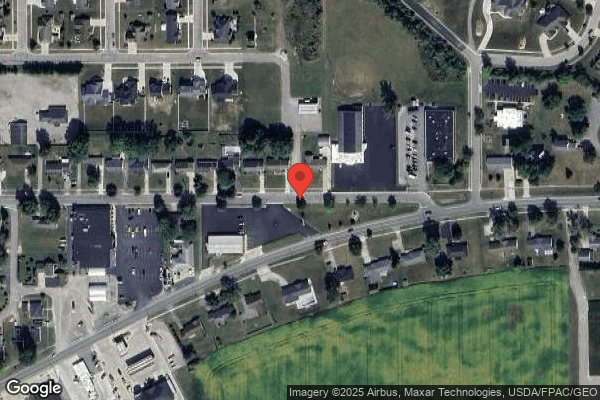
AUTUMN COURT

1925 E FOURTH ST, OTTAWA, OH 45875 (419) 523-4370
For profit - Corporation 50 Beds LIONSTONE CARE Data: November 2025
Trust Grade
85/100
#19 of 913 in OH
Last Inspection: October 2024

Within standard 12-15 month inspection cycle. Federal law requires annual inspections.

Overview

Autumn Court in Ottawa, Ohio, has a Trust Grade of B+, which indicates it is above average and recommended for families considering a nursing home. It ranks #19 out of 913 facilities in Ohio, placing it in the top half, and is the best option among the four facilities in Putnam County. However, the facility's condition is worsening, increasing from five issues in 2022 to six in 2024. Staffing is a concern, with a rating of 2 out of 5 stars and a turnover rate of 48%, which is slightly better than the state average. While there have been no fines, the facility has less RN coverage than 80% of Ohio facilities, which could limit the quality of care provided. Specific incidents noted during inspections include a failure to maintain proper dishwashing temperatures, which could risk residents' health, and issues with dietary staff not covering skin conditions properly while preparing food. Additionally, residents reported discomfort due to inadequate heating in the facility. Overall, while Autumn Court has strengths such as a high overall star rating and no fines, the recent trends and specific deficiencies raise some concerns for families considering this home.

Trust Score
B+
85/100
In Ohio
#19/913
Top 2%
Safety Record
Low Risk
No red flags
Inspections
Getting Worse
5 → 6 violations
Staff Stability
⚠ Watch
48% turnover. Above average. Higher turnover means staff may not know residents' routines.
Penalties
✓ Good
No fines on record. Clean compliance history, better than most Ohio facilities.
Skilled Nurses
⚠ Watch
Each resident gets only 22 minutes of Registered Nurse (RN) attention daily — below average for Ohio. Fewer RN minutes means fewer trained eyes watching for problems.
Violations
⚠ Watch
14 deficiencies on record. Higher than average. Multiple issues found across inspections.
★★★★★
5.0
Overall Rating
★★☆☆☆
2.0
Staff Levels
★★★★★
5.0
Care Quality
★★★★☆
4.0
Inspection Score
Stable
2022: 5 issues
2024: 6 issues

The Good

  • 5-Star Quality Measures · Strong clinical quality outcomes
  • Full Sprinkler Coverage · Fire safety systems throughout facility
  • No fines on record

Facility shows strength in quality measures, fire safety.

The Bad

Staff Turnover: 48%

Near Ohio avg (46%)

Higher turnover may affect care consistency

Chain: LIONSTONE CARE

Part of a multi-facility chain

Ask about local staffing decisions and management

The Ugly 14 deficiencies on record

Oct 2024 6 deficiencies
CONCERN (D)

Potential for Harm - no one hurt, but risky conditions existed

Deficiency F0805 (Tag F0805)

Could have caused harm · This affected 1 resident

Based on observation, staff interview, and review of production recipes, the facility failed to ensure pureed foods were prepared properly. This affected one (#5) of one resident who received pureed f...

Read full inspector narrative →
Based on observation, staff interview, and review of production recipes, the facility failed to ensure pureed foods were prepared properly. This affected one (#5) of one resident who received pureed food in the facility. The facility census was 48. Findings include: Observations beginning on 10/16/24 at 10:48 A.M. revealed [NAME] #109 receiving guidance from Dietary Director (DD) #114 regarding the preparation of one pureed portion of the noon meal. Interview with DD #114 revealed the noon meal consisted of beef pot roast, vegetable blend, mashed potatoes, and pumpkin pie. [NAME] #109 pureed and plated each food item separately. Observation of the pureed beef pot roast revealed a thick liquid with several small pieces of what appeared to be ground beef. Observation of the pureed vegetable blend appeared to be thin soup with several large pieces of vegetables. Observation on 10/16/24 at 11:55 A.M. revealed Resident #5 in the dining room received her noon meal tray with pureed items which included beef pot roast and vegetable blend. Interview and observation on 10/16/24 at 11:56 A.M. with DD #114 confirmed the vegetables delivered to Resident #5 were in a thin liquid with nearly intact pieces of vegetables. DD #114 confirmed the vegetables were not blended to a pureed texture and removed Resident #5's plate and explained he needed to re-prepare her meal. Telephone interview on 10/16/24 at 1:14 P.M. with Speech Therapist (ST) #158 revealed she had identified concerns with modified food textures, pureed and mechanical soft, at the facility and brought it to the facility's attention. ST #158 stated staff was receptive to re-education and training to ensure food textures were modified appropriately. Follow-up interview on 10/17/24 at 3:43 P.M. with DD #114, and concurrent review of the guidelines for preparing the pureed beef pot roast, revealed the pureed pot roast provided to Resident #5 during the noon meal on 10/16/24 was not pureed to a smooth texture. DD #114 stated he would have pureed it further but believed the lack of intervention by the surveyor indicated the texture was appropriate. Review of the Production Recipe for Vegetable Blend Mixed Pureed Thick, dated 03/31/21, revealed vegetables and melted margarine should be added to the food processor and processed until smooth in texture. Review of the Production Recipe for Beef Roast Pot Pureed Thick, dated 03/26/21, revealed beef pot roast and prepared broth should be added to the food processor and processed until smooth in texture.
CONCERN (D)

Potential for Harm - no one hurt, but risky conditions existed

Infection Control (Tag F0880)

Could have caused harm · This affected 1 resident

Based on observation, staff interview, medical record review, and review of policy for medication administration, the facility failed to practice appropriate hand hygiene during medication administrat...

Read full inspector narrative →
Based on observation, staff interview, medical record review, and review of policy for medication administration, the facility failed to practice appropriate hand hygiene during medication administration. This affected two residents (Residents #13 and #15) of three residents observed for medication administration. The facility census was 48. Findings include: Observation on 10/16/24 at 7:35 A.M. revealed Licensed Practical Nurse (LPN) #132 prepared 13 oral medications for Resident #13 by punching them from a punch card and/or removing them from a multi-dose container. During this preparation, LPN #132 touched each of the 13 tablets with bare skin while removing the medications from the packages and placing each them in the medication cup. LPN #132 then administered the medications to Resident #13. Observation on 10/16/24 at 7:41 A.M. revealed LPN #132 prepared six oral medications for Resident #15 by punching them from a punch card and/or removing them from a multi-dose container. During this preparation, LPN #132 touched each of the six tablets with bare skin while removing the medications from the packages and placing them in the medication cup. LPN #132 then administered the medications to Resident #15. Immediately following this second observation, interview with LPN #132 confirmed the nurse touched 13 medications for Resident #13 and six medications for Resident #15 with bare skin during preparation. Interview on 10/17/24 at 12:17 P.M. with the Director of Nursing confirmed nurses were not to touch medications with bare hands at any time. Review of a policy titled Medication Dispensing System, undated, revealed it directed the administering staff person, to not touch the medication when opening a bottle or unit dose package.
CONCERN (E)

Potential for Harm - no one hurt, but risky conditions existed

Safe Environment (Tag F0584)

Could have caused harm · This affected multiple residents

Based on observation, resident interview, staff interview, and policy review, the facility failed to maintain a comfortable temperature throughout the facility. This affected 18 residents (#9, #10, #1...

Read full inspector narrative →
Based on observation, resident interview, staff interview, and policy review, the facility failed to maintain a comfortable temperature throughout the facility. This affected 18 residents (#9, #10, #13, #15, #16, #17, #19, #22, #24, #29, #32, #33, #35, #36, #40, #42, #43, and #45) by the uncomfortable temperatures in the facility. Additionally the facility failed to maintain a clean and sanitary environment. This affected three residents (#8, #19, and #43) of 16 residents reviewed for environment. The facility census was 48. Findings include: 1. Observation and interview on 10/16/24 at 11:38 A.M. with Resident #33 revealed the heater not working or on at this time. Heater elements appear to be old and in disrepair. Cold air observed coming from the windows. Resident #33 stated his room was cold and he was cold last night. Resident #33 wanted his heater fixed. Interview and observation on 10/16/24 at 11:45 A.M. with Regional Director of Facility Management (RDFM) #156 confirmed their temperature gun showed a room temperature ranging from 60-65 degrees Fahrenheit (F) in Residents #33 and #22's room. Interview and observation on 10/16/24 at 12:02 P.M. with Resident #29 stated she was cold. Resident #29 was observed sitting on her bed with a winter coat on. Observation and interview on 10/16/24 at 2:48 P.M. with Maintenance Director #133 confirmed the facility's temperature gun showed the following room temperatures: Resident #42 and #36's room was 67.4 degrees F, Resident #16 and #40's room was 63.3 degrees F, the front hallway was 60.9 degrees F, Residents #15, #19 and #10's room was 64.4 degrees F, Residents #17, #29, #13, and #24's room was 64.9 degrees F, Residents #43 and #9's room was 69.0 degrees F, Resident #32 and #35's room was 65.3 degrees F, and the dining room was 69.0 degrees F. Maintenance Director #133 stated the air conditioning was still on in the facility. Observation and interview on 10/17/24 at 8:38 A.M. with Resident #45 revealed the resident was sitting outside their room with jacket on. Resident #45 stated it is warmer today than it was yesterday. Interview on 10/17/24 at 8:44 A.M. with Resident #10 revealed the resident stated it is warmer in the facility today than it was yesterday. Resident #10 stated a few days back it was really cold in the facility. Review of the policy titled Quality of Life-Homelike Environment revised May 2017 revealed the facility staff and management shall maximize to the extent possible the characteristics of the facility that reflect a personalized, homelike setting. These characteristics include: comfortable and safe temperatures (71 degrees F to 81 degrees F). 2. Observation on 10/15/24 at 10:03 A.M. revealed Resident #19's privacy curtain had a dried brown stain over an approximately three by six inch area, in a noticeable section of the curtain. During the observation, Resident #19 stated he had had an episode of bowel incontinence on the day prior, and feces had stained the curtain. Further observations on 10/16/24 at 8:45 A.M., at 11:56 A.M. and again at 4:33 P.M. revealed the dried feces was still present on Resident #19's privacy curtain. Interview on 10/16/24 at 4:33 P.M. with STNA #141 confirmed the noticeable dried brown feces stain on Resident #19's privacy curtain. The aide stated soiled privacy curtains were to be changed as needed. Interview on 10/17/24 at 9:55 A.M. with the Administrator confirmed staff were to let housekeeping know if a privacy curtain was soiled and required a change. Additional interviews on 10/17/24 at 11:29 A.M. with Housekeeping Aide #118 and at 11:53 A.M. with Housekeeping Director #119, further confirmed aides were to let housekeeping staff know if a privacy curtain was soiled and requires a change. 3. Observation on 10/16/24 at 12:13 P.M. revealed the room shared by Residents #43 and #8, had excessive spiderwebs in a corner from the floor to the ceiling, with debris scattered throughout the web and on the floor. Immediately following the observation, the excessive spider webs were confirmed by Regional Director of Clinical #157 and the Director of Nursing. Interview on 10/17/24 at 11:49 A.M. with Resident #43 stated they were relieved the spider webs were being addressed. Review of a policy titled Routine Cleaning and Disinfection, last reviewed August 2023, revealed the facility shall ensure provision of routine cleaning in order to provide a safe, sanitary environment and to prevent the development and transmission of infections. The policy stated curtains in resident rooms, shall be changed when visibly dirty and the cleaning of walls will be conducted when visibly soiled. Review of a policy titled Homelike Environment, last revised May 2017, revealed the facility shall provide a clean, sanitary environment.
CONCERN (E)

Potential for Harm - no one hurt, but risky conditions existed

Deficiency F0761 (Tag F0761)

Could have caused harm · This affected multiple residents

Based on observation of medication administration, staff interview, and policy review, the facility failed to ensure the medication cart was secured at all times when unattended. This had the potentia...

Read full inspector narrative →
Based on observation of medication administration, staff interview, and policy review, the facility failed to ensure the medication cart was secured at all times when unattended. This had the potential to affect all residents but three residents. The facility reported all residents were cognitively impaired and all but three residents were independently mobile or able to self-propel in a wheelchair. The facility census was 48. Findings include: Observation on 10/16/24 at 7:47 A.M. revealed Licensed Practical Nurse (LPN) #154 prepared medication at the medication cart which was parked adjacent to the dining room with the drawers facing away from the seating area. There was a half wall approximately two to two and one half feet high, between the cart and the actual dining room. During the observation, there were approximately ten to twelve residents in the surrounding area, with some residents arriving and departing breakfast service. After preparing medication for Resident #18, LPN #154 failed to lock the cart, walked away, and sat for approximately two minutes, in a chair next to the resident on the other side of an approximately five foot diameter round table. The nurse was facing in the direction of the cart which was approximately ten feet away, separated by the half wall and the round table. While administering medication to the resident, LPN #154 was observed to be focused on and looking at the resident. Additionally, this surveyor observed that while the nurse was seated, the nurse's view of the drawers were obscured considering the position of the cart, and the nurse would have been unable to see if a resident in a wheelchair approached the unlocked drawers. Interview immediately following this observation with LPN #154, confirmed the nurse walked away from the unlocked medication cart for approximately two minutes and was not fully attentive to the cart, despite the cart itself being within view. LPN #154 acknowledged the facility's population of residents with cognitive, mental, and behavioral health concerns, increased the need to ensure the cart was secure, and especially since the unlocked drawers were not within sight when she was seated at the table. Interview on 10/17/24 at 12:17 P.M. with the Director of Nursing confirmed medication carts were to be locked when out of sight or otherwise unattended. Review of a policy titled Medication Dispensing System, undated, revealed medication carts are to always be locked when out of sight or unattended.
CONCERN (F)

Potential for Harm - no one hurt, but risky conditions existed

Food Safety (Tag F0812)

Could have caused harm · This affected most or all residents

Based on observation, staff interview, and review of the dishwasher manufacturer's guidelines, the facility failed to ensure the dishwasher washed and rinsed dishes at temperatures specified by the ma...

Read full inspector narrative →
Based on observation, staff interview, and review of the dishwasher manufacturer's guidelines, the facility failed to ensure the dishwasher washed and rinsed dishes at temperatures specified by the manufacturer's guidelines. This had the potential to affect all 48 residents who received food from the kitchen. The facility census was 48. Findings include: Observation on 10/16/24 at approximately 11:00 A.M. revealed the dishwasher labeled with Machine Operational Requirements with a wash temperature of 120 degrees Fahrenheit (F) minimum and a rinse temperature of 120 degrees F minimum. Further observation revealed Dietary Director (DD) #114 running one cycle of the dishwasher and the was temperature reached 80 degrees F during the wash and a rinse temperature of 88 degrees F. Concurrent interview with DD #114 revealed the dishwasher was a low-temperature machine and should wash and rinse at approximately 100 degrees F and 110 degrees F respectively. Two additional wash cycles were run, and the dishwasher temperatures peaked at a wash temperature of 88 degrees F and a rinse temperature of 95 degrees F. Continued interview with DD #114 confirmed the manufacturer's guidance for wash and rinse temperatures were mounted on the dishwasher and indicated the minimum temperature for each were 120 degrees F. Interview on 10/16/24 at 11:26 A.M. with DD #114 and concurrent review of the Dish Machine temperature log for October 2024 revealed the dishwasher water temperature was documented three times daily and most documented temperatures were 100 degrees F wash and 110 degrees F rinse. DD #114 stated he would contact the dish machine company regarding the dishwasher temperatures not reaching manufacturer's temperature recommendations. Review of the Dish Machine temperature log for August 2024 revealed the dishwasher water temperature was documented three times daily (breakfast, lunch and dinner) and all documented temperatures were 100 degrees F wash and 110 degrees F rinse except dinner on 08/02/24 and lunch on 08/29/24 when the documented temperatures were 100 degrees F wash and 100 degrees F rinse, and lunch and dinner on 08/30/24 when the documented temperatures were 90 degrees F wash and 110 degrees F rinse. Review of the Dish Machine temperature log for September 2024 revealed the dishwasher water temperature was documented three times daily and all documented temperatures were 100 degrees F wash and 110 degrees F rinse except dinner on 09/26/24, 09/27/24, and 09/29/24 when the documented temperatures were 100 degrees F wash and 100 degrees F rinse.
MINOR (C)

Minor Issue - procedural, no safety impact

Deficiency F0949 (Tag F0949)

Minor procedural issue · This affected most or all residents

Based on review of personnel files, record review, and staff interview, the facility failed to ensure newly hired State Tested Nurse Aides (STNA) received specialty behavioral training. This had the p...

Read full inspector narrative →
Based on review of personnel files, record review, and staff interview, the facility failed to ensure newly hired State Tested Nurse Aides (STNA) received specialty behavioral training. This had the potential to affect all 48 residents in the facility. Findings include: Review of the personnel file for STNA #142 revealed a hire date of 08/07/24. The file contained no evidence STNA #142 received training on mental health behaviors. Review of the personnel file for STNA #148 revealed a hire date of 08/15/24. The file contained no evidence STNA #148 received training on mental health behaviors. Interview and concurrent review of personnel files on 10/17/24 at 1:49 P.M. with Human Resources Director (HRD) #120 confirmed the facility provided no formal specialized training for mental health behaviors for newly hired staff. HRD #120 further confirmed STNA #142 and STNA #148 did not receive specialized training for mental health behaviors. Review of the Facility Assessment, dated 07/15/24, revealed the facility was a secure building, specializing in mental health behaviors.
Dec 2022 1 deficiency
CONCERN (D) 📢 Someone Reported This

A family member, employee, or ombudsman was alarmed enough to file a formal complaint

Potential for Harm - no one hurt, but risky conditions existed

Free from Abuse/Neglect (Tag F0600)

Could have caused harm · This affected 1 resident

**NOTE- TERMS IN BRACKETS HAVE BEEN EDITED TO PROTECT CONFIDENTIALITY** Based on medical record review, staff and resident interviews, review of self reported incident (SRI's, and policy review, the f...

Read full inspector narrative →
**NOTE- TERMS IN BRACKETS HAVE BEEN EDITED TO PROTECT CONFIDENTIALITY** Based on medical record review, staff and resident interviews, review of self reported incident (SRI's, and policy review, the facility failed to ensure a resident was free from physical abuse. This affected one (#28) out of four residents reviewed for abuse. The facility census was 46. Findings include: Review of the medical record for the Resident #28 revealed an admission date of 06/18/21 with medical diagnoses of schizoaffective disorder, bipolar type, major depression, diabetes mellitus, anxiety disorder, bipolar disorder, and epilepsy. Review of the medical record for Resident #28 revealed a quarterly Minimum Data Set (MDS) assessment, dated 10/19/21, indicated Resident #28 was cognitively intact and required supervision for bed mobility, transfers, toileting, and ambulation. Further review of the MDS, revealed Resident #28 had behaviors towards others. Review of the medical record for Resident #28 revealed a progress note dated 12/12/22 at 6:50 P.M. which stated Resident #28 walked to the front lounge and went to sit down in a chair that Resident #10 said was hers. The note stated Resident #28 sat in the chair anyway and Resident #10 came over and grabbed Resident #28 around the neck and choked her. Review of the medical record for Resident #28 revealed a progress note dated 12/13/22 at 5:40 A.M. which stated Resident #28 denied any discomfort and the redness to Resident 28's neck had resolved. Further review of the medical record revealed an Interdisciplinary Team note (IDT) note dated 12/13/22 at 8:23 A.M. which stated the Resident #28 was on the receiving end of choking by another resident. The IDT note stated Resident #10 and #28 were separated and assessed for injuries. The IDT note stated Resident #28 did not want to press charges. Review of the medical record for Resident #28 revealed a progress note dated 12/14/22 at 3:03 P.M. which stated Resident #28 complained of a sore throat and had difficulty swallowing and Resident #28 voiced being fearful. Review of the medical record for Resident #10 revealed an admission date of 08/12/19 with medical diagnoses of schizoaffective disorder, bipolar disorder, and schizophrenia. Review of Resident #10's quarterly MDS dated [DATE] revealed the resident had a BIMS of nine out of 15. Resident #10 requires supervision with transfers, walking in room, walking in corridor and locomotion on unit. Resident #10 is independent with locomotion off unit. Resident #10 is coded for having delusions. Resident #10 has no behaviors. Review of the medical record for Resident #10 revealed care plans to address the resident's psychosocial well-being related to anxiety with interventions to monitor and document problems. The medical record for Resident #10 contained a care plan that stated Resident #10 has verbal and physical aggression related to schizophrenia, bipolar disorder, and delusions. Interventions included document mood, redirect resident, remove resident from public area if having behaviors towards others due to residents' anger and poor impulse control. Review of the medical record for Resident #10 revealed she was sent to hospital for a psychiatric evaluation on 12/14/22 due to behaviors and returned to the facility 12/20/22. Review of a facility SRI dated 12/12/22 which stated Resident #10 walked over to Resident #28 and put her hands around Resident #28's neck and started choking her. Per the SRI, Resident #10 stated she told Resident #28 not to go to that chair. The SRI continued to state Resident #28 was upset and crying after the incident. The report stated staff separated the residents, Resident #28 was assessed by the nurse, and the police department was notified. Interview on 12/27/22 at 11:46 A.M. with Resident #28 stated that one (#10) resident recently hurt her but stated that resident was sent to the hospital due to her behaviors. Resident #28 stated staff responded promptly to the incident with Resident #10. Resident #28 stated she was fearful Resident #10 would attack her again now that she was back in the facility. Resident #28 stated she was told to stay away from the Resident #10 but Resident #28 stated that would be hard to do because they both walk around the facility. Interview on 12/27/22 at 12:44 P.M. with Director of Nursing (DON) stated she completed the abuse investigation for the incident of Resident #10 choking Resident #28. DON stated Resident #10 stated she was upset with Resident #28 for sitting in the chair and she walked over to Resident #28 and started choking Resident #28. DON stated the immediate intervention was to separate the residents and then to conduct frequent checks on each resident. DON stated the incident was witnessed by two staff members. DON confirmed there was no documentation to support the facility staff conducted frequent checks on Resident #10 and Resident #28. DON stated Resident #10 and Resident #28 have been in the lounge area at the same time since the above incident but have not had any other incidents. Interview on 12/27/22 at 3:04 P.M. with Administrator stated Resident #28 was instructed to stay away from Resident #10 when in the lounge area. Further review of SRI's with the Administrator confirmed there have been four other resident-to-resident altercations involving Resident #28 and #10 since July 2022. The Administrator confirmed there was a SRI involving Resident #28 and #10 dated 07/09/22, 07/30/22, 07/31/22 and 10/03/22. Review of the facility policy titled, Abuse, revised 01/31/20, stated residents have a right to be free of abuse, neglect, exploitation, and misappropriation of property. The policy continued to state the facility's procedure for prevention included providing a safe environment for residents. This deficiency represents non-compliance investigated under Complaint Number OH00138638.
Jul 2022 4 deficiencies
CONCERN (D)

Potential for Harm - no one hurt, but risky conditions existed

Report Alleged Abuse (Tag F0609)

Could have caused harm · This affected 1 resident

**NOTE- TERMS IN BRACKETS HAVE BEEN EDITED TO PROTECT CONFIDENTIALITY** Based on medical record review, resident and staff interview, medical record review, review of a facility investigation, review ...

Read full inspector narrative →
**NOTE- TERMS IN BRACKETS HAVE BEEN EDITED TO PROTECT CONFIDENTIALITY** Based on medical record review, resident and staff interview, medical record review, review of a facility investigation, review of self-reported incidents (SRI's), and review of a facility policy, the facility failed to report an injury of unknown origin to the State Survey Agency. This affected one (#38) of one residents reviewed for abuse. The census was 49. Findings include: Review of Resident #38's medical record revealed an admission date of 01/25/21. Diagnoses included schizoaffective disorder bipolar type, muscle weakness, anxiety, major depression, hyperlipidemia, unspecified psychosis, and unspecified dementia without behavioral disturbances. Review of the most recently completed Minimum Data Set (MDS) assessment dated [DATE] revealed Resident #38 was assessed with severely impaired cognition, was assessed with physical behavioral symptoms directed towards others one to three days during the seven day look back period, and assessed with other behavioral symptoms not directed towards others (e.g., physical symptoms such as hitting or scratching self, pacing, rummaging, public sexual acts, disrobing in public, throwing or smearing food or bodily wastes, or verbal/vocal symptoms like screaming, disruptive sounds) occurring daily. Review of of nursing progress notes between 05/12/22 and 05/22/22 revealed no documentation of Resident #38 sustaining any falls, no self-harming behaviors, and no staff witnessing any incidents between peers or other staff members. Resident #38 was documented attempting to kick and throw items, kicking doors, spitting out medications, urinating on the floor, disrobing in the public, pacing, and targeting staff with physical agitation. Review of a nursing progress note dated 05/22/22 revealed a nurse aide informed a nurse that Resident #38 had a purple bruise on her left eye. The bruise was described as a thin band from the outer corner to the inner corner of the left eye. Resident #38 was not able to tell staff what happened and no other injuries were noted. Review of a shower sheet dated 05/23/22 revealed Resident #38 was identified with a bruise to the left eye and review of a nursing progress note dated 05/23/22 revealed Resident #38's left eye had a dark violet discoloration surrounding her left eye with pale blue color between the eye brow and eyelid crease, and a dark violet dot measuring approximately 0.3 centimeters across at the lateral edge of the eye brow. Review of a facility investigation revealed the facility obtained written statements from staff members on 05/22/22 and 05/23/22 with no staff members having knowledge of Resident #38 being involved in any incidents; however, staff members indicated Resident #38 was unsteady on her feet and running into walls on previous shifts, had shown increased aggression, lunging, hitting, kicking, biting, and spitting at staff but no definitive cause of Resident #38's bruise to her left eye was identified. The facility reviewed progress notes surrounding the finding of the bruise between 05/17/22 and 05/21/22 and found documentation of increased behaviors but no falls or incidents where Resident #38 injured her left eye. Review of SRI's between 06/17/21 and 06/30/22 revealed the facility did not submit any allegations of injuries of unknown origin during this time frame. Further review of the SRI's revealed the bruise to Resident #38's left eye was not submitted to the State Survey Agency with no SRI's submitted by the facility between 05/10/22 and 06/01/22. An interview was attempted with Resident #38 on 07/06/22 at 8:24 A.M., however, Resident #38 responded with very low, incoherent mumbled speech and was not able to answer any questions related to the bruise on her left eye discovered on 05/22/22. Interview on 07/07/22 at 1:11 P.M. with the Director of Nursing (DON) stated the facility investigated the bruise to Resident #38's left eye and did not discover any definitive causes. The DON stated written statements and progress notes were reviewed during the investigation and Resident #38 was documented to be experiencing a lot of behaviors and had a unsteady gait. The DON stated due to all of Resident #38's behaviors and unsteady gait she did not feel the bruise to her left eye was suspicious as her gait and behaviors would be likely causes of the bruise. The DON verified Resident #38 had no documented falls or an incidents around the time the bruise was discovered, and verified there was no SRI submitted since she felt the bruise was not suspicious. Review of the facility's undated abuse policy defined injury of unknown source as the source of the injury was not observed by any person, or the source of the injury could not be explained by the resident, and the injury is suspicious because of the extent of the injury, the location of the injury, the number or injuries observed at one particular point in time, or the incidence of injuries over time. Incidents and allegations of injuries of unknown source must be reported to the Administrator or designee and they will notify the Ohio Department of Health (ODH) of injuries of unknown source as soon as possible, but in no event later than 24 hours from the time the incident/allegation was made known to the staff member. The facility will submit an online self-reported incident form in accordance with ODH's then-current instructions.
CONCERN (D)

Potential for Harm - no one hurt, but risky conditions existed

Comprehensive Care Plan (Tag F0656)

Could have caused harm · This affected 1 resident

Based on observation, medial record review, and resident and staff interview, the facility failed to develop a comprehensive care plan to include a resident's vagus nerve stimulator (VNS) used to trea...

Read full inspector narrative →
Based on observation, medial record review, and resident and staff interview, the facility failed to develop a comprehensive care plan to include a resident's vagus nerve stimulator (VNS) used to treat seizures. This affected one (#29) of 15 residents reviewed for care plans. The facility census was 49. Findings include: Review of the medical record for Resident #29 revealed an admission date of 01/03/20 and a readmission date of 10/13/20. Diagnoses included chronic obstructive pulmonary disease (COPD), cerebral infarction (stroke), epilepsy, mild intellectual disability, major depressive disorder, anxiety disorder, and schizophrenia. Review of the quarterly Minimum Data Set (MDS) assessment, dated 06/21/22, revealed Resident #29 was cognitively intact, required supervision for ADL's, had a seizure disorder. Review of the plan of care, initiated 10/26/20, revealed Resident #29 was at risk for adverse effects and/or side effects from anticonvulsant therapy and had a diagnosis of epilepsy. The care plan for Resident #29's contained no documentation regarding the use of a VNS - implanted device used to treat seizures. Observation on 07/05/22 at 12:35 P.M. of Resident #29 revealed the Resident #29 was wearing a black, watch size object on the right collar of her shirt. Interview of Resident #29 at the time of the observation revealed the resident had epilepsy and had a VNS to help control her seizures. Resident #29 verified the black, watch size object was the magnet used for the VNS. Resident #29 stated she had the VNS for a long time, was able to recognize auras prior to a seizure and was able to use the magnet to activate the VNS when needed. Interview on 07/06/22 at 7:57 A.M. of Licenses Practical Nurse (LPN) #406 verified Resident #29 had a VNS and carried her own magnet to activate the VNS when needed. LPN #406 stated Resident #29 was very familiar with her seizures and auras and was able to swipe the magnet over the VNS generator to prevent a seizure. Interview on 07/06/22 at 9:59 A.M. of the Director of Nursing (DON) verified Resident #29 had a VNS and it was not included in the resident's care plan. The DON stated Resident #29 admitted to the facility with the VNS and mostly managed it herself but stated it should definitely be care planned. Follow up interview on 07/06/22 at 1:14 P.M. of the DON revealed the facility did not have a policy related to care planning.
CONCERN (D)

Potential for Harm - no one hurt, but risky conditions existed

Accident Prevention (Tag F0689)

Could have caused harm · This affected 1 resident

**NOTE- TERMS IN BRACKETS HAVE BEEN EDITED TO PROTECT CONFIDENTIALITY** Based on medical record review, observation, staff interview, and review of facility policy, the facility failed to ensure fall ...

Read full inspector narrative →
**NOTE- TERMS IN BRACKETS HAVE BEEN EDITED TO PROTECT CONFIDENTIALITY** Based on medical record review, observation, staff interview, and review of facility policy, the facility failed to ensure fall interventions were implemented as care planned. This affected one resident (#40) of two residents reviewed for falls. The facility census was 49. Findings include: Review of Resident #40's medical record revealed an admission date of 07/21/03. Diagnoses included dementia with behavioral disturbance, muscle weakness, abnormalities of gait, schizoaffective disorder, pseudobulbar affect, and epilepsy. Review of Resident #40's Minimum Data Set (MDS) dated [DATE] revealed a Brief Interview for Mental Status (BIMS) score of five out of 15 indicating Resident #40 was severely cognitively impaired. Resident #40 required extensive assistance with bed mobility, transfer, dressing, toilet use, and personal hygiene. Resident #40 displayed verbal behavioral symptoms directed toward others four to six days during the review period. Resident #40 had no falls since the last review. Review of Resident #40's care plan revised 04/12/21 revealed supports and interventions for risk for falls. Interventions for falls included anticipate Resident #40's needs, encourage use of call light, ensure Resident #40 was wearing appropriate footwear when ambulating or mobilizing in his wheelchair, evaluate for appropriate equipment and devices, and provide a safe environment. Review of Resident #40's Fall Risk assessment dated [DATE] revealed Resident #40 was at risk for falls. Review of Resident #40's State Tested Nursing Assistant Tasks revealed a task for dressing which stated Resident #40 was able to complete lower body dressing with stand by assistance, briefs with minimal assistance and shoes with set up. Resident #40 ranged from supervision to extensive assistance with dressing over the last 20 days. Observation on 07/05/22 at 9:28 A.M. of Resident #40 found him standing and walking in front of his wheelchair using it as a walker. Resident #40 was wearing regular white socks with no shoes. Attempted interview with Resident #40 found he was not able to be interviewed. Interview on 07/05/22 at 9:30 A.M. with Licensed Practical Nurse (LPN) #445 verified Resident #40 was pushing his wheelchair as a walker and it was not safe. LPN #445 asked Resident #40 to sit down in his wheelchair and the resident complied. Observation on 07/05/22 at 9:42 A.M. found Resident #40 standing using his wheelchair as a walker. Resident #40 continued to have regular socks on without grips and no shoes. Resident #40 was pushing his wheelchair around the hallways past staff and no redirection or interventions were provided. Resident #40's tennis shoes were observed to be in his room at the foot of his bed, positioned side by side. Observation on 07/05/22 at 4:38 P.M. found Resident #40 seated in his wheelchair propelling himself with his feet. Resident #40 continued to wear only white regular socks with no shoes. Resident #40's shoes were found to be in the same position at the foot of his bed. Observation on 07/05/22 at 4:40 P.M. found Resident #40 standing and pushing his wheelchair like a walker. Resident #40 was not wearing shoes and had only regular white socks on without grips. Observation on 07/05/22 at 4:44 P.M. with the Director of Nursing (DON) found her redirecting Resident #40 to sit in his wheelchair and not push it. Resident #40 laughed and complied. Coinciding interview with the DON verified Resident #40 was not supposed to be standing and pushing his wheelchair and verified he was not wearing proper shoes or non-skid socks. The DON stated she would help him get proper footwear on. Interview on 07/06/22 with State Tested Nursing Assistant (STNA) #416 revealed Resident #40 was able to put his shoes on, but required staff assistance with getting them positioned so he could put them on. Resident #40 was not able to safely reach them if they were on the floor. STNA #416 reported he was able to dress himself with specific directions and getting all of the item out and laid out for him. Review of the undated facility policy titled, Falls Policy and Procedures, revealed residents would be reviewed for fall risk and applicable interventions would be implemented in accordance with the assessment.
CONCERN (F)

Potential for Harm - no one hurt, but risky conditions existed

Food Safety (Tag F0812)

Could have caused harm · This affected most or all residents

Based on observations, resident and staff interview, review of the facility infection control log and review of the owner's manual for the chemical dishwasher, the facility failed to ensure dietary st...

Read full inspector narrative →
Based on observations, resident and staff interview, review of the facility infection control log and review of the owner's manual for the chemical dishwasher, the facility failed to ensure dietary staff with skin conditions kept their arms properly covered and failed to ensure the chemical dishwashing machine maintained the appropriate level of chemicals for effective sanitation. This had the potential to affect all 49 residents residing in the facility. The facility census was 49. Findings include: 1. Observation on 07/05/22 at 8:51 A.M. of the kitchen found Dietary Staff (DS) #412 wearing a short sleeve black shirt. DS #412's arms were exposed and observed having flakey, white, scale like skin on both his right and left forearms. DS #412's right forearm was observed to have cracks with scabs and dried red areas between his elbow and his wrist as well as on the back of his right hand. DS #412 was observed preparing batter for pancakes and cooking pancakes on the stove. Interview on 07/05/22 at 9:33 A.M. with Resident #22 revealed the food was very good but the cook had some white stuff on his arms that wasn't good. Resident #22 did not elaborate as to what he meant by the cooks arms weren't good. Observation on 07/05/22 at 11:15 A.M. of the kitchen found DS #412 continued to work in the kitchen preparing food with white flakey skin on both arms and with cracked areas with dried blood on right forearm between his elbow and his wrist as well as the back of his right hand. DS #412 was observed preparing purees for the lunch meal. Interview on 07/05/22 at 11:34 A.M. with DS #412 revealed he had psoriasis and normally wore sleeves which covered his arms while he was working in the kitchen. DS #412 verified he was not wearing his sleeves, his psoriasis was cracked, and his arms were not covered while he was preparing food. 2. Observation on 07/05/22 at 8:48 A.M. of the kitchen found DS #408 running dishes through the dishwasher. Coinciding interview with DS #408 revealed the dishwasher was a chemical machine with sodium hypochlorite as the sanitizer and she did not have test strips to test if the chemicals were reaching proper levels. DS #408 stated it had been some time since they had test strips and she had no way of knowing the sanitation levels of the machine. Interview on 07/05/22 at 11:19 A.M. with DS #408 revealed DS #412 was able to find some test strips. Observation of the use of the test strips revealed the sanitation level was at 10 parts per million (PPM) and machine was supposed to run at 50 PPM. DS #408 verified the dishwasher was not reaching the proper level of sanitation for the sodium hypochlorite sanitizer. DS #408 reported they were supposed to be testing the chemical level every shift to make sure it was at the proper levels but they had not had test strips for some time so they were not completing testing and they were not keeping a log. Observation and interview on 07/05/22 at 11:21 A.M. with DS #412 found he ran the chemical level test again, found the sanitation level to be around 25 PPM, and verified the dishwasher was not reaching appropriate levels for sanitation. DS #412 reported it was not known how long the dishwasher had not been reaching the appropriate levels for sanitation as they had not had test strips available and a log was not being kept. DS #412 reported now they were aware of the issue they would put a repair order in and would use the three sink system to wash dishes until it was repaired. The facility confirmed all 49 residents residing in the facility receive their meals from the kitchen. Review of the Infection Control Log from 11/01/21 through 07/05/22 revealed there have been no food borne illnesses at the facility. Review of the Owners Manual for the American Dish Service Upright Dishwasher dated May 2008 revealed the chemical sanitizer used in the dishwasher was sodium hypochlorite and in the final rise should be 50 PPM to 100 PPM.
Jun 2019 3 deficiencies
CONCERN (D)

Potential for Harm - no one hurt, but risky conditions existed

Deficiency F0565 (Tag F0565)

Could have caused harm · This affected 1 resident

Based on observations, review of the resident council minutes, resident interview, staff interview and review of the facility policy, the facility failed to follow through on resident requests voiced ...

Read full inspector narrative →
Based on observations, review of the resident council minutes, resident interview, staff interview and review of the facility policy, the facility failed to follow through on resident requests voiced during the resident council meetings. This had the potential to affect one (#39) of three residents who regularly attend resident council. The facility census was 45. Findings include: Review of the resident council minutes dated 08/28/18, under the old business section, revealed a request for a bench for outside had not been completed or approved. The residents would like a different view to give an opportunity to view wildlife. New business indicated Resident #39 would like to see a bench with higher seats out on the patio. Review of the resident council minutes dated 09/27/18 revealed no response from maintenance yet regarding the bench. Review of the resident council minutes dated 10/29/18 revealed, under the old business section, Maintenance Director (MM) #121 stated he had asked about building benches with higher seats. Review of the Resident/Family Council Response Form dated 11/07/18 revealed one bench had to be removed as it had been unsafe. Working on getting a new one. signed by MM #121. Review of the minutes dated 11/26/18 revealed, old business, MM #121 had removed an old bench and was working on getting a new one. Review of the minutes dated 12/21/19 minutes revealed the old business reflected the benches were discussed again. review of the minutes dated 03/08/19 revealed the old business reflected the benches. Review of the minutes dated 02/28/19 revealed the issue regarding the bench remains unresolved. A Resident/Family Council Response Form signed on 03/01/19 by MM #121 revealed a bench :will be purchased soon or built. Review of the minutes dated 05/07/19 revealed residents requested a light switch guard be placed in the day room, to deter a fellow resident from turning the lights off frequently. The Resident/Family Council Response Form, signed on 05/10/19, by the Administrator revealed activity to make a sign for the light. Random observations on 06/10/19, 06/11/19 and on 06/12/19 up to 1:45 P.M. revealed no signage or cover near the light switch in the day room. There was no bench located outside. Interview on 06/12/19 at 2:00 P.M. with Resident #39 revealed the facility had been asked numerous times, unable to recall when the first time was, for a new bench for outside. The old one was extremely hard for her, in particular, to rise from. Interview on 06/12/19 at 2:13 P.M. with the Administrator verified the bench has not been built yet. The administrator stated the bench must be built outside as there was no workshop on the grounds. Interview on 06/12/19 at 4:13 P.M. with the Activity Director #133 revealed the requests should have been resolved prior to this survey. Review of the facility policy tilted Resident Council Policy dated 06/15 revealed department heads will be notified of any concerns and will respond with a written plan to correct the issue.
CONCERN (D)

Potential for Harm - no one hurt, but risky conditions existed

Deficiency F0578 (Tag F0578)

Could have caused harm · This affected 1 resident

Based on record review, staff interview and facility policy review, the facility failed to ensure the advanced directives were accurately documented in the medical records. This affected three (#15, #...

Read full inspector narrative →
Based on record review, staff interview and facility policy review, the facility failed to ensure the advanced directives were accurately documented in the medical records. This affected three (#15, #17 and #28) of four residents reviewed for advanced directives. The facility census was 45. Findings include: 1. Review of the medical record of Resident #15 revealed an admission date of 01/07/19. Diagnoses included dementia without behavioral disturbances, restless leg syndrome and kyphosis to cervical region. Review of the quarterly Minimum Data Set (MDS) assessment ,dated 04/04/19, revealed the resident was cognitively intact. Review of the care plan initiated 01/14/19 indicated DPOA (durable power of attorney) has identified the advanced directive of Resident #15 as Do Not Resuscitate Comfort Care (DNRCC) - Arrest. Review of the form titled DNRCC, dated 02/01/19, indicated Resident #15's advanced directive as do not resuscitate comfort care arrest. The form described this as no life saving measures were to be performed in the event of a cardiac or respiratory arrest. Review of the physician orders for 06/2019 revealed Resident #15 was to be a full code. Interview on 06/11/19 at 1:25 P.M. with the Director of Nursing verified the DNRCC form and the physician orders did not match. 2. Review of the medical record of Resident #28 revealed an admission date of 01/29/98 and a readmission date of 02/25/19. Diagnoses included dementia without behavioral disturbance, atherosclerotic heart disease, Alzheimer's disease, anxiety, schizophrenia and chronic kidney disease. Review of the physician orders revealed his advanced directive to indicate a full code. No Determination of Full Code Form was located in the medical record. Review of the current care plan, with an initiated date of 08/15/12, revealed the advanced directives to indicate full code. Interview on 06/11/19 at 1:25 P.M. with the Director of Nursing provided verification of the missing document indicating the advanced directive preference for Resident #28. 3. Medical record review for Resident #17 revealed an admission date of 03/22/19. Diagnoses included unspecified dementia with behavior disturbance, neoplasm of uncertain behavior of breast, schizoaffective disorder, major depressive disorder severe with psychotic symptoms, anxiety disorder, chronic pain syndrome, chronic peripheral venous insufficiency, and personal history of traumatic brain injury. Review of the resident's care plan, initiated on 03/30/19, identified the resident as having stated he wished to be a full code status. The goal was the resident will have his preference honored, as identified, should a situation arise where implementation of the advance directive becomes necessary through the review period. Further review of the medical record found a Do Not Resuscitate (DNR) identification form in the front of the medical chart that identified the resident wished to be a DNRCC-Arrest. This form was signed and dated 04/13/19 by the physician. Review of current physician orders for June 2019 identified the resident as a Full Code. On 06/11/19 at 1:09 P.M., interview with the Director of Nursing verified that physician orders did not not match the DNR identification form. Review of the facility policy titled Code Status Determination for Residents Policy dated 06/2017 revealed the resident of guardian, significant other or family will sign one of the Ohio DNR Form or the Determination of Full Code Form and it will be placed in the medical record.
CONCERN (D)

Potential for Harm - no one hurt, but risky conditions existed

PASARR Coordination (Tag F0644)

Could have caused harm · This affected 1 resident

**NOTE- TERMS IN BRACKETS HAVE BEEN EDITED TO PROTECT CONFIDENTIALITY** Based on medical record review, staff interview and review of facility policy, the facility failed to refer three residents to b...

Read full inspector narrative →
**NOTE- TERMS IN BRACKETS HAVE BEEN EDITED TO PROTECT CONFIDENTIALITY** Based on medical record review, staff interview and review of facility policy, the facility failed to refer three residents to be re-screened for pre-admission screening and resident review (PASARR) Level II services. This affected two (#2 and #17) of three residents reviewed for PASARR services. The facility census was 45. Finding include: 1. Medical record review for Resident #2 revealed the resident had been admitted to the facility on [DATE]. Diagnoses included schizoaffective disorder (10/15/12), cerebrovascular disease, general anxiety disorder (10/16/14), major depressive disorder (7/25/12) and impulse disorder (9/19/16). Review of the PASARR assessment, dated 09/21/11, reflected the resident had no indications of serious mental illness, and listed a diagnosis of depression only. The assessment tool had not been updated upon admission to reflect the current diagnoses at that time of schizoaffective disorder, general anxiety disorder, major depressive disorder and impulse disorder. Review of an annual Minimum Data Set (MDS) assessment, dated 10/02/19 section A 1500, reflected the resident was not currently considered by the state level II PASARR process to have a serious mental illness. Section I of the MDS, active diagnoses, identified the resident to have psychiatric/mood disorders of anxiety disorder, depression, and schizophrenia. Interview with the Director of Nursing (DON) and Corporate Registered Nurse (RN) #117 on 06/12/19 at 2:30 P.M. verified the PASARR had not been updated upon admission to reflect the resident's current diagnoses and possible need for referral for Level II specialized services. 2. Medical record review for Resident #17 revealed the resident had been admitted to the facility on [DATE]. Diagnoses included unspecified dementia with behavior disturbance 04/03/19, schizoaffective disorder 03/22/19, major depressive disorder severe with psychotic symptoms 03/22/19 and anxiety disorder 03/22/19. Further review of the record found a PASARR, dated 11/13/18, identified the residents with no serious mental illness. This screening tool had not been updated upon admission to reflect Resident #17's diagnoses of dementia, major depressive disorder and schizoaffective disorder. Review of the admission MDS assessment, dated 04/04/19 section A 1500, reflected the resident had not been considered by state level II PASARR process to have serious mental illness. Section I, active diagnoses, identified the diagnoses as non-Alzheimer's dementia, anxiety disorder, depression, and schizophrenia. Interview on 06/11/19 at 2:15 P.M. with Corporate RN #117 verified the PASARR had not been updated on Resident #17's admission to reflect the correct diagnoses and possible need for referral for Level II specialized services. Review of the facility policy titled PASARR/Hospital convalescent Exemption Levels of Care, dated 09/2015, stated if there are indications of a serious mental illness then the PASARR is forwarded to the appropriate agency for a Level II review.
Understanding Severity Codes (click to expand)
Life-Threatening (Immediate Jeopardy)
J - Isolated K - Pattern L - Widespread
Actual Harm
G - Isolated H - Pattern I - Widespread
Potential for Harm
D - Isolated E - Pattern F - Widespread
No Harm (Minor)
A - Isolated B - Pattern C - Widespread

Questions to Ask on Your Visit

  • "Can I speak with families of current residents?"
  • "What's your RN coverage like on weekends and overnight?"

Our Honest Assessment

Strengths
  • • Grade B+ (85/100). Above average facility, better than most options in Ohio.
  • • No major safety red flags. No abuse findings, life-threatening violations, or SFF status.
  • • No fines on record. Clean compliance history, better than most Ohio facilities.
Concerns
  • • 14 deficiencies on record. Higher than average. Multiple issues found across inspections.
Bottom line: Generally positive indicators. Standard due diligence and a personal visit recommended.

About This Facility

What is Autumn Court's CMS Rating?

CMS assigns AUTUMN COURT an overall rating of 5 out of 5 stars, which is considered much above average nationally. Within Ohio, this rating places the facility higher than 99% of the state's 100 nursing homes. This rating reflects solid performance across the metrics CMS uses to evaluate nursing home quality.

How is Autumn Court Staffed?

CMS rates AUTUMN COURT's staffing level at 2 out of 5 stars, which is below average compared to other nursing homes. Staff turnover is 48%, compared to the Ohio average of 46%. RN turnover specifically is 80%, which is notably high. RNs provide skilled clinical oversight, so turnover in this role can affect medical care quality.

What Have Inspectors Found at Autumn Court?

State health inspectors documented 14 deficiencies at AUTUMN COURT during 2019 to 2024. These included: 13 with potential for harm and 1 minor or isolated issues.

Who Owns and Operates Autumn Court?

AUTUMN COURT is owned by a for-profit company. For-profit facilities operate as businesses with obligations to shareholders or private owners. The facility is operated by LIONSTONE CARE, a chain that manages multiple nursing homes. With 50 certified beds and approximately 47 residents (about 94% occupancy), it is a smaller facility located in OTTAWA, Ohio.

How Does Autumn Court Compare to Other Ohio Nursing Homes?

Compared to the 100 nursing homes in Ohio, AUTUMN COURT's overall rating (5 stars) is above the state average of 3.2, staff turnover (48%) is near the state average of 46%, and health inspection rating (4 stars) is above the national benchmark.

What Should Families Ask When Visiting Autumn Court?

Based on this facility's data, families visiting should ask: "Can you walk me through typical staffing levels on day, evening, and night shifts?" "Can I visit during a mealtime to observe dining assistance and food quality?" "How do you handle medical emergencies, and what is your hospital transfer rate?" "Can I speak with family members of current residents about their experience?" These questions are particularly relevant given the below-average staffing rating.

Is Autumn Court Safe?

Based on CMS inspection data, AUTUMN COURT has a clean safety record: no substantiated abuse findings (meaning no confirmed cases of resident harm), no Immediate Jeopardy citations (the most serious violation level indicating risk of serious injury or death), and is not on the Special Focus Facility watch list (a federal program monitoring the lowest-performing 1% of nursing homes). The facility has a 5-star overall rating and ranks #1 of 100 nursing homes in Ohio. While no facility is perfect, families should still ask about staff-to-resident ratios and recent inspection results during their visit.

Do Nurses at Autumn Court Stick Around?

AUTUMN COURT has a staff turnover rate of 48%, which is about average for Ohio nursing homes (state average: 46%). Moderate turnover is common in nursing homes, but families should still ask about staff tenure and how the facility maintains care continuity when employees leave.

Was Autumn Court Ever Fined?

AUTUMN COURT has no federal fines on record. CMS issues fines when nursing homes fail to meet care standards or don't correct problems found during inspections. The absence of fines suggests the facility has either maintained compliance or corrected any issues before penalties were assessed. This is a positive indicator, though families should still review recent inspection reports for the full picture.

Is Autumn Court on Any Federal Watch List?

AUTUMN COURT is not on any federal watch list. The most significant is the Special Focus Facility (SFF) program, which identifies the bottom 1% of nursing homes nationally based on persistent, serious quality problems. Not being on this list means the facility has avoided the pattern of deficiencies that triggers enhanced federal oversight. This is a positive indicator, though families should still review the facility's inspection history directly.