
MEADOWS OF LEIPSIC

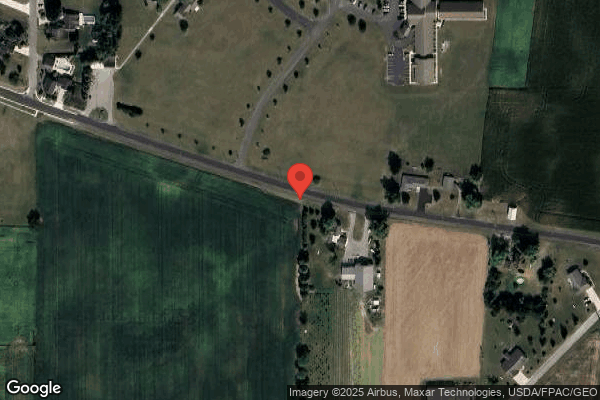
901 EAST MAIN STREET, LEIPSIC, OH 45856 (419) 943-2103
For profit - Corporation 52 Beds TRILOGY HEALTH SERVICES Data: November 2025
Trust Grade
85/100
#113 of 913 in OH
Last Inspection: June 2023

Over 2 years since last inspection. Current conditions may differ from available data.

Overview

Meadows of Leipsic has a Trust Grade of B+, indicating that it is above average and recommended for families considering care options. It ranks #113 out of 913 nursing homes in Ohio, placing it in the top half of facilities statewide, and #2 out of 4 in Putnam County, suggesting limited local competition. The facility is improving, with reported issues decreasing from 6 in 2021 to 4 in 2023. While staffing is rated as average with a 3/5 score and a turnover rate of 45%, which is slightly below the state average, it benefits from more RN coverage than 95% of Ohio facilities, allowing for better oversight of resident care. However, there have been some concerns, including a lack of beard protectors for kitchen staff, which could affect food safety, and a failure to post proper signage for quarantined residents, which could impact infection control efforts. Overall, Meadows of Leipsic shows a mix of strengths in staffing and quality measures, but families should be aware of these specific operational issues.

Trust Score
B+
85/100
In Ohio
#113/913
Top 12%
Safety Record
Low Risk
No red flags
Inspections
Getting Better
6 → 4 violations
Staff Stability
⚠ Watch
45% turnover. Above average. Higher turnover means staff may not know residents' routines.
Penalties
✓ Good
No fines on record. Clean compliance history, better than most Ohio facilities.
Skilled Nurses
✓ Good
Each resident gets 51 minutes of Registered Nurse (RN) attention daily — more than average for Ohio. RNs are trained to catch health problems early.
Violations
⚠ Watch
15 deficiencies on record. Higher than average. Multiple issues found across inspections.
★★★★★
5.0
Overall Rating
★★★☆☆
3.0
Staff Levels
★★★★★
5.0
Care Quality
★★★★☆
4.0
Inspection Score
Stable
2021: 6 issues
2023: 4 issues

The Good

  • 5-Star Quality Measures · Strong clinical quality outcomes
  • Full Sprinkler Coverage · Fire safety systems throughout facility
  • No fines on record

Facility shows strength in quality measures, fire safety.

The Bad

Staff Turnover: 45%

Near Ohio avg (46%)

Higher turnover may affect care consistency

Chain: TRILOGY HEALTH SERVICES

Part of a multi-facility chain

Ask about local staffing decisions and management

The Ugly 15 deficiencies on record

Jun 2023 4 deficiencies
CONCERN (D)

Potential for Harm - no one hurt, but risky conditions existed

ADL Care (Tag F0677)

Could have caused harm · This affected 1 resident

**NOTE- TERMS IN BRACKETS HAVE BEEN EDITED TO PROTECT CONFIDENTIALITY** Based on medical record review, observation, and staff interview, with facility failed to ensure residents received adequate and...

Read full inspector narrative →
**NOTE- TERMS IN BRACKETS HAVE BEEN EDITED TO PROTECT CONFIDENTIALITY** Based on medical record review, observation, and staff interview, with facility failed to ensure residents received adequate and timely assistance with grooming. This affected one (Resident #1) of two residents reviewed for activities of daily living. The facility census was 39. Findings include: Review of the medical record revealed Resident #1 was admitted on [DATE]. Diagnoses included chronic kidney disease stage 4, acute kidney failure, hypertensive heart disease with heart failure, contracture left and right hand, hypothyroidism, and essential (primary) hypertension. Review of the Minimum Data Set (MDS) assessment dated [DATE] revealed Resident #1 was moderately cognitively impaired. Resident #1 required total dependence for personal hygiene. Review of the care plan dated 02/13/17 revealed Resident #1 needed support of staff for activities of daily living (ADLs) completion and interventions included to provide assistance for ADLs. Further review of the medical record revealed no documentation showing Resident #1 had his nails trimmed. Observation on 05/30/23 at 10:51 A.M. revealed Resident #1's fingernails were long, jagged, and dirty with dark discoloring underneath the nail. Observation on 05/31/23 at 1:45 P.M. revealed Resident #1's fingernails were long, jagged, and dirty with dark discoloring underneath the nail. Interview on 05/31/23 at 9:20 A.M. with State Tested Nursing Assistant (STNA) #230 revealed Resident #1 required assistance with personal hygiene. Interview on 05/31/23 at 1:48 P.M. with the Administrator verified Resident #1's nails were long, dirty, and required trimming.
CONCERN (D)

Potential for Harm - no one hurt, but risky conditions existed

Quality of Care (Tag F0684)

Could have caused harm · This affected 1 resident

**NOTE- TERMS IN BRACKETS HAVE BEEN EDITED TO PROTECT CONFIDENTIALITY** Based on medical record review, observation, and staff interview, the facility failed to apply hand splints as ordered and faile...

Read full inspector narrative →
**NOTE- TERMS IN BRACKETS HAVE BEEN EDITED TO PROTECT CONFIDENTIALITY** Based on medical record review, observation, and staff interview, the facility failed to apply hand splints as ordered and failed to implement interventions for a resident with bilateral hand contracture's. This affected one (Resident #15) of one resident observed for the use of hand splints. The facility's census was 39. Findings include: Review of Resident #15's medical record revealed an admission date of 03/20/17. Diagnoses included cerebral palsy, intellectual disabilities, and phalanax fracture. Review of Resident #15's quarterly Minimum Data Set (MDS) dated [DATE] revealed the resident was rarely understood and had impairments of the bilateral upper extremities. Review of Resident #15's most recent care plan revealed interventions to follow physical therapy and occupation therapy orders. Resident #15 was to have rolled up washcloths (one washcloth for each hand) in each palm/hand to decrease tightness and skin breakdown. The resident was to use washcloths when in bed (at night and during any naps during the day) due to a diagnosis of cerebral palsy. Review of Resident #15's physician order dated 03/28/19 revealed the resident required bilateral resting hand splints should be applied he was in the wheelchair. The splints should be off when in bed. Review of of Resident #15's Occupational Therapy Plan of Care notes dated 03/01/19 revealed the resident had bilateral resting hand splints due to increased risk of contracture's from stiffness and tone. Observation on 05/30/23 at 8:45 A.M. revealed Resident #15 was sitting in his wheelchair in his room watching television. The resident had no splints nor washcloths in place. Observation on 05/30/23 at 11:02 A.M. revealed Resident #15 did not have hand splints nor washcloths applied. Interview on 05/30/23 at 11:07 A.M. with Registered Nurse #221 verified Resident #15 failed to have the physician ordered hand splints in place and the splints were available and located in the resident's room. Further observation on 06/01/23 at 9:02 A.M. revealed Resident #15 still did not have hand splints nor washcloths applied.
CONCERN (D)

Potential for Harm - no one hurt, but risky conditions existed

Deficiency F0692 (Tag F0692)

Could have caused harm · This affected 1 resident

**NOTE- TERMS IN BRACKETS HAVE BEEN EDITED TO PROTECT CONFIDENTIALITY** Based on medical record review, review of the meal ticket, review of the menu, observation, and staff interview, the facility fa...

Read full inspector narrative →
**NOTE- TERMS IN BRACKETS HAVE BEEN EDITED TO PROTECT CONFIDENTIALITY** Based on medical record review, review of the meal ticket, review of the menu, observation, and staff interview, the facility failed to ensure diets were provided as ordered. This affected one (Resident #1) of one resident reviewed for nutrition. The facility census was 39. Findings include: Review of the medical record revealed Resident #1 was admitted on [DATE]. Diagnoses included chronic kidney disease stage 4, acute kidney failure, hypertensive heart disease with heart failure, hyperlipidemia, and essential (primary) hypertension. Review of the Minimum Data Set (MDS) assessment dated [DATE] revealed the resident was moderately cognitively impaired. Review of Resident #1's care plan dated 08/16/21 revealed interventions in place to follow diet as ordered by physician as protein, sodium, potassium and phosphorous intake may need to be regulated based on kidney function. Review of the dietician progress note dated 05/17/23 revealed Resident #1 continued on a regular, regular/thin diet with double portion protein. Intakes mostly 76-100%, decreased at times with no significant changes in weight. Review of dietary orders dated 04/27/22 revealed Resident #1's diet was prescribed as regular, regular texture, and thin liquids. Special instructions included double protein at mealtimes. Review of Resident #1's weights dated the last six months revealed no significant weight fluctuations. Review of the lunch menu dated 05/31/21 revealed the menu included fried chicken sandwich, tater tots, California vegetable blend, tossed salad, and dessert. Observation on 05/31/23 at 1:52 P.M. of Resident #1's lunch tray included one serving of the protein (one chicken sandwich). Review of the meal ticket dated lunch 06/01/23 revealed Resident #1 was to be provided with double protein/double portions. Observation on 06/01/23 at 12:10 P.M. of Resident #1's lunch tray revealed one portion of protein (chili), one grilled cheese sandwich, and tossed salad. Interview on 06/01/23 at 12:14 P.M. with Licensed Practical Nurse (LPN) #278 verified Resident #1 only received one portion of protein at the lunch meal.
CONCERN (F)

Potential for Harm - no one hurt, but risky conditions existed

Food Safety (Tag F0812)

Could have caused harm · This affected most or all residents

Based on observation, staff interview, and policy review, the facility failed to ensure dietary staff were provided beard protectors while working in the kitchen. This affected all 39 residents who re...

Read full inspector narrative →
Based on observation, staff interview, and policy review, the facility failed to ensure dietary staff were provided beard protectors while working in the kitchen. This affected all 39 residents who resided in the facility and received food from the kitchen. The facility census was 39. Findings include: Observation on 05/30/23 at 8:27 A.M. revealed [NAME] #205 had a full beard and mustache approximately one inch long and was working in the kitchen. The [NAME] was not wearing a beard protector. Interview with [NAME] #205 on 05/30/23 at 8:32 A.M. verified that he did not wear a beard protector while working as they were not provided for staff. Interview with the Director of Food Services on 05/30/23 at 8:35 A.M. revealed the facility did not have beard protectors in stock and she would look into purchasing. Review of the facility policy titled, Hair Restraint, dated 11/30/21 revealed food employees shall wear hair restraints such as hats, hair coverings or nets, beard restraints, and clothing that covers body hair, that are designed and worn to effectively keep their hair from contacting exposed food; clean equipment, utensils, and linens; and unwrapped single-service and single-use articles.
May 2021 6 deficiencies
CONCERN (D)

Potential for Harm - no one hurt, but risky conditions existed

Deficiency F0558 (Tag F0558)

Could have caused harm · This affected 1 resident

**NOTE- TERMS IN BRACKETS HAVE BEEN EDITED TO PROTECT CONFIDENTIALITY** Based on medical record review, observation, staff interview, and facility policy review, the facility failed to ensure a reside...

Read full inspector narrative →
**NOTE- TERMS IN BRACKETS HAVE BEEN EDITED TO PROTECT CONFIDENTIALITY** Based on medical record review, observation, staff interview, and facility policy review, the facility failed to ensure a resident's call light was within reach. This affected one Resident (#23) of 14 observed for call lights. The facility census was 43. Findings include: Review of the medical record for Resident #23 revealed an admission date of 11/22/20 with diagnoses including chronic kidney disease with heart failure, type 2 diabetes mellitus, history of falling, and chronic obstructive pulmonary disease (COPD). Review of Resident #23's care plan dated 05/23/20 revealed Resident #23 had impaired ability to perform Activities of Daily Living (ADLs) tasks and needed staff support to complete. Resident #23 was at risk for falling related weakness, impaired safety awareness, and use of medication. Review of the quarterly Minimum Data Set (MDS) assessment dated [DATE], revealed Resident #23 had mild cognitive impairment. The resident was noted to require a one person physical assist with bed mobility, extensive assistance with one person physical assist for dressing and toilet use, as well as an extensive assist with two person physical assist for personal hygiene. Observation on 04/26/21 at 11:08 A.M. revealed Resident #23 was sitting in his recliner and his call light was lying at the foot of his bed, not within his reach. Observation on 04/28/21 at 4:00 P.M. revealed Resident #23's call light was lying at the foot of his bed , not within his reach. Interview on 04/28/21 at 4:01 P.M. with the Director of Health Services (DHS) verified Resident #23's call light was not within his reach. Review of the facility policy titled, Guidelines for Answering Call Lights, dated 05/11/16, revealed; 2. Ensure the call light is plugged securely to the outlet and in reach of the resident.
CONCERN (D)

Potential for Harm - no one hurt, but risky conditions existed

Quality of Care (Tag F0684)

Could have caused harm · This affected 1 resident

**NOTE- TERMS IN BRACKETS HAVE BEEN EDITED TO PROTECT CONFIDENTIALITY** Based on medical record review, resident interview, staff interview, and review of facility policy, the facility failed to ensur...

Read full inspector narrative →
**NOTE- TERMS IN BRACKETS HAVE BEEN EDITED TO PROTECT CONFIDENTIALITY** Based on medical record review, resident interview, staff interview, and review of facility policy, the facility failed to ensure one Resident (#15) of one reviewed was provided proper interventions to potentially prevent constipation. The facility's census was 43. Findings include: Medical record review for Resident #15 revealed an admission of 11/17/20. Diagnoses included, multiple fractures of ribs, type II diabetes, atrial fibrillation (irregular heartbeat), and constipation. Review of Resident #15's Minimum Data Set (MDS) assessment dated [DATE] revealed the resident was cognitively intact. Review of Resident #15's orders revealed orders for GlycoLax 17 grams, once per day, as needed (PRN) with a start date of 11/17/20, Colace 100 milligrams (mg) two times a day with a start date of 02/12/21, and Miralax 17 grams once per day with a start date of 03/25/21. Review of Resident #15's Bowel and Bladder by Shift Chart revealed from 02/06/21 to 02/11/21 (six days) Resident #15 had no bowel movement documented. Review of Resident #15's Medication Administration Record (MAR) for February 2021, revealed the PRN order for GlycoLax was not administered the whole month of February 2021. Review of Resident #15's Bowel and Bladder by Shift Chart revealed from 03/06/21 to 03/10/21 (five days) Resident #15 had no bowel movement documented. Review of Resident #15's MAR March 2021 revealed PRN order for GlycoLax was not administered the whole month of March 2021. Interview on 04/26/21 at 4:15 P.M. with Resident #15 revealed he was once constipated for a week and he told staff, however they did not provide him with any relief. Interview on 04/28/21 at 4:11 P.M. with the Director of Nursing (DON) verified all of Resident #15's bowel movements should be documented on the Bowel and Bladder by Shift Chart. The DON verified lack of bowel movements from 02/06/21 to 02/11/21 and from 03/06/21 to 03/10/21. The DON further verified Resident #15's PRN orders for GlycoLax was not initiated or administered the whole month of February 2021 and March 2021. Review of facility policy titled, Bowel Protocol Guidelines, revised 11/09/17 revealed the facility would use bowel stimulants for residents with constipation and an Ineffective Bowel Pattern Event should be initiated for any resident not having a bowel movement within 72 hours.
CONCERN (D)

Potential for Harm - no one hurt, but risky conditions existed

Accident Prevention (Tag F0689)

Could have caused harm · This affected 1 resident

**NOTE- TERMS IN BRACKETS HAVE BEEN EDITED TO PROTECT CONFIDENTIALITY** Based on medical record review, resident interview, and staff interview, the facility failed to ensure one resident was free fro...

Read full inspector narrative →
**NOTE- TERMS IN BRACKETS HAVE BEEN EDITED TO PROTECT CONFIDENTIALITY** Based on medical record review, resident interview, and staff interview, the facility failed to ensure one resident was free from falls when personal care was provided by one staff member, instead of the required two. This affected one Resident (#10) of three reviewed for falls. The facility census was 43. Findings include: Medical record review for Resident #10 revealed an admission date of 11/13/20 with diagnoses including, type II diabetes, chronic obstructive pulmonary disease (COPD), and osteoarthritis. Review of Resident #10's Minimum Data Set (MDS) assessment dated [DATE] revealed the resident was cognitively intact. Resident #10 required extensive assistance of two staff for bed mobility and toileting. Interview on 04/26/21 at 11:18 A.M. with Resident #10 revealed she had a fall during incontinence care. Resident #10 revealed a State Tested Nursing Assistant (STNA) rolled her to the side to perform care and she fell out of bed. Resident #10 could not recall the date of when the incident happened. Interview on 04/28/21 at 4:44 P.M. with Resident #10 revealed STNA #500 was the aide providing incontinence care when she rolled out of the bed. Resident #10 revealed she will not allow staff to provide incontinence care unless there are two staff members present since the fall. Interview on 04/29/21 at 10:24 A.M. with STNA #500 verified there was an incident that happened in February 2021, however she could not recall the exact date. STNA revealed Resident #10 was wedged between her bed and the wall, however did not fall to the floor. The STNA revealed she was providing incontinence care to Resident #10 by herself and when rolled Resident #10 over, she got wedged between her bed and wall. She revealed four additional staff members came to assist to get the resident back in bed. Interview on 04/29/21 at 10:26 A.M. with the Assistant Director of Nursing (ADON) verified she was not aware Resident #10 had been wedged between her bed and wall while one STNA was providing personal care. Interview on 04/29/21 at 11:42 A.M. with Licensed Practical Nurse (LPN) #511 verified there was an incident where Resident #10 was wedged between her bed and wall. She revealed it happened either towards the end of February 2021 or beginning of March 2021. She further revealed she was not the residents nurse, however came to help assist the resident back in bed. Interview on 04/29/21 at 1:13 P.M. with LPN #533 verified there was an incident where Resident #10 became stuck in-between her bed and the wall. LPN #533 revealed she was Resident #10's nurse at time of the incident and Resident #10 voiced no concerns after the incident. Interview on 04/29/21 at 4:00 P.M. with STNA #555 verified Resident #10 required two staff person to assist with incontinence care and she had always required assistance of two staff members.
CONCERN (D)

Potential for Harm - no one hurt, but risky conditions existed

Medical Records (Tag F0842)

Could have caused harm · This affected 1 resident

**NOTE- TERMS IN BRACKETS HAVE BEEN EDITED TO PROTECT CONFIDENTIALITY** Based on medical record review, resident interview, staff interview, and facility policy review, the facility failed to accurate...

Read full inspector narrative →
**NOTE- TERMS IN BRACKETS HAVE BEEN EDITED TO PROTECT CONFIDENTIALITY** Based on medical record review, resident interview, staff interview, and facility policy review, the facility failed to accurately document an incident/fall in a resident's medical record. This affected one Resident (#10) of one reviewed for accurate documentation. The facility census was 43. Findings include: Medical record review for Resident #10 revealed an admission date of 11/13/20 with diagnoses including, type II diabetes, chronic obstructive pulmonary disease (COPD), and osteoarthritis. Review of Resident #10's Minimum Data Set (MDS) assessment dated [DATE] revealed the resident was cognitively intact. Resident #10 required extensive assistance of two staff for bed mobility and toileting. Review of Resident #10's progress notes for February 2021 and March 2021 revealed no evidence of any documentation of incidents or falls. Interview on 04/26/21 at 11:18 A.M. with Resident #10 revealed a State Tested Nursing Assistant (STNA) rolled her to the side to perform care and she fell out of bed. Resident #10 could not recall the date of when the incident happened. Interview on 04/28/21 at 4:44 P.M. with Resident #10 revealed STNA #500 was the aide providing incontinence care when she rolled out of the bed. Resident #10 revealed she will not allow staff to provide incontinence care unless there are two staff members present since the incident. Interview on 04/29/21 at 10:24 A.M. with STNA #500 verified there was an incident that happened in February 2021, however she could not recall the exact date. STNA revealed she was providing incontinence care to Resident #10 by herself and when rolled Resident #10 over, she got wedged between her bed and wall. She revealed four additional staff members came to assist to get the resident back in bed. Interview on 04/29/21 at 11:42 A.M. with Licensed Practical Nurse (LPN) #511 verified there was an incident where Resident #10 was wedged between her bed and wall. She revealed it happened either towards the end of February 2021 or beginning of March 2021. She further revealed she was not the resident's nurse, however came to help assist the resident back in bed. Interview on 04/29/21 at 1:13 P.M. with LPN #533 verified there was an incident where Resident #10 became stuck in-between her bed and the wall. LPN #533 revealed she was Resident #10's nurse at time of the incident. LPN #533 stated Resident #10 voiced no concerns after the incident took place. She could not recall if she documented the incident/fall in the resident's record. Interview on 04/29/21 at 10:26 A.M. the Assistant Director of Nursing (ADON) verified there was no documentation in Resident #10's medical record of the incident/fall.
CONCERN (D)

Potential for Harm - no one hurt, but risky conditions existed

Room Equipment (Tag F0908)

Could have caused harm · This affected 1 resident

Based on medical record review, observation., staff interview, and review of facility policy, the facility failed to ensure proper maintenance was completed on a wheelchair being used by one Resident ...

Read full inspector narrative →
Based on medical record review, observation., staff interview, and review of facility policy, the facility failed to ensure proper maintenance was completed on a wheelchair being used by one Resident (#16) of one observed. The facility census was 43. Findings include: Review of Resident #16's medical record revealed an admission date of 11/20/20 with diagnoses including unspecified cerebrovascular disease (stroke), heart failure, and history of falling. Observation on 04/27/21 at 11:51 A.M. revealed Resident #16 was sitting in her wheelchair. There were two screws exposed on the right arm rest of the wheelchair protruding through the foam padding. The exposed screws were approximately one inch long. Interview on 04/27/21 at 11:55 A.M. with Registered Nurse (RN) #405 verified Resident #16's wheelchair had exposed protruding screws on the right arm rest of the wheelchair. Review of facility policy titled, Guidelines for General Use of Equipment, dated 08/01/16 revealed, the facility provides and maintains routine equipment for the general use for the resident population.
CONCERN (F)

Potential for Harm - no one hurt, but risky conditions existed

Infection Control (Tag F0880)

Could have caused harm · This affected most or all residents

Based on medical record review, observation, staff interviews, and facility policy review, the facility failed to ensure appropriate signage was placed on the door of one Resident (#20) in quarantine ...

Read full inspector narrative →
Based on medical record review, observation, staff interviews, and facility policy review, the facility failed to ensure appropriate signage was placed on the door of one Resident (#20) in quarantine status, and failed to ensure one Resident (#13) remained in quarantine status. This had the potential to affect all 43 residents of the facility. Findings include: 1. Review of Resident #20's medical record revealed an admission date of 01/31/17. The resident had a hospital stay from 04/17/21 through 04/24/21. Observation on 04/26/21 at 11:59 A.M. revealed there was no sign on the resident's door to indicate transmission-based precautions. Interview on 04/26/21 at 12:05 P.M. with Registered Nurse (RN) #401 verified Resident #20 had been on transmission-based precautions due to having a hospital stay and the resident's door did not have signage. Review of facility policy titled COVID-19 Guidelines for Contact/Droplet Precautions, dated 07/29/20, revealed when a resident is on contact/droplet precautions a sign is posted on the resident's door alerting of precautions. 2. Review of Resident #13's medical record revealed an admission date of 02/19/20. Physician orders revealed the resident was to be on droplet precautions from 04/21/21 to 04/27/21. Observation on 04/26/21 at 12:08 P.M. revealed Resident #13 was sitting in the lounge area with other residents. Interview at the time of the observation with RN #403 verified Resident #13 had been on isolation precautions for influenza and should be in her room. Review of facility policy titled, Guidelines for Droplet Precautions, dated 03/19/20, revealed a resident under droplet precautions should be placed in a private room if possible. Limit the movement of the resident from the room to essential purposes only.
Feb 2019 5 deficiencies
CONCERN (D)

Potential for Harm - no one hurt, but risky conditions existed

Transfer Notice (Tag F0623)

Could have caused harm · This affected 1 resident

**NOTE- TERMS IN BRACKETS HAVE BEEN EDITED TO PROTECT CONFIDENTIALITY** Based on medical record review, staff interview, and policy review, the facility failed to issue a written notice of the reasoni...

Read full inspector narrative →
**NOTE- TERMS IN BRACKETS HAVE BEEN EDITED TO PROTECT CONFIDENTIALITY** Based on medical record review, staff interview, and policy review, the facility failed to issue a written notice of the reasoning for transfer to the hospital to the resident and/or resident representative. This affected two (#11 and #39) of two residents reviewed for hospitalizations. The facility census was 42. Findings include: 1. Review of Resident #11's medical record revealed the resident was admitted to the facility on [DATE]. Diagnoses included unspecified dementia without behavioral disturbance, Alzheimer's disease, left leg pain, expressive language disorder, repeated falls, urinary tract infection and generalized abdominal pain. Review of the admission Minimum Data Set (MDS) assessment, dated 10/01/18 revealed the resident had severe cognitive impairment. Review of progress notes revealed Resident #11 was transferred to the hospital via emergency squad on 10/18/18. The progress notes indicated the resident's daughter was aware when the resident was sent to the hospital. The resident was noted return to the facility on [DATE] at 5:16 P.M. 2. Review of Resident #39's medical record revealed the resident was admitted to the facility on [DATE]. Diagnoses included unspecified dementia without behavioral disturbance,rheumatica, benign prostatic hyperplasia without lower urinary symptoms, type two diabetes mellitus, right knee pain, left knee pain, falls and bilateral artificial knee joints. Review of the nursing admission note dated 01/10/19 revealed Resident #39 was alert and oriented to person only. Review of the medical record revealed Resident #39 was transferred to the hospital by emergency personnel on 01/13/19. The resident had not returned to the facility as of the exit date of the survey on 02/28/19. There was no evidence in the medical records for Resident #11 and #39 that their representatives were provided written notice for the reason for transfer to the hospital. Interview on 02/26/19 at 4:00 P.M. with the Executive Director confirmed the facility did not issue a written notice of the transfer to the hospital to Resident #11 or Resident #39's representative regarding the residents' discharge to the hospital respectively on 10/18/18 and 01/13/19. Interview with Regional Nurse #200 on 02/27/19 at 1:45 P.M. further confirmed the facility did not issue a written notice of reasoning for transfer to the hospital to the residents and/or representative. Review of the facility's policy on transfer/discharge policy, dated 11/2016, with a revision date of 3/2017, revealed when a resident was discharged or transferred from the facility, the reason for the discharge/transfer will be documented in the medical record.
CONCERN (D)

Potential for Harm - no one hurt, but risky conditions existed

Deficiency F0625 (Tag F0625)

Could have caused harm · This affected 1 resident

**NOTE- TERMS IN BRACKETS HAVE BEEN EDITED TO PROTECT CONFIDENTIALITY** Based on medical record review, staff interview, and review of facility policy the facility failed to provide the resident and/o...

Read full inspector narrative →
**NOTE- TERMS IN BRACKETS HAVE BEEN EDITED TO PROTECT CONFIDENTIALITY** Based on medical record review, staff interview, and review of facility policy the facility failed to provide the resident and/or representative of written notification of bed hold availability upon transfer of the resident to a hospital. This affected two residents (#11 and #39) of two residents reviewed for hospitalization. The facility census was 42. Findings include: 1. Review of Resident #11's medical record revealed the resident was admitted to the facility on [DATE]. Diagnoses included unspecified dementia without behavioral disturbance, Alzheimer's disease, left leg pain, expressive language disorder, repeated falls, urinary tract infection and generalized abdominal pain. Review of the admission Minimum Data Set (MDS) assessment, dated 10/01/18 revealed the resident had severe cognitive impairment. Review of progress notes revealed Resident #11 was transferred to the hospital via emergency squad on 10/18/18. The progress notes indicated the resident's daughter was aware when the resident was sent to the hospital. The resident was noted return to the facility on [DATE] at 5:16 P.M. 2. Review of Resident #39's medical record revealed the resident was admitted to the facility on [DATE]. Diagnoses included unspecified dementia without behavioral disturbance,rheumatica, benign prostatic hyperplasia without lower urinary symptoms, type two diabetes mellitus, right knee pain, left knee pain, falls and bilateral artificial knee joints. Review of the nursing admission note dated 01/10/19 revealed Resident #39 was alert and oriented to person only. Review of the medical record revealed Resident #39 was transferred to the hospital by emergency personnel on 01/13/19. The resident had not returned to the facility as of the exit date of the survey on 02/28/19. There was no evidence in the medical records for Resident #11 and #39 that their representatives were provided written notice of the facility's bed hold policy at the time of transfer to the hospital. Interview on 02/26/19 at 4:00 P.M. with the Executive Director confirmed the facility did not issue a written notice of the facility's bed hold policy to Resident #11 or Resident #39's representative regarding the residents' transfer to the hospital respectively on 10/18/18 and 01/13/19. Interview with Regional Nurse #200 on 02/27/19 at 1:45 P.M. further confirmed the facility did not issue a written notice of the facility's bed hold policy to the resident's and/or representative's. Review of the facility's policy on transfer/discharge policy, dated 11/2016, with a revision date of 3/2017, revealed when a resident was discharged or transferred from the facility, the reason for the discharge/transfer will be documented in the medical record. If the resident was being transferred to an acute care hospital and plans to return to the facility, the bed hold policy will be reviewed with the resident and/or resident representative at time of transfer or as soon as practicable. If the transfer was emergent, the facility will attempt to reach the resident/ resident representative within 24 hours of the transfer to discuss the bed hold policy.
CONCERN (D)

Potential for Harm - no one hurt, but risky conditions existed

Deficiency F0657 (Tag F0657)

Could have caused harm · This affected 1 resident

**NOTE- TERMS IN BRACKETS HAVE BEEN EDITED TO PROTECT CONFIDENTIALITY** Based on medical record review, staff interview, observation and review of a facility policy, the facility failed to ensure accu...

Read full inspector narrative →
**NOTE- TERMS IN BRACKETS HAVE BEEN EDITED TO PROTECT CONFIDENTIALITY** Based on medical record review, staff interview, observation and review of a facility policy, the facility failed to ensure accurate and timely revision of a resident's care plan. This affected one (Resident #16) of fifteen residents reviewed for care plan revision. The facility census was 42. Findings include: Review of Resident #16's medical record revealed an admission date of 08/14/18. The resident was discharged on 12/24/18 and returned on 12/27/18. Medical diagnoses included displaced fracture of base of neck of left femur, dementia with behaviors, pain left hip, repeated falls, visual hallucinations, altered mental status and cognitive communication deficit. Review of the resident's Minimum Data Set (MDS) assessment dated [DATE] revealed the resident had severe impairment in cognition. The resident required extensive assistance with two plus staff for bed mobility, transfers, toilet use, and locomotion. Review of the resident's care plan created 08/24/18, with the last revision date of 02/25/19, revealed the resident was at risk for falling. On 08/29/18, an intervention was implemented for a defined perimeter mattress (DPM) to help the resident identify the edges of the bed. Review of the resident's nursing admission assessment observation and data collection form dated 12/27/18 revealed the resident was at risk for falls and required interventions of a wheelchair and a low bed. DPM was not indicated at that time. Observation of Resident #16 resting in bed on 02/25/19 at 9:47 A.M. and 11:48 A.M., 02/26/19 at 12:49 P.M., and on 02/27/19 at 10:37 A.M. revealed he had a regular mattress. Interview with the Director of Nursing on 02/27/19 at 4:10 P.M. verified the resident's current fall care plan included an intervention of a DPM dated 08/29/18. She stated the DPM should have been discontinued when the resident returned to the facility on [DATE] per the nursing admission assessment. She verified the care plan was not revised to reflect the current interventions for the resident. Review of a facility policy titled Comprehensive Care Plan Guideline, effective 05/22/18, revealed the comprehensive care plan should be reviewed no less than quarterly with the completion of the Omnibus Budget Reconciliation Act (OBRA) assessment, and revised to reflect changes in the resident's condition as they occur. If a resident is readmitted to the campus, the previous care plan will be reviewed and updated to meet the resident's current needs. If a previous care plan is no longer needed, it will be resolved from the active care plans.
CONCERN (F)

Potential for Harm - no one hurt, but risky conditions existed

Infection Control (Tag F0880)

Could have caused harm · This affected most or all residents

Based on review of the facility's Legionella policy and staff interview, the facility failed to develop a facility water risk assessment for Legionella. This had the potential to affect all 42 residen...

Read full inspector narrative →
Based on review of the facility's Legionella policy and staff interview, the facility failed to develop a facility water risk assessment for Legionella. This had the potential to affect all 42 residents residing in the facility. Findings include: Review of an undated facility document titled Legionella and Other Opportunistic Pathogens revealed the Director of Plant Operations (DPO) will maintain documentation that describes the facility's water system. A risk assessment of water system components will be conducted to identify where Legionella and other opportunistic waterborne pathogens could grow and spread in the facility's water systems. The risk assessment will be completed by facility leadership and the infection preventionist with collaboration from other facility team members such as maintenance employees, safety officers, risk and quality management staff, and the Director of Nursing. Based on the risk assessment, control measures will be established to address potential hazards. Further review of the facility Legionella documentation revealed the facility did not complete a risk assessment of water system components. Interview with the Administrator on 02/28/19 at 3:32 P.M. verified the facility had not completed a risk assessment of the water system to identify where Legionella and other opportunistic waterborne pathogens could grow and spread in the facility water system.
CONCERN (F)

Potential for Harm - no one hurt, but risky conditions existed

Antibiotic Stewardship (Tag F0881)

Could have caused harm · This affected most or all residents

**NOTE- TERMS IN BRACKETS HAVE BEEN EDITED TO PROTECT CONFIDENTIALITY** Based on medical record review, review of the facility infection control log, staff interview, and review of a facility policy, ...

Read full inspector narrative →
**NOTE- TERMS IN BRACKETS HAVE BEEN EDITED TO PROTECT CONFIDENTIALITY** Based on medical record review, review of the facility infection control log, staff interview, and review of a facility policy, the facility failed to ensure the antibiotic stewardship program was implemented when a resident did not have adequate indication for antibiotic usage. This affected one (Resident #11) of seven residents reviewed during the antibiotic stewardship program review. The had the potential to affect all 42 residents residing in the facility. Findings include: Review of Resident #11's medical record revealed the resident was admitted [DATE]. Medical diagnoses included dementia, Alzheimer's disease and urinary tract infection. Continued review of the resident's medical record revealed the resident was diagnosed with a urinary tract infection on 10/12/18 with the organism identified as Escherichia coli (E. coli). The resident was treated with Cefuroxime (antibiotic) until 10/20/18. On 11/29/18, the resident was diagnosed with a urinary tract infection with the organism identified as Enterococcus faecalis (e. faecalis). The resident was treated with ciprofloxacin (antibiotic) until 12/04/18. Further review of the resident's medical record revealed an entry dated 10/17/18 indicating the resident's daughter was requesting a prophylactic antibiotic. She stated if the facility medical director would not order the prophylactic antibiotic, she would switch to a different physician. Continued review revealed no evidence the resident or resident's family was educated regarding the use of prophylactic antibiotics. The resident remained on prophylactic Cephalexin. Review of a pharmacy recommendation dated 01/14/19 revealed the pharmacist requested additional information regarding the use of Cephalexin for Resident #11. The recommendation indicated the use of antibiotics should be limited to confirmed or suspected bacterial infection based on the presence of symptoms. Prophylactic use of any antibiotic was discouraged due to risk of side effects and bacterial resistance. If the current therapy was to be continued, please document the reasoning below, and that the risks versus benefits have been considered. On 01/21/19, the physician responded due to recurrent urinary tract infections, risks/benefits reviewed. Review of a facility fax to the physician dated 02/20/19 revealed the Director of Nursing (DON) stated the resident was still on Cephalexin 250 milligrams (mg.) daily since 12/14/18. The resident's chest x-ray dated 12/14/18 was negative. Resident was asymptomatic of respiratory concerns. Centers for Medicare & Medicaid Services (CMS) guidelines for long term care facility for antibiotic use requires positive lab cultures or positive chest x-ray. She asked if the facility could discontinue Cephalexin. Then stated if you would like to continue prophylactic use of Cephalexin please provide diagnosis for prophylactic use. The physician responded it was not for her lungs. She has been on it long term for prophylaxis. Interview with the DON on 02/28/19 at 12:35 P.M. verified Resident #11 was on a prophylactic antibiotic for a urinary tract infection. She verified there was no clinical indication for the use of the Cephalexin long term. She verified there was no documentation indicating Resident #11's family was educated regarding the use of prophylactic antibiotics. She stated the facility medical director would not order the prophylactic antibiotic, so the resident's family obtained a different physician. Review of the January facility infection control log revealed Resident #11 received Cephalexin (antibiotic medication) 250 milligrams (mg.) orally once daily since 12/14/18. The infection type and organism were listed as not applicable (N/A). The antibiotic was identified as a prophylactic antibiotic and the end date was listed as indefinite. Review of a facility policy titled Antibiotic Stewardship effective 11/10/17 revealed the purpose of the policy was to optimize the treatment of infections by ensuring residents who require an antibiotic, are prescribed the appropriate antibiotic. Reduce the risk of adverse events, including the development of antibiotic-resistant organisms, from unnecessary or inappropriate antibiotic use.
Understanding Severity Codes (click to expand)
Life-Threatening (Immediate Jeopardy)
J - Isolated K - Pattern L - Widespread
Actual Harm
G - Isolated H - Pattern I - Widespread
Potential for Harm
D - Isolated E - Pattern F - Widespread
No Harm (Minor)
A - Isolated B - Pattern C - Widespread

Questions to Ask on Your Visit

  • "Can I speak with families of current residents?"
  • "What's your RN coverage like on weekends and overnight?"

Our Honest Assessment

Strengths
  • • Grade B+ (85/100). Above average facility, better than most options in Ohio.
  • • No major safety red flags. No abuse findings, life-threatening violations, or SFF status.
  • • No fines on record. Clean compliance history, better than most Ohio facilities.
Concerns
  • • 15 deficiencies on record. Higher than average. Multiple issues found across inspections.
Bottom line: Generally positive indicators. Standard due diligence and a personal visit recommended.

About This Facility

What is Meadows Of Leipsic's CMS Rating?

CMS assigns MEADOWS OF LEIPSIC an overall rating of 5 out of 5 stars, which is considered much above average nationally. Within Ohio, this rating places the facility higher than 99% of the state's 100 nursing homes. This rating reflects solid performance across the metrics CMS uses to evaluate nursing home quality.

How is Meadows Of Leipsic Staffed?

CMS rates MEADOWS OF LEIPSIC's staffing level at 3 out of 5 stars, which is average compared to other nursing homes. Staff turnover is 45%, compared to the Ohio average of 46%. This relatively stable workforce can support continuity of care.

What Have Inspectors Found at Meadows Of Leipsic?

State health inspectors documented 15 deficiencies at MEADOWS OF LEIPSIC during 2019 to 2023. These included: 15 with potential for harm.

Who Owns and Operates Meadows Of Leipsic?

MEADOWS OF LEIPSIC is owned by a for-profit company. For-profit facilities operate as businesses with obligations to shareholders or private owners. The facility is operated by TRILOGY HEALTH SERVICES, a chain that manages multiple nursing homes. With 52 certified beds and approximately 42 residents (about 81% occupancy), it is a smaller facility located in LEIPSIC, Ohio.

How Does Meadows Of Leipsic Compare to Other Ohio Nursing Homes?

Compared to the 100 nursing homes in Ohio, MEADOWS OF LEIPSIC's overall rating (5 stars) is above the state average of 3.2, staff turnover (45%) is near the state average of 46%, and health inspection rating (4 stars) is above the national benchmark.

What Should Families Ask When Visiting Meadows Of Leipsic?

Based on this facility's data, families visiting should ask: "Can I visit during a mealtime to observe dining assistance and food quality?" "How do you handle medical emergencies, and what is your hospital transfer rate?" "Can I speak with family members of current residents about their experience?"

Is Meadows Of Leipsic Safe?

Based on CMS inspection data, MEADOWS OF LEIPSIC has a clean safety record: no substantiated abuse findings (meaning no confirmed cases of resident harm), no Immediate Jeopardy citations (the most serious violation level indicating risk of serious injury or death), and is not on the Special Focus Facility watch list (a federal program monitoring the lowest-performing 1% of nursing homes). The facility has a 5-star overall rating and ranks #1 of 100 nursing homes in Ohio. While no facility is perfect, families should still ask about staff-to-resident ratios and recent inspection results during their visit.

Do Nurses at Meadows Of Leipsic Stick Around?

MEADOWS OF LEIPSIC has a staff turnover rate of 45%, which is about average for Ohio nursing homes (state average: 46%). Moderate turnover is common in nursing homes, but families should still ask about staff tenure and how the facility maintains care continuity when employees leave.

Was Meadows Of Leipsic Ever Fined?

MEADOWS OF LEIPSIC has no federal fines on record. CMS issues fines when nursing homes fail to meet care standards or don't correct problems found during inspections. The absence of fines suggests the facility has either maintained compliance or corrected any issues before penalties were assessed. This is a positive indicator, though families should still review recent inspection reports for the full picture.

Is Meadows Of Leipsic on Any Federal Watch List?

MEADOWS OF LEIPSIC is not on any federal watch list. The most significant is the Special Focus Facility (SFF) program, which identifies the bottom 1% of nursing homes nationally based on persistent, serious quality problems. Not being on this list means the facility has avoided the pattern of deficiencies that triggers enhanced federal oversight. This is a positive indicator, though families should still review the facility's inspection history directly.