OTTERBEIN NORTH SHORE
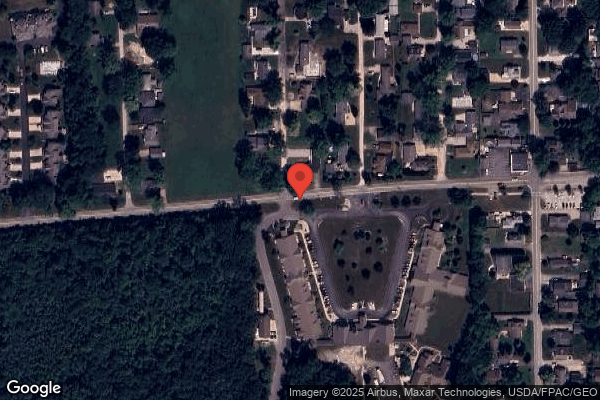

9400 NORTH SHORE BLVD, LAKESIDE, OH 43440 (419) 798-8203
Non profit - Church related 20 Beds OTTERBEIN SENIORLIFE Data: November 2025
Trust Grade
65/100
#313 of 913 in OH
Last Inspection: April 2025

Within standard 12-15 month inspection cycle. Federal law requires annual inspections.

Overview

Otterbein North Shore has a Trust Grade of C+, which means it is considered decent and slightly above average among nursing homes. In Ohio, it ranks #313 out of 913 facilities, placing it in the top half, and it is #2 out of 4 in Ottawa County, indicating that there is only one local option rated higher. However, the facility is experiencing a worsening trend, with issues increasing from 2 in 2024 to 9 in 2025. Staffing is a concern, as the turnover rate is 70%, significantly higher than the state average of 49%, although the home does have good RN coverage, exceeding 98% of Ohio facilities. Recent inspections revealed serious issues, including expired and unlabeled food in storage and insufficient nursing coverage on multiple days, which raised potential risks for residents. Overall, while there are strengths in RN coverage and no fines, the increasing number of concerns and staffing issues may be red flags for families considering this facility.

Trust Score
C+
65/100
In Ohio
#313/913
Top 34%
Safety Record
Low Risk
No red flags
Inspections
Getting Worse
2 → 9 violations
Staff Stability
⚠ Watch
70% turnover. Very high, 22 points above average. Constant new faces learning your loved one's needs.
Penalties
✓ Good
No fines on record. Clean compliance history, better than most Ohio facilities.
Skilled Nurses
✓ Good
Each resident gets 105 minutes of Registered Nurse (RN) attention daily — more than 97% of Ohio nursing homes. RNs are the most trained staff who catch health problems before they become serious.
Violations
⚠ Watch
15 deficiencies on record. Higher than average. Multiple issues found across inspections.
★★★★☆
4.0
Overall Rating
★★★★☆
4.0
Staff Levels
★★★☆☆
3.0
Care Quality
★★★★☆
4.0
Inspection Score
Stable
2024: 2 issues
2025: 9 issues

The Good

  • 4-Star Staffing Rating · Above-average nurse staffing levels
  • Full Sprinkler Coverage · Fire safety systems throughout facility
  • No fines on record

Facility shows strength in staffing levels, fire safety.

The Bad

Staff Turnover: 70%

24pts above Ohio avg (46%)

Frequent staff changes - ask about care continuity

Chain: OTTERBEIN SENIORLIFE

Part of a multi-facility chain

Ask about local staffing decisions and management

Staff turnover is very high (70%)

22 points above Ohio average of 48%

The Ugly 15 deficiencies on record

Sept 2025 1 deficiency
CONCERN (D) 📢 Someone Reported This

A family member, employee, or ombudsman was alarmed enough to file a formal complaint

Potential for Harm - no one hurt, but risky conditions existed

Accident Prevention (Tag F0689)

Could have caused harm · This affected 1 resident

**NOTE- TERMS IN BRACKETS HAVE BEEN EDITED TO PROTECT CONFIDENTIALITY** Based on medical record review, observation, staff interviews, and review of the manufacturer's instructions for the facility's ...

Read full inspector narrative →
**NOTE- TERMS IN BRACKETS HAVE BEEN EDITED TO PROTECT CONFIDENTIALITY** Based on medical record review, observation, staff interviews, and review of the manufacturer's instructions for the facility's mechanical lift, the facility failed to ensure resident safety when using the mechanical lift for transfers. This affected one (Resident #501) of two residents reviewed for the use of mechanical lifts. The facility census was 15.Findings include: Review of the medical record for Resident #501 revealed she was admitted on [DATE] with diagnoses including macular degeneration, dementia, osteoporosis, arthropathy, abnormalities of gait and mobility, and muscle weakness. Review of the quarterly Minimum Data Set 3.0 (MDS) assessment dated [DATE] revealed Resident #501 was unable to speak, had severe cognitive impairment and was staff dependent for all care and transfers. Review of the care plan dated 04/14/25 revealed Resident #501 required the use of a mechanical lift with the assistance of two staff members for all transfers. Observation of Certified Nursing Assistant (CNA) #106 on 09/22/25 at 7:50 A.M. revealed she was using a mechanical lift independently to transfer Resident #501 from her bed to her wheelchair. There was no other staff present assisting with Resident #501's transfer. Interview with CNA #106 on 09/22/25 at 7:53 A.M. confirmed she was using the mechanical lift independently to transfer Resident #501 and typically used the mechanical lift independently to transfer residents. Interview with the Administrator on 09/22/25 at 8:28 A.M. revealed two staff members were required when utilizing the mechanical lift to transfer residents. Interview with the Director of Nursing on 09/22/25 at 2:10 P.M. revealed nursing staff were trained during orientation on the proper use of a mechanical lift. The training included the facility-implemented requirement of two staff members while transferring a resident with a mechanical lift. Review of the manufacturer's instructions for Maxi Move mechanical lift revealed circumstances should dictate the need for two-assist transfers and the facility, based on unique circumstances, was responsible for determining when the use of two-assist transfers was appropriate. This deficiency represents non-compliance investigated under Complaint Number 2609933.
Apr 2025 8 deficiencies
CONCERN (D)

Potential for Harm - no one hurt, but risky conditions existed

Deficiency F0558 (Tag F0558)

Could have caused harm · This affected 1 resident

**NOTE- TERMS IN BRACKETS HAVE BEEN EDITED TO PROTECT CONFIDENTIALITY** Based on medical record review, observations, and staff interviews, the facility failed to ensure the call lights were within th...

Read full inspector narrative →
**NOTE- TERMS IN BRACKETS HAVE BEEN EDITED TO PROTECT CONFIDENTIALITY** Based on medical record review, observations, and staff interviews, the facility failed to ensure the call lights were within the resident's reach. This affected one (Resident #1) of one resident reviewed for call lights. The facility census was 17. Findings include: Medical record review revealed Resident #1 was admitted on [DATE]. Diagnoses included Alzheimer's disease, osteoporosis, osteoarthritis, hyperlipidemia, heart failure, and anxiety. Review of the quarterly Minimum Data Set 3.0 (MDS) assessment dated [DATE] revealed Resident #1 was severely cognitively impaired, used a wheelchair, and required moderate assistance with dressing, personal hygiene, toileting, showering, and transferring. Observation on 04/14/25 at 11:09 A.M. revealed Resident #1 was in her room lying in bed and did not have a call light pendant within reach. Interview on 04/14/25 at 11:15 A.M. with Wellness Director #310 confirmed Resident #1 did not have a call light pendant within reach. Observation on 04/16/25 at 8:30 A.M. during medication administration for Resident #1 revealed the resident was in her room resting in her bed and did not have a call light pendant within reach. Interview on 04/16/25 at 10:35 A.M. with Registered Nurse (RN) #316 confirmed Resident #1 did not have a call light pendant within reach when she entered Resident #1's room to administer medications at 8:30 A.M. Observation on 04/16/25 at 10:35 A.M. in the common area of Cornerstone Cottage revealed Resident #1 was sitting in her wheelchair and her call light pendant was not within reach. Subsequent interview with RN #316 and the Director of Nursing (DON) confirmed Resident #1 did not have her call pendant around her neck and it should be.
CONCERN (D)

Potential for Harm - no one hurt, but risky conditions existed

Comprehensive Care Plan (Tag F0656)

Could have caused harm · This affected 1 resident

**NOTE- TERMS IN BRACKETS HAVE BEEN EDITED TO PROTECT CONFIDENTIALITY** Based on medical record review and staff interview, the facility failed to develop a care plan for dehydration for a resident wh...

Read full inspector narrative →
**NOTE- TERMS IN BRACKETS HAVE BEEN EDITED TO PROTECT CONFIDENTIALITY** Based on medical record review and staff interview, the facility failed to develop a care plan for dehydration for a resident who was at risk and a history for dehydration. This affected one (Resident #2) of one resident reviewed for hospitalization. The facility census was 17. Findings include: Review of the medical record for Resident #2 revealed an admission date of 06/09/24. Diagnoses included dementia and dysphagia. Her physician orders included a puree diet with mildly thickened liquids. Review of the annual Minimum Data Set 3.0 (MDS) assessment dated [DATE] revealed Resident #2 had severe cognitive impairment and was dependent on staff for feeding. Review of Resident #2's hospital discharge orders dated 03/10/25 revealed a diagnosis of dehydration and orders for one to one and a half liters of water intake daily. Review of the comprehensive care plan dated 04/14/25 for Resident #2 revealed no goals or interventions for the prevention of dehydration. Interview on 04/16/25 at 1:13 P.M. with Registered Nurse #315 confirmed Resident #2's care plan did not have measurable goal(s) and intervention(s) for the prevention of dehydration.
CONCERN (D)

Potential for Harm - no one hurt, but risky conditions existed

Quality of Care (Tag F0684)

Could have caused harm · This affected 1 resident

**NOTE- TERMS IN BRACKETS HAVE BEEN EDITED TO PROTECT CONFIDENTIALITY** Based on medical record review and staff interview, the facility failed to ensure a resident who was on a stool softener daily r...

Read full inspector narrative →
**NOTE- TERMS IN BRACKETS HAVE BEEN EDITED TO PROTECT CONFIDENTIALITY** Based on medical record review and staff interview, the facility failed to ensure a resident who was on a stool softener daily received the care and services related to absence of bowel movements for six days in a row. This affected one (Resident #6) of five residents reviewed for unnecessary medications. The facility census was 17. Findings include: Review of the medical record for Resident #6 revealed an admission date of 05/08/24. Diagnoses included dementia, generalized muscle weakness, thoracic disc degeneration, aphasia, and osteoporosis. Review of the quarterly Minimum Data Set 3.0 (MDS) assessment dated [DATE] revealed Resident #6 was severely cognitively impaired, continent of bowel, and required substantial to maximum assistance with toileting. Review of the physician orders dated 11/27/24 revealed an order for Docusate Sodium oral tablet 100 milligrams (mg) one tablet two times a day for constipation. Review of Resident #6's bowel and bladder elimination records revealed there were six days in a row where Resident #6 did not have a recorded bowel movement on 03/25/25, 03/26/26, 03/27/25, 03/28/25, 03/29/25, and 03/30/25. The medical record did not include any nursing intervention and/or physician notification of Resident #6 not having a bowel movement for six days. There were no physician orders for a bowel protocol for Resident #6. Interview on 04/15/25 at 11:19 A.M. with the Director of Nursing (DON) confirmed Resident #6 did not have a bowel movement for six days in a row from 03/25/25 to 03/30/25 and there was no nursing intervention and/or physician notification of Resident #6 not having a bowel movement for six days. Subsequent interview on 04/15/25 at 2:30 P.M. with the DON confirmed six days was too long for a resident to go without a bowel movement and nursing interventions should have been initiated. The DON confirmed the facility did not have a bowel protocol in place for Resident #6.
CONCERN (D)

Potential for Harm - no one hurt, but risky conditions existed

Infection Control (Tag F0880)

Could have caused harm · This affected 1 resident

**NOTE- TERMS IN BRACKETS HAVE BEEN EDITED TO PROTECT CONFIDENTIALITY** Based on medical record review, observations, and staff interviews, the facility failed ensure there was a policy and procedure ...

Read full inspector narrative →
**NOTE- TERMS IN BRACKETS HAVE BEEN EDITED TO PROTECT CONFIDENTIALITY** Based on medical record review, observations, and staff interviews, the facility failed ensure there was a policy and procedure and staff were in knowledgeable on reverse isolation the physician ordered due to the resident being immunocompromised (at increased risk for infection). This affected one (Resident #13) of one resident reviewed for reverse isolation. The facility census was 17. Findings include: Review of the medical record revealed Resident #13 was admitted to the facility on [DATE]. Diagnoses included pancytopenia, immunodeficiency due to drugs, and heart failure. Review of the admission Minimum Data Set assessment dated [DATE] revealed Resident #13 had a mild cognitive impairment and required assistance from staff for all activities of daily living. Review of the facsimile dated 03/24/25 revealed the physician responded to Resident #13's laboratory results that Resident #13 should be in reverse isolation. Review of Resident #13's nursing progress notes dated 03/24/25 revealed the resident had a critical white blood cell and platelet count. There were new orders from the physician for reverse isolation. Review of the active physician orders for April 2025 identified an order dated 03/24/25 for reverse isolation. Observation on 04/14/25 at 10:21 A.M. revealed the door to Resident #13's room had a sign which read STOP Please see nurse. There was also a three-drawer bin which contained personal protective equipment including masks. At 10:22 A.M., Certified Nursing Assistant (CNA) #310 entered Resident #13's room without donning any personal protective equipment such as a mask, gown, or gloves. Interview on 04/14/25 at 10:25 A.M. with CNA #310 stated the staff were previously wearing a surgical mask into Resident #13's room to protect the resident but stated staff were no longer wearing a mask into the resident's room. Interview on 04/14/25 at 3:14 P.M. with Registered Nurse (RN) #317 verified Resident #13 currently had an order for reverse isolation due to previously going out for radiation appointments. RN #317 reported they believed reverse isolation meant the resident could not have any live flowers in their room or anything like that. RN #317 reported staff had not been required to wear any personal protective equipment such as a mask into the room. RN #317 reported Resident #13 no longer received radiation, so the reverse isolation could likely be discontinued. Observation on 04/14/25 at 5:05 P.M. revealed the signage was no longer on the door of Resident #13's room and the personal protective equipment was no longer in the room. Interview on 04/15/25 at 11:36 A.M. with CNA #307 stated Resident #13 had been on reverse isolation, which required staff to wear a surgical mask into the resident's room to protect the resident. Interview on 04/16/25 at 11:15 A.M. with RN #316 stated she was the staff member who was the nurse on duty on 03/24/25. On 03/24/25, RN #316 saw Resident #13's white blood cell count was really low so she called the physician and left a message. The physician then sent a faxed order for reverse isolation. There was no conversation regarding what the expectation for reverse isolation was. The nurse placed the stop sign on Resident #13's door, put the bin with personal protective equipment in the room, let staff know the resident was on reverse isolation, and let the oncoming nurse and the resident know the resident was on reverse isolation. RN #316 reported staff were to wear a surgical mask, a gown, and gloves when going into Resident #13's room. Interview on 04/16/25 at 12:21 P.M. with Physician #400 revealed the physician had ordered the reverse isolation for Resident #13. Physician #400 reported Resident #13's white blood cell count had been critically low, so he ordered reverse isolation to protect the resident when staff were going into the room to make sure they were practicing hand hygiene and being extra cautious with the resident. Physician #400 reported whether staff wore personal protective equipment into the room would depend on the facility's policy for reverse isolation. Physician #400 reported if there was personal protective equipment present in the room, he would assume staff should be wearing it. Interview on 04/16/25 at 1:45 P.M. with the Director of Nursing (DON) who was also the facility's Infection Preventionist revealed the DON was unsure of what the facility's procedure for reverse isolation was. The DON reported they thought that reverse isolation meant Resident #13 needed to wear a mask when going out to appointments. The DON verified the facility had not clarified what the physician's order for reverse isolation was supposed to encompass. Interview on 04/16/25 at 2:04 P.M. with the Administrator verified the facility did not have a policy that covered reverse isolation. The Administrator also reported the facility would obtain more clarification on physician orders going forward.
CONCERN (D)

Potential for Harm - no one hurt, but risky conditions existed

Deficiency F0883 (Tag F0883)

Could have caused harm · This affected 1 resident

Based on medical record review, staff interviews, and review of facility policy, the facility failed to offer annual influenza immunizations to the residents during the 2024-2025 influenza season. Thi...

Read full inspector narrative →
Based on medical record review, staff interviews, and review of facility policy, the facility failed to offer annual influenza immunizations to the residents during the 2024-2025 influenza season. This affected two (#1 and #6) of five residents reviewed for immunizations. The facility census was 17. Findings include: Review of the medical record for Resident #1 revealed an admission date of 07/12/22. There was no evidence that Resident #1 was offered an annual influenza immunization during the 2024-2025 influenza season. Review of the medical record for Resident #6 revealed an admission date of 05/08/24. There was no evidence that Resident #6 was offered an annual influenza immunization during the 2024-2025 influenza season. Interview on 04/17/25 at 3:45 P.M. with the Administrator and Director of Nursing (DON) confirmed annual influenza immunizations had not been offered to Resident#1 nor Resident #6 during the 2024-2025 influenza season. Review of the facility policy titled Influenza and Pneumococcal Immunization dated 06/19/19 revealed the facility would offer the influenza immunization annually between October first and March 31st.
CONCERN (F)

Potential for Harm - no one hurt, but risky conditions existed

Food Safety (Tag F0812)

Could have caused harm · This affected most or all residents

**NOTE- TERMS IN BRACKETS HAVE BEEN EDITED TO PROTECT CONFIDENTIALITY** Based on observation, staff interview, and review of the facility policies, the facility failed to ensure food items were stored...

Read full inspector narrative →
**NOTE- TERMS IN BRACKETS HAVE BEEN EDITED TO PROTECT CONFIDENTIALITY** Based on observation, staff interview, and review of the facility policies, the facility failed to ensure food items were stored, labeled and dated and ensure refrigerators and freezers did not contain expired food items. This had the potential to affect all 17 residents who received food from the facility kitchens. The facility census was 17. Findings include: 1. Observation on 04/14/25 beginning at 7:37 A.M. of refrigerators and freezers located in the Cornerstone Cottage with Certified Nursing Assistant (CNA) #303 revealed the following findings and CNA #303 verified the below findings: - One unlabeled container of fruit cocktail which expired on 04/12/25. - One unlabeled container which contained an unknown white substance and expired on 04/12/25. - One unlabeled and undated container which contained an unknown white substance. - One unlabeled and undated container which contained an unknown brown substance. - One unlabeled and undated bowl, which contained several pastries. - One unlabeled and undated container which contained cake. - One unlabeled and undated zip-lock bag which contained two donuts. - One unlabeled and undated zip-lock bag which contained 10 sausage patties. - One unlabeled and undated package of sliced lunchmeat. - One unlabeled and undated package of sliced bacon. - One unlabeled and undated container of potato casserole. - One unlabeled and undated plate wrapped in plastic wrap which contained an unknown meal. - One unlabeled and undated zip-lock bag which contained cooked bacon strips. - One unlabeled and undated container which contained oats. - Numerous unlabeled and undated slices of cheese wrapped in plastic wrap. - No thermometer was in the refrigerator located in the kitchen area. Review of the facility policy titled Personal Food Storage Policy and Procedure revised 05/18/18 revealed all refrigerators would have internal thermometers. 2. Observation on 04/14/25 beginning at 8:10 A.M. of the dry storage area located in the [NAME] House revealed there were eight boxes which contained nutritional shakes which were stacked and stored directly on the floor. In addition, there were five boxes of tube feeding formula which were stacked and stored directly on the floor. An interview on 04/14/25 at 8:31 A.M. with Registered Nurse (RN) #317 verified the nutritional shakes and tube feeding formula boxes were stored stacked and directly on the floor. 3. Observation on 04/14/25 beginning at approximately 8:15 A.M. of refrigerators and freezers located in the [NAME] House revealed the following: - Two unlabeled bags of sausage patties which expired on 04/07/25. - One unlabeled and undated cup of soup. - One unlabeled and undated container of cottage cheese. - One unlabeled and undated container which contained sliced peaches. - One unlabeled and undated bowl of coleslaw. - One unlabeled and undated container of an unknown substance which was brown and red. - One unlabeled and undated package of raw sliced bacon. - One unlabeled paper bag which was dated 04/01/25 and contained a container of soup and a paper box with moldy bread. An interview on 04/14/25 at 8:31 A.M. with Registered Nurse #317 verified there were multiple bags and containers of food undated and unlabeled in the refrigerator and freezers in the [NAME] house. Review of the facility policy titled Food Storage Policy & Procedure, revised May 2013, revealed prepared food would be covered, dated, and labeled with the month and day on which it was prepared. The policy also stated the label would indicate the use by date which was four to seven days after the food was prepared. The policy further stated food containers would be stored at least six inches off the floor.
MINOR (B)

Minor Issue - procedural, no safety impact

Deficiency F0575 (Tag F0575)

Minor procedural issue · This affected multiple residents

**NOTE- TERMS IN BRACKETS HAVE BEEN EDITED TO PROTECT CONFIDENTIALITY** Based on observation and staff interview, the facility failed to ensure all required postings were displayed in the facility in ...

Read full inspector narrative →
**NOTE- TERMS IN BRACKETS HAVE BEEN EDITED TO PROTECT CONFIDENTIALITY** Based on observation and staff interview, the facility failed to ensure all required postings were displayed in the facility in a manner which was accessible to all residents. This affected all 10 (#1, #2, #5, #6, #8, #9, #10, #11, #171, and #172) residents who resided in the Cornerstone Cottage. The facility census was 17. Findings include: Observation upon arrival at the facility on 04/14/25 at approximately 7:30 A.M. revealed the facility was comprised of two houses, one being the Cornerstone Cottage and the other being the [NAME] House. Observation on 04/16/25 at approximately 10:12 A.M. of all facility common areas and hallways revealed there was no posted contact information for pertinent state agencies and advocacy groups, and no statement the residents may file a complaint with the State Survey Agency concerning suspected violations. Interview on 04/16/25 at 10:17 A.M. with the Administrator verified the Cornerstone Cottage did not have all required postings.
MINOR (B)

Minor Issue - procedural, no safety impact

Staffing Information (Tag F0732)

Minor procedural issue · This affected multiple residents

**NOTE- TERMS IN BRACKETS HAVE BEEN EDITED TO PROTECT CONFIDENTIALITY** Based on observation and staff interview, the facility failed to ensure nurse staffing information was posted as required. This ...

Read full inspector narrative →
**NOTE- TERMS IN BRACKETS HAVE BEEN EDITED TO PROTECT CONFIDENTIALITY** Based on observation and staff interview, the facility failed to ensure nurse staffing information was posted as required. This affected all 10 (#1, #2, #5, #6, #8, #9, #10, #11, #171, and #172) residents who resided in the Cornerstone Cottage. The facility census was 17. Findings include: Observation upon arrival at the facility on 04/14/25 at approximately 7:30 A.M. revealed the facility was comprised of two houses, one being the Cornerstone Cottage and the other being the [NAME] House. Observation on 04/16/25 at approximately 10:12 A.M. of all facility common areas and hallways revealed there was no daily nurse staffing information posted in the Cornerstone Cottage. Interview on 04/16/25 at 10:17 A.M. with the Administrator verified there was no daily nurse staffing information posted in the Cornerstone Cottage.
Jun 2024 2 deficiencies
CONCERN (D) 📢 Someone Reported This

A family member, employee, or ombudsman was alarmed enough to file a formal complaint

Potential for Harm - no one hurt, but risky conditions existed

Abuse Prevention Policies (Tag F0607)

Could have caused harm · This affected 1 resident

Based on review of the Self-Reported Incident (SRI), medical record review, staff interview and review of the facility policy, the facility failed to implement their policy and ensure staff accused of...

Read full inspector narrative →
Based on review of the Self-Reported Incident (SRI), medical record review, staff interview and review of the facility policy, the facility failed to implement their policy and ensure staff accused of physical abuse were removed from the facility and put on leave during the investigation. This affected one (#10) of four residents reviewed for abuse. The facility census was 17. Findings include: Review of the medical record for Resident #10 revealed an admission date of 05/07/24. Diagnoses included symbolic disfunctions, edema, anxiety disorder, restlessness and agitation. Review of Resident #10's Minimum Data Set (MDS) assessment, dated 05/11/24, revealed Resident #10 was severely cognitively impaired. Resident #10 required maximum assistance with toilet use and parts of dressing. Resident #10 required moderate assistance with bathing. Resident #10 had delusions during the review period and displayed wandering behaviors one to three days during the review period. Review of Resident #10's care plan revised 05/29/24 revealed supports and interventions for self-care deficit, risk for falls, plan to discharge to prior level of care, impaired cognitive function, chronic pain, and anxiety. Review of Resident #10's progress notes revealed on 05/24/24 while Resident #10 was waiting to be toileted she reported the aid was mean to her and slapped her. The nurse was notified of Resident #10's accusation, who notified the nurse on duty to do a complete skin assessment. An assessment was completed, and no marks were found. The nurse asked Resident #10 the name of the aid and Resident #10 accused someone who she said was a family friend and could not give a specific date. On 05/28/24 an interview was held with Resident #10's daughter regarding the comment Resident #10 made to the nurse regarding a family friend potentially slapping her. Resident #10's daughter reported no knowledge of any visitors and was not aware of anything like this happening in the past. Review of the Self-Reported Incident (SRI) dated 05/24/24 and completed 05/28/24 revealed On 05/24/2024 Resident #10 verbally alleged to a nurse she was slapped. Resident #10 was unable to initially say who slapped her or when this occurred. Resident #10 then pointed to State Tested Nursing Assistant (STNA) #204 who was walking through unit and said Her. The nurse further reported moments later Resident #10 stated It was a family friend who slapped her. The nurse completed a head-to-toe skin assessment of Resident #10 with no adventitious findings noted. Resident #10's family and physician were notified. Resident #10's daughter reported it was likely Resident #10's anxiety was high. Anxiety medication was administered. All other residents were interviewed by the nurse with no complaints found. All residents interviewed report feeling safe and secure. STNA #204 was removed from providing care during the investigation. Staff present on shift interviewed and no family friends of Resident #10 were known to have visited. No family or friend visitors were able to be identified. Resident #10 had a diagnosis of anxiety and brief interview for mental status (BIMS) assessment for cognitive impairment score of six indicating Resident #10 was severely impaired. All staff were immediately educated on the facility policy related to abuse, neglect, misappropriation, and exploitation. Monitoring was to occur by additional resident interviews and additional interviews with Resident #10. The allegation was found to be unsubstantiated. Evidence revealed abuse, neglect or misappropriation did not occur. In addition, residents were re-interviewed, including Resident #10, and allowed time to express concerns. No findings were noted. All staff was educated on the facility's policy related to abuse and identifying abuse. Review of the facility's investigation revealed there was no indication STNA #204 was removed from the facility and put on leave during the investigation. Review of the Staffing Schedule for the time the SRI investigation was taking place 05/24/24 through 05/28/24 revealed the STNA #204 worked on 05/25/24 from 6:30 P.M. to 6:30 A.M., 05/26/27 from 6:30 P.M. to 6:30 A.M., 05/27/24 from 6:30 P.M. to 6:30 A.M., and 05/28/24 from 6:30 P.M. to 6:30 A.M. Interview on 06/17/24 at 12:15 P.M. with the Director of Nursing (DON) verified the Specified Perpetrator (STNA #204) in the self-reported incident was not removed from the facility nor taken off the schedule after the allegation of physical abuse. The DON reported STNA #204 was moved to the other building and worked under the nurse after the allegation of slapping. The DON stated Resident #10 accused STNA #204 and quickly changed her story stating a family member had slapped her. The DON reported had Resident #10 specifically identified STNA #204 she would have been removed from the facility and put on administrative leave. However, they did not feel Resident #10 had done so. Interview on 06/17/24 at 3:22 P.M. with the Administrator revealed STNA #204 was moved to another home during the investigation and the interview portion of the investigation was completed within a couple hours at which time they determined there was not an abuse concern. The 05/28/24 date was the date the facility completed all portions of the investigation and submitted the final report. Review of the facility policy title, Abuse, Mistreatment, Neglect, Exploitation, and Misappropriation of Resident Property, revised 10/25/22, revealed the facility if a partner was accused or suspected of abuse the facility should immediately remove the partner from the facility and the schedule pending the outcome of the investigation. This non-compliance was indentified during the investigation of Complaint Number OH00153669.
CONCERN (F) 📢 Someone Reported This

A family member, employee, or ombudsman was alarmed enough to file a formal complaint

Potential for Harm - no one hurt, but risky conditions existed

Staffing Data (Tag F0851)

Could have caused harm · This affected most or all residents

Based on the review of the facility's Payroll-Based Journal (PBJ) Staffing Data Report, staffing schedule, staff time sheets, and staff interview, the facility failed to submit accurate information in...

Read full inspector narrative →
Based on the review of the facility's Payroll-Based Journal (PBJ) Staffing Data Report, staffing schedule, staff time sheets, and staff interview, the facility failed to submit accurate information in the PBJ in the first quarter of 2024. This had the potential to affect all residents. The facility census was 17. Findings include: Review of the PBJ Staffing Data Report revealed the facility triggered for not having licensed nursing coverage 24 hours a day in the first quarter of 2024. The specific days identified were Monday 01/01/24, Friday 01/05/24, Saturday 01/06/24, Sunday 01/07/24, Sunday 01/19/24, Sunday 01/21/24, Monday 01/29/24, Saturday 02/03/24, Sunday 02/04/24, Friday 02/09/24, Saturday 02/10/24, Sunday 02/11/24, Saturday 02/17/24, Sunday 02/18/24, Friday 02/23/24, Saturday 03/02/24, and Sunday 03/17/24. Review of the staffing schedule for the 17 days noted in the PBJ as having insufficient nursing coverage revealed the staff on the floor did not match the information entered into the PBJ. For the days identified as deficient in the PBJ the actual nurse coverage ranged from 24 hours of nurse coverage a day to 32 hours of nurse coverage. There was sufficient nurse staffing for 24 hours on each of the days identified as deficient in the PBJ. Reconciliation of the staffing time sheets for Monday 01/01/24, Friday 01/05/24, Saturday 01/06/24, Sunday 01/07/24, Sunday 01/19/24, Sunday 01/21/24, Monday 01/29/24, Saturday 02/03/24, Sunday 02/04/24, Friday 02/09/24, Saturday 02/10/24, Sunday 02/11/24, Saturday 02/17/24, Sunday 02/18/24, Friday 02/23/24, Saturday 03/02/24, and Sunday 03/17/24 revealed the staffing schedule matched the staffing times worked. Interview on 06/17/24 at 10:54 A.M. with the Administrator verified the data entered into the PBJ for the first quarter of 2024 was not entered accurately. The Administrator reported the corporate agency had taken over entering data into the PBJ and appears to have missed the data when agency nursing staff was used. Follow up interview on 06/17/24 at 2:37 P.M. with the Administrator reiterated the data entered into the PBJ was not correct and audit of all the facilities was being completed to ensure the issue was corrected.
Mar 2023 3 deficiencies
CONCERN (D)

Potential for Harm - no one hurt, but risky conditions existed

Tube Feeding (Tag F0693)

Could have caused harm · This affected 1 resident

Based on observation, medical record review, staff interview, and review of facility policy, the facility failed to ensure a resident's tube feeding was administered at the rate ordered by the physici...

Read full inspector narrative →
Based on observation, medical record review, staff interview, and review of facility policy, the facility failed to ensure a resident's tube feeding was administered at the rate ordered by the physician. This affected one (Resident #117) of one reviewed for tube feeding. The facility identified one resident who received tube feeding. The facility census was 18. Findings include: Review of Resident #117's medical record revealed an admission date of 03/14/23. Diagnoses included esophageal cancer, clostridium difficile (C-Diff), and anxiety disorder. Review of Resident #117's care plan revised 03/15/23 revealed supports and interventions for Resident #117 altered mental status, self-care deficit, and enteral feeding. Interventions for tube feeding included checking for residual, flush the gastric-tube with 30 cubic centimeters of water before and after each medication and keep the head of the bed at least 30 degrees. Review of Resident #117's physician orders dated 03/15/23 revealed an order for Isosource 1.5 at 80 milliliters (ml) per hour per day through the feeding tube. Start the tube feed running at 2:00 P.M. and turn off at 8:00 A.M. Observation on 03/21/23 at 1:55 P.M. of Registered Nurse (RN) #406 revealed RN #406 preparing to administer/connect Resident #117 continuous feed tube feeding. RN #406 reviewed the order in the electronic medical record. The order read Resident #117 was to be connected to his continuous tube feed for 18 hours, from 2:00 P.M. to 8:00 A.M., running at a rate of 80 ml per hour. Coinciding interview with RN #406 revealed due to Resident #117 having excessive residual over the weekend, the rate was reduced to 65 ml per hour. RN #406 verified that was not the active order in the electronic medical record. Observation on 03/21/23 at 2:04 P.M. revealed RN #406 programmed the tube feeding flow, primed the continuous tube feed machine and connected the device to Resident #117 feeding tube. RN #406 verified Resident #117's tube feeding was set and running at 65 ml per hour with a 60 ml flush every eight hours. Interview on 03/21/23 at 3:10 P.M. with the Administrator verified there was no order for the flow rate of Resident #117's tube feeding to be changed. The Administrator stated Resident #117's tube feed rate should not have been changed without an updated order. Interview on 03/22/23 at 9:26 A.M. with the Director of Nursing (DON) verified Resident #117's tube feeding was to be running at 80 ml per hour and not the 65 ml per hour it was set at yesterday. The DON stated Resident #117 had some excess residual over the weekend and verified RN #406 reduced the feeding amount without an order. Review of the facility policy titled External Tube Medication Administration, revised 06/21/17, revealed the staff was to check medication administration record for order.
CONCERN (E)

Potential for Harm - no one hurt, but risky conditions existed

Infection Control (Tag F0880)

Could have caused harm · This affected multiple residents

Based on observation, medical record review, staff interview, and review of facility policy, the facility failed to ensure a resident who was on contact isolation had proper signage posted and persona...

Read full inspector narrative →
Based on observation, medical record review, staff interview, and review of facility policy, the facility failed to ensure a resident who was on contact isolation had proper signage posted and personal protective equipment available. This affected one (Resident #117) of one resident reviewed for transmission based precautions and had the potential to affect the other seven residents (#2, #12, #14, #118, #119, #120, and #121) who resided in the home. The facility census was 18. Findings include: Review of Resident #117's medical record revealed an admission date of 03/14/23. Diagnoses included esophageal cancer and clostridium difficile (C-Diff). Review of Resident #117's care plan revised 03/15/23 revealed supports and interventions for Resident #117 having a microbial infection related to being admitted with C-Diff. Interventions included isolation as ordered, educate on disease management, educate on infection control precautions, and on contact precautions with required hand washing, gloves, mask, and eye protection. Review of Resident #117's physician orders revealed an order dated 03/15/23 for Resident #117 to be on contact isolation for a diagnosis of C-Diff. Resident #117 was to receive all meals, medication, nursing care, activities of daily living and therapy in his room while on isolation. Two times a day/every shift staff were to wear appropriate PPE for Resident #117's direct care. Observation on 03/20/23 at 10:11 A.M. of Resident #117's room revealed no signage and no available personal protective equipment (PPE) or PPE cart indicating Resident #117 was on isolation in or around Resident #117's room entrance. Subsequent observation on 03/20/23 at 2:03 P.M. revealed there continued to be no signage indicating Resident #117 was on isolation and no personal protective equipment cart was available. Interview on 03/20/23 at 2:04 P.M. with State Tested Nursing Assistant (STNA) #414 verified there was no signs or PPE cart available for Resident #117. STNA #414 was not aware Resident #117 was on isolation. STNA #414 reported there should be signs posted to see the nurse before entering the room along with PPE in a cart and red barrels inside the room for disposal of used items. Interview on 03/20/23 at 2:22 P.M. with the Director of Nursing (DON) verified Resident #117 was admitted to the facility last week and was on contact isolation for C-Diff. The DON reported the nurse over the weekend mistakenly thought it was colonized and removed the signs and PPE. The DON verified the PPE and signage should not have been taken down and there was still an active order in place. Interview on 03/21/23 at 9:58 A.M. with Registered Nurse (RN) #406 verified she had been the nurse who completed Resident #117's intake and did not put up signs or put out PPE. RN #406 stated she was under the impression Resident #117's C-Diff was colonized but verified she should have posted the signs and put the PPE cart out because there was still an active order for contact isolation. Review of the facility policy titled Isolation Precautions Process, revised 08/01/22, revealed contact precautions were required when the possibility of the spread of infection was by person to person. The use of personal protective equipment (PPE) including a gown and gloves upon entering the resident's room is required. Prior to leaving the room, the PPE was to be removed and hand washing was to occur.
MINOR (C)

Minor Issue - procedural, no safety impact

Deficiency F0868 (Tag F0868)

Minor procedural issue · This affected most or all residents

Based on review of Quality Assurance (QA) meeting attendance records, staff interview and policy review, the facility failed to ensure required staff members were in attendance at the quarterly QA mee...

Read full inspector narrative →
Based on review of Quality Assurance (QA) meeting attendance records, staff interview and policy review, the facility failed to ensure required staff members were in attendance at the quarterly QA meetings. This had the potential to affect all 18 residing in the facility. Findings include: Review of the quarterly Quality Assurance (QA) meeting attendance records for the first quarter meeting held 03/15/22 and the second quarter meeting held on 06/15/22 revealed the meeting was attended by the Medical Director, Administrator, Director of Nursing/Infection Prevention Officer and the Social Worker. Further review revealed one of the required two additional staff members was not in attendance. Review of the quarterly (QA) meeting attendance record for the first quarter meeting held on 01/25/23 revealed the meeting was attended by the Administrator, Medical Director, Director of Nursing and the Certified Occupational Therapy Assistance. Further review revealed one of the required two additional staff members was also not in attendance. Interview on 03/23/23 at 8:28 A.M. with the Administrator verified the required staff were not in attendance at the QA meetings on 03/15/22, 06/15/22, and 01/25/23. Review of the facility policy titled Quality Assurance ad Performance Improvement Policy, dated 08/15/17, revealed the QA committee would include the Medical Director, Administrator, Infection Control and Prevention Officer, Director of Nursing, and at least two other care partners.
Feb 2020 1 deficiency
CONCERN (D)

Potential for Harm - no one hurt, but risky conditions existed

Deficiency F0700 (Tag F0700)

Could have caused harm · This affected 1 resident

**NOTE- TERMS IN BRACKETS HAVE BEEN EDITED TO PROTECT CONFIDENTIALITY** Based on medical record review, observation, staff interview, review of standards from the U.S. Food and Drug Administration (FD...

Read full inspector narrative →
**NOTE- TERMS IN BRACKETS HAVE BEEN EDITED TO PROTECT CONFIDENTIALITY** Based on medical record review, observation, staff interview, review of standards from the U.S. Food and Drug Administration (FDA), and review of facility policy, the facility failed to ensure bed rails were safely maintained, placing the resident at risk for potential entrapment. This affected one (#4) resident of one reviewed for accident hazards. The facility census was four. Findings include: Review of Resident #4's medical record revealed an admission date of 12/19/19. Diagnoses included cerebral palsy, depression, morbid obesity, hypertension, unspecified convulsions, osteoarthritis, anxiety disorder, gastroesophageal reflux, insomnia, intellectual disabilities, and peripheral vascular disease. Review of the minimum data set (MDS) 3.0 quarterly assessment dated [DATE] revealed Resident #4 had severe cognitive impairments, required extensive assistance with bed mobility, and was identified as having a seizure disorder. Observation on 02/11/19 at 9:45 A.M. revealed quarter side rails attached to both sides of Resident #4's bed. The side rails were found to have large gaps between the spaces in the rails. The gaps between the rails measured approximately five and a half (5-1/2) inches. Additionally, the rail on the right side of the bed was found to be loose and free moving, causing a large gap between the edge of the side rail and the mattress. The space between the edge of the rail and the mattress measured approximately 5 inches. Interview on 02/11/20 10:51 A.M., with State Tested Nursing Assistant (STNA) #100 revealed Resident #4 required extensive staff assistance with transfers to and from bed. STNA #100 stated that Resident #4 is capable of some independent movement while in bed such is rolling and turning from side to side. Interview on 02/11/20 at 5:04 P.M., with the facility Administrator (AD) and Director of Nursing (DON) confirmed the gaps between Resident #4's rails of measured approximately 5-1/2 inches. Additionally, the AD and DON verified the rail on the right side of the bed was not in a fixed position, creating a space between the mattress and edge of the bed rail measuring approximately five inches. DON stated Resident #4 had side rails in place at her admission due to her and her representative's request. DON stated the resident was assessed at that time for use of bed rails and documented in her record. Review of the facility policy for bed rails dated 07/20/18, revealed that whenever it is necessary to use selective enablers, the purpose is to enhance the elders quality of life by assuring safety while promoting an optimal level of functioning. Review of standards from the U.S. FDA documented openings in the rail should be small enough to prevent the head from entering. The Hospital Bed Safety Workgroup (HBSW) and International Electrotechnical Commission (IEC) recommend that the space between any open space within the parameter of the rail be less than 120 mm (4-3/4 inches), representing head breadth. The FDA recommends the size of the gap between the edge of of the rail and base of the mattress supporting structure be no more than 60 mm (2-3/8 inches). Factors that may increase the gap size are: mattress compressibility, lateral shift of the mattress or rail, and degree of play from loosened rails.
Understanding Severity Codes (click to expand)
Life-Threatening (Immediate Jeopardy)
J - Isolated K - Pattern L - Widespread
Actual Harm
G - Isolated H - Pattern I - Widespread
Potential for Harm
D - Isolated E - Pattern F - Widespread
No Harm (Minor)
A - Isolated B - Pattern C - Widespread

Questions to Ask on Your Visit

  • "Why is there high staff turnover? How do you retain staff?"
  • "Can I speak with families of current residents?"
  • "What's your RN coverage like on weekends and overnight?"

Our Honest Assessment

Strengths
  • • No major safety red flags. No abuse findings, life-threatening violations, or SFF status.
  • • No fines on record. Clean compliance history, better than most Ohio facilities.
Concerns
  • • 15 deficiencies on record. Higher than average. Multiple issues found across inspections.
  • • 70% turnover. Very high, 22 points above average. Constant new faces learning your loved one's needs.
Bottom line: Mixed indicators with Trust Score of 65/100. Visit in person and ask pointed questions.

About This Facility

What is Otterbein North Shore's CMS Rating?

CMS assigns OTTERBEIN NORTH SHORE an overall rating of 4 out of 5 stars, which is considered above average nationally. Within Ohio, this rating places the facility higher than 99% of the state's 100 nursing homes. This rating reflects solid performance across the metrics CMS uses to evaluate nursing home quality.

How is Otterbein North Shore Staffed?

CMS rates OTTERBEIN NORTH SHORE's staffing level at 4 out of 5 stars, which is above average compared to other nursing homes. Staff turnover is 70%, which is 24 percentage points above the Ohio average of 46%. High turnover can affect care consistency as new staff learn residents' individual needs. RN turnover specifically is 60%, which is notably high. RNs provide skilled clinical oversight, so turnover in this role can affect medical care quality.

What Have Inspectors Found at Otterbein North Shore?

State health inspectors documented 15 deficiencies at OTTERBEIN NORTH SHORE during 2020 to 2025. These included: 12 with potential for harm and 3 minor or isolated issues.
Who Owns and Operates Otterbein North Shore?

OTTERBEIN NORTH SHORE is owned by a non-profit organization. Non-profit facilities reinvest revenue into operations rather than distributing to shareholders. The facility is operated by OTTERBEIN SENIORLIFE, a chain that manages multiple nursing homes. With 20 certified beds and approximately 18 residents (about 90% occupancy), it is a smaller facility located in LAKESIDE, Ohio.

How Does Otterbein North Shore Compare to Other Ohio Nursing Homes?

Compared to the 100 nursing homes in Ohio, OTTERBEIN NORTH SHORE's overall rating (4 stars) is above the state average of 3.2, staff turnover (70%) is significantly higher than the state average of 46%, and health inspection rating (4 stars) is above the national benchmark.

What Should Families Ask When Visiting Otterbein North Shore?

Based on this facility's data, families visiting should ask: "How do you ensure continuity of care given staff turnover, and what is your staff retention strategy?" "Can I visit during a mealtime to observe dining assistance and food quality?" "How do you handle medical emergencies, and what is your hospital transfer rate?" "Can I speak with family members of current residents about their experience?" These questions are particularly relevant given the facility's high staff turnover rate.

Is Otterbein North Shore Safe?

Based on CMS inspection data, OTTERBEIN NORTH SHORE has a clean safety record: no substantiated abuse findings (meaning no confirmed cases of resident harm), no Immediate Jeopardy citations (the most serious violation level indicating risk of serious injury or death), and is not on the Special Focus Facility watch list (a federal program monitoring the lowest-performing 1% of nursing homes). The facility has a 4-star overall rating and ranks #1 of 100 nursing homes in Ohio. While no facility is perfect, families should still ask about staff-to-resident ratios and recent inspection results during their visit.

Do Nurses at Otterbein North Shore Stick Around?

Staff turnover at OTTERBEIN NORTH SHORE is high. At 70%, the facility is 24 percentage points above the Ohio average of 46%. Registered Nurse turnover is particularly concerning at 60%. RNs handle complex medical decisions and coordinate care — frequent RN changes can directly impact care quality. High turnover means new staff may not know residents' individual needs, medications, or preferences. It can also be disorienting for residents, especially those with dementia who rely on familiar faces. Families should ask: What is causing the turnover? What retention programs are in place? How do you ensure care continuity during staff transitions?

Was Otterbein North Shore Ever Fined?

OTTERBEIN NORTH SHORE has no federal fines on record. CMS issues fines when nursing homes fail to meet care standards or don't correct problems found during inspections. The absence of fines suggests the facility has either maintained compliance or corrected any issues before penalties were assessed. This is a positive indicator, though families should still review recent inspection reports for the full picture.

Is Otterbein North Shore on Any Federal Watch List?

OTTERBEIN NORTH SHORE is not on any federal watch list. The most significant is the Special Focus Facility (SFF) program, which identifies the bottom 1% of nursing homes nationally based on persistent, serious quality problems. Not being on this list means the facility has avoided the pattern of deficiencies that triggers enhanced federal oversight. This is a positive indicator, though families should still review the facility's inspection history directly.