CEDARS OF LEBANON CARE CENTER
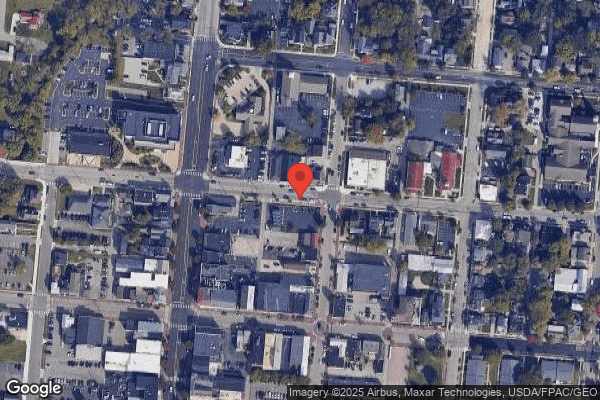
102 EAST SILVER STREET, LEBANON, OH 45036 (513) 932-0300
For profit - Limited Liability company 45 Beds CCH HEALTHCARE Data: November 2025
Trust Grade
40/100
#635 of 913 in OH
Last Inspection: October 2024

Within standard 12-15 month inspection cycle. Federal law requires annual inspections.

Overview

Cedars of Lebanon Care Center has received a Trust Grade of D, indicating below-average quality and some concerning issues. They rank #635 out of 913 facilities in Ohio, placing them in the bottom half, and #12 out of 16 in Warren County, meaning only a few local options are better. Unfortunately, the facility is trending worse, with the number of issues increasing from 3 in 2023 to 11 in 2024. Staffing is rated 2 out of 5, with a turnover rate of 59%, which is average but suggests staff may not stay long enough to build strong relationships with residents. While the facility has not incurred any fines, there have been serious incidents, including a staff member physically abusing a resident and failing to maintain food safety standards, which raises significant concerns about overall care quality.

Trust Score
D
40/100
In Ohio
#635/913
Bottom 31%
Safety Record
Moderate
Needs review
Inspections
Getting Worse
3 → 11 violations
Staff Stability
⚠ Watch
59% turnover. Above average. Higher turnover means staff may not know residents' routines.
Penalties
✓ Good
No fines on record. Clean compliance history, better than most Ohio facilities.
Skilled Nurses
✓ Good
Each resident gets 42 minutes of Registered Nurse (RN) attention daily — more than average for Ohio. RNs are trained to catch health problems early.
Violations
⚠ Watch
21 deficiencies on record. Higher than average. Multiple issues found across inspections.
★★☆☆☆
2.0
Overall Rating
★★☆☆☆
2.0
Staff Levels
★★★★☆
4.0
Care Quality
★★☆☆☆
2.0
Inspection Score
Stable
2023: 3 issues
2024: 11 issues

The Good

  • 4-Star Quality Measures · Strong clinical quality outcomes
  • Full Sprinkler Coverage · Fire safety systems throughout facility
  • No fines on record

Facility shows strength in quality measures, fire safety.

The Bad

2-Star Overall Rating

Below Ohio average (3.2)

Below average - review inspection findings carefully

Staff Turnover: 59%

13pts above Ohio avg (46%)

Frequent staff changes - ask about care continuity

Chain: CCH HEALTHCARE

Part of a multi-facility chain

Ask about local staffing decisions and management

Staff turnover is elevated (59%)

11 points above Ohio average of 48%

The Ugly 21 deficiencies on record

1 actual harm
Oct 2024 9 deficiencies
CONCERN (D)

Potential for Harm - no one hurt, but risky conditions existed

Resident Rights (Tag F0550)

Could have caused harm · This affected 1 resident

**NOTE- TERMS IN BRACKETS HAVE BEEN EDITED TO PROTECT CONFIDENTIALITY** 2. Review of Resident #8's medical record revealed an admission date of 02/17/09. Diagnoses for Resident #8 included: schizophre...

Read full inspector narrative →
**NOTE- TERMS IN BRACKETS HAVE BEEN EDITED TO PROTECT CONFIDENTIALITY** 2. Review of Resident #8's medical record revealed an admission date of 02/17/09. Diagnoses for Resident #8 included: schizophrenia, depressive disorder and alcoholic induced cirrhosis. Review of the Minimum Data Set, (MDS) comprehensive assessment dated [DATE] revealed the resident had intact cognition and required supervision with dining and meal service. The resident received a No Added Salt regular consistency diet. Observation on 10/16/24 at 7:50 A.M., of the breakfast meal in the dining room revealed Resident #8 sitting at a table with Resident#15. Resident #15 was feeding himself the breakfast meal. Resident #8 was observed to become increasing agitated with vocalizations and asking State Tested Nurse Aide (STNA) #500 why he was not being served. STNA #500 repeatedly notified the kitchen staff of the need to provide Resident #8 the meal. After Resident #8 waited from 7:50 A.M. to 8:02 A.M., and several other residents at other tables being served, Resident #8 received his meal tray. Resident #8 received a plastic spoon and threw the spoon across the table, stating he would not eat with the plastic spoon. STNA #500 requested metal silverware spoon from the kitchen. Observation on 10/16/24 at 8:10 A.M., revealed Diet Manager, (DM) #800 requested metal silverware instead of plastic ware from [NAME] #810. [NAME] #810 stated the kitchen had run out of silverware spoons to provide for residents at the end of the meal service. Interview on 10/16/24 at 8:15 A.M., with STNA #500 verified Resident #8 waited for over 10 minutes to receive his meal tray while Resident #15 consumed the meal at the same table, which resulted in increased agitation form Resident #8. STNA #500 verified she had attempted to request the meal tray sooner, but the kitchen staff had not prepared the tray. STNA #500 verified Resident #8 received a plastic ware spoon which further increased his agitation. STNA #500 stated many residents, during many meals, receive plastic ware near the end of meal service, which results in agitation. 3. Review of Resident #29's medical record revealed an admission date of 11/29/18. Diagnoses for Resident #29 included: protein calorie malnutrition, and anxiety. Review of the Minimum Data Set, (MDS) comprehensive assessment dated [DATE] revealed the resident had moderately impaired cognition and received low concentrated sugar and no added salt diet and required supervision for meal service. Interview on 10/15/24 at 1:53 P.M., with Resident #29 stated he often received plastic ware at meals and resulted in increased anxiety. He preferred silverware for meal service and stated he asked for silverware and did not receive it. Interview on 10/16/24 at 8:20 A.M., with DM #800 verified the kitchen had no silverware spoons at the end of meal service and plastic ware has been used. The DM #800 verified residents sitting at a table together should be served at the same time. Review of the policy titled, Dining Room Audits, dated October 2017, revealed residents at each table will be served together. Foods will be served in a homelike setting. Based on record review, observation, resident interview, staff interview, and policy reviews, the facility failed to ensure residents were treated with dignity and respect. This affected three (#08, #38, and #29) of four residents reviewed for dignity and respect. The facility census was 44. Findings include, 1. Review of Resident #38's medical record an admission date of 03/12/24, with diagnoses including: chronic kidney disease, diabetes mellitus (DM), chronic obstructive sleep apnea (COPD), history of tuberculosis, insomnia, anemia, and heart failure, and major depressive order. Review of the Minimum Data Set (MDS) assessment dated , 09/12/24, revealed Resident #38 was cognitively impaired. Further review of the MDS assessment revealed Resident #38 was dependent on staff for medication administration, eating, oral hygiene, toileting, bathing, and dressing. Observation and interview on 10/15/24 at 10:52 A.M., revealed State Tested Nurse Aide (STNA) #900 verified Resident #38 was seated in his chair. STNA #900 verified Resident #38's sweatshirt had dried food substance and crumbs all over it. Resident #39's fingernails were soiled with unknown black substance under his nails. STNA #900 also verified Resident #38's hands and fingers were stained with an unknown brown substance all over them. STNA #900 stated the morning shift did not provide Resident #38 with a clothing protector at breakfast and that was why Resident #38 had crumbs and food stains all over his shirt. Review of the policy titled, Quality of Life-Dignity, dated August 2009, verified each Resident shall be cared for in a manner that promote and enhanced quality of life, dignity, respect, and individuality. Further review of the policy revealed residents will be treated with dignity and respect at at all times.
CONCERN (D)

Potential for Harm - no one hurt, but risky conditions existed

Report Alleged Abuse (Tag F0609)

Could have caused harm · This affected 1 resident

Based on medical record review, Self-Reported Incident report review, resident interviews, staff interviews, and policy review, the facility failed to report allegations of resident to resident physic...

Read full inspector narrative →
Based on medical record review, Self-Reported Incident report review, resident interviews, staff interviews, and policy review, the facility failed to report allegations of resident to resident physical abuse and allegation of sexual abuse by unknown person, to the state agency. This affected two (#06 and #19) of four residents reviewed for potential abuse. The facility census was 44. Findings include: 1. Review for Resident #06's medical record revealed an admission date of 09/21/09. Her diagnoses included, cerebral palsy, major depressive disorder, schizoaffective disorder, personality disorder, essential hypertension, hyperlipidemia, hypothyroidism, hallucinations, hypothyroidism, diabetes mellitus (DM), schizophrenia, anxiety disorder, anemia, and insomnia. Review of Resident #06's most recent Minimum Data Set (MDS) assessment, dated 10/04/24, revealed she had impaired cognition. Further review of the MDS assessment revealed Resident #06 was dependent on staff for medication administration, lower body dressing, and bathing. Resident #06 required maximum assistance from staff with oral hygiene and toilet use. She required supervision from staff with eating. Review of Resident #06's care plans, dated 04/17/23 revealed Resident #06 has potential for disturbance of mood/behavior, altered concept of reality, delusions and/or hallucinations related to diagnosis of schizophrenia. Resident #06's behavior care plan revealed she was care planned for being accusatory, and can be sexually inappropriate at times. Review of Resident #06's progress notes revealed on 10/10/24, Resident #06 was noted to have a bruised on her right knee. Resident #06 stated one of the kids pushed her and she hit her knee. No other documentation related to the incident was identified. Review of the facility interdisciplinary team (IDT) investigation, dated 10/10/24, revealed Resident #06 had a noted discoloration area to her right knee. Resident #06 stated she had been pushed into a door from the little kids and then she stated that it was one of her roommates that had pushed her in the chair out of the way. The intervention was listed as: Resident #06 was reminded to not stop in center of the room. The IDT post summary stated: Resident #06 was noted to have a discoloration on her knee. At initial time, she had stated she had been pushed by the kids. Resident #06 stated she wanted to lay down and told the staff she was pushed by her roommate and ran into something. Two nurses assessed Resident #06. An interview was attached from Resident #19 who stated she did not know she pushed Resident #06 into the door. Interview on 10/15/24 at 9:28 A.M., with Resident #06 revealed Resident #06 she was raped by three men while on an outing. Resident #06 stated the men that raped her lived at the facility, however, the incident of rape occurred during the outing on the bus. Resident #06 became tearful and stated she told her guardian about alleged rape. Interview and observation on 10/15/24 at 9:30 A.M., reveled Resident #06 was sitting on the side of her bed with her legs hanging off the edge of the bed. Resident #06 had a large black and purple bruise on her right knee with various colors of green, and brown. Resident #06 stated her roommate (identified as Resident #19) pushed her into the bathroom door and it resulted with a large bruise on her right knee. Resident #06 verified she reported the incident to the night nurse. Interview on 10/15/24 at 9:57 A. M., with the Director of Nursing revealed she had no knowledge of Resident #06's allegation of sexual abuse. The DON stated Resident #06 can be delusional and stated Resident #06 has not been on an outing. The DON reported it was not unusual for Resident #06 to make statements that were not accurate and is care planned for her delusional behavior. Interview on 10/16/24 at 2:59 P.M., with State Tested Nurse Aide (STNA) #500 verified she assisted Resident #06 to bed on 10/10/24 after dinner. STNA #500 stated Resident #06 reported to STNA #500 that her roommate (Resident #19) pushed her into the door and caused her to hit her knee and if left a bruise. STNA #500 stated she reported to the two nurses on duty and STNA #500 observed the two nurses question Resident #06 about the incident. STNA #500 verified Resident #06's roommate Resident #19 remain in the same room together. Interview on 10/16/24 at 4:11 P.M. ,with Resident #19 (Resident #06's roommate) verified she pushed Resident #06 into the door and caused the bruise on her right knee. Resident #19 explained that Resident #06 continued to roll Resident #06's wheelchair into Resident #19's area of the room. Resident #19 snarled her face and stated Resident #19 pushed Resident #06's wheelchair into the bathroom door. Interview on 10/16/24 at 5:00 P.M., with the Director of Nursing (DON) stated she interviewed Resident #19 and Resident #19 was unable to state what happened. The DON stated Resident #06 told the staff on 10/10/24 that a child pushed her in her wheelchair and this resulted in bruise on her knee. The DON stated Resident #06 told her that a lady tried to move her out of the room and her leg got bumped. The DON verified the facility failed to complete a thorough investigation and is unable to state what truly happened including if Resident #06's bruised knee is a bruise of unknown origin or an abuse situation. Review of the report titled, Weekly Skin Assessment, dated 10/16/24 and signed on 10/17/24, revealed Resident #06 had a bruise to her right front knee that measured 7.0 centimeters (CM) in length, and 6.0 cm in width, and zero depth. The medical record contained no evidence of the bruise being assessed from 10/10/24 to 10/17/24. Review of the Self Reported Incidents on 10/16/24 at 10:00 A.M., revealed the facility failed to report an allegation of unknown origin/physical abuse for the bruise identified on 10/10/24 or an allegation of sexual abuse related to Resident #06's allegation of abuse on 10/16/24 at 9:28 A.M. Interview on 10/17/24 at 7:55 A.M., with the Administrator verified she investigated the incident on of the unknown bruise 10/16/24 (even though it was documented on 10/10/24) and it revealed Resident #19 reported to her that she pushed Resident #06 into the door. The Administrator reported Resident #19 told her that she pushed Resident #06 into the door because Resident #06 continued to go into Resident #19's side of the room. The Administrator stated Resident #19 stated she would not do it again and that is why she remains in the same room with Resident #06. The Administrator revealed she did not investigate and report the incidents because she would be investigating and reporting incidents up to ten times per day. The Administrator revealed she discussed Resident #06's allegation of sexual abuse with the Director of Nursing (DON) and the DON decided she did not feel the sexual abuse allegation was an allegation that required a complete investigation or required the facility to complete a Self Reported Incident (SRI) investigation. The Administrator stated the DON determined this by the boxes that she checked on the facility abuse form. Interview on 10/17/24 at 1:56 P.M., interview with the Assistant Director of Nursing (ADON) #308 verified the facility did not complete a head to toe assessment following the sexual abuse allegation on 10/15/24. ADON #308 verified the only assessment of the knee injury identified on 10/10/24 was the skin assessment completed on 10/16/24. ADON #308 stated the doctor was notified on 10/10/24, however, ADON #308 was unable to provide documentation verification. Review of the policy titled, Abuse and Neglect Protocol, dated 06/13/21, revealed it was the responsibility of the employees, facility consultants, family members, and visitors to promptly report any incident or suspected incident of neglect or resident abuse, including origins of unknown injuries. The facility policy stated the facility residents have the right to be free from abuse. The facility policy stated, All reports of resident abuse, neglect, and injuries of unknown source shall be promptly and thoroughly investigated by facility management,
CONCERN (D)

Potential for Harm - no one hurt, but risky conditions existed

Investigate Abuse (Tag F0610)

Could have caused harm · This affected 1 resident

Based on medical record review, Self-Reported Incident report review, resident interviews, staff interviews, and policy review, the facility failed to thoroughly investigate allegations of resident to...

Read full inspector narrative →
Based on medical record review, Self-Reported Incident report review, resident interviews, staff interviews, and policy review, the facility failed to thoroughly investigate allegations of resident to resident physical abuse and allegation of sexual abuse by unknown person. This affected two (#06 and #19) of four residents reviewed for potential abuse. The facility census was 44. Findings include: 1. Review for Resident #06's medical record revealed an admission date of 09/21/09. Her diagnoses included, cerebral palsy, major depressive disorder, schizoaffective disorder, personality disorder, essential hypertension, hyperlipidemia, hypothyroidism, hallucinations, hypothyroidism, diabetes mellitus (DM), schizophrenia, anxiety disorder, anemia, and insomnia. Review of Resident #06's most recent Minimum Data Set (MDS) assessment, dated 10/04/24, revealed she had impaired cognition. Further review of the MDS assessment revealed Resident #06 was dependent on staff for medication administration, lower body dressing, and bathing. Resident #06 required maximum assistance from staff with oral hygiene and toilet use. She required supervision from staff with eating. Review of Resident #06's care plans, dated 04/17/23 revealed Resident #06 has potential for disturbance of mood/behavior, altered concept of reality, delusions and/or hallucinations related to diagnosis of schizophrenia. Resident #06's behavior care plan revealed she was care planned for being accusatory, and can be sexually inappropriate at times. Review of Resident #06's progress notes revealed on 10/10/24, Resident #06 was noted to have a bruised on her right knee. Resident #06 stated one of the kids pushed her and she hit her knee. No other documentation related to the incident was identified. Review of the facility interdisciplinary team (IDT) investigation, dated 10/10/24, revealed Resident #06 had a noted discoloration area to her right knee. Resident #06 stated she had been pushed into a door from the little kids and then she stated that it was one of her roommates that had pushed her in the chair out of the way. The intervention was listed as: Resident #06 was reminded to not stop in center of the room. The IDT post summary stated: Resident #06 was noted to have a discoloration on her knee. At initial time, she had stated she had been pushed by the kids. Resident #06 stated she wanted to lay down and told the staff she was pushed by her roommate and ran into something. Two nurses assessed Resident #06. An interview was attached from Resident #19 who stated she did not know she pushed Resident #06 into the door. Interview on 10/15/24 at 9:28 A.M., with Resident #06 revealed Resident #06 she was raped by three men while on an outing. Resident #06 stated the men that raped her lived at the facility, however, the incident of rape occurred during the outing on the bus. Resident #06 became tearful and stated she told her guardian about alleged rape. Interview and observation on 10/15/24 at 9:30 A.M., reveled Resident #06 was sitting on the side of her bed with her legs hanging off the edge of the bed. Resident #06 had a large black and purple bruise on her right knee with various colors of green, and brown. Resident #06 stated her roommate (identified as Resident #19) pushed her into the bathroom door and it resulted with a large bruise on her right knee. Resident #06 verified she reported the incident to the night nurse. Interview on 10/15/24 at 9:57 A. M., with the Director of Nursing revealed she had no knowledge of Resident #06's allegation of sexual abuse. The DON stated Resident #06 can be delusional and stated Resident #06 has not been on an outing. The DON reported it was not unusual for Resident #06 to make statements that were not accurate and is care planned for her delusional behavior. Interview on 10/16/24 at 2:59 P.M., with State Tested Nurse Aide (STNA) #500 verified she assisted Resident #06 to bed on 10/10/24 after dinner. STNA #500 stated Resident #06 reported to STNA #500 that her roommate (Resident #19) pushed her into the door and caused her to hit her knee and if left a bruise. STNA #500 stated she reported to the two nurses on duty and STNA #500 observed the two nurses question Resident #06 about the incident. STNA #500 verified Resident #06's roommate Resident #19 remain in the same room together. Interview on 10/16/24 at 4:11 P.M. ,with Resident #19 (Resident #06's roommate) verified she pushed Resident #06 into the door and caused the bruise on her right knee. Resident #19 explained that Resident #06 continued to roll Resident #06's wheelchair into Resident #19's area of the room. Resident #19 snarled her face and stated Resident #19 pushed Resident #06's wheelchair into the bathroom door. Interview on 10/16/24 at 5:00 P.M., with the Director of Nursing (DON) stated she interviewed Resident #19 and Resident #19 was unable to state what happened. The DON stated Resident #06 told the staff on 10/10/24 that a child pushed her in her wheelchair and this resulted in bruise on her knee. The DON stated Resident #06 told her that a lady tried to move her out of the room and her leg got bumped. The DON verified the facility failed to complete a thorough investigation and is unable to state what truly happened including if Resident #06's bruised knee is a bruise of unknown origin or an abuse situation. Review of the report titled, Weekly Skin Assessment, dated 10/16/24 and signed on 10/17/24, revealed Resident #06 had a bruise to her right front knee that measured 7.0 centimeters (CM) in length, and 6.0 cm in width, and zero depth. The medical record contained no evidence of the bruise being assessed from 10/10/24 to 10/17/24. Review of the Self Reported Incidents on 10/16/24 at 10:00 A.M., revealed the facility failed to report an allegation of unknown origin/physical abuse for the bruise identified on 10/10/24 or an allegation of sexual abuse related to Resident #06's allegation of abuse on 10/16/24 at 9:28 A.M. Interview on 10/17/24 at 7:55 A.M., with the Administrator verified she investigated the incident on of the unknown bruise 10/16/24 (even though it was documented on 10/10/24) and it revealed Resident #19 reported to her that she pushed Resident #06 into the door. The Administrator reported Resident #19 told her that she pushed Resident #06 into the door because Resident #06 continued to go into Resident #19's side of the room. The Administrator stated Resident #19 stated she would not do it again and that is why she remains in the same room with Resident #06. The Administrator revealed she did not investigate and report the incidents because she would be investigating and reporting incidents up to ten times per day. The Administrator revealed she discussed Resident #06's allegation of sexual abuse with the Director of Nursing (DON) and the DON decided she did not feel the sexual abuse allegation was an allegation that required a complete investigation or required the facility to complete a Self Reported Incident (SRI) investigation. The Administrator stated the DON determined this by the boxes that she checked on the facility abuse form. Interview on 10/17/24 at 1:56 P.M., interview with the Assistant Director of Nursing (ADON) #308 verified the facility did not complete a head to toe assessment following the sexual abuse allegation on 10/15/24. ADON #308 verified the only assessment of the knee injury identified on 10/10/24 was the skin assessment completed on 10/16/24. ADON #308 stated the doctor was notified on 10/10/24, however, ADON #308 was unable to provide documentation verification. Review of the policy titled, Abuse and Neglect Protocol, dated 06/13/21, revealed it was the responsibility of the employees, facility consultants, family members, and visitors to promptly report any incident or suspected incident of neglect or resident abuse, including origins of unknown injuries. The facility policy stated the facility residents have the right to be free from abuse. The facility policy stated, All reports of resident abuse, neglect, and injuries of unknown source shall be promptly and thoroughly investigated by facility management,
CONCERN (D)

Potential for Harm - no one hurt, but risky conditions existed

PASARR Coordination (Tag F0644)

Could have caused harm · This affected 1 resident

**NOTE- TERMS IN BRACKETS HAVE BEEN EDITED TO PROTECT CONFIDENTIALITY** Based on record review, form instruction review, staff interview, and policy review, the facility failed to ensure a Pre-admissi...

Read full inspector narrative →
**NOTE- TERMS IN BRACKETS HAVE BEEN EDITED TO PROTECT CONFIDENTIALITY** Based on record review, form instruction review, staff interview, and policy review, the facility failed to ensure a Pre-admission Screening and Resident Review (PASARR) was completed as required. This affected two (#15 and #01) of four residents reviewed for PASARR's. The facility census was 44. Findings include: 1. Review of the medical record revealed Resident #15 was admitted on [DATE], with current diagnoses of schizophrenia, malignant neoplasm base of tongue and dementia. Review of the Minimum Data Set (MDS) quarterly assessment dated [DATE] revealed Resident #15 had moderate cognitive impairment and was frequently incontinent of bowel and bladder. The resident required supervision with eating, moderate assistance with oral hygiene, bed mobility and transfers and maximal assistance with toileting, bathing, dressing and personal hygiene. Review of Resident #15's Level of Care Determination completed by the Council on Aging of Southwestern Ohio, dated 07/12/12, revealed Resident #15 had no indications of serious mental illness nor a developmental disability. Review of Resident #15's medical record diagnoses revealed Resident #15 was assigned the diagnoses of paranoid schizophrenia on 05/03/13. Review of Resident #15's medical record revealed the PASARR designated as being for Resident #15 was a PASARR for another resident. Interview on 10/17/24 at 10:40 A.M., with Social Services Designee #175 verified the facility does not have a PASARR or Level II determination for Resident #15. 2. Review of Resident #1's medical record revealed the resident was admitted to the facility on [DATE]. Diagnoses for Resident #1 included schizophrenia, urogenital implants, overactive bladder, and dysfunction of bladder. Review of the Minimum Data Set, (MDS) comprehensive assessment dated [DATE] revealed the resident had intact cognition. Review of the Pre-admission Screening and Resident Review, (PASRR), dated 07/23/18 revealed Resident #1 was approved for admission at a nursing facility. There were no further PASRR documents provided. Review of Resident #1's medical diagnoses documentation revealed the new diagnosis of paranoid schizophrenia was added on 01/25/19. Interview on 10/16/24 at 2:05 P.M., Social Service Designee, (SSD) # 175 verified Resident #1 had a new diagnosis of paranoid schizophrenia on 01/25/19. SSD #175 stated there should have been a new PASRR completed for Resident #1 due to a new addition of a mental health diagnosis. Review of Ohio Department of Medicaid PASRR instructions, listed on the PASRR form, dated September 2019, revealed a new PASRR is to be completed for nursing facility residents who experience a significant change in condition. Review of the undated policy titled Admissions revealed a PASARR will be provided, as appropriate, to the facility prior to or upon the resident's admission to the facility.
CONCERN (D)

Potential for Harm - no one hurt, but risky conditions existed

Safe Environment (Tag F0921)

Could have caused harm · This affected 1 resident

**NOTE- TERMS IN BRACKETS HAVE BEEN EDITED TO PROTECT CONFIDENTIALITY** Based on observation, resident interview, staff interview, and record review, the facility failed to maintain a clean and safe e...

Read full inspector narrative →
**NOTE- TERMS IN BRACKETS HAVE BEEN EDITED TO PROTECT CONFIDENTIALITY** Based on observation, resident interview, staff interview, and record review, the facility failed to maintain a clean and safe environment. This affected three (#06, #19, #35) of four residents reviewed for environment The facility census was 44. Findings include: 1, Record review for Resident #19 revealed she as admitted to the facility on [DATE]. Her diagnoses included, chronic obstructive pulmonary disease, diabetes mellitus (DM), hypothyroidism, schizoaffective disorder, bipolar disorder, insomnia, and congestive heart failure (CHF). Review of the Minimum Data Set (MDS) assessment for Resident#19 revealed she was cognitively impaired. Further review of the MDS assessment revealed she required supervision from staff with eating, oral hygiene, toilet use, dressing and personal hygiene. Interview and observation on 10/15/24 at 9:41 A.M., with State Tested Nurse Aide (STNA) #900 verified the wall behind Resident #19's bed was soiled with dirt and debris. STNA #900 verified various circles of white drywall repair that had not been painted beside Resident 19's bed. STNA #900 verified the toilet seat in Resident #19's bathroom was too small for the toilet and did not feel properly. STNA #900 verified the toilet had no seat cover and that it was broken off. STNA #900 verified the toilet was soiled with dried brown substance, the bathroom had no asperities, and there was dirt and splatter around the walls. 2. Record review for Resident #35 revealed he admitted to the facility on [DATE]. His diagnoses included, schizoaffective disorder, diabetes mellitus, hyperlipidemia, essential primary hypertension, and dementia, chronic pain syndrome. Review of the most recent Minimum Data Set (MDS) assessment, dated 08/30/24, revealed Resident #06 was cognitively intact. Further review of the MDS assessment revealed he was dependent on staff for medication administration, toilet use, bathing, and lower body dressing. He required supervision from staff with eating. Resident #06 required maximum assistance from staff with oral hygiene, upper body dressing, and personal hygiene. Interview and observation on 10/15/24 at 11:11 A.M. with Licensed Practical Nurse (LPN) #401 verified Resident #35's bathroom had black stain around the toilet with water around the base of th toilet. LPN #401 verified there was active flying gnats around Resident #35's toilet. LPN #401 stated she is not sure if the soiled black ring all around the base of the toilet was dirt or urine. LPN #401 verified Resident #35's bathroom had a very strong odor. LPN #401 verified the wall behind Resident #35's bed was soiled and contained a hole in the wall . LPN #401 verified the wall across from Resident #35's bed had dirt and splatter running from the ceiling to the floor along the wall. LPN #401 verified the walls had a black substance on the floor at the base of the walls and the floor. 3. Review of Resident #06's medical record revealed an admission date of 09/21/09. Resident #06's diagnoses included: cerebral palsy, major depressive disorder, schizoaffective disorder, personality disorder, essential hypertension, hyperlipidemia, hypothyroidism, hallucinations, hypothyroidism, diabetes mellitus (DM), schizophrenia, anxiety disorder, anemia, and insomnia. Review of Resident #06's most recent Minimum Data Set (MDS) assessment, dated 10/04/24, revealed she had impaired cognition. Further review of the MDS assessment revealed Resident #06 was dependent on staff for lower body dressing and bathing. Resident #06 required maximum assistance from staff with oral hygiene and toilet use. She required supervision from staff with eating. Interview and observation on 10/15/24 at 9:28 A.M., revealed Resident #06 was in her bed with her wheelchair next to the bed. Resident #06's wheelchair arms were cracking, and torn. Resident #06 stated her physician told her she had to use the wheelchair for safety. The seat to the wheelchair had a tear on the side where it attaches to the frame of the wheelchair. Interview and observation on 10/15/24 at 9:30 A.M., with State Tested Nurse Aide (STNA) #900 verified the arms of Resident #06's wheelchair were cracked and torn. STNA #900 verified the rip on the side of the seat of Resident #06's wheelchair where it connects to the frame.
CONCERN (E)

Potential for Harm - no one hurt, but risky conditions existed

Deficiency F0559 (Tag F0559)

Could have caused harm · This affected multiple residents

**NOTE- TERMS IN BRACKETS HAVE BEEN EDITED TO PROTECT CONFIDENTIALITY** Based on medical record review, census review, resident interview, staff interview, and policy review, the facility failed to en...

Read full inspector narrative →
**NOTE- TERMS IN BRACKETS HAVE BEEN EDITED TO PROTECT CONFIDENTIALITY** Based on medical record review, census review, resident interview, staff interview, and policy review, the facility failed to ensure residents or resident's representatives were notified of room changes. This affected four residents, (#4, #11, #19 and #146) of four residents reviewed for room change notification. The facility total census was 44. Findings include: Review of the faciliy census dated 10/03/24 revealed Resident #4, #11 and #146 resided in the same room. 1. Review of Resident #4's medical record revealed an admission date of 06/03/19. Diagnoses for Resident #4 included: Schizophrenia, bipolar disease, diabetes, and Parkinsonism. Review of the Minimum Data Set, (MDS) comprehensive assessment, dated 07/9/24, revealed the resident had moderately impaired cognition and required supervision with ambulation. The resident received antipsychotic medication due to delusion and aggression due to schizophrenia. Review of notes dated 10/03/24 at 6:23 P.M., revealed Resident #4 and Resident #146 had a physical altercation. Review of Room Changed Notification Assessment documentation dated 10/07/24 revealed Resident #4's reason for room change made on 10/07/24 was to promote resident safety. There was no documentation the resident or representative were offered an explanation of the reason for the move and opportunity to see the new location and ask questions regarding the move. Interview on 10/17/24 at 10:33 A.M., with Resident #4 stated she did not have anyone explain to her why she was moved. 2. Review of Resident #11's medical record revealed an admission date of 07/05/23. Diagnoses for Resident #11 include chronic kidney disease, dementia, depression, anxiety, and Parkinson disease. Review of the Minimum Data Set, (MDS) comprehensive assessment dated [DATE] revealed the resident had intact cognition. Review of Room Changed Notification Assessment documentation dated 10/07/24 revealed Resident #11's reason for room change made on 10/07/24 was to promote resident safety. There was no documentation the resident or representative were offered an explanation of the reason for the move and opportunity to see the new location and ask questions regarding the move. Interview on 10/1/24 at 9:20 A.M., with Resident #11 stated she did not have anyone talk to her as to why she was moved. 3. Review of Resident #146s medical record revealed an admission date of 09/30/24. Diagnoses for Resident #146 included: schizoaffective disorder, and schizophrenia bipolar type. Review of the Minimum Data Set, (MDS) comprehensive assessment dated [DATE] revealed the resident had intact cognition. The resident had a court appointed guardian. Review of notes dated 10/03/24 at 6:23 P.M., revealed Resident #4 and Resident #146 had a physical altercation. Review of Room Changed Notification Assessment documentation dated 10/07/24 revealed Resident #146 reason for room change made on 10/07/24 was to promote resident safety. There was no documentation the resident or representative were offered an explanation of the reason for the move and opportunity to see the new location and ask questions regarding the move. Interview on 10/16/24 at 2:05 P.M., with Social Service Designee (SSD) #175 verified Residents #4 and #146 had a physical altercation on 10/03/24. Resident #146 was hospitalized on [DATE] and returned to the facility on [DATE]. SSD #175 verified the documentation and room change notices were dated 10/07/24. There was no documentation the residents or the residents' representative were notified of the reason of the room moves, and provided an opportunity to ask questions regarding the room moves for Residents #4, #11 and #146. 4. Review of Resident #19's medical record revealed an admission date of 07/15/24. Her diagnoses included, chronic obstructive pulmonary disease (COPD), diabetes mellitus (DM), hypothyroidism, schizoaffective disorder, bipolar type, congestive heart failure (CHF), and insomnia, Review of the Minimum Data Set (MDS) assessment for Resident #19, dated 07/22/24, revealed Resident #09 was cognitively impaired. Further review of the MDS assessment revealed Resident #19 was dependent on staff for medication administration. Resident #19 required supervision from staff with eating, oral hygiene, toilet use, dressing, and personal hygiene. Review of Resident #19's progress notes dated, 10/06/24, revealed Resident #19 has done well with a recent room change. Review of the facility report titled, Room move notification, dated 10/06/24, was opened and not completed. It was left blank. Interview on 10/16/24 at 2:59 P.M., with State Tested Nurse Aide (STNA) #500, verified Resident #19 was moved with several other residents related to the need to move residents for new admissions to the facility. STNA #500 verified Resident #19's move was for about twelve hours because she had to move her back. Interview on 10/16/24 at 4:05 P.M., with the Social Service Director (SSD) #175, verified Resident #19 had a room move on 10/06/24 for about twelve hours and then returned to her original room. SSD #175 verified she has no documentation to confirm the resident, resident roommates, or family were notified of the room change. Review of the undated policy titled Room Change / Roommate Assignment revealed prior to the changing a roommate or roommate assignment , all parties involved the change, including resident and their representative, will be given a 24 hours advance notice unless medically necessary for the safety of the resident. The notice will include why the change is being made and information that will assist the roommate with the room and/or roommate change.
CONCERN (E)

Potential for Harm - no one hurt, but risky conditions existed

Menu Adequacy (Tag F0803)

Could have caused harm · This affected multiple residents

Based on observation, medical record reviews, menu spread sheet review, policy review and staff interviews, the facility failed to prepare foods as planned by the Registered Dietitian. This affected f...

Read full inspector narrative →
Based on observation, medical record reviews, menu spread sheet review, policy review and staff interviews, the facility failed to prepare foods as planned by the Registered Dietitian. This affected four (#6, #15, #16 and #39) of four residents reviewed for pureed diets. The facility total census was 44. Finding include: Review of Residents #6, #15, #16 and #39's physician orders verified the residents were to receive a puree consistency diet. Review of the menu spreadsheet of the lunch meal revealed the puree residents were to receive four ounces of puree green beans and puree honey mustard chicken tenders. According to the recipe, the chicken tenders were to be prepared with the honey mustard sauce. Observation on 10/16/24 at 12:18 P.M., of the lunch meal revealed [NAME] #810 served Residents #6, #15, #16 and #39, pureed coleslaw instead of puree green beans as listed on the spreadsheet. The [NAME] #810 pureed the chicken with a gravy mix and water. Interview on 10/16/24 at 12:20 P.M., with [NAME] #810 verified Residents #6, #15, #16 and #39 should have received puree green beans. [NAME] #810 stated she had not read the spreadsheet and had not followed the recipe instructions to prepare the puree green beans and the chicken tenders. Interview on 10/16/24 at 12:20 P.M with Diet Manager #800 verified Residents #6, #15, #16 and #39 should have received puree green beans. DM #800 also verified the [NAME] #810 did not have access to the puree green beans and chicken tenders recipe instructions. The puree recipe instructions for puree food preparation were not available for any of the pureed meals served to the residents. Review of the policy titled, Puree Diet dated 2023, revealed the puree diet is to improve or maintain foods that are safe to swallow.
CONCERN (F)

Potential for Harm - no one hurt, but risky conditions existed

Food Safety (Tag F0812)

Could have caused harm · This affected most or all residents

Based on observations, staff interviews, temperature log review, and policy review, the facility failed to store, prepare and serve food under sanitary conditions. This affected all 44 residents recei...

Read full inspector narrative →
Based on observations, staff interviews, temperature log review, and policy review, the facility failed to store, prepare and serve food under sanitary conditions. This affected all 44 residents receiving food from the facility. The facility total census was 44. Finding include: 1. Observations on 10/15/24 at 8:50 A.M., revealed the following: • In the reach in refrigerator there were packages of grated cheese and sliced cheese with no date. • The stove had an a black substance built up of the appearance of grease on the stove surface ad in the heating elements. There as a built up of wet substance with the appearance of grease on the hood louvers above the stove cooking surface. • There was one large food storage bin label sugar with the food scoop stored on top of the sugar. Two large food storage bins containing foods were not labeled. • There three opened hamburger bun packages without open dates. • The ice machine had a pink substance constant with mold on the inside were ice was stored. • In the reach in freezer, there were three open packages of food with no open dates and were not sufficiently sealed. • In the dry storage area, three was a bottle of open golden liquid with no label, no open date and no sufficient lid. There was an open bag of rice with no open date. • In the reach in refrigerator, there was milk spillage on thawing chicken and on the adjacent shelves and bottom of the refrigerator. Interview on 10/15/24 at 8:50 A.M., with Diet Manager, (DM) #800 verified the kitchen observations including opened undated foods, unlabeled foods, food scoops stored in the food bins and the need for cleaning of the ice machine, stove, stove louvers, and refrigerator. 2. Observation on 10/16/24 at 10:40 A.M., of the resident food storage refrigerator in the nurse station, revealed the following: • The October 2024 temperature log dated 10/01/24 through 10/16/24 had six days of no documentation of day shift refrigerator temperatures. • There were two large bags of multiple foods which were unlabeled and undated. There were two liters of opened soda, an open bottle of salad dressing and opened vegetables undated and unlabeled. Interview on 10/16/24 at 10:40 A.M., with Licensed Practical Nurse (LPN) #401 verified the resident food storage refrigerator in the nurse station had an incomplete refrigerator temperature log in October 2024, and unlabeled and undated open food items. 3. Observation on 10/16/24 at 3:36 P.M., of [NAME] #810 pre-washing the blender used for puree foods. The [NAME] #810 was observed to reassemble the washed blender blade into the blender with the same gloved hands used to operate the dishwasher. The blender blade came into contact with the puree foods. Observation on 10/16/24 at 4:28 P.M., revealed [NAME] #810 served the supper meal consisting of a pork sausage on a bun. [NAME] #810 was observed to wear gloves touching the food cart, the food lids, the serving counter and utensils and then opened a bun with the same gloved hand. [NAME] #810 continued touching items and returning to open subsequent buns without changing gloves. [NAME] #810 touched and spun the inside of a resident plate with the same gloved hands. Interview on 10/16/24 at 4:45 P.M., with [NAME] #810 verified she should have changed gloves or used a utensil to open the inside of the bun and should not have touched the inside of a resident plate with the same gloved hands. [NAME] #810 verified she should have changed gloves prior to reassembling the blender blade. Review of the policy titled, Food Receiving and Storage, dated October 2017, revealed foods shall be stored in a manner that complies with safe food handling practices, including foods will be covered, labeled and dated, refrigerated food temperatures will be monitored, foods belonging to residents will be labeled with the resident's name and dated, and food areas kept clean. Review of the policy tilted, Sanitation, dated October 2008, revealed all equipment will be kept clean and ice machines will be cleaned and sanitized per manufacturer instructions. Review of the policy titled, Food Preparation and Service, dated October 2017, revealed gloves must be worn when handling food directly, however gloves can be contaminated and must be changed between tasks.
CONCERN (F)

Potential for Harm - no one hurt, but risky conditions existed

Deficiency F0949 (Tag F0949)

Could have caused harm · This affected most or all residents

Based on employee file review, interview, and review of the facility assessment, the facility failed to ensure all staff received education on mental and behavioral health. This affected three State T...

Read full inspector narrative →
Based on employee file review, interview, and review of the facility assessment, the facility failed to ensure all staff received education on mental and behavioral health. This affected three State Tested Nursing Assistants (STNAs)(#505, #504 and #503) of five STNAs reviewed for mental and behavioral health training. This had the potential to affect all 44 residents residing in the facility. The faciliy census was 44. Findings include: Review of the facility Assessment updated 07/29/24 revealed the facility is a 45-bed secured facility specializing in behaviors and mental health. The facility has a majority of long-term residents with the entire facility specializing in mental and behavioral health. There is no specific unit or area designated for the behavioral or mental health residents. The facility provides staff training/education and competencies that are necessary to provide care and support needed for our resident population. The facility provides the following training topics and competencies that include but is not limited to care/management for persons with dementia and behavioral health training. 1. Review of the employee file of STNA #505 revealed a hire date of 01/04/15. Review of STNA #505's file revealed STNA #505 had no documented evidence of receiving education on mental and behavioral health. 2. Review of the employee file of STNA #504 revealed a hire date of 05/24/23. Review of STNA #504's file revealed STNA #504 had no documented evidence of receiving education on mental and behavioral health. 3. Review of the employee file of STNA #503 revealed a hire date of 08/23/23. Review of STNA #503's file revealed STNA #503 had no documented evidence of receiving education on mental and behavioral health. Interview on 10/17/24 at 2:24 P.M., with Human Resources #105 verified STNA's #505, #504 and #503 did not have documented evidence of receiving education on mental and behavioral health from the facility.
Aug 2024 1 deficiency 1 Harm
SERIOUS (G) 📢 Someone Reported This

A family member, employee, or ombudsman was alarmed enough to file a formal complaint

Actual Harm - a resident was hurt due to facility failures

Free from Abuse/Neglect (Tag F0600)

A resident was harmed · This affected 1 resident

**NOTE- TERMS IN BRACKETS HAVE BEEN EDITED TO PROTECT CONFIDENTIALITY** Based on medical record review, staff interview, resident interview, review of Emergency Medical Services (EMS) report, review o...

Read full inspector narrative →
**NOTE- TERMS IN BRACKETS HAVE BEEN EDITED TO PROTECT CONFIDENTIALITY** Based on medical record review, staff interview, resident interview, review of Emergency Medical Services (EMS) report, review of hospital records, review of witness statements, review of a facility Self-Reported Incident (SRI), and review of a facility policy, the facility failed to ensure a resident was free from staff-to-resident physical abuse. This resulted in Actual Harm when Resident #10 was physically abused by Stated Tested Nursing Assistant (STNA) #101 who restrained the resident's arms against his chest causing numerous skin tears and contusions to the resident's arms and hands. Subsequently, Resident #10 was transferred to a local hospital where he was assessed and treated for injuries including, multiple skin tears, and contusions of the elbow and forearm. This affected one (#10) out of three Residents (#10, #12, and #25) reviewed for abuse. The facility census was 42. Findings include: Review of the medical record for Resident #10 revealed the resident was admitted to the facility on [DATE]. Diagnoses included acute respiratory failure, chronic kidney disease, diabetes mellitus, history of tuberculosis (TB), quadriplegia, insomnia, muscle weakness, encephalopathy, and major depressive episode. Review of a facility document titled Annual State Tested Nursing Assistant (STNA) Competency Checks dated 06/02/24, revealed STNA #101 was proficient/expert/highly skilled in abuse and neglect which included making sure the resident was safe and immediately reporting abuse. Review of the most recent Minimum Data Set (MDS) assessment dated [DATE], revealed Resident #10 was mildly cognitively impaired. Resident #10 was dependent on staff for all activities of daily living (ADLs). Review of the SRI dated 07/28/24 at 11:54 A.M., revealed an allegation of physical abuse. Resident #10 reported STNAs were rough with him while getting the resident up from the bed to the chair. Resident #10 alleged STNAs #63 and #101 were rough while performing care on the resident when Resident #10 became agitated and attempted to hit and bite the staff members. The staff attempted to protect Resident #10 and themselves. The staff alerted the nurse to the situation after the incident occurred. Both aides were interviewed and suspended pending the results of the investigation. STNA #101 was agency, and the facility requested for her not to return to the facility. The facility completed their investigation and unsubstantiated the allegation of abuse. Review of the After Visit Summary (AVS) emergency room (ER) record dated 07/28/24, revealed Resident #10 arrived in the ER at 2:38 P.M. via the local Fire Department with a complaint of an alleged assault from the Skilled Nursing Facility (SNF) where the resident resides at. Resident #10 reported the aide who provided care for him lost her mind and held him down by his arms and scratched him. Resident #10 voiced complaints of pain to his bilateral forearms and was noted with open skin tears to the back of the resident's hand. Resident #10 stated the aides at the nursing home attacked him and squeezed his arms tight and used their fingernails on his arms. The assessment indicated both of the resident's hands and forearms were discolored and seeping blood. Resident #10 had x-rays performed with no abnormalities. Resident #10 was diagnosed with multiple skin tears, and contusion of the elbow and forearm and discharged back to the facility. Review of a nurse's progress note for Resident #10 dated 07/28/24 at 3:29 P.M. and authored by Licensed Practical Nurse (LPN) #58, revealed she heard Resident #10 yelling he was abused. LPN #58 observed seven skin tears on both arms and the right elbow. Resident #10 stated they grabbed his arms and held them. When questioned, the aides reported Resident #10 tried to grab them, hit them, and bite them. LPN #58 questioned why the aides did not stop providing care and get help. Resident #10 has seven skin tears on both arms and right elbows and the aides were sent home pending an investigation. Review of a nurse's progress note dated 07/28/24 at 3:30 P.M. (recorded as a late entry) and authored by the Director of Nursing (DON), revealed on 07/28/24 at 11:31 A.M., the charge nurse indicated Resident #10 had reported his arms were held down by a STNA. The management staff advised the charge nurse to follow the facility's protocol. The Guardian was notified at 1:48 P.M. of the resident's complaints of bruising to bilateral arms with skin tears and the accusations of the STNA. The DON indicated she had consulted the physician, and he ordered for the resident to be seen by the wound Nurse Practitioner (NP) the next day. The DON indicated the resident wanted to go the hospital; however, the guardian requested for the resident to remain in the facility and be followed by the wound nurse on Monday. The DON indicated the physician had not given an order, but they would have to follow protocol. Review of the EMS report dated 07/28/24 at 4:27 P.M., revealed Resident #10 had injuries to his upper extremities due to an assault. Resident #10 told the EMS crew that he was assaulted by his nursing home aides. Resident #10 stated the staff grabbed him and shook him around in his bed. Resident #10 stated the aides used their fingernails to dig into his skin and cut him. Resident #10 was found lying in his bed and was alert, oriented to person, place, time, and event. Resident #10 had bilateral bruising and abrasions on his forearms and hands. Resident #10 complained of neck and back pain. Resident #10 was transported to the hospital. Review of the Interdisciplinary Team (IDT) Post Investigation Summary dated 07/28/24 and authored by the DON, revealed the DON received a phone call from LPN #58 on 07/28/24 indicating Resident #10 made allegations against the aides who were caring for him. Resident #10 had multiple skin tears on bilateral arms and bruising. The STNAs were removed from resident care and statements were obtained. Resident #10 was being assisted up when his Foley catheter fell and as the aide reached to grab it, the resident's head hit the wall. Resident #10 became upset, cussing and started fighting with the staff by swinging, hitting and trying to bite. The charge nurse provided first-aid to the resident and the resident was sent to the ER. Resident #10 returned back to the facility on [DATE]. Review of a witness statement by Resident #10 dated 07/28/24 and narrated by Social Services Director #61, revealed the agency aide (identified as STNA #101) grabbed the resident and dug her fingernails into his arms. The STNA crossed the resident's arms and pulled them until it felt like they were coming out of socket. Resident #10 was yelling for STNA #63 to help him and STNA #63 said there was nothing wrong. The STNA ripped his shirt off and got blood on the resident's clothes. Resident #10 indicated the aides tried to clean his arms with wipes which was burning and caused unbearable pains. Review of a witness statement from STNA #101 dated 07/28/24, revealed her and an aide (identified as STNA #63) were getting ready to get Resident #10 up and as they were turning him on his side, the resident said they were pulling on his catheter too hard, so she picked it up and put it on the bed. Resident #10 started cussing at them and tried to bite her several times and the resident broke his skin open with the Hoyer lift. STNA #101 indicated they let him calm down then STNA #63 took the resident out to smoke. STNA #63 noted the nurse was notified and they did not hold, hit or restrain the resident. Review of a witness statement from STNA #63 dated 07/28/24, revealed she asked STNA #101 to help get Resident #10 up. STNA #63 noted as they rolled the resident over to put him on the Hoyer pad, the resident hit his head on the wall and got aggravated and immediately accused STNA #101 of abusing him. Resident #10 attempted to bite STNA #101 then STNA #101 held his arms down in order for him to not hurt the STNAs or himself. STNA #63 indicated she left the room to get gloves and when she returned, STNA #101 was still holding the resident's arms down. STNA #63 indicated she observed blood on the resident's arm but did not see any abuse, only the resident being restrained. Review of a witness statement from Housekeeping Manager #91 dated 07/28/24, revealed she was bringing a resident inside from a smoke break, when STNAs #101 and #63 were bringing Resident #10 out of his room. Resident #10 was yelling and crying for help and said he was abused and asked for her to get the nurse. Resident #10 was taken outside for a smoke break around 11:30 A.M. and LPN #58 was outside on the porch. Housekeeping Manager #91 indicated she came back in from a smoke break and called the Administrator and the DON. There was blood and skin tears visible. Review of an undated witness statement from LPN #58, revealed when Resident #10 came out to smoke, he was yelling that they abused him. Resident #10 was asking LPN #58 to look at him. LPN #58 observed skin tears, and the resident stated a STNA was holding him down and abused him. Resident #10 identified STNA #101 along with STNA #63. LPN #58 noted she questioned STNAs #101 and #63 on what happened. Both STNAs were saying the resident was trying to bite STNA #101 and he was swinging his arms around and cussing at them. LPN #58 removed STNAs #101 and #63, got their statements and called the DON. Review of a physician's progress note for Resident #10 dated 07/29/24, revealed the resident was seen for ongoing management of medical conditions including his arms. There was an alleged altercation between the aides and Resident #10 with an active investigation. Resident #10 had bilateral arm skin tears and monitor for signs of infection. Review of a wound NP progress note for Resident #10 dated 07/29/24, revealed the resident was seen for new skin tears to bilateral arms and right hand. Resident #10 was noted with skin tears and bruising to right hand, right forearm and left forearm. Interview with STNA #63 on 08/26/24 at 11:30 A.M., revealed she was assigned to care for Resident #10 on 07/28/24 when she asked STNA #101 for assistance with transferring Resident #10 from his bed to his geriatric (geri) chair (large reclining, padded chairs with wheeled bases, and are designed to assist persons with limited mobility) so he could go on a smoke break. STNA #63 stated Resident #10 became resistant to care and was swinging his arms and tried to bite STNA #101. STNA #63 stated STNA #101 had long fingernails and held Resident #10's arms down around the lower arms and wrist against the bed. STNA #63 stated she was shocked at what she saw and did not know what to do. STNA #63 stated Resident #10 was bleeding from his arms due to multiple open areas. STNA #63 stated they finished transferring Resident #10 to the geri-chair then took Resident #10 outside for a smoke break. STNA #63 stated the resident had blood covering both arms. STNA #63 reported she did not stop the incident when it occurred because at the time of the incident, she did not know what to do; however, she wishes she had just stopped and got a nurse. STNA #63 stated she took Resident #10 outside to the porch to smoke and did not report to the incident to anyone. STNA #63 stated when she got Resident #10 outside, STNA #69 who was assisting residents with the smoke break, noticed the blood all over the resident's arms and called for a nurse. STNA #63 confirmed she received training related to resident abuse and reporting abuse upon being hired in May 2024. Interview with the DON on 08/26/24 at 12:53 P.M., revealed she was contacted by the facility staff on 07/28/24 at 11:31 A.M. and was made aware of the allegations of abuse by Resident #10. The DON stated she did not feel the incident was an abuse situation due her thoughts of the STNAs were only attempting to keep the resident and themselves safe. The DON stated the facility staff did not call 911 immediately because they were waiting on a call back from the Guardian to determine if the resident needed to go the ER. The DON stated Resident #10 called 911 at 2:08 P.M. because he insisted on going to the ER. The DON stated the facility suspended STNA #63 and asked the agency for STNA #101 to be placed on the do not return list. The DON stated there was no abuse and she felt STNAs #63 and #101 were trying to keep Resident #10 safe by preventing Resident #10 from swinging his arms and hitting items. The DON confirmed the facility does not allow residents to be restrained even for safety reasons. Interview with STNA #69 on 08/26/24 at 2:52 P.M., revealed she worked on 07/28/24 on another unit. STNA #69 stated she was on the porch by the exit door on 07/28/24 during the 11:00 A.M. smoke break when she observed STNA #63 transporting Resident #10 to the porch for his smoke break. STNA #69 stated Resident #10 was bleeding from both arms and yelling the aides abused him. STNA #69 instructed STNA #63 to go straight to the break room and not to provide care to anyone because she needed to report this allegation as soon as possible. STNA #69 stated she called for the nurse who was also on the porch to report the abuse allegations and the bleeding on Resident #10's arms. Interview with Resident #10 on 08/26/24 at 3:23 P.M., revealed he was abused and the facility refused to call 911, so he called 911 on 07/28/24. Resident #10 stated a STNA (identified as STNA #101) crossed his arms and pushed his arms down against his chest making it hard to breath. Resident #10 stated the STNA held his arms and caused bruises and scratches on his arms. Interview with LPN #58 on 08/26/24 at 4:12 P.M., revealed she was the nurse assigned to care for Resident #10 on 07/28/24. LPN #58 stated STNAs #63 and #101 were not gentle when they repositioned Resident #10 in bed or when moving the resident's legs. LPN #58 stated she was not in the room at the time when the alleged abuse occurred; however, LPN #58 stated she was in the resident's room prior to the incident because STNAs #63 and #101 were bickering with Resident #10. LPN #58 stated she instructed STNAs #63 and #101 to do their jobs and stop bickering with Resident #10. LPN #58 stated at that time, she did not observe any blood or bruising on Resident #10's arms. LPN #58 stated she went from Resident #10's room to the porch outside to assist with the 11:00 A.M. smoke break. LPN #58 stated she observed STNA #63 assisting Resident #10 to the porch and then left him. LPN #58 stated Resident #10 was yelling that he was abused and when she looked up from the other end of the porch, she observed the blood on Resident #10's arms. LPN #58 stated the blood was smeared and appeared as though someone tried to clean it up. LPN #58 stated she was amazed at the amount of skin tears that Resident #10 had. LPN #58 stated witness statements were obtained from both STNA #63 and STNA #101. LPN #58 stated she contacted the DON, and she did not want Resident #10 sent out to the hospital or the police called. LPN #58 stated she was instructed to write in her report that Resident #10 was swinging his arms, which caused the injuries. LPN #58 stated she advised Resident #10 to contact the police if he wanted to go to the hospital and the resident called 911 himself. Review of electronic mail (e-mail) correspondence from the Administrator dated 08/29/24 at 10:30 A.M., revealed the facility notified the local Police Department, and the Police Department closed the case. The Administrator stated the facility did not press any charges against STNAs #63 or #101. The Administrator stated the facility identified an opportunity for education; however, does not feel that abuse occurred. Review of the personnel file for STNA #63, revealed she was hired on 05/29/24 and received training on resident abuse. STNA #63 had an active STNA license with no restrictions. There were no disciplinary actions or coachable moments identified in her record. Review of the facility policy titled, Abuse and Neglect Protocol, dated 09/24/18, revealed the residents have the right to be free from any form of abuse and this included, physical abuse, verbal abuse, and physical restraints. The policy indicated any individual who observed abuse or suspects abuse must immediately report such incident to the Director of Nursing (DON). This deficiency represents non-compliance investigated under Complaint Number OH00156392.
Jul 2024 1 deficiency
CONCERN (F) 📢 Someone Reported This

A family member, employee, or ombudsman was alarmed enough to file a formal complaint

Potential for Harm - no one hurt, but risky conditions existed

Safe Environment (Tag F0921)

Could have caused harm · This affected most or all residents

**NOTE- TERMS IN BRACKETS HAVE BEEN EDITED TO PROTECT CONFIDENTIALITY** Based on observations and staff interviews, the facility failed to ensure a safe, functional, and homelike environment for the r...

Read full inspector narrative →
**NOTE- TERMS IN BRACKETS HAVE BEEN EDITED TO PROTECT CONFIDENTIALITY** Based on observations and staff interviews, the facility failed to ensure a safe, functional, and homelike environment for the residents. This affected six resident rooms of 18 resident rooms and one shower room utilized by all residents. The census was 42. Findings include: Observation on 07/10/24, of the main shower room, utilized by all facility residents, revealed damaged drywall and peeling paint on the shower stall ceiling and grout between the ceramic tile that had a black residue. Observation on 07/10/24, revealed resident Rooms 104, 105, 111, 112, 114 and 115 to have ceiling tile with black or brown stains. Observation on 07/10/24 of room [ROOM NUMBER] revealed a hole in the wall behind the main door and room [ROOM NUMBER] revealed a hole in the wall behind the middle bed. Interview on 07/10/24 at 8:05 A.M., with Staff #200 confirmed the condition of the main shower room stall, the discolored ceiling tiles in rooms 104, 105, 111, 112, 114 and 115, and the holes in the wall in room [ROOM NUMBER] and 114. Interview on 07/10/24 at 1:35 P.M., with Staff #300 confirmed all residents as utilizing the main shower room. This deficiency represents non-compliance investigated under Complaint Number OH00154800.
Nov 2023 3 deficiencies
CONCERN (E) 📢 Someone Reported This

A family member, employee, or ombudsman was alarmed enough to file a formal complaint

Potential for Harm - no one hurt, but risky conditions existed

Deficiency F0694 (Tag F0694)

Could have caused harm · This affected multiple residents

**NOTE- TERMS IN BRACKETS HAVE BEEN EDITED TO PROTECT CONFIDENTIALITY** Based on record review, review of the State of Ohio Board of Pharmacy Terminal Distributor Licensure of Prescriber Practices, an...

Read full inspector narrative →
**NOTE- TERMS IN BRACKETS HAVE BEEN EDITED TO PROTECT CONFIDENTIALITY** Based on record review, review of the State of Ohio Board of Pharmacy Terminal Distributor Licensure of Prescriber Practices, and interviews, the facility failed to ensure medications administered Intravenously (IV) were obtained from a source with a Terminal Distributor of Dangerous Drugs (TDDD) license (which allows a business entity to purchase, possess, and/or distribute dangerous drugs at a specific location) specific to the State of Ohio. This deficiency affected four (Residents #3, #32, #40, and #42) of four residents reviewed for medications administered by a contracted ancillary provider. This affected 16 current residents (#3, #13, #15, #17, #19, #23, #28, #30, #32, #34, #35, #37, #39, #40, #42, and #43) and one discharged resident (#45) identified by the facility who received IV fluids from the unlicensed source. The facility census was 43. Findings include: 1. Record review for Resident #3 revealed the resident admitted to the facility on [DATE]. Diagnoses included vitamin deficiency, anemia, and hypertension. Review of the Brief Interview for Mental Status (BIMS) assessment dated [DATE] revealed Resident #3 had intact cognition. Review of the physician orders dated 06/08/23 and 07/06/23, and 08/07/23 revealed Resident #3 had orders start a peripheral IV for 1,000 milliliter (ml) IV Micronutrient Hydration Therapy - Infection Infusion (for chronic urinary tract infections and infections) (Vitamin C, B-Complex, B1, B2, B3, B5, B6, Zinc, Amino Blend, Glutamine, Arginine, Ornithine, Lysine, Citrulline, Glutathione, and B7 Biotin) and 1,000 ml of Normal Saline (NS) 0.9% for fluids. On 09/06/23, Resident #3 had orders start a peripheral IV for 500 ml per hour for Micronutrient Hydration Therapy - Infection Infusion due to acute/chronic infections and 500 ml of NS 0.9%. Review of the Medication Administration Record (MAR) revealed Resident #3 received IV Micronutrient Hydration Therapy - Infection Infusion from a contracted company on 06/08/23, 07/13/23, 08/09/23, and 09/08/23. All the IV Micronutrient Hydration Therapy - Infection Infusion administrations were completed by an ancillary provider not employed at the facility. 2. Record review for Resident #32 revealed the resident was admitted to the facility on [DATE]. Diagnoses included cerebrovascular disease, cataracts, Vitamin D deficiency, dementia, traumatic brain injury, and anemia. Review of the Brief Interview for Mental Status (BIMS) assessment dated [DATE] revealed Resident #32 had impaired cognition. Review of the physician orders dated 05/04/23 revealed Resident #32 had order start a peripheral IV for Micronutrient Hydration Therapy 1,000 milliliter (ml) per hour with 1,000 ml normal saline 0.9%. The order did not include the type of infusion to administer and the reason for administration. Resident #32 had an order dated 06/01/23, 07/13/23, 08/08/23 to start a peripheral IV for IV Micronutrient Hydration Therapy - Cognition Infusion (Vitamin C, B-Complex, B-1, B2, B3, B5, B-6, Biotin, B-12, Magnesium Chloride, Calcium Gluconate, Zinc, Amino Blend, Glutamine, Arginine, Omithine, Lysine, Citrulline, Taurine, and Glycine) 1,000 ml with 1,000 ml of NS 0.9%. On 09/08/23, there was an order to start a peripheral IV for IV Micronutrient Hydration Therapy - Cognition Infusion with 500 ml of NS 0.9%. Review of the Medication Administration Record (MAR) revealed Resident #32 received the IV Micronutrient Hydration Therapy - Cognition Infusion with NS 0.9% on 06/02/23, 07/13/23, 08/08/23, and 09/08/23. All the IV Micronutrient Hydration Therapy - Cognition Infusion administrations were completed by an ancillary provider not employed at the facility. 3. Record review for Resident #40 revealed the resident was admitted to the facility on [DATE]. Diagnoses included hypertension, hypothyroidism, mild cognitive impairment, hypoosmolality and hyponatremia, anemia, and Parkinson's disease. Review of the Brief Interview for Mental Status (BIMS) assessment dated [DATE] revealed Resident #40 had impaired cognition. Review of the physician orders dated 03/03/23, 04/14/23, 05/11/23, 06/08/23, and 07/06/23 revealed Resident #40 had an order to start a peripheral IV for IV Micronutrient Hydration Therapy - Nutrition Infusion (Vitamin C, B-Complex, B1, B2, B3, B5, B6, B12, Magnesium Chloride, Calcium Gluconate, Zinc, Amino Blend, Glutamine, Arginine, Ornthine, Lysine, Citrulline, BCAAA, B7 Biotin, and Glutathione) 240 milliliters (ml) per hour with 1,000 ml of Normal Saline (NS) 0.9% due to poor/decreased oral intake and weight loss. Review of the Medication Administration Record (MAR) revealed Resident #40 received the IV Micronutrient Hydration Therapy - Nutrition Infusion with NS 0.9% on 03/14/23, 04/14/23, 05/11/23, 06/08/23, and 07/13/23 All the IV Micronutrient Hydration Therapy - Nutrition Infusion administrations were completed by an ancillary provider not employed at the facility. 4. Record review for Resident #42 revealed the resident was admitted to the facility on [DATE]. Diagnoses included schizoaffective disorder, hyperlipidemia, Vitamin D deficiency, and cerebral palsy. Review of the Brief Interview for Mental Status (BIMS) assessment dated [DATE] revealed Resident #42 had intact cognition. Review of the physician orders dated 05/04/23, 06/01/23, and 07/06/23 revealed Resident #42 had an order to start a peripheral IV for IV Micronutrient Hydration Therapy -Nutrition Infusion (Vitamin C, B-Complex, B1, B2, B3, B5, B6, B12, Magnesium Chloride, Calcium Gluconate, Zinc, Amino Blend, Glutamine, Arginine, Ornthine, Lysine, Citrulline, and BCAAA) 1,000 milliliters (ml) per hour with 1,000 ml of Normal Saline (NS) 0.9%. There was no indication for use on the physician orders. Review of the Medication Administration Record (MAR) revealed Resident #42 received the IV Micronutrient Hydration Therapy - Nutrition Infusion with NS 0.9% on 05/11/23, 06/08/23, and 07/13/23. All the IV Micronutrient Hydration Therapy - Nutrition Infusion administrations All the IV Micronutrient Hydration Therapy - Infection Infusion administrations were completed by an ancillary provider not employed at the facility. Interview with the Corporate [NAME] President of Operations (CVOP) #60 on 11/20/23 at 3:40 P.M. revealed she was never provided with the company's Ohio Terminal Distributor of Dangerous Drugs (TDDD) license. CVOP #60 verified the above listed residents received IV infusions of medications supplied by an unlicensed ancillary provider. All infusions ceased in September 2023 due to state licensure issues. Interview with Medical Director #70 on 11/20/23 at 4:10 P.M. verified he had ordered IV therapy for several residents in the facility according to their individual need. This therapy was meant to prevent dehydration, vitamin deficiencies, and infection prophylaxis. Medical Director #70 was not aware the ancillary provider did not have their TDDD Ohio licensure during the period of administration. Interview with representative for the ancillary provider on 11/21/23 at 2:30 P.M. verified his company does not have and had never had an Ohio TDDD license to provide medications in the State of Ohio, as he did not understand the specific Ohio laws. Review of the State of Ohio Terminal Distributor Licensure of Prescriber Practices https://www.pharmacy.ohio.gov/, dated 08/24/23, revealed a TDDD license allows a business entity to purchase, possess, and/or distribute dangerous drugs at specific locations. Terminal distributors of dangerous drugs include, but are not limited to, hospitals, pharmacies, Emergency Medical Services (EMS) organizations, laboratories, nursing homes, and prescriber practices. Distribution includes the administration of drugs on-site to patients as well as providing medications to patients to take away from the facility for later use. Dangerous drugs are defined in the Ohio Revised Code as any drug that meets any of the following: 1. Requires a subscription; 2. Bears on the label a Federal Legend (Rx Only or Caution: Federal law prohibits dispensing without a prescription); 3. Is intended for injection into the human body; or 4. Any drug that is a biological product as defined in section 3715.01 of the Revised Code. Ohio Revised Code (ORC) 4729.51 states that no licensed manufacturer, outsourcing facility, third-party logistics provider, repackager, or wholesale distributor shall sell dangerous drugs to anyone other than the following: (1) a licensed terminal distributor of dangerous drugs; (2) Any person exempt from licensure as a terminal distributor of dangerous drugs under section 4729.541 of the Revised Code (3) a licensed manufacturer, outsourcing facility, third-party logistics provider, repackager, or wholesale distributor; or (4) A terminal distributor, manufacturer, outsourcing facility, third-party logistics provider, repackager, or wholesale distributor that is located in another state, is not engaged in the sale of dangerous drugs within this state, and is actively licensed to engage in the sale of dangerous drugs by the state in which the distributor conducts business. In general, the exemptions to Ohio's TDDD licensure requirements do not apply if the prescriber practice is engaged in drug compounding. Compounding is defined as the preparation, mixing, assembling, packaging, and labeling of one or more drugs. Compounding includes the combining, admixing, diluting, reconstituting, or otherwise altering of a drug or bulk drug substance. This deficiency represents non-compliance investigated under Complaint Number OH00148184.
CONCERN (E) 📢 Someone Reported This

A family member, employee, or ombudsman was alarmed enough to file a formal complaint

Potential for Harm - no one hurt, but risky conditions existed

Pharmacy Services (Tag F0755)

Could have caused harm · This affected multiple residents

**NOTE- TERMS IN BRACKETS HAVE BEEN EDITED TO PROTECT CONFIDENTIALITY** Based on record review, review of the State of Ohio Board of Pharmacy Terminal Distributor Licensure of Prescriber Practices, an...

Read full inspector narrative →
**NOTE- TERMS IN BRACKETS HAVE BEEN EDITED TO PROTECT CONFIDENTIALITY** Based on record review, review of the State of Ohio Board of Pharmacy Terminal Distributor Licensure of Prescriber Practices, and interview, the facility failed to ensure medications were obtained from a source with a Terminal Distributor of Dangerous Drugs (TDDD) license (which allows a business entity to purchase, possess, and/or distribute dangerous drugs at a specific location) specific to the State of Ohio. This deficiency affected four (Residents #3, #32, #40, and #42) of four residents reviewed for medications administered by a contracted ancillary provider. This affected 16 current residents (#3, #13, #15, #17, #19, #23, #28, #30, #32, #34, #35, #37, #39, #40, #42, and #43) and one discharged resident (#45) identified by the facility who received IV fluids from the unlicensed source. The facility census was 43. Findings include: 1. Record review for Resident #3 revealed the resident admitted to the facility on [DATE]. Diagnoses included vitamin deficiency, anemia, and hypertension. Review of the Brief Interview for Mental Status (BIMS) assessment dated [DATE] revealed Resident #3 had intact cognition. Review of the physician orders dated 06/08/23 and 07/06/23, and 08/07/23 revealed Resident #3 had orders start a peripheral IV for 1,000 milliliter (ml) IV Micronutrient Hydration Therapy - Infection Infusion (for chronic urinary tract infections and infections) (Vitamin C, B-Complex, B1, B2, B3, B5, B6, Zinc, Amino Blend, Glutamine, Arginine, Ornithine, Lysine, Citrulline, Glutathione, and B7 Biotin) and 1,000 ml of Normal Saline (NS) 0.9% for fluids. On 09/06/23, Resident #3 had orders start a peripheral IV for 500 ml per hour for Micronutrient Hydration Therapy - Infection Infusion due to acute/chronic infections and 500 ml of NS 0.9%. Review of the Medication Administration Record (MAR) revealed Resident #3 received IV Micronutrient Hydration Therapy - Infection Infusion from a contracted company on 06/08/23, 07/13/23, 08/09/23, and 09/08/23. All the IV Micronutrient Hydration Therapy - Infection Infusion administrations were completed by an ancillary provider not employed at the facility. 2. Record review for Resident #32 revealed the resident was admitted to the facility on [DATE]. Diagnoses included cerebrovascular disease, cataracts, Vitamin D deficiency, dementia, traumatic brain injury, and anemia. Review of the Brief Interview for Mental Status (BIMS) assessment dated [DATE] revealed Resident #32 had impaired cognition. Review of the physician orders dated 05/04/23 revealed Resident #32 had order start a peripheral IV for Micronutrient Hydration Therapy 1,000 milliliter (ml) per hour with 1,000 ml normal saline 0.9%. The order did not include the type of infusion to administer and the reason for administration. Resident #32 had an order dated 06/01/23, 07/13/23, 08/08/23 to start a peripheral IV for IV Micronutrient Hydration Therapy - Cognition Infusion (Vitamin C, B-Complex, B-1, B2, B3, B5, B-6, Biotin, B-12, Magnesium Chloride, Calcium Gluconate, Zinc, Amino Blend, Glutamine, Arginine, Omithine, Lysine, Citrulline, Taurine, and Glycine) 1,000 ml with 1,000 ml of NS 0.9%. On 09/08/23, there was an order to start a peripheral IV for IV Micronutrient Hydration Therapy - Cognition Infusion with 500 ml of NS 0.9%. Review of the Medication Administration Record (MAR) revealed Resident #32 received the IV Micronutrient Hydration Therapy - Cognition Infusion with NS 0.9% on 06/02/23, 07/13/23, 08/08/23, and 09/08/23. All the IV Micronutrient Hydration Therapy - Cognition Infusion administrations were completed by an ancillary provider not employed at the facility. 3. Record review for Resident #40 revealed the resident was admitted to the facility on [DATE]. Diagnoses included hypertension, hypothyroidism, mild cognitive impairment, hypoosmolality and hyponatremia, anemia, and Parkinson's disease. Review of the Brief Interview for Mental Status (BIMS) assessment dated [DATE] revealed Resident #40 had impaired cognition. Review of the physician orders dated 03/03/23, 04/14/23, 05/11/23, 06/08/23, and 07/06/23 revealed Resident #40 had an order to start a peripheral IV for IV Micronutrient Hydration Therapy - Nutrition Infusion (Vitamin C, B-Complex, B1, B2, B3, B5, B6, B12, Magnesium Chloride, Calcium Gluconate, Zinc, Amino Blend, Glutamine, Arginine, Ornthine, Lysine, Citrulline, BCAAA, B7 Biotin, and Glutathione) 240 milliliters (ml) per hour with 1,000 ml of Normal Saline (NS) 0.9% due to poor/decreased oral intake and weight loss. Review of the Medication Administration Record (MAR) revealed Resident #40 received the IV Micronutrient Hydration Therapy - Nutrition Infusion with NS 0.9% on 03/14/23, 04/14/23, 05/11/23, 06/08/23, and 07/13/23 All the IV Micronutrient Hydration Therapy - Nutrition Infusion administrations were completed by an ancillary provider not employed at the facility. 4. Record review for Resident #42 revealed the resident was admitted to the facility on [DATE]. Diagnoses included schizoaffective disorder, hyperlipidemia, Vitamin D deficiency, and cerebral palsy. Review of the Brief Interview for Mental Status (BIMS) assessment dated [DATE] revealed Resident #42 had intact cognition. Review of the physician orders dated 05/04/23, 06/01/23, and 07/06/23 revealed Resident #42 had an order to start a peripheral IV for IV Micronutrient Hydration Therapy -Nutrition Infusion (Vitamin C, B-Complex, B1, B2, B3, B5, B6, B12, Magnesium Chloride, Calcium Gluconate, Zinc, Amino Blend, Glutamine, Arginine, Ornthine, Lysine, Citrulline, and BCAAA) 1,000 milliliters (ml) per hour with 1,000 ml of Normal Saline (NS) 0.9%. There was no indication for use on the physician orders. Review of the Medication Administration Record (MAR) revealed Resident #42 received the IV Micronutrient Hydration Therapy - Nutrition Infusion with NS 0.9% on 05/11/23, 06/08/23, and 07/13/23. All the IV Micronutrient Hydration Therapy - Nutrition Infusion administrations All the IV Micronutrient Hydration Therapy - Infection Infusion administrations were completed by an ancillary provider not employed at the facility. Review of the facility's contract with the ancillary provider revealed the contract was entered into agreement on 01/24/23. This provided for a monthly clinic to be provided to residents with various deficiencies. The type of therapy was administered per physician orders by contracted staff through the ancillary provider. Interview with the Corporate [NAME] President of Operations (CVOP) #60 on 11/20/23 at 3:40 P.M. revealed the facilities entered into the contract with the ancillary provider on 01/24/23 and began treatment clinics in March 2023. CVOP #60 verified the ancillary provider brought their own supplies and IV products to the facility. CVOP #60 verified the ancillary provider was based out of Illinois and used their own staff for IV administration. CVOP #60 verified she was never provided with the company's Ohio Terminal Distributor of Dangerous Drugs (TDDD) license. CVOP #60 verified the above listed residents received IV infusions of medications supplied by an unlicensed ancillary provider. Interview with Medical Director #70 on 11/20/23 at 4:10 P.M. verified he had ordered IV therapy for several residents in the facility according to their individual need. This therapy was meant to prevent dehydration, vitamin deficiencies, and infection prophylaxis. Medical Director #70 was not aware of the ancillary provider did not have a TDDD license for Ohio during the period of administration. Interview with Chief Executive Officer #80 from the ancillary provider on 11/21/23 at 2:30 P.M. verified his company does not have and did not ever have an Ohio TDDD license to provide drugs in the State of Ohio, as he did not understand the specific Ohio laws. He verified a Cease and Desist order was given in September 2023, and no further infusions had taken place after this order. He verified two of his nurses would come in the facility and provide services, which one had an Ohio license and the other has a reciprocal license from the state of Indiana to practice in Ohio. Review of the State of Ohio Terminal Distributor Licensure of Prescriber Practices https://www.pharmacy.ohio.gov/, dated 08/24/23, revealed a TDDD license allows a business entity to purchase, possess, and/or distribute dangerous drugs at specific locations. Terminal distributors of dangerous drugs include, but are not limited to, hospitals, pharmacies, Emergency Medical Services (EMS) organizations, laboratories, nursing homes, and prescriber practices. Distribution includes the administration of drugs on-site to patients as well as providing medications to patients to take away from the facility for later use. Dangerous drugs are defined in the Ohio Revised Code as any drug that meets any of the following: 1. Requires a subscription; 2. Bears on the label a Federal Legend (Rx Only or Caution: Federal law prohibits dispensing without a prescription); 3. Is intended for injection into the human body; or 4. Any drug that is a biological product as defined in section 3715.01 of the Revised Code. Ohio Revised Code (ORC) 4729.51 states that no licensed manufacturer, outsourcing facility, third-party logistics provider, repackager, or wholesale distributor shall sell dangerous drugs to anyone other than the following: (1) a licensed terminal distributor of dangerous drugs; (2) Any person exempt from licensure as a terminal distributor of dangerous drugs under section 4729.541 of the Revised Code (3) a licensed manufacturer, outsourcing facility, third-party logistics provider, repackager, or wholesale distributor; or (4) A terminal distributor, manufacturer, outsourcing facility, third-party logistics provider, repackager, or wholesale distributor that is located in another state, is not engaged in the sale of dangerous drugs within this state, and is actively licensed to engage in the sale of dangerous drugs by the state in which the distributor conducts business. In general, the exemptions to Ohio's TDDD licensure requirements do not apply if the prescriber practice is engaged in drug compounding. Compounding is defined as the preparation, mixing, assembling, packaging, and labeling of one or more drugs. Compounding includes the combining, admixing, diluting, reconstituting, or otherwise altering of a drug or bulk drug substance. This deficiency represents non-compliance investigated under Complaint Number OH00148184.
CONCERN (E) 📢 Someone Reported This

A family member, employee, or ombudsman was alarmed enough to file a formal complaint

Potential for Harm - no one hurt, but risky conditions existed

Deficiency F0837 (Tag F0837)

Could have caused harm · This affected multiple residents

**NOTE- TERMS IN BRACKETS HAVE BEEN EDITED TO PROTECT CONFIDENTIALITY** Based on medical record review, review of the State of Ohio Board of Pharmacy Terminal Distributor Licensure of Prescriber Pract...

Read full inspector narrative →
**NOTE- TERMS IN BRACKETS HAVE BEEN EDITED TO PROTECT CONFIDENTIALITY** Based on medical record review, review of the State of Ohio Board of Pharmacy Terminal Distributor Licensure of Prescriber Practices,, and interview, the facility failed to ensure a contracted entity had appropriate State of Ohio required credentials for provision of services for residents. This deficiency affected four (Residents #3, #32, #40, and #42) of four residents reviewed for medications administered by a contracted ancillary provider. This affected 16 current residents (#3, #13, #15, #17, #19, #23, #28, #30, #32, #34, #35, #37, #39, #40, #42, and #43) and one discharged resident (#45) identified by the facility who received IV fluids from the unlicensed source. The facility census was 43. Findings include: 1. Record review for Resident #3 revealed the resident admitted to the facility on [DATE]. Diagnoses included vitamin deficiency, anemia, and hypertension. Review of the Brief Interview for Mental Status (BIMS) assessment dated [DATE] revealed Resident #3 had intact cognition. Review of the physician orders dated 06/08/23 and 07/06/23, and 08/07/23 revealed Resident #3 had orders start a peripheral IV for 1,000 milliliter (ml) IV Micronutrient Hydration Therapy - Infection Infusion (for chronic urinary tract infections and infections) and 1,000 ml of Normal Saline (NS) 0.9% for fluids. On 09/06/23, Resident #3 had orders start a peripheral IV for 500 ml per hour for Micronutrient Hydration Therapy - Infection Infusion due to acute/chronic infections and 500 ml of NS 0.9%. Review of the Medication Administration Record (MAR) revealed Resident #3 received IV Micronutrient Hydration Therapy - Infection Infusion from a contracted company on 06/08/23, 07/13/23, 08/09/23, and 09/08/23. All the IV Micronutrient Hydration Therapy - Infection Infusion administrations were completed by an ancillary provider not employed at the facility. 2. Record review for Resident #32 revealed the resident was admitted to the facility on [DATE]. Diagnoses included cerebrovascular disease, cataracts, Vitamin D deficiency, dementia, traumatic brain injury, and anemia. Review of the Brief Interview for Mental Status (BIMS) assessment dated [DATE] revealed Resident #32 had impaired cognition. Review of the physician orders dated 05/04/23 revealed Resident #32 had order start a peripheral IV for Micronutrient Hydration Therapy 1,000 milliliter (ml) per hour with 1,000 ml normal saline 0.9%. The order did not include the type of infusion to administer and the reason for administration. Resident #32 had an order dated 06/01/23, 07/13/23, 08/08/23 to start a peripheral IV for IV Micronutrient Hydration Therapy - Cognition Infusion 1,000 ml with 1,000 ml of NS 0.9%. On 09/08/23, there was an order to start a peripheral IV for IV Micronutrient Hydration Therapy - Cognition Infusion with 500 ml of NS 0.9%. Review of the Medication Administration Record (MAR) revealed Resident #32 received the IV Micronutrient Hydration Therapy - Cognition Infusion with NS 0.9% on 06/02/23, 07/13/23, 08/08/23, and 09/08/23. All the IV Micronutrient Hydration Therapy - Cognition Infusion administrations were completed by an ancillary provider not employed at the facility. 3. Record review for Resident #40 revealed the resident was admitted to the facility on [DATE]. Diagnoses included hypertension, hypothyroidism, mild cognitive impairment, hypoosmolality and hyponatremia, anemia, and Parkinson's disease. Review of the Brief Interview for Mental Status (BIMS) assessment dated [DATE] revealed Resident #40 had impaired cognition. Review of the physician orders dated 03/03/23, 04/14/23, 05/11/23, 06/08/23, and 07/06/23 revealed Resident #40 had an order to start a peripheral IV for IV Micronutrient Hydration Therapy - Nutrition Infusion 240 milliliters (ml) per hour with 1,000 ml of Normal Saline (NS) 0.9% due to poor/decreased oral intake and weight loss. Review of the Medication Administration Record (MAR) revealed Resident #40 received the IV Micronutrient Hydration Therapy - Nutrition Infusion with NS 0.9% on 03/14/23, 04/14/23, 05/11/23, 06/08/23, and 07/13/23 All the IV Micronutrient Hydration Therapy - Nutrition Infusion administrations were completed by an ancillary provider not employed at the facility. 4. Record review for Resident #42 revealed the resident was admitted to the facility on [DATE]. Diagnoses included schizoaffective disorder, hyperlipidemia, Vitamin D deficiency, and cerebral palsy. Review of the Brief Interview for Mental Status (BIMS) assessment dated [DATE] revealed Resident #42 had intact cognition. Review of the physician orders dated 05/04/23, 06/01/23, and 07/06/23 revealed Resident #42 had an order to start a peripheral IV for IV Micronutrient Hydration Therapy -Nutrition Infusion 1,000 milliliters (ml) per hour with 1,000 ml of Normal Saline (NS) 0.9%. There was no indication for use on the physician orders. Review of the Medication Administration Record (MAR) revealed Resident #42 received the IV Micronutrient Hydration Therapy - Nutrition Infusion with NS 0.9% on 05/11/23, 06/08/23, and 07/13/23. All the IV Micronutrient Hydration Therapy - Nutrition Infusion administrations All the IV Micronutrient Hydration Therapy - Infection Infusion administrations were completed by an ancillary provider not employed at the facility. Review of the facility's contract with the ancillary provider revealed the contract was entered into agreement on 01/24/23. This provided for a monthly clinic to be provided to residents with various deficiencies. The type of therapy was administered per physician orders by contracted staff through the ancillary provider. Interview with the Corporate [NAME] President of Operations (CVOP) #60 on 11/20/23 at 3:40 P.M. revealed the facilities entered into the contract with the ancillary provider on 01/24/23 and began treatment clinics in March 2023. CVOP #60 verified the ancillary provider brought their own supplies and IV products to the facility. CVOP #60 verified the ancillary provider was based out of Illinois and used their own staff for IV administration. CVOP #60 verified she was never provided with the company's Ohio Terminal Distributor of Dangerous Drugs (TDDD) license. CVOP #60 verified the above listed residents received IV infusions of medications supplied by an unlicensed ancillary provider. Interview with Medical Director #70 on 11/20/23 at 4:10 P.M. verified he had ordered IV therapy for several residents in the facility according to their individual need. This therapy was meant to prevent dehydration, vitamin deficiencies, and infection prophylaxis. Medical Director #70 was not aware of the ancillary provider did not have a TDDD license for Ohio during the period of administration. Interview with Chief Executive Officer #80 from the ancillary provider on 11/21/23 at 2:30 P.M. verified his company does not have and did not ever have an Ohio TDDD license to provide drugs in the State of Ohio, as he did not understand the specific Ohio laws. He verified a Cease and Desist order was given in September 2023, and no further infusions had taken place after this order. He verified two of his nurses would come in the facility and provide services, which one had an Ohio license and the other has a reciprocal license from the state of Indiana to practice in Ohio. Review of the State of Ohio Terminal Distributor Licensure of Prescriber Practices https://www.pharmacy.ohio.gov/, dated 08/24/23, revealed a TDDD license allows a business entity to purchase, possess, and/or distribute dangerous drugs at specific locations. Terminal distributors of dangerous drugs include, but are not limited to, hospitals, pharmacies, Emergency Medical Services (EMS) organizations, laboratories, nursing homes, and prescriber practices. Distribution includes the administration of drugs on-site to patients as well as providing medications to patients to take away from the facility for later use. Dangerous drugs are defined in the Ohio Revised Code as any drug that meets any of the following: 1. Requires a subscription; 2. Bears on the label a Federal Legend (Rx Only or Caution: Federal law prohibits dispensing without a prescription); 3. Is intended for injection into the human body; or 4. Any drug that is a biological product as defined in section 3715.01 of the Revised Code. Ohio Revised Code (ORC) 4729.51 states that no licensed manufacturer, outsourcing facility, third-party logistics provider, repackager, or wholesale distributor shall sell dangerous drugs to anyone other than the following: (1) a licensed terminal distributor of dangerous drugs; (2) Any person exempt from licensure as a terminal distributor of dangerous drugs under section 4729.541 of the Revised Code (3) a licensed manufacturer, outsourcing facility, third-party logistics provider, repackager, or wholesale distributor; or (4) A terminal distributor, manufacturer, outsourcing facility, third-party logistics provider, repackager, or wholesale distributor that is located in another state, is not engaged in the sale of dangerous drugs within this state, and is actively licensed to engage in the sale of dangerous drugs by the state in which the distributor conducts business. In general, the exemptions to Ohio's TDDD licensure requirements do not apply if the prescriber practice is engaged in drug compounding. Compounding is defined as the preparation, mixing, assembling, packaging, and labeling of one or more drugs. Compounding includes the combining, admixing, diluting, reconstituting, or otherwise altering of a drug or bulk drug substance. This deficiency represents non-compliance investigated under Complaint Number OH00148184.
Aug 2021 4 deficiencies
CONCERN (D)

Potential for Harm - no one hurt, but risky conditions existed

Assessment Accuracy (Tag F0641)

Could have caused harm · This affected 1 resident

**NOTE- TERMS IN BRACKETS HAVE BEEN EDITED TO PROTECT CONFIDENTIALITY** Based on observation, record review and staff interviews, the facility failed to ensure a resident's oxygen, skin ointment, and ...

Read full inspector narrative →
**NOTE- TERMS IN BRACKETS HAVE BEEN EDITED TO PROTECT CONFIDENTIALITY** Based on observation, record review and staff interviews, the facility failed to ensure a resident's oxygen, skin ointment, and medications were accurately coded on the Minimum Data Set (MDS) assessment. This affected two (Residents #26, and #42) of 12 residents reviewed for MDS accuracy. The facility census was 44. Findings include: 1. Review of Resident #26's quarterly MDS assessment dated [DATE] revealed Resident #26 did not use oxygen. Review of Resident #26's physicians orders dated 10/01/16 revealed Resident #26 was ordered oxygen at two liters per minute by nasal cannula as needed for shortness of breath. Observation on 08/02/21 at 12:45 P.M. revealed Resident #26 was sitting in a wheelchair using oxygen by nasal cannula with a portable oxygen tank that was attached to the back of the wheelchair. Interview with the Administrator on 08/03/21 at 4:50 P.M. verified Resident #26's oxygen use was not accurately coded on the MDS. 2. Review of the MDS dated [DATE] for Resident #42 revealed the resident had received anticoagulants seven times in the last seven day look back period. Review of physician orders dated 05/22/21 revealed an order for clopidogrel bisulfate (brand name Plavix, a platelet aggregation inhibitor) tablet 75 milligrams one time a day for pulmonary embolism. Review of the Resident Assessment Instrument section N-7 revealed to record the number of days an anticoagulant medication was received. Do not code antiplatelet medications such as aspirin or clopidrogel here. Interview with Clinical Regional Director #62 on 08/05/21 at 1:25 P.M. verified Resident #42 was not on any anticoagulants and the MDS was coded incorrectly.
CONCERN (D)

Potential for Harm - no one hurt, but risky conditions existed

Pressure Ulcer Prevention (Tag F0686)

Could have caused harm · This affected 1 resident

**NOTE- TERMS IN BRACKETS HAVE BEEN EDITED TO PROTECT CONFIDENTIALITY** Based on observation, interview and record review, the facility failed to prevent the development of an avoidable stage II press...

Read full inspector narrative →
**NOTE- TERMS IN BRACKETS HAVE BEEN EDITED TO PROTECT CONFIDENTIALITY** Based on observation, interview and record review, the facility failed to prevent the development of an avoidable stage II pressure ulcer. This affected one (Resident #23) of two residents identified with pressure ulcers. Thee facility census was 44. Findings include: Record review revealed Resident #23 was admitted to the facility on [DATE] with diagnoses included vascular dementia with behavioral disturbance, hypothyroidism, pseudobulbar affect, schizoaffective disorder, chronic pain syndrome, hemiplegia affecting right dominant side, muscle wasting and atrophy, stiffness of unspecified joint, cognitive communication deficit, psychotic disorders with delusions, restlessness and agitation, alcohol abuse, seizures, morbid obesity, impulse disorder, and unspecified abnormal involuntary movements. Review of the comprehensive Minimum Data Set (MDS) assessment, dated 01/02/21, revealed this resident triggered for the care area pressure ulcer and the need for a new, revised, or continued care plan to address to address the care area. Review of the quarterly Minimum Data Set (MDS) assessment, dated 07/20/21 revealed the resident had severely impaired cognition. The resident was assessed to require extensive assistance from two staff members for bed mobility, transfers, toileting, dressing, and personal hygiene and was assessed to require extensive assistance from one staff member for eating. This resident was assessed to be at risk for pressure ulcer development and to not have any current pressure ulcers. Review of the nursing progress note, dated 07/28/21 at 10:49 A.M., revealed an open area to the resident's left ankle measured 1.7 centimeters (cm) long by 0.4 cm wide. Review of the nursing progress note dated 07/28/21 and timed 12:45 P.M., revealed the State Tested Nursing Assistant (STNA) reported to the nurse Resident #23 had blood on her sheets and was not sure where it was coming from. The nurse found the resident's left ankle had blood coming from it due to an open area from friction. The resident was rubbing her feet back and forth on the sheets. Review of the physician order, dated 07/28/21, revealed an order to cleanse the area to left ankle with normal saline, pat dry, apply triple antibiotic ointment, cover with mepilex, and change every day and as needed until healed. Review of the physician order, dated 07/29/21, revealed an order for a moon boot to be on the left foot at all times when in bed. Review of the care plan, dated 08/01/21, revealed this resident was at increased risk for pressure ulcer development related to disease process, decreased mobility, and moisture exposure. Interventions included to follow facility policies for the prevention and treatment of skin breakdown, monitor nutritional status, and provide assistance to turn and reposition every two hours and more often as needed. Observation on 08/02/21 at 11:25 A.M. revealed Resident #23 had a round, reddened area to her left outer ankle which was slow to blanch and contained a small open area to the center. The area did not have a treatment or dressing in place. This was determined to be a stage II ulcer. Interview with Licensed Practical Nurse (LPN) #48 on 08/02/21 at 11:25 A.M. verified Resident #23 had an open area located on the bony prominence of her left outer ankle and the surrounding skin was red, slow to blanch, and was round. Observation on 08/03/21 at 2:06 P.M. revealed the wound to the left outer ankle of Resident #23 did not have a treatment in place as ordered by the physician. Interview with LPN #46 on 08/03/21 at 2:06 P.M. verified there was not a dressing or treatment in place to the wound on the left outer ankle of Resident #23. Observation on 08/04/21 at 8:15 A.M. revealed Resident #23 was lying in bed on her left side with her left ankle lying directly against the mattress. There was not a treatment or dressing in place to the wound on the left outer ankle of Resident #23 and the resident did not have a moon boot on her left foot as ordered by the physician. The moon boot was observed lying on the dresser across the room from the bed of Resident #23. Resident #23 was observed moving her left foot and left outer ankle back and forth across the mattress. Interview with STNA #11 on 07/04/21 at 8:15 A.M. verified Resident #23 did not have a treatment or dressing in place to the wound on her left ankle and did not have the moon boot on her left foot. STNA #11 verified the moon boot was laying on the dresser across the room and stated she had not removed it from the resident since she started her shift at 7:00 A.M. Observation on 08/04/21 at 11:00 A.M. revealed Resident #23 was in her wheelchair in the lobby and did not have a treatment or dressing in place to the wound on her left outer ankle. Interview with Registered Nurse (RN) #42 on 08/04/21 at 11:00 A.M. verified the wound to the left outer ankle of Resident #23 did not have a treatment or dressing in place as ordered by the physician. RN #42 verified there was an open area located on the bony prominence of the left outer ankle of Resident #23 which was surrounded by a red, circle shaped area of skin. Interview with Clinical Regional Director (CRD) #62 on 08/05/21 at 10:00 A.M. verified the facility had not completed a pressure ulcer prevention or skin alteration prevention care plan with interventions prior to the one dated 08/01/21. Review of the facility policy titled Prevention of Pressure Ulcers/Injuries, revised July 2017, revealed the facility was to review the residents' care plan and identify the risk factors as well as the interventions designed to reduce or eliminate those considered modifiable. Review of the National Pressure Injury Advisory Panel (NPIAP) pressure ulcer guidance titled NPIAP Pressure Injury Stages (https://npiap.com/page/PressureInjuryStages) revealed a pressure injury is localized damage to the skin and underlying soft tissue usually over a bony prominence or related to a medical or other device. The injury can present as intact skin or an open ulcer and may be painful. The injury occurs as a result of intense and/or prolonged pressure or pressure in combination with shear. The tolerance of soft tissue for pressure and shear may also be affected by microclimate, nutrition, perfusion, co-morbidities, and condition of the soft tissue. Stage 2 Pressure Injury: Partial-thickness skin loss with exposed dermis. The wound bed is viable, pink or red, moist, and may also present as an intact or ruptured serum-filled blister. Adipose (fat) is not visible and deeper tissues are not visible. Granulation tissue, slough and eschar are not present. These injuries commonly result from adverse microclimate and shear in the skin over the pelvis and shear in the heel.
CONCERN (D)

Potential for Harm - no one hurt, but risky conditions existed

Deficiency F0692 (Tag F0692)

Could have caused harm · This affected 1 resident

**NOTE- TERMS IN BRACKETS HAVE BEEN EDITED TO PROTECT CONFIDENTIALITY** Based on observation, staff interviews, medical record review, and facility policy review, the facility failed to timely monitor...

Read full inspector narrative →
**NOTE- TERMS IN BRACKETS HAVE BEEN EDITED TO PROTECT CONFIDENTIALITY** Based on observation, staff interviews, medical record review, and facility policy review, the facility failed to timely monitor and address a resident's weight loss and ensure the residents received nutritional interventions recommended by the Dietary Technician and/or Physician. This affected two (Resident #09 and #11) of five residents reviewed for nutrition. The facility census was 44. Findings include: 1. Record review for Resident #09 revealed the resident was admitted to the facility on [DATE]. Diagnoses included schizoaffective disorder, bipolar disorder, essential hypertension, dementia with behavioral disturbance, hypertension, chronic obstructive pulmonary disease, and fusion of spine. Review of the physician order dated 06/14/21 revealed Resident #09 was ordered daily weights and was on Lasix (diuretic) 20 milligrams (mg) from 06/14/21 to 07/20/21. Review of Resident #09's admission Minimum Data Set (MDS) assessment, dated 06/21/21, revealed the resident was moderately cognitively impaired and required supervision with eating. Review of Resident #09's nutritional risk assessment, dated 06/21/21, revealed the resident would begin the boost glucose control (high calorie nutritional supplement) twice a day for additional nutritional support. Review of the progress note from Dietary Technician #60, dated 06/22/21, revealed Resident #09 was admitted [DATE]. Resident #09 was on a low concentrated sweets diet with thin liquids. Resident #09 had no chewing or swallowing problems. Resident #09 was alert and verbal with preferences and could feed himself. Resident #09 had a poor to fair appetite. The resident was recommended to have a liquid protein 30 milliliters (ml) every day and a stress tablet or zinc in place. Resident #09 would begin boost glucose control three times daily for additional nutrition support. The facility would continue to monitor nutrition related issues and would make recommendations as needed. Review of the physician orders from 06/22/21 to 08/01/21 revealed no boost supplement was ordered for Resident #09. Review of Resident #09's Medication Administration Record (MAR) and Treatment Administration Record (TAR) from 06/22/21 to 08/01/21 revealed no boost supplement was given to Resident #09. Review of the nutritional care plan, dated 06/25/21, revealed Resident #09 had a nutritional problem or potential nutritional problem. Interventions included to administer medications as ordered, explain and reinforce to the resident the importance of maintaining the diet ordered, honor dietary preferences as necessary, monitor weight, skin, laboratory results, diet tolerance, hydration status, and provide and serve supplements as ordered. Review of Resident #09's weights revealed the resident weighed the following: weighed 179.6 pounds (lbs) on 06/15/21, 178 lbs on 07/15/21, 161.8 lbs on 07/21/21, 158 lbs on 07/24/21, 158 lbs on 07/25/21, 158 lbs on 07/27/21, 158 lbs on 07/28/21, 155.4 lbs on 07/29/21, 155.7 lbs on 07/30/21, 156.2 lbs on 07/31/21, 156.4 lbs on 08/01/21 and 156.2 lbs on 08/02/21. Review of the progress note from Dietary Technician #60, dated 08/02/21, revealed Resident #09 weighed 156.4 lbs. showing a 23.2-pound weight loss representing a 12.9 percent weight loss since admission. Resident #09 continued with diuretic therapy in place and was now on daily weights. Resident #09's appetite varied from 25 to 100 percent and Resident #09 had refused a few meals. Resident #09 did snack between meals and in the evenings. Resident #09 would begin boost glucose control with meals for additional nutritional support. Weight loss was probable due to dietary restrictions and fluid loss with diuretics. The facility would continue to monitor nutrition related issues and would make recommendations as needed. Telephone interview with Dietitian #61 on 08/03/21 at 2:18 P.M. verified Resident #09 did not receive his boost supplement that was recommended on 06/22/21 and she was not sure why the resident did not receive the supplement. Dietitian #61 stated she started to recently become involved in the resident's weight loss and she had contacted the facility about his diuretic use, but she had not received a reply back. Dietitian #61 stated she goes to the facility monthly and supervises the dietary technician. Telephone interview on 08/03/21 at 3:59 P.M. with Dietary Technician #60 revealed Resident #09 was placed on a low concentrated sweets diet upon admission and his diet was restricted. Dietary Technician #60 stated that she recommended boost three times a day on 06/22/21 but the boost was never put in place or given to Resident #09. Dietary Technician #60 reported she even went into the kitchen and told the staff about the supplement. Dietary Technician #60 also made sure the supplement was available in the kitchen. Dietary Technician #60 reported nursing staff puts in orders for supplements based on the recommendations. Dietary Technician #60 stated Resident #09 was on Lasix since admission and that could have impacted his weight. Dietary Technician #60 verified Resident #09 did not receive the daily weights that were ordered from 06/14/21 until 07/24/21. Interview with Regional Clinical Director #62 on 08/04/21 at 1:30 P.M. revealed the facility did not have any additional information on Resident #09's boost supplement or weight loss. 2. Record review for Resident #11 revealed the resident was admitted to the facility on [DATE]. Diagnoses included Type II Diabetes Mellitus with unspecified complications, hyperlipidemia, extrapyramidal and movement disorder, hypothyroidism, schizoaffective disorder, pneumonia, dysphagia, and muscle weakness. Review of Resident #11's quarterly MDS assessment, dated 07/25/21, revealed the resident was moderately cognitively impaired and required limited assistance with eating. Review of the weights from 06/18/21 to 07/30/21 revealed Resident #11 weighed 176.4 pounds lbs on 06/18/21, 160.2 lbs on 07/17/21 and 169.8 lbs on 07/30/21. Review of Resident #11's care plan, dated 06/25/21, revealed the facility would provide and serve supplements as ordered. Review of the physician's order, dated 07/09/21, revealed Resident #11 was to receive a magic cup (high calorie frozen nutritional supplement) two times a day. Review of Resident #11's lunch meal ticket, dated 08/03/21, revealed the resident was to have two magic cups at meals. Observation of tray line on 08/03/21 at 11:50 A.M. revealed [NAME] #29 to provide Resident #11 with a mechanical soft tray that included peach crisp, mechanical pork, a roll with butter, potatoes and cauliflower. No magic cup was served or placed on the resident's tray. Further observation revealed Resident #11's meal tray was taken out of the kitchen and served to Resident #11 in the dining room without a magic cup supplement on the tray. Interview with [NAME] #29 on 08/03/21 at 11:50 A.M. verified Resident #11 was not served a magic cup on the tray. [NAME] #29 also verified the magic cups were to be served on the resident meal trays. [NAME] #29 verified the kitchen had magic cups in their freezer, but failed to serve them on Resident #11's meal tray. Review of the facility's weight assessment and intervention policy, dated September 2008, revealed the multidisciplinary team will strive to prevent, monitor, and intervene for undesirable weight loss. Review of the facility's nutrition and unplanned weight loss policy, dated September 2012, revealed nursing staff would monitor and document resident weights.
CONCERN (F)

Potential for Harm - no one hurt, but risky conditions existed

Infection Control (Tag F0880)

Could have caused harm · This affected most or all residents

**NOTE- TERMS IN BRACKETS HAVE BEEN EDITED TO PROTECT CONFIDENTIALITY** Based on observations, interviews, and record review, the facility failed to follow appropriate infection control to prevent the...

Read full inspector narrative →
**NOTE- TERMS IN BRACKETS HAVE BEEN EDITED TO PROTECT CONFIDENTIALITY** Based on observations, interviews, and record review, the facility failed to follow appropriate infection control to prevent the spread of COVID-19. This had the potential to affect the 44 residents residing in the facility. The facility census was 44. Findings include: Record review for Resident #295 revealed this resident was admitted to the facility on [DATE] with diagnoses including chronic obstructive pulmonary disease, insomnia, and schizoaffective disorder. This resident was transferred to the hospital on [DATE] for an inpatient psychiatric stay and returned to the facility on [DATE]. Review of the quarterly Minimum Data Set (MDS) assessment, dated 05/06/21, revealed this resident had moderately impaired cognition and was assessed to require supervision for bed mobility, transfers and toileting. Review of the immunization history for Resident #295 revealed he had refused the COVID-19 vaccination. Review of the nurses progress note, dated 07/30/21, revealed this resident had been placed in quarantine/isolation with an obtained order by the physician due to potential exposure to the virus. Observation on 08/02/21 at 12:21 P.M. revealed a sign was posted on the door of Resident #295's room which contained Droplet/Contact Precautions. State Tested Nursing Assistant (STNA) #13 entered the room of Resident #295 to deliver his lunch meal tray wearing a surgical mask. STNA #13 did not don gloves, a gown, a face shield, or an N-95 face mask prior to entering the room. STNA #13 then proceed to begin delivering lunch meal trays to additional resident rooms. Interview with STNA #13 on 08/02/21 at 12:26 P.M. verified staff did not don any Personal Protective Equipment (PPE) other than a surgical mask when entering the room of Resident #295 despite the resident being in droplet/contact precautions. Observation on 08/04/21 at 8:35 A.M. revealed STNA #11 entered the room of Resident #295 wearing a surgical mask and face shield to deliver his breakfast meal tray. STNA #11 exited the room, performed hand hygiene and did not clean her face shield, then proceeded to deliver breakfast meal trays to other residents in the facility. Interview with STNA #11 on 08/04/21 at 8:40 A.M. revealed staff only wore a surgical mask and face shield when entering the room of Resident #295. STNA #11 stated facility management notified staff of additional PPE required to enter resident rooms and had not told staff to wear any additional PPE into the room of Resident #295. Observation on 08/04/21 at 8:50 A.M. revealed STNA #13 entered the room of Resident #23 to deliver juice while wearing a face shield and surgical mask and no additional PPE. STNA #13 then exited the room, did not clean her face shield, then continued delivering juice to additional residents. Interview with Registered Nurse (RN) #42 on 08/04/21 at 8:50 A.M. verified STNA #13 had just exited the room of Resident #23 wearing a face shield and surgical mask and no additional PPE. RN #42 verified Resident #295 was currently in droplet and contact precautions for COVID-19 and staff were to don an N-95 respirator mask, gown, gloves, and face shield prior to entering the room and should clean their face shields after exiting the room. Review of the facility policy titled COVID-19, dated 04/27/21, revealed quarantine would be recommended for residents who had not received the COVID-19 vaccine who left the facility for longer than 24 hours. Review of the CDC recommendations for PPE usage in healthcare personnel (HCP) providing care for residents in quarantine titled Interim Infection Prevention and Control Recommendations to Prevent SARS-CoV-2 Spread in Nursing Homes (https://www.cdc.gov/coronavirus/2019-ncov/hcp/long-term-care.html), revised on 03/29/21, revealed HCP should wear an N-95 or higher-level respirator mask, eye protection, gloves, and gown when caring for residents with suspected or unknown COVID-19 status. This deficiency substantiates Complaint Number OH00111708.
Feb 2019 3 deficiencies
CONCERN (D)

Potential for Harm - no one hurt, but risky conditions existed

Deficiency F0637 (Tag F0637)

Could have caused harm · This affected 1 resident

**NOTE- TERMS IN BRACKETS HAVE BEEN EDITED TO PROTECT CONFIDENTIALITY** Based on medical record review, observation and staff interview the facility failed to ensure significant change assessments wer...

Read full inspector narrative →
**NOTE- TERMS IN BRACKETS HAVE BEEN EDITED TO PROTECT CONFIDENTIALITY** Based on medical record review, observation and staff interview the facility failed to ensure significant change assessments were timely completed upon admission to hospice. This affected one (#42) of 14 residents reviewed during the investigative phase of the survey. The facility census was 43. Findings include: Medical record review revealed Resident #42 was admitted to the facility on [DATE] with diagnoses including bipolar disorder, schizophrenia, hepatic failure, malignant neoplasm of breast, and dementia. Review of the annual minimum data set (MDS) assessment dated [DATE] revealed the resident had severely impaired cognitive skills for daily decision making. The resident required extensive assistance with bed mobility, transfers, toileting, personal hygiene, and eating. A wheelchair was utilized for mobility. Resident #42 received hospice care. The previous MDS assessment was a quarterly assessment dated [DATE] which revealed no hospice care. Review of hospice communication sheet revealed Resident #42 was admitted to hospice on 11/20/18 for routine level of care. Review of physician order dated 11/20/18 revealed refer to hospice. A physician order dated 12/31/18 revealed admit to hospice as of 11/20/18. Review of care plan initiated 11/20/18 revealed Resident #42 received hospice services for terminal diagnosis of late stages of dementia. Observation on 02/19/19 at 1:56 P.M. revealed Resident #42 was in bed hollering out for help. The resident was unable to be interviewed due to confused mental status and inability to answer simple questions. Interview on 02/21/19 at 2:17 P.M. with Assistant Director of Nursing (ADON) MDS Nurse #4 reported he/she forgot to complete a significant change MDS assessment for Resident #42 upon admission to hospice.
CONCERN (D)

Potential for Harm - no one hurt, but risky conditions existed

Assessment Accuracy (Tag F0641)

Could have caused harm · This affected 1 resident

**NOTE- TERMS IN BRACKETS HAVE BEEN EDITED TO PROTECT CONFIDENTIALITY** Based on medical record review, observation and staff interview the facility failed to ensure medications were accurately coded ...

Read full inspector narrative →
**NOTE- TERMS IN BRACKETS HAVE BEEN EDITED TO PROTECT CONFIDENTIALITY** Based on medical record review, observation and staff interview the facility failed to ensure medications were accurately coded on the minimum data set (MDS) assessment. This affected one (#4) of six Residents reviewed for unnecessary medications. The facility census was 43. Findings include: Medical record review revealed Resident #4 was admitted to the facility on [DATE] with diagnoses including dementia with behavioral disturbance, schizophrenia, and major depressive disorder. Review of the quarterly minimum data set (MDS) assessment dated [DATE] revealed the resident had severely impaired cognitive skills for daily decision making. The resident required extensive assistance with bed mobility, transfers, toileting, personal hygiene, and eating. A wheelchair was utilized for mobility. Resident #4 received seven days of antipsychotic medication and seven days of antidepressant medication during the look back period. Review of the January 2019 medication administration record (MAR) revealed Resident #4 received Seroquel, an antipsychotic medication, on 01/28/19, 01/29/19, 01/30/19. and 01/31/19 for a total of four days during the look back period. Resident #4 was not prescribed and did not receive an antidepressant medication during the look back period. Observation on 02/19/19 at 1:22 P.M. revealed Resident #4 was in bed feeding self independently. The resident was unable to be interviewed due to confused mental status and inability to answer simple questions. Interview on 02/21/19 at 2:15 P.M. with Assistant Director of Nursing (ADON) MDS Nurse #4 acknowledged Resident #4 medications were not accurately recorded on the MDS assessment dated [DATE]. Resident #4 only received antipsychotic medication on four days during the look back period due to refusals of medication and did not receive any antidepressant medication.
CONCERN (E)

Potential for Harm - no one hurt, but risky conditions existed

Pharmacy Services (Tag F0755)

Could have caused harm · This affected multiple residents

Based on observation, staff interview, review of narcotic lock emergency box check sheet, and facility Controlled Substances Policy the facility failed to ensure narcotic medications were reconciled e...

Read full inspector narrative →
Based on observation, staff interview, review of narcotic lock emergency box check sheet, and facility Controlled Substances Policy the facility failed to ensure narcotic medications were reconciled every shift. This had the potential to affect 10 Residents (#2, #5, #23, #27, #31, #34, #37, #38, #42, and #294) who were prescribed Ativan, a narcotic medication. The facility census was 43. Findings include: Review of the narcotic lock emergency box check sheet revealed the box was checked to ensure it was secure by the off going and oncoming nurse at 7:00 A.M. on 02/16/19, 02/17/19, 02/18/19, and 02/19/19. No signatures were recorded to indicate the box was checked for these days at the 7:00 P.M. shift change. Observation on 02/21/19 at 11:01 A.M. of the one facility medication room revealed a locked refrigerator with an emergency stock box, with a numbered breakaway lock. The stock box contained three 30 milliliter (ml) bottles of Ativan Intensol and one vial of injectable Ativan. Interview at the time of the observation with Registered Nurse (RN) #42 verified the emergency box check sheet indicated the box was only checked on one shift daily 02/16/19 to 02/19/19 and reported all narcotics were to be reconciled every shift between the off going and oncoming nurse. Interview on 02/21/19 at 2:22 P.M. with the Director of Nursing (DON) reported all controlled narcotic medications were to be counted and locks verified still in place at the change of every shift between the off going and oncoming nurses. The DON reported there had been a recent change to the way the emergency box narcotics were counted and some nurses must not have been aware of the need to ensure the box remained secured. The facility identified ten Residents (#2, #5, #23, #27, #31, #34, #37, #38, #42, and #294) prescribed Ativan, a narcotic medication. Review of facility Controlled Substances Police revised December 2012 revealed nursing staff must count controlled medications at the end of each shift. The nurse coming on duty and the nurse going off duty must make the count together. They must document and report any discrepancies to the DON.
Understanding Severity Codes (click to expand)
Life-Threatening (Immediate Jeopardy)
J - Isolated K - Pattern L - Widespread
Actual Harm
G - Isolated H - Pattern I - Widespread
Potential for Harm
D - Isolated E - Pattern F - Widespread
No Harm (Minor)
A - Isolated B - Pattern C - Widespread

Questions to Ask on Your Visit

  • "Why is there high staff turnover? How do you retain staff?"
  • "Can I speak with families of current residents?"
  • "What's your RN coverage like on weekends and overnight?"

Our Honest Assessment

Strengths
  • • No fines on record. Clean compliance history, better than most Ohio facilities.
Concerns
  • • 21 deficiencies on record, including 1 serious (caused harm) violation. Ask about corrective actions taken.
  • • Grade D (40/100). Below average facility with significant concerns.
  • • 59% turnover. Above average. Higher turnover means staff may not know residents' routines.
Bottom line: Trust Score of 40/100 indicates significant concerns. Thoroughly evaluate alternatives.

About This Facility

What is Cedars Of Lebanon's CMS Rating?

CMS assigns CEDARS OF LEBANON CARE CENTER an overall rating of 2 out of 5 stars, which is considered below average nationally. Within Ohio, this rating places the facility higher than 0% of the state's 100 nursing homes. A rating at this level reflects concerns identified through health inspections, staffing assessments, or quality measures that families should carefully consider.
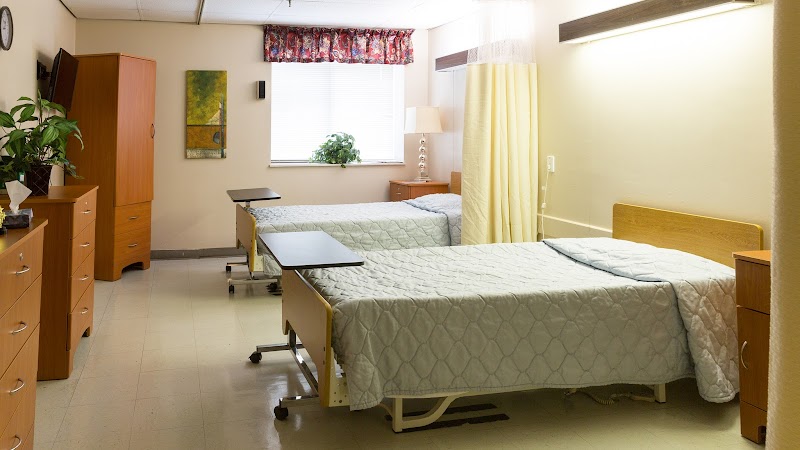
How is Cedars Of Lebanon Staffed?

CMS rates CEDARS OF LEBANON CARE CENTER's staffing level at 2 out of 5 stars, which is below average compared to other nursing homes. Staff turnover is 59%, which is 13 percentage points above the Ohio average of 46%. High turnover can affect care consistency as new staff learn residents' individual needs.

What Have Inspectors Found at Cedars Of Lebanon?

State health inspectors documented 21 deficiencies at CEDARS OF LEBANON CARE CENTER during 2019 to 2024. These included: 1 that caused actual resident harm and 20 with potential for harm. Deficiencies causing actual harm indicate documented cases where residents experienced negative health consequences.
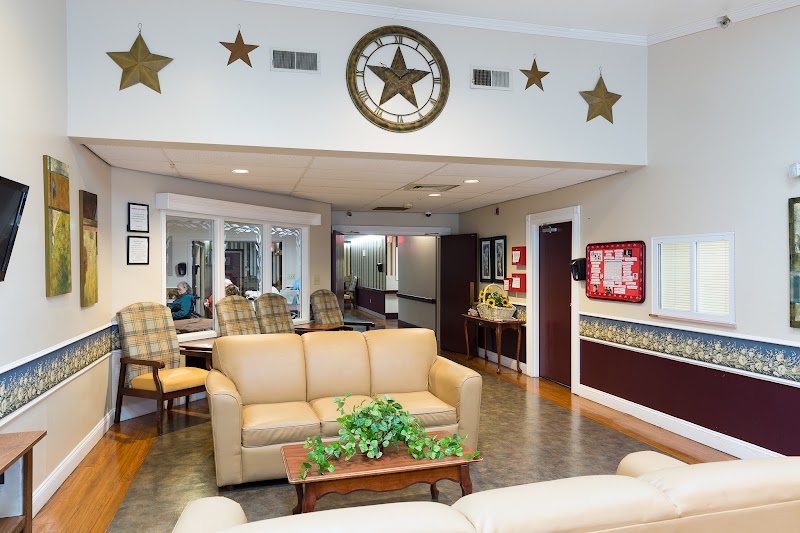
Who Owns and Operates Cedars Of Lebanon?

CEDARS OF LEBANON CARE CENTER is owned by a for-profit company. For-profit facilities operate as businesses with obligations to shareholders or private owners. The facility is operated by CCH HEALTHCARE, a chain that manages multiple nursing homes. With 45 certified beds and approximately 44 residents (about 98% occupancy), it is a smaller facility located in LEBANON, Ohio.
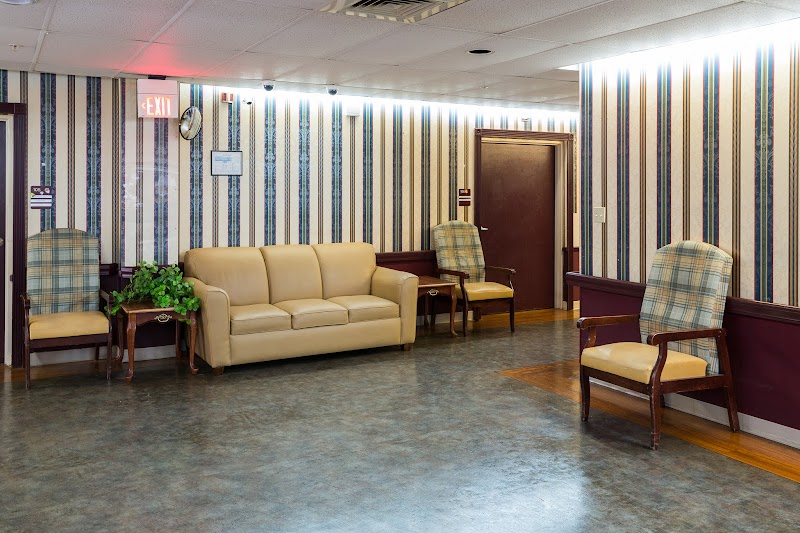
How Does Cedars Of Lebanon Compare to Other Ohio Nursing Homes?

Compared to the 100 nursing homes in Ohio, CEDARS OF LEBANON CARE CENTER's overall rating (2 stars) is below the state average of 3.2, staff turnover (59%) is significantly higher than the state average of 46%, and health inspection rating (2 stars) is below the national benchmark.

What Should Families Ask When Visiting Cedars Of Lebanon?

Based on this facility's data, families visiting should ask: "How do you ensure continuity of care given staff turnover, and what is your staff retention strategy?" "Can you walk me through typical staffing levels on day, evening, and night shifts?" "Can I visit during a mealtime to observe dining assistance and food quality?" "How do you handle medical emergencies, and what is your hospital transfer rate?" These questions are particularly relevant given the facility's high staff turnover rate and the below-average staffing rating.

Is Cedars Of Lebanon Safe?

Based on CMS inspection data, CEDARS OF LEBANON CARE CENTER has a clean safety record: no substantiated abuse findings (meaning no confirmed cases of resident harm), no Immediate Jeopardy citations (the most serious violation level indicating risk of serious injury or death), and is not on the Special Focus Facility watch list (a federal program monitoring the lowest-performing 1% of nursing homes). The facility has a 2-star overall rating and ranks #100 of 100 nursing homes in Ohio. While no facility is perfect, families should still ask about staff-to-resident ratios and recent inspection results during their visit.

Do Nurses at Cedars Of Lebanon Stick Around?

Staff turnover at CEDARS OF LEBANON CARE CENTER is high. At 59%, the facility is 13 percentage points above the Ohio average of 46%. High turnover means new staff may not know residents' individual needs, medications, or preferences. It can also be disorienting for residents, especially those with dementia who rely on familiar faces. Families should ask: What is causing the turnover? What retention programs are in place? How do you ensure care continuity during staff transitions?

Was Cedars Of Lebanon Ever Fined?

CEDARS OF LEBANON CARE CENTER has no federal fines on record. CMS issues fines when nursing homes fail to meet care standards or don't correct problems found during inspections. The absence of fines suggests the facility has either maintained compliance or corrected any issues before penalties were assessed. This is a positive indicator, though families should still review recent inspection reports for the full picture.

Is Cedars Of Lebanon on Any Federal Watch List?

CEDARS OF LEBANON CARE CENTER is not on any federal watch list. The most significant is the Special Focus Facility (SFF) program, which identifies the bottom 1% of nursing homes nationally based on persistent, serious quality problems. Not being on this list means the facility has avoided the pattern of deficiencies that triggers enhanced federal oversight. This is a positive indicator, though families should still review the facility's inspection history directly.