CEDARVIEW CARE CENTER
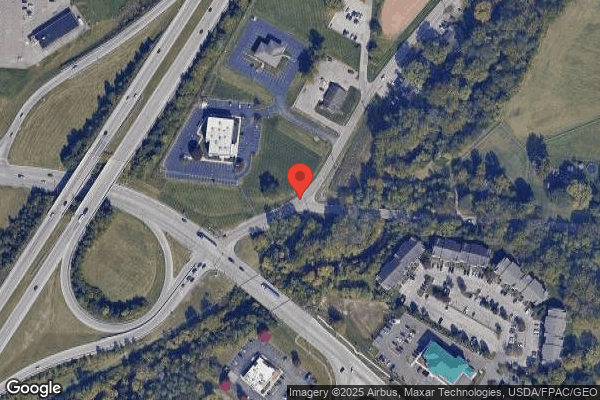
115 OREGONIA ROAD, LEBANON, OH 45036 (513) 932-1121
For profit - Corporation 83 Beds CCH HEALTHCARE Data: November 2025
Trust Grade
60/100
#434 of 913 in OH
Last Inspection: April 2024

Within standard 12-15 month inspection cycle. Federal law requires annual inspections.

Overview

Cedarview Care Center has a Trust Grade of C+, indicating it is slightly above average but not exceptional. It ranks #434 out of 913 facilities in Ohio, placing it in the top half, and #8 out of 16 in Warren County, which means only a few local options are better. The facility's performance has been stable, with 14 issues reported in both 2023 and 2024. Staffing is a positive aspect, with a 3/5 star rating and a turnover rate at 49%, which is on par with the state average. Although there have been no fines, there are some concerns, such as unaddressed safety measures for residents' personal belongings and food storage practices that could lead to health risks. Additionally, there was an incident involving the administration of IV fluids by an unlicensed company, affecting several residents and raising compliance concerns. Overall, Cedarview Care Center presents a mix of strengths and weaknesses that families should consider carefully.

Trust Score
C+
60/100
In Ohio
#434/913
Top 47%
Safety Record
Low Risk
No red flags
Inspections
Holding Steady
14 → 14 violations
Staff Stability
⚠ Watch
49% turnover. Above average. Higher turnover means staff may not know residents' routines.
Penalties
✓ Good
No fines on record. Clean compliance history, better than most Ohio facilities.
Skilled Nurses
✓ Good
Each resident gets 54 minutes of Registered Nurse (RN) attention daily — more than average for Ohio. RNs are trained to catch health problems early.
Violations
⚠ Watch
36 deficiencies on record. Higher than average. Multiple issues found across inspections.
★★★☆☆
3.0
Overall Rating
★★★☆☆
3.0
Staff Levels
★★★★☆
4.0
Care Quality
★★★☆☆
3.0
Inspection Score
Stable
2023: 14 issues
2024: 14 issues

The Good

  • 4-Star Quality Measures · Strong clinical quality outcomes
  • Full Sprinkler Coverage · Fire safety systems throughout facility
  • No fines on record

Facility shows strength in quality measures, fire safety.

The Bad

3-Star Overall Rating

Near Ohio average (3.2)

Meets federal standards, typical of most facilities

Staff Turnover: 49%

Near Ohio avg (46%)

Higher turnover may affect care consistency

Chain: CCH HEALTHCARE

Part of a multi-facility chain

Ask about local staffing decisions and management

The Ugly 36 deficiencies on record

Aug 2024 1 deficiency
CONCERN (D) 📢 Someone Reported This

A family member, employee, or ombudsman was alarmed enough to file a formal complaint

Potential for Harm - no one hurt, but risky conditions existed

Unnecessary Medications (Tag F0759)

Could have caused harm · This affected 1 resident

**NOTE- TERMS IN BRACKETS HAVE BEEN EDITED TO PROTECT CONFIDENTIALITY** Based on observation, medical record review, staff interview, and facility policy review, the facility failed to administered me...

Read full inspector narrative →
**NOTE- TERMS IN BRACKETS HAVE BEEN EDITED TO PROTECT CONFIDENTIALITY** Based on observation, medical record review, staff interview, and facility policy review, the facility failed to administered medications to residents as ordered. The medication administration observation identified four medication errors out of 39 medications administered for a medication error rate of 10.26 percent. This affected three (#19, #26, and #27) of four residents reviewed for medication administration. The facility census was 70. Findings include: 1. Review of medical records for Resident #19 revealed an admission dated 02/04/23. Diagnoses included multiple sclerosis, peripheral vascular disease, age related cataract bilateral, dry eye syndrome of bilateral lacrimal glands, and cognitive communication deficit. Review of the Minimum Data Set (MDS) assessment dated [DATE] revealed Resident #19 was assessed as moderately cognitively impaired. Review of a physician order dated 07/25/24 revealed Resident #19 was ordered Refresh Liquigel Ophthalmic Gel one (1) percent (%) eye drops to instill one drop in both eyes two times a day for dry eyes. 2. Review of medical records for Resident #26 revealed an admission date of 07/13/24. Diagnoses included acute kidney failure, heart failure, elevation of levels of liver transaminase levels, and cardiac pacemaker. Review of the MDS assessment dated [DATE] revealed Resident #26 was assessed as cognitively intact. Review of a physician order dated 07/14/24 revealed Resident #26 was ordered the combination medication for treatment of hepatitis C, sofosbuvir and velpatasvir 400-100 milligrams (mg) by mouth once daily. 3. Review of medical records for Resident #27 revealed an admission dated of 10/03/21. Diagnoses included epilepsy, agoraphobia with panic disorder, type two diabetes, schizophrenia, and dementia. Review of the MDS assessment dated [DATE] revealed Resident #27 was assessed as cognitively intact. Review of a physician order dated 08/23/22 revealed Resident #27 was ordered Biotene [NAME] Mouth Liquid to give two tablespoons by mouth two times a day for dry mouth for swish and spit. Review of a physician order dated 05/23/24 revealed Resident #27 was ordered the antipsychotic medication Zyprexa five (5) mg by mouth one time a day. Observation on 08/13/24 from 9:14 A.M. through 10:14 A.M. with Registered Nurse (RN) #304 revealed the nurse administered medications to Resident #19, Resident #26, and Resident #27. Observations during medication administration revealed Resident #19 did not receive Refresh 1% eye drops, Resident #26 did not receive sofosbuvir and velpatasvir 400-100 mg, and Resident #27 did not receive her Zyprexa 5 mg and Biotene mouth wash for dry mouth as ordered. Interview on 08/13/24 at 11:49 A.M. with RN #304 confirmed Resident #27 did not receive her Zyprexa 5 mg one tablet with the morning medication pass. RN #304 stated he was sure he gave that medication, and RN #304 looked in the medication cart, and verified Zyprexa 10 mg was in the medication cart, not Zyprexa 5 mg. RN #304 verified he signed off in Resident #27's medication administration record (MAR) as the medication was given. RN #304 also verified Resident #27 did not receive Biotene swish and spit medication because the pharmacy had not delivered it yet. RN #304 also verified he did not administer Refresh tears liquid gel eye drops to Resident #19. RN #304 checked in the medication cart and no Refresh liquid gel eye drops were in the medication cart for Resident #19. RN #304 verified that Resident #26 did not receive the sofosbuvir and velpatasvir 400-100 mg tablet because the pharmacy had the medication on back order. Interview on 08/13/24 at 3:08 P.M. with the Director of Nursing (DON) stated he forgot to get clarification for Resident #26's sofosbuvir and velpatasvir 400-100 mg tablet usage in asking the physician to clarify the diagnosis for the medication ordered by the hospital. The DON stated he reached out to Resident #26's primary care provider today to get the physician's name who ordered medication from the hospital. The DON stated Resident #26 was admitted to the facility on [DATE], and did not have her medication, since pharmacy notified him on 07/30/24 in an email that stated the physician did not put the correct diagnosis on the medication when ordered. The DON stated the pharmacy would not pay for medication. Review of the undated facility policy titled, Administering Medication, revealed the medication must be administered in accordance with the orders, including any required time frame. This deficiency represents non-compliance investigated under Complaint Number OH00155905.
May 2024 2 deficiencies
CONCERN (D) 📢 Someone Reported This

A family member, employee, or ombudsman was alarmed enough to file a formal complaint

Potential for Harm - no one hurt, but risky conditions existed

ADL Care (Tag F0677)

Could have caused harm · This affected 1 resident

**NOTE- TERMS IN BRACKETS HAVE BEEN EDITED TO PROTECT CONFIDENTIALITY** Based on observation, medical record review, staff interview, and policy review, the facility failed to ensure dependent residen...

Read full inspector narrative →
**NOTE- TERMS IN BRACKETS HAVE BEEN EDITED TO PROTECT CONFIDENTIALITY** Based on observation, medical record review, staff interview, and policy review, the facility failed to ensure dependent residents were assisted with repositioning to prevent skin impairment. This affected three (#46, #53, #72) of three residents reviewed for repositioning. The census was 74. Findings included 1. Review of Resident #46's medical record revealed an admission date of 12/29/23. Diagnoses included acute and chronic respiratory failure with hypoxia, obstructive uropathy, diabetes, cerebrovascular attack, tracheostomy, gastrostomy, and ventilator dependent. Review of the care plan for Resident #46 dated 01/02/24 revealed the resident was at risk for skin impairment related to immobility. Interventions included to assist to turn and reposition at frequent intervals to provide pressure relief and to offload the hips and sacrum to promote skin integrity. Review of the quarterly Minimum Data Set (MDS) assessment dated [DATE] revealed Resident #46 was rarely or never understood. The resident's was assessed as dependent for toileting and for transfers. Observation of Resident #46 on 05/14/24 at 9:40 A.M., 11:45 A.M., 1:05 P.M., and 2:14 P.M. revealed the resident was laying on his back in bed with his position unchanged. 2. Review of Resident #53's medical record revealed an admission date of 06/29/21. Diagnoses included hypoxic ischemic encephalopathy, aphasic, respiratory failure, tracheostomy, gastrostomy, and ventilator dependent. Review of the quarterly MDS assessment dated [DATE] revealed Resident #53 was rarely or never understood. The resident was dependent for toileting and bed mobility. Review of the care plan dated 03/19/24 for Resident #53 revealed the resident was at risk to develop skin conditions related to fragile skin. Interventions were to encourage and assist to turn every two hours. Observation of Resident #53 on 05/14/24 at 9:38 A.M., 11:47 A.M., 1:04 P.M., and 2:14 P.M. revealed the resident was sitting upright in a geriatric chair with his head leaning over to the left side of the chair. The resident's position was unchanged throughout the observations. 3. Review of Resident #72's medical record revealed an admission date of 03/08/24. Diagnoses included respiratory failure with hypoxia or hypercapnia, obstructive uropathy, pneumonia, diabetes, and seizure disorder. Review of an admission MDS assessment dated [DATE] for Resident #72 revealed the resident was rarely or never understood. The resident was dependent on toileting and bed mobility. Review of the care plan for Resident #72 dated 04/11/24 revealed the resident was at risk for skin impairment related to immobility. Interventions were to encourage and assist to turn and reposition every two hours and as needed. Observation of Resident #72 on 05/14/24 at 9:43 A.M., 11:48 A.M., 1:05 P.M., and 2:15 P.M. revealed the resident was lying on her back in the bed with her position unchanged. Interview with the State Tested Nurse Aide (STNA) #75 on 05/14/24 at 2:21 P.M. stated she shared the hall with STNA #76 and they worked together to complete their jobs. STNA #75 verified she had not had a chance to turn and reposition Resident #46, Resident #53, and Resident #72 on 05/14/24. STNA #75 stated Resident #53 was in his chair when she arrived at 7:00 A.M. and normally they did not lay the resident down until after lunch. Review of the policy titled, Repositioning, dated 05/01/13, revealed the purpose of this procedure is to provide guidelines for the evaluation of resident repositioning needs, to aid in the development of an individualized care plan for repositioning, to promote comfort for all bed- or chair-bound residents, to prevent skin breakdown, promote circulation and provide pressure relief for residents. Repositioning is a common, effective intervention for preventing skin breakdown, promoting circulation, and providing pressure relief. This deficiency represents non-compliance investigated under Complaint Number OH00153613.
CONCERN (D) 📢 Someone Reported This

A family member, employee, or ombudsman was alarmed enough to file a formal complaint

Potential for Harm - no one hurt, but risky conditions existed

Medical Records (Tag F0842)

Could have caused harm · This affected 1 resident

**NOTE- TERMS IN BRACKETS HAVE BEEN EDITED TO PROTECT CONFIDENTIALITY** Based on observation, medical record review, staff interview, the facility failed to complete an accurate skin assessment. This ...

Read full inspector narrative →
**NOTE- TERMS IN BRACKETS HAVE BEEN EDITED TO PROTECT CONFIDENTIALITY** Based on observation, medical record review, staff interview, the facility failed to complete an accurate skin assessment. This affected one (#72) of three residents reviewed for skin assessments. The census was 74. Findings included: Medical record review for Resident #72 revealed an admission date of 03/08/24. Diagnoses included respiratory failure with hypoxia or hypercapnia, obstructive uropathy, pneumonia, diabetes, and seizure disorder. Review of the admission Minimum Data Set (MDS) assessment for Resident #72 revealed the resident was rarely/never understood. The resident was dependent on toileting and bed mobility, was assessed with an indwelling catheter, was always incontinent for bowel, and was dependent on a tracheostomy and a ventilator. Review of a skin assessment dated [DATE] at 11:40 A.M. for Resident #72 documented by Licensed Practical Nurse (LPN) #77 revealed there was not documentation in the skin assessment grid for any new areas of skin impairment. Review of Resident #72's physician orders and progress notes dated 05/14/24 revealed no reports of new skin issues. Observation of Resident #72's skin with State Tested Nurse Aide (STNA) #75 and STNA #76 on 05/14/24 at 2:30 P.M. revealed under the resident's left armpit was and area of bright red excoriation and the resident's feet were dry and scaly from the bottom up half way on each foot. Interview with LPN #77 on 05/14/24 at 3:25 P.M. stated she documented a skin assessment for Resident #72 on 05/14/24 at 11:40 A.M. and documented the assessment as completed. LPN #77 stated there was only some redness on the Resident #72's bottom and under her right armpit and did not find anything else. Observation of Resident #72's skin during the interview on 05/14/24 at 3:25 P.M. with LPN #77 revealed she knew about the excoriation under the resident's left armpit, but did not write a note in the skin assessment or in the progress notes about the findings and stated she did not know about the resident's feet being scaly and dry.
Apr 2024 11 deficiencies
CONCERN (D)

Potential for Harm - no one hurt, but risky conditions existed

Notification of Changes (Tag F0580)

Could have caused harm · This affected 1 resident

**NOTE- TERMS IN BRACKETS HAVE BEEN EDITED TO PROTECT CONFIDENTIALITY** Based on medical record review, staff interview, and policy review, the facility failed to ensure the physician was notified of ...

Read full inspector narrative →
**NOTE- TERMS IN BRACKETS HAVE BEEN EDITED TO PROTECT CONFIDENTIALITY** Based on medical record review, staff interview, and policy review, the facility failed to ensure the physician was notified of a change in condition. This affected one (#22) of five residents reviewed for nutrition. The facility census was 72. Findings include: Review of the medical record of Resident #22 revealed an admission date of 01/19/24. The resident transferred to the hospital on [DATE] and readmitted to the facility on [DATE]. Diagnoses included end-stage renal disease, chronic diastolic heart failure, fluid overload, pulmonary embolism, chronic obstructive pulmonary disease, chronic respiratory failure, and obstructive sleep apnea. Review of the comprehensive Minimum Data Set (MDS) assessment dated [DATE] revealed the resident had moderately impaired cognition. The resident required setup assistance with eating, partial/moderate assistance with personal hygiene, sitting to lying, and rolling from side to side in bed, substantial/maximal assistance for lying to sitting on side of bed, and was dependent on staff for toileting, sit to stand, Review of physician orders revealed an order dated 02/08/24 for the resident to be weighed daily and to report an increase or decrease of three pounds. Review of the medication administration record revealed on 02/08/24, the resident weighed 245.3 pounds and on 02/09/24, the resident weighed 266.8 pounds. Review of a Dietary/Nutrition Progress note dated 02/11/24, revealed a reweigh would be requested. Further of the medical record revealed no progress notes addressing the change in Resident #22's weight. Interview on 04/18/24 at 1:04 P.M., the Director of Nursing (DON) verified there was no documentation in Resident #22's medical record regarding the 21 pound change in weight or the physician being notified. Review of the policy titled, Change in a Resident's Condition or Status, dated May 2017, revealed the nurse will notify the resident's attending physician or physician on-call when there is specific instruction to notify the physician of changes in the resident's condition.
CONCERN (D)

Potential for Harm - no one hurt, but risky conditions existed

Comprehensive Assessments (Tag F0636)

Could have caused harm · This affected 1 resident

**NOTE- TERMS IN BRACKETS HAVE BEEN EDITED TO PROTECT CONFIDENTIALITY** Based on medical record review, review of the Resident Assessment Instrument (RAI) User Manual, review of the facility's Minimum...

Read full inspector narrative →
**NOTE- TERMS IN BRACKETS HAVE BEEN EDITED TO PROTECT CONFIDENTIALITY** Based on medical record review, review of the Resident Assessment Instrument (RAI) User Manual, review of the facility's Minimum Data Set (MDS) Completion and Submission Timeframe's policy and procedure, and staff interview, the facility failed to ensure MDS discharge assessment was completed within 14 days of discharge. This affected one (#60) of one resident reviewed for MDS discharge assessments. The facility census was 72. Findings include: Review of the medical record for Resident #60 revealed an admission date of 08/09/23, with diagnoses of schizoaffective disorder, anxiety disorder, polysubstance abuse, and nicotine addiction. Resident #60 was discharged on 12/15/23. Review of the MDS assessment dated [DATE] revealed Resident #60 is cognitively intact. The resident is independent for ambulation, transfers, dressing, and toileting, requires set up assistance for eating, oral and personal hygiene, and supervision with bathing. Review of the MDS discharge assessment for Resident #60 revealed a completion date of 04/17/24. Resident #60 was discharged on 12/15/23. Review of the Long-Term Care Facility Resident Assessment Instrument (RAI) User's Manual revealed the discharge assessment is to be completed no later than 14 days after discharge. Review of the facility's undated MDS Completion and Submission Timeframe's policy and procedure revealed the discharge assessment, return not anticipated, is to be completed no later than 14 calendar days after discharge date . Interview on 04/18/24 at 9:37 A.M., with MDS Coordinator #324 confirmed Resident #60 discharged on 12/15/23 and MDS discharge assessment was not completed until 04/17/24. MDS Coordinator #324 confirmed the timeline for completion of the MDS discharge assessment is 14 days from date of discharge.
CONCERN (D)

Potential for Harm - no one hurt, but risky conditions existed

MDS Data Transmission (Tag F0640)

Could have caused harm · This affected 1 resident

**NOTE- TERMS IN BRACKETS HAVE BEEN EDITED TO PROTECT CONFIDENTIALITY** Based on medical record review, review of the Resident Assessment Instrument (RAI) User Manual, review of the facility's Minimum...

Read full inspector narrative →
**NOTE- TERMS IN BRACKETS HAVE BEEN EDITED TO PROTECT CONFIDENTIALITY** Based on medical record review, review of the Resident Assessment Instrument (RAI) User Manual, review of the facility's Minimum Data Set (MDS) Completion and Submission Timeframe's policy and procedure, and staff interviews, the facility failed to ensure MDS assessments were transmitted within 14 days of completion date. This affected three (#25, # 50, and #59) of three residents reviewed for MDS assessment submissions. The facility census was 72. Findings include: 1. Review of the medical record for Resident #25 revealed an admission date of 12/16/14, with diagnoses of Alzheimer's disease, bi-polar disorder, schizoaffective disorder, anxiety disorder, and alcohol abuse. Review of the MDS assessment dated [DATE] revealed Resident #25 is cognitively intact. Resident #25 is independent for mobility with no devices, transfers, toileting, dressing, requires set up assistance for eating and oral hygiene, and supervision for showering and personal hygiene. Review of MDS assessments for Resident #25 revealed a MDS quarterly assessment dated [DATE] was completed on 03/28/24 and transmitted on 04/14/24. 2. Review of the medical record for Resident #50 revealed an admission date of 08/28/81, with diagnoses of cerebrovascular accident with right sided hemiplegia, alcohol abuse, chronic pain syndrome, seizure disorder, coronary artery disease, congestive obstructive pulmonary disease, and diabetes mellitus type II with neuropathy. Review of the MDS assessment dated [DATE] revealed Resident #50 is cognitively intact. The resident is not ambulatory and uses a wheelchair for mobility, requires partial assistance for toileting, bathing, personal hygiene, dressing, and moderate assistance for transfers. Review of MDS assessments for Resident #50 revealed a MDS quarterly assessment dated [DATE] was completed on 03/26/24 and transmitted on 04/14/24. 3. Review of the medical record for Resident #59 revealed an admission date of 07/01/23, with diagnoses of Wernicke's encephalopathy, depression, post-traumatic stress disorder (PTSD), anxiety disorder, and alcohol abuse. Review of the MDS assessment dated [DATE] revealed Resident #59 is cognitively intact. The resident is independent for mobility with no devices, transfers, dressing, requires supervision for bathing and personal hygiene, and set up assistance for eating, oral hygiene, and toileting. Review of MDS assessments for Resident #59 revealed a MDS quarterly assessment dated [DATE] was completed on 01/26/24 and transmitted on 02/12/24. Review of the Long-Term Care Facility Resident Assessment Instrument (RAI) User's Manual revealed the MDS quarterly assessment is to be transmitted within 14 days after completion. Review of the undated facility's MDS Completion and Submission Timeframe's policy and procedure revealed the MDS quarterly assessment is to be transmitted within 14 calendar days after completion. Interview on 04/16/24 at 2:52 P.M., with the Administrator and MDS Coordinator #324 confirmed the MDS quarterly assessment for Resident #25 dated 03/14/24 was completed 03/28/24 and transmitted 04/14/24; confirmed the MDS quarterly assessment for Resident #50 dated 03/12/24 was completed 03/26/24 and transmitted 04/14/24; and confirmed the MDS quarterly assessment for Resident #59 dated 01/12/24 was completed on 01/26/24 and transmitted 02/12/24. The Administrator and MDS Coordinator #324 confirmed the transmission date to submit these MDS quarterly assessments for Residents #25, #50, and #59 exceeded the 14-day timeline.
CONCERN (D)

Potential for Harm - no one hurt, but risky conditions existed

Deficiency F0646 (Tag F0646)

Could have caused harm · This affected 1 resident

**NOTE- TERMS IN BRACKETS HAVE BEEN EDITED TO PROTECT CONFIDENTIALITY** Based on medical record review and staff interviews, the facility failed to notify the state mental health authority of a signif...

Read full inspector narrative →
**NOTE- TERMS IN BRACKETS HAVE BEEN EDITED TO PROTECT CONFIDENTIALITY** Based on medical record review and staff interviews, the facility failed to notify the state mental health authority of a significant change in condition for residents with mental disorders. This affected two (#9 and #49) of five residents reviewed for Pre-admission Screening and Resident Review, (PASARR) admission process. The total facility census was 72. Findings include: 1. Review of Resident #49's medical record revealed the resident was admitted to the facility on [DATE]. Diagnoses for Resident #49 include dementia, encephalopathy, major depressive disorder and anxiety disorder. Review of the Minimum Data Set, (MDS) comprehensive assessment dated [DATE] revealed the resident had severely impaired cognition and was dependent on staff for self-care and mobility. Review of Resident #49's physician orders revealed the resident had orders for hospice service beginning on 07/27/23. Record review of Resident #49 revealed no Pre-admission Screening and Resident Review, (PASARR) within 14 days of a significant change in condition on 07/27/23. 2. Review of Resident #9's medical record revealed the resident was admitted to the facility on [DATE]. Diagnoses for Resident #9 include dementia, major depressive disorder, edema, bipolar disorder, schizoaffective disorder, hypertension, tachycardia, pacemaker, and heart failure. Review of the MDS comprehensive assessment dated [DATE] revealed the Resident #9 had moderately impaired cognition and required supervision with self-care, was dependent on care for toileting and bathing, and total dependent for care with mobility. Review of Resident #9's physician orders revealed the resident had orders for hospice services beginning on 12/29/23 and beginning on 03/23/24. Review of Resident #9's medical record revealed no Pre-admission Screening and Resident Review, (PASARR) within 14 days of a significant change in condition on 12/29/23 and on 03/23/24. Interview on 04/18/24 at 1:26 P.M., with Business Office Manager (BOM) #371 and Social Service Designee (SD) #375 verified Resident #49 and Resident #9 had a significant change in condition when accepting hospice services. BOM #371 stated the facility should have completed a revised PASARR and reported the significant change to the state mental health board within 14 days of the change to hospice services.
CONCERN (D)

Potential for Harm - no one hurt, but risky conditions existed

Comprehensive Care Plan (Tag F0656)

Could have caused harm · This affected 1 resident

**NOTE- TERMS IN BRACKETS HAVE BEEN EDITED TO PROTECT CONFIDENTIALITY** Based on observation, staff interview, medical record review,and policy review, the facility failed to ensure the plan of care r...

Read full inspector narrative →
**NOTE- TERMS IN BRACKETS HAVE BEEN EDITED TO PROTECT CONFIDENTIALITY** Based on observation, staff interview, medical record review,and policy review, the facility failed to ensure the plan of care reflected the fluid restriction as ordered by the physician. The affected one (#61) of one resident reviewed for fluid restriction. The total facility census was 72. Findings include: Review of Resident #61's medical record revealed the resident was admitted to the facility on [DATE] . Diagnoses for Resident #61 include acute respiratory failure with hypoxia, dementia, chronic gastric ulcer, malnutrition, dependence on oxygen, and heart failure. Review of the Minimum Data Set (MDS) comprehensive assessment dated [DATE], revealed the resident had impaired cognition and required moderate assistance with mobility and supervision assistance with feeding self. Review of physician orders dated 01/30/24 revealed orders for No Added Salt diet, nutritional supplement two times a day. Orders also included a fluid restriction 2000 cubic centimeters (cc) per day and document every shift. Review of Resident #61's Plan of Care on 04/16/24 revealed no fluid restriction or division of the fluid between department throughout a 24-hour period. Review of Resident #61's Plan of Care revealed a fluid restriction of 2000 cc with 360 cc breakfast, 360 cc at lunch, 360 cc at dinner and 920 cc for nursing was added to the Plan of Care on 04/17/24 by MDS Coordinator #324. Observation on 04/16/24 of the lunch meal and 04/17/24 breakfast meal, revealed Resident #61's meal ticket at breakfast and at lunch revealed no fluid restriction documented on the meal ticket. Observation of the breakfast meal of 04/17/24, revealed the resident had large containers of fluid greater than 480 cc and 240 cc of dark fluid at bedside, 480 cc fluid on the meal tray and 240 cc of supplement. Interview on 04/17/24 at 8:57 A.M., with State Tested Nurse Assistant (STNA) #340 stated Resident #61 had no fluid restrictions and consumed a lot of soda and water. There was no knowledge Resident #61 had an order for fluid restrictions or the amount permitted for the nursing department. Interview on 04/17/24 at 9:12 A.M., with STNA #339 verified Resident #61 had no fluid restriction on her meal ticket and no fluid restriction listed in the plan of care for fluid restriction. STNA #339 verified there was no plan of care to indicate Resident #61 was on a fluid restriction. Interview on 04/17/24 at 12:45 P.M., with Dietary Manger (DM) #311 verified there had been no notification to the dietary department Resident #61 was on a fluid restriction. DM #311 verified the Dietary Department should have been notified of the fluid restriction and the fluid amounts allotted to the dietary and nursing departments. Interview on 04/17/24 at 12:55 P.M., with the MDS Coordinator #324 verified the STNAs and the dietary staff did not know of Resident #6's a fluid restriction order because the Plan of Care had not included the fluid restriction order and intervention. The MDS Coordinator #324 verified the fluid restriction, and the division of the fluids should have been included in the Plan of Care and on the dietary meal ticket to coordinate the fluid division between departments. Interview on 04/18/24 at 6:41 A.M., with night shift STNA #384 verified a fluid restriction intervention was added to Plan of Care for STNAs on 04/17/24. Prior to 04/17/24, STNA #384 was unaware Resident #61 had an order for a fluid restriction and the amount allotted for the nursing department. Review of the policy, titled, Encouraging and Restricting Fluids, dated October 2010, revealed when a resident is on restricted fluid remove fluids from the room. Review the resident care plan and the daily assignment sheet to assess for any special needs of the resident.
CONCERN (D)

Potential for Harm - no one hurt, but risky conditions existed

Deficiency F0688 (Tag F0688)

Could have caused harm · This affected 1 resident

**NOTE- TERMS IN BRACKETS HAVE BEEN EDITED TO PROTECT CONFIDENTIALITY** Based on observations, medical record review, resident interview, and staff interview, the facility failed to ensure physician o...

Read full inspector narrative →
**NOTE- TERMS IN BRACKETS HAVE BEEN EDITED TO PROTECT CONFIDENTIALITY** Based on observations, medical record review, resident interview, and staff interview, the facility failed to ensure physician orders were followed for assistive devices to prevent further contracture. This affected one (#52) of two residents reviewed for limited range of motion. The facility census was 72. Findings include: Review of the medical record of Resident #52 revealed an admission date of 02/07/22. The resident transferred to the hospital on [DATE] and returned to the facility on [DATE]. Diagnoses included encephalopathy, anxiety, hypothyroidism, depression, chronic obstructive pulmonary disease, and muscle weakness. Review of the quarterly Minimum Data Set (MDS) assessment dated [DATE], revealed the resident had moderately impaired cognition. The resident was assessed as having impaired range of motion to all extremities. The resident was dependent on staff for all activities of daily living. Observation and interview on 04/15/24 at 10:05 A.M., revealed both of Resident #52's hands were contracted. Resident #52 stated she was supposed to have wash cloths put in her hands but staff were not doing it consistently. Review of physician orders revealed an order dated 04/02/24 to apply bilateral towel rolls in palm for seven hours daily, on at 11:00 A.M. and off at 6:00 P.M. Observation on 04/16/24 at 1:20 P.M., revealed Resident #52 did not have wash cloths in either hand. Observation on 04/16/24 at 3:50 P.M., revealed Resident #52 did not have wash cloths in either hand. Interview on 04/16/24 at 3:51 P.M., with, Registered Nurse (RN) #304 verified Resident #52 did not have wash cloths in her hands as per the order. RN #304 stated he was not aware they were not in her hands and thought the aids had put them in. RN #304 verified the wash cloths should be worn daily between 11:00 A.M. and 6:00 P.M.
CONCERN (D)

Potential for Harm - no one hurt, but risky conditions existed

Deficiency F0692 (Tag F0692)

Could have caused harm · This affected 1 resident

**NOTE- TERMS IN BRACKETS HAVE BEEN EDITED TO PROTECT CONFIDENTIALITY** 3. Review of Resident #9's medical record revealed the resident was admitted to the facility on [DATE]. Diagnoses for Resident #...

Read full inspector narrative →
**NOTE- TERMS IN BRACKETS HAVE BEEN EDITED TO PROTECT CONFIDENTIALITY** 3. Review of Resident #9's medical record revealed the resident was admitted to the facility on [DATE]. Diagnoses for Resident #9 include dementia, edema, hypertension, tachycardia, pacemaker, and heart failure. Review of the MDS comprehensive assessment dated [DATE] revealed the Resident #9 had moderately impaired cognition and required supervision with self-care, was dependent on care for toileting and bathing, and total dependent for care with mobility. Review of Resident #9 Plan of Care, dated 09/09/22, revealed the resident had edema to bilateral extremities with expected weight fluctuations. Review of physician orders revealed Resident #9 had orders for hospice service for two hospice periods, beginning on 12/29/23 and then again on 03/23/24. Resident #9 had a physician order, dated 02/25/24, to weigh the resident every morning related to congestive heart failure. The resident received Furosemide tablet 40 milligrams (mg) one time a day related to heart failure and Digoxin tablet 125 micro grams (mcg) one time a day related to atrial fibrillation. Review of Resident #9's weight record from 02/25/24 through 04/15/24 revealed missing weights on dates of 04/01/24, 04/02/24, 04/03/24, 04/04/24, 04/07/24, 04/08/24, 04/09/24, 04/10/24, 4/14/24, 04/15/24, 03/02/24, 03/03/24, 03/05/24, 3/07/24, 03/08/24, 03/09/24, 03/10/24, 03/11/24, 03/12/24, 03/13/24, 03/14/24, 03/15/24, 03/16/24,03/17/24, 03/08/24, 03/18/24, 03/19/24, 03/20/24, 03/21/24, 03/22/24,03/23/24, 03/24/24, 03/25/24, 03/26/24, 03/28/24, 03/29/24,03/30/24, 03/31/24, 02/26/24 and 02/29/24. Interview on 04/18/24 at 10:34 A.M., with RD #503 verified Resident #9 had a physician order for daily weight every morning to monitor congestive heart failure. RD #503 verified Resident #9's daily weights were not documented in the weight record log. RD #503 stated she had not been informed if Resident #9 had refused to be weighed daily and daily weights should be documented in the electronic medical record. Based on medical record review, staff interview, review of the Resident Assessment Instrument (RAI), and policy review, the facility failed to ensure a resident's significant weight loss was addressed in an accurate and timely manner. This affected one (#42) of three residents reviewed for weight loss. The facility also failed to ensure weights were completed per the physician's order. This affected two (#09 and #22) of five residents reviewed for nutrition. The facility census was 72. Findings include: 1. Review of the medical record of Resident #42 revealed an admission date of 04/10/23. Diagnoses included huntington's disease, mood disorder due to known physiological condition with depressive features, schizophrenia, and schizoaffective disorders. Review of the comprehensive Minimum Data Set (MDS) assessment dated [DATE], revealed the resident had intact cognition. The resident exhibited delusions during the assessment period. Review of the medical record revealed, on 10/08/23, Resident #42 weighed 160.2 pounds. On 11/21/23, the resident weighed 157 pounds. On 01/02/24, the resident weighed 155.2 pounds. On 02/14/24, the resident weighed 152.8 pounds. On 03/04/24, the resident weighed 148.2 pounds. On 04/01/24, the resident weighed 144.2 pounds. Review of the care plan dated 03/02/24 revealed Resident #42 had a nutritional problem due to diagnoses of Huntington's Disease, schizophrenia, mood disorder. The resident received boost twice per day and remeron. On 03/02/24, the Resident #42's weight was described as stable. Review of current physician orders revealed an order dated 11/22/23 for Boost (oral supplement) twice daily with breakfast and supper. Review of meal intakes for the past 30 days revealed the resident consumed 75-100% of most meals. Review of a diet progress note dated 03/02/24 revealed Diet Technician Registered (DTR) #501 indicated Resident #42 received a regular diet with meal intakes of 75-100% at most meals and Boost twice a day. The resident weighed 152.8 pounds. The resident received Mirtazapine (remeron), which may promote appetite. No new recommendations were made at that time. Further review of the medical record revealed no indication of Resident #42's 4.6 pound weight loss from 03/04/24 being addressed and an additional four pound loss on 04/01/24 being addressed. Interview on 04/18/24 at 1:56 P.M., Diet Technician Registered (DTR) #501 stated, in a perfect world, weights would be addressed within a week, however, she worked at several buildings and had not been able to review weights obtained 18 days prior to the interview. DTR #501 stated Resident #42's weight loss was technically 9.9%, however the weight loss trend warranted being looked at. Review of DTR's method of calculating percent weight loss was taking the exact weight from 6 months prior (160.2 pounds), subtracting the exact current weight (144.2 pounds), dividing by the exact weight from 6 months prior (160.2 pounds), and multiplying by 100. DTR #501 verified Resident #42 had been on the same diet and supplement order since November 2023 and had lost 13 pounds since the last time any changes to his regimen were made. DTR #501 further verified she had not addressed the 4.6 pound loss from 03/04/24 nor the additional 4 pound loss from 04/01/24. Review of the Resident Assessment Instrument (RAI), section K, revealed the method for determining significant weight loss was to use mathematical rounding (ie if the weight is X.1 to X.4 pounds, round down to the nearest whole pound). For example, a weight of 152.4 pounds would be rounded to 152 pounds. Further review of Resident #42's weight loss, revealed the resident had a 10% weight loss (160 minus 144, divided by 160, multiply by 100) during the last 6 months. Interview on 04/18/24 at 2:19 P.M., the Director of Nursing (DON) stated the expectation would be for weights to be reviewed and addressed by the Registered Dietitian or DTR within seven days. The DON stated DTR #501 typically came to the facility once a week. Review of the policy titled, Nutrition (Impaired)/Unplanned Weight Loss-Clinical Protocol, dated September 2012, revealed a 10% weight loss in a six month period is severe and the physician and staff will closely monitor residents who have been identified as having impaired nutrition or risk factors for developing impaired nutrition. Monitoring is also required for residents whose nutritional status is stable, including observing for and reporting significant weight loss. 2. Review of the medical record of Resident #22 revealed an admission date of 01/19/24. Diagnoses included end-stage renal disease, chronic diastolic heart failure, fluid overload, pulmonary embolism, type 2 diabetes mellitus, and chronic obstructive pulmonary disease. Review of the comprehensive MDS assessment dated [DATE] revealed the resident had moderately impaired cognition. Review of physician orders revealed a current order, dated 03/04/24 for weekly weights and to notify the physician if greater than 5 pound weight gain and additional orders dated 02/08/24 to 02/26/24 for daily weights-report an increase or decrease of three pounds. Review of the medical record revealed the following weights: 04/06/24-235 pounds, 03/04/24- 247.5 pounds, 02/09/24- 266.8 pounds, 02/08/24- 245.3 pounds, and 02/07/24- 245.3 pounds. Review of progress notes and the medication administration record revealed the resident refused to be weighed on 02/10/24, 02/11/24, 02/13/24, 02/14/24, 02/15/24, 02/20/24, 02/21/24 02/22/24. Review of the medical record revealed no documentation of any weight or refusal to be weighed on 02/12/24, 02/16/24, 02/17/24, 02/18/24, 02/19/24, 02/23/24, 02/24/24, 02/25/24, 02/26/24, 03/11/24, 03/18/24, 03/25/24, 04/01/24, 04/08/24, and 04/15/24. Interview on 04/18/24 at 10:30 A.M., Registered Dietitian (RD) #503 verified Resident #22's daily weights were not documented in February 2024 and weekly weights were not documented in March 2024 and April 2024. RD #503 stated weights completed are entered into the electronic medical record. Review of the policy titled, Weight Assessment and Intervention, dated March 2022, revealed weights are obtained at intervals established by the interdisciplinary team and recorded in the individual's medical record
CONCERN (D)

Potential for Harm - no one hurt, but risky conditions existed

Respiratory Care (Tag F0695)

Could have caused harm · This affected 1 resident

**NOTE- TERMS IN BRACKETS HAVE BEEN EDITED TO PROTECT CONFIDENTIALITY** Based on observation, record review, and staff interview, the facility failed to ensure the oxygen tubing was changed and dated ...

Read full inspector narrative →
**NOTE- TERMS IN BRACKETS HAVE BEEN EDITED TO PROTECT CONFIDENTIALITY** Based on observation, record review, and staff interview, the facility failed to ensure the oxygen tubing was changed and dated as ordered by the physician. This affected for two (#19 and #61) of two residents reviewed for oxygen administration orders. The total facility census was 72. Findings include: 1. Review of Resident #19's medical record revealed the resident was admitted to the facility on [DATE]. Diagnoses for Resident #19 include dementia, Down syndrome, chronic respiratory failure, and pseudobulbar affect. Review of the Minimum Data Set (MDS) comprehensive assessment dated [DATE], revealed the resident had severely impaired cognition and required supervision of self-care and maximal assistance for mobility. Review of physician orders revealed Resident #19 was to receive oxygen two to four liters to keep oxygen saturation above 88 percent and oxygen tubing changed, label and date every Wednesday. Observation on 04/15/24 at 8:30 A.M., revealed Resident #19 oxygen tubing was not dated. Interview on 04/15/24 at 8:32 A.M., with Licensed Practical Nurse (LPN) #356 and State Tested Nurse Aide(STNA) #330 verified Resident #19 oxygen tubing was not dated. 2. Review of Resident #61's medical record revealed the resident was admitted to the facility on [DATE]. Diagnoses for Resident #61 include acute respiratory failure with hypoxia, dementia, chronic gastric ulcer, malnutrition, dependence on oxygen, and heart failure. Review of Resident #61's MDS comprehensive assessment dated [DATE], revealed the resident had impaired cognition and required moderate assistance with mobility and supervision assistance with feeding self. The resident was assessed to be short of breath with exertion, sitting at rest and when lying flat. The resident required continuous oxygen therapy. Review of physician orders dated 01/30/24 revealed Resident #61 was to receive continuous oxygen at three liters to keep saturation above 92 percent and to change oxygen tubing every Tuesday. Observation on 04/15/24 at 8:31 A.M., revealed Resident #61 oxygen tubing was not dated. Interview on 04/15/24 at 8:32 A.M., with LPN #356 and STNA #330 verified Resident #61 oxygen tubing was not dated. Interview on 04/17/24 at 2:17 P.M., with the Director of Nursing, (DON), verified Resident #19 and Resident #61 had physician orders for oxygen tubing to be changed weekly. The DON stated a contract company is to change and date to the oxygen tubing weekly and may have forgotten to date the tubing.
CONCERN (D)

Potential for Harm - no one hurt, but risky conditions existed

Deficiency F0914 (Tag F0914)

Could have caused harm · This affected 1 resident

**NOTE- TERMS IN BRACKETS HAVE BEEN EDITED TO PROTECT CONFIDENTIALITY** Based on observation and staff interview, the facility failed to provide full visual privacy for resident. This affected for two...

Read full inspector narrative →
**NOTE- TERMS IN BRACKETS HAVE BEEN EDITED TO PROTECT CONFIDENTIALITY** Based on observation and staff interview, the facility failed to provide full visual privacy for resident. This affected for two (#48 and #61) of three residents reviewed for physical environment. The total facility census was 72. Findings include: 1. Review of Resident #48's medical record revealed the resident was admitted to the facility on [DATE]. Diagnoses for Resident #48 include acute respiratory failure, schizoaffective disorder, bipolar disorder, anxiety disorder, and depressive disorder. Review of the Minimum Data Set (MDS) comprehensive assessment dated [DATE], revealed the resident had intact cognition and was dependent on staff for self-care and mobility. Observation on 04/15/24 at 8:32 A.M., revealed Resident #48 had no privacy curtain which prohibited full privacy around the entire bed. Resident #48 had a roommate. Interview on 04/15/24 at 8:32 A.M., with Licensed Practical Nurse (LPN) #356 and State Tested Nurse Assistant(STNA) #330 verified Resident #48 had no privacy curtain and full privacy could not maintained while providing care. 2. Review of Resident #61's medical record revealed the resident was admitted to the facility on [DATE]. Diagnoses for Resident #61 include acute respiratory failure with hypoxia, dementia, chronic gastric ulcer, malnutrition, dependence on oxygen, and heart failure. Review of the Minimum Data Set (MDS) comprehensive assessment dated [DATE] revealed the resident had impaired cognition and required moderate assistance with mobility and supervision assistance with feeding self. Observation on 04/15/24 at 8:32 A.M., revealed Resident #61 had an privacy curtain ceiling track railing which was coming lose from the ceiling and had no privacy curtain. This prevented full visual privacy around Resident #61's bed. Resident #61 had a roommate. Interview on 04/15/24 at 8:32 A.M., with Licensed Practical Nurse (LPN) #356 and State Tested Nurse Aide (STNA) #330 verified Resident #61's privacy curtain track was coming lose from the ceiling and had no privacy curtain. Full privacy could not maintain while providing care. Interview on 04/18/24 at 7:18 A.M., Housekeeping Director #401 verified double occupied resident rooms of Residents #48 and #61 had no privacy curtains on 04/15/24, which could not provide privacy for Residents #48 and #61.
CONCERN (E)

Potential for Harm - no one hurt, but risky conditions existed

Food Safety (Tag F0812)

Could have caused harm · This affected multiple residents

Based on observation, staff interview, and policy review, the facility failed to ensure foods were stored in a manner to protect against the potential spread of food-borne illness. This had the potent...

Read full inspector narrative →
Based on observation, staff interview, and policy review, the facility failed to ensure foods were stored in a manner to protect against the potential spread of food-borne illness. This had the potential to affect all 59 residents who received food from the kitchen. The facility identified 13 residents who were NPO (nothing by mouth) and did not receive food from the kitchen. The facility census was 72. Findings include: Observation on 04/18/24 at 1:16 P.M., revealed the refrigerator on the facility's C-hall contained 10 unlabeled containers, each containing unidentified substances. None of the containers were labeled nor dated. Additionally, there was a sandwich, which was loosely wrapped in a plastic sandwich bag, unsealed, unlabeled, and undated. Further observation revealed the refrigerator did not contain a thermometer, nor was any type of temperature log. Interview at the same time of the observation, with Registered Nurse (RN) #375 verified the 10 containers were unlabeled and undated and all foods in the refrigerator should be labeled and dated. RN #375 stated she thought five of the containers were ambrosia, however, she was unsure of the contents of the other containers. RN #375 verified the sandwich was not sealed, labeled, nor dated and stated the sandwiches are normally all kept in a large Ziploc back together which would be labeled and dated. RN #375 further verified the refrigerator did not have a thermometer and there was no temperature log. RN #375 stated refrigerator temperatures should be checked and recorded on each shift. Review of the policy titled, Food Receiving and Storage, dated October 2017, revealed all foods stored in the refrigerator will be covered, labeled, and dated with a use by date. Refrigerators must have working thermometers and be monitored for temperature according to state-specific guidelines.
MINOR (C)

Minor Issue - procedural, no safety impact

Staffing Information (Tag F0732)

Minor procedural issue · This affected most or all residents

Based on record review and staff interview, the facility failed to post nurse staffing information that included the total number worked daily of Registered Nurses, Licensed Practical Nurses, and Stat...

Read full inspector narrative →
Based on record review and staff interview, the facility failed to post nurse staffing information that included the total number worked daily of Registered Nurses, Licensed Practical Nurses, and State Tested Nurse Aides. This had the potential to affect all 72 residents in the building. The census was 72. Findings include: Observation on 04/17/24, revealed the Nursing Staffing posting did not include the number of Registered Nurses (RN), Licensed Practical Nurses (LPN), and State Tested Nurse Aides (STNA) that were working. Review of the daily staffing posting from 03/01/24 to 04/17/24 revealed all the nursing staff postings sheets were missing the number of Registered Nurses (RN), Licensed Practical Nurses (LPN), and State Tested Nurse Aides (STNA) that worked. Interview on 04/18/24 at 12:43 P.M., with the Administrator verified the staffing posting did not show the number of working RN, LPN, or STNA.
Dec 2023 3 deficiencies
CONCERN (E) 📢 Someone Reported This

A family member, employee, or ombudsman was alarmed enough to file a formal complaint

Potential for Harm - no one hurt, but risky conditions existed

Deficiency F0694 (Tag F0694)

Could have caused harm · This affected multiple residents

**NOTE- TERMS IN BRACKETS HAVE BEEN EDITED TO PROTECT CONFIDENTIALITY** Based on staff interview, medical record review, and review of pharmacy board website, the facility failed to administer parente...

Read full inspector narrative →
**NOTE- TERMS IN BRACKETS HAVE BEEN EDITED TO PROTECT CONFIDENTIALITY** Based on staff interview, medical record review, and review of pharmacy board website, the facility failed to administer parenteral fluids per professional standards when they allowed a company who was not licensed in Ohio by the State Pharmacy Board to administer dangerous intravenous (IV) fluid medications to residents. This affected three (Resident #46, #48 and #65) of three reviewed for pharmacy services. The facility identified 13 former residents, (Residents #70,#71,#72,#73,#74,#75,#76,#77,#78,#79,#80,#81 and #82) and 32 residents who currently reside in the facility, (Residents #65,#2,#3,#5,#7,#10,#11,#48,#12,#15,#17,#18,#19,#21,#23,#26,#46, #28,#30,#31,#33,#38,#41,#42,#45,#51,#55,#57,#60,#62,#63,and #64) who received intravenous fluids through the unlicensed company. The facility census was 65. Findings include: 1. Record review of Resident #46 revealed the resident was admitted to the facility on [DATE]. Diagnoses for Resident #46 include pressure ulcer, diabetes, and surgical amputation. Review of the Minimum Data Set, (MDS) comprehensive assessment dated [DATE] revealed the resident had intact cognition. Review of Resident #46's physician orders revealed orders dated 05/16/23, 06/08/23, 07/07/23, and 08/15/23 for IV Company #700 hydration therapy for infection infusion at 250 milliliter per hour (ml/hr). Review of Resident #65 physician orders dated 04/14/23 and 09/6/23 for IV Company #700 hydration therapy for infection infusion at 500 ml/hr. 2. Record review of Resident #48 revealed the resident was admitted to the facility on [DATE] . Diagnoses for Resident #48 include pressure ulcer, paraplegia and schizophrenia. Review of the Minimum Data Set, (MDS) comprehensive assessment dated [DATE] revealed the resident had intact cognition. Review of Resident #48's physician orders revealed orders dated 05/16/23, 06/08/23, 07/07/23, and 08/15/23 for IV Company #700 hydration therapy for infection infusion at 250 ml/hr. Review of Resident #65 physician order dated 04/14/23 for IV Company #700 hydration therapy for infection infusion at 500 ml/hr. 3. Record review of Resident #65 revealed the resident was admitted to the facility on [DATE] . Diagnoses for Resident #65 include dementia, paranoid schizophrenia, and Parkinson Disease. Review of the Minimum Data Set, (MDS) comprehensive assessment dated [DATE] revealed the resident had severely impaired cognition. Review of Resident #65's physician orders revealed orders dated 05/16/23, 06/08/23, 07/08/23, and 08/15/23 for IV Company #700 hydration therapy for cognitive infusion at 250 milliliter per hour (ml/hr). Review of Resident #65 physician orders dated 04/14/23 and 09/6/23 for IV Company #700 hydration therapy for cognitive infusion at 500 ml/hr. Review of the Ohio State Pharmacy Board website on 12/01/23 revealed IV Company #700 company did not have a valid license to dispense dangerous drugs in Ohio. Interview with Assistant Director of Nursing, (ADON) #200 on 12/01/23 at 10:25 AM. revealed she found out from corporate they were going to try this IV program to enhance quality of life for residents with weight loss, wounds, or hydration issues. There were different types of nutritional IV bags for skin and hydration. ADON #200 stated she completed the resident IV assessment, and contacted the facility physicians, who wrote an order for IV Company #700 services. IV Company #700's nurse administered the IV fluids, which consisted of vitamins, supplements, and hydration. The last infusion month was September 2023 and ADON #200 was unsure why the corporate stopped services. IV Company #700's nurse brought all supplies, ran the IV administration, completed documentation and took all supplies when they left. Interview with Director of Nursing, (DON) on 12/01/23 at 10:30 A.M. verified IV Company #700 did not have a Ohio State Pharmacy Board license to dispense dangerous drugs in Ohio and the facility was unaware of that at the time of IV administrations from April 2023 to September 2023. A phone interview with Ohio State Pharmacy Board Worker #300 on 12/01/23 at 9:15 A.M. revealed IV Company #700 was not licensed in Ohio to dispense dangerous medications such as intravenous (IV) fluids. Review of past noncompliance documentation revealed the facility had education on 11/21/23 titled TDDD Licensure Education undated. There was a sign in sheet, with no presenter listed, signatures of the facility managers and the Medical Director, via phone. The education material did not include a designated facility staff person or position to ensure new drug companies held a valid license with the Ohio State Board of Pharmacy and to ensure license renewals were current. Interview on 12/01/23 at 3:15 P.M. the Regional Nurse #400 and the DON verified the education presented to the facility mangers on 11/21/23 titled, TDDD Licensure Education, did not indicate who was responsible to ensure the drug companies held a current and valid license with the Ohio State Board of Pharmacy. This deficiency represents non-compliance investigated under Complaint Number OH00148183.
CONCERN (E) 📢 Someone Reported This

A family member, employee, or ombudsman was alarmed enough to file a formal complaint

Potential for Harm - no one hurt, but risky conditions existed

Pharmacy Services (Tag F0755)

Could have caused harm · This affected multiple residents

**NOTE- TERMS IN BRACKETS HAVE BEEN EDITED TO PROTECT CONFIDENTIALITY** Based on staff interview, medical record review, and review of pharmacy board website, the facility failed to provide pharmaceut...

Read full inspector narrative →
**NOTE- TERMS IN BRACKETS HAVE BEEN EDITED TO PROTECT CONFIDENTIALITY** Based on staff interview, medical record review, and review of pharmacy board website, the facility failed to provide pharmaceuticals services that assure the accurate acquiring, receiving, and dispensing of drugs when they allowed a company who was not licensed in Ohio by the State Pharmacy Board to administer dangerous intravenous (IV) fluid medications. This affected three (Resident #46, #48 and #65) of three reviewed for pharmacy services. The facility identified 13 former residents, (Residents #70,#71,#72,#73,#74,#75,#76,#77,#78,#79,#80,#81 and #82) and 32 residents who currently reside in the facility, (Residents #65,#2,#3,#5,#7,#10,#11,#48,#12,#46,#15,#17,#18,#19,#21,#23,#26,#28,#30,#31,#33,#38,#41,#42,#45,#51,#55,#57,#60,#62,#63,and #64) who received intravenous fluids through the unlicensed company. The facility census was 65. Findings include: 1. Record review of Resident #46 revealed the resident was admitted to the facility on [DATE]. Diagnoses for Resident #46 include pressure ulcer, diabetes, and surgical amputation. Review of the Minimum Data Set, (MDS) comprehensive assessment dated [DATE] revealed the resident had intact cognition. Review of Resident #46's physician orders revealed orders dated 05/16/23, 06/08/23, 07/07/23, and 08/15/23 for IV Company #700 hydration therapy for infection infusion at 250 milliliter per hour (ml/hr). Review of Resident #65 physician orders dated 04/14/23 and 09/6/23 for IV Company #700 hydration therapy for infection infusion at 500 ml/hr. 2. Record review of Resident #48 revealed the resident was admitted to the facility on [DATE] . Diagnoses for Resident #48 include pressure ulcer, paraplegia and schizophrenia. Review of the Minimum Data Set, (MDS) comprehensive assessment dated [DATE] revealed the resident had intact cognition. Review of Resident #48's physician orders revealed orders dated 05/16/23, 06/08/23, 07/07/23, and 08/15/23 for IV Company #700 hydration therapy for infection infusion at 250 ml/hr. Review of Resident #65 physician order dated 04/14/23 for IV Company #700 hydration therapy for infection infusion at 500 ml/hr. 3. Record review of Resident #65 revealed the resident was admitted to the facility on [DATE] . Diagnoses for Resident #65 include dementia, paranoid schizophrenia, and Parkinson Disease. Review of the Minimum Data Set, (MDS) comprehensive assessment dated [DATE] revealed the resident had severely impaired cognition. Review of Resident #65's physician orders revealed orders dated 05/16/23, 06/08/23, 07/08/23, and 08/15/23 for IV Company #700 hydration therapy for cognitive infusion at 250 milliliter per hour (ml/hr). Review of Resident #65 physician orders dated 04/14/23 and 09/6/23 for IV Company #700 hydration therapy for cognitive infusion at 500 ml/hr. Review of the Ohio State Pharmacy Board website on 12/01/23 revealed IV Company #700 company did not have a valid license to dispense dangerous drugs in Ohio. Interview with Assistant Director of Nursing, (ADON) #200 on 12/01/23 at 10:25 AM. revealed she found out from corporate they were going to try this IV program to enhance quality of life for residents with weight loss, wounds, or hydration issues. There were different types of nutritional IV bags for skin and hydration. ADON #200 stated she completed the resident IV assessment, and contacted the facility physicians, who wrote an order for IV Company #700 services. IV Company #700's nurse administered the IV fluids, which consisted of vitamins, supplements, and hydration. The last infusion month was September 2023 and ADON #200 was unsure why the corporate stopped services. IV Company #700's nurse brought all supplies, ran the IV administration, completed documentation and took all supplies when they left. Interview with Director of Nursing, (DON) on 12/01/23 at 10:30 A.M. verified IV Company #700 did not have a Ohio State Pharmacy Board license to dispense dangerous drugs in Ohio and the facility was unaware of that at the time of IV administrations from April 2023 to September 2023. A phone interview with Ohio State Pharmacy Board Worker #300 on 12/01/23 at 9:15 A.M. revealed IV Company #700 was not licensed in Ohio to dispense dangerous medications such as intravenous (IV) fluids. Review of past noncompliance documentation revealed the facility had education on 11/21/23 titled TDDD Licensure Education undated. There was a sign in sheet, with no presenter listed, signatures of the facility managers and the Medical Director, via phone. The education material did not include a designated facility staff person or position to ensure new drug companies held a valid license with the Ohio State Board of Pharmacy and to ensure license renewals were current. Interview on 12/01/23 at 3:15 P.M. the Regional Nurse #400 and the DON verified the education presented to the facility mangers on 11/21/23 titled, TDDD Licensure Education, did not indicate who was responsible to ensure the drug companies held a current and valid license with the Ohio State Board of Pharmacy This deficiency represents non-compliance investigated under Complaint Number OH00148183.
CONCERN (E) 📢 Someone Reported This

A family member, employee, or ombudsman was alarmed enough to file a formal complaint

Potential for Harm - no one hurt, but risky conditions existed

Deficiency F0837 (Tag F0837)

Could have caused harm · This affected multiple residents

**NOTE- TERMS IN BRACKETS HAVE BEEN EDITED TO PROTECT CONFIDENTIALITY** Based on staff interview, medical record review, and pharmacy board website review, the facility failed to ensure an outside Int...

Read full inspector narrative →
**NOTE- TERMS IN BRACKETS HAVE BEEN EDITED TO PROTECT CONFIDENTIALITY** Based on staff interview, medical record review, and pharmacy board website review, the facility failed to ensure an outside Intravenous (IV) company (IV Company #700) had a proper license to provide services to residents. This affected three (Resident #46, #48 and #65) of three reviewed for pharmacy services. The facility identified 13 former residents, (Residents #70,#71,#72,#73,#74,#75,#76,#77,#78,#79,#80,#81 and #82) and 32 residents who currently reside in the facility, (Residents #65,#2,#3,#5,#7,#10,#11,#48,#46, #12,#15,#17,#18,#19,#21,#23,#26,#28,#30,#31,#33,#38,#41,#42,#45,#51,#55,#57,#60,#62,#63,and #64) who received intravenous fluids through the unlicensed company. The facility census was 65. Findings include: 1. Record review of Resident #46 revealed the resident was admitted to the facility on [DATE]. Diagnoses for Resident #46 include pressure ulcer, diabetes, and surgical amputation. Review of the Minimum Data Set, (MDS) comprehensive assessment dated [DATE] revealed the resident had intact cognition. Review of Resident #46's physician orders revealed orders dated 05/16/23, 06/08/23, 07/07/23, and 08/15/23 for IV Company #700 hydration therapy for infection infusion at 250 milliliter per hour (ml/hr). Review of Resident #65 physician orders dated 04/14/23 and 09/6/23 for IV Company #700 hydration therapy for infection infusion at 500 ml/hr. 2. Record review of Resident #48 revealed the resident was admitted to the facility on [DATE] . Diagnoses for Resident #48 include pressure ulcer, paraplegia and schizophrenia. Review of the Minimum Data Set, (MDS) comprehensive assessment dated [DATE] revealed the resident had intact cognition. Review of Resident #48's physician orders revealed orders dated 05/16/23, 06/08/23, 07/07/23, and 08/15/23 for IV Company #700 hydration therapy for infection infusion at 250 ml/hr. Review of Resident #65 physician order dated 04/14/23 for IV Company #700 hydration therapy for infection infusion at 500 ml/hr. 3. Record review of Resident #65 revealed the resident was admitted to the facility on [DATE] . Diagnoses for Resident #65 include dementia, paranoid schizophrenia, and Parkinson Disease. Review of the Minimum Data Set, (MDS) comprehensive assessment dated [DATE] revealed the resident had severely impaired cognition. Review of Resident #65's physician orders revealed orders dated 05/16/23, 06/08/23, 07/08/23, and 08/15/23 for IV Company #700 hydration therapy for cognitive infusion at 250 ml/hr. Review of Resident #65 physician orders dated 04/14/23 and 09/6/23 for IV Company #700 hydration therapy for cognitive infusion at 500 ml/hr. Review of the Ohio State Pharmacy Board website on 12/01/23 revealed IV Company #700 company did not have a valid license to dispense dangerous drugs in Ohio. Interview with Assistant Director of Nursing, (ADON) #200 on 12/01/23 at 10:25 AM. revealed she found out from corporate they were going to try this IV program to enhance quality of life for residents with weight loss, wounds, or hydration issues. There were different types of nutritional IV bags for skin and hydration. ADON #200 stated she complemented resident the IV assessment, and contacted the facility physicians, who wrote an order for IV Company #700 services. IV Company #700's nurse administered the IV fluids, which consisted of vitamins, supplements, and hydration. The last infusion month was September 2023 and ADON #200 was unsure why the corporate stopped services. IV Company #700's nurse brought all supplies, ran the IV administration, completed documentation and took all supplies when they left. Interview with Director of Nursing, (DON) on 12/01/23 at 10:30 A.M. verified IV Company #700 did not have a Ohio State Pharmacy Board license to dispense dangerous drugs in Ohio and the facility was unaware of that at the time of IV administrations from April 2023 to September 2023. A phone interview with Ohio State Pharmacy Board Worker #300 on 12/01/23 at 9:15 A.M. revealed IV Company #700 was not licensed in Ohio to dispense dangerous medications such as intravenous (IV) fluids. Review of past noncompliance documentation revealed the facility had education on 11/21/23 titled TDDD Licensure Education undated. There was a sign in sheet, with no presenter listed, signatures of the facility managers and the Medical Director, via phone. The education material did not include a designated facility staff person or position to ensure new drug companies held a valid license with the Ohio State Board of Pharmacy and to ensure license renewals were current. Interview on 12/01/23 at 3:15 P.M. the Regional Nurse #400 and the DON verified the education presented to the facility mangers on 11/21/23 titled, TDDD Licensure Education, did not indicate who was responsible to ensure the drug companies held a current and valid license with the Ohio State Board of Pharmacy This deficiency represents non-compliance investigated under Complaint Number OH00148183.
Jun 2023 10 deficiencies
CONCERN (D) 📢 Someone Reported This

A family member, employee, or ombudsman was alarmed enough to file a formal complaint

Potential for Harm - no one hurt, but risky conditions existed

Resident Rights (Tag F0550)

Could have caused harm · This affected 1 resident

**NOTE- TERMS IN BRACKETS HAVE BEEN EDITED TO PROTECT CONFIDENTIALITY** Based on observation, record review, and staff interview, the facility failed to treat residents with respect and dignity when t...

Read full inspector narrative →
**NOTE- TERMS IN BRACKETS HAVE BEEN EDITED TO PROTECT CONFIDENTIALITY** Based on observation, record review, and staff interview, the facility failed to treat residents with respect and dignity when they posted care information on the door of a resident's room. This affected one (Resident #22) of two residents reviewed for respect and dignity. The facility census was 72. Findings include: Record review for Resident #22 revealed an admission date of 03/12/21. Diagnoses included multiple sclerosis, carrier of bacterial diseases, urinary tract infection, and acute kidney failure. Review of the quarterly Minimum Data Set (MDS) assessment dated [DATE] revealed Resident #22 was cognitively intact and required total dependence from staff for personal hygiene. Resident #22 had a urostomy and was always incontinent of bladder and always continent of bowel. Observation on 06/26/23 at 9:52 A.M. revealed a sign on the outside of the door of Resident #22's room that stated Please drain nephrostomy tube q (every) two hours during rounds. Interview with the Director of Nursing (DON) on 06/28/23 at 8:54 A.M. verified the sign on Resident #22's door had patient health information on it. The DON verified any visitor or other resident walking down the hallway could see Resident #22 sign with health information on it.
CONCERN (D)

Potential for Harm - no one hurt, but risky conditions existed

Deficiency F0558 (Tag F0558)

Could have caused harm · This affected 1 resident

Based on resident and staff interviews, policy review, observations, and record review, the facility failed to provide reasonable accommodation of a call light that adapted to the needs of the residen...

Read full inspector narrative →
Based on resident and staff interviews, policy review, observations, and record review, the facility failed to provide reasonable accommodation of a call light that adapted to the needs of the resident. This affected one (Resident #50) of three residents reviewed for accommodation of needs. The facility census was 72. Findings include: Review of Resident #50's medical record revealed an admission date 07/28/2001. Diagnoses included acute respiratory failure with hypoxia, bipolar disorder, anxiety, chronic respiratory failure, emphysema, adult failure to thrive, Wilson's disease, and insomnia. Review of the Minimum Data Set (MDS) assessment, dated 04/01/23, revealed Resident #50 had intact cognition and had verbal behavioral symptoms directed towards others occurring four to six days a week. Resident #50 was dependent on staff for eating, toileting, and wheelchair mobility. Resident #50 required two-person assistance with bed mobility and transfers. Resident #50 had upper extremity impairment and lower extremity impairment on both sides of her upper and lower body. Review of the plan of care dated 07/30/21 revealed Resident #50 was at risk for developing complications related to receiving assistance with the following activities of daily living tasks: bed mobility, transfers, locomotion, dressing, eating, toilet use, personal hygiene, and bathing. Interventions included was to have the call light within easy reach and encourage Resident #50 to use it for assistance as needed and to respond promptly to all requests for assistance. Interview and observation on 06/25/23 at 12:40 P.M., with Resident #50 revealed the inability to use the call light that has been provided to Resident #50. Resident #50 stated that because of the contractures in both hands and the constant shaking, Resident #50 has requested a touch pad call light in the past. Observation of Resident #50's multiple attempts to utilize the push button call light clipped to the clothing on Resident #50's chest was unsuccessful, leading Resident #50 to yell out for assistance. Resident #50 further stated she had to yell out for help because she cannot use the call light that has been provided. At 12:46 P.M., Licensed Practical Nurse (LPN) #37 entered Resident #50's room after Resident #50's multiple yells for assistance. Resident #50 requested to be repositioned in her wheelchair and to have a touch pad call light. LPN #37 verified the inability for Resident #50 to use a push button call light and that a touch pad call light would be provided. Observations and interviews with Resident #50 on 06/26/23 at 11:02 A.M. and 06/27/23 at 7:47 A.M. revealed a push button call light clipped to chest of Resident #50. Resident #50 stated she was told that staff were looking for a touch pad call light. Review of the facility policy titled Answering the Call Light, dated 2001, indicated the purpose of the procedure is to respond to the resident's requests and needs. Giving guidelines to demonstrate the use of the call light, and to ask the resident to return the demonstration so that that you will be sure that the resident can operate the system.
CONCERN (D)

Potential for Harm - no one hurt, but risky conditions existed

Report Alleged Abuse (Tag F0609)

Could have caused harm · This affected 1 resident

**NOTE- TERMS IN BRACKETS HAVE BEEN EDITED TO PROTECT CONFIDENTIALITY** Based on medical record review, resident and staff interview, review of the facility's Self-Reported Incidents (SRIs), and polic...

Read full inspector narrative →
**NOTE- TERMS IN BRACKETS HAVE BEEN EDITED TO PROTECT CONFIDENTIALITY** Based on medical record review, resident and staff interview, review of the facility's Self-Reported Incidents (SRIs), and policy review, the facility failed to timely report an allegation of misappropriation of a resident's credit card to administration and the State Survey Agency. This affected one (Resident #49) of one resident reviewed for abuse and misappropriation. The facility census was 72. Findings include: Record review for Resident #49 revealed the resident was admitted to the facility on [DATE]. Diagnoses included depression, muscle weakness, and altered mental status. Review of the comprehensive Minimum Data Set (MDS) assessment dated [DATE] revealed the resident had moderately impaired cognition and required limited assistance with mobility. Review of the facility's SRI , dated 06/26/23 at 5:54 P.M., revealed the Administrator filed an SRI report regarding Resident #49's allegation of a missing credit card. Interview on 06/26/23 at 8:38 A.M. with Resident #49 stated he was missing his credit card about two weeks prior and anyone could have taken it. Resident #49 stated he told Social Service Designee (SSD ) #79 it was missing and someone could have taken it. Resident #49 stated SSD #79 and other staff searched his room and the credit card was not found. Interview on 06/26/23 at 3:41 P.M. with SSD #79 verified Resident #49 reported a missing credit card on 06/23/23. SSD #79 stated Housekeeping Director #99 and herself searched Resident #49's room and could not locate the missing credit card. SSD #79 verified Resident #49 reported the credit card could have been taken by anyone. SSD #79 stated she did not report the allegation to the Administrator as she was unsure if Resident #49 had a credit card, no one had seen him use it, nothing else was missing, and it was late in the afternoon on a Friday when the allegation was made by Resident #49. SSD #79 stated she had been in serviced on reporting missing items and should have reported the allegation to the Administrator immediately. SSD #79 stated she did not assist Resident #49 in removing accessibility to the credit card on 06/23/23. Interview on 06/27/23 at 10:23 A.M. with the Administrator verified an SRI was filed on 06/26/23 at 5:54 P.M. for the allegation of Resident #49's missing credit card, as reported to SSD #79 on 06/23/23. The Administrator verified she had no knowledge of the missing credit card until 06/26/23 at 5:29 P.M. when the State Survey Agency reported the allegation to the Administrator. The Administrator stated Resident #49's credit card was canceled on 06/27/23 and Resident #49 was receiving a replacement credit card. The Administrator verified the allegation should have been reported on 06/23/23, when the SSD #79 became aware of the allegation and an SRI should have been submitted to the State Survey Agency immediately. Review of the facility policy titled Abuse and Neglect Protocol, dated 06/13/21, revealed all employees must immediately report any suspected abuse to the Director of Nursing or the Administrator. If the incident occurs or is discovered after hours, the Administrator must be called at home and informed. The incident must be immediately reported to facility management regardless of the time lapse since the incident occurred. The reported information must include the name of the resident, time and date of the incident, and where the incident took place.
CONCERN (D) 📢 Someone Reported This

A family member, employee, or ombudsman was alarmed enough to file a formal complaint

Potential for Harm - no one hurt, but risky conditions existed

ADL Care (Tag F0677)

Could have caused harm · This affected 1 resident

**NOTE- TERMS IN BRACKETS HAVE BEEN EDITED TO PROTECT CONFIDENTIALITY** Based on resident and staff interview and record review, the facility failed to ensure a resident who required assistance from s...

Read full inspector narrative →
**NOTE- TERMS IN BRACKETS HAVE BEEN EDITED TO PROTECT CONFIDENTIALITY** Based on resident and staff interview and record review, the facility failed to ensure a resident who required assistance from staff with activities of daily received bathing as scheduled. This affected one (Resident #32) of three residents reviewed for activities of daily living. The facility identified all 72 residents required assistance from staff with bathing. The facility census was 72. Findings include: Record review revealed Resident #32 was admitted on [DATE] with pertinent diagnosis of: morbid obesity, major depressive disorder, acute kidney failure, and hypotension. Review of the quarterly Minimum Data Set (MDS) assessment dated [DATE] revealed Resident #32 was cognitively intact and required physical assistance from one person for bathing. Resident #32 did not reject care. Review of the electronic documentation and paper shower record sheets records on 06/28/23 revealed Resident #32 received a shower/bed bath on 5/02/23 and did not receive another one until 05/19/23. Resident #32 went 16 days without a bed bath/shower. Interview with Resident #32 on 06/25/23 at 4:27 P.M. revealed she does not get enough bed baths. It was supposed to be twice a week but said she was lucky to get one bed bath a week. Interview with the Director of Nursing (DON) on 06/28/23 at 11:46 A.M. verified Resident #32 did not receive a bed bath from 05/03/23 to 05/18/23. The DON verified Resident #32 does not refuse bed baths. This deficiency represents non-compliance investigated under Complaint Number OH00143496.
CONCERN (D)

Potential for Harm - no one hurt, but risky conditions existed

Pressure Ulcer Prevention (Tag F0686)

Could have caused harm · This affected 1 resident

**NOTE- TERMS IN BRACKETS HAVE BEEN EDITED TO PROTECT CONFIDENTIALITY** Based on staff interview and record review, the facility failed to have ensure the resident's pressure ulcers were documented ac...

Read full inspector narrative →
**NOTE- TERMS IN BRACKETS HAVE BEEN EDITED TO PROTECT CONFIDENTIALITY** Based on staff interview and record review, the facility failed to have ensure the resident's pressure ulcers were documented accurately upon re-admission to the facility. This affected one (#28) of four residents reviewed for pressure ulcers. The facility census was 72. Findings include: Review of Resident #28's medical record revealed Resident #28 was readmitted to the facility on [DATE]. Diagnoses included stage IV pressure ulcer (full thickness tissue loss with exposed bone, tendon or muscle) of left buttock, stage III pressure ulcer (Full thickness tissue loss. Subcutaneous fate may be visible but bone, tendon or muscle is not exposed) of the left ankle, stage IV pressure ulcer to the sacral region, stage IV pressure ulcer to the left hip. Review of the Minimum Data Set (MDS) assessment dated [DATE] revealed Resident #28 was cognitively impaired. Review of the hospital documentation dated 05/24/23 revealed Resident #28 had five stage IV pressure ulcers on the left hip, left buttocks, sacrum, right buttocks, and the right hip and one deep tissue injury (DTI) (purple or maroon area of discolored intact skin) on the left ankle. The hospital had six documented pressure ulcers. Review of the readmission assessment dated [DATE] revealed Resident #28 was readmitted to the facility with one pressure injury on the coccyx. Review of the nursing progress notes dated 06/13/23 at 3:24 P.M. revealed Resident #28 returned from the hospital with a wound to the coccyx. There was no measurement or description of the wound and no mention of any other areas of skin breakdown. The nursing progress note dated 06/15/23 revealed there was a pressure injury to the right neck under collar noted by the respiratory team. The area was present upon admission. Review of Resident #28's wound assessment dated [DATE] revealed Resident #28 was admitted on [DATE] with the following seven pressure ulcers: stage III pressure ulcer to her sacrum, a stage IV pressure ulcer to her right buttocks, a stage IV pressure ulcer to the IT band, a stage IV left buttocks, a stage II (partial thickness loss of dermis presenting as a shallow open ulcer with a red-pink wound bed, without slough) on right posterior neck, a DTI to the left ankle, and a stage II to the right hip. Interview on 06/27/23 at 9:30 A.M. with the Director of Nursing (DON) verified Resident #28's re-admission assessment dated [DATE] and the subsequent progress note on 06/13/23 was inaccurate and incomplete. The re-admission assessment did not include the six of the seven pressure ulcers. There were no measurements and descriptions of the wounds upon re-admission on [DATE]. The DON verified the hospital documentation from 05/24/23 and the facility's wound assessment on 06/19/23 did not match the facility's re-admission assessment dated [DATE].
CONCERN (D)

Potential for Harm - no one hurt, but risky conditions existed

Infection Control (Tag F0880)

Could have caused harm · This affected 1 resident

**NOTE- TERMS IN BRACKETS HAVE BEEN EDITED TO PROTECT CONFIDENTIALITY** Based on record review, observation, policy review, and staff interview, the facility failed to complete hand hygiene after remo...

Read full inspector narrative →
**NOTE- TERMS IN BRACKETS HAVE BEEN EDITED TO PROTECT CONFIDENTIALITY** Based on record review, observation, policy review, and staff interview, the facility failed to complete hand hygiene after removing gloves during a resident's wound treatment. This affected one (Resident #58) of three residents reviewed for infections. The facility census was 72. Findings include: Record review for Resident #58 revealed an admission date of 03/09/22. Diagnoses included diffuse traumatic brain injury, carrier of bacterial diseases, severe sepsis with shock, and a pressure ulcer. Review of the quarterly Minimum Data Set (MDS) assessment dated [DATE] revealed Resident #58 was cognitively intact. Review of a physician's order dated 05/15/23 revealed to cleanse the pressure injury to left lateral foot between the fourth and fifth toes with soap and water or wound wash. Pat dry. Apply alginate and cover with dry dressing (either roll ABD and roll gauze or gauze and tape) every day shift for pressure injury and as needed for if dressing becomes dislodged or soiled. Observation of Licensed Practical Nurse (LPN) #44 on 06/27/23 at 2:45 P.M. revealed she was completing a dressing change for Resident #58. LPN #44 gathered her supplies including calcium alginate, abdominal pad, wound cleanser, tape, and gauze. LPN #44 washed her hands donned a gown and put on gloves. LPN #44 removed the dirty dressing on the left foot. She removed her gloves and did not use hand sanitizer or wash hands before putting on clean gloves. LPN #44 cleaned the wound with wound cleanser and then removed her dirty gloves and put on clean gloves. She did not wash her hands or use hand sanitizer after removing her dirty gloves. LPN #44 completed the dressing change by placing calcium alginate on the wound and covered with an abdominal pad, wrapped the wound in gauze, dated, and then taped wound dressing. Interview with LPN #44 on 06/27/23 at 2:55 P.M. verified she did not wash her hands or use hand sanitizer after removing dirty gloves and putting on clean gloves. Review of the facility's Handwashing/Hand Hygiene policy, dated 08/2019, revealed use an alcohol based hand rub containing at least 62% alcohol or alternatively soap and water for the following situations, after handling used dressings, and after removing gloves.
CONCERN (E)

Potential for Harm - no one hurt, but risky conditions existed

Menu Adequacy (Tag F0803)

Could have caused harm · This affected multiple residents

Based on record review, observation, policy review, and staff interview, the facility failed to prepare puree foods as planned in the facility's spreadsheet and recipes. This had the potential to affe...

Read full inspector narrative →
Based on record review, observation, policy review, and staff interview, the facility failed to prepare puree foods as planned in the facility's spreadsheet and recipes. This had the potential to affect all nine residents (Residents #1, #7, #9, #20, #23, #26, #27, #56, and #59) receiving pureed food from the kitchen. The facility census was 72. Findings include: Review of the facility's lunch menu spreadsheet dated 06/27/23 revealed the puree meal consisted of cheesy ham and egg scramble with a number 10 scoop size (three-eights cup), wheat toast with a number 16 scoop size (one-fourth cup), cereal, juice, and milk. Review of the facility's recipe for Cheesy Ham and Egg Scramble revealed for puree consistency required four quarts of liquid eggs, two pounds of ham and two pounds of shredded cheese to be mixed together, cooked, and then pureed with milk, to obtain a puree consistency. Observation on 06/27/23 at 7:14 A.M. revealed Dietary [NAME] (DC) #92 preparing pureed eggs, ham and cheese in a blender for the breakfast meal. There was no recipe or spreadsheet visible on the counter. DC #92 added cheese, unmeasured, to the cooked eggs and ham into the blender. DC #92 added slices of bread into the egg mixture. DC #92 completed the puree process. During meal service, DC #92 used a number eight scoop size (four-ninths cup) for the puree mixture to serve the puree egg mixture. Interview on 06/27/23 at 7:26 A.M. with DC #92 verified she should have followed a recipe for the amount of cheese and ham added to the mixture. DC #92 verified she did not prepare the bread puree separate from the egg puree mixture, as listed on the spreadsheet. DC #92 stated she added the bread to the egg puree mixture because it makes a better consistency. DC #92 verified the bread should have been prepared separately from the egg mixture to obtain the correct food portion and should have used a number 10 scoop size for the eggs and a number 16 scoop size for the puree bread. Interview on 06/27/23 at 10:00 A.M. with Dietary Manager (DM) #85 verified DC #92 should not have pureed the eggs and bread together per the facility's recipe and the spreadsheet. DM #85 verified DC #92 utilized the wrong scoop size for the egg and bread mixture and did not follow the spreadsheet. DM #85 verified DC #92 had access to the recipe and spreadsheet to accurately prepare the puree foods. Review of the resident's physician orders revealed Residents #1, #7, #9, #20, #23, #26, #27, #56, and #59 had diet orders for puree food consistency. Review of the facility policy titled Menu Planning, dated May 2021, revealed diets must be planned in accordance with the diet manual and meet nutritional needs of resident. Diets are modified as medically necessary following the same plan.
CONCERN (E)

Potential for Harm - no one hurt, but risky conditions existed

Food Safety (Tag F0812)

Could have caused harm · This affected multiple residents

Based on policy review, observations, and staff interview, the facility failed to store foods, discard expired foods and maintain food equipment in good repair. This had the potential to affect 63 res...

Read full inspector narrative →
Based on policy review, observations, and staff interview, the facility failed to store foods, discard expired foods and maintain food equipment in good repair. This had the potential to affect 63 residents who received food from the kitchen. The facility census was 72. Findings include: 1. Observations on 06/25/23 at 9:05 A.M. with Dietary [NAME] (DC) #93 revealed the following concerns: there was an uncovered ceiling light fixture above the three-compartment sink; The deep fryer had food and debris built up along the edges and the deep fryer was not covered when not in use; The reach in freezer, located in the main kitchen area, had the exterior finish removed in areas measuring one-fourth of an inch up to a half-inch over 90 percent of each exterior door. The exposed areas were rust colored and noted to have areas which were non cleanable and unable to be sufficiently sanitized; The reach in refrigerator, in the main kitchen area had a container labeled sour cream, with an open date of 05/22/23; and the milk refrigerator outside temperature read 48 degrees Fahrenheit and there was no inside thermometer. There were no temperature logs for any refrigerator and freezer. DC #93 verified the light cover was missing on the ceiling light, and the sour cream was expired. DC #93 verified the reach in freezer had the exterior surface removed and was rusty and non-cleanable surface. Interview on 06/26/23 at 7:44 A.M. with Maintenance Director #500 stated the reach in freezer was approximately five years old and the exterior finish had been removed, with a chemical spray. He verified that nearly 90% of the door surface was covered with spots where the finished been removed. He verified the areas were rusted, indicating a non-cleanable surface. Interview on 06/27/23 at 10:00 A.M. with Dietary Manager (DM) #85 verified the foods must be labeled, dated and perishable foods discarded after three days. DM #85 verified the light above the three-compartment sink should have been covered. 2. Observation on 06/27/23 at 7:14 A.M. revealed DC #93 preparing pureed eggs in a blender. DC #93 put on gloves, added eggs into the blender bowl, touched the blender, the spatula, the bread bag, and then using the same gloves, reached into the bread bag and tore bread slices into small pieces into the pureed eggs. DC #93 did not change gloves prior to touching and adding bread to the puree eggs. DC #93 continued with the same gloves, touching the counter, utensils, and the cheese bag. DC #93 reached into the cheese bag and using the same gloved hand, pulled cheese from the bag and added the cheese to the puree eggs. DC #93 did not change gloves until the completion of the egg pureeing process. Interview on 06/27/23 at 7:26 A.M. with DC #93 verified she used the same gloved hands to touch utensils, equipment and packages using the same gloved hands without changing gloves or using utensils to touch food. DC #93 verified foods were to be handled with utensils or clean gloves when preparing foods. Interview on 06/27/23 at 10:00 A.M. with DM #85 verified DC #92 should have used utensils to handle the bread and cheese when mixing into the puree eggs or changed gloves prior to touching foods. 3. Observation on 06/28/23 at 7:53 A.M. with Medical Records Aide (MRA) #2 revealed the following sanitation concerns in the Unit C and Unit D resident designated refrigerators: • In the Unit C the resident refrigerator, the built in thermometer read at 50 degrees Fahrenheit. There was no free-standing thermometer. There was no thermometer in the freezer. There were two opened cheese packages with no open date. The cheese appeared hardened and discolored. The was a container which appeared to be meat which had a blue circle of fuzzy debris. There were two open labeled snack packages which were undated. The C unit refrigerator had brownish debris on the bottom rack. • In the Unit D resident refrigerator, the refrigerator mounted thermometer registered at 48-degree Fahrenheit. There was no free-standing thermometer inside the refrigerator. The freezer had a half-inch frozen layer of cloudy, sticky substance on the floor of the freezer. Interview on 06/28/23 at 8:06 A.M. with MRA #2 verified the Unit C and D resident refrigerators should have free standing thermometers to ensure the mounted refrigerator thermometers were accurate. MRA #2 verified the resident foods must be labeled, dated, and discarded when the date was past three days. MRA #2 verified the freezer needed cleaned. Review of the policy provided by the facility titled Ohio Department of Health Food Code, dated 2019, revealed contamination of foods can be prevented through use of gloves or utensils. Single use gloves shall be used for only one task and discarded when interruptions occur in the operation. Packaged foods must be marked and shall not exceed seven days. Food must be discarded when the food is not date marked. Review of the facility's undated policy titled Maintenance Service revealed the maintenance department is responsible for maintaining equipment in a safe and operable manner at all times.
CONCERN (E)

Potential for Harm - no one hurt, but risky conditions existed

Deficiency F0914 (Tag F0914)

Could have caused harm · This affected multiple residents

Based on observations and staff interviews, the facility failed to provide a full visual privacy of each resident. This affected six (Residents #7, #40, #50, #65, #68, and #226) of 56 residents residi...

Read full inspector narrative →
Based on observations and staff interviews, the facility failed to provide a full visual privacy of each resident. This affected six (Residents #7, #40, #50, #65, #68, and #226) of 56 residents residing in double occupancy rooms. The facility census was 72. Findings include: 1. Observation on 06/25/23 at 12:42 P.M. of Resident #50 and Resident #7's room revealed there was one dividing curtain hanging from ceiling between the end of Resident #50's footboard and the head of the bed of Resident #7. The curtain was only able to cover three-fourth of Residents #7's bed. There was a track on the ceiling but was missing a curtain on Resident #50's side of room. Interview on 06/25/23 at 12:46 P.M. with Licensed Practical Nurse (LPN) #37 verified there was only one curtain in Resident #50 and #7's room as a divider between sides of the room. LPN #37 verified the current curtain was unable to fully provide privacy to either resident because of the width of the curtain was not wide enough to cover each resident's room area. 2. Observation on 06/25/23 from 3:20 P.M. through 3:45 P.M. revealed the following double occupied rooms and concerns with privacy curtains: • Resident #49 and #68 shared a room. There was partially missing privacy curtain ceiling track, permitting visibility of Resident #68 at the foot of the bed. • Resident #40 and #60 shared a room. For Resident #40, there was no ceiling curtain track and no privacy curtain, permitting visibility of the resident at the foot of the bed. • Resident #65 and #57 shared a room. For Resident #65, there was no privacy curtain, permitting visibility of the resident at the foot of the bed. • Resident #226 and #16 shared a room. There was partially missing curtain ceiling track, preventing complete closure of the privacy curtain for Resident #226. Interview on 06/26/23 at 4:24 P.M. with Housekeeping Director #99 verified double occupied resident rooms of Residents #49 and #68, Residents #40 and #60, Residents #65 and #57, and Residents #226 and #16. Housekeeping Director #99 verified the privacy curtains in these double occupied resident rooms were not fully functioning to provide complete privacy for Residents #40, #65, #68, and #226.
MINOR (B)

Minor Issue - procedural, no safety impact

MDS Data Transmission (Tag F0640)

Minor procedural issue · This affected multiple residents

**NOTE- TERMS IN BRACKETS HAVE BEEN EDITED TO PROTECT CONFIDENTIALITY** Based on medical record review, staff interview, and review of the resident assessment instrument (RAI) manual, the facility fai...

Read full inspector narrative →
**NOTE- TERMS IN BRACKETS HAVE BEEN EDITED TO PROTECT CONFIDENTIALITY** Based on medical record review, staff interview, and review of the resident assessment instrument (RAI) manual, the facility failed to ensure the residents' completed Minimum Data Set (MDS) assessments were submitted to the Centers for Medicare and Medicaid Service's (CMS) system within 14 days after completion of the assessment. This affected four (#4, #40, #42, and #51) of 18 residents reviewed for MDS assessments. The facility census was 72. Findings include: 1. Review of the medical record revealed Resident #4 was admitted to the facility on [DATE]. Diagnoses included neurogenic bladder, multiple sclerosis and depression. Review of Resident #4's quarterly MDS assessment revealed Resident #4's quarterly MDS assessment was completed on 05/25/23 and the MDS assessment should have been submitted to the CMS system on 06/06/23. The MDS assessment was submitted to the CMS system on 06/20/23. This was greater than 14 days after the MDS assessment completion date. Interview on 06/28/23 at 1:22 P.M. with MDS Coordinator (MDSC) #1 verified Resident #4's completed MDS assessment dated [DATE] was submitted greater than 14 days after completion. MDSC #1 stated she had been using 21 days as submission protocol and was unable to submit the completed assessments within 14 days. 2. Review of the medical record revealed Resident #40 was admitted to the facility on [DATE]. Diagnoses included anxiety disorder, schizophrenia and manic depression. Review of Resident #40's quarterly MDS assessment revealed Resident #40's quarterly MDS assessment was completed on 05/07/23 and the MDS assessment should have been submitted to the CMS system on 05/21/23. The MDS assessment was submitted to the CMS system on 06/20/23. This was greater than 14 days after the MDS assessment completion date. Interview on 06/28/23 at 1:22 P.M. with MDS Coordinator (MDSC) #1 verified Resident #40's completed MDS assessment was submitted greater than 14 days after completion. MDSC #1 stated she had been using 21 days as submission protocol and was unable to submit the completed assessments within 14 days. 3. Review of the medical record revealed Resident #42 was admitted to the facility on [DATE]. Diagnoses included coronary artery disease, hypertension, and renal insufficiency. Review of Resident #42's quarterly MDS assessment revealed Resident #42's quarterly MDS assessment was completed on 04/27/23 and the MDS assessment should have been submitted to the CMS system on 05/11/23. The MDS assessment was submitted to the CMS system on 06/26/23. This was greater than 14 days after the MDS assessment completion date. Interview on 06/28/23 at 1:22 P.M. with MDS Coordinator (MDSC) #1 verified Resident #42's completed MDS assessment dated [DATE] was submitted greater than 14 days after completion. MDSC #1 stated she had been using 21 days as submission protocol, and was unable to submit the completed assessments within 14 days. 4. Review of the medical record revealed Resident #51 was admitted to the facility on [DATE]. Diagnoses included anemia, dementia, and depression. Review of Resident #51's quarterly MDS assessment revealed Resident #51's quarterly MDS assessment was completed on 05/25/23 and the MDS assessment should have been submitted to the CMS system on 06/06/23. The MDS assessment was submitted to the CMS system on 06/20/23. This was greater than 14 days after the MDS assessment completion date. Interview on 06/28/23 at 1:22 P.M. with MDS Coordinator (MDSC) #1 verified Resident #51's completed MDS assessment dated [DATE] was submitted greater than 14 days after completion. MDSC #1 stated she had been using 21 days as submission protocol, and was unable to submit the completed assessments within 14 days. Review of the RAI manual revealed an Omnibus Budget Reconciliation Act (OBRA), completed assessments would need to be submitted no more than 14 days completion.
Mar 2023 1 deficiency
CONCERN (D) 📢 Someone Reported This

A family member, employee, or ombudsman was alarmed enough to file a formal complaint

Potential for Harm - no one hurt, but risky conditions existed

Pharmacy Services (Tag F0755)

Could have caused harm · This affected 1 resident

Based on record review, observation, staff interviews, and review of the facility policy, the facility failed to ensure medication was available as ordered by the physician. This affected two (#27 and...

Read full inspector narrative →
Based on record review, observation, staff interviews, and review of the facility policy, the facility failed to ensure medication was available as ordered by the physician. This affected two (#27 and #50) of three residents reviewed for medication administration. The census was 74. Findings include: 1. Review of the medical record for Resident #27 revealed an admission date of 11/30/21 with diagnoses including hemiplegia and hemiparesis following cerebral infarction, conversion disorder with seizures, cardiomyopathy, hypertension, major depressive disorder, and anxiety disorder. Review of the Minimum Data Set (MDS) for Resident #27 dated 01/26/23 revealed the resident was cognitively intact and required extensive assistance of one staff with activities of daily living (ADL's). Review of the March 2023 monthly physician orders for Resident #27 revealed an order dated 11/11/22 for gabapentin twice daily. Review of the March 2023 Medication Administration Record (MAR) for Resident #27 on 03/01/23 at 10:40 A.M. revealed the nurse had signed off the 9:00 A.M. dose of gabapentin as administered. Observation on 03/01/23 at 8:23 A.M. of medication administration for Resident #27 per Registered Nurse (RN) #300 revealed gabapentin was not administered along with the resident's other morning medications. Observation on 03/01/23 at 10:45 A.M. with RN #300 revealed gabapentin was not available in the cart for administration to Resident #27. Interview on 03/01/23 at 10:45 A.M. with RN #300 confirmed he had signed off the gabapentin for Resident #27 but it was not available and he had not administered it to her. 2. Review of the medical record for Resident #50 revealed an admission date of 01/16/23 with diagnoses of acute kidney failure and major depressive disorder. Review of the MDS for Resident #50 dated 12/23/22 revealed resident was cognitively intact and required extensive assistance of one to two staff with ADL's. Review of the March 2023 monthly physician orders for Resident #50 revealed an order dated 01/06/23 for gabapentin twice daily for nerve pain and diclofenac three times daily for pain. Review of the nurse progress notes for Resident #50 dated 02/15/22 to 02/21/22 revealed diclofenac was not available for administration and was on order from pharmacy. The notes did not include physician notification of the missed doses of medication. Review of the February 2023 MAR for Resident #50 revealed the resident missed 21 routine doses of diclofenac from 02/15/23 to 02/21/23. Review of the nurse progress notes for Resident #50 dated 02/16/23 to 02/20/23 revealed gabapentin was not available for administration and was on order from pharmacy. The notes did not include physician notification of the missed doses of medication. Review of the February 2023 MAR for Resident #50 revealed the resident missed 10 routine doses of gabapentin from 02/16/23 to 02/20/23. Interview on 03/01/23 at 2:10 P.M. with the Administrator confirmed Resident #50 missed multiple doses of diclofenac and gabapentin in February 2023 due to medications not being available from pharmacy. Administrator confirmed medications were not pulled from the emergency supply for Resident #50 Review of the facility policy titled Administering Medications dated April 2019 revealed medications should be administered in a safe and timely manner, and as prescribed. This deficiency represents non-compliance investigated under Complaint Number OH00140582.
Dec 2022 5 deficiencies
CONCERN (D) 📢 Someone Reported This

A family member, employee, or ombudsman was alarmed enough to file a formal complaint

Potential for Harm - no one hurt, but risky conditions existed

ADL Care (Tag F0677)

Could have caused harm · This affected 1 resident

Based on record review, observations, staff interview, and review of facility policy, the facility failed to ensure incontinent residents were checked for incontinence per the plan of care. This affec...

Read full inspector narrative →
Based on record review, observations, staff interview, and review of facility policy, the facility failed to ensure incontinent residents were checked for incontinence per the plan of care. This affected one (#20) of three residents reviewed for incontinence care. The census was 74. Findings include: Review of the medical record for Resident #20 revealed an admission date of 04/05/22 with a diagnoses including acute respiratory failure with hypoxia and anoxic brain injury. Review of the Minimum Data Set (MDS) assessment for Resident #20 dated 10/09/22 revealed the resident was cognitively impaired and was totally dependent on the assistance of two staff with transfer and toilet use. Resident #20 was coded for the presence of an indwelling catheter and was always incontinent of bowel. Review of the care plan for Resident #20 dated 04/06/22 revealed the resident had bowel incontinence related to anoxic brain damage. Interventions included the following: check resident every two hours and assist with toileting as needed, observe pattern of incontinence, and initiate toileting schedule if indicated, provide peri care after each incontinent episode. Observation on 12/02/22 at 10:55 A.M. of Resident #20 with State Tested Nursing Assistant (STNA) #600 revealed the resident was up in his wheelchair. Resident #20 had an indwelling catheter bag draining urine attached to the bottom frame of the wheelchair. Interview on 12/02/22 at 10:55 A.M. with STNA #600 confirmed when she arrived to work on 12/02/22 at approximately 7:15 A.M. and Resident #20 was already up in his wheelchair. STNA #600 confirmed she had not checked Resident #20 for incontinence because he had a catheter. STNA #600 further confirmed Resident #20 was nonverbal and could not tell staff if he had been incontinent of stool. STNA #600 confirmed if she perceived the resident had been incontinent of stool then she would transfer him into the bed via Hoyer lift and would provide incontinence care. Observation on 12/02/22 at 2:10 P.M. of Resident #20 revealed the resident was still up in his wheelchair and was in the same position as the observation at 10:55 A.M. Interview on 12/02/22 at 2:10 P.M. with STNA #600 confirmed she had not checked Resident #20 for incontinence during the shift because he was up in his chair. STNA #600 confirmed she would check later after he was assisted into bed. Review of the facility policy titled Perineal Care dated October 2010 revealed the staff would provide perineal care in order to provide cleanliness and comfort to the resident, prevent infections and skin irritation, and to observe the resident's skin condition. The staff should also review the resident's care plan to assess for any special heeds of the resident. This deficiency represents non-compliance investigated under Complaint Number OH00137975, OH00137414, and OH00136236.
CONCERN (D) 📢 Someone Reported This

A family member, employee, or ombudsman was alarmed enough to file a formal complaint

Potential for Harm - no one hurt, but risky conditions existed

Pressure Ulcer Prevention (Tag F0686)

Could have caused harm · This affected 1 resident

Based on record review, observation, staff interview, review of facility policy and review of information from the National Pressure Injury Advisory Panel (NPIAP), the facility failed to ensure reside...

Read full inspector narrative →
Based on record review, observation, staff interview, review of facility policy and review of information from the National Pressure Injury Advisory Panel (NPIAP), the facility failed to ensure residents with pressure ulcers received interventions in accordance with the plan of care to prevent the the development of further pressure ulcers. This affected one (#20) of three residents reviewed for pressure ulcer. The census was 74. Findings include: Review of the medical record for Resident #20 revealed an admission date of 04/05/22 with a diagnoses including acute respiratory failure with hypoxia and anoxic brain injury. Review of the Minimum Data Set (MDS) assessment for Resident #20 dated 10/09/22 revealed the resident was cognitively impaired and was totally dependent on the assistance of two staff with activities of daily living (ADL's). Review of the pressure ulcer risk assessments for Resident #20 dated 04/19/22, 07/21/22 and 10/09/22 revealed resident was at very high risk for the development of pressure ulcers. Review of the care plan for Resident #20 dated 04/06/22 revealed resident was admitted to facility with pressure ulcer to the sacrum, and right and left ischial tuberosity and was at risk for developing more pressure ulcers due to mobility deficits, incontinence, decreased ADL self-performance, cognitive deficits, communication deficits, and body anatomy. Interventions included the following: apply treatments to areas as ordered, assess/record/report to physician any skin conditions, presence of any new areas, assist resident as needed to reposition/shift weight to relieve pressure avoid prolonged periods of skin to skin contact, pressure ulcer risk assessment upon admission, weekly skin assessment consult with wound physician, float heels/apply foam boots to bilateral feet while in bed to minimize risk of skin breakdown, inspect skin daily during care, report any areas or new skin breakdown, redness, blistering or bruising, low air loss mattress to bed with bolsters, pressure reeducation cushion to chair, turn and reposition every two hours and as needed. Observation on 12/02/22 at 10:55 A.M. of Resident #20 with State Tested Nursing Assistant (STNA) #600 revealed the resident was up in his wheelchair. Resident #20's feet were bare and were not supported. Interview on 12/02/22 at 10:55 A.M. with STNA #600 confirmed when she arrived to work on 12/02/22 at approximately 7:15 A.M. Resident #20 was already up in his wheelchair. STNA #600 confirmed she had not repositioned Resident #20 during her shift, and she had not provided any interventions to float his heels such as floating heels with pillows or donning heel protectors. Observation on 12/02/22 at 1:15 P.M. of Resident #20 Licensed Practical Nurse (LPN) #240 revealed the resident was still up in his wheelchair and was in the same position as the observation at 10:55 A.M. Resident #20 now had a pillow under his feet. Observation revealed there were heel protector boots available in Resident #20's closet. Interview on 12/02/22 at 1:15 P.M. of LPN #240 confirmed she had not repositioned Resident #20 during the shift. LPN #240 confirmed Resident #20 had heel protectors available, but they were not on his feet. LPN #240 confirmed she put a pillow under Resident #20's feet because she thought the heel protectors were only ordered while in bed. LPN #240 confirmed Resident #20's heels were resting directly on the pillow. Observation on 12/02/22 at 2:10 P.M. of Resident #20 revealed the resident was still up in his wheelchair and was in the same position as the observation at 1:15 P.M. The pillow was in the same position under Resident #20's feet. Observation revealed there were heel protector boots available in Resident #20's closet. Interview on 12/02/22 at 2:10 P.M. with STNA #600 confirmed she had not repositioned Resident #20 during the shift because he was up in his chair. Observation on 12/02/22 at 7:21 A.M. of Resident #20 with Registered Nurse (RN) #605 revealed the resident was resting in bed with his feet laying directly on the mattress. Resident #20's heel protectors were in his closet. Interview on 12/02/22 at 7:21 A.M. with RN #605 confirmed she was not aware Resident #20 had an order for heel protectors while in bed. RN #605 confirmed Resident #20 heels were laying directly on the mattress. Review of the facility policy titled Prevention of Pressure Ulcers dated July 2017 revealed the facility would identify individual pressure ulcer risk factors for residents and would implement interventions specific to the resident's risk factors Review of the NPIAP guidelines dated 2014 page 115 revealed ideally, heels should be free of all pressure, a state sometimes called floating heels. Pressure can be relieved by elevating the lower leg and calf from the mattress by placing a pillow under the lower legs, or by using a heel suspension device that floats the heel. Consequently, the pressure will instead spread to the lower legs, and the heels will no longer be subjected to pressure. This deficiency represents non-compliance investigated under Complaint Number OH00137975 and OH00137469.
CONCERN (D) 📢 Someone Reported This

A family member, employee, or ombudsman was alarmed enough to file a formal complaint

Potential for Harm - no one hurt, but risky conditions existed

Deficiency F0688 (Tag F0688)

Could have caused harm · This affected 1 resident

Based on record review, observations, staff interview, and review of facility policy, the facility failed to ensure residents with contracture's had splints applied as ordered by the physician and per...

Read full inspector narrative →
Based on record review, observations, staff interview, and review of facility policy, the facility failed to ensure residents with contracture's had splints applied as ordered by the physician and per the plan of care to prevent further contracture's. This affected one (#20) of three residents reviewed for contracture's/range of motion. The census was 74. Findings include: Review of the medical record for Resident #20 revealed an admission date of 04/05/22 with a diagnoses including acute respiratory failure with hypoxia and anoxic brain injury. Review of the Minimum Data Set (MDS) assessment for Resident #20 dated 10/09/22 revealed the resident was cognitively impaired and was totally dependent on the assistance of two staff with activities of daily living (ADL's). Review of the care plan for Resident #20 dated 04/06/22 revealed the resident was at risk for pain related to mobility deficits, seizure disorder and contracture's, and muscle spasms. Interventions included the following: staff need to monitor for non-verbal signs and symptoms of pain, reposition for comfort, provide range of motion with care, therapy to evaluate and treat as needed. Review of the occupational therapy (OT) note dated revealed the resident was certified for OT from 04/13/22 to 05/12/22 for contracture management. Goal of treatment was the resident would tolerate bilateral hand splints for eight hours daily in order to decrease the risk of skin breakdown, infections, and further contracture's. Staff would be educated and demonstrate understanding of splint wearing schedule, donning/doffing splint and hand hygiene in order to increase resident's quality of life. Review of the December 2022 monthly physician orders for Resident #20 revealed an order dated 08/15/22 for resident to wear bilateral hand splints for eight hours daily. Review of December 2022 Treatment Administration Record (TAR) for Resident #20 revealed splints were scheduled to be applied at 8:30 A.M. and removed at 4:00 P.M. daily. Observation on 12/02/22 at 10:55 A.M. of Resident #20 with State Tested Nursing Assistant (STNA) #600 revealed the resident was up in his wheelchair. Resident #20's arms were contracted, and he was not wearing hand splints. Interview on 12/02/22 at 10:55 A.M. with STNA #600 confirmed when she arrived to work on 12/02/22 at approximately 7:15 A.M. Resident #20 was already up in his wheelchair. STNA #600 confirmed she was not aware of any orders for hand splints for resident. Observation on 12/02/22 at 1:15 P.M. of Resident #20 Licensed Practical Nurse (LPN) #240 revealed the resident was still up in his wheelchair and was not wearing hand splints. Observation revealed there were bilateral hand splints available in Resident #20's closet. Interview on 12/02/22 at 1:15 P.M. of LPN #240 confirmed Resident #20 had not been wearing his hand splints on 12/02/22. LPN #240 confirmed the splints were ordered by the physician and were available in the resident's closet, but staff had forgotten to put them on resident. Review of policy titled Resident Mobility and Range of Motion dated July 2017 revealed Residents with limited range of motion will receive treatment and services to increase and/or prevent a further decrease in ROM. The care plan will include specific interventions, exercises, and therapies to maintain, prevent avoidable decline in, and/or improve mobility and range of motion. This deficiency represents non-compliance investigated under Complaint Number OH00137975.
CONCERN (D) 📢 Someone Reported This

A family member, employee, or ombudsman was alarmed enough to file a formal complaint

Potential for Harm - no one hurt, but risky conditions existed

Accident Prevention (Tag F0689)

Could have caused harm · This affected 1 resident

**NOTE- TERMS IN BRACKETS HAVE BEEN EDITED TO PROTECT CONFIDENTIALITY** Based on record review, observation, staff interview, and review of facility policy, the facility failed to ensure fall preventi...

Read full inspector narrative →
**NOTE- TERMS IN BRACKETS HAVE BEEN EDITED TO PROTECT CONFIDENTIALITY** Based on record review, observation, staff interview, and review of facility policy, the facility failed to ensure fall prevention interventions were in place per the plan of care and failed to implement fall prevention interventions for residents who fell. This affected two (#19 and #79) of three residents reviewed for falls. The census was 74. Findings include: 1. Review of the medical record for Resident #79 revealed an admission date of 08/16/22 with a diagnosis of acute respiratory failure with hypoxia. Review of the Minimum Data Set (MDS) for Resident #79 dated 08/20/22 revealed the resident was cognitively impaired and required extensive assistance of one to two staff with activities of daily living (ADL's). Review of fall risk assessment for Resident #79 dated 08/16/22 revealed the resident was at high risk for falls. Review of the care plan for Resident #79 dated 08/17/22 revealed resident was at risk for falls related to deconditioning. incontinence, psychoactive drug use, recent hospital stays, chronic respiratory failure, hypertension (HTN), chronic lymphocytic leukemia (CLL), anemia, major depressive disorder, insomnia. Interventions included the following: anticipate and meet the resident's needs, be sure the resident's call light is within reach and encourage the resident to use it for assistance as needed, the resident needs prompt response to all requests for assistance, follow facility fall protocol, provide additional ADL assistance post fall as needed, therapy to evaluate and treat as ordered or as needed. Review of the nurse progress note for Resident #79 dated 08/20/22 revealed resident was found on the floor of his room lying on his back. The resident was assessed, and range of motion and vital signs were within normal limits, and resident had no signs of pain. The resident was sent to the hospital as a precaution for evaluation because he was on blood thinners. Review of the facility's fall investigation dated 08/20/22 signed by the members of Interdisciplinary Team (IDT) revealed resident's fall on 08/20/22 was a fall from bed and was unwitnessed. Resident #79 had been incontinent of stool at the time of the fall. Contributing factors to the fall included the following: toileting needs, decreased safety awareness, gait/balance deficits, impaired communication. The IDT did not implement any new interventions to prevent recurrence of falls. Interview on 12/02/22 at 2:20 P.M. with the Administrator and the Director of Nursing (DON) confirmed Resident #79 had an unwitnessed fall from bed on 08/20/22 shortly after resident's admission on [DATE]. Interview confirmed the facility had investigated Resident #79's fall but had not implemented interventions to prevent future falls. 2. Review of the medical record for Resident #19 revealed an admission date of 08/25/22 with diagnoses including pyothorax without fistula, acute respiratory failure with hypoxia, quadriplegia, spastic quadriplegic cerebral palsy. Review of the MDS assessment for Resident #19 dated 09/14/22 revealed the resident was cognitively impaired and was totally dependent on the assistance of one to two staff with ADL's. Review of the fall risk assessment for Resident #19 dated 11/03/22 revealed the resident was at high risk for falls. Review of the care plan for Resident #19 dated 09/10/22 revealed the resident was at risk for falls related to fall risk factors present as determined by fall risk screen, and functional problems: quadriplegia of cerebral palsy, decreased safety awareness impaired cognition, impaired balance. Interventions included the following: anticipate and meet needs as soon as possible, be sure call light is within easy reach and encourage resident to use it for assistance as needed, respond promptly to all request for assistance, coordinate with appropriate staff to appropriate safe environment, floors even and free of spills/clutter, personal items within reach, grab bars in bathroom, handrails on wall, maintain resident's bed in the lowest possible position when not providing care, bilateral bolsters to be placed to resident's bed to assist in establishing appropriate boundaries (added 11/04/22) Review of the nurse progress note for Resident #19 dated 11/03/22 revealed resident had an unwitnessed fall out of bed without injury. Review of fall investigation dated 11/03/22 revealed contributing factors to fall included decreased safety awareness and impaired cognition. Resident #19 was non-ambulatory. The IDT concluded they would implement a new intervention: add bolsters to upper sides of the bed to establish appropriate boundaries. Observation on 12/02/22 at 12:35 P.M. revealed Resident #19 was in bed with bolsters to the right side of the bed only. Interview on 12/02/22 at 12:35 P.M. with State Tested Nursing Assistant (STNA) #600 confirmed resident had a bolster to the right side of bed only and she was unsure why he didn't have a bolster to both sides of the bed. Interview on 12/02/22 at 2:20 P.M. with the Administrator and the Director of Nursing (DON) confirmed Resident #19 had an unwitnessed fall from bed on 11/03/22 and the IDT team implemented bilateral bolsters to the upper sides of the bed and updated the resident's care plan. DON confirmed Resident #19 was unable to remove the bolsters per himself and he should have bolsters on both sides of the bed. Review of the facility policy titled Falls Clinical Protocol dated September 2012 revealed based on assessment of a resident's fall, the staff and physician will identify pertinent interventions to try to prevent subsequent falls and to address risks of serious consequences of falling. This deficiency represents non-compliance investigated under Complaint Number OH00137975.
CONCERN (D) 📢 Someone Reported This

A family member, employee, or ombudsman was alarmed enough to file a formal complaint

Potential for Harm - no one hurt, but risky conditions existed

Tube Feeding (Tag F0693)

Could have caused harm · This affected 1 resident

**NOTE- TERMS IN BRACKETS HAVE BEEN EDITED TO PROTECT CONFIDENTIALITY** Based on record review, staff interview, and review of the facility policy, the facility failed to ensure residents fed by gastr...

Read full inspector narrative →
**NOTE- TERMS IN BRACKETS HAVE BEEN EDITED TO PROTECT CONFIDENTIALITY** Based on record review, staff interview, and review of the facility policy, the facility failed to ensure residents fed by gastrostomy tube were properly monitored for weight loss in accordance with the facility policy. This affected one (#79) of 16 facility identified residents with g-tubes. The census was 74. Findings include: Review of the medical record for Resident #79 revealed an admission date of 08/16/22 with a diagnosis of acute respiratory failure with hypoxia. Review of the Minimum Data Set (MDS) assessment for Resident #79 dated 08/20/22 revealed the resident was cognitively impaired and required extensive assistance of one to two staff with activities of daily living (ADL's). Resident #79 was totally dependent on the assistance of one staff for eating. Review of the care plan for Resident #79 dated 11/30/22 revealed the resident had a potential for nutritional problems related to diagnosis of chronic respiratory failure with hypoxia, nothing by mouth status (fed by tube.) Interventions included the following: the resident needs the head of the bed elevated 30-45 degrees during and thirty minutes after tube feed, nursing will inform physician/family of significant weight changes, provide tube feeding and water flushes per physician order, Registered Dietitian (RD) to evaluate quarterly and as needed, monitor caloric intake, estimate needs, make recommendations for changes to tube feeding as needed. Review of monthly weight for Resident #79 dated 11/02/22 revealed the resident weighed 165 pounds. Review of November 2022 monthly physician orders for Resident #79 revealed an order dated 10/31/22 for Jevity 1.5 tube feeding continuous via pump at 70 milliliters (ml) per hour. Resident #79 was to receive nothing by mouth. Review of November 2022 Medication Administration Record (MAR) revealed Resident #79 received tube feeding as ordered. Resident #79 was at the hospital from [DATE] to 11/15/22 but resumed the same tube feeding upon his return on 11/15/22. Review of the nurse progress note for Resident #79 dated 11/09/22 revealed the resident was sent to the hospital and admitted due to respiratory distress. Review of the nurse progress note for Resident #79 dated 11/15/22 revealed the resident was readmitted to the facility. Review of readmission weight for Resident #79 dated 11/15/22 revealed the resident weight was 151 pounds, representing a 8.4% weight loss. Review of note per RD #610 dated 11/20/22 revealed the resident was readmitted from the hospital on previous tube feeding order of Jevity 1.5 at 70 ml per hour infusing 1,680 ml and providing 2,520 calories. The note did not include documentation regarding Resident #79's weight loss from 11/02/22 to 11/15/22. Review of nurse progress note for Resident #79 dated 11/23/22 revealed the resident was sent to the hospital due to respiratory distress. Review of nurse progress note for Resident #79 dated 11/25/22 timed at 12:38 A.M. revealed the resident returned to the facility. Review of note per RD #610 dated 11/25/22/ revealed the resident was readmitted from the hospital on previous tube feeding order of Jevity 1.5 at 70 ml per hour infusing 1,680 ml and providing 2,520 calories. Review of weight records for Resident #79 revealed the facility did not obtain a weight upon resident's return from the hospital on [DATE] nor did facility obtain a reweight or weekly weights following the weight of 151 pounds obtained on 11/15/22. Review of note per RD #610 dated 11/29/22 revealed Resident #79's representative was in the facility and expressed concerns that the resident was malnourished and not getting adequate calories and protein and wanted his tube feeding changed. Calorie needs were 2,059-2,402 calories per day, and protein needs were 86-103 grams per day. Tube feeding order was unchanged: Jevity 1.5 at 70 ml per hour. Tube feed was providing 1,680 ml and was providing 2,520 calories per day and 107 grams of protein per day which was exceeding needs. Resident #79 had not experienced any intolerance to tube feeding. Review of the note revealed it did not include documentation regarding the resident's recent weight loss. Review of nurse progress note for Resident #79 dated 12/02/22 revealed the resident was sent to the hospital due to respiratory distress and was admitted . Interview on 12/05/22 at 1:08 P.M. with the Director of Nursing (DON) confirmed the facility weighed all residents monthly or more frequently if ordered. The staff should obtain re-weights for any weight change of five pounds or greater to verify the accuracy of the weight. If a resident was determined to have unintended significant weight loss the interdisciplinary team (IDT) in consultation with the RD would determine if any new nutritional approaches were needed. DON confirmed often residents would be weighed more frequently, weekly weights, when a resident experienced weight loss. DON confirmed Resident #79's most recent weight, 151 pounds, was obtained on 11/15/22 which was a 14-pound weight loss from the previous weight on 11/02/22 of 165 pounds. DON confirmed the weight loss for Resident #79 was an 8.4% weight loss which was significant. DON confirmed the facility did not reweigh the resident or implement any interventions related to the weight loss. Interview on 12/05/22 at 4:04 P.M. with RD #610 confirmed Resident #79 had a significant weight loss (14 pounds, or 8.4%) from his weight on 11/02/22 compared to his next weight on 11/15/22. RD #610 confirmed the facility notified her of the weight loss, but she did not request a reweight because the resident had been in the hospital from [DATE] to 11/15/22 RD #610 confirmed the facility did not obtain any additional weights for resident after the weight on 11/15/22 nor did the RD make any additional recommendations related to the weight loss. Review of the facility policy titled Weight Assessment and Intervention dated March 2022 revealed resident weights are monitored for undesirable or unintended weight loss or weight gain. Any weight change of five % or more since the last weight assessment is retaken the next day for confirmation. If the weight is verified, nursing will immediately notify the dietitian in writing. The threshold for significant unplanned and undesired weight loss will be based on the following criteria: a five % weight loss in one month was significant; a weight loss of greater than five % was considered severe. Individualized care plans shall address to the extent possible: the identified causes of weight loss, goals and benchmarks for improvement, and time frames and parameters for monitoring and reassessment. This deficiency represents non-compliance investigated under Complaint Number OH00138072 and OH00137975.
Jan 2020 3 deficiencies
CONCERN (D)

Potential for Harm - no one hurt, but risky conditions existed

Deficiency F0657 (Tag F0657)

Could have caused harm · This affected 1 resident

**NOTE- TERMS IN BRACKETS HAVE BEEN EDITED TO PROTECT CONFIDENTIALITY** 3. Review of the medical record for Resident #71 revealed an admission date of 09/28/19. Diagnoses included diffuse traumatic br...

Read full inspector narrative →
**NOTE- TERMS IN BRACKETS HAVE BEEN EDITED TO PROTECT CONFIDENTIALITY** 3. Review of the medical record for Resident #71 revealed an admission date of 09/28/19. Diagnoses included diffuse traumatic brain injury with loss of consciousness, laceration of scalp, fracture of the occiput, fracture of the occipital floor and major depressive disorder. Review of the comprehensive Minimum Data Set (MDS) dated [DATE] Resident #71 had impaired cognition and needed limited assistance for most activities. Review of the care plan completed on 10/14/19 revealed the comprehensive care plan was not completed. According to the Resident Assessment Instrument (RAI) manual the comprehensive care plan should have been completed on 10/21/19. Interview on 01/04/20 at 12:00 P.M. with Licensed Practical Nurse (LPN) #51 confirmed she had not completed the comprehensive in the seven-day time frame. Review of the facility's undated policy titled Care Plans, Comprehensive Person Centered, revealed a comprehensive, person centered care plan is developed within seven days of the completion of the required comprehensive assessment. Based on medical record review, review of facility policy and staff interview, the facility failed to timely develop the resident's care plans. This affected three (Resident #41, #64 and #71) of 24 residents reviewed for care plans. The facility census was 81. Findings include: 1. Medical record review for Resident #41 revealed an admission date of 03/07/18. Diagnoses included obesity, chronic obstructive pulmonary disease (COPD), and chronic pain syndrome. Review of the Minimum Data Set (MDS) assessment, dated 10/30/19, revealed the resident had intact cognition and had obvious broken natural teeth. Review of the MDS care area assessment, dated 10/30/19, revealed triggering conditions related to obvious or broken natural teeth, was a functional impairment that limited the ability of the resident to perform personal hygiene and dry mouth causing buildup of oral bacteria due to medication. The facility documented a dental care would be addressed in the plan of care due to resident was missing teeth and in poor condition. Review of the plan of care for Resident #41, dated 11/30/19, revealed it was silent for a dental plan of care. Interview with Licensed Practical Nurse (LPN) #51 on 01/03/20 at 10:41 A.M. verified the plan of care did not address Resident #41's dental status. The LPN verified the care area assessment stated the resident's dental status would be addressed in the plan of care. 2. Medical record review for Resident #64 revealed an admission date of 01/03/19 with diagnoses including emphysema (abnormal condition of the lungs normal functions), pneumonia (severe inflammation of the lungs) and chronic and acute respiratory failure. Review of the Minimum Data Set (MDS) assessment, dated 11/18/19, revealed the resident had severe cognitive impairment and was receiving oxygen during the assessment period. Review of the physician orders, dated 12/19/19, revealed an order for oxygen administration to Resident #64. Review of the plan of care for Resident #64, dated 12/31/19, revealed it was silent for oxygen usage or multiple respiratory diagnosis. Interview with Assistant Director of Nursing #65 on 01/04/19 at 10:22 A.M. verified the plan of care did not contain a focus area for respiratory complications related to pneumonia and emphysema. Interview with Licensed Practical Nurse(LPN) #51 on 01/04/20 at 2:09 P.M. verified Resident #64 did not have a respiratory plan of care in place and should have.
CONCERN (D)

Potential for Harm - no one hurt, but risky conditions existed

Deficiency F0849 (Tag F0849)

Could have caused harm · This affected 1 resident

**NOTE- TERMS IN BRACKETS HAVE BEEN EDITED TO PROTECT CONFIDENTIALITY** Based on medical record review, staff interview, hospice staff interview and review of facility contract for hospice services, t...

Read full inspector narrative →
**NOTE- TERMS IN BRACKETS HAVE BEEN EDITED TO PROTECT CONFIDENTIALITY** Based on medical record review, staff interview, hospice staff interview and review of facility contract for hospice services, the facility failed to designate a staff member to collaborate services. This affected two (Resident #64 and #176) reviewed for hospice services. The facility identified eight residents receiving hospice services. The facility census was 81. Findings include: 1. Medical record review for Resident #64 revealed an admission date of 01/03/19. Diagnoses included dementia, stroke, emphysema, sepsis and pneumonia. Review of the Minimum Data Set (MDS) assessment, dated 11/18/19, revealed the resident had severe cognitive impairment. Review of the physician orders, dated 12/19/19, revealed an order for admission to hospice services. Review of the plan of care, dated 12/31/19, revealed the resident was receiving hospice services. The plan of care was silent for a designated staff member for the coordination of care with hospice. Interview with Hospice Registered Nurse (RN) #55 on 01/03/20 at 12:39 P.M. verified the facility does not have a designated staff member for the collaborates of services. She stated updates the staff nurse of any changes in the resident heath care status and it was not the same staff member each day. Interview with Assistant Director of Nursing #200 on 01/04/20 at 10:57 A.M. verified Resident #64 was currently receiving hospice services and the facility does not have a designated staff member to collaborate care services between the two providers. 2. Medical record review for Resident#174 revealed the resident was admitted to the facility on [DATE]. Diagnoses included metabolic encephalopathy, pneumonia, uterine cancer, and dementia with behavioral disturbances. Review of the MDS assessment, dated 10/29/19, revealed Resident #174 has extensive cognitive impairment. Review of the care plan, dated 11/20/19, revealed the resident was receiving hospice services. The plan of care was silent for a designated staff member for the coordination of care with hospice. Review of the physician orders, dated 12/12/19, revealed to admit to hospice with end stage diagnosis of Alzheimer's dementia with life expectancy of less than six months. Interview with the Social Worker and the Assistant Director of Nursing #200 on 01/03/20 at 10:22 A.M. verified the facility does not have a designated person to coordinate care between hospice and the facility. Review of the nursing facility agreement with hospice program, dated 12/23/15, revealed the facility will designate a member of the facility interdisciplinary team who is responsible to work with hospice personally to coordinate care provided to the hospice patient.
CONCERN (F)

Potential for Harm - no one hurt, but risky conditions existed

Safe Environment (Tag F0921)

Could have caused harm · This affected most or all residents

Based on observation and resident and staff interview, the facility failed to maintain a bed side table locking devices on drawers to prevent loss of theft of personal property and failed to ensure a ...

Read full inspector narrative →
Based on observation and resident and staff interview, the facility failed to maintain a bed side table locking devices on drawers to prevent loss of theft of personal property and failed to ensure a safe and functional environment for the residents, staff and the public. This affected one (Resident #31) of 24 residents reviewed for physical environment and had the potential to affect all 81 residents residing in the facility. Findings include: 1. Observation and interview with Resident #31 on 01/02/20 at 4:45 P.M. revealed the resident had a bedside table with drawers. The top drawer had a locking mechanism that did not appear to work. The resident stated it did not work. and he does not have a key to this lock. He stated he was unable to securely lock up his valuable items if he would need to. He stated staff told them they were going to put a lock on it but they haven't yet. Observation and interview with Maintenance Director #60 on 01/04/20 at 3:01 P.M. verified Resident #31's bedside table had a locking mechanism and it needed repaired. 2. Observation on 01/02/20 at 9:00 A.M. of the floor in the A and B hall of the facility revealed 42 wooden/laminate flooring planks were broken and peeling. The areas that were missing pieces of the flooring material contained a build up of an unknown dark material. Interview with the Maintenance Director #60 on 01/04/20 at 4:11 P.M. verified the planks needs to be replaced. He stated the facility has inquired about an estimate for replacement.
Understanding Severity Codes (click to expand)
Life-Threatening (Immediate Jeopardy)
J - Isolated K - Pattern L - Widespread
Actual Harm
G - Isolated H - Pattern I - Widespread
Potential for Harm
D - Isolated E - Pattern F - Widespread
No Harm (Minor)
A - Isolated B - Pattern C - Widespread

Questions to Ask on Your Visit

  • "Can I speak with families of current residents?"
  • "What's your RN coverage like on weekends and overnight?"

Our Honest Assessment

Strengths
  • • No fines on record. Clean compliance history, better than most Ohio facilities.
Concerns
  • • 36 deficiencies on record. Higher than average. Multiple issues found across inspections.
Bottom line: Mixed indicators with Trust Score of 60/100. Visit in person and ask pointed questions.

About This Facility

What is Cedarview's CMS Rating?

CMS assigns CEDARVIEW CARE CENTER an overall rating of 3 out of 5 stars, which is considered average nationally. Within Ohio, this rating places the facility higher than 0% of the state's 100 nursing homes. This mid-range rating indicates the facility meets federal standards but may have areas for improvement.
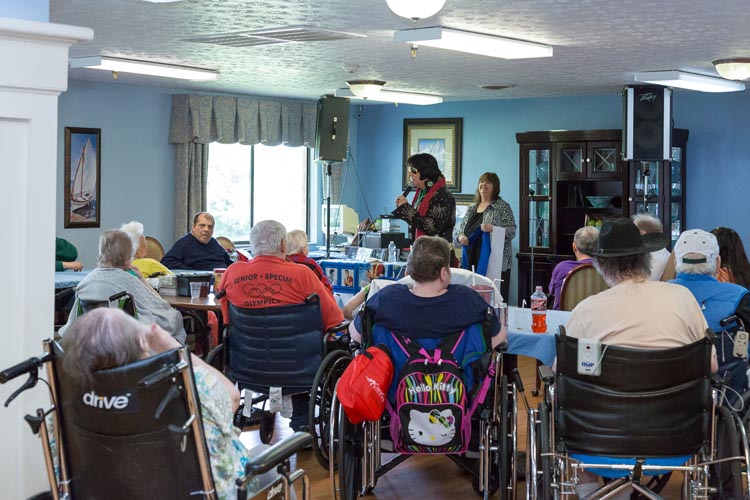
How is Cedarview Staffed?

CMS rates CEDARVIEW CARE CENTER's staffing level at 3 out of 5 stars, which is average compared to other nursing homes. Staff turnover is 49%, compared to the Ohio average of 46%.

What Have Inspectors Found at Cedarview?

State health inspectors documented 36 deficiencies at CEDARVIEW CARE CENTER during 2020 to 2024. These included: 34 with potential for harm and 2 minor or isolated issues.

Who Owns and Operates Cedarview?

CEDARVIEW CARE CENTER is owned by a for-profit company. For-profit facilities operate as businesses with obligations to shareholders or private owners. The facility is operated by CCH HEALTHCARE, a chain that manages multiple nursing homes. With 83 certified beds and approximately 69 residents (about 83% occupancy), it is a smaller facility located in LEBANON, Ohio.
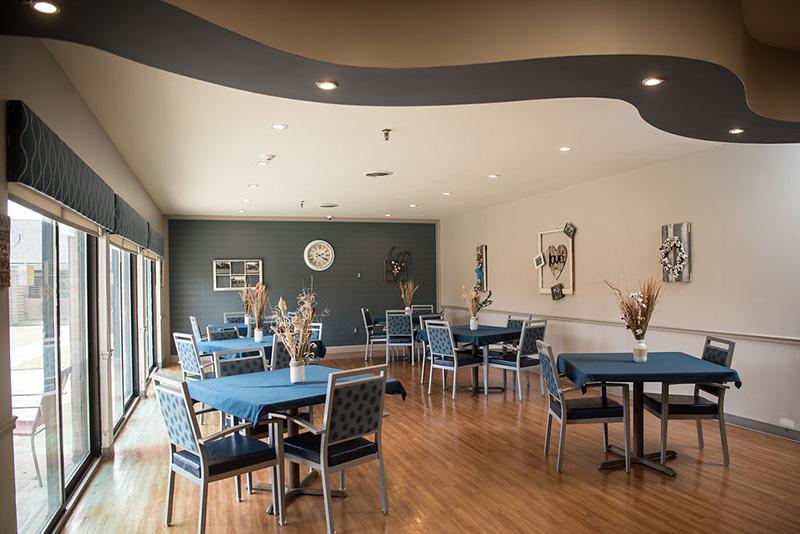
How Does Cedarview Compare to Other Ohio Nursing Homes?

Compared to the 100 nursing homes in Ohio, CEDARVIEW CARE CENTER's overall rating (3 stars) is below the state average of 3.2, staff turnover (49%) is near the state average of 46%, and health inspection rating (3 stars) is at the national benchmark.

What Should Families Ask When Visiting Cedarview?

Based on this facility's data, families visiting should ask: "Can I visit during a mealtime to observe dining assistance and food quality?" "How do you handle medical emergencies, and what is your hospital transfer rate?" "Can I speak with family members of current residents about their experience?"

Is Cedarview Safe?

Based on CMS inspection data, CEDARVIEW CARE CENTER has a clean safety record: no substantiated abuse findings (meaning no confirmed cases of resident harm), no Immediate Jeopardy citations (the most serious violation level indicating risk of serious injury or death), and is not on the Special Focus Facility watch list (a federal program monitoring the lowest-performing 1% of nursing homes). The facility has a 3-star overall rating and ranks #100 of 100 nursing homes in Ohio. While no facility is perfect, families should still ask about staff-to-resident ratios and recent inspection results during their visit.

Do Nurses at Cedarview Stick Around?

CEDARVIEW CARE CENTER has a staff turnover rate of 49%, which is about average for Ohio nursing homes (state average: 46%). Moderate turnover is common in nursing homes, but families should still ask about staff tenure and how the facility maintains care continuity when employees leave.

Was Cedarview Ever Fined?

CEDARVIEW CARE CENTER has no federal fines on record. CMS issues fines when nursing homes fail to meet care standards or don't correct problems found during inspections. The absence of fines suggests the facility has either maintained compliance or corrected any issues before penalties were assessed. This is a positive indicator, though families should still review recent inspection reports for the full picture.

Is Cedarview on Any Federal Watch List?

CEDARVIEW CARE CENTER is not on any federal watch list. The most significant is the Special Focus Facility (SFF) program, which identifies the bottom 1% of nursing homes nationally based on persistent, serious quality problems. Not being on this list means the facility has avoided the pattern of deficiencies that triggers enhanced federal oversight. This is a positive indicator, though families should still review the facility's inspection history directly.