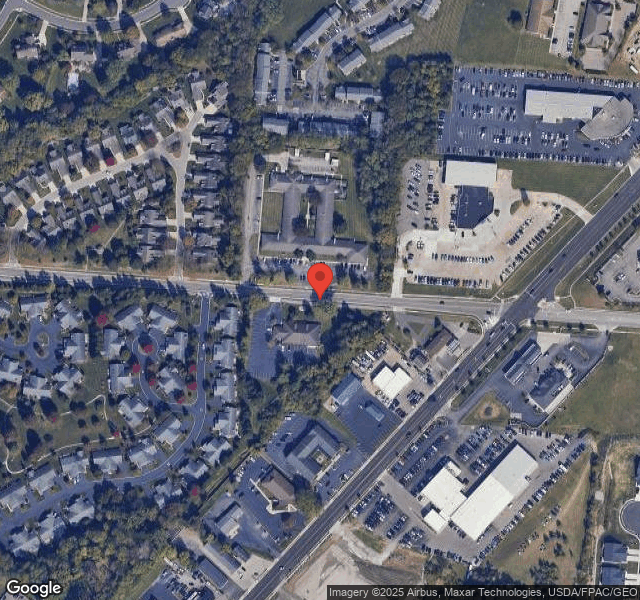
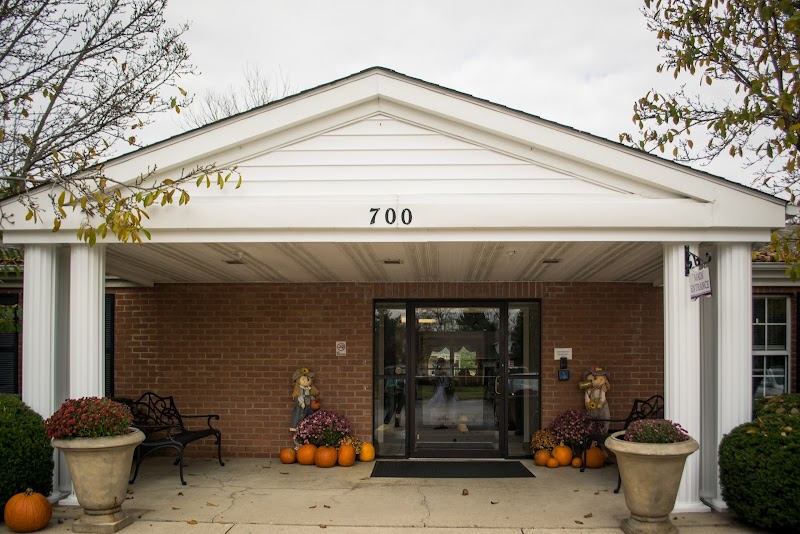
EMBASSY OF LEBANON

700 MONROE ROAD, LEBANON, OH 45036 (513) 932-0105
For profit - Corporation 79 Beds EMBASSY HEALTHCARE Data: November 2025 2 Immediate Jeopardy citations
Trust Grade
0/100
#669 of 913 in OH
Last Inspection: October 2022

Over 2 years since last inspection. Current conditions may differ from available data.

Overview

The Embassy of Lebanon nursing home has a Trust Grade of F, indicating significant concerns about its quality of care. It ranks #669 out of 913 facilities in Ohio, placing it in the bottom half, and #13 out of 16 in Warren County, meaning only a few local options are worse. While the facility is showing improvement, having reduced its issues from 7 in 2024 to 2 in 2025, it still has high staffing turnover at 73%, significantly above the state average of 49%. The nursing home has faced $195,685 in fines, which is concerning as it is higher than 98% of Ohio facilities, suggesting ongoing compliance problems. Specific incidents include serious issues, such as a resident suffering severe burns from hot water in the shower and another resident being allowed to smoke while on oxygen, which created a dangerous situation. Although the care quality measures received a 5/5 rating, the overall staffing situation and critical incidents raise red flags for potential residents and their families.

Trust Score
F
0/100
In Ohio
#669/913
Bottom 27%
Safety Record
High Risk
Review needed
Inspections
Getting Better
7 → 2 violations
Staff Stability
⚠ Watch
73% turnover. Very high, 25 points above average. Constant new faces learning your loved one's needs.
Penalties
○ Average
$195,685 in fines. Higher than 53% of Ohio facilities. Some compliance issues.
Skilled Nurses
○ Average
Each resident gets 39 minutes of Registered Nurse (RN) attention daily — about average for Ohio. RNs are the most trained staff who monitor for health changes.
Violations
⚠ Watch
41 deficiencies on record. Higher than average. Multiple issues found across inspections.
★★☆☆☆
2.0
Overall Rating
★☆☆☆☆
1.0
Staff Levels
★★★★★
5.0
Care Quality
★★☆☆☆
2.0
Inspection Score
Stable
2024: 7 issues
2025: 2 issues

The Good

  • 5-Star Quality Measures · Strong clinical quality outcomes
  • Full Sprinkler Coverage · Fire safety systems throughout facility
  • No fines on record

Facility shows strength in quality measures, fire safety.

The Bad

2-Star Overall Rating

Below Ohio average (3.2)

Below average - review inspection findings carefully

Staff Turnover: 73%

27pts above Ohio avg (46%)

Frequent staff changes - ask about care continuity

Federal Fines: $195,685

Well above median ($33,413)

Significant penalties indicating serious issues

Chain: EMBASSY HEALTHCARE

Part of a multi-facility chain

Ask about local staffing decisions and management

Staff turnover is very high (73%)

25 points above Ohio average of 48%

The Ugly 41 deficiencies on record

2 life-threatening 3 actual harm
Jul 2025 1 deficiency
CONCERN (D) 📢 Someone Reported This

A family member, employee, or ombudsman was alarmed enough to file a formal complaint

Potential for Harm - no one hurt, but risky conditions existed

Unnecessary Medications (Tag F0759)

Could have caused harm · This affected 1 resident

**NOTE- TERMS IN BRACKETS HAVE BEEN EDITED TO PROTECT CONFIDENTIALITY** Based on record review, observation, staff interview, and facility policy review, the facility failed to ensure the medication e...

Read full inspector narrative →
**NOTE- TERMS IN BRACKETS HAVE BEEN EDITED TO PROTECT CONFIDENTIALITY** Based on record review, observation, staff interview, and facility policy review, the facility failed to ensure the medication error rate did not exceed five percent (%). Two medication errors occurred within 25 opportunities for an error rate of eight percent. This affected one (Resident #32) of two residents observed during medication administration. The facility census was 55.Findings included:Record review for Resident #32 revealed an admission date of 08/23/23. Diagnoses included kidney disease, metabolic encephalopathy, and seizures. Review of the quarterly Minimum Data Set (MDS) assessment dated [DATE] revealed Resident #32 had mild cognitive impairment. Review of the active physician orders for Resident #32 for 07/01/25 revealed the orders included Aspirin 81 milligrams (mg) chewable one tablet every day for deep vein thrombosis (DVT) prevention and Mucinex (Guaifenesin) 12-hour 600 mg extended release twice a day four pneumonia. Observation on 07/07/25 at 9:40 A.M. revealed Licensed Practical Nurse (LPN) #255 administering medications to Resident #32. LPN #255 prepared Resident #32's medication which included: Aspirin 81 mg enteric coated one tablet and Guaifenesin 400 mg extended release one tablet. At 10:00 A.M., LPN #256 crushed the medications including Aspirin and Guaifenesin. Interview on 07/07/25 at 11:30 A.M. with LPN #256 verified she did crush Resident #32's Aspirin 81 mg enteric coated one tablet and verified Resident #32 was to receive Aspirin 81 mg chewable. LPN #256 also verified she crushed Resident #32's Guaifenesin 400 mg extended release one tablet and verified there was no physician order to crush Resident #32's medication. Interview on 07/07/25 at 3:01 P.M. with the Director of Nursing (DON) verified Resident #32 had no physician order to crush the medications. Review of the facility policy titled Medication Administration dated 08/22/22 revealed medications are administered by licensed nurses, or other staff who are legally authorized to do so in this state, as ordered by the physician and in accordance with professional standards of practice, in a manner to prevent contamination or infection. Do note crush medications that are slow release and enteric coated. Review of the facility document titled Med Pass dated 2002 revealed medications not to be crushed included Guaifenesin extended release and Aspirin Enteric Coated. This deficiency represents non-compliance investigated under Complaint Number OH00167226 (1365859).
Jan 2025 1 deficiency
CONCERN (D) 📢 Someone Reported This

A family member, employee, or ombudsman was alarmed enough to file a formal complaint

Potential for Harm - no one hurt, but risky conditions existed

Deficiency F0760 (Tag F0760)

Could have caused harm · This affected 1 resident

Based on medical record review, staff interview, and resident interview, the facility failed to ensure residents were free of significant medication errors. This affected one (Resident #27) of three r...

Read full inspector narrative →
Based on medical record review, staff interview, and resident interview, the facility failed to ensure residents were free of significant medication errors. This affected one (Resident #27) of three residents reviewed for medication administration. The census was 58 residents. Findings included: Review of the medical record for Resident #27 revealed an admission date of 07/03/24 with diagnoses including coronary artery disease, heart failure, hypertension, and diabetes. Review of the quarterly Minimum Data Set (MDS) assessment for Resident #27 dated 10/16/24 revealed the resident was cognitively intact and was independent with activities of daily living (ADLs.) Review of a progress note dated 12/24/24 revealed no evidence the resident went on a LOA for the night. Review of the physician's orders for Resident #27 revealed the resident should receive the following medications on 12/25/24 between 6:00 A.M. and 10:00 A.M.: Norvasc 2.5 milligram (mg), Plavix 75 mg, Pepcid 20 mg, fenofibrate 48 mg, Jardiance 10 mg, Kapspargo 100 mg, magnesium oxide 400 mg, pantoprazole 40 mg, Gabapentin 800 mg, potassium 40 milliequivalents (MeQ) two tablets, Mirapex 0.125 mg, Senna 8.6 mg two tablets, Torsemide 100 mg , Effexor 37.5 mg, Vitamin B-12 500 micrograms (mcg.) Interview on 01/16/25 at 10:52 A.M with Resident #27 confirmed he left the faciity on a leave of absence (LOA) on 12/24/24 after Licensed Practical Nurse (LPN) #164 administered his morning medications. Resident #27 confirmed LPN #164 gave him his medications for the evening of 12/24/24 but she did not give the resident his morning medications for 12/25/24. Resident #27 confirmed when he woke up on 12/25/24 he discovered he did not have his medications for the morning. Resident #27 called the facility, and the staff told him the morning medications were still in the cart. Resident #27 confirmed he had vomiting and diarrhea on the morning of 12/25/24 and he didn't know if the symptoms were related to him not receiving his morning medications. Interview on 01/16/25 at 11:26 A.M. with LPN #159 confirmed she got a phone call from Resident #27 on the morning of 12/25/24 and the resident said LPN #164 had not given him morning medications for 12/25/24. LPN #159 confirmed when she looked in the medication cart, the resident's morning medications for 12/25/24 were still in the medication cart and had not been sent with the resident. This deficiency represents noncompliance investigated under Complaint Number OH00160745.
Nov 2024 5 deficiencies
CONCERN (D) 📢 Someone Reported This

A family member, employee, or ombudsman was alarmed enough to file a formal complaint

Potential for Harm - no one hurt, but risky conditions existed

Resident Rights (Tag F0550)

Could have caused harm · This affected 1 resident

**NOTE- TERMS IN BRACKETS HAVE BEEN EDITED TO PROTECT CONFIDENTIALITY** Based on medical record review, observations, interviews and policy reviews the facility failed to ensure urinary catheter care ...

Read full inspector narrative →
**NOTE- TERMS IN BRACKETS HAVE BEEN EDITED TO PROTECT CONFIDENTIALITY** Based on medical record review, observations, interviews and policy reviews the facility failed to ensure urinary catheter care was provided in a dignified manner. This affected one (#19) out of three residents reviewed for resident rights. The facility census was 63. Findings include Review of medical record for Resident #19 revealed an admission date of 12/11/23. Diagnoses included neuromuscular dysfunction of bladder, inflammatory disorder of male genital organ, cystitis without hematuria, tracheostomy, and obstructive and reflux uropathy. Review of Quarterly Minimum Data Set (MDS) dated [DATE] for Resident #19 revealed an resident was cognitively intact. Resident #19 was substantial maximal assistance for toileting, and bathing. Resident #19 was coded with placement if an indwelling urinary catheter. Review of plan of care dated 09/19/24 revealed that Resident #19 was at risk for potential for complications related to the use of suprapubic catheter related to neurogenic bladder. Interventions included change Foley collection bag per facility policy and as needed, encourage adequate fluid intake daily, notify the physician of abnormal lab values, obtain vital signs if resident becomes symptomatic, position catheter bad, and tubing below the level of the bladder to ensure no tubing, make sure tubing was not under resident legs, and provide Foley catheter care per facility policy and as needed. Review of the physician orders for Resident #19 revealed an order dated 12/11/23 catheter care every day shift and night shift. Observation on 11/18/24 at 2:20 P.M. with Certified Nursing Assistant (CNA) #20 revealed staff knocked on the door of Resident #19, donned personal protective equipment and advised Resident #19 that she would be providing catheter care. CNA #20 donned gloves and gown, entered residents room, gathered equipment, laid paper towel on the floor and set the urinal on the paper towel under the urinary drainage bag. CNA #20 removed the blanket and sheet exposing the superpublic cath. CNA #20 explained what she was going to be doing and then stabilizing the tubing using soap and water the CNA cleaned the tubing to the drainage bag. CNA #20 using an alcohol pad cleaned the tubing on the drainage bag and emptying the urine into the urinal without touching the sides of the urinal. Once completed the tubing was again wiped with alcohol and inserted into the storage tube on the drainage bag. CNA #20 then measured the urine and disposed the urine in the commode. Interview on 11/18/24 at 2:27 P.M. with CNA #20 verified she did not pull the curtain and did not shut the door to the room, potentially exposing Resident #19 to staff, residents or visitors passing in the hallway. Interview on 11/19/24 at 3:30 P.M. with Director of Nursing (DON) verified the curtain should have been pulled or the door should have been closed to provide resident with privacy. Review of the facility policy titled Quality of Life- Dignity dated 08/2019 stated under number 10, staff shall promote, maintain, and protect resident privacy, including bodily privacy during assistance with personal care and during treatment and procedures. This deficiency represents non-compliance investigated under Complaint Number OH00159216.
CONCERN (D) 📢 Someone Reported This

A family member, employee, or ombudsman was alarmed enough to file a formal complaint

Potential for Harm - no one hurt, but risky conditions existed

Incontinence Care (Tag F0690)

Could have caused harm · This affected 1 resident

**NOTE- TERMS IN BRACKETS HAVE BEEN EDITED TO PROTECT CONFIDENTIALITY** Based on medical record review and staff interviews, the facility failed to ensure urinary catheter care was completed and docum...

Read full inspector narrative →
**NOTE- TERMS IN BRACKETS HAVE BEEN EDITED TO PROTECT CONFIDENTIALITY** Based on medical record review and staff interviews, the facility failed to ensure urinary catheter care was completed and documented as ordered. This affected one (#64) of three residents reviewed for catheter care. The facility census was 63. Findings include: Medical record review for Resident #64 revealed an admission on [DATE] and a discharge on [DATE] with diagnoses including but not limited to infection and inflammatory reaction due to other urinary catheter, neuromuscular dysfunction of the bladder, quadriplegia and history of sepsis. Review of the admission Minimum Data Set (MDS) assessment dated [DATE] for Resident #64 revealed an intact cognition. Resident #64 was coded with delusions. Resident #64 was dependent on staff for eating, bed mobility, transfers and toileting. Resident #64 was assessed as having a urinary suprapubic catheter and a colostomy. Review of the plan of care for Resident #64 dated 05/21/24 revealed a potential for complications related to use of suprapubic catheter due to neurogenic bladder. Interventions included assist with suprapubic catheter care as needed, educate resident to report signs and symptoms of infections, and monitor for signs and symptoms of urinary tract infections. Review of the physicians orders for Resident #64 revealed an order dated 05/31/24 for suprapubic catheter care every shift. Review of the Treatment Administration Record (TAR) for June 2024 for Resident #64 revealed no documentation of completed or refused catheter care on 06/06/24, 06/10/24, 06/11/24, 06/12/24, 06/18/24, 06/19/24, 06/20/24, 06/21/24, 06/22/24, 06/23/24, 06/27/24 on day shift. Review of the TAR for July 2024 for Resident #64 revealed no documentation of completed of refused catheter care on 07/03/24, 07/05/24, 07/06/24, 07/07/24, 07/20/24, 07/21/24 on day shift. Interview on 11/25/24 at 3:10 P.M. with Director of Nursing (DON) verified the documentation for catheter care was not initialed as completed or refused and it should have been for Resident #64. This deficiency represents non-compliance investigated under Complaint Number OH00159216.
CONCERN (D) 📢 Someone Reported This

A family member, employee, or ombudsman was alarmed enough to file a formal complaint

Potential for Harm - no one hurt, but risky conditions existed

Pharmacy Services (Tag F0755)

Could have caused harm · This affected 1 resident

**NOTE- TERMS IN BRACKETS HAVE BEEN EDITED TO PROTECT CONFIDENTIALITY** Based on medical record review, observation, staff interview and policy review, the facility failed to follow the physician orde...

Read full inspector narrative →
**NOTE- TERMS IN BRACKETS HAVE BEEN EDITED TO PROTECT CONFIDENTIALITY** Based on medical record review, observation, staff interview and policy review, the facility failed to follow the physician orders for medication administration. This affected two (#30 and #64) of four residents reviewed for medication administration. The facility census was 63. Findings include: 1. Medical record review for Resident #30 revealed an admission on [DATE] with diagnoses of insomnia. Review of the quarterly Minimum Data Set (MDS) assessment for Resident #30 revealed a moderately impaired cognition. Resident #30 requires staff assistance for the completion of activities of daily living. Review of the physicians orders for Resident #30 revealed an order dated 10/04/24 and a for melatonin oral tablets 3 milligrams with directions for administration to give 3 mg by mouth at bedtime for insomnia and an order dated 07/03/24 for melatonin oral tablets 3 mg with directions to administer 3 tablets by mouth at bedtime for insomnia. Review of the medication administration record (MAR) for the month of October 2024 for Resident #30 revealed resident was administered melatonin 3 mg tablets one tablet at bedtime and melatonin 3 mg tablets give three tablets at bedtime. Interview on 11/19/24 at 2:30 P.M. with the Director of Nursing (DON) verified the MAR for the month of October 2024 revealed Resident #30 received melatonin in error and should not have had two orders for the same medication. 2. Medical record review for Resident #64 revealed an admission on [DATE] with diagnoses that include quadriplegia, hypotension, and chronic pain. Review of the admission MDS dated [DATE] for Resident #64 revealed an intact cognition. Resident #64 was dependent on staff for activities of daily living. Review of the active physician orders for Resident #64 for the month of May 2024 revealed an order dated 05/24/24 for midodrine oral tablet 10 milligrams (mg), give 10 mg by mouth every hour hours, hold if blood systolic blood pressure (SBP) is over 110. Review of the medication administration record for Resident #64 for the month of May 2024 revealed medication was administered eight times (05/24/24 at midnight, on 05/27/24 at midnight, on 05/28/24 at 4:00 P.M., on 05/29/24 at midnight, on 05/29/24 at 4:00 P.M., on 05/31/24 at midnight, at 8:00 A.M. and at 4:00 P.M.) when documented blood pressure was not obtained/documented or elevated over 110 SBP. Review of the active physician orders for Resident #64 for the month of June 2024 revealed an order dated 05/24/24 and discontinued on 06/14/24 for midodrine oral tablet 10 milligrams (mg), give 10 mg by mouth every eight hours, hold if blood SBP is over 110. Further review revealed a time of medication administration change dated 06/14/24. Review of the medication administration record for Resident #64 for the month of June 2024 revealed medication was administered seventeen times (06/01/24 at 4:00 P.M., 06/02/24 at 4:00 P.M., 06/06/24 at 8:00 A.M., 06/06/24 at 8:00 P.M., 06/08/24 at midnight, 06/09/24 at midnight, 06/10/24 at 4:00 P.M., 06/11/24 at 8:00 A.M., 06/11/24 at 4:00 P.M., 06/14/24 at midnight, 06/14/24 at 4:00 P.M., 06/15/25 at hour of sleep (hs), 06/15/24 at 2:00 P.M., 06/17/24 at 8:00 A.M., 06/19/24 at hs, 06/26/24 at hs and 06/28/24 at hs) when documented blood pressure was not obtained/documented or elevated over 110 SBP. Review of the active physician orders for Resident #64 for the month of July 2024 revealed medication was administered eight times ( 07/03/24 at 2:00 P.M., 07/04/24 at HS, 07/18/24 at HS, 07/19/24 at 2:00 P.M. 07/20/24 at 2:00 P.M., 07/21/24 at HS, 07/23/23 at 2:00 P.M. and 07/30/24 at HS) Review of the active physician orders for Resident #64 for the month of August 2024 revealed an order dated 06/14/24 for midodrine oral tablet 10 milligrams (mg), give 10 mg by mouth upon rising, 2:00 P.M. to 5:00 P.M. and at HS hold if blood SBP is over 110. Review of the MAR for Resident #64 for the month of August 2024 revealed medication was administered five times (08/01/24 at HS, on 08/03/24 at HS, on 08/04/24 at HS, 08/05/24 at HS and 08/10/24 at 8:00 A.M. Interview on 11/21/24 at 4:10 P.M. with the DON verified medication was not administered as ordered when SBP were elevated over 110 or the blood pressure was not obtained prior to administration. Review of the facility's policy titled Medication Administration dated November 2017 revealed it is the policy of this facility to administer medication as ordered in accordance with manufacturer recommendations. This deficiency represents non-compliance investigated under Complaint Number OH00159216.
CONCERN (D) 📢 Someone Reported This

A family member, employee, or ombudsman was alarmed enough to file a formal complaint

Potential for Harm - no one hurt, but risky conditions existed

Deficiency F0760 (Tag F0760)

Could have caused harm · This affected 1 resident

**NOTE- TERMS IN BRACKETS HAVE BEEN EDITED TO PROTECT CONFIDENTIALITY** Based on medical record review, observation, staff interview, review of medication manufacturer instructions, and review of faci...

Read full inspector narrative →
**NOTE- TERMS IN BRACKETS HAVE BEEN EDITED TO PROTECT CONFIDENTIALITY** Based on medical record review, observation, staff interview, review of medication manufacturer instructions, and review of facility policy, the facility failed to ensure a staff member primed (performed a safety test) when using an insulin pen-injector, resulting in a significant medication error. This affected one (#2) of five residents observed for medication administration. The facility census was 63. Findings include: Review of Resident #02's medical record revealed an admission date of 09/19/24. Diagnoses included type one diabetes mellitus. Review of an admission Minimum Data Set (MDS) assessment dated [DATE] revealed Resident #02 was cognitively intact and received insulin injections. Review of the physician orders for Resident #02 revealed orders dated 11/07/24 for Lantus SoloStar Subcutaneous Solution Pen-injector 100 units per milliliter (long-acting insulin) inject 45 units subcutaneously when rising for diabetes mellitus and Humalog kwik pen Subcutaneous Solution pen injector 100 unit/ml inject per sliding scale of 150-201 give three units, 201-250 give six units, 251-300 give nine units, 301-350 give 12 units and 351-400 give 15 units before meals and if blood sugar is over 400 call physician. Observation on 11/20/24 at 8:00 A.M. revealed Licensure Practical Nurse (LPN) #95 removed Resident #02's Lantus SoloStar Subcutaneous Solution Pen-injector and the Humalog Kwik Pen Subcutaneous Solution Pen injector from the medication cart and applied a new needle to both pens. LPN #95 then entered Resident #02's room. LPN #95 dialed 45 units on the Lantus SoloStar Subcutaneous Solution Pen-injector and dialed up 12 units of Humalog kwik pen subcutaneous solution per physicians order for blood sugars of 323. LPN #95 did not prime the Lantus SoloStar Subcutaneous Solution Pen-injector needle or the Humalog kwik pen subcutaneous solution pen injector before dialing the dose. LPN #95 then administered the insulin into Resident #34's right abdomen. During an interview on 11/20/24 at 8:20 A.M., LPN #95 confirmed she did not prime Resident #02's Lantus SoloStar Subcutaneous Solution Pen-injector needle or the Humalog Kwik Pen Subcutaneous solution pen injector before administering the ordered dose. Review of the manufacturer instructions for the Lantus SoloStar Subcutaneous Solution Pen-injector and the Humalog Kwik Pen Subcutaneous Solution Pen-injector revealed after attaching a needle to the pen, a safety test must be performed. A safety test was completed by: · Dial a test dose of two units. · Hold pen with the needle pointing up and lightly tap the insulin reservoir so the air bubbles rise to the top of the needle. This will help you get the most accurate dose. · Press the injection button all the way in and check to see that insulin comes out of the needle. The dial will automatically go back to zero after you perform the test. · If no insulin comes out, repeat the test two more times. If there is still no insulin coming out, use a new needle and do the safety test again. · Always perform the safety test before each injection. · Never use the pen if no insulin comes out after using a second needle. Review of the facility's policy titled Medication Administration dated November 2017 revealed it is the policy of this facility to administer medication as ordered in accordance with manufacturer recommendations. This deficiency represents non-compliance investigated under Complaint Number OH00159216.
CONCERN (D) 📢 Someone Reported This

A family member, employee, or ombudsman was alarmed enough to file a formal complaint

Potential for Harm - no one hurt, but risky conditions existed

Medical Records (Tag F0842)

Could have caused harm · This affected 1 resident

**NOTE- TERMS IN BRACKETS HAVE BEEN EDITED TO PROTECT CONFIDENTIALITY** Based on medical record, staff interviews and policy review, the facility failed to ensure staff accurately documented dietary i...

Read full inspector narrative →
**NOTE- TERMS IN BRACKETS HAVE BEEN EDITED TO PROTECT CONFIDENTIALITY** Based on medical record, staff interviews and policy review, the facility failed to ensure staff accurately documented dietary intake of meals. This affected one (#64) of three residents reviewed for staff assistance with dietary intake. The facility census is 63. Findings include: Medical record review for Resident #64 revealed an admission on [DATE] and a discharge on [DATE] with diagnoses including but not limited to quadriplegia and history of sepsis. Review of the admission Minimum Data Set (MDS) assessment dated [DATE] for Resident #64 revealed an intact cognition. Resident #64 was coded with delusions. Resident #64 was dependent on staff for eating, bed mobility, transfers and toileting. Review of the plan of care for Resident #64 is at risk for self care deficit related to diagnoses sepsis, paraplegia due to post motor vehicle accident and chronic pain. Resident is alert and oriented times three, communicates needs effectively, and requires total assistance with activities of daily living. Review of the physicians orders for Resident #64 revealed a diet order for a regular, regular texture, thin liquid diet. Review of the medical nutrition and hydration assessment dated [DATE] for Resident #64 revealed admission weight of 127.9 pounds with an ideal body weight of 115 pounds, Resident #64 was a dependent diner with intakes of meals between fifty and seventy five percent. Registered dietician note revealed resident denies any chewing or swallowing problems on current diet with recommendations of fortified foods. Discharge weight on 08/10/24 revealed a weight of 116.2 pounds. Review of the facility staff schedule dated 06/28/24 revealed there was a staff member assigned to Resident #64 to assist with meal consumption. Review of the facility state tested nursing assistant (STNA) documentation for Resident #64 dated 06/15/24 to 06/28/24 revealed no documentation/percentages consumed for twenty one different meals. Further review of the document revealed no dietary intakes were recorded for 06/15/24, 06/16/24, 06/19/24, and partial documentation on 06/17/24 (no noon or evening meal), 06/18/24 (no evening meal), 06/20/24 (no evening meal), 06/21/24 (no evening meal), 06/23/24 (no noon or evening meal), 06/24/24 (no evening meal), 06/25/24 (no evening meal), 06/27/24 (no noon or evening meal and 06/28/24 (no evening meal). Interview on 11/20/24 with Registered Dietician (RD) #167 stated no concerns with weight loss during stay. RD #167 stated Resident #64 did not report to her any lack of staff support for meals or times when she did not receive a meal tray. RD #167 stated weight stabilized after admission and reflected loss of additional fluids received at the hospital. RD #167 verified the lack of documentation in the medical record for percentage of meals consumed and reports she completes her own assessment with interviews of residents. Interview on 11/25/24 at 3:25 P.M. with Director of Nursing (DON) verified the meal intake documentation was not complete as it should have contain percentages consumed for all meals and didn't. Review of the facility policy titled Activities of Daily Living (ADL's) Supporting, dated 03/2018 revealed the facility failed to implement the policy as written. The policy states appropriate care and services will be provided for residents who are unable to care out ADL's independently in accordance with the plan of care including dining (meals and snacks). This deficiency represents non-compliance investigated under Complaint Number OH00159216.
Oct 2024 1 deficiency
CONCERN (D) 📢 Someone Reported This

A family member, employee, or ombudsman was alarmed enough to file a formal complaint

Potential for Harm - no one hurt, but risky conditions existed

Unnecessary Medications (Tag F0759)

Could have caused harm · This affected 1 resident

Based on observation, record review and staff interview the facility failed to ensure medication error rates were less than 5% when they gave Resident #39 the wrong medication and Resident #38 blood p...

Read full inspector narrative →
Based on observation, record review and staff interview the facility failed to ensure medication error rates were less than 5% when they gave Resident #39 the wrong medication and Resident #38 blood pressure medication was not held for low blood pressure. This affected two (Resident #38 and #39) of four residents observed for medication administration. There were two errors out of 25 opportunities for a medication error rate of 8 %. The facility census was 58. Findings include: 1 Record review of Resident #38 revealed an admission date of 01/19/21 with pertinent diagnoses of: hypertension, cognitive communication deficit, hyperlipidemia, and dementia. Review of the 07/26/24 quarterly Minimum Data Set (MDS) assessment revealed the resident was severely cognitively impaired and used a wheelchair to aid in mobility. Review of the Physician Order dated 03/26/24 revealed Norvasc (a blood pressure medication) five milligrams by mouth one time a day for hypertension. Hold for systolic pressure under 110. Observation of a medication administration pass for Resident #38 on 10/08/24 at 8:50 A.M. revealed he had a blood pressure of 107 systolic /63 diastolic millimeters of mercury (mmHg). Licensed Practical Nurse (LPN) #12 charted in the electronic record she was holding the Norvasc medication due to low blood pressure. LPN #12 then popped the Norvasc out of the pill pack and placed it in the medicine cup to administer. LPN #12 locked the med cart and was asked if she was going to give the medications and she replied she was. Interview with LPN #12 on 10/08/24 at 8:55 A.M. verified the Norvasc five milligram tab was in the pill cup to be administered to Resident #38 and that she should of held the medication. 2. Record review of Resident #39 revealed an admission date of 02/19/21 with pertinent diagnosis of: acute respiratory failure with hypoxia, hypertension, major depressive disorder, ischemic cardiomyopathy, and type two diabetes mellitus. Review of the 09/04/24 significant change Minimum Data Set (MDS) assessment revealed the Resident is cognitively intact and does not use any devices to aid in mobility. Review of the Physician Order dated 06/17/24 revealed an order for Senna (laxative medication) give two tablets by mouth two times a day for constipation. Observation of a medication administration pass for Resident #39 on 10/08/24 at 8:36 A.M. revealed LPN #12 administered Senna plus (laxative, plus colace a stool softener medication) 8.6-50 milligrams (mgs) two tabs. LPN #12 was asked if this was all the morning medications and she stated it was. Interview with LPN #12 on 10/08/24 at 8:43 A.M. verified she was giving Senna Plus 8.6-50 and should of gave Senna 8.6 per the current Physicians Order. Review of the 08/22/22 facility Medication Administration policy revealed to compare medication source (bubble pack, vial, etc.) with Medication Administration Record to verify resident name, medication name, form, dose, route, and time. Obtain and record vital signs, when applicable or per physicians orders. When applicable, hold medication for those vital signs outside the physicians prescribed parameters. This deficiency represents non-compliance investigated under Complaint Number OH00158506.
Aug 2024 1 deficiency
CONCERN (D) 📢 Someone Reported This

A family member, employee, or ombudsman was alarmed enough to file a formal complaint

Potential for Harm - no one hurt, but risky conditions existed

Infection Control (Tag F0880)

Could have caused harm · This affected 1 resident

**NOTE- TERMS IN BRACKETS HAVE BEEN EDITED TO PROTECT CONFIDENTIALITY** Based on medical record reviews, observations, staff interviews, and policy review, the facility failed to follow infection cont...

Read full inspector narrative →
**NOTE- TERMS IN BRACKETS HAVE BEEN EDITED TO PROTECT CONFIDENTIALITY** Based on medical record reviews, observations, staff interviews, and policy review, the facility failed to follow infection control procedures. This affected two (#10 and #13) residents out of the three residents reviewed. The facility census was 58. Findings include: 1. Review of the medical record for Resident #10 revealed an admission date of 03/20/23 with medical diagnoses of anoxic brain damage, anxiety, dependence on ventilator, tracheostomy, and seizures. Review of the medical record for Resident #10 revealed a quarterly Minimum Data Set (MDS) assessment dated [DATE] which indicated Resident #10 was rare/never understood or able to understand others. The MDS indicated Resident #10 was dependent upon staff for all activities of daily living (ADLs). Review the MDS revealed Resident #10 had a gastrointestinal tube (g-tube), tracheostomy, and was on a mechanical ventilator. Review of the medical record for Resident #10 revealed a physician order dated 06/26/24 for Enhanced Barrier Precaution (EBP) related to enteral tube and tracheostomy. Observation on 08/07/24 at 9:47 A.M. revealed upon entering Resident #10's room Registered Nurse (RN) #103 was observed administering Resident #10's medications via g-tube. The observation revealed RN #103 was not wearing a gown but was wearing gloves. The observation revealed Resident #10 had an EBP sign posted on her door and an isolation cart with personal protective equipment (PPE) inside located outside of Resident #13's room. Interview on 08/07/24 at 9:58 A.M. with RN #103 confirmed she had administered Resident #10 rise medications via g-tube. RN #103 confirmed she had not donned a gown prior to administering the medications via g-tube. RN #103 confirmed Resident #10 had an EBP sign posted on her door and an isolation cart located outside of the room. 2. Review of the medical record for Resident #13 revealed an admission date of 07/25/24 with medical diagnoses of acute and chronic respiratory failure with hypoxia, dependence on ventilator, injury of spinal cord, and atrial fibrillation. Review of the medical record for Resident #13 revealed an admission assessment, dated 07/25/24, which indicated Resident #13 was alert and oriented to person, place, time, and situation. The assessment indicated Resident #13 was able to mouth words and required extensive staff assistance with all ADLs. Further review of the assessment revealed Resident #13 had a tracheostomy and was on a ventilator. Review of the medical record for Resident #13 revealed physician order dated 04/10/24 for EBP related to wound, tracheostomy, catheter, and g-tube and an order dated 06/24/24 to suction tracheostomy as needed. Observation on 08/07/24 at 9:59 A.M. of Resident #13 revealed Respiratory Therapist (RT) #116 performing tracheostomy suctioning. RT #116 was noted to have gloves on but did not have a gown on. The observation revealed an EBP sign posted on Resident #13's door and an isolation cart with PPE inside located outside of Resident #13's room. Interview on 08/07/24 at 10:05 A.M. with RT #116 confirmed she had performed tracheostomy suctioning on Resident #13 and did not wear a gown while performing the task. RT #116 confirmed Resident #13 had an EBP sign posted on her door and an isolation cart located outside of the room. Review of the facility policy titled, EBP, revised 06/01/24 stated EBP is an infection control intervention designed to reduce transmission of multidrug-resistant organisms that employs targeted gown and gloves use during high contact resident care activities. The policy stated EBP are only necessary when performing high-contact care activities which included dressing, bathing, transferring, providing hygiene, changing linens, changing briefs or assisting with toileting, wound care, and device care/use such as central lines, urinary catheters, feeding tubes, tracheostomy/ventilator tubes, midlines, and hemodialysis catheters.
Aug 2023 1 deficiency 1 IJ (1 affecting multiple)
CRITICAL (K) 📢 Someone Reported This

A family member, employee, or ombudsman was alarmed enough to file a formal complaint

Immediate Jeopardy (IJ) - the most serious Medicare violation

Accident Prevention (Tag F0689)

Someone could have died · This affected multiple residents

**NOTE- TERMS IN BRACKETS HAVE BEEN EDITED TO PROTECT CONFIDENTIALITY** Based on medical record review, review of the incident investigation and witness statements, observations, staff and physician i...

Read full inspector narrative →
**NOTE- TERMS IN BRACKETS HAVE BEEN EDITED TO PROTECT CONFIDENTIALITY** Based on medical record review, review of the incident investigation and witness statements, observations, staff and physician interview, review of the Emergency Medical Services (EMS) report and hospital records, and policy review, the facility failed to ensure the residents were free from burns sustained from the water in the shower room at the facility and failed to timely conduct a root-cause analysis of the resident's burns. This resulted in Immediate Jeopardy and serious life-threatening harm and/or injuries when Resident #17 sustained severe burns on the left leg from her inner thigh to the foot and to her right inner thigh from a shower in the [NAME] shower room on 07/21/23. Subsequently, Resident #17 required hospitalization due to the severe burns and developed Methicillin-resistant Staphylococcus aureus (MRSA) in the wounds. Additionally, the facility did not identify the root-cause analysis of Resident #17's burns until 08/10/23. This affected one (#17) of three residents reviewed for accident hazards and placed an additional 25 (#02, #08, #10, #11, #13, #14 #15, #19, #20, #22, #25, #27, #28, #31, #35, #38, #39, #42, #43, #45, #46, #47, #50, #51, and #52) residents at risk for potential serious harm and/or injuries as the [NAME] shower room remained in use for the residents to receive showers from 07/21/23 until 08/10/23 at which time the water supply was turned off to the [NAME] Shower room and it was closed to resident use. The facility census was 54. On 08/14/23 at 10:47 A.M., the Administrator, Director of Nursing (DON), Regional Director of Operations #200, and Regional Director of Clinical Services (RDCS) #190 were notified Immediate Jeopardy began on 07/21/23 when Resident #17 sustained severe burns to her left leg from her inner thigh to the foot and to her right inner thigh during her shower. The DON, Wound Nurse #87, and Licensed Practical Nurse (LPN) #08 felt Resident #17 sustained burns during her shower on 07/21/23. However, RDCS #190 felt the wounds were Moisture Associated Skin Damage (MASD) and had the facility classify the wounds as MASD. A treatment of Silvadene (a topical antibiotic used in partial thickness and full thickness burns to prevent infection) was implemented on 07/21/23. On 07/23/23, Resident #17 was started on an oral antibiotic due to the wounds on Resident #17's bilateral legs. On 07/30/23, Agency LPN #50 observed the wounds for the first time and immediately called emergency services due to the severe burns on Resident #17's bilateral legs. During the hospital stay, Resident #17 had severe non-healing wounds noted to the left leg from inner thigh to foot, black eschar, and an open blister at the bottom of her foot and intact blisters behind the knee. The right inner thigh had eschar present. The hospital noted the wounds were burns versus pressure related and surgical debridement was required. Resident #17 was treated with intravenous (IV) antibiotics for MRSA in the wounds. On 08/10/23, RDCS #190 stated Resident #17's wounds were MASD, that turned into cellulitis, then had MRSA in the wounds. RDCS #190 stated Physician #203 only wrote down burns in his history and physical on 08/06/23 because the hospital called them burns. On 08/14/23, Physician #203 stated he was not aware Resident #17 had burns to her bilateral lower legs until the hospital notified him and the physician stated Resident #17 clearly had burns sustained from the shower room on 07/21/23. From 07/21/23 to 08/10/23, the [NAME] shower room remained in use for the residents to receive showers in. The Immediate Jeopardy was removed on 08/15/23 when the facility implemented the following corrective actions: • On 07/21/23, the facility implemented a Quality Assurance Performance Improvement (QAPI) plan, and it was continually updated and monitored on 07/24/23, 07/25/23, 07/31/23, 08/02/23, 08/07/23, 08/09/23, and 08/10/23. The QAPI plan included water temperatures obtained in the [NAME] shower room, an incident report along with staff statements obtained, the shower room chemicals and supplies were audited, and education on Activities of Daily Living (ADL) care to the licensed nurses was completed. • On 08/05/23, the DON, Unit Manager #87, and Unit Manager #86 completed skin assessments on all 50 in-house residents and found no negative outcomes. • On 08/05/23, Resident #17 returned to the facility with a physician order for Resident #17 to see an outside wound clinic for the burns on her bilateral legs. The initial appointment was scheduled for 08/11/23 but the wound clinic had to reschedule the initial appointment. • On 08/06/23, Physician #203 assessed Resident #17's wounds as burns on the bilateral lower extremities. • On 08/10/23, the Administrator, DON, Regional Director of Operations #200, and RDCS #190 completed a root cause analysis involving the incident where Resident #17 sustained burns in the shower on 07/21/23. The identified root cause was determined to be a faulty mixing valve which did not allow the shower to maintain proper water temperatures resulting in Resident #17 sustaining burns on her bilateral legs. The root cause analysis identified the following two issues: maintenance staff did not know how to identify water temperature issues and how to fix appropriately and the facility staff did not know how to properly notify maintenance staff on maintenance issues. • On 08/10/23 at 10:22 A.M., Maintenance Supervisor #12 and Regional Maintenance Director #180 closed the [NAME] Shower room for no resident use and turned off the water supply to the [NAME] Shower room. On 08/10/23 at 5:00 P.M., Regional Maintenance Director #180 replaced the mixing valve to ensure proper temperatures are maintained for all residents. • On 08/10/23, Maintenance Supervisor #12 and Regional Maintenance Director #180, audited all water temperatures throughout the building including the East and [NAME] shower rooms, all resident rooms, and common areas where water is accessible to the residents. There were no negative findings. • By 08/14/23, the Administrator will educate all 87 staff on how to notify management staff on equipment issues and specifically how to address these in a timely manner to ensure the safety of the residents. • On 08/14/23, the Administrator and DON implemented an Agency Binder for agency staff to utilize while working a shift at the facility. This binder includes education on how to report mechanical issues as well as other concerns and incidents to management staff in a timely manner. • On 08/14/23, the Administrator educated Maintenance Director #12 on how to fix a mixing valve. • On 08/14/23, the facility will conduct daily water temperature audits to ensure the water temperatures are accurate and within the appropriate guidelines. This will be completed by Maintenance Supervisor #12 and/or designee for two weeks and then three to five times per week for the next month with results being reported to the QAPI committee and interventions adjusted as indicated to maintain ongoing compliance. • On 08/14/23 at 7:35 A.M., observation of the [NAME] shower room revealed the [NAME] shower room was open for residents to receive showers, and the shower control knob mixing valve for the cold and hot water were operating properly and hot and cold water was being released at the temperature as indicated on the shower control knob. • On 08/14/23, staff interviews with LPN #04 and #87, State Tested Nursing Assistants (STNA) #32, and #50, Housekeeper #69, and Receptionist #14 revealed they were educated on how to timely report equipment issues. • On 08/15/23, the facility submitted a Self-Reported Incident (SRI) to the State Survey Agency. The SRI reported Resident #17 sustained an injury of unknown origin on 07/21/23. Although the Immediate Jeopardy was removed on 08/15/23, the facility remains out of compliance at Severity Level 2 (no actual harm with potential for more than minimal harm that is not Immediate Jeopardy) as the facility is still in the process of implementing their corrective action plan and monitoring to ensure on-going compliance. Findings include: Review of Resident #17's medical record revealed Resident #17 was admitted to the facility on [DATE]. Diagnoses included muscle weakness, repeated falls, dementia without behavioral disturbance, schizoaffective disorder, tremors, and history of encephalopathy. Review of the annual Minimum Data Set (MDS) assessment dated [DATE] revealed Resident #17 had severe cognitive impairment as evidenced by a Brief Interview for Mental Status (BIMS) assessment score of seven. Resident #17 required extensive one-person assistance with bed mobility, dressing, and personal hygiene and was dependent on one-person for showering/bathing. Resident #17 had no pressure ulcers or venous and arterial ulcers present. Review of the care plan revised 08/24/21 revealed Resident #17 required assistance with activities of daily living (ADL) related to immobility, generalized weakness, repeated falls, confusion and memory loss, tremors, history of encephalopathy, dementia, anxiety, and schizophrenia. Resident #17 was able to make needs known. ADLs may vary over the course of the day, usually received extensive assistance with ADLs. Interventions included to provide additional assistance as needed and document accordingly. Report any significant changes to the charge nurse and physician. Further review of the resident's care plan revealed Resident #17 had the potential for alteration in skin integrity and required protective/preventive skin care maintenance related to bladder incontinence, impaired mobility, impaired cognition, and unable to recognize risk. Interventions included to inspect the skin condition daily during personal care and report any impaired areas to the charge nurse. Resident #17 required extensive assistance with weight bearing for bathing. Provide additional assistance as needed and document accordingly. Review of the skin assessment dated [DATE] revealed Resident #17 had no skin impairments and the resident's skin was intact. Review of the facility incident report titled Skin Alteration, dated 07/21/23 at 4:47 P.M., revealed Resident #17 was observed with an area of moisture between thighs and calves during routine ADL care by an STNA. Nursing was then alerted. Resident #17 was unable to give a description of the incident. The predisposing physiological factors included immobility, incontinence, and fragile skin. The Interdisciplinary Team (IDT) review on 07/25/23 documented by the DON revealed Resident #17 was observed with skin impairment to bilateral inner legs and left foot. Resident #17 was followed by Wound Nurse Practitioner (WNP) #400 and a treatment was in place. The physician and family were notified. The Regional Nurse (RDCS #190) instructions/direction carried out at time of event. Review of STNA #402's witness statement dated 07/21/23 revealed STNA #402 gave a shower to Resident #17 on 07/21/23. The resident did not have any redness noted to her bilateral legs prior to the shower. While in the shower, STNA #402 adjusted the water temperature to the residents' request. Resident #17 did have a large bowel movement in the shower. STNA #402 stated she did clean the resident after the bowel movement with the pink house body wash. No redness was noted at that time to her bilateral legs. Resident #17 had an episode of unresponsiveness while in the shower. Resident #17 was not left unattended and STNA #402 went to the shower room door and shouted for LPN #08. After LPN #08 took the resident's vital signs and finished her evaluation, STNAs #402 and #52 took Resident #17 back to her room and transferred the resident to bed. After transferring the resident to bed, redness was noted to her bilateral thighs. The resident denied the redness was painful. The resident continued to have diarrhea throughout the shift. The resident had three more bowel movements during the shift. Review of STNA #52's witness statement dated 07/21/23 revealed she assisted STNA #402 to transfer Resident #17 to the shower chair and the resident was fine. The STNA revealed she went to the shower room to throw away trash and observed STNA #402 washing the resident's hair. The resident was okay. The STNA did not notice Resident #17's legs until Resident #17 was unresponsive and LPN #08 was in the shower room assessing Resident #17. Review of LPN #08's witness statement dated 07/21/23 at 2:30 P.M., revealed upon going into the shower room, she noticed Resident #17 was arousable to pain, blood pressure was 133/55 millimeters of mercury (mm/Hg), heart rate 80 beats per minute and unable to obtain an oxygen saturation, respirations were twelve breaths per minute, easy and unlabored. LPN #08 noted red marks on Resident #17's inner thighs. Resident #17 was covered up then taken back to her room and put in bed. Upon assessment, Resident #17's left leg from her thigh to her foot was red and the skin was peeling, and the right thigh was red. LPN #08 reported her assessment to the unit manager. Review of the skin assessment dated [DATE] at 4:47 P.M., after the resident received a shower, revealed Resident #17 had Moisture Associated Skin Damage (MASD) to her left thigh measuring 35 centimeters (cm) in length, 11 cm in width, and the depth could not be determined. The resident's left calf was assessed to have MASD that measured 20 cm in length, 14 cm in width and the depth could not be determined. The resident's left foot was assessed to have MASD and measured 15 cm in length, and 8.0 cm in width, the depth could not be determined. The resident's right thigh revealed the resident had MASD measuring 27 cm in length, 4.0 cm in width and the depth could not be determined. Review of the nursing progress note dated 07/21/23 at 4:55 P.M. revealed the wound nurse, LPN #87 documented Resident #17 was noted with an area of moisture between her thighs and calves during routine ADL care by an STNA. An STNA alerted nursing. The wound nurse assessed area and immediately initiated a treatment plan. All documentation completed. The responsible party, Resident #17's primary care physician, the DON, and WNP #400 were made aware. Review of WNP #400's progress note assessment, dated 07/25/23 at 8:30 A.M., revealed Resident #17 was seen for full thickness, non-pressure wounds to her bilateral legs with an onset date of 07/21/23. Wounds were currently being treated with Silvadene. Physician #203 started Resident #17 on a ten-day course of Vibramycin (oral antibiotic to treat and prevent infections). WNP #400's new orders on 07/25/23 were to clean the bilateral legs with facility wound cleanser. Apply silver wound gel (contains silver that inhibits the growth of microorganisms). Cover with oil emulsion dressing (non-adherent gauze mesh impregnated with white petrolatum that permits the flow of exudate without sticking to the wounds). Secure with ABD pad and kerlix. Change daily. Review of Resident #17's nursing progress notes revealed there was no documentation on 07/30/23 when the resident was sent to the hospital for evaluation. Review of the EMS report dated 07/30/23 at 5:23 P.M., revealed Resident #17 began to have pain in her legs about a week ago. The resident's family visited today (07/30/23) and urged the facility to have Resident #17 transported to the hospital for evaluation. The nurses stated they were told not to send Resident #17 out (to the hospital). The residents' son stated Resident #17 was not acting like her normal self and stated she was very sluggish and not talkative like she would be on a normal day. Facility staff stated they were breaking their procedures and called to have Resident #17 transported to the hospital. Resident #17 was complaining of pain in lower extremities. Resident #17 has what appeared to be burns running the medial side of her left leg from the thigh down to her left foot. Wounds on her ankle and foot were open and less healed than those proximal. Resident #17 had the beginnings of similar burn like wounds on the medial side of her right thigh trailing off to redness as they extended distal to the knee. Review of the hospital encounter report dated 07/30/23 revealed Resident #17 was diagnosed with burns to her left thigh, down her left leg from inner thigh to foot, black eschar, and an open blister at the bottom of her foot and intact blisters behind the knee. A burn on the right inner upper thigh eschar was present. Resident #17's wounds were debrided on 07/31/23. Resident #17 was diagnosed with MRSA on bilateral leg wounds and the left foot and ordered IV antibiotics consisting of Vancomycin 1,000 milligrams (mg/10 milliliters (ml) once daily in the evenings for ten days, and Cefepime two gram (gm)/100 ml to be administered every twelve hours for ten days. Resident #17 returned to the facility on [DATE] at 7:30 P.M. Review of the care plan revised on 08/01/23 revealed Resident #17 has an actual area of skin impairment related to open wounds to her bilateral legs and left foot. Interventions included to ask the resident about pain level prior to dressing change procedure, medicate if needed. Avoid tight clothing. Continue treatment as ordered by the physician or nurse practitioner (NP). Nursing to observe the wound dressing daily to ensure the dressing remains intact and there were no signs or symptoms of infection or increased drainage. Review of Resident #17's re-admission assessment to the facility dated 08/05/23 revealed the residents' wound measurements to the right thigh were 16 cm in length, 5.0 cm in width, and depth could not be determined. The left thigh wound from her left thigh to the left foot measured 78 cm in length, 13 cm in width, and depth could not be determined. The resident was diagnosed with MRSA of bilateral leg wounds and left foot and returned to the facility with orders from the hospital to continue IV antibiotics consisting of Vancomycin 1,000 mg/10 ml once daily in the evenings for ten days, and Cefepime 2.0 gm/100 ml to be administered every twelve hours for ten days. Additional orders included for Resident #17 to follow up with Wound Clinic #750 on 08/11/23 and schedule an appointment with infectious disease physician as soon as possible. Review of Resident #17's History and Physical dated 08/06/23 completed by Physician #203 revealed Resident #17 was admitted to the nursing home from the hospital. Resident #17 required admission to the hospital for treatment of burns on both legs that also had a secondary infection. She underwent debridement of the abnormal tissue. She was evaluated by an infectious disease physician. She was placed on IV cefepime and vancomycin. She was sent to the facility with orders for a ten-day course of antibiotic therapy. She had a peripherally inserted central catheter (PICC) line placed. Resident #17 stated she was not experiencing discomfort to the wounds on her legs. On 08/09/23 at 10:30 A.M., during an interview with Wound LPN #87 revealed on 07/21/23 at approximately 2:00 P.M., she was alerted by LPN #08, Resident #17's assigned nurse, Resident #17 had redness to her lower legs after receiving a shower. The wound nurse stated she questioned STNA #402 who gave the resident a shower earlier and the STNA insisted it could not have been the shower because the water was not that hot. The wound nurse stated she texted pictures of the wounds to RDCS #190, WNP #400, and the DON. The DON was on vacation on 07/21/23. The wound nurse stated the wounds appeared to her as burns. The wound nurse stated RDCS #190 responded to her and stated the wounds appeared as MASD because Resident #17 had just got out of the shower and it looked like to her skin stuck together and ripped off related to the shape and there were no other burns on her body. RDCS #190 instructed to classify the wounds as MASD. The wound nurse stated the DON responded to her and stated the wounds appeared to be burns and WNP #400 responded with a question, Did the resident spill something hot on her? The wound nurse stated she responded to WNP #400 that RDCS #190 instructed to classify the wounds as MASD because there were no other burns on the resident's body. The wound nurse asked WNP #400 if it was OK to label the wounds as MASD. The wound nurse stated WNP #400 responded, I guess if we can't explain a burn. During the interview, LPN #87 became tearful and stated she had been the wound nurse at the facility for approximately three weeks and did not feel the wounds to Resident #17's legs were MASD. LPN #87 stated she was following the instructions from RDCS #190, because she was an RN and had more experience with wounds. On 08/09/23 at 12:25 P.M., during a telephone interview with WNP #400 stated she was informed by Wound LPN #87 of Resident #17's wounds to her bilateral legs on 07/21/23 and she did not assess the residents' wounds until 07/25/23, when she does her weekly wound rounds in the facility on Tuesdays of every week. WNP #400 stated she classified the wounds as full thickness non-pressure wounds that had 100% yellow slough (necrotic tissue). WNP #400 stated she was notified by Wound LPN #87 on 07/21/23 that RDCS #190 had classified the wounds as MASD, and the skin peeled off when Resident #17 crossed/uncrossed her legs. WNP #400 stated she has known of patients who experience spontaneous blisters from Bullous pemphigoid (a rare skin condition causing large fluid-filled blisters). On 08/09/23 at 2:15 P.M., during an interview with STNA #52 revealed she worked on 07/21/23 and was not Resident #17's assigned STNA. STNA #52 stated she assisted the resident's assigned STNA #402 to transfer Resident #17 from the bed to the shower chair after breakfast but was not certain of the time. STNA #52 stated she could see the residents' arms and legs during the transfer and Resident #17 had no redness or blisters to her arms or legs. STNA #52 stated she heard STNA #402 yell for the nurse (LPN #08) because Resident #17 had become unresponsive in the shower room. STNA #52 stated she saw LPN #08 go into the shower room and the nurse came out of the shower room and asked both STNAs #402 and #52 to take Resident #17 back to her room and put her in bed. STNA #52 stated a blanket was on the resident, which was always done when transporting a resident from the shower to prevent the resident from getting cold. STNA #52 stated when she assisted STNA #402 to transfer Resident #17 from the shower chair to her bed she noticed Resident #17 had very reddened areas to both her legs that were not there prior to the resident's shower. STNA #52 stated she asked STNA #402 what happened, and she stated she didn't know. On 08/10/23 at 8:29 A.M., during a telephone interview with STNA #402 revealed on 07/21/23, she was Resident #17's assigned STNA. STNA #402 stated after breakfast, she was not certain of the time, she gave the resident a shower. STNA #402 stated Resident #17 had no redness to her skin prior to her shower. STNA #402 stated Resident #17 became unresponsive during the shower, and she yelled for LPN #08 and the LPN came into the shower room to assess Resident #17. Resident #17 became responsive, and LPN #08 instructed her to take the resident back to her room and put her back to bed. STNA #402 stated she wrapped Resident #17 in a blanket and with the assistance of STNA #52, they took the resident back to her room. When Resident #17 was in her room, STNA #402 removed the blanket, she saw Resident #17 had very reddened areas to both her legs and the left foot and reported it to LPN #08. STNA #402 stated the water was not too hot during the shower and she does not know what could have caused the very reddened areas to Resident #17's legs and foot. On 08/10/23 at 9:03 A.M., during a telephone interview with LPN #08 revealed she was Resident #17's assigned nurse on 07/21/23. LPN #08 stated after breakfast not certain of the time, STNA #402 came to her informing her Resident #17 did not want to take her scheduled shower. LPN #08 stated she spoke with Resident #17 and told her she would feel better after a shower and the resident agreed. LPN #08 stated she observed both STNAs #52 and #402 transport the resident to the shower. LPN #08 stated she saw STNAs #52 and #402 standing in the hallway outside the [NAME] shower room door, which was approximately 15 feet from the nurse's station, discussing a comb and could not hear all the conversation. LPN #08 stated STNA #402 went back into the shower room and a few minutes later yelled out the shower room door that Resident #17 was not responding. LPN #08 stated she immediately assessed Resident #17 and did the sternal rub (a technique to test an unconscious person's responsiveness). LPN #08 stated Resident #17 became responsive, and her vital signs were within normal limits. LPN #08 stated she did notice some redness to the residents' legs, but nothing alarming, and instructed STNA #52 and STNA #402 to take Resident #17 back to her room and put her back into bed. LPN #08 stated after the resident was returned to bed and after lunch approximately 1:30 P.M., she assessed the resident again and found the resident's left leg and foot and right thigh were red and had what appeared to be blisters. LPN #08 immediately reported her findings to Wound LPN #87. LPN #08 stated she checked the [NAME] shower that day (07/21/23) and noted the shower control knob was backwards and in order to turn the shower off, the knob had to be positioned in the hot position to the left instead of to the right which was the cold position and also the off control. LPN #08 stated she immediately reported her findings to Maintenance Supervisor #12 verbally but did not complete a written notification. LPN #08 stated she was aware the residents' wounds were classified as MASD and in her experience she has never known MASD with a specific pattern on the legs and not include other areas such as the buttocks or perineal area. On 08/10/23 at 8:10 A.M., during an observation/interview with Maintenance Supervisor #12 confirmed the shower control in the west shower room was not functioning properly. Maintenance Supervisor #12 denied being aware of this prior to 08/10/23 and revealed he was just finding this out during the interview and observation at 8:10 A.M. Maintenance Supervisor #12 revealed if the shower control knob was functioning properly to receive hot water, the knob must be positioned to the left and to receive cold water and to turn the shower off the knob should be positioned to the right. During the observation with Maintenance Supervisor #12, he confirmed to turn off the water, the shower control knob had to be positioned to the far left in the hot position and when the shower control knob was positioned in the cold/off position cold water was received and the shower could not be turned off. Maintenance Supervisor #12 stated no one had reported shower control in the [NAME] shower was not functioning properly and he was not aware any resident sustained burns from the shower. Maintenance Supervisor #12 contacted the Regional Maintenance Director #180. On 08/10/23 at 10:22 A.M., during an observation/interview with Regional Maintenance Director #180 confirmed the [NAME] shower control knob was not functioning properly and to turn the water off, the shower control must be positioned in the opposite position to the left labeled hot and should be positioned to the right in the cold/off position. Regional Maintenance Director #180 revealed the shower control knob mixing valve for the cold and hot water was stripped and he would repair/replace the shower control mixing valve as soon as possible. Regional Maintenance Director #180 placed an out of order sign on the [NAME] shower room and turned the water to the shower room off. On 08/10/23 at 2:26 P.M., during an interview with RDCS #190 stated Resident #17's wounds were a result of MASD that developed into cellulitis and MRSA. RDCS #190 stated the reason Resident #17's Physician #203 classified the residents' wounds as burns was because of the information in the hospital report dated 07/30/23 and the EMS classified the wounds as burns because it was reported to them by LPN #50 prior to the resident being transported to the hospital on [DATE]. On 08/14/23 at 8:50 A.M., during an interview with the DON revealed she was on vacation on 07/21/23 and she received a text message with pictures of Resident #17's wounds to her bilateral lower legs, and they were discovered when the resident was put back to bed after receiving a shower. The DON stated she notified the Administrator and RDCS #190 to get staff statements, have Maintenance Supervisor #12 check the water temperatures in the facility and notify Physician #203 and the resident's family. The DON instructed Wound LPN #87 to take corrective actions as this could be an Immediate Jeopardy as Resident #17 sustained severe burns from the shower. The DON stated the corrective actions were not implemented on 07/21/23 because RDCS #190 said Resident #17's wounds were MASD, not burns. The DON stated she did not see the residents' wounds until she returned from vacation on 07/25/23 and there were no blisters, and the wounds had yellow slough on the base. The DON stated she has never seen MASD turn into blisters and the skin peel away especially in the pattern and location where the residents' wounds were. The DON stated Wound LPN #87 classified the wounds as MASD as RDCS #190 directed her to. The DON stated the family came in the facility to visit the resident on Sunday 07/30/23 and saw the wounds and wanted the resident sent to the hospital. The DON stated on 08/10/23 before 5:00 P.M., the Regional Maintenance Director #190 went to the local hardware store and purchased the mixing valve shower cartridge and repaired the shower on the west hall, the shower was functioning properly, and the water temperatures were calibrated at 110 degrees Fahrenheit (F). Maintenance Supervisor #12 was monitoring the water temperatures daily. On 08/14/23 at 8:55 A.M., during a telephone interview with Physician #203 stated he was not aware Resident #17 had burns to her bilateral lower legs until the hospital notified him. Physician #203 stated Resident #17 clearly had burns sustained from the shower room on 07/21/23 due to the pattern and location of the burns. Physician #203 stated you can't get MASD on the top of your foot during a shower. An attempt to interview LPN #50 during the investigation was unsuccessful. Review of the facility policy titled Abuse, Neglect and Exploitation, revised 10/01/22, revealed the policy of this facility is to provide protections for health, welfare, and rights of each resident by developing and implementing written policies and procedures that prohibit and prevent abuse, neglect, and exploitation and misappropriation of resident property. Definitions: Serious Bodily Injury means an injury involving extreme physical pain; involving substantial risk of death; involving protracted loss or impairment of the function of a bodily member, organ, or mental faculty; requiring medical intervention such as surgery, hospitalization, or physical rehabilitation; or an injury resulting from criminal sexual abuse. This deficiency represents non-compliance investigated under Complaint Number OH00145032.
Oct 2022 6 deficiencies 1 IJ
CRITICAL (J)

Immediate Jeopardy (IJ) - the most serious Medicare violation

Accident Prevention (Tag F0689)

Someone could have died · This affected 1 resident

**NOTE- TERMS IN BRACKETS HAVE BEEN EDITED TO PROTECT CONFIDENTIALITY** THIS IS AN INCIDENCE OF PAST NON-COMPLIANCE THAT WAS SUBSEQUENTLY CORRECTED PRIOR TO THIS SURVEY. Based on medical record revie...

Read full inspector narrative →
**NOTE- TERMS IN BRACKETS HAVE BEEN EDITED TO PROTECT CONFIDENTIALITY** THIS IS AN INCIDENCE OF PAST NON-COMPLIANCE THAT WAS SUBSEQUENTLY CORRECTED PRIOR TO THIS SURVEY. Based on medical record review, staff interview, resident interview, and review of the facility ' s smoking policy, the facility failed to ensure Resident #34 did not smoke while wearing oxygen. This resulted in Immediate Jeopardy and the potential for serious life-threatening harm and/or injuries when agency State Tested Nursing Assistant (STNA) #10 took Resident #34 outside for a smoke break and lit the resident ' s cigarette while Resident #34 was wearing oxygen per nasal cannula. The oxygen ignited, resulting in burns to both nostrils and singed the nose hairs. This affected one (Resident #34) of four residents reviewed for smoking. The facility identified 16 residents (#01, #02, #05, #06, #09, #17, #19, #20, #22, #34, #39, #44, #45, #48, #52, and #156) who smoke and six residents (#05, #17, #19, #20, #34, and #45) who use oxygen and smoke. The facility census was 58. On 10/05/2022 at 11:51 A.M., the Administrator, Director of Nursing (DON), and Regional Clinical Director #125 were notified Immediate Jeopardy began on 09/04/22 at 9:30 A.M. when Resident #34, who utilized oxygen therapy via nasal cannula, was assisted by STNA #10 to smoke while wearing oxygen. STNA #10 took Resident #34 outside for a smoke break and lit the resident ' s cigarette resulting in the oxygen igniting. Consequently, the resident sustained burns to both nostrils and singed nose hairs. The Immediate Jeopardy was removed on 09/05/22 and the deficient practice was corrected on 10/02/22 when the facility implemented the following corrective actions: • On 09/04/22 at 9:35 A.M., Licensed Practical Nurse (LPN) #23, LPN #38, and Respiratory Therapist (RT) #73 assessed Resident #34 and had no concerns. Resident #34 refused to go to the hospital for evaluation and treatment. Medical Director #150 was notified and instructed staff to continue monitoring and call if Resident #34 had a change of condition. • On 09/04/22 at 9:45 A.M., the DON verified safety devices (smoking blanket and fire extinguisher) were present in the designated smoking area. • On 09/04/22 at 11:30 A.M., RT Manager #20 assessed Resident #34. Vital signs were stable and there was no acute distress noted. The DON assessed Resident #34 and noted a blister to the resident s nose and cheek near the right nostril. • On 09/04/22 at 1:19 P.M., the DON educated all staff regarding the smoking policy and oxygen use. The DON sent education via email to all staffing agencies the facility used, posted the smoking policy at each nurse ' s station, and placed the smoking policy in the agency staff orientation binder. • On 09/04/22 at 1:30 P.M., the DON posted signs stating Absolutely no oxygen beyond this point on smoke doors and verified safety devices were present in the designated smoking area. • On 09/04/22, audits of current resident smokers were completed to ensure care plans for smoking were in place and smokers who used oxygen had physician orders for oxygen to be removed prior to smoking. • On 09/04/22 at 1:15 P.M., the DON conducted audits for supervised smoke breaks to include every scheduled smoke break through 09/06/2022, then random audits of supervised smoke breaks twice weekly for six weeks to ensure compliance with oxygen removal before smoking. Audits will be completed by the DON/designee. • On 09/06/22, the Quality Assurance and Performance Improvement (QAPI) committee met to review all measures implemented to ensure ongoing compliance, and the QAPI committee will review audits to determine the need for continuation. • Review of audits revealed the facility audited all supervised smoke breaks from 09/04/22 at 1:15 P.M. to 09/06/22 at 10:00 P.M. to ensure that all breaks were supervised by staff and oxygen was removed prior to smoking. Additional audits of random smoke breaks were conducted twice weekly starting on 09/07/22 with no concerns noted for smoking safety. • Observation on 10/04/22 at 3:45 P.M. of the scheduled smoke break revealed staff were outside supervising the residents. Resident #34 was not present, and there were no oxygen tanks or unsafe smoking practices observed. • During staff interviews conducted 10/03/22 from 12:03 P.M. to 12:05 P.M., STNA #24, STNA #32, and STNA #54 stated they had been educated on the smoking policy after the incident took place with Resident #34. Residents had to remove oxygen prior to smoking and there was no oxygen allowed in the designated smoking area. During an interview on 10/06/2022 at 2:05 P.M., STNA #15 stated she had read the smoking policy in the agency orientation binder and acknowledged she had understood the policy before beginning her assignment at the facility. Findings include: Review of the medical record revealed Resident #34 was admitted to the facility on [DATE] with diagnoses including acute respiratory failure with hypoxia, Chronic Obstructive Pulmonary Disease (COPD), unspecified schizophrenia, unspecified anxiety disorder, and mild intellectual disabilities. Review of the care plan dated 08/04/22 identified Resident #34 had potential for safety hazard or injury related to smoking. Resident was able to smoke with supervision by staff or family. Interventions included resident must remove oxygen while smoking, smoking in designated areas only, notify management if resident was observed being unsafe during smoking, observe for burn holes, educate to smoking policy, smoking assessment completed on admission and quarterly, and direct supervision by family or staff when smoking. Review of the most recent Minimum Data Set (MDS) assessment, dated 08/11/22, revealed Resident #34 had moderately impaired cognition, had verbal and self-directed behaviors, did not wander, and rejected care one to three out of seven days per week. Resident #34 was a one-person assist, required limited assistance with personal hygiene, and required supervision with all remaining Activities of Daily Living (ADL). Resident #34 was a current tobacco user. Resident #34 had physician orders dated 08/13/22 for oxygen to be removed while smoking and an order dated 09/09/22 for oxygen via nasal cannula, titrate to maintain stats greater than 90 percent. Review of the smoking assessment completed on 09/04/22 revealed Resident #34 had cognitive loss which impaired his ability to smoke safely. Resident #34 smoked five to ten times daily, used oxygen, and was able to light his own cigarettes. Resident #34 was a supervised smoker and required continuous education to remove oxygen before smoking. Review of the nursing progress notes revealed on 09/04/22, Resident #34 was wearing oxygen while smoking which resulted in singed nose hairs and burns to tip of the nose and right cheek. Resident #34 refused to go to the hospital for evaluation and treatment. Resident #34 was assessed by respiratory therapy, nursing applied a hydrogel dressing, and the resident was educated about wearing oxygen while smoking. Resident #34 had no emergency contacts listed for notification. Review of a witness statement dated 09/04/22 indicated Agency STNA #10 stated she took Resident #34 outside for a smoke break and was outside for approximately 10 minutes when Resident #34 ' s Nose tube set flame. Resident #34 was immediately assessed by LPN's #23, #28 and RT #73. The resident kept stating he was okay. During an interview on 10/05/22 at 9:02 A.M. the DON stated the resident was outside with an agency aide. He was having increased behaviors. She took him out for an unscheduled smoke break, and she was so flustered she did not think about what she was doing. STNA #10 lit his cigarette, and he was wearing his oxygen. They were out there for about 10 minutes before the injury occurred. As soon as she saw the flames, she removed the oxygen, grabbed the cannula, threw it on the ground, and brought the resident in. RT #73 assessed the resident, and the doctor was called. The resident originally refused to go out, agreed on re-approach, and within minutes stated he felt fine and refused to go. The Medical Director (#150) was aware and said to monitor. Medical Director (#150) came in the next day and assessed the resident. Wound NP #140 followed the resident until the blisters healed. He was just taken off wound rounds last week. The DON further stated she came straight into the facility and educated all staff immediately, sent education to the agencies they used, placed signs on the doors to remove oxygen before residents went out, and put a copy of the smoking policy in the agency binder and at every nurse ' s station. The DON met one on one with STNA #10, assessed the designated smoking area to ensure it had a fire blanket and extinguisher and completed assessments of all smokers for orders to remove oxygen prior to smoking and ensured care plans were up to date. The DON completed audits of every smoke break for a few days and then two random smoke breaks per week. The QAPI committee met to review the incident and interventions placed to prevent further incidents and would continue to review audits monthly and as needed to ensure compliance. Review of policy titled Resident Smoking, no date, revealed safety measures for designated smoking included prohibition of oxygen use in the smoking area.
CONCERN (D)

Potential for Harm - no one hurt, but risky conditions existed

Safe Environment (Tag F0584)

Could have caused harm · This affected 1 resident

**NOTE- TERMS IN BRACKETS HAVE BEEN EDITED TO PROTECT CONFIDENTIALITY** Based on medical record review, observations, and staff interviews, the facility failed to complete repairs to ensure a safe and...

Read full inspector narrative →
**NOTE- TERMS IN BRACKETS HAVE BEEN EDITED TO PROTECT CONFIDENTIALITY** Based on medical record review, observations, and staff interviews, the facility failed to complete repairs to ensure a safe and comfortable environment for two (Residents #24 and #12) of four residents reviewed for environment. The facility census was 58. Findings include: 1. Record review of Resident #24 revealed the resident was admitted to the facility on [DATE]. Diagnoses included acute respiratory failure, neurocognitive disorder with Lewy Bodies, diabetes, hemiplegia, dementia, dysphagia, cognitive communication deficit, and acute kidney failure. Review of the Minimum Data Set (MDS) comprehensive assessment dated [DATE] revealed Resident #24 had intact cognition. Observations on 10/04/22, 10/05/22, and 10/06/22 from 8:00 A.M. to 4:30 P.M. revealed in Resident #24's room, wallpaper was pulled away from the wall above the resident's head. The bathroom had holes and wall patching in the wall across from the toilet. There were four to five window blind slats preventing privacy for the resident when closed. There was a curtain rod above the window and no curtain. Interview on 10/04/22 at 3:40 P.M. Maintenance Assistant (MA) #69 verified Resident #24's blinds were missing slats compromising the resident's privacy. MA #69 verified the holes in the wall in Resident #24's bathroom were holes for a towel bar being pulled off the wall. The towel bar had not been replaced, and the holes had not been repaired. MA #69 stated the facility had no fulltime Maintenance Director or maintenance staff and there was no ongoing plan to repair walls, or a painting schedule. MA #69 had no work orders to show previous repair work. MA #69 verified there were renovation projects in resident rooms, including window coverings, which had not been completed. 2. Record review of Resident #12 revealed the resident was admitted to the facility on [DATE]. Diagnoses included osteomyelitis left ankle and foot, diabetes, and neuromuscular dysfunction of bladder. Review of the MDS comprehensive assessment dated [DATE] revealed Resident #12 had moderately impaired cognition Observations on 10/04/22, 10/05/22, and 10/06/22 from 8:00 A.M. to 4:30 P.M. revealed Resident #12's room had five to six 12-inch wall scrapes behind his bed. The areas were uncleanable. Interview on 10/04/22 at 3:40 P.M. Maintenance Assistant (MA) #69 verified in Resident #12's the wall surface could not be sanitized. MA #69 stated the facility had no fulltime Maintenance Director or maintenance staff and there was no ongoing plan to repair walls, or a painting schedule. MA #69 had no work orders to show previous repair work. MA #69 verified there were renovation projects in resident rooms, including window coverings, which had not been completed. Interview on 10/03/22 at 4:55 P.M., the Administrator verified there was no Maintenance Director at the facility and there were no prioritized plans for wall repair. This deficiency substantiates Complaint Number OH00136380.
CONCERN (D)

Potential for Harm - no one hurt, but risky conditions existed

ADL Care (Tag F0677)

Could have caused harm · This affected 1 resident

**NOTE- TERMS IN BRACKETS HAVE BEEN EDITED TO PROTECT CONFIDENTIALITY** Based on medical record review and staff and resident interview, the facility failed to ensure residents received timely assista...

Read full inspector narrative →
**NOTE- TERMS IN BRACKETS HAVE BEEN EDITED TO PROTECT CONFIDENTIALITY** Based on medical record review and staff and resident interview, the facility failed to ensure residents received timely assistance to transfer out of bed. This affected one (#33) of five residents sampled for activities of daily living (ADL) assistance. The facility census was 58. Findings include: Review of the medical record for the Resident #33 revealed an admission date of 09/01/2021. Diagnoses included but were not limited acute and chronic respiratory failure with hypoxia, type II diabetes, unspecified systolic heart failure, morbid obesity, unspecified bipolar disorder, irritable bowel syndrome, and unspecified schizoaffective disorder. Review of the most recent Minimum Data Set (MDS) 3.0 assessment dated [DATE] revealed the resident was cognitively intact, had no behaviors, did not reject care, and did not wander. Resident #33 was a one to two-person physical assist, required limited assistance for bed mobility, total assistance for transfers, extensive assistance for dressing, toileting, and personal hygiene, supervision eating, and locomotion did not occur. Resident #33 was frequently incontinent of bowel and bladder and was not on a toileting program. Review of the care plan dated revealed Resident #33 needed assistance with ADL's related to weight, weakness, chronic obstructive pulmonary disease (COPD), bipolar anxiety, heart failure, irritable bowel syndrome, schizophrenia, depression, and morbid obesity. Interventions included moisture barrier cream after each incontinence episode, encourage to complete self-care as possible, keep call light within reach, two-person care for all needs, two-person assist for transferring with additional assist as needed, one person total assist for locomotion on the unit, and therapy as ordered. Review of task documentation dated 09/08/2022 to 10/05/2022 revealed Resident #33 received assistance out of bed four (09/15/2022, 09/16/2022, 09/19/2022, and 10/01/2022) out of twenty-seven days. Review of the medical record revealed Resident #33 last received occupational and physical therapy services from 05/04/2022 to 05/20/2022 and was cut by insurance despite therapy recommendations. Discharge recommendations included continue hover transfer mat with staff time two assist to chair daily. During an interview on 10/03/2022 at 12:51 P.M. Resident #33 stated she made repeated requests to get out of bed and did not get the help she needed. Resident #33 stated she felt she was discriminated against because of her weight. Resident #33 stated she used an inflatable pad to transfer from bed to chair and back. The pad took about 20 seconds to inflate, and it allowed her to slide into her chair. It took a lot of time to align the bed and chair together, and it took three to five staff members to safely assist her. During an interview on 10/05/22 at 2:33 P.M. the Director of Nursing (DON) stated Resident #33 was up in her chair at least twice a week as the resident prefers. The DON stated it takes two to four staff to do it and is usually done by the Assistant Director of Nursing (ADON) #9 and Unit manager #10. There is a lift machine that is kept in the bathroom and it belongs to the resident. During an interview on 10/06/22 at 9:09 A.M. the ADON #9 stated to get Resident #33 out of bed, the facility used a pneumatic device that forces air into the mattress, and it floated her. ADON #9 stated the set up took a lot of time getting Resident #33 onto the air pod and then getting the bed and wheelchair aligned. Resident #33 was unable to use the Hoyer because it did not fit under the bed frame. ADON #9 confirmed Resident #33 was not assisted out of bed as often as the resident would like. This deficiency substantiates Complaint Number OH00136060.
CONCERN (D)

Potential for Harm - no one hurt, but risky conditions existed

Incontinence Care (Tag F0690)

Could have caused harm · This affected 1 resident

**NOTE- TERMS IN BRACKETS HAVE BEEN EDITED TO PROTECT CONFIDENTIALITY** Based on medical record review, observations and staff interview, the facility failed to ensure a residents indwelling urinary (...

Read full inspector narrative →
**NOTE- TERMS IN BRACKETS HAVE BEEN EDITED TO PROTECT CONFIDENTIALITY** Based on medical record review, observations and staff interview, the facility failed to ensure a residents indwelling urinary (Foley) catheter bag was timely emptied and not being stored on the floor. This affected one (#12) of five residents reviewed for urinary catheter care. The facility census was 58. Findings Include: Record review of Resident #12 revealed the resident was admitted to the facility on [DATE]. Diagnoses for Resident #12 included osteomyelitis left ankle and foot, diabetes, and neuromuscular dysfunction of bladder. Review of the Minimum Data Set, (MDS) comprehensive assessment dated [DATE] revealed the resident had moderately impaired cognition and was receiving medications insulin, Aquaphor, Zofran, and mirtazapine. The resident was currently receiving Macrobid antibiotic for urinary tract infection and had an order for a urinary catheter. Further review of Resident #12's medical record revealed the resident had an physician orders for an indwelling urinary (Foley) catheter. Observation on 10/03/22 at 10:05 A.M. revealed Resident #12 was in bed with his indwelling urinary (Foley) catheter bag full of urine. Further observations revealed Resident #12's indwelling urinary (Foley) catheter bag was lying to the right side of him on the floor. Interview on 10/03/22 at 10:06 A.M. with Licensed Practical Nurse (LPN) #23 verified Resident #12's indwelling urinary (Foley) catheter bag was full of urine and needed emptied and the residents catheter bag should not be lying on the on floor.
CONCERN (D)

Potential for Harm - no one hurt, but risky conditions existed

Pharmacy Services (Tag F0755)

Could have caused harm · This affected 1 resident

**NOTE- TERMS IN BRACKETS HAVE BEEN EDITED TO PROTECT CONFIDENTIALITY** Based on medical record review, observation, staff and resident interviews and policy review, the facility failed to ensure resi...

Read full inspector narrative →
**NOTE- TERMS IN BRACKETS HAVE BEEN EDITED TO PROTECT CONFIDENTIALITY** Based on medical record review, observation, staff and resident interviews and policy review, the facility failed to ensure residents had mediations available as ordered. This affected one (#33) of five residents reviewed for medication administration. The facility census was 58. Findings include: Review of the medical record for the Resident #33 revealed an admission date of 09/01/2021. Diagnoses included but were not limited acute and chronic respiratory failure with hypoxia, type II diabetes, unspecified systolic heart failure, morbid obesity, unspecified bipolar disorder, irritable bowel syndrome, and unspecified schizoaffective disorder. Review of the most recent Minimum Data Set (MDS) 3.0 assessment dated [DATE] revealed the resident was cognitively intact, had no behaviors, did not reject care, and did not wander. Resident #33 was a one to two-person physical assist, required limited assistance for bed mobility, total assistance for transfers, extensive assistance for dressing, toileting, and personal hygiene, supervision eating, and locomotion did not occur. Review of the medical record revealed Resident #33 had physician orders dated 08/31/2022 for pseudoephedrine HCL ER tablet Extended Release 12-hour 120 mg, one tablet by mouth every 12 hours as needed (PRN) for sinus congestion. Observation on 10/06/22 at 9:41 A.M. revealed the Assistant Director of Nursing (ADON) #9 administered routine morning medications including insulin's and performed blood glucose monitoring with no concerns. ADON #9 administered PRN Fiorcet as requested and informed Resident #33 she did not have an active order for the Sudafed she requested. Resident #33 stated she was confused because she had received on 10/05/22. ADON #9 stated he did not know why the orders for Sudafed kept falling off the MAR and he would have to call the doctor for a new prescription. Observation on and interview on 10/06/2022 at 9:56 A.M. revealed ADON #9 reviewed Resident #33's physician orders in the computerized medical record system and confirmed the resident had an active PRN order for pseudoephedrine HCL ER 12-hour 120 mg tablet every 12 hours as needed for sinus congestion. ADON #9 searched the medication cart and confirmed the medication was not available. ADON #9 stated this had happened before, dates not specified, and he or other nursing staff went to local pharmacy #1 to buy the medication. Review of policy titled Medication Administration last revised 03/01/2022 revealed medication carts were kept stocked with adequate supplies and medications were administered within 60 minutes of their scheduled times as ordered. This deficiency substantiates Complaint Number OH00136060.
CONCERN (E)

Potential for Harm - no one hurt, but risky conditions existed

Food Safety (Tag F0812)

Could have caused harm · This affected multiple residents

Based on observations, staff interview and policy review, the facility failed to ensure foods were labeled and dated and failed to ensure expired foods were discarded in resident refrigerators. Additi...

Read full inspector narrative →
Based on observations, staff interview and policy review, the facility failed to ensure foods were labeled and dated and failed to ensure expired foods were discarded in resident refrigerators. Additionally, the facility failed to ensure kitchen equipment was maintained in sanitary condition. This had the potential to affect 56 out of 58 residents who received food from the kitchen, the facility identified two (#3 and #53) residents who do not receive their food/meals from the kitchen. The facility census was 58. Findings include: Observation on 10/05/22 at 10:00 A.M. revealed the kitchen hood screens above the cooking surfaces of the stove and grill had a coating of heavy grease and dusty debris. The hood cleaning sticker on the side of the hood revealed the next scheduled cleaning was to be on 09/20/22. Observation on 10/05/22 at 12:23 P.M. revealed a sign on the refrigerator stating label and date each item before putting in the fridge. After three days throw away. The following concerns were identified in the resident [NAME] Unit refrigerator: 1. Three open containers of juice dated 04/02/22, 04/29/22 and 04/29/22. 2. Open bag of bread dated 07/29/22. 3. There was no freezer thermometer and no freezer temperature log. 4. Bag of cheese undated and unlabeled. Observation on 10/05/22 at 12:23 P.M. revealed a sign on the refrigerator stating label and date each item before putting in the fridge. After three days throw away. The following concerns were identified in the resident East Unit refrigerator: 1. Bag of unidentifiable food with no date and no label. 2. Container of meat with no name or date. 3. Opened container of yogurt dated 07/27/22. 4. Open container of juice dated 06/27/22. 5. There was no freezer thermometer and no freezer temperature log. Interview on 10/05/22 at 12:23 P.M. with Dietary Manager, (DM) #63 verified the foods in the resident unit refrigerators were undated and unlabeled, and the foods were not safe for residents to consume after seven days. DM #63 stated it was nursing staff responsibility to monitor and remove expired and undated foods from the resident refrigerators and housekeeping to maintain freezer thermometers and record freezer temperatures. DM #63 verified the hood cleaning was past due and the screens over the cooking surfaces were exposed to dust falling from the screens. The facility confirmed the identified concerns had the potential to affect 56 out of 58 residents who received food from the kitchen, the facility identified two (#3 and #53) residents who do not receive their food/meals from the kitchen. Review of the facility policy Date Marking undated, revealed foods will be date marked and shall be used within seven days after prepared or opened. Review of the facility policy Sanitary Conditions, undated, revealed all equipment will be maintained in a clean and sanitary fashion.
Oct 2019 12 deficiencies 3 Harm
SERIOUS (G)

Actual Harm - a resident was hurt due to facility failures

Quality of Care (Tag F0684)

A resident was harmed · This affected 1 resident

**NOTE- TERMS IN BRACKETS HAVE BEEN EDITED TO PROTECT CONFIDENTIALITY** 2. Record review revealed Resident #15 was admitted to the facility on [DATE]. Diagnoses included hypertension, acute kidney fai...

Read full inspector narrative →
**NOTE- TERMS IN BRACKETS HAVE BEEN EDITED TO PROTECT CONFIDENTIALITY** 2. Record review revealed Resident #15 was admitted to the facility on [DATE]. Diagnoses included hypertension, acute kidney failure, venous insufficiency, and cellulitis of the lower extremities. Review of the physician orders dated 10/24/19 revealed she required a wound treatment of normal saline, zinc oxide and wrap with Kerlix and ace wraps to her lower legs every day. Review of the Treatment Administration Record (TAR) dated October 2019 revealed no documentation the treatment had been completed on 10/29/19 and 10/30/19 as ordered. Observation on 10/31/19 at 11:14 A.M., of wound care with Registered Nurse (RN) #57 revealed the old dressing was removed and it was dated 10/28/19 with Licensed Practical Nurse (LPN) #25's initials on the dressings. here was no odor or necrotic tissue noted at this time. There was no other concern with the treatment completed. Interview on 10/31/19 at 11:45 A.M., RN #57 verified the old dressings had a date of 10/28/19 and the initials of LPN #25 on them who had worked on Monday 10/28/19. This deficiency substantiates Complaint Number OH00107812. Based on record review, observation, and interview the facility failed to ensure a resident was accurately assessed and interventions were put into place to prevent fluid overload. The resulted in actual harm when Resident #12 became short of breath and requested to be sent out to the hospital where he required a procedure to remove 5.3 liters of fluid off of his abdomen. This affect one (Resident #12) of three residents reviewed for hospitalization. The faciltiy also failed to complete wound treatments as ordered. This affected one (Resident #13) of four residents reviewed for skin related conditions. The facility census was 64. Findings include: 1. Resident #12 was admitted to the facility on [DATE] with diagnoses including osteoarthritis, cirrhosis of the liver requiring paracentesis, right below the knee amputation, anxiety disorder major depression, hypertension, coronary artery disease, congestive heart disease, atrial fibrillation, hypothyroidism, insomnia, morbid obesity and generalized muscle weakness. Review of the quarterly minimum data set (MDS) assessment, dated 08/03/19, identified Resident #12 as having intact cognition, requiring extensive assistance of two staff members for bed mobility and dressing, extensive assistance of one staff for personal hygiene and totally dependent upon two staff members for transfers and toileting. Review of the progress notes documented by Social Service Worker (SSW) #19, dated 07/25/19, stated Resident #12 returned from paracentesis today and and has a standing order to have paracentesis until 11/15/19. The documentation did not identify how often the paracentesis was to be completed. Review of SSW #19's notes dated 08/02/19 at 11:55 A.M. revealed paracentesis was scheduled for Resident #12 every Thursday from 08/08/19 though 10/03/19. Per the scheduler at the hospital, the facility is to call at the end of September for the rest of the appointments from 10/03/19 though 11/18/19. Resident is notified of these appointments. Review of the physician order set, dated 10/17/19 revealed the resident was to have weights completed each morning. There was no order as to when or how often the residents was scheduled to receive paracentesis. Review of the daily weights revealed no documentation as to what Resident #12 weighed on 10/03/19, 10/04/19, 10/05/19, 10/18/19, 10/20/19, or 10/27/19. Review of the nursing documentation, dated 10/05/19 at 1:30 P.M., revealed the resident was up in his electric wheelchair when he complained of increased shortness of breath. Resident #12 was assisted back into bed via mechanical lift. His blood pressure was 120/75, pulse 66, respirations 24, and oxygen saturation 87 to 91 percent on 2 liters of oxygen. The resident's spouse wanted the resident to go out to the hospital; 911 called; resident transported to the hospital. Review of the hospital documentation, dated 10/05/19, revealed Resident #12 was admitted on [DATE] due to anasarca (swelling) from cirrhosis of the liver and congestive heart failure. On this date Resident #12 underwent paracentesis for the removal of 5.3 liters of fluid off of his abdomen. During interview on 10/28/19, Resident #12 revealed that he has cirrhosis of the liver and fills up with fluid. Once he fills up with fluid it becomes hard for him to breathe. He had been going out to get paracentesis done each week. Then he thought they were changing it to every other week and then every third week but he was not sure. He was sure that on 10/05/19 he became very short of breath , it was awful, could not get his breath. His wife was there and told the nurses to send him out to the hospital now. He felt his appointments were messed up and he should have already been sent out for the paracentesis, then he would not have gotten into the crisis of not being able to breathe. During interview on 10/30/19 at 10:40 A.M., the Director of Nursing (DON) confirmed that Resident #12 had not been weighted as ordered six times in the month of October and that the weights were not done on the two days prior and the day of the emergency hospitalization for fluid overload. The DON also revealed on 09/19/19 Resident #12 came back from paracentesis and his wife told the DON they were now going to go to have the paracentesis procedure done every other week instead of every week, so she canceled his weekly transportation on that date. When the resident went out on 10/25/19 for the appointment with his liver specialist he did return with an order for therapeutic ultra sound guided paracentesis once every 3 weeks as needed. There was no parameters on the order to indicate what signs and symptoms the nurses were to monitor to make the decision for the paracentesis. When questioned the DON confirmed that the physician had not given any parameters to monitor for increased fluid, nor did any nurse call the physician to clarify the orders. The DON confirmed on 10/05/19 at 1:30 P.M., Resident #12 required emergency services due to an overload of fluid on his abdomen causing him severe shortness of breath.
SERIOUS (G)

Actual Harm - a resident was hurt due to facility failures

Accident Prevention (Tag F0689)

A resident was harmed · This affected 1 resident

**NOTE- TERMS IN BRACKETS HAVE BEEN EDITED TO PROTECT CONFIDENTIALITY** Based on record review, observation, staff interview, resident interview, staff training, and policy review the facility failed ...

Read full inspector narrative →
**NOTE- TERMS IN BRACKETS HAVE BEEN EDITED TO PROTECT CONFIDENTIALITY** Based on record review, observation, staff interview, resident interview, staff training, and policy review the facility failed to ensure a resident properly transferred with a slide board and with the assistance of two staff. This resulted in actual harm for Resident #53 when she was transferred via slide board with only one staff member assisting; during the transfer, the resident felt her knee pop, the knee became swollen and she had a decline in transferring. This affected one (Resident #53) of 25 sampled residents. The facility census was 64. Findings include: Record review revealed Resident #53 was admitted to the facility on [DATE]. Diagnoses included major depression, hypothyroidism, cerebral infarction, hemiplegia and anxiety. Review of the plan of care, revised 09/27/19, revealed she had a activity of daily living self care deficit related to decreased mobility. The goal was to maintain current level of functioning in bed mobility, transfers and toilet use. Interventions included she may complete slide board transfers to and from bed with the assistance of two staff who must be trained by therapy prior to completion; otherwise remain a mechanical lift transfer. Review of the physician order dated 09/30/19 revealed the resident may complete slide board transfer to and from bed with assist of two staff members. Staff must be trained by therapy prior to completion; otherwise she was to remain transfer via a mechanical lift. Review of the Minimum Data Set (MDS) assessment, dated 10/03/19, revealed the resident had intact cognition. She required extensive assistance of two staff for bed mobility, transfer and surface to surface transfers. She used a wheelchair and had impairment on one side. Review of the occupational therapy (OT) notes dated from 10/15/19 through 10/18/19 revealed Resident #53 was able to complete bed and wheelchair transfers utilizing a slide board. A two person assist was recommended due to residents right lower leg having impaired range of motion. She was also able to use the transfer bar installed in her room, and completed a sit to stand to use the bedside commode with standing tolerance greater than two minutes. On 10/19/19, OT documented Resident #53 was scheduled for OT discharge, but an incident yesterday afternoon [10/18/19] with State Tested Nursing Assistant (STNA) #27 resulted in pain to right knee. The resident had edema, warmth, and significant pain to the lateral right knee. Resident #53 stated during a slide board transfer, STNA #27 blocked her right lower leg so it could not move and then transferred the resident over to the bed, resulting in the knee popping. No mobility or range of motion completed, discussed transfers with two current STNA's and they reported she had been doing great with them and no concerns. Order submitted previously and remained active documented the resident was a two person assist for slide board transfers and that in order to complete they must have been trained prior, otherwise they were to use a mechanical lift to transfer the resident. Review of the nursing note dated 10/19/19 documented the resident complained of right knee pain and the area was swollen. Medical Doctor (MD) #60 was notified and a two view X-ray ordered. During interview on 10/26/19 at 1:36 P.M., Resident #53 stated she had increased pain from an incident that happened a couple of weeks ago and she now had to be transferred by the mechanical lift, and she pointed to the lift pad underneath her in the wheelchair. A physician order dated 10/29/19 documented the resident was to complete all transfers with a mechanical lift. Interview on 10/30/19 at 1:21 P.M., Licensed Practical Nurse (LPN) #12 stated she was not here when the transfer occurred on Friday 10/18/19. She came in on 10/19/19 and she was given report by night shift LPN #13 who reported the resident had hurt her knee. LPN #12 stated she made notification to MD #60 who ordered an X-ray. She went to look at her knee and it was warm, swollen and she could not handle any pressure on the area. She had narcotic pain medication as needed and she gave her this for the pain. During observation and interview on 10/30/19 at 1:26 P.M., Resident #53 stated STNA #27 was trying to use the slide board and blocked her right foot from moving. It could not kick out so it twisted her leg when she turned her and put her in bed. She moved and her leg stayed still and she felt a pop. It hurt badly. She stated she had to use the mechanical lift until her knee feels better and she is able to step down on it. Her knee was observed and most of the swelling had gone down; this was confirmed by LPN #12 at the time of the observation . During interview on 10/31/19 at 7:42 A.M., OT #66 stated she had been working with the resident to decrease the use of the mechanical lift and using a slide board, to increase her independence with transfers. She was doing well and ready for therapy discharge. She had trained all of the STNA's who had been working with the resident. She said STNA #27, who normally worked on the night shift, worked the day shift for a few hours on 10/18/19. She transferred the resident by herself using the slide board and she had not even been trained on the transfer technique for the resident. The order was clear in the electronic health record that specified if you had not been trained, use the mechanical lift for transfers. She came in Saturday morning 10/19/19 and was told by STNA #7 and #31 what had happened. She assessed the resident and recommended they leave her in bed. She said this was reported in morning meeting by the Therapy Director #67 and they were not aware of the situation. She then talked to LPN #12 about a possible magnetic resonance imaging (MRI) which would rule out and show if there was a tear in the cartilage or tendons due to the twisting motion and the foot being blocked in place as the resident described. The resident has had a decline in her transfer status and cannot bear weight on the right leg at this time. During interview on 10/31/19 at 8:17 A.M., STNA #31 stated the resident was at the point where she could use the transfer pole placed in her room and help get herself up. She got hurt and it brought her all the way back down in her transfer progress. During interview on 10/31/19 at 8:51 A.M., the Director of Nursing (DON) stated they were not made aware of any incident, they just found out about it the following Monday, 10/21/19, in morning meeting when they saw the X-ray report. She was aware STNA #27 had only used one person to transfer the resident, but did not report anything happening. She also said STNA #27 had not been trained on the slide board, only on using the bedside pole to assist with using the bedside commode. She also reported she had not educated STNA #27 for completing the transfer improperly or as ordered. During interview on 10/31/19 at 9:28 A.M., MD #60 stated he reviewed the X-ray report and it was negative. If it was an injury of the cartilage it would have come from a cutting motion such as in sports; he related the joint swelling to possible arthritis. He was also unaware STNA #27 transferred the resident alone, using the slide board to put her to bed. He stated even if their was a cartilage injury he would treat her conservatively and her decline would be temporary. During interview on 10/31/19 at 12:10 P.M., STNA #27 stated Resident #53 was ready to lay down. She said she lifted the right armrest put the slide board under her right side and locked the wheelchair. The resident slid her from the chair into bed. She picked her legs up and swung them in the bed. She said she had not been trained on the slide board, she did not ask for help during the transfer and the resident only had her normal moaning and did not complain of pain. She also was not aware she required two people to transfer her on the slide board. Review of the staff training dated 09/14/19 documented caregiver training for how to complete slide board transfers two person assist with Resident #53. The following staff were trained: STNA #7, STNA#23, STNA #44, STNA #47 and STNA #68 on the transfer technique. STNA #27 was not on the list of staff that had been trained. Review of the policy titled Safe Lifting and Movement of Residents, revised July 2017, revealed staff responsible for direct resident care will be trained in the use of manual (gait/transfer belts, lateral boards), and mechanical lifting devices. In order to protect the safety and well-being of staff and residents, and to promote quality of care, this facility uses appropriated techniques and devices to lift and move residents. Manual lifting of residents shall be eliminated when feasible. This deficiency substantiated allegations contained in Complaint Number OH00108120.
SERIOUS (G)

Actual Harm - a resident was hurt due to facility failures

Deficiency F0692 (Tag F0692)

A resident was harmed · This affected 1 resident

**NOTE- TERMS IN BRACKETS HAVE BEEN EDITED TO PROTECT CONFIDENTIALITY** Based on record review, observation, staff interview, consultant dietician interview, and policy review, the facility failed to ...

Read full inspector narrative →
**NOTE- TERMS IN BRACKETS HAVE BEEN EDITED TO PROTECT CONFIDENTIALITY** Based on record review, observation, staff interview, consultant dietician interview, and policy review, the facility failed to assess and timely implement interventions to prevent significant weight loss. This resulted in actual harm to Resident #33, who had a significant weight loss and the facility failed to implement nutritional interventions to prevent further weight loss. This affected one (Resident #33) of five residents reviewed for nutrition. The facility census was 64. Findings include: 1. Record review revealed Resident #33 was admitted to the facility on [DATE]. Diagnoses included cerebral palsy, pemphigus vulgaris (is a rare autoimmune disease that causes painful blistering on the skin and mucous membranes), Alzheimer's and severe intellectual disability. On 03/04/19, the resident weighed 168 pounds. On 04/23/19, the physician ordered Ensure Plus at bedtime. Review of the nutritional note dated 09/02/19 revealed the resident had experienced a significant weight loss and due to his choice of gluten free and lactose intolerance was part of the problem. Review of the annual minimum data set (MDS) assessment dated [DATE] documented he had impaired cognition, required extensive assistance of two people for activity of daily living, was independent with eating and required set up assistance, and he had open lesions. On 09/05/19, the resident weighed 151 pounds, which was a 10.45 percent loss over a six month period. On 09/26/19, an additional supplement, Hi Cal supplement 2.0, 60 milliliters (ml) was ordered, 21 days after the significant weight loss was identified. Review of the Medication Administration Record (MAR) dated September 2019 and October 2019 documented the Ensure Plus at bedtime and the Hi Cal supplement 60 ml three times daily were being given. Review of the nutritional risk assessment dated [DATE] documented Resident #33 had an eight percent weight loss over a two month period from 165.20 pounds to 154 pounds. The resident had a high calorie supplement and ensure plus ordered in September. Review of the plan of care with a target date of 12/17/19 documented he had a nutritional problem related to dementia, intellectual disability, difficulty chewing, gluten and lactose sensitivity. The goal was to maintain adequate nutritional status as evidenced by maintaining weight with no further significant loss from 151 pounds. Interventions included medications as ordered, allow adequate time for self-feeding, obtain weight per facility protocol, provide puree gluten free diet with no milk as ordered, and Registered Dietician (RD) to evaluate and make diet change recommendations as needed. During observation on 10/28/19 at 5:00 P.M., Resident #33 was sitting in his room alone, eating in his bed. He had food particles on his gown, and he was attempting to eat his meal. He had pureed food in a divided dish and when moving his hands to eat, food would fall from the spoon. During observation on 10/29/19 at 8:40 A.M., Resident #33 had eaten all of his breakfast. There were food particles spilled on his bed and on his gown. During observation on 10/30/19 at 12:18 P.M., Resident #33 was sitting in his room alone, eating his lunch. He had pureed chicken dish and mixed vegetables. He was eating with a regular utensil and a divided plate. He had some spillage of food on his gown and bed. During interview on 10/30/19 at 3:51 P.M., outside Consultant RD #69 stated the regular RD was on vacation and he was filling in for her. He said her nutritional note about his choice of being gluten free was actually meaning it was hard to find food choices for his special diet. He reported his intakes were documented as good at 75 to 100 percent and he was getting supplements. He also said he was going to weigh him today. At 4:49 P.M., RD #69 stated the resident had a decline and weighed 148 pounds. He did not address the resident eating in his room alone and the use of verbal cueing or supervision while eating. Review of the policy titled Weight Management Guidelines, revised May 2019, documented monthly weights should be obtained between the first and the fifth day of each month, monitoring was the final step of the process which the RD uses to determine if the resident has achieved, or is making progress toward, the planned goals. It was the dieticians responsibility to notify the physician and responsible party of weight change and plan of care.
CONCERN (D)

Potential for Harm - no one hurt, but risky conditions existed

Resident Rights (Tag F0550)

Could have caused harm · This affected 1 resident

**NOTE- TERMS IN BRACKETS HAVE BEEN EDITED TO PROTECT CONFIDENTIALITY** 2. During observation on 10/28/19 at 12:19 P.M., Resident #61 was sitting at the dining room table sleeping. There were 13 other...

Read full inspector narrative →
**NOTE- TERMS IN BRACKETS HAVE BEEN EDITED TO PROTECT CONFIDENTIALITY** 2. During observation on 10/28/19 at 12:19 P.M., Resident #61 was sitting at the dining room table sleeping. There were 13 other residents in the dining room eating their lunch except for Resident #61. Some of the residents were finishing up their meal or leaving the dining room. Resident #61 had a cup of coffee and a cup of lemonade in front of her. STNA #23 was feeding Resident #17 and STNA #24 was feeding Resident #32. Both STNA's were sitting behind Resident #61. During interview on 10/28/19 at 12:25 P.M. STNA #23 and #24 stated Resident #61 had not eaten and was waiting for her meal. At 12:30 P.M., STNA #23 served the resident her meal. During interview on 10/28/19 at 2:00 P.M., the Director of Nursing stated all meals should be served to all residents in the dining room before staff assist with feeding. Based on record review, observation, and staff interview, the facility failed to ensure residents were dressed during the day and failed to provide a dignified dining experience during lunch. This affected two (Residents #33 and #61) of 25 residents reviewed for dignity. The facility census was 64. Findings include: 1. Record review revealed Resident #33 was admitted to the facility on [DATE]. Diagnoses included cerebral palsy, pemphigus vulgaris (is a rare autoimmune disease that causes painful blistering on the skin and mucous membranes), Alzheimer's and severe intellectual disability. Review of the quarterly minimum data set (MDS) assessment dated [DATE] documented he had impaired cognition, required extensive assistance of two people for activity of daily living, was independent with eating and had open lesions. Nursing notes dated 10/01/19 to 10/31/19 revealed Resident #33 was having a flare up of his skin condition. Review of the plan of care (POC) with a target date of 12/17/19 documented he had a skin impairment related to his autoimmune disease. Interventions included to encourage him not to scratch, wear geri sleeves and keep his fingernails short. He needed assistance to apply protective garments long sleeves, geri sleeves and gloves. During observation on 10/28/19 at 3:33 P.M., Resident #33 was dressed in a short sleeved hospital gown. He had blisters and scabbed sores all over his face, arms, legs and torso. He was scratching his arms and had blood underneath his fingernails. There was also a bad breath odor around the resident and he had a yellow waxy coating on his teeth. During observation on 10/29/19 at 8:40 A.M., Resident #33 was dressed in a short sleeved hospital gown and no gloves or protective sleeves were observed. There was also a bad breath odor around the resident and he had a yellow waxy coating on his teeth. during observation on 10/30/19 at 8:41 A.M. and 9:06 A.M., Resident #33 was dressed in a hospital gown and picking at his arms. No gloves or protective clothing was on at this time. There was also a bad breath odor around the resident and he had a yellow waxy coating on his teeth. At 10:18 A.M., he continued to be dressed in a short sleeved hospital gown and was picking at his arms. The mouth odor was smelled in his room. During observation on 10/30/19 at 10:34 A.M., State Tested Nursing Assistants (STNA) #24 and #31 verified there was no gloves in his room, he was wearing a hospital gown, had dried blood from picking under his nails and on his bed sheets and had yellow waxy teeth. Both said according to his care [NAME] he should have the gloves and sleeves.
CONCERN (D)

Potential for Harm - no one hurt, but risky conditions existed

Deficiency F0558 (Tag F0558)

Could have caused harm · This affected 1 resident

**NOTE- TERMS IN BRACKETS HAVE BEEN EDITED TO PROTECT CONFIDENTIALITY** 2. Resident #27 was admitted to the facility on [DATE]. Diagnoses included history of falling, dementia, major depression and mu...

Read full inspector narrative →
**NOTE- TERMS IN BRACKETS HAVE BEEN EDITED TO PROTECT CONFIDENTIALITY** 2. Resident #27 was admitted to the facility on [DATE]. Diagnoses included history of falling, dementia, major depression and muscle weakness. Review of the MDS assessment dated [DATE] documented impaired cognition, required extensive assistance of one person for bed mobility, transfer, and used a wheelchair to move about the facility on her own. During observation on 10/28/19 at 11:07 A.M., the resident was being assisted to get into her room. The roommate's wheelchair was up against Resident #27's bed, preventing her from wheeling over to her bed or being able to get in it. There were several pieces of equipment on the roommate's side including an over bed table and an oxygen concentrator. during observation on 10/28/19 at 11:16 A.M., Resident #27 could not navigate around her room as there was too much equipment cluttered throughout her room. The roommate's wheelchair continued to be right next to Resident #27's bed. At 1:30 P.M., the roommate's wheelchair was still up against the bed behind the privacy curtain. During interview on 10/28/19 at 11:16 A.M., the family of Resident #27 stated since they moved her roommate in and she had so much medical equipment, it was always on Resident #27's side. She said this had been going on and she had spoken to the previous Administrator and nothing was done. At this time Resident #27 blurted out she did not like her room, Based on observation and interview, the facility failed to ensure a resident's room was able to accommodate all of the the necessary equipment and required furnishings to make it safe for the resident to move about the room. This affected two (Residents #27 and #39) of 25 sampled residents. Findings include; 1. Resident #39 was admitted to the facility on [DATE] with diagnoses including diabetes mellitus, chronic kidney disease requiring dialysis, hypertension, congestive heart disease, Parkinson disease and depression. Review of the annual minimum data set (MDS) assessment dated [DATE], identified Resident #39 as being cognitively intact, requiring limited assistance of one staff member for transfers, supervision and set up only for walking in her room, toileting and performing personal hygiene. The resident was always continent of bowel and bladder. During interview on 10/29/19 at 11:30 A.M., Resident #39 was sitting in her bed with oxygen being used via a nasal cannula. Resident #39 revealed she use to have a private room. About a week ago she was informed by the former Administrator that she was in a semi-private room and they were going to be moving another resident in her room. Within a day the staff came into her room and pushed all of her belongings on the far side of the room and brought a roommate in with her belongings. As she pointed out she had her bed, wheelchair, two night stands, one holding her refrigerator, her oxygen concentrator and her roommate's oxygen concentrator on her side of the room as well as her bedside table. Resident #39 pointed out that both of the oxygen concentrators, the bedside table and her wheelchair were on the side of her bed next to the door. The side of the bed near the window was where she got in/out of the bed. She then had to hold onto the bed and move around it in order to get to her wheelchair. Same was in order to go into the bathroom, she held onto the bed then reached to the bathroom door frame in order to get into the bathroom. Resident #39 revealed she has to get up early to go to dialysis three times a week. Her roommate does not like to have the lights on so she tries to get ready in the dark. She also revealed she used to sit in a chair and watch her television but since she got a roommate there is no room for a chair. Not to mention when her television is on one channel and her roommates is on another channel, it is too confusing so she just does not watch it any more. Now she just sits in her bed all day, it is very depressing. She revealed she felt she was herded like cattle just shoved over in the room and now cannot get around in her own room. When the interview was completed, as this surveyor attempted to exit Resident #39's side of the room, she caught her foot in the resident's wheelchair, throwing her against the roommate's dresser. Resident #39 said that is what happens to her it is just too crowded in here and she is afraid she is going to fall. On 10/31/19 at 5:00 P.M., while observing the resident's room, the Director of Nursing (DON) was attempting to look at Resident #39's oxygen tubing. She had to move the resident's wheelchair and and squeeze in around the bedside table in order to get to the oxygen concentrator. When the DON attempted to reach the roommate's concentrator, sitting behind Resident #39's concentrator on her side of the room, the DON voiced she could not reach it with all the stuff sitting in front of it on Resident #39's side of the room.
CONCERN (D)

Potential for Harm - no one hurt, but risky conditions existed

Deficiency F0561 (Tag F0561)

Could have caused harm · This affected 1 resident

**NOTE- TERMS IN BRACKETS HAVE BEEN EDITED TO PROTECT CONFIDENTIALITY** Based on record review, observation, staff interview, resident interview, family interview, hospital record review and outside c...

Read full inspector narrative →
**NOTE- TERMS IN BRACKETS HAVE BEEN EDITED TO PROTECT CONFIDENTIALITY** Based on record review, observation, staff interview, resident interview, family interview, hospital record review and outside clinical staff interview, the facility failed to ensure a resident could timely see a provider of their choice; and failed to ensure a resident was assisted to the bus on his outside workshop days. This affected two (Residents #36 and #62) of 25 sampled residents. The facility census was 64. Findings include: 1. Record review revealed Resident #36 was admitted to the facility on [DATE]. Diagnoses included chronic obstructive pulmonary disease (COPD), hypertension, anxiety disorder, and major depressive disorder. Review of the admission minimum data set (MDS) assessment, dated 09/18/19, revealed Resident #36 had intact cognition, required extensive assistance from staff for bed mobility, transfer and toileting. Review of the nursing notes dated 10/25/19 revealed the resident had complained of shortness of breath and chest pain. An assessment was completed and she was sent to the local emergency room for evaluation. Later in the day on 10/25/19 she returned with new orders for Prednisone (a steroid medication), and a diagnosis of exacerbated COPD. Review of the local hospital record dated 10/25/19 revealed she was seen and diagnosed with an acute exacerbation of COPD and was prescribed a new dosage of Prednisone. She was also to contact/follow up with Pulmonologist #64 on 10/25/19. During interview on 10/28/19 at 5:35 P.M., Resident #36 stated she needed to see her own Pulmonologist, Pulmonologist #64, due to having COPD and water around her heart. She also would like to see her own psychiatrist, Psychiatrist #65, whom she had seen for the past five years, but an unknown nurse told her last week they had to cancel her appointment because they did not have anyone to take her to her appointment last Monday, 10/21/19, at 6:00 P.M. During interview on 10/30/19 at 8:33 A.M., Resident #36 stated she wanted to go out and see her own Pulmonologist and therapist and the facility did not want to take her; and they wanted her to see the facility doctor and therapist. She further stated the Director of Nursing (DON) said she needed to see the facility therapist and doctors. She told them she was not comfortable sharing her personal business with new doctors as her doctors had been seeing her for five years. During interview on 10/30/19 at 1:37 P.M., the DON and Licensed Practical Nurse (LPN) #26 said they were the ones who told Resident #36 she could not be seen and did not know she had an actual appointment scheduled. She also had not scheduled a follow up with the Pulmonologist #64 as directed on the emergency visit from 10/25/19. The DON said she saw the facility psychiatrist and when asked for a copy of this encounter she said she would have to see if she could find it. An attempt was made on 10/30/19 at 5:09 P.M. to contact Pulmonologist #64. A message was left with no return contact made. During interview on 10/31/19 at 12:59 P.M., Family Nurse Practitioner (FNP) #61, who was enrolled in a psychiatric program, stated she had completed a medication review for Resident #36, and had not actually seen her. The resident had her own psychiatry team, and she further said it was extremely important to keep the long term relationship she had established. 2. Record review revealed Resident #62 was admitted to the facility on [DATE]. Diagnoses included hereditary spastic paraplegia, intermittent explosive disorder, major depression, anxiety and unspecified level of intellectual disability. Review of the plan of care, revised 06/26/19, documented Resident #62 attended workshop Tuesday, Wednesday and Fridays. He was picked up by the county transit system for development disabilities. The goal was to continue to go to workshop on his scheduled days. Interventions included to invite Service Coordinator #63 to care conferences. Review of the quarterly MDS assessment dated [DATE] revealed he had some cognitive deficit, required extensive assistance of two staff for bed mobility and transfer, used a motorized wheelchair and had impairment on both sides. During observation on 10/29/19 at 8:30 A.M., Resident #62 and his mother were waiting for the bus to arrive. Resident's #62's mother assisted the resident to the bus when it arrived. During interview on 10/28/19 at 5:50 P.M., Resident #62's mother stated the resident was supposed to go out to workshop every Tuesday, Wednesday and Friday. She stated he had not been getting ready in time and getting out to his bus. She said since the Social Service Designee (SSD) #19 had been off on a medical leave, he had missed the bus several times for workshop. She said his bus comes about 8:45 A.M. to take him to work. The facility has to make sure he gets out to the bus when it arrived. The bus will only wait for five minutes and then they leave. This was something she said he should not be missing. It was something he enjoyed doing and a place he goes to socialize with others his age and whom he had been having friendships with for years. She said he needs assistance to get to the bus and she was coming on 10/29/19 to make sure he got on the bus. He had missed several times and so she was coming to find out why. During interview on 10/30/19 at 11:43 A.M., Service Coordinator #63 stated she had received an email from the county transportation supervisor about Resident #62 not getting out to the bus. They charge five dollars per round trip each time he missed the bus, however the facility staff were not getting him out to the bus and she did not feel Resident #62 should have had to pay for the missed trips. She knew he missed at least two times last couple of weeks because his mother came and paid 10 dollars so he would not be removed from the bus route. She said he had missed more than this, but to get exact dates she attempted to get Transportation Supervisor #62 on the line to give exact dates. She was out of her office and would not return until the following day. An attempt was made on 10/31/19 at 1:15 P.M. to contact Transportation Supervisor #62. A message was left with no return contact made. During interview on 10/31/19 at 1:31 P.M., Resident #62's sister stated she recently just went and paid for two missed trips to workshop and her mother had paid for many missed trips. Her brother cannot get himself to the bus and needs assistance. She said the facility staff told him to ring the bell and he can do it if he was cued but he cannot cognitively remember to ring the bell when he saw the bus, he just can't do that. During interview on 10/31/19 at 1:50 P.M., LPN #20 stated she knew he had missed at least one appointment last week that she knew of. She said shouldn't the bus driver come in and get him? LPN #120 was not sure how his transportation worked to go to the workshop.
CONCERN (D)

Potential for Harm - no one hurt, but risky conditions existed

Deficiency F0645 (Tag F0645)

Could have caused harm · This affected 1 resident

**NOTE- TERMS IN BRACKETS HAVE BEEN EDITED TO PROTECT CONFIDENTIALITY** Based on record review and staff interview the facility failed to identify the Preadmission Screening and Resident Review (PASRR...

Read full inspector narrative →
**NOTE- TERMS IN BRACKETS HAVE BEEN EDITED TO PROTECT CONFIDENTIALITY** Based on record review and staff interview the facility failed to identify the Preadmission Screening and Resident Review (PASRR) captured a resident's mental illness diagnosis. This affected one (Resident #42) of 25 sampled residents. The facility census was 64. Findings include: Record review revealed Resident #42 was admitted to the facility on [DATE]. Diagnoses included paranoid schizophrenia, cognitive communication deficit, and osteoarthritis. Review of the level one PASRR screening dated 03/26/19 documented the resident had no mental illness or Alzheimer's disease, therefore the level two screening was not completed. Review of the Minimum Data Set (MDS) assessment dated [DATE] documented a diagnosis of schizophrenia. During interview on 10/30/19 at 10:40 A.M., the Administrator and Admissions Coordinator #42 stated the mental illness diagnoses was not captured on the screening.
CONCERN (D)

Potential for Harm - no one hurt, but risky conditions existed

Comprehensive Care Plan (Tag F0656)

Could have caused harm · This affected 1 resident

**NOTE- TERMS IN BRACKETS HAVE BEEN EDITED TO PROTECT CONFIDENTIALITY** Based on observation, record review and staff and resident interview, the facility failed to implement a care plan for impaired ...

Read full inspector narrative →
**NOTE- TERMS IN BRACKETS HAVE BEEN EDITED TO PROTECT CONFIDENTIALITY** Based on observation, record review and staff and resident interview, the facility failed to implement a care plan for impaired vision. This affected one (Resident #47) of one resident reviewed for vision. The facility census was 64. Findings include: Review of medical record for Resident #47 revealed the resident was admitted to the facility on [DATE]. Review of the care plan dated 05/31/19 stated to apply eye glasses in A.M. and remove at bedtime. Review of the most recent Minimum Data Set (MDS) assessment dated [DATE] identified adequate vision with corrective lenses. During observation on 10/30/19 at 9:45 A.M., Resident #47 was watching television without wearing her eye glasses. The eye glasses were on the night stand and the resident was not able to reach them. During interview on 10/30/19 at 9:46 A.M., Resident #47 stated she could enjoy television more if she could see it. During observation on 10/30/19 at 12:24 P.M., Resident #47 was in bed with food next her on the bed side table. Her eye glasses were on the night stand. During interview on 10/30/19 at 12:58 P.M., State Tested Nursing Assistant (STNA) #46 stated she didn't know where the eye glasses were and they should be on the resident at all times during the day. At 1:15 P.M., STNA #46 asked the resident if she would like to have her eye glasses on and the resident said yes.
CONCERN (D)

Potential for Harm - no one hurt, but risky conditions existed

ADL Care (Tag F0677)

Could have caused harm · This affected 1 resident

**NOTE- TERMS IN BRACKETS HAVE BEEN EDITED TO PROTECT CONFIDENTIALITY** Based on record review, observation, and staff interview, the facility failed to ensure residents were dressed during the day, c...

Read full inspector narrative →
**NOTE- TERMS IN BRACKETS HAVE BEEN EDITED TO PROTECT CONFIDENTIALITY** Based on record review, observation, and staff interview, the facility failed to ensure residents were dressed during the day, clean, and had oral care completed. This affected one (Resident #33) of 25 sampled residents. The facility census was 64. Findings include: Record review revealed Resident #33 was admitted to the facility on [DATE]. Diagnoses included cerebral palsy, pemphigus vulgaris (is a rare autoimmune disease that causes painful blistering on the skin and mucous membranes), Alzheimer's and severe intellectual disability. Review of the quarterly minimum data set (MDS) assessment dated [DATE] documented he had impaired cognition, required extensive assistance of two people for activity of daily living, was independent with eating and had open lesions. Shower sheets dated 10/26/19 and 10/29/19 had no documentation to support he had gotten his scheduled twice weekly showers. Nursing notes dated 10/01/19 to 10/31/19 revealed Resident #33 was having a flare up of his skin condition. Review of the plan of care with a target date of 12/17/19 documented he had a skin impairment related to his autoimmune disease. Interventions included to encourage him not to scratch, wear geri sleeves to help, keep his fingernails short, and he needed assistance to apply protective garments long sleeves, geri sleeves and gloves. During observation on 10/28/19 at 3:33 P.M., Resident #33 was dressed in a short sleeved hospital gown. He had blisters and scabbed sores all over his face, arms, legs and torso. He was scratching his arms and had blood underneath his fingernails. There was also a bad breath odor around the resident and he had a yellow waxy coating on his teeth. During observation on 10/29/19 at 8:40 A.M., Resident #33 was dressed in a short sleeved hospital gown with no gloves or protective sleeves. There was also a bad breath odor around the resident and he had a yellow waxy coating on his teeth. He was observed with dried blood underneath his fingernails. During observation on 10/30/19 at 8:41 A.M., and 9:06 A.M., Resident #33 was dressed in a hospital gown and picking at his arms. N no gloves or protective clothing was on. There was also a bad breath odor around the resident and he had a yellow waxy coating on his teeth. At 10:18 A.M., he continued to be dressed in a short sleeved hospital gown and was picking at his arms. The mouth odor was smelled in his room. During observation on 10/30/19 at 10:34 A.M., State Tested Nursing Assistants (STNA) #24 and #31 verified there was no gloves in his room, he was wearing a hospital gown, had dried blood from picking under his nails and on his bed sheets, had yellow waxy teeth. They said according to his care [NAME] he should have the gloves and sleeves.
CONCERN (D)

Potential for Harm - no one hurt, but risky conditions existed

Infection Control (Tag F0880)

Could have caused harm · This affected 1 resident

**NOTE- TERMS IN BRACKETS HAVE BEEN EDITED TO PROTECT CONFIDENTIALITY** Based on observation, record review and interview the facility failed to ensure a nurse did not touch medications with her bare ...

Read full inspector narrative →
**NOTE- TERMS IN BRACKETS HAVE BEEN EDITED TO PROTECT CONFIDENTIALITY** Based on observation, record review and interview the facility failed to ensure a nurse did not touch medications with her bare hands, failed to ensure a multi-dose inhaler was sanitized when it fell on the floor and failed to ensure an leg strap for an indwelling urinary catheter was changed when it became soiled. This affected one (Resident #12) of two residents reviewed. Findings include: Resident # 12 was admitted to the facility on [DATE]. The resident had an indwelling urinary catheter. During observation of medication pass on 10/28/19 at 8:35 A.M., Licensed Practical Nurse (LPN) #22 removed six medication cards and popped one tablet of medication into her hand prior to putting the medication in the cup. She then used her ink pen to poke holes in a packet of Protonix powder because she did not have scissors to cut open the packet. LPN #22 had the resident's inhaler in her hand and dropped it on the floor as she entered the resident's room to administer his medications. The cap came off, exposing the mouth piece. She administered the medications and without sanitizing the inhaler, she administered the inhaler to the resident. On 10/28/19 at 1:00 P.M., the observations of the medication administration was shared with the Director of Nursing (DON). The DON revealed the medications were not administered in accordance to the facility policy and procedure. A review of the facility policy titled Medication Administration, dated 01/01/17, revealed that adherence to established facility infection control procedures shall be followed during the administration of medications. Medications shall not be handled but dispensed in a clean manner. During observation 10/29/19 at 3:00 P.M. with LPN #22, the catheter leg strap was soiled in a large brown stain. LPN #22 did not know when the anchor was to be replaced, she She thought it was when it became loose. At this time she said the anchor was secure. When questioned as to what the brown stain was from, LPN #22 replied probably feces. On 10/30/19 at 2:00 P.M., a request was made of the Director of Nursing for the order or the facility policy for changing the leg strap. The DON revealed there was no order nor policy for changing the soiled device.
CONCERN (E)

Potential for Harm - no one hurt, but risky conditions existed

Dental Services (Tag F0791)

Could have caused harm · This affected multiple residents

**NOTE- TERMS IN BRACKETS HAVE BEEN EDITED TO PROTECT CONFIDENTIALITY** Based on interview, record review and observation, the facility failed to ensure residents with broken or decayed teeth were pro...

Read full inspector narrative →
**NOTE- TERMS IN BRACKETS HAVE BEEN EDITED TO PROTECT CONFIDENTIALITY** Based on interview, record review and observation, the facility failed to ensure residents with broken or decayed teeth were provided dental services. This involved three (Residents #12, #39, #46) of three residents reviewed for dental care. Findings include: 1. Resident # 12 was admitted to the facility on [DATE]. Review of the admission minimum data set (MDS) assessment dated [DATE] identified Resident #12 as having intact cognition. The resident had obvious or likely cavities and broken teeth however had no mouth or facial pain or difficulty chewing. On 09/11/19, the facility completed an dental evaluation which identified Resident #12 had broken and missing teeth and only eight natural teeth. The physician wrote an order the resident may see the dentist. During interview on 10/28/19 at 4:02 P.M., Resident #12 revealed that he has broken and decayed teeth which hurt when eating. Upon observation, the resident's teeth were black and broken with many missing teeth. Resident #12 said he had not seen the dentist since moving to the facility. 2. Resident #39 was admitted to the facility on [DATE]. Review of the annual MDS assessment, dated 09/19/19, identified Resident #39 as cognitively intact and having no natural teeth or teeth fragments. No obvious or likely cavity or broken teeth. No facial pain discomfort or difficulty with chewing. Review of the dental evaluation completed by the facility, dated 09/10/19, revealed Resident #39 does have some missing and broken teeth. The physician wrote an order the resident may see the dentist. During interview on 10/29/19 at 11:30 A.M., Resident #39 confirmed she does need to see a dentist and has pain when eating. Upon observation, the resident had broken and decayed teeth. The resident said she told Social Worker #19 that she needed to see a dentist, but hasn't seen one. 3. Resident #46 was admitted to the facility on [DATE]. Review of the MDS assessment,dated 03/02/19, identified Resident #46 as being cognitively intact with no natural teeth or tooth fragments, no cavity or broken natural teeth. No pain or difficulty chewing. Review of the 09/11/19 dental evaluation revealed Resident #46 had missing teeth. The physician wrote an order the resident may see the dentist During interview 10/29/19 at 1:58 P.M., Resident #46 revealed he needs to see a dentist as his teeth are black and they hurt. During interview on 10/30/19 at 2:08 P.M., Licensed Practical Nurse (LPN) #26 revealed she was currently the acting Social Service designee. The dentist was at the facility on 10/02/19. The dentist did not see Residents #12 and #39 because they were not scheduled and Resident #46 was out of the facility at dialysis that day.
MINOR (C)

Minor Issue - procedural, no safety impact

Deficiency F0576 (Tag F0576)

Minor procedural issue · This affected most or all residents

Based on resident interview, staff interview and review of the local post office business hours, the facility failed to ensure mail was delivered on Saturdays. This affected eight (Residents #2, #8, #...

Read full inspector narrative →
Based on resident interview, staff interview and review of the local post office business hours, the facility failed to ensure mail was delivered on Saturdays. This affected eight (Residents #2, #8, #13, #37, #50, #53, #57 and #65) residents interviewed during the resident council meeting and had the potential to affect all 64 residents in the facility. Facility census was 64. Findings include: A resident council meeting was held on 10/30/19 at 10:13 A.M., and Residents #2, #8, #13, #37, #50, #53, #57 and #65 stated that no mail is delivered on Saturdays because no activity staff are in the building to deliver the mail to residents. During interview with Director of Activities (AD) #15 on 10/30/19 at 3:55 P.M., she stated she normally does not work on Saturdays, but other activity staff does work on weekends. AD #15 confirmed some residents have been asking for their mail on Saturdays. AD #15 was unable to provide a policy for mail being delivered to residents. Review of the local post office business hours revealed on Saturdays the post office is open from 9:00 A.M. through 1:00 P.M.
Aug 2018 13 deficiencies
CONCERN (D)

Potential for Harm - no one hurt, but risky conditions existed

Deficiency F0561 (Tag F0561)

Could have caused harm · This affected 1 resident

**NOTE- TERMS IN BRACKETS HAVE BEEN EDITED TO PROTECT CONFIDENTIALITY** Based on record review, observation, resident and staff interviews, the facility failed to assess residents for their preference...

Read full inspector narrative →
**NOTE- TERMS IN BRACKETS HAVE BEEN EDITED TO PROTECT CONFIDENTIALITY** Based on record review, observation, resident and staff interviews, the facility failed to assess residents for their preferences for a dignified existence. This affected two, (#8 & #49) of five residents reviewed for choices. Facility census was 62. Findings include: 1. Review of Resident #49's medical record revealed an admission date of 06/15/18 with diagnoses including but not limited to intracerebral hemorrhage, attention deficit hyperactivity disorder, hypertension, hemiplegia, gastroesophageal reflux disease, major depressive disorder, contracture of left hand, and metabolic encephalopathy. Review of the residents Minimum Data Set (MDS) assessment dated [DATE] indicated the resident was cognitively intact, incontinent of bowel and bladder, and required extensive assistance of one to two staff for all activities of daily living. Observation on 08/07/18 at 12:01 P.M. revealed Resident #49 was up in a wheelchair in her room waiting for lunch. Observation on 08/08/18 at 7:25 A.M. revealed Resident #49 was awake and lying in bed. Resident #49 stated she wanted out of bed for breakfast. Observation on 08/08/18 at 9:59 A.M. revealed Resident #49 was still lying in bed, with her feet constantly moving. During interview at that time she stated she likes to get up before 8:30 A.M. Interview with State Tested Nurse Assistant (STNA) #33 on 08/08/18 at 10:02 A.M. verified the resident was still in bed and stated therapy wanted Resident #49 to get up at 10:30 A.M. Interview on 08/08/18 at 10:14 A.M. with Physical Therapy Assistant (PTA) #203 stated therapy had not decided a get up time for Resident #49. She stated therapy was flexible with their schedule but would like to see the resident up for longer periods of time. She further stated Resident #49 had not participated in any activities until 08/07/18. PTA #203 stated they have no formal method of communicating with STNA's. Observation on 08/08/18 at 10:12 A.M. revealed STNA #33 brushing Resident #49's teeth and STNA #34 combing Resident #49's hair. Neither STNA offered to assist or encourage resident to perform task independently. Resident #49 stated she could do tasks herself when questioned by staff and immediately demonstrated her ability to brush her teeth independently. Interview with STNA #33 and 34 at time of observation stated they were not told of any resident abilities or preferences. Both STNAs denied any paper or electronic system care guidance. Interview with Registered Nurse (RN) #41 on 08/08/18 at 10:37 A.M. reported if a resident was alert staff can ask their abilities and preferences. Interview with Director of Nursing (DON) on 08/08/18 at 10:43 A.M. revealed the STNA [NAME] (ability and preferences) was flowed from the Electronic Health System admit/readmit assessment. The DON was unable to find any individualized, person centered information on Resident #49's [NAME], reporting Resident #49 had not voiced any preferences for get up or go to bed time, nor shower preferences. DON verified Resident #49 was cognitively intact and able to communicate easily. Interview on 08/08/18 at 3:21 P.M. with Occupational Therapy Assistant (OTA) #201 reported she had verbally communicated with STNA's residents' abilities and denied any formal communication, stating I don't think they can read my notes. Interview on 08/09/18 at 10:20 A.M. with the Director of Nursing (DON) and Social Worker (SW) #54 reported a care conference was held 06/25/18 with Resident #49, resident's mother and brother. SW #54 stated insurance and therapy coverage, discharge plans, medications, and physicians were discussed during care conference. She further added discussion included information that resident lived alone in a condominium that was walker accessible; resident had used a slide board to transfer at previous facility; who had financial power of attorney; resident liked salads; requires thickened fluids; has accessed psychiatric services; has glasses; and that business office manager, Minimum Data Set (MDS) nurse, therapy staff, and social worker attended the care conference. SW #54 verified the absence of any preferences discussed or any form to communicate with staff stating if any preferences are brought up during care conferences she shares the information verbally in staff morning meeting. Review of Resident # 49's [NAME] revealed it was blank except the facility standard turning and repositioning program, use lifting device, draw sheet, etc. to reduce friction. 2. Review of Resident #8's medical record revealed an admission date of 07/04/12 with diagnoses including but not limited to cerebrovascular disease, neoplasm of breast, anemia, gastroesophageal reflux disease, anxiety disorder, osteoarthritis, hypertension, and osteoporosis. Review of the residents Minimum Data Set (MDS) assessment dated [DATE] indicated extensive assistance of one staff was required for all activities of daily living except supervision for eating. The MDS also revealed severe cognitive deficit. Observation on 08/07/18 at 12:14 P.M. revealed Resident #8 was sitting in bed with her head down, eyes closed, and lunch sitting in front of her on an over bed table. Resident #8 was wearing a hospital gown and brief. STNA #14 came to the bedside and handed the resident a cup of tea which the resident immediately spilled on herself. Observation on 08/07/18 at 4:14 P.M. revealed Resident #8 was lying in bed, eyes closed, dressed in a hospital gown. Observation on 08/08/18 at 6:26 A.M. revealed Resident #8 was awake lying in bed with bed in low position. Attempt to interview resident found inappropriate answers received. Observation on 08/08/18 at 11:45 A.M. revealed Resident #8 lying in bed with head down, hospital gown on. Interview on 08/08/18 at 12:06 P.M. with STNA #57 and #60 stated Resident #8 tells them when she wants to get up and if she is cold they place a sweater on the resident. Both STNAs deny asking the resident if she would like to get up or get dressed when caring for her. Interview on 08/08/18 at 12:22 P.M. with Resident #8 reported she would like to get up get up every day and get dressed. She also reported being cold in hospital gowns. When asked why she was not up at time of interview Resident #8 stated they get me up when they want. Interview on 08/08/18 at 1:40 P.M. with STNA #14 reported she had just began working day shift after being on night shift for a long time. She stated she knew Resident #8 well, but wasn't sure if she got out of bed, I've only seen her in bed with a gown on. STNA #14 stated she had not offered to get the resident out of bed or offered to dress her and was unsure if Resident #8 was allowed to get up because of her infection. She further denied knowing where to look for instructions on residents' care. Interview with DON and SW #54 on 08/09/18 10:25 A.M. reported the last care conference was attended by her son by phone who voiced no concerns. SW #54 reported Resident #8 was not invited due to cognitive status and care conference was attended by herself and MDS nurse. She reported discussing with son code status, vision decline, approval for vision visit, and any new orders. Review of Resident #8's [NAME] indicated during rounds, staff are to offer the resident to get up in geri-chair if restless or agitated; resident agreed to have lunch daily in dining room; resident to go to dining room for lunch and dinner if tolerated.
CONCERN (D)

Potential for Harm - no one hurt, but risky conditions existed

Abuse Prevention Policies (Tag F0607)

Could have caused harm · This affected 1 resident

**NOTE- TERMS IN BRACKETS HAVE BEEN EDITED TO PROTECT CONFIDENTIALITY** Based on record review, staff interview , Self-Reported Incident (SRI) review and policy review, the facility failed to report a...

Read full inspector narrative →
**NOTE- TERMS IN BRACKETS HAVE BEEN EDITED TO PROTECT CONFIDENTIALITY** Based on record review, staff interview , Self-Reported Incident (SRI) review and policy review, the facility failed to report an allegation of staff to resident abuse to the administrator and the state agency when a resident expressed a staff member threatened her with physical harm. This affected one (Resident #49) of 24 residents reviewed in the initial pool process. Facility census was 62. Findings include: Review of Resident #49's medical record revealed an admission date of 06/15/18 with diagnoses including but not limited to intracerebral hemorrhage, attention deficit hyperactivity disorder, hemiplegia, major depressive disorder, contracture of left hand, and metabolic encephalopathy. The Minimum Data Set (MDS) assessment dated [DATE] indicated the resident was cognitively intact, incontinent of bowel and bladder, and required extensive assistance of one to two staff for all activities of daily living. Interview on 08/06/18 at 3:25 P.M. with Resident #49 revealed she had concerns with her treatment by State Tested Nurse Assistant (STNA) #33. Resident #49 explained she had been incontinent of bowel while in bed and STNA #33 got mad. She further reported STNA #33 gets mad sometimes when she wants to get up for lunch. Resident #49 reported STNA #33 once threatened to cut her leg off and stated she reported all areas of concern to Occupational Therapist (OT) #201. Interview on 08/08/18 at 3:21 P.M. OTA #201 stated STNA #33 offends residents with teasing. OTA #201 reported STNA #33 was not respectful and was critical towards residents and is abrupt. OTA #201 stated she reported to her supervisor PTA #201 when Resident #49 expressed that STNA #33 told her he was going to cut her leg off. OTA #201 reported she told other STNA's and Licensed Practical Nurses (LPN) of her concerns, was unable to name which staff. Interview with Director of Nursing (DON) on 08/08/18 at 4:39 P.M. denied any knowledge of Resident #49's statement of fear or threat of amputation. Interview on 08/08/18 at 5:03 P.M. with Physical Therapist Assistant (PTA) #203 stated Speech Therapist (ST) #203 reported the threat STNA #33 made to Resident #49 to cut her limb off, and she advised her to speak with DON. Interview with ST #203 on 08/09/18 at 8:30 A.M. She notified the DON on 07/09/18 of Resident #49's complaint that STNA #33 was going to cut her arm off I didn't hear about a leg. Review of the facility's self-reported incidents (SRI) revealed there were no SRI's completed for Resident #49's allegation of abuse from STNA #33 prior to 08/08/18 when the surveyor notified the DON of the allegation. Review of facility policy with revision date of February 2017 revealed definition of verbal abuse is defined as the use of oral, written, or gestured language that willfully includes disparaging and derogatory terms to resident or their families, or within their hearing distance, regardless of their age, ability to comprehend or disability. Examples of verbal abuse include but are not limited to: threats of harm saying things to frighten a resident. the policy also revealed reporting of all allegations of abuse should be immediately to the charge nurse. All allegations of resident abuse shall be reported to the state survey agency, not later than two hours after the allegation is made. Based on one (resident 49) of 24 residents reviewed in the initial pool process with the potential to affect 30 residents within STNA's assignment and failure to implement abuse policy.
CONCERN (D)

Potential for Harm - no one hurt, but risky conditions existed

Report Alleged Abuse (Tag F0609)

Could have caused harm · This affected 1 resident

**NOTE- TERMS IN BRACKETS HAVE BEEN EDITED TO PROTECT CONFIDENTIALITY** Based on record review, staff interview, Self-Reported Incident (SRI) review and policy review, the facility failed to implement...

Read full inspector narrative →
**NOTE- TERMS IN BRACKETS HAVE BEEN EDITED TO PROTECT CONFIDENTIALITY** Based on record review, staff interview, Self-Reported Incident (SRI) review and policy review, the facility failed to implement their abuse policy and report an allegation of staff to resident abuse to the administrator and state agency. This affected one (Resident #49) of 24 residents reviewed in the initial pool process. Facility census was 62. Findings include: Review of Resident #49's medical record revealed an admission date of 06/15/18 with diagnoses including but not limited to intracerebral hemorrhage, attention deficit hyperactivity disorder, hemiplegia, major depressive disorder, contracture of left hand, and metabolic encephalopathy. The Minimum Data Set (MDS) assessment dated [DATE] indicated the resident was cognitively intact, incontinent of bowel and bladder, and required extensive assistance of one to two staff for all activities of daily living. Interview on 08/06/18 at 3:25 P.M. with Resident #49 revealed she had concerns with her treatment by State Tested Nurse Assistant (STNA) #33. Resident #49 explained she had been incontinent of bowel while in bed and STNA #33 got mad. She further reported STNA #33 gets mad sometimes when she wants to get up for lunch. Resident #49 reported STNA #33 once threatened to cut her leg off and stated she reported all areas of concern to Occupational Therapist (OT) #201. Interview on 08/08/18 at 3:21 P.M. OTA #201 stated STNA #33 offends residents with teasing. OTA #201 reported STNA #33 was not respectful and was critical towards residents and is abrupt. OTA #201 stated she reported to her supervisor PTA #201 when Resident #49 expressed that STNA #33 told her he was going to cut her leg off. OTA #201 reported she told other STNA's and Licensed Practical Nurses (LPN) of her concerns, was unable to name which staff. Interview with Director of Nursing (DON) on 08/08/18 at 4:39 P.M. denied any knowledge of Resident #49's statement of fear or threat of amputation. Interview on 08/08/18 at 5:03 P.M. with Physical Therapist Assistant (PTA) #203 stated Speech Therapist (ST) #203 reported the threat STNA #33 made to Resident #49 to cut her limb off, and she advised her to speak with DON. Interview with ST #203 on 08/09/18 at 8:30 A.M. She notified the DON on 07/09/18 of Resident #49's complaint that STNA #33 was going to cut her arm off I didn't hear about a leg. Review of the facility's self-reported incidents (SRI) revealed there were no SRI's completed for Resident #49's allegation of abuse from STNA #33 prior to 08/08/18 when the surveyor notified the DON of the allegation. Review of facility policy with revision date of February 2017 revealed definition of verbal abuse is defined as the use of oral, written, or gestured language that willfully includes disparaging and derogatory terms to resident or their families, or within their hearing distance, regardless of their age, ability to comprehend or disability. Examples of verbal abuse include but are not limited to: threats of harm saying things to frighten a resident. The policy also revealed reporting of all allegations of abuse should be immediately to the charge nurse. All allegations of resident abuse shall be reported to the state survey agency, not later than two hours after the allegation is made.
CONCERN (D)

Potential for Harm - no one hurt, but risky conditions existed

Transfer Notice (Tag F0623)

Could have caused harm · This affected 1 resident

**NOTE- TERMS IN BRACKETS HAVE BEEN EDITED TO PROTECT CONFIDENTIALITY** Based on record review and staff interview, the facility failed to notify a resident, the resident's representative or the Ombud...

Read full inspector narrative →
**NOTE- TERMS IN BRACKETS HAVE BEEN EDITED TO PROTECT CONFIDENTIALITY** Based on record review and staff interview, the facility failed to notify a resident, the resident's representative or the Ombudsman of a resident's transfer and the reasons for the resident's transfer to the hospital. This affected one (#62) of three closed records reviewed. The facility census was 62. Findings include: Review of Resident # 62's record indicated the resident was admitted [DATE]. Diagnoses included femur fracture, chronic respiratory failure, Alzheimer's disease, iron deficiency, spinal stenosis, muscle weakness, cognitive communication deficit and dysphagia. The resident was transferred out to the hospital on [DATE] and admitted to the hospital with a diagnosis of sepsis. The resident's record had no evidence that resident, the resident's representative or the Ombudsman had been notified of the residents transfer to the hospital or notified of the reason for the resident's transfer to the hospital. During interview on 08/09/18 at 3:29 P.M. Business Office Manager (BOM) # 7 verified the facility had failed to notify the resident, the resident's representative or the Ombudsman of the resident's transfer and the reasons for the resident's transfer to the hospital.
CONCERN (D)

Potential for Harm - no one hurt, but risky conditions existed

Deficiency F0625 (Tag F0625)

Could have caused harm · This affected 1 resident

**NOTE- TERMS IN BRACKETS HAVE BEEN EDITED TO PROTECT CONFIDENTIALITY** Based on record review and staff interview, the facility failed to provide written bed hold information to residents upon transf...

Read full inspector narrative →
**NOTE- TERMS IN BRACKETS HAVE BEEN EDITED TO PROTECT CONFIDENTIALITY** Based on record review and staff interview, the facility failed to provide written bed hold information to residents upon transfer to the hospital. This affected one (#62) of three closed records reviewed. The facility census was 62. Findings include: Review of Resident # 62's record indicated the resident was admitted [DATE]. Diagnoses included femur fracture, chronic respiratory failure, Alzheimer's disease, iron deficiency, spinal stenosis, muscle weakness, cognitive communication deficit and dysphagia. The resident was transferred out to hospital on [DATE] and admitted to the hospital with a diagnosis of sepsis. The resident's record revealed no evidence that bed hold information was provided to the resident or representative at the time of the transfer to the hospital. During interview on 08/09/18 at 3:29 P.M. Business Office Manager (BOM) #7 verified the facility had not provide the resident or the resident's representative bed hold information upon transfer to the hospital and stated the facility had only provided the information on admission to the facility.
CONCERN (D)

Potential for Harm - no one hurt, but risky conditions existed

Assessment Accuracy (Tag F0641)

Could have caused harm · This affected 1 resident

**NOTE- TERMS IN BRACKETS HAVE BEEN EDITED TO PROTECT CONFIDENTIALITY** Based on record review and staff interview, the facility failed to accurately assess one resident's contractures. This affected ...

Read full inspector narrative →
**NOTE- TERMS IN BRACKETS HAVE BEEN EDITED TO PROTECT CONFIDENTIALITY** Based on record review and staff interview, the facility failed to accurately assess one resident's contractures. This affected one (#13) of two residents reviewed for accuracy of resident assessments. The facility census was 62. Findings include: Review of Resident #13's medical record indicated the resident was admitted on [DATE]. Diagnoses included Parkinson's disease, protein-calorie malnutrition, contracture left and right knee, muscle weakness, adult failure to thrive, abnormal posture, contracture of muscle; multiple sites, dysphagia, schizophrenia, bipolar disorder, hyperlipidemia and hypertension. Review of the resident physical therapy evaluation and plan dated 09/27/17 indicated the resident had impaired range of motion (ROM) in both her lower right and left knees and impaired ROM range of motion of both her right and left hands. Review of therapy screen dated 03/22/18 indicated the resident had no changes to her ROM. Review of a occupation therapy (OT) assessment dated [DATE] indicated the resident had contracture of her right hand. The OT long term goal was for the resident to utilize a one inch diameter soft roll to right palm in order to improve skin integrity and joint positioning up to four to six hours daily. Review of the resident's minimum data set (MDS) assessment dated [DATE] indicated the resident required extensive to total dependence with activities of daily living and had functional limitation in range of motion on one side of her upper extremities. The assessment did not indicate the resident had any functional limitation in range of motion of either of her lower extremities. During interview on 08/09/18 at 9:53 A.M. with MDS Nurse #53 stated when determining if a resident had contractures she goes by what therapy says and sometimes she looks at the resident. MDS Nurse #53 verified Resident #13's contractures were not coded on tehe MDS and she must have missed the diagnoses or miss clicked it on the computer.
CONCERN (D)

Potential for Harm - no one hurt, but risky conditions existed

Comprehensive Care Plan (Tag F0656)

Could have caused harm · This affected 1 resident

**NOTE- TERMS IN BRACKETS HAVE BEEN EDITED TO PROTECT CONFIDENTIALITY** Based on observation, record review, resident and staff interview, the facility failed to provide an adequate and accurate care ...

Read full inspector narrative →
**NOTE- TERMS IN BRACKETS HAVE BEEN EDITED TO PROTECT CONFIDENTIALITY** Based on observation, record review, resident and staff interview, the facility failed to provide an adequate and accurate care plan for one (Resident #45) of twenty residents reviewed during the investigation phase. The facility identified one resident (Resident #45) receiving dialysis. The facility census was 62. Findings include: Resident #45 was admitted to the facility on [DATE] with a brief interview mental status (BIMS) score of 15 indicating resident was cognitively intact. The resident was admitted with diagnoses including diabetes, congestive heart disease and chronic kidney disease. The minimum data set (MDS) dated [DATE] identified Resident #45 receives dialysis. Resident #45's care plan, related to dialysis, dated 05/23/18 revealed the care plan identified blood pressure should not be taken in arm with graft and did not identify left or right arm. The care plan did not identify the dialysis access site. The care plan did not identify the name of the dialysis provider, location, contact information or chair time of dialysis appointments, it did not identify transportation provider, transit times and contact information. The plan of care did not identify the residents diet, food and fluid restrictions or information related to packing a lunch or snack for resident to take to appointment. The plan of care did not identify any monitoring of weights, intake or output and did not identify any emergency interventions. Interview on 08/08/18 at 9:19 A.M. with Registered Nurse (RN) #41 revealed RN #41 was the nurse caring for Resident #45. RN #41 was aware Resident #45 had to leave soon for a dialysis appointment. RN #41 was unable to verbalize the location of Resident #45's dialysis access. RN #41 accessed Resident #45 in the electronic medical records and verbalized Resident #45 had a dialysis access in the left arm. At no time did RN #41 verbalize the dialysis access port in Resident #45's right chest. RN #41 confirmed Resident #45 was the only resident at the facility receiving dialysis at that time. RN #41 verbalized she had worked at the facility for approximately two years and had previously cared for Resident #45. Interview with Resident #45 on 08/08/18 at 9:24 A.M. revealed Resident #45 to have a dialysis access port in the right mid-clavicular chest. Resident #45 denied having an access port in the left arm. On 08/08/18 at 9:38 A.M. RN #41 stated Resident #45 had a new graft in the left arm that was maturing and not able to be used at that time. RN #41 stated Resident #45 had a dialysis access port in her right chest being utilized until the left arm graft matured and could be utilized. Further interview on 08/08/18 at 9:40 A.M., with Resident #45 confirmed no dialysis access port in left arm. Additionally, Resident #45 denied any recent surgery to place a dialysis access in the left arm. Resident #45 did confirm the doctor planned to put a dialysis access graft in the left arm. Observation of Resident #45's left and right arms did not reveal a dialysis graft. Resident #45 again denied any left or right arm dialysis access sites or recent surgery. On 08/08/18 at 9:42 A.M. interview with the Director of Nursing (DON) confirmed the expectation related to the specific dialysis care provided to Resident #45 should be identified on Resident #45's care plan. Review of DON confirmed incomplete and inaccurate information related to the dialysis care plan dated 05/23/18 for Resident #45. The DON was not able to verbalize the location of Resident #45's dialysis access site. DON stated the information should be identified on Resident #45's care plan. A policy related to providing care to a resident with dialysis was requested, however the facility was not able to provide any policy related to residents receiving dialysis.
CONCERN (D)

Potential for Harm - no one hurt, but risky conditions existed

Deficiency F0657 (Tag F0657)

Could have caused harm · This affected 1 resident

**NOTE- TERMS IN BRACKETS HAVE BEEN EDITED TO PROTECT CONFIDENTIALITY** Based on record review and staff interview, the facility failed to revise one resident's care plan to address the care of the re...

Read full inspector narrative →
**NOTE- TERMS IN BRACKETS HAVE BEEN EDITED TO PROTECT CONFIDENTIALITY** Based on record review and staff interview, the facility failed to revise one resident's care plan to address the care of the resident's contractures. This affected one (#13) of 20 residents reviewed during the investigation stage. The facility census was 62. Findings include: Review of Resident #13's medical record indicated the resident was admitted on [DATE]. Diagnoses included Parkinson's disease, protein-calorie malnutrition, contracture left and right knee, muscle weakness, adult failure to thrive, abnormal posture, contracture of muscle; multiple sites, dysphagia, schizophrenia, bipolar disorder, hyperlipidemia and hypertension. The resident's minimum data set (MDS) assessment dated [DATE] indicated the resident required extensive to total dependence with activities of daily living and had functional limitation in range of motion on one side of her upper extremities. The assessment did not indicate the resident had any functional limitation in range of motion if either of her lower extremities. Review of the resident physical therapy evaluation and plan dated 09/27/17 indicated the resident had impaired range of motion (ROM) in both her lower right and left knees and impaired ROM range of motion of both her right and left hands. Review of therapy screen dated 03/22/18 indicated the resident had no changes to her ROM. Review of a occupation therapy (OT) assessment dated [DATE] indicated the resident had contracture of her right hand. The OT long term goal was for the resident to utilize a one inch diameter soft roll to right palm in order to improve skin integrity and joint positioning up to four to six hours daily. Review of the resident's plan of care dated 09/12/17 with last revision dated of 06/06/18 indicated the resident had limited ROM but did indicated how to treat the resident's limited ROM or indicate anything related to utilizing a soft roll or any other device to help improve the resident's skin integrity or joint positioning of the resident's right hand. During interview on 08/09/18 at 4:08 P.M. MDS Nurse #53 verified the resident's plan of care did not address how to treat the resident's knee contractures or include any information on the the use of the soft roll for the residents right hand until the plan of care was updated that day.
CONCERN (D)

Potential for Harm - no one hurt, but risky conditions existed

Deficiency F0698 (Tag F0698)

Could have caused harm · This affected 1 resident

**NOTE- TERMS IN BRACKETS HAVE BEEN EDITED TO PROTECT CONFIDENTIALITY** Based on observation, resident and staff interview and record review the facility failed to provide adequate dialysis care, incl...

Read full inspector narrative →
**NOTE- TERMS IN BRACKETS HAVE BEEN EDITED TO PROTECT CONFIDENTIALITY** Based on observation, resident and staff interview and record review the facility failed to provide adequate dialysis care, including the monitoring of the dialysis access site, to one resident (Resident #45). Resident #45 is the only resident at the facility receiving dialysis. The facility census is 62. Findings include: Resident #45 was admitted to the facility on [DATE] with a brief interview mental status (BIMS) score of 15 indicating resident was cognitively intact. The resident was admitted with diagnoses including diabetes, congestive heart disease and chronic kidney disease. The minimum data set (MDS) dated [DATE] identified Resident #45 receives dialysis. Resident #45's care plan, related to dialysis, dated 05/23/18 revealed the care plan identified blood pressure should not be taken in arm with graft and did not identify left or right arm. The care plan did not identify the dialysis access site. The care plan did not identify the name of the dialysis provider, location, contact information or chair time of dialysis appointments, it did not identify transportation provider, transit times and contact information. The plan of care did not identify the residents diet, food and fluid restrictions or information related to packing a lunch or snack for resident to take to appointment. The plan of care did not identify any monitoring of weights, intake or output and did not identify any emergency interventions. Review of Resident #45's progress notes dated 07/01/18 thru 08/08/18 did not reveal any documentation related to the observation or monitoring of any dialysis access site. Interview on 08/08/18 at 9:19 A.M. with Registered Nurse (RN) #41 revealed RN #41 was the nurse caring for Resident #45. RN #41 was aware Resident #45 had to leave soon for a dialysis appointment. RN #41 was unable to verbalize the location of Resident #45's dialysis access. RN #41 accessed Resident #45 in the electronic medical records and verbalized Resident #45 had a dialysis access in the left arm. At no time did RN #41 verbalize the dialysis access port in Resident #45's right chest. RN #41 confirmed Resident #45 was the only resident at the facility receiving dialysis at that time. RN #41 verbalized she had worked at the facility for approximately two years and had previously cared for Resident #45. Interview with Resident #45 on 08/08/18 at 9:24 A.M. revealed Resident #45 to have a dialysis access port in the right mid-clavicular chest. Resident #45 denied having an access port in the left arm. On 08/08/18 at 9:38 A.M. RN #41 stated Resident #45 had a new graft in the left arm that was maturing and not able to be used at that time. RN #41 stated Resident #45 had a dialysis access port in her right chest being utilized until the left arm graft matured and could be utilized. Further interview on 08/08/18 at 9:40 A.M., with Resident #45 confirmed no dialysis access port in left arm. Additionally, Resident #45 denied any recent surgery to place a dialysis access in the left arm. Resident #45 did confirm the doctor planned to put a dialysis access graft in the left arm. Observation of Resident #45's left and right arms did not reveal a dialysis graft. Resident #45 again denied any left or right arm dialysis access sites or recent surgery. On 08/08/18 at 9:42 A.M. interview with the Director of Nursing (DON) confirmed the expectation of a nurse caring for a resident receiving dialysis should be the nurse should be knowledgeable of the access site. Additionally, the nurse should be monitoring a new surgical site and/or the monitoring of a dialysis graft including assessing for a bruit and a thrill. DON's additional expectation was monitoring the dialysis access dressing for bleeding and/or signs of infection. The DON was not able to verbalize the location of Resident #45's dialysis access site. DON stated the information should be identified on Resident #45's care plan. A policy related to providing care to a resident with dialysis was requested, however the facility was not able to provide any policy related to residents receiving dialysis.
CONCERN (D)

Potential for Harm - no one hurt, but risky conditions existed

Deficiency F0757 (Tag F0757)

Could have caused harm · This affected 1 resident

**NOTE- TERMS IN BRACKETS HAVE BEEN EDITED TO PROTECT CONFIDENTIALITY** Based on record review and staff interviews, the facility failed to ensure a resident's drug regimen was free from unnecessary m...

Read full inspector narrative →
**NOTE- TERMS IN BRACKETS HAVE BEEN EDITED TO PROTECT CONFIDENTIALITY** Based on record review and staff interviews, the facility failed to ensure a resident's drug regimen was free from unnecessary medications by not adequately monitoring the resident and by not attempting non-pharmalogical interventions prior to administration of pain medication. This affected one resident (#30) of five residents reviewed for unnecessary medications. The facility census was 62. Findings include: 1. Review of Resident #30's medical record revealed the resident was admitted on [DATE] with diagnoses of essential hypertension, dementia without behavioral disturbances, dysphagia, paranoid personality disorder, functional intestinal disorder, lumbosacral fractures of spine and pelvis, anxiety disorder, and hypothyroidism. Review of Medication Administration Record (MAR) for August, 2018 noted an order was written by the resident's physician on 09/01/17 for Lasix 20 milligrams by mouth one time a day for diuretic, hold if blood pressure was less than 100/50. Blood pressure was not documented for 07/01/18, 07/05/18, 07/16/18, 07/10/18, 07/11/18, 07/14/18, 07/15/18, 07/18/18, 07/19/18, 07/22/18, 08/01/18 and 08/07/18 but lasix was documented as given by Licensed Practical Nurse (LPN) #41. Interview of LPN #41 on 08/07/18 at 04:28 P.M. revealed she verified she gave the lasix without a blood pressure documented as ordered. Interview of Director of Nursing (DON) on 08/07/18 at 04:16 P.M. verified Lasix was given on the above listed dates without blood pressure monitoring. The DON stated she would expect the nurse to contact the physician if the resident refused to have blood pressure taken. 2. Review of Resident #30's medical record revealed the resident was admitted on [DATE] with diagnoses of essential hypertension, dementia without behavioral disturbances, dysphagia, paranoid personality disorder, functional intestinal disorder, lumbosacral fractures of spine and pelvis, anxiety disorder, and hypothyroidism. Review of Resident #30's care plan revealed focus on pain or the potential for pain related to generalized pain and indigestion with a goal that resident will verbalize adequate relief of pain or ability to cope with pain as specified by pain level goal. Interventions included on the care plan are to administer analgesics as ordered and to give prior to treatments or care. Resident #30's plan of care also indicated to explore non pharmacological pain alleviating interventions such as heat, ice, repositioning, massage, elevation, relaxation, food. Review of Resident #30's physician orders written on 04/06/18 revealed an order for Norco 5/325 milligrams to be given every six hours by mouth as needed for moderate pain. Norco was administered to Resident #30 on 07/01/18, 07/02/18, 07/05/18, 07/09/18, 07/13/18. 07/16/18, 07/22/18, 07/24/18, 07/26/18, and 07/30/18 with no non-pharmacological interventions (NPIs) documented. Interview on 08/08/18 at 09:14 A.M. with Licensed Practical Nurse (LPN) #41 revealed the NPIs for Resident #30 was mainly rest and there was no place to document the NPIs in the electronic medical record. LPN #41 stated if the resident stated her arm hurt, she would place the arm on a pillow and attempt to relieve pain through repositioning. Interview with the Director of Nursing (DON) on 08/08/18 at 09:30 A.M. verified the NPIs should be documented in the progress notes. Review of facility policy titled, Administering Pain Medications, dated revised October, 2010 which states under Steps in the Procedure, step 5, Evaluate and document the effectiveness of non-pharmacological interventions (e.g., repositioning, warm or cold compresses, etc.).
CONCERN (D)

Potential for Harm - no one hurt, but risky conditions existed

Medication Errors (Tag F0758)

Could have caused harm · This affected 1 resident

**NOTE- TERMS IN BRACKETS HAVE BEEN EDITED TO PROTECT CONFIDENTIALITY** Based on observation, medical record review, staff interview and review of Medscape Medication information, the facility failed ...

Read full inspector narrative →
**NOTE- TERMS IN BRACKETS HAVE BEEN EDITED TO PROTECT CONFIDENTIALITY** Based on observation, medical record review, staff interview and review of Medscape Medication information, the facility failed to use antipsychotic medication to treat an appropriate specific diagnosed condition. This affected one (Resident #19) of five residents reviewed for unnecessary medications. The facility census was 62. Findings include: Review of Resident #19's medical record revealed the resident was admitted to the facility on [DATE] with a brief interview mental status (BIMS) score unable to be completed. The resident was admitted with diagnoses including epilepsy, anxiety disorder and Alzheimer's Disease. The minimum data set (MDS) dated [DATE] revealed resident #19 received an antipsychotic medication. Additionally, the MDS identifies Resident #19 to has a diagnosis of anxiety disorder and Alzheimer's Disease. Resident #19's MDS does not identify a psychotic disorder or mood disorder. A care plan dated 7/3/18 relative to psychotropic medications revealed individualized interventions related to monitoring of side effects. No documentation in the care plan related to psychosis was identified in Resident #19's care plan. Resident #19 care plan also identifies receiving care from a Hospice provider. Review of Resident #19's medical record revealed an order dated 07/24/18 for Seroquel 25 milligrams (mg.) twice daily and 50 mg. at bedtime for Anxiety. Review of Resident #19's progress notes from 07/14/18 through 08/08/18 related to the Seroquel revealed no identification of delusions, hallucinations or psychotic features. Progress note dated 07/25/18 revealed, no adversity to the new order for Seroquel. Resident yelled out through the evening per usual, quieted after receiving the bedtime medications and assisted into bed. Review of Resident #19's progress noted dated 7/26/18 reveals, Seroquel has been affective to decrease anxiety/yelling episodes without sedation. Review of Medscape's medication information identifies indications for Seroquel include Bipolar disorder and schizophrenia. Off-label indication also includes psychosis related to Alzheimer Dementia. Observation of Resident #19 on 08/07/18 at 12:28 P.M. revealed resident sitting in wheelchair at nursing station asleep. On 08/07/18 at 1:01 P.M. Resident #19 was assisted to her room to lie down in bed. On 08/07/18 at 2:34 P.M. Resident #19 was observed lying in bed yelling out for staff. On 08/07/18 at 2:37 P.M. a brief interview with Resident #19 revealed resident to respond with one-word answers. Interview with Director of Nursing (DON) on 08/08/18 at 3:56 P.M. revealed DON had spoken to Certified Nurse Practitioner (CNP) on 08/08/18 (no time given) and confirmed Anxiety was not an accurate diagnosis or indication for prescribing the Seroquel for Resident #19. The facility did not provide a policy specifically related to psychotropic medication administration.
CONCERN (D)

Potential for Harm - no one hurt, but risky conditions existed

Deficiency F0840 (Tag F0840)

Could have caused harm · This affected 1 resident

**NOTE- TERMS IN BRACKETS HAVE BEEN EDITED TO PROTECT CONFIDENTIALITY** Based on record reviews and staff interview, the facility failed to ensure outside resources were provided when a urology consul...

Read full inspector narrative →
**NOTE- TERMS IN BRACKETS HAVE BEEN EDITED TO PROTECT CONFIDENTIALITY** Based on record reviews and staff interview, the facility failed to ensure outside resources were provided when a urology consultation was ordered and an appointment was not made. This affected one resident (#23) of one resident reviewed for urinary catheters. The facility census was 62. Findings include: Review of Resident #23's medical record revealed the resident was admitted on [DATE] with diagnoses of chronic kidney disease stage four, flaccid hemiplegia affecting right dominant side, sepsis, cognitive communication deficit, cerebral infarction, type two diabetes, neuromuscular dysfunction of bladder, benign prostatic hyperplasia, hypocalcemia, diabetic neuropathy, essential hypertension, altered mental status, and supra-pubic catheter. Review of Resident #30's medical record revealed an order written by the resident's physician on 07/27/18 to schedule a urology follow-up as soon as possible. Interview of with Resident #23's family member on 08/08/18 at 2:00 P.M. revealed the resident had an order for a consult with a urologist over a week ago and an appointment had not been made. Interview with Schedular #30 on 08/08/18 at 2:34 P.M., verified that on 07/27/18 an order for a urology consult was made, but was not communicated to her. Scheduler #30 stated she had been doing scheduling for two weeks.
CONCERN (E)

Potential for Harm - no one hurt, but risky conditions existed

Respiratory Care (Tag F0695)

Could have caused harm · This affected multiple residents

**NOTE- TERMS IN BRACKETS HAVE BEEN EDITED TO PROTECT CONFIDENTIALITY** Based on observations, record reviews and staff interviews, the facility failed to ensure residents receiving oxygen therapy had...

Read full inspector narrative →
**NOTE- TERMS IN BRACKETS HAVE BEEN EDITED TO PROTECT CONFIDENTIALITY** Based on observations, record reviews and staff interviews, the facility failed to ensure residents receiving oxygen therapy had clean disposable oxygen supplies for six residents (#32, #45, #27, #261, #48, #30) residents and failed to ensure to post signage on doors of residents receiving oxygen therapy. This affected four residents (#32, #27, #261, and #4) of 12 residents (#33, #23, #29, #57, #52, and #211) receiving oxygen therapy within the facility. The facility census was 62. Findings include: 1. Review of Resident #32's medical record revealed the resident was admitted to the facility on [DATE] with diagnoses of chronic ischemic heart disease, anxiety disorder, dementia without behavioral disturbance, atherosclerotic heart disease, cognitive communication deficit, and malignant neoplasm of the large intestine. Observation of Resident #32 on 08/06/18 at 9:00 A.M., revealed two oxygen concentrators were in the room, one of which was near the resident's bed and had an undated saline humidifier bottle and an undated oxygen nasal cannula attached. 2. Review of Resident #45's medical record revealed the resident was admitted to the facility on [DATE] with diagnoses of congestive heart failure, Parkinson's disease, old myocardial infarction, and cognitive communication deficit. Observation on 08/06/18 at 09:11 A.M. revealed an oxygen concentrator was in the room with an undated saline humidifier bottle and undated nasal cannula tubing attached. Resident #45 stated the oxygen was there in case she needed it. 3. Review of Resident #27's medical record revealed the resident was admitted to the facility on [DATE] with diagnoses of acute respiratory failure, Alzheimer's, chronic obstructive pulmonary disease, malignant neoplasm of the bladder, Parkinson's disease, and asthma. Observation of Resident #27 on 08/06/18 at 9:20 A.M., revealed the resident was receiving humidified nasal oxygen at four liters per minute with no dates on the disposable oxygen supplies. 4. Review of Resident #261's medical record revealed the resident was admitted to the facility on [DATE] with diagnoses of chronic kidney disease stage four, chronic atrial fibrillation, cognitive communication deficit, and malignant neoplasm of the prostate. Observation of Resident #261 on 08/06/18 at 9:24 A.M. revealed an oxygen concentrator in the room with an undated nasal oxygen cannula attached via an undated saline humidifier bottle. 5. Review of Resident #48's medical record revealed the resident was admitted to the facility on [DATE] with diagnoses of Parkinson's disease, Alzheimer's disease, dysphagia oropharyngeal phase, atherosclerotic heart disease, and old myocardial infarct. Observation on 08/06/18 at 10:13 A.M. of Resident #48's room revealed an undated, disposable hand held nebulizer device on his nightstand. 6. Review of Resident #4's medical record revealed the resident was admitted to the facility on [DATE] with diagnoses of chronic obstructive pulmonary disease, emphysema, diastolic heart failure, cardiomyopathy, asthma, cognitive communication deficit, and adult failure to thrive. Observation of Resident #4 revealed the resident was in bed with oxygen on per nasal cannula at two liters per minute without dates on the disposable oxygen supplies. Interview of State Tested Nursing Aide (STNA) #33 on 08/06/18 at 10:47 A.M. verified disposable oxygen supplies were undated for Residents #32, #45, #27, #261, #48, and #4. Interview on 08/06/18 at 10:54 A.M., with Licensed Practical Nurse (LPN) #29 revealed the nurses change the disposable oxygen supplies weekly for the residents, at which time the supplies are to be dated and signed by putting the initials and date on tape and attaching to the supplies. 7. Review of Resident #32's medical record was admitted to the facility on [DATE] with diagnoses including chronic ischemic heart disease, recurrent depressive disorders, dementia without behavioral disturbances, orthostatic hypotension, hypothyroidism, hyperlipidemia, atherosclerotic heart disease, essential hypertension, dysphagia, and cognitive communication deficit. Observation of Resident #32's room on 08/06/18 at 9:00 A.M. revealed two oxygen concentrators were in the room with no oxygen sign on the door. Interview of Certified Nurse Assistant (CNA) #33 on 08/06/18 at 10:40 A.M., verified there was no oxygen sign on the door and resident was on oxygen. 8. Review of Resident #27's medical record revealed the resident was admitted to the facility on [DATE] with diagnoses of acute respiratory failure, Alzheimer's disease, chronic obstructive pulmonary disease, dysphagia, malignant neoplasm of the bladder, Parkinson's disease, and asthma. Observation of Resident #27's room on 08/06/18 at 9:20 A.M. revealed the resident as on oxygen at four liters per minute per nasal cannula via oxygen concentrator and there was no oxygen sign on the door. Interview of CNA #33 on 08/06/18 at 10:40 A.M., verified there was no oxygen sign on the door and resident was on oxygen. 9. Review of Resident #261's medical record revealed the resident was admitted to the facility on [DATE] with diagnoses including chronic kidney disease stage four, chronic atrial fibrillation, dysphagia, cognitive communication deficit, and malignant neoplasm of the prostate. Observation of Resident #261 on 08/06/18 at 9:24 A.M. revealed there was an oxygen concentrator in the room with the nasal oxygen cannula attached via saline humidifier and no oxygen sign on the door. Interview of CNA #33 on 08/06/18 at 10:40 A.M., verified there was no oxygen sign on the door and resident was on oxygen. 10. Review of Resident #4's medical record revealed the resident was admitted to the facility on [DATE] with diagnoses of major depressive disorder, chronic obstructive pulmonary disease, cachexia, essential hypertension, emphysema, diastolic heart failure, cardiomyopathy, gastro-esophageal reflux disease, asthma, cognitive communication deficit, and adult failure to thrive. Observation of Resident #4 revealed resident in bed with oxygen on per nasal cannula at two liters per nasal cannula and no oxygen sign on the door. Interview of CNA #33 on 08/06/18 at 10:40 A.M., verified there was no oxygen sign on the door and resident was on oxygen. Interview on 08/06/18 at 10:54 A.M., with Licensed Practical Nurse (LPN) #23 verified oxygen signs are supposed to be on the doors signifying oxygen was in use in the room. Interview on 08/09/18 at 1:00 P.M., with the Director of Nursing (DON) revealed any room with a resident receiving oxygen therapy should have a sign on the door.
Understanding Severity Codes (click to expand)
Life-Threatening (Immediate Jeopardy)
J - Isolated K - Pattern L - Widespread
Actual Harm
G - Isolated H - Pattern I - Widespread
Potential for Harm
D - Isolated E - Pattern F - Widespread
No Harm (Minor)
A - Isolated B - Pattern C - Widespread

Questions to Ask on Your Visit

  • "What changes have you made since the serious inspection findings?"
  • "Why is there high staff turnover? How do you retain staff?"
  • "Can I speak with families of current residents?"
  • "What's your RN coverage like on weekends and overnight?"

Our Honest Assessment

Strengths
  • • Licensed and certified facility. Meets minimum state requirements.
Concerns
  • • Multiple safety concerns identified: 2 life-threatening violation(s), 3 harm violation(s), $195,685 in fines, Payment denial on record. Review inspection reports carefully.
  • • 41 deficiencies on record, including 2 critical (life-threatening) violations. These warrant careful review before choosing this facility.
  • • $195,685 in fines. Extremely high, among the most fined facilities in Ohio. Major compliance failures.
  • • Grade F (0/100). Below average facility with significant concerns.
Bottom line: Trust Score of 0/100 indicates significant concerns. Thoroughly evaluate alternatives.

About This Facility

What is Embassy Of Lebanon's CMS Rating?

CMS assigns EMBASSY OF LEBANON an overall rating of 2 out of 5 stars, which is considered below average nationally. Within Ohio, this rating places the facility higher than 0% of the state's 100 nursing homes. A rating at this level reflects concerns identified through health inspections, staffing assessments, or quality measures that families should carefully consider.

How is Embassy Of Lebanon Staffed?

CMS rates EMBASSY OF LEBANON's staffing level at 1 out of 5 stars, which is much below average compared to other nursing homes. Staff turnover is 73%, which is 27 percentage points above the Ohio average of 46%. High turnover can affect care consistency as new staff learn residents' individual needs. RN turnover specifically is 72%, which is notably high. RNs provide skilled clinical oversight, so turnover in this role can affect medical care quality.

What Have Inspectors Found at Embassy Of Lebanon?

State health inspectors documented 41 deficiencies at EMBASSY OF LEBANON during 2018 to 2025. These included: 2 Immediate Jeopardy (the most serious level, indicating potential for serious harm or death), 3 that caused actual resident harm, 35 with potential for harm, and 1 minor or isolated issues. Immediate Jeopardy findings are rare and represent the most serious regulatory concerns. They require immediate corrective action.

Who Owns and Operates Embassy Of Lebanon?

EMBASSY OF LEBANON is owned by a for-profit company. For-profit facilities operate as businesses with obligations to shareholders or private owners. The facility is operated by EMBASSY HEALTHCARE, a chain that manages multiple nursing homes. With 79 certified beds and approximately 57 residents (about 72% occupancy), it is a smaller facility located in LEBANON, Ohio.

How Does Embassy Of Lebanon Compare to Other Ohio Nursing Homes?

Compared to the 100 nursing homes in Ohio, EMBASSY OF LEBANON's overall rating (2 stars) is below the state average of 3.2, staff turnover (73%) is significantly higher than the state average of 46%, and health inspection rating (2 stars) is below the national benchmark.

What Should Families Ask When Visiting Embassy Of Lebanon?

Based on this facility's data, families visiting should ask: "What changes have been made since the serious inspection findings, and how are you preventing similar issues?" "How do you ensure continuity of care given staff turnover, and what is your staff retention strategy?" "Can you walk me through typical staffing levels on day, evening, and night shifts?" "Can I visit during a mealtime to observe dining assistance and food quality?" These questions are particularly relevant given the facility's Immediate Jeopardy citations, the facility's high staff turnover rate, and the below-average staffing rating.

Is Embassy Of Lebanon Safe?

Based on CMS inspection data, EMBASSY OF LEBANON has documented safety concerns. Inspectors have issued 2 Immediate Jeopardy citations (the most serious violation level indicating risk of serious injury or death). The facility has a 2-star overall rating and ranks #100 of 100 nursing homes in Ohio. Families considering this facility should ask detailed questions about what corrective actions have been taken since these incidents.

Do Nurses at Embassy Of Lebanon Stick Around?

Staff turnover at EMBASSY OF LEBANON is high. At 73%, the facility is 27 percentage points above the Ohio average of 46%. Registered Nurse turnover is particularly concerning at 72%. RNs handle complex medical decisions and coordinate care — frequent RN changes can directly impact care quality. High turnover means new staff may not know residents' individual needs, medications, or preferences. It can also be disorienting for residents, especially those with dementia who rely on familiar faces. Families should ask: What is causing the turnover? What retention programs are in place? How do you ensure care continuity during staff transitions?

Was Embassy Of Lebanon Ever Fined?

EMBASSY OF LEBANON has been fined $195,685 across 4 penalty actions. This is 5.6x the Ohio average of $35,036. Fines at this level are uncommon and typically indicate a pattern of serious deficiencies, repeated violations, or failure to correct problems promptly. CMS reserves penalties of this magnitude for facilities that pose significant, documented risk to resident health or safety. Families should request specific documentation of what issues led to these fines and what systemic changes have been implemented.

Is Embassy Of Lebanon on Any Federal Watch List?

EMBASSY OF LEBANON is not on any federal watch list. The most significant is the Special Focus Facility (SFF) program, which identifies the bottom 1% of nursing homes nationally based on persistent, serious quality problems. Not being on this list means the facility has avoided the pattern of deficiencies that triggers enhanced federal oversight. This is a positive indicator, though families should still review the facility's inspection history directly.