OTTERBEIN LEBANON RETIREMENT COMMUNITY
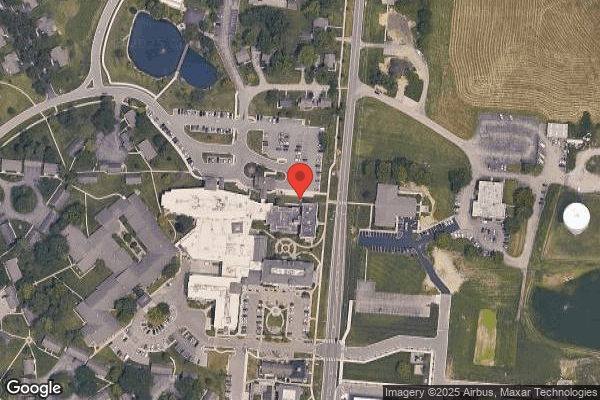
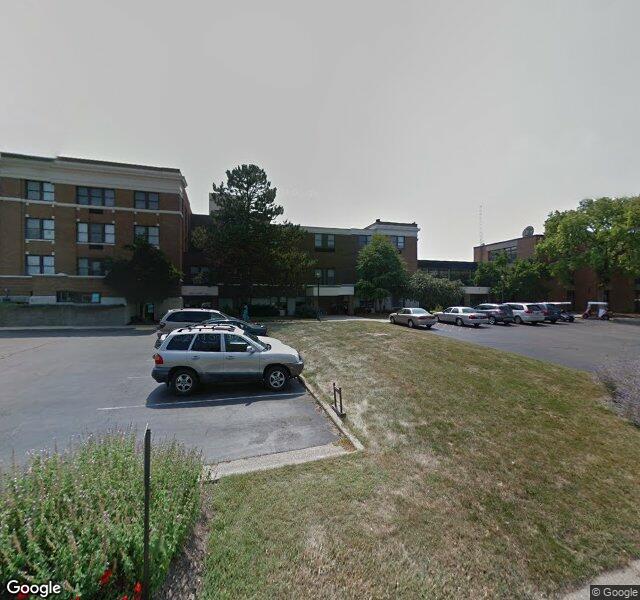
585 NORTH STATE ROUTE 741, LEBANON, OH 45036 (513) 933-5427
Non profit - Corporation 154 Beds OTTERBEIN SENIORLIFE Data: November 2025
Trust Grade
55/100
#524 of 913 in OH
Last Inspection: October 2022

Over 2 years since last inspection. Current conditions may differ from available data.

Overview

Otterbein Lebanon Retirement Community has received a Trust Grade of C, which means it is average and ranks in the middle of the pack compared to other facilities. It stands at #524 out of 913 facilities in Ohio, placing it in the bottom half of the state, and #11 out of 16 in Warren County, indicating limited local options that are better. The facility is showing improvement, with issues decreasing from eight in 2022 to two in 2025. Staffing is a relative strength, with a turnover rate of 44%, which is below the Ohio average, suggesting that staff are more likely to stay and develop relationships with residents. While there were no fines recorded, which is a positive sign, there have been serious issues in the past, such as a resident suffering a laceration from falls due to inadequate fall prevention measures and another resident not receiving proper supervision during toileting, both of which could have led to more harm.

Trust Score
C
55/100
In Ohio
#524/913
Bottom 43%
Safety Record
Moderate
Needs review
Inspections
Getting Better
8 → 2 violations
Staff Stability
○ Average
44% turnover. Near Ohio's 48% average. Typical for the industry.
Penalties
✓ Good
No fines on record. Clean compliance history, better than most Ohio facilities.
Skilled Nurses
○ Average
Each resident gets 33 minutes of Registered Nurse (RN) attention daily — about average for Ohio. RNs are the most trained staff who monitor for health changes.
Violations
⚠ Watch
22 deficiencies on record. Higher than average. Multiple issues found across inspections.
★★★☆☆
3.0
Overall Rating
★★★☆☆
3.0
Staff Levels
★★★★☆
4.0
Care Quality
★★★☆☆
3.0
Inspection Score
Stable
2022: 8 issues
2025: 2 issues

The Good

  • 4-Star Quality Measures · Strong clinical quality outcomes
  • Full Sprinkler Coverage · Fire safety systems throughout facility
  • No fines on record
  • Staff turnover below average (44%)

    4 points below Ohio average of 48%

Facility shows strength in quality measures, fire safety.

The Bad

3-Star Overall Rating

Near Ohio average (3.2)

Meets federal standards, typical of most facilities

Staff Turnover: 44%

Near Ohio avg (46%)

Typical for the industry

Chain: OTTERBEIN SENIORLIFE

Part of a multi-facility chain

Ask about local staffing decisions and management

The Ugly 22 deficiencies on record

1 actual harm
May 2025 2 deficiencies
CONCERN (D) 📢 Someone Reported This

A family member, employee, or ombudsman was alarmed enough to file a formal complaint

Potential for Harm - no one hurt, but risky conditions existed

Deficiency F0757 (Tag F0757)

Could have caused harm · This affected 1 resident

**NOTE- TERMS IN BRACKETS HAVE BEEN EDITED TO PROTECT CONFIDENTIALITY** Based on medical record review, hospital record review, interviews, and review of the medication reference the facility failed t...

Read full inspector narrative →
**NOTE- TERMS IN BRACKETS HAVE BEEN EDITED TO PROTECT CONFIDENTIALITY** Based on medical record review, hospital record review, interviews, and review of the medication reference the facility failed to discontinue laboratory testing, per physician order, resulting in a resident receiving two anticoagulant medications concurrently. This affected one (Resident #92) of three residents reviewed for physician orders. The facility census was 142. Findings include: Review of the medical record revealed Resident #92 was admitted to the facility on [DATE] with diagnoses of atrial fibrillation, congestive heart failure, type II diabetes mellitus, and chronic kidney disease, stage III. Review of the Medicare five-day Minimum Data Set (MDS) assessment dated [DATE] revealed Resident #92 had intact cognition and was always incontinent of bowel and frequently incontinent of bladder. The resident required supervision with eating, moderate assistance with oral hygiene, maximal assistance with bathing, bed mobility and transfers and was dependent for personal hygiene, toileting and dressing. Review of the plan of care dated 11/27/23 revealed Resident #92 had a focus area for anticoagulant therapy for the management of atrial fibrillation, which placed the resident at risk for bruising and/or bleeding. The goal was for Resident #92 was to be free from discomfort or adverse reactions related to anticoagulant use. Review of the physician orders revealed Resident #92 had been on Warfarin (an anticoagulant) since admission to the facility on [DATE] with multiple dosage changes from admission to current. The most current orders for Warfarin dated 02/17/25 were for Warfarin 2 milligram (mg), by mouth in the evening every Tuesday, Wednesday, Thursday, Saturday and Sunday and Warfarin 4 mg, by mouth in the evening every Monday and Friday. Additionally, Resident #92 had an order dated 02/17/25 authored by the Medical Director to check the resident's international normalized ratio (INR), on day shift, every two weeks on Mondays and for results to be called to the coumadin clinic. An INR is a blood test that monitors how well a medication like Warfarin is working to thin the blood by providing a numerical value that reflects the blood's tendency to clot. A higher INR value indicates slower clotting. Resident #92's goal was to maintain an INR between 2 and 3. Review of the nurse progress notes from 04/17/25 to 04/18/25 revealed Resident #92 went out to the hospital for a planned elective procedure in the A.M. of 04/17/25 and returned to the facility on [DATE] at approximately 2:00 P.M. Review of post-surgical procedure hospital documents for Resident #92 dated 04/18/25 revealed orders to discontinue Warfarin 2 mg, in the evening every Tuesday, Wednesday, Thursday, Saturday and Sunday and to discontinue Warfarin 4 mg, in the evening every Monday and Friday. A new order was written for Resident #92 to start taking Eliquis (Apixaban) 2.5 mg, one tablet by mouth, two times a day. Review of the facility physician orders written on 04/18/25 revealed the Warfarin 2 mg and 4 mg orders were discontinued and Eliquis 2.5 mg, one tablet twice a day was started. Review of the medication administration records for April 2025 revealed Warfarin 2 mg by mouth in the evening every Tuesday, Wednesday, Thursday, Saturday and Sunday and Warfarin 4 mg by mouth in the evening every Monday and Friday were discontinued on 04/18/25 and Eliquis 2.5 mg, one tablet twice a day was started and administered as ordered from 04/19/25 through 04/30/25. Resident #92 had an INR checked on 04/28/25 with a result of 1.2. Review of the nurse progress note dated 04/28/25 at 3:33 P.M. authored by LPN #415 revealed Resident #92's INR was 1.2. A message was left with the Coumadin Clinic pending return call. Review of nursing progress note dated 04/28/25 and timed 6:02 P.M. authored by LPN #450 revealed a return call was received by the Coumadin Clinic and new orders were received for Warfarin 6 mg by mouth now, start Warfarin 4 mg by mouth on Monday, Wednesday and Friday and Warfarin 2 mg on Tuesday, Thursday, Saturday and Sunday. Resident #92's INR was ordered to be rechecked in one week on 05/05/25. The resident and the medication administration record were updated with new orders. Review of the medication administration record for April revealed Resident #92 did not receive the one-time dose of Warfarin 6 mg as ordered on 04/28/25. Review of the May 2025 medication administration record revealed Resident #92 received Warfarin 2 mg on 05/01/25, 05/03/25 and 05/04/25, Warfarin 4 mg on 05/02/25 and 05/05/25 and Eliquis 2.5 mg twice daily from 05/01/25 through 05/06/25 as ordered. Review of the medication administration notes, when each dose of the Warfarin and Eliquis was administered a drug protocol warning triggered, indicating a possible drug to drug interaction was identified. Review of INR testing results for Resident #92 revealed on 05/06/25 the resident had an INR of 4.5. Review of the nurse's progress note dated 05/06/25 at 11:10 A.M. authored by Registered Nurse (RN) #310 revealed the INR result of 4.5 was called to the Coumadin Clinic and the clinic was notified by RN #310 that Resident #92 was receiving two anticoagulants, Warfarin and Eliquis, at the same time. Orders were received to discontinue the Warfarin and to monitor for signs and symptoms of bleeding. The facility medical director was also notified. Further review of the nursing progress notes revealed on 05/06/25 at 3:56 P.M. the Medical Director gave an order to hold the Eliquis and recheck Resident #92's INR on 05/08/25; if the INR is between 2 and 3 the Eliquis may be restarted. Review of the INR test results from 05/08/25 revealed an INR of 2.4. Eliquis was restarted. Phone interview on 05/15/25 at 2:44 P.M. with Registered Nurse (RN) #310 revealed on 05/06/25 she discovered Resident #92 was receiving two anticoagulants, Eliquis and Warfarin. Upon finding this, RN #310 initiated an incident report and made notifications to the Director of Nursing, the Assistant Director of Nursing #302, the cardiologist, the Medical Director, and Resident #92's family. RN #310 verified this should not have happened, stating when the Warfarin was discontinued on 04/18/25, the INR testing should have also been discontinued as Eliquis does not require INR testing. RN #310 stated, Resident #92 did not require additional medical treatment and did not experience any negative outcome. Phone interview on 05/15/25 at 4:47 P.M. with the Medical Director verified the 04/28/25 order to restart the Warfarin came from the Coumadin Clinic, the same clinic that ordered the Eliquis on 04/18/25, after the elective surgical procedure on 04/18/25. The Medical Director revealed after investigating the root cause of the situation that led to Resident #92 being prescribed both Eliquis and Warfarin was the result of Resident #92 having blood drawn to test an INR level on 04/28/25, and the facility calling the results to the Coumadin Clinic. Since the INR result was 1.2 and below the 2 to 3 range wanted, the Coumadin Clinic ordered Warfarin to be restarted. The Medical Director verified that Eliquis does not require INR testing. Phone interview on 05/16/25 at 11:37 A.M. with the hospital Electrophysiology Registered Nurse (EPRN) #155 verified the clinic had a current medication list for Resident #92 and the medication list should have been checked when the INR results were called in on 04/28/25. EPRN #155 verified the clinic's records showed that on 04/17/25 the resident's Coumadin was discontinued and Eliquis 2.5 mg, one tablet by mouth two times a day, was started. EPRN #155 verified the facility had no reason to perform INR testing when the resident was only receiving Eliquis. Interview on 05/16/25 at 2:45 P.M. with the Director of Nursing (Administrator also present) revealed as part of the daily clinical meeting process progress notes and physician orders for the previous 24 hours and on Mondays for the previous 72 hours are reviewed. The Director of Nursing verified the facility failed to review the 04/28/25 order for Warfarin (Coumadin) because she was on vacation that week. She also verified Eliquis does not require INR testing. Review of Medscape revealed the drug interaction between Eliquis and Warfarin was identified as serious and to use an alternative. Eliquis increases the effects of Warfarin by anticoagulation. Avoid combined use once INR is established in the desired therapeutic range. This deficiency represents non-compliance investigated under Complaint Number OH00165551.
CONCERN (D) 📢 Someone Reported This

A family member, employee, or ombudsman was alarmed enough to file a formal complaint

Potential for Harm - no one hurt, but risky conditions existed

Deficiency F0760 (Tag F0760)

Could have caused harm · This affected 1 resident

**NOTE- TERMS IN BRACKETS HAVE BEEN EDITED TO PROTECT CONFIDENTIALITY** Based on medical record review, interviews and policy review, the facility failed to prevent a resident from receiving two antic...

Read full inspector narrative →
**NOTE- TERMS IN BRACKETS HAVE BEEN EDITED TO PROTECT CONFIDENTIALITY** Based on medical record review, interviews and policy review, the facility failed to prevent a resident from receiving two anticoagulant medications concurrently resulting in a significant medication error. This affected one (Resident #92) of three residents reviewed for anticoagulant therapy. The facility identified 30 residents receiving anticoagulant medications. The facility census was 142. Findings include: Review of the medical record revealed Resident #92 was admitted to the facility on [DATE] with diagnoses of atrial fibrillation, congestive heart failure, type II diabetes mellitus, and chronic kidney disease, stage III. Review of the Medicare five-day Minimum Data Set (MDS) assessment dated [DATE] revealed Resident #92 had intact cognition and was always incontinent of bowel and frequently incontinent of bladder. The resident required supervision with eating, moderate assistance with oral hygiene, maximal assistance with bathing, bed mobility and transfers and was dependent for personal hygiene, toileting and dressing. Review of the plan of care dated 11/27/23 revealed Resident #92 had a focus area for anticoagulant therapy for the management of atrial fibrillation, which placed the resident at risk for bruising and/or bleeding. The goal was for Resident #92 was to be free from discomfort or adverse reactions related to anticoagulant use. Review of the physician orders revealed Resident #92 had been on Warfarin (an anticoagulant) since admission to the facility on [DATE] with multiple dosage changes from admission to current. The most current orders for Warfarin dated 02/17/25 were for Warfarin 2 milligram (mg), by mouth in the evening every Tuesday, Wednesday, Thursday, Saturday and Sunday and Warfarin 4 mg, by mouth in the evening every Monday and Friday. Additionally, Resident #92 had an order dated 02/17/25 authored by the Medical Director to check the resident's international normalized ratio (INR), on day shift, every two weeks on Mondays and for results to be called to the Coumadin Clinic. An INR is a blood test that monitors how well a medication like Warfarin is working to thin the blood by providing a numerical value that reflects the blood's tendency to clot. A higher INR value indicates slower clotting. Resident #92's goal was to maintain an INR between 2 and 3. Review of the nurse progress notes from 04/17/25 to 04/18/25 revealed Resident #92 went out to the hospital for a planned elective procedure in the A.M. of 04/17/25 and returned to the facility on [DATE] at approximately 2:00 P.M. Review of post-surgical procedure hospital documents for Resident #92 dated 04/18/25 revealed orders to discontinue Warfarin 2 mg, in the evening every Tuesday, Wednesday, Thursday, Saturday and Sunday and to discontinue Warfarin 4 mg, in the evening every Monday and Friday. A new order was written for Resident #92 to start taking Eliquis (Apixaban) 2.5 mg, one tablet by mouth, two times a day. Review of the facility physician orders written on 04/18/25 revealed the Warfarin 2 mg and 4 mg orders were discontinued and Eliquis 2.5 mg, one tablet twice a day was started. Review of the medication administration records for April 2025 revealed Warfarin 2 mg by mouth in the evening every Tuesday, Wednesday, Thursday, Saturday and Sunday and Warfarin 4 mg by mouth in the evening every Monday and Friday were discontinued on 04/18/25 and Eliquis 2.5 mg, one tablet twice a day was started and administered as ordered from 04/19/25 through 04/30/25. Resident #92 had an INR checked on 04/28/25 with a result of 1.2. Review of the nurse progress note dated 04/28/25 at 3:33 P.M. authored by LPN #415 revealed Resident #92's INR was 1.2. A message was left with the Coumadin Clinic pending return call. Review of nursing progress note dated 04/28/25 and timed 6:02 P.M. authored by LPN #450 revealed a return call was received by the Coumadin Clinic and new orders were received for Warfarin 6 mg by mouth now, start Warfarin 4 mg by mouth on Monday, Wednesday and Friday and Warfarin 2 mg on Tuesday, Thursday, Saturday and Sunday. Resident #92's INR was ordered to be rechecked in one week on 05/05/25. The resident and the medication administration record were updated with new orders. Review of the medication administration record for April revealed Resident #92 did not receive the one-time dose of Warfarin 6 mg as ordered on 04/28/25. Review of the May 2025 medication administration record revealed Resident #92 received Warfarin 2 mg on 05/01/25, 05/03/25 and 05/04/25, Warfarin 4 mg on 05/02/25 and 05/05/25 and Eliquis 2.5 mg twice daily from 05/01/25 through 05/06/25 as ordered. Review of the medication administration notes, when each dose of the Warfarin and Eliquis was administered a drug protocol warning triggered, indicating a possible drug to drug interaction was identified. Review of INR testing results for Resident #92 revealed on 05/06/25 the resident had an INR of 4.5. Review of the nurse's progress note dated 05/06/25 at 11:10 A.M. authored by Registered Nurse (RN) #310 revealed the INR result of 4.5 was called to the Coumadin Clinic and the clinic was notified by RN #310 that Resident #92 was receiving two anticoagulants, Warfarin and Eliquis, at the same time. Orders were received to discontinue the Warfarin and to monitor for signs and symptoms of bleeding. The facility medical director was also notified. Further review of the nursing progress notes revealed on 05/06/25 at 3:56 P.M. the Medical Director gave an order to hold the Eliquis and recheck Resident #92's INR on 05/08/25; if the INR is between 2 and 3 the Eliquis may be restarted. Review of the INR test results from 05/08/25 revealed an INR of 2.4. Eliquis was restarted. Phone interview on 05/15/25 at 2:44 P.M. with Registered Nurse (RN) #310 revealed on 05/06/25 she discovered Resident #92 was receiving two anticoagulants, Eliquis and Warfarin. Upon finding this, RN #310 initiated an incident report and made notifications to the Director of Nursing, the Assistant Director of Nursing #302, the cardiologist, the Medical Director, and Resident #92's family. RN #310 verified this should not have happened, stating when the Warfarin was discontinued on 04/18/25, the INR testing should have also been discontinued as Eliquis does not require INR testing. RN #310 stated, Resident #92 did not require additional medical treatment and did not experience any negative outcome. Phone interview on 05/15/25 at 4:47 P.M. with the Medical Director verified the 04/28/25 order to restart the Warfarin came from the Coumadin Clinic, the same clinic that ordered the Eliquis on 04/18/25, after the elective surgical procedure on 04/18/25. The Medical Director revealed after investigating the root cause of the situation that led to Resident #92 being prescribed both Eliquis and Warfarin was the result of Resident #92 having blood drawn to test an INR level on 04/28/25, and the facility calling the results to the Coumadin Clinic. Since the INR result was 1.2 and below the 2 to 3 range wanted, the Coumadin Clinic ordered Warfarin to be restarted. The Medical Director verified that Eliquis does not require INR testing. Phone interview on 05/15/25 at 5:23 P.M. with the Consulting Pharmacist with the Director of Nursing verified the pharmacy should have caught that Resident #92 was ordered two anticoagulants and further stated the pharmacy should not have sent two anticoagulants without speaking with the facility first for clarification. Phone interview on 05/15/25 at 5:32 P.M. with the Pharmacy Manager and the Director of Nursing verified the Pharmacist who filled the 04/28/25 Warfarin order had knowledge Resident #92 was also on Eliquis and made a judgement to fill the order. The Pharmacy Manager verified the Pharmacist should have clarified with the facility before processing and sending the Warfarin prescription on 04/28/25. The Director of Nursing verified it would be the facility's responsibility to confirm the order with the physician, or in this case the Coumadin Clinic. The Director of Nursing verified the order and did trigger as a duplication error message, but because both medications were low doses the pharmacist went ahead and filled the 04/28/25 Warfarin prescription. The Pharmacy Manager revealed she would be consulted if the staff pharmacist had questions. Phone interview on 05/16/25 at 11:12 A.M. with Coumadin Clinic Registered Nurse (CCRN) #150 revealed the clinic maintained an INR result flowsheet for Resident #92 and when results are called in from the facility it is documented on the flowsheet and the resident's current Warfarin order is verified. CCRN #150 was unable to explain how the Warfarin was ordered on 04/28/25 when the resident was already receiving Eliquis. Phone interview on 05/16/25 at 11:37 A.M. with the hospital Electrophysiology Registered Nurse (EPRN) #155 verified the clinic had a current medication list for Resident #92 and the medication list should have been checked when the INR results were called in on 04/28/25. EPRN #155 verified the clinic's records showed that on 04/17/25 the resident's Warafin was discontinued and Eliquis 2.5 mg, one tablet by mouth two times a day, was started. EPRN #155 verified the facility had no reason to perform INR testing when the resident was only receiving Eliquis. Interview on 05/16/25 at 2:00 P.M. with Resident #92 revealed she had no recollection of being administered Warfarin and Eliquis simultaneously. The Resident verified she was feeling better after the elective procedure. Interview on 05/16/25 at 2:45 P.M. with the Director of Nursing (Administrator also present) revealed as part of the daily clinical meeting process progress notes and physician orders for the previous 24 hours and on Mondays for the previous 72 hours are reviewed. The Director of Nursing verified the facility failed to review the 04/28/25 order for Warfarin because she was on vacation that week. She also verified Eliquis does not require INR testing. Review of Medscape revealed the drug interaction between Eliquis and Warfarin was identified as serious and to use an alternative. Eliquis increases the effects of Warfarin by anticoagulation. Avoid combined use once INR is established in the desired therapeutic range. Review of the policy titled, Medication Administration, revised 07/09/21, revealed medications will be administered to residents as prescribed and by persons lawfully authorized to do so in a manner consistent with good infection control and standards of practice. Personnel authorized to administer medications do so only after they have familiarized themselves with the medication. The facility has sufficient staff to allow administering of medications without unnecessary interruptions. The individual who administers the medication records the administration on the resident's Medication Administration Record directly after the medication is given. This deficiency represents non-compliance investigated under Complaint Number OH00165551.
Oct 2022 8 deficiencies 1 Harm
SERIOUS (G)

Actual Harm - a resident was hurt due to facility failures

Accident Prevention (Tag F0689)

A resident was harmed · This affected 1 resident

**NOTE- TERMS IN BRACKETS HAVE BEEN EDITED TO PROTECT CONFIDENTIALITY** Based on record review, observation, resident and staff interview, and review of the facility policy, the facility failed to ens...

Read full inspector narrative →
**NOTE- TERMS IN BRACKETS HAVE BEEN EDITED TO PROTECT CONFIDENTIALITY** Based on record review, observation, resident and staff interview, and review of the facility policy, the facility failed to ensure fall prevention interventions were in place per the resident's plan of care and failed to conduct thorough investigations to determine root cause analysis to identify potential hazards and resident-specific interventions to reduce and/or eliminate falls and falls with injury. This resulted in Actual Harm when Resident #399 experienced repeated falls resulting in a laceration which required surgical repair. Additionally, the facility failed to ensure Resident #26 was provided with adequate supervision and assistance while toileting resulting in an avoidable fall which placed the resident at risk for more than minimal harm that did not result in actual harm to the resident. This affected two (#399 and #26) out of four residents reviewed for falls. The census was 143. Findings include: 1. Review of the medical record for Resident #399 revealed an admission date of 10/07/22 with a diagnosis of syncope and collapse. Review of the Minimum Data Set (MDS) for Resident #399 dated 10/11/22 revealed the MDS was in progress. Review of admission note for Resident #399 dated 10/07/22 revealed nurse received report from hospital that resident was a fall risk and resident was admitted with bruising to her lower extremities from previous falls. Review of the fall risk assessment for Resident #399 revealed resident was at high risk for falls. Review of the baseline care plan for Resident #399 dated 10/07/22 revealed resident was at risk for falls. Interventions included the following: anticipate and meet resident needs, be sure my call light is within reach and encourage me to use it for assistance as needed, encourage resident to participate in activities that promote exercise, physical activity for strengthening and improved mobility, ensure resident is wearing appropriate footwear when ambulating or mobilizing in wheelchair. keep needed items in reach, staff to offer toileting and peri-care to resident upon rising, before and after meals, at bedtime and as needed. Review of nurse progress note for Resident #399 dated 10/08/22 timed at 12:55 A.M. revealed staff found resident on the floor beside her bed sitting on her buttocks. Resident #399 said that she was trying to go to the bathroom. Resident #399 had on non-slip socks on her feet. Resident #399 had two scrapes on her back and complained of pain at the right hip. There was a knot on the back of resident's head. Staff assisted resident back to bed and applied ice to back of resident's head. Resident #399 was sent to the hospital for an evaluation due to fall. Review of hospital note for Resident #399 dated 10/08/22 revealed resident was evaluated at the hospital for the fall and returned to the facility on the same day. Review of nurse progress note for Resident #399 dated 10/11/22 timed at 1:00 A.M. revealed the resident was found on the floor at her doorway. Resident #399 said she tried to get her cane which was located at the end of her bed. Resident #399 said she fell and hit her head resulting in a laceration over the right eyebrow. Resident #399 was sent to the hospital for an evaluation. Recommendation to prevent further falls was put cane at the side of the resident's bed instead of next to the wall at the foot of the bed. Review of hospital note for Resident #399 dated 10/11/22 revealed the resident was admitted to the hospital and treated for recurrent falls and resident presented with a facial hematoma to the right forehead with a three-centimeter (cm) laceration which required surgical repair with four sutures. Resident #399 was also treated for a urinary tract infection (UTI) and was readmitted to the facility on [DATE]. Review of the nurse progress note for Resident #399 dated 10/13/22 revealed resident was readmitted to the facility following hospitalization related to fall on 10/11/22. Resident #399 had a laceration to right forehead above the right eye secured by four sutures and presented with diffuse bruising to the right side of her face. Review of the fall investigation for Resident #399 dated 10/17/22 timed at 1:20 P.M. completed per Registered Nurse (RN) #351 revealed the interdisciplinary team (IDT) met to review the fall from 10/11/22 for Resident #399. Resident #399 was found on floor in room sitting at her doorway and stated she was trying to get her cane. A laceration was noted to the resident's right eyebrow and the resident was transferred to the emergency room for evaluation. New intervention was to ask the physician to conduct a review of resident medications related to repeated falls. Review of the facility fall investigation dated 10/17/22 timed at 5:47 P.M. completed per RN #351 revealed the IDT met to review the fall from 10/08/22 for Resident #399. Resident #399 was found on the floor in her room beside her bed. Resident #399 stated she was attempting to use the bathroom. The new intervention was to keep resident's cane and walker within reach. Interview on 10/17/22 at 3:56 P.M. with RN #351 confirmed the fall investigation for Resident #399's fall on 10/08/22 did not include a root cause analysis regarding the cause of the fall and/or possible contributing factors. RN #351 confirmed the investigation did not indicate if care planned interventions were in place or not at the time of the fall. RN #351 confirmed Resident #399 did not sustain injuries in the fall on 10/08/22 and the IDT team put a new intervention in place following the fall on 10/08/22 which was to ensure resident's cane was within reach. Interview with RN #351 confirmed Resident #399 sustained a repeat fall on 10/11/22 in which she fell trying to reach her cane which was at the foot of resident's bed and not within reach as per the resident's updated plan of care. RN #351 confirmed Resident #399 was sent to the hospital on [DATE] and required sutures for a laceration to the forehead sustained during the fall on 10/11/22. RN #351 confirmed the fall investigation for the fall on 10/11/22 for Resident #399 did not include a root cause analysis regarding the cause of the fall and/or possible contributing factors. RN #351 confirmed the investigation did not indicate if care planned interventions were in place or not at the time of the fall. Observation on 10/18/22 at 8:51 A.M. of Resident #399 revealed resident had diffuse bruising to the right side of her face and a bandage over her right eyebrow. Interview on 10/18/22 at 8:51 A.M. with Resident #399 confirmed she had bruised her face when she fell the week before and that she had received stitches to her forehead following the fall. Interview on 10/19/22 at 11:11 A.M. with RN #351 and the Director of Nursing (DON) confirmed the facility had not completed any additional fall investigation for Resident #399's falls on 10/08/22 and 10/11/22. DON confirmed the investigations completed on 10/17/22 for the falls on 10/08/22 and 10/11/22 did not include a root cause analysis regarding the falls. 2. Review of the medical record for Resident #26 revealed an admission date of 01/30/20 with a diagnosis of asthma. Review of the MDS for Resident #26 dated 10/05/22 revealed the resident was cognitively impaired and required extensive assistance of two staff with bed mobility, transfers, and toilet use. Review of fall risk assessment for Resident #26 dated 10/05/22 revealed resident was at risk for falls Review of the care plan for Resident #26 dated 09/14/22 revealed resident was at risk for falls related to antihypertensive medications, deconditioning, gait/balance problems, incontinence, psychoactive drug use, history of falls, poor safety awareness, getting my legs tangled in the blankets, sliding out of chair. Interventions included the following: provide safe environment with even floors free from spills and/or clutter, adequate, glare-free light, a working and reachable call light, the bed in low position at night, right assist bar as ordered, grab bar in bathroom, personal items within reach, offer to assist resident to bed after meals, therapy to evaluate and treat as ordered and as needed, staff to offer toileting and peri-care to resident routinely on rounds and as needed. Review of the care plan for Resident #26 dated 04/21/20 revealed resident had an activities of daily living (ADL) self-care and/or physical mobility performance deficit related to activity intolerance, impulsivity, fatigue, weakness, and history of cerebrovascular accident (CVA). Interventions included for toilet use resident required supervision to limited assistance with transfer using grab bars on the toilet and extensive assistance with incontinence care. Review of facility incident log for October 2022 revealed resident had an unwitnessed fall on 10/15/22. Review of nurse progress note for Resident #26 dated 10/17/22 revealed intervention for the resident's fall on 10/15/22 was as long as resident in room, aide must not leave resident unattended. Review of October 2022 monthly physician orders for Resident #26 revealed an order dated 10/17/22 for to cleanse left hand skin tear with normal saline, pat dry, apply xeroform, cover with gauze, wrap with Kerlix each day. Review of written statement per State Tested Nursing Assistant (STNA) #144 dated 10/15/22 revealed aide assisted Resident #36 onto the toilet and left the resident unattended. Review of the statement revealed resident's call light was in reach and that resident's wheelchair was in the bathroom with her and was not locked. Resident #26 was found on the floor of the bathroom. The section of the statement for regarding footwear in place at the time of the fall was blank. The section of the statement regarding additional information to prevent future falls was blank. Observation on 10/17/22 at 2:15 P.M. of Resident #26 revealed her left arm was wrapped with Kerlix gauze. Interview on 10/19/22 at 1:19 P.M. with Registered Nurse (RN) #79 confirmed there was no note in Resident #26's medical record describing the circumstances of the fall. RN #79 confirmed there was a note in Resident #26's medical record dated 10/17/22 per RN #10 which referred to a fall on 10/15/22. RN #79 confirmed she knew Resident #26 had sustained a skin tear during the fall. RN #79 confirmed the facility had not completed a fall investigation of Resident #26's fall on 10/15/22 at the time of the interview. RN #79 confirmed the statement provided by the aide dated 10/15/22 revealed the aide had assisted resident onto to the toilet and left the resident unattended. RN #79 confirmed the facility had not yet completed an investigation regarding Resident #26's fall. RN #79 further confirmed Resident #26 required assistance of staff and should not be left unattended while on the toilet. Review of the facility policy titled Falls Management dated 12/03/19 revealed the IDT will meet to review the fall to determine if further interventions are needed. The care plan will be reviewed and dated to assure it has been updated to reflect the current needs of the resident to prevent a further fall.
CONCERN (D)

Potential for Harm - no one hurt, but risky conditions existed

Deficiency F0561 (Tag F0561)

Could have caused harm · This affected 1 resident

**NOTE- TERMS IN BRACKETS HAVE BEEN EDITED TO PROTECT CONFIDENTIALITY** Based on record review, resident and staff interview, and review of the facility policy, the facility failed to ensure resident ...

Read full inspector narrative →
**NOTE- TERMS IN BRACKETS HAVE BEEN EDITED TO PROTECT CONFIDENTIALITY** Based on record review, resident and staff interview, and review of the facility policy, the facility failed to ensure resident preferences regarding bathing were honored. This affected one (#398) of 28 residents sampled. The facility census was 143. Findings include: Review of the medical record for Resident #398 revealed an admission date of 10/02/22 with a diagnosis of malignant neoplasm of the prostate. Review of the Minimum Data Set (MDS) for Resident #398 dated 10/09/22 revealed resident was cognitively impaired and required physical assistance of one staff with bathing. Review of section F revealed the resident reported it was very important for him to choose between a tub bath, shower, and bed bath. Review of the care plan for Resident #398 dated 10/02/22 revealed resident was able to express preferences regarding his daily life. Interventions included: resident prefers to assist with his own personal care, resident prefers a shower in the morning. Review of bathing sheet for Resident #398 dated 10/04/22 revealed aide offered to give resident a bed bath, but resident refused said he wants a shower in the morning. Review of bathing sheets for Resident #398 dated 10/07/22 and 10/14/22 revealed resident received a bed bath. Review of bathing sheets for Resident #398 dated 10/11/22 and 10/18/22 revealed resident was bathed but the sheet does not specify what type of bath resident received. Interview on 10/18/22 at 8:45 A.M. with Resident #398 confirmed he had not received a shower since his admission to the facility on [DATE]. Resident #398 confirmed he preferred to take a shower in a shower chair and his preference was to shower in the mornings. Resident #398 confirmed he told staff this preference when he was admitted on [DATE] but he has only received bed baths. Interview on 10/20/22 at 11:39 A.M. with Registered Nurse (RN) #351 confirmed Resident #398's expressed preference upon admission was to receive showers in the morning. RN #351 further confirmed the facility had no record of Resident #398 receiving a shower since his admission to the facility. Review of the facility policy titled Activities of Daily Living (ADL's) undated revealed the facility would include the resident's preference when planning care when possible.
CONCERN (D)

Potential for Harm - no one hurt, but risky conditions existed

ADL Care (Tag F0677)

Could have caused harm · This affected 1 resident

**NOTE- TERMS IN BRACKETS HAVE BEEN EDITED TO PROTECT CONFIDENTIALITY** Based on record review, observation, staff interview, and review of the facility policy, the facility failed to ensure residents...

Read full inspector narrative →
**NOTE- TERMS IN BRACKETS HAVE BEEN EDITED TO PROTECT CONFIDENTIALITY** Based on record review, observation, staff interview, and review of the facility policy, the facility failed to ensure residents were provided with appropriate fingernail care. This affected one (#43) of 28 residents sampled. The facility census is 143. Findings include: Review of the medical record for Resident #43 revealed resident was admitted on [DATE] with a diagnosis of Alzheimer's disease. Review of the Minimum Data Set (MDS) for Resident #43 dated 07/14/22 revealed the resident was severely cognitively impaired and required extensive assistance of one staff with bathing and personal hygiene. Review of the care plan for Resident #43 dated 10/28/20 revealed resident had an activities of daily living (ADL) self-care deficit related to cognitive/communication challenges and requires total assistance with, toileting, dressing grooming and eating. Interventions include the following: provide total assistance with dressing and grooming, assist with bathing and showering, check resident's nail length and trim and clean on bath day as necessary, report any changes to the nurse. Review of the care plan for Resident #43 dated 04/03/22 revealed resident received hospice services related to a terminal prognosis/diagnosis of senile deterioration of the brain. Interventions included hospice aide was to provide services, activities of daily living (ADL) assistance four times weekly. Review of bathing records provided by the facility for Resident #43 for the previous two weeks revealed all bathing assistance was provided by the hospice aide. Review of bath records dated 09/30/22, 10/05/22, 10/07/22, 10/12/22, 10/14/22 revealed the hospice aide provided bathing assistance but it was noted that nail care was not provided. Observation on 10/17/22 at 10:52 A.M. revealed Resident #43's fingernails were long (extending approximately one quarter inch beyond the end of the nail) and had some jagged edges. Interview on 10/17/22 at 10:55 A.M. with State Tested Nursing Assistant (STNA) #310 confirmed Resident #43's fingernails were long (extending approximately one quarter inch beyond the end of the nail) and had some jagged edges. STNA #310 confirmed the hospice aides were responsible for nail care and should trim resident's fingernails the next time they came into the facility. Interview on 10/20/22 at 11:40 A.M. with Registered Nurse (RN) #351 confirmed the hospice aides provided bathing for Resident #43 but any staff could trim resident's fingernails as needed. Review of the facility policy titled Activities of Daily Living (ADL's) undated revealed the facility would ensure staff provided ADL assistance as needed to the residents in order to promote dignity and improve quality of life.
CONCERN (D)

Potential for Harm - no one hurt, but risky conditions existed

Deficiency F0742 (Tag F0742)

Could have caused harm · This affected 1 resident

Based on record review, staff interview, and review of the facility policy, the facility failed to provide an adequate and timely response to a resident with suicidal ideation. This affected one (#366...

Read full inspector narrative →
Based on record review, staff interview, and review of the facility policy, the facility failed to provide an adequate and timely response to a resident with suicidal ideation. This affected one (#366) of 28 residents sampled. The facility census was 143. Findings include: Review of the medical record for Resident #396 revealed an admission date of 09/07/22 with a diagnosis of acute pulmonary edema. Review of the Minimum Data Set (MDS) for Resident #396 dated 09/12/22 revealed the resident was cognitively intact and required extensive assistance of one to two staff with activities of daily living. Review of the nurse progress note for Resident #396 dated 09/08/22 revealed the resident verbalized suicidal ideation to the nurse. Resident #396 said he wanted morphine for his pain so he could die. The nurse noted Resident #396 was to have a psychological consult with the facility's psychologist. Review of the care plan for Resident #396 dated 09/12/22 revealed the resident had suicidal ideation's. Interventions included the following: administer medications as ordered and monitor for adverse drug reactions, document negative findings, allow resident time to express concerns and fears, approach and re-approach resident in a calm manner, discuss precipitating factors such as stress, recent losses, etc., encourage activities for resident, encourage resident to share feelings, encourage resident to stay in the common area, encourage relaxation techniques, encourage/assist resident to socialize with staff and other residents, interview resident and determine if resident has a plan to injure himself, keep the door of resident's room open unless care is being provided, psychological referral as needed, refer to social services, refer to spiritual services, remove potentially dangerous items from resident's bed room, monitor resident for suicide warning signs: hopelessness, expressing wanting to die, giving away belongings, comments about what it would be like to die in a specific way, preoccupation with death or suicide, suddenly making final arrangements-wills, funeral plans, insurance, provide resident with one on one interactions with reassurance. Review of October 2022 monthly physician orders for Resident #396 revealed an order dated 10/07/22 for the resident to have a psychological consult with the facility psychologist for voicing the desire to die. Review of the progress notes for Resident #396 dated 09/08/22 through 10/19/22 revealed the notes did not include follow up with resident regarding suicidal ideation's expressed on 09/08/22. Interview on 10/19/22 at 10:18 A.M. with Registered Nurse (RN) #351 confirmed she obtained an order on 10/07/22 for Resident #396 to have a psychological evaluation with the facility's psychologist after she reviewed the nurse progress note for Resident #396 dated 09/08/22. RN #351 confirmed Resident #396 had not yet been evaluated by the facility psychologist and could not offer a rationale for the delay in follow up. Interview on 10/19/22 at 10:20 A.M. with the Administrator confirmed Resident #396's medical record did not include documentation of follow up with resident per social services after he expressed suicidal ideation on 09/08/22. Administrator further confirmed the facility had no record of increased monitoring or evaluation of resident related to the incident on 09/08/22. Review of the facility policy titled Suicide Prevention dated October 2013 revealed any resident exhibiting potential warning signs of suicidal ideation will be reported immediately to the Director of Nursing (DON) and the Administrator. A suicide risk care plan would be implemented immediately. Follow up would include frequent monitoring at a minimum. The Social Worker or designee will talk with the resident one on one asking specific questions about a suicide plan to determine the seriousness of the resident's intentions. Most people do talk about their suicide plan before they attempt to carry it out. Social Services will document daily progress notes regarding the progress and status of the resident.
CONCERN (D)

Potential for Harm - no one hurt, but risky conditions existed

Deficiency F0760 (Tag F0760)

Could have caused harm · This affected 1 resident

Based on record review, staff interview, and review of facility documents and policy, the facility failed to ensure nurses administered insulin as ordered by the physician resulting in a significant m...

Read full inspector narrative →
Based on record review, staff interview, and review of facility documents and policy, the facility failed to ensure nurses administered insulin as ordered by the physician resulting in a significant medication error. This affected one (#62) of seven residents reviewed for medication administration. The facility census was 143. Findings include: Review of the medical record for Resident #62 revealed an admission date of 08/03/22 with a diagnosis of unspecified dementia with behavioral disturbance. Review of the Minimum Data Set (MDS) for Resident #62 dated 08/03/22 revealed the resident was cognitively impaired and required extensive assistance of staff with activities of daily living (ADL's.) Review of the care plan for Resident #62 dated 09/01/20 revealed resident had a diagnosis of diabetes mellitus (DM.). Interventions included the following: check resident's blood sugar as ordered by the doctor and report as needed, provide diabetes medication as ordered by the doctor, monitor/document for side effects and effectiveness. Review of the October 2022 monthly physician orders for Resident #62 revealed an order dated 04/23/21 for Levemir insulin inject 40 units subcutaneously at bedtime. The order did not include parameters or directions for withholding the insulin. Review of the September and October Medication Administration Records (MAR's) for Resident #62 revealed doses of evening doses of Levemir insulin were withheld/not administered on the following dates: 09/22/22, 09/26/22, 10/02/22, 10/07/22. Review of the nurse progress note per Registered Nurse (RN) #51 dated 09/22/22 revealed Resident #62's evening dose of Levemir insulin was withheld due to the resident's blood sugar was 90. Review of nurse progress note per RN #51 dated 09/26/22 revealed Resident #62's evening dose of Levemir insulin was withheld due to resident's blood sugar was 91. Review of nurse progress note per RN #51 dated 10/02/22 revealed Resident #62's evening dose of Levemir insulin was withheld due to resident's blood sugar was 71. Review of nurse progress note per RN #289 dated 10/07/22 revealed Resident #62's evening dose of Levemir insulin was withheld due to resident's blood sugar was 81. Review of facility coaching form dated 10/19/22 revealed the Director of Nursing (DON) provided education to RN #51 regarding withholding insulin for Resident #62. Review of the form revealed the nurse did not have a physician's order to withhold the medication nor did the nurse notify the physician after she withheld the medication. Further review of the form revealed nurse should notify the attending physician prior to withholding ordered medications. Interview on 10/19/22 at 3:28 P.M. with the DON confirmed RN #51 and RN #289 had documented withholding long-acting Levemir insulin as ordered for Resident #62 on 09/22/22, 09/26/22, 10/02/22, and 10/07/22. DON confirmed Resident #62's Levemir order did not include any parameters for withholding the medication. DON further confirmed Resident #62's medical record did not include documentation of physician notification of the withholding of insulin for Resident #62. Interview on 10/19/22 at 3:49 P.M. with RN #51 confirmed Resident #62's order for long-acting Levemir insulin did not include parameters for withholding the medication. RN #51 further confirmed she withheld Resident #62's insulin on 09/22/22, 09/26/22, and 10/02/22 based on the resident's blood sugar and her nursing judgment. RN #51 confirmed she did not notify the physician she withheld the medication. Review of the facility policy titled Insulin Administration dated 06/21/17 revealed insulin is a high-risk drug and warrants additional precautions for safe and effective administration. It is important that the nurse is familiar with the type of insulin prescribed. Notify the prescriber as appropriate if insulin is not administered as ordered. Levemir is a long-acting insulin with an onset of 1.1 to two hours with no significant peak. Duration for Levemir insulin is a mean of 7.6 to greater than 24 hours. Meal timing is not applicable to Levemir administration. This deficiency substantiates Complaint Number OH00136402.
CONCERN (D)

Potential for Harm - no one hurt, but risky conditions existed

Deficiency F0761 (Tag F0761)

Could have caused harm · This affected 1 resident

Based on record review, observation, staff interview, and review of the facility policy, the facility failed to ensure staff secured resident's medications. This affected one (#142) of six residents o...

Read full inspector narrative →
Based on record review, observation, staff interview, and review of the facility policy, the facility failed to ensure staff secured resident's medications. This affected one (#142) of six residents observed for medication administration. The facility census was 143. Findings include: Review of the medical record for Resident #142 revealed an admission date of 09/23/22 with a diagnosis of hypertension (HTN.) Review of the October 2022 monthly physician orders for Resident #142 revealed an order dated 10/11/22 for resident to receive hydralazine once daily. Observation on 10/19/22 at 11:50 A.M. revealed there was a plastic cup with a tablet sitting unattended on top of the Transitional Care Unit (TCU) front medication cart. Interview on 10/19/22 at 11:54 A.M. with Registered Nurse (RN) #260 confirmed the tablet in the plastic cup was hydralazine which he had prepared for Resident #142 and left unattended while he was in the resident's room providing care. RN #260 confirmed medications should be secured at all times and should not be left unattended. Review of the facility policy titled Medication Storage dated 06/21/17 revealed medications should be stored safely and securely and should only be accessible to licensed and authorized personnel.
CONCERN (D)

Potential for Harm - no one hurt, but risky conditions existed

Infection Control (Tag F0880)

Could have caused harm · This affected 1 resident

Based on record review, observation, staff interview, and review of the facility policy, the facility failed to ensure staff practiced appropriate hand hygiene and appropriate personal protective equi...

Read full inspector narrative →
Based on record review, observation, staff interview, and review of the facility policy, the facility failed to ensure staff practiced appropriate hand hygiene and appropriate personal protective equipment (PPE) doffing practices for residents with Coronavirus Disease 2019 (COVID-19). This affected one (#104) of four facility identified COVID-19 positive residents. The facility also failed to ensure nurses practiced appropriate hand hygiene during medication administration. This affected one (#395) of six residents observed for medication administration. The census was 143. Findings include: 1. Review of the medical record for Resident #407 revealed an admission date of 10/11/22 with a diagnosis of COVID-19. Review of the admitting orders for Resident #407 revealed an order dated 10/11/22 for COVID-19 isolation per facility protocol. Review of the medical record for Resident #104 revealed an admission date of 09/09/22 with a diagnosis of Alzheimer's disease. Review of the progress note for Resident #104 dated 10/12/22 revealed resident tested positive for COVID-19 and was placed in COVID-19 isolation per facility protocol. Observation on 10/17/22 at 12:30 P.M. revealed State Tested Nursing Assistant (STNA) #98 exited Resident #407's room wearing an N-95 mask, a face shield, and an isolation gown. Resident #407's room had a zippered barrier in the doorway. STNA #98 doffed the gown in waste receptacle outside Resident #407's room after he had rezipped the barrier to the room. STNA #98 then donned a gown from the isolation cart outside Resident #104's room and started unzipping the barrier to resident's room. Interview on 10/17/22 at 12:31 P.M. with STNA #98 confirmed he should have doffed the gown he was wearing in Resident #407's room before he exited the room, but he forgot so he doffed the gown in the waste receptacle outside the room. STNA #98 further confirmed he did not perform hand hygiene after doffing the gown he wore in Resident #407's room and donning a gown to wear into Resident #104's room. STNA #98 confirmed he did not think it was necessary to perform hand hygiene because he had washed his hands before he exited Resident #407's room. Observation on 10/17/22 at 12:32 P.M. with STNA #98 revealed he entered Resident #104's room to provide care and did not perform hand hygiene after handling the contaminated gown from Resident #407's room and donning a gown to enter Resident #104's room even after discussion with the surveyor. Interview on 10/17/22 at 12:40 P.M. with Registered Nurse (RN) #351 confirmed staff should doff gowns inside the COVID 19 isolation room and should perform hand hygiene after doffing PPE. Review of the facility policy titled Hand Hygiene dated 11/05/21 revealed hand hygiene should be performed after removing PPE. Review of Center for Disease Control (CDC) document titled PPE Sequence undated revealed healthcare workers should wash hands or use an alcohol- based hand-sanitizer immediately after removing PPE. Review of CDC document titled Use Personal Protective Equipment (PPE) When Caring for Patients with Confirmed or Suspected COVID-19 undated revealed the following sequence is required when doffing PPE: remove gown, untie all ties (or unsnap all buttons), rolling the gown down is an acceptable approach, dispose in trash receptacle, healthcare personnel (HCP) may now exit patient room, perform hand hygiene. 2. Review of the medical record for Resident #395 revealed an admission date of 10/05/22 with a diagnosis of malignant neoplasm of the left kidney. Review of the October 2022 monthly physician orders for Resident #395 revealed an order dated 10/18/22 for Percocet 5-325 milligrams (oxycodone-acetaminophen) every four hours as needed for pain. Observation on 10/19/22 at 12:17 P.M. per RN #260 revealed nurse unlocked controlled substance compartment of the medication cart located in the lower portion of the cart and popped a Percocet tablet for Resident #395 into his hand and then dropped the tablet into a plastic medication cup sitting on top of the cart. Interview on 10/19/22 at 12:17 P.M. with RN #260 confirmed he had handled the medication keys and then touched Resident #395's Percocet tablet with his hands. RN #260 confirmed he was not supposed to touch resident's oral medication with his bare hands, but he was going to give the medication, because it was a controlled substance, and he didn't want to have to waste the medication. Observation on 10/19/22 at 12:30 P.M. with RN #260 revealed he administered the Percocet tablet to Resident #395. Review of the facility policy titled Medication Administration dated 11/09/21 revealed medications are administered per infection control standards of practice according to CDC and Centers for Medicare and Medicaid Services (CMS) guidelines.
CONCERN (E)

Potential for Harm - no one hurt, but risky conditions existed

Menu Adequacy (Tag F0803)

Could have caused harm · This affected multiple residents

**NOTE- TERMS IN BRACKETS HAVE BEEN EDITED TO PROTECT CONFIDENTIALITY** Based on review of the facility menus, observations, staff interview and policy review, the facility failed to provide puree foo...

Read full inspector narrative →
**NOTE- TERMS IN BRACKETS HAVE BEEN EDITED TO PROTECT CONFIDENTIALITY** Based on review of the facility menus, observations, staff interview and policy review, the facility failed to provide puree food portions as planned by a Registered Dietitian. This had the potential to eight (#27, #14, #24, #73, #65, #35, #71,and #48) residents who received food from the [NAME] Hall kitchettes. The total facility census was 143. Findings include: Review of Registered Dietitian approved puree meal tickets dated 10/20/22 revealed a puree menu and portions of hotdog and bun eight ounces, (#8 scoop, doubled), corn of four ounces, mashed potatoes four ounces, (#8 scoop) and pudding four ounces. Observation on 10/20/22 at 12:15 P.M. of Magnolia steam table serving utensils revealed the residents received puree hotdog of four ounces, mash potatoes of #12 scoop. Interview on 10/120/22 of State Tested Nurse Aide, (STNA) # 157, who served the puree meal on the Magnolia unit, verified the residents received the incorrect portion of hotdog, (only one four ounce portion) and mashed potatoes. STNA #157 stated the correct scoops were not available. Observation on 10/20/22 at 12:20 P.M. of the [NAME] Garden steam table serving utensils revealed the residents received puree mash potato of a #6 scoop. A #20 scoop was used and not observed as a portion amount on a puree ticket. Interview on 10/20/22 at 12:20 P.M. STNA # 13 who served the puree meal on the [NAME] Garden unit, revealed the puree mash potato was the incorrect scoop and the #20 scoop size (1.75 to two ounces) was used and not on the puree menu. Observation on 10/20/22 at 122:30 P.M. of the [NAME] Lane steam table serving utensils revealed the resident's received hotdog of #12 scoop, and corn of #16 scoop (two to 2.5 ounces). Interview on 10/20/22 at 12:30 P.M., Diet Aide, (DA) # 376, who served the puree meal on the [NAME] Lane unit, verified the scoops used were smaller than the planned menu. DA #376 stated he used the scoops available and was unable to verify the printed number on the scoops for the surveyor. The facility confirmed the incorrect portion sizes had the potential to eight (#27, #14, #24, #73, #65, #35, #71,and #48) residents who received food from the [NAME] Hall kitchettes. Review of facility policy. Portion Control, dated 2021, revealed residents will receive the portions of food as outlined on the menu.
Nov 2019 3 deficiencies
CONCERN (E)

Potential for Harm - no one hurt, but risky conditions existed

Resident Rights (Tag F0550)

Could have caused harm · This affected multiple residents

**NOTE- TERMS IN BRACKETS HAVE BEEN EDITED TO PROTECT CONFIDENTIALITY** 3. Review of the medical record for Resident #57 revealed the resident was admitted to the facility on [DATE] with a diagnoses o...

Read full inspector narrative →
**NOTE- TERMS IN BRACKETS HAVE BEEN EDITED TO PROTECT CONFIDENTIALITY** 3. Review of the medical record for Resident #57 revealed the resident was admitted to the facility on [DATE] with a diagnoses of dementia, intellectual disabilities, schizophreniform disorder, and type II diabetes. Review of the Minimum Data Set (MDS) dated [DATE] revealed Resident #57 had severe cognitive impairment. Her functional status was listed as extensive one-person physical assist for eating. Review of the nutrition screen dated 09/30/19 revealed Resident #57 was a set-up to supervision to dependent depending on her cognition. Did well with finger type foods per staff. 4. Review of the medical record for Resident #129 revealed the resident was admitted to the facility on [DATE] with a diagnoses of legal blindness, unspecified mental disorder due to known psychological condition. Review of the MDS dated [DATE] revealed Resident #129 had severe cognitive impairment. His functional status was listed as extensive one-person physical assist for eating. Observation of the lunch time dining on 11/18/19 at 12:00 P.M. until 1:00 P.M. revealed four facility staff passing trays in the dining room and down the A hall. At 12:00 P.M., Resident #57 and Resident #129 were in the dining room, with their clothing protectors in place and waiting to eat. Further observation revealed five Residents (#7, #52, #57, #113, and #129) who needed to be fed their lunch. Staff were observed passing trays to the residents in the dining room and also to the residents who were still in their rooms. Interview with STNA #180 on 11/18/19 at 12:30 P.M. revealed the resident who needed fed would had to wait until all the trays were passed in the dining room and halls. She revealed then staff would have time to feed them. At approximately 12:40 P.M. staff began to fed three of the residents (#7, #52, and #113). At 12:55 P.M. a staff member began feeding Resident #129 and at 12:58 P.M. a staff member began feeding Resident #57. Observation of the breakfast dining on 11/20/19 at 8:00 A.M. revealed staff brought Residents (#7, #57, #113 and #129) to the dining room and placed clothing protectors on them. At 8:30 A.M. two facility staff were observed passing trays to residents who could feed themselves in the dining room and also in the halls. At 9:10 A.M. two more facility staff arrived and started feeding the residents who needed assistance. Based on record review, observation, staff interview, and resident interview the facility failed to ensure residents were provided with dignity during dining. This affected six (#7, #57, #92, #113, #129 and #358) of 30 residents reviewed for dining. The facility census was 152. Findings include: 1. Record review revealed Resident #92 was admitted to the facility on [DATE]. Diagnoses included dementia, paranoid schizophrenia, anxiety and chronic kidney disease. Review of the quarterly assessment dated [DATE] revealed the resident had impaired cognition, and required supervision to eat. Review of the nurse notes dated from 08/01/19 to 11/20/19 had no documentation to support staff were being rude or disrespectful, however notes throughout documented the resident was frequently upset with staff for not being able to hear what she was saying. Observation on 11/20/19 at 7:49 A.M., Resident #92 was sitting at the table in the dining area, and State Tested Nursing Assistant (STNA) #326 had just set down a bowl of cold cereal, a glass of juice and a glass of milk. STNA #326 then sat at the table next to Resident #92 and began looking over dining tickets. Resident #92 stated she had told STNA #326 she did not want any milk and the STNA needed to come and take it away. STNA #326 responded to the resident with a direct stern tone that she would take the milk away in a minute and that the resident could hold on. STNA #326 made eye contact with the surveyor the her tone immediately changed. STNA #326 continued to tell the resident she had not put the milk in her cereal and knew the resident wanted to eat it dry. Resident #92 was eating dry cereal and the milk was not poured in the bowl. Interview on 11/20/19 at 7:50 A.M., STNA #326 apologized for sounding stern, and said she should not have done that. She also stated she had not poured the milk in the cereal and was going to take away the milk when she was finished with the dietary tickets for other residents. Interview on 11/20/19 at 8:05 A.M., the Administrator and Director of Nursing (DON) were made aware of the interaction between STNA #326 and Resident #92. They both stated they have zero tolerance for rudeness or disrespect and they were going to begin to investigate and provided education immediately. Interview on 11/20/19 at 2:40 P.M., Resident #92 stated STNA #326 did not like it when she told her she did not want milk with her cereal. She said it bothered her but she would not let it upset her. She said she did not think it was respectful. She said the STNA always sounded like that, but the resident denied reported it to management before. 2. Record review revealed Resident #358 was admitted to the facility on [DATE]. Diagnoses included fracture of the right pubis, protein calorie malnutrition, dysphasia, dementia, major depression, and malignant neoplasm. Review of the admission assessment dated [DATE] revealed he had impaired cognition, he required extensive assistance of one staff for eating and had loss of food from his mouth. Review of the plan of care (POC) dated 11/12/19 revealed he was at risk for nutritional decline due to diagnoses and his interventions included to encourage him to eat, drink and may need assistance due to his dementia he may not even be interested in food. Observation on 11/19/19 at 10:00 A.M., Resident #358 was sitting in the dining room attempting to eat scrambled eggs, a banana, a biscuit, and a two handled lidded sipper cup. He was sitting with Speech Therapy (ST) #300 at this time. Observation on 11/19/19 at 11:40 A.M., Resident #358 was sitting in the dining room in front of his breakfast meal of scrambled eggs, a biscuit and banana. He was not eating at this time, but would pick up the fork and attempt to fork something in the bowl and then just put his fork down. At 11:42 A.M., Culinary Aide #226 and #293 arrived to the area to begin the lunch meal. At 11:49 A.M., Resident #358 attempted multiple times to get his fork from his bowl then just stopped. He began to chatter and then picked up the fork out of the bowl and kept trying to fork the biscuit but could not get any and then he put the fork down. At 12:09 P.M., Unit Secretary #136 came into the dining room and asked Resident #358 if he was going to eat any more of his breakfast as it was almost lunch time and then she removed the breakfast plate. On 11/20/19 at 9:01 A.M., Unit Secretary #136 was observed feeding the resident his breakfast and he was eating some of the food. Interview on 11/20/19 at 9:43 A.M., Unit Secretary #136 stated she saw the resident the day before sitting there with his breakfast and lunch was about to be served so she removed his plate. She was unsure why he still had his breakfast plate sitting in front of him. Interview on 11/20/19 at 10:20 A.M., ST #300 stated the day before she had been completed a swallowing treatment with the resident and he had not been interested in eating, she gave him a banana and he slammed it on the table. She said he was able to pick up the fork and take a few bites of egg. She left the plate in front of him because he would often pick up bits and pieces of foods especially finger foods to try and eat since he was in the dining area. She thought STNA's #4 and #48, working on the hall would have taken away the plate.
CONCERN (E)

Potential for Harm - no one hurt, but risky conditions existed

Accident Prevention (Tag F0689)

Could have caused harm · This affected multiple residents

Based on observation and staff interview, the facility failed to ensure a receptacle plug was safely covered in the secured dementia unit. This had the potential to affect nine Residents (#6, #19, # 2...

Read full inspector narrative →
Based on observation and staff interview, the facility failed to ensure a receptacle plug was safely covered in the secured dementia unit. This had the potential to affect nine Residents (#6, #19, # 26, #27, #32, #33, #51 #55 and #67) whom the facility identified as being cognitively impaired and independently mobile. Facility census was 152. Findings include: Observation of the day room in the Magnolia unit on 11/19/19 at 4:00 P.M. revealed a broken receptacle cover that had exposed wires on the electrical terminals. Interview with Registered Nurse (RN) # 49 on 11/19/19 at 6:10 P.M. verified the receptacle cover was broken with the electrical terminals being exposed. RN #349 noted there had been no residents with injuries consistent with an electrical shock. The facility identified nine Residents (#6, #19, # 26, #27, #32, #33, #51 #55 and #67) as being cognitively impaired and independently mobile.
MINOR (C)

Minor Issue - procedural, no safety impact

Staffing Information (Tag F0732)

Minor procedural issue · This affected most or all residents

Based on observation, staff interview and review of a staffing tool, the facility failed to ensure the daily staffing posting was complete and accurate. This had the potential to affect all residents ...

Read full inspector narrative →
Based on observation, staff interview and review of a staffing tool, the facility failed to ensure the daily staffing posting was complete and accurate. This had the potential to affect all residents that resided in the facility. Facility census was 152. Findings include: Observation of the posted daily staffing sheet on 11/21/19 at 7:30 A.M. revealed the facility had a total census of 201 residents and the posting included staff and residents from the Assisted Living (AL) unit. Interview with the Director of Nursing (DON) on 11/21/19 at 8:00 A.M. verified the posted daily staffing sheets were inaccurate by containing staff and residents from the AL unit. Review of the staffing tool for 11/12/19 through 11/18/19 also revealed the facility included staff and residents from the AL on their posted daily staffing sheets.
Oct 2018 9 deficiencies
CONCERN (D)

Potential for Harm - no one hurt, but risky conditions existed

Assessment Accuracy (Tag F0641)

Could have caused harm · This affected 1 resident

**NOTE- TERMS IN BRACKETS HAVE BEEN EDITED TO PROTECT CONFIDENTIALITY** Based on record review and interviews, the facility failed to ensure resident falls were accurately documented on the assessment...

Read full inspector narrative →
**NOTE- TERMS IN BRACKETS HAVE BEEN EDITED TO PROTECT CONFIDENTIALITY** Based on record review and interviews, the facility failed to ensure resident falls were accurately documented on the assessments. This affected two Residents (#136 and #146) of 32 reviewed for accuracy of assessments. The facility census was 162. Findings include: 1. Record review revealed Resident #136 was admitted to the facility on [DATE] with the following diagnoses; anxiety disorder, major depressive disorder, brief psychotic disorder, dementia without behavioral disturbance, insomnia and chronic obstructive pulmonary disease (COPD). Review of Resident #136's quarterly Minimum Data Sets (MDS) assessment dated [DATE] revealed the resident had moderate cognitive impairment and required extensive assistance with bed mobility, transfers, toileting, dressing and personal hygiene and supervision with eating. Further review of the MDS revealed the resident had not had any falls since her last assessment on 06/06/18. Review of Resident #136's progress notes revealed the resident had fallen on 06/14/18 and 07/15/18. Interview on 10/02/18 at 12:04 P.M. with MDS Nurse #67 verified Resident #136's MDS dated [DATE] did not accurately reflect her falls on 06/14/18 and 07/15/18. 2. Record review revealed Resident #146 was admitted to the facility on [DATE] with the following diagnoses; schizoaffective disorder, chronic and acute respiratory failure, major depressive disorder, congestive heart failure and COPD. Review of Resident #146's significant change MDS assessment dated [DATE] revealed the resident was cognitively intact and required extensive assistance with bed mobility, transfer and toileting and supervision with eating. The significant change MDS also revealed the resident required total dependence with dressing and personal hygiene. Review of Resident #146's quarterly MDS dated [DATE] revealed the resident had moderate cognitive impairment and required extensive assistance with bed mobility, transfer, toileting, dressing and personal hygiene and supervision with eating. Further review of the MDS revealed resident had not fallen since her previous assessment on 06/15/2018. Review of Resident #146's progress notes revealed the resident fell on [DATE]. Interview on 10/02/18 at 12:04 P.M. with MDS Nurse #67 verified Resident #146's quarterly MDS dated [DATE] did not accurately reflect her fall on 06/25/18.
CONCERN (D)

Potential for Harm - no one hurt, but risky conditions existed

Deficiency F0646 (Tag F0646)

Could have caused harm · This affected 1 resident

**NOTE- TERMS IN BRACKETS HAVE BEEN EDITED TO PROTECT CONFIDENTIALITY** Based on record review, and staff interviews, the facility failed to notify the state mental health authority of significant cha...

Read full inspector narrative →
**NOTE- TERMS IN BRACKETS HAVE BEEN EDITED TO PROTECT CONFIDENTIALITY** Based on record review, and staff interviews, the facility failed to notify the state mental health authority of significant change pre-admission screening and resident reviews (PASARRs) for residents with a mental illness who had a significant change in physical function. This affected two Resident's (#136 and #146) of two reviewed for significant change PASARR. The facility census was 162. Findings include: 1. Review of the medical record revealed Resident #136 was admitted to the facility on [DATE] with the following diagnoses; anxiety disorder, major depressive disorder, brief psychotic disorder, dementia without behavioral disturbance, insomnia and chronic obstructive pulmonary disease (COPD). Review of Resident #136's quarterly Minimum Data Sets (MDS) assessment dated [DATE] revealed the resident had moderate cognitive impairment and required extensive assistance with bed mobility, transfers, toileting, dressing and personal hygiene and supervision with eating. Further review the quarterly MDS revealed the resident had not had any falls since her last assessment on 06/06/18. Review of Resident #136's physicians orders revealed the resident was admitted to hospice with end stage COPD on 07/20/18. Review of Resident #136's PASARR revealed it was completed on 01/29/11. Resident #136 had a significant change PASARR completed for her decline and admission to hospice services on 09/30/18 upon surveyor intervention. 2. Record review revealed Resident #146 was admitted to the facility on [DATE] with the following diagnoses; schizoaffective disorder, chronic and acute respiratory failure, major depressive disorder, congestive heart failure and COPD. Review of Resident #146's significant change MDS assessment dated [DATE] revealed the resident was cognitively intact and required extensive assistance with bed mobility, transfer and toileting and supervision with eating. The significant change MDS dated [DATE] also revealed the resident required total dependence with dressing and personal hygiene. Review of Resident #146's progress note dated 09/20/18, revealed the resident had a significant change MDS completed on 09/14/18 due to a decline in activities of daily living (ADL). Review of Resident #146's PASARR revealed the PASARR was completed on 01/24/14. Resident#146 had a significant change PASARR completed for her functional decline on 10/02/18 upon surveyor intervention. Interview with the Administrator on 10/02/18 at 8:30 A.M. revealed the facility was not aware the state mental health authority had to be notified of a significant change. The Administrator verified Resident #136 did not have a significant change PASARR and the state mental health authority was not notified of her being admitted to hospice services and Resident #146 did not have a significant change PASARR and the state mental health authority was not notified of her having a significant decline.
CONCERN (D)

Potential for Harm - no one hurt, but risky conditions existed

Comprehensive Care Plan (Tag F0656)

Could have caused harm · This affected 1 resident

**NOTE- TERMS IN BRACKETS HAVE BEEN EDITED TO PROTECT CONFIDENTIALITY** Based on record review, observation and interviews, the facility failed to ensure a comprehensive care plan was developed and im...

Read full inspector narrative →
**NOTE- TERMS IN BRACKETS HAVE BEEN EDITED TO PROTECT CONFIDENTIALITY** Based on record review, observation and interviews, the facility failed to ensure a comprehensive care plan was developed and implemented to address a resident's hearing needs and a resident's skin condition. This affected two Resident's (#14 and #275) out of 32 reviewed for revision of care plans. The facility census was 162. Findings include: 1. Review of the medical record revealed Resident #14 was admitted to the facility on [DATE] with the following diagnoses; age related debility, chronic kidney disease, osteoarthritis, and hyperlipidemia. Review of Resident #14's quarterly Minimum Data Sets (MDS) assessment dated [DATE] revealed the resident was cognitively intact and required extensive assistance with bed mobility, transfers, dressing, eating, toileting and personal hygiene. Further review of the MDS revealed the resident had adequate hearing with no hearing aid being used during the assessment. Review of Resident #14's MDS dated [DATE] revealed the resident was cognitively intact and required extensive assistance with bed mobility, transfers, dressing, eating, toileting and personal hygiene. Further review of the MDS revealed the resident had adequate hearing with a hearing aid being used during the assessment. Review of Resident #14's care plan dated 10/01/18 revealed the resident did not have a care plan for her hearing or the use of a hearing aid. Observation and interview on 09/30/18 at 10:39 A.M. revealed Resident #14 had difficulty hearing and required information to be restated several times due to difficulty hearing. Resident #14 revealed the resident had hearing aids, but they were currently broken. Concurrent interview with Resident #14's family member revealed the resident had difficulty hearing. Resident #14's family member reported the resident had hearing aids, but the hearing aids were not working. Interview on 10/01/18 at 4:32 P.M. with Licensed Social Worker (LSW) #400 revealed Resident #14 had hearing aids, but the hearing aids were broken. LSW #400 reported the resident had an appointment set up with audiology on 10/02/18. Interview on 10/02/18 at 12:04 P.M. with MDS Nurse #67 verified Resident #14 did not have a care plan to address the resident's hearing needs. MDS Nurse #67 reported Resident #14 was coded on the MDS dated [DATE] as having adequate hearing with no hearing aid because the resident did not have a hearing aid in and did not have trouble hearing at the time of the assessment. Medical record review for Resident #275 revealed an admission date of 09/14/18. Medical diagnoses included chronic kidney disease stage three, acute respiratory failure, and diabetes. Review of the admission Minimum Data Set (MDS) dated [DATE] revealed Resident #275 was cognitively intact. She was an extensive assistance for bed mobility, transfer, and toilet use. She was a supervision for eating. Review of the skin assessment dated [DATE] revealed a skin tear to the resident's coccyx that measured two centimeter (cm) in length. Review of the acute care plan for Resident #275 revealed it was silent to the skin tear discovered on 09/17/18. Interview with Assistant Director of Nursing (ADON) #19 on 10/03/18 at 10:05 A.M. confirmed there was no acute care plan for the skin tear for Resident #275.
CONCERN (D)

Potential for Harm - no one hurt, but risky conditions existed

Deficiency F0657 (Tag F0657)

Could have caused harm · This affected 1 resident

**NOTE- TERMS IN BRACKETS HAVE BEEN EDITED TO PROTECT CONFIDENTIALITY** Based on record review, observation and interviews, the facility failed to ensure a comprehensive care plan was reviewed and rev...

Read full inspector narrative →
**NOTE- TERMS IN BRACKETS HAVE BEEN EDITED TO PROTECT CONFIDENTIALITY** Based on record review, observation and interviews, the facility failed to ensure a comprehensive care plan was reviewed and revised to accurately reflect a resident's fall risk needs. This affected one Resident (#146) of 32 reviewed for revision of care plans. The facility census was 162. Findings include: Review of the medical record revealed Resident #146 was admitted to the facility on [DATE] with the following diagnoses; schizoaffective disorder, chronic and acute respiratory failure, major depressive disorder, congestive heart failure and chronic obstructive pulmonary disease (COPD). Review of Resident #146's significant change Minimum Data Sets (MDS) assessment dated [DATE] revealed the resident was cognitively intact and required extensive assistance with bed mobility, transfer and toileting and supervision with eating. The significant change MDS also revealed the resident required total dependence with dressing and personal hygiene. Review of Resident #146's care plan on 10/01/18 revealed the resident's bed was to be against the wall. Observation on 09/30/18 at 11:50 A.M. revealed Resident #146 to be lying in bed with only the head of the bed against the wall. Observation on 10/01/18 at 3:54 P.M. revealed Resident #146 to be lying in bed with only the head of the bed against the wall. Observation on 10/02/18 10:21 A.M. revealed Resident #146 to be lying in bed with only the head of the bed against the wall. Interview on 10/02/18 at 10:22 A.M. with State Tested Nurse Aide (STNA) #401 verified Resident #146's bed was not against the wall. Interview on 10/02/18 at 12:04 P.M. with MDS Nurse #67 verified Resident #146's care plan was not updated when her bed was moved away from the wall. Interview on 10/02/18 at 3:10 P.M. with Assistant Director of Nursing (ADON) #19 reported Resident #146's bed was moved away from the wall upon the resident returning from the hospital on [DATE] due to the resident needing room for two staff to assist her with turning and repositioning.
CONCERN (D)

Potential for Harm - no one hurt, but risky conditions existed

Quality of Care (Tag F0684)

Could have caused harm · This affected 1 resident

**NOTE- TERMS IN BRACKETS HAVE BEEN EDITED TO PROTECT CONFIDENTIALITY** Based on medical record review and interview the facility failed to ensure a physician order was obtained for care of a skin tea...

Read full inspector narrative →
**NOTE- TERMS IN BRACKETS HAVE BEEN EDITED TO PROTECT CONFIDENTIALITY** Based on medical record review and interview the facility failed to ensure a physician order was obtained for care of a skin tear in a timely manner. This affected one (#275) of four residents reviewed for pressure ulcers. The facility identified five residents with pressure ulcers. The census was 162. Findings include: Medical record review for Resident #275 revealed an admission date of 09/14/18. Medical diagnoses included chronic kidney disease stage three, acute respiratory failure, and diabetes. Review of admission Minimum Data Set (MDS) dated [DATE] revealed Resident #275 was cognitively intact. She was an extensive assistance for bed mobility, transfer, and toilet use. She was a supervision for eating. Review of the assessment dated [DATE] revealed Resident #275 had a skin tear to the coccyx that measured two centimeter (cm) in length. The note further revealed to treat with Calmoseptine twice a day. Review of progress notes from 09/17/18 through 09/18/17 for Resident #275 revealed there wasn't a note for application of the Calmoseptine. Review of physician orders dated 09/19/18 for Resident #275 revealed apply Calmoseptine to coccyx skin tear, twice a day. Review of the Medication Administration Record (MAR) for 09/2018 for Resident #275 revealed the order was initiated on 09/19/18. Interview with Assistant Director of Nursing (ADON) #19 on 10/03/18 at 10:05 A.M. stated the Calmoseptine would have been applied to the coccyx, but there was no documentation of the treatment being completed until 09/19/18 after a physician order was obtained.
CONCERN (D)

Potential for Harm - no one hurt, but risky conditions existed

Deficiency F0711 (Tag F0711)

Could have caused harm · This affected 1 resident

**NOTE- TERMS IN BRACKETS HAVE BEEN EDITED TO PROTECT CONFIDENTIALITY** Based on medical record review and interview the facility failed to ensure the physician completed and documented an accurate ev...

Read full inspector narrative →
**NOTE- TERMS IN BRACKETS HAVE BEEN EDITED TO PROTECT CONFIDENTIALITY** Based on medical record review and interview the facility failed to ensure the physician completed and documented an accurate evaluation of a residents skin condition. This affected one (#275) of four residents reviewed for pressure ulcers. The facility identified five pressure ulcers in the facility. The census was 162. Findings include: Medical record review for Resident #275 revealed an admission date of 09/14/18. Medical diagnoses included chronic kidney disease stage three, acute respiratory failure, and diabetes. Review of the admission Minimum Data Set (MDS) dated [DATE] revealed Resident #275 was cognitively intact. She was an extensive assistance for bed mobility, transfer, and toilet use. She was a supervision for eating. Review of a skin assessment dated [DATE] revealed Resident #275 sustained a skin tear to the coccyx that measured two centimeter (cm) in length. Review of the physician's progress note dated 09/20/18 for Resident #275 revealed under skin the physician indicated it was within normal limits no rashes. Interview with Registered Nurse (RN) #101 on 10/03/18 at 11:16 A.M. confirmed the physician note dated 09/17/18 did not accurately address the skin for Resident #275.
CONCERN (E)

Potential for Harm - no one hurt, but risky conditions existed

Pharmacy Services (Tag F0755)

Could have caused harm · This affected multiple residents

**NOTE- TERMS IN BRACKETS HAVE BEEN EDITED TO PROTECT CONFIDENTIALITY** Based on observation, interview, and policy review the facility failed to sign the controlled medication shift change logs for t...

Read full inspector narrative →
**NOTE- TERMS IN BRACKETS HAVE BEEN EDITED TO PROTECT CONFIDENTIALITY** Based on observation, interview, and policy review the facility failed to sign the controlled medication shift change logs for three out of five medication carts reviewed for medication storage. The facility identified 42 residents residing on the three units affected. The census was 162. Findings include: Observation on 10/01/18 at 9:18 A.M. with Licensed Practical Nurse (LPN) #87 revealed the controlled medication shift change log for Transitional Care Unit (TCU) #1 was not signed by the off going nurse on 09/28/18. Interview at the time of the observation, LPN #87 verified the controlled medication shift change log was not signed by the off going nurse on 09/28/18. Observation on 10/01/18 at 9:20 A.M. with Registered Nurse (RN) #104 revealed the controlled medication shift change log for TCU #2 was not signed off by the off going nurse on 09/30/18. Interview at the time of the observation RN #104 verified the controlled medication shift change log was not signed by the off going nurse on 09/28/18. Observation on 10/02/18 at 12:30 P.M. LPN #83 revealed the controlled medication shift change log for [NAME] Front Hall was not signed by off going nurse on 09/30/18. Interview at the time of the observation LPN #83 verified the controlled medication shift change log was not signed by the off going nurse on 09/30/18. Review of the Storage of Controlled Substances Policy dated 06/21/17 revealed a scheduled reconciliation of controlled substance inventory should be maintained, and documented as required by state regulations (i.e. shift count practice).
CONCERN (E)

Potential for Harm - no one hurt, but risky conditions existed

Deficiency F0761 (Tag F0761)

Could have caused harm · This affected multiple residents

**NOTE- TERMS IN BRACKETS HAVE BEEN EDITED TO PROTECT CONFIDENTIALITY** Based on observation, interview, policy review, and product information review the facility failed to properly label open vials ...

Read full inspector narrative →
**NOTE- TERMS IN BRACKETS HAVE BEEN EDITED TO PROTECT CONFIDENTIALITY** Based on observation, interview, policy review, and product information review the facility failed to properly label open vials of tuberculin purified protein derivative on the Transitional Care Unit (TCU), Novolog on the Newcomer unit, and a Toujeo insulin injection quick pen on the [NAME] unit. This directly affected one Resident (#99) who was prescribed Toujeo insulin. The facility identified one Resident (#93) who resided on the Newcomer unit and had Novolog prescribed. The facility indicated 16 residents resided on the TCU unit. The facility census was 162. Findings include: Observation on 10/01/18 at 9:42 A.M. with Licensed Practical Nurse (LPN) #87 of the TCU medication storage room revealed an open vial of tuberculin purified protein derivative that was not dated. Interview at the time of the observation, LPN #87 verified the open vial of tuberculin purified protein derivative was not dated. Observation on 10/02/18 at 12:05 P.M. with Registered Nurse (RN) #93 of the Newcomer east medication cart revealed an open vial of Novolog insulin that was not dated. Interview at the time of observation with RN #93 verified the vial of insulin was open and not dated. RN #93 stated Resident #93 was the only resident prescribed Novolog. Observation on 10/02/18 at 12:25 P.M. with RN #108 of the [NAME] back hall medication cart revealed a Toujeo insulin pen ordered for Resident #99 was opened and not dated. Interview at the time of the observation, RN #108 verified the insulin pen was opened and not dated. Review of policy General Guidelines for Medication Storage (dated 06/21/17) revealed refrigerated medications are kept in closed and labeled containers. Review of the manufacturers recommendations for storage of Tuberculin, revealed vials in use for more than 30 days should be discarded due to possible oxidation and degradation which may affect potency.
CONCERN (E)

Potential for Harm - no one hurt, but risky conditions existed

Food Safety (Tag F0812)

Could have caused harm · This affected multiple residents

Based on observation, staff interview and policy review the facility failed to prepared food under sanitary conditions. This had the potential to affect any resident who dined in the Transitional Care...

Read full inspector narrative →
Based on observation, staff interview and policy review the facility failed to prepared food under sanitary conditions. This had the potential to affect any resident who dined in the Transitional Care Unit. The facility census was 162. Observation made on 09/30/18 at 12:29 P.M. revealed Culinary Aide (CA) #234 washed her hands and put on clean gloves. She placed a hamburger patty onto the grill and opened the door to the refrigerator with her right gloved hand and got out pans of lettuce and tomato with both gloved hands. She took her right gloved hand and took out lettuce and tomato and placed on the hamburger sandwich. She took off both gloves and washed her hands and gloved both hands. At 12:40 P.M., CA #234 placed salmon, rice and cauliflower on residents' plates, she used her gloved hand to pick up the menu ticket and placed then on the trays. CA #234 pulled on the soiled refrigerator door and got a protein drink and placed it on a tray. She opened the soiled cupboard door and got a ladle. She placed butter on the griddle and placed a hamburger patty on it, then she reached into a bread package with gloved hands and placed the two slices of bread into the toaster. She put a piece of fish on the grill with tongs and again reached into the bread package with gloved hands and put the bread into the toaster. She opened the door to the refrigerator with her gloved hands and removed lettuce and tomatoes. She removed the tomatoes and lettuce by putting her gloved hands into the container of tomatoes and lettuce and placed on the hamburger. Interview with CA #234 on 09/30/18 at 12:50 P.M. verified she should have taken off her gloves when she contaminated them on the door of the refrigerator, the cabinet doors and also the meal ticket. Review of policy entitled Bare Hand Contact with Food and Use of Plastic Gloves not dated revealed after handling anything soiled gloves should be changed.
Understanding Severity Codes (click to expand)
Life-Threatening (Immediate Jeopardy)
J - Isolated K - Pattern L - Widespread
Actual Harm
G - Isolated H - Pattern I - Widespread
Potential for Harm
D - Isolated E - Pattern F - Widespread
No Harm (Minor)
A - Isolated B - Pattern C - Widespread

Questions to Ask on Your Visit

  • "Can I speak with families of current residents?"
  • "What's your RN coverage like on weekends and overnight?"

Our Honest Assessment

Strengths
  • • No fines on record. Clean compliance history, better than most Ohio facilities.
  • • 44% turnover. Below Ohio's 48% average. Good staff retention means consistent care.
Concerns
  • • 22 deficiencies on record, including 1 serious (caused harm) violation. Ask about corrective actions taken.
  • • Grade C (55/100). Below average facility with significant concerns.
Bottom line: Mixed indicators with Trust Score of 55/100. Visit in person and ask pointed questions.

About This Facility

What is Otterbein Lebanon Retirement Community's CMS Rating?

CMS assigns OTTERBEIN LEBANON RETIREMENT COMMUNITY an overall rating of 3 out of 5 stars, which is considered average nationally. Within Ohio, this rating places the facility higher than 0% of the state's 100 nursing homes. This mid-range rating indicates the facility meets federal standards but may have areas for improvement.

How is Otterbein Lebanon Retirement Community Staffed?

CMS rates OTTERBEIN LEBANON RETIREMENT COMMUNITY's staffing level at 3 out of 5 stars, which is average compared to other nursing homes. Staff turnover is 44%, compared to the Ohio average of 46%. This relatively stable workforce can support continuity of care.

What Have Inspectors Found at Otterbein Lebanon Retirement Community?

State health inspectors documented 22 deficiencies at OTTERBEIN LEBANON RETIREMENT COMMUNITY during 2018 to 2025. These included: 1 that caused actual resident harm, 20 with potential for harm, and 1 minor or isolated issues. Deficiencies causing actual harm indicate documented cases where residents experienced negative health consequences.

Who Owns and Operates Otterbein Lebanon Retirement Community?

OTTERBEIN LEBANON RETIREMENT COMMUNITY is owned by a non-profit organization. Non-profit facilities reinvest revenue into operations rather than distributing to shareholders. The facility is operated by OTTERBEIN SENIORLIFE, a chain that manages multiple nursing homes. With 154 certified beds and approximately 146 residents (about 95% occupancy), it is a mid-sized facility located in LEBANON, Ohio.

How Does Otterbein Lebanon Retirement Community Compare to Other Ohio Nursing Homes?

Compared to the 100 nursing homes in Ohio, OTTERBEIN LEBANON RETIREMENT COMMUNITY's overall rating (3 stars) is below the state average of 3.2, staff turnover (44%) is near the state average of 46%, and health inspection rating (3 stars) is at the national benchmark.

What Should Families Ask When Visiting Otterbein Lebanon Retirement Community?

Based on this facility's data, families visiting should ask: "Can I visit during a mealtime to observe dining assistance and food quality?" "How do you handle medical emergencies, and what is your hospital transfer rate?" "Can I speak with family members of current residents about their experience?"

Is Otterbein Lebanon Retirement Community Safe?

Based on CMS inspection data, OTTERBEIN LEBANON RETIREMENT COMMUNITY has a clean safety record: no substantiated abuse findings (meaning no confirmed cases of resident harm), no Immediate Jeopardy citations (the most serious violation level indicating risk of serious injury or death), and is not on the Special Focus Facility watch list (a federal program monitoring the lowest-performing 1% of nursing homes). The facility has a 3-star overall rating and ranks #100 of 100 nursing homes in Ohio. While no facility is perfect, families should still ask about staff-to-resident ratios and recent inspection results during their visit.

Do Nurses at Otterbein Lebanon Retirement Community Stick Around?

OTTERBEIN LEBANON RETIREMENT COMMUNITY has a staff turnover rate of 44%, which is about average for Ohio nursing homes (state average: 46%). Moderate turnover is common in nursing homes, but families should still ask about staff tenure and how the facility maintains care continuity when employees leave.

Was Otterbein Lebanon Retirement Community Ever Fined?

OTTERBEIN LEBANON RETIREMENT COMMUNITY has no federal fines on record. CMS issues fines when nursing homes fail to meet care standards or don't correct problems found during inspections. The absence of fines suggests the facility has either maintained compliance or corrected any issues before penalties were assessed. This is a positive indicator, though families should still review recent inspection reports for the full picture.

Is Otterbein Lebanon Retirement Community on Any Federal Watch List?

OTTERBEIN LEBANON RETIREMENT COMMUNITY is not on any federal watch list. The most significant is the Special Focus Facility (SFF) program, which identifies the bottom 1% of nursing homes nationally based on persistent, serious quality problems. Not being on this list means the facility has avoided the pattern of deficiencies that triggers enhanced federal oversight. This is a positive indicator, though families should still review the facility's inspection history directly.