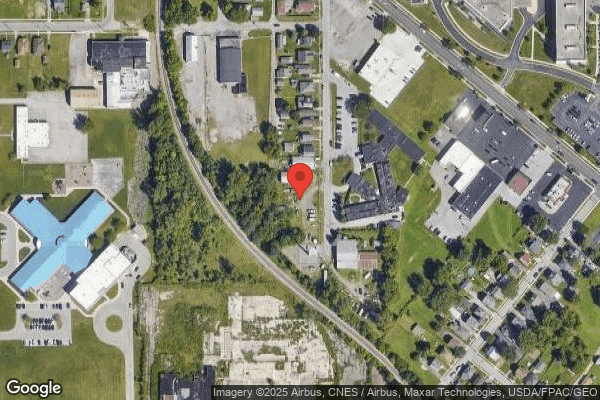

CARECORE AT LIMA

599 SOUTH SHAWNEE STREET, LIMA, OH 45804 (419) 227-2154
For profit - Limited Liability company 88 Beds CARECORE HEALTH Data: November 2025
Trust Grade
10/100
#631 of 913 in OH
Last Inspection: September 2024

Within standard 12-15 month inspection cycle. Federal law requires annual inspections.

Overview

CareCore at Lima has received a Trust Grade of F, indicating significant concerns about the quality of care provided. It ranks #631 out of 913 nursing homes in Ohio, placing it in the bottom half of facilities statewide, and #8 out of 11 in Allen County, meaning there are only three local options that are worse. While the facility shows an improving trend, with issues decreasing from 14 in 2024 to just 1 in 2025, it still has a high staffing turnover rate of 76%, well above the Ohio average of 49%, which raises concerns about consistency in resident care. The nursing home has incurred $33,534 in fines, which is higher than 80% of facilities in the state, suggesting ongoing compliance issues. While it boasts good RN coverage, exceeding 88% of Ohio facilities, there have been serious incidents, including a failure to properly assess a resident's pressure ulcer, leading to significant deterioration, and another incident where a resident suffered injuries due to improper storage of equipment, indicating both strengths and weaknesses in their care practices.

Trust Score
F
10/100
In Ohio
#631/913
Bottom 31%
Safety Record
High Risk
Review needed
Inspections
Getting Better
14 → 1 violations
Staff Stability
⚠ Watch
76% turnover. Very high, 28 points above average. Constant new faces learning your loved one's needs.
Penalties
✓ Good
$33,534 in fines. Lower than most Ohio facilities. Relatively clean record.
Skilled Nurses
✓ Good
Each resident gets 45 minutes of Registered Nurse (RN) attention daily — more than average for Ohio. RNs are trained to catch health problems early.
Violations
⚠ Watch
54 deficiencies on record. Higher than average. Multiple issues found across inspections.
★★☆☆☆
2.0
Overall Rating
★★☆☆☆
2.0
Staff Levels
★★★★☆
4.0
Care Quality
★★☆☆☆
2.0
Inspection Score
Stable
2024: 14 issues
2025: 1 issues

The Good

  • 4-Star Quality Measures · Strong clinical quality outcomes
  • Full Sprinkler Coverage · Fire safety systems throughout facility
  • No fines on record

Facility shows strength in quality measures, fire safety.

The Bad

2-Star Overall Rating

Below Ohio average (3.2)

Below average - review inspection findings carefully

Staff Turnover: 76%

30pts above Ohio avg (46%)

Frequent staff changes - ask about care continuity

Federal Fines: $33,534

Above median ($33,413)

Moderate penalties - review what triggered them

Chain: CARECORE HEALTH

Part of a multi-facility chain

Ask about local staffing decisions and management

Staff turnover is very high (76%)

28 points above Ohio average of 48%

The Ugly 54 deficiencies on record

5 actual harm
Mar 2025 1 deficiency 1 Harm
SERIOUS (G) 📢 Someone Reported This

A family member, employee, or ombudsman was alarmed enough to file a formal complaint

Actual Harm - a resident was hurt due to facility failures

Pressure Ulcer Prevention (Tag F0686)

A resident was harmed · This affected 1 resident

**NOTE- TERMS IN BRACKETS HAVE BEEN EDITED TO PROTECT CONFIDENTIALITY** Based on medical record review, review of hospital records, observations, staff interviews, interview with Wound Physician #500,...

Read full inspector narrative →
**NOTE- TERMS IN BRACKETS HAVE BEEN EDITED TO PROTECT CONFIDENTIALITY** Based on medical record review, review of hospital records, observations, staff interviews, interview with Wound Physician #500, and review of facility policy, the facility failed to timely assess, monitor, and implement treatments for Resident #43, who was admitted to the facility with a pressure ulcer on the coccyx. This resulted in Actual Harm when Resident #43 was assessed upon admission on [DATE] with a pressure ulcer to the coccyx but the staff failed to accurately assess the wound to include measurements/description and the staff failed to notify the physician to obtain/implement treatment orders. Subsequently, Resident #43's coccyx pressure ulcer was assessed by the wound physician on 03/04/25 to be unstageable with necrosis and the coccyx pressure ulcer required excisional debridement (surgery) on 03/04/25 and again on 03/06/25. This affected one (#43) of three residents reviewed for pressure ulcers. The facility census was 76. Findings include: Review of medical record for Resident #43 revealed an admission date of 02/18/25. The resident was admitted with diagnoses including spinal stenosis, cord compression, malignant neoplasm of bone and protein-calorie malnutrition. Review of the admission Minimum Data Set (MDS) assessment dated [DATE] revealed the resident had intact cognition. The assessment indicated the resident was dependent on two-assist for activities of daily living care. Resident #43 had one pressure ulcer which was unstageable. Review of the risk assessment dated [DATE] revealed the resident was at risk for skin breakdown. Review of the hospital discharge record on 02/18/25 revealed the resident had a non-blanchable purple wound on the coccyx found in the hospital on [DATE]. Review of the care plan dated 02/18/25 revealed Resident #43 had impaired skin integrity related to recent surgical procedure, pressure area to coccyx on admission, and immobility. Individualized interventions included consult nurse practitioners for evaluation and treatment as indicated, and turn and reposition per protocol with measurable goals. Review of the medical record revealed a skin observation tool assessment was completed for the dates of 02/18/25 and 02/25/25, which indicated a surgical wound and pressure wound to the coccyx; however, there was no further assessment of Resident #43's wounds including no wound measurements, and no wound stage. Further review of the medical record revealed the physician was not notified and no treatment orders were initiated for the coccyx pressure ulcer. Review of Resident #43's weekly physician notes from the dates of 02/18/25 to 03/03/25 revealed wound assessments were completed for a post-surgical wound of the back. However, there was no documented assessment of the pressure area on Resident #43's coccyx. Review of the Treatment Administration Record (TAR) from 02/18/25 through 03/03/25 revealed there was no treatment for the coccyx wound. Review of a nurse's note dated 02/28/25 at 4:03 A.M. revealed Resident #43 had an unstageable pressure ulcer to the sacrum measuring 6.2 centimeters (cm) by 6.9 cm by 0.3 cm. The wound bed had 50 percent (%) slough and 50% eschar. The wound bed was macerated with the peri-wound being red. The wound was noted to be close to the rectum. The manager was updated. The note lacked notification to the physician and or any treatments being implemented. Review of the shower sheets for Resident #43 revealed on 02/28/25 a bed bath was given and the resident was noted to have an unstageable pressure area to the coccyx. Review of the wound monitoring sheets dated 03/04/25 noted as the first evaluation revealed Resident #43 had a wound which was an unstageable pressure ulcer to the coccyx with necrosis. The wound was measured as being 7.0 cm by 7.20 cm, and a depth of 1.40 cm. The wound bed was undefined with treatments which were Alginate calcium once daily and hydrogel with silver once daily. The wound monitoring sheets were reviewed from January 2025 to 03/06/25 and lacked documentation of Resident #43 being assessed or documented for any type of wound. Review of the VOHRA Initial Wound Evaluation and Management Summary, dated 03/04/25 revealed Resident #43 had a wound on the coccyx. The wound examination of the coccyx revealed the wound was unstageable due to necrosis. The duration was greater than 14 days (it was noted to be present upon admission). The wound measured at 7.0 cm by 7.2 cm by 1.4 cm. The wound had exudate moderate serous with thick adherent devitalized necrotic tissue of 100 percent (%). This wound had undergone a surgical excisional debridement procedure. The wound was surgically excised of devitalized tissue and necrotic subcutaneous level tissues were removed at a depth of 1.5 cm. The non-viable tissue in the wound bed decreased from 100% to 95%. Further review, revealed on 03/06/25, the coccyx wound measured 7 cm by 7.2 cm by 1.4 cm with undermining at 3o'clock measuring 3 cm. The wound had moderate serous exudate with thick adherent devitalized necrotic tissue being 100% of the wound. Another surgical excisional debridement procedure to remove necrotic tissue and establish the margins of viable tissue. The surgical procedure excised the devitalized tissue and necrotic muscle level tissue was removed to a depth of 3.3 cm. The non-viable tissue in the wound bed decreased from 100% to 75%. Observation on 03/11/25 at 6:00 A.M. with Wound Nurse #207 of the treatment to Resident #43's pressure ulcer revealed the wound to the coccyx had a foul odor with dark necrotic tissue. The coccyx wound measured 6.5 cm by 5.4 cm by 3 cm. The wound nurse verified the wound was an unstageable pressure ulcer and was unable to confirm the full depth of the wound due to necrotic tissue present. Interview on 03/11/25 at 12:10 P.M. with the Administrator and Regional Nurse #400 verified lack of documentation in the medical record from 02/28/25 to 03/04/25 of orders for treatments to the coccyx, which was noted upon admission, and notification to the physician. Interview with Wound Physician #500 on 03/11/25 at 2:15 P.M. verified the coccyx wound for Resident #43 was not observed until 03/04/25. There was a consultation on 02/25/25 but the physician did not see the resident due to resident being seen by general surgery. The wound physician was not aware of the status of the coccyx wound until 03/04/25. The wound physician performed a debridement but was unable to remove all the necrotic tissue due to the procedure causing the resident pain. The nurse practitioner had to return two days later and perform another surgical procedure to remove more of the necrotic tissue. Review of the facility's policy, Documentation of Wound Treatments dated 10/10, revealed the facility completes accurate documentation of wound assessments and treatments, including response to treatment, change in condition, and changes in treatment. Wound assessments are documented upon admission, weekly, and as needed if resident or wound condition deteriorates. The following elements are documented as part of a complete wound assessment; type of wound, and anatomical location, stage of the wound, measurements (height, width, depth, undermining or tunneling. The description of the wound should include the color of the wound, type of tissue in the wound, condition of peri-wound, presence, amount, and characteristics of wound drainage, presence or absence of odor, and presence of pain. Additional documentation shall include notification to physicians. Review of the facility's policy, Pressure Injury Risk Assessment dated 03/20, revealed the purpose for this procedure is to provide guidelines for the structured assessment and identification of residents at risk for developing new pressure injuries or worsening of existing pressure injuries. The following information should be recorded in the resident's medical record: the condition of the skin (the size, location and description) if any identified areas are present. Initiation of pressure or non-pressure form related to the type of skin alteration and documentation addressing the physician notification. This deficiency represents non-compliance investigated under Complaint Number OH00163267.
Sept 2024 10 deficiencies 1 Harm
SERIOUS (G)

Actual Harm - a resident was hurt due to facility failures

Accident Prevention (Tag F0689)

A resident was harmed · This affected 1 resident

**NOTE- TERMS IN BRACKETS HAVE BEEN EDITED TO PROTECT CONFIDENTIALITY** Based on observations, medical record review, review of fall investigations, staff and resident interviews, review of hospital r...

Read full inspector narrative →
**NOTE- TERMS IN BRACKETS HAVE BEEN EDITED TO PROTECT CONFIDENTIALITY** Based on observations, medical record review, review of fall investigations, staff and resident interviews, review of hospital records, and review of the facility policies, the facility failed to ensure a safe environment to prevent falls, resulting in actual harm when Resident #23 tripped over the legs of an improperly stored mechanical lift resulting in a facial laceration requiring stitches and a fractured left olecranon (elbow) fracture. Further, the facility failed to ensure neurological checks were completed after falls for Resident #22, failed to ensure fall incidents were thoroughly investigated for Resident #22 and Resident #63, and failed to ensure fall preventions were in place for Resident #22. Lastly, the facility failed to ensure a safe environment to prevent falls for Resident #52. This affected four residents (#23, #22, #63, #52) of five residents reviewed for falls. The facility census was 80. Findings include: 1. Review of the medical record for Resident #23 revealed an admission date of 04/16/12 with diagnoses of cerebral infarction, dementia, and epilepsy. Review of the quarterly Minimum Data Set (MDS) assessment dated [DATE] revealed Resident #23's cognition was assessed via staff, and Resident #23 had impaired cognition. Resident #23 required supervision or touching assistance for chair to bed transfers and walking. Review of the Fall Risk Evaluation dated 06/27/24 revealed Resident #23 had a score of 9.0 and was not at high risk for falls. Review of the current care plan revealed Resident #23 was at risk for falls due to decreased safety awareness, impaired balance and unpredictable seizures. Interventions in place prior to the fall on 09/05/24 included having his bed against the wall, staff to report adverse effects of medications, and therapy to screen if indicated. Review of a progress note dated 09/05/24 at 2:00 A.M. revealed Resident #23 fell in the hallway near the nurses' station. Resident #23 was walking with aides to get a soda and tripped on the legs of a parked mechanical lift and hit his head resulting in a 2-3 centimeter laceration near the corner of his left eye. The fall was witnessed by staff. The physician was notified via voicemail. Review of a progress note dated 09/05/24 at 2:30 A.M. revealed Resident #23 was sent to the Emergency Department (ED) via ambulance. Review of a progress note dated 09/05/24 at 5:48 A.M. revealed Resident #23 received stitches and a CT (computed tomography) scan was negative. Review of a progress note dated 09/05/24 at 6:44 A.M. revealed Resident #23 returned to the facility with no new orders. Review of a progress note dated 09/05/24 at 12:53 P.M. revealed Resident #23's left forearm and elbow appeared swollen and bruised and Resident #23 was guarding. An order was received for an x-ray of the left arm. Review of a progress note dated 09/05/24 revealed Resident #23 was sent to the ED for evaluation of his left arm. Review of a progress note dated 09/05/24 at 7:00 P.M. revealed Resident #23 returned to the facility via stretcher with no new orders. Review of the Interdisciplinary Team progress note dated 09/05/24 at 9:48 A.M. revealed the cause of the fall was equipment in the hallway and the intervention was to educate staff regarding appropriate storage of equipment. Review of the hospital discharge paperwork dated 09/05/24 at 4:41 A.M. revealed Resident #23 received stitches. Review of the hospital discharge paperwork dated 09/05/24 at 3:33 P.M. revealed Resident #23 presented to the ED for evaluation of a fall. Resident #23 was diagnosed via x-ray with a fractured left olecranon (elbow). Resident #23 received fentanyl (pain medication) at the ED. Resident #23's left arm was placed in a long-arm splint and sling. Review of the undated staff education titled, Proper Storage of Equipment, revealed housekeeping, State Tested Nurse Aides (STNAs) and nurses were educated. Interview on 09/24/24 at 4:51 P.M. with Registered Nurse (RN) #182 revealed she worked 09/05/24 and was the nurse for Resident #23 when he returned from the hospital with stitches on 09/05/24 at approximately 6:40 A.M. RN #182 stated Resident #23 began to eat breakfast in the dining room, then had a seizure. After the seizure resolved, the staff assisted Resident #23 to his room to rest. RN #182 stated she was familiar with his seizure activity and was not concerned it was related to his head injury. Further interview revealed the staff began to change Resident #23's clothes before lunch and found his left arm swollen. RN #182 contacted the physician who ordered an x-ray, but the mobile x-ray service was unable to get a good view of Resident #23's arm, so Resident #23 was sent back to the ED. Interview on 09/25/24 at 2:39 P.M. with the Director of Nursing (DON) and concurrent review of the facility's fall investigation into Resident #23's fall on 09/05/24 revealed Resident #22 did not require assistance while walking, and was accompanied by staff while walking down the hall to get a soda. Concurrent observation occurred when the DON and surveyor entered the secured unit where the DON demonstrated the physical condition of the fall. The DON stated a mechanical lift was backed against the wall along the 600 hall across from the MDS Coordinator's office. A floor heater was also noted to be along the wall opposite the office. The DON stated the legs were sticking into the walkway. Interview on 09/26/24 at 11:37 A.M. with the DON confirmed the staff education was not dated. The DON stated she did not review a policy; she explained to staff where to store mechanical lifts, such as in the beauty shop or near the shower when the shower was not in use. The DON stated she did not have any formal audits to ensure equipment was stored properly. The DON did not provide a date the education was provided before the conclusion of the survey. Observation and interview on 09/26/24 at approximately 4:00 P.M. with Maintenance Director #104 revealed the 600 hall where the DON indicated the mechanical lift was placed was 93.5 wide. Further observation revealed the mechanical lift base, at floor level, from back wheel to front wheel was 42.5 while the part of the mechanical lift at eye level was more narrow than the legs. The usable width of the hallway floorspace was reduced to approximately 51 (four feet, 3 inches) for Resident #23 and the STNA to walk together down the hall. Review of the policy Fall Risk Assessment, dated 2001, revealed the staff will seek to identify environmental factors that may contribute to falling, such as lighting and room layout. 2. Review of the medical record for Resident #22 revealed an admission date of 07/09/24 with diagnoses of hemiplegia and hemiparesis, and need for assistance with personal care. Review of the comprehensive admission MDS assessment dated [DATE] revealed Resident #22 had impaired cognition, mobilized with a wheelchair, was dependent for shower/bathing, chair to bed transfers, and tub/shower transfers. Review of the Fall Risk Evaluation dated 07/16/24 revealed Resident #22 was at risk for falls. Review of the current care plan revealed Resident #22 was at risk for falls related to hemiplegia, hemiparesis and weakness. Interventions included keeping a fall mat at bedside (added 09/17/24), encouraging call light use, and keeping the bed in the lowest position. Review of a nursing progress note dated 08/18/24 at 4:25 A.M. revealed Resident #22 was found sitting on the floor in front of her bed with legs outstretched in front of her. Resident #22 was assessed and found to have no injuries. Review of the fall investigation dated 08/20/24 revealed Resident #22 was found on 08/18/24 at 4:20 A.M. sitting on the floor in front of her bed with her legs outstretched. Resident #22 was assessed and no injuries were found. Review of the Interdisciplinary Team's (IDT) review revealed no root cause related to the fall and determined the appropriate intervention was a mat to the floor at the outside of the bed and the other side of the bed placed against to the wall to ensure adequate floor space in the room for mobility equipment. Review of a nursing progress note dated 09/14/24 at 5:56 A.M. revealed Resident #22 was found on the floor. Resident #22 was assessed and found to have no injuries. Review of the fall investigation dated 09/14/24 revealed Resident #22 was found on the floor on 09/14/24 at 5:50 A.M. next to her bed. Resident #22 stated she was reaching for a television remote. A nursing assessment was completed and no injuries were identified. The IDT review revealed the root cause was Resident #22 reaching for personal items; therefore, the intervention was to keep personal items within reach. Review of a nursing progress note dated 09/17/24 at 4:25 A.M. revealed Resident #22 was observed lying on her right side on the floor beside her bed. Resident #22 was assessed and found to have no injuries. Review of the fall investigation dated 09/17/24 revealed Resident #22 was found lying on her right side on the floor next to her bed on 09/17/24 at 4:25 A.M The IDT review revealed the cause of the fall was confusion and attempting to ambulate when not capable of ambulating independently. The IDT developed an intervention of putting a fall mat next to the bed. Review of a nursing progress note dated 09/19/24 at 6:42 P.M. revealed Resident #22 was on the floor next to the dresser. Resident #22 stated she hit her head. Further review of the medical record revealed no evidence neurological checks were completed after Resident #22's unwitnessed falls on 08/18/24, 09/14/24, and 09/19/24. Interview and observation on 09/24/24 at 7:30 A.M. with STNA #162 confirmed Resident #22 was lying in bed with her knees hanging over the edge of the bed and no fall mat was in place. STNA #162 further confirmed, upon review of the electronic medical record, Resident #22's care plan indicated she should have a fall mat beside the bed while in bed. STNA #162 stated Resident #22 often tried to get out of bed. Subsequent interview with STNA #162 and LPN #174 on 09/24/24 at approximately 7:35 A.M. revealed neither staff were aware Resident #22 should have a fall mat. Interview on 09/25/24 at 2:46 P.M. with concurrent review of the facility's fall investigations for Resident #22 revealed the facility reviewed the falls for Resident #22 and determined the trend for her falling in the early morning hours was attributed to her having a urinary tract infection (UTI). However, the fall on 08/18/24 was prior to Resident #22's diagnosis with a UTI on 09/14/24. Additionally, the DON stated the IDT team decided not to implement the fall mat on 08/18/24 and instead decided to only do one intervention at a time, selecting the intervention to move the bed against the wall. The DON confirmed Resident #22 was found on the floor next to her bed after the falls on 09/14/24 and 09/17/24. Interview on 09/26/24 at 11:33 A.M. with the DON confirmed she could not provide neurological assessments for Resident #22's unwitnessed falls on 08/18/24, 09/14/24, and 09/19/24. Further interview with the DON revealed the reason Resident #22's fall mat was not in place during the observation on 09/24/24 was because housekeeping was washing it. The DON stated the fall mats get dirty and need to be washed. Review of the policy Falls and Fall Risk, Managing, dated 2001, revealed the staff will identify and implement relevant interventions to try to minimize serious consequences of falling. 3. Review of the medical record for Resident #63 revealed an admission date of 04/17/23 with diagnoses of encephalopathy, repeated falls and unsteadiness on feet. Review of the quarterly MDS assessment dated [DATE] revealed Resident #63 had impaired cognition, mobilized with a walker, required supervision or touching assistance for chair to bed transfer, substantial/maximal assistance for tub/shower transfer, and for shower/bathing self. Further review revealed she had one fall without injury since the previous assessment. Review of the Fall Risk Evaluation dated 12/14/23 revealed a score of zero. Review of the current care plan for Resident #63 revealed she was at risk for falls related to dementia. Interventions included assisting in positioning and comfort as needed and observe daily and report any observed unsafe conditions. Review of the facility's incident report dated 03/10/24 revealed a State Tested Nurse Aide (STNA) called the nurse to assist with Resident #23 off the floor in the shower. STNA stated Resident #63 slipped out of the shower chair. Review of an IDT progress note dated 03/11/24 revealed Resident #63 was in the shower and slipped out of the chair stating she had soap in her eyes. Resident #63's fall was witnessed by staff. No injuries were noted. Review of the facility's incident report dated 06/08/24 revealed the nurse was notified by the STNA that Resident #23 slipped out of the shower chair to the floor landing on her behind. Review of an IDT progress note dated 06/11/24 revealed Resident #63 was in the shower and slid off the chair onto the floor. STNA was present during the shower. Resident #63 was assessed and no injuries were noted. A floor mat was on the floor. Interview on 09/25/24 at 2:46 P.M. with the DON revealed she did not attempt to interview with STNA who was present during Resident #63's fall on 03/10/24. Further interview revealed the DON attempted to call the agency STNA who was present during the fall on 06/08/24 but did not receive a return call. The DON confirmed no intervention was implemented after Resident #63's first fall from the shower chair on 03/10/24. Additionally, the DON stated the intervention after Resident #63's second fall from the shower chair was to add a larger fall mat to the floor in the shower; however, the DON stated the larger mat did not fit. Further interview with the DON regarding a fall intervention for Resident #63 revealed staff were expected to stand closer to prevent Resident #63 from sliding from the shower chair again. Review of the policy Falls and Fall Risk, Managing, dated 2001, revealed the staff will implement a resident-centered fall prevention plan to reduce the specific risk factor(s) of falls for each resident at risk or with a history of falls. 4. Record review for Resident #52 revealed the resident was admitted to the facility on [DATE]. Diagnoses for Resident #52 include encephalopathy, diabetes type two, malnutrition, traumatic amputation of bilateral legs below knees, heart disease, gangrene, altered mental status, and thrombosis with use of anticoagulants. Review of Resident #52's Minimum Data Set (MDS) quarterly assessment dated [DATE] revealed the resident had intact cognition and was dependent on a wheelchair for ambulation. Review of Resident #52's care plans dated 04/09/24 revealed a focus for risk of falls. Interventions include Resident #52 will receive care and interventions necessary to ensure that his safety is maintained, ensure that the seatbelt is fastened when resident is up in wheelchair, observe Resident #52 in his daily activity and report unsafe conditions for interventions to assist with maintaining his safety. Review of Resident #52's progress notes dated 08/11/24 the resident was attempting to propel himself outside and fell out of the wheelchair and rolled into a hole in the concrete. Per the note the resident suffered no injuries and did not hit his head. Review of the facility's investigation dated 08/11/24 revealed the fall was witnessed. No injuries were noted on the investigation. Resident #52 reported his pain level at a 5 out of 10, in the comments stated resident denied pain at this time. Per the immediate action taken the nurse documented the resident will be educated to ask for assistance when going outside to ensure safety due to the deterioration of the driveway. Interview on 09/23/24 at 11:46 A.M. with Resident #52 revealed the resident stated he had a fall out of his wheelchair on 08/11/24 when he was coming back into the facility by the outside door on the 200-hall. Resident #52 showed the surveyor there are several broken pieces of concrete with bars sticking out near the door and the doorway itself has a raised cracked edge. Resident #52 stated he was attempting to get his motorized wheelchair over the cracked edge when the tires got stuck and his chair fell forward causing him to fall out of the wheelchair onto the ground. Resident #62 stated staff responded quickly to him and got him back into his wheelchair. Resident #52 stated he did not report any injuries to staff at the time of the fall. Interview on 09/23/24 at 3:00 P.M. with Resident #33 revealed the resident witnessed Resident #52's fall on 08/11/24. Per Resident #33, Resident #52 was going back into the facility when his wheelchair front wheels got 'caught in the hole at the doorway'. Resident #33 stated he saw Resident #52 fall forward out of his wheelchair and onto the ground. Resident #33 stated he ran to help but staff had already started to help Resident #52. Resident #33 stated he did not see the resident hit his head and heard the resident tell staff he didn't have any injuries. Interview on 09/24/24 at 3:33 P.M. with the DON verified Resident #62 was outside coming inside when the wheels of his wheelchair was stuck in the doorway threshold and the resident fell out of the wheelchair. The DON stated Resident #52 stated he had no injuries from the fall. Observation and interview on 09/25/24 at 4:00 P.M. with Social Worker (SW) #248 observing the area outside of the doorway into the facility on the 200-hall revealed the concrete was notably raised from the sidewalk to the concrete patio slab. A raised area of about 2-3 inches leaving a space from the sidewalk to the patio was observed. Per SW #248, during the fall investigation it was reported to her the resident was attempting to propel his motorized wheelchair back into the facility when the front wheels caught up on the raised portion of the sidewalk leading to the doorway. SW #248 verified the broken pieces of concrete with what appears to be bars sticking out and stated the facility had not completed any repairs to the sidewalk or patio concrete. Review of the facility policy titled, Fall Risk Assessment', dated 03/2018 revealed staff will seek out to identify environmental risk factors that may contribute to falls. Staff will collaborate to identify and address modifiable fall risk factors and interventions to minimize the risk factor.
CONCERN (D)

Potential for Harm - no one hurt, but risky conditions existed

Quality of Care (Tag F0684)

Could have caused harm · This affected 1 resident

**NOTE- TERMS IN BRACKETS HAVE BEEN EDITED TO PROTECT CONFIDENTIALITY** Based on observation, interview, and policy review. the facility failed to ensure weekly skin assessments were being completed t...

Read full inspector narrative →
**NOTE- TERMS IN BRACKETS HAVE BEEN EDITED TO PROTECT CONFIDENTIALITY** Based on observation, interview, and policy review. the facility failed to ensure weekly skin assessments were being completed thoroughly. This affected one resident (#71) of three residents reviewed for skin issues. Additionally, the facility failed to ensure treatments were completed as ordered and an order for suture removal was completed. This affected two residents (#23 and #29) of three residents reviewed for skin. The facility census was 80. Findings include: 1. Review of medical record for Resident #71 revealed an admission date of 07/11/24 with diagnoses including but not limited to type two diabetes, sepsis, bipolar disorder, cutaneous abscess of the buttock, and cutaneous abscess. Review of Minimum Data Set (MDS) assessment dated [DATE] revealed the resident was cognitively intact. The resident required supervision/touching assistance for Activities of Daily Living (ADLs) and bed mobility, transfers, and ambulation. Review of physician orders revealed keep area with drains on right buttock clean and cover with ABD pad daily until follow up appointment. Review of Skin Review Weekly dated 09/23/24 revealed the form was blank. No description, measurements, location, type of wound, and treatment that was ordered was listed on the form. Interview on 09/25/24 at 10:33 A.M. with the Director of Nursing (DON) verified the weekly skin note dated 09/23/24 did not contain the information requested such as surgical wound, location, measurements, and treatment ordered. The DON verified the skin assessments should be completed thoroughly. 2. Review of medical record for Resident #29 revealed an admission date of 02/27/23 with diagnoses including but not limited to myoneural disorder, spondylosis, congestive heart failure, anxiety, major depressive disorder, and unspecified convulsions. Review of the MDS assessment dated [DATE] revealed the resident was cognitively intact. Resident #29 required supervision or touching assistance for ADLs. Review of current physician orders revealed apply compression stockings in the A.M. and remove at bedtime (tubi-grips or ace wraps), and unna boots to bilateral extremities then wrap with coban as needed. Review of the Treatment Administration Record (TAR) for September 2024 revealed the treatment for compression stockings/ace wraps was signed off as completed on 09/23/24. Observation on 09/23/24 at 2:02 P.M. revealed the residents legs were not wrapped and the lower legs appeared to have abrasions/scratches with seeping fluid. Observation on 09/24/24 at 10:31 A.M. of Resident #29's legs revealed his legs were not wrapped. Resident #29's legs were observed to be seeping fluid at this time. Interview on 09/23/24 at 2:02 P.M. with Resident #29 revealed the resident stated the nurses do not wrap his legs like they should. Resident #29 stated the nurses do not wrap his legs some days. Interview on 09/24/24 at 10:33 A.M. with Licensed Practical Nurse (LPN) #174 revealed the nurse verified she worked on 09/23/24 and stated Resident #29 refused to let her wrap his legs on 09/23/24 after several attempts. LPN #174 verified she did not place wraps on Resident #29's legs on 09/24/24. Interview on 09/24/24 at 1:55 P.M. with Resident #29 revealed the resident denied ever refusing for his legs to be wrapped. Observation at the time of the interview revealed the residents legs were wrapped. 3. Review of the medical record for Resident #23 revealed an admission date of 04/16/12 with diagnoses of cerebral infarction, dementia, and epilepsy. Review of the quarterly MDS assessment dated [DATE] revealed Resident #23's cognition was assessed via staff, and Resident #23 had impaired cognition. Resident #23 required supervision or touching assistance for chair to bed transfers and walking. Review of a progress note dated 09/05/24 at 2:00 A.M. revealed Resident #23 fell in the hallway near the nurses' station. Resident #23 was walking with aides to get a soda and tripped on the legs of a parked mechanical lift and hit his head resulting in a 2-3 centimeter laceration near the corner of his left eye. The fall was witnessed by staff. The physician was notified via voicemail. Review of a progress note dated 09/05/24 at 2:30 A.M. revealed Resident #23 was sent to the Emergency Department (ED) via ambulance. Review of a progress note dated 09/05/24 at 5:48 A.M. revealed Resident #23 received stitches and a CT (computed tomography) scan was negative. Review of a progress note dated 09/05/24 at 6:44 A.M. revealed Resident #23 returned to the facility with no new orders. Review of the hospital discharge paperwork dated 09/05/24 revealed Resident #23's stitches should be removed in five to six days either by the facility physician or at the hospital. Review of a current physician order dated 09/07/24 revealed Resident #23's left outer eye sutures should be cleaned with soap and water every day, and left open to air; apply dressing as needed for drainage. Observation and interview on 09/26/24 at 1:35 P.M. with Registered Nurse (RN) #182 confirmed Resident #23's stitches were still in place. RN #182 stated she just cleaned them today. Further observation revealed the stitches and surrounding tissue showed no signs or symptoms of infection. Further interview with RN #182 revealed she was the nurse on duty when Resident #23 returned from the hospital with stitches on 09/05/24 and no accompanying paperwork or orders were received from the hospital. RN #182 was unaware Resident #23's stitches should have been removed.
CONCERN (D)

Potential for Harm - no one hurt, but risky conditions existed

Incontinence Care (Tag F0690)

Could have caused harm · This affected 1 resident

**NOTE- TERMS IN BRACKETS HAVE BEEN EDITED TO PROTECT CONFIDENTIALITY** Based on observation, review of the facility policy, record review, resident interview, and staff interview, the facility failed...

Read full inspector narrative →
**NOTE- TERMS IN BRACKETS HAVE BEEN EDITED TO PROTECT CONFIDENTIALITY** Based on observation, review of the facility policy, record review, resident interview, and staff interview, the facility failed to provide appropriate treatments and services for residents with indwelling catheters. This affected one resident (#130) out of three residents reviewed for indwelling catheters. The facility census was 80. Findings include: 1. Record review for Resident #130 revealed the resident was admitted to the facility on [DATE]. Diagnoses for Resident #130 included polyneuropathy, gout, prostate cancer with metastasis to pelvic bone, and clostridium difficile, (c-diff). Review of Resident #130's Minimum Data Set (MDS) dated [DATE] was in progress at the time of survey. Review of Resident #130's hospital documents dated 09/12/24 revealed the resident had an indwelling catheter placed for the diagnosis of obstructive uropathy. Review of Resident #130's baseline care plan dated 09/20/24 revealed for the bladder assessment the resident was noted as having an indwelling catheter upon admission. Review of Resident #130's comprehensive care plans dated 09/20/24 revealed no focus for bladder or the indwelling catheter. Review of Resident #130's physician orders dating from 09/20/24 to 09/26/24 revealed no orders for the care or continuation of the indwelling catheter in the medical records. Review of Resident #130's Treatment Administration Records (TAR) dated 09/2024 revealed no documentation of catheter care being documented as completed. Interview on 09/23/24 at 9:10 A.M. with Resident #130 revealed the resident had the indwelling catheter inserted while he was at the hospital. Resident #130 stated he did not know what the plan was for the catheter or when the facility was going to be removing the catheter. Resident #130 stated he has asked his nurses about the catheter and they inform him, when he no longer needs the catheter it can be removed. Resident #130 denied any pain associated with the indwelling catheter. Interview on 09/25/24 at 1:30 P.M. with State Tested Nurse Aide (STNA) #156 revealed she performed catheter care for Resident #130. STNA #130 stated staff chart completion of care in the computer. STNA #156 stated she reported to the nurse she completed the catheter care and verified the aide knew the resident had an indwelling catheter due to the previous STNA's report. STNA #156 stated she did not know if there was any place to document the catheter care for Resident #130 in the medical records. Interview on 09/25/24 at 1:35 P.M. with Registered Nurse (RN) #333 revealed the nurse works for an agency, not the facility. RN #333 stated she received the information in report from the previous shift nurse stating Resident #130 had an indwelling catheter. RN #333 verified STNA #130 reported to her the catheter care was completed and there were no issues noted with the catheter. RN #333 stated she could not document the catheter care due no orders for the treatment in the records. RN #333 verified the resident had no focus in his care plans or physician orders for the indwelling catheter in the medical records. Interview on 09/25/24 at 1:45 P.M. with the DON and Regional Registered Nurse (RRN) #275 verified Resident #130 had the indwelling catheter upon admission. The DON verified while the indwelling catheter was documented on the baseline care plans, there were no interventions, the catheter was not on the comprehensive care plans. The DON verified there were no orders and no documentation in the medical records regarding the treatment for the indwelling catheter or the plan for removal for Resident #130. Review of the facility policy titled, Catheter Care, dated 08/2022 revealed the facility staff will assess the ongoing need and plan for removal of each indwelling catheter. Per the policy the staff will document all catheter care in the medical records and report any unusual findings.
CONCERN (D)

Potential for Harm - no one hurt, but risky conditions existed

Deficiency F0697 (Tag F0697)

Could have caused harm · This affected 1 resident

**NOTE- TERMS IN BRACKETS HAVE BEEN EDITED TO PROTECT CONFIDENTIALITY** Based on record review, resident interview, and staff interview, the facility failed to provide pain medication for a resident p...

Read full inspector narrative →
**NOTE- TERMS IN BRACKETS HAVE BEEN EDITED TO PROTECT CONFIDENTIALITY** Based on record review, resident interview, and staff interview, the facility failed to provide pain medication for a resident per physician orders. This affected one resident (#33) out of five residents reviewed for medications. The facility census was 80. Findings include: Record review for Resident #33 revealed the resident was admitted to the facility on [DATE]. Diagnoses for Resident #33 included hemiplegia, facial weakness, aphasia, asthma, chronic obstructive pulmonary disease, and heart disease. Review of Resident #33's care plans dated 08/08/24 revealed a focus for risk for dental health problems due to missing, broken and carious teeth due to poor oral health and lack of professional dental care. Interventions include administer medications per physician order. Review of Resident #33's physician orders dated 09/19/24 revealed the resident was prescribed Hydrocodone-Acetaminophen 5-325 milligram (mg) every four hours as needed for tooth pain for three days. No other orders for pain medication was noted in the medical records after 09/19/24. Review of Resident #33's hospital paperwork dated 09/18/24 revealed Resident #33 was seen at the hospital for dental pain and infection. Resident #33 was discharged on 09/19/24 with orders to receive Hydrocodone-Acetaminophen 5-325 mg every four hours as needed for tooth pain for three days and Clindamycin (antibiotic) 300 milligrams (mg) four times a day for 10 for a tooth infection. Review of Resident #33's hospital paperwork dated 09/22/24 revealed the resident was seen at the hospital for dental pain. Resident #33 was discharged on 09/22/24 with orders to receive Hydrocodone-Acetaminophen 5-325 mg every eight hours as needed for tooth pain for two days. Review of Resident #33's progress notes dated 09/18/24 at 11:23 P.M. revealed the nurse documented Resident #33 complained of severe teeth pain with swollen gums noted. Per the nurse's note the resident requested a narcotic pain medication. Per the note no written script for pain medication was in the records and the nurse was unable to pull the pain medication from the emergency cart. The nurse documented the resident then requesting to go to the hospital, the nurse provided a packet for the resident. Per the note, Resident #33 signed himself out of the facility and went to the hospital. Review of the progress notes dated 09/22/24 at 3:00 A.M. revealed the nurse documented the resident was complaining of dental pain. Per the note the resident was seen on 09/19/24 at the hospital concerning the dental pain and was prescribed the pain medication for the next three days. The nurse documented the prescription was completed and the resident was requesting to go back to the hospital due to increased pain to his gums. The nurse documented she contacted the primary physician of the resident's complaints and the physician stated to inform him of any new orders. Review of the progress note dated 09/22/24 at 6:04 A.M. revealed the resident returned to the facility from the hospital with new orders for the pain medication every eight hours as needed for two days. Per the note the physician was notified of the new orders from the hospital. Review of the note dated 09/23/24 at 11:22 P.M. revealed the nurse documented she offered Resident #33 Tylenol for pain until the prescribed narcotic pain medication came from pharmacy. Review of Resident #33's vital signs for pain monitoring revealed from 09/01/24 to 9/16/24 the resident stated his pain level was zero out of 10. On 09/17/24 the resident stated his pain level was a eight out of 10. The pain levels was documented as an eight out of 10 on 09/19/24, 09/20/24, and 09/22/24. Interview on 09/23/24 at 2:00 P.M. with Resident #33 revealed the resident complained about not being able to see the dentist. Resident #33 stated the dentist refused to work on his teeth the last time the dentist was in the facility due to Resident #33 not receiving a medication he was supposed to get before the visit. Resident #33 stated around two weeks ago he noticed his teeth were becoming more painful and requested his primary physician to prescribe some pain medication to help the resident through the pain until he can be seen by the dentist again to have the teeth pulled. Resident #33 stated he did not have any pain before 09/17/24. Resident #33 denied any loss of appetite or changes to his daily routine. Resident #33 did state he was in pain mostly at night which was causing him loss of sleep. Interview on 09/24/24 at 1:30 P.M. with the Social Worker (SW) #248 revealed on 09/11/24 Resident #33 was seen by the facility's dentist and was scheduled to receive a procedure of extraction for his teeth on 09/18/24. Per SW #248 stated the resident had not complained about pain until recently when the dentist saw him on 09/11/24 and 09/18/24. Per SW #248, there was a plan to have the resident's teeth extracted when the facility's new dentist will come to the facility. Interview on 09/24/24 at 3:10 P.M. with Resident #33 revealed the resident was sitting outside the facility under the carport. Resident #33 stated after the second visit with the dentist he was told due to him not getting the antibiotics he would have to wait until next month before the dentist could pull his teeth. Resident #33 stated he was in pain and asked for a pain medication after the dentist appointment on 09/18/24 and was refused pain medications. Resident #33 stated he signed himself out of the facility and went to the hospital where he received an order for antibiotics and pain medication. Resident #33 stated he did not request every pain pill when he was allowed to, only when he was in pain, until 09/22/24 when the nurse informed him his pain medication would need a new prescription. Resident #33 stated the pain has not stopped him from doing his daily living tasks but he is upset he cannot have a pain free day. Resident #33 stated he refused Tylenol due to the medication making him sick to his stomach. Resident #33 stated the facility has not offered him any other interventions for pain relief. Interview on 09/24/24 at 3:22 P.M. with Registered Nurse (RN) #344 revealed Resident #33 had requested a pain medication during his morning medication pass and the nurse verified there were no active orders in the records for any pain medication. RN #344 stated she reported it to the DON. Interview on 09/24/24 at 3:35 P.M. with the Director of Nursing (DON) verified there was an order sent from the hospital on [DATE] for Resident #33's pain medication. The DON stated the pharmacy refused to refill the prescription and stated it was never relayed to the facility by the pharmacy the medication would not be supplied. The DON verified Resident #33 had not received any pain medication after he reported pain from 09/22/24 to 09/24/24.
CONCERN (D)

Potential for Harm - no one hurt, but risky conditions existed

Deficiency F0804 (Tag F0804)

Could have caused harm · This affected 1 resident

Based on resident interview, staff interview, and test tray, the facility failed to serve palatable meals. This affected two residents (#57 and #60) of two residents reviewed for meals. The facility w...

Read full inspector narrative →
Based on resident interview, staff interview, and test tray, the facility failed to serve palatable meals. This affected two residents (#57 and #60) of two residents reviewed for meals. The facility was 80. Findings include: Review of a test tray on 09/25/24 at 11:55 A.M. with Registered Nurse #178 revealed a plate with roast pork loin, mashed potatoes, and broccoli. Gravy covered the mashed potatoes and pork loin. The broccoli was served in a separate bowl on the plate. The plate presentation was pleasing. The temperature of the food was warm. The pork was seasoned well and tender. The mashed potatoes were bland with very little flavor. Additionally, the gravy had minimal flavor. Further, the broccoli was cooked to an appropriate texture but was bland and unseasoned. RN #178 confirmed the mashed potatoes, gravy, and broccoli tasted bland and lacked seasoning. Interview on 09/25/24 at 12:23 P.M. with Resident #60 revealed she thought the mashed potatoes and gravy tasted bland. Interview on 09/25/24 at 12:26 P.M. with Resident #57 revealed she felt the mashed potatoes were not flavorful.
CONCERN (E) 📢 Someone Reported This

A family member, employee, or ombudsman was alarmed enough to file a formal complaint

Potential for Harm - no one hurt, but risky conditions existed

Safe Environment (Tag F0584)

Could have caused harm · This affected multiple residents

**NOTE- TERMS IN BRACKETS HAVE BEEN EDITED TO PROTECT CONFIDENTIALITY** Based on observation, interview, and policy review, the facility failed to maintain a safe environment regarding the wheelchair ...

Read full inspector narrative →
**NOTE- TERMS IN BRACKETS HAVE BEEN EDITED TO PROTECT CONFIDENTIALITY** Based on observation, interview, and policy review, the facility failed to maintain a safe environment regarding the wheelchair ramp in the front of the building. This had the potential to affect all residents in wheelchairs who would potentially use the ramp. The facility identified 39 residents who used wheelchairs. Additionally, the facility failed to ensure the floor of the shower in the secured unit was free of broken tiles. This affected one (#63) of one reviewed for falls related to broken tiles. The facility census was 80. Findings include: 1. Observation on 09/23/24 at 8:22 A.M. revealed a gap of approximately five inches irregularly shaped exposing stone and grass growing from the gap of broken concrete at the top of the wheelchair ramp coming into the building. Wheelchair ramp is located to the right of the building off the front porch area. Several cracks and open areas in the concrete on the front porch area observed as well. Observation on 09/25/24 at 2:28 P.M. of Resident #12 being pushed in wheelchair by State Tested Nursing Assistant (STNA #140) on the wheelchair ramp outside of the front entrance revealed the wheelchair went down the ramp without difficulty. When STNA #140 attempted to push Resident #12 up the ramp the wheelchair wheels stuck at the top of the ramp in the gap and the resident jerked forward in the wheelchair. STNA #140 attempted to get the resident over the gap five times before the wheelchair got over the ramp. Interview on 09/25/24 at 10:13 A.M. with Resident #61 revealed the resident stated she had trouble getting over the gap/crack in the concrete at the top of the wheelchair ramp coming into the building. Resident #61 stated she needs help to get over the crack/gap. Resident #61 stated she has no problems wheeling herself around throughout the facility. Interview on 09/25/24 at 2:30 P.M. with STNA #140 verified Resident #12's wheelchair wheels got stuck in the gap of concrete and it took five times to get the resident over the crack. Review of the policy titled, Homelike Environment, revised February 2021 revealed residents are provided with a safe, clean, comfortable environment. 2. Review of the medical record for Resident #63 revealed an admission date of 04/17/23 with diagnoses of encephalopathy, repeated falls and unsteadiness on feet. Review of the quarterly MDS assessment dated [DATE] revealed Resident #63 had impaired cognition, mobilized with a walker, required supervision or touching assistance for chair to bed transfer, substantial/maximal assistance for tub/shower transfer, and for shower/bathing self. Further review revealed she had one fall without injury since the previous assessment. Review of the current care plan for Resident #63 revealed she was at risk for falls related to dementia. Interventions included assisting in positioning and comfort as needed and observe daily and report any observed unsafe conditions. Review of the facility's incident report dated 03/10/24 revealed a State Tested Nurse Aide (STNA) called the nurse to assist with Resident #23 off the floor in the shower. STNA stated Resident #63 slipped out of the shower chair. Review of an Interdisciplinary Team (IDT) progress note dated 03/11/24 revealed Resident #63 was in the shower and slipped out of the chair stating she had soap in her eyes. Resident #63's fall was witnessed by staff. No injuries were noted. Review of the facility's incident report dated 06/08/24 revealed the nurse was notified by the STNA that Resident #23 slipped out of the shower chair to the floor landing on her behind. Review of an IDT progress note dated 06/11/24 revealed Resident #63 was in the shower and slid off the chair onto the floor. STNA was present during the shower. Resident #63 was assessed and no injuries were noted. A floor mat was on the floor. Interview on 09/25/24 at 8:10 A.M. with STNA #162 revealed the tile in the shower on the secured unit was very slippery and there was broken tile and if staff used the shower chair everyone falls because the wheel on the shower chair caught in the broken tile. STNA #162 was aware of falls in the shower for Resident #63 and Resident #50. STNA #162 stated there was a third resident who fell in the shower but she could not recall who it was. Further interview with STNA #162 revealed she was with Resident #63 when Resident #63 caught her foot in a broken tile and fell before the shower began. STNA #162 stated Resident #63 was sent for x-rays but had no injuries. Concurrent observation of the shower revealed two areas of broken tiles, one jagged and affecting four tiles, and one where it appeared most of all four tiles were missing. STNA #162 stated it was the jagged broken area where Resident #63 caught her foot. STNA #162 stated she reported the broken tiles to the previous maintenance director. Observation and interview on 09/25/24 at 9:13 A.M. with Maintenance Director (MD) #104 revealed he worked at the facility for approximately two months and was not aware of any broken tiles in the shower on the secured unit. MD #104 confirmed the floor tiles were 2 inches by 2 inches and there were two areas with broken tiles. The jagged area was irregularly shaped and measured approximately 3.5 inches by 2.25 inches and affected three tiles. The second area measured 4 inches by 4 inches and affected four tiles. Interview on 09/25/24 at 2:46 P.M. with the Director of Nursing (DON) revealed she was aware of Resident #63's two falls in the shower and believed both falls were from Resident #63 slipping from the shower chair. The DON was not aware of any incident wherein Resident #63 fell in the shower due to cracked tiles. This deficiency represents non-compliance investigated under complaint OH0015799.
CONCERN (E)

Potential for Harm - no one hurt, but risky conditions existed

Comprehensive Care Plan (Tag F0656)

Could have caused harm · This affected multiple residents

**NOTE- TERMS IN BRACKETS HAVE BEEN EDITED TO PROTECT CONFIDENTIALITY** 3. Review of medical record for Resident #41 revealed an admission date of 11/26/21 with diagnoses including but not limited to ...

Read full inspector narrative →
**NOTE- TERMS IN BRACKETS HAVE BEEN EDITED TO PROTECT CONFIDENTIALITY** 3. Review of medical record for Resident #41 revealed an admission date of 11/26/21 with diagnoses including but not limited to malignant neoplasm of glottis, acute respiratory failure with hypoxia, tracheostomy status, and dependence on supplemental oxygen. Review of MDS assessment dated [DATE] revealed the resident was cognitively intact. Resident #41 was on oxygen, required suctioning, and was on hospice. Resident #41 was dependent on staff for activities of daily living. Review of care plan dated 09/09/24 revealed infection control/Enhanced Barrier Precautions (EBP)/tracheostomy related to tracheostomy and oxygen dependence secondary to respiratory failure and occlusion in his throat from cancer on his vocal cords; the resident was at risk for further decline and sudden respiratory distress to failure going forward; hospice services in place. Interventions included educate resident, family, and frequent visitors on use of EBP; including how and when to use Personal Protective Equipment (PPE) provided outside the residents room, ensure proper PPE is maintained outside residents room and that the signage identifying that EBP are in use is posted on the residents door. Further review of the care plan revealed no respiratory care plan noted. Interview on 09/25/24 at approximately 1:45 P.M. with the Director of Nursing (DON) verified Resident #41 did not have a respiratory care plan. 4. Review of medical record for Resident #57 revealed an admission date of 07/11/24 with diagnoses including but not limited to cerebral infarction, type two diabetes, congestive heart failure, difficulty walking, anxiety, and hypertension. Review of the MDS assessment dated [DATE] revealed the resident had moderate cognitive impairment. Resident #57 was dependent for bed mobility and transfers. Resident #57 was substantial/maximal assistance for activities of daily living. Review of care plan dated 07/11/24 revealed no care plan for activities of daily living (ADLs). Interview on 09/25/24 at 1:28 P.M. with the DON verified Resident #57 did not have an ADLs care plan. 5. Review of medical record for Resident #71 revealed an admission date of 07/11/24 with diagnoses including but not limited to type two diabetes, sepsis, bipolar disorder, cutaneous abscess of the buttock, and cutaneous abscess. Review of the MDS assessment dated [DATE] revealed the resident was cognitively intact. The resident required supervision/touching assistance for ADLs and bed mobility, transfers, and ambulation. Review of physician orders revealed keep area with drains on right buttock clean and cover with ABD pad daily until follow up appointment. Review of care plan dated 07/11/24 revealed a care plan for at risk for skin impairment but no care plan regarding the actual skin impairment to the resident's right buttock with interventions. Interview on 09/25/24 at 10:33 A.M. with the DON verified no care plan was initiated for the actual skin issue. DON verified the resident had the skin issue since admission. Review of the policy, Care Plan, Comprehensive Person-Centered, dated 2001, revealed the comprehensive person-centered care plan describes the services that are to be furnished to attain or maintain the resident's highest practicable physical, mental, and psychosocial well-being. 2. Review of the medical record for Resident #22 revealed an admission date of 07/09/24 with diagnoses of hemiplegia and hemiparesis, and need for assistance with personal care. Review of the comprehensive admission MDS assessment for Resident #22 revealed she had impaired cognition and an indwelling catheter. Review of the Admit/Readmit Review dated 07/09/24 and locked 07/17/24 revealed Resident #22 had a catheter. Review of the current comprehensive care plan revealed no bowel/bladder or catheter care area were included. Observation on 09/26/24 at approximately 10:00 A.M. revealed Resident #22 sitting in the common area with a catheter. Interview on 09/26/24 at 12:53 P.M. with MDS Coordinator #192 confirmed Resident #22 had a catheter and her care plan contained no care area for her bowel/bladder and catheter. Based on record review, resident interview, staff interview, and review of facility policy, the facility failed to ensure comprehensive care plans were completed concerning all care areas for residents. This affected five residents (#22, #41, #57, #71, and #130) out of 25 residents reviewed for care plans. The facility census was 80. Findings include: 1. Record review for Resident #130 revealed the resident was admitted to the facility on [DATE]. Diagnoses for Resident #130 include polyneuropathy, gout, prostate cancer with metastasis to pelvic bone, and clostridium difficile, (c-diff). Review of Resident #130's Minimum Data Set (MDS) dated [DATE] was in progress at the time of survey. Review of Resident #130's hospital documents dated 09/12/24 revealed the resident had an indwelling catheter placed for the diagnosis of obstructive uropathy. Review of Resident #130's baseline care plan dated 09/20/24 revealed for the bladder assessment the resident was noted as having an indwelling catheter upon admission. Review of Resident #130's comprehensive care plans dated 09/20/24 revealed no focus for bladder or the indwelling catheter. Review of Resident #130's physician orders dating from 09/20/24 to 09/26/24 revealed no orders for the care or continuation of the indwelling catheter in the medical records. Review of Resident #130's Treatment Administration Records (TAR) dated 09/2024 revealed no documentation of catheter care being documented as completed. Interview on 09/23/24 at 9:10 A.M. with Resident #130 revealed the resident had the indwelling catheter inserted while he was at the hospital. Resident #130 stated he did not know what the plan was for the catheter or when the facility was going to be removing the catheter. Resident #130 stated he has asked his nurses about the catheter and they inform him, when he no longer needs the catheter it can be removed. Resident #130 stated he does receive catheter care regularly. Interview on 09/25/24 at 1:30 P.M. with State Tested Nurse Aide (STNA) #156 revealed she performed catheter care for Resident #130. STNA #130 stated staff chart completion of care in the computer. STNA #156 stated she reported to the nurse she completed the catheter care and verified the aide knew the resident had an indwelling catheter due to the previous STNA's report. Interview on 09/25/24 at 1:35 P.M. with Registered Nurse (RN) #333 revealed the nurse works for the agency, not the facility. RN #333 stated she received the information in report Resident #130 had an indwelling catheter. RN #333 verified STNA #130 reported to her the catheter care was completed and there were no issues noted with the catheter. RN #333 stated she could not document the catheter care due no orders for the treatment in the records. RN #333 verified the resident had no focus in his care plans for the indwelling catheter. Interview on 09/25/24 at 1:45 P.M. with the Director of Nursing (DON) and Regional Registered Nurse (RRN) #275 verified Resident #130 had the indwelling catheter upon admission. The DON verified while the indwelling catheter was documented on the baseline care plans, there were no interventions, and the catheter was not on the comprehensive care plan. The DON verified there were no orders and no documentation in the medical records regarding the treatment for the indwelling catheter.
CONCERN (E)

Potential for Harm - no one hurt, but risky conditions existed

Menu Adequacy (Tag F0803)

Could have caused harm · This affected multiple residents

Based on observation, staff interview, and review of the menu spreadsheet, the facility failed to provide adequate protein portions to residents on a mechanical soft diet. This affected 14 residents (...

Read full inspector narrative →
Based on observation, staff interview, and review of the menu spreadsheet, the facility failed to provide adequate protein portions to residents on a mechanical soft diet. This affected 14 residents (#2, #3, #4, #6, #16, #17, #28, #32, #37, #43, #53, #63, #68, and #130) identified on a mechanical soft diet. The facility census was 80. Findings include: Observations during meal service on 09/25/24 beginning at 10:46 A.M. revealed [NAME] #206 plating meals using a green handled scoop for the mechanical soft pork loin. Interview and observation on 09/25/24 at approximately 12:00 P.M. with [NAME] #206 revealed the green handled scoop had no measurements, but [NAME] #206's understanding was it was a 3-ounce scoop. Interview and observation of the green handled scoop on 09/25/24 at 12:06 P.M. with Dietary Manager (DM) #198 confirmed the scoop had no measurements on it. Further observation of another green handled scoop, taken from the drawer, revealed it measured 2 and 2/3 ounces. Continued interview and observation of a website with DM #198 revealed the green handled scoop she purchased was 3 and 1/4 ounces. Observation of the two scoops filled with water revealed the unlabeled scoop held less water than the scoop labeled 2 and 2/3 ounces. Interview and observation on 09/25/24 at 12:16 P.M. with Regional Registered Dietitian #500 confirmed the unlabeled scoop was smaller than the one measuring 2 and 2/3 ounces and could not verify what portion of pork loin was provided to residents on a mechanical soft diet. Review of the menu spreadsheet for the noon meal on 09/25/24 revealed the portion of mechanical soft pork loin should be 3 ounces.
CONCERN (E)

Potential for Harm - no one hurt, but risky conditions existed

Food Safety (Tag F0812)

Could have caused harm · This affected multiple residents

Based on observation, staff interview, and review of the facility policy, the facility failed to ensure staff used appropriate hand hygiene while preparing meals. Additionally, the facility failed to ...

Read full inspector narrative →
Based on observation, staff interview, and review of the facility policy, the facility failed to ensure staff used appropriate hand hygiene while preparing meals. Additionally, the facility failed to ensure the dish machine washed dishes at the proper temperature. This had the potential to affect all residents except two (#41 and #42) who were identified as receiving no food from the kitchen. The facility census was 80. Findings include: 1. Observations during meal service on 09/24/24 beginning at approximately 5:05 P.M. revealed [NAME] #202 wearing disposable gloves while plating roast beef sandwiches and cubed potatoes for the evening meal. [NAME] #202 held tongs in her right hand to pick up roast beef and used her left hand to place the beef onto a bun. [NAME] #202 then used her right hand to place cheese and lettuce on the bun, and her right hand to place lettuce on the bun. [NAME] #202 then used her right hand to scoop potatoes onto the plate, and used both hands to close the sandwich. Continued observation revealed [NAME] #202 changing her gloves without washing her hands. [NAME] #202 opened a package of bread, put two slices in a skillet, picked up a squeeze bottle of oil and squeezed it into the pan, then opened a new package of hamburger buns, held the bag with one hand and reached in with the other and placed buns on four plates to begin making more ready-to-eat roast beef sandwiches. Interview with Dietary Manager (DM) #198 on 09/24/24 at 5:38 P.M. revealed she observed [NAME] #202 concurrently with the surveyor and confirmed [NAME] #202 was not practicing appropriate hand hygiene and DM #198 would provide education. DM #198 further confirmed touching bags of bread or rolls was considered a contaminated surface. Observation during meal service on 09/25/24 beginning at 10:46 A.M. revealed [NAME] #206 plating meals. [NAME] #206 wore disposable gloves and used separate serving utensils for pork, broccoli, mashed potatoes, gravy, mechanical soft pork and mechanical soft broccoli. Continued observation at approximately 10:50 A.M. revealed [NAME] #206 changed her gloves, opened a package of bread, removed four slices of bread, scooped mechanical soft pork loin onto the bread and used a knife to cut the two sandwiches into squares while holding the bread with her left hand. Concurrent interview at 10:52 A.M. with [NAME] #206 confirmed she used the same pair of gloves to open a bag of bread, scoop meat, and cut the sandwich for Resident #16 and confirmed she should have changed her gloves before touching ready-to-eat food. Review of the undated policy titled, Bare Hand Contact with Food and Use of Plastic Gloves, revealed gloved hands are considered a food contact surface that can become contaminated or soiled and should be changed anytime a contaminated surface is touched. 2. Observation on 09/24/24 at 4:18 P.M. of the label attached to the dishwasher revealed recommended wash temperatures of 120 degrees Fahrenheit (F) minimum and rinse temperature of 120 degrees F minimum. Concurrent observation and interview with DM #198 on 09/24/24 beginning at 4:18 P.M., after running three cycles of the dishwasher revealed a wash temperature of 91 degrees F. Continued observation at 4:29 P.M., after additional wash cycles revealed a wash temperature of 108 degrees. DM #198 confirmed the wash temperature of the washing machine did not meet the minimum wash requirements.
CONCERN (E)

Potential for Harm - no one hurt, but risky conditions existed

Deficiency F0925 (Tag F0925)

Could have caused harm · This affected multiple residents

Based on observation, resident and staff interviews, and review of the facility policy, the facility failed to ensure a pest free environment. This had the potential to affect 35 residents (#2, #5, #6...

Read full inspector narrative →
Based on observation, resident and staff interviews, and review of the facility policy, the facility failed to ensure a pest free environment. This had the potential to affect 35 residents (#2, #5, #6, #7, #8, #9, #11, #13, #14, #15, #16, #20, #21, #22, #23, #29, #30, #35, #37, #43, #45, #46, #47, #48, #55, #61, #63, #64, #68, #70, #72, #74, #180, #181, and #182) on the secured unit. The facility census was 80. Findings include: Observation on 09/23/24 at 11:18 A.M. of the secured unit dining room during the noon meal revealed two moths flying around the dining room. Observation on 09/23/24 at 1:21 P.M. during an interview with Resident #37 revealed a moth flying around his room. Observation and interview on 09/23/234 at 3:27 P.M. with a resident who wished to remain anonymous revealed the amount of moths bothered them. One moth was observed in the room at the time of the interview. Interview on 09/23/24 at 3:42 P.M. with Licensed Practical Nurse (LPN #174), who routinely worked the secured unit, confirmed there were lots of moths throughout the building. LPN #174 was told the exterminators said it was because they had bird food inside the building for the outside bird feeders. LPN #174 said a lot of residents complained about the moths. Observation on 09/24/24 at approximately 7:25 A.M. in the secured unit's dining room revealed two moths flying around residents and staff. Observation on 09/25/24 at 7:31 A.M. of the secured unit's dining room revealed Resident #14 swatting away a moth. An interview with Resident #14 at the time was unsuccessful. Concurrent interview with Registered Nurse (RN) #182 confirmed moths were in the dining room and confirmed residents complained about them. Interview on 09/26/24 at 11:55 A.M. with Maintenance Director (MD) #104 revealed he worked at the facility for approximately two months and had no awareness of moths. MD #104 further stated the exterminator company visited routinely and was responsive to facility concerns. Observation on 09/26/24 at 3:30 P.M. revealed a moth flying around the nurses station on the secured unit. Concurrent interview with LPN #174 stated she had not reported the concerns regarding moths to anyone because she felt it was clearly observable to maintenance or any other staff who came onto the secured unit. Review of a receipt from the exterminator company dated 09/06/24 revealed the facility was sprayed for outside insects. Further review of the receipts revealed the exterminator company visited the facility routinely and per request. Receipts listed insects, but no receipts identified moths. Review of the policy, Homelike Environment, revised 02/2021, revealed the facility would maximize a clean, sanitary, and orderly environment.
Mar 2024 3 deficiencies
CONCERN (D) 📢 Someone Reported This

A family member, employee, or ombudsman was alarmed enough to file a formal complaint

Potential for Harm - no one hurt, but risky conditions existed

Quality of Care (Tag F0684)

Could have caused harm · This affected 1 resident

Based on record review, observations staff and resident interviews and policy review the facility failed to ensure a residents dressing changes were completed per physician orders. This affected one (...

Read full inspector narrative →
Based on record review, observations staff and resident interviews and policy review the facility failed to ensure a residents dressing changes were completed per physician orders. This affected one (#20) out of three residents reviewed for skin breakdown. The facility census was 70. Findings include: Record review of Resident #20 revealed an admission date of 12/20/23. Diagnoses included complete traumatic amputation of left great toe, spina bifida, inflammatory polyneuropathy, paraplegia, osteomyelitis, non-pressure chronic ulcer, adult failure to thrive, gastro-esophageal reflux disease, pressure ulcer of unspecified site, major depressive disorder, opioid dependence, anorexia and stimulant abuse. Review of the Minimum Data Set (MDS) assessment completed on 01/01/24 revealed Resident #20 with a Brief Interview for Mental Status (BIMS) with a score of 15 out of 15 indicating the resident was cognitively intact. Functional imitation in range of motion revealed no impairment both upper extremities, and impairment to both lower extremities. Further review of Resident #20's medical record revealed the resident had an order for the left 2nd toe to cleanse with saline, apply medihoney, then calcium algnate, cover with foam every day shift for wound care; an order for the right hip to cleanse with saline, apply medihoney, then calcium algnate, cover with foam every day shift for wounds; an order for the left foot to cleanse with saline, apply xeroform and foam dressing every day shift for wound care, an order for the left ischium to cleanse with saline, apply medihoney, calcium alginate, cover with foam every day shift for wound; and order for the right ishium to cleanse with saline, apply medihoney, calcium algnate, cover with foam every day shift. Review of Resident #20's treatment administration record (TAR) for March 2024 revealed the treatments for the right ischium, left ischium, left foot, right hip and left 2nd toe dressing were not done and not initialed off as being completed on 03/21/24. Observation and interview on 03/22/24 at 10:27 A.M. with Resident #20 revealed multiple dressings were dated 03/20/24. Resident #20 stated her dressing changes were to be changed daily. The observations revealed dressings on right ischium dated 03/20/24, left ischium dated 03/20/24, left foot dated 03/20/24, right hip dated 03/20/24, and left 2nd toe dated 03/20/24. Interview on 03/22/24 at 10:32 A.M. with the Assisted Director of Nursing (ADON) #9 confirmed dressings on Resident #20 were last changed on 03/20/24 and the treatment record did not reflect the dressing were changed on 03/21/24. Interview with ADON #9 also confirmed she would ensure the dressings get changed at this time. Interview on 03/22/24 at 1:35 P.M. with the Director of Nursing (DON) confirmed Resident #20 did not have her dressings to her L-2nd toe, R-hip, L-foot, L-ischium, and R-ishium changed on 03/21/24 and that the resident had asked the nurse to come back later due to having company and the nurse reported she forgot to go back and change the resident's dressings. Interview also confirmed the DON contacted the nurse responsible today, 03/22/24 and she was going to have the nurse initial a refusal for Resident #20 dressing changes on 03/21/24. When questioned why the nurse would initial that the resident refused when the DON confirmed the resident asked her to come back, and the nurse reported she forgot, the DON stated there isn't another choice to choose. DON advised there is an option for 5 Hold / See Nurses Notes. Review of the Wound Care procedure, dated October 2010 revealed the staff are to verify there is a physician's order for this procedure. Document any problems or complaints, signature and title of the person recording the data. This deficiency is based on incidental findings discovered during the course of this complaint investigation.
CONCERN (D) 📢 Someone Reported This

A family member, employee, or ombudsman was alarmed enough to file a formal complaint

Potential for Harm - no one hurt, but risky conditions existed

Pharmacy Services (Tag F0755)

Could have caused harm · This affected 1 resident

Based on record review, review of a medication error report, staff interview and policy review, the facility failed to ensure medications were transcribed and administered per the physician's order. T...

Read full inspector narrative →
Based on record review, review of a medication error report, staff interview and policy review, the facility failed to ensure medications were transcribed and administered per the physician's order. This affected one (#20) out of three residents reviewed for medication administration. The facility census was 70. Findings include: Record review of Resident #20 revealed an admission date of 12/20/23. Diagnoses included complete traumatic amputation of left great toe, spina bifida, inflammatory polyneuropathy, paraplegia, osteomyelitis, non-pressure chronic ulcer, adult failure to thrive, gastro-esophageal reflux disease, pressure ulcer of unspecified site, major depressive disorder, opioid dependence, anorexia and stimulant abuse. Review of the Minimum Data Set (MDS) assessment completed on 01/01/24 revealed Resident #20 with a Brief Interview for Mental Status (BIMS) with a score of 15 out of 15 indicating the resident was cognitively intact. Functional imitation in range of motion revealed no impairment both upper extremities, and impairment to both lower extremities. Review of Resident #20's medication administration record (MAR) revealed the resident has a current order for Tylenol Oral Tablet 325 milligrams (mg) (Acetaminophen) give two tablet by mouth three times a day for pain and had another entry for Tylenol Oral Tablet 325 mg (Acetaminophen) give three tablet by mouth three times a day for pain that was discontinued on 03/03/24. Review of the MAR revealed Resident #20 received one of the Tylenol Oral Tablet 325 mg (Acetaminophen) Give three tablet by mouth three times a day was discontinued. Resident #20 received duplicate doses of Tylenol Oral Tablet 325 MG (Acetaminophen) give three tablet by mouth three times a day from 02/26/24 through 03/03/24 morning dose. Review of the medication error report revealed on 02/26/24 Resident #20 an order was received for Tylenol and the order was written in as a duplicate order on the MAR. Interview on 03/22/24 at 11:39 A.M. with the Nurse Practitioner (NP) #12 confirmed Resident #20 recently received additional Tylenol due to a transcription error. NP #12 further stated the nursing staff entered a duplicate Tylenol order on Resident #20's MAR. Review of the Administering Medications policy, revised April 2019 revealed medications are administered in a safe and timely manner, as prescribed. The individual administering the medication checks the label THREE (3) times to verify the right resident, the right medication, right dosage, right time and right method (route) of administration before giving the medication. This deficiency represents non-compliance investigated under Complaint Number OH00151876.
CONCERN (D) 📢 Someone Reported This

A family member, employee, or ombudsman was alarmed enough to file a formal complaint

Potential for Harm - no one hurt, but risky conditions existed

Unnecessary Medications (Tag F0759)

Could have caused harm · This affected 1 resident

Based on observation, record review, staff interview and policy review, the facility failed to ensure residents received medication per the physician's orders resulting in three medication errors out ...

Read full inspector narrative →
Based on observation, record review, staff interview and policy review, the facility failed to ensure residents received medication per the physician's orders resulting in three medication errors out of 25 opportunities or a 12 percent (%) medication error rate. This affected one (#32) out of two residents observed for medication administration. The facility census was 70. Findings include: Record review of Resident #32 revealed an admission date of 02/29/24. Diagnoses included cerebral infarction due to embolism of right middle cerebral artery, hemiplegia and hemiparesis following cerebral infarction affecting left non-dominant side, coronary artery disease, major depressive disorder, personal history of transient ischemic attack (TIA), cerebral infarction, anxiety disorder, history of other venous thrombosis and embolism, history of traumatic brain injury, chronic pain syndrome, seizures, dementia and mood disturbance Observation on 03/22/24 at 8:54 A.M. of medication administration pass with Licensed Practical Nurse (LPN) #210 revealed Resident #32 was administered the following medications: Lacosamide 100 milligram (mg) one tablet (tab), Aripiprazole 2 mg one tab, Atorvastatin 40 mg one tab, Clonidine HcL 0.1 mg one tab, Eliquis 5 mg one tab, Hydrochlorothiazide 25 mg one tab, Levetiracetam 500 mg one tab, Famotidine 10 mg one tab, Metoprolol Succ 50 mg one tab, Potassium Chloride 10 milliequivalent (mEq) ER on e tab and Zoloft 100 mg give two tabs was not administered. Further review of Resident #32's physician orders revealed medication orders were Lacosamide 100 mg one tab every day, Aripiprazole 1 mg daily, Atorvastatin 40 mg one tab, Clonidine HcL 0.1 mg one tab, Eliquis 5 mg one tab, Hydrochlorothiazide 25 mg one tab, Levetiracetam 500 mg one tab, Famotidine 20 mg one tab, Metoprolol Succ 50 mg one tab, Potassium Chloride 10 mEq ER on e tab and Zoloft 100 mg give two tabs. Interview on 03/20/24 at 9:15 A.M. with LPN #210 confirmed she administered Resident #32 Aripiprazole 2 mg one tab instead of the ordered amount of Aripiprazole 1 mg. Interview with LPN #210 also confirmed she administered Famotidine 10 mg one tab instead of the ordered amount of Famotidine 20 mg one tab. Interview with LPN #210 also confirmed she did not administer Resident #32 Zoloft 100 mg two tabs and that it was not available in the cart to give, but she had initialed on the Medication Administration Record (MAR) that it was given. Review of the Administering Medications policy, revised April 2019 revealed medications are administered in a safe and timely manner, as prescribed. The individual administering the medication checks the label THREE (3) times to verify the right resident, the right medication, right dosage, right time and right method (route) of administration before giving the medication. This deficiency represents non-compliance investigated under Complaint Number OH00151876.
Mar 2024 1 deficiency
CONCERN (F) 📢 Someone Reported This

A family member, employee, or ombudsman was alarmed enough to file a formal complaint

Potential for Harm - no one hurt, but risky conditions existed

Food Safety (Tag F0812)

Could have caused harm · This affected most or all residents

Based on observation, review of the Local Health Department Inspection, review of the dishwasher temperature logs, review of the dishwasher manufacture recommendations, and staff interviews, the facil...

Read full inspector narrative →
Based on observation, review of the Local Health Department Inspection, review of the dishwasher temperature logs, review of the dishwasher manufacture recommendations, and staff interviews, the facility failed to ensure the dishwasher was at a temperature to properly sanitize dishes. This had the potential to affect all 70 residents who received food from the kitchen. The facility identified two residents who do not receive food from the kitchen. The facility census was 74. Findings include: Observation on 03/06/24 at 7:51 A.M. of the dishwasher in the kitchen revealed dishwasher model was AF 30 S. Specifications on label on dishwasher revealed wash 45 seconds, rinse 30 seconds and dwell 15 seconds. Recommended wash temperatures is 120 degrees Fahrenheit (F) minimum and 50 parts per million (PPM) of chlorine rinse. Rinse temperature is 120 degrees F minimum. Two compartment sink observed in the dish area and one compartment sink observed in the prep area. Observation on 03/06/24 at 8:13 A.M. revealed the dishwasher in the kitchen was in use and had a wash temperature of 66 degrees F and rinse temperature of 70 degrees F and 100 PPM of chlorine. Interview on 03/06/24 at 8:18 A.M. with Dietary Manager (DM) #742 verified the dishwasher wash temperature was 66 degrees F and rinse temperature 70 degrees F. DM #742 verified the dishwasher model recommended wash and rinse temperatures be at a minimum 120 degrees F. DM #742 stated she was told the Local Health Department (LHD) had been in the facility, and they were more concerned with the chorine than the temperatures of the dishwasher. DM #742 verified the March 2024 temperature log for the dishwasher were all under the 120 degrees F which was recommended. Interview on 03/06/24 at 12:20 P.M. with Maintenance #754 verified that he had known for a while that the dishwasher had not been coming up to temperature. Maintenance #754 stated the previous maintenance man knew the dishwasher was not coming to temperature but did not fix it or call the company that fixes them. Interview on 03/06/24 at 12:31 P.M. with DM #742 verified she had been employed since February 2024 and the dishwasher temperature had not been up to the recommended 120 degrees F since her employment. DM #742 verified the dishes had been washed and rinsed and used from the dishwasher. Interview on 03/06/24 at 12:37 P.M. with the Director of Nursing (DON) and Corporate Director of Clinical Services (CDOCS) #900 verified an email was sent on 02/07/24 regarding the dishwasher. They verified a subsequent email was sent on 03/06/24 at 11:25 A.M. revealed a booster for the dishwasher was ordered and had not been received yet. They stated the meals would be served on Styrofoam going forward until the dishwasher was repaired. Review of dishwasher temperature logs revealed there were no log presented for December 2023. The dishwasher temperature logs for January, February, and March 2024 were all below 120 degrees F for wash and rinse temperatures. Review of the Local Health Department Inspection Report dated 12/15/23 revealed corrected violation observation of chlorine sanitizing solution at incorrect temperature and/or concentration. Observed the dishwasher sanitizing around 200 PPM. This deficiency represents non-compliance investigated under Complaint Number OH00151671.
Dec 2023 1 deficiency
CONCERN (D) 📢 Someone Reported This

A family member, employee, or ombudsman was alarmed enough to file a formal complaint

Potential for Harm - no one hurt, but risky conditions existed

Medical Records (Tag F0842)

Could have caused harm · This affected 1 resident

**NOTE- TERMS IN BRACKETS HAVE BEEN EDITED TO PROTECT CONFIDENTIALITY** Based on medical record review, staff interview, and review of policy, the facility failed to ensure the medical record containe...

Read full inspector narrative →
**NOTE- TERMS IN BRACKETS HAVE BEEN EDITED TO PROTECT CONFIDENTIALITY** Based on medical record review, staff interview, and review of policy, the facility failed to ensure the medical record contained accurate documentation regarding resident monitoring. This affected one (#14) of three residents reviewed for monitoring. The facility census was 67. Findings include: Review of the medical record for Resident #14 revealed an admission date of 01/03/23 with diagnoses of encephalopathy, chronic pancreatitis, and need for assistance with personal care. Further review revealed Resident #14 was admitted to the hospital on [DATE] and remained out of the facility at the time of the survey conducted 12/18/23. Review of the quarterly Minimum Data Set (MDS) assessment dated [DATE] revealed Resident #14 had impaired cognition and did not exhibit physical, verbal, or other behaviors. Further review revealed Resident #14 was not on an anticoagulant. Continued review revealed Resident #14 received scheduled and as-needed pain medication. Review of the physician orders for Resident #14 revealed an order dated 12/01/23 to Monitor Behavior using the behavior tool as a guide for documenting B: Behavior, I: Intervention, O: Outcome every shift. Review of a physician order dated 12/01/23 revealed Resident #14 should receive monitoring for anticoagulant/anti-platelet (blood thinners) medication every shift. Instructions included document by initialing - if monitored and none of the above signs/symptoms were noted. Review of the Medication Administration Record (MAR) for December 2023 revealed agency staff documented monitoring of behaviors and anti-coagulant side effects for Resident #14 on the evening of 12/17/23. Interview on 12/18/23 at 9:04 A.M., with the Assistant Director of Nursing (ADON) revealed Resident #14 was at the hospital. Interview on 12/18/23 at 2:25 P.M., with the Director of Nursing (DON) revealed Resident #14 was hospitalized from [DATE] through the time of the survey. Continued interview with the DON confirmed staff documented Resident #14 was monitored for behaviors and anti-coagulant side effects on 12/17/23 while Resident #14 was out of the facility. Review of the policy titled, Charting and Documentation, revised 07/2017, revealed documentation in the medical record will be objective, complete, and accurate. This deficiency represents non-compliance investigated under Complaint Number OH00148927 and is an example of continued noncompliance from the survey dated 12/04/23.
Dec 2023 3 deficiencies
CONCERN (D) 📢 Someone Reported This

A family member, employee, or ombudsman was alarmed enough to file a formal complaint

Potential for Harm - no one hurt, but risky conditions existed

Report Alleged Abuse (Tag F0609)

Could have caused harm · This affected 1 resident

**NOTE- TERMS IN BRACKETS HAVE BEEN EDITED TO PROTECT CONFIDENTIALITY** Based on medical record review, policy review, local police detective interview, staff interviews, family interview, review of l...

Read full inspector narrative →
**NOTE- TERMS IN BRACKETS HAVE BEEN EDITED TO PROTECT CONFIDENTIALITY** Based on medical record review, policy review, local police detective interview, staff interviews, family interview, review of local newspaper article, and review of the Self-Reported Incident reporting website, the facility failed to timely report to the state agnecy allegations of mistreatment/neglect of a resident. This affected one (#1) of six residents reviewed for potential mistreatment/neglect. The current census is 69. Findings include: Review of Resident #1's medical record revealed and admission date of [DATE] and discharged on [DATE]. Diagnoses for Resident #1 included: metabolic encephalopathy, diabetes type two, kidney disease, pulmonary edema, and acute respiratory failure. Review of the comprehensive Minimum Data Set (MDS) assessment dated [DATE] revealed the resident had intact cognition and was a one-person assist for Activities of Daily (ADL). Per the assessment the resident had not been diagnosed with any neurological disorders. Per the assessment the resident had been diagnosed with depression but no other psychiatric disorders. Review of Resident #1's care plans dated [DATE] revealed a focus for risk of injury due to smoking. Interventions include resident is his own responsible party, resident chooses to go outside and smoke independently although against policy. Educate residents on smoking schedule and policy. Resident signs himself out of facility and leaves facility. Review of Resident #1's progress notes revealed on [DATE] at 5:50 A.M., the nurse coming into the facility for her shift was walking up to the doors and found Resident #1 in his scooter in front of the door, unresponsive. The nurse checked the resident for a pulse and did not find one. The nurse called for help, brought the resident into the facility, and initiated Cardio-pulmonary resuscitation (CPR) to the resident while staff called EMS. Per the note the nurse continued CPR until emergency medical services (EMS) arrived. Review of the care conference document dated [DATE] at 9:00 A.M., revealed an in-person meeting was held with Resident #1's family, Certified Nurse Practitioner (CNP) #175, Licensed Practical Nurse (LPN) #122, Assistant Director of Nursing (ADON), Social Service (SS) #500 and MDS #600 and the Director of Nursing (DON) were present via telephone. Per the document the family expressed concerns regarding the fall in [DATE]; who was notified for resident's death; was a police report filed for resident's death; who was working on shift when resident passed; and the events leading up to death. Review of the Electronic Information Dissemination & Collection Data system for Self-Reported Incidents (SRI) reporting revealed as of [DATE] the facility had not initiated an SRI for the incident involving Resident #1 on [DATE]. There were no other similar incidents related to this incident in the system. Interview on [DATE] at 9:18 A.M., with Resident #1's daughter revealed the daughter attended the care conference on [DATE] with the facility and the family requested investigation about the incident on [DATE], including video footage, at the meeting. Per the Resident #1's daughter the facility denied the family's request to view the video footage stating the corporate office had to release it. Interview on [DATE] at 9:48 A.M., with Resident #1's spouse revealed the spouse was present at the time of the care conference on [DATE] with the facility staff. Per Resident #1's spouse the family requested to view the video footage and was denied by the facility. Per the spouse the facility stated the facility reported to the family the corporate office would have to release the footage for viewing. Per the resident's spouse the family alleged mistreatment of Resident #1 and demanded answers to what happened to the resident on [DATE]. Resident #1's spouse stated the family feels the facility is hiding information and details regarding the resident's death due to care not being provided. Interview on [DATE] at 2:30 P.M., with CNP #175 stated he was present for the care conference with the facility staff and Resident #1's family on [DATE]. CNP #175 stated the family requested video footage of the time Resident #1 was outside on [DATE] and the facility staff stated the video cameras may not be operational at the time of the incident, but if the cameras worked the footage would have to come from the corporate office. CNP #175 stated the family was not given a timeline in which the footage would be available for their viewing. CNP #175 stated the family repeatedly requested to see the video footage during the meeting. Interview on [DATE] at 10:00 A.M., with Administrator, Corporate Registered Nurse (RN), and ADON revealed the Corporate RN stated the video footage is only available for 3 days after the time recorded. Corporate RN stated they were still awaiting a response regarding the availability of the footage at the time of the interview. During the interviews, the Administrator and ADON were asked if the family reported any concerns, allegations of neglect, or requested to view the video footage and the Administrator, Corporate RN, and ADON all denied any reports of allegations of neglect; all staff stated the family did not request to view any video footage and there was no investigation. The ADON stated the ADON, CNP #175, and the DON were present at the care conference on [DATE] with the family. The ADON stated the DON was present via conference call on the phone due to her medical leave status. Interview on [DATE] at 10:50 A.M., with SS #500 revealed she was present at the time of the care conference on [DATE] with Resident #1's family. SS #500 presented the care conference to the surveyor and reviewed the points of care discussed with the family. SS #500 stated the family did not request to see video footage but did ask if the police had been contacted. SS #500 stated due to the family all speaking at once and asking different questions at once SS #500 was unsure if all the concerns were addressed. Interview on [DATE] at 9:48 A.M., with CNP #175 revealed the CNP no longer is employed at the facility. Per CNP #175 the last day of employment was [DATE]. CNP #175 stated during the care conference on [DATE] with the family, the family alleged mistreatment of Resident #1 by the facility night shift nurse. CNP #175 stated due to emotions of the family at the time of the meeting no facility staff were able to address their concerns. CNP #175 stated again the family continuously requested to view the video footage but was told the footage would have to be released by the corporate office. Interview on at [DATE] at 10:35 A.M., with local police detective (LPD) #900 revealed Resident #1's family contacted the police department and stated they felt the facility was at fault for the death of Resident #1. LPD #900 stated at the time of the interview there was still an open case to investigate. Per LPD #900 the facility had reported to the detective the cameras did not work on the outside of the facility. Review of the local newspaper article dated [DATE] and to be found at https://www.limaohio.com/top-stories/[DATE]/mans-death-at-nursing-home-is-subject-of-probe/ revealed the family of Resident #1 had reported to The Lima News that staff at the facility apparently forgot about her brother and he was left outdoors in 20-degree temperatures for a prolonged period of time. When found, lifesaving efforts were initiated and Resident #1 was taken to Memorial Health System, where he was pronounced dead. Review of the policy titled, Abuse, Neglect, Exploitation, and Misappropriation dated [DATE] revealed if resident abuse or neglect is suspected the suspicion must be immediately reported to the Administrator and other officials per state law. All allegations are to be thoroughly investigated and reported to the state agency within 2 hours for any allegations resulting in serious injury. This deficiency represents non-compliance for Complaints Numbers OH00148770 and OH00148780.
CONCERN (D) 📢 Someone Reported This

A family member, employee, or ombudsman was alarmed enough to file a formal complaint

Potential for Harm - no one hurt, but risky conditions existed

Investigate Abuse (Tag F0610)

Could have caused harm · This affected 1 resident

**NOTE- TERMS IN BRACKETS HAVE BEEN EDITED TO PROTECT CONFIDENTIALITY** Based on medical record review, policy review, local police detective interview, staff interviews, family interview, review of l...

Read full inspector narrative →
**NOTE- TERMS IN BRACKETS HAVE BEEN EDITED TO PROTECT CONFIDENTIALITY** Based on medical record review, policy review, local police detective interview, staff interviews, family interview, review of local newspaper article, and review of the Self-Reported Incident reporting website, the facility failed to investigate allegations of mistreatment/neglect of a resident. This affected one (#1) of six residents reviewed for potential mistreatment/neglect. The current census is 69. Findings include: Review of Resident #1's medical record revealed and admission date of [DATE] and discharged on [DATE]. Diagnoses for Resident #1 included: metabolic encephalopathy, diabetes type two, kidney disease, pulmonary edema, and acute respiratory failure. Review of the comprehensive Minimum Data Set (MDS) assessment dated [DATE] revealed the resident had intact cognition and was a one-person assist for Activities of Daily (ADL). Per the assessment the resident had not been diagnosed with any neurological disorders. Per the assessment the resident had been diagnosed with depression but no other psychiatric disorders. Review of Resident #1's care plans dated [DATE] revealed a focus for risk of injury due to smoking. Interventions include resident is his own responsible party, resident chooses to go outside and smoke independently although against policy. Educate residents on smoking schedule and policy. Resident signs himself out of facility and leaves facility. Review of Resident #1's progress notes revealed on [DATE] at 5:50 A.M., the nurse coming into the facility for her shift was walking up to the doors and found Resident #1 in his scooter in front of the door, unresponsive. The nurse checked the resident for a pulse and did not find one. The nurse called for help, brought the resident into the facility, and initiated Cardio-pulmonary resuscitation (CPR) to the resident while staff called EMS. Per the note the nurse continued CPR until emergency medical services (EMS) arrived. Review of the care conference document dated [DATE] at 9:00 A.M., revealed an in-person meeting was held with Resident #1's family, Certified Nurse Practitioner (CNP) #175, Licensed Practical Nurse (LPN) #122, Assistant Director of Nursing (ADON), Social Service (SS) #500 and MDS #600 and the Director of Nursing (DON) were present via telephone. Per the document the family expressed concerns regarding the fall in [DATE]; who was notified for resident's death; was a police report filed for resident's death; who was working on shift when resident passed; and the events leading up to death. Further review of the medical record for Resident #1 revealed no investigation into the incident on [DATE] was noted in the medical record. Review of the Electronic Information Dissemination & Collection Data system for Self-Reported Incidents (SRI) reporting revealed as of [DATE] the facility had not initiated an SRI for the incident involving Resident #1 on [DATE]. There were no other similar incidents related to this incident in the system. Interview on [DATE] at 3:05 P.M., with SS #500 revealed the social service director was unaware if the outside cameras were operational at the time of the incident with Resident #1 on [DATE]. Per SS #500, Resident #1 was able to make his own decisions and was non-compliant with the facility's policy for smoking. SS #500 stated the resident signed himself out of the facility and left on his own to smoke by himself. SS #500 stated staff would educate the resident on the safe smoking procedures and the resident continued to sign himself out to go outside to smoke. SS #500 stated the family had been notified of the transfer to the hospital on [DATE] and the family came into the facility on [DATE] for a care conference to discuss the incident. Interview on [DATE] at 9:18 A.M., with Resident #1's daughter revealed the daughter attended the care conference on [DATE] with the facility and the family requested investigation about the incident on [DATE], including video footage, at the meeting. Per the Resident #1's daughter the facility denied the family's request to view the video footage stating the corporate office had to release it. Interview on [DATE] at 9:48 A.M., with Resident #1's spouse revealed the spouse was present at the time of the care conference on [DATE] with the facility staff. Per Resident #1's spouse the family requested to view the video footage and was denied by the facility. Per the spouse the facility stated the facility reported to the family the corporate office would have to release the footage for viewing. Per the resident's spouse the family alleged mistreatment of Resident #1 and demanded answers to what happened to the resident on [DATE]. Resident #1's spouse stated the family feels the facility is hiding information and details regarding the resident's death due to care not being provided. Interview on [DATE] at 2:30 P.M., with CNP #175 stated he was present for the care conference with the facility staff and Resident #1's family on [DATE]. CNP #175 stated the family requested video footage of the time Resident #1 was outside on [DATE] and the facility staff stated the video cameras may not be operational at the time of the incident, but if the cameras worked the footage would have to come from the corporate office. CNP #175 stated the family was not given a timeline in which the footage would be available for their viewing. CNP #175 stated the family repeatedly requested to see the video footage during the meeting. Interview on [DATE] at 10:00 A.M., with Administrator, Corporate Registered Nurse (RN), and ADON revealed the Corporate RN stated the video footage is only available for 3 days after the time recorded. Corporate RN stated they were still awaiting a response regarding the availability of the footage at the time of the interview. During the interviews, the Administrator and ADON were asked if the family reported any concerns, allegations of neglect, or requested to view the video footage and the Administrator, Corporate RN, and ADON all denied any reports of allegations of neglect; all staff stated the family did not request to view any video footage and there was no investigation. The ADON stated the ADON, CNP #175, and the DON were present at the care conference on [DATE] with the family. The ADON stated the DON was present via conference call on the phone due to her medical leave status. Interview on [DATE] at 10:50 A.M., with SS #500 revealed she was present at the time of the care conference on [DATE] with Resident #1's family. SS #500 presented the care conference to the surveyor and reviewed the points of care discussed with the family. SS #500 stated the family did not request to see video footage but did ask if the police had been contacted. SS #500 stated due to the family all speaking at once and asking different questions at once SS #500 was unsure if all the concerns were addressed. Interview on [DATE] at 3:20 P.M., with the DON revealed she did not hear any allegations of abuse from the family during the care conference, but she stated it was 'hard to hear' due to the family all speaking at once and she was present via the telephone conference call. Interview on [DATE] at 4:20 P.M., prior to the exit conference, Corporate RN #600 stated the facility cameras did not work and stated the corporate office did not have any access to them. The Corporate RN #600 stated she spoke with the maintenance director who told her the video footage would have been erased after 3 days if the cameras did work. The Corporate RN #600 produced an email from a corporate staff member stating the corporate office did not have access to the video footage since 2021. Interview on [DATE] at 9:48 A.M., with CNP #175 revealed the CNP no longer is employed at the facility. Per CNP #175 the last day of employment was [DATE]. CNP #175 stated during the care conference on [DATE] with the family, the family alleged mistreatment of Resident #1 by the facility night shift nurse. CNP #175 stated due to emotions of the family at the time of the meeting no facility staff were able to address their concerns. CNP #175 stated again the family continuously requested to view the video footage but was told the footage would have to be released by the corporate office. Interview on at [DATE] at 10:35 A.M., with local police detective (LPD) #900 revealed Resident #1's family contacted the police department and stated they felt the facility was at fault for the death of Resident #1. LPD #900 stated at the time of the interview there was still an open case to investigate. Per LPD #900 the facility had reported to the detective the cameras did not work on the outside of the facility. Review of the local newspaper article dated [DATE] and to be found at https://www.limaohio.com/top-stories/[DATE]/mans-death-at-nursing-home-is-subject-of-probe/ revealed the family of Resident #1 had reported to The Lima News that staff at the facility apparently forgot about her brother and he was left outdoors in 20-degree temperatures for a prolonged period of time. When found, lifesaving efforts were initiated and Resident #1 was taken to Memorial Health System, where he was pronounced dead. Review of the policy titled, Abuse, Neglect, Exploitation, and Misappropriation dated [DATE] revealed if resident abuse or neglect is suspected the suspicion must be immediately reported to the Administrator and other officials per state law. All allegations are to be thoroughly investigated and reported to the state agency within 2 hours for any allegations resulting in serious injury. This deficiency represents non-compliance for Complaints Numbers OH00148770 and OH00148780.
CONCERN (D) 📢 Someone Reported This

A family member, employee, or ombudsman was alarmed enough to file a formal complaint

Potential for Harm - no one hurt, but risky conditions existed

Medical Records (Tag F0842)

Could have caused harm · This affected 1 resident

**NOTE- TERMS IN BRACKETS HAVE BEEN EDITED TO PROTECT CONFIDENTIALITY** Based on medical record review, policy review and staff interview, the facility failed to ensure the medical records contained t...

Read full inspector narrative →
**NOTE- TERMS IN BRACKETS HAVE BEEN EDITED TO PROTECT CONFIDENTIALITY** Based on medical record review, policy review and staff interview, the facility failed to ensure the medical records contained the name of the nurse who provided care and all assessments contained accurate information. This affected two (#1 and #4) residents of four resident medical records reviewed for accuracy. The current census is 69. Findings include: 1. Review of Resident #1's medical record revealed and admission date of 05/31/23 and discharged on 11/27/23. Diagnoses for Resident #1 included: metabolic encephalopathy, diabetes type two, kidney disease, pulmonary edema, and acute respiratory failure. Review of the comprehensive Minimum Data Set (MDS) assessment dated [DATE] revealed the resident had intact cognition and was a one-person assist for Activities of Daily (ADL). Per the assessment the resident had not been diagnosed with any neurological disorders. Per the assessment the resident had been diagnosed with depression but no other psychiatric disorders. Review of Resident #1's care plans dated 06/01/23 revealed a focus for potential for injuries of falls related to hypotension. Interventions revised on 06/03/23 included assist resident in positioning, call light within reach, check vitals each shift for hypotension issues, encourage use of call light, resident room moved closer to nurses' station for monitoring, matt next to bed (revised on 06/09/23), and move bed against wall to provide space for safe mobility. Further review of Resident #1's medical records revealed on 06/08/23 the resident's medication was administered by a nurse using the electronic signature of ag3. Review of the facility's electronic signature log revealed ag3 represented agency 300 badge. No identifying name for the nurses using the agency 300 signature was noted on the electronic signature log. Review of Resident #1's progress notes dating 11/27/23 at 7:47 A.M., revealed the note was signed electronically using agency 300 signature. Per the note the nurse document in the text Licensed Practical Nurse (LPN) #150. Review of the progress note dated 11/27/23 at 5:53 A.M., revealed the signature was agency 300, no identifying name was documented in the record. Further review of Resident #1's fall follow-up documentation dating from 06/10/23 to 06/12/23 revealed on 06/10/23 at 12:29 P.M., the resident's vital signs was documented as 06/11/23 at 9:58 A.M.: Blood Pressure (BP) 112/74, Temperature (T) 97.9, Pulse (P) 67, Respirations (R) 16, Oxygen saturation (O2) 95 on room air, and pain 7 out of 10. On 06/11/23 at 12:30 P.M., the nurse documented Resident #1's vital signs in the fall follow-up were 06/11/23 at 9:58 A.M.: BP 112/74, T 97.9, Pulse (P) 67, R 16, O2 95% on room air, and pain 7 out of 10. On 06/12/23 at 3:42 A.M., the nurse documented Resident #1's vital signs in the fall follow-up were 06/11/23 9:58 A.M. BP 112/74, T 97.9, Pulse (P) 67, R 16, O2 95% on room air, and pain 7 out of 10. On 06/12/23 at 3:07 P.M. the nurse documented Resident #1's vital signs in the fall follow-up were 06/11/23 at 9:58 A.M.: BP 112/74, T 97.9, Pulse (P) 67, R 16, O2 95% on room air, and pain 7 out of 10. Interview on 12/04/23 at 1:33 P.M., with Director of Nursing (DON) and Assistant Director of Nursing (ADON) verified the DON had documented Resident #1's fall assessment dated [DATE] at 3:42 A.M. on the date 11/01/23 at 2:49 P.M. (a late entry) and the DON used the vital signs from 06/11/23 at 9:58 A.M. for the fall assessment. DON and ADON verified the vital signs were copied and pasted into the fall assessment and did not reflect an accurate assessment. 2. Review of Resident #4s medical record revealed an admission date of 04/25/23 and discharged [DATE]. Diagnoses for Resident #4 included: arthritis, asthma, chronic obstructive pulmonary, and pleural effusions. Review of the comprehensive Minimum Data Set (MDS) assessment dated [DATE] revealed the resident had intact cognition and was a one-person assist for Activities of Daily (ADL). Review of Resident #4's care plans dated 04/25/23 revealed a focus for risk of falls. Interventions included were appropriate for the focus. Further review of Resident #4's records revealed the resident sustained a fall on 10/22/23 at 1:21 A.M. and on 11/05/23 at 1:05 A.M. Review of the fall investigations for Resident #4 dated 10/22/23 revealed the nurse did not sign the handwritten form and the electronic form completed in the record identified the nurse as agency 600'. Review of the documentation for the fall on 11/05/23. the nurse did not sign the handwritten form and the electronic documentation identified the nurse as agency 500. Interview on 12/04/23 at 3:10 P.M., with the ADON verified the electronic signatures did not identify who the nurses were caring for Resident #4 on 10/22/23 and 11/05/23 in the fall investigation documents. Review of the daily assignment sheet dated 11/26/23 revealed for the 6:00 P.M. to 10:00 P.M. shift for 300-hall LPN #175 was scheduled. From 6:00 P.M. to 10:00 A.M., LPN #188 was scheduled for the 100-200 halls. No nurse was assigned the 300-400 halls from 10:00 P.M. to 10:00 A.M. per the daily assignment sheet. Interview on 12/04/23 at 3:10 P.M., with the DON, ADON, and Medical Records (MR) #455 verified the method the facility uses to identify the agency user logins in the electronic system consisting of the handwritten daily schedules. Per MR #455 the daily schedules were inaccurate for the agency staff present on 11/26/23 at 5:50 A.M., assigned to the 300-hall. Per ADON and MR #455 stated the only way the facility is able to identify the nurse using the agency login identifier is by the daily schedule. The ADON verified there were no licensed names or identifiers in the medical records for the agency staff contracted to work at the facility. The ADON verified the facility's policy for electronic signatures does not specify how the facility will identify the agency nurses' names in the records. Review of the policy titled, Electronic Medical Records dated March 2014, revealed the policy did not address how the facility will identify those individuals who are authorized to sign electronically and describe the security safeguards to prevent unauthorized use of these signatures. The policy did not include how it will ensure each staff responsible for an attestation has an individualized identifier. This deficiency represents non-compliance for Complaint Number OH00148770.
Aug 2023 1 deficiency
CONCERN (F) 📢 Someone Reported This

A family member, employee, or ombudsman was alarmed enough to file a formal complaint

Potential for Harm - no one hurt, but risky conditions existed

Deficiency F0804 (Tag F0804)

Could have caused harm · This affected most or all residents

Based on observation, resident and staff interviews, review of Resident Council meeting minutes, and policy review, the facility failed to ensure food was served at a safe and appetizing temperature. ...

Read full inspector narrative →
Based on observation, resident and staff interviews, review of Resident Council meeting minutes, and policy review, the facility failed to ensure food was served at a safe and appetizing temperature. This had the potential to affect all 72 residents who received meals from the facility. The facility identified Resident #90 as receiving no food from the kitchen. The facility census was 73. Findings include: Interview on 08/09/23 at 5:46 A.M. with Resident #54 stated her meals are not hot when delivered to her room and she did not think it tasted very good. Interview on 08/09/23 at 6:31 A.M. with Registered Nurse (RN) #45 confirmed she was aware of resident complaints related to the food not taking good. Interview on 08/09/23 at 8:02 A.M. with Resident #14 stated her meals are not hot and the drinks are not always cold when delivered to her room. Resident #14 stated the meals usually did not taste good. Interview on 08/09/23 at 7:41 A.M. with Resident #48 stated his meals are always cold when delivered to his room and the drinks are not cold but cool to taste. Resident #48 also stated the meals do not taste good. Interview on 08/09/23 at 7:48 A.M. with Licensed Practical Nurse (LPN) #137 stated residents always complained to staff about the meals being delivered cold and the food not tasting good. Interview on 08/09/23 at 8:17 A.M. with State Tested Nurse Aide (STNA) #147 stated several residents have complained about the taste and temperature of the meals delivered. Observation on 08/09/23 at 10:44 A.M. revealed [NAME] #69 obtaining food temperatures and revealed the food temperatures of the food in the steam table to be 195 degrees Fahrenheit (F) for the beef and noodles and 160 degrees F for the broccoli, turkey and rice soup, and peas and carrots. The observation revealed cups of milk covered with lids sitting on a tray near the meal delivery cart. The tray with the cups of milk were not sitting in ice or refrigerated. Dietary staff were observed placing a cup of the milk on the meal tray after the meals were plated and covered. The dietary staff completed plating meals trays for the 500 hall at 10:57 A.M. The meal cart was delivered by dietary staff to the 500 hall at 11:00 A.M., and one state tested nurse aide (STNA) started to deliver the trays to the residents sitting in the dining room. A test tray was completed on 08/09/23 for the lunch meal. The test tray was delivered to the 500 hall at 11:00 A.M. by the dietary staff and was given to the surveyor at 11:10 A.M. by Dietary Manager (DM) #65. DM #65 checked the temperature of the foods on the plate as the surveyor tasted the food for temperature and palatability. The beef and noodles were 125 degrees F and tasted lukewarm and bland. The broccoli was at 110 degrees F and tasted lukewarm. The milk was not tasted by the surveyor. The milk cup was cool to touch but was not cold, and the temperature of the milk was 50 degrees Fahrenheit. Interview on 08/09/23 at 11:12 A.M. with DM #65 confirmed the food temperatures for the beef and noodles were not hot at the time the food was consumed on the test tray, and the temperature of the milk was cool and was not at an appropriate temperature. DM #65 verified the hot food should be hot when served. Interview on 08/09/23 at 12:37 P.M. with Resident #144 stated the food was terrible and was never delivered hot. Resident #144 also stated the drinks are not always cold when delivered with meals. Review of the Resident Council meeting minutes for 07/27/23 revealed residents voiced concerns related to the food coming out cold and did not have flavor. Review of the Resident Council follow-up on 08/01/23 by DM #65 revealed the facility was working to get a base warmer to help keep food at the proper temperature. Review of the policy titled, Food and Nutritional Services, revised October 2017, revealed palatability guidelines were cold food and beverages will be cold to taste and touch upon service and warm foods and beverages will be warm to the taste and touch upon service. This deficiency represents non-compliance investigated under Complaint Number OH00144397.
Jul 2023 2 deficiencies
CONCERN (D) 📢 Someone Reported This

A family member, employee, or ombudsman was alarmed enough to file a formal complaint

Potential for Harm - no one hurt, but risky conditions existed

Deficiency F0800 (Tag F0800)

Could have caused harm · This affected 1 resident

**NOTE- TERMS IN BRACKETS HAVE BEEN EDITED TO PROTECT CONFIDENTIALITY** Based on medical record review, observation, resident and staff interview, and facility policy review, the facility failed to en...

Read full inspector narrative →
**NOTE- TERMS IN BRACKETS HAVE BEEN EDITED TO PROTECT CONFIDENTIALITY** Based on medical record review, observation, resident and staff interview, and facility policy review, the facility failed to ensure diets were provided as physician ordered. This affected one (#41) of three residents reviewed for nutrition. The facility census was 73. Findings include: Review of the medical record revealed Resident #41 was admitted on [DATE]. Diagnoses included other acute osteomyelitis left ankle and foot, type two diabetes mellitus, and severe protein-calorie malnutrition. Review of the Minimum Data Set (MDS) assessment, dated 04/19/23, revealed Resident #41 was cognitively intact and received a therapeutic diet. Review of the physician order, dated 04/12/23, revealed Resident #41 received a consistent carbohydrate diet, regular texture, and high protein double portion diet. Review of the care plan, revised on 06/29/23, revealed Resident #41 has the potential for altered nutrition and dehydration and an intervention included to refer to dietician for evaluation and recommendations. Observation of the lunch meal on 07/06/23 at 11:40 A.M. revealed Resident #41's lunch meal was a single portion of protein. Subsequent interview with Resident #41 revealed she sometimes receives double portion and sometimes does not. Interview on 07/06/23 at 11:43 A.M. with Dietary Aide #200 verified Resident #41 received a single portion of protein. Review of the facility policy titled Food and Nutrition Services, revised October 2017, revealed each resident is provided with a nourishing palatable, well-balanced diet that meets his or her daily nutritional and special dietary needs. Food and nutrition services staff will inspect food trays to ensure the correct meal is provided to each resident. This deficiency represents non-compliance investigated under Complaint Number OH00143765.
MINOR (C) 📢 Someone Reported This

A family member, employee, or ombudsman was alarmed enough to file a formal complaint

Minor Issue - procedural, no safety impact

Menu Adequacy (Tag F0803)

Minor procedural issue · This affected most or all residents

Based on observation, review of the dietary menu, staff interview, and facility policy review, the facility failed to follow the approved dietary menu or maintain a food substitution log. This affecte...

Read full inspector narrative →
Based on observation, review of the dietary menu, staff interview, and facility policy review, the facility failed to follow the approved dietary menu or maintain a food substitution log. This affected all 72 resident who received food from the kitchen. The facility identified Resident #22 did not receive food from the kitchen. The facility census was 73. Findings include: Review of the dietary menu, dated 07/06/23, revealed the lunch menu included mojo pork loin, Spanish rice, green bean casserole, fruit cobbler, milk, and beverage of choice. Interview on 07/06/23 at 10:35 A.M. with Dietary Manager #300 revealed a food substitution log was not maintained. Dietary Manager #300 stated food substitutions were approved by the dietician in advance and made a note on the menu but has not maintained records. Observation on 07/06/23 at 11:40 A.M. revealed the lunch meal included shredded pork, white rice, cooked mixed vegetables, and chocolate cake with frosting. Interview on 07/06/23 at 11:45 A.M. with Dietary Manager #300 verified the menu was not followed and all foods were substituted for like substitutes which included shredded pork for the mojo pork loin, white rice for the Spanish rice, cooked mixed vegetables for the green bean casserole, and chocolate cake for the fruit cobbler. Dietary Manager #300 stated some of the food items she did not have in stock. Dietary Manager #300 verified the facility dietician did not approve the food substitutions. Interview on 07/06/23 at 12:04 P.M. with Registered Dietician #350 verified the food substitutions were not approved prior to the lunch meal. This deficiency represents non-compliance investigated under Complaint Number OH00143765.
Feb 2023 1 deficiency
CONCERN (E) 📢 Someone Reported This

A family member, employee, or ombudsman was alarmed enough to file a formal complaint

Potential for Harm - no one hurt, but risky conditions existed

Safe Environment (Tag F0584)

Could have caused harm · This affected multiple residents

Based on observations, interviews, and policy review, the facility failed to ensure heaters had appropriate covers in resident's rooms. This affected six residents (#13, #32, #46, #51, #53 and #6) of ...

Read full inspector narrative →
Based on observations, interviews, and policy review, the facility failed to ensure heaters had appropriate covers in resident's rooms. This affected six residents (#13, #32, #46, #51, #53 and #6) of the 23 rooms reviewed for environment. The facility also failed to ensure resident's room were clean. This affected seven residents (#4, #65, #35, #40, #16, #64 and #29) of the 23 rooms reviewed for environment. The facility census was 65. Findings include: Observation on 02/27/23 from 12:36 P.M. to 1:30 P.M. revealed resident's (#35 and #40) bathroom had a brown splotchy substance under the sink and along the wall. Resident's (#4 and #65) bathroom had brown splotchy substance behind the toilet. Resident's (#16 and #64) room had black substance around the left bottom corner of the heater. Resident #29's bathroom had linoleum coming apart from the wall and ripped by the toilet, the toilet tank missing the lid, and there was a dark brown substance going up the paneled wall near the sink. Resident's (#46 and #51) room was missing the top cover for the affixed wall heater. Resident's (#53 and #6) room was missing the top cover for the affixed wall heater and heater had an exposed area which was rusty and dirty. Resident's (#13 and #32) room was missing the top cover for the affixed wall heater. Interview on 02/27/23 at 1:35 P.M. with Maintenance Director #601 verified the observations made in resident's (#13, #32, #46, #51, #53 and #6) room. Additionally, the Maintenance Director #601 verified the observations in resident's (#4, #65, #35, #40, #16, #64 and #29) room. Review of facility policy titled Cleaning and Disinfection of Environmental Surfaces dated 02/01/21, revealed non-critical surfaces will be disinfected with an Environmental Protection Agency (EPA) - registered immediate or low-level hospital disinfectant according to the label's safety precautions and use directions. Housekeeping surfaces (example floors, tabletops) will be cleaned on a regular basis, when spills occur, and when surfaces are visibly soiled. Walls in residents' area will be cleaned when surfaces are visible contaminated or soiled. Review of facility policy titled Maintenance Service dated 01/01/21, revealed the maintenance department will maintain the buildings, grounds and equipment in a safe and operable manner at all times maintaining the building in good repair and free from hazards and maintaining the heat/cooling systems in good working order.
May 2022 11 deficiencies
CONCERN (D)

Potential for Harm - no one hurt, but risky conditions existed

Deficiency F0582 (Tag F0582)

Could have caused harm · This affected 1 resident

Based on medical record review and staff interview the facility failed to issue a Notice of Medicare Non-Coverage (NOMNC) form prior to discharge. This affected one resident (#129) out of three reside...

Read full inspector narrative →
Based on medical record review and staff interview the facility failed to issue a Notice of Medicare Non-Coverage (NOMNC) form prior to discharge. This affected one resident (#129) out of three residents reviewed for NOMNC notification. The facility census was 75. Findings include: Review of the closed medical record of Resident #129 revealed an admission date of 11/15/21 and a discharge, per his request, on 12/15/22. The record was silent for any NOMNC form being issued to him. Resident #129 left the facility prior to his last day of coverage. Interview on 05/04/22 at 10:02 A.M. with Minimum Data Set Nurse #201 revealed the facility had no documentation of Resident #129 having been issued a NOMNC before discharge. She added Resident #129 had left voluntarily but still should have received a NOMNC as the facility knew at least a week in advance of his departure and he would have days remaining.
CONCERN (D)

Potential for Harm - no one hurt, but risky conditions existed

Transfer Notice (Tag F0623)

Could have caused harm · This affected 1 resident

**NOTE- TERMS IN BRACKETS HAVE BEEN EDITED TO PROTECT CONFIDENTIALITY** Based on resident record review, staff interview, and policy review, the facility failed to notify the resident/resident represe...

Read full inspector narrative →
**NOTE- TERMS IN BRACKETS HAVE BEEN EDITED TO PROTECT CONFIDENTIALITY** Based on resident record review, staff interview, and policy review, the facility failed to notify the resident/resident representative in writing of the reason for transfer/discharge to the hospital. Additionally, the facility failed to notify the ombudsman of the resident's transfer/discharge to the hospital. This affected one (#76) of one resident reviewed for hospitalization. The census was 75. Findings include: Review of the medical record for Resident #76 revealed the resident was admitted to the facility on [DATE]. Diagnoses included chronic obstructive pulmonary disease, opioid dependence, dependence on renal dialysis,, psychoactive substance use, pneumonia, schizophrenia, affective mood disorder, atrial fibrillation, major depression, severe protein calorie malnutrition. Review of the progress notes revealed Resident #76 was sent to the hospital on [DATE] at 3:00 P.M. for evaluation and treated related to blood and a large mass, dark in color, with no odor in the resident's bedpan. Continued review of a progress note dated 02/27/22 at 3:11 P.M., revealed the resident was admitted to the hospital for gastro-intestinal bleed. Further review of the medical record for Resident #76 revealed there was no evidence of the resident/resident representative being notified in writing of the reason for transfer to the hospital on [DATE]. Additionally, the medical record contained no evidence of ombudsman notification of the transfer/discharge to the hospital on [DATE]. Interview on 05/03/22 at 2:51 P.M. with the Regional Director of Clinical Operations (RDCO) #250 verified there was no ombudsman notification of the 02/27/22 hospitalization and no evidence of resident/representative notification being provided in writing. Review of a policy titled, Bed Holds and Returns, dated 2017, revealed prior to transfer and therapeutic leaves, residents and representatives will be informed in writing of the bed hold and return policy. Prior to transfer, written information will be given to the resident and the resident representative that explains the details of the transfer.
CONCERN (D)

Potential for Harm - no one hurt, but risky conditions existed

Deficiency F0625 (Tag F0625)

Could have caused harm · This affected 1 resident

**NOTE- TERMS IN BRACKETS HAVE BEEN EDITED TO PROTECT CONFIDENTIALITY** Based on resident record review, staff interview, and policy review; the facility failed to notify the resident/resident represe...

Read full inspector narrative →
**NOTE- TERMS IN BRACKETS HAVE BEEN EDITED TO PROTECT CONFIDENTIALITY** Based on resident record review, staff interview, and policy review; the facility failed to notify the resident/resident representative of the facility's bed hold policy when a resident was transferred to the hospital. This affected one (#76)) of one resident record reviewed for hospitalization. The census was 75. Findings include: Review of the medical record for Resident #76 revealed the resident was admitted to the facility on [DATE]. Diagnoses include chronic obstructive pulmonary disease, opioid dependence, dependence on renal dialysis, psychoactive substance use, pneumonia, schizophrenia, affective mood disorder, atrial fibrillation, major depression, severe protein calorie malnutrition. Review of the progress notes revealed Resident #76 was sent to the hospital on [DATE] at 3:00 P.M. for evaluation and treated related to blood and a large mass, dark in color, with no odor in the resident's bedpan. Continued review of a progress note dated 02/27/22 at 3:11 P.M., revealed the resident was admitted to the hospital for gastro-intestinal bleed. Further review of the medical record for Resident #76 revealed no evidence the resident/resident representative was notified of the facility's bed hold notice policy. Interview on 05/03/22 at 2:51 PM. with Regional Director of Clinical Operations (RDCO) #250 verified Resident #76 or the resident representative was not notified of the bed hold notice policy for the 02/27/22 hospitalization. Review of a policy titled, Bed Holds and Returns dated 2017, revealed prior to transfer and therapeutic leaves, residents and representatives will be informed in writing of the bed hold and return policy.
CONCERN (D)

Potential for Harm - no one hurt, but risky conditions existed

Quality of Care (Tag F0684)

Could have caused harm · This affected 1 resident

**NOTE- TERMS IN BRACKETS HAVE BEEN EDITED TO PROTECT CONFIDENTIALITY** Based on medical record review, resident and staff interviews, and review of facility policy, the facility failed to provide tim...

Read full inspector narrative →
**NOTE- TERMS IN BRACKETS HAVE BEEN EDITED TO PROTECT CONFIDENTIALITY** Based on medical record review, resident and staff interviews, and review of facility policy, the facility failed to provide timely follow-up appointments and implement a treatment plan to include wound vac as ordered by the physician. This affected one resident (#58) of one resident reviewed for out of facility appointments and one resident(#73) of one resident reviewed for functional wound treatment equipment. The census was 75. Findings include: 1. Review of the medical record revealed Resident #58 was admitted on [DATE]. Diagnoses included unspecified fracture of fourth thoracic vertebra subsequent encounter for fracture with routine healing, infection following a procedure deep incisional site, methicillin resistant staphylococcus aureus infections as the cause of disease classified elsewhere, acute respiratory failure with hypoxia, and centrilobular emphysema. Review of the Minimum Data Set (MDS) assessment dated [DATE], revealed the resident was cognitively intact. Review of orthopedic specialist notes dated 01/26/22, revealed Resident #58 had been in a motor vehicle accident at the end of November and suffered a left thumb Bennett's fracture that was treated conservatively in a thumb spica cast. The resident had been in the cast since the end of November and was supposed to have a follow-up appointment three weeks after the injury however was placed in a nursing home and this was the first it was reportedly brought to the facility's attention. Interview on 05/02/22 at 2:30 P.M. with Resident #58 revealed upon admission to the facility she had a cast on her wrist and was supposed to have it removed within three weeks but because of a miscommunication with the facility staff, the cast was on for eight weeks. Interview on 05/05/22 at 10:34 A.M. with Director of Clinical Operations #250 verified Resident #58 was supposed to get the cast off after three weeks but believes Resident #58 was scheduled with the wrong orthopedic surgeon. The appointment was re-scheduled and the cast was on for eight weeks. Resident #58 had a history of cancelling appointments. 2. Review of the medical record revealed Resident #73 was admitted on [DATE]. Diagnosis include quadriplegia, sepsis due to methicillin resistant staphylococcus aureus, retention of urine, anorexia, urinary tract infection, pressure ulcer of right buttock stage IV, pressure ulcer of other site stage IV, pressure ulcer of left heel unstageable, pressure ulcer of left hip stage IV, uninhibited neuropathic bladder, moderate protein-calorie malnutrition, non-pressure chronic ulcer of right calf with unspecified severity, anemia, pressure ulcer of sacral region stage IV, non-pressure chronic ulcer of skin of other sites with unspecified severity, pressure ulcer of right lower back stage IV, pressure ulcer of left lower back stage IV, hypothyroidism, hypotension, hyperlipidemia, and neuromuscular dysfunction of bladder. Review of the Minimum Data Set (MDS) assessment, dated 04/10/22, revealed the resident was cognitively intact. The assessment revealed the resident had one stage III pressure ulcer, and five stage IV pressure ulcers. Review of the hospital discharge paperwork dated 04/28/22, revealed an order for negative pressure wound therapy (wound vac) applied to coccyx and right and left ischeal wounds. Black foam to be used and use at continuous suction at 125 millimeters of Mercury (MmHg) and change canister as needed. Change wound vac dressing every Monday, Wednesday, and Friday. Monitor for bleeding. Interview on 05/02/22 at 11:19 A.M. with Resident #73 revealed upon discharge from the hospital, she was supposed to have a wound vac placed but it had not been placed. Interview on 05/04/22 at 10:43 A.M. the Director of Nursing (DON) verified the order from the hospital on [DATE] for Resident #73 to have a wound vac in place. The DON reported the need for a wound vac was not brought to her attention until Monday 05/02/22. The DON reported the facility had the wound vac already and contacted a supply company on Monday for a bridge piece. On 05/04/22 the DON verified the wound vac still had not been placed. Interview on 05/05/22 at 2:19 P.M. with Wound Physician #500 revealed the wound vac was in place and the pressure ulcers did not deteriorate since the last assessment and overall had improved since admission to the facility. Review of facility policy, Wound Care, revised October 2010, revealed the facility would verify the physician order and assemble the equipment and supplies as needed.
CONCERN (D)

Potential for Harm - no one hurt, but risky conditions existed

Deficiency F0773 (Tag F0773)

Could have caused harm · This affected 1 resident

**NOTE- TERMS IN BRACKETS HAVE BEEN EDITED TO PROTECT CONFIDENTIALITY** Based on resident record review and staff interview, the facility failed to timely notify the physician of abnormal laboratory r...

Read full inspector narrative →
**NOTE- TERMS IN BRACKETS HAVE BEEN EDITED TO PROTECT CONFIDENTIALITY** Based on resident record review and staff interview, the facility failed to timely notify the physician of abnormal laboratory results. This affected one (#7) of three residents reviewed for urinary tract infection. The census was 75. Findings include: Review of the medical record for Resident #7 revealed the resident was admitted to the facility on [DATE]. Diagnoses included chronic kidney disease, schizophrenia, and chronic obstructive pulmonary disease (COPD). Review of a 5-day Minimum Data Set assessment dated [DATE], revealed Resident #7 had severe impaired cognition. The resident was dependent of one person for toileting and occasionally incontinent of urine. Review of the medical record for Resident #7 revealed the resident was admitted to the hospital for COPD exacerbation and hypoxia from 03/09/22 to 03/17/22. Review of a laboratory test, specimen collection date 03/09/22, revealed the resident had an abnormal urinalysis. The results were reported to the facility on [DATE] and included the sensitivity results. Review of the laboratory test results revealed there was no documentation of the organism. Review of the sensitivity revealed the organism was susceptible to cefazolin, ceftriaxone, cefuroxime, gentamicin, nitrofurantoin, piperacillin/tazobactam, and tobramycin. Continued review of the document revealed an order for the antibiotic Keflex (cephalexin) 500 milligram (mg) by mouth every six hours for seven days. Further review of the laboratory results revealed a note was written on the document reporting the resident was hospitalized , dated 03/15/22. Review of the medical record for Resident #7 revealed no evidence of facility staff notifying the hospital of the resident's abnormal urinalysis and culture/sensitivity results. Review of hospital documentation dated 03/09/22 through 03/17/22 revealed no evidence of Resident #7 being assessed, monitored, or treated for a urinary tract infection (UTI). Interview on 05/04/22 at 9:40 A.M. with the Director of Nursing (DON) revealed it was the DON's expectation that the physician would be notified of abnormal urinalysis (UA) results, including culture and sensitivity, the same day the staff were aware of abnormal lab results. The DON verified culture and sensitivity for Resident #7 was reported to the facility on [DATE] and the physician did not address the sensitivity results until 03/14/22. The DON verified the resident was in the hospital at the time the results were received by the facility and did not know if the hospital staff were notified of the abnormal UA and sensitivity results. Interview on 05/04/22 at 3:33 P.M. with the Assistant Director of Nursing (ADON) revealed the nurse would fax abnormal laboratory test results to the physician the day the results were received. The ADON further reported it was a usual practice for the physician not to respond to the abnormal laboratory test until the next day or next two days. The ADON reported often times a call was placed to the physician's office by day two to ensure the abnormal results were addressed by the physician.
CONCERN (D)

Potential for Harm - no one hurt, but risky conditions existed

Infection Control (Tag F0880)

Could have caused harm · This affected 1 resident

**NOTE- TERMS IN BRACKETS HAVE BEEN EDITED TO PROTECT CONFIDENTIALITY** Based on observation, medical record review, staff interview, review of a facility policy, and review of guidance from the Cente...

Read full inspector narrative →
**NOTE- TERMS IN BRACKETS HAVE BEEN EDITED TO PROTECT CONFIDENTIALITY** Based on observation, medical record review, staff interview, review of a facility policy, and review of guidance from the Centers for Disease Control and Prevention (CDC), the facility failed to ensure unvaccinated residents were quarantined following readmission. This affected two (#73 and #277) of two residents reviewed after readmission to the facility. The census was 75. Findings include: 1. Review of the medical record revealed Resident #73 was admitted on [DATE]. Diagnosis include quadriplegia, retention of urine, anorexia, urinary tract infection, muscle weakness, pressure ulcer of right buttock stage IV, pressure ulcer of other site stage IV, pressure ulcer of left heel unstageable, pressure ulcer of left hip stage IV, non-pressure chronic ulcer of right calf with unspecified severity, anemia, pressure ulcer of sacral region stage IV, non-pressure chronic ulcer of skin of other sites with unspecified severity, pressure ulcer of right lower back stage IV, pressure ulcer of left lower back stage IV, and neuromuscular dysfunction of bladder. Review of the Minimum Data Set (MDS) assessment dated [DATE] revealed the resident was cognitively intact. Review of the resident census revealed Resident #73 was hospitalized on [DATE] and readmitted to the facility on [DATE]. Further review of Resident #73's medical record dated between 03/08/22 and 05/05/22 revealed no documentation of Resident #73 being vaccinated for COVID-19 or testing positive for COVID-19 in the last 90 days. Review of physician orders dated 03/10/22, revealed an order for contact isolation per facility policy, every shift for pseudomonas. Door may remain open as needed for supervision and as requested for mental and physical well being. The record was silent for an order for quarantine/isolation or other contact/droplet precautions related to COVID-19. Observation on 05/02/22 at 11:15 A.M. revealed no signage on Resident #73's door or contact precautions in place. 2. Review of the medical record revealed Resident #277 was initially admitted to the facility on [DATE]. Diagnosis included pneumonia, chronic obstructive pulmonary disease, type II diabetes mellitus with hyperglycemia, chronic pulmonary edema, dyspnea, heart failure, essential (primary) hypertension, unstable angina, tachycardia, pure hypercholesterolemia, chronic kidney disease, and anemia in chronic kidney disease. Review of the MDS assessment, dated 04/27/22, revealed the resident was cognitively intact. Review of the resident census revealed Resident #277 was hospitalized on [DATE] and readmitted to the facility on [DATE]. Further review of Resident #277's medical record dated between 04/21/22 and 05/05/22 revealed no documentation of Resident #277 being vaccinated for COVID-19 or testing positive for COVID-19 in the last 90 days. Observation on 05/03/22 at 9:41 A.M. revealed no signage on Resident #277's door or contact precautions in place. Interview on 05/05/22 at 11:33 A.M. the Director of Nursing (DON) verified Resident #73 and #277 were unvaccinated for COVID-19 and were not placed in quarantine/isolation or contact/droplet precautions upon readmission to the facility. Review of facility policy, COVID-19 Policies and Procedures, dated 01/04/22, revealed all new residents would follow the latest guidelines regarding vaccinated residents verse unvaccinated residents and all personal protective equipment (PPE) precautions. Review of CDC guidance titled, Interim Infection Prevention and Control Recommendations to Prevent SARS-CoV-2 Spread in Nursing Homes, updated 02/02/22 revealed residents who were not up to date with recommended COVID-19 vaccine doses and are new admissions and readmissions should be placed in quarantine, even if they have a negative test upon admission.
CONCERN (D)

Potential for Harm - no one hurt, but risky conditions existed

Antibiotic Stewardship (Tag F0881)

Could have caused harm · This affected 1 resident

**NOTE- TERMS IN BRACKETS HAVE BEEN EDITED TO PROTECT CONFIDENTIALITY** Based on resident record review, staff interview, review of infection surveillance documentation, and review of facility policy,...

Read full inspector narrative →
**NOTE- TERMS IN BRACKETS HAVE BEEN EDITED TO PROTECT CONFIDENTIALITY** Based on resident record review, staff interview, review of infection surveillance documentation, and review of facility policy, the facility failed to implement antibiotic stewardship protocol to ensure appropriate antibiotic use. This affected one resident (#7) of three residents reviewed for urinary tract infection. The census was 75. Findings include: Review of the medical record for Resident #7 revealed the resident was admitted to the facility on [DATE]. Diagnoses include chronic kidney disease, schizophrenia, and chronic obstructive pulmonary disease (COPD). Review of a 5-day minimum data set assessment dated [DATE], revealed Resident #7 had severe impaired cognition. The resident was dependent of one person for toileting and occasionally incontinent of urine. Review of a laboratory test, specimen collection date 03/09/22, revealed the resident had an abnormal urinalysis (UA). The results were reported to the facility on [DATE] and included the sensitivity results. Review of the laboratory test results revealed there was no documentation of the organism. Review of the sensitivity revealed the organism was susceptible to cefazolin, ceftriaxone, cefuroxime, gentamicin, nitrofurantoin, piperacillin/tazobactam, and tobramycin. Continued review of the document revealed an order for the antibiotic Keflex (cephalexin) 500 milligram (mg) by mouth every six hours for seven days. Review of infection surveillance documentation for the month of 03/22, revealed there was no documentation of the abnormal UA results or antibiotic therapy orders for Resident #7. Review of the medical record for Resident #7 revealed the resident was admitted to the hospital for COPD exacerbation and hypoxia from 03/09/22 to 03/17/22. Review of the medical record for Resident #7 revealed no evidence of facility staff notifying the hospital of the resident's abnormal urinalysis and culture/sensitivity results. Review of hospital documentation revealed dated 03/09/22 through 03/17/22, revealed no evidence of Resident #7 being assessed, monitored, or treated for a urinary tract infection (UTI). Continued review of the discharge instructions revealed no orders for antibiotic therapy. Review of the medical record for Resident #7 dated 03/17/22 through 03/23/22, revealed no documentation of the resident reporting signs or symptoms of a urinary tract infection (UTI). Review of a physician order dated 03/22/22, revealed Resident #7 was ordered the antibiotic Keflex 500 mg give one capsule by mouth every six hours for seven days for a UTI. Review of the medication administration record dated 03/22, revealed Resident #7 was administered Keflex as ordered. Interview on 05/04/22 at 9:45 A.M. with the Director of Nursing (DON) verified the abnormal UA with culture and sensitivity for Resident #7 was not identified through the antibiotic stewardship process. The DON was not sure how the Keflex was missed in antibiotic stewardship, and did not know if the resident met the criteria for a UTI at the time of antibiotic administration. Review of a policy titled, Antibiotic Stewardship dated 2016, revealed the purpose of the antibiotic stewardship program is to monitor antibiotics. Orientation, training, and education of staff will emphasize the importance of antibiotic stewardship and will include how inappropriate use of antibiotics affects individual residents and the overall community. When a culture and sensitivity is ordered, lab results and the current clinical situation will be communicated to the prescriber as soon as available to determine if the antibiotic therapy should be started, continued, modified, or discontinued.
CONCERN (E)

Potential for Harm - no one hurt, but risky conditions existed

Assessment Accuracy (Tag F0641)

Could have caused harm · This affected multiple residents

**NOTE- TERMS IN BRACKETS HAVE BEEN EDITED TO PROTECT CONFIDENTIALITY** 2. Review of Medical Record for Resident #7 revealed an admission date of 10/18/21 with diagnosis including, schizophrenia, diab...

Read full inspector narrative →
**NOTE- TERMS IN BRACKETS HAVE BEEN EDITED TO PROTECT CONFIDENTIALITY** 2. Review of Medical Record for Resident #7 revealed an admission date of 10/18/21 with diagnosis including, schizophrenia, diabetes mellitus two, dysphagia, bipolar, dementia, anxiety, depression, Alzheimer's, and borderline personality. Medications include but not limited to amlodipine (blood pressure), donepezil (dementia), Eliquis (diuretic), hydroxyzine (anxiety), melatonin (sleep), risperidone (bipolar), trazodone (depression) and venlafaxine (depression). Review of the Minimum Data Sheet (MDS) dated [DATE] for Resident #7 revealed the resident received a diuretic seven out of seven days. Review of the Medication Administration Record (MAR) for March 2022 for a seven day look back period revealed Resident #7 did not receive any diuretics. 3. Review of Medical Record for Resident #53 revealed an admission date of 03/07/22 with diagnosis including, urinary tract infection, schizophrenia, anxiety, bipolar, depression, and diabetes mellitus two. Medications included Ambien CR (sleep), bumex (water pill), buspirone (anxiety), citalopram (depression), keflex (UTI prophylaxis), vancocoin (C-Diff prophylaxis), and latuda (bipolar). Review of the MDS dated [DATE] for Resident #53 revealed the resident did not receive any antibiotics and received an anticoagulant seven out of seven days. Review of MAR's for March 2022 for a seven day look back period revealed Resident #53 received an antibiotic (Keflex and Vancocin) seven out of seven days and did not receive any anticoagulants. 4. Review of Medical Record for Resident #63 revealed an admission date of 02/22/22 with diagnosis including, metabolic encephalopathy, pneumonia, repeated falls, unspecified psychosis, and dementia with behavioral disturbance. Medications included Seroquel (psychosis), Ativan (anxiety), Depakote (dementia), Eliquis (blood thinner), and donepezil (dementia). Review of MDS dated [DATE] for Resident #63 revealed the resident received a diuretic seven out of seven days and an antidepressant seven out of seven days. Review of MAR for March 2022 revealed Resident #63 did not receive a diuretic for the seven day look back period and did not receive an antidepressant for the seven day look back period. 5. Review of the Medical Record for Resident #71 revealed an admission date of 04/27/17 with diagnosis including type II diabetes, cerebral vascular accident with left side hemiplegia, dysphagia, anxiety, depression, seizures, and schizophrenia. Medications included Cymbalta (depression), divalproex (seizures), lantus (diabetes), keppra (seizures), and Neurontin (pain). Review of MDS dated [DATE] for Resident #71 revealed the resident received a diuretic seven out of seven days, an opioid seven out of seven days, and received parental/IV feeding while a resident. Review of MAR for April 2022 for Resident #71 revealed the resident did not receive a diuretic for the seven day look back period and did not receive an opioid for the seven day look back period. Resident #71 did not receive an parental/IV feeding while a resident for the look back period. Based on medical record review, staff interview, and review of facility policy, the facility failed to ensure residents' Minimum Data Set (MDS) assessments were accurate. This affected six (#7, #32, #41, #53, #63, and #71) of 26 residents reviewed for MDS assessment accuracy. The facility census was 75. Findings include: 1. Review of the medical record revealed Resident #41 was admitted on [DATE]. Diagnosis included schizophrenia, infection and inflammatory reaction due to indwelling urethral catheter, resistance to multiple antibiotics, unspecified asthma, sepsis due to escherichia coli, major depressive disorder recurrent, anxiety, paraplegia, muscle weakness, weakness, need for assistance with personal care, neuromuscular dysfunction of bladder, hypothyroidism, essential (primary) hypertension, sleep apnea, dependence on supplemental oxygen, autoimmune thyroiditis, and acute kidney failure. Review of the Minimum Data Set (MDS) assessment, dated 03/01/22, revealed the resident received an anticoagulant seven out of seven days. Review of the Medication Administration Record (MAR) for February 2022 for a seven day look back period revealed Resident #41 did not receive an anticoagulant. 6. Review of the medical record of Resident #32 revealed an admission date of 08/22/18. Diagnoses included type II diabetes mellitus, anemia, Vitamin D deficiency, major depressive disorder, and personal history of transient ischemic attacks. Review of the physician orders revealed no anticoagulant had been ordered for Resident #32. Review of the quarterly MDS dated [DATE] revealed anticoagulants had been administered seven days of the period. Interview on 05/04/22 at 4:10 P.M. with Regional Director of Clinical Reimbursement #260 verified the MDS discrepancies for Resident #7, #32, #41, #53, #63, and #71. Review of the facility policy titled, Resident Assessment Instrument, dated September 2010, revealed the facility staff will sign the document attesting the accuracy of the assessment.
CONCERN (E)

Potential for Harm - no one hurt, but risky conditions existed

Comprehensive Care Plan (Tag F0656)

Could have caused harm · This affected multiple residents

**NOTE- TERMS IN BRACKETS HAVE BEEN EDITED TO PROTECT CONFIDENTIALITY** 2. Review of the medical record for Resident #53 revealed an admission date of 03/07/22 with a diagnosis of urinary tract infect...

Read full inspector narrative →
**NOTE- TERMS IN BRACKETS HAVE BEEN EDITED TO PROTECT CONFIDENTIALITY** 2. Review of the medical record for Resident #53 revealed an admission date of 03/07/22 with a diagnosis of urinary tract infection (UTI). Resident #53 was ordered keflex for a UTI. Review of the care plan for Resident #53 revealed no care plan or interventions noted to address antibiotic (ATB) use for prophylaxis or recurrent UTIs. Interview on 05/04/22 at 3:00 P.M. Regional Director of Clinical Reimbursement Nurse #260 verified there was no care plan addressing ATB use or recurrent UTI issues for Resident #53. 3. Review of the medical record for Resident #44 revealed an admission date of 11/30/21 with a diagnosis of dysphagia. Review of care plan for Resident #44 revealed no care plan or interventions for dental issues. Interview on 05/02/22 at 10:13 A.M. Resident #44 reported he wanted to get dentures and only had three teeth on the bottom. Interview on 05/04/22 at 3:00 P.M. with Regional Director of Clinical Reimbursement Nurse #260 verified there was no care plan addressing dental issues for Resident #44. 4. Review of the medical record revealed Resident #41 was admitted on [DATE]. Diagnosis included infection and inflammatory reaction due to indwelling urethral catheter, resistance to multiple antibiotics, sepsis due to escherichia coli, paraplegia, neuromuscular dysfunction of bladder, and acute kidney failure. Review of the Minimum Data Set (MDS) assessment dated [DATE], revealed the resident had a urinary catheter. Review of Resident #41's care plan revealed the care plan was silent for services or treatment for a urinary catheter. Interview on 05/05/22 at 1:45 P.M. with Regional Director of Clinical Operations #250 verified there was no care plan addressing a urinary catheter. 5. Review of the medical record revealed Resident #73 was admitted on [DATE]. Diagnosis included quadriplegia, sepsis due to methicillin resistant staphylococcus aureus, retention of urine, urinary tract infection, pressure ulcer of right buttock stage IV, pressure ulcer of other site stage IV, pressure ulcer of left heel unstageable, pressure ulcer of left hip stage IV, uninhibited neuropathic bladder, moderate protein-calorie malnutrition, non-pressure chronic ulcer of right calf with unspecified severity, pressure ulcer of sacral region stage IV, non-pressure chronic ulcer of skin of other sites with unspecified severity, pressure ulcer of right lower back stage IV, pressure ulcer of left lower back stage IV, and neuromuscular dysfunction of bladder. Review of the Minimum Data Set (MDS) assessment, dated 04/10/22, revealed Resident #73 had a urinary catheter, one stage III pressure ulcer and five stage IV pressure ulcers. Review of Resident #73's care plan revealed the care plan was silent for services or treatment for a urinary catheter and wound care. Interview on 05/04/22 at 12:48 P.M. the Director of Nursing (DON) verified Resident #73's care plan was absent of care plan interventions for wound care. Interview on 05/05/22 at 1:45 P.M. Regional Director of Clinical Operations #250 verified there was no care plan addressing a urinary catheter. Review of facility policy titled, Comprehensive Person-Centered Care Plans, revised December 2016, revealed a comprehensive, person-centered care plan that includes measurable objectives and timetables to meet the resident's physical, psychosocial and functional needs is developed and implemented for each resident. Based on medical record review, staff interview, and review of facility policy, the facility failed to ensure the care plan accurately reflected the care of five residents (#45, #53, #44, #41, and #73) out of five residents reviewed for accuracy of the care plan. The facility census was 75. Findings include: 1. Review of the medical record of Resident #45 revealed an admission date of 02/26/18 with a diagnosis of neuromuscular dysfunction of bladder. Review of the annual Minimum Data Set (MDS) assessment dated [DATE], revealed the presence of the indwelling urinary catheter. Review of the care plan revised on 05/02/22 revealed no mention of the indwelling urinary catheter with no interventions. Interview on 05/04/22 at 2:04 P.M. Regional Director of Clinical Operations #250 verified the care plan did not included the indwelling urinary catheter for Resident #45.
CONCERN (E)

Potential for Harm - no one hurt, but risky conditions existed

Deficiency F0657 (Tag F0657)

Could have caused harm · This affected multiple residents

**NOTE- TERMS IN BRACKETS HAVE BEEN EDITED TO PROTECT CONFIDENTIALITY** 2. Review of the medical record for Resident #53 revealed an admission date of 03/07/22 with diagnoses including urinary tract i...

Read full inspector narrative →
**NOTE- TERMS IN BRACKETS HAVE BEEN EDITED TO PROTECT CONFIDENTIALITY** 2. Review of the medical record for Resident #53 revealed an admission date of 03/07/22 with diagnoses including urinary tract infection, schizophrenia, anxiety, bipolar, depression, and diabetes mellitus two. Review of Resident Care Plan Summary dated 03/25/22 and baseline care plan dated 03/07/22 revealed only Resident #53 and Social Service Director #256 were present for the care conference/care planning meeting. 3. Review of the medical record for Resident #44 revealed an admission date of 11/30/21 with diagnoses including spinal stenosis, dysphagia (swallowing), hernia, cognitive communication deficit, alcohol dependence with withdrawal, depression, and suicidal ideations. Review of Resident Care Plan Summary for Resident #44 dated 03/25/22 and baseline care plan dated 11/30/21 revealed only Resident #44 and Social Service Director #256 were present for the care conference/care planning meeting. 4. Review of the medical record for Resident #7 revealed an admission date of 10/18/21 with diagnoses including schizophrenia, diabetes mellitus two, dysphagia, bipolar, dementia, anxiety, depression, Alzheimer's, and borderline personality. Review of Resident Care Plan Summary for Resident #7 dated 03/28/22 and 01/29/22 revealed the only staff member who attended the care conference was Social Service Director #256. Interview on 05/02/22 at 3:16 P.M. Resident #7 reported no recollection of attending a care conference meeting. 5. Review of the medical record for Resident #31 revealed an admission date of 09/03/20 with diagnosis including chronic pain, encephalopathy, coronary artery disease, type II diabetes, dementia without behavioral disturbance, depression and nicotine dependence. Review of Resident Care Plan Summary dated 01/29/22 and 10/20/21 revealed the only staff attending the care conference was Social Service Director #256. Interview on 05/02/22 at 3:27 P.M. Resident #31 stated there had been no care conference since admission. Interview on 05/03/22 at 12:32 P.M. Social Service Director #256 verified she was the only staff person present for care conferences. Therapy staff would attend if a resident was on their caseload. The facility was just starting to include nursing staff in care conference. Review of facility policy titled, Care Plans, Comprehensive Person-Centered, revised December 2016 revealed the Interdisciplinary Team (IDT) includes: the attending physician, a registered nurse who has responsibility for the resident, a nurse aide who has responsibility for the resident, a member of the food and nutrition services staff, the resident and the resident's legal representative (to the extent practicable) and other appropriate staff or professionals as determined by the resident's needs or as requested by the resident. Based on record review, resident interview, staff interview, and review of facility policy, the facility failed to ensure the appropriate/required members of the interdisciplinary team (IDT) were invited to participate in the care planning process. This affected five residents (#7, #31, #44, #53, and #73) of five residents reviewed for care planning. The facility census was 75. Findings include: 1. Review of the medical record revealed Resident #73 was admitted on [DATE]. Diagnosis include quadriplegia, retention of urine, anorexia, urinary tract infection, muscle weakness, pressure ulcer of right buttock stage IV, pressure ulcer of other site stage IV, pressure ulcer of left heel unstageable, pressure ulcer of left hip stage IV, uninhibited neuropathic bladder, moderate protein-calorie malnutrition, schizoaffective disorder, non-pressure chronic ulcer of right calf with unspecified severity, anemia, pressure ulcer of sacral region stage IV, non-pressure chronic ulcer of skin of other sites with unspecified severity, pressure ulcer of right lower back stage IV, pressure ulcer of left lower back stage IV, hypothyroidism, hypotension, hyperlipidemia, and neuromuscular dysfunction of bladder. Review of the Minimum Data Set (MDS) assessment, dated 04/10/22, revealed the resident was cognitively intact. Review of the Baseline Care Plan Summary dated 03/08/22 revealed only Resident #73 and Social Service Director #256 were present for the care conference/care planning meeting. Interview on 05/03/22 at 2:36 P.M. Social Services Director #256 verified no other staff were present at the initial care conference on 03/08/22. Social Service Director #256 reported never inviting the IDT team to the baseline care conference.
CONCERN (F)

Potential for Harm - no one hurt, but risky conditions existed

Deficiency F0801 (Tag F0801)

Could have caused harm · This affected most or all residents

**NOTE- TERMS IN BRACKETS HAVE BEEN EDITED TO PROTECT CONFIDENTIALITY** Based on record review and staff interview, the facility failed to ensure Dietary Manager #232 had proper Safe Serve credentials...

Read full inspector narrative →
**NOTE- TERMS IN BRACKETS HAVE BEEN EDITED TO PROTECT CONFIDENTIALITY** Based on record review and staff interview, the facility failed to ensure Dietary Manager #232 had proper Safe Serve credentials. This had the potential to affect 73 residents who received meals from the kitchen. The facility census was 75. Findings include: Review of Dietary Managers #232 Serve Safe certificate revealed an expiration date of [DATE]. Interview on [DATE] at 09:44 A.M. Dietary Manager #232 verified her Serve Safe certificate was expired as of [DATE].
Jul 2019 20 deficiencies 3 Harm
SERIOUS (G)

Actual Harm - a resident was hurt due to facility failures

Pressure Ulcer Prevention (Tag F0686)

A resident was harmed · This affected 1 resident

**NOTE- TERMS IN BRACKETS HAVE BEEN EDITED TO PROTECT CONFIDENTIALITY** Based on medical record review, staff interview, observation, policy review and review of information from the National Pressure...

Read full inspector narrative →
**NOTE- TERMS IN BRACKETS HAVE BEEN EDITED TO PROTECT CONFIDENTIALITY** Based on medical record review, staff interview, observation, policy review and review of information from the National Pressure Ulcer Advisory Panel (NPUAP), the facility failed to ensure monitoring of a pressure sore was completed to ensure appropriate care and treatment was provided to prevent deterioration of a pressure ulcer. This resulted in actual harm when Resident #50's pressure ulcer was not monitored on a weekly basis to ensure proper treatment and interventions were in place resulting in the pressure ulcer deteriorating from a stage two to an unstageable pressure ulcer. This affected one (#50) of two residents reviewed for pressure ulcers. The facility identified four residents currently residing in the facility with pressure ulcers greater than a stage one. Facility census was 76. Findings include: Review of Resident #50's medical record revealed an admission date of 11/21/14 with diagnoses including dysphagia, gastrostomy, malaise, generalized anxiety disorder, muscle weakness, major depression, hypertension, Alzheimer disease and unspecified symbolic dysfunction. Review Quarterly Minimum Data Set (MDS) dated [DATE] documented Resident #50 was assessed as severely cognitively impaired, was totally dependent on staff for all activities of daily living and was at risk for pressure ulcer development with no current pressure ulcers assessed with interventions in place to aide in prevention. Review of the comprehensive care plan documented Resident #50 was at risk for development of pressure ulcers related to impaired bed mobility, history of skin breakdown, impaired nutrition and incontinence. The interventions included air mattress to bed daily, pressure reducing seating present on tilt back chair, cleanse and dry after incontinence episodes and apply Calmoseptine, inspect skin every-day and report changes to the nurse, monitor nutritional status, nurse to perform weekly skin assessments and as needed, document and notify the physician of areas of concerns and turn and reposition every two hours. Review of the skin grid pressure sheet dated 03/04/19 documented Resident #50 was found to have a pressure ulcer to her right buttocks measuring 2.0 centimeters (cm) by 1.5 cm by 0.1 cm. The wound bed was described as pink-red with the peri wound white and fragile. There was no drainage noted, no foul odor, no tunneling and Calmoseptine was applied. The staging of the pressure ulcer was not assessed; however, it met the definition of a stage two pressure ulcer according to the facility assessment form and from information from the NPUAP. Review of a physician order dated 03/05/19 documented to cleanse the right buttock wound with normal saline, use honey alginate for wound bed, use skin preparation and foam with edges every-day for wound care. Review of the care plan dated 03/06/19 documented Resident #50 had alteration of skin integrity of the buttock. The interventions included up in chair for meals only, air mattress to bed every-day, provide treatment as ordered, turn and reposition every two hours and refer to wound clinic with follow up as ordered. Review of physician's order dated 03/20/19 documented a new treatment was order for normal saline, Santyl (nickel depth) with moistened two by two and foam daily and as needed. Review of weekly skin assessments completed on 03/06/19, 03/13/19, 03/20/19 and 03/27/19 mentioned the previously identified wound to the right buttock but lacked any documentation of the area being measured and assessed as required for pressure ulcers to ensure appropriate treatments and intervention were in place. Review of the advanced wound practitioners note dated 04/05/19 documented Resident #50 had an unstageable pressure injury to her right buttocks. The wound measures 1.2 cm by 2 cm by 0.1 cm. The wound bed was described as having 80 percent of soft black eschar with a small amount of serous drainage. Review of a physician order dated 04/04/19 documented a new treatment for the right buttocks, to cleanse with normal saline, apply honey gel and foam dressing daily, and as needed. Review of the advanced wound practitioner note dated 04/10/19 revealed Resident #50 had a right buttock wound that remained unstageable. The wound measured 1.5 cm by 1 cm by 0.5 cm. The wound bed was described with 50 percent yellow slough with a small amount of serous drainage. Review of the weekly skin assessment dated [DATE] documented open area remains on the right buttock. There lacked any documentation of the pressure ulcer being assessed as required. Review of the skin grid pressure sheet dated 05/01/19 documented the right buttock pressure area was unstageable. The wound measured 1.1 cm by 0.9 cm by 2.8 cm. The wound bed was covered with a large amount of moist yellow-brown drainage which had a foul odor. Further review of the assessment documented the physician was notified of the decline in the wound. Review of the nursing note dated 05/01/19 documented the physician was notified of the status of the right buttock wound. According to the nurses note there were no new orders obtained at this time. Review of physician orders dated 05/01/19 lacked any documentation discontinuing or changing Resident #50's dressing change to her right buttock. Review of Treatment Administration Record from 05/01/19 through 05/15/19 lacked evidence of any treatment in place for Resident #50's pressure ulcer to her right buttock. Review of the skin grid pressure sheet dated 05/09/19 documented the right buttock pressure area was unstageable. The wound measured 1.2 cm by 1.0 cm by 2.8 cm. The wound was described as unable to see the wound bed due to brownish slough with a moderate amount of drainage and the wound was unchanged. Review of the skin grid pressure sheet dated 05/15/19 documented the right buttock pressure area was unstageable. The wound measured 1.3 cm by 1.0 cm by 3.0 cm. The wound bed was covered 100 percent with brownish-gray moist slough with a large amount of brown foul drainage. Further review documented the wound had declined and the physician was notified. Review of the physician order dated 05/15/19 documented for the right buttock wound to be irrigated with normal saline, gently pack with mesalt, and cover with a foam dressing twice a day and to make an appointment for a wound consult. Review of the physician order dated 05/21/19 documented a new treatment order for the right buttock wound which included cleanse the wound with peroxide, pack with iodiform and cover with foam dressing daily and as needed. Further review documented to follow-up with the wound specialist on 06/18/19 as scheduled. Review of the weekly skin assessments completed 05/22/19, 06/05/19 and 06/12/19 mentioned the previously identified pressure wound. The assessments lacked any documentation of the area being measured and assessed as required for pressure ulcers to ensure appropriate treatments and interventions were in place. Review of the wound specialist progress note dated 06/18/19 documented Resident #50's wound measured 0.7 cm by 1.5 cm by 2.8 cm and documented the wound was now a stage four pressure ulcer. On 07/02/19 at 11:08 A.M., interview with the Director of Nursing (DON) verified the facility does not have any pressure ulcer assessments completed for Resident #50 from 03/04/19 through 04/03/19 when the resident was seen by the wound practitioner and the residents wound was assessed as unstageable. She further verified there also lacked pressure ulcer assessments from 04/10/19 through 05/01/19. In addition, the DON verified there was no evidence of an appropriate treatment in place and/or verified the medical record lacked documentation of an ordered treatment being implemented for the unstageable pressure ulcer from 05/01/19 through 05/15/19. The DON verified she has no idea what happened and some kind of treatment had to have been done due to the assessments of the wound on 05/09/19 and 05/15/19 when a documented treatment was put into place. She also verified there was no assessment of the pressure ulcer as required from 05/15/19 to 06/18/19 when she was seen by the wound specialist. The DON further verified the pressure ulcer should have been monitored weekly with measurements and a description to ensure appropriate treatment and interventions were in place to prevent deterioration of the wound. On 07/02/19 at 1:25 P.M. an observation was made of Resident #50's pressure ulcer. At this time, the wound treatment was observed and completed by the Assistant Director of Nursing (ADON). The wound had a moderate amount of serous drainage with no odor. The area measured 0.8 cm by 0.8 cm with a depth of 2.2 cm. The ADON verified the wound was currently a stage four and healing. She also verified pressure ulcers are to be assessed on a weekly basis to ensure proper treatment and interventions are in place. Review of the facility undated policy and procedure for pressure ulcer/injury risk assessment purpose is to provide guidelines for structured assessments and identification of residents developing pressure ulcers/injuries. If a skin alteration is identified, initiate the appropriate assessment for the alteration in skin and document any changes needed in the care plan. Interventions must be based on current, recognized standards of practice. Review of information from the NPUAP revealed pressure ulcers should be assessed initially including measurements of the wound and there should be ongoing monitoring. According to the NPUAP the monitoring of a pressure ulcer should be ongoing to ensure healing of the wound. The NPUAP defined a stage two pressure ulcer as a partial-thickness loss of skin with exposed dermis. The wound bed is viable, pink or red, moist, and may also present as an intact or ruptured serum-filled blister. Adipose (fat) is not visible and deeper tissues are not visible. Granulation tissue, slough and eschar are not present. These injuries commonly result from adverse microclimate and shear in the skin over the pelvis and shear in the heel. This stage should not be used to describe moisture associated skin damage (MASD) including incontinence associated dermatitis (IAD), intertriginous dermatitis (ITD), medical adhesive related skin injury (MARSI), or traumatic wounds (skin tears, burns, abrasions). Further review revealed an unstageable pressure ulcer is a full-thickness skin and tissue loss in which the extent of tissue damage within the ulcer cannot be confirmed because it is obscured by slough or eschar. If slough or eschar is removed, a stage three or Stage four pressure injury will be revealed. Stable eschar (i.e. dry, adherent, intact without erythema or fluctuance) on the heel or ischemic limb should not be softened or removed.
SERIOUS (G)

Actual Harm - a resident was hurt due to facility failures

Accident Prevention (Tag F0689)

A resident was harmed · This affected 1 resident

**NOTE- TERMS IN BRACKETS HAVE BEEN EDITED TO PROTECT CONFIDENTIALITY** Based on medical record review, review of fall investigations, observations, resident and staff interview, and review of facilit...

Read full inspector narrative →
**NOTE- TERMS IN BRACKETS HAVE BEEN EDITED TO PROTECT CONFIDENTIALITY** Based on medical record review, review of fall investigations, observations, resident and staff interview, and review of facility policy, the facility failed to ensure Resident #33's fall interventions were in place as indicated in Resident #33's care plan. The lack of implementing interventions resulted in actual harm when Resident #33 fell, hit her face on the floor and was subsequently hospitalized related to a closed head injury. This affected one (#33) of two residents sampled for falls. Additionally, the facility failed to ensure hazardous chemicals were kept secured. The facility identified two (#63 and #64) of 76 residents who were identified as cognitively impaired, independently mobile and that could potentially access these chemicals. The facility census was 76. Findings include: 1. Review of Resident #33's medical record revealed an admission date of 04/12/19. Diagnoses included chronic kidney disease, hypertension, heart disease, ventricular fibrillation, bradycardia, syncope and collapse, anemia, Alzheimer's disease, and Type II diabetes. Review of Resident #33's Minimum Data Set (MDS) assessment dated [DATE] revealed a Brief Interview for Mental Status (BIMS) score of ten indicating Resident #33 was moderately cognitively impaired. Resident #33 required supervision with bed mobility, transfer, walking, locomotion, dressing, eating, toilet use, and personal hygiene. Resident #33 displayed no behaviors during the review period. Review of Resident #33's care plan revised 06/27/19 revealed supports and interventions for nutritional risk, risk for pain, risk for impaired skin integrity, mood concerns, Alzheimer's disease, and risk for falls. Resident #33's fall interventions included the following: on 04/13/19 an intervention was added to ensure the resident was wearing appropriate footwear when ambulating or mobilizing in the wheelchair, ensure call light was in reach and encourage use, decrease clutter with commonly used items in reach, report adverse medication effects to physician, and to encourage rest periods to avoid over tiring; on 04/19/19 an intervention was added for Physical Therapy (PT) to evaluate for a walker; on 04/23/19 there were added interventions to encourage resident to sit in bedside chair if resident wanted to sit up; on 04/27/19 an intervention was added for a low bed to floor with floor mat next to the bed; and on 06/27/19 an intervention was added to place non-skid strips on the floor in front of the chair and next to the bed. Review of Resident #33's fall risk assessment completed on 04/27/19 revealed Resident #33 was at moderate risk for falls. Review of Resident #33's physician orders revealed an order dated 06/05/19 for Apixaban (blood thinner) five mg (milligrams) two times a day and Aspirin, 81 mg one time a day. Review of Resident #33's fall investigations revealed Resident #33 had an unwitnessed fall on 04/18/19 with no injury. As a result of the fall, Resident #33's fall interventions were updated to include low bed to the floor with a floor mat next to the bed. Further review of the fall investigations revealed Resident #33 had an unwitnessed fall on 06/25/19 at approximately 11:30 P.M. Resident #33 was found on the floor sitting in front of her bed. Resident #33 was holding her covers to her nose and had a bump on the right side of her forehead. Resident #33 was mumbling and not able to say what happened. Resident #33 was assessed, vitals taken, physician was contacted and Resident #33 was sent to the hospital via paramedics. Resident #33's family was notified. Resident #33 returned to the facility on [DATE] with no new orders and a diagnosis of a hematoma to her face. Further review of Resident #33's medical record revealed the resident was sent to the emergency room on [DATE] per the family request. A Computed Tomography (CT) scan of the head was conducted and a closed fracture of a nasal bone with routine healing was identified and was documented as being treated for a closed head injury. Resident #33 returned to the facility on [DATE]. Observation on 06/30/19 at 1:28 P.M. of Resident #33 revealed Resident #33 propelling herself around her room in her wheelchair. Resident #33 had dark black bruises around both of her eyes and a raised purple/black bruise on the right side of her forehead. Interview on 06/30/19 at 1:30 P.M. with Resident #33 revealed she was alert and oriented. Resident #33 reported she fell when she was getting out of bed to go to the bathroom. Resident #33 stated she fell, hit her face on the floor, and broke her nose. Resident #33 stated the staff took care of her right away and she went out to the hospital. Resident #33 stated she stayed overnight and came back to the same room when she returned to the facility. Resident #33 stated her eyes and forehead were a little swollen, but they were improving. Resident #33 stated she took herself to the bathroom and they kept reminding her to use her call light. Resident #33 was not aware of any other fall interventions. Interview on 07/02/19 at 4:57 P.M. with Licensed Practical Nurse (LPN) #86 revealed she was the nurse on duty on 06/25/19 when Resident #33 fell. LPN #86 reported she was called to Resident #33's room by State Tested Nursing Assistant (STNA) #2 because the resident had fallen. LPN #86 stated she was not aware what Resident #33 hit her head on but observed Resident #33 sitting by her bed with a bump on her head and blood on the bed and the floor. LPN #86 verified there was no mat on the floor at the time of the fall. LPN #86 reported Resident #33 was mumbling something about trying to get to the bathroom but was not acting like herself. LPN #86 reported Resident #33 was normally able to make her needs known, transfer herself, and take herself to the bathroom. However, Resident #33 also had trouble sleeping and could be very tired at times. The staff encouraged Resident #33 to use her call light when she was feeling weak but Resident #33 had not put her call light on. LPN #86 reported they assessed her, made notifications, called nine-one-one (911) and transferred Resident #33 immediately to the hospital by squad. Interview on 07/02/19 at 5:12 P.M. with STNA #2 revealed she was the aide on duty the night of 06/25/19 when Resident #33 fell. STNA #2 reported Resident #33 was mumbling something about trying to get out of bed when she was asked what happened. Resident #33 was bleeding from her nose, had a big knot on her head, and swelling had started around her eyes. STNA #2 reported she was the staff that cleaned up the blood and though it was an unwitnessed fall it was apparent from the location of the blood, Resident #33 had hit her face on the floor. STNA #2 stated Resident #33's bed was in the low position and verified there was no mat next to Resident #33's bed at the time of the fall. STNA #2 reported the nurse called 911 and Resident #33 was sent to the hospital. STNA #2 reported Resident #33 was a fall risk, was able to make her needs known, but had some confusion at times, and required just some supervision with her activities of daily living. STNA #33 reported they would keep a close eye on her because Resident #33 had trouble sleeping at night and wouldn't use her call light consistently when she was feeling tired and needed help. STNA #2 reported Resident #33 had not put her call light on the night of 06/25/19. Review of the facility policy titled, Assessing Falls and Their Causes revised January 2019 revealed resident's care plans were to be reviewed to assess for any special needs of the resident. Residents were to be assessed for falls at admission and regularly afterward for potential risk for falls. 2. Observation on 06/30/19 at 9:10 A.M. of the bathroom near the 300 hall nurses station found the bathroom door unlocked, opened, an aerosol can of air freshener marked with a warning label to avoid skin and eye contact. Two independently mobile residents were observed outside the open door of the bathroom. Interview on 06/30/19 at 9:15 A.M. with Housekeeping Staff (HS) #15 revealed the unmarked bathroom was considered the women's bathroom but anyone could use it. HS #15 reported the bathroom was kept unlocked. Observation on 06/30/19 at 10:09 A.M. of the women's bathroom near the 300 hall nurses station found the bathroom door unlocked, an aerosol can of air freshener marked with a warning label to avoid skin and eye contact. An independently mobile resident in a wheelchair was observed outside the opened door. Interview on 06/30/19 at 10:11 A.M. with Licensed Practical Nurse (LPN) #83 verified an aerosol can of air freshener with a warning label to avoid skin and eye contact and the product was left unattended on the sink. LPN #83 removed the chemical from the bathroom. Interview on 07/01/19 at 8:50 A.M. with the Administrator revealed two resident, Resident #63 and #64 had dementia/confusion and were independently mobile and that could potentially be affected by the unsecured chemicals. Review of the facility policy titled, Hazard Communication Policy and Procedure, dated 01/01/16 revealed staff were to be trained regarding hazards and identities of chemicals to ensure a safe living area for the residents.
SERIOUS (G)

Actual Harm - a resident was hurt due to facility failures

Deficiency F0697 (Tag F0697)

A resident was harmed · This affected 1 resident

**NOTE- TERMS IN BRACKETS HAVE BEEN EDITED TO PROTECT CONFIDENTIALITY** Based on medical record review, observations, staff and resident interviews, policy review and review of medication information ...

Read full inspector narrative →
**NOTE- TERMS IN BRACKETS HAVE BEEN EDITED TO PROTECT CONFIDENTIALITY** Based on medical record review, observations, staff and resident interviews, policy review and review of medication information from Medscape, the facility failed to ensure a resident's pain was properly managed. This resulted in actual harm when Resident #173 experienced uncontrolled severe pain and had difficulty sleeping. This affected one (#173) of one resident reviewed for pain management. The facility identified 42 residents on a pain management program. The facility census was 76. Findings included: Review of Resident #173's medical record revealed the resident was admitted to the facility on [DATE]. Medical diagnoses included malignant neoplasm of the colon. Review of admission observation dated 06/20/19 revealed she was cognitively intact. Functional status was independent for bed mobility, transfers, eating and toilet use. Review of a pain assessment dated [DATE] for Resident #173 revealed the document did not have a numeric rating or a verbal descriptor scale completed. The assessment further revealed the pain affected sleep, mood, socialization, activities of daily living, and physical activity. Review of the admission assessment dated [DATE] revealed per hospital records Resident #173 had an open sigmoid colectomy with a coloproctostomy and partial omentectomy. Review of physician orders revealed an order for Hydromorphone HCL (Dilaudid) tablet two milligram (mg) to give one tablet by mouth every six hours as needed for moderate to severe pain. Review of the Medication Administration Record (MAR) for Resident #173 dated 06/29/19 revealed no evidence of Hydromorphone being administered. The Hydromorphone was given on 06/30/19 at 2:06 P.M. Review of the care plan dated 06/20/19 for Resident #173 revealed the resident has pain related to a surgical wound status post colectomy and cancer. Intervention was to give Hydromorphone as ordered. Review of the progress notes dated 06/29/19 at 3:22 P.M. revealed the resident was unhappy and complained of pain a couple of times during the day. Further review of a progress note dated 06/30/19 at 1:30 A.M. revealed Resident #173 continued to complain about her pain and rated the pain a 10 out of 10. The note reported the resident's narcotics were still not in, the nurse called and spoke to the Nurse Practitioner (NP) about the resident's pain and the nurse was encouraged to give the maximum dose of an analgesic and offer an ice pack and if the pain continued, to send the resident to the hospital. Interview and observation of Resident #173 on 06/30/19 at 11:22 A.M. revealed she hadn't received her pain medication for a couple of days. She said Dilaudid was her medication and it was being used for her colon surgery due to cancer. She stated, I get really bad cramps. Resident #173 stated she had a cramp, she cried out in pain and said she couldn't do this and rated her pain as 10 out of 10. Resident #173 stated the pain was unbearable and she had difficulty sleeping. Resident #173 stated she told the facility if they can't control her pain, to send her back to the hospital. Resident #173 stated she was told on admission her pain would be controlled. Resident #173 stated the facility was supposed to be rushing her pain medications out today. A subsequent observation of Resident #173 on 06/30/19 at 12:52 P.M. revealed she grimaced with pain while holding her stomach. Interview with Licensed Practical Nurse (LPN) #49 on 06/30/19 at 11:40 A.M. revealed the pharmacy was waiting for the physician to approve Resident #173's narcotic pain medication. LPN #49 stated she got in report this morning the physician had been faxed, which was the only way the facility can contact him, and the physician did not get back with the facility. She stated she called the NP to see if she could approve the medication and she couldn't, but the NP tried to get in touch with the physician with no success. LPN #49 stated the facility didn't have the Hydromorphone and the emergency box didn't have it either. LPN #49 stated Resident #173 has been crying in pain today. LPN #49 stated finally the Director of Nursing (DON) came into the facility because of the annual survey and was able to get in touch with the physician directly and the approval was made for the facility to receive Resident #173's Hydromorphone. Review of policy entitled Administering Pain Medications (not dated) revealed the pain management program is based on a facility-wide commitment to resident comfort. Pain management was defined as the process of alleviating the resident's pain to a level that was acceptable to the resident and was based on his or her clinical condition and established treatment goals. Review of medication information from Medscape revealed Hydromorphone (Dilaudid) is an opioid analgesic used for moderate-to-severe pain. The medication should be taken as prescribed by the physician. Further review revealed precise and systematic pain assessment is required to make the correct diagnosis and determine the most efficacious treatment plan for patients presenting with pain. During a Pain Assessment the resident's pain is assessed on a zero to 10 scale with zero being no pain and 10 being the most severe pain. It was also indicated that pain medications work best if used at first signs of pain, if delay the medication may not work as well.
CONCERN (D)

Potential for Harm - no one hurt, but risky conditions existed

Resident Rights (Tag F0550)

Could have caused harm · This affected 1 resident

**NOTE- TERMS IN BRACKETS HAVE BEEN EDITED TO PROTECT CONFIDENTIALITY** Based on medical record review, observation, staff interview, and policy review, the facility failed to ensure residents were af...

Read full inspector narrative →
**NOTE- TERMS IN BRACKETS HAVE BEEN EDITED TO PROTECT CONFIDENTIALITY** Based on medical record review, observation, staff interview, and policy review, the facility failed to ensure residents were afforded their right to dignity when covers were not in place over indwelling foley (urinary) catheter bags for Resident #37 and #49. This affected two (#37 and #49) of three residents reviewed for catheters. The facility identified there were four indwelling foley catheters. The census was 76. Findings included: 1. Medical record review for Resident #37 revealed an admission date of 04/04/18. Medical diagnoses included heart failure, deep vein thrombosis, multiple sclerosis, and neurogenic bladder. Review of annual Minimum Data Set (MDS) assessment dated [DATE] revealed she was cognitively intact. Functional status was total dependence for bed mobility, transfer, toilet use and eating was supervision. She was coded for an indwelling foley catheter. Observation was made of Resident #37 on 06/30/19 at 1:11 P.M. revealed she was sitting in the hallway in her wheelchair with her indwelling foley catheter bag exposed without a dignity cover over it. Interview with State Tested Nursing Aide (STNA) #74 on 06/30/19 at 1:11 P.M. verified Resident #37 didn't have a dignity cover over the catheter bag and would have to look for one. 2. Medical record review for Resident #49 revealed he was admitted on [DATE]. Medical diagnoses included heart failure, peripheral vascular disease, Non-Alzheimer's and neurogenic bladder. Review of quarterly MDS assessment dated [DATE] revealed Resident #49 was cognitively impaired. Resident #49's functional status was extensive assistance for bed mobility, transfers, supervision for eating and total dependence for toilet use. He was coded for an indwelling foley catheter. Observation of Resident #49 on 07/01/19 at 9:04 A.M. revealed he was rolling around in the hallway in his wheelchair with his indwelling foley catheter bag uncovered. Interview with STNA #51 on 07/01/19 at 9:05 A.M. verified Resident #49 didn't have a dignity cover over his catheter bag. Review of policy entitled Quality of Life-Dignity not dated revealed each resident shall be cared for in a manner that promotes and enhances quality of life, dignity, respect and individuality. Residents shall be treated with respect and dignity at all times and treated with dignity means the resident will be assisted in maintaining and enhancing his or her self-esteem and self-worth.
CONCERN (D)

Potential for Harm - no one hurt, but risky conditions existed

Deficiency F0578 (Tag F0578)

Could have caused harm · This affected 1 resident

**NOTE- TERMS IN BRACKETS HAVE BEEN EDITED TO PROTECT CONFIDENTIALITY** Based on medical record review, staff interview and policy review, the facility failed to ensure proper paperwork was completed ...

Read full inspector narrative →
**NOTE- TERMS IN BRACKETS HAVE BEEN EDITED TO PROTECT CONFIDENTIALITY** Based on medical record review, staff interview and policy review, the facility failed to ensure proper paperwork was completed for advance directive for Resident #37. This affected one (#37) out of 24 reviewed for advanced directives. The facility census was 76. Findings included: Medical record review for Resident #37 revealed an admission date of 04/04/18. Medical diagnoses included heart failure, deep vein thrombosis, multiple sclerosis, and neurogenic bladder. Review of annual Minimum Data Set (MDS) assessment dated [DATE] revealed the resident was cognitively intact. Functional status was total dependence for bed mobility, transfer, toilet use and eating was supervision. Review of electronic medical record for Resident #37 revealed she was a Do Not Resuscitate Arrest (DNR-Arrest). Further review of hard chart for Resident #37 revealed it was silent for proper paperwork for a DNR-Arrest. Interview with Licensed Practical Nurse (LPN) #49 on 06/30/19 at 3:45 P.M. verified there was no paperwork in Resident #37's hard chart referring to advanced directives. LPN #49 stated the resident had been out to the hospital recently and when she returned she said she was a full code while in the hospital but wanted to return to DNR-Arrest while in the facility. Review of policy entitled Advance Directives not dated revealed advance directives (a written instruction, such as a living will or durable power of attorney for health care, recognized by State law, related to the provisions of health care when the individual becomes incapacitated) will be respected in accordance with the state law and facility policy. The policy further revealed upon admission, the resident will be provided with written information concerning the right to formulate an advance directive if he or she chooses to do so. Information about whether or not the resident has executed an advance directive shall be displayed prominently in the medical record.
CONCERN (D)

Potential for Harm - no one hurt, but risky conditions existed

Deficiency F0655 (Tag F0655)

Could have caused harm · This affected 1 resident

Based on observation, medical record review and staff interview the facility failed to ensure there was a baseline care plan initiated for Resident #173 for indwelling foley (urinary) catheter care. T...

Read full inspector narrative →
Based on observation, medical record review and staff interview the facility failed to ensure there was a baseline care plan initiated for Resident #173 for indwelling foley (urinary) catheter care. This affected one (#173) of six reviewed for 48-hour baseline care plans. The census was 76. Findings included: Medical record review for Resident #173 revealed an admission date of 06/20/19. Diagnoses included malignant neoplasm of colon. Review of admission observation dated 06/20/19 revealed she was cognitively intact. Functional status was independent for bed mobility, transfers, eating and toilet use. Review of 48-hour baseline care plans revealed they were silent to a care plan for indwelling foley catheter care. Observation of Resident #173 on 06/30/19 at 11:22 A.M. revealed she had a indwelling foley catheter. Interview with Licensed Practical Nurse (LPN) #6 on 07/01/19 at 2:05 P.M. verified there wasn't a 48-hour care plan for Resident #173 and there should have been.
CONCERN (D)

Potential for Harm - no one hurt, but risky conditions existed

ADL Care (Tag F0677)

Could have caused harm · This affected 1 resident

**NOTE- TERMS IN BRACKETS HAVE BEEN EDITED TO PROTECT CONFIDENTIALITY** Based on medical record review, observation, staff interview, the facility failed to ensure residents were properly position for...

Read full inspector narrative →
**NOTE- TERMS IN BRACKETS HAVE BEEN EDITED TO PROTECT CONFIDENTIALITY** Based on medical record review, observation, staff interview, the facility failed to ensure residents were properly position for meals. This affected two (#16 and #17) of two residents randomly observed for positioning while eating. The facility census was 68. Findings include: Observation on 08/20/19 at 11:32 A.M., revealed Resident #16 and Resident #17 were observed sitting in their beds, slouched down where the bed bends with the head of the bed elevated. The over the bed tray table was placed over top over each resident. Resident #16 and Resident #17 were observed trying to lift their heads up off the bed so they could see and reach their lunch meal. Review of the medical record for Resident #16 revealed an admission date of 04/30/18. Diagnoses include essential hypertension, muscle weakness, type 2 diabetes mellitus with hyperglycemia, schizophrenia, iron deficiency anemia and acute kidney failure. Review of the quarterly Minimum Data Set (MDS) assessment dated [DATE], revealed Resident #16 had moderate cognitive impairment. Resident #16 required extensive assistance with one person assist with bed mobility and required supervision with encouragement with eating. Review of the care plan dated 05/05/18 revealed Resident #16 had an Activity of Daily Living self-care performance deficit related to cognitive impairment, difficulty sequencing task and weakness. Appropriate goal and interventions were in place. Review of the medical record revealed for Resident #17 revealed an admission date of 04/09/19. Diagnoses include arteriosclerotic heart disease of native coronary artery without angina pectoris, type 2 diabetes mellitus without complications, schizophrenia, Alzheimer's Disease, essential hypertension, chronic obstructive pulmonary disease and gastro-esophageal reflux disease without esophagitis. Review of the quarterly MDS assessment dated [DATE] revealed Resident #17 had moderate cognitive impairment. Resident #17 required extensive assistance with one person assist for bed mobility and required supervision with set up help only for eating. Review of the care plan dated 04/11/19 revealed Resident #17 had an Activity of Daily Living self-care performance deficit related to weakness, difficulty initiating and sequencing tasks. Appropriate goals and interventions were in place including provide set up and monitor intakes for meals. Interview with Licensed Practical Nurse (LPN) #500 on 08/20/19 at 11:32 A.M., during the observation, verified both Resident #16 and Resident #17 was slouched down in the bed and was having difficulty reaching lunch tray. LPN #500 verified both residents should have been pulled up into bed before they were given their lunch meal. This is an incidental deficiency discovered during the post survey revisit.
CONCERN (D)

Potential for Harm - no one hurt, but risky conditions existed

Quality of Care (Tag F0684)

Could have caused harm · This affected 1 resident

**NOTE- TERMS IN BRACKETS HAVE BEEN EDITED TO PROTECT CONFIDENTIALITY** Based on resident and staff interview, medical record review and review of facility policy, the facility failed to ensure a resi...

Read full inspector narrative →
**NOTE- TERMS IN BRACKETS HAVE BEEN EDITED TO PROTECT CONFIDENTIALITY** Based on resident and staff interview, medical record review and review of facility policy, the facility failed to ensure a resident's blood sugars was obtained to ensure insulin was administered as ordered prior to residents consuming breakfast. This affected one (#64) of six reviewed for medications. The facility identified six residents who received morning insulin prior to breakfast. The facility census was 76. Findings include: Review of Resident #64's medical record revealed an admission date of 03/30/19. Diagnoses included heart disease, hyperlipidemia, hypertension, chronic kidney disease, hypothyroidism, type II diabetes, anemia, cirrhosis of the liver, epilepsy, peripheral vascular disease, and dementia. Review of Resident #64's Minimum Data Set (MDS) assessment dated [DATE] revealed a Brief Interview for Mental Status (BIMS) score of nine indicating Resident #64 was moderately cognitively impaired. Resident #64 required supervision for bed mobility, transfer, walking, locomotion, dressing, eating, toilet use, and personal hygiene. Resident #64 displayed no behaviors during the review period. Review of Resident #64's care plan revised 05/14/19 revealed supports and interventions for nutritional risk, pain, impaired thought process, upper and lower dentures , diabetes, altered cardio pulmonary function, hypothyroidism, antidepressant medication use, risk for falls, self-care deficit, and smoking. Review of Resident #64's physician's orders revealed an order dated 04/09/19 for Humalog KwikPen Solution, Pen-injector 100 UNIT/ML (Unit per Milliliter) Inject 10 unit subcutaneous before meals for diabetes mellitus add sliding scale. An order dated 04/10/19 for Resident #64's blood sugar to be checked before meals and at bedtime for diabetes mellitus. Review of Resident #64's meal intakes revealed on 06/29/19 Resident #64 consumed 76% to 100% of her breakfast meal. Resident #64's meal intake was documented on 06/29/19 at 8:44 A.M. Review of Resident #64's vitals revealed Resident #64's blood sugar was taken on 06/29/19 at 9:59 A.M. and was found to be 370. Interview on 06/30/19 at 10:22 A.M. with Resident #64 revealed Resident #64 was concerned she had not been getting her blood sugar taken and had not been getting her insulin prior to eating breakfast. Resident #64 reported just the other day her blood sugar had been high because she didn't get her insulin before her breakfast. Interview on 07/01/19 at 11:59 A.M. with Assistant Director of Nursing (ADON) #26 verified on 06/29/19 Resident #64 consumed her breakfast prior to having her blood sugar checked and prior to receiving her morning insulin. Review of the undated facility policy titled, Administering Insulin revealed medications should be administered in a safe and timely manner and as prescribed.
CONCERN (D)

Potential for Harm - no one hurt, but risky conditions existed

Deficiency F0688 (Tag F0688)

Could have caused harm · This affected 1 resident

**NOTE- TERMS IN BRACKETS HAVE BEEN EDITED TO PROTECT CONFIDENTIALITY** Based on medical record review, observation, staff interview and review of policy and procedures, the facility failed to ensure ...

Read full inspector narrative →
**NOTE- TERMS IN BRACKETS HAVE BEEN EDITED TO PROTECT CONFIDENTIALITY** Based on medical record review, observation, staff interview and review of policy and procedures, the facility failed to ensure a resident received a splint device and passive range of motion (PROM) services as recommended by therapy to ensure the current level of function was maintained. This affected one (#12) out of two resident reviewed for positioning and mobility. The facility identified 12 resident currently residing in the facility with contractures. Facility census was 76. Findings included: Review of medical record for Resident #12 revealed an admission date of 02/25/19 with diagnosis including contracture of unspecified joint, dysphagia, heart failure, chronic kidney disease, difficulty walking, dementia with behavioral disturbances, hypertension and schizophrenia. Review of Quarterly Minimum Data Set (MDS) assessment dated [DATE] documented Resident #12 was assessed as moderately cognitively impaired. Further review documented he had no function limitation to his bilateral upper extremities affecting his activities of daily living (ADL). He was not assessed as receiving any restorative nursing program during the review period. Review of Occupational Therapy (OT) Discharge summary dated [DATE] revealed documented Resident #12 was to have a resting hand splint for right upper extremity which was ordered on 03/21/19. Further review documented the splint never arrived despite multiple request from central supple and the Director of Nursing (DON). The goal was unable to be addressed due to the splint not arriving and staff were educated on function maintenance program for PROM to Resident #12 bilateral hands. Review comprehensive care plan lacked any documentation or plan for Resident #12 to have a splint device or passive PROM program for his bilateral hands as recommenced by OT upon discharge. Review of entire medical record for Resident #12 lacked any documentation of a splint device for his upper right extremity or a PROM program for his bilateral hands being implemented as recommended by therapy on 04/25/19 through 07/01/19. On 06/30/19 at 5:43 P.M. Resident #12 was observed. He was observed able to open left with some contraction to his pinky and ring finger. He also was observed able to functionally use his left hand and right upper arm when prompted to during meal services. There was no splint device observed to his right upper extremity. On 07/01/19 at 3:03 P.M. interview with State Tested Nurse's Aide (STNA) #66 verified Resident #12 does not have splint devices and they are not providing passive range of motion to his bilateral hands. She was not aware therapy had ever made a recommendation. She verified he still uses his hands and arms to eat and get dressed on a daily basis. On 07/01/19 at at 2:18 P.M. interview with Director for Rehab #200 verified Resident #12 should have a splint device for his right upper extremities as recommended by OT and Resident #12 should have had a PROM program in place as recommended for his bilateral hands to prevent any functional decline. She verified she was told corporate would not approve the purchase of the recommended splint device. She also verified she gives all recommendation to the DON so the splint devices and PROM programs can be implemented as recommended by the therapy department. On 07/01/19 at 2:20 P.M. interview with DON verified Resident #12 does not have a splint devices as recommended by therapy because the purchase was never approved through the corporate office. She stated they will have therapy assess the resident again until the splint is received so he can be fitted to ensure a proper fit. She then verified his PROM program for his bilateral hands was never implemented and she is not sure why. She denied any functional decline for Resident #12. Review of policy and procedure for resident mobility and range of motion undated documented resident with limited mobility will receive appropriate services, equipment and assistance to maintain or improve mobility as recommended.
CONCERN (D)

Potential for Harm - no one hurt, but risky conditions existed

Incontinence Care (Tag F0690)

Could have caused harm · This affected 1 resident

**NOTE- TERMS IN BRACKETS HAVE BEEN EDITED TO PROTECT CONFIDENTIALITY** Based on medical record review, staff and resident interview and policy review, the facility failed to ensure there were physici...

Read full inspector narrative →
**NOTE- TERMS IN BRACKETS HAVE BEEN EDITED TO PROTECT CONFIDENTIALITY** Based on medical record review, staff and resident interview and policy review, the facility failed to ensure there were physician orders the use of indwelling foley (urinary) catheters and failed to ensure catheter care was completed for Resident #49 and #173. Additionally, the facility also failed to have interventions in place for Resident #49's indwelling foley catheter care. This affected two (#49 and #173) of four reviewed for indwelling foley catheters. The census was 76. Findings include: 1. Medical record review for Resident #49 revealed he was admitted on [DATE]. Diagnoses include heart failure, peripheral vascular disease, Non-Alzheimer's and neurogenic bladder. Review of quarterly Minimum Data Set (MDS) assessment dated [DATE] revealed Resident #49 was cognitively impaired. His functional status was extensive assistance for bed mobility, transfers, supervision for eating and total dependence for toilet use. He was coded for a indwelling foley catheter. Review of physician orders from 01/01/19 to 06/30/19 revealed they were silent for an indwelling Foley catheter and silent for catheter care. Review of care plan for Resident #49 revealed he had episodes of bowel incontinence and on 04/14/19 the resident returned from the hospital with an indwelling Foley catheter for urinary retention. Further review of the care plan revealed there wasn't any interventions pertaining to the indwelling foley catheter. Review of tasks entered by the aides under toileting for Resident #49 for catheter care revealed it was supposed to be done every shift. The report revealed from 06/01/19 thorough 06/30/19 out of 90 opportunities the catheter care was completed 72 times. Interview with Licensed Practical Nurse (LPN) #6 on 07/01/19 at 2:05 P.M. verified Resident #49 did have an order for an indwelling foley catheter, a care plan that had interventions for his indwelling foley catheter and verified the indwelling foley catheter care was not provided on a consistent basis. 2. Medical record review for Resident #173 revealed an admission date of 06/20/19. Diagnoses include malignant neoplasm of colon. Review of admission observation dated 06/20/19 revealed she was cognitively intact. Functional status was independent for bed mobility, transfers, eating and toilet use. Review of progress notes for Resident #173 dated 06/24/19 revealed she went out to the hospital and returned on 06/26/19 and the note was silent for coming back into the facility with an indwelling foley catheter. Review of physician notes dated 06/26/19 for Resident #173 revealed they were silent for a indwelling foley catheter or for indwelling foley catheter care. Review of tasks entered by the aides under toileting for Resident #173 for catheter care revealed it was supposed to be done every shift. The report revealed from 06/26/19 thorough 06/30/19 out of 15 opportunities the catheter care was completed two times. Interview with Resident #173 on 06/30/19 at 12:47 P.M. denied her indwelling foley catheter had been cleaned since she came back from the hospital on [DATE]. Interview with the Director of Nursing (DON) on 07/01/19 at 12:00 P.M. revealed under tasks button in the electronic record for State Tested Nursing Assistants (STNA's) there was toilet use and that was where the documentation of the indwelling foley catheter care was documented. Interview with STNA #51 on 07/01/19 at 1:57 P.M. revealed she does indwelling foley catheter care every-time she changed the resident. She stated there wasn't a specific place to document the indwelling foley catheter care for the resident if she completed it or not. Interview with LPN #6 on 07/01/19 at 2:05 P.M. verified the resident came back from the hospital stay on 06/26/19 with an indwelling foley catheter. She stated there wasn't any physician orders, or indwelling foley catheter care provided on a regular basis. Review of policy entitled Catheter Care, Urinary not dated revealed the purpose of the procedure was to prevent catheter-associated urinary tract infections. The following should be documented in the medical record were: the date and time the cath care was provided, name and title of the individual giving the cath care, assessment data, character of the urine such as color or odor, any problems such as drainage, redness, bleeding, irritation, crusting or pain, any problems or complaints by the resident and how the resident tolerated the procedure.
CONCERN (D)

Potential for Harm - no one hurt, but risky conditions existed

Deficiency F0692 (Tag F0692)

Could have caused harm · This affected 1 resident

**NOTE- TERMS IN BRACKETS HAVE BEEN EDITED TO PROTECT CONFIDENTIALITY** Based on medical record review, resident and staff interview, and review of a facility policy, the facility failed to ensure nut...

Read full inspector narrative →
**NOTE- TERMS IN BRACKETS HAVE BEEN EDITED TO PROTECT CONFIDENTIALITY** Based on medical record review, resident and staff interview, and review of a facility policy, the facility failed to ensure nutritional recommendations were implemented as recommended by the registered dietitian. This affected one (#41) out of three residents reviewed for nutrition. The facility census was 76. Findings include: Review of Resident #41's medical record revealed an admission date of 04/27/17. Diagnoses included urethritis, extrapyramidal movement disorder, embolism and thrombosis of unspecified vein, osteoarthritis, incompatibility reaction due to transfusion of blood products, abdominal hernia, nicotine dependence, asthma, anxiety disorder, major depressive disorder, type two diabetes mellitus, obstructive sleep apnea, overactive bladder, post-traumatic stress disorder, gastroesophageal reflux disorder, symbolic dysfunctions, epileptic seizures, schizophrenia, hypertension, dysphagia, pancreatitis, and flaccid hemiplegia of the left side. Review of the annual Minimum Data Set (MDS) assessment dated [DATE] revealed a Brief Interview for Mental Status (BIMS) score of 14 indicating cognitive intactness. The MDS assessment revealed the resident had not experienced a significant weight loss. Review of the resident's nutritional assessment dated [DATE] revealed Resident #41 was receiving Mighty Shakes (frozen supplement that provides extra nutrition and calories) three times daily with a recommendation to increase the Mighty Shakes to four times daily. Review of the Resident #41's physician's orders revealed a Mighty Shake was ordered on 11/01/18 daily for weight maintenance and was discontinued on 05/08/19. The physician orders were otherwise silent for implementation of the increased frequencies for the Mighty Shakes. Continued review of the physician orders revealed an order for weekly weights dated 12/29/18. Review of Resident #41's Medication Administration Record (MAR) for April 2019 revealed a Mighty Shake was administered daily. Review of the May 2019 MAR revealed the Mighty Shake was administered daily from 05/01/19 through 05/08/19. Review of the MAR for June 2019 was silent for the administration of the Mighty Shakes. Review of the weight values in the electronic record revealed weights were not being documented weekly as ordered. Weight values were documented on 01/13/19, 01/19/19, 02/15/19, 02/17/19, 03/03/19, 03/31/19, 04/20/19, 04/27/19, 05/11/19, 06/04/19 and 06/15/19. Review of the Treatment Administration Record (TAR) for April 2019 revealed weights were documented as being completed on 04/06/19, 04/13/19, 04/20/19 and 04/27/19. Review of the TAR for May 2019 revealed weights were documented as being completed on 05/04/19, 05/11/19 and 05/25/19. Review of the June 2019 TAR revealed weights were documented as being completed on 06/08/19, 06/15/19, 06/22/19 and 06/29/19. Interview with Resident #41 on 07/01/19 at 9:55 A.M. revealed he was aware of his weight loss and acknowledged receiving a health shake with meals. Interview with Licensed Practical Nurse (LPN) #85 confirmed the weight values for Resident #41 were not being documented weekly as ordered. LPN #85 further confirmed the resident was receiving Mighty Shakes with meals and the last documented Mighty Shake administration was 05/08/19 according to the MAR. Interview on 07/01/19 at 2:49 P.M. with Dietary Manager #60 confirmed Resident #41 to be receiving Mighty Shakes with meals, but, not aware of the recommended increase to four times daily on 06/24/19. Interview on 07/02/19 at 6:50 A.M. with the Director of Nursing (DON) confirmed the dietitian recommended the increase in frequency of the Mighty Shakes on 06/24/19 and the recommendations were forwarded to dietary on 07/02/19. Interview on 07/02/19 at 9:23 A.M. with Registered Dietitian (RD) #201 confirmed the recommended increase of the Mighty Shakes to four times daily for Resident #41 on 06/24/19. RD #201 revealed recommendations from the dietitian are provided to the Administrator, DON and Dietary Manager as well as the physician for review. Review of an undated facility protocol titled, Nutrition (Impaired)/Unplanned Weight Loss revealed the nursing staff will monitor and document the weight and dietary intake of residents in a format which permits comparison over time. The staff and physician will identify pertinent interventions based on identified causes and overall resident condition, prognosis and wishes.
CONCERN (D)

Potential for Harm - no one hurt, but risky conditions existed

Deficiency F0808 (Tag F0808)

Could have caused harm · This affected 1 resident

**NOTE- TERMS IN BRACKETS HAVE BEEN EDITED TO PROTECT CONFIDENTIALITY** Based on observation, resident and staff interview, medical record review and review of facility policy, the facility failed to ...

Read full inspector narrative →
**NOTE- TERMS IN BRACKETS HAVE BEEN EDITED TO PROTECT CONFIDENTIALITY** Based on observation, resident and staff interview, medical record review and review of facility policy, the facility failed to ensure resident's were provided diets as ordered. This affected one (#25) out of two residents reviewed for nutrition. The facility identified eight residents who received pureed diets. The facility census was 76. Findings included: Review of Resident #25's medical record revealed an admission date of 04/30/18. Diagnoses included anemia, difficulty walking, muscle weakness, hypertension, type II diabetes, schizophrenia, acute kidney failure, osteomyelitis of vertebra, and colostomy status. Review of Resident #25's Minimum Data Set (MDS) assessment dated [DATE] revealed a Brief Interview for Mental Status (BIMS) score of 10 indicating Resident #25 was moderately cognitively impaired. Resident #25 required extensive assistance with bed mobility, locomotion, dressing, toilet use, and personal hygiene. Resident #25 was totally dependent for transfer and required supervision for eating. Resident #25 was on hospice at the time of the review. Resident #25 displayed no behaviors at the time of the review. Review of Resident #25's care plan revised 05/14/19 revealed supports and interventions for pain, psychotropic medication use, hospice services, risk for skin breakdown, impaired memory, risk for falls, self care deficit, nutrition and hydration risk. Review of Resident #25's physician's orders revealed an order dated 06/26/19 to change Resident #25's diet to a regular diet, regular texture with thin consistency. Review of Resident #25's meal ticket revealed Resident #25 was being provided a pureed, consistent carbohydrate, no added salt diet. Resident #25's meal ticket indicated Resident #25 was able to have mechanical soft foods when eating in the dining room. Observation on 06/30/19 at 11:30 A.M. of Resident #25 found Resident #25 eating his lunch in his room. Resident #25 was feeding himself a pureed diet which was provided to him in a divided plate. Interview on 06/30/19 at 11:34 A.M. with Resident #25 revealed Resident #25 liked the flavor of his lunch but didn't like the texture. Observation on 07/01/19 at 7:34 A.M. of Resident #25 found Resident #25 eating breakfast in his room. Resident #25 was eating a pureed breakfast from a divided plate. Observation on 07/01/19 at 11:25 A.M. found Resident #25 eating lunch in his room. Resident #25 was eating a pureed meal from a divided plate. Interview on 07/01/19 at 2:30 P.M. with the Director of Nursing (DON) verified Resident #25's most recent dietary order was the order dated 06/26/19 for a regular diet, regular texture and thin consistency. Review of the undated facility policy titled, Therapeutic Diets revealed therapeutic diets are prescribed by the attending physician to support the resident's treatment and plan of care in accordance with his goal and preferences. A therapeutic diet must be prescribed by the resident's attending physician.
CONCERN (E)

Potential for Harm - no one hurt, but risky conditions existed

Transfer Notice (Tag F0623)

Could have caused harm · This affected multiple residents

**NOTE- TERMS IN BRACKETS HAVE BEEN EDITED TO PROTECT CONFIDENTIALITY** 4. Review of Resident #4's medical record revealed the resident was admitted to the facility on [DATE] with diagnoses including ...

Read full inspector narrative →
**NOTE- TERMS IN BRACKETS HAVE BEEN EDITED TO PROTECT CONFIDENTIALITY** 4. Review of Resident #4's medical record revealed the resident was admitted to the facility on [DATE] with diagnoses including abnormal posture, flail right knee joint, left knee pain, weakness, dysphagia, cardiomyopathy, unspecified dementia with behavioral disturbance, congestive heart failure, right hip pain, chronic obstructive pulmonary disease, migraines, chronic kidney disease - stage three, difficulty walking, gastroesophageal reflux disease, ischemic heart disease, acute and chronic respiratory failure, anemia, esophagitis, hyperlipidemia, obesity, type two diabetes mellitus, hypertension, arthropathy, hypothyroidism and paranoid schizophrenia. Review of the quarterly MDS assessment, dated 03/21/19, revealed the resident had a Brief Interview Mental Status (BIMS) score of 11 indicating mild cognitive impairment. Review of the medical record for Resident #4 revealed the resident was transferred to the hospital by transport services on 02/22/19 at 2:15 P.M. Further review of the medical record revealed Resident #4 returned to the facility on [DATE] at 3:15 P.M. Review of Resident #4's medical record revealed it to be silent to the resident and/or resident representative being notified of the transfer. 5. Review of Resident #41's medical record revealed an admission date of 04/27/17. Diagnoses included urethritis, extrapyramidal movement disorder, embolism and thrombosis of unspecified vein, osteoarthritis, incompatibility reaction due to transfusion of blood products, abdominal hernia, nicotine dependence, asthma, anxiety disorder, major depressive disorder, type two diabetes mellitus, obstructive sleep apnea, overactive bladder, post-traumatic stress disorder, gastroesophageal reflux disorder, symbolic dysfunctions, epileptic seizures, schizophrenia, hypertension, dysphagia, pancreatitis, and flaccid hemiplegia of the left side. Review of the annual MDS assessment dated [DATE] revealed a BIMS score of 14 indicating cognitive intactness. Review of the medical record for Resident #41 revealed the resident was transferred to the hospital on [DATE] at 7:41 A.M. Further review of the medical record revealed Resident #41 returned to the facility on [DATE] at 6:30 P.M. Review of Resident #41's medical record revealed it to be silent to the resident and/or resident representative being notified of the transfer. Interview on 07/01/19 at 3:17 P.M. with the Administrator confirmed the above records to be silent for written notifications of transfer being completed for Residents #4, #33, #37, #41 and #49. The Administrator additionally confirmed the Ombudsman was not notified of the above transfers as the facility had not implemented this process as to date. Review of the facility provided policy titled, Transfer or Discharge, Preparing a Resident for revised in January 2019 revealed the business office is responsible for informing the resident, or his or her representative (sponsor) of the facility's readmission appeal rights, bed holding policies, etc, and others as appropriate or as necessary. This deficiency is a recite to a complaint survey completed 04/23/19. Based on medical record review, staff interview, and review of facility policy, the facility failed to notify the resident and resident representative in writing of the reason for the discharge to the hospital and to send a copy of the notice to the ombudsman. This affected five (#33, #37, #49, #41, #4) of five residents reviewed for hospitalization. The facility census was 76. Findings include: 1. Review of Resident #33's medical record revealed an admission date of 04/12/19. Diagnoses included chronic kidney disease, hypertension, heart disease, ventricular fibrillation, bradycardia, syncope and collapse, anemia, Alzheimer's disease, and type II diabetes. Review of Resident #33's Minimum Data Set (MDS) assessment dated [DATE] revealed a Brief Interview for Mental Status (BIMS) score of ten indicating Resident #33 was moderately cognitively impaired. Resident #33 required supervision with bed mobility, transfer, walking, locomotion, dressing, eating, toilet use, and personal hygiene. Resident #33 displayed no behaviors during the review period. Review of Resident #33's care plan revised 05/29/19 revealed supports and interventions for nutritional risk, risk for pain, impaired skin integrity, mood concerns, Alzheimer's disease, and risk for falls. Review of Resident #33's census information revealed Resident #33 was discharged to the hospital on [DATE], and 05/29/19. Review of Resident #33's medical record revealed no documentation related to Resident #33's the hospital transfers. No documentation was found providing written notification to the resident and resident representative, no bed hold notice was found and not evidence the ombudsman was notified of Resident #33's hospital transfers. Interview on 07/01/19 at 9:20 A.M. with Social Services Director (SSD) #68 revealed she was not responsible for bed hold notices or notifications to the resident or ombudsman. Interview on 07/01/19 at 12:10 P.M. with the Director of Nursing revealed she was not responsible for bed hold notices or notifications to the resident or ombudsman. Interview on 07/01/19 at 12:15 A.M. with MDS Nurse #8 revealed she was not responsible for bed hold notices or notifications to the resident or ombudsman. Interview on 07/02/19 at 8:21 A.M. with the Administrator verified bed hold notifications and transfer notices were not provided for Resident #33's hospital transfers that took place 05/07/19, and 05/29/19. 3. Medical record review for Resident #49 revealed he was admitted on [DATE]. Medical diagnoses included heart failure, peripheral vascular disease, Non-Alzheimer's and neurogenic bladder. Review of quarterly MDS assessment dated [DATE] revealed Resident #49 was cognitively impaired. His functional status was extensive assistance for bed mobility, transfers, supervision for eating and total dependence for toilet use. Review of progress notes dated 06/06/19 for Resident #49 revealed a nurse observed resident to be visibly shaking and mottled at approximately 1:00 P.M. Oxygen was applied to the resident via mask and blood pressure was 77/40, pulse was 66. Nine-one-one (911) was called and the resident was transported to the hospital and returned on 06/10/19. The medical record was silent to a transfer/discharge form and notification to the ombudsman. 2. Review of medical record for Resident #37 revealed an admission date of 04/04/18 with diagnosis including abnormal posture, muscle weakness, osteomyelitis of the vertebrae, sacral and sacrococcygeal region, heart failure, multiple sclerosis, colostomy status, neuromuscular dysfunction of the bladder, anemia and hyperlipidemia. Review of Quarterly MDS assessment dated [DATE] documented Resident #37 was cognitively intact with deficits assessed. Review of nursing notes dated 06/09/19 documented Resident #37 was discharge to the hospital on [DATE] due to a change of condition. Review of nurse notes dated 06/21/19 documented resident #37 was readmitted from the hospital. Review of entire medial record for Resident #37 lacked any documentation of written documentation being provided to the resident in an understandable language for the reason she was being discharged to the hospital. Further review also lacked any documentation of the office of the state long term care ombudsman being notified of the hospital transfer as required.
CONCERN (E)

Potential for Harm - no one hurt, but risky conditions existed

Deficiency F0625 (Tag F0625)

Could have caused harm · This affected multiple residents

**NOTE- TERMS IN BRACKETS HAVE BEEN EDITED TO PROTECT CONFIDENTIALITY** 4. Review of Resident #4's medical record revealed the resident was admitted to the facility on [DATE] with diagnoses including ...

Read full inspector narrative →
**NOTE- TERMS IN BRACKETS HAVE BEEN EDITED TO PROTECT CONFIDENTIALITY** 4. Review of Resident #4's medical record revealed the resident was admitted to the facility on [DATE] with diagnoses including abnormal posture, flail right knee joint, left knee pain, weakness, dysphagia, cardiomyopathy, unspecified dementia with behavioral disturbance, congestive heart failure, right hip pain, chronic obstructive pulmonary disease, migraines, chronic kidney disease - stage three, difficulty walking, gastroesophageal reflux disease, ischemic heart disease, acute and chronic respiratory failure, anemia, esophagitis, hyperlipidemia, obesity, type two diabetes mellitus, hypertension, arthropathy, hypothyroidism and paranoid schizophrenia. Review of the quarterly MDS assessment, dated 03/21/19, revealed the resident had a Brief Interview Mental Status (BIMS) score of 11 indicating mild cognitive impairment. Review of the medical record for Resident #4 revealed the resident was transferred to the hospital by transport services on 02/22/19 at 2:15 P.M. Progress notes indicated the resident's family was notified by social services of an approximated transfer time. Further review of the medical record revealed Resident #4 returned to the facility on [DATE] at 3:15 P.M. Review of Resident #4's medical record revealed it to be silent to the resident and/or resident representative being notified of the bed hold policy or bed hold days. 5. Review of Resident #41's medical record revealed an admission date of 04/27/17. Diagnoses included urethritis, extrapyramidal movement disorder, embolism and thrombosis of unspecified vein, osteoarthritis, incompatibility reaction due to transfusion of blood products, abdominal hernia, nicotine dependence, asthma, anxiety disorder, major depressive disorder, type two diabetes mellitus, obstructive sleep apnea, overactive bladder, post-traumatic stress disorder, gastroesophageal reflux disorder, symbolic dysfunctions, epileptic seizures, schizophrenia, hypertension, dysphagia, pancreatitis, and flaccid hemiplegia of the left side. Review of the annual MDS assessment dated [DATE] revealed a BIMS score of 14 indicating cognitive intactness. Review of the medical record for Resident #41 revealed the resident was transferred to the hospital on [DATE] at 7:41 A.M. Further review of the medical record revealed Resident #41 returned to the facility on [DATE] at 6:30 P.M. Review of Resident #41's medical record revealed it to be silent to the resident and/or resident representative being notified of the bed hold policy or bed hold days. Interview on 07/01/19 at 3:17 P.M. with the Administrator confirmed the records for Residents #4, #33, #37, #41 and #49 to be silent for written notifications to the residents' and/or resident representatives regarding the bed hold policy or bed hold days. Review of the undated facility provided policy titled, Bed-Holds and Returns revealed prior to transfers and therapeutic leaves, residents or resident representatives will be informed in writing of the bed-hold and return policy. Based on medical record review, staff interview, and facility policy review, the facility failed to provide bed hold notification information to residents or resident representatives when residents were transferred to the hospital. This affected five (#33, #37, #49, #41 and #4) of five residents reviewed for hospitalization. The facility census was 76. Findings include: 1. Review of Resident #33's medical record revealed an admission date of 04/12/19. Diagnoses included chronic kidney disease, hypertension, heart disease, ventricular fibrillation, bradycardia, syncope and collapse, anemia, Alzheimer's disease, and type II diabetes. Review of Resident #33's Minimum Data Set (MDS) assessment dated [DATE] revealed a Brief Interview for Mental Status (BIMS) score of ten indicating Resident #33 was moderately cognitively impaired. Resident #33 required supervision with bed mobility, transfer, walking, locomotion, dressing, eating, toilet use, and personal hygiene. Resident #33 displayed no behaviors during the review period. Review of Resident #33's care plan revised 05/29/19 revealed supports and interventions for nutritional risk, risk for pain, impaired skin integrity, mood concerns, Alzheimer's disease, and risk for falls. Review of Resident #33's census information revealed Resident #33 was discharged to the hospital on [DATE], and 05/29/19. Review of Resident #33's medical record revealed no documentation related to Resident #33's the hospital transfers. No documentation was found providing written notification to the resident and resident representative, no bed hold notice was found and not evidence the ombudsman was notified of Resident #33's hospital transfers. Interview on 07/01/19 at 9:20 A.M. with Social Services Director (SSD) #68 revealed she was not responsible for bed hold notices or notifications to the resident or ombudsman. Interview on 07/01/19 at 12:10 P.M. with the Director of Nursing revealed she was not responsible for bed hold notices or notifications to the resident or ombudsman. Interview on 07/01/19 at 12:15 A.M. with MDS Nurse #8 revealed she was not responsible for bed hold notices or notifications to the resident or ombudsman. Interview on 07/02/19 at 8:21 A.M. with the Administrator verified bed hold notifications and transfer notices were not provided for Resident #33's hospital transfers that took place 05/07/19, and 05/29/19. 3. Medical record review for Resident #49 revealed he was admitted on [DATE]. Medical diagnoses included heart failure, peripheral vascular disease, Non-Alzheimer's and neurogenic bladder. Review of quarterly MDS assessment dated [DATE] revealed Resident #49 was cognitively impaired. His functional status was extensive assistance for bed mobility, transfers, supervision for eating and total dependence for toilet use. Review of progress notes dated 06/06/19 for Resident #49 revealed a nurse observed resident to be visibly shaking and mottled at approximately 1:00 P.M. Oxygen was applied to the resident via mask and blood pressure was 77/40, pulse was 66. Nine-one-one (911) was called and the resident was transported to the hospital and returned on 06/10/19. The medical record was silent to a bed hold policy or bed holds days. 2. Review of medical record for Resident #37 revealed an admission date of 04/04/18 with diagnosis including abnormal posture, muscle weakness, osteomyelitis of the vertebrae, sacral and sacrococcygeal region, heart failure, multiple sclerosis, colostomy status, neuromuscular dysfunction of the bladder, anemia and hyperlipidemia. Review of Quarterly MDS assessment dated [DATE] documented Resident #37 was cognitively intact with deficits assessed. Review of nursing notes dated 06/09/19 documented Resident #37 was discharge to the hospital on [DATE] due to a change of condition. Review of nurse notes dated 06/21/19 documented resident #37 was readmitted from the hospital. Review of entire medial record for resident #37 lacked any documentation of her receiving a bed hold policy notification in regards to her bed hold days remaining upon transfer to the hospital.
CONCERN (E)

Potential for Harm - no one hurt, but risky conditions existed

Deficiency F0919 (Tag F0919)

Could have caused harm · This affected multiple residents

Based on observation, staff interview, and review of facility policy, the facility failed to ensure call lights were installed in bathrooms accessible to residents in the 300 hallway. This had the pot...

Read full inspector narrative →
Based on observation, staff interview, and review of facility policy, the facility failed to ensure call lights were installed in bathrooms accessible to residents in the 300 hallway. This had the potential to affect 16 (#222, #58, #54, #48, #25, #59, #6, #68, #172, #52, #61, #45, #33, #64, #2 and #18) who resided on the 300 hall and that could access the bathroom located on the 300 hallway. The facility census was 76. Findings include: Observation on 06/30/19 at 9:10 A.M. of the bathrooms near the 300 hall nurses station found the bathroom door unlocked, opened and had no call light installed in the bathroom. Two independently mobile residents were observed outside the open door of the bathroom. Interview on 06/30/19 at 9:15 A.M. with Housekeeping Staff (HS) #15 revealed the unmarked bathroom was considered the women's bathroom but anyone could use it. HS #15 reported the bathroom was kept unlocked. Observation on 06/30/19 at 10:09 A.M. of the women's bathroom near the 300 hall nurses station found the bathroom door unlocked and no call light installed in the bathroom. An independently mobile resident in a wheelchair was observed outside the opened door. Interview on 06/30/19 at 10:11 A.M. with Licensed Practical Nurse (LPN) #83 verified no call light was installed in the bathroom. LPN #83 reported visitors, staff, and residents had access to the bathroom. LPN #83 stated residents had bathrooms in their rooms, but had access to the front bathroom since it was kept unlocked. The facility confirmed this had the potential to affect 16 (#222, #58, #54, #48, #25, #59, #6, #68, #172, #52, #61, #45, #33, #64, #2 and #18) residents who resided on the 300 hall and could access the bathrooms. Review of the facility policy titled, Call Light Policy and Procedure dated 01/01/16 revealed the light was use to to notify staff of the nursing facility that the resident had a need that they would like addressed. The policy was silent to where call lights were to be located.
CONCERN (E)

Potential for Harm - no one hurt, but risky conditions existed

Safe Environment (Tag F0921)

Could have caused harm · This affected multiple residents

Based on observation, staff interview and review of a facility policies, the facility failed to ensure the facility was maintained in good repair. This affected seven (#4, #46, #20, #31, #17, #29 and ...

Read full inspector narrative →
Based on observation, staff interview and review of a facility policies, the facility failed to ensure the facility was maintained in good repair. This affected seven (#4, #46, #20, #31, #17, #29 and #69) out of 76 residents room observed during the survey. The facility census was 76. Findings included: Observations during the initial pool on 06/30/19 from 8:00 A.M. through 12:00 P.M. revealed Resident #4's wall behind the head of the bed to have damaged drywall with deep gouges to the surface of the wall. Resident #4's bathroom was a shared bathroom with Resident #46, #20 and #31 and had damaged drywall indicated by torn strips of dry wall next to the soap dispenser on the wall near the sink. Observation of Resident #17's bathroom revealed it to be a shared bathroom with Resident #29 and #69 with damaged drywall indicated by torn strips of dry wall next to the soap dispenser on the wall near the sink. Resident #17, #29 and #69's bathroom wall to the left side of the toilet was observed to have a brown dried splattered substance to the lower wall. Interview on 07/01/19 at 7:50 A.M. with Maintenance Manager #69 confirmed the above wall damages and that a work order had not been completed for repair. A work order was completed at this time by the Maintenance Manager. Interview on 07/01/19 at 9:20 A.M. with Housekeeper #79 confirmed the brown dried splattered substance to the lower wall of Resident #17, #29 and #69's bathroom. Review of a facility provided undated policy titled, Maintenance Service revealed the maintenance department is responsible for maintaining the buildings, grounds and equipment in a safe and operable manner at all times. The policy further indicated the function of the maintenance personnel is to maintain the building in good repair and free from hazards. Review of a facility provided undated policy titled, Bedrooms revealed all residents are provided with clean, comfortable and safe bedrooms that meet federal and state requirements.
CONCERN (F)

Potential for Harm - no one hurt, but risky conditions existed

Deficiency F0761 (Tag F0761)

Could have caused harm · This affected most or all residents

Based on observation, staff interview, and review of a facility policy, the facility failed to ensure expired medications were disposed of according to manufacturer guidelines. The facility also faile...

Read full inspector narrative →
Based on observation, staff interview, and review of a facility policy, the facility failed to ensure expired medications were disposed of according to manufacturer guidelines. The facility also failed to ensure medications and biologicals were properly secured. This affected one of two medication storage rooms and one intravenous medication storage cart and had the potential to affect all 76 residents residing in the facility. The facility census was 76. Findings include: Observation of the facility medication storage room on the 500 hallway on 07/02/19 at 7:45 A.M. with the Assistant Director of Nursing (ADON) #26 revealed two unopened full bottles (60 tablets) of Advanced Stress Formula Plus Zinc (supplement) with an expiration date of 10/2017, eight sixteen ounce bottles of Dioctyl Liquid (stool softener/laxative) with an expiration date of 03/2018, one four ounce bottle of Guaiasorb M (cough syrup) with an expiration date of 04/2018, one four ounce bottle of Guaiasorb M with an expiration date of 05/2019 and two bottles of Aspirin 325 milligrams (100 tablets) with an expiration date of 12/2018. Interview on 07/02/19 at 7:45 A.M. with the ADON #26 at the time of the observation confirmed the medications were expired. ADON #26 revealed the pharmacy usually is the entity that checks the stock medication expiration dates. Observation of the 100-hall intravenous cart (small five drawer metal cart) on 07/02/19 at 8:00 A.M. with Licensed Practical Nurse (LPN) #83 revealed the cart to be unsecured and located at the nursing station. The nursing station was an open area to traffic at the end of the hallway. The cart contained one vial of Ertapenem (antibiotic) one gram, two vials of Avcaz (antibiotic) 2.5 grams, two vials of Pipercillin (antibiotic) 3.375 grams, two 25-gauge three milliliter unused syringes and one 21-gauge three milliliter unused syringe. Interview with LPN #83 on 07/02/19 at 8:00 A.M. at the time of the observation confirmed the cart to be unsecured with the above listed items being present in the cart. The facility confirmed the outdated and unsecured medications had the potential to affect all residents residing in the facility Review of an undated facility provided policy titled, Storage of Medications revealed the facility shall not use discontinued, outdated, or deteriorated drugs or biologicals. All such drugs shall be returned to the dispensing pharmacy or destroyed. It further revealed compartments (including, but not limited to, drawers, cabinets, rooms, refrigerators, carts and boxes) containing drugs and biologicals shall be locked when not in use and trays or carts used to transport such items shall not be left unattended if open or otherwise potentially available to others.
CONCERN (F)

Potential for Harm - no one hurt, but risky conditions existed

Deficiency F0868 (Tag F0868)

Could have caused harm · This affected most or all residents

Based on review of sign-in sheets for Quality Assurance (QA) Meetings and staff interview, the facility failed to ensure the Medical Director (MD) was present for the quarterly meetings. This had the ...

Read full inspector narrative →
Based on review of sign-in sheets for Quality Assurance (QA) Meetings and staff interview, the facility failed to ensure the Medical Director (MD) was present for the quarterly meetings. This had the potential to affect all 76 residents who resided in the facility. The census was 76. Findings include: Review of the QA quarterly meeting sign-in sheets dated 10/18/18, 12/11/18, 01/10/19, and 04/24/19 revealed there was not signature for the MD. Interview with the Administrator on 07/02/19 at 10:37 A.M. verified the MD didn't sign in for the QA meetings. The Administrator stated if he couldn't attend the QA meetings on the exact day the facility scheduled the meeting, we would have a meeting with him at a later date and go over, in detail what the meeting was about. The facility confirmed this had the potential to affect all 76 residents residing in the facility.
CONCERN (F)

Potential for Harm - no one hurt, but risky conditions existed

Infection Control (Tag F0880)

Could have caused harm · This affected most or all residents

Based on record review staff interview and review of policy and procedures, the facility failed to have an adequate infection control surveillance program in place for tracking and trending infections...

Read full inspector narrative →
Based on record review staff interview and review of policy and procedures, the facility failed to have an adequate infection control surveillance program in place for tracking and trending infections to prevent possible outbreaks. This had the potential to affect all 76 residents residing in the building. Facility census was 76. Findings include: Review of the facility's infection control surveillance program revealed the facility was using a floor map will yellow high lighted areas. The highlight areas also lacked any identification of the organism to ensure tracking and trending was completed. Further review lacked any documentation/tracking of the residents name, pathogen/infection, requiring isolation or not, date of onset, signs or symptoms, treatment, nosocomial or not and outcome of the residents infection type. On 07/01/19 at 2:57 P.M. interview with Director of Nursing (DON) verified the facility did not have an effective infection control surveillance program in place to monitor, track and trend infections as required. The DON was also unable to ensure which type of infections were located on the highlighted map to ensure infections were not trending. The DON stated she would have to look up each infection for the room numbers on the maps. The DON further revealed her current program in place could not identify and prevent potential outbreaks of infections. The DON confirmed this had the potential to affect all residents residing in the facility. Review of policy and procedure for surveillance for infections dated July 2017 documented the purpose of the surveillance program is to identify infections both on individual and trends of epidemiologically significant organism and health care associated infections to guide appropriate interventions to prevent future infections.
CONCERN (F)

Potential for Harm - no one hurt, but risky conditions existed

Antibiotic Stewardship (Tag F0881)

Could have caused harm · This affected most or all residents

Based on record review, staff interview and review of policy and procedures, the facility failed to have a adequate antibiotic stewardship program in place to ensure antibiotics were prescribed for in...

Read full inspector narrative →
Based on record review, staff interview and review of policy and procedures, the facility failed to have a adequate antibiotic stewardship program in place to ensure antibiotics were prescribed for infections. This had the potential to affect all 76 residents residing in the facility. Facility census was 76. Findings include: Review of antibiotic stewardship information provided by the facility for (March/April/May 2019) documented residents names with antibiotic used, diagnosis, with some durations documented. The documentation was on a note book paper. Further review lacked dates the antibiotic were initiated, any culture results or documentation the antibiotics were reviewed to ensure it was prescribed properly to treat infections with outcome details. On 07/01/19 at 2:57 P.M. interview with Director of Nursing (DON) verified her antibiotic stewardship program was not effective and she was unable to produce enough information about the antibiotics prescribed to ensure they were being use properly to treat verified infections. The DON further revealed some residents come from the hospital and she would have to look those up to ensure if the resident had an infection or not which would actually require the use an antibiotic use. The DON verified she did not have enough information readily available for review with the Medical Director to ensure proper implementation of the facility's antibiotic stewardship program. The DON verified she was unsure if all antibiotic use was tracked but she is trying her best and she did not receive any training. The DON verified this had the potential to affect all residents residing in the facility. Review of policy and procedure for antibiotic stewardship-review and surveillance of antibiotics dated July 2016 documented antibiotics usage and outcome data will be collected and documented using the facility approved tracking form. The data will be used to guide decisions for improvement of individual antibiotic practices and facility wide antibiotic stewardship. It also documented all antibiotic use will be review within 48 of the the start of therapy. The information gathered will include: resident's name, unit and room number, date symptoms appeared, name of antibiotic, start of antibiotic, pathogen identified, site of infection, dated of culture, stop date, total days of therapy, outcome and adverse events. The facility did not implement this policy and procedure regarding resident antibiotic usage.
Understanding Severity Codes (click to expand)
Life-Threatening (Immediate Jeopardy)
J - Isolated K - Pattern L - Widespread
Actual Harm
G - Isolated H - Pattern I - Widespread
Potential for Harm
D - Isolated E - Pattern F - Widespread
No Harm (Minor)
A - Isolated B - Pattern C - Widespread

Questions to Ask on Your Visit

  • "Why is there high staff turnover? How do you retain staff?"
  • "Can I speak with families of current residents?"
  • "What's your RN coverage like on weekends and overnight?"

Our Honest Assessment

Strengths
  • • Licensed and certified facility. Meets minimum state requirements.
Concerns
  • • Multiple safety concerns identified: 5 harm violation(s), $33,534 in fines. Review inspection reports carefully.
  • • 54 deficiencies on record, including 5 serious (caused harm) violations. Ask about corrective actions taken.
  • • $33,534 in fines. Higher than 94% of Ohio facilities, suggesting repeated compliance issues.
  • • Grade F (10/100). Below average facility with significant concerns.
Bottom line: Trust Score of 10/100 indicates significant concerns. Thoroughly evaluate alternatives.

About This Facility

What is Carecore At Lima's CMS Rating?

CMS assigns CARECORE AT LIMA an overall rating of 2 out of 5 stars, which is considered below average nationally. Within Ohio, this rating places the facility higher than 0% of the state's 100 nursing homes. A rating at this level reflects concerns identified through health inspections, staffing assessments, or quality measures that families should carefully consider.

How is Carecore At Lima Staffed?

CMS rates CARECORE AT LIMA's staffing level at 2 out of 5 stars, which is below average compared to other nursing homes. Staff turnover is 76%, which is 30 percentage points above the Ohio average of 46%. High turnover can affect care consistency as new staff learn residents' individual needs.

What Have Inspectors Found at Carecore At Lima?

State health inspectors documented 54 deficiencies at CARECORE AT LIMA during 2019 to 2025. These included: 5 that caused actual resident harm, 48 with potential for harm, and 1 minor or isolated issues. Deficiencies causing actual harm indicate documented cases where residents experienced negative health consequences.

Who Owns and Operates Carecore At Lima?

CARECORE AT LIMA is owned by a for-profit company. For-profit facilities operate as businesses with obligations to shareholders or private owners. The facility is operated by CARECORE HEALTH, a chain that manages multiple nursing homes. With 88 certified beds and approximately 70 residents (about 80% occupancy), it is a smaller facility located in LIMA, Ohio.

How Does Carecore At Lima Compare to Other Ohio Nursing Homes?

Compared to the 100 nursing homes in Ohio, CARECORE AT LIMA's overall rating (2 stars) is below the state average of 3.2, staff turnover (76%) is significantly higher than the state average of 46%, and health inspection rating (2 stars) is below the national benchmark.

What Should Families Ask When Visiting Carecore At Lima?

Based on this facility's data, families visiting should ask: "How do you ensure continuity of care given staff turnover, and what is your staff retention strategy?" "Can you walk me through typical staffing levels on day, evening, and night shifts?" "Can I visit during a mealtime to observe dining assistance and food quality?" "How do you handle medical emergencies, and what is your hospital transfer rate?" These questions are particularly relevant given the facility's high staff turnover rate and the below-average staffing rating.

Is Carecore At Lima Safe?

Based on CMS inspection data, CARECORE AT LIMA has a clean safety record: no substantiated abuse findings (meaning no confirmed cases of resident harm), no Immediate Jeopardy citations (the most serious violation level indicating risk of serious injury or death), and is not on the Special Focus Facility watch list (a federal program monitoring the lowest-performing 1% of nursing homes). The facility has a 2-star overall rating and ranks #100 of 100 nursing homes in Ohio. While no facility is perfect, families should still ask about staff-to-resident ratios and recent inspection results during their visit.

Do Nurses at Carecore At Lima Stick Around?

Staff turnover at CARECORE AT LIMA is high. At 76%, the facility is 30 percentage points above the Ohio average of 46%. High turnover means new staff may not know residents' individual needs, medications, or preferences. It can also be disorienting for residents, especially those with dementia who rely on familiar faces. Families should ask: What is causing the turnover? What retention programs are in place? How do you ensure care continuity during staff transitions?

Was Carecore At Lima Ever Fined?

CARECORE AT LIMA has been fined $33,534 across 1 penalty action. The Ohio average is $33,414. While any fine indicates a compliance issue, fines under $50,000 are relatively common and typically reflect isolated problems that were subsequently corrected. Families should ask what specific issues led to these fines and confirm they've been resolved.

Is Carecore At Lima on Any Federal Watch List?

CARECORE AT LIMA is not on any federal watch list. The most significant is the Special Focus Facility (SFF) program, which identifies the bottom 1% of nursing homes nationally based on persistent, serious quality problems. Not being on this list means the facility has avoided the pattern of deficiencies that triggers enhanced federal oversight. This is a positive indicator, though families should still review the facility's inspection history directly.