LOST CREEK REHABILITATION AND NURSING CENTER
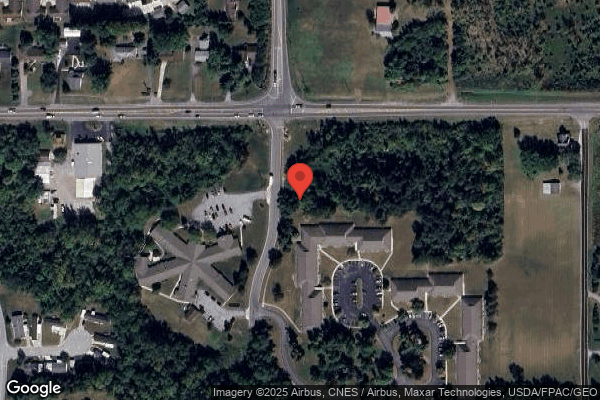
804 SOUTH MUMAUGH ROAD, LIMA, OH 45804 (419) 225-9040
For profit - Limited Liability company 54 Beds Independent Data: November 2025
Trust Grade
15/100
#877 of 913 in OH
Last Inspection: June 2025

Inspected within the last 6 months. Data reflects current conditions.

Overview

Lost Creek Rehabilitation and Nursing Center in Lima, Ohio has a Trust Grade of F, indicating significant concerns about the quality of care provided. With a state rank of #877 out of 913, they are in the bottom half of facilities in Ohio, and they are the lowest-ranked among the 11 facilities in Allen County. Unfortunately, the trend is worsening, with issues increasing from 3 in 2024 to 11 in 2025. Staffing is rated poorly at 1 out of 5 stars, with a turnover rate of 56%, which is about average for Ohio but indicates instability among staff. The facility has accumulated $26,694 in fines, which is concerning as it is higher than 83% of Ohio facilities, suggesting ongoing compliance problems. RN coverage is average, which may not be sufficient given the critical incidents reported. Specific incidents include a resident developing a serious pressure ulcer due to inadequate monitoring of a leg brace, and two residents suffering fractures from falls that occurred during transfers. These findings highlight both serious risks and a troubling trend in care quality, making it crucial for families to weigh these factors carefully.

Trust Score
F
15/100
In Ohio
#877/913
Bottom 4%
Safety Record
High Risk
Review needed
Inspections
Getting Worse
3 → 11 violations
Staff Stability
⚠ Watch
56% turnover. Above average. Higher turnover means staff may not know residents' routines.
Penalties
✓ Good
$26,694 in fines. Lower than most Ohio facilities. Relatively clean record.
Skilled Nurses
⚠ Watch
Each resident gets only 26 minutes of Registered Nurse (RN) attention daily — below average for Ohio. Fewer RN minutes means fewer trained eyes watching for problems.
Violations
⚠ Watch
30 deficiencies on record. Higher than average. Multiple issues found across inspections.
★☆☆☆☆
1.0
Overall Rating
★☆☆☆☆
1.0
Staff Levels
★★★☆☆
3.0
Care Quality
★★☆☆☆
2.0
Inspection Score
Stable
2024: 3 issues
2025: 11 issues

The Good

  • Full Sprinkler Coverage · Fire safety systems throughout facility
  • No fines on record

Facility shows strength in fire safety.

The Bad

1-Star Overall Rating

Below Ohio average (3.2)

Significant quality concerns identified by CMS

Staff Turnover: 56%

Near Ohio avg (46%)

Frequent staff changes - ask about care continuity

Federal Fines: $26,694

Below median ($33,413)

Moderate penalties - review what triggered them

Staff turnover is elevated (56%)

8 points above Ohio average of 48%

The Ugly 30 deficiencies on record

3 actual harm
Jun 2025 11 deficiencies 1 Harm
SERIOUS (G)

Actual Harm - a resident was hurt due to facility failures

Pressure Ulcer Prevention (Tag F0686)

A resident was harmed · This affected 1 resident

**NOTE- TERMS IN BRACKETS HAVE BEEN EDITED TO PROTECT CONFIDENTIALITY** Based on medical record review, observation, staff interviews, and review of the resource from the National Pressure Injury Advi...

Read full inspector narrative →
**NOTE- TERMS IN BRACKETS HAVE BEEN EDITED TO PROTECT CONFIDENTIALITY** Based on medical record review, observation, staff interviews, and review of the resource from the National Pressure Injury Advisory Panel titled Best Practices for Prevention of Medical Device-Related Pressure Injuries in Long Term Care, the facility failed to monitor a resident's leg where a brace was applied. This resulted in actual harm when the resident developed a Deep Tissue Injury (DTI) later resulting in a stage four pressure ulcer (deep wound that may impact muscle, tendons, ligaments, and bone) that ultimately required two surgical debridements in an attempt to promote wound healing. This affected one (#9) of three residents reviewed for pressure wounds. The facility census was 39. Findings include: Review of medical record for Resident #9 revealed an admission date of of 11/29/24 with diagnoses including but not limited to occlusion and stenosis of right carotid artery, muscle weakness, periodic breathing, fracture of lower end of right femur, cervical disc disorder with myelopathy, peripheral vascular disease, and major depressive disorder. Review of the Minimum Data Set (MDS) assessment dated [DATE] revealed a Brief Interview of Mental Status (BIMS) score of 15 which indicated the resident was cognitively intact. Review of current physician orders revealed wound treatment to right upper lateral calf was to cleanse with soap and water, pat dry and apply calcium alginate to the wound bed, cover with abdominal (ABD) pad and wrap with kerlix, weight bearing as tolerated (WBAT) to right lower extremity while in knee brace with walker (03/19/25-04/16/25), liquid protein 30 milliliters (ml) daily for wound healing. Review of the care plan dated 03/26/25 revealed the resident is at risk for skin breakdown related to increased need for assistance with bed mobility and transfers, neuropathy, peripheral vascular disease, and right lateral calf pressure. Interventions included apply lotion/moisture barrier cream as needed, can transition out of brace, WBAT to right lower extremity with walker, encourage to float heels as tolerated, observe skin for redness or open areas notify the nurse, skin assessment as needed, supplements per order, and turn and reposition every two hours as tolerated. Review of a general progress note dated 02/19/25 at 2:02 P.M. revealed the resident returned from an orthopedic appointment with order indicating okay to put right foot down for balance. Continue physical therapy (PT) and occupational therapy (OT). No Range of Motion (ROM) to right knee. Continue brace. Follow up in one month. Review of a general progress note dated 03/19/25 at 1:42 P.M. revealed the resident returned from an orthopedic appointment with new order to begin Weight Bearing as Tolerated (WBAT) to right lower extremity in the knee brace. Okay for ROM to right knee and continue PT/OT. Review of a general progress note dated 04/16/25 at 3:00 P.M. revealed the resident returned from an orthopedic appointment with new order to transition out of knee brace. WBAT to right lower extremity with walker. Continue with PT/OT. Review of a general progress note dated 04/17/25 at 11:58 A.M. revealed Certified Nursing Assistant (CNA) reported the resident had a skin tear on the outer right calf caused by the brace. Resident is to transition out of the brace and therapy is working with the resident towards that goal. Steristrips applied. Review of a general progress note dated 04/20/25 at 8:41 P.M. revealed this order was updated to cleanse and apply border foam to right outer calf. This nurse went to treat the area and found that the skin flap is slothing off and area had opened. Area measured 4.7 centimeters (cm) by 5.4 cm, area warm, seeping and plus two pitting edema compared to left leg at plus one pitting edema. Daughter present in room and explained they will await treatment plan and the resident could be seen by the in-house wound physician. Review of the wound physician note dated 04/21/25 revealed an unstageable wound to right upper lateral calf full thickness. Wound was a pressure wound. Wound measured 7.0 cm length by 5.9 cm width with a non measurable depth. Surface area 41.30 cm squared. Periwound surrounding deep tissue injury (purple/maroon). Moderate serous exudate. Thick adherent black necrotic tissue 60 percent (%), granulation tissue 40% with no pain or signs of infection. Treatment plan santyl apply once daily and as needed if saturated, soiled, or dislodged for 30 days and cover with gauze island with border dressing once daily and as needed. Reason for no sharp debridement chronic stable wound with insignificant amount of necrotic tissue and no signs of infection. Monitor for now. Recommended lower extremity arterial Doppler. Review of wound physician note dated 04/28/25 revealed a stage four pressure wound to the right upper lateral calf full thickness. Per note patient had a fractured femur for which the resident was wearing a brace. The pad of the brace created a pressure wound on the calf. Wound measured 7.0 cm length by 6.0 cm width by depth is unmeasurable due to presence of non-viable tissue and necrosis. Surface area 42.00 cm squared. Periwound induration and maceration. Light serous exudate. 100% thick adherent black necrotic tissue. No pain or signs of infection observed. Debridement procedure completed to remove necrotic tissue and establish the margins of viable tissue, remove thick adherent eschar and devitalized tissue, and remove hematoma. Post-debridement assessment of this previously unstageable necrotic wound has revealed the underlying deep tissue at the muscle/fascia level, which had been obscured by necrosis prior to this point. This wound has now revealed itself to be a stage 4 pressure injury. This is not a wound deterioration. Lower extremity arterial Doppler left and right performed on 04/28/25 with mild to moderate peripheral vascular disease without occlusion in the right lower leg. Review of the wound physician note dated 05/05/25 revealed a stage four pressure wound to the right upper lateral calf full thickness measuring 6.8 cm length by 5.8 cm width by 0.7 cm in depth with moderate serous exudate. 3% thick adherent devitalized necrotic tissue and 97% granulation tissue. Wound progress improved evidenced by decreased necrotic tissue and decreased surface area. No pain or signs of infection. Review of the wound physician note dated 05/12/25 revealed a stage four pressure wound to the right upper lateral calf full thickness measuring 7.0 cm length by 5.6 cm width by 0.4 cm depth with moderate serous exudate. 3% thick adherent devitalized necrotic tissue and 97% granulation tissue. Wound progress improved evidenced by decreased depth. No pain or signs of infection. Review of the wound physician note dated 05/19/25 revealed stage four pressure wound to the right upper lateral calf full thickness measuring 6.9 cm length by 5.0 cm width by 0.3 cm depth with moderate serous exudate. 3% thick adherent devitalized necrotic tissue and 97% granulation tissue. Wound progress improved evidenced by decreased depth. No pain or signs of infection. Review of the wound physician note dated 05/26/25 revealed stage four pressure wound to the right upper lateral calf full thickness measuring 6.5 cm length by 4.5 cm width by 0.2 cm depth with light serous exudate. 3% thick adherent devitalized necrotic tissue and 97% granulation tissue. Wound progress improved evidenced by decreased depth. No pain or signs of infection. Review of the wound physician note dated 06/02/25 revealed stage four pressure wound to the right upper lateral calf full thickness measuring 5.8 cm length by 3.8 cm width by 0.1 cm depth with moderate serous exudate. 3% thick adherent devitalized necrotic tissue and 97% granulation tissue. Wound progress improved evidenced by decreased depth. No pain or signs of infection. Surgical excisional debridement completed. The wound was cleansed with normal saline and anesthesia was achieved using topical bensocaine. Curette was used to surgically excise devitalized tissue and necrotic tissue subcutaneous level tissues were removed to a depth of 0.1 cm and healthy bleeding tissue was observed. As a result of this procedure, the nonviable tissue in the wound bed decreased from 3% to 0%. Hemostasis was achieved and a clean dressing was applied. Interview on 06/04/25 at 8:39 A.M. with the Director of Nursing (DON) revealed the resident's brace came off every night at bedtime. The DON stated the nurses would look at the residents skin then. The DON stated that two days prior to the wound being discovered, she treated a skin tear. The DON stated she then treated another skin tear by cleaning the wound and applying Steristrips and kerlix. The DON stated that approximately two days later she was notified that the area was open and bleeding. The DON stated that when she cleaned the skin tear she thought the wound looked weird as the skin appeared to be darker. The DON stated the wound doctor saw the resident the next day and he removed what they thought was a big clot. Further review of the medical record revealed no evidence the facility was removing the brace at night and checking the skin around the brace on a daily basis. Interview on 06/04/25 at 3:18 P.M. with the DON and Assistant Director of Nursing (ADON #403) revealed they both verified the wound was caused by the brace. ADON #403 stated if you lined up the brace the wound was located where the dial of the brace was located. The DON verified they could have padded the area that the dial was on had they realized it would or was causing pressure. The DON verified the wound was staged by the wound physician. The DON verified the weekly wound documentation prior to the discovery of the deep tissue injury did not contain any lesions or open areas to the right lower extremity and on 04/20/25 there was documentation of a skin tear to the area. The DON verified there was no supporting documentation regarding the removal of the brace for care or skin assessments under the brace. Review of the resource from the National Pressure Injury Advisory Panel titled Best Practices for Prevention of Medical Device-Related Pressure Injuries in Long Term Care, dated February 2020, indicates, in part, the following: Inspect the skin under and around the device at least daily (if not medically contraindicated); Cushion and protect the skin with dressings in high risk areas; Be aware of edema under the device(s) and potential for skin breakdown; and Educate staff on correct use of devices and prevention of skin breakdown.
CONCERN (D)

Potential for Harm - no one hurt, but risky conditions existed

Deficiency F0558 (Tag F0558)

Could have caused harm · This affected 1 resident

**NOTE- TERMS IN BRACKETS HAVE BEEN EDITED TO PROTECT CONFIDENTIALITY** Based on record review, observation, interview, and policy review, the facility failed to ensure call lights were in reach of re...

Read full inspector narrative →
**NOTE- TERMS IN BRACKETS HAVE BEEN EDITED TO PROTECT CONFIDENTIALITY** Based on record review, observation, interview, and policy review, the facility failed to ensure call lights were in reach of residents. This affected two (#17 and #27) of 21 residents reviewed for call lights. The facility census was 39. Findings include: 1. Review of medical record for Resident #17 revealed an admission date of 03/20/23 with diagnoses including but not limited to urinary tract infection, anxiety, metabolic encephalopathy, dementia with agitation, major depressive disorder, and paranoid schizophrenia. Review of the Minimum Data Set (MDS) assessment dated [DATE] revealed a Brief Interview of Mental Status (BIMS) score of five which indicates severe cognitive impairment. Review of the care plan dated 04/21/25 revealed the resident was at risk for falls. Interventions included be sure the call light is within reach and encourage the resident to use it for assistance as needed. The resident needs prompt response to all requests for assistance. Observation and interview on 06/05/25 at 8:41 A.M. revealed the resident lying in bed with the call light hooked to the privacy curtain out of reach. Interview at the time with Activity Director (AD #668) verified the resident uses the call light. AD #668 verified the call light was hooked to the privacy curtain and out of reach for the resident. 2. Review of medical record for Resident #27 revealed an admission date of 03/31/25 with diagnoses including but not limited to Parkinson's disease, muscle weakness, hypertension, difficulty walking, and thrombocytopenia. Review of the MDS assessment dated [DATE] revealed a BIMS score of 15 which indicated the resident was cognitively intact. Review of care plan dated 04/18/25 revealed the resident was at risk for falls. Interventions included be sure the call light is within reach and encourage the resident to use it for assistance as needed. The resident needs prompt response to all requests for assistance. Observation and interview on 06/05/25 at 8:28 A.M. revealed the resident sitting in his chair in his room stating he needed to use the bathroom. Call light was observed to be lying on the bed out of reach of the resident. Interview at the time of the observation with AD #668 verified the call light was lying on the bed out of reach for the resident. Review of policy titled, Answering the Call Light, revised October 2010 revealed be sure the call light is plugged in at all times. When the resident is in bed or confined to a chair be sure the call light is within easy reach of the resident.
CONCERN (D)

Potential for Harm - no one hurt, but risky conditions existed

Deficiency F0578 (Tag F0578)

Could have caused harm · This affected 1 resident

**NOTE- TERMS IN BRACKETS HAVE BEEN EDITED TO PROTECT CONFIDENTIALITY** Based on record review and interview the facility failed to ensure the hard chart and the electronic medical record contained th...

Read full inspector narrative →
**NOTE- TERMS IN BRACKETS HAVE BEEN EDITED TO PROTECT CONFIDENTIALITY** Based on record review and interview the facility failed to ensure the hard chart and the electronic medical record contained the correct advance directive information. This affected one (#27) of 21 residents reviewed for advanced directives. The facility census was 39. Findings include: Review of medical record for Resident #27 revealed an admission date of 03/31/25 with diagnoses including but not limited to Parkinson's disease, muscle weakness, hypertension, other specified forms of tremor, and thrombocytopenia. Review of the Minimum Data Set (MDS) assessment dated [DATE] revealed a Brief Interview of Mental Status (BIMS) score of 15 which indicated the resident was cognitively intact. Review of current physician orders revealed the resident was a full code. Review of hard chart for Resident #27 revealed the resident was a Do Not Resuscitate Comfort Care Arrest (DNR CCA). Review of care plan dated 04/18/25 revealed the residents advanced directive: DNR CCA with interventions including but not limited to acknowledge and maintain resident wishes regarding advanced directives and assess advanced directive upon admission, quarterly, annually, and with significant change to ensure resident wishes are maintained regarding advanced directive. Interview on 06/03/25 at 11:27 A.M. with the Director of Nursing (DON) verified the physician order was for a full code and the hard chart had a DNRCCA form signed by the physician. Review of policy titled Advance Directives updated 03/17/25 revealed upon admission, the resident will be provided with written information concerning the right to refuse or accept medical or surgical treatment and to formulate an advance directive if he or she chooses to do so. Information about whether or not the resident has executed an advance directive shall be displayed prominently in the medical record.
CONCERN (D)

Potential for Harm - no one hurt, but risky conditions existed

Deficiency F0628 (Tag F0628)

Could have caused harm · This affected 1 resident

**NOTE- TERMS IN BRACKETS HAVE BEEN EDITED TO PROTECT CONFIDENTIALITY** Based on record review and staff interview the facility failed to provide a discharge notice and notice of transfer to residents...

Read full inspector narrative →
**NOTE- TERMS IN BRACKETS HAVE BEEN EDITED TO PROTECT CONFIDENTIALITY** Based on record review and staff interview the facility failed to provide a discharge notice and notice of transfer to residents, residents' representatives, and the Ombudsman. This affected two residents (#28 and #42) out of four residents reviewed for notices. The facility census was 39. Findings include: 1. Record review for Resident #28 revealed the resident was admitted to the facility on [DATE] and transferred to the hospital on [DATE]. Diagnoses for Resident #28 include diabetes type two, paraplegia, chronic obstructive pulmonary disease, pain, and schizoid personality disorder. Review of Resident #28's Minimum Data Set (MDS) dated [DATE] revealed the resident had intact cognition. Review of Resident #28's progress note dated 06/01/25 at 2:10 A.M. the nurse documented Resident #28 had a change in condition with declining vital signs and was transferred to the hospital via emergency squad at 2:30 P.M. Per the note dated 06/01/25 at 3:11 P.M. the nurse documented Resident #28 had been admitted to the hospital post fall. Further review of Resident #28's medical records revealed there was no evidence of any transfer summary dated from 06/01/25 to 06/05/25 sent to the hospital, resident, resident's representative, or the Ombudsman. Interview on 06/05/25 at 3:30 P.M. with Managed Care Provider (MCP) #903 verified there was no transfer notification to Resident #28, the resident's family representative, or the Ombudsman. 2. Record review for Resident #42 revealed the resident was admitted to the facility on [DATE] and discharged to the hospital on [DATE]. Diagnoses for Resident #42 include complications post surgery to repair a femur fracture, depression, and myeloma. Review of Resident #42's MDS dated [DATE] revealed the resident had mildly impaired cognition. Review of Resident #42's progress notes dated 03/14/25 revealed Resident #42's sister notified the facility Resident #42 was transferred and admitted to the hospital from her outside physician appointment due to syncopal episode and possible urinary tract infection. Further review of Resident #42's medical records revealed no evidence of any notification of discharge or transfer to the resident, resident's representative or the Ombudsman. Interview on 06/04/25 at 11:22 A.M. with Administrator verified there was no discharge or transfer summary documented for Resident #42. The Administrator verified Resident #42 was discharged from the facility as of 03/14/25.
CONCERN (D)

Potential for Harm - no one hurt, but risky conditions existed

PASARR Coordination (Tag F0644)

Could have caused harm · This affected 1 resident

**NOTE- TERMS IN BRACKETS HAVE BEEN EDITED TO PROTECT CONFIDENTIALITY** Based on record review, interview, and policy review, the facility failed to ensure the Preadmission Screening and Resident Revi...

Read full inspector narrative →
**NOTE- TERMS IN BRACKETS HAVE BEEN EDITED TO PROTECT CONFIDENTIALITY** Based on record review, interview, and policy review, the facility failed to ensure the Preadmission Screening and Resident Review (PASARR) was completed accurately. This affected one (#10) of one resident reviewed for PASARR. The facility census was 39. Findings include: Review of medical record for Resident #10 revealed an admission date of 11/11/20 with diagnoses including but not limited to bipolar disorder current episode depressed mild or moderate severity, schizoaffective disorder bipolar type, visual hallucinations, altered mental status, auditory hallucinations, cognitive communication deficit, inadequate social skills, anxiety, and adult antisocial behavior. Review of the Minimum Data Set (MDS) assessment dated [DATE] revealed a Brief Interview of Mental Status (BIMS) score of 15 which indicated the resident was cognitively intact. Review of current physician orders revealed depakote 500 milligrams (mg) at bedtime (bipolar), depakote 250 mg twice a day (bipolar), duloxetine 40 mg twice a day (depression), risperidal 0.5 mg at bedtime (hallucinations), seroquel 100 mg twice a day in the afternoon and bedtime (bipolar and schizoaffective disorder), and seroquel 300 mg half a tablet in the morning. Review of Preadmission Screening and Resident Review (PASARR) dated 01/07/24 revealed the only diagnoses listed were mood disorders and panic or other severe anxiety disorders. No psychotropic medications were listed on the PASARR. Interview on 06/04/25 at 01:50 P.M. with Managed Care Coordinator (MCC #903) revealed they verified the PASARR did not include any psychotropic medications for Resident #10. MCC #903 verified there were no other diagnoses included besides mood disorder and panic or other severe anxiety disorders. Review of policy titled, Resident Assessment - Coordination with PASARR Program, dated October 2024 revealed the facility coordinates assessments with the preadmission screening and resident review (PASARR) program under Medicaid to ensure that individuals with a mental disorder, intellectual disability, or a related condition receives care and services in the most integrated setting appropriate to their needs.
CONCERN (D)

Potential for Harm - no one hurt, but risky conditions existed

Deficiency F0655 (Tag F0655)

Could have caused harm · This affected 1 resident

Based on record review and interview the facility failed to implement a baseline care plan that included all care concerns from admission. This affected one (#96) of three residents reviewed for basel...

Read full inspector narrative →
Based on record review and interview the facility failed to implement a baseline care plan that included all care concerns from admission. This affected one (#96) of three residents reviewed for baseline care plan. The facility census was 39. Findings include: Review of medical record for Resident #96 revealed an admission date of 06/01/25 with diagnoses including but not limited to chronic obstructive pulmonary disease with exacerbation, chronic ischemic heart disease, bacteremia, heart failure, chronic kidney disease stage four, atrial fibrillation, and obstructive sleep apnea. Review of current physician orders revealed ampicillin sodium injection solution 2 grams (gm) intravenous (IV) every eight hours for implantable cardioverter-defibrillator (ICD) infection until 06/30/25, ceftriaxone 2000 milligrams (mg) IV twice daily for ICD infection, change life vest (wearable cardioverter defibrillator) battery every 24 hours during evening shift, check life vest back-up battery pack is getting charged every shift, check life vest placement every shift, and change peripherally inserted central catheter (PICC) dressing and caps weekly. Review of baseline care plan dated 06/01/25 revealed no care plan for the PICC line, life vest, infection, or receiving any antibiotics which were all present on admission. Interview on 06/04/25 at 01:25 P.M. with Director of Nursing (DON) verified the resident was on IV antibiotics, had an actual infection, and was wearing a life vest on admission and should be reflected in the baseline care plan. DON verified the above was not included on the baseline care plan.
CONCERN (D)

Potential for Harm - no one hurt, but risky conditions existed

Deficiency F0847 (Tag F0847)

Could have caused harm · This affected 1 resident

**NOTE- TERMS IN BRACKETS HAVE BEEN EDITED TO PROTECT CONFIDENTIALITY** Based on record review and interview the facility failed to ensure a resident had the mental capacity to sign into an arbitratio...

Read full inspector narrative →
**NOTE- TERMS IN BRACKETS HAVE BEEN EDITED TO PROTECT CONFIDENTIALITY** Based on record review and interview the facility failed to ensure a resident had the mental capacity to sign into an arbitration agreement and further failed to explain arbitration agreements in a language that the residents would understand. This affected three (#9, #25, and #31) of five residents reviewed for arbitration agreements. The facility census was 39. Findings include: 1. Review of medical record for Resident #9 revealed an admission date of 11/29/24 with diagnoses including but not limited to occlusion and stenosis of right carotid artery, muscle weakness, periodic breathing, fracture of lower end of right femur, cervical disc disorder with myelopathy, peripheral vascular disease, and major depressive disorder. Review of Minimum Data Set (MDS) dated [DATE] revealed a Brief Interview of Mental Status (BIMS) score of 15 which indicated the resident was cognitively intact. Review of arbitration agreement revealed the agreement was signed on 02/03/25 by the resident. Interview on 06/05/25 at 10:09 A.M. with Resident #9 revealed the resident did not know what an arbitration agreement was. Resident #9 stated he could not remember if the facility explained it to him. Resident #9 stated he did not know if he would sign one or not. 2. Review of medical record for Resident #25 revealed an admission date of 02/06/24 with diagnoses including but not limited to pneumonia, type two diabetes, unspecified asthma, paraplegia, heart failure, and atrial fibrillation. Review of MDS dated [DATE] revealed a BIMS score of 15 which indicated the resident was cognitively intact. Review of arbitration agreement revealed the resident signed the agreement on 02/19/25. Interview on 06/04/25 at 02:08 P.M. with Resident #25 revealed an arbitration agreement is that if they have a disagreement with the facility it goes to the judge and they argue the points and the decision of the judge is final. Resident #25 stated it takes place in a court. Resident #25 stated he is unsure if he signed one when he came to the facility. 3. Review of medical record for Resident #31 revealed an admission date of 09/20/23 with diagnoses including but not limited to ischemic heart disease and dementia without behavioral disturbances. Review of MDS dated [DATE] revealed a BIMS score of 03 which indicated the resident had severe cognitive impairment. Review of arbitration agreement dated 02/19/25 revealed the agreement was signed by the resident. Interview on 06/04/25 at 01:43 P.M. with the Administrator revealed they are currently the one responsible for doing the arbitration agreements. Administrator stated she would explain to the resident that if they do not understand the arbitration agreement they do not have to sign it. Administrator stated she does not usually explain the agreement to them she would have them read it. Follow-up interview on 06/04/25 at 01:52 P.M. with the Administrator revealed that she would have the resident read the arbitration agreement and explain to the resident that it is their legal right to voluntarily obtain legal council prior to signing and they do not have to sign the agreement. Interview on 06/05/25 at 10:20 A.M. with Resident #31 revealed the resident did not know exactly what an arbitration agreement was. Resident #31 stated he did not remember signing one. Interview on 06/05/25 at 11:04 A.M. with the previous admission Director (AD #905) revealed that she would explain the arbitration agreement to the resident. AD #905 stated she would let the residents know it was voluntary and if they wanted to obtain legal council prior to signing it would be okay. AD #905 stated she would explain to the resident if they had an issue with the facility or their care they would go to an arbitrator instead of going to court. AD #905 stated she would let them know it would be faster and cheaper for both parties. AD #905 stated if the resident did not understand the agreement she would go to the next of kin or responsible party. Interview on 06/05/25 at 11:27 A.M. with Regional Director of Operations (RDO #902) verified that Resident #31 had a BIMS score of three and the power of attorney should have signed the second agreement as well.
CONCERN (D)

Potential for Harm - no one hurt, but risky conditions existed

Infection Control (Tag F0880)

Could have caused harm · This affected 1 resident

**NOTE- TERMS IN BRACKETS HAVE BEEN EDITED TO PROTECT CONFIDENTIALITY** Based on observation, record review, and staff interview the facility failed to ensure proper handwashing, cleansing of re-usabl...

Read full inspector narrative →
**NOTE- TERMS IN BRACKETS HAVE BEEN EDITED TO PROTECT CONFIDENTIALITY** Based on observation, record review, and staff interview the facility failed to ensure proper handwashing, cleansing of re-usable equipment, and proper glove use was followed during resident care. This affected two residents (#23 and #9) out of five residents reviewed for infection control protocols. The facility census was 39. Findings include: 1. Record review for Resident #23 revealed the resident was admitted to the facility on [DATE]. Diagnoses for Resident #23 include neoplasm of nervous system, anxiety, urinary tract infection, dysphagia, and weakness. Review of Resident #23's Minimum Data Set (MDS) dated [DATE] revealed the resident had impaired cognition and was receiving enteral nutrition via a feeding tube. Review of Resident #23's care plans dated 12/11/24 revealed a focus for Enhanced Barrier Precautions (EBP) protocols due to indwelling medical device. Intervention include signage placed on doorway and gloves and gown to be worn during direct care with resident. Observation on 06/05/24 at 9:00 A.M. with Licensed Practical Nurse (LPN) #511 revealed the nurse prepared the supplies for the feeding tube care. LPN #511 was observed placing on a gown and gloves prior to entering Resident #23's room. LPN #511 was not observed sanitizing her hands prior to applying the gloves. LPN #511 was observed discontinuing the feeding solution on the pump, removing the old tubing from the resident's feeding tube catheter. LPN #511 did not change her gloves during the care. LPN #511 was observed retrieving a syringe from the resident's bathroom, and filling a plastic cup with water to 150 milliliters. LPN #511 was observed checking the placement of the feeding tube with a stethoscope, checking the residual amount of tube feeding, and flushing the tube with 150 milliliters of water. LPN #511 was not observed washing her hands or changing her gloves during the care observed. LPN #511 was observed taking all supplies back into the bathroom and retrieving a new gauze pad. LPN #511 was observed opening the gauze pad and then stated she should change her gloves before applying the new bandage. LPN #511 was observed removing the current set of gloves and then put on a new set of gloves. LPN #511 did not use hand sanitizer or wash her hands in between the application of gloves. Interview on 06/05/25 at 9:25 A.M. with LPN #511 verified she only used one pair of gloves during most of the care provided until she applied the new bandage to the tube feeding site. LPN #511 stated it was protocol to wash her hands and apply new gloves frequently during the care she provided. LPN #511 verified she did not sanitize or wash her hands during the care of Resident #23's feeding tube. 2. Review of medical record for Resident #9 revealed an admission date of of 11/29/24 with diagnoses including but not limited to occlusion and stenosis of right carotid artery, muscle weakness, periodic breathing, fracture of lower end of right femur, cervical disc disorder with myelopathy, peripheral vascular disease, and major depressive disorder. Review of MDS dated [DATE] revealed a Brief Interview of Mental Status (BIMS) score of 15 which indicated the resident was cognitively intact. Review of current physician orders revealed wound treatment to right upper lateral calf was to cleanse with soap and water, pat dry and apply calcium alginate to the wound bed, cover with ABD pad and wrap with kerlix. Observation on 06/04/25 at 11:39 A.M. of Registered Nurse (RN #506) completing wound care for Resident #9 revealed the nurse placed a clean barrier on the over the bed table and placed one new wash basin with soap and water onto the barrier. RN #506 placed a second new wash basin with rinse water beside the other one on the clean barrier. RN #506 placed the dressing supplies (package of kerlix, box of silver alginate, and ACE bandage) on the clean barrier. Nursing student precepting with the nurse was also in the room. RN #506 washed hands, donned gown and gloves and cleansed the wound to right calf with soap and water and rinsed the wound. Wound appeared to be beefy red in the bed of the wound. Wound edges were slightly macerated but intact. RN #506 removed her gloves, washed hands, and donned new gloves. RN #506 then patted the wound dry. RN #506 removed gloves, washed hands, and donned new gloves. RN #506 then touched the box of silver alginate dressings and pulled out one package of the silver alginate. RN #506 opened the package of silver alginate and placed the silver alginate into the wound bed. RN #506 then removed the dressing to cut the dressing to size with scissors that were removed from the student nurse preceptors pocket. The nurse was not observed cleansing the scissors prior to cutting the dressing. RN #506 then placed the dressing back in the wound bed and removed it for a second time to cut more off to fit it to the wound size. RN #506 then placed the dressing into the wound bed and placed an ABD pad over the silver alginate and wrapped the wound with kerlix. RN #506 then wrapped the leg with ACE bandage. RN #506 then cleaned up the area and removed gloves, washed hands and removed the trash from the room. Interview on 06/04/25 at 11:52 A.M. with RN #506 revealed the nurse verified she placed the dressing in the wound bed and removed it to cut it to size so the dressing would not touch good skin twice. RN #506 verified the student pulled her scissors out of her pocket and did not sanitize them prior to cutting the dressing. RN #506 verified she touched the box of silver alginate and pulled out one package without changing gloves or washing hands prior to placing the dressing into the wound bed.
CONCERN (E)

Potential for Harm - no one hurt, but risky conditions existed

Deficiency F0657 (Tag F0657)

Could have caused harm · This affected multiple residents

**NOTE- TERMS IN BRACKETS HAVE BEEN EDITED TO PROTECT CONFIDENTIALITY** Based on record review, interview, and policy review, the facility failed to ensure quarterly care conferences were held includi...

Read full inspector narrative →
**NOTE- TERMS IN BRACKETS HAVE BEEN EDITED TO PROTECT CONFIDENTIALITY** Based on record review, interview, and policy review, the facility failed to ensure quarterly care conferences were held including the families, residents, and interdisciplinary team and failed to ensure care conferences were held timely. This affected five (#10, #16, #33, #5, and #6) of 21 residents reviewed for care conferences. The facility census was 39. Findings include: 1. Review of medical record for Resident #10 revealed an admission date of 11/11/20 with diagnoses including but not limited to bipolar disorder current episode depressed, mild or moderate severity, schizoaffective disorder bipolar type, type two diabetes, visual hallucinations, altered mental status, auditory hallucinations, cognitive communication deficit, inadequate social skills, adult antisocial behavior, and anxiety. Review of the Minimum Data Set (MDS) dated [DATE] revealed a Brief Interview of Mental Status (BIMS) score of 15 which indicated the resident was cognitively intact. Review of care conference documentation revealed a care conference was held on 01/31/24, 05/29/24, 09/12/24, 12/05/24, 02/05/25, and 05/21/25. Care conferences were held with dietary, social worker, and activities. Interview on 06/02/25 at 04:24 P.M. with Resident #10 revealed they do not have care conference meetings with her or her family that she can remember. 2. Review of medical record for Resident #16 revealed an admission date of 02/05/19 with diagnoses including but not limited to chronic obstructive pulmonary disease, type two diabetes, asthma, cervicalgia, congestive heart failure, unspecified mood affective disorder, and hypertension. Review of MDS dated [DATE] revealed the resident was cognitively intact. Review of care conferences revealed conferences were held on 02/14/24, 06/26/24, 09/26/24, and 02/26/25 with only dietary, social services, and activities attending. Interview on 06/02/25 at 10:17 A.M. with Resident #16 revealed they do not hold care conferences any more. Resident #16 stated she has not had one in about a year. 3. Review of medical record for Resident #33 revealed an admission date of 02/26/25 with diagnoses including but not limited to hemiplegia and hemiparesis following cerebral infarction affecting non-dominant left side, chronic obstructive pulmonary disease, type two diabetes, atrial fibrillation, hypertension, bipolar disorder, and congestive heart failure. Review of MDS dated [DATE] revealed a BIMS score of 13 which indicated the resident was cognitively intact. Review of medical record revealed no care conferences have been held. Interview on 06/02/25 at 3:12 P.M. with Resident #33 and spouse revealed they have never had a care conference since admission. Interview on 06/03/25 at 1:25 P.M. with the Administrator revealed Resident #33 has not had any care conferences scheduled. Interview on 06/05/25 at 1:37 P.M. with Managed Care Coordinator (MCC #903) verified the care conferences were not attended by the interdisciplinary team (IDT). MCC #903 verified Resident #10 and Resident #16 care conferences were not held every three months. MCC #903 verified the facility did not send out letters for care conferences with the date and time of the conference. MCC #903 stated they would just tell the resident when the care conferences were going to be held. 4. Record review for Resident #5 revealed the resident was admitted to the facility on [DATE]. Diagnoses for Resident #5 include cerebral palsy, chronic obstructive pulmonary disease, dysphagia, and contractures. Review of Resident #5's Minimum Data Set, (MDS) comprehensive assessment dated [DATE] revealed the resident had intact cognition. Review of Resident #5's contact census in the medical record revealed the resident was listed as his own person and can make his own medical decisions. Review of Resident #5's progress notes dated 05/28/25 revealed Social Worker (SS) #651 documented the resident's had a care conference meeting, see specifics in care conference assessment. Review of Resident #5's care conference assessment dated [DATE] revealed the meeting was documented in the form as being held on 05/28/25 at 11:00 A.M. Per the assessment, staff who attended included a Registered Nurse, activity staff, dietary staff, and the social worker. No family or resident was documented as having been invited or attending the meeting. No concerns from resident or family were documented in the assessment. Interview on 06/02/25 at 11:17 A.M. with Resident #5 revealed the resident stated he did not know if he had every attended a care conference meeting with the staff at the facility. Resident #5 denied being invited to a care conference per his knowledge. Interview on 06/03/25 at 3:30 P.M. with Social Services (SS) #651 verified Resident #5 had not been in attendance for his 05/28/25. SS #651 verified there was no documentation his family or the resident had been invited and there was no documented input or concerns in the assessments from Resident #5. 5. Record review for Resident #6 revealed the resident was admitted to the facility on [DATE]. Diagnoses for Resident #6 include cerebral infarction, hypertension, dysphagia, pain, and falls. Review of the progress notes dated 05/07/25 at 1:30 A.M. the social worker wrote Resident #6 had a care conference on 05/07/25. Review of the history of the note revealed the progress note was created and signed on 05/22/25 at 1:08 P.M. Review of the progress note dated 05/07/25 at 8:48 A.M. revealed the social worker contacted Resident #6's son, family representative, to invite him to attend the care conference and the son stated he will not be able to attend. Per the note the son voiced concerns and the concerns will be followed up. Interview on 05/02/25 at 3:14 P.M. with Resident #6's son stated he could not recall when the last time he attended a care conference with the staff at the facility. Per the son, he could not recall any invitations to any care conferences in the year 2025. Interview on 06/03/25 at 3:30 P.M. with SS #651 verified there was missing documentation in Resident #6's most recent 05/07/25 care conference assessment. Per SS #651, the social worker held the care conference with dietary staff, the social worker, and activities. SS #651 verified there was no nurses or aides in the care conference. SS #651 verified Resident #6 did not attend the care conference. SS #651 stated she had contacted the resident's family representative the day prior to the care conference and the son reported he could not attend due to not having enough notice of time for the care conference. SS #651 verified when the care conferences are scheduled they are held with available staff and residents and their family representative sometimes are not able to attend and the social worker does not reschedule the meetings. SS #651 verified some care conferences do not include nurses and no aides come to the conferences. Review of policy titled, Resident Participation - Assessment/Care Plans, revised December 2016 revealed the resident/representative's right to participate in the development and implementation of his or her plan of care includes the right to participate in the planning process, identify individuals to be included in the planning process, request meetings, request revisions, participate in establishing his or her goals and expected outcomes of care, participate in the type, amount, frequency, and duration of care, receive the services and/or items included in the care plan, have access to and review the care plan, and be informed of, review and sign the care plan after any significant changes are made. The care planning process will facilitate the inclusion of the resident and/or representative, include an assessment of the resident's strengths and his or her needs, and incorporate the resident's personal and cultural preferences in establishing goals of care. A seven day advance notice of the care planning conference is provided to the resident and his or her representative. Such notice is made by mail and/or telephone. The social services director or designee is responsible for notifying the resident/representative and for maintaining records of such notices. Notices include: the date, time, and location of the conference, the name of each person contacted and the date he or she was contacted, the method of contact (mail, telephone, email), input from the resident or representative if they are not able to attend, refusal of participation, if applicable, and the date and signature of the individual making the contact.
CONCERN (F)

Potential for Harm - no one hurt, but risky conditions existed

Deficiency F0947 (Tag F0947)

Could have caused harm · This affected most or all residents

Based on employee file review and interview, the facility failed to ensure Certified Nursing Assistants (CNAs) received 12 hours of inservices annually. This affected two (CNA #510 and CNA #519) of th...

Read full inspector narrative →
Based on employee file review and interview, the facility failed to ensure Certified Nursing Assistants (CNAs) received 12 hours of inservices annually. This affected two (CNA #510 and CNA #519) of three CNA employee files reviewed. This had the potential to affect all residents who reside in the facility. The facility census was 39. Findings include: Review of employee file for CNA #510 revealed a hire date of 01.09/23. Review of education file revealed the CNA #510 did not complete 12 hours of inservices annually. Review of employee file for CNA #519 revealed a hire date of 10/10/23. Review of education file revealed the CNA #519 did not complete 12 hours of inservices annually. Interview on 06/09/25 at 11:05 A.M. with Medical Records #655 verified the facility could not locate any documentation regarding the 12-hour inservices for CNA #510 and CNA #519 for 2024 and 2025.
MINOR (C)

Minor Issue - procedural, no safety impact

Deficiency F0577 (Tag F0577)

Minor procedural issue · This affected most or all residents

Based on observation and interview the facility failed to ensure there was a visible posting on where to locate the survey results. This had the potential to affect all residents. The facility census ...

Read full inspector narrative →
Based on observation and interview the facility failed to ensure there was a visible posting on where to locate the survey results. This had the potential to affect all residents. The facility census was 39. Findings include: Observation on 06/04/25 at 2:27 P.M. of the front lobby revealed three black letter holders hanging on the wall between the business office and the admissions office with a binder with a small label that stated survey results. Black binder was not easily identified as the survey results unless you were right up on it. No signage observed indicating where the binder is located. Interview on 06/05/25 at 8:09 A.M. with the Administrator verified there was no signage in the lobby or common area to indicate where the survey results were located.
Jun 2024 1 deficiency 1 Harm
SERIOUS (G) 📢 Someone Reported This

A family member, employee, or ombudsman was alarmed enough to file a formal complaint

Actual Harm - a resident was hurt due to facility failures

Accident Prevention (Tag F0689)

A resident was harmed · This affected 1 resident

**NOTE- TERMS IN BRACKETS HAVE BEEN EDITED TO PROTECT CONFIDENTIALITY** Based on observation, medical record review, resident and staff interviews, review of hospital documentation, revealed of fall i...

Read full inspector narrative →
**NOTE- TERMS IN BRACKETS HAVE BEEN EDITED TO PROTECT CONFIDENTIALITY** Based on observation, medical record review, resident and staff interviews, review of hospital documentation, revealed of fall investigations, review of manufacturer's guidelines, and review of a facility policy, the facility failed to ensure residents dependent for transfers and activities of daily living were kept free from falls. This resulted in actual harm when Resident #10 sustained a fall during a mechanical lift transfer on 06/12/24 which was being completed by one staff member and Resident #2 sustained a fall on 06/07/24 when the resident was left unattended in bed after it was elevated to perform incontinence care. Consequently, Resident #10 suffered a fractured left femur requiring surgery and Resident #2 suffered fractures to both femurs. This affected two (#2 and #10) of three residents reviewed for falls. The census was 41. Findings include: 1. Review of Resident #10's medical record revealed the resident was admitted to the facility on [DATE]. Diagnoses included wedge compression of vertebrae, obesity, chronic obstructive pulmonary disease, and embolisms. Review of the comprehensive Minimum Data Set (MDS) assessment dated [DATE] revealed Resident #10 had mildly impaired cognition and was an extensive assist with transfers. Review of Resident #10's care plans revealed a focus for falls. Interventions dated 11/03/23 included to anticipate needs, keep the call light within reach, educate the resident on safety, follow fall protocols, therapy evaluation, review information post fall and attempt to determine cause of falls, record root cause of falls, and alter or remove potential causes if possible. A revised intervention dated 06/06/24 included the use of a walker for ambulation and transfers. Further review of Resident #10's care plans revealed there were no revised interventions added to the care plans regarding lifts used for transfers post fall on 06/12/24. Review of Resident #10's physical therapy notes dated 04/15/24 revealed the therapist documented the resident required a maximum heavy assist with two staff for a stand lift bed-chair with the wheelchair for proper technique and safety. There were no other assessments for lifts or equipment noted in the medical record. Review of Resident #10's physician orders dated June 2024 revealed no physician ordered interventions for prevention of falls were noted in the records. Review of Resident #10's progress notes dated 06/13/24 at 10:58 A.M., late entry, revealed the resident had a fall witnessed by a nurse aide. Per the note, the resident fell to her knees onto the floor while being assisted with a sit-to-stand lift. Resident #10 was lowered to the floor and complained of pain to the left knee and left hip. Resident #10 was assessed by the nurse and emergency medical services (EMS) were called with the resident being sent to the hospital on [DATE] at 9:00 P.M. Review of Resident #10's fall investigation revealed on 06/12/24 at 8:30 P.M., the nurse aide was transferring Resident #10 back to bed using a sit-to-stand mechanical lift. Per the investigation, the nurse aide was in the room with the resident and her family member. The nurse aide documented the resident slid out of the stand lift and fell to floor. Per the nurse aide's written interview, the nurse aide had taken the resident to the shower room, bathed her, and was transferring the resident back into bed from a wheelchair using the sit-to-stand lift. The nurse aide attempted to stop Resident #10 from falling, but was unable to, and lowered her to the ground. The nurse aide called for help and two nurses responded. Per the nurse aide's written interview, EMS was called, and the resident was transported to the hospital. Review of Resident #10's hospital paperwork dated 06/12/24 revealed the resident was admitted to the emergency room (ER) on 06/12/24 at 9:04 A.M. when the first set of vital signs were recorded in the documentation. Per the documentation, Resident #10 sustained a left distal femur fracture which required surgery to repair the fracture and the resident was returned to the facility on [DATE]. Interview on 06/25/24 at 2:00 P.M. with Resident #10 revealed there was one nurse aide with her in the bathroom on 06/12/24, the day of her fall. Resident #10 stated she was brought back to her room and the nurse aide was using the sit-to-stand lift to get her back into bed from the wheelchair. Resident #10 stated she was weak, her foot slipped on the floor during the transfer, and the nurse aide could not keep her from falling to her knees on the floor. Resident #10 stated she could not recall who the nurse aide was, but stated there was only one nurse aide assisting her with her bathing and transfer. Resident #10 stated she suffered a broken bone in her leg and had surgery to repair it. Interview on 06/25/24 at 7:55 P.M. with Licensed Practical Nurse (LPN) #200 revealed the nurse was present in the building at the time Resident #10 fell on [DATE]. Per LPN #200, she heard the nurse aide calling for help to Resident #10's room and stated she and another nurse responded quickly to the room. LPN #200 stated the resident was lying on the floor and the nurse aide was holding her to prevent her from falling further and hurting herself more. Per LPN #200, the nurses began to assess Resident #10 for injuries and the resident stated her leg hurt. LPN #200 stated a staff member called EMS and the resident was transferred to the hospital within one hour of the fall. LPN #200 verified there was to be two staff members performing the transfers with lifts and at the time of Resident #10's fall there was only one nurse aide in the room providing care and using the lift. Interview on 06/26/24 at 2:30 P.M. with Assistant Director of Nursing (ADON) #275 and Regional Nurse #595 verified the facility fall policy revealed all lifts are to be used by two staff members. Regional Nurse #595 stated the nurse aide who witnessed Resident #10's fall was following the manufacturer's guidelines and not the facility's policy. During a follow-up interview on 06/27/24 at 9:20 A.M. with Regional Nurse #595 and ADON #275 verified there was no full clinical assessment of Resident #10's condition and suitability to use the sit-to-stand lift per manufacturer's guidelines. Review of the facility policy titled, Lifting Machine Using a Mechanical, dated 07/2017, revealed per the policy at least two nursing assistants are needed for all transfers using a lift. Review of the manufacturer's guideline dated 11/2014, for the mechanical sit-to-stand lift used during Resident #10's fall on 06/12/24, revealed per the guidelines, prior to using the lift each resident must have a full clinical assessment and his/her condition and suitability must be completed by a qualified person. 2. Review of Resident #2's medical record revealed the resident was admitted to the facility on [DATE]. Diagnoses included chronic respiratory failure with hypoxia, dysphagia, impulse disorder, intellectual disabilities, and cognitive communication deficit. Review of the comprehensive MDS assessment dated [DATE] revealed Resident #2 had impaired cognition and was dependent for assistance with activities of daily living (ADLs). Review of Resident #2's care plans dated 10/31/19 revealed Resident #2 was at risk for falls. Interventions include to keep the call light within reach, keep personal items within reach, perimeter mattress to the bed, and maintain the bed in a low position. An intervention was added to the revised care plan on 06/08/24 for staff to take the bedside table out of the room with books and hat and return after care had been provided. Review of Resident #2's fall investigation dated 06/07/24 revealed one nurse aide was providing care for Resident #2 and raised the bed to waist level. Per the investigation, the nurse aide turned to leave the room and was in the doorway to retrieve the lift in the hallway, when the resident reached out of his bed for items on his bedside table and fell out of the bed landing on his face down on the floor. Per the investigation, the resident sustained femur fractures to bilateral legs. Observation on 06/25/24 to 06/27/24 at random times throughout the survey revealed Resident #2 was wearing bilateral leg braces. Interview on 06/25/24 at 5:00 P.M. with Resident #2 revealed the resident did not recall specific details regarding the fall. Resident #2 stated he fell out of bed and hurt his legs but could not give details on the incident. Resident #2 stated his legs were uncomfortable and hurt sometimes. Resident #2 denied pain at the time of the interview. Interview on 06/25/24 at 6:50 P.M. with LPN #200 revealed, per the nursing report, there was one nurse aide in Resident #2's room providing care when the resident rolled out of the bed and sustained the fractures to his legs. Interview on 06/26/24 at 4:00 P.M. with Regional Nurse #595 and ADON #275 verified State Tested Nurse Aide (STNA) #350 raised Resident #2's bed to provide incontinence care to the resident and did not lower the bed prior to leaving the room. ADON #275 stated STNA #350 was close to the bed when she turned to go out to the hallway to ask for another staff to help her with the lift. ADON #275 stated, per the fall investigation, the lift was in the hallway at the time of the incident and verified the resident did reach out of the bed to his bedside table, which was out of reach, fell out of the waist high raised bed, and sustained the bilateral femur fractures. ADON #275 verified Resident #2's care plans and the interventions were not followed by STNA #350 at the time of the fall. This deficiency represents non-compliance investigated under Master Complaint Number OH00155120, Complaint Number OH00155118, Complaint Number OH00154905, and Complaint Number OH00154469.
Feb 2024 2 deficiencies
CONCERN (E) 📢 Someone Reported This

A family member, employee, or ombudsman was alarmed enough to file a formal complaint

Potential for Harm - no one hurt, but risky conditions existed

Deficiency F0883 (Tag F0883)

Could have caused harm · This affected multiple residents

**NOTE- TERMS IN BRACKETS HAVE BEEN EDITED TO PROTECT CONFIDENTIALITY** Based on medical record review, review of immunization records, staff interview, review of policy, and review of the Centers of ...

Read full inspector narrative →
**NOTE- TERMS IN BRACKETS HAVE BEEN EDITED TO PROTECT CONFIDENTIALITY** Based on medical record review, review of immunization records, staff interview, review of policy, and review of the Centers of Disease Control and Prevention (CDC) guidance, the facility failed to ensure residents were offered influenza and pneumococcal vaccinations per CDC recommendations. This affected four (Residents #9, #17, #22, and #48) of five reviewed for influenza and pneumococcal vaccination. The facility census was 40. Findings include: 1. Review of the closed medical record revealed Resident #9 was admitted on [DATE] and discharged on 11/27/23. Diagnoses included alcoholic cirrhosis of liver with ascites, COVID-19, thrombocytopenia, muscle weakness, alcohol induced acute pancreatitis without necrosis or infection. Review of the Minimum Data Set (MDS) assessment dated [DATE] revealed the resident was cognitively intact. Review of the Patient Vaccination Informed Consent/Declination form signed 09/22/23 revealed Resident #9 consented to the influenza vaccine. Review of the vaccination record revealed Resident #9 did not receive the influenza vaccine. 2. Review of the medical record revealed Resident #17 was admitted on [DATE]. Diagnoses included rhabdomyolysis, type two diabetes mellitus without complications, dysphagia oropharyngeal, atherosclerotic heart disease of native coronary arterly without angina pectoris, hypothyroidism. Review of the MDS assessment 11/08/23 revealed the resident was cognitively intact. Review of the current immunization record located in the electronic medical record (EMR) revealed no documentation the resident had been offered or received the influenza or pneumococcal vaccines. 3. Review of the medical record revealed Resident #22 was initially admitted on [DATE] with re-entry on 4/30/22. Diagnoses included acute chronic diastolic (congestive) heart failure, type two diabetes mellitus with diabetic neuropathy, muscle weakness, lymphedema, and chronic kidney disease stage 3. Review of the MDS assessment dated [DATE] revealed the resident was cognitively intact. In addition, Resident #22 was not up to date on the pneumococcal vaccine and it had not been offered. 4. Review of the medical record revealed Resident #48 was admitted on [DATE]. Diagnoses included primary generalized osteo(arthritis), unspecified dementia with agitation, atherosclerotic heart disease of native coronary artery. Review of the MDS assessment dated [DATE] revealed the resident was severely cognitively impaired. In addition, Resident #48 was not up to date on the Influenza vaccine. Interview on 02/08/24 at 2:45 P.M. with Director of Clinical Services #300 verified Resident #9 was offered the Influenza vaccine and did not receive the vaccine, Resident #48 was not offered the influenza vaccine, and Resident #17 and #22 were not offered the pneumococcal vaccine. Review of the policy, Influenza Vaccine, dated August 2016 verified all residents who have no medical contraindications to the vaccine will be offered the influenza vaccine annual to encourage and promote the benefits associated with the vaccinations against influenza. Review of the policy, Pneumococcal Vaccine, dated August 2016, revealed all residents will be offered pneumococcal vaccines to aid in preventing pneumonia/pneumococcal infections. Prior to or upon admission residents will be assessed for eligibility to receive the pneumococcal vaccine series and when indicated will be offered the vaccine series within 30 days of admission to the family unless medically contraindicated or the resident has already been vaccinated. Review of CDC guidance titled Pneumococcal Vaccination: Summary of Who and When to Vaccinate, reviewed 09/22/23 and located at https://www.cdc.gov/vaccines/vpd/pneumo/hcp/who-when-to-vaccinate.html, revealed the CDC recommended pneumococcal vaccination for all adults over 65. For adults over 65 who had not previously received any pneumococcal vaccine, the CDC recommended one dose of PCV15 or PCV20. If PCV15 was used, follow up with one dose of PPSV23 at least one year later. For adults 65 or older who previously received a dose of PPSV23, the CDC recommended a follow up dose of PCV15 or PCV20 at least one year after the most recent dose of PPSV23. Lastly, for adults 65 or older who previously received a dose of PCV13, the CDC recommended a follow up dose of PCV20 or PPSV23 at least one year after receiving PCV13.
CONCERN (E) 📢 Someone Reported This

A family member, employee, or ombudsman was alarmed enough to file a formal complaint

Potential for Harm - no one hurt, but risky conditions existed

Deficiency F0887 (Tag F0887)

Could have caused harm · This affected multiple residents

**NOTE- TERMS IN BRACKETS HAVE BEEN EDITED TO PROTECT CONFIDENTIALITY** Based on medical record review, review of immunization records, staff interview, review of policy, and review of the Centers of ...

Read full inspector narrative →
**NOTE- TERMS IN BRACKETS HAVE BEEN EDITED TO PROTECT CONFIDENTIALITY** Based on medical record review, review of immunization records, staff interview, review of policy, and review of the Centers of Disease Control and Prevention (CDC) guidance, the facility failed to ensure residents received or were offered the COVID-19 vaccination. This affected four (Residents #9, #17, #22, and #48) of five reviewed for COVID-19 vaccinations. The facility census was 40. Findings include: 1. Review of the closed medical record revealed Resident #9 was admitted on [DATE] and discharged on 11/27/23. Diagnoses included alcoholic cirrhosis of liver with ascites, COVID-19 (11/9/23), thrombocytopenia, muscle weakness, alcohol induced acute pancreatitis without necrosis or infection. Review of the Minimum Data Set (MDS) assessment dated [DATE] revealed the resident was cognitively intact. Review of the Patient Vaccination Informed Consent/Declination form, signed 09/22/23, revealed Resident #9 consented to the COVID-19 vaccine. Review of the vaccination record revealed Resident #9 did not receive the COVID-19 vaccine. 2. Review of the medical record revealed Resident #17 was admitted on [DATE]. Diagnoses included rhabdomyolysis, type two diabetes mellitus without complications, dysphagia oropharyngeal, atherosclerotic heart disease of native coronary artery without angina pectoris, hypothyroidism. Review of the MDS assessment dated [DATE] revealed the resident was cognitively intact. Review of the current immunization record located in the electronic medical record (EMR) revealed no documentation the resident had been offered or received the COVID-19 vaccine. 3. Review of the medical record revealed Resident #22 was initially admitted on [DATE] with re-entry on 4/30/22. Diagnoses included acute chronic diastolic (congestive) heart failure, type two diabetes mellitus with diabetic neuropathy, muscle weakness, lymphedema, and chronic kidney disease stage 3. Review of the MDS assessment dated [DATE] revealed the resident was cognitively intact. Review of the current immunization record located in the EMR revealed no documentation the resident had been offered or received the COVID-19 vaccine. 4. Review of the medical record revealed Resident #48 was admitted on [DATE]. Diagnoses included primary generalized osteo(arthritis), unspecified dementia with agitation, atherosclerotic heart disease of native coronary artery. Review of the MDS assessment dated [DATE] revealed the resident is severely cognitively impaired. Review of the current immunization record located in the EMR revealed no documentation the resident had been offered or received the COVID-19 vaccine. Interview on 02/08/24 at 2:45 P.M. with Director of Clinical Services #300 verified Resident #9 consented to the COVID-19 vaccine and did not receive the vaccine and Resident #17, #22, and #48 were not offered or received the COVID-19 vaccine. Review of policy, COVID-19 Vaccine Policies and Procedures, dated 06/27/23, verified COVID-19 vaccinations will be offered to all staff and residents. Review of CDC guidance titled Interim Clinical Considerations for Use of COVID-19 Vaccines in the United States, updated 02/12/24 and located at https://www.cdc.gov/vaccines/covid-19/clinical-considerations/interim-considerations-us.html, revealed the CDC recommended people six months of age and older be vaccinated for COVID-19.
Nov 2022 8 deficiencies 1 Harm
SERIOUS (G)

Actual Harm - a resident was hurt due to facility failures

Pressure Ulcer Prevention (Tag F0686)

A resident was harmed · This affected 1 resident

**NOTE- TERMS IN BRACKETS HAVE BEEN EDITED TO PROTECT CONFIDENTIALITY** Based on observation, staff interview, record review and policy review, the facility failed to assess newly identified skin brea...

Read full inspector narrative →
**NOTE- TERMS IN BRACKETS HAVE BEEN EDITED TO PROTECT CONFIDENTIALITY** Based on observation, staff interview, record review and policy review, the facility failed to assess newly identified skin breakdown, implement interventions/treatments to aid in the healing of the existing skin breakdown, and conduct ongoing monitoring of the skin breakdown. This resulted in Actual Harm when Resident #32 was found to have a Stage III pressure ulcer to coccyx on 11/14/22 and deep tissue injuries (DTI) to right lateral foot and right lateral fifth toe. This affected one (#32) of one resident reviewed for pressure ulcers. There were a total of two residents identified by the facility with pressure ulcers. The facility census was 38. Findings include: Review of the medical record for Resident #32 revealed an admission date of 09/03/22 with medical diagnoses of congestive heart failure (CHF), chronic obstructive pulmonary disease (COPD), diabetes mellitus with diabetic neuropathy, atrial fibrillation, osteoarthritis, hyperlipidemia, Major Depression, and hypothyroidism. Review of the medical record for Resident #32 revealed a Minimum Data Set (MDS) dated [DATE] which revealed Resident #32 had severe cognitive impairment. The MDS revealed Resident #32 required extensive staff assist with bed mobility, transfers, ambulation, dressing, toileting, and bathing. Review of the medical record for Resident #32 revealed the resident enrolled in Hospice services 09/16/22 and changed Hospice providers on 11/14/22 per family request. Review of the medical record for Resident #32 revealed a shower sheet dated 10/24/22 that had documentation that Resident #32 had a sore that was open and red to the resident's right buttock/coccyx area. Review of the medical record revealed no documentation to support the wound was assessed or a treatment initiated. Review of the medical record for Resident #32 revealed a weekly skin assessment completed 10/26/22 which documented Resident #32 had a pressure ulcer to the coccyx but did not have documentation of the wound measurement. Further review of the medical record for Resident #32 did not have documentation to support the staff assessed the wound or contacted the physician regarding the pressure ulcer for treatment orders. Review of the medical record for Resident #32 revealed a Hospice nursing aide note dated 10/27/22 which indicated Resident #32 had a new skin issue on his bottom and the Hospice aide reported the skin issue. Review of the medical record for Resident #32 revealed a Hospice progress note dated 10/28/22 which documented the Hospice nurse was notified by facility staff that Resident #32 had several open areas on his buttocks and an area above the crease of the buttock was open. Review of the medical record revealed the Hospice nurse ordered a treatment to the wounds and stated Hospice would access the wounds with the next nurse visit. Review of the medical record for Resident #32 revealed a nurse's note dated 10/28/22 at 5:36 P.M. which documented the nurse notified Resident #32's daughter of dressing change orders due to two new areas of skin breakdown on Resident #32's bottom. Review of the medical record for Resident #32 did not contain documentation to support an assessment or measurement of the wounds were completed. Review of the medical record for Resident #32 revealed a physician order dated 10/28/22 for treatment to open areas to buttocks and coccyx. Further review of the medical record revealed the treatment order was changed on 11/01/22. Review of the Hospice aide visit note dated 10/31/22 revealed the Hospice aide reported Resident #32's wound to his bottom was worse than last report. Review of the Hospice note dated 11/01/22 revealed Resident #32 had a large open area to left buttock, no drainage noted. Further review of the medical record for Resident #32 revealed a Hospice aide visit note dated 11/03/22 which documented Resident #32 had a dressing over the wound to bottom. Review of the medical record for Resident #32 did not have documentation to support assessment/monitoring of wounds. Continued review of the medical record for Resident #32 revealed a Hospice nurse aide visit note dated 11/10/22 revealed Resident #32 had an area to outer right foot and nurse was notified. Review of the medical record for Resident #32 revealed a physician order dated 11/11/22 for skin prep to right outer foot. Review of the medical record did not contain documentation to support the assessment or measurement of the wound to the right lateral foot. Review of the medical record for Resident #32 revealed a progress note dated 11/10/22 at 4:00 P.M. which documented the DTI to coccyx area had U-shaped area of granulation tissue and measured 8 x 6. The note did not specify the unit of measurement used to measure the wound. Further review of the medical record for Resident #32 did not contain documentation to support the wound to the coccyx or left buttock was assessed or monitored from 10/28/22 to 11/10/22. Review of the medical record for Resident #32 revealed a Hospice assessment completed 11/14/22 which revealed the resident had a Stage III pressure ulcer to coccyx with measurements of 5 centimeters (cm) width x 4 cm length x 0.1 cm depth. The Hospice assessment did not contain documentation to support any wounds to Resident #32's right foot. An observation on 11/15/22 at 2:15 P.M. with Licensed Practical Nurse (LPN) #305 was made while LPN #305 completed a dressing change to Resident #32's wound to the coccyx. The wound was observed to be a round area on the coccyx with dark purple color on the edges of the wound and pink area inside the wound. Continued observation of Resident #32's dressing change revealed blood was noted to the old dressing. LPN #305 confirmed Resident #32's old dressing contained blood. LPN #305 confirmed the wound measurements were 5 cm x 4 cm x 0.1 cm. Interview on 11/15/22 at 9:29 A.M. with the Director of Nursing (DON) revealed the facility had not been monitoring or assessing Resident #32's coccyx wound due to the resident receiving Hospice services. The DON stated she believed the Hospice provider was assessing, monitoring, and measuring Resident #32's wound. Observation on 11/16/22 at 2:02 P.M. of State Tested Nursing Assistant (STNA) #337 examining Resident #32's right foot revealed a dressing to resident's right lateral fifth toe. The observation also revealed a dark purplish-black circle, the size of a nickel, to Resident #32's lateral right foot. Observation on 11/16/22 at 2:39 P.M. of the DON examining Resident #32's right foot revealed a dark purplish-black area, the size of a nickel, to resident's right lateral foot. Further observation included observing the DON remove the dressing to Resident #32's fifth toe on his right foot which revealed a one inch oblong dark purplish-black area to right lateral fifth toe. Review of the medical record did not have documentation to support a treatment order for the area to Resident #32's right lateral fifth toe. Interview on 11/16/22 at 2:41 P.M. with the DON confirmed Resident #32 did not have an order for treatment to the wound on the right lateral fifth toe. The DON also confirmed the facility had not completed assessments or monitored the wounds to Resident #32's lateral right fifth toe or right lateral foot. The DON stated Resident #32's wounds to his right foot looked to be DTIs based on her observation. Review of the Prevention of Pressure Ulcer/Injuries policy revealed the facility was to evaluate, report, and document potential changes in skin and to review the interventions and strategies for effectiveness on an ongoing basis.
CONCERN (D)

Potential for Harm - no one hurt, but risky conditions existed

Quality of Care (Tag F0684)

Could have caused harm · This affected 1 resident

**NOTE- TERMS IN BRACKETS HAVE BEEN EDITED TO PROTECT CONFIDENTIALITY** 2. Review of the medical record revealed Resident #29 was admitted on [DATE]. Diagnoses included unspecified fracture of shaft o...

Read full inspector narrative →
**NOTE- TERMS IN BRACKETS HAVE BEEN EDITED TO PROTECT CONFIDENTIALITY** 2. Review of the medical record revealed Resident #29 was admitted on [DATE]. Diagnoses included unspecified fracture of shaft of left fibula subsequent encounter for closed fracture with routine healing, encounter for other orthopedic aftercare, chronic respiratory failure with hypoxia, type two diabetes with diabetic neuropathy, unspecified fracture of shaft of left tibia, neuromuscular dysfunction of bladder, muscle weakness, essential (primary) hypertension, and major depressive disorder recurrent. Review of the MDS assessment dated [DATE] revealed the resident was cognitively intact. Resident #29 was at risk of pressure ulcers and had moisture associated skin damage (MASD). Review of the care plan revised 08/09/22 revealed Resident #29 had a potential for alternation of skin integrity with recent hospital stays, left tibia and fibula repair, decreased self-mobility, and decreased sensation of pain/pressure with neuropathy. Interventions included to complete skin assessments weekly and as needed, identify signs and symptoms of breakdown and notify appropriate staff, and observe skin for signs and symptoms of breakdown, document, and notify physician. Review of the weekly skin assessment dated [DATE] revealed Resident #29 had a small abrasion, red in color, located behind the left knee, and the resident complained it was sore. Boarder foam dressing was applied for comfort. Review of the initial wound evaluation dated 11/15/22 revealed Resident #29 was diagnosed with moisture associated dermatitis on the right buttocks and upper thigh. Treatment to include house barrier cream twice a day as needed. Review of the physician order dated 11/15/22 revealed an order for zinc to left lower buttock two times a day and as needed. There were no additional wound care orders in place to apply a dressing. Further review of the medical record revealed no documentation the physician was contacted to initiate an order for the skin breakdown on the resident's buttocks and upper thigh. Interview on 11/14/22 at 12:00 P.M. with Resident #29 revealed she had a sore on her lower buttock and stated the facility had applied a patch. Resident #29 did not have an exact date, but reported the sore had been present for months. Observation on 11/15/22 at 12:38 P.M. revealed Licensed Practical Nurse (LPN) #318 completed incontinence care for Resident #29. Continued observation revealed a skin area to left posterior upper thigh/gluteal crease which was 1-inch oval area. The area was noted to have pink tissue and within the pink tissue was an open area the size of a pencil eraser. The resident was observed to flinch when the area to the left posterior upper thigh was cleansed. LPN #318 confirmed the resident had an open area to the posterior left upper thigh/gluteal crease. Interview on 11/15/22 at 1:00 P.M. with the Director of Nursing (DON) verified the weekly skin assessment dated [DATE] was not completed accurately, as the assessment documented the wrong location for the skin breakdown and the assessment did not include measurements. The DON further verified the physician was not notified timely, and there was no order for a dressing to be applied, despite the wound assessment stating a boarder dressing was applied. Based on observation, medical record review, and staff interview, the facility failed to ensure residents' skin was assessed and monitored appropriately to potentially prevent and treat skin breakdown. Additionally, the facility failed to timely notify the physician of skin breakdown to initiate treatment. This affected two (Residents #289 and #29) of three residents reviewed for skin breakdown. The facility's census was 38. Findings include: 1. Review of Resident #289's medical record revealed an admission date of 11/07/22. Diagnoses listed included chronic obstructive pulmonary disease, protein-calorie malnutrition, osteoarthritis, hypertension, and hyperlipidemia. A Minimum Data Set (MDS) assessment had not yet been completed. Observation of Resident #289 on 11/14/22 at 9:23 A.M. revealed multiple bruises to bilateral arms and reddened abrasions to bilaterally shins. Interview with Resident #289 on 11/14/22 at 9:23 A.M. revealed she had the bruising to her arms and reddened abrasions to bilaterally shins before admission to the facility. Resident #289 stated the bruising was the result of taking a blood thinner medication. Further review of Resident #289's medical record revealed no documentation of any bruising to bilateral arms or reddened abrasions to bilaterally shins. Review of skin assessments dated 11/07/22, 11/08/22, 11/09/22, and 11/10/22 revealed no documentation of any bruising or abrasions to Resident #289's skin. Observation of Resident #289 with the Director of Nursing (DON) on 11/15/22 at 9:51 A.M. confirmed multiple bruises to bilateral arms and reddened abrasions to bilaterally shins. Interview with the DON on 11/15/22 at 10:45 A.M. confirmed there was not any documentation of Resident #289's multiple bruises to bilateral arms and reddened abrasions to bilaterally shins in the medical record. The DON confirmed resident skin alterations should be documented and assessed.
CONCERN (D)

Potential for Harm - no one hurt, but risky conditions existed

Deficiency F0757 (Tag F0757)

Could have caused harm · This affected 1 resident

**NOTE- TERMS IN BRACKETS HAVE BEEN EDITED TO PROTECT CONFIDENTIALITY** Based on medical record review, staff interview, and review of facility policy, the facility failed to ensure a resident was fre...

Read full inspector narrative →
**NOTE- TERMS IN BRACKETS HAVE BEEN EDITED TO PROTECT CONFIDENTIALITY** Based on medical record review, staff interview, and review of facility policy, the facility failed to ensure a resident was free from the unnecessary use of an antibiotic medication. This affected one (Resident #9) of six residents reviewed for unnecessary medications. The census was 38. Findings include: Review of Resident #9's medical record revealed an admission date of 11/11/20. Diagnoses listed included schizoaffective disorder of bipolar type, Raynaud's syndrome, anxiety disorder, hypertension, major depressive disorder, and type two diabetes mellitus. Review of a quarterly Minimum Data Set (MDS) dated [DATE] revealed Resident #9's Brief Interview for Mental Status (BIMS) score was a 12, indicating moderate cognitive impairment. Resident #9 required extensive assistance for activities of daily living (ADLs). Review of physician orders revealed an order dated 10/15/22 for Macrobid Capsule (antibiotic) 100 milligrams (mg), give one capsule by mouth two times a day for urinary tract infection (UTI) for seven days. Review of medication administration records (MARs) revealed Resident #9 received Macrobid from 10/15/22 through 10/22/22. Further review of Resident #9's medical revealed no documentation of any signs or symptoms of an UTI. No laboratory values (labs) were documented as being obtained. Review of temperatures recorded from 10/01/22 through 10/22/22 revealed no signs of any fever. During an interview on 11/15/22 at 3:05 P.M. the Director of Nursing (DON) and Assistant Director of Nursing (ADON) #301 confirmed there was not a documented justification for the use of the antibiotic Macrobid for Resident #9. The DON stated no labs were drawn, such as an urinalysis. The DON also stated when she discovered Macrobid was started for Resident #9 on 10/15/22, the use was not addressed with the ordering Nurse Practitioner (NP). Review of the facility policy titled, Antibiotic Stewardship - Orders for Antibiotics, dated revised December 2016 revealed appropriate indications for the use of antibiotics include, criteria met for clinical definition of active infection or suspected sepsis, and pathogen susceptibility, based on culture and sensitivity, to antimicrobial (or therapy begun while culture is pending).
CONCERN (D)

Potential for Harm - no one hurt, but risky conditions existed

Dental Services (Tag F0791)

Could have caused harm · This affected 1 resident

**NOTE- TERMS IN BRACKETS HAVE BEEN EDITED TO PROTECT CONFIDENTIALITY** Based on medical record review, resident interview, staff interview, and contract dental provider interview, the facility failed...

Read full inspector narrative →
**NOTE- TERMS IN BRACKETS HAVE BEEN EDITED TO PROTECT CONFIDENTIALITY** Based on medical record review, resident interview, staff interview, and contract dental provider interview, the facility failed to ensure residents received routine dental services. This affected two (Residents #17 and #29) of two residents reviewed for dental services. The facility census was 38. Findings include: 1. Review of the medical record revealed Resident #17 was admitted on [DATE]. Diagnoses included primary generalized osteoarthritis, dementia unspecified severity with agitation, schizophrenia, and essential (primary) hypertension. Review of the Minimum Data Set (MDS) assessment dated [DATE] revealed the resident was severely cognitively impaired. Interview on 11/14/22 at 1:50 P.M. with Resident #17 revealed there was a delay in scheduling a dental appointment and his teeth had been removed. Resident #17 stated he had been wanting dentures. Review of dental notes dated 07/01/21 revealed Resident #17 met with the dentist and was referred for extractions. Review of dental notes dated 09/08/22 revealed Resident #17 had extractions completed and was referred for dentures. Interview on 11/15/22 at 10:14 A.M. with Social Services #303 revealed typically the dentist is scheduled every three months. Social Services #303 reported the dental provider had a previous email contact and there were no appointments scheduled. Interview on 11/16/22 at 3:24 P.M. with Contract Dental Staff #344 verified Resident #17 was referred for extractions and dentures on 07/01/21 and was not seen again until 09/08/22. Contract Dental Staff #344 verified there was no documentation stating why there was a delay in services. 2. Review of the medical record revealed Resident #29 was admitted on [DATE]. Diagnoses included unspecified fracture of shaft of left fibula subsequent encounter for closed fracture with routine healing, encounter for other orthopedic aftercare, chronic respiratory failure with hypoxia, type two diabetes with diabetic neuropathy, unspecified fracture of shaft of left tibia, neuromuscular dysfunction of bladder, muscle weakness, essential (primary) hypertension, and major depressive disorder recurrent. Review of the MDS assessment dated [DATE] revealed the resident was cognitively intact. Interview on 11/14/22 at 10:46 A.M. with Resident #29 revealed the resident had tooth concerns, reporting there were holes in the back of her teeth. Resident #29 stated she had not been offered dental services and would like to have a dental appointment. Further review of the medical record revealed no documentation showing facility staff offering to set up dental services for Resident #29. Interview on 11/17/22 at 9:53 A.M. with Social Services #303 verified Resident #29 had not been approached regarding accepting or refusing dental services.
CONCERN (F)

Potential for Harm - no one hurt, but risky conditions existed

Infection Control (Tag F0880)

Could have caused harm · This affected most or all residents

Based on observation, staff interview, review of facility policy, review of community transmission rate, review of Centers of Medicare and Medicaid Services (CMS) memorandum QSO-23-02-ALL, and review ...

Read full inspector narrative →
Based on observation, staff interview, review of facility policy, review of community transmission rate, review of Centers of Medicare and Medicaid Services (CMS) memorandum QSO-23-02-ALL, and review of Centers for Disease Control and Prevention (CDC) guidelines, the facility failed to ensure staff wore face masks as required to potentially prevent the spread of Coronavirus 2019 (COVID-19). This had the potential to affect all 38 residents residing in the facility. Findings include: Review of the CDC COVID-19 Integrated County View revealed on 11/14/22, the facility's county community transmission rate was high. Observation on 11/14/22 at 7:58 A.M. revealed upon entrance to the facility, unidentified staff and residents were in the common area with no face masks applied. Human Resources #342 approached and Surveyor staff and reported they may continue to wear Personal Protective Equipment (PPE) if desired, but the facility did not require anyone to wear PPE at this time. Observation on 11/14/22 at 8:35 A.M. revealed the Administrator, Director of Nursing (DON), and Registered Nurse (RN) #345 were in resident care areas with no face masks applied. Interview on 11/14/22 at 8:40 A.M. with the DON verified staff were not wearing face masks in resident care areas. The DON stated she checked the data this morning, and the community transmission rate was not high, therefore the facility staff were not required to wear face masks. Upon review of the data tracker website, the DON verified the community transmission rate was indeed high. Review of the CMS COVID Data Tracker website, reviewed 11/14/22, verified the community transmission rate for the facility's county was high. Review of facility policy titled, COVID-19 Policy and Procedure, updated 09/23/22 verified all staff members are to wear personal protective equipment based on community transmission if the facility is in a county with high community transmission, they are required to be in a surgical mask. Review of CMS memorandum QSO-20-39-NH dated 09/23/22 verified if the nursing home's county COVID-19 community transmission is high, everyone in a healthcare setting should wear face coverings or masks. Review of CDC guidance, Interim Infection Prevention and Control Recommendations for Healthcare Personnel During the Coronavirus Disease 2019 (COVID-19) Pandemic, updated 09/23/22 revealed when SARS-CoV-2 Community Transmission levels are high, source control is recommended for everyone in a healthcare setting when they are in areas of the healthcare facility where they could encounter patients.
CONCERN (F)

Potential for Harm - no one hurt, but risky conditions existed

Deficiency F0886 (Tag F0886)

Could have caused harm · This affected most or all residents

Based on medical record review, staff interview, review of facility policy, review of community transmission rate, and review of Centers for Disease Control and Prevention (CDC) guidelines, the facili...

Read full inspector narrative →
Based on medical record review, staff interview, review of facility policy, review of community transmission rate, and review of Centers for Disease Control and Prevention (CDC) guidelines, the facility failed to ensure new admissions were tested for Coronavirus 2019 (COVID-19) upon admission. This affected one (Resident #289), identified as a new admission, and had the potential to affect all 38 residents in the facility. Findings include: Review of Resident #289's medical record revealed an admission date of 11/07/22. Diagnoses listed included chronic obstructive pulmonary disease, protein-calorie malnutrition, osteoarthritis, hypertension, and hyperlipidemia. Further review of the medical record revealed no documentation Resident #289 was tested for COVID-19 upon admission. Resident #289 was not vaccinated for COVID-19. Interview on 11/16/22 at 4:08 P.M. with the Director of Nursing and Licensed Practical Nurse (LPN) #301 verified the facility had not been testing new admissions for COVID-19. LPN #301 verified Resident #289 was not tested for COVID-19 upon admission or as required. Review of the CDC COVID-19 Integrated County View revealed on 11/07/22, the facility's county community transmission rate was high. Review of the Centers for Medicaid and Medicare Services (CMS) COVID Data Tracker website, reviewed 11/14/22, verified the community transmission rate for the facility's county was high. Review of facility policy titled, COVID-19 Policy and Procedure, updated 09/23/22 verified admissions in counties where community transmission levels are high should be tested upon admission. Testing is recommended at admission and, if negative, again 48 hours after the first negative test and, if negative, again 48 hours after the second negative test. Review of the CDC guidance, Interim Infection Prevention and Control Recommendations for Healthcare Personnel During the Coronavirus Disease 2019 (COVID-19) Pandemic, updated 09/23/22 verified testing is recommended at admission and, if negative, again 48 hours after the first negative test and, if negative, again 48 hours after the second negative test. In general, admissions in counties where community transmission levels are high should be tested upon admission; admission testing at lower levels of community transmission is at the discretion of the facility.
MINOR (C)

Minor Issue - procedural, no safety impact

Deficiency F0730 (Tag F0730)

Minor procedural issue · This affected most or all residents

Based on review of the personnel files and staff interview, the facility failed to complete performance reviews for State Tested Nursing Assistants (STNA) at least once every 12 months. This affected ...

Read full inspector narrative →
Based on review of the personnel files and staff interview, the facility failed to complete performance reviews for State Tested Nursing Assistants (STNA) at least once every 12 months. This affected two (STNAs #320 and #321) of two STNAs reviewed for annual performance evaluations. This had the potential to affect all 38 residents residing in the facility. Findings include: Review of the personnel file for STNA #320 revealed a hire date of 02/09/18. Further review of the employee personnel file for STNA #320 revealed it did not contain documentation to support the facility completed a performance review for STNA #320 since the STNA was hired. Review of the personnel file for STNA #321 revealed a hire date of 10/31/18. Further review of the employee personnel file for STNA #321 revealed it did not contain documentation to support the facility completed a performance review for STNA #321 since the STNA was hired. Interview on 11/17/22 at 11:30 P.M. with Human Resource Director (HRD) #342 confirmed STNA #320 and STNA #321 did not have performance reviews completed in the past 12 months. HRD #342 stated she was not aware the performance reviews needed to be completed every 12 months.
MINOR (C)

Minor Issue - procedural, no safety impact

Deficiency F0947 (Tag F0947)

Minor procedural issue · This affected most or all residents

Based on review of the personnel files and staff interview, the facility failed to conduct 12 hour in-service training for State Tested Nursing Assistants (STNA) per year. This affected two (STNAs #32...

Read full inspector narrative →
Based on review of the personnel files and staff interview, the facility failed to conduct 12 hour in-service training for State Tested Nursing Assistants (STNA) per year. This affected two (STNAs #320 and #321) of two STNAs reviewed for 12 hour in-service training. This had the potential to affect all 38 residents residing in the facility. Findings include: Review of the personnel file for STNA #320 revealed a hire date of 02/09/18. Further review of the employee personnel file for STNA #320 revealed it did not contain documentation to support the facility completed 12 hour in-service training since STNA #320's hire date. Review of the employee personnel file for STNA #321 revealed a hire date of 10/31/18. Further review of the employee personnel file for STNA #321 revealed it did not contain documentation to support the facility completed 12 hour in-service training since STNA #321's hire date. Interview on 11/17/22 at 11:30 P.M. with Human Resource Director (HRD) #342 confirmed STNA #320 and STNA #321 did not contain documentation to support the facility completed 12 hour in-service training since the STNAs hire dates.
Dec 2019 8 deficiencies
CONCERN (D)

Potential for Harm - no one hurt, but risky conditions existed

Deficiency F0558 (Tag F0558)

Could have caused harm · This affected 1 resident

**NOTE- TERMS IN BRACKETS HAVE BEEN EDITED TO PROTECT CONFIDENTIALITY** Based on medical record review, observation, and resident and staff interview, the facility failed to accommodate the known pref...

Read full inspector narrative →
**NOTE- TERMS IN BRACKETS HAVE BEEN EDITED TO PROTECT CONFIDENTIALITY** Based on medical record review, observation, and resident and staff interview, the facility failed to accommodate the known preferences for a resident. This affected one individual (#13) of 15 residents interviewed during the survey regarding accommodation of needs. The facility census was 44. Findings include: Resident #13 was admitted to the facility on [DATE] with diagnoses including bilateral above the knee amputations, non pressure ulcer of the above the knee stumps, muscle weakness, anxiety, and depression. Review of the minimum data set (MDS) assessment revealed the resident scored a 15 on the Brief Interview for Mental Status (BIMS) indicating he has no cognitive deficits . He exhibited no behaviors. He requires extensive assistance with bed mobility and transfers. He requires physical help of one person in part of the bathing activity. He propels a manual wheelchair on his own on and off the unit . Review of the plan for care, dated 10/15/19 revealed the resident has an activity of daily living (ADL) self care deficit related to recent hospital stay for sepsis, bilateral above knee amputations, decreased self mobility, generalized muscle weakness, mood/behavior concerns, age, medications taken, non-compliance with prescribed care regimen, verbally aggressive at times. The goal indicated the resident will be clean, dressed and well groomed daily to promote dignity and psychosocial well-being. The interventions included the resident will receive assistance necessary to meet ADL needs, staff will assist to bathe/shower the resident as needed, therapy is to evaluate and treat the resident per physician orders. On 12/02/19 at 9:30 A.M. Resident #13 stated the shower/tub transfer bench in therapy is broken and has been broken for several weeks. He stated he can't practice his shower transfers without a tub/shower bench. He stated he wants to use the transfer bench in the shower room and take a shower like a regular person. He stated he does not want to use the shower chair with a hole in it. On 12/02/19 at 10:00 A.M. observation of the tub /shower bench in the therapy room revealed an area on the seat where a screw with breaking though causing a raised rough surface. Interview with Occupational Therapy Assistant (OTA) #400 on 12/02/19 at 10:00 A.M. verified the tub/shower bench had a rough surface and was not able to be used. She stated she had told the Administrator last week and the Administrator told her she was ordering a new shower bench for therapy. She stated Resident #13 did not currently have a place to live so they were not worried about his ability to use a transfer bench. When asked if the resident could have a transfer bench to take a shower in the shower room of the facility she responded by stating there are shower chairs that he could use because he does not slide transfer and is capable to transfer into a shower chair. She verified that the facility and therapy staff were aware of Resident #13 preference to use a shower bench due to his age and bilateral above the knee amputations but did not fell it was necessary for the resident's care at this time. Interview with Resident #13 on 12/03/19 at 3:00 P.M. he stated on the transitional care unit where he is currently residing there is a refrigerator freezer used for the storage of the resident's food they bring into the facility. He stated he had went to Walmart with activities and bought frozen burritos to have as a snack for when his friend came to visit. The facility placed them in the refrigerator/freezer used for the resident's food. The refrigerator and freezer has a pad lock on the doors. He stated the resident have to have staff unlock the the refrigerator and freezer when he wanted his food. He stated he is capable of getting his food independently but due to the locks he has to ask staff to unlock the refrigerator/freezer and assist him. Interview with the Administrator on 12/03/19 at 3:30 P.M. she verified the refrigerator/freezer located on the transitional care unit was for the residents to store their personal food in that was brought into the facility. She stated one of the former resident's were eating other peoples food so they locked the refrigerator and freezer to prevent that from happening. Interview with OTA #400 on 12/05/19 at 12:00 P.M. she verified the refrigerator and freezer located in the kitchenette on the transitional care unit was used to store the food that resident's brought into the facility. She stated initially the refrigerator was not locked until one of the former resident's got into the refrigerator and ate other resident's food. She verified the former resident was expired/no longer resides in the facility. Interview with State Tested Nursing Assistant (STNA) #210 on 12/05/19 at 12:20 P.M. verified the refrigerator and freezer located in the kitchenette on the transitional care unit was used to store the food that resident's brought into the facility. She stated initially the refrigerator was not locked until one of the former resident's got into the refrigerator and ate other resident's food. She verified the former resident was expired/no longer resides in the facility. She stated there was usually one STNA on the transitional care hallway and if the resident's requested any food from the refrigerated they may have to wait until the STNA was available to unlock the refrigerator.
CONCERN (D)

Potential for Harm - no one hurt, but risky conditions existed

Deficiency F0685 (Tag F0685)

Could have caused harm · This affected 1 resident

**NOTE- TERMS IN BRACKETS HAVE BEEN EDITED TO PROTECT CONFIDENTIALITY** Based on observation, medical record review and family and and staff interview the facility failed to ensure residents had there...

Read full inspector narrative →
**NOTE- TERMS IN BRACKETS HAVE BEEN EDITED TO PROTECT CONFIDENTIALITY** Based on observation, medical record review and family and and staff interview the facility failed to ensure residents had there assistive devices, glasses, to maintain their highest abilities at all times. This affected one (#7) out of three residents reviewed for assistive devices. The current census is 44. Findings include: Review of Resident #7's medical record revealed the resident was admitted to the facility on [DATE]. Diagnoses for Resident #7 include heart disease, dementia, overactive bladder, and altered mental status. Review of the minimum data set (MDS) comprehensive assessment dated [DATE] revealed the resident has impaired cognition and does have corrective lens for vision. Review of the electronic medical record for Resident #7 included a picture of the resident, in the picture the resident was wearing glasses. Review of Resident #7's care plans dated 10/05/16 revealed a focus for impaired vision. Per the care the resident received a new pair of glasses on 10/06/16. Interventions for the focus include the resident is to wear her glasses at all times. Interview on 12/03/19 at 10:00 A.M. with Resident #7's family representative revealed the family have reported to the facility Resident #7 has lost her glasses at the facility awhile ago, unable to recall exact date but stated felt like two to three months. Per the representative there has been no response from the facility to the family to notify them if the glasses have been searched for or found. Per the family representative, Resident #7 was admitted with glasses and needs the glasses to read the newspaper which is the resident's preferred activity. Observation on 12/05/19 at 8:02 A.M. of Resident #7 revealed the resident was sitting in her wheelchair in the main lounge of the facility. Resident #7 was observed with no glasses on. Resident #7 was observed calm with a newspaper located on the table within reach. It did not appear Resident #7 was reading the newspaper during the observation. Interview on 12/05/19 at 12:03 P.M. with the Business Office Manager, (BOM), revealed the BOM had no knowledge if Resident #7 wore glasses. Per the BOM she has never observed the resident with glasses. The BOM verified Resident #7 was not wearing glasses during the observation on 12/05/19. Interview on 12/05/19 at 1:10 P.M. with MDS Nurse #100 revealed after searching for Resident #7's glasses in the resident room and around the facility the resident's glasses were located in the social services office in the desk. Per MDS Nurse #100 there was no knowledge of how long the glasses were in the social service office or when the glasses were reported missing. Per MDS Nurse #100 the social worker was unable to be interviewed due to illness.
CONCERN (D)

Potential for Harm - no one hurt, but risky conditions existed

Deficiency F0807 (Tag F0807)

Could have caused harm · This affected 1 resident

**NOTE- TERMS IN BRACKETS HAVE BEEN EDITED TO PROTECT CONFIDENTIALITY** Based on medical record review, observation and staff and resident interview, the facility failed to provide ice water to a resi...

Read full inspector narrative →
**NOTE- TERMS IN BRACKETS HAVE BEEN EDITED TO PROTECT CONFIDENTIALITY** Based on medical record review, observation and staff and resident interview, the facility failed to provide ice water to a resident per request. This affected one (#188) out of seven residents reviewed for choices. The current census is 44. Findings include: Record review of Resident #188 revealed the resident was admitted to the facility on [DATE]. Diagnoses for Resident #188 include fusion of spine, disorder of the muscles, convulsions, seizures, depression, anxiety, asthma, hypertension, and syncope and collapse. Review of the Minimum Data Set, (MDS), comprehensive assessment dated [DATE] revealed Resident #188 had intact cognition. Interview on 12/02/19 at 3:10 P.M. with Resident #188 revealed due to the broken ice machine in the dining room the second shift staff are not able to provide resident's fresh ice water during the dinner meal preparation. Resident #188 stated the aides are not allowed to enter the kitchen and get ice out of the only machine that is working. Resident #188 stated the ice machine in the dining room has been broken for weeks and stated the residents have complained to the Administrator about the broken machine. Observation on 12/02/19 at 6:00 P.M. of Resident #188's water pitcher in the resident's room revealed there was no ice in the water pitcher. Interview on 12/0219 at 11:01 A.M. with Maintenance Manager #420 revealed the ice machine in the main dining room is accessible to the resident's but has been broken for three months. Interview on 12/03/19 at 5:10 P.M. with State Tested Nurse Aide, (STNA) #411, revealed there was an issue obtaining ice during the dinner service. Per the STNA the only working ice machine is located in the kitchen and during meal preparation the aides are not able to get ice for resident's water. Per the aide the resident's are served ice water once per shift and upon request.
CONCERN (E)

Potential for Harm - no one hurt, but risky conditions existed

Safe Environment (Tag F0584)

Could have caused harm · This affected multiple residents

**NOTE- TERMS IN BRACKETS HAVE BEEN EDITED TO PROTECT CONFIDENTIALITY** Based on observation and resident and staff interview, the facility failed to ensure the environment was free from pervasive odo...

Read full inspector narrative →
**NOTE- TERMS IN BRACKETS HAVE BEEN EDITED TO PROTECT CONFIDENTIALITY** Based on observation and resident and staff interview, the facility failed to ensure the environment was free from pervasive odors. This affected three (#188, #30, and #13) out of seven residents reviewed. This had the potential to affect 18 (#29, #26, #12, #193, #36, #31, #9, #20, #188, #25, #24, #7, #18, #8, #4, #37, #23 and #32) residents who reside on the 400 hall unit. The current census is 44. Findings include: Observation on 12/02/19 at 8:00 A.M. revealed a strong pervasive odor was noted beginning at the front entrance of the hall to the middle of the hall. The pervasive odor persisted throughout the survey to the exit dated of 12/05/19. Interview on 12/02/19 at 3:10 P.M. with Resident #188 revealed the resident was uncomfortable with the pervasive odor in the resident's hall. Per the resident the smell is constant with no relief. Resident #188 stated the pervasive odor has been in the facility for an extended time and the resident has complained to nurses, housekeepers, and the Administrator with no relief from the odor. Observation of the 400 hallway on 12/02/19 at 9:00 A.M. revealed a very strong pervasive odor near the soiled utility room extending back just beyond room [ROOM NUMBER]. Interview on 12/02/19 at 10:00 A.M. with Resident #13 he stated he has made a couple of friends who lives on the 400 hallway. He stated the 400 hallway smells of a strong urine odor. He stated he has been in the facility for two months and it has always smelled of strong urine. Observation on 12/02/19 at 11:30 A.M. revealed the pervasive odor was present on the 400 hallway. Interview on 12/02/19 at 4:30 P.M. with the Administrator and the Director of Nursing (DON) verified the facility staff are aware of the pervasive odor at the start of the 400 hall. Per the Administrator the pervasive odor is emanating from the soiled linen storage room located in between the beauty shop and the resident's rooms on the 400 hall. On 12/03/19 at 8:15 A.M. the pervasive odor remained in the 400 hallway. On 12/04/19 at 8:30 A.M. the pervasive odor remained in the 400 hallway. Interview on 12/03/19 at 9:19 AM with Resident #30 stated the entrance to the 400 hallway has a bad smell to it. Interview on 12/04/19 at 4:00 P.M. interview with the Maintenance Director #420 stated there has bee a pervasive odor coming from Resident #12 and #18's room for weeks. Observation of Resident #12 and #18's room revealed the floor covering was very worn. The smell did become stronger when approaching the resident in the second bed. The resident was sitting in a fabric chair. The facility confirmed this had the potential to affect 18 (#29, #26, #12, #193, #36, #31, #9, #20, #188, #25, #24, #7, #18, #8, #4, #37, #23 and #32) residents who reside on the 400 hall unit.
CONCERN (E)

Potential for Harm - no one hurt, but risky conditions existed

Free from Abuse/Neglect (Tag F0600)

Could have caused harm · This affected multiple residents

**NOTE- TERMS IN BRACKETS HAVE BEEN EDITED TO PROTECT CONFIDENTIALITY** Based on medical record review, review of facility self-reported incidents (SRI's), review of personal files, staff interview, a...

Read full inspector narrative →
**NOTE- TERMS IN BRACKETS HAVE BEEN EDITED TO PROTECT CONFIDENTIALITY** Based on medical record review, review of facility self-reported incidents (SRI's), review of personal files, staff interview, and policy review, the facility failed to ensure residents were free from misappropriation of medications. This affected seven residents, (#25, #29, #37, #189, #190, #191, #192), out of 13 residents reviewed for medications. The current census is 44. Findings include: 1. Review of Resident #25's medical record revealed the resident was admitted to the facility on [DATE]. Diagnoses for Resident #25 include cerebral palsy, osteoarthritis, polyarthritis, and weakness. Review of Resident #25's comprehensive minimum data set, (MDS) dated [DATE] revealed the resident has intact cognition. Review of a facility SRI dated 11/19/19 revealed on 11/18/19 a nurse reported to the Administrator the departing nurse from the previous shift had reported Resident #25 had received an as needed pain medication in the morning. Per the report Resident #25 denied receiving the pain medication when the reporting nurse asked the resident about pain. Per the SRI report, Resident #25 consented to a drug test which was negative for the prescribed pain medication or any other controlled substance. Per the SRI the facility's investigation of the allegation was unsubstantiated as the evidence was inconclusive. Further review of the medications for Resident #25 revealed on 10/15/19 the resident was prescribed to receive Hydrocodone 5/325 milligrams, (mg), every four hours as needed for pain. According to Resident #25's controlled drug record revealed Registered Nurse, (RN) #300 signed out one Hydrocodone tablet on 11/18/19 at 5:15 A.M. Review of Resident #25's Medication Administration Record, (MAR), dated 11/18/19 revealed the resident was administered a Hydrocodone tablet by RN #300. Review of Resident #25's laboratory results revealed on 11/19/19 the resident's drug test results was negative for Hydrocodone. Interview on 12/02/19 at 9:00 A.M. with Resident #25 revealed the resident recalled being interviewed about missing medications but stated she did not have any pain and did not receive any as needed pain medications recently. Interview on 12/04/19 at 2:00 P.M. with the Director of Nursing (DON) revealed all medications for Resident #25 were reviewed after the allegation of misappropriation was reported on 11/18/19. The DON verified when she interviewed Resident #25 the resident claimed she had not taken any of her pain medications. The DON verified the resident agreed to a drug test and the results of the test for the pain medication were negative. Interview on 12/05/19 at 11:20 A.M. with the Administrator and the DON revealed on 11/18/19 after Licensed Practical Nurse, (LPN) #500 reported to the DON the allegation of misappropriation of medications for Resident #25 the DON and Administrator conducted an investigation into the allegation. Per the Administrator the investigation did show missing medications for Resident #25 and other residents. The Administrator stated another SRI dated 11/22/19 was initiated and further medications were discovered to be missing. Per the Administrator all missing medications were signed out by RN #300. Review of the SRI dated 11/22/19 revealed missing narcotic count sheets and medications were discovered by the Administrator and DON during the investigation. Per the SRI, RN #300 was identified as the staff responsible for the missing medications. 2. Review of Resident #29's medical record revealed the resident was admitted to the facility on diagnoses for Resident #29 include obesity, retention of urine, chronic kidney disease, and epilepsy. Review of Resident #29's prescribed medications revealed on 10/04/19 the resident was prescribed to receive Hydrocodone 5/325 mg one tablet every four hours as needed for pain. Review of Resident #29's narcotic count sheets revealed on 11/13/19 RN #300 signed for a new narcotic card for Hydrocodone 5/325 mg. Review of the facility's SRI investigation revealed on 11/13/19 Resident #29 had three Hydrocodone tablets not accounted for on the MAR compared to the narcotic count sheet and card dated 10/28/19. 3. Review of Resident #37's medical record revealed the resident was admitted to the facility on [DATE]. Diagnoses for Resident #37 include heart disease, chronic obstructive pulmonary disease, pneumonia, and arthritis. Review of Resident #37's prescribed medications revealed on 09/03/19 the resident was prescribed to receive Hydrocodone 5/325 mg one tablet every four hours as needed for pain. Review of the facility's SRI investigation revealed from 09/27/19 to 10/10/19 there were 13 Hydrocodone tablets missing from the MAR dated 10/2019 compared to the narcotic count sheets for Resident #37. 4. Review of Resident #189's medical record revealed the resident was admitted to the facility on [DATE] and discharged on 11/15/19. Diagnoses for Resident #189 include heart disease, pain in knees, hypertension, anemia, and diabetes. Review of Resident #189's prescribed medications revealed on 11/01/19 the resident was prescribed to receive Oxycodone 5/325 mg one tablet every four hours as needed for pain. Review of the facility's SRI investigation revealed the from 10/22/19 to 11/03/19 there were three missing Oxycodone tablets missing from the MARs dated 10/2019 to 11/2019 compared to the narcotic count sheets for Resident #189. 5. Review of Resident #190's medical record revealed the resident was admitted to the facility on [DATE] and discharged on 11/15/19. Diagnoses for Resident #190 include heart disease, diabetes, hypertension, and seizures. Review of Resident #190's prescribed medications revealed on 10/07/19 the resident was prescribed to receive Oxycodone 5/325 mg one tablet four times a day for pain. Review of the facility's SRI investigation revealed RN #300 signed out another narcotic card with documenting the card was emptied. Per the resident's MAR the narcotic count did not match the amount of Oxycodone administered to Resident #190. 6. Record review of Resident #191 revealed the resident was admitted to the facility on [DATE] and discharged on 10/22/19. Diagnoses for Resident #191 include malignant neoplasm of colon and liver, dysphagia, pain, and weakness. Review of Resident #191's physician orders revealed on 07/27/19 the resident was ordered to receive Oxycodone 5/325 mg every four hours as needed for pain. Review of the facility's investigation into Resident #191's medical record revealed the resident's narcotic control record and narcotic pill card did not match. Per the investigation, 13 Oxycodone tablets were missing. 7. Record review for Resident #192 revealed the resident was admitted to the facility on [DATE] and discharged on 09/13/19. Diagnoses for Resident #192 include surgical care of digestive system, dysphagia, seizures, and falls. Review of Resident #192's physician orders revealed on 08/27/19 the resident was ordered to receive Oxycodone-Acetaminophen 5/325 mg every four hours as needed for pain. Review of the facility's investigation into Resident #192's record revealed there was one Oxycodone tablet missing from the resident's narcotic control record and narcotic pill card. Review of RN #300's employee file revealed the nurse was hired at the facility on 02/09/19. The nurse signed the abuse policy on 02/09/19. Review of the disciplinary document in the employee's file revealed the nurse was discharged from employment on 11/19/19. Interview on 12/05/19 at 11:20 A.M. with the Administrator and the DON revealed on 11/22/19 the Administrator initiated another SRI and investigation into all the resident's narcotic count sheet and MARs dated from 09/2019. Per the Administrator the investigation was continuing due to RN #300's employment started on 02/09/19. The Administrator verified there was a total of 43 missing medications from seven (#25, #29, #27, #189, #190, #191 and #192) residents discovered during the facility's investigation. The DON and Administrator verified RN #300 was the nurse responsible for all the missing medications. The Administrator verified RN #300 was hired in 02/2019 and the DON and Administrator started to investigate the missing medications from 09/2019 to 11/2019. The Administrator stated due to time constraints the full/thorough investigation had not been completed at the time of the survey. Review of the undated facility policy titled, 'Abuse', revealed the resident's have the right to be free from misappropriation. Per the policy the facility will prevent all misappropriation of resident's property.
CONCERN (E)

Potential for Harm - no one hurt, but risky conditions existed

Deficiency F0602 (Tag F0602)

Could have caused harm · This affected multiple residents

**NOTE- TERMS IN BRACKETS HAVE BEEN EDITED TO PROTECT CONFIDENTIALITY** Based on medical record review, review of facility self-reported incidents (SRI's), review of personal files, staff interview, a...

Read full inspector narrative →
**NOTE- TERMS IN BRACKETS HAVE BEEN EDITED TO PROTECT CONFIDENTIALITY** Based on medical record review, review of facility self-reported incidents (SRI's), review of personal files, staff interview, and policy review, the facility failed to ensure residents were free from misappropriation of medications. This affected seven residents, (#25, #29, #37, #189, #190, #191, #192), out of 13 residents reviewed for medications. The current census is 44. Findings include: 1. Review of Resident #25's medical record revealed the resident was admitted to the facility on [DATE]. Diagnoses for Resident #25 include cerebral palsy, osteoarthritis, polyarthritis, and weakness. Review of Resident #25's comprehensive minimum data set, (MDS) dated [DATE] revealed the resident has intact cognition. Review of a facility SRI dated 11/19/19 revealed on 11/18/19 a nurse reported to the Administrator the departing nurse from the previous shift had reported Resident #25 had received an as needed pain medication in the morning. Per the report Resident #25 denied receiving the pain medication when the reporting nurse asked the resident about pain. Per the SRI report, Resident #25 consented to a drug test which was negative for the prescribed pain medication or any other controlled substance. Per the SRI the facility's investigation of the allegation was unsubstantiated as the evidence was inconclusive. Further review of the medications for Resident #25 revealed on 10/15/19 the resident was prescribed to receive Hydrocodone 5/325 milligrams, (mg), every four hours as needed for pain. According to Resident #25's controlled drug record revealed Registered Nurse, (RN) #300 signed out one Hydrocodone tablet on 11/18/19 at 5:15 A.M. Review of Resident #25's Medication Administration Record, (MAR), dated 11/18/19 revealed the resident was administered a Hydrocodone tablet by RN #300. Review of Resident #25's laboratory results revealed on 11/19/19 the resident's drug test results was negative for Hydrocodone. Interview on 12/02/19 at 9:00 A.M. with Resident #25 revealed the resident recalled being interviewed about missing medications but stated she did not have any pain and did not receive any as needed pain medications recently. Interview on 12/04/19 at 2:00 P.M. with the Director of Nursing (DON) revealed all medications for Resident #25 were reviewed after the allegation of misappropriation was reported on 11/18/19. The DON verified when she interviewed Resident #25 the resident claimed she had not taken any of her pain medications. The DON verified the resident agreed to a drug test and the results of the test for the pain medication were negative. Interview on 12/05/19 at 11:20 A.M. with the Administrator and the DON revealed on 11/18/19 after Licensed Practical Nurse, (LPN) #500 reported to the DON the allegation of misappropriation of medications for Resident #25 the DON and Administrator conducted an investigation into the allegation. Per the Administrator the investigation did show missing medications for Resident #25 and other residents. The Administrator stated another SRI dated 11/22/19 was initiated and further medications were discovered to be missing. Per the Administrator all missing medications were signed out by RN #300. Review of the SRI dated 11/22/19 revealed missing narcotic count sheets and medications were discovered by the Administrator and DON during the investigation. Per the SRI, RN #300 was identified as the staff responsible for the missing medications. 2. Review of Resident #29's medical record revealed the resident was admitted to the facility on diagnoses for Resident #29 include obesity, retention of urine, chronic kidney disease, and epilepsy. Review of Resident #29's prescribed medications revealed on 10/04/19 the resident was prescribed to receive Hydrocodone 5/325 mg one tablet every four hours as needed for pain. Review of Resident #29's narcotic count sheets revealed on 11/13/19 RN #300 signed for a new narcotic card for Hydrocodone 5/325 mg. Review of the facility's SRI investigation revealed on 11/13/19 Resident #29 had three Hydrocodone tablets not accounted for on the MAR compared to the narcotic count sheet and card dated 10/28/19. 3. Review of Resident #37's medical record revealed the resident was admitted to the facility on [DATE]. Diagnoses for Resident #37 include heart disease, chronic obstructive pulmonary disease, pneumonia, and arthritis. Review of Resident #37's prescribed medications revealed on 09/03/19 the resident was prescribed to receive Hydrocodone 5/325 mg one tablet every four hours as needed for pain. Review of the facility's SRI investigation revealed from 09/27/19 to 10/10/19 there were 13 Hydrocodone tablets missing from the MAR dated 10/2019 compared to the narcotic count sheets for Resident #37. 4. Review of Resident #189's medical record revealed the resident was admitted to the facility on [DATE] and discharged on 11/15/19. Diagnoses for Resident #189 include heart disease, pain in knees, hypertension, anemia, and diabetes. Review of Resident #189's prescribed medications revealed on 11/01/19 the resident was prescribed to receive Oxycodone 5/325 mg one tablet every four hours as needed for pain. Review of the facility's SRI investigation revealed the from 10/22/19 to 11/03/19 there were three missing Oxycodone tablets missing from the MARs dated 10/2019 to 11/2019 compared to the narcotic count sheets for Resident #189. 5. Review of Resident #190's medical record revealed the resident was admitted to the facility on [DATE] and discharged on 11/15/19. Diagnoses for Resident #190 include heart disease, diabetes, hypertension, and seizures. Review of Resident #190's prescribed medications revealed on 10/07/19 the resident was prescribed to receive Oxycodone 5/325 mg one tablet four times a day for pain. Review of the facility's SRI investigation revealed RN #300 signed out another narcotic card with documenting the card was emptied. Per the resident's MAR the narcotic count did not match the amount of Oxycodone administered to Resident #190. 6. Record review of Resident #191 revealed the resident was admitted to the facility on [DATE] and discharged on 10/22/19. Diagnoses for Resident #191 include malignant neoplasm of colon and liver, dysphagia, pain, and weakness. Review of Resident #191's physician orders revealed on 07/27/19 the resident was ordered to receive Oxycodone 5/325 mg every four hours as needed for pain. Review of the facility's investigation into Resident #191's medical record revealed the resident's narcotic control record and narcotic pill card did not match. Per the investigation, 13 Oxycodone tablets were missing. 7. Record review for Resident #192 revealed the resident was admitted to the facility on [DATE] and discharged on 09/13/19. Diagnoses for Resident #192 include surgical care of digestive system, dysphagia, seizures, and falls. Review of Resident #192's physician orders revealed on 08/27/19 the resident was ordered to receive Oxycodone-Acetaminophen 5/325 mg every four hours as needed for pain. Review of the facility's investigation into Resident #192's record revealed there was one Oxycodone tablet missing from the resident's narcotic control record and narcotic pill card. Review of RN #300's employee file revealed the nurse was hired at the facility on 02/09/19. The nurse signed the abuse policy on 02/09/19. Review of the disciplinary document in the employee's file revealed the nurse was discharged from employment on 11/19/19. Interview on 12/05/19 at 11:20 A.M. with the Administrator and the DON revealed on 11/22/19 the Administrator initiated another SRI and investigation into all the resident's narcotic count sheet and MARs dated from 09/2019. Per the Administrator the investigation was continuing due to RN #300's employment started on 02/09/19. The Administrator verified there was a total of 43 missing medications from seven (#25, #29, #27, #189, #190, #191 and #192) residents discovered during the facility's investigation. The DON and Administrator verified RN #300 was the nurse responsible for all the missing medications. The Administrator verified RN #300 was hired in 02/2019 and the DON and Administrator started to investigate the missing medications from 09/2019 to 11/2019. The Administrator stated due to time constraints the full/thorough investigation had not been completed at the time of the survey. Review of the undated facility policy titled, 'Abuse', revealed the resident's have the right to be free from misappropriation. Per the policy the facility will prevent all misappropriation of resident's property.
CONCERN (E)

Potential for Harm - no one hurt, but risky conditions existed

Abuse Prevention Policies (Tag F0607)

Could have caused harm · This affected multiple residents

**NOTE- TERMS IN BRACKETS HAVE BEEN EDITED TO PROTECT CONFIDENTIALITY** Based on medical record review, review of facility self-reported incidents (SRI's), review of personal files, staff interview, a...

Read full inspector narrative →
**NOTE- TERMS IN BRACKETS HAVE BEEN EDITED TO PROTECT CONFIDENTIALITY** Based on medical record review, review of facility self-reported incidents (SRI's), review of personal files, staff interview, and policy review, the facility failed to implement their abuse policy to ensure residents were free from misappropriation of medications and to ensure misappropriation of medications was thoroughly investigated. This affected seven residents, (#25, #29, #37, #189, #190, #191, #192), out of 13 residents reviewed for medications. The current census is 44. Findings include: 1. Review of Resident #25's medical record revealed the resident was admitted to the facility on [DATE]. Diagnoses for Resident #25 include cerebral palsy, osteoarthritis, polyarthritis, and weakness. Review of Resident #25's comprehensive minimum data set, (MDS) dated [DATE] revealed the resident has intact cognition. Review of a facility SRI dated 11/19/19 revealed on 11/18/19 a nurse reported to the Administrator the departing nurse from the previous shift had reported Resident #25 had received an as needed pain medication in the morning. Per the report Resident #25 denied receiving the pain medication when the reporting nurse asked the resident about pain. Per the SRI report, Resident #25 consented to a drug test which was negative for the prescribed pain medication or any other controlled substance. Per the SRI the facility's investigation of the allegation was unsubstantiated as the evidence was inconclusive. Further review of the medications for Resident #25 revealed on 10/15/19 the resident was prescribed to receive Hydrocodone 5/325 milligrams, (mg), every four hours as needed for pain. According to Resident #25's controlled drug record revealed Registered Nurse, (RN) #300 signed out one Hydrocodone tablet on 11/18/19 at 5:15 A.M. Review of Resident #25's Medication Administration Record, (MAR), dated 11/18/19 revealed the resident was administered a Hydrocodone tablet by RN #300. Review of Resident #25's laboratory results revealed on 11/19/19 the resident's drug test results was negative for Hydrocodone. Interview on 12/02/19 at 9:00 A.M. with Resident #25 revealed the resident recalled being interviewed about missing medications but stated she did not have any pain and did not receive any as needed pain medications recently. Interview on 12/04/19 at 2:00 P.M. with the Director of Nursing (DON) revealed all medications for Resident #25 were reviewed after the allegation of misappropriation was reported on 11/18/19. The DON verified when she interviewed Resident #25 the resident claimed she had not taken any of her pain medications. The DON verified the resident agreed to a drug test and the results of the test for the pain medication were negative. Interview on 12/05/19 at 11:20 A.M. with the Administrator and the DON revealed on 11/18/19 after Licensed Practical Nurse, (LPN) #500 reported to the DON the allegation of misappropriation of medications for Resident #25 the DON and Administrator conducted an investigation into the allegation. Per the Administrator the investigation did show missing medications for Resident #25 and other residents. The Administrator stated another SRI dated 11/22/19 was initiated and further medications were discovered to be missing. Per the Administrator all missing medications were signed out by RN #300. Review of the SRI dated 11/22/19 revealed missing narcotic count sheets and medications were discovered by the Administrator and DON during the investigation. Per the SRI, RN #300 was identified as the staff responsible for the missing medications. 2. Review of Resident #29's medical record revealed the resident was admitted to the facility on diagnoses for Resident #29 include obesity, retention of urine, chronic kidney disease, and epilepsy. Review of Resident #29's prescribed medications revealed on 10/04/19 the resident was prescribed to receive Hydrocodone 5/325 mg one tablet every four hours as needed for pain. Review of Resident #29's narcotic count sheets revealed on 11/13/19 RN #300 signed for a new narcotic card for Hydrocodone 5/325 mg. Review of the facility's SRI investigation revealed on 11/13/19 Resident #29 had three Hydrocodone tablets not accounted for on the MAR compared to the narcotic count sheet and card dated 10/28/19. 3. Review of Resident #37's medical record revealed the resident was admitted to the facility on [DATE]. Diagnoses for Resident #37 include heart disease, chronic obstructive pulmonary disease, pneumonia, and arthritis. Review of Resident #37's prescribed medications revealed on 09/03/19 the resident was prescribed to receive Hydrocodone 5/325 mg one tablet every four hours as needed for pain. Review of the facility's SRI investigation revealed from 09/27/19 to 10/10/19 there were 13 Hydrocodone tablets missing from the MAR dated 10/2019 compared to the narcotic count sheets for Resident #37. 4. Review of Resident #189's medical record revealed the resident was admitted to the facility on [DATE] and discharged on 11/15/19. Diagnoses for Resident #189 include heart disease, pain in knees, hypertension, anemia, and diabetes. Review of Resident #189's prescribed medications revealed on 11/01/19 the resident was prescribed to receive Oxycodone 5/325 mg one tablet every four hours as needed for pain. Review of the facility's SRI investigation revealed the from 10/22/19 to 11/03/19 there were three missing Oxycodone tablets missing from the MARs dated 10/2019 to 11/2019 compared to the narcotic count sheets for Resident #189. 5. Review of Resident #190's medical record revealed the resident was admitted to the facility on [DATE] and discharged on 11/15/19. Diagnoses for Resident #190 include heart disease, diabetes, hypertension, and seizures. Review of Resident #190's prescribed medications revealed on 10/07/19 the resident was prescribed to receive Oxycodone 5/325 mg one tablet four times a day for pain. Review of the facility's SRI investigation revealed RN #300 signed out another narcotic card with documenting the card was emptied. Per the resident's MAR the narcotic count did not match the amount of Oxycodone administered to Resident #190. 6. Record review of Resident #191 revealed the resident was admitted to the facility on [DATE] and discharged on 10/22/19. Diagnoses for Resident #191 include malignant neoplasm of colon and liver, dysphagia, pain, and weakness. Review of Resident #191's physician orders revealed on 07/27/19 the resident was ordered to receive Oxycodone 5/325 mg every four hours as needed for pain. Review of the facility's investigation into Resident #191's medical record revealed the resident's narcotic control record and narcotic pill card did not match. Per the investigation, 13 Oxycodone tablets were missing. 7. Record review for Resident #192 revealed the resident was admitted to the facility on [DATE] and discharged on 09/13/19. Diagnoses for Resident #192 include surgical care of digestive system, dysphagia, seizures, and falls. Review of Resident #192's physician orders revealed on 08/27/19 the resident was ordered to receive Oxycodone-Acetaminophen 5/325 mg every four hours as needed for pain. Review of the facility's investigation into Resident #192's record revealed there was one Oxycodone tablet missing from the resident's narcotic control record and narcotic pill card. Review of RN #300's employee file revealed the nurse was hired at the facility on 02/09/19. The nurse signed the abuse policy on 02/09/19. Review of the disciplinary document in the employee's file revealed the nurse was discharged from employment on 11/19/19. Interview on 12/05/19 at 11:20 A.M. with the Administrator and the DON revealed on 11/22/19 the Administrator initiated another SRI and investigation into all the resident's narcotic count sheet and MARs dated from 09/2019. Per the Administrator the investigation was continuing due to RN #300's employment started on 02/09/19. The Administrator verified there was a total of 43 missing medications from seven (#25, #29, #27, #189, #190, #191 and #192) residents discovered during the facility's investigation. The DON and Administrator verified RN #300 was the nurse responsible for all the missing medications. The Administrator verified RN #300 was hired in 02/2019 and the DON and Administrator started to investigate the missing medications from 09/2019 to 11/2019. The Administrator stated due to time constraints the full/thorough investigation had not been completed at the time of the survey. Review of the undated facility policy titled, 'Abuse', revealed the resident's have the right to be free from misappropriation. Per the policy the facility will prevent all misappropriation of resident's property. Per the policy the facility Administrator will conduct a full investigation into allegations of abuse.
CONCERN (E)

Potential for Harm - no one hurt, but risky conditions existed

Investigate Abuse (Tag F0610)

Could have caused harm · This affected multiple residents

**NOTE- TERMS IN BRACKETS HAVE BEEN EDITED TO PROTECT CONFIDENTIALITY** Based on medical record review, review of facility self-reported incidents (SRI's), review of personal files, staff interview, a...

Read full inspector narrative →
**NOTE- TERMS IN BRACKETS HAVE BEEN EDITED TO PROTECT CONFIDENTIALITY** Based on medical record review, review of facility self-reported incidents (SRI's), review of personal files, staff interview, and policy review, the facility failed to ensure misappropriation of medications was thoroughly investigated. This affected seven residents, (#25, #29, #37, #189, #190, #191, #192), out of 13 residents reviewed for medications. The current census is 44. Findings include: 1. Review of Resident #25's medical record revealed the resident was admitted to the facility on [DATE]. Diagnoses for Resident #25 include cerebral palsy, osteoarthritis, polyarthritis, and weakness. Review of Resident #25's comprehensive minimum data set, (MDS) dated [DATE] revealed the resident has intact cognition. Review of a facility SRI dated 11/19/19 revealed on 11/18/19 a nurse reported to the Administrator the departing nurse from the previous shift had reported Resident #25 had received an as needed pain medication in the morning. Per the report Resident #25 denied receiving the pain medication when the reporting nurse asked the resident about pain. Per the SRI report, Resident #25 consented to a drug test which was negative for the prescribed pain medication or any other controlled substance. Per the SRI the facility's investigation of the allegation was unsubstantiated as the evidence was inconclusive. Further review of the medications for Resident #25 revealed on 10/15/19 the resident was prescribed to receive Hydrocodone 5/325 milligrams, (mg), every four hours as needed for pain. According to Resident #25's controlled drug record revealed Registered Nurse, (RN) #300 signed out one Hydrocodone tablet on 11/18/19 at 5:15 A.M. Review of Resident #25's Medication Administration Record, (MAR), dated 11/18/19 revealed the resident was administered a Hydrocodone tablet by RN #300. Review of Resident #25's laboratory results revealed on 11/19/19 the resident's drug test results was negative for Hydrocodone. Interview on 12/02/19 at 9:00 A.M. with Resident #25 revealed the resident recalled being interviewed about missing medications but stated she did not have any pain and did not receive any as needed pain medications recently. Interview on 12/04/19 at 2:00 P.M. with the Director of Nursing (DON) revealed all medications for Resident #25 were reviewed after the allegation of misappropriation was reported on 11/18/19. The DON verified when she interviewed Resident #25 the resident claimed she had not taken any of her pain medications. The DON verified the resident agreed to a drug test and the results of the test for the pain medication were negative. Interview on 12/05/19 at 11:20 A.M. with the Administrator and the DON revealed on 11/18/19 after Licensed Practical Nurse, (LPN) #500 reported to the DON the allegation of misappropriation of medications for Resident #25 the DON and Administrator conducted an investigation into the allegation. Per the Administrator the investigation did show missing medications for Resident #25 and other residents. The Administrator stated another SRI dated 11/22/19 was initiated and further medications were discovered to be missing. Per the Administrator all missing medications were signed out by RN #300. Review of the SRI dated 11/22/19 revealed missing narcotic count sheets and medications were discovered by the Administrator and DON during the investigation. Per the SRI, RN #300 was identified as the staff responsible for the missing medications. 2. Review of Resident #29's medical record revealed the resident was admitted to the facility on diagnoses for Resident #29 include obesity, retention of urine, chronic kidney disease, and epilepsy. Review of Resident #29's prescribed medications revealed on 10/04/19 the resident was prescribed to receive Hydrocodone 5/325 mg one tablet every four hours as needed for pain. Review of Resident #29's narcotic count sheets revealed on 11/13/19 RN #300 signed for a new narcotic card for Hydrocodone 5/325 mg. Review of the facility's SRI investigation revealed on 11/13/19 Resident #29 had three Hydrocodone tablets not accounted for on the MAR compared to the narcotic count sheet and card dated 10/28/19. 3. Review of Resident #37's medical record revealed the resident was admitted to the facility on [DATE]. Diagnoses for Resident #37 include heart disease, chronic obstructive pulmonary disease, pneumonia, and arthritis. Review of Resident #37's prescribed medications revealed on 09/03/19 the resident was prescribed to receive Hydrocodone 5/325 mg one tablet every four hours as needed for pain. Review of the facility's SRI investigation revealed from 09/27/19 to 10/10/19 there were 13 Hydrocodone tablets missing from the MAR dated 10/2019 compared to the narcotic count sheets for Resident #37. 4. Review of Resident #189's medical record revealed the resident was admitted to the facility on [DATE] and discharged on 11/15/19. Diagnoses for Resident #189 include heart disease, pain in knees, hypertension, anemia, and diabetes. Review of Resident #189's prescribed medications revealed on 11/01/19 the resident was prescribed to receive Oxycodone 5/325 mg one tablet every four hours as needed for pain. Review of the facility's SRI investigation revealed the from 10/22/19 to 11/03/19 there were three missing Oxycodone tablets missing from the MARs dated 10/2019 to 11/2019 compared to the narcotic count sheets for Resident #189. 5. Review of Resident #190's medical record revealed the resident was admitted to the facility on [DATE] and discharged on 11/15/19. Diagnoses for Resident #190 include heart disease, diabetes, hypertension, and seizures. Review of Resident #190's prescribed medications revealed on 10/07/19 the resident was prescribed to receive Oxycodone 5/325 mg one tablet four times a day for pain. Review of the facility's SRI investigation revealed RN #300 signed out another narcotic card with documenting the card was emptied. Per the resident's MAR the narcotic count did not match the amount of Oxycodone administered to Resident #190. 6. Record review of Resident #191 revealed the resident was admitted to the facility on [DATE] and discharged on 10/22/19. Diagnoses for Resident #191 include malignant neoplasm of colon and liver, dysphagia, pain, and weakness. Review of Resident #191's physician orders revealed on 07/27/19 the resident was ordered to receive Oxycodone 5/325 mg every four hours as needed for pain. Review of the facility's investigation into Resident #191's medical record revealed the resident's narcotic control record and narcotic pill card did not match. Per the investigation, 13 Oxycodone tablets were missing. 7. Record review for Resident #192 revealed the resident was admitted to the facility on [DATE] and discharged on 09/13/19. Diagnoses for Resident #192 include surgical care of digestive system, dysphagia, seizures, and falls. Review of Resident #192's physician orders revealed on 08/27/19 the resident was ordered to receive Oxycodone-Acetaminophen 5/325 mg every four hours as needed for pain. Review of the facility's investigation into Resident #192's record revealed there was one Oxycodone tablet missing from the resident's narcotic control record and narcotic pill card. Review of RN #300's employee file revealed the nurse was hired at the facility on 02/09/19. The nurse signed the abuse policy on 02/09/19. Review of the disciplinary document in the employee's file revealed the nurse was discharged from employment on 11/19/19. Interview on 12/05/19 at 11:20 A.M. with the Administrator and the DON revealed on 11/22/19 the Administrator initiated another SRI and investigation into all the resident's narcotic count sheet and MARs dated from 09/2019. Per the Administrator the investigation was continuing due to RN #300's employment started on 02/09/19. The Administrator verified there was a total of 43 missing medications from seven (#25, #29, #27, #189, #190, #191 and #192) residents discovered during the facility's investigation. The DON and Administrator verified RN #300 was the nurse responsible for all the missing medications. The Administrator verified RN #300 was hired in 02/2019 and the DON and Administrator started to investigate the missing medications from 09/2019 to 11/2019. The Administrator stated due to time constraints the full/thorough investigation had not been completed at the time of the survey. Review of the undated facility policy titled, 'Abuse', revealed the resident's have the right to be free from misappropriation. Per the policy the facility will prevent all misappropriation of resident's property. Per the policy the facility Administrator will conduct a full investigation into allegations of abuse.
Understanding Severity Codes (click to expand)
Life-Threatening (Immediate Jeopardy)
J - Isolated K - Pattern L - Widespread
Actual Harm
G - Isolated H - Pattern I - Widespread
Potential for Harm
D - Isolated E - Pattern F - Widespread
No Harm (Minor)
A - Isolated B - Pattern C - Widespread

Questions to Ask on Your Visit

  • "Why is there high staff turnover? How do you retain staff?"
  • "Can I speak with families of current residents?"
  • "What's your RN coverage like on weekends and overnight?"

Our Honest Assessment

Strengths
  • • Licensed and certified facility. Meets minimum state requirements.
Concerns
  • • Multiple safety concerns identified: 3 harm violation(s), $26,694 in fines. Review inspection reports carefully.
  • • 30 deficiencies on record, including 3 serious (caused harm) violations. Ask about corrective actions taken.
  • • $26,694 in fines. Higher than 94% of Ohio facilities, suggesting repeated compliance issues.
  • • Grade F (15/100). Below average facility with significant concerns.
Bottom line: Trust Score of 15/100 indicates significant concerns. Thoroughly evaluate alternatives.

About This Facility

What is Lost Creek Rehabilitation And Nursing Center's CMS Rating?

CMS assigns LOST CREEK REHABILITATION AND NURSING CENTER an overall rating of 1 out of 5 stars, which is considered much below average nationally. Within Ohio, this rating places the facility higher than 0% of the state's 100 nursing homes. A rating at this level reflects concerns identified through health inspections, staffing assessments, or quality measures that families should carefully consider.

How is Lost Creek Rehabilitation And Nursing Center Staffed?

CMS rates LOST CREEK REHABILITATION AND NURSING CENTER's staffing level at 1 out of 5 stars, which is much below average compared to other nursing homes. Staff turnover is 56%, which is 10 percentage points above the Ohio average of 46%. High turnover can affect care consistency as new staff learn residents' individual needs.

What Have Inspectors Found at Lost Creek Rehabilitation And Nursing Center?

State health inspectors documented 30 deficiencies at LOST CREEK REHABILITATION AND NURSING CENTER during 2019 to 2025. These included: 3 that caused actual resident harm, 24 with potential for harm, and 3 minor or isolated issues. Deficiencies causing actual harm indicate documented cases where residents experienced negative health consequences.

Who Owns and Operates Lost Creek Rehabilitation And Nursing Center?

LOST CREEK REHABILITATION AND NURSING CENTER is owned by a for-profit company. For-profit facilities operate as businesses with obligations to shareholders or private owners. The facility operates independently rather than as part of a larger chain. With 54 certified beds and approximately 42 residents (about 78% occupancy), it is a smaller facility located in LIMA, Ohio.

How Does Lost Creek Rehabilitation And Nursing Center Compare to Other Ohio Nursing Homes?

Compared to the 100 nursing homes in Ohio, LOST CREEK REHABILITATION AND NURSING CENTER's overall rating (1 stars) is below the state average of 3.2, staff turnover (56%) is near the state average of 46%, and health inspection rating (2 stars) is below the national benchmark.

What Should Families Ask When Visiting Lost Creek Rehabilitation And Nursing Center?

Based on this facility's data, families visiting should ask: "How do you ensure continuity of care given staff turnover, and what is your staff retention strategy?" "Can you walk me through typical staffing levels on day, evening, and night shifts?" "Can I visit during a mealtime to observe dining assistance and food quality?" "How do you handle medical emergencies, and what is your hospital transfer rate?" These questions are particularly relevant given the facility's high staff turnover rate and the below-average staffing rating.

Is Lost Creek Rehabilitation And Nursing Center Safe?

Based on CMS inspection data, LOST CREEK REHABILITATION AND NURSING CENTER has a clean safety record: no substantiated abuse findings (meaning no confirmed cases of resident harm), no Immediate Jeopardy citations (the most serious violation level indicating risk of serious injury or death), and is not on the Special Focus Facility watch list (a federal program monitoring the lowest-performing 1% of nursing homes). The facility has a 1-star overall rating and ranks #100 of 100 nursing homes in Ohio. While no facility is perfect, families should still ask about staff-to-resident ratios and recent inspection results during their visit.

Do Nurses at Lost Creek Rehabilitation And Nursing Center Stick Around?

Staff turnover at LOST CREEK REHABILITATION AND NURSING CENTER is high. At 56%, the facility is 10 percentage points above the Ohio average of 46%. High turnover means new staff may not know residents' individual needs, medications, or preferences. It can also be disorienting for residents, especially those with dementia who rely on familiar faces. Families should ask: What is causing the turnover? What retention programs are in place? How do you ensure care continuity during staff transitions?

Was Lost Creek Rehabilitation And Nursing Center Ever Fined?

LOST CREEK REHABILITATION AND NURSING CENTER has been fined $26,694 across 2 penalty actions. This is below the Ohio average of $33,346. While any fine indicates a compliance issue, fines under $50,000 are relatively common and typically reflect isolated problems that were subsequently corrected. Families should ask what specific issues led to these fines and confirm they've been resolved.

Is Lost Creek Rehabilitation And Nursing Center on Any Federal Watch List?

LOST CREEK REHABILITATION AND NURSING CENTER is not on any federal watch list. The most significant is the Special Focus Facility (SFF) program, which identifies the bottom 1% of nursing homes nationally based on persistent, serious quality problems. Not being on this list means the facility has avoided the pattern of deficiencies that triggers enhanced federal oversight. This is a positive indicator, though families should still review the facility's inspection history directly.