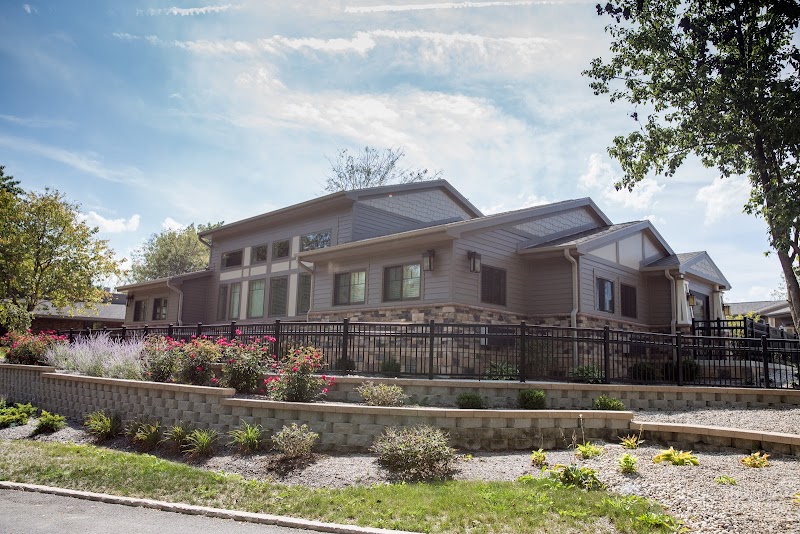
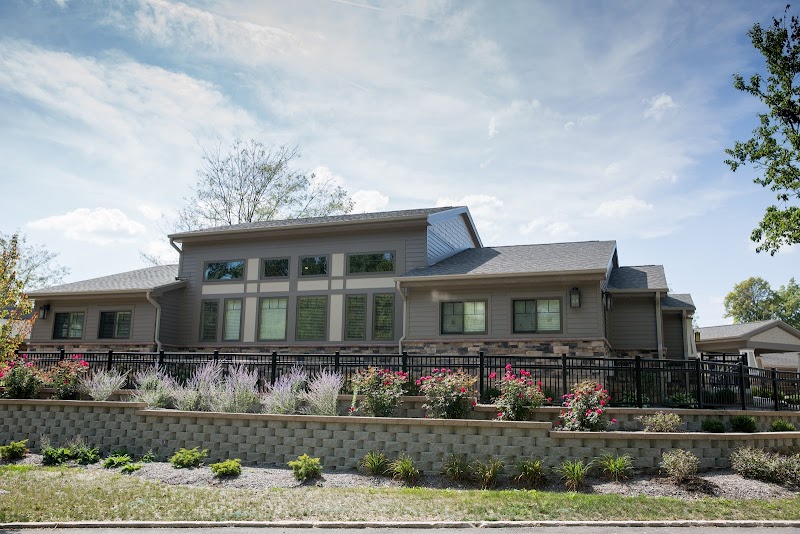
SHAWNEE MANOR

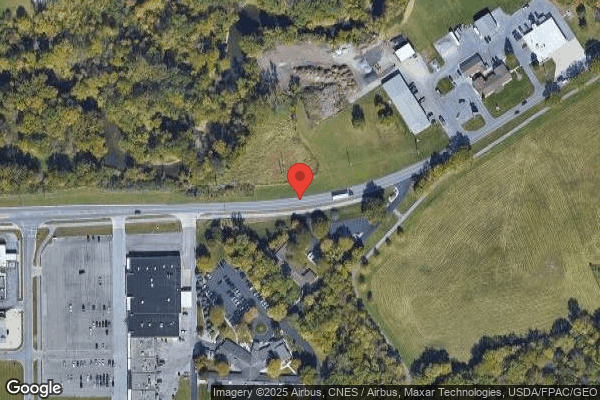
2535 FORT AMANDA ROAD, LIMA, OH 45804 (419) 999-2055
For profit - Corporation 137 Beds HCF MANAGEMENT Data: November 2025
Trust Grade
55/100
#543 of 913 in OH
Last Inspection: February 2025

Within standard 12-15 month inspection cycle. Federal law requires annual inspections.

Overview

Shawnee Manor has a Trust Grade of C, which means it is average and sits in the middle of the pack among nursing homes. It ranks #543 out of 913 facilities in Ohio, placing it in the bottom half, and #7 out of 11 in Allen County, indicating that there are better options nearby. The facility is experiencing a worsening trend in quality, with issues increasing from 2 in 2024 to 8 in 2025. Staffing is rated average, with a turnover rate of 47%, which is slightly better than the state average of 49%. While there are no fines on record, there have been some concerning incidents, such as a serious medication error where a resident received the wrong medication, leading to hospitalization, and issues with medication storage that could potentially affect multiple residents. Overall, while there are strengths in staffing and no fines, the increase in issues and specific incidents raise some concerns for families considering this facility.

Trust Score
C
55/100
In Ohio
#543/913
Bottom 41%
Safety Record
Moderate
Needs review
Inspections
Getting Worse
2 → 8 violations
Staff Stability
⚠ Watch
47% turnover. Above average. Higher turnover means staff may not know residents' routines.
Penalties
✓ Good
No fines on record. Clean compliance history, better than most Ohio facilities.
Skilled Nurses
○ Average
Each resident gets 33 minutes of Registered Nurse (RN) attention daily — about average for Ohio. RNs are the most trained staff who monitor for health changes.
Violations
⚠ Watch
21 deficiencies on record. Higher than average. Multiple issues found across inspections.
★★★☆☆
3.0
Overall Rating
★★★☆☆
3.0
Staff Levels
★★★★☆
4.0
Care Quality
★★★☆☆
3.0
Inspection Score
Stable
2024: 2 issues
2025: 8 issues

The Good

  • 4-Star Quality Measures · Strong clinical quality outcomes
  • Full Sprinkler Coverage · Fire safety systems throughout facility
  • No fines on record

Facility shows strength in quality measures, fire safety.

The Bad

3-Star Overall Rating

Near Ohio average (3.2)

Meets federal standards, typical of most facilities

Staff Turnover: 47%

Near Ohio avg (46%)

Higher turnover may affect care consistency

Chain: HCF MANAGEMENT

Part of a multi-facility chain

Ask about local staffing decisions and management

The Ugly 21 deficiencies on record

1 actual harm
Feb 2025 8 deficiencies
CONCERN (D)

Potential for Harm - no one hurt, but risky conditions existed

Deficiency F0558 (Tag F0558)

Could have caused harm · This affected 1 resident

**NOTE- TERMS IN BRACKETS HAVE BEEN EDITED TO PROTECT CONFIDENTIALITY** Based on observation, staff interview, and record review, the facility failed to ensure call lights were within reach for the re...

Read full inspector narrative →
**NOTE- TERMS IN BRACKETS HAVE BEEN EDITED TO PROTECT CONFIDENTIALITY** Based on observation, staff interview, and record review, the facility failed to ensure call lights were within reach for the residents. This affected three residents (#31, #104, and #235). The facility census was 119. Findings include: 1. Record review revealed Resident #31 was admitted on [DATE]. Diagnoses included spastic hemiplegia affecting left nondominant side, abnormal posture, contracture on left elbow, and convulsions. Review of the care plan dated 11/29/24 revealed Resident #31 was at risk to make basic needs known on a daily basis with goal to monitor effectiveness of communication strategies and assistive devices. Review of the five-day Minimum Data Set (MDS) assessment dated [DATE] revealed Resident #31 was cognitively impaired. Observation on 02/10/25 at 7:21 P.M. revealed Resident #31 was laying on her left side in bed. Call light was on the right side of the bed wrapped around the handrail and stuck tightly between the mattress and handrail. Resident #31 was not able to see or reach the call light for assistance. Interview on 2/10/25 at 7:22 P.M. with Certified Nursing Assistant (CNA) #509 verified call light was stuck in between mattress and handrail and was out of Resident #31's reach. 2. Review of the medical record for Resident #235 revealed an admission date of 02/05/25. Diagnoses included displaced fracture of base of neck of left femur, cerebral palsy and intellectual disabilities. Review of the plan of care revealed Resident #235 was at risk for falls which included the intervention for a reachable call light. Observation on 02/11/25 at 4:44 P.M. revealed Resident #235 was lying in her bed with her touch call light on the night stand out of reach. Interview with Registered Nurse #437 verified the call light was not within reach of the resident and placed the touch call light by her hand. 3. Review of medical record for Resident #104 revealed an admission date of 12/02/22. Diagnoses included cognitive communication deficit, unsteadiness on feet, major depressive disorder, and mood disorder. Review of the care plan dated 11/19/24 revealed Resident #104 was at risk for falls which included the intervention of visually stimulating call light to remind and encourage use and be sure call light was within reach. Observation on 02/12/25 at 3:42 P.M. revealed Resident #104 lying in bed with call light at the foot of the bed on the floor out of the residents reach. Interview on 02/12/25 at 3:46 P.M. with Certified Nursing Assistant (CNA) #450 verified the call light was not in reach of Resident #104. CNA #450 picked the call light up from the floor and placed it in reach of the resident.
CONCERN (D)

Potential for Harm - no one hurt, but risky conditions existed

ADL Care (Tag F0677)

Could have caused harm · This affected 1 resident

**NOTE- TERMS IN BRACKETS HAVE BEEN EDITED TO PROTECT CONFIDENTIALITY** Based on medical record review, observation, and staff interview, the facility failed to ensure a resident who was dependent on ...

Read full inspector narrative →
**NOTE- TERMS IN BRACKETS HAVE BEEN EDITED TO PROTECT CONFIDENTIALITY** Based on medical record review, observation, and staff interview, the facility failed to ensure a resident who was dependent on staff for bathing received the necessary services to maintain good hygiene. This affected one (Resident #97) of one resident reviewed for activities of daily living (ADL). The facility census was 119. Findings include: Review of the medical record for Resident #97 revealed an admission date of 01/13/25. Diagnoses included infection of the skin, diabetes mellitus (DM), pressure ulcer of left and right buttocks, and spinal stenosis. Review of the Minimum Data Set (MDS) assessment dated [DATE] revealed Resident #97 was cognitively intact. Resident #97 was impaired bilateral lower extremity and required assistance from staff with bathing and had three pressure ulcers. Review of the plan of care revealed Resident #97 was at risk for decline of ADL related to cellulitis, injury to right knee, morbid obesity, noncompliance, spinal stenosis, gait and or balance problems, incontinence, unaware of safety needs. Interventions included being totally dependent on staff for toileting and required one to two staff for bathing. Observation on 02/12/25 at 10:30 A.M. revealed Certified Nursing Assistant (CNA) #404 and #623 were performing bathing on Resident #97. CNA #623 washed her hands, filled a tub of warm water and placed five washcloths in the water. CNA #623 placed gloves on then retrieved a washcloth from the basin, placed liquid soap on it and washed the back and legs of Resident #97, which had blood on it due to open wounds. CNA #623 placed the blood-soiled washcloth into the basin and retrieved another washcloth to rinse soap off the resident. This was repeated to wash the buttocks of the resident. CNA #404 was helping to hold Resident #97 on his left side during the bathing. CNA #623 took the basin to the bathroom and cleaned out replaced with warm water. CNA #404 performed the perineal care on Resident #97 with clean wash cloths and put soiled washcloths in a plastic bag after using. Interview on 02/12/25 at 11:00 A. M. with CNAs #404 and #623 verified during bathing of Resident #97, CNA #623 did place soiled washcloths back into the basin of warm water during this bathing. CNAs #404 and #623 verified the washcloths should have not been placed back into the basin of warm water and should have been placed in a plastic bag so it would contaminate the water and would ensure infection control measures were followed. Review of the facility's undated policy titled Quality of Care Policy/ADL revealed each resident will receive and the manner will provide the necessary care and services to attain or maintain the highest practical physical, mental, and psychosocial well-being, in accordance with the comprehensive assessment and plan of care. In the area of ADL; a resident's abilities in ADL will not diminish unless circumstances of the individual's clinical condition demonstrate the diminution was unavoidable.
CONCERN (D)

Potential for Harm - no one hurt, but risky conditions existed

Quality of Care (Tag F0684)

Could have caused harm · This affected 1 resident

**NOTE- TERMS IN BRACKETS HAVE BEEN EDITED TO PROTECT CONFIDENTIALITY** Based on medical record review, observation, and staff interview, the facility failed to ensure a resident's treatment for a ski...

Read full inspector narrative →
**NOTE- TERMS IN BRACKETS HAVE BEEN EDITED TO PROTECT CONFIDENTIALITY** Based on medical record review, observation, and staff interview, the facility failed to ensure a resident's treatment for a skin tear was completed as physician ordered. This affected one (#12) of three residents reviewed for non-pressure related skin concerns. The facility census was 119. Findings include: Review of Resident #12's medical record revealed an admission date of 05/18/22. Diagnoses included carpal tunnel syndrome, type two diabetes mellitus, cognitive heart failure, and major depressive disorder. Review of a quarterly Minimum Data Set (MDS) assessment revealed Resident #12 was cognitively intact. Review of a skin issue assessment dated [DATE] revealed Resident #12 was noted with skin tear measuring 2.5 centimeters (cm) in length by 1.5 cm wide to the left forearm. Review of the physician orders dated 01/24/25 revealed an order to cleanse skin tear on left forearm with normal saline (NS), apply triple-antibiotic ointment (TAO), and covered with bordered gauze every day shift. Review of the treatment administration record (TAR) revealed Resident #12's left forearm dressing was documented as being completed on 02/09/25, 02/10/25, and 02/11/25. Observation of Resident #12's left forearm on 02/11/25 at 8:48 A.M. revealed the dressing was dated 01/08/25. Interview with Licensed Practical Nurse (LPN) #605 on 02/11/25 at 8:53 A.M. confirmed the dressing on Resident #12's left forearm was dated 01/08/25. LPN #605 confirmed the treatment was documented as being completed on 02/11/25. LPN #605 confirmed she had documented the treatment as being completed, but had not yet completed the treatment. LPN #605 stated the dressing was probably incorrectly dated 01/08/25 instead of 02/08/25. LPN #605 confirmed Resident #12's dressing was not changed as ordered.
CONCERN (D)

Potential for Harm - no one hurt, but risky conditions existed

Deficiency F0688 (Tag F0688)

Could have caused harm · This affected 1 resident

**NOTE- TERMS IN BRACKETS HAVE BEEN EDITED TO PROTECT CONFIDENTIALITY** Based on record review, observation, staff interview, and policy review, the facility failed to ensure hand and foot splints wer...

Read full inspector narrative →
**NOTE- TERMS IN BRACKETS HAVE BEEN EDITED TO PROTECT CONFIDENTIALITY** Based on record review, observation, staff interview, and policy review, the facility failed to ensure hand and foot splints were applied per physician order. This affected one (Resident #1) of two residents reviewed for splints. The facility census was 119. Findings include: Review of the medical record for Resident #1 revealed an admission date of 09/10/13. Diagnoses included dementia, schizoaffective disorder, type two diabetes mellitus, extrapyramidal and movement disorder, osteoarthritis, intellectual disabilities, contracture of right shoulder and right elbow, and contracture of muscle right hand. Review of the care plan dated 01/09/25 revealed Resident #1 used a left wrist hand finger orthosis (WHFO), right c-splint elbow brace, PRAFO boots (a custom-fitted ankle foot orthosis that helps support the foot and ankle), palm protectors due to muscle weakness, contractures, and pain. Interventions included braces as ordered with no signs and symptoms of skin irritation and pain and no further decline through next review. Provide passive range of motion to affected were before and after application. Certified Nursing Assistants (CNAs) to apply braces per plan of care. Review of the quarterly Minimum Data Set (MDS) assessment dated [DATE] revealed Resident #1 had severe cognitive impairment. Resident #1 was dependent on staff for activities of daily living and had impairment on both upper and lower extremities. Review of the current physician orders revealed bilateral hand splints on in the morning and off in the afternoon as tolerated, right elbow brace on in the afternoon and off in the evening. Review of CNA tasks in the electronic medical record revealed there was no documentation regarding bilateral hand splints on in the morning and off in the afternoon (bilateral hand rolls to be in place when splints were not being worn) for the past 30 days. Review of the treatment administration record from 02/01/25 to 02/11/25 revealed braces were signed off for 02/11/25. Review of the progress notes for February 2025 revealed no documentation of resident refusing braces on 02/11/25. Observations on 02/11/25 at 7:11 A.M. and 9:00 A.M. of Resident #1 revealed the resident up in the wheelchair in the hallway. No braces or splints noted on hands, elbows, or lower extremities. Interview on 02/11/25 at 9:10 A.M. with Business Office Manager (BOM) #635 verified Resident #1 did not have any splints or braces on hands or elbows at this time. Review of the policy titled Range of Motion Policy revised 04/2016 revealed a resident with a limited range of motion receives appropriate treatment and services to increase range of motion and/or to prevent further decrease in range of motion. Residents will be monitored for decline in range of motion on admission and quarterly thereafter.
CONCERN (D) 📢 Someone Reported This

A family member, employee, or ombudsman was alarmed enough to file a formal complaint

Potential for Harm - no one hurt, but risky conditions existed

Accident Prevention (Tag F0689)

Could have caused harm · This affected 1 resident

**NOTE- TERMS IN BRACKETS HAVE BEEN EDITED TO PROTECT CONFIDENTIALITY** Based on medical record review, staff interview, and review of facility policy, the facility failed to ensure a fall interventio...

Read full inspector narrative →
**NOTE- TERMS IN BRACKETS HAVE BEEN EDITED TO PROTECT CONFIDENTIALITY** Based on medical record review, staff interview, and review of facility policy, the facility failed to ensure a fall intervention was in place when a resident fell. This affected one (Resident #335) of four residents reviewed of accidents. The facility census was 119. Findings include: Review of Resident #335's closed medical record revealed an admission date of 10/24/24. Diagnoses included depression, chronic kidney disease, malnutrition, atrial fibrillation, and seizures. Resident #335 was discharged from the facility on 01/20/25. Review of a five-day [NAME] Data Set (MDS) assessment dated [DATE] revealed Resident #335 was severely cognitively impaired and has had repeated falls. Review of a care plan dated 10/24/24 revealed Resident #335 was at risk for falls related to deconditioning, gait/balance problems, incontinence, cerebrovascular accident (CVA), and history of repeated falls. Interventions included to encourage the resident to rest after lunch as tolerated was added on 01/14/25 and wheel resident uses has her name name on it for identification was added on 01/20/25. Review of progress notes dated 01/12/25 at 11:56 P.M. revealed Resident #335 was found observed lying on the floor in front of a chair in her room. No injuries were noted. Review of an interdisciplinary team (IDT) note dated 01/14/25 at 7:35 P.M. revealed a root cause analysis of determined Resident #335's fall was caused from her being tired after lunch. The IDT discussed and determined the appropriate intervention was changing Resident #335's wheelchair to assist in comfort and security along with encouraging Resident #335 to rest after lunch. The progress notes dated 01/18/25 at 11:13 A.M. revealed Resident #335 was found by a nurse laying on the floor in the dining room underneath a table. Resident #335 was noted with a small abrasion and bleeding to the corner of her right eye. Resident #335 was sent to the emergency room (ER) for evaluation per request of family. The progress notes dated 01/18/25 at 5:30 P.M. revealed Resident #335 returned to the facility with no new orders. Review of the IDT noted dated 01/20/25 at 9:36 A.M. revealed a root cause analysis of determined Resident #335's fall was caused from not being in a tilt and space wheelchair. Further discussion with the IDT team determined the appropriate intervention to be labeling the correct wheelchair with her name. Interview with the Director of Nursing (DON) on 02/13/24 at 1:07 P.M. stated after Resident #335 slid out of her wheelchair on 01/12/25, it was determined she needed a tilted wheelchair. On 01/18/25, when Resident #335 fell in the dining room she was not in a tilt wheelchair. Staff had put her in the wrong wheelchair. It was believed the wheelchair had been sat at in the hallway. Interview with the DON, Administrator, and Therapy Director (TD) #306 on 02/13/25 at 2:20 P.M. confirmed Resident #335 was not in the correct wheelchair when she fell in the dining room on 01/18/25. Review of the facility's Fall Reduction Policy revealed it is the facility's policy to identify residents at risk for falls and to implement a fall reduction program to reduce the risk of falls and possible injury. A fall risk reduction plan will be incorporated into the resident's plan of care. This deficiency represents non-compliance investigated under Complaint Number OH00162227 and Complaint Number OH00161841.
CONCERN (D)

Potential for Harm - no one hurt, but risky conditions existed

Respiratory Care (Tag F0695)

Could have caused harm · This affected 1 resident

Based on medical record review, observation, and staff interview, the facility failed to ensure a resident's respiratory equipment was changed as physician ordered. This affected one (#12) of three re...

Read full inspector narrative →
Based on medical record review, observation, and staff interview, the facility failed to ensure a resident's respiratory equipment was changed as physician ordered. This affected one (#12) of three residents reviewed for respiratory care. The facility census was 119. Findings include: Review of Resident #12's medical record revealed an admission date of 05/18/22. Diagnoses included cognitive heart failure and major depressive disorder. Review of the quarterly Minimum Data Set (MDS) assessment revealed Resident #12 was cognitively intact. Review of the physician orders dated 04/07/24 revealed an order for oxygen maintenance, change oxygen (O2) tubing and supply bag weekly. Wipe down the concentrator and clean filter weekly. Change water jug weekly. Observation of Resident #12's oxygen concentrator humidification bottle on 02/11/25 at 8:48 A.M. revealed it was dated 12/29/24. Interview with Licensed Practical Nurse (LPN) #605 on 02/11/25 at 8:53 A.M. confirmed the dressing on Resident #12's O2 humidification bottle was dated 12/29/24. Review of the facility's policy titled Respiratory Service Disposable Supply Changes dated 05/01/24 revealed disposable supplies need to be dated when changed. O2 humidifier bottles needed to be changed weekly or as needed (PRN).
CONCERN (D)

Potential for Harm - no one hurt, but risky conditions existed

Infection Control (Tag F0880)

Could have caused harm · This affected 1 resident

**NOTE- TERMS IN BRACKETS HAVE BEEN EDITED TO PROTECT CONFIDENTIALITY** Based on medical review review, observations, resident interview, staff interviews, and review of facility's policy's, the facil...

Read full inspector narrative →
**NOTE- TERMS IN BRACKETS HAVE BEEN EDITED TO PROTECT CONFIDENTIALITY** Based on medical review review, observations, resident interview, staff interviews, and review of facility's policy's, the facility failed to ensure staff implemented enhanced barrier precautions (EBP) during catheter and ostomy care. This affected one (Resident #79) of residents reviewed for catheter care. The facility census was 119. Findings include: Review of the medical record for Resident #79 revealed admission date of 01/08/25. The resident was admitted with diagnoses including urinary tract infection, multiple sclerosis, neuromuscular dysfunction of bladder, pressure ulcer to left hip, stage three, colostomy status, pressure ulcer to left buttock and dementia. Review of the physician's orders revealed an order dated 01/08/25 for changing ostomy appliance every three days and as needed (PRN). An oder dated 02/12/25 for indwelling Foley catheter 16 french with catheter care every shift. The Minimum Data set (MDS) assessment dated [DATE] revealed Resident #79 was cognitively intact and required extensive assistance for bed mobility, and totally dependent on staff for toileting. Resident #79 had an indwelling catheter and ostomy. A care plan relative to catheter and having multidrug - resistant organisms (MDRO) infection revealed the interventions included Resident #79 may be in EBP while residing at the facility. Resident #79 will understand that staff may be wearing appropriate Personal Protective Equipment (PPE) when they are completing high contact resident care activities. Interview and observation with Resident #79 on 02/12/25 at 9:00 A.M. stated the nurses and certified nursing aides wear gowns when performing his wound care but never wear a gown when changing the ostomy or catheter. The resident explained they only need to wear gowns for the wound due to the risk of infection. Observation of the sign above Resident #79's bed revealed EBP precautions and PPE included gowns and gloves to be used when performing any care during high contact resident care activities which included infection or colonized with an MDRO infection and for indwelling medical devices which included examples such as urinary catheter regardless of MDRO colonization status. Observation on 02/12/25 at 11:12 A.M. revealed Registered Nurse (RN) #402 was preparing to perform ostomy replacement on Resident #79. The nurse gathered all equipment needed, cleaned tray and washed her hands. The nurse placed gloves on and took off old ostomy bag and placed new ostomy by following physician's orders. The nurse gathered soiled ostomy bag and placed in garbage bag. The nurse did not put on a gown (PPE) during this procedure. Interview with RN #402 on 02/12/25 at 11:33 A.M. verified there was no other PPE (gown) used during the care for the ostomy due to Resident #79 was no longer on any kind of precaution. Observation and interview on 02/12/25 at 3:15 P.M. revealed CNA #520 was performing catheter care on Resident #79. CNA #520 gathered basin of warm water, wash cloths and garbage bag. CNA #520 washed her hands and put on gloves then proceeded to perform the catheter care per physician's orders. CNA #520 did not place a gown on at any time during this care. CNA #520 verified gloves were on but did not put on a gown to perform the catheter care. Review of the facility's undated policy titled Standard Precautions revealed it is the intention of this facility to use EBP in addition to standard precautions to prevent transmission of MDRO in our community. An impervious gown should be worn when high-contact resident care activities are being performed. EBP may be considered for the following situations which included infection or colonized with an MDRO when contact precautions do not apply and for indwelling medical devices such as urinary catheter regardless of MDRO colonization status. High contact resident care activities included device care or use wound care or any skin opening.
CONCERN (E)

Potential for Harm - no one hurt, but risky conditions existed

Deficiency F0761 (Tag F0761)

Could have caused harm · This affected multiple residents

Based on observation, staff interview, and policy review, the facility failed to ensure food products were not stored in medication carts near biologicals, ensure medication was stored in the original...

Read full inspector narrative →
Based on observation, staff interview, and policy review, the facility failed to ensure food products were not stored in medication carts near biologicals, ensure medication was stored in the original packaging and labeled with resident identification, failed to ensure all prepackaged medication remained in their resident labeled box, and failed to ensure insulin and medications were dated upon opening. This affected three of six medication carts and two of two medication rooms. This had the potential to affect 23 residents who received medications from the D-hall medication cart, 24 residents who received medications from the A-hall cart, one resident receiving ear drops from the F-Hall cart, and five resident receiving insulin from insulin pens from the A-hall cart. The facility census was 119. Findings include: 1. Observation and interview on 02/12/25 at 9:03 A.M of the F-hall medication cart revealed one opened bottle of a generic ear drops, for wax build-up, with no open date in the third drawer. Interview with Licensed Practical Nurse (LPN) #533 verified the ear drops had no open date. 2. Observation and interview on 02/12/25 at 9:20 A.M. of the A-hall medication cart revealed an unmarked, clear, plastic medication cup with nine various tablets and/or capsules located in the top drawer. There was Resident #84's Basaglar Insulin pen, opened, without an open date. Interview with LPN #424 at 9:25 A.M. stated medications should be stored in their original package until they were ready to be administered to the resident and confirmed the Resident #84's insulin pen did not have an open date. 3. Observation and interview on 02/12/25 at 9:25 A.M. of the medication room in the memory care unit revealed one opened vial of tuberculin derivative dated 01/07/25. Interview with Staff Developer #411 verified the opened vial of tuberculin derivative was dated 01/07/25 and should be disposed of because it has been greater than 30 days. 4. Observation on 02/12/25 at 9:45 A.M. revealed bananas, bags of hot flaming onion chips, potato chips, cookies, Cheese-Its, Cheese-O's, and different types of crackers were noted in the bottom, left drawer of the D-hall medication cart along with opened containers of biologicals, including hemorrhoidal cream. Also there were 11 unopened, individual packages of Cymbalta (antidepressant) 20 milligram, with no resident's name, found in the back of the fourth drawer, behind boxes of resident medication. Two open bottles of artificial tears eye drops, undated, were located in the top drawer. Interview with License Practiced Nurse (LPN) #440 at 9:50 A.M. verified food was stored with biologicals, 11 packages of Cymbalta, and artificial eye drops were undated. Review of the policy titled Medication Storage in the Facility dated 12/19/24 revealed medications are stored in containers that meet legal requirements. Outdated medications are immediately removed.
Dec 2024 2 deficiencies
CONCERN (D) 📢 Someone Reported This

A family member, employee, or ombudsman was alarmed enough to file a formal complaint

Potential for Harm - no one hurt, but risky conditions existed

ADL Care (Tag F0677)

Could have caused harm · This affected 1 resident

**NOTE- TERMS IN BRACKETS HAVE BEEN EDITED TO PROTECT CONFIDENTIALITY** Based on observation, medical record review, staff interview, and review of the facility policy, the facility failed to provide ...

Read full inspector narrative →
**NOTE- TERMS IN BRACKETS HAVE BEEN EDITED TO PROTECT CONFIDENTIALITY** Based on observation, medical record review, staff interview, and review of the facility policy, the facility failed to provide two residents, #25 and #40, of five (#25, #40, #63, #67, and #80) reviewed for showers, with showers twice weekly. The facility census was 126. Findings include: 1. Review of the medical record of Resident #25 revealed an admission date of 01/06/21. Diagnoses include disorders of bladder, repeated falls, dementia, and diabetes mellitus type II. Review of the quarterly minimum data set assessment dated [DATE] revealed Residents #25 was cognitively impaired and was dependent for personal hygiene. Review of the Certified Nursing Assistant (CNA) documentation revealed Resident #25 received a shower on 11/29/24, 12/02/24, and 12/13/24 for the past 30 days with one refusal on 12/16/24. 2. Review of the medical record of Resident #40 revealed an admission date of 11/01/17. Diagnoses include dementia. Review of the quarterly minimum data set assessment dated [DATE] revealed Residents #40 was severely cognitively impaired and was dependent for all activities of daily living. Review of the CNA documentation revealed Resident #25 received a shower on 11/26/24, 12/17/24 for the past 30 days. Interview on 12/19/24 at 8:00 A.M. with Director of Nursing provided verification the showers were not documented as having been provided to the two residents. Review of the facility policy titled Activities of Daily Living, dated 04/29/16 stated the facility will provide the necessary care and services to attain or maintain the highest practicable physical, mental, and psychosocial well-being in accordance with the comprehensive assessment and the plan of care. A resident who is unable to carryout activities of daily living will receive the necessary services to maintain good nutrition, grooming, personal and oral hygiene. This deficiency represents non-compliance investigated under Complaint Number OH00159551.
CONCERN (D) 📢 Someone Reported This

A family member, employee, or ombudsman was alarmed enough to file a formal complaint

Potential for Harm - no one hurt, but risky conditions existed

Infection Control (Tag F0880)

Could have caused harm · This affected 1 resident

**NOTE- TERMS IN BRACKETS HAVE BEEN EDITED TO PROTECT CONFIDENTIALITY** Based on observation, medical record review, staff interview, and policy review, the facility failed to ensure clean and sanitar...

Read full inspector narrative →
**NOTE- TERMS IN BRACKETS HAVE BEEN EDITED TO PROTECT CONFIDENTIALITY** Based on observation, medical record review, staff interview, and policy review, the facility failed to ensure clean and sanitary incontinence care was provided to two residents, #25 and #63, observed for incontinence care. The facility census was 126. Findings include: 1. Review of the medical record of Resident #25 revealed an admission date of 01/06/21. Diagnoses include disorders of bladder, repeated falls, dementia, diabetes mellitus type II, Review of the quarterly minimum data set assessment dated [DATE] revealed Residents #25 was cognitively impaired and was dependent for transfers and toileting. The assessment revealed Resident #25 was always incontinent of bladder. Observation on 12/19/24 at 7:05 A.M. revealed Certified Nursing Assistant (CNA) #221 completing incontinence care for Resident #25. CNA #221 did not remove the soiled gloves or perform hand hygiene prior to adjusting bed linens and numerous personal items on the overbed table. Resident #25's perineal area was free of any redness or open areas. 2. Review of the medical record of Resident #63 revealed an admission date of 10/15/24. Diagnoses include chronic respiratory failure, metabolic encephalopathy, traumatic subdural hemorrhage, diabetes mellitus type II, depression, and polyarthritis. Review of the admission minimum data set assessment dated [DATE] revealed Residents #63 was cognitively intact and was dependent for toileting hygiene. The assessment revealed Resident #63 was frequently incontinent of bladder. Observation on 12/19/24 at 10:10 A.M. revealed Certified Nursing Assistant (CNA) #227 providing morning and incontinence care for Resident #63. CNA #227 allowed Resident #63 to wash her own face. CNA #227 washed the chest, abdomen, and axilla areas of Resident #63 and dried them. CNA #227 assisted Resident #63 with donning her shirt using the same gloves. CNA #227 then washed the perineal and anal areas and dried them, and then placed a clean incontinent brief and pants on Resident #63, all while wearing the same soiled gloves. CNA #227 proceeded to touch Resident #63's personal blankets, and even CNA's personal shirt, all while still wearing her soiled gloves. CNA #227 removed her gloves at this point but did not perform hand hygiene. Interview on 12/19/24 at 10:35 A.M. with CNA #227 provided verification of the lack of removing soiled gloves and performing hand hygiene prior to touching clean clothing/objects. Review of the policy titled Use of Gloves, dated 07/2003, revealed hands should be cleaned after removing gloves. This deficiency represents non-compliance investigated under Master Complaint Number OH00160575, and Complaint Number OH00159551.
Sept 2023 1 deficiency
CONCERN (D) 📢 Someone Reported This

A family member, employee, or ombudsman was alarmed enough to file a formal complaint

Potential for Harm - no one hurt, but risky conditions existed

Deficiency F0685 (Tag F0685)

Could have caused harm · This affected 1 resident

**NOTE- TERMS IN BRACKETS HAVE BEEN EDITED TO PROTECT CONFIDENTIALITY** Based on medical record review, staff interview, and review of facility policy, the facility failed to ensure a follow-up vision...

Read full inspector narrative →
**NOTE- TERMS IN BRACKETS HAVE BEEN EDITED TO PROTECT CONFIDENTIALITY** Based on medical record review, staff interview, and review of facility policy, the facility failed to ensure a follow-up vision appointment was scheduled for a resident. This affected one (#54) of three reviewed for ancillary medical appointments. The census was 122. Findings include: Review of Resident #54's medical record revealed an admission date of 03/23/22. Diagnoses listed included protein calorie malnutrition, dementia, cognitive communications deficit, anxiety disorder, and hydrocephalus. Review of a quarterly Minimum Data Set (MDS) assessment dated [DATE] revealed Resident #54 had severed cognitive impairment and required limited assistance, required limited assistance with personal hygiene, and had corrective lenses for vision. Review of a optometry office appointment noted date 06/04/22 revealed Resident #54 should return to the office within six months for a dilated eye exam to monitor the health of the back of her eyes. Further review of Resident #54's medical record revealed no documentation of a follow-up optometry appointment within six months of 06/04/22. There was not documentation of any optometry office visits or in-facility optometrist visits. During an interview on 09/05/23 at 3:51 P.M. the Administrator confirmed Resident #54 had not had an optometry appointment since 06/04/22. The Administrator stated if a resident family does not follow-up the facility's social worker was responsible for making follow-up appointments. During an interview on 09/06/23 at 2:50 P.M. Resident Services Coordinator (RSC) #120 confirmed Resident #54 had not seen an optometrist since 06/04/22. Review of the facility's policy titled Quality of Care Policy/Activities of Daily Living dated 04/29/16 revealed to ensure that residents received proper treatment and assistive devices to maintain vision and hearing abilities, the facility will, if necessary, assist the resident in making appointments and by arranging for transportation to and from the office of a practitioner specializing in the treatment of vision or hearing impairment or the office of a professional specializing in the provision of vision or hearing devices. This deficiency represents non-compliance with Complaint Number OH00145958.
Jan 2023 2 deficiencies 1 Harm
SERIOUS (G) 📢 Someone Reported This

A family member, employee, or ombudsman was alarmed enough to file a formal complaint

Actual Harm - a resident was hurt due to facility failures

Deficiency F0760 (Tag F0760)

A resident was harmed · This affected 1 resident

**NOTE- TERMS IN BRACKETS HAVE BEEN EDITED TO PROTECT CONFIDENTIALITY** Based on medical record review, review of a medication error report/investigation and staff and resident interviews, the facilit...

Read full inspector narrative →
**NOTE- TERMS IN BRACKETS HAVE BEEN EDITED TO PROTECT CONFIDENTIALITY** Based on medical record review, review of a medication error report/investigation and staff and resident interviews, the facility failed to ensure a resident received medications as ordered resulting in a significant medication error. This resulted in Actual Harm when Resident #45 was given another resident's (#01) medications on 01/05/23 and was subsequently admitted to the hospital with encephalopathy (altered brain function) due to the medication administration error. This affected one (#45) out of four residents reviewed for medications. Facility census was 126. Findings include: Review of the medical record for Resident #45 revealed an admission date of 12/01/21 with medical diagnoses of metabolic encephalopathy, morbid obesity, insomnia, hypothyroidism, and hypertension. Review of the medical record for Resident #45 revealed a Minimum Data Set (MDS) assessment dated [DATE] which indicated Resident #45 was cognitively intact. The MDS documented Resident #45 required extensive staff assistance for bed mobility and bathing and required supervision with transfers and dressing. Review of the medical record for Resident #45 revealed a nurse's note dated 01/05/23 at 7:18 A.M. which documented Resident #45 was accidentally given Resident #01's medications. The note indicated the physician was notified and new orders were received to monitor Resident #45's vital signs. Further review of Resident #45's medical record revealed a nurses note dated 01/05/23 at 10:40 P.M. which indicated Resident #45 was sent to the emergency department due to complaints of feeling dizzy and loopy. Review of the medical record for Resident #45 revealed a hospital history and physical, dated 01/05/23, which documented Resident #45 was seen in the emergency department due to altered mental status. Further review of the history and physical revealed Resident #45 was diagnosed with mental status alteration toxic cause, altered mental status, and medication reaction. Review of the medical record for Resident #45 revealed a hospital physician progress note, dated 01/08/23, which indicated Resident #45 had acute encephalopathy due to a medication administration error. The physician note stated the encephalopathy had resolved. Review of the medical record for Resident #45 revealed a nurse's note dated 01/09/23 at 3:00 P.M. which documented Resident #45 had returned to the facility from the hospital. Review of the facility medication error reports from November 2022 to January 2023 revealed an incident on 01/05/23 in which a resident was given another resident's medications. The report did not include resident names. Review of the medication error investigation report for Resident #45 revealed on 01/05/23 Resident #45 was administered Resident #01's medications by Licensed Practical Nurse (LPN) #38. The investigation report indicated LPN #38 notified the physician and new orders were received. The investigation report revealed Resident #45 remained drowsy throughout the day and was sent to the emergency department and admitted to the hospital for observation. Further review of the medication error investigation report revealed Resident #45 received the following wrong medications: aspirin 81 milligram (mg) one tablet, FiberCon 625 mg two tablets, fluoxetine (antidepressant) 40 mg one capsule, Januvia (lowers blood sugar levels) 50 mg one tablet, lactobacillus (laxative agent) one tablet, Lipitor 20 mg one tablet, multivitamin one tablet, Nebivolol HCL (antihypertensive) 20 mg one tablet, potassium chloride extended release 20 milliequivalent's (mEq) one tablet, senna 8.6 mg one tablet, tamsulosin HCL (used to treat lower urinary tract symptoms) 0.4 mg one tablet, Tiptropium Bromide-olodaterol inhalation aerosol two puff inhale orally, famotidine (for acid reflux) 20 mg one tablet, Hiprex (prevent urinary tract infections) one gram one tablet, iron 325 mg one tablet, Lyrica (pain control) 300 mg one tablet, and Vitamin C 500 mg one tablet. Interview on 01/20/23 at 11:30 A.M. with the Director of Nursing (DON) stated the facility did not have a specific policy regarding accurate medication administration. The DON stated the nursing staff are to follow the Five Rights of medication administration when administering medications. The DON confirmed the Five Rights which included the right patient, right medication, right dose, right route, and right time. Interview on 01/20/23 at 11:40 A.M. with the Administrator and DON confirmed LPN #38 administered Resident #01's medications to Resident #45 on 01/05/23. The DON stated education was provided to LPN #38 on 01/05/23 and the rest of the nursing staff on 01/06/23. Interview on 01/20/23 at 1:09 P.M. with Resident #45 stated she was sent to the hospital due to the nurse gave her another residents medications. Resident #45 stated after receiving the wrong medications she became sick and was admitted to the hospital for several days. Resident #45 denied any issues with medications since that incident. Interview on 01/20/23 at 1:12 P.M. with the Administrator confirmed the facility had not conducted medication audits or monitoring of medication administration after the medication error incident on 01/05/23. The Administrator stated the audits on medication administration were started 01/20/23 and would be conducted on each shift three times per week for four weeks. This deficiency represents non-compliance investigated under Complaint Number OH00139120.
CONCERN (D) 📢 Someone Reported This

A family member, employee, or ombudsman was alarmed enough to file a formal complaint

Potential for Harm - no one hurt, but risky conditions existed

Deficiency F0761 (Tag F0761)

Could have caused harm · This affected 1 resident

**NOTE- TERMS IN BRACKETS HAVE BEEN EDITED TO PROTECT CONFIDENTIALITY** Based on medical record review, observation, staff and resident interviews, and policy review, the facility failed to ensure a r...

Read full inspector narrative →
**NOTE- TERMS IN BRACKETS HAVE BEEN EDITED TO PROTECT CONFIDENTIALITY** Based on medical record review, observation, staff and resident interviews, and policy review, the facility failed to ensure a resident consumed their medications at the time of administration resulting in unattended medications at a residents bedside. This affected one (#43) resident out of the three reviewed for medication administration. Facility census was 143. Findings include: Review of the medical record for Resident #43 revealed an admission date of 09/01/22 with medication diagnoses of chronic respiratory failure with hypoxia, morbid obesity, epilepsy, and obstructive sleep apnea (OSA). Review of the medical record for Resident #43 revealed a quarterly Minimum Data Set (MDS) dated [DATE] which indicated Resident #43 was cognitively intact. The MDS documented Resident #43 required supervision with bed mobility, transfers, ambulation, and toileting. Review of the medical record for Resident #43 from 09/01/22 to 01/20/23 revealed no documentation to support the facility completed a medication self-administration evaluation. Observation with interview on 01/20/23 at 8:55 A.M. revealed Resident #43 lying in bed with bi-level positive airway pressure (Bipap) machine in place. Observation revealed a medication cup full of medications sitting on Resident #43's bedside table. Resident #43 stated the nurse brought his medications in his room and set the medication cup on his bedside table and left the room. Resident #43 stated he dozed off after the nurse left the room and did not take his medications. Resident #43 stated the nurses leave medication cups full of medications on his bedside table and leave the room at times. Interview on 01/20/23 at 8:57 A.M. with Licensed Practical Nurse (LPN) #130 confirmed she entered Resident #43's room and left the medication cup full of medications on Resident #43's bedside table and did not observe Resident #43 consume his medications. Review of facility policy titled Oral Medication Administration, dated 03/30/22, revealed the facility staff are to administer the medications and to remain with the resident while medication is swallowed. This deficiency represents non-compliance investigated under Complaint Number OH00139120.
Aug 2022 3 deficiencies
CONCERN (D)

Potential for Harm - no one hurt, but risky conditions existed

Resident Rights (Tag F0550)

Could have caused harm · This affected 1 resident

Based on observation, staff interview, and review of facility policy, the facility failed to ensure residents were treated with dignity. This affected three (Residents #7, #17, and #27) of three obser...

Read full inspector narrative →
Based on observation, staff interview, and review of facility policy, the facility failed to ensure residents were treated with dignity. This affected three (Residents #7, #17, and #27) of three observed for dignity. The facility census was 82. Findings include: Observations on 08/16/22 at 11:55 A.M. revealed Resident #17 was wearing slippers with the resident's first and last name typed in black letters across the top, visible to the public. Continued observation revealed Resident #7 was wearing non-skid socks with a white label with the resident's first and last name typed in black letters, visible to the public. Resident #27 was wearing athletic shoes with the resident's first and last name written in black ink. Interview on 08/16/22 at 2:37 P.M. with State Tested Nursing Assistant (STNA) #16 verified the residents had their names labeled in an obvious area of their clothing, including footwear, visible to the public. Review of the facility's Resident Rights policy dated 11/08/16 revealed the resident has a right to a dignified existence, self-determination, and communication with and access to persons and services inside and outside the facility.
CONCERN (D)

Potential for Harm - no one hurt, but risky conditions existed

Deficiency F0657 (Tag F0657)

Could have caused harm · This affected 1 resident

**NOTE- TERMS IN BRACKETS HAVE BEEN EDITED TO PROTECT CONFIDENTIALITY** 2. Review of the medical record revealed Resident #28 was admitted on [DATE]. Diagnoses included transient cerebral ischemic att...

Read full inspector narrative →
**NOTE- TERMS IN BRACKETS HAVE BEEN EDITED TO PROTECT CONFIDENTIALITY** 2. Review of the medical record revealed Resident #28 was admitted on [DATE]. Diagnoses included transient cerebral ischemic attach, type II diabetes, hemiplegia and hemiparesis following cerebral infarction affecting left non-dominant side, chest pain, atherosclerotic heart disease of native coronary artery without angina pectoris, cognitive communication disorder, hyperlipidemia, essential primary hypertension, dementia in other diseases classified elsewhere without behavioral disturbance. Review of the Minimum Data Set (MDS) assessment dated [DATE] revealed Resident #28 was severely cognitively impaired. Review of the Self-Reported Incidents (SRI) dated 07/14/22 revealed Resident #28 was observed in bed with another resident. The local police department was notified, residents were separated, skin checks and body assessments were completed with no injury, and notifications were completed. Review of the SRI dated 08/01/22 revealed Resident #28 had a cane in the air and another resident reported Resident #28 had hit him on the arm. The residents were separated and assessed. Review of the SRI dated 08/12/22 revealed Resident #28 pushed another resident to the floor. Assessments were completed, no injury occurred, notifications were made, and fifteen minute check in place. Review of Resident #28's undated care plan revealed interventions in place for elopement including redirect exit seeking behaviors as needed, secure unit per physician order, staff will be aware of resident's location at all times, assess for fall risk, and distract resident from wandering by offering pleasant diversion activities, food, conversation, television and books. Further review of the care plan revealed no documentation addressing Resident #28 having other behaviors, including inappropriate and aggressive interactions towards others. Interview on 08/18/22 at 10:18 A.M. with the Administrator verified Resident #28's care plan did not include goals and interventions in place to address Resident #28's behaviors. Review of the facility policy titled, Resident Assessment, revised 11/02/16, revealed the facility will develop a comprehensive person centered care plan for each resident that includes measurable objectives and timetables to meet a resident's medical, nursing, and mental and psychosocial needs that are identified in the comprehensive assessment. The care plan must periodically reviewed and revised by a team of qualified persons after each assessment. Based on medical record review, staff interview, review of Self-Reported Incidents (SRIs), and review of facility policy, the facility failed to ensure care plans were updated to reflect residents' current status. This affected two (Residents #10 and #28) of two reviewed for care plan revisions. The facility census was 84. Findings include: 1. Review of the medical record for Resident #10 revealed admission date 02/23/22. Diagnoses included Guillain-Barre Syndrome, quadriplegia, cognitive communication deficit, muscle weakness, dysphagia, type II diabetes, heart failure, depression, and anxiety disorder. Review of the quarterly Minimum Data Set (MDS) assessment dated [DATE] revealed the resident had impaired cognition. The resident required extensive assistance of two people for bed mobility and extensive assistance of one person for transfers. The resident had no falls since admission/re-entry. Review of the Nursing Fall Review dated 07/10/22 revealed Resident #10 had a recent fall while getting out of her bed and into her wheelchair. Immediate intervention included to put gripper socks on the resident. The resident was considered to be at moderate risk for falls. Review of Resident #10's care plan dated 06/15/22 revealed the resident was at moderate risk for falls related to de-conditioning and gait/balance problems. Interventions included to anticipate and meet the resident's need, ensure call light is within reach and encourage the resident to use it for assistance, respond to the resident's needs promptly, educate on the importance of calling for assistance prior to transferring, ensure PRAFO (a device that is worn on the calf and foot, similar to a boot) on while in bed as tolerated, ensure ankle foot orthosis (AFO) bracing orthotic therapy for mild to moderate joint stiffness, contracture, or spasticity of the ankle and foot) while up during day as tolerated, monitor skin/pain, perimeter mattress to assist with spatial recognition, physical therapy evaluation and treat as ordered and needed, and room modification to allow for optimum space for the resident to move about. Further review of the care plan revealed no intervention in place for proper footwear. Interview on 08/18/22 at 10:59 A.M. with Restorative Nurse #36 verified Resident #10's care plan did not address proper footwear and stated proper footwear was usually one of the first interventions implemented. Restorative Nurse #36 updated the resident's care plan on 08/18/22 at 11:05 A.M.
CONCERN (F)

Potential for Harm - no one hurt, but risky conditions existed

Deficiency F0868 (Tag F0868)

Could have caused harm · This affected most or all residents

Based on review of Quality Assessment and Assurance (QAA) sign-in documents and staff interview, the facility failed to ensure all required members attended a QAA meeting quarterly. This had the poten...

Read full inspector narrative →
Based on review of Quality Assessment and Assurance (QAA) sign-in documents and staff interview, the facility failed to ensure all required members attended a QAA meeting quarterly. This had the potential to affected all 82 residents. The facility census was 82. Findings include: Review of the QAA sign-in documents for July 2022 revealed the medical director did not attending the QAA meeting on 07/28/22. The last meeting the medical director attended was on 04/29/22. Interview on 08/18/22 at 2:50 P.M. with the Administrator verified the medical director did not attend QAA meeting on 07/28/22.
Aug 2019 5 deficiencies
CONCERN (D)

Potential for Harm - no one hurt, but risky conditions existed

Resident Rights (Tag F0550)

Could have caused harm · This affected 1 resident

**NOTE- TERMS IN BRACKETS HAVE BEEN EDITED TO PROTECT CONFIDENTIALITY** Based on medical record review and interview with a resident, staff and Ombudsman, the facility failed to ensure a resident was ...

Read full inspector narrative →
**NOTE- TERMS IN BRACKETS HAVE BEEN EDITED TO PROTECT CONFIDENTIALITY** Based on medical record review and interview with a resident, staff and Ombudsman, the facility failed to ensure a resident was treated with respect and dignity when the administration issued the resident an unofficial (fake) 30 day discharge notice. This affected one (#44) of 27 residents reviewed during the survey. The census was 131. Findings include: Review of the medical record for Resident #44 revealed the resident was admitted to the facility on [DATE]. Diagnoses include borderline personality disorder, cerebral infarction, malignant neoplasm of rectum, hemiplegia and hemiparesis, dysphagia, obstructive sleep apnea, diabetes mellitus type two, bacteremia, neuromuscular dysfunction of the bladder, cystectomy, and gastrostomy. Review of a care plan dated 11/29/19, revealed Resident #44's goal was to discharge home. Review of a care plan dated 03/06/19, revealed the resident had a mood problem related to admission to the facility, depression, anxiety, and borderline personality disorder. The goal was for the resident to have improved mood state as evidenced by happier/calmer appearance and no signs or symptoms of depression, anxiety, and or sadness. Review of the quarterly minimum data set assessment (MDS) assessment target date 07/02/19, revealed Resident #44 had intact cognition. The resident required extensive assistance of two people for bed mobility and personal hygiene. Resident #44 was totally dependent of two people for transfers and toilet use. Review of the 30 day discharge notice dated 06/27/19, revealed a 30 day discharge notice was given to Resident #44. The discharge notice revealed due to circumstances, the resident would be discharged on 07/28/19. The proposed location to which Resident #44 would be discharged to was another skilled nursing facility. The circumstances for the 30 day discharge notice was the safety of individuals in the home was endangered. Review of the 30 day discharge notice further revealed there was no information contained within the notice that it was not an actual discharge notice and/or a fake notice. Interview on 08/13/19 at 7:37 A.M. with the Administrator revealed there was a concern when Resident #44 told a nurse he/she was going to cut a secure care bracelet off of another resident in order for the other resident to be able to go outside. The Administrator revealed Resident #44 was told by the Administrator if Resident #44 was going to try to put another resident in harms way, the facility would have to issue a 30 day discharge notice. The Administrator revealed a 30 day discharge notice was filled out by the Administrator and given to Resident #44. The Administrator further revealed the copy of the 30 day discharge notice was given to Resident #44 so the resident would understand what a discharge notice would look like. The Administrator revealed the 30 day notice was not submitted to the state department or to the Ombudsman's office because it was not an official 30 day discharge notice. Interview on 08/13/19 at 8:54 A.M. with Resident #44 revealed the Administrator gave the resident a discharge notice. The resident reported she/he was told by the Administrator that the document was his/her notice of discharge and she/he would have to leave the facility. The resident revealed it was discovered that the 30 day discharge notice was not an official notice when a meeting was held with the Ombudsman. Resident #44 revealed when the resident was given the discharge notice it caused the resident to panic related to not knowing what would happen or where to go. Interview on 08/13/19 at 2:10 P.M. with the Ombudsman revealed during a meeting the Ombudsman had with the Administrator on 06/24/19, the Administrator reported a 30 day discharge notice was given to Resident #44, but it was not a true discharge notice and that it was just given to the resident as an example of what could happen. The Ombudsman revealed Resident #44 was assessed twice by another skilled nursing facility looking to admit the resident. The Ombudsman further revealed multiple boxes for packing were observed in the residents room in preparation of a discharge.
CONCERN (D)

Potential for Harm - no one hurt, but risky conditions existed

MDS Data Transmission (Tag F0640)

Could have caused harm · This affected 1 resident

Based on medical record review and staff interview, the facility failed to ensure a Quarterly Minimum Data Set (MDS) assessment was submitted within 14 days of completion to Center for Medicare & Medi...

Read full inspector narrative →
Based on medical record review and staff interview, the facility failed to ensure a Quarterly Minimum Data Set (MDS) assessment was submitted within 14 days of completion to Center for Medicare & Medicare Services (CMS) system. This affected one (#2) out of 27 resident MDS assessments reviewed during the annual survey. The facility census was 131. Findings include: Review of medical record for Resident #2 revealed an admission date of 06/21/16 with diagnoses including muscle weakness, history of falls, dementia without behavioral disturbances, pulmonary heart disease, orthostatic hypotension, seizures, anxiety, essential hypertension and major depressive disorder. Review of Quarterly MDS with an assessment reference date (ARD) of 07/02/19 documented the assessment was completed. Review of electronic medical record revealed Resident #2 MDS assessment was never transmitted to CMS system as of 08/14/19. On 08/14/19 at 9:22 A.M. interview with MDS Nurse #600 verified Resident #2's Quarterly MDS assessment with an ARD of 07/02/19 was completed but was not submitted timely within 14 days of the completion as required. She further revealed it was due to the facility's electronic medical record MDS assessment form because it pre-populates a response of the facility is not a Medicare certified facility. She verified it was an over site of not changing the response so it was never submitted to CMS upon being completed.
CONCERN (D)

Potential for Harm - no one hurt, but risky conditions existed

Accident Prevention (Tag F0689)

Could have caused harm · This affected 1 resident

**NOTE- TERMS IN BRACKETS HAVE BEEN EDITED TO PROTECT CONFIDENTIALITY** Based on observation, medical record review, resident and staff interview and policy review, the facility failed to implement ad...

Read full inspector narrative →
**NOTE- TERMS IN BRACKETS HAVE BEEN EDITED TO PROTECT CONFIDENTIALITY** Based on observation, medical record review, resident and staff interview and policy review, the facility failed to implement adequate measures to ensure residents followed safe smoking procedures. This affected two residents (#38 and #62) of two residents reviewed for smoking. The facility identified eight residents as smokers. Facility census was 131. Findings include: 1. Review of Resident #38's medical record revealed an admission date of 07/28/11 with diagnoses of folate deficiency, alcohol use with induced psychotic disorder, osteoarthritis, gait and mobility abnormalities, unsteady on feet, muscle weakness, hyperlipidemia, major depressive disorder, atrial fibrillation, cardiac pacemaker, dementia without behaviors, epiphora, dry eye syndrome, ectropion of unspecified eye, lack of coordination, age related cataract, allergic conjunctivitis, dorsalgia, constipation, abnormal posture, chronic pain, hypertension, neoplasm of breast, gastroesophageal reflux disease and cardiac arrhythmias. Review of Resident #38's plan of care dated 11/08/13 revealed the resident was a smoker and the goal was for the resident to be free from injury related to smoking. Interventions included assessing the resident's ability to smoke safely, obtain a physician order and consent and the resident was to smoke at established facility smoking times and locations. Review of Resident #38's Minimum Data Set (MDS) 3.0 assessment dated [DATE] revealed the resident had a Brief Interview for Mental Status (BIMS) score of 12 indicating moderate cognitive impairment. Review of a physician order dated 09/21/17 revealed Resident #38 may smoke per facility policy. Review of the smoking assessment dated [DATE] revealed Resident #38 could light her own cigarette, required supervision, required the facility to store lighter and cigarettes, and a plan of care was to be used to assure resident safety while smoking. Interview on 08/12/19 at 11:09 A.M. with Resident #38 confirmed having cigarettes and a lighter on person. Interview on 08/12/19 at 5:05 P.M. with State Tested Nurse Aide (STNA) #430 and Corporate Nurse #420 confirmed the smoking assessment indicated Resident #38 was to be a supervised smoker and that the facility is to store lighter and cigarettes. Interview and observation on 08/12/19 at 5:08 P.M. with STNA #430 confirmed Resident #38 to have a pack of cigarettes and a lighter in her possession. The items were confiscated from the resident and secured with nursing staff. STNA #430 instructed the resident she would have to request the smoking items at the designated facility smoke times. 2. Review of Resident #62's medical record revealed an admission date of 09/09/17 with diagnoses of aftercare following joint replacement surgery, dysphagia, muscle weakness, unsteadiness on feet, unspecified severe protein calorie malnutrition, lack of coordination, fracture of the left humerus, adult failure to thrive, vitamin D deficiency, anxiety disorder, cognitive communication deficit, difficulty walking, left hand contracture, contracture left upper arm, congestive heart failure, gait and mobility abnormalities, open angle glaucoma, major depressive disorder, history of urinary tract infections, neuromuscular dysfunction of bladder, hypertension, aortic valve stenosis, hypothyroidism, gastroesophageal reflux disease, osteoarthritis and repeated falls. Review of the smoking assessment dated [DATE] revealed Resident #62 could not light her own cigarette, required supervision, required the facility to store lighter and cigarettes, and a plan of care was to be used to assure the resident was safe while smoking. Review of Resident #62's plan of care dated 04/25/19 revealed the resident to be a smoker. Interventions included being free from injury related to smoking, assessing the resident's ability to smoke safely, smoking at established facility smoking times and locations and obtaining a physician's order and consent. Review of a physician order dated 06/24/19 revealed Resident #62 may smoke per facility policy. Review of Resident #62's MDS 3.0 assessment dated [DATE] revealed the resident had a BIMS score of six indicating severe cognitive impairment. Interview and observation on 08/12/19 at 4:25 P.M. with Resident #62 revealed the resident to confirm having a pack of cigarettes and a lighter in her purse and in her possession. Resident #62 reported utilizing a black rubber ash tray which was observed sitting on her bedside table with a cigarette butt in it. Interview on 08/12/19 at 5:05 P.M. with STNA #430 and Corporate Nurse #420 confirmed the smoking assessment dated [DATE] revealed Resident #62 was to be a supervised smoker and that the facility was to store her lighter and cigarettes. Interview and observation on 08/12/19 at 5:10 P.M. with STNA #430 confirmed Resident #62 to have a pack of cigarettes and a lighter in her possession and a black rubber ash tray sitting on her bedside table. The items were confiscated from the resident and secured with nursing staff. STNA #430 instructed the resident she would have to request the smoking items at the designated facility smoke times. Review of the facility policy titled, Smoking Policy dated 05/09/17 revealed smoking privileges will be addressed in the care plan, residents must be accompanied by staff, family or properly trained volunteers while smoking, smoking materials will be kept in a designated area accessible only by staff and ashtrays will be constructed of metal per regulations set by the National Fire Safety Agency.
CONCERN (E)

Potential for Harm - no one hurt, but risky conditions existed

Food Safety (Tag F0812)

Could have caused harm · This affected multiple residents

Based on observation and staff interview, the facility failed to ensure cleanliness of the microwave ovens. This had the potential to affect all 21 residents (#8, #20, #23, #26, #28, #31, #33, #34, #4...

Read full inspector narrative →
Based on observation and staff interview, the facility failed to ensure cleanliness of the microwave ovens. This had the potential to affect all 21 residents (#8, #20, #23, #26, #28, #31, #33, #34, #41, #46, #59, #63, #74, #85, #100, #104, #107, #113, #127, #128, and #131) residing on the secured unit. The facility census was 131. Findings include: Observation during tour of the secured unit dining area on 08/14/19 at 8:30 A.M. revealed there was multiple dried splattered substances noted on the inside of the microwave oven that was sitting on the counter. Interview with the Director of Nursing (DON) on 08/14/19 at 8:30 A.M. at the time of the observation confirmed the multiple dried splattered substances on the inside of the microwave oven and confirmed it was in need of cleaning. The DON reported this is generally a task completed by the State Tested Nurse Aids (STNA's) assigned to work the secured unit. The facility confirmed there are 21 residents (#8, #20, #23, #26, #28, #31, #33, #34, #41, #46, #59, #63, #74, #85, #100, #104, #107, #113, #127, #128, and #131) that could utilize the microwave oven and that could potentially be affected.
CONCERN (E)

Potential for Harm - no one hurt, but risky conditions existed

Safe Environment (Tag F0921)

Could have caused harm · This affected multiple residents

Based on observations, staff interviews and review of a cleaning schedule, the facility failed to maintain resident care equipment and wheelchairs were maintained in a clean manner. This had the poten...

Read full inspector narrative →
Based on observations, staff interviews and review of a cleaning schedule, the facility failed to maintain resident care equipment and wheelchairs were maintained in a clean manner. This had the potential to affect one (#09) resident who had a wheelchair that was soiled, four residents (#22, #73, #83 and #333) in the B and D halls who require the assistance of the stand up assist lift, nine residents (#11, #45, #76, #97, #98, #103, #105, #107 and #123) in the D hall who require the mechanical lift and 18 residents (#5, #10, #19, #32, #36, #38, #48, #49, #62, #65, #69, #96, #90, #99, #112, #120, #124 and #126) in the E hall who use the shower chairs. The facility census was 131. Findings include: Observations on 08/12/19 at 2:08 P.M. and on 08/13/19 from 8:14 A.M. to 1:41 P.M. revealed the shower chairs in the E hall appeared to have foreign substances on the seat and on the legs. The B hall shower room contained a stand up lift assist with foreign substances on the foot pad and on the soft knee pads. A wheelchair in the AB lounge had a large amount of foreign substances on the back part as well as two pair of tennis shoes. The stand up lift assist and the mechanical lift in the D hall shower room were also soiled with foreign substances. Interview on 08/13/19 at 1:00 P.M. with Licensed Practical Nurse (LPN) #405 provided verification of the soiled shower chairs in the E hall shower room. Interview on 08/13/19 at 1:10 P.M. with Environmental Service Supervisor (ESS) #400 provided verification of the soiled stand up lift assist in the B hall shower room. ESS #400 further added it is the State Tested Nursing Assistants responsibility to ensure the resident care equipment is cleaned. Interview on 08/13/19 at 1:28 P.M. with the Assistant Director of Nursing (ADON) #410 provided verification of the wheelchair in the AB lounge being soiled and having two pair of shoes on the seat. ADON #410 identified the wheelchair as belonging to Resident #09 and has not been used since Resident #09 went on hospice. ADON #410 was could not give an exact date Resident #09 last used the wheelchair. Interview on 08/13/19 at 3:46 P.M. with the Director of Nursing and ADON #410 revealed the facility does not have a policy on cleaning the resident care equipment and wheelchairs. ADON #410 further added no documentation could be located indicating last cleaning of the wheelchairs or resident care equipment. The facility confirmed the deficient practice had the potential to affect one (#09) resident who had a wheelchair that was soiled, four residents (#22, #73, #83 and #333) in the B and D halls who require the assistance of the stand up assist lift, nine residents (#11, #45, #76, #97, #98, #103, #105, #107 and #123) in the D hall who require the mechanical lift and 18 residents (#5, #10, #19, #32, #36, #38, #48, #49, #62, #65, #69, #96, #90, #99, #112, #120, #124 and #126) in the E hall who use the shower chairs Review of the Wheelchair Cleaning Schedule by Rooms form, undated, revealed the wheelchair for Resident #09 was to be cleaned on Thursdays.
Understanding Severity Codes (click to expand)
Life-Threatening (Immediate Jeopardy)
J - Isolated K - Pattern L - Widespread
Actual Harm
G - Isolated H - Pattern I - Widespread
Potential for Harm
D - Isolated E - Pattern F - Widespread
No Harm (Minor)
A - Isolated B - Pattern C - Widespread

Questions to Ask on Your Visit

  • "Can I speak with families of current residents?"
  • "What's your RN coverage like on weekends and overnight?"

Our Honest Assessment

Strengths
  • • No fines on record. Clean compliance history, better than most Ohio facilities.
Concerns
  • • 21 deficiencies on record, including 1 serious (caused harm) violation. Ask about corrective actions taken.
  • • Grade C (55/100). Below average facility with significant concerns.
Bottom line: Mixed indicators with Trust Score of 55/100. Visit in person and ask pointed questions.

About This Facility

What is Shawnee Manor's CMS Rating?

CMS assigns SHAWNEE MANOR an overall rating of 3 out of 5 stars, which is considered average nationally. Within Ohio, this rating places the facility higher than 0% of the state's 100 nursing homes. This mid-range rating indicates the facility meets federal standards but may have areas for improvement.

How is Shawnee Manor Staffed?

CMS rates SHAWNEE MANOR's staffing level at 3 out of 5 stars, which is average compared to other nursing homes. Staff turnover is 47%, compared to the Ohio average of 46%.

What Have Inspectors Found at Shawnee Manor?

State health inspectors documented 21 deficiencies at SHAWNEE MANOR during 2019 to 2025. These included: 1 that caused actual resident harm and 20 with potential for harm. Deficiencies causing actual harm indicate documented cases where residents experienced negative health consequences.

Who Owns and Operates Shawnee Manor?

SHAWNEE MANOR is owned by a for-profit company. For-profit facilities operate as businesses with obligations to shareholders or private owners. The facility is operated by HCF MANAGEMENT, a chain that manages multiple nursing homes. With 137 certified beds and approximately 126 residents (about 92% occupancy), it is a mid-sized facility located in LIMA, Ohio.

How Does Shawnee Manor Compare to Other Ohio Nursing Homes?

Compared to the 100 nursing homes in Ohio, SHAWNEE MANOR's overall rating (3 stars) is below the state average of 3.2, staff turnover (47%) is near the state average of 46%, and health inspection rating (3 stars) is at the national benchmark.

What Should Families Ask When Visiting Shawnee Manor?

Based on this facility's data, families visiting should ask: "Can I visit during a mealtime to observe dining assistance and food quality?" "How do you handle medical emergencies, and what is your hospital transfer rate?" "Can I speak with family members of current residents about their experience?"

Is Shawnee Manor Safe?

Based on CMS inspection data, SHAWNEE MANOR has a clean safety record: no substantiated abuse findings (meaning no confirmed cases of resident harm), no Immediate Jeopardy citations (the most serious violation level indicating risk of serious injury or death), and is not on the Special Focus Facility watch list (a federal program monitoring the lowest-performing 1% of nursing homes). The facility has a 3-star overall rating and ranks #100 of 100 nursing homes in Ohio. While no facility is perfect, families should still ask about staff-to-resident ratios and recent inspection results during their visit.

Do Nurses at Shawnee Manor Stick Around?

SHAWNEE MANOR has a staff turnover rate of 47%, which is about average for Ohio nursing homes (state average: 46%). Moderate turnover is common in nursing homes, but families should still ask about staff tenure and how the facility maintains care continuity when employees leave.

Was Shawnee Manor Ever Fined?

SHAWNEE MANOR has no federal fines on record. CMS issues fines when nursing homes fail to meet care standards or don't correct problems found during inspections. The absence of fines suggests the facility has either maintained compliance or corrected any issues before penalties were assessed. This is a positive indicator, though families should still review recent inspection reports for the full picture.

Is Shawnee Manor on Any Federal Watch List?

SHAWNEE MANOR is not on any federal watch list. The most significant is the Special Focus Facility (SFF) program, which identifies the bottom 1% of nursing homes nationally based on persistent, serious quality problems. Not being on this list means the facility has avoided the pattern of deficiencies that triggers enhanced federal oversight. This is a positive indicator, though families should still review the facility's inspection history directly.