LOVELAND HEALTH CARE CENTER
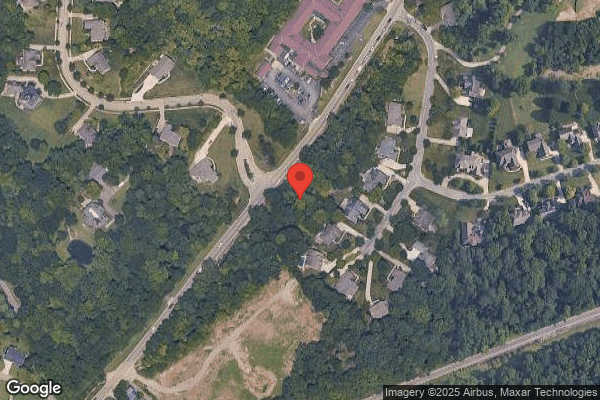

501 NORTH SECOND STREET, LOVELAND, OH 45140 (513) 605-6000
For profit - Corporation 89 Beds HEALTH CARE MANAGEMENT GROUP Data: November 2025
Trust Grade
60/100
#496 of 913 in OH
Last Inspection: April 2025

Within standard 12-15 month inspection cycle. Federal law requires annual inspections.

Overview

Loveland Health Care Center has a Trust Grade of C+, indicating that it is slightly above average but still has room for improvement. It ranks #496 out of 913 facilities in Ohio, placing it in the bottom half, and #9 out of 16 in Warren County, meaning there are better local options available. The facility is trending positively, having reduced its issues from 9 in 2024 to just 2 in 2025. Staffing is rated average, with a turnover rate of 47%, slightly better than the state average, but the coverage by registered nurses is concerning, as it is lower than 96% of Ohio facilities. While there have been no fines reported, which is a positive sign, recent inspections revealed issues such as improper food storage and cleanliness in the kitchen, including undated food and uncovered garbage receptacles, which could pose health risks to residents. Overall, while Loveland Health Care Center has some strengths, such as good turnover rates and no fines, families should consider the significant concerns regarding kitchen sanitation and RN coverage when making their decision.

Trust Score
C+
60/100
In Ohio
#496/913
Bottom 46%
Safety Record
Low Risk
No red flags
Inspections
Getting Better
9 → 2 violations
Staff Stability
⚠ Watch
47% turnover. Above average. Higher turnover means staff may not know residents' routines.
Penalties
✓ Good
No fines on record. Clean compliance history, better than most Ohio facilities.
Skilled Nurses
⚠ Watch
Each resident gets only 20 minutes of Registered Nurse (RN) attention daily — below average for Ohio. Fewer RN minutes means fewer trained eyes watching for problems.
Violations
⚠ Watch
23 deficiencies on record. Higher than average. Multiple issues found across inspections.
★★★☆☆
3.0
Overall Rating
★★★☆☆
3.0
Staff Levels
★★★★☆
4.0
Care Quality
★★★☆☆
3.0
Inspection Score
Stable
2024: 9 issues
2025: 2 issues

The Good

  • 4-Star Quality Measures · Strong clinical quality outcomes
  • Full Sprinkler Coverage · Fire safety systems throughout facility
  • No fines on record

Facility shows strength in quality measures, fire safety.

The Bad

3-Star Overall Rating

Near Ohio average (3.2)

Meets federal standards, typical of most facilities

Staff Turnover: 47%

Near Ohio avg (46%)

Higher turnover may affect care consistency

Chain: HEALTH CARE MANAGEMENT GROUP

Part of a multi-facility chain

Ask about local staffing decisions and management

The Ugly 23 deficiencies on record

Apr 2025 2 deficiencies
CONCERN (F)

Potential for Harm - no one hurt, but risky conditions existed

Food Safety (Tag F0812)

Could have caused harm · This affected most or all residents

Based on observations, staff interviews, and policy review, the facility failed to properly label and store food as well as ensure expired products were disposed of. The facility also failed to mainta...

Read full inspector narrative →
Based on observations, staff interviews, and policy review, the facility failed to properly label and store food as well as ensure expired products were disposed of. The facility also failed to maintain clean equipment. This had the potential to affect all 73 residents who receive food from the kitchen. The facility census was 73. Findings include: 1. Observations on 04/14/25 from 8:00 A.M. to 8:15 A.M., in the kitchen, revealed a shallow pan with croutons, covered not dated and a pan with rolls covered with plastic wrap not dated. Observation of the ice machine outside of the kitchen had a scoop in an attached container. The container holding the scoop had a yellow sludge on the bottom with stagnant water. The container had no holes for drainage. Interview on 04/15/25 at 8:20 A.M., with Dietary Staff #106 confirmed the undated food and condition of the ice scoop. 2. Observation of the kitchen on 04/16/25 at 8:55 A.M., with the Dietary Director (DD) #18 revealed there were 11 undated chocolate cakes, 1 undated pitcher of iced tea, 2 undated pitchers of lemonade, and 1 stick of butter with a substance on its wrapper in the walk-in refrigerator. Interview on 04/16/25 at 8: 59 A.M., with DD #18 confirmed there were 11 undated chocolate cakes, 1 undated pitcher of iced tea, 2 undated lemonade pitchers, and 1 stick of butter with a substance on its wrapper in the walk-in refrigerator. Observation of the kitchen on 04/16/25 at 9:00 A.M., with the DD #18 revealed the steam tables had a build up of grime and debris. Interview on 04/16/25 at 9:01 A.M., with the DD #18 revealed the steam tables had a build up of grime and debris. Review of the policy titled ,Food Storage, dated on January 2025, stated all food will be covered, dated, and labeled. Review of the undated policy titled, Basic Cleaning Equipment, stated all equipment will be washed and sanitized after every use.
CONCERN (F)

Potential for Harm - no one hurt, but risky conditions existed

Garbage Disposal (Tag F0814)

Could have caused harm · This affected most or all residents

Based on observation, staff interview, and review of policy, the facility failed to ensure the garbage cans in the kitchen food preparation area garbage receptacles were covered to prevent cross conta...

Read full inspector narrative →
Based on observation, staff interview, and review of policy, the facility failed to ensure the garbage cans in the kitchen food preparation area garbage receptacles were covered to prevent cross contamination and pest control. This had the potential to affect all 73 residents who receive food from the kitchen. The facility census was 73 residents. Findings include: Observation on 04/16/25 at 9:05 A.M., revealed the kitchen garbage receptacle by the primary handwashing sink and the garbage receptacle on the opposite side of the dishwashing sink next to a prep-area counter were not covered. Interview on 04/16/25 at 9:06 A.M., with Dietary Director #18 confirmed the garbage receptacles in the kitchen food preparation areas were not covered with lids. Review of the undated policy titled, Garbage Cans stated the facility should cover the garbage cans when not in use.
Nov 2024 7 deficiencies
CONCERN (D) 📢 Someone Reported This

A family member, employee, or ombudsman was alarmed enough to file a formal complaint

Potential for Harm - no one hurt, but risky conditions existed

Resident Rights (Tag F0550)

Could have caused harm · This affected 1 resident

**NOTE- TERMS IN BRACKETS HAVE BEEN EDITED TO PROTECT CONFIDENTIALITY** Based on observation, interview, record review, and policy review, the facility failed to ensure staff treated residents with di...

Read full inspector narrative →
**NOTE- TERMS IN BRACKETS HAVE BEEN EDITED TO PROTECT CONFIDENTIALITY** Based on observation, interview, record review, and policy review, the facility failed to ensure staff treated residents with dignity and respect when providing feeding assistance. This affected one (Resident #20) of four residents sampled for feeding assistance. The facility census was 74. Findings include: Review of the medical record revealed Resident #20 was admitted to the facility on [DATE]. Diagnoses included unspecified cerebral infarction, chronic obstructive pulmonary disease, schizoaffective disorder-bipolar type, unspecified anxiety disorder, and unspecified protein calorie malnutrition. Review of the most recent minimum data set (MDS) 3.0 assessment dated [DATE] revealed Resident #20 had moderately impaired cognition, had verbal behaviors, did not wander, and did not reject care. Resident #20 was impaired on one side and required partial, moderate assistance with eating. Review of the care plan dated 01/21/20 revealed Resident #20 had and activities of daily living (ADL) self-care deficit. Interventions included one-staff extensive assistance with meals to be spoon-fed and drinks in sippy cups. Observation on 11/07/24 at 11:58 A.M. revealed Licensed Practical Nurse (LPN) #117 was seated at a table in the main dining room with Resident #20. LPN #117 fed a spoonful of food to Resident #20, seated in a wheelchair to her right, then turned back to the table and began scrolling through her cell phone on the table. During an interview on 11/07/2024 at 12:06 P.M. LPN #117 verified she was scrolling through her cell phone while feeding Resident #20. LPN #117 stated she had texted the Nurse Practitioner earlier and was checking to see if she had responded. LPN #117 stated she was unaware of any rules restricting cell phone use while feeding patients. Review of policy titled Policy and Procedure for Resident Rights, Advance Directives, and Advance Care Planning dated 11/2023 revealed residents had the right to a dignified existence and the right to be treated in a manner and environment that promoted maintenance or enhancement of his or her quality of life. This deficiency represents noncompliance investigated under Complaint number OH00159395 and OH00158863.
CONCERN (D) 📢 Someone Reported This

A family member, employee, or ombudsman was alarmed enough to file a formal complaint

Potential for Harm - no one hurt, but risky conditions existed

Deficiency F0557 (Tag F0557)

Could have caused harm · This affected 1 resident

**NOTE- TERMS IN BRACKETS HAVE BEEN EDITED TO PROTECT CONFIDENTIALITY** Based on observation, interview, record review, and policy review, the facility failed to ensure staff treated residents with di...

Read full inspector narrative →
**NOTE- TERMS IN BRACKETS HAVE BEEN EDITED TO PROTECT CONFIDENTIALITY** Based on observation, interview, record review, and policy review, the facility failed to ensure staff treated residents with dignity and respect when providing feeding assistance. This affected one (Resident #20) of four residents sampled for feeding assistance. The facility census was 74. Findings include: Review of the medical record revealed Resident #20 was admitted to the facility on [DATE]. Diagnoses included unspecified cerebral infarction, chronic obstructive pulmonary disease, schizoaffective disorder-bipolar type, unspecified anxiety disorder, and unspecified protein calorie malnutrition. Review of the most recent minimum data set (MDS) 3.0 assessment dated [DATE] revealed Resident #20 had moderately impaired cognition, had verbal behaviors, did not wander, and did not reject care. Resident #20 was impaired on one side and required partial, moderate assistance with eating. Review of the care plan dated 01/21/20 revealed Resident #20 had and activities of daily living (ADL) self-care deficit. Interventions included one-staff extensive assistance with meals to be spoon-fed and drinks in sippy cups. Observation on 11/07/24 at 11:58 A.M. revealed Licensed Practical Nurse (LPN) #117 was seated at a table in the main dining room with Resident #20. LPN #117 fed a spoonful of food to Resident #20, seated in a wheelchair to her right, then turned back to the table and began scrolling through her cell phone on the table. During an interview on 11/07/2024 at 12:06 P.M. LPN #117 verified she was scrolling through her cell phone while feeding Resident #20. LPN #117 stated she had texted the Nurse Practitioner earlier and was checking to see if she had responded. LPN #117 stated she was unaware of any rules restricting cell phone use while feeding patients. Review of policy titled Policy and Procedure for Resident Rights, Advance Directives, and Advance Care Planning dated 11/2023 revealed residents had the right to a dignified existence and the right to be treated in a manner and environment that promoted maintenance or enhancement of his or her quality of life. This deficiency represents noncompliance investigated under Complaint number OH00159395 and OH00158863.
CONCERN (D) 📢 Someone Reported This

A family member, employee, or ombudsman was alarmed enough to file a formal complaint

Potential for Harm - no one hurt, but risky conditions existed

Deficiency F0558 (Tag F0558)

Could have caused harm · This affected 1 resident

**NOTE- TERMS IN BRACKETS HAVE BEEN EDITED TO PROTECT CONFIDENTIALITY** Based on observations, interview, medical record review, and policy review, the facility failed to ensure residents were bathed ...

Read full inspector narrative →
**NOTE- TERMS IN BRACKETS HAVE BEEN EDITED TO PROTECT CONFIDENTIALITY** Based on observations, interview, medical record review, and policy review, the facility failed to ensure residents were bathed according to personal preference. This affected one (Resident #10) of five residents sampled for bathing. The facility census was 74. Findings include: Review of the medical record revealed Resident #10 was admitted to the facility on [DATE]. Diagnoses included unspecified hepatic failure, unspecified staphylococcus disease, type II diabetes, unspecified protein calorie malnutrition, unspecified depression, acute on chronic diastolic congestive heart failure, unspecified psoriasis, unspecified chronic kidney disease, alcoholic cirrhosis of the liver with ascites, and unspecified homelessness. Review of the most recent Minimum Data Set (MDS) assessment dated [DATE] revealed the resident was cognitively intact, had no behaviors, did not reject care, and did not wander. Resident #10 required set up assistance with oral hygiene, and substantial/maximum assistance with bathing. Review of care plan dated 10/16/24 revealed Resident #10 had a self-care deficit related to balance deficit, disease process, and weakness. Interventions included assistance with activities of daily living (ADL)s as needed, encourage participation in ADLs, and showers twice weekly on Monday and Thursday nights. Review of progress note dated 10/30/24 at 3:33 P.M. LPN #164 documented Resident #10 was demanding a bed bath. LPN #164 .explained to (the) resident he only will be getting shower/bed bath on Monday/Thursday nights. Resident was vocal about not getting the care he deserves at nighttime and was cursing about the night workers. Review of the medical record revealed Resident #10 was hospitalized and was not present in the facility on 10/18/24, 10/19/24, 10/20/24, and 10/29/24. Review of shower sheets revealed Resident #10 received bed baths on 10/25/24, 10/31/24, 11/04/24, and 11/06/24. During an interview on 11/06/24 at 9:33 A.M. Resident #10 stated he was itchy because he had not had a shower or bed bath in a while. He was supposed to get baths at night and for the previous two nights staff had refused to bathe him. During an observation on 11/06/24 at 9:43 A.M. Resident #10 stated to LPN #164 the night shift nurse had refused to give him a bed bath or change his bed linens. LPN #164 stated to Resident #10 residents only received two baths per week and his were scheduled on Mondays and Thursdays during the night shift. During an interview on 11/06/24 at 9:45 A.M. LPN #164 verified she had stated to Resident #10 residents only received two baths per week. LPN #164 stated residents could not be bathed every day. Residents were bathed on scheduled shower days and as needed if they looked dirty, and they tried to accommodate preferences for bathing times. Review of policy titled Policy and Procedure for Resident Rights, Advance Directives, and Advance Care Planning dated 11/2023 revealed residents had the right to self-determination and choices for care were incorporated into the plan of care. Review of policy titled ADL Care dated 11/2023 revealed ADL assistance was provided on a schedule that was in accordance with the preferences of the resident. This deficiency represents noncompliance investigated under Complaint number OH00159395.
CONCERN (D) 📢 Someone Reported This

A family member, employee, or ombudsman was alarmed enough to file a formal complaint

Potential for Harm - no one hurt, but risky conditions existed

Deficiency F0655 (Tag F0655)

Could have caused harm · This affected 1 resident

**NOTE- TERMS IN BRACKETS HAVE BEEN EDITED TO PROTECT CONFIDENTIALITY** Based on record review, interview, and policy review, the facility failed to ensure resident care plans were comprehensive and r...

Read full inspector narrative →
**NOTE- TERMS IN BRACKETS HAVE BEEN EDITED TO PROTECT CONFIDENTIALITY** Based on record review, interview, and policy review, the facility failed to ensure resident care plans were comprehensive and reflected all resident care needs. This affected one (Resident #10) of nine residents sampled for care plans. The facility census was 74. Findings include: Review of the medical record revealed Resident #10 was admitted to the facility on [DATE]. Diagnoses included unspecified hepatic failure, unspecified staphylococcus disease, type II diabetes, unspecified protein calorie malnutrition, unspecified depression, acute on chronic diastolic congestive heart failure, unspecified psoriasis, unspecified chronic kidney disease, alcoholic cirrhosis of the liver with ascites, and unspecified homelessness. Review of care plan dated 10/16/24 revealed Resident #10 had no care plan for psoriasis or discomfort related to itching. During an interview on 11/06/24 at 9:47 A.M. Resident #10 stated he felt like he needed help with his psoriasis. It was all over his body. The resident stated he had an order for Triamcinolone (corticosteriod) topical cream and took Hydroxyzine (antihistamine) for itching. The resident stated staff were applying non-medicated lotions, too, that were helpful but not as effective as the Triamcinolone cream. The patient stated he wanted to see a dermatologist. Review of the most recent Minimum Data Set (MDS) assessment dated [DATE] revealed the resident was cognitively intact, had no behaviors, did not reject care, and did not wander. Resident #10 required set up assistance with oral hygiene, and substantial/maximum assistance with bathing. Review of care plan dated 10/16/24 revealed Resident #10 had no care plan for psoriasis or discomfort related to itching. During an interview on 11/07/2024 at 12:17 P.M. LPN Unit Manager #132 verified Resident #10 had no care plan for psoriasis or itching. Review of policy titled Care Planning/Interdisciplinary Team dated 11/2023 revealed the Interdisciplinary Team was responsible for the development of an individualized comprehensive care plan for each resident.
CONCERN (D) 📢 Someone Reported This

A family member, employee, or ombudsman was alarmed enough to file a formal complaint

Potential for Harm - no one hurt, but risky conditions existed

Deficiency F0676 (Tag F0676)

Could have caused harm · This affected 1 resident

**NOTE- TERMS IN BRACKETS HAVE BEEN EDITED TO PROTECT CONFIDENTIALITY** Based on interview, record review, and policy review, the facility failed to ensure residents were given assistance with or acce...

Read full inspector narrative →
**NOTE- TERMS IN BRACKETS HAVE BEEN EDITED TO PROTECT CONFIDENTIALITY** Based on interview, record review, and policy review, the facility failed to ensure residents were given assistance with or access to daily oral care. This affected one (Resident #10 ) of five residents sampled for activities of daily living (ADL) assistance. The facility census was 74. Findings include: Review of the medical record revealed Resident #10 was admitted to the facility on [DATE]. Diagnoses included unspecified hepatic failure, unspecified staphylococcus disease, type II diabetes, unspecified protein calorie malnutrition, unspecified depression, acute on chronic diastolic congestive heart failure, unspecified psoriasis, unspecified chronic kidney disease, alcoholic cirrhosis of the liver with ascites, and unspecified homelessness. Review of the most recent Minimum Data Set (MDS) assessment dated [DATE] revealed the resident was cognitively intact, had no behaviors, did not reject care, and did not wander. Resident #10 required set up assistance with oral hygiene, and substantial/maximum assistance with bathing. Review of care plan dated 10/16/24 revealed Resident #10 had altered dental status and required assistance with dental hygiene. Interventions included assistance with oral care as needed, brushing and flossing teeth daily. Review of the medical record revealed Resident #10 had no documentation related to daily assistance with oral care. During an interview on 11/06/24 at 9:47 A.M. Resident #10 stated he had only brushed his teeth once during his stay and staff were not offering assistance with oral care. During an interview on 11/06/24 at 10:01 A.M. Certified Nursing Assistant (CNA) #173 stated she completed rounds for morning care after breakfast each day and did not offer oral care unless the resident specifically asked for assistance. CNA #173 stated she did not have time for oral care. CNA #173 stated when resident #10 first admitted , she set him up for oral care when he asked for assistance. CNA #173 stated she had not provided setup assistance for oral care in a few weeks because Resident #10 did not ask for it. CNA #173 stated there was no place in the medical record for aides to document oral care, so there was no documentation of oral care being offered, provide, or refused in the record. During an interview on 11/07/24 at 2:02 P.M. Licensed Practical Nurse (LPN) Unit Supervisor #132 verified there was no documentation available for oral care, but it should be offered daily. Review of policy titled ADL Care dated 11/2023 revealed all residents received necessary services to maintain good nutrition, grooming, and personal and oral care. This deficiency represents noncompliance identified under Complaint number OH00159395.
CONCERN (D) 📢 Someone Reported This

A family member, employee, or ombudsman was alarmed enough to file a formal complaint

Potential for Harm - no one hurt, but risky conditions existed

Accident Prevention (Tag F0689)

Could have caused harm · This affected 1 resident

**NOTE- TERMS IN BRACKETS HAVE BEEN EDITED TO PROTECT CONFIDENTIALITY** Based on observations, interview, record review, and policy review, the facility failed to ensure residents assessed for fall ri...

Read full inspector narrative →
**NOTE- TERMS IN BRACKETS HAVE BEEN EDITED TO PROTECT CONFIDENTIALITY** Based on observations, interview, record review, and policy review, the facility failed to ensure residents assessed for fall risk had fall preventions interventions in place according to the care plan. This affected one (Resident #62) of six residents sampled for falls. The facility census was 74. Findings include: Review of the medical record revealed Resident #62 revealed the resident was admitted to the facility on [DATE]. Diagnoses included unspecified anxiety disorder, major depressive disorder, and unspecified malignant neoplasm. Review of the most recent Minimum Data Set (MDS) 3.0 assessment dated [DATE] revealed the resident had moderately impaired cognition, had no behaviors, did not reject care, and did not wander. Review of the care plan dated 10/22/21 revealed Resident #62 had potential for injuries related to falls. Interventions included anti-rollbacks to wheelchair, assist in positioning for comfort as needed, Dycem to wheelchair when in use, encourage non-skid footwear, instruct on use of adaptive equipment, observe/report unsafe conditions, therapy evaluations as needed, toileting every two to three hours, and a raised toilet seat. Observations made on 11/07/24 at 9:19 A.M. revealed Resident #62 did not have the anti-rollback device installed on her wheelchair as indicated in her care plan. During an interview on 11/07/24 at 9:53 A.M. Assistant Director of Nursing (ADON) #113 verified Resident #62's wheelchair located in her bathroom did not have an anti-rollback device installed on it and verified her care plan stated the wheelchair would have anti-rollbacks. Resident #62 was present during this interview and stated to ADON #113 about one week prior, maintenance had taken the wheelchair she had been using prior to the fall, which had the anti-roll back device, with the current, smaller wheelchair that did not have the anti-rollback device because she had trouble maneuvering the former, wider wheelchair through the narrow bathroom doorway. Review of policy titled Fall Prevention Policy and Procedure dated 02/2024 revealed the facility identified residents who were at risk for falls and implemented a plan of care to address risk factors and protect from injury. This deficiency represents noncompliance identified under complaint number OH00159423 and OH00158863.
CONCERN (D) 📢 Someone Reported This

A family member, employee, or ombudsman was alarmed enough to file a formal complaint

Potential for Harm - no one hurt, but risky conditions existed

Infection Control (Tag F0880)

Could have caused harm · This affected 1 resident

**NOTE- TERMS IN BRACKETS HAVE BEEN EDITED TO PROTECT CONFIDENTIALITY** Based on observation, interview, and policy review, the facility failed to ensure staff sanitized hands when providing feeding a...

Read full inspector narrative →
**NOTE- TERMS IN BRACKETS HAVE BEEN EDITED TO PROTECT CONFIDENTIALITY** Based on observation, interview, and policy review, the facility failed to ensure staff sanitized hands when providing feeding assistance to multiple residents. This affected two Residents #65 and #72 of four residents sampled for feeding assistance. The facility census was 74. Findings include: 1. Review of most recent Minimum Data Set (MDS) assessment dated [DATE] revealed Resident #72 was cognitively intact, had no behaviors, did not wander, and did not reject care. Resident #72 required set-up assistance for eating. Review of care plan dated 04/30/22 revealed Resident #72 had an activities of daily living (ADL) self-care deficit. Interventions included supervision assistance with eating with set up help only in the Geri-chair. If the resident was eating in bed, then staff must assist. 2. Review of the medical record revealed Resident #65 was admitted to the facility on [DATE]. Diagnoses included unspecified Alzheimer's disease, unspecified protein calorie malnutrition, and major depressive disorder. Review of the most recent MDS assessment dated [DATE] revealed Resident #65 had severely impaired cognition, had no behaviors, did not wander, and did not reject care. Resident #65 was dependent for eating. Review of care plan dated 02/01/22 revealed Resident #65 had and ADL self-care deficit. Interventions included total assistance per one staff member with eating. Observation on 11/07/24 at 12:02 P.M. revealed Certified Nursing Assistant (CNA) #156 was seated between Residents #65 and #72 and was using both hands interchangeably to feed residents at the same time without sanitizing hands between residents. CNA#156 used the fork in her right hand to feed Resident #72 a bite of salad. CNA #156 switched the fork to her left hand, loaded the fork with salad, switched the fork from the left to the right hand, and fed Resident #72 another bite of salad. Next CNA #156 took Resident #65's spoon in her left hand, scooped a spoonful of pureed strawberry angel food cake and fed Resident #65 with the spoon in her left hand. CNA #156 set the placed the spoon in the dish containing Resident #65's dessert, placed the fork in Resident #72's salad bowl, used both hands to remove the cover from Resident #72's container of apple juice, and placed the juice container on the table. Then CNA #156 loaded Resident #65's spoon with pureed cake using her left hand and fed the resident a bite of cake. CNA#156 used the fork in her right hand to feed Resident #72 a bite of salad. CNA #156 switched the fork to her left hand, held the salad bowl in her right hand, Scraped the sides of the bowl, loaded the fork with salad, switched the fork from the left to the right hand, and fed Resident #72 another bite of salad. Next, CNA #156 picked up Resident #65's milk carton with her right hand and assisted Resident #65 to take a sip of milk through the straw. CNA #156 did not sanitize her hands at any point during the observation. During an interview on 11/07/2024 at 12:08 P.M. CNA #156 stated she had been trained to use only one hand per resident when feeding multiple residents at the same time and verified she had been using her hands interchangeably when feeding Residents #65 and #72 and did not sanitize her hands between feeding residents. Review of policy titled General Infection Control dated 11/2023 revealed all staff followed proper infection control measures to prevent the spread of infection.
Aug 2024 2 deficiencies
CONCERN (D) 📢 Someone Reported This

A family member, employee, or ombudsman was alarmed enough to file a formal complaint

Potential for Harm - no one hurt, but risky conditions existed

Infection Control (Tag F0880)

Could have caused harm · This affected 1 resident

**NOTE- TERMS IN BRACKETS HAVE BEEN EDITED TO PROTECT CONFIDENTIALITY** Based on observation, medical record review, staff interview and policy review the facility failed to ensure enhance barrier pre...

Read full inspector narrative →
**NOTE- TERMS IN BRACKETS HAVE BEEN EDITED TO PROTECT CONFIDENTIALITY** Based on observation, medical record review, staff interview and policy review the facility failed to ensure enhance barrier precautions (EBP) were initiated for incontinence and wound care for a resident who had an open wound. This affected one (#13) of three residents reviewed for incontinence care and wound care. The census was 74. Findings included: Medical record review for Resident #13 revealed an admission date of 06/09/22. Medical diagnoses included progressive neurological disorder, dementia, and Alzheimer's. Review of the quarterly Minimum Data Set (MDS) dated [DATE] revealed Resident #13 was severely cognitively impaired. Functional status was supervision or touching for eating, dependent for toileting, bed mobility, and transfers. She was always incontinent for bladder and had a colostomy. Review of the progress notes dated 08/10/24 revealed a reoccurring open area to the coccyx identified as a stage two was discovered and a treatment was put into place. Review of the physician orders from 08/10/24 through 08/26/24 revealed there wasn't any order for EBP for the resident. Observation of wound care and incontinence care for Resident #13 on 08/26/24 at 8:00 A.M. revealed there wasn't a sign on the door for EBP and no cart for the Personal Protective Equipment (PPE). The Licensed Practical Nurse (LPN) #128 provided the wound care and didn't have a gown on. The State Tested Nursing Aide (STNA) #139 provided the incontinence care and didn't have on a gown. Interview with the LPN #128 and STNA #139 on 08/26/24 at 8:30 A.M. revealed they didn't know the resident should be in EBP. They admitted they didn't wear a gown for the treatment or the incontinence care. They confirmed there wasn't a sign on the door and there was no order for EBP's for Resident #13. The nurse revealed she thought since the resident didn't have an infection or her wound wasn't chronic she didn't have to be in EBP. Review of the policy entitled Enhanced Barrier Precautions not dated revealed to implement EBP in the following situations: a) Residents with infection or colonization with a novel or targeted Multidrug Resistant Organisms (MRDO) when Contact Precautions do not apply. b) All residents with chronic wounds, indwelling medical devices (I.e., central line, urinary catheter, feeding tube, trach) regardless of MDRO colonization status. Place sign on resident's room door. (Optional: Placement of signage may be better located in the resident room near the resident's bed especially for shared rooms - choose location that most appropriate to make staff and visitors aware of precautions.)* Gown and gloves will be placed immediately outside of the resident room (Optional: Supplies may be placed in an area inside of the room.) Gown and gloves use will be used, in addition to standard precautions, in the following activities: a) Dressing b) Bathing/showering c) Transferring d) Providing hygiene e) Changing linens f) Changing briefs or assisting with toileting g) Device care or use (central line, urinary catheter, feeding tube, tracheostomy) h) Wound care/any skin opening requiring a dressing. Review of the Quality, Safety and Oversight (QSO) 24-08-NH dated 03/20/24 revealed EBP are indicated for residents with any of the following: · Infection or colonization with a CDC-targeted MDRO when Contact Precautions do not otherwise apply; · Wounds and/or indwelling medical devices even if the resident is not known to be infected or colonized with a MDRO. Wounds generally include chronic wounds, not shorter-lasting wounds, such as skin breaks or skin tears covered with an adhesive bandage (e.g., Band-Aid®) or similar dressing. Examples of chronic wounds include, but are not limited to, pressure ulcers, diabetic foot ulcers, unhealed surgical wounds, and venous stasis ulcers. This deficiency represents non-compliance investigated under Complaint Number OH0015287.
CONCERN (D) 📢 Someone Reported This

A family member, employee, or ombudsman was alarmed enough to file a formal complaint

Potential for Harm - no one hurt, but risky conditions existed

Safe Environment (Tag F0921)

Could have caused harm · This affected 1 resident

**NOTE- TERMS IN BRACKETS HAVE BEEN EDITED TO PROTECT CONFIDENTIALITY** Based on record review, observation, staff interview and policy review the facility failed to ensure a homelike environment was ...

Read full inspector narrative →
**NOTE- TERMS IN BRACKETS HAVE BEEN EDITED TO PROTECT CONFIDENTIALITY** Based on record review, observation, staff interview and policy review the facility failed to ensure a homelike environment was provided for the residents. This affected three (#13, #32 and #75) of three residents reviewed for environment. The facility also failed to ensure a room was cleaned on a regular basis. This affected one (#75) of one reviewed for cleansing of the room. The census was 74. Findings included: Observation of Resident #13's room on 08/20/24 at 9:18 A.M. revealed cobwebs in the window sills and thick black substance, scuff marks on the walls, and holes where pictures used to hang, and holes with nails sticking out of the wall. The bathroom floor was sticky, and room walls have black marks on them. The curtains in the room on the windows were dusty and wrinkled. On the inside bathroom door there is a substance that ran down the door that had dried. Observation of Resident #32's room on 08/20/24 at 9:50 A.M. revealed throughout the room there were holes in the walls with nails sticking out of the walls. The walls had black marks on them. The bathroom had a dusty vent in the ceiling, black marks on the walls, floors were stained and the door going into the bathroom looked like it had some kind of substance running down both sides that had dried. Observation of Resident #75's room on 08/20/24 at 11:02 A.M. revealed there were black marks on the walls throughout the room. In the bathroom it was dirty by the handrails, and coming into the room there was molding coming off the wall. A tour and interview of the above mentioned rooms with Housekeeping Supervisor on 08/20/24 at 2:30 P.M. confirmed all of these areas needed to be cleaned. 2. Medical record review for Resident #75 revealed an admission date of 07/09/24. Medical diagnoses included fracture to the right femur. She was discharged on 07/23/24. Review of the admission Minimum Data Set (MDS) dated [DATE] revealed Resident #75 was cognitively intact. Her functional status was setup or clean-up assistance for eating, dependent for toileting, bed mobility was independent, and transfers were partial/ moderate assistance. She was frequently incontinent for bladder and occasionally incontinent for bowel. She didn't have any pressure ulcers on this assessment. Review of the daily housekeeping documents revealed there was an empty space for cleaning on 07/10/24, 07/11/24, 07/14/24, 07/16/24, 07/19/24, 07/22/24, and 07/23/24 for Resident #75. Further review of the document revealed on 07/17/24, 07/21/24, and 07/25/24 it was blank for a check mark as being cleaned. Interview with Housekeeping Aide (HSKG) #151 on 08/26/24 at 11:25 A.M. revealed on the days she didn't clean FSR's room she did work. She stated there wasn't enough staff in the facility and she had to clean other halls. She stated she was off on 07/17/24, 07/21/24, and 07/25/24 and the room didn't get cleaned on those days either. She stated the rooms were to be cleaned everyday. Review of the policy entitled Environmental Services undated revealed housekeeping will keep resident areas clean and will be assigned specific areas of the facility to ensure that all areas are cleaned. Cleaning of resident rooms, bathrooms, and all public areas will be maintained on a routine basis. This deficiency represents non-compliance investigated under Complaint Number OH00156287.
Apr 2022 9 deficiencies
CONCERN (D)

Potential for Harm - no one hurt, but risky conditions existed

Deficiency F0582 (Tag F0582)

Could have caused harm · This affected 1 resident

**NOTE- TERMS IN BRACKETS HAVE BEEN EDITED TO PROTECT CONFIDENTIALITY** Based on record review and staff interview, the facility failed to ensure residents were provided Skilled Nursing Facility Advan...

Read full inspector narrative →
**NOTE- TERMS IN BRACKETS HAVE BEEN EDITED TO PROTECT CONFIDENTIALITY** Based on record review and staff interview, the facility failed to ensure residents were provided Skilled Nursing Facility Advance Beneficiary Notice of Non Coverage (SNF ABN) notices to inform residents of potential liability for a non-covered stay. This affected two residents (#56 and #62) out of three residents reviewed for beneficiary notices. The facility census was 61. Findings include: 1. Review of medical record for Resident #56 reveled an admission date of 02/22/22 with diagnoses including senile degeneration of brain, hypo-osmolality and hyponatremia, anemia, acute respiratory failure with hypoxia, chronic atrial fibrillation, weakness, type two diabetes mellitus, alcohol dependence, and hyperlipidemia. Review of Resident #56's quarterly Minimum Data Set (MDS) assessment dated [DATE] revealed the resident to be cognitively intact. Resident #56 required extensive assistance with bed mobility, transfers, dressing, toileting, and personal hygiene. Resident #56 also required supervision with eating. Review of Resident #56's Notice of Medicare Non Coverage (NOMNC) dated 04/11/22 revealed Resident #56 discharged from Medicare Part A services on 04/11/22. Resident #56 signed the NOMNC on 04/06/22. Review of Resident #56's chart revealed Resident #56 did not receive a Skilled Nursing Facility Advance Beneficiary Notice of Non Coverage (SNF ABN) notice to inform the resident of the potential liability for a non-covered stay. Interview with Social Services Director #12 on 04/21/22 at 1:17 P.M. verified Resident #56 was discharged from Medicare Part A services on 04/11/22 and Resident #56 was not provided a SNF ABN to inform the resident of the potential liability for a non-covered stay. Social Services Director #12 verified Resident #56 remained in the facility and was private pay after being discharged from Medicare Part A skilled services. 2. Review of the Resident #62's chart revealed Resident #62 admitted to the facility on [DATE] with diagnoses including frontal lobe and executive function deficit following cerebral infarction, dysphagia, aphasia, type two diabetes mellitus, heart disease, fibromyalgia, encephalopathy, and cirrhosis of liver. Review of Resident #62's quarterly Minimum Data Set (MDS) assessment dated [DATE] revealed the resident to be severely cognitively impaired and Resident #62 required extensive assistance with bed mobility, transfers, dressing, eating, toileting, and personal hygiene. Review of Resident #62's Notice of Medicare Non Coverage (NOMNC) dated 03/24/22 revealed Resident #62 discharged from Medicare Part A services on 03/24/22. Resident #62 signed the NOMNC on 03/22/22. Review of Resident #62's chart revealed Resident #62 did receive a Skilled Nursing Facility Advance Beneficiary Notice of Non Coverage (SNF ABN) notice to inform the resident of the potential liability for a non-covered stay. Interview with Social Services Director #12 on 04/21/22 at 1:17 P.M. verified Resident #62 was discharged from Medicare Part A services on 03/24/22 and Resident #62 was not provided a SNF ABN to inform the resident of the potential liability for a non-covered stay. Social Services Director #12 verified Resident #62 remained in the facility after being discharged from Medicare Part A skilled services.
CONCERN (D)

Potential for Harm - no one hurt, but risky conditions existed

Deficiency F0625 (Tag F0625)

Could have caused harm · This affected 1 resident

**NOTE- TERMS IN BRACKETS HAVE BEEN EDITED TO PROTECT CONFIDENTIALITY** Based on record review and staff interview, the facility failed to provide a bed hold notice to a resident within 24 hours of tr...

Read full inspector narrative →
**NOTE- TERMS IN BRACKETS HAVE BEEN EDITED TO PROTECT CONFIDENTIALITY** Based on record review and staff interview, the facility failed to provide a bed hold notice to a resident within 24 hours of transferring to the hospital. This affected one (#03) resident out of five residents reviewed for hospitalizations. The facility census was 61. Findings include: Review of Resident #03's medical record revealed Resident #03 admitted to the facility on [DATE] with diagnoses including encephalopathy, poisoning by hydantoin derivatives accidental unintentional subsequent encounter, major depressive disorder, hypo-osmolality and hyponatremia, unspecified dementia without behavioral disturbance, acute kidney failure, sepsis, coronavirus (COVID-19), pain in left hip, osteoarthritis of hip, abnormal posture, cognitive communication deficit, hypertension, and pain. Review of Resident #03's quarterly Minimum Data Set (MDS) assessment dated [DATE] revealed the resident to be severely cognitively impaired. Resident #03 required extensive assistance with bed mobility, transfers, dressing, toileting, eating and personal hygiene. Resident #03 also had adequate vision with corrective lenses. Review of Resident #03's progress note dated 10/02/21 revealed Resident #03 was gagging and making a coughing sound. Resident #03's eyes were rolling back in his head. The nurse practitioner was called, and a new order was put in place to send the resident to the emergency department. Review of Resident #03's census sheet revealed Resident #03 readmitted to the facility from the hospital on [DATE]. Review of Resident #03's bed hold notice dated 10/08/21 verified Resident #03 discharged to the hospital on [DATE]. The bed hold notice also stated Resident #03 readmitted to the facility on [DATE] and he used four bed hold days. Interview with the Administrator on 04/20/22 at 12:36 P.M. verified Resident #03 transferred to the hospital on [DATE] and was not provided a bed hold notice until 10/08/21. Review of the facility's undated bed hold and leave of absence notifications policy, revealed residents should be provided notice prior to transfer to the hospital.
CONCERN (D)

Potential for Harm - no one hurt, but risky conditions existed

MDS Data Transmission (Tag F0640)

Could have caused harm · This affected 1 resident

**NOTE- TERMS IN BRACKETS HAVE BEEN EDITED TO PROTECT CONFIDENTIALITY** Based on record review and staff interview, the facility failed to complete and transmit resident discharge Minimum Data Set (MD...

Read full inspector narrative →
**NOTE- TERMS IN BRACKETS HAVE BEEN EDITED TO PROTECT CONFIDENTIALITY** Based on record review and staff interview, the facility failed to complete and transmit resident discharge Minimum Data Set (MDS) assessments. This affected two residents (#01 and #02) out of 16 residents reviewed for assessments. The facility census was 61. Findings include: 1. Review of Resident #01's medical record revealed Resident #01 admitted to the facility on [DATE] with diagnoses including fracture of unspecified part of neck of left femurs, other ascites, gastrointestinal hemorrhage, hepatic failure, obesity, acute posthemorrhagic anemia, localized edema, other pancytopenia, unspecified cirrhosis of liver and thrombocytopenia. Resident #01 discharged from the facility on 11/20/21. Review of Resident #01's admission Minimum Data Set (MDS) assessment dated [DATE] revealed the resident was cognitively intact and required extensive assistance with bed mobility, transfers, and toileting. Resident #01 required limited assistance with dressing, eating, and personal hygiene. Review of Resident #01's progress note dated 11/20/21 revealed Resident #01 discharged from the facility on 11/20/21. Review of Resident #01's medical record revealed Resident #01 did not have a completed or transmitted discharge MDS assessment. Interview on 04/20/22 at 8:57 A.M. with Licensed Practical Nurse (LPN) #26 verified Resident #01's discharge MDS assessment was not completed. 2. Review of Resident #02's medical record revealed Resident #02 admitted to the facility on [DATE] with diagnoses including metabolic encephalopathy, other lack of coordination, unspecified convulsions, alcohol dependence, acute kidney failure, gout, essential hypertension, and anxiety disorder. Resident #02 discharged from the facility on 12/27/21. Review of Resident #02's admission Minimum Data Set (MDS) assessment dated [DATE] revealed the resident to be moderately cognitively impaired and required extensive assistance with bed mobility, transfers, dressing, toileting, and personal hygiene. Resident #02 required limited assistance with eating. Review of Resident #02's progress note dated 12/27/21 revealed Resident #02 discharged home with her daughter. Review of Resident #02's medical record revealed Resident #02 did not have a completed or transmitted discharge Minimum Data Set (MDS) assessment. Interview on 04/20/22 at 8:57 A.M. with LPN #26 verified Resident #02's discharge MDS assessment was not completed. Review of the facility's resident assessment instrument policy dated November 2021 revealed the facility would complete and transmit MDS assessments within federal and state guidelines.
CONCERN (D)

Potential for Harm - no one hurt, but risky conditions existed

Comprehensive Care Plan (Tag F0656)

Could have caused harm · This affected 1 resident

**NOTE- TERMS IN BRACKETS HAVE BEEN EDITED TO PROTECT CONFIDENTIALITY** Based on medical record review, staff interview, and observations the facility failed to ensure a resident's diagnoses and treat...

Read full inspector narrative →
**NOTE- TERMS IN BRACKETS HAVE BEEN EDITED TO PROTECT CONFIDENTIALITY** Based on medical record review, staff interview, and observations the facility failed to ensure a resident's diagnoses and treatment needs were identified in the care plan. This affected one Resident (#65) of three residents reviewed for care plans. The facility census was 61. Findings include: Medical record review for Resident #65 revealed an admission of 10/22/22 with a diagnosis osteoporosis. Review of the comprehensive Minimum Data Set (MDS) assessment dated [DATE] for Resident #65 revealed the assessment was silent for diagnosis of osteoporosis. Review of the plan of care dated 10/21/22 for Resident #65 revealed the plan of care was silent for osteoporosis. Review of active physician order for Resident #65 dated 11/02/22 revealed an order for Prolia (osteoporosis treatment) 60 milligrams/milliliter (mg/ml) to be administered every six months sub cutaneous by outside physician office. Review of physician progress note dated 11/02/22 at 8:04 A.M. revealed a routine visit and verification Resident #65 had osteoporosis with treatment of Prolia every six months. Observation on 04/19/22 at 11:35 A.M. of Resident #65 revealed a well-groomed alert and oriented resident sitting in her wheelchair in her room without signs and symptoms of distress or discomfort. Interview on 04/19/22 at 11:38 A.M. Resident #65 verified she had osteoporosis and received treatment, but she did not remember when her last treatment dose of medication was. Interview on 04/20/22 at 11:01 A.M. the MDS Licensed Practical Nurse (LPN) #26 verified osteoporosis was not included in Resident #65's plan of care. LPN #26 verified osteoporosis and treatment should have been included in Resident #65's plan of care.
CONCERN (D)

Potential for Harm - no one hurt, but risky conditions existed

Deficiency F0657 (Tag F0657)

Could have caused harm · This affected 1 resident

**NOTE- TERMS IN BRACKETS HAVE BEEN EDITED TO PROTECT CONFIDENTIALITY** Based on medical record review, resident interview, and staff interview the facility failed to ensure residents care plans were ...

Read full inspector narrative →
**NOTE- TERMS IN BRACKETS HAVE BEEN EDITED TO PROTECT CONFIDENTIALITY** Based on medical record review, resident interview, and staff interview the facility failed to ensure residents care plans were updated to reflect current health status. This affected two residents (#30 and #65) of three reviewed for care plans. The facility census was 61. Findings included: 1. Medical record for Resident #30 revealed an admission date of 06/30/2015 with diagnoses including stroke, schizoaffective disorder, arthropathy, altered mental status, type II diabetes, sleeplessness, and anxiety. Review of the quarterly Minimum Data Set (MDS) dated [DATE] revealed Resident #30 had intact cognition. Resident #30 required supervision for bed mobility, transfers, eating and limited assist with toileting. Resident was coded with diagnoses including anxiety, depression, bipolar disorder, psychotic disorder, and schizophrenia. Resident #30 was receiving antipsychotic, antianxiety, and antidepressant medications during the assessment period. Review of the care plan for Resident #30 dated 06/22/16 with revisions on 05/09/17 and 01/07/21 revealed, Resident #30 received psychotropic medication for schizoaffective disorder. Interventions included, administer medication as ordered, monitor for side effects to the medication and provide notifications per facility protocol, follow up as ordered, educate caregivers about risks, benefits and the side effects and/or toxic symptoms of Seroquel and Wellbutrin, monitor and re-evaluate quarterly for continued need for this medication and initiate medication reduction if appropriate. Review of discontinued physician's orders for Resident #30 revealed an order for Seroquel 50 milligrams (mg) one tablet two times a day was discontinued on 02/04/16 and an order for Wellbutrin extended release 300 mg one time a day that was discontinued on 11/17/2015. Interview on 04/19/22 at 3:20 P.M. Resident #30 stated she did not remember taking Seroquel or wellbutrin. Interview on 04/21/22 at 1:14 P.M. the Assistant Director of Nursing (ADON) verified the care plan contained Seroquel and Wellbutrin and should not have. 2. Medical record review for Resident #65 revealed an admission date of 10/22/22 with diagnoses including sepsis and cellulitis. Review of the quarterly Minimum Data Set (MDS) assessment dated [DATE] for Resident #65 revealed intact cognition. Resident #65 required extensive assistance for bed mobility, transfer, and toileting. Resident #65 required supervision for eating. Resident #65 was coded as receiving an application of non surgical dressings. Resident #65 received antidepressant, anticoagulant and antibiotic medications daily during the assessment period. Review of care plan dated 10/22/21 for Resident #65 revealed the resident was at potential risk for infection, fluid overload related to intravenous antibiotic via left upper extremity midline peripheral inserted central catheter (PICC). Interventions included, change PICC line dressing weekly and as needed, change PICC line tubing every 24 hours, flush PICC after antibiotic with 10 cubic centimeter (cc) with normal saline followed by 5 milliliters (ml) of heparin, flush PICC per facility policy, and flush PICC prior to antibiotic administration with five ml of normal saline using a 10 cc syringe. Review of physician's orders for Resident #65 revealed an order dated 11/13/22 to remove pressure dressing to left upper extremity after forty-eight hours post PICC removal. Interview on 04/20/22 on 11:01 A.M. with the MDS Licensed Practical Nurse (LPN) #25 verified the PICC was discontinued and should have been taken off the plan of care.
CONCERN (D)

Potential for Harm - no one hurt, but risky conditions existed

Medication Errors (Tag F0758)

Could have caused harm · This affected 1 resident

**NOTE- TERMS IN BRACKETS HAVE BEEN EDITED TO PROTECT CONFIDENTIALITY** Based on medical record review, staff interview, observations, and review of facility policy, the facility failed to monitor for...

Read full inspector narrative →
**NOTE- TERMS IN BRACKETS HAVE BEEN EDITED TO PROTECT CONFIDENTIALITY** Based on medical record review, staff interview, observations, and review of facility policy, the facility failed to monitor for adverse side effects for psychotropic medications. This affected two resident (#30 and #65) reviewed for monitoring for adverse side effects for psychotropic medications. The facility census was 61. Findings include: 1. Medical record for Resident #30 revealed an admission date of 06/30/15 with diagnoses including stroke, schizoaffective disorder, arthropathy, altered mental status, type II diabetes, sleeplessness, and anxiety. Review of the quarterly Minimum Data Set (MDS) dated [DATE] revealed Resident #30 had intact cognition. Resident #30 required supervision for bed mobility, transfers, eating and limited assistance with toileting. Resident #30 was coded with diagnoses including anxiety, depression, bipolar disorder, psychotic disorder, and schizophrenia. Resident #30 was receiving antipsychotic, antianxiety and antidepressant medications during the assessment period. Review of the care plan for Resident #30 initiated on 05/09/17 with revisions, revealed the resident used antianxiety medications related to anxiety disorder. Interventions included educate the resident/family/caregivers about risks, benefits and the side effects and/or toxic symptoms of (anti-anxiety medication drugs being given), give anti-anxiety medications ordered by physician, and monitor/document side effects and effectiveness. Further review of the care plan revealed the resident received psychotropic medication related to schizoaffective disorder. Interventions included administer medication as ordered and monitor for adverse side effects to the medication and provide notifications per facility protocol. Review of physician orders for Resident #30 revealed an order dated 04/18/22 for Trazodone 200 milligrams (mg) one tablet daily for sleeplessness, an order for Haloperidon tablet 5 mg give one tablet daily at bedtime dated 04/14/22, an order for Zoloft 50 mg, give one table by mouth daily for major depressive disorder dated 04/12/22 and an order for Ativan 0.5 mg give one table by mouth two times a day for anxiety. Review of discontinued physician order for Resident #30 revealed an order for Zoloft 25 mg give one tablet one time a day for schizoaffective disorder dated 02/08/22 and discontinued on 04/12/22, an order for Haloperidol 5mg give one tablet daily for schizoaffective disorder dated 02/08/22 and discontinued on 04/12/22, an order for Trazodone 150 mg give one tablet daily by mouth at night for sleeplessness and an order for Zoloft 25 mg give one tablet daily for schizoaffective disorder dated 02/08/22 and discontinued on 04/12/22. Review of Resident #30's Medication Administration Record (MAR) from 01/01/22 to 04/21/22 revealed the MARs were silent for monitoring for adverse side effects of psychotropic medications. Review of Resident #30's Treatment Administration Record (TAR) from 01/01/22 to 04/21/22 revealed the TARs were silent for monitoring for adverse side effects of psychotropic medications. Review of progress notes for Resident #30 from 01/01/22 to 04/21/22 revealed progress notes were silent for for monitoring for adverse side effects of psychotropic medications. Observation on 04/19/22 at 3:19 P.M. of Resident #30 revealed the resident was resting in bed, awakened easily with verbal stimulation. Resident was well groomed and in appropriate clothing. Interview on 04/21/22 at 10:25 A.M. Licensed Practical Nurse (LPN) #25 verified the facility was not monitoring for specific side effects related to psychotropic medications. LPN #25 stated she was unaware of any monitoring tools used by the facility. Interview on 04/21/22 at 1:07 P.M. with Assistant Director of Nursing (ADON) #25 verified the facility is not monitoring for adverse side effects and they should have. Further stated the last monitoring of adverse side effects was documented in 2018. 2. Review of the medical record for Resident #26 revealed an admission date of 01/20/20 with diagnoses including schizoaffective disorder bipolar type, cerebral infarction, COVID-19, personality disorder, depression, involuntary movements, type II diabetes and insomnia. Review of quarterly Minimum Data Assessment (MDS) assessment dated [DATE] revealed Resident #26 had intact cognition. Resident #26 displayed behaviors including physical symptoms directed at others, verbal behaviors directed at others, other behavioral symptoms not directed towards others, and rejected care. Resident #26 required extensive assistance for bed mobility, transfers, eating, and toileting. Review of the care plan for Resident #26 revealed the resident had potential for or alteration in psychosocial well being and or moods behaviors related to schizoaffective disorder, thoughts of being better off dead, self harm, wandering, depression and anxiety. Interventions included administer medication as ordered and monitor and document for side effects and effectiveness, behavioral consults as needed, monitor and record mood to determine if problems seem to be related to external causes. Further review of the care plan revealed the need to monitor for altered behavior patterns, disruptive interactions, disruptive verbally, resistive to care, violence/anger related to manipulative behavior, history of suicidal ideation's, attention seeking behaviors, feeling depressed, placing self on floor from wheelchair and/or bed. Interventions included administer prescribed medications, observe for side effects and monitor for effectiveness, and allow resident to pace where he or she can be observed. Review of the active physician orders for Resident #26 revealed an order for Lithium level every three months, dated 4/4/22, an order for Lithium Carbonate ER Tablet Extended Release 450 mg, give 1 tablet by mouth one time a day for schizoaffective disorder dated 04/04/22, Seroquel tablet 200 mg give one tablet by mouth at bedtime for schizophrenia dated 03/21/22, Seroquel tablet, give 150 mg by mouth two times a day for schizophrenia dated 03/21/22, Cogentin Solution 1 mg/ml inject 1 mg intramuscularly every 12 hours as needed for extrapyramidal signs and symptoms dated 03/11/22, and Remeron tablet (antidepressant), give 15 mg by mouth at bedtime for schizo affective disorder dated 03/11/22. Review of progress notes for Resident #26 from 01/01/22 through 04/21/22 revealed progress notes were silent for monitoring for adverse side effects. Review of Resident #26's Medication Administration Record (MAR) from 01/01/22 to 04/21/22 revealed the MARs were silent for monitoring for adverse side effects of psychotrophic medications. Review of Resident #26's Treatment Administration Record (TAR) from 01/01/22 to 04/21/22 revealed the TARs were silent for monitoring for adverse side effects of psychotropic medications. Interview on 04/21/22 at 10:25 A.M. Licensed Practical Nurse (LPN) #25 verified the facility was not monitoring for specific side effects related to psychotropic medications. LPN #25 stated she was unaware of any monitoring tools used by the facility. Interview on 04/21/22 at 1:07 P.M. with Assistant Director of Nursing (ADON) #25 verified the facility is not monitoring for adverse side effects and they should have. Further stated the last monitoring of adverse side effects was documented in 2018. Review of facility policy titled, Psychotropic Medications, undated, revealed residents would be monitored for adverse side effects.
CONCERN (D)

Potential for Harm - no one hurt, but risky conditions existed

Deficiency F0761 (Tag F0761)

Could have caused harm · This affected 1 resident

**NOTE- TERMS IN BRACKETS HAVE BEEN EDITED TO PROTECT CONFIDENTIALITY** Based on medical record review, observation, staff interview, and review of facility policy, the facility failed to ensure medic...

Read full inspector narrative →
**NOTE- TERMS IN BRACKETS HAVE BEEN EDITED TO PROTECT CONFIDENTIALITY** Based on medical record review, observation, staff interview, and review of facility policy, the facility failed to ensure medication was stored appropriately. This affected one resident (#43) out of four residents reviewed for medication storage. The facility census was 61. Finding include: Review of medical record for Resident #43 revealed an admission date of 02/19/22. Diagnosis included atrial fibrillation, chronic obstructive pulmonary disease, sleep disorders, and bipolar disorder. Review of record of Resident #43's Minimum Data Set (MDS) assessment dated [DATE] revealed a Brief Interview of Mental Status (BIMS) score of 15, indicating the resident was cognitively intact. Resident #43 required extensive assistance with bed mobility, transfers, toileting, bathing, dressing, and personal hygiene. Resident #43 used a walker and wheelchair for ambulation. Review of plan of care dated 04/05/22 revealed Resident #43 was at risk for altered respiratory status related to chronic obstructive pulmonary disease, respiratory failure, pulmonary embolism, anxiety, and sleep apnea. Interventions included administer oxygen as per physician's order, allow frequent rest periods with activities of daily living, assist with activity of daily livings, monitor for signs and symptoms of difficulty of breathing, monitor oxygen saturation, and offer and administer pain medication as physician orders. Review of physician order for Resident #43 dated 02/20/22 revealed an order for Dulera Aerosol inhaler treatment for two times a day for chronic obstructive pulmonary disease. Further review of physician orders for Resident #43 revealed no orders for Resident #43 to store medications in her room. Interview on 04/20/22 at 8:50 A.M. Licensed Practical Nurse (LPN) #39 stated Resident #43's Dulera Aerosol inhaler was not in the medication cart. LPN #39 stated it had always been in the medication cart. Interview on 04/20/22 at 9:00 A.M. Resident #43 stated on 04/19/22, the nurse left Resident #43's Dulera Aerosol inhaler in her room after morning medication administration. Resident #43 stated the nurse was supposed to come back to her room. Resident #43 stated nurses typically do not leave the inhaler in her room. Observation on 04/20/22 at 9:05 A.M. with LPN #39 present, revealed Resident #43's Dulera Aerosol inhaler was on her bed side table. LPN #39 verified Resident #43's Duelera Aersol inhaler was on Resident #43's bed side table and not in the medication cart. Interview on 04/21/22 at 11:25 A.M. the Director of Nursing (DON) verified there were no residents who requested to store medications in their rooms. The DON further explained if a resident wanted to store medications in their room, a self-medication administration assessment would be completed. There were no current residents who self-administered medications. Review of facility policy titled, Storage of Medication Policy dated 02/02/21 revealed the nursing staff shall be responsible for maintaining medication storage and preparation areas in a clean, safe, and sanitary manner. Drugs shall be stored in an orderly manner in cabinets, drawers, carts, or automatic dispensing systems. Each resident's medications shall be assigned to an individual cubicle, drawer, or other holding area to prevent the possibility of mixing medication of several residents.
CONCERN (E)

Potential for Harm - no one hurt, but risky conditions existed

Food Safety (Tag F0812)

Could have caused harm · This affected multiple residents

Based on observation, staff interview, and review of facility policy, the facility failed to ensure supplies used in the kitchen were clean. This had the potential to affect 60 residents who received ...

Read full inspector narrative →
Based on observation, staff interview, and review of facility policy, the facility failed to ensure supplies used in the kitchen were clean. This had the potential to affect 60 residents who received food from the kitchen and utilized kitchen dishes. The facility census was 62. Findings include: Tour of the kitchen on 04/19/22 at 8:20 A.M. revealed an orange industrial floor fan was observed to have a brown like substance build up located on the inside blades and the exterior grill face of the fan. The fan was on and blowing air directly onto clean dishes. On 04/19/22 at 8:25 A.M. interview with Dietary Manager #25 revealed the fan was on daily because the kitchen got extremely hot while washing the dishes. Additionally, Dietary Manager #25 verified the brown build up on the fan and verified the fan was turned on and blowing air directly onto clean dishes. Review of the policy, Sanitation dated January 2022, all equipment in the kitchen shall be kept clean and maintained in good repair.
CONCERN (E)

Potential for Harm - no one hurt, but risky conditions existed

Infection Control (Tag F0880)

Could have caused harm · This affected multiple residents

**NOTE- TERMS IN BRACKETS HAVE BEEN EDITED TO PROTECT CONFIDENTIALITY** Based on medical record review, observations, staff interview, review of facility policy, and review of Centers for Disease Prev...

Read full inspector narrative →
**NOTE- TERMS IN BRACKETS HAVE BEEN EDITED TO PROTECT CONFIDENTIALITY** Based on medical record review, observations, staff interview, review of facility policy, and review of Centers for Disease Prevention and Control (CDC) guidance, the facility failed to ensure staff utilized proper Personal Protective Equipment (PPE) when interacting with a resident (Resident #367) on droplet isolation. This affected one resident (#367) out of four residents reviewed for infection control and had the potential to affect eight additional residents (#16, #39, #58, #62, #167, #168, #169, and #171) being cared for by the same staff members. The facility census was 61. Findings Included: Medical record review for Resident #367 revealed an admission date of 04/20/22. Diagnosis included dementia with Lewy bodies and gastrointestinal hemorrhage. Review of Minimum Data Set (MDS) assessment dated [DATE] for Resident #367, revealed the assessment was not completed in its entirety and a Brief Interview of Mental Status (BIMS) score (cognition level) was not established. Review of physician order dated 04/20/22 for Resident #367, revealed the resident was on COVID-19 isolation, including contact and droplet precautions. Full PPE including an N95 mask was required. All services were to be provided in Resident #367's room every day and night shift for 10 days. Further review of Resident #367's medical record revealed an immunization for tetanus only. There was no evidence the resident received any COVID-19 vaccines. Observation on 04/21/22 at 1:10 P.M. revealed State Tested Nurse Aide (STNA) #68 assisting Resident #367 out of the restroom and proceeded to provide care. STNA #68 was observed wearing a gown, gloves, and surgical mask while interacting with Resident #367. STNA #68 was not wearing an N95 mask. Interview on 04/21/22 at 1:15 P.M. STNA #68 verified she was wearing a surgical mask when interacting with Resident #367 and she did not wear an N95 mask. STNA #68 reported she only had to wear the surgical mask. Interview on 04/21/22 at 1:18 P.M. with Licensed Practical Nurse (LPN) #67 revealed she was only wearing a surgical mask for the newly admitted Resident #367 per facility protocol. LPN #67 verified Resident #367 was in quarantine for being a new admission. Interview on 04/21/22 at 1:25 P.M. the Director of Nursing (DON) stated new admits would be quarantined if the resident did not have COVID-19 vaccination or partial vaccination. All employees whether vaccinated or not, were required to wear all required PPE in quarantined resident's room. Interview on 04/21/22 at 2:00 P.M. the Assistant Director of Nursing (ADON) reported new admits would be on droplet precautions if the resident did not have COVID-19 vaccination or partial vaccination. The ADON verified regardless of vaccination status, staff were to wear PPE, including an N95 mask when interacting with residents on droplet precautions. Surgical masks were not to be used. Interview on 04/21/22 at 2:45 P.M. the Administrator verified eight residents (#16, #39, #58, #62, #167, #168, #169, and #171) resided on the same hallway as Resident #367 and were cared for by STNA #68 and LPN #67. Review of facility policy titled, Covid-19 Policy and Procedure, revised 02/2022, revealed new admission and readmission residents who leave the facility for 24 hours or more would be quarantined. Residents not up to date on COVID-19 vaccinations, who were new admissions or readmissions or who had been out of the facility for 24 hours or greater: would be placed in a quarantine for 10 days or seven days if asymptomatic and negative test result. New admissions or readmissions would be tested immediately upon admission or return and would be retested in five to seven days. New admissions and residents who had been out of the facility for 24 hours or more required quarantine only when they were not up to date with COVID-19 vaccinations. However, residents who were up to date still required testing as outlined above. Health care providers caring for residents in quarantine should use full personal PPE, including a gown, gloves, eye protection, and N95 or higher-level respirator. Review of CDC Interim Infection Prevention and Control Recommendations to Prevent SARS-CoV-2 Spread in Nursing Homes updated 02/02/22 revealed in general, all residents who were not up to date with all recommended COVID-19 vaccine doses and were new admissions and readmissions should be placed in quarantine, even if they have a negative test upon admission. Facilities located in counties with low community transmission might elect to use a risk-based approach for determining which of these residents require quarantine upon admission. Decisions should be based on whether the resident had close contact with someone with SARS-CoV-2 infection while outside the facility and if there was consistent adherence to infection prevention practices in healthcare settings, during transportation, or in the community prior to admission. Guidance addressing duration and recommended PPE when caring for residents in quarantine was described in Section: Manage Residents who had Close Contact with Someone with SARS-CoV-2 Infection: Health Care Personnel (HCP) should utilize full PPE, including an N95 mask, when caring for residents who had close contact with someone with SARS-CoV-2 and were not up to date with vaccination.
Apr 2019 3 deficiencies
CONCERN (D)

Potential for Harm - no one hurt, but risky conditions existed

Assessment Accuracy (Tag F0641)

Could have caused harm · This affected 1 resident

**NOTE- TERMS IN BRACKETS HAVE BEEN EDITED TO PROTECT CONFIDENTIALITY** Based on record review, observation, staff interview, resident interview and policy review, the facility failed to accurately as...

Read full inspector narrative →
**NOTE- TERMS IN BRACKETS HAVE BEEN EDITED TO PROTECT CONFIDENTIALITY** Based on record review, observation, staff interview, resident interview and policy review, the facility failed to accurately assess a fall for one Resident (#34) and dental status for one Resident (#23) of 18 sampled. The facility census was 83. Findings included: 1. Resident #34 was admitted to the facility on [DATE]. Diagnoses included heart failure, hypertension, major depression, insomnia, pulmonary embolism and dementia without behavioral disturbances. Review of the nurse notes dated 09/07/18 revealed the Resident #34 had an unwitnessed fall without major injury while she was attempting to transfer unassisted. Review of the quarterly Minimum Data Set (MDS) assessments dated 09/19/18 documented the resident had impaired cognition, she required extensive assistance of staff for bed mobility and transfers. She had no documented falls since admission/entry, reentry or prior assessment. Interview on 04/03/19 at 10:13 A.M., with MDS Coordinator Licensed Practical Nurse (LPN) #95 stated she only reviewed the fall assessment which did not capture the fall from 09/07/18 and so she did not code the quarterly assessment correctly. Interview on 04/02/19 at 2:45 P.M., Resident #34 stated she had a fall a few months ago but could not tell the exact dates. Review of the policy titled Fall Prevention Policy and Procedure revised 11/14/18 documented an interdisciplinary team meeting will be held after all falls to re-evaluate the plan of care and determine the need for further interventions or care plan adjustments. 2. Resident #23 was admitted to the facility on [DATE]. Diagnoses included bacterial meningitis, hydrocephalus, insomnia and spondylosis with myelopathy of the cervical region. Review of the admission assessment dated [DATE] documented nothing related to dental status. Review of the admission assessment dated [DATE] documented under dental status there were obvious or likely cavity or broken natural teeth. Review of the comprehensive MDS assessment dated [DATE] revealed the resident had intact cognition, he required extensive assistance of staff for bed mobility and transfer. He had no broken or loosely fitting full or partial denture, no mouth or facial pain or difficulty with chewing. Review of the quarterly MDS assessments dated 12/26/18 and 01/06/19 documented no abnormalities with his teeth. Observation on 04/01/19 at 2:36 P.M., Resident #23 had no top teeth and he had tooth fragments on the bottom. Interview on 04/01/19 at 2:36 P.M., Resident #23 stated he did not have any teeth on top and needed a denture and he had many broken teeth on the bottom. He further stated no one had talked to him about his teeth or seeing the dentist. Interview on 04/04/19 at 10:38 A.M., MDS Coordinator LPN #95 stated she would ask the nurses about his teeth and she coded them as no concerns so they must have told her no changes to his dental status or nothing broken. She could not say for sure if she actually looked into his mouth on the assessments.
CONCERN (D)

Potential for Harm - no one hurt, but risky conditions existed

Dental Services (Tag F0791)

Could have caused harm · This affected 1 resident

**NOTE- TERMS IN BRACKETS HAVE BEEN EDITED TO PROTECT CONFIDENTIALITY** Based on record review, observation, staff interview and resident interview the facility failed to initiate routine dental servi...

Read full inspector narrative →
**NOTE- TERMS IN BRACKETS HAVE BEEN EDITED TO PROTECT CONFIDENTIALITY** Based on record review, observation, staff interview and resident interview the facility failed to initiate routine dental services for missing and broken teeth. This affected one Resident (#23) of 18 sampled. The facility census was 83. Findings included: Resident #23 was admitted to the facility on [DATE]. Diagnoses included bacterial meningitis, hydrocephalus, insomnia and spondylosis with myelopathy of the cervical region. Review of the admission assessment dated [DATE] documented nothing related to dental status. Review of the admission assessment dated [DATE] documented under dental status there were obvious or likely cavity or broken natural teeth. Review of the comprehensive MDS assessment dated [DATE] revealed the resident had intact cognition, he required extensive assistance of staff for bed mobility and transfer. He had no broken or loosely fitting full or partial denture, no mouth or facial pain or difficulty with chewing. Review of the quarterly MDS assessments dated 12/26/18 and 01/06/19 documented no abnormalities with his teeth. Review of the quarterly MDS assessment dated [DATE] documented broken or loosely fitting teeth or dentures. Review of the plan of care initiated 09/24/18 revealed there was no dental plan of care developed until 04/04/19 which documented the resident had altered dental status. Review of the outside consultations dated from 09/24/18 to 04/04/19 revealed there were no dental exams or appointments for this resident. Observation on 04/01/19 at 2:36 P.M., Resident #23 had no top teeth and he had tooth fragments on the bottom. Interview on 04/01/19 at 2:36 P.M., Resident #23 stated he did not have any teeth on top and needed a denture and he had many broken teeth on the bottom. He further stated no one had talked to him about his teeth or seeing the dentist and he admitted to this facility with no top teeth and missing/broken bottom teeth. Interview on 04/04/19 at 10:38 A.M., MDS Coordinator LPN #95 stated she did not know if he had a dental appointment or not. Interview on 04/03/19 at 2:36 P.M., the Medical Records Coordinator #40 stated she scheduled all the outside appointments including dental and Resident #23 had never been scheduled. She never received anything which would have alerted her to schedule him for the dentist.
CONCERN (E)

Potential for Harm - no one hurt, but risky conditions existed

Deficiency F0761 (Tag F0761)

Could have caused harm · This affected multiple residents

Based on observation, staff interview and facility policy review, the facility failed to maintain secure medication carts. This had the potential to affect six (#17, #19, #25, #28, #31, and #61) cogni...

Read full inspector narrative →
Based on observation, staff interview and facility policy review, the facility failed to maintain secure medication carts. This had the potential to affect six (#17, #19, #25, #28, #31, and #61) cognitively impaired independently ambulatory residents. The facility census was 83. Findings include: Observation on 04/02/19 at 11:53 A.M., on the secured unit revealed the medication cart was unlocked for an undetermined amount of time and no staff was present. Licensed Practical Nurse (LPN) #99 was observed to come out of the dining room. One ambulatory resident (#17) was observed near the unlocked medication cart. Interview on 04/02/19 at 11:53 A.M. with LPN #99 who stated she normally didn't leave her medication cart unlocked, she thought she had locked it and she would have to have maintenance look at it. Review of a facility policy titled Storage of Medications dated 11/2018 revealed compartments (including, but not limited to drawers, cabinets, rooms, refrigerators, carts, and boxes.) containing drugs and biologicals shall be locked when not in use, and trays or carts used to transport such items shall not be left unattended if open or otherwise potential available to others.
Understanding Severity Codes (click to expand)
Life-Threatening (Immediate Jeopardy)
J - Isolated K - Pattern L - Widespread
Actual Harm
G - Isolated H - Pattern I - Widespread
Potential for Harm
D - Isolated E - Pattern F - Widespread
No Harm (Minor)
A - Isolated B - Pattern C - Widespread

Questions to Ask on Your Visit

  • "Can I speak with families of current residents?"
  • "What's your RN coverage like on weekends and overnight?"

Our Honest Assessment

Strengths
  • • No major safety red flags. No abuse findings, life-threatening violations, or SFF status.
  • • No fines on record. Clean compliance history, better than most Ohio facilities.
Concerns
  • • 23 deficiencies on record. Higher than average. Multiple issues found across inspections.
Bottom line: Mixed indicators with Trust Score of 60/100. Visit in person and ask pointed questions.

About This Facility

What is Loveland Health's CMS Rating?

CMS assigns LOVELAND HEALTH CARE CENTER an overall rating of 3 out of 5 stars, which is considered average nationally. Within Ohio, this rating places the facility higher than 0% of the state's 100 nursing homes. This mid-range rating indicates the facility meets federal standards but may have areas for improvement.

How is Loveland Health Staffed?

CMS rates LOVELAND HEALTH CARE CENTER's staffing level at 3 out of 5 stars, which is average compared to other nursing homes. Staff turnover is 47%, compared to the Ohio average of 46%.

What Have Inspectors Found at Loveland Health?

State health inspectors documented 23 deficiencies at LOVELAND HEALTH CARE CENTER during 2019 to 2025. These included: 23 with potential for harm.

Who Owns and Operates Loveland Health?

LOVELAND HEALTH CARE CENTER is owned by a for-profit company. For-profit facilities operate as businesses with obligations to shareholders or private owners. The facility is operated by HEALTH CARE MANAGEMENT GROUP, a chain that manages multiple nursing homes. With 89 certified beds and approximately 73 residents (about 82% occupancy), it is a smaller facility located in LOVELAND, Ohio.

How Does Loveland Health Compare to Other Ohio Nursing Homes?

Compared to the 100 nursing homes in Ohio, LOVELAND HEALTH CARE CENTER's overall rating (3 stars) is below the state average of 3.2, staff turnover (47%) is near the state average of 46%, and health inspection rating (3 stars) is at the national benchmark.

What Should Families Ask When Visiting Loveland Health?

Based on this facility's data, families visiting should ask: "Can I visit during a mealtime to observe dining assistance and food quality?" "How do you handle medical emergencies, and what is your hospital transfer rate?" "Can I speak with family members of current residents about their experience?"

Is Loveland Health Safe?

Based on CMS inspection data, LOVELAND HEALTH CARE CENTER has a clean safety record: no substantiated abuse findings (meaning no confirmed cases of resident harm), no Immediate Jeopardy citations (the most serious violation level indicating risk of serious injury or death), and is not on the Special Focus Facility watch list (a federal program monitoring the lowest-performing 1% of nursing homes). The facility has a 3-star overall rating and ranks #100 of 100 nursing homes in Ohio. While no facility is perfect, families should still ask about staff-to-resident ratios and recent inspection results during their visit.

Do Nurses at Loveland Health Stick Around?

LOVELAND HEALTH CARE CENTER has a staff turnover rate of 47%, which is about average for Ohio nursing homes (state average: 46%). Moderate turnover is common in nursing homes, but families should still ask about staff tenure and how the facility maintains care continuity when employees leave.

Was Loveland Health Ever Fined?

LOVELAND HEALTH CARE CENTER has no federal fines on record. CMS issues fines when nursing homes fail to meet care standards or don't correct problems found during inspections. The absence of fines suggests the facility has either maintained compliance or corrected any issues before penalties were assessed. This is a positive indicator, though families should still review recent inspection reports for the full picture.

Is Loveland Health on Any Federal Watch List?

LOVELAND HEALTH CARE CENTER is not on any federal watch list. The most significant is the Special Focus Facility (SFF) program, which identifies the bottom 1% of nursing homes nationally based on persistent, serious quality problems. Not being on this list means the facility has avoided the pattern of deficiencies that triggers enhanced federal oversight. This is a positive indicator, though families should still review the facility's inspection history directly.