OTTERBEIN AT MAINEVILLE


201 MARGE SCHOTT WAY, MAINEVILLE, OH 45039 (513) 309-5650
Non profit - Corporation 60 Beds OTTERBEIN SENIORLIFE Data: November 2025 1 Immediate Jeopardy citation
Trust Grade
13/100
#752 of 913 in OH
Last Inspection: April 2025

Within standard 12-15 month inspection cycle. Federal law requires annual inspections.

Overview

Otterbein at Maineville has received a Trust Grade of F, indicating significant concerns about the quality of care. It ranks #752 out of 913 facilities in Ohio, placing it in the bottom half statewide, and it is last in its county at #16 of 16. The facility is worsening, with the number of issues increasing from 7 in 2024 to 9 in 2025. Staffing is a relative strength with a rating of 4 out of 5 stars, but the turnover rate is concerning at 61%, which is higher than the state average. However, the facility has incurred $62,194 in fines, which is higher than 91% of Ohio facilities, suggesting ongoing compliance problems. There are serious incidents that have occurred, including a resident suffering severe burns due to a malfunctioning HVAC system and the improper transfer of residents leading to injuries, such as a fractured leg and a laceration requiring sutures. While there is good RN coverage, with more registered nurses than 76% of facilities in Ohio, the overall picture presents significant weaknesses that families should carefully consider.

Trust Score
F
13/100
In Ohio
#752/913
Bottom 18%
Safety Record
High Risk
Review needed
Inspections
Getting Worse
7 → 9 violations
Staff Stability
⚠ Watch
61% turnover. Above average. Higher turnover means staff may not know residents' routines.
Penalties
⚠ Watch
$62,194 in fines. Higher than 89% of Ohio facilities, suggesting repeated compliance issues.
Skilled Nurses
✓ Good
Each resident gets 56 minutes of Registered Nurse (RN) attention daily — more than average for Ohio. RNs are trained to catch health problems early.
Violations
⚠ Watch
35 deficiencies on record. Higher than average. Multiple issues found across inspections.
★★☆☆☆
2.0
Overall Rating
★★★★☆
4.0
Staff Levels
★★★☆☆
3.0
Care Quality
★★☆☆☆
2.0
Inspection Score
Stable
2024: 7 issues
2025: 9 issues

The Good

  • 4-Star Staffing Rating · Above-average nurse staffing levels
  • Full Sprinkler Coverage · Fire safety systems throughout facility
  • No fines on record

Facility shows strength in staffing levels, fire safety.

The Bad

2-Star Overall Rating

Below Ohio average (3.2)

Below average - review inspection findings carefully

Staff Turnover: 61%

15pts above Ohio avg (46%)

Frequent staff changes - ask about care continuity

Federal Fines: $62,194

Above median ($33,413)

Moderate penalties - review what triggered them

Chain: OTTERBEIN SENIORLIFE

Part of a multi-facility chain

Ask about local staffing decisions and management

Staff turnover is elevated (61%)

13 points above Ohio average of 48%

The Ugly 35 deficiencies on record

1 life-threatening 2 actual harm
May 2025 2 deficiencies 1 IJ (1 affecting multiple)
CRITICAL (K) 📢 Someone Reported This

A family member, employee, or ombudsman was alarmed enough to file a formal complaint

Immediate Jeopardy (IJ) - the most serious Medicare violation

Accident Prevention (Tag F0689)

Someone could have died · This affected multiple residents

**NOTE- TERMS IN BRACKETS HAVE BEEN EDITED TO PROTECT CONFIDENTIALITY** THE FOLLOWING DEFICIENCY REPRESENTS AN INCIDENT OF PAST NON-COMPLIANCE THAT WAS SUBSEQUENTLY CORRECTED PRIOR TO THIS SURVEY. Ba...

Read full inspector narrative →
**NOTE- TERMS IN BRACKETS HAVE BEEN EDITED TO PROTECT CONFIDENTIALITY** THE FOLLOWING DEFICIENCY REPRESENTS AN INCIDENT OF PAST NON-COMPLIANCE THAT WAS SUBSEQUENTLY CORRECTED PRIOR TO THIS SURVEY. Based on record review, observation, staff and physician interview, review of hospital records, and policy review, the facility failed to ensure the residents environment remained as free from accident hazards as possible when the Heating, Ventilation, and Air Conditioning (HVAC) system malfunctioned causing the temperatures in House 150 to drop, and portable space heaters were placed in four resident rooms, which were prohibited. This resulted in Immediate Jeopardy and serious life-threatening physical harm and/or injuries when on 04/17/25, Resident #47 sustained a full thickness burn to the left outer calf from below the knee to the top of the left foot. Resident #47 was sent to the hospital to be evaluated on 04/25/25 and required hospitalization due to the severe burns that developed faecalis and Enterococcus (E.) faecium infection in the wounds. This affected one (Resident #47) of four residents reviewed for accident hazards and placed an additional three residents (#04, #49 and #51) at risk for potential serious physical harm and/or injuries who had space heaters placed in their rooms in House 150. On 05/07/25 at 3:35 P.M., the Administrator, Director of Nursing (DON), Clinical Regional Nurse (CRN) #399, Regional Administrator (RA) #477, and Maintenance Neighborhood Director (MND) #555 were notified the Immediate Jeopardy began on 04/17/25 at 3:00 P.M. when Resident #47 sustained severe burns to his left leg from below his knee outer to the top of his left foot as a result of the use of a portable space heater in the resident's room. A treatment of Silvadene (a topical antibiotic used in partial thickness and full thickness burns was used to prevent infection) was implemented on 04/18/25 when Wound Physician (WP) #449 saw and examined Resident #47. Resident #47 was seen again on 04/25/25 by WP #449 and Wound Nurse (WN) #509 who had noticed the change in the left leg, and the left foot had three black toes from the middle toe to pinkie toe. WP #449 recommend that Resident #47 go to the emergency room to be evaluated. Resident #47 was admitted to a hospital Intensive Care Step Down Unit with burns to left leg and foot, urinary tract infection, and pneumonia in both lungs. Resident #47 was started on intravenous antibiotics immediately due to infection, cellulitis, and burns. Resident #47 was discharged from the hospital to another nursing home on [DATE]. Resident #47 was currently being treated at the burn unit clinic at the hospital as an outpatient. Although the Immediate Jeopardy was removed on 04/17/25 when WN #509 removed the portable space heaters from the rooms of Residents #04, #47, #49 and #51, the deficiency remained at Severity Level 2 (no actual harm with potential for more than minimal harm that is not Immediate Jeopardy) until it was corrected on 05/04/25 when the facility implemented the following corrective actions: • On 04/18/25, the Administrator began educating all employees that space heaters are not permitted in resident rooms, and if found, to notify the Administrator as soon as possible. All immediate education was given in person to employees working at the time during second shift 04/18/25, including Leadership/Interdisciplinary Team (IDT) employees with messages and/or calls going out to others. All employees were notified by the Administrator that they must complete and acknowledge education as soon as possible, but that it was mandatory before the next shift worked. • On 04/18/25, Maintenance Coordinator (MC) #404 was educated by MND #555 with regard to the prohibition of use of space heaters in nursing areas. • A Quality Assurance and Performance Improvement (QAPI) meeting was held on 04/18/25 at 4:30 P.M. The Medical Director was in attendance by telephone and was in agreement with the plan of action. The IDT was present as well or called in by telephone, including MC #404. • Beginning 04/17/25, every day/every shift/every house/every room will have twice a shift per day audits to be completed on room temperatures and to ensure no space heater is present. The nurse on duty or designee will complete the audit to verify that no space heaters are present, and room temperatures are between 71-81 degrees Fahrenheit (F) and residents are comfortable. The employee who was designated will review the audits in real time to verify accuracy and any need to make immediate corrections. Audits to be completed at this pace and interval until 04/27/25. From 04/28/25 on, the same audits will occur once daily in all rooms and all houses for two weeks and then weekly for two weeks. Audits, along with the rest of this action plan, will be reviewed by the QAPI committee and recommendations about amendments to the plan, audit scope or frequency, or other feedback will be shared. • Review of facility audits dated 04/17/15 through 05/04/25 revealed audits were performed twice a shift daily. • During interviews on 05/07/25 from 1:27 P.M. through 2:34 P.M., Licensed Practical Nurse (LPN) #313 and Certified Nursing Assistants (CNA) #314, #298, #255, #412, and #331 all stated they had received education about space heaters not being allowed at the facility, and to notify management of temperatures of resident rooms not in range of 71 degrees to 81 degrees. Staff was also educated on telling families not to bring in space heaters. Findings include: Record review revealed Resident #47 was admitted on [DATE]. Review of the hospital Discharge summary dated [DATE] revealed Resident #47 had spinal cord compression recently due to epidural hematoma and had lower extremity paralysis. Additional diagnoses included diabetes mellitus. Review of the progress note dated 04/17/25 at 7:52 P.M. revealed the DON documented LPN #205 was notified by CNA #355 that Resident #47 had increased edema with weeping fluids from both legs. During the assessment, Resident #47 was noted with weeping edema. Resident #47 stated he was not currently experiencing any pain. Resident #47's lower extremities were cleansed with normal saline and patted dry. Abdominal (ABD) pads and Kerlix were placed on his legs. Resident #47 was his own person, and his family member was visiting in the room. Review of a progress note dated 04/17/25 at 11:56 P.M. revealed the DON documented Resident #47's lower extremities were reassessed and had a superficial open area to the left lower leg. A new treatment of Xeroform gauze was initiated and put in place. Resident #47 had ABD pads on his leg. The physician was notified. Review of the initial wound evaluation and management summary dated 04/18/25 revealed WP #449 documented Resident #47 had wounds on his left lateral ankle and left lateral leg. History of the present illness was a space heater burn on left leg. The burn wound of the left lateral ankle was full thickness that measured 7 centimeters (cm) by 6 cm by 0.1 cm. Slough was 30 percent, granulation tissue was 70 percent. No signs of infection. WP #449 debrided the left ankle by removing the necrotic tissue and establishing the margins of viable tissue. The burn wound of the left lateral leg was full thickness and measured 20 cm by 10 cm by 0.2 cm that had 100 percent granulation tissue. No signs of infection. Review of the service order from the HVAC contractor, dated 04/18/25, revealed a service call was made to troubleshoot heating operations in House 150. The hot surface igniter did not come on initially. After cycling power, the hot surface igniter came on, but the gas did not ignite. As a result of intermittent issues, it was recommended to replace the control board, pressure switch and gas valve. Gas valve and pressure switch on order. Review of a service order from the HVAC contractor, dated 04/22/25, noted the faulty gas valve, control board and pressure switch were replaced in House 150. The heating unit was operational. Review of a wound evaluation dated 04/25/25 by WP #449 revealed Resident #47 had been seen today for wounds to his left lateral leg, right lower lateral leg, sacrum, and right buttocks. History of present illness stated space heater burn on the left leg. The left lateral leg was a full thickness burn and measured 19.5 cm by 7.0 cm by 0.2 cm. Exudate was light, thick adherent devitalized necrotic tissue 50 percent, slough 30 percent, granulation tissue 20 percent, and no signs of infection. A surgical excisional debridement procedure was done to remove necrotic tissue to establish the margins of viable tissue. The left distal foot was described as a full thickness venous wound measuring 3.5 cm by 7.0 cm by 0.2 cm. Exudate light serous fluid, granulation tissue 100 percent. No signs of infection. Review of the hospital Discharge summary dated [DATE] revealed that Resident #47 had admitting diagnoses of urinary tract infection with foley catheter, bilateral pneumonia, and infected left lower extremity, sacral ulcer, and atrial fibrillation (A-fib). Resident #47 had a history of A-fib, diabetes, hypertension, paraplegia secondary to cord compression (03/13/25), neurogenic bladder who presented with cellulitis of left lower extremity/burn injury. He had sustained a burn wound to his left lower extremity from a space heater that was next to his leg. Resident #47 was paraplegic with decreased sensation from his torso down. He was also found to have possible pneumonia as well as urinary tract infection. Left lower extremity cellulitis and burn had wound culture that found faecalis, and E. faecium. Resident #47 on Vancomycin (a powerful antibiotic used to treat a range of serious bacterial infections) while an inpatient. During an interview on 05/05/25 at 1:06 P.M., MC #404 stated that the facility had heating problems on 04/17/25 in House 150. Resident rooms were not heated above 71 degrees Fahrenheit (F). MC #404 stated Rooms #106 through #110 had problems with heating. MC #404 looked at the unit, and observed it was working, then not working. He called the HVAC company that came out the next day to determine the problem. On 04/18/25 there were problems with the gas valve for that side of the building. The pressure switch was not opening, and the circuit board was failing. MC #404 stated that he checked the room temperatures. He couldn ' t remember what the temperatures were and did not document them, but he knew they were below 71 degrees F. MC #404 stated he had never given space heaters to any residents. MC #404 stated the facility had no space heaters. MC #404 stated he did not know there were space heaters in the rooms at the facility or where they came from. MC #404 stated the reasons not to have a space heater were the risk of starting a fire or a resident getting burned. During an interview on 05/05/25 at 2:56 P.M., LPN #205 stated that CNA #355 had told her that Resident #47 was sitting too close to the space heater. LPN #205 stated when assessing Resident #47, he had large amounts of clear fluid draining from his left leg. LPN #205 stated she notified the management and wrapped his legs with Kerlix right away when he was lying down in his bed. During an interview on 05/05/25 at 3:11 P.M., CNA #270 stated she worked first shift on 04/17/25. When she returned to work on 04/18/25, Resident #47 had a burn on his left calf that was red with bubbles like blisters. On 04/18/25 there was a physician that came in to see Resident #47. Resident #47 had a bubble on his left ankle, and on the top of his left foot. WP #449 popped the bubble on his left ankle. Resident #47 had other bubbles on his left leg. Resident #47's skin to the left leg was also leaking fluid. CNA #270 stated that on 04/17/25, Resident #51 and Resident #49 also had space heaters. CNA #270 stated that the space heater did get hot to touch and could cause a burn. CNA #270 said the Administrator was aware, because she was the one that told them to move the space heaters into the rooms of Residents #49 and #51. CNA #270 said the heat was broken for a week and the temperature in the building was in the 70's. During an interview on 05/05/25 at 4:11 P.M., Resident #49 stated when she arrived at the facility on 04/07/25 she had complained about the heat that day. Resident #49 stated the thermostat kept reading 78 degrees F, and the room was not that warm. She stated that MC #404 had come to see her room and told her that the heater was broken. Resident #49 stated she watches the weather, and there was a frost warning that day. Resident #49 stated she had no heat for eight days. She said she received a space heater on 04/17/25 but was afraid to turn it on. Resident #49 stated that once the resident got burnt the facility then pulled the space heaters and moved residents into other rooms. During an interview on 05/05/25 at 4:24 P.M., CNA #255 stated the heat went out the week of 04/17/25. CNA #255 stated that Resident #47 was up in his wheelchair because therapy got him up. Resident #47 stated he was cold, and he was given a blanket to use in his wheelchair. MC #404 had brought a space heater to Resident #47's room. CNA #255 stated the space heater was under the television at the foot of the bed. The space heater was on and was heating his room. CNA #255 stated that she had seen pictures of the resident's leg, and it was red, blistered, and skin peeling off. CNA #255 stated the only residents she knew of that had a space heater in their room were Residents #49 and #51. During an interview on 05/05/25 at 4:26 P.M., Resident #47's family member stated when he entered the room on 04/17/25 at 6:40 P.M. he saw Resident #47 sitting less than six inches from a space heater. He pulled Resident #47's wheelchair back away from the space heater. The family member notified staff to put Resident #47 back to bed and told the staff to check his legs because he saw something. Resident #47's legs were blistering, and liquid was pouring out of them during the lift transfer to bed. After Resident #47 was laid down in bed, the bed linens were soaking up liquids from his legs. He had redness on the left leg, blisters and peeling skin. Resident #47's family member said it looked like a burn on his left leg. During an interview 05/06/25 at 9:28 A.M., WP #449 stated he talked to the nurse practitioner prior to seeing Resident #47 on 04/21/25. He and the nurse practitioner decided to call the wounds on the resident's legs venous ulcers. WP #449 stated he had seen Resident #47 and was concerned about his wounds on his left leg. WP #449 requested Resident #47 to be sent to the hospital because of the black toes on the left foot. On 04/18/25 there were no black toes and on 04/25/25, he told the Administrator and DON to send him to the hospital, to have an evaluation. WP #449 stated this was the best course of action for Resident #47 because his wounds got worse. During an interview on 05/06/25 at 9:48 A.M., Resident #47's family member stated he was currently being seen at a burn clinic for treatment. During an interview on 05/06/25 at 10:38 A.M., CNA #355 stated she had reported for work on 04/17/25 at 3:00 P.M. CNA #355 stated that when she got to work, she noticed portable space heaters in resident rooms and stated she was confused because she was told they are not allowed to have them. The portable space heaters were in resident Rooms #106, #108, and #110. She was told by another staff that the heat had gone out on 04/14/25. CNA #355 stated that around 5:00 P.M. she started cooking for the residents. At around 6:00 P.M., she went into resident room [ROOM NUMBER] and observed Resident #47 in his wheelchair about a foot away from a portable space heater. She moved Resident #47 away from the space heater to the other side of the room and advised him that it was not safe to be that close to the portable space heater due to him not having any feeling in his legs. At 6:40 P.M., CNA #355 stated that she was paged to resident room [ROOM NUMBER] and when she went to the room Resident #47 was again up too close to the portable space heater. She asked him if he wanted to come out for dinner and he replied he did not. At this time, Resident #47 asked to be placed into his bed. CNA #355 stated that as she was transferring Resident #47 at 7:00 P.M. to his bed, she noted that his leg was red and hot to the touch. She placed Resident #47 into a Hoyer lift and as he was about halfway up to the bed, his leg busted open and began spraying fluid. LPN #205 was called and came into evaluate Resident #47's injuries. LPN #205 examined his leg at 7:25 P.M. and then wrapped it. CNA #355 stated that she attempted to call the Administrator and the DON but got no answer. She then contacted Coach #444 and reported the incident to her. CNA #355 stated that she returned to the room and noted that the leg was leaking a lot of fluid and that the skin was peeling back and the area affected was on his left leg from his toes to his knee. CNA #355 stated that she received a call from both the Administrator and the DON who advised her to remove the portable space heaters and transfer residents to other rooms. Resident #47 did not want to move rooms at this time. CNA #355 stated that WN #509 removed the space heaters, and she did not know where they were placed. CNA #355 stated that she did not know the make and model of the portable space heaters, but it was not the first time the facility had used portable space heaters. During an interview on 05/06/25 at 11:00 A.M., the DON stated that Resident #47 did not have any black toes when he was at the facility. She was unaware that the wound physician was concerned about Resident #47's black toes. During an interview on 05/06/25 at 11:05 A.M., the Administrator stated that the facility had heat problems in House 150. The facility never had space heaters, and none at this time. The Administrator stated the employees at the facility had put the space heaters out in resident rooms. She did not know where the space heaters came from. She stated she was not aware that Resident #47 had a burn. There were five rooms affected by the heat that was not working. During an interview on 05/06/25 at 1:58 P.M., WN #509 stated that she was not there when Resident #47 had an incident with the space heater. She came in on second shift on 04/17/25 at 7:00 P.M. and got the nurse report, and was notified that there was concern for Resident #47's legs. WN #509 stated she removed four space heaters from resident rooms and placed them in the DON's office as directed. Review of the facility policy titled Loss of Heat, dated 10/29/2017, revealed the policy was to provide comfortable and safe temperature levels. The temperature throughout this facility shall be maintained at between 71-81 degrees to avoid potential negative impact degrees. Any temperature outside of this rage requires specific interventions to avoid potential negative impact on the residents ' well-being. Should the air conditioning or heating system fail, specific monitoring and safety measures should be activated. Environmental temperatures are monitored by staff. This deficiency represents non-compliance investigated under Complaint Numbers OH00165344 and OH00165076.
CONCERN (D) 📢 Someone Reported This

A family member, employee, or ombudsman was alarmed enough to file a formal complaint

Potential for Harm - no one hurt, but risky conditions existed

Safe Environment (Tag F0584)

Could have caused harm · This affected 1 resident

THIS IS AN INCIDENCE OF PAST NON COMPLIANCE THAT WAS SUBSEQUENTLY CORRECTED PRIOR TO THIS SURVEY. Based on record review, staff interviews, observation, and policy review, the facility failed to ensur...

Read full inspector narrative →
THIS IS AN INCIDENCE OF PAST NON COMPLIANCE THAT WAS SUBSEQUENTLY CORRECTED PRIOR TO THIS SURVEY. Based on record review, staff interviews, observation, and policy review, the facility failed to ensure portable space heaters were not utilized in resident rooms in when the facility Heating, Ventilation, and Air Conditioning (HVAC) system malfunctioned causing the temperatures in House 150 to drop. This affected five (Rooms #106, #107, #108, #109, and #110) of 12 resident rooms in House 150. The facility has five separate houses. Findings include: During an interview on 05/06/25 at 9:04 A.M., MC #404 found that the heat malfunctioned in a section of House 150 on or about 04/17/25. MC #404 stated he was not sure when the heat malfunctioned. The affected resident rooms were Rooms #106, #107, #108, #109, and #110. MC #404 stated that he was unable to fix the heat immediately and portable space heaters were placed in resident Rooms #106, #107, #108, and #110. MC #404 stated that he did not know where the portable space heaters came from, who placed them in the resident rooms, or what happened to the space heaters. MC #404 stated that he did take temperatures of the rooms while the heat was out but did not have any documentation and that the lowest temperature, he could remember was 67 degrees F. MC #404 was not sure in which room he noted that temperature. During an interview on 05/06/25 at 9:28 A.M., MND #555 stated the heat went out on 04/16/25 resulting from a bad gas valve in House #150. MND #555 stated that the heat was fixed on 04/22/25 by the facility ' s heating contractor. Review of the facility policy titled Loss of Heat from emergency preparedness, dated 10/29/2017, revealed the policy was to provide comfortable and safe temperature levels. The temperature throughout this facility shall be maintained at between 71-81 degrees to avoid potential negative impact degrees. Any temperature outside of this rage requires specific interventions to avoid potential negative impact on the residents' well-being. Should the air conditioning or heating system fail, specific monitoring and safety measures should be activated. Environmental temperatures are monitored by staff. Review of the facility policy titled Space Heaters dated 05/05/25 revealed that life safety code by the National Fire Protection Association generally prohibits the use of portable space heaters in healthcare occupancies such as nursing homes. According to the NFPA 101 portable space heaters are not allowed in any residents' sleeping room or compartments. Portable space heaters can overload a facility's electrical system. In addition, space heaters can become a tripping hazard or be covered with combustible materials such as sheets, blankets, or pillows, which may result in a fire. The facility prohibits the use of any portable space heater in the facility. If the portable space heaters were found the employee would be subject to disciplinary action or termination. The deficient practice was corrected on 05/04/25 when the facility implemented the following corrective actions: • On 04/18/25, the Administrator began educating all employees that space heaters are not permitted in resident rooms, and if found, to notify the Administrator as soon as possible. All immediate education was given in person to employees working at the time during second shift 04/18/25, including Leadership/Interdisciplinary Team (IDT) employees with messages and/or calls going out to others. All employees were notified by the Administrator that they must complete and acknowledge education as soon as possible, but that it was mandatory before the next shift worked. • On 04/18/25, Maintenance Coordinator (MC) 404 was educated by the MND #555 with regard to the prohibition of use of space heaters in nursing areas. • A Quality Assurance and Performance Improvement (QAPI) meeting was held on 04/18/25 at 4:30 P.M. The Medical Director was in attendance by telephone and was in agreement with the plan of action. The IDT was present as well or called in by telephone, including MC #404. • Beginning 04/17/25, every day/every shift/every house/every room will have twice a shift per day have audits to be completed on room temperatures and to ensure no space heater is present. The nurse on duty or designee will complete the audit to verify that no space heaters are present, and room temperatures are between 71-81 degrees Fahrenheit (F) and residents are comfortable. The employee who was designated will review the audits in real time to verify accuracy and any need to make immediate corrections. Audits to be completed at this pace and interval until 04/27/25. From 04/28/25 on, the same audits will occur once daily in all rooms and all houses for two weeks and then weekly for two weeks. Audits, along with the rest of this action plan, will be reviewed by the QAPI committee and recommendations about amendments to the plan, audit scope or frequency, or other feedback will be shared. • Review of facility audits dated 04/17/15 through 05/04/25 revealed audits were performed twice a shift daily. • During interviews on 05/07/25 from 1:27 P.M. through 2:34 P.M., Licensed Practical Nurse (LPN) #313 and Certified Nursing Assistants (CNA) #314, #298, #255, #412, and #331 all stated they had received education about space heaters not being allowed at the facility, and to notify management of temperatures of resident rooms not in range of 71 degrees to 81 degrees. Staff was also educated on telling families not to bring in space heaters. This deficiency represents non-compliance investigated under Master Complaint Number OH0015344 and Complaint Number OH00165076.
Apr 2025 7 deficiencies
CONCERN (D) 📢 Someone Reported This

A family member, employee, or ombudsman was alarmed enough to file a formal complaint

Potential for Harm - no one hurt, but risky conditions existed

Safe Environment (Tag F0584)

Could have caused harm · This affected 1 resident

**NOTE- TERMS IN BRACKETS HAVE BEEN EDITED TO PROTECT CONFIDENTIALITY** Based on observations, medical record review, policy review, resident interview, family interview and staff interview, the facil...

Read full inspector narrative →
**NOTE- TERMS IN BRACKETS HAVE BEEN EDITED TO PROTECT CONFIDENTIALITY** Based on observations, medical record review, policy review, resident interview, family interview and staff interview, the facility failed to provide clean and homelike environment. This affected two (#21 and #24) of 10 resident rooms reviewed for environment. The facility census was 53. Findings include: 1. Review of Resident #21's medical record revealed an admit date of 02/10/22, with diagnoses including: multiple sclerosis, gastro esophageal reflux disease, osteoporosis, and bipolar disease. Review of quarterly Minimum Data Set (MDS) assessment revealed a Brief Interview for Mental Status (BIMS) score of 14 with intact cognition. Interview on 04/01/25 at 9:36 A.M., with Resident #21's sister revealed concern about housekeeping. Revealing Resident #21's room had dirty carpet, and dirty bedside table while visiting on 03/31/35 which is a common occurrence. Sister reported that the room regularly looks unkept, with crumbs on the floor and stained bedding. Sister revealed that Resident #21's bathroom had dirty sink and toilet during her visit on 03/31/25, which is a common occurrence. Sister reported not being able to figure out what cleaning schedule staff follow to keep resident's room clean. Observation of Resident #21's room on 04/01/25 at 1:30 P.M., revealed carpet with crumbs scattered around bed and television and was dirty. The bedside table was not clean, with sticky residue. The bathroom floor was dirty as well as the sink that had stained dark residue as well as toothpaste in the bowl of the sink. Resident #21's toilet had multiple rings that appeared to be dirty. Resident #21's shower also had a residue and hair lying on the shower floor. Interview on 04/01/25 at 1:38 P.M., with Certified Nurse Assistant (CNA) #298 revealed sweeping, cleaning the bathroom, cleaning the room and laundry should be done on scheduled shower days. CNA #298 confirmed housekeeping tasks cannot always be accomplished that often, depending on the other tasks needing to be accomplished based on priority. CNA #298 confirmed the carpet was dirty and needed to be deep cleaned as well as having a lot of residual crumbs lying around. CNA #298 confirmed the bathroom floor, the sink and the toilet were all dirty; the shower had residue and hair lying on the shower floor. Interview on 04/01/25 at 3:58 P.M., with Resident #21 revealed she regularly showers herself and that room is not clean on days when she showers herself. Resident #21 confirms CNA's will assist with cleaning tasks when asked but they do not keep any regular schedule for cleaning as far as she can tell. Interview on 04/01/25 at 2:31 P.M., with CNA # 286 revealed Resident #21 frequently has dirty linens but will, at times, refuse to allow CNA to change her linens. 2. Review of Resident #24's medical record revealed an admission on [DATE], with diagnoses including: seizure disorder, diabetes, hypertension, and respiratory failure. Review of MDS assessment dated [DATE] revealed a Brief Interview for Mental Status (BIMS) test score of 14 indicating intact cognition. MDS also revealed Resident #24 to be dependent or needing maximum assistance for all activities of daily living and dependent for all independent activities of daily living. Observation and interview on 04/01/25 at 2:06 P.M., with Resident #24, revealed Resident #24 was lying in his bed watching television. Interview with Resident #24, at this time, revealed his room is cleaned if he requests it to be cleaned. Resident #24 admitted he does not like to be bothered and will forgo getting it cleaned. Observation of the carpet directly next to Resident #24's bed was sticky and was very dirty. Resident #24 confirmed he normally eats in his bed and does tend to drop a lot of food due to the tremors in his hands. Resident #24's bathroom was observed with a pink residue in the sink, the toilet had numerous dirt rings, as well as dirty floor. Interview on 04/01/25 at 2:27 P.M., with CNA #286 confirmed Resident #24's room should be cleaned on shower days or when dirty. Linens are normally changed on shower days, but Resident #24's linens are changed more frequently as he regularly eats in his bed. Resident #24 has hand tremors which affect his ability to always keep food on silverware or accurately get food to his mouth resulting in needing bed linens changed more frequently. CNA #286 confirmed Resident #24's room carpet was dirty, and the bathroom floor was also dirty. Resident 24s sink had a pink residue and sink top was dirty. The toilet has numerous dirt rings. CNA #268 confirmed that resident's room should have been cleaned on 04/01/25 when he was given a bed bath. CNA #268 admits getting to all resident room housekeeping tasks is challenging on most days. Review of the policy titled, Elder Room Cleaning Policy and Procedure, created July 2007 and updated May 2013, revealed the facility is to provide a clean, attractive, and safe environment for elders and their families, visitors, and partners. This deficiency represents non-compliance investigated under Complaint Number OH00161906.
CONCERN (D)

Potential for Harm - no one hurt, but risky conditions existed

Transfer Notice (Tag F0623)

Could have caused harm · This affected 1 resident

**NOTE- TERMS IN BRACKETS HAVE BEEN EDITED TO PROTECT CONFIDENTIALITY** Based on medical record review, staff interview, and Ombudsman notification list review, the facility failed to notify the Ombud...

Read full inspector narrative →
**NOTE- TERMS IN BRACKETS HAVE BEEN EDITED TO PROTECT CONFIDENTIALITY** Based on medical record review, staff interview, and Ombudsman notification list review, the facility failed to notify the Ombudsman of resident admissions to hospital. This affected two (#37 and #44) of four residents reviewed for hospitalization. The facility census was 53. Findings include: 1. Review of Resident #37's medical record revealed an admission date of 10/25/24, with diagnoses including depression, dementia, encephalopathy, and debility. Review of the State Optional Minimum Data Set (MDS) assessment dated [DATE] revealed Resident #37 had severe cognitive deficits and required extensive assistance with activities of daily living. Review of nursing note dated 12/30/24, indicated Resident #37 experienced a sudden health condition change and was transferred and admitted to the hospital. 2. Review of Resident #37's medical record revealed an admission date of 07/17/24, with diagnoses including hypertensive kidney disease, vascular dementia, mood disorder, and aortic stenosis. Review of the State Optional MDS dated [DATE] revealed Residents #44 had severe cognitive deficits and requires extensive assistance with activities of daily living. Review of nursing note dated 02/27/25 revealed Resident #44's daughter came to take resident to a doctor's appointment where it was found that she had fluid around her lungs and the doctor had sent Resident #44 to the hospital for admission. Review of the form listed as Ombudsman Notification of Discharges dated for February 2025 revealed Resident #44 was not on the list. Interview on 04/03/25 at 10:41 A.M., with the Administrator and Director of Nursing (DON) verified that they were not notifying the Ombudsman of admissions if the resident was coming back to the facility and was only notifying the ombudsman if the resident was not returning to the facility. There was no notification made for Resident #37 and #44.
CONCERN (D)

Potential for Harm - no one hurt, but risky conditions existed

Deficiency F0625 (Tag F0625)

Could have caused harm · This affected 1 resident

**NOTE- TERMS IN BRACKETS HAVE BEEN EDITED TO PROTECT CONFIDENTIALITY** Based on medical record review and staff interview, the facility failed to provided bed hold notices. This affected three (#37, ...

Read full inspector narrative →
**NOTE- TERMS IN BRACKETS HAVE BEEN EDITED TO PROTECT CONFIDENTIALITY** Based on medical record review and staff interview, the facility failed to provided bed hold notices. This affected three (#37, #39 and #44) of four residents reviewed for hospitalization. The facility census was 53. Findings include: 1. Review of Resident #37's medical record revealed an admission date of 10/25/24, with diagnoses including depression, dementia, encephalopathy, and debility. Review of the State Optional Minimum Data Set (MDS) assessment dated [DATE] revealed Resident #37 had severe cognitive deficits and required extensive assistance with activities of daily living. Review of nursing note dated 12/30/24, indicated Resident #37 experienced a sudden health condition change and was transferred and admitted to the hospital. Review of the medical record revealed there was no evidence of a bed hold being offered to Resident #37. Interview on 04/03/25 at 10:09 A.M., with the Administrator verified there was no bed hold for Resident #37. 2. Review of Resident #37's medical record revealed an admission date of 07/17/24, with diagnoses including hypertensive kidney disease, vascular dementia, mood disorder, and aortic stenosis. Review of the State Optional MDS dated [DATE] revealed Residents #44 had severe cognitive deficits and requires extensive assistance with activities of daily living. Review of nursing note dated 02/27/25 revealed Resident #44's daughter came to take resident to a doctor's appointment where it was found that she had fluid around her lungs and the doctor had sent Resident #44 to the hospital for admission. Review of the medical record revealed there was no evidence of a bed hold being offered to Resident #44. Interview on 04/02/25 at 5:12 P.M., with the Administrator verified Resident #44 had not received a bed hold notice when they were admitted to the hospital. 3. Review of the closed record for Resident #39 revealed she was admitted on [DATE] and discharged on 02/28/25 to the hospital. Her diagnoses included severe protein-calorie malnutrition, anxiety disorder, hypomagnesemia, hypothyroidism, neurocognitive disorder with Lewy bodies, hyperparathyroidism, osteoarthritis, osteoporosis, and hyperlipidemia. Review of her Minimum Data Set (MDS) admission dated 02/04/25 revealed her Brief Interview of Mental Status (BIS) score was 2 indicating she was severely cognitively impaired. She required maximal assistance for eating and was dependent for her activities of daily living (ADLs). Review of a progress notes dated 02/28/25 revealed Resident #39 was sent to the hospital due to her nephrostomy tube coming out. Review of the medical record revealed there was no evidence of a bed hold being offered to Resident #39. Interview on 04/02/25 at 5:12 P.M., with the Administrator verified Residents #39 had not received a bed hold notice when they were admitted to the hospital.
CONCERN (D)

Potential for Harm - no one hurt, but risky conditions existed

Assessment Accuracy (Tag F0641)

Could have caused harm · This affected 1 resident

**NOTE- TERMS IN BRACKETS HAVE BEEN EDITED TO PROTECT CONFIDENTIALITY** Based on medical record review and staff interview, the facility failed to accurately assess the resident status in the facility...

Read full inspector narrative →
**NOTE- TERMS IN BRACKETS HAVE BEEN EDITED TO PROTECT CONFIDENTIALITY** Based on medical record review and staff interview, the facility failed to accurately assess the resident status in the facility. This affected one (#17) of four residents reviewed for discharge. The facility census was 53. Findings include: Review of the closed medical record for Resident #17 revealed she was admitted [DATE] and discharged [DATE]. Her diagnoses included anemia, type 2 diabetes, chronic kidney disease, chronic obstructive pulmonary disease, malignant neoplasm of lung, hypertension, osteoarthritis, glaucoma, obstructive sleep apnea, and gout. Review of the admission Minimum Data Set (MDS) assessment dated [DATE] revealed her Brief Interview of Mental Status (BIMS) score was 15 indicating she was cognitively intact. She required supervision for eating and maximal assistance for activities of daily living (ADLs). There was no evidence of a discharge MDS for her 10/23/25 discharge. Interview on 04/03/25 at 11:48 A.M., with the MDS Nurse (#326) confirmed there was no discharge MDS completed.
CONCERN (D)

Potential for Harm - no one hurt, but risky conditions existed

Deficiency F0777 (Tag F0777)

Could have caused harm · This affected 1 resident

**NOTE- TERMS IN BRACKETS HAVE BEEN EDITED TO PROTECT CONFIDENTIALITY** Based on record review and staff interview, the facility failed to notify the physician of stat (immediate) diagnostic imaging i...

Read full inspector narrative →
**NOTE- TERMS IN BRACKETS HAVE BEEN EDITED TO PROTECT CONFIDENTIALITY** Based on record review and staff interview, the facility failed to notify the physician of stat (immediate) diagnostic imaging in a timely fashion. This affected one (#208) of one resident reviewed for radiology services. The facility census was 53. Findings include: Review of records for Resident #208 revealed an admission date of 03/16/25 with an admitting diagnoses of chronic obstructive pulmonary disease (COPD), seizures, anxiety, and polyneuropathy. Review of Minimum Data Set (MDS) assessment dated [DATE] revealed Resident #208 had moderate cognitive impairment and required extensive assistance of one for toileting. Review of physician's orders revealed an order dated 03/26/25 for an urgent (stat) Kidney, Ureter, and Bladder x-ray (KUB) for abdominal pain. Review of results for KUB revealed examination date of 03/26/25 at 6:05 P.M. and facility reported date of 03/26/25 at 6:21 P.M., results included There was a moderate amount of rectal stool present. Review of progress notes from 03/26/25 to 03/31/25 revealed the physician, resident, and family were notified of the stat KUB results on 03/31/25 at 3:19 P.M. by Registered Nurse (RN) #311. Interview on 04/02/25 at 9:46 A.M., with RN #311 stated she called the physician on 03/31/25 because she noticed there was no documentation in Resident #208's chart indicating the physician had been notified of the results of the stat KUB. RN #311 verified five days had passed since the results were received. RN #311 stated stat diagnostic results should have been called to the physician by which ever nurse received the notification by the imaging provider on 03/26/25.
CONCERN (D)

Potential for Harm - no one hurt, but risky conditions existed

Dental Services (Tag F0791)

Could have caused harm · This affected 1 resident

**NOTE- TERMS IN BRACKETS HAVE BEEN EDITED TO PROTECT CONFIDENTIALITY** Based on medical record review, resident interview, family interview, staff interview and policy review, the facility failed to ...

Read full inspector narrative →
**NOTE- TERMS IN BRACKETS HAVE BEEN EDITED TO PROTECT CONFIDENTIALITY** Based on medical record review, resident interview, family interview, staff interview and policy review, the facility failed to assure dental services were provided in a timely manner to meet the needs of the resident. This affected one (#21) of three residents reviewed for dental care. The facility census was 53. Findings include: Review of Resident #21's medical record revealed an admission date of 02/10/22, with diagnoses including: multiple sclerosis, gastro esophageal reflux disease, osteoporosis, and bipolar disease. Review of quarterly Minimum Data Set assessment dated [DATE], revealed a Brief Interview for Mental Status (BIMS) score of 14 with intact cognition. Review of medical record revealed on 09/25/24 Resident #21 was experiencing jaw pain. Resident #21 alerted Licensed Practical Nurse (LPN) #262, she had fallen and hit her face on her snack cabinet. Resident #21 felt the fall lead to the jaw pain. Resident revealed she had not reported the fall to the staff. LPN #262 assessed resident's face and no bruising noted. LPN #262 attempted to do neurologic checks but resident #21 refused. Record indicated that a written note was left for physician in a folder for review. Medical record review revealed on 11/26/24, Registered Nurse (RN) #306 had spoken to Social Worker #343 and a referral had been made to dentist for Resident #21's jaw pain Review of Resident #21's medical record revealed an order written on 11/26/24 for Resident #21: Refer to Dentist for jaw pain two times a day for jaw pain. Order remains in place as of 04/01/25 and there was no clarifications on what the order was actually stating. Medical record review revealed a note that Resident #21 was seen by dentist on 01/29/25. Medical record revealed she was seen for a periodic oral evaluation that made no mention of jaw pain or assessment for jaw pain. Dentist noted that dentures fit well and oral tissue was healthy. Dentist unable to get x-rays due to resident's gag reflex. Oral hygiene instructions provided to resident during visit. Dentist indicated there was no plan for treatment follow up and that resident would be seen based on payor source requirements. Review of medical record revealed a social service note dated 03/07/25 that emergency dental care request sent to 360 Care related to jaw pain. Interview on 04/01/25 at 9:36 A.M., with Resident #21's sister revealed continued concerned for resident's jaw pain as Resident #21 continues to complain to sister of jaw pain and ill fitting dentures. Sister stated she wanted Resident #21 seen by a dentist for evaluation and treatment. Sister was unaware of Resident #21 being seen previously by dentist. Interview on 04/02/25 at 3:46 P.M. with LPN #263 revealed Resident #21 is assessed for jaw pain twice daily and believed Resident #21 had been referred to dentist for follow up. LPN #263 revealed Resident #21 does not complain of jaw pain at every assessment. Interview on 04/01/25 at 10:14 A.M. and again on 04/02/25 at 3:48 P.M., with Resident #21 stated she continues to have intermittent jaw pain and ill fitting dentures. Resident #21 confirmed she was seen by dentist in the past few months, but did not feel jaw pain was addressed. Review of the undated policy titled , Ancillary Services stated: Upon admission and thereafter, the right to adequate and appropriate medical treatment and nursing care and to other ancillary services that comprise necessary and appropriate care consistent with the program for which the resident contracted. This care shall be provided without regard to considerations such as race, color, religion, national origin, age, or source of payment for care.
CONCERN (F)

Potential for Harm - no one hurt, but risky conditions existed

Food Safety (Tag F0812)

Could have caused harm · This affected most or all residents

Based on observation, staff interview, and menu review, the facility failed to have pasteurized eggs available for residents if requested over easy fried eggs. This had the potential to affect all 53 ...

Read full inspector narrative →
Based on observation, staff interview, and menu review, the facility failed to have pasteurized eggs available for residents if requested over easy fried eggs. This had the potential to affect all 53 residents residing in the facility. The facility census was 53. Findings include: Observation on 03/31/25 at 11:39 A.M., with Certified Nursing Assistant (CNA) #345 revealed there was a 18 pack of eggs that were not pasteurized. Interview on 03/31/25, during observation, with CNA #345 reported that if a resident request over easy fried eggs then they will make them because it is available all the time item. Observation on 03/31/25 at 11:46 A.M., with CNA #293 revealed there was a three large trays of eggs that were not pasteurized. Interview on 03/31/25, during observation, with CNA #293 reported that if a resident request over easy fried eggs then they will make them because it is on the always available menu. Review of the Always Available Menu revealed that eggs of choice (scrambled, fried, or hard boiled) are available for breakfast.
Dec 2024 1 deficiency
CONCERN (D) 📢 Someone Reported This

A family member, employee, or ombudsman was alarmed enough to file a formal complaint

Potential for Harm - no one hurt, but risky conditions existed

Incontinence Care (Tag F0690)

Could have caused harm · This affected 1 resident

**NOTE- TERMS IN BRACKETS HAVE BEEN EDITED TO PROTECT CONFIDENTIALITY** Based on observation, medical record review, staff interview and policy review, the facility failed to ensure incontinence care ...

Read full inspector narrative →
**NOTE- TERMS IN BRACKETS HAVE BEEN EDITED TO PROTECT CONFIDENTIALITY** Based on observation, medical record review, staff interview and policy review, the facility failed to ensure incontinence care was provided correctly. This affected one (#23) of three residents reviewed for incontinence. The census was 53. Findings included: Medical record review for Resident #23 revealed an admission date of 09/15/24. Medical diagnoses included Alzheimer's disease and dementia. Review of the care plan dated 09/15/23 for Resident #23 revealed he had bladder incontinence related to activity intolerance and dementia. Intervention was to cleanse the perineum (peri) area after each incontinence episode. Wash, rinse, and dry perineum after each episode. Review of the quarterly Minimum Data Set (MDS) assessment dated [DATE] revealed Resident #23 was moderately cognitively impaired. He was frequently incontinent with his bladder and always incontinent with his bowel. Observation of incontinence care on 12/17/24 at 8:50 A.M. revealed Certified Nursing Aide (CNA) #82 washed hands and placed gloves on. The resident was uncircumcised, and the resident had urinated and defecated in the brief. She tucked the brief to left side of the resident and took wipes and wiped in a downward motion on the right side, got another wipe and wiped down the left side of the resident and then got another wipe and brushed down the penis and then turned the resident over to cleanse the bottom area. Interview with the CNA #82 on 12/17/24 at 9:10 A.M. revealed she was trained in aide training to wipe the penis and the foreskin and the scrotum but when she was trained at the facility they didn't train her to do it that way. She said this wasn't her normal practice. Review of the policy entitled Perineal Care for a Male Resident revealed: a) wet the washcloth with warm water from a running spigot (or from a clean, disinfected bath basin) and apply mild soap. b) Hold the shaft of the penis in one hand. If the patient has an indwelling urinary catheter in place, use the other hand to clean the urethral meatus with the washcloth. c) Wash the penis with the washcloth, beginning at the tip and using a circular motion. Use a clean section of washcloth for each stroke. If the patient is uncircumcised, gently retract the foreskin and clean beneath it. d) Wet a clean washcloth and rinse the area thoroughly using the same circular motion.
Nov 2024 3 deficiencies
CONCERN (D) 📢 Someone Reported This

A family member, employee, or ombudsman was alarmed enough to file a formal complaint

Potential for Harm - no one hurt, but risky conditions existed

Resident Rights (Tag F0550)

Could have caused harm · This affected 1 resident

**NOTE- TERMS IN BRACKETS HAVE BEEN EDITED TO PROTECT CONFIDENTIALITY** Based on observation, medical record review, staff interview and policy review, the facility failed to ensure residents were pro...

Read full inspector narrative →
**NOTE- TERMS IN BRACKETS HAVE BEEN EDITED TO PROTECT CONFIDENTIALITY** Based on observation, medical record review, staff interview and policy review, the facility failed to ensure residents were provided with dignity and respect. This affected one (#51) of three residents reviewed for dignity and respect. The census was 55. Findings include: Review of the medical record for Resident #51 revealed an admission date of 08/29/24. Diagnoses included dementia and atrial fibrillation. Review of the care plan dated 08/29/24 for Resident #51 revealed the resident displayed behaviors of feeling insecure in the environment and sometimes with care and yelling out for help. Review of the annual Minimum Data Set (MDS) assessment dated [DATE] revealed Resident #51 was moderately cognitively impaired. Observations of Resident #51 on 11/05/24 from 11:00 A.M. to 11:40 A.M. revealed the resident was in her room seated in a recliner and yelling out for help. Certified Nursing Assistant (CNA) #109 was observed in the common area. During this time, CNA #109 was observed sitting at the counter by the kitchen and was getting some residents up in the common area to a wheelchair to go out for lunch and able to hear the resident. The resident continued yelling help me and hurry. At 11:40 A.M. CNA #109 went into the resident's room and told the resident she would be right back. CNA #109 went to the kitchen got a can of soda for the resident and took it to her. The resident stopped yelling out. Interview with CNA #51 on 11/05/24 at 11:51 A.M. revealed Resident #51 had behaviors of yelling out. CNA #51 verified resident was yelling out for help for 40 minutes, prior to her checking on the resident. Review of the policy entitled Resident Rights dated 01/22/20 revealed the residents have the right to be treated at all times with courtesy, respect, and full recognition of dignity and individuality. This deficiency represents non-compliance investigated under Complaint Number OH00158944 and OH00158592.
CONCERN (D) 📢 Someone Reported This

A family member, employee, or ombudsman was alarmed enough to file a formal complaint

Potential for Harm - no one hurt, but risky conditions existed

Notification of Changes (Tag F0580)

Could have caused harm · This affected 1 resident

**NOTE- TERMS IN BRACKETS HAVE BEEN EDITED TO PROTECT CONFIDENTIALITY** Based on medical record review, policy review and staff interview the facility failed to ensure consecutive documentation of no ...

Read full inspector narrative →
**NOTE- TERMS IN BRACKETS HAVE BEEN EDITED TO PROTECT CONFIDENTIALITY** Based on medical record review, policy review and staff interview the facility failed to ensure consecutive documentation of no urine output from an indwelling catheter was reported to the physician. This affected one (#01) of three reviewed for urine output. The facility identified four residents with indwelling catheters in the facility. The facility census was 55. Findings included: Review of medical record Resident #01 revealed an admission date of 01/12/22. Medical diagnoses included obstructive and reflux uropathy, non-Alzheimer's dementia, malnutrition, and complete uterovaginal prolapse. Review of the quarterly Minimum Data Set (MDS) assessment dated [DATE] revealed Resident #01 was severely cognitively impaired. Review of the physician order for Resident #01 dated 08/01/24 revealed the resident was to have the urine output measured every shift. Review of the Certified Nursing Assistant (CNA) tasks documentation for Resident #01 revealed on 08/22/24 there was no urine output recorded for first shift (7:00 A.M. to 3:00 P.M.) and second shift (3:00 P.M. to 11:00 P.M.). On 08/23/24 there was no urine output recorded for first, second or third shift (11:00 P.M. to 7:00 A.M.). On 08/24/24 and 08/25/24 there was no urine output recorded on night shift. On 08/26/24 there was nothing recorded for day shift and night shift. On 08/28/24 there was urine output recorded on day shift. Review of the nurse's progress note for Resident #01 from 08/22/24 through 08/26/24, revealed no documented evidence that the physician was notified when the resident had no recorded urine output for the days and times listed. Review of a nurse's progress note dated 08/29/24 at 7:00 A.M., revealed Registered Nurse (RN) #77 was informed by a CNA, Resident #01 did not have any urine output for Resident #01 during the last couple of nights. There was no documented evidence that the physician was notified. Review of policy entitled Notification of Change of Condition dated 11/22/21 revealed the facility will immediately inform the resident; consult with the resident's physician, nurse practitioner or clinical nurse specialist; and if known, notify the resident's representative when there is an accident involving the resident, which results in injury and has the potential for requiring physician intervention; a significant change in the resident's physical, mental, or psychosocial status (i.e., a deterioration in health, mental, or psychosocial status in either life-threatening conditions or clinical complications); a need to alter treatment significantly (i.e., a need to discontinue an existing form of treatment due to adverse consequences, or to commence a new form of treatment); or a decision to transfer or discharge the resident from the facility. This deficiency represents non-compliance investigated under Complaint Number OH 00158944 and OH00158592.
CONCERN (D) 📢 Someone Reported This

A family member, employee, or ombudsman was alarmed enough to file a formal complaint

Potential for Harm - no one hurt, but risky conditions existed

Infection Control (Tag F0880)

Could have caused harm · This affected 1 resident

**NOTE- TERMS IN BRACKETS HAVE BEEN EDITED TO PROTECT CONFIDENTIALITY** Based on observation, medical record review and staff interviews, the facility failed to ensure gloves were used in a sanitary m...

Read full inspector narrative →
**NOTE- TERMS IN BRACKETS HAVE BEEN EDITED TO PROTECT CONFIDENTIALITY** Based on observation, medical record review and staff interviews, the facility failed to ensure gloves were used in a sanitary manner to prevent infection. This affected one (#04) of three residents reviewed for indwelling catheters. The facility identified there were four residents with catheters in the facility. The census was 55. Findings included: Review of medical record for Resident #04 revealed an admission date of 09/05/24. Medical diagnoses included hypertension and neurogenic bladder. Resident #04 was active with hospice services. Review of the admission Minimum Data Set (MDS) dated [DATE] revealed Resident #04 was severely cognitively impaired and had an indwelling catheter. Review of the care plan dated 09/05/24 revealed Resident #04 had an indwelling catheter and was on enhanced barrier precautions (EBP). Interventions were for staff to wear gown and gloves for high-contact resident care. During observation of catheter care for Resident #04 on 11/06/24 at 1:36 P.M. revealed Certified Nursing Assistant (CNA) #102 came into the resident's room washed her hands, put on a blue isolation gown and placed gloves on her hands. CNA #102 got a basin and went into the bathroom and filled it with water. CNA #102 used her gloved right hand to lower the head of the bed with the remote, removed the bed covers from the resident, unfastened the resident's incontinent brief, and covered the top of the resident with a blanket. CNA #102 used both gloved hands and was pushing the urine down the drainage line into the catheter bag. CNA #102 put a washcloth into the water, added soap and washed the resident's peri area. CNA #102 finished and opened the trash can lid with her right gloved hand and placed the washcloth into it. CNA #102 used a clean towel and dried the resident, opened the trash can with her right hand and discarded the towel CNA #102 retrieved another cloth from the basin, using her contaminated gloved hands and wiped the catheter tubing near the insertion area. CNA #102 placed a blanket on top of the resident, removed her gloves and completed hand hygiene. During an interview with CNA #102 #102 on 11/06/24 at 2:00 P.M. verified she placed gloves on and proceeded to touch the numerous aforementioned items in the room before completing catheter care on Resident #04. CNA #102 verified she used her contaminated gloves to perform catheter care and did not complete any hand hygiene during the process. Review of the policy entitled Indwelling Urinary Catheter (Foley) Care and Management undated, revealed the following: a. Gather and prepare the equipment and supplies. Perform hand hygiene. b. Confirm the patient's identity and provide privacy. c. Explain the procedure. d. Make sure you have adequate lighting. e. Review the necessity of continued catheter use. Raise the bed to waist level. f. Perform hand hygiene. g. Put on gloves and necessary personal protective equipment. Inspect the catheter system for problems; replace it if necessary. h. Provide routine hygiene for meatal care. Clean the periurethral area using soap and water (or a perineal cleaner, if used in your facility) or a plain disposable wipe. i. Inspect the periurethral area for signs of inflammation and infection. Make sure that the catheter is secured properly. j. Assess the securement device daily and change it when clinically indicated. Monitor intake and output, as ordered. Monitor for changes in urine output. k. Empty the drainage bag regularly when it becomes one-half to two-thirds full. Use a separate collecting container for each patient, avoid splashing, and don't allow the drainage spigot to come in contact with the nonsterile collecting container. l. Keep the drainage tubing free from kinks and avoid dependent loops. m. Keep the drainage bag below the level of the patient's bladder but off of the floor. n. Return the bed to the lowest position. o. Discard used supplies in appropriate receptacles. p. Remove and discard your gloves and, if worn, other personal protective equipment. q. Perform hand hygiene. Document the procedure. This deficiency represents non-compliance investigated under Complaint Numbers OH00158944 and OH00158592.
Feb 2024 3 deficiencies 1 Harm
SERIOUS (G) 📢 Someone Reported This

A family member, employee, or ombudsman was alarmed enough to file a formal complaint

Actual Harm - a resident was hurt due to facility failures

Accident Prevention (Tag F0689)

A resident was harmed · This affected 1 resident

**NOTE- TERMS IN BRACKETS HAVE BEEN EDITED TO PROTECT CONFIDENTIALITY** Based on medical record review, resident and staff interviews, and observation, the facility failed to ensure a resident was saf...

Read full inspector narrative →
**NOTE- TERMS IN BRACKETS HAVE BEEN EDITED TO PROTECT CONFIDENTIALITY** Based on medical record review, resident and staff interviews, and observation, the facility failed to ensure a resident was safely transferred using a mechanical lift (Hoyer). This resulted in Actual Harm when Resident #11 who was a paraplegic (paralysis of the legs), was transferred using the mechanical lift and the resident 's legs were not secured, subsequently hitting her right leg on the Hoyer bar sustaining a right lower leg fracture. This affected one (Resident #11) of three residents reviewed for accidents. The facility census was 50. Findings include: Review of the medical record for Resident #11 revealed an admission date of 06/13/22. Diagnoses included paraplegia, type two diabetes mellitus, and idiopathic peripheral autonomic neuropathy (damage of the peripheral nerves where cause cannot be determined). Review of the Minimum Data Set (MDS) assessment dated [DATE] revealed Resident #11 was cognitively intact. Resident #11 was dependent on staff for bed mobility, toileting, dressing lower and upper body, transferring, and bathing. Review of the Activities of Daily Living (ADL) plan of care dated 06/20/22 revealed Resident #11 had an ADL self-care deficit. Interventions included Resident #11 was dependent on staff for transfers between surfaces and required a mechanical lift with two or more staff assistance with transfers. Review of the plan of care dated 06/23/22 revealed Resident #11 had paraplegia and bilateral lower extremities foot drop. Interventions included to protect the resident's feet per the ADL plan of care. Review of the weekly skin observation dated 01/16/24 revealed Resident #11's skin issues were on the right foot plantar and toe, and coccyx. No new skin issues found. Review of the facility's document titled Bath and Shower Sheet, dated 01/19/24 at 7:15 P.M., revealed Resident #11's right lower leg had a bruised large area. State Tested Nurse Aide (STNA) #383 and Licensed Practical Nurse (LPN) #139 signed the document. Review of the weekly skin observation dated 01/20/24 at 12:50 A.M. by LPN #139 documented there was a right lower leg bruise on Resident #11. Review of the progress note dated 01/20/24 at 12:50 A.M. documented by LPN #139 noted the nurse was coming into Resident #11's room to complete treatment. The nurse pulled down covers to begin treatment and discovered a large yellow and purple bruise with small abrasions to the right lower leg from her knee to the bottom of her shin. Resident #11 has paralysis in both legs. The nurse asked Resident #11 if she recalled any instances where she would have hit or bumped her legs. Resident #11 stated, I cannot recall any time that may have happened. Nurse notified on-call Assisted Director of Nursing (ADON) #166. Review of the interdisciplinary team progress note dated 01/22/24 documented by the Director of Nursing (DON) noted Resident #11 was assessed and STNAs were interviewed for investigation. STNAs stated Resident #11 hit the shins on Hoyer bar during transfers. Resident #11 stated she was not able to feel when this happens because of her paraplegia. Resident #11 stated that it happens when the STNAs were not making sure her legs were pulled back enough during transfers. Resident #11 denies she was in any increased pain. The STNAs were educated on making sure the resident's legs were monitored and protected when the resident was being transferred by Hoyer lift. On 01/22/24, Resident #11 went out for an outpatient Urethroscopy appointment and was subsequently held overnight for observation. Resident #11 returned to the facility on [DATE] at 3:30 P.M. Review of the progress note dated 01/23/24 at 8:30 P.M. revealed the nurse called the on-call physician due to Resident #11's right lower extremity (RLE) showing redness, swelling, bruising, and hot to the touch. The nurse explained to the physician the continued skin area to the RLE was a concern, possible injury. The nurse received a new order for an RLE x-ray. On 01/24/24 at 1:10 A.M., Resident #11 was sent to the emergency room for trouble related to swallowing and bounding pulse (a pulse that feels as though your heart is pounding or racing). Resident #11 returned to the facility on [DATE] at 6:09 A.M. with a new order for Nexium (can treat gastroesophageal reflux disease). On 01/25/24 at 7:50 P.M., the nurse followed up with the x-ray company to find out when they were coming to obtain x-rays of Resident #11's RLE. The x-ray was scheduled for 01/26/24. Subsequently, on 01/26/24 at 7:45 P.M. Resident #11 was sent to the hospital. The nurse asked Resident #11 if she wanted to go to the hospital to address her RLE issue. Resident #11 was found to have saliva and food drooling from her mouth. Resident #11 said she was in pain but could not explain where and she was groaning. Resident #11 returned to the facility on [DATE]. Review of the hospital documentation dated 01/27/24 revealed Resident #11 had an x-ray of her right tibia and fibula of leg, that revealed transverse nondisplaced tibial metaphyseal fracture with concomitant proximal fibula. Review of the self-reported incident dated 01/27/24 revealed the facility had filed a report about Resident #11's bruise and fracture. Review of LPN #139's statement, dated 01/30/24, indicated she was on duty on night shift of 01/19/24. LPN #139 stated she found Resident #11's right lower extremity to be bruised. LPN #139 asked questions to Resident #11 and investigated why this bruise was on her right leg. LPN #139 stated she notified ADON #166 regarding Resident #11's bruise and of concerns that it was possibly due to injury from Hoyer lift transfers. LPN #139 stated she returned to work on 01/23/24 and then called the on-call physician about Resident #11's bruise and obtained an x-ray order. On 01/23/24, LPN #139 stated that she received a call back from the physician giving directions to place an order for an x-ray to be performed. Interview on 02/06/24 at 10:00 A.M. with Resident #11 stated she was injured that she can remember at the facility. Resident #11 stated that a few times, the staff bumped her legs during transfer with the Hoyer lift in the room. During an interview and observation on 02/06/24 at 10:15 A.M. with Resident #11 and Registered Nurse (RN) #215, RN #215 opened the right leg brace at the Velcro to reveal Resident #11's right leg bruise. The bruise was located below the right knee and above the right ankle and had a large, faded tan-yellow appearance. Resident #11's leg had swelling. Resident #11 stated she does not feel anything below her waist, and she had no pain. Interview on 02/06/24 at 2:11 P.M. with LPN #139 revealed she found the bruise after performing a treatment. LPN #139 stated she did sign the bath sheet dated 01/19/24 that had the right shin bruise documented. This deficiency represents non-compliance investigated under Complaint Number OH00150641.
CONCERN (D) 📢 Someone Reported This

A family member, employee, or ombudsman was alarmed enough to file a formal complaint

Potential for Harm - no one hurt, but risky conditions existed

Notification of Changes (Tag F0580)

Could have caused harm · This affected 1 resident

**NOTE- TERMS IN BRACKETS HAVE BEEN EDITED TO PROTECT CONFIDENTIALITY** Based on record review, staff interview, and review of the facility policy, the facility failed to timely notify the physician o...

Read full inspector narrative →
**NOTE- TERMS IN BRACKETS HAVE BEEN EDITED TO PROTECT CONFIDENTIALITY** Based on record review, staff interview, and review of the facility policy, the facility failed to timely notify the physician of a resident's change in condition. This affected one (Resident #11) of three residents reviewed for notification of change. The facility census was 50. Findings include: Review of the medical record for Resident #11 revealed an admission date of 06/13/22. Diagnoses included paraplegia and type two diabetes mellitus. Review of the Minimum Data Set (MDS) assessment dated [DATE] revealed Resident #11 was cognitively intact. Resident #11 was dependent on staff for bed mobility, toileting, dressing, lower and upper body, transferring, and bathing. Review of the plan of care dated 06/23/22 revealed Resident #11 had paraplegia and bilateral lower extremities foot drop. Interventions included to protect the resident's feet per physician orders. Resident #11 was also at risk for nutrition related to diabetes mellitus and malnutrition diagnoses. Interventions included diet as ordered, take medications as ordered, and monitor skin and wound reports, and address negative findings. Review of the facility's document titled Bath and Shower Sheet, dated 01/19/24, revealed Resident #11's right lower leg had a large bruised area. State Tested Nursing Aide (STNA) #383 and Licensed Practical Nurse (LPN) #139 signed the document. Review of the weekly skin observation dated 01/20/24 at 12:50 A.M. by LPN #139 documented there was a right lower leg bruise on Resident #11. Review of the progress note dated 01/20/24 at 12:50 A.M. documented by LPN #139 stated the nurse was coming into Resident #11's room to complete treatment. The nurse pulled down covers to begin treatment and discovered a large yellow and purple bruise with small abrasions to the right lower leg from her knee to the bottom of her shin. Resident #11 has paralysis in both legs. The nurse asked Resident #11 if she recalled any instances where she would have hit or bumped her legs. Resident #11 stated, I cannot recall any time that may have happened. Nurse notified on-call Assisted Director of Nursing (ADON) #166. Review of the interdisciplinary team progress note dated 01/22/24 documented by the Director of Nursing (DON) stated Resident #11 was assessed and STNAs were interviewed for investigation. STNAs stated Resident #11 hit the shins on Hoyer bar during transfers. Resident #11 stated she was not able to feel when this happens because of her paraplegia. Resident #11 stated that it happens when the STNAs were not making sure her legs were pulled back enough during transfers. Resident #11 denies she was in any increased pain. The STNAs were educated on making sure the resident's legs were monitored and protected when the resident was being transferred by Hoyer lift. There was no documentation in the medical record Resident #11's physician was notified of Resident #11's right lower leg bruising until 01/23/24. On 01/22/24, Resident #11 went out for an outpatient Urethroscopy appointment and was subsequently held overnight for observation. Resident #11 returned to the facility on [DATE] at 3:30 P.M. Review of the progress note dated 01/23/24 at 8:30 P.M. revealed the nurse called the on-call physician for Resident #11's right lower extremity (RLE) was showing redness, swelling, bruising, and hot to the touch. The nurse explained to the physician the continued skin area to the RLE was a concern possible injury. The nurse received a new order for an RLE x-ray. Review of the hospital documentation dated 01/27/24 revealed Resident #11 had an x-ray of her right tibia and fibula of leg, that revealed transverse nondisplaced tibial metaphyseal fracture with concomitant proximal fibula. Review of LPN #139's statement, dated 01/30/24, stated she was on duty on night shift of 01/19/24. LPN #139 stated she found Resident #11's right lower extremity to be bruised. LPN #139 asked questions to Resident #11 and investigated why this bruise was on her right leg. LPN #139 stated she notified ADON #166 regarding Resident #11's bruise and of concerns that was possible due to injury from Hoyer lift transfers. LPN #139 stated she returned to work on 01/23/24 and then called the on-call physician about Resident #11's bruise and obtained an x-ray order. On 01/23/24, LPN #139 stated that she received a call back from physician giving directions to place an order for an x-ray to be performed. LPN #139 stated she wrote a progress note in Resident #11 medical record. Interview on 02/06/24 at 1:07 P.M. with the Administrator and LPN #139 revealed the Administrator asked LPN #139 if she notified the physician on 01/20/24, instead of on 01/23/24. LPN #139 verified she did not originally call the on-call physician about Resident #11's bruise on 01/20/24. LPN #139 verified she did when she came back to work on 01/23/24. LPN #139 stated she might have said that, but it was not the truth. She was exhausted the day she was interviewed by the Administrator. Another interview on 02/06/24 at 3:34 P.M. with the Administrator and LPN #139 revealed the Administrator asked LPN #139 again if she notified the physician on 01/20/24 when the bruise was found. who was asked again if she had notified the on-call physician on 01/20/24 the day the bruise was found. LPN #139 verified she called the physician on 01/23/24 when she came back to work and did not notify the physician on 01/20/24 when the bruise was found. Review of the facility's policy titled Notification of Change of Condition dated 11/22/21 revealed the facility will immediately inform the resident; consult with the resident's physician, nurse practitioner or clinical nurse specialist when there is an accident involving the resident, which results in injury and has the potential for requiring physician intervention and a significant change in the resident's physical, mental, or psychosocial status This deficiency represents non-compliance investigated under Complaint Number OH00150641.
CONCERN (D) 📢 Someone Reported This

A family member, employee, or ombudsman was alarmed enough to file a formal complaint

Potential for Harm - no one hurt, but risky conditions existed

Deficiency F0776 (Tag F0776)

Could have caused harm · This affected 1 resident

**NOTE- TERMS IN BRACKETS HAVE BEEN EDITED TO PROTECT CONFIDENTIALITY** Based on medical record review and staff interview, the facility failed to timely obtain an x-ray of a resident's right lower ex...

Read full inspector narrative →
**NOTE- TERMS IN BRACKETS HAVE BEEN EDITED TO PROTECT CONFIDENTIALITY** Based on medical record review and staff interview, the facility failed to timely obtain an x-ray of a resident's right lower extremity per physician orders. This affected one (Resident #11) of three residents reviewed for accidents. The facility census was 50. Findings include: Review of the medical record for Resident #11 revealed an admission date of 06/13/22. Diagnoses included paraplegia and type two diabetes mellitus. Review of the progress note dated 01/20/24 at 12:50 A.M. documented by Licensed Practical Nurse (LPN) #139 stated the nurse discovered a large yellow and purple bruise with small abrasions to the right lower leg from her knee to the bottom of her shin. On 01/22/24, Resident #11 went out for an outpatient Urethroscopy appointment and was subsequently held overnight for observation. Resident #11 returned to the facility on [DATE] at 3:30 P.M. Review of the progress note dated 01/23/24 at 8:30 P.M. revealed the nurse called the on-call physician for Resident #11's right lower extremity (RLE) was showing redness, swelling, bruising, and hot to the touch. The nurse explained to the physician the continued skin area to the RLE was a concern possible injury. The nurse received a new order for an RLE x-ray. There was no physician order written in the medical record for the RLE x-ray. On 01/24/24 at 1:10 A.M., Resident #11 was sent to the emergency room. Resident #11 returned to the facility on [DATE] at 6:09 A.M. On 01/25/24 at 7:50 P.M., the nurse followed up with the x-ray company to find out when they were coming to obtain x-rays of Resident #11's RLE. The x-ray was scheduled for 01/26/24. Subsequently on 01/26/24 at 7:45 P.M. Resident #11 was sent to the hospital. There was no x-ray obtained at the facility on 01/24/24 from the time Resident #11 returned back to the facility and when she went back ou to the hospital on [DATE] at 7:45 P.M. Review of the hospital documentation dated 01/27/24 revealed Resident #11 had an x-ray of her right tibia and fibula of leg, that revealed transverse nondisplaced tibial metaphyseal fracture with concomitant proximal fibula. Telephone interview with the Administrator on 02/08/24 at 2:59 P.M. stated they called the diagnostic company on 02/06/24 with the state surveyor. The diagnostic company verified the nurse didn't notify them of the physician order until 01/25/24 at 5:00 A.M. This was two days after the physician ordered the x-ray results. This deficiency represents non-compliance investigated under Complaint Number OH00150641.
Apr 2023 3 deficiencies
CONCERN (D) 📢 Someone Reported This

A family member, employee, or ombudsman was alarmed enough to file a formal complaint

Potential for Harm - no one hurt, but risky conditions existed

Pressure Ulcer Prevention (Tag F0686)

Could have caused harm · This affected 1 resident

Based on record review, observation, staff interview, and review of the policy, the facility failed to ensure skin breakdown prevention measures were in place and functioning per the resident care pla...

Read full inspector narrative →
Based on record review, observation, staff interview, and review of the policy, the facility failed to ensure skin breakdown prevention measures were in place and functioning per the resident care plan and physician order. This affected one (#41) of three residents reviewed for care and services to prevent skin breakdown. The facility census was 55. Findings include: Review of the medical record for Resident #41 revealed an admission date of 02/04/22, with diagnoses including cerebral infarction, atrial fibrillation, hypertension, osteoarthritis, dysphagia, vascular dementia, and major depressive disorder. Review of the Minimum Data Set (MDS) assessment for Resident #41 dated 02/20/23 revealed resident was cognitively impaired and required extensive assistance of two staff with bed mobility and transfer. Review of the care plan for Resident #41 dated 10/17/19 revealed the resident was at risk for skin breakdown related to cognition loss, limited mobility, pain, and hunched over mid to upper spine area. Interventions included the following: apply protective pad to upper back daily when out of bed for a preventative measure, apply skin prep to my bilateral heels, float heels in bed as tolerated, float my heels while in bed or recliner, pressure reduction cushion to chair, pressure reduction mattress to bed, turn and reposition resident every two hours and as needed, weekly skin screening of resident's body. Review of the care plan for Resident #41 dated 05/16/22 revealed resident had an activities of daily living (ADL) self-care and/or physical mobility performance deficit related to limited mobility, cerebral infarction history and Alzheimer's dementia. Interventions included resident was to have an air mattress to bed as per physician's order. Review of the pressure ulcer risk assessment for Resident #41 dated 04/05/23 revealed resident was at moderate risk for the development of pressure ulcers. Review of the April 2023 monthly physician orders for Resident #41 revealed an order dated 06/01/22 for resident to have a low air loss mattress to her bed. Review of the April 2023 Treatment Administration Record (TAR) for Resident #41 revealed it did not include documentation of staff checking for proper functioning and placement of physician ordered low air loss mattress. Observation on 04/10/23 at 2:40 P.M., of incontinence care for Resident #41 per State Tested Nursing Assistants (STNAs) #105 and #570 revealed resident had a low air loss mattress to her bed which was not inflated and was not functioning. Surveyor questioned aides about the mattress, and they said to ask the nurse. STNAs provided incontinence care and left the resident's room with the mattress not functioning. Interview on 04/10/23 at 2:40 P.M., of STNAs #105 and #570 confirmed Resident #41's low air loss mattress was not functioning, and they were unsure how long the mattress had been this way. Interview on 04/10/23 at 2:50 P.M., of Registered Nurse (RN) #540 confirmed Resident #41 had a physician's order for a low air loss mattress due to resident's risk for skin breakdown. RN #540 confirmed Resident #41's low air loss mattress was not functioning properly due to mattress was not plugged in. RN #540 plugged in the mattress, and it began to work. RN #540 confirmed she was unsure how long the mattress had been not working and also confirmed Resident #41 would not be able to unplug the mattress per self. Resident #41 did not respond to interview questions regarding the mattress. Interview on 04/11/23 at 11:06 A.M. with the Director of Nursing (DON) confirmed Resident #41 had a physician's order for a low air loss mattress, and resident was at risk for the development of skin breakdown. DON further confirmed Resident #41's record did not include documentation of staff checking the mattress for proper functioning each shift. Review of the policy titled Skin Care Management, dated 11/17/22, revealed the facility would identify individuals at risk for development of pressure ulcers and initiate management programs which would stabilize or minimize underlying risk factors or changes in condition. The facility would implement appropriate strategies to maintain intact skin. This deficiency represents non-compliance investigated under Complaint Number OH00141879.
CONCERN (D) 📢 Someone Reported This

A family member, employee, or ombudsman was alarmed enough to file a formal complaint

Potential for Harm - no one hurt, but risky conditions existed

Accident Prevention (Tag F0689)

Could have caused harm · This affected 1 resident

Based on record review, staff interviews, and review of policy, the facility failed to ensure safe transfer technique was utilized to prevent falls and/or fall-related injuries. This affected one (#18...

Read full inspector narrative →
Based on record review, staff interviews, and review of policy, the facility failed to ensure safe transfer technique was utilized to prevent falls and/or fall-related injuries. This affected one (#18) of three residents reviewed for falls. The facility census was 55. Findings include: Review of the medical record for Resident #18 revealed an admission date of 02/12/23, with diagnoses including cellulitis, atrial fibrillation, and dementia without behavioral disturbance. Review of the Minimum Data Set (MDS) assessment for Resident #18 dated 02/19/23, revealed resident was cognitively impaired and required extensive assistance of two staff with transfers. Review of the fall risk assessment for Resident #18 dated 02/12/23 revealed resident was at risk for falls. Review of the care plan for Resident #18 dated 02/24/23 revealed resident was at risk for falls related to antihypertension medications, confusion, deconditioning, gait/balance problems, incontinence, medication side effects, psychoactive drug use, unaware of safety needs, and hearing problems. Interventions included the following: ensure resident was wearing appropriate footwear when ambulating or mobilizing in wheelchair, anticipate and meet resident needs, be sure call light/pendant is within reach and encourage resident to use it for assistance as needed, provide a safe environment with even floors free from spills and/or clutter; adequate, glare-free light, a working and reachable call light, the bed in low position at night; handrails on walls, personal items within reach, provide activities that minimize the potential for falls while providing distraction, review information on past falls and attempt to determine cause of falls, record possible root causes, alter /remove any potential causes if possible, educate resident and caregivers as to causes of falls. Review of the care plan for Resident #18 dated 02/24/23 revealed resident had an activities of daily living (ADL) self-care performance deficit related to activity intolerance, dementia, fatigue, impaired balance, musculoskeletal impairment, and weakness. Interventions included resident was weight bearing and required staff assistance to move between surfaces. Review of the nurse progress note for Resident #18 dated 04/07/23 timed at 1:55 A.M. revealed resident was sitting in the recliner in common area. A State Tested Nurse Aide (STNA) assisted the resident to stand, and the resident lost her balance. STNA grabbed the resident's right arm to steady her, but the resident continued to fall hitting her left side on the table next to the chair. Two nurses witnessed the fall and after assessing the resident, they assisted the resident into her wheelchair. Review of the nurse progress note for Resident #18 dated 04/07/23 timed at 7:44 P.M. revealed the resident was noted to have bruising to her buttocks and left side following the fall. Resident #18 was medicated with as needed Tylenol for pain with good effect. Interview on 04/11/23 at 11:06 A.M., with the Administrator and the Director of Nursing (DON) confirmed Resident #18 had a witnessed fall with minor injury on 04/07/23 on the night shift. Interview confirmed investigation showed State Tested Nursing Assistant (STNA) #415 was transferring Resident #18 from a chair in the common area into her wheelchair and resident lost her balance and fell hitting her left side on the table adjacent to the chair. Interview confirmed the facility determined the root cause of the fall to be the resident losing balance during transfer. Interview confirmed the facility had not obtained a statement from the STNA and had no evidence aide used a gait belt during the transfer. Interview confirmed staff should use a gait belt when transferring Resident #18. Interview confirmed the facility interdisciplinary team (IDT) reviewed Resident #18's care plan following the fall but did not determine any updates were required to the resident's care plan. Interview further confirmed the facility had not provided any education to the staff regarding gait belt use following Resident #18's fall. Interview on 04/11/23 at 2:40 P.M., with STNA #415 confirmed she assisted Resident #18 with a transfer from chair to wheelchair on 04/07/23 and did not use a gait belt. STNA #415 further confirmed during the transfer resident became weak and had to be lowered to the floor. STNA #415 confirmed she held onto resident's right arm as she went down, and resident hit her left side on the table adjacent to the chair. Review of the policy titled Use of Gait Belt, dated January 2014, revealed it was in the interest of elder and partner safety to utilize a gait belt during elder transfer and ambulation. The gait belt is used to assist the elder in achieving maximum function and to provide assistance during transfer and ambulation. The gait belt can help prevent falls and injuries in elders. The gait belt is an essential tool for an Elder Assistant and nurse. Every Elder Assistant is required to have his/her own gait belt provided by the neighborhood during initial orientation. During orientation, therapy staff will demonstrate proper use of the gait belt to all new partners. The gait belt will be used by the Elder Assistant and/or nurse during every transfer or during ambulation of an elder that requires assistance. This deficiency represents non-compliance investigated under Complaint Numbers OH00141879 and OH00141437. This deficiency represents ongoing noncompliance from the survey dated 03/20/23.
CONCERN (D) 📢 Someone Reported This

A family member, employee, or ombudsman was alarmed enough to file a formal complaint

Potential for Harm - no one hurt, but risky conditions existed

Deficiency F0757 (Tag F0757)

Could have caused harm · This affected 1 resident

Based on record review, observation, staff interview, and review of the facility policy the facility failed to implement appropriate monitoring of blood pressures in conjunction with administration of...

Read full inspector narrative →
Based on record review, observation, staff interview, and review of the facility policy the facility failed to implement appropriate monitoring of blood pressures in conjunction with administration of antihypertensive medications. This affected one (#9) of three residents reviewed for medications. The facility census was 55. Findings include: Review of the medical record for Resident #9 revealed an admission date of 04/01/22, with diagnoses including Wernicke's encephalopathy, affective mood disorder, and hypertension (HTN). Review of the Minimum Data Set (MDS) assessment for Resident #9 dated 02/11/23 revealed resident was cognitively impaired and required supervision with activities of daily living (ADLs.) Review of April 2023 monthly physician orders for Resident #9 revealed an order dated 03/14/23 for resident to receive lisinopril 20 milligrams (mg) one tablet once daily in the morning at 9:00 A.M. The order did not include parameters for withholding the medication. Review of the nurse progress note for Resident #9 dated 03/17/23 revealed the physician gave an order for nurses to check resident's blood pressure prior to administration of lisinopril and to withhold the dose if systolic blood pressure was less than 110. Review of the March 2023 and the April 2023 Medication Administration Record (MAR) for Resident #9 revealed the resident's blood pressure was not recorded in the MAR and the order was not changed in the MAR to reflect the parameters for withholding the medication. Review of the facility vital sign record part of the electronic medical record (EMR) for Resident #9 revealed resident's blood pressure on 03/22/23 was 108/67, and on 03/29/23 it was 106/59. Review of the March 2023 MAR for Resident #9 revealed lisinopril was signed off administered on 03/22/23 and 03/28/23 even though resident's systolic blood pressure was under 110, the parameter ordered by the physician on 03/17/23. Review of the facility vital sign record in the EMR for Resident #9 revealed blood pressures were not obtained prior to administration on the following dates: 03/20/23, 03/23/23, 03/29/23, and 04/06/23. Review of the March 2023 MAR for Resident #9 revealed lisinopril was signed off as given on 03/20/23, 03/23/23, 03/29/23, and 04/06/23. Observation of medication administration for Resident #9 on 04/10/23 at 8:31 A.M. per Licensed Practical Nurse (LPN) #530 revealed nurse did not check resident's blood pressure prior to administration of lisinopril. Interview on 04/10/23 at 8:31 A.M., with LPN #530 confirmed the aides were supposed to check all resident's vital signs in the morning and place them on a clipboard for nurses to review. LPN #530 confirmed the nurses would transfer the vital signs to the EMR later in the day. LPN #530 confirmed Resident #9 had no parameters for withholding the lisinopril and she did not check the vital sign clipboard prior to medication administration. Interview on 04/11/23 at 11:06 A.M., with the Director of Nursing (DON) confirmed the physician gave an order on 03/17/23 for nurses to check Resident #9's blood pressure prior to administration and gave parameters to withhold the medication if the systolic blood pressure was lower than 110. DON confirmed the order was not properly carried out and the MAR was not updated with the new parameter. DON confirmed Resident #9's systolic blood pressure was under 110 on 03/22/23 and 03/28/23 but the lisinopril was signed off as administered on these dates. DON confirmed the facility did not have a blood pressure recorded for Resident #9 on 03/20/23, 03/23/23, 03/29/23, and 04/06/23, but the lisinopril was signed off as given on these dates. Review of the policy titled Medication Administration dated 11/09/21 revealed licensed nursing staff would prepare, administer and record medication administration per physician orders. This deficiency represents non-compliance investigated under Complaint Number OH00141437.
Mar 2023 1 deficiency 1 Harm
SERIOUS (G) 📢 Someone Reported This

A family member, employee, or ombudsman was alarmed enough to file a formal complaint

Actual Harm - a resident was hurt due to facility failures

Accident Prevention (Tag F0689)

A resident was harmed · This affected 1 resident

**NOTE- TERMS IN BRACKETS HAVE BEEN EDITED TO PROTECT CONFIDENTIALITY** Based on medical record review, staff interview, review of an educational consult, review of the emergency room record, and poli...

Read full inspector narrative →
**NOTE- TERMS IN BRACKETS HAVE BEEN EDITED TO PROTECT CONFIDENTIALITY** Based on medical record review, staff interview, review of an educational consult, review of the emergency room record, and policy review, the facility failed to ensure care was provided in a manner to prevent an avoidable fall with injury and was not initially thoroughly investigated to determine the root cause analysis to identify potential hazards to reduce and/or eliminate falls with major injury. This resulted in Actual Harm when State Tested Nurse Aide (STNA) #43 transferred Resident #55 alone from the toilet to the wheelchair without the use of the required planned interventions. Subsequently, Resident #55 slid down the wheelchair and obtained a laceration to her knee. Resident #55 was sent to the hospital where it was determined the laceration needed sutures. This affected one resident (#55) out of three residents reviewed for falls. The facility census was 56. Findings include: Review of the medical record for the Resident #55 revealed an admission date of 09/19/22. Diagnoses included hypertension, atherosclerotic heart disease, anxiety disorder, type two diabetes mellitus, chronic kidney disease, hyperlipidemia, age related osteoporosis, insomnia, cataract, and pneumonitis. Review of the quarterly Minimum Data Set (MDS) assessment dated [DATE] revealed the resident had impaired cognition. She required extensive assistance with two persons plus for bed mobility, transfer, dressing, and total dependence with two persons physical assistance for toilet use. Resident #55 was not steady, and only able to stabilize with staff assistance and used a wheelchair. Review of the falls risk screening dated 02/18/23 revealed no falls within the last 90 days, no changes in resident's cognitive stage in the last 90 days, continue with assistance, ambulates with problem and with devices. Resident scored at high risk (22), anything higher than a score of 10 or greater indicates risk for falls. Review of the plan of care dated 09/29/22 for Activities of Daily Living (ADL) self-care and/or physical mobility performance deficit related to activity intolerance, confusion, fatigue, impaired balance, limited mobility, and weakness. Interventions included Resident #55 required a mechanical lift and was dependent on two or more staff to move between surfaces. Interventions for toilet use the resident required extensive assistance of two staff and a mechanical lift for check and change in the bed. Review of the progress note for Resident #55 dated 02/21/23 at 11:06 A.M., written by the Director of Nursing (DON) revealed Resident #55 was found in the bathroom by an Elder Assistance (EA) trying to self-transfer to the toilet. The EA stated the elder's legs went weak and she caught her to prevent her from falling and lowered her to her wheelchair. During her lowering to her wheelchair, the elder sustained an open area to her right knee. Upon assessment, open area appeared to need stitches. Medical Director was notified of the area and the assessment. The resident was sent to the emergency room (ER) for further evaluation and for potential stitches. The elder was bleeding but denied pain. Pressure was applied to the area to control bleeding and emergency medical services (EMS) was called to transport the elder to ER. Review of the local emergency attending note revealed Resident #55 had a gaping three-and-a-half-centimeter laceration noted immediately distal to the right knee joint, minimal active bleeding. Sutures were placed and the resident was discharged with follow-up orders to see her primary care physician in 10 days for suture removal. An X-ray of the right knee was obtained which showed no acute abnormalities. During an interview on 03/15/23 at 11:00 A.M., revealed State Tested Nursing Aide (STNA) #91 reported Resident #55 transferred with two people and used a mechanical lift. STNA #91 reported the resident was unable to bear weight nor could she self-transfer. During a telephone interview on 03/15/23 at 11:20 A.M., revealed the Power of Attorney (POA) reported the facility called her on 02/21/23 and reported they were transferring Resident #55 with a mechanical lift, and she slipped and fell. The POA reported the resident had not been able to bear weight or stand on her own in two years and believed the resident was unable to transfer to the toilet in five years without a mechanical lift and assistance. The POA reported she could not understand and had more questions the facility could not answer. During an interview on 03/15/23 at 4:20 P.M., revealed STNA #89 reported Resident #55 could propel slowly in the wheelchair. STNA #89 reported she knew the resident had a fall early in the morning during day shift and required sutures. STNA #89 reported Resident #55 required two people and the use of a mechanical lift to transfer and for toilet use. During an interview on 03/15/23 at 4:45 P.M., revealed STNA #43 reported on 02/21/23, she was scheduled to work in the house Resident #55 lived in. The house was short a worker. STNA #43 reported she worked alone in house from 7:00 A.M., to 10:00 A.M. She called for assistance due to Resident #55 had to go to the restroom. STNA #43 reported Resident #55 did not have mechanical lift pads in her wheelchair and thought she could go to the restroom with assistance. STNA #43 denied looking in the [NAME] to see how to transfer the resident. STNA #43 reported Resident #55 was propelling to the bathroom, so she left the other residents and went with the resident. STNA #43 reported Resident #55 could not lift herself on her own but was able to pivot her feet. STNA #43 said she was able to get the resident on the toilet with no problems. STNA #43 reported the wheelchair cut Resident 55's leg when she was pivoted off the toilet back into the wheelchair. STNA #43 reported she believed the mechanical lift was broken at the time and was fixed later and she had not used a gait belt during the transfer. STNA #43 had not written a report. STNA #43 was nervous and did not know what to do but wanted to tell the truth. STNA #43 reported there were no witnesses to the incident beside herself and Resident #55. She said the nurse came in to help her and the DON came shortly after. During an interview on 03/16/23 at 10:06 A.M., the Administrator reported the facility rented a mechanical lift for the one that was broken. The Administrator reported there was another STNA on the way to assist STNA #43. The Administrator reported STNA #43 asked for help but did not communicate the importance of it. It was miscommunication. She asked the MDS nurse for help and the nurse was doing something, but STNA #43 had not told her she was in the house alone and had a resident that needed to go to the restroom. Surveyor requested fall investigation and was given an educational consult. During an interview on 03/16/23 10:08 A.M., the DON reported she responds immediately to emergencies. The DON reported it was not a policy to complete a fall assessment after every fall. Fall assessments were completed upon admission and quarterly. The DON reported she was there after the fall and the STNA #43 told her Resident #55 was trying to self-transfer to the toilet and cut her knee in the process. Review of the educational consult dated 02/21/23 provided when asked for the fall investigation with a root cause analysis revealed occurrence of elder fall (post fall education). STNA #43 was educated on using gait belts with transfers, find help should you need it, and to follow the care card to the best of her ability. There was no signature of STNA #43 on educational consult form. During an interview on 03/16/23 at 11:04 A.M., revealed Licensed Practical Nurse (LPN) #49 was the nurse working house 101 and was in 201 passing morning medications on 02/21/23. LPN #49 was the charge nurse and arrived immediately after the incident but was told not to document the note in the chart because the DON would do it. LPN #49 received a text message from DON that STNA #43 needed assistance in building 101, around 9:25 A.M. LPN #49 reported the aide was by herself and was not properly trained to work the house alone. STNA #43 had her hand on Resident 55's knee to keep the pressure on it. The laceration was huge. LPN #49 called nine-one-one (911), Resident #55 was sent out to the hospital and the POA was notified. LPN #49 reported there was no gait belt used and Resident #55 had on nonslip shoes. LPN #49 said STNA #43 was transferring the resident off the toilet when the incident occurred, and the resident was not self-transferring to the bathroom alone. Review of the policy titled Fall-Care of Fallen Resident, revised December 3, 2019, defined the definition of a fall. An unintentional coming to rest on the ground, floor, or other lower level, but not as a result or an overwhelming external force. An episode where a resident lost his/her balance and would have, if not for staff intervention, is considered a fall. A fall without injury is still a fall, unless there is evidence suggesting otherwise. When a resident is observed on the floor, a fall is considered to have occurred. Fall Management Assessment Process: 1. A fall risk assessment in the electronic medical record (EMR) is completed upon admission, or re-admission, quarterly and with a significant change in condition to assess a resident's risk for fall and the need to institute interventions and or changes for safety. 2. A baseline care plan and [NAME]/car card will be initiated a the time of admission instructing the staff of immediate needs to provide care. The base line car plan will be reviewed with the resident and/or resident representative within seven days. The care plan will then be reviewed at the car conference with the resident and their family. In the event occur, the nurse will: 3. The resident assessment process (RAI) and care plan will be completed within 21 days. In the event of a fall should occur, the nurse will: (a) complete a physical assessment of the resident for injury, (b) provide the immediate care to the resident as needed (c) notify the family and physician of the fall and findings following the immediate assessment (d) complete the accident and injury report in the EMR (e) determine immediately if any further interventions are needed, institute the interventions to prevent a further fall, and update the care plan and/or [NAME]/care with new interventions identified as needed. 4. The documentation in the progress notes in the resident's medical record should be written to include a complete account of the events surrounding the fall, include notification of the family and physician and what interventions were instituted to prevent further falls. Remember if there is evidence of head trauma or it is an unwitnessed fall, neuro checks must be completed per protocol. 5. The interdisciplinary team will meet to review the fall to determine if further interventions are needed. The care plan will be reviewed and dated to assure it has been updated to reflect the current needs of the resident to prevent a further fall. 6. The director of nursing (DON) or designee will add the IDT summation note to the resident medical record in the progress notes following the IDT meeting held. 7. The DON will then review the accident and incident form in the medical record, add the summation of the investigation to this form and close the report in the EMR. This deficiency represents noncompliance in Master Complaint Number OH00140001 and Complaint Number OH00140646.
Jun 2022 3 deficiencies
CONCERN (D)

Potential for Harm - no one hurt, but risky conditions existed

Assessment Accuracy (Tag F0641)

Could have caused harm · This affected 1 resident

**NOTE- TERMS IN BRACKETS HAVE BEEN EDITED TO PROTECT CONFIDENTIALITY** Based on observation, medical record review, review of the facility's policy, and resident and staff interview, the facility fai...

Read full inspector narrative →
**NOTE- TERMS IN BRACKETS HAVE BEEN EDITED TO PROTECT CONFIDENTIALITY** Based on observation, medical record review, review of the facility's policy, and resident and staff interview, the facility failed to ensure a resident's contractures and hearing loss were accurately coded on the Minimum Data Set (MDS) assessment. This affected two (#16 and #34) of 12 residents reviewed for assessments. The facility census was 40. Findings include: 1. Review of the Resident #34's medical record revealed Resident #34 admitted to the facility on [DATE]. Diagnoses included type two diabetes mellitus with neuropathic arthropathy, other spondylosis with myelopathy, and muscle weakness. Review of the occupational therapy plan of care dated 04/15/22 revealed Resident #34 had functional deficits caused by bilateral hand contractures. Review of the quarterly Minimum Data Set (MDS) assessment dated [DATE] revealed Resident #34 was cognitively intact. Resident #34 was coded as not having any impairment of the upper extremity including the shoulder, elbow, wrist, or hand. Review of Resident #34's care plan revealed Resident #34 did not have a care plan for the contractures of her right and left hands. Observation and interview with Resident #34 on 05/31/22 at 9:55 A.M. revealed Resident #34 to have contractures of her right and left hands. Resident #34 stated she had contractures of her right and left hands. Interview with Registered Nurse (RN) #48 on 06/01/22 at 3:34 P.M. verified Resident #48's bilateral hand contractures were not accurately coded on the MDS assessment dated [DATE]. 2. Review of the Resident #16's medical record revealed Resident #16 was admitted to the facility on [DATE]. Diagnoses included dementia with behavioral disturbance and cognitive communication deficit. Review of Resident #16's audiology visit dated 10/23/20 revealed Resident #16 was referred to audiology for decreased hearing. Binaural amplification was recommended but Resident #16 declined. Review of Resident #16's care plan revealed Resident #16 did not have a care plan for hearing impairment. Review of the quarterly Minimum Data Set (MDS) assessment dated [DATE] revealed Resident #16 was severely cognitively impaired and Resident #16 had adequate hearing with no hearing appliances used. Observation of Resident #16 on 05/31/22 at 10:06 A.M. revealed Resident #16 had difficulty hearing and would respond to questions by saying what repeatedly. Interview with RN #48 on 06/01/22 at 3:34 P.M. verified Resident #16's hearing impairment was not accurately coded on the MDS assessment dated [DATE]. Observation and interview of State Tested Nurse Aides (STNA) #801 and #802 on 06/01/22 at 4:32 P.M. revealed the STNAs were trying talk to Resident #16. Resident #16 responded what to the STNAs. Interview with STNA #801 and #802 verified Resident #16 had difficulty hearing and was not able to understand them. Interview on 06/01/22 at 5:34 P.M. with Registered Nurse (RN) #803 verified Resident #34 had difficulty hearing. RN #803 stated Resident #34 cannot hear. Review of the facility's resident assessment policy and procedure revealed the resident assessment instrument was the method for assessing functional capacity and needs, identifying problems, needs and strengths and developing interventions.
CONCERN (D)

Potential for Harm - no one hurt, but risky conditions existed

Deficiency F0692 (Tag F0692)

Could have caused harm · This affected 1 resident

**NOTE- TERMS IN BRACKETS HAVE BEEN EDITED TO PROTECT CONFIDENTIALITY** Based on record review and staff interview, the facility failed to implement a high protein nutritional supplement order recomme...

Read full inspector narrative →
**NOTE- TERMS IN BRACKETS HAVE BEEN EDITED TO PROTECT CONFIDENTIALITY** Based on record review and staff interview, the facility failed to implement a high protein nutritional supplement order recommended for Resident #31. This affected one (Resident #31) of five residents reviewed for nutrition. The facility identified three residents with unplanned significant weight gain or loss. The facility census was 41. Findings include: Review of medical record for Resident #31 revealed an admission date of 10/27/16. Diagnoses included Parkinson's disease and type II diabetes mellitus. Resident #31 was admitted to hospice services on 01/26/22 for Parkinson's disease. Review of the quarterly Minimum Data Set (MDS) assessment dated [DATE] revealed Resident #31 had severely impaired cognition and required one person assistance for eating. Resident #31 had one stage one pressure ulcer (intact, reddened skin area) and one unstageable wound (slough and/or eschar: Known but not stageable due to coverage of wound bed by slough and/or eschar) not present upon admission. Review of the care plan revealed Resident #31 had activities of daily living deficits related to her medical diagnosis, cognitive deficits and progression of her disease process. Left heel pressure ulcer, a sacrum pressure ulcer and right hip pressure ulcer related to immobility and end of life processes. Interventions included treatments as ordered and provide supplements to promote wound healing. Risk for changes in nutrition with interventions which included to offer ordered supplement. Review of the wound progress note dated 02/22/22 revealed Wound Certified Nurse Practitioner #806's plan for nutrition was Pro-Stat (complete liquid protein medical food supplement) 30 milliliters two times daily. Review of the electronic medical record for Resident #31 revealed no documentation the physician order had been placed or the supplement had been administered from 02/22/22 to 06/01/22. Interview on 06/02/22 at 3:18 P.M. with the Director of Nursing (DON) #50 verified Pro-Stat had not been ordered for Resident #31. The DON stated the physician had been notified 06/02/22 and the order had been placed. Interview on 06/02/22 at 3:57 P.M. with the Assistant [NAME] President #800 revealed it was the expectation of the facility a supplement order would be placed in the electronic medical record and Pro-Stat would be documented under the Medication Administration Record and other supplements would be placed in the Treatment Administration Record.
MINOR (B)

Minor Issue - procedural, no safety impact

Transfer Notice (Tag F0623)

Minor procedural issue · This affected multiple residents

**NOTE- TERMS IN BRACKETS HAVE BEEN EDITED TO PROTECT CONFIDENTIALITY** Based on medical record review, review of the facility's policy, and staff interview, the facility failed to notify the Office o...

Read full inspector narrative →
**NOTE- TERMS IN BRACKETS HAVE BEEN EDITED TO PROTECT CONFIDENTIALITY** Based on medical record review, review of the facility's policy, and staff interview, the facility failed to notify the Office of the State Long-Term Care Ombudsman of a resident's discharge from the facility. This affected two (#34 and #35) of four residents reviewed for hospitalization. The facility census was 40. Findings include: 1. Review of the Resident #34's medical record revealed Resident #34 was admitted to the facility on [DATE]. Review of the quarterly Minimum Data Set (MDS) assessment dated [DATE] revealed Resident #34 was cognitively intact. The medical record revealed Resident #34 was discharged to the hospital on [DATE]. Review of Resident #34's progress note dated 04/20/22 revealed Resident #34 was readmitted from the hospital. Review of Resident #34's medical record revealed Resident #34 was given a bed hold notice dated 04/18/22. There was no documentation the Ombudsman was notified of Resident #34's discharge to the hospital. Interview on 06/02/22 at 8:04 A.M. with Assistant [NAME] President #800 verified the Ombudsman was not notified of Resident #34's discharge to the hospital. 2. Review of the medical record for Resident #35 revealed the resident was transferred to the hospital on [DATE] at 6:30 P.M. related to an acute fracture of the left femur. Resident #35's medical record revealed no documentation the Ombudsman was notified of the residents' discharge to the hospital. On 06/02/22 at 8:04 A.M., during an interview with the [NAME] President of Operations (VPO) #106 confirmed the Ombudsman was not notified of Resident #35's transfer/discharge to the hospital on [DATE]. Review of the facility's discharge and transfer policy dated 08/19/19 revealed the facility must send a copy of the notice of transfer or discharge to the Ombudsman. The notice to the Ombudsman must occur before or as close as possible to the actual time of the transfer or discharge.
Apr 2019 12 deficiencies
CONCERN (D)

Potential for Harm - no one hurt, but risky conditions existed

Deficiency F0583 (Tag F0583)

Could have caused harm · This affected 1 resident

Based on observation, interview, and record review the facility failed to ensure resident care information was not shared in an area where it could be overheard by others. This affected one (Resident ...

Read full inspector narrative →
Based on observation, interview, and record review the facility failed to ensure resident care information was not shared in an area where it could be overheard by others. This affected one (Resident #37) of 16 residents sampled. The facility census was 48. Findings include: Observation on 04/17/19 at 12:44 P.M. revealed Occupational Therapist (OT) #125 and Physical Therapy Assistant (PTA) #130 entered house 201. They were walking across the open common area towards a resident's room when State Tested Nursing Assistant (STNA) #74 spoke loudly and asked both OT #125 and PTA #130 if they were going to work with Resident #37 and then replied loudly with a smile on his/her face have fun. OT #125 and PTA #130 responded, from the other side of the common area, they had already attempted to work with Resident #37 earlier in the day. STNA #74, whom was located inside the open kitchen area, responded Resident #37 wouldn't even let the STNA toilet him/her. Observation of the common area revealed one visitor, looking at the staff members as they conversed, and four residents, located in between STNA #74, OT #125, and PTA #130. Observation on 04/17/19 at 12:55 P.M. revealed PTA #130 exited Resident #37's room. STNA #74, from within the open kitchen, spoke to PTA #130, whom was in the common area, asking how Resident #37 did with therapy. PTA #130 responded Resident #37 did good, was in pain, but didn't want anything for the pain. PTA #130 reported incontinence care was provided but Resident #37 remained in bed. Three residents and one visitor were seated at the table within visual and hearing distance of the conversation. At 12:59 P.M., OT #125 exited Resident #37's room and spoke to STNA #74, in front of three residents and a visitor seated at a table directly next to where the conversation took place, from within and outside the open kitchen. OT #125 reported therapy didn't go well with Resident #37 but they did what they could. STNA #74 informed OT #125, Resident #37 was screaming earlier when he/she was in the residents room and it must not be Resident #37's day. Interview on 04/18/19 at 10:45 A.M. with OT #125 and PTA #130 reported Resident #37 had been in and out of the hospital four times over the past couple of months. Resident #37 received therapy services three to five times a week and reported Resident #37 refused to get out of bed on 04/17/19, was soiled, initially refused for brief to be changed, eventually cooperated, and therapy consisted of two brief changes. They reported Resident #37 was extremely confused and acknowledged STNA #74 communicated Resident #37's name and care information from across the common area on 04/17/19, in front of other Residents and a family member.
CONCERN (D)

Potential for Harm - no one hurt, but risky conditions existed

Transfer Notice (Tag F0623)

Could have caused harm · This affected 1 resident

**NOTE- TERMS IN BRACKETS HAVE BEEN EDITED TO PROTECT CONFIDENTIALITY** 3. Review of Resident #23's medical record revealed an admit date of 04/25/13 Review of the comprehensive assessment tracking re...

Read full inspector narrative →
**NOTE- TERMS IN BRACKETS HAVE BEEN EDITED TO PROTECT CONFIDENTIALITY** 3. Review of Resident #23's medical record revealed an admit date of 04/25/13 Review of the comprehensive assessment tracking record revealed Resident #23 was discharged to the hospital on [DATE] and returned to the facility on [DATE]. The tracking also revealed a discharge to the hospital on [DATE] with a return to the facility on [DATE]. The progress notes did confirm transfer to a hospital on [DATE] for a infected diabetic ulcer and on 03/11/19 for bloody urine. The medical record contained no documentation or evidence of issuance of a written notice of reasons for transfer to the hospital. During interview on 04/18/19 at 8:03 A.M., the Administrator stated transfer notices had not been provided to residents or family/representatives at transfer nor had the Ombudsman been notified of transfers. Based on interview and record review, the facility failed to ensure a written notice was provided to resident, resident representative of reasons for transfer to the hospital and provide the ombudsman with a copy of the notice. This affected three (Residents #12, #23 and #39) of three residents reviewed for hospitalization. The facility census was 48. Findings include: 1. Medical record review revealed Resident #12 was admitted to the facility on [DATE]. Review of a nursing progress note dated 03/07/19 at 10:03 P.M. revealed Resident #12 was transferred to the hospital for deviation of baseline. Review of nursing progress note dated 03/10/19 at 3:55 P.M. revealed Resident #12 returned back to the facility from the hospital. The medical record contained no documentation or evidence of issuance of a written notice of reasons for transfer to the hospital. 2. Medical record review revealed Resident #39 was admitted to the facility on [DATE]. Review of a nursing progress note dated 04/07/19 at 12:00 A.M. revealed Resident #39 was admitted to the hospital for acute renal failure and hyperkalemia. Resident #39 returned to the facility on [DATE] at 6:42 P.M. Review of nursing progress note dated 04/12/19 at 9:18 A.M. revealed Resident #39 was transported to the hospital for abnormal vital signs, labored breathing, abdominal pain, and nausea. The resident remained hospitalized during the survey. The medical record contained no documentation or evidence of issuance of a written notice of reasons for transfer to the hospital.
CONCERN (D)

Potential for Harm - no one hurt, but risky conditions existed

Deficiency F0625 (Tag F0625)

Could have caused harm · This affected 1 resident

**NOTE- TERMS IN BRACKETS HAVE BEEN EDITED TO PROTECT CONFIDENTIALITY** 3. Review of Resident #23's medical record revealed an admit date of 04/25/13 Review of the comprehensive assessment tracking re...

Read full inspector narrative →
**NOTE- TERMS IN BRACKETS HAVE BEEN EDITED TO PROTECT CONFIDENTIALITY** 3. Review of Resident #23's medical record revealed an admit date of 04/25/13 Review of the comprehensive assessment tracking record revealed Resident #23 was discharged to the hospital on [DATE] and returned to the facility on [DATE]. The tracking also revealed a discharge to the hospital on [DATE] with a return to the facility on [DATE]. The progress notes did confirm transfer to a hospital on [DATE] for a infected diabetic ulcer and on 03/11/19 for bloody urine. The medical record contained no documentation or evidence of issuance of the facility bed hold policy. During interview on 04/18/19 at 8:03 A.M., the Administrator stated the facility bed hold policy had not been provided to residents or family/representatives at transfer. Based on interview and record review, the facility failed to ensure a written notice of duration of bed hold policy and permission for resident to return to the facility was provided to resident/resident representative upon transfer to the hospital. This affected three (Residents #12, #23 and #39) of three Residents reviewed for hospitalization. The facility census was 48. Findings include: 1. Medical record review revealed Resident #12 was admitted to the facility on [DATE]. Review of a nursing progress note dated 03/07/19 at 10:03 P.M. revealed Resident #12 was transferred to the hospital for deviation of baseline. Review of nursing progress note dated 03/10/19 at 3:55 P.M. revealed Resident #12 returned back to the facility from the hospital. The medical record contained no documentation or evidence of issuance of a written notice of the facility bed hold policy. 2. Medical record review revealed Resident #39 was admitted to the facility on [DATE]. Review of a nursing progress note dated 04/07/19 at 12:00 A.M. revealed Resident #39 was admitted to the hospital for acute renal failure and hyperkalemia. Resident #39 returned to the facility on [DATE] at 6:42 P.M. Review of nursing progress note dated 04/12/19 at 9:18 A.M. revealed Resident #39 was transported to the hospital for abnormal vital signs, labored breathing, abdominal pain, and nausea. The resident remained hospitalized during the survey. The medical record contained no documentation or evidence of issuance of a written notice of the facility bed hold policy.
CONCERN (D)

Potential for Harm - no one hurt, but risky conditions existed

Deficiency F0657 (Tag F0657)

Could have caused harm · This affected 1 resident

**NOTE- TERMS IN BRACKETS HAVE BEEN EDITED TO PROTECT CONFIDENTIALITY** Based on record review and staff interview, the facility failed to accurately care plan resident's information and focus. This a...

Read full inspector narrative →
**NOTE- TERMS IN BRACKETS HAVE BEEN EDITED TO PROTECT CONFIDENTIALITY** Based on record review and staff interview, the facility failed to accurately care plan resident's information and focus. This affected two (Residents #10 and #23) of fourteen residents reviewed for care planning. Findings include: Review of Resident #10's medical record revealed an admission date of 02/19/14 with diagnoses including dementia with behavioral disturbances, insomnia, atrial fibrillation, ulcerative colitis, major depressive disorder, global anxiety disorder, heart disease, and asthma. The resident had a physician order for a functional maintenance plan, 15 minutes per day, dated 12/13/17. A significant change comprehensive assessment dated [DATE] revealed significant cognitive deficits, no behaviors, no depression, and need for extensive assist of one to two for all activities of daily living except supervision only for eating. Review of a care plan with a revised date of 03/05/18 revealed a focus of a functional maintenance plan, neck and shoulders range of motion daily with staff assistance. The care plan also listed a focus of hospice provided care for Resident #10. Review of a physician order dated 04/11/19 stated to discontinue hospice services. During interview on 04/16/19 at 3:12 P.M., Elder Assistants #39 and #63 stated they do not provide any range of motion to the resident, stating perhaps therapy provides that service. During interview on 04/17/19 at 11:23 A.M., the Director of Nursing (DON) stated the facility had no functional maintenance programs and stated Resident #10 has an order to use the exercise bicycle. The DON stated he was unsure why Resident #10 had a care plan and orders for a functional maintenance plan and how those needs were being met. The DON stated Resident #10 was not receiving any therapy. During interview on 04/17/19 at 12:19 P.M., Registered Nurse (RN) #19 stated she did care planning but was unaware that facility had stopped providing functional maintenance plans. She stated she was not aware that Resident #10 was discharged from hospice services. 2. Review of Resident #23's medical record revealed an admission date of 04/25/13 with diagnoses including peripheral vascular disease, epilepsy, heart failure, hypertension, diabetes, and cellulitis of left lower extremity. An annual comprehensive assessment dated [DATE] indicated Resident #23 had moderate cognitive impairment and was totally dependent on staff for bed mobility, transfers, toileting, dressing, required extensive assist of one for hygiene, and was supervision only for eating. Review of Resident #23's care plan, revised date 03/05/18, revealed a focus of a functional maintenance program, neck and shoulder range of motion, two sets of 15 repetitions daily, lower extremity range of motion two sets 15 repetitions daily, exercise bicycle, three to seven times a week. A focus of nutrition listed a goal of maintaining weight of 257 pounds and not gain or lose more than six pounds and a intervention of a protein bar daily to aid in wound healing. During interview on 04/16/19 at 3:12 P.M., Elder Assistants (EA) #39 and #63 stated they do not provide any range of motion to the resident, stating perhaps therapy provides that service. Both stated they had never seen Resident #23 on the exercise bicycle. During interview on 04/17/19 at 11:23 A.M., the Director of Nursing (DON) stated the facility had no functional maintenance programs and was unsure why Resident #10 had a care plan and orders for a functional maintenance plan and how those needs were being met. The DON stated Resident #23 was not receiving any therapy. During interview on 04/17/19 at 12:19 P.M., Registered Nurse #19 stated she did care planning but was unaware that facility had stopped providing functional maintenance plans. RN #19 reported she inadvertently listed 257 pounds on Resident #23's care plan and verified his weight was 228 pounds on 03/01/19 and 225 pounds on 04/01/19.
CONCERN (D)

Potential for Harm - no one hurt, but risky conditions existed

Deficiency F0692 (Tag F0692)

Could have caused harm · This affected 1 resident

**NOTE- TERMS IN BRACKETS HAVE BEEN EDITED TO PROTECT CONFIDENTIALITY** 2. Review of the medical record for Resident #5 revealed an admission date of 03/21/19. Diagnoses included unspecified fall, mor...

Read full inspector narrative →
**NOTE- TERMS IN BRACKETS HAVE BEEN EDITED TO PROTECT CONFIDENTIALITY** 2. Review of the medical record for Resident #5 revealed an admission date of 03/21/19. Diagnoses included unspecified fall, morbid obesity, abnormality of gait, muscle weakness, diabetes mellitus, sepsis, encephalopathy, cerebral infarction, edema and chronic ulcer to right lower leg. Review of the quarterly comprehensive assessment dated [DATE] revealed the resident was alert and oriented. The resident required extensive assistance for activities of daily living (ADL). Resident #5 required supervision for locomotion and eating. Review of physician orders dated 03/22/19 revealed the resident was to be weighed every day shift for monitoring and staff was to call physician if the resident's weight gain was greater than three pounds in one day. Review of the March 2019 treatment administration record (TAR) indicated there was no record of the resident being weighed on 03/28/19, 03/30/19 and 03/31/19. The April TAR indicated there was no record of resident being weighed on 04/04/19, 04/06/19, 04/07/19, 04/08/19, 04/09/19, 04/13/19 and 04/14/19. Review of dietician notes dated 04/16/19 revealed Resident #5 continued being weighed daily and the resident was happy with her weight loss progress. Interview with Resident #5 on 04/18/19 at 9:08 P.M., revealed she does not get weighed daily as ordered. Resident #5 stated she keeps a daily log of her weights to keep up with her progress of losing weight. During interview with Licensed Practical Nurse (LPN) #89 on 04/18/19 at 9:08 A.M. it was verified Resident #5 has missed numerous days of being weighed. LPN #89 stated the Elder Assistants (EA) are responsible for weighing residents daily. LPN #89 further stated she didn't know why Resident #5 was not weighed daily as ordered. Based on observation, interview and record review, the facility failed to monitor nutritional interventions, involve resident/responsible parties in nutritional goals and failed to obtain daily weights as ordered. This affected two (Residents #23 and #5) of three residents reviewed for nutrition. The facility census was 48. Findings include: 1. Review of Resident #23's medical record revealed an admission date of 04/25/13 with diagnoses including peripheral vascular disease, epilepsy, heart failure, hypertension, diabetes, and cellulitis of left lower extremity. An annual comprehensive assessment dated [DATE] indicated Resident #23 had moderate cognitive impairment and was totally dependent on staff for bed mobility, transfers, toileting, dressing, required extensive assist of one for hygiene, and was supervision only for eating. Review of the weight records revealed the resident weighed 252 pounds on 10/01/18; 240 pounds on 01/01/19; and 225 pounds on 04/01/19. Review of Resident #23's intake record demonstrated a average meal intake of 75 percent for March and April 2019. The snack acceptance record was blank for March and April 2019. Observation of Resident #23 on 04/16/19 at 2:33 P.M. revealed him sitting in a wheelchair in the common area laying dominos with visitors and eating snacks. Observation of Resident #23 on 04/17/19 at 8:44 A.M. revealed he ate breakfast with a good appetite and voiced satisfaction when questioned by staff. Interview with Resident #23 on 04/16/19 at 4:00 P.M. reported he was happy with current meals, denied knowledge of weight loss, and was unsure if he received any protein bar for a snack. During interview with Dietary Technician (DT) #36 on 04/17/19 at 9:03 A.M she stated she was aware of Resident #23's weight loss, which she described as a slow desirable weight loss beneficial to overall health. DT #36 stated she felt the resident did not understand everything and his family member was his Power of Attorney. DT #36 stated she had never been directed to inform the resident's responsible parties of weight loss if she felt the loss was desirable. DT #36 further stated she was unaware of any physician notification of the resident's weight loss. She verified Resident #23 had a below normal albumin (protein) lab result (3.2, desired 3.5-5.5). She stated she had ordered a protein bar one time a day to meet his protein needs but acknowledged she could not monitor his acceptance since the order was not tracked or documented. She further stated Resident #23's weight had just met criteria for a significant loss on 04/01/19. During interview with the Director of Nursing on 04/17/19 at 9:40 A.M., he verified Resident #23 did not have a order for a weight reduction diet and stated only if a weight loss was undesirable would a physician be involved in plan of care. He also verified the protein snack bar was not ordered and had no documentation of any snacks being accepted since Resident #23's snack tracking was blank for March and April. The DON stated he had no documentation of family or physician notification of weight loss.
CONCERN (D)

Potential for Harm - no one hurt, but risky conditions existed

Medication Errors (Tag F0758)

Could have caused harm · This affected 1 resident

**NOTE- TERMS IN BRACKETS HAVE BEEN EDITED TO PROTECT CONFIDENTIALITY** Based on record review and observation, the facility failed to reassess psychotropic medication for use beyond 14 days. This aff...

Read full inspector narrative →
**NOTE- TERMS IN BRACKETS HAVE BEEN EDITED TO PROTECT CONFIDENTIALITY** Based on record review and observation, the facility failed to reassess psychotropic medication for use beyond 14 days. This affected one (#10) of five residents reviewed for unnecessary medications. The facility identified 28 residents who receive psychotropic medications. The census was 48. Findings include: Review of Resident #10's medical record revealed an admit date of 02/19/14 with diagnoses including dementia with behavioral disturbances, insomnia, atrial fibrillation, ulcerative colitis, major depressive disorder, global anxiety disorder, heart disease, and asthma. A significant change Minimum Data Set assessment dated [DATE] revealed significant cognitive deficits, no behaviors, no depression, and need for extensive assistance of one to two for all activities of daily living except supervision only for eating. Review of a care plan dated 02/19/14 revealed problems of behaviors, nutrition, cognition, chronic pain, anxiety, and psychotropic medications. Review of Resident #10's physicians order revealed an order for Ativan (anti-anxiety medication) one half milligram every six hours as needed. Further review of the current April 2019 physicians orders included the order for for Ativan (anti-anxiety medication) one half milligram every six hours as needed. Review of Resident #10's Medication Administration Record revealed Ativan was last administered on 04/07/19. Interview on 04/17/19 at 05:06 P.M. interview with the Director of Nursing (DON) who denied receiving any pharmacist request regarding Ativan. The DON verified the medical record did not contain any reevaluation of the Ativan use and also verified Resident #10 had been discontinued from Hospice care on 03/15/19.
CONCERN (D)

Potential for Harm - no one hurt, but risky conditions existed

Medical Records (Tag F0842)

Could have caused harm · This affected 1 resident

Based on observation, staff interview and policy review, the facility failed to properly store confidential resident's records in secured area. This had to potential to affect all 48 residents in the ...

Read full inspector narrative →
Based on observation, staff interview and policy review, the facility failed to properly store confidential resident's records in secured area. This had to potential to affect all 48 residents in the facility. Findings include: Observation of the resident's den inside Building #250 on 04/18/19 at 12:00 P.M., revealed numerous stacks of residents confidential medical records being stored on the floor, on tables and throughout the room. Further observation revealed the room was not able to be secured and was accessible to anyone inside the building. Interview with the Administrator on 04/18/19 at 12:15 P.M., verified there were numerous stacks of residents medical records being stored throughout the resident's den. The Administrator also verified the resident's den was not able to be secured due to not having a lock on the door handle. The Administrator verified the resident's records were accessible to anyone inside the building. Interview with Quality Care Coordinator (QCC) #13 on 04/18/19 at 12:21 P.M. indicated she was responsible for the storage of resident's medical records. QCC #13 stated she was very behind with storage of resident records and also stated she had no other place to store medical records. Review of the facility policy titled medical and personnel record storage dated 09/23/05, revealed the facility shall store, retain all records in a manner that was compliant with federal, state and local laws, regulations and rules and that is consistent with this policy and accepted standards of practice.
CONCERN (D)

Potential for Harm - no one hurt, but risky conditions existed

Infection Control (Tag F0880)

Could have caused harm · This affected 1 resident

Based on record review, observation and staff interview, the facility failed to properly clean a glucometer between resident uses. This affected one Resident (#1) of the six residents whom the facilit...

Read full inspector narrative →
Based on record review, observation and staff interview, the facility failed to properly clean a glucometer between resident uses. This affected one Resident (#1) of the six residents whom the facility identified as getting finger stick blood glucose (FSBG) checked in Building 150. Facility census was 48. Findings include: Review of the medical record for the Resident #1, revealed an admission date of 03/28/19. Diagnoses included, but not limited to diabetes mellitus, dysphagia, hypertension, thromocytopenia. Review of the quarterly Minimum Data Set (MDS) assessment, dated 04/04/19, revealed the resident was cognitively intact and the Brief Inventory of Mental Status (BIMS) score was 14. The resident required limited assistance for Activities of Daily Living (ADLs) and supervision for eating. Review of physician orders dated 03/29/19, revealed resident was to get Novolog Insulin per a sliding scale which was according to his FSBG being done before meals and at bedtime. During observation of FSBG checks in House #150 on 04/17/19 at 8:32 A.M., Registered Nurse (RN) #92, completed a FSBG on Resident #199 in her room. RN #92 returned the glucometer to the medication storage cart and wiped off the glucometer with an alcohol wipe and placed the glucometer on top of the cart. During observation of a FSBG check on 04/17/19 at 8:50 A.M., RN #92 completed a FSBG on Resident #1 in his room with same glucometer. RN #92 returned to the glucometer to the nurses cart in the storage room and wiped off the glucometer with an alcohol wipe and placed the glucometer in the top drawer. During interview with RN #92 on 04/17/19 at 8:55 A.M., she verified she used an alcohol pad to clean glucometer between uses for Residents #199 and #1 . RN #92 stated the policy was to use an alcohol pad to clean the glucometers in between resident use. RN#92 further stated she had always cleaned the glucometer between resident uses with alcohol pad. During observation of Building 150's medication storage cart on 04/17/19 at 8:58 A.M. revealed a bottle of Sani-Wipes in the bottom drawer of medication storage cart. Interview with RN #92 on 04/17/19 at 8:58 A.M., verified the container of Sani-Wipes in bottom drawer. When asked why RN #92 didn't use the Sani-Wipes to clean the glucometer, RN#92 stated she was told it was ok to use alcohol and further stated she has always cleaned the glucometer between resident uses with alcohol pad. Interview with Director of Nursing (DON) on 04/18/19 at 5:54 P.M., verified staff should not be cleaning the glucometer with alcohol pad between resident uses. DON further stated staff should be cleaning the glucometers with the sani-wipes. DON verified there were no residents in Building 150 that was diagnosed with any infectious diseases Review of 12/06/16 policy titled Infection prevention and control program, revealed the facility's practice was to prevent, recognize and control the onset and spread of infection.
CONCERN (E)

Potential for Harm - no one hurt, but risky conditions existed

Deficiency F0761 (Tag F0761)

Could have caused harm · This affected multiple residents

**NOTE- TERMS IN BRACKETS HAVE BEEN EDITED TO PROTECT CONFIDENTIALITY** 6. During medication storage observation in Building 150's refrigerator on 04/16/19 at 4:00 P.M., revealed two vials of opened a...

Read full inspector narrative →
**NOTE- TERMS IN BRACKETS HAVE BEEN EDITED TO PROTECT CONFIDENTIALITY** 6. During medication storage observation in Building 150's refrigerator on 04/16/19 at 4:00 P.M., revealed two vials of opened and undated vials of tuberculin purified protein derivative (PPD) used for tuberculosis skin test. There was one opened and undated five milliliter (mL) vial of PPD and one opened and undated one mL vial of PPD. Interview with Licensed Practical Nurse (LPN) #89 on 04/16/19 at 4:02 P.M., verified the two opened and undated vials of PPD. LPN #89 verified the bottles should have been dated upon opening. 7. During medication storage observation in Building 201's medication cart on 04/17/19 at 10:30 A.M., revealed an opened bottle of Lorazepam (Ativan) Intensol 2 milligrams per milliliter (mg/mL) being stored inside the secured narcotic bin at room temperature for Resident #42. The pharmacy label on the Bottle of Lorazepam Intensol indicated the prescription was to be stored in the refrigerator. Review of physician orders for Resident #42 dated 01/30/19 revealed active orders for Lorazepam Intensol 2 mg/mL. Orders indicated to give 0.25 ml every two hours as needed for anxiety. Interview with RN #92 on 04/17/19 at 10:31 A.M. verified the opened bottle of Lorazepam Intensol was being stored inside the medication storage cart at room temperature. RN #92 stated she did not know the bottle of Lorazepam Intensol had to be stored in the refrigerator. Phone Interview with PhT #120 04/18/19 at 2:22 P.M. verified the bottle of Lorazepam Intensol had to be stored in the refrigerator. PhT #120 further stated the bottle of Lorazepam Intensol could be removed to administer but then must be placed back in refrigerator. Review of 03/20/19 policy titled medication storage revealed refrigerated medications will be stored in a non-permeable container in the refrigerator in the pantry of the house. 8. During medication storage observation in Building 150 on 04/17/19 at 11:05 A.M. revealed an opened and undated Levemir Flex Touch Pen (insulin pen) in Resident #1's medication storage bin located inside his room. Interview with RN# 92, verified the Levemir Flex Pen was opened and undated inside Resident #1's medication storage bin. RN#92 stated the Levemir Flex Pen should have been dated when opened. Review of physician orders dated 03/28/19 for Resident #1 revealed an active order for Levemir Flex Touch solution pen-injector 100 units per milliliter. Orders indicated to inject 20 units subcutaneous at bedtime for diabetes. 9. During medication storage observation in Building 250 on 04/17/19 at 11:15 A.M. revealed an opened and undated bottle of Dorzolamide Timolol Solution (eye drops for glaucoma) 22.3 - 6.8 milligram per milliliter (mg/mL) in Resident #28's medication storage bin located inside her room. Interview with RN# 92 on 04/17/19 at 11:16 A.M., verified the bottle of Dorzolamide Timolol Solution was opened and undated inside Resident #28's medication storage bin. RN#92 stated the Dorzolamide Timolol Solution should have been dated when opened. Review of physician orders dated 12/14/17 for Resident #28, revealed Dorzolamide Timolol Solution 22.3 - 6.8 milligram per milliliter (mg/mL). Orders indicated to instill one drop in both eyes one time a day. 5. Review of Resident #23's medical record revealed an admit date of 04/25/13 with diagnoses including peripheral vascular disease, epilepsy, heart failure, hypertension, diabetes, and cellulitis of left lower extremity. An annual Minimum Data Set (MDS) assessment dated [DATE] indicated Resident #23 had moderate cognitive impairment and was totally dependent on staff for bed mobility, transfers, toileting, dressing, required extensive assistance of one for hygiene, and was supervision only for eating. An assessment of medication storage on 04/17/19 from 12:20 P.M.-12:38 P.M. with Licensed Practical Nurse (LPN) #89 revealed Resident #23's cubbies contained oral medications and topical creams stored together. His cubby had a partially used tube of Ketoconazole (antifungal) cream two percent and a partially used tub of hydrophor (moisturizer) ointment sitting on the shelf with his pills and tablets. Review of Resident #23's April 2019 physicians orders failed to reveal any orders for ketoconazole cream. Interview with LPN #89 at 12:38 P.M. on 04/17/19 verified the ketoconazole cream had been discontinued for Resident #23 on 05/30/18. She further stated the oral medications and topical medication should be on separate shelves in the cubbies. The facility failed to provide a policy for topical medication storage. Review of Medscape Medication Management Standards 2004 indicates - All expired, damaged, discontinued, or contaminated medications must be segregated until they are removed from the organization. Based on observation, interview, record review, manufacturer drug information, Medscape Medication Management Standards, and facility Medication Storage Policy, the facility failed to ensure medications were stored properly and not expired. This affected seven Residents (#1, #16, #23, #28, #37, #38, #42,) of 15 whom resided in the 150 and 201 houses. The facility census was 48. Findings include: 1. Observation on 04/17/19 at 10:08 A.M., of Resident #16's medication storage cabinet with Registered Nurse (RN) #92 revealed an opened tube of Venelex ointment was stored next to oral medication packs. Interview at the time of the observation with RN #92 verified the ointment was stored directly next to oral medications. 2. Observation on 04/17/19 at 10:16 A.M., of Resident #38's medication storage cabinet with RN #92 revealed 24 unit dose vials of Albuterol inhalation solution 1.25 milligrams (mg) per three milliliters (ml) with an expiration date of December 2018 and one bottle of approximately 30 tablets of Pravastatin sodium 20 mg with an expiration date of 10/02/18. Interview at the time of the observation with RN #92 verified medications were expired and reported he/she was not aware of whom monitored the individual resident's medication storage cabinets or the procedure for removal of expired medications. 3. Observation on 04/17/19 at 10:25 A.M., of Resident #37's medication storage cabinet with RN #92 revealed a tube of Nystatin ointment stored next to oral medications which was verified with RN #92 at the time of the observation. 4. Observation on 04/17/19 at 10:30 A.M., of the back kitchen refrigerator in house 201 with RN #92 revealed one opened vial of 50 test Tuberculin (TB) Purified Protein Derivative dated as opened on 01/16/19. Interview with RN #92 at the time of the observation verified the vial of TB solution was opened on 01/16/19 and reported he/she did not know how long the solution was good once opened. Review of drug manufacturer package insert for tuberculin purified protein derivative revealed vial in use more than 30 days should be discarded due to possible oxidation and degradation which may affect potency. Interview on 04/17/19 at 4:41 P.M. with Pharmacy Technician (PhT) #120 reported he/she went through all medication storage areas, including resident's medication storage cabinets, monthly, generated a report of all findings including medications not dated and expired medications which was submitted to nursing staff to make corrections. Ointments were not to be stored next to oral medications but should be stored in a separate compartment.
CONCERN (E)

Potential for Harm - no one hurt, but risky conditions existed

Menu Adequacy (Tag F0803)

Could have caused harm · This affected multiple residents

Based on observation, interview, review of facility preplanned menu, review of recipe serving size, and review of residents ordered diets, the facility failed to ensure residents were served correct p...

Read full inspector narrative →
Based on observation, interview, review of facility preplanned menu, review of recipe serving size, and review of residents ordered diets, the facility failed to ensure residents were served correct portion sizes. This affected ten Residents (#9, #16, #17, #19, #20, #36, #37, #38, #42, #44) whom consumed food from the 201 house kitchen. The census was 48. Findings include: Review of preplanned menu approved 04/05/19 revealed lunch for 04/17/19 included four ounces of sliced peaches, four ounces of cooked vegetable of the day, six ounces of bacon cheeseburger tater tots casserole, and eight ounces of milk. Review of facility recipe for bacon cheeseburger tater tots casserole revealed it produced 12 servings. Observation on 04/17/19 at 1:05 P.M. of lunch serving revealed sliced peaches were dished into small bowls with a tablespoon. Two cans of sliced peaches were utilized for 11 servings, and a visitor who was also eating lunch, and the bowls contained three sliced peaches each. Review of the can of sliced peaches revealed a serving size was four ounces and each can contained 3.5 servings. Two cans of sliced peaches would provide seven four ounce servings. A spatula was utilized to dish the bacon cheeseburger tater tots casserole onto 11 plates. A little over half of the casserole was utilized to make the 11 plates. Carrots were not measured and served utilizing a slotted spoon. The food was then served to the Residents. Interview on 04/17/19 at 1:23 P.M. with State Tested Nursing Assistant (STNA) #74 reported the bacon cheeseburger tater tots casserole was made according to recipe except cheddar cheese was substituted with mozzarella cheese. STNA #74 acknowledged between 25 to 50 percent of the casserole remained after providing 11 servings and two cans of sliced peaches were utilized for 11 servings. STNA #74 reported serving sizes were not measured and all residents in the 201 house, except for one, received small portion sizes. Review of resident ordered diets revealed Residents #9, #20, #16, #17, #36, #37, #42 were all prescribed a regular diet, Residents #19, #38 were prescribed a no added salt diet, and Resident #44 was prescribed a regular diet with a half portion dessert.
CONCERN (E)

Potential for Harm - no one hurt, but risky conditions existed

Food Safety (Tag F0812)

Could have caused harm · This affected multiple residents

Based on observation, interview, review of facility Thawing Policy and Procedure, and review of State of Ohio Uniform Food Safety Code, the facility failed to ensure meat was thawed properly to preven...

Read full inspector narrative →
Based on observation, interview, review of facility Thawing Policy and Procedure, and review of State of Ohio Uniform Food Safety Code, the facility failed to ensure meat was thawed properly to prevent food contamination. This had the potential to affect ten Residents (#9, #16, #17, #19, #20, #36, #37, #38, #42, #44) whom ate food in the 201 house. The census was 48. Findings include: Observation on 04/17/19 at 10:33 A.M. revealed a three pound rolled package of ground beef in a pot of water in the sink. The top quarter of the ground beef roll was sticking out of the water and no water was running. Interview with State Tested Nursing Assistant (STNA) #73 at the time of the observation reported the three pound rolled package of ground beef was frozen solid when placed in the pot of cold water approximate 30 minutes ago, it was now thawed and STNA #73 was placing the meat in the refrigerator until prepared for lunch. STNA #73 verified the ground beef was in a cold pot of water without any running water. Interview on 04/17/19 at 10:48 A.M. with Diet Technician Registered (DT) #134 verified the acceptable methods to thaw meat to prevent food contamination included in the microwave if cooked immediately after thawing, in the bottom of the refrigerator, as part of the cooking process, under running, moving cold water, and in a pot of cold water as long as the water was changed every 30 minutes. Review of facility Thawing Policy and Procedure revised May 2013 revealed frozen foods were to be thawed in one of the following manners: In the refrigerator, as part of the cooking process; in the microwave oven only if the food was to be immediately transferred to conventional cooking utensils and continue cooking; under cold running water in a sealed package with the food placed in a bowl so that the water could run underneath and around the food adequately. Review of State of Ohio Uniform Food Code revealed for safety food shall be thawed: under refrigeration that maintains the food temperature at 41 degrees Fahrenheit (F) or below; completely submerged under running water at a water temperature of 70 degrees F or below with sufficient water velocity to agitate and float off loose particles in an overflow; as part of the cooking process; thawed in a microwave over if immediately transferred to cooking equipment, with no interruption in the process.
MINOR (C)

Minor Issue - procedural, no safety impact

Deficiency F0730 (Tag F0730)

Minor procedural issue · This affected most or all residents

Based on record review and staff interview, the facility failed to ensure State Tested Nurses Aides (STNAs) had performance reviews and 12 hours of annual in-services. This affected two STNAs (#8 and ...

Read full inspector narrative →
Based on record review and staff interview, the facility failed to ensure State Tested Nurses Aides (STNAs) had performance reviews and 12 hours of annual in-services. This affected two STNAs (#8 and #21) of the four STNAs reviewed with the potential to affect all 48 residents residing in the facility. Findings include: Review of personnel files on 04/18/19 at 3:00 P.M., revealed STNA #8 did not have 12 hours of annual in-services. Further record review revealed STNA #21 did not have evidence of receiving an annual performance evaluation or receiving 12 hours of annual in-services. During interview with Business Office Coordinator (BOC) # 94 on 04/18/19 at 3:10 P.M., verified STNA #8 did not have 12 hours of in-services. BOC #94 also verified STNA #21 did not have evidence of receiving an annual evaluation or receiving 12 hours of annual in-services.
Understanding Severity Codes (click to expand)
Life-Threatening (Immediate Jeopardy)
J - Isolated K - Pattern L - Widespread
Actual Harm
G - Isolated H - Pattern I - Widespread
Potential for Harm
D - Isolated E - Pattern F - Widespread
No Harm (Minor)
A - Isolated B - Pattern C - Widespread

Questions to Ask on Your Visit

  • "What changes have you made since the serious inspection findings?"
  • "Why is there high staff turnover? How do you retain staff?"
  • "Can I speak with families of current residents?"
  • "What's your RN coverage like on weekends and overnight?"

Our Honest Assessment

Strengths
  • • Licensed and certified facility. Meets minimum state requirements.
Concerns
  • • Multiple safety concerns identified: 1 life-threatening violation(s), 2 harm violation(s), $62,194 in fines, Payment denial on record. Review inspection reports carefully.
  • • 35 deficiencies on record, including 1 critical (life-threatening) violation. These warrant careful review before choosing this facility.
  • • $62,194 in fines. Extremely high, among the most fined facilities in Ohio. Major compliance failures.
  • • Grade F (13/100). Below average facility with significant concerns.
Bottom line: Trust Score of 13/100 indicates significant concerns. Thoroughly evaluate alternatives.

About This Facility

What is Otterbein At Maineville's CMS Rating?

CMS assigns OTTERBEIN AT MAINEVILLE an overall rating of 2 out of 5 stars, which is considered below average nationally. Within Ohio, this rating places the facility higher than 0% of the state's 100 nursing homes. A rating at this level reflects concerns identified through health inspections, staffing assessments, or quality measures that families should carefully consider.
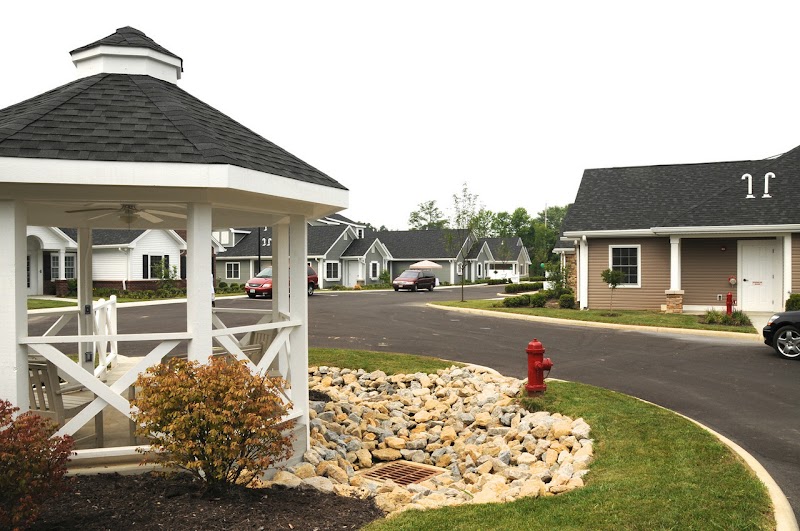
How is Otterbein At Maineville Staffed?

CMS rates OTTERBEIN AT MAINEVILLE's staffing level at 4 out of 5 stars, which is above average compared to other nursing homes. Staff turnover is 61%, which is 15 percentage points above the Ohio average of 46%. High turnover can affect care consistency as new staff learn residents' individual needs. RN turnover specifically is 64%, which is notably high. RNs provide skilled clinical oversight, so turnover in this role can affect medical care quality.

What Have Inspectors Found at Otterbein At Maineville?

State health inspectors documented 35 deficiencies at OTTERBEIN AT MAINEVILLE during 2019 to 2025. These included: 1 Immediate Jeopardy (the most serious level, indicating potential for serious harm or death), 2 that caused actual resident harm, 30 with potential for harm, and 2 minor or isolated issues. Immediate Jeopardy findings are rare and represent the most serious regulatory concerns. They require immediate corrective action.

Who Owns and Operates Otterbein At Maineville?

OTTERBEIN AT MAINEVILLE is owned by a non-profit organization. Non-profit facilities reinvest revenue into operations rather than distributing to shareholders. The facility is operated by OTTERBEIN SENIORLIFE, a chain that manages multiple nursing homes. With 60 certified beds and approximately 50 residents (about 83% occupancy), it is a smaller facility located in MAINEVILLE, Ohio.

How Does Otterbein At Maineville Compare to Other Ohio Nursing Homes?

Compared to the 100 nursing homes in Ohio, OTTERBEIN AT MAINEVILLE's overall rating (2 stars) is below the state average of 3.2, staff turnover (61%) is significantly higher than the state average of 46%, and health inspection rating (2 stars) is below the national benchmark.

What Should Families Ask When Visiting Otterbein At Maineville?

Based on this facility's data, families visiting should ask: "What changes have been made since the serious inspection findings, and how are you preventing similar issues?" "How do you ensure continuity of care given staff turnover, and what is your staff retention strategy?" "Can I visit during a mealtime to observe dining assistance and food quality?" "How do you handle medical emergencies, and what is your hospital transfer rate?" These questions are particularly relevant given the facility's Immediate Jeopardy citations and the facility's high staff turnover rate.

Is Otterbein At Maineville Safe?

Based on CMS inspection data, OTTERBEIN AT MAINEVILLE has documented safety concerns. Inspectors have issued 1 Immediate Jeopardy citation (the most serious violation level indicating risk of serious injury or death). The facility has a 2-star overall rating and ranks #100 of 100 nursing homes in Ohio. Families considering this facility should ask detailed questions about what corrective actions have been taken since these incidents.

Do Nurses at Otterbein At Maineville Stick Around?

Staff turnover at OTTERBEIN AT MAINEVILLE is high. At 61%, the facility is 15 percentage points above the Ohio average of 46%. Registered Nurse turnover is particularly concerning at 64%. RNs handle complex medical decisions and coordinate care — frequent RN changes can directly impact care quality. High turnover means new staff may not know residents' individual needs, medications, or preferences. It can also be disorienting for residents, especially those with dementia who rely on familiar faces. Families should ask: What is causing the turnover? What retention programs are in place? How do you ensure care continuity during staff transitions?

Was Otterbein At Maineville Ever Fined?

OTTERBEIN AT MAINEVILLE has been fined $62,194 across 3 penalty actions. This is above the Ohio average of $33,701. Fines in this range indicate compliance issues significant enough for CMS to impose meaningful financial consequences. Common causes include delayed correction of deficiencies, repeat violations, or care failures affecting resident safety. Families should ask facility leadership what changes have been made since these penalties.

Is Otterbein At Maineville on Any Federal Watch List?

OTTERBEIN AT MAINEVILLE is not on any federal watch list. The most significant is the Special Focus Facility (SFF) program, which identifies the bottom 1% of nursing homes nationally based on persistent, serious quality problems. Not being on this list means the facility has avoided the pattern of deficiencies that triggers enhanced federal oversight. This is a positive indicator, though families should still review the facility's inspection history directly.