Marion Valley Post Acute
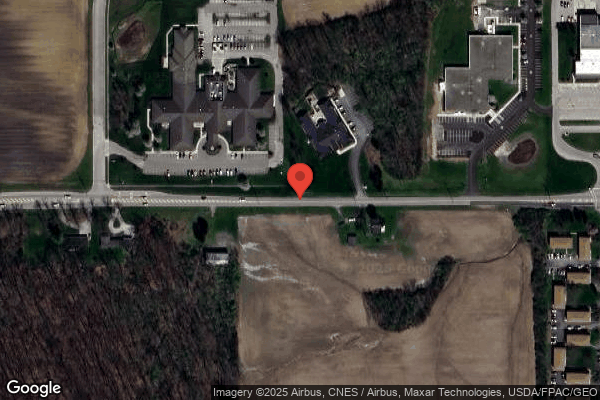
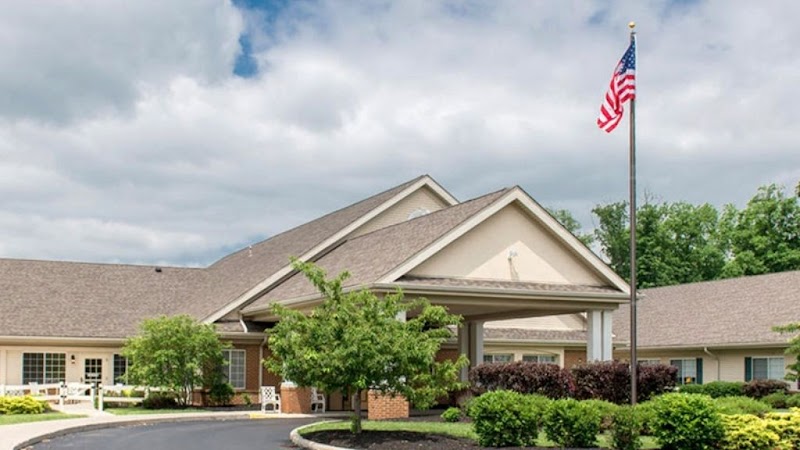
400 BARKS ROAD WEST, MARION, OH 43302 (740) 387-1225
For profit - Corporation 135 Beds LEGACY HEALTH SERVICES Data: November 2025
Trust Grade
40/100
#741 of 913 in OH
Last Inspection: September 2022

Over 2 years since last inspection. Current conditions may differ from available data.

Overview

Marion Valley Post Acute has received a Trust Grade of D, indicating below-average performance with some significant concerns. It ranks #741 out of 913 facilities in Ohio, placing it in the bottom half, and #5 out of 5 in Marion County, suggesting limited better options nearby. The facility's trend is stable, with a consistent number of issues reported over the last two years. Staffing is a notable weakness, earning only 1 out of 5 stars with a high turnover rate of 60%, which is above the state average. Although there have been no fines reported, the nursing home has concerning RN coverage, being lower than 87% of Ohio facilities, which means that not enough registered nurses are available to catch potential issues. Specific incidents of concern include a failure to maintain proper hand hygiene during meal service, risking potential contamination for residents, and unsanitary conditions in the kitchen that could affect food safety. Additionally, there was an issue where a resident developed a skin alteration that was not properly identified or managed, which could lead to further health problems. While the facility has some positive aspects, such as no fines and a decent health inspection rating, families should weigh these against the significant staffing and care quality concerns.

Trust Score
D
40/100
In Ohio
#741/913
Bottom 19%
Safety Record
Moderate
Needs review
Inspections
Holding Steady
2 → 2 violations
Staff Stability
⚠ Watch
60% turnover. Above average. Higher turnover means staff may not know residents' routines.
Penalties
✓ Good
No fines on record. Clean compliance history, better than most Ohio facilities.
Skilled Nurses
⚠ Watch
Each resident gets only 21 minutes of Registered Nurse (RN) attention daily — below average for Ohio. Fewer RN minutes means fewer trained eyes watching for problems.
Violations
⚠ Watch
37 deficiencies on record. Higher than average. Multiple issues found across inspections.
★★☆☆☆
2.0
Overall Rating
★☆☆☆☆
1.0
Staff Levels
★★★★☆
4.0
Care Quality
★★★☆☆
3.0
Inspection Score
Stable
2024: 2 issues
2025: 2 issues

The Good

  • 4-Star Quality Measures · Strong clinical quality outcomes
  • Full Sprinkler Coverage · Fire safety systems throughout facility
  • No fines on record

Facility shows strength in quality measures, fire safety.

The Bad

2-Star Overall Rating

Below Ohio average (3.2)

Below average - review inspection findings carefully

Staff Turnover: 60%

14pts above Ohio avg (46%)

Frequent staff changes - ask about care continuity

Chain: LEGACY HEALTH SERVICES

Part of a multi-facility chain

Ask about local staffing decisions and management

Staff turnover is elevated (60%)

12 points above Ohio average of 48%

The Ugly 37 deficiencies on record

1 actual harm
May 2025 2 deficiencies
CONCERN (D) 📢 Someone Reported This

A family member, employee, or ombudsman was alarmed enough to file a formal complaint

Potential for Harm - no one hurt, but risky conditions existed

Accident Prevention (Tag F0689)

Could have caused harm · This affected 1 resident

**NOTE- TERMS IN BRACKETS HAVE BEEN EDITED TO PROTECT CONFIDENTIALITY** Based on observation, interview, and facility policy review, the facility failed to ensure fall interventions were in place. Thi...

Read full inspector narrative →
**NOTE- TERMS IN BRACKETS HAVE BEEN EDITED TO PROTECT CONFIDENTIALITY** Based on observation, interview, and facility policy review, the facility failed to ensure fall interventions were in place. This affected one (#71) of three residents reviewed for falls. The facility census was 87. Findings include: Review of medical record for Resident #71 revealed an admission date of 02/26/24 with diagnoses including but not limited to senile degeneration of brain, Alzheimer's disease, major depressive disorder, unsteadiness on feet, and disorientation. Review of minimum data set (MDS) dated [DATE] revealed the resident had severe cognitive impairment. Review of care plan for falls revealed the following interventions non-skid material under cushion and on top of wheelchair cushion and non-skid strips to the closet side of the bed. Observation on 05/12/25 at 2:05 P.M. of Resident #71 revealed no non-skid strips to the closet side of the bed or any non-skid material in Broda chair. Interview on 05/12/25 with Certified Nursing Assistant (CNA #368) verified no non-skid strips to the closet side of the bed and no non-skid material in the resident's Broda chair. Review of policy titled Falls and Fall Risk, Managing not dated revealed based on previous evaluations and current data, the staff will identify interventions related to the resident's specific risks and causes to try to prevent the resident from falling and to try and minimize complications from falling. This deficiency represents non-compliance investigated under Complaint Number OH00164432.
CONCERN (E) 📢 Someone Reported This

A family member, employee, or ombudsman was alarmed enough to file a formal complaint

Potential for Harm - no one hurt, but risky conditions existed

Deficiency F0678 (Tag F0678)

Could have caused harm · This affected multiple residents

Based on observation, interview, record review, and facility policy review the facility failed to ensure the crash carts were inspected routinely. This had the potential to affect all 47 residents the...

Read full inspector narrative →
Based on observation, interview, record review, and facility policy review the facility failed to ensure the crash carts were inspected routinely. This had the potential to affect all 47 residents the facility identified to have a Full Code status. The facility census was 87. Findings include: Review of the crash cart sign off sheet revealed staff to check every shift to verify the lock code is the same as the shift prior. If the code needs to be changed because the cart was accessed, use the provided inventory sheet to confirm all items have been replaced. Apply a new lock and document the code on the sheet. The subsequent shift should then verify the lock number is the same as the shift prior (new lock applied, if indicated). Observation on 05/12/25 at 2:17 P.M. of crash cart in the nurse's station on 400/500/600 hall revealed the Automated External Defibrillator (AED) was in the bottom drawer. Review of the Crash cart sign off for the 400/500/600 hall revealed the lock was verified by one nurse 03/01/25 through 03/11/25 and the lock was changed on 03/11/25. The sign off was completed only by one nurse. Observation on 05/12/25 at approximately 2:20 P.M. of crash cart for 100 hall revealed the cart was unlocked and the AED pads were on top of the cart. AED was located in the bottom drawer of the cart. Review of Crash Cart sign off for 100 hall revealed the contents and the lock were verified on 04/26/25, and 10/01/24 through 10/03/24. The lock was verified as in place 03/01/25 through 03/05/25, 03/15/25 and 03/16/25 and the lock was documented as changed on 03/05/25 and 11/13/24. The items were verified and documented as restocked on 11/05/24-11/07/24, 11/12/24, 11/13/24, 10/08/24 and 10/07/24. All checks and verifications were completed by only one nurse. Observation on 05/12/25 at approximately 2:22 P.M. of crash cart located at the nurse's station at 300/MB hall revealed there was no ambu bag located on the cart. The AED was located on the top of the cart. Review of Crash Cart sign off for 300/MB hall revealed the cart was verified as locked on 05/01/25 through 05/11/25, 04/01/25 through 04/30/25, and 03/11/25 through 03/31/25. The lock was documented as changed on 05/07/25, 03/31/25 and 03/14/25. All checks were completed by only one nurse. Interview on 05/12/25 at 2:24 P.M. with Minimum data set (MDS #506) verified the crash cart on 100 hall was unlocked. MDS #506 stated the crash carts are to be checked nightly. MDS #506 verified the facility crash carts were not checked nightly according to the documentation provided on the carts. Interview on 05/12/25 at 2:30 P.M. with MDS #506 verified there was no ambu bag on the crash cart on 300/MB hall. MDS #506 verified the contents of the crash cart need to be checked when the crash cart is used. MDS #506 verified the staff are to check the lock numbers each shift to ensure the crash cart has not been used. MDS #506 verified the lock on the 300/MB hall was opened on 05/07/25 with no content check. MDS #506 verified no documentation was located on the cart to indicate the contents had ever been checked. Review of the crash cart checklist revealed the top of the cart should have oxygen tank (ensure tank is full), suction machine, six-foot suction tubing, eighteen-inch suction tubing, aerosol machine, and back board. Drawer one should have oxygen key, flashlight, D batteries (2), pulse oximeter, oral thermometer, instant glucose (2), alcohol pads (1 box), bandage scissors, paper tape, band-aids, tubex injector, kerlix, Christmas tree oxygen adapter (3), and 8.5 milliliter (ml) normal saline. Drawer two should have suction kit (4), yankauer (2), seven-foot oxygen tubing (2), ABD pads, drain sponges, and gauze sponges. Drawer three should have tracheotomy mask, nebulizer kit, tracheostomy care kit (2), venturi mask, partial rebreather mask, non-rebreather mask (2), simple face mask, and ambu bag. Drawer four should have surgical face mask (1 box), manual sphygmomanometer (BP cuff), disposable isolation BP cuff, isolation gown, vinyl powder free exam gloves (1 box), stethoscope, sharps container, and bleach wipes. Drawer five should have cervical collar and intravenous flow regulator set. Review of the crash cart checklist completed for 400/500/600 hall on 11/05/24 revealed the following items not initialed as being in the cart bleach wipes, disposable isolation BP cuff, tracheotomy care kit, venturi mask, partial rebreather mask, drain sponges, gauze sponges, bandage scissors, paper tape, band-aids, tubex injector, kerlix, Christmas tree oxygen adapter, oral thermometer, six-foot suction tubing, eighteen-inch suction tubing, and aerosol machine. Review of policy titled Best Practice: Crash Cart Inspection not dated revealed the crash cart will be inspected daily by designated nursing personnel to ensure all emergency equipment and supplies are present, within expiration dates, and in working order. Any deficiencies will be reported and corrected immediately. An official crash cart inspection log will be maintained and kept with the cart. The log will include date and time of inspection, name of inspecting nurse, and lock number on the cart, confirmation of the following lock is intact and unbroken, oxygen tank present and regulator is functional, and suction equipment is present and operational. The Director of Nursing or designee will review crash cart logs weekly for compliance and ensure corrective action is taken for any missed inspections. This deficiency represents an incidental finding while investigating Master Complaint Number OH00165447 and Complaint Number OH00164432.
Nov 2024 1 deficiency
CONCERN (F) 📢 Someone Reported This

A family member, employee, or ombudsman was alarmed enough to file a formal complaint

Potential for Harm - no one hurt, but risky conditions existed

Food Safety (Tag F0812)

Could have caused harm · This affected most or all residents

Based on observation, interview, and policy review, the facility failed to maintain the kitchen in a clean and sanitary manner. This had the potential to affect all residents who receive food and beve...

Read full inspector narrative →
Based on observation, interview, and policy review, the facility failed to maintain the kitchen in a clean and sanitary manner. This had the potential to affect all residents who receive food and beverages from the kitchen in the facility. The facility census was 103. Findings include: Interview on 11/21/2024 at 2:17 P.M. with Resident #38's family member revealed his other family member was allowed to go into the kitchen to get ice and they stated the kitchen was very unsanitary. Observation on 11/26/2024 at 11:16 A.M. revealed a ceiling tile behind the tray line was water damaged, cracked, and bowing outwardly toward the floor. Interview on 11/26/2024 at 11:16 A.M. with Dietary Aide #72 confirmed the ceiling tile was water damaged, cracked and bowing. Dietary Aide #72 revealed the ceiling tile did leak sometimes when it rained. Interview on 11/26/2024 at 11:18 A.M. with Dietary Director #1 revealed that the ceiling did leak, but he had not seen it actively leak. Review of the policy titled Environment dated September 2017 revealed the Dining Services Director would ensure that the kitchen was maintained in a clean and sanitary manner, including floors, walls, ceiling, lighting, and ventilation.
May 2024 1 deficiency
CONCERN (F) 📢 Someone Reported This

A family member, employee, or ombudsman was alarmed enough to file a formal complaint

Potential for Harm - no one hurt, but risky conditions existed

Food Safety (Tag F0812)

Could have caused harm · This affected most or all residents

Based on observations, staff interview, and review of facility policy, the facility failed to ensure proper hand hygiene during lunch meal service. This had the potential to affect 113 residents who a...

Read full inspector narrative →
Based on observations, staff interview, and review of facility policy, the facility failed to ensure proper hand hygiene during lunch meal service. This had the potential to affect 113 residents who ate food served from the kitchen. The facility identified two (#21 and #107) residents who received no food from the kitchen. The facility census was 115. Findings include: Observations on 05/30/24 from 11:40 A.M. to 12:20 P.M. revealed [NAME] #309 donned clean gloves at 11:42 A.M., without completing any hand hygiene prior to donning the gloves. [NAME] #309 started the lunch meal service. At approximately 11:45 A.M., [NAME] #309 used his gloved hands to touch the spaghetti noodles that were hanging down off the plate to put them on the plate properly. At 11:48 A.M. and 11:50 A.M., [NAME] #309 adjusted his pants and pulled up his sweater sleeves with the same gloves on. At 11:50 A.M., [NAME] #309 was observed touching the inside of the plate prior to placing food items on it with the same gloved hands. [NAME] #310 was also observed opening the steamer by grabbing the handle with gloved hands. [NAME] #310 did not change her gloves or complete any hand hygiene. At 11:51 A.M., [NAME] #309 was observed touching spaghetti noodles again with the same gloved hands and placing them on the plate. At 11:52 A.M., [NAME] #309 adjusted his clothing again with the same gloves on. At 11:55 A.M., [NAME] #310 was observed touching a brussel sprout with the same gloves on to place it on the plate after it had rolled off of the plate onto the serving table. At 11:56 A.M., [NAME] #309 was observed returning to the kitchen. The cook grabbed clean gloves with bare hands prior to completing any hand hygiene. The cook carried the gloves over to the sink in his bare hands and placed them on the sink while he washed his hands. [NAME] #309 then donned the gloves that had been placed on the sink. At 11:59 A.M., [NAME] #309 touched spaghetti noodles with the same gloves on to place them on the plate. At 12:02 P.M., [NAME] #309 walked into the dry storage area and returned carrying several Styrofoam containers with the same gloves on. [NAME] #309 did not change his gloves or complete any hand hygiene and continued with the meal service. At 12:05 P.M., [NAME] #310 turned on the front knob of the stove with gloved hands. Without changing gloves or completing any hand hygiene, [NAME] #310 then grabbed two slices of cheese with the same gloves and placed them on top of a piece of bread in a skillet to make a grilled cheese. The cook did not change her gloves or complete any hand hygiene and continued with the meal service. Interview on 05/30/24 at 12:20 P.M. with Dietary Manager (DM) #304 confirmed the above observations. DM #304 stated [NAME] #309 had never been a cook in a nursing facility. DM #304 stated Cooks #309 and #310 would receive additional education on proper hand hygiene. Review of the facility policy titled, Hand Washing, dated 2023, revealed employees would wash their hands as frequently as needed throughout the day using proper hand washing procedures. Hands and exposed portions of arms should be washed immediately before engaging in food preparation. The policy further stated hands should be washed during food preparation, as often as necessary to remove soil or contamination and prevent cross contamination when changing tasks, before donning disposable gloves for working with food and after gloves are removed. This deficiency represents non-compliance investigated under Complaint Number OH00153638.
Jul 2023 3 deficiencies
CONCERN (D) 📢 Someone Reported This

A family member, employee, or ombudsman was alarmed enough to file a formal complaint

Potential for Harm - no one hurt, but risky conditions existed

Deficiency F0760 (Tag F0760)

Could have caused harm · This affected 1 resident

Based on medication administration observation, medical record review, review of policy and staff interviews, the facility failed to ensure a resident was free from a significant medication error. Thi...

Read full inspector narrative →
Based on medication administration observation, medical record review, review of policy and staff interviews, the facility failed to ensure a resident was free from a significant medication error. This affected one (#1) of three sampled residents reviewed for medications. The facility census was 68. Findings include: Observation of the medication administration for Resident #1 was completed with Licensed Practical Nurse (LPN) #120 on 07/17/23 at 7:39 A.M. LPN #120 gathered a total of 12 pills for Resident #1 including: one tablet of potassium 10 mEq (milliequivalents). LPN #120 administered the medications for Resident #1 after confirming 12 pills were in the medication cup. Review of Resident #1's medical record revealed and admission date of 03/11/20, with medical diagnoses including: cellulitis, anemia, diabetes, coronary artery disease and morbid obesity. Review of Resident #1's physician orders revealed an order dated 05/24/23 for potassium 10 mEq X 3 tablets=30 mEq daily. Review of Resident #1's most recent potassium blood test, dated 07/11/23 identified level of 3.8 (normal range of 3.5-5.3). Interview with LPN #1 on 07/17/23 at 9:01 A.M. confirmed she administered Potassium 10 mEq to Resident #1 and missed the order stated to give three total tablets for a total dosage of 30 mEq. LPN #1 identified she would return to Resident #1 and give her the two additional potassium tablets and report the medication error. Review of the undated policy Medication Pass revealed: Review the five resident rights, three times before medication administration. The policy stated: check the Medication Administration record (MAR) for the order prior to removing package from the drawer; Check the label of the medication against the order on the MAR and check the dose has been prepared and before returning the medication to the storage. This deficiency represents non-compliance investigated under Complaint Number OH00144412.
CONCERN (E) 📢 Someone Reported This

A family member, employee, or ombudsman was alarmed enough to file a formal complaint

Potential for Harm - no one hurt, but risky conditions existed

Deficiency F0565 (Tag F0565)

Could have caused harm · This affected multiple residents

Based on review of resident council meeting minutes, resident interviews and staff interviews, the facility failed to act promptly upon the concerns from residents regarding call light response times....

Read full inspector narrative →
Based on review of resident council meeting minutes, resident interviews and staff interviews, the facility failed to act promptly upon the concerns from residents regarding call light response times. This affected 23 (Resident #1, #11, #13, #19, #20, #23, #24, #30, #33, #35, #39, #45, #46, #50, #54, #56, #57, #62, #63, #67, #69, #83 and #86) of 23 residents identified to attend the resident council meetings. The facility census was 86. Findings include: Review of the residents council meeting minutes dated 03/28/23, 04/25/23, 05/30/23 and 06/27/23, identified call light response times are too long. The minutes do not document evidence of actions taken by the facility to investigate and respond to the resident's concerns. Interview on 07/17/23 at 12:10 P.M., with the facility Resident Council President (Resident #1) revealed most residents are complaining about the call light response times. The interview confirmed this is not an isolated issue and has been going on for quite some time. Resident #1 identified no one has spoken with the council regarding what, if anything the facility is doing to fix the issues. Interview on 07/17/23 at 12:56 P.M., with the facility Acting Director of Nursing (Registered Nurse #100) and the Administrator revealed the facility has completed call light response time audits and identified no concerns. The interview confirmed there is no evidence of any education completed with the State Tested Nursing Assistants (STNA), interviews with residents to determine the issues and or recent education with licensed nursing staff regarding the call light concerns from the residents. This deficiency represents non-compliance investigated under Complaint Number OH00144040.
CONCERN (E) 📢 Someone Reported This

A family member, employee, or ombudsman was alarmed enough to file a formal complaint

Potential for Harm - no one hurt, but risky conditions existed

Deficiency F0761 (Tag F0761)

Could have caused harm · This affected multiple residents

Based on observations, facility policies and staff interviews, the facility failed to ensure one of six medication carts were maintained locked when not in use. This potentially could affect all 15 re...

Read full inspector narrative →
Based on observations, facility policies and staff interviews, the facility failed to ensure one of six medication carts were maintained locked when not in use. This potentially could affect all 15 residents on the 100 hallway (Resident #1, #14, #17, #25, #26, #30, #33, #48, #54, #60, #62, #66, #67, #86 and #87). The facility census was 86. Findings include: Upon entering the building an observation of the 100 hallway in the facility occurred on 07/17/23 at 7:15 A.M. The medication cart was observed located across from the nursing station. The medication cart was completed unlocked and no staff were observed in the area. Observations of the medication cart continued until 7:21 A.M. when Licensed Practical Nurse/Unit Manager #130 came to the nursing station. LPN #130 was asked to lock the medication cart, which she did. Interview with LPN #130 identified she is not sure at this time where the nurse, LPN #120 is located however she will let her know the medication cart was unlocked and should not be. Review of the facility Medication Pass policy, undated, identified All medications storage areas (carts, medication rooms and central supply) are locked at all times unless under the direct observation of the medication nurse. *This deficiency represents non-compliance investigated under Complaint Number OH00144412.
Feb 2023 1 deficiency
CONCERN (D) 📢 Someone Reported This

A family member, employee, or ombudsman was alarmed enough to file a formal complaint

Potential for Harm - no one hurt, but risky conditions existed

Deficiency F0661 (Tag F0661)

Could have caused harm · This affected 1 resident

**NOTE- TERMS IN BRACKETS HAVE BEEN EDITED TO PROTECT CONFIDENTIALITY** Based on interview, medical record review, and policy review, the facility failed to ensure the post discharge plan of care incl...

Read full inspector narrative →
**NOTE- TERMS IN BRACKETS HAVE BEEN EDITED TO PROTECT CONFIDENTIALITY** Based on interview, medical record review, and policy review, the facility failed to ensure the post discharge plan of care included any arrangements that have been made for the resident's follow up care and any post discharge medical and non-medical services. This affected one (Resident #10) of three residents reviewed for discharges. Findings include: Review of medical record for Resident #10 revealed an admission date of 01/23/23 with a Brief Interview of Mental Status (BIMS) score of 15 indicating the resident had no cognitive deficits. The resident was admitted with diagnoses including unspecified fall, atrial fibrillation, heart disease, acute kidney failure, neuromuscular dysfunction of bladder, hemiplegia and hemiparesis. The resident was discharged to home on [DATE]. Review of the My Transition Home document dated 02/13/23 revealed Resident #10 was ordered to have occupational and physical therapy with daily supervision. He required assist with activities of daily living and catheter care. The document did not include any home care agency information or indication these services were arranged with a home care agency, or who to contact with questions. Interview on 02/22/23 at 10:45 A.M. with the Social Service Designee (SSD) #100 revealed Resident #10 was notified on 02/13/23 he would have to pay a daily fee of $200.00 for services to remain in the facility. He had used all of his Medicare Part A benefit at 100%. She offered Resident #10 options to apply for Medicaid and explained they believed he was not ready to go home. Resident #10 chose to be discharged and not pay the fee. It was explained he needed additional therapy and it would be arranged through a home care company. SSD #100 verbally told Resident #10 about his home care services arrangements. Interview with the Director of Nursing (DON) on 02/22/23 at 11:32 A.M. and review of the My Transition Home document for Resident #10 confirmed the document did not include information about his home care arrangements prior to his discharge. Resident #10 did not know the details of who was coming to take care of his Foley catheter or provide rehabilitation services. The DON confirmed Resident #10 was readmitted to the hospital less then 24 hours after discharge on [DATE], returned to their facility on 02/17/23 and was discharged to the hospital on [DATE] and had not returned as of 02/26/23. Review of the Social Services Guidelines: Patient Education, dated 08/2021, revealed the interdisciplinary team provides or arranges education for the patient and the family or patient representative as part of discharge planning. The intent is to prepare them for the upcoming transition on their upcoming care and services. Education topics can include, but are not limited to disease management, food and nutrition needs, medication management, treatment procedures, accessing community-based resources, people to contact if help is needed, follow up medical appointment needs. Further review of the Social Services Guidelines revealed The My Transition Home document is the primary communication tool to the continuing care provider in identifying recapitulation of stay, discharge instructions, discharge plan of care and is provided to the patient on discharge to help with the transition. This deficiency represents non-compliance investigated under Complaint Number OH00140375.
Feb 2023 4 deficiencies
CONCERN (D) 📢 Someone Reported This

A family member, employee, or ombudsman was alarmed enough to file a formal complaint

Potential for Harm - no one hurt, but risky conditions existed

Transfer Requirements (Tag F0622)

Could have caused harm · This affected 1 resident

**NOTE- TERMS IN BRACKETS HAVE BEEN EDITED TO PROTECT CONFIDENTIALITY** Based on record review, review of the facility assessment, and interviews with facility and hospital staff, the facility failed ...

Read full inspector narrative →
**NOTE- TERMS IN BRACKETS HAVE BEEN EDITED TO PROTECT CONFIDENTIALITY** Based on record review, review of the facility assessment, and interviews with facility and hospital staff, the facility failed to provide the required documentation when a resident was initially transferred to the hospital for evaluation and treatment and the resident was later discharged from the facility. This affected one resident (#10) out of three residents reviewed for discharges. The facility census was 109. Findings include: Review of the medical record revealed Resident #10 was admitted on [DATE] and discharged to the hospital on [DATE]. Resident #10's diagnoses included acute and chronic respiratory failure with hypoxia, cognitive communication deficit, encephalopathy, bipolar disorder, major depressive disorder, and anxiety. Review of Resident #10's quarterly Minimum Data Set (MDS) assessment, dated 01/13/23, revealed Resident #10 had impaired cognition with a Brief Interview for Mental Status (BIMS) of 8. The resident had no behaviors. The resident had little interest or pleasure in doing things, felt down/depressed/hopeless, felt tired or little energy, poor appetite or overeating, and moved/spoke slowly. The resident required extensive assistance of two for bed mobility, transfers, dressing, and personal hygiene. Review of a progress note dated 01/24/23 at 5:45 P.M. revealed Resident #10 verbalized she had intent to kill herself, cords were found in the resident's hands. The cords were removed, and staff sat with the resident until emergency medical services (EMS) arrived. Review of an acute care transfer form dated 01/24/23 revealed Resident #10 was transferred to the hospital due to behaviors. Resident #10 had verbalized the intent to harm self. Further review of Resident #10's medical record revealed no evidence of what attempts the facility had made to meet the resident's needs prior to her discharge when the facility failed to allow the resident to be readmitted after her evaluation at the hospital. Review of Resident #10's medical record revealed there was no documentation of what services could not be provided by the facility in order to meet Resident #10's needs upon her return to the facility after being deemed stable by the hospital. There was no evidence Resident #10's physician documented the need for Resident #10 to be transferred to the hospital and no documentation regarding the resident's ability to return to the facility. Review of a hospital note dated 02/03/23 at 12:25 P.M. revealed Resident #10 presented to the hospital on [DATE] after a reported suicidal gesture. The resident reportedly held a cord around her neck at long term care (LTC) facility and tried to wrap oxygen tubing around her neck in front of EMS while enroute to the hospital. The resident was seen by the behavioral health unit (BHU) in the emergency department but did not meet the criteria for involuntary admission to BHU. LTC facility refused to take patient back. Emergency Department Care Manager (EDCM) #200 was unable to find placement and had sent multiple referrals. Resident #10 had carbon monoxide poisoning in December 2022 which may be irreversible. The resident was very irritable and made racially insensitive and offensive comments (husband and sister report this is not typical). Interview on 02/09/23 at 9:48 A.M., EDCM #200 revealed Resident #10 was still a patient at hospital. The LTC facility stated they felt the resident needed one-on-one supervision and was a safety risk so they would not accept the resident back. Interview on 02/09/23 at 1:47 P.M. with Administrator and Director of Nursing (DON) verified Resident #10 was an emergency discharge. The facility did offer psychiatric services; however, the person the facility was contracted with to provide psychiatric services was on vacation and no one was available to see the resident. The hospital wanted to discharge Resident #10 back to the facility within 18 hours of her being sent there. The facility told the hospital social worker that the resident needed to be stabilized and could not return to the facility. Per the Administrator and the DON, the facility could not provide one-on-one observations and the medical director stated they would not take over the care of the resident if the resident returned to the facility. The DON verified information was not documented in the medical record of what the facility attempted to do to meet Resident #10's needs prior to discharge, what services the facility was unable to provide to meet the resident's needs if the resident returned to the facility, and a note by Resident #10's physician of why the resident needed transferred to the hospital and why the resident could not return to the facility. Review of the Facility Assessment (dated 10/2022) revealed behavioral health, medical director, and nurse practitioner services were contracted. Services provided through contractual arrangement are further identified in the section labeled contracts/agreements. General description of care and services provided by facility staff include management of mental health and behavioral conditions: care of patients with cognitive impairment, depression, anxiety, other psychiatric diagnoses, intellectual or developmental disabilities, history of trauma, substance abuse disorders, and use of non-pharmacological behavior management approaches. This deficiency is cited as an incidental finding to Complaint Number OH00139790.
CONCERN (D) 📢 Someone Reported This

A family member, employee, or ombudsman was alarmed enough to file a formal complaint

Potential for Harm - no one hurt, but risky conditions existed

Transfer Notice (Tag F0623)

Could have caused harm · This affected 1 resident

**NOTE- TERMS IN BRACKETS HAVE BEEN EDITED TO PROTECT CONFIDENTIALITY** Based on record review, document review, and interviews with facility and hospital staff, the facility failed to provide a resid...

Read full inspector narrative →
**NOTE- TERMS IN BRACKETS HAVE BEEN EDITED TO PROTECT CONFIDENTIALITY** Based on record review, document review, and interviews with facility and hospital staff, the facility failed to provide a resident and the resident's representative of the appropriate notice upon discharge. This affected one resident (#10) of three residents reviewed for discharges. The facility census was 109. Findings include: Review of the medical record revealed Resident #10 was admitted on [DATE] and discharged to the hospital on [DATE]. Resident #10's diagnoses included acute and chronic respiratory failure with hypoxia, cognitive communication deficit, encephalopathy, bipolar disorder, major depressive disorder, and anxiety. Review of the quarterly Minimum Data Set (MDS) assessment, dated 01/13/23, revealed Resident #10 had impaired cognition with a BIMS of 8. The resident had no behaviors. The resident had little interest or pleasure in doing things, felt down/depressed/hopeless, felt tired or little energy, poor appetite or overeating, and moved/spoke slowly. The resident required extensive assistance of two for bed mobility, transfers, dressing, and personal hygiene. Review of a progress note dated 01/24/23 at 5:45 P.M. revealed Resident #10 verbalized she had intent to kill herself, cords were found in the resident's hands. The cords were removed, and staff sat with the resident until emergency medical services (EMS) arrived. Review of an acute care transfer form dated 01/24/23 revealed Resident #10 was transferred due to behaviors. Resident #10 had verbalized the intent to harm self. Review of the Ombudsman discharge notification dated 01/25/23 revealed Resident #10 was transferred on 01/24/23 to an acute care hospital for an acute medical event. Review of a hospital note dated 02/03/23 at 12:25 P.M. revealed Resident #10 presented to the hospital on [DATE] after a reported suicidal gesture. The resident reportedly held a cord around her neck at long term care (LTC) facility and tried to wrap oxygen tubing around her neck in front of EMS while enroute to the hospital. The resident was seen by the behavioral health unit (BHU) in the emergency department but did not meet the criteria for involuntary admission to BHU. The LTC facility refused to take patient back. Emergency Department Care Manager (EDCM) #200 was unable to find placement and had sent multiple referrals. Interview on 02/09/23 at 9:48 A.M., EDCM #200 revealed Resident #10 was still a patient at hospital. The LTC facility stated they felt the resident needed one-on-one supervision and was a safety risk so they would not accept the resident back. Interview on 02/09/23 at 9:52 A.M. Administrator verified there had not been any 30-day notice in the last 90-days. Interview on 02/09/23 at 12:56 P.M. Resident #10's husband stated the facility refused to take the resident back and he did not know why. Interview on 02/09/23 at 1:47 P.M. the Administrator provided the surveyor a blank Facility Initiated Transfer or Discharge Letter. The form revealed information on the form should have included the resident's name, facility name and address, the name of the facility the resident was being transferred or discharged to. The form revealed the resident (no name provided) was being transferred for the following reasons which included the resident's welfare and needs could not be met at the facility. The form revealed the resident and/or legal representative had the right to an impartial hearing concerning the discharge; You may request a hearing by sending a written request to the Legal Services Office of the Ohio Department of Health not less than 30-days after you or your legal representative received this Notice of Discharge. The form also included the address and phone number of the Legal Services Office of the Ohio Department of Health and state long-term care ombudsman. If the patient had a developmental disability or mental illness the address and phone number of the Ohio Legal Right Service was to be provided also. The form identified the legal representative, Ohio Department of Health, and Ombudsman were to receive copies of the Transfer or Discharge Letter. During this interview, the Administrator verified Resident #10 and her representative were not provided a Facility Initiated Transfer or Discharge Letter and notice. The Administrator also verified Resident #10 had bed-hold days available but the resident had been discharged and would not be returning to the facility. This deficiency is cited as an incidental finding to Complaint Number OH00139790.
CONCERN (D) 📢 Someone Reported This

A family member, employee, or ombudsman was alarmed enough to file a formal complaint

Potential for Harm - no one hurt, but risky conditions existed

Safe Transfer (Tag F0626)

Could have caused harm · This affected 1 resident

**NOTE- TERMS IN BRACKETS HAVE BEEN EDITED TO PROTECT CONFIDENTIALITY** Based on medical record review, hospital records review, review of the acute transfer form, review of the Ombudsman discharge no...

Read full inspector narrative →
**NOTE- TERMS IN BRACKETS HAVE BEEN EDITED TO PROTECT CONFIDENTIALITY** Based on medical record review, hospital records review, review of the acute transfer form, review of the Ombudsman discharge notification, interviews with facility and hospital staff, the resident's family member and the Medical Director, review of the Facility Assessment, and review of the facility document titled Promedica F-Tag 626, the facility failed to permit Resident #10 to return to the facility after being discharged to the hospital for evaluation due to verbalization of wanting to harm herself. This affected one (#10) of three residents reviewed for discharge/transfer. Facility census was 109. Findings include: Review of the closed medical record revealed Resident #10 was admitted to the facility on [DATE] and discharged on 01/24/23. Diagnoses included acute and chronic respiratory failure with hypoxia, dysphagia, cognitive communication deficit, history of COVID-19, acute pulmonary edema, metabolic encephalopathy, seizures, toxic effect of carbon monoxide, rhabdomyolysis, bipolar disorder, major depressive disorder, and anxiety. Review of Resident #10's quarterly Minimum Data Set (MDS) assessment, dated 01/13/23, revealed Resident #10 had impaired cognition. The assessment revealed the resident had no behaviors. The resident did have little interest or pleasure in doing things, felt down/depressed/hopeless, felt tired or little energy, poor appetite, or overeating, and moved/spoke slowly. The resident did not state life was not worth living, wished to harm herself, or attempted to harm herself. The resident required extensive assistance of two staff for bed mobility, transfers, dressing, and personal hygiene. Review of a progress note dated 01/24/23 at 12:27 P.M. revealed Resident #10 was speaking aggressively and cursing at staff due to being given thickened liquids. A progress note dated 01/24/23 at 5:00 P.M. revealed the social worker contacted a psychiatric facility for possible admission for Resident #10. The psychiatric facility stated they would only take the resident if the doctor would pink slip the resident. The progress note identified the Medical Director stated he did not feel comfortable pink slipping Resident #10. Review of a progress note dated 01/24/23 at 5:45 P.M. revealed Resident #10 verbalized she had intent to kill herself, cords were found in the resident's hands. The cords were removed, and staff sat with the resident until emergency medical services (EMS) arrived. Review of an acute care transfer form dated 01/24/23 revealed Resident #10 was transferred to the hospital due to behaviors. Resident #10 had verbalized the intent to harm self. Review of the Ombudsman discharge notification dated 01/25/23 revealed Resident #10 was transferred on 01/24/23 to an acute care hospital for an acute medical event. Review of a typed statement dated 01/26/23 at 12:00 P.M. revealed the Director of Nursing (DON) and Administrator spoke to Resident #10's husband via phone regarding his concerns for the resident being discharged to the hospital. Resident #10's husband did not have a problem but stated the hospital told him the facility would not take the resident back. The husband stated this behavior was not Resident #10's baseline. Review of a hospital note dated 02/03/23 at 12:25 P.M. revealed Resident #10 presented to the hospital on [DATE] after a reported suicidal gesture. The resident reportedly held a cord around her neck at the long-term care (LTC) facility and tried to wrap oxygen tubing around her neck in front of EMS while enroute to the hospital. The resident was seen by the behavioral health unit (BHU) in the emergency department but did not meet the criteria for involuntary admission to BHU. The LTC facility refused to take patient back. The Emergency Department Care Manager (EDCM) was unable to find placement for the resident and had sent multiple referrals. Resident #10 had carbon monoxide poisoning in December 2022 which may be irreversible. The resident was very irritable and made racially insensitive and offensive comments (husband and sister report this is not typical). Interview on 02/09/23 at 9:48 A.M. with EDCM #200 revealed Resident #10 was still a patient at the hospital. The LTC facility stated they felt the resident needed one-on-one supervision and was a safety risk so they would not accept the resident back. Interview on 02/09/23 at 9:52 A.M. with the Administrator verified there had not been any 30-day notices issued by the facility in the last 90-days. Interview on 02/09/23 at 12:56 P.M. with Resident #10's husband revealed the facility refused to take the resident back and he did not know why. Interview on 02/09/23 at 1:47 P.M. with the Administrator and Director of Nursing (DON) revealed Resident #10 was an emergency discharge, so the 30-day discharge criteria did not apply. Resident #10 attempted to harm herself. The resident had either wrapped the call light cord around her neck or was gesturing that she was going to. The EMT's stated Resident #10 attempted to put the oxygen tubing around her neck stating she wanted to die. The facility had tried to get Resident #10 admitted for inpatient psychiatric services but were told the resident was her own person so she could refuse treatment. The facility did offer psychiatric services. The person the facility was contracted with to provide psychiatric services was on vacation and no one was available to see the resident. The hospital wanted to discharge Resident #10 back to the facility within 18 hours of her being sent there. The facility told the hospital social worker the resident needed to be stabilized and could not return to the facility. The hospital did not contact the facility anymore, so they figured Resident #10 had been discharged elsewhere. The facility could not provide one-on-one observations and the Medical Director stated they would not take over the care of the resident if they returned to the facility. Interview on 02/09/23 at 2:08 P.M. with Licensed Practical Nurse (LPN) #100 revealed Resident #10 was a danger to herself and had been telling staff she did not want to live. The resident was redirected but on 01/24/23 Resident #10 had the call light cord in her hands and had the oxygen tubing wrapped around her torso. The resident had altered mental status so she probably could not get the cords around her neck like she wanted to. The resident had talked about dying previously during her stay at the facility. LPN #100 stated the resident had altered mental status since admission and there had not been a change in her mental status, other than the resident stated they wanted to die. LPN #100 stated when she found the resident holding the call light cord in her hands and stating she wanted to die, she had State Tested Nursing Assistant (STNA) #101 stay with the resident. LPN #100 called the DON and then called to have the resident sent to the hospital for evaluation. Interview on 02/09/23 at 3:40 P.M. with EDCM #200 revealed Resident #10's sister wanted the resident to stay close, but the hospital found a facility in Wapakoneta that would accept the resident. The resident does not understand what is happening and has not been involved in the planning of discharge from the hospital. EDCM #200 stated Resident #10 had been cleared to return to the LTC facility, transportation had been set up, and report called, but the LTC facility stated they would not accept the resident back. Interview on 02/09/23 at 3:48 P.M. with the facility Medical Director (MD) #300 stated they were uncomfortable taking care of Resident #10. MD #300 stated the resident had only been gone a few hours, so how could the hospital say the resident was stable? MD #300 did not know the resident's baseline which made it hard to provide care and the LTC facility was unable to provide 24-hour psychiatric services. Some of the behaviors Resident #10 had exhibited had been too much for the facility to handle. Resident #10 needed a psychiatric evaluation and/or services. MD #300 stated if the facility had accepted the resident back, he would have refused to provide care and there was not another doctor available to provide care for the resident. Per MD #300, the facility could not accept a resident if they cannot provide the care and services. MD #300 stated the emergency discharge, or 30-day discharge was up to the facility to decide what to do, but the MD did not feel it was safe to take the resident back due to psychiatric concerns Interview on 02/10/23 at 10:43 A.M. with EDCM #200 revealed Resident #10 was still at the hospital. Another LTC facility had agreed to take the resident but was waiting on insurance approval. EDCM #200 stated on 01/25/23 at 12:30 P.M. the hospital social worker saw Resident #10 in the emergency department and called the nurse at the LTC facility to say the resident was cleared to return to the facility. At 1:30 P.M. transportation was arranged for the resident to be transported back to the LTC facility between 2:30 P.M. and 3:00 P.M. At 2:00 P.M. the LTC facility admission Director called the hospital social worker and stated they would not accept Resident #10 back. EDCM #200 stated she called the LTC facility at 2:07 P.M. and left a voice message for a return call. The LTC facility did not call back. At 2:30 P.M. transportation arrived and had Resident #10 on the cot ready for transport. The hospital social worker called the LTC facility at 2:36 P.M. The LTC Admissions Director stated Resident #10 was not welcomed back at the facility and the hospital would have to find other placement. The LTC facility wanted a psychiatric report. EDCM #200 explained the hospital did not feel the resident needed inpatient psychiatric services. At 3:09 P.M. the DON from the LTC facility called and spoke with the hospital social worker and asked who completed the psychiatric evaluation for Resident #10 and stated Resident #10 was not welcomed back. EDCM #200 stated Resident #10 was evaluated at the hospital and did not need to be hospitalized , require one-on-one supervision, or was an immediate danger to herself. Resident #10 had been at the hospital for 16 days now and did not require one-on-one supervision and had not tried to harm herself. Review of the Facility Assessment (dated 10/2022) revealed behavioral health, medical director, and nurse practitioner services were contracted. Services provided through contractual arrangement are further identified in the section labeled contracts/agreements. General description of care and services provided by facility staff include management of mental health and behavioral conditions: care of patients with cognitive impairment, depression, anxiety, other psychiatric diagnoses, intellectual or developmental disabilities, history of trauma, substance abuse disorders, and use of non-pharmacological behavior management approaches. On 02/09/23 at 9:52 A.M. during an interview, the Administrator and DON were asked for a written policy on permitting residents to return to the facility after hospitalization or therapeutic leave. The DON provided the surveyor with a copy of a document titled, Promedica F-Tag 626 dated 10/2022. This document was a regurgitation of the CMS F-Tag 626 and revealed the facility must establish and follow a written policy on permitting residents to return to the facility. It also revealed key points from the interpretive guidance. A facility must not discharge a resident unless: the discharge or transfer is necessary for the resident's welfare and the facility cannot meet the residents needs and the resident clinical or behavioral status endangers the safety or health of individuals in the facility. On 02/09/23 at 1:47 P.M. during an interview, the Administrator verified the facility did not have a policy for permitting residents to return other than what was provided in the document titled Promedica F-Tag 626 dated 10/2022. This deficiency represents non-compliance investigated under Complaint Number OH00139790.
CONCERN (F) 📢 Someone Reported This

A family member, employee, or ombudsman was alarmed enough to file a formal complaint

Potential for Harm - no one hurt, but risky conditions existed

Deficiency F0841 (Tag F0841)

Could have caused harm · This affected most or all residents

**NOTE- TERMS IN BRACKETS HAVE BEEN EDITED TO PROTECT CONFIDENTIALITY** Based on record review, review of the Facility Assessment, interview, and review of the medical director employment contract, th...

Read full inspector narrative →
**NOTE- TERMS IN BRACKETS HAVE BEEN EDITED TO PROTECT CONFIDENTIALITY** Based on record review, review of the Facility Assessment, interview, and review of the medical director employment contract, the facility Medical Director (#300) failed to ensure the rights of residents were not violated regarding readmission to the facility and failed to fulfill the medical director responsibilities to ensure care and services were provided to all residents. This affected one (#10) out of three residents reviewed for facility discharge and had the potential to affect all 109 residents residing in the facility. The facility census was 109. Findings include: Review of the closed medical record revealed Resident #10 was admitted to the facility on [DATE] and discharged on 01/24/23. Resident #10's diagnoses included acute and chronic respiratory failure with hypoxia, dysphagia, cognitive communication deficit, history of COVID-19, acute pulmonary edema, metabolic encephalopathy, seizures, toxic effect of carbon monoxide, rhabdomyolysis, bipolar disorder, major depressive disorder, and anxiety. Review of Resident #10's quarterly Minimum Data Set (MDS) assessment, dated 01/13/23, revealed Resident #10 had impaired cognition. The assessment revealed the resident had no behaviors. The resident did have little interest or pleasure in doing things, felt down/depressed/hopeless, felt tired or little energy, poor appetite, or overeating, and moved/spoke slowly. The resident did not state life was not worth living, wished to harm herself, or attempted to harm herself. The resident required extensive assistance of two staff for bed mobility, transfers, dressing, and personal hygiene. Review of Resident #10's progress note dated 01/24/23 at 5:00 P.M. revealed the facility social worker contacted a psychiatric facility for possible admission for Resident #10. The psychiatric facility stated they would only take the resident if the doctor would pink slip the resident. The progress note revealed the Medical Director #300 did not feel comfortable pink slipping Resident #10. Review of a progress note dated 01/24/23 at 5:45 P.M. revealed Resident #10 verbalized she had intent to kill herself, cords were found in the resident's hands. The cords were removed, and staff sat with the resident until emergency medical services (EMS) arrived. Review of an acute care transfer form dated 01/24/23 revealed Resident #10 was transferred to the hospital due to behaviors and verbalized the intent to harm self. Review of a hospital note dated 02/03/23 at 12:25 P.M. revealed Resident #10 presented to the hospital on [DATE] after a reported suicidal gesture. The resident reportedly held a cord around her neck at the long-term care (LTC) facility and tried to wrap oxygen tubing around her neck in front of EMS while enroute to the hospital. The resident was seen by the behavioral health unit (BHU) in the emergency department but did not meet the criteria for involuntary admission to the BHU. The LTC facility refused to take Resident #10 back. Interview on 02/09/23 at 3:48 P.M. with the facility Medical Director (MD) #300 revealed they were uncomfortable taking care of Resident #10. MD #300 stated the resident had only been gone a few hours, so how could the hospital say the resident was stable? MD #300 stated he did not know the resident's baseline which made it hard to provide care and the LTC facility was unable to provide 24-hour psychiatric services. Per MD #300, some of the behaviors Resident #10 had exhibited had been too much for the facility to handle. Per MD #300, Resident #10 needed a psychiatric evaluation and/or services. MD #300 stated if the facility had accepted the resident back, he would have refused to provide care and there was not another doctor available to provide care for the resident. Per MD #300, the facility could not accept a resident if they cannot provide the care and services. MD #300 stated the emergency discharge, or 30-day discharge was up to the facility to decide what to do, but MD #300 did not feel it was safe to take the resident back due to psychiatric concerns. Interview on 02/10/23 at 1:15 P.M. the Administrator verified if Resident #10 had returned to the facility and MD #300 had refused to provide care for the resident, Resident #10 would not have had a doctor. The Administrator verified MD #300 was contracted to provide care for residents at the facility. Interview on 02/10/23 at 4:30 P.M. the Administrator verified MD #300 signed a contract to provide care for residents at the facility and MD #300 could not pick and choose which residents to provide care for. Review of the Medical Director Services contract (effective 07/01/22) revealed the facility wished to contract with the Medical Director to serve as medical director of the facility to provide medical supervision, consultation, and direction for patients of the facility in order to assure a high quality of care for the patient of the facility in accordance with applicable state and federal law. All services shall comply with the care and skill ordinarily exercised by physicians in rendering medical care and shall be in compliance with (1) professional standards and principles which apply to physicians, (2) all applicable laws, rules, and regulations, (3) procedures and standards of the Company, (4) requirements of Medicare and Medicaid programs. Review of the Facility Assessment (dated 10/2022) revealed behavioral health, medical director, and nurse practitioner services were contracted. Services provided through contractual arrangement are further identified in the section labeled contracts/agreements. General description of care and services provided by facility staff include management of mental health and behavioral conditions: care of patients with cognitive impairment, depression, anxiety, other psychiatric diagnoses, intellectual or developmental disabilities, history of trauma, substance abuse disorders, and use of non-pharmacological behavior management approaches. This deficiency is cited as an incidental finding to Complaint Number OH00139790.
Sept 2022 5 deficiencies
CONCERN (D)

Potential for Harm - no one hurt, but risky conditions existed

Deficiency F0569 (Tag F0569)

Could have caused harm · This affected 1 resident

Based on resident personal needs accounts (PNA) reviews and staff interviews, the facility failed to ensure Medicaid residents were provided notification to spend down when their account was reaching ...

Read full inspector narrative →
Based on resident personal needs accounts (PNA) reviews and staff interviews, the facility failed to ensure Medicaid residents were provided notification to spend down when their account was reaching the Medicaid Resource Limit. This affected one (#65) out of five residents accounts reviewed. The facility census was 97. Findings include: Review of Resident #65's PNA account revealed the resident was a Medicaid recipient. Further review of Resident #65's PNA account identified on 09/19/22 the balance is $4,011.68. The records identified Resident #65's balance has exceeded the $2,000 Medicaid Resource Limit since at least April 8, 2021. There was no evidence Resident #65 or the residents representative were provided with a notice to spend down. Interview with Business Office Manager (BOM) #756 on 09/22/22 at 8:34 A.M. revealed the facility could no locate any policy or procedure that identified when notifications to spend down should occur and what to do if there is a lack of response. BOM #756 confirmed she is fairly new to the position and was instructed to send the letters out with the quarterly statements. BOM #756 confirmed Resident #65 is over the Medicaid Resource Limit and there is not evidence of a notification to spend down.
CONCERN (D)

Potential for Harm - no one hurt, but risky conditions existed

ADL Care (Tag F0677)

Could have caused harm · This affected 1 resident

**NOTE- TERMS IN BRACKETS HAVE BEEN EDITED TO PROTECT CONFIDENTIALITY** Based on medical record review, observations and resident and staff interview, the facility failed to ensure residents were prov...

Read full inspector narrative →
**NOTE- TERMS IN BRACKETS HAVE BEEN EDITED TO PROTECT CONFIDENTIALITY** Based on medical record review, observations and resident and staff interview, the facility failed to ensure residents were provided with timely incontinent care. This affected two (#24 and #25) of four residents reviewed for activities of daily living. The facility census was 97. Findings include: 1. Review of Resident #24's medical record revealed the resident was admitted on [DATE] with diagnoses of atherosclerotic heart disease, weakness, heart failure, transient cerebral ischemic attack, and type two diabetes. Review of Resident 24's quarterly minimum data set (MDS) assessment dated [DATE] revealed the resident is cognitively intact, had no behaviors and required extensive assist for toileting and personal hygiene. Resident was coded as frequently incontinent of bladder and occasionally incontinent of bowel. Review of Resident #24's at risk related to urinary incontinence care plan revealed intervention to provide incontinent care as needed. Interview with Resident #24 on 09/19/22 at 2:24 P.M. revealed the resident is left wet between night and day shift and has to sit in a wet brief for a long time to be changed. Resident #24 stated she will not be changed until the day shift comes in to provide cares to her. Observation of wound care provided by Registered Nurse (RN) #809 to Resident #24 on 09/20/22 at 9:30 A.M. revealed the incontinent care brief removed by staff was saturated with urine, the resident absorbent pad which was under the resident was wet and the resident's bottom sheet where her buttock had been positioned was wet as well. During the observation Resident #24 stated the day shift on 07/19/22 had put her to bed and no one had changed her brief since she was put to bed on 09/19/22. Interview with RN #809 on 09/20/22 at 9:32 A.M. verified Resident #24's incontinent brief was saturated and the absorbent pad and the resident's bottom sheet were wet as well. 2. Review of Resident #25's medical record revealed the resident was admitted on [DATE] with diagnoses of chronic obstructive pulmonary disease, dysphagia, restless legs and depression. Review of Resident #25's quarterly MDS assessment dated [DATE] revealed the resident had cognitive impairment, required extensive assist with toileting and personal hygiene and was always incontinent of bowel and bladder. Review of Resident #25's incontinent care plan revealed urinary incontinence was related to impaired mobility, physical limitations, and resident chooses to void in brief. Interventions included to provide incontinent care as needed. Interview with Resident #25 on 09/20/22 at 8:22 A.M. revealed the resident was wet and wanted to be changed, but had not not had cares provided to him by staff yet this morning. Observation of the Resident #25's incontinent brief with Licensed Practical Nurse (LPN) #803 on 09/20/22 at 8:23 A.M. confirmed the resident incontinent brief was saturated. Observation of personal care provided to Resident #25 on 09/20/22 at 8:40 A.M. by State Tested Nursing Assistants (STNA) #714 and #795 confirmed this was the first time on their shift the staff had been in to provide care to the resident and the resident incontinent brief was saturated, his absorbent pad and bottom sheet were wet.
CONCERN (D)

Potential for Harm - no one hurt, but risky conditions existed

Quality of Care (Tag F0684)

Could have caused harm · This affected 1 resident

**NOTE- TERMS IN BRACKETS HAVE BEEN EDITED TO PROTECT CONFIDENTIALITY** Based on medical record review and staff interview, the facility failed to implement as needed laxatives when a resident was exp...

Read full inspector narrative →
**NOTE- TERMS IN BRACKETS HAVE BEEN EDITED TO PROTECT CONFIDENTIALITY** Based on medical record review and staff interview, the facility failed to implement as needed laxatives when a resident was experiencing constipation. This affected one (#73) out of six residents reviewed during the annual survey. The facility census was 97. Findings include: Review of Resident #73 medical record revealed the resident was admitted to the facility on [DATE] with a diagnosis of chronic obstructive pulmonary disease, other symptoms and signs involving the musculoskeletal system, heart failure, cognitive communication deficit, dementia, repeated falls, hypertension, need for attention for personal care. Review of the Minimal Data Set (MDS) dated [DATE] revealed Resident #73 had cognitive impairment. Her functional status is listed as extensive two person assist for all activities of daily living. The MDS also revealed Resident #73 is frequently incontinent of urine and always incontinent of bowel. The MDS also revealed the Resident has no skin issues. Review of the care plan dated 08/24/22 revealed Resident #73 is at risk for alteration in hydration related to diuretics and signs of constipation. Interventions included report changes in bowel movement frequency, consistency, control. Record bowel movement and report any abnormalities. Risk for alteration in hydration related to diuretics and signs of constipation. Maintain adequate hydration. Administer medication per physician orders. Report changes related to signs of fluid deficit (tongue furrows, dry mouth). Report changes related to signs of fluid overload such as shortness of breath, edema, and mental status changes. Review of the facility documentation for 09/2022 revealed four and a half days (09/17/22, 09/18/22, 09/19/22, 09/20/22, and part of 09/21/22) Resident #73 had not had a bowel movement. Review of the physician orders dated 09/2022 revealed GaviLAX Powder (Miralax) 17 grams once daily, as needed, for constipation. Bisacodyl Suppository 10 milligrams (mg), insert one application rectally as needed for constipation once daily. Review of the Medication Administration Record (MAR) dated 09/2022 revealed 09/17/22 through 09/20/22 no as needed ordered laxative was administered. Interview with the Director of Nursing (DON) on 09/22/22 at 10:30 A.M. confirmed Resident #73 did not get her as needed laxative. The DON revealed a resident should not go more than three days without intervention of some kind. The DON also revealed the facility did not have a policy for constipation.
CONCERN (D)

Potential for Harm - no one hurt, but risky conditions existed

Tube Feeding (Tag F0693)

Could have caused harm · This affected 1 resident

**NOTE- TERMS IN BRACKETS HAVE BEEN EDITED TO PROTECT CONFIDENTIALITY** Based on medical record review, observation and staff interview the facility failed to provide the correct enteral feeding to a ...

Read full inspector narrative →
**NOTE- TERMS IN BRACKETS HAVE BEEN EDITED TO PROTECT CONFIDENTIALITY** Based on medical record review, observation and staff interview the facility failed to provide the correct enteral feeding to a resident. This affected one (#90) out of one resident reviewed for enteral feeding. The total facility census was 97. Findings include: Review of Resident #90's medical record revealed the resident was admitted on [DATE] with diagnoses that include but are not limited to sepsis, hyperlipidemia, vitamin D deficiency, hemiplegia, acute pyelonephritis and acute kidney infection. Review of the admission minimum data set (MDS) assessment dated [DATE] revealed the resident had cognitive impairment, no behaviors, required extensive assist with eating, had enteral feeding and was on a nutritional program for pressure ulcer care. Review of Resident #90's care plan dated 08/24/22 revealed altered nutritional nutritional status as related to diagnosis cerebrovascular accident, nothing by mouth and dependent upon enteral feed to meet nutrient needs. Care plan included enteral feeding related to altered swallowing and poor intakes with the intervention to administer enteral feeding formula, hydration, and flushes per order. Review of Resident #90's physician orders revealed the resident had enteral feeding orders for Osmolite 1.5 continuous at 80 milliliters per hours (ml/hr) until 1,360 ml had infused. Flush with 80 ml of water while enteral feeding is infusing, dated 09/07/22. Review of Resident #90's progress note dated 09/06/22 at 3:57 P.M. confirmed the resident tube feeding is providing the total caloric intake needs with the resident increased needs with wounds the tube feed is providing almost all the protein needs as well. Observation of Resident #90 on 09/21/22 at 2:09 P.M. revealed the resident was sitting in the wheel chair and the resident enteral feeding was infusing at 80 ml/hour. Further observation of the tube feed formula revealed the formula infusing was Pivot 1.5 rather than Osmolite 1.5. The Pivot 1.5 tube feeding container indicated the formula had been initiated on 09/21/22 at 1:54 P.M. Interview with Licensed Practical Nurse (LPN) #767 on 09/21/22 at 2:10 P.M. confirmed Resident #90 had Pivot 1.5 infusing rather than the Osmolite 1.5 which was ordered for the resident.
CONCERN (D)

Potential for Harm - no one hurt, but risky conditions existed

Deficiency F0808 (Tag F0808)

Could have caused harm · This affected 1 resident

**NOTE- TERMS IN BRACKETS HAVE BEEN EDITED TO PROTECT CONFIDENTIALITY** 3. Review of the medical record for the Resident #13 revealed an admission date of 10/06/15. Diagnosis included: cerebral infarc...

Read full inspector narrative →
**NOTE- TERMS IN BRACKETS HAVE BEEN EDITED TO PROTECT CONFIDENTIALITY** 3. Review of the medical record for the Resident #13 revealed an admission date of 10/06/15. Diagnosis included: cerebral infarction, anxiety disorder, personal history of transient ischemic attack (TIA), gastro-esophageal reflux disease (GERD), vitamin D deficiency, chronic obstructive pulmonary disease (COPD), type one diabetes, major depressive disorder, essential hypertension (HTN), Sjorgren syndrome, hyperlipidemia, hypothyroidism, neoplasm of uncertain behavior of unspecified breast cancer. Review of Resident #13's quarterly MDS assessment, dated 06/21/22, revealed the resident had intact cognition. The resident was independent with only set up assistance for eating. The assessment indicated the resident had a weight of 160 pounds, had no significant weight loss. Resident #13 was not on a mechanically altered diet that required change in texture of food or liquids. The assessment indicated resident did not have behaviors. Review of the plan of care dated 06/22/22 revealed the Resident #13 at risk for nutritional deficits due to difficulty with swallowing. Interventions included: staff to report signs or symptoms of diet and/or texture intolerance, snacks per patient preference, offer nutritional supplement as ordered. Re-evaluate as needed. Review of physician orders for September 2022 identified orders for carbohydrate controlled diet, regular texture. extra gravy with meals, Glucerna Thera Shake, Nutritional Shake: No Sugar Added Observation on 09/20/22 at 8:52 A.M. revealed Resident #13 meal ticket says, no juice, gravy with every meal, two over easy eggs, cold cereal, salad sandwich with lunch and dinner, extra items oatmeal, bowl gravy, over easy eggs, no added sugar shake. Resident #13 received strawberry banana shake-no sugar added, cold cereal, oatmeal, 2% milk, orange juice, pancakes, and bacon. During observation, staff brought in two over easy eggs. Resident did not receive gravy with the meal and had juice on the tray in error. Interview on 09/20/22 at 8:52 A.M. with Resident #13 indicated meal tastes good, hard to swallow. Interview on 09/20/22 at 8:53 A.M. with Licensed Practical Nurse (LPN) #806 indicated eggs look more like egg omelet. LPN #806 stated the eggs look dry, not over easy. Interview on 09/20/22 at 8:57 A.M. confirmed with LPN #806 Resident #13 meal ticket did not match what was on tray. Interview on 09/21/22 at 9:25 AM with RD #758 revealed Resident #13 was on regular diet and was not aware Resident #13 had swallowing or chewing difficulties. RD #758 verified Resident #13 had a 5% weight loss in 30 days from 08/02/22 to 09/21/22. Doctor was notified. Glucerna added two times per day (lunch and dinner). No sugar added shake was a new intervention added 9/16/22. Weekly weights started 09/16/22. Observation on 09/21/22 at 9:44 A.M. Resident #13 breakfast tray had cold cereal, orange juice, two over easy eggs, coffee with cream, no NSA drink on tray. The tray did not have gravy on the tray as indicated on the meal ticket and juice was on the tray when ticket indicated it should not be on the tray. Interview on 09/21/22 at 9:51 A.M. with STNA #725 verified Resident #13 ticket says, no juice, and the resident was given juice, and the resident ticket stated to have gravy with meal and no gravy was on the tray. This deficiency substantiates Complaint Number OH00133043. Based on medical record review, observations and staff interview the facility failed to provide therapeutic diets as ordered. This affected three (#53, #67, and #13) out of three residents reviewed for therapeutic diets. The facility census was 97. Findings include: 1. Review of Resident #53's medical record revealed the resident was admitted on [DATE] with diagnosis that include Alzheimer's disease, weakness, and depression. Review of the quarterly minimum data set (MDS) assessment dated [DATE] revealed the resident is cognitively impaired had no behaviors required a mechanically altered diet and had no mouth pain, no broken or loosely fitting full or partial denture. Review of Resident #53's orders revealed the resident was ordered a regular diet with mechanical soft texture on 08/31/22. Observation of the lunch meal in the main dining room on 09/19/22 at 12:09 A.M. revealed Resident #53 received her meal in the main dining room. Observation of meal tray pass on 09/19/22 at 12:50 P.M. revealed Resident #53 received a regular tray which contained spaghetti with meat sauce, a bread stick, salad with balsamic vinaigrette dressing, and a brownie. Resident 53's meal ticket indicated her ordered diet was mechanical soft. Interview and observation of Resident #53's meal tray and meal ticket with Registered Dietician (RD) #758 on 09/19/22 at 1:10 P.M. confirmed the mechanical soft diet should not receive a bread stick or regular salad but should have had a piece of bread and shredded lettuce substituted for the meal to be meet the mechanical soft consistency requirements. RD #758 verified Resident #53 received the wrong food items on her meal tray regardless of the meal ticket indicating the food items were to be mechanical soft. 2. Review of Resident #67's medical record revealed the resident was admitted on [DATE] with diagnoses that include hypertensive heart disease, diabetes mellitus with diabetes nephropathy, and anxiety disorder. Review of most recent annual MDS dated [DATE] revealed the resident is cognitively intact, had a therapeutic diet. Review of care plans revealed the resident has a care plan indicating potential for weight loss related to therapeutic diet, with intervention of provide diet as ordered. Observation of the lunch meal in the main dining room on 09/19/22 at 12:09 A.M. revealed Resident #67 received her meal in the main dining room. Resident #67 was observed to receive a regular tray which contained spaghetti with meat sauce, a bread stick, salad with ranch dressing and a brownie. Resident #67's meal ticket indicated her ordered diet was carbohydrate controlled. Interview with RD #758 on 09/19/22 at 1:10 P.M. confirmed the correct dessert for a carbohydrate controlled diet would be half (1/2) serving of cheesecake or a smaller portion of the brownie. Observation of Resident #67's meal tray with RD #758 it was confirmed the resident received the wrong food item for the ordered carbohydrate controlled diet as indicated on her meal ticket.
Sept 2019 4 deficiencies
CONCERN (D)

Potential for Harm - no one hurt, but risky conditions existed

Deficiency F0625 (Tag F0625)

Could have caused harm · This affected 1 resident

**NOTE- TERMS IN BRACKETS HAVE BEEN EDITED TO PROTECT CONFIDENTIALITY** Based on staff interviews, review of facility's admission packet and record review, the facility failed to issue a bed hold noti...

Read full inspector narrative →
**NOTE- TERMS IN BRACKETS HAVE BEEN EDITED TO PROTECT CONFIDENTIALITY** Based on staff interviews, review of facility's admission packet and record review, the facility failed to issue a bed hold notification letter to a resident. This affected one (Resident #115) of one resident reviewed for hospitalization. The facility census was 115. Findings include: Record review for Resident #115 revealed the resident was admitted to the facility on [DATE] for rehabilitation services. Review of the nursing progress note, dated 07/22/19, revealed the resident was crying in room because of hip pain and requested to be sent to the emergency room. The resident was transferred to the hospital at 4:25 P.M. on 07/22/19 and admitted to the hospital for hip pain and hypokalemia. On 09/25/19 at 2:04 P.M., an interview with the Administrator and the Director of Nursing revealed the resident did not receive a bed hold notification letter because Medicaid was not her payor source. On 09/26/19 at 12:28 P.M., interview with the Business Office Manager #330 revealed they did not give Resident #115 a bed hold notification letter upon leaving the facility for the hospital. She confirmed when Resident #115's daughter returned to the facility for the resident's belongings, a bed hold notification letter was not issued. Review of the Bed hold Policy and Procedure section of the admission packet revealed if the resident's stay at the center is paid by Medicaid, Medicaid will pay for the resident's bed hold for a maximum of 30 days in a calendar year. All other residents must arrange for a bed hold or discuss the center's bed hold policy with the center's Business Office Manager.
CONCERN (E)

Potential for Harm - no one hurt, but risky conditions existed

Deficiency F0760 (Tag F0760)

Could have caused harm · This affected multiple residents

Based on the medical record review, observation, staff interview, review of manufacturer recommendations and review of the facility policy, the facility failed to ensure staff administered the proper ...

Read full inspector narrative →
Based on the medical record review, observation, staff interview, review of manufacturer recommendations and review of the facility policy, the facility failed to ensure staff administered the proper dose of insulin, which results in a significant medication error. This affected one (Resident #57) of five residents observed for medication pass. This had the potential to affect 20 residents who received insulin via the Kwik Pen. The facility census was 115. Findings include: Review of the medical record for Resident #57 revealed an admission date of 07/24/19. Diagnoses included diabetes mellitus. Review of the physician's order for Resident #57 revealed an order for Insulin Lispro 100 unit per milliliter to inject subcutaneous as per sliding scale to be given before meals and at bedtime. Observation of medication pass with Licensed Practical Nurse (LPN) #300 on 09/24/19 at 11:33 A.M. revealed she was giving insulin to Resident #57. She pulled out the Insulin Lispro Kwik Pen units 100 cleaned the end with alcohol pad, then placed the new insulin needle on the end. She dialed up two units and put the cap on. She went into his room and in his right upper arm, she gave the two units of insulin. Interview with LPN #300 on 09/24/19 at 11:38 A.M. verified she did not prime the Kwik Pen prior to administrating the two units of insulin to Resident #57. Review of the facility policy titled Medication Administration: Injections, dated 03/2018, revealed under the area of medication pen number four states Prime the pen, if recommended by the manufacturer. Review of the manufacturer instructions for Kwik Pen, revealed priming the Pen means removing the air from the needle and cartridge that may collect during normal use and ensures that the Pen is working correctly. To prime the Pen, turn the dose know to select two units. Hold the Pen with the Needle pointing up, Tap the cartridge holder gently to collect air bubbles at the top. Continuing holding the Pen with the Needle pointing up, push the Dose Knob in until it stops and zero is seen in the Dose window. You should see the insulin at the tip of the needle. If you don't, repeat the priming steps. Interview with the Administrator on 09/24/19 at 1:00 P.M. verified Insulin Lispro Kwik Pen manufacturer recommendations were to prime the pen before dialing up the insulin dose.
CONCERN (E)

Potential for Harm - no one hurt, but risky conditions existed

Deficiency F0761 (Tag F0761)

Could have caused harm · This affected multiple residents

**NOTE- TERMS IN BRACKETS HAVE BEEN EDITED TO PROTECT CONFIDENTIALITY** Based on observation, staff interview and review of facility policy, the facility failed to ensure staff were properly securing ...

Read full inspector narrative →
**NOTE- TERMS IN BRACKETS HAVE BEEN EDITED TO PROTECT CONFIDENTIALITY** Based on observation, staff interview and review of facility policy, the facility failed to ensure staff were properly securing medication carts when left unattended. This had the potential to affect five cognitively impaired residents who reside on the 300-hall. The facility census was 115. Findings include: Observation of the medication cart on 300-hall on 09/24/19 at 7:40 A.M. revealed Registered Nurse (RN) #310 walked away from the unlocked medication cart at this time. At 7: 43 A.M., the RN walked back to the cart and immediately walked away to behind the nurse's desk to the medication room. RN #310 walked back to the medication cart at 7:48 A.M. and verified the medication cart was left unlocked and stated she had a rough night. Observation of Licensed Practical Nurse (LPN) #320 on 09/24/19 at 8:24 A.M. revealed the LPN went to the medication cart and unlocked it. He left the unlocked medication cart and went into room [ROOM NUMBER]. Interview with LPN #310 on 09/24/19 at 8:26 A.M. verified he had walked away without securing the medication cart. Review of the facility's undated policy titled Label Store Drugs and Biologicals revealed in accordance with State and Federal laws, the facility must store all drugs and biologicals in locked compartments.
CONCERN (F)

Potential for Harm - no one hurt, but risky conditions existed

Food Safety (Tag F0812)

Could have caused harm · This affected most or all residents

Based on observation, interview of facility staff, and review of facility policy, the facility failed to store and label food in an appropriate manner. This had the potential to affect all 115 residen...

Read full inspector narrative →
Based on observation, interview of facility staff, and review of facility policy, the facility failed to store and label food in an appropriate manner. This had the potential to affect all 115 residents residing in the facility. Findings include 1. Observation on 09/23/19 at 8:30 A.M. revealed boxes sitting on the floor of the pantry. The boxes showed wet marks and the floor around the boxes was wet. The boxes were not labeled with the date received by the facility. Interview on 09/23/19 at 8:30 A.M. with Dietary Aide (DA) #331 revealed the boxes had been received on 09/21/19 as frozen juices. The boxes were kept in the pantry so the juices would start to thaw. The boxes would then be placed into the refrigerator after thawing for several days. Observation on 09/23/19 at 8:40 A.M. revealed the juice boxes were labeled with the date received of 09/21/19 and placed into refrigerator. Interview on 09/23/19 at 10:20 A.M. with Food Service Director (FSD) #332 verified the boxes were stored on the pantry floor and were not labeled with the date received by the facility. Review of the facility's policy titled Storage of Food, dated 09/01/14, revealed items were to be labeled with the delivery date upon delivery. The policy does not address storage of perishable items in the pantry. 2. Observation on 09/25/19 at 2:35 P.M. of the nutrition refrigerators revealed the following: On the 100 nursing unit, an unlabeled and undated bag containing food brought in from a restaurant, food items in a plastic container with the resident's name but not dated, eight yogurt containers dated 07/19/19, and two nutritional drinks which had an expiration date 08/26/19. On the 400 nursing unit, a labeled but undated plastic dish containing unknown food items and a labeled but undated bag from a restaurant containing unknown food items. On a shelf in the room containing the refrigerator on the 400 nursing unit, the following items were identified a loaf of bread which expired on 09/24/19 and cookies with an expiration date 03/20/19. Interview on 09/25/19 at 3:20 P.M. with Housekeeping Supervisor (HKS) #333 revealed housekeeping staff were responsible for cleaning the nutrition refrigerators and discarding items. The nutrition refrigerators were cleaned every two to three days. The housekeepers checked for items that had expired or were unlabeled and/or undated and discarded those items. The HKS verified the presence of the expired and unlabeled/undated items in the refrigerators on the 100 and 400 nursing units. Review of the facility's policy titled Food From Outside Sources, dated 11/01/16, revealed foods requiring refrigeration and non-perishable item were stored in labeled (with resident name and date of visit) in closed container. The number of days the food would be kept was identified and the resident's visitors were notified the items would be discarded after that date.
Jul 2018 16 deficiencies 1 Harm
SERIOUS (G)

Actual Harm - a resident was hurt due to facility failures

Pressure Ulcer Prevention (Tag F0686)

A resident was harmed · This affected 1 resident

**NOTE- TERMS IN BRACKETS HAVE BEEN EDITED TO PROTECT CONFIDENTIALITY** 2. Review of the medical record revealed Resident #20 was admitted to the facility on [DATE], with diagnoses of chronic kidney d...

Read full inspector narrative →
**NOTE- TERMS IN BRACKETS HAVE BEEN EDITED TO PROTECT CONFIDENTIALITY** 2. Review of the medical record revealed Resident #20 was admitted to the facility on [DATE], with diagnoses of chronic kidney disease stage III, dementia without behavioral disturbance, heart failure, and peripheral vascular disease. Review of the quarterly MDS assessment dated [DATE], revealed the resident had severely impaired cognition. Further review revealed the resident required extensive staff assist with bed mobility. The assessment revealed the resident had no pressure ulcers, and was receiving hospice services. Review of the Braden assessment for predicting pressure sore risk, dated 05/07/18, revealed Resident #20 was at moderate risk for developing pressure ulcers. Review of the skin alteration record, initiated 07/11/18, revealed Resident #20 had an open area on her left inner buttocks measuring 2.3 cm in length, by 1.8 cm in width, by 0.1 cm depth. The area had a dark pink/red tissue with a scant amount of serous (clear) drainage. The area was not identified as a pressure ulcer. Observation on 07/18/18 at 2:16 P.M., revealed Registered Nurse (RN) #121 changed the dressing to Resident #20's open area on the left buttocks. Observation of the wound revealed a pink wound bed with 50% epithelial tissue and 50% granulation tissue. The open area measured 1.3 cm length, by 1.7 cm width, by less than 0.1 cm depth. Interview immediately following the observation with RN #121 revealed the open area was an abrasion that opened up from moisture. Review of progress notes, dated 07/18/18 at 3:33 P.M., revealed the open area was re-assessed after the observation, and identified as a facility acquired pressure ulcer presenting as a stage 2 pressure ulcer. Interview on 07/18/18 at 4:45 P.M. with RN #121 revealed Resident #20's physician assessed the wound to her left inner buttocks, and identified the open area as a stage 2 pressure ulcer. The RN confirmed the area had not been assessed, or treated as a pressure ulcer. Based on medical record reviews, observations, staff interviews, and review of the National Pressure Ulcer Advisory Panel/NPUAP (www.npuap.org), the facility failed to timely identify a resident's wound. This resulted in harm when Resident #77 developed a facility acquired unstageable (full-thickness skin and tissue loss in which the extent of tissue damage within the ulcer could not be confirmed because it was obscured by slough or eschar) pressure ulcer. The facility further failed to ensure ordered interventions were timely implemented for the resident's unstageable pressure ulcer. Additionally, the facility failed to accurately assess two additional pressure ulcers for two (#20 and #24) of five residents reviewed for pressure ulcers. The facility census was 112. Findings include: 1. Review of Resident #77's medical record revealed an admission date of date of 03/17/18, with diagnoses of dementia without behavioral disturbances, peripheral vascular disease, chronic kidney disease, and heart failure. Review of the quarterly minimum data set (MDS) assessment dated [DATE], revealed the resident had moderate cognitive impairment. The assessment further revealed Resident #77 required an extensive two person assist with bed mobility. Review of Resident #77's care plan revealed the resident was at risk for skin integrity related to impaired mobility. Interventions included to encourage to reposition as needed, float heels as able, and observe skin condition with activity of daily living care daily and report abnormalities. Review of Resident #77's physician's orders and June 2018 Medication Administration Record (MAR) revealed the resident had an order for a body audit to be completed weekly on Mondays. The MAR revealed the last body audit completed was on 06/18/18. There was no evidence the resident had any skin impairments to her left heel, or ankle. The June 2018 MAR further revealed the resident had an order to cleanse the left heel with Betadine, allow to dry, apply a non-adherent pad, and wrap with Kerlix (gauze bandage roll) for protection, every night. The MAR revealed the treatment was signed off as being completed daily on the night shift, from 06/02/18 until 06/19/18. Review of Resident #77's skin progress notes dated 06/20/18 at 3:48 P.M., revealed the resident was noted to have a facility acquired unstageable (full-thickness skin and tissue loss in which the extent of tissue damage within the ulcer could not be confirmed because it was obscured by slough or eschar) pressure ulcer on her left heel, and left outer ankle. The pressure ulcer measured 0.7 centimeters (cm) by 0.5 cm. The wound bed was noted 100% green slough (thin nonviable tissue that is yellow or white in appearance, adherent to the wound base, usually moist, can be soft and stringy). The pressure area on the left outer ankle was noted to be an unstageable pressure ulcer, measuring 0.4 cm by 0.3 cm. The wound bed was 100% slough. The treatment was medihoney, cover with a four by four dressing, and wrap with Kerlix. Review of the dietician recommendation dated 06/21/18, revealed a recommendation for ProSource (liquid protein supplement) 30 milliliters (ml) two times a day, and Zinc Sulfate 220 mg two times a day, for 14 days, to promote wound healing. The physician agreed with the recommendation and signed the order on 06/22/18. Review of the June 2018 MAR revealed the ProSource 30 and Zinc Sulfate was not initiated until 06/25/18. Review of the skin progress note dated 07/17/18 at 2:34 P.M., revealed the resident still had an unstageable wound to her left heel measuring 0.3 cm by 0.2 cm, with a dry light yellow scab noted, with a dark center. The surrounding tissue was dry, flaky, and without odor or drainage. Additionally, the resident still currently had an unstageable wound to her left outer ankle measuring 0.6 cm by 0.5 cm, with a dark dry scan noted on the ankle, it was firmly attached at the edges. Observation of Resident #77's pressure ulcers on 07/18/18 at 6:23 A.M., with Licensed Practical Nurse (LPN) #51 and LPN #133 revealed the resident had an unstageable pressure ulcer to her left heel with a yellow colored scab. Resident #77's left outer ankle had an unstageable pressure ulcer with a dark colored scab. The LPN's did not measure the areas. LPN #51 completed the treatment, and the resident denied pain. Interview with the Director of Nursing (DON) on 07/19/18 at 11:01 A.M., confirmed the facility acquired unstageable pressure areas to Resident #77's left heel and left ankle, should have been found prior to being found at as unstageable pressure ulcers, containing slough. Interview with Unit Manager (UM) #113 and DON on 07/19/18 at 1:19 P.M., revealed the UM #113 confirmed the ProSource 30, and Zinc Sulfate ordered on 06/21/18 was not started until 06/25/18. The DON confirmed both the ProSource and the Zinc Sulfate should have been started prior to 06/25/18. Review of information from the www.npuap.org, revealed an unstageable pressure ulcer was a full-thickness skin and tissue loss in which the extent of tissue damage within the ulcer could be confirmed because it was obscured by slough or eschar. If slough or eschar is removed, a Stage 3 or Stage 4 pressure injury will be revealed. Stable eschar (i.e. dry, adherent, and intact without erythema or fluctuance) on the heel or ischemic limb should not be softened or removed. The NPUAP further revealed staff should assess pressure points, such as the heels, and beneath medical devices. Ensure the heels are free from the bed, and use heel offloading devices, or polyurethane foam dressings on individuals at high-risk for heel ulcers. 3. Review of the medical record revealed Resident #24 was admitted to the facility on [DATE], with diagnoses of difficulty in walking and dementia. Review of the most recent comprehensive assessment revealed the resident was cognitively impaired, and required extensive assistance with toileting. Review of Resident #24's physician order dated 06/26/18 revealed Resident #24 had an abrasion to the left buttock, due to shearing. The treatment was to cleanse the wound with an antimicrobial cleanser, apply z-guard cream, every shift, and as needed, until healed. Observation on 07/18/18 at 9:33 A.M., of wound care for Resident #24 with LPN #304 and Nurse Supervisor LPN #309, confirmed the wound on the resident's left buttock was open. Unit Manager #46 then came into the room and revealed the area on the resident's left buttock was not over a bony prominence, and the wound was due to shearing, and not a pressure ulcer. Review of Resident #24's progress note dated 07/19/2018, revealed the wound to the resident's left inner buttock was reassessed. The area was now deemed a facility acquired pressure ulcer. The treatment was changed to comfort foam.
CONCERN (D)

Potential for Harm - no one hurt, but risky conditions existed

Resident Rights (Tag F0550)

Could have caused harm · This affected 1 resident

**NOTE- TERMS IN BRACKETS HAVE BEEN EDITED TO PROTECT CONFIDENTIALITY** Based on medical record review, resident, and staff interviews, the facility failed to provide incontinence care timely to one (...

Read full inspector narrative →
**NOTE- TERMS IN BRACKETS HAVE BEEN EDITED TO PROTECT CONFIDENTIALITY** Based on medical record review, resident, and staff interviews, the facility failed to provide incontinence care timely to one (#37) of six residents reviewed for dignity. The facility census was 112. Findings include: Review of the medical record revealed Resident #37 was admitted to the facility on [DATE] with diagnoses of osteoarthritis of the left knee, rheumatoid arthritis, and Parkinson's disease. Review of the resident's quarterly Minimum Data Set (MDS) assessment dated [DATE], revealed the resident was cognitively intact. Further review of the MDS revealed Resident #37 was occasionally incontinent of urine, and required extensive assist of two staff with transfers, and toileting. Review of Resident #37's care plan, dated 11/06/17, revealed the resident was at risk for complications due to urinary incontinence, due to immobility associated with end-stage osteoarthritis of the left knee. Further review revealed interventions initiated on 06/19/18 to include a scheduled toileting program upon rising, before, and after meals, at bedtime, and as needed. Interview on 07/17/18 at 11:54 A.M., with Resident #37 revealed she put her call light on at 6:30 A.M., because she needed staff for assistance to go to the bathroom. She revealed she was incontinent right before breakfast. Resident #37 ate breakfast in her room while sitting in urine soaked attends (incontinence garments). Resident #37 revealed staff came in a couple of times, however shut the call light off, and said they had to get help. She revealed she turned the call light back on. She stated she had therapy scheduled for 10:00 A.M., and her therapist realized she had not been assisted with incontinence care. Interview on 07/17/18 at 4:10 P.M., with Physical Therapy Assistant (PTA) #100 revealed she entered Resident #37's room to do therapy at 9:54 A.M. The resident informed her she was incontinent prior to starting her treatment, and added the resident was emotional. PTA #100 revealed the resident's sheets were wet all the way down by her feet. Further interview revealed State Tested Nurse Aide (STNA) #95 came into assist the resident with incontinence, and the resident's therapy was rescheduled Interview on 07/18/18 at 11:36 A.M., with STNA #95 confirmed Resident #37 had asked to go to the bathroom early in the morning on 07/17/18. STNA #95 revealed she passed breakfast trays and went on break afterwards. She said when she returned from break she had to go to another hall to help a nurse. STNA #95 confirmed the resident was incontinent of urine around 8:30 A.M., and was not provided assistance with care until 10:00 A.M. She revealed the resident was not taken to the bathroom because she could not find help to use the lift.
CONCERN (D)

Potential for Harm - no one hurt, but risky conditions existed

Transfer Notice (Tag F0623)

Could have caused harm · This affected 1 resident

**NOTE- TERMS IN BRACKETS HAVE BEEN EDITED TO PROTECT CONFIDENTIALITY** Based on medical record review, and staff interview, the facility failed to notify the resident and the resident's representativ...

Read full inspector narrative →
**NOTE- TERMS IN BRACKETS HAVE BEEN EDITED TO PROTECT CONFIDENTIALITY** Based on medical record review, and staff interview, the facility failed to notify the resident and the resident's representative in writing, of the reason for transfer/discharge to the hospital. Additionally, the facility failed to send a copy of the notice to the ombudsman. This affected one (#109) of two closed records reviewed for transfer/discharge. The facility census was 112. Findings include: Medical record review revealed Resident #109 was admitted to the facility on [DATE], with diagnoses of congestive heart failure, and history of cerebral vascular accident (stroke). Review of the Minimum Data Set (MDS) assessment dated [DATE] revealed the resident had moderate cognitive impairment. Review of the progress notes dated 05/04/18 at 2:07 P.M., revealed Resident #109 had chest pain and was transferred to the hospital. Further review of Resident #109's medical record revealed no evidence a transfer/discharge notice was provided to the resident, the resident's representative, or the ombudsman. Interview with Director of Nursing (DON) on 07/20/18 at 10:44 A.M., confirmed the facility failed to provide a transfer/discharge notice in writing to Resident #109, the resident's representative, and the ombudsman.
CONCERN (D)

Potential for Harm - no one hurt, but risky conditions existed

Deficiency F0657 (Tag F0657)

Could have caused harm · This affected 1 resident

**NOTE- TERMS IN BRACKETS HAVE BEEN EDITED TO PROTECT CONFIDENTIALITY** Based on medical record review, resident interview, staff interview, and policy review, the facility failed to ensure quarterly ...

Read full inspector narrative →
**NOTE- TERMS IN BRACKETS HAVE BEEN EDITED TO PROTECT CONFIDENTIALITY** Based on medical record review, resident interview, staff interview, and policy review, the facility failed to ensure quarterly care conferences were held. This affected one (#17) of one resident reviewed for care planning. The facility census was 112. Findings include: Review of Resident #17's medical record revealed an admission date of 03/16/16 with diagnoses of cerebral infarction (stroke), flaccid hemiplegia affecting left side, hypertension (high blood pressure), and chronic kidney disease stage three. Review of the quarterly Minimum Data Set (MDS) assessment dated [DATE] revealed the resident was cognitively intact. Continued review of Resident #17's medical record revealed there had not been a care conference since 05/16/17. Interview with Resident #17 on 07/16/18 at 9:05 A.M., revealed she had not had a care conference. Interview with Licensed Social Worker (LSW) #35 on 07/19/18 at 8:40 A.M., revealed care conferences were to be completed quarterly. LSW #35 further confirmed Resident #17 last care conference was on 05/16/17. Review of the facility policy titled Documentation, dated 2016, revealed an interdisciplinary care plan conference would be held quarterly, and whenever a change in the resident's condition occurs.
CONCERN (D)

Potential for Harm - no one hurt, but risky conditions existed

Deficiency F0661 (Tag F0661)

Could have caused harm · This affected 1 resident

**NOTE- TERMS IN BRACKETS HAVE BEEN EDITED TO PROTECT CONFIDENTIALITY** Based on medical record review and staff interview, the facility failed to completed a discharge summary for one (#110)of three ...

Read full inspector narrative →
**NOTE- TERMS IN BRACKETS HAVE BEEN EDITED TO PROTECT CONFIDENTIALITY** Based on medical record review and staff interview, the facility failed to completed a discharge summary for one (#110)of three residents closed records reviewed. The facility census was 112. Findings include: Medical record review revealed Resident #110 was admitted to the facility on [DATE]. Review of the Minimum Data Set (MDS) assessment dated [DATE] revealed the resident was cognitively intact. Review of Resident #110's progress note dated 04/18/18, revealed Resident #110 was discharged from the facility to an assisted living facility. Further review of Resident #110's medical record revealed no evidence a discharge summary was completed. Interview with Director of Nursing (DON) on 07/20/18 at 10:41 A.M., confirmed a discharge summary for Resident #110 was not completed.
CONCERN (D)

Potential for Harm - no one hurt, but risky conditions existed

Deficiency F0692 (Tag F0692)

Could have caused harm · This affected 1 resident

**NOTE- TERMS IN BRACKETS HAVE BEEN EDITED TO PROTECT CONFIDENTIALITY** Based on medical record review and staff interviews, the facility failed to ensure ordered nutritional interventions were implem...

Read full inspector narrative →
**NOTE- TERMS IN BRACKETS HAVE BEEN EDITED TO PROTECT CONFIDENTIALITY** Based on medical record review and staff interviews, the facility failed to ensure ordered nutritional interventions were implemented timely for one (#77) of five residents reviewed for nutrition. The facility census was 112. Findings include: Review of Resident #77's medical record revealed an admission date of 03/17/18 with diagnoses of dementia without behavioral disturbances, type two diabetes mellitus, chronic kidney disease, and heart failure. Review of the quarterly minimum data set (MDS) assessment dated [DATE] revealed the resident had moderate cognitive impairment. Review of Resident #77's nutrition care plan revised on 03/21/18 revealed to administer medications as ordered, and provide supplements as ordered. Review of Resident #77's recorded weights revealed on 03/17/18 the resident's weight was 164 pounds; on 05/01/18 the resident's weight was 150.8 pounds, and on 06/01/18 the resident's weight was 151.6 pounds. Review of the dietician recommendation dated 05/01/18 revealed a recommendation for a no sugar added, nutritional shake daily, for recent weight loss. The physician signed the recommendation on 05/02/18. However, the the nutritional shake was not started until 05/04/18. Review of the dietician recommendation form dated 07/06/18 revealed a recommendation to start a nutritional treat everyday. The physician signed the recommendation on 07/09/18. Review of the State Tested Nurse Aide (STNA) task list revealed the resident was to be given a nutritional supplement daily. The task list revealed the resident was given the nutritional treat on from 7/12/18 to 7/18/18. However, there was no evidence the resident received a nutritional supplement on 07/09/18, 07/10/18, or 07/11/18. Interview with Unit Manager (UM) #113 and the Director of Nursing (DON) on 07/19/18 at 1:19 P.M. confirmed the recommendation for the no sugar added nutritional shake daily for recent weight loss was signed on 05/02/18 by the physician, however the supplement was not started until 05/04/18. The UM further confirmed the physician signed the recommendation to start the nutritional treat daily on 07/09/18. She confirmed there was no evidence Resident #77 started receiving her nutritional treat until 07/12/18. The DON confirmed these nutritional interventions should have been started after the physician had signed the order.
CONCERN (D)

Potential for Harm - no one hurt, but risky conditions existed

Respiratory Care (Tag F0695)

Could have caused harm · This affected 1 resident

**NOTE- TERMS IN BRACKETS HAVE BEEN EDITED TO PROTECT CONFIDENTIALITY** Based on medical record review, observation, staff interview, and review of facility policy, the facility failed to ensure one (...

Read full inspector narrative →
**NOTE- TERMS IN BRACKETS HAVE BEEN EDITED TO PROTECT CONFIDENTIALITY** Based on medical record review, observation, staff interview, and review of facility policy, the facility failed to ensure one (#312) of one resident reviewed had an order to administer oxygen. The facility census was 112. Findings include: Review of the medical record revealed Resident # 312 was admitted to the facility on [DATE] with diagnoses of encephalopathy, atrial fibrillation, and endocarditis. Observation on 07/16/18 at 10:34 A.M., and 07/17/18 at 11:00 A.M., revealed Resident #312 was using oxygen at two liters per minute, via a nasal cannula. Interview on 07/18/18 at 4:44 P.M., with Registered Nurse (RN) #400 confirmed an order for oxygen was not obtained until 07/18/18, when she realized there was no order. The RN further confirmed Resident #312 had been wearing oxygen continuously since her admission on [DATE]. Review of the facility policy titled Oxygen Administration, revised July 2017, revealed the procedure to administer oxygen includes to verify the physician's order.
CONCERN (D)

Potential for Harm - no one hurt, but risky conditions existed

Deficiency F0698 (Tag F0698)

Could have caused harm · This affected 1 resident

**NOTE- TERMS IN BRACKETS HAVE BEEN EDITED TO PROTECT CONFIDENTIALITY** Based on medical record review, observation, and staff interview, the facility failed to monitor and assess a resident's change ...

Read full inspector narrative →
**NOTE- TERMS IN BRACKETS HAVE BEEN EDITED TO PROTECT CONFIDENTIALITY** Based on medical record review, observation, and staff interview, the facility failed to monitor and assess a resident's change of condition after returning from dialysis. This affected one (#86) of two residents reviewed for dialysis. The facility identified five residents receiving dialysis. The facility census was 112. Findings include: Review of the medical record revealed Resident #86 was admitted to the facility on [DATE] with diagnoses of end stage renal disease, sepsis, cirrhosis of the liver, and type II diabetes mellitus. Review of the Minimum Data Set (MDS) assessment, dated 06/22/18, revealed the resident had no cognitive impairment. Review of the care plan revealed Resident #86 received dialysis on Monday, Wednesday, and Fridays. Observation on 07/16/18 at 11:00 A.M., revealed Resident #86 was slurring words and falling asleep during an attempted interview. She stated she had just returned from dialysis. Further observation revealed she was holding a cup half full with liquids and ice, which she dropped and spilled over the front of her gown. The resident was not wearing oxygen, however the oxygen concentrator was turned on, and the tubing was laying on her bed. Review of progress notes, dated 07/16/18 at 9:37 P.M., revealed Resident #86 was confused with periodic alertness. She was observed to have jerky movements. Her blood pressure was 194/86 and her oxygen saturation was 79 percent (%) on room air. The resident continued to have difficulty with fluids, spilling them all over her clothing. After the resident was assisted to bed she was noted to have labored breathing and began reaching for items that were not there. The nurse reported the change in condition and new orders were obtained to send the resident to the emergency room for evaluation. Review of the hospital history and physical, dated 07/17/18, revealed the resident presented to the emergency department on 07/16/18 for altered mental status. Interview on 07/18/18 at 6:54 P.M., with the Director of Nursing (DON) revealed her expectation was for staff to assess each resident's condition anytime they returned from a leave of absence, or dialysis visit. The DON confirmed no nursing assessment of Resident #86 was made when she returned from dialysis on 07/16/18.
CONCERN (D)

Potential for Harm - no one hurt, but risky conditions existed

Deficiency F0725 (Tag F0725)

Could have caused harm · This affected 1 resident

**NOTE- TERMS IN BRACKETS HAVE BEEN EDITED TO PROTECT CONFIDENTIALITY** Based on medical record reviews, resident interview, and staff interviews, the facility failed to ensure sufficient staffing to ...

Read full inspector narrative →
**NOTE- TERMS IN BRACKETS HAVE BEEN EDITED TO PROTECT CONFIDENTIALITY** Based on medical record reviews, resident interview, and staff interviews, the facility failed to ensure sufficient staffing to meet resident care needs. This affected two (#37 and #26) of 34 residents reviewed for timely and appropriate care. This had the potential to affect all residents. The facility census was 112. Findings include: 1. Review of the medical record revealed Resident #37 was admitted to the facility on [DATE] with diagnoses of osteoarthritis of the left knee, rheumatoid arthritis, muscle weakness, and Parkinson's disease. Review of the quarterly Minimum Data Set (MDS) assessment, dated 05/04/18, revealed the resident was cognitively intact. Further review of the MDS revealed Resident #37 was occasionally incontinent of urine, and required extensive assist of two staff, with transfers and toileting. Review of the care plan, dated 11/06/17, revealed Resident #37 was at risk for complications due to urinary incontinence due to immobility, associated with end-stage osteoarthritis of the left knee. Further review of the care plan revealed interventions initiated on 06/19/18 to include a scheduled toileting program upon rising, before, and after meals, at bedtime, and as needed. Interview on 07/17/18 at 11:54 A.M., with Resident #37 revealed she turned her call light on to request staff for assistance to go to the bathroom around 6:30 A.M. Further interview revealed she was incontinent right before breakfast. Resident #37 revealed she ate breakfast in her room while sitting in urine soaked attends (incontinence garments). Resident #37 revealed staff came in a couple of times, however shut her call light off ,and said they had to get help. She said she turned the call light back on. Resident #37 revealed she had therapy scheduled for 10:00 A.M., at which time her therapist realized she had not been assisted with incontinence care. Interview on 07/17/18 at 4:10 P.M., with Physical Therapy Assistant (PTA) #100 revealed she entered Resident #37's room to do therapy at 9:54 A.M. The resident informed her she was incontinent prior to starting her treatment, and added the resident was emotional. PTA #100 revealed the resident's sheets were wet all the way down by her feet. Resident #37's therapy was rescheduled until later. Interview on 07/18/18 at 11:36 A.M., with State Tested Nursing Assistant (STNA) #95 confirmed Resident #37 had asked to go to the bathroom early in the morning on 07/17/18. STNA #95 revealed she had started another task, and by the time she was walking towards Resident #37's room she had to deliver breakfast trays. She then revealed after she passed the trays, she went on break. When STNA #95 returned from break she was pulled to another hall to help a nurse. Further interview with the STNA confirmed the resident was a two person staff assist, using the sit to stand lift. STNA #95 confirmed the resident was incontinent of urine around 8:30 A.M., and remained in wet attends until 10:00 A.M. She revealed the resident was not taken to the bathroom because she could not find help to use the lift. 2. Review of Resident #26's medical record revealed an admission date of 02/16/18 with diagnoses of chronic kidney disease, morbid obesity, muscle weakness and a history of falling. Review of the MDS assessment dated [DATE] revealed the resident was cognitively intact and was dependent two person assist with bed mobility, and with toileting. Review of the nurse's notes dated 02/22/18 at 11:12 A.M., revealed STNA #149 asked for assistance in Resident #26's room, because the resident had rolled off the bed during care, and was on the floor. The resident was noted to be lying on the floor, face down. The resident's bed was noted to be elevated, and the resident was yelling her finger hurt. The residents left hand was noted to be slightly under her left side, and the resident pulled her hand out. The resident complained of some [NAME] pain, right shoulder/arm pain, and facial pain. Available staff came to the room to assist and emergency services (911) was called. Review of STNA #149's statement dated 02/22/18 at 11:30 A.M., she had came back from lunch and noted Resident #26's call light was on. The resident said she needed off the bed pan, and needed to go back to therapy. The statement revealed the STNA rolled the resident over, away from her, and she started to slide, and slid off the bed, and landed face down onto the floor. STNA #149 revealed if there was no staff available to assist, we assist the resident alone. The STNA's statement further revealed the other STNA was busy, so she had to do it by herself. Review of the investigation report dated 02/22/18 to 02/23/18, revealed the conclusion of the incident was STNA #149 was assisting Resident #26 off the bedpan with one assist. The bed was at an elevated height for ease on the STNA. The resident was rolled to her right side, away from the STNA, and was unable to hold herself onto her right side. Momentum carried her forward, and she rolled out of bed onto the floor. The resident landed face down on the floor. The resident initially complied of pain in her left finger, right arm/shoulder pain, and some neck pain. The resident remained alert and verbal throughout the incident. Her daughter was present in the facility, and aware of the incident. The resident denied any pain when 911 arrived to take her to the hospital. She had a scan completed of her head, face and neck. The scan was negative for any injury. Her left hand was also x-rayed, and negative for any injury. The resident returned to the facility. She complained of right elbow pain later in the evening, and an X-ray was obtained of the elbow, as well, and the X-ray was negative for any acute injury. Interview on 07/18/18 at 12:38 P.M., with the Director of Nursing (DON) confirmed there should have been two staff members assisting Resident #26 off the bedpan on 02/22/18.
CONCERN (D)

Potential for Harm - no one hurt, but risky conditions existed

Pharmacy Services (Tag F0755)

Could have caused harm · This affected 1 resident

**NOTE- TERMS IN BRACKETS HAVE BEEN EDITED TO PROTECT CONFIDENTIALITY** Based on medical record review, staff interviews, and review of facility policy, the facility failed to ensure all medications w...

Read full inspector narrative →
**NOTE- TERMS IN BRACKETS HAVE BEEN EDITED TO PROTECT CONFIDENTIALITY** Based on medical record review, staff interviews, and review of facility policy, the facility failed to ensure all medications were available to give as ordered. This affected one (#104) of two residents reviewed for medications. The facility census was 112. Findings include: Review of the medical record for Resident #104 revealed the resident was admitted to the facility on [DATE] with diagnoses of cerebral infarction (stroke), dysphasia, and dementia. Review of Resident #104's nurse's notes dated 07/11/18 at 6:29 A.M., revealed the resident's ordered Transderm -Scop (to prevent nausea and vomiting) patch was not available. The note revealed the medication was removed from the schedule due to not being available from the pharmacy. At 9:33 P.M., the Medical Director was notified of the medication not being available, and gave an order to discontinue the order, and to restart the patches when available. Review of nurse's noted dated 07/12/18 at 9:48 P.M., revealed Resident #104 was having multiple episodes of vomiting, and an order for a chest X-ray was obtained. The resident's spouse had called a local pharmacy and found the Transderm-Scop to be available. The note further revealed the physician would call in the order to the pharmacy the next morning. Interview on 07/16/18 at 1:30 P.M., with the Medical Director revealed he felt comfortable discontinuing the Transderm-Scop patch for Resident #104 for a few days. The Medical Director verified the patch was discontinued due to it not being available. The Medical Director revealed the patch would be restarted as soon as it became available. Review of the medical practioner comprehensive note dated 07/17/18 at 1:00 P.M., for Resident #104 revealed over the past six months the patient has been experiencing further decline with nausea and vomiting. The resident was noted to be reliant on wearing two Transderm-Scop patches at all times. The note further revealed the resident did not have any patches left and had nausea and vomiting. Interview with the Director of Nursing (DON) on 07/19/18 at 10:20 A.M., revealed medications were not to be discontinued when unavailable, and nurses should try to get medication from another pharmacy, to ensure all medications were given as ordered. Review of physician orders dated 07/11/18 at 9:33 P.M., revealed an order for a Scopolamine 1.5 milligram (mg) patch for 72 hours, to dispense as written, to apply two patches, one time a day, every three days, and remove per schedule, with a discontinued date of 07/11/18 for the reason of on back order and pharmacy does not know when the medication will be available. Review of the Medication Administration Record for Resident #104 dated 07/18 revealed Scopolamine 1.5 mg 72 hour patch to apply transdermally one time a day every three days for secretions and remove per schedule was last given on 07/08/18,on 07/11/18 was removed but was not given, next time given was on 07/17/18. Review of the facility's policy 7.0 Medication Shortages and Unavailable Drugs dated most recent revision 05/01/13 revealed an procedure which included step two for a medication shortage in section two point two if the next available delivery causes delay or a missed dose in the residents medication schedule, the nursing center should obtain the medication from the emergency drug kit to administer dose then in section two point three it states if the medication is not available in the emergency stock supply, Nursing Center's staff should notify the pharmacy and arrange emergency delivery.
CONCERN (D)

Potential for Harm - no one hurt, but risky conditions existed

Medication Errors (Tag F0758)

Could have caused harm · This affected 1 resident

**NOTE- TERMS IN BRACKETS HAVE BEEN EDITED TO PROTECT CONFIDENTIALITY** Based on medical record reviews and staff interviews, the facility failed to ensure residents had behaviors and to support the c...

Read full inspector narrative →
**NOTE- TERMS IN BRACKETS HAVE BEEN EDITED TO PROTECT CONFIDENTIALITY** Based on medical record reviews and staff interviews, the facility failed to ensure residents had behaviors and to support the continued use of antipsychotic medications. This affected two ( #35 and #103) of five residents reviewed for unnecessary medications. The facility identified 15 residents receiving antipsychotic medications. The facility census was 112. Findings include: 1. Review of the medical record revealed Resident #35 was admitted to the facility on [DATE] with diagnoses of included unspecified psychosis, major depressive disorder, anxiety, and chronic obstructive pulmonary disease. Review of the quarterly Minimum Data Set (MDS) assessment, dated 05/03/18, revealed the resident was cognitively intact. Further review of the MDS revealed the resident had no behaviors. The resident was noted to receive antipsychotics on a routine basis. Review of Resident #35 physician orders dated 03/07/18, revealed an order for Olanzepine (antipsychotic) 2.5 milligrams (mg) daily, at bedtime, for psychosis. Further review of the orders revealed the original start date was 10/31/16. Review of the care plan, revised 05/30/18, revealed Resident #35 was at risk for disruptive behavior symptoms due to depression, and anxiety. Further review of the care plan revealed the resident had no documented behaviors. Review of the pharmacy recommendation, dated 09/08/17, revealed the physician declined to reduce Resident #35's Olanzepine due to a concern for worsening symptoms. No symptoms or behaviors were identified. Interview on 07/19/18 at 3:20 P.M., with Registered Nurse (RN) #113 revealed the resident did not exhibit symptoms, or behaviors to support the continued use of Olanzepine. RN #113 confirmed there was no ongoing behavior monitoring. Further interview confirmed there was no supporting physician documentation for the use of Olanzepine. 2. Review of medical record revealed Resident #103 was admitted to the facility on [DATE] with diagnoses of chronic respiratory failure, dementia without behavior disturbance, and heart disease. Review of the most current MDS assessment revealed the resident had moderate cognitive deficits. Further review of the medical record revealed Resident #103 was ordered Zyprexa (anti-psychotic) 10 mg, a day for agitation. Review of the physician's progress notes from 05/04/18 to 06/09/18, revealed no diagnosis of agitation, or a rationale for the Zyprexa ordered for Resident #103. Review of Resident #103's progress notes from 04/30/18 to 07/18/18, revealed no documentation the resident was agitated, or displaying any type of psychosis. Interview with the Director of Nursing (DON) on 07/19/18 at 10:00 A.M., confirmed Resident #103 did not have any behavior documentation to support the use of Zyprexa. Interview with Licensed Practical Nurse (LPN) #5 and State Tested Nursing Assistant (STNA) #4 on 07/19/18 at 3:25 P.M., revealed resident #103 was very friendly, and had never displayed agitation, or psychosis behavior.
CONCERN (D)

Potential for Harm - no one hurt, but risky conditions existed

Deficiency F0868 (Tag F0868)

Could have caused harm · This affected 1 resident

Based on review of the quality assessment and assurance (QAA) program, and staff interview, the facility failed to meet quarterly. This had the potential to affect all 112 residents of the facility. ...

Read full inspector narrative →
Based on review of the quality assessment and assurance (QAA) program, and staff interview, the facility failed to meet quarterly. This had the potential to affect all 112 residents of the facility. Findings include: Review of the QAA program revealed the facility had no sign in sheets, or documentation to support quarterly QAA meeting were being held. Interview on 07/19/18 at 6:28 P.M., with the Administrator, confirmed the facility had no sign in sheets to support the QAA committee was meeting quarterly.
CONCERN (E)

Potential for Harm - no one hurt, but risky conditions existed

ADL Care (Tag F0677)

Could have caused harm · This affected multiple residents

**NOTE- TERMS IN BRACKETS HAVE BEEN EDITED TO PROTECT CONFIDENTIALITY** Based on medical record reviews, observations, resident interview, staff interviews, and facility policy review, the facility fa...

Read full inspector narrative →
**NOTE- TERMS IN BRACKETS HAVE BEEN EDITED TO PROTECT CONFIDENTIALITY** Based on medical record reviews, observations, resident interview, staff interviews, and facility policy review, the facility failed to provide showers and trim fingernails to residents who were dependent on staff for activities of daily living (ADLs). In addition the facility failed to provide timely incontinence care for a resident dependent on staff for assistance. This affected four (#37, #17, #49, and #309) of 12 residents reviewed for ADL care. The facility census was 112. Findings include: 1. Review of the medical record revealed Resident #37 was admitted to the facility on [DATE] with diagnoses of osteoarthritis of left knee, rheumatoid arthritis, and Parkinson's disease. Review of the quarterly Minimum Data Set (MDS), dated [DATE], revealed the resident was cognitively intact. The MDS further revealed the resident was occasionally incontinent of urine, and required extensive assist of two staff with transfers, and toileting. Review of the care plan, dated 11/06/17, revealed Resident #37 was at risk for complications due to urinary incontinence due to immobility associated with end-stage osteoarthritis of the left knee. Further review revealed interventions initiated on 06/19/18 to include a scheduled toileting program upon rising, before and after meals, at bedtime, and as needed. Interview on 07/17/18 at 11:54 A.M., with Resident #37 revealed she turned her call light on at 6:30 A.M., for assistance to go to the bathroom. Further interview revealed she was incontinent right before breakfast. She further revealed she ate breakfast in her room while sitting in urine soaked attends (incontinence garments). She said staff came in a couple of times, however they turned the call light off and said they had to get help. She turned the call light back on. She further revealed she had therapy scheduled for 10:00 A.M., at which time her therapist realized she had not been assisted with incontinence care. Interview on 07/17/18 at 4:10 P.M., with Physical Therapy Assistant (PTA) #100 revealed she entered Resident #37's room to do therapy at 9:54 A.M. She said the resident informed her she was incontinent prior to starting her treatment, and added she was emotional. PTA #100 revealed the resident's sheets were wet all the way down by her feet. Further interview revealed State Tested Nurse Aide (STNA) #95 came into assist the resident with incontinence care at that time. Interview on 07/18/18 at 11:36 A.M., with STNA #95 confirmed Resident #37 had asked to go to the bathroom early in the morning on 07/17/18. STNA #95 revealed she needed to find help to transfer her. She then said she started passing breakfast trays and then went on break. STNA #95 confirmed the resident was incontinent of urine around 8:30 A.M., and remained in wet attends until 10:00 A.M. 2. Review of the medical record revealed Resident #309 was admitted to the facility on [DATE] with diagnoses of coronary artery disease, weakness, osteoarthritis, major depressive disorder, and spinal stenosis. Review of Resident #309's care plan, dated 07/10/18, revealed staff was to assist with bathing, and showers as needed. Further review of the medical record revealed no evidence the resident had received a shower since her admission on [DATE]. Interview on 07/16/18 at 11:20 A.M., with Resident #309 revealed she had not had a shower since admission, seven days ago. Further interview revealed staff had not offered to assist her with a shower, and she needed a shower and her hair washed. Interview on 07/18/18 at 5:26 P.M., with the Director of Nursing (DON) confirmed Resident #309 had not received a shower until one was given to her by therapy on 07/16/18. 3. Review of Resident #17's medical record revealed an admission date of 03/16/16 with diagnoses of cerebral infarction (stroke), flaccid hemiplegia affecting left side, and chronic kidney disease stage three. Review of the quarterly MDS assessment dated [DATE] revealed the resident was cognitively intact. The assessment further revealed the resident was totally dependent, with a two person assist, with bathing. Review of Resident #17's ADLs care deficit care plan revealed the resident required assistance with daily hygiene, grooming, dressing, oral care, and eating, as needed. Review of the aide task list revealed Resident #17 was scheduled to receive a shower on Sunday and Wednesday. Further review of the task list revealed the resident received a shower on 07/09/18, 07/12/18, 07/16/18 and 07/19/18. Observation and interview on 07/19/18 at 7:56 A.M., revealed Resident #17 had long, unclean fingernails. Underneath her right hand her thumb nail had a brown substance. Resident #17 revealed staff painted her nails, however did not clean them. Interview with Licensed Practical Nurse (LPN) #309 on 07/19/18 at 8:05 A.M., revealed it was the responsibility of the State Tested Nursing Assistants (STNAs) to trim, and clean resident fingernails on shower days, as long as they were not diabetic. LPN #309 confirmed Resident #17's nails were long and dirty. Review of the facility policy titled Bathing, dated 07/2016, revealed to clean and trim nails as needed. Only a licensed nurse can perform nail cutting on a diabetic resident. 4. Review of Resident #49's medical record revealed an admission date of 06/16/16, with diagnoses of history of falling, Alzheimer's disease, and major depressive disorder. Review of Resident #49's annual MDS dated [DATE] revealed the resident was cognitively intact. The resident was also assessed as requiring total dependence, with one assist with bathing. Review of the STNA task list revealed Resident #49 was to receive a daily shower. Review of the STNA task list from 06/20/18 until 07/19/18, revealed the resident was documented as having a bed bath on 12 days (06/21/18, 06/23/18, 06/23/18, 06/24/18, 06/26/18, 06/28/18, 06/29/18, 07/01/18, 07/03/18, 07/05/18, 07/07/18, 07/08/18). Interview with the DON and Unit Manager #113 on 07/18/18 at 5:28 P.M., confirmed the resident was scheduled to receive a shower daily, however, there were times she was documented as only receiving a bed bath.
CONCERN (E)

Potential for Harm - no one hurt, but risky conditions existed

Accident Prevention (Tag F0689)

Could have caused harm · This affected multiple residents

**NOTE- TERMS IN BRACKETS HAVE BEEN EDITED TO PROTECT CONFIDENTIALITY** Based on medical record reviews, observations, and staff interviews, the facility failed to ensure the appropriate amount of ass...

Read full inspector narrative →
**NOTE- TERMS IN BRACKETS HAVE BEEN EDITED TO PROTECT CONFIDENTIALITY** Based on medical record reviews, observations, and staff interviews, the facility failed to ensure the appropriate amount of assistance was used during toileting, to prevent a fall for one (#26) of one residents reviewed for falls. Additionally, the facility failed to ensure hot water temperatures were within acceptable range. This had the potential to affect 13 (#8, #14,#16, #17, #19, #27, #48, #55, #68, #77, #89, #94, #314) residents who the facility identified as being cognitively impaired, and independently mobile. The facility census was 112. Findings include: 1. Review of Resident #26's medical record revealed an admission date of 02/16/18 with diagnoses of chronic kidney disease, morbid obesity, and history of falling. Review of the five day minimum data set (MDS) assessment dated [DATE] revealed the resident was a dependent, two person assist with bed mobility and with toileting. Review of the quarterly MDS dated [DATE], revealed the resident was cognitively intact. Review of the nurse's notes dated 02/22/18 at 11:12 A.M., revealed a State Tested Nursing Assistant (STNA) asked assistance in Resident #26's room because the resident had rolled off the bed during care. The resident was found face down, on the floor. The resident's bed was noted to be elevated, and the resident was yelling out that her finger hurt. The resident's left elbow was bent, and her left hand was slightly under her left side, and the resident pulled her hand out from under her, and revealed it felt better. The resident complained of some back, facial, and right shoulder/arm pain. The nurse's note further revealed all available staff came to the room, and emergency services (911) was called. Review of STNA #149's statement dated 02/22/18 at 11:30 A.M., revealed Resident #26's call light was on and the STNA went in the room. The resident said she needed off the bed pan, and she needed to go back to therapy. The STNA's statement further revealed she rolled the resident over, away from her, and the resident began to slide, and slid out of the bed, face down onto the floor. Review of the investigation report dated from 02/22/18 from 02/23/18 revealed the conclusion of the incident was STNA #149 was assisting Resident #26 off the bedpan with one assist. The bed was at an elevated height for ease for the STNA. The resident was rolled to her right side, away from the STNA, and was unable to hold herself onto her right side. Momentum carried her forward, and she rolled out of bed, onto the floor. The resident was face down with her right arm beside her, and her left arm partially under her. She initially complied of pain in a left finger, right arm/shoulder pain, and some neck pain. The resident remained alert and verbal throughout the incident and her daughter was present in the facility, and was aware of the incident. The resident denied any pain when 911 arrived to take her to the emergency room. She had a scan completed of her head, face and neck. The scan was negative for any injury. Her left hand was also x-rayed and negative for any injury. The resident returned to the facility. She complained of right elbow pain later in the evening and an X-ray was obtained of the elbow, and was negative for any acute injury. Interview on 07/18/18 at 12:38 P.M., with the Director of Nursing (DON) confirmed there should have been two staff members assisting Resident #26 off the bedpan on 02/22/18. 2. Review of the facility's hot water log revealed the last time water temperatures were taken were on 07/13/18. Observation of Resident #17's water temperature on 07/16/18 at 9:24 A.M., and 3:55 P.M., revealed the thermometer was reading 124 degrees Fahrenheit (F). Observation of Resident #49's bathroom hot water temperature on 07/16/18 revealed the temperature was 122 degrees (F). Interview with Director of Maintenance (DOM) #3 on 07/16/18 at 4:10 P.M., revealed he tried to keep the hot water temperatures between 112 degrees and 115 degrees. DOM #3 revealed he checked the hot water temperatures daily. Observation on 07/16/18 from 4:15 P.M., until 4:30 P.M., of the resident's hot water temperatures in their bathrooms using DOM #3's thermometer revealed room [ROOM NUMBER] was 128.1 degrees (F); room [ROOM NUMBER] was 128.8 degrees (F); room [ROOM NUMBER] was 130.2 degrees (F); room [ROOM NUMBER] was 129.2 degrees (F); room [ROOM NUMBER] was 126.6 degrees (F); room [ROOM NUMBER] was 131.8 degrees (F); room [ROOM NUMBER] was 132.4 degrees (F); room [ROOM NUMBER] was 128.0 degrees (F); room [ROOM NUMBER] was 129.7 degrees (F); room [ROOM NUMBER] was 131.3 degrees (F); and room [ROOM NUMBER] was 127.0 degrees (F). Interview with the DOM at the time of the observations confirmed the water temperatures were too high. The facility identified no residents had been burned due to the high hot water temperatures.
CONCERN (E)

Potential for Harm - no one hurt, but risky conditions existed

Food Safety (Tag F0812)

Could have caused harm · This affected multiple residents

Based on observations, resident interviews, staff interviews, and facility policy review, the facility failed to ensure all food was served safely, and within appropriate temperature guidelines. This ...

Read full inspector narrative →
Based on observations, resident interviews, staff interviews, and facility policy review, the facility failed to ensure all food was served safely, and within appropriate temperature guidelines. This had the potential to affect all 112 residents who received food from the kitchen, with the exception of three (#8, #20, and #104) residents who the facility identified as not receiving food from the kitchen. Findings include: On 07/17/19 at 5:43 P.M., while observing the service line, four individual glasses of milk and two glasses of honey, thickened milk, were observed sitting on tray, to be served to the residents. The Regional Dietary Manager temped the first glass of milk and the temperature was 61.8 degrees Fahrenheit (F), the second glass of mild was 57 degrees (F). The glasses of milk were not served. Interview with the Regional Dietary Manager at the time of the observation revealed the cups of milk should have been sitting on ice in order to keep at the appropriate serving temperature. Observation of the deserts being served revealed slices of water melon were on individual plates. Each uncovered plate of watermelon was placed on a resident tray and the tray was placed in a service cart to be delivered to each resident's room. The Regional Dietary Manager confirmed the slices of watermelon should have been individually covered with plastic wrap. Review of the Food Temperature Maintenance During Holding Policy and Procedure dated 11/2017, revealed, cold foods were to be held at 41 degrees (F) or below to control bacteria growth for food safety. Foods are to be held at temperatures to promote palatability, and maintain quality of meals, prevent bacterial growth and retain nutritive value. Place items on ice during service. Place food and cold beverages in refrigerated units during service. An air curtain refrigerator, milk cooler or chilled serving table may be used. Review of the Tray Service and Transport Policy and Procedure dated 09/2014, revealed food trays were to be transported in an enclosed cart whenever possible. Foods, beverages, and eating utensils were to be covered with lids, plastic wrap, or other suitable covering, if food trays were carried through resident care and public areas. This deficiency substantiates complaint number OH00098863.
CONCERN (F)

Potential for Harm - no one hurt, but risky conditions existed

Infection Control (Tag F0880)

Could have caused harm · This affected most or all residents

Based on staff interview, and review of the facility documentation related to Legionella, the facility failed to provide a facility risk assessment, and a water management program to reduce the risk o...

Read full inspector narrative →
Based on staff interview, and review of the facility documentation related to Legionella, the facility failed to provide a facility risk assessment, and a water management program to reduce the risk of Legionella Disease. This had the potential to affect all 112 residents of the facility. Findings include: Interview on 07/19/18 at 2:30 P.M., with the Administrator revealed the facility was unable to provide evidence a Legionella risk assessment was completed for the facility. The Administrator confirmed the facility did not have any evidence of testing, monitoring for Legionella Disease.
Understanding Severity Codes (click to expand)
Life-Threatening (Immediate Jeopardy)
J - Isolated K - Pattern L - Widespread
Actual Harm
G - Isolated H - Pattern I - Widespread
Potential for Harm
D - Isolated E - Pattern F - Widespread
No Harm (Minor)
A - Isolated B - Pattern C - Widespread

Questions to Ask on Your Visit

  • "Why is there high staff turnover? How do you retain staff?"
  • "Can I speak with families of current residents?"
  • "What's your RN coverage like on weekends and overnight?"

Our Honest Assessment

Strengths
  • • No fines on record. Clean compliance history, better than most Ohio facilities.
Concerns
  • • 37 deficiencies on record, including 1 serious (caused harm) violation. Ask about corrective actions taken.
  • • Grade D (40/100). Below average facility with significant concerns.
  • • 60% turnover. Above average. Higher turnover means staff may not know residents' routines.
Bottom line: Trust Score of 40/100 indicates significant concerns. Thoroughly evaluate alternatives.

About This Facility

What is Marion Valley Post Acute's CMS Rating?

CMS assigns Marion Valley Post Acute an overall rating of 2 out of 5 stars, which is considered below average nationally. Within Ohio, this rating places the facility higher than 0% of the state's 100 nursing homes. A rating at this level reflects concerns identified through health inspections, staffing assessments, or quality measures that families should carefully consider.

How is Marion Valley Post Acute Staffed?

CMS rates Marion Valley Post Acute's staffing level at 1 out of 5 stars, which is much below average compared to other nursing homes. Staff turnover is 60%, which is 14 percentage points above the Ohio average of 46%. High turnover can affect care consistency as new staff learn residents' individual needs. RN turnover specifically is 60%, which is notably high. RNs provide skilled clinical oversight, so turnover in this role can affect medical care quality.

What Have Inspectors Found at Marion Valley Post Acute?

State health inspectors documented 37 deficiencies at Marion Valley Post Acute during 2018 to 2025. These included: 1 that caused actual resident harm and 36 with potential for harm. Deficiencies causing actual harm indicate documented cases where residents experienced negative health consequences.

Who Owns and Operates Marion Valley Post Acute?

Marion Valley Post Acute is owned by a for-profit company. For-profit facilities operate as businesses with obligations to shareholders or private owners. The facility is operated by LEGACY HEALTH SERVICES, a chain that manages multiple nursing homes. With 135 certified beds and approximately 88 residents (about 65% occupancy), it is a mid-sized facility located in MARION, Ohio.

How Does Marion Valley Post Acute Compare to Other Ohio Nursing Homes?

Compared to the 100 nursing homes in Ohio, Marion Valley Post Acute's overall rating (2 stars) is below the state average of 3.2, staff turnover (60%) is significantly higher than the state average of 46%, and health inspection rating (3 stars) is at the national benchmark.

What Should Families Ask When Visiting Marion Valley Post Acute?

Based on this facility's data, families visiting should ask: "How do you ensure continuity of care given staff turnover, and what is your staff retention strategy?" "Can you walk me through typical staffing levels on day, evening, and night shifts?" "Can I visit during a mealtime to observe dining assistance and food quality?" "How do you handle medical emergencies, and what is your hospital transfer rate?" These questions are particularly relevant given the facility's high staff turnover rate and the below-average staffing rating.

Is Marion Valley Post Acute Safe?

Based on CMS inspection data, Marion Valley Post Acute has a clean safety record: no substantiated abuse findings (meaning no confirmed cases of resident harm), no Immediate Jeopardy citations (the most serious violation level indicating risk of serious injury or death), and is not on the Special Focus Facility watch list (a federal program monitoring the lowest-performing 1% of nursing homes). The facility has a 2-star overall rating and ranks #100 of 100 nursing homes in Ohio. While no facility is perfect, families should still ask about staff-to-resident ratios and recent inspection results during their visit.

Do Nurses at Marion Valley Post Acute Stick Around?

Staff turnover at Marion Valley Post Acute is high. At 60%, the facility is 14 percentage points above the Ohio average of 46%. Registered Nurse turnover is particularly concerning at 60%. RNs handle complex medical decisions and coordinate care — frequent RN changes can directly impact care quality. High turnover means new staff may not know residents' individual needs, medications, or preferences. It can also be disorienting for residents, especially those with dementia who rely on familiar faces. Families should ask: What is causing the turnover? What retention programs are in place? How do you ensure care continuity during staff transitions?

Was Marion Valley Post Acute Ever Fined?

Marion Valley Post Acute has no federal fines on record. CMS issues fines when nursing homes fail to meet care standards or don't correct problems found during inspections. The absence of fines suggests the facility has either maintained compliance or corrected any issues before penalties were assessed. This is a positive indicator, though families should still review recent inspection reports for the full picture.

Is Marion Valley Post Acute on Any Federal Watch List?

Marion Valley Post Acute is not on any federal watch list. The most significant is the Special Focus Facility (SFF) program, which identifies the bottom 1% of nursing homes nationally based on persistent, serious quality problems. Not being on this list means the facility has avoided the pattern of deficiencies that triggers enhanced federal oversight. This is a positive indicator, though families should still review the facility's inspection history directly.