ELIZABETH SCOTT COMMUNITY
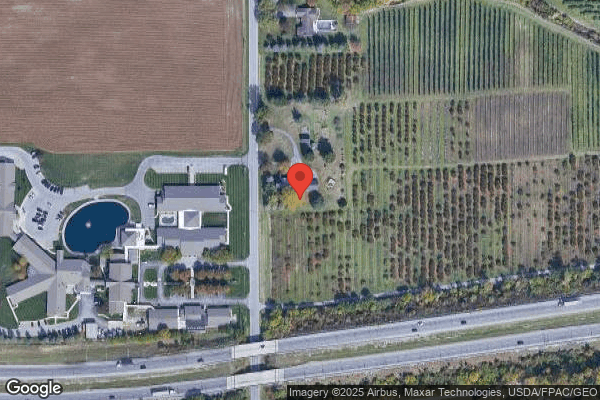

2720 ALBON RD, MAUMEE, OH 43537 (419) 865-3002
For profit - Corporation 60 Beds Independent Data: November 2025
Trust Grade
90/100
#62 of 913 in OH
Last Inspection: September 2024

Within standard 12-15 month inspection cycle. Federal law requires annual inspections.

Overview

The Elizabeth Scott Community in Maumee, Ohio, has received a Trust Grade of A, indicating an excellent facility that is highly recommended. It ranks #62 out of 913 nursing homes in Ohio, placing it in the top half, and is the top facility among 33 in Lucas County. However, the facility is experiencing a worsening trend, with issues increasing from one in 2023 to four in 2024. Staffing has a low turnover rate of 0%, which is a strength, but the staffing rating is below average at 2 out of 5 stars. There have been no fines against the facility, which is positive, but it does have average RN coverage. Specific incidents raised during inspections include a failure to treat a resident for constipation, leaving a used bedpan uncovered for an extended period, and not ensuring residents received recommended vaccinations. While the facility shows strengths in its overall care and low fines, these concerns highlight areas that need improvement.

Trust Score
A
90/100
In Ohio
#62/913
Top 6%
Safety Record
Low Risk
No red flags
Inspections
Getting Worse
1 → 4 violations
Staff Stability
○ Average
Turnover data not reported for this facility.
Penalties
✓ Good
No fines on record. Clean compliance history, better than most Ohio facilities.
Skilled Nurses
○ Average
Each resident gets 33 minutes of Registered Nurse (RN) attention daily — about average for Ohio. RNs are the most trained staff who monitor for health changes.
Violations
○ Average
9 deficiencies on record. Average for a facility this size. Mostly minor or procedural issues.
★★★★★
5.0
Overall Rating
★★☆☆☆
2.0
Staff Levels
★★★★★
5.0
Care Quality
★★★★☆
4.0
Inspection Score
Stable
2023: 1 issues
2024: 4 issues

The Good

  • 5-Star Quality Measures · Strong clinical quality outcomes
  • Full Sprinkler Coverage · Fire safety systems throughout facility
  • No fines on record

Facility shows strength in quality measures, fire safety.

The Bad

No Significant Concerns Identified

This facility shows no red flags. Among Ohio's 100 nursing homes, only 0% achieve this.

The Ugly 9 deficiencies on record

Sept 2024 4 deficiencies
CONCERN (D)

Potential for Harm - no one hurt, but risky conditions existed

Quality of Care (Tag F0684)

Could have caused harm · This affected 1 resident

**NOTE- TERMS IN BRACKETS HAVE BEEN EDITED TO PROTECT CONFIDENTIALITY** Based on record review, staff interview, and review of the facility policy, the facility failed to ensure residents were treated...

Read full inspector narrative →
**NOTE- TERMS IN BRACKETS HAVE BEEN EDITED TO PROTECT CONFIDENTIALITY** Based on record review, staff interview, and review of the facility policy, the facility failed to ensure residents were treated for constipation. This affected one (#6) of one resident reviewed for bowel movements. The facility census was 52. Findings include: Review of the medical record for Resident #6 revealed an admission date of 06/19/24 with diagnoses of dementia, heart disease, and heart failure. Review of the comprehensive admission Minimum Data Set (MDS) assessment dated [DATE] revealed Resident #6 had impaired cognition and was occasionally incontinent of stool and was dependent for toileting hygiene. Review of the current care plan revealed Resident #6 was frequently incontinent of bowel and bladder. Interventions included documenting bowel movements. Further review revealed Resident #6 was at risk for developing pressure ulcers related to bowel and bladder incontinence. Interventions included providing assistance with toilet use and incontinence care to keep skin clean and dry. Review of Resident #6's medical record revealed no documented bowel movement between 07/02/24 and 07/06/24 and between 07/21/24 and 07/25/24. Review of the Medication Administration Record (MAR) and Treatment Administration Record (TAR) for July 2024 revealed Resident #6 received one treatment for constipation on 07/17/24. Interview on 09/12/24 at 8:40 A.M. with Unit Manager (UM) #505 confirmed Resident #6 had no documented bowel movement for five days between 07/02/24 and 07/06/24, and for five days between 07/21/24 and 07/25/24. UM #505 further confirmed Resident #6 received no treatment for constipation for either occurrence. Continued interview with UM #505 revealed nurses should receive alerts through the electronic medical record system when a resident has no bowel movement for 72 hours and nurses have authority to implement physician orders for constipation. UM #505 further confirmed Resident #6 should have received an intervention for constipation on 07/05/24 and on 07/24/24. Review of the policy, Bowel Program, revised 04/07/15, revealed standing physician orders should be implemented when residents do not have a bowel movement in 72 hours. Additionally, standing laxative orders could include Milk of Magnesia, Dulcolax suppository and/or Fleets enema.
CONCERN (D)

Potential for Harm - no one hurt, but risky conditions existed

Infection Control (Tag F0880)

Could have caused harm · This affected 1 resident

**NOTE- TERMS IN BRACKETS HAVE BEEN EDITED TO PROTECT CONFIDENTIALITY** Based on observations, staff interview, and review of facility policy, the facility failed to ensure used bed pans were cleaned ...

Read full inspector narrative →
**NOTE- TERMS IN BRACKETS HAVE BEEN EDITED TO PROTECT CONFIDENTIALITY** Based on observations, staff interview, and review of facility policy, the facility failed to ensure used bed pans were cleaned after use. This affected one resident (#210) reviewed for use of bedpans. The facility identified four residents that use bedpans (#13, #42, #206, and #209). The facility census was 52. Findings include: Review of the medical record for Resident #210 revealed an admission date of 08/15/24 with diagnosis of infection and inflammatory reaction to right knee prosthesis. Review of the Minimum Data Set (MDS) dated [DATE] for Resident #210 revealed she was cognitively intact. Observation on 09/09/24 at 11:00 A.M. revealed a used, uncovered bedpan sitting on top of the toilet riser in the bathroom for Resident #210. Observation on 09/09/24 at 5:02 P.M. revealed a used, uncovered bedpan remained sitting on top of the toilet riser in the bathroom for Resident #210. Interview with Resident #210 at the time of the observation stated she had used the bedpan throughout the day. Interview on 09/09/24 at 5:05 P.M. with Licensed Practical Nurse (LPN) #554 verified the used bedpan was sitting on top of the toilet riser and not covered in bag and verified stool on toilet riser. Interview on 09/12/24 at 3:00 P.M. with the Director of Nursing identified four other residents (#13, #42, #206, and #209) that used bedpans. Review of the facility policy titled, Infection Prevention and Control Program, dated 11/16 revealed the facility will maintain infection control program for preventing, identifying, and controlling infections.
CONCERN (D)

Potential for Harm - no one hurt, but risky conditions existed

Deficiency F0883 (Tag F0883)

Could have caused harm · This affected 1 resident

**NOTE- TERMS IN BRACKETS HAVE BEEN EDITED TO PROTECT CONFIDENTIALITY** Based on medical record review, review of immunization records, staff interview, review of policy, and review of the Centers of ...

Read full inspector narrative →
**NOTE- TERMS IN BRACKETS HAVE BEEN EDITED TO PROTECT CONFIDENTIALITY** Based on medical record review, review of immunization records, staff interview, review of policy, and review of the Centers of Disease Control and Prevention (CDC) guidance, the facility failed to ensure residents received or were offered the influenza and pneumococcal vaccinations per CDC recommendations. This affected two (#5 and #26) of five residents reviewed for influenza and pneumococcal vaccination. The facility census was 52. Findings include: 1. Review of the medical record revealed Resident #5 was admitted on [DATE]. Diagnoses included cerebral atherosclerosis, chronic kidney disease stage 2, hyperkalemia, essential (primary) hypertension, type two diabetes mellitus without complications, hyperlipidemia, and unspecified dementia. Review of the Minimum Data Set (MDS) assessment dated [DATE] revealed the resident is rarely understood and a mental status was not conducted. Vaccines influenza and pneumococcal were documented as offered and declined. Review of the social service progress notes dated 11/03/23 revealed Resident #5's Power of Attorney (POA) gave consent for the flu vaccine. Review of the immunization report revealed Resident #5 last received the influenza vaccine on 09/20/22. Interview on 09/12/24 at 8:12 A.M. with Licensed Practical Nurse (LPN) #504 verified Resident #5's POA provided consent for the vaccine on 11/03/23 and there is no record the vaccine was provided. Review of facility policy Seasonal/Annual influenza vaccine, dated January 2022, verified long-term residents are prone to developing serious complications if they contract influenza all residents will be offered the season/annual influenza vaccination each year. Review of CDC guidance titled, Prevention and Control of Seasonal Influenza with Vaccines: Recommendations of the Advisory Committee on Immunization Practices, dated 08/29/24, revealed the CDC recommended routine annual influenza vaccine with some exceptions. Adults aged 65 and older preferentially receive a higher dose or adjuvanted influenza vaccines. 2. Review of the medical record revealed Resident #26 was admitted on [DATE]. Diagnoses included encephalopathy, essential hypertension, type two diabetes mellitus without complication, dysphagia oropharyngeal phase, other acute kidney failure, and acute respiratory failure with hypoxia. Review of the MDS assessment dated [DATE] revealed the resident was cognitively intact and the pneumococcal vaccine was offered and declined. Further review of the medical record revealed no declination of the pneumococcal vaccine. Interview on 09/12/24 at 8:15 A.M. with Licensed Practical Nurse (LPN) #504 verified there was no declination of the pneumococcal vaccine. Review of policy, Pneumococcal Vaccine Administration dated March 2015 verified the residents will be offered the pneumococcal vaccine unless the resident has had one or more of the following documented an allergy to the pneumococcal vaccine, an order from the primary care physician or medical director stating the pneumococcal vaccine is medical-contraindicated or the resident personally refuses administration. Review of CDC guidance titled, Pneumococcal Vaccination: Summary of Who and When to Vaccinate, reviewed 06/27/24 revealed the CDC recommended pneumococcal vaccination for all adults over 65. For adults over 65 who had not previously received any pneumococcal vaccine, the CDC recommended one dose of PCV15 or PCV20. If PCV15 was used, follow up with one dose of PPSV23 at least one year later.
CONCERN (D)

Potential for Harm - no one hurt, but risky conditions existed

Safe Environment (Tag F0921)

Could have caused harm · This affected 1 resident

**NOTE- TERMS IN BRACKETS HAVE BEEN EDITED TO PROTECT CONFIDENTIALITY** Based on observation and staff interview, the facility failed to ensure fecal matter was cleaned off the toilet riser following ...

Read full inspector narrative →
**NOTE- TERMS IN BRACKETS HAVE BEEN EDITED TO PROTECT CONFIDENTIALITY** Based on observation and staff interview, the facility failed to ensure fecal matter was cleaned off the toilet riser following use. This affected one resident (#210) reviewed for clean environment. The facility census was 52. Findings include: Review of the medical record for Resident #210 revealed an admission date of 08/15/24 with diagnosis of infection and inflammatory reaction to right knee prosthesis. Review of the Minimum Data Set (MDS) dated [DATE] for Resident #210 revealed she was cognitively intact. Observation on 09/09/24 at 11:00 A.M. revealed fecal matter was left on the seat of the toilet riser in the bathroom for Resident #210. Observation on 09/09/24 at 5:02 P.M. revealed stool remained on the seat of the toilet riser in the bathroom of Resident #210. Interview at the time of the observation with Resident #210 revealed housekeeping had been in to clean her room for the day. Interview on 09/09/24 at 5:05 P.M. with Licensed Practical Nurse (LPN) #554 verified the fecal matter that remained on the toilet riser. Interview on 09/12/24 at 2:00 P.M. with the Administrator stated the facility does not have a facility policy for clean, homelike environment.
Sept 2023 1 deficiency
CONCERN (D) 📢 Someone Reported This

A family member, employee, or ombudsman was alarmed enough to file a formal complaint

Potential for Harm - no one hurt, but risky conditions existed

Free from Abuse/Neglect (Tag F0600)

Could have caused harm · This affected 1 resident

**NOTE- TERMS IN BRACKETS HAVE BEEN EDITED TO PROTECT CONFIDENTIALITY** THE FOLLOWING DEFICIENCY REPRESENTS AN INCIDENT OF PAST NON-COMPLIANCE THAT WAS SUBSEQUENTLY CORRECTED PRIOR TO THIS SURVEY. Bas...

Read full inspector narrative →
**NOTE- TERMS IN BRACKETS HAVE BEEN EDITED TO PROTECT CONFIDENTIALITY** THE FOLLOWING DEFICIENCY REPRESENTS AN INCIDENT OF PAST NON-COMPLIANCE THAT WAS SUBSEQUENTLY CORRECTED PRIOR TO THIS SURVEY. Based on medical record review, staff interview, review of the facility's Self-Reported Incident (SRI) and abuse investigation, review of employee files and review of facility in-services, the facility failed to ensure a resident was free from physical abuse. This affected one (Resident #24) of three residents reviewed for abuse. The facility census was 52. Findings include: Review of the medical record of Resident #24 revealed an admission date of 12/05/22. Diagnoses included altered mental status, anemia, chronic obstructive pulmonary disease, and restlessness and agitation. Review of the quarterly Minimum Data Set (MDS) assessment dated [DATE] revealed Resident #24 had severely impaired cognition and required extensive assistance of one for bed mobility, transfers, dressing, toilet use, and personal hygiene. The assessment indicated she utilized a wheelchair. Review of the progress notes dated 08/22/23 at 7:41 A.M. revealed Registered Nurse (RN) #170 was called to Resident #24's room. Stated Tested Nursing Aide (STNA) #320 reported she was transferring Resident #24 from the bed to the wheelchair and the resident scrapped her left lower extremity on the side of wheelchair causing a skin tear to left lower extremity. Blood was noted on the floor next to the wheelchair. Resident #24's skin area was cleansed, and steri-strips were applied, and the area was covered with border gauze. The area measured 6.0 centimeters (cm) in length, 2.0 cm in width, and 0.3 cm in depth. Review of the facility's SRI control number 238367 revealed an allegation of physical abuse towards Resident #24 was made on 08/22/22. STNA #340 alleged that STNA #320 was aggressive with the care provided to Resident #24. STNA #320 roughly put Resident #24 into a wheelchair, and it caused a skin tear to the resident's leg. The allegation of physical abuse was substantiated and STNA #320's employment was terminated. Review of the typed statement from STNA #340 revealed on 08/22/23 around 7:10 A.M., STNA #320 and herself were getting Resident #24 ready for the day when several incidents happened that ended up causing Resident #24 to have a skin tear. STNA #320 helped STNA #340 with another resident in Resident #24's room. During that time, STNA #320 decided to get Resident #24 dressed in clean clothes for the day. STNA #320 made a comment to STNA #340 to watch her and then STNA #340 observed STNA #320 throw clean clothes and a brief at Resident #24 who was sitting on the edge of the bed. STNA #320 then aggressively handled Resident #24's legs onto the bed and had her lying flat on the bed. She forced Resident #24's pajama bottoms and panty hose off her legs. At this moment, STNA #320 told STNA #340 that this was how you must handle Resident #24 in order to get anything on her, Resident #24 was clearly upset at this time in the way she was getting handled by STNA #320. STNA #340 was moving the bed back to the wall, Resident #24 and STNA #320 were bickering again at this moment. STNA #320 reached over Resident #24's head to get to the shoe and that was when Resident #24 grabbed STNA #320's hand and bit her. STNA #320 retaliated by hitting Resident #24 on top of the head, then proceeded to hit her on the head several times after that but not as hard as the initial hit. The shoe was finally grabbed and put on the resident's foot. STNA #340 was still standing at the end of the bed trying to position it back to normal and this was when STNA #320 decided to transfer Resident #24. STNA #320 leaned over and did a hugging motion on Resident #24 and stood her up with no warning. In this process, Resident #24 fought back a little bit causing STNA #320 to throw the resident down into her wheelchair. During this time, a lot of commotion happened, and Resident #24's leg hit the metal side of the chair. Resident #24 then complained STNA #320 scratched her leg. STNA #340 pulled Resident #24's pant leg up and saw a large skin tear on her left shin and a lot of blood. Around 7:20 A.M., STNA #340 hit the staff call assist light and handed STNA #320 a towel to be placed on Resident #24's leg. STNA #320 started to panic, and STNA #340 told her she would go grab the nurse. STNA #340 walked out of the room and found Registered Nurse (RN) #170 at the B hall nurse cart and she told her they needed her help with Resident #24 due to a skin tear. RN #170 then asked how it had happened and STNA #340 said during STNA #320's transfer of Resident #24, the resident hit her leg on the wheelchair. STNA #340 walked with RN #170 to the supply room in A hall where the nurse grabbed some supplies. RN #170 then walked in the room and assessed the skin tear; STNA #340 did not report the allegation of abuse to RN #170 during this time. Review of the employee file for STNA #320 revealed a hire date of 05/12/21. A Corrective Action form dated 08/22/23 revealed STNA #320 had been suspended related to the incident reported earlier by STNA #340. STNA #320 was then terminated on 08/23/23. Interview on 09/21/23 at 2:50 P.M. with the Assistant Director of Nursing (ADON) #120 confirmed she received an email from STNA #340 on 08/22/23 at 8:30 A.M. and the email contained allegations that STNA #320 physically abused Resident #24 during the morning care. ADON #120 stated she telephoned STNA #340 on 08/22/23 at 3:50 P.M. regarding the delay in reporting and STNA #340 stated she had feared retaliation from STNA #320 and that was the reason she had not reported until the email sent to ADON #120 at 8:30 A.M Review of the facility policy titled Resident Abuse, updated 10/27/21, revealed the facility will not tolerate abuse of any manner to residents. The deficient practice was corrected on 08/23/23 when the facility implemented the following corrective actions: • On 08/22/23 at 8:30 A.M., STNA #340 reported the allegation of physical abuse by email to ADON #120. • On 08/22/23 at 8:45 A.M., ADON #120 notified the Administrator and DON of the allegation of physical abuse. • On 08/22/23 at 9:00 A.M., STNA #320 was pulled off the floor and met with DON and ADON #120 regarding the abuse allegation and STNA #320 was notified of her suspension pending an investigation of abuse. On 08/23/23, STNA #320 was terminated from employment effective immediately. • On 08/23/23, all residents residing in the facility were assessed for any signs of abuse and there were no negative findings. • On 08/23/23, all staff were inserviced on the facility's abuse policy and timely reporting of allegations of abuse.
Mar 2022 3 deficiencies
CONCERN (D)

Potential for Harm - no one hurt, but risky conditions existed

Pressure Ulcer Prevention (Tag F0686)

Could have caused harm · This affected 1 resident

**NOTE- TERMS IN BRACKETS HAVE BEEN EDITED TO PROTECT CONFIDENTIALITY** 2. Review of the record for Resident #21 revealed an admission date of 06/25/21. Diagnoses included epilepsy, muscle weakness, a...

Read full inspector narrative →
**NOTE- TERMS IN BRACKETS HAVE BEEN EDITED TO PROTECT CONFIDENTIALITY** 2. Review of the record for Resident #21 revealed an admission date of 06/25/21. Diagnoses included epilepsy, muscle weakness, and Alzheimer's disease. Review of the quarterly minimum data set (MDS) assessment dated [DATE] revealed Resident #21 had impaired cognition. He was dependent on two staff for transfers, toileting, and hygiene. Review of an order for Resident #21 dated 02/08/22 revealed heel protectors were to be worn at all times due to the deep tissue injuries (DTI) to both heels. The heel protectors could be removed for personal hygiene. Review of a wound assessment signed 02/09/22 for Resident #21 revealed a suspected DTI to his right heel presented on 02/08/22 and a suspected DTI to his left heel presented on 02/09/22. The recommended treatment was heel protector boots to both heels. Observation on 03/07/22 at 3:08 P.M. revealed heel protector boots in Resident #21's chair, and Resident #21 lying in bed not wearing heel protector boots. Observation and interview on 03/08/22 at 4:53 P.M. revealed Resident #21 being pushed into dining room by State Tested Nursing Assistant (STNA) #230 while seated in Broda chair (a wheeled, cushioned, reclining chair). Heel protector boots were not on Resident #21 who wore only socks with his heels resting on the foot rests of the chair. Interview at that time with STNA #230 confirmed Resident #21 was not wearing heel protector boots, and she was unable to explain why he was not currently wearing boots. Observation on 03/09/22 at 2:38 P.M. revealed Resident #21 lying in bed without wearing heel protector boots, and heel protector boots were in his chair. Observation and interview on 03/09/22 at 2:42 P.M. with STNA #232 revealed Resident #21 was in bed lying on his back without wearing heel protector boots. Further interview revealed STNA #232 did not know when Resident #21 was supposed to wear the boots. Based on observation, medical record review, staff interview, and review of a facility policy, the facility failed to implement pressure-reducing interventions and failed to properly assess a pressure ulcer once discovered. This affected two (#21 and #142) of three residents reviewed for pressure ulcers. The census was 47. Findings include: 1. Review of Resident #142's medical record revealed an admission date of 02/16/22. Diagnoses included displaced intertrochantric fracture of the left femur, cognitive communication deficit, unspecified dementia with behavioral disturbances, heart failure, muscle weakness, and unsteadiness on feet. Review of an admission nursing assessment dated [DATE] revealed Resident #142 was alert to person only and exhibited confusion. Review of an assessment of Resident #142's skin on admission revealed Resident #142 had shearing on her left and right buttocks and lateral thigh, surgical wounds on the left lateral thigh, knee, and hip, and a Stage Two (Partial thickness loss of dermis presenting as a shallow open ulcer with a red pink wound bed, without slough. May also present as an intact or open/ruptured serum-filled or sero-sanginous filled blister) pressure ulcer on her coccyx. Resident #142's bilateral heels were soft with skin prep (a skin protectant) to be applied to bilateral heels and the heels elevated while in bed. Review of an admission assessment used to predict pressure ulcer development dated 02/16/22 revealed Resident #142 was at risk for pressure ulcer development. Subsequent assessments dated 02/23/22 and 03/09/22 revealed Resident #142 remained at high risk for pressure ulcer development. Review of a physician order dated 02/17/22 revealed Resident #142 was ordered skin prep to bilateral heels every day and night shift for heel protection. Review of medication administration records (MAR's) and treatment administration records (TAR's) from February and March 2022, between 02/16/22 and 03/08/22, revealed there was no documentation of staff applying skin prep to Resident #142's heels as ordered. Review of nursing progress notes and nurse aide tasks between 02/16/22 and 03/08/22 revealed no documentation of skin prep applied to Resident #142's heels as ordered. Review of a wound care practitioner progress note dated 02/23/22 revealed there were no pressure ulcers to Resident #142's heels but noted the left heel was boggy (soft). Review of a skin assessment dated [DATE] revealed Resident #142 continued with no wounds on the heels. Review of a wound assessment dated [DATE] revealed Resident #142 developed a pressure ulcer to the left heel measuring 4.0 cm long by 3.0 cm wide by 0.1 cm depth with no stage documented. The wound was described as granulated (beefy red), with scant drainage, a pale pink peri-wound, and wound edges intact. Interview on 03/09/22 on 10:38 A.M. with Licensed Practical Nurse (LPN) #268 stated Resident #142's skin was assessed on 03/02/22 and there were no pressure ulcers on her heels. LPN #268 stated she was off work for a couple of days and when she came back on 03/05/22 she noticed Resident #142 had a ruptured blister on her left heel. LPN #268 stated she did not know when the blister developed and verified staff were offloading Resident #142's heels while in bed to relieve pressure, but stated she nor any of the nurses were applying skin prep to Resident #142's heels. LPN #268 stated she measured the wound and contacted the wound nurse practitioner to order treatment. LPN #268 stated Resident #142's left heel wound was not staged on the initial assessment on 03/05/22 and stated the wound nurse practitioner had yet to observe the wound, but would stage the wound after her assessment. LPN #268 verified Resident #142 had an active order for skin prep to bilateral heels every day and night shift, but the staff member who put the order into the computer system never enabled the order to be seen by the nurses on their treatment orders. LPN #268 stated none of the nurses would have known the skin prep treatment was due because it was never alerted in the system. LPN #268 again stated she had not been applying skin prep to Resident #142's heels and verified there was no documentation in the medical record of skin prep ever being applied to Resident #142's heels. Observation on 03/10/22 at 7:24 A.M. revealed Resident #142 laying in bed with heels offloaded by pillows and a wound dressing in place to her left heel. Further observation revealed Wound Nurse Practitioner (WNP) #567 removed the old dressing and revealed a healing, ruptured blister on the skin surface with scant drainage, healthy surrounding skin, and no odors. WNP #567 measured the wound to be 6.0 cm long by 4.2 cm wide by 0.1 cm deep. Interview on 03/10/22 at 8:12 A.M. with WNP #567 verified 03/10/22 was the first she observed Resident #142's heel wound and stated it appeared to her as a ruptured blister and would stage the wound as a Stage Two pressure ulcer. WNP #567 stated she would continue the current treatments and encouraged to continue offloading bilateral heels. Review of a facility policy titled, Pressure Ulcer and Skin Management, dated 10/27/21, revealed residents who enter the facility without pressure ulcers do not develop pressure ulcer unless the resident's clinical condition demonstrates that they were unavoidable. The licensed nurse will review the pressure protocol to select the treatment appropriate for the resident and the type of pressure ulcer or wound. The licensed nurse will implement the wound care treatment in accordance with current standards of practice.
CONCERN (D)

Potential for Harm - no one hurt, but risky conditions existed

Deficiency F0688 (Tag F0688)

Could have caused harm · This affected 1 resident

**NOTE- TERMS IN BRACKETS HAVE BEEN EDITED TO PROTECT CONFIDENTIALITY** Based on review of the medical record, staff interview, and policy review, the facility failed to provide restorative care as ca...

Read full inspector narrative →
**NOTE- TERMS IN BRACKETS HAVE BEEN EDITED TO PROTECT CONFIDENTIALITY** Based on review of the medical record, staff interview, and policy review, the facility failed to provide restorative care as care planned. This affected two (#24 and #28) of two residents reviewed for range of motion. The facility census was 47. Findings include: 1. Review of the medical record revealed Resident #28 was admitted on [DATE]. Diagnosis included anxiety disorder, displaced fracture of first cervical vertebra, subsequent encounter for fracture for fracture with routine healing, history of falling, dementia, hypertension, spinal stenosis cervical region, hyperlipidemia, atrial fibrillation, cardiomyopathy, major depressive disorder, morbid obesity, muscle weakness and unsteadiness on feet. Review of the minimum data set (MDS) assessment, dated 12/15/21, revealed the resident was severely cognitively impaired. Review of the care plan, revised 01/19/22, revealed Resident #28 was at risk for impaired weakness due to displaced fracture of first cervical vertebra, spinal stenosis, and muscle weakness. Interventions include active range of motion both lower extremities seated leg program with two pound weights, twenty reps all planes and active range of motion to bilateral extremity twenty to thirty reps all planes with no weights, raise arms shoulder height only not above head for six to seven days a week for at least fifteen minutes a day. Review of range of motion documentation, dated 01/25/22 to 03/08/22, Resident #28 had active range of motion restorative services provided as follows: 01/14/22 to 01/15/22 one out of two potential days, 01/16/22 to 01/22/22 four out of seven days; 01/23/22 to 1/29/22 four out of seven potential days; 01/30/22 to 02/05/22 five out of seven potential days; 02/06/22 to 02/12/22 six out of seven potential days; 02/13/22 to 02/19/22 two out of seven potential days; 02/20/22 to 02/26/22 one out of seven potential days; 02/27/22 to 03/05/22 three out of seven potential days; and 03/06/22 to 03/08/22 one out of three potential days. Interview on 03/09/22 at approximately 4:00 P.M. with the Director of Nursing (DON) verified restorative care was not provided as care planned for Resident #28. 2. Review of the medical record revealed Resident #24 was admitted on [DATE]. Diagnosis include muscle spasms, non-Hodgkin lymphoma, personal history of malignant neoplasm of breast, personal history of other malignant neoplasm of skin, cerebral infarction, unsteadiness of feet, major depressive disorder, hemiplegia and hemiparesis following cerebral infarction affecting left dominant side, epilepsy and osteoarthritis. Review of the MDS assessment, dated 01/21/22, revealed Resident #24 was cognitively intact. Review of the care plan, dated 01/20/22, revealed Resident #24 has impaired functional range of motion of left upper and lower extremities related cerebrovascular accident (CVA) with hemiplegia to the left side. Interventions include Active Range of Motion (AROM) program to right shoulder, elbow, wrist, hip, knee and ankle one time a day, six to seven days a week for at least 15 minutes a day in at least one set of fifteen to twenty reps per joint. To the left aide perform Passive Range of Motion (PROM) to all above listed joints of upper and lower extremities, one set of fifteen reps per joint as tolerated. Review of range of motion documentation, dated 01/25/22 to 03/08/22, Resident #24 had active range of motion restorative services provided as follows: 01/25/22 to 01/29/22 three out of five potential days; 01/30/22 to 02/05/22 four out of seven potential days; 02/06/22 to 02/12/22 four out of seven potential days; 02/13/22 to 02/19/22 one out of seven potential days; 02/20/22 to 02/26/22 one out of seven potential days; and 02/27/22 to 03/05/22 three out of seven potential days. Interview on 03/08/22 at 4:23 P.M. with Licensed Practical Nurse (LPN) #261 verified Resident #24 has not received restorative care as care planned. LPN #261 reports restorative aides are at times reassigned to work as a hall aide when the facility is short staffed. Interview on 03/09/22 at 9:45 A.M. with State Tested Nursing Assistant (STNA) #202 verified working as a restorative aide. It was reported Resident #24 is cooperative and has not refused restorative services. STNA #202 reported a restorative aid is scheduled seven days a week but is often reassigned to work as an aide which results in not being able to provide the restorative program to residents. Review of the facility policy, Restorative Program, dated 03/01/10, revealed special restorative nursing program will be initiated as ordered and the restorative nurse, licensed nurse, along with floor aides or restorative aides will implement the program documenting on a daily basis.
CONCERN (D)

Potential for Harm - no one hurt, but risky conditions existed

Accident Prevention (Tag F0689)

Could have caused harm · This affected 1 resident

**NOTE- TERMS IN BRACKETS HAVE BEEN EDITED TO PROTECT CONFIDENTIALITY** Based on observation, medical record review, staff interview, and review of a facility policy, the facility failed to ensure fal...

Read full inspector narrative →
**NOTE- TERMS IN BRACKETS HAVE BEEN EDITED TO PROTECT CONFIDENTIALITY** Based on observation, medical record review, staff interview, and review of a facility policy, the facility failed to ensure fall interventions were in place as ordered and care planned. This affected one (#142) of four residents reviewed for accidents. The census was 47. Findings include: Review of Resident #142's medical record revealed an admission date of 02/16/22. Diagnoses included displaced intertrochantric fracture of the left femur, cognitive communication deficit, unspecified dementia with behavioral disturbances, heart failure, muscle weakness, and unsteadiness on feet. Review of an admission nursing assessment dated [DATE] revealed Resident #142 was alert to person only and exhibited confusion. Review of an admission fall risk assessment dated [DATE] revealed Resident #142 was assessed at high risk for falls. Review of a baseline care plan dated 02/16/22 revealed Resident #142 was at risk for falls with a history of a falls at home with her daughter that required surgery. Review of a fall investigation report dated 03/02/22 revealed Resident #142 was found on the floor in her room beside her bed on her left side. Resident #142 was last observed in a low bed with her call light in reach and assessed with no injuries. Further review of the fall investigation revealed immediate interventions implemented were a mat placed on the floor and Resident #142 was given a body pillow. Review of a physician order dated 03/02/22 revealed Resident #142 was ordered a mat to the floor next to the bed while Resident #142 was in bed. Review of the comprehensive care plan dated 03/08/22 revealed Resident #142 was at risk for falling with an intervention to have a mat to the floor next to Resident #142's bed and utilize a body pillow in bed. Observation on 03/08/22 at 1:12 P.M. revealed Resident #142 sitting in her wheelchair in her bedroom. Observation on 03/08/22 at 2:28 P.M. revealed Resident #142 laying in bed on her right side with a body pillow at the edge of the right side of the bed mattress. The left side of Resident #142's bed was against the wall with a gray mat standing on end horizontally and wedged between the bed and the wall measuring approximately two inches thick. There was no mat noted to the floor next to Resident #142's bed. Interview on 03/08/22 at 2:39 P.M. with State Tested Nurse Aide (STNA) #203 stated Resident #142 was laid down in bed at approximately 1:30 P.M. on 03/08/22 but she was not one of the staff members that assisted with her transfer. Observation of Resident #142 on 03/08/22 at 2:41 P.M., with STNA #203, revealed Resident #142 laying in bed with no mat to the floor next to her bed. Interview on 03/08/22 at 2:42 P.M. with STNA #203 confirmed she was in Resident #142's bedroom at approximately 2:15 P.M. and verified Resident #142 was in bed but no mat was on the floor at that time either. STNA #203 stated the mat the was between the wall and the left side of the bed should have been on the floor on the right side to prevent injuries if Resident #142 were to fall out of bed. STNA #203 confirmed the active order for Resident #142 to have a mat to the floor next to her bed at this time. Review of a facility policy titled, Falls - Protocol, dated October 2021, revealed for an individual who has fallen, staff and the interdisciplinary team will attempt to define possible causes and analysis each incident to determine root causes. Based on the preceding assessment, the staff will identify pertinent interventions to try to prevent subsequent falls and address risks of serious consequences of falling.
Jun 2019 1 deficiency
CONCERN (D)

Potential for Harm - no one hurt, but risky conditions existed

Resident Rights (Tag F0550)

Could have caused harm · This affected 1 resident

Based on record review, observation, staff interview, and review of facility policy, the facility failed to ensure residents had a dignified dining experience when residents were not served their meal...

Read full inspector narrative →
Based on record review, observation, staff interview, and review of facility policy, the facility failed to ensure residents had a dignified dining experience when residents were not served their meals at the same time as other residents at their table. This affected one resident (#25) of 22 residents who were eating lunch in the main dining room. The facility identified 18 residents who required assistance with eating. The facility census was 59. Findings include: Review of Resident #25's medical record revealed an admission date of 01/30/15. Diagnoses included contracture of left hand, aphasia, hemiplegia and hemiparesis, Alzheimer's disease, dysphagia, cerebral infarction, heart disease, hypertension, dementia with behavioral disturbances, and major depressive disorder. Review of the physician orders, dated 01/09/19, revealed an order for pureed texture with honey thick consistency. Review of the Minimum Data Set (MDS) assessment, dated 04/21/19, revealed Resident #25 was rarely or never understood and was totally dependent on staff for eating. Review of the resident's care plan, revised on 04/18/19, revealed the resident was at risk for aspiration due to dysphagia, required a mechanically altered diet and was dependent for feeding. Observation on 06/10/19 from 11:56 A.M. through 12:33 P.M. of the main dining room revealed Resident #25, #26, #33 and #46 seated at a table. Resident #33 was provided her meal of mashed potatoes with gravy, grilled cheese, cottage cheese and fruit. At 11:57 A.M., Resident #26 was provided her meal. At 12:01 P.M., Resident #46 was provided her meal. All three residents, Resident #26, #33 and #46 were observed feeding themselves while Resident #25 waited. At 12:17 P.M., Resident #25 still seated at the table with no meal. Resident #25 was observed chewing on her right thumb and hand while Resident #33, #26 and #46 ate. At 12:21 P.M., State Tested Nursing Assistant (STNA) #110 assisted Resident #46 with reaching her french fries. STNA #110 looked at Resident #25 and adjusted her clothing protector. Resident #25 still did not have a meal. At 12:23 P.M., the kitchen staff started delivering dessert of mint pie to residents who had completed their meals. Resident #33, #46 and #26 were offered pie. Resident #25 still did not have a meal. At 12:28 P.M., Resident #25 was still seated at the table with Resident #26, #33, and #46. Resident #26, #33, and #46 had completed their meals including dessert and Resident #25 still had not been provided her food. Interview on 06/10/19 at 12:30 P.M. with STNA #110 verified Resident #25 had not received her food and the other three residents at Resident #25's table were done eating. STNA #110 stated Resident #25 required physical assistance with eating so Resident #25 had to wait for staff to be available to assist her before she could get her meal. STNA #110 verified Resident #25 had waited over thirty minutes and had not yet received her food. STNA #110 reported Resident #25 always sat at the same table in the main dining room and stated this was a longer wait than Resident #25 typically had. Observation on 06/10/19 at 12:33 P.M. found Resident #25 was provided her lunch including dessert. STNA #110 was seated next to Resident #25 providing eating assistance. Resident #25 was observed eagerly taking bites of her food. Review of the facility policy titled, Dining Choices, revised 03/05/18, revealed restaurant style dining was available to residents during meals daily. Dietary staff members served the requested food items the resident ordered and assisted residents as needed. The policy was silent to the timeliness of meals provided to residents who required staff assistance verses unassisted residents.
Understanding Severity Codes (click to expand)
Life-Threatening (Immediate Jeopardy)
J - Isolated K - Pattern L - Widespread
Actual Harm
G - Isolated H - Pattern I - Widespread
Potential for Harm
D - Isolated E - Pattern F - Widespread
No Harm (Minor)
A - Isolated B - Pattern C - Widespread

Questions to Ask on Your Visit

  • "Can I speak with families of current residents?"
  • "What's your RN coverage like on weekends and overnight?"

Our Honest Assessment

Strengths
  • • Grade A (90/100). Above average facility, better than most options in Ohio.
  • • No major safety red flags. No abuse findings, life-threatening violations, or SFF status.
  • • No fines on record. Clean compliance history, better than most Ohio facilities.
Concerns
  • • No significant concerns identified. This facility shows no red flags across CMS ratings, staff turnover, or federal penalties.
Bottom line: Generally positive indicators. Standard due diligence and a personal visit recommended.

About This Facility

What is Elizabeth Scott Community's CMS Rating?

CMS assigns ELIZABETH SCOTT COMMUNITY an overall rating of 5 out of 5 stars, which is considered much above average nationally. Within Ohio, this rating places the facility higher than 99% of the state's 100 nursing homes. This rating reflects solid performance across the metrics CMS uses to evaluate nursing home quality.
How is Elizabeth Scott Community Staffed?

CMS rates ELIZABETH SCOTT COMMUNITY's staffing level at 2 out of 5 stars, which is below average compared to other nursing homes.

What Have Inspectors Found at Elizabeth Scott Community?

State health inspectors documented 9 deficiencies at ELIZABETH SCOTT COMMUNITY during 2019 to 2024. These included: 9 with potential for harm.
Who Owns and Operates Elizabeth Scott Community?

ELIZABETH SCOTT COMMUNITY is owned by a for-profit company. For-profit facilities operate as businesses with obligations to shareholders or private owners. The facility operates independently rather than as part of a larger chain. With 60 certified beds and approximately 52 residents (about 87% occupancy), it is a smaller facility located in MAUMEE, Ohio.

How Does Elizabeth Scott Community Compare to Other Ohio Nursing Homes?

Compared to the 100 nursing homes in Ohio, ELIZABETH SCOTT COMMUNITY's overall rating (5 stars) is above the state average of 3.2 and health inspection rating (4 stars) is above the national benchmark.

What Should Families Ask When Visiting Elizabeth Scott Community?

Based on this facility's data, families visiting should ask: "Can you walk me through typical staffing levels on day, evening, and night shifts?" "Can I visit during a mealtime to observe dining assistance and food quality?" "How do you handle medical emergencies, and what is your hospital transfer rate?" "Can I speak with family members of current residents about their experience?" These questions are particularly relevant given the below-average staffing rating.

Is Elizabeth Scott Community Safe?

Based on CMS inspection data, ELIZABETH SCOTT COMMUNITY has a clean safety record: no substantiated abuse findings (meaning no confirmed cases of resident harm), no Immediate Jeopardy citations (the most serious violation level indicating risk of serious injury or death), and is not on the Special Focus Facility watch list (a federal program monitoring the lowest-performing 1% of nursing homes). The facility has a 5-star overall rating and ranks #1 of 100 nursing homes in Ohio. While no facility is perfect, families should still ask about staff-to-resident ratios and recent inspection results during their visit.

Do Nurses at Elizabeth Scott Community Stick Around?

ELIZABETH SCOTT COMMUNITY has not reported staff turnover data to CMS. Staff turnover matters because consistent caregivers learn residents' individual needs, medications, and preferences. When staff frequently change, this institutional knowledge is lost. Families should ask the facility directly about their staff retention rates and average employee tenure.

Was Elizabeth Scott Community Ever Fined?

ELIZABETH SCOTT COMMUNITY has no federal fines on record. CMS issues fines when nursing homes fail to meet care standards or don't correct problems found during inspections. The absence of fines suggests the facility has either maintained compliance or corrected any issues before penalties were assessed. This is a positive indicator, though families should still review recent inspection reports for the full picture.

Is Elizabeth Scott Community on Any Federal Watch List?

ELIZABETH SCOTT COMMUNITY is not on any federal watch list. The most significant is the Special Focus Facility (SFF) program, which identifies the bottom 1% of nursing homes nationally based on persistent, serious quality problems. Not being on this list means the facility has avoided the pattern of deficiencies that triggers enhanced federal oversight. This is a positive indicator, though families should still review the facility's inspection history directly.