WESTERN RESERVE MASONIC COMM
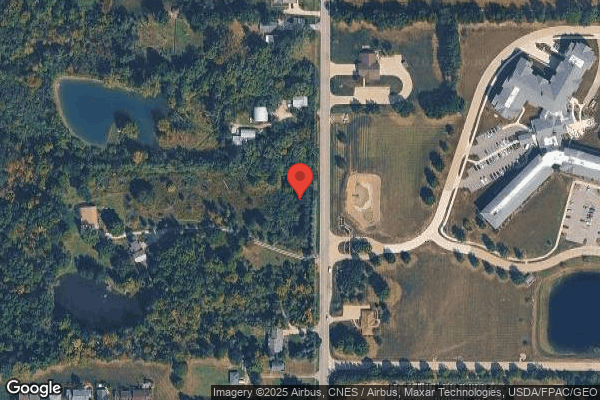

4931 NETTLETON ROAD, MEDINA, OH 44256 (330) 721-3000
Non profit - Corporation 50 Beds Independent Data: November 2025
Trust Grade
83/100
#195 of 913 in OH
Last Inspection: May 2025

Inspected within the last 6 months. Data reflects current conditions.

Overview

Western Reserve Masonic Community in Medina, Ohio, has a Trust Grade of B+, which means it is recommended and performs above average compared to other nursing homes. It ranks #195 out of 913 facilities in Ohio, placing it in the top half, and #3 out of 12 in Medina County, suggesting only a few local options are better. The facility is currently improving, with issues decreasing from one in 2024 to none in 2025. Staffing is rated 4 out of 5 stars, but the 60% turnover rate is concerning, as it is higher than the Ohio average. While the facility has more RN coverage than 94% of state facilities, which is a strength, there have been instances of concern, such as failing to check new hires against the state nurse aide registry and not properly labeling oxygen tubing, which could potentially affect resident safety. Overall, while there are strengths in care quality and staffing, families should be aware of these past issues.

Trust Score
B+
83/100
In Ohio
#195/913
Top 21%
Safety Record
Low Risk
No red flags
Inspections
Getting Better
1 → 0 violations
Staff Stability
⚠ Watch
60% turnover. Above average. Higher turnover means staff may not know residents' routines.
Penalties
⚠ Watch
$8,090 in fines. Higher than 76% of Ohio facilities, suggesting repeated compliance issues.
Skilled Nurses
✓ Good
Each resident gets 84 minutes of Registered Nurse (RN) attention daily — more than 97% of Ohio nursing homes. RNs are the most trained staff who catch health problems before they become serious.
Violations
○ Average
6 deficiencies on record. Average for a facility this size. Mostly minor or procedural issues.
★★★★★
5.0
Overall Rating
★★★★☆
4.0
Staff Levels
★★★☆☆
3.0
Care Quality
★★★★★
5.0
Inspection Score
Stable
2024: 1 issues
2025: 0 issues

The Good

  • 4-Star Staffing Rating · Above-average nurse staffing levels
  • Full Sprinkler Coverage · Fire safety systems throughout facility
  • No fines on record

Facility shows strength in staffing levels, fire safety.

The Bad

Staff Turnover: 60%

13pts above Ohio avg (46%)

Frequent staff changes - ask about care continuity

Federal Fines: $8,090

Below median ($33,413)

Minor penalties assessed

Staff turnover is elevated (60%)

12 points above Ohio average of 48%

The Ugly 6 deficiencies on record

Jul 2024 1 deficiency
CONCERN (D) 📢 Someone Reported This

A family member, employee, or ombudsman was alarmed enough to file a formal complaint

Potential for Harm - no one hurt, but risky conditions existed

Deficiency F0602 (Tag F0602)

Could have caused harm · This affected 1 resident

**NOTE- TERMS IN BRACKETS HAVE BEEN EDITED TO PROTECT CONFIDENTIALITY** THE FOLLOWING DEFICIENCY REPRESENTS AN INCIDENT OF PAST NONCOMPLIANCE THAT WAS SUBSEQUENTLY CORRECTED PRIOR TO THIS SURVEY. Base...

Read full inspector narrative →
**NOTE- TERMS IN BRACKETS HAVE BEEN EDITED TO PROTECT CONFIDENTIALITY** THE FOLLOWING DEFICIENCY REPRESENTS AN INCIDENT OF PAST NONCOMPLIANCE THAT WAS SUBSEQUENTLY CORRECTED PRIOR TO THIS SURVEY. Based on interview, record review, review of two Self-Reported Incidents (SRI), and policy and procedure review, the facility failed to prevent misappropriation of resident property. This affected two residents (Residents #51 and #52) of three residents reviewed for misappropriation. This facility census was 36. Findings Include: 1. Resident #52 was admitted to the facility on [DATE] with diagnoses of dementia without behavioral disturbance, Alzheimer's disease, osteoporosis, and high cholesterol. The resident expired in the facility on [DATE]. Review of the physician's orders revealed Resident #52 was admitted to hospice services on [DATE]. Review of the comprehensive Significant Change Minimum Data Set (MDS) assessment dated [DATE] revealed Resident #52 was severely cognitively impaired and required staff to provide all personal care. Review of the progress notes for Resident #52 revealed on [DATE] Resident #52's son informed Social Services Designee (SSD) #362 that his mother's wedding ring set was missing. The son described the ring as a gold band with a diamond solitaire and a gold band encircled in diamonds that she wore on her right ring finger. SSD #362 immediately notified the Administrator and an investigation was initiated. Review of SRI #243500 dated [DATE] revealed the SRI was filed with the state agency for an allegation of misappropriation. The Administrator spoke with Resident #52's son after being notified of the missing rings, the son told the Administrator he had visited the resident on [DATE] and he had planned to take the resident's rings to the jeweler and have them cleaned but he was unable to remove them from his mother's finger. When he arrived today ([DATE]) she was not wearing the rings. Resident #52 would not have been able to remove the rings herself because of bilateral hand contractures. The resident's room was searched, and the rings were not found. A police report was filed and an investigation was initiated. STNA #316 was interviewed on [DATE] and revealed the last time she had seen Resident #52's ring was when she was training STNA #308 on how to wash the resident's hands during a bed bath on [DATE]. STNA #308 also confirmed she had seen the resident's ring on [DATE]. Review of the video footage revealed the last time Resident #52's ring was observed on her finger was on [DATE] at 1:20 P.M. Agency STNA #510 was assigned to care for Resident #52 the night of [DATE] from 11:00 P.M. to 7:00 A.M. At the end of STNA #510's shift, the aide was observed meeting agency Licensed Practical Nurse (LPN) #500 in the café area of the nursing home and the video showed STNA #510 passed something in her hand to LPN #500 who put the object into his pants pocket then returned to his assigned unit. LPN #500 was assigned to the Assisted Living while STNA #510 was assigned to the skilled nursing facility. The video showed LPN #500 and STNA #510 exited the facility at different times but left in the same car. All the video footage was provided to the local police department. STNA #510 was scheduled to work on [DATE] but called off. 2. Resident #51 was admitted to the facility on [DATE] with diagnoses including repeated falls, dementia without behaviors, severe protein calorie malnutrition, Alzheimer's disease, chronic kidney disease, and anxiety disorder. The resident expired in the facility on [DATE]. Review of the physician's orders revealed Resident #51 was admitted to hospice services on [DATE]. Review of the Significant Change comprehensive Minimum Data Set (MDS) 3.0 assessment, dated [DATE], revealed Resident #51 was severely cognitively impaired and required staff to perform all personal care. Review of SRI #243513, dated [DATE], revealed while investigating a separate incident of misappropriation of jewelry staff discovered Resident #51's tear shaped gold wedding ring was missing. The Administrator went to the resident's room and asked to see her hands but did not see her ring. Resident #51 did not know what happened to her ring. Resident #51's husband was in the room and the Administrator asked when he had last seen the resident's rings and he did not remember. Resident #51's room was searched and the ring was not found. The police were notified and a report was filed. The facility reviewed video footage to determine when Resident #51 was last seen wearing her ring. The last day the resident was observed on video wearing her ring was [DATE] at 5:56 P.M. On the night of [DATE] from 11:00 P.M. to 7:00 A.M. agency State Tested Nursing Assistant (STNA) #510 was assigned to care for Resident #51. The video footage was the same as for Resident #52. Interview with the Administrator on [DATE] at 11:45 A.M. revealed he watched 10 hours of video footage from the night of [DATE] and the movements of STNA #510 did not make sense. He observed her in the café of the skilled nursing facility towards the end of her shift. The Administrator said STNA #510 kept looking around and then LPN #500 entered the café. STNA #510 handed something to LPN #500 and the two of them just looked at it. The Administrator said he was unable to see what it was. LPN #500 then returned to his assigned unit in the Assisted Living building and STNA #510 returned to the long term care unit. The facility was informed in March charges were filed against LPN #500 and STNA #510. In April the facility was informed Resident #51 and #52's rings were recovered and returned to the residents' families. Review of the facility's Freedom from Abuse, Neglect, and Exploitation policy, last revised [DATE], revealed misappropriation was the deliberate misplacement, exploitation, or wrongful, temporary or permanent use of a resident's belongings or money without the resident's consent. The employee who was told about or first identified any type of abuse was to immediately report it to their immediate supervisor. The supervisor was to gather all the facts regarding the incident and inform the Administrator. The Administrator was to notify the department directors, appropriate officers of the organization, the legal guardian, spouse, and responsible party. The investigation was to consists of written statements from the person reporting the alleged violation, the suspected perpetrator, any witnesses, and the resident if possible. The Administrator would submit an SRI to the state agency and would continue a thorough investigation into the incident and file a final report with the state agency no later than five days working days of the incident. The deficient practice was corrected on [DATE] when the facility implemented the following corrective actions. • On [DATE] at 4:01 P.M. an SRI was filed with Ohio Department of Health (ODH) regarding Resident #52's missing rings and the facility began their investigation. • On [DATE] at approximately 6:00 P.M. the DON and the Administrator went from resident to resident and inventoried all jewelry for each resident and interviewed them to determine if there were any concerns. • On [DATE] at 8:47 P.M. an SRI was filed with ODH regarding Resident #51's missing ring and the facility began their investigation. • On [DATE] the facility notified the local police department and a report was filed regarding the missing rings. • On [DATE] the facility notified the responsible parties of the missing rings and that an investigation was in progress. • Between [DATE] and [DATE] the facility interviewed all staff. • Between [DATE] and [DATE] the Administrator reviewed all video footage available. • On [DATE] at 8:45 P.M. the facility notified the local police department of findings of the video footage. • Between [DATE] and [DATE] all facility staff were in-serviced on the facility's abuse, neglect, and misappropriation policies and procedures. • On [DATE] at 4:00 P.M., the police came to the facility to discuss their findings. • On [DATE] the facility contacted the agency which employed LPN #500 and STNA #510. LPN #500 was no longer employed by the agency and STNA #510 was placed on the do not return list. • Review of misappropriation systems was ongoing via the Quality Assurance Performance Improvement committee. This deficiency represents non-compliance investigated under Complaint Number OH00155175.
Oct 2023 2 deficiencies
CONCERN (D) 📢 Someone Reported This

A family member, employee, or ombudsman was alarmed enough to file a formal complaint

Potential for Harm - no one hurt, but risky conditions existed

Free from Abuse/Neglect (Tag F0600)

Could have caused harm · This affected 1 resident

**NOTE- TERMS IN BRACKETS HAVE BEEN EDITED TO PROTECT CONFIDENTIALITY** THE FOLLOWING DEFICIENCY REPRESENTS AN INCIDENT OF PAST NON-COMPLIANCE THAT WAS SUBSEQUENTLY CORRECTED PRIOR TO THIS SURVEY. Bas...

Read full inspector narrative →
**NOTE- TERMS IN BRACKETS HAVE BEEN EDITED TO PROTECT CONFIDENTIALITY** THE FOLLOWING DEFICIENCY REPRESENTS AN INCIDENT OF PAST NON-COMPLIANCE THAT WAS SUBSEQUENTLY CORRECTED PRIOR TO THIS SURVEY. Based on self-reported incident (SRI) review, record review and interview, the facility failed to ensure Resident #24 was free from sexual abuse. This finding affected one (Resident #24) of three residents reviewed for abuse. Findings include: Review of Resident #7's medical record revealed the resident was initially admitted to the assisted living facility (ALF) on 06/15/17 and was transitioned to the skilled nursing facility (SNF) on 02/02/23 with diagnoses including aftercare following joint replacement surgery, Parkinson's disease, and depression. Review of Resident #7's ALF Mini-Mental State Examination form dated 10/04/22 revealed the resident exhibited intact cognition. Review of Resident #7's SNF Minimum Data Set (MDS) 3.0 assessment dated [DATE] revealed the resident exhibited intact cognition. Review of Resident #24's medical record revealed the resident was initially admitted on [DATE] and readmitted on [DATE] with diagnoses including late onset Alzheimer's disease, major depressive disorder, and essential hypertension. Review of Resident #24's MDS 3.0 assessment dated [DATE] revealed the resident exhibited severe cognitive impairment and on 09/26/23 the resident's MDS 3.0 comprehensive assessment revealed the resident exhibited severe cognitive impairment. Review of the facility submitted SRI #227622 dated 10/03/22 revealed Resident #24 was sexually abused by Resident #7 who was a resident of the ALF at the time of the incident and the allegation was found to be substantiated. Review of SRI #227622 Witness Statement dated 10/03/22 authored by State Tested Nursing Assistant (STNA) #810 indicated Resident #7 had his penis out and was holding Resident #24's hand on it. Review of SRI #227622 Witness Statement authored by Previous Administrator #819 dated 10/03/22 indicated Resident #7 was coming back from obtaining a snack and stopped to speak with the ladies in the television area (common lounge) of the SNF. He said that while he was talking with them, Resident #24 reached out and touched his penis on the outside of his shorts. He thought it was interesting and he asked her to do it again. He said that she began to reach for his penis again and he reached out his hand and placed it on hers and guided it to his penis. Interview on 10/23/23 at 9:50 A.M. with Administrator #2 confirmed sexual abuse had occurred and the staff were educated on abuse following the incident. Administrator #2 also confirmed Resident #7 was not allowed back into the SNF and was required to visit his wife in the ALF and Resident #7 was placed on thirty-minute safety checks while the investigation was conducted to ensure Resident #24's safety. Administrator #2 stated interviews with other residents on the SNF were not completed during the abuse investigation to determine if other residents had concerns regarding sexual abuse including residents who might have been in the common lounge area when the incident occurred. Interview on 10/23/23 at 10:32 A.M. with STNA #810 indicated she was providing care to another resident when she walked by the common area and noticed Resident #7 with his penis out and he held Resident #24's hands around his penis. STNA #810 indicated Resident #7 was gyrating back and forth while he held Resident #24's hands around his penis and Resident #24 was watching television. STNA #810 stated Resident #24 was not alert and oriented and other residents were in the common area watching television with Resident #24 when the incident occurred. She could not remember exactly who was in the common lounge. Interview on 10/24/23 at 11:51 A.M. with the Administrator confirmed the sexual incident between Residents #7 and #24 was reported to the police, skin sweeps were completed for all residents to ensure abuse did not occur, staff education was completed and Physician #827 assessed Residents #7 and #24 for any negative findings related to the sexual abuse incident. Review of the Freedom from Abuse, Neglect, and Exploitation policy revised 10/03/22 indicated the facility must take steps to ensure that the resident was protected from abuse. These steps should include evaluating whether the resident had the capacity to consent to sexual activity. The deficient practice was corrected on 10/12/22 when the facility implemented the following corrective actions: • On 10/03/22, the facility contacted the police to report inappropriate sexual contact between Resident #24 and Resident #7. Charges were not filed. • On 10/03/22, Resident #7 was restricted from the skilled facility and was required to visit his wife (who resides on the skilled side of the facility) in his apartment on the assisted living side of the facility. • On 10/03/22, staff were educated to ensure Resident #7 was restricted to the assisted living side of the facility and the resident was not allowed in the skilled side of the facility. • From 10/04/22 to 10/06/22, the facility conducted skin sweeps on all 28 residents residing in the facility including Residents #4, #5, #8, #9, #10, #12, #13, #17, #24, #25, #26, #28, #31, #36, #37, #38, #39, #40, 41, #42, #43, #44, #45, #46, #47, #48, #49, and #50. No negative findings were identified regarding abuse. • Physician #827 assessed Residents #7 on 10/06/23 and Paxil was added to his medication regimen. Resident #24 was assessed on 10/06/23 by psychiatry and on 10/11/22 by Physician #827 for concerns related to the sexual abuse incident. No additional concerns were identified. • On 10/12/22, the facility conducted an in-service on all staff for abuse education and the abuse policy. This deficiency represents non-compliance investigated under Complaint Number OH00147645.
CONCERN (D) 📢 Someone Reported This

A family member, employee, or ombudsman was alarmed enough to file a formal complaint

Potential for Harm - no one hurt, but risky conditions existed

Pressure Ulcer Prevention (Tag F0686)

Could have caused harm · This affected 1 resident

**NOTE- TERMS IN BRACKETS HAVE BEEN EDITED TO PROTECT CONFIDENTIALITY** Based on record review, facility policy review and interview, the facility failed to develop and implement a comprehensive press...

Read full inspector narrative →
**NOTE- TERMS IN BRACKETS HAVE BEEN EDITED TO PROTECT CONFIDENTIALITY** Based on record review, facility policy review and interview, the facility failed to develop and implement a comprehensive pressure ulcer program to ensure ongoing assessment/monitoring of skin integrity was completed and to ensure treatments were implemented as ordered for Resident #23. This affected one resident (#23) of three residents reviewed for pressure ulcers. Findings include: Review of Resident #23's assisted living (AL) Wound Provider Consultation form dated 09/27/23 revealed the resident had a right gluteal in-house pressure ulcer measuring 4.0 cm (centimeters) by 3.5 cm by no cm depth and moisture associated skin damage (MASD). Review of Resident #23's medical record revealed the resident was re-admitted from the assisted living memory care unit and status post hospitalization from a fall on 10/02/23 with diagnoses including right hip pain, non-surgical right pelvic fracture, essential hypertension and unspecified dementia. Review of Resident #23's facility admission Skin Observation Tool dated 10/02/23 indicated the resident's right and left buttocks were excoriated and the resident had pressure ulcers to the bilateral heels. No staging or sizes were identified on the form. Review of Resident #23's physician orders revealed an order dated 10/02/23 for Betamethasone Dipropionate (reduces swelling, itching and redness and was considered a corticosteriod) external cream 0.05% (percent) apply topically to affected area two times a day for preventative care and an order dated 10/19/23 to cleanse the left and right buttock wound with soap and water, pat dry and apply Triad daily every evening shift. Review of Resident #23's medication administration records (MARS) and treatment administration records (TARS) from 10/02/23 to 10/19/23 revealed no evidence the Betamethasone Dipropionate external cream was applied as ordered from 10/02/23 to 10/10/23. In addition, there was no evidence of bilateral heel pressure ulcer care, monitoring and assessments completed on 10/02/23, 10/04/23 and 10/06/23. Review of Resident #23's nursing progress note dated 10/07/23 at 10:24 P.M. authored by Registered Nurse (RN) #826 indicated the resident had skin impairments to the bilateral heels which measured 3.0 cm (centimeters) length by 2.5 cm width with less than 0.1 cm. The wound bed was reddened and open and the peri wound looked like normal healthy skin tissue. The area was cleansed and a foam dressing was applied. The family and physician were notified. Review of Resident #23's Minimum Data Set (MDS) 3.0 assessment dated [DATE] revealed the resident exhibited severe cognitive impairment and had two Stage III (full-thickness loss of skin, in which subcutaneous fat may be visible in the ulcer and granulation tissue and epibole (rolled wound edges) are often present) ulcers that were present upon admission/entry or reentry as well as one deep tissue injury (DTI) that was present upon admission/entry or reentry. Review of Resident #23's physician's orders revealed an order dated 10/09/23 (discontinued 10/11/23) to cleanse bilateral heels with normal saline (NS), pat dry, apply bordered foam dressing every evening shift on Monday, Wednesday and Friday for wound care; an order dated 10/13/23 (discontinued 10/18/23) to cleanse the heels with normal saline, pat dry, apply Medi honey sheet (antibacterial dressing) and cover with a foam dressing every Monday, Wednesday and Friday for wound care; an order dated 10/19/23 to cleanse the left heel with normal saline, pat dry, apply a Medi honey sheet and cover with an abdominal dressing and wrap with gauze daily every day shift for wound treatment; and an order dated 10/21/23 to cleanse the right heel with normal saline, pat dry, apply skin prep and a foam dressing three times per week and as needed every Monday, Wednesday and Friday for wound care. Review of Resident #23's Wound Provider Consultation form dated 10/11/23 revealed the resident had a right gluteal suspected deep tissue injury (DTI), a Stage III pressure ulcer to the left heel measuring 2.2 cm length by 2.0 cm width with 0.2 cm depth with moderate serous exudate and a Stage III right heel pressure ulcer measuring 2.5 cm by 2.2 cm by 0.2 cm with moderate serous exudate. Observation on 10/23/23 at 1:05 P.M. with RN #809 of Resident #23's bilateral heels revealed a Kerlix wrap was on the left foot and a foam dressing was on the right heel. Both dressings were dated 10/23/23. Interview with the Director of Nursing (DON) on 10/23/23 at 3:08 p.m. confirmed Resident #23's wound care to her coccyx, which included the Betamethasone cream, was not completed from 10/02/23 to 10/10/23 and then the wound nurse practitioner (NP) came in on 10/11/23 and changed the treatment to barrier cream as needed. She also confirmed Resident #23's bilateral heel pressure wounds were not assessed and monitored effectively including wound care on 10/02/23, 10/04/23 and 10/06/23. Review of the Skin Care Management policy revised 04/20/23 revealed a resident who enters the facility without a pressure ulcer does not develop a pressure ulcer unless the clinical condition demonstrates that the pressure ulcer was unavoidable and a resident have pressure ulcers receives's necessary treatment and services to promote healing, prevent infection and prevent new pressure ulcers from developing. This deficiency represents non-compliance investigated under Complaint Numbers OH00147645 and OH00146845.
Aug 2019 3 deficiencies
CONCERN (E)

Potential for Harm - no one hurt, but risky conditions existed

Respiratory Care (Tag F0695)

Could have caused harm · This affected multiple residents

**NOTE- TERMS IN BRACKETS HAVE BEEN EDITED TO PROTECT CONFIDENTIALITY** Based on observation, record review and interview the facility failed to ensure resident oxygen tubing was dated to reflect when...

Read full inspector narrative →
**NOTE- TERMS IN BRACKETS HAVE BEEN EDITED TO PROTECT CONFIDENTIALITY** Based on observation, record review and interview the facility failed to ensure resident oxygen tubing was dated to reflect when it had been changed and to ensure it was being routinely changed. This affected four residents (#7, #39, #43, and #45) of six residents reviewed for oxygen therapy. Findings include: 1. Review of Resident #7's medical record revealed an admission date of 03/15/18 with diagnoses of congestive heart failure (CHF) and peripheral vascular disease (PVD). The quarterly Minimum Data Set (MDS) 3.0 assessment dated [DATE] revealed Resident #7 was cognitively intact. This assessment reflected Resident #7's use of oxygen. Observations of Resident #7 from 08/19/19 through 08/22/19 at various times revealed the resident had oxygen in place. The oxygen tubing was observed to be not dated. Interview on 08/22/19 at 9:49 A.M. with LPN #220, confirmed there was no date on the oxygen tubing, from nasal cannula to oxygen concentrator. LPN #220 stated she had only seen the attached bag the tubing was stored in have a date when changed. However, no date was on the bag either. Interview and observation on 08/22/19 from 11:10 A.M. to 11:25 A.M. with the Director of Nursing (DON) revealed Resident #7's oxygen tubing was not dated at this time. 2. Review of Resident #39's medical record revealed an admission date of 11/22/18 with diagnoses of malignant neoplasm of left lung, acute and chronic respiratory failure, chronic obstructive pulmonary disease (COPD), allergic bronchopulmonary aspergillosis (ABPA is a hypersensitivity to fungus aspergillus), emphysema, and asthma. The quarterly MDS 3.0 assessment dated [DATE] revealed Resident #39 was alert and oriented and cognitively intact. This assessment reflected Resident #39's use of oxygen. Interview and observation on 08/22/19 from 11:10 A.M. to 11:25 A.M. with the Director of Nursing (DON) revealed Resident #39's oxygen tubing was not dated at this time. 3. Review of Resident #43's medical record revealed an admission date of 07/18/18 with diagnoses of acute and chronic respiratory failure, CHF, COPD, and morbid obesity. The quarterly MDS 3.0 assessment, dated 07/24/19 revealed Resident #43 was cognitively intact. Oxygen was not in use at the time of this assessment. Interview and observation on 08/22/19 from 11:10 A.M. to 11:25 A.M. with the Director of Nursing (DON) revealed Resident #43 had oxygen in place and the oxygen tubing was not dated at this time. 4. Review of Resident #45's medical record revealed an admission date of 12/23/15 with diagnoses of Alzheimer's disease, dementia and a sleep disorder. The quarterly MDS 3.0 assessment dated [DATE] revealed Resident #45 was not cognitively intact. This assessment reflected Resident #45's use of oxygen. Interview and observation on 08/22/19 from 11:10 A.M. to 11:25 A.M. with the Director of Nursing (DON) revealed Resident #45's oxygen tubing was not dated at this time. On 08/22/19 at 10:57 A.M. a telephone interview with Vendor #214 from the respiratory supply company revealed he changes the oxygen tubing every Friday for residents who have oxygen who are not on Hospice and who use a concentrator. He revealed he placed a dated sticker on the tubing when he changed it, up near the connection with the concentrator. The only reason, he reported, there would not be a sticker was if other staff had changed the tubing and didn't date it.
CONCERN (F)

Potential for Harm - no one hurt, but risky conditions existed

Employment Screening (Tag F0606)

Could have caused harm · This affected most or all residents

Based on record review, policy review and staff interview the facility failed to check all potential new hires against the State nurse aide registry (NAR) to ensure no employee had a finding entered i...

Read full inspector narrative →
Based on record review, policy review and staff interview the facility failed to check all potential new hires against the State nurse aide registry (NAR) to ensure no employee had a finding entered into the NAR concerning abuse, neglect, exploitation, mistreatment of residents or misappropriation of their property. This affected four dietary staff, three housekeeping staff, one life enrichment staff, one transport staff and two administrative staff whose personnel files were reviewed and had the potential to affect all 42 residents residing in the facility. Findings include: Review of an undated list of current facility staff provided by the facility revealed four dietary staff, three housekeeping staff, one life enrichment staff, one transport staff and two administrative staff had been hired since the last annual recertification survey dated 06/28/18. These 11 staff were identified by the facility as interacting with residents in the facility. Record review revealed no evidence these employees had been checked against the NAR. On 08/20/19 at 2:19 P.M. interview with Administrative Assistant (AA) #200 revealed the AA thought the nurse aide registry was checked upon hire for new staff. On 08/20/19 at 3:15 P.M. interview with Business Office Manager (BOM) #200 revealed the facility did background checks through the Office of Inspector General (OIG) for all employees but had not been checking unlicensed staff against the NAR. The facility identified 11 staff hired since the last recertification survey who were still employed and had not been checked against the NAR: Social Service Designee #202, Dietary Aide #203, Admissions Staff #204, Dietary Aide #205, Dietary Aide #206, Housekeeper #207, Transportation Staff #208, Dietary Aide #209, Housekeeper #210, Life Enrichment Staff #211 and Housekeeper #212. Review of the facility policy titled Freedom from Abuse, Neglect and Exploitation, revised 10/31/16 revealed the facility conducted pre-employment screening for employees regarding abuse, neglect, mistreating residents, misappropriation of property and exploitation. The community would not hire anyone with disciplinary action in effect against a professional license by a state or licensing body.
MINOR (C)

Minor Issue - procedural, no safety impact

Transfer Notice (Tag F0623)

Minor procedural issue · This affected most or all residents

**NOTE- TERMS IN BRACKETS HAVE BEEN EDITED TO PROTECT CONFIDENTIALITY** Based on record review and staff interview the facility failed to notify the Ombudsman's office of resident transfers from the f...

Read full inspector narrative →
**NOTE- TERMS IN BRACKETS HAVE BEEN EDITED TO PROTECT CONFIDENTIALITY** Based on record review and staff interview the facility failed to notify the Ombudsman's office of resident transfers from the facility. This affected three residents (#20, #30 and #46) of three residents reviewed for hospitalization and had the potential to affect all 42 residents residing in the facility. Findings include: 1. Record review revealed Resident # 46 was admitted to facility on 12/04/17 with diagnoses including encephalopathy, dementia, pneumonia, sepsis, and major depressive disorder. Her code status was full measures. Review of Resident #46's medical record revealed she had been discharged to the hospital on [DATE] for a urinary tract infection (UTI) and readmitted on [DATE]. She was also discharged on 06/27/19 for a respiratory infection and UTI and was readmitted on [DATE]. Review of the emails of resident discharges that was sent to the State Ombudsman revealed Resident #46 was not included on the list for May or June 2019. Interview on 08/21/19 at 1:55 P.M. with the Director of Nursing (DON) and Social Service Designee (SSD) #202 verified Resident #46 was not included on the discharged lists sent to the State Ombudsman. The DON stated Resident #46 was not actually discharged from the facility, as if she had run out of bed hold days, so she did not make it on the list. 2. Record review revealed Resident #20 was admitted to this facility on 07/17/18 with admitting diagnoses including malignant neoplasm of the brain, major depressive disorder, epilepsy, cerebral infarction and corticobasal degeneration. Review of the Minimum Data Set Assessment (MDS) 3.0 assessment, dated 07/03/19 revealed the resident had severe cognitive impairment and was totally dependent on staff for transfers, locomotion on and off the unit, toilet use and personal hygiene. She required extensive assistance for bed mobility, dressing and eating. Review of the nursing progress notes from 03/10/19 to 03/15/19 revealed the resident had been running a high fever as high as 102.7. She was given an anti-pyretic (fever reducing medication) and the physician was notified. On 03/11/19 the physician ordered stat chest x-ray and a test to be administered for the flu. She was diagnosed with pneumonia and had a right lower lobe infiltrate. The physician also ordered antibiotics for her pneumonia. From 03/11/19 to 03/15/19 the resident continued to decline to the point where the staff were unable to get her to take her antibiotics or drink anything. Review of progress note dated 03/15/19 at 01:34 P.M. showed that the physician was contacted again regarding the resident's continued refusal to drink or take her medication. The physician ordered the resident to be sent to the emergency room for further evaluation. She left the faciity on [DATE] and was admitted to the hospital Review of the progress noted dated 03/20/19 at 11:07 P.M. revealed the resident was readmitted back to the facility at this time. Review of the facility Notification of Ombudsman documentation from the past six months revealed the facility did not notify the Ombudsman the resident was discharged to the hospital Interview with the DON on 08/21/19 at 1:55 P.M. verified the Ombudsman was not notified of the resident's discharge to the hospital. 3. Review of Resident #30's medical record revealed an admission date of 09/04/07 with diagnoses including anxiety, falls, anemia, Alzheimer's disease and dysphagia. Review of the quarterly MDS 3.0 assessment, dated 07/11/19 revealed Resident #30 was cognitively intact and was totally dependent on one staff for locomotion on the unit. Review of a nurse's note, dated 06/10/19 at 1:51 P.M. revealed Resident #30 was trying to walk to her room after lunch, lost her balance and fell backwards in the dining room. Resident #30's right lower extremity had been extended and sideways and the resident was complaining of pain; the family was notified. Resident #30 was admitted to the hospital for partial hip replacement due to hip fracture. Bed-hold information and discharge communication were communicated to the family. A nursing assessment dated [DATE] indicated Resident #30 returned to the facility for skilled care. Review of the facility ombudsman notification documentation, dated 07/01/19 revealed no evidence the Long-Term Care Ombudsman (LTCO) was notified of Resident #30's transfer to the hospital on [DATE]. Interview on 08/21/19 at 1:55 P.M. with the Director of Nursing (DON) and Social Service Designee (SSD) #202 verified the LTCO was not notified of Resident #30's hospitalization on 06/10/19.
Understanding Severity Codes (click to expand)
Life-Threatening (Immediate Jeopardy)
J - Isolated K - Pattern L - Widespread
Actual Harm
G - Isolated H - Pattern I - Widespread
Potential for Harm
D - Isolated E - Pattern F - Widespread
No Harm (Minor)
A - Isolated B - Pattern C - Widespread

Questions to Ask on Your Visit

  • "Why is there high staff turnover? How do you retain staff?"
  • "Can I speak with families of current residents?"
  • "What's your RN coverage like on weekends and overnight?"

Our Honest Assessment

Strengths
  • • Grade B+ (83/100). Above average facility, better than most options in Ohio.
  • • No major safety red flags. No abuse findings, life-threatening violations, or SFF status.
Concerns
  • • 60% turnover. Above average. Higher turnover means staff may not know residents' routines.
Bottom line: Generally positive indicators. Standard due diligence and a personal visit recommended.

About This Facility

What is Western Reserve Masonic Comm's CMS Rating?

CMS assigns WESTERN RESERVE MASONIC COMM an overall rating of 5 out of 5 stars, which is considered much above average nationally. Within Ohio, this rating places the facility higher than 99% of the state's 100 nursing homes. This rating reflects solid performance across the metrics CMS uses to evaluate nursing home quality.
How is Western Reserve Masonic Comm Staffed?

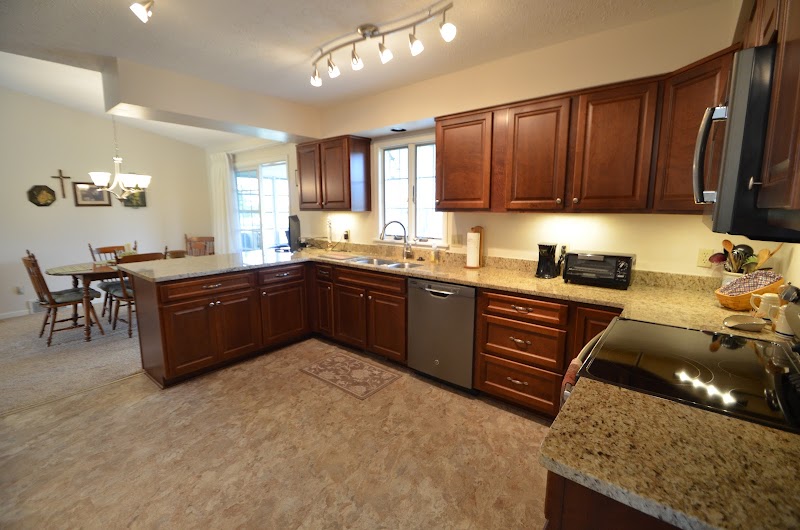
CMS rates WESTERN RESERVE MASONIC COMM's staffing level at 4 out of 5 stars, which is above average compared to other nursing homes. Staff turnover is 60%, which is 13 percentage points above the Ohio average of 46%. High turnover can affect care consistency as new staff learn residents' individual needs.

What Have Inspectors Found at Western Reserve Masonic Comm?

State health inspectors documented 6 deficiencies at WESTERN RESERVE MASONIC COMM during 2019 to 2024. These included: 5 with potential for harm and 1 minor or isolated issues.
Who Owns and Operates Western Reserve Masonic Comm?

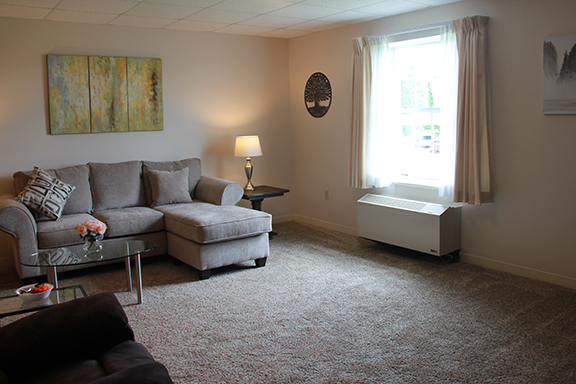
WESTERN RESERVE MASONIC COMM is owned by a non-profit organization. Non-profit facilities reinvest revenue into operations rather than distributing to shareholders. The facility operates independently rather than as part of a larger chain. With 50 certified beds and approximately 41 residents (about 82% occupancy), it is a smaller facility located in MEDINA, Ohio.
How Does Western Reserve Masonic Comm Compare to Other Ohio Nursing Homes?

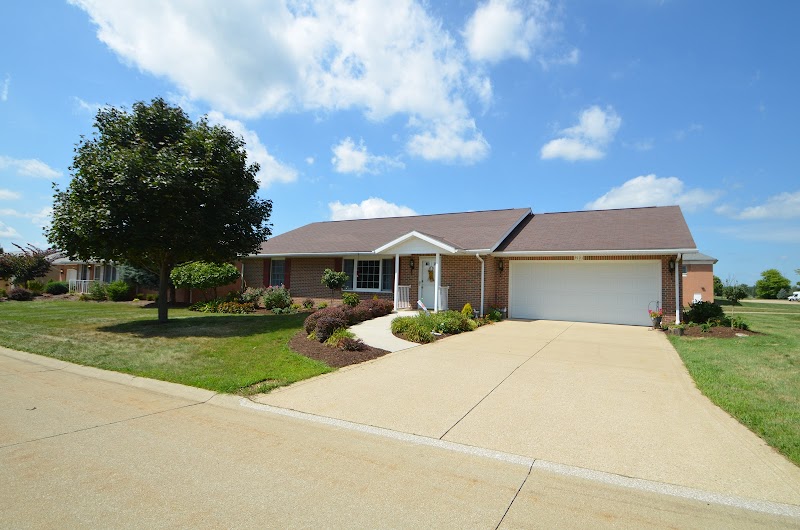
Compared to the 100 nursing homes in Ohio, WESTERN RESERVE MASONIC COMM's overall rating (5 stars) is above the state average of 3.2, staff turnover (60%) is significantly higher than the state average of 46%, and health inspection rating (5 stars) is much above the national benchmark.

What Should Families Ask When Visiting Western Reserve Masonic Comm?

Based on this facility's data, families visiting should ask: "How do you ensure continuity of care given staff turnover, and what is your staff retention strategy?" "Can I visit during a mealtime to observe dining assistance and food quality?" "How do you handle medical emergencies, and what is your hospital transfer rate?" "Can I speak with family members of current residents about their experience?" These questions are particularly relevant given the facility's high staff turnover rate.

Is Western Reserve Masonic Comm Safe?

Based on CMS inspection data, WESTERN RESERVE MASONIC COMM has a clean safety record: no substantiated abuse findings (meaning no confirmed cases of resident harm), no Immediate Jeopardy citations (the most serious violation level indicating risk of serious injury or death), and is not on the Special Focus Facility watch list (a federal program monitoring the lowest-performing 1% of nursing homes). The facility has a 5-star overall rating and ranks #1 of 100 nursing homes in Ohio. While no facility is perfect, families should still ask about staff-to-resident ratios and recent inspection results during their visit.

Do Nurses at Western Reserve Masonic Comm Stick Around?

Staff turnover at WESTERN RESERVE MASONIC COMM is high. At 60%, the facility is 13 percentage points above the Ohio average of 46%. High turnover means new staff may not know residents' individual needs, medications, or preferences. It can also be disorienting for residents, especially those with dementia who rely on familiar faces. Families should ask: What is causing the turnover? What retention programs are in place? How do you ensure care continuity during staff transitions?

Was Western Reserve Masonic Comm Ever Fined?

WESTERN RESERVE MASONIC COMM has been fined $8,090 across 2 penalty actions. This is below the Ohio average of $33,160. While any fine indicates a compliance issue, fines under $50,000 are relatively common and typically reflect isolated problems that were subsequently corrected. Families should ask what specific issues led to these fines and confirm they've been resolved.

Is Western Reserve Masonic Comm on Any Federal Watch List?

WESTERN RESERVE MASONIC COMM is not on any federal watch list. The most significant is the Special Focus Facility (SFF) program, which identifies the bottom 1% of nursing homes nationally based on persistent, serious quality problems. Not being on this list means the facility has avoided the pattern of deficiencies that triggers enhanced federal oversight. This is a positive indicator, though families should still review the facility's inspection history directly.